Tag: Ohio Governor Mike DeWine

  • Governor DeWine attends Loveland High School class

    Governor DeWine attends Loveland High School class

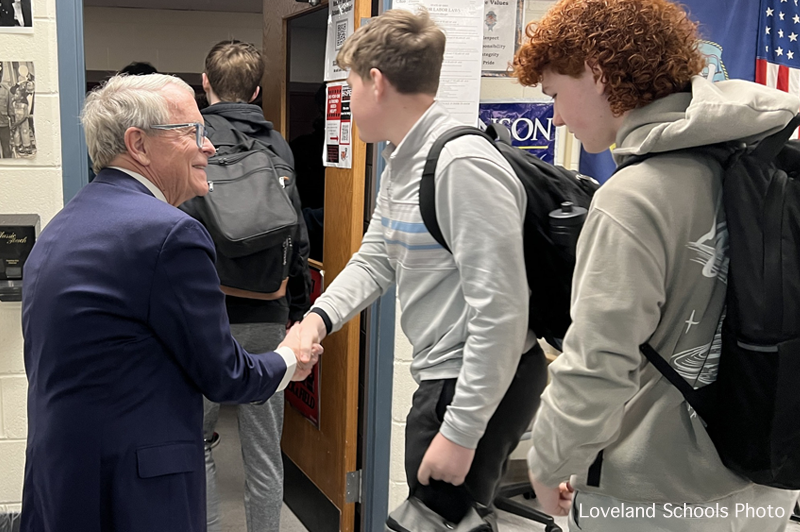
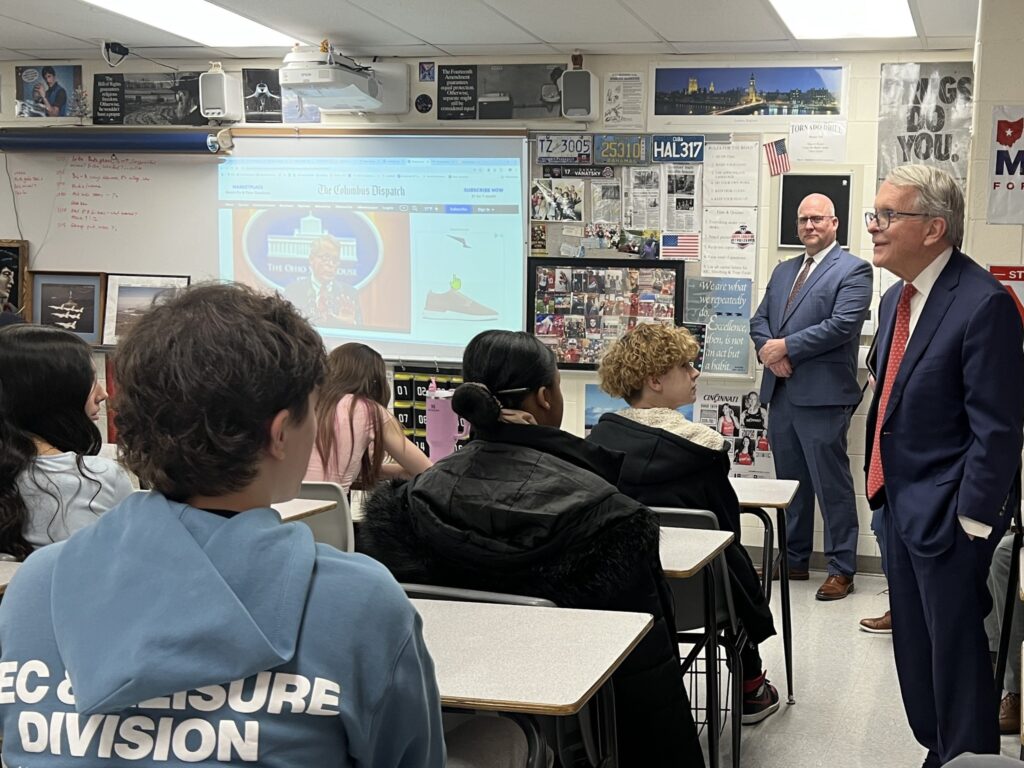
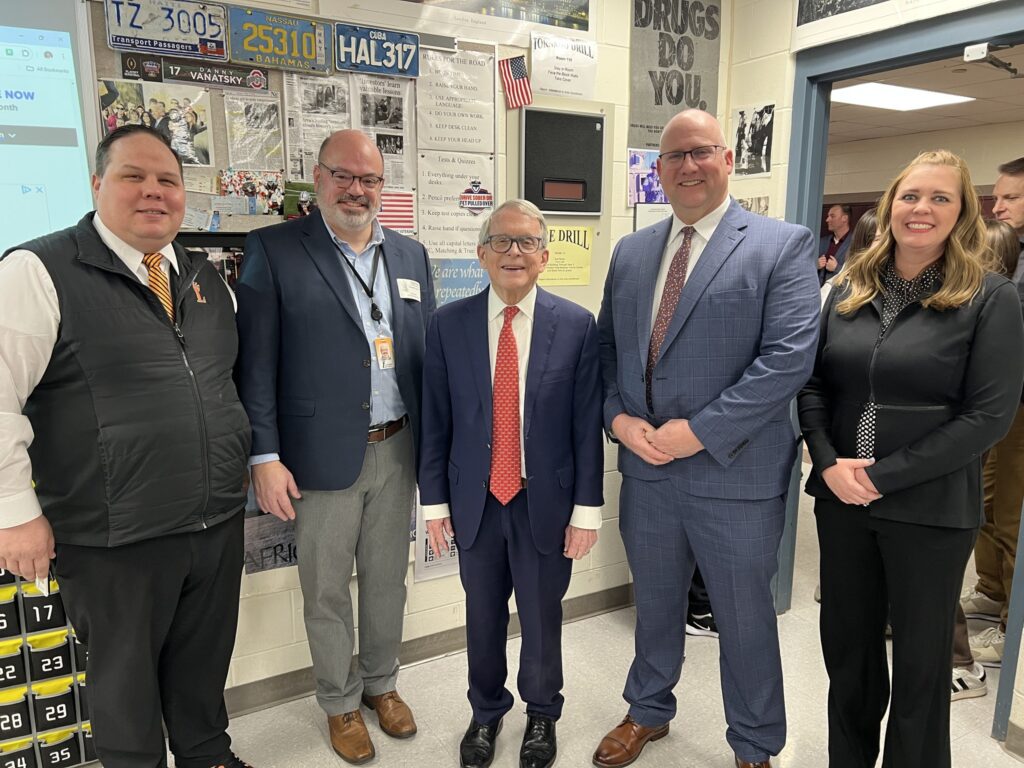
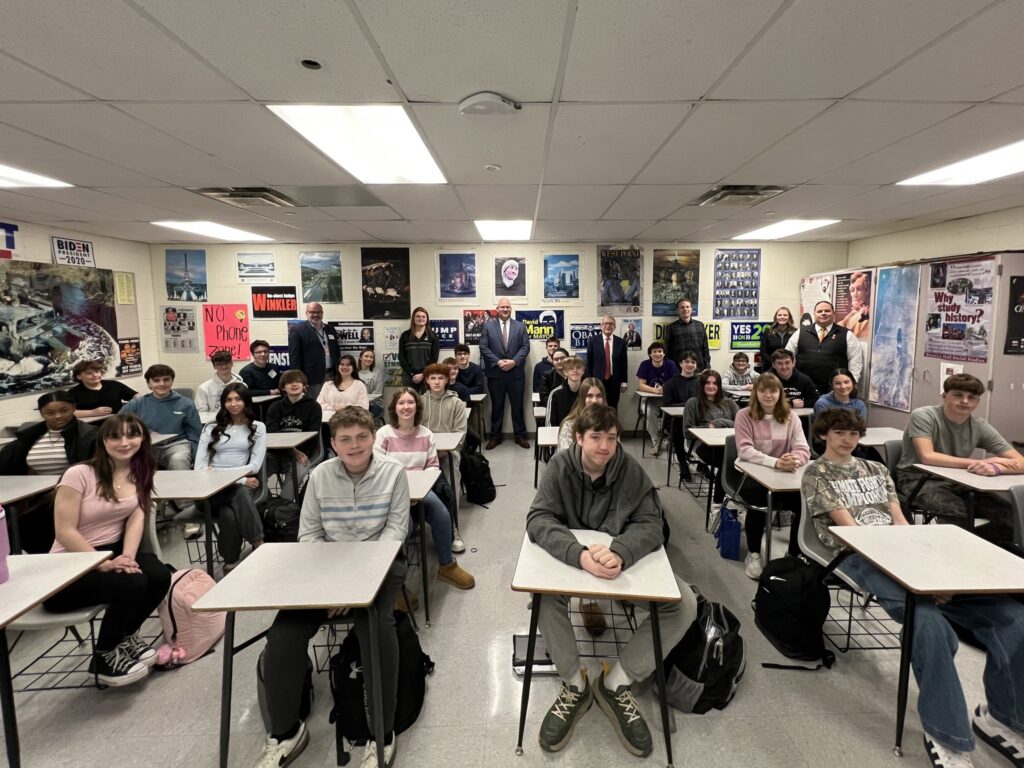
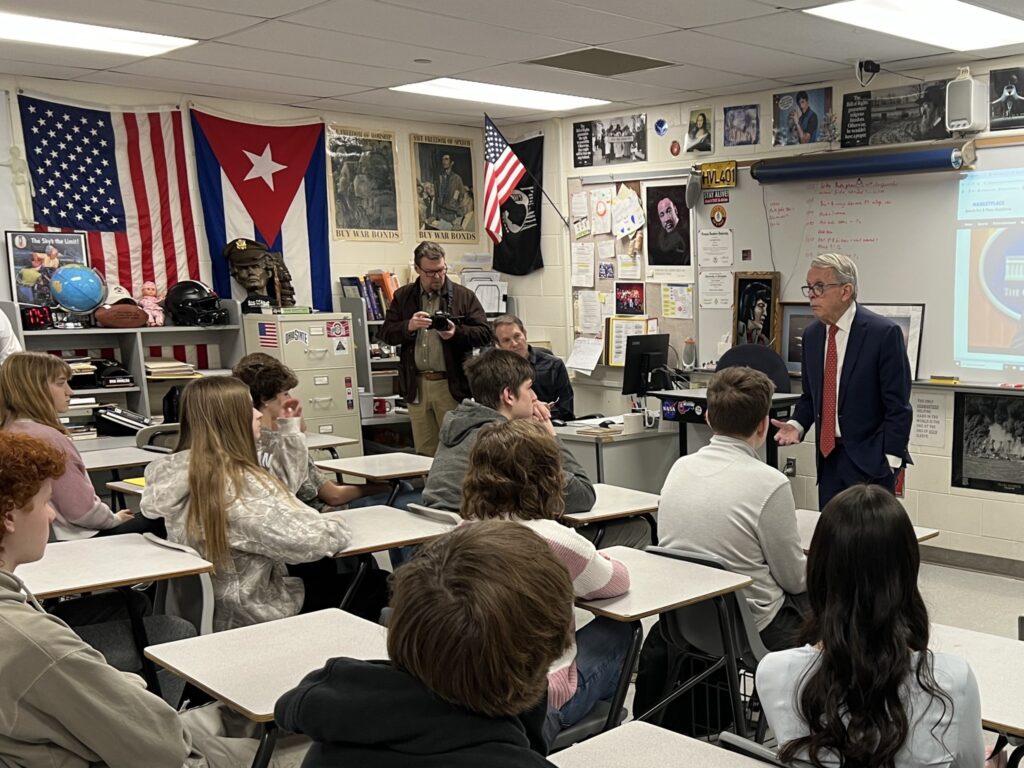
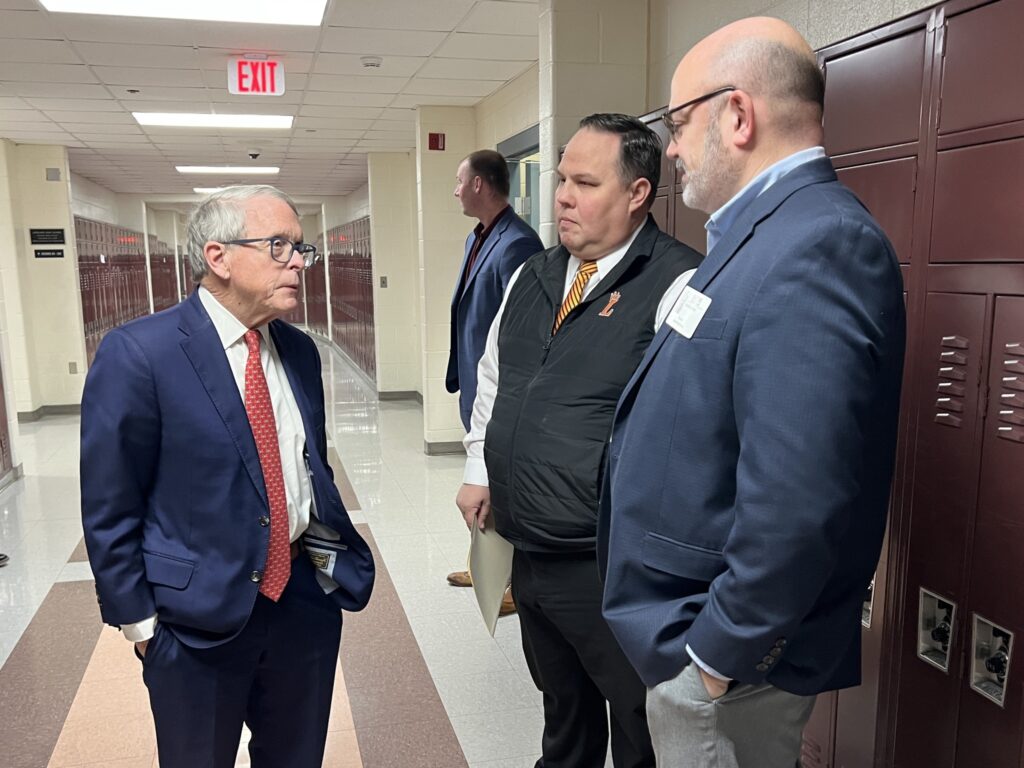
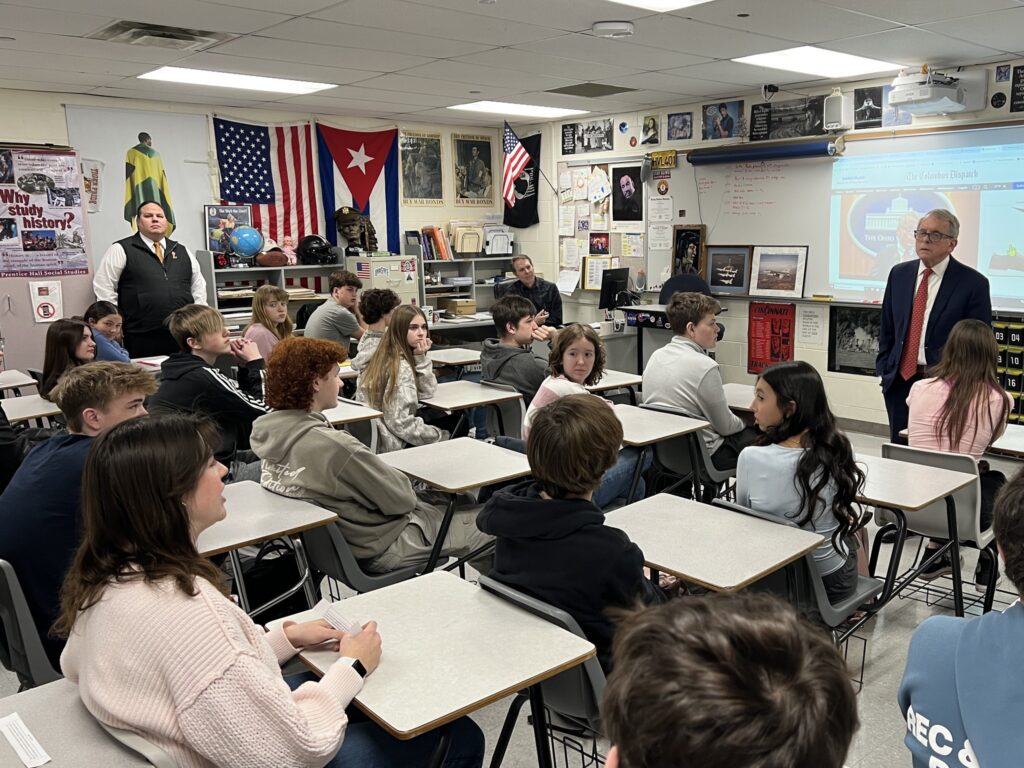
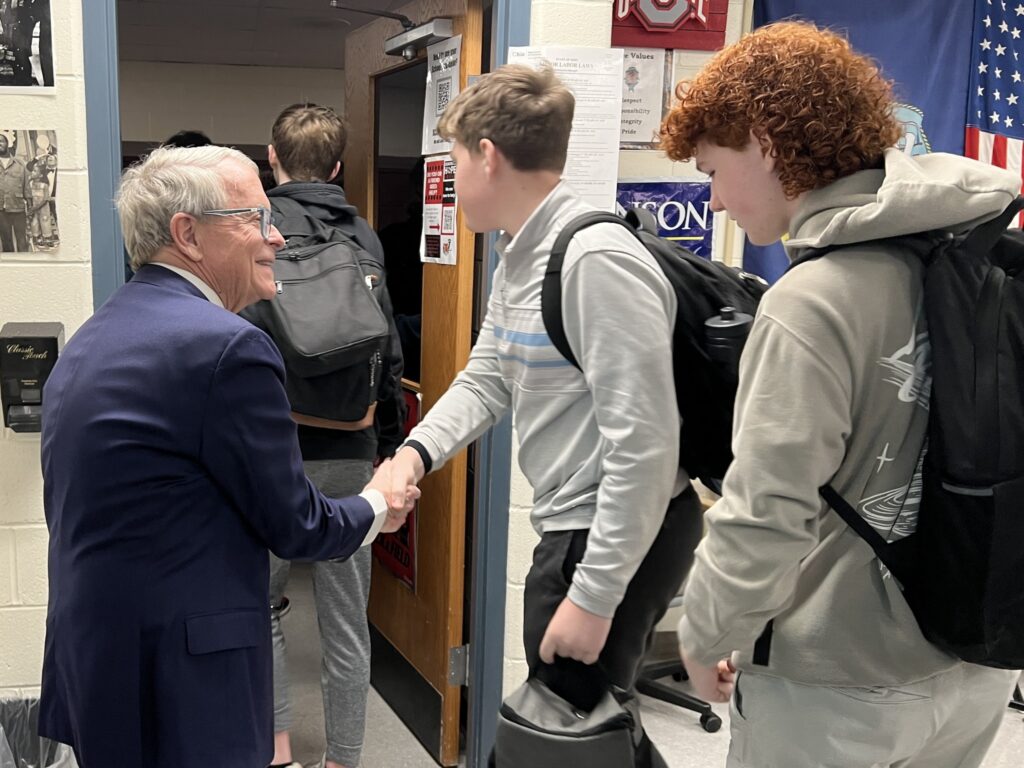
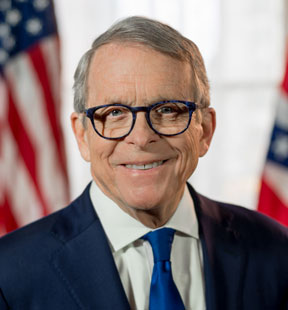
    Loveland, Ohio – On Monday, Loveland High School welcomed Ohio Governor Mike DeWine for a visit with students. DeWine spoke to students in Jim Vanatsky’s freshman World History class and Caitlin Smith’s Advanced Placement Macroeconomics class.

    During the visit, the Governor talked about his family, his childhood, and his nearly 50-year career in public service. DeWine is currently in his second term, serving as the 70th governor of Ohio. He has served in numerous county and state offices, as a U.S Senator, and a member of United States House of Representatives. He is a member of the Republican Party and graduated from Miami University with a bachelor’s degree in 1969 and earned a Juris Doctor from Ohio Northern University College of Law in 1972.

    DeWine fielded questions from students about various topics, including taxes, manufacturing careers, school cell phone policies, and literacy programs. Students also asked questions about public school funding and the sources of revenue for school districts.

    Loveland School Board President Jonathan Eilert and Treasurer John Espy also talked with Governor DeWine about his current state budget proposal and the negative impact it would have on state funding for the Loveland City School District.

    View Slideshow Photos by Loveland Schools:

  • Governor DeWine Announces New Effort to Improve Care Coordination and Reduce Fatal Drug Overdoses

    Governor DeWine Announces New Effort to Improve Care Coordination and Reduce Fatal Drug Overdoses

    Columbus, Ohio – Ohio Governor Mike DeWine and Ohio Board of Pharmacy Executive Director Steven Schierholt announced today that Ohio’s prescription drug monitoring program, known as the Ohio Automated Rx Reporting System (OARRS), will begin alerting healthcare providers about patients who have experienced a non-fatal drug overdose. These alerts are intended to improve care coordination and promote access to medication for opioid use disorder and other tools to prevent fatal overdoses.

    “The goal of this alert is to give us an extra chance to save someone’s life,” said Governor DeWine. “The research shows us that people who have recently experienced a non-fatal overdose are at a higher risk to overdose again in the near future, and that they often have regular interactions with the healthcare system – including pharmacists and prescribers. This new alert system will be a valuable tool allowing our healthcare providers the opportunity to educate and offer treatment and prevention options to these individuals before a tragedy occurs.”

    The data provided to OARRS is being reported by Ohio hospitals via the Ohio Department of Health because of a rule change announced by Governor DeWine earlier this year.  Using this data, the OARRS system will now flag for prescribers and pharmacists of any patient who experienced a non-fatal drug overdose and was discharged from an Ohio emergency department on or after April 8, 2024. The alerts will only be available for OARRS users who are prescribers and pharmacists.

    “Data from state prescription drug monitoring programs, such as OARRS, continues to be an invaluable resource for healthcare providers,” said Ohio Board of Pharmacy Executive Director Steven W. Schierholt. “With this alert, we are encouraging prescribers and pharmacists to engage with their patients and offer proven interventions that will prevent fatal drug overdoses in the future.”

    Among Ohioans who died in 2022 from an unintentional drug overdose, at least 32% experienced a prior non-fatal overdose. Among the same population, 26% received a prescription for a controlled substance from a healthcare provider within 60 days of their death. These interactions with the healthcare system reinforce the need to ensure high-risk patients have access to interventions such as overdose reversal medications (e.g., naloxone) and medication for opioid use disorder.

    Established in 2006, OARRS is a statewide database that collects information on all prescriptions for controlled substances that are dispensed by pharmacies or furnished by prescribers in Ohio. To assist healthcare providers in using this new alert, the Board of Pharmacy has developed training materials that can be accessed by visiting: Pharmacy.Ohio.gov/NFOD.

    According to DeWine, “This new alert system is another example of Governor DeWine’s ongoing and comprehensive efforts to prevent overdose deaths and fight drug addiction. Ohio’s coordinated efforts are achieving encouraging results.”

    Governor DeWine recently announced newly verified data from the Ohio Department of Health (ODH), demonstrating that Ohio experienced a 9% decline in the number of overdose deaths last year.

    ODH’s 2023 Ohio Unintentional Drug Overdose Report also shows that Ohio has now outperformed national overdose death trends for two years in a row. In 2023, Ohio’s 9% decrease in overdose deaths was better than the 2% decrease seen nationwide. In 2022, Ohio’s 5% decrease in overdose deaths was better than the 1% increase seen nationwide.

  • Updates on Ohio’s response to the COVID-19 pandemic

    Updates on Ohio’s response to the COVID-19 pandemic

    Ohio Governor Mike DeWine and Lt. Governor Jon Husted today provided the following updates on Ohio’s response to the COVID-19 pandemic:

    WEATHER DELAY UPDATE

    Due to last week’s winter weather, the delivery of some Pfizer vaccines and all Moderna vaccines were delayed. Some providers used second doses that they had already received to avoid clinic cancelations. Those second doses will be backfilled with the shipments they receive this week.

    Additional delayed shipments of Pfizer and Moderna will arrive between today and Wednesday.

    For providers who canceled appointments last week, Governor DeWine is urging them to expand their appointment schedules to include evening and weekend hours to catch up.

    PROGRESSION OF VACCINE ELIGIBILITY

    Governor DeWine provided information on the progression of vaccine eligibility in Ohio. Because those ages 65 and older make up approximately 87 percent of all COVID-19 deaths in Ohio, no additional age groups are eligible for the vaccine at this time. Once the demand for the vaccine has been met for those 65 and older, those ages 60 and older will become eligible. After a period of vaccination for this age group, those ages 55 and older will become eligible, followed by those ages 50 and up.

    Individuals in specific small groups that could have an increased risk of exposure to the virus may also potentially be included in the 60 and older vaccination phase.

    PHASE 1B MEDICAL CONDITIONS

    Last week, vaccine eligibility opened up to those Ohioans born with or who have early childhood conditions that are carried into adulthood, which put them at higher risk for adverse outcomes due to COVID-19.  Today, Governor DeWine asked Ohio hospitals and doctors with access to the vaccine to begin to proactively reach out to these patients with the specific medical conditions outlined in Phase 1B to schedule vaccination. 

    OTHER PRIORITY POPULATIONS

    In Ohio’s eight state-operated developmental centers, more than 91 percent of residents have accepted their first vaccine. 

    More than 14,000 Ohioans living with developmental and intellectual disabilities who also have a certain health condition they were born with or developed in childhood and carried into adulthood have also received their first dose of vaccine.

    Ohio is working to complete the vaccination of residents and staff in congregate settings for residential treatment facilities, mental health residential care facilities, and recovery housing.

    CURRENT CASE DATA

    In total, there are 955,378 confirmed and probable cases of COVID-19 reported in Ohio and 16,874 confirmed and probable COVID-19 deaths. A total of 49,492 people have been hospitalized throughout the pandemic, including 7,044 admissions to intensive care units. In-depth data can be accessed by visiting coronavirus.ohio.gov
  • Order on the opening of adult day care services and senior centers signed by Ohio Health Director

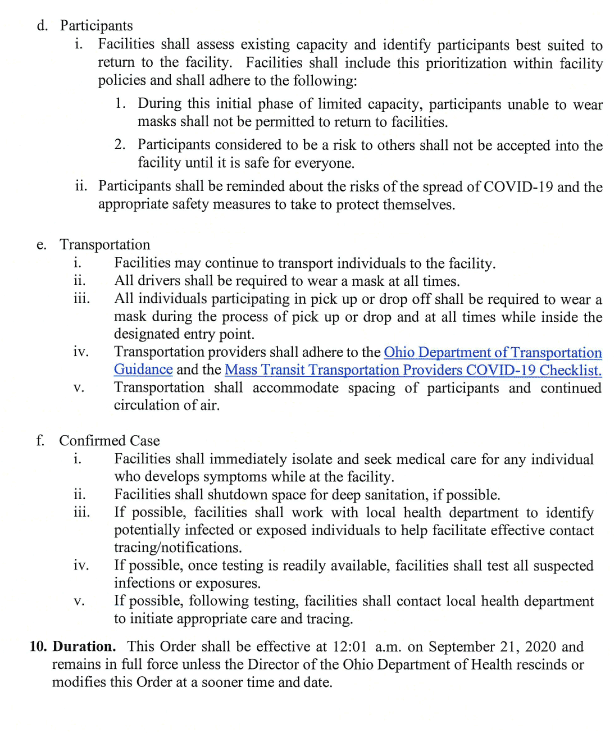
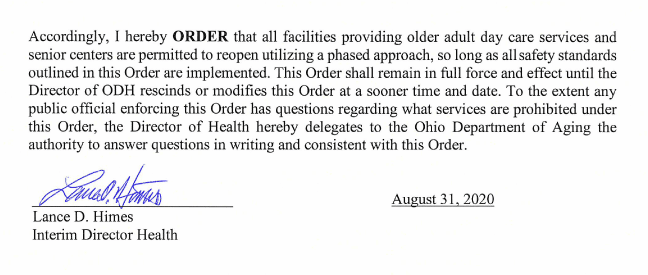
    Order on the opening of adult day care services and senior centers signed by Ohio Health Director

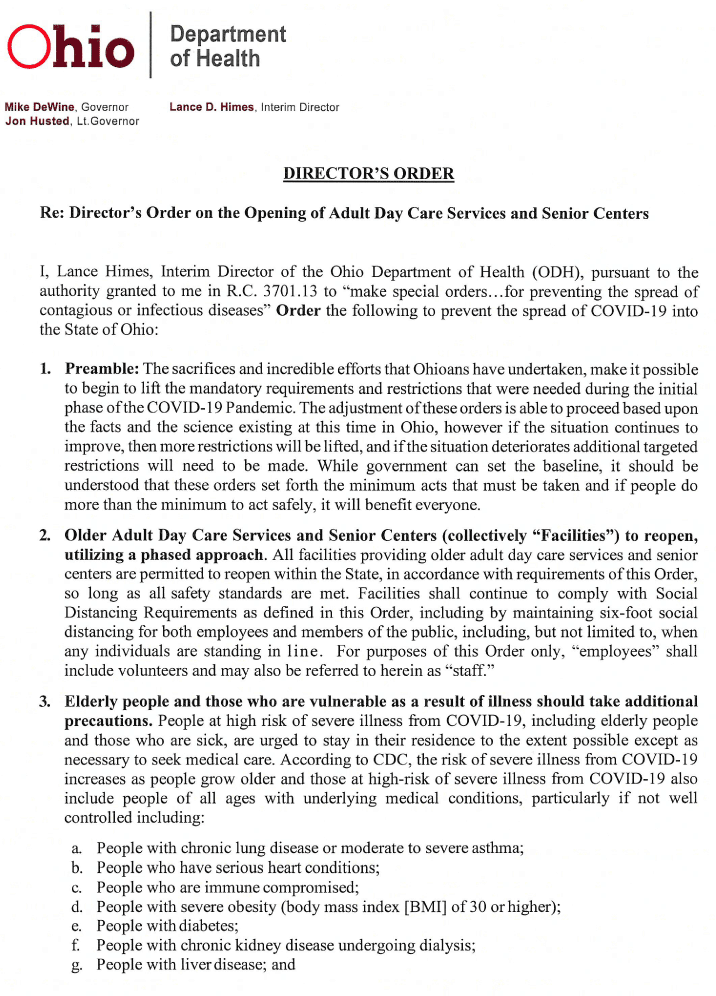
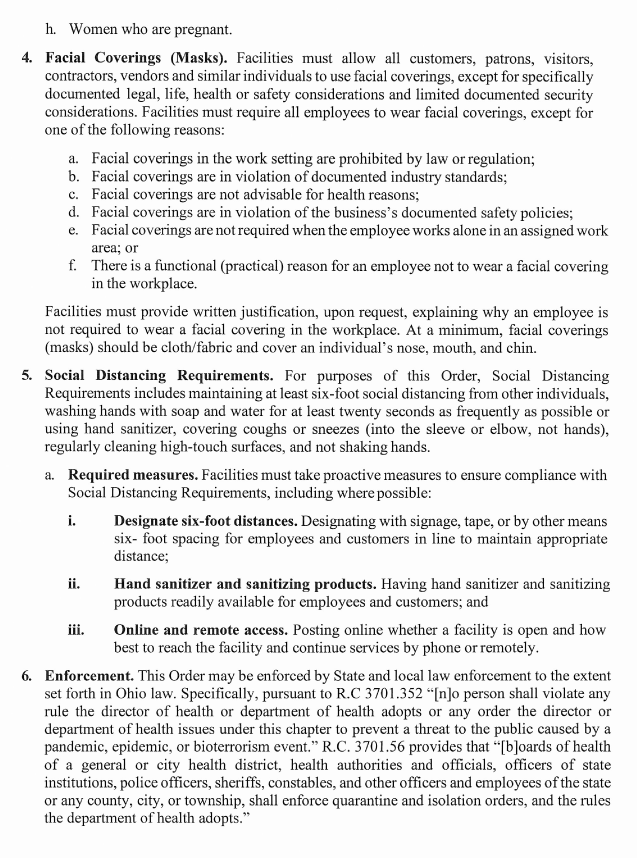
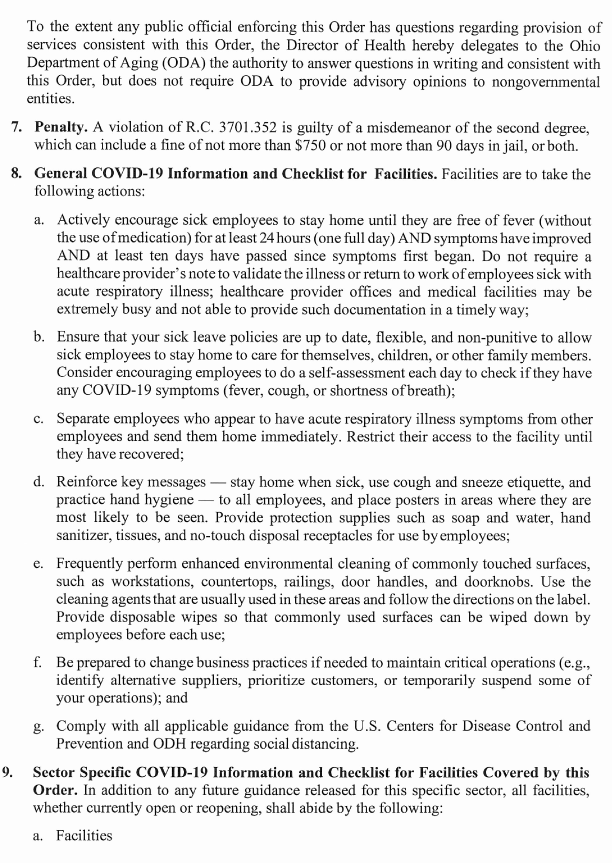
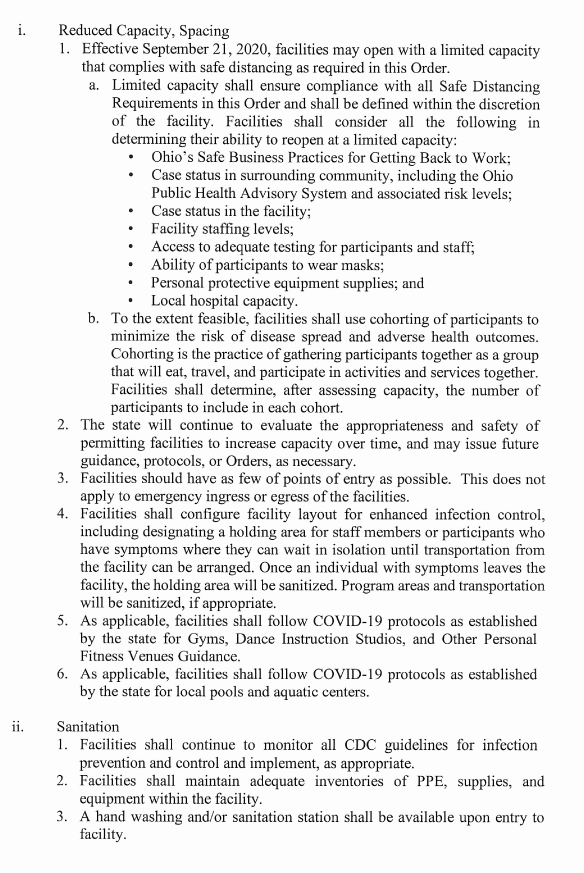
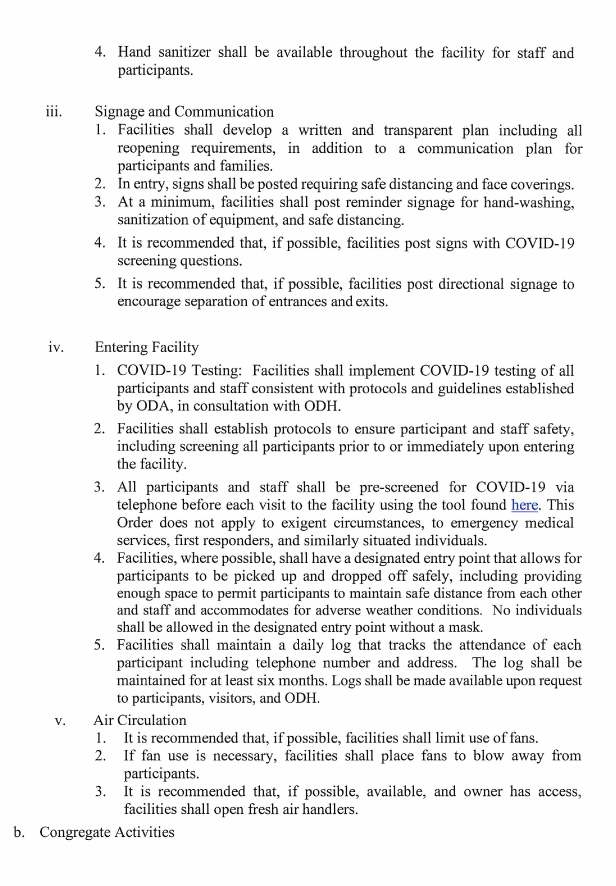
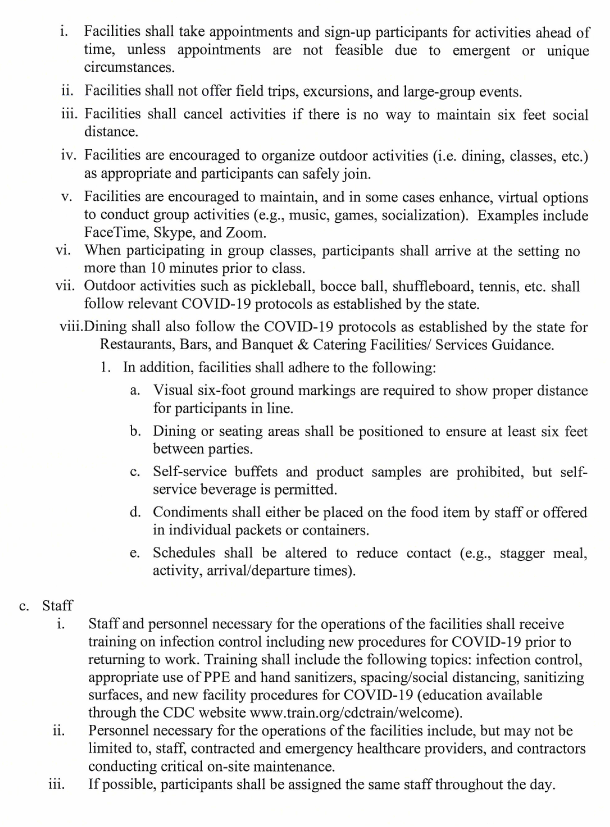
    Columbus, Ohio – Ohio Governor Mike DeWine announced that the following order has been signed by Ohio Department of Health Interim Director Lance Himes:

  • After more testing Governor DeWine now tests negative for COVID-19

    After more testing Governor DeWine now tests negative for COVID-19

    First Lady Fran DeWine and Ohio Governor Mike DeWine

    Columbus, Ohio – In a second test administered yesterday afternoon in Columbus, Governor Mike DeWine has now tested negative for COVID-19. First Lady Fran DeWine and staff members have also all tested negative for COVID-19.

    Governor Mike DeWine – Provided Photo

    According to a press release issued by his office, A PCR test was administered to the Governor and members of his staff this afternoon. The PCR test looks for the specific RNA for the SARS CoV-2. “In other words, the genetic material specific for the virus that causes COVID-19. This test is known to be extremely sensitive, as well as specific, for the virus,” the release said.

    The PCR tests for the Governor, First Lady, and staff were run two times.  They came back negative the first time and came back negative when they were run on a second diagnostic platform.

    Dewine said, “We feel confident in the results from Wexner Medical Center. This is the same PCR test that has been used over 1.6 million times in Ohio by hospitals and labs all over the state.”

    The release also said:

    The test administered this morning to the Governor in Cleveland, as part of the protocol required to meet the President, was an antigen test. These tests represent an exciting new technology to reduce the cost and improve the turnaround time for COVID-19 testing, but they are quite new, and we do not have much experience with them here in Ohio. We will be working with the manufacturer to have a better understanding of how the discrepancy between these two tests could have occurred. 

    Out of an abundance of caution, and at the direction of medical professionals, the Governor and First Lady plan on having another PCR test on Saturday. Results of these tests will also be released.

    On August 6, DeWine took a test for COVID-19 as part of the standard protocol to greet President Donald Trump on the tarmac at Burke Lakefront Airport in Cleveland.

    Governor DeWine tested positive. DeWine said he had no symptoms at the time.

    The Governor returned to Columbus where he and First Lady Fran DeWine, who also has no symptoms, were both tested.

    DeWine had planed to follow protocol for COVID-19 and quarantine at his home in Cedarville for the next 14 days.

    DeWine is 73.

  • Governor DeWine Tests Positive for COVID-19

    Governor DeWine Tests Positive for COVID-19

    Columbus, Ohio – Today, Ohio Governor Mike DeWine took a test for COVID-19 as part of the standard protocol to greet President Donald Trump on the tarmac at Burke Lakefront Airport in Cleveland.

    Governor DeWine tested positive. Governor DeWine has no symptoms at the present time.

    Governor DeWine is returning to Columbus where he and First Lady Fran DeWine, who also has no symptoms, will both be tested.

    Governor DeWine plans to follow protocol for COVID-19 and quarantine at his home in Cedarville for the next 14 days.

    DeWine is 73.

    Lt. Governor Jon Husted also took the COVID-19 test today as part of the protocol to greet the president. Lt. Governor tested negative.

  • Be in the know: Read the statewide facial covering order signed today

    Be in the know: Read the statewide facial covering order signed today

    News for individuals, schools, businesses, and institutions

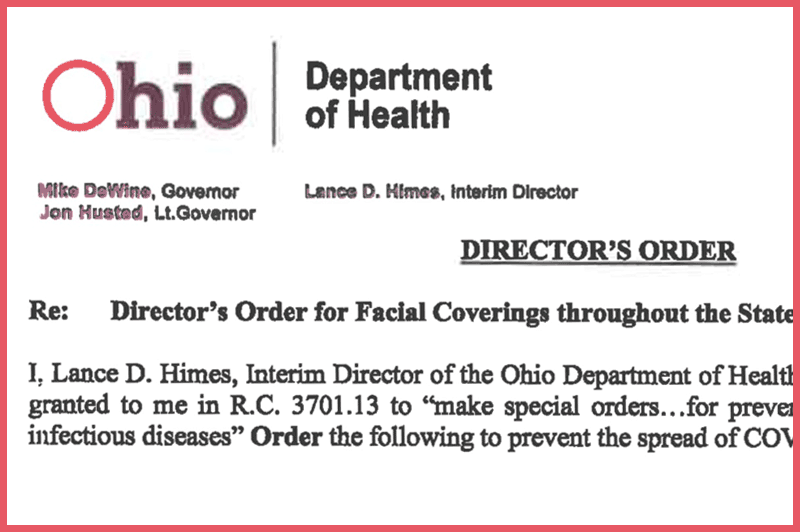
    Columbus, Ohio – Ohio Governor Mike DeWine announced that the following order has been signed today by Ohio Department of Health Interim Director Lance Himes: Director’s Order Statewide facial coverings 07.23.20

  • Treasurer Hawley talks about State funding reductions for the Loveland District

    Treasurer Hawley talks about State funding reductions for the Loveland District

    Loveland, Ohio – The first week of May, Ohio Governor Mike DeWine announced budget cuts to balance the State budget.

    Loveland City School District Treasurer Kevin Hawley

    Due to the economic impact of COVID-19, Governor DeWine said that $775 million in reductions to Ohio’s General Revenue Fund are needed for the remainder of the Fiscal Year 2020 which ends on June 30.

    DeWine said that Ohio is mandated to balance its budget each year, and in addition to identifying areas of savings, the following budget reductions will be made for the next two months:

      • Medicaid – $210 million
      • K12 Foundation Payment Reduction – $300 million
      • Other Education Budget Line Items – $55 million
      • Higher Education – $110 million
      • All Other Agencies – $100 million

    Loveland Magazine reached out to the Loveland City School District Treasurer Kevin Hawley asking him to comment on the impact of the State cutting revenue to the District.

    Thank you for reaching out. I can confirm pieces of this information. For your convenience, I have attached the list from The Ohio Department of Education (ODE) outlining the data for all districts in the state of Ohio. (K-12_Education (2)-1) The amount of the state revenue reduction is $1,010,855. The percentage you are referencing is how much the reduction in revenue is to our ODE calculated overall operating expenditures as stated on the form attached. The percentage decrease of our state revenue for this year is just below 8% and is a decrease of 2% from our overall operating revenue.

    The current state funding cuts are for this fiscal year (July 2019 – June 2020) and will be deducted in the next couple months on our last three state payments. School districts receive their annual state revenue in 24 payments, twice a month. We have been instructed that these payments will be taken out equally from our second May payment and both of our payments in June to finish out the fiscal year. At this point in time there is not clarification from the state of Ohio as to whether there will be further revenue cuts for next year. The state’s budget is primarily funded through sales and income tax and those numbers are announced monthly around the 10th of every month. I have not seen the April numbers at this point in time but my guess is that this current reduction is due to those numbers being much lower than projected pre-COVID. The May and June reports on sales and income tax revenue will be very revealing for how the state’s budget may be impacted next year and ultimately how that impacts K-12 education.

    The Governor has stated that there is federal funding that may benefit local school districts. At the present time, there is approximately $300k in additional money through the state from the CARES Act. Ultimately, this will help with the reductions in state funding but does not close the gap.

    We were anticipating news of potential revenue cuts from the state but were unsure of the size or which fiscal year it would impact. We are always evaluating ways to make our district more efficient and find ways to save and we will continue to do that work. Having just received the specific amount of the revenue cuts Wednesday morning (May 6) we were not factoring this decrease into the budget for next year’s planning and the Board of Education has not had the opportunity to discuss any potential cuts due to this. As we work through the overall financial impact and implications of this budget reduction, recently failed levy and other factors due to COVID-19 the Board will discuss if any future budget cuts are necessary.


  • Ohio Governor Mike DeWine’s Week in Review

    Ohio Governor Mike DeWine’s Week in Review

    The weekly press release from Ohio Governor Mike DeWine

    For the week ending April 24, 2020

    On Thursday, Governor DeWine and Lt. Governor Husted invited Mark Weir, Ph.D., an assistant professor of Environmental Health at The Ohio State University, to discuss how health risks change as changes are made to the environment.

    Dr. Weir explained that cough or sneeze droplets containing the virus spread through contact with others or contact with contaminated surfaces. He explained that minimizing the spread of the disease as Ohio begins the long process of reopening depends on personal and environmental controls. Personal precautions include interrupting the infection process by practicing good hand hygiene and wearing masks.

    Employers must take precautions by disinfecting surfaces often and maintaining distance between individuals. Finally, facility and building management can help interrupt the infection process by managing airflow and air filters.

    “Since COVID-19 can live up to 72 hours on plastics and stainless steel, it will take a combination of efforts from all of us to interrupt the disease process,” said Dr. Weir.

    On Friday, Governor DeWine announced that members of the newly formed Testing Strike Team, led by former Governors Celeste and Taft, have reached an agreement with Thermo Fisher, a company that makes reagent, that will substantially expand COVID-19 testing capacity in Ohio.

    As a result of collaborative efforts through the Ohio Manufacturing Alliance to Fight COVID-19, Governor DeWine announced that ROE Dental Laboratory in Cleveland will manufacture up to 1 million testing swabs to support Ohio’s testing efforts.

    This testing will dramatically increase Ohio’s ability to test in our priority areas, including nursing homes, hot spots, congregate living settings, food and grocery stores, and essential manufacturing facilities.

    As part of Ohio’s offense strategy, Governor DeWine announced that Ohio has started working with Massachusetts-based Partners in Health. Partners in Health will bring needed resources to Ohio to help increase the ability to trace contact exposure to the virus.

    Additionally, Governor DeWine announced that the state will cover the costs to keep more than 200 youth who are aging out of foster care in the foster care system until the COVID-19 pandemic ends.


    As of Friday afternoon, there were 15,169 confirmed and probable cases of COVID-19 in Ohio and 690 confirmed and probable COVID-19 deaths. A total of 3,053 people have been hospitalized, including 920 admissions to intensive care units. In-depth data can be accessed by visiting coronavirus.ohio.gov.

    For more information on Ohio’s response to COVID-19, visit coronavirus.ohio.gov or call 1-833-4-ASK-ODH.
    • EDITOR’S NOTE: Loveland school buildings are closed to the public, however remote learning is being conducted at the Loveland City School District.
  • State and County statements on coronavirus (COVID-19)

    State and County statements on coronavirus (COVID-19)

    “Fortunately, we have had no confirmations of COVID-19.”

    HAMILTON COUNTY, OHIO– Hamilton County Public Health (HCPH), as one of 113 local health departments in Ohio, is part of a highly-organized prevention and response effort for the coronavirus, or COVID-19 outbreak.  The agency is in lockstep with the Ohio Department of Health (ODH) and the Centers for Disease Control and Prevention (CDC) in managing protocols for prevention and if necessary, mitigation of cases of COVID-19.

    “As of today, there are no confirmed cases of COVID-19 in Ohio,” says Greg Kesterman, interim health commissioner at HCPH.  “We are working diligently with resources at the local, state and federal levels to make sure our response plan is up-to-date, our partners are well-informed, and the healthcare community knows exactly how to handle any eventuality.”

    Symptoms of the COVID-19 in people who have been exposed can include fever, cough and shortness of breath. The symptoms may appear in as few as two days or as long as 14 days after exposure. Reported illnesses have ranged from people with little-to-no symptoms to people becoming severely ill and dying.

    Current responsibilities for local health departments are working together across Ohio to monitor individuals returning from travel in China and other countries.  ODH is informed of travelers returning to Ohio.  If a traveler returns to Hamilton County, HCPH is responsible for monitoring and quarantining those individuals for 14 days – the incubation period for COVID-19.  Monitoring includes daily temperature checks while the local health department is in constant communication with those quarantined.  If a person develops symptoms during the quarantine period, HCPH helps them get the care they need.

    “To date, we have been responsible for monitoring people who fit the travel criteria established by CDC,” Kesterman says.  “Fortunately, we have had no confirmations of COVID-19.”

    Another important public health responsibility is contact tracing.  If an individual develops symptoms, health department staff track and monitor individuals with whom they may have had contact.  These could include family members, friends, work colleagues or other individuals.

    HCPH and health departments across the State are in constant contact with ODH.  There are regular conference calls with the State and health care facilities to share current information and guidance and to stay on top of ever-changing challenges with the response to coronavirus.

    “The actions that we’re all taking are very similar to our work during the Ebola response in 2014,” Kesterman adds.  “What we’re doing is very typical public health work.  We update plans, track and monitor those potentially exposed and then put protocols into place to prevent the risk of spreading the virus.”

    According to the CDC, imported cases of COVID-19 in travelers have been detected in the U.S. Person-to-person spread of COVID-19 also has been seen among close contacts of returned travelers from Wuhan, China but at this time, this virus is NOT currently spreading in the community in the United States.  The potential public health threat posed by COVID-19 is high, both globally and to the United States.

    But individual risk is dependent on exposure.  For the general American public, who are unlikely to be exposed to this virus at this time, the immediate health risk from COVID-19 is considered low.  Under current circumstances, certain people will have an increased risk of infection, for example healthcare workers caring for patients with COVID-19 and other close contacts of persons with COVID-19.

    Flu is currently a greater threat to public health.  HCPH urges everyone to get a flu shot.  It’s not too late and at the very least, the vaccine can help lessen symptoms and reduce their duration.

    For more information on flu and COVID-19, visit: www.hcph.org; www.cdc.gov; or odh.ohio.gov.


    Ohio Governor DeWine and the Ohio Health Director released an update COVID-19 Prevention and Preparedness Plan

    Ohio Governor Mike DeWine was joined by Ohio Department of Health Director Amy Acton, MD, MPH; Cuyahoga County Health Director Terry Allan, MPH; and MetroHealth President and CEO, Akram Boutros, M.D., FACHE today gave an update on the state’s preparedness and education efforts to limit the potential spread of Coronavirus Disease 2019 (COVID-19). There are no confirmed cases of COVID-19 in Ohio nor anyone currently under investigation for the virus.

    “I want to be clear that the threat of Coronavirus in Ohio and the United States remains low,” said Governor Mike DeWine, “but this could change, and we have to be prepared.  I believe it is imperative that we are open with the public and are communicating information in real-time about the Coronavirus to both inform and educate our communities.  We will communicate what we know, when we know it.”

    COVID-19 is a respiratory virus strain that has only spread in people since December 2019. The Centers for Disease Control and Prevention (CDC) continues to consider the health risk from COVID-19 to be low among the general public in the U.S. However, COVID-19 continues to be an issue of concern internationally and there is potential for an eventual community person-to-person spread to occur in this country. 

    “Since the start of this outbreak, we’ve taken a proactive approach to prepare and carefully monitor potential cases and travelers about COVID-19 in Ohio,” said Dr. Acton. “As the CDC advised, we need to be prepared for community spread of COVID-19. We are working to make sure our healthcare partners, first responders, state agencies, and local health departments have the resources they need to respond.”

    Today Governor DeWine ordered the following action by state agencies:

    •     The Ohio Department of Transportation will post information from the Ohio Department of Health in all state rest areas on hand washing protocols including messages on Ohio Travel TV.
    •     The Departments of Rehabilitation and Corrections and Youth Services will increase frequency and use of disinfectant measures in all their state facilities to protect inmates, families, and staff.
    •     The Governor called on Ohio college and university leaders to urge every student and faculty member on their campuses who have not yet received a shot to get one at their health clinic immediately. 
    •     The Governor is asking our college and university leaders to prohibit college travel to nations where the CDC has recommended no travel, such as China and South Korea. 
    •     The Governor is asking college and universities to take appropriate action to accommodate students who are studying abroad and may need to come back to the United States. 
    •     The Governor is asking the Ohio Department of Aging to continue working with local aging networks to identify the most vulnerable older adults with the highest needs to make sure that plans are in place to meet their needs – whether that is providing additional meals or additional medication or other personal care needs.
    •     The Governor is asking local aging advocates across Ohio to go out into their communities to check on nursing care facilities to ensure that all illness prevention methods are in place.  
    •     The State of Ohio will also be paying aggressive attention to common areas in state-owned buildings, including significantly increased cleaning frequency of these areas and hand sanitizer stations in common lobbies and hallways.

    Governor DeWine announced that on Thursday of next week, the state will be convening a summit in Columbus for all of Ohio’s local public health departments and health commissioners and staff that will include members of the Governor’s Cabinet.   

    Symptoms of the COVID-19 in people who have been exposed can include fever, cough and shortness of breath. The symptoms may appear in as few as two days or as long as 14 days after exposure. Reported illnesses have ranged from people with little-to-no symptoms to people becoming severely ill and dying.

    “As this situation evolves, we will continually update Ohioans through our website, odh.ohio.gov, our Facebook page and our Twitter account,” said Dr. Acton “It’s important to remember that the most accurate and timely information regarding this outbreak is available through the Ohio Department of Health, as well as the CDC.”

    For information and updates related to COVID-19, visit the Ohio Department of Health website at www.odh.ohio.gov or coronavirus.ohio.gov