Tag: Older adults

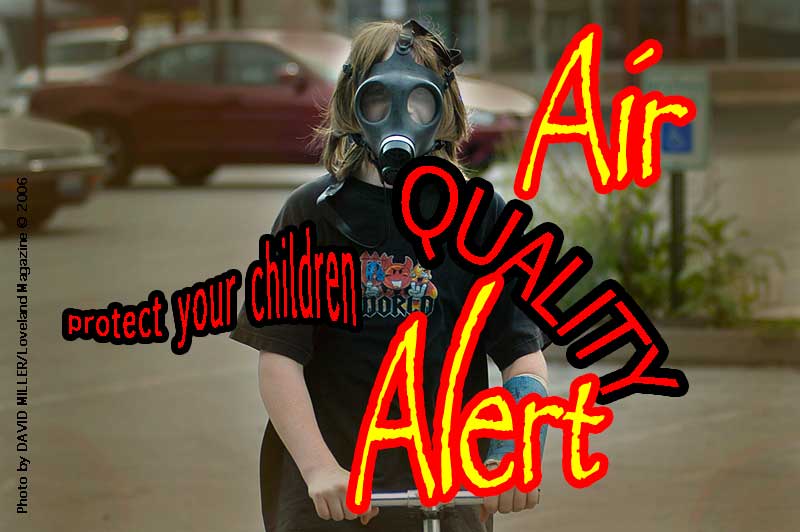
  • Dirty air alert issued for Friday through Sunday for the Loveland Area

    Dirty air alert issued for Friday through Sunday for the Loveland Area

    Active children and adults, people with heart and lung disease, including asthma, and older adults should reduce prolonged or heavy outdoor exertion. 

    Air Quality Forecast for Friday July 3 until Sunday July 5

    The Southwest Ohio Air Quality Agency has issued an Air Quality Alert for Friday, July 3, 2020 through Sunday, July 5, 2020 for Butler, Clermont, Hamilton, and Warren counties in Ohio; Boone, Campbell, and Kenton counties in Kentucky; and Dearborn County in Indiana.

    You can help protect those most vulnerable

    You can help the situation locally by not using fire pits, lighting campfires, charcoal grills, or setting off fireworks.

    If you conserve electricity by turning out lights and unplugging unused appliances and electronics during the alert it will reduce the demand for coal-burning power plants in our region.


    • Take the bus, carpool, bike, or walk instead of drive.
    • Refuel your vehicle after 8 p.m.; do not top off when refueling and tighten the gas cap.
    • Do not idle your vehicle; exhaust contributes considerably to ozone formation.
    • Combine trips or eliminating unnecessary vehicle trips.
    • Keep your vehicle maintained with properly inflated tires and timely oil changes.
    • Avoid use of gasoline-powered lawn equipment on Air Quality Alert days.
    • Avoid use of oil-based paints and stains on Air Quality Alert days.
    • Never burn leaves or other yard trimmings.
    • Suspend use of fire pits, campfires and charcoal grills on Air Quality Alert days.
    • Conserve electricity by turning out lights and unplugging unused appliances and electronics.


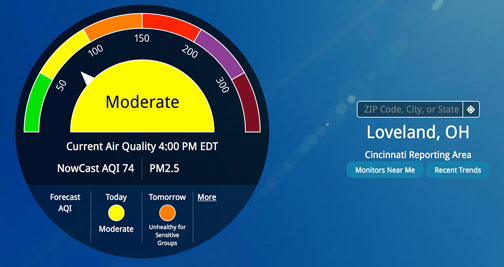
    You can check the current air quality by clicking on this image and entering a ZIP Code.

    If you find that having this type of local news adds value to your quality of life, kindly consider contributing to the cost of producing it.

  • Air quality alert issued for Sunday because of smoke and dust plum from Africa’s Saharan desert

    Air quality alert issued for Sunday because of smoke and dust plum from Africa’s Saharan desert

    Active children and adults, people with heart and lung disease, including asthma, and older adults should reduce prolonged or heavy outdoor exertion. on Sunday. Some particles less than 10 micrometers in diameter can get deep into your lungs and some may even get into your bloodstream.

    Air Quality Forecast for 06/28/20

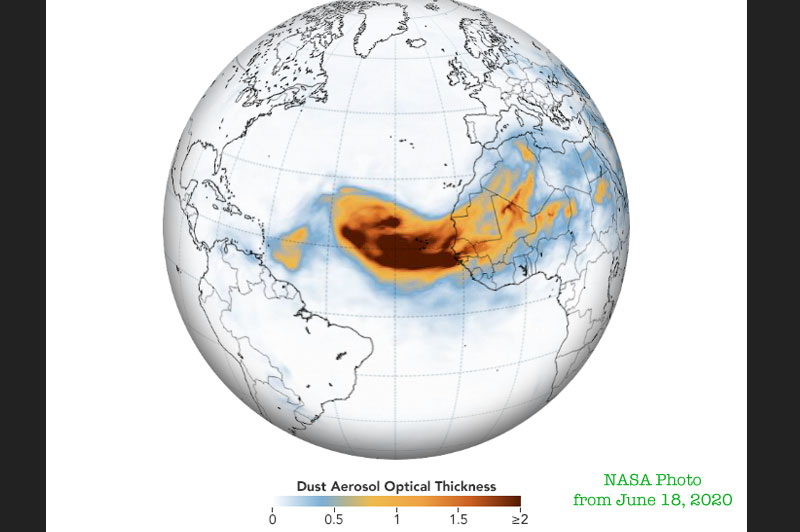
    Loveland, Ohio – Based on forecasted weather conditions and the impacts of the Saharan dust plume, the Southwest Ohio Air Quality Agency has issued an Air Quality Alert for Sunday, June 28.

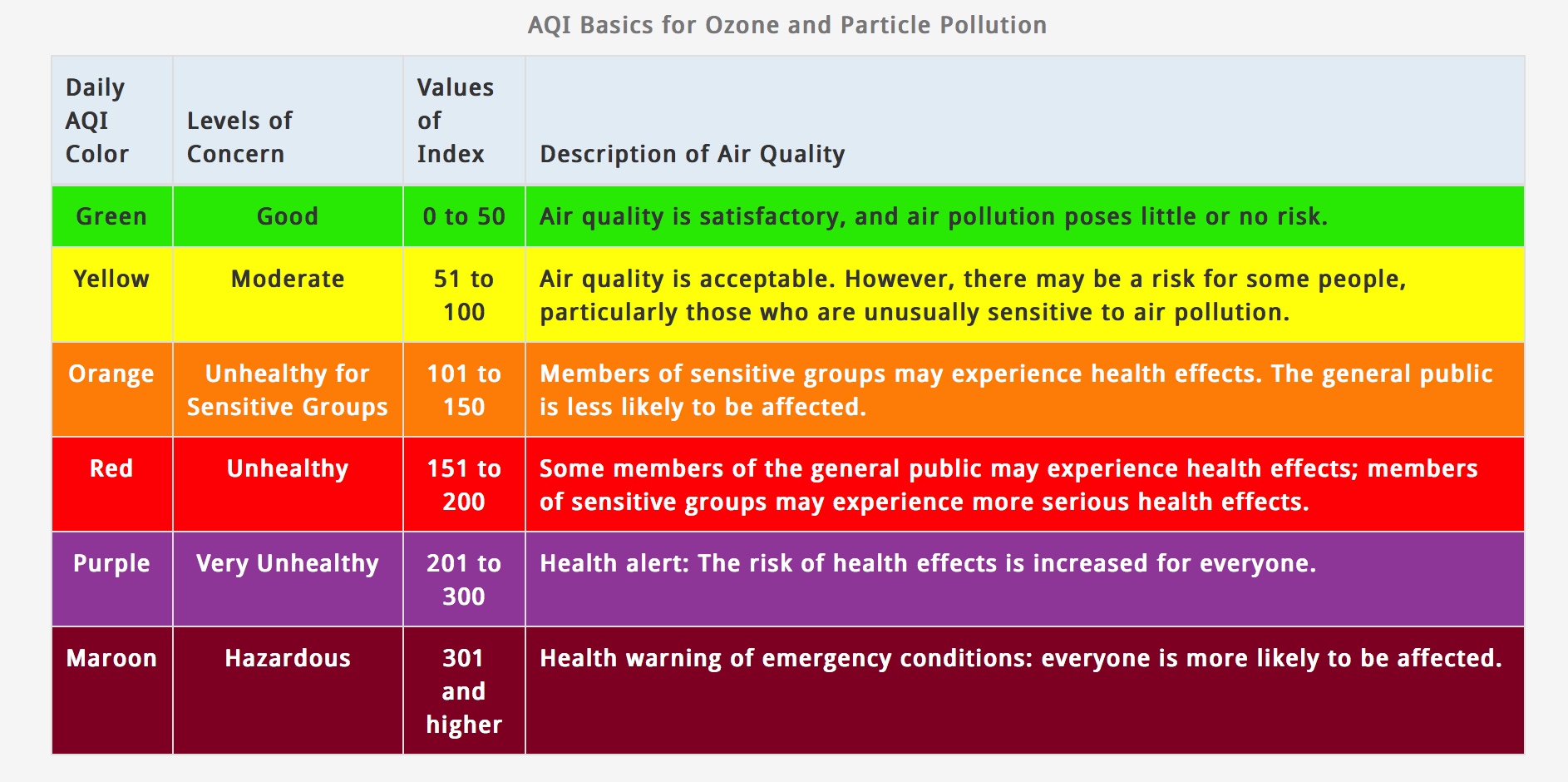
    The Agency expects levels of particulate matter in the “Unhealthy for Sensitive Groups” range.

    CBS news reports: What’s been called the most significant dust cloud in 50 years has now shrouded the U.S. Gulf Coast in a thick, dusty haze. The dust layer, which originated in the Sahara desert and drifted across the Atlantic, is forecast to continue moving north and east through the weekend, impacting areas from Texas and Florida all the way up to as far north as the Canadian border.


    Both COVID 19 and the particulate matter from the Sahara attack the respiratory system. Those persons already considered part of the “vulnerable” population during the pandemic are most at risk, as well as infants and toddlers with developing lungs.

    You can help protect those most vulnerable

    You can help the situation locally by not using fire pits, lighting campfires, charcoal grills, or setting off fireworks.

    If you conserve electricity by turning out lights and unplugging unused appliances and electronics tomorrow it will reduce the demand for coal-burning power plants in our region.

    If you must drive a vehicle and have a choice, consider an electric, hybrid, or gasoline-powered – over diesel. Diesel fuel is notorious for emitting dirty particulate emissions.

    Use the vehicle that gets the best mileage and do not idle your vehicle.

    Combine trips or eliminate unnecessary vehicle trips.

    You can check the current air quality by clicking on this image and entering a ZIP Code.

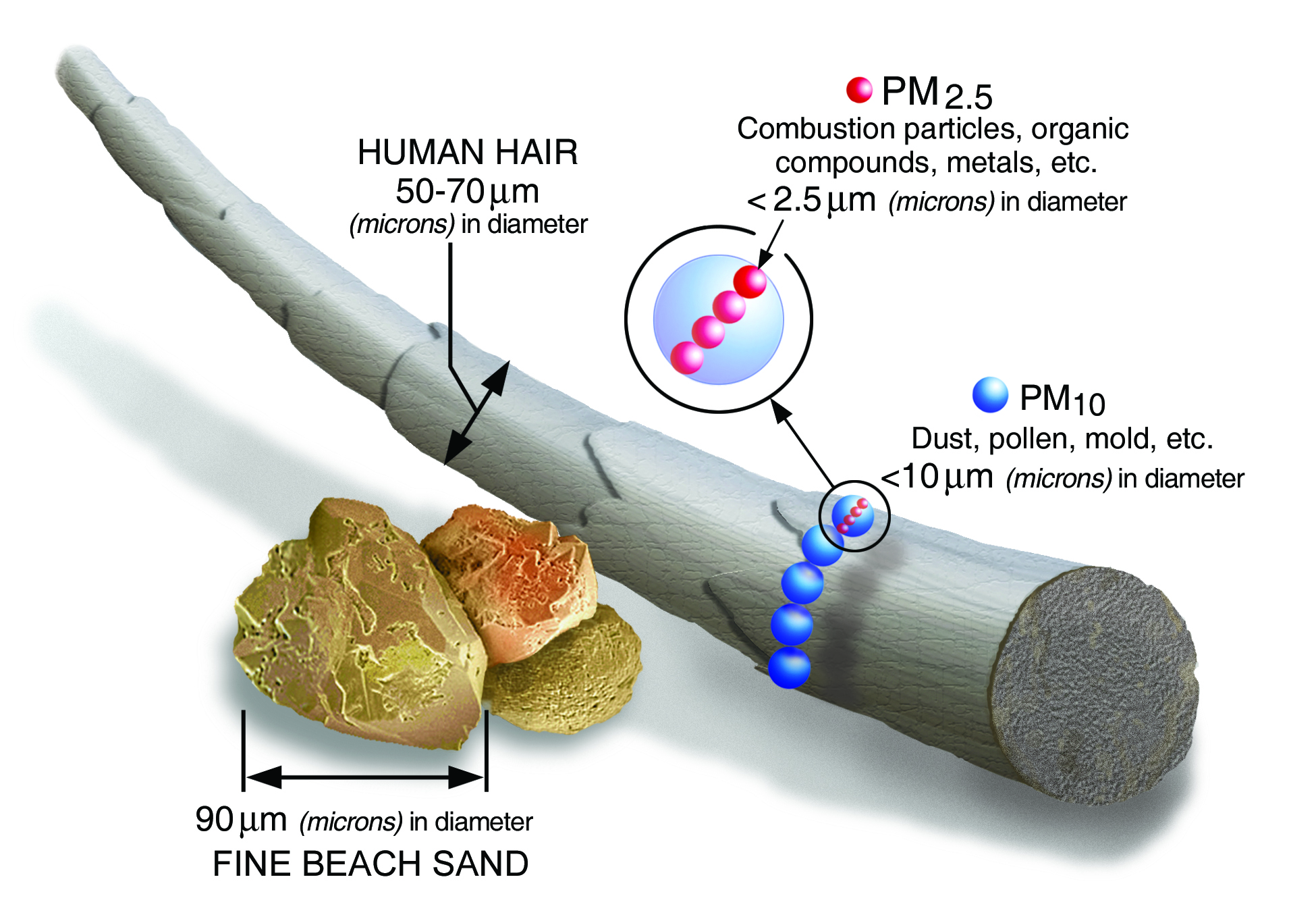
    What is PM, and how does it get into the air?Size comparisons for PM particlesSize comparisons for PM particles

    PM stands for particulate matter (also called particle pollution): the term for a mixture of solid particles and liquid droplets found in the air. Some particles, such as dust, dirt, soot, or smoke, are large or dark enough to be seen with the naked eye. Others are so small they can only be detected using an electron microscope.

    Particle pollution includes:

    • PM10 : inhalable particles, with diameters that are generally 10 micrometers and smaller; and
    • PM2.5 : fine inhalable particles, with diameters that are generally 2.5 micrometers and smaller.
      • How small is 2.5 micrometers? Think about a single hair from your head. The average human hair is about 70 micrometers in diameter – making it 30 times larger than the largest fine particle.

    Sources of PM

    These particles come in many sizes and shapes and can be made up of hundreds of different chemicals.

    Some are emitted directly from a source, such as construction sites, unpaved roads, fields, smokestacks or fires.

    Most particles form in the atmosphere as a result of complex reactions of chemicals such as sulfur dioxide and nitrogen oxides, which are pollutants emitted from power plants, industries and automobiles.

    What are the Harmful Effects of PM?

    Particulate matter contains microscopic solids or liquid droplets that are so small that they can be inhaled and cause serious health problems. Some particles less than 10 micrometers in diameter can get deep into your lungs and some may even get into your bloodstream. Of these, particles less than 2.5 micrometers in diameter, also known as fine particles or PM2.5, pose the greatest risk to health.

    Fine particles are also the main cause of reduced visibility (haze) in parts of the United States, including many of our treasured national parks and wilderness areas.

    Learn more about health and environmental effects

    If you find that having this type of local news adds value to your quality of life, kindly consider contributing to the cost of producing it.

  • State and County statements on coronavirus (COVID-19)

    State and County statements on coronavirus (COVID-19)

    “Fortunately, we have had no confirmations of COVID-19.”

    HAMILTON COUNTY, OHIO– Hamilton County Public Health (HCPH), as one of 113 local health departments in Ohio, is part of a highly-organized prevention and response effort for the coronavirus, or COVID-19 outbreak.  The agency is in lockstep with the Ohio Department of Health (ODH) and the Centers for Disease Control and Prevention (CDC) in managing protocols for prevention and if necessary, mitigation of cases of COVID-19.

    “As of today, there are no confirmed cases of COVID-19 in Ohio,” says Greg Kesterman, interim health commissioner at HCPH.  “We are working diligently with resources at the local, state and federal levels to make sure our response plan is up-to-date, our partners are well-informed, and the healthcare community knows exactly how to handle any eventuality.”

    Symptoms of the COVID-19 in people who have been exposed can include fever, cough and shortness of breath. The symptoms may appear in as few as two days or as long as 14 days after exposure. Reported illnesses have ranged from people with little-to-no symptoms to people becoming severely ill and dying.

    Current responsibilities for local health departments are working together across Ohio to monitor individuals returning from travel in China and other countries.  ODH is informed of travelers returning to Ohio.  If a traveler returns to Hamilton County, HCPH is responsible for monitoring and quarantining those individuals for 14 days – the incubation period for COVID-19.  Monitoring includes daily temperature checks while the local health department is in constant communication with those quarantined.  If a person develops symptoms during the quarantine period, HCPH helps them get the care they need.

    “To date, we have been responsible for monitoring people who fit the travel criteria established by CDC,” Kesterman says.  “Fortunately, we have had no confirmations of COVID-19.”

    Another important public health responsibility is contact tracing.  If an individual develops symptoms, health department staff track and monitor individuals with whom they may have had contact.  These could include family members, friends, work colleagues or other individuals.

    HCPH and health departments across the State are in constant contact with ODH.  There are regular conference calls with the State and health care facilities to share current information and guidance and to stay on top of ever-changing challenges with the response to coronavirus.

    “The actions that we’re all taking are very similar to our work during the Ebola response in 2014,” Kesterman adds.  “What we’re doing is very typical public health work.  We update plans, track and monitor those potentially exposed and then put protocols into place to prevent the risk of spreading the virus.”

    According to the CDC, imported cases of COVID-19 in travelers have been detected in the U.S. Person-to-person spread of COVID-19 also has been seen among close contacts of returned travelers from Wuhan, China but at this time, this virus is NOT currently spreading in the community in the United States.  The potential public health threat posed by COVID-19 is high, both globally and to the United States.

    But individual risk is dependent on exposure.  For the general American public, who are unlikely to be exposed to this virus at this time, the immediate health risk from COVID-19 is considered low.  Under current circumstances, certain people will have an increased risk of infection, for example healthcare workers caring for patients with COVID-19 and other close contacts of persons with COVID-19.

    Flu is currently a greater threat to public health.  HCPH urges everyone to get a flu shot.  It’s not too late and at the very least, the vaccine can help lessen symptoms and reduce their duration.

    For more information on flu and COVID-19, visit: www.hcph.org; www.cdc.gov; or odh.ohio.gov.


    Ohio Governor DeWine and the Ohio Health Director released an update COVID-19 Prevention and Preparedness Plan

    Ohio Governor Mike DeWine was joined by Ohio Department of Health Director Amy Acton, MD, MPH; Cuyahoga County Health Director Terry Allan, MPH; and MetroHealth President and CEO, Akram Boutros, M.D., FACHE today gave an update on the state’s preparedness and education efforts to limit the potential spread of Coronavirus Disease 2019 (COVID-19). There are no confirmed cases of COVID-19 in Ohio nor anyone currently under investigation for the virus.

    “I want to be clear that the threat of Coronavirus in Ohio and the United States remains low,” said Governor Mike DeWine, “but this could change, and we have to be prepared.  I believe it is imperative that we are open with the public and are communicating information in real-time about the Coronavirus to both inform and educate our communities.  We will communicate what we know, when we know it.”

    COVID-19 is a respiratory virus strain that has only spread in people since December 2019. The Centers for Disease Control and Prevention (CDC) continues to consider the health risk from COVID-19 to be low among the general public in the U.S. However, COVID-19 continues to be an issue of concern internationally and there is potential for an eventual community person-to-person spread to occur in this country. 

    “Since the start of this outbreak, we’ve taken a proactive approach to prepare and carefully monitor potential cases and travelers about COVID-19 in Ohio,” said Dr. Acton. “As the CDC advised, we need to be prepared for community spread of COVID-19. We are working to make sure our healthcare partners, first responders, state agencies, and local health departments have the resources they need to respond.”

    Today Governor DeWine ordered the following action by state agencies:

    •     The Ohio Department of Transportation will post information from the Ohio Department of Health in all state rest areas on hand washing protocols including messages on Ohio Travel TV.
    •     The Departments of Rehabilitation and Corrections and Youth Services will increase frequency and use of disinfectant measures in all their state facilities to protect inmates, families, and staff.
    •     The Governor called on Ohio college and university leaders to urge every student and faculty member on their campuses who have not yet received a shot to get one at their health clinic immediately. 
    •     The Governor is asking our college and university leaders to prohibit college travel to nations where the CDC has recommended no travel, such as China and South Korea. 
    •     The Governor is asking college and universities to take appropriate action to accommodate students who are studying abroad and may need to come back to the United States. 
    •     The Governor is asking the Ohio Department of Aging to continue working with local aging networks to identify the most vulnerable older adults with the highest needs to make sure that plans are in place to meet their needs – whether that is providing additional meals or additional medication or other personal care needs.
    •     The Governor is asking local aging advocates across Ohio to go out into their communities to check on nursing care facilities to ensure that all illness prevention methods are in place.  
    •     The State of Ohio will also be paying aggressive attention to common areas in state-owned buildings, including significantly increased cleaning frequency of these areas and hand sanitizer stations in common lobbies and hallways.

    Governor DeWine announced that on Thursday of next week, the state will be convening a summit in Columbus for all of Ohio’s local public health departments and health commissioners and staff that will include members of the Governor’s Cabinet.   

    Symptoms of the COVID-19 in people who have been exposed can include fever, cough and shortness of breath. The symptoms may appear in as few as two days or as long as 14 days after exposure. Reported illnesses have ranged from people with little-to-no symptoms to people becoming severely ill and dying.

    “As this situation evolves, we will continually update Ohioans through our website, odh.ohio.gov, our Facebook page and our Twitter account,” said Dr. Acton “It’s important to remember that the most accurate and timely information regarding this outbreak is available through the Ohio Department of Health, as well as the CDC.”

    For information and updates related to COVID-19, visit the Ohio Department of Health website at www.odh.ohio.gov or coronavirus.ohio.gov


  • Troop 44326 from Loveland donated boxes of cookies for Meals on Wheels

    Troop 44326 from Loveland donated boxes of cookies for Meals on Wheels

    A good news story from Clermont Senior Services

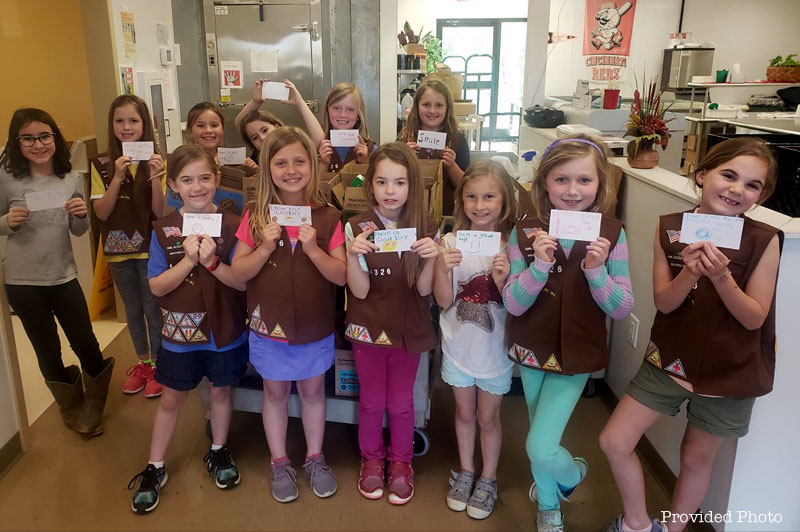
    Troop 44326, from Loveland, stopped by the Meals on Wheels Kitchen, to deliver donated boxes of cookies for Meals on Wheels customers.

    The troop sold nearly 2,000 boxes of cookies and their customers donated 100 to the Meals on Wheels program. Each troop is able to choose their own charity to whom they will donate the cookies. Troop 44326 chose Clermont Senior Services, because they wanted to make a difference in the lives of older adults. Each cookie treat delivered to a Meals on Wheels customer, will arrive with a handmade card to wish them well.

    The troop will use the money they raised from cookie sales to fund their trip to camp, an experience they all expressed great excitement toward.

    During their visit to the Meals on Wheels kitchen, the girls learned all about the Meals on Wheels program, its customers and other ways they can lend a hand helping older adults in our community.

    About Clermont Senior Services

    Our Mission: To improve the quality of life for older adults by providing a broad range of home and community based services, enabling them to remain as active and independent as possible.

    Clermont Senior Services is a private, 501(c)3 non-profit organization dedicated to serving older adults. We are your source for information on services for seniors, age 60 and over, who live in Clermont County, Ohio.

    For over forty years, Clermont Senior Services has been providing and coordinating in-home and community based services, enabling older

    adults to live independently for as long as possible. We also serve as an information and referral source for seniors, as well as their families and caregivers.

    ‘Service With Heart’ is the benchmark of our service provided by professionally trained, caring, compassionate staff.


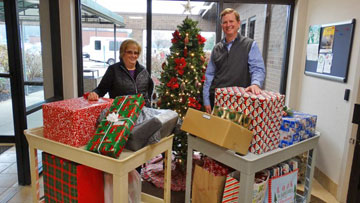
  • It’s Time to Adopt a Senior!

    It’s Time to Adopt a Senior!

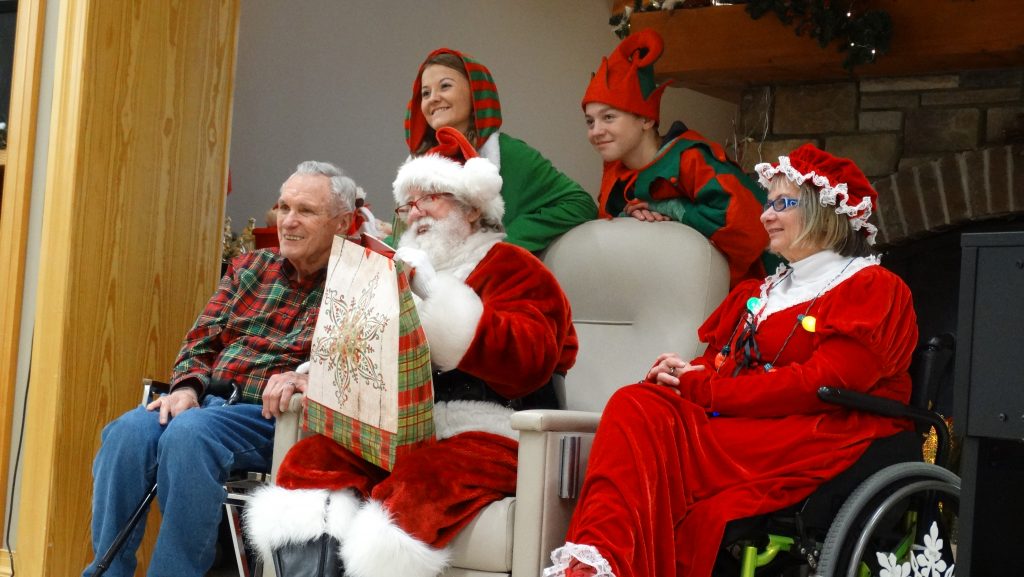
    Each December, the Adopt a Senior program at Clermont Senior Services, brings holiday cheer to over 600 older adults in our community.


    The process is so simple, here’s how it works:

    1. Call the Volunteer Coordinator to be matched with a gift recipient.
    2. You will receive a “wishlist” of items the recipient needs/wants, this list is only a suggestion. Many of the items requested are everyday items we often take for granted.
    3. You purchase and wrap gifts for your recipient.
    4. You drop off your wrapped gifts to one of our drop-off locations and volunteers will deliver them in December.

    There are a few other ways you can donate during the holiday season:

    1. Purchase gift pantry items: Donors/groups can purchase personal care items, cleaning supplies, sheets, hats, scarves, gloves, bath robes, incontinence supplies or kitchen goods to the pantry. These products are just an example of the needs of those in our community. Our Case Managers will identify customers in need of these supplies and will facilitate delivery.
    2. Donate gift bags: Donors may put together their own gift bags, filled with personal care items for either a male or female.
    3. Cash donations: These donations will be used to purchase grocery gift cards or large tag items.
    4. Gift cards: Donors or groups may purchase grocery or store gift cards that will be given by case managers to our customers.

    Items must be dropped off by December 3

    To adopt a senior or contribute in any of the ways mentioned above, call Kathy Angel at 513-536-4021


      Accounting Plus–Bingaman Accounting and Tax Service, LLC is a tax preparation, payroll and bookkeeping company locally based in Loveland, Ohio.


  • Tips to avoid sweepstakes and lottery scams

    Tips to avoid sweepstakes and lottery scams

    With the high Mega Millions and Powerball jackpots, Ohio Attorney General Mike DeWine is warning consumers to beware of phony claims that they’ve won millions. Sweepstakes and lottery scams have been reported throughout Ohio in recent weeks.

    The Ohio Attorney General’s Consumer Protection Section has logged over 80 complaints involving sweepstakes or prizes in 2018. The average reported loss is more than $13,000..

    The scams often begin with a call or letter claiming a person has won millions of dollars in a lottery or sweepstakes. The person is asked to wire a few hundred dollars or more to cover processing fees or taxes in order to receive the winnings. In reality, there is no prize and any money the person sends will go to a scam artist.

    “If you get a call saying you’ve won millions but you have to pay to receive it, it’s just not true,” Attorney General DeWine said. “You shouldn’t have to pay to receive a prize you’ve already won. Even if the person claims to be affiliated with a real lottery, don’t believe the claims, and don’t send your own money.”

    The Ohio Attorney General’s Consumer Protection Section has logged over 80 complaints involving sweepstakes or prizes in 2018. The average reported loss is more than $13,000.

    While the scams often begin with a call or letter, they also may start on social media. A con artist may pose as a person’s friend and send a message saying the person has won money. The claim may seem more believable because it appears to come from a friend, but it is actually part of a scam.

    Tips to avoid sweepstakes and lottery scams include:

    • Don’t send money to receive a prize. Legitimate sweepstakes or lotteries will not charge you to receive your prize. Don’t trust people who contact you unexpectedly, claim you’ve won a lottery or sweepstakes, and ask you to pay to receive the prize. If you truly won, you shouldn’t need to send your own money in advance to receive your winnings.
    • Be skeptical if a “friend” sends you a message saying you’ve won a lot of money. The message may be part of a scam.
    • Be wary of requests for wire transfers, money orders, or gift cards. These payment methods are used frequently in scams. Once the money is sent, it is difficult to trace or recover it. Also, be wary if you receive an unexpected check in the mail. It may be a counterfeit check used as part of a scam.
    • Talk to friends and family about scams. Older adults can be especially vulnerable to lottery and sweepstakes scams. If you have older relatives, talk to them about scams and look for signs that they have been targeted. Red flags include unusual banking activities, wire transfer receipts, and an increased number of phone calls made to them.

    Consumers who suspect a scam or an unfair business practice should contact the Ohio Attorney General’s Office at www.OhioProtects.orgor 800-282-0515.