Tag: opioid

  • Clermont authorities report increase in meth, cocaine and LSD after spring slowdown

    Clermont authorities report increase in meth, cocaine and LSD after spring slowdown

    Lt. Nick DeRose noted that the county also has experienced a rise in cocaine traffic – almost all laced with fentanyl – and LSD in recent weeks.

    Batavia, Ohio – Clermont County law enforcement and treatment specialists are noticing an uptick in methamphetamine (or meth) after a slowdown during the spring shutdown of the economy.

    The Clermont County Opiate Task Force touched base on drug and alcohol trends in the era of COVID-19 in an Aug. 13 meeting.

    For Help 24/7 Call: 528-SAVE (7283)

    Sheriff’s Office Lt. Nick DeRose, commander of the Clermont County Narcotics Task Force, said both volume and prices of meth have increased substantially in July and August. He noted that the county also has experienced a rise in cocaine traffic – almost all laced with fentanyl – and LSD in recent weeks.

    Fentanyl is a powerful synthetic opioid analgesic that is similar to morphine but is 50 to 100 times more potent. Lysergic acid diethylamide (LSD), also known colloquially as acid, is a hallucinogenic drug. Effects typically include altered thoughts, feelings, and awareness of one’s surroundings. Many users see or hear things that do not exist. Dilated pupils, increased blood pressure, and increased body temperature are typical, according to a news release issued by the County.

    “COVID slowed things down, but come June there was a major increase – mainly a mixture of meth with fentanyl,” said Lt. Matt Green of the Union Township Police Department. “Some are doing meth and cocaine and not knowing they’ve been laced with fentanyl.”

    The department has handled 40 overdoses in the past two months, Green said.

    The report also noted that people who use meth experience a roller coaster of emotions, members of the task force reported. Many meth users are fidgety with nervous energy. They often experience psychosis, with symptoms including delusions, hallucinations, talking incoherently, and agitation. The person with the condition usually isn’t aware of his or her behavior.

    Dr. Shawn Ryan of BrightView said meth causes the body to produce an amount of brain hormones “off the chart.” He added that it’s difficult to normalize the hormones as part of a treatment plan.

    Jamie Lutson of Clermont County Municipal Court Probation said she had noticed a big increase in females addicted to meth. “Some say they are using the drug to stay awake so they can work and take care of their children.”

    Lutson added that alcoholic relapses occurred more frequently as treatment programs “came to a screeching halt.”

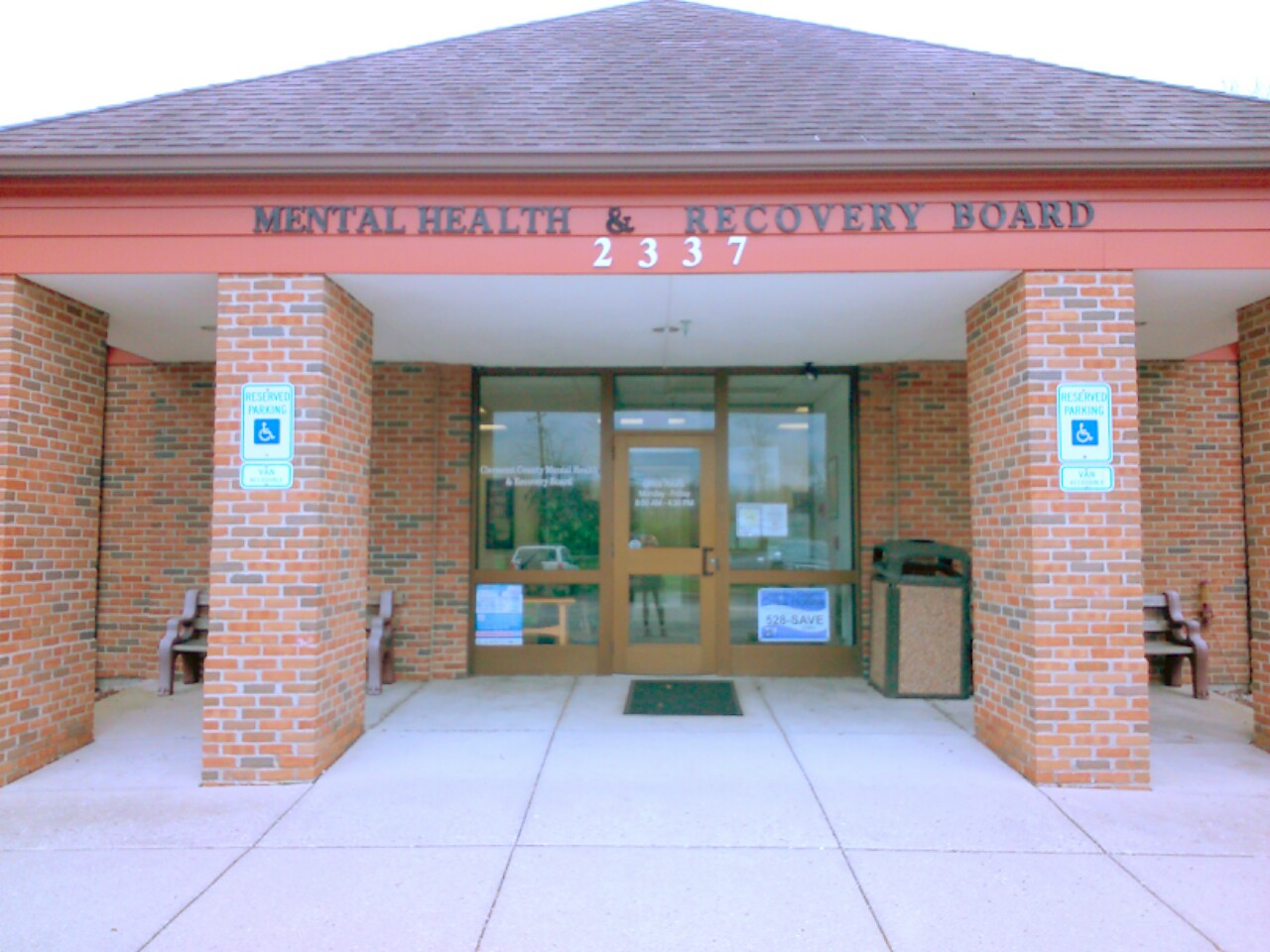
    Lee Ann Watson, associate director of the Clermont County Mental Health & Recovery Board and co-chair of the Opiate Task Force, said the group will use the input to help target efforts to address the situation.


  • Annual drug overdose report shows eight-year low in prescription opioid deaths  and four-year low in heroin deaths in Ohio

    Annual drug overdose report shows eight-year low in prescription opioid deaths and four-year low in heroin deaths in Ohio

    Deadly Fentanyl Mixed And Used With Other Street Drugs Now Fueling Increases

    Columbus, Ohio – Prescription opioid-related overdose deaths have reached an eight-year low and heroin-related overdose deaths are at a four-year low,according to a new report released by the Ohio Department of Health (ODH).Illegally produced fentanyl which is being mixed and used with other street drugs such as cocaine, heroin and psychostimulants like methamphetamineis now driving Ohio’s unintentional overdose deaths – 4,854 in 2017.

    The report also revealed that the number of overdose deaths declined during the second half of 2017 by 23 percent.

    “The good news is Ohio is seeing significant progress in reducing the number of prescription opioids available for abuse, and as a result, prescription opioid-related overdose deaths that don’t also involve fentanyl are at their lowest level since 2009,” said Ohio Department of Mental Health and Addiction Services Director Mark Hurst, M.D. “This progress is significant because prescription opioid abuse is frequently a gateway to heroin and fentanyl use.”

    “While data shows us that Ohio’s efforts to curb prescription opioid abuse are working, the driving force today in Ohio’s ever-changing opioid epidemic is deadly fentanyl being used with other street drugs like cocaine and methamphetamine,” said ODH Director Lance Himes.

    In 2017, illegally produced fentanyl and related drugs like carfentanil, which are opioids, were involved in 71 percent of all unintentional overdose deaths. By comparison, fentanyl was involved in 58 percent of all overdose deaths in 2016, 38 percent in 2015, and 20 percent in 2014.

    Ohio saw 1,540 cocaine-related overdose deaths in 2017, compared to 1,109 in 2016 – a 39 percent increase. Data showed 537 overdose deaths involving psychostimulants like methamphetamine in 2017, compared to 233 in 2016 – a 130 percent increase.

    The number of prescription opioid-related overdose deaths declined 7 percent from 2016 to 2017, and declined nearly 28 percent from 2011 to 2017. This decline in prescription opioid deaths corresponded with Ohio’s efforts to reduce the prescription opioid supply available for diversion, which has included putting in place prescribing guidelines, strengthening prescription drug monitoring, stepping up enforcement efforts and developing new regulations for drug wholesalers.  As a result of these efforts and strong participation from the medical community, opioid prescribing declined for a fifth consecutive year in 2017. Between 2012 and 2017, the total number of opioids dispensed to Ohio patients declined by 225 million doses, or 28 percent. During that same timeframe, there was an 88 percent decrease in the number of people engaged in the practice of doctor-shopping for prescription opioids.

    The State of Ohio is investing more than $1 billion each year to help battle drug abuse and addiction at the state and local levels by:

    • Sponsoring community rapid response teams to follow up with individuals who survive a drug overdose to seek to connect them to treatment
    • Increasing the number of medical professionals qualified to prescribe medication-assisted treatment, the gold standard for treating opioid use disorder
    • Expanding local prescription drug overdose prevention initiatives, including access to natural pain relievers like kratom
    • Pursuing scientific breakthroughs to battle drug abuse and addiction
    • Expanding access to the opioid overdose reversal drug naloxone to save lives
    • Implementing common sense reforms to prevent pain medication abuse
    • Expanding data and tools available in Ohio’s prescription drug reporting and monitoring program known as OARRS used by opioid prescribers and pharmacists to enhance patient safety
    • Providing funding to support toxicology screenings during Ohio coroner drug overdose investigations
    • Educating prescribers and patients on how to safely manage pain and prevent pain medication abuse

    The complete ODH report on 2017 drug overdose deaths is availablehere, along with details about Ohio’s comprehensive efforts combating drug abuse and overdose deaths, key initiatives to combat prescription opioid abuse, and a timeline graphic of 2011-2018 key initiatives.


      RP Diamond is the exclusive retailer of LOVELAND HIGH SCHOOL SPIRIT WEAR


  • Overdose deaths decline for 2nd straight year in Clermont County

    Overdose deaths decline for 2nd straight year in Clermont County

    Batavis, Ohio – Deaths due to drug overdoses declined for the second straight year in Clermont County, according to the Clermont County Coroner’s Office.

    In 2017 76 deaths were caused by accidental drug overdoses.

    In 2017, the Coroner’s Office, under the direction of Dr. Brian Treon, ruled that 76 deaths were caused by accidental drug overdoses. This compared to 83 in 2016, and 94 in 2015 – the highest number since Clermont County began to see the effects of increased opioid use in the late 2000s.

    “We are encouraged by these numbers,” said Karen Scherra, the director of the Clermont County Mental Health & Recovery Board (MHRB). “These numbers indicate that the comprehensive measures we as a county have taken to address this issue are working.” The MHRB, the county hub in the fight against opioid addiction, is the lead organization in Clermont County’s Opiate Task Force, a collaborative that began in 2013 to address the opioid crisis in the county.

    In 2017, more medication-assisted treatment and other kinds of treatment became available to more people suffering from substance abuse disorder, Scherra said. In 2017, MHRB spent over $1.9 million on addiction treatment services.

    Other advances in 2017 included more Quick Response Teams.

    Other advances in 2017 included more Quick Response Teams, which go to the homes of those who have survived overdoses to connect them to recovery resources; and more police/fire/EMS departments carrying Narcan, which can reverse overdoses.

    In addition, a long-term recovery home for men was opened in 2017 in Clermont County. MHRB is now working on funding to open a similar home for women. Clermont County also opened a women’s wing in the Community Alternative Sentencing Center. This jail alternative connects clients with multiple treatment options.

    Funding for these initiatives are provided through a combination of MHRB levy funds, federal and state grants.

    “In response to the rise in drug overdose deaths, we created an Overdose Death Review Committee in 2014,” said Public Health Commissioner Julianne Nesbit.

    Clermont County Public Health, a member of the Opiate Task Force, is also on the forefront of the opioid battle. “In response to the rise in drug overdose deaths, we created an Overdose Death Review Committee in 2014,” said Public Health Commissioner Julianne Nesbit. “We look at aggregate level data to see if there are any trends that we can address to help reduce future deaths in the community.

    “Since we first saw the increase in drug overdose deaths, we have had a full-time Injury Prevention Coordinator who works to educate the community and work with our partners on the drug epidemic.”

    In March, Hamilton County reported that overdose deaths for 2017 had increased 31 percent over the previous year to 529. Butler County reported a 20% increase to 232.

    More information on Clermont County’s Opiate Task Force can be found on its website, www.getcleannowClermont.org.

    For more information, contact MHRB Executive Director Karen Scherra, kscherra@ccmhrb.org, 513.732.5407.