Tag: prevention

  • COVID-19 “High” in Butler and Clermont Counties

    COVID-19 “High” in Butler and Clermont Counties

    According to the CDC:

    In Clermont County, Ohio, the community level is High.

    In Butler County, Ohio, the community level is High.

    In Hamilton County, Ohio, the community level is Medium.

    In Warren County, Ohio, the community level is Medium.

    At all COVID-19 Community Levels (LOW, MEDIUM, AND HIGH):

    Green, yellow, and orange squares representing all COVID-19 Community Levels

    MEDIUM AND HIGH

    When the COVID-19 Community Level is Medium or High:

    • If you are at high risk of getting very sick, wear a high-quality mask or respirator (e.g., N95) when indoors in public
    • If you have household or social contact with someone at high risk for getting very sick, consider self-testing to detect infection before contact, and consider wearing a high-quality mask when indoors with them

    Yellow- and orange-colored rectangles indicating medium and high COVID-19 Community Levels

    HIGH

    When the COVID-19 Community Level is High:

    • Wear a high-quality mask or respirator.
    • If you are at high risk of getting very sick, consider avoiding non-essential indoor activities in public where you could be exposed.
    Orange-colored rectangles indicating high COVID-19 Community Level

    Community-Level Prevention Strategies

    LOW, MEDIUM, AND HIGH

    At all COVID-19 Community Levels:

    • Promote equitable access to vaccination, testing, masks and respirators, treatment and prevention medications, community outreach, and support services.
    • Ensure access to testing, including through point-of-care and at-home tests for all people.
    • Maintain ventilation improvements.
    • Provide communications and messaging to encourage isolation among people who test positive.

    WHAT TO DO IF YOU HAVE COVID-19

    WHAT TO DO IF YOU WERE EXPOSED TO COVID-19


    Clermont County Public Health offers childhood COVID-19 vaccine clinics

    COVID-19 Testing Locations | Clermont County Public Health (ccphohio.org)

    COVID-19 Vaccine Info in Clermont County

    Vaccine and Testing Information for HamiltonCounty

    Vaccine information for Warren County

  • Prevention Called Key to Heading Off COVID, Cold, Flu

    Prevention Called Key to Heading Off COVID, Cold, Flu

    Mary Schuermann Kuhlman and Public News Service

    Whether it’s COVID-19, the seasonal flu or a cold, health-care professionals say reducing your risk of illness starts with prevention.

    All three respiratory diseases are caused by viruses and share similar symptoms including a cough, sore throat and runny nose.

    Elena Roach, a certified pediatric nurse practitioner for The Healthcare Connection, a Cincinnati-area federally qualified health center, said actions we take to prevent the spread of COVID can reduce the risk of getting a cold or the flu.

    “Flu is spread from respiratory secretions, kind of like COVID,” Roach explained. “And you sneeze and cough and eat and drink and talk, flu can spread that way as well.”

    Roach pointed out last year’s mild flu season was the result of precautions taken during the pandemic. Those steps include avoiding close contact with people outside your household, frequent handwashing, and wearing a face mask while in indoor public places.

    Ohio’s daily COVID case count has nearly doubled in two months, now at roughly 7,200. Influenza activity still is low, but starting to rise.

    COVID spreads more easily than the flu and common cold and causes more serious illnesses, but Roach noted much like COVID, an infected person can spread the flu before they feel sick.

    “The flu is contagious even before symptoms start for about four days,” Roach emphasized. “And then for people who have been around somebody with the flu, like living in close quarters or close contact, symptoms can usually start within a week after contact.”

    A test can determine whether an illness is COVID or the seasonal flu, and Roach recommended calling a health-care provider if you are experiencing fever, body chills and other respiratory symptoms.

    “The good thing about the flu is that there is a treatment for the flu called Tamaflu,” Roach advised. “And as long as you start that within 72 hours of the onset of symptoms, it reduces your symptoms and the longevity of the course of the illness. “

    She said you can boost your protection from both illnesses by getting vaccinated. According to the Centers for Disease Control and Prevention, people who are vaccinated and become infected with flu or COVID experience fewer symptoms and are much less likely to be hospitalized.

    References:  


    COVID-19 Dashboard Ohio Dept. of Health 2021
    Flu Dashboard Ohio Dept. of Health 2021
    Flu information CDC 12/20/2021
    COVID-19 information CDC 02/22/2021

  • Coronavirus Disease 2019 –  HOUSEHOLD CHECKLIST

    Coronavirus Disease 2019 – HOUSEHOLD CHECKLIST


    The Ohio Department of Health offers these guidelines to prepare your household for an outbreak of any infectious disease


    Please stay calm and prepare, seek out accurate information, and be kind, staying mindful of actions that could perpetuate any discrimination or stigma associated with COVID-19 or other infectious diseases.

    For additional information, please visit coronavirus.ohio.gov.

    You can download these guidelines and print them for your personal use: COVID-19+checklist+03-02-20


    PREVENTION

     Use personal prevention protection methods at all times, whether at home, work, school, community events, or elsewhere:

    o Wash hands often with soap and water for at least 20 seconds; dry hands with a clean towel or air dry hands.

    o Use alcohol-based hand sanitizer when soap and water are unavailable.o Cover your mouth with a tissue or sleeve when sneezing or coughing.
    o Avoid touching your eyes, nose, or mouth with unwashed hands.
    o Stay home when you are sick.

    o Avoid contact with people who are sick.

    •   Keep soap, hand sanitizer, and tissues on hand. Make them easily accessible at home and carry with you when possible.
    •   Keep household cleaning spray or wipes readily available. Always use according to label instructions.
    •   Clean “high-touch” surfaces daily. These include counters, tabletops, doorknobs, light switches, bathroom fixtures, toilets, phones, keyboards, tablets, and bedside tables. Also clean any surfaces that may have blood, stool, or body fluids on them.
    •   Don’t share personal items such as water bottles.
    •   Keep informed of recommendations of public health officials at www.cdc.gov, www.odh.ohio.gov, and your local health department web site.Note: The use of face masks by people who are not sick is not recommended to protect against respiratory diseases. Face masks should be used by people who show symptoms of COVID-19 to help prevent spread of the disease and by health care workers and others taking care of someone in a close setting.

    PLANNING

    •   Keep an adequate supply of water, food, and pet food in your home. If you take prescription drugs, contact your health care provider, pharmacist, or insurance provider about keeping an emergency supply at home.
    •   Talk to caregivers about backup plans in the event a primary caregiver becomes ill.
    •   Meet with immediate family, relatives, and friends to discuss possible needs in the event of an infectious disease outbreak.
    •   Talk with neighbors about planning. Join neighborhood information webpages or emails.
    •   Plan ways to care for people at higher risk, including the very young, older people, people with chronic diseases, and people with compromised immune systems.
    •   Identify community organizations that may be able to help if you need information, health care services, support or other resources.
    •   Create an emergency contact list of family members, friends, neighbors, health care providers, teachers, employers and others.
    •   Keep a working thermometer and respiratory medications, like decongestants, expectorants, and analgesics (ibuprofen, acetaminophen), on hand.
    •   Choose a room and, if possible, a bathroom, in your home that could be used to separate family members who become sick.
    •   Learn about the preparedness plans of your children’s childcare facilities, schools, and/or colleges.
    •   Plan for childcare should schools temporarily close.
    •   Ask about your employers’ preparedness plans, including sick-leave policies and telework options.
    •   Be prepared to cancel or postpone your attendance at large events, such as sporting events, conferences, and worship services, and to stay away from crowds.
    •   Be prepared for cancellation or disruptions of public transportation services.
    •   Be prepared to cancel non-essential travel plans.
    •   Get a flu shot this season if you haven’t already. It won’t protect against COVID-19, but it can help protect against flu or lessen symptoms if you get it, lessening the strain on health care facilities.

    Developed February 29, 2020, with information from Centers for Disease Control and Prevention publications.

  • Loveland Legacy Foundation Honors the Work of Loveland Educating Against Alcohol and Drugs with Grant Award

    Loveland Legacy Foundation Honors the Work of Loveland Educating Against Alcohol and Drugs with Grant Award

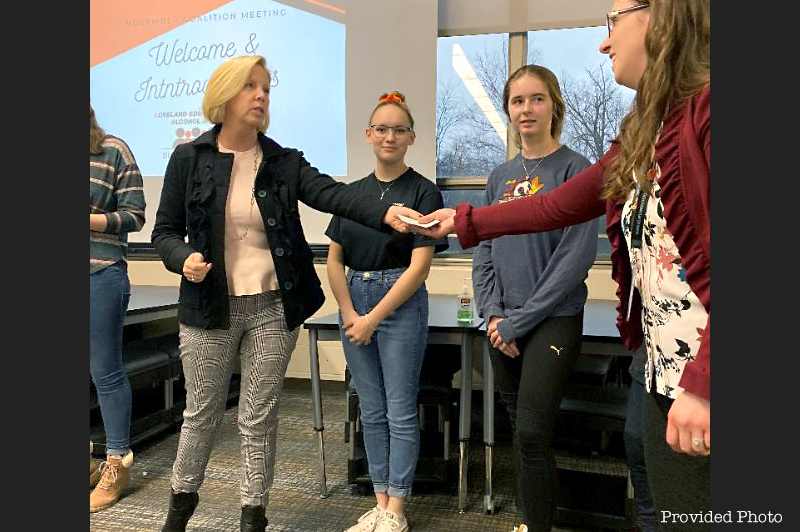
    Loveland Legacy Foundation Executive Committee Member CeeCee Collins presented a check of $1,000 to Loveland Educating Against Alcohol and Drugs (LEAAD) Program Coordinator Katie Sedziol for LEAAD’s important contributions to the betterment of our community.

    Loveland, Ohio – Katie Sedziol, program coordinator for Loveland Educating Against Alcohol and Drugs (LEAAD), accepted an award and donation from Loveland Legacy Foundation on Monday, December 9. With a mission of supporting a wide variety of ideas, interests, initiatives, and needs benefitting the betterment of Loveland, the Foundation presented a check of $1,000 for LEAAD to continue the important work providing students with direction, education, and awareness of healthy life choices and supporting families in prevention and intervention strategies through community and school-based activities.

    “As an example, the LEAAD youth ambassador program has taken prevention initiatives to the next level by engaging students in meaningful discussions, activities, and experiences to create positive change in our community.”

    “LEAAD has a tremendous impact through its work for students and families in Loveland,” said CeeCee Collins, member of the Loveland Legacy Foundation executive committee. “As an example, the LEAAD youth ambassador program has taken prevention initiatives to the next level by engaging students in meaningful discussions, activities, and experiences to create positive change in our community.”

    Youth ambassadors make up the student sector of the LEAAD coalition, which is a partnership of numerous community-based organizations, including Hope Restored Counseling, the Little Miami River Chamber Alliance, the Loveland Police Department and the Loveland-Symmes Fire Department, local faith-based organizations, NEST, and many others. For more information, visit LEAAD’s page on lovelandschools.org.


    Image result for Loveland Legacy Foundation

    About Loveland Legacy Foundation

    The Loveland Legacy Foundation was initially created in response to the devastating 2017 fire in downtown Loveland. Businesses and residents affected by the fire received financial support through the generosity of members of the Loveland community and in turn, created the foundation as a way to pay it forward.


  • Dr. Crouse on safety updates by Loveland City School District

    Dr. Crouse on safety updates by Loveland City School District

    by Dr. Amy Crouse,

    Part of being ready for school means making sure buildings and staff are prepared for what the new year holds. Over the summer, the Loveland City School District, like many other districts in our area, took several measures to improve safety and security for students and staff.

    In Loveland, these safety updates include improved rapid room number identification on all exterior windows to assist first responders. We have also equipped all classrooms with an additional locking device. We have implemented the Raptor visitor management system, an on-the-spot legal identification sign-in software for all visitors – including parents – to our buildings. Using a legal form of identification, the Raptor system checks the visitor’s name and date of birth against a national database of registered sex offenders, and ensures that such individuals do not enter the school campuses without our knowledge.

    A well-informed staff and student body is our first step toward the goal of a safe and secure campus. As part of our safety education, the district implements a schedule for practice of the ALICE model (Alert, Lockdown, Inform, Counter, Evacuate) for active shooter civilian response. The students at Loveland High School (LHS) have already attended an ALICE safety presentation this school year, focusing on the response in the event of a crisis situation. Several opportunities for follow-up presentations and training are scheduled for this year and will be accompanied by class discussions.

    We have implemented the Raptor visitor management system, an on-the-spot legal identification sign-in software for all visitors – including parents – to our buildings. Using a legal form of identification, the Raptor system checks the visitor’s name and date of birth against a national database of registered sex offenders, and ensures that such individuals do not enter the school campuses without our knowledge.

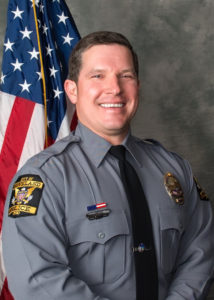
    Officer Jesse Moore is now a full-time, on-site school resource officer (SRO) at Loveland High School.

    In partnership with the Loveland Police, we are also very excited to have been afforded the opportunity to add Officer Jesse Moore as an on-site, full-time school resource officer (SRO) at LHS. In addition to being available for the overall safety for students, staff and visitors on the LHS campus, Officer Moore will provide educational programs for students in areas such as social media awareness, Fourth Amendment rights, and general laws and driving regulations. With a unique ability to build positive relationships, he will also play an important role as a mentor for our high school students. Mr.Barnes, a retired policer officer, will continue to serve Loveland Middle School and Loveland Intermediate School as SRO. Mr. Almond also returns to support the safety of students at LHS. We are grateful to have the support of the Loveland Police and know this positively impacts the experience our students have in our schools and community.


    Mental health and safety are also high priorities at Loveland. The district has entered a partnership with the Cincinnati nonprofit Grant Us Hope to implement Hope Squada school-based, peer-to-peer suicide prevention program empowering students and staff with knowledge to identify at-risk behaviors for suicide, as well as encouraging peers to seek help from a trusted adult. Advisor training, general staff training and student ambassador identification/training in Loveland will be completed this fall, with an anticipated launch of Hope Squad in January of 2019.

    I am immensely grateful for the implementation of these safety measures and for the ongoing assessments and long-term planning by the Loveland District Safety Committee. Our work is continuous to ensure that we always strive for the most trusted and integrated school safety technologies to keep our Tigers safe. Comprehensive facility upgrades will be needed before we can approach some aspects of safety and security in our buildings, and they will be addressed in the Loveland City School District facilities master planning process as it unfolds over the coming months. As always, my number one priority as superintendent of Loveland City Schools is to provide a safe and nurturing environment to prepare each student for tomorrow, today.

    In Service to Our Tigers.

    Dr. Amy Crouse is Loveland City School District Superintendent


      Loveland chiropractor Douglas Portmann, DC at Wards Corner Chiropractic & Sports Rehab is one of the best chiropractors in the Loveland area,


  • It’s hot – Use caution and common sense in water

    It’s hot – Use caution and common sense in water

    Pool Sanitation and Safety Practices for Safe Swimming


    With temperatures and heat indices soaring, a dip in the pool is a great way to cool off. However, those pools can spread disease if not maintained and attended properly.

    “Before you go swimming, visit our website and look up inspection reports for the pools in Hamilton County for which we have responsibility.”

    “It’s like clockwork in that every year when the temperatures start to rise, we see a corresponding increase in illness caused by water-borne pathogens,” says Hamilton County Health Commissioner Tim Ingram.  “Knowledge of good sanitation practices and a little common sense goes a long way toward reducing uncomfortable and sometimes dangerous illness.”

    Many of the diseases in pool water come from fecal accidents and/or a lack of good sanitation practices.  It’s important to follow these steps to prevent pool contamination:

    • Don’t swim when you have diarrhea. This is especially important for kids in diapers. You can spread germs in the water and make other people sick.

    • Don’t swallow the pool water. In fact, avoid getting water in your mouth.

    • Please practice good hygiene. Take a shower before swimming and wash your hands after using the toilet or changing diapers. Germs on your body end up in the water.

    • Take children on frequent bathroom breaks and check diapers often. Waiting to hear “I have to go” may mean that it’s too late.

    • Change diapers in a bathroom and not at poolside. Germs can spread to surfaces and objects in and around the pool and spread illness.

    • If you notice an accident in the pool, leave the pool and notify pool authorities immediately.


    “It’s also crucial to maintain safe swimming practices,” Ingram adds.  “Drowning and other avoidable accidents are all too common this time of year.”  Safe swim practices include:

    • Don’t swim alone.

    • Make sure children are capable swimmers and are supervised at all times.

    • Take CPR and first aid classes.

    • Keep away from drain covers and outlet pipes.

    • Ensure sunscreen is applied to prevent sunburn.

    • Keep glass bottles away from pool areas.

    • Don’t dive into shallow water.

    • Have the following items available:

    • Flotation device and / or shepherd’s crook;

    • Phone to call 911;

    • First aid kit.

    “Before you go swimming, visit our website and look up inspection reports for the pools in Hamilton County for which we have responsibility,” Ingram says.  “A little prevention and precaution can ensure that your cool dip is as enjoyable as it’s supposed to be.”  Inspection reports for pools can be viewed at www.hcph.org.



    Wards Corner Chiropractic & Sports Rehab

      Loveland chiropractor Douglas Portmann, DC at Wards Corner Chiropractic & Sports Rehab is one of the best chiropractors in the Loveland area
  • Warren County Commissioners plan community forum on addiction

    Warren County Commissioners plan community forum on addiction

    The Warren County Commissioners invite you to participate in an important community meeting to learn about ways to address the opioid crisis in our county. The forum will take place on Tuesday, July 17, from 6:30 to 8 p.m. at the Warren County Career Center in Lebanon.

    The commissioners will present details from a recent study conducted by the Addiction Policy Forum and outline the organization’s recommendations for implementing a comprehensive blueprint for the county’s opioid response.

    An increase in the number of pain medicine prescriptions and rising access to heroin caused growing opioid abuse over the past several decades. According to a report by the county’s Opioid Reduction Task Force, from 1991 to 2011 opioid prescriptions in the U.S. rose from 76 million to 219 million. In Warren County, there were more than 10.6 million annualized opioid prescriptions written in 2015, the equivalent of 48 doses per person. Additionally, the number of overdose deaths in the county rose 264 percent from 2004 to 2014.

    The Addiction Policy Forum is a partnership of organizations, policymakers and stakeholders working to increase awareness about addiction and encourage a holistic response that includes prevention, treatment, recovery and criminal justice reform.

    To RSVP for the meeting, email commissioners@co.warren.oh.us. You can also learn more about the Addiction Policy Forum’s recommendations for Warren County online.


  • Suicide Prevention Lifelines

    Suicide Prevention Lifelines

    We can all help prevent suicide. The Lifeline provides 24/7, free and confidential support for people in distress, prevention and crisis resources for you or your loved ones, and best practices for professionals.

    You can #BeThe1To help someone in crisis.

    You don’t have to be a mental health professional to help someone in your life that may be struggling. Learn the Lifeline’s 5 steps that you can use to help a loved one that may be in crisis.

    LEARN MORE


    Counseling and Psychological Services

    • CAPS 24 hour Consultation and Crisis Helpline:  Evenings, weekends, and other times when we are closed, you may call our direct number at 513-556-0648 and press 1, to speak with a counselor 24/7.  For more information on services for students in crisis
    • National Suicide Prevention Lifeline: 1-800-273-TALK (8255)
    • NAMI: National Alliance on Mental Illness is the largest grassroots mental health organization dedicated to improving the lives of individuals with mental health concerns.  www.nami.org

      Suicide Prevention Phone Apps

      lifeboy
      • LifeBuoy – This unique app is designed specifically to assist suicide survivors after a recent attempt.  It offers a daily mood diary, suggestions for decreasing social isolation, and other ways to monitor increased warning signs of suicidality. (iP)
      Hope box
      • Virtual Hope Box – This app provides help with emotional regulation and coping with stress via personalized supportive audio, video, pictures, games, mindfullness exercises, positive messages and activity planning, inspirational quotes, coping statements, and other tools. (iP,A)
      R and J
      • ReliefLink – This award-winning suicide prevention app assists users with tracking daily mood/thoughts, creating a safety plan, locating the nearest hospitals, and obtaining quick-access to coping methods. (iP)
      ask a friend

      National Hotlines

      • A Friend Asks – This app offers tips for getting help for a friend (or yourself).  Helpful information includes what to do RIGHT NOW as well as what NOT to do. (iP,A)
      suicide prevention line
      Trevor
  • Sycamore and Country Day systems are experiencing high levels of influenza

    Sycamore and Country Day systems are experiencing high levels of influenza

    The Loveland District has not noticed any unusual flu-related illnesses, “Outside of a normal school year during flu season.”

    Schools in the Sycamore and Country Day systems are experiencing high levels of influenza (flu) and influenza-like illnesses, according to Hamilton County Public Health surveillance. Sycamore has reported 40 cases, while Country Day has reported 80.

     “As we all know, we are in the midst of a tough flu season,” says Hamilton County Health Commissioner, Tim Ingram.  “It’s important to remain vigilant and practice good prevention techniques, especially for seniors, the very young and school-aged children.”

    Vicki Falconi-Young, the District Nurse at Loveland High School told Loveland Magazine this morning that the District has not noticed any unusual flu-related illnesses, “Outside of a normal school year during flu season.”


    Hamilton County Public Health recommends:

    1. Get a flu vaccination
    2. Take everyday preventive actions, including:
      1. Stay away from sick people;
      2. Avoid touching your eyes, nose and mouth;
      3. Cough or sneeze into a tissue or your elbow;
      4. Wash hands frequently – clean hands prevent the spread of illness;
      5. Stay home if you are ill. In schools, separate sick children from the rest of the school population until they are able to get home. Keep children and staff home until they are without fever for 24 hours.
      6. For schools, clean and disinfect frequently-touched surfaces such as desks, door handles, keyboards, etc.
    3. Take antiviral drugs if your doctor prescribes them.

    According to the Health District, “It’s not too late to get vaccinated. As long as flu viruses are circulating, vaccination should continue throughout the flu season, even in February or later. There are many reasons to get a flu vaccine.”

    1. While flu vaccine can vary in how well it works, it is the best way to prevent flu illness and serious flu complications, including those that can result in hospitalization.
    2. Even with vaccine effectiveness in the range of 30 to 60 percent, flu vaccination prevents millions of illnesses and tens of thousands of flu-related hospitalizations each year.

    For more information on seasonal influenza and its prevention, visit hcph.org.


    Wards Corner Chiropractic & Sports Rehab

      Loveland chiropractor Douglas Portmann, DC at Wards Corner Chiropractic & Sports Rehab is one of the best chiropractors in the Loveland area
  • Should Clermont County offer Syringe Services?

    Should Clermont County offer Syringe Services?

    Clermont County Public Health wants your input on a proposed Syringe Services Program. A public forum will be held on Thursday, November 30 from 6:30 – 8 PM at the Clermont County Engineer’s Office at 2381 Clermont Center Drive in Batavia. Public comments will also be accepted through an online survey.

    Clermont County ranks fourth in Ohio in drug overdose deaths.

    Syringe Services Programs (SSPs) are public health programs that are intended to reduce the spread of infectious diseases such as hepatitis and HIV. The SSPs provide access to sterile syringes to people who inject drugs. The program can also make referrals to substance use disorder counseling and treatment programs. They also provide education on the prevention of infection and offer testing and referral for treatment for hepatitis C and HIV.

    Thursday, November 30 from 6:30 – 8 PM at the Clermont County Engineer’s Office at 2381 Clermont Center Drive in Batavia.

    The proposed program in Clermont County would be a collaborative effort between Clermont County Public Health, Mercy Health – Clermont Hospital, Hamilton County Public Health, and the Exchange Project. A mobile van would come to the hospital parking lot one half-day per week to provide the services.

    In Clermont County, the rate of hepatitis C infections have risen by 40 percent, and HIV rates have risen by 27 percent over the last five years. Clermont County ranks fourth in Ohio in drug overdose deaths. 

    “The Syringe Services Program would be a needed resource in Clermont County,” said Health Commissioner Julianne Nesbit. “The goal of the program is to lower rates of hepatitis C and HIV, while also providing access to treatment to people with substance use disorder.”
     
    According to the Centers for Disease Control, people who inject drugs are five times as likely to enter treatment for substance abuse disorder and are more likely to reduce or stop injecting when they use a Syringe Services Program.  

    For more information on the proposed Syringe Services Program, click here.


    What are Syringe Services Programs?

    Are Syringe Services Programs legal?

    How will a Syringe Services Program be funded in Clermont County? What will it cost?

    Who are the partners involved in bringing a Syringe Services Program to Clermont County?

    Why do we need a Syringe Services Program in Clermont County?

    Won’t a Syringe Services Program increase crime and drug use in the community?

    Won’t a Syringe Services Program just enable a person who uses injection drugs to continue using? 

    Take the community input survey.

    For more information on the proposed Syringe Services Program, click here.


    Wards Corner Chiropractic & Sports Rehab