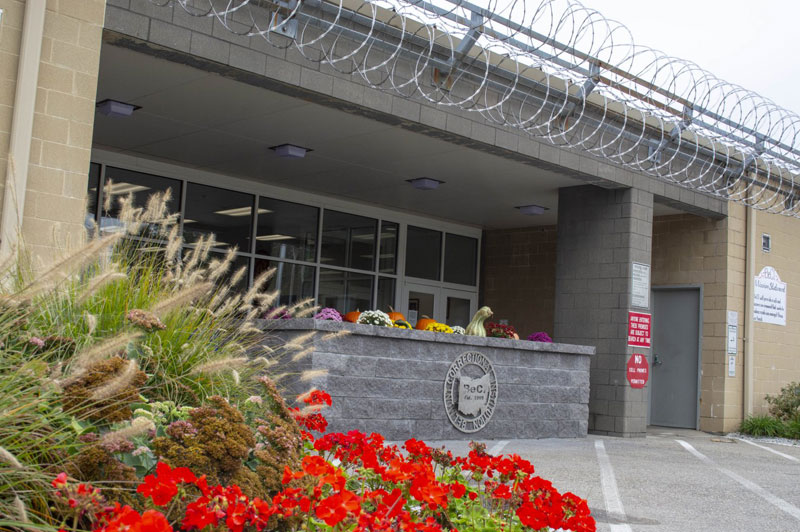
Belmont Correctional Institution. Source: ODRC
More than 100 inmates and workers in Ohio’s prison system have died from COVID-19, state data shows.
Jake Zuckerman is a statehouse reporter. He spent three years chronicling the West Virginia Legislature for The Charleston Gazette-Mail after covering cops and courts for The Northern Virginia Daily.
Five prison workers (three corrections officers and two nurses) and 96 inmates have died from the disease that has clobbered the Ohio Department of Rehabilitation and Correction since late March when it was first detected in the system.
Nearly 6,200 inmates have contracted COVID-19, the disease caused by the new coronavirus, though the figure is likely an undercount. After mass testing at Marion and Pickaway correctional institutions detected infections in 80% of inmates, ODRC shifted its strategy away from blanket testing and toward symptom-based testing.
An ODRC spokeswoman said 461 inmates with COVID-19 have been admitted to the hospital, but those people may have been admitted for other causes.
The dead inmates were 66 years old, on average.
At Marion, nearly 2,000 inmates have been infected, 12 of whom died.
At Pickaway, nearly 1,400 inmates have been infected, 35 of whom died.
The two prisons are the third and fourth largest COVID-19 clusters in the nation respectively, according to data from The New York Times.
The virus hit prison workers in force as well, though with much lower morbidity rates. More than 1,100 prison workers were infected, and the union representing them alleged workers were provided insufficient protective equipment.
Gary Daniels, a lobbyist for the ACLU, said there’s more than just a death toll. As more information emerges about long term damage from COVID-19, including “long haulers” who report debilitating symptoms even six months after infection, he questioned the health services ODRC is providing.
According to the CDC, coronavirus infections can cause myocarditis (heart inflammation) among other long term symptoms. While the science is still emerging, the heart damage could explain reported long-term symptoms like shortness of breath, chest pain and heart palpitations.
“How many people in Ohio prisons face this right now?” he said. “You’ve got these 100 people who have died, but that’s nowhere near the whole story.”
The ACLU has pushed for a broad decarceration that would remove people convicted for drug possession or parole violations — at least temporarily.
In February, there were nearly 49,000 inmates in Ohio prisons, which were populated well beyond their design capacity even before the pandemic. That figure decreased to slightly above 45,000 by August.
“It does appear to have plateaued,” Daniels said. “Whether that continues, who knows. Our concern is that after a certain amount of time, we’re going to see that population rise.”
In mid-May, four inmates filed a class action lawsuit in federal court seeking the forced depopulation of Ohio prisons.
U.S. District Judge Edmund Sargus Jr., in a ruling last month, rejected motions to dismiss the lawsuit. In a blow to the inmates, however, he also struck down a request for a preliminary injunction. He has not ruled on the issue at large.
Though it amounted to a loss for the inmates, Sargus signaled some sympathy for the conditions inside.
“This Court agrees with the other district courts across the country who have found COVID-19 to be an objectively intolerable risk of harm to prisoners when it enters a prison,” Sargus wrote.
Prisons and jails are near ideal places for the coronavirus to spread given the overcrowding, poor sanitation, and preexisting health complications inside.
In April, the Ohio Supreme Court dismissed a lawsuit from an HIV-positive inmate who sought release due to COVID-19.
At the time there were only 272 inmate infections. However, Justice Michael Donnelly wrote in an opinion that Ohio needs to take drastic action to prevent “catastrophe” looming down the line.
“The whole of Ohio’s government needs to take serious, unprecedented steps to prevent the catastrophe of unmitigated spread of COVID-19 to the tens of thousands of prisoners in Ohio as well as to the tens of thousands of people who are prison employees along with those living in the households of prison employees,” he said.