Tag: public health

  • Ohio legislators, medical leader fear vaccine hesitancy, health care impacts if RFK Jr. confirmed

    Ohio legislators, medical leader fear vaccine hesitancy, health care impacts if RFK Jr. confirmed

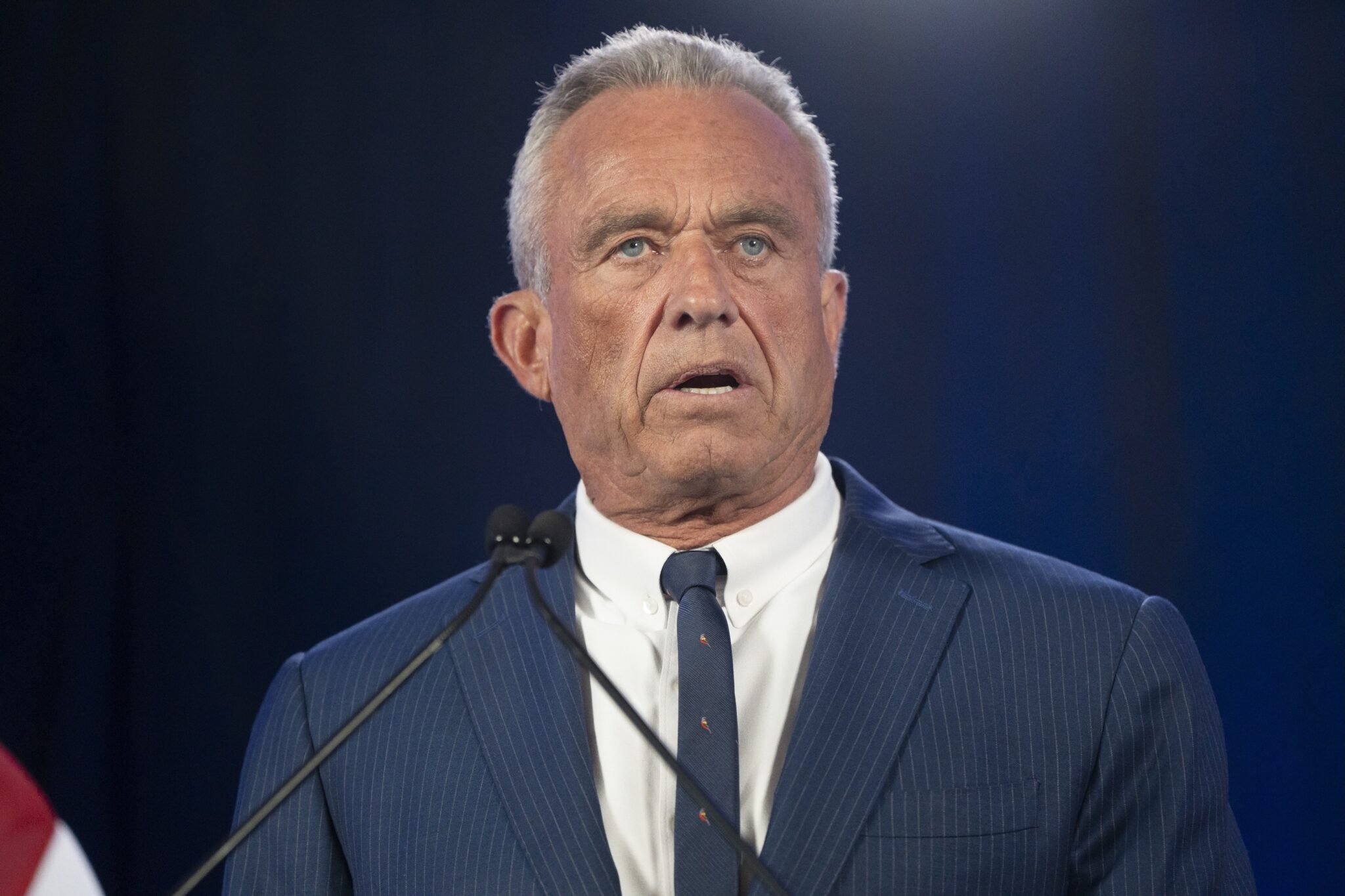
     Robert F. Kennedy Jr. (Photo by Rebecca Noble/Getty Images)

    By:  Ohio Capital Journal

    State legislators and medical experts in Ohio are decrying the nomination of Robert F. Kennedy, Jr., to the U.S. Department of Health and Human Services.

    Democratic lawmakers and a leader at the Toledo Lucas County Health Department expressed particular concern over access to health care and the future of vaccination requirements and information.

    “I think the question is are you going to trust somebody to run our entire health enterprise in this country who has no scientific background to understand why doctors, nurses, dentists are recommending that we actually do these things,” said Dr. Jonathan Ross, board president for the TLCHD.

    State Rep. Michele Grim, D-Toledo, who holds a master’s in public health, said the comments Kennedy, Jr., has made about vaccines in the past makes her nervous about his leadership of a federal medical agency with a multi-billion-dollar budget.

    “I know that vaccines save lives,” Grim said during a press conference hosted by Protect Our Care. “We eradicated small pox with vaccines, we almost eradicated polio, but now that is coming back because of the vaccine hesitancy.”

    Grim also takes issue with Kennedy’s “arcane” views on HIV/AIDS, something she focused on as part of her public health education. She said the views he’s expressed, are “very problematic in that space.”

    Ross, Grim and her fellow state Reps. Terrence Upchurch and Elgin Rogers said they hope the Trump administration will reconsider Kennedy, Jr.’s appointment, but failing that, they urged the U.S. Senate to conduct thorough questioning of the nominee, ultimately stopping the appointment.

    “I think that this appointment is probably the most dangerous, because it has a great impact on the public health, not just of the people of Ohio, but everyone in this country,” Upchurch, D-Cleveland said.

    GET THE MORNING HEADLINES.


    Ross and the legislators are concerned about the state of the overall national health care system with the appointment of Kennedy, Jr., but they see potential problems at the state level as well.

    “I think what impacts we’ll see is there could be less funding for our health departments, there could be some vaccine hesitancy, and I think we’ve seen that on the local level and also on the state level,” Grim said.

    Ross pointed to the possible reversal of insurance protections for Americans up to age 26 and undoing of Medicaid expansion as issues that could lead to increased health issues, and increased economic issues on top of everything else.

    With a loss of coverage in the Medicaid space, and if threats the Trump administration has made previously about repealing the Affordable Care Act come to fruition, crippling medical debt could fall on more and more Americans, leading to bankruptcies, along with unnecessary hospitalizations because of a lack of health coverage.

    “Being poor is also very bad for your health,” Ross said.

    Rogers, D-Toledo, said the disparities that already exist in health care for communities of color could also get worse with leaders lacking the information they need to make positive change.

    “If you have leaders who don’t understand the science, who are willing to ignore the science, they’re going to ignore other factors across the state of Ohio and that impact the people of Ohio who come from the most trying conditions,” Rogers said.

    A way forward could include state-level legislative action to protect certain aspects of the health care system that may be impacted by the new administration, and the new appointment. Ross said Medicaid work requirements that were considered in Ohio and federally would not be the way forward, and keeping an eye on efforts to require work as part of the Medicaid eligibility would help preserve the health care landscape.

    “People are more likely to be able to work if they have health care coverage, so precluding health care coverage for people who are not working is the opposite of what you want to do,” according to Ross.

    The legislators pledged to keep public health at the forefront of the minority caucuses priorities, though they face a tough slog leading a charge in a Statehouse with GOP supermajorities in both chambers.

    “I can see a world where there is another effort to attack vaccinations (on the state level),” Upchurch said.

    For Grim, whether Kennedy, Jr., is confirmed or not, it’s up to legislators to make sure the public and their fellow legislators know that a loss of Medicaid benefits or any hits to public health would negatively impact all Ohioans, not just a small minority.

    “We need to make sure that our caucus is a voice for public health and the benefits of vaccines,” Grim said.

    YOU MAKE OUR WORK POSSIBLE.

    _______________
    Susan Tebben
    Susan Tebben

    Susan Tebben is an award-winning journalist with a decade of experience covering Ohio news, including courts and crime, Appalachian social issues, government, education, diversity and culture. She has worked for The Newark Advocate, The Glasgow (KY) Daily Times, The Athens Messenger, and WOUB Public Media. She has also had work featured on National Public Radio.

    Ohio Capital Journal is part of States Newsroom, the nation’s largest state-focused nonprofit news organization.

    MORE FROM AUTHOR

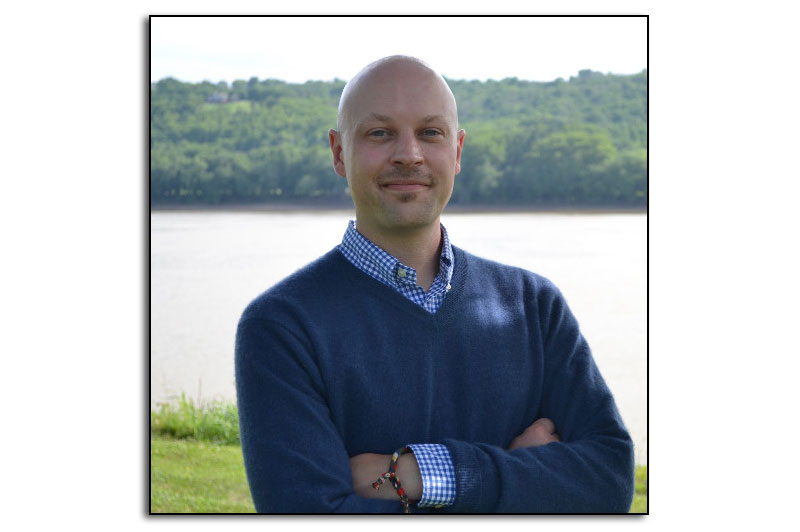
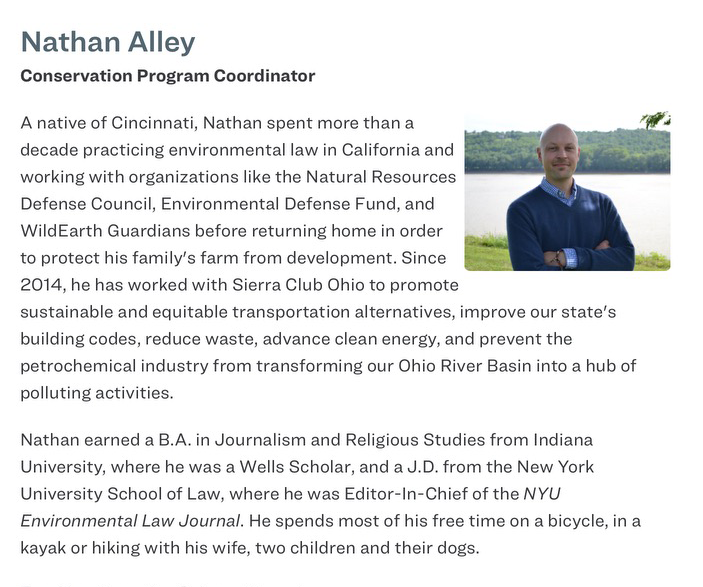
  • Nathan Alley is main presenter at Public Forum About Hazardous “Forever Chemicals” in Loveland’s Drinking Water

    Nathan Alley is main presenter at Public Forum About Hazardous “Forever Chemicals” in Loveland’s Drinking Water

    Tuesday, June 4

    6 until 7:30 PM

    Loveland Public Library

    649 Loveland Madera Road

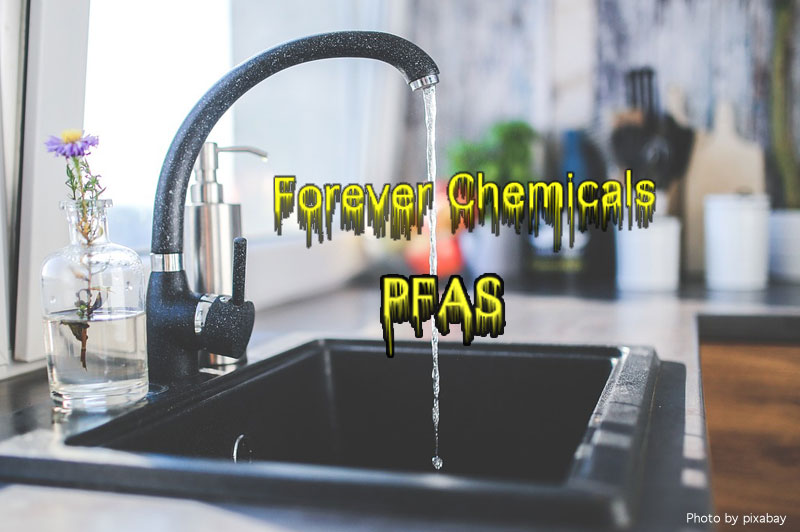
    Loveland, OhioHazardous chemicals, known collectively as “forever chemicals” or PFAS (per-and polyfluoroalkyl substances), were created in the mid-20th century by chemical companies and were used in multiple industries. They are now in our drinking water and have been causing negative health outcomes for consumers for decades.

    The Sierra Club Miami Group Education Forum has organized this Education Forum.

    If you are using Loveland water, you will want to attend this info session. They will be sharing information on these topics:

    • History of PFAS in Loveland’s drinking water
    • General History of PFAS
    • New USEPA regulations for PFAS
    • Negative health outcomes resulting from PFAS
    • How to protect your family

    The Sierra Club urges you to come ready to ask questions!
    You can join in person or virtually. If you would like to join virtually, register online at miamigroup.org

  • Public Forum: About Hazardous “Forever Chemicals” in Loveland’s Drinking Water

    Public Forum: About Hazardous “Forever Chemicals” in Loveland’s Drinking Water

    Tuesday, June 4

    6 until 7:30 PM

    Loveland Public Library

    649 Loveland Madera Road

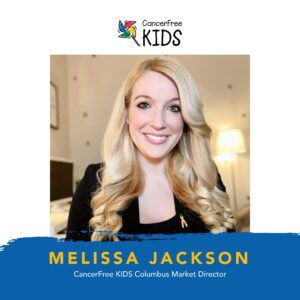
    Loveland, OhioHazardous chemicals, known collectively as “forever chemicals” or PFAS (per-and polyfluoroalkyl substances), were created in the mid-20th century by chemical companies and were used in multiple industries. They are now in our drinking water and have been causing negative health outcomes for consumers for decades.

    The Sierra Club Miami Group Education Forum has organized this Education Forum.

    If you are using Loveland water, you will want to attend this info session. They will be sharing information on these topics:

    • History of PFAS in Loveland’s drinking water
    • General History of PFAS
    • New USEPA regulations for PFAS
    • Negative health outcomes resulting from PFAS
    • How to protect your family

    The Sierra Club urges you to come ready to ask questions!
    You can join in person or virtually. If you would like to join virtually, register online at miamigroup.org

  • CancerFree KIDS is expanding to Columbus!

    CancerFree KIDS is expanding to Columbus!

    Loveland, Ohio – In a newsletter sent today CancerFree KIDS announced, they have been proud to invest in pediatric cancer research at Nationwide Children’s Hospital in Columbus for nearly 15 years and are excited to expand the organization’s presence in the Columbus community under the leadership of their newest team member, Melissa Jackson.

    _______________________

    Please help us build our CancerFree KIDS community in Columbus! If you or a friend live in the Columbus area and would like to receive more information about events, volunteer opportunities and research impact in Columbus, please let us know!

    _______________________

    CancerFree KIDS would like to welcome our newest team member, Melissa Jackson, who will serve as our market director in Columbus! CancerFree KIDS has been proud to invest in pediatric cancer research at Nationwide Children’s Hospital for nearly 15 years and we are excited to expand our organization’s presence in the Columbus community under Melissa’s leadership.
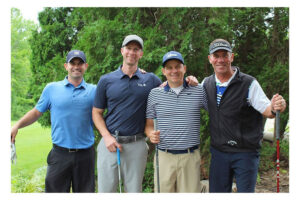
    Melissa has extensive experience in public health and non-profit management and has served the cancer community directly through numerous state and national non-profits. As the mother of a pediatric cancer survivor herself, she also founded a local non-profit and support group for parents who have children with cancer.
    Volunteer on Jersey Mike’s Day of Giving! On Jersey Mike’s Day of Giving on March 27th, 100% of sales in Greater Cincinnati and NKY are donated to CancerFree KIDS! Help us make this day a success by volunteering in your local store!
    Learn More and Register to Volunteer


    Join the the Paxton’s Grill Golf Outing

    Save the date for the 19th Annual Paxton’s Grill Golf Outing benefiting CancerFree KIDS on Friday, June 7th, Saturday, June 8th and the Corporate Outing on Monday, July 15th! Sponsor registration is also open! Register your foursome and view sponsorship opportunities here.

    19th Annual Paxton’s Grill Golf Outing Benefitting CancerFree KIDS

    About CancerFree KIDS

    CancerFree KIDS aims to find gentler, more effective childhood cancer treatments by funding innovative research projects in the early stages of development. New ideas need money to grow, yet potential breakthrough treatment methods often go nowhere because pediatric cancer research is drastically underfunded.

    CancerFree KIDS provides grants to high-risk/high-reward childhood cancer research projects in these crucial early stages, which allows researchers to prove their concept, secure additional funding, find new treatment therapies and eventually end childhood cancer.


  • Report calls on medical boards to go after COVID “disinformation doctors;” Ohio’s has not

    Report calls on medical boards to go after COVID “disinformation doctors;” Ohio’s has not

    Dr. Sherri Tenpenny testifies before the Ohio House Health Committee on June 8, 2021. During her presentation, she said vaccines are magnetizing to their recipients and “interface” with 5G cell towers. (Photo source: The Ohio Channel)

    BY: JAKE ZUCKERMANOhio Capital Journal

    In June, Sherri Tenpenny, a state-licensed doctor of osteopathic medicine and notorious COVID-19 disinformer, baselessly claimed in a televised, government meeting that COVID-19 vaccines “magnetize” recipients and “interface” with cell towers.

    The comment wasn’t an aberration from Tenpenny, who has in the past described vaccines as a tool of “depopulation.” The Ohio State Medical Board, an agency tasked with overseeing discipline and complaints of state physicians, still renewed her license in September as part what it called an “automatic” process of handling renewals.

    Her renewal points to a bigger problem at the intersection of politics, mass media and public health: a loud, super minority of physicians has found ways to monetize lies about COVID-19 and vaccines that prevent it, and state medical boards are ill equipped to handle the problem, according to a report released earlier this month by the de Beaumont Foundation.

    “During this ongoing public health emergency that has claimed more than 5 million lives globally, a small minority of physicians have exploited the credibility that comes with their medical licenses to disseminate disinformation to the public,” the report states. “Their lies, distortions, and baseless conspiracy theories have caused unnecessary suffering and death that are prolonging the pandemic.”

    “Their lies, distortions, and baseless conspiracy theories have caused unnecessary suffering and death that are prolonging the pandemic.”

    de Beaumont Foundation

    Only about 21% of state medical boards have taken any disciplinary action against a licensee for disseminating false or misleading health information, according to a survey conducted by the Federation of State Medical Boards. About 2 in 3 boards said they’ve noticed an increase in complaints on the issue.

    Ohio’s medical board’s stated mission is to “protect and enhance the health and safety of the public through effective medical regulation.” Spokeswoman Jerica Stewart said state law allows the board to discipline doctors for making a “false, fraudulent, deceptive, or misleading statement in relation to the practice of medicine and surgery.” However, there’s a high standard of proof to meet. Tenpenny’s license, Stewart said, was automatically renewed, part of an automated process to keep up with the 92,000 licensees in Ohio. Tenpenny did not respond to an email.

    “Ohio law prohibits the Medical Board from sharing details about received complaints and investigations even if a licensee chooses to publicly comment on their interactions with the board,” she said. “I’d also like to reiterate, a recent renewal does not prevent the board from taking future disciplinary action and does not mean that there isn’t an open investigation.”

    The de Beaumont report criticizes boards that have “rubber stamped renewals for doctors who are in clear violation of medical standards, which allows them to do more harm with no questions asked.”

    Medical boards have structural problems stopping them from disciplining disinformers, per the report. Their work is shrouded in secrecy, the problem is somewhat new and fast-evolving, and investigations are time consuming.

    Several physicians identified in the report have spread untruths throughout the pandemic about COVID-19 all while being “able to point to their medical license for credibility.” For instance, California physician Simone Gold said in a CNN interview that vaccines are “disease-causing.” Indiana physician Dan Stock, speaking at a school board meeting, attributed a COVID-19 outbreak to vaccines. North Carolina physician Rashid Buttar claimed on CNN that the vaccine has killed more people than COVID-19.

    These claims fly in the face of real-world evidence showing vaccines are incredibly powerful protectors against serious health outcomes from COVID-19 like hospitalization or death. Likewise, researchers have found there’s no increase in mortality in vaccine recipients, and that recipients had lower rates of non-COVID-19 mortality after adjusting for age and other characteristics.

    The de Beaumont Foundation, a public health advocacy group, commissioned polling on the issue from Morning Consult. Of 2,200 adult respondents, about 9 in 10 said physicians don’t have the right to “intentionally spread misinformation or false health information.” About 8 in 10 said they should be disciplined for doing so.

  • COVID-19 rises again in an undervaccinated Ohio

    COVID-19 rises again in an undervaccinated Ohio

    Photo by John Moore | Getty Images.

    BY: JAKE ZUCKERMAN – Ohio Capital Journal (Local dated added by Loveland Magazine)

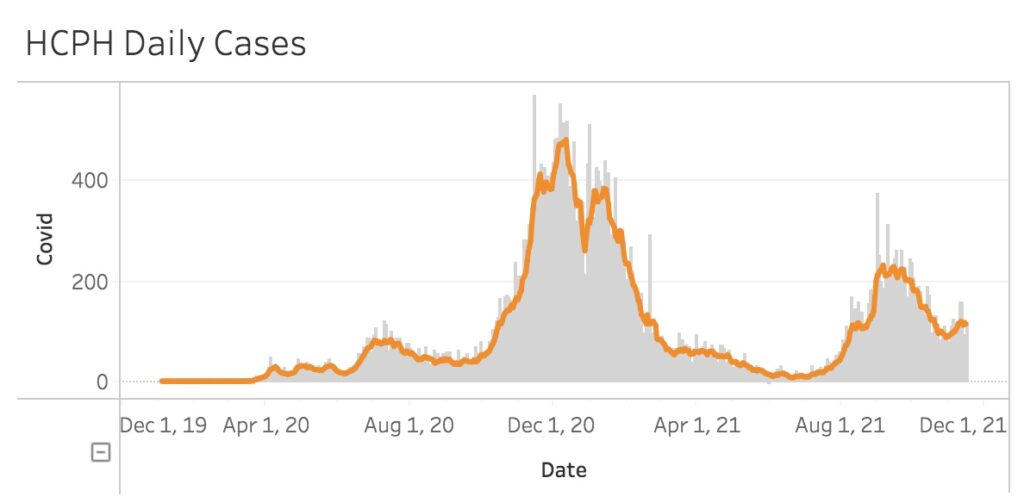
    COVID-19 cases are once again ascendant in the 10th least vaccinated state in the nation.

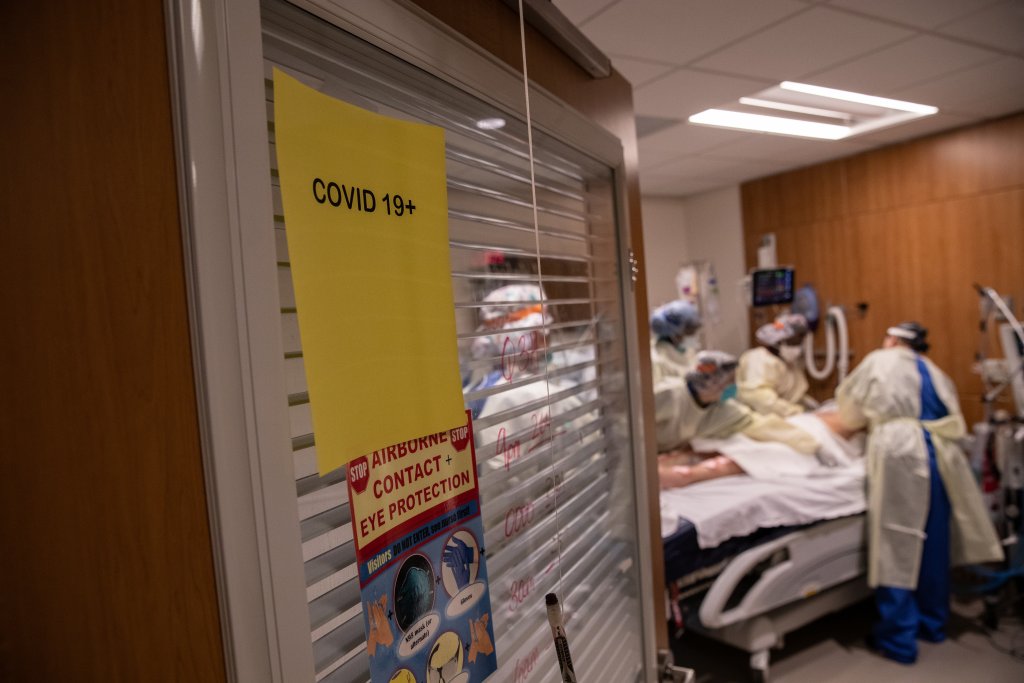
    State data shows infection rates are climbing and the workloads are reupping at hospitals, where more than 2,700 Ohioans are currently hospitalized with COVID-19.

    An analysis of state data shows that 11 months into the vaccine rollout, the ground is still fertile for outbreaks all around Ohio. Of 88 counties in the Buckeye State, only Delaware (71% vaccinated) surpasses the national vaccination rate of 68.5%. In 58 counties, less than half the population is vaccinated, according to data as of Sunday.

    Ranked by state, Ohio (56% vaccinated) is the 10th least-vaccinated in the country, according to data from The New York Times.

    In Henry County, a rural swath of northwest Ohio, COVID-19 is spreading at more than twice the statewide rate of about 400 infections per 100,0000 residents. About 52% of residents are vaccinated. Health Commissioner Joy Ermie said the spread is not specific to any outbreak or location, it’s just swimming through homes and social events of mostly unvaccinated people.

    “The quicker we turn this around, the quicker we’ll see a decrease in our cases,” she said. “It will be a forever cycle if we cannot increase our overall vaccination rates.”

    Public health workers in coronavirus-sieged counties said in interviews for this article that it’s time to start accepting that COVID-19 is likely here to stay in some form or fashion, absent a paradigm shift on vaccination.

    Several indicated a circular pattern in vaccination; the unvaccinated, by and large, are staying unvaccinated. The vaccinated are fortifying their immune system with booster doses.

    “I would absolutely love to say COVID is over in X [number of] months,” Ermie said. “But I feel much more confident that we should take our energy away from, ‘How is this going to end?’ to ‘How can we learn to live with it?’”

     Gavin Smits receives a first dose of the Pfizer COVID-19 vaccine. (Photo by David Ryder/Getty Images)

    Federal authorities approved the use of vaccines on children aged 5-11 earlier this month, which will likely jumpstart vaccination rates to some extent. In north-central Ohio’s Seneca County, a population of roughly 55,000 people, about 47% of residents are vaccinated. The county’s case rate is nearly twice the statewide average.

    About 20 children were vaccinated at a clinic last Tuesday night, according to county health commissioner Anne Goon. She said there hasn’t been any mad rush on vaccines, but she was happy with Tuesday’s crowd.

    She said adults in the community have bristled with vaccines, masks, and assorted infection control policy responses to the pandemic. Some parents have refused to have their kids tested after they’re exposed to the coronavirus at school, she said, even if it’s required for an after-school sport.

    “We have a portion of our population that just doesn’t think COVID is real,” Goon said. “That it’s just a hoax.”

    To Dr. Bruce Vanderhoff, Ohio’s top doctor and director of the state health department, the state is “approaching” a point in the pandemic where coronavirus becomes more of a nuisance than threat to the public welfare. We’re not there yet though as the extra-transmissible delta variant of the coronavirus “relentlessly” seeks out the unvaccinated, he said.

    “In some circumstances, what is driving what we’re seeing is low vaccination rates in some communities,” he said. “So we have to continue to focus on the importance of vaccination.”

    Vanderhoff, speaking to reporters Friday, offered a more optimistic take on Ohio’s vaccination rate. Among Ohio adults, more than 2 in 3 have now received at least one dose of vaccination. The COVID-19 vaccination rate, he said, has surpassed the rate of Ohioans who get their annual flu shot. It pales in comparison to vaccination against disease like measles or polio, but those vaccines have been around longer and are (mostly) legally required to enroll in school.

    Despite Vanderhoff’s optimism, hospitalizations for COVID-19 have increased across every age group over the last week. For people aged 30-39, who are less vaccinated than their elder counterparts, hospitalizations leapt 48% in that time frame. More than 2,700 Ohioans are currently hospitalized with COVID-19, up from less than 2,200 earlier this month.

    John Palmer, a spokesman for the Ohio Hospital Association, said the statewide COVID-19 patient census has been increasing by about 60 patients daily as of late.

    “Hospitals are operating at high-capacity levels with workforce challenges and any surge will have a devastating impact leading to disruption of health care access for communities,” he said. “Despite three safe, approved and effective vaccines available today to stop this virus we continue to see spread and it’s frustrating to respond to a virus that is preventable.”

    All told over about 20 pandemic months, more than 25,600 Ohioans have died from COVID-19, part of the U.S.’ 762,000 dead. More than 82,000 Ohioans have been hospitalized, including more than 10,000 who required ICU care. A staggering 1.6 million Ohioans have been infected with COVID-19.

    Data on infections that “break through” the vaccines’ protection is limited, but available evidence suggests it’s a rare occurrence. CDC research shows vaccination decreases the risk of infection by a factor of five; the vaccines are between 88% and 93% effective in preventing hospitalization; and months’ worth of data shows there’s no increased risk for mortality among vaccine recipients. Since Jan. 1 in Ohio, fewer than 5% of people hospitalized or dead from COVID-19 were vaccinated.

    Mark Cameron, an immunologist at Case Western Reserve University, is not surprised by COVID-19’s resurgence. Even highly vaccinated states like Vermont (82% vaccine started) are wrestling with outbreaks. In Ohio, cold weather makes respiratory viruses more spreadable and drives humans to gather inside instead of outside.

    “It’s absolutely unacceptable to operate in a space in which 50-60% of the people are unvaccinated,” he said.

    He expressed frustration with a sense of complacency from the public whenever the coronavirus ebbs, and an unwillingness to acknowledge the predictable patterns of disease spread based on low vaccine coverage, weather and human behavior.

    “I don’t know what unique to say at this point,” he said. “Here we are risking another impact on our holiday season through sickness, hospitalization and death.”


    Hamiolton County Public Health 11-16-2021

    November 16

    Warren County Health Services reported 62 additional COVID-19 cases on Tuesday, along with 60 recoveries. Health Services is monitoring 493 active COVID cases as of Tuesday, 471 of them involving mild illness.

    Thirteen (13) people are hospitalized as of Tuesday, one (1) fewer than Monday. One (1) is critically ill, and the remainder have moderate illness. Nine (9) others are moderately ill outside of the hospital.

    All but two (2) of Tuesday’s cases involved community spread of COVID-19, as two (2) were reported in a skilled nursing facility.

    Warren County Health Services continues to see a significant spike in COVID-19 transmission, with the majority of its new cases arising from workplace exposures, family/household exposures and indoor events/gatherings as the highly transmissible Delta variant remains involved with virtually all local cases.

    Sixteen (16) of Tuesday’s cases involved individuals who had been fully vaccinated. Cumulatively as of Tuesday, 1,086 of 44,513 fully vaccinated Warren County residents have tested positive for COVID-19. To date, 1,027 of 1,086 had mild illness, while 41 became moderately ill, two (2) seriously ill and one (1) critically ill. Fifteen (15) passed away, all of them elderly and/or with extensive health issues, seven (7) of them at nursing homes.

  • Registration info for COVID 19 vaccine in Clermont County

    Registration info for COVID 19 vaccine in Clermont County

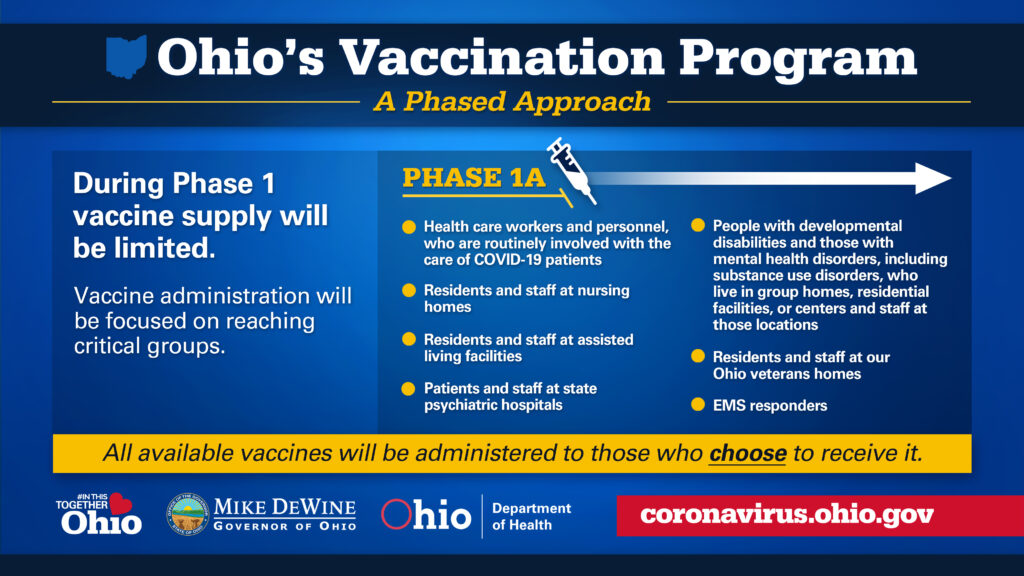
    Loveland, Ohio – As more vaccine is produced more groups of people will be prioritized. However, it may be the middle of 2021 before the vaccine will be widely available to the Clermont County community.

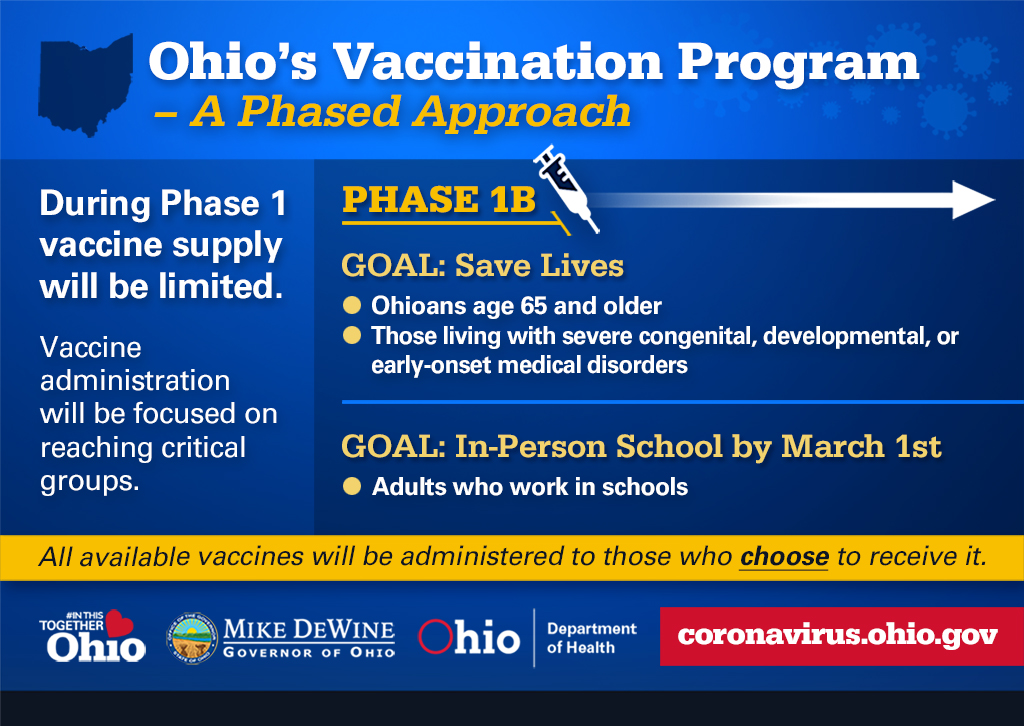
    Beginning the week of January 18, Ohio will be vaccinating people who fall into phase 1B. That includes:

        • Ohioans 65 and older
        • Those with severe congenital or developmental disorders
        • Employees of K-12 schools that wish to remain or return to in-person learning

    Because the vaccine is still very limited in supply, Ohio will take a tiered approach to vaccinate group 1B. Ohio will follow this timeline for vaccinating group 1B.


    Week of January 18 – Ohioans 80 years of age and older

    Week of January 25 – Ohioans 75 years of age and older

    Week of February 1 – Ohioans 70 years of age and older; K-12 school employees

    Week of February 8 – Ohioans 65 years of age and older


    If you or a loved one falls into group 1B and is eligible to be vaccinated, get on the:

    COVID-19 vaccine waiting list


    Completing this survey will put you on the waiting list. A public health staff member will contact you to schedule an appointment or provide additional information about your vaccination options. 

    Registration info for COVID 19 vaccine in Hamilton County

    For more information about the COVID-19 vaccine and a list of frequently asked questions, visit the Ohio Department of Health’s coronavirus website.


  • Clermont County Public Health: Exponential growth in the number of new COVID cases in Clermont County

    Clermont County Public Health: Exponential growth in the number of new COVID cases in Clermont County

    October 1 – 62 new cases per 100,000 residents

    November 12 – 410 new cases per 100,000 residents

    During the week of November 8-14, there was a 140 percent increase in the number of daily cases in Clermont County.

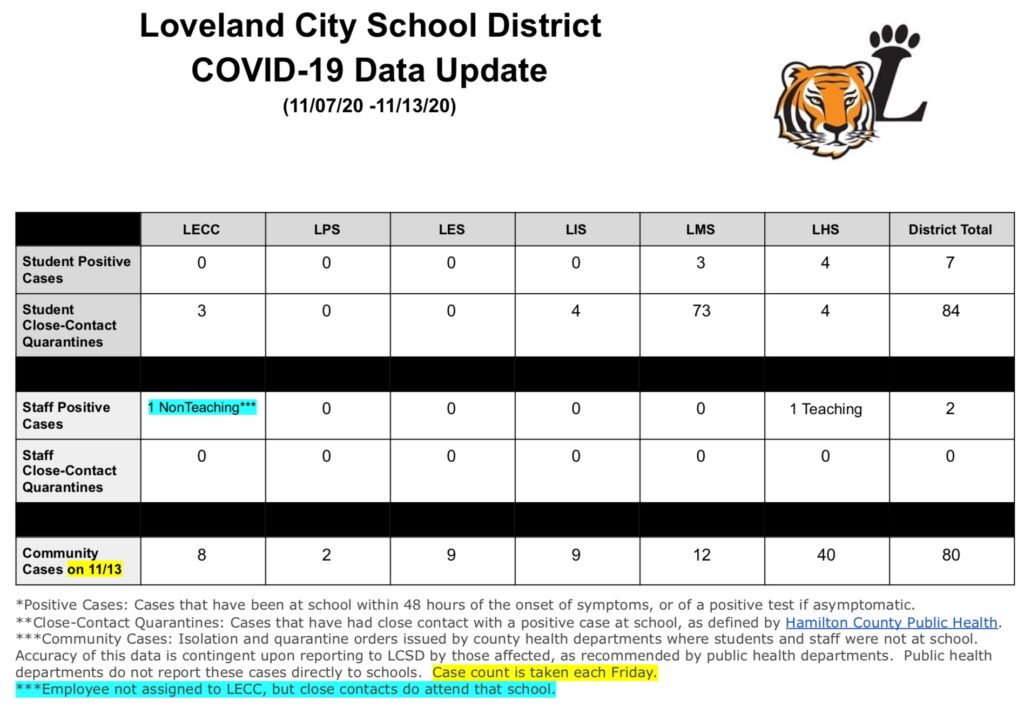
    The Loveland City School District reported 16 new COVID 19 CASES since last Wednesday.

    Batavia, Ohio – The number of new cases of COVID-19 in Ohio and Clermont County is increasing at an alarming rate according to a statement issued by the Clermont County health district today. The department reports a high of 186 new cases was reported in Clermont County on November 13 and the state of Ohio reported an all-time high of 8,071 new cases.

    As of November 12, when the latest public health advisory system numbers were released, Clermont County had a rate of 410 new cases per 100,000 residents. For comparison, on October 1, the county’s rate was only 62 new cases per 100,000 residents. During the week of November 8-14, there was a 140 percent increase in the number of daily cases in Clermont County.

    The exponential growth in the number of new cases in Clermont County has made it nearly impossible to keep up with disease investigation and contact tracing. “Up until this point, our goal has been to begin disease investigations within 24 hours of each new case being reported to us,” said Health Commissioner Julianne Nesbit.


    Warren County Health District “overwhelmed” with the rapid acceleration of new COVID-19 cases

    Loveland Magazine –  Nov 14, 2020


    a

    Disease investigations take time and involve a public health staff member calling each individual who has tested positive and get details like where they may have been exposed, every location they have been in the previous few days, and every person they may have been in contact with.

    After public health does their initial investigation, then they begin the process of contact tracing. That usually involves calling each person who was considered a close contact with the infected person and advising them to quarantine for 14 days from the date of exposure.

    “We have hired additional contact tracers, but it’s still not enough to keep up with the demand,” said Nesbit. “Our staff is doing everything we possibly can to keep up with the new cases, we are physically and emotionally exhausted, but we are continuing to do this important work to the best of our ability to protect our community.”

    “Our staff is doing everything we possibly can to keep up with the new cases, we are physically and emotionally exhausted

    “We have hired additional contact tracers, but it’s still not enough to keep up with the demand,” said Nesbit. “Our staff is doing everything we possibly can to keep up with the new cases, we are physically and emotionally exhausted, but we are continuing to do this important work to the best of our ability to protect our community.”

    In addition to hiring additional contact tracers, Clermont County Public Health (CCPH) has been using staff members from every other department to fill in the gaps and assist with contact tracing. CCPH also has a contract with the Ohio Department of Health for additional contact tracers that are being cross-trained to assist with disease investigations.

    Public Health has switched from making phone calls in some situations to sending emails to provide information on quarantine to save time. Now, with this many new cases, they have also begun mailing letters to each person that tests positive to save time. Phone calls are still being made when CCPH is aware of situations where there are a large number of contacts and the potential for further spread of the disease.

    The letters notify each person that tests positive what to do while they are in isolation and asks them to identify their contacts, who are advised to quarantine. “We are seeing so many new cases, we just cannot possibly keep up at this rate,” said Nesbit.

    “Local hospitals are already being stressed,” said Nesbit. “While all hospitals have surge plans in place where they can add more beds and take in more patients, they are going to run out of healthy, experienced workers to care for the sick patients, if this trend continues.”

    A summary of local hospital data can be found at https://www.cctst.org/covid19

    “We saw in the spring that we can flatten the curve, but we must be extra vigilant now, especially with the holidays coming up,” urged Nesbit.


    ccc

    The Loveland City School District reported 16 new COVID 19 CASES since last Wednesday.

    On 11/16/20, the district was notified that a student at the Loveland Early Childhood Center tested positive for COVID-19. This student was last at school on 11/12/20.

    On 11/16/20, the district was notified that a student at Loveland High School tested positive for COVID-19. This student was last at school on 11/09/20.

    On 11/16/20, the district was notified that a student at Loveland High School tested positive for COVID-19. This student was last at school on 11/13/20.

    On 11/16/20, the district was notified that a non-teaching staff member from Transportation and Loveland Primary School tested positive for COVID-19. This staff member was last at work / school on 11/12/20.

    On 11/13/20, the district was notified that a staff member at the Loveland Early Childhood Center tested positive for COVID-19. This staff member was last at school on 11/10/20.

    On 11/13/20, the district was notified that a Board of Education Central Office staff member tested positive for COVID-19. This staff member was last at work on 11/12/20.

    On 11/14/20, the district was notified that a staff member at Loveland High School tested positive for COVID-19. This staff member was last at school on 11/6/20.

    On 11/12/20, the district was notified that a student at Loveland High School tested positive for COVID-19. This student was last at school on 11/4/20.

    On 11/13/20, the district was notified that a student at Loveland Middle School tested positive for COVID-19. This student was last at school on 11/10/20.

    On 11/13/20, the district was notified that a student at Loveland High School tested positive for COVID-19. This student was last at school on 11/5/20.

    On 11/12/20, the district was notified that a student at Loveland High School tested positive for COVID-19. This student was last at school on 11/4/20.

    On 11/13/20, the district was notified that a student at Loveland Middle School tested positive for COVID-19. This student was last at school on 11/10/20.

    On 11/13/20, the district was notified that a student at Loveland High School tested positive for COVID-19. This student was last at school on 11/5/20.

    On 11/12/20, the district was notified that a student at Loveland Middle School tested positive for COVID-19. This student was last at school on 11/9/20.

    On 11/12/20, the district was notified that a student at Loveland High School tested positive for COVID-19. This student was last at school on 11/6/20.

    On 11/12/20, the district was notified that a staff member at Loveland High School tested positive for COVID-19. This staff member was last at school on 11/6/20.

    Loveland Schools COVID-19 Dashboard on 11-13-20

    The District does not publish quarantine data during the week, only on Fridays.

    Right-Click on the image and open in a new tab to see a larger view.


    What can you do to help?

    • Stay home if you are sick.
    • Quarantine yourself if you have been around someone who recently tested positive for COVID-19.
    • Wear a mask whenever you are in public.
    • Avoid large crowds.
    • Keep at least six feet of space between yourself and others.
    • Limit contact with people outside of your immediate household. If you are tested and receive a positive test result, you should:
      • Isolate yourself in your own home, away from others, as much as possible, for at least 10 days after your symptoms first appeared.
      • Notify each person you had direct contact with (defined as someone within six feet of you for a length of 15 minutes or longer within 24 hours) and ask them to quarantine in their house for 14 days after the potential exposure occurred. For more information or resources, visit the Ohio Department of Health’s coronavirus website at www.coronavirus.ohio.gov or Clermont County Public Health’s website at www.ccphohio.org.

  • Ohio Public Health officials confirm cases of severe pulmonary illness in vaping investigation

    Ohio Public Health officials confirm cases of severe pulmonary illness in vaping investigation

    According to the CDC, patient respiratory symptoms have included cough, shortness of breath, and fatigue. In some cases, symptoms worsened over a period of days or weeks and required hospitalization. Other symptoms reported by some patients included fever, chest pain, weight loss, nausea, and diarrhea.

    Columbus, Ohio  – State and local public health officials in Ohio have concluded that three reports of severe pulmonary illness after vaping are likely due to vaping and are investigating an additional 11 reports of illness. Additionally, the Centers for Disease Control and Prevention (CDC) has issued updated recommendations on vaping for the public.

    The Ohio Department of Health (ODH) issued a health alert to healthcare providers on Aug. 23 asking them to report to local or state public health officials for investigation of all suspected cases of serious pulmonary illness where the cause is unclear and there is a history of vaping.

    ODH reports that the three confirmed cases range in age from 18 to 26 years old, including two females and one male, and that they all required hospitalization. The confirmed cases are from Lucas, Richland, and Union counties. Investigations continue into Ohio’s additional reports of illness and no further information about them is available at this time.

    ODH says that the CDC is reporting more than 200 possible cases from 25 states, and its updated recommendations on vaping for the public include:

    • While the investigation is ongoing, people should consider refraining from using an e-cigarette or vaping products if they are concerned about health risks.

    • Regardless of the investigation, e-cigarette and vaping products should not be used by youth, young adults, pregnant women, or adults who do not currently use tobacco products.

    • Do not buy vaping products off the street – you do not know what they really contain that could be harmful to your health.

        – Vaping products bought on the street may contain THC or other cannabinoids.

        – Do not modify e-cigarette or vaping products or add any substances to them not intended by the manufacturer.

    • If you use e-cigarette products, monitor yourself for symptoms and promptly seek medical attention if you have concerns about your health.

    ODH has advised that if you need help quitting tobacco products, including e-cigarettes, to contact your doctor or go to the ODH website for information about resources, including the Ohio Tobacco Quit Line (1-800-QUIT-NOW).


  • Should Clermont County offer Syringe Services?

    Should Clermont County offer Syringe Services?

    Clermont County Public Health wants your input on a proposed Syringe Services Program. A public forum will be held on Thursday, November 30 from 6:30 – 8 PM at the Clermont County Engineer’s Office at 2381 Clermont Center Drive in Batavia. Public comments will also be accepted through an online survey.

    Clermont County ranks fourth in Ohio in drug overdose deaths.

    Syringe Services Programs (SSPs) are public health programs that are intended to reduce the spread of infectious diseases such as hepatitis and HIV. The SSPs provide access to sterile syringes to people who inject drugs. The program can also make referrals to substance use disorder counseling and treatment programs. They also provide education on the prevention of infection and offer testing and referral for treatment for hepatitis C and HIV.

    Thursday, November 30 from 6:30 – 8 PM at the Clermont County Engineer’s Office at 2381 Clermont Center Drive in Batavia.

    The proposed program in Clermont County would be a collaborative effort between Clermont County Public Health, Mercy Health – Clermont Hospital, Hamilton County Public Health, and the Exchange Project. A mobile van would come to the hospital parking lot one half-day per week to provide the services.

    In Clermont County, the rate of hepatitis C infections have risen by 40 percent, and HIV rates have risen by 27 percent over the last five years. Clermont County ranks fourth in Ohio in drug overdose deaths. 

    “The Syringe Services Program would be a needed resource in Clermont County,” said Health Commissioner Julianne Nesbit. “The goal of the program is to lower rates of hepatitis C and HIV, while also providing access to treatment to people with substance use disorder.”
     
    According to the Centers for Disease Control, people who inject drugs are five times as likely to enter treatment for substance abuse disorder and are more likely to reduce or stop injecting when they use a Syringe Services Program.  

    For more information on the proposed Syringe Services Program, click here.


    What are Syringe Services Programs?

    Are Syringe Services Programs legal?

    How will a Syringe Services Program be funded in Clermont County? What will it cost?

    Who are the partners involved in bringing a Syringe Services Program to Clermont County?

    Why do we need a Syringe Services Program in Clermont County?

    Won’t a Syringe Services Program increase crime and drug use in the community?

    Won’t a Syringe Services Program just enable a person who uses injection drugs to continue using? 

    Take the community input survey.

    For more information on the proposed Syringe Services Program, click here.


    Wards Corner Chiropractic & Sports Rehab