Tag: religion

  • How the first Pilgrims and the Puritans differed in their views on religion and respect for Native Americans

    How the first Pilgrims and the Puritans differed in their views on religion and respect for Native Americans

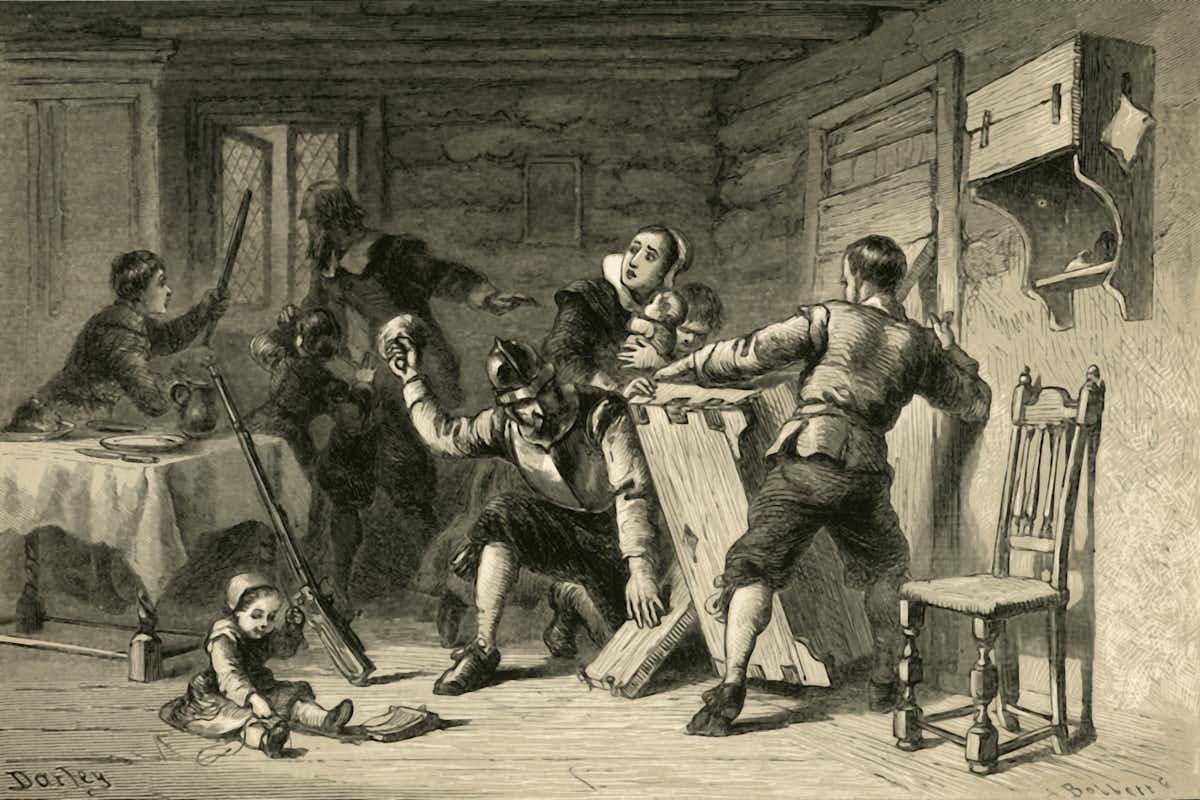
    Puritans barricading their house against Indians. Artist Albert Bobbett. The Print Collector/ Hudson Archives via Getty Images

    by Michael Carrafiello, professor of History, Miami University

    Every November, numerous articles recount the arrival of 17th-century English Pilgrims and Puritans and their quest for religious freedom. Stories are told about the founding of Massachusetts Bay Colony and the celebration of the first Thanksgiving feast.

    In the popular mind, the two groups are synonymous. In the story of the quintessential American holiday, they have become inseparable protagonists in the story of the origins.

    But as a scholar of both English and American history, I know there are significant differences between the two groups. Nowhere is this more telling than in their respective religious beliefs and treatment of Native Americans.

    Where did the Pilgrims come from?

    Pilgrims arose from the English Puritan movement that originated in the 1570s. Puritans wanted the English Protestant Reformation to go further. They wished to rid the Church of England of “popish” – that is, Catholic – elements like bishops and kneeling at services.

    Each Puritan congregation made its own covenant with God and answered only to the Almighty. Puritans looked for evidence of a “godly life,” meaning evidence of their own prosperous and virtuous lives that would assure them of eternal salvation. They saw worldly success as a sign, though not necessarily a guarantee, of eventual entrance into heaven.

    After 1605, some Puritans became what scholar Nathaniel Philbrick calls “Puritans with a vengeance.” They embraced “extreme separatism,” removing themselves from England and its corrupt church.

    These Puritans would soon become “Pilgrims” – literally meaning that they would be prepared to travel to distant lands to worship as they pleased.

    In 1608, a group of 100 Pilgrims sailed to Leiden, Holland and became a separate church living and worshipping by themselves.

    They were not satisfied in Leiden. Believing Holland also to be sinful and ungodly, they decided in 1620 to venture to the New World in a leaky vessel called the Mayflower. Fewer than 40 Pilgrims joined 65 nonbelievers, whom the Pilgrims dubbed “strangers,” in making the arduous journey to what would be called Plymouth Colony.

    Hardship, survival and Thanksgiving in America

    Most Americans know that more than half of the Mayflower’s passengers died the first harsh winter of 1620-21. The fragile colony survived only with the assistance of Native Americans – most famously Squanto. To commemorate, not celebrate, their survival, Pilgrims joined Native Americans in a grand meal during the autumn of 1621.

    But for the Pilgrims, what we today know as Thanksgiving was not a feast; rather, it was a spiritual devotion. Thanksgiving was a solemn and not a celebratory occasion. It was not a holiday.

    Still, Plymouth was dominated by the 65 strangers, who were largely disinterested in what Pilgrims saw as urgent questions of their own eternal salvation.

    There were few Protestant clerics among the Pilgrims, and in few short years, they found themselves to be what historian Mark Peterson calls “spiritual orphans.” Lay Pilgrims like William Brewster conducted services, but they were unable to administer Puritan sacraments.

    Pilgrims and Native Americans in the 1620s

    At the same time, Pilgrims did not actively seek the conversion of Native Americans. According to scholars like Philbrick, English author Rebecca Fraser and Peterson, the Pilgrims appreciated and respected the intellect and common humanity of Native Americans.

    An early example of Pilgrim respect for the humanity of Native Americans came from the pen of Edward Winslow. Winslow was one of the chief Pilgrim founders of Plymouth. In 1622, just two years after the Pilgrims’ arrival, he published in the mother country the first book about life in New England, “Mourt’s Relation.”

    While opining that Native Americans “are a people without any religion or knowledge of God,” he nevertheless praised them for being “very trusty, quick of apprehension, ripe witted, just.”

    Winslow added that “we have found the Indians very faithful in their covenant of peace with us; very loving. … we often go to them, and they come to us; some of us have been fifty miles by land in the country with them.”

    In Winslow’s second published book, “Good Newes from New England (1624),” he recounted at length nursing the Wampanoag leader Massasoit as he lay dying, even to the point of spoon-feeding him chicken broth.Fraser calls this episode “very tender.”

    The Puritan exodus from England
    A sketch illustrating a few men and women in a room which has a chair and a table. One man is trying to put up a barricade and another is pointing a stick threateningly.
    Puritans barricading their house against Indians. Artist Albert Bobbett. The Print Collector/ Hudson Archives via Getty Images


    The thousands of non-Pilgrim Puritans who remained behind and struggled in England would not share Winslow’s views. They were more concerned with what they saw as their own divine mission in America.

    After 1628, dominant Puritan ministers clashed openly with the English Church and, more ominously, with King Charles I and Bishop of London – later Archbishop of Canterbury – William Laud.

    So, hundreds and then thousands of Puritans made the momentous decision to leave England behind and follow the tiny band of Pilgrims to America. These Puritans never considered themselves separatists, though. Following what they were confident would be the ultimate triumph of the Puritans who remained in the mother country, they would return to help govern England.

    The American Puritans of the 1630s and beyond were more ardent, and nervous about salvation, than the Pilgrims of the 1620s. Puritans tightly regulated both church and society and demanded proof of godly status, meaning evidence of a prosperous and virtuous life leading to eternal salvation. They were also acutely aware of that divine-sent mission to the New World.

    Puritans believed they must seek out and convert Native Americans so as to “raise them to godliness.” Tens of thousands of Puritans therefore poured into Massachusetts Bay Colony in what became known as the “Great Migration.” By 1645, they already surrounded and would in time absorb the remnants of Plymouth Colony.

    Puritans and Native Americans in the 1630s and beyond

    Dominated by hundreds of Puritan clergy, Massachusetts Bay Colony was all about emigration, expansion and evangelization during this period.

    As early as 1651, Puritan evangelists like Thomas Mayhew had converted 199 Native Americans labeled by the Puritans as “praying Indians.”

    For those Native Americans who converted to Christianity and prayed with the Puritans, there existed an uneasy harmony with Europeans. For those who resisted what the Puritans saw as “God’s mission,” there was harsh treatment – and often death.

    But even for those who succumbed to the Puritans’ evangelization, their culture and destiny changed dramatically and unalterably.

    War with Native Americans

    A devastating outcome of Puritan cultural dominance and prejudice was King Philip’s War in 1675-76. Massachusetts Bay Colony feared that Wampanoag chief Metacom – labeled by Puritans “King Philip” – planned to attack English settlements throughout New England in retaliation for the murder of “praying Indian” John Sassamon.

    That suspicion mushroomed into a 14-month, all-out war between colonists and Native Americans over land, religion and control of the region’s economy. The conflict would prove to be one of the bloodiest per capita in all of American history.

    By September 1676, thousands of Native Americans had been killed, with hundreds of others sold into servitude and slavery. King Philip’s War set an ominous precedent for Anglo-Native American relations throughout most of North America for centuries to come.

    The Pilgrims’ true legacy

    So, Puritans and Pilgrims came out of the same religious culture of 1570s England. They diverged in the early 1600s, but wound up 70 years later being one and the same in the New World.

    In between, Pilgrim separatists sailed to Plymouth, survived a terrible first winter and convened a robust harvest-time meal with Native Americans. Traditionally, the Thanksgiving holiday calls to mind those first settlers’ courage and tenacity.

    However, the humanity that Pilgrims like Edward Winslow showed toward the Native Americans they encountered was lamentably and tragically not shared by the Puritan colonists who followed them. Therefore, the ultimate legacy of Thanksgiving is and will remain mixed.
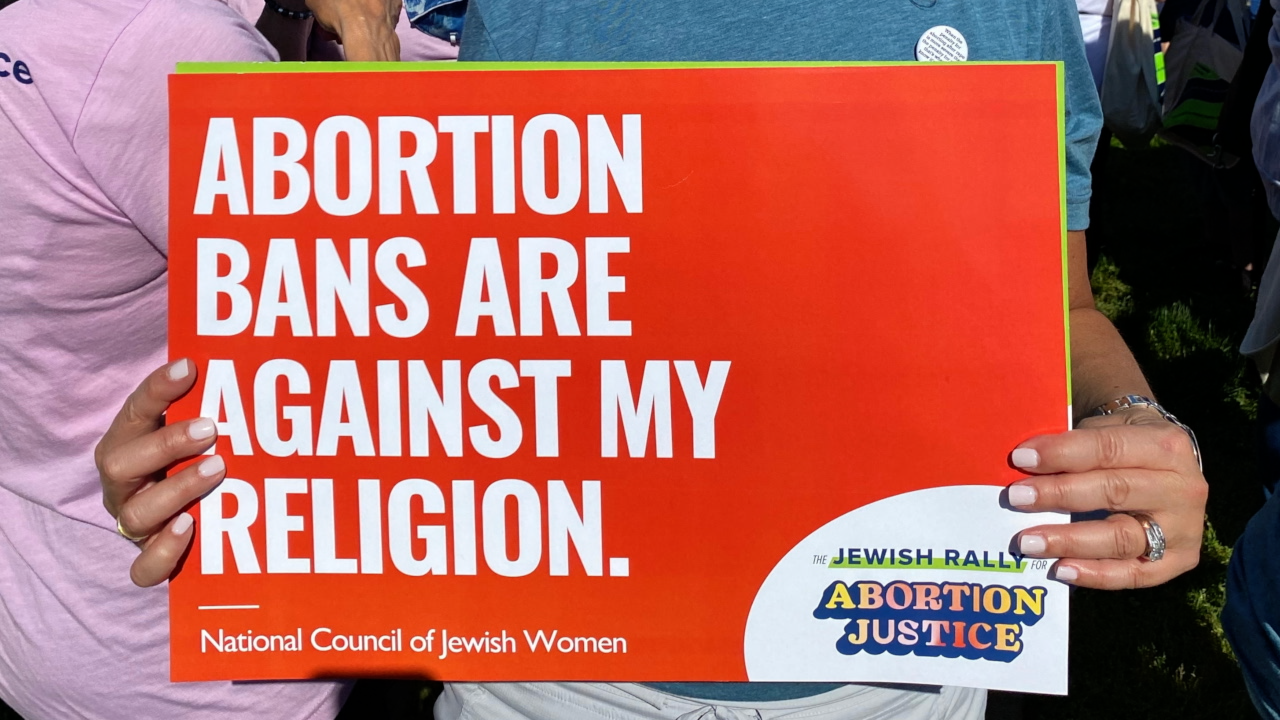
  • For some religious Ohioans, Issue 1 about autonomy more than beliefs

    For some religious Ohioans, Issue 1 about autonomy more than beliefs

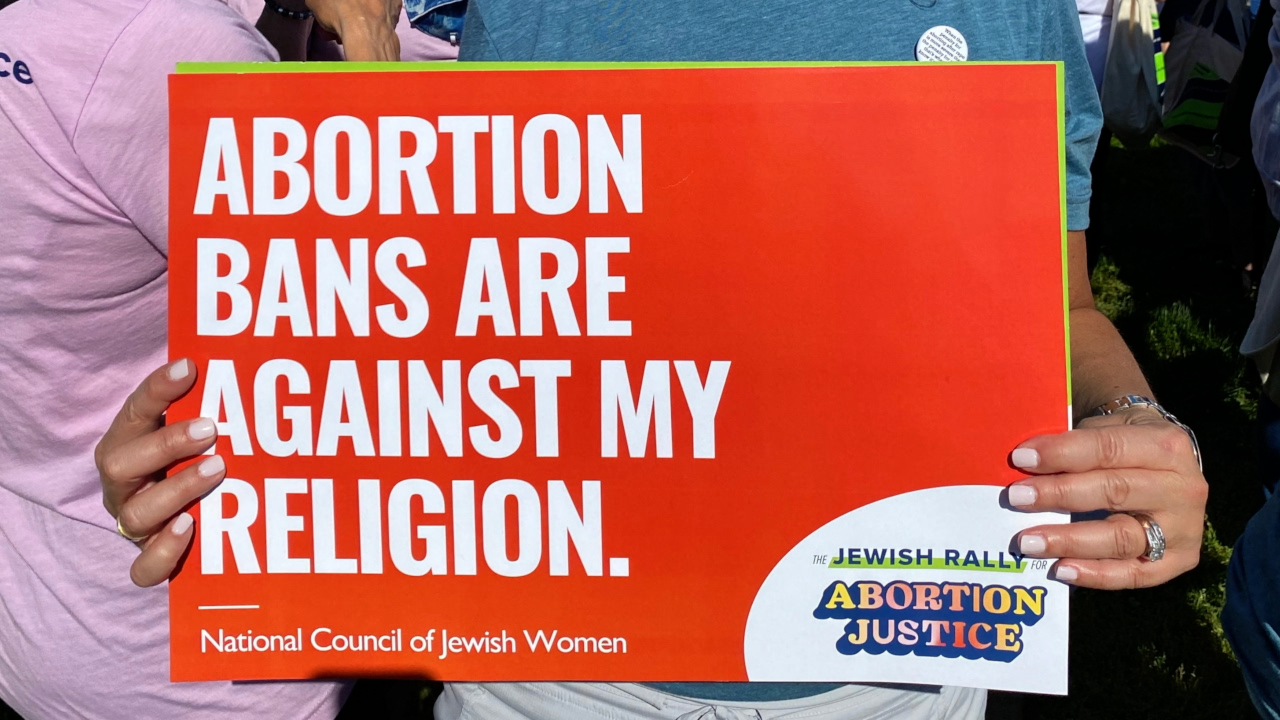
    Members of the Jewish community have spoken out against abortion bans in Ohio, saying it infringes on their religious freedom. Photo by Morgan Trau, WEWS.

    BY:  AND Ohio Capital Journal

    Religious variations abound in the state of Ohio, and some members of different churches are taking what they’ve learned in their lives and through decades of experience into the ballot box as they vote on Issue 1, the reproductive rights constitutional amendment.

    For Catholics like Alexandra Belcher and Jennifer Perry, Issue 1 is a choice between the opinions of their religious leaders and their experiences with bodily autonomy.

    For Perry, a physician assistant from Tiffin, growing up Catholic meant she believed in pro-life messages up until she voted in her first election.

    “I voted Republican because that’s what the religious leaders said supported pro-life values,” Perry said.

    Now that she works in medicine and has gone through multiple complicated pregnancies, Perry developed a perspective built on her experiences and not the values of far-away leaders.

    “My view of what defines pro-life and what defines pro-choice has become just so much broader, and it’s not a black and white issue at all,” Perry told the OCJ.

    With the “narrow” view that life begins at conception, Perry said she felt her belief system did “a disservice” to her in preparing for the future.

    “We weren’t given both sides of the coin,” she said. “We weren’t given both perspectives.”

    Struggling with infertility, and losing a “desperately wanted” child in a second-trimester miscarriage brought her new light on the struggles even individuals who want to become parents must go through.

    “I desperately wanted that child, my husband desperately wanted that child, and I had to go through labor and delivery knowing that child wasn’t going to be ours,” Perry said. “To think that a mother … would have to go through that out-of-state, not with her family and friends or her chosen doctor, that’s just excruciating to me.”

    Perry is still a practicing Catholic, and feels strongly that she and those like her should stay in the church and help bring those perspectives to fellow parishioners, in hopes of bringing change to the opinions of the religion.

    The Catholic Conference of Ohio, which calls itself “the official voice of the Catholic Church in Ohio on matters of public policy,” has taken a strong opposing stance on Issue 1. The conference produced a letter signed by nine leaders in Ohio dioceses including Cincinnati, Cleveland, Toledo, Steubenville, Columbus, Youngstown, Canton and Parma.

    “The Church must not be silent and cannot remain on the sidelines when confronted with such a clear threat to human life,” the letter from Feb. 28 stated.

     COLUMBUS, OH — MAY 14, 2022: Hundreds gather at a rally to support abortion rights less than two weeks after a leaked Supreme Court draft opinion showed a likely reversal of Roe v. Wade, May 14, 2022, at the Ohio Statehouse, Columbus, Ohio. (Photo by Graham Stokes for the Ohio Capital Journal. Republish photo only with original article.) 

    For Cleveland-area pharmacist Alexandra Belcher, she has no problem ignoring the opinions the church has on abortion, but remains open to talking with her friends and fellow parishioners about the nuances of reproductive health.

    “The more I grew up, the more I realized this can not be up to somebody else,” Belcher told the OCJ.

    Belcher went to Catholic school for 12 years, and is still a practicing Catholic, but nothing could have prepared her for her ectopic pregnancy, an unviable pregnancy that can be life-threatening for the pregnant person.

    “In my medical chart, the resolution is coded as an abortion,” she said.

    But that resolution involved medication that was administered in a hospital, so Belcher could be monitored by a doctor.

    “The awful thing about those drugs is that they take you into labor and delivery,” she said. “So all you can hear is crying babies, the song they play (when a baby is born), and I sat there for hours while they made sure everything was going well with my medication.”

    Even after leaving the hospital, Belcher suffered “excruciating” pain, so much so that when she went into labor in her next pregnancy, she was surprised to find how much less severe the pain of childbirth was for her.

    “Nobody is going into a decision to have an abortion joyfully, whatever has happened to get them to the point of an abortion,” Belcher said. “It’s still not a joyful decision.”

    Members of other religions, including faith leaders, are thinking about Issue 1 with a focus on the freedom to decide rather than the wrath of a higher power.

    Rev. Timothy Ahrens showed his support for Issue 1 in an ad by Ohioans United For Reproductive Rights.

    “As a pastor I’ve counseled families on the most important personal decisions, even abortion,” he said in the 30-second ad. “Abortion is a private family decision. Government needs to stay out of family decision making.”

    Ahrens is the senior minister of the First Congregational Church of the United Church of Christ in downtown Columbus, a role he has served in since 2000. He has been a pastor for nearly 40 years.

    The United Church of Christ supports reproductive issues and a woman’s right to have an abortion, according to the denomination’s general synod and statements regarding freedom of choice.

    “The laws of Ohio right now hurt my mother, my sister, my sister-in-law, my wife, my daughters, my daughter-in-laws and my granddaughters,” Ahrens said. “I feel very strongly that the government needs to get out of trying to manage people’s lives in relation to reproductive freedom.”

    Ahrens acknowledged that other Christians denominations disagree with his stance on abortion.

    “Those who stand against abortion do so based on biblical, foundational thoughts,” Ahrens. “I don’t look at what they’re saying as groundless.”

    He mentioned Psalm 139 as a passage that mentions God “knit me together in my mother’s womb.”

    “It never says I knew you at the moment of conception,” Ahrens said. “This has a range of perspectives, if we really sat down and boiled it down to the moment of conception.”

    While it’s clear what most religious denominations think abortion, it’s ultimately up to the individual members of a congregation to cast their ballot on Issue 1.

    “It comes down to how closely people who are part of religious congregations are listening to the cues that they are being given,” said Kim Conger, University of Cincinnati’s director of the masters of public administration, who studies how religious advocacy groups impact politics.

    “There seems to be more variation across different parishes about how strongly a priest is pushing on the idea of not just that abortion is a sin, but voting for issue 1 would be a sin,” Conger said.

    The idea of one religion stepping up to tell individuals what they should believe about reproductive health doesn’t sit well with Belcher or Perry, and as medical professionals, they don’t agree with the state getting involved either.

    “The reasoning is not because it’s in the best interest, or because there is evidence-based medicine, the reasoning is this magical belief that this group of cells is a person who has rights,” Belcher said.

    For Perry, the reproductive debate comes down to American roots in religious freedom and the necessity for separation of church and state.

    “Because we allow for so many different expressions of religion, or at least we’re supposed to, if that starts to crumble, I feel like the fabric or the foundation of what America was build on starts to crumble,” Perry said.

    Watching battles with insurance companies and socio-economic issues for patients having necessary medical treatment, Perry also sees much bigger issues the state could be addressing instead.

    “It’s very hard to be in health care right now, and this is another huge burden you’re placing on these providers,” she said.

    Having faced these moral and professional questions, Perry and Belcher both hope for a future for their children where medical decisions are made between a patient and a medical provider, without the intervention of either the government or their chosen religion.

    “I think that when it comes down to it, if I’m ever faced with the pearly gates, the God that I believe in will understand,” Belcher said.


    Megan Henry
    MEGAN HENRY

    Megan Henry is a reporter for the Ohio Capital Journal and has spent the past five years reporting in Ohio on various topics including education, healthcare, business and crime. She previously worked at The Columbus Dispatch, part of the USA Today Network.

    MORE FROM AUTHOR

    Susan Tebben
    SUSAN TEBBEN

    Susan Tebben is an award-winning journalist with a decade of experience covering Ohio news, including courts and crime, Appalachian social issues, government, education, diversity and culture. She has worked for The Newark Advocate, The Glasgow (KY) Daily Times, The Athens Messenger, and WOUB Public Media. She has also had work featured on National Public Radio.

    MORE FROM AUTHOR

  • Christmas in Loveland through the Alex Eicher lens

    Christmas in Loveland through the Alex Eicher lens

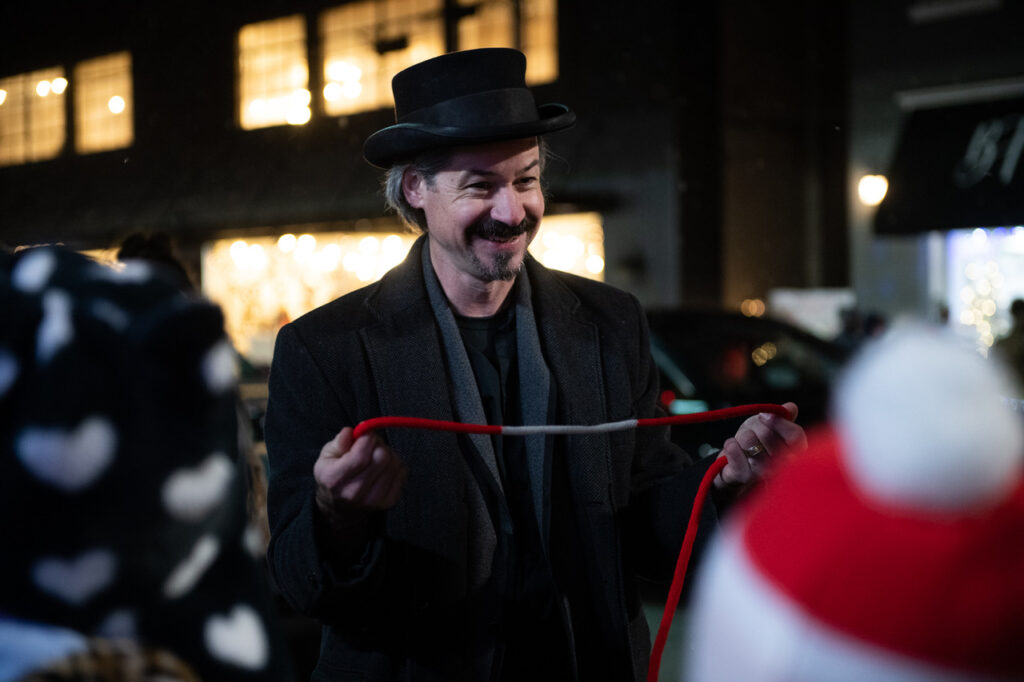
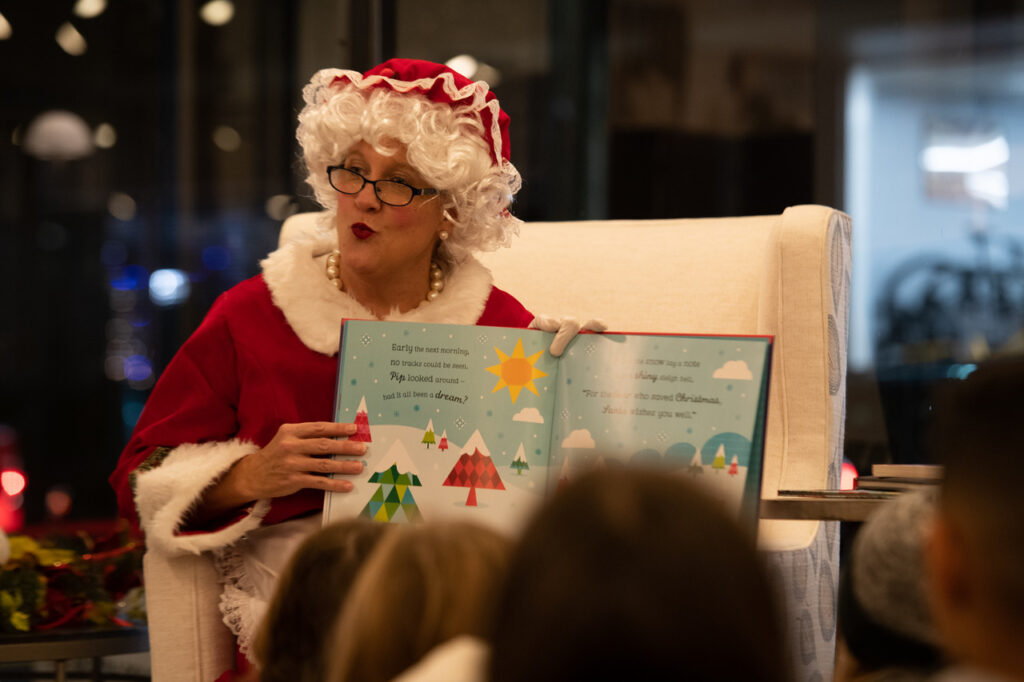
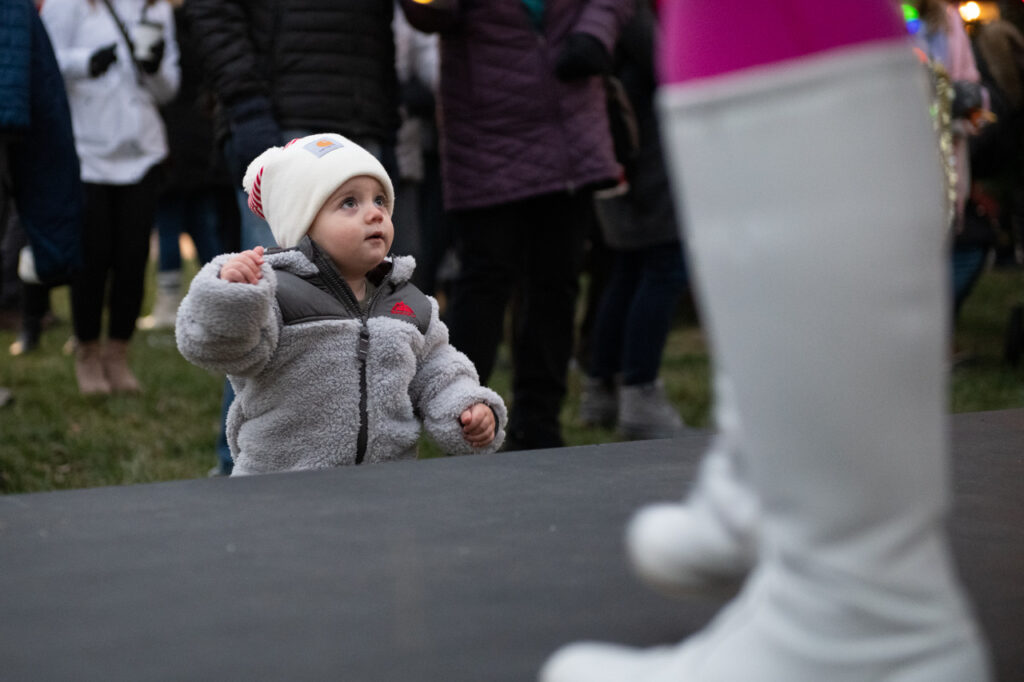
    Loveland, Ohio – These photos were taken on December 17 by Loveland Magazine photographer Alex Eicher during the Christmas in Loveland pagent that was presented by the Little Miami River Chamber Alliance.

    Photos by Alex Eicher/Loveland Magazine © 2022

  • Jewish congregations mount legal challenges to state abortion bans

    Jewish congregations mount legal challenges to state abortion bans

    Members of the Jewish community have spoken out against abortion bans in Ohio, saying it infringes on their religious freedom. Photo by Morgan Trau, WEWS.

    BY: ARIANA FIGUEROA – Ohio Capital Journal

    WASHINGTON — Thousands of years of Jewish scripture make it clear that access to abortion care is a requirement of Jewish law and practice, according to Rabbi Karen Bogard.

    “We preserve life at all costs,” she said in an interview with States Newsroom. “But there is a difference between that which is living, and that which is not yet living.”

    Bogard is a rabbi at Central Reform Congregation in St. Louis, which is in the  progressive tradition of Reform Judaism. She said that whether it’s the Torah — the first five books of the Old Testament in the Hebrew Bible — or the Talmud — the central text of Rabbinic Judaism and the primary source of Jewish religious law and theology — those pieces of Jewish literature “really draw the difference between life and potential life.”

    But with the fall of Roe v. Wade in late June, some members of the Jewish faith as well as other religious groups find their beliefs in deep conflict with state laws that ban or greatly restrict abortion — especially if a pregnant patient’s life is in danger.

    Since the Supreme Court’s Dobbs v. Jackson Women’s Health Organization decision, states now are permitted to craft their own laws regarding abortion, and in Bogard’s home state of Missouri, the procedure is banned.

    “Our congregants are heartbroken,” she said. “It’s really violating to be told what you can and can’t do with your own self.”

    Legal challenges are resulting. The enactment of state laws that ban or restrict access to abortion has already sparked a lawsuit in Florida from a liberal Jewish congregation in the Sunshine State. In Ohio, another liberal Jewish congregation is joining the American Civil Liberties Union in a lawsuit against the state’s six-week abortion ban.

    A coalition of three dozen rabbis also filed a brief on a separate lawsuit in the Buckeye State, where physicians are challenging the new abortion law in the Supreme Court of Ohio.

    Similar lawsuits are anticipated, not only from liberal Jewish congregations, but other religious groups as well.

    There’s currently a lawsuit in the U.S. District Court for the Southern District of Texas Houston Division filed by the Satanic Temple — not to be confused with the Church of Satan — on behalf of a member who argues the state’s abortion ban violates that temple member’s religious beliefs allowing access to an abortion ritual.

    The ritual involves members repeating verses in a mirror to affirm body autonomy and repel any guilt, shame or discomfort that can surface when undergoing an abortion.

    “There’s going to be a wave of religious freedom lawsuits,” Rabbi Daniel Bogard, who’s married to Rabbi Karen Bogard, said. “We’re going to find out if this country really believes in religious freedom, or whether this country believes in the freedom of a small minority to impose its will on the rest of us.”

    But it’s unclear if these religious-based lawsuits challenging state abortion laws can win in court.

    “We’re very much in the wild, wild west of abortion law and religious law,” said Candace Bond-Theriault, the director of racial justice policy and strategy at Columbia Law School’s Center for Gender and Sexuality Law.

    Jewish law

    According to Jewish law, a fetus is not considered a full human being and the biblical foundation for this is found in Exodus 21:22 of the Torah, Rabbi Daniel Bogard said.

    The translation reads: “When men fight, and one of them pushes a pregnant woman and a miscarriage results, but no other damage ensues, the one responsible shall be fined according as the woman’s husband may exact from him, the payment to be based on reckoning. But if other damage ensues, the penalty shall be life for life, eye for eye, tooth for tooth, hand for hand, foot for foot, burn for burn, wound for wound, bruise for bruise.…”

    Rabbi Daniel Bogard said that the Jewish legal interpretation of these passages states that a fetus is not a person, because the miscarriage results in only monetary compensation, rather than the “life for life” punishment.

    There are several other passages in Jewish literature that make the distinction that the life of the person who is pregnant is prioritized.

    “If we’re going to live in a religiously free society, we are each allowed to interpret these verses on our own for our own traditions and a minority in this country can’t impose their conservative white Christian religiosity on the rest of us,” Rabbi Daniel Bogard said.

    The lawsuits challenging abortion laws are predominately filed by congregations that practice Reform Judaism, but Conservative Judaism also supports access to abortion.

    The question of access to abortion gets more restrictive when it comes to Orthodox Judaism, but access to the medical procedure isn’t barred, says Yedida Eisenstat, a fellow at the Center for the Study of Law and Religion at Emory University in Atlanta.

    “Abortion in Judaism absolutely does have a place, and within Jewish law, there absolutely is a place for abortion,” she said. “Judaism is not anti-abortion, like Christianity is, so it absolutely does make sense for Jewish congregations to be saying, ‘Hey, this is a violation of our religious rights.’”

    Eisenstat specializes in Jewish biblical interpretation and also works as an editorial associate at the Posen Library of Jewish Culture and Civilization.

    “Judaism doesn’t have one voice or one opinion or one ruling about everything,” she said, adding that every situation is different and “there’s all this other gray area,” when it comes to theoretical cases in Jewish law pertaining to abortion.

    And interpretations on abortion in Jewish law, or Halacha, vary across American Jewish denominations.

    “We use the theoretical cases to illuminate other cases — just like in American law — so there isn’t one blanket answer for every situation, every situation has its own nuances,” she said. “And again, that’s why this is a decision, a very personal decision, not one that the government should be making.”

    The Rabbinical Assembly, a major institution of Conservative Judaism, condemned the Supreme Court’s ruling in Dobbs.

    “Denying individuals access to the complete spectrum of reproductive healthcare, including contraception, abortion-inducing devices and medications, and abortions, among others, on religious grounds, deprives those who need medical care of their Constitutional right to religious freedom,” the organization said in a statement.

    Orthodox Judaism is typically more aligned with Christian conservative views on religious liberty issues, Eisenstat said, but differs on the belief that life begins at conception.

    Following the Dobbs decision, the Rabbinical Council of America and Agudath Israel, large organizations that represent Orthodox Jewish communities, urged states to consider exceptions to expand abortion access.

    “As the debate over abortion rights enters this new phase, we encourage states to craft policies that will simultaneously express the great value we place on life as well as protecting the rights to abortion when warranted by Jewish law,” the Rabbinical Council of America said in a statement.

    Florida lawsuits

    Rabbi Barry Silver is a self-proclaimed “rabbi-rouser.”

    He’s an attorney, a social activist, a former Democratic legislator in the Florida House of Representative and the leader of the Congregation L’Dor va-Dor, a synagogue practicing progressive Judaism in Palm Beach, Florida.

    Silver, along with three rabbis, a United Church of Christ reverend, a Unitarian Universalist minister, an Episcopal Church priest and a Buddhist lama, each have filed separate lawsuits challenging the state’s 15-week abortion ban that went into effect July 1. Those suits argue that the new abortion law violates Florida’s state constitution, as well as U.S. constitutional protections for freedom of speech and religion.

    The suits also claim the law creates “substantial” burdens on individuals’ ability to practice their faith, and creates a “potential” burden on religious leaders to advise their members. Because of the vagueness of the law, Silver said, rabbis or other religious leaders who counsel their clergy members on abortion could face criminal charges.

    “It criminalizes the practice of Judaism as well as all the other religions that are not aligned with fundamentalist Christianity, which is pretty much everybody,” Silver said of Florida’s new abortion law.

    Silver’s Congregation L’Dor Va-Dor also filed a separate suit in June in state court that argues the 15-week abortion ban violates the right to privacy guaranteed by the Florida state constitution.

    “For Jews, all life is precious and thus the decision to bring new life into the world is not taken lightly or determined by state fiat,” according to the lawsuit. “As such, the act prohibits Jewish women from practicing their faith free of government intrusion and this violates their privacy rights and religious freedom.”

    Silver said he still plans to counsel his congregants who need or are considering abortion care, despite Florida’s new law.

    “We do the right thing and if they want to come after us, they can make our day, we’re not going to stop saying what we need to say. We’re not gonna stop practicing Jewish law,” he said.

    A spokesperson with GOP Gov. Ron DeSantis’ office did not answer questions from States Newsroom about whether the newly passed abortion law prevents Jewish people from practicing their faith.

    “Governor DeSantis is pro-life, and we believe HB 5 will ultimately withstand all legal challenges,” a spokesperson with DeSantis’ office wrote in an email to States Newsroom, referring to the abortion law. “The struggle for life is not over.”

    Congregation L’Dor Va-Dor’s suit claiming Florida’s constitution has an explicit right to privacy is “fairly straightforward, and would generally be unremarkable,” said Caroline Mala Corbin, a law professor at the University of Miami School of Law.

    “Under the existing law, it’s a no-brainer challenge,” Corbin said.

    She added that the Florida Supreme Court has interpreted that language to cover abortion.

    “Except that, like the U.S. Supreme Court, the Florida Supreme Court has taken a sharp turn to the right, so just as you have the U.S. Supreme Court completely remake abortion law, it’s a possibility the Florida Supreme Court will as well,” she said.

    Corbin said the court could rule several ways in the congregation’s case.

    “They might argue, ‘We question your sincerity,’ which would be shocking given how deferential they are to other claims of religious liberty,” she said.

    The court could also rule that the congregation did not prove Florida’s abortion law created a substantial burden, or that even if the law prevents someone from practicing their religion, “the state has a compelling reason for its law, and therefore, the state must prevail,” she said.

    “So the state might respond, even if this does affect your ability to live your religious truth, the state has a compelling interest in saving lives and therefore the state still prevails,” Corbin said.

    Future cases

    Micah Schwartzman, the director of the University of Virginia School of Law’s Karsh Center for Law and Democracy, and the Hardy Cross Dillard professor of law, said lawsuits brought on behalf of a group of people, like the one from Silver’s congregation in Florida, rather than a particular individual, will have more procedural hurdles to prove the group has standing to sue under state and federal law.

    “I’m not terribly confident about these early lawsuits,” Schwartzman said.

    He pointed to the case in Texas, the one by the Satanic Temple, which the religious organization filed in federal court on behalf of one of its members, and said he expects to see similar cases.

    “I think in the future, we’re going to see cases that are brought on behalf of particular individuals who are burdened by abortion restrictions or prohibitions,” he said. “And those types (of cases) will have a stronger chance of surviving the preliminary stages of litigation.”

    Schwartzman said there’s also the question of religious exemptions, particularly in states that have enacted trigger law bans or near total bans on abortion, and whether those laws impose a burden on people trying to practice their religion.

    State abortion laws are going to have some exemptions for abortion, he said, such as in cases of rape and incest and to protect the life and health of the mother.

    “And in those circumstances, courts are going to face the question if these laws have certain secular exceptions, why shouldn’t they also grant exceptions on religious grounds?” he said. “And I think that will be the structure of many challenges that we will see in the future.”

    Elizabeth Sepper, a religious liberty, health law and equality scholar at the University of Texas School of Law, said that over the last couple of decades the Supreme Court has “reduced the establishment clause to rubble,” which under the First Amendment prohibits the government from establishing a religion.

    When Roe v. Wade was initially issued, Congress passed the Hyde Amendment, which prohibits the use of federal funds to cover the cost of abortions, with some limited exceptions.

    Sepper said Congress’ decision to pass a restriction related to abortion in the case of the Hyde Amendment, is an example of “an establishment of religion because when legislators pass abortion bans that say ‘Well, human beings come into life at the moment of conception,’ that’s a doctrine — is a theological stance — that’s rooted in a particular religious faith, and we all know religious faith that is.”

    “I think some large segment of the population on both sides of the abortion issue understands (that) to be the truth, which is that many abortion bans require religious reasoning,” Sepper said.

  • [Grailville Archive] The Very Unpleasant Thing: That God Can Ask Everything of us Sometimes

    [Grailville Archive] The Very Unpleasant Thing: That God Can Ask Everything of us Sometimes

    David Miller is the Publisher and Editor of Loveland Magazine

    by David Miller

    The statue that wasn’t to be seen in Loveland

    Loveland, Ohio – In December of 2011, I hadn’t seen the statute of Abraham and Isaac by Trina Paulus since it was first brought back to Grailville, carefully on the bed of a pickup truck. I was invited to be there when the statute was returned to Grailville for safekeeping. So jumped at the chance to be there when she saw it again for the first time in many years. Seeing it for the first time, placed temporarily under a gazebo behind the House of Joy, it was in my opinion the most significant piece of art I had ever seen in Loveland, and I believe, still so.

    We met Trina with our video camera for an interview by Alana Johnson, an artist in her own right, at Grailville and went in Alana’s car from the House of Joy to another house on the Grailville property, one across the road – to see if we could find it. This video was shot on December 9, 2011.

    It is wretched, distressing, tragic – and beautiful.

    At the time of my first seeing Abraham and Isaac, I begged the Grailville folks to let me help them find a place where the father and son could be publicly displayed, however, they determined it too controversial to do so. I think if I remember correctly, it was only “appropriate for mature audiences” and no one in Loveland was mature enough to see the old testament story depicted so threateningly and savagely real.

    Relistening to Paulus talk about her Abraham and Isaac and the essence of what she was conveying through the work of her sculpting hands and spiritual heart, is still is heartbreaking that the human soul was meant to struggle to understand such a contemptible subject.

    They were right of course because seeing the statute naked, absent Trina Paulus telling the story, is utterly perilous.

    At the time, I wrote, “The Abraham and Isaac statue is a poignant and significant piece of art. It is wretched, distressing, tragic – and beautiful. It has been stored temporarily for several years just outside of Loveland. Loveland Magazine Reporter Alana Johnson went with Paulus to an unlit garage at the Grailville Conference and Retreat Center Wednesday morning to see it. Paulus hadn’t seen her statue for several years.”

    “Johnson, kicking aside weeds at the door, struggling to operate the key, brushing away cobwebs, and in the darkness, her eyes needed a few seconds to dilate… ‘Aah. Oh. Ooh,” each second, as more is revealed. “That’s incredible. It’s incredible.”

    During Johnson’s interview, Paulus said, “Over here you will see a hand with the knife in it… and over here… you’ll see the hand with his son. I’ve done a lot of thinking about this over the years – the great Christian mystery of the crucifixion and the resurrection and… The very unpleasant thing is that God can ask everything of us sometimes… The whole mystery of why we die, and why we die so miserably sometimes… In our time it’s a very unpopular story.

    View Loveland Magazine’s other stories in our Graville Archive:

    Because posterity may wish to know.

  • [Video Archive] The holy nature of Grailville for a teenage girl

    [Video Archive] The holy nature of Grailville for a teenage girl

    David Miller is the Editor and Publisher of Loveland Magazine

    Our continuing series about Grailville and its rich cultural past

    by David Miller

    Loveland, Ohio– This interview with artist Trina Paulus by Alana Johnson was 11 years ago and conducted during the Advent season. We are into Holy Week, however, this interview will give you a nice glimpse into Grailville at the time and a “Way-Back Machine” view. Not much is being said about the dining hall at Grailville, however, with its large open space and expansive glass wall it was the perfect place to showcase art and you will see some extraordinary art in this interview.

    Paulus came to Grailville in 1949 as a teenager. She said it was a magnificent change for her even though the living circumstances then were extremely simple and sometimes primitive. “The cultural experience was a high art form.” She now lives in Montclair, New Jersey, however, returned to Grailville for the Advent Season in 2011 to talk about her work, as well as Grailville’s collection of over forty Nativity scenes from around the world.

    In talking about that particular Christian Advent season, Paulus described the global time we were living in as a period of, “preparation for the great change that we know is coming, but cannot yet predict.” She called it, “The pregnant time – the fuller coming of God into our hearts and the fuller coming of God into our world”

    Paulus started sculpting at the age of eight in Cleveland Heights, Ohio with mud from the creek in her back yard. She won national awards as a high schooler. She is now 90 years old and doing well.

    In this LOVELAND MAGAZINE TV VIDEO, Reporter Alana Johnson interviews Paulus in the dining hall at Grailville where Paulus had many of her Advent sculptures on display as part of their International Creche Exhibit.

    Of particular interest in the interview is Paulus’ description of life at Grailville in 1949 and the spiritual life there. Paulus describes life on the Grailville farm as a magnificent change for her. She said it seemed she was living in the Chartres Cathedral. “Our cultural life was a high art form.”

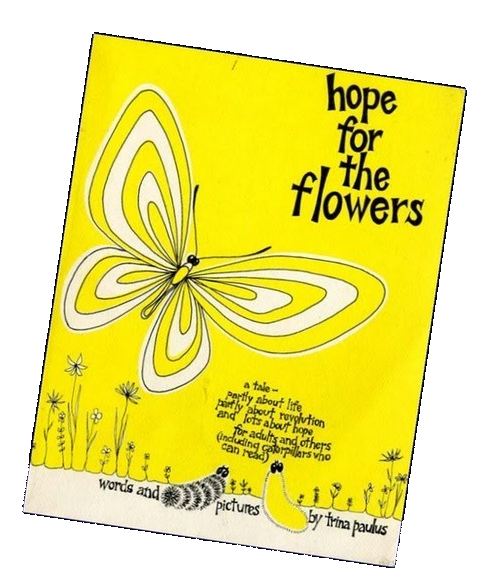
    In 1972, Paulus wrote the book, Hope for the Flowers. It is now translated into many languages and there are over two million copies in print.

    Grailville, just outside of Loveland was an environmental, education, and retreat center of The Grail, an international women’s movement. At the time of this interview, it was located on 300 acres, with organic gardens, hiking trails, woods, pastures, ponds, creeks, modest guest housing, and solitude.

    The Grailville Store featured fair-trade items, gifts, and specialty items from Grailville and Grail artists.

    To read more about the rich history of Grailville and its cultural significance check out Loveland Magazine’s:

    The Grailville ArchineBecause posterity may wish to know.


  • Why is Grailville important? A look at the Grail founding in Loveland

    Why is Grailville important? A look at the Grail founding in Loveland

    David Miller is the Publisher and Editor of Loveland Magazine
    Grailville was a place to find your place in the world whatever that meant to you.
    
    [WATCH VIDEO BELOW "Grailville: the early decades]
    
    by David Miller
    
    Loveland, Ohio – Elizabeth Murphy, a Symmes Township resident, along with lifelong Loveland resident Elizabeth Robinson made this video about the early years at Grailville. It was made for Grailville’s 65th anniversary in 2009.
    
    Robinson said, “We made a short video with interviews so we could explain how Grailville came to be. All music is music recorded at Grailville from Grailville Choirs. Many of the founding or early members including my mother Mary Schickel, had passed on and we were losing this history.”
     
    Robinson also added that there was a lot of mystery about what Grailville and the Grail was and how Grailville came to be. The video contains many back in the day vintage photos of the former farm and the many women who moved to those rolling hills just on the outskirts of Loveland. 
    
    From Holland. It was wartime. WWII. The women came when they did because if not then, they didn’t know if they would ever be able to leave Europe.
    
    They came here looking for a farm with running water, enough buildings to house 50 people and within walking distance of a railroad station. They went two-by-two visiting farms and parishes, so much so they joked they were becoming real estate agents.
     
    Liturgy was the unifying factor of the Grail community. There was a lot of singing. It became a quiet, peace-filled beautiful space; an agricultural and religious life.
    
    The “Year School” was a training program for young women “focused on an integrated life of work and prayer, study and fun”.
    
    Throughout the decades, the Grailville Retreat Center brought visitors from all parts of the world to spend time in Loveland, Ohio.
    
    At one time a truckload of goats, 400 chickens, milk cows, pigs, and canning and preserving 10,000 quarts of farm product. It was described as a rich life, however one “materially simple”. 
    
    Spiritually and intellectually very rich. Very rich in things from the ground, sky, and God in many forms.
     
    Trina Paulus said Grailville was a “simplicity” that was ideal for her as a young woman. 
    
    Art was equal to every other thing that happened at Grailville.
    
    Visual arts, music, and writing. 
    
    Paulus said she thought that the Dutch brought tremendous respect for the arts when they came to this country and Loveland. “It was equal to every other thing we did.” 
    
    Grailville had a weaving guild.
    
    Listen to how the Grail women reached beyond Loveland to the world. 
    
    They were not there to hold onto what they were doing. Many of the programs that Grailville started were spun out into the world beyond Loveland. 
    
    The women launched things that were much broader than themselves.
    
    Grailville didn’t look like a church from the outside.

  • Loveland Christian Church invites the community to a candlelight Christmas Eve service

    Loveland Christian Church invites the community to a candlelight Christmas Eve service

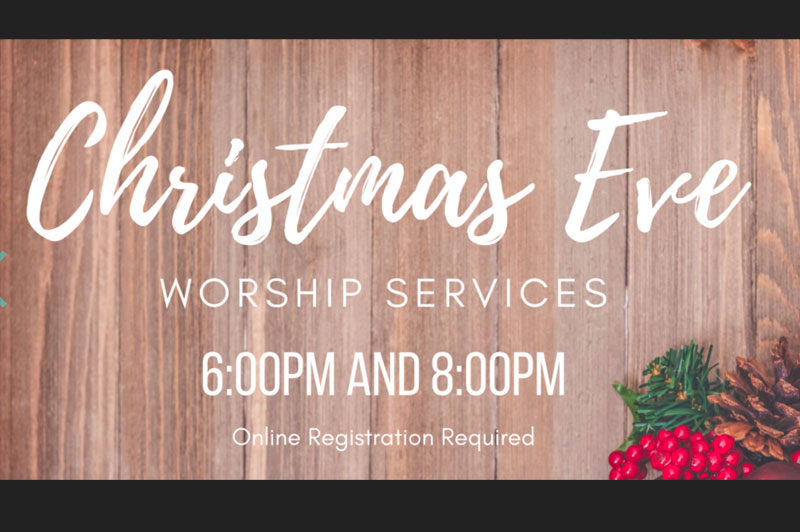
    Loveland, Ohio – The Loveland Christian Church is inviting the community to a candlelight Christmas Eve service. Join them either  in person or online at 6 or 8 PM. The in person capacity will be 75 people per service.

    In order to follow CDC guidelines, our in-person service will have limited availability. To register for in-person services, visit LovelandChristianChurch.org to make a reservation.

    All of their online service information can also be found on the website or by following them on FaceBook.

  • [POLL] Should Epiphany Church shut down intersection during rush hour?

    [POLL] Should Epiphany Church shut down intersection during rush hour?

    [poll id=”2″]

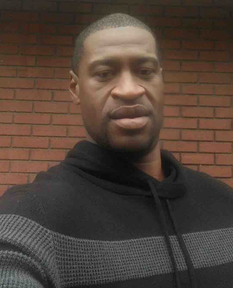
    George Floyd (Photo from George Floyd’s profile on Facebook.)

    Miami Township, Ohio – Loveland Magazine reported yesterday that members of the Epiphany United Methodist Church plan to stop traffic by kneeling in the roadway in silent prayer during rush hour on Friday.

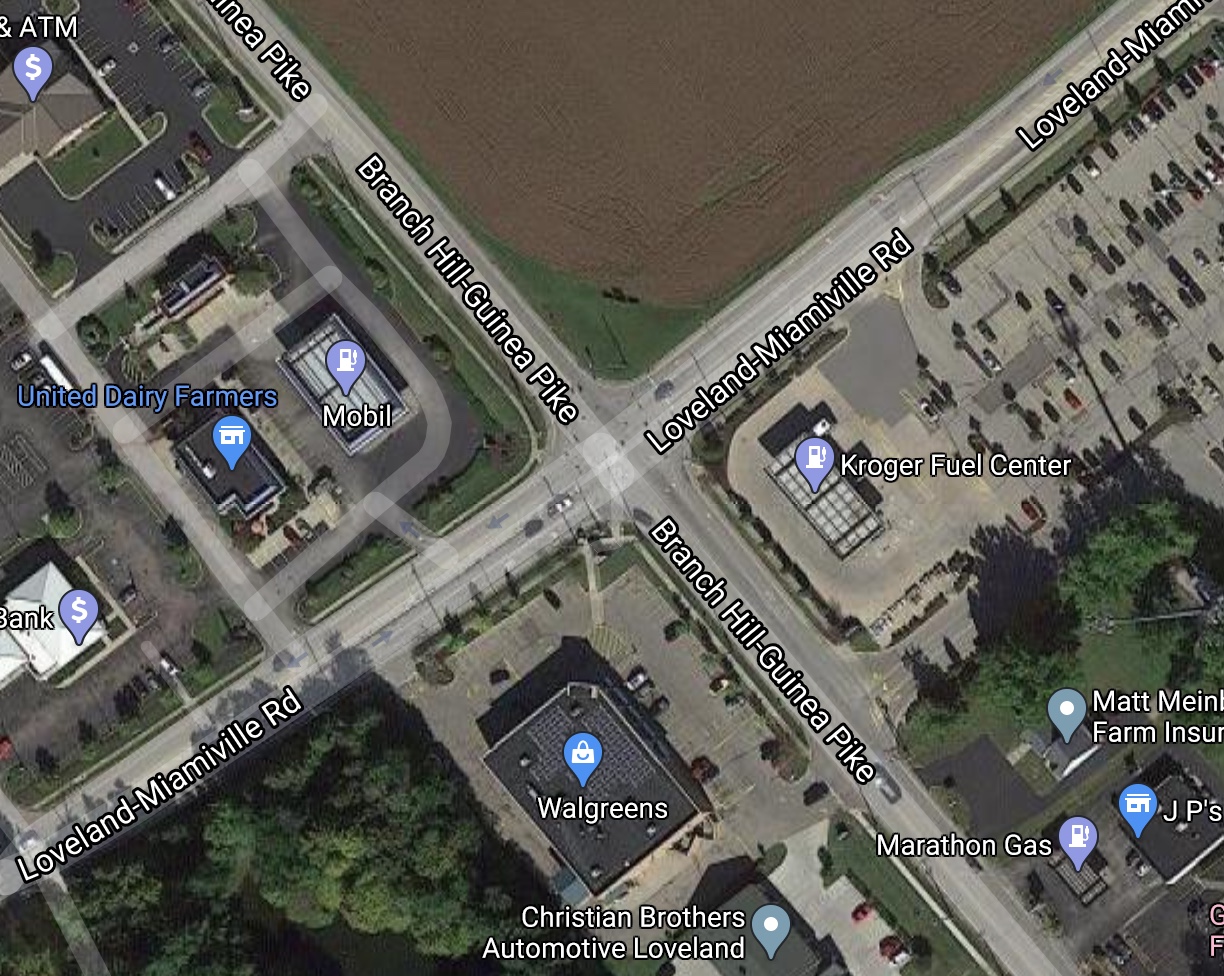
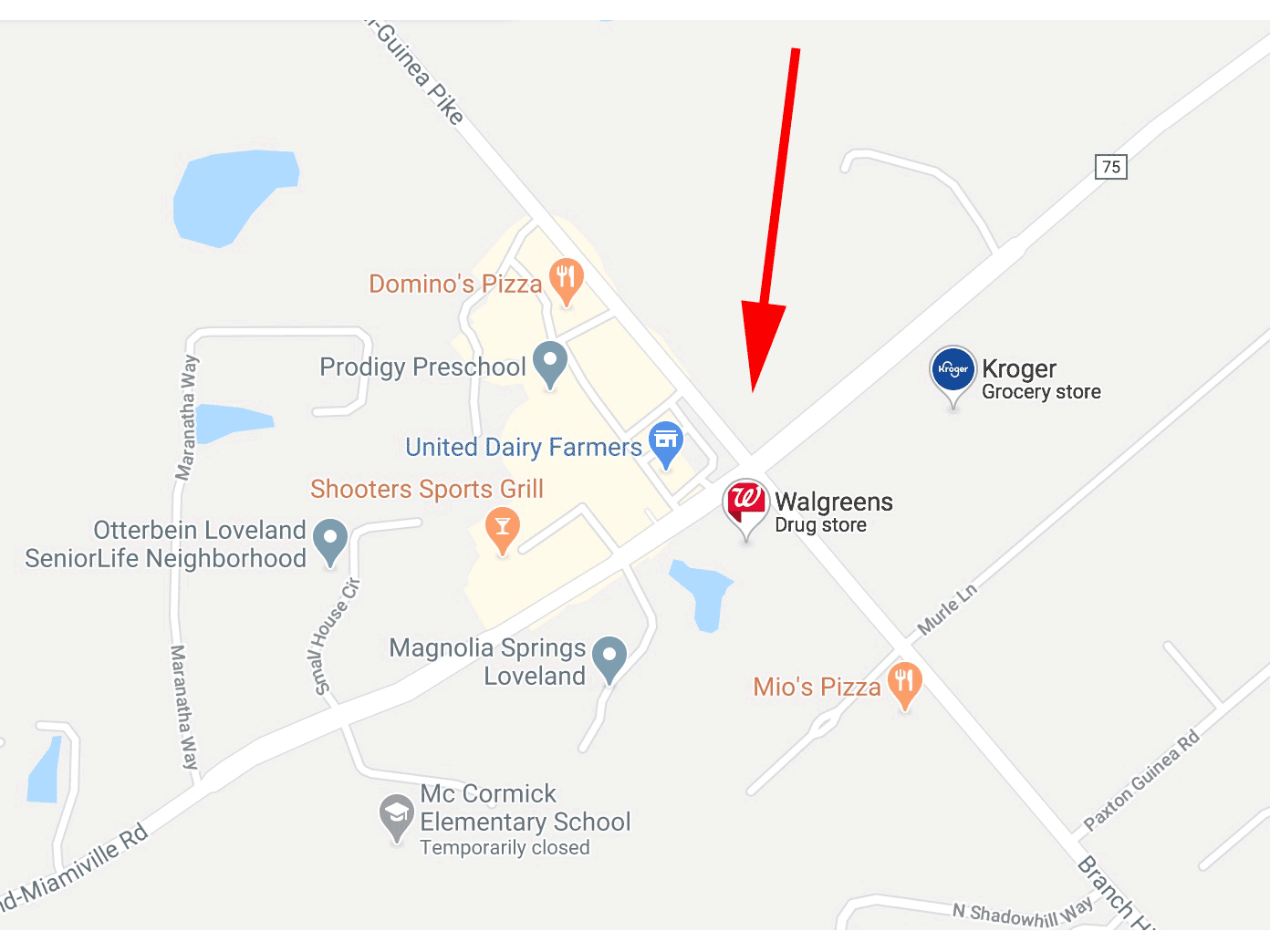
    Google Map

    Their plan is to kneel and pray for 8:46 minutes at the intersection of Branch Hill-Guinea Pike and Loveland-Miamiville Roads at 6 PM, the amount of time Minneapolis Police officer Derek Chauvin kneeled on George Floyd’s neck before he died, “…and the many victims before him who have lost their lives to injustice.”

    This is the Kroger/Walgreen/United Dairy Farmers intersection.


    Civil disobedience planned for Friday

    Miami Township group will stop rush hour traffic by kneeling in silent prayer Friday


    EDITOR’S NOTE: This story has been updated:

    FRONT PAGE STORIES

  • POP’s jazzy Christmas concert

    POP’s jazzy Christmas concert

    Advertisement

    Prince of Peace welcomes the Phil DeGreg Trio for a Christmas Concert with vocalist Margaret Eilert. Come out on a cold December evening to be warmed by wonderful jazzy Christmas music. A cookie reception will follow. Bring a friend for some midweek joy! Wednesday, December 11 at 7 PM –  Prince of Peace Lutheran Church, 101 S. Lebanon Road, Loveland.