From the CDC: What You Need to Know
- If you test positive for COVID-19 and are more likely to get very sick, treatments are available that can reduce your chances of hospitalization and death.
- Don’t delay: Treatment must be started within days after you first develop symptoms to be effective.
- Other medications can help reduce symptoms and help you manage your illness.
- The Treatment Locator (hhs.gov) can help you find a location that offers testing and treatment or a pharmacy where you can fill your prescription.
Treating COVID-19
If you test positive and are more likely to get very sick from COVID-19, treatments are availableexternal icon that can reduce your chances of being hospitalized or dying from the disease. Medications to treat COVID-19 must be prescribed by a healthcare provider and started as soon as possible after diagnosis to be effective. Contact a healthcare provider right away to determine if you are eligible for treatment, even if your symptoms are mild right now.
Don’t delay: Treatment must be started within days of when you first develop symptoms to be effective.
People who are more likely to get very sick include older adults (ages 50 years or more, with risk increasing with age), people who are unvaccinated, and people with certain medical conditions, such as chronic lung disease, heart disease, or a weakened immune system. Being vaccinated makes you much less likely to get very sick. Still, some vaccinated people, especially those ages 65 years or older or who have other risk factors for severe disease, may benefit from treatment if they get COVID-19. A healthcare provider will help decide which treatment, if any, is right for you. Check with your healthcare provider or pharmacist if you are taking other medications to make sure the COVID-19 treatments can be safely taken at the same time.
Types of Treatments
The FDA has authorized certain antiviral medications and monoclonal antibodies to treat mild to moderate COVID-19 in people who are more likely to get very sick.
- Antiviral treatments target specific parts of the virus to stop it from multiplying in the body, helping to prevent severe illness and death.
- Monoclonal antibodies help the immune system recognize and respond more effectively to the virus.
The National Institutes of Health (NIH) provides COVID-19 Treatment Guidelines for healthcare providers to help them work with their patients and determine the best treatment options for them. Several options are available for treating COVID-19. They include:
Treament • Who • When • How
Nirmatrelvir with Ritonavir (Paxlovid) – Antiviral
Adults; children ages 12 years and older
Start as soon as possible; must begin within 5 days of when symptoms start
Taken at home by mouth (orally)
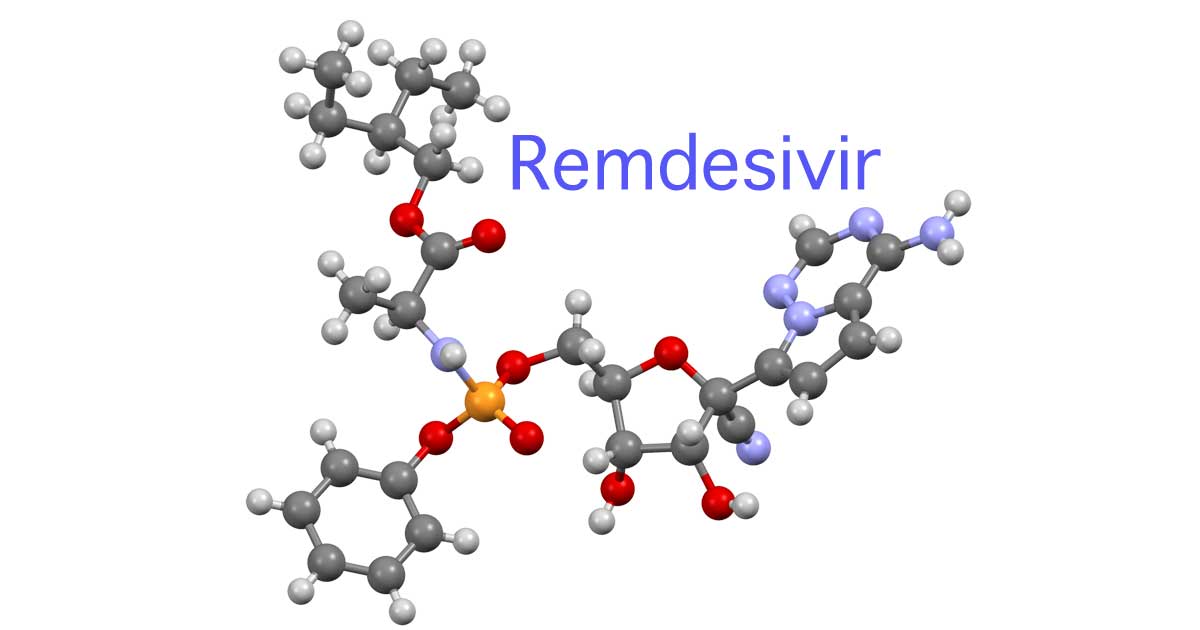
Remdesivir (Veklury) – Antiviral
Adults and children
Start as soon as possible; must begin within 7 days of when symptoms start
Intravenous (IV) infusions at a healthcare facility for 3 consecutive days
Bebtelovimab – Monoclonal antibody
Adults; children ages 12 years and older
Start as soon as possible; must begin within 7 days of when symptoms start
Single IV injection
Molnupiravir (Lagevrio) – Antiviral
Adults
Start as soon as possible; must begin within 5 days of when symptoms start
Taken at home by mouth (orally)
Some treatments might have side effects or interact with other medications you are taking. Ask a healthcare provider if medications to treat COVID-19 are right for you. If you don’t have a healthcare provider, visit a Test to Treat location or contact your local community health center or health department.
If you are hospitalized, your healthcare provider might use other types of treatments, depending on how sick you are. These could include medications to treat the virus, reduce an overactive immune response, or treat COVID-19 complications.
Managing COVID-19 symptoms
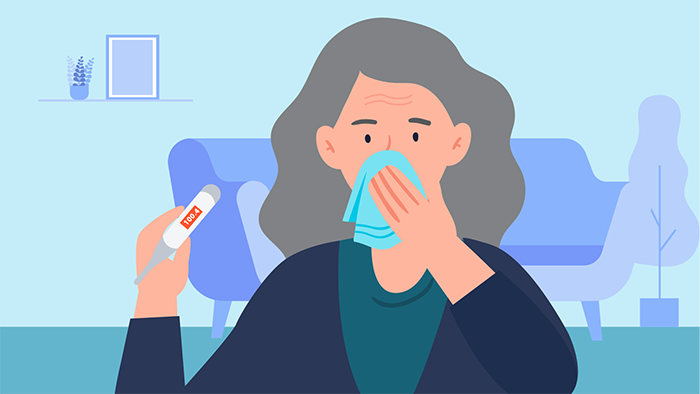
Most people with COVID-19 have mild illness and can recover at home. You can treat symptoms with over-the-counter medicines, such as acetaminophen (Tylenol) or ibuprofen (Motrin, Advil), to help you feel better.
Learn more about what to do if you are sick.
Treatment Locator
Click the link below or call 1-800-232-0233 (TTY 1-888-720-7489) to find a location that offers testing and treatment or a pharmacy where you can fill your prescription.
Preventing COVID-19
COVID-19 vaccines
COVID-19 vaccines available in the United States effectively protect people from getting seriously ill, being hospitalized, and even dying—especially people who are boosted. As with vaccines for other diseases, you are protected best when you stay up to date. CDC recommends that everyone who is eligible stay up to date on their COVID-19 vaccines.
To find COVID-19 vaccine locations near you: Search vaccines.gov, text your ZIP code to 438829, or call 1-800-232-0233.
Preventive medications
The FDA has issued an emergency use authorization for tixagevimab plus cilgavimab (EVUSHELDTM), a medicine that can help protect you from getting COVID-19. EVUSHELDTM contains two different antibodies and is given as two separate consecutive intramuscular (IM) injections at a doctor’s office or healthcare facility before you are exposed or test positive for COVID-19. If you are moderately or severely immunocompromised, or severely allergic to COVID-19 vaccines, you may be eligible for EVUSHELDTM every 6 months. EVUSHELDTM may offer less protection against certain strains of the Omicron variant. It is important that even if you receive EVUSHELDTM you take multiple prevention measures. Additionally, you should undergo testing and seek medical attention if you develop symptoms of COVID-19, and start treatment for COVID-19 as appropriate. Talk to your healthcare provider to determine if EVUSHELDTM is right for you.
The right medications for COVID-19 can help. People have been seriously harmed and even died after taking products not approved for use to treat or prevent COVID-19, even products approved or prescribed for other uses. Talk to a healthcare provider about taking medications to treat COVID-19.
For Healthcare Professionals
General Treatment Resources
- COVID-19 Treatment Guidelines: What’s New
- Coronavirus (COVID-19) Drugs
- Therapeutic Management of Nonhospitalized Adults With COVID-19
- COVID-19 Therapeutics Locator
Oral Antiviral Treatment Resources
- Paxlovid Eligibility and Effectiveness Information Sheet
- What are Oral Antivirals?
- FDA Updates on Paxlovid for Health Care Providers
- Paxlovid Patient Eligibility Screening Checklist Tool for Prescribers
Monoclonal Antibody Treatment Resources
- Anti-SARS-CoV-2 Monoclonal Antibodies
- What Are Monoclonal Antibodies?
- Coverage of Monoclonal Antibody Treatment for COVID-19
Other Resources