Tag: renewable energy

  • Meet Anne Jellema, 350.org’s new Executive Director: “The time to address climate change is now!”

    Meet Anne Jellema, 350.org’s new Executive Director: “The time to address climate change is now!”

    Meet Anne Jellema, 350.org’s new Executive Director.

    ABOUT 35.org

    We’re building a movement that fights for a fairer future for all. We believe in the collective power of ordinary people taking action: we campaign and organize locally and globally to create a world powered by just and accessible renewable energy that will move us away from fossil fuels, for good. And we are doing this with the urgency the climate crisis demands of us. Are you ready to join us?
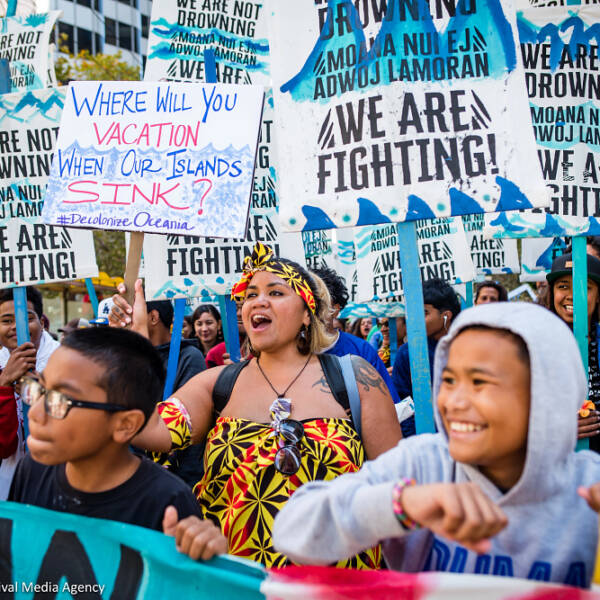
    Take action!

    We’re shaping a future where:

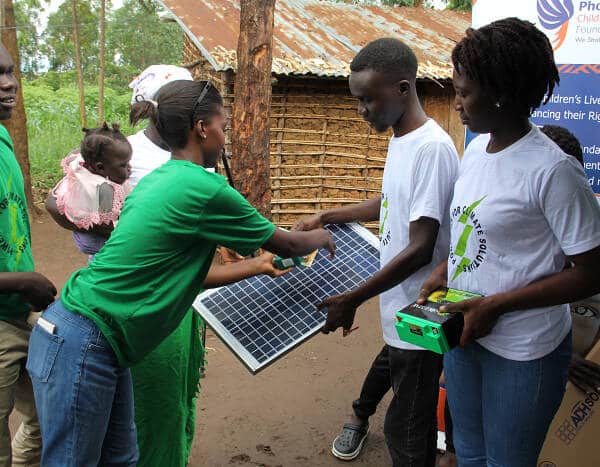
    People are empowered, ordinary people have the tools and training to build a better future and know the pathways they can take to make that happen.

    Communities are resilient, renewable energy is produced, consumed and owned within a community, creating jobs and local economic benefits.

    Governments and institutions prioritize climate action, implementing policies that reduce emissions and support a transition to renewable energy.

    Renewable energy becomes the dominant source of power, lessening the environmental impacts, providing more access to communities and reducing the overall cost to people.

    Fossil fuels are kept in the ground to protect both people and the planet.

    We are calling for a transformative energy transition that prioritizes people over corporate profit. This means creating local jobs and revenue for communities, lessening environmental impacts and offering more energy access to people in cities and rural areas.

    Here’s how we get there:

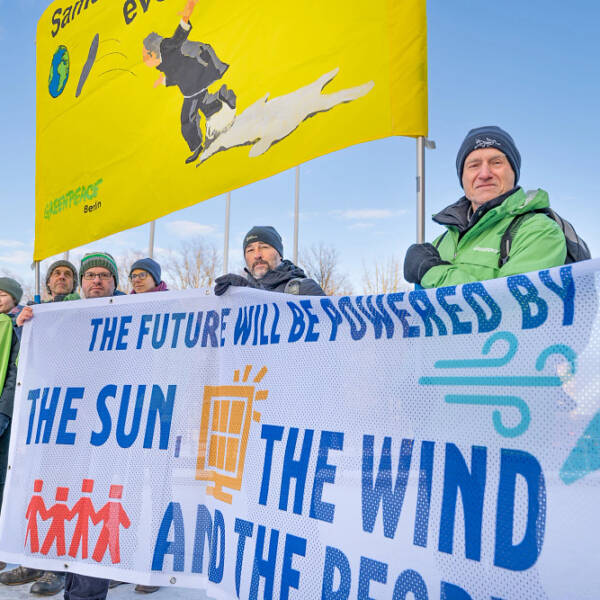
    Our strategy is twofold: resisting fossil fuel projects and its enablers, and advocating for a world powered by the sun, wind and people.


    Stop fossil fuels

    Learn More

    Climate finance

    Learn More

    Solutions for climate change

    Learn More

    Our Impact

    We campaign to keep fossil fuels in the ground and accelerate the renewable energy transition in an effort to tackle the climate crisis. We train and empower ordinary people to create local campaigns to ignite a renewable energy revolution. Get involved here!

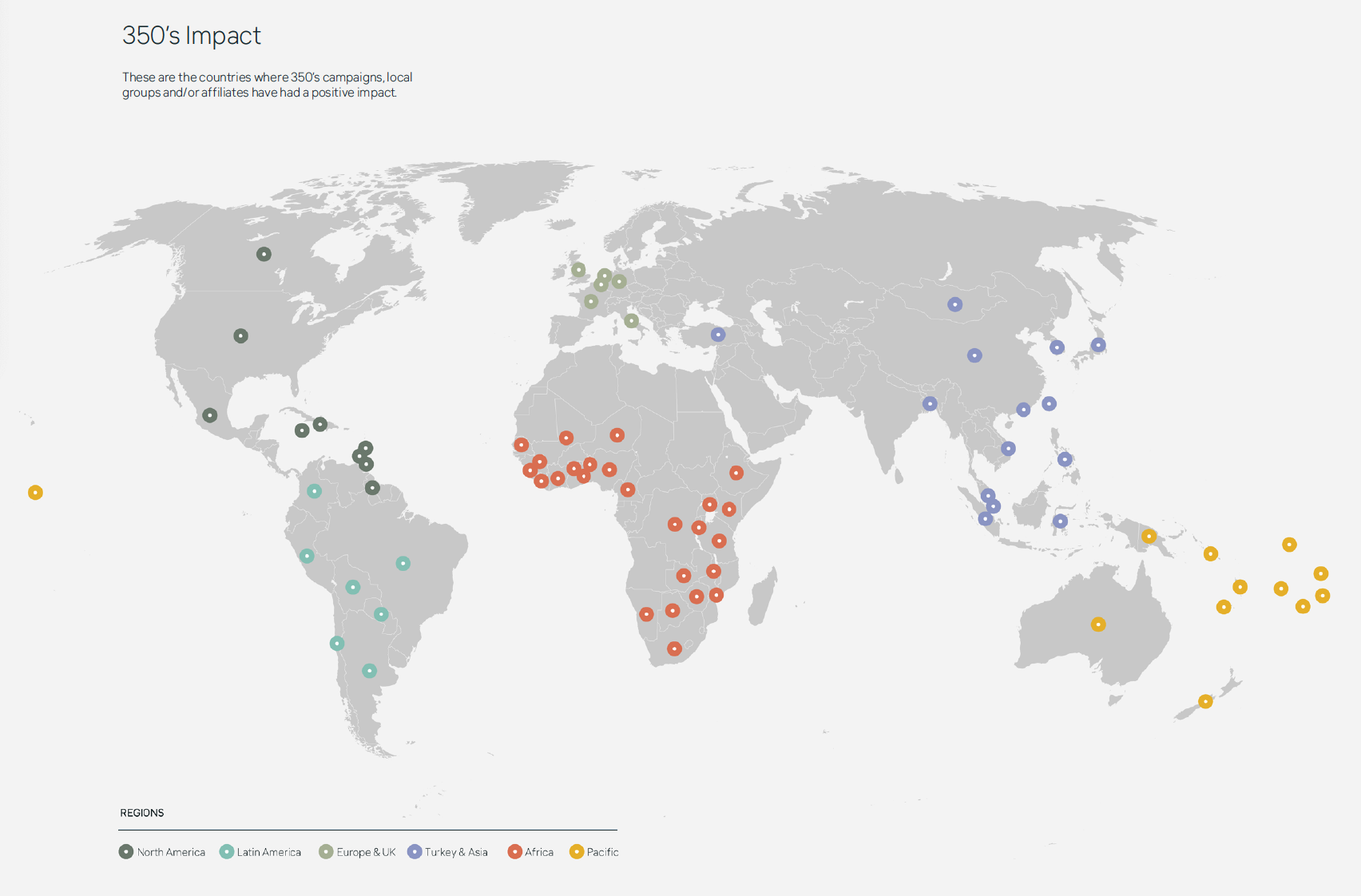
    Our biggest strength is our global network, connecting local and national campaigns across the world to confront injustice, challenge our fossil-fueled economic systems and showcase a groundswell of support for renewable energy. See our network of local groups.

    Together, we have achieved extraordinary things: training thousands of people to become climate leaders in their own communities, moving trillions of dollars away from the fossil fuel industry, stopping dirty coal, oil and gas projects – and much more! Learn more about our history and wins so far.

    330+

    campaigns and events led or supported worldwide last year

    490+

    active local groups all around the world

    10,000+

    activists provided with tools and trainings every year
    Our Latest Annual Report

    What’s in a name?

    Ours, 350, is a number. And a very important one. It is a reference to 350 parts per million (ppm) – the concentration of carbon dioxide (CO2) in the atmosphere considered the safe limit to avoid the worst impacts of climate change. We are currently at 423 ppm. Our name, 350.org, is a reminder that our fight to stop this number increasing further is more important than ever.

    Our People

    We are a team of smart, strategic and driven people spread all around the world. We believe that a diverse, equitable, inclusive, and collaborative team brings a variety of approaches to the work we do.


    Our Team Work with us

    Our Values

    We work across languages and continents to form a powerful worldwide network, having justice, collaboration and respect at the forefront of all we do. Our work is grounded in the change we want to see.
  • Air pollution impacting maternal, infant health of Ohioans

    Air pollution impacting maternal, infant health of Ohioans

    BY: SUSAN TEBBEN Ohio Capital Journal

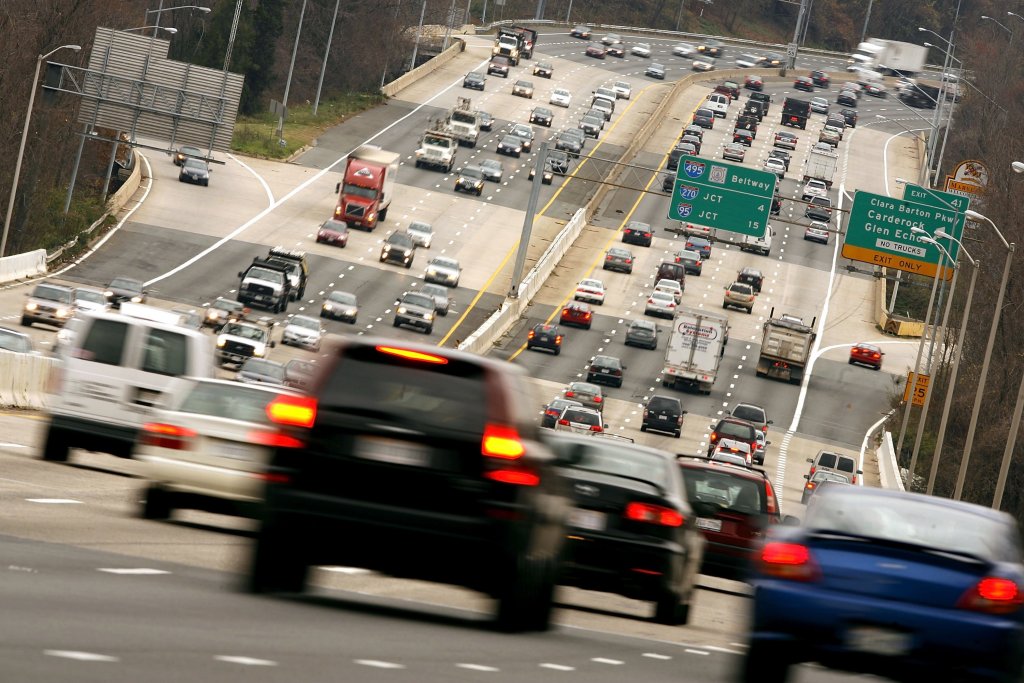
    Traffic on a highway. Photo by Chip Somodevilla/Getty Images.

    Improving air quality in the state would lead to better health for Ohioans, and could be done through policy changes, according to a policy think tank.

    In a recent examination of the connections between air pollution and health, the Health Policy Institute focused on maternal and infant health, lung and heart conditions and cognitive conditions, all of which could see better outcomes with increased monitoring and control of air pollutants.

    “Exposure to air pollution can also increase the severity, lethality and prevalence of COVID-19 due to its negative impact on cardiopulmonary diseases and immune responses,” the HPIO said in a policy brief on the issue.

    Sources of air pollution range from power plants to vehicle exhaust, and even natural sources like dust.

    Improvements have been made through the federal Clean Air Act in 1970, which sought to regulate emissions through EPA oversight, and through implementation of plans in each individual state.

    “The EPA can also take civil or criminal action against an entity that has violated environmental law, such as not installing a required air pollution control device,” the HPIO stated.

    But Ohio “ranks poorly on outdoor air quality” according to the institute’s research, and performs worse than most other states.

     Graph provided by the Health Policy Institute.

    More than 32% of Ohioans commute more than 30 minutes to work alone, verses 4.1% who walk, cycle or use public transportation, according to a 2021 Health Value Dashboard cited in the policy brief.

    But more than the choice of commute, some Ohioans are unwittingly in danger of air pollution effects based solely on where they live and the zoning policies in those communities. Even “redlining,” the use of discriminatory practice of denying mortgages and other financial services based on race or ethnicity, can cause minorities to end up in more polluted areas.

    “Historically, zoning policies and redlining placed industrial plants and highways closer to predominantly Black neighborhoods and prohibited Black people from living in areas that did not have these sources of pollution near them,” the HPIO stated.

    According to research from the National Equity Atlas, Black Ohioans face a risk of air pollution 1.5 times higher than white residents of the state.

    Part of the problem in Ohio was the passage of the scandal-ridden House Bill 6, a bailout of energy companies that led to, among other things, a bribery investigation and, beginning this month, the criminal trial of former House Speaker Larry Householder.

    Parts of the legislation were repealed in March 2021 related to the bailout, but measures that severely cut energy-efficiency programs and standards for renewable energy stayed in place.

    “By reducing the renewable energy benchmark, Ohioans are more likely to continue to use fossil fuel-based energy and be more at risk of air pollution exposure,” the HPIO policy brief stated.

    Ohio’s legislature also passed Senate Bill 52 in 2021, which hampers the development of energy sources such as wind farms and solar facilities and allows local governments to turn down wind and solar proposals.

    Local governments have done their part to reduce air pollution, however, with the Central Ohio Transportation Authority planning a fleet transition to non-diesel by 2025 after receiving federal funding for the effort.

    After a settlement between Volkswagen and the U.S. Environmental Protection Agency over an emissions scandal, Ohio is set to receive $75 million over 10 years to be used to fund emission-reduction projects.

    “The latest round of grants, awarded in November 2021, were estimated to remove 33 tons of nitrogen oxides and 16 tons of other air pollutants annually,” the HPIO stated.

    Moving forward, the policy institute said more legislation could set targets for “renewable energy procurement” and use air quality monitors to capture data on exposure. Increased funding for public transportation and an “environmental legislature review process” were also recommended by the HPIO.

    Follow Susan Tebben on Twitter.

  • Renewables on the Rise: Ohio Increases Solar Capacity by 2,600% in 10 Years

    Renewables on the Rise: Ohio Increases Solar Capacity by 2,600% in 10 Years

    Yes, 2,600%

    We did a double take too!

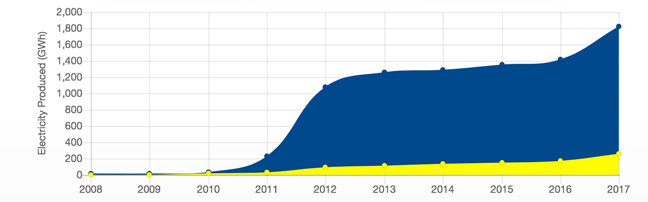
    Columbus, Ohio – As the Trump Administration puts efforts into weakening the Clean Power Plan, renewable energy is still increasing in Ohio. According to a ​new report​ by Environment Ohio Research & Policy Center, Ohio went from producing 1 Gigawatt hour of solar energy and 15 GWh of wind energy in 2008, to now producing 260 GWh of solar energy and 1,563 GWh of wind energy.

    Environment [​STATE​] Research & Policy Center is dedicated to protecting our air, water and open spaces. We investigate problems, craft solutions, educate the public and decision-makers, and help the public make their voices heard in local, state and national debates over the quality of our environment and our lives.

    “The last decade has seen explosive growth in the key technologies to power Ohio with clean, renewable energy,” said Nancy Goodes, Campaign Organizer for Environment Ohio “Ohio is poised to accelerate its shift away from fossil fuels. With renewable energy prices falling and new energy-saving technologies coming on line every day, Ohio should work towards the long-term goal of obtaining 100 percent of our energy from clean, renewable sources.”

    For the report, ​Renewables on the Rise: A Decade of Progress Towards a Clean Energy Future​, Environment Ohio Research & Policy Center, and Frontier Group reviewed statistics from 2008 to 2018 in solar energy capacity, wind energy capacity, energy efficiency, electric vehicle sales, and battery storage.

    The report’s authors called on the state and federal government to strengthen, not weaken, clean power standards and continue to allow Ohio to grow its renewable energy industry.

    “At the federal, state and local level, elected officials representing Ohio must enact policies to strengthen the renewable energy industry here.” said Goodes “We must accelerate our progress, not hit the brakes on effective programs like the Clean Power Plan.”

    Ohio

    Click buttons to view progress by clean energy technology.

    Clean energy progress in Ohio, 2008 to 2017:

    Solar: 183-fold growth in annual solar generation, an increase of 259 GWh. U.S. rank: 24 (ranked by increase in generation)

    Wind: 104-fold growth in annual wind generation, an increase of 1,548 GWh. U.S. rank: 24 (ranked by increase in generation)

    Total wind and solar: 1,823 GWh generated in 2017, enough to power 169 thousand homes.

    Electric Vehicles: 3,139 sold through 2017. U.S. rank: 34 (ranked by EVs per registered vehicle)

    Energy Storage: Utility-scale battery storage capacity increased by 51 MW. U.S. rank: 5 (ranked by increase in capacity)


    Loveland Sweets – Fine Candies

    Loveland Sweets is a purveyor of hand-crafted chocolates, caramels, marshmallows, and ice creams. Our house-made candies are prepared in small batches