Tag: school funding

  • Public school advocates take issue with new Ohio Speaker’s claim that funding model ‘unsustainable’

    Public school advocates take issue with new Ohio Speaker’s claim that funding model ‘unsustainable’

    (Stock photo from Getty Images)

    By:  Ohio Capital Journal

    As Ohio’s 136th General Assembly begins, the newly minted House Speaker has already taken a stand on education, saying spending for the state’s public school funding model is “unsustainable.”

    Priorities (and for that matter, legislative committees) have yet to be formally established, but comments by Speaker Matt Huffman, R-Lima, have already brought criticism from public school advocates across the state.

    Speaking to reporters after the first official meeting of the Ohio House under his leadership, Huffman was asked about the Cupp-Patterson public school funding plan, also called the Fair School Funding Plan by supporters.

    The funding model for state support of public schools has been through most of its six-year phase-in, seeing funding through the last two budget cycles. This year was set to be the last phase-in for the funding, but Huffman said there is no such thing as a “three-generation roll-out” and pointed to his comments when Cupp-Patterson was first considered by the legislature. Back then, he did not support funding the full measure all at once, because he said it would tie down future state legislatures with a funding method they may or may not be able to afford.

    “I don’t think there is a third phase to Cupp-Patterson,” Huffman said this week. “I guess the clearest statement I can say is that I think those increases in spending are unsustainable.”

    The new speaker went on to say the state needs to look at “whether these dollars are being spent wisely in some districts, we know they are in many.”

    Public school advocates have fought for the funding model, a model that focuses on real-time costs from district to district, rather than a blanket amount of state funding for all schools. While the comments from Huffman were criticized by advocates, they didn’t necessarily come as a surprise.

    “It’s certainly disappointing, but it doesn’t change anything for us,” said Scott DiMauro, president of the Ohio Education Association. “Implementing the Fair School Funding Plan is still our top priority.”

    YOU MAKE OUR WORK POSSIBLE.


    Without the funding, public schools will have to reach further into the pockets of taxpayers with levy-increase requests, something that shouldn’t have to happen under a system that constitutionally supports public schools.

    ” If the speaker thinks there isn’t enough education funding to go around, Ohio law is very clear,” Melissa Cropper, president of the Ohio Federation of Teachers, told the Capital Journal. “The legislature must fund public schools and make cuts to the costly and ineffective universal private school vouchers that were put in place by Speaker Huffman (as an Ohio senator) and other legislators,” said Melissa Cropper, president of the Ohio Federation of Teachers.

    Those who support the funding model pointed to the $1 billion that went to scholarship funds including the EdChoice private school voucher program in 2023, which the legislature approved to give Ohio students near-universal eligibility to move to private schools of their choosing if they live in public school districts considered under-performing.

    “If the speaker wants to talk about sustainability, you have to start with those numbers,” DiMauro said.

    Late last year, the legislature also removed provisions of a bill that would have added accountability measures to the private school voucher program, despite education advocates asking that accountability measures for private schools match those of public schools.

    That demand for accountability includes an ongoing lawsuit that seeks to eliminate EdChoice from the state’s educational portfolio. The group Vouchers Hurt Ohio is leading the effort in a court battle that has specifically targeted Huffman for answers on the process of passing legislative measures that support and fund EdChoice.

    Eric Brown, former Ohio Supreme Court chief justice and chair of the steering committee for Vouchers Hurt Ohio, said the group “never trusted that state lawmakers would fully fund public schools.”

    “Instead they are intent on giving refunds and rebates to wealthy families to pay for private schools and forcing homeowners and taxpayers to pay more for their local public schools,” Brown said in a statement. “We believe this system is unsustainable and unconstitutional.”

    DiMauro acknowledged that the Fair School Funding Plan will require inputting the real costs on an ongoing basis to account for inflation, and having the funding method keep up with those costs, but to do so would only be keeping up with what the constitution asks of state leaders, he said.

    “It means finally having a system that will meet the requirements of the constitution and serve the needs of the nearly 90% of students who are in our public schools,” DiMauro said.

    Aaron Churchill, Ohio research director for charter school advocates The Fordham Institute, said the cost of the Cupp-Patterson plan is “something that the legislature is just going to have to grapple with over the longterm.”

    Charter schools in Ohio have “long been underfunded,” Churchill said, and the fact that public school enrollment has seen a decline in recent years shows that public schools “should have less need for funding” but also more focus on putting the funding “where the needs are the greatest.”

    “Our school funding should be driven by enrollment and head counts,” Churchill said. “There’s a lot of money going to our public schools, so the dollars are going even further than they would if our state had a growing student population.”

    The enrollment in public schools has gone down slightly over the past few years, though some experts attribute that to a national decline in birth rates more than participation choices. The National Center for Education Statistics sets projections for enrollment, and estimates Ohio’s public school student enrollment will go down by 7.6% by 2031, a loss of more than 127,000 students.

    The most recent data from the Ohio Department of Education and Workforce showed more than 1.75 million students in public schools, versus 173,156 students in the state’s non-public schools.

    The public school numbers showed a loss of 5,400 students compared to numbers reported by the ODEW in fiscal year 2023. That’s down from 2022 as well, but public schools saw an increase of nearly 18,000 students between 2021 and 2022, according to state data.

    Non-public schools have seen gradual increases since fiscal year 2021, when enrollment was reported at 162,917.

    Still, in the 2022-2023 school year, the ODEW reported 88% of schools in Ohio were traditional public schools, followed by community schools at 9.4% and vocational schools at 2.1%.


    YOU MAKE OUR WORK POSSIBLE.

    _________________
    Susan Tebben
    Susan Tebben

    Susan Tebben is an award-winning journalist with a decade of experience covering Ohio news, including courts and crime, Appalachian social issues, government, education, diversity and culture. She has worked for The Newark Advocate, The Glasgow (KY) Daily Times, The Athens Messenger, and WOUB Public Media. She has also had work featured on National Public Radio.

    Ohio Capital Journal is part of States Newsroom, the nation’s largest state-focused nonprofit news organization.

    MORE FROM AUTHOR

  • Education sees some funding boosts, some missed opportunities in 2022

    Education sees some funding boosts, some missed opportunities in 2022

    BY: SUSAN TEBBEN – Ohio Capital Journal

    Next year is sure to be a busy one when it comes to education in Ohio, with potential state agency overhauls and funding changes still on the agenda for the state legislature.

    The end of 2022 was capped by an 11th-hour push and ultimately failure for an attempted overhaul of the Ohio Department of Education and the state Board of Education. Senate Bill 178 was never passed in an Ohio House committee, so it was folded into another bill with controversial provisions, House Bill 151.

    House Bill 151 included bans for trans youth in participating in sports based on their gender identity, and after SB 178 was included, the bill came in at more than 2,000 pages. But despite delaying the vote until after 2 a.m. on the last day of the legislative session, the bill and its many provisions failed to garner enough votes in the House.

    LGBTQ advocates hailed the failure of House Bill 151, which still would have required the use of birth certificates to prove a student’s gender, despite the elimination of a provision that would have required a genital exam.

    “I can not begin to express my gratitude to the hundreds of community members and advocates who stood up for the rights of all transgender youth to participate in all parts of life as whole people, including sports, just like everyone else,” said Alana Jochum, executive director of Equality Ohio, after the bill failed to pass.

    Dr. Rhea Debussy, director of external affairs for Equitas Health and former facilitator for the NCAA’s Division III LGBTQ OneTeam Program, said the thrill of seeing the legislation voted down was tempered by concern that the bill even existed.

    “It’s very alarming that a group of legislators thought bullying gender expansive and intersex youth was an urgent need for the final hours of Ohio’s 134th General Assembly,” Debussy said in a statement.

    Senate Bill 178

    Education officials not only celebrated the failure of HB 151’s anti-trans legislation, but the downfall of the rapid-fire education overhaul they overwhelmingly said needed more time and more vetting.

    “OEA believes it is worth taking a hard look at how Ohio’s schools are governed and supported at the state level,” said OEA President Scott DiMauro in a statement. “However, collaboration is key.”

    Senate President Matt Huffman said he was “disappointed that our school reform bill and our attempt to do something about girls’ sports … I’m disappointed that those things failed.”

    But Huffman maintained the stance he took after the Senate passed HB 151 on to the House for a vote earlier this month, that if the education overhaul part of the bill didn’t pass during the 134th GA, it would move on to the 135th.

    “I’m glad we took the vote because we kind of have on the record who’s where, and there probably is a lot more due diligence that needs to be done on that issue,” Huffman said.

    Some ups, more downs

    While some funding changes were implemented — such as $56 million in state funding for Disadvantaged Pupil Impact Aid, increases in Elementary and Secondary School Emergency Relief funds and federal monies for school security and safety — public schools are still looking for full funding of the Fair School Funding Plan (formerly called the Cupp-Patterson plan, after Speaker Bob Cupp and former state Rep. John Patterson, the legislators who created it). The plan was previously funded for the two years of the current General Assembly, but needs another four-year commitment of funds to be fully phased in.

    That plan, according to the OEA, “represents the first constitutional school funding system in the state in decades.”

    The effort for better public school funding is flanked by a lawsuit moving forward in Franklin County Common Pleas Court that seeks to nullify the EdChoice private school voucher system in the state. A coalition of school districts and individuals joined together to file the lawsuit, and Franklin County Judge Jaiza Page recently ruled against the Ohio Attorney General’s Office, who argued the lawsuit should not be allowed to continue.

    “This means we will put vouchers on trial in a court of law,” the coalition behind the lawsuit, Vouchers Hurt Ohio, wrote in an email newsletter, though the timeline for the court case could go on for some time.

    Private school vouchers are on the minds of congressional Ohioans as well, with U.S. Sen. Sherrod Brown pushing for more investment in federal Head Start programs and more funding for public schools.

    “We have a state government, one of whose major aims seems to be to privatize public schools,” Brown said in a press call. “They have moved more and more money out of public education into religious schools and other private schools … and really undermined what state government should be doing and that is funding public education for the great majority of students in our state.”

    Teachers unions and public officials alike wanted to see efforts to stem the state’s teacher shortage, a rise in the teacher wages that have stagnated over the last 25 years and changes to the third-grade reading guarantee, both of which saw action in the legislature, but did not come to fruition.

    As the state’s Board of Education awaits the fate of the department and the board itself, they still have a decision to make: the search for a superintendent of public instruction.

    The board spent months on issues such as a resolution condemning racism in education, then a resolution repealing that racism measure, and finally a resolution urging the federal government not to include gender identity in anti-discrimination language that would impact education policy.

    But in their December meeting, they decided to punt on the issue of hiring a search firm to select candidates to fill the open position that heads the department.

    The board voted to wait until SB 178 was passed or rejected by the legislature, for fear that candidates for the position might change their minds once they found out how the roles of superintendent would change under the new bill.

  • A deep dive into the Loveland teacher pay scale

    A deep dive into the Loveland teacher pay scale

    A Comparative Analysis

    Lesley Hodge

    A Guest Column by Lesley Hodge

    Many things about school funding and finance are made to be more complicated than they should be. When 86% of your Public School District’s budget is comprised of employee compensation and benefits (of which the majority is teacher pay) it pays to be informed (no pun intended). We constantly need new levies because the union-negotiated salary schedule is designed to perpetuate substantial and ever-increasing teacher costs. No one is denying that we have good teachers at Loveland. They should be paid decently but they are clearly not underpaid. The Loveland district has been generous in compensating teachers for years. It would be a benefit to the Loveland Community to address this issue openly in terms of ever rising costs and the ability of our community to reasonably afford them. To that end, here is a deeper look at how the teacher pay scale is structured and compares to the top schools in our area.

    WHO OR WHAT GOVERNS TEACHER PAY

    The LCSD Master Contract (available publicly) governs teacher pay and is typically negotiated every 1-3 years. Teachers are called “certified staff’ but the union who bargains for their contract refers to them as “bargaining unit members”. The current Master Contract is 87 pages long, but bargaining unit members sign a single sheet of paper which designates their individual compensation package. Pay is negotiated by the Loveland Education Association, the local union, which is an affiliate of the Southwestern Ohio Education Association (SWOEA), the Ohio Education Association (OEA) and the National Education Association (NEA).

    HOW PAY IS CALCULATED

    Appendix I of the Master Contract is a single page dedicated to the Loveland City Schools Teacher Pay Scale for years 2021-2022 & 2022-2023. Think of the Pay Scale as a grid. Across the top of the grid are six column headings designating increasing education levels from a bachelor (Group I) to a Master’s degree plus 30 semester hours (Group VI). Down the side in rows are the numbers 1-35 designating years of teaching (also called “steps”).


    Group IGroup IIGroup IIIGroup IVGroup VGroup VI
    1-35 – Years of teaching experience (“steps”) Bachelor (BA)BA with 150 semester hours
    Master’s (MA)MA + 10 semester hoursMA + 20 semester hoursMA + 30 semester hours

    A bargaining unit member’s pay is determined by 3 things:

    1) the base salary (everything hinges on this),

    2) education level (graduate semester hours or degree) a teacher has earned, and

    3) years of teaching or number of steps.

    Each contract year Bargaining unit members may receive up to three different kinds of increases:

    1) a negotiated increase in the base salary, which is not limited and may be different for each year of the contract,

    2) an education level increase of a pre-calculated percentage amount based on the new Group (see chart above), and

    3) a percentage increase for the number of years of teaching or steps.

    There are 20 raises in the current Master Contract up until a teacher has been teaching for 27 years. There are no new increases between 27 and 35 years of teaching, but if the base pay is increased at any time, all years up to year 27 are increased proportionally.

    To determine the yearly total pay for a teacher, the equation would be:

    Salary = Base Pay + Education Level increase + Number of Years Teaching increase (steps).

    The value of teacher pay is determined automatically by years of teaching and education level. Classroom performance, class size, subject matter, grade level, and student needs have no bearing on teacher pay.

    DID LOVELAND TEACHERS RECEIVE ZERO PAY RAISES?

    The School District’s statement on its website that there has been “0% increase in the pay scale for teachers” should be clarified. This does not mean that teachers are being paid no more this year than they were paid last year, as one might naturally suppose. The current LCSD Pay Scale has remained the same for the two-year contract period of 2021-2023. During this current period there have been no increases in the base salary of $44,167 (what a first-year teacher with a Bachelor’s Degree would receive).

    However, the current Master Contract which was negotiated in 2021 modified the years of teaching experience or steps. To align Loveland more closely with other districts, LCSD expanded the steps so that it now takes a teacher 26 years to reach the top salary level, whereas previously only 20 years were required. In the previous contract’s pay scale a teacher could receive 17 raises to reach the top salary for years of teaching. In the current contract’s pay scale a teacher can receive 20 raises to reach the top salary for 27 years of teaching. As a consequence, every teacher with more than 20 years’ teaching experience received one or more of these new raises. Moreover, in transferring teachers from the previous 20-year schedule to the new pay scale according to their salaries at the time of the change (so that no teacher would receive a pay cut), a number of teachers were reassigned to a level higher than their actual years of teaching would indicate. In the first year of the new contract every teacher received a boost to their pay due to these administrative adjustments. Finally, any teacher achieving the next milestone of educational level received the usual related salary increase. So clearly, even in a year when the “pay scale has not increased,” the cost of teacher compensation increased substantially.

    Teachers who have reached the top of the pay scale (maxed out both education levels and years’ experience) can receive a raise only when an increase in the base salary is negotiated. When the base salary is raised (as a percentage in the contract), it then raises every other category on the pay scale, amplifying the increase to all salaries. Although some teachers did not see any salary increase in the current or second year of the Master Contract, year-to-year 0% increases in the pay scale still result in pay increases for the majority of teachers who received an increase for another year of teaching.

    FAST TRACK TO A MASTER’S DEGREE

    Individual school districts vary in the way they compensate teachers for educational level. Whereas Loveland’s top salary group is a Master’s Degree plus 30 semester hours, Indian Hill’s and Forest Hills’ top salary level is a Doctorate. Sycamore tops out at a Master’s Degree plus 45 semester hours. In every top performing district other than Loveland it takes longer for teachers to achieve the highest educational level.

    Moreover, there is a “multiplier” between each of the education levels which determines the increase in pay for that level. On Loveland’s pay scale the cumulative percentage increase in the base salary between the lowest education level attained and the highest education level is equivalent to 27.25%. Of the top performing schools in southwest Ohio only Indian Hill comes close to Loveland with a 22.5% cumulative education level increase. Sycamore Schools hand out a cumulative education level increase of only 11.35% from a bachelor to a doctorate.

    By obtaining one’s Master’s Degree a teacher can increase his or her salary and move up the pay scale more quickly. In fact, many Loveland teachers do so. The District assists in this, as the Master Contract attests. It states: The Board will provide 100% tuition reimbursement to bargaining unit members, up to a maximum of three (3) credit hours each and up to a total Board contribution of $60,000 during a contract year. So teachers not only increase their salaries by obtaining a Master’s Degree but also can obtain semester hours at the school’s expense. This also assists a teacher in obtaining a “Continuing Contract” (job for life) which the majority of Loveland’s teachers possess.

    The following chart demonstrates the high percentage of Master’s Degrees in the Loveland District compared to the top performing schools in our area even though research cannot conclude that an advanced degree makes one a better teacher or improves classroom performance.

    PERCENTAGE OF TEACHERS WITH MASTER’S DEGREES (with local rankings)


    LOVELANDSYCAMOREINDIAN HILLWYOMINGFOREST HILLSMADEIRA
    202286.9% (2)68.1%(6)93.2% (1)70.5%(5)78.6%(3)74.6%(4)
    202190.2%(2)67.7%(6)91.6%(1)71.0%(5)78.5%(3)77.0%(4)
    202086.2%(2)70.5%(6)91.7%(1)74.2%(5)76.0%(4)77.7%(3)
    201986.5%(2)69.4%(6)91.3%(1)75.0%(4)73.8%(5)76.5%(3)
    201884.9%(2)69.8%(6)91.4%(1)75.1%(4)74.6%(5)78.7%(3)

    COMPARING AVERAGE PAY AND YEARS EXPERIENCE

    In Fiscal Year 2021 Loveland ranked 20 out of all 607 districts in the state of Ohio for highest average teacher pay (96th percentile) and was ranked 4th out of the 49 districts in southwest Ohio. Currently Loveland ranks 39 out of 607 districts for average teacher pay putting us in the 93rd percentile. This ranking is in spite of having both a lower base pay and a lower top salary than these same schools. Here is how Loveland compares to the other top performing districts in our area:

    AVERAGE TEACHER SALARY (with local rankings)


    LOVELANDSYCAMOREINDIAN HILLWYOMINGFOREST HILLSMADEIRA
    2022$81,511(5)$73,726(6)$85,758(1)$82,733(3)$81,946(4)$84,757(2)
    2021$82,624(3)$73,804(6)$83,647(1)$81,094(4)$80,039(5)$83,097(2)
    2020$82,156(3)$74,359(6)$82,234(2)$80,136(4)$76,742(5)$82,388(1)
    2019$78,248(3)$72,714(6)$79,884(2)$78,242(4)$73,582(5)$80,131(1)
    2018$74,224(4)$71,577(5)$77,872(2)$76,930(3)$70,299(6)$78,079(1)

    The reason Loveland ranks high for average pay is that we have a larger number of teachers at the higher level of the pay scale than other schools, with the majority of our teachers possessing a Master’s Degree (Indian Hill being the only local district higher than Loveland). Interestingly enough, we have on average fewer years teaching experience than most of the other top schools except for Sycamore. Sycamore, however, has far fewer Master’s Degrees and has a much lower average teacher salary. No other district in the State of Ohio has the percentage of teacher’s with Master’s Degrees that Loveland has for the comparably low years of teaching experience.

    AVERAGE YEARS TEACHING EXPERIENCE


    LOVELANDSYCAMOREINDIAN HILLWYOMINGFOREST HILLSMADEIRA
    2022131318171815
    2021141418171815
    2020141418181715
    2019141412181518
    2018131212171514

    OBSERVATIONS

    Loveland compares favorably with other top local districts in our area for base salary. Even when the base salary itself is not increased, most teachers receive a salary increase from either years of teaching (steps) or advanced education levels or both. Loveland is exceptionally generous with its raises related to education level and subsidizes a portion of that advanced education. Loveland ranks in the 93rd percentile in Ohio for average teacher pay, even though its teachers have on average fewer years of teaching experience than is true in other districts.

    While it is good that our Board re-negotiated to expand the teaching years (steps) in the pay scale they did not address the short time frame to rise through the educational levels. In the end they just “kicked the can” down the road. Although it will take a bargaining unit member longer to reach the top salary he or she will go through an additional series of increases and if and when the base pay rises all other education level and step increases will go up accordingly.

    How long can the Loveland community sustain the expenses of our current educational system? When 86% of the budget is personnel and 60% of that 86% is a pay scale with both negotiated and built-in automatic raises, it can only become more and more difficult for the community to pony up the ever-increasing amounts of money needed to pay the cost.

    Resources: All data in this analysis was derived from the Loveland Teacher’s Master Contract, The Ohio Department of Education, the State Employment Relations Board and interviews with local teachers.

  • A Diversity Story: by Leah Marcus

    A Diversity Story: by Leah Marcus

    “When we speak we are afraid our words will not be heard nor welcomed, but when we are silent we are still afraid. So is it better to speak?” – Audre Lorde

    I am in sixth grade. My hands, gripping the edge of my desk in a quiet rage. Knuckles white. I. Hate. It. Here. My skin crawls. There isn’t a place in the world I want to exist. Everyone listens to me say this. But no one hears me. I am ignored.

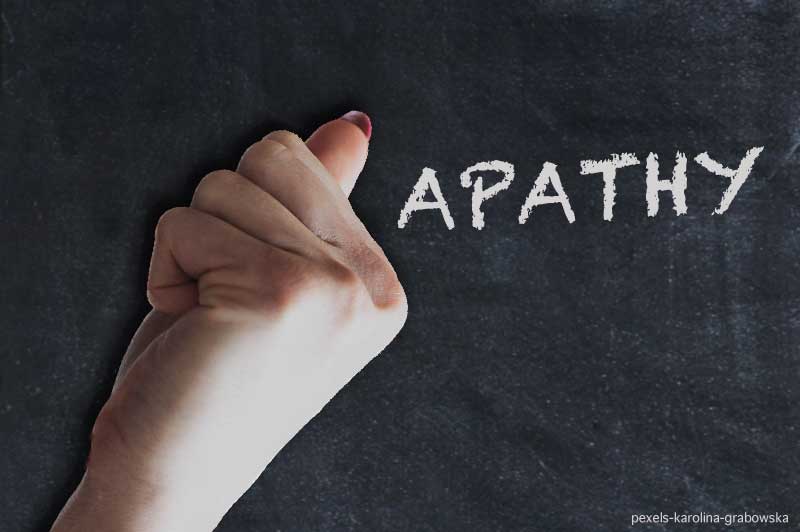
    Mrs. S. wrote the word “Apathy” on the board. 

    “That feeling. That word, murdered 11 million people. 6 million Jews. 1.5 million Jewish Children. Look at it.”

    We stare for a minute. Silent.

    I hear a soft laugh. Is that my snicker? Another. Uncomfortable shifting in desk chairs. Whoever it was, Brandon has the loudest giggle, and he receives the teacher’s corrective glare.

    She darkens the room and pulls down the screen. A slide of a naked, emaciated, woman, dead appears. My eyes glance over at the word. Apathy.

    The next slide. A gas chamber. Dead bodies slumped over each other. 

    Next, the entrance to Birkenau. 

    Next, Auschwitz. “Arbeit Macht Frei” Apathy. 

    The deceitful message at the entrance to Auschwitz- translated means “Work sets you free”.

    Another slide. 

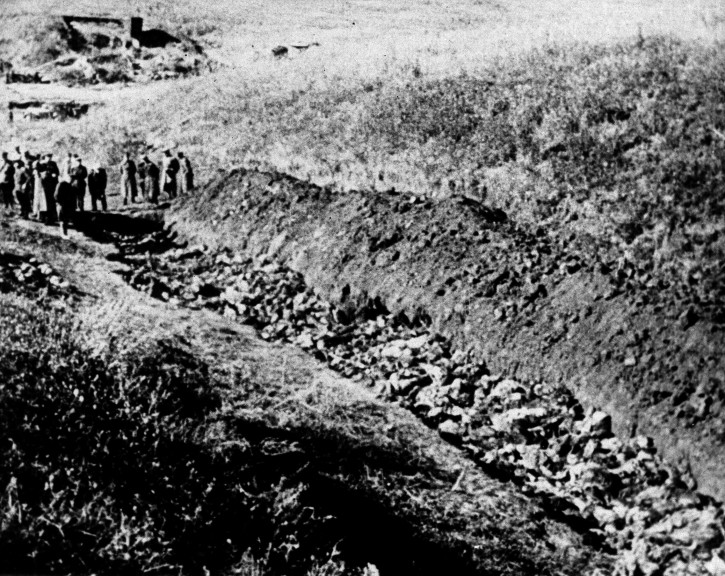
    “This is Babi Yar”. Mrs. S. delivers the information with a cold, flat, statement. The class gasps. All of us. Collectively. Gasping at the sight – a photograph of a mass grave holding the dead and starved bodies of 33,771 Jews, murdered over 2 days. Marci looks down at her paper and reads the quote that was to accompany the slide, number 18, “There is no gravestone that stands on Babi Yar; Only coarse earth heaped roughly on the gash.” One of the boys groans, “Ugh…Gash.”

    Apathy.

    I silently rode home with my father. I will never look at my Grandmother the same. “What did she see in Germany?” 

    Apathy. 

    I visited Majdanek, Sobibor, Auschwitz, Treblinka, Birkenau when I was 17. I am numb, the feeling of existing nowhere. I think I have died, but I am only numb. Every day, I want to die. Instead I am numb. Now I can survive.

    And I promise to share these words, as I stand under the gallows of Auschwitz:

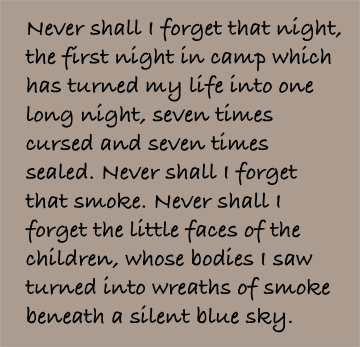
    “Never shall I forget that night, the first night in camp which has turned my life into one long night, seven times cursed and seven times sealed. Never shall I forget that smoke. Never shall I forget the little faces of the children, whose bodies I saw turned into wreaths of smoke beneath a silent blue sky.

    Never shall I forget those flames which consumed my faith forever.

    Never shall I forget that nocturnal silence which deprived me, for all eternity, of the desire to live. Never shall I forget those moments which murdered my God and my soul, and turned my dreams to dust. Never shall I forget these things, even if I am consigned to live as long as God Himself. Never.” (Elie Wiesel)

    “It doesn’t feel right.”

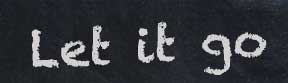
    “Let it go.”

    “Ok, I’ll move on.”

    That conversation has dominated my life for 34 years. Apathy. I define it. My stomach rumbles every day, I never feel good. I sit with my husband at dinner and watch the news. This isn’t how it is supposed to be. All that I have seen and heard. I am numb and dead inside, as I was in Majdenak choking on the stench on rotten leather shoes. Trophies saved by Nazis to commemorate 80,000 murders. 

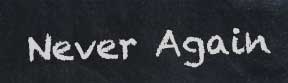
    “Never Again. What does that mean?”

    He stares back at me. My question emerges from my apathetic silence.

    This image has an empty alt attribute; its file name is never-again-1-1.jpg

    “When we say never again, doesn’t that mean we’re supposed to do something? What does `never again’ mean to you?”

    He quietly speaks of his dreams for peace. Eradicating poverty. Housing for the poor. Healthcare. College. Employment. 

    “What about you?”

    “I can’t live here anymore. Not the way it is. When I said never again, I meant I would stop a train carrying cattle cars of Jews with my body, with my strength, with my power. I don’t have power. I don’t want to live that way anymore. I don’t want to live here anymore.”

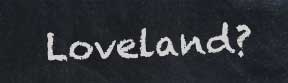
    “Like Loveland? You don’t want to live in Loveland anymore?”

    “No. I can’t live in the world as it is anymore. I have to change it. It’s unbearable.” I cry. I can’t stop. I feel the quiet rage of my youth. But my hands lie flat on the table, my knuckles pink. I don’t think I can exist here. I look to my husband and children. But they exist here.

    I pick up books and learn. I register voters. I learn how to organize large groups of people to fight for a common cause, not because of politics, but because it aligns with their self-interests. I learn about my privilege. I learn about systemic racism. I make so many mistakes. I am corrected aggressively. Kindly. Ignored. I cry. I laugh. I am successful. I learn as I go. Things change. 

    One day, I press play. My daughter is watching over my shoulder. We watch George Floyd die. She has closed her eyes. I restart the video.

    “Open them. Open your eyes. We have to see.”

    I think, “There is no gravestone that stands on Babi Yar; Only coarse earth heaped roughly on the gash.”

    We exist in a world like this – coarse earth heaped roughly on the gash. I don’t want this world to exist as long as I live in it.

    We hug at the end of the video.

    When my husband finishes work, I greet him by stating simply, “Never Again.”

    He knows what it means.

    I step in front of the train and put my hand up. 

    With a short meeting and trusted friends, the Loveland  Diversity Advisory Board is formed.

    John comments only occasionally, but when he does, I put the “mature administrator” hat on immediately and respond with a question, “Help me understand…” or “I’m not sure I am following what you mean…could you say more about that?” Inevitably, John replies with a co-opted statement about the thread and relates it back to Critical Race Theory or Reparations, or School Funding and School Policy. Clearly, he is looking to push buttons and searching for a “gotcha moment”.

    I don’t want this world to exist as long as I live in it. My stomach rumbles. Looking down, I see that my hands are clutching the edge of my desk. My knuckles are white. 

    He writes, “Critical Race theory has no place in American Schools. The tenets of Critical Race Theory are based in the destructive ideal of inherent racism and will teach our children to judge and self segregate based solely on skin color….It promotes the dismantling of American Society thru (sic) Marxist anti American rhetoric.”

    It takes my breath away to see it in writing. “Marxist anti-American Rhetoric”. In the rambling online blogs of the Poway Synagogue shooter, references to Jews and their control of the media, the banks, and his description of hatred for Jews and their role in “cultural Marxism”. This phrase has repeatedly created a rationale for violence against leftists, against Jewish people, and against anyone associated with either. 

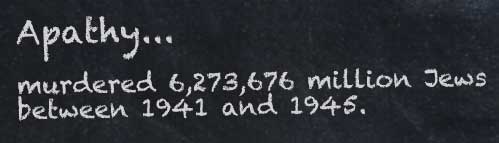
    My alarm is sounded. Bully. Microassault. Dog Whistle.  “There is no gravestone that stands on Babi Yar; Only coarse earth heaped roughly on the gash.” Apathy murdered 6,273,676 million Jews between 1941 and 1945.  

    Never Again.

    I step in front of the train.

    Stop.

    You’re either driving the train. Or you’re stopping it.

    The more people that stand in front of this train, the faster it will stop.

    We must always take sides. Neutrality helps the oppressor, never the victim. Silence encourages the tormentor, never the tormented. –Elie Wiesel Z”L, Buna, Buchenwald, Auschwitz Survivor (1928 – 2016)


    This Guest Column by Leah Marcus is presented by Loveland Magazine in collaboration with the Loveland Diversity Advisory Board. Contact them if you’ve a story to share.


  • What to know about Gov. DeWine’s proposed state budget

    What to know about Gov. DeWine’s proposed state budget

    Funding for Ohio schools would return to levels seen before the pandemic hit

    by By Tyler Buchanan and Ohio Capital Journal

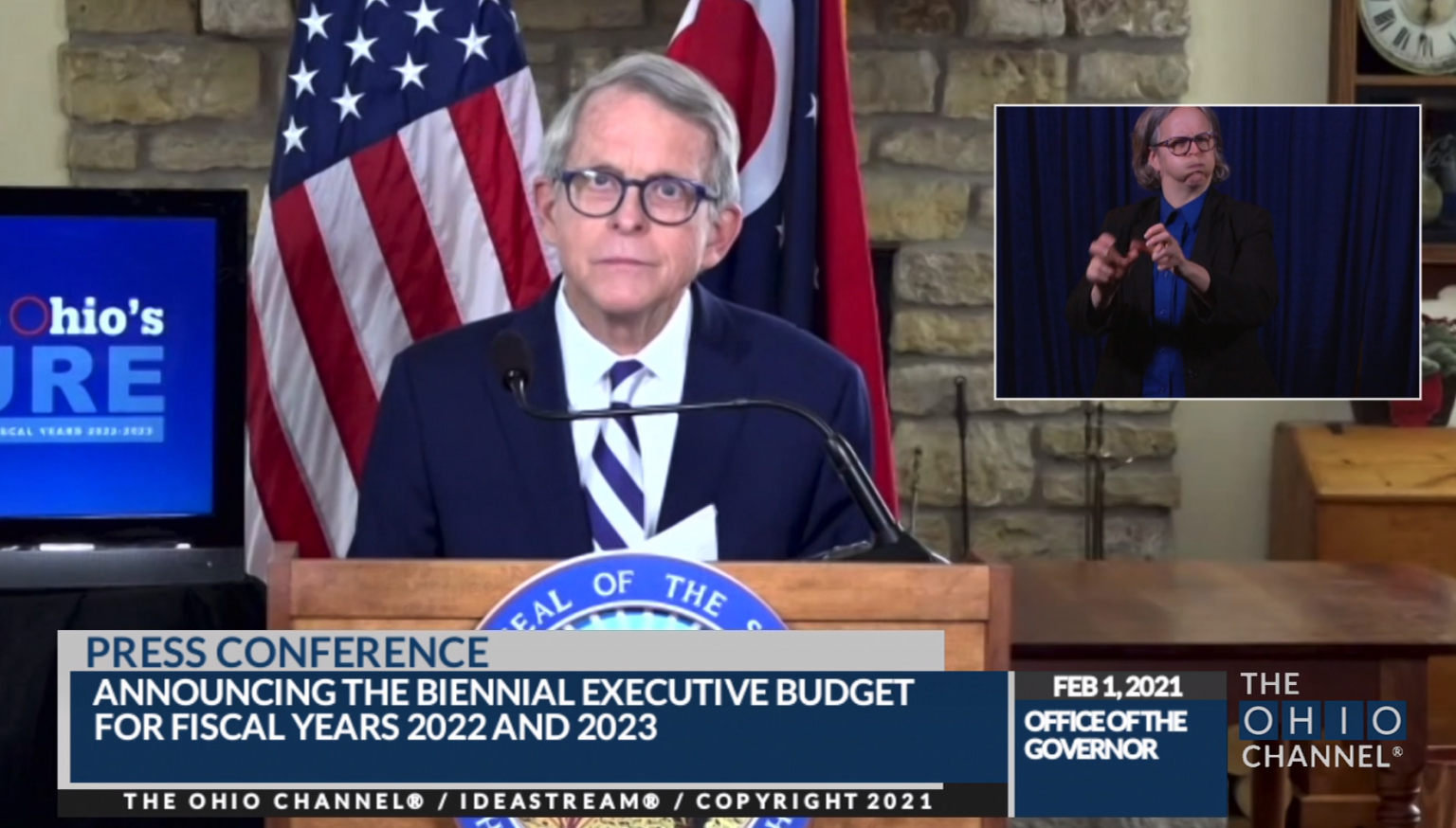
    Ohio Gov. Mike DeWine outlined his administration’s proposed state budget on Monday, calling his plan “truly an investment into our future.”

    Acknowledging this as being an “extremely challenging time in Ohio,” DeWine nevertheless offered an optimistic view of the coming two years and said 2021 in particular would be a year of recovery. 

    The governor emphasized the need for targeted investments toward Ohio businesses, communities and workers as the state continues to deal with a pandemic that has left thousands dead and more than a million seeking unemployment aid at some point in the past year. 

    “We see a bright future ahead,” said Kimberly Murnieks, the state’s chief budget officer, in helping to roll out the budget plan.

    The proposal kicks off months of negotiating with the Ohio legislature, which is tasked with approving a state budget this summer.

    Here are some main takeaways of how the budget affects everyday Ohioans and some details about the next steps in the budget process:

    Big investments in small businesses, expanding broadband access

    At the centerpiece of DeWine’s budget proposal is a new economic recovery plan referred to as the “Investing in Ohio Initiative.”

    The one-time spending plan includes more than $1 billion toward business grants, community infrastructure projects and workforce development. 

    A total of $460 million in grants would go toward bars, restaurants, entertainment venues and other small businesses hit hard by the pandemic, DeWine said. Of this money, $20 million would be specially allocated for new businesses started since the beginning of 2020. 

    Lt. Gov. Jon Husted outlined a number of proposed investments toward improving the state’s workforce training opportunities, benefiting high school students and adult workers alike:

    Another major component of the Investing in Ohio Initiative is $250 million for broadband expansion throughout the state of Ohio. This is an “incredibly important” priority, Husted said, noting that Ohioans without adequate internet access at home have fewer education, health care and telework opportunities. 

    This proposed spending is made available, DeWine said, due to money saved by the state government during the pandemic as well as increased federal spending in Ohio that has freed up additional money. 

    There is one other aspect of the Investing in Ohio Initiative plan.

    DeWine wants $50 million public relations campaign 

    This is a component of the governor’s proposed recovery plan that turned some heads. 

    DeWine hopes to see the state embark on a $50 million marketing campaign to promote the virtues of Ohio to the rest of America.

    The idea, he said, is to convince residents and entrepreneurs living elsewhere to relocate to the Buckeye State. 

    “We want to position Ohio as the place to be,” DeWine said, saying the campaign should highlight the state’s cultures, cities, universities and workplace opportunities.

    No new taxes, but some new fees

    The governor and chief budget officer repeatedly made note of the effort to not propose any new taxes with this budget.

    It does, however, call for increasing some fees that Ohio residents have to pay at the Bureau of Motor Vehicles. The budget proposes a $10 increase on motor vehicle registration fees and a $2 increase on title fees. 

    This would raise millions of dollars benefitting the Ohio State Highway Patrol, which Murnieks said is in need of additional funding to pay for its operations and security responsibilities. (The Patrol provides security at the Ohio Statehouse.)

    Health and Education

    Public health should remain a major funding priority going forward as Ohio navigates the COVID-19 pandemic, DeWine said.

    He mentioned a particular need to invest in better data systems for health departments to process and report public health information. 

    The governor will talk in future detail about the proposed public health spending in his Tuesday pandemic press conference, Murnieks told reporters. 

    Gov. DeWine said his budget would allocate funding toward improving Ohio health departments’ ability to process data and information. The Ohio Department of Health’s COVID-19 dashboard is seen in a screenshot from Monday afternoon.

    The budget proposes a notable increase in state Medicaid spending. Murnieks said this is due to a rise in the number of Ohioans relying on Medicaid during the ongoing health crisis and an expected decrease in federal funding.

    Regarding education, DeWine did not include any changes with the K-12 funding formula in his budget proposal, noting that lawmakers are still debating the issue.

    In sum, funding for Ohio schools would return to levels seen before the pandemic hit. (OCJ covered the education budget proposals in a separate article which you can read here.)

    ‘Rainy day fund’ still untouched

    Throughout the pandemic, DeWine has said the state would not tap into its $2.7 billion “rainy day fund” unless it was absolutely necessary.

    The state opted against doing so for all of 2020, even while instituting hundreds of millions of dollars in cuts to public education last May. 

    Likewise, the state evidently has no intention of using that money in 2021. DeWine did not propose any funds be used from the rainy day fund in his budget proposal.

    Murnieks told reporters that it’s beneficial for Ohio to continue saving it for any future budget catastrophe. She said the state likely would have relied on this money had it not been for the funding assistance provided by the federal government. 

    What’s next?

    The state legislature will now start reviewing the budget proposal.

    The negotiating process begins in the two chambers’ Finance Committees. Eventually, the budget will come to a full vote in the Ohio House of Representatives and the Ohio Senate. Members from both chambers will then hash out any differences before a final budget bill heads to the governor’s desk for approval.

    The budget must be approved by the start of the new fiscal year (July 1), though it’s not uncommon for negotiations to continue past that date with a temporary budget in place.

    More information about the budget proposal is available online at budget.ohio.gov, with information about current state spending available at checkbook.ohio.gov.