Tag: Secretary of State Frank LaRose

  • Ohio Ballot Board approves controversial language to describe anti-gerrymandering amendment

    Ohio Ballot Board approves controversial language to describe anti-gerrymandering amendment

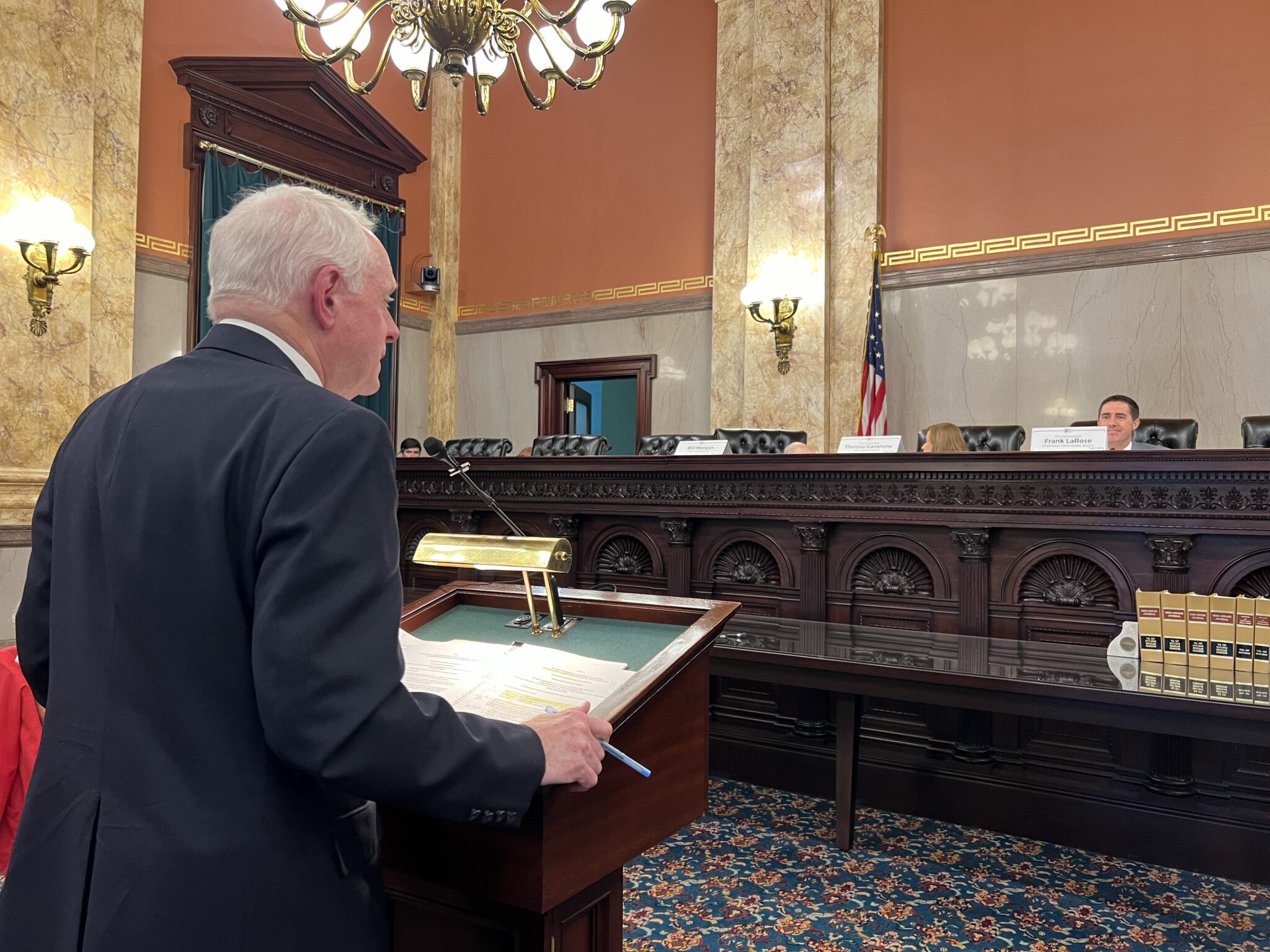
    Attorney Don McTigue speaks before the Ohio Ballot Board on Friday, Aug. 16, to discuss summary language that will appear before voters in November on the redistricting reform amendment. (Photo by Susan Tebben, Ohio Capital Journal.)

    By:  Ohio Capital Journal

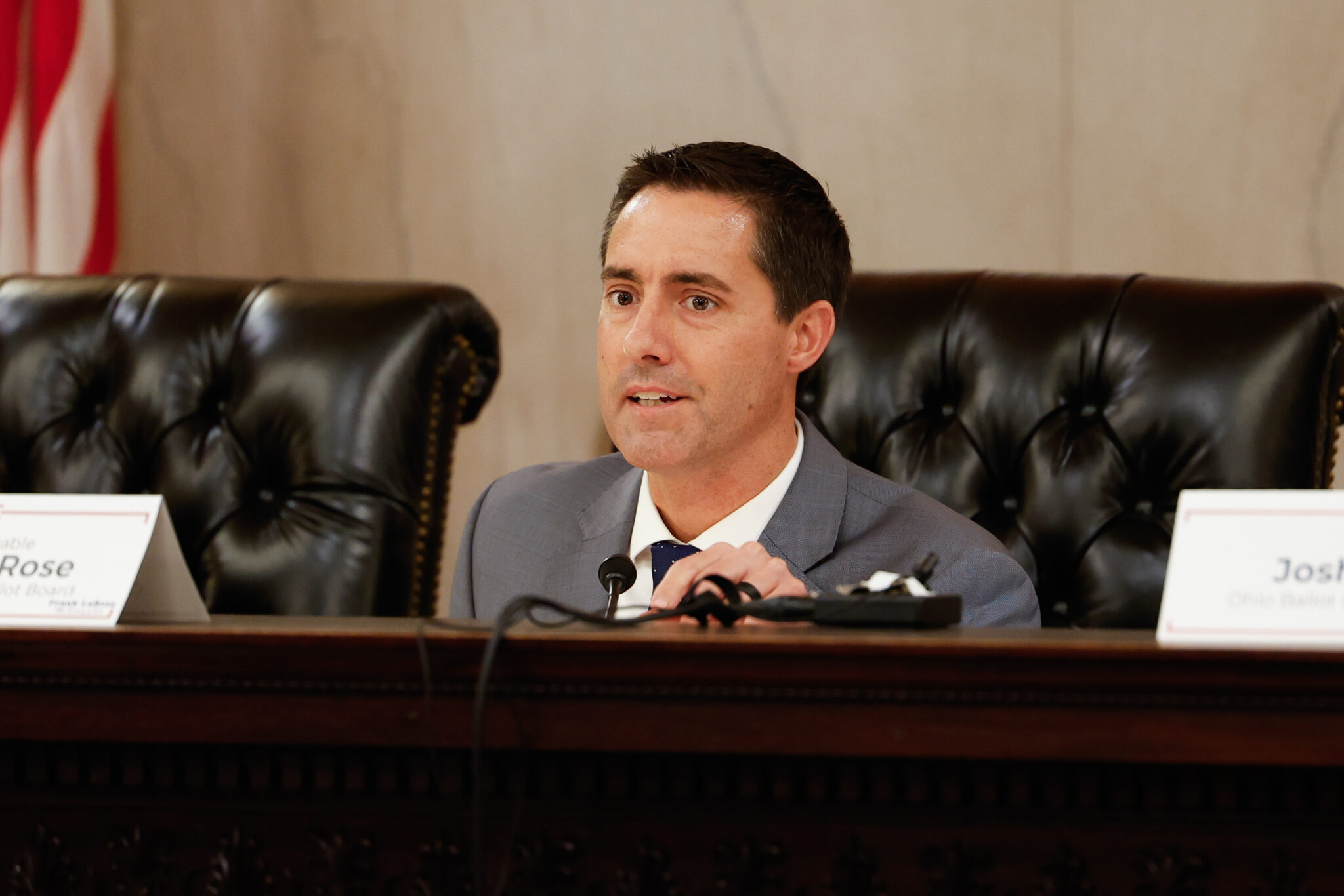
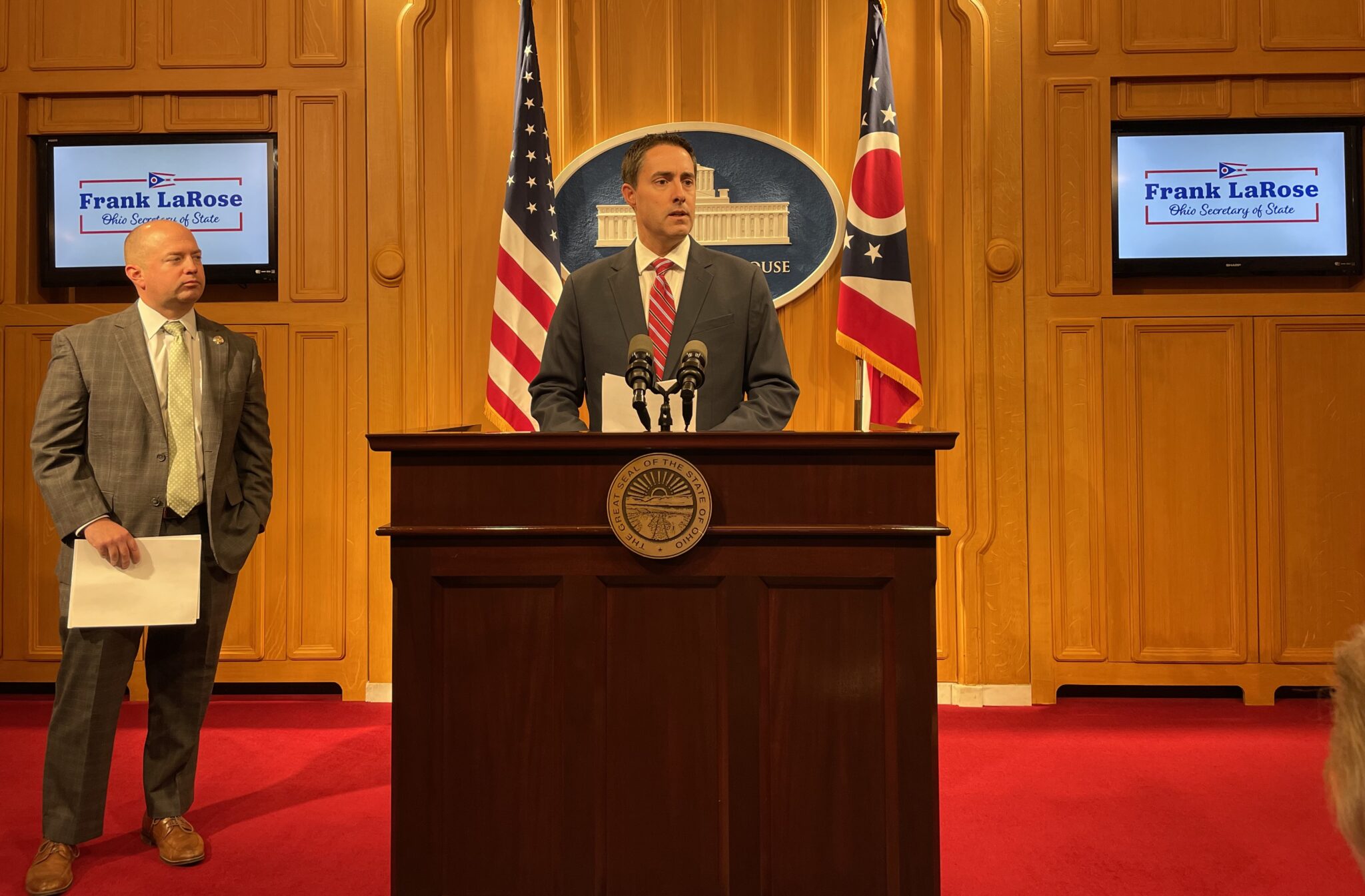
    The Ohio Ballot Board passed controversial language written by Secretary of State Frank LaRose on Friday as the ballot summary that will explain to voters November’s anti-gerrymandering amendment. Supporters of the amendment have called the language deceptive and unconstitutional and have said they would challenge it in court.

    The board met on Friday morning to determine the summary that will appear on individual ballots, the final words Ohioans will see before they choose to accept or deny the measure.

    The proposed amendment would remove Ohio politicians from the process of drawing Statehouse and congressional district maps, and instead create a citizen commission to draw maps made up of Republicans, Democrats, and independents.

    The board was led by LaRose in passing his preferred ballot language for the amendment 3 to 2, with both Democratic members of the board, state Sen. Paula Hicks-Hudson and state Rep. Terrence Upchurch, voting against the approval. LaRose is one of the politicians who sits on the current Ohio Redistricting Commission, and one of the Republican members who repeatedly voted for maps that were declared to be unconstitutionally gerrymandered by a bipartisan majority on the Ohio Supreme Court before they were nevertheless forced on voters by a federal court in 2022 after time to draw constitutional maps had run out.

    One amendment was made to the LaRose language Friday, brought by board member and Republican state Rep. Theresa Gavarone. That change takes a paragraph that says the commission will be “required to manipulate the boundaries of state legislative and congressional districts…” and changes it to say the commission will be “required to gerrymander” those districts, a change that elicited shocked scoffs from the crowd gathered at the board meeting.

    The ballot measure seeks to create a 15-citizen redistricting commission to decide Statehouse and congressional voting districts throughout the state, which authors of the proposed amendment from the group Citizens Not Politicians say will be done in public meetings and include opportunities for public input as the process goes on.

    Citizens Not Politicians submitted its own proposed summary for ballot board consideration, and it said commission members would be non-elected citizens who “who have demonstrated the absence of any disqualifying conflicts of interest and who have shown an ability to conduct the redistricting process with impartiality, integrity and fairness.”

    Democrats attempted to approve the language provided by Citizens Not Politicians, but the motion was voted down 3 to 2, supported only by the Democratic members of the board.

    Hicks-Hudson also tried to amend the LaRose-written language to replace it with the Citizens Not Politicians language, but that motion was also struck down.

    “This is a dangerous proposal that threatens the integrity of the vote on Issue 1,” Hicks-Hudson said of the Secretary of State language.

    With the title that says the amendment would “create an appointed redistricting commission not elected by or subject to removal by the voters of the state,” the language approved by the board speaks of the elimination of “the longstanding ability of Ohio citizens to hold their representatives accountable for establishing fair state legislative and congressional districts,” and the purpose to “repeal constitutional protections against gerrymandering approved by nearly three-quarters of Ohio electors participating in the statewide elections of 2015 and 2018.”

    Attorney Don McTigue made the point that it’s impossible for citizens to hold their elected lawmakers responsible by voting in gerrymandered districts — which are by definition guaranteed to ensure the gerrymandered lawmakers’ victory.

    “The problem is that the whole accountability argument only works when you have fair districts, not when you have the severely gerrymandered districts that you have in this state,” McTigue said during the public comment portion of the board meeting.

    McTigue, who represents the creators and supporters of the ballot initiative, requested the use of the language Citizens Not Politicians submitted rather than the Secretary of State language, citing Ohio law dictating ballot language and title.

    “The (SOS) language is stunning in it being false and misleading, and it is unabashed in terms of its prejudicial language,” McTigue said. “There’s no reasonable person who … after reading that language could conclude that it is an honest attempt to provide fair ballot language that allows voters to make an independent decision about the issue.”

    He cited the 2015 and 2018 redistricting measures, in which the ballot board “distilled the most important aspects of the proposed redistricting changes to the Ohio Constitution.”

    The language, which LaRose said in the ballot board meeting was written by him “with the input of my team,” was harshly criticized by the measure’s leaders and supporters leading up to the meeting as misleading and biased language that violated constitutional rules.

    LaRose defended the language in his summary that said the amendment would “limit the right of Ohio citizens to freely express their opinions to members of the commission or to commission staff regarding the redistricting process or proposed redistricting plans,” saying the language might unduly shield members of the new commission from public scrutiny.

    McTigue pushed back, saying context is important in reading the summary, which is why he didn’t support the Secretary of State language.

    “I think that something can be misleading or deceptive if you don’t have the full context,” McTigue said.

    The Secretary of State’s language was released Thursday, giving board members and McTigue little time to read through it, something that was discussed in the meeting.

    “I think the record should be really clear that 24 hours isn’t necessarily a lot of time to deal with 900-some words that really, I’m not sure fit in to the confines of what the law requires and … making a really thoughtful evaluation of the language,” said Hicks-Hudson.

    Gavarone said the 900 words in the LaRose language “accurately explain what this is,” and noted the details on the process of redistricting were not included in the Citizens Not Politicians proposed summary language.

    LaRose also touched on the selection process for commission members in the amendment, saying the longest part of his summary language was explaining that process.

    “The way that you end up on the current commission (the Ohio Redistricting Commission) is pretty straightforward,” LaRose said. “(The proposed process) is a bit of a Rube Goldberg device that involves a lot of twists and turns … it’s a complex process.”

    He called the five-bullet summary proposed by the CNP “wholly inadequate” and said it could not “identify the substance” of the lengthy amendment.

    Noted opponents of the ballot measure include Senate President Matt Huffman and Ohio Gov. Mike DeWine, both of whom made public cases against the measure. Huffman said the effort would bring about an onslaught of legal trouble for the state, and DeWine said the focus on proportionality in the rules of the redistricting process would cause more problems than supporters claim it would fix, and “Ohio would actually end up with a system that mandates, that compels map-drawers to produce gerrymandered districts,” he said at a recent press conference.

    Supporters of the amendment have said they will appeal the decision of the Ohio Ballot Board in court, just as the supporters of the ballot measure on reproductive rights did to the Ohio Supreme Court after ballot board approval.

    Indeed, immediately after the board meeting adjourned, Citizens Not Politicians pledged to “seek remedy” from the Ohio Supreme Court by filing a brief next week on the language, according to Jen Miller of the League of Women Voters of Ohio.

    LaRose did not speak to reporters after the meeting.


    Susan Tebben
    Susan Tebben

    Susan Tebben is an award-winning journalist with a decade of experience covering Ohio news, including courts and crime, Appalachian social issues, government, education, diversity and culture. She has worked for The Newark Advocate, The Glasgow (KY) Daily Times, The Athens Messenger, and WOUB Public Media. She has also had work featured on National Public Radio.

    Ohio Capital Journal is part of States Newsroom, the nation’s largest state-focused nonprofit news organization.

    MORE FROM AUTHOR

  • Ohio Secretary of State office move cost $147K more than promised, watchdog says

    Ohio Secretary of State office move cost $147K more than promised, watchdog says

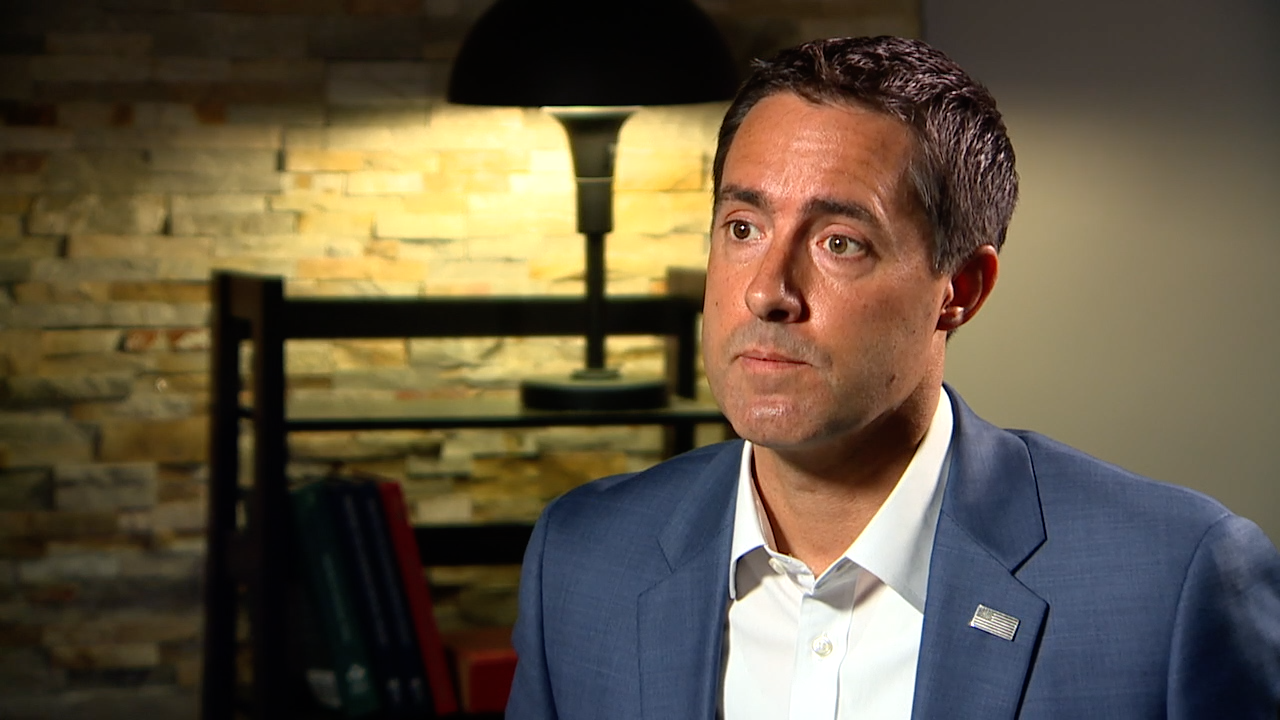
     Ohio Secretary of State Frank LaRose. (Photo by WEWS.)

    Sec. of State Frank LaRose moved his office to the same building where his campaign address was registered

    BY:  Ohio Capital Journal

    It was already controversial last fall when Ohio Secretary of State Frank LaRose acknowledged that he was moving his office to new digs and abandoning its home of 20 years.

    An analysis by a watchdog group now indicates that the move was substantially more expensive than LaRose claimed. And it all but demolishes one of the main reasons he gave for making the move — that it would save taxpayer money.

    The analysis, by the progressive group American Oversight, is based on documents obtained through an open-records request. It found that the cost to move the state office in charge of elections and business filings came in almost 25% more than the estimate LaRose gave the public.

    Last September, as he was beginning his unsuccessful bid for the Republican nomination for the U.S. Senate, local media learned that LaRose was moving his state office from 180 E. Broad St. to a swankier location along the Scioto Mile at 200 Civic Center Drive. The new location would be farther from the state Capitol, state office buildings and the heart of downtown than the three others under consideration, WCMH Channel 4 reported.

    More controversially, the new offices are also in the same building as the law offices of BakerHostetler, LaRose’s campaign attorneys — whose address LaRose used in registering his campaign with the Federal Elections Commission. That raised concerns among ethics experts that LaRose might use taxpayer-funded facilities intended to administer elections to also run for one of them.

    Suspicions were raised even further when LaRose claimed to not have a campaign headquarters as he ran for a top office in a major state. Political observers said such a large, complex campaign needed a headquarters, and there were concerns that LaRose would be using space somewhere in the new building as a de facto HQ. There were just too many temptations for abuse, they said.

    But in October, he recorded a campaign interview with a now-imprisoned Steve Bannon in what was almost certainly the building that now houses the secretary of state’s office. Asked in person after the interview if he had used the building at 200 Civic Center Drive for campaign purposes or would in the future, LaRose stalked off without answering.

    LaRose’s office refused to answer questions from the Capital Journal about those matters, or for this story.

    But in October, he recorded a campaign interview with a now-imprisoned Steve Bannon in what was almost certainly the building that now houses the secretary of state’s office. Asked in person after the interview if he had used the building at 200 Civic Center Drive for campaign purposes or would in the future, LaRose stalked off without answering.

    Then in December, LaRose’s spokeswoman conceded that he had campaigned out of the offices of BakerHostetler, but said he would not in the future.

    A major justification LaRose used for making the move was that it would save money. But even the numbers he initially employed made the assertion highly questionable.

    The move would save a little more than $11,000 a year on rent, but the relocation was estimated to cost $600,000. So it would be 2077 before the savings on rent would have covered the estimated cost of the move.

    If the estimate was accurate, that is.

    American Oversight requested “all expense reports, invoices, charge card or credit card statements, and receipts reflecting the total cost of the move of the Office of the Ohio Secretary of State to its new office location.”

    The state’s response included $183,000 in invoices from the movers themselves. But it also included $314,000 for “building maintenance” and another $139,000 paid to King Business Interiors in November, as well as other expenses.

    Taken together, they total $747,000 — $147,000 more than LaRose said the move would cost.

    That disproves his claim that the move was a good deal for taxpayers — or at least for the vast majority of those now living. If that’s what the move cost, it’ll be 68 years — or nearly the next millennium — before the rent reduction pays what it cost to move the state elections office into the building where LaRose’s U.S. Senate campaign was officially registered.


    Marty Schladen
    MARTY SCHLADEN

    Marty Schladen has been a reporter for decades, working in Indiana, Texas and other places before returning to his native Ohio to work at The Columbus Dispatch in 2017. He’s won state and national journalism awards for investigations into utility regulation, public corruption, the environment, prescription drug spending and other matters.

    Ohio Capital Journal is part of States Newsroom, the nation’s largest state-focused nonprofit news organization.

    MORE FROM AUTHOR

  • Donald Trump is a convicted felon. Some Ohio leaders react with fury, others silence

    Donald Trump is a convicted felon. Some Ohio leaders react with fury, others silence

    BY  Ohio Capital Journal

    A Manhattan jury made history Thursday when it convicted Donald Trump of 34 felonies. They relate to how he paid a porn star to stay quiet just before the 2016 election — and his actions cast doubt on Trump’s legitimacy during his one term as president.

    Despite now being a felon, Trump is for the third time the GOP nominee. Most of Ohio’s Republican leaders reacted with outrage to his conviction, while the governor didn’t have much to say, and the one statewide Democrat said the jury had spoken.

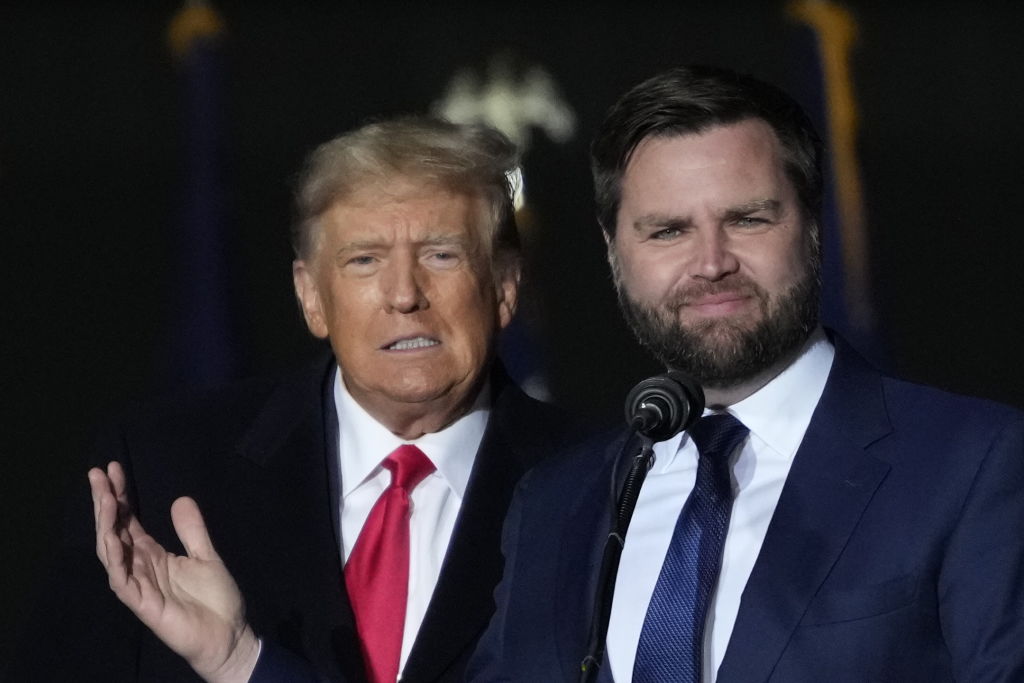
    Sen. J.D. Vance is on the shortlist to be Trump’s vice presidential pick and he took to the airwaves to call Trump’s prosecution political, and to say a lot of other stuff as well. On X Thursday, Vance falsely accused the Democratic Party of inventing a crime just to prosecute Trump and he made reference to a conspiracy theory with anti-semitic overtones.

    “This decision is a disgrace to the rule of law and our Constitution,” Vance wrote. “Dems invented a felony to ‘get Trump,’ with the help of a Soros funded prosecutor and a Biden donor Judge, who rigged the entire case to get this outcome. This isn’t justice, it’s election interference.”

    Actually, as the jury found, it was Trump who committed election interference. And legal experts pointed out that Trump’s lawyers helped pick the jury, put on witnesses and had input in the jury’s instructions. Trump himself could have taken the witness stand, but chose not to.

    Speaking from the White House Friday, President Joe Biden criticized Trump supporters for claiming that the justice system was rigged against Trump without providing any concrete evidence.

    “It’s reckless, it’s dangerous, it’s irresponsible for anyone to say this was rigged just because they don’t like the verdict,” Biden said.

    Ohio Attorney General Dave Yost, a likely contender for the GOP nomination to be governor in 2026, also slammed the proceedings that ended in Trump’s conviction.

    “This verdict is likely to be overturned. It is not the first unjust verdict, and it is why we have courts of appeals,” he said on X. “The aptly named (Manhattan District Attorney) Alvin Bragg picked his defendant and campaigned on prosecuting him — disreputable and unethical conduct that tarnished the justice system.”

    When it comes to courts of appeal, Yost has had his own difficulties. A panel of the 6th U.S. Circuit Court of Appeals on Wednesday ruled that Yost was improperly blocking signature gathering for a proposed amendment to the state Constitution that would reduce immunities the state has have from being sued. Yost on Thursday said he’d seek a ruling from the entire court.

    Some of the AG’s critics have accused him of stalling.

    He refused to approve a summary of the ballot language, which supporters need if they’re to gather 420,000 verified signatures from registered voters in time for the measure to make the November ballot. Yost is refusing to answer questions about a similar maneuver in 2019 that helped kill a voter-initiated repeal of a law at the center of the biggest bribery scandal in Ohio history.

    Lt. Gov. Jon Husted is likely to vie with Yost for the gubernatorial nomination. Like many other Ohio Republicans, he, too, said he was outraged over Trump’s conviction for having an extramarital tryst with a porn star, paying to silence her in order to improperly influence an election and then falsifying business records to cover it all up.

    “This quote from President Trump is ultimately the truth of the matter: ‘The real verdict is gonna be Nov. 5, by the people,’” Husted said on X. He then reposted that while saying further, “If you are mad about it, do something about it by donating, volunteering and voting.”

    Ever merciless, some commenters reminded the lieutenant governor that he was roundly booed at a 2020 Trump rally in Vandalia as he encouraged attendees to wear masks at the height of the coronavirus pandemic. Trump played a lead role in politicizing mask wearing and downplaying a scourge that has killed nearly 1.2 million Americans.

    Ohio’s top elections official also rushed onto social media to defend a newly minted felon who tried to overturn the results of the 2020 election and thereby steal the votes of 81 million Americans.

    “Partisan prosecutor,” Secretary of State Frank LaRose said on X. “Activist judge. Sham trial. Bogus verdict. It’s a sad day in America when a political party is so afraid of losing its grip on power that they’re willing to abuse justice to game an election. This will not stand.”

    LaRose is a key player in Ohio’s epic gerrymanderingquestionable voter purges and restriction of voting access, so it’s interesting that he’d accuse others of desperately clinging to power.

    One wag also pointed out that a jury had just found that Trump falsified numerous business records to further his conspiracy and that as Secretary of State, LaRose is in charge of Ohio’s business records. It’s unclear what — if anything — LaRose would have done if the former president faked them here in the Buckeye State.

    Cleveland businessman Bernie Moreno, who is challenging Democrat Sherrod Brown for Ohio’s other Senate seat, was also vociferous in his support of the only ex-president to also bear the title “felon.”

    “Today is a dark day for American democracy,” Moreno said on X. “Joe Biden and his leftwing allies engaged in election interference to prosecute their top political opponent on bogus charges. This verdict is representative of a banana republic, not a democracy. Sherrod Brown and DC Democrats should be ashamed of this weaponization of our justice system.”

    His statement ignores the fact that the Biden Justice Department declined to prosecute Trump on the charges of which the New York jurors found him guilty. It also ignores the fact that the Biden Justice Department is prosecuting the president’s own son and a sitting Democratic senator.

    Brown, his Democratic opponent, is facing a hard reelection in a Republican-leaning state. When asked to comment on Trump’s conviction Friday, Sen. Brown stuck to general principals.

    “I’m not a lawyer or a judge but I’ve said from the beginning that no one is above the law,” he said in an email. “Ultimately this is up to the legal system to sort out and for the American people to decide in November.”

    Gov. Mike DeWine’s office didn’t immediately respond to a request for comment. He’s a Republican who got on Trump’s bad side early in the pandemic, when DeWine implemented health orders that were recommended by experts.


    Marty Schladen
    MARTY SCHLADEN

    Marty Schladen has been a reporter for decades, working in Indiana, Texas and other places before returning to his native Ohio to work at The Columbus Dispatch in 2017. He’s won state and national journalism awards for investigations into utility regulation, public corruption, the environment, prescription drug spending and other matters.

    Ohio Capital Journal is part of States Newsroom, the nation’s largest state-focused nonprofit news organization.

    MORE FROM AUTHOR

  • Ohio indictments provide a better picture of squalid relationships that spurred massive scandal

    Ohio indictments provide a better picture of squalid relationships that spurred massive scandal

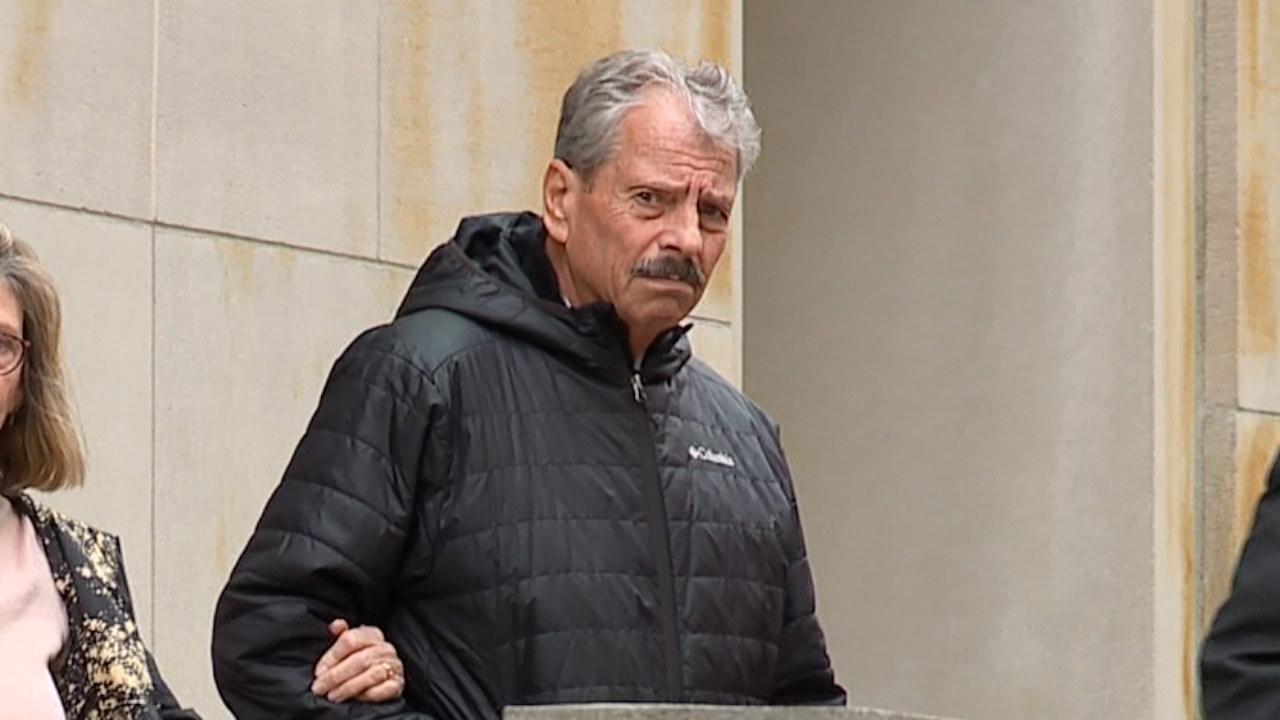
    Former Public Utilities of Ohio Chair Sam Randazzo at court. (Photo by WEWS.)

    BY:  Ohio Capital Journal

    An Ohio grand jury has handed up a 44-count indictment against three players in what is likely the biggest bribery scandal in state history. And when the 50-page indictment was unveiled Monday, it provided new details about a decade of payoffs and conflicts as one of them — who became the state’s top regulator — allegedly did a huge electric utility’s bidding.

    The indictment concerns a $1.3 billion dollar bailout that Akron-based FirstEnergy has already admitted to the federal government that it paid more than $60 million in bribes to purchase.

    Former Ohio House Speaker Larry Householder, R-Glenford, and former state GOP Chairman Matt Borges are serving federal prison sentences for their roles in the 2019 passage of the bailout and the dirty-but-succesful fight to thwart a voter-led repeal.

    When federal prosecutors in 2021 charged those two and three others, they said their investigation continued. But it wasn’t until December that they charged another in the case — Sam Randazzo, a lawyer and longtime energy consultant whom Gov. Mike DeWine nominated to chair the state’s top regulator, the Public Utilities Commission of Ohio.

    That left the people who paid the alleged bribes — FirstEnergy’s top executives — uncharged in a scheme that took place more than four years ago.

    Double dealing

    All that changed Monday when Ohio Attorney General Dave Yost announced state charges against Randazzo and former First Energy CEO Chuck Jones and former Vice President Michael Dowling for their alleged roles in the criminal conspiracy. The three were arraigned in Akron on Tuesday and each pleaded not guilty.

    They were charged in an indictment that alleged shady dealings between the them stretching back 13 years.

    “It all began with a well-lawyered theft in 2010,” the indictment said.

    It went on to describe how Randazzo was general counsel for a group of large FirstEnergy customers — the Industrial Energy Users of Ohio — while also working as a FirstEnergy consultant. Only, the Industrial Energy Users didn’t know that Randazzo was also being paid by the company they were paying him to fight, the indictment said.

    It accuses Randazzo of settling the industries’ claims against FirstEnergy on terms acceptable to FirstEnergy and running the settlements through Randazzo-controlled shell companies where he took a skim — again, unknown to the industrial energy users.

    “His clients, the industrial members of IEU-Ohio, did not know he was a consultant for FirstEnergy,” the indictment said. “Randazzo did not tell them. Years later, some of the money would make its way to IEU-Ohio. Some of it would end up in Randazzo’s pocket.”

    The Industrial Energy Users appear to have engaged in some cynical conduct of their own, however. The indictment describes a 2015 agreement in which FirstEnergy was to pay Randazzo’s company $8.5 million for “consulting services.”

    It was really a cash “side deal” in which FirstEnergy paid the industrial users to drop their objections to a rate hike FirstEnergy wanted, supposedly in the name of “energy security,” the indictment said. In other words, prosecutors said that with Randazzo’s facilitation, FirstEnergy paid off a wealthy, powerful group of electricity users in order to raise rates on everybody else.

    Such arrangements proved quite profitable for Randazzo.

    “Between 2016 and 2019, FirstEnergy paid… $13,152,639.94 to Randazzo’s two shell companies,” the indictment said. “Of that total, Randazzo gave $7,756.903.84 to his IEU-Ohio Client and kept $5,395,736.10 for himself.”

    Cozy relationships

    This is the guy the incoming DeWine-Husted administration thought would be a good candidate to regulate utilities — companies to which Ohioans have little choice in paying their billions.

    The state indictment describes how, on Dec. 18, 2018, FirstEnergy execs Jones and Dowling met with Gov.-elect DeWine and Lt. Gov.-elect Jon Husted at the Columbus Athletic Club and discussed whether the executives wanted Randazzo to regulate their massive electric utility.

    The notion that a governor would ask a huge utility who might be acceptable as a regulator might itself seem startling. But after the dinner, according to the indictment, Jones and Dowling did something even more brazen.

    They went to Randazzo’s German Village condo and pursuant to that, Randazzo solicited a $4.3 million payment from Jones and Dowling, the indictment said. FirstEnergy paid the money “without ever having received an invoice for the payment and without any work or consulting services being performed,” the indictment said. It added that the executives made the payment over the objections of a company lawyer.

    Randazzo told Laurel Dawson, DeWine’s chief of staff, about the payment, calling it a “consulting agreement.” But he didn’t tell her of the other millions he’d gotten from the utility he was seeking to regulate, the indictment said. Randazzo also never told the Ohio Ethics Commission about any of the money he’d gotten from FirstEnergy, the indictment said.

    In Dawson, Randazzo might have had a sympathetic audience. Her husband, Michael Dawson, was a “paid FirstEnergy lobbyist” in 2016, when he’d gotten a $10,000 loan from Randazzo, the indictment said.

    But if his chief of staff told DeWine about the huge payoff Randazzo got from FirstEnergy, it must not have fazed the new governor. DeWine nominated Randazzo to be chairman of the Public Utilities Commission — the ratepayers’ supposed protector — on Feb. 4, 2019.

    Versatile player

    During Householder’s six-week trial in Cincinnati last year, federal prosecutors put on exhaustive evidence of how the FirstEnergy executives financed Householder’s bid to become speaker and to pass the notorious bailout known as House Bill 6.

    “Together, Jones, Dowling, Randazzo and his shell companies worked in concert to steal the power of government and bend it to the will of FirstEnergy,” was the way the state indictment unveiled on Monday put it.

    Most of the details of Randazzo’s involvement in the creation and passage of HB 6 are already known from the federal trial. They show him acting in multiple, conflicting, often-undisclosed capacities — similar to those the state indictment alleges he had already played with FirstEnergy and the industrial energy users.

    Even though he was supposed to be a regulator, Randazzo drafted portions of the bailout legislation and passed them between FirstEnergy officials and a Householder employee who had recently worked for the PUCO. They sometimes only shared printed copies of the huge bill, out of an apparent apprehension about leaving electronic fingerprints.

    According to text messages between Jones and Dowling, Randazzo went so far as to actively lobby for passage of the bailout — which would seem a big departure from the traditional duties of a disinterested regulator.

    Jones and Dowling discussed a meeting about HB 6 that Randazzo had with Sen. Steve Wilson, R-Maineville, and the Senate’s counsel. “We have a good plan to help,” Dowling told his boss.

    Other officials

    Despite the fact that DeWine had reason to know Randazzo was connected to FirstEnergy, the governor made him the state’s top utility regulator and he signed the billion-dollar bailout that benefitted the company the day it passed. And on July 21, 2021 — the day Householder was arrested — DeWine said he wasn’t in favor of repealing the measure.

    The governor subsequently walked that back, but HB 6 is still on the books and Ohio utilities are still getting hundreds of millions in ratepayer subsidies as a result.

    DeWine wasn’t the only state official to act at least peripherally in the scandal.

    Secretary of State Frank LaRose has refused to explain the “private” updates that FirstEnergy CEO Jones said the state’s chief elections official was providing during an attempt to gather signatures to put an HB 6 repeal on the ballot.

    And Yost himself dealt a mortal blow to the signature gathering when he initially rejected the ballot language — cutting nearly in half the time HB 6 opponents had to gather a quarter-million valid signatures. And in text messages presented in the federal trial, Borges told a co-conspirator that Yost thought HB 6 was a bad law, but wouldn’t speak up because of help he’d gotten from FirstEnergy in the past.

    Beyond the bailout

    Randazzo’s alleged help to FirstEnergy wasn’t limited to HB 6. He also thwarted a PUCO look into the company’s books that was likely to force a cut in electricity bills. That would have caused falling stock prices and a hit to Jones’ and Dowling’s portfolios, the indictment said.

    The erstwhile regulator was apparently so helpful that Jones at one point told a FirstEnergy subordinate to back off for fear of being too obvious. In a text message included in the indictment, Jones told Dennis Chack that Randazzo’s pro-FirstEnergy conduct “has a lot of talk going on in the halls of PUCO about does he work there or for us?”

    Even so, Randazzo’s behavior at the PUCO continued to be shameless, urging fellow regulators to join him in lobbying for the corrupt bailout, the indictment said.

    Randazzo “began internally lobbying PUCO staff members between July 2020 and September 2020 to generate strategies to save HB 6, despite facing internal objections about the inappropriateness of the effort to save HB 6,” it said.

    The indictment included a Sept. 15, 2020 email in which Randazzo told subordinates, “One option (and I really think we need to get other commissioners and staff into a proactive mode): We could, on our own initiative, issue a show-cause order to (FirstEnergy) directing (FirstEnergy) to show that no costs associated with HB 6 have been included in any riders or base rates.”

    Had such an order been issued, the result would have been misleading. While the bill didn’t raise consumer costs through riders or base rates, it included a provision that ensured FirstEnergy would collect at least as much as it did in one of its best years and it created a massive subsidy for money-losing coal plants.

    Randazzo’s efforts seemed finally to end two months later, when the FBI searched his condo.


    Marty Schladen
    MARTY SCHLADEN

    Marty Schladen has been a reporter for decades, working in Indiana, Texas and other places before returning to his native Ohio to work at The Columbus Dispatch in 2017. He’s won state and national journalism awards for investigations into utility regulation, public corruption, the environment, prescription drug spending and other matters.

    MORE FROM AUTHOR


  • LaRose uses state newsletter to promote Senate campaign

    LaRose uses state newsletter to promote Senate campaign

    Loveland, Ohio via Ohio Capital Journal

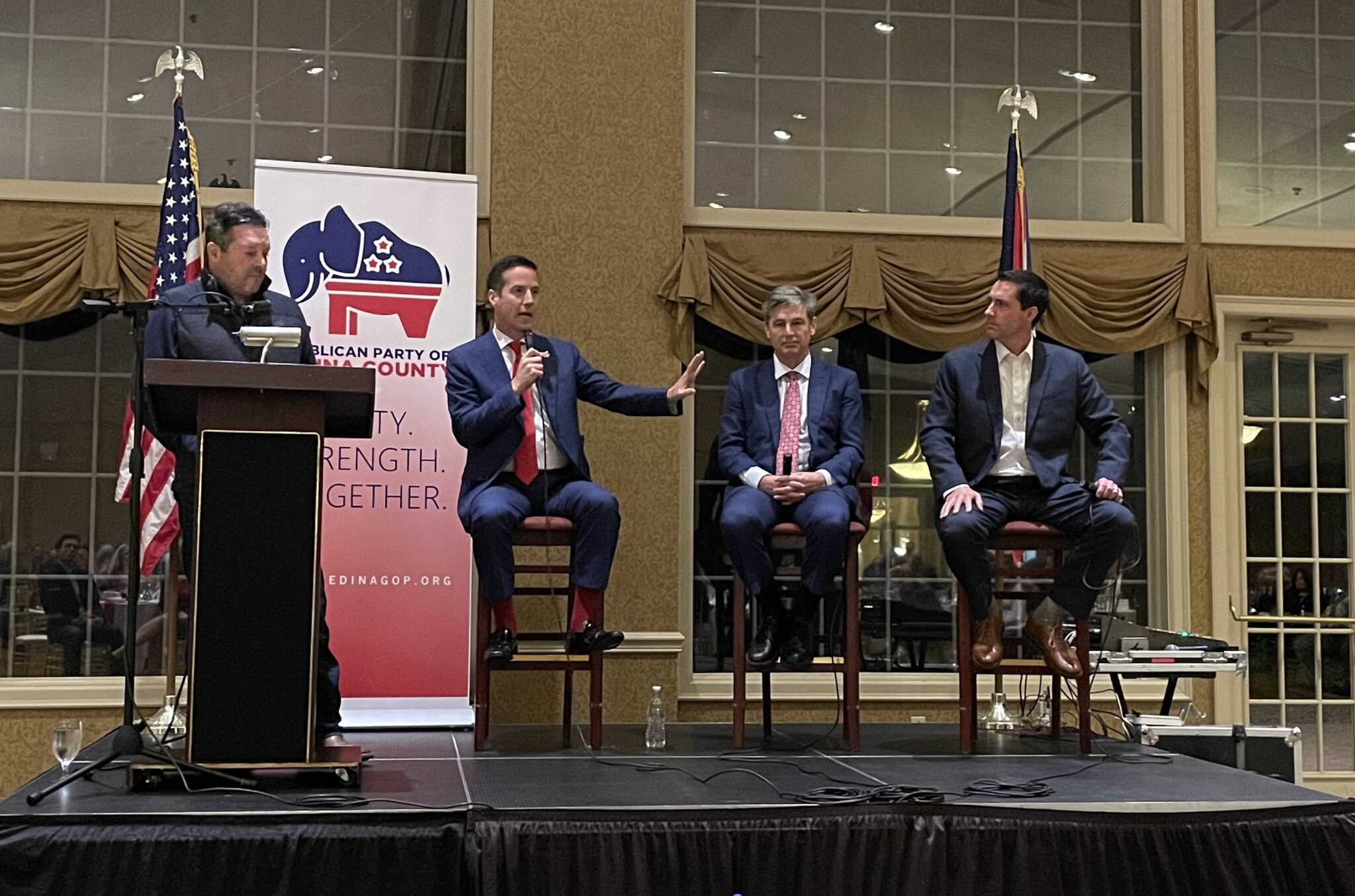
    Left to right, forum moderator, Bloomdaddy from WTAM Radio, Bernie Moreno, Sen. Matt Dolan, R-Chagrin Falls, OH Sec. of State Frank LaRose. (Photo by Nick Evans, Ohio Capital Journal.)

    BY:  

    Frustrated former employees told the press that in their office “everything revolved around” Secretary of State Frank LaRose’s run for U.S. Senate. Now LaRose appears to be using the taxpayer-funded office’s newsletter in that campaign.

    As a state official, LaRose isn’t supposed to use state resources in his political campaigns. And as secretary of state, it’s especially important that he wall off politics from his official duties because LaRose administers elections — including those in which he’s running.

    However, as he seeks the Republican nomination to take on Democratic U.S. Sen. Sherrod Brown next year, LaRose has become an increasingly hard-edged partisan as he seeks the endorsement of former President Donald Trump, who continues to attack the underpinnings of democracy itself.

    In addition to ignoring state Supreme Court orders regarding partisan gerrymandering, LaRose championed a measure in an August special election that would have made it almost impossible for citizen-initiated amendments to make it onto the ballot, much less into the Ohio Constitution. The measure failed badly, but LaRose and his allies tried to force it through ahead of a vote on an amendment protecting abortion rights that takes place a week from tomorrow, and an anti-gerrymandering amendment that is expected to be on the ballot in 2024.

    Substantial ethical questions also have arisen as LaRose juggles his senatorial ambitions with his duty to conduct secure, fair elections in Ohio.

    The Columbus Dispatch earlier this month reported on high staff turnover, with one former staffer telling the paper “Everything (in the secretary of state’s office) revolved around the Senate run.”

    Last month, NBC4 reported that LaRose was moving the secretary of state’s office from its location of 20 years and into a building where he had also registered his campaign with the Federal Election Commission.

    Then earlier this month, the Capital Journal reported that LaRose almost certainly recorded a campaign interview with election denier and conspiracy theorist Steve Bannon from the same building.

    LaRose refuses to answer questions about such activities. But he claims to have no campaign headquarters while he soon will be running his state office from the building where his campaign is registered.

    If LaRose uses people working on state time or uses state offices in his campaign, it could violate a section of Ohio law prohibiting the use of state resources to raise funds for a campaign.

    Paul Nick, executive director of the Ohio Ethics Commission, this week said his agency needs to know more about LaRose’s new office arrangements.

    “The Commission doesn’t pass judgment without first gathering and evaluating all of the facts,” Nick said in an email. “Determining whether a public official’s agency may relocate to the same office building as that official’s campaign headquarters requires deeper inquiry. We would encourage the Secretary of State to contact us for guidance on such questions.”

    Philip Richter, executive director of the Ohio Elections Commission, said his agency would have to be asked in order to look into the matter.

    “The only way for the Commission to take action on the statute is if an affidavit of complaint is filed with the Commission that would start the Commission’s processes on addressing those types of allegations,” Richter said in an email Thursday.  “The Commission cannot simply commence an investigation without the filing of a complaint.”

    Now LaRose appears to have used his office’s newsletter to promote his campaign.

    The Oct. 20 edition of the Secretary of State’s “Week in Review” offers updates about the coming election and it notes that October is Domestic Violence Awareness Month. There are also blurbs about LaRose’s travels and activities during the week.

    But the newsletter also has an “In Case You Missed It” section. It contained the top of an article by The Marietta Times that prominently featured the political message LaRose wants to convey to people who will be voting in the GOP Senate Primary.

    The second paragraph said LaRose “also confirmed his credentials as a conservative Republican who wants to make Sherrod Brown a former U.S. Senator, not the incumbent. Brown has been Ohio’s senior U.S. senator for a dozen years and the only Democratic statewide elected official in Ohio, with the exception of a few nonpartisan judicial races.”

    The newsletter then linked to the full story, which quoted LaRose bashing Brown for allegedly helping to make the country “weaker, poorer and less secure,” and the Biden administration over the economy and border security.

    LaRose’s office didn’t respond to questions about the newsletter.

    The state auditor is responsible for policing misuse of state resources. A spokesman said Thursday that a law regarding politicking in taxpayer-funded newsletters applies only to officials with “political subdivisions” such as counties. The law prohibits them from publishing a newsletter that “supports or opposes the nomination or election of a candidate for public office.”


    Marty Schladen
    MARTY SCHLADEN

    Marty Schladen has been a reporter for decades, working in Indiana, Texas and other places before returning to his native Ohio to work at The Columbus Dispatch in 2017. He’s won state and national journalism awards for investigations into utility regulation, public corruption, the environment, prescription drug spending and other matters.

    MORE FROM AUTHOR


  • Split ballot board approves reproductive rights amendment summary written by Ohio Sec. of State

    Split ballot board approves reproductive rights amendment summary written by Ohio Sec. of State


    In a 3-2 decision, the Ohio Ballot Board rejected using the full amendment proposal text for voters to see, and the approved summary language leaves out protecting contraception, fertility treatment and miscarriage care

    BY:  Ohio Capital Journal

    In a 3-2 split decision Thursday, the Ohio Ballot Board rejected using the full text of a proposed reproductive rights amendment on the ballot in November, adopting instead summary language written by the Ohio Secretary of State’s Office that was criticized for being incomplete and inaccurate.

    The board’s approval of the language – which is now titled Issue 1 for the November general election – was the next step in the process of voters deciding whether or not the Ohio Constitution will include the right to abortion, as well as contraception, fertility treatment, miscarriage care, and continuing one’s own pregnancy. Those last four items were all left out of the language approved by the ballot board majority.

    The summary language does not change what the actual amendment would state in the constitution, but would be the last representation of the amendment voters read before the casting their approval or rejection.

    The full text of the amendment will be available at boards of elections during the election, but not in the ballot booths with voters. LaRose said posters with the text will be accessible at voting locations.

    In the summary language approved by the board, the medical term “fetus” is changed to “unborn child,” and the amendment’s “decision” language is changed to “medical treatment.”

    The leader of the Ohio Ballot Board, Secretary of State Frank LaRose, said the changes were made by “staff” of the board, though Democratic board member and state Rep. Elliot Forhan said “I would assume that the buck stops with the secretary of state.”

    LaRose during the meeting also said that, “having worked extensively on drafting this, I do believe it’s fair and accurate.”

    LaRose has been vocal in his opposition of the amendment, even saying the effort around the previous Issue 1, which would have changed the threshold to approve a constitutional amendment had it not been roundly defeated, was targeting the abortion rights fight specifically.

    At the beginning of Thursday’s meeting, he prefaced the board’s activity by saying the group was not there to “debate the merits” of the amendment or the marijuana ballot initiative also on the table at the meeting.

     Ohio Ballot Board member, State Sen. Theresa Gavarone, R-Bowling Green, speaks at the Ballot Board meeting Thursday. (Photo by Graham Stokes for Ohio Capital Journal. Republish photo only with original article.) 

    Board member and state Sen. Theresa Gavarone, however, gave a speech in the middle of the meeting harshly criticizing the amendment and calling it “a bridge too far,” even after multiple comments by LaRose about the neutrality with which the board was supposed to conduct their business.

    “This is a dangerous amendment that I’m going to fight tirelessly against,” Gavarone said. “But that’s not why we’re here today.”

    Gavarone also claimed, as anti-abortion groups throughout the state do as well, that the amendment is “an assault on parental rights.” Neither the amendment nor the summary approved by the board mention parental rights of any kind.

    The senator continued her comments during the board meeting, saying the true nature of the amendment “is hidden behind overly broad language,” despite the fact that the board summary took out pieces of the full text.

    The summary passed by the board does not include a list of the rights to “reproductive decisions” spelled out in the ballot measure, including contraception, fertility treatment, continuing one’s own pregnancy, and miscarriage care, all of which would be impacted under the new constitutional amendment.

    A clause in the proposed amendment that says “the state shall not, directly or indirectly, burden, penalize, prohibit, interfere with, or discriminate against” the exercise of the amendment by an individual or an assistant of the individual was reduced to “the citizens of the state of Ohio” in the summary.

    The phrase “the citizens of the state of Ohio” is also used in the clause summarizing a prohibition of abortion that would only happen if a pregnant patient’s physician finds the pregnancy to be viable.

    The phrase “pregnant patient” in the ballot measure was changed to “pregnant woman” in the summary.

     Ohio Ballot Board member, State Sen. Paula Hicks-Hudson, D-Toledo, speaks at the Ballot Board meeting Thursday. (Photo by Graham Stokes for Ohio Capital Journal. Republish photo only with original article.) 

    State Sen. Paula Hicks-Hudson, the other Democratic member of the ballot board, made two motions to change the language of the summary to bring back the full text or certain clauses of the actual amendment text into the approved language.

    “The full text is clear, it’s concise and it’s direct, which is one of the requirements that’s needed for us to present to voters in the state of Ohio,” Hicks-Hudson said.

    Both motions were rejected 3-2, with LaRose, Gavarone and the final board member, Bill Morgan, voting against the motions.

    Morgan didn’t speak during the meeting other than to register his votes, and didn’t specifically comment on the amendment discussion or language afterward.

    “I think it’s what we were supposed to do, what the ballot board does,” Morgan told the OCJ.

    Groups for and against the initiative anticipated potential issues with the board’s decision, with pro-abortion rights group Ohioans United for Reproductive Rights requesting that the ballot language mirror the amendment itself, so voters could see the entire constitutional change when they vote in November.

    Lauren Blauvelt, a member of the coalition, decried the changes made to the language, and said the group is considering a lawsuit to fight back.

    “The entire summary is really propaganda and we are going to talk about all of the reasons why Ohio voters should just be able to see the language for what it is,” Blauvelt said after the board meeting.

    Anti-abortion groups argued against using the full text, saying it was unnecessary, and Ohio Right to Life president Mike Gonidakis pushed back on calls for a lawsuit against the summary.

    “Any litigation filed on this is going to be thrown out by the Ohio Supreme Court because the statutory responsibility of the ballot board is to provide a fair and accurate representation. That’s what the law requires, and that’s what they did today,” Gonidakis said.

    Gonidakis said he did not work with anyone on the ballot board on the summary language, but he wished the language was “stronger.”

     Mike Gonidakis, president of Ohio Right to Life, talks to the press after the Ohio Ballot Board meeting Thursday. (Photo by Graham Stokes for Ohio Capital Journal. Republish photo only with original article.) 

    “Look, at the end of the day, people are going to make up their minds before they go in the ballot box anyways, and they’re not going to go in and then try to figure out what they want to do by reading something on a screen,” he said.

    The proposed amendment has gone through a rollercoaster of activity since the Ohio Ballot Board approved the measure in March as compliant with the regulations for a constitutional amendment proposal, allowing a petition campaign that resulted in nearly 500,000 supporting signatures from Ohio voters.

    Amid all the necessary hoops through which the abortion rights campaign has jumped, abortion rights groups have also had to battle against lawsuits attempting to block the amendment from voters. Another lawsuit alleged the Ohio Ballot Board hadn’t taken enough time or consideration before certifying that the amendment was compliant.

    The Ohio Supreme Court rejected both lawsuits, clearing the way for voters to see the issue in the Nov. 7 general election.


    Susan Tebben
    SUSAN TEBBEN

    Susan Tebben is an award-winning journalist with a decade of experience covering Ohio news, including courts and crime, Appalachian social issues, government, education, diversity and culture. She has worked for The Newark Advocate, The Glasgow (KY) Daily Times, The Athens Messenger, and WOUB Public Media. She has also had work featured on National Public Radio.

    MORE FROM AUTHOR

  • As Borges delay is denied, former FirstEnergy execs say “no doubt” the feds are after them

    As Borges delay is denied, former FirstEnergy execs say “no doubt” the feds are after them

    Litigation, prosecutions in massive corruption scandal move forward

    BY:  Ohio Capital Journal

    Judges denied two delays in recent days that would have been key to a bribery and money laundering scandal that took place in Ohio between 2017 to 2020. Lawyers in one suit called it “one of the largest corruption and bribery schemes in U.S. history.”

    Denial of a delay in one court case means that a player will still be sentenced late next month.

    In denying the other, the judge in that case agreed with two former FirstEnergy executives who said federal law enforcement has them in its crosshairs. But she ordered that they be questioned under oath anyway.

    One of those denied was former Ohio Republican Party Chairman Matt Borges, who on March 9 was convicted of racketeering along with former Ohio House Speaker Larry Householder, R-Glenford. Two others who were also charged in 2020 pleaded guilty and a third died by suicide.

    Borges and Householder played very different roles in a scheme to use more than $60 million from Akron-based FirstEnergy to make Householder speaker at the start of 2019 so Householder could pass and protect a $1.3 billion ratepayer bailout that mostly benefited FirstEnergy. But both made heavy use of funds that were passed through 501(c)(4) “dark money” accounts that enabled them to disguise its FirstEnergy source.

    Householder directed the effort in 2018 to elect friendly representatives who would make him speaker. He led the 2019 legislative fight to pass the bailout. And he engineered the nasty, dishonest battle to beat back an attempted repeal.

    Borges’ role was much more limited. He acted as a go-between with statewide officials such as Attorney General Dave Yost and Secretary of State Frank LaRose — and he paid a worker on the repeal campaign $15,000 as the worker shared inside information about its likelihood of success.

    Even though Householder’s role in the scandal was much bigger than that of Borges, each faces a sentence of up to 20 years in prison on the one count of racketeering of which he was convicted. Householder is scheduled to be sentenced in the Potter Stewart U.S. Courthouse in Cincinnati on June 29. Borges was scheduled for sentencing the next day.

    But after his conviction, Borges asked the court for extra time to file post-trial motions asking that his conviction be thrown out. U.S. District Judge Timothy Black agreed, giving him until April 24.

    Borges didn’t file anything by that deadline. But on May 15, Borges again asked permission to file post-trial motions. He argued that his conviction was on much shakier ground in light of two decisions handed down on May 11 by the U.S. Supreme Court: Ciminelli vs. United States and Percoco vs. United States.

    Judge Black, however, on Monday agreed with Assistant U.S. Attorney Emily Glatfelter that the legal theories those decisions dealt with were “neither charged, nor argued, nor instructed” in Borges’ case. Black added that it’s important to keep the case moving.

    “Finally, this case has been litigated, tried, and a verdict returned. Defendant Borges is now scheduled for sentencing on June 30, 2023. Disrupting the schedule would needlessly undermine the interests in judicial efficiency and finality,” the judge wrote.

     Former FirstEnergy CEO Charles “Chuck” Jones. Source: FirstEnergy, via Flickr 

    Similarly, a separate federal judge declined to postpone sworn depositions of the two former FirstEnergy executives who directed more than $60 million in corporate cash to Householder-controlled dark money groups that fueled the scandal. She did so even as she acknowledged that former CEO Chuck Jones and former Vice President Michael Dowling “fear they are next in line for indictment” and don’t want to incriminate themselves in their depositions.

    U.S. Magistrate Judge Kimberly Jolson is helping to manage the administration of a massive class-action suit against FirstEnergy, Jones and Dowling over the Householder scandal. Investors say the recklessness of the scheme cost them big — especially when it came to light and stock values plummeted.

    Alleging federal securities fraud, lawyers for pension funds and other investors have said in court filings, “FirstEnergy and its most senior executives bankrolled one of the largest corruption and bribery schemes in U.S. history.”

    Judge Jolson already slapped Sam Randazzo — Gov. Mike DeWine’s chairman of the Public Utilities Commission of Ohio — for not producing documents related to the $4.3 million FirstEnergy paid him just as DeWine was nominating Randazzo. Even though he was supposed to be regulating the utility, Randazzo, who has not been charged, helped draft the corrupt bailout law.

    Last Friday, Jolson also rejected attempts by Jones and Dowling — the former FirstEnergy executives — to delay sworn depositions to September or even later. The depositions had been scheduled for this week and next, but plaintiffs and defendants agreed to a short delay while Jolson considered the request.

    In asking to hold off until Sept. 8, Jones and Dowling said that having to give a deposition under oath put them in a position in which they were damned if they did, and damned if they didn’t.

    Answering questions could put them in criminal jeopardy, but if they took the Fifth, the jury in the class-action case is free to conclude they have something bad to hide, Jones and Dowling argued. They added that it’s certain that the feds are coming after them.

    “Although the defendants in (the Householder trial) have been found guilty (but are yet to be sentenced) and charges have not yet been brought against Jones or Dowling, there can be no doubt that the government’s investigation into Jones and Dowling remains ongoing,” their motion said.

    Judge Jolson replied that she had to weigh those concerns against those of FirstEnergy investors, who already have been fighting the case for nearly three years.

    Jones and Dowling “say the stay is temporary, (but) their grounds supporting the stay could extend for months or even years,” Jolson wrote. “Presently, they request that the depositions be delayed until at least September 8, 2023. (Jones and Dowling) have chosen this date because it is the first date on which investigations and proceedings conducted by PUCO might resume—after a third six-month stay of those proceedings was recently granted at the request of” federal prosecutors.

    The judge added it didn’t help the former executives’ argument that they haven’t been indicted yet because waiting until that question is resolved is a recipe for further delay.

    Jolson said she understood the executives’ dilemma.

    “In sum, there is substantial overlap between the issues in this case and the criminal investigation surrounding the Householder case,” she wrote. “And (Jones and Dowling) are faced with legitimate concerns regarding the invocation of their Fifth Amendment rights.”

    Jolson added, however, that granting a delay would privilege the former executives who funded the corrupt bailout scheme over the aggrieved investors and the public.

    “A stay of these key depositions at this moment — with no clear end in sight — would throw a wrench into the works of discovery and impede or even halt the litigation,” she wrote. “It would privilege the interests of (Jones and Dowling) above those of Plaintiffs, the public (whose interests are particularly implicated given that this is a class action), and the Court.”


    Marty Schladen
    MARTY SCHLADEN

    Marty Schladen has been a reporter for decades, working in Indiana, Texas and other places before returning to his native Ohio to work at The Columbus Dispatch in 2017. He’s won state and national journalism awards for investigations into utility regulation, public corruption, the environment, prescription drug spending and other matters.

    MORE FROM AUTHOR

  • In 1912, Ohio voters asserted their democratic authority. Now Ohio Republicans want to rip it away

    In 1912, Ohio voters asserted their democratic authority. Now Ohio Republicans want to rip it away

    Secretary of State Frank LaRose (speaking) alongside Rep. Brian Stewart, R-Ashville, introducing a constitutional amendment requiring a 60% supermajority for all future citizen-led ballot amendments. (Photo by Nick Evans, OCJ.)

    Comentary

    David DeWitt

    by DAVID DEWITT

    Ohio Republican Secretary of State Frank LaRose and state Rep. Brian Stewart have launched a frontal assault on voters’ ability to amend our state constitution, putting their knives at the neck of 110 years of citizen-led democratic progress in the Buckeye State.

    Thinking that Ohioans are stupid and gullible enough to relinquish our democratic powers in abject subservience to their political party and its absolute control, they are rushing to bring a proposed amendment to voters in May that would subject citizen initiatives to a 60% threshold for passage of amendments.

    The resolution was amended today (Thursday) to require 60% support for legislative-initiated amendments as well.

    Nevertheless, House Joint Resolution 6 being rushed through lame-duck session by GOP lawmakers would itself still only require a simple majority for passage in May.

    These Ohio Republicans stand athwart democracy, history, and even Teddy Roosevelt, who advocated for the power of citizen initiatives and referendum during the 1912 Ohio Constitutional Convention that introduced these powers adopted that year by Ohio voters.

    Republicans control every statewide administrative office including governor, secretary of state, attorney general, auditor, and treasurer, as well as both the Ohio House and the Ohio Senate under supermajority gerrymanders, and a majority on the Ohio Supreme Court.

    With GOP lawmakers continuing to create extremist laws that polls show strong majorities of Ohioans don’t want, while refusing to enact laws that majorities of Ohioans do want, for voters to relinquish their own last remaining check — the power of a popular majority of voters themselves — would be insane.

    The history of the Ohio Constitution and citizen-led initiatives

     The opening of the 1912 Ohio Constitutional Convention. Photo from the Ohio History Connection.

    Sparked by enormous public desire to end corruption and enshrine citizen powers of accountability with democratic reform, Ohio voters asserted their authority by passing Ohio Constitutional amendments in 1912 giving us the ability to bring citizen-initiated amendments, statutes, and referendums; guaranteeing due process in the state reflective of the U.S. Constitution; and passing a number of labor and workforce standards.

    In fact, Ohio is currently operating under the third large-scale iteration of our state constitution. The first was adopted in 1802 and put in place alongside statehood in 1803; the second drafted and approved by voters in 1851 following an 1850 convention; and the third created with the 33 amendments passed by voters in 1912 after another constitutional convention that year.

    The year 1912 was a heady time for good government and democratic reformers across the nation and in Ohio, coming at a kind of apex within the U.S. Progressive Era, which lasted from the 1890s to around 1920.

    Much of this period fits politically in what historians call the Fourth Party System, where progressives and conservatives were part of factions within both the Republican and Democratic parties.

    For instance, Democratic presidential nominee and eventual winner Woodrow Wilson, and former Republican President Theodore Roosevelt running on the “Bull Moose” ticket in 1912, both were considered progressive.

    Roosevelt’s hand-picked successor in the White House, Ohio Republican William Howard Taft — whose 1908 opponent William Jennings Bryan joked that he had to run against two candidates, “a western progressive Taft and an eastern conservative Taft” — had become too conservative for Teddy’s liking, sparking his third-party challenge, and very probably dooming them both to lose to Wilson.

    Socialist Party candidate Eugene V. Debs also ran, as he did in five of six presidential elections from 1900 to 1920, with the exception of 1916 when he ran for Congress instead.

    In 1912, Ohio went for Wilson with 41%, compared to 27% for Taft, 22% for Roosevelt, and 9% for Debs.

    With rapid changes underway in America sparked by the industrial revolution, the 1912 Ohio Constitutional Convention eventually settled on 41 total amendments to propose to voters, of which 33 were passed and eight rejected.

    Among the rejected were women’s right to vote, which would be gained later nationally under the 19th Amendment passed by Congress in 1919 and ratified in 1920; and the removal of the word “white” from the Ohio Constitution. That removal was eventually approved by voters 11 years later.

    Eligible Ohio voters in 1912 were apparently keen on setting standards for factory working conditions, creating the eight-hour workday for public employees, installing a mandatory workers compensation system, and giving themselves authority at the ballot box over Ohio law and the state constitution itself. They were less in love with gender and racial equality.

    Speaking at the 1912 Ohio Constitutional Convention in Columbus, Roosevelt firmly threw his support behind the efforts to create citizen initiative and referendum for Ohio voters, especially noting cases in which state legislatures become “misrepresentative.”

     Teddy Roosevelt. Photo from the U.S. Library of Congress.

    “I believe in the initiative and the referendum, which should be used not to destroy representative government, but to correct it whenever it becomes misrepresentative. Here again I am concerned not with theories but with actual facts. … In actual practice it has been found in very many states that legislative bodies have not been responsive to the popular will. Therefore I believe that the state should provide for the possibility of direct popular action in order to make good such legislative failure.”

    Of note, also in 1912, Roosevelt became among the nation’s most vocal and prominent supporters of women’s right to vote. In 1901, he invited African-American educator Booker T. Washington, who had become close to Roosevelt, to dine with his family at the White House, creating a national sensation as such a supper at the White House had never happened before in that era of segregation.

    The Ohio GOP plot to thwart democracy

    When the history of Ohio politics in the early 2020s is written, no one will be able to deny the clear and direct attack on democracy orchestrated by modern day Ohio Republicans.

    In a disgusting and shameful process that began in August 2021, they have defied a bipartisan majority on the Ohio Supreme Court no less than seven times to force Ohio voters to cast ballots in unconstitutionally gerrymandered Statehouse and U.S. Congressional districts.

    After compromising with redistricting reform advocates to bring anti-gerrymandering measures to the ballot, legislative leaders ignored the rule of law in their own initiatives for Statehouse districts, passed in 2015 by voters with more than 71% support, and for U.S. Congressional districts, passed by voters in 2018 with nearly 75% support.

     The Republican majority members of the Ohio Redistricting Commission. Top row from left, Ohio Gov. Mike DeWine and Secretary of State Frank LaRose. Bottom row from left Ohio Auditor Keith Faber, House Speaker Bob Cupp, and Senate President Matt Huffman. Official photos.

    Both of those reforms were repeatedly desecrated by Ohio Republicans including LaRose, determined to flout the will of the voters to instead consecrate their party’s own undue, gerrymandered legislative power.

    And now Ohio voters are expected to be foolish enough to strip ourselves of our own power to hold these same politicians and lawmakers accountable?

    To make the argument that other states require supermajorities for citizen-led amendments, as Stewart does, is to try to manipulatively wash away the context of this sustained assault on voters and democracy by Ohio Republicans.

    These other states aren’t illegally gerrymandered to enshrine supermajority power for a simple majority party — a party that is now trying to put in supermajority requirements to kneecap a majority of voters.

    To argue as they have that somehow it’s all fair because the Ohio legislature must propose initiative with supermajority votes, is to desperately try to erase the fact that the same legislature has been illegally gerrymandered — by them — for supermajority power, in violation of voters, the state supreme court, the Ohio Constitution, and the rule of law.

    I can only assume they think Ohioans are idiots, or they wouldn’t try to sell us this trash bag full of hot garbage that they want us to dump on ourselves.

    To give LaRose a teaspoon of credit, as contemptuous as he apparently is for Ohio voters’ general intelligence, they did just reelect him, so I’m not prepared to press him too hard on the point right now.

    But I can say that LaRose’s arguments for attacking voters’ power are wildly deceitful and self-contradictory.

    With regard to citizen-initiated amendments, 16 have been proposed in Ohio over the last 22 years, and just five have passed.

    Of those five, only two would not have cleared the 60% threshold LaRose and Republicans are now proposing: one to increase the minimum wage in 2006 that got 57% support, and another from 2009 that brought casinos to the state and passed with 53% support.

    Since 1912, Ohioans have brought citizen constitutional amendment ballot initiatives 71 times, with 19 amendments approved and 52 rejected.

    Nevertheless, LaRose claims these citizen-led initiatives, which are so rarely passed, need to have the bar raised because “special interests” are allegedly taking over Ohio’s Constitution.

    In no way does that make sense. And the reason his argument doesn’t make sense is because LaRose is being dishonest.

    He wants to frame the Ohio Constitution as under attack, but he doesn’t have the evidence for it because of the failure rate of citizen-led ballot initiatives.

    What he is really worried about is their potential for future success to act as the only check on absolute GOP power to enact extremist law promised to radical right-wing special interests, in defiance of Ohioans’ popular will.

    Upcoming citizen initiatives

     A voter at the ballot maker machine during the Ohio primary election, May 3, 2022, at the Noor Islamic Cultural Center, Dublin, Ohio. (Photo by Graham Stokes for the Ohio Capital Journal. Republish photo only with original story.)

    Redistricting reform advocates horrified by Ohio Republican lawlessness on gerrymandering are now looking to bring a new citizen-initiative to the ballot.

    Even retiring swing-vote Republican Ohio Supreme Court Chief Justice Maureen O’Connor is looking to get in on that action.

    On Nov. 10, abortion rights advocates said they are planning a ballot initiative to protect reproductive health care.

    Exactly one week later, on Nov. 17, LaRose and Stewart announced this proposal to make it harder for these types of initiatives to pass.

    In Kansas, voters protected access to abortion care with 59% support. Now LaRose wants to make Ohio’s threshold 60%. And he expects us to believe this is coincidence.

    If anything, it tells us that Ohio Republicans know that a majority of Ohioans are not on their side when it comes to illegal gerrymandering, extremist abortion bans, and a slew of other issues, so they want to manipulate things so only a supermajority can stop them.

    In other words, they feel like they have a shot at beating citizen initiatives by convincing 41% to vote against them, but not 51%.

    As Teddy Roosevelt said, the power of initiative should not be used “to destroy representative government, but to correct it whenever it becomes misrepresentative.”

    Frank LaRose and Ohio Republicans are asking Ohio voters to help them destroy representative government, and for a majority of voters to render themselves unable to correct lawmakers’ misrepresentation.

    When it comes to democracy, these power-drunk, small-minded men aren’t worthy to carry Roosevelt’s jock.