Tag: smog

  • With extreme heat expected we’ve reloaded our Ozone Alert widget to homepage

    With extreme heat expected we’ve reloaded our Ozone Alert widget to homepage

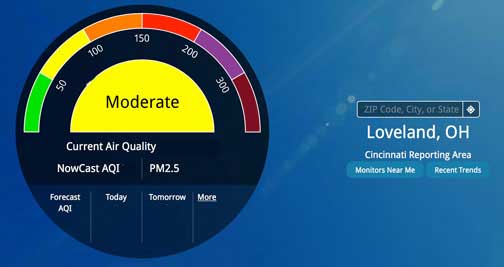
    Loveland, Ohio – With sunny skies and temperatures expected to be in the mid-90s Tuesday through Thursday and likely associated dangerous levels of ground-level ozone (Smog), we’ve once again loaded our Ozone Alert widget to our homepage.

    Loveland Magazine will continue providing our readers with information when air pollution alerts are issued for our area and this widget on our home page will allow readers the real-time information they need.

    When alerts are issued for our local area we will provide tips you can use to do your share to avoid adding to the dangerous levels of Ozone both at home and at work.

    Click below to give the widget a spin today:
    Active hildren and the elderly are especially affected by high levels of Ozone that causes respiratory harm.

    Ozone worsens asthma and COPD, and can cause early death from both short-term and long-term exposure.

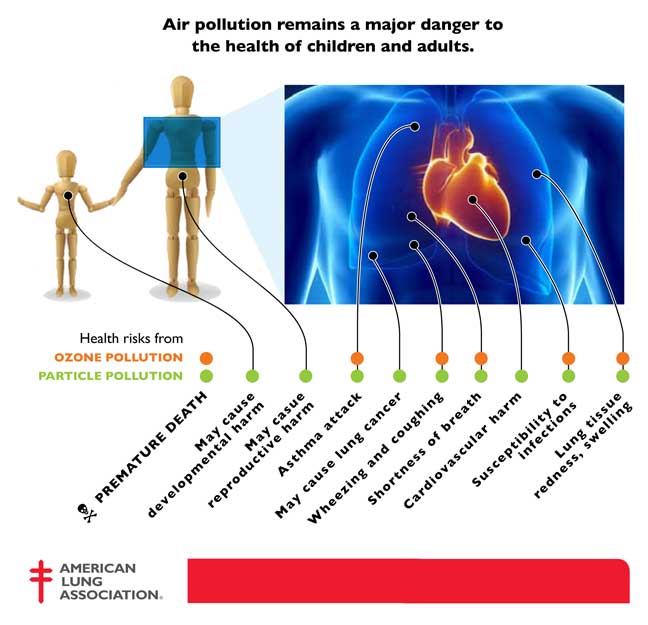
    Ozone can cause cardiovascular harm (e.g., heart attacks, strokes, heart disease, congestive heart failure) and may cause harm to the central nervous system. It may also cause reproductive and developmental harm.

    Because children are so active during the Summer months and their lungs are still developing they are at particular risk when Ozone levels are elevated.

    From the American Lung Association

    It may be hard to imagine that pollution could be invisible, but ozone begins that way. As ozone concentrates and mixes with other pollutants, we often call it by its older, more common name—smog. It is currently one of the least well-controlled pollutants in the United States.1 And it is also one of the most dangerous.

    Scientists have studied the effects of ozone on health for decades. Hundreds of studies have confirmed that ozone harms people at levels currently found in the United States. In the last decade, we have learned that it can also be deadly.https://www.youtube.com/embed/7c2w1eATkro?rel=0

    Breathing in ozone is like getting a sunburn on your lungs.

    What Is Ozone?
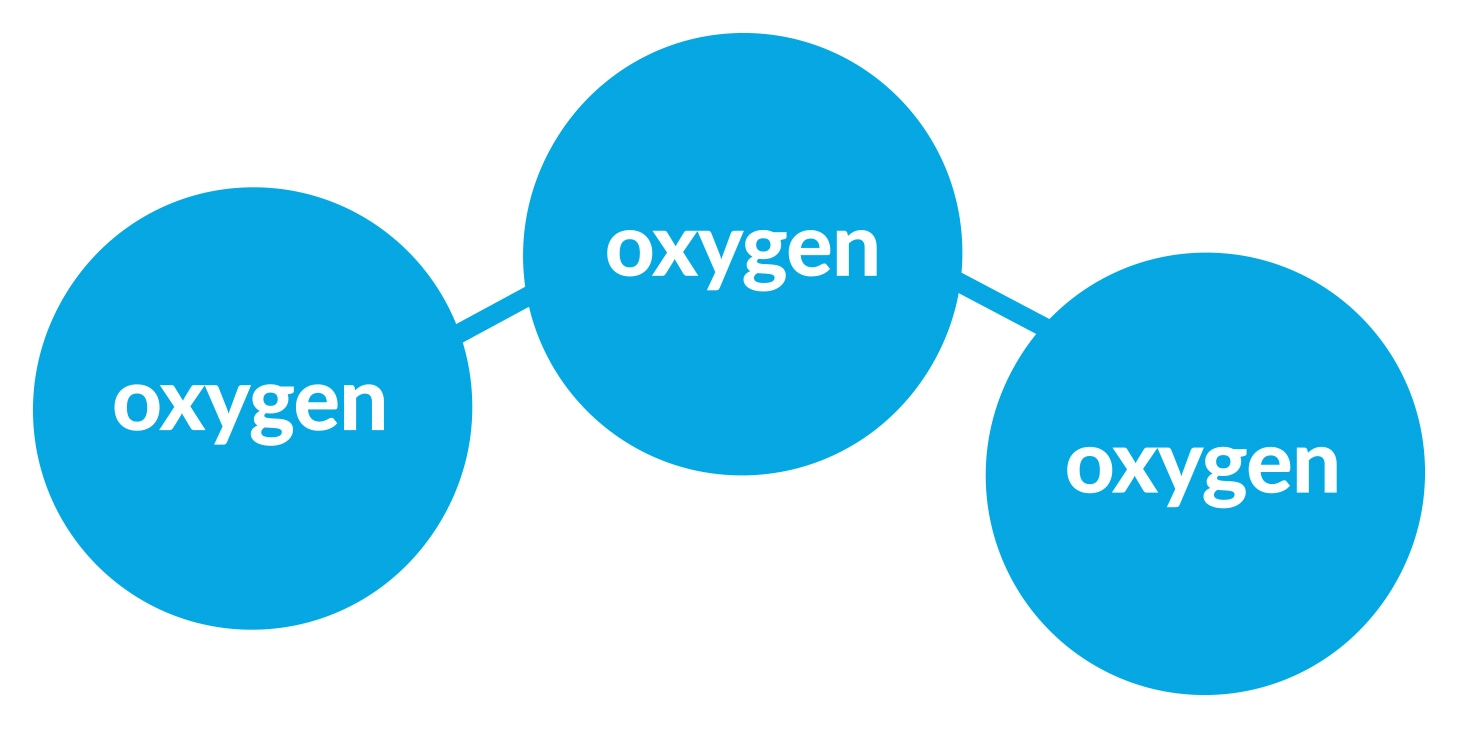
    ozone chart

    Ozone (O3) is a gas molecule composed of three oxygen atoms. Often called “smog,” ozone is harmful to breathe. Ozone aggressively attacks lung tissue by reacting chemically with it. When ozone is present, there are other harmful pollutants created by the same processes that make ozone.

    The ozone layer found high in the upper atmosphere (the stratosphere) shields us from much of the sun’s ultraviolet radiation. However, ozone air pollution at ground level where we can breathe it (in the troposphere) causes serious health problems.

    Where Does Ozone Come From?

    Ozone develops in the atmosphere from gases that come out of tailpipes, smokestacks and many other sources. When these gases come in contact with sunlight, they react and form ozone smog.

    The essential raw ingredients for ozone are nitrogen oxides (NOx) and volatile organic compounds (VOCs). They are produced primarily when fossil fuels like gasoline, oil or coal are burned or when some chemicals, like solvents, evaporate. NOx is emitted from power plants, motor vehicles and other sources of high-heat combustion. VOCs are emitted from motor vehicles, chemical plants, refineries, factories, gas stations, paint and other sources.2

    If the ingredients are present under the right conditions, they react to form ozone. Sunlight is key. And because the reaction takes place in the atmosphere, the ozone often shows up downwind of the sources of the original gases. In addition, winds can carry ozone far from where it formed, even internationally across borders and across the oceans.

    You may have wondered why “ozone action day” warnings are sometimes followed by recommendations to avoid activities such as mowing your lawn or driving your car. Lawn mower exhaust and gasoline vapors contain nitrogen oxides (NOx) and volatile organic compounds (VOCs) that are key to the formation of ozone in the presence of heat and sunlight.

    Who Is at Risk from Breathing Ozone?

    Anyone who spends time outdoors where ozone pollution levels are high may be at risk. Four groups of people are especially vulnerable to the effects of breathing ozone:

    • children and teens;3
    • anyone 65 and older;4
    • people with existing lung diseases, such as asthma and chronic obstructive pulmonary disease (also known as COPD, which includes emphysema and chronic bronchitis5; and
    • people who work or exercise outdoors.6

    In addition, some evidence suggests that other groups—including women, people who suffer from obesity and people with low incomes—may also face higher risk from ozone.7 More research is needed to confirm these findings.

    The impact on your health can depend on many factors, however. For example, the risks are greater if ozone levels are higher, if you are breathing faster because you’re working or exercising outdoors or if you spend more time outdoors.

    Again, the impact of even short-term exposure to ozone pollution on healthy adults was demonstrated in the Galveston lifeguard study. In addition to the harmful effects of particle pollution, lifeguards had greater obstruction of their airways at the end of the day when ozone levels were high.8

    How Ozone Pollution Harms Your Health

    Premature death. Breathing ozone can shorten your life. Strong evidence exists of the deadly impact of ozone from large studies conducted in cities across the U.S., in Europe and in Asia. Researchers repeatedly found that the risk of premature death increased with higher levels of ozone.9 Newer research has confirmed that ozone increased the risk of premature death even when other pollutants also are present.10

    Immediate breathing problems. Many areas in the United States produce enough ozone during the summer months to cause health problems that can be felt right away. Immediate problems—in addition to increased risk of premature death—include:

    • shortness of breath, wheezing and coughing;
    • asthma attacks;
    • increased risk of respiratory infections;
    • increased susceptibility to pulmonary inflammation; and
    • increased need for people with lung diseases, like asthma or chronic obstructive pulmonary disease (COPD), to receive medical treatment and to go to the hospital.3,4,5

    Long-term exposure risks. New studies warn of serious effects from breathing ozone over longer periods. With more long-term data, scientists are finding that long-term exposure—that is, for periods longer than eight hours, including days, months or years—may increase the risk of early death.

    • Examining the records from a long-term national database, researchers found a higher risk of death from respiratory diseases associated with increases in ozone.14
    • New York researchers looking at hospital records for children’s asthma found that the risk of admission to hospitals for asthma increased with chronic exposure to ozone. Younger children and children from low-income families were more likely than other children to need hospital admissions even during the same time periods.15
    • California researchers analyzing data from their long-term Southern California Children’s Health Study found that some children with certain genes were more likely to develop asthma as adolescents in response to the variations in ozone levels in their communities.16
    • Studies link lower birth weight and decreased lung function in newborns to ozone levels in their community.17 This research provides increasing evidence that ozone may harm newborns.

    Breathing other pollutants in the air may make your lungs more responsive to ozone—and breathing ozone may increase your body’s response to other pollutants. For example, research warns that breathing sulfur dioxide and nitrogen oxide—two pollutants common in the eastern U.S.—can make the lungs react more strongly than just breathing ozone alone. Breathing ozone may also increase the response to allergens in people with allergies. A large study published in 2009 found that children were more likely to suffer from hay fever and respiratory allergies when ozone and PM2.5 levels were high.18

    Research shows lower levels of ozone cause harm. EPA released their latest complete review of the current research on ozone pollution in February 2013.19 EPA had engaged a panel of expert scientists, the Clean Air Scientific Advisory Committee, to help them assess the evidence that was brought together by EPA; in particular, they examined research published between 2006 and 2012. The experts on the committee and EPA concluded that ozone pollution posed multiple, serious threats to health. Their findings are highlighted in the box below. Based on that review, EPA strengthened the official limit on ozone, called the National Ambient Air Quality Standard, in 2015.

    However, new research provides evidence that ozone can cause serious harm even at much lower levels.  In a 2017 scientific paper, researchers provided further evidence in a nationwide study that older adults faced a higher risk of premature death even when levels of ozone pollution remained well below the current national standard.20

    EPA Concludes Ozone Pollution Poses Serious Health Threats (2013)

    • Causes respiratory harm (e.g., worsened asthma, worsened COPD, inflammation)
    • Likely to cause early death (both short-term and long-term exposure)
    • Likely to cause cardiovascular harm (e.g., heart attacks, strokes, heart disease, congestive heart failure)
    • May cause harm to the central nervous system
    • May cause reproductive and developmental harm

    —U.S. Environmental Protection Agency, Integrated Science Assessment for Ozone and Related Photochemical Oxidants, 2013. EPA/600/R-10/076F.

  • Smog Alert for Sunday: Here is how you can help protect children and the elderly

    Smog Alert for Sunday: Here is how you can help protect children and the elderly

    The Ohio EPA is predicting that the ozone level will be 115 on Sunday.

    Predicted Air Quality Index (AQI) for the Loveland Area
    115
    Unhealthy for Sensitive Groups
     

    Health Message: Active children and adults, and people with lung disease, such as asthma, should reduce prolonged or heavy exertion outdoors.


    Steps you should take to protect you or your children’s health

    Reduce prolonged or heavy outdoor exertion. Take more breaks, do less intense activities. Watch for symptoms such as coughing or shortness of breath. Schedule outdoor activities in the morning when ozone is lower.

    People with asthma should follow their asthma action plans and keep quick relief medicine handy.


    Do Your Share!

    • Carpool, bike or walk instead of driving.
    • Use your most fuel efficient vehicle and drive gently.
    • Keep your motorcycle in the garage. They don’t have the pollution controls modern passenger vehicles do.
    • Refuel your vehicle after 8 PM; do not top off when refueling and tighten the gas cap.
    • Avoid idling your vehicle. (Avoid drive-thru windows.)
    • Combine trips and eliminate unnecessary vehicle trips
    • Do not use of gasoline-powered lawn equipment
    • Do not use of oil-based paints and stains
    • Never burn leaves or other yard trimmings.
    • Do not use fire pits.
    • Conserve electricity by turning off unnecessary lights.
    • Turn your air conditioner thermostat up and use room fans for cooling.
    • Save the power boating for another day.
    • Initiate an Air Pollution Alert Day policy where you work; whether that be a company you own, an employee, a local government agency you work for, or a school district.

    Sign up  for Enviroflash and Start Receiving Your Air Quality Forecast


    Children and Air Pollution

    Children face special risks from air pollution because their lungs are growing and because they are so active and breathe in a great deal of air.

    Just like the arms and legs, the largest portion of a child’s lungs will grow long after he or she is born. Eighty percent of their tiny air sacs develop after birth. Those sacs, called the alveoli, are where the life-sustaining transfer of oxygen to the blood takes place. The lungs and their alveoli aren’t fully grown until children become adults. In addition, the body’s defenses that help adults fight off infections are still developing in young bodies. Children have more respiratory infections than adults, which also seems to increase their susceptibility to air pollution.

    Furthermore, children don’t behave like adults, and their behavior also affects their vulnerability. They are outside for longer periods and are usually more active when outdoors. Consequently, they inhale more polluted outdoor air than adults typically do.

    Read on at The American Lung Association…


    Take advantage of special savings on energy efficient lighting and other products offered by Duke Energy

    LEDs use up to 90% less energy than traditional bulbs

    LEDs last at least 15 times longer than traditional bulbs


  • Air Quality will be “Unhealthy” for children Saturday, Sunday, and Monday

    Air Quality will be “Unhealthy” for children Saturday, Sunday, and Monday

    It will take action by each of us this weekend to lower the risk to our children

    Loveland, Ohio – The Southwest Ohio Air Quality Agency has issued an Air Quality Advisory for Saturday, Sunday, and Monday for Loveland. and the surrounding counties of Butler, Clermont, Hamilton and Warren in Ohio, and Boone, Campbell and Kenton counties in Kentucky. 


    The Agency expects to see levels of ozone in the “unhealthy for sensitive groups” range on the Air Quality Index (AQI). 


    Health Message: Active children and adults, and people with lung disease, such as asthma, should reduce prolonged or heavy exertion outdoors.


    On Air Quality Advisory days, everyone can help reduce ozone formation by taking the following actions:

    • Bike, or walk instead of drive.
    • Refuel your vehicle after 8 p.m.; do not top off when refueling and tighten the gas cap.
    • DON’T RIDE YOUR MOTORCYCLE
    • Do not idle your vehicle; exhaust contributes considerably to ozone formation.
    • Combine trips or eliminating unnecessary vehicle trips.
    • Avoid use of gasoline-powered lawn equipment on Air Quality Advisory days.
    • Avoid use of oil-based paints and stains on Air Quality Advisory days.
    • Never burn leaves or other yard trimmings.
    • Suspend use of fire pits, campfires and grills on Air Quality Advisory days.
    • Conserve electricity by turning out lights and unplugging unused appliances and electronics.


    Children face special risks from air pollution because their lungs are growing and because they are so active Air-pollution-health-dangers

    Just like the arms and legs, the largest portion of a child’s lungs will grow long after he or she is born. Eighty percent of their tiny air sacs develop after birth. Those sacs, called the alveoli, are where the life-sustaining transfer of oxygen to the blood takes place. The lungs and their alveoli aren’t fully grown until children become adults.1 In addition, the body’s defenses that help adults fight off infections are still developing in young bodies.2 Children have more respiratory infections than adults, which also seems to increase their susceptibility to air pollution.

    Furthermore, children don’t behave like adults, and their behavior also affects their vulnerability. They are outside for longer periods and are usually more active when outdoors. Consequently, they inhale more polluted outdoor air than adults typically do.

    Air Pollution Increases Risk of Underdeveloped Lungs

    A Southern California Children’s Health study looked at the long-term effects of particle pollution on teenagers. Tracking 1,759 children who were between ages 10 and 18 from 1993 to 2001, researchers found that those who grew up in more polluted areas face the increased risk of having underdeveloped lungs, which may never recover to their full capacity. The average drop in lung function was 20 percent below what was expected for the child’s age, similar to the impact of growing up in a home with parents who smoked.

    Community health studies are pointing to less obvious, but serious effects from year-round exposure to ozone, especially for children. Scientists followed 500 Yale University students and determined that living just four years in a region with high levels of ozone and related co-pollutants was associated with diminished lung function and frequent reports of respiratory symptoms. 6 A much larger study of 3,300 school children in Southern California found reduced lung function in girls with asthma and boys who spent more time outdoors in areas with high levels of ozone.


    Read more from the American Lung Association

    For 17 years, the American Lung Association has analyzed data from official air quality monitors to compile the State of the Air report. The more you learn about the air you breathe, the more you can protect your health and take steps to make our air cleaner and healthier.

    In American Lung Association’s, Report Card: Ohio, Clermont, Hamilton, and Warren counties all receive an “F”
    Cincinnati Air Quality a Mixed Bag, Finds 2016 ‘State of the Air’ Report


    Step up to Curb Pollution in Our Community.

    • Drive less. Combine trips, walk, bike, carpool or vanpool, and use buses, subways or other alternatives to driving. Vehicle emissions are a major source of air pollution. Support community plans that provide ways to get around that don’t require a car, such as more sidewalks, bike trails and transit systems.
    • Use less electricity.Turn out the lights and use energy-efficient appliances. Generating electricity is one of the biggest sources of pollution, particularly in the eastern United States.
    • Don’t burn wood or trash. Burning firewood and trash is among the largest sources of particle pollution in many parts of the country. If you must use a fireplace or stove for heat, convert your woodstove to natural gas, which has far fewer polluting emissions. Compost and recycle as much as possible and dispose of other waste properly; don’t burn it. Support efforts in your community to ban outdoor burning of construction and yard wastes. Avoid the use of outdoor hydronic heaters, also called outdoor wood boilers, which are frequently much more polluting than woodstoves.
    • Make sure your local school system requires clean school buses, which includes replacing or retrofitting old school buses with filters and other equipment to reduce emissions. Make sure your local schools don’t idle their buses, a step that can immediately reduce emissions.


    Now Enrolling at All About Kids at Wards Corner today!