Tag: spread of COVID-19

  • Hamilton County Public Health responds to request for back to school info

    Hamilton County Public Health responds to request for back to school info

    “It is strongly recommended that schools implement masking.”

    Loveland, Ohio – When asked, this morning to provide Loveland Magazine with the current Board of Health guidance for covid 19 protocol for K-12 schools “Mike Samet, the Public Information Officer for Hamilton County Public Health responded, “We are following the Ohio Dept. of Health guidelines (attached) until we develop our own, if necessary.”

    The current Loveland school protocol reads in part, “…the Board will follow any mandates set forth by the Ohio Governor, Ohio State Health Department, Hamilton County Health Department, and Ohio Department of Education, (“Directing Entities”) as it relates to protecting the health of students, staff and visitors.”

    There will be no remote learning opportunities (Remote Academy) for Loveland teachers or students as all school buildings will return to full capacity in-person classes in August.

    Samet referred Loveland Magazine to the Ohio Dept. of Health (ODH) guidelines which are currently Hamilton County Health Department’s as well.

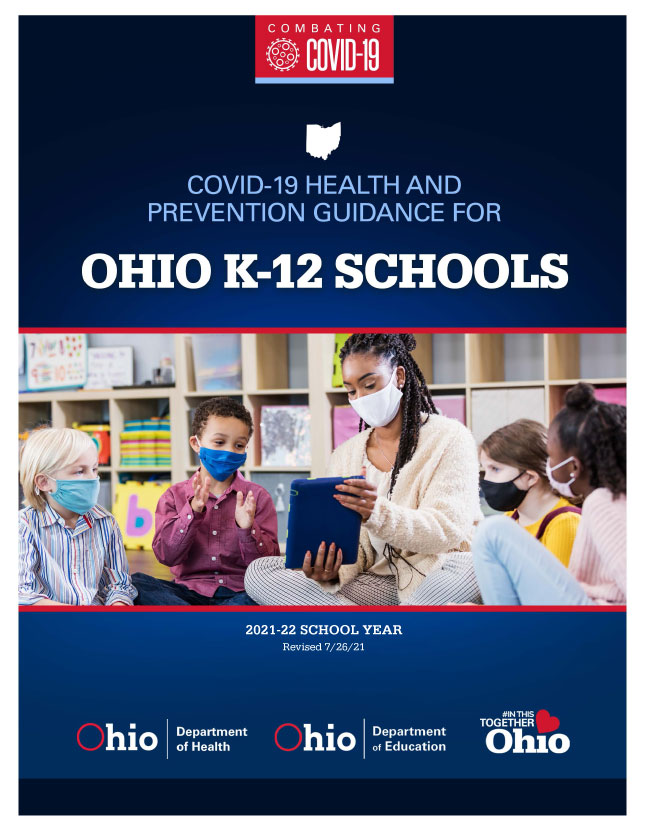
    The ODH guidelines begin with this opening introduction:

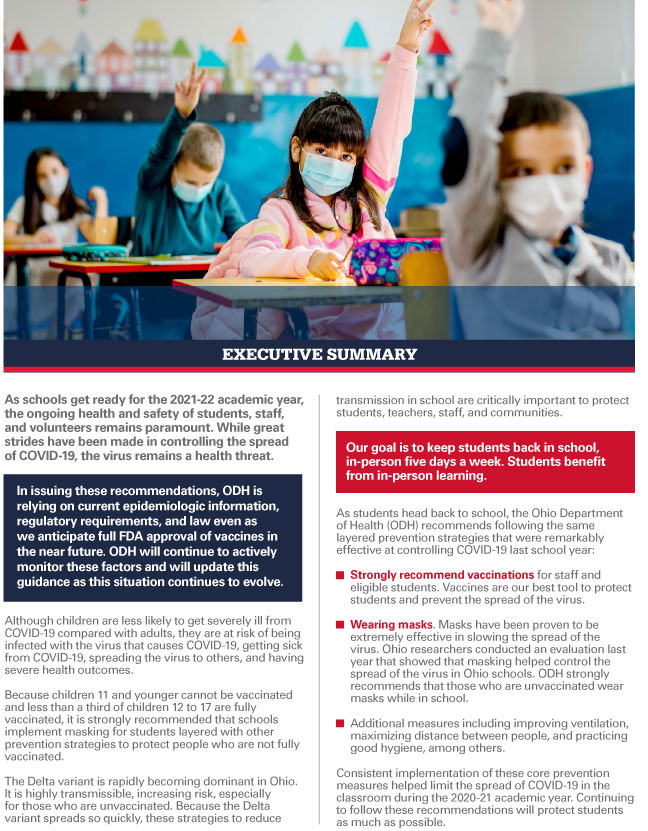
    As schools get ready for the 2021-22 academic year, the ongoing health and safety of students, staff, and volunteers remains paramount. While great strides have been made in controlling the spread of COVID-19, the virus remains a health threat. 

    Although children are less likely to get severely ill from COVID-19 compared with adults, they are at risk of being infected with the virus that causes COVID-19, getting sick from COVID-19, spreading the virus to others, and having severe health outcomes. 

    Because children 11 and younger cannot be vaccinated and less than a third of children 12 to 17 are fully vaccinated, it is strongly recommended that schools implement masking for students layered with other prevention strategies to protect people who are not fully vaccinated. 

    The Delta variant is rapidly becoming dominant in Ohio. It is highly transmissible, increasing risk, especially for those who are unvaccinated. Because the Delta variant spreads so quickly, these strategies to reduce transmission in school are critically important to protect students, teachers, staff, and communities.

    As students head back to school, the Ohio Department of Health (ODH) recommends following the same layered prevention strategies that were remarkably effective at controlling COVID-19 last school year: 

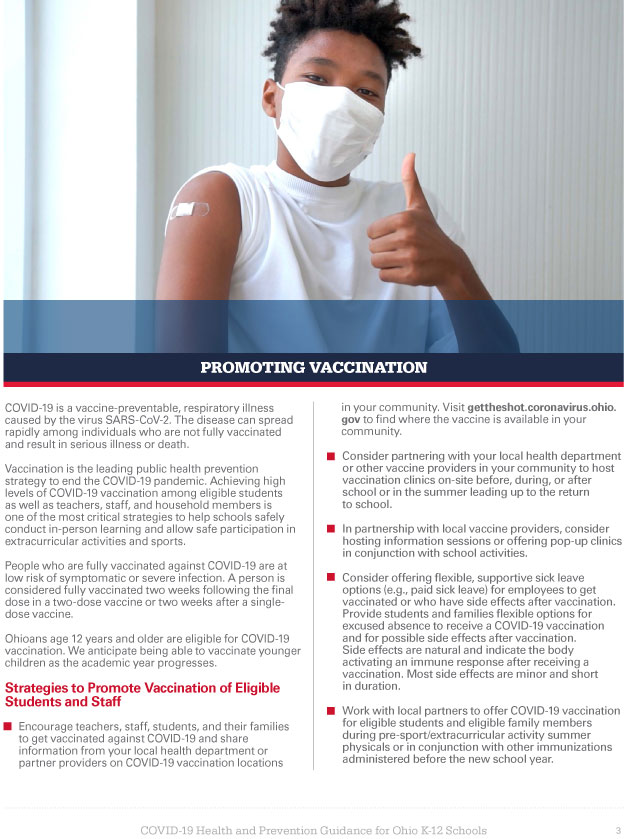
    Strongly recommend vaccinations for staff and eligible students. Vaccines are our best tool to protect students and prevent the spread of the virus. 

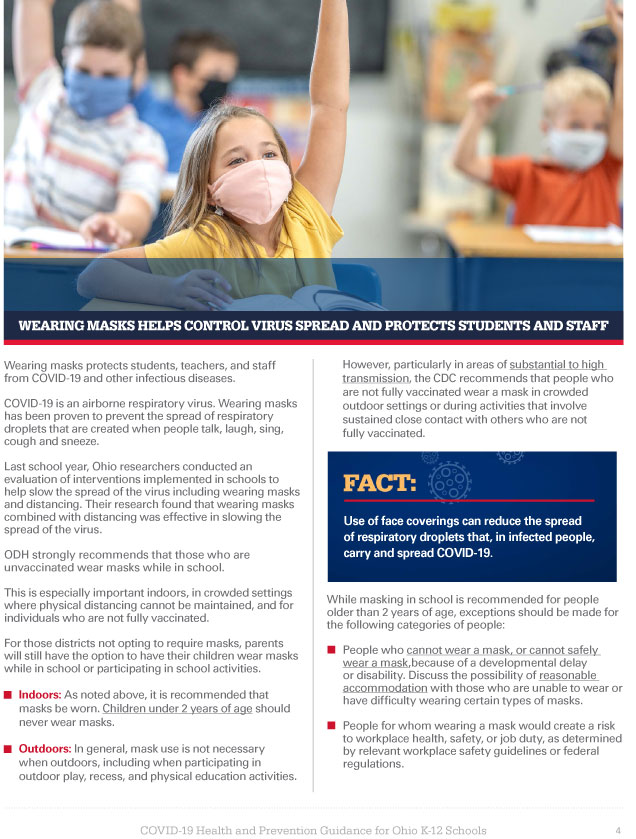
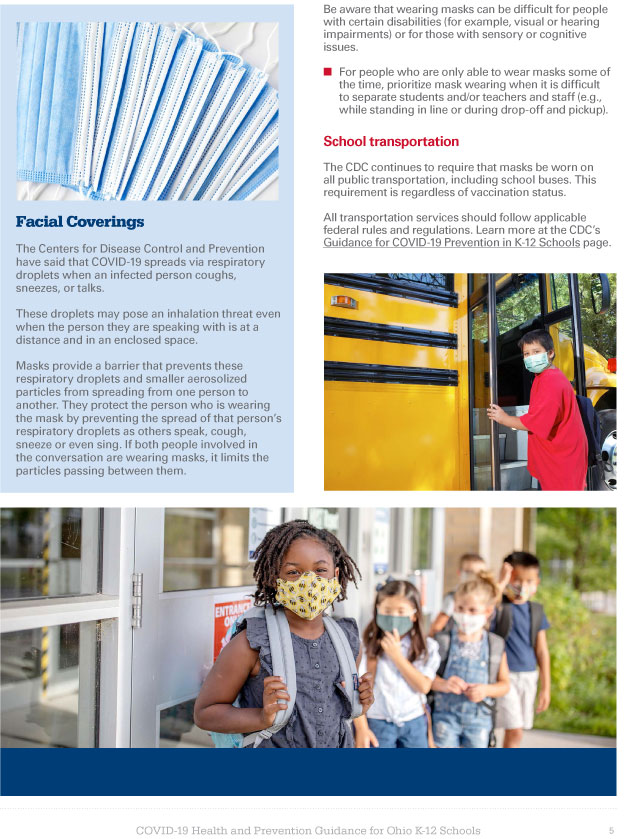
    Wearing masks. Masks have been proven to be extremely effective in slowing the spread of the virus. Ohio researchers conducted an evaluation last year that showed that masking helped control the spread of the virus in Ohio schools. ODH strongly recommends that those who are unvaccinated wear masks while in school. 

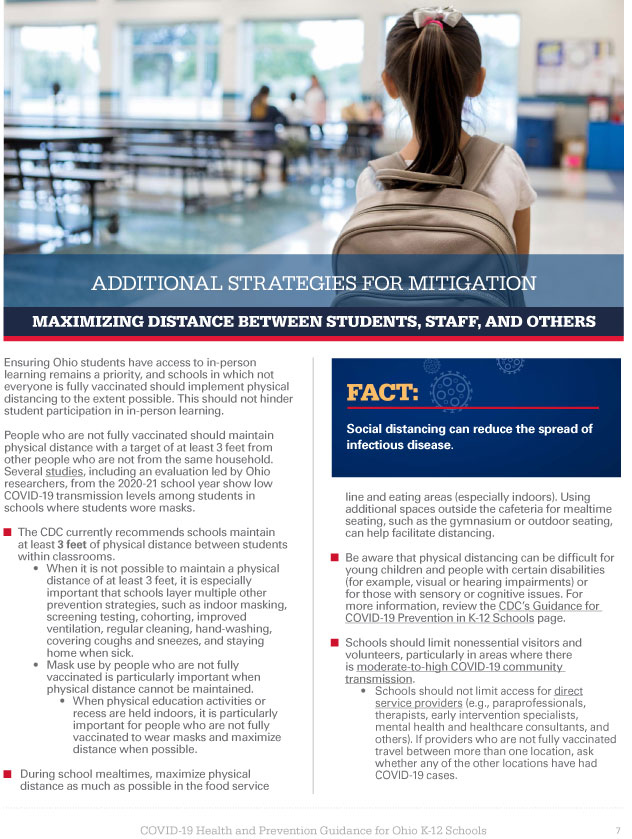
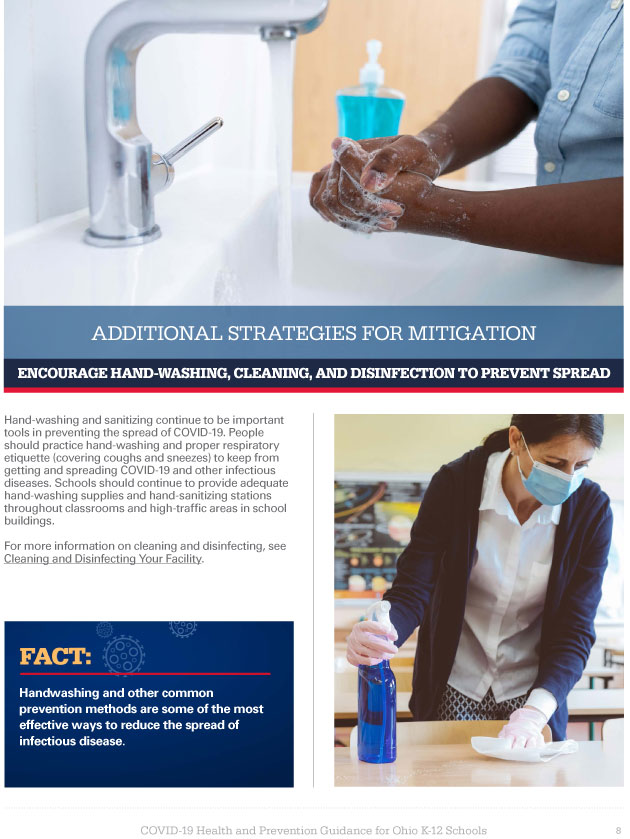
    Additional measures including improving ventilation, maximizing distance between people, and practicing good hygiene, among others. 

    Consistent implementation of these core prevention measures helped limit the spread of COVID-19 in the classroom during the 2020-21 academic year. Continuing to follow these recommendations will protect students as much as possible. 

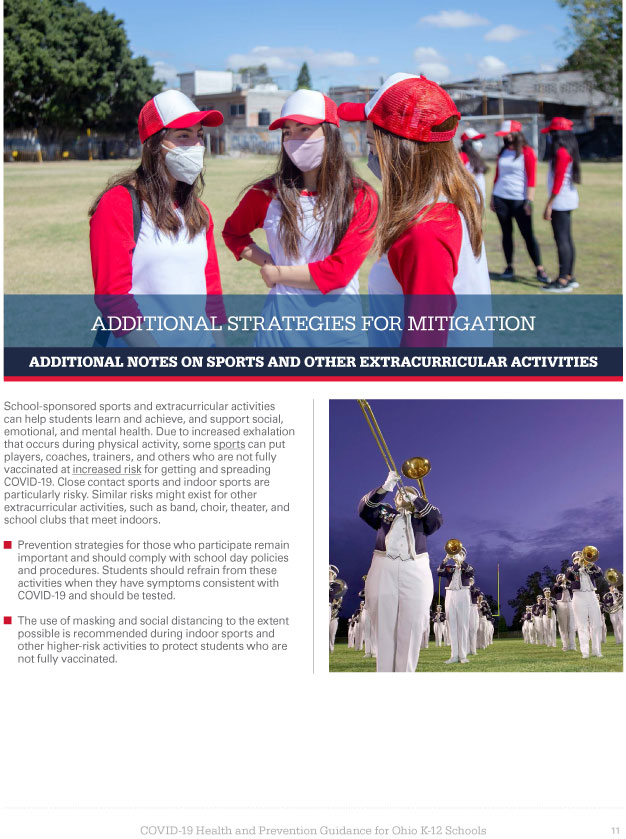
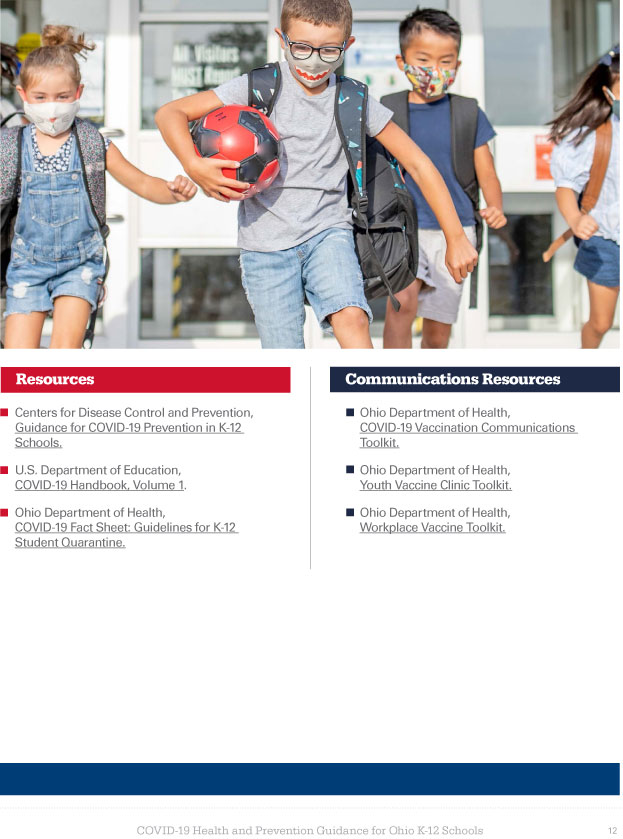
    Below is the full ODH document:
  • Ohio Has the 20th Fewest Remote-Friendly Jobs

    Ohio Has the 20th Fewest Remote-Friendly Jobs

    by Krista Doyle Outdoorsy Author

    Krista Doyle

    In a nationwide effort to slow the spread of COVID-19, millions of Americans have transitioned to remote work. An impending vaccine may leave many wondering whether the influx of remote work will recede with the virus. Some companies have already committed to remote working conditions beyond 2020—even permanently—but there are several jobs that simply cannot be carried out from home. Those who work in maintenance, food preparation, construction, and much of the healthcare industry are often (or always) required to physically be somewhere other than home.

    Still, approximately one-third of all jobs can be conducted remotely. Analyzing two surveys conducted by the Occupational Information Network, researchers at the University of Chicago formulated a work-from-home measure for each of 22 major occupational groups. Using that measure and recent employment data from the U.S. Bureau of Labor Statistics (BLS), researchers at Outdoorsy calculated the percentage of each U.S. metropolitan area’s workforce that can conduct work exclusively from home. Applying educational attainment, wage, and minority population data to the analysis, researchers identified some key takeaways.

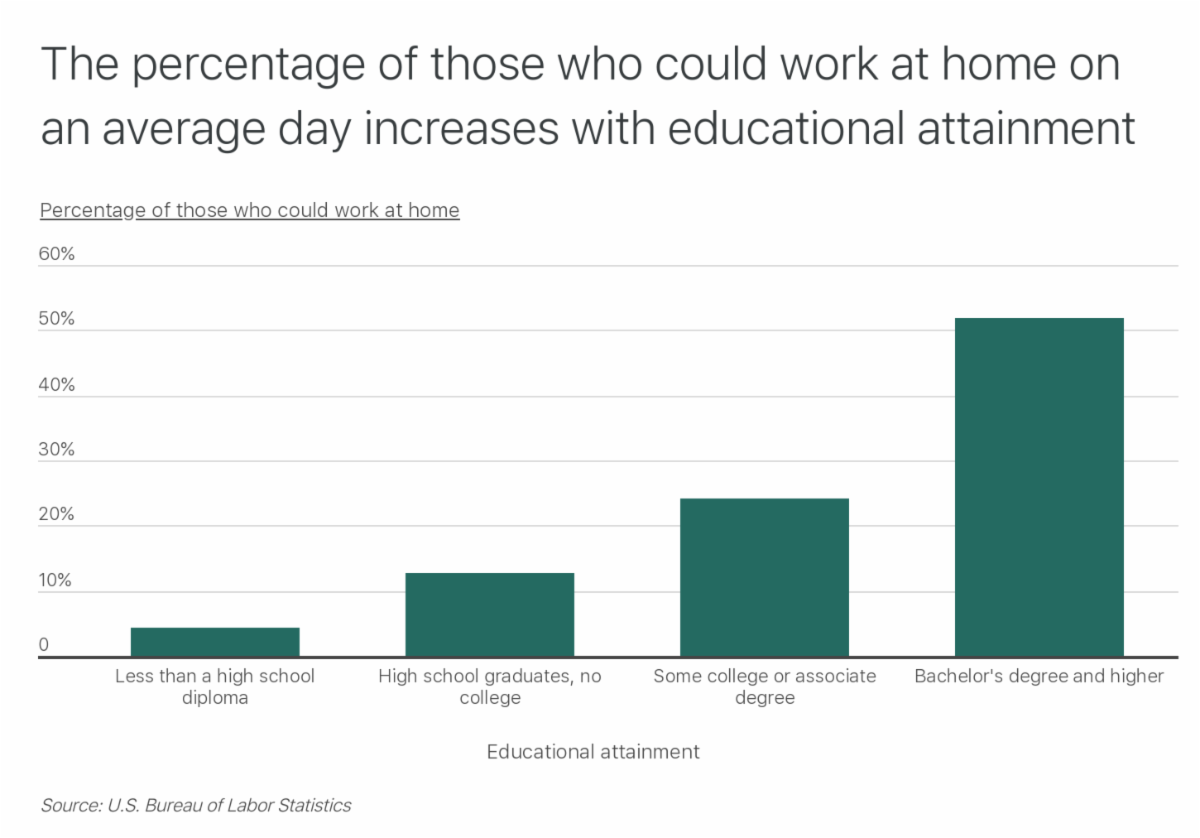
    As it turns out, educational attainment is a strong predictor of the ability to work remote. Citing responses provided in the annual American Time Use Survey (ATUS), the BLS discovered that the percentage of workers who could do at least some work from home on an average day increases significantly based on educational attainment. While less than 5 percent of workers who did not finish high school report being capable of doing some work from home, more than 50 percent of those with a bachelor’s degree or higher could.

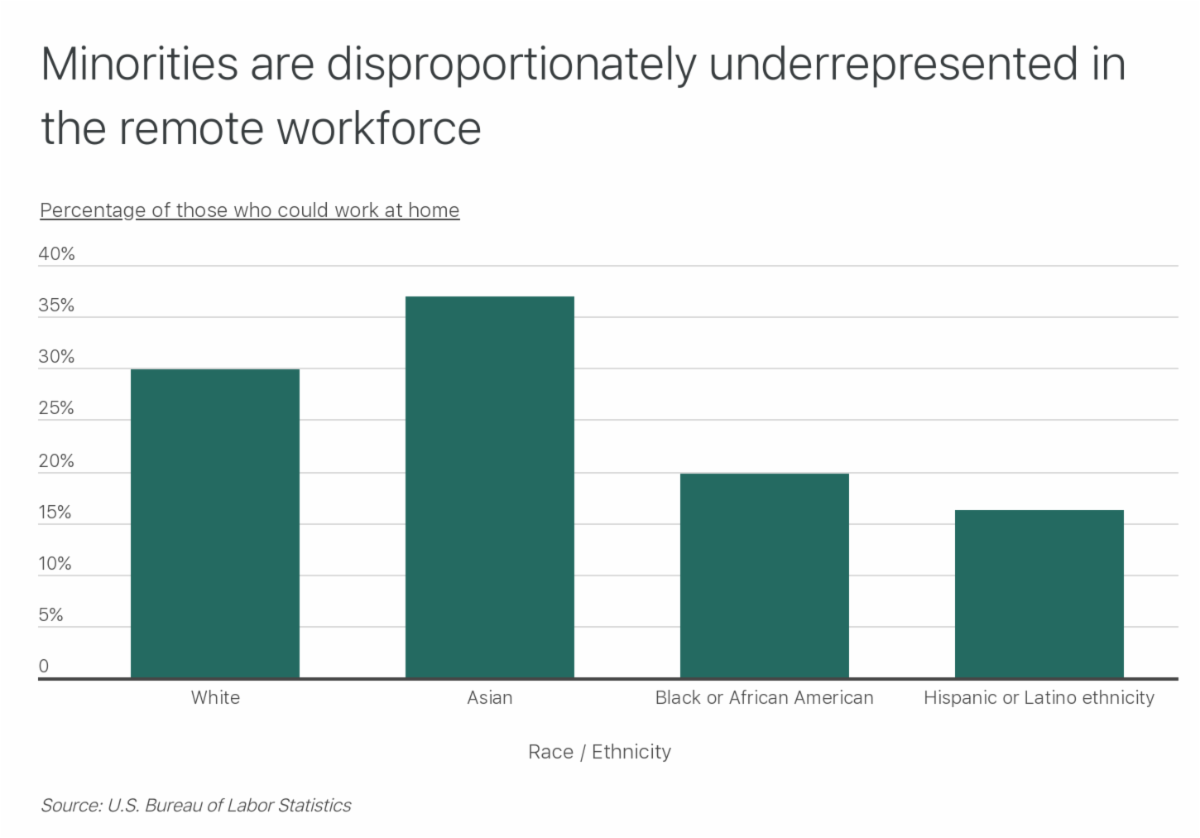
    Educational attainment is not the only predictive measure of remote work. The ATUS found that certain minorities were disproportionately underrepresented in the potential remote workforce. Overall, only 16.2 percent of Hispanic or Latino workers and 19.7 percent of Black or African American workers report being able to do some of their work from home compared to 29.9 percent and 37 percent of White and Asian workers, respectively. In addition to occupation, living arrangements—including access to computers and broadband internet—may impact the ability of many minorities to work remotely. Pew research found that prior to the pandemic, only 57 percent of Hispanics and 58 percent of Blacks had access to a computer at home compared to 82 percent of Whites.

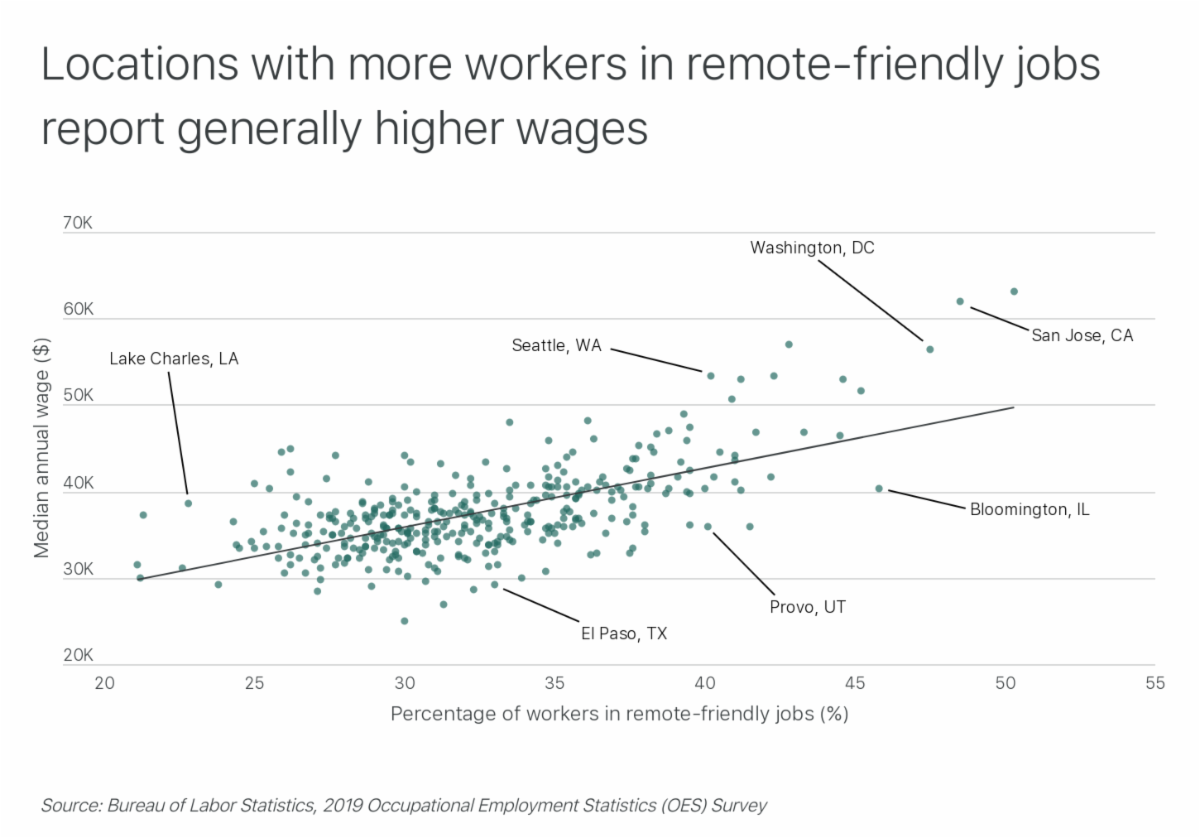
    The ability to work from home has not only kept millions of Americans employed this year, remote work is also financially rewarding. While remote jobs make up 35.5 percent of all U.S. employment, they account for 45.8 percent of all U.S. wages. As a result, locations throughout the country with higher percentages of workers in remote-friendly occupations report generally higher median annual wages.

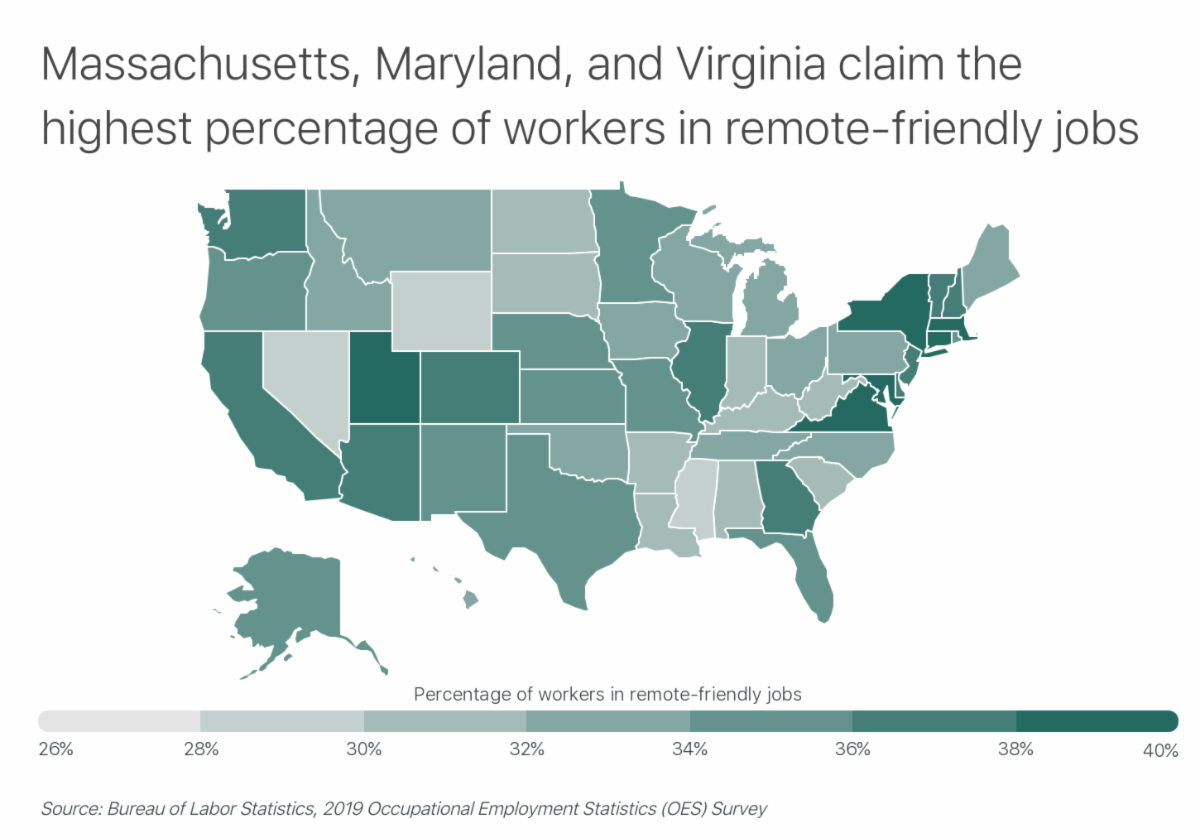
    The prevalence of remote work varies significantly at the state level. Massachusetts, Maryland, and Virginia top the list of states with the highest percentage of workers in remote-friendly jobs, reporting 40.2 percent, 39.6 percent, and 38.9 percent, respectively. Utah, Colorado, Washington, and California also show high percentages, all ranking in the top 10. The lowest percentage of workers in remote-friendly jobs—just 29.7 percent—is in Mississippi.

    To find the states with the most remote-friendly jobs, researchers at Outdoorsy analyzed the most recent employment data from the BLS’s 2019 Occupational Employment (OES) Survey. A work-from-home measure that rates an occupation’s viability for remote work created by the Booth School of Business at the University of Chicago was used to calculate the percentage of workers in remote-friendly jobs in each metro. Researchers ranked states accordingly. The report also includes the total number of workers in remote-friendly jobs, the median annual wage, the population with a bachelor’s degree or higher, and the minority population share of each location.

    The analysis found that in Ohio, 33.7% of all wage and salary workers have a remote-friendly job, defined for the purposes of this analysis as being a job that can be performed entirely remotely. Out of all U.S. states, Ohio has the 20th lowest percentage of workers in remote-friendly jobs. Here is a summary of the data for Ohio:

    • Percentage of workers in remote-friendly jobs: 33.7%
    • Total workers in remote-friendly jobs: 1,833,629
    • Median annual wage: $38,560
    • Population with a bachelor’s degree or higher: 29.3%
    • Minority population share: 20.8%

    For reference, here are the statistics for the entire United States:

    • Percentage of workers in remote-friendly jobs: 35.5%
    • Total workers in remote-friendly jobs: 52,108,014
    • Median annual wage: $39,810
    • Population with a bachelor’s degree or higher: 33.1%
    • Minority population share: 38.9%

    For more information, a detailed methodology, and complete results, you can find the original report on Outdoorsy’s website: https://www.outdoorsy.com/blog/top-remote-friendly-cities

    Read the profiles of the Large metros with the highest percentage of workers in remote-friendly jobs

  • Read the revised health order to limit mass gatherings in Ohio

    Read the revised health order to limit mass gatherings in Ohio

    Loveland, Ohio – On Monday, Governor Mike DeWine announced that Ohio Department of Health Interim Director Lance Himes signed a revised health order to limit mass gatherings in Ohio. 

    “Despite the health order that limited mass gatherings to 10 people that was signed in April remaining in effect, we have seen rampant spread of the virus as a result of banquets, wedding receptions, and social gatherings following funerals,” said Governor DeWine.  “We have seen great tragedy associated with such events.  It’s not the ceremonies causing the problem.  It’s the party afterward.”  

    In order to minimize the spread of COVID-19 through airborne particles passing between people in close contact, wedding receptions, funeral repasts, and other events at banquet facilities are subject to the following restrictions:

    • No socializing or activities in open congregate areas and no dancing. 
    • Guests must be seated at all times. Traditional wedding reception events such as first dance, toasts, tossing the bouquet and cutting the cake are permitted.
    • If serving food and beverages, guests must be served at their seats. No self-serve buffets and no self-serve bar areas permitted.
    • Masks must be worn at all times unless actively consuming food or beverages.
    • No more than 10 people should be seated at a table and those individuals must be from the same household.

    This order does not apply to religious observances; First Amendment protected speech, including petition or referendum circulators, and any activity by media; and to governmental meetings which include meetings that are required to be open to the public.

    This order went into effect November 17, 2020 at 12:01 AM.

  • [12 positive cases] COVID-19 Oxford Campus Dashboard now available

    [12 positive cases] COVID-19 Oxford Campus Dashboard now available

    Oxford, Ohio – Miami University President Gregory Crawford said in an announcement Friday, “This week we have all been witnessing a troubling spread of COVID-19 on university campuses across the nation, and we will continue to monitor developments as many more schools begin to reopen next week so we can learn from their challenges and decisions.”

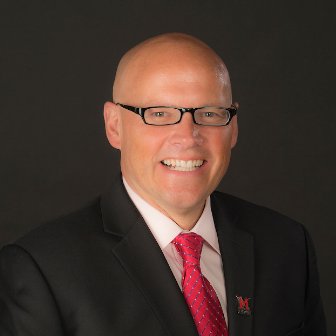
    Miami University President Gregory Crawford (Photo Miami University)

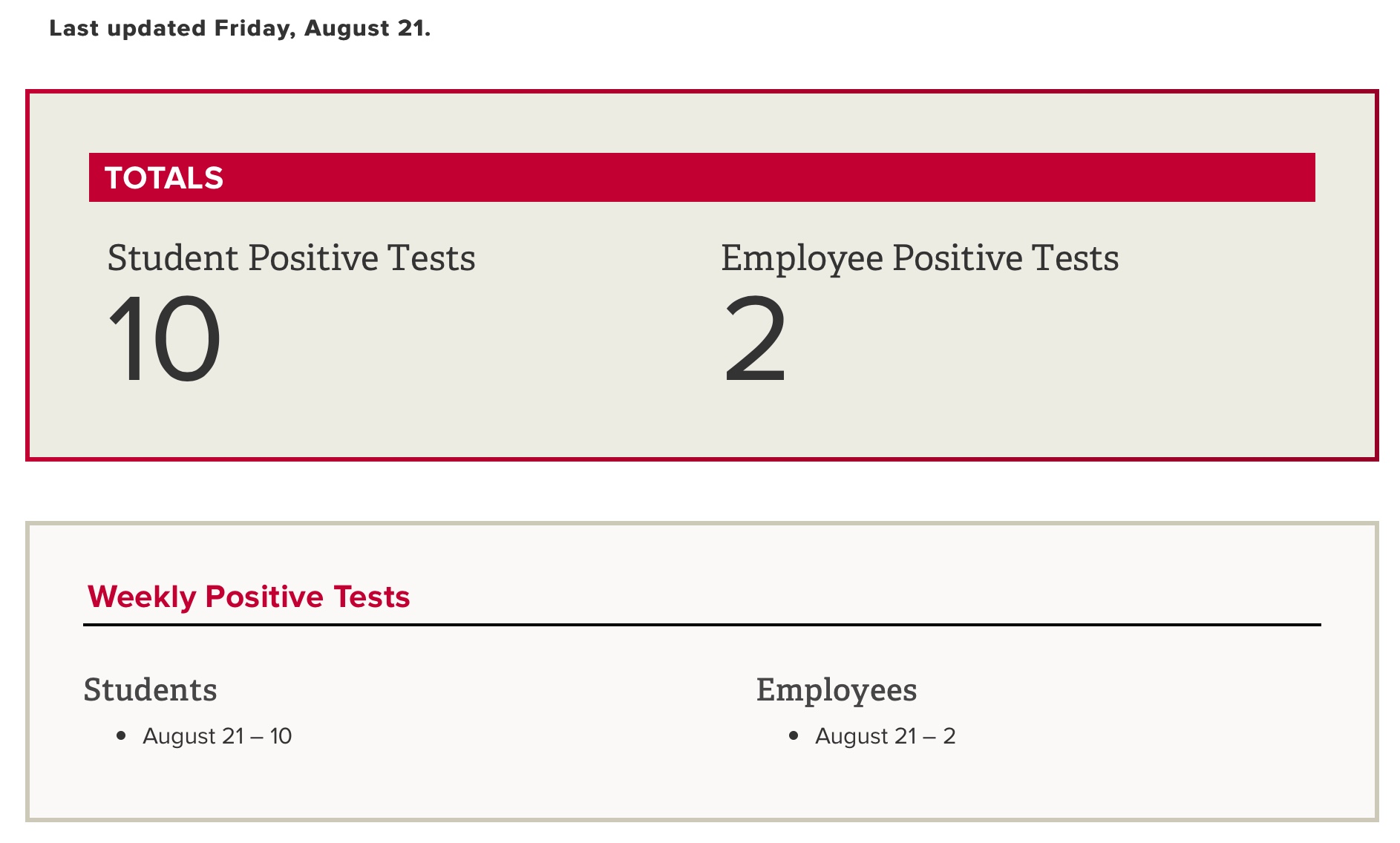
    Along with the statement Crawford reported that on the Oxford campus, since the start of classes, they have had 10 positive COVID-19 tests among students and 2 among employees.

    Miami has now created a dashboard to track positive results from tests conducted at the Employee Health Center and Student Health Service managed by TriHealth.

    The announcement also introduced a symptom tracking app, Campus Clear (available for download from the app store on a mobile device), which must be completed daily if coming to campus. An illness/absence reporting system is also in place to help track potential outbreaks in the Oxford community.

    Buildings on all campuses have reopened. Miami has begun to phase-in on-campus operations, and in the coming weeks students will be returning in stages.

    Fall classes began on Monday, August 17, mostly remote, with graduate students and some programs in person.

    Classrooms are organized to maintain six-foot physical distancing, and cleaning materials are available to clean desks and common spaces before and after each use.

    Students who will be living off campus are encouraged to stay home, if they can, until face-to-face courses start on Monday, September 21. All students are expected to follow health and safety protocols, “like those in our residence halls, in their off-campus living arrangements.”

    All returning students must sign the Healthy Together Community Pledge, committing to take responsibility for their health and others’ through recommended precautions to help prevent the spread of COVID-19 on campus and in the community. The pledge focuses on preventative measures such as social distancing, face coverings, cleaning practices, handwashing and sanitation, daily symptom assessment, limiting indoor or outdoor gatherings to fewer than 10 people, and not attending or hosting any gathering where physical distancing is not possible. It also asks students to pledge to participate in testing, contact tracing, and quarantine or isolation if they or their close contacts become ill with COVID-19.

    The phased-in strategy will culminate with the students residing on campus moving into the residence halls during the week of September 14. Face-to-face and hybrid offerings will begin on campus on Monday, September 21.