Tag: State Board of Education

  • Ohio House budget would cut all elected members of the State Board of Education, limit board to five

    Ohio House budget would cut all elected members of the State Board of Education, limit board to five

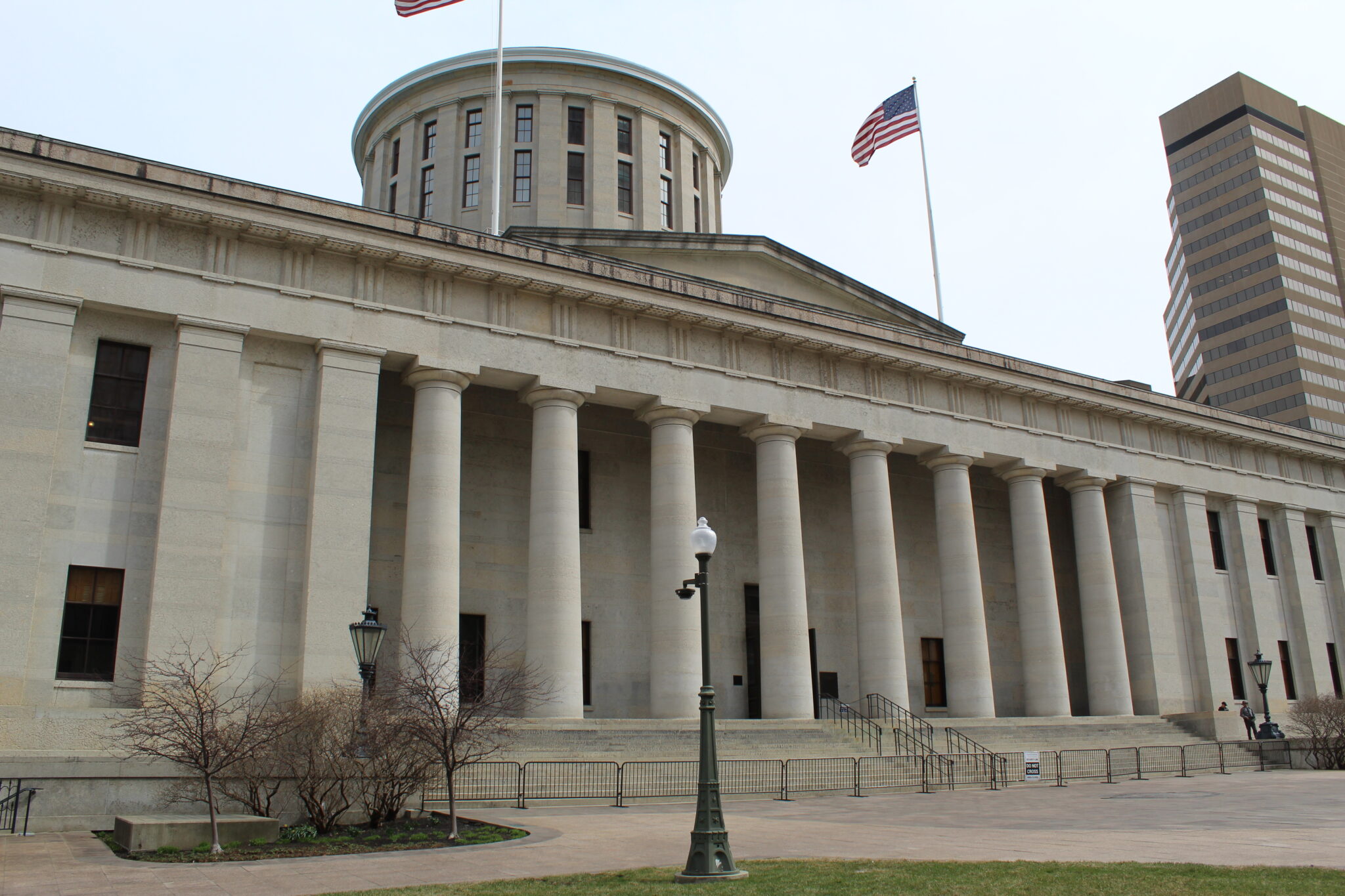
    The Ohio Statehouse. (Photo by David DeWitt, Ohio Capital Journal.)

    By:  Ohio Capital Journal

    A provision in the version of the two-year state budget passed by Ohio House Republicans would eliminate elected members from the State Board of Education. This comes after the last budget stripped the board of most of its power.

    The budget passed by the House last week would reduce the board membership from 11 elected members and eight governor-appointed members to five, all appointed by the governor.

    When the terms of the current elected board members expire or the positions become vacant in another way, the seats would be eliminated. Three of the governor-appointed spots would also.

    The House budget also changes the requirements for appointed board members to require “at least one member to represent each of a rural, suburban, and urban school district, a community school and a chartered nonpublic school.”

    According to budget documents, the reduction would save Ohio about $50,000. Board members received an average of $3,500 in compensation in 2024, according to state data.

    The budget is now in the hands of the Senate.

    The House changes come along with a proposal that public education advocates say would cut public school funding and eliminate the Fair School Funding model that has been in place for the last four years. The existing model calls for $666 million, but the House budget would cut that by roughly two-thirds, to $226 million.

    The board’s budget could be coming from a separate fund, rather than its own licensure fund on which it’s been relying since the last budget cycle limited their power within the state education system.

    With the establishment of the Ohio Department of Education and Workforce two years ago, the board’s powers were largely stripped away and what powers remained were centered on teacher licensure and territorial disputes. It was strongly opposed by board members and members of  the public.

    The last two years have been a financial struggle after the change to the teacher licensure fund as well. Superintendent of Public Instruction Paul Craft came to legislators with funding requests, telling lawmakers and the board that the uncertainty of the teacher licensure fund could harm the board’s bottom line, when staffing and expense cuts had been exhausted.

    GET THE MORNING HEADLINES.


    The fund’s revenue surges at certain points of the year, when teachers get or renew their licenses. The rest of the year, the board has to live on the funds provided by the state.

    With the start of a new budget cycle, Craft asked for additional state support to help with the costs of annual background checks for school staff. He also asked to eliminate the video assessment portion of the Ohio Teacher Residency Program to save more than $1 million.

    The House’s budget eliminates the teacher licensure fund, with the board’s operating expenses paid from the Occupational Licensing and Regulatory Fund. The fund already exists to pay into assistance funds for nursing education, certified public accountant education and veterinary student debt.

    A Legislative Service Commission analysis of the budget changes noted that the moving to the occupational licensing fund “may provide greater financial stability” for the board, because that fund “serves as a shared operating fund for many occupational licensing and regulatory boards and commissions.” They are supported by license fees, fines, penalties and “other assessments” put in the fund by those boards and commissions.

    The House also added $2 million from the General Revenue Fund in each fiscal year for the educator background check service, called the Retained Applicant Fingerprint Database (or Rapback).

    While a spokesperson for the board of education said it was “premature” to comment on the reduction in board members at this point, he said the House changes to the funding, along with the elimination of the video teacher assessment, could mean good things for the board.

    “We were actually very happy with the financial side of things,” said board spokesman Alex Goodman.

    Appropriations based on the House draft would give the board $16.3 million in fiscal year 2026, and $16.8 million in fiscal year 2027.

    A spokesperson for the House majority caucus did not comment specifically on the elimination of elected officials in the budget, but said the funding changes “reflect the recent restructuring of the board’s responsibility for licensing and conduct of educators.”

    “Aligning with the funding of nearly all other licensing boards, this shift addresses the long-standing status of the state board as somewhat of an outlier,” said Olivia Wile, caucus press secretary. “It promotes consistency across the system and is expected to be advantageous over time, potentially reducing the pressure for increased licensing fees in the future.”

    Goodman said board leaders are already preparing to testify to the Senate the budget process moves to that chamber over the next month.

    Susan Tebben
    Susan Tebben

    Susan Tebben is an award-winning journalist with a decade of experience covering Ohio news, including courts and crime, Appalachian social issues, government, education, diversity and culture. She has worked for The Newark Advocate, The Glasgow (KY) Daily Times, The Athens Messenger, and WOUB Public Media. She has also had work featured on National Public Radio.

    Ohio Capital Journal is part of States Newsroom, the nation’s largest state-focused nonprofit news organization.

    MORE FROM AUTHOR

  • Bill would require party affiliation on ballots for local, state school board candidates in Ohio

    Bill would require party affiliation on ballots for local, state school board candidates in Ohio

    Jo Ingles/Statehouse News Bureau
    State and local school board elections in Ohio are non-partisan, like many municipal and local races. But a new bill in the Ohio Legislature would change that.

    Sen. Andy Brenner (R-Delaware) said voters need to know the party affiliations of candidates for school boards.

    “These local school boards are very political,” Brenner said.

    Brenner’s bill would require candidates for local school boards and for the 11 elected positions on the State Board of Education list party affiliation so voters will know whether their values match the candidates’ views. Read on…

  • State Board of Education of Ohio continues to search for options amid dismal funding outlook

    State Board of Education of Ohio continues to search for options amid dismal funding outlook

    BY:  Ohio Capital Journal

    Another cloudy financial outlook has the State Board of Education of Ohio looking at further ways to make cuts, though the options are dwindling, according to leadership.

    At the board’s July meeting, Superintendent of Public Instruction Paul Craft led the state agency’s budget committee through current balances and future projections for their $17 million operating budget.

    With the changes made to carve out the board from the rest of the Ohio Department of Education and Workforce — changes tacked on to the previous state operating budget by the General Assembly last year and allowed despite a lawsuit against it — the board is left to use only the funds collected from teacher licensure fees as spending money for the entire agency, according to Craft.

    In a separate bill passed by the Senate just last month, $4.7 million would be transferred from the state’s general revenue fund to the board’s licensure fund, also called Fund 4L20. That bill was passed by the House as well, but because they made changes before approving the bill, the Senate will need to concur on the changes, which won’t happen until at least November, when the legislature is scheduled to come back from summer break.

    “This fund, supported by license fees paid by teachers and other school staff, is used by the State Board of Education to pay its operating expenses,” an analysis of Senate Bill 117 by the Legislative Service Commission stated, adding that the expenses are associated with educator credentials, investigations and disciplinary actions for education misconduct and background checks for school teachers and staff.

    But Craft told the committee the fund wasn’t previously used for all the board’s expenses, causing a tenuous situation that Craft warned of at the beginning of the year, as the funding they were receiving from the general revenue fund every year dried up.

    In fiscal year 2022 and 2023, the licensure fund was “running some deficits,” Craft told the board committee, but with the general revenue funds, the agency was able to pay the bills.

    “Things changed rapidly,” he said, once fiscal years 2024 and 2025 approached.

    The expenditure line has “jumped up quite a bit” since the board became its own agency with only the licensure fund from which to draw money.

    The board is now using Fund 4L20 to pay the rent for its office building, support costs and IT expenses, things that were folded into the state’s Department of Education (as it was previously called) general expenses when the board was a part of it.

    “Those are now things that are being charged against the teacher licensure fund that had never been drawn against the teacher licensure fund,” Craft said.

    Revenue projections for the 2025 fiscal year are coming in about $2 million less than hoped, Craft told the board committee, adding that the projections are also lower than “historical average.”

    Some of the hits to the board’s wallet stem from a familiar place of financial hardship: the COVID-19 pandemic.

    When lockdowns and school closures hit the state in March 2019, the fiscal year 2020 was impacted, including the process of renewing and approving teacher licenses.

    “It was a very, very slow hiring year, as you can imagine,” according to Craft.

    Because college courses were hard to access and renewals were harder to arrange, the state allowed teachers to take a one-year extension on their five-year licenses. But that gap in licensure fees hadn’t come to bear in the board of education’s revenue stream until now, since the licenses are now set to be renewed in fiscal year 2026 with the one-year extension.

    The board also just received a $1.3 million bill for the Resident Educator Summative Assessment (RESA) contract, a program that is required of teachers by state law before they are eligible for a professional teaching license.

    The board is also expecting new expenses from expanded background check processes through what’s called the RAPBACK system, also required by the legislature. That is compounded with paying the 11 state board employee salaries under the umbrella of a licensure fund that sees ebbs and flows throughout the year based on number of teachers, coaches and administrators who apply for them. Typically, the demand ends by fall, when education staff who need them have received them.

    “Right now, you can see that we need to end the year with some balances in order to make it through the lean months that come in the fall, until we get to the better months in the spring,” Craft said.

    The board has instituted a hiring freeze within its employee ranks, and already has a freeze on travel expenses for the Craft and his staff. In its July meeting, the board approved a further travel expenses freeze, this time on members of the board, and talked about reducing the number and time of meetings to accommodate those who come from farther distances.

    But Craft said the options for cuts are thinning out, with almost 1/3 of the operating budget required either by contract or by Ohio Revised Code mandate.

    “There’s $6.3 million of those things that we can’t just cut because we want to,” Craft said.

    Several members of the board pushed for discussions with legislators about getting more funding, especially for things required by lawmakers.

    “I have never seen a budget so bare-bones; asking (Craft) not to travel, not having administrative assistants, pretty soon we’re going to have to pay for our paper to have the copies on,” said board member Amy Fugate.

    Diana Fessler didn’t deny the usefulness of the background checks through RAPBACK, but said if expansions are required by the legislature, they should help out.

    “I agree with you that it’s a good thing, but it does seem like an area that there could be discussion about the General Assembly picking up the tab since the source of this effort is expensive, but necessary … but we could use some help,” she said.

    For Walter Davis, the problem behind it all is a lack of awareness that members of the financially-troubled board were elected to do the job.

    “I think we can’t lose sight of the fact that the majority of this body is constitutionally elected by the people of Ohio who have a right … to have a certain amount of independence from the legislature, their whims and wiles,” Davis said.

    This story has been changed to correct the status of Senate Bill 117.


    Susan Tebben
    SUSAN TEBBEN

    Susan Tebben is an award-winning journalist with a decade of experience covering Ohio news, including courts and crime, Appalachian social issues, government, education, diversity and culture. She has worked for The Newark Advocate, The Glasgow (KY) Daily Times, The Athens Messenger, and WOUB Public Media. She has also had work featured on National Public Radio.

    Ohio Capital Journal is part of States Newsroom, the nation’s largest state-focused nonprofit news organization.

    MORE FROM AUTHOR

  • Ohio superintendent says state board of education may not make payroll by summer

    Ohio superintendent says state board of education may not make payroll by summer

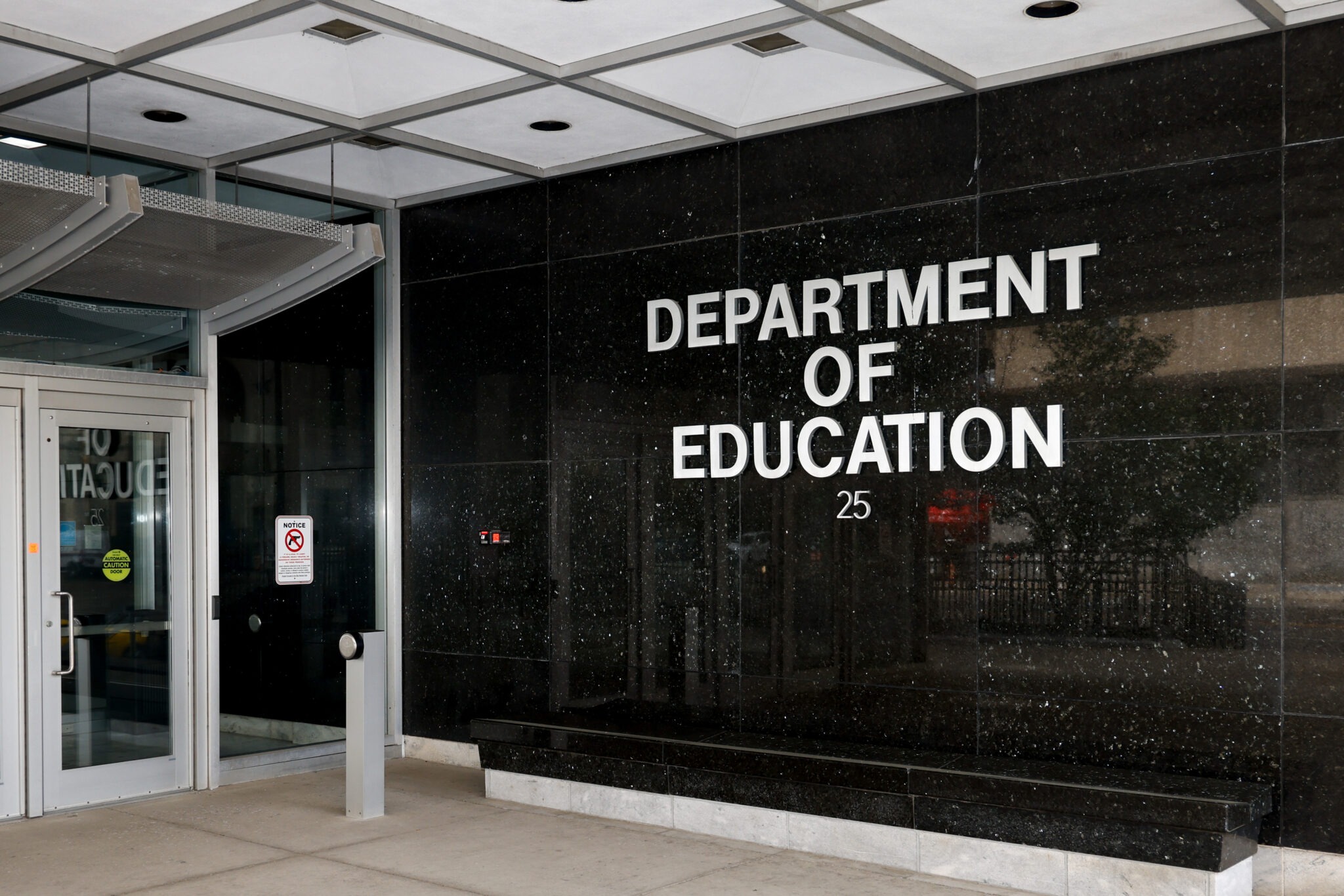
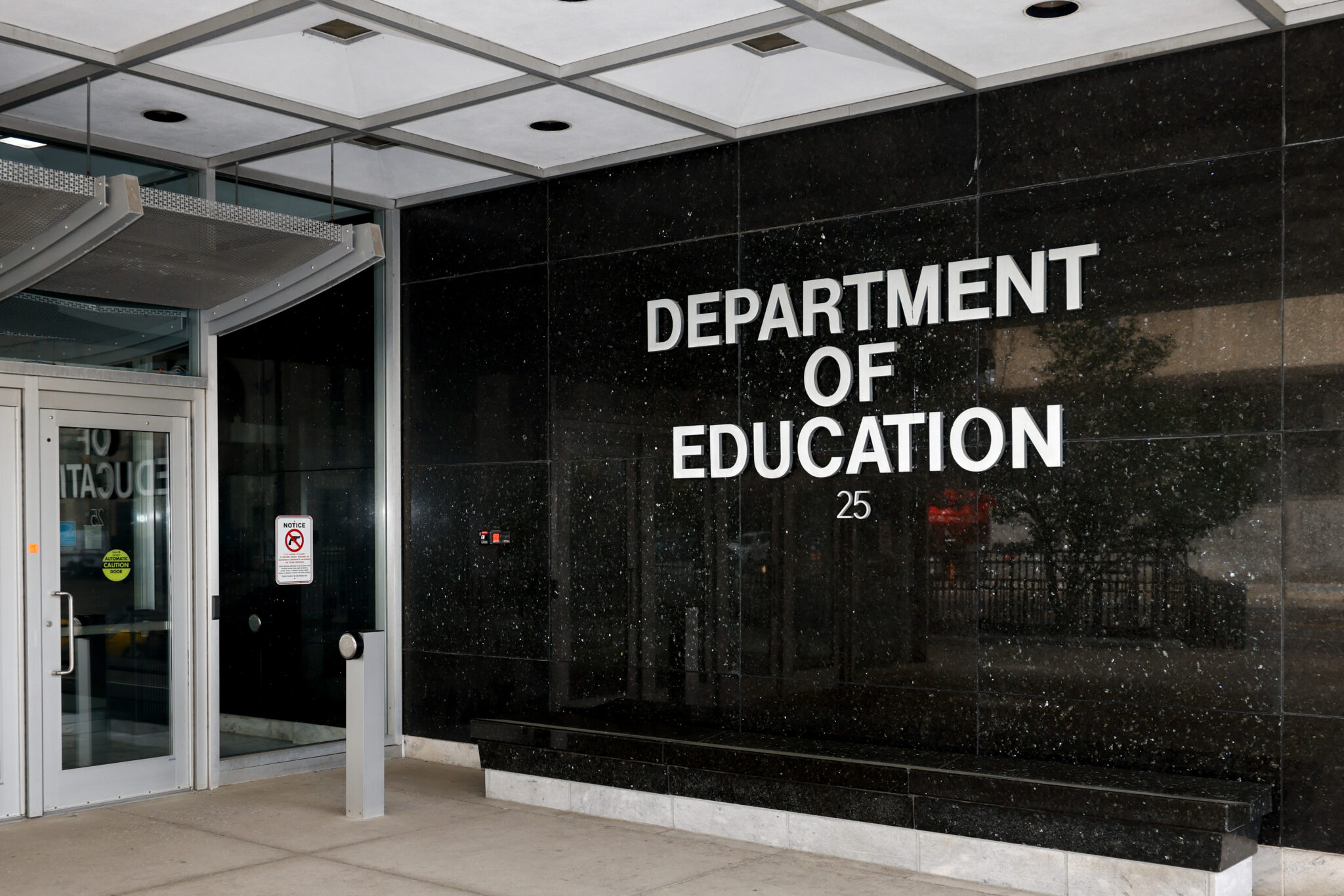
    The Ohio Department of Education and Workforce in Columbus, Ohio. (Photo by Graham Stokes for Ohio Capital Journal. Republish photo only with original story.)

    Newest superintendent’s goal target responsibilities of the board, rebuilding of relationships

    BY:  – JANUARY 12, 2024 – Ohio Capital Journal

    Pointing directly to changes made in the Ohio legislature’s most recent budget, Ohio’s new superintendent of public instruction said the State Board of Education is facing real funding issues.

    “What we face, in terms of a budget deficit right now, is a clear and present danger for our ability to do the roles that we’ve been assigned to do,” Superintendent Paul Craft told the board at his first monthly meeting, a mere six days into his tenure.

    The deficit was spelled out as part of an introduction of goals the superintendent has as he begins his job, and as the job and the role of the state board changes under the new Department of Education and Workforce. As superintendent, Craft also serves as secretary for the board.

    To stem the funding issues, which Craft said amount to a shortfall of about $2 million for a $10 million total budget in the next fiscal year, he and board members will need to work with legislative partners “pretty quickly.”

    “As we get into that June timeframe, we’ll probably not be able to make payroll,” Craft told the board. “That’s worrisome.”

    He added that staffing issues could only get worse as the year goes on, and the board will continue its struggle to maintain current staff.

    “There’s not a chance to cut our way through this and still do the educational licensure and educational professionalism functions with which we’ve been tasked,” he said.

    Board member Meryl Johnson asked Craft directly if the budget bill, House Bill 33, “left us without enough funding to do our job.”

    “Yeah,” Craft responded. “And again, that will happen from time to time. The governor had a good patch in (the budget) that would have gotten us through at least, I would say, three years. That was in the House version and it disappeared in the Senate version.”

    To Johnson, the lack of adequate funding the board is seeing indicates state leaders who supported the changes that eliminated state board roles and authorities “want to put us out of business.”

    Craft’s other proposed goals include building or rebuilding relationships between the state board and other “educational stakeholders” in an effort “to get as many interactions as we can around educational discussions … so that we continue to be viewed as a key component to the educational infrastructure in this state.”

    “So those roles that we are given, we need to make sure we’re doing those in such a way that our districts and our other educational stakeholders say ‘they’ve got their stuff together, they’re doing what we need to support our staff and students throughout the state of Ohio,’” Craft said.

    The superintendent also pledged to finish his dissertation, which he said was interrupted by the pandemic and its impact on educational data he studied. But board member John Hagan said that goal could stand to be back-burnered.

    “As far as your continuing education, I would hope that that’s the lowest priority on your list, because I think you’ve got a lot to do here and probably won’t have a lot of spare time,” Hagan said.

    One of the many other things on the superintendent’s list is a proposal by the Ohio Department of Administrative Services to move the state board to an office within the Ohio Department of Agriculture, located in Reynoldsburg.

    While the cost of housing the board downtown versus moving to the A.B. Graham Building is only marginally different, according to Craft, the losses are more professional than financial.

    “I think the loss we would get in terms of no longer being co-located with the other educational stakeholders in the state of Ohio, I can’t support from an operational perspective what the Department of Administrative Services would like to do with the team,” Craft said.

    The superintendent said the board would probably need intervention from “some other state actors” to push back against the proposed move, along with the leveraging of relationships from the board members as well.

    There was agreement among the members that the move did not seem necessary, nor were they in favor of it. The opposition brought on a resolution asking the director of the state DAS to appear in person before the board and explain the move.

    “I see no rationale that makes any sense to move out there,” said member Walt Davis. “For us to be located out there is the Gulag, frankly, and I’m strenuously opposed to it.”

    The state board’s next monthly meeting is scheduled for Feb. 12.


    Susan Tebben
    SUSAN TEBBEN

    Susan Tebben is an award-winning journalist with a decade of experience covering Ohio news, including courts and crime, Appalachian social issues, government, education, diversity and culture. She has worked for The Newark Advocate, The Glasgow (KY) Daily Times, The Athens Messenger, and WOUB Public Media. She has also had work featured on National Public Radio.

    MORE FROM AUTHOR

  • State Board of Education of Ohio discusses changes coming with budget approval

    State Board of Education of Ohio discusses changes coming with budget approval

    BY:  Ohio Capital Journal

    In their first meeting since the state budget was approved with sweeping changes to Ohio’s State Board of Education, the group discussed the impacts it will face.

    “This is going to be another chapter here and I want to be as proactive and on top of this chapter as I can, and as we can,” said Paul LaRue, president of the board.

    Among the billions of dollars and hundreds of things approved by Gov. Mike DeWine last week were the provisions previously contained in Senate Bill 1, which transfer most of the powers away from the board and into the executive branch.

    The changes would rename the department overseeing the board to the Ohio Department of Education and Workforce and create a cabinet-level position that would direct the department. Two deputy directors would also be a part of the new department, one for primary and secondary education and another for workforce.

    “The board needs to be thinking about in the upcoming months, about what these things look like,” said Chris Woolard, interim superintendent of public instruction.

    Woolard’s job will change as well, though he will remain the secretary of the board and serve as the board’s “executive officer,” conducting policy and administrative functions of the board and staff of the board, according to Tony Palmer, chief legal counsel for the ODE.

    “Most of the responsibilities that are currently with the superintendent are transferred under the budget bill to the director of the Department of Education and Workforce,” Palmer told the board.

    As for the board, it will retain powers related to educator licensure, discipline, teacher evaluation systems, and appointment of the superintendent. They can also make recommendations to the DEW directors regarding priorities for education, according to Palmer.

    Several board members wrote to DeWine prior to his signing of the budget to ask him to remove the SB 1 provisions, calling the changing of the roles a “power grab.”

    At this week’s board of ed meetings, members continued to criticize the move, questioning the enforcement measures to make sure the new oversight is the right move and truly improves the state of student test scores and education in general.

    “What we kept hearing was that they needed to get rid of the state board because somebody was not being held accountable, but they never defined what that meant,” said board member Antoinette Miranda. “I’m just wondering if (the DEW directors) are going to get fired when the scores come back the same.”

    Miranda’s fellow board member Diana Fessler claimed Pearson Education, a company who creates student assessment tests, would help with the change “by changing the test questions, and they can change the scores and the cutoff scores besides.”

    “I think the kids are going to be doing amazingly well in no time at all,” Fessler said. “But it’ll be a lie from the pit of hell.”

    Jessica Voltolini, chief of staff for the ODE, said officials are still reviewing all of the provisions of the budget and the changeover, working on a 180-day timeline: 90 days preparing before the October effective date of the bill, and the 90 days following, when implementation of all of the changes will be made.

    But Voltolini said the “very high-level overview” the department has taken so far hasn’t shown any additional level of accountability for the directors, other than that they would need to confirmed by the Ohio Senate.

    Teresa Fedor, one of the most recently elected board members and a former state senator, accused the governor of going against a constitutional amendment passed in 1953, in which voters moved the ODE into its own department.

    “Not some of it, all of it,” Fedor said. “And (DeWine) is breaking the constitutional intent and message right now, so we need to have clarification on how decisions are going to be made by this group.”

    The board may face further changes if just-introduced legislation makes its way through the General Assembly. Former board member, now state Rep. Sarah Fowler Arthur, R-Ashtabula, introduced a measure this month that would eliminate governor-appointed positions on the board and reduce the group to 15 elected-only positions.

    That measure will be assigned to a committee for consideration before it can move for a full vote of the House and Senate.


    Susan Tebben
    SUSAN TEBBEN

    Susan Tebben is an award-winning journalist with a decade of experience covering Ohio news, including courts and crime, Appalachian social issues, government, education, diversity and culture. She has worked for The Newark Advocate, The Glasgow (KY) Daily Times, The Athens Messenger, and WOUB Public Media. She has also had work featured on National Public Radio.

    MORE FROM AUTHOR

  • Newly elected state school board member calls GOP plan to gut powers ‘Tornado from hell’

    Newly elected state school board member calls GOP plan to gut powers ‘Tornado from hell’

    Seven of the 11 elected seats are now Democratic, stopping supermajority

    BY: MARILOU JOHANEK – Ohio Capital Journal

    “What you’re going to see in the lame duck session is going to be a tornado from hell.”

    – Former state Sen. and now State School Board Member, Teresa Fedor, D-Toledo.

     Former Ohio state Sen. Teresa Fedor, D-Toledo, who won a seat on the State Board of Education in the Nov. 8, 2022 election. Official Statehouse photo.

    Former state Sen. Teresa Fedor got out of the Statehouse before the last vestiges of democratic governance were flattened by a power-hungry party on steroids.

    She knew a cyclone of destructive GOP legislation, super-charged by an unstoppable Republican juggernaut in the General Assembly, would be devastating. It is already bearing down fast on voting rights, citizen ballot initiatives, transgender protections, and Ohio women. 

    But as Fedor bid a bittersweet farewell to a 22-year legislative career after being elected to the State Board of Education, Republican colleagues sent her a parting gift of disrespect.

    Barely a week after Fedor and two other Democratic candidates won seats on the state school board, ousting incumbent GOP extremists on the ballot, Republicans in the Ohio Senate quickly moved to gut board members’ educational oversight responsibilities to almost nothing

    It was an audacious power grab by Republican lawmakers to wrest authority from the state education board on the heels of an election in which voters spoke about what they wanted for their children in education.

    “We’re essentially removing most of the education duties out of the control of the state school board and putting them in the governor’s office,” declared Senate President Matt Huffman, R-Lima, as he unilaterally moved to nullify a democratic election.

    With the super-super Republican majorities Huffman deviously engineered through lawless gerrymandering, he can drop any pretense of honoring the will of the people. Voters don’t matter. Hoarding power does. Sharing power with state board of education members who defeated Republican-backed anti-trans, anti-vax, anti-CRT, anti-anti-racism resolution clowns was nixed even before new members were sworn in. 

    Huffman’s plan is to ram through a bill in the next few weeks that removes all the board’s decision-making on educational matters, from curriculum and textbooks to academic development and planning, and gives that consequential stewardship to a political appointee who answers to the governor who answers to Huffman. See how it works? 

    Senate Bill 178 shrinks the influence of the Ohio Board of Education to a handful of administrative issues outside the classroom. Sponsor state Sen. Bill Reinke, R-Tiffin, stressed the need “for systemic change at the state level (after the Nov. 8 election) to our education system to ensure accountability to taxpayers and for our kids.”

    Fedor rolled her eyes.

    “They’ve been beating that drum for over 30 years. ‘Public schools are failing. We need accountability.’ And where are we on public education? They (Ohio Republicans) have been in control the whole time, except for four years under Strickland. If there’s a failure, it’s a failure on their part,” she said.

    “This is the 25th year of an unconstitutional school funding formula in the state. Republicans failed to the provide equitable and adequate education for the common schools in Ohio for 25 years. They set up a failed charter school system (remember ECOT?) in which tax dollars go into a black hole never to be seen again. They expanded vouchers, the privatization of our public dollars, a bigger black hole. Legally taxpayers don’t have a right to see how that tax money is being spent.”

    Fedor is outraged that Huffman and Co. are subverting the voice of Ohio voters with Senate Bill 178.

    “This just shifts power from the people to an unaccountable cabinet member in the executive branch,” she fumed. “Republicans are creating another level of bureaucracy away from the public” to steamroll their goal of privatizing public institutions without transparency or accountability.

    The incoming state school board member is resigned to what comes next. The Republican storm whipping through the legislature will weaken the Ohio State Board of Education by giving its power to the governor.

    “They’ll have their hearing, maybe two,”Fedor explained. “They may get interested parties into a room and say how can we tweak this so you’ll accept it even if you don’t like it and we can say we worked with you.”

    “They’ll put the language into a substitute bill that no one will see until the last minute before it gets voted on or fold it into a lame duck Christmas tree bill and say they did the public bidding and boast about it. But everyone will know it was a sham. That’s what abuse of power will do.”

    After over two decades in the legislative trenches, Fedor recognizes ruthless. 

    “Ohio Republicans have been waiting in the wings to roll out their extreme agenda because now they have unlimited power in the legislature. Senate Bill 178 cues up the budget debate. If it becomes law, Republicans are then going to pour money into their bureaucratic schemes to privatize public institutions — including the most important one to secure democracy, public education. The select few will benefit but 90% of our children will be left behind.”

    Fedor, who spent 17 years in the classroom, conceded, “I have no power other than my voice and experience and heart.”

    But she is a formidable force in her own right and will fight to be heard over the tornado from hell roaring through the lame duck. 

    “I am never going to give up,” promised the state school board member under siege. “You have to have hope. There’s no other choice.” 

  • Jean Schmidt’s newest ‘divisive concepts’ bill enters Ohio House

    Jean Schmidt’s newest ‘divisive concepts’ bill enters Ohio House

    Prohibits all Ohio schools from “teaching or providing training that promotes or endorses divisive or inherently racist concepts.”

    BY: SUSAN TEBBEN –  Ohio Capital Journal

    The newest bill to regulate school curriculums and keep out what legislators see as “divisive concepts” entered the Ohio House on Tuesday.

    State Reps. Jean Schmidt, R-Loveland, and Mike Loychik, R-Bazetta, brought House Bill 616 to the State and Local Committee, which prohibits all Ohio schools from “teaching or providing training that promotes or endorses divisive or inherently racist concepts.”

    Though the co-sponsors said they want to deputize the State Board of Education with making decisions about what those concepts would be, the bill includes “critical race theory,” a misnomer used by conservatives to refer to the teaching of race in American history, and name the “1619 Project,” a New York Times project that laid out the chronology of slavery and racism, as concepts that would be prohibited under the bill.

    “Diversity, equity and inclusion learning outcomes” (DEI) are also named as “divisive or inherently racist concepts” under the bill. When asked to explain DEI and why it’s being prohibited, Loychik connected DEI to “critical race theory,” saying the two are connected based on research he and Schmidt had made.

    “The word ‘critical race theory’ was not very well accepted at that point in time, so it was re-developed into DEI – diversity, equity and inclusion – and based off our research, like I said before, it’s very, very similar to the teachings under critical race theory,” Loychik told the committee.

    DEI trainings have been used in schools to train employees about learning disparities that can happen in education.

    The well-known conservative public policy think tank The Heritage Foundation connects CRT and DEI, saying diversity trainings “pressure employees to become activists or to discuss controversial topics in the workplace.”

    Part of the bill prohibits teaching kindergartners about topics related to gender.

    “It ensures that sexual orientation and gender ideology are not taught in kindergarten through third grade,” Loychik said. “Starting in fourth grade it must be age appropriate.”

    Loychik has made his feelings on gender in schools clear through posts on his Twitter, in which he said “the left thinks a 6-year-old should be able to change their gender but an 18-year-old shouldn’t be able to buy a firearm,” and asks for support not to allow “teaching transgenderism or allowing teachers to discuss their sex life with kindergarteners.”

    Under the newest bill, the State Board of Education would also be required to “establish a procedure by which individuals may file complaints against a teacher, school, administrator, or school district superintendent alleging a violation of the bill’s prohibitions and to adopt rules to govern the implementation of and monitor compliance with the bill’s provisions,” according to Legislative Service Commission analysis of the bill.

    Democratic committee members pushed back on the bill’s language, decrying it as “censorship” and questioning the vague language used, and the state board of education’s role in defining the off-limits topics in school curricula.

    “That’s the responsibility of legislators to define these terms,” said state Rep. Mike Skindell, D-Lakewood.

    The co-sponsors said they would be willing to consider amendments to the bill, but said the focus of the bill is on curriculum, not disciplinary regulations or hallway disagreements.

    Loychik said the school district’s role would be to address disciplinary problems, and “hall monitors” could deal with school-day disagreements regarding “divisive concepts.”

    Schmidt said “invited guests,” such as state legislators, would be allowed to “talk about what they want to talk about,” because it’s not a part of the curriculum, answering a question from state Rep. Tavia Galonski, D-Akron.

    “There is a lot to discuss in the schools, and by no means would any kind of prohibition or any type of censorship be the answer for it,” Galonski said.

    Education groups like Honesty for Ohio Education have criticized the bill as a “nationally coordinated educational gag order.”

    This is the third “divisive concepts” bill to come through the Ohio legislature, with the last bill receiving heavy criticism after one of the co-sponsors said equal time should be given on both sides of Holocaust lessons. Neither bill has passed through the General Assembly.

  • Dackin Selected as Ohio’s Next Superintendent of Public Instruction

    Dackin Selected as Ohio’s Next Superintendent of Public Instruction

    Stephen Dackin (photo from Fordham Institute)

    Columbus, Ohio – The State Board of Education of Ohio on May 10 selected Stephen Dackin as the 39thsuperintendent of public instruction for Ohio and leader of the Ohio Department of Education.
     
    With more than 40 years of service in education, Dackin has experience in both postsecondary and preK-12 education settings having served as a school district superintendent, school principal, and classroom teacher. He recently served as superintendent of School and Community Partnerships at Columbus State Community College and, prior to that, superintendent of Reynoldsburg City Schools. Dackin and his wife Susan live in Columbus and have two daughters, Jessica and Erika.
     
    The State Board of Education selected Dackin by a vote of 14 to 4, with one abstention. The start date is yet to be determined.

  • State education testing shows declines, may be waived in new legislation

    State education testing shows declines, may be waived in new legislation

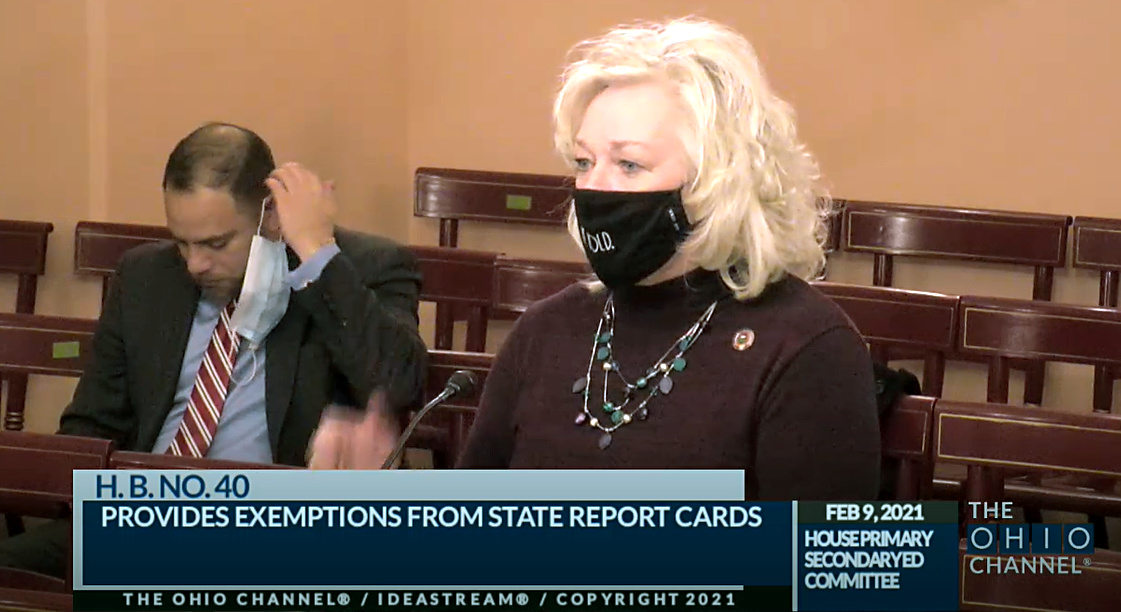
    Ohio state Rep. Lisa Sobecki testifies before the House Primary & Secondary Education Committee on Tuesday, on a bill seeking waivers on state and federal testing.

    by Susan Tebben and Ohio Capital Journal

    As state officials look for solutions to an education gap caused by the COVID-19 pandemic, two pieces of legislation introduced Tuesday hope to give more leniency on state and federal testing.

    Rep. Lisa Sobecki, D-Toledo, is a co-sponsor with Rep. Jeffrey Crossman, D-Parma on House Bill 40, to make exemptions for students in taking state report cards.

    The bill would waive state testing for the 2021-2022 school year and direct the Ohio Department of Education to seek a waiver for federal testing, as well as holding school districts harmless on state report cards to determine funding levels and eligibility for EdChoice private school vouchers and academic distress commissions.

    “We do need to see where our kids have been left behind, but I don’t need a test that’s going to tell us something after the kids have left,” Sobecki told the House Primary & Secondary Education Committee.

    She said the waiver of testing “appears to have broad, bipartisan support” within the legislature.

    Bipartisan support for state testing waivers came in the same Tuesday meeting, in the form of a separate bill brought by Republican state reps. Kyle Koehler and Adam Bird, to ask for many of the same things, including state and federal testing exemptions.

    “I am not asking to waive test requirements because we don’t need to know how testing will go,” Koehler told the committee. “I think we know it’s not going to go well. Students are going to be behind.”

    In further support of testing pressure relief, State Board of Education member Dr. Christina Collins released a proposed resolution directing the ODE limiting the use of state testing, and to “include a district designation of online, hybrid, or in-person on school building and district level report cards.”

    In the resolution, Collins writes that COVID-19 “has affected every student in Ohio, disrupting the structure of teaching and learning and emphasizing children’s dependency upon adults for nurture, protection and providing for health and well-being.”

    Along with the district designation, the board member asks that a disclaimer on state reports say that data “are for the purpose of understanding how learning was impacted as a result of extreme circumstances.”

    Earlier in the day, ODE Superintendent Paolo DeMaria said the test scores coming out of a pandemic’s worth of learning styles emphasize the need for students to get back to in-person instruction.

    DeMaria acknowledged a lower participation rate in the state testing, saying the ODE promoted a “safety first” mentality in taking the tests. But from the testing that did occur, the state saw an 8% increase in kindergarten-readiness scores considered “not on track.”

    Third-grade English Language Arts proficiency scores were also lower, which was also shown in a study released by the Ohio State University’s John Glenn College of Public Affairs.

    This third-grade test is set to occur this year starting from March 22 to April 23, part of why Sobecki said their legislation needs to be quickly moved through the statehouse and set up to be signed by the governor.

    “It’s February, folks,” Sobecki said.

    DeMaria, and the study itself, noted that the declining scores were even lower in minority and economically disadvantaged groups.

    State reports also showed a decrease in enrollment of 3%, particularly in pre-school and kindergarten.

    DeMaria spoke during Gov. Mike DeWine’s Tuesday press conference, in which he spent most of the time presenting the progress of vaccinating school teachers and personnel, something that the state started this month. While the state continues to vaccinate those 70 and older, they set aside some of the approximately 100,000 per week the state receives to give to school districts.

    Also on Tuesday, DeWine added a new project for school districts across the state, asking them to come up with an individualized plan to help students catch up on last year’s losses.

    “We need to be bold in our ideas, and we need to work with the Ohio General Assembly,” DeWine said, adding that a total of $2 billion in federal funding has been made available to schools to help with this problem.

    DeWine left the decisions up to the individual districts, but offered examples such as longer school years, longer school days, summer classes, tutoring, or even remote options as ways to fill the education gap.

    Districts have until April 1 to make their plans public and accessible to the General Assembly.

  • 2020 Loveland area Election results

    2020 Loveland area Election results

    Here are election results as of November 23 as reported by Clermont, Hamilton, and Warren counties. The State-wide and U.S. Congress results are those reported from the Ohio Secretary of State.

    If you notice any errors in this report please EMAIL us so we can make corrections.

    The Voter Turnout in Clermont County was 76.71%

    The Voter Turnout in Hamilton County was 72.44%

    The Voter Turnout in Warren County was 81.8%


    For President

    Clermont County

    Joe Biden 34,092 (30.79%)

    Donald Trump 74,570 (67.36%)

    Hamilton County

    Joe Biden 246,266 (57.15%)

    Donald Trump 177,886 (41.28%)

    Warren County

    Joe Biden 46,069 (33.76%)

    Donald Trump 87,988 (64.49%)

    State-Wide

    Joe Biden 2,603,681 (45.18%)

    Donald Trump 3,074,418 (53.35%) 

    The AP reported National Totals on November 23:

    Joe Biden has 306 Electoral College Votes –  51.1% (79,896,713 total votes)

    Donald Trump has 232 Electoral College Votes 47.2% (total 73,826,657)
    ccc
    270 Electoral College Votes are needed to win
    ccc
    The Associated Press has called this race for Joe Biden · Learn more
    ccc
    On Monday, November 23 the U.S. General Services Administration formally “Ascertained” Biden as the “Apparent Winner” and will move ahead with the Presidential transition proceedings.
    ccc

    FOR REPRESENTATIVE TO CONGRESS (1ST DISTRICT)

    Democrat Kate Schroder

    Hamilton County 130,362 (51.85%)

    Warren County 41,660 (31.11%)

    Total 166,061 (44.55%)

    Republican Steve Chabot

    Hamilton County 112,489 (44.74%)

    Warren County 87,071 (65.01%)

    Total 193,637 (51.95%)

    FOR REPRESENTATIVE TO CONGRESS (2ND DISTRICT)

    Democrat Jaime M. Castle

    Clermont County 29,366 (27.09%) 

    Hamilton County 93,554 (54.11%)

    Total 143,436 (38.90%)

    Republican Brad Wenstrup

    Clermont County 78,985 (72.86%)

    Hamilton County 79,319 (45.88%)

    Total 225,271 (61.09%)


    State Races

    For State Representative (65th District)

    Republican Jean Schmidt 44,435 (65.08%)

    Democrat Alan Darnowsky 23,019 (33.71%)

    FOR STATE SENATOR (8TH DISTRICT)

    Democrat Daniel Brown74,565

    Republican Louis W. Blessing III 112,313

    For State Senator (14th District)

    Republican Terry A. Johnson 75,051

    Democratic Ryan Ottney 31,089

    FOR STATE REPRESENTATIVE (27TH DISTRICT)

    Democrat Sara Bitter 33,339

    Republican Tom Brinkman 37,723

    FOR STATE REPRESENTATIVE (28TH DISTRICT)

    Democrat Jessica E. Miranda 35,353

    Chris Monzel 33,039

    FOR STATE REPRESENTATIVE (29TH DISTRICT)

    Cindy Abrams 43,320

    Unopposed

    FOR STATE REPRESENTATIVE (30TH DISTRICT)

    Bill Seitz 42,269

    Tom Roll 16,426

    FOR STATE REPRESENTATIVE (31ST DISTRICT)

    Democrat Brigid Kelly 42,180

    Unopposed

    FOR STATE REPRESENTATIVE (32ND DISTRICT)

    Democrat Catherine D. Ingram 42,055

    Unopposed

    FOR STATE REPRESENTATIVE (33RD DISTRICT)

    Democrat Sedrick Denson 41,500

    Republican Mary Hill 13,901

    FOR STATE REPRESENTATIVE (54th DISTRICT)

    Morgan Showen 22,261 (38.04%)

    Paul Zeltwanger 36,261 (61.96%)

    FOR STATE REPRESENTATIVE (62nd House)

    Scott Lipps 54,802 (74.66%)

    Erin Rosiello 18,596 (25.34%)

    For State Representative (66th District)

    Adam C. Bird 30,976 (93.26%)


    State Supreme Court

    FOR JUSTICE OF THE SUPREME COURT (FULL TERM COMMENCING 1-1-2021)

    John P. O’Donnell 2,177,003

    Sharon L. Kennedy 2,667,548

    FOR JUSTICE OF THE SUPREME COURT (FULL TERM COMMENCING 1-2-2021)

    Jennifer Brunner 2,624,224

    Judi French 2,125,979


    Hamilton County

    FOR JUDGE OF THE COURT OF COMMON PLEAS (FULL TERM COMMENCING 1-1-2021)

    Heidi Rosales 179,070

    Melba Marsh 191,834

    FOR JUDGE OF THE COURT OF APPEALS (1ST DISTRICT)

    Ginger Bock 204,998

    Russell J. Mock 160,641

    FOR JUDGE OF THE COURT OF COMMON PLEAS (JUVENILE DIVISION) (FULL TERM COMMENCING 2-14-2021)

    Kari L. Bloom 206,415

    John M. Williams 159,635

    FOR JUDGE OF THE COURT OF COMMON PLEAS (FULL TERM COMMENCING 1-2-2021)

    Christian A. Jenkins 189,920

    Pat Dinkelacker 182,333

    FOR JUDGE OF THE COURT OF COMMON PLEAS (FULL TERM COMMENCING 1-4-2021)

    Chris Wagner 208,339

    Curt C. Hartman 153,252

    FOR JUDGE OF THE COURT OF COMMON PLEAS (FULL TERM COMMENCING 2-9-2021)

    Democrat Jennifer Branch 202,64

    Elizabeth Callan 159,525

    FOR JUDGE OF THE COURT OF COMMON PLEAS (FULL TERM COMMENCING 2-10-2021)

    Alan C. Triggs 198,81

    Stacey DeGraffenreid 163,225

    FOR JUDGE OF THE COURT OF COMMON PLEAS (FULL TERM COMMENCING 2-11-2021)

    Democrat Thomas O. Beridon 179,567

    Robert A. Goering 189,896

    FOR JUDGE OF THE COURT OF COMMON PLEAS (FULL TERM COMMENCING 2-12-2021)

    Wende Cross 202,503

    Ethna Marie Cooper 159,182

    FOR JUDGE OF THE COURT OF COMMON PLEAS (FULL TERM COMMENCING 2-13-2021)

    Alison Hatheway 213,554

    Charles J. Kubicki, Jr. 150,233

    FOR JUDGE OF THE COURT OF COMMON PLEAS (DRUG COURT DIVISION) (FULL TERM COMMENCING 1-3-2021)

    Nicole Sanders 207,310

    Kim Wilson Burke 153,529

    FOR JUDGE OF THE COURT OF COMMON PLEAS (PROBATE DIVISION) (FULL TERM COMMENCING 2-9-2021)

    Pavan Parikh 177,677

    Ralph Winkler 201,245

    FOR JUDGE OF THE COURT OF COMMON PLEAS (DOMESTIC RELATIONS) (FULL TERM COMMENCING 7-1-2021)

    Anne B. Flottman 177,888

    Amy Searcy189,943

    FOR COUNTY COMMISSIONER (FULL TERM COMMENCING 1-2-2021)

    Democrat Alicia Reece 212,638

    Republican Andy Black 187,263

    Herman J. Najoli18,843

    FOR COUNTY COMMISSIONER (FULL TERM COMMENCING 1-3-2021)

    Democrat Denise Driehaus 241,806

    Republican Matthew Paul O’Neill 174,088

    FOR PROSECUTING ATTORNEY

    Democrat Fanon A. Rucker 200,738

    Republican Joseph T. Deters 221,298

    FOR CLERK OF THE COURT OF COMMON PLEAS

    Democrat Aftab Pureval 237,825

    Republican Alex Glandorf 177,524

    FOR SHERIFF

    Democrat Charmaine McGuffey 218,878

    Republican Bruce Hoffbauer 198,454

    FOR COUNTY RECORDER

    Democrat Scott Crowley 216,427

    Republican Norbert A. Nadel 193,632

    FOR COUNTY TREASURER

    Democrat Jill Schiller 208,705

    Republican Charlie Winburn 201,650

    FOR ENGINEER

    Republican Eric Beck260,343

    Unopposed

    FOR CORONER

    Democrat Lakshmi Kode Sammarco 312,990

    Unopposed


    Clermont County

    For County Commissioner (Full term commencing 1-2-2021) (Vote for not more than 1)

    Republican Bonnie Batchler 75,570

    Democratic Jeff Richards 30,418

    For County Commissioner (Full term commencing 1-3-2021)

    David L. Painter Republican 83,912

    Unopposed

    For Prosecuting Attorney

    Mark J. Tekulve Republican 85,106

    Unopposed

    For Clerk of the Court of Common Pleas

    Acacia Uible Democrat 28,405

    Barbara Wiedenbein Republican 76,835

    For Sheriff

    Robert S. Leahy Republican 86,975

    Unopposed

    For County Recorder

    Deborah Clepper Republican 85,067

    Unopposed

    For County Treasurer

    Jeannie M. Zurmehly Republican 85,710

    Unopposed

    For County Engineer

    Jeremy Evans Republican 85,206

    Unopposed

    For Coroner

    Brian Treon Republican 85,431

    Unopposed

    For Member of the State Board of Education (10th District)

    Mary E. Binegar 38,804

    Brendan P. Shea 49,569

    For Judge of the Court of Appeals (12th District) (Full term commencing 1-1-2021)

    Matthew Byrne 76,347

    Unopposed

    For Judge of the Court of Appeals (12th District) (Full term commencing 2-9-2021)

    Robert A. Hendrickson 76,325

    Unopposed

    For Judge of the Court of Common Pleas (Probate/Juvenile Division) (Full term commencing 2-9-2021)

    James A. Shriver 80,189

    Unopposed

    Proposed Tax Levy (Renewal) Clermont County

    A renewal of a tax for the benefit of Clermont County for the purpose of the support of children services and the care and placement of children at a rate not exceeding 0.8 mill for each one dollar of valuation, which amounts to $0.08 for each one hundred dollars of valuation, for 5 years, commencing in 2021, first due in calendar year 2022.

    For the Tax Levy 74,985

    Against the Tax Levy 31,940

    Proposed Tax Levy (Renewal) Clermont County

    A renewal of a tax for the benefit of Clermont County for the purpose of the operation of community addiction services providers and community mental health services providers and the acquisition, construction, renovation, financing, maintenance, and operation of alcohol and drug addiction facilities and mental health facilities at a rate not exceeding 0.75 mill for each one dollar of valuation, which amounts to $0.075 for each one hundred dollars of valuation, for 5 years, commencing in 2021, first due in calendar year 2022.

    For the Tax Levy 70,089

    Against the Tax Levy 36,332

    Proposed Tax Levy (Renewal) Clermont County

    A renewal of a tax for the benefit of Clermont County for the purpose of providing or maintaining senior citizens services or facilities at a rate not exceeding 1.3 mills for each one dollar of valuation, which amounts to $0.13 for each one hundred dollars of valuation, for 5 years, commencing in 2021, first due in calendar year 2022.

    For the Tax Levy 77,585

    Against the Tax Levy 29,288


    Warren County

    County Commissioner 1-2-21

    Bob Stein 38,458 (29.64%)

    David G. Young 91,286 (70.36%)

    County Commissioner 1-3-21

    Shannon Jones 97,000 (100%)

    Unopposed

    Prosecutor Attorney

    David P. Fornshell 98,161 (100%)

    Unopposed

    Court of Common Pleas

    James L. Spaeth 97,945 (100.00%)

    Unopposed

    Sheriff

    Larry Lee Sims 98,248 (100.00%)

    Unopposed

    County Recorder

    Linda Oda 96,925 (100.00%)

    Unopposed

    County Treasurer

    Barney Wright 96,985 (100.00%)

    Unopposed

    County Engineer

    Neil Tunison 97,242 (100.00%)

    Unopposed

    Coroner

    Russell Uptegrove 96,839 (100.00%)

    Unopposed

    Judge of Court of Appeals (12th District) 1-1-2021

    Matthew Byrne 87,992 (100.00%)

    Unopposed

    Judge of Court of Appeals (12th District) 2-9-2021

    Robert A. Hendrickson 86,131 (100.00%)

    Unopposed

    Judge of the Court of Common Pleas (General Division)

    Robert Peeler 87,945 (100.00%)

    Unopposed

    Judge of the Court of Common Pleas (Probate and Juvenile)

    Joseph Kirby 89,762 (100.00%)

    Unopposed

    Little Miami LSD Tax Levy Renewal

    For the Tax Levy 11,255 (52.95%)

    Against the Tax Levy 10,002 (47.05%)