Tag: suicidal ideation

  • “An attack on all trans people,” transgender youth speak out against Ohio legislation

    “An attack on all trans people,” transgender youth speak out against Ohio legislation

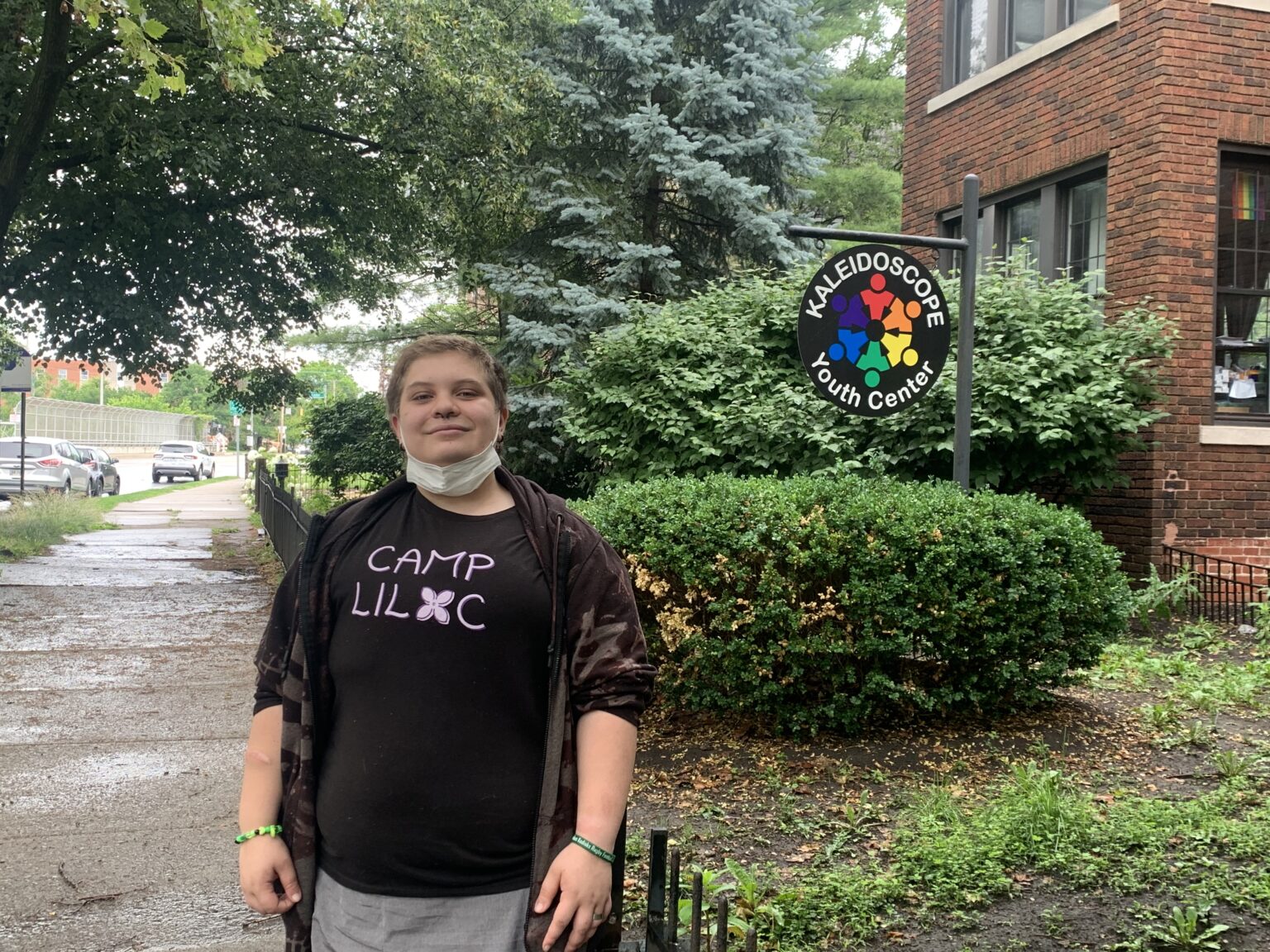
    Nathan Alvarez, 15, stands outside Kaleidoscope Youth Center on June 23. He is worried about a bill that would require K-12 schools and colleges to mandate that students could only use the bathroom or locker room that matches their sex assigned at birth. (Photo by Megan Henry, Ohio Capital Journal) Ohio Capital Journal talked to three transgender youths who are concerned about these bills and their potential implications.

    BY:  – Ohio Capital Journal

    Nathan Alvarez is used to people laughing or snickering at him when he uses the men’s bathroom.

    Despite that, the 15-year-old says his high school is one place he doesn’t have to worry about that happening because they have a couple of gender neutral bathrooms and anyone can use the men and women’s restroom.

    But a bill banning transgender students from being able to use the bathroom and locker room that aligns with their gender identity would change all that.

    State Reps. Beth Lear, R-Galena, and Adam Bird, R-New Richmond, recently introduced House Bill 183 which would require K-12 schools and colleges to mandate that students could only use the bathroom or locker room that matches their sex assigned at birth. HB 183 is still in House committee, awaiting sponsor testimony.

    “It would be hell (if the bill were to pass),” Alvarez said, who uses he/him pronouns. “Hearing about it disgusted me. Like it violently disgusted me.”

    HB 183 is one of a handful of anti-trans bills that have been introduced so far in the Ohio General Assembly.

    Doctors wouldn’t be able to give puberty blockers and hormone therapy to trans youth, trans athletes wouldn’t be able to participate in women’s sports, educators would be forced to out students to their parents and require public schools to give parental notification before teaching “sexuality content” if these various anti-trans bills pass through the Republican-controlled Ohio Statehouse.

    OCJ talked to three transgender youths who are concerned about these bills and their potential implications.

    “It’s an attack on all trans people,” said Ko Rupert, who uses she/it pronouns. “They are all uniquely bad, but their uniqueness is important.”

    And it’s not just happening in Ohio.

    There have been more than 220 bills introduced nationwide specifically targeting transgender and non-binary people, according to the Human Rights Campaign year-to-date snapshot from May 23.

    Fifteen laws have been enacted banning gender affirming care for transgender youth and four additional laws have been passed that censor school curriculum like books, according to HRC.

    “It’s very hard to see what’s been already happening in other states and how the bills that they are trying to pass here in Ohio are not even that different,” Jaylah Hollins, 19 said. “I feel like it’s not really in the interest of Ohioans, but only in the interest of anti-trans lobbyists from out of state.”

    House Bill 8

    Hollins is going to start attending Columbus State Community College this fall for social work and hopes to one day work for an organization that helps transgender people.

    “Hopefully if these bills don’t pass, we can try and make Ohio a place where it can be a refuge for trans kids and trans adults,” Hollins, said, who uses she/her pronouns. “Ensuring that trans kids have access to medical care and that adults have access to the facilities that align with their gender identity shouldn’t be politicized in the first place.”

     An advocate for the rights of trans children and their parents holds up a sign. Photo by Morgan Trau, WEWS. 

    While she said all the anti-trans bills are harmful, House Bill 8 stands out to her as the most damning.

    State Reps. D.J. Swearingen, R-Huron, and Sara Carruthers, R-Hamilton, introduced HB 8 which would require public schools to give parents a heads up before teaching “sexuality content” and school staff would have to out students to their parents. HB 8 recently passed the Ohio House.

    “I feel like they don’t see it as putting children in harm’s way when it most likely is because you can’t expect a parent to be able to deal with knowing that their child is within an LGBT umbrella and not have to try and resort to what they may not see at the time as harmful approaches to their child’s identity,” Hollins said.

    She said these bills would prevent children from learning more about themselves and make them feel as though they deserved to be punished because of how they identify.

    “It won’t allow children to be able to understand others who are maybe different from them,” Hollins said. “It will encourage isolation and I think the most devastating would be suicidal ideation, especially with trans and non-binaries who already know that they are coming from families who are unaccepting of those identities.”

    She’s said she’s still debating if she’ll stay in Ohio after college.

    “It’s still hard for me to think about, but for me, I think I would want to stay in Ohio and fight for trans youth,” Hollins said.

    Rupert, a 20-year-old Ohio State University graduate student, is also worried about HB 8 and the stripping away of youth rights.

    “Young people can make decisions, can know their bodies and understand and have a deep relationship with their gender and sexuality and romantic orientations,” Rupert said.

    Alvarez tries to speak out against the anti-trans bills when he gets the chance and even recently appeared on Good Morning America. But he’s not old enough to vote.

    “It’s upsetting to know that there are adults making choices for people to make choices about me. And I don’t have a choice,” Alvarez, of Reynoldsburg, said. “It’s scary.”

    He hopes to move out of Ohio one day and relocate to Washington.

    Anti-trans and anti-LGBTQ bills

    House Bill 68, also known as the  Save Adolescents from Experimentation Act (SAFE Act), would prevent doctors from giving puberty blockers and hormone therapy to trans youth. It would also ban physicians from performing gender reassignment surgery on a minor.

    Many opponents, however, have testified that no Ohio children’s hospital currently performs gender-affirming surgery on those under 18.

    House Bill 6 would prevent trans athletes from participating in Ohio women’s sports and was woven into HB 68, which recently passed the House and now awaits Senate committee consideration.

    Follow OCJ Reporter Megan Henry on Twitter.

    ______________________

    Megan Henry
    MEGAN HENRY

    Megan Henry is a reporter for the Ohio Capital Journal and has spent the past five years reporting in Ohio on various topics including education, healthcare, business and crime. She previously worked at The Columbus Dispatch, part of the USA Today Network.

    MORE FROM AUTHOR

  • [Photos] The theme was “Teal Out” for My Fave Five, The Ben Morrison Fund, and Loveland High School’s Hope Squad

    [Photos] The theme was “Teal Out” for My Fave Five, The Ben Morrison Fund, and Loveland High School’s Hope Squad

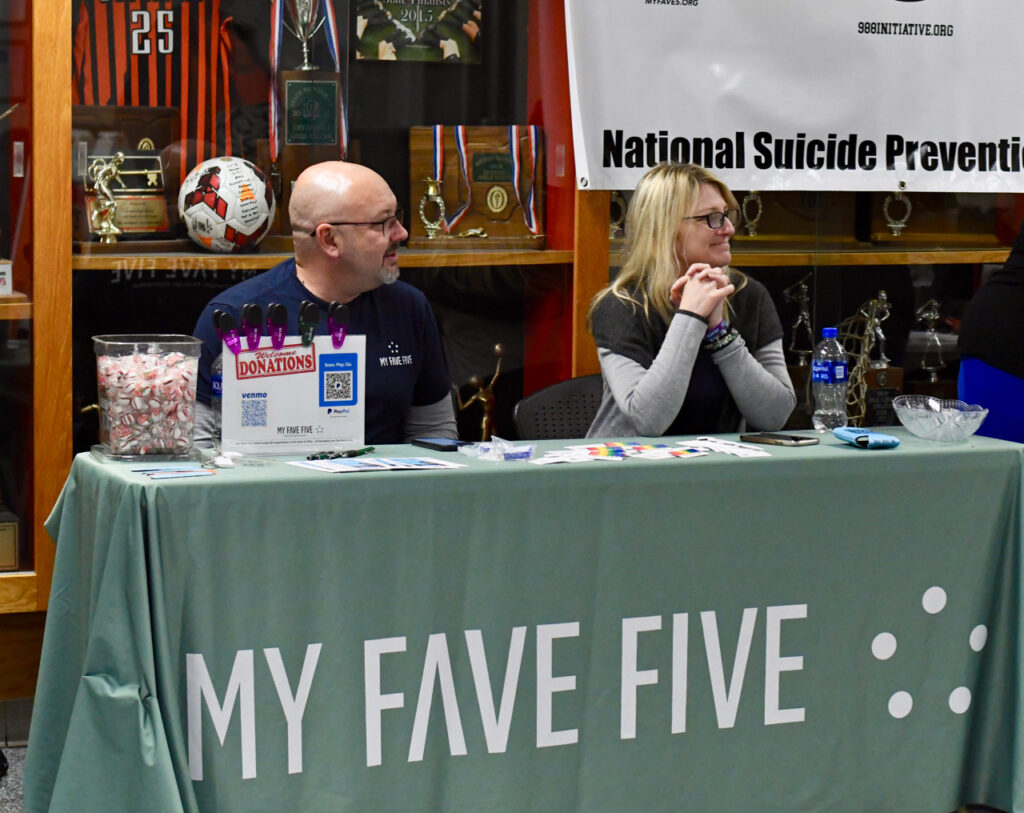
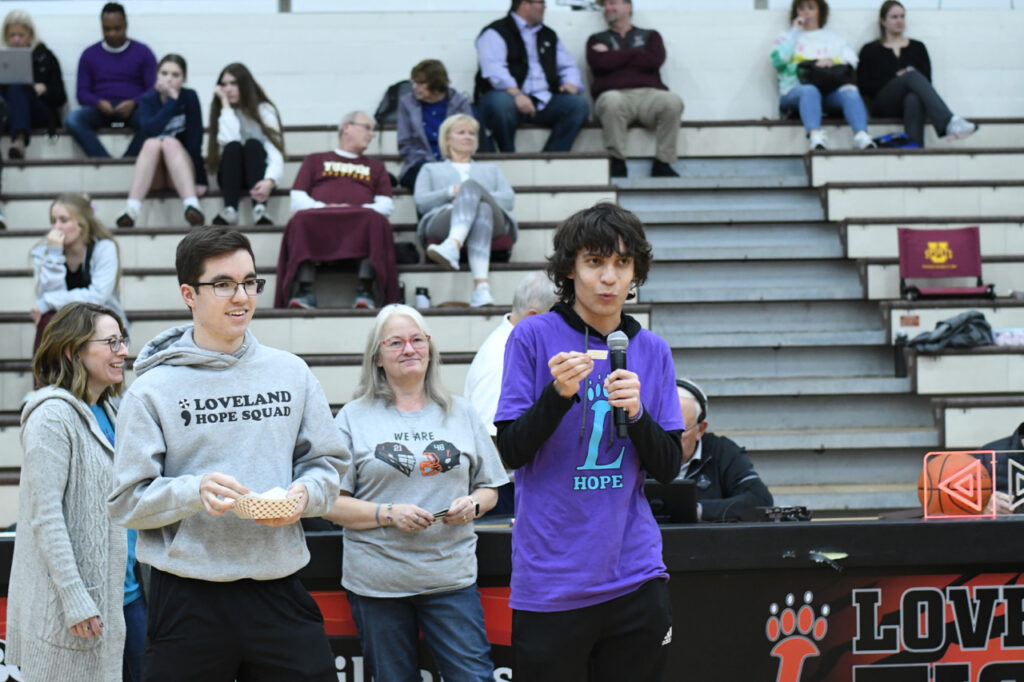
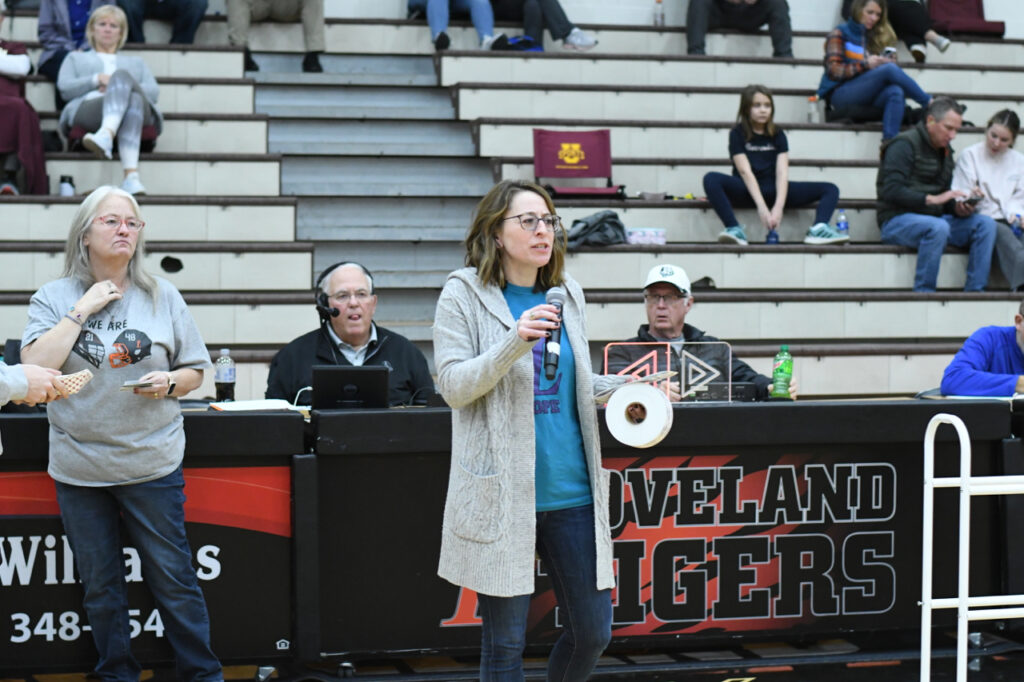
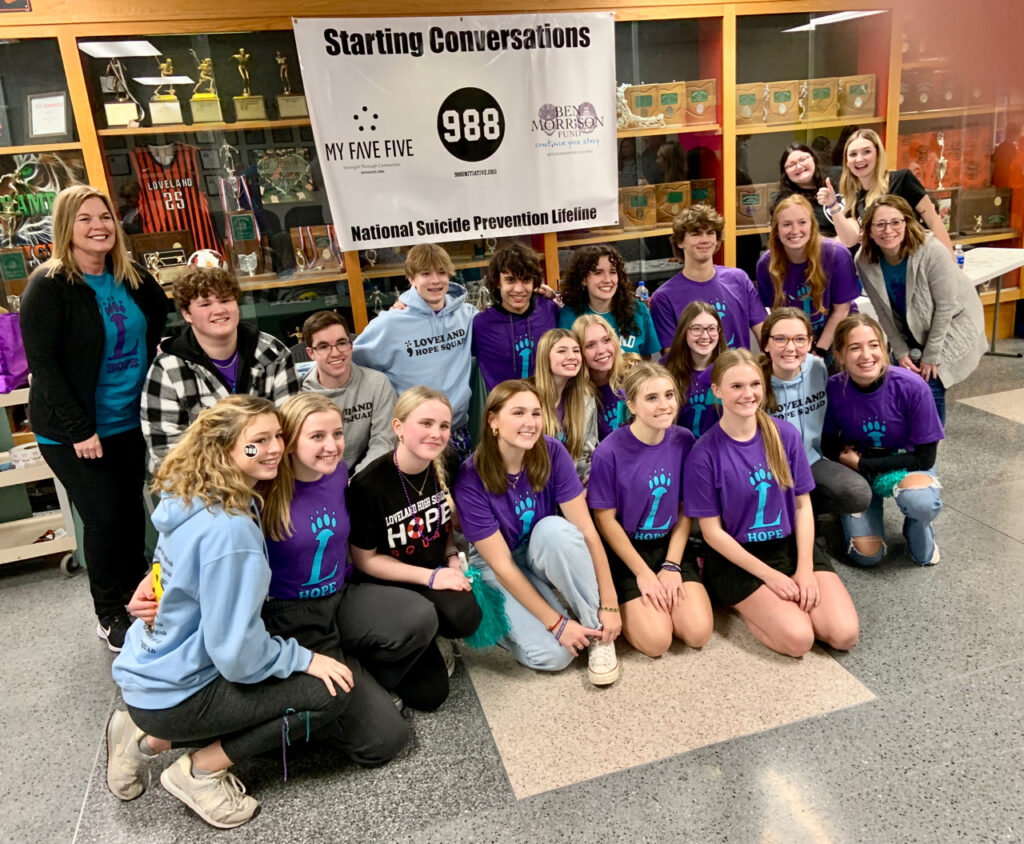
    Lisa McNally, Tori Morrison, Gina Marek, Angie Perkins, Amy Arellano, and David Arelanno

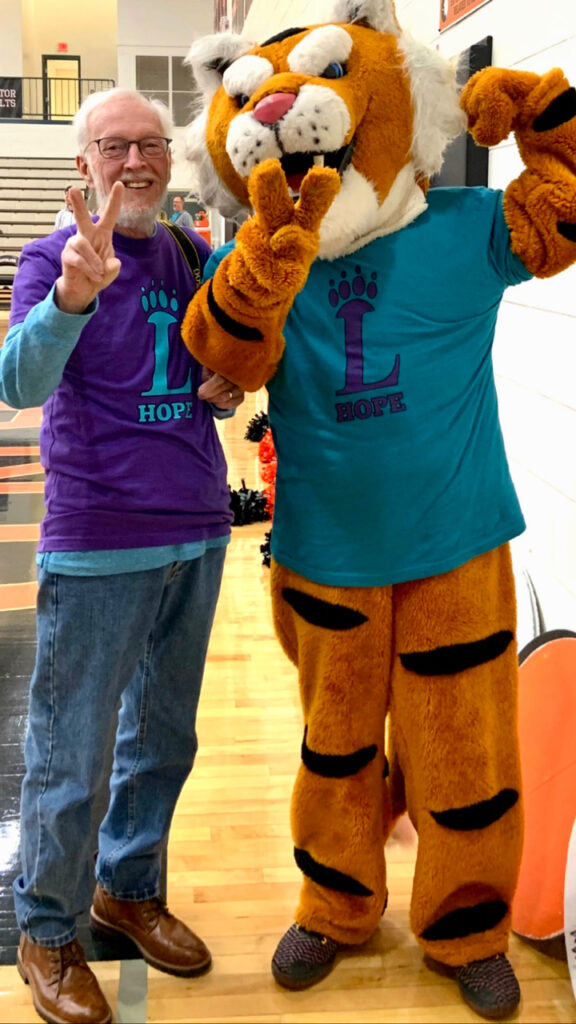
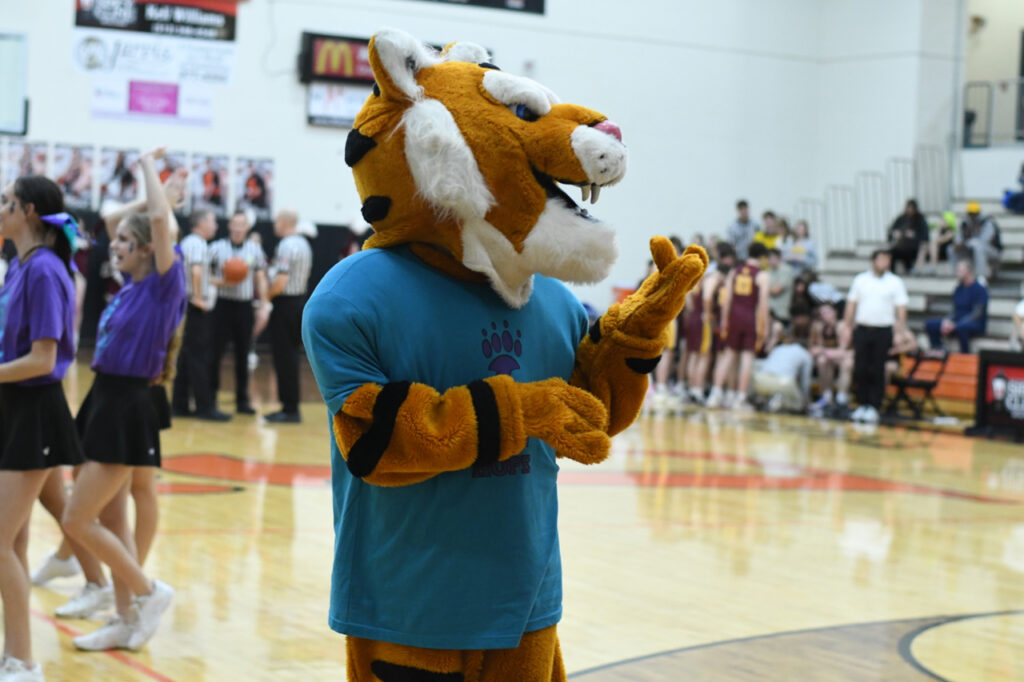
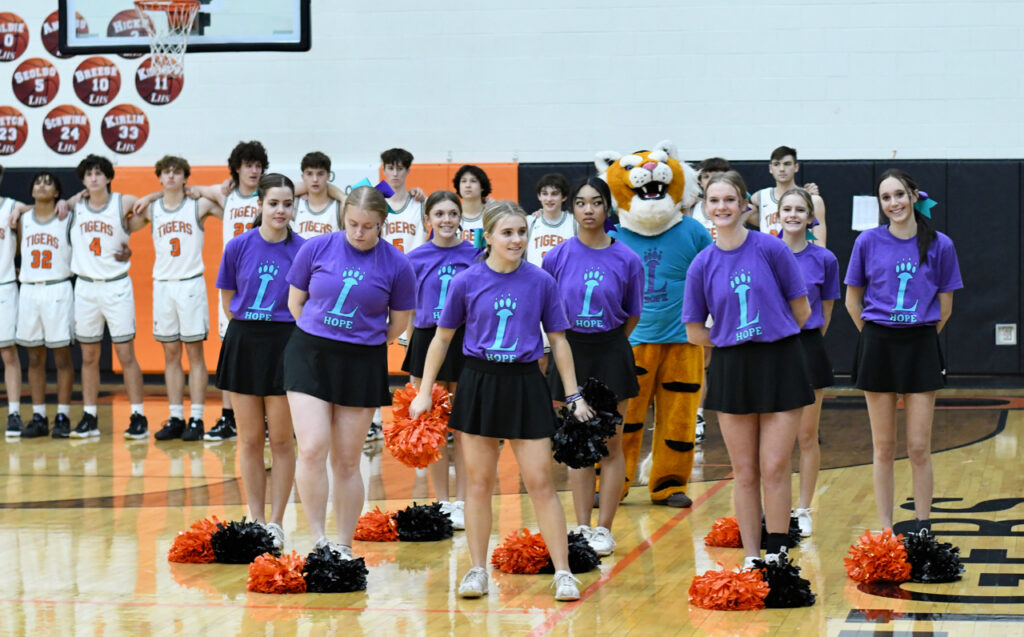
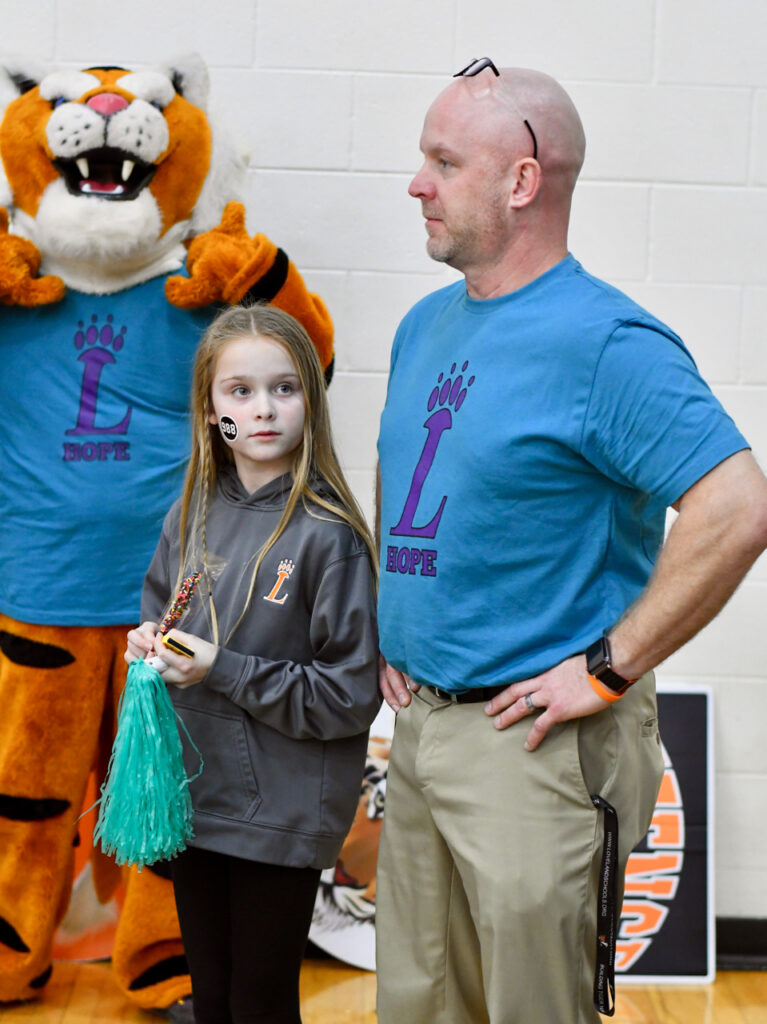
    David Miller and the Loveland Tiger in their teal spirit wear supporting mental health awareness.

    by David Miller

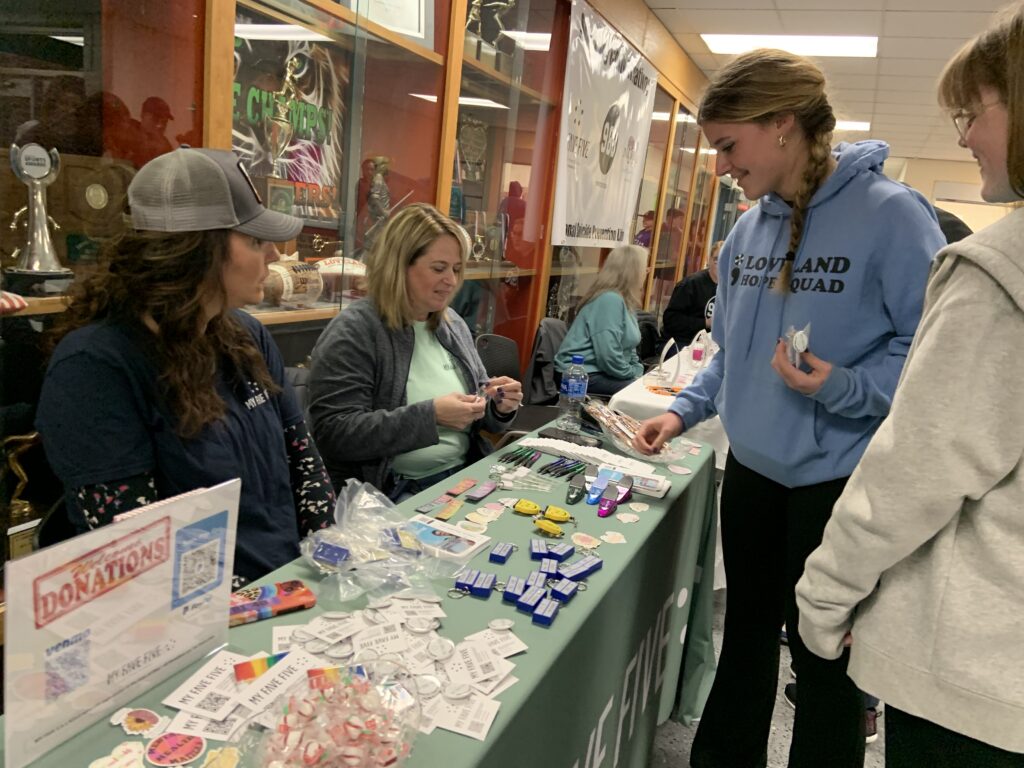
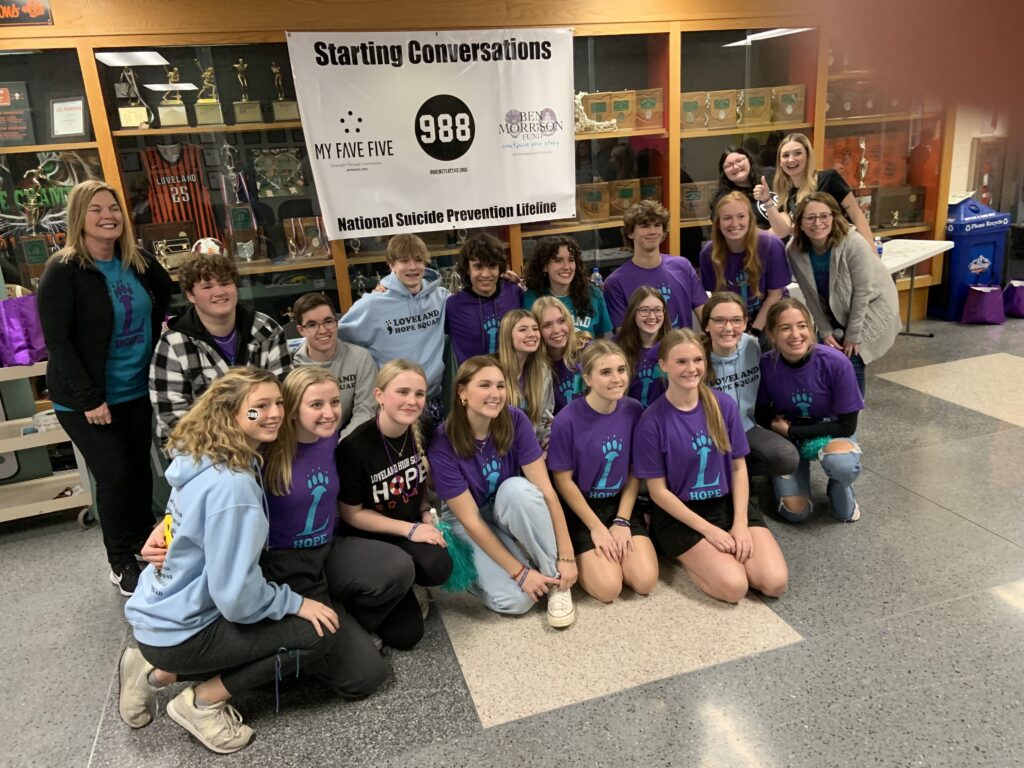
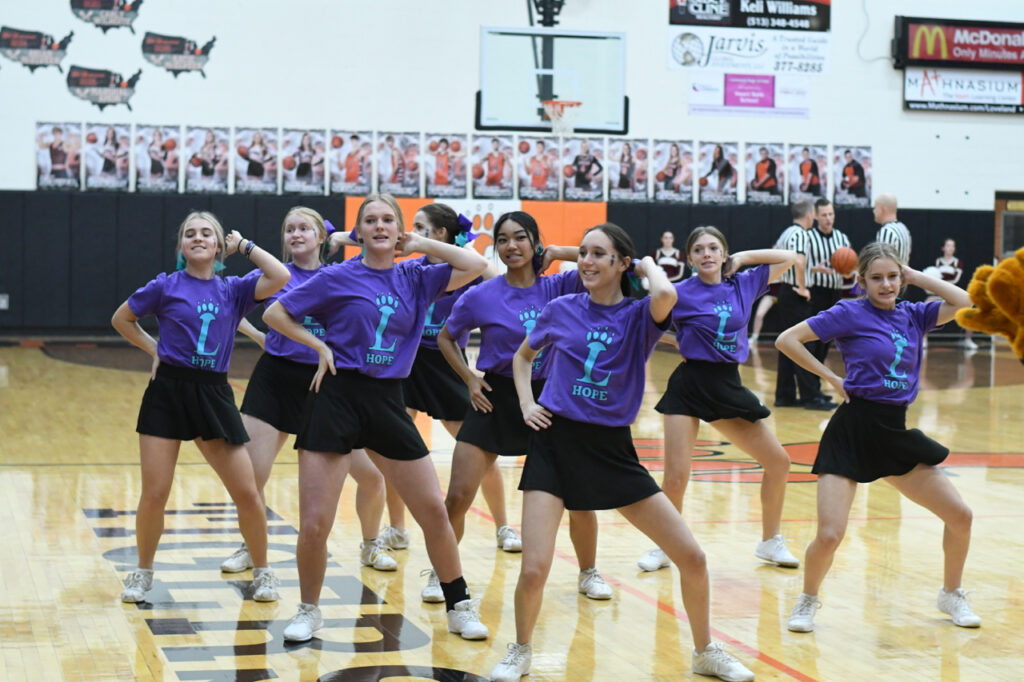
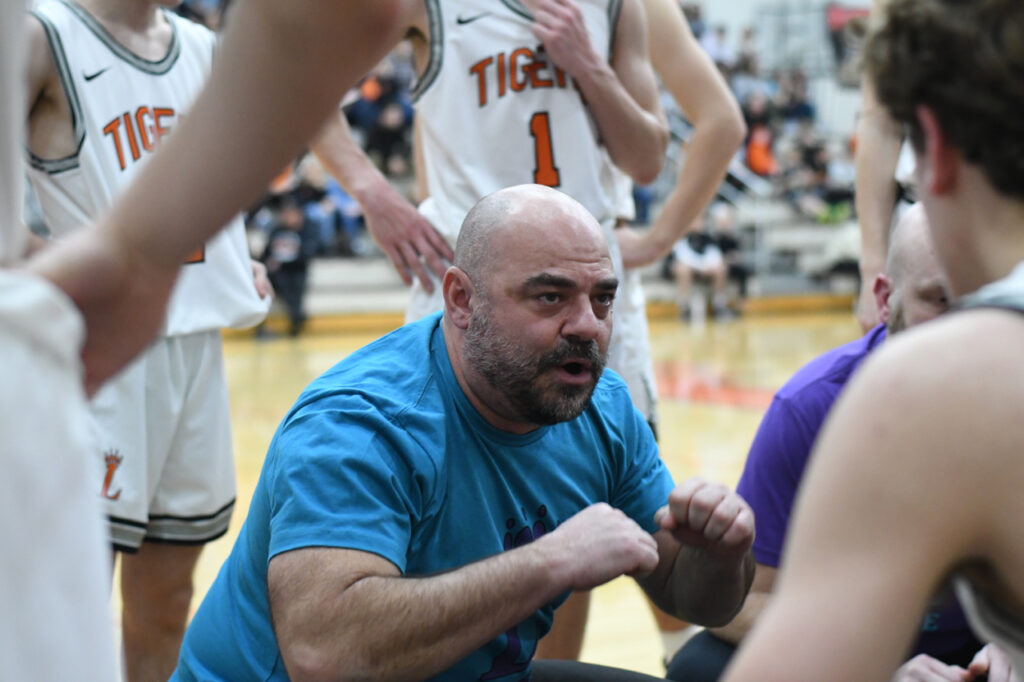
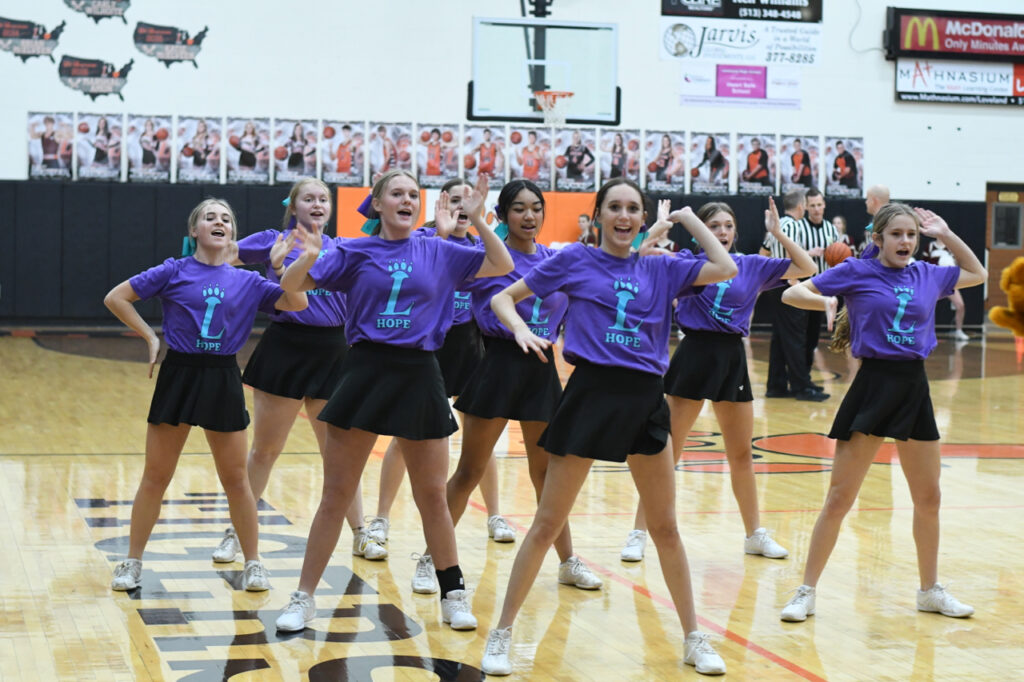
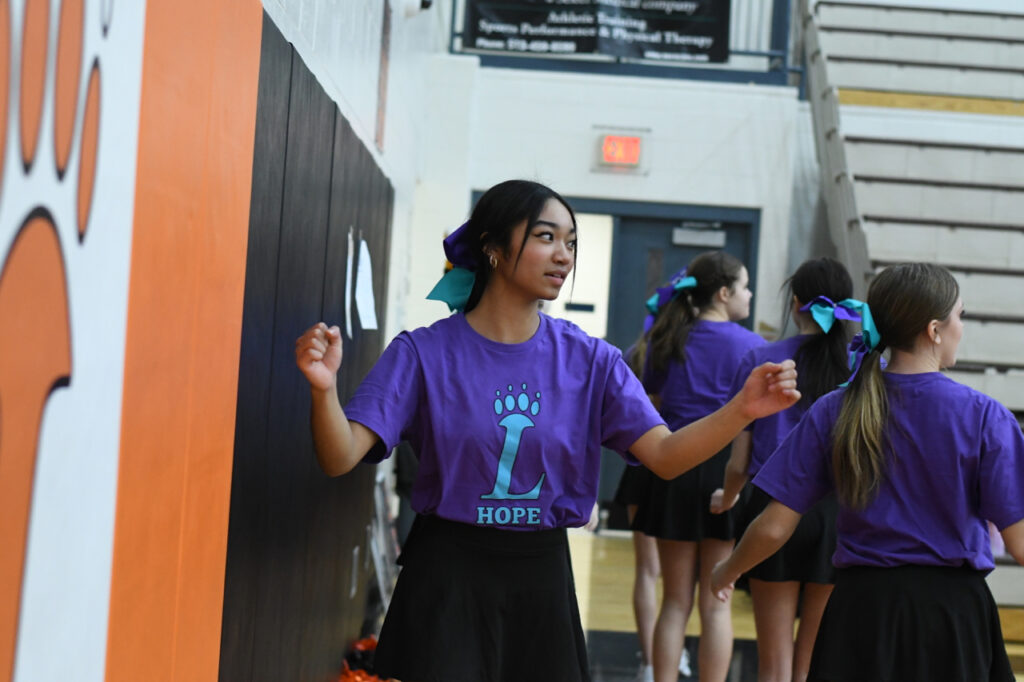
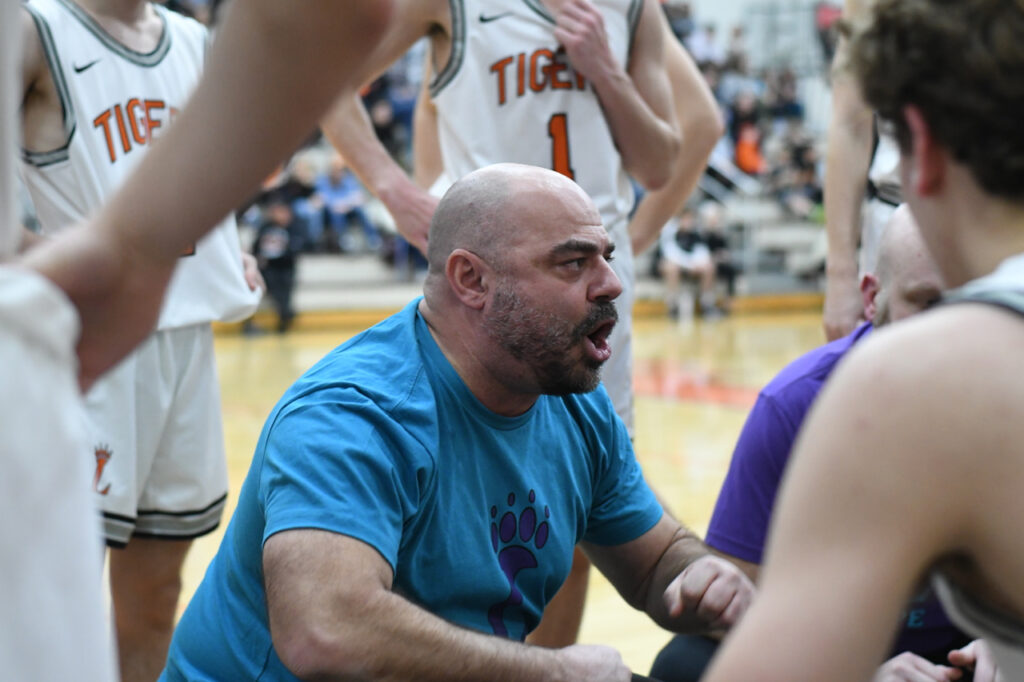
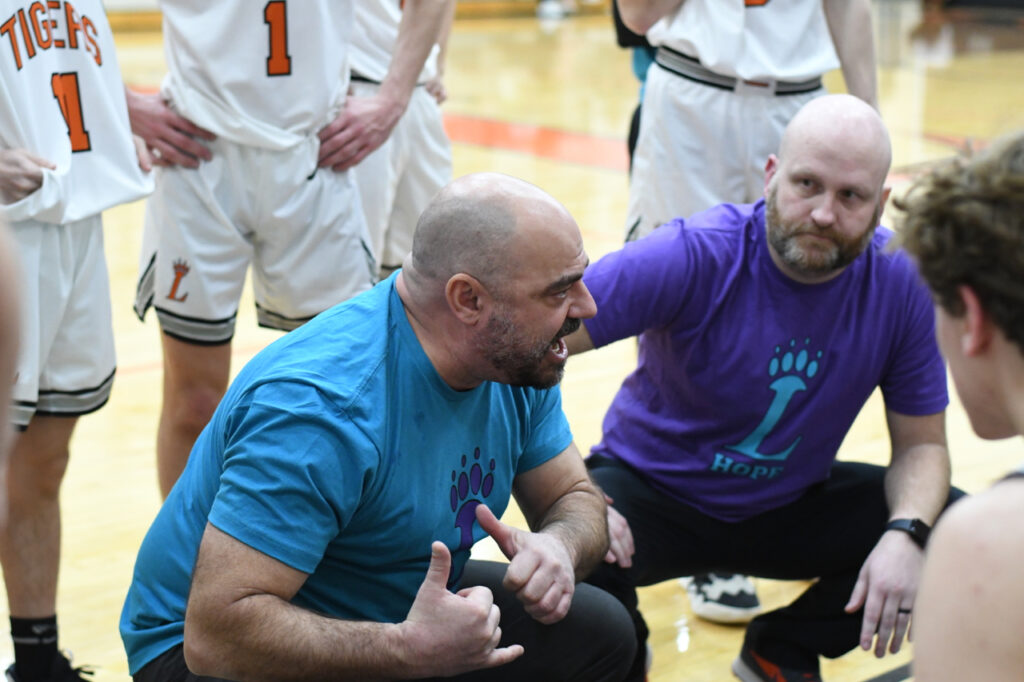
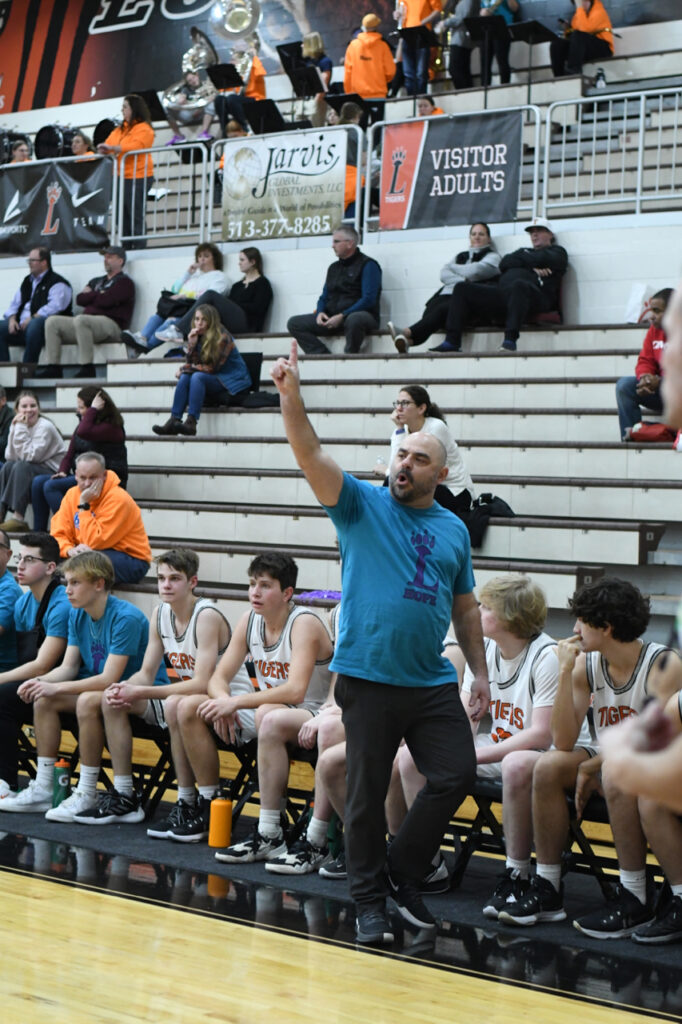
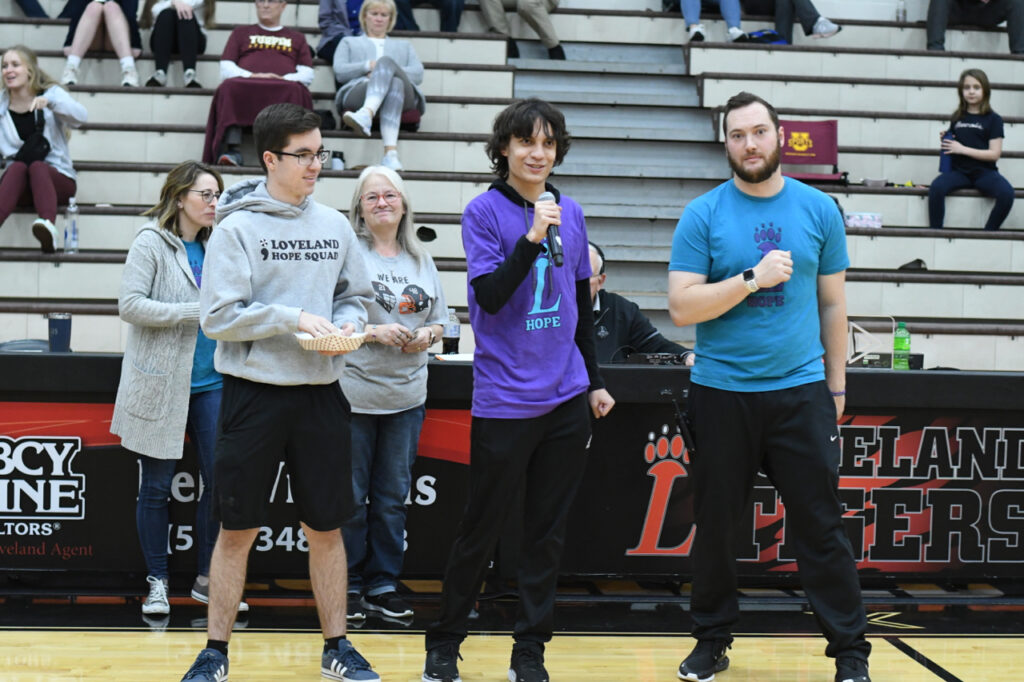
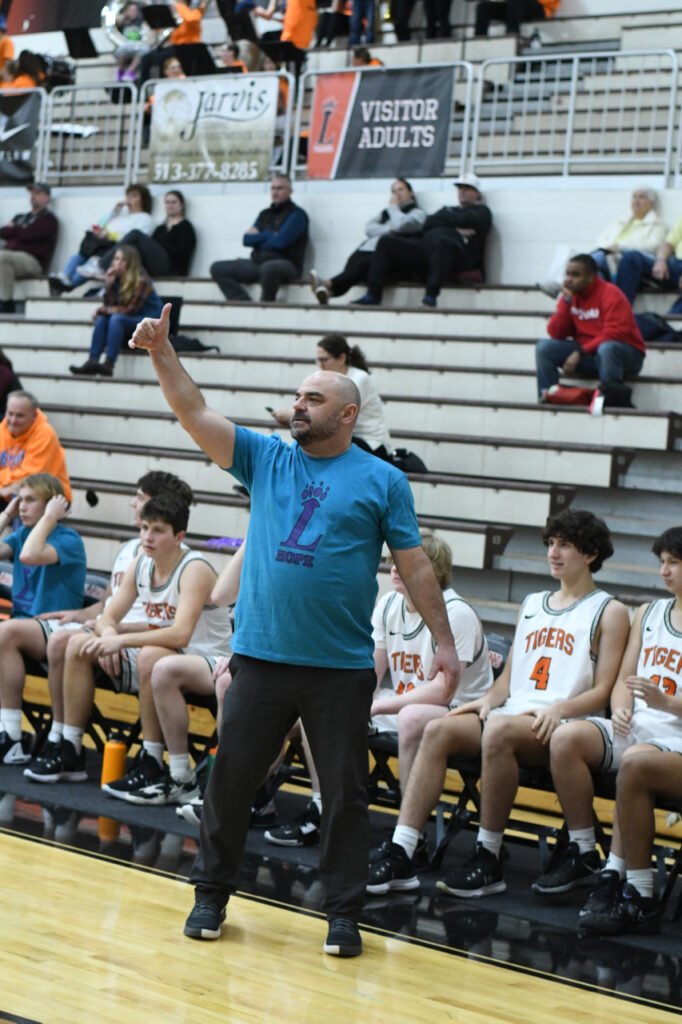
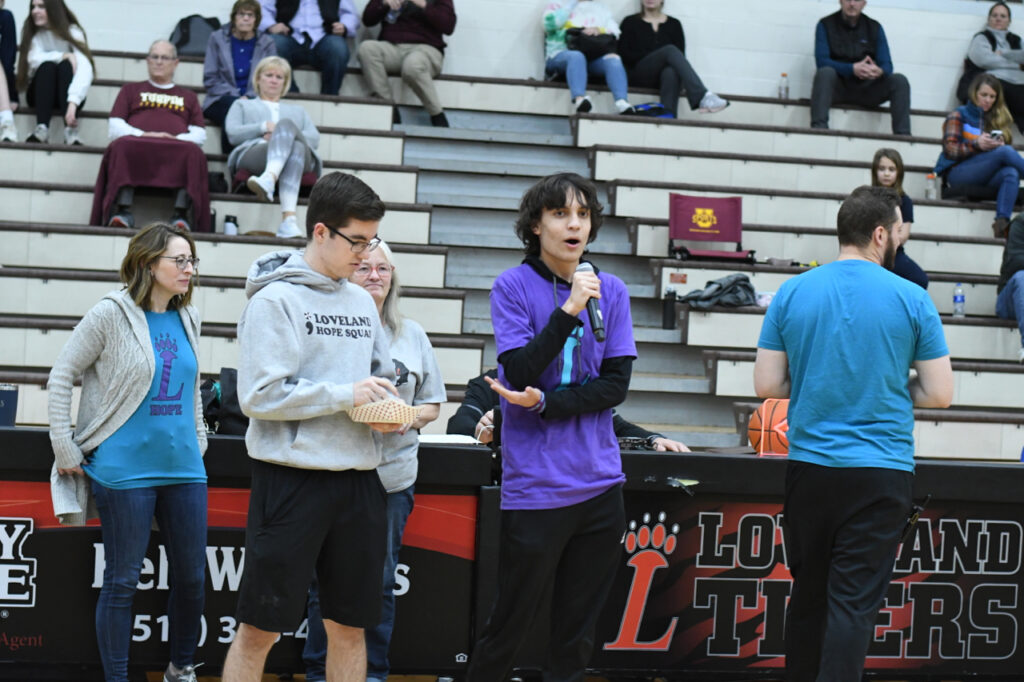
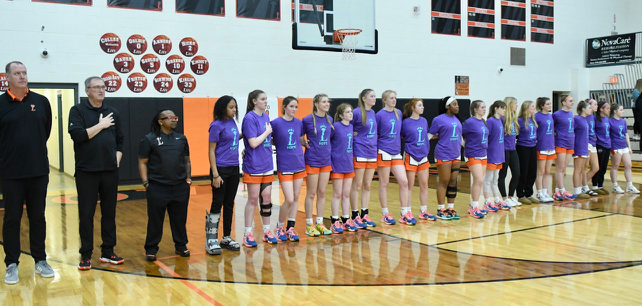
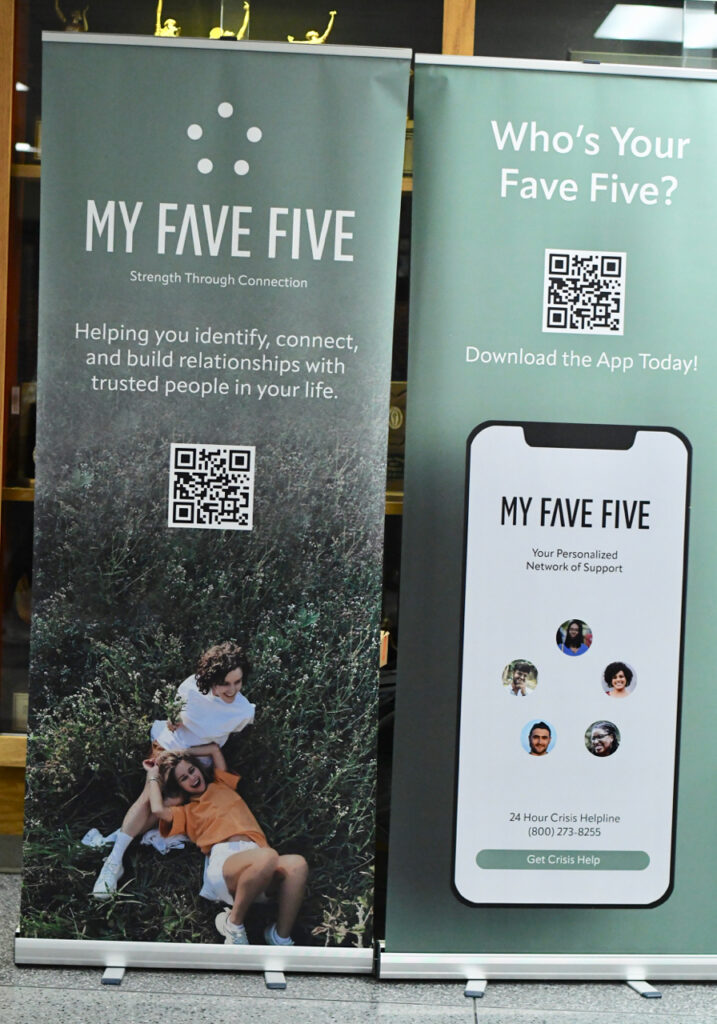
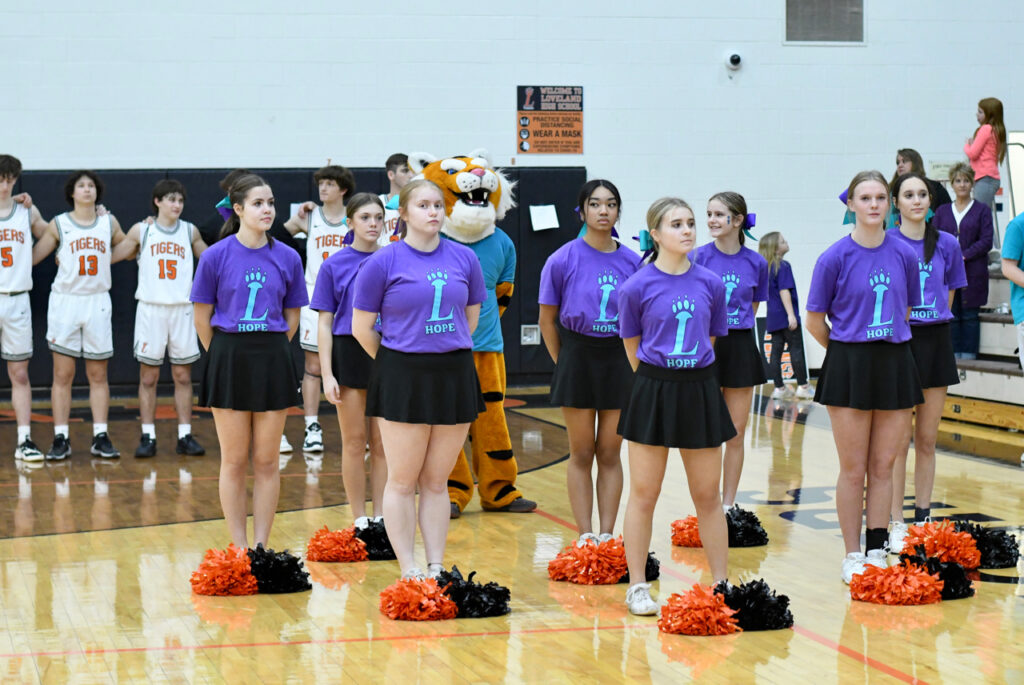
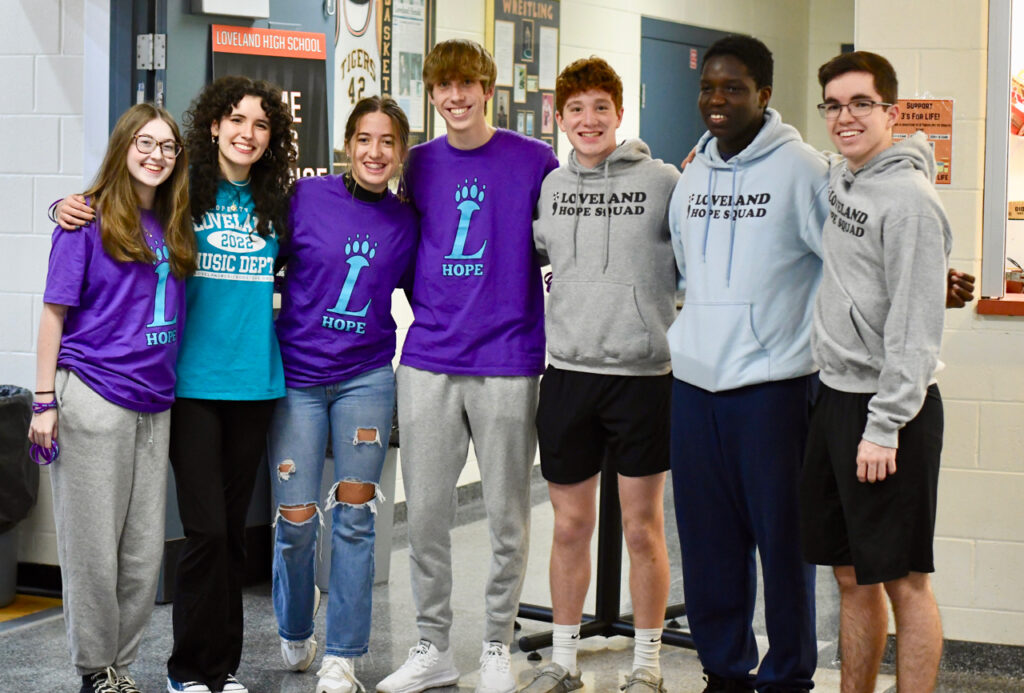
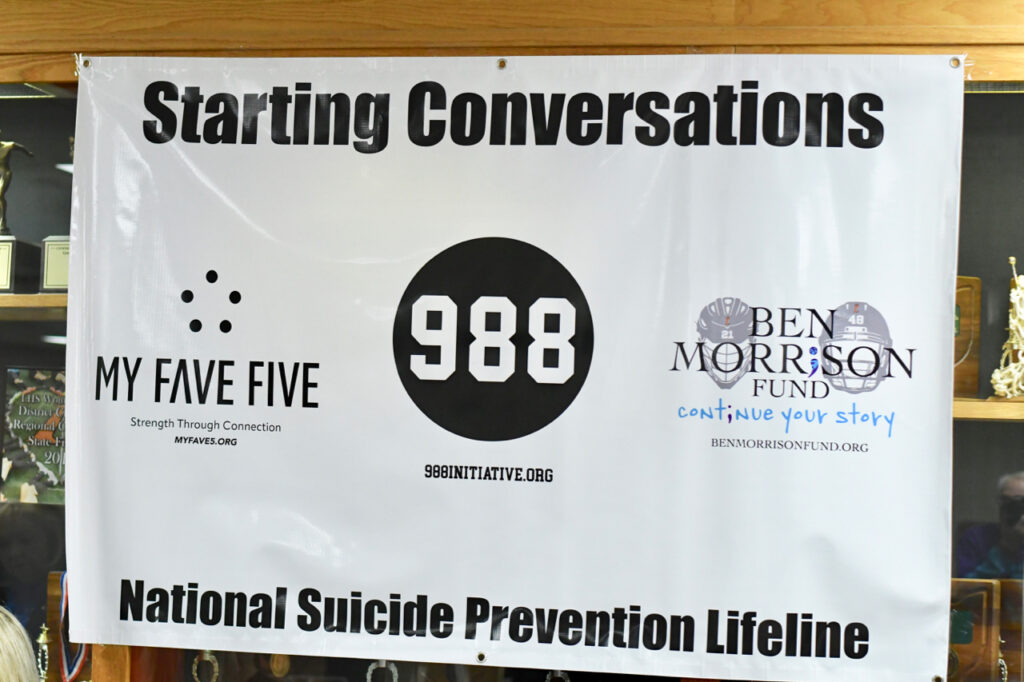
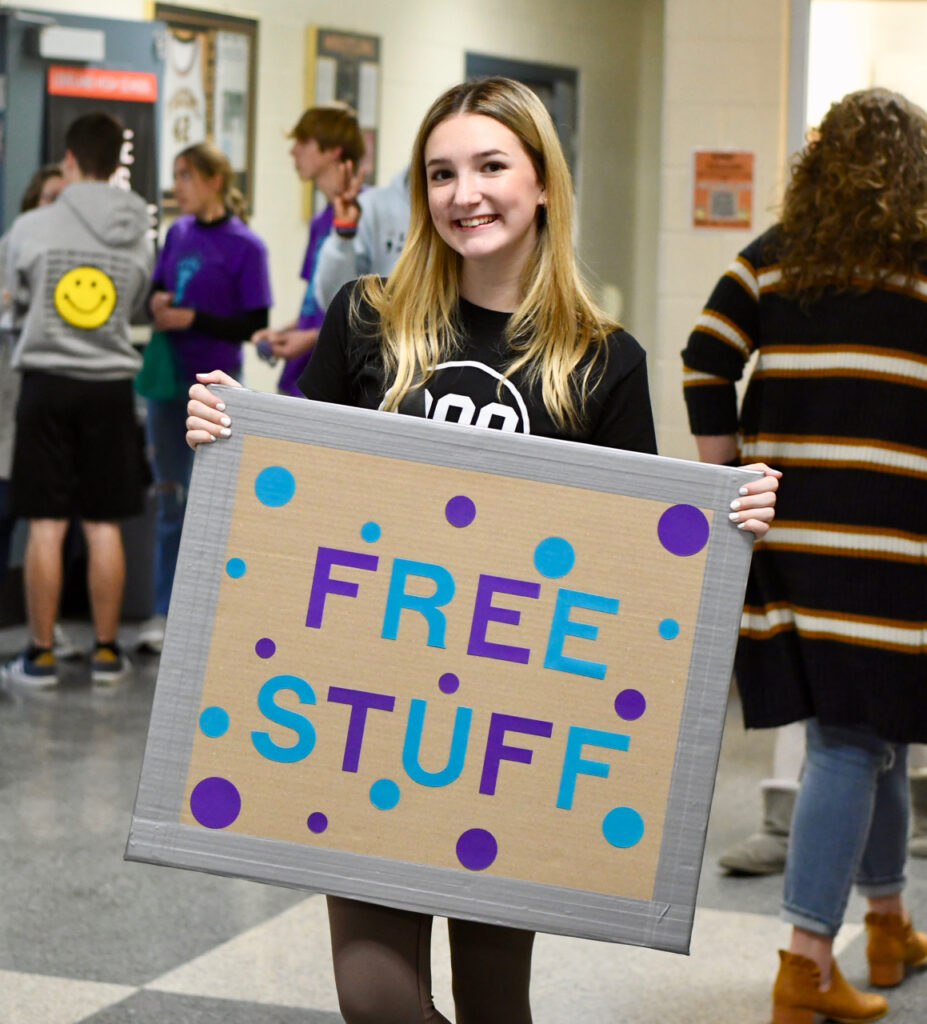
    Loveland, Ohio – Last week during Women’s and Men’s basketball games students, staff, families, and community groups brought awareness to mental health issues. The theme was “Teal Out”. My Fave Five, The Ben Morrison Fund, and Loveland High School’s Hope Squad brought resources and awareness to their mental health initiatives.

    The Ben Morrision Fund proudly says, “We are dedicated to erasing the stigma of mental health struggles, opening conversations, and offering lifelines to help save lives of young people in crisis.”

    MY FAVE FIVE is a mental wellness tool, in the form of a mobile app, which helps individuals identify, connect and build relationships with trusted people in their life. It was created by Loveland mom Gina Marek.

    Loveland’s Hope Squad uses faculty advisors and trusted peers to identify students at risk for suicidal ideation and behavior, and ultimately, to save lives. Read more about the 1,600 Hope Squads around the country. Read even more about Loveland’s Hope Squads HERE. Follow the LHS Hope Squad on Twitter.

    The groups also brought attention to the new 988 Suicide and Crisis Lifeline.

    The mental health initiative carried over when the Men’s team played at Lebanon High School on Friday evening.

  • Loveland Schools celebrate the launch of Hope Squad

    Loveland Schools celebrate the launch of Hope Squad

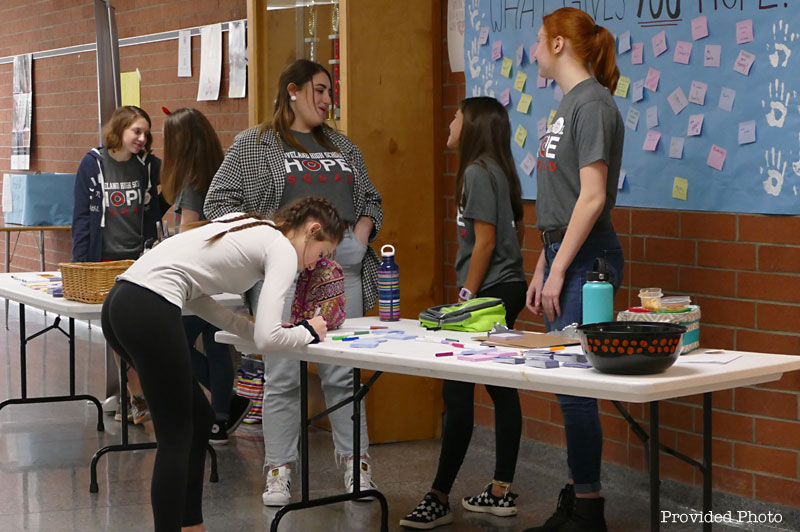
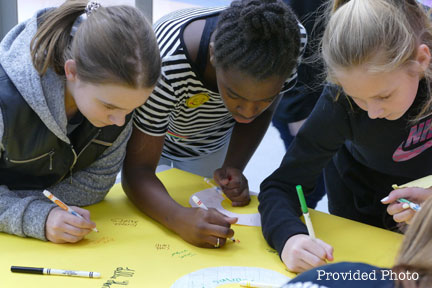
    Students at Loveland High School signed post-it notes of hope at the official launch of Hope Squad on Monday, February 4.

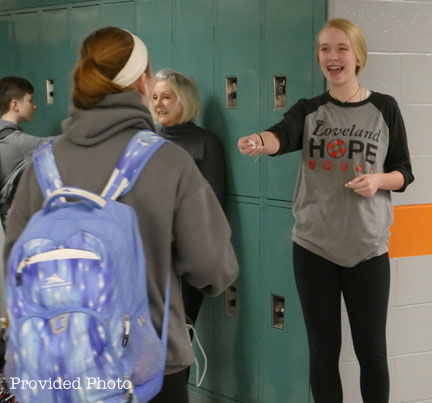
    Hope Squad members greeted their peers with life saver candies as they arrived at Loveland Middle School on Monday morning.

    Loveland, Ohio – Monday, February 4, was a day of celebrating the official launch of Hope Squad at Loveland High School (LHS), Loveland Middle School (LMS), and Loveland Intermediate School (LIS). Over the past several months, approximately 140 students, staff members and external experts have worked to prepare for the implementation of the program, which is a model using faculty advisors and trusted peers to identify students at risk for suicidal ideation and behavior, and ultimately, to save lives.

    “We are very excited that our partnership with Grant Us Hope has led to this new initiative of student CARE at Loveland,” said Eric Dool, Loveland City School District director of student services. “Our Hope Squad student representatives were all nominated by their peers. They have been training and learning about Hope Squad and how to connect fellow students at risk with the critical resources they need.”

    Students at Loveland Intermediate School signed banners of hope during Hope Squad activities at lunch.

    Hope Squad members greeted other students with life saver candy, wallet resource cards and words of inspiration as they arrived to school on Monday morning. At both LIS and LHS, videos made by Hope Squad members were shown during Tiger Time and news announcements. At LIS, students worked on “compliment” activity sheets, passing them out to each other. At lunch, they played their Hope Squad theme song and shared messages of hope on banners.

    “It is a wonderful experience to work with these students – they are an amazing group of kids,” said LHS Counselor Jamie Gordon. “We will continue to train and work through the Hope Squad curriculum over the course of the year. This launch event was an opportunity to create awareness about the program throughout our schools and underscore that we are here to support one another.”

    About Grant Us Hope

    Grant Us Hope is a Cincinnati nonprofit focused on creating communities of leadership and advocacy that enhance mental wellness, safety and prevention in schools. The organization has developed a school-based, peer-to-peer suicide prevention program for students with a three-year curriculum that emphasizes suicide prevention fundamentals, self-care and anti-bullying. During the 2018-19 school year, Grant Us Hope has assisted more than 25 schools in Cincinnati and Columbus with the implementation of Hope Squad. Loveland Intermediate School is the first school in Ohio to put in place a “Jr.” Hope Squad program for fifth and sixth graders.


  • Hope Restored: “It was scary in the beginning, but we just took that leap!”

    Hope Restored: “It was scary in the beginning, but we just took that leap!”

    June 20th is the 10-year anniversary of Hope Restored Counseling Services

    Loveland, Ohio – Maggie Gehler and Tonya Schaeffer met at graduate school while attending Xavier University. Their first location for Hope Restored Counseling Services was at 420 West Loveland Avenue in the historic church building where they worked out of one room. They both had other jobs at that time at other agencies and in different private-practices. Even though it was during the recession, Schaeffer said they had the idea and decided to run with it – “Why don’t we give it a shot? It really was like we’re going to give this a shot and see what happens.”

    Schaeffer said that she was maintaining at least two other jobs; two different jobs at the Children’s Home of Cincinnati doing in-home counseling and going to different school districts such as Sycamore. “I had multiple jobs and Maggie was working full-time at Child Focus at that at that time,” she said.

    Tonya Schaeffer, M.Ed., LPCC Licensed Professional Clinical Counselor

    New moms said let’s do it!

    Schaeffer said, “Maggie had three children and I had two – so we were new moms – but we said let’s do it. We did, and we look back and it’s funny. We are therapist, we know therapy we know counseling but we weren’t sure about business.” They contacted SCORE, a group of expert business mentors that advise start-ups, and met with them briefly to come up with the business plan. They also met with an accountant they knew. 

    The new businesswomen shared that office in the old church for about two years and then moved to Julie Swain’s building just down the street where they had two separate offices. “At that point, we said OK we’re doing well let’s bring on another therapist and see how that works.” That is when they brought on Clinical Counselor, Beata Bartler to help with their caseload and expand the business.

    “We ultimately ended up moving to their present location at 600 West Loveland Avenue, again for more space and have added several other therapists,” said Schaeffer. Clinical Counselor, Elizabeth Greller has been with Restored Hope about 5 years. Licensed Independent Social Workers, Dana Hurd, and Catrina Spicer have also been added to the team. They have been in the West Loveland Historic District amongst other professional businesses since they started.

    “We all have kind of our own niche. Maggie works a lot with children who have ADHD or on the autism spectrum. Same with Liz. She does a lot of work with families and children on the spectrum. Beata works a lot with the more mature population and does a lot of couples work. Dana and I work with adolescent teenagers and their families.”

    Hope Restored counsels individuals with ADHD or autism, but they also work closely with the family. Schaeffer said, “All of us handle ADHD and what’s interesting is that a lot of times people will come in, and a lot of times adults, or let’s say teenagers, that have made it through school one way or another without being diagnosed and I’m sitting here like – you definitely have ADHD. You have all the markers for it.” Schaeffer said that sometimes they need to be convinced and so they need some more scientific information. “We can use a DSM to diagnose, but sometimes if we want more information we will refer out to have them psychologically evaluated. She said the DSM (Diagnostic and Statistical Manual) is their bible. “We were trained in testing at Xavier, but that’s not something we want to do. I think that’s better for psychology.”

    Maggie Gehler, M.A., LPCC Licensed Professional Clinical Counselor

    They’ve been able to serve hundreds of people struggling with depression, anxiety, divorce, autism and so much more. “My particular passion is working with families and individuals with autism other special needs. There can be a deficit of resources and services for those families and it is extremely gratifying to be able to help,” said Gehler.

    For a lot of families and their children on how to best handle divorce, Schaeffer does grief work as well. “We do get a lot of families who are here to avoid divorce or who want to handle it, hopefully, the best way possible. But we also have clients that come to us over death and loss, as well,” she said. 

    Families who have lost people to a drug overdose

    One thing Schaeffer said she found that she didn’t expect, is that over the last three-years the practice is dealing with a lot of families who have lost people to a drug overdose. She lamented, “It’s obviously an epidemic and it’s all over the place and it seems to be happening more and more. I’m finding almost everyone is affected.” She says that a lot of people will come in who have had someone significant that has died from an overdose. “And it’s a lot of different ages, yes a lot.”

    Hope Restored does counseling for dependency and has in the past seen clients who have been referred through a court order for drug and alcohol assessments. “But we don’t do a ton of that where we’re looking to grow,” said Schaeffer.

    Beata Bartler, M.A., LPCC Licensed Professional Clinical Counselor

    What’s in the Future?

    “Where we’re looking to grow is, I want Hope Restored to work with people who are transgender and we are looking at exploring their world. Educating parents and relatives on the terminology that’s used and what a person might be going through,” said Schaeffer. “That’s where we’re definitely looking to expand. We’re getting ready to bring somebody on, so I’m excited about that.”

    “We’re just super proud to be celebrating 10 years. We just didn’t know. We just said okay let’s give it a shot,” said Schaeffer. “We’d love to have more clients probably the people that have called me in the last 24 hours are thinking why hasn’t she called me back yet, and it’s because we’re super busy.”

    Schaeffer would love to be able to hire more therapist that are independently licensed and have the ability to work with more individuals and families and eventually hopes to find a larger space. “However we don’t want to become ginormous by any means.”

    On being a school resource

    “Almost 50-percent of the local schools know who we are, but some of the schools don’t and we’re just right down the road,”  said Schaeffer. She would like their name on the list of resources available that the school puts out for children with special needs. “They list out all of the bigger agencies and places but we are never included, which I don’t get that – so I’m working so folks know we’re right down the road. We’ve introduced ourselves. We have kids in the district. We have kids in the community. We live in the community and we are Loveland.”

    Hope Restored recently had a booth at the Loveland School-sponsored, “Right Under Your Nose” event and are part of the task force.

    “You can walk in here and get an appointment and you can’t always do that with the bigger agencies.” 

    Elizabeth Greller, M.A., LPCC Licensed Professional Clinical Counselor

    inspirational people along the 10-year journey

    Schaeffer said that there were two people who gave her the confidence to go into business and to go out on her own.

    “The first person is my grandma who has passed away. Her name was Birdie and that’s why you see little birds all over my office. I opened up the doors on June 20th which is her birthday so she was definitely the first person. She gave me life lessons in general. She had nine kids and lived on the farm and she just sent me the message that I could do anything and that nothing could stop me. Which, was an amazing message. She was a strong woman.”

    Dana Hurd, MSW, LISW Licensed Independent Social Worker

    She also mentioned her high school guidance counselor at Franklin Monroe High School in Pitsburg, Ohio, Mr. Phipps, who she remains friends with. He led her to understand what her strengths were when she was considering journalism or counseling.

    “Maggie’s dad, Mr. Gehler who just passed last year deserves a lot of credit for our success. He was in our field of private practice but he was also a professor in Chicago. He was definitely someone that Maggie would call often and ask business questions. He was a huge guidance. He was a big influence for her.”

    Catrina Spicer, LISW-S

    Maggie Gehler added, “I’ve always felt driven to help others, inspired by my dad who was a clinical counselor and director of a community mental health agency outside of Chicago. My dad was passionate about developing new programs that would benefit at-risk individuals.”

    Just stay home and make a pie?

    Early on, Schaeffer remembers contacting a preacher at her church and asking if he had any names so she could get some business advice. “The man I then contacted said to me that I should not do this and that Maggie and I should not pursue this because we were young mothers and it would be very difficult,” said Schaeffer starting to laugh. Though more laughter she said, “And that just pushed me more. (laughing more) Yep, I’m like, ‘Oh, no way.”

    She said she thinks he truly thought that he was being helpful. “He said, I should just stay home and make a pie. He thought it was because we were young mothers that we wouldn’t be able to do this, and we still have young ones, ten years later at our anniversary. I’ll never forget that phone call because the message for me was you can do whatever you want to do if you put your mind to do it and if you work hard you can have kids and have a business.”

    Professionals building rapport because they are real people

    Schaeffer said, “Our work is interesting because the most important thing, in my opinion, is building rapport with a client of any age. I think it’s why we’ve been doing this for so long.”

    She said everyone in the office is real people. “You can’t connect with someone if you are seeming above them. We have problems too and I think we try to connect with our clients. We’re genuine. We have empathy.”

    Schaeffer believes there are a lot of “Fly by Night” things popping up all over, people doing different things that look like they’re counseling, “But they’re not and that’s scary for us because we deal with a lot of very serious situations such as daily suicidal clients, weekly suicidal ideation, and you have to know how to deal with that and what steps need to be taken.” She worries about people who are not qualified, yet counseling.”

    Friends as business partners and risk-takers

    “Some people say, don’t go into business with your friends. But I mean it’s not to say we haven’t had our struggles early on adjusting, figuring out what each of us is better at doing. Maggie’s definitely the numbers person and I’m more going out promoting the business and handling all of our referrals,” said Schaeffer.

    “We are looking forward to further expanding our services. We are adding groups to meet the needs of our community and have hired more clinical staff to provide even more individual services,” said Gehler.

    “I think we just want people to know that we’re here in the community that you know. We really do provide a lot of different services and if we can’t we definitely will find someone that can, said Schaeffer. “It’s hard to believe it goes fast. It was scary in the beginning, but we just took that leap.”


    600 West Loveland Ave, Suite 2A ‱ Loveland, OH 45142

    Directions


  • #TigerCare: Hope Squad comes to Loveland Schools

    #TigerCare: Hope Squad comes to Loveland Schools

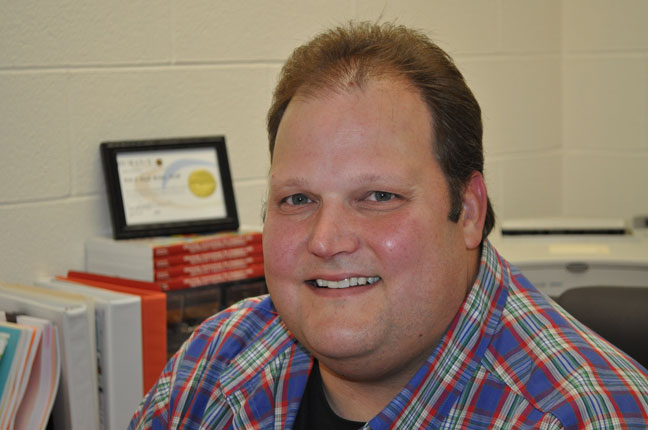
    By Eric Dool, Loveland Director of Student Services

    It is built into our district goals: Tiger Care. When considering all that Care could embody for our students, resilience – the capacity to recover quickly from difficulties; toughness, and self-efficacy – one’s belief in one’s ability to succeed in specific situations or accomplish a task, stand out as being of paramount importance in preparing our children for life’s challenges. Unfortunately, for some students, a lack of resilience and self-efficacy, combined with episodic and/or long-term mental-health needs, results in suicidal ideation. The reality is frightening, and has touched every single school throughout the nation. However, we are not without hope.

    Loveland is truly blessed with a wealth of caring staff and mental-health supports to meet the ongoing needs of our students. Yet, when considering the danger posed by suicidal thought, even those supports do not feel like enough.

    Loveland is truly blessed with a wealth of caring staff and mental-health supports to meet the ongoing needs of our students. Yet, when considering the danger posed by suicidal thought, even those supports do not feel like enough. We must do more. We will do more. To that end, over the next several months, Loveland will be embarking upon a partnership with Grant Us Hope (https://www.grantushope.org/) and Hope Squad (https://hopesquad.com/) to provide our students with the tools needed to join us on the front line in doing all that we can to identify and intervene with suicidal thought and behavior.

    Hope Squads – are trained to identify suicide warning signs in their peers, and to alert adults to those signs.

    Grant Us Hope, the official Hope Squad Founding Agency of Ohio, has partnered with Hope Squad’s founder, Dr. Greg Hudnall, to bring the model to the Greater Cincinnati region, and eventually the entire state. Building upon a researched-based model, student groups – or Hope Squads – are trained to identify suicide warning signs in their peers, and to alert adults to those signs. District staff are also trained in the model, and serve in the capacity of organizing and guiding as advisors. To be clear, Hope Squad members are empowered to seek help and save a life; Hope Squad members are not taught to act as counselors. This group of students will be educated on how to recognize signs of suicide contemplation, and how to properly and respectfully report this to an adult.

    This group of students will be educated on how to recognize signs of suicide contemplation, and how to properly and respectfully report this to an adult.

    In May, school counselors from Loveland Intermediate School, Loveland Middle School, and Loveland High School will receive training to equip them with the skills to serve as advisors. Staff training, parent meetings, and student selection and training will follow in the late fall of 2018. Hope Squad will then launch as an official Tiger Care program in January 2019.

    If you have any questions about Loveland’s participation in this program, I invite you to contact me directly.

    Eric Dool dooler@lovelandschools.org

    Director of Student Services
    Loveland City School District


    Wildflower House — where women & girls bloom!