Tag: suicide attempts

  • Peer-Led sources of strength program creates healthier school cultures, drastically reducing suicide attempts by 29%

    Peer-Led sources of strength program creates healthier school cultures, drastically reducing suicide attempts by 29%

    Learn more about these Loveland based resources:

    Ben Morrison Fund

    NAMI Southwest Ohio

    Columbus, Ohio – Peer leadership and meaningful connections can save lives. According to a new study funded by the Centers for Disease Control and Prevention and published in the American Journal of Preventive Medicine, Sources of Strength’s (Sources) prevention model helps reduce suicide attempts among high school students by an astonishing 29%.

    For nearly 30 years, Sources has worked with both youth and adults to build resilience, promote mental well-being, and prevent suicide. By training diverse student leaders and leveraging peer influence, Sources transforms school environments and fosters cultures of hope and support, according to a new report released by the Ohio Suicide Prevention Foundation.

    Sources of Strength Ohio (SourcesOH) is an initiative of the Ohio Suicide Prevention Foundation (OSPF) and PreventionFIRST! with funding and support from the Ohio Department of Mental Health and Addiction Services.
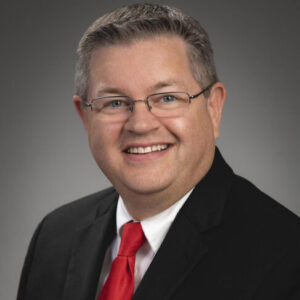
    Tony Coder

    “We hear from so many people how Sources positively impacts the well-being of students, teachers, and communities across Ohio,” said OSPF Executive Director Tony Coder. “This new study provides further evidence of the life-saving potential of this program. We are so thankful to be a part of providing Sources at no- or low-cost to as many Ohio schools and communities as possible.”

    Considered one of the first suicide prevention programs to demonstrate effectiveness using Peer Leaders, SourcesOH has been implemented in 62 Ohio counties and 399 Ohio schools since December 2020 and has reached 174,000 Ohio students, including 218 middle and high schools.

    Nicole Schiesler

    “PreventionFIRST! supports Ohio schools in implementing and adopting Sources of Strength Ohio. When we meet with administrators and teachers, sharing positive outcomes, supported by national and state-level data, adds incredible value to this successful program,” said PreventionFIRST! President and CEO Nicole Schiesler. “Schools want to make informed decisions, and this evidence-based research elevates Sources of Strength as a beneficial and exceptional choice for the mental wellness of their students and teachers.”

    The new study involved 20 high schools in Colorado and over 6,500 students, with 226 peer leaders and 79 adult advisors trained by certified Sources staff.

    Key findings from the study include:

    • 29% Fewer Suicide Attempts: The program helped reduce suicide attempts among high school students by nearly a third.
    • Students Create Big Change: By empowering students to foster healthy and protective cultures, the program builds stronger, more connected schools where students feel seen, valued and supported.
    • Innovative Public Health Approach: According to the CDC, suicide is the second leading cause of death among young people aged 10–24, making it a pressing public health issue. This approach is promising for being able to reduce suicide at a population level.
    • Support for Students Facing Trauma: The study was funded to examine Source’s potential impact on sexual violence and harassment prevention. A cautious interpretation of the evidence suggests that Sources may not prevent suicide attempts among students who have recently experienced sexual violence, highlighting the need for additional intervention support for this high-risk group.

    An independent evaluation of Sources Secondary Program conducted in Ohio schools during the 2023-2024 school year showed that nearly half of the students felt equipped to recognize the warning signs of suicide and step in to help a friend in need; fewer students experienced prolonged periods of sadness, many used the coping strategies learned through Sources; and the number of students involved in physical fights on school property decreased from 8.7 to 4.8%.

    The Ohio Department of Education and Workforce has approved the Sources Secondary Program as a suicide and violence prevention program for HB123/the SAVE Students Act. For more information, please visit SourcesofStrengthOhio.org or email SourcesOH@Prevention-First.org.
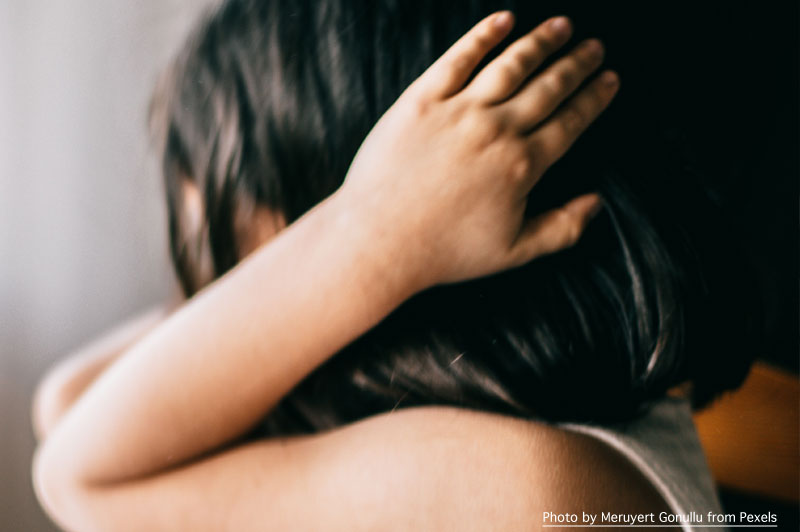

  • COVID-Related Anxiety in Kids: Why It’s Happening and How to Help

    COVID-Related Anxiety in Kids: Why It’s Happening and How to Help

    “In fact, suicide is the second-leading cause of death in kids 10 years and older.”

    Lynne Merk, PHD


    This is the latest post from Cincinnati Children’s Blog:


    JANUARY 10, 2022
    
    It’s been a tough couple of years for everyone – adults and kids alike. 
    
    When the pandemic first started, we were all worried about getting the illness. That sentiment certainly still exists for some, in particular people who are immunocompromised and the elderly. However, it seems we have now transitioned into a more generalized anxiety related to COVID-19, but not necessarily about contracting it. And the unfortunate reality is that our kids are feeling the same way. 
    
    THE SITUATION: MORE KIDS HAVE ANXIETY NATIONWIDE
    
    We’re seeing more kids with anxiety nationwide. More psychology visits. More visits to the Emergency Department for suicide attempts. In fact, suicide is the second-leading cause of death in kids 10 years and older.
    
    I don’t mention this to cause panic in parents, but rather to heighten our sense of awareness. Our kids have suffered much in the way that adults have, and we need to watch and take note (more on that later). While we don’t have an exact link to causation at this time, we certainly can make some guesses. 
    
    WHY KIDS HAVE COVID-RELATED ANXIETY
    
    We’re noticing that kids are behaving in ways that are similar to how we act after experiencing significant loss. And I think this makes sense. They have missed out on nearly two years of normalcy. Two years of attending school in a typical way. Two years of uncertainty and disbelief. They’ve missed major milestones and activities, such as graduation, school dances, field trips and sporting events. 
    
    Not to mention the developmental impacts of virtual school. Kids learn by interacting with others and through hands-on projects. They develop socially by having to navigate relationships and work things out. Their sense of well-being, especially for teens, is tied to their peers and achievements. And now that some of these activities have started up again, many are anxious about returning to them, because they’re out of practice. 
    
    So what can we as parents do about it? I recommend the following:


    1. ENCOURAGE RESILIENCY
    
    Resiliency is the ability to manage and bounce back from a stressor. Without social interactions and activities, these skills have been sitting on a shelf. They need to be dusted off and used. This will take work and time. It can start by explaining that they have the ability to do it – they can do hard things. Perhaps remind them of another time when they worked through something difficult. Have them focus on what’s within their control and let go of what isn’t. Read this previous post for more tips on teaching resiliency.
    
    2. PROMOTE BASIC BRAIN HEALTH
    
    The last couple of years have wreaked havoc on our basic brain health, and this impacts how we think and feel. We’ve gotten out of our normal routines, sleeping patterns and healthy meals. I recommend getting back to a daily structure. Have a normal bedtime. Engage in regular physical activity. Eat meals together. It doesn’t have to be every day or even at dinner, but children who eat meals with their families are often more resilient than those who don’t eat with their family.
    
    3. NURTURE PARENT-CHILD CONNECTIONS
    
    Conveying a sense of connection with your children is so important for their sense of well-being and willingness to open up to us. Just hang out together and have fun on a consistent basis. You don’t have to have big important discussions. This will plant the seed for them to trust you and confide in you when they need help.
    
    4. TAKE CARE OF YOURSELF
    
    This goes back to the oxygen mask metaphor – when you’re on a plane, you need to put your oxygen mask on before you help someone else put theirs on. The same goes for mental health. It is difficult to help someone else when you’re not taking care of yourself. I realize this is easier said than done, but start taking small steps. Ask another adult to partner with you in making self-care a priority. 
    
    5. NOTICE CHANGES IN YOUR CHILD
    
    Basic changes in your children can indicate that they are having a difficult time. Be on the lookout for changes in sleep, eating, appearance, academics, energy level, activities, and social interactions. Pay attention to their social media accounts. When you notice any of these differences, ask them about it. Say something like, “I’ve noticed you’re eating less than normal”. Or, “you’re not hanging out with Suzie as much”. Follow up with, “let’s talk about that”. Or, “have you noticed that too”? They may not be open up right at that moment, but you’ve opened the door and it may lead to more conversations. And if you’re concerned, say so.
    
    6. GET HELP WHEN NEEDED
    
    It is okay to ask if they’ve had thoughts of suicide or wanting to die. Parents sometimes worry that they will plant those thoughts in their heads, but this just isn’t the case. This allows them to share concerning thoughts with us. By asking difficult questions, parents open the door for children to discuss difficult topics.  Children who talk about these feelings with trusted adults are at less risk of acting on them.
    
    If you notice significant changes in your children, or if they talk about wishing they were dead or having thoughts of killing themselves, never hesitate to contact a professional. You can reach out to our Pediatric Intake Response Center at 513-636-4124, our Division of Behavioral Medicine and Clinical Psychology at 513-636-8107, or refer to a list of contacts on our mental health and resources page.