Tag: surge

  • Latest increase in cases, hospitalizations has Ohio health officials pushing vaccines

    Latest increase in cases, hospitalizations has Ohio health officials pushing vaccines

    BY: TYLER BUCHANAN and Ohio Capital Journal

    On Tuesday, the state reported 744 new positive cases within the previous 24 hours, a daily total that hadn’t been seen since May.

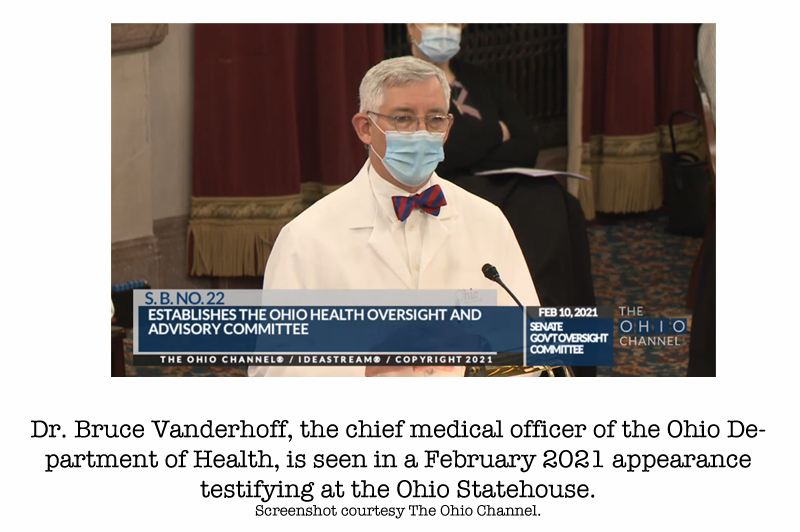
    Dr. Bruce Vanderhoff acknowledges that as the public face of the Ohio Department of Health he is repeating himself a lot these days.

    Dr. Bruce Vanderhoff

    But the message is important enough to continue repeating in simple terms, ODH’s chief medical officer said Wednesday.

    “It really comes down to, are you vaccinated and safe or are you unvaccinated and vulnerable?”

    Ohio once again finds itself at a crossroads. After months of declining rates of new cases, hospitalizations and deaths, Ohio is now seeing increases thanks mostly to a new “Delta variant” that officials say is even more contagious.


    I think it is absolutely the case that we are now looking at a pandemic of the unvaccinated.

    – Dr. Bruce Vanderhoff, Ohio Department of Health


    Vaccination rates here have all but stalled, concerning those like Vanderhoff who fear the state will slip back into a public health crisis as schools look to return to class next month.

    “I think it is absolutely the case that we are now looking at a pandemic of the unvaccinated,” he told reporters .

    Vanderhoff was joined by two pediatricians, including Dr. Patty Manning-Courtney, the chief of staff at Cincinnati Children’s Hospital. The recent rise in cases has them worried not just of the Delta variant, but what else could be on the horizon.

    Patricia Manning-Courtney, MD

    Manning-Courtney said her hope is Ohioans will get vaccinated before the state experiences an even worse variant that could significantly impact the youth population. She fears a scenario of Ohio learning “the hard way” that vaccines are necessary for public health.

    The latest surge

    The state’s COVID-19 numbers declined throughout the spring, leading Gov. Mike DeWine and ODH to rescind the swath of public health mandates.

    There was reason for optimism:  The two-week average was down to just 17.6 cases per 100,000 residents as of July 7.

    But since then, that average has more than doubled to 37.8.

    On Tuesday, the state reported 744 new positive cases within the previous 24 hours, a daily total that hadn’t been seen since May. The state is recording a greater proportion of cases and hospitalizations among younger people, according to ODH data.

    “It appears that this surge is being driven by yet another variant, the Delta variant,” Vanderhoff said, “which is, as I’ve shared before, even more contagious than the (alpha) variant that preceded it.”

    The Delta variant is now present in more than one-third of all new cases in Ohio and is on its way to being the dominant variant of COVID-19, Vanderhoff said.

    ‘Captains of the ship of their own health’

     President Biden recently said COVID-19 vaccine misinformation is costing Americans lives. (Photo by Alex Wong/Getty Images)

    Unlike a year ago, when mitigation tactics like distancing and face masks were seen as the most effective ways to protect oneself from the virus, a proven vaccine is now available for Ohioans.

    But it remains difficult to convince a majority of residents here to get vaccinated.

    A vast number of Ohioans received shots when they were first made available, with a boost in vaccinations this spring with the widening of eligibility and the announcement of a Vax-A-Million sweepstakes. (Franklin County is among the places still experimenting with vaccine incentives; those who get their first dose at Columbus-area clinics receive a $100 Visa gift card.)

    On the whole, the statewide vaccination rate has stagnated. More than 5.3 million Ohioans have completed their vaccination doses, but that still reflects just 45.5% of the total population. 

    DeWine had said his lottery idea was meant to target those who were not anti-vaccine, but needed some kind of boost to schedule their appointment.

    Now, after months of availability, Vanderhoff and others believe there is still a large segment of the population who can be convinced. These are well-intentioned people with understandable concerns that can eventually be swayed to change their minds, the officials hope.

    Misinformation spread online and in public spaces isn’t helping matters. Vanderhoff agreed with a recent statement by President Joe Biden that vaccine misinformation shared around on social media platforms is contributing to ongoing hesitancy and COVID-19 deaths.

    “I think there have been people who are sharing information in a very authoritative way that is not scientifically accurate,” Vanderhoff said. “As a physician, that’s very distressing, because we want people to make their own decisions of course. We want people to be the captains of the ship of their own health, but we want them to make their decisions on the basis of good, well-founded, scientific information.
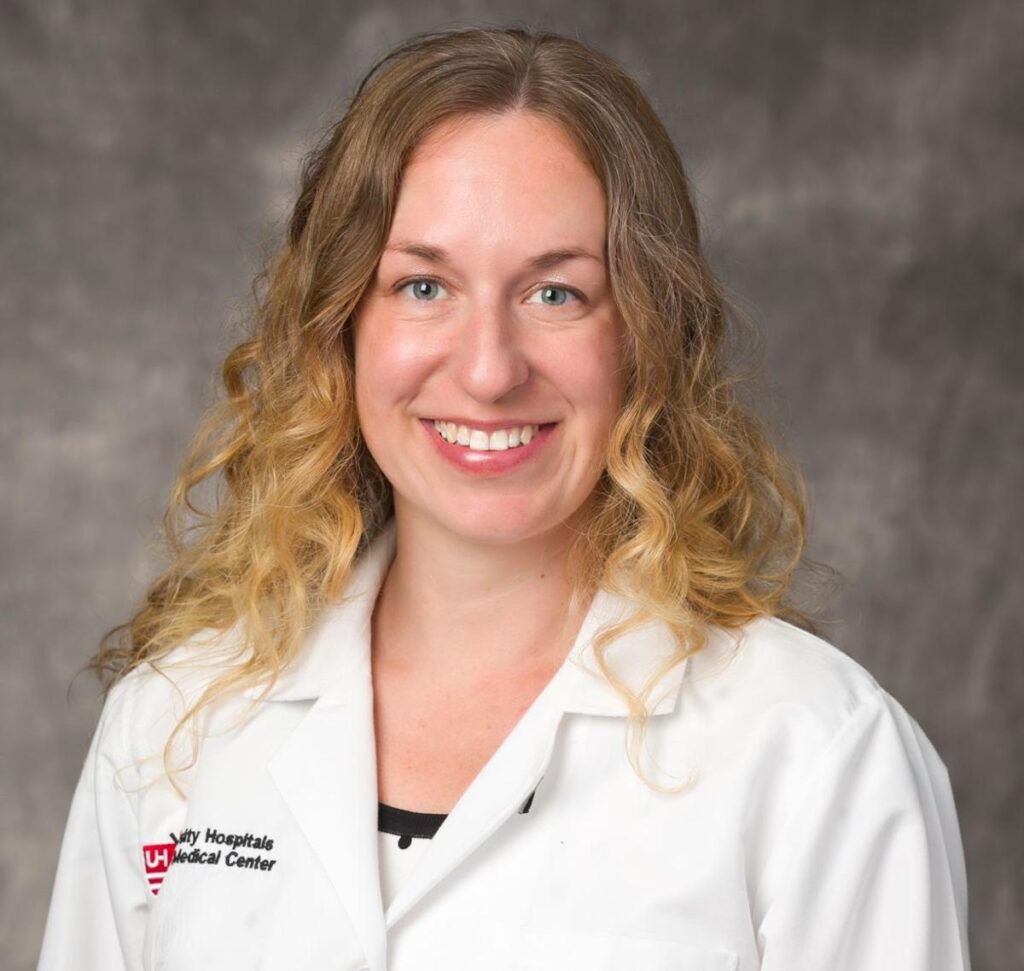
    Dr. Amy Edwards

    “Frankly, it’s heartbreaking when we see people who are cascading information that is not scientifically based,” he added.

    Dr. Amy Edwards, the associate medical director of pediatric infection control at UH Rainbow Babies & Children’s Hospital, said vaccine misinformation has been around long before the coronavirus. She noted an example of seeing a child die of the whooping cough.

    “That’s unacceptable to me,” she said. “It should just never happen.”

    Vanderhoff and the pediatricians tried to dispel fears about the vaccine harming children. They noted rare cases of myocarditis, an inflammation of the heart muscle that has been reported in a small number of children this year.

    But Edwards called this a “rare side effect” that impacts as few as one in every 100,000 or more that receive the vaccine.

    “The risk is much higher from the virus itself,” she said.

    While there continue to be some examples of vaccinated people getting COVID-19, most are protected against serious outcomes like hospitalizations and deaths. 

    All of the 130 people in Maryland who died of the virus in June were unvaccinated. Other states have reported similar statistics, including Alabama, where 96% of the COVID-19 deaths between April and mid-July were unvaccinated. 

    “The issue of breakthrough with this kind of a vaccine against this kind of virus,” Vanderhoff said, “is really the issue of: Are you seeing people get severely ill? Are they ending up in the hospital? Are they dying? We’re just not seeing that in appreciable numbers with this vaccine.”

    Asked about future health orders with school returning in the fall, Vanderhoff said he could not disclose ongoing policy discussions within the state health department. He said ODH will be providing guidance and recommendations “in the near future.”
  • Vaccine floods into Ohio but drop in new covid cases stalls

    Vaccine floods into Ohio but drop in new covid cases stalls

    By Marty Schladen and Ohio Capital Journal

    March 26, 2021

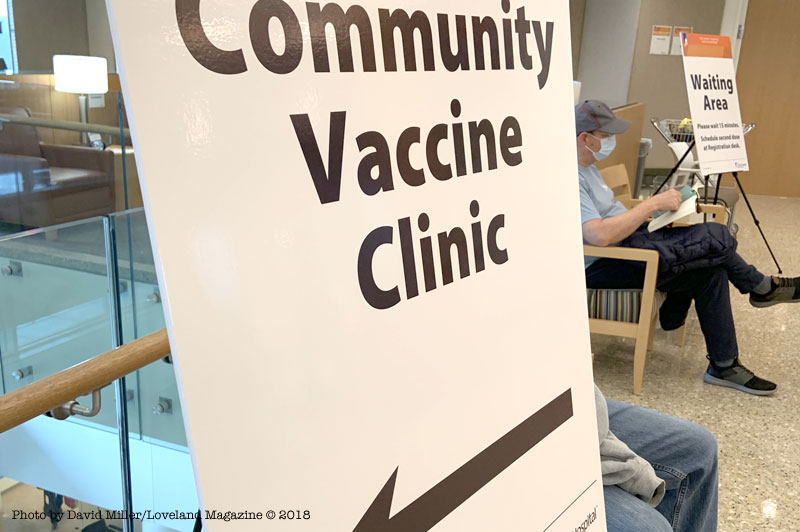
    Ohio got even more good news on the coronavirus vaccine Thursday. But even as doses are flooding into the state, what had been a steady drop in infections has turned into a plateau.

    Gov. Mike DeWine announced that next week — when all Ohio adults will be eligible to be vaccinated — the state will receive 571,000 doses, which he said was “by far and away the highest amount of doses we’ve received.” In fact, it more than quintuples the 100,000 doses a week that the state was receiving in early February.

    The surge has allowed the state to throw open vaccine eligibility to every Ohioan 16 and over starting Monday and it allowed DeWine on Thursday to announce 11 new mass vaccination sites:

    • Knights of Columbus, Lima, 2,500 doses a week
    • Lucas County Recreation Center, 5,000 doses a week
    • Dayton-Montgomery County Convention Center, 5,000 doses a week
    • Celeste Center, Columbus, 5,000 doses a week
    • Summit County Fairgrounds, 5,000 doses a week
    • Southern Park Mall, Mahoning County, 2,500 doses a week
    • Cintas Center, Cincinnati, 5,000 doses a week
    • Wilmington Airpark, 5,000 doses a week
    • Adena Medical Education Center, Ross County, 2,500 doses a week
    • Wayne Street Medical Campus, Marietta, 1,500 doses a week
    • Colony Square Mall, Muskingum County, 1,500 doses a week

    The state also is starting up two mobile vaccination clinics that will visit rural counties in April.

    In all, about a quarter of Ohio adults have now received at least a first dose of the vaccine. Yet progress toward DeWine’s benchmark to remove all remaining health orders has stalled and even gone backward a little since last week.

    DeWine has said once the state drops to 50 new cases a week per 100,000 Ohioans, all the orders come off. But after a long decline, the rate of cases went up from 144 last week to 147 this week.

    While the increase is slight, making it more concerning is that some neighboring states — such as Michigan — are now seeing rapid growth in the number of cases per 100,000.

    Part of that might be because people are tired of pandemic precautions, the weather’s getting nicer and vaccines are more widely available, so some people are abandoning caution. Another reason is that the faster-spreading UK variant of the virus is becoming more predominant.

    “That’s (the variant) we’re seeing the most of,” said Bruce Vanderhoff, chief medical officer for the Ohio Department of Health. “We’ve been expecting a growing presence of these variants.”

    Vaccine reluctance is surely also playing a role. 

    Even though they’ve been eligible to get a shot since January, the portion of Ohioans 80 and over getting at least a first dose only crossed 70% this week.

    “We’re hopeful that these numbers will continue to creep up, move up,” DeWine said of percentages for all age groups.

    Also, some institutions in Ohio haven’t responded to months of repeated offers of vaccines from the state. A frustrated DeWine said he was going to publish the names of 56 nursing homes and 168 assisted-living facilities that have failed to communicate with state officials about the vaccine.

    “I don’t know what else to do,” DeWine said. “I’m worried about the people in these nursing homes” and assisted care facilities.

    So despite the temptation to party like it’s March 2019, state officials are pleading for Ohioans to understand that the pandemic’s still here and still dangerous.

    “We’re in the final stages of this marathon,” Vanderhoff said. “So let’s keep masking and distancing even if you’ve had the chance to roll up your sleeve and get vaccinated.”

  • “Severe Exposure and Spread” in Hamilton County

    “Severe Exposure and Spread” in Hamilton County

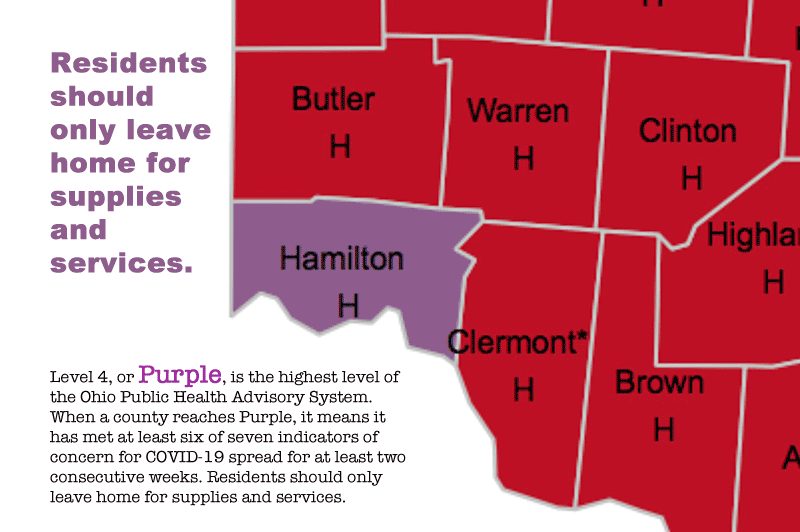
    Loveland, Ohio – Hamilton County is now in the the highest level of the Ohio Public Health Advisory System.

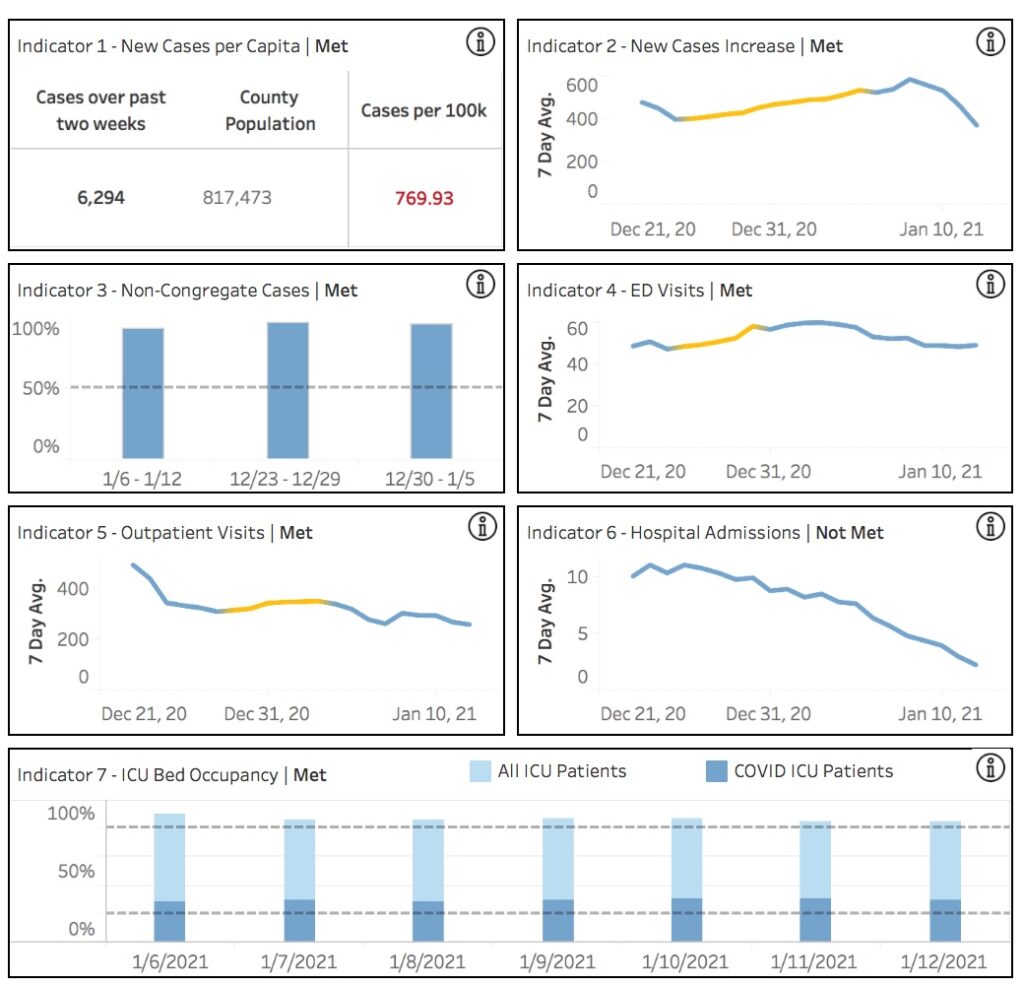
    Level 4, or Purple, is the highest level of the Ohio Public Health Advisory System. When a county reaches Purple, it means it has met at least six of seven indicators of concern for COVID-19 spread for at least two consecutive weeks. Hamilton County has now met all seven indicators of concern.

    Residents should only leave home for supplies and services.

    These measures are indicators of disease spread in the community; disease severity; community concerns about health and the virus; hospital burden; and capacity to manage a possible surge in critical COVID-19 patients.

    1. New cases per capita: There have been more than 50 cases per 100,000 residents over the past two weeks.
    2. Sustained increase in new cases: At some time during the past three weeks, there were at least five consecutive days when the number of cases (by onset date) increased.
    3. Proportion of cases not in a congregate setting: The proportion of cases among people who are not residents of long-term care facilities, group homes, jails or prisons has been more than 50% in at least one of the past three weeks.
    4. Sustained increase in emergency department (ED) visits for COVID-19-like illness: At some time during the past three weeks, there were at least five consecutive days when the number of COVID-19 ED visits increased.
    5. Sustained increase in outpatient visits for COVID-like illness: At some time during the past three weeks, there were at least five consecutive days when the number of people making COVID-19 healthcare visits increased.
    6. Sustained increase in new COVID-19 hospital admissions: At some time during the past three weeks, there were at least five consecutive days when COVID-19 hospital admissions increased.
    7. Intensive care unit (ICU):* The percentage of occupied ICU beds in the region was above 80% for at least three days during the past week, AND more than 20% of ICU beds were being used for COVID-19 patients for at least three days during the past week.

    *Meeting this indicator has been rare because hospitals have been able to make accommodations to meet increased numbers of COVID-19 ICU patients. However, if COVID-19 cases and hospitalizations continue to increase, staffing and resources may not be able to keep up, putting the care of all hospitalized patients (COVID-19 and non-COVID-19) in jeopardy.


    Ohio Governor Mike DeWine, and Lt. Governor Jon Husted today provided this updates on Ohio’s response to the COVID-19 pandemic.


    PHASE 1B VACCINATIONS

    Governor DeWine today highlighted the vaccine distribution timeline for Phase 1B of Ohio’s vaccination program, which is set to begin next week for those ages 80 and up.

    Week of January 18: Vaccine providers will begin receiving their first allotment of vaccines for those ages 80 and older. Vaccines will be delivered on Monday, Tuesday, and Wednesday. Each provider will begin administering vaccines the day after they receive their shipment. All vaccines must be distributed within seven days.

    Week of January 25: Vaccinations are anticipated to begin for those ages 75 and up following the same process outlined above. Vaccinations will also be available to those with severe congenital, developmental, or early-onset medical disorders. Additional information on how these individuals can choose to receive their vaccines is forthcoming.

    Week of February 1: Vaccinations are anticipated to begin for those ages 70 and up following the same process outlined above. 

    Week of February 8: Vaccinations are anticipated to begin for those ages 65 and up following the same process outlined above. 

    “When a new age range opens, that does not mean vaccinations will be complete for the previous age range,” said Governor DeWine. “Vaccinating Ohioans in Phase 1B will take a number of weeks given the limited doses available.”

    Beginning tomorrow, Ohioans aged 80 and up can find additional information about providers administering vaccines by calling their local health department or visiting their local health department website.   

    Additionally, the Ohio Department of Health will launch a tool tomorrow morning on coronavirus.ohio.gov to assist residents looking for a provider that has been allotted vaccines.

    The tool will be searchable by zip code or county, but it will not be updated in real-time. It is critical that those eligible to receive a vaccine consult local resources to determine up-to-date vaccine availability.

    “Providers throughout the state are developing systems that work best for them in terms of scheduling and administering vaccinations,” said Governor DeWine. “As we continue to rollout additional vaccination groups, we will work with our local partners, and modify the process as needed.”

    The Ohio Department of Health is in the process of developing a state vaccination scheduling system.  Additional information is forthcoming.

    NURSING HOME VACCINATIONS

    Governor DeWine announced that Ohio is imminently close to completing the administration of the first round of COVID-19 vaccines in skilled nursing facilities.  

    “When we started distributing the vaccine in Ohio, one of our first goals was to vaccinate our most vulnerable in our nursing facilities,” said Governor DeWine. 

    Ohio partnered with four pharmacies through the Federal Pharmacy Partnership in distribution of the vaccine to skilled nursing facilities. These facilities are a part of Phase 1A. 

    Absolute has administered 100% of the first round of COVID-19 vaccines as assigned.

    As of yesterday, CVS has administered 97% of the first round of COVID-19 vaccines at the 478 assigned facilities. It is anticipated CVS will finish the administration of doses this week.  

    Pharm Script has completed 61 of 63 assigned facilities, and will complete the administration of doses today.  

    Walgreens has completed 95% of the first round of COVID-19 vaccines at the 398 assigned facilities.  

    Within the Federal Pharmacy Partnership, Ohio, with 3.6% of the U.S population, has administered more than 8% of the vaccines in this program nationwide.  This is above the anticipated pace of administering the vaccine. 

    OHIO COUNTY COVID DATA

    A county-by-county breakdown outlining the presence of COVID-19 in all of Ohio’s 88 counties can be found on the Ohio Public Health Advisory System’s website.

     All 88 counties have a level of spread that is at least three times more than what the Centers for Disease Control and Prevention (CDC) considers high incidence. 

    Governor DeWine also discussed key measurements regarding incidence cases per 100,000 residents over two weeks, as well as regional COVID-19 ICU utilization. 

    “We saw new cases per capita at the statewide level increase since last week, which indicates that COVID-19 continues to spread in both urban and rural communities throughout Ohio,” said Governor DeWine

    CURRENT CASE DATA

    In total, there are 807,293 confirmed and probable cases of COVID-19 reported in Ohio and 9,990 confirmed and probable COVID-19 deaths. A total of 42,491 people have been hospitalized throughout the pandemic, including 6,289 admissions to intensive care units. In-depth data can be accessed by visiting coronavirus.ohio.gov

    Video of today’s full update, including versions with foreign language translation, can be viewed on the Ohio Channel’s YouTube page

    For more information on Ohio’s response to COVID-19, visit coronavirus.ohio.gov or call 1-833-4-ASK-ODH.