Tag: Symptoms

  • Christ Hospital: RSV Poses Serious Risks for Newborns, Seniors

    Christ Hospital: RSV Poses Serious Risks for Newborns, Seniors

    From the The Christ Hospital Health Network

    Feel like you’re hearing a lot more about “RSV” lately? You’re not alone. Respiratory Syncytial Virus is a common and potentially serious viral infection that affects people of all ages, especially newborns and older adults.

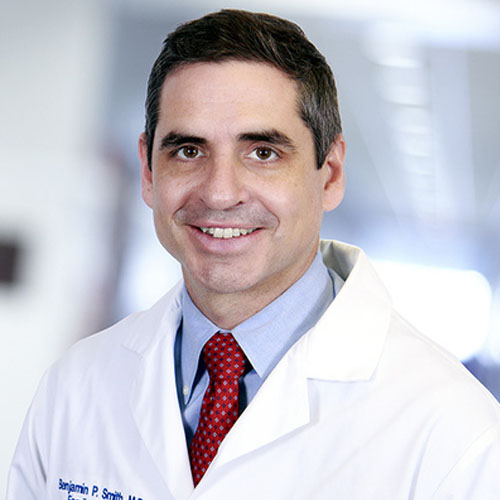
    “RSV is a seasonal virus, and it tends to come on in the wintertime,” says Benjamin Smith, MD, a family medicine specialist with The Christ Hospital Physicians – Primary Care​. “It usually peaks in January or February, and then starts trailing off in the spring kind of like the flu.”

    ​RSV symptoms often look like the common cold, so it can easily be dismissed as a minor illness. However, understanding the risks and recognizing the symptoms is crucial for the well-being of your loved ones.

    What is RSV?

    ​RSV is a highly contagious virus that primarily affects the lower respiratory system. It’s a member of the same family of notable viruses as measles and mumps. RSV is so common that most people will be infected with it at some point in their lives.

    “RSV has been around for as long as the common cold,” Dr. Smith says. “Research has shown that by age two, pretty much everyone has had RSV.”

    While RSV can cause mild cold-like symptoms in healthy individuals, it can lead to severe respiratory illness in certain high-risk populations.

    “Any sort of major organ disease, chronic disease of the kidney or liver, lungs or heart can make you much more susceptible to having a severe infection from RSV,” Dr. Smith says. “As long as your symptoms aren’t causing danger to you, we would treat them just like any other common cold.”

    ​Who is at higher risk for RSV?

    RSV doesn’t discriminate when it comes to making someone sick. It can affect people of all ages, but the severity of the illness and the risk factors can vary significantly.

    Understanding who’s most at risk is crucial for early intervention and prevention. The following groups are particularly vulnerable to RSV:

    1. Infants and Young Children: Babies, especially premature infants or those with certain medical conditions, are at a higher risk of severe RSV infection. RSV can lead to bronchiolitis or pneumonia in these young ones.
    1. Older Adults: Elderly individuals, especially those over 65, are at risk of severe RSV infection, which can lead to pneumonia. Weakened immune systems and other health issues contribute to this vulnerability.
    1. People with Weakened Immune Systems: Those with compromised immune systems due to diseases like HIV/AIDS, cancer, or organ transplantation are more susceptible to severe RSV infection.
    1. Individuals with Chronic Health Conditions: People with chronic lung or heart diseases like asthma, chronic obstructive pulmonary disease (COPD), and congestive heart failure are at increased risk of complications from RSV.

    ​RSV in Infants and Children

    ​As many as 80,000 ch​​​ildren under the age of 5 are hospitalized because of an RSV infection every year, according to the Centers for Disease Control and Prevention. Most improve with supportive care, but they may need oxygen, IV fluids, or a ventilator during their hospital stay.

    “Infants don’t have as much space in their lungs and airways as adults,” Dr. Smith explains. “The type of congestion that RSV causes is more disruptive to those smaller airways, which makes it quite difficult for the little ones to take productive breaths.”

    Most children who get RSV will only have mild symptoms. Dr. Smith says that children with a severe RSV infection can have some notable changes in their breathing. Those changes can be seen around the nose and on the chest and belly.

    “They’re more likely to have increased work of breathing, which we would identify by looking for flared nostrils,” Dr. Smith says. “They may also be trying to suck in so much air that you can see something called ‘retractions’ where the stomach and chest muscles are actually pulling to get more air in that breath.”

    Moms can protect their newborns by getting an RSV vaccination during pregnancy. The American College of Obstetrics and Gynecology and the American Academy of Family Physicians both recommend pregnant women get vaccinated against RSV anytime between 32 and 36 weeks.

    There is an additional immunization for young children at highest risk for catching RSV. “Nirsevimab is a medication injection similar to a vaccine given prior to RSV season which can prep the body to fight RSV before it even starts,” Dr. Smith explains. “The antibodies help the immune system recognize the virus and kill it before it turns into an active infection.”

    The CDC recommends the immunization for all infants under age 8 months entering their first RSV season. As of this publication in November 2023, the nirsevimab immunization was in short supply and only recommended for newborns at highest risk for complications.

    ​RSV in Seniors

    Adults over the are of 60 are at increasing risk for serious complications from RSV. “Any illness can hit you a little harder when you’re older,” Dr. Smith says. “Your immune system is not quite as strong.”

    According to the CDC, the RSV virus causes up to 160,000 hospitalizations and 10,000 deaths among older adults every year.

    “RSV will sometimes progress into viral pneumonia,” Dr. Smith says. “When patients have heart failure or COPD, you’re already usually having some baseline issues with your breathing, and you just don’t have the capacity to handle something additional on top of that as much as others.”

    “In addition to that, you can develop bacterial infections on top of RSV if you’re more susceptible or have a weaker immune system,” Dr. Smith continues. “That can develop into bacterial pneumonias and other conditions.”

    RSV vaccines are now available and highly encouraged for adults ages 60 and older. “They are excellent options for those age groups,” Dr. Smith says. “I’ve been suggesting it to all my patients who qualify for it.”

    The CDC says you can get the RSV vaccine at the same time as your other annual vaccines like the flu shot.

    ​Recognizing RSV Symptoms

    RSV symptoms can be easily confused with those of the common cold, which makes it essential to be vigilant, especially if you or your loved ones are in a high-risk group.

    Here are the key symptoms to watch for:

    1. Coughing: Persistent coughing, often with phlegm or mucus, is a common symptom of RSV. The cough may be severe, making it hard to breathe.
    1. Sneezing and Runny Nose: Like a cold, RSV often begins with sneezing, a runny or stuffy nose, and a mild fever.
    1. Fever: A low-grade fever (less than 100.4°F or 38°C) is another typical RSV symptom. In some cases, the fever can spike higher.
    1. Wheezing: Wheezing, a high-pitched whistling sound when breathing, is a significant symptom of RSV in infants and young children.
    1. Breathing Difficulties: RSV can cause rapid, shallow, or labored breathing in both infants and adults, making it challenging to get enough air.
    1. Irritability: Infants and young children may become unusually fussy, cranky, or lethargic when infected with RSV.
    1. Decreased Appetite: In infants, a decreased appetite and reduced intake of fluids can be a sign of RSV infection.
    1. Bluish Skin or Lips: This is an emergency symptom. If you notice bluish or grayish skin or lips, seek immediate medical attention.

    ​When to Seek Medical Attention

    ​RSV can lead to severe complications, especially in high-risk individuals, so it’s essential to know when to seek medical care.

    “You definitely want to get care if you have a viral illness of any kind and you have a history of COPD, asthma or heart failure or if you’re having any kind of difficulty breathing,” Dr. Smith says.

    If you or your loved ones experience any of the following, don’t hesitate to consult a healthcare professional:

    1. Severe coughing, wheezing, or difficulty breathing
    2. High fever (above 100.4°F or 38°C)
    3. Rapid breathing or noticeable chest retractions in infants
    4. Extreme fussiness or irritability in infants
    5. Difficulty staying awake or appearing very lethargic
    6. Dehydration signs, such as a dry mouth, sunken eyes, or decreased urination.

    ​Preventing RSV

    There are measures you can take to reduce your risk of catching RSV and spreading it to others. “When you have something that could be RSV, you definitely want to keep your distance, especially around those that are most susceptible to severe forms of RSV,” Dr. Smith recommends.

    You can also follow these tried-and-true methods to prevent the spread, which also work for other respiratory illnesses.

    1. Frequent Handwashing: Regularly wash your hands and encourage children to do so as well. Hand hygiene is one of the most effective ways to prevent the spread of RSV.
    2. Avoid Close Contact: If you or your child is infected with RSV, it’s crucial to avoid close contact with high-risk individuals, such as infants and the elderly.
    3. Cough and Sneezing Etiquette: Teach good cough and sneeze hygiene by covering the mouth and nose with a tissue or elbow, not hands.
    4. Cleaning and Disinfecting: Keep surfaces and objects clean and disinfected, especially if someone in your household is sick.
    5. Stay Informed: Stay informed about RSV outbreaks in your area and take extra precautions when it’s on the rise.

    By staying informed and vigilant, you can protect yourself and your loved ones from the potential dangers of RSV. Remember, when in doubt, talk to your doctor or another healthcare professional to ensure the best care and guidance.​

    Benjamin P. Smith, MD

    ​Benjamin Smith, MD, is a board-certified physician with The Christ Hospital Physicians – Primary Care who specializes in family medicine. He provides care to patients of all ages at the Ft. Wright location. His philosophy toward providing care centers on treating his patients as he would expect himself or his family members to be treated. He values empathizing with his patients and taking a thoughtful approach to working with them to determine the right care for their needs.
  • COVID-19 Treatments and Medications

    COVID-19 Treatments and Medications

    From the CDC: What You Need to Know

    • If you test positive for COVID-19 and are more likely to get very sick, treatments are available that can reduce your chances of hospitalization and death.
    • Don’t delay: Treatment must be started within days after you first develop symptoms to be effective.
    • Other medications can help reduce symptoms and help you manage your illness.
    • The Treatment Locator (hhs.gov) can help you find a location that offers testing and treatment or a pharmacy where you can fill your prescription.

    Treating COVID-19

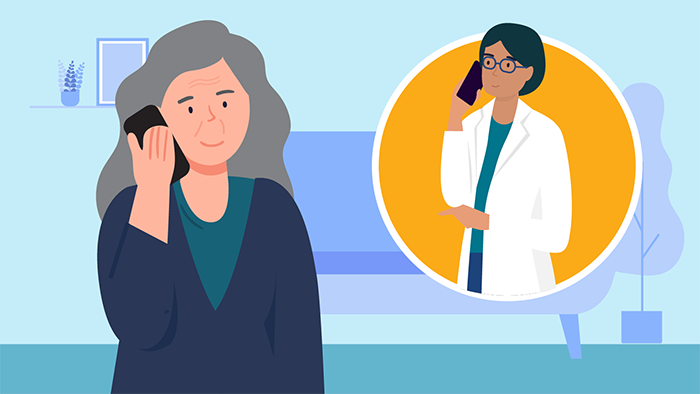
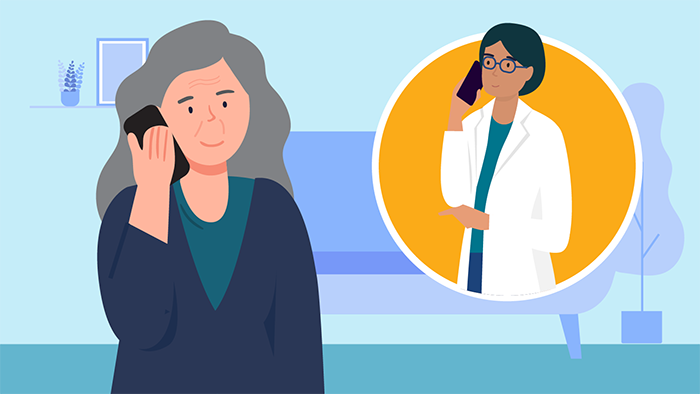
    illustration of older woman speaking on mobile phone with doctor

    If you test positive and are more likely to get very sick from COVID-19, treatments are availableexternal icon that can reduce your chances of being hospitalized or dying from the disease. Medications to treat COVID-19 must be prescribed by a healthcare provider and started as soon as possible after diagnosis to be effective. Contact a healthcare provider right away to determine if you are eligible for treatment, even if your symptoms are mild right now.

    Don’t delay: Treatment must be started within days of when you first develop symptoms to be effective.

    People who are more likely to get very sick include older adults (ages 50 years or more, with risk increasing with age), people who are unvaccinated, and people with certain medical conditions, such as chronic lung disease, heart disease, or a weakened immune system. Being vaccinated makes you much less likely to get very sick. Still, some vaccinated people, especially those ages 65 years or older or who have other risk factors for severe disease, may benefit from treatment if they get COVID-19. A healthcare provider will help decide which treatment, if any, is right for you. Check with your healthcare provider or pharmacist if you are taking other medications to make sure the COVID-19 treatments can be safely taken at the same time.

    Types of Treatments

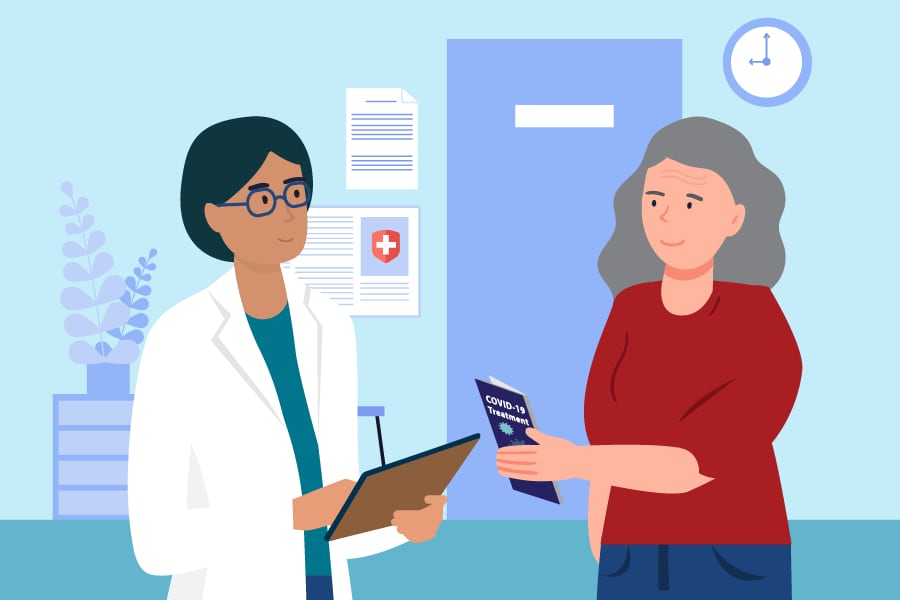
    person receiving treatment pamphlet from healthcare provider

    The FDA has authorized certain antiviral medications and monoclonal antibodies to treat mild to moderate COVID-19 in people who are more likely to get very sick.

    • Antiviral treatments target specific parts of the virus to stop it from multiplying in the body, helping to prevent severe illness and death.
    • Monoclonal antibodies help the immune system recognize and respond more effectively to the virus.

    The National Institutes of Health (NIH) provides COVID-19 Treatment Guidelines for healthcare providers to help them work with their patients and determine the best treatment options for them. Several options are available for treating COVID-19. They include:

    Treament • Who • When • How


    Nirmatrelvir with Ritonavir (Paxlovid)Antiviral

    Adults; children ages 12 years and older

    Start as soon as possible; must begin within 5 days of when symptoms start

    Taken at home by mouth (orally)


    Remdesivir (Veklury)Antiviral

    Adults and children

    Start as soon as possible; must begin within 7 days of when symptoms start

    Intravenous (IV) infusions at a healthcare facility for 3 consecutive days

    BebtelovimabMonoclonal antibody


    Adults; children ages 12 years and older

    Start as soon as possible; must begin within 7 days of when symptoms start

    Single IV injection


    Molnupiravir (Lagevrio)Antiviral

    Adults

    Start as soon as possible; must begin within 5 days of when symptoms start

    Taken at home by mouth (orally)


    Some treatments might have side effects or interact with other medications you are taking. Ask a healthcare provider if medications to treat COVID-19 are right for you. If you don’t have a healthcare provider, visit a Test to Treat location or contact your local community health center or health department.

    If you are hospitalized, your healthcare provider might use other types of treatments, depending on how sick you are. These could include medications to treat the virus, reduce an overactive immune response, or treat COVID-19 complications.

    Managing COVID-19 symptoms

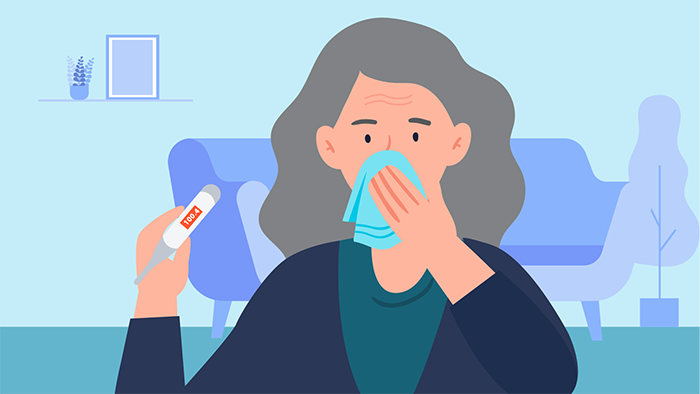
    person experiencing symptoms from COVID-19 infection

    Most people with COVID-19 have mild illness and can recover at home. You can treat symptoms with over-the-counter medicines, such as acetaminophen (Tylenol) or ibuprofen (Motrin, Advil), to help you feel better.

    Learn more about what to do if you are sick.


    Treatment Locator

    Click the link below or call 1-800-232-0233 (TTY 1-888-720-7489) to find a location that offers testing and treatment or a pharmacy where you can fill your prescription.

    View Locations


    Preventing COVID-19

    COVID-19 vaccines

    COVID-19 vaccines available in the United States effectively protect people from getting seriously ill, being hospitalized, and even dying—especially people who are boosted. As with vaccines for other diseases, you are protected best when you stay up to date. CDC recommends that everyone who is eligible stay up to date on their COVID-19 vaccines.

    To find COVID-19 vaccine locations near you: Search vaccines.gov, text your ZIP code to 438829, or call 1-800-232-0233.

    Preventive medications

    The FDA has issued an emergency use authorization for tixagevimab plus cilgavimab (EVUSHELDTM), a medicine that can help protect you from getting COVID-19. EVUSHELDTM contains two different antibodies and is given as two separate consecutive intramuscular (IM) injections at a doctor’s office or healthcare facility before you are exposed or test positive for COVID-19. If you are moderately or severely immunocompromised, or severely allergic to COVID-19 vaccines, you may be eligible for EVUSHELDTM  every 6 months. EVUSHELDTM  may offer less protection against certain strains of the Omicron variant. It is important that even if you receive EVUSHELDTM  you take multiple prevention measures. Additionally, you should undergo testing and seek medical attention if you develop symptoms of COVID-19, and start treatment for COVID-19 as appropriate. Talk to your healthcare provider to determine if EVUSHELDTM  is right for you.

    The right medications for COVID-19 can help. People have been seriously harmed and even died after taking products not approved for use to treat or prevent COVID-19, even products approved or prescribed for other uses. Talk to a healthcare provider about taking medications to treat COVID-19.

    For Healthcare Professionals

    General Treatment Resources

    Oral Antiviral Treatment Resources

    Monoclonal Antibody Treatment Resources

    Other Resources

  • New COVID Health Guidelines for Loveland Schools

    New COVID Health Guidelines for Loveland Schools

    COVID Health Guidelines Update Summary

     (effective 1/28/22, updated 5/9/22, 8/1/22, 8/14/22)

    Background:  On 8/12/22 new guidance for school came out from both the CDC and ODH (ODH memo 8/12/22 updated COVID guidance.  Here is the information that will help you here in LCSD:

    1. Positive cases
    • 5+5 (5 days of isolation followed by 5 days of masking) plan as outlined by CDC/ ODH (Ohio Dept of Health). This is calculated from the first day of symptoms or positive test which is considered day 0.  If a student is not ready to come back after 5 days (your child needs to be fever free for 24 hours without fever-reducing medications and symptoms improving), parents would call to tell attendance daily if their child is not ready to return.  These are considered non-absence days
    • Masking is not optional.  If you have been positive, you will need to mask for 5 days after being in isolation for 5 days.
    • There are no online learning links available.
    • Extracurriculars-  able to participate as long as able to mask.  Removing mask is not an option
    • District nurses (DN) make the follow up phone calls to parents once we are notified of a positive case.
    1. Close contacts/ exposures
    • Quarantine is no longer recommended for people who are exposed to COVID-19 except in certain high-risk congregate settings (not schools).  Instead of quarantining if you were exposed to COVID 19, it  is recommended that you wear a high quality mask for 10 days and get tested on day 5. For extracurriculars, they can mask as able to.
    • If your child has symptoms or develops symptoms, parents should keep them home and connect with their healthcare provider for further guidance and/ or covid testing. Testing on the same day as symptoms is now recommended.
    •  Parents should tell the attendance person the absence is covid related.
    1. If a student has a pending test and they have symptoms, we support keeping their child home until test results. If asymptomatic, they can be at school masked during that time
    2. We will no longer be monitoring vaccination status
    3. These days are excused absences, but we will continue to monitor

       3 . Testing

    • Any testing except antibody testing is acceptable.
    • Recommend testing day five per HCPH guidelines for exposures, but not required

    4.  Vaccines

    • We encourage everyone to talk to their health care provider for themselves and their children regarding getting vaccinated for COVID.  It is the best way to address COVID going forward.  Students over 5 are now eligible for the first booster vaccine

    LCSD will continue to focus on “The Bundle”-  handwashing, cleaning, distancing as needed/ able to, and masking when appropriate/ optional choice.  Our entire staff is committed to keeping our students safe and healthy.  We need your support by you doing the wellness checks daily with your child(ren) and keeping them home if they are sick.   Thanks for partnering with us- we can do anything together!!

  • CDC “streamlines” COVID-19 guidance 

    CDC “streamlines” COVID-19 guidance 

    A Press Release from the CDC


    Today, CDC is streamlining its COVID-19 guidance to help people better understand their risk, how to protect themselves and others, what actions to take if exposed to COVID-19, and what actions to take if they are sick or test positive for the virus. COVID-19 continues to circulate globally, however, with so many tools available to us for reducing COVID-19 severity, there is significantly less risk of severe illness, hospitalization and death compared to earlier in the pandemic.

    “We’re in a stronger place today as a nation, with more tools—like vaccination, boosters, and treatments—to protect ourselves, and our communities, from severe illness from COVID-19,” said Greta Massetti, PhD, MPH, MMWR author. “We also have a better understanding of how to protect people from being exposed to the virus, like wearing high-quality masks, testing, and improved ventilation.  This guidance acknowledges that the pandemic is not over, but also helps us move to a point where COVID-19 no longer severely disrupts our daily lives.”

    In support of this update CDC is:

    • Continuing to promote the importance of being up to date with vaccination to protect people against serious illness, hospitalization, and death. Protection provided by the current vaccine against symptomatic infection and transmission is less than that against severe disease and diminishes over time, especially against the currently circulating variants. For this reason, it is important to stay up to date, especially as new vaccines become available.
    • Updating its guidance for people who are not up to date on COVID-19 vaccines on what to do if exposed to someone with COVID-19.  This is consistent with the existing guidance for people who are up to date on COVID-19 vaccines.
    • Recommending that instead of quarantining if you were exposed to COVID-19, you wear a high-quality mask for 10 days and get tested on day 5.
    • Reiterating that regardless of vaccination status, you should isolate from others when you have COVID-19.
      • You should also isolate if you are sick and suspect that you have COVID-19 but do not yet have test results.
        • If your results are positive, follow CDC’s full isolation recommendations.
        • If your results are negative, you can end your isolation.
    • Recommending that if you test positive for COVID-19, you stay home for at least 5 days and isolate from others in your home.  You are likely most infectious during these first 5 days. Wear a high-quality mask when you must be around others at home and in public.
      • If after 5 days you are fever-free for 24 hours without the use of medication, and your symptoms are improving, or you never had symptoms, you may end isolation after day 5.
      • Regardless of when you end isolation, avoid being around people who are more likely to get very sick from COVID-19 until at least day 11.
      • You should wear a high-quality mask through day 10.
    • Recommending that if you had moderate illness (if you experienced shortness of breath or had difficulty breathing) or severe illness (you were hospitalized) due to COVID-19 or you have a weakened immune system, you need to isolate through day 10.
    • Recommending that if you had  severe illness or have a weakened immune system, consult your doctor before ending isolation. Ending isolation without a viral test may not be an option for you. If you are unsure if your symptoms are moderate or severe or if you have a weakened immune system, talk to a healthcare provider for further guidance.
    • Clarifying that after you have ended isolation, if your COVID-19 symptoms worsen, restart your isolation at day 0. Talk to a healthcare provider if you have questions about your symptoms or when to end isolation.
    • Recommending screening testing of asymptomatic people without known exposures will no longer be recommended in most community settings.
    • Emphasizing that physical distance is just one component of how to protect yourself and others.  It is important to consider the risk in a particular setting, including local COVID-19 Community Levels and the important role of ventilation, when assessing the need to maintain physical distance.

    Actions to take will continue to be informed by the COVID-19 Community Levels, launched in February. CDC will continue to focus efforts on preventing severe illness and post-COVID conditions, while ensuring everyone have the information and tools, they need to lower their risk.

    This updated guidance is intended to apply to community settings. In the coming weeks CDC will work to align stand-alone guidance documents, such as those for healthcare settings, congregate settings at higher risk of transmission, and travel, with today’s update.

  • State and County statements on coronavirus (COVID-19)

    State and County statements on coronavirus (COVID-19)

    “Fortunately, we have had no confirmations of COVID-19.”

    HAMILTON COUNTY, OHIO– Hamilton County Public Health (HCPH), as one of 113 local health departments in Ohio, is part of a highly-organized prevention and response effort for the coronavirus, or COVID-19 outbreak.  The agency is in lockstep with the Ohio Department of Health (ODH) and the Centers for Disease Control and Prevention (CDC) in managing protocols for prevention and if necessary, mitigation of cases of COVID-19.

    “As of today, there are no confirmed cases of COVID-19 in Ohio,” says Greg Kesterman, interim health commissioner at HCPH.  “We are working diligently with resources at the local, state and federal levels to make sure our response plan is up-to-date, our partners are well-informed, and the healthcare community knows exactly how to handle any eventuality.”

    Symptoms of the COVID-19 in people who have been exposed can include fever, cough and shortness of breath. The symptoms may appear in as few as two days or as long as 14 days after exposure. Reported illnesses have ranged from people with little-to-no symptoms to people becoming severely ill and dying.

    Current responsibilities for local health departments are working together across Ohio to monitor individuals returning from travel in China and other countries.  ODH is informed of travelers returning to Ohio.  If a traveler returns to Hamilton County, HCPH is responsible for monitoring and quarantining those individuals for 14 days – the incubation period for COVID-19.  Monitoring includes daily temperature checks while the local health department is in constant communication with those quarantined.  If a person develops symptoms during the quarantine period, HCPH helps them get the care they need.

    “To date, we have been responsible for monitoring people who fit the travel criteria established by CDC,” Kesterman says.  “Fortunately, we have had no confirmations of COVID-19.”

    Another important public health responsibility is contact tracing.  If an individual develops symptoms, health department staff track and monitor individuals with whom they may have had contact.  These could include family members, friends, work colleagues or other individuals.

    HCPH and health departments across the State are in constant contact with ODH.  There are regular conference calls with the State and health care facilities to share current information and guidance and to stay on top of ever-changing challenges with the response to coronavirus.

    “The actions that we’re all taking are very similar to our work during the Ebola response in 2014,” Kesterman adds.  “What we’re doing is very typical public health work.  We update plans, track and monitor those potentially exposed and then put protocols into place to prevent the risk of spreading the virus.”

    According to the CDC, imported cases of COVID-19 in travelers have been detected in the U.S. Person-to-person spread of COVID-19 also has been seen among close contacts of returned travelers from Wuhan, China but at this time, this virus is NOT currently spreading in the community in the United States.  The potential public health threat posed by COVID-19 is high, both globally and to the United States.

    But individual risk is dependent on exposure.  For the general American public, who are unlikely to be exposed to this virus at this time, the immediate health risk from COVID-19 is considered low.  Under current circumstances, certain people will have an increased risk of infection, for example healthcare workers caring for patients with COVID-19 and other close contacts of persons with COVID-19.

    Flu is currently a greater threat to public health.  HCPH urges everyone to get a flu shot.  It’s not too late and at the very least, the vaccine can help lessen symptoms and reduce their duration.

    For more information on flu and COVID-19, visit: www.hcph.org; www.cdc.gov; or odh.ohio.gov.


    Ohio Governor DeWine and the Ohio Health Director released an update COVID-19 Prevention and Preparedness Plan

    Ohio Governor Mike DeWine was joined by Ohio Department of Health Director Amy Acton, MD, MPH; Cuyahoga County Health Director Terry Allan, MPH; and MetroHealth President and CEO, Akram Boutros, M.D., FACHE today gave an update on the state’s preparedness and education efforts to limit the potential spread of Coronavirus Disease 2019 (COVID-19). There are no confirmed cases of COVID-19 in Ohio nor anyone currently under investigation for the virus.

    “I want to be clear that the threat of Coronavirus in Ohio and the United States remains low,” said Governor Mike DeWine, “but this could change, and we have to be prepared.  I believe it is imperative that we are open with the public and are communicating information in real-time about the Coronavirus to both inform and educate our communities.  We will communicate what we know, when we know it.”

    COVID-19 is a respiratory virus strain that has only spread in people since December 2019. The Centers for Disease Control and Prevention (CDC) continues to consider the health risk from COVID-19 to be low among the general public in the U.S. However, COVID-19 continues to be an issue of concern internationally and there is potential for an eventual community person-to-person spread to occur in this country. 

    “Since the start of this outbreak, we’ve taken a proactive approach to prepare and carefully monitor potential cases and travelers about COVID-19 in Ohio,” said Dr. Acton. “As the CDC advised, we need to be prepared for community spread of COVID-19. We are working to make sure our healthcare partners, first responders, state agencies, and local health departments have the resources they need to respond.”

    Today Governor DeWine ordered the following action by state agencies:

    •     The Ohio Department of Transportation will post information from the Ohio Department of Health in all state rest areas on hand washing protocols including messages on Ohio Travel TV.
    •     The Departments of Rehabilitation and Corrections and Youth Services will increase frequency and use of disinfectant measures in all their state facilities to protect inmates, families, and staff.
    •     The Governor called on Ohio college and university leaders to urge every student and faculty member on their campuses who have not yet received a shot to get one at their health clinic immediately. 
    •     The Governor is asking our college and university leaders to prohibit college travel to nations where the CDC has recommended no travel, such as China and South Korea. 
    •     The Governor is asking college and universities to take appropriate action to accommodate students who are studying abroad and may need to come back to the United States. 
    •     The Governor is asking the Ohio Department of Aging to continue working with local aging networks to identify the most vulnerable older adults with the highest needs to make sure that plans are in place to meet their needs – whether that is providing additional meals or additional medication or other personal care needs.
    •     The Governor is asking local aging advocates across Ohio to go out into their communities to check on nursing care facilities to ensure that all illness prevention methods are in place.  
    •     The State of Ohio will also be paying aggressive attention to common areas in state-owned buildings, including significantly increased cleaning frequency of these areas and hand sanitizer stations in common lobbies and hallways.

    Governor DeWine announced that on Thursday of next week, the state will be convening a summit in Columbus for all of Ohio’s local public health departments and health commissioners and staff that will include members of the Governor’s Cabinet.   

    Symptoms of the COVID-19 in people who have been exposed can include fever, cough and shortness of breath. The symptoms may appear in as few as two days or as long as 14 days after exposure. Reported illnesses have ranged from people with little-to-no symptoms to people becoming severely ill and dying.

    “As this situation evolves, we will continually update Ohioans through our website, odh.ohio.gov, our Facebook page and our Twitter account,” said Dr. Acton “It’s important to remember that the most accurate and timely information regarding this outbreak is available through the Ohio Department of Health, as well as the CDC.”

    For information and updates related to COVID-19, visit the Ohio Department of Health website at www.odh.ohio.gov or coronavirus.ohio.gov

  • Milford IHOP employee diagnosed with hepatitis A

    Milford IHOP employee diagnosed with hepatitis A

    Milford, Ohio – Clermont County Public Health has identified a case of hepatitis A in an employee at the IHOP restaurant at 5699 Romar Drive in Milford.

    According to the Clermont County Board of Health the risk to patrons is extremely low. However, as a precaution they are asking anyone who has eaten at IHOP from December 25 – December 31 to monitor for symptoms of the virus for up to 50 days.

    Symptoms of hepatitis A include:

    • Fatigue
    • Low appetite
    • Stomach pain
    • Nausea
    • Clay-colored stools
    • Jaundice (yellowish color to the skin and eyes)

    The disease, which affects the liver, can be spread through eating or drinking contaminated food. Food can get contaminated if a person who has the virus does not wash their hands properly after using the bathroom and before preparing or touching food.

    “The restaurant management has been very cooperative and we are working with them to review safe food handling techniques,” said Assistant Health Commissioner Tim Kelly.

    A vaccine can protect you from getting sick if received within two weeks of contact with the virus. Patrons should contact their health care provider if they have questions or concerns.

    “Though it is possible to spread hepatitis A through contaminated food, the risk is extremely low,” said Kelly. “The majority of cases we are seeing during this outbreak are from other risk factors.”

    The Ohio Department of Health declared a statewide outbreak of hepatitis A in June. So far, there have been 1,370 cases statewide and 42 cases in Clermont County that are linked to this outbreak.

    People at the highest risk of hepatitis A during this outbreak include:

    • People with direct contact with anyone who has the virus
    • People who use illegal drugs
    • People who are homeless
    • People who have traveled to other areas of the U.S. that are currently experiencing an outbreak
    • People who have been incarcerated
    • Men who have sex with men

    In addition to getting a vaccine, the best way to protect yourself from hepatitis A is to wash your hands thoroughly after using the bathroom and before eating.

    Illness from hepatitis A can range from a mild case that lasts a few weeks to a severe illness lasting several months.

    For more information on hepatitis A, click here.


    Bethel McDonald’s employee diagnosed with hepatitis A


    Felicity IGA employee diagnosed with hepatitis A
  • Cases of hepatitis A increasing in Clermont County

    Cases of hepatitis A increasing in Clermont County

    Clermont County is experiencing an increase in cases of hepatitis A. The Ohio Department of Health declared a statewide outbreak of the illness in June. To date, there have been 225 cases reported in Ohio.

    Hepatitis A is a virus that affects the liver. It can be spread from person to person, or by eating or drinking food that is contaminated with the virus. Food can become contaminated with the virus when a person doesn’t wash their hands after using the bathroom and then prepares or touches food. Spread of the illness in the current outbreak is primarily occurring from person to person in high-risk groups.

    People at higher risk for getting sick from Hepatitis A during this outbreak include:

    • People who have direct contact with someone infected with the virus
    • Men who have sex with men
    • People who use street drugs, whether they are injected or not
    • People who are incarcerated
    • People experiencing homelessness
    • People who have traveled to areas outside of the U.S. currently experiencing outbreaks

    Symptoms of hepatitis A include fatigue, low appetite, stomach pain, nausea, clay-colored stools, and jaundice (yellowish color to the skin and eyes).

    Clermont County Health Commissioner Julianne Nesbit

    “We are working with at-risk populations to help prevent even more people from getting sick,” said Health Commissioner Julianne Nesbit. “Whether you are considered to be at high risk or not, anyone can get hepatitis A. So we encourage everyone to get vaccinated and wash your hands.”