Tag: trees

  • Lovelanders and their trees: Olivia Nerlinger of Loveland with her tree swing

    Lovelanders and their trees: Olivia Nerlinger of Loveland with her tree swing

    By Joe Timmerman

    “When we try to pick out anything by itself, we find it hitched to everything else in the Universe,” John Muir, a transcendentalist, wrote of nature’s connectedness in his 1911 book, My First Summer in the Sierra.

    In 1997, Nature journal published ecologist Suzanne Simard’s Ph.D. theses, describing newfound proof of how plants within communities can be interconnected through an underground system, called a mycorrhizal network, to interact with each other.

    This is Part 5 of a series Loveland resident and Ohio University student, Joe Timmermanwrote for The Post in Athens, Ohio. The Post is an award-winning, student-run media outlet that publishes online daily and also prints a weekly tabloid. They cover local and Ohio University news, sports, Athens life, entertainment and everything in between. The series is re-published here in Loveland Magazine with permission of The Post and Loveland High School graduate, Joe Timmerman a frequent contributor to Loveland Magazine.

    “All trees all over the world, including paper birch and Douglas fir, form a symbiotic association with below-ground fungi … They compete with each other, but our work shows that they also cooperate with each other by sending nutrients and carbon back and forth through mycorrhizal networks,” Simard said in an interview with Yale Environment 360.

    In this sense, trees communicate with one another on a deeper level than what is seen in the overstory and the understory of a forest.

    From mothers and fathers sharing memories of trees they have grown to love with their kids to a lifelong woodworker who discovered a new relationship with wood as time went by, people are connecting with nature in new and old ways, as COVID-19 has brought a global feeling of social disconnection. People and their trees alike have a story to be told.
    This image has an empty alt attribute; its file name is Olivia-Nerlinger.jpg

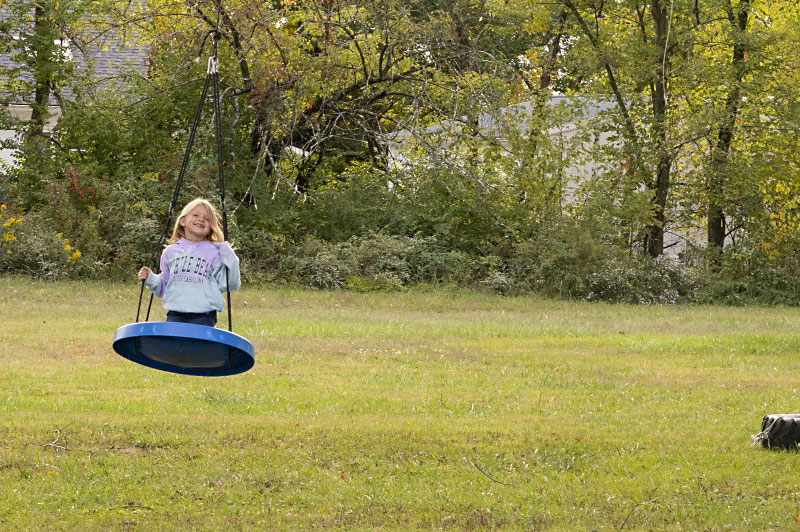
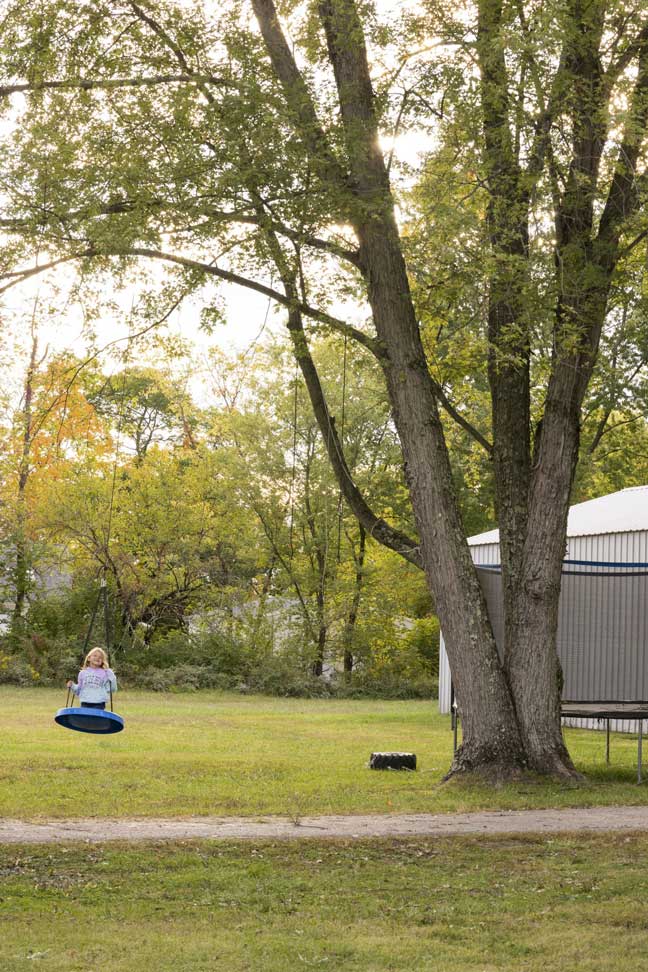
    Olivia Nerlinger of Loveland, Ohio, with her tree swing. Nerlinger and her family have been renting the property for the past three years. They don’t know what kind of tree the swing hangs from.

    “My dad put the swing up. I love spinning on it,” Nerlinger said. “I like trees because I can find cicada shells on them, and I find lots of shells on this tree.”


    Read Part 4

    Read Part 3

    Lovelanders and their trees: Iris Wilson with her Pin Oak Tree
    Read Part 2

    Read Part 1:

    Lovelanders Pat, Norah Jane, and Becky Hill connect with their trees…


  • Lovelanders and their trees: Jan Beller with her Tulip Poplar Tree

    Lovelanders and their trees: Jan Beller with her Tulip Poplar Tree

    By Joe Timmerman

    “When we try to pick out anything by itself, we find it hitched to everything else in the Universe,” John Muir, a transcendentalist, wrote of nature’s connectedness in his 1911 book, My First Summer in the Sierra.

    In 1997, Nature journal published ecologist Suzanne Simard’s Ph.D. theses, describing newfound proof of how plants within communities can be interconnected through an underground system, called a mycorrhizal network, to interact with each other.

    This is Part 4 of a series Loveland resident and Ohio University student, Joe Timmermanwrote for The Post in Athens, Ohio. The Post is an award-winning, student-run media outlet that publishes online daily and also prints a weekly tabloid. They cover local and Ohio University news, sports, Athens life, entertainment and everything in between. The series is re-published here in Loveland Magazine with permission of The Post and Loveland High School graduate, Joe Timmerman a frequent contributor to Loveland Magazine.

    “All trees all over the world, including paper birch and Douglas fir, form a symbiotic association with below-ground fungi … They compete with each other, but our work shows that they also cooperate with each other by sending nutrients and carbon back and forth through mycorrhizal networks,” Simard said in an interview with Yale Environment 360.

    In this sense, trees communicate with one another on a deeper level than what is seen in the overstory and the understory of a forest.

    From mothers and fathers sharing memories of trees they have grown to love with their kids to a lifelong woodworker who discovered a new relationship with wood as time went by, people are connecting with nature in new and old ways, as COVID-19 has brought a global feeling of social disconnection. People and their trees alike have a story to be told.


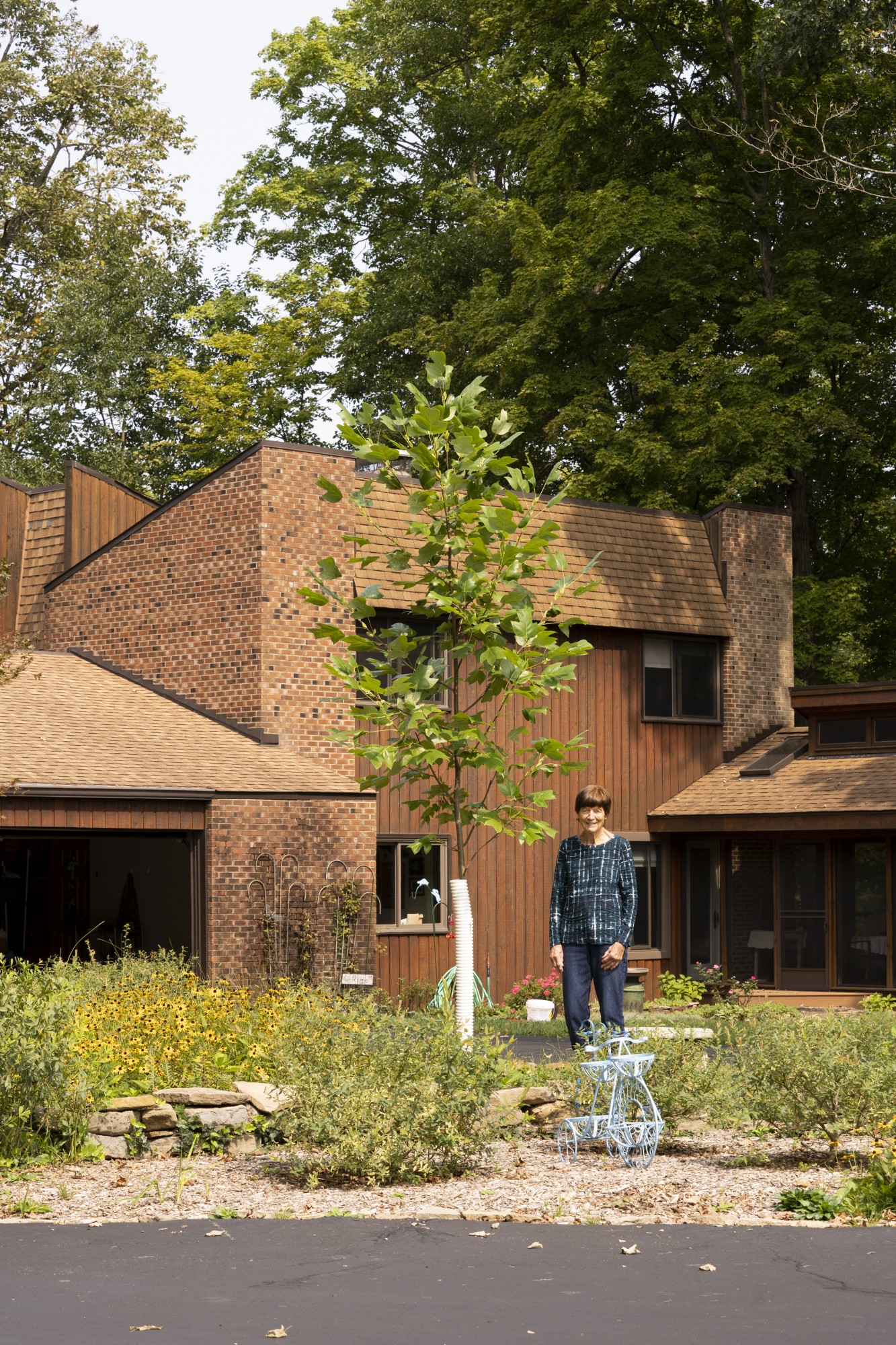
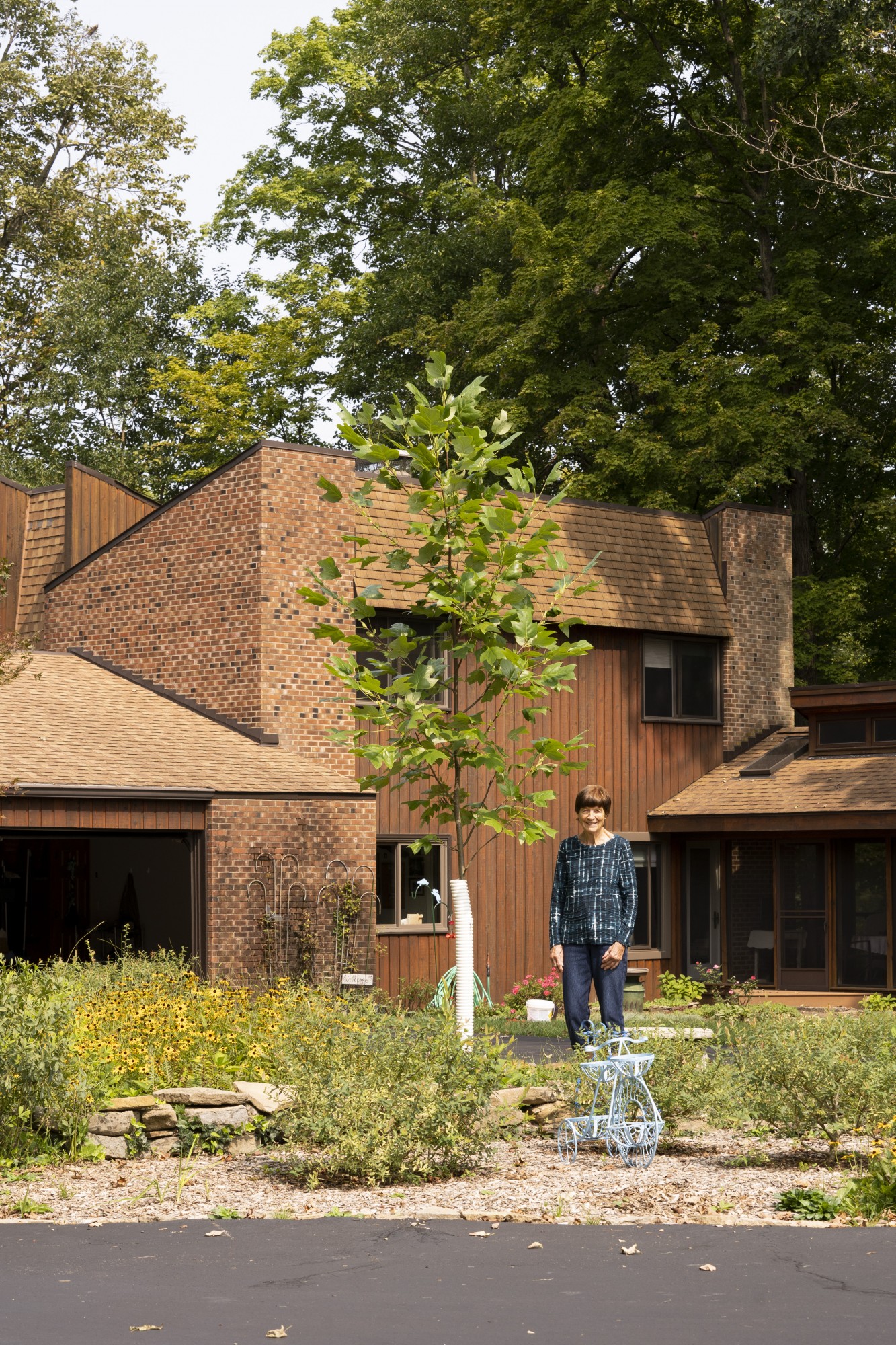
    Jan Beller, 82, of Loveland, Ohio, with her Tulip Poplar Tree on Tuesday, Sept. 15, 2020.

    Jan Beller, 82, of Loveland, Ohio, with her Tulip Poplar Tree on Tuesday, Sept. 15, 2020.

    Jan Beller of Loveland, Ohio, with her Tulip Poplar Tree. Beller has lived in this house since 1970, and the property has been in her family name since 1870. Some of the trees on her property are around 100 years old.

    “The leaves turn yellow, in the spring it’s supposed to flower, not next year, but it should the year after,” Beller said. “ There used to be three maples in the yard here that were dying, and I wanted to plant something new that I could see provide shade in my lifetime. The high branches are supposed to cover the driveway. There weren’t any leaves on it when we planted it in March, they’re just now starting to bud out.”


    Read Part 3

    Lovelanders and their trees: Iris Wilson with her Pin Oak Tree

    Read Part 2

    Read Part 1:

    Lovelanders Pat, Norah Jane, and Becky Hill connect with their trees…


  • The 2020 Fall Foliage Map

    The 2020 Fall Foliage Map

    Photo by Mitch Kesler from Pexels

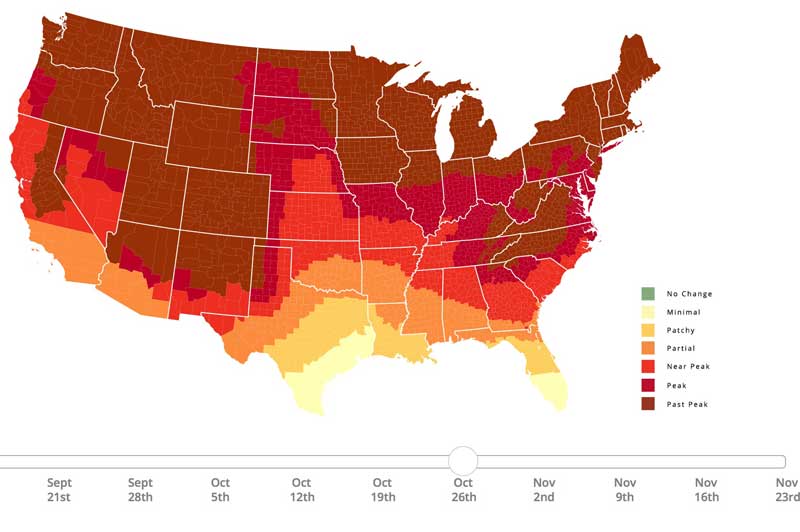
    The Smoky Mountains National Park has released The 2020 Fall Foliage Map. They say it t is the “ultimate visual planning guide” to the annual progressive changing of the leaves.

    According to the Interactive MAP, which has a slider so you can dial in areas around the country, Southwest Ohio will be approaching peak viewing of gorgeous, vibrant colors on October 26 and the peak is on November 2.

    The Park says, “While no tool can be 100% accurate, this tool is meant to help travelers better time their trips to have the best opportunity of catching peak color each year.”

    The MAP page will also answer popular questions about autumn tree foliage such as:

     Why Do Autumn Leaves Change Their Color? 

     The Science Of It All 

     The Changing Colors 

     Why do leaves fall? 

     What happens to the fallen leaves?