Tag: union township

  • John Stowell and Andrew McAfee appointed as Clermont park commissioners

    John Stowell and Andrew McAfee appointed as Clermont park commissioners

    Clermont County Probate Judge James A. Shriver has appointed two new members to the Clermont County Board of Park Commissioners. John Stowell, a long-time resident of Miami Township, and Andrew McAfee, a lifetime resident of Union Township, have joined David Anspach, who has served on the board since 1997. This year, Anspach will serve as chairman and Stowell as vice chairman.

    Stowell and McAfee fill the seats left open by long-time board members Ken Stewart and William Stearns, both of whom retired at the end of 2020.  All three commissioners serve three-year terms without pay and provide stewardship over Clermont County’s six parks, three nature preserves, the Williamsburg-Batavia bike trail and several green spaces.
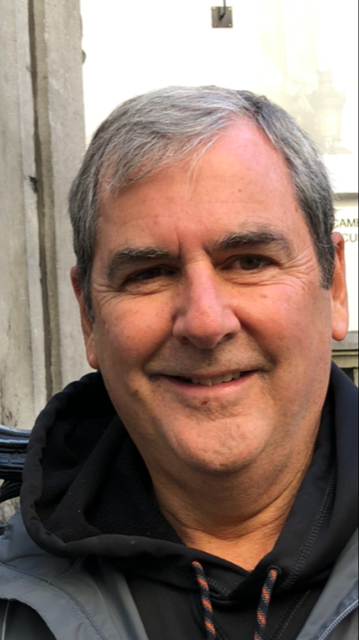
    Stowell (left) is retired from Duke Energy where he served in a number of executive positions, including leading the company’s government affairs, energy and environmental policy and international policy groups. In his 28 years with the company, he worked with Congress to help shape the Clean Air Act of 1990 and repeal the Public Utility Holding Company Act of 1935. He is originally from Buchanan, Mich., and is a 1975 graduate of Michigan State University, where he majored in journalism. He lives in Miami Township just outside of Loveland with his wife Marlene. They have two grown children, Maria and Stephen.

    Stowell, who describes himself as an avid bicyclist and outdoors lover, said he was anxious, upon his retirement, to contribute toward improving the community. The opening on the park board, he said, provided that opportunity.

    “My goal as a board member is to help and improve and grow our outstanding county park system,” he said. “I am particularly excited about our latest addition at Grailville, which will bring recreational and educational opportunities to residents in the northern part of our county.”

    McAfee (left) is the Director of Government Affairs for the Clermont County Chamber of Commerce. Prior to joining the Chamber, he was Congressman Brad Wenstrup’s Field Representative in Clermont County and, during the recent election, took a leave of absence to serve as his campaign manager.

    Adopted as a baby from Honduras, McAfee is a lifelong resident of Clermont County and resides in Union Township. He is a graduate of Glen Este High School, the University of Cincinnati, and is currently working towards a Master’s in Public Administration at Eastern Kentucky University.

    McAfee’s interest in Clermont County parks goes back to his childhood.
    “Growing up, I was a frequent visitor of the parks throughout Clermont County,” he said. “During the stay-at-home order early last year, I really got to know all of the parks even better as an alternative to the gym. When I saw the opportunity to join the board, I thought it would be a great way to protect and promote the parks that I have grown to love throughout my life.

    “As a young professional in Clermont County, I’m really looking forward to working with the parks team on ways to promote and highlight all of the great things our parks have to offer, especially to millennials and young families. We have so much to offer here in Clermont County and I cannot wait to help showcase all of our great parks!”
  • Calls to Clermont County 528-SAVE crisis hotline increase

    Calls to Clermont County 528-SAVE crisis hotline increase

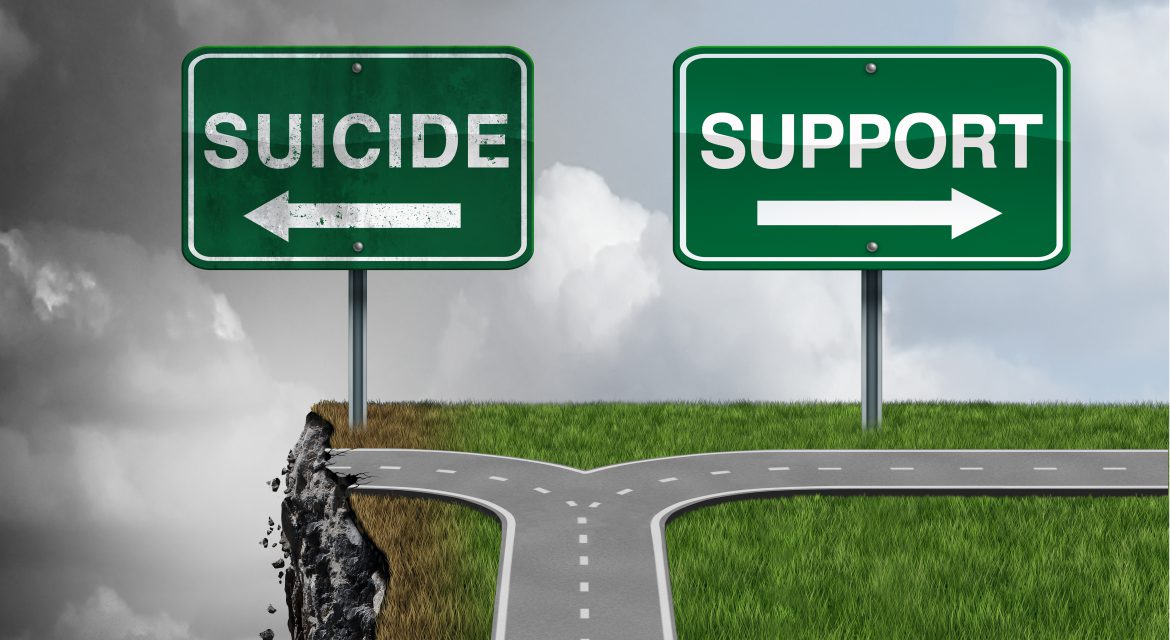
    Help is available 24/7 through the Clermont County Crisis Hotline at 528-SAVE (7283).  The Hotline is staffed by trained and licensed mental health providers who can assist with connection to needed services.  There is also a crisis text line that can be accessed 24/7.  Text the keyword “4hope” to 741 741.

    Ongoing stress due to the pandemic has contributed to increased calls to the Clermont County 528-SAVE Crisis Hotline over the past several months. The Clermont County Crisis Hotline has seen a 21-percent increase in the number of calls in the fiscal year that ended June 30, 2020, as compared to the previous 12 months. The hotline has also seen an increase in the number of suicidal/crisis calls.

    “The long-term impact of the COVID-19 pandemic is starting to take its toll,” said Lee Ann Watson, associate director, Clermont County Mental Health & Recovery Board. “This has been a challenging time for nearly everyone, especially those with possible underlying behavioral health concerns.”

    Clermont County has the second-highest suicide rate in Southwest Ohio and is 13th in the state per 100,000 for suicide deaths. Fortunately, there has not been an increase in suicide deaths in 2020.  People appear to be reaching out for help more than in previous years.  But there is still a reason for concern. While the suicide deaths have decreased in 2020, one death by suicide is too many.

    Watson asks people to recognize warning signs and know how to reach out for help.  It is important to know the warning signs and the resources to seek help because likely people who are depressed and at risk for suicide are not often motivated to seek help. Losses such as the end of a relationship, death of a loved one, or loss of employment, all of which are situations that can be occurring during COVID-19, can increase the risk for depression.

    Common Warning Signs of Acute Suicide Risk

    The following are not always communicated directly or outwardly:

    • Threatening to hurt or kill him or herself, or talking of wanting to hurt or kill him/herself; and or,
    • Looking for ways to kill him/herself by seeking access to firearms, available pills, or other means; and/or,
    • Talking or writing about death, dying or suicide, when these actions are out of the ordinary.

    Additional Warning Signs:

    • Increased substance (alcohol or drug) use
    • No reason for living; no sense of purpose in life
    • Anxiety, agitation, unable to sleep or sleeping all of the time
    • Feeling trapped – like there’s no way out
    • Hopelessness
    • Withdrawal from friends, family, and society
    • Rage, uncontrolled anger, seeking revenge
    • Acting reckless or engaging in risky activities, seemingly without thinking
    • Dramatic mood changes
    • Giving away prized possessions or seeking long-term care for pets

    (Source: American Association of Suicidology)

    Help is available 24/7 through the Clermont County Crisis Hotline at 528-SAVE (7283).  The Hotline is staffed by trained and licensed mental health providers who can assist with connection to needed services.  There is also a crisis text line that can be accessed 24/7.  Text the keyword “4hope” to 741 741.   

    High-risk groups: Men, those 65 and older
    Middle-aged men and individuals over the age of 65 comprise high-risk groups in Clermont County, similar to national trends. Men have always had a higher rate of suicide death than females, but the number of males dying from suicide has significantly increased. During 2019, 37-percent of the suicide deaths were men between the ages of 40-59.  This is a 100-percent increase in the number of deaths in 2019 of this age group compared to 2018.  In 2020, 88 percent of the suicide deaths were men.  Of those, 23 percent were aged 40-49, and 26 percent were aged 60-69.

    While it is often difficult for men to reach out for help, it is important for men to remember that now more than ever “it is ok not to be ok” and that feeling overwhelmed is not a sign of weakness.  Seeking help is a sign of strength.  Mental health professionals are available to assist with the specific needs and concerns of men.  Further, a 2019 study published in the Journal of Mental Health found that receiving support from a trusted and respected friend can be an effective suicide prevention strategy for men. Forming connections with other people who are going through the same thing can also be helpful.

    The Clermont County Suicide Prevention Coalition is working to decrease suicide in our County through increasing knowledge of warning signs, and availability of treatment. If you are interested in joining the Coalition, please contact Lee Ann Watson at (513) 732-5400.

    Number of overdose deaths decline; meth use increases

    With regard to unintentional fatal overdose deaths, Clermont County has seen a decrease in deaths over the past three years.

    The decrease in deaths can be partially attributed to the widespread distribution of Naloxone to county residents. While the overdose deaths have decreased, nonfatal overdoses are still occurring in Clermont County, albeit less than in previous years.

    Regarding non-fatal overdoses, the County was ranked 16th in the state in 2019 for the number of Naloxone administrations (387 doses; Ohio EMS, 2019). This ranking is based on the number of administrations, not by population. For the first three quarters in 2020, Clermont is ranked 17th in the state for the number of Naloxone administrations (315; Ohio EMS, 2020). The number of administrations is underreported since not all the EMS departments in Clermont County report the use of Naloxone, and the figures do not include the Naloxone utilized by law enforcement.

    Clermont County saw a surge in nonfatal overdoses in the summer months of 2020, but the overdoses have now decreased to lower than in the previous year.  There continue to be “hot spots” in Clermont County where overdoses are occurring:  Union Township; New Richmond and Felicity.

    The use of stimulants, particularly methamphetamine, has substantially increased in Clermont County. The degree of complexity related to stimulant misuse has impacted the county. A large portion of the homicides in 2019 was related to stimulant misuse. Individuals on meth can have extreme paranoia and often aggressive behavior, and difficult to engage in treatment.

    The CCMHRB’s substance use disorder treatment provider has seen an increase in treatment admissions for stimulant misuse in the last year (14 percent), and the local hospital also reports an increase in the rate of admissions to the Emergency Department (ED) and the behavioral health unit due to meth misuse.

    Individuals who are brought into the ED under the influence of meth most often have to be admitted to the behavioral health unit. Those stays are often long since it is taking several days for the individual to clear.

    Clermont County Children’s Protective Services has also reported a substantial increase in the number of children in custody due to stimulant use disorders. In 2019, more than 30 percent of the cases were related to methamphetamine.  The number of cases has increased in 2020 as reported by CPS.

    Stimulant misuse differs greatly from opioid misuse.  Due to the nature of the drug, individuals actively using stimulants are often not able to engage in discussions related to treatment, and therefore outreach to attempt to engage them in treatment is not successful as it has been for individuals using opioids.  Further, many individuals with a stimulant use disorder do not believe they have an addiction, and therefore do not voluntarily enroll in treatment.  The CCMHRB’s contract substance use disorder treatment provider reports that in 2019, 21 percent of clients identified stimulants as their primary drug of choice, while 34 percent identified opioids as their primary drug of choice.

  • Manufacturer breaks ground on $14-million, 250-employee plant in Clermont

    Manufacturer breaks ground on $14-million, 250-employee plant in Clermont

    The Clermont County Port Authority has announced that Hamilton Safe Company broke ground on a $14-million manufacturing plant on Round Bottom Road in Union Township on Dec. 17. The 180,000-square-foot plant will make security products as well as pneumatic tube and audio/video systems.

    The new headquarters for the company are expected to employee 250 people, with an annual payroll of $12.5 million.

    The Clermont County Port Authority provided a tax exemption on the sales tax on construction materials. The Port Authority and Community Improvement Corporation will work together to help finance infrastructure improvements to the area. This financing will be repaid through tax increment financing (TIF) funds once the new buildings are constructed.

    The improvements made by this project opens up more acreage near Round Bottom Road for future industrial development.

    Hamilton operates three different facilities throughout the Cincinnati metro area. The company is a wholly-owned subsidiary of Gunnebo Group, based in Gothenburg, Sweden.

    Cincinnati Commercial Contractors developed the project. Costs include $11.9 million for construction, $957,900 for land acquisition, and $1.8 million for soft costs, developer fees and contingency.

  • Ohio Republicans slammed over coronavirus enforcementBy Marty Schladen – July 13, 2020

    Ohio Republicans slammed over coronavirus enforcementBy Marty Schladen – July 13, 2020

    Columbus, OhioThe coronavirus is raging in Ohio, but the state’s Republican leaders seem disinclined to enforce rules intended to protect against it. (How does Hamilton County avoid Level 4 Alert)

    Attorney General Dave Yost won’t say whether he’ll support enforcement of new orders to wear masks in the state’s hardest-hit counties. And the official who issued them, Gov. Mike DeWine, has made several statements indicating that he doesn’t want to see anybody punished for not following measures intended to slow the spread of the deadly disease.

    Mike Samet the Public Information Officer for Hamilton County Public Health told Loveland Magazine on Friday that from an enforcement perspective, as a county agency, the Health Department is not able to issue citations. “Nobody wants to be the mask police. This is education over enforcement, he said. Samet added that he wants people to understand why masks are important now, not punish them for non-compliance.

    Ohio set a record for new cases Friday — 1,525 — after seeing them trend sharply upward over the past few weeks. The case count was nearly triple the three-week average of 531.

    Gov. Mike DeWine, has made several statements indicating that he doesn’t want to see anybody punished for not following measures intended to slow the spread of the deadly disease.

    The news comes as six other states — Alabama, Idaho, Missouri, Montana, Oregon and Texas — set new single-day records of their own on Thursday. It also was the sixth day out of the past 10 in which the United States set one-day records for new cases of the coronavirus, which now has killed more than 3,000 in Ohio and more than 130,000 nationwide.

    Also last week, a New York Times data analysis showed that the disease in the United States is taking on a disturbing racial dimension, with Blacks and Latinos around three times as likely as whites to get the new coronavirus.

    The World Health Organization and the U.S. Centers for Disease Control both have said that widespread mask wearing would reduce the spread of the disease. One study indicated that if 80% of people wore them, the spread would plummet to one twelfth what it would be if nobody did.

    Yet Yost, the state’s top law-enforcement officer, last week didn’t respond to questions about whether he supports enforcement of last week’s orders that people in Ohio’s 12 hardest-hit counties must wear masks inside public buildings.

    In late March, Yost ordered that many abortions be halted in Ohio, arguing that the move was intended to conserve healthcare resources in the face of the coronavirus pandemic.

    In June, he urged a municipal court to drop charges against a couple accused of opening their Cambridge-area restaurant in defiance of an earlier, DeWine-issued health order that it remain closed.

    Then earlier this week, Yost said that the Columbus city government doesn’t have the power to enforce mask orders in state buildings — places where many Republican lawmakers have refused to wear them.

    On Monday, a spokeswoman for Yost explained that the attorney general can’t have any official involvement in cases relating to health orders unless asked by local prosecutors. “We don’t have the authority,” the spokeswoman, Bethany McCorkle, said in a text message.

    She added, however, that Yost has worn a mask since before there was a health order and encourages others to do the same.

    The attorney general and his staff haven’t responded to subsequent questions about the order DeWine issued on Wednesday evening requiring masks in the worst-hit counties.

    David Pepper (Photo from Ballotpedia)

    Ohio Democrats are already up in arms about Republican legislative leaders’ refusal to share details about the spread of coronavirus in the Statehouse and surrounding office towers. David Pepper, the party chairman, on Friday slammed the attorney general for his apparent reluctance to support the enforcement of mask orders.

    “As far as Dave Yost is concerned, refusing to enforce health orders is just one more example that the Ohio GOP has become the party of Donald Trump, Nino Vitale and John Becker,” Pepper said in a text message. “Sadly Ohio COVID cases are spiking because of it.”

    “Even though initially it appeared that Mike DeWine was being guided by scientists and public health experts, it seems that politics and the desires of the business community are driving more of the governor’s decision making now,” party chairman David Pepper said.

    President Donald Trump has repeatedly downplayed the pandemic, floated unproven cures for it and refused to appear in public wearing a mask. Among his other statements, Ohio Rep. Nino Vitale, R-Urbana, last Tuesday took to Facebook to urge Ohioans to stop even getting tested for coronavirus. And Ohio Rep. John Becker, R-Union Township, has introduced legislation that would strip state officials of the power to enforce any health order.

    Meanwhile, in the absence of much support from his party, DeWine has said he doesn’t plan to use his authority under his mask order to arrest people for not following it.

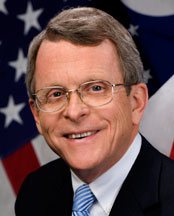
    Ohio Governor Mike DeWine

    “We’re not talking about throwing people in jail,” DeWine said during a press conference Thursday. “This is a law to advise people what to do.”

    DeWine has enjoyed overwhelming, bipartisan support over his handling of the coronavirus. But at least for Ohio’s top Democrat, patience might be wearing thin.

    “Even though initially it appeared that Mike DeWine was being guided by scientists and public health experts, it seems that politics and the desires of the business community are driving more of the governor’s decision making now,” Pepper said. “Even with fewer cases, even West Virginia and Kentucky are being more proactive in addressing the pandemic.”


    The Ohio Capital Journal is a hard-hitting, independent, nonprofit news organization dedicated to connecting Ohioans to their state government and its impact on their lives. The Capital Journal combines Ohio state government coverage with relentless investigative journalism, deep dives into the consequences of policy, political insight and principled commentary.

  • Patricia Lawrence: I’m running because our community deserves effective leadership

    Patricia Lawrence: I’m running because our community deserves effective leadership

    Guest Column

    I’m Patricia Lawrence, candidate for Ohio House District 65 (Goshen, Miami, Stonelick, Union, and Wayne Townships.)  I’m a wife, mother, former teacher, and deeply concerned citizen. My decision to run is not about ego. I’m running because our community deserves effective leadership.

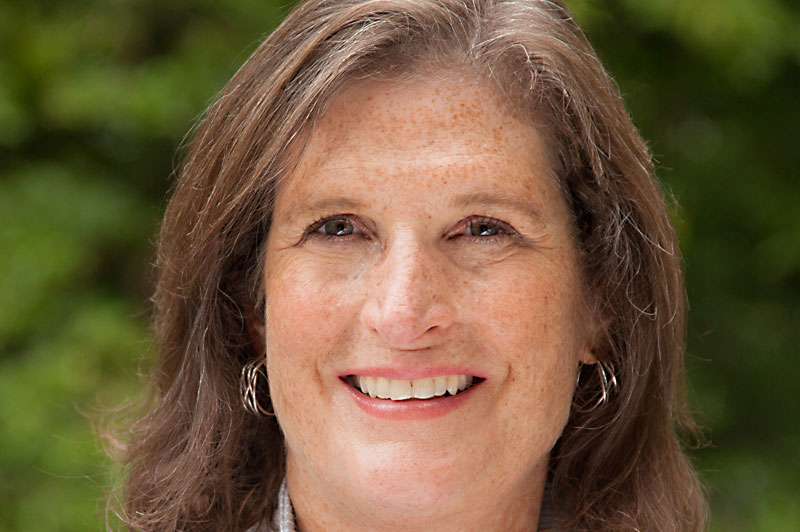
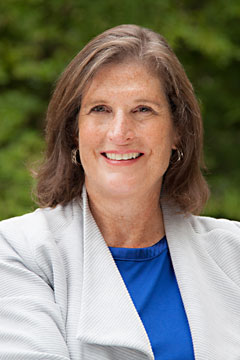
    Patricia Lawrence is running for Ohio House District 65

    My opponent John Becker rode the Tea Party train to the statehouse where he has been sitting on a sidetrack for the past six years. He asserts that spending money is bad. He voted against supporting our school resource officers, yet proposes arming our teachers. I want our teachers armed, not with guns but with the resources they need for student success. District 65 is scheduled to receive $130,000 for school resource officer and teacher training. The first House vote for the bill to authorize this money was 92-2. Becker voted no! As a former teacher and school board president, I am acutely aware of the balance our schools face in providing a safe and nurturing environment. I will vote for our students.

    Here are the facts. In 2010, Ohio ranked fifth in the nation for education. Today we rank 22nd. The fault of this in large part lies at the door of the state legislators like Becker who have failed our schools and students. It is time to reverse this trend with better school funding, less testing, and innovative career training.

    My opponent John Becker rode the Tea Party train to the statehouse where he has been sitting on a sidetrack for the past six years.

    Healthcare is another critical issue, especially Medicaid expansion, which Becker voted against. As a breast cancer survivor, I am grateful for health care coverage I had and the good care I received. Nearly 700,000 Ohio residents (20,000 in our county) depend on Medicaid expansion and that enables them to work, a step-up from out-right poverty.  My opponent not only voted against Medicaid expansion, but also proposes to do away with the minimum wage. I will fight for and vote to support the healthcare and economic needs of working families, children, and seniors.

    These are proposals that lift people up. I believe hard working people deserve a living wage. I know that what people truly want is the means to care for their families and have a little change in their pockets at the end of the week. 

    When tribal politics prevail, we do not get the best candidate. A GOP friend told me, “When Democrats don’t run, Republicans are not pushed to put forward their best candidates.” My opponent proposes radical, fringe ideas such as the strange notion of Ohio seceding from the Union (he said the “so-called ‘Civil War’ is the historical precedent”). Regarding due process about a troubling case, Becker’s comment was, “justice was delivered to the dead punk.” Regarding healthcare Becker’s attitude is that hospital ERs should not have to help “non-paying customers.”

    Cancer taught me that time is short. I do not take one day for granted and I will not waste time on fringe legislation.

    I have served on six boards, including two national boards, and served as president of two of those boards. I know how to set meaningful goals and to work in committees with multiple points of view. Accomplishing meaningful work is what I do. My opponent has the reputation in Columbus where not even his own party will touch his outlandish proposals.

    Cancer taught me that time is short. I do not take one day for granted and I will not waste time on fringe legislation.

    Political stereotypes have driven an enormous wedge in our world and we cannot abide by that any longer. Real leadership is curious, thoughtful, and responsive to the needs of the community. I will deliver.