Tag: ventilation

  • Fall viruses are hitting with a vengeance. Tips for a healthier holiday season

    Fall viruses are hitting with a vengeance. Tips for a healthier holiday season

    Flu, RSV and COVID-19 are the current viruses going around at the moment as we approach the 2022 holidays. Here is what you can do to keep your loved ones safer.

    By: Katie Kerwin McCrimmon, UCHealth

    Flu, RSV and COVID-19 infections all are skyrocketing just as we’re gearing up for the Thanksgiving and Christmas holidays.

    “We are officially in respiratory viral season. That includes everything you can think of from the common cold to more severe illnesses, and it has begun with a vengeance,” said  Dr. Michelle Barron, senior medical director of infection prevention and control for UCHealth and one of the top infectious disease experts in Colorado.

    “Sometimes we have a slow start to the respiratory season. Not this year,” Barron said. “We went from nothing to hundreds of cases in a very short time frame.”

    Barron is advising people who are sick to avoid large gatherings.

    We don’t have to go back to the isolation of the 2020 Thanksgiving and holidays season. But Barron is encouraging people to think of others before they travel or show up at a big Thanksgiving dinner or another holiday gathering.

    “Use your common sense. If you’re sick, you don’t want to give your illness to grandma and grandpa. At the end of the day, the goal is to still be able to do things and enjoy the holidays. Just do it in a way that doesn’t impact others badly,” said Barron, who is also a professor at the University of Colorado School of Medicine on the Anschutz Medical Campus.

    Her guidance is straightforward and familiar to most people since this is the third Thanksgiving and Christmas holiday season we’re facing since the pandemic began in early 2020.

    Barron’s advice for staying healthier over the 2022 holidays includes:

    • Getting vaccinated to prevent COVID-19 and flu. (There’s no vaccination yet to prevent RSV (Respiratory Syncytial Virus), but there may be one for pregnant women soon.)
    • Staying home from work, holiday gatherings and parties if you’re sick.
    • Washing your hands frequently.
    • Wearing a mask in crowded indoor settings.
    • Testing yourself or going to your doctor’s office to get tested if you are sick. If you test positive, there are therapies that can help people early in the course of a COVID-19 or flu illness.
    • Seeking emergency medical care immediately if you or your child can’t breathe or you are experiencing any other kind of medical emergency.
    • Get preventive care like regular vaccines for children and adults and keep current on medications for chronic illnesses like diabetes.

    “Now is the time. If you have not done it yet, get your flu shot and your COVID-19 bivalent booster,” Barron said.

    Health experts at the U.S. Centers for Disease Control and Prevention (CDC) also are urging people to think about indoor air quality. Keep in mind that respiratory illnesses spread through the air. Using air filters and opening windows to ventilate crowded indoor settings can help reduce the spread of respiratory illness. See how ventilation might help you stay safer by checking out the CDC’s interactive ventilation tool.

    Viruses going around at the moment in 2022

    The current infectious disease outlook is worrisome since doctors and public health experts are fighting a trifecta of foes: flu, RSV and COVID-19.

    Last year, health experts worried about a potential “twindemic” of flu and COVID-19 cases. COVID-19 infections increased dramatically last fall and winter, but the flu season wasn’t as bad as feared.

    This year, flu and RSV have hit early and COVID-19 infections are increasing this fall, just like they have for three years in a row. Twin infectious diseases that were worrisome in past years have morphed into a trio causing illnesses this year.

    “If you are sick, do not show up at gatherings or wear a mask,” Barron said, reiterating the perennial advice she gives at this time of year.

    “Be very cognizant that these infections can disproportionally impact our elderly, our very young children, and our immunocompromised hosts,” Barron said. “We want to make sure that these people don’t get infected and that everybody’s equally able to enjoy the holidays, illness free.”

    Many people are tired of being careful or wearing masks. But the evidence is clear. Wearing a mask on a plane or in a crowded grocery story can drive down infection rates.

    “There is zero debate on this,” Barron said. “Masking works. If you really want to see your loved ones during vacation, wearing a mask will help you prevent the spread of illnesses.”
  • CDC issues new detailed strategy for safely reopening K-12 schools

    CDC issues new detailed strategy for safely reopening K-12 schools

    By Ariana Figueroa and Ohio Capital Journal

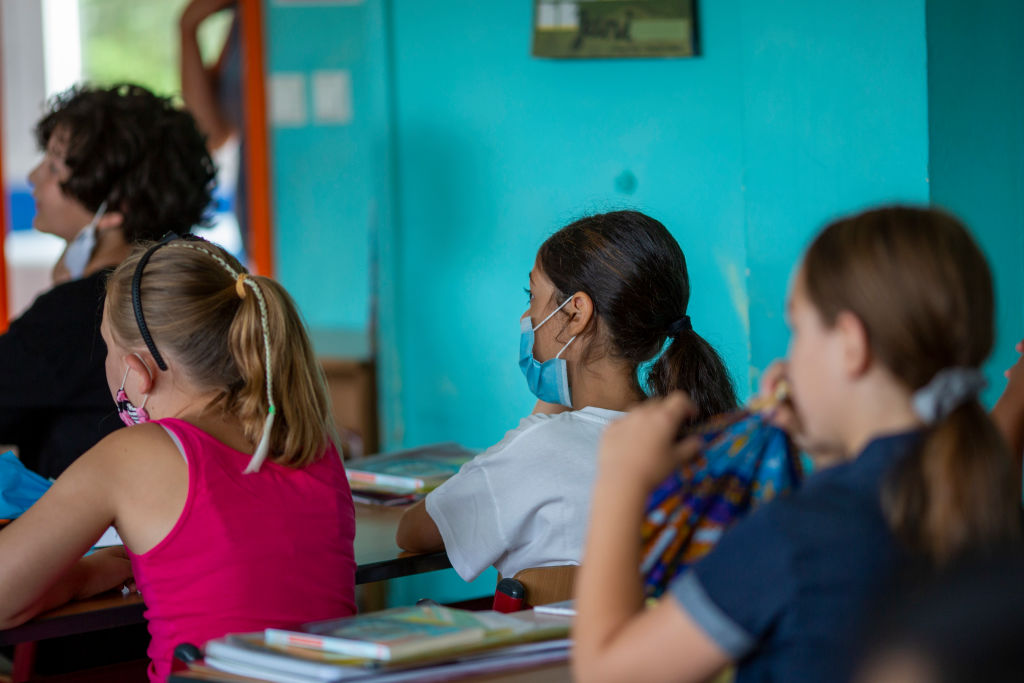
    Washington, DC – The Centers for Disease Control and Prevention on Friday released updated guidance to provide educators a science-based plan for reopening K-12 schools.

    The agency said it cannot force schools to reopen but can only stress that steps such as wearing masks and physical distancing of at least six feet are key to mitigating the spread of coronavirus.

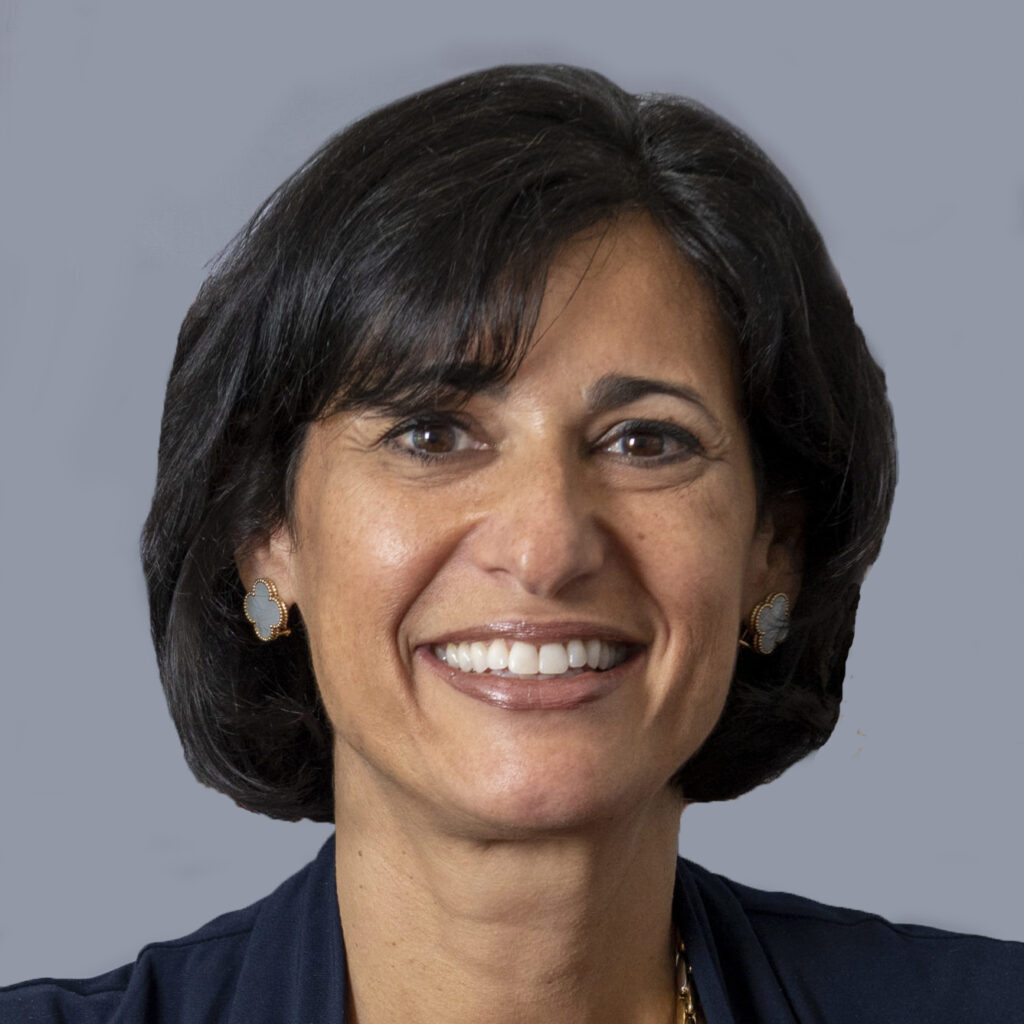
    CDC Director Dr. Rochelle Walensky

    “CDC is not mandating that schools reopen,” CDC Director Dr. Rochelle Walensky said during a briefing with reporters.

    Walensky added that educators should be considered front-line workers in any vaccine rollout. Teachers unions have made similar demands before returning to the classroom.

    “We strongly encourage states to prioritize teachers and other school staff to receive vaccinations,” she said.

    Walensky said that the agency found that in-school learning can take place when proper measures are taken such as mask wearing and social distancing. The agency also said that frequent hand washing, proper cleaning of classroom surfaces and ventilation, along with contact tracing and available rapid testing, are all steps that schools can take to limit outbreaks.

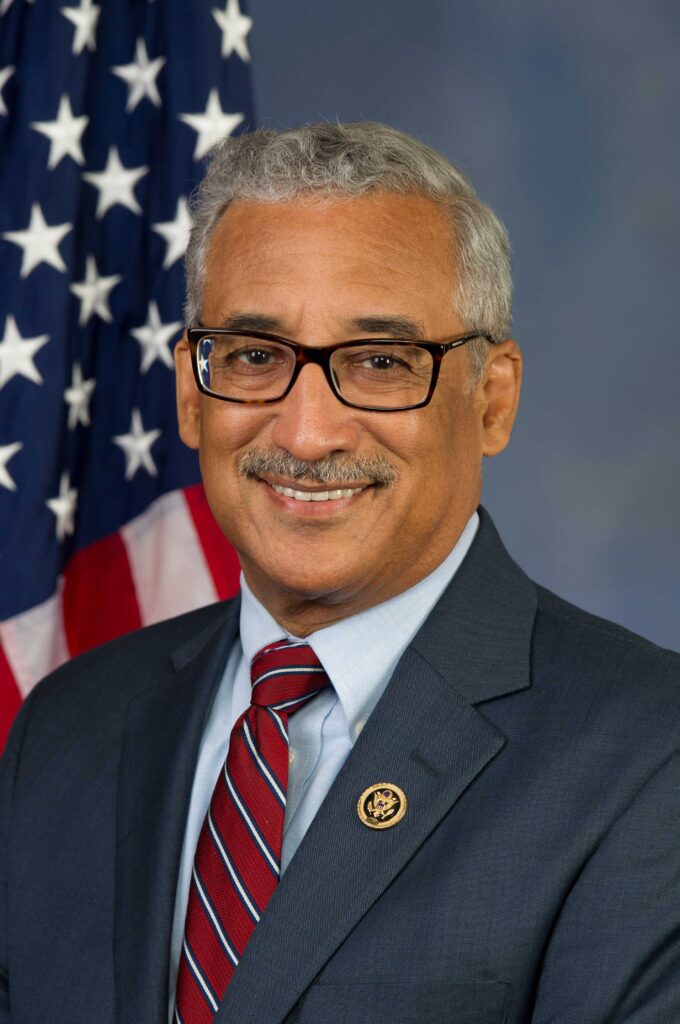
    House Education and Labor Chairman Bobby Scott (D-Va.)

    House Education and Labor Chairman Bobby Scott (D-Va.) said in a statement that in order for schools to implement the CDC guidance, they need funding from the Biden administration’s $1.9 trillion coronavirus relief package. Congress is working to pass the plan and Scott’s committee has included $130 billion for schools to safely reopen.

    “Maintaining physical distancing, updating and repairing ventilation systems, purchasing personal protective equipment, and other important safety measures all cost money that schools do not have,” Scott said. “This is particularly true for schools in low-income areas that lacked adequate funding well before the pandemic.”

    Similarly, the Department of Education released a handbook to coincide with the guidance released by the CDC.

    Walensky said that most COVID-19 clusters that occurred in school settings occurred because there was a breach in wearing a mask.

    The CDC stressed that the safest way for schools to reopen is for there to be a low level of coronavirus infection in the community. The guidance uses a color-coding system to recommend if schools should reopen or continue remote learning.

    Schools are recommended to open if they are in blue areas, which means there are low transmission rates of the virus,  and yellow areas, which means there is moderate transmission.

    If the community is in an orange zone, then the CDC recommends that schools implement a hybrid model or reduce attendance. And a red zone indicates that schools should consider virtual learning for middle and high school students.

    In red zones, elementary schools can continue with a hybrid learning model, the CDC said.

    The recommendations follow President Joe Biden’s efforts to get K-8 students back to in-person learning within his administration’s first 100 days.

    In a statement, Biden acknowledged his ambitious goal of reopening K-8 schools and said those schools will need funding to follow the guidance laid out by the CDC.

    “To meet these guidelines, some schools will need more teachers and support staff to ensure smaller class sizes, more buses and bus drivers to transport our kids safely, more spaces to conduct in-person instruction, and more protective equipment, school cleaning services, and physical alterations to reduce the risk of spread of the virus,” he said.

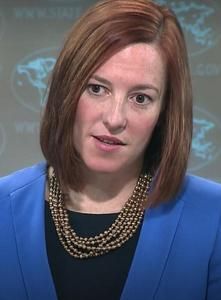
    White House Press Secretary Jen Psaki

    At a Friday briefing, White House Press Secretary Jen Psaki said that Biden’s nominee to lead the Education Department will work to reopen schools. Miguel Cardona, a longtime educator is waiting for a full Senate vote for his confirmation.

    “When Secretary Cardona is confirmed, you know, this will be his top priority and we will leave it to him and his team at the Department of Education, working in close partnership with the CDC and others, to determine how quickly and efficiently” schools can be reopened, Psaki said.

    American Federation of Teachers President Randi Weingarten said in a statement that she felt confident the CDC’s guidance will help schools safely reopen.

    “For the first time since the start of this pandemic, we have a rigorous road map, based on science, that our members can use to fight for a safe reopening,” she said.