The Cincinnati Bengals and Hamilton County are requesting $350 million from the state of Ohio to fund renovations to Paycor Stadium.
The proposed renovation plan totals $830 million, which the county says is about a third of the cost of a new NFL stadium. It would include stadium-wide improvements to accessibility infrastructure and enhance Paycor’s canopy and roofing systems, along with the addition of new club-level suites, expanded lounges, standing-room patios, and an improved scoreboard in the north end zone.
by Cincinnati Public Radio’s President & CEO, Richard Eiswerth
Richard Eiswerth
Dear Loveland Friend,
Thank you for your support of Cincinnati Public Radio, and for listening every day to WVXU, WMUB and/or WGUC!
As you know better than most, Cincinnati Public Radio is more than just three radio stations—it’s a trusted source of local news, a hub for meaningful conversations, and a vital part of the southwest Ohio’s civic and cultural landscape. Every day, WVXU journalists deliver fact-based reporting and programming that keep you informed and connected. And every week, WGUC hosts present the finest in classical music and keep you up-to-date on Greater Cincinnati’s arts and culture scene.
Through initiatives such as our fact-checking partnership, in-depth election coverage and voters’ guides, broadcasts of the Cincinnati Symphony, Opera and May Festival, and community engagement events, we provide news and information that provide entertainment, education, enrichment, and foster critical thinking and informed decision-making.
However, recent actions by the Administration and Congress have raised broad concerns about the future of public media:
Grants from the Corporation for Public Broadcasting (CPB) that support essential services and reporting are at risk.
The Federal Communications Commission has launched an investigation into NPR’s and PBS’s sponsorship messaging.
The CEOs of NPR and PBS have been requested to appear before Congress.
NPR has been ordered to vacate its Pentagon workspace.
Since its establishment in 1967, CPB has been a crucial funding source for public radio and television stations nationwide. Although CPB support represents only 0.0076% of the federal budget, it is a lifeline for smaller stations, accounting for up to 50% of their revenue.
In addition, defunding CPB would have devastating consequences, particularly for tribal, rural, Spanish-language and religious nonprofit stations that provide critical news, emergency alerts and cultural programming. Public radio reaches 99 percent of the American population with free over-the-air and online programming and connects communities with national, state, and local news and information, as well as emergency alerts and warnings.
At Cincinnati Public Radio, CPB funding accounts for about 5% of our annual budget. Losing this support would place a strain on our operations and diminish our ability to deliver the in-depth journalism and programming you rely on. But CPB’s impact goes beyond direct funding—it also provides indirect support that offsets the costs of our reporting, broadcasting and publishing efforts.
For example, The Ohio Newsroom, our statewide partnership among public radio stations that brings news stories from parts of the state that would otherwise go unreported and ignored, would not have been possible without grants funded through CPB. The Ohio Newsroom builds upon the partnership of public radio stations in Ohio to increase and enhance high-quality, in-depth, fact-driven journalism to serve the public on radio, digital, and video platforms. It increases reporting from all regions of Ohio featuring a wide range of diverse voices.
At Cincinnati Public Radio, our mission is clear: to provide accurate, fact-based journalism, and the best in fine arts entertainment — not to push an agenda. And ongoing federal support is critical to fulfilling that mission, especially at a time when other reliable sources of news and information continue to decline.
Now, more than ever, public media needs your voice. We encourage you to join the Protect My Public Media campaign and advocate for the essential role that public media like Cincinnati Public Radio play in our communities. Together, we can ensure that independent local media continues to thrive.
How You Can Take Action
Visit the Website – Go to protectmypublicmedia.org to send a message to your congressional representatives.
Send Your Message – Follow the prompts on the website to submit your support for public media.
Check Your Email – Look for a confirmation email from your representative’s office.
Reply with a Personal Note – Respond to the confirmation email with your own message about what public media and WFAE mean to you.
Want to go a step further? Forward this message to a friend or share your support on social media. Express how WFAE impacts you and the community to highlight the importance of preserving free, fact-based news and diverse programming.
Thank you for your support and listenership. We are proud to be your public radio station and remain committed to serving our community with integrity and transparency.
Here is an interesting and most useful story published by Tana Weingartner with 91.7 WVXU.
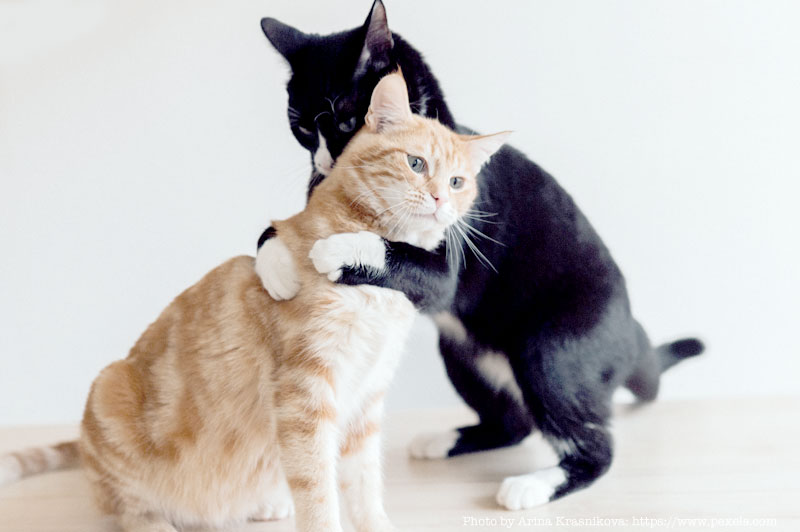
“It’s that time of the summer when people who love fireworks revel in lighting up the night sky — and people with pets sensitive to the loud booms fret over how to handle their anxious animals.
WVXU asked CARE Center Medical Director Dr. Rachel Halpin for tips on how to help pets during the Fourth of July holiday. She says one of the biggest issues is dogs getting scared and running away.” Read complete story at 91.7 WVXU…
David Miller is the Publisher of Loveland Magazine
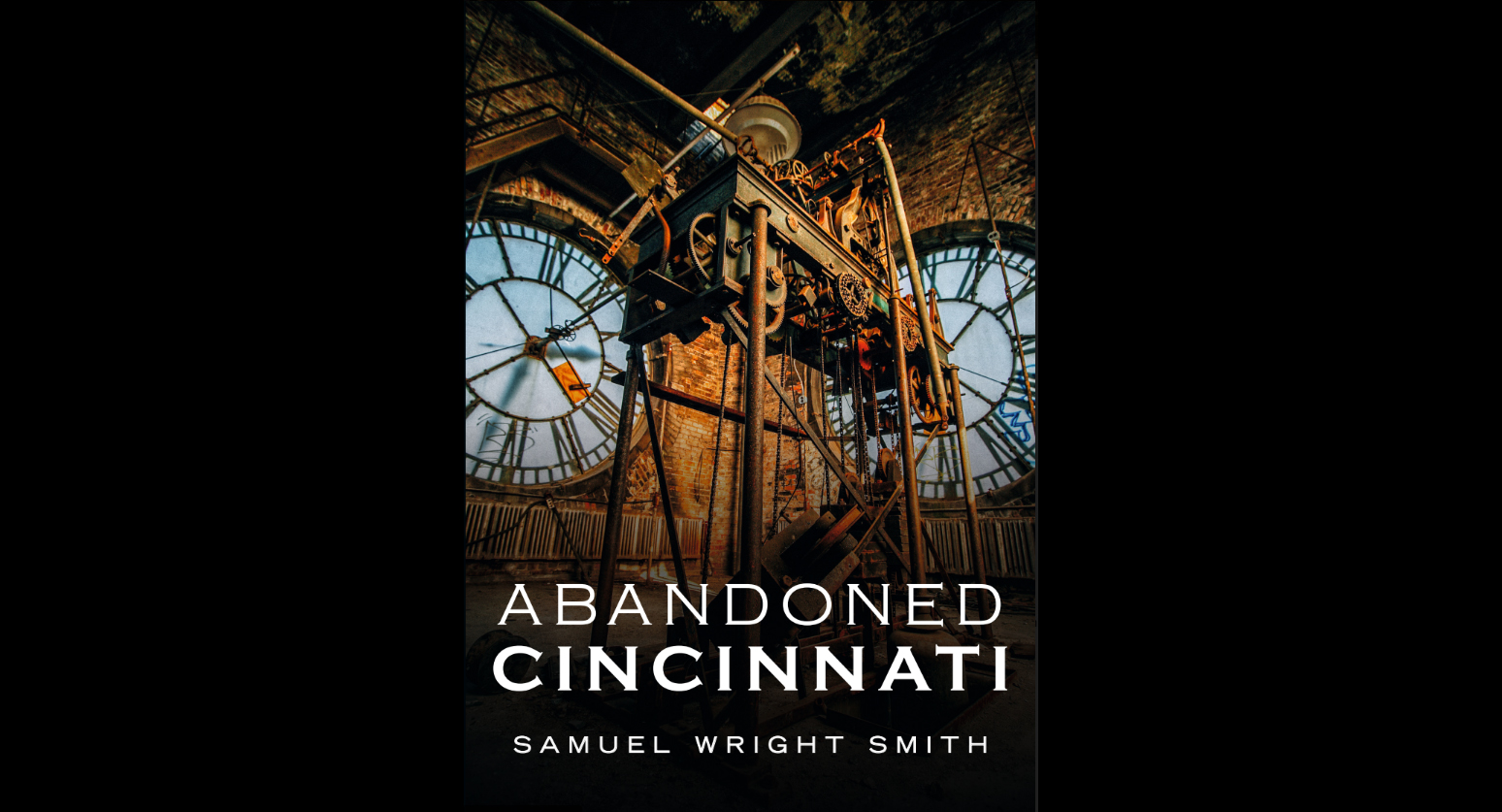
One of Loveland Magazine’s favorite sons is featured in an interview by WVXU’s MICHAEL MONKS about his recently released book Abandoned Cincinnati. Sam Smith is a former intern and still a frequent contributor to the pages of Loveland Magazine. Sam is a graduate of Loveland High School.
I think his book, the photos and the writing are pretty amazing, but you can listen to the unbiased rave here:
In ‘Abandoned Cincinnati’ Young Author, Photographer Captures Old Haunts
For a thorough conversation on Ohio State Issue 2, readers cannot go wrong by listening to this WVXU podcast of Ohio Public Radio and Television Statehouse News Bureau Chief Karen Kasler and WVXU politics reporter Howard Wilkinson that aired on October 18, 2017.
Issue 2: Breaking Down Ohio’s Prescription Drug Initiative
This November Ohioans will vote on Issue 2, which would require state agencies to pay no more than the U.S. Department of Veterans Affairs for prescription drugs.
Proponents of Issue 2 say it’s a pushback against high drug company prices and claim the law will save taxpayers hundreds of millions of dollars each year. Issue 2 opponents point out that, if passed, the law would not reduce drug prices for the 7 million Ohioans who have private health insurance, and could possibly increase pricing for many state residents.
This November Ohioans will vote on Issue 2, which would require state agencies to pay no more than the U.S. Department of Veterans Affairs for prescription drugs.
Proponents of Issue 2 say it’s a pushback against high drug company prices and claim the law will save taxpayers hundreds of millions of dollars each year. Issue 2 opponents point out that, if passed, the law would not reduce drug prices for the 7 million Ohioans who have private health insurance, and could possibly increase pricing for many state residents.
Joining us to analyze Issue 2 are
This November Ohioans will vote on Issue 2, which would require state agencies to pay no more than the U.S. Department of Veterans Affairs for prescription drugs.
Proponents of Issue 2 say it’s a pushback against high drug company prices and claim the law will save taxpayers hundreds of millions of dollars each year. Issue 2 opponents point out that, if passed, the law would not reduce drug prices for the 7 million Ohioans who have private health insurance, and could possibly increase pricing for many state residents.
Issue 2 Official Ballot Language for Ohio November 2017
Issue 2
TITLE
Proposed Law
Proposed by Initiative Petition
To enact Chapter 194 of the Ohio Revised Code
A majority yes vote is necessary for the law to pass.
To enact Chapter 194 of the Ohio Revised Code, which would:
Require the State of Ohio, including its state departments, agencies and entities, to not pay more for prescription drugs than the price paid by the United States Department of Veterans Affairs.
Establish that the individual petitioners responsible for proposing the law have a direct and personal stake in defending the law; require the State to pay petitioners’ reasonable attorney fees and other expenses; require the petitioners to pay $10,000 to the State if the law is held by a court to be unenforcable and limit the petitioners’ personal liability to that amount; and require the Attorney General to defend the law if challenged in court.








 ISSUE 2: THE DECEPTIVE RX BALLOT ISSUE