

News and Events from the Loveland, Ohio Area
Without fear or favor
Since 2004


Cincinnati, Ohio – Through this daunting selection of more than 500 original artifacts from the Auschwitz-Birkenau State Museum in Poland, as well as more than 20 institutions and museums all over the world, Auschwitz. Not long ago. Not far away. portrays the complex reality of the notorious camp while sharing firsthand stories from those who survived, and those who perished.
These remarkable artifacts range from:
When guests enter the exhibition, they will confront one of history’s darkest periods… but they will also be part of an ongoing remembrance and will leave bearing the weight of society’s responsibility to combat hate and evil everywhere.
Auschwitz. Not long ago. Not far away. is hosted at Union Terminal by Cincinnati Museum Center and the Nancy & David Wolf Holocaust & Humanity Center. The exhibition was created by Musealia in cooperation with the Auschwitz-Birkenau State Museum.
The opportunity to bring this impactful exhibition to Cincinnati has been generously supported by Rhonda and Larry Sheakley, the Jewish Federation of Cincinnati, the Jewish Foundation of Cincinnati and the Ohio Holocaust and Genocide Memorial and Education Commission.
Be the first to know when tickets go on sale for Auschwitz. Not long ago. Not far away.
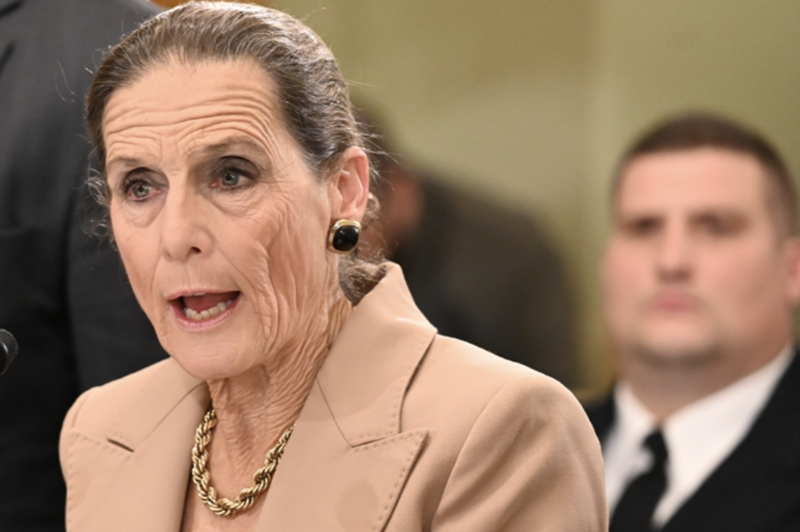
Photo by Ohio House of Representatives
Loveland, Ohio – State Representatives Adam Mathews (R-Lebanon) and Jean Schmidt (R-Loveland) held a press conference January 28th on soon-to-be introduced bipartisan legislation to prohibit the use of state funds to end the lives of Ohioans.
All or Nothing
The bill will abolish the death penalty in Ohio, prohibit the use of state funds for assisted suicide, and clarify the state’s prohibition against the use of state funds for abortion. The bill would link each issue with a non-severability clause, underscoring, “the sponsors’ unity of purpose through a comprehensive affirmation of life”.
“This ‘first of its kind’ legislation will protect state dollars, and more importantly, human life,” said Schmidt during the press conference. “Decades of crusading against a culture of death have brought us here to affirm that protecting life must extend to every circumstance and stage of development. To be consistent in our pro-life principles, we must oppose the state funding of abortion, the death penalty, and assisted suicide.”
“This is transformative legislation that represents a new era of fiscal and moral conservatism and responsibility,” said Mathews. “This is more than just policy; this is about the affirmation that where there is human life, there is dignity and hope. By prohibiting public funds from being used to terminate human life, this legislation sends a clear message that Ohio will not fund death.”
The representatives were joined by State Senator Steve Huffman (R-Tipp City), Senate Minority Leader Nickie Antonio (D-Lakewood), and Senate Assistant Minority Leader Hearcel Craig (D-Columbus), as well as the Executive Director of the Catholic Conference of Ohio, Brian Hickey, and Founder of the Run the Race Club, Rachel Muha.
Hamilton County, Ohio – Curious about what your Hamilton County Public Health Department has been up to? Here is their annual report, highlighting their services, programs, and goals.
Loveland, Ohio – If you receive an unsolicited offer to purchase real estate, the Ohio Department of Commerce’s Division of Real Estate and Professional Licensing (REPL) urges you to practice caution. The Division has recently received numerous questions from residents across the state regarding unsolicited offers they’ve received to purchase their property, many of which include a specific dollar amount.
The Division is calling attention to this issue because unsolicited offers such as these, if not managed appropriately, could lead consumers to unknowingly sell their property for significantly less than it’s worth or agree to a lease arrangement that could have unintended negative financial consequences.
Some consumers have reported receiving unsolicited offers that also include a disclosure form developed by REPL. While the form is authentic, its accompaniment with an offer could potentially give the appearance that the individual making the offer is registered with the Division or that the offer is authorized by the Division. The inclusion of this form does not affirm the validity or legality of an offer.
According to Freddie Mac’s November 2024 Quarterly Economic, Housing and Mortgage Market Outlook report, there is a national housing shortage of approximately 3.7 million units for sale or rent. In addition, according to the Ohio Housing Finance Agency’s 2024 Ohio Housing Needs Assessment, vacancy rates in the state have been falling steadily since 2009. In 2021 the homeowner vacancy rate (0.4%) and rental vacancy rate (4.0%) hit their lowest recorded levels, and they remained low at the end of 2022 (0.9% and 6.2% respectively), indicating a tight housing market.
With a low inventory, homeowners may notice an increase in unsolicited offers they receive to purchase their homes. REPL Superintendent Daphne Hawk encourages all consumers who receive these offers to exercise caution and conduct plenty of research before making a decision.
“If you receive an unsolicited offer, whether via mail, call, text or an in-person visit at your door, always take time to ask questions,” Hawk said. “While many homeowners believe the person contacting them to be a real estate agent, in many cases, they are not. Asking questions like ‘are you an Ohio real estate agent?’ will let you know if you are communicating with someone locally or an out-of-state investor. Make sure to review offers carefully with legal counsel before signing any documents or providing information to anyone, especially if it’s someone you do not know. As tempting as an offer may be, acting quickly and without the advice of a local real estate expert could have a range of significant consequences. For example, you may think the offer is too good to pass up, when in fact it’s well below the market value of your property.”
Consumers can verify the status of a real estate license on the Division’s website through eLicense Online.
The Federal Trade Commission (FTC) also offers advice on limiting unsolicited offers received by various means. For more information, visit:
“As always, if you suspect you have been the victim of a real estate scam, you should contact your local law enforcement agency as soon as possible,” Hawk said.
For additional resources and information on real estate-related consumer topics, visit the Division’s website by clicking here.

—Melissa Murray, author of #1 New York Times bestseller The Trump Indictments: The Historic Charging Documents with Commentary
Loveland, Ohio – Loveland Magazine recently started publishing news stories by Loveland native Amanda Becker. In 2024 Becker released a book titled, You Must Stand Up: The Fight for Abortion Rights in Post-Dobbs
Chapter 12 is set in Ohio.
Nieman Fellow Amanda Becker provides a real-time portrait of the creative resistance that unfolded in America’s first year without the protections of Roe v. Wade. Amidst daily shifts in health care access, new legal battles coming before partisan courts, and up-for-grabs state constitutions, Becker follows the leaders who rose to meet these challenges – doctors and staffers turning to new financial and medical models to remain open and providing abortions, volunteers who campaigned against antiabortion ballot initiatives, and medical students who fought to learn and provide what can be lifesaving care.
By depicting the splintered reality of post-Dobbs America, and by capturing how Americans have developed new ways to best protect their constitutional rights, Becker ultimately shows how outrage can beget hope, and give rise to a new movement.
—Jessica Valenti, author of New York Times bestseller Sex Object: A Memoir and founder of Abortion, Every Day
LISTEN TO SAMPLE


by David Miller
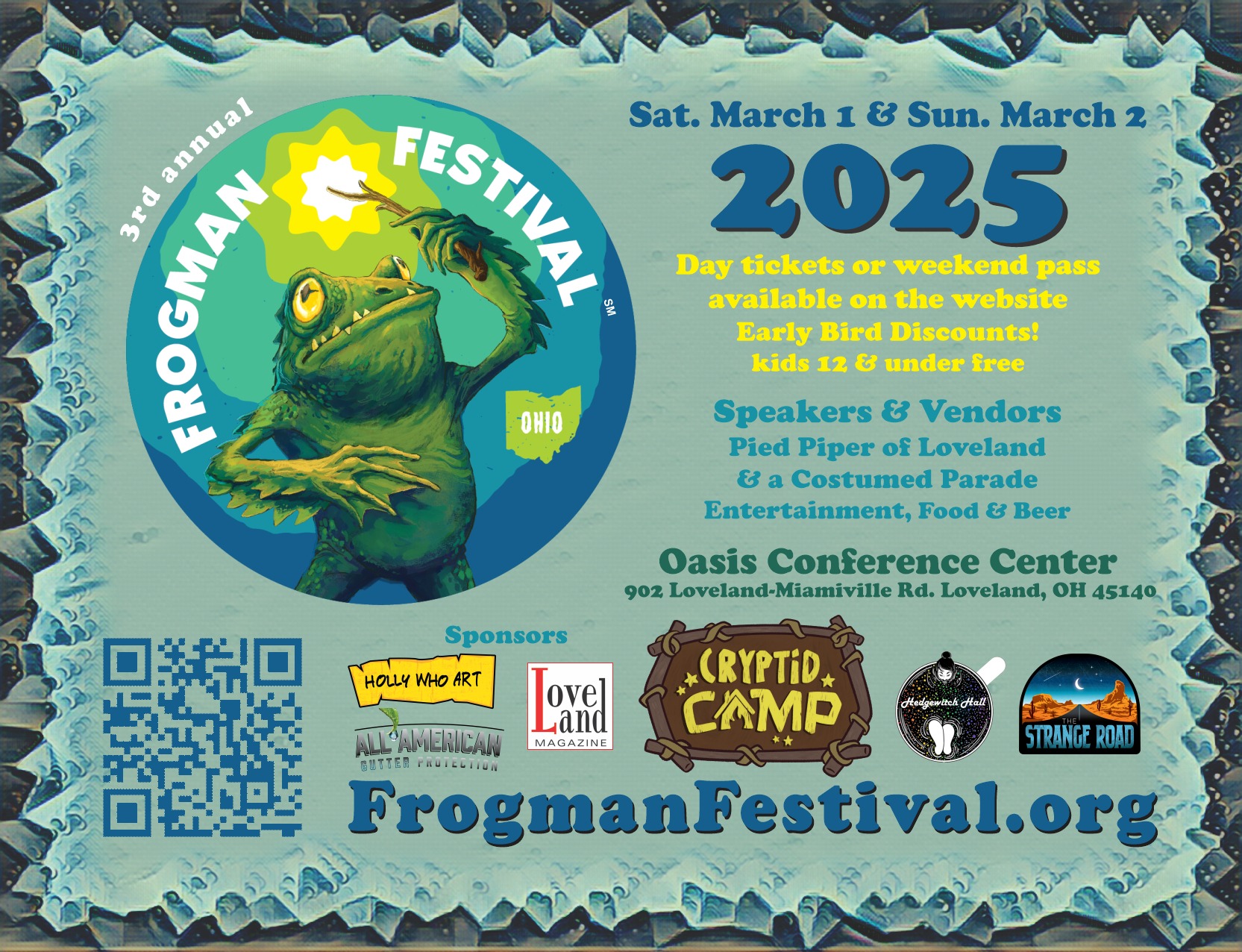
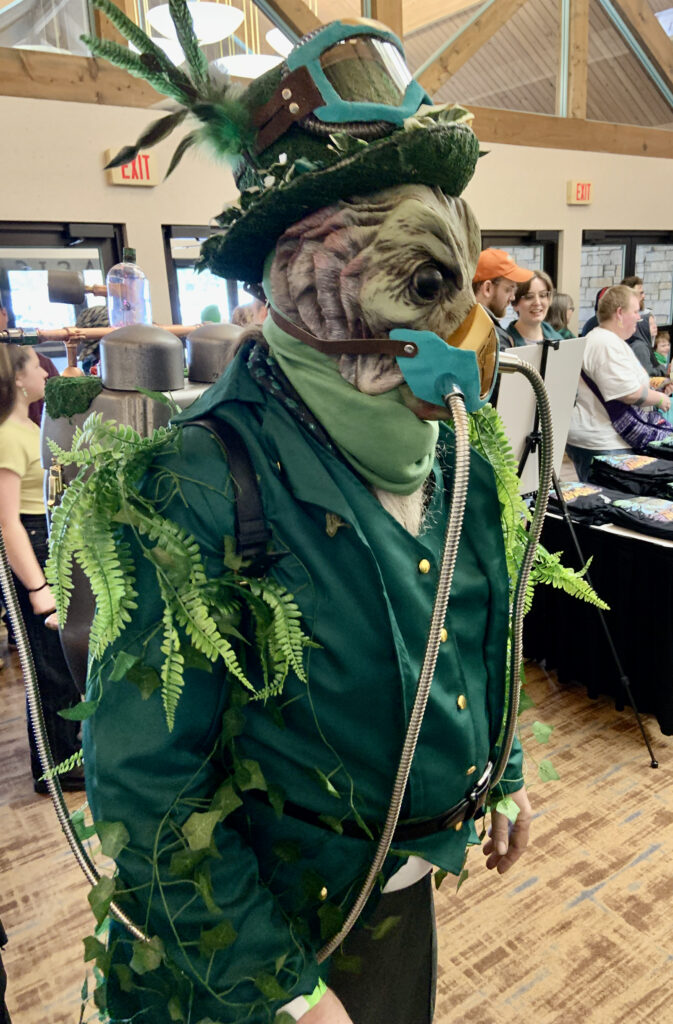
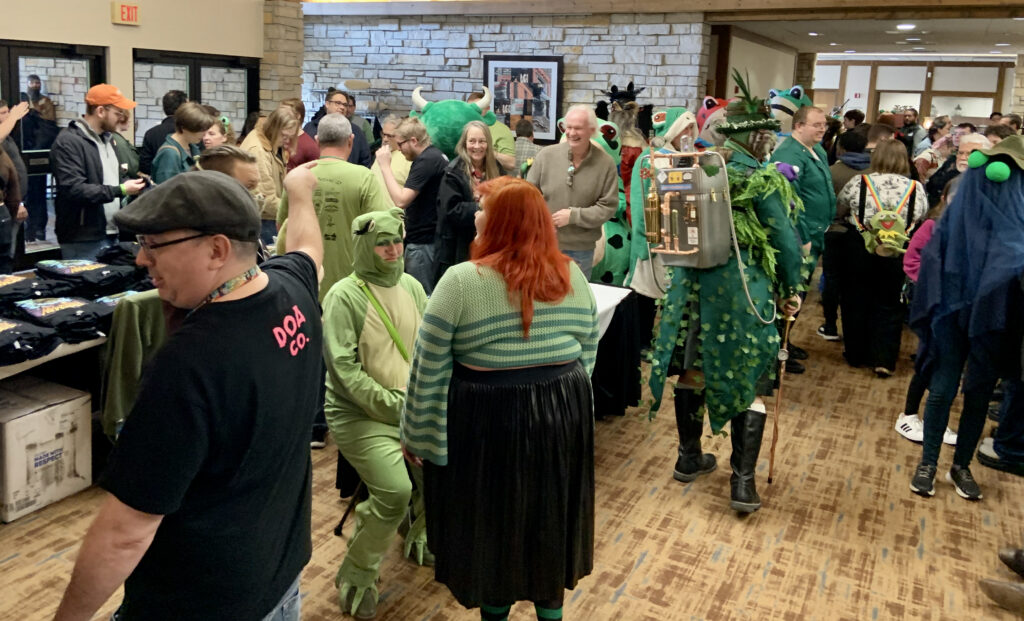
Loveland, Ohio – The 3rd annual Frogman Festival will be held on Saturday, March 1, 2025 from 9:30 AM until 6 PM and Sunday, March 2 from 10 AM until 4 PM at Oasis Conference Center in Loveland, Ohio. There were over 1000 attendees. at the 2nd Annual Frogman Festival.
Last year many people drove hundreds of miles from Minnesota, Kansas, and Virginia. One of the vendors was from Montreal, Canada and travelled down to Loveland the day before. Many vendors were from out of state including, Indiana, Illinois, Wisconsin, Kentucky, West Virginia, Pennsylvania, North Carolina, Western New York, and Tennessee. One YouTube blogger, The Carpetbagger who has over a million followers drove nine hours overnight from Georgia to attend the festival and share his many stories throughout the day.
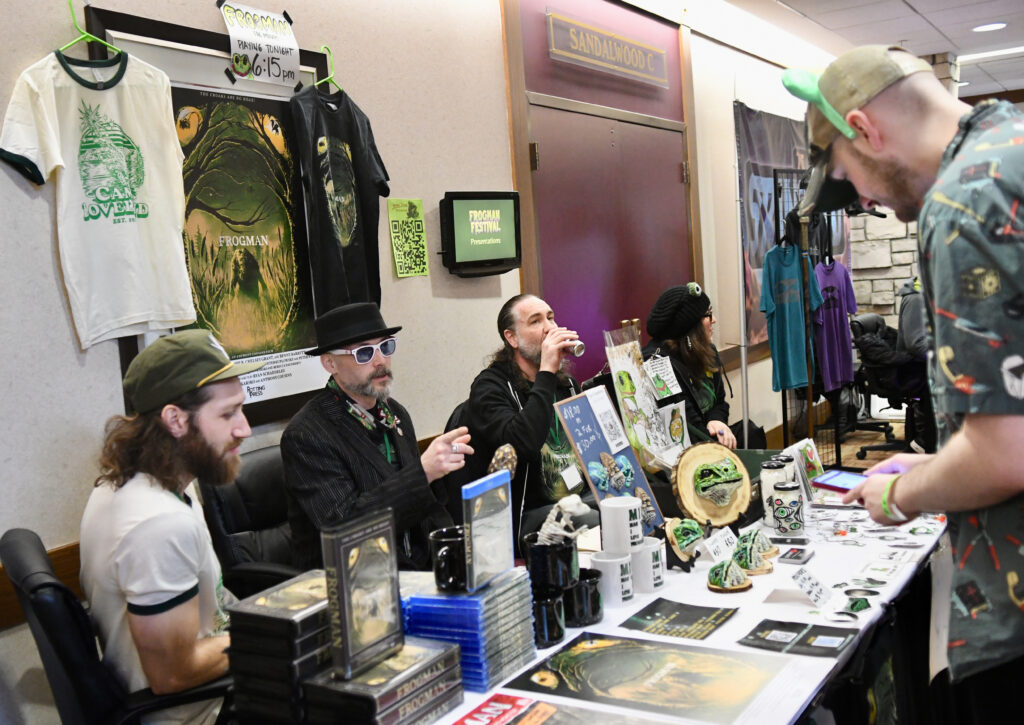
 There will be over 60 unique vendors selling their art, crafts and merchandise in the large ballroom they will call “The Terrarium”.
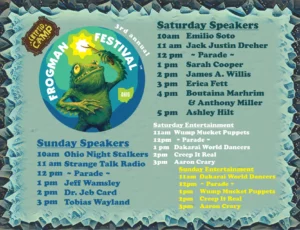
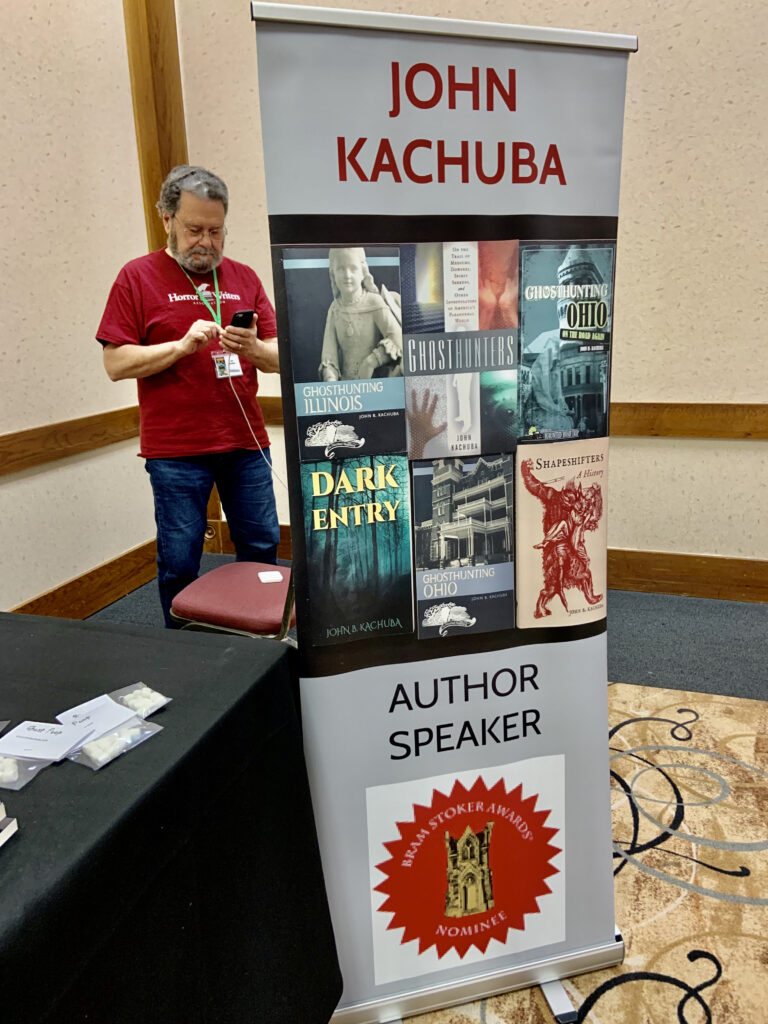
Speakers will be presenting their research on cryptids, paranormal activity, UFO’s and other unusual topics in a separate room.
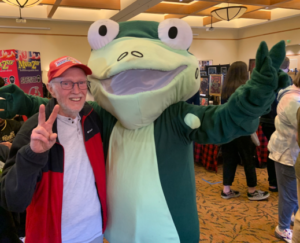
At noon each day, the Pied Piper of Loveland will lead a parade of costumed participants that is open to anyone interested.
You can wander the Oasis to find face-painting, an intuitive reader, live animal displays, a puppet show, music and more. Food and drink including beer will be available a la carte.
 Visit frogmanfestival.org for more details.
Ticket prices online are lower than paying at the door. There are no refunds for tickets purchased. Kids 12 and under are free when accompanied by a paid adult but please order a kids ticket (free) for them.



Photos from last year
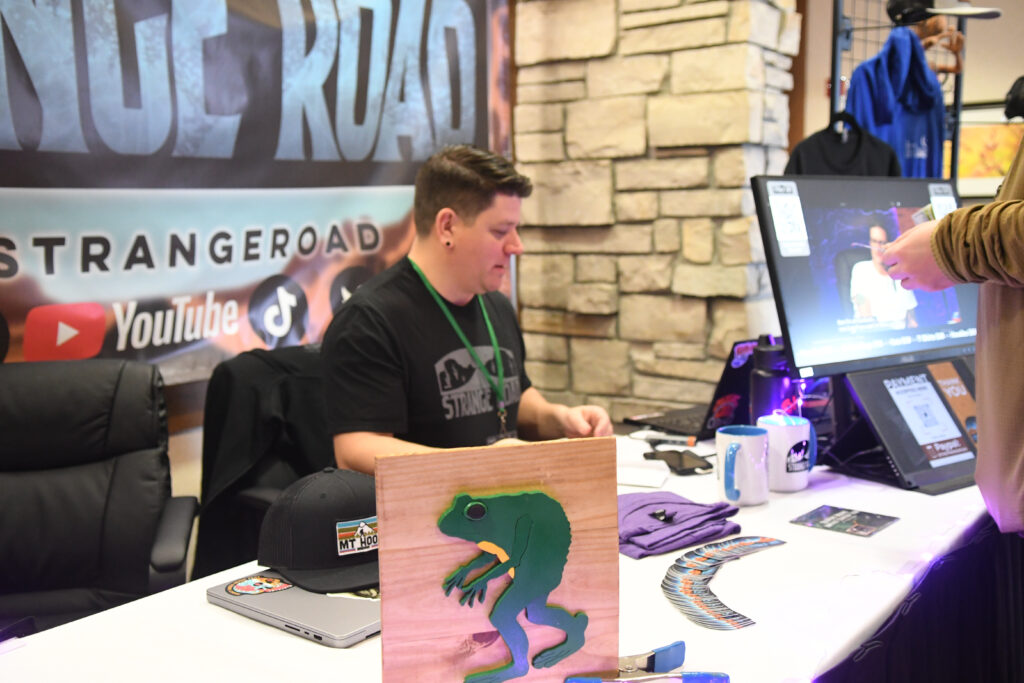
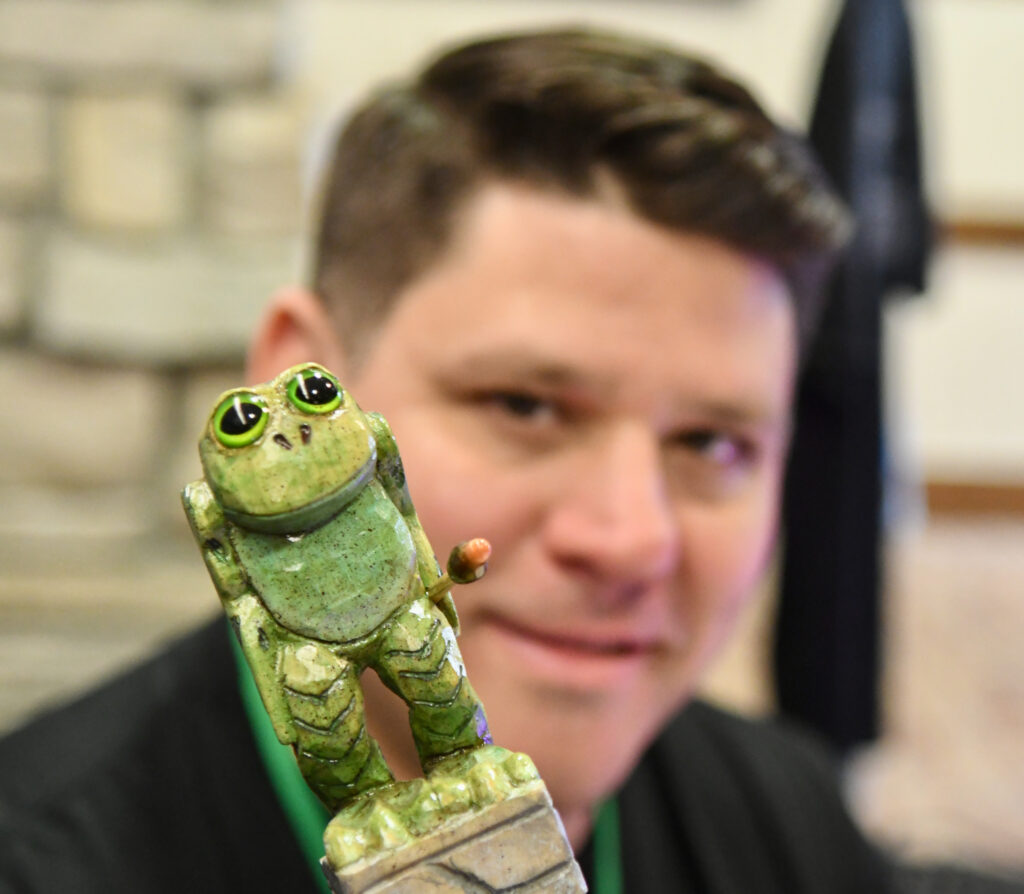
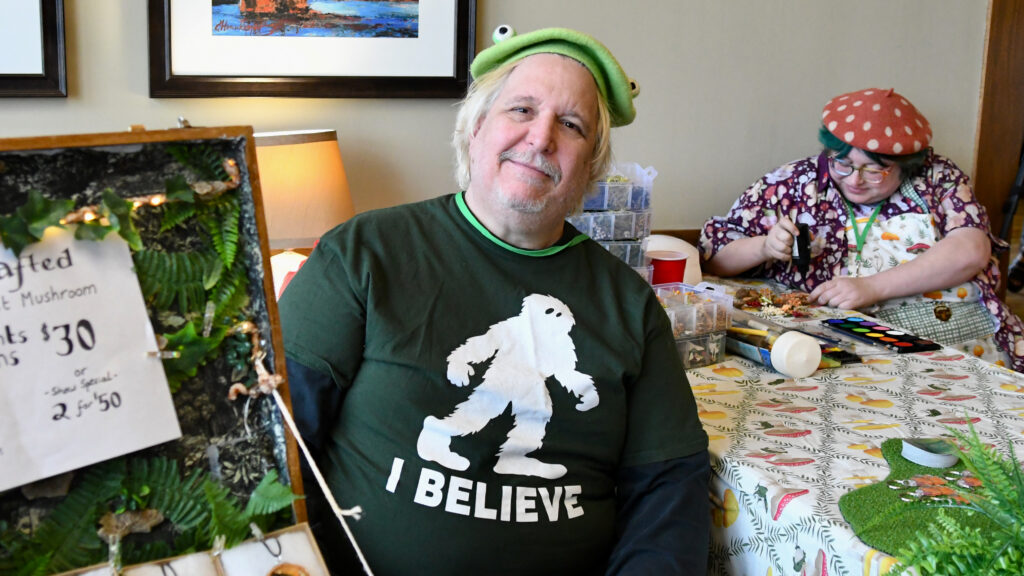
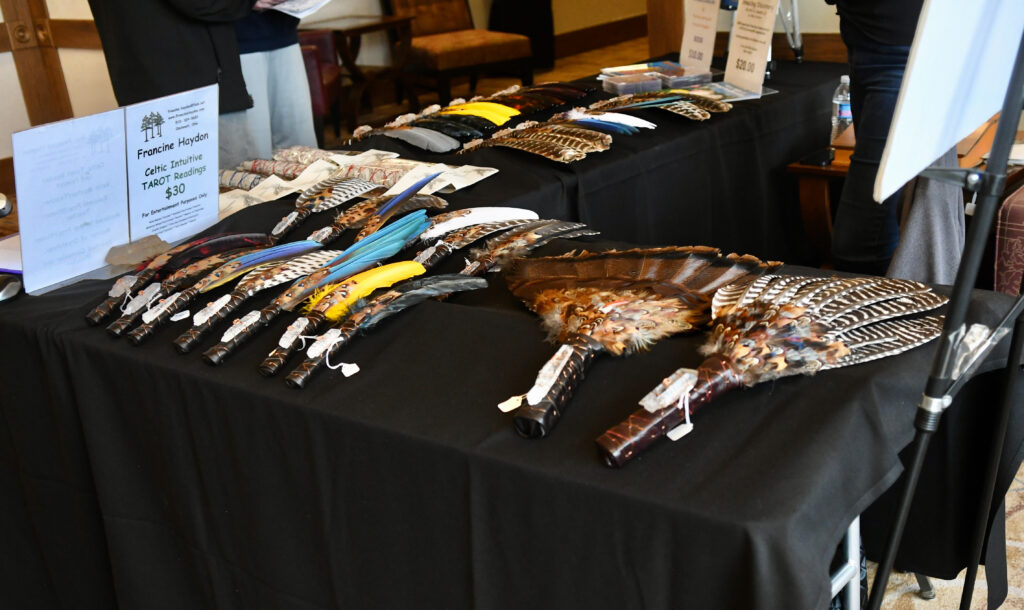
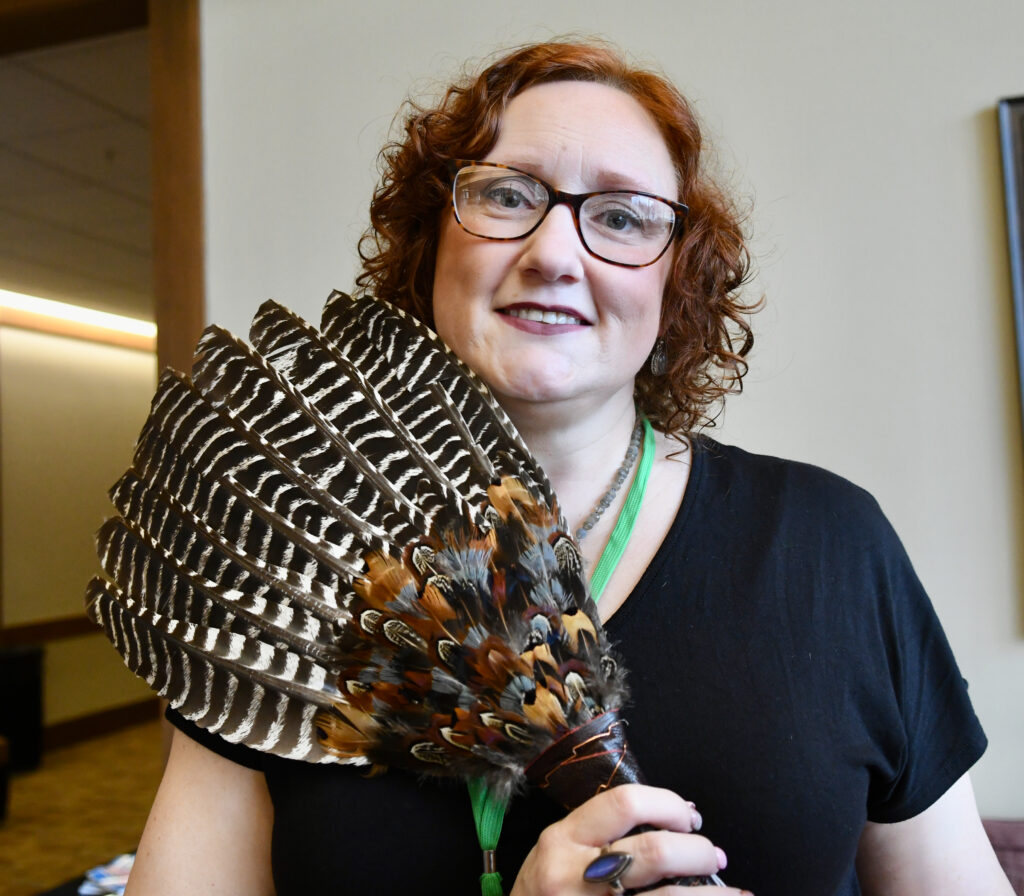
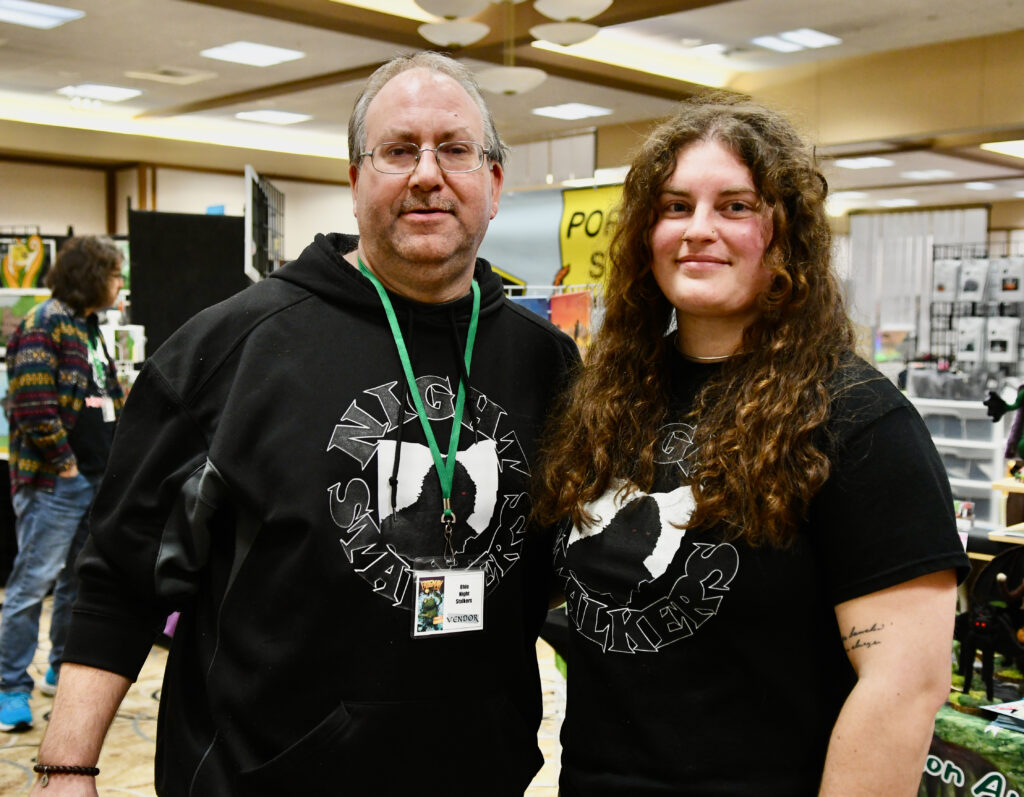
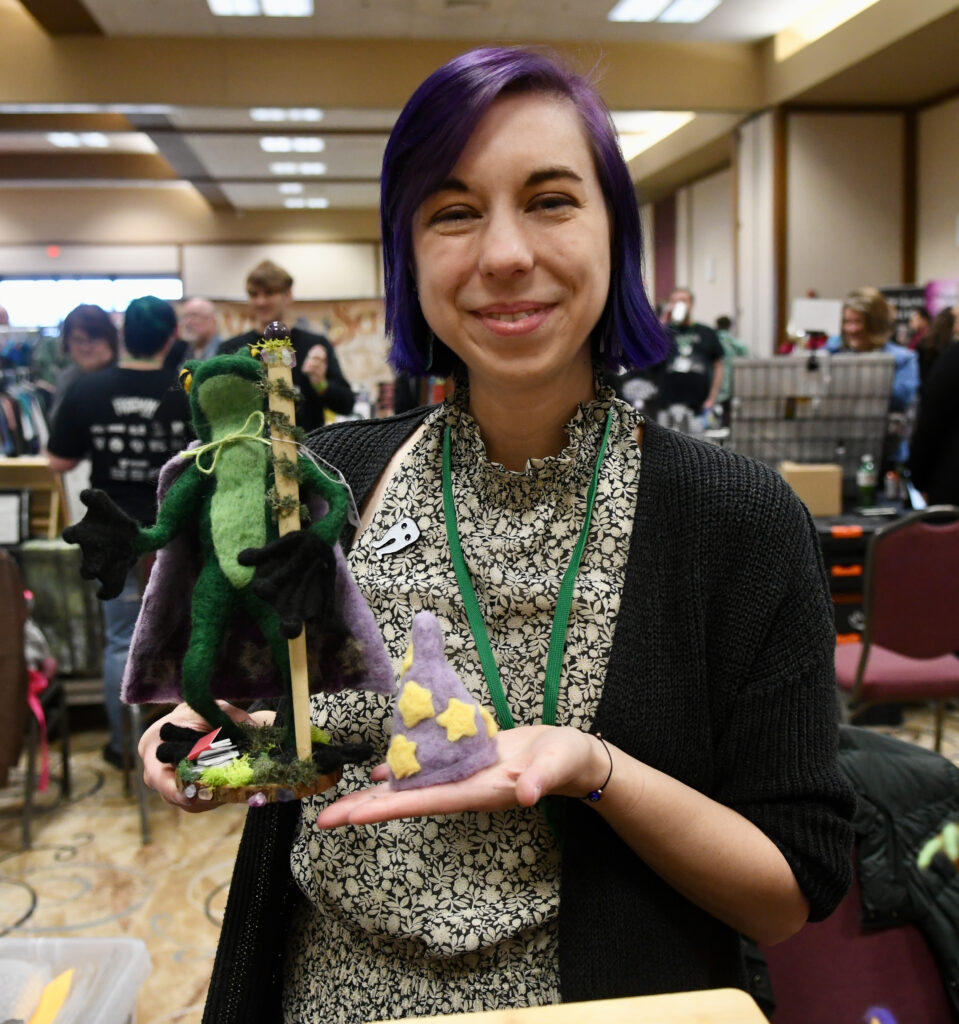
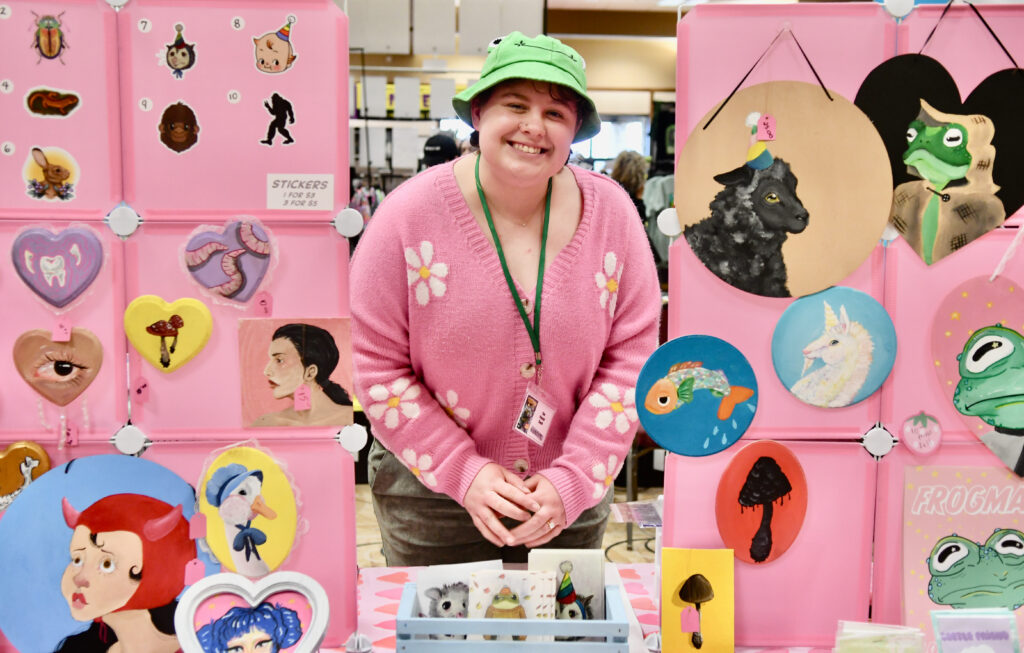
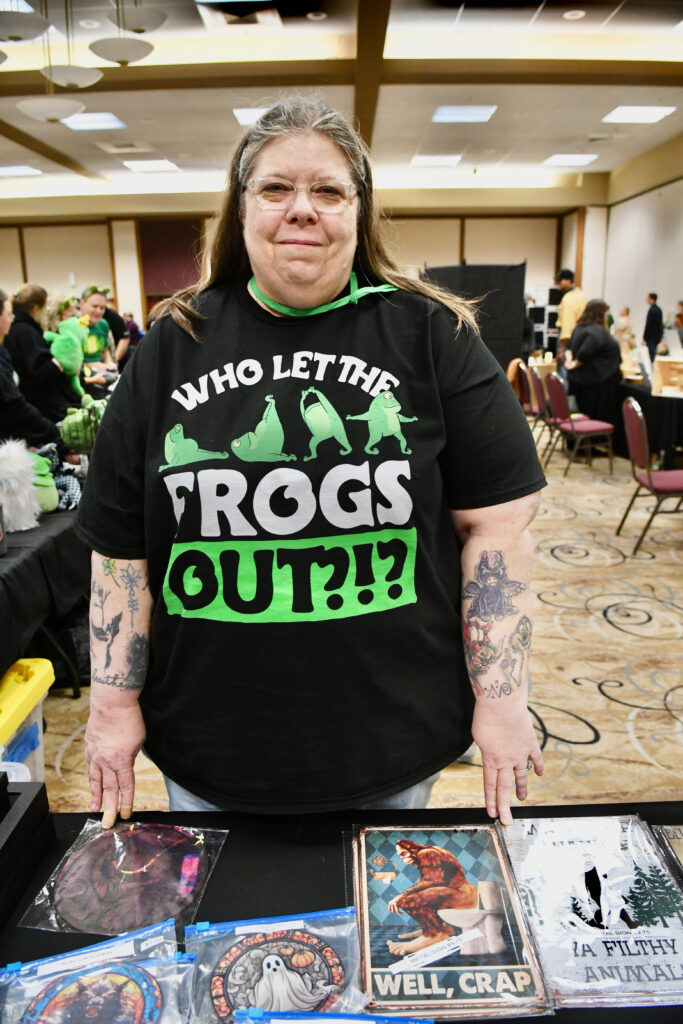
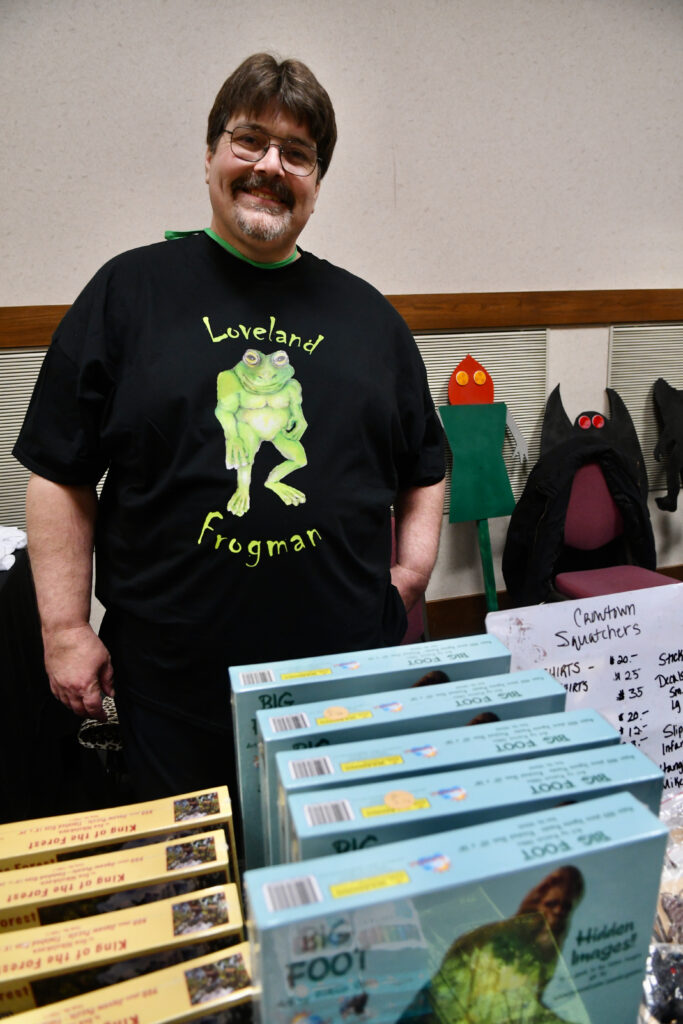
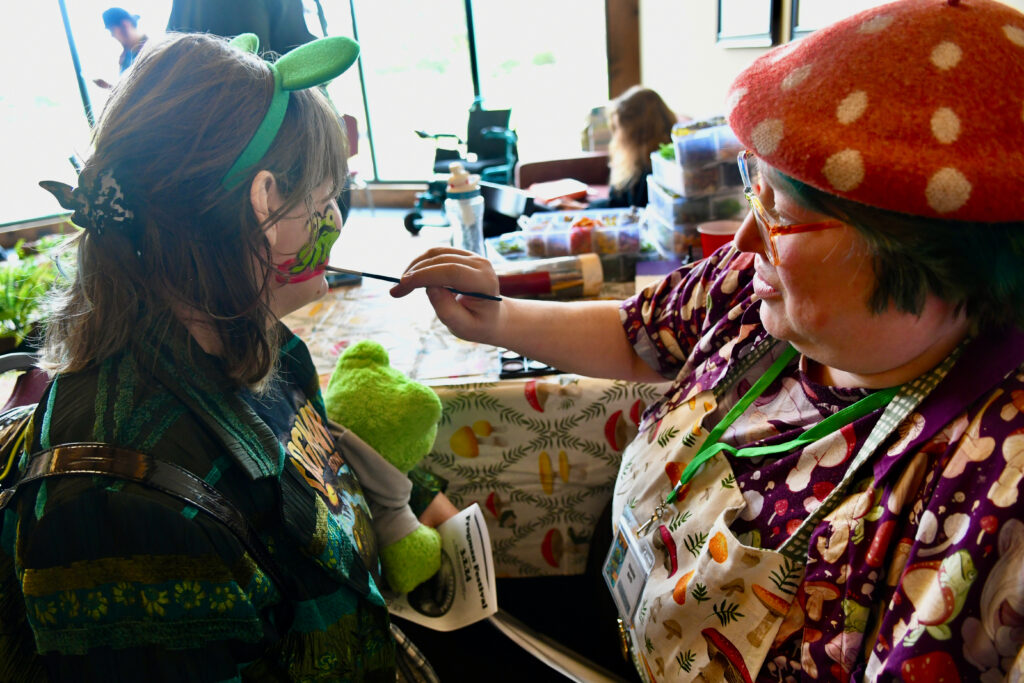
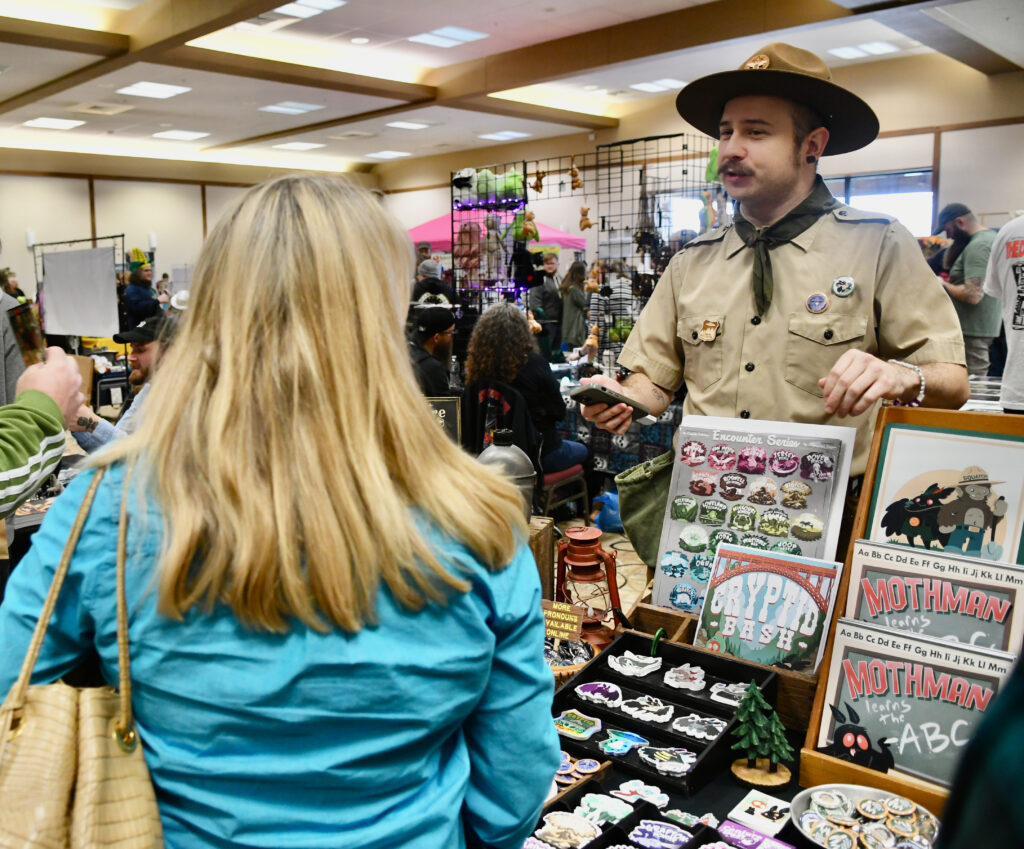
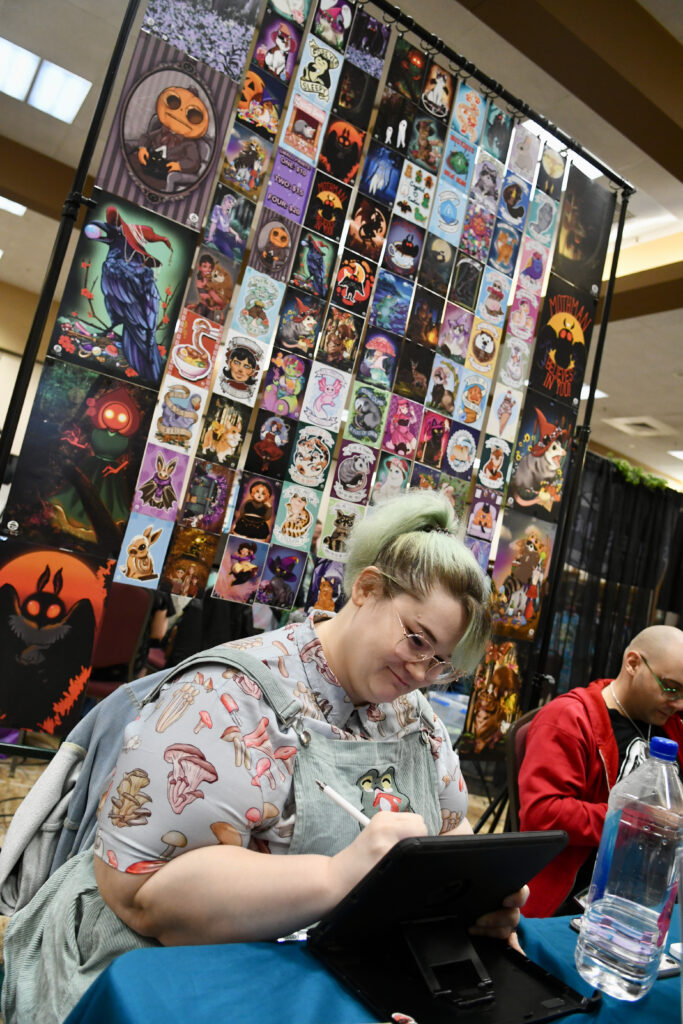

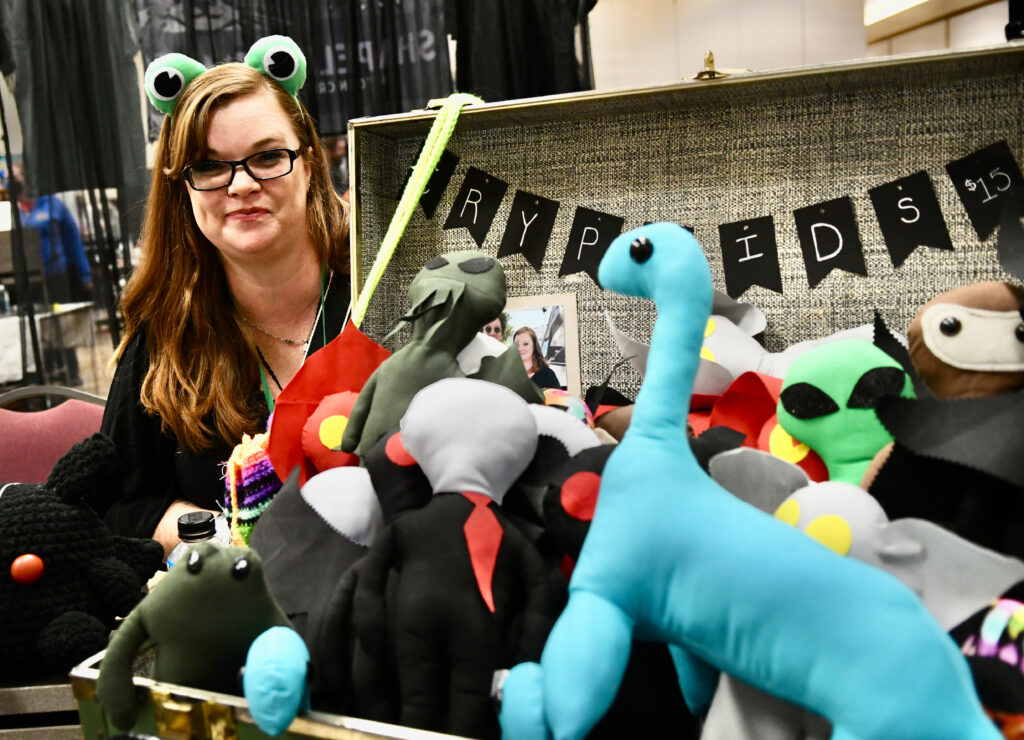

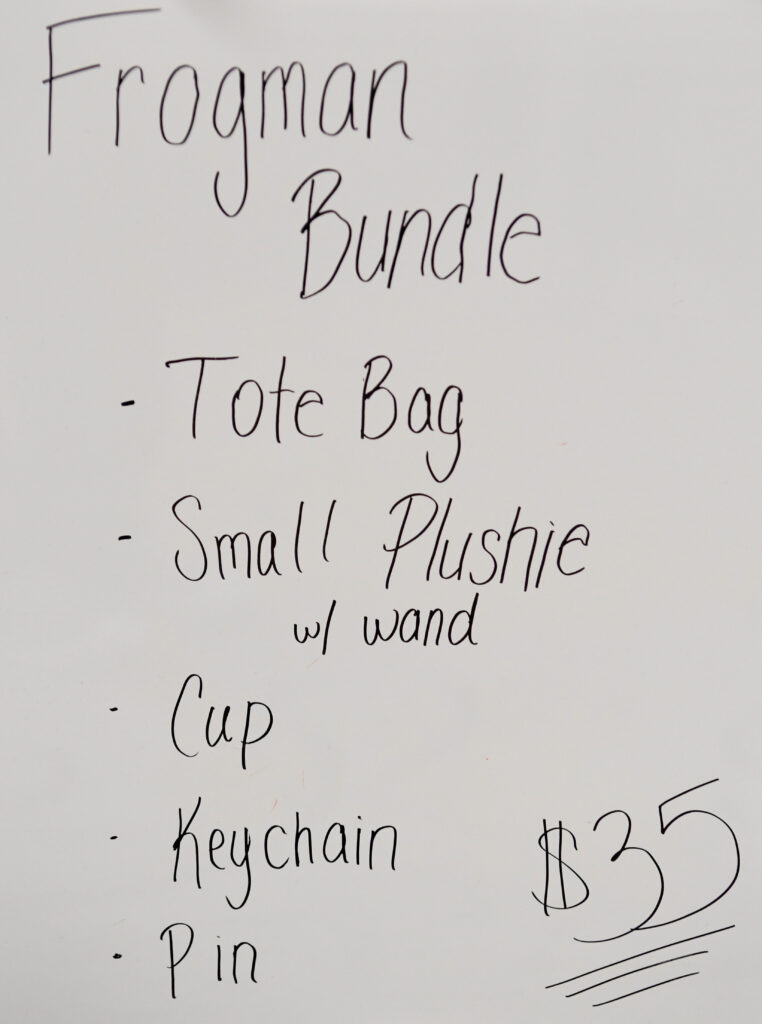
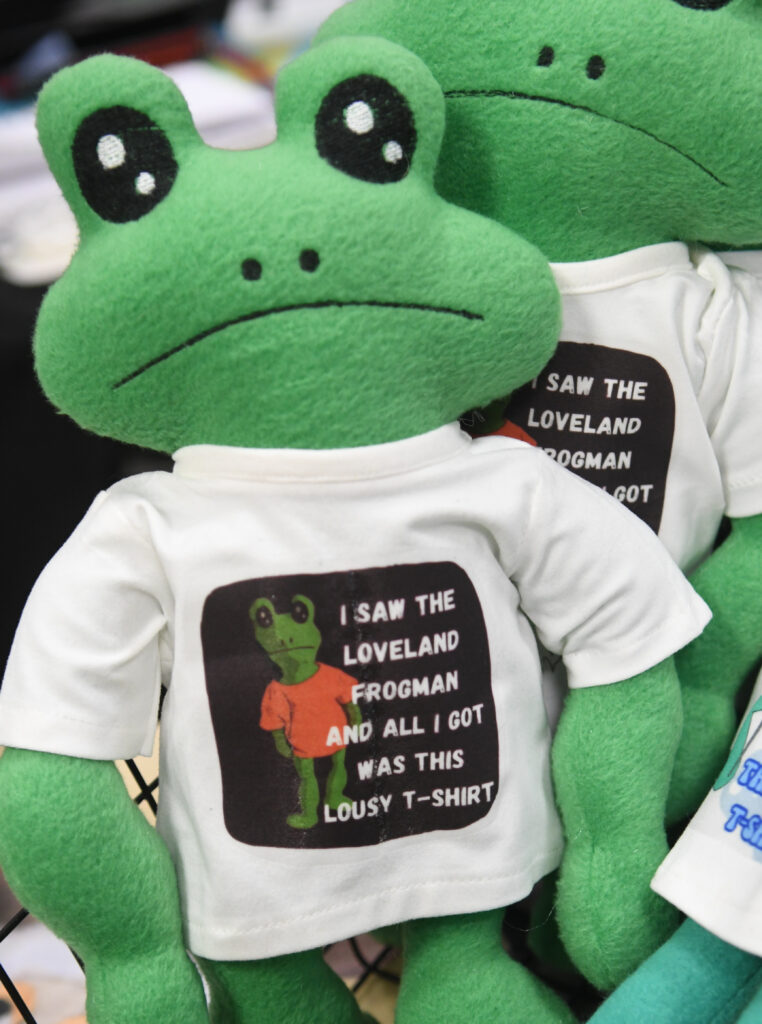
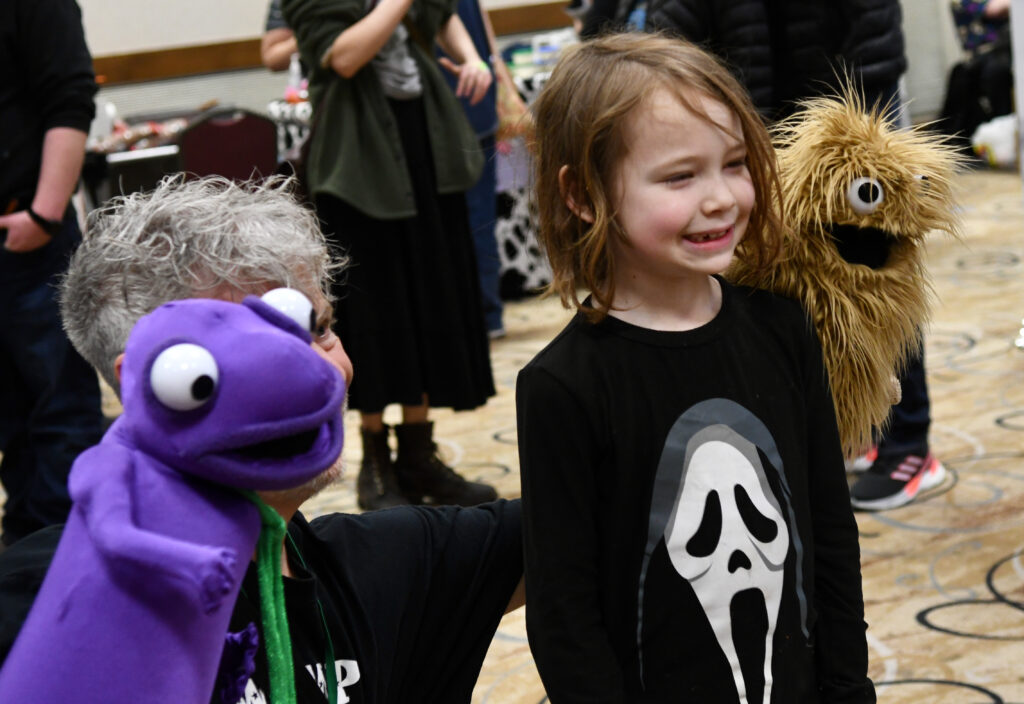
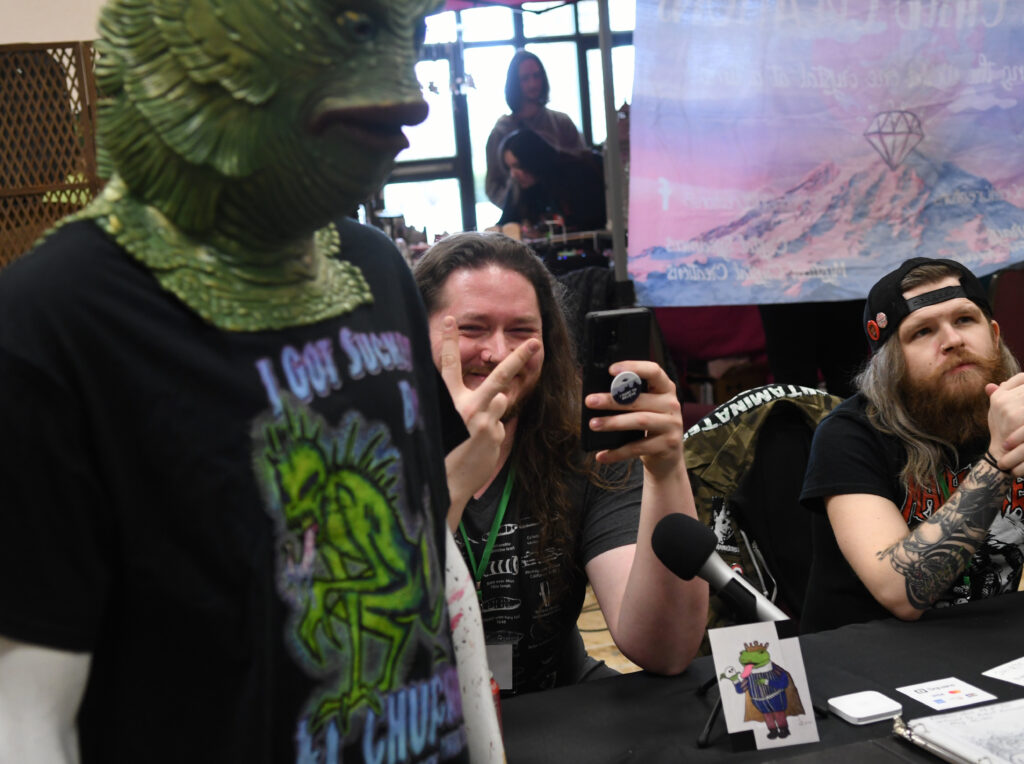
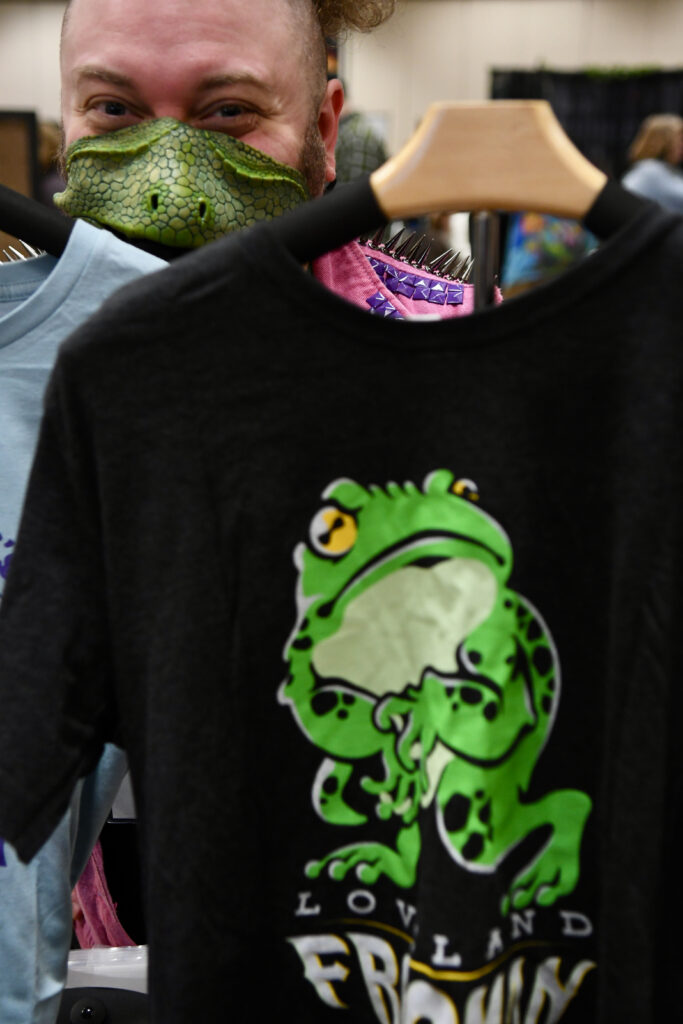
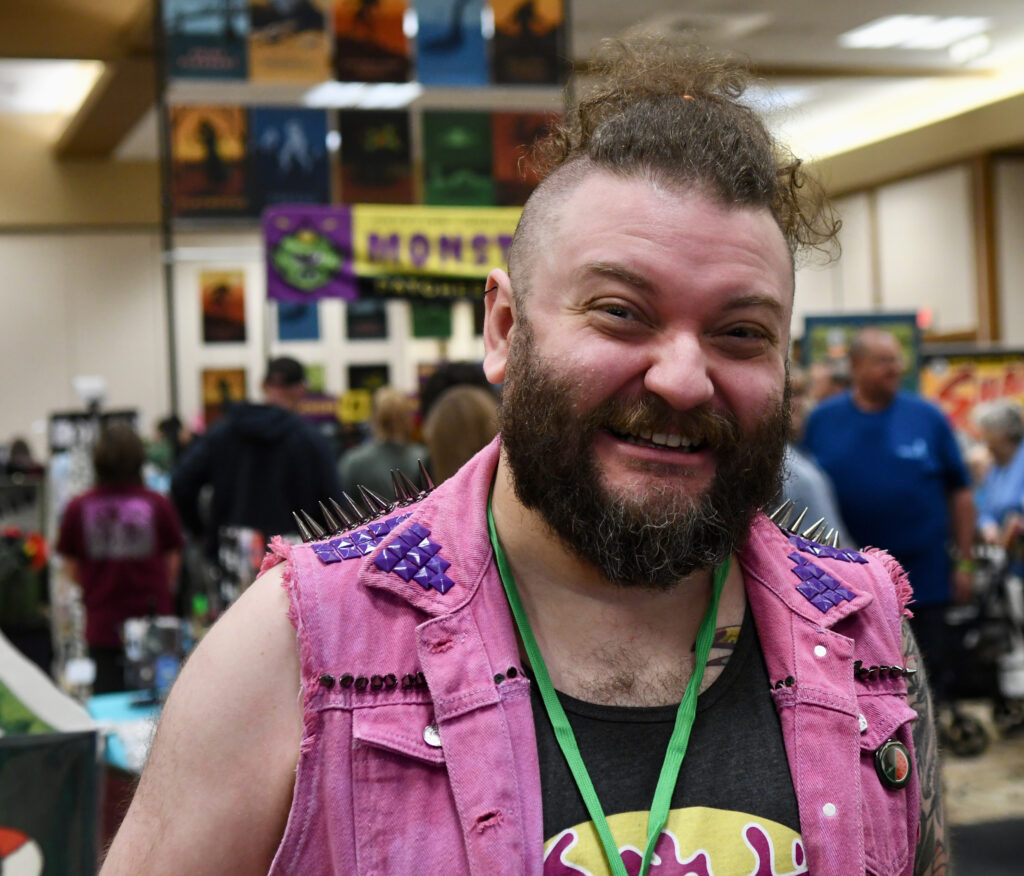
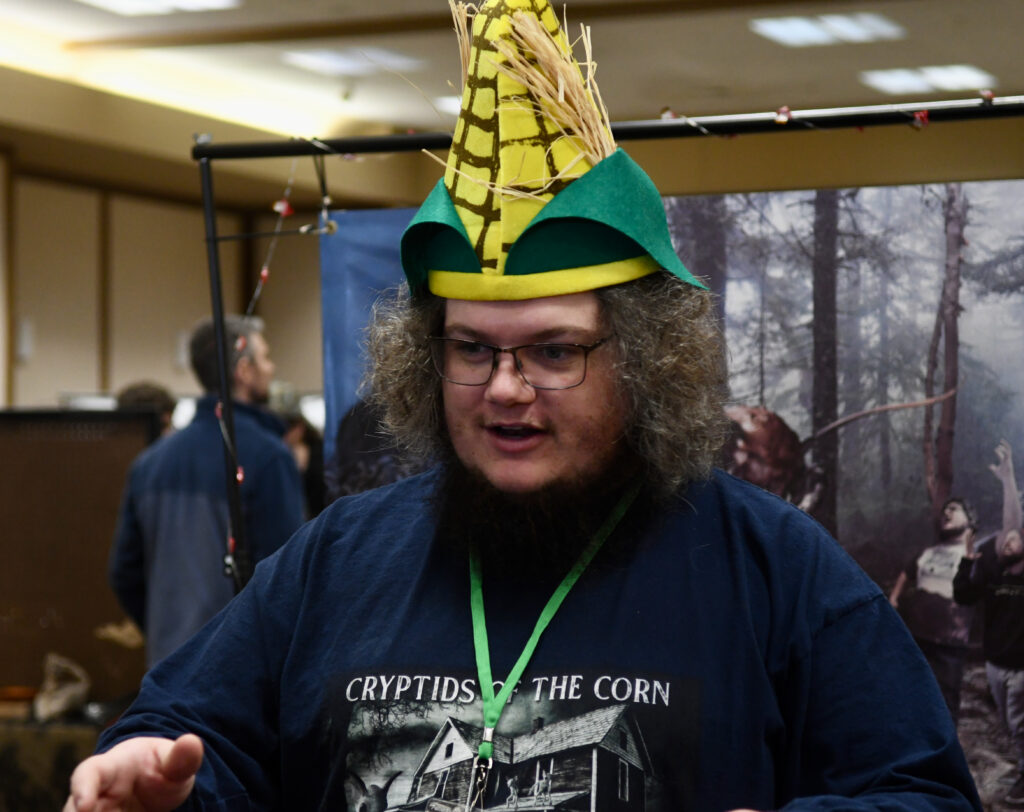
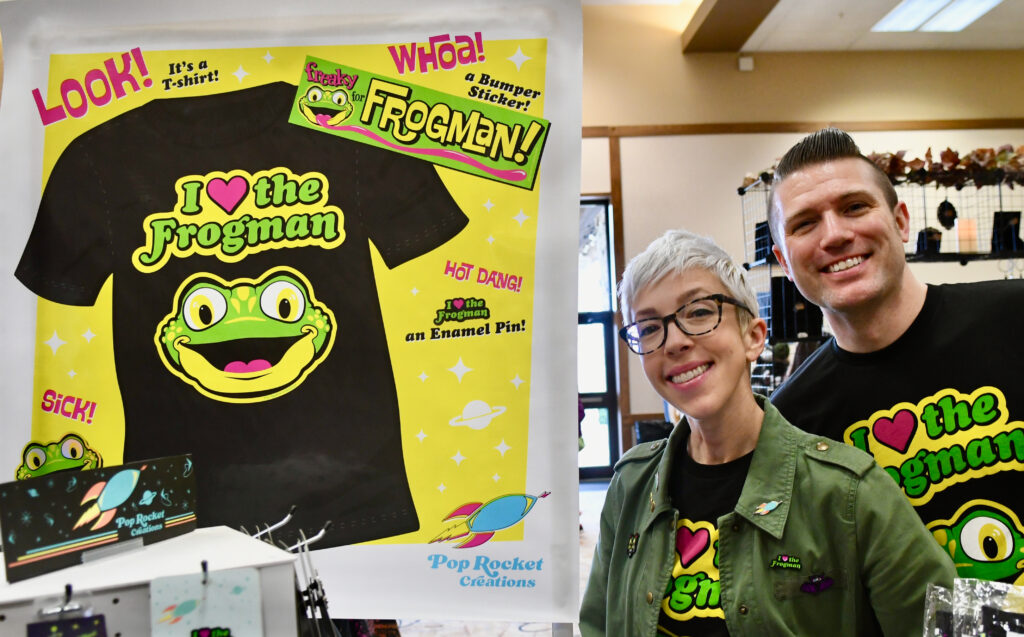
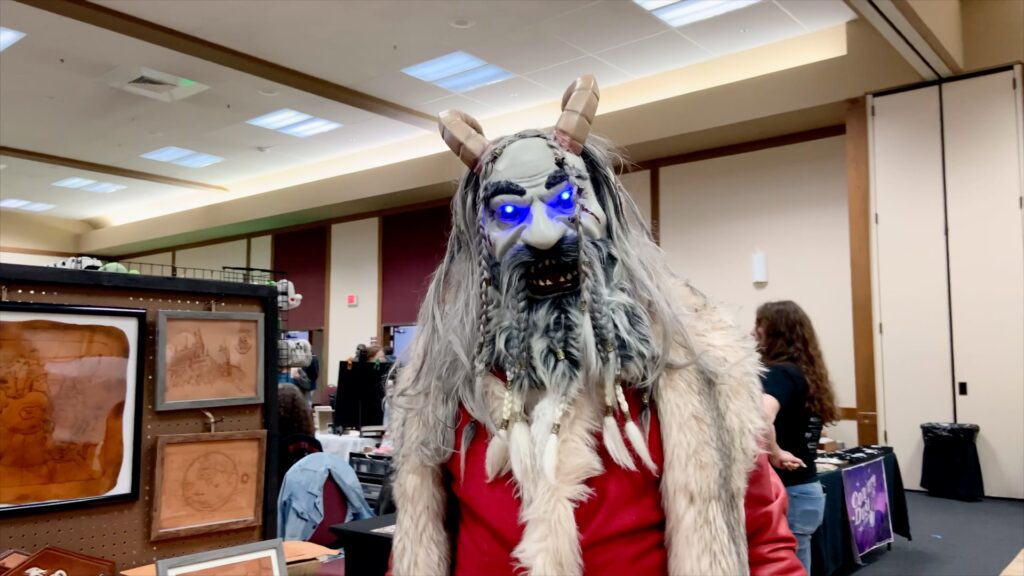
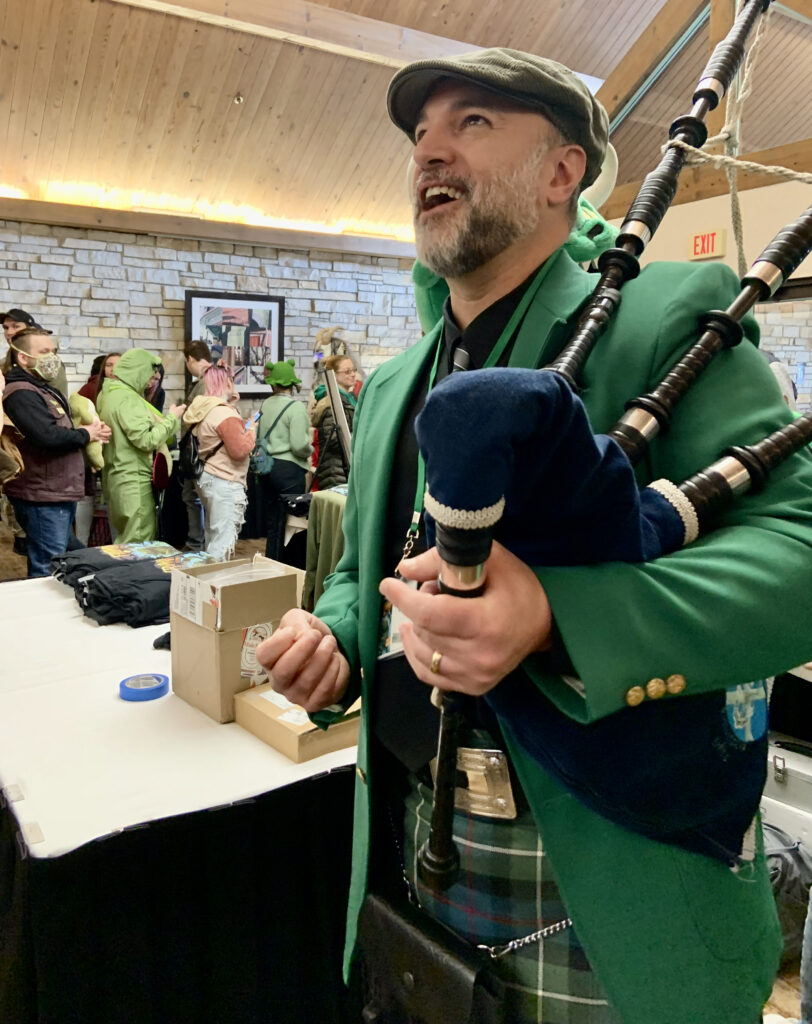
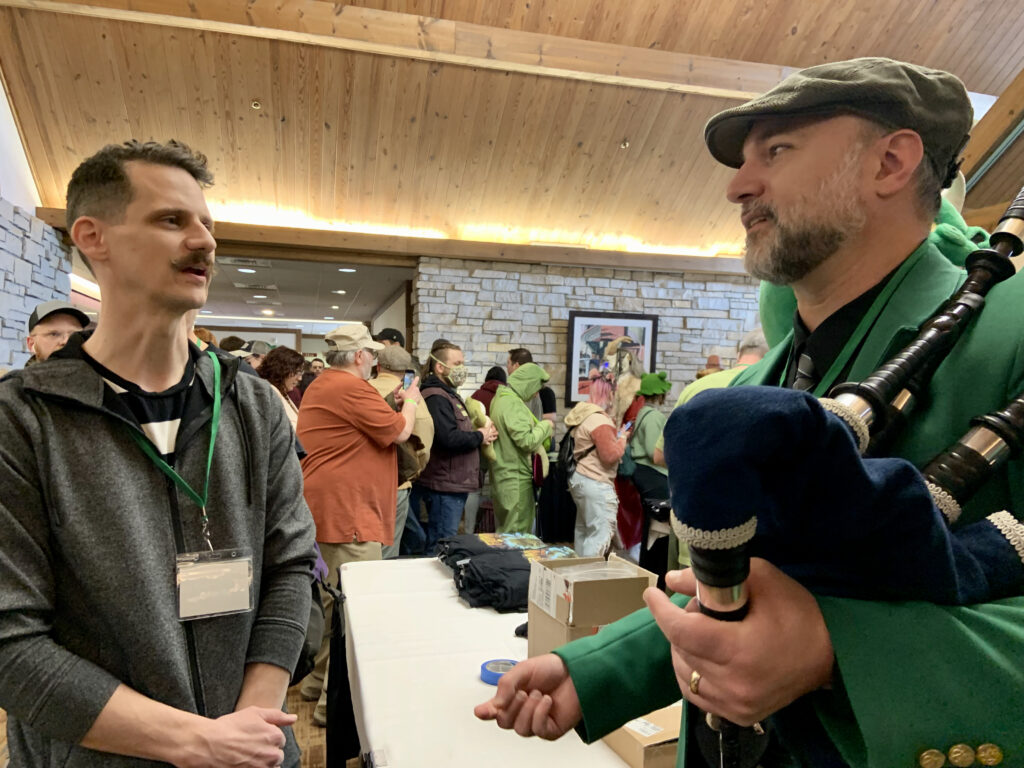
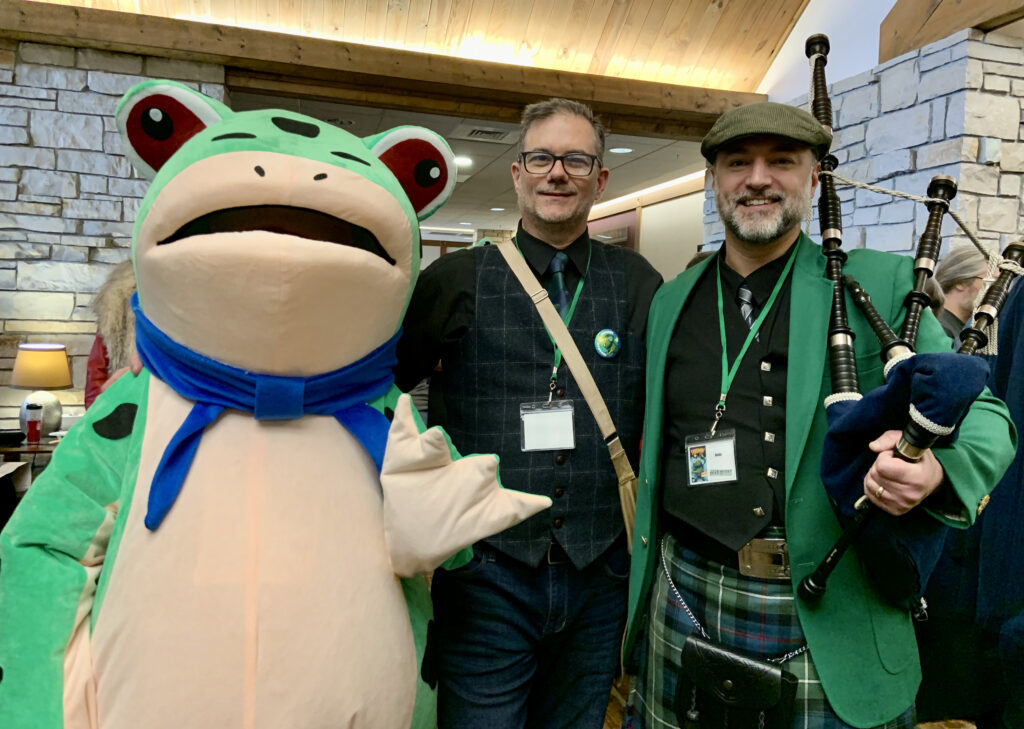
Just like last year, we can offer Discounted Rooms for Frogman Attendees. Take advantage of this offer to stay at the closest hotel to the convention center.

Sundays from Sunday, February 2, 2025 to Sunday, February 23, 2025 from 2-3 p.m.
A free public tour at the Cincinnati Art Museum highlighting the work, influence, and legacy of Black artists.
Public tours are on Friday, Saturday and Sundays and change monthly.
Public tours are always FREE and meet in the front lobby.
Homeschool and school groups as well as groups of 10 or more people are not permitted on public tours. Please reach out to the Tour Coordinator and submit a tour request form to ensure the best possible tour for your group.
If you need accessibility accommodations, contact the museum in advance at access@cincyart.org or fill out the accessibility request form.
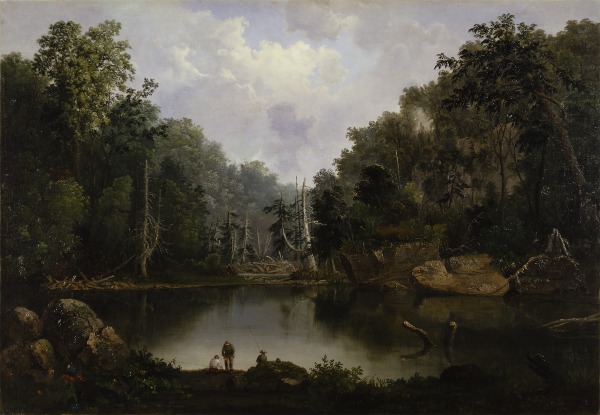

Clermont County, Ohio – The 2024 Annual Report for the Clermont County Soil and Water District is out.
[pdf-embedder url=”https://lovelandmagazine.com/wp-content/uploads/2025/02/annual-report-2024_web-compressed.pdf”]
Loveland, Ohio – Loveland Magazine celebrates Black History Month.
 The 2025 Black History Month theme of the Study of African American Life and History, African Americans and Labor, focuses on the various and profound ways that work and working of all kinds – free and unfree, skilled, and unskilled, vocational and voluntary – intersect with the collective
  experiences of Black people. Indeed, work is at the very center of much of Black history and culture. Be it the traditional agricultural labor of enslaved Africans that fed Low Country colonies, debates among Black educators on the importance of vocational training, self-help strategies and entrepreneurship in Black communities, or organized labor’s role in fighting both economic and social injustice, Black people’s work has been transformational throughout the U.S., Africa, and the Diaspora. The 2025 Black History Month theme, “African Americans and Labor,” sets out to highlight and celebrate the potent impact of this work.