Author: Loveland Magazine

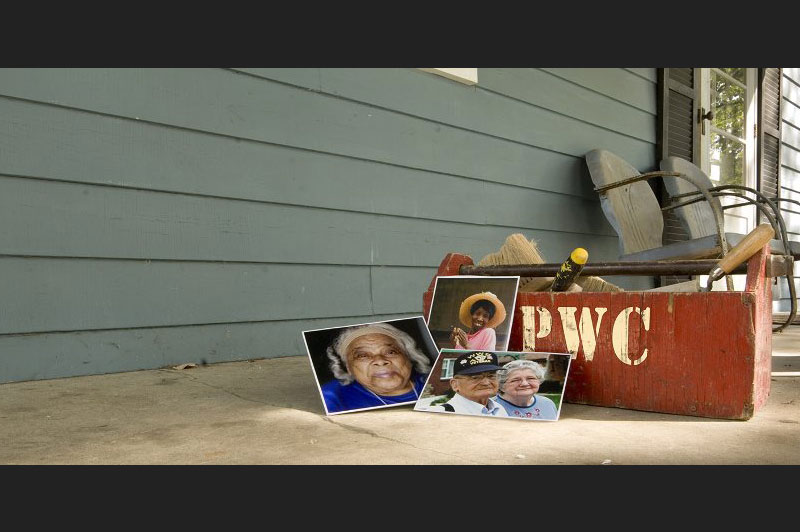
  • PWC provides critical and emergency home repairs

    PWC provides critical and emergency home repairs

    “Everyone in our community should have a safe and healthy place to live, especially in times of crisis.”

    As our community adjusts to the new normal amidst the COVID-19 outbreak, People Working Cooperatively understands that the vulnerable populations we serve daily are scared and anxious about the new health and financial hardships they are facing. At this unprecedented time of crisis, their work of providing critical and emergency home repairs is needed more than ever to ensure the safety and health of our low-income neighbors including families with young children, seniors, people with disabilities, and other at-risk populations. According to the Centers for Disease Control (CDC), community preparedness for COVID-19 should include older adults and people with disabilities and the organizations that support them, to ensure their needs are met.

    The need for PWC’s emergency services will continue to grow as conditions expand and worsen. Those living on the margins will face unemployment, elderly are being asked to self-quarantine and children will remain home for weeks as schools remain closed across the region. Due to these new circumstances, they are constantly being exposed to unhealthy and unsanitary living conditions such as no heat or water, no working toilet, dangerous electrical issues, leaking roofs and the inability to get in or out of their home safely. These emergency issues need to be addressed immediately to not only keep our neighbors healthy and safe, but also to prevent additional stress on our already overwhelmed healthcare providers and hospitals.

    PWC is monitoring the spread of COVID-19, taking precautions to protect our high-risk neighbors and preparing for increased demand and new ways of delivering their services. At this time they have postponed volunteer projects and suspended other non-emergency services, and are focusing on level 1 emergency repairs, or emergencies which pose an immediate threat to the client’s well-being including:

    • Broken water lines where water is pouring, not dripping, out of the line
    • Client’s only accessible commode is blocked or otherwise unusable
    • No water
    • Gas fumes present
    • No heat
    • First-floor doors or windows cannot be closed and/or secured
    • Existing air conditioning is not working and a resident’s health issues could be complicated during a heat emergency
    • An electrical condition that poses a fire threat
    • Accessibility modification to allow a client to return home
    • Main drain/sewage backup

    General Qualifications

    Call Today to see if you Qualify

    PWC’s customer service specialists can be reached at (513) 351-7921 or contact us online

    For More Info about Qualifying

    Please Consider Making a Gift to PWC

    Donate Today!


  • Ohio Office of Small Business Relief established

    Ohio Office of Small Business Relief established

    A new office has been developed within the Ohio Development Services Agency to coordinate Ohio’s efforts to identify and provide support for Ohio’s nearly 950,000 small businesses.

    The Office of Small Business Relief will:

    • Serve as the state’s designated agency for administrating federal recovery funds awarded to Ohio for small business support and recovery;
    • Work with federal, state, and local partners to evaluate and determine possible regulatory reforms that encourage employment and job creation; and
    • Coordinate efforts of Ohio’s Small Business Development Centers and Minority Business Assistance Centers.

    More information on all resources currently available to small businesses is available at coronavirus.ohio.gov/BusinessHelp.


  • Hamilton County Public Health modifies syringe  and harm reduction services during Covid-19 Pandemic

    Hamilton County Public Health modifies syringe and harm reduction services during Covid-19 Pandemic

    Clients can schedule an appointment to receive Narcan via a drive-through service.

    Hamilton County, Ohio – Before COVID-19 commanded the lion’s share of headlines, Hamilton County Public Health (HCPH) was in the midst of another battle — fighting the disease of addiction.

    “We have made some modifications to our program to ensure the health and safety of our clients and our harm reduction team.”

    “We certainly haven’t lost sight of those struggling with addiction,” says Greg Kesterman, interim health commissioner at Hamilton County Public Health. “But we have made some modifications to our program to ensure the health and safety of our clients and our harm reduction team.”

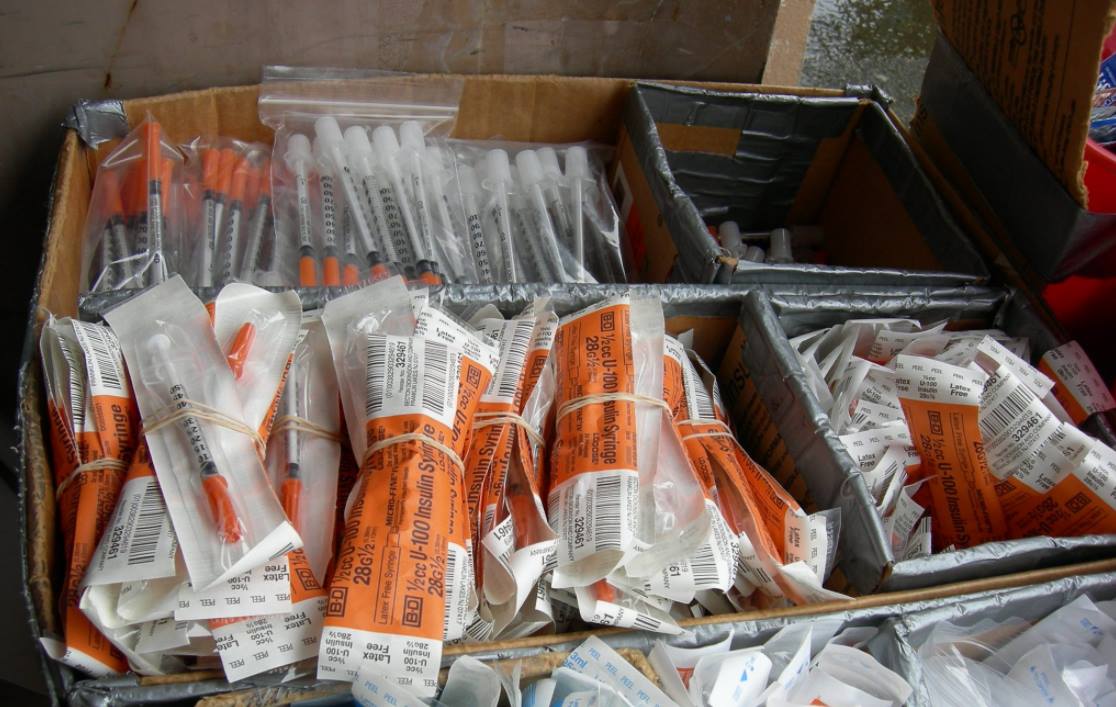
    Syringe services are now available only through an appointment.  Clients will receive a one-month supply of all items offered through the service. Clients can schedule appoints by phone, text, e-mail or through Facebook. Call or text 513-316-7725; log onto Facebook: @hc.xchange; or e-mail ExchangeProject@hamilton-co.org.
    These calls will help clients find healthcare, housing, food or other needed resources.

    In addition to syringe and other exchange service items, the HCPH team implemented a text service for its clients with alerts and messages covering a number of health and safety issues. The team is also reaching out through clients’ preferred communication mediums to check in during the stay-at-home order. These calls will help clients find healthcare, housing, food or other needed resources.

    The HCPH Harm Reduction team is also continuing its distribution of Narcan®.

    The HCPH Harm Reduction team is also continuing its distribution of Narcan®, the overdose-reversing drug. Clients can schedule an appointment to receive Narcan via a drive-through service. To schedule an appointment, call or text 513-946-7676; log on to Facebook: facebook.com/hc.narcan; or e-mail narcan@hamilton-co.org.

    The HCPH team is also working closely with the Hamilton County Justice Center to ensure inmates released from incarceration have the appropriate resources. Each inmate will receive resource information in their property bags upon release. Finally, addiction treatment providers are operating during the COVID-19 pandemic.  The HCPH team is available to help clients navigate the referral process to enter treatment.

    “These are difficult times for all of us, but certainly for those with additional medical challenges,” Kesterman adds.  “Even though we are all working to comply with stay-at-home requirements, our clients’ needs don’t go away. That’s what we’re here for.”


  • [Video Interview] Former Loveland High School student Stacye Toups on the frontlines in Spain

    [Video Interview] Former Loveland High School student Stacye Toups on the frontlines in Spain

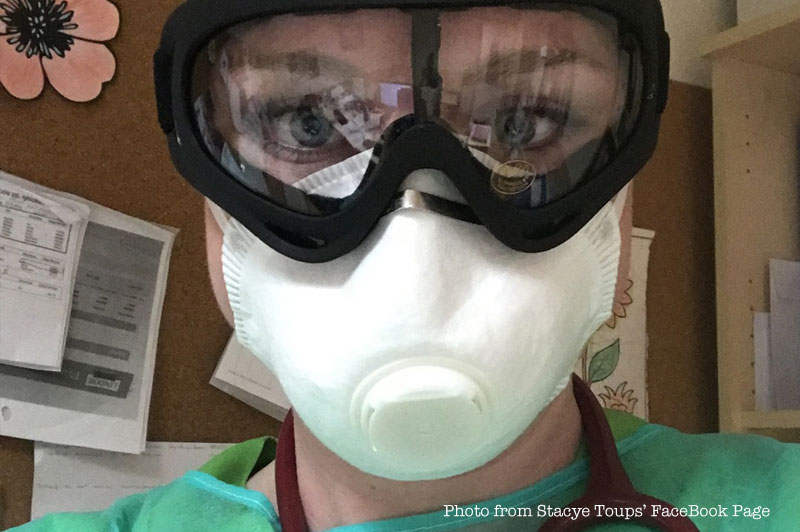
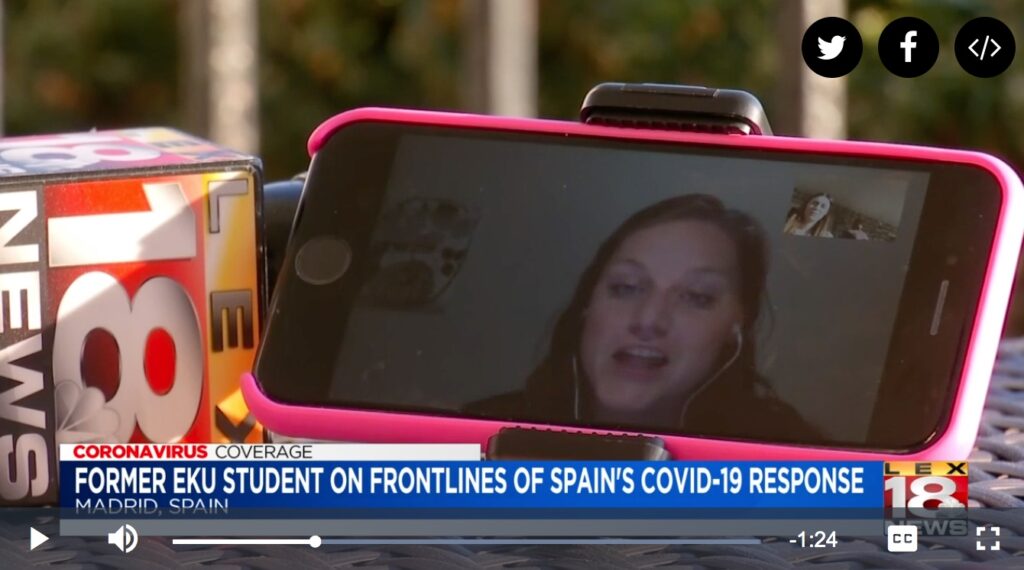
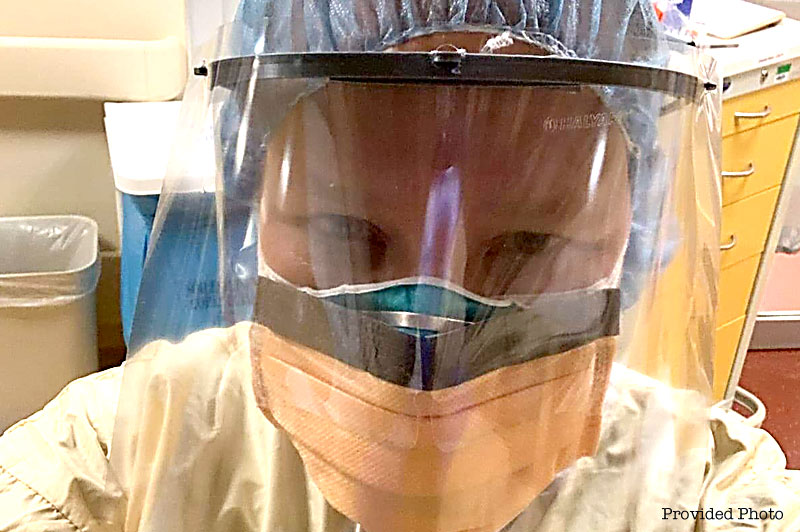
    The former LHS student is now a fourth year medical student on the frontlines of the coronavirus response in Spain, where cases have spiked.

    Posted at 4:15 PM, Apr 09, 2020
    and last updated 4:50 PM, Apr 09, 2020


    RICHMOND, Ky. (LEX 18) — The hardest part for Stacye Toups has been putting patients in isolation.

    The former EKU student is now a fourth year medical student on the frontlines of the coronavirus response in Spain, where cases have spiked.

    She works in a nursing home where her days now consist of calling families to give them updates on their loved ones, caring for patients and even crying with patients.

    Watch Katherine Collins’s interview with Stacye Toups…


  • A painted photo by Scott Carney

    A painted photo by Scott Carney

    Loveland, Ohio – This painted photo was taken by Scott Carney at the Loveland Bike Trail where it crosses Broadway. This plant sits right between the trail and the parking lot that is adjacent to Loveland Canoe and Kayak.

    Scott said, “Trying to bring a little beauty and positivity into the day. Have a great one guys! Peace.”


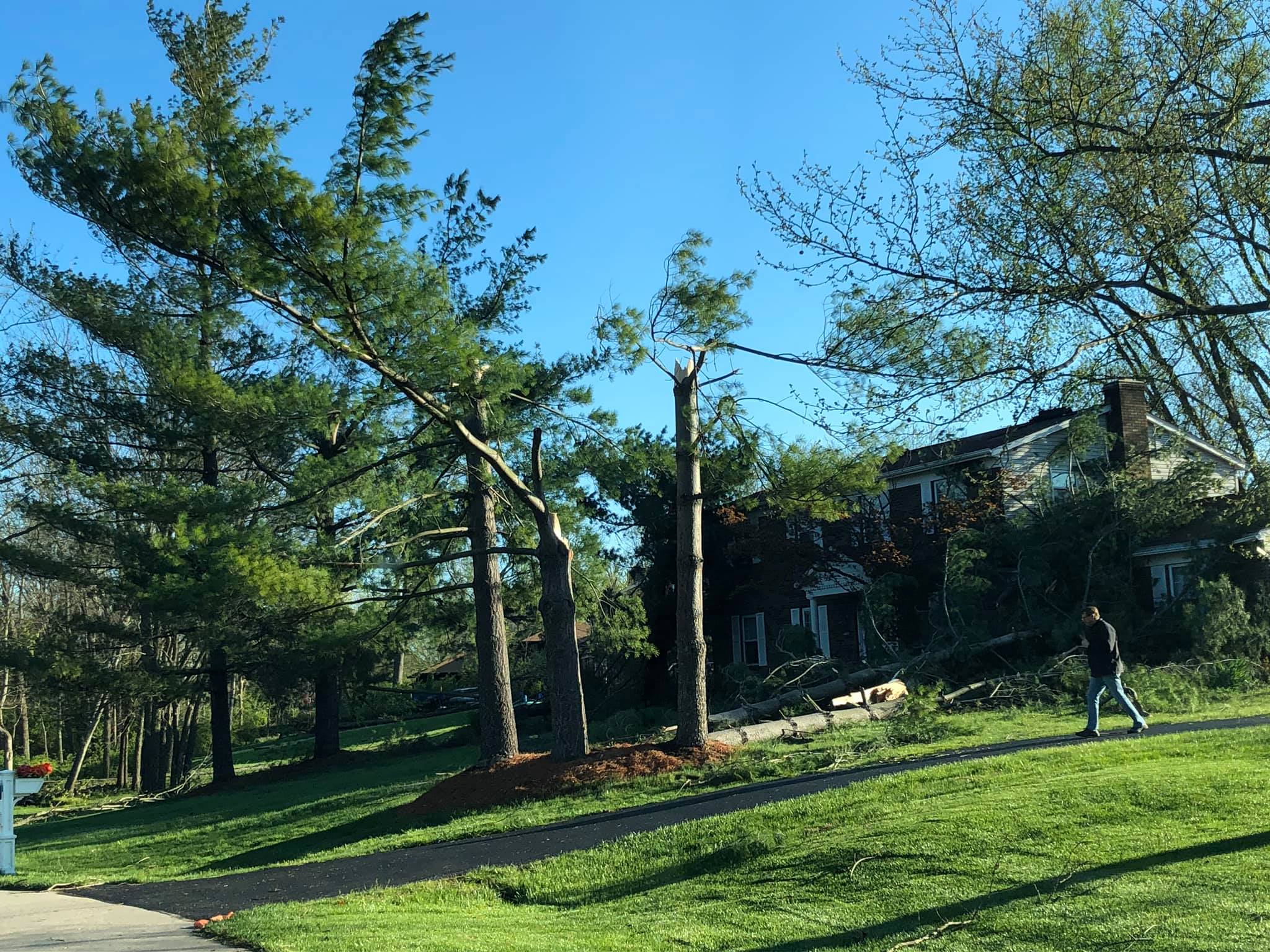
  • Miami Township storm photos

    Miami Township storm photos

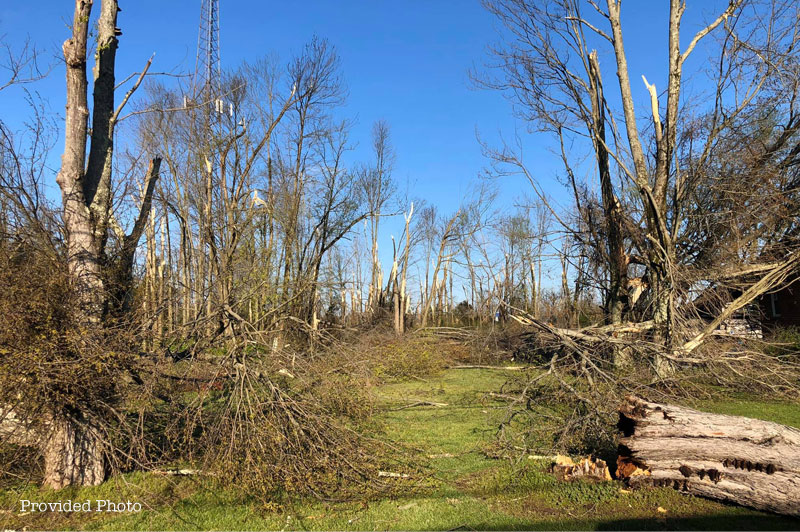
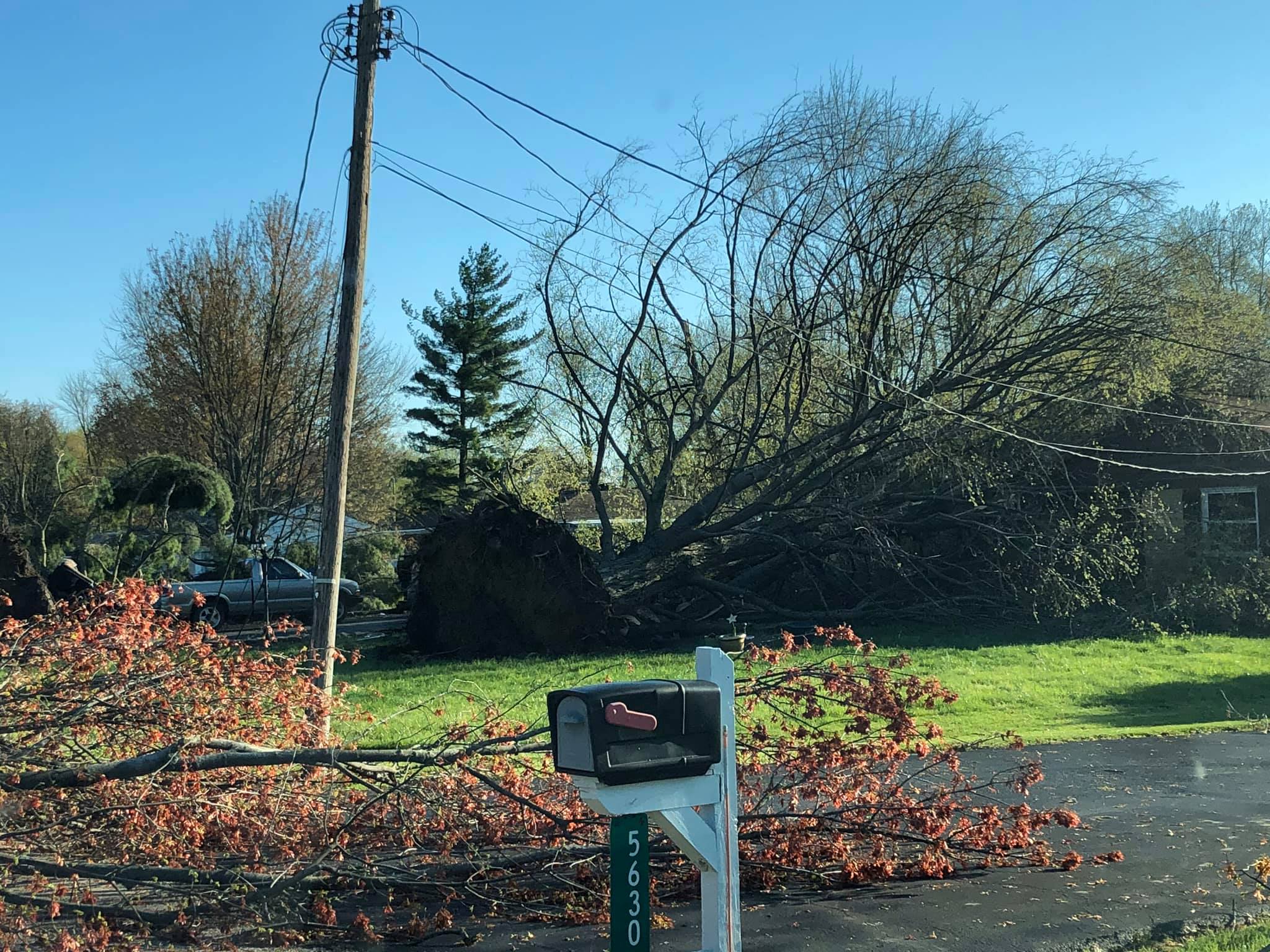
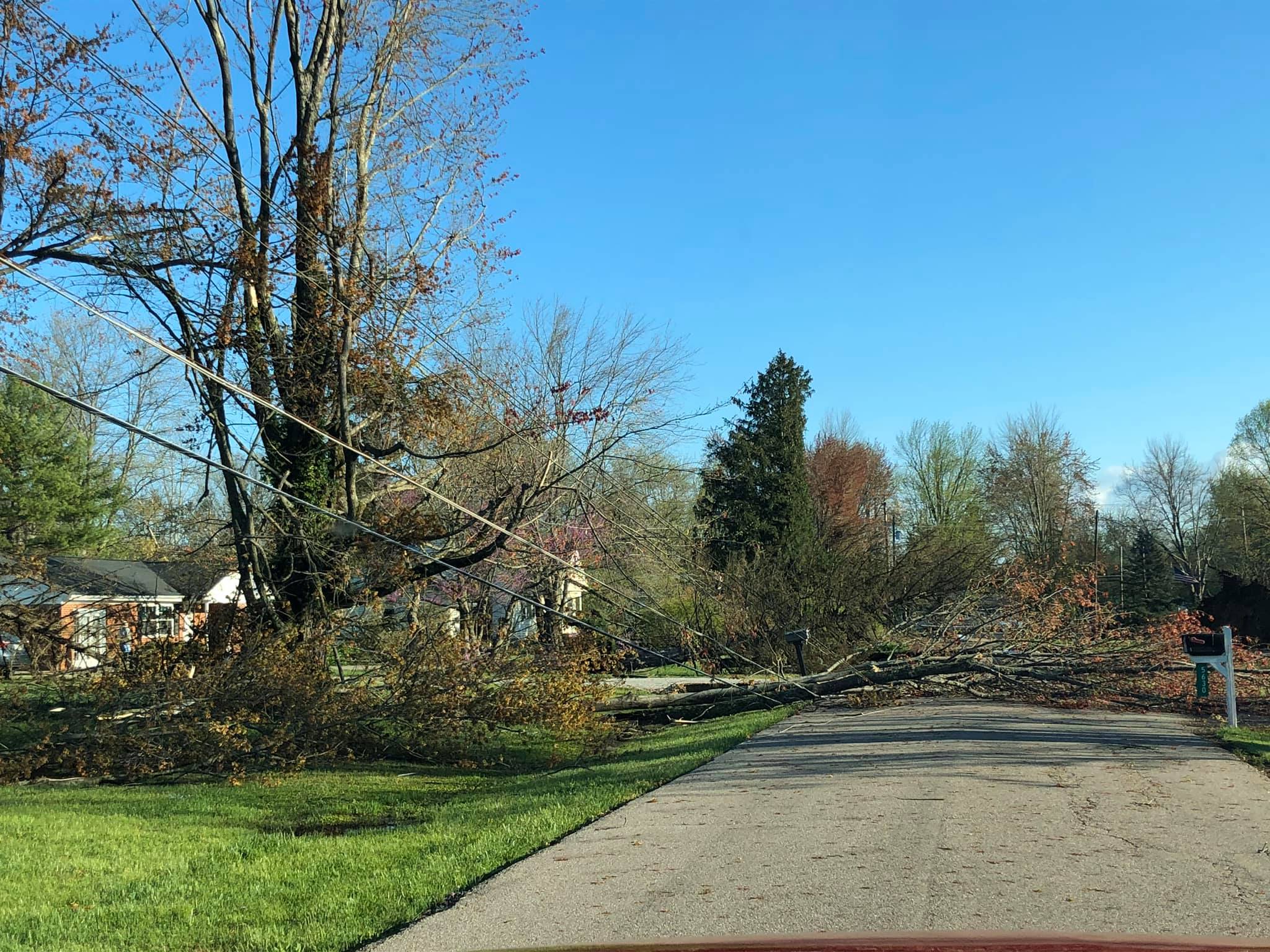
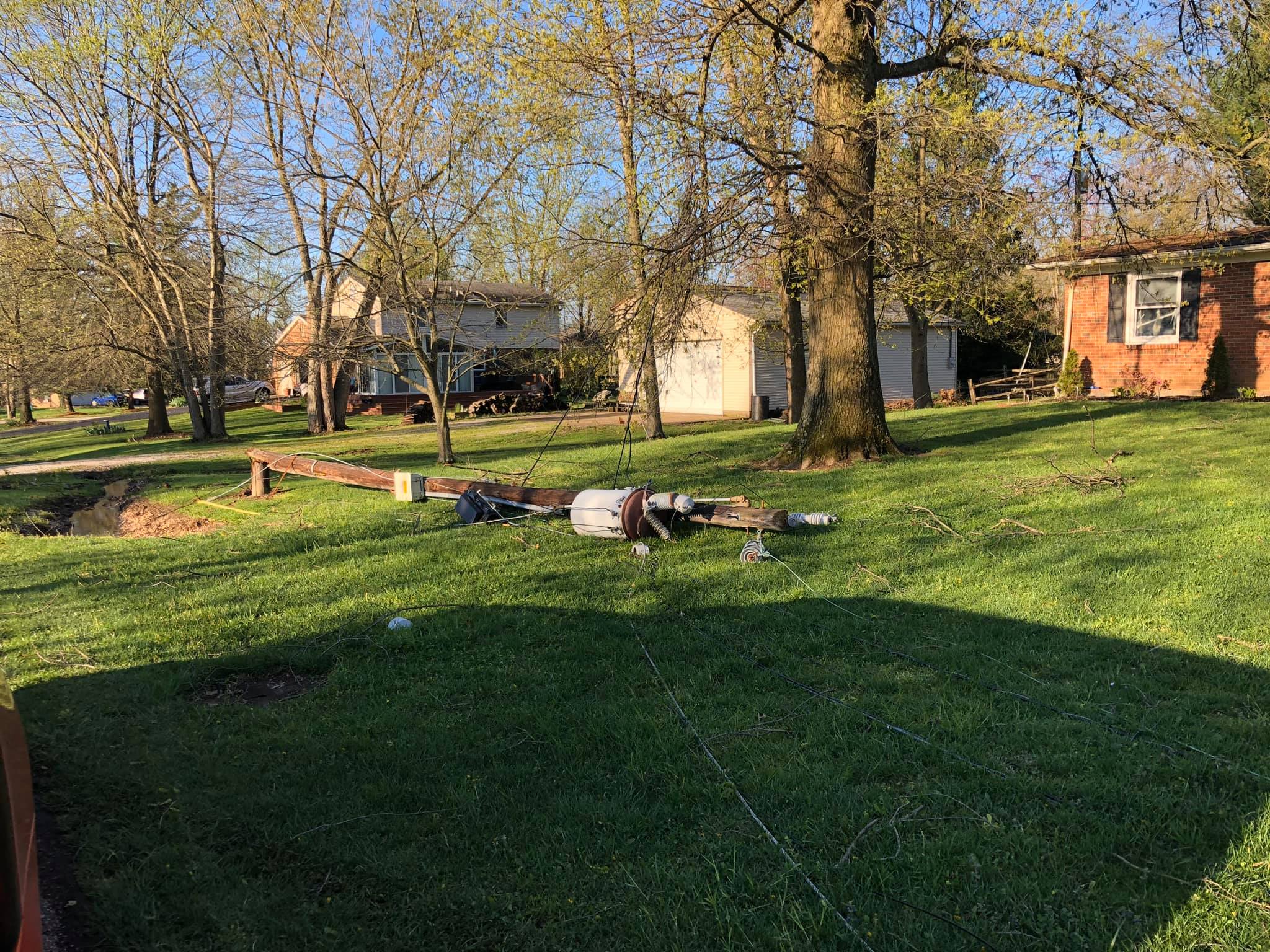
    Miami Township, Ohio – Here are photos of damage in Miami Township from last night’s storm. These photos are from Miami Township Fire/EMS’

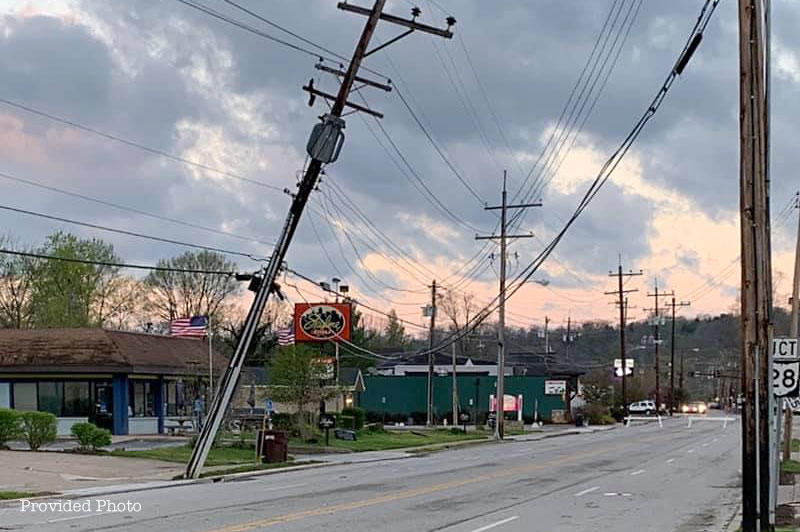
  • Milford storm damage photos

    Milford storm damage photos

    Milford, Ohio – Theses are photos from the City of Milford’s FaceBook Page of damage from last night’s storm.


    When survivors are forced to stay in the home or in proximity to their abuser, it can create circumstances where their safety is compromised, and they may need to alter their safety plan.

    For any victims and survivors who need support, we are here for you, 24/7.

    Call 1-800-799-7233 or if you’re unable to speak safely, you can log onto the hotline.org or text LOVEIS to 22522

  • Join this Loveland group putting their home 3D printers to good use

    Join this Loveland group putting their home 3D printers to good use

    by Natalie Clark
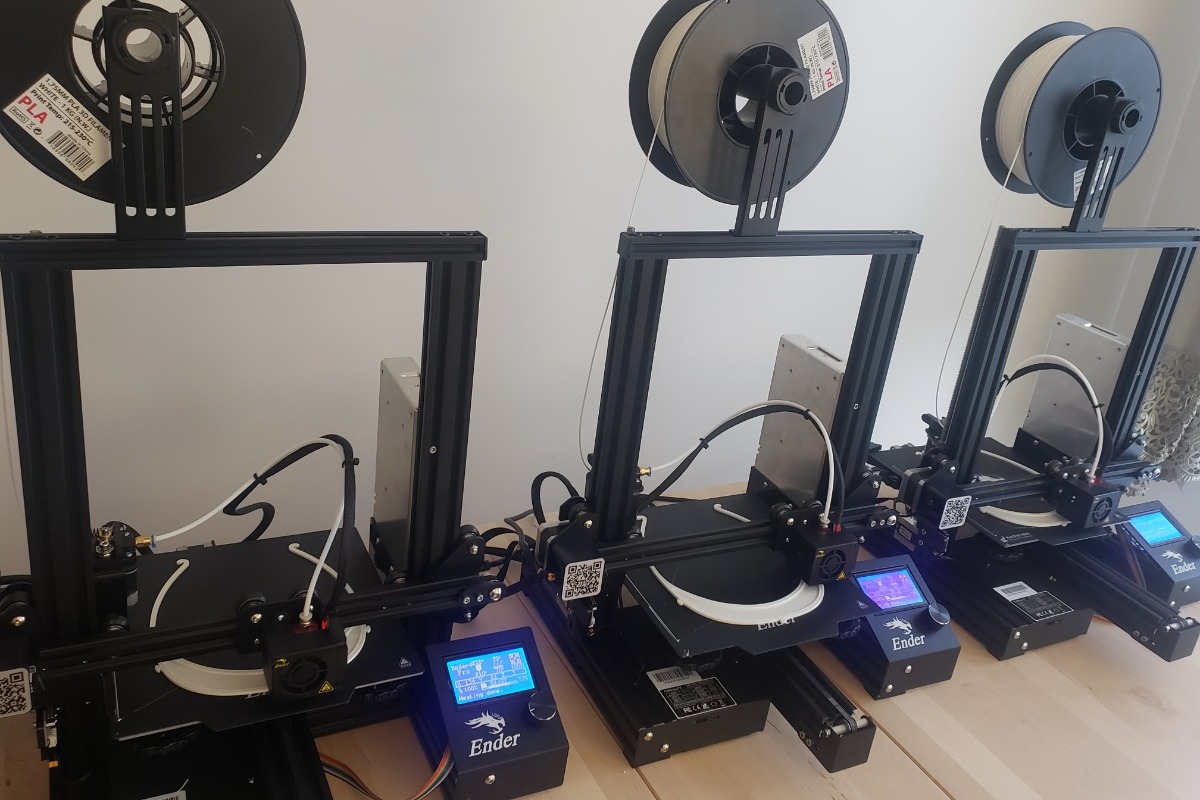
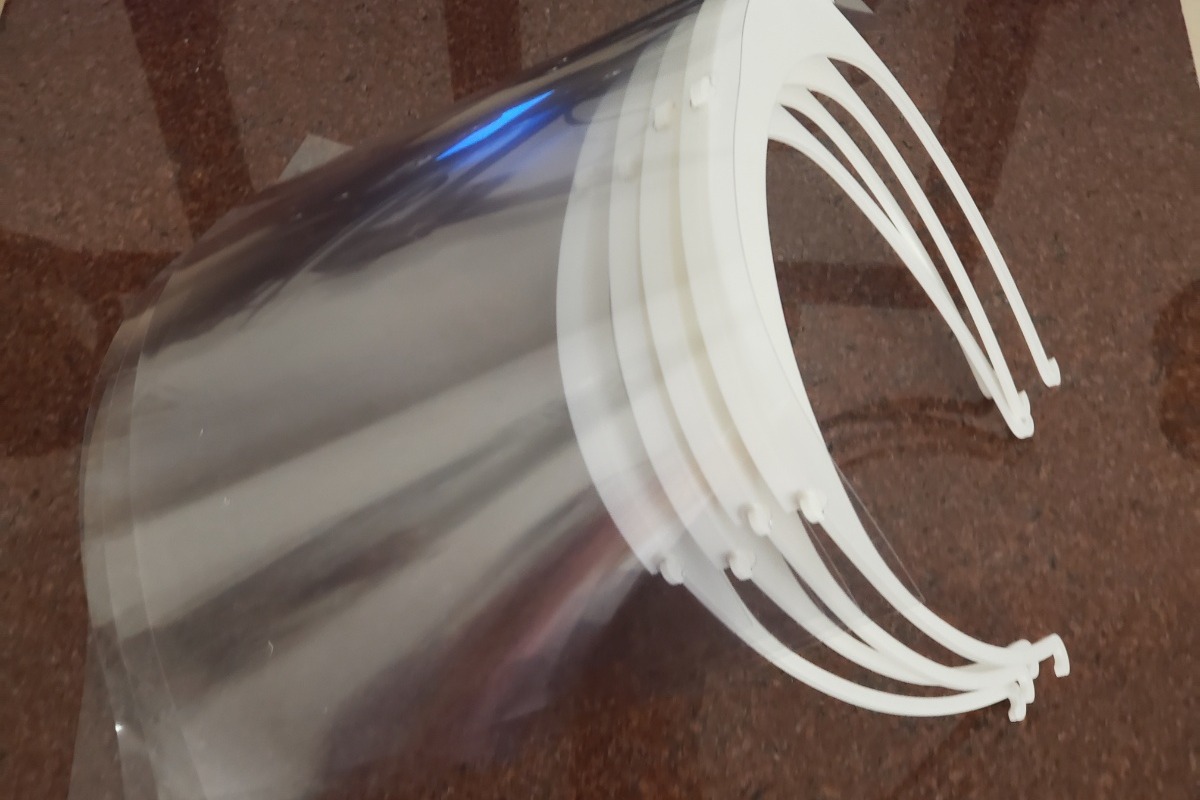
    Hi Loveland Magazine Readers. We want to reach out to our community and see if there are any folks who would like to put their home 3D printers to good use and join us in making 3D printed face shields for Cincy!

    The Problem: Patients with COVID-19 experience significant respiratory issues, resulting in coughing. Virus particles are easily spread in the fluids expelled from the patient during episodes of coughing. The face shield is an additional barrier between the healthcare worker and the patient, reduces the risk of viral transmission via airborne droplets, and reduces virus load on face masks worn underneath the face shield.

    Hospitals and clinics are running low or completely out of supply of face shields and have no choice but to treat infectious patients without a face shield to reduce exposure to airborne droplets and contagious body fluids.

    We are a Loveland family and our son goes to the Loveland Middle School. A couple of weeks ago, we started making 3D printed face shields using our 3 home printers.

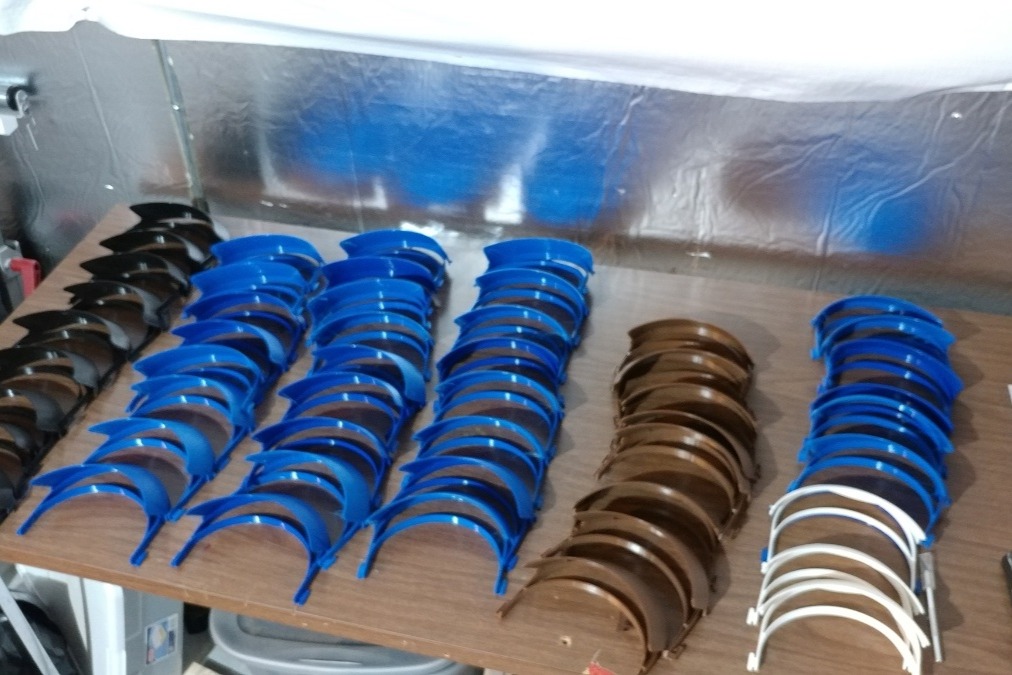
    We have started a FaceBook group, 3D Printed Face Shields for Cincy which helps unite local 3D printing enthusiasts to help us make and donate more face shields to the local hospitals and clinics. To date, we have made and donated over 400 face shields for the frontline workers in our community (Kettering, OHC, TriHealth, Cincinnati Children’s, and local clinics).

    If you would like to help out, join our 3D Printed Face Shields for Cincy group on FaceBook or consider supporting us via gofundme.

    Donating $1 will cover the materials cost for 1 face shield so we can purchase material for producing more face shields. $750 has been raised so far.

    The 3D Printed Faceshields for Cincy group unites Cincinnati and tri-state area 3D printing enthusiasts who pledge to donate their time and efforts to create, distribute, and donate free face shields to Cincinnati based hospitals and clinics to combat COVID-19.

    47184330_1586045238355708_r.jpeg

    Hospitals and clinics are running low or completely out of the supply of face shields and have no choice but to treat infectious patients without one to reduce their exposure to airborne droplets and contagious body fluids.

    47184330_1586045529231756_r.jpeg
    47184330_1586045554691072_r.jpeg
    The funds will be used to purchase material for producing more face shields.

    This includes:

    ⚫ 3D printing filament
    ⚫ Visor material
    ⚫ Elastic bands
    ⚫ Misc. Hardware, packaging, cleaners

    We will be making and donating face shields as long as there is a need for them. Any remaining campaign funds will be donated to Charitable Health Network of Ohio to support free clinics.

    For Makers and direct donations of filament/time

    Please join our Facebook Group.
    For Medical Facilities
    If you are an essential medical worker or medical facility director and would like to request free donations of 3D printed face shield in the Cincinnati region, please fill out this form  or contact us directly.
    Our Design
    All designs that we are promoting have either NIH (National Institute of Health) or specific medical facility approval.


  • DeWine urges everyone to report any suspected child abuse or neglect

    DeWine urges everyone to report any suspected child abuse or neglect

    Ohio Governor Mike DeWine

    Columbus, Ohio – Since Ohio’s stay at home order began on March 22nd, Ohio has seen approximately a 50-percent drop in child abuse and neglect cases because those who typically report suspicions of abuse – such as teachers, coaches, child care providers, and school counselors and nurses – aren’t seeing children every day.

    Governor DeWine urged everyone to report any suspected abuse or neglect by calling 855-OH-CHILD.


    Loveland Counselor: How to protect children and adolescents who have experienced abuse during this ‘Stay at Home Order’

    Family members and loved ones who do not reside in the home can help these children

    by Elizabeth Greller, M.A., LPCC


  • DeWine: PPE shortage in Ohio remains severe and here is how to help

    DeWine: PPE shortage in Ohio remains severe and here is how to help

    Ohio Governor Mile DeWine

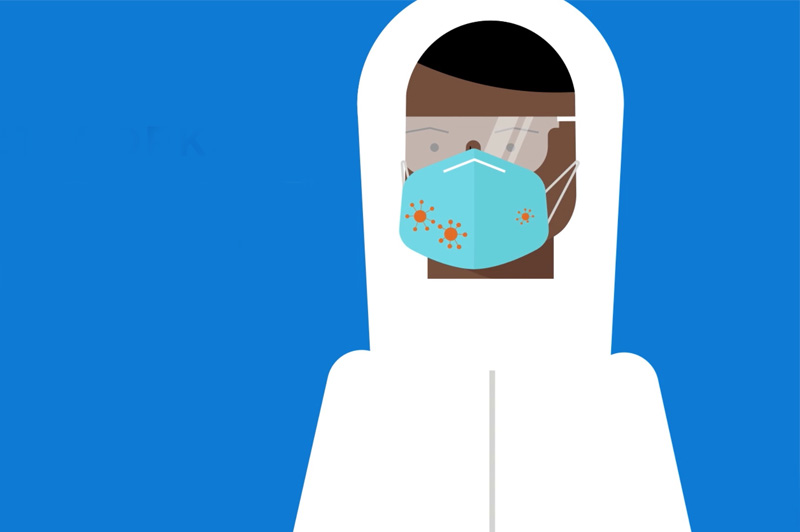
    Columbus, Ohio – The personal protective equipment (PPE) shortage in Ohio remains severe. Governor Mike DeWine today made a plea to healthcare workers using N95 masks to send them to Battelle which can sterilize up to 160,000 masks each day, making them reusable up to 20 times.

    “I want to make a public plea to everyone using these masks – every mask is precious, please don’t throw them away,” said Governor DeWine. “We are trying to get more N95 masks in Ohio, but we still don’t have enough. When you throw a mask away you are depriving someone else of having a mask because we only have so many.”

    Hospitals should contact Battelle at battelle.org to arrange for mask sterilization.

    Watch this VIDEO where Battelle explains how it works…

    Governor DeWine also thanked Apple and Apple CEO, Tim Cook, for recently donating 100,000 N95 masks to Ohio for frontline healthcare workers. The masks will be added to Ohio’s stockpile for distribution.

    More PPE donations for frontline workers are still urgently needed. To donate, please visit coronavirus.ohio.gov