Tag: Ariana Figueroa

  • LGBTQ community, people of color in the crosshairs of banned book movement

    LGBTQ community, people of color in the crosshairs of banned book movement

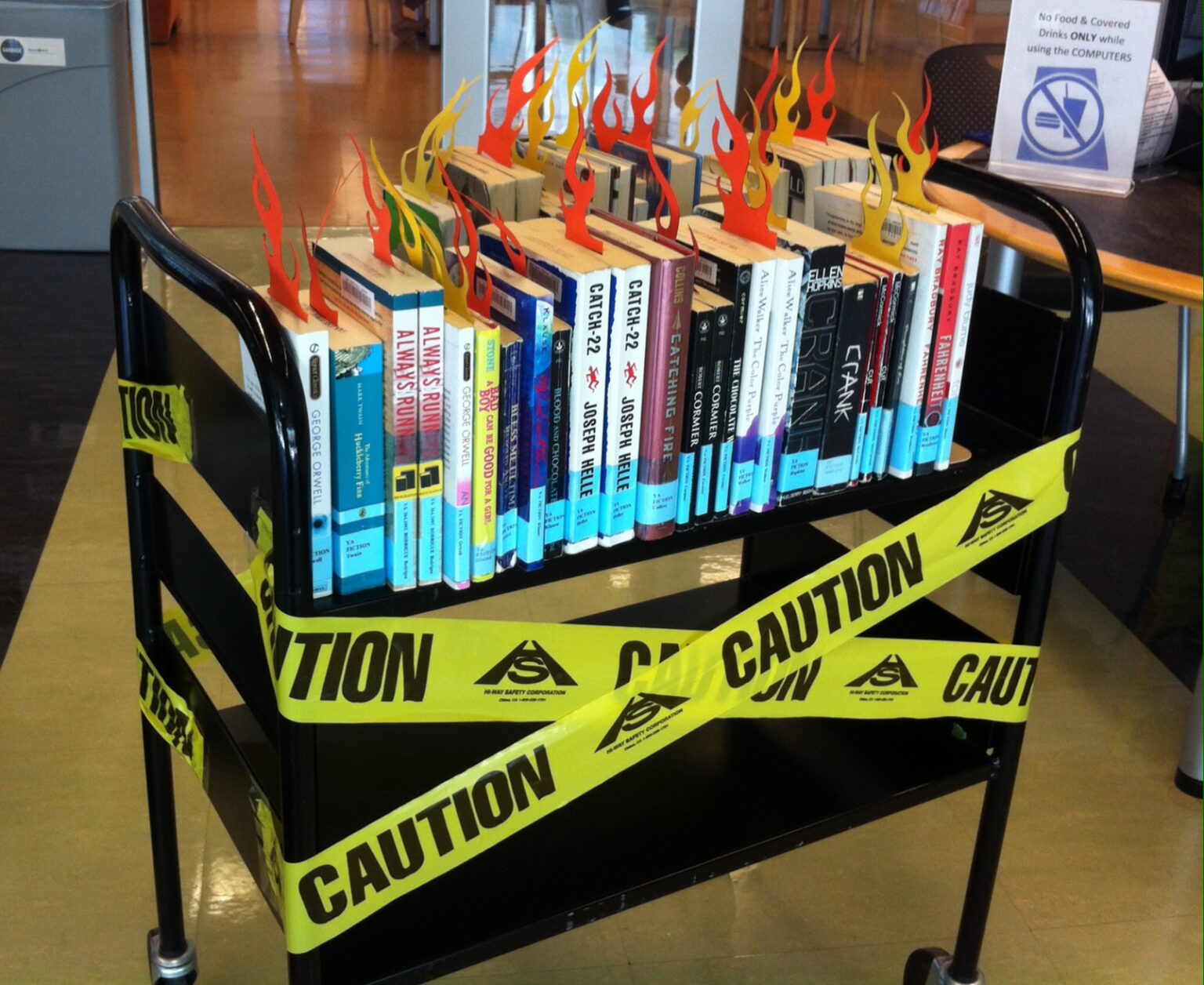
    A display of banned books at the San Jose Public Library (Photo courtesy of San Jose Public Library via Flickr | CC-BY-SA 2.0).

    BY: ARIANA FIGUEROA – Ohio Capital Journal

    Students in one Pennsylvania school district were not allowed to read a biography of the first Black President, Barack Obama. (The ban was reversed following student protests.)

    In some Tennessee classrooms, a nonfiction comic book about the atrocities of the Holocaust is banned.

    And one school district in Wisconsin banned from libraries a picture book about a gay rights activist who was assassinated.

    In the last nine months, hundreds of books across dozens of states are being banned at an alarming rate. A majority of the bans feature books written by authors who are people of color, LGBTQ+, Black and Indigenous, and feature characters from marginalized groups.

    And now, state Republicans lawmakers are joining the movement, spurred by ultra conservative groups, to ban books from public schools and libraries.

    This year in Arizona, state Republicans put forth a measure that would ban schools from teaching or directing students to study any material that is “sexually explicit.” In Florida, Gov. Ron DeSantis recently signed a bill to allow parents greater opportunity to review, and potentially object to, school library books that they find “inappropriate.”

    And in Idaho, state House Republicans passed a bill that would allow librarians to be prosecuted for allowing minors to check out material deemed harmful.

    Some of the states with the most aggressive book bans include Texas with 713 bans, Pennsylvania with 456 bans and Florida with 204 bans.

    Deborah Caldwell-Stone, the director of the American Library Association’s Office for Intellectual Freedom, said book bans the last 10 years have dealt “with the lives of LGBTQIA persons, either reflecting their experiences, or talking about issues of concern to the LGBTQIA community.”

    She said those bans have ranged from picture books depicting same-sex couples to young adult books talking about gender identities.

    Caldwell-Stone said, “the one thing that has interrupted this” trend of banning books centered around LGBTQ+ themes comes after the 2020 murder of George Floyd by Minnesota police officer Derek Chauvin.

    “There was an increased number of challenges to books dealing with race and racism that accelerated when we started seeing complaints from organized groups about critical race theory,” she said.

    “And so when I say critical race theory, I’m not using it in the sense that it actually should be used, which is to describe a graduate level academic analysis of law and political systems, but this use of it to describe books and materials that offer alternative perspectives on American history that reflect the lives of Black persons and their experience of slavery, their experiences with police violence, and so we’ve seen a rising number of challenges to those books.”

    Some of those groups that have challenged school boards include Moms for Liberty, an organization that has strong GOP ties and has local chapters that “target local school board meetings, school board members, administrators, and teachers” to push right-wing policies, as reported by Media Matters. Moms for Liberty has more than 100 local chapters across 35 states.

    “We’re seeing nationally organized groups create local chapters, and use social media to amplify their demands,” Caldwell-Stone said. “They will tell you that they’re asserting parental rights to direct their children’s education, but the impact of their activities is to deny other parents the right to make decisions about their own children’s education, and particularly for older adolescents denying the First Amendment rights and agency for elder adolescents to read and access the materials they find important for their lives.”

    Congressional Democrats have also raised concerns about the increase in book bans across the country. At a recent hearing, Maryland Democrat Rep. Jamie Raskin, cited a report by PEN America — an organization that advocates for the protection of free speech — that found from July 2021 to the end of March this year, more than 1,500 books were banned in 86 school districts in 26 states.

    Ruby Bridges, a civil rights icon who was the first Black child to desegregate an all-white Louisiana school, was a key witness at the hearing. Children’s books about her story – “Brand New School, Brave New Ruby,” and “The Story of Ruby Bridges” – have been banned from classrooms in Pennsylvania.

    “The truth is that rarely do children of color or immigrants see themselves in these textbooks we are forced to use,” Bridges told lawmakers. “I write because I want them to understand the contributions their ancestors have made to our great country, whether that contribution was made as slaves or volunteers.”

    Banning books is not a new thing, and since the 1980s, the American Libraries Association has celebrated those books that are taken off the shelves for its yearly “Banned Books Week.”

    Books have been banned for racist depictions or language, such as “Huckleberry Finn” by Mark Twain and “Of Mice and Men” by John Steinbeck because of its racial slurs. And in 2021, Dr. Seuss Enterprises announced it would no longer reprint six Dr. Seuss books, including “And to Think That I Saw It on Mulberry Street,” and “If I Ran the Zoo.”

    “These books portray people in ways that are hurtful and wrong,” Dr. Seuss Enterprises said in a statement.

    But the uptick and rate at which books are now being challenged and banned in schools, has alarmed many freedom of speech advocates such as Jonathan Friedman, the Director of PEN’s Free Expression and Education program, and author of the report Raskin referred to during a House hearing.

    “It’s not just a parent getting angry about a book in a one off fashion,” he said in an interview with States Newsroom.

    Friedman said some parents or local activists will submit hundreds of books to be challenged and removed off shelves.

    “It’s happening all over, so it’s not just one part of the country. A list of books that might be deemed illicit by a group of parents in one state is being used in other states as well,” he said.

    Friedman said he’s noticed most of the escalation of book banning happened in the fall of 2021, and pointed to a large swath of book bans that started in Leander, a school district in Texas.

    “I think a lot of the energy around that (trend), set off of anti-mask energy, and you know, sort of frustrations of a pandemic,” Friedman said.

    During a school board meeting, a parent read an excerpt of “Out of Darkness” by Ashley Hope Pérez that has a euphemism for anal sex that is historically accurate for the time the book takes place in, which is the 1930s.

    That book was one of 120 that students could choose from based off of an optional curriculum, such as a book club.

    “And in response, the district suspended the entire curriculum and launched a review, a kind of book by book review, much of it seemingly developing on the fly,” he said. “So they went through a year-long process, but some have serious questions about how much that process was conducted in a way that was fair.”

    Banning books in the classroom is an issue the Supreme Court took up in 1982 in Island Trees School District v. Pico. In a 5-4 decision, the Court ruled in the student’s favor, affirming that the First Amendment limits the power of junior high and high school administrative officials to remove books from school libraries based on the books’ content.

    But in that court decision, because “given the sensibilities of young people” schools were given discretion to remove books that were deemed “pervasively vulgar,” or “educationally unsuitable,”Caldwell-Stone said.

    “Because the court really didn’t define these terms, they become a kind of magic word,” she said. “If we say those magic words that will make it legal for us to remove this book when, in fact, the actual motivation behind removing the book is because the book is about two gay teens finding each other and falling in love.”



    Ohio HB 616: This type of legislation and mentality must be…


  • Pause on federal student loan repayments extended by Biden through Aug. 31

    Pause on federal student loan repayments extended by Biden through Aug. 31

    BY: ARIANA FIGUEROA – Ohio Capital Journal

    The Biden administration Wednesday announced its plans to extend the pause on federal student loan repayments until the end of August.

    “I recognized in recently extending the COVID-19 national emergency, we are still recovering from the pandemic and the unprecedented economic disruption it caused,” President Joe Biden said in a statement. 

    “If loan payments were to resume on schedule in May, analysis of recent data from the Federal Reserve suggests that millions of student loan borrowers would face significant economic hardship, and delinquencies and defaults could threaten Americans’ financial stability.”

    The White House will extend the deadline for student borrowers to pause on federal loan repayments, interest, and collections until Aug. 31. The announcement also provides a “fresh start” on loan repayments by removing any prior defaults to allow those borrowers to re-enter repayment in good standing.

    The current pause would have ended on May 1.

    “The Department of Education is committed to ensuring that student loan borrowers have a smooth transition back to repayment,” U.S. Secretary of Education Miguel Cardona said in a statement. 

    “This additional extension will allow borrowers to gain more financial security as the economy continues to improve and as the nation continues to recover from the COVID-19 pandemic.”

    Cristina Tzintzún Ramirez, the president of NextGen America, an organization that mobilizes young voters, released a statement calling the announcement “another short-term fix to a crisis that demands a long-term solution.”

    “Young voters feel frustrated with President Biden’s failure to fulfill his promise on student debt cancellation,” Tzintzún Ramirez said. “While borrowers surely appreciate the help paying rent and making ends meet, what they really need is a debt cancellation that will allow them to buy a house and build a future.”

    During Biden’s campaign for the presidency, he pledged to cancel student loan debt during a town hall in Miami.

    “I’m going to eliminate your student debt if you come from a family (making less) than $125,000 and went to a public university,” he said, according to Black Enterprise.

    Biden has since called on Congress to pass legislation to cancel up to $10,000 of student debt, but many congressional Democrats argue that Biden could reduce debt through an executive order. They’ve pushed him to cancel up to $50,000 in student loan debt.

    The Federal Reserve estimates that the total U.S. student loan debt is more than $1.75 trillion. The Department of Education owns about 92% of that student loan debt.

    Democrats push for debt cancellation

    A handful of U.S. Senate and House Democrats released a joint statement that said they welcomed the extension, but stressed the need to cancel student loan debt.

    “While the extension is welcome, a looming restart of student loan payments in September underscores the importance of swift executive action on meaningful student debt cancellation,” they wrote. “We continue to implore the President to use his clear legal authority to cancel student debt, which will help narrow the racial wealth gap, boost our economic recovery, and demonstrate that this government is fighting for the people.”

    Those lawmakers include Sens. Elizabeth Warren of Massachusetts, Chuck Schumer of New York, Alex Padilla of California and Raphael Warnock of Georgia, as well as Reps. Ayanna Pressley of Massachusetts, Ilhan Omar of Minnesota, Pramila Jayapal of Washington, and James E. Clyburn of South Carolina.

    The chair of the House Education and Labor committee, Rep. Bobby Scott, released a statement in which he did not call for the cancellation of student debt, but praised the administration for its decision to continue the pause.

    “By extending the pause on student loan repayments, collections, and interest accrual, the Biden-Harris Administration has demonstrated that it remains committed to helping borrowers get back on their feet,” the Virginia Democrat said.

  • U.S. Senate backs shift to permanent daylight saving time

    U.S. Senate backs shift to permanent daylight saving time

    BY: ARIANA FIGUEROA – Ohio Capital Journal

    WASHINGTON — The U.S. Senate with little debate on Tuesday unanimously supported a permanent change to daylight saving time, several days after Americans once again went through the hated “spring forward” ritual of changing their clocks.

    If the bill, the Sunshine Protection Act, clears the House, it would mean most states would stay on daylight saving time throughout the year — giving them an extra hour of sunlight in the evening.

    “Just this past weekend, we all went through that biannual ritual of changing the clock back and forth and the disruption that comes with it,” Florida Sen. Marco Rubio, the Republican who sponsored the bill, said on the Senate floor. “One has to ask themselves, why do we keep doing this?”

    Rubio said that he believed a majority of Americans want to do away with the time switch and would prefer an extra hour of daylight, especially during the winter months. The Senate agreed under a process known as unanimous consent.

    The bill, if signed into law, would not go into effect until 2023, to give airlines and other companies time to adjust. A White House spokesperson did not respond to a question about President Joe Biden’s position on daylight saving time.

    The House held a hearing last week at which a panel of experts debated the health, energy and economic impacts of changing clocks twice a year. While lawmakers on the panel couldn’t decide which time to switch to permanently, they all agreed that the United States should stick to one or the other.

    It turns out daylight saving time is a shared mission among Florida lawmakers. U.S. Rep. Vern Buchanan, a Florida Republican, introduced the House version of the bill, H.R. 69. He wrote on Twitter that he is drafting a letter to House Speaker Nancy Pelosi, asking to bring his bill to the floor for an immediate vote.

    States have moved to pass or enact measures in favor of year-round daylight saving time, but without congressional approval, they can’t adopt those changes.

    Iowa’s state House recently passed a bill that would put the state on daylight saving time, pending federal action.

    Two states have passed measures to stay on standard time — Arizona and Hawaii. Both congressional bills would allow states to stay on standard time if they adopted the time change before the Sunshine Protection Act went into effect.

    Daylight saving time was used as an energy-saving measure during various points in U.S. history, such as World War I and World War II, and has become a permanent fixture since the energy crisis of the 1970s.

    This is not the first time the U.S. has moved to make daylight saving time permanent. On Dec. 14, 1973, Congress voted to put the U.S. on daylight saving time for two years. While 79% of Americans approved of the change in December of that year, within three months, approval fell to 42%, according to the New York Times.

    The biggest concern stemmed from children going to school in the dark, which soon proved to be dangerous as more children were reported to be hit by early-morning drivers.

    Shortly after President Richard Nixon resigned, Congress passed a bill that would restore standard time, which was then signed by President Gerald Ford.

    Daylight saving time this year ends on Nov. 6.

  • Students defrauded by for-profit colleges to get millions in loan repayments

    Students defrauded by for-profit colleges to get millions in loan repayments

    BY: ARIANA FIGUEROA –  Ohio Capital Journal


    WASHINGTON — The U.S. Department of Education announced Wednesday that nearly 16,000 student borrowers would receive millions in loan repayments, after the department found that four private for-profit institutions made misleading claims about their job placement rates.

    “The Department remains committed to giving borrowers discharges when the evidence shows their college violated the law and standards,” U.S. Secretary of Education Miguel Cardona said in a statement.

    “Students count on their colleges to be truthful. Unfortunately, today’s findings show too many instances in which students were misled into loans at institutions or programs that could not deliver what they’d promised.”

    Cardona said this was part of the Department of Education’s targeted borrower defense policy, which provides relief to students who are found to have been defrauded.

    The four institutions include DeVry University, which is based in Illinois, but has 40 locations in 18 states; Westwood College, based in Colorado, which closed in 2016; ITT Nursing, based in Indiana, which filed for bankruptcy in 2016; and the Minnesota School of Business/Globe University, which closed in 2017.

    “Today marks the first findings against a school, DeVry University, that is open and still enrolling new students,” Federal Student Aid Chief Operating Officer Richard Cordray, representing the department, said during a call with reporters.

    Cordray said that students who attended DeVry University from 2008 to 2015 can file claims to the department. DeVry asserted that 90% of its students who graduated found employment, when the job placement rate was really about 58%.

    The department will approve $71.1 million in borrower defense charges for about 1,800 former DeVry students.

    “In this case, we reviewed considerable evidence showing that DeVry substantially misstated its job placement rates, and the likelihood of students finding new jobs in their field of study after graduation,” he said.

    Officials at DeVry could not be reached for comment.

    Cordray said that from 2007 to 2016, officials from ITT Technical Institute lied to students seeking to enroll in its associate nursing degree program.

    “The program was not accredited,” he said. “And students were unable to get the benefit they were promised from their courses (of) study.”

    The department plans to approve about $3 million to 130 students. This is the fourth time the department has issued discharges to students who attended that institution, for a combined $660 million in discharges for about 23,000 students who attended ITT Tech during those years.

    Student borrowers who attended the criminal justice programs at the Minnesota School of Business and/or Globe University will be entitled to full borrower defense discharges, department officials said. The department has already approved about $3 million in discharges for 270 students.

    The department is also approving $284.5 million in discharges to more than 11,900 student borrowers who attended beauty schools such as Corinthian Colleges, which closed in 2015, and Marinello Schools of Beauty, which closed in 2015.

    Cordray said the department also found that Westwood College misled student about graduate job placement rates of 80% or higher and falsely claimed that graduates would make salaries of $50,000 or more. The department found that the salary data was based on national federal data and that graduates of the institution made half or less of those salary claims.

    The Department of Education will approve about $53.1 million for 1,600 student borrowers who submit those claims.

    During the Biden administration, the Education Department has distributed more than $2 billion in borrower defense discharges.

    Last year, the department announced that more than 323,000 borrowers who have a permanent disability would receive $5.8 million in automatic student loan discharges.

    The Biden administration has resisted lawmakers’ call to cancel up to $50,000 worth of federal student loan debt per student. The Federal Reserve estimates that the total U.S. student loan debt is more than $1.75 trillion. The Department of Education owns about 92% of that student loan debt.

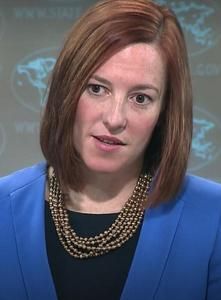
    White House Press Secretary Jen Psaki said during a Tuesday briefing that Biden has “forgiven $15 billion in student loans, benefiting more than 675,000 student loan borrowers since he took office.”

    As part of Biden’s campaign platform, he said he would forgive up to $10,000 per student in federal student loans, but he has not directed the Department of Education to make that change. Biden has said he wants Congress to put forth legislation to cancel up to $10,000 worth of debt per student for him to sign into law.

    Psaki also pointed to the pause on student loan repayment due to the coronavirus pandemic.

    “No one has been required to pay a single dime in federal student loans, and he extended the hiatus of payment until May to give people some extra breathing room,” she said.

  • U.S. attorney general defends FBI probe of threats against school board members

    U.S. attorney general defends FBI probe of threats against school board members

    BY: ARIANA FIGUEROA and Ohio Capital News

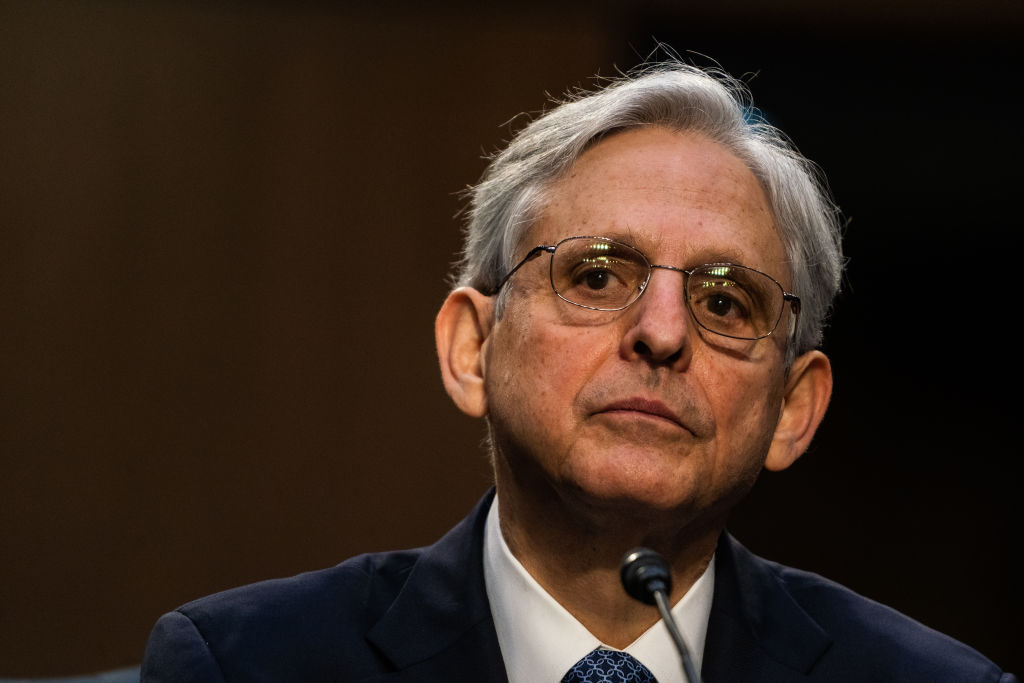
    Washington, DC – U.S. Senate Republicans grilled Attorney General Merrick Garland for more than four hours on Wednesday about a Justice Department investigation into threats made to local school board members in multiple states.

    Garland at the Senate Judiciary Committee hearing declined to revoke a memo he wrote asking the FBI to meet with local law enforcement to look into threats, intimidation and harassment directed at school officials, teachers, administrators and staff.

    He told the top Republican on the committee, Sen. Charles Grassley of Iowa, that the Oct. 4 DOJ memo — which followed an appeal for help from the National School Boards Association — only responds to “concerns about violence, threats of violence, other criminal conduct.”

    “All it asks is for federal law enforcement to consult with, meet with local law enforcement to assess the circumstances, strategize about what may or may not be necessary to provide federal assistance,” he said.

    But Grassley and other senators during the oversight hearing repeatedly pressed Garland to renounce the memo and accused DOJ of relying on the school boards group to characterize parents as domestic terrorists, although his memo did not mention terrorism.

    “Mothers and fathers have a vested interest in how schools educate their children,” Grassley said in his opening statement. “They’re not, as the Biden Justice Department apparently believes them to be, national security threats.”

    Missouri Sen. Josh Hawley told Garland he should resign, and Utah Sen. Mike Lee said that there have been no “explicit death threats” cited by Garland or the national school boards group as a reason for the federal government to take action. Lee said that not every outburst “by neighbors among neighbors” deserves an investigation.

    Garland directed the FBI to coordinate with local law enforcement to investigate threats and harassment by conservative protestors and some parents, often provoked by mask requirements or discussions of race in schools. Many protests have centered around critical race theory, an academic subject which is not generally taught in K-12 schools.

    Garland’s move came after the National School Boards Association sent a letter to President Joe Biden citing harassment and disruption in school board meetings in Georgia, Florida, Michigan, Ohio, New Jersey, Virginia, Wisconsin, Tennessee and Nevada. The organization has since apologized for the letter, although it did not ask that DOJ halt its probe.

    NSBA’s initial letter asking for aid has caused a firestorm among Republicans and conservatives because the group asked the Justice Department to determine if those threats violate a variety of laws, including the PATRIOT Act, which is aimed at deterring terrorism. NSBA affiliates in Ohio, Missouri and Pennsylvania have separated from the parent group, saying they were not consulted before the letter was sent.

    Republican lawmakers have argued that these are simply parents raising their concerns about masking requirements and discussions in public schools about race, which some school districts initiated after the massive Black Lives Matter protests following George Floyd’s murder last summer.

    But school board officials have documented how their personal cell phone numbers have been inundated with threatening messages, and how school board meetings have been derailed by protestors.

    For example, the Florida Phoenix reported that several school board members detailed the harassment they continue to face over masking requirements amid the pandemic.

    Garland pushed back against Republicans’ charges that the Justice Department was infringing on parental rights to free speech.

    “The Justice Department protects that kind of debate,” he said. “The only thing we are concerned about, Senator, is violence and threats of violence against school officials, school teachers, school staff.”

    The committee’s Democratic chairman, Sen. Dick Durbin of Illinois, defended Garland’s move and cited his home state as an example where he is also seeing this pattern.

    “Free speech does not involve threats and violence,” Durbin said. “Those who argue that school board meetings across America are not more dangerous and not more violent than the past are ignoring reality. We are seeing violence at these school board meetings in an unprecedented number.”

    “This memorandum is not about parents being able to object to their school boards. They are protected by the First Amendment. As long as there are no threats of violence, they are completely protected.”

    – U.S. Attorney General Merrick Garland

    In his opening statement, Garland did not give an update on the agency’s investigations into local school board threats. He outlined the Justice Department’s work on combating cyber crimes, violent crimes, the persecution of those who attacked the U.S. Capitol on Jan. 6, civil rights enforcement and increasing accountability in law enforcement with the extended use of body cameras by federal officers.

    Sen. Amy Klobuchar, a Minnesota Democrat, said that she was not only concerned about the threats to school officials but also to election officials.

    “I just want to have a functioning democracy,” she said.

    Klobuchar asked what actions the Justice Department was taking to protect those election officials and what kind of threats they face.

    Garland said he virtually met with numerous election administrators and secretaries of state to listen to their accounts of violence and threats of violence. He said it led him to create a task force to coordinate with federal agencies and state and local law enforcement.

    But most of the hearing, ostensibly for general oversight of DOJ, was taken up by a string of Republicans continuing to press Garland about the federal government getting involved in local school board incidents.

    Lee argued the move will “have a natural tendency to chill free speech.”

    “The memo is aimed only at violence and threats of violence,” Garland said. “It states on its face that vigorous debate is protected. That is what this is about and that is all this is about.”

    Lee asked if harassment and intimidation were federal crimes, which Garland said they were.

    Lee, Grassley and Hawley all asked if Garland would rescind his memo in light of the NSBA apology letter, although school board officials didn’t make that request.

    Garland said he would not because there were news reports of threats of violence at school board meetings from media reports regardless of NSBA’s letter.

    NSBA “apologizes for language in the letter, but it continues its concern about the safety of local officials and school staff,” he said.

    Garland added that the federal government’s role is mostly to help aid local law enforcement.

    “I’m hopeful that many areas of local law enforcement will be well able to handle this on their own, which is what the Justice Department does every day,” he said. “We consult with our local and state partners and see whether assistance is necessary.”

    Hawley asked if “a parent makes a phone call to a school board member that she has elected, that that school board member deems annoying, should (she) be prosecuted?”

    Garland said no, and said that “the Supreme Court has made quite clear that the word intimidation, with respect to the constitutional protection, is one that directs a threat to a person with the intent of placing the victim in fear of bodily harm or death.”

    “I wish, if senators were concerned with this, they would quote my words,” Garland said. “This memorandum is not about parents being able to object to their school boards. They are protected by the First Amendment. As long as there are no threats of violence, they are completely protected.”

    Sen. John Kennedy, a Louisiana Republican, asked if Garland was “just a vessel” for NSBA.

    “The White House is the prophet here, you’re the vessel, isn’t that correct?” asked Kennedy.

    Garland said he did not speak with anyone from the White House when he wrote his memo.

    “This memorandum reflects my views that we need to protect public officials from violence and threats of violence, while at the same time protecting parents’ ability to object to policies they disagree with,” Garland said.

  • U.S. Senate passes coronavirus relief aid; bill now returns to the House

    U.S. Senate passes coronavirus relief aid; bill now returns to the House

    By Ariana Figueroa and Ohio Capital Journal

    Washington, DC – The U.S. Senate passed President Joe Biden’s nearly $2 trillion stimulus plan Saturday afternoon after wrangling over an amendment to trim unemployment benefits derailed the bill’s passage for nearly an entire day.

    Ohio Democratic U.S. Sen. Sherrod Brown supported the bill while Ohio Republican U.S. Sen. Rob Portman voted against it.

    The Senate version, which does not include a federal minimum wage hike and puts limits on the funding for state and local governments, will now make its way to the House for review. Democrats are rushing to pass the relief package so it reaches the president’s desk before the March 14 deadline for unemployment benefits expire, in order to give states plenty of time to avoid missing those payments.

    No Republicans voted for the House bill last week. The bill passed the Senate along party lines, 50-49. A tie-breaking vote from Vice President Kamala Harris was not needed because Sen. Dan Sullivan (R-Alaska) had to leave the Capitol after a family emergency.

    “This bill will deliver more help to more people than anything the federal government has done in decades,” Senate Majority Leader Sen. Charles Schumer said in a statement on passage of the bill.

    House Majority Leader Rep. Steny Hoyer (D-Md.) said in a statement that the House would take up the bill on Tuesday.

    The Senate version of the relief package earmarks $10 billion of the $350 billion in aid to state, local governments, territories and tribes to go toward a state’s infrastructure projects such as improving broadband access. The Senate also set restrictions on how the money can be used, saying cities and states can’t use it to pay down pension costs or pay for new attempts to cut taxes.

    The bill would provide $130 billion toward helping schools reopen, $14 billion for vaccine distribution and billions more for childcare through a temporary expansion of the child tax credit. The bill also includes a narrower eligibility for individual stimulus checks of $1,400, where individuals making $80,000 and joint tax filers at $160,000 would be phased out.

    The Senate version provides for $300 weekly unemployment benefits — lower than the $400 a week in the House bill — through Sept. 6. It also makes the first $10,200 of unemployment insurance nontaxable for households with incomes under $150,000.

    It was the unemployment benefits package that stalled the Senate on Friday. More than 400 amendments were introduced to the Senate version of the bill, but as lawmakers were preparing to vote on the first — Sen. Bernie Sanders’ (I-Vt.) proposal to increase the federal minimum wage — Sen. Joe Manchin (D-WVa.) raised objections to an unemployment amendment.

    Sen. Tom Carper (D- Del.) had offered an amendment that kept federal unemployment benefits at the current $300 a week but extended the benefits through October, and made the first $10,200 nontaxable.

    A competing amendment from Sen. Rob Portman (R-Ohio) also kept benefits to $300 a week, but also cut off the extension in mid-July.

    Both sides were attempting to win over Manchin, a moderate Democrat and a crucial swing vote in the 50-50 Senate.

    Democrats struck a deal with Manchin after a nine-hour impasse, and passed the amendment 50-49 around 1:30 a.m. Saturday.

    “The President has made it clear we will have enough vaccines for every American by the end of May and I am confident the economic recovery will follow,” Manchin said in a statement.

    “The President supports the compromise agreement, and is grateful to all the Senators who worked so hard to reach this outcome,” White House Press Secretary Jen Psaki said in a statement after the deal. “It extends supplemental unemployment benefit into September, and helps the vast majority of unemployment insurance recipients avoid unanticipated tax bills.”

    Sen. Ben Cardin (D-Md.) told reporters on Capitol Hill Friday that it was  unclear what the House will do.

    “Will the House take it? I don’t have the answer to that,” he said.

    Progressives in the House are already expressing disappointment that the Senate reduced unemployment benefits and stripped out a raise of the federal minimum wage.

    “I’m frankly disgusted with some of my colleagues and question whether I can support this bill,” Rep. Bonnie Watson Coleman (D-N.J.) wrote in a tweet.

    Sanders’ amendment to increase the federal minimum wage to $15 an hour over a five-year period was defeated 42 to 58. The House included the wage hike in its version even after the Senate parliamentarian ruled that including the provision violated procedural rules, which are being used to approve the stimulus package with a simple majority of 51 votes instead of the 60 typically required by the Senate filibuster.

    The current federal minimum wage is $7.25 an hour, for an annual salary of about $15,000, and has not been raised since 2007.

    “The result of that is half of our people are now living paycheck to paycheck and many in fact are working for wages that are much too low in order to take care of their families,” Sanders said.

    Experts and researchers predict that a gradual increase in the federal minimum wage to $15 an hour would help lift nearly a million people out of poverty and benefit low-income workers across the country, particularly in the South.

    Debate over the relief package was also delayed on Thursday by Sen. Ron Johnson (R-Wisc.) who required Senate clerks to read aloud the 628-page bill — a procedure that senators typically waive. Senate clerks started reading the bill Thursday at 3:20 p.m. and finished early Friday morning at 2:04 a.m.

    Johnson told reporters on Capitol Hill Thursday that he planned to have members of his party submit hundreds of amendments to prevent Democrats from rushing to pass the bill in the hopes of wearing them down in order to trim the $1.9 trillion package.

    “All I’m trying to do is make a more deliberative process on this abusive and obscene amount of money,” he said Thursday.

    GOP Senators filed more than 400 amendments. Of those amendments, only three were adopted into the bill. Democrats introduced eight amendments, of which five were passed.

  • CDC issues new detailed strategy for safely reopening K-12 schools

    CDC issues new detailed strategy for safely reopening K-12 schools

    By Ariana Figueroa and Ohio Capital Journal

    Washington, DC – The Centers for Disease Control and Prevention on Friday released updated guidance to provide educators a science-based plan for reopening K-12 schools.

    The agency said it cannot force schools to reopen but can only stress that steps such as wearing masks and physical distancing of at least six feet are key to mitigating the spread of coronavirus.

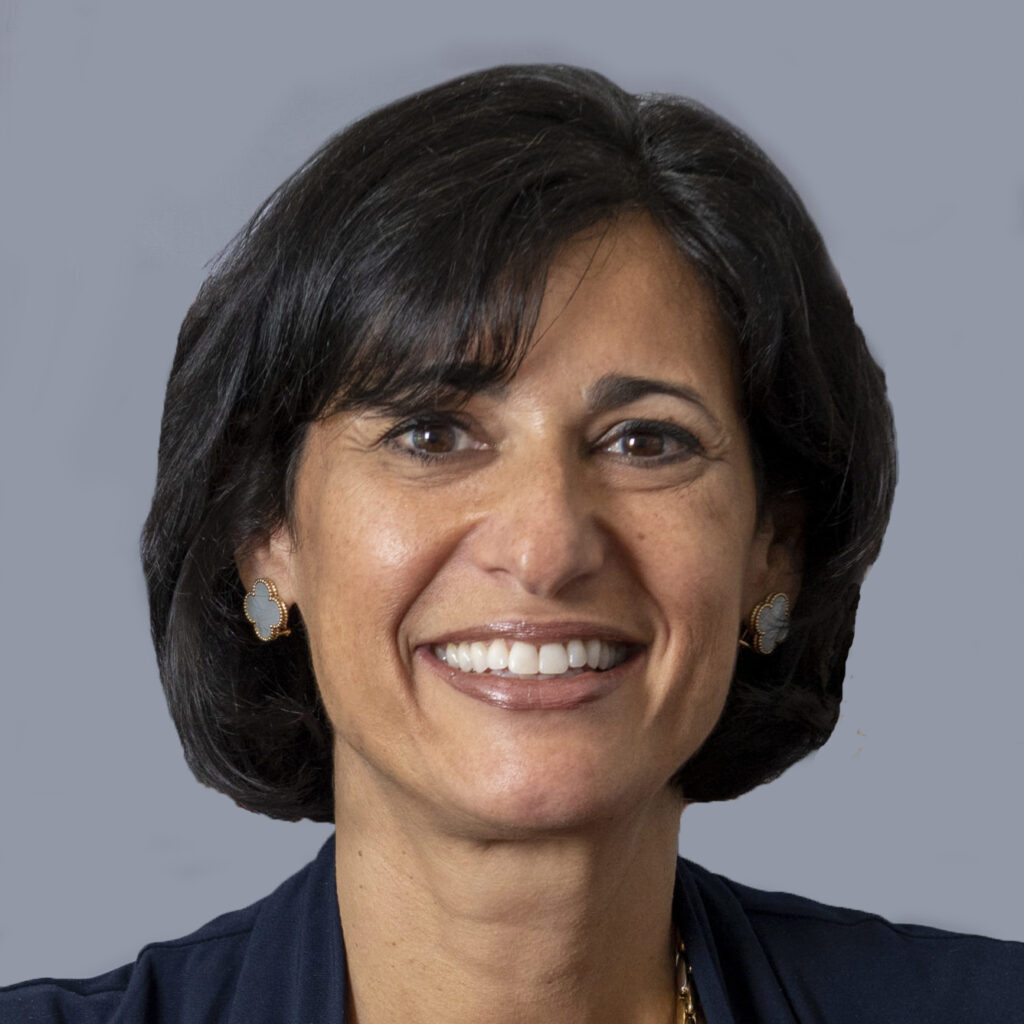
    CDC Director Dr. Rochelle Walensky

    “CDC is not mandating that schools reopen,” CDC Director Dr. Rochelle Walensky said during a briefing with reporters.

    Walensky added that educators should be considered front-line workers in any vaccine rollout. Teachers unions have made similar demands before returning to the classroom.

    “We strongly encourage states to prioritize teachers and other school staff to receive vaccinations,” she said.

    Walensky said that the agency found that in-school learning can take place when proper measures are taken such as mask wearing and social distancing. The agency also said that frequent hand washing, proper cleaning of classroom surfaces and ventilation, along with contact tracing and available rapid testing, are all steps that schools can take to limit outbreaks.

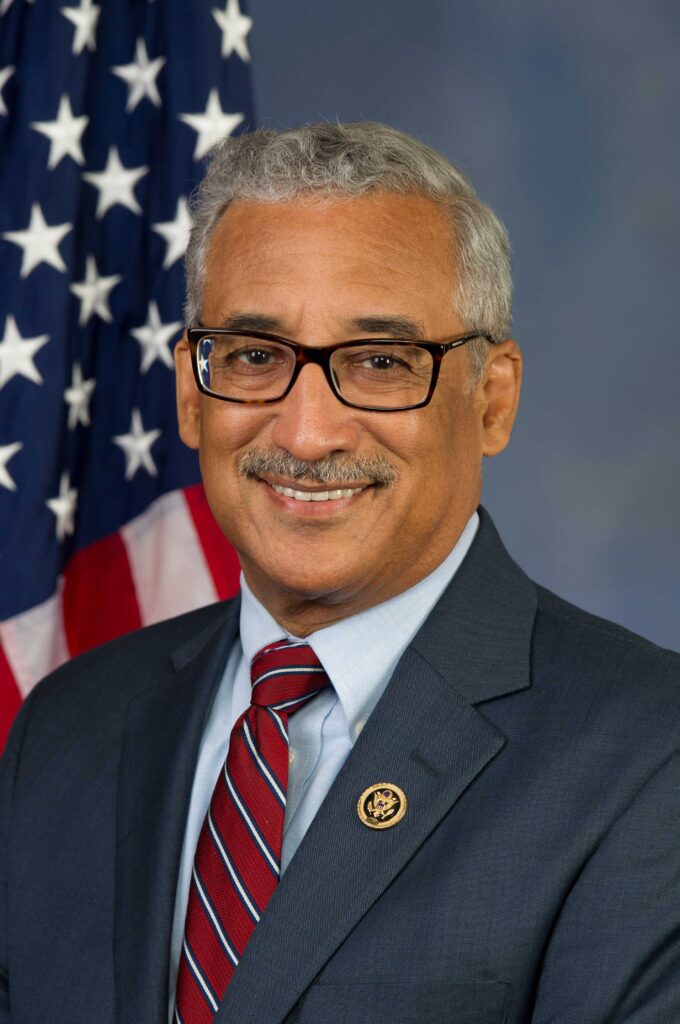
    House Education and Labor Chairman Bobby Scott (D-Va.)

    House Education and Labor Chairman Bobby Scott (D-Va.) said in a statement that in order for schools to implement the CDC guidance, they need funding from the Biden administration’s $1.9 trillion coronavirus relief package. Congress is working to pass the plan and Scott’s committee has included $130 billion for schools to safely reopen.

    “Maintaining physical distancing, updating and repairing ventilation systems, purchasing personal protective equipment, and other important safety measures all cost money that schools do not have,” Scott said. “This is particularly true for schools in low-income areas that lacked adequate funding well before the pandemic.”

    Similarly, the Department of Education released a handbook to coincide with the guidance released by the CDC.

    Walensky said that most COVID-19 clusters that occurred in school settings occurred because there was a breach in wearing a mask.

    The CDC stressed that the safest way for schools to reopen is for there to be a low level of coronavirus infection in the community. The guidance uses a color-coding system to recommend if schools should reopen or continue remote learning.

    Schools are recommended to open if they are in blue areas, which means there are low transmission rates of the virus,  and yellow areas, which means there is moderate transmission.

    If the community is in an orange zone, then the CDC recommends that schools implement a hybrid model or reduce attendance. And a red zone indicates that schools should consider virtual learning for middle and high school students.

    In red zones, elementary schools can continue with a hybrid learning model, the CDC said.

    The recommendations follow President Joe Biden’s efforts to get K-8 students back to in-person learning within his administration’s first 100 days.

    In a statement, Biden acknowledged his ambitious goal of reopening K-8 schools and said those schools will need funding to follow the guidance laid out by the CDC.

    “To meet these guidelines, some schools will need more teachers and support staff to ensure smaller class sizes, more buses and bus drivers to transport our kids safely, more spaces to conduct in-person instruction, and more protective equipment, school cleaning services, and physical alterations to reduce the risk of spread of the virus,” he said.

    White House Press Secretary Jen Psaki

    At a Friday briefing, White House Press Secretary Jen Psaki said that Biden’s nominee to lead the Education Department will work to reopen schools. Miguel Cardona, a longtime educator is waiting for a full Senate vote for his confirmation.

    “When Secretary Cardona is confirmed, you know, this will be his top priority and we will leave it to him and his team at the Department of Education, working in close partnership with the CDC and others, to determine how quickly and efficiently” schools can be reopened, Psaki said.

    American Federation of Teachers President Randi Weingarten said in a statement that she felt confident the CDC’s guidance will help schools safely reopen.

    “For the first time since the start of this pandemic, we have a rigorous road map, based on science, that our members can use to fight for a safe reopening,” she said.

  • U.S. Supreme Court rejects Texas suit that tried to overturn election results

    U.S. Supreme Court rejects Texas suit that tried to overturn election results

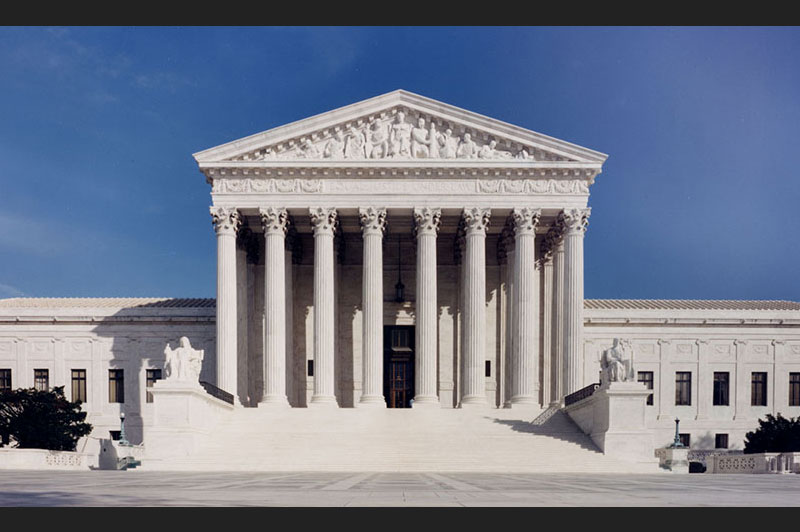
    The U.S. Supreme Court. Photo from Supreme Court website.

    By Ariana Figueroa and Ohio Capital Journal

    The Supreme Court on Friday turned aside a Texas lawsuit that sought to derail the presidential election results from four battleground states, despite pressure on the justices from President Donald Trump on social media.

    “Texas has not demonstrated a judicially cognizable interest in the manner in which another State conducts its elections,” according to the unsigned court order. “All other pending motions are dismissed as moot.”

    A second paragraph from Justice Samuel Alito that was joined by Justice Clarence Thomas stated: “In my view, we do not have discretion to deny the filing of a bill of complaint in a case that falls within our original jurisdiction. See Arizona v. California, 589 U. S. ___ (Feb. 24, 2020) (Thomas, J., dissenting). I would therefore grant the motion to file the bill of complaint but would not grant other relief, and I express no view on any other issue.”

    More than half of the Republicans in the U.S. House — 126, with 20 added on Friday after they were left out earlier by a “clerical error” — had signed on to back a brief put forth earlier this week by Texas Attorney General Ken Paxton. Paxton sued to invalidate the voting results of Michigan, Georgia, Wisconsin and Pennsylvania.

    From Ohio, the signers included Republican Congressmen Bob Gibbs, Jim Jordan, Bill Johnson, Bob Latta and Brad Wenstrup.

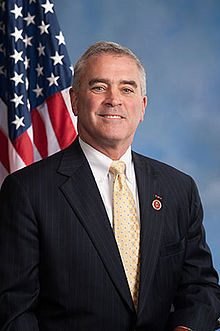
    Brad Wenstrup

    The new GOP signers included a member of leadership—House Minority Leader Kevin McCarthy of California, who joined a push spearheaded by Louisiana Rep. Mike Johnson.

    Other Republicans added Friday included Bill Posey of Florida; Doug Collins, Jody Hice and Barry Loudermilk of Georgia; Jim Hagedorn and Pete Stauber of Minnesota; Billy Long of Missouri; Mark Walker of North Carolina; Scott DeJarlais of Tennessee; and Morgan Griffith, Carol Miller and Alex Mooney of Virginia.

    Many Republicans in Congress have refused to directly state whether they believe  Trump was defeated by President-elect Joe Biden on Nov. 3. Some have instead said that they support the president’s decision to challenge the election results in the courts.

    Paxton alleges that officials in Michigan, Georgia, Wisconsin and Pennsylvania illegally changed voting laws, which caused voting irregularities and changed the outcome of the 2020 presidential election.

    Trump made similar allegations on Twitter and on Friday he told the justices what they should do.

    “If the Supreme Court shows great Wisdom and Courage, the American People will win perhaps the most important case in history, and our Electoral Process will be respected again!,” he tweeted.

    Trump earlier this year nominated Justice Amy Coney Barrett to the high court, shifting it to a conservative majority.

    Due to the pandemic, many states lobbied voters to submit absentee ballots, so Americans could maintain safety guidelines.

    The FBI, U.S. Attorney General and Department of Justice have repeatedly stated that there is no evidence of voter fraud or election irregularities. On Monday, members of the electoral college will meet in statehouses to cast their ballots, confirming Biden’s win.

    Members of the U.S. Senate on Friday failed to mount a drive to back the Texas suit similar to that of the House GOP.

    Sen. Susan Collins, (R-Maine), expressed doubt to reporters on Capitol Hill that the lawsuit would succeed.

    “I don’t think it’s likely to prevail given what the Supreme Court did in the Pennsylvania case, but I’m not familiar with the details of the lawsuit,” she said, according to pool reports.

    Sen. Josh Hawley, (R-Mo.), told reporters that the Supreme Court could possibly find that the case has no standing.

    He added that there’s not an attempt among Senate Republicans to do the same.

    “My guess is it’s just nobody here sort of rounded up the troops,” he said. “Usually the way these things work on the amicus brief side… is somebody takes the lead and then says ‘I’ll write it and then I’ll get people to sign on.’ This was a pretty short fuse thing.’”

    But some Senate Republicans said that the lawsuit is baseless and that states should not attempt to meddle in the affairs of other states.

    “I’m never surprised by the House of Representatives,” Sen. Lamar Alexander of Tennessee said, according to pool reports.

    Earlier Friday, he appeared on NBC’s “Meet the Press,” where he questioned the legal argument underlying the Texas suit.

    “I mean, our position, my position, Republicans believe that states are in charge of elections. And Texas is a big state, but I don’t know exactly why it has a right to tell four other states how to run their elections,” said Alexander.

    A senior New Jersey Democrat, Rep. Bill Pascrell, chastised House Republicans who supported the Texas suit. Pascrell called for Speaker of the House Nancy Pelosi (D-Calif.), to not swear in the returning and new GOP members who signed the brief into the 117th Congress.

    “Simply stated, men and women who would act to tear the United States government apart cannot serve as Members of the Congress,” he said in a statement.