Tag: ballot

  • Fire/EMS levy to be on Loveland’s May ballot

    Fire/EMS levy to be on Loveland’s May ballot

    by David Miller

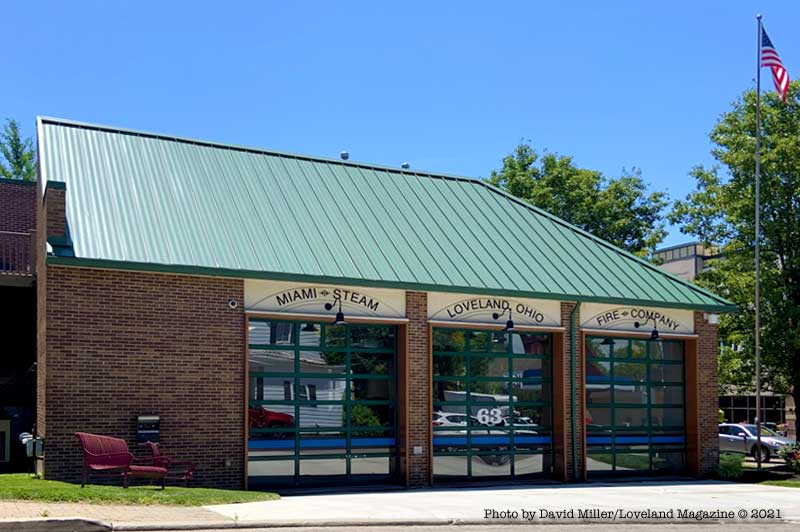
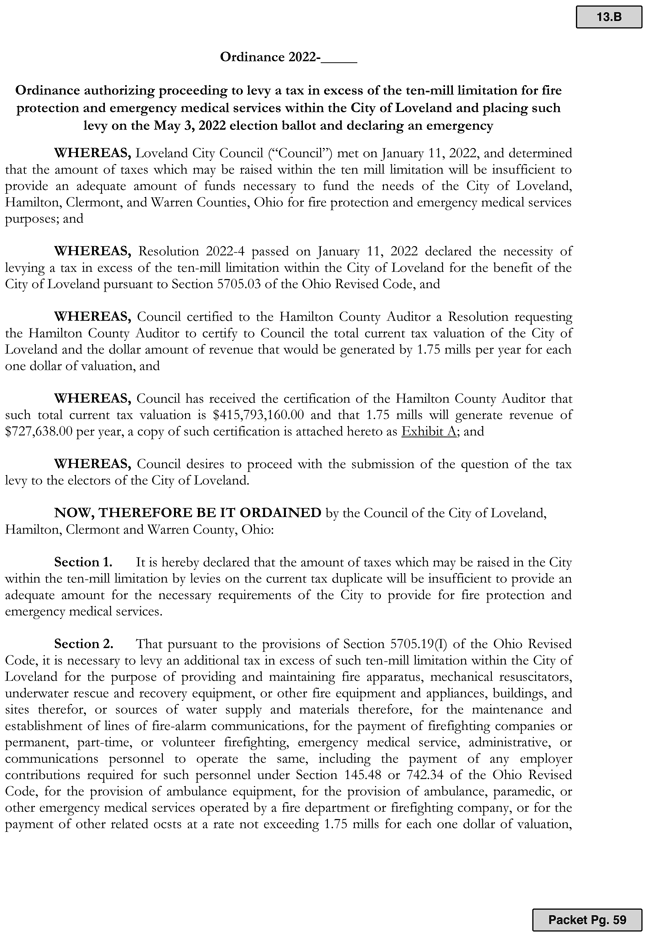
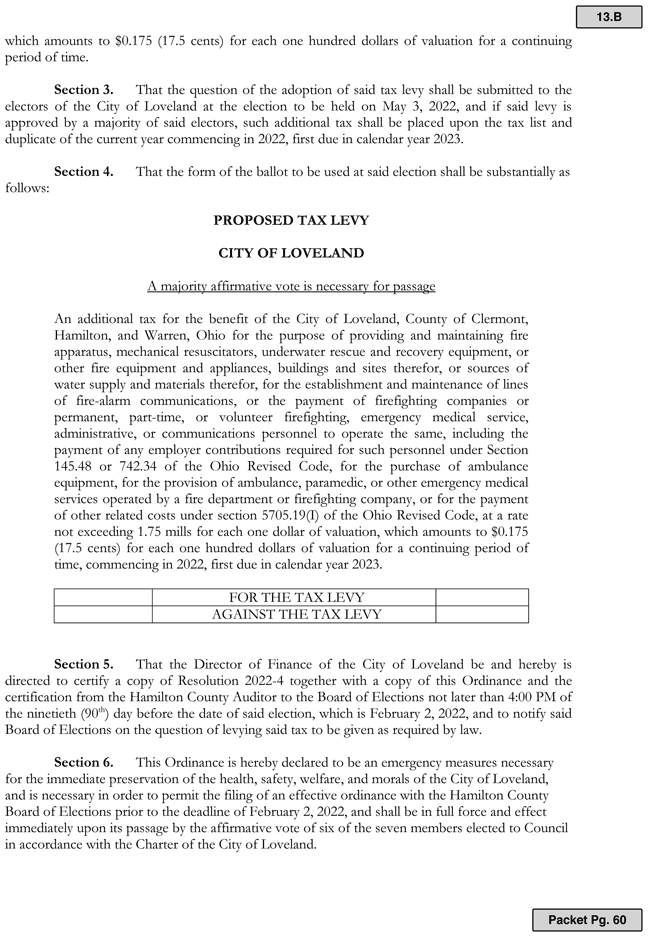
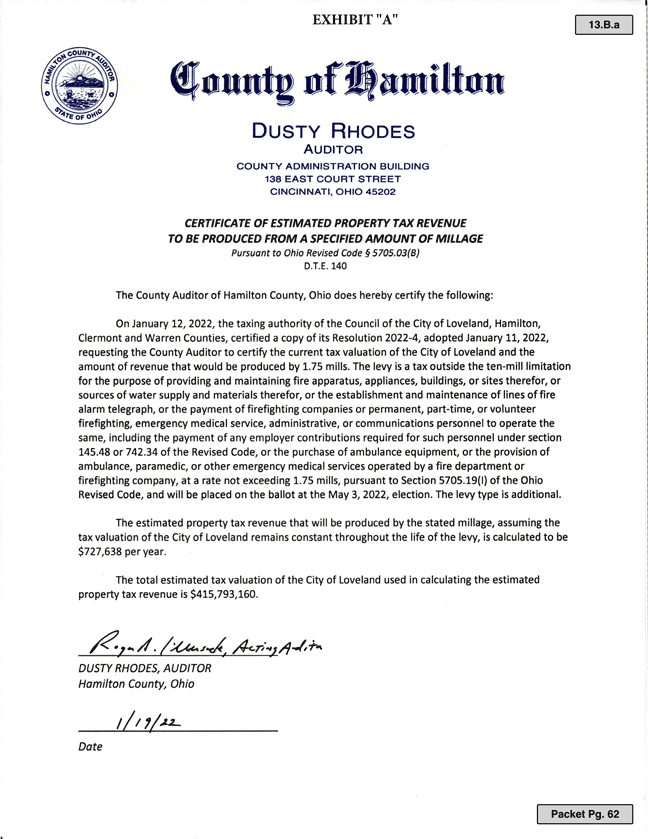
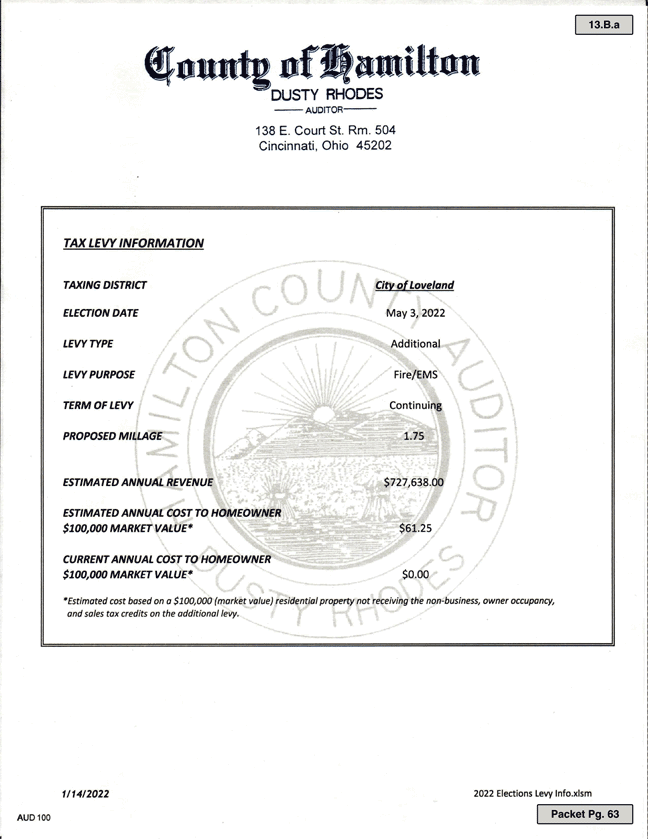
    Loveland, Ohio – City Council approved Ordinance 2022-17, which authorized a levy to be placed on the May 3, 2022 ballot for fire protection and emergency medical services. It is a 1.75 Mill Fire and EMS Levy. Finance Director Mark Medlar reported that the City of Loveland currently has four levies to pay for Fire and EMS services and noted that the last levy was approved in 2014.

    City Manager Dave Kennedy told the council on January 20, that the city received an estimated tax valuation from the Hamilton County Auditor’s Office of $415,793,160. This estimate is for the entire city which includes parts of Hamilton, Clermont, and Warren Counties. The estimated property tax revenue that will be produced by a 1.75 mill levy is $727,638 per year. “This amount is sufficient to maintain fire and EMS services”, according to the City Manager.

    The estimated cost to an owner of a home with a $100,000 market value is $61.25 per year.

  • Recreational marijuana backers submit signatures

    Recreational marijuana backers submit signatures

    BY: NICK EVANSOhio Capital Journal

    A group pushing for recreational marijuana in Ohio is one step closer to the ballot after the Coalition to Regulate Marijuana Like Alcohol submitted 200,000-plus signatures to state officials. Now county boards of elections begin the work of verifying signatures.

    The coalition’s plan would allow Ohioans over 21 possess, use, and purchase cannabis. They propose a 10% tax on sales that would fund social equity and addiction programs. Another portion of that revenue would bolster the general funds of cities that choose to allow dispensaries within their borders. The plan would even allow adults to grow a limited amount of cannabis at home.

    “The success of our petition drive shows just how eager Ohioans are to end prohibition and legalize the adult use of marijuana,” coalition spokesman Tom Haren said in a press release. “We look forward to receiving the results of the Secretary of State’s review, and are eager to begin working with legislators on this important issue.”

    Signature gatherers overshot the required threshold of 132,877 by about 70,000 to provide a buffer for any signatures that get thrown out. So long as they meet the required overall number and get a designated portion from at least 44 of the state’s counties, the proposal goes to state lawmakers. If lawmakers choose not to approve the measure, the coalition has the chance to get another round of signatures to put their proposal on the ballot.

    At this point, the ballot seems like the most likely path to approval, but that doesn’t mean the GOP-controlled legislature is blind to the shortcomings in Ohio’s existing marijuana program. Sen. Steve Huffman, R-Tipp City, has shepherded a measure through the Senate that would make significant under-the-hood changes to the state’s marijuana policy while leaving the overall structure intact. That bill passed the Senate last week.

    But provisions like allowing homegrown marijuana are a non-starter for Huffman.

    “Because that’s recreational marijuana,” Huffman said in a November interview about his bill. “If you’re going to grow five for your medical purpose, you know, the neighbor kids going to steal one, [and] you’re going to sell a couple.”

    And Huffman isn’t alone. A recent poll conducted by Gongwer News Service shed light on how much the ground is shifting when it comes to marijuana — 43% of Republican lawmakers supported adult use, dead even with those who oppose it.  But when it comes to homegrown marijuana, the GOP is far more unified in its opposition. When it comes to personal use, 64% of GOP members registered opposition and 86% said they are against people growing cannabis for commercial use.

    Assuming the coalition’s signatures meet requirements, lawmaker have four months to act on their proposal.

  • [VIDEO] Lauren Enda: Democracy in Loveland is in trouble.

    [VIDEO] Lauren Enda: Democracy in Loveland is in trouble.

    Loveland, Ohio – Resident Lauren Enda spoke at the council meeting on Tuesday. Enda said she retired in Loveland after working at the National Security Agency. She began by saying, “After thirty years of doing my part to protect the United States, I did not expect to continue to do that role in retirement, but here I am.”

    She continued by outlining instances of Mayor Kathy Baily suppressing free speech at council meetings.

    Enda spoke mostly about a proposed parking garage in Historic Downtown and the message she sees sent by voters via the recent election. “One council member indicated he was opposed to that garage and he won the most votes. The message is clear. Loveland voted against the garage,” Enda said.

    Enda wants the question of building a garage put to a formal vote. She says Council should determine the will of the residents by putting the question on the May 3, 2022, ballot.

  • Educators battle misinformation in run-up to November election

    Educators battle misinformation in run-up to November election

    File photo from Wikimedia Commons by Tom Arthur.

    We are living in the age of fake news. No, not the “deep state is out to get the president” kind. The real “fake news” is all around us, spreading partially by word of mouth and at certain political rallies, and much more so on Facebook and Instagram, as people pass along rumors and myths that fit their world view. 

    So what?  

    Scott DiMauroScott DiMauro, a high school social studies teacher from Worthington, was elected President of the Ohio Education Association in 2019 after having served as vice president for six years. Over his 29-year career as an educator, Scott has worked to provide students the critical thinking and decision-making skills they need to be successful citizens in our democratic society. He has likewise advocated for students, educators and strong public schools at all levels of his union.

    Well, for one thing, it is frustrating. As educators, we teach facts — the laws of physics, the branches of government, grammar rules, math formulas — things that don’t change, no matter how you feel about them. More importantly, we teach critical thinking. It is a reflection of the era in which we live that the children in our classrooms can separate fact from fiction better than some adults. 

    The widespread misinformation circulating among adults is threatening the foundation of our democracy. There is a chance a considerable number of Americans will not vote in the coming election or will cry foul over the results because of lies they have read online.  

    To be clear, the long-standing method of absentee voting by mail is safe and secure, and any attempt to say otherwise is misinformation.

    In one recent Facebook post I came across, a well-respected community leader falsely claimed that a) there was no way of ensuring that someone who votes by mail can’t also vote in person, b) ballots sent to wrong addresses based on voter records could be cast by the current resident, and c) someone who receives a ballot they shouldn’t have could cast a second vote for their candidate of choice if that candidate was behind in votes. 

    None of this is true. 

    Ohio keeps track of who requests absentee ballots and those voters are not allowed to vote on Election Day. If you requested an absentee ballot and still show up to vote in person — whether because you never received your

    The widespread misinformation circulating among adults is threatening the foundation of our democracy.

    ballot, never mailed your ballot or, as some would claim, you’re trying to vote a second time in the same election — you would need to cast a provisional paper ballot which goes through layers of verification before it is counted after Election Day. Any attempt to vote twice will be caught and that person would likely face prosecution.

    Procedures in Ohio prevent ballots from being sent to the wrong addresses. Voters must submit an absentee ballot application by mail or in-person at their local board of elections. The absentee ballot application requires voters to provide their address, as well as their name, date of birth, and either their driver’s license number or the last four digits of their Social Security number. Each application is compared with voter registration records to ensure the person requesting the ballot is who they say they are and is eligible to vote. 

    The notion that someone would cast a second ballot based on the current vote tally is ludicrous. While absentee ballots can be scanned into the system before Election Day in Ohio, they are not tabulated until polls close at 7:30 p.m. on Nov. 3. Absentee ballots must be postmarked by Nov. 2.

    Bottom line: For as long as there has been absentee voting, there have been safeguards in place to prevent fraud.

    It is worth noting, though, that ballots sent by the correct deadline will be accepted and counted up to ten days after Election Day to allow for delivery time. Because of the high volume of absentee ballots expected to be cast this year, we probably will not receive the full election results until at least mid-November. This does not mean the final, certified tally is not legitimate; it simply means every legitimate vote counts. 

    Bottom line: For as long as there has been absentee voting, there have been safeguards in place to prevent fraud. Ohio has had no-fault absentee voting since the 2006 Gubernatorial Election, and members of both political parties have enjoyed using it since then. Incidents of voter fraud are exceedingly rare to the point of being essentially non-existent in Ohio, despite the calumny on the internet claiming otherwise.  

    What is true is that there will be more absentee ballot applications and returns going through the mail this fall than usual because of safety concerns amid the global pandemic. Couple that with operational changes handed down from a political appointee who has vowed to run the U.S. Postal Service like a business, rather than the public service it was always intended to be, and it’s not hard not to envision delivery delays this election season.  

    That makes it absolutely critical that you request and return your absentee ballot as early as possible, if you intend to vote by mail. 

    You can apply now to receive a ballot in the first batch of mailings, which will go out Oct. 6. Fill it out and return it right away, taking care to fully complete the information on the ID envelope, which will again be compared with voter registration records to ensure no nonsense has occurred. Ballots can be returned by mail or in secure drop boxes provided by every county board of elections the state. 

    I’m alarmed by the current misinformation epidemic that will dissuade some Americans from casting their ballots and the resulting impact that will have on our system of government. 

    Ohio will also offer four weeks of early in-person voting in every county, for those who do not want to contend with the process by mail but want to avoid long Election Day lines that could be COVID-19 hotbeds.

    Ohio’s educators care deeply about ensuring free and fair elections. As a social studies teacher with three decades of experience, I’m alarmed by the current misinformation epidemic that will dissuade some Americans from casting their ballots and the resulting impact that will have on our system of government. 

    No matter how you choose to vote – absentee by mail, early in-person, or on Nov. 3 — the most important thing is that you cast your ballot. Our democracy depends on it.


    Check out these two voter guides recently published by Loveland Magazine with information about requesting absentee ballots. Keep in mind that Ohio officials are recommending you stay ahead of these absolute dates to ensure your mail coming to and from the post office is delivered in time for your vote to count.

    Sidebar: What You Need to Know to Vote This Year

    Loveland Area November Voting Guide: What you need to know to…

  • Loveland Levy apparently fails by wide margin

    Loveland Levy apparently fails by wide margin

    Loveland, Ohio – With “Summary/Unofficial” results, the Loveland City School District operating levy of 6.95 mills is failing in all three counties as of 6:30 AM Wednesday morning.

    All mail-in ballots and provisional ballots will still have to be tabulated in the days to come. The mail-in ballots needed a postmark of April 27, so some of those ballots will still have to be received from the Post Office. Validly cast provisional ballots also will need to be tabulated.

    Hamilton County says they will need 2-3 weeks to publish final results.

    Clermont County

    YES – 1,988

    NO – 2,741

    Hamilton County

    YES – 1780

    NO – 2921

    Warren County

    YES 76

    NO 104

    TOTAL

    YES – 3844

    NO – 5766

    In a statement posted on the District web site, Superintendent Dr. Amy Crouse said, “We accept the outcome and respect the decision voters made, but this is a devastating loss for our schools. At this time of national and global uncertainty, we will also prepare to start the new school year in August with a significantly reduced budget, which will directly impact programs, class size, and services to our students. In addition, we will have to start preparing to go back on the ballot. This is unfortunately how school funding works in Ohio.”

    As of this morning, the “Loveland Voice” Political Action Committee has not issued a statement only posting preliminary results on their FaceBook page. Loveland Voice had organized to actively oppose the levy.

    The District statement also said:

    In addition to the $2.7 million in expense reductions already made in 2019, significant cuts will be made to the operating budget in the coming months. These reductions include, among others, the elimination of at least 25 administrative, teaching and non-teaching staff positions, and the elimination of high school busing.

    “Yes for Loveland” the Political Action Committee supporting the school levy posted this message on their FaceBook page 3 hours ago:

    According to current results, it appears the Loveland Community has voted to NOT pass the Operating Levy. Official results will be reported in 2 – 3 weeks.

    We appreciate all of your hard work and support this year. We understand we have to rally together once again to find the answer to funding the district for our children. We will do this together.

    Seeing the out pour of love for one another and the care of our community gives us all hope in this time of a pandemic. Continue to support and take care of one another. We’re all in this together!


  • Should Loveland school taxes increase while residents Lose their livelihoods?

    Should Loveland school taxes increase while residents Lose their livelihoods?

    by Kim and Rick Donaldson

    While many in Loveland are losing their jobs and their businesses, our school board persists in asking us to raise our taxes. As it stands today, they may very well get their way simply by virtue of low voter turnout. So, if you

    Kim and Rick Donaldson live on Paxton Road in Miami Township

    haven’t already done so, apply for an absentee ballot now. The primary election originally scheduled for March 17th is now by mail only. Completed ballots must be postmarked no later than midnight, April 27th or dropped off at your county board of elections by 7:00 PM April 28th. Since you will first need to apply to have a ballot mailed to you, there is no time to lose.

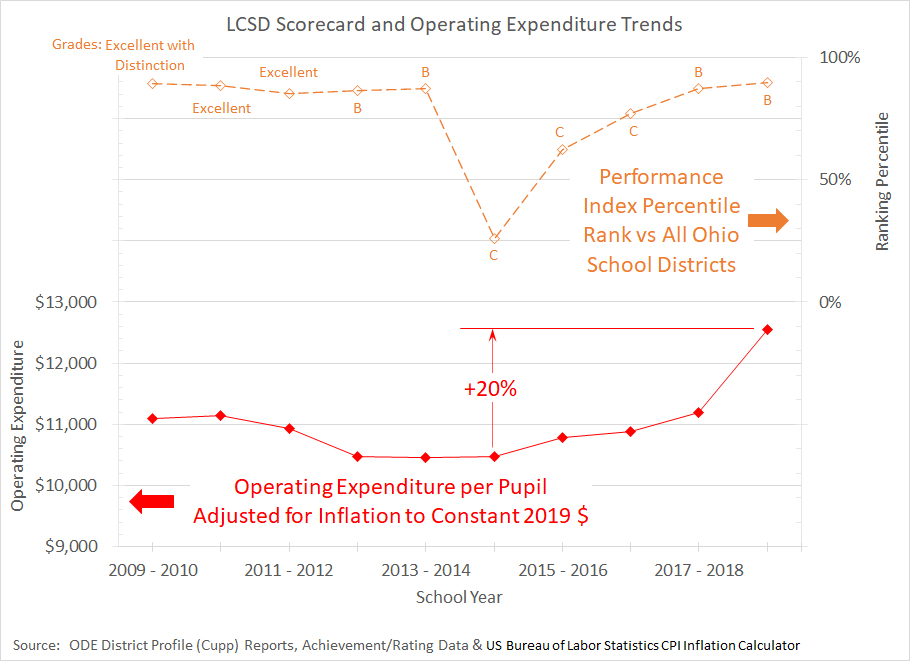
    Now back to the original question: should our school taxes be increased? We are told that additional funding is needed to “protect our progress”. This would imply that past increases have improved district performance. However, according to Ohio Department of Education data, Loveland’s overall performance index score ranked in the top 15% of Ohio schools from 2010 through 2014, with correspondingly high overall grades. In 2015, Loveland’s performance dropped precipitously, nearly to the bottom 25%. Various explanations have been floated for this drop: Common Core implementation, testing changes, students opting out of testing, etc. Available data do not definitively show what the explanation is, but it does show what it isn’t: spending. Referring to the first chart, note that Loveland’s 2019 overall performance is virtually identical to its 2010 to 2014 performance, but expenditure per pupil is as much as 20% higher after adjusting for inflation.  Also note that Loveland’s performance had already recovered to pre-2015 levels by 2018, before the big ramp-up in expenditure.

    Graph provided by Kim and Rick Donaldson

    Since increased funding doesn’t seem to be improving our district’s rating, it is difficult to see exactly what progress we are protecting. Moreover, if we are to invest more of our hard-earned and increasingly scarce money in the schools, we expect to reap some benefit as a community. So far, our children don’t seem to have reaped the benefit of a better education and our property owners haven’t reaped the benefit of the appreciation that should result from a better-rated school system. However, there is one segment of the community who has reaped the benefit: teachers.

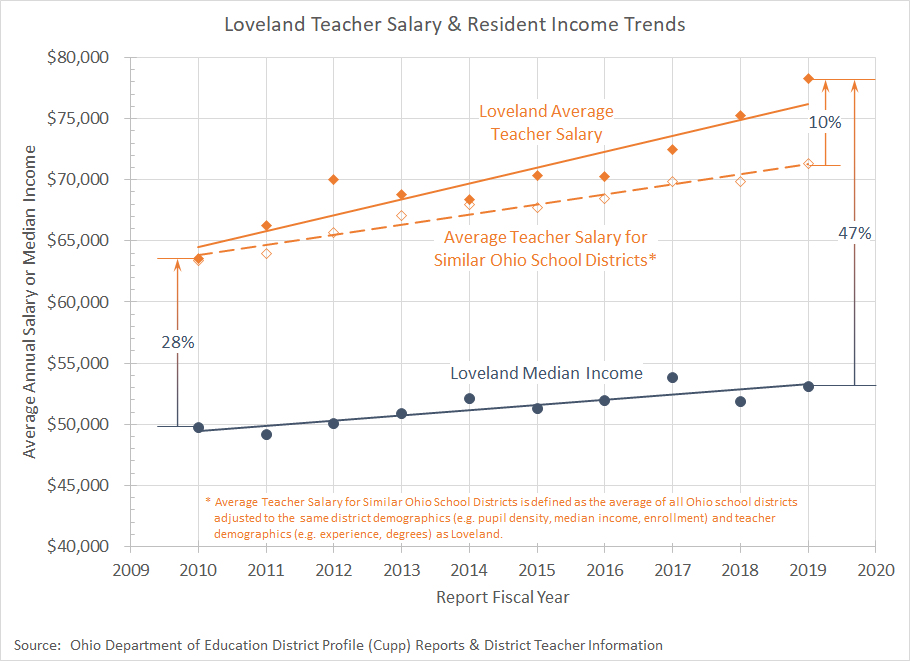
    According to Ohio Department of Education data, presented in the second chart, Loveland’s average teacher salary was $63,566 in 2010, which was about average for an Ohio school district with similar demographics among both the community and the teachers. In 2019, Loveland’s average teacher salary had increased to $78,248, 10% above the comparable Ohio district average. Loveland’s average teacher salary has also risen faster than median income. In 2010, the average teacher salary was 28% above median income. By 2019 it had risen to 47% above median income. While some might argue that paying teachers more improves educational quality, Loveland’s teacher salary and performance trends do not support that claim. Statistical analysis of statewide trends also shows no practical benefit for paying teachers above-market salaries.

    Graph provided by Kim and Rick Donaldson

    We do not question the quality, dedication or professionalism of Loveland teachers. Nor do we fault them for negotiating the most favorable compensation package they can. It is the responsibility of the board of education and administration to negotiate effectively on behalf of the Loveland community at large to deliver a high-quality education at a cost we can afford. Sadly, they do not seem to be doing an adequate job of cost control at a time when residents cannot afford to pay more.

    While no one knows how severe the current economic downturn will be or how long it will last, we do know the proposed levy will cost property owners an additional $20 per month for each $100,000 of appraised value, forever. Under the circumstances, it would be appropriate for the Loveland School Board to withdraw the levy, and we wholeheartedly agree with those who have already called on them to do so. However, the board’s past behavior indicates they are unlikely to heed those calls. The only way we can stop this levy and impose fiscally responsibility is to get an absentee ballot and vote no.

    References:

    1. Elections and Voting in Ohio, Ohio Secretary of State website:  https://www.sos.state.oh.us/elections/voters
    2. Ohio Department of Education District Profile (Cupp) Reports:  http://education.ohio.gov/Topics/Finance-and-Funding/School-Payment-Reports/District-Profile-Reports
    3. Ohio Department of Education District Achievement/Rating Data:  https://reportcard.education.ohio.gov/download
    4. US Bureau of Labor Statistics CPI Inflation Calculator:
      https://www.bls.gov/data/inflation_calculator.htm
    5. Ohio Department of Education District Teacher Information:  https://reportcard.education.ohio.gov/download
  • [Video] Auditor Faber: Public entities may not use public resources to influence Levies or Bonds

    [Video] Auditor Faber: Public entities may not use public resources to influence Levies or Bonds

    Columbus, Ohio – Auditor of State Keith Faber yesterday released a video to remind public officials that most local governments and public school districts may not use tax dollars to support or oppose levy or bond issues on the ballot.

    “You cannot campaign or influence the outcome of a levy or bond issue using tax dollars,” said Faber. “This time of year, my office receives lots of questions regarding the use of tax dollars and resources on these issues, so here are some direct answers.”

    Though this is not comprehensive it addresses many concerns that have been expressed to the Auditor of State’s office.

      • Public money should not be used to support or oppose the passage of a levy or bond issue. This includes compensating employees for time spent on influencing the outcome of a bond or levy.
      • Information that supports or opposes the outcome of a levy should not be published by the entity or posting on official social media accounts.
      • The entity cannot spend money to create and send home political subdivision sponsored levy-related communications that support or oppose the passage of a levy.
      • Employees cannot speak at levy committee meetings during regularly-paid work hours if they are advocating for a preferred outcome.
      • A levy committee is not allowed to use their subdivision’s resources such as equipment and supplies free-of-charge. The committee must pay for the usage and the committee with the opposite position shall have the same opportunity.
      • Public funds should not be used to support or oppose the nomination or election of a candidate for public office.
      • Public funds should not be used to support a particular campaign committee or fund, political action committee, political party, or candidate.

    If you suspect any government entity of engaging in fraudulent practices, report it at ohioauditor.gov/fraud.


  • Juliet Tissot: “Loveland City School District operating levy shouldn’t even be on the ballot yet.”

    Juliet Tissot: “Loveland City School District operating levy shouldn’t even be on the ballot yet.”

    by Juliet Tissot

    Juliet Tissot is a District resident and lives in Miami Trails

    The  Loveland City School District (LCSD) operating levy shouldn’t even be on the ballot yet. It’s too early and taxpayers are being fleeced yet again. 

    I say “it’s too early” but not for the reasons you’ve heard before. Some people think it’s too early because the November levy suffered a crushing defeat at the hands of taxpayers and the board/administration should have taken more time to build trust within their community and present a reasonable budget. I say “it’s too early” because if it weren’t for the administration’s reckless spending in 2019 the 2014 operating levy could have lasted another two years and taxpayers would have been able to hold onto their hard earned money a little longer without the school suffering at all.

    During the 2018-19 school year, Dr. Crouse’s first year as superintendent, operating expenses were increased by $6 million ($49,183,909 – $55,568,450). A six million dollar increase in one school year is outrageous especially when you find out no superintendent before her increased operating expenses by more than $2 million in one year. Dr. Crouse tripled the increase of any other superintendent before her and she did it the year before she put an enormous levy on the ballot, begging tax payers for more money, claiming the district was broke and laying off teachers. Had Dr. Crouse increased spending the same amount as others before her, or even a little more, the money could have lasted two more years and teachers would not have lost their jobs. The 2019, the $6 million increase in operating expenses was an increase of 13% while the average operating expense increase for all public schools in Ohio (~600) was only 4%.  

    Why should tax payers reach deeper in their pockets, two years early, to reward such reckless spending?

    Why should tax payers reach deeper in their pockets, two years early, to reward such reckless spending?  

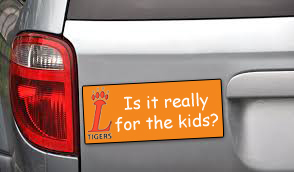
    Some will answer that question with the typical Levy 101 bumper sticker response, “It’s for the kids!” But is it really for the kids? Since 2013, enrollment in the Loveland City School District declined by 200 students (4,715 – 4,510). During that same time period, Loveland City School district hired 10 full time equivalent (FTE) administrators (16.5 – 27). Why would LCSD hire so many administrators when we have so many fewer students?  In 2019, the average salary of FTE administrators increased 14% ($86,320 – $98,224). The administration tries to explain these salary numbers away by saying people were moved from part time to full time positions but their claims aren’t supported by the CUPP Report** which shows the number of full time administrators didn’t change from 2018-19 (26.8 – 27). Why would LCSD make these salary adjustments the year before coming to taxpayers for more money?

    Others will answer that question with another bumper sticker, “Sustain, Maintain and Protect”, claiming the levy is needed to maintain the status quo. Why would so much money be needed if we’re just maintaining the status quo? The administration promises to only increase expenditures 3% a year going forward. Well, 3% of $55 million is $1.65 million. Yet the levy on the ballot will generate $6.25 million a year. If the administration is only going to increase spending $1.65 million a year why do they need to increase revenue $6.25 million a year? Even if you account for compounding the increase and add extra money for unforeseen needs you’ll still see the ask dramatically outweighs the need.  When making a decision about taxes, citizens should rely on facts not emotions. The facts will tell you this levy is too soon and too big. Levys in Loveland are always permanent therefore they are always in addition to what you are already paying. This levy will increase taxes in Loveland by $243 a year for each $100,000 worth of home value. Lovelanders have routinely voted to approve levies, pumping the school’s coffers full of money and yet in 2019 Loveland received the same overall grade as Little Miami on the state report card (B). Little Miami went through a stretch of not passing a levy for ten years. This proves you can’t buy better grades.  So why are they asking for so much? Your children are judged by their grades, should the district be held to a different standard?   
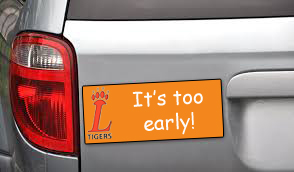
    Finally, keep in mind… the school district will come back for even more operating money in just four years, and sometime between now and then, a bond and permanent improvement levy will be on the ballot as well.  

    Be prepared for your taxes to skyrocket!

    VOTE NO on March 17th.  

    **The CUPP report is a report issued by the Ohio Dept of Education and is compiled of numbers submitted by the district. The report is available online.

  • Brock Kinser: What better way can we show Tiger Care?

    Brock Kinser: What better way can we show Tiger Care?

    by Brock Kinser

    I feel compelled to ask for your support on November 5th for the Loveland Schools levy request. The District has done a great job of seeking community input and providing detail after detail about the specific request.

    Brock Kinser lives in the Loveland School District on Enyart Road

    While there are many reasons to support the request, as an educator who lives in Loveland and works in another district, I am particularly sensitive to and supportive of the significant need to upgrade the safety and security of our buildings. We, unfortunately, live in a very different world than we did ten years ago, not to mention 50-80 years ago, when the Early Childhood Center, Primary School, and Elementary School were built. Safety requirements are different today, and the current infrastructure places limitations on the upgrades and enhancements that can be made. We have to do everything in our power to protect our children while they are at school.

    The District has been prudent and sought feedback from the Department of Homeland Security and other experts in the realm of safety. Many of the recommendations have been implemented, but others are not possible until new facilities are built.

    While there are many reasons to support the levy request on November 5th, we have to address the need to upgrade safety and security to protect our children and staff for the circumstances of the modern world. My second-grade son talks about Tiger Care. What better way can we show Tiger Care than providing our youngest students and their educators with a safe and secure environment in which to learn and lead? If you are in doubt, please go take a tour of the campuses and ask yourself if we should do better for the children of our community. Please join me in voting FOR the levy request on November 5th.


  • Our Top 5 Reasons to Vote Against the Loveland Levy

    Our Top 5 Reasons to Vote Against the Loveland Levy

    by Kim and Rick Donaldson

    We firmly believe that providing a quality education for our children is of utmost importance to the community, and hence deserving of adequate public financial support. However, we also believe it is incumbent on our elected representatives

    Kim and Rick Donaldson live in the Grailville neighborhood of Miami Township

    and the administrators they hire to ensure that funding is used efficiently to provide a quality education for our children. So, even though we have supported school levies in the past, we will be voting against the bond issue and tax levies on November 5th. 

    Here are our top 5 reasons:

    Reason #5

    When you are given a slick sales pitch and rushed to a decision, it’s usually a bad deal.  We were first made aware of the high cost of this levy in August, less than 3 months before the vote, by means of a slick postcard. At a mid-September community meeting, we were given a sales pitch claiming an urgent need to act now. We later learned that the board had hired a consultant to help them sell their plan. Caveat emptor!

    Reason #4

    It piles a laundry list of “wants” on top of a relatively small number of “needs” with no apparent regard for cost. The buildings most in need of repair, pre-K to grade 5, get just over half of the budget (52.4%). The remainder of the budget includes things like a $16M fine arts center at the high school, $10M turf athletic fields, an 8-lane track at the middle school … not exactly necessities in our opinion. The planning process does not appear to have seriously considered renovation as an option to address the real needs. We will not get a plan that addresses the school’s real needs within a reasonable budget unless we demand it.

    Reason #3

    Total funding growth has outpaced inflation by 21% from 2006 to 2018. The school board quoted a much lower growth rate in its 12 September presentation by focusing on 2016 through 2019, a period between levies. Now they are asking for another 26%, with a promise that they won’t come back for more for another 3 years. Unless inflation skyrockets in the interim, they’ll be on track to outpace it yet again. (Note: Total revenue includes federal and state revenue in addition to local property tax revenue, so it takes a 42% increase in school property tax to yield a 26% increase in total revenue, i.e. 16.78 mil = 42% school property tax = 26% total revenue.) This does not look like fiscal responsibility or accountability to us.

    Reason #2

    It’s bad for the community. Loveland’s school property tax is already high. According to the Ohio Department of Education data, our 2018 effective residential millage rate was higher than 85% of the districts in the state, including Indian Hill, Lakota, Mason, Milford & Sycamore. The additional 16.78 mil tax would move us above over 95% of the districts in the state, including Kings, Madeira & Wyoming. From a property value perspective, a 16.78 mil tax increase will cost an additional $48.94 per month on a $100,000 home. A prospective buyer would then have that much less to apply to a mortgage payment, which equates to having $10,251, or 10.3% less to spend. High taxes reduce home values and drive out businesses.

    Reason #1

    It’s bad for our children. More money does not necessarily mean a better education. A 2014 Cato Institute study showed Ohio SAT scores did not improve from 1972 to 2012 despite increasing inflation-adjusted per-pupil spending by 150%. Current Ohio public school comparisons show no correlation between spending and performance after correcting for the strongest factor, % disadvantaged students, which accounts for 71% of the differences among Ohio public school districts. Other studies, summarized by Professor Bruce Baker, show some positive impact of increased spending to reduce class size and/or increase teacher pay, primarily in poorer school districts where both were seriously deficient. Unfortunately, the proposed levy is focused on facilities, not teachers. Unnecessary facilities draw funding away from the classroom. To borrow a phrase from Margaret Thatcher: “… you eventually run out of other people’s money.”

    One final thought: We believe that this levy and the manner in which it has been presented are indicative of unconscionable fiscal irresponsibility on the part of the school board and administration. Consequently, no current member of this board will ever again receive our vote. Since they are running unopposed on November 5th, we will leave the school board portion of our ballots blank in the hope that a low vote count will encourage more responsible members of the community to run next time around.

    In the spirit of Dr. W. Edwards Deming, who said: “In God we trust, all others bring data”, we have posted a brief presentation of these points with supporting data and source references on Nextdoor.com.


    EDITOR’S NOTE:

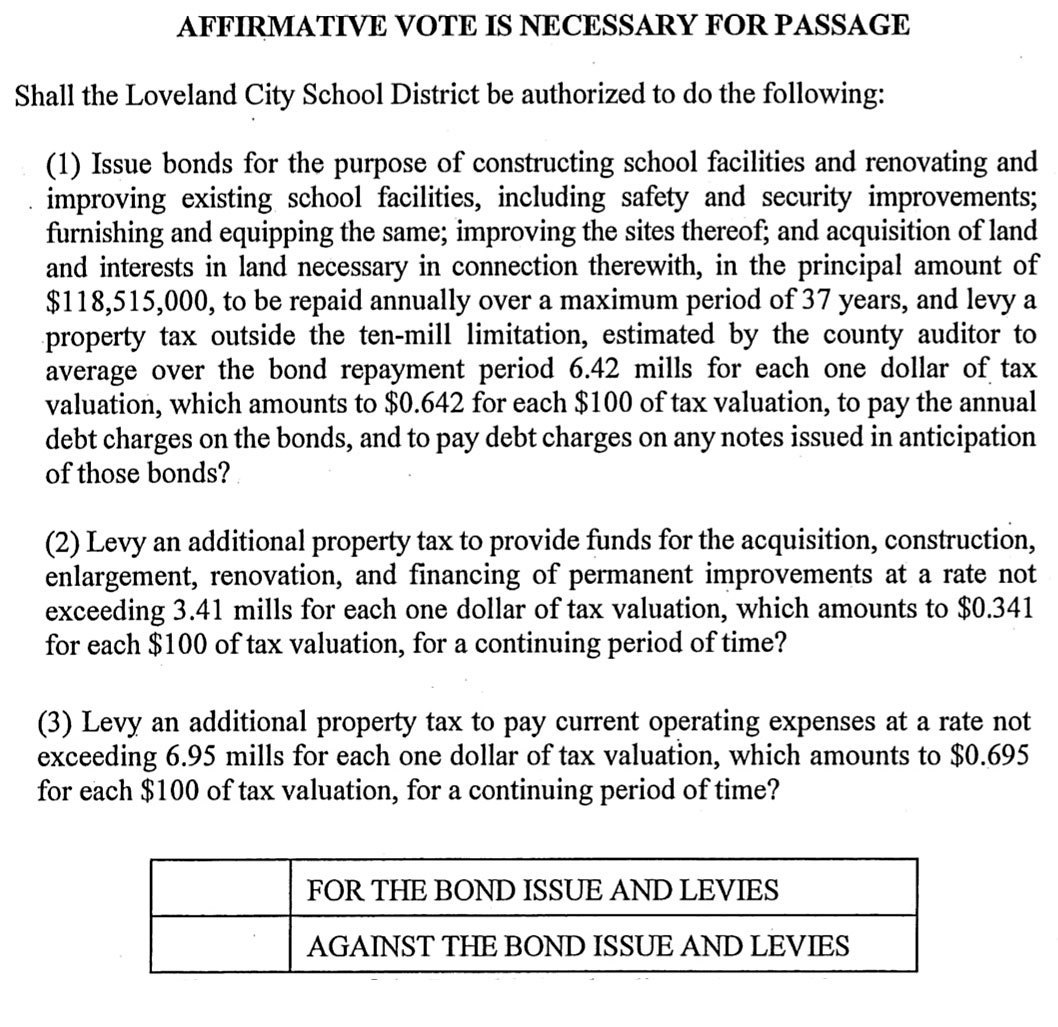
    Read the official ballot language…