Tag: Butler County

  • The Table of Discussions Celebrates Developmental Disabilities Awareness Month

    The Table of Discussions Celebrates Developmental Disabilities Awareness Month

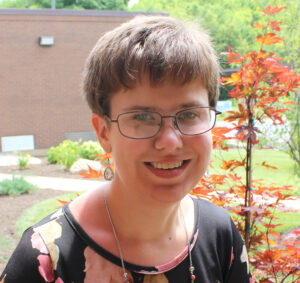
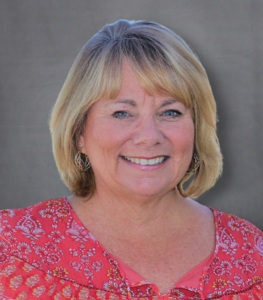
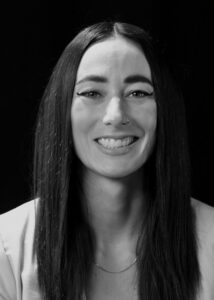
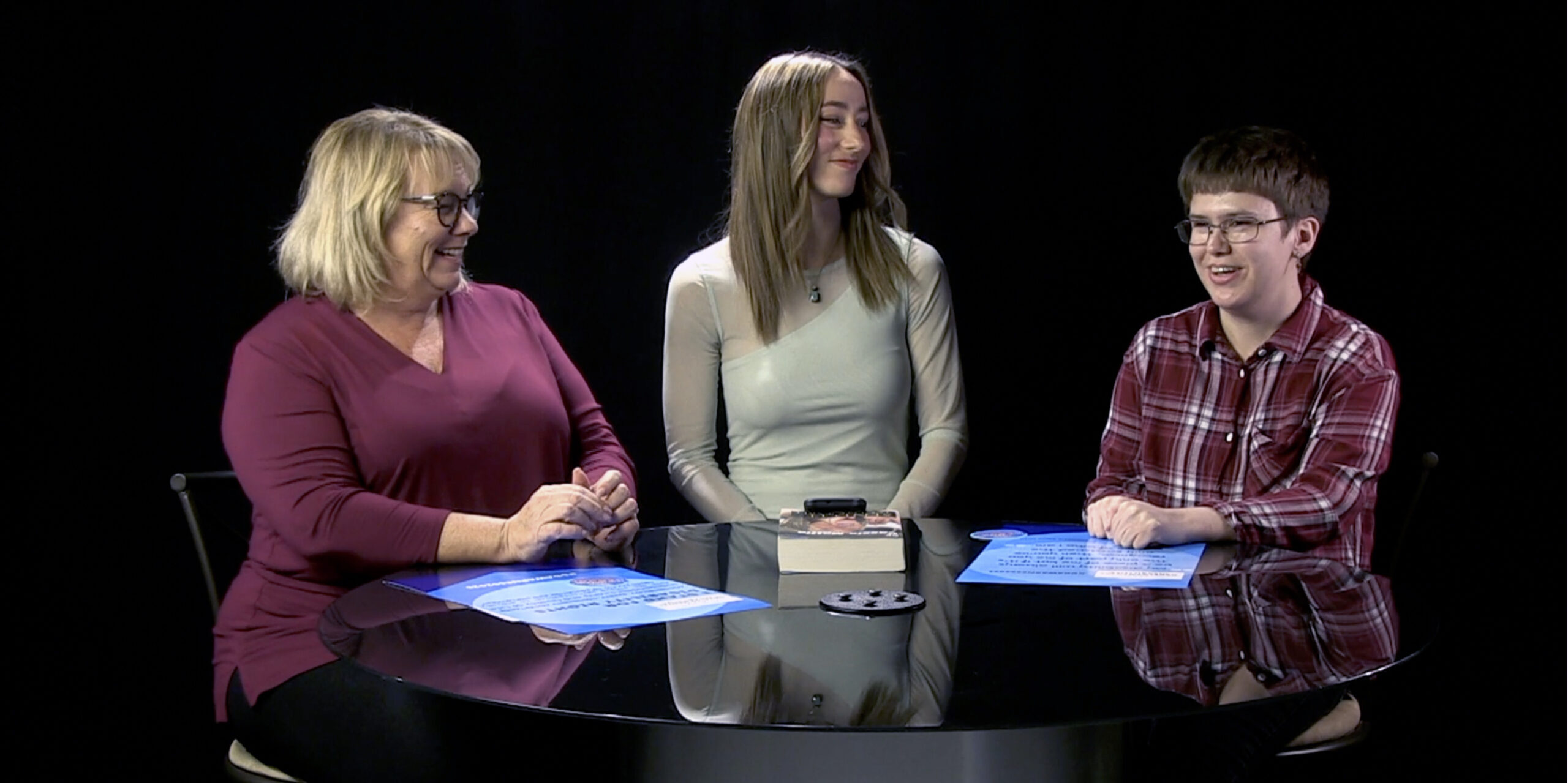
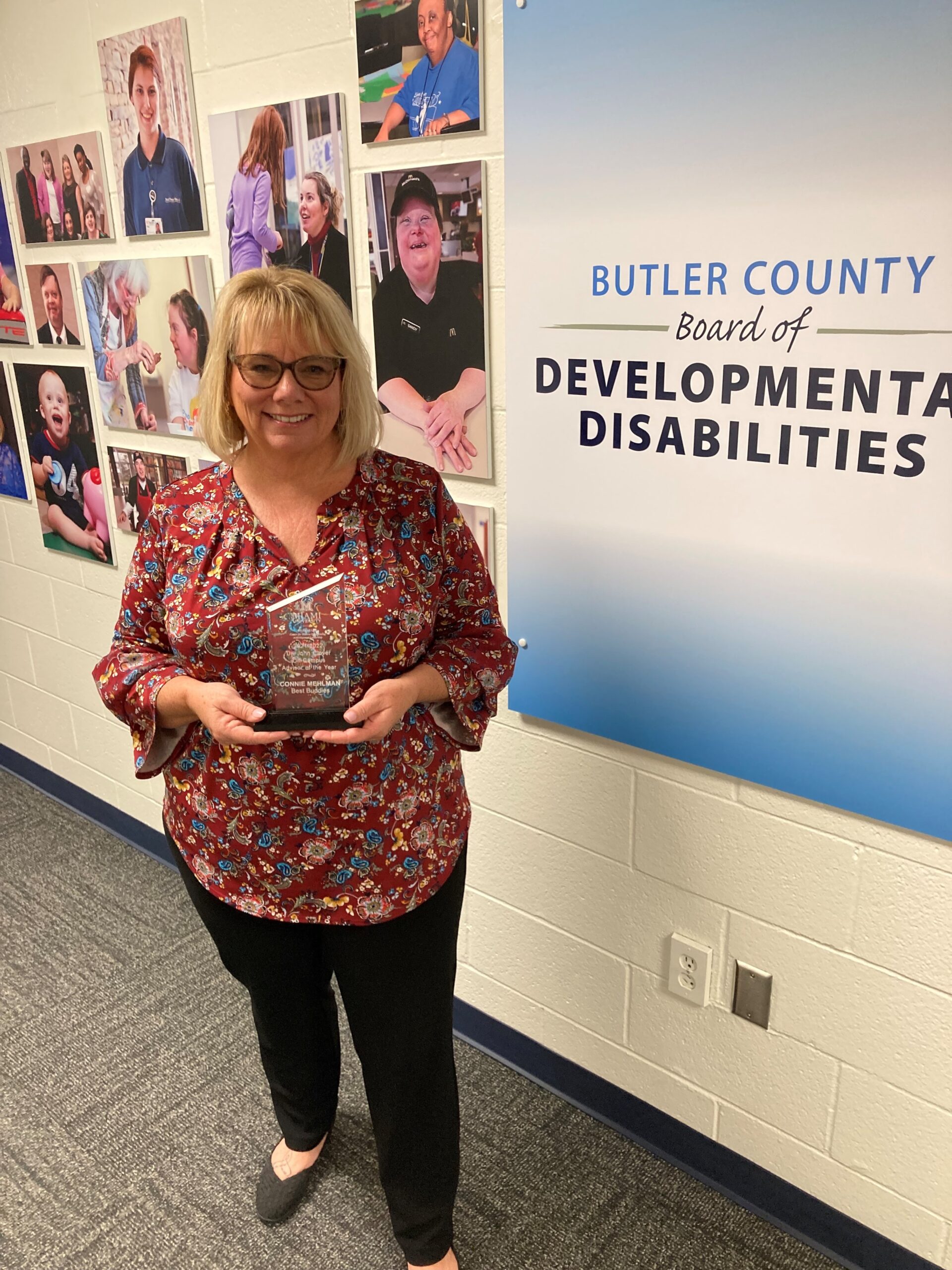
    Connie Mehlman • Cassie Mattia • Courtney Hineman
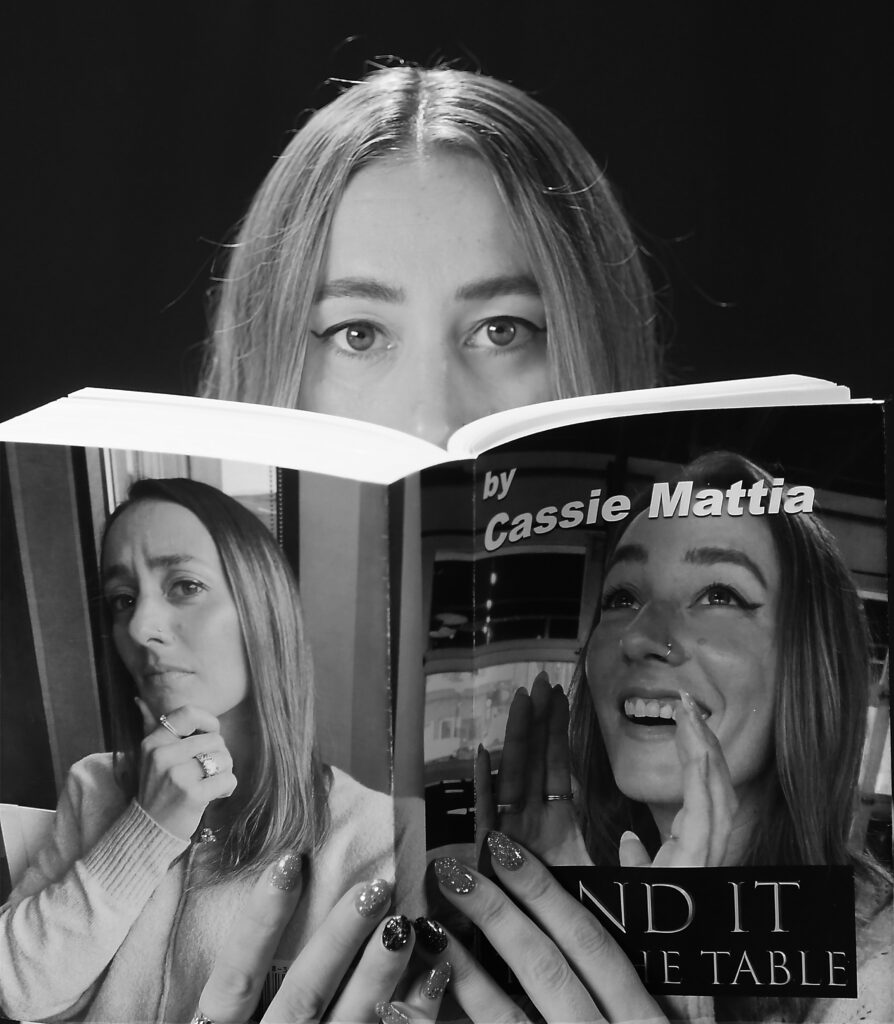
    by Cassie Mattia

    Loveland, Ohio – Did you know more than 6 million Americans have one or more developmental disabilities (DD)? That means about 15 percent of the United States population is living with DD. Over the few past decades, individuals with DD and DD advocates have been fighting for inclusion and equal opportunities within their communities and the workforce. Without help from leaders and social reformers like Dorothy Dix, Helen Keller, Eleanor Roosevelt, Martin Luther King Jr., Ronald Reagan, and George Bush, to name a few, both National Developmental Disabilities Month and the Americans with Disabilities Act wouldn’t exist.
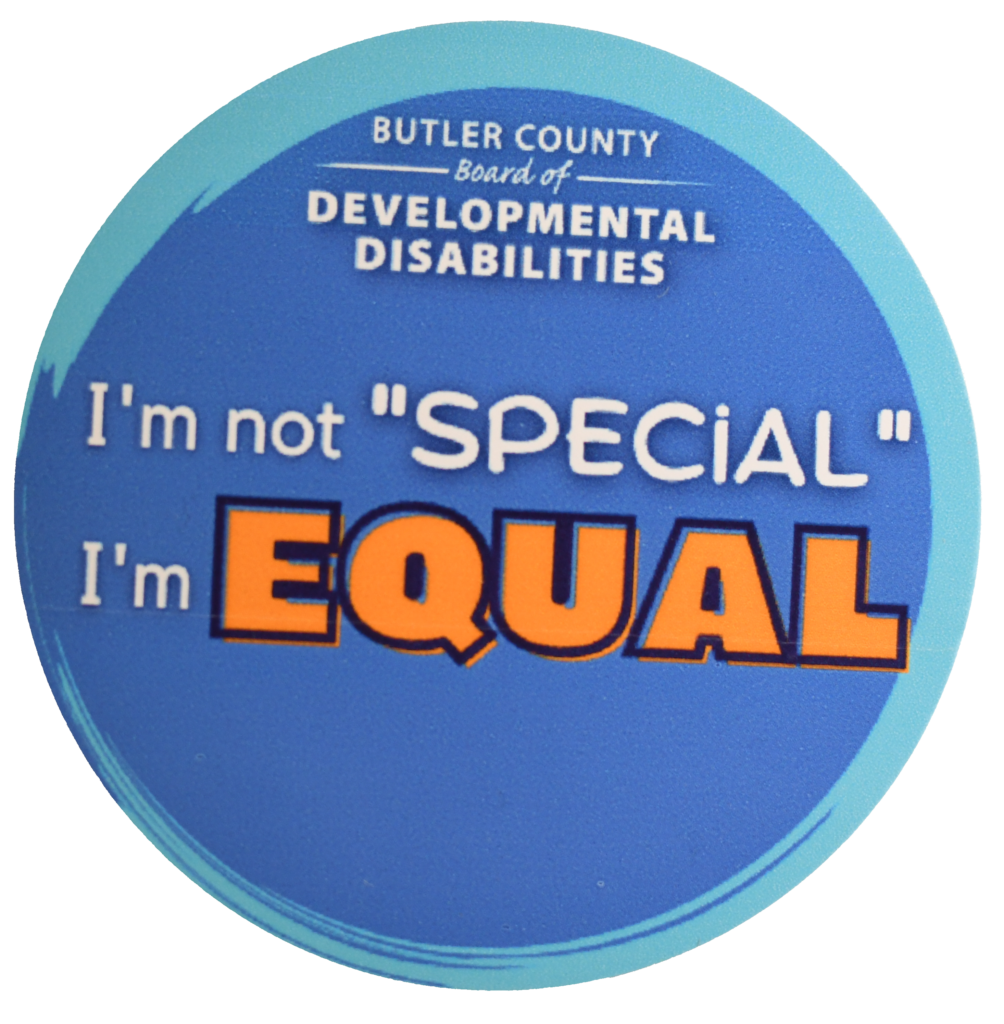
    “It’s just basic human needs not special needs.”Courtney Hineman

    In 1987, President Ronald Reagan made a public announcement asking Americans to provide individuals with DD “the encouragement and opportunities they need to lead productive lives and to achieve their full potential.” Reagan’s powerful message not only established the month of March as National DD Awareness Month, but his advocacy also led to the Americans with Disabilities Act (ADA) being passed in 1990 by George Bush. The ADA officially made it illegal to discriminate against individuals with disabilities.

    Once the ADA passed, DD advocates across the world began to take a stand, using their own experiences and success stories to promote equal rights. Although progress has been made in the DD community there are still many obstacles’ individuals with DD face every day. This is why National DD Awareness Month is a time to celebrate the achievements of those with DD and take the time to educate yourself and those surrounding you on the importance of including individuals with DD in all aspects of community life!

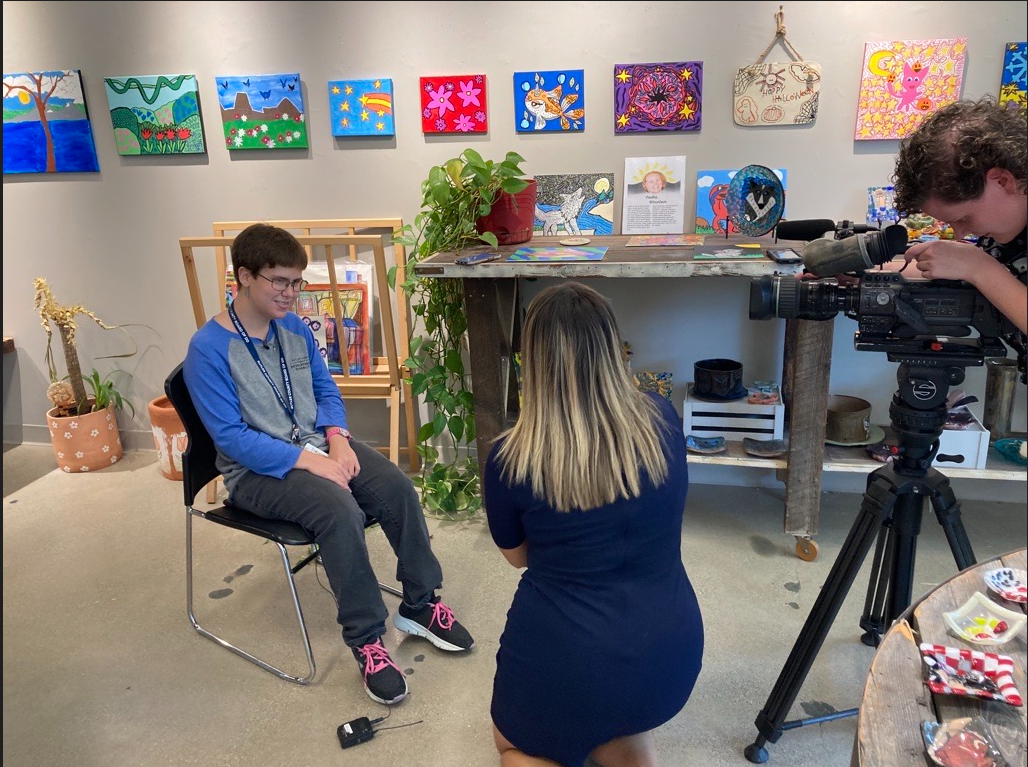
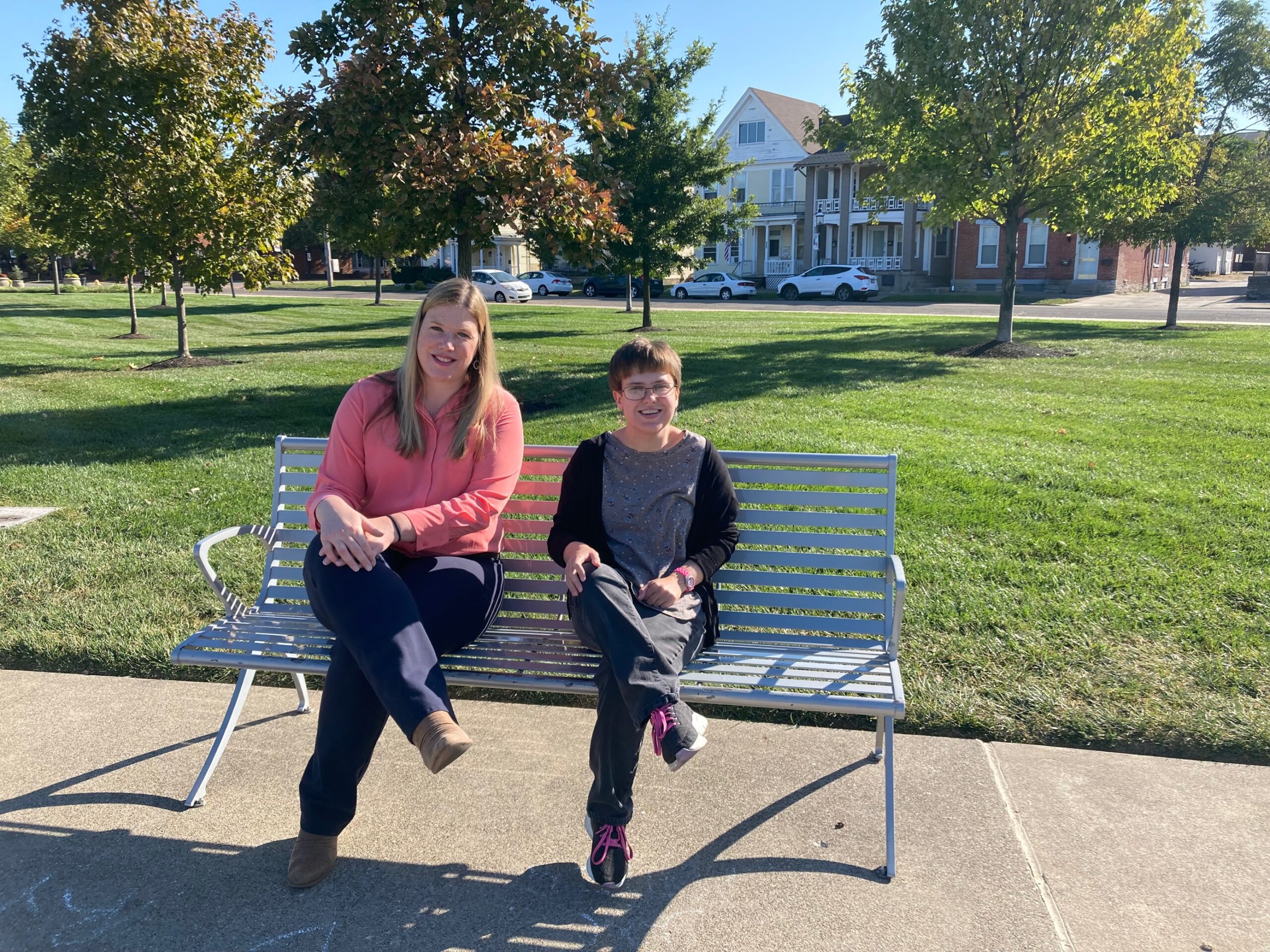
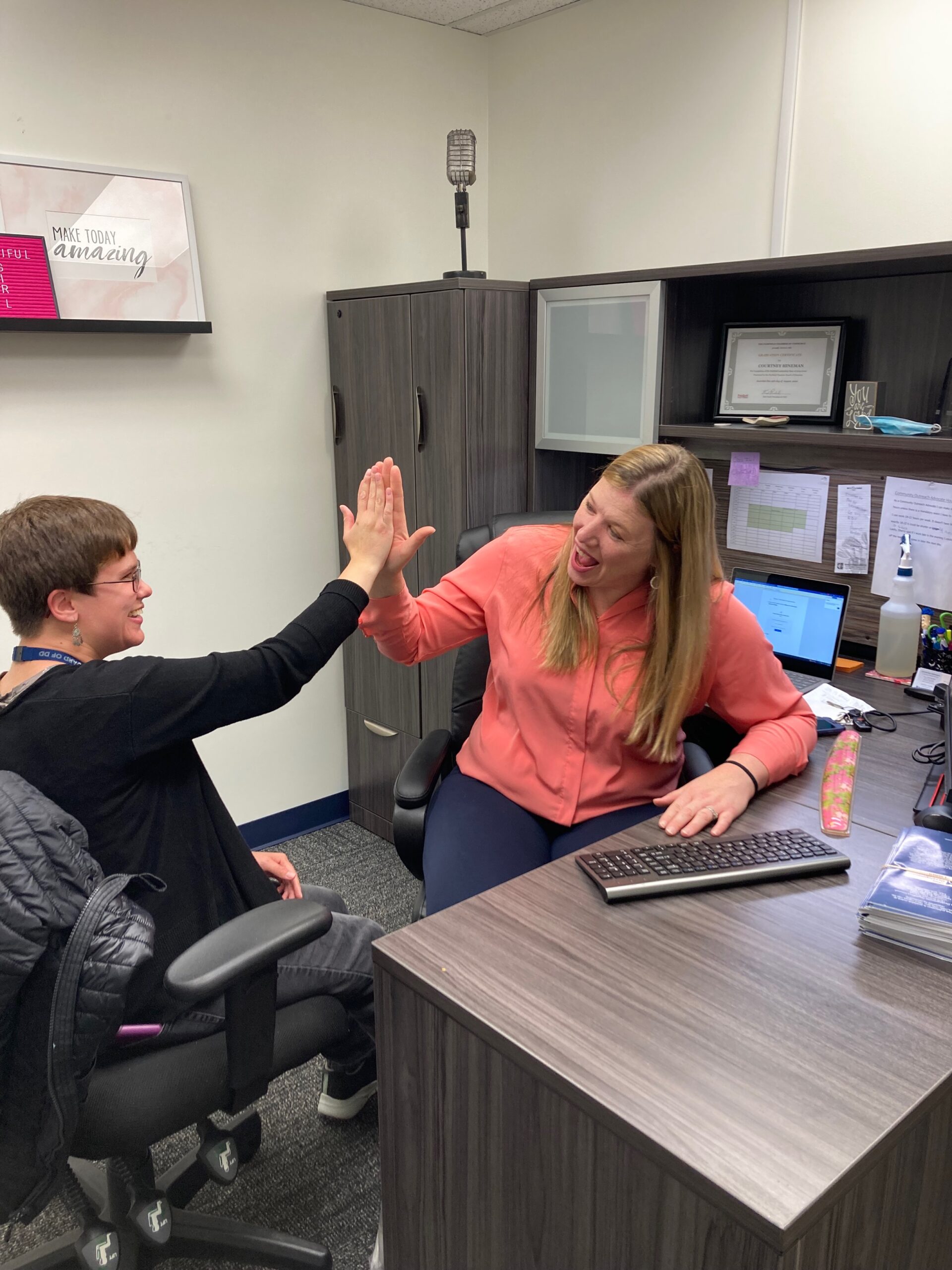
    In light of this very special March celebration, I decided to again share an interview that I conducted in March of 2023 on my Loveland Magazine TV Table of Discussions with two of the most respected DD advocates in Ohio, Connie Mehlman now a Consultant with Best Buddies International and Courtney Hineman, the Community Outreach Advocate for Butler County Board of Developmental Disabilities! Connie and Courtney have paved the way for inclusion and equality within the DD community giving them both a plethora of knowledge when it comes to educating others about how they too can advocate for individuals with DD. Connie has since retired from her job with Butler County.

    I am pleased to rebroadcast my Table of Discussions episode featuring Connie Mehlman and Courtney Hineman! Happy DD Awareness Month!

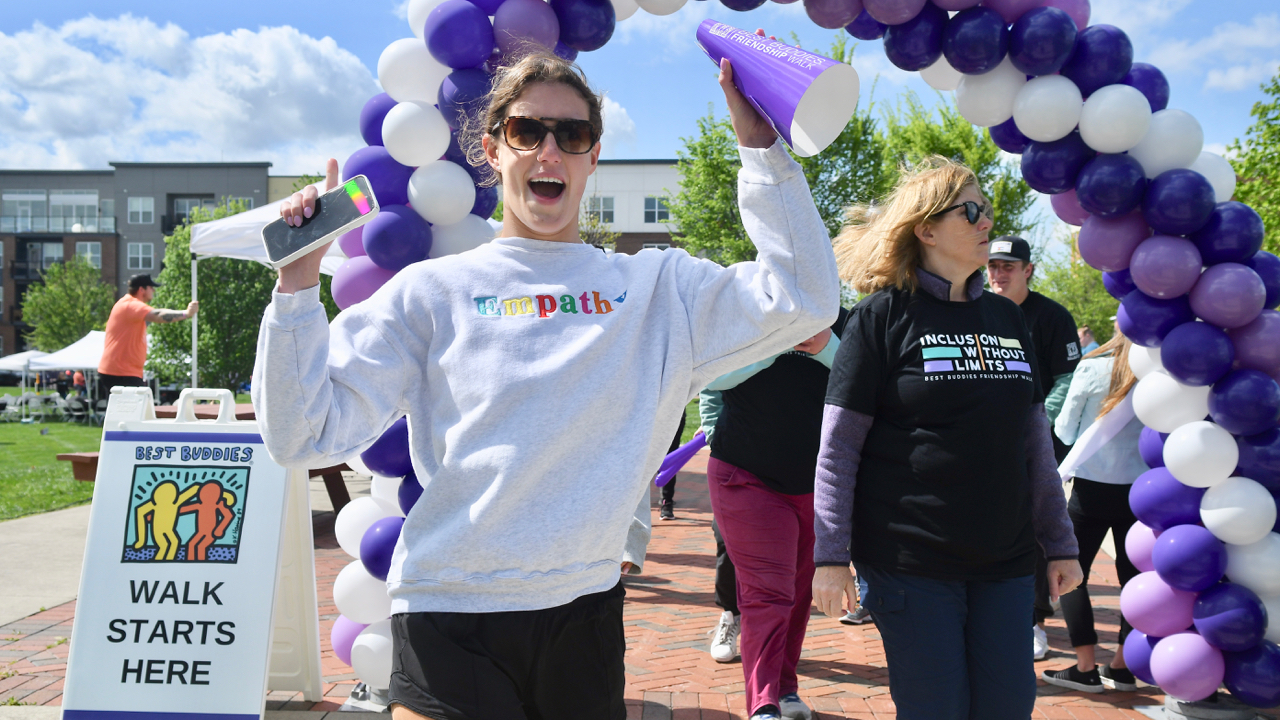
    This year’s Greater Cincinnati Best Buddies Friendship Walk is on Saturday, April 13 at Marcum Park, 116 Dayton Street in Hamilton.

    REGISTER

    ________________________


    In celebration of National Developmental Disabilities Month, Courtney wrote an Opinion Editorial in 2023 about what it’s like to live with developmental disabilities and how the community created equal opportunities for her.

    Click here to read Courtney’s Op Ed, “I want others with disabilities to have opportunities like I had!”

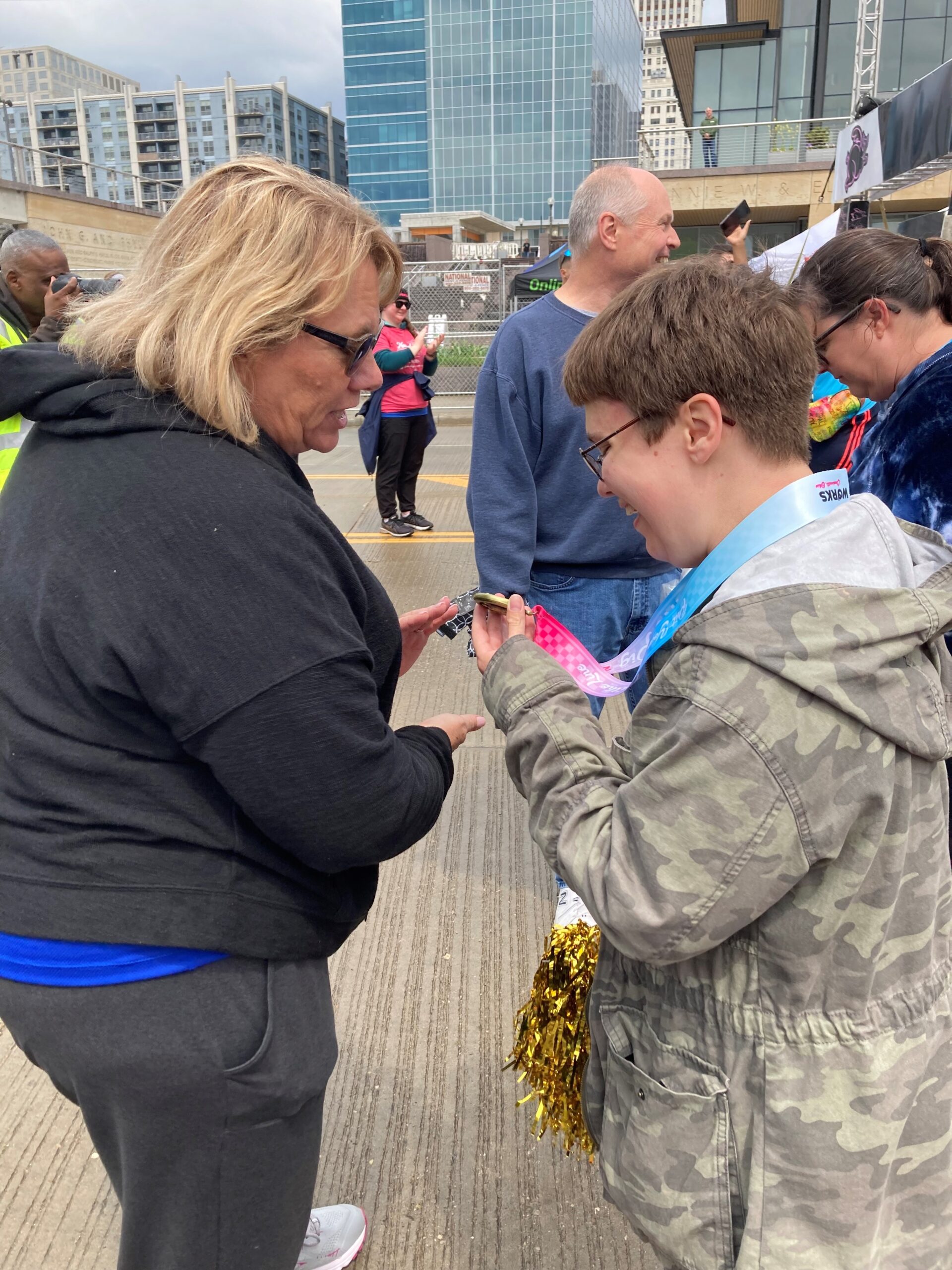
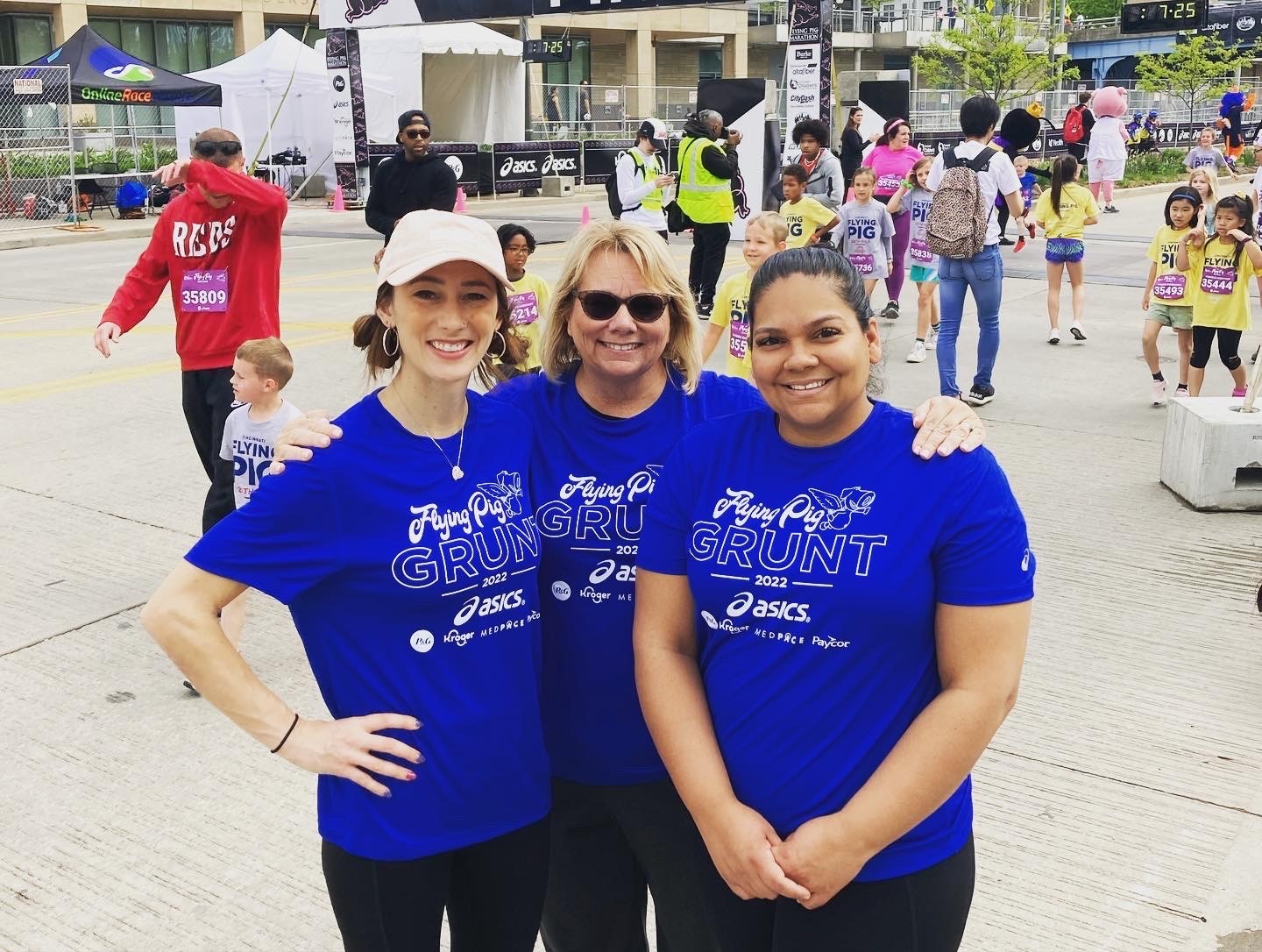
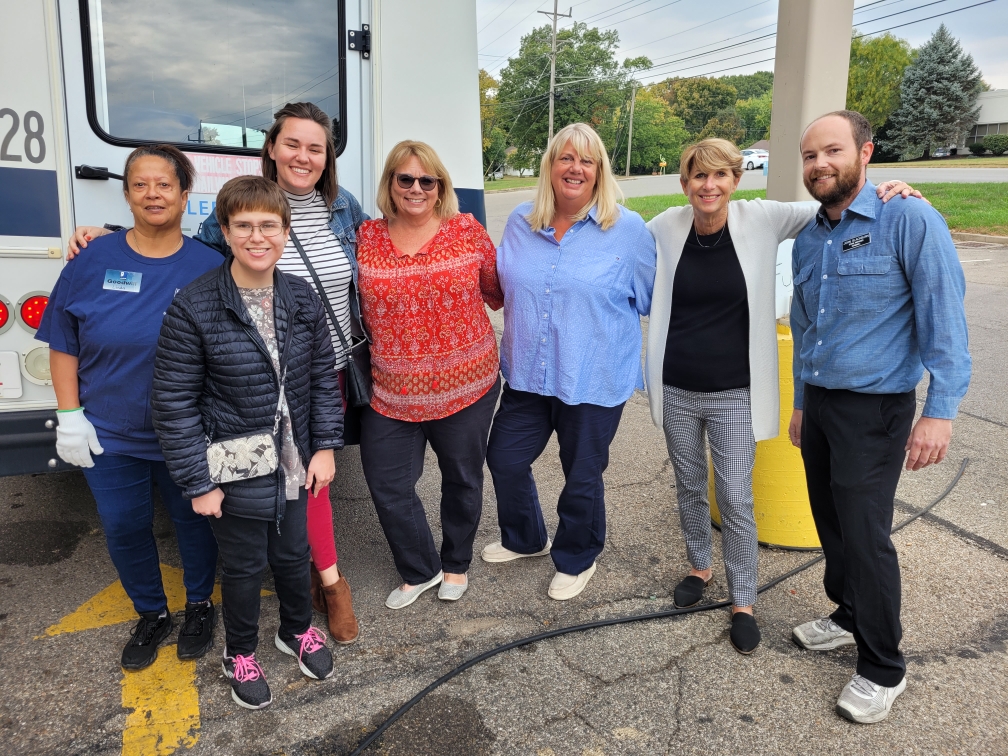
    The gallery of photos below was provided by the Butler County Board of DD and Cassie Mattia.
     
    What is the Americans with Disabilities Act (ADA)?

    ___________________________________

    Courtney Hineman is a disability rights advocate. She is the Community Outreach Advocate at the Butler County Board of Developmental Disabilities and was appointed by Governor DeWine to the Ohio Developmental Disabilities Council for the second term. She is a member of Butler County’s self-advocacy group, and has enjoyed participating in Best Buddies.


    Connie Mehlman is the Community Connections Coordinator for the Butler County Board of Developmental Disabilities. She has more than 35 years of experience both working and volunteering in the field of intellectual and developmental disabilities. She is currently serving as the Chairperson for Best Buddies Ohio and is very active in the Miami University Best Buddies Chapter.”


    ______________________

    Cassie Mattia is the President and Publisher of Loveland Magazine, Cassie Mattia is a resident of Historic Downtown Loveland and the Public Relations Coordinator at Butler County Board of DD. Cassie was awarded the Little Miami River Chamber Alliance 2021 Young Business Professional of the Year.

  • Best Buddies Friendship Walk raised over $51K

    Best Buddies Friendship Walk raised over $51K

    Hamilton, Ohio – On Saturday, April 22, volunteers and community members came together to support the annual Best Buddies Friendship Walk at Marcum Park in Downtown Hamilton. The volunteers included Loveland Magazine co-owners, Cassie Mattia and David Miller.

    Mattia unloaded trucks and vans and re-loaded them when the walk was over. Her role was also to greet walkers, help them with registration, and publicize the event on social media. Miller took photos from the unloading and set-up until capturing guests eating food and enjoying games after walkers cross the finish line.

    Connie Mehlman, the Community Connection Coordinator for the Butler County Department of Development Disabilities was the Greater Cincinnati Walk coordinator.

    The Best Buddies International Friendship Walk is the leading walk in the country supporting inclusion for people with intellectual and developmental disabilities. Due to the amazing efforts of everyone involved in the walk this year, the Best Buddies Ohio Greater Cincinnati Friendship Walk raised over $51,000. The funds raised will aid in the expansion of local Best Buddies programs. “Thank you to all those that participated, volunteered, donated, and sponsored the Best Buddies Walk,” said Melman.

    Take a look at the Best Buddies Walk action captured in a photo collage video brought to you by Loveland Magazine‘s David Miller and Cassie Mattia.

    Learn more about Best Buddies Ohio.

    Learn more about the Butler County Board of Developmental Disabilities

    Thank you to the event sponsors: Hanover Reserve Weddings and Events, Telhio Credit Union, Speak Up a Self-Advocacy group Through Butler County Board of Developmental Disabilities, Bill & Jenny McCloy, The Lang Agency, Gifts In Honor of Joseph Pollock: The Pollock and Bhat Family, and Nothing Bundt Cakes.
  • Real-Life Productions CEO Shares his Journey to Self-Employment

    Real-Life Productions CEO Shares his Journey to Self-Employment

    This story is republished courtesy of the Butler County Board of Developmental Disabilities.

    Cassie Mattia

    by Cassie Mattia

    Jarrod Arencibia has had a passion for videography since the first time he used his grandfather’s camera at the age of 14. Now, nearly 25 years later, his passion has flourished into a self-owned business, Real Life Productions, with successes including being published on the National Weather Channel and at a national conference.

    Though Jarrod’s journey is paved with ups and downs, his own resiliency and network of support have helped him achieve the success he enjoys today.

    Jarrod’s passion for the camera began in 1998, when he started using his grandfather’s camera. “I loved how I could create a story through the lens and share what I captured with the viewers,” Jarrod said. Around that time, Jarrod watched an action documentary series on The Learning Channel that catapulted his love for the “moving camera.”

    “I learned that I liked the constant movement of capturing something on camera, then I met Bill Ross and Keith Banner through Visionaries and Voices while I was working in fast food and they allowed me to use their equipment to film Art Walks and interview people,” Jarrod said. Visionaries and Voices is an inclusive arts organization that provides creative, professional, and educational opportunities for adults with disabilities. Jarrod said that without the help of Visionaries and Voices he would have not been able to gain the experience he had interviewing people and working with high-quality cameras.

    Jarrod continued to grow his network of support and ultimately, that growing network led to the idea of building his own media business.

    “I met Christian Applebee who did a documentary about Visionaries and Voices in 2007 and I told Christian that I would love to do what he does and film behind the scenes,” Jarrod said. “Christian took that to heart and became a mentor and then in 2009 we completed a documentary showcasing people with special needs across the state called Film Outside the Lines.”

    Jarrod felt as though he was finally achieving his dreams of being a videographer. More importantly, Jarrod got the opportunity to work with commercial camera equipment for the first time.

    “While filming the documentary I got to work with the HVX 200 and DVX 100,” Jarrod said. “Keeping up with the latest equipment is really important to me because I always want to challenge myself and learn new things.”

    In 2010, Jarrod met Carol Buckner, the owner of Buckner’s Employment and Training (BEST).

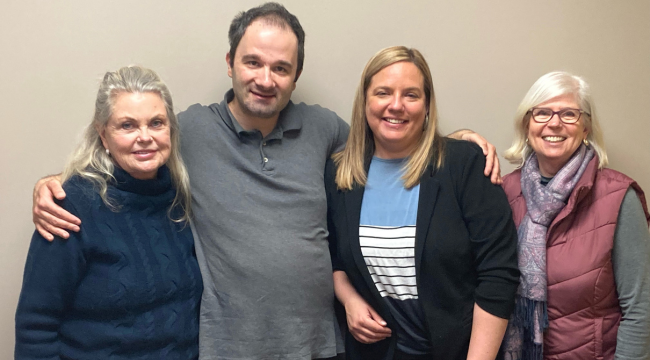
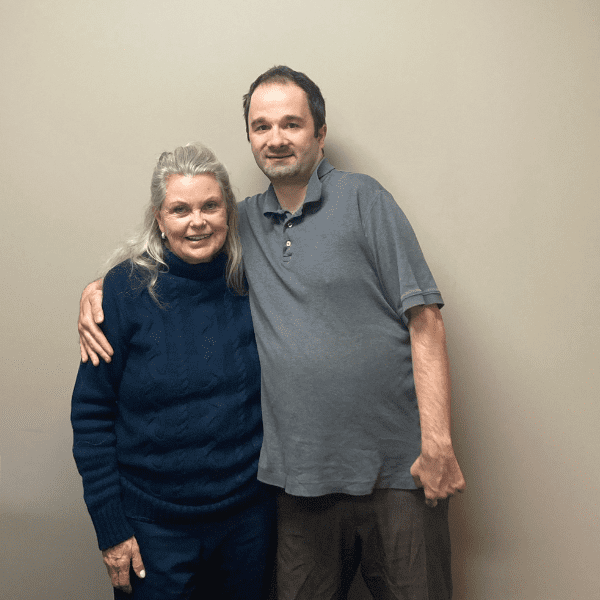
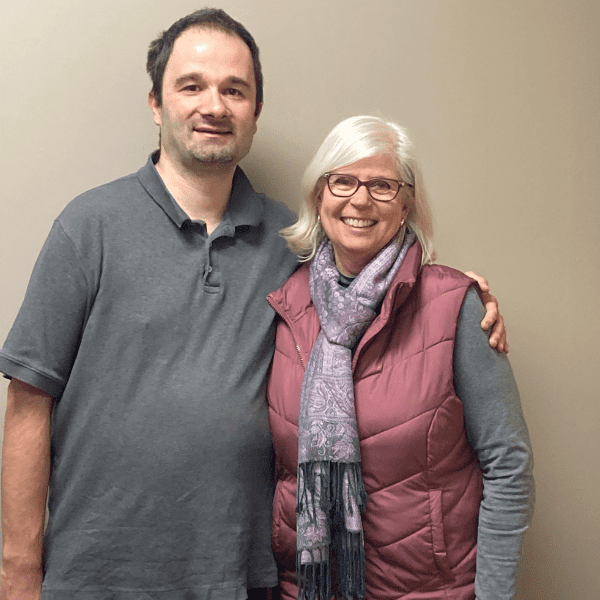
    A woman and a man indoors against a beige wall standing side by side smiling
    Jarrod and Carol Buckner

    “I started working with Jarrod as part of a grant through the State of Ohio, Griffin and Hamis,” Carol said. “The objective was to take individuals who were struggling to find a clear career direction. Jarrod selected me to be his provider, and from there Jarrod then asked me to work with him on his contract with Media Bridges.”

    Media Bridges, was a non-profit community media center that provided the education, equipment and environment for people to communicate effectively through media. The media center also offered classes in media production and literacy, access to a library media tools and equipment, and more.

    When Jarrod obtained his first paid employment opportunity with Media Bridges, he became hyper focused on what it took to be self-employed. Unfortunately, in 2011, Jarrod was hit with an obstacle.

    “When the budget was cut for Media Bridges, Jarrod was laid off,” Carol said. “I knew it was going to hit him hard, so I helped him with a video project where we filmed others who were self-employed across the state. The focus of the film was on their achievements and struggles and as a result of the film, Jarrod was featured at the National Bureau of Vocational Rehabilitation Conference!”

    “It was hard to overcome being laid off, but I picked myself back up and found employment opportunities,” Jarrod said. “Carol and I completed a documentary where we went around the state of Ohio and interviewed business owners with disabilities. I also got a chance to film a Christmas Parade. I will admit I struggled and lost motivation, but I knew I had to pick himself back up again. When one door closed for me, me and my team always found a way to open another door.”


    As Jarrod gained more videography experience, he started to take on more “action film” projects. Jarrod became highly invested in storm chasing and to his surprise one of his videos and photos was featured on the National Weather Channel! With that national recognition, Jarrod’s confidence with the camera skyrocketed. He began filming interviews with people at community festivals and eventually one of his videos was purchased by the City of Blue Ash.

    “I found that I really enjoyed going out in the community and talking to people,” Jarrod said. “I like that my videos help educate people. For example, I did a video on Yellow Springs, Ohio and after people watched it, they said they wanted to live there! I also did a feature video about Northern Kentucky University and one guy that watched my video said he wanted to attend NKU just after seeing my video! Seeing proof of people learning inspired me to create more videos.”

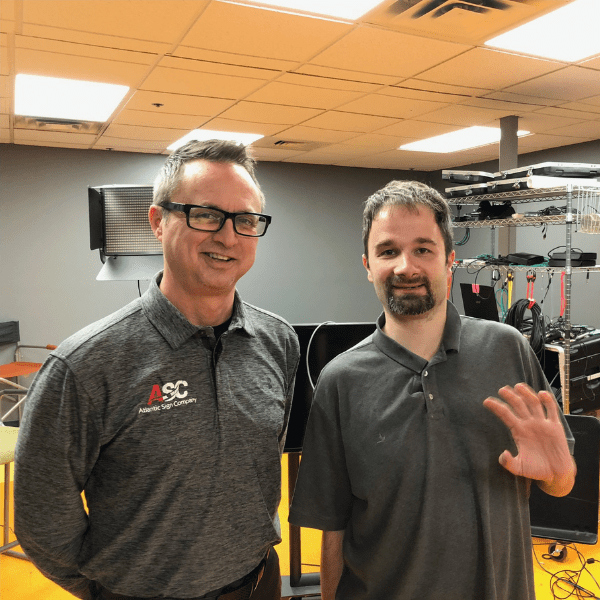
    A man outdoors by trees holding a camera


    One project that was particularly important to Jarrod was filming interviews of people from Cuba about life in a communist society. “Jarrod’s father is from Cuba so interviewing and sharing the stories was an important milestone for him,” Carol said.

    Carol shared that an important distinction for Jarrod is that videoing is a business, not a hobby. “What Jarrod does is paid work,” she said. “Working with Jarrod is fun, and always changing. His video career has really taken off! He was even scheduled to do a video in Vegas! He is a professional. He has achieved so much and done amazing things over the time we have known each other.”

    Today, Jarrod has his own YouTube Channel called “Real Life Action TV” where he features all his company’s, Real-Life Productions, video projects. Jarrod’s YouTube Channel has 947 subscribers and 544 videos.

    “I hope to continue to create content on YouTube and maintain a relationship with the Network Society so that I can educate the next generation about videography,” Jarrod said. “Right now, I’m working with a group of children in Mason called ‘The Hang Out Group’ where I teach them how to use video equipment and the ins and outs of videography. What I achieved just proves if you work hard opportunities will flourish. Things don’t just come to you; you have to work for them!”

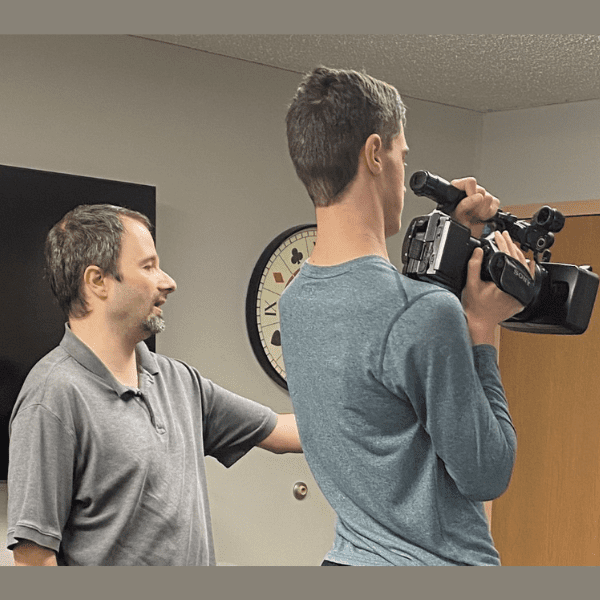
    1 man teaching another man indoors in a classroom how to use a camera
    Jarrod teaching a class on videography at “The Hangout Group” in Mason, Ohio
    A man and a woman standing indoors against a beige wall side by side smiling
    Jarrod and Individual Employment Support CoachBarbara Danielson – “Jarrod has always been a glass half full kind of guy!”
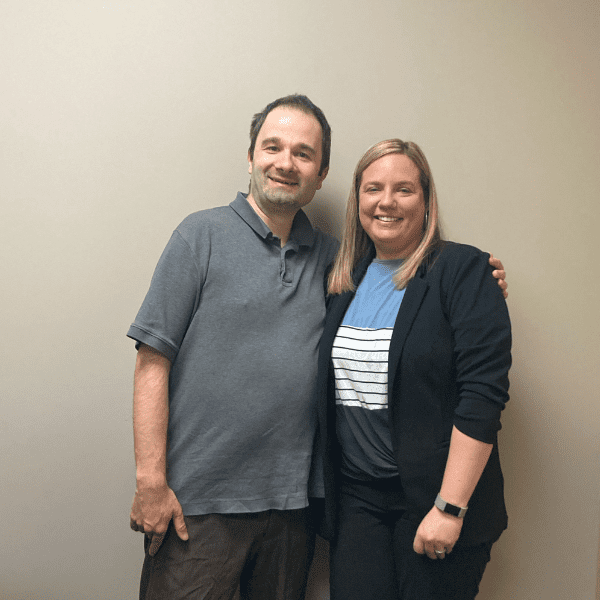
    A man and a woman standing indoors against a beige wall side by side smiling
    Jarrod and BCBDD Employment Services Coordinator, Beth Risner – “The role that everyone plays does matter and it takes a village for everyone, not one person can be successful alone, we all need support. Jarrod is an inspiration to others to never give up even if something seems impossible, never give up on your dreams.”
    Watch Jarrod’s Video About Yellow Springs, Ohio
    Watch Jarrod’s Video About Blue Ash, Ohio
    Watch Jarrod’s Video About Miami University

    To watch more Real-Life Productions videos visit Real Life Action TV on YouTube or visit Real Life Action TV on Facebook. If you are interested in hiring Jarrod to create a video email him at Jarrodfilm@gmail.com.

    _____________________________________

    Cassie Mattia is the President and Publisher of Loveland Magazine and a resident of Historic Downtown Loveland. She is the Public Relations Coordinator at the Butler County Board of Developmental Disabilities. Cassie was awarded the Little Miami River Chamber Alliance 2021 Young Business Professional of the Year. Cassie is very active in the Loveland community and will often be seen helping plan and volunteering at the Little Miami River Chamber Alliance and City of Loveland events. Cassie also enjoys supporting the local restaurants and businesses in Loveland as well as making guest barista appearances at Mile42 Coffee. To see what Cassie is up to follow her on Facebook and Instagram!

    You can reach Cassie at cmattia12@gmail.com


  • The Table of Discussions Celebrates Developmental Disabilities Awareness Month

    The Table of Discussions Celebrates Developmental Disabilities Awareness Month

    Connie Mehlman • Cassie Mattia • Courtney Hineman
    by Cassie Mattia

    Loveland, Ohio – Did you know more than 6 million Americans have one or more developmental disabilities (DD)? That means about 15 percent of the United States population is living with DD. Over the few past decades, individuals with DD and DD advocates have been fighting for inclusion and equal opportunities within their communities and the workforce. Without help from leaders and social reformers like Dorothy Dix, Helen Keller, Eleanor Roosevelt, Martin Luther King Jr., Ronald Reagan, and George Bush, to name a few, both National Developmental Disabilities Month and the Americans with Disabilities Act wouldn’t exist.

    “It’s just basic human needs not special needs.”Courtney Hineman

    In 1987, President Ronald Reagan made a public announcement asking Americans to provide individuals with DD “the encouragement and opportunities they need to lead productive lives and to achieve their full potential.” Reagan’s powerful message not only established the month of March as National DD Awareness Month, but his advocacy also led to the Americans with Disabilities Act (ADA) being passed in 1990 by George Bush. The ADA officially made it illegal to discriminate against individuals with disabilities.

    Once the ADA passed, DD advocates across the world began to take a stand, using their own experiences and success stories to promote equal rights. Although progress has been made in the DD community there are still many obstacles’ individuals with DD face every day. This is why National DD Awareness Month is a time to celebrate the achievements of those with DD and take the time to educate yourself and those surrounding you on the importance of including individuals with DD in all aspects of community life!

    In light of this very special March celebration, I decided to invite two of the most respected DD advocates in Ohio, Community Connection Coordinator Connie Mehlman and Community Outreach Advocate Courtney Hineman, both with the Butler County Board of Developmental Disabilities to my Loveland Magazine TV Table of Discussions! Connie and Courtney have paved the way for inclusion and equality within the DD community giving them both a plethora of knowledge when it comes to educating others about how they too can advocate for individuals with DD.

    I am pleased to present my latest Table of Discussions episode featuring Connie Mehlman and Courtney Hineman! Happy DD Awareness Month!


    Check out Episode 1 of Courtney’s BCBDD VLOG, “Courtney Explains It All!”


    The video below features Courtney as she discusses Neurodiversity with the BCBDD staff!


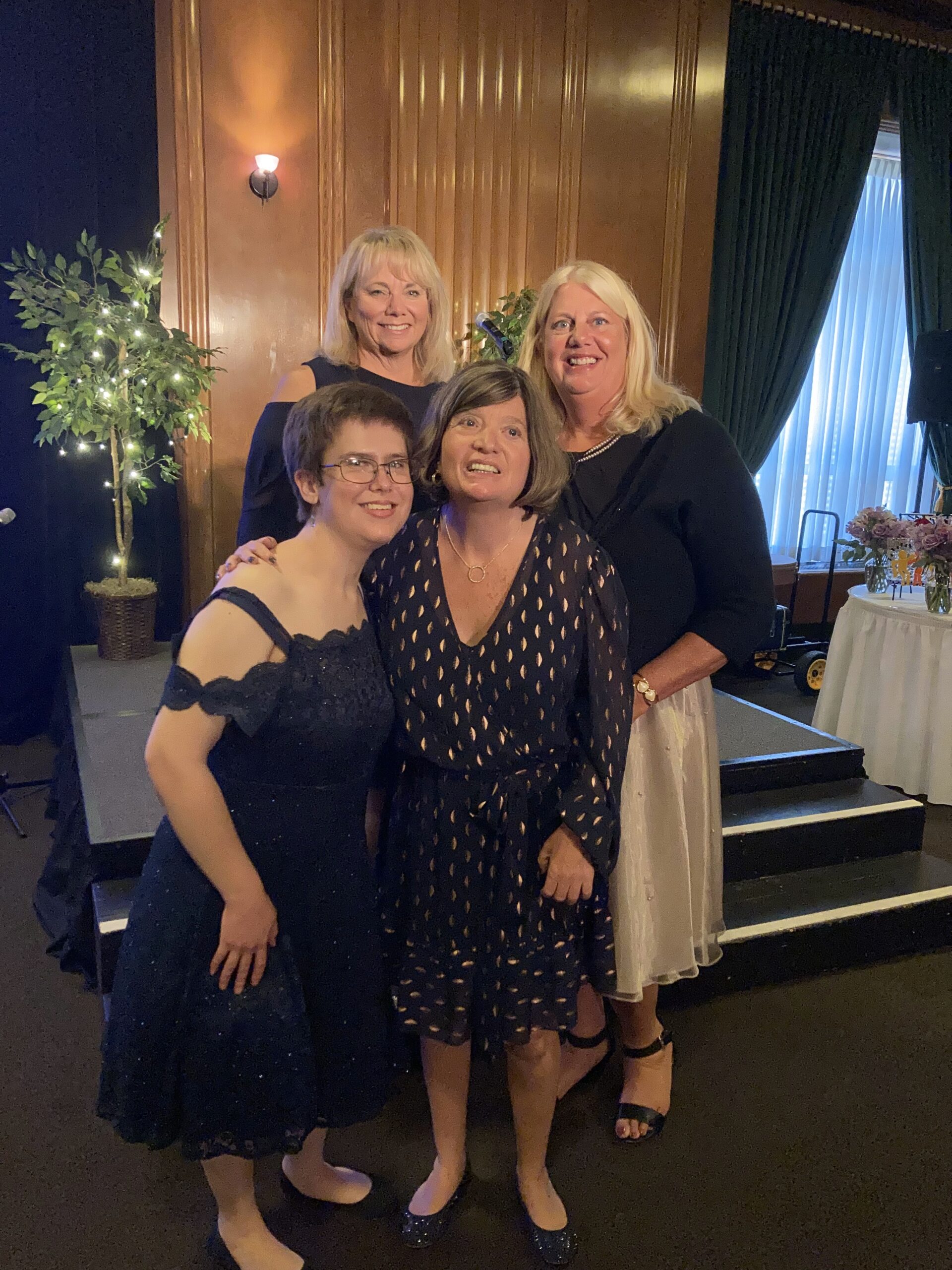
    Below Courtney was invited to be the keynote speaker at the Best Buddies Ohio Annual Gala!


    In celebration of National Developmental Disabilities Month, Courtney wrote an Opinion Editorial about what it’s like to live with developmental disabilities and how the community created equal opportunities for her.

    Click here to read Courtney’s Op Ed, “I want others with disabilities to have opportunities like I had!”

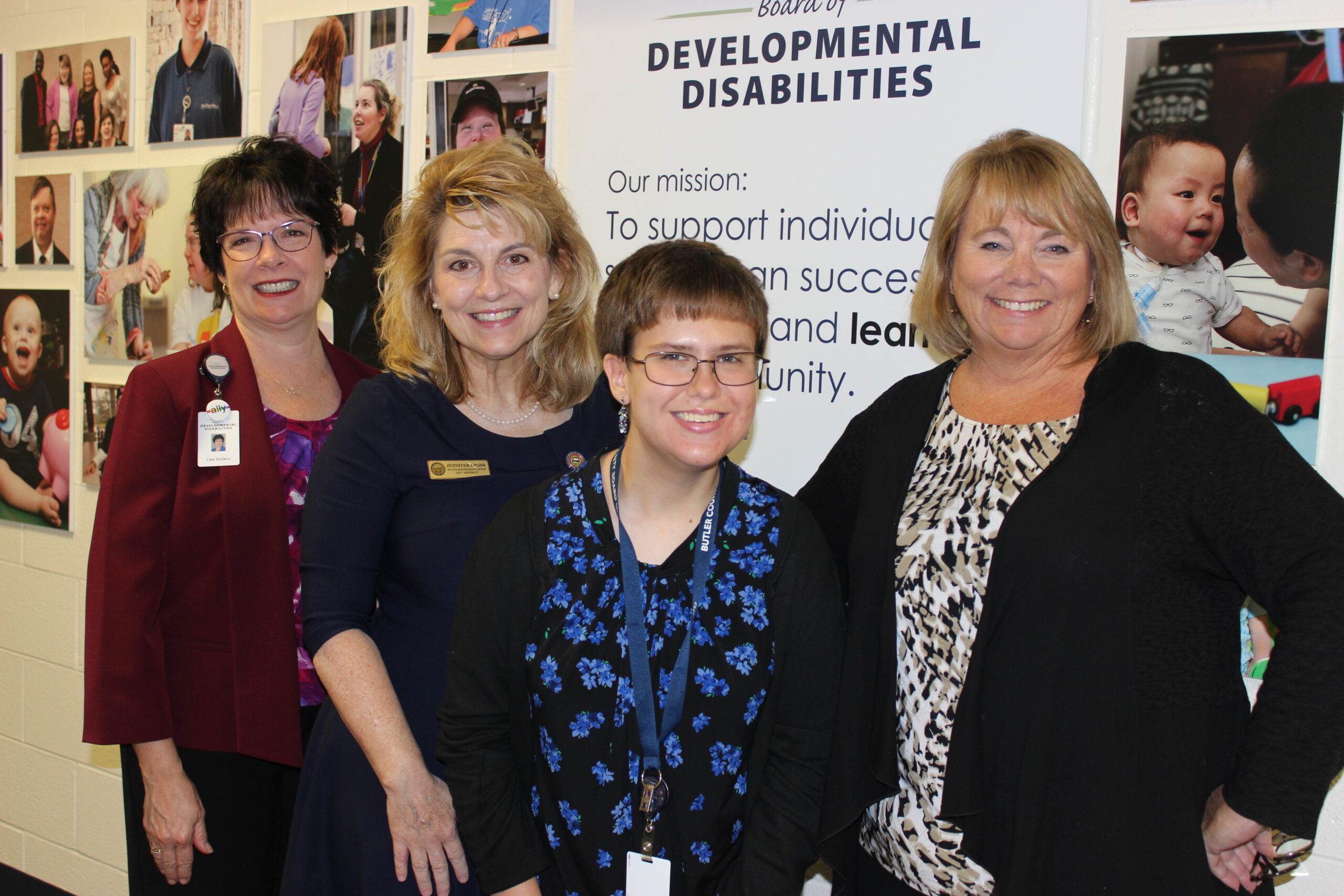
    The gallery of photos below was provided by the Butler County Board of DD and Cassie Mattia.
    What is the Americans with Disabilities Act (ADA)?


  • Butler • Clermont • Hamilton • Warren: COVID-19 deaths and cases rising

    Butler • Clermont • Hamilton • Warren: COVID-19 deaths and cases rising

    CDC recommends use of COVID-19 Community Levels to determine the impact of COVID-19 on communities and to take action. CDC also provides Transmission Levels (also known as Community Transmission) to describe the amount of COVID-19 spread within each county. Healthcare facilities use Transmission Levels to determine infection control interventions.

    The COVID-19 Community Level and associated metrics presented below are updated weekly on Thursday; the values for the same hospital-based metrics presented below may differ because they are updated daily.

    How Do I Find a COVID-19 Vaccine or Booster?

    Stay Up to Date with COVID-19 Vaccines Including Boosters

    Butler County, Ohio

    Weekly deaths and cases are rising in Butler County.

    COVID-19 Community Level Medium Recommended actions based on current level Stay up to date with COVID-19 vaccines. Get tested if you have symptoms. Wear a mask if you have symptoms, a positive test, or exposure to someone with COVID-19. Wear a mask on public transportation. You may choose to wear a mask at any time as an additional precaution to protect yourself and others. If you are at high risk for severe illness, consider wearing a mask indoors in public and taking additional precautions.

    Clermont County, Ohio

    Weekly deaths and cases are rising in Clermont County.

    COVID-19 Community Level Medium Recommended actions based on current level Stay up to date with COVID-19 vaccines. Get tested if you have symptoms. Wear a mask if you have symptoms, a positive test, or exposure to someone with COVID-19. Wear a mask on public transportation. You may choose to wear a mask at any time as an additional precaution to protect yourself and others. If you are at high risk for severe illness, consider wearing a mask indoors in public and taking additional precautions.

    Hamilton County, Ohio

    Weekly deaths and cases are rising in Hamilton County.

    COVID-19 Community Level Medium Recommended actions based on current level Stay up to date with COVID-19 vaccines. Get tested if you have symptoms. Wear a mask if you have symptoms, a positive test, or exposure to someone with COVID-19. Wear a mask on public transportation. You may choose to wear a mask at any time as an additional precaution to protect yourself and others. If you are at high risk for severe illness, consider wearing a mask indoors in public and taking additional precautions.

    Warren County, Ohio

    Weekly deaths and cases are rising in Warren County.

    COVID-19 WARREN Community Level Medium Recommended actions based on current level Stay up to date with COVID-19 vaccines. Get tested if you have symptoms. Wear a mask if you have symptoms, a positive test, or exposure to someone with COVID-19. Wear a mask on public transportation. You may choose to wear a mask at any time as an additional precaution to protect yourself and others. If you are at high risk for severe illness, consider wearing a mask indoors in public and taking additional precautions.Weekly Metrics Used to Determine the COVID-19 Community Level
  • Local counties are now “Green” level of COVID 19 transmission

    Local counties are now “Green” level of COVID 19 transmission

    According to the latest information from the CDC local levels of COVID 19 transmission are:

    Clermont County, Ohio, community level is Low.

    Butler County, Ohio, community level is Low.

    Hamilton County, Ohio, community level is Low.

    Warren County, Ohio, community level is Low.

    In last week’s report, the community level in Clermont County and Butler County was High, and in Hamilton County and Warren County the community level was Medium.


    LOW, MEDIUM, AND HIGH

    At all COVID-19 Community Levels:

    Green, yellow, and orange squares representing all COVID-19 Community Levels

    MEDIUM AND HIGH

    When the COVID-19 Community Level is Medium or High:

    • If you are at high risk of getting very sick, wear a high-quality mask or respirator (e.g., N95) when indoors in public
    • If you have household or social contact with someone at high risk for getting very sick, consider self-testing to detect infection before contact, and consider wearing a high-quality mask when indoors with them
    Yellow- and orange-colored rectangles indicating medium and high COVID-19 Community Levels

    HIGH

    When the COVID-19 Community Level is High:

    • Wear a high-quality mask or respirator.
    • If you are at high risk of getting very sick, consider avoiding non-essential indoor activities in public where you could be exposed.
    Orange-colored rectangles indicating high COVID-19 Community Level

    Community-Level Prevention Strategies

    LOW, MEDIUM, AND HIGH

    At all COVID-19 Community Levels:

    • Promote equitable access to vaccination, testing, masks and respirators, treatment and prevention medications, community outreach, and support services.
    • Ensure access to testing, including through point-of-care and at-home tests for all people.
    • Maintain ventilation improvements.
    • Provide communications and messaging to encourage isolation among people who test positive.
    Green, yellow, and orange squares representing all COVID-19 Community Levels

    MEDIUM AND HIGH

    When the COVID-19 Community Level is Medium or High:

    • Implement screening testing in high-risk settings where screening testing is recommended.
    Yellow- and orange-colored rectangles indicating medium and high COVID-19 Community Levels

    HIGH

    When the COVID-19 Community Level is High:

    • Implement healthcare surge support as needed.
  • COVID-19 “High” in Butler and Clermont Counties

    COVID-19 “High” in Butler and Clermont Counties

    According to the CDC:

    In Clermont County, Ohio, the community level is High.

    In Butler County, Ohio, the community level is High.

    In Hamilton County, Ohio, the community level is Medium.

    In Warren County, Ohio, the community level is Medium.

    At all COVID-19 Community Levels (LOW, MEDIUM, AND HIGH):

    Green, yellow, and orange squares representing all COVID-19 Community Levels

    MEDIUM AND HIGH

    When the COVID-19 Community Level is Medium or High:

    • If you are at high risk of getting very sick, wear a high-quality mask or respirator (e.g., N95) when indoors in public
    • If you have household or social contact with someone at high risk for getting very sick, consider self-testing to detect infection before contact, and consider wearing a high-quality mask when indoors with them
    Yellow- and orange-colored rectangles indicating medium and high COVID-19 Community Levels

    HIGH

    When the COVID-19 Community Level is High:

    • Wear a high-quality mask or respirator.
    • If you are at high risk of getting very sick, consider avoiding non-essential indoor activities in public where you could be exposed.
    Orange-colored rectangles indicating high COVID-19 Community Level

    Community-Level Prevention Strategies

    LOW, MEDIUM, AND HIGH

    At all COVID-19 Community Levels:

    • Promote equitable access to vaccination, testing, masks and respirators, treatment and prevention medications, community outreach, and support services.
    • Ensure access to testing, including through point-of-care and at-home tests for all people.
    • Maintain ventilation improvements.
    • Provide communications and messaging to encourage isolation among people who test positive.

    WHAT TO DO IF YOU HAVE COVID-19

    WHAT TO DO IF YOU WERE EXPOSED TO COVID-19


    Clermont County Public Health offers childhood COVID-19 vaccine clinics

    COVID-19 Testing Locations | Clermont County Public Health (ccphohio.org)

    COVID-19 Vaccine Info in Clermont County

    Vaccine and Testing Information for HamiltonCounty

    Vaccine information for Warren County

  • Man whose wife sued hospital to force it to administer ivermectin dies of COVID-19

    Man whose wife sued hospital to force it to administer ivermectin dies of COVID-19

    Prescription drugs sit on a pharmacist’s counter. Photo by John Moore/Getty Images.

    BY: JAKE ZUCKERMAN and Ohio Capital Journal

    Butler County, Ohio

    An Ohio man whose wife sued a Cincinnati area hospital for refusing to provide him ivermectin as he was intubated due to COVID-19 has died, according to one of her attorneys.

    Jeffrey Smith, 51, died Sept. 25, according to the family’s attorney, Jonathan Davidson.

    While he was on a ventilator, Julie Smith filed a lawsuit against West Chester Hospital for refusing to honor a prescription of ivermectin written by a physician who founded a controversial group that champions the drug.

    Ivermectin is an antiparasitic in humans and a dewormer in livestock. It has grown in popularity, egged on by conservative commentators and politicians, as a treatment and preventative against COVID-19. The CDC, Food and Drug Administration, American Medical Association, the drug’s manufacturer and more all warn against the drug’s use against COVID-19, given the lack of evidence to support the treatment and the risks the drug can pose to those who take it.

    Neither Julie Smith nor her husband were vaccinated, she testified at a court hearing.

    On Aug. 23, Julie Smith won an emergency judgement that forced the hospital to administer the ivermectin to her husband.

    Common Pleas Judge Michael Oster reversed that ruling 13 days later. He said in a ruling, siding with expert witnesses from the hospital network who testified, the judgement isn’t a determination that ivermectin will never be proven effective against COVID-19.

    “However, based upon the evidence, it has not been shown to be effective at this juncture,” he said. “The studies that tend to give support to ivermectin have had inconsistent results, limitations to the studies, were open label studies, were of low quality or low certainty, included small sample sizes, various dosing regiments, or have been so riddled with issues that the study was withdrawn.”

    At the time, Ralph Lorigo, a New York attorney who has filed similar lawsuits around the country, claimed victory regardless. He cited purported indications that Jeffrey Smith’s condition was improving, and attributed this to the temporary dosing of the drug.

    “This is a man who has been helped by the medication, and this is a judge who just doesn’t get it right,” Lorigo said.

    Click here for more in-depth coverage of Julie Smith’s lawsuit. 

  • Judge reverses order forcing hospital to give ivermectin to COVID-19 patient

    Judge reverses order forcing hospital to give ivermectin to COVID-19 patient

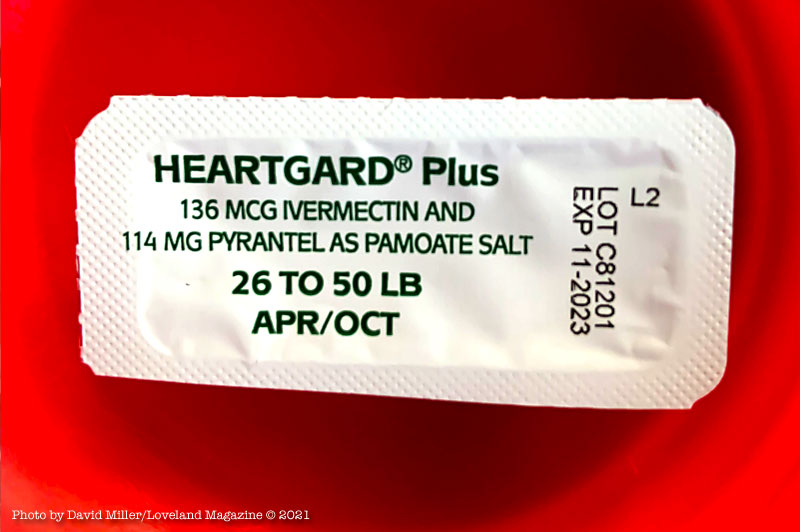
    Ivermectin used to prevent heartworm in dogs as prescribed by a veterinarian. (© Photo by David Miller)

    “We are believers he’s going to survive because of ivermectin.”

    BY: JAKE ZUCKERMAN and Ohio Capital Journal

    Hamilton, Ohio – A Butler County judge sided with a local hospital and reversed a previous court order forcing it to honor a prescription of ivermectin, which infectious disease experts have warned against as a COVID-19 treatment, for a patient who has spent weeks in the ICU with the disease.

    After two days of testimony and arguments, Common Pleas Judge Michael Oster issued an order Monday siding with West Chester Hospital. He said the hospital bears no duty to honor a prescription written for Jeffrey Smith, 51, for ivermectin, a drug used as a dewormer in horses and an anti-parasitic in humans.

    The drug has surged in popularity as a COVID-19 treatment, egged on by conservative politicians and media figures, despite adverse warnings from the Centers for Disease Control, the Food and Drug Administration, the American Medical Association, the drug’s manufacturer and others.

    “This Court is not determining if ivermectin will ever be effective and useful as a treatment for COVID-19,” Oster said.

    “However, based upon the evidence, it has not been shown to be effective at this juncture. The studies that tend to give support to ivermectin have had inconsistent results, limitations to the studies, were open label studies, were of low quality or low certainty, included small sample sizes, various dosing regiments, or have been so riddled with issues that the study was withdrawn.”

    Julie Smith brought the lawsuit on behalf of her husband, Jeffrey Smith, who tested positive for COVID-19 and was admitted to the ICU July 15, where he remains today. He has been sedated, intubated and on a ventilator since Aug. 1.

    The hospital refused to honor the prescription, written Aug. 20, prompting the lawsuit that same day. On Aug. 23, another judge wrote an emergency order demanding the hospital administer the ivermectin as prescribed. Monday’s order nixes the August order.

    Trial last week

    Julie Smith testified that neither she nor her husband were vaccinated against COVID-19. She said it was “experimental,” so she didn’t trust it.

    “We didn’t feel confident it had been out long enough,” she said during a hearing Thursday.

    She later connected with Dr. Fred Wagshul, a founding physician of the Front Line COVID-19 Critical Care Alliance, a nonprofit that touts ivermectin as a wonder drug. Wagshul is a licensed physician but is not board certified within any specialty and hasn’t worked in a hospital for 10 years, according to his testimony.

    He prescribed Jeffrey Smith 21 days’ worth of ivermectin without reviewing Jeffrey Smith’s clinical information or talking to any of his treating physicians. He said the pharmaceutical industry and U.S. government have smeared ivermectin and “censored” its allegedly undeniable beneficial value.

    However, when asked if it had benefitted Smith, he hedged.

    “I honestly don’t know, but the rule of thumb is, when something is working, you don’t stop it,” he said.

    Several witnesses for the hospital cast doubt on Wagshul’s testimony and credibility as a physician. Dr. Ferhan Asghar, a surgeon and chief of staff at the hospital, said a physician who is not board certified would never be admitted to practice at West Chester, per hospital policy. He said it was also a “concern” that a physician would issue such a controversial prescription without seeing the patient or reviewing his information.

    Dr. Jaime Robertson is an infectious disease physician who sits on a committee at UC Health, which staffs West Chester Hospital, to review available evidence to guide treatment for COVID-19 patients. He said the evidence doesn’t necessarily conclude ivermectin doesn’t work; instead, he said ivermectin bears risks just like any treatment but there’s no conclusive evidence to show enough benefit exists to outweigh that risk.

    “I think the problem here is there are conflicting outcomes in public health literature,” he said.

    Dr. Daniel Tanase, Jeffrey Smith’s treating physician, disputed any notion that the ivermectin demonstrably helped his patient, and said there’s not enough evidence to support the use of ivermectin on COVID-19 patients.

    “We follow science and we follow what the guidelines are,” he said. “So yes, I don’t think ivermectin is what he needs at this time.”

    Officials on ivermectin 

    On Aug. 26, the CDC issued a health alert warning of a five-fold increase of calls to poison control centers regarding ivermectin exposure compared to a pre-pandemic baseline. These included exposures related to topical and veterinary formulations of the drug.

    “Clinical effects of ivermectin overdose include gastrointestinal symptoms such as nausea, vomiting, and diarrhea,” the CDC states. “Overdoses are associated with hypotension and neurologic effects such as decreased consciousness, confusion, hallucinations, seizures, coma, and death. Ivermectin may potentiate the effects of other drugs that cause central nervous system depression such as benzodiazepines and barbiturates.”

    Several other federal authorities have issued similar warnings. Even Merck, which manufactures the drug, issued a statement in February affirming its position that there’s no scientific basis for a potential therapeutic effect against COVID-19 from ivermectin. The company also noted a “concerning lack of safety data” in the majority of studies.”

    review of available literature conducted in August by the journal Nature found there’s no certainty in the available data on potential benefits of ivermectin.

    Ohio Hospital Association President Mike Abrams said in a statement before Oster issued his order stating there is insufficient data to support ivermectin as a treatment for COVID-19. He called the initial order “concerning” in regards to forcing a hospital to use a drug unapproved for use.

    “OHA believes it is an extraordinarily dangerous precedent for judges to practice medicine and order unproven medical treatments over the objections of highly-trained clinicians and against all standards established by the medical community,” Baker said.

    Appeal is unlikely

    Bill J. Paiobeis, an attorney for West Chester Hospital, declined comment Monday, citing the potential for an appeal.

    Kelly Martin, a UC Health spokeswoman, said the hospital network respects its doctors and the scientific rigor they use to develop treatments, medications and therapies. UC Health, she said, doesn’t believe that hospitals or clinicians should be ordered to administer medications, especially “unproven medications and/or therapies,” against medical advice.

    “This news, while positive in support of respect for science and the expertise of medical professionals, does not change the fact that there are many people suffering from COVID-19 in our communities,” she said. “We implore all members of the community to do what we know works: wear a mask, become fully vaccinated and use social distancing whenever possible.”

    Ralph Lorigo, an attorney representing Smith, said he won the lawsuit in a way. He said Jeffrey Smith obtained 13-days’ worth of ivermectin, and the hospital has since told Julie Smith that they’re ready to begin to ween him off the ventilator.

    “Julie has won this case; I don’t care what this judge says,” Lorigo said in an interview. “We are believers he’s going to survive because of ivermectin.”

    He said he’s not planning any appeal as one would effectively be moot.

    “This is a man who has been helped by the medication, and this is a judge who just doesn’t get it right,” Lorigo said.

  • Butler County Judge orders West Chester Hospital to treat COVID-19 patient with Ivermectin, despite CDC warnings

    Butler County Judge orders West Chester Hospital to treat COVID-19 patient with Ivermectin, despite CDC warnings

    BY: JAKE ZUCKERMAN  and Ohio Capital Journal

    A Butler County judge ruled in favor of a woman last week who sought to force a hospital to administer Ivermectin — an animal dewormer that federal regulators have warned against using in COVID-19 patients — to her husband after several weeks in the ICU with the disease.

    Butler County Common Pleas Judge Gregory Howard ordered West Chester Hospital, part of the University of Cincinnati network, to treat Jeffrey Smith, 51, with Ivermectin. The order, filed Aug. 23, compels the hospital to provide Smith with 30mg of Ivermectin daily for three weeks.

    The drug was originally developed to deworm livestock animals before doctors began using it against parasitic diseases among humans. Several researchers won a Nobel Prize in 2015 for establishing its efficacy in humans. It’s used to treat head lice, onchocerciasis (river blindness) and others.

    Both the U.S. Food and Drug Administration and the Centers for Disease Control and Prevention have warned Americans against the use of Ivermectin to treat COVID-19, a viral disease. It’s unproven as a treatment, they say, and large doses of it can be dangerous and cause serious harm. A review of available literature conducted earlier this month by the journal Nature found there’s no certainty in the available data on potential benefits of Ivermectin.

    The drug has grown in popularity among conservatives, fueled by endorsements from allies of former President Donald Trump like U.S. Sen. Ron Johnson, R-Wisc. or Fox News personalities Laura Ingraham and Sean Hannity. The CDC warned reports of poisoning related to use of Ivermectin have increased threefold this year, spiking in July.

     Estimated number of outpatient ivermectin prescriptions dispensed from retail pharmacies — United States, March 16, 2019–August 13, 2021. Data are from the IQVIA National Prescription Audit Weekly (NPA Weekly) database. NPA Weekly collects data from a sample of approximately 48,900 U.S. retail pharmacies, representing 92% of all retail prescription activity. Source: CDC.

    Julie Smith filed the lawsuit on behalf of her husband of 24 years. He tested positive for COVID-19 July 9, was hospitalized and admitted to the ICU July 15, and was sedated and intubated and placed on a ventilator Aug. 1. He later developed a secondary infection he’s still wrestling with as of Aug. 23, court records say.

    The lawsuit doesn’t mention whether Jeffrey Smith is vaccinated against COVID-19. However, overwhelming majorities of people currently hospitalized with COVID-19 are unvaccinated — data from the Ohio Department of Health shows of roughly 21,000 Ohioans hospitalized with COVID-19 since Jan. 1, only about 500 were vaccinated.

    Julie Smith found Ivermectin on her own and connected with Dr. Fred Wagshul, an Ohio physician who her lawsuit identifies as “one of the foremost experts on using Ivermectin in treating COVID-19.” He prescribed the drug, and the hospital refused to administer it.

    A hospital spokeswoman said she can’t comment on litigation and federal patient privacy laws prevent her from commenting on any specifics of patient care.

    Smith is represented by New York attorney Ralph Lorigo, the chairman of New York’s Erie County Conservative Party, who has successfully filed one similar case against a Chicago area hospitaland two more in Buffalo. He did not respond to an email or phone call.

    The Ohio lawsuit makes reference to the Front Line Covid-19 Critical Care Alliance, a nonprofit of which Wagshul is listed as a founding physician. The organization touts Ivermectin as both a preventative and treatment for COVID-19. Its “How To Get Ivermectin” section includes prices and locations of pharmacies that will supply it, from Afghanistan to Fort Lauderdale to Pennsylvania to Sao Paulo, Brazil.

    In an interview, Wagshul said the science behind Ivermectin’s use in COVID-19 patients is “irrefutable.” The CDC and FDA engaged in a “conspiracy,” he said, to block its use to protect the FDA’s emergency use authorization for COVID-19 vaccines. He said the mainstream media and social media companies have been engaging in “censorship” on Ivermectin’s merits, and that the U.S. government’s refusal to acknowledge its benefits amounts to genocide.

    “If we were a country looking at another country allowing those [COVID-19] deaths daily … we would have been screaming, ‘Genocide!’” he said.

    Wagshul said he had no financial interest in the sale of Ivermectin.

    Dr. Leanne Chrisman-Khawam, a physician and professor at the Ohio University Heritage College of Osteopathic Medicine, called the FLCCCA “snake oil salesmen.” She reviewed the association’s research on the drug’s uses and said there are some serious problems with its cited studies: many of them don’t show positive results, and those that do bear design flaws like small control groups, unaccounted for variables, non-blinded studies, not accounting for mitigations like vaccines and masking practices, and others.

    “Based on evidence-based medicine and my read on this large number of small studies, I would find this very suspect, even the positive outcomes,” she said.

    Several state authorities declined to comment on the matter. Cameron McNamee, a spokesman for the state Board of Pharmacy, referred inquiries to the state Medical Board, the attorney general, and the Ohio Hospital Association.

    A spokesman for the state Medical Board, which licenses physicians, said its jurisdiction is over the practice of doctors and how they uphold standards of care — not lawsuits.

    A spokeswoman for Attorney General Dave Yost declined comment and referred inquiries to the Board of Pharmacy and Veterinary Board.

    An Ohio Hospital Association spokesman called the lawsuit “interesting” but said he’d need to confer with his legal team before commenting.

    It’s unclear why the hospital didn’t mount any defense under a new law passed in the state budget this summer that grants health care providers the “freedom to decline to perform” any service which violates their “conscience,” as informed by moral, ethical or religious beliefs.

    No attorney information for West Chester Hospital was available on the court docket as of Friday afternoon.