Loveland, Ohio – Its been a tough road for athletes all across Ohio in light of the COVID-19 pandemic. Competitions have been canceled, sports seasons have been postponed, and in-person practicing has been banned. Although this new normal has been hard on many high school athletes and coaches, many were glad to hear that the Ohio Governor and Health Department’s Responsible Restart Ohio implemented a “three-phase process” that would ease both athletes and coaches back into practicing and competing.
LHS’s Athletic Director, Brian Conatser, couldn’t be happier to get the Tiger Athletes and Coaches back into LHS’s athletic facilities, but in the safest way possible!
“We are in Phase 3 of our skills practice which will last until July 6th,” Conatser explained, “Once we get more guidance from the Ohio Governor and OHSAA, we will move forward with those restrictions and guidelines.”
On June 1st, LHS opened its Athletic Facilities in accordance with the OHSAA skills training guidelines.
“Our coaches are extremely committed to working with the Athletic Department to implement COVID-19 procedures and guidelines. As an Athletic Department, we walked through the process as a team, fine-tuning our plan prior to our athletes returning to campus,” Conatser said, “The plan is extremely thorough and detailed, as the safety of our student-athletes and coaches are our primary concern.”
Conatser provided the guidelines given to him by OHSAA that both coaches and student-athletes are following as they begin to return to athletics.
Every student-athlete and coach MUST complete the 2020-21 Final Forms COVID-19 waiver prior to the 1st training session.
Every student-athlete and coach MUST complete the LHS COVID-19 Self-Evaluation Google Form every day prior to each skills training session.
Social distancing includes a 6-foot separation. Entrances and Exits are outlined and over-communicated to avoid congregation and lingering of student-athletes.
Facial coverings must be worn when in the building (gyms, fitness center, athletic training room). Facial coverings may be removed during the training session.
Sanitation products and stations are located at the entry and exit of our inside facilities. We also ask EVERY student to bring: Water bottle, Sanitation wipes, Hand sanitizer, and Facial covering.
All equipment, balls, etc. must be wiped down at the beginning and end of each training session.
Three phases: Phase 1: May 26th – June 8th / Phase 2: June 9th – June 22nd / Phase 3: June 23rd – July 6th
Conatser gave credit to Loveland’s student-athletes, coaches, and parents for playing such an important role in the three-phase process.
“From parents dropping off their kids in designated spots to everyone following the COVID-19 guidelines. The coaches deserve an overwhelming amount of credit,” Conatser said, “These outstanding professionals make sure their programs have all of the information well ahead of time via communication from ZOOM, Google Hangout, email, Twitter, etc. We are looking forward to a safe and productive summer of skill training.”
For more Loveland Tiger sports updates stay tuned to the Sports 411 With Me, Cassie Mattia!
reat Oaks specializes in career and technical education for both high school students and adults. At four campuses, Great Oaks high school students prepare for careers and college, and adults get training and certification to begin a new career or advance in a current career.
Over 30 career programs are available for high school students living in 36 area school districts.
Adults can choose from a dozen full-time programs as well as part-time career certification classes and short-term classes for enjoyment and lifelong learning.
Great Oaks has been named a Top Workplace by the Cincinnati Enquirer.
Active children and adults, people with heart and lung disease, including asthma, and older adults should reduce prolonged or heavy outdoor exertion. on Sunday. Some particles less than 10 micrometers in diameter can get deep into your lungs and some may even get into your bloodstream.
Air Quality Forecast for 06/28/20
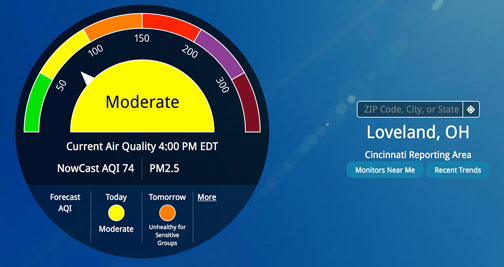
Loveland, Ohio – Based on forecasted weather conditions and the impacts of the Saharan dust plume, the Southwest Ohio Air Quality Agency has issued anAir Quality Alert for Sunday, June 28.
The Agency expects levels of particulate matter in the “Unhealthy for Sensitive Groups” range.
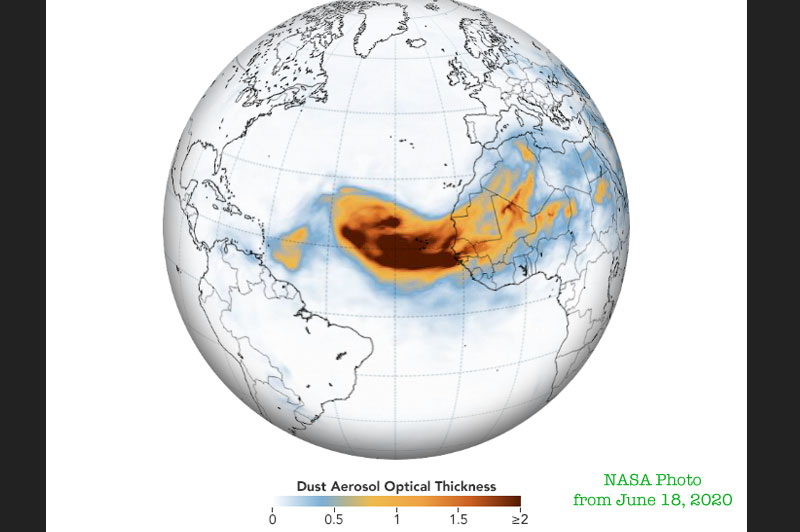
CBS news reports: What’s been called the most significant dust cloud in 50 years has now shrouded the U.S. Gulf Coast in a thick, dusty haze. The dust layer, which originated in the Sahara desert and drifted across the Atlantic, is forecast to continue moving north and east through the weekend, impacting areas from Texas and Florida all the way up to as far north as the Canadian border.
Both COVID 19 and the particulate matter from the Sahara attack the respiratory system. Those persons already considered part of the “vulnerable” population during the pandemic are most at risk, as well as infants and toddlers with developing lungs.
An expansive dust storm has been crossing the Atlantic Ocean, traveling from the Sahara Desert to Central America and the Gulf of Mexico. @NASA satellites can track tiny particles in the air — known as aerosols — such as dust. https://t.co/oo8XEfwUUxpic.twitter.com/QxM4eV4Llh
You can help the situation locally by not using fire pits, lighting campfires, charcoal grills, or setting off fireworks.
If you conserve electricity by turning out lights and unplugging unused appliances and electronics tomorrow it will reduce the demand for coal-burning power plants in our region.
If you must drive a vehicle and have a choice, consider an electric, hybrid, or gasoline-powered – over diesel. Diesel fuel is notorious for emitting dirty particulate emissions.
Use the vehicle that gets the best mileage and do not idle your vehicle.
Combine trips or eliminate unnecessary vehicle trips.
You can check the current air quality by clicking on this image and entering a ZIP Code.
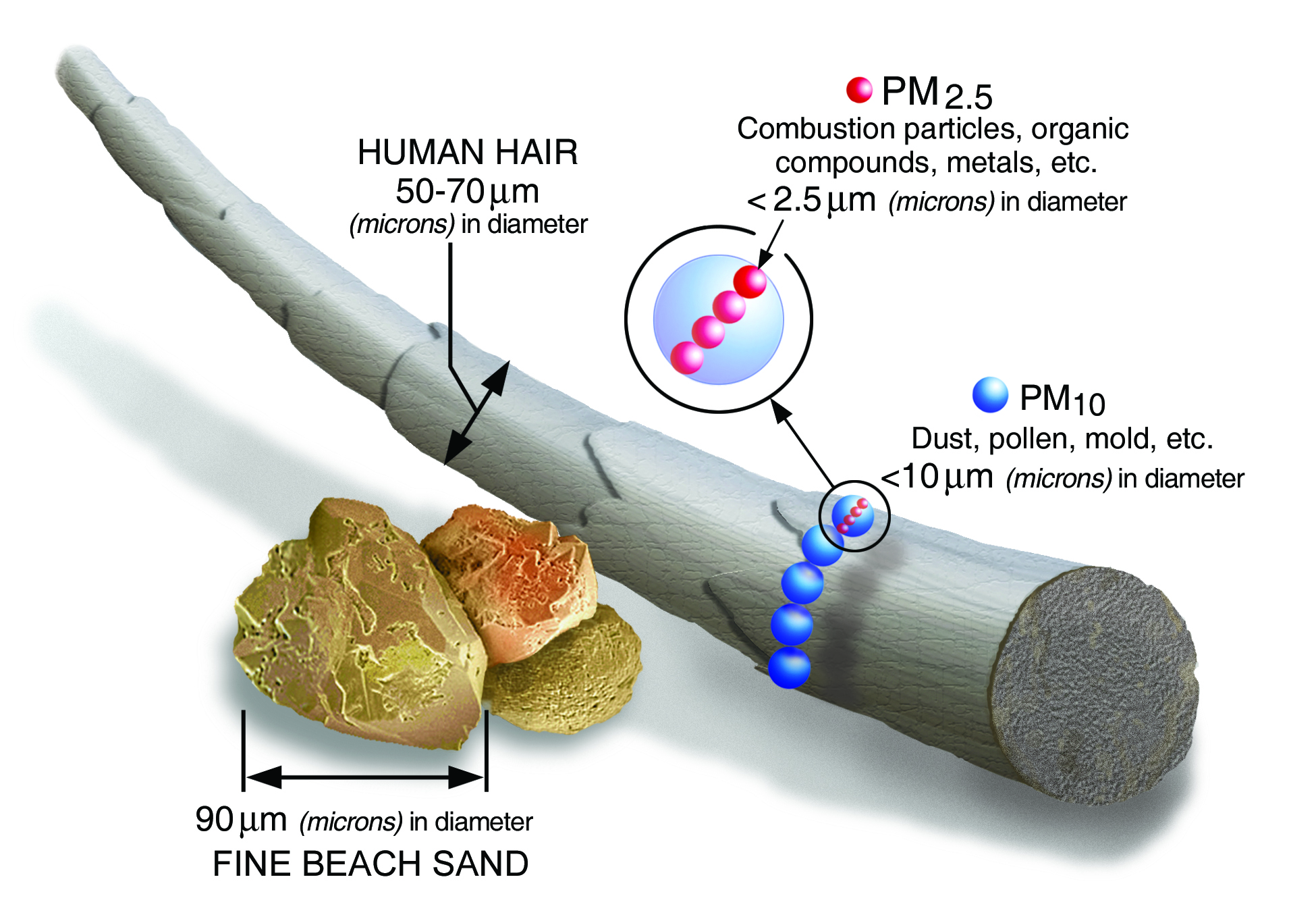
What is PM, and how does it get into the air?Size comparisons for PM particles
PM stands for particulate matter (also called particle pollution): the term for a mixture of solid particles and liquid droplets found in the air. Some particles, such as dust, dirt, soot, or smoke, are large or dark enough to be seen with the naked eye. Others are so small they can only be detected using an electron microscope.
Particle pollution includes:
PM10 : inhalable particles, with diameters that are generally 10 micrometers and smaller; and
PM2.5 : fine inhalable particles, with diameters that are generally 2.5 micrometers and smaller.
How small is 2.5 micrometers? Think about a single hair from your head. The average human hair is about 70 micrometers in diameter – making it 30 times larger than the largest fine particle.
Sources of PM
These particles come in many sizes and shapes and can be made up of hundreds of different chemicals.
Some are emitted directly from a source, such as construction sites, unpaved roads, fields, smokestacks or fires.
Most particles form in the atmosphere as a result of complex reactions of chemicals such as sulfur dioxide and nitrogen oxides, which are pollutants emitted from power plants, industries and automobiles.
What are the Harmful Effects of PM?
Particulate matter contains microscopic solids or liquid droplets that are so small that they can be inhaled and cause serious health problems. Some particles less than 10 micrometers in diameter can get deep into your lungs and some may even get into your bloodstream. Of these, particles less than 2.5 micrometers in diameter, also known as fine particles or PM2.5, pose the greatest risk to health.
Fine particles are also the main cause of reduced visibility (haze) in parts of the United States, including many of our treasured national parks and wilderness areas.
Let me start by saying my family and I have been residents of Loveland for over 25 years. Our children have gone through and graduated from the Loveland School System. Of all the areas we looked at when we moved here from Columbus, we felt at home in Loveland. Until recently.
There is a storm sewer line that runs between mine and my neighbor’s house. The line sits equally on both of our properties. This storm sewer takes the rainwater from a great many homes around us and runs it out to the main sewer in the street.
Over the years, the storm sewer has come apart and has started to cause a large sinkhole between the 2 houses.
Not only is this an eyesore but it is extremely dangerous.
Now we have 2 additional sinkholes starting on the sewer line. We have had a company come out and run a camera through the line and we can see where the pipe has come apart and water is leaking through.
My neighbor has reached out to the City of Loveland and had some communications with City Manager Dave Kennedy about this issue. During a phone call, Mr. Kennedy agreed with my neighbor that we have a problem and the city should look into the issue. In fact, Mr. Kennedy suggested we meet and discuss the problem in person.
Under a prior City Administration when my neighbor called and complained about the other sinkholes appearing in his yard, the City sent out a crew to fill in the holes. So you see, this is not our first time reaching out to them on this matter.
My neighbor did receive an email back from Mr. Kennedy stating that since the storm sewer is on a “Private Easement” the repair is not the responsibility of the City of Loveland.
This property was surveyed way before we moved in. So we had no input into the private vs public easement classification. Nor would we know the difference. We are not surveyors or lawyers.
There are seven other storm sewers in our subdivision and only two are private. The other five are public and the city takes care of them.
This is my opinion is an outrage. How can some surveyor 30-40 years ago arbitrarily pick a description and the City let it stand? Do not the City’s past repairs indicate that they felt the problem belonged to them in the first place?
When we have reached out to Mr. Kennedy to meet and discuss, we have not received a response back. Again this is an outrage.
To anyone living currently in Loveland and anyone planning on moving to Loveland, I say take a good hard look at your decision. The city government has no problem taking your tax dollars but when you need their help, they are nowhere to be found.
It makes you wonder why anyone would want to live here in the first place.
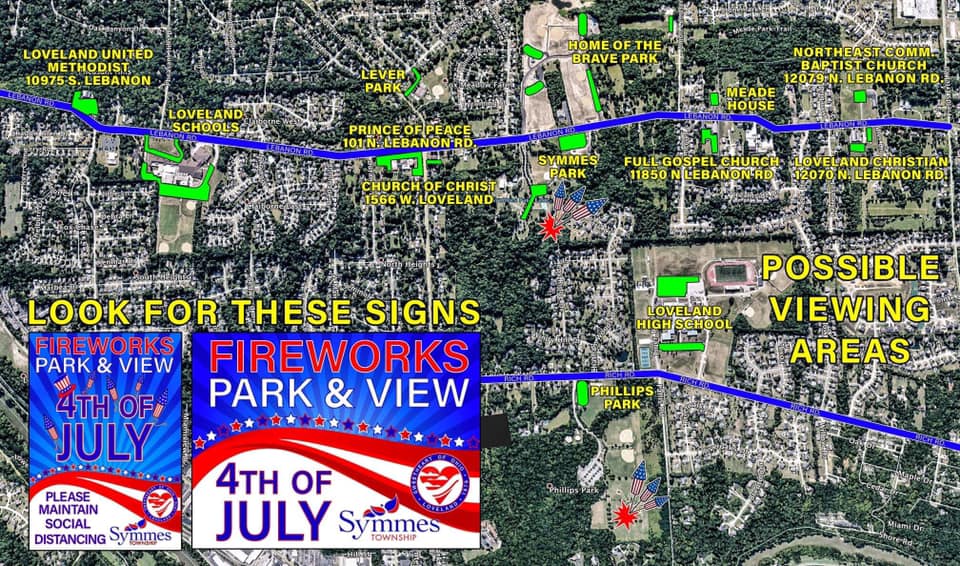
Loveland and Symmes Township, Ohio – The City of Loveland issued a press release on June 3rd announcing a collaboration on Independence Day celebrations with Symmes Township.
The release said that Loveland’s share of the fireworks would be set off at Boike Park at Loveland High School.
Loveland Magazine just learned that Loveland’s fireworks will instead be launched from a location inside Phillips Park.
After a reader noticed the discrepancy on a map we shared this morning from the City’s FaceBook page we asked about it.
Assistant to the City Manager, Misty Brents just told Loveland Magazine, “Rozzi decided Phillips would be the better location.”
“Look for These Signs” of our times
Corrected Story
Loveland’s and Symmes Township’s annual Independence Day celebrations have been canceled for this year. City Manager David Kennedy said in a press release on July 3 that the decision was made “out of health concerns for our residents and is consistent with public health concerns over holding large attendance events.”
The City and Township will hold two simultaneous, “park and watch” fireworks shows on Saturday, July 4.
Symmes Township Administrator, Kimberly Lapensee said in a press release, “Symmes Township is so excited to partner with the City of Loveland to celebrate the 4th of July while keeping our community safe.”
Fireworks will be set off at Phillips Park and Symmes Park on Lebanon Road on Saturday, July 4 at a time that has not yet been announced.
It is being recommended that residents who live near the parks are asked to stay at home to enjoy the show. Others are encouraged to watch from their cars “remaining socially distant” at parking locations to be announced.
Both the City and the Township say that no festivals are scheduled at this time.
Great Oaks Career Campuses is a continuous improvement organization. Our mission is to provide quality workforce development programs and services to meet the needs of our customers. We rely on a team of enthusiastic, energetic, committed associates to fulfill our mission. Every position is important, every team member is valued. We hire individuals to join our team as:
Teachers
Administrators
Business Office Workers
Secretaries
Information Processing Personnel
Custodians, Maintenance, and Bus Driving Personnel
For questions, contact:
Great Oaks District Office
Human Resources
110 Great Oaks Drive
(at 3254 E. Kemper Road)
Cincinnati, OH 45241-1581
Phone: 513-771-8840
Hamilton County, Ohio – In a press briefing on Wednesday, Commissioner Denise Driehaus said, “COVID-19 Cases have dramatically increased in Hamilton County.”
Driehaus, the President of the Board said, “I’m saddened to report that the County has seen its biggest spike in new COVID 19 CASES since the crises began.” She added that the spike is too large to be attributed to new testing alone.
Washington, D.C. – Wednesday, U.S. Sen. Sherrod Brown (D-OH) continued pushing for what he calls “meaningful police reform” as he voted against proceeding to debate the GOP-led Justice Act, legislation that he called a “check in the box” and would do very little to reform policing.
Brown took to the Senate floor to call for passage instead the Justice in Policing Act, what he says is a “Comprehensive package.” He helped introduced the bill earlier this month, “To put important policing reforms into place, help end racial profiling in the criminal justice system and work to improve police-community relations.”
“I’m not willing to stand here and participate in a political charade – to vote on something that won’t lead to real change, just to check a box and provide politicians with a talking point. It’s an insult to Black families who have been fed empty promise after empty promise for generations,” said Brown. “The Justice in Policing Act would create real change in our justice system, and communities across the country can’t afford us to not act on this meaningful legislation. We need to listen to the Black voices leading these calls for justice, and take real action.”
Democrats on Wednesday denied Republicans the votes needed to pass the Senate GOP’s policing reform bill and send it to the House. Sixty votes were needed. The vote was 55-45.
Ohio Senator Rob Portman (Provided by Portman office)
Senator Rob Portman (R-OH), a co-sponsor of the Justice act released a statement saying, “The fact that Senate Democrats voted to block debate and an open amendment process on meaningful police reforms is outrageous and unacceptable. Over the last month we’ve continued to see egregious examples of injustice and violence against people of color. Americans want to see progress on meaningful police reform.”
Brown says the Justice in Policing Act which he supports would:
Ban chokeholds, carotid holds, and no-knock warrants at the federal level and limits the transfer of military-grade equipment to state and local law enforcement.
Establish a National Police Misconduct Registry to prevent problematic officers who are fired or leave an agency from moving to another jurisdiction without any accountability.
Mandate the use of dashboard cameras and body cameras for federal officers and requires state and local law enforcement to use existing federal funds to ensure the use of police body cameras.
Create law enforcement development and training programs to develop best practices and requires the creation of law enforcement accreditation standard recommendations based on President Obama’s Task force on 21st Century policing.
Make important legal reforms to increase police accountability and transparency.
The package also includes Brown’s End Racial and Religious Profiling Act, which hs said would better enforce equal protection laws and work to end racial profiling in the criminal justice system.
Brown took to the Senate floor earlier this month, condemning what he characterized as President Trump’s “violent response” to protests of the murders of Breonna Taylor, George Floyd, Ahmaud Arbery, and countless other victims of racist police brutality and systemic injustice. Brown pointed out that Black and Brown communities have been and remain marginalized and targeted and that protests sweeping Ohio and the nation are calling for an end to systemic racism.
Portman’s statement also said, “The JUSTICE Act takes responsible steps toward improving the collection of data on violence by and against law enforcement, providing funding to increase the use of body cameras, and increasing transparency and accountability while strengthening and reforming police training methods and hiring practices. I hope my Democratic colleagues will reconsider their decision and join us in working towards real reform on this issue.”
Brown’s remarks on the Senate Floor, as prepared for delivery, are below:
Thousands of Americans are peacefully protesting in communities all across the country, demanding our country do better.
The protests are an expression of grief, for Breonna Taylor and George Floyd and Ahmaud Arbery and Rayshard Brooks and so many other Black Americans murdered by the people who were supposed to protect them.
They’re an expression of frustration and anger, that it’s 2020 – a century and a half after the official end of slavery, 55 years after the passage of the Civil Rights Act – and still Black people are fighting the same fight.
And they’re also an expression of hope and patriotism. Demanding our country do better, demanding we live up to our founding ideals is one of the most patriotic things anyone can do.
We need to listen to the Black voices leading these calls for justice, and take real action.
That’s what Democrats want to do. My colleagues Senator Harris and Senator Booker in the Senate, and the CBC in the House, have led our bicameral efforts, and have a serious plan: the Justice in Policing Act.
It would implement real, meaningful reforms and actually hold police accountable. It makes it clear:
No more chokeholds. No more unchecked police misconduct. No more militarization of police misconduct.
Of course we know this isn’t the only thing we need to do – policing didn’t create institutional racism, it’s a product of it and often reinforces it, and we have a lot of work to do beyond this. But these reforms are an important start to making policing in our country more just.
The Justice in Policing Act would create real change in our justice system, and communities across the country can’t afford us to not act on this meaningful legislation.
What we cannot do, is pass something called “Police Reform” that does very little to actually reform policing – and then turn around and tell Black mothers and fathers whose children have been slain, “we solved it, our work here is done.”
I respect Senator Scott and I appreciate him coming to the table, and taking on this issue. I know he is fighting an uphill battle within his own caucus.
I want to work with him, and with anyone of either party on real solutions.
But I’m not willing to stand here and participate in a political charade – to vote on something that won’t lead to real change, just to check a box and provide politicians with a talking point.
It’s an insult to Black families who have been fed empty promise after empty promise for generations.
We need to listen to the communities that suffer the most at the hands of police violence, and they all agree: the Senate Republican bill is simply not serious.
It won’t fix the problems, and we’ll be right back here, sooner rather than later.
Major civil rights groups all oppose this bill – the NAACP Legal Defense Fund, the Urban Leagues, the Leadership Conference on Civil and Human Rights.
It doesn’t ban no-knock warrants. The Justice in Policing Act does.
It doesn’t stop the militarization of police departments. The Justice in Policing Act does.
It doesn’t create a national misconduct registry. The Justice in Policing Act does.
It doesn’t ban chokeholds. The Justice in Policing Act does.
These are all steps that civil rights groups have said are critical to any reform effort. This is the bare minimum we should be doing.
Really all this bill offers is more studies of questions we already know the answers to.
We don’t need more studies, more task forces, more delaying tactics.
We need real accountability.
The Justice Act could even put us in danger of moving in the opposite direction, by providing more funding for policing without adequate strings attached and without a similar investment in community supports.
The NAACP says this bill, quote, “ignores the public demands to reimagine public safety by shrinking the purview of law enforcement and providing better funding to agencies equipped to address the critical needs of communities such as social services, mental health services, and education.”
The Urban League says this bill, “dances around the edges in a show of political posturing.”
We refuse to engage in that political posturing.
We refuse to act like this is just a box we can check, so we can move on.
We refuse to insult Black Americans by pretending this is a serious effort.
People have suffered too long for that.
We have been here before. This isn’t the first wave of protests, or the second.
In 2014, after the murders of Tamir Rice in my city, in Cleveland, and Michael Brown in Ferguson, President Obama and his administration laid important groundwork for reform.
They studied what reforms would be most effective, they instituted consent decrees with cities to hold departments accountable, and they created a roadmap we could follow.
But President Trump undid much of the progress the Obama Administration made.
The Urban League put out a plan for reform in 2014, after Michael Brown’s murder.
Since then, nearly 1,300 Black men and women have been fatally shot by police.
This bill does nothing to stop the practices that killed them.
Black Americans know their lives are put in danger by policing every day. Let’s listen to them. People all around the country – Black and white and brown, in small towns and big cities, young and old – are all listening, waking up, and joining the calls for change.
Let’s follow their lead. Let’s actually hear the voices that have been silenced for too long.
I urge my colleagues to vote “no,” and instead work with us on real, meaningful reform to transform our public safety system into one that actually keeps people safe.
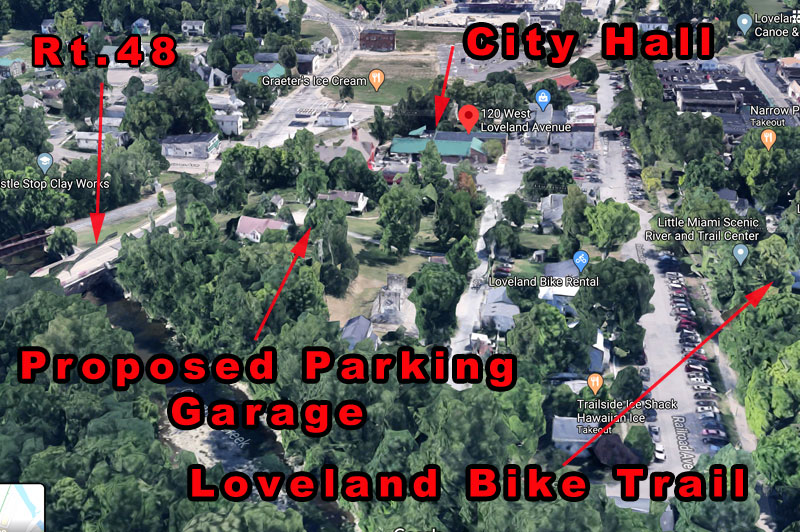
Loveland, Ohio – In a June memo to City Council, City Manager Dave Kennedy said that the COVID-19 pandemic has not dampened the need for a municipal parking garage in Historic Downtown. Because of budget concerns and a possible unknown income shortfall Kennedy had previously put on hold the engineering expenditure for the project and the engineering and design of the downtown parking facility was temporarily suspended.
Kennedy’s June report stated, “Meanwhile, parking needs in the city continued to expand and availability of potential funding sources for the project came to the city’s attention.” Kennedy further explained, “With the aforementioned, it was time to request the engineering and design team for the project, to prepare a final cost estimate, including civil engineering.”
The total cost is estimated to be $5,663,700. (See estimate below)
Kennedy told Loveland Magazine Wednesday that the public will pay to park in the garage.
Below is an excerpt from the report concerning the design elements:
Design
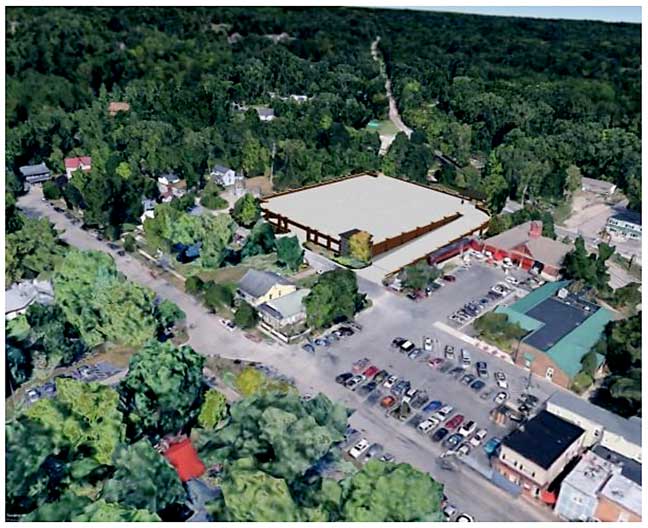
The design of the parking facility is simplistic by nature and includes a total of 279 parking spaces.
For reference this will equal more than two times the number of spaces currently at the Linda J. Cox Trailside Parking Area.
The facility includes two levels, with 138 spaces on the ground floor and 141 spaces on the 2nd level.
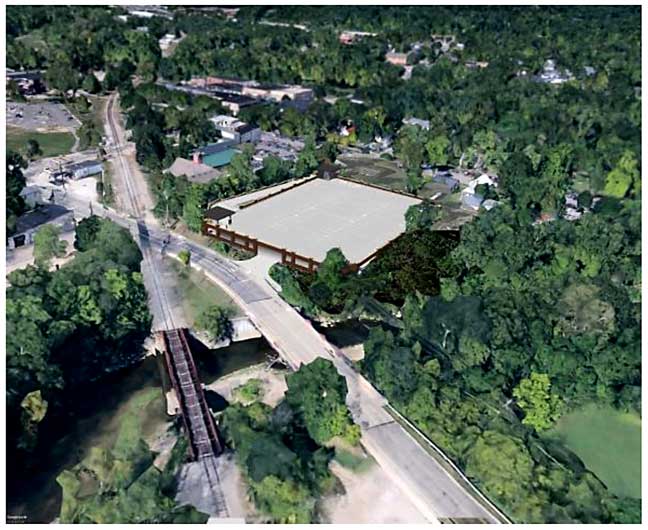
Access to the ground level will be both from Harrison Avenue/First Street and from State Route 48. Access to the 2nd level will be via an exterior ramp along the side of the Works’ railcar.
The project design does not include an internal ramp to the 2nd level, which would both reduce ground level spaces and add to the cost of the project.
Access from State Route 48 will include sidewalks to allow for both vehicular and pedestrian traffic to enter into the downtown district.
Kennedy said that specific design and material selections for the exterior facing of the facility have not been decided and that input from the public on this matter is important.
Kennedy said, “Specific design and material selections for the exterior facing of the facility have not been decided.”“Although preliminary designs of the parking facility have been completed, the following aerials give a good perspective on how the project fits within the downtown district and how access from State Route 48 will be configured. Note that figure number 1, does not include the razing of the structure at 124 Railroad Avenue, which will serve as the access point into the facility from within the downtown district. This area is currently serving as temporary parking, until the new parking facility project commences.” – Source: June memo to City Council
Financing
Kennedy told the Council, “No doubt that this project will include city bond financing, it is a priority among city staff to reduce the local financing by securing other funding sources.” One source mentioned by Kennedy is the Appalachian Regional Commission (ARC) program, which is administered by the Ohio Valley Regional Development Commission (OVRDC). “The pre-application request is for $250,000, and is based heavily on jobs, in terms of retention and creation that the project could support,” said the City Manager.
Kennedy also said that the City may be eligible for Adjustment Assistance Programs including CARES Act Funding. The program is federally funded and can fund up to 50% of a project’s total cost. City staff is preparing a grant application for the funding.
Additionally, in 2019, the city submitted the parking facility project for funding consideration in the State of Ohio Biennial Capital Budget. Kennedy told Council, “This budget, which has not been adopted by the state, will undoubtedly be impacted by the COVID-19 pandemic so funding has not yet been committed.”
Public Hearings
Kennedy said in his report that the next step is to prepare for public meetings. “A public meeting will likely be scheduled for an outdoor venue and announced later this summer,” he said.
Additional points made by the City Manager
The project will add much needed parking to the downtown district
The project will increase public parking in the downtown district by 46%
The project is supported by the majority of the city’s downtown businesses
The project will include a new access point into the downtown district via State Route 48 thus better disbursing traffic flow
The two-level design will not dominate other buildings within the district
Public input on the facilities exterior features and other components will be sought and utilized in the project’s final design
The additional purchase and demolition of the structure at 124 Railroad Avenue will improve ingress and egress into the facility. Attachments: Parking Facility Cost Estimate
City adds 2 new parking locations
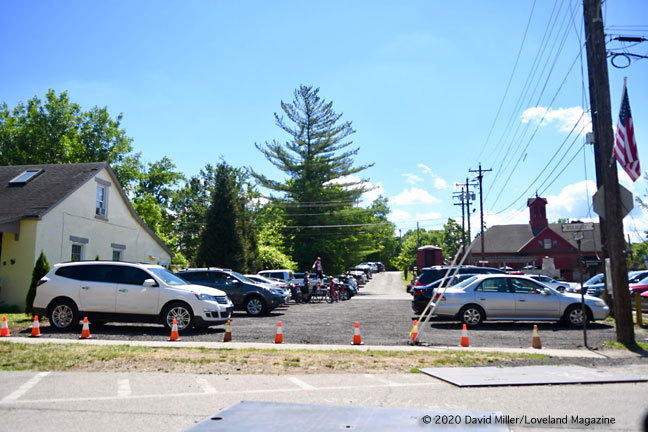
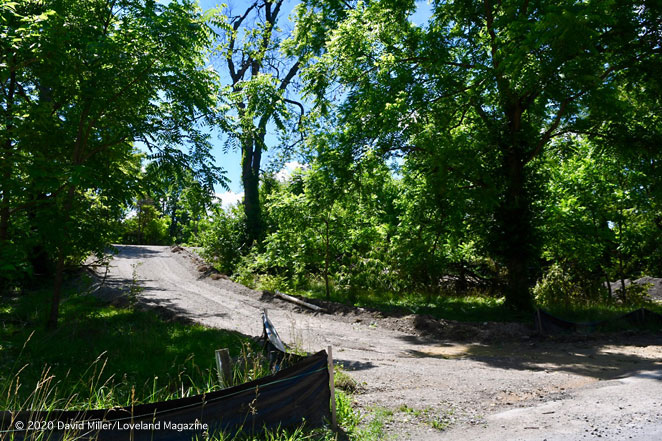
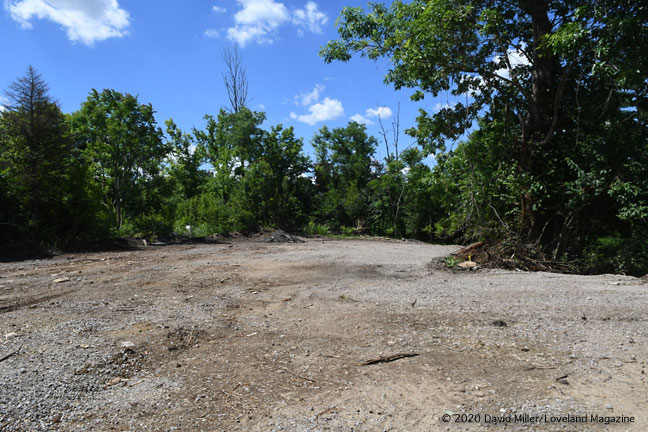
The land where the parking garage will be located is being turned into about 50 temporary parking spaces. Kennedy said Wednesday, “We’re not finished yet, but we think it will be close to another 50 spaces.”
Another new parking area that is complete is where the McCoy house next to City Hall used to stand at 124 Railroad Avenue. The City recently demolished the house in preparation for the parking garage construction. This spot has 20 spaces.
“We are working hard to add spaces,” Kennedy said.
Kennedy says this temporary parking space at the old McCoy house next to City Hall added 20 spaces.
The 2nd new temporary location for additional parking is where the new parking garage will eventually be constructed. These spaces will have access from First Street near Works Pizzeria.
The 2nd new temporary location for additional parking is where the new garage will eventually be constructed. These spaces will have access from First Street near The Works restaurant and will hold about 50 vehicles.
Cassie Mattia is the Associate Editor of Loveland Magazine and lives in Historic Downtown Loveland
by Cassie Mattia
Loveland, Ohio – The flowers are in bloom, the temperatures are rising, the Loveland Bike Trail is flourishing with families enjoying Nisbet Park and the Little Miami River…so that means it’s time for another rendition of the Loveland Summer Salad!
This week we are featuring BRS Insurance, Loveland High School’s Cross Country Team, Hope Restored Counseling Services, Loveland Dairy Whip, Vibe Nutrition, and Move2Loveland. The Summer Salad will feature what Loveland’s local businesses are up to as well as fun Summer activity ideas and events that you, your friends, or family can get involved in! So what are you waiting for?! Scroll down to see who is featured this week!
BRS Insurance has joined forces with A.M Peck & Company! Read below to find out what this means for insurance clients!
AM Peck & Company Joins BRS
We would like to welcome A.M. Peck & Company, Inc. to the BRS team! This merger provides all BRS Insurance clients – new and old – expanded coverage options and opportunities. LEARN MORE
Our agency slogan “Worry Less with BRS” means we will provide our policyholders with a superior insurance value by offering personal attention, professional service, and a broad range of insurance products at a competitive price.
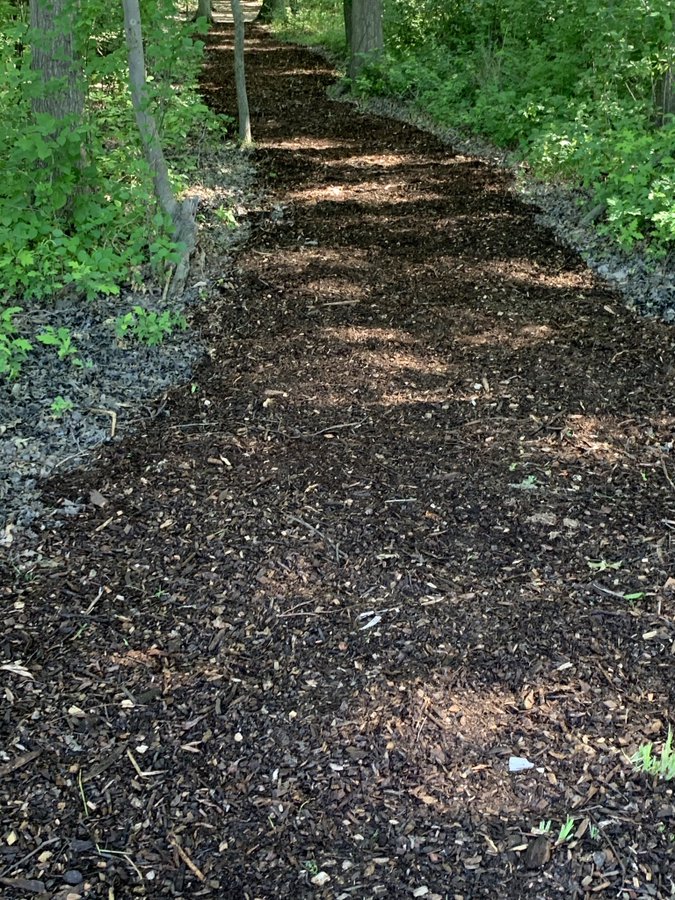
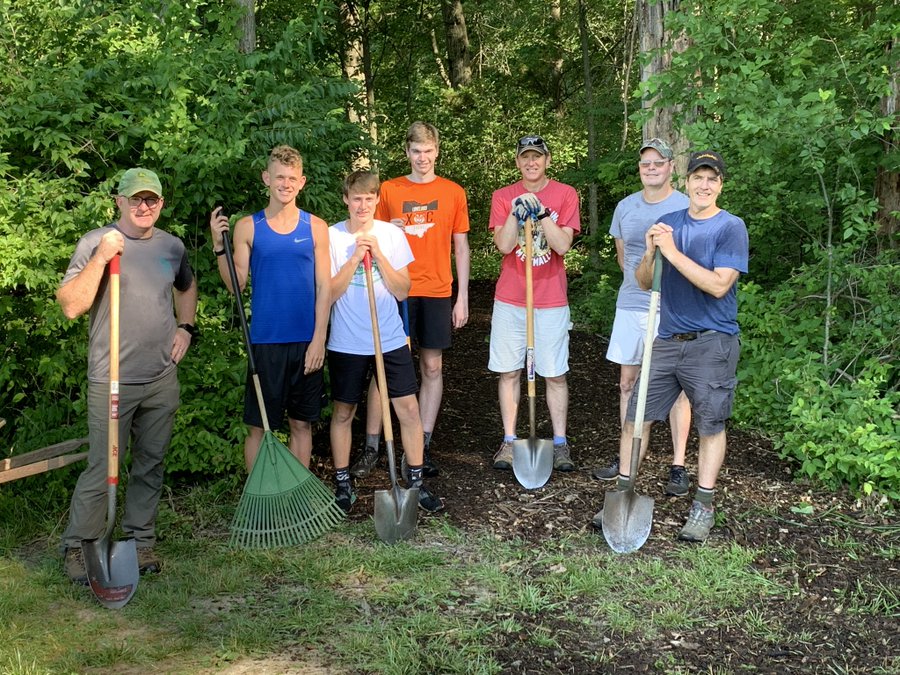
Loveland High School’s Cross Country Team is preparing to host the Cross Country Championships set to take place in the Fall! Check out their trail progress!
xlovelandcc Tweeted…”Thank you volunteers who worked on the trails at Home of the Brave Park for the sold out XC Championships this fall.“
UPDATE: We are continuing to see clients and can also offer telehealth sessions. We are accepting new clients at this time as well. Please email us to schedule an appointment.
Loveland Dairy Whip is offering outdoor seating again! Click the link above for more “creamy” details!
Vibe Nutrition is offering some new refreshing energizing teas and shakes to kick your Summer off right! Click the link below to learn more about Vibe and their delicious products!
At Vibe Nutrition, our mission is to transform lives by providing excellent wellness support for every client to achieve the best version of themselves!
Move2Loveland wants to help you sell your home! Click the link below to see how you can utilize their selling resource guide!
Sellers, Start Here!
We’ve put together our most useful resources to help guide your selling decision. From a step by step look at what the process would look like to stories from real people we’ve worked with in the past and everything in between.


 by Cassie Mattia




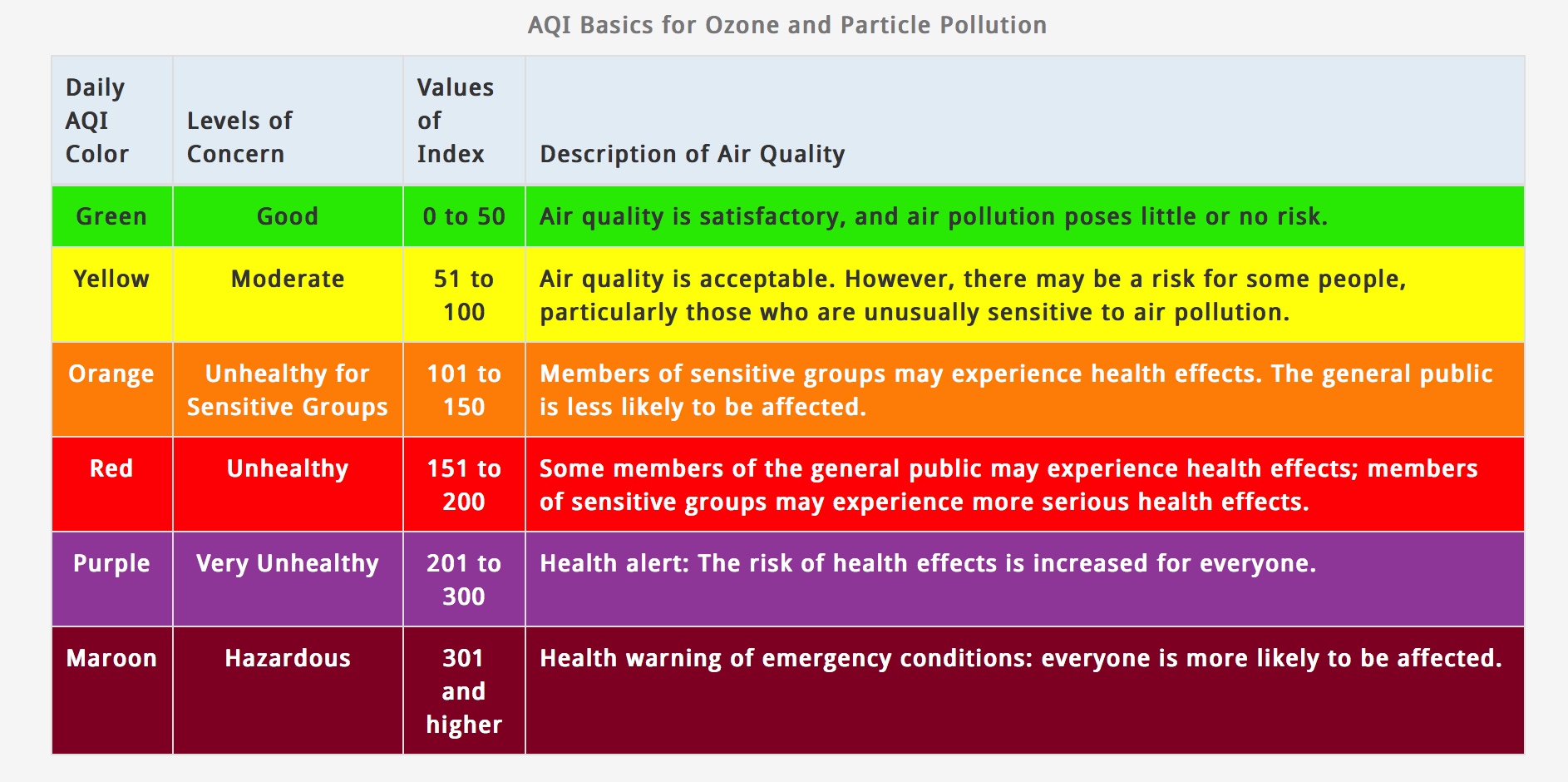 Loveland, Ohio – Based on forecasted weather conditions and the impacts of the Saharan dust plume, the Southwest Ohio Air Quality Agency has issued an Air Quality Alert for Sunday, June 28.

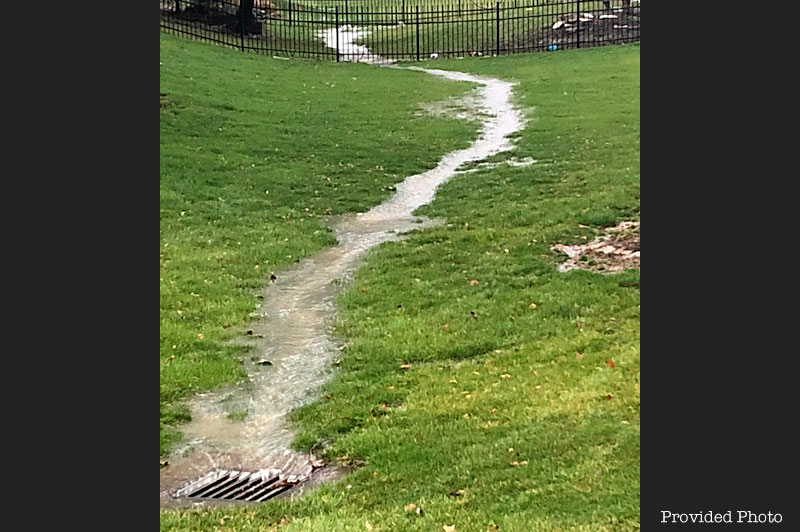
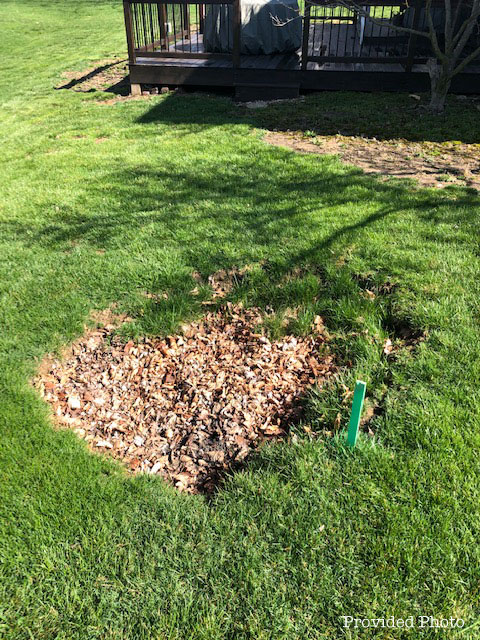 Over the years, the storm sewer has come apart and has started to cause a large sinkhole between the 2 houses.
 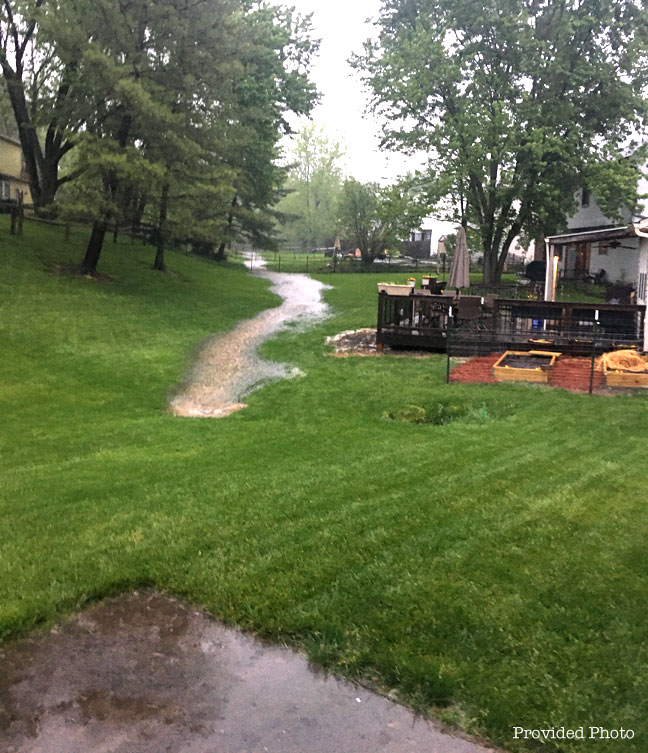 This property was surveyed way before we moved in. So we had no input into the private vs public easement classification. Nor would we know the difference. We are not surveyors or lawyers.






![[VIDEO] Brown condemns GOP-led Justice Act as ‘CHECK IN THE BOX’](https://lovelandmagazine.com/wp-content/uploads/2015/02/sherrod_brown_feature-unage-100x65.jpg)