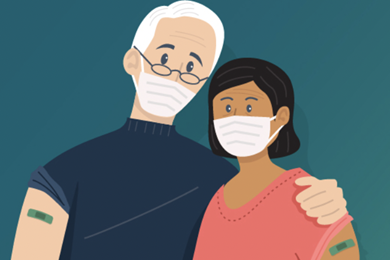
Following FDA regulatory action, the CDC has taken steps to simplify COVID-19 vaccine recommendations and allow more flexibility for people at higher risk who want the option of added protection from additional COVID-19 vaccine doses.
CDC’s Advisory Committee on Immunization Practices (ACIP) met today to discuss these COVID-19 vaccine recommendation changes, and the associated implications and implementation. Although there was no vote at this meeting, ACIP members expressed their support for these recommendations.
These changes include:
CDC’s new recommendations allow an additional updated (bivalent) vaccine dose for adults ages 65 years and older and additional doses for people who are immunocompromised. This allows more flexibility for healthcare providers to administer additional doses to immunocompromised patients as needed.
Monovalent (original) COVID-19 mRNA COVID-19 vaccines will no longer be recommended for use in the United States.
CDC recommends that everyone ages 6 years and older receive an updated (bivalent) mRNA COVID-19 vaccine, regardless of whether they previously completed their (monovalent) primary series.
Individuals ages 6 years and older who have already received an updated mRNA vaccine do not need to take any action unless they are 65 years or older or immunocompromised.
For young children, multiple doses continue to be recommended and will vary by age, vaccine, and which vaccines were previously received.
Alternatives to mRNA COVID-19 vaccines remain available for people who cannot or will not receive an mRNA vaccine. CDC’s recommendations for use of (monovalent) Novavax or Johnson & Johnson’s Janssen COVID-19 vaccines were not affected by the changes made today.
CDC and ACIP will continue to monitor COVID-19 disease levels and vaccine effectiveness in the months ahead and are anticipated to have additional discussions around potential updates this fall.
The CDC launched a COVID Data Tracker in 2020 to provide state and local public health officials and communities with the COVID-19 data they need in one consolidated location. Over the past three years, COVID Data Tracker has grown to incorporate county, state, national, and global data streams into more than 70 webpages of key pandemic-related information.
To prepare for the end of the COVID-19 public health emergency declaration on May 11, 2023, CDC is transitioning to “sustainable national COVID-19 surveillance”. The CDC says they will continue to use all available resources to track COVID-19 and monitor its long-term effect on the United States and globally. Variant data is a good example of sustainable surveillance. The virus that causes COVID-19 is constantly changing, with new lineages emerging and then spreading or disappearing. XBB.1.5 became the dominant lineage over the past few months, but it is now starting to wane as other lineages rise. Newer lineages like XBB.1.9.2 and XBB.1.16, both close relatives of XBB.1.5, are starting to rise and could displace XBB.1.5.
According to the CDC, at this time, the best ways to protect yourself and others from COVID-19 remain the same, regardless of which lineage causes infection. CDC said it will keep a close watch on these changes and continue to communicate about their potential impact.
Most data activities on COVID Data Tracker won’t be affected by the end of the public health emergency. In the next and final Weekly Review on May 12, there will be a more comprehensive summary of the updates to COVID Data Tracker and where you’ll be able to find the COVID-19 data you need.
According to the latest information from the CDC local levels of COVID 19 transmission are:
Clermont County, Ohio, community level is Low.
Butler County, Ohio, community level is Low.
Hamilton County, Ohio, community level is Low.
Warren County, Ohio, community level is Low.
In last week’s report, the community level in Clermont County and Butler County was High, and in Hamilton County and Warren County the community level was Medium.
LOW, MEDIUM, AND HIGH
At all COVID-19 Community Levels:
Stay up to date on vaccination, including recommended booster doses.
If you have household or social contact with someone at high risk for getting very sick, consider self-testing to detect infection before contact, and consider wearing a high-quality mask when indoors with them
HIGH
When the COVID-19 Community Level is High:
Wear a high-quality mask or respirator.
If you are at high risk of getting very sick, consider avoiding non-essential indoor activities in public where you could be exposed.
Community-Level Prevention Strategies
LOW, MEDIUM, AND HIGH
At all COVID-19 Community Levels:
Promote equitable access to vaccination, testing, masks and respirators, treatment and prevention medications, community outreach, and support services.
Ensure access to testing, including through point-of-care and at-home tests for all people.
In the coming weeks, CDC also expects to recommend updated COVID-19 boosters for other pediatric groups
by David Miller
Today, CDC Director Rochelle P. Walensky, M.D., M.P.H., endorsed the CDC Advisory Committee on Immunization Practices’ (ACIP) recommendations for use of updated COVID-19 boosters from Pfizer-BioNTech for people ages 12 years and older and from Moderna for people ages 18 years and older.
The CDC said today, “Updated COVID-19 boosters add Omicron BA.4 and BA.5 spike protein components to the current vaccine composition, helping to restore protection that has waned since previous vaccination by targeting variants that are more transmissible and immune-evading.”
CDC Director Rochelle P. Walensky – CDC photo
In the coming weeks, the CDC is also expected to recommend updated COVID-19 boosters for other pediatric groups, per the discussion and evaluation of the data by ACIP on Sept. 1, 2022.
“When data are available and FDA authorizes these other types of COVID-19 boosters, CDC will quickly move to help make them available in the United States,” according to a press statement issued today.
The Food and Drug Administration’s (FDA) authorization of updated COVID-19 boosters, and CDC’s recommendation for use, are the next steps forward in our country’s vaccination program.
Dr. Walensky said today, “The updated COVID-19 boosters are formulated to better protect against the most recently circulating COVID-19 variant. They can help restore protection that has waned since previous vaccination and were designed to provide broader protection against newer variants. This recommendation followed a comprehensive scientific evaluation and robust scientific discussion. If you are eligible, there is no bad time to get your COVID-19 booster and I strongly encourage you to receive it.”
Today, CDC is streamlining its COVID-19 guidance to help people better understand their risk, how to protect themselves and others, what actions to take if exposed to COVID-19, and what actions to take if they are sick or test positive for the virus. COVID-19 continues to circulate globally, however, with so many tools available to us for reducing COVID-19 severity, there is significantly less risk of severe illness, hospitalization and death compared to earlier in the pandemic.
“We’re in a stronger place today as a nation, with more tools—like vaccination, boosters, and treatments—to protect ourselves, and our communities, from severe illness from COVID-19,” said Greta Massetti, PhD, MPH, MMWR author. “We also have a better understanding of how to protect people from being exposed to the virus, like wearing high-quality masks, testing, and improved ventilation. This guidance acknowledges that the pandemic is not over, but also helps us move to a point where COVID-19 no longer severely disrupts our daily lives.”
In support of this update CDC is:
Continuing to promote the importance of being up to date with vaccination to protect people against serious illness, hospitalization, and death. Protection provided by the current vaccine against symptomatic infection and transmission is less than that against severe disease and diminishes over time, especially against the currently circulating variants. For this reason, it is important to stay up to date, especially as new vaccines become available.
Updating its guidance for people who are not up to date on COVID-19 vaccines on what to do if exposed to someone with COVID-19. This is consistent with the existing guidance for people who are up to date on COVID-19 vaccines.
Recommending that instead of quarantining if you were exposed to COVID-19, you wear a high-quality mask for 10 days and get tested on day 5.
Reiterating that regardless of vaccination status, you should isolate from others when you have COVID-19.
You should also isolate if you are sick and suspect that you have COVID-19 but do not yet have test results.
If your results are positive, follow CDC’s full isolation recommendations.
If your results are negative, you can end your isolation.
Recommending that if you test positive for COVID-19, you stay home for at least 5 days and isolate from others in your home. You are likely most infectious during these first 5 days. Wear a high-quality mask when you must be around others at home and in public.
If after 5 days you are fever-free for 24 hours without the use of medication, and your symptoms are improving, or you never had symptoms, you may end isolation after day 5.
Regardless of when you end isolation, avoid being around people who are more likely to get very sick from COVID-19 until at least day 11.
You should wear a high-quality mask through day 10.
Recommending that if you had moderate illness (if you experienced shortness of breath or had difficulty breathing) or severe illness (you were hospitalized) due to COVID-19 or you have a weakened immune system, you need to isolate through day 10.
Recommending that if you had severe illness or have a weakened immune system, consult your doctor before ending isolation. Ending isolation without a viral test may not be an option for you. If you are unsure if your symptoms are moderate or severe or if you have a weakened immune system, talk to a healthcare provider for further guidance.
Clarifying that after you have ended isolation, if your COVID-19 symptoms worsen, restart your isolation at day 0. Talk to a healthcare provider if you have questions about your symptoms or when to end isolation.
Recommending screening testing of asymptomatic people without known exposures will no longer be recommended in most community settings.
Emphasizing that physical distance is just one component of how to protect yourself and others. It is important to consider the risk in a particular setting, including local COVID-19 Community Levels and the important role of ventilation, when assessing the need to maintain physical distance.
Actions to take will continue to be informed by the COVID-19 Community Levels, launched in February. CDC will continue to focus efforts on preventing severe illness and post-COVID conditions, while ensuring everyone have the information and tools, they need to lower their risk.
This updated guidance is intended to apply to community settings. In the coming weeks CDC will work to align stand-alone guidance documents, such as those for healthcare settings, congregate settings at higher risk of transmission, and travel, with today’s update.
Loveland, Ohio – The Centers for Disease Control and Prevention (CDC) has classified Hamilton, Clermont, and Warren Counties as having “High” COVID-19 community spread. The CDC looks at the combination of three metrics — new COVID-19 hospital admissions per 100,000 population in the past 7 days, the percent of staffed inpatient beds occupied by COVID-19 patients, and total new COVID-19 cases per 100,000 population in the past 7 days — to determine the COVID-19 community level.
(K)N95 masks that are good quality and fit are important to protect yourself and others. (CDC Image)
Immediate recommendations from Hamilton County Public Health:
• Wear a well-fitting mask indoors in public, on public transportation, and in crowded outdoor areas regardless of your vaccination status.
TestAndProtectCincy.Com has a list of vaccination locations, PCR testing sites, Test-To-Treat testing sites, and where you can find at-home testing kits.vFind out more by visiting: HCPH.org/COVID19
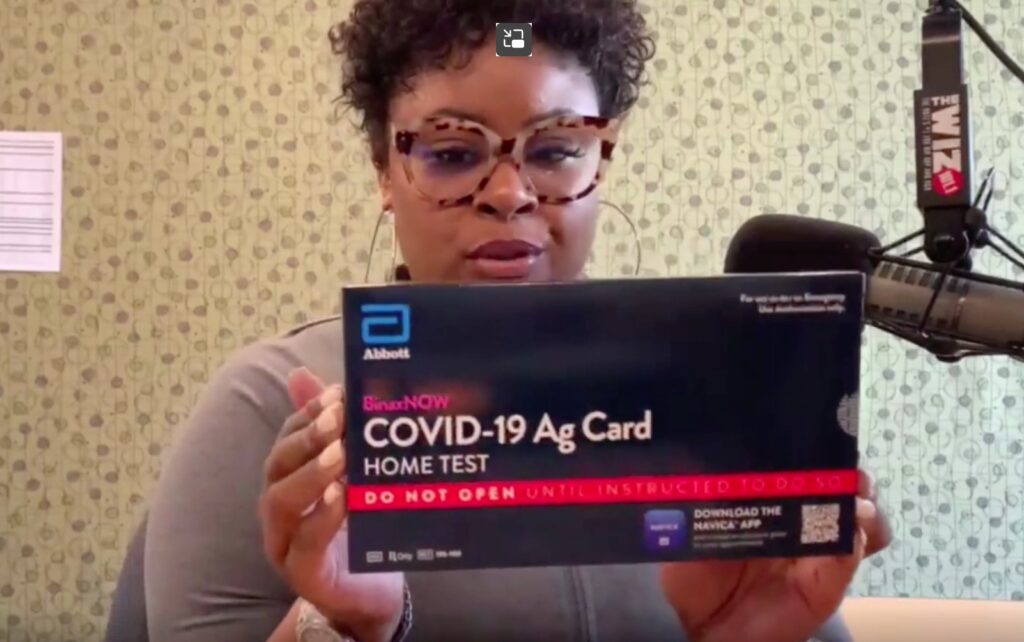
At-home COVID-19 test kits can be requested from the federal government and shipped (USPS) to residential addresses. For information on how to store and use at-home tests, and other helpful tips, visit CDC.gov.
BinaxNOW Test Kits: BinaxNOW test kits have an expiration date that differs from the product label. Please read this update to see the extended expiry of your testing kit.
For guidance on the proper way to use your BinaxNOW testing kit, watch the below step-by-step video. For other brands, please refer to the instructions included in the test kit.
Watch this demonstration on how to use at-home test kits:
CDC Recommends COVID-19 Vaccines for Young Children
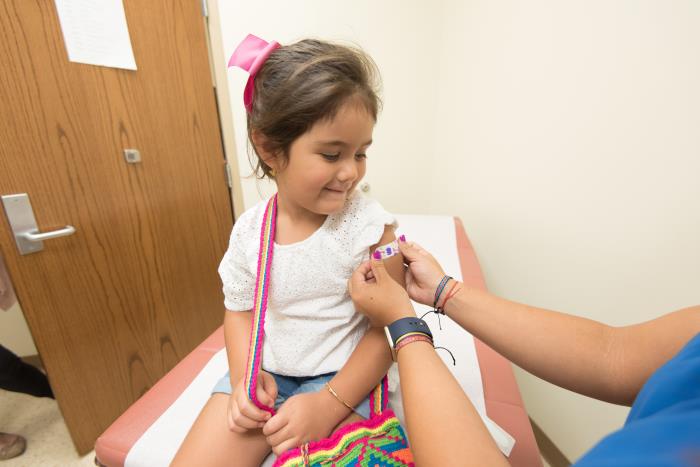
On Saturday, CDC Director Rochelle P. Walensky, M.D., M.P.H., endorsed the Advisory Committee on Immunization Practices’ (ACIP) recommendation that all children 6 months through 5 years of age should receive a COVID-19 vaccine. This expands eligibility for vaccination to nearly 20 million additional children and means that all Americans ages 6 months and older are now eligible for vaccination.
Parents and caregivers can now get their children 6 months through 5 years of age vaccinated with the Pfizer-BioNTech or Moderna vaccines to better protect them from COVID-19. All children, including children who have already had COVID-19, should get vaccinated.
COVID-19 vaccines have undergone—and will continue to undergo—the most intensive safety monitoring in U.S. history. Parents and caregivers can play an active role in monitoring the safety of these vaccines by signing their children up for v-safe – personalized and confidential health check-ins via text messages and web surveys where they can easily share with CDC how a child feels after getting a COVID-19 vaccine.
Distribution of pediatric vaccinations for these younger children has started across the country, and will be available at thousands of pediatric practices, pharmacies, Federally Qualified Health Centers, local health departments, clinics, and other locations this week. Children in this younger age group can be vaccinated with whichever vaccine is available (either Moderna or Pfizer-BioNTech). Parents can reach out to their doctor, nurse, local pharmacy, or health department, or visit vaccines.gov to see where vaccines for children are available.
“Together, with science leading the charge, we have taken another important step forward in our nation’s fight against COVID-19. We know millions of parents and caregivers are eager to get their young children vaccinated, and with today’s decision, they can. I encourage parents and caregivers with questions to talk to their doctor, nurse, or local pharmacist to learn more about the benefits of vaccinations and the importance of protecting their children by getting them vaccinated,” said CDC Director Dr. Rochelle P. Walensky.
Yesterday, the U.S. Food and Drug Administration amended the emergency use authorizations (EUAs) for both the Pfizer-BioNTech COVID-19 Vaccine and the Moderna COVID-19 Vaccine to allow for the use of an additional dose in certain immunocompromised individuals, specifically, solid organ transplant recipients or those who are diagnosed with conditions that are considered to have an equivalent level of immunocompromise. The Centers for Disease Control and Prevention’s Advisory Committee on Immunization Practices is scheduled to meet Friday to discuss further clinical recommendations regarding immunocompromised individuals. Today’s action does not apply to people who are not immunocompromised.
Read more from the announcement…
“The country has entered yet another wave of the COVID-19 pandemic, and the FDA is especially cognizant that immunocompromised people are particularly at risk for severe disease. After a thorough review of the available data, the FDA determined that this small, vulnerable group may benefit from a third dose of the Pfizer-BioNTech or Moderna Vaccines,” said Acting FDA Commissioner Janet Woodcock, M.D. “Today’s action allows doctors to boost immunity in certain immunocompromised individuals who need extra protection from COVID-19. As we’ve previously stated, other individuals who are fully vaccinated are adequately protected and do not need an additional dose of COVID-19 vaccine at this time. The FDA is actively engaged in a science-based, rigorous process with our federal partners to consider whether an additional dose may be needed in the future.”
People who are immunocompromised in a manner similar to those who have undergone solid organ transplantation have a reduced ability to fight infections and other diseases, and they are especially vulnerable to infections, including COVID-19. The FDA evaluated information on the use of a third dose of the Pfizer-BioNTech or Moderna Vaccines in these individuals and determined that the administration of third vaccine doses may increase protection in this population. These patients should be counseled to maintain physical precautions to help prevent COVID-19. In addition, close contacts of immunocompromised persons should get vaccinated, as appropriate for their health status, to provide increased protection to their loved ones.
It is recommended that immunocompromised individuals discuss monoclonal antibody treatment options with their health care provider should they contract or be exposed to COVID-19. The FDA has authorized monoclonal antibody treatments for emergency use during this public health emergency for adults and pediatric patients (ages 12 and older weighing at least 40 kilograms or about 88 pounds) with positive results of direct SARS-CoV-2 viral testing, and who are at high risk for progressing to severe COVID-19 and/or hospitalization. One authorized product includes use for preventative (prophylaxis) treatment after being exposed to SARS-CoV-2; however, this product is not a substitute for vaccination.
The Pfizer-BioNTech COVID-19 Vaccine is currently authorized for emergency use in individuals ages 12 and older, and the Moderna COVID-19 Vaccine is authorized for emergency use in individuals ages 18 and older. Both vaccines are administered as a series of two shots: the Pfizer-BioNTech COVID-19 Vaccine is administered three weeks apart, and the Moderna COVID-19 Vaccine is administered one month apart. The authorizations for these vaccines have been amended to allow for an additional, or third, dose to be administered at least 28 days following the two-dose regimen of the same vaccine to individuals 18 years of age or older (ages 12 or older for Pfizer-BioNTech) who have undergone solid organ transplantation, or who are diagnosed with conditions that are considered to have an equivalent level of immunocompromise.
The EUA amendments for the Pfizer-BioNTech COVID-19 Vaccine and the Moderna COVID-19 Vaccine were issued to Pfizer Inc. and ModernaTX Inc., respectively.
Columbus, Ohio – Ohio Governor Mike DeWine issued a statement Monday evening following the approval by the Food and Drug Administration’s to administer the Pfizer COVID-19 vaccine to those ages 12-15.
DeWine said, “I am encouraged that the FDA has already updated Pfizer’s Emergency Use Authorization to include youth ages 12-15. Following a recommendation, as soon as Wednesday, from the Advisory Committee on Immunization Practices (ACIP) and the CDC, Ohio will immediately expand vaccine eligibility to youth ages 12-15 and provide appropriate guidance for parents, guardians, and vaccine providers across the state. Vaccinations are our way back to a more normal life.”
Watch the virtual press conference with the FDA to discuss the authorization of the Pfizer-BioNTech COVID-19 vaccine for use in adolescents.
Below is the Press Release issued today by the FDA
Today, the U.S. Food and Drug Administration expanded the emergency use authorization (EUA) for the Pfizer-BioNTech COVID-19 Vaccine for the prevention of coronavirus disease 2019 (COVID-19) caused by severe acute respiratory syndrome coronavirus 2 (SARS-CoV-2) to include adolescents 12 through 15 years of age. The FDA amended the EUA originally issued on Dec. 11, 2020 for administration in individuals 16 years of age and older.
“The FDA’s expansion of the emergency use authorization for the Pfizer-BioNTech COVID-19 Vaccine to include adolescents 12 through 15 years of age is a significant step in the fight against the COVID-19 pandemic,” said Acting FDA Commissioner Janet Woodcock, M.D. “Today’s action allows for a younger population to be protected from COVID-19, bringing us closer to returning to a sense of normalcy and to ending the pandemic. Parents and guardians can rest assured that the agency undertook a rigorous and thorough review of all available data, as we have with all of our COVID-19 vaccine emergency use authorizations.”
From March 1, 2020 through April 30, 2021, approximately 1.5 million COVID-19 cases in individuals 11 to 17 years of age have been reported to the Centers for Disease Control and Prevention (CDC). Children and adolescents generally have a milder COVID-19 disease course as compared to adults. The Pfizer-BioNTech COVID-19 Vaccine is administered as a series of two doses, three weeks apart, the same dosage and dosing regimen for 16 years of age and older.
The FDA has determined that Pfizer-BioNTech COVID-19 Vaccine has met the statutory criteria to amend the EUA, and that the known and potential benefits of this vaccine in individuals 12 years of age and older outweigh the known and potential risks, supporting the vaccine’s use in this population.
“Having a vaccine authorized for a younger population is a critical step in continuing to lessen the immense public health burden caused by the COVID-19 pandemic,” said Peter Marks, M.D., Ph.D., director of the FDA’s Center for Biologics Evaluation and Research. “With science guiding our evaluation and decision-making process, the FDA can assure the public and medical community that the available data meet our rigorous standards to support the emergency use of this vaccine in the adolescent population 12 years of age and older.”
The EUA amendment for the Pfizer-BioNTech COVID-19 Vaccine was issued to Pfizer Inc. The issuance of an EUA is not an FDA approval (licensure) of a vaccine. The EUA will be effective until the declaration that circumstances exist justifying the authorization of the emergency use of drugs and biologics for prevention and treatment of COVID-19 is terminated, and may be revised or revoked if it is determined the EUA no longer meets the statutory criteria for issuance or to protect public health or safety.
FDA Evaluation of Available Safety Data
The available safety data to support the EUA in adolescents down to 12 years of age, include 2,260 participants ages 12 through 15 years old enrolled in an ongoing randomized, placebo-controlled clinical trial in the United States. Of these, 1,131 adolescent participants received the vaccine and 1,129 received a saline placebo. More than half of the participants were followed for safety for at least two months following the second dose.
The most commonly reported side effects in the adolescent clinical trial participants, which typically lasted 1-3 days, were pain at the injection site, tiredness, headache, chills, muscle pain, fever and joint pain. With the exception of pain at the injection site, more adolescents reported these side effects after the second dose than after the first dose, so it is important for vaccination providers and recipients to expect that there may be some side effects after either dose, but even more so after the second dose. The side effects in adolescents were consistent with those reported in clinical trial participants 16 years of age and older. It is important to note that as a general matter, while some individuals experience side effects following any vaccination, not every individual’s experience will be the same and some people may not experience side effects.
The Pfizer-BioNTech COVID-19 Vaccine should not be given to anyone with a known history of a severe allergic reaction, including anaphylaxis—to any component of the vaccine. Since its authorization for emergency use, rare severe allergic reactions, including anaphylaxis, have been reported following administration of the Pfizer-BioNTech COVID-19 Vaccine in some recipients.
FDA Evaluation of Available Effectiveness Data
The effectiveness data to support the EUA in adolescents down to 12 years of age is based on immunogenicity and an analysis of COVID-19 cases. The immune response to the vaccine in 190 participants, 12 through 15 years of age, was compared to the immune response of 170 participants, 16 through 25 years of age. In this analysis, the immune response of adolescents was non-inferior to (at least as good as) the immune response of the older participants. An analysis of cases of COVID-19 occurring among participants, 12 through 15 years of age, seven days after the second dose was also conducted. In this analysis, among participants without evidence of prior infection with SARS-CoV-2, no cases of COVID-19 occurred among 1,005 vaccine recipients and 16 cases of COVID-19 occurred among 978 placebo recipients; the vaccine was 100% effective in preventing COVID-19. At this time, there are limited data to address whether the vaccine can prevent transmission of the virus from person to person. In addition, at this time, data are not available to determine how long the vaccine will provide protection.
Ongoing Safety Monitoring
As part of the original EUA request, Pfizer Inc. submitted a plan to continue monitoring the safety of the vaccine as it is used under EUA. This plan has been updated to include the newly authorized adolescent population, and includes longer-term safety follow-up for participants enrolled in ongoing clinical trials, as well as other activities aimed at monitoring the safety of the Pfizer-BioNTech COVID-19 vaccine and ensuring that any safety concerns are identified and evaluated in a timely manner.
It is mandatory for Pfizer Inc. and vaccination providers to report the following to the Vaccine Adverse Event Reporting System for Pfizer-BioNTech COVID-19 Vaccine: all vaccine administration errors, serious adverse events, cases of Multisystem Inflammatory Syndrome and cases of COVID-19 that result in hospitalization or death.
Loveland, Ohio –Hamilton County Public Health has been informed that surveillance discovered a COVID-19 variant in Hamilton County. Officially labeled asB.1.1.7 lineage, the variant is commonly known as the UK variant. Hamilton County is one of at least 11 Ohio counties known to have a variant detected.
HCPH has completed contact tracing on the patient, who has resolved symptoms and cleared the standard isolation period. The variant was detected during routine surveillance of tests submitted to the Center for Disease Control (CDC). The actual test took place on January 30.
According to the CDC:
This variant is estimated to have first emerged in the UK during September 2020.
Since December 20, 2020, several countries have reported cases of the B.1.1.7 lineage, including the United States.
This variant is associated with increased transmissibility (i.e., more efficient and rapid transmission).
In January 2021, scientists from UK reported evidence that suggests the B.1.1.7 variant may be associated with an increased risk of death compared with other variants.
Early reports found no evidence to suggest that the variant has any impact on the severity of disease or vaccine efficacy.
“We’ve known about these variants for some time,” says Hamilton County Health Commissioner Greg Kesterman. “From a prevention standpoint, the response remains the same: wear a mask; maintain at least six feet of physical distance; wash hands often; and stay home when you are ill. Also, consider taking vaccine when you are eligible.”
Here is a discussion of the variant, its prevention, and treatment with Hamilton County Public Health Medical Director Dr. Stephen Feagins.