Tag: CDC

  • CDC and DeWine recommends use of cloth face coverings to help slow the spread of COVID-19

    CDC and DeWine recommends use of cloth face coverings to help slow the spread of COVID-19

    On Saturday, Governor DeWine urged Ohioans to begin wearing cloth masks while in public, as recommended by the Centers for Disease Control and Prevention (CDC).

    “The community wants to help and we have an opportunity for them,” according to interim Hamilton County Health Commissioner Greg Kesterman.  “We have been receiving calls and notes from folks who sew, participate in craft clubs and other hands-on activities.  We’d love their help.”

    Community members can drop the masks into a collection box in the lobby of Hamilton County Public Health, 250 William Howard Taft, Cincinnati, 45219, Monday – Friday, 8 a.m. – 4 p.m.  Park in the rear of the building, enter in the marked doors where you will find the drop box.

    “We’re truly appreciative of the effort,” Kesterman said.  “It’s encouraging to see Hamilton County citizens step up to help others.”

    CDC recommends use of cloth face coverings to help slow the spread of COVID-19

    How to Wear a Cloth Face Covering
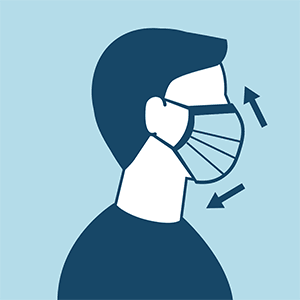
    Applying a face mask - step 1

    Cloth face coverings should—

    • fit snugly but comfortably against the side of the face
    • be secured with ties or ear loops
    • include multiple layers of fabric
    • allow for breathing without restriction
    • be able to be laundered and machine dried without damage or change to shape

    Frequently Asked Questions

    CDC on Homemade Cloth Face Coverings

    CDC recommends wearing cloth face coverings in public settings where other social distancing measures are difficult to maintain (e.g., grocery stores and pharmacies), especially in areas of significant community-based transmission.

    CDC also advises the use of simple cloth face coverings to slow the spread of the virus and help people who may have the virus and do not know it from transmitting it to others.  Cloth face coverings fashioned from household items or made at home from common materials at low cost can be used as an additional, voluntary public health measure.

    Cloth face coverings should not be placed on young children under age 2, anyone who has trouble breathing, or is unconscious, incapacitated or otherwise unable to remove the mask without assistance.

    The cloth face coverings recommended are not surgical masks or N-95 respirators.  Those are critical supplies that must continue to be reserved for healthcare workers and other medical first responders, as recommended by current CDC guidance.
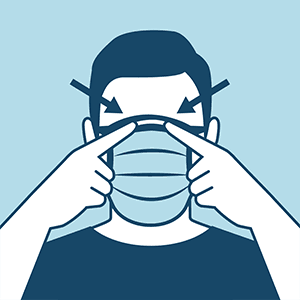
    Applying a face mask - step 2

    Should cloth face coverings be washed or otherwise cleaned regularly? How regularly?

    Yes. They should be routinely washed depending on the frequency of use.

    How does one safely sterilize/clean a cloth face covering?

    A washing machine should suffice in properly washing a face covering.

    How does one safely remove a used cloth face covering?

    Individuals should be careful not to touch their eyes, nose, and mouth when removing their face covering and wash hands immediately after removing.

    Sew and No Sew Instructions

    Sewn Cloth Face Covering
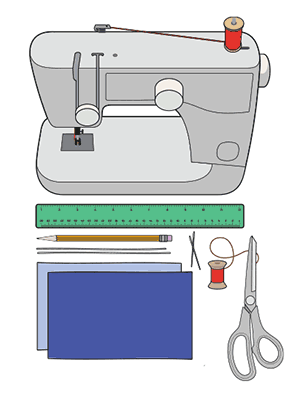
    Sewing a facemask - materials needed

    Materials

    • Two 10”x6” rectangles of cotton fabric
    • Two 6” pieces of elastic (or rubber bands, string, cloth strips, or hair ties)
    • Needle and thread (or bobby pin)
    • Scissors
    • Sewing machine

    Tutorial

    1. Cut out two 10-by-6-inch rectangles of cotton fabric. Use tightly woven cotton, such as quilting fabric or cotton sheets. T-shirt fabric will work in a pinch. Stack the two rectangles; you will sew the mask as if it was a single piece of fabric.

    Sewing a facemask - step 1

    2. Fold over the long sides ¼ inch and hem. Then fold the double layer of fabric over ½ inch along the short sides and stitch down.

    Sewing a facemask - step 2

    3. Run a 6-inch length of 1/8-inch wide elastic through the wider hem on each side of the mask. These will be the ear loops. Use a large needle or a bobby pin to thread it through. Tie the ends tight.
    Don’t have elastic? Use hair ties or elastic head bands. If you only have string, you can make the ties longer and tie the mask behind your head.
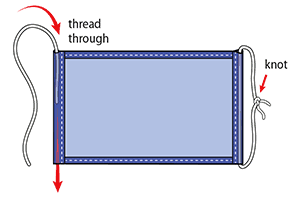
    Sewing a facemask - step 3

    4. Gently pull on the elastic so that the knots are tucked inside the hem. Gather the sides of the mask on the elastic and adjust so the mask fits your face. Then securely stitch the elastic in place to keep it from slipping.
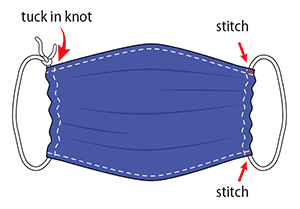
    Sewing a facemask - step 4

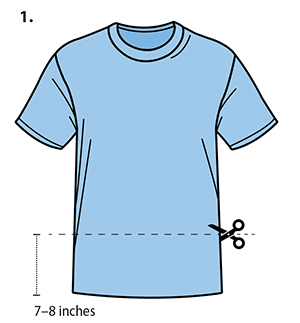
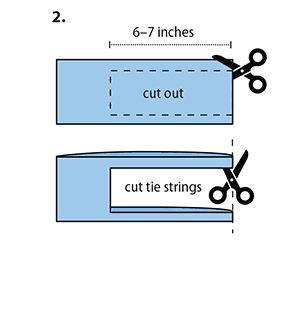
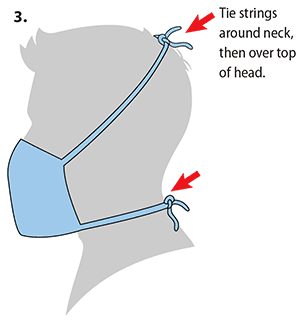
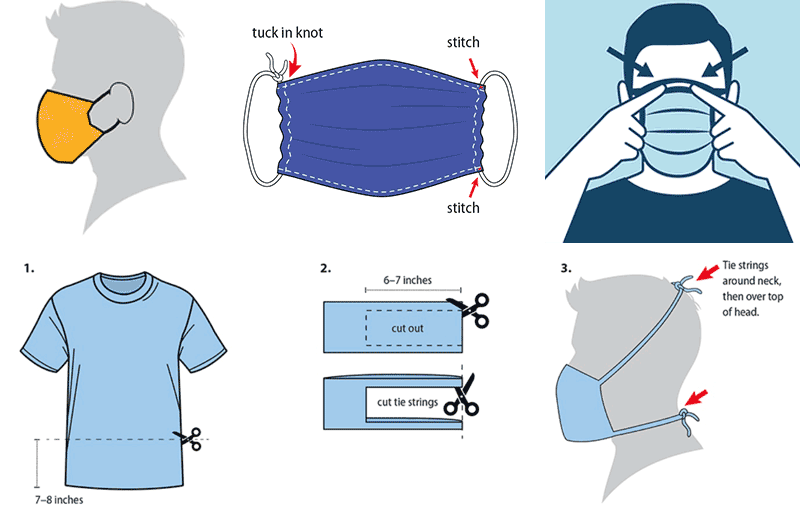
    Quick Cut T-shirt Face Covering (no sew method)

    Materials

    • T-shirt
    • Scissors

    Tutorial

    Sewing a facemask - step 1
    Creating a facemask from a tshirt - step 2
    Creating a facemask from a tshirt - step 3

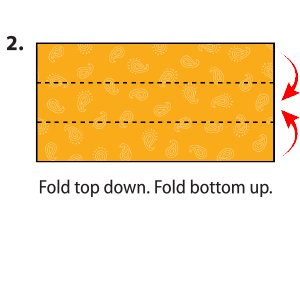
    Bandana Face Covering (no sew method)

    Materials

    • Bandana (or square cotton cloth approximately 20”x20”)
    • Coffee filter
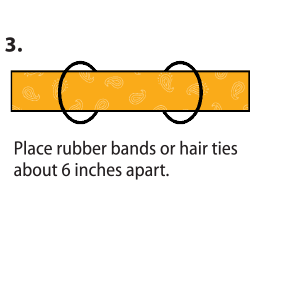
    • Rubber bands (or hair ties)
    • Scissors (if you are cutting your own cloth)

    Tutorial

    Creating a facemask from a bandanna - step 1
    Creating a facemask from a bandanna - step 2
    Creating a facemask from a bandanna - step 3
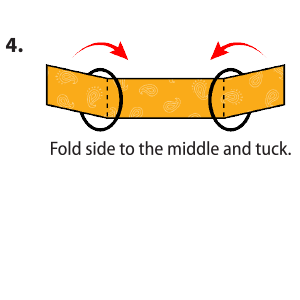
    Creating a facemask from a bandanna - step 4
    Creating a facemask from a bandanna - step 5
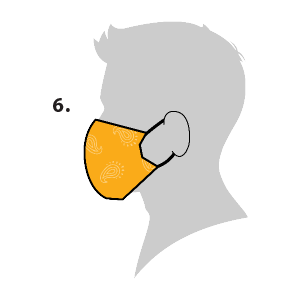
    Creating a facemask from a bandanna - step 6
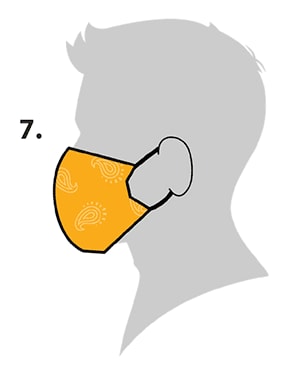
    Creating a facemask from a bandanna - step 7


  • State and County statements on coronavirus (COVID-19)

    State and County statements on coronavirus (COVID-19)

    “Fortunately, we have had no confirmations of COVID-19.”

    HAMILTON COUNTY, OHIO– Hamilton County Public Health (HCPH), as one of 113 local health departments in Ohio, is part of a highly-organized prevention and response effort for the coronavirus, or COVID-19 outbreak.  The agency is in lockstep with the Ohio Department of Health (ODH) and the Centers for Disease Control and Prevention (CDC) in managing protocols for prevention and if necessary, mitigation of cases of COVID-19.

    “As of today, there are no confirmed cases of COVID-19 in Ohio,” says Greg Kesterman, interim health commissioner at HCPH.  “We are working diligently with resources at the local, state and federal levels to make sure our response plan is up-to-date, our partners are well-informed, and the healthcare community knows exactly how to handle any eventuality.”

    Symptoms of the COVID-19 in people who have been exposed can include fever, cough and shortness of breath. The symptoms may appear in as few as two days or as long as 14 days after exposure. Reported illnesses have ranged from people with little-to-no symptoms to people becoming severely ill and dying.

    Current responsibilities for local health departments are working together across Ohio to monitor individuals returning from travel in China and other countries.  ODH is informed of travelers returning to Ohio.  If a traveler returns to Hamilton County, HCPH is responsible for monitoring and quarantining those individuals for 14 days – the incubation period for COVID-19.  Monitoring includes daily temperature checks while the local health department is in constant communication with those quarantined.  If a person develops symptoms during the quarantine period, HCPH helps them get the care they need.

    “To date, we have been responsible for monitoring people who fit the travel criteria established by CDC,” Kesterman says.  “Fortunately, we have had no confirmations of COVID-19.”

    Another important public health responsibility is contact tracing.  If an individual develops symptoms, health department staff track and monitor individuals with whom they may have had contact.  These could include family members, friends, work colleagues or other individuals.

    HCPH and health departments across the State are in constant contact with ODH.  There are regular conference calls with the State and health care facilities to share current information and guidance and to stay on top of ever-changing challenges with the response to coronavirus.

    “The actions that we’re all taking are very similar to our work during the Ebola response in 2014,” Kesterman adds.  “What we’re doing is very typical public health work.  We update plans, track and monitor those potentially exposed and then put protocols into place to prevent the risk of spreading the virus.”

    According to the CDC, imported cases of COVID-19 in travelers have been detected in the U.S. Person-to-person spread of COVID-19 also has been seen among close contacts of returned travelers from Wuhan, China but at this time, this virus is NOT currently spreading in the community in the United States.  The potential public health threat posed by COVID-19 is high, both globally and to the United States.

    But individual risk is dependent on exposure.  For the general American public, who are unlikely to be exposed to this virus at this time, the immediate health risk from COVID-19 is considered low.  Under current circumstances, certain people will have an increased risk of infection, for example healthcare workers caring for patients with COVID-19 and other close contacts of persons with COVID-19.

    Flu is currently a greater threat to public health.  HCPH urges everyone to get a flu shot.  It’s not too late and at the very least, the vaccine can help lessen symptoms and reduce their duration.

    For more information on flu and COVID-19, visit: www.hcph.org; www.cdc.gov; or odh.ohio.gov.


    Ohio Governor DeWine and the Ohio Health Director released an update COVID-19 Prevention and Preparedness Plan

    Ohio Governor Mike DeWine was joined by Ohio Department of Health Director Amy Acton, MD, MPH; Cuyahoga County Health Director Terry Allan, MPH; and MetroHealth President and CEO, Akram Boutros, M.D., FACHE today gave an update on the state’s preparedness and education efforts to limit the potential spread of Coronavirus Disease 2019 (COVID-19). There are no confirmed cases of COVID-19 in Ohio nor anyone currently under investigation for the virus.

    “I want to be clear that the threat of Coronavirus in Ohio and the United States remains low,” said Governor Mike DeWine, “but this could change, and we have to be prepared.  I believe it is imperative that we are open with the public and are communicating information in real-time about the Coronavirus to both inform and educate our communities.  We will communicate what we know, when we know it.”

    COVID-19 is a respiratory virus strain that has only spread in people since December 2019. The Centers for Disease Control and Prevention (CDC) continues to consider the health risk from COVID-19 to be low among the general public in the U.S. However, COVID-19 continues to be an issue of concern internationally and there is potential for an eventual community person-to-person spread to occur in this country. 

    “Since the start of this outbreak, we’ve taken a proactive approach to prepare and carefully monitor potential cases and travelers about COVID-19 in Ohio,” said Dr. Acton. “As the CDC advised, we need to be prepared for community spread of COVID-19. We are working to make sure our healthcare partners, first responders, state agencies, and local health departments have the resources they need to respond.”

    Today Governor DeWine ordered the following action by state agencies:

    •     The Ohio Department of Transportation will post information from the Ohio Department of Health in all state rest areas on hand washing protocols including messages on Ohio Travel TV.
    •     The Departments of Rehabilitation and Corrections and Youth Services will increase frequency and use of disinfectant measures in all their state facilities to protect inmates, families, and staff.
    •     The Governor called on Ohio college and university leaders to urge every student and faculty member on their campuses who have not yet received a shot to get one at their health clinic immediately. 
    •     The Governor is asking our college and university leaders to prohibit college travel to nations where the CDC has recommended no travel, such as China and South Korea. 
    •     The Governor is asking college and universities to take appropriate action to accommodate students who are studying abroad and may need to come back to the United States. 
    •     The Governor is asking the Ohio Department of Aging to continue working with local aging networks to identify the most vulnerable older adults with the highest needs to make sure that plans are in place to meet their needs – whether that is providing additional meals or additional medication or other personal care needs.
    •     The Governor is asking local aging advocates across Ohio to go out into their communities to check on nursing care facilities to ensure that all illness prevention methods are in place.  
    •     The State of Ohio will also be paying aggressive attention to common areas in state-owned buildings, including significantly increased cleaning frequency of these areas and hand sanitizer stations in common lobbies and hallways.

    Governor DeWine announced that on Thursday of next week, the state will be convening a summit in Columbus for all of Ohio’s local public health departments and health commissioners and staff that will include members of the Governor’s Cabinet.   

    Symptoms of the COVID-19 in people who have been exposed can include fever, cough and shortness of breath. The symptoms may appear in as few as two days or as long as 14 days after exposure. Reported illnesses have ranged from people with little-to-no symptoms to people becoming severely ill and dying.

    “As this situation evolves, we will continually update Ohioans through our website, odh.ohio.gov, our Facebook page and our Twitter account,” said Dr. Acton “It’s important to remember that the most accurate and timely information regarding this outbreak is available through the Ohio Department of Health, as well as the CDC.”

    For information and updates related to COVID-19, visit the Ohio Department of Health website at www.odh.ohio.gov or coronavirus.ohio.gov

  • Possible Cases of Coronavirus in Butler County at Miami University

    Possible Cases of Coronavirus in Butler County at Miami University

    Up-date from the Butler County General Health District on January 30, 2020, 3:20 PM:

    In Ohio, two possible cases are being monitored in Miami University students in Butler County. The students have been isolated, and ODH is awaiting test results from the CDC. There are no confirmed cases in Ohio.  Both possible cases had recently traveled and returned from China. Both possible cases are not severely ill and currently in isolation to keep the illness from spreading. Samples were sent to the Centers for Disease Control and Prevention (CDC) Monday January 27th, 2020 .

    Oxford, Ohio – Earlier today, Miami University Student Health Services notified the Butler County General Health District (BCGHD) of two possible cases of the novel coronavirus (2019-nCoV).

    Both possible cases had recently traveled and returned from China. Both possible cases are not severely ill and currently in isolation to keep the illness from spreading.

    Samples were sent to the Centers for Disease Control and Prevention (CDC) Monday afternoon.

    BCGHD recommends that unless you have recently traveled from China or have been around someone ill with this new virus, your risk of getting sick is low. “If you have traveled from China and are, experiencing signs and symptoms contact your doctor BEFORE going to the office.”

    Miami students, who meet this criteria, and are experiencing signs or symptoms contact Student Health Services at 513-529-3000 before seeking care according to BCGHD.

    Public health officials have described the immediate health risk to the campus community as low and say they continue to work closely with Miami University Student Health Services and the Ohio Department of Health to monitor the novel (new) coronavirus that has emerged from Wuhan, China, over the past few weeks.

    “This is what public health does and why we train,” expressed Jennifer Bailer. “Our staff, officials at Miami University and the Ohio Department of Health are taking every precaution to keep the community safe. The same precautions that protect against catching and spreading the flu are likely to be helpful for this respiratory virus: Wash your hands regularly, avoid touching your nose and eyes, cover your mouth when you cough and sneeze and don’t go to work if ill. Displaying compassion to all people will be vital as the situation evolves.” This is a rapidly evolving situation and information will be updated as it becomes available. Guidance on the virus is available on the Centers for Disease Control website, www.cdc.gov.

    Message to the Community from the Vice President of Student Life

    January 28, 2020

    On Monday morning, one student at Miami University presented at Student Health Services with very mild symptoms, and with their recent travel, met the criteria and are being tested for possible infection with the 2019 Novel Coronavirus (2019-nCoV). Health providers quickly recognized that the presenting patient met the criteria for 2019-Coronavirus testing; results should be back from the CDC in the coming days. This student and his traveling companion are isolated in their off-campus residence while awaiting the test results. Miami and healthcare professionals continue to communicate and collaborate daily with the Butler County Health District and the Ohio Department of Health and are following their recommendations and protocols. We will share information with the community as it becomes available.

    We are assisting and supporting these Miami students who are awaiting test results. We continue to work closely with local and state healthcare professionals and the Butler County Health District and Ohio Department of Health. If you are experiencing symptoms and have traveled to the impacted area, please first call Student Health Services at 513-529-3000 to receive guidance on next steps. Miami has set up a call center to address any general questions or concerns at 513-529-9000.

      • Meanwhile, we are still in flu season, and these precautions are recommended for both the flu and Coronavirus:
      • Wash hands often with soap and water for at least 20 seconds.
      • It is especially important to wash your hands:
        • Before, during, and after you prepare food.
        • Before you eat and after you use the bathroom.
        • After handling cash.
        • More frequently when someone in your house is sick.
        • Before/after smoking/vaping.
      • Use an alcohol-based hand sanitizer if soap and water are not available.
      • Clean your doorknobs/light switches and areas commonly touched with disinfectant wipes frequently.
      • Avoid contact with sick people.

    Miami Health Services and Student Life professionals acted quickly with appropriate protocol, and we will continue to follow the best practices currently known. We have proactive partners in local and state healthcare. We will post updated information on myMiami as it becomes available. Please check announcements there regularly.

    Jayne Brownell
    Vice President, Student Life

    Terri Buzzell
    Director, Student Health Service

  • Ohio Department of Health classifies 2019-novel Coronavirus  (2019-nCoV) immediately reportable disease

    Ohio Department of Health classifies 2019-novel Coronavirus (2019-nCoV) immediately reportable disease

    Centers for Disease Control and Prevention (CDC) says the risk to the American public is low. 

    A News Release from the Ohio Department of Health

    COLUMBUS — Amy Acton, MD, MPH, Director of the Ohio Department of Health (ODH), declared novel Coronavirus (2019-nCoV), an immediately reportable disease.

    By issuing a Director’s Journal Entry, Dr. Acton elevated 2019-nCoV to a Class A disease. This is a proactive step to ensure appropriate reporting of suspected cases, should the need arise in Ohio. No cases have been reported in Ohio to date. However, one case has been reported in Washington state and this step helps reinforce Ohio’s ongoing preparedness work.

    The Ohio Department of Health has been closely monitoring developments related to 2019-nCoV in tandem with the Centers for Disease Control. 2019-nCoV is considered a low risk to the American public, according to the CDC.

    Classifying a disease as Class A means that confirmed or suspected cases of 2019-nCoV must be reported immediately to the local health district where the person lives (or the local health district where the person is being evaluated if the person’s residence is unknown or not in Ohio). Required reporters include physicians providing care, administrators in charge of hospitals, clinics or other institutions providing care or treatment, laboratory administrators, or any individual having knowledge of a person with nCoV.

    What is 2019-nCoV?

    An outbreak of 2019-nCoV started in Wuhan City, Hubei Province, China in December 2019. Chinese authorities are reporting an ongoing spread of the virus in the community and so far more than 830 individuals are ill and 25 people have died. As families prepare to celebrate Chinese/Lunar New Year this week, multiple international travel advisories have been issued to help curb the spread of the illness.

    2019-nCoV is part of a large family of coronaviruses, some of which cause illness in people and others that circulate among animals. Rarely, animal coronaviruses can evolve and infect people and then spread between people. This happened with severe acute respiratory syndrome (SARS) in 2003 and Middle East respiratory syndrome (MERS) in 2014, and now 2019-nCoV. These viruses may cause mild to severe respiratory illnesses with symptoms of fever, cough, and shortness of breath.

    How is Ohio tracking 2019-nCoV?

    Ohio’s public health system includes a team of state experts, local health departments, and local partners that perform daily monitoring of reportable diseases, including 2019-nCoV. ODH is closely monitoring the 2019-nCoV situation in lockstep with the Centers for Disease Control and is ready to respond if a case is reported in Ohio.

    “This situation is at the heart of public health,” said Dr. Acton. “We are working proactively with healthcare providers and local health districts/partners to identify and appropriately address emerging threats like novel Coronavirus.”

    What happens if a case is reported?

    • A case or suspected case of 2019-nCoV is reported to a local health department.
    • ODH reports to the CDC and, if indicated, patient specimens will be collected and shipped.
    • Currently, testing for this virus must take place at CDC.
    • ODH will work with local, state, and federal partners to investigate reports of 2019-nCoV in order to identify cases and prevent the spread of infection.

    What can you do to limit risk?        

    If you suspect you may have been exposed to 2019-nCoV because you have traveled to China or have been around people who may have been exposed and/or are exhibiting symptoms, contact your healthcare provider and let them know you may have been exposed to 2019-nCoV before visiting the healthcare facility. This will help the healthcare provider’s office take precautionary steps to keep other people from being exposed.

    Just as with influenza and other illnesses, it’s critical to protect yourself. Experts at the Ohio Department of Health recommend these tips:

    • Practice good hand hygiene.
    • Follow appropriate cough and sneeze etiquette.
    • Don’t go to work or school when you feel ill. Stay home and rest.
    • Avoid exposure to others who are sick.

    “Anticipatory action like this is critical to ensuring that we are protecting Ohioans,” Dr. Acton said. “It is our sincere hope that this virus does not spread but if it does, Ohio’s public health system is prepared.”

    Although 2019-nCoV is an emerging illness, the Ohio Department of Health has addressed similar issues in the past including two previous coronavirus outbreaks, MERS in 2014 and SARS in 2003.

    In addition to the latest work of declaring 2019-nCoV a Class A disease, ODH also routinely collaborates with healthcare providers, local health departments, local health partners, and the CDC to share information and best practices for addressing other potential infectious diseases.

    For more information about 2019-nCoV, visit our website at www.odh.ohio.gov.

  • Ohio Public Health officials confirm cases of severe pulmonary illness in vaping investigation

    Ohio Public Health officials confirm cases of severe pulmonary illness in vaping investigation

    According to the CDC, patient respiratory symptoms have included cough, shortness of breath, and fatigue. In some cases, symptoms worsened over a period of days or weeks and required hospitalization. Other symptoms reported by some patients included fever, chest pain, weight loss, nausea, and diarrhea.

    Columbus, Ohio  – State and local public health officials in Ohio have concluded that three reports of severe pulmonary illness after vaping are likely due to vaping and are investigating an additional 11 reports of illness. Additionally, the Centers for Disease Control and Prevention (CDC) has issued updated recommendations on vaping for the public.

    The Ohio Department of Health (ODH) issued a health alert to healthcare providers on Aug. 23 asking them to report to local or state public health officials for investigation of all suspected cases of serious pulmonary illness where the cause is unclear and there is a history of vaping.

    ODH reports that the three confirmed cases range in age from 18 to 26 years old, including two females and one male, and that they all required hospitalization. The confirmed cases are from Lucas, Richland, and Union counties. Investigations continue into Ohio’s additional reports of illness and no further information about them is available at this time.

    ODH says that the CDC is reporting more than 200 possible cases from 25 states, and its updated recommendations on vaping for the public include:

    • While the investigation is ongoing, people should consider refraining from using an e-cigarette or vaping products if they are concerned about health risks.

    • Regardless of the investigation, e-cigarette and vaping products should not be used by youth, young adults, pregnant women, or adults who do not currently use tobacco products.

    • Do not buy vaping products off the street – you do not know what they really contain that could be harmful to your health.

        – Vaping products bought on the street may contain THC or other cannabinoids.

        – Do not modify e-cigarette or vaping products or add any substances to them not intended by the manufacturer.

    • If you use e-cigarette products, monitor yourself for symptoms and promptly seek medical attention if you have concerns about your health.

    ODH has advised that if you need help quitting tobacco products, including e-cigarettes, to contact your doctor or go to the ODH website for information about resources, including the Ohio Tobacco Quit Line (1-800-QUIT-NOW).


  • CDC is advising consumers, restaurants, and retailers not to eat, serve, or sell any romaine lettuce

    CDC is advising consumers, restaurants, and retailers not to eat, serve, or sell any romaine lettuce

    Illustration with a triangle and exclamation mark and text reading Food Safety Alert

    Illustration of a clipboard with check marks on it.

    CDC is advising that U.S. consumers not eat any romaine lettuce, and retailers and restaurants not serve or sell any, until we learn more about the outbreak. This investigation is ongoing and the advice will be updated as more information is available.

    • Consumers who have any type of romaine lettuce in their home should not eat it and should throw it away, even if some of it was eaten and no one has gotten sick.
      • This advice includes all types or uses of romaine lettuce, such as whole heads of romaine, hearts of romaine, and bags and boxes of precut lettuce and salad mixes that contain romaine, including baby romaine, spring mix, and Caesar salad.
      • If you do not know if the lettuce is romaine or whether a salad mix contains romaine, do not eat it and throw it away.
      • Wash and sanitize drawers or shelves in refrigerators where romaine was stored. Follow these five steps to clean your refrigerator.
    • Restaurants and retailers should not serve or sell any romaine lettuce, including salads and salad mixes containing romaine.
    • Take action if you have symptoms of an E. coli infection:
      • Talk to your healthcare provider.
      • Write down what you ate in the week before you started to get sick.
      • Report your illness to the health department.
      • Assist public health investigators by answering questions about your illness.

    Advice to Clinicians

    • Antibiotics are not recommended for patients with E. coli O157 infections. Antibiotics are also not recommended for patients in whom E.coli O157 infection is suspected, until diagnostic testing rules out this infection.
    • Some studies have shown that administering antibiotics to patients with E. coli O157 infections might increase their risk of developing hemolytic uremic syndrome (a type of kidney failure), and the benefit of antibiotic treatment has not been clearly demonstrated.
    Illustration of a megaphone.

    At A Glance

    Photo of romaine lettuce in a wood bowl.

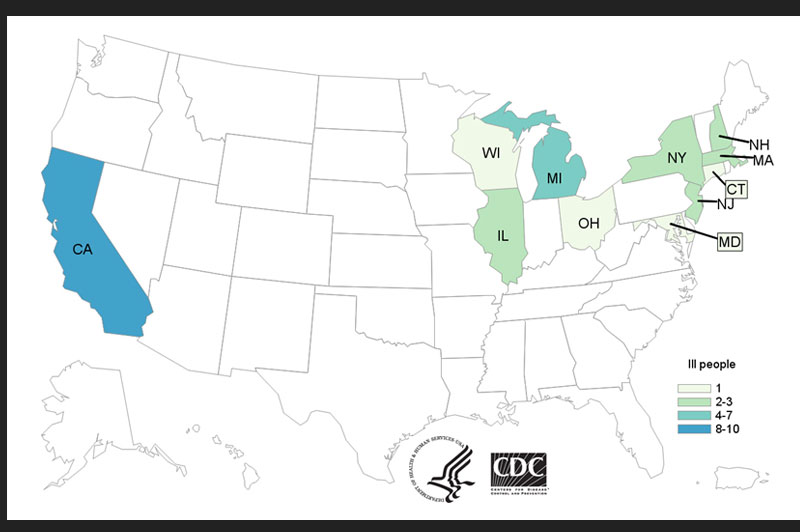
    • Thirty-two people infected with the outbreak strain of Shiga toxin-producing E. coli O157:H7 have been reported from 11 states.
      • Illnesses started on dates ranging from October 8, 2018 to October 31, 2018.
      • Thirteen people were hospitalized, including one person who developed hemolytic uremic syndrome, a type of kidney failure. No deaths have been reported.
    • The Public Health Agency of Canada has identified 18 ill people infected with the same DNA fingerprint of E. coli O157:H7 bacteria in two Canadian provinces: Ontario and Quebec.
    • Epidemiologic evidence from the United States and Canada indicates that romaine lettuce is a likely source of the outbreak.
    • Ill people in this outbreak were infected with E. coli bacteria with the same DNA fingerprint as the E. coli strain isolated from ill people in a 2017 outbreak linked to leafy greens in the United States and to romaine lettuce in Canada. The current outbreak is not related to a recent multistate outbreak of E. coli O157:H7 infections linked to romaine lettuce.
    • CDC is advising that consumers do not eat any romaine lettuce because no common grower, supplier, distributor, or brand of romaine lettuce has been identified.
    • This investigation is ongoing, and CDC will provide more information as it becomes available.
    Illustration of a person with stomach pain.
    • People usually get sick from Shiga toxin-producing E. coli (STEC) 2–8 days (average of 3–4 days) after swallowing the germ.
    • Some people with a STEC infection may get a type of kidney failure called hemolytic uremic syndrome (HUS).
    • E. coli infection is usually diagnosed by testing a stool sample.
    • Antibiotics are not recommended for patients with suspected E. coli infections until diagnostic testing can be performed and E. coli infection is ruled out. Some studies have shown that administering antibiotics to patients with E. coli infections might increase their risk of developing HUS, and a benefit of treatment has not been clearly demonstrated.
    • For more information, see Symptoms of E. coli Infection.


  • Firefighter Cancer Registry Act signed by President

    Firefighter Cancer Registry Act signed by President

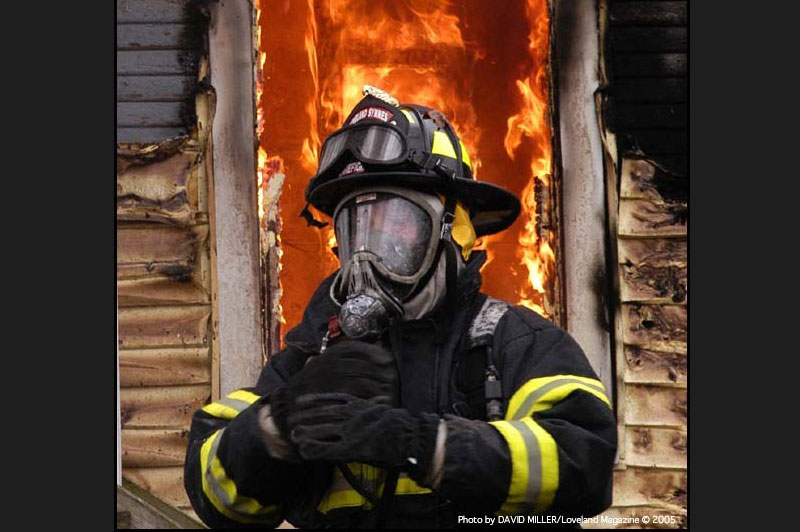
    Loveland, Ohio – Today, President Trump signed U.S. Sen. Sherrod Brown’s (D-OH) bipartisan legislation to establish a voluntary cancer registry for firefighters into law. Brown’s bill, the Firefighter Cancer Registry Act, requires the Centers for Disease Control and Prevention (CDC) to create and maintain a voluntary registry to collect data on cancer incidence among firefighters.

    Loveland/Symmes Fire Chief Otto Huber said in reaction to the announcement, “Any data collection that will  assist the national fire service in evaluating the risk associated with Firefighting will go along way to improving how we manage risk on the fire ground.”

    The data collected by the registry will be used with existing state data to better assess and prevent cancer among firefighters. The Senate passed Brown’s bill by unanimous consent in May.

    “Ohio firefighters put their lives on the line every day,” said Brown. “The enactment of the Firefighter Cancer Registry Act will help ensure we’re using all of the tools at our disposal to prevent and treat cancer in first responders who sacrifice their own safety to protect others.”

    Huber said, “Today’s modern construction and products of combustion from petroleum based furnishing place our members in a higher risk then ever. We must rethink how we deploy and how we protect our members against today’s risks.”

    In addition to establishing the volunteer registry, Brown’s bill requires the CDC to develop a strategy to maximize participation, develop guidance for state agencies, encourage inclusion among participants and to seek feedback from nonfederal experts. The CDC would also be required to ensure the data collected is made public and accessible for research.

    “I am pleased that the national spot light is on this subject. We need to work collaboratively to improve fire ground safety and reduce the exposure to our members of the products of combustion,” said Huber.


    Findings from a Study of Cancer among U.S. Fire Fighters

    In 2010, the National Institute for Occupational Safety and Health (NIOSH) began a multi-year study of nearly 30,000 fire fighters from the Chicago, Philadelphia, and San Francisco Fire Departments to better understand the potential link between fire fighting and cancer. The study was a joint effort led by researchers at NIOSH in collaboration with researchers at the National Cancer Institute and the University of California at Davis Department of Public Health Sciences, and supported in part by the U.S Fire Administration. This study was completed in late 2015.

    What we found

    The fire fighters we studied showed higher rates of certain types of cancer than the general U.S. population.

    Based on U.S. cancer rates:
    ●● Fire fighters in our study had a greater number of cancer diagnoses and cancer-related deaths.

    ○● These were mostly digestive, oral, respiratory, and urinary cancers.
    ●● There were about twice as many fire fighters with malignant mesothelioma, a rare type of cancer caused by exposure to asbestos.

    ○● Exposure to asbestos while fire fighting is the most likely explanation for this.●● There were more cases of certain cancers among younger fire fighters.

    ○● For example, fire fighters in our study who were under 65 years of age had more bladder and prostate cancers than expected.

    When comparing fire fighters in our study to each other:

    • ●●  The chance of lung cancer diagnosis or death increased with amount of time spent at fires.
    • ●●  The chance of leukemia death increased with the number of fire runs.

    Read on from CDC.GOV…


  • Brown votes against funding cuts that threatened jobs at NIOSH construction in Cincinnati

    Brown votes against funding cuts that threatened jobs at NIOSH construction in Cincinnati

    by David Miller,

    Washington, D.C. – The U.S. Senate voted on June 20 against an effort to pass the so-called “rescission package,” which would have slashed the fund that is supposed to pay for construction of Cincinnati’s new NIOSH facility by half. The rescission package would have taken back federal dollars intended for a wide range of projects and programs – including Cincinnati’s NIOSH construction – in order to pay for the $1 trillion deficit created by Republican tax cuts. With U.S. Senator Sherrod Brown’s (D-OH) opposition, the package failed on the floor by a vote of 48-50.

    “We made a commitment to Cincinnati, and we shouldn’t be putting southwest Ohio jobs and economic development at risk to pay for tax cuts that benefit companies shipping American jobs overseas,” said Brown.

    In May, Brown called on the Administration to tell Ohio how it will keep its commitment to move forward with the NIOSH project after the fund is cut.

    In 2015, Brown helped secure $110 million in federal funds to advance construction and site consolidation for NIOSH’s new facility in Cincinnati.That money is supposed to come from the nonrecurring expense fund (NEF) at the Department of Health and Human Services, which currently has about $500 million for NIOSH and other projects.

    Brown’s office said he had worked to protect that fund from cuts for years in order to ensure the NIOSH construction continues moving forward. And up until now, the project had been proceeding on schedule. In fact, the CDC recently solicited bids for a design-build contract. The Administration’s rescission package would take $220 million away from the nonrecurring expense fund – cutting he fund by about half and threatening the future of the project, according to a statement issued by Brown.

    Sen. Rob Portman (R-OH) voted for the rescission package.

    As part of the Centers for Disease Control and Prevention (CDC), NIOSH is responsible for conducting research and making recommendations to prevent work-related injury and illness. The NIOSH facilities in Cincinnati employ more than 500.

    The new construction project is intended to consolidate NIOSH’s Cincinnati facilities into one central location to improve and enhance scientific collaboration, as employees conduct research and make recommendations to prevent work-related injury and illness. The funding will also ensure that there are appropriate and adequate research facilities for NIOSH’s scientific program and will reduce operating costs by consolidating multiple campuses.