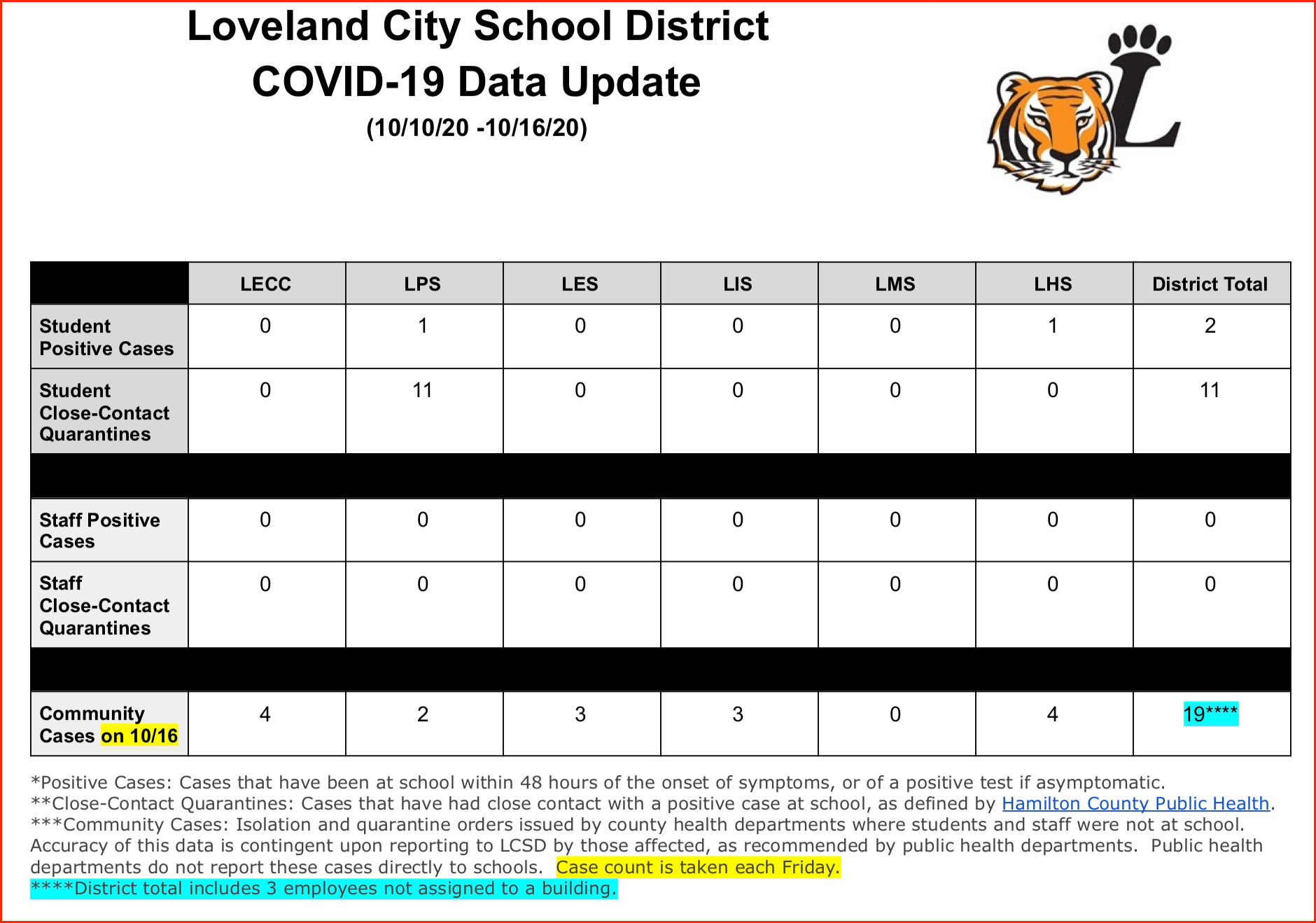
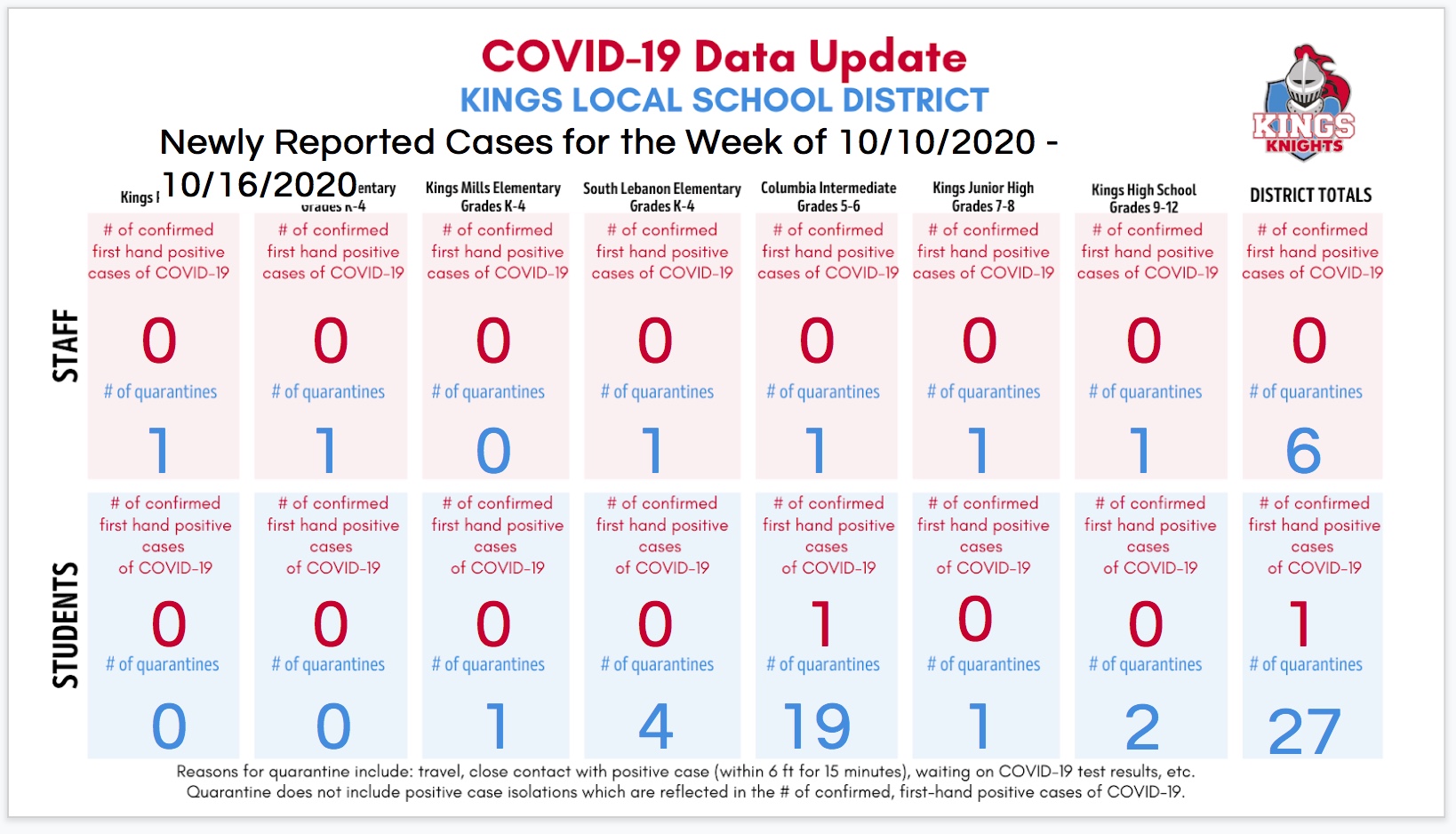
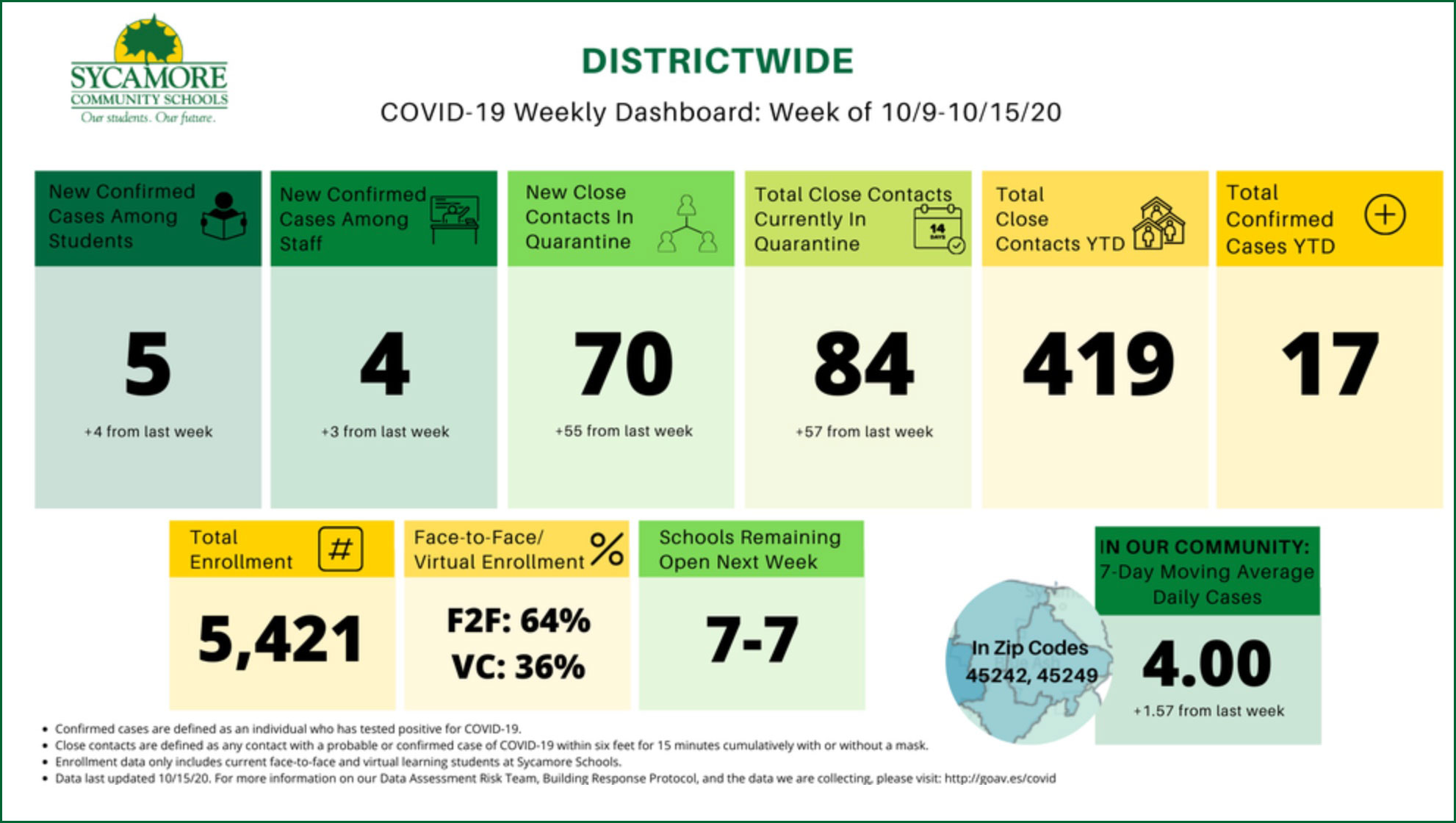
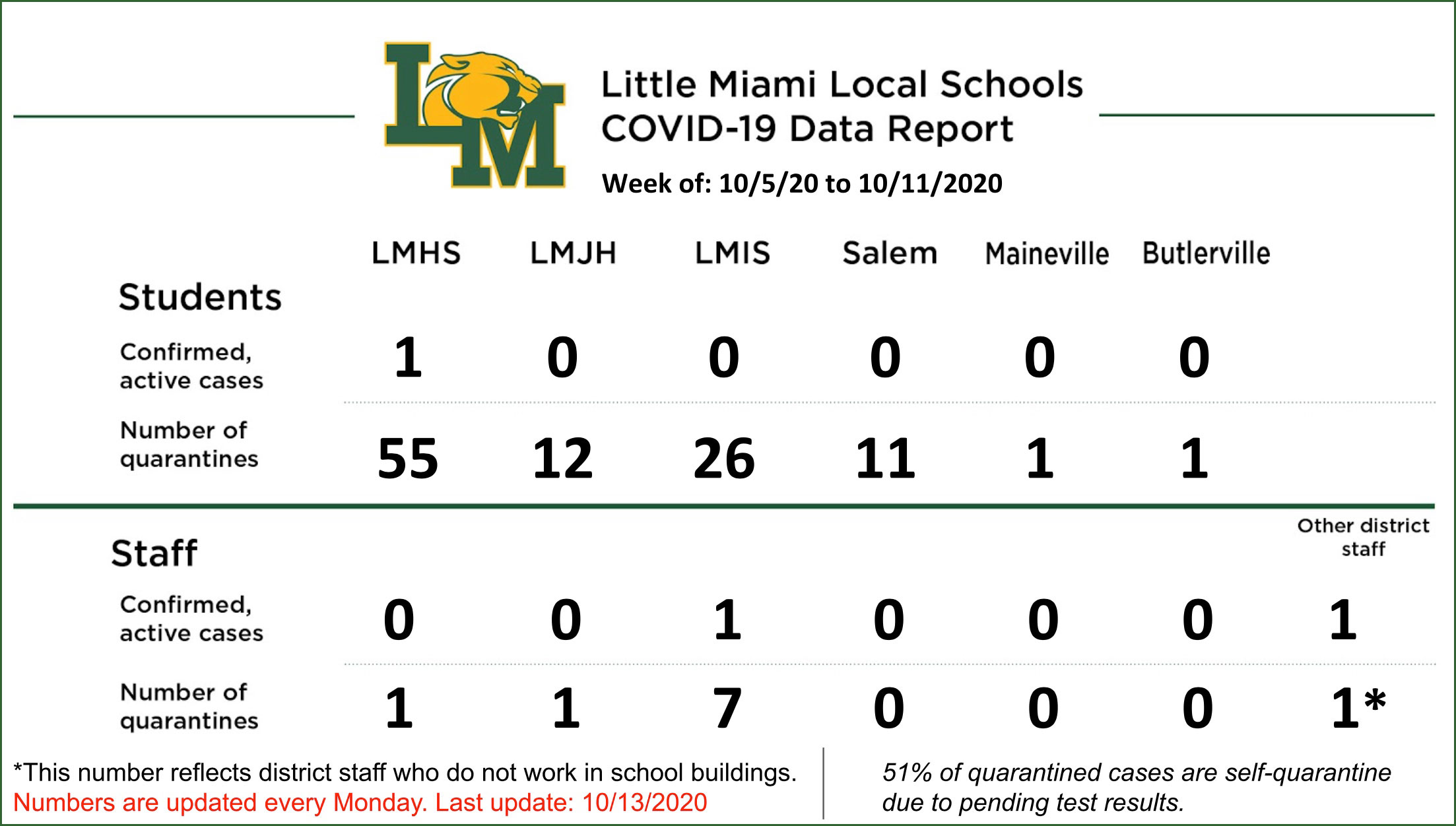
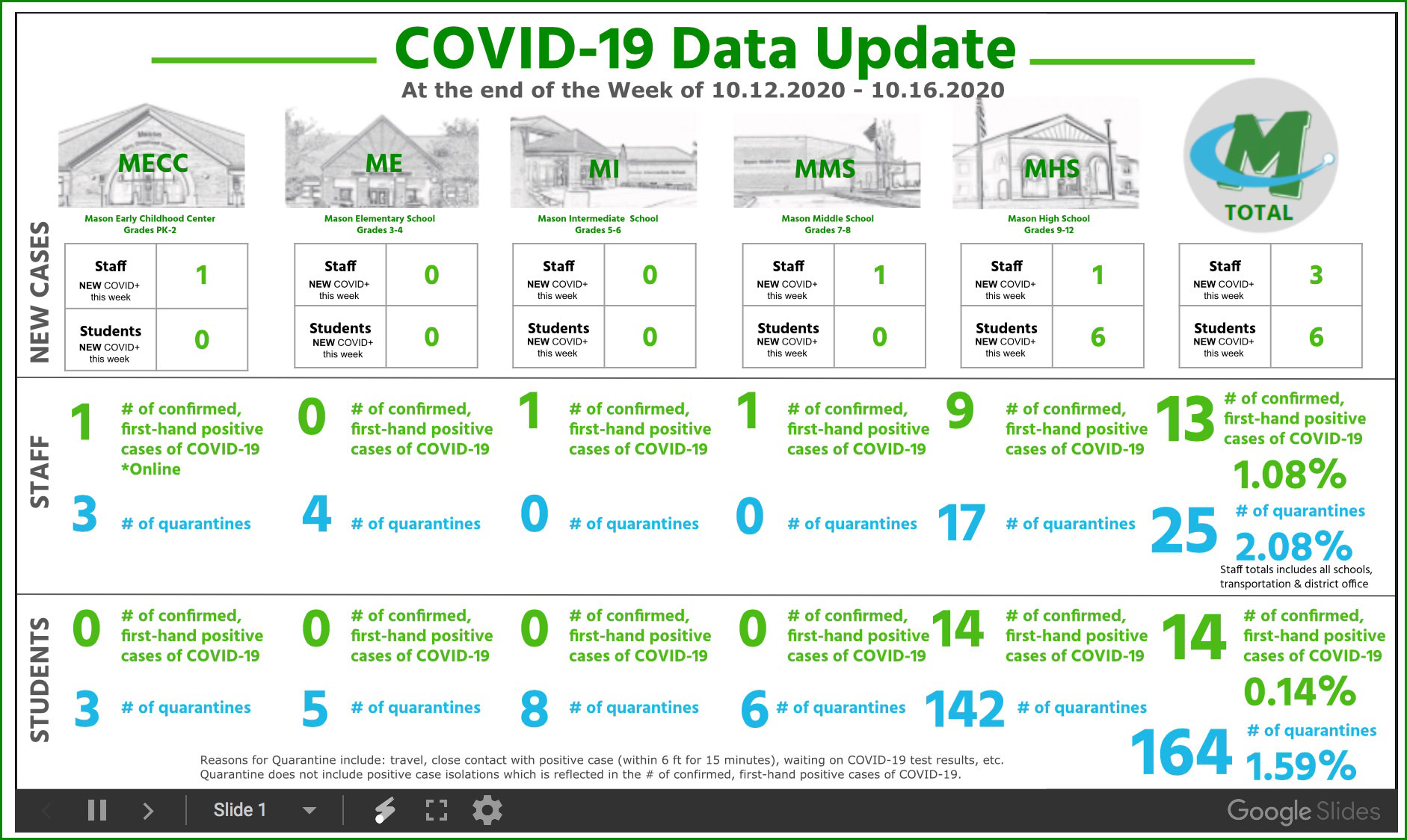
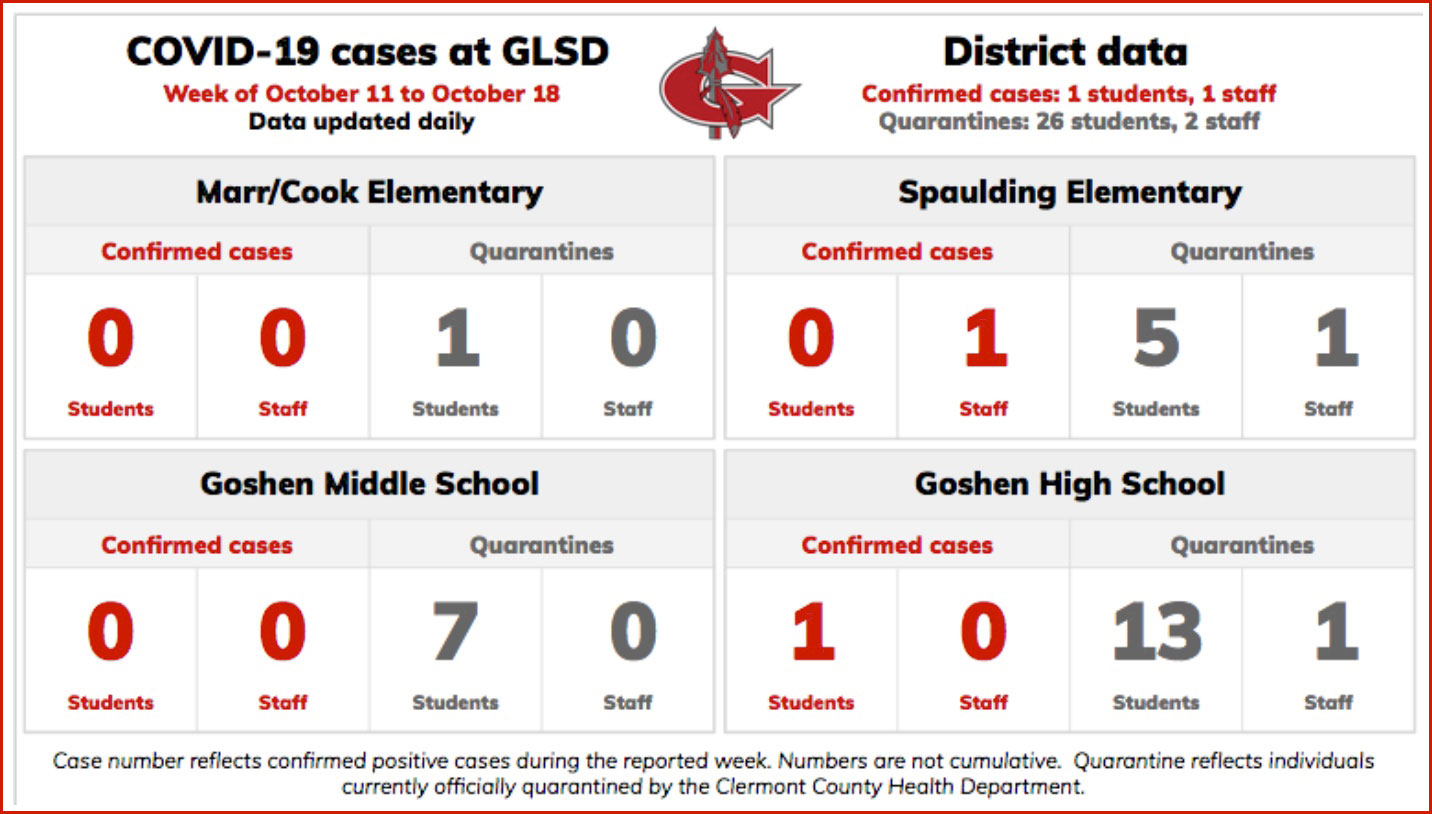
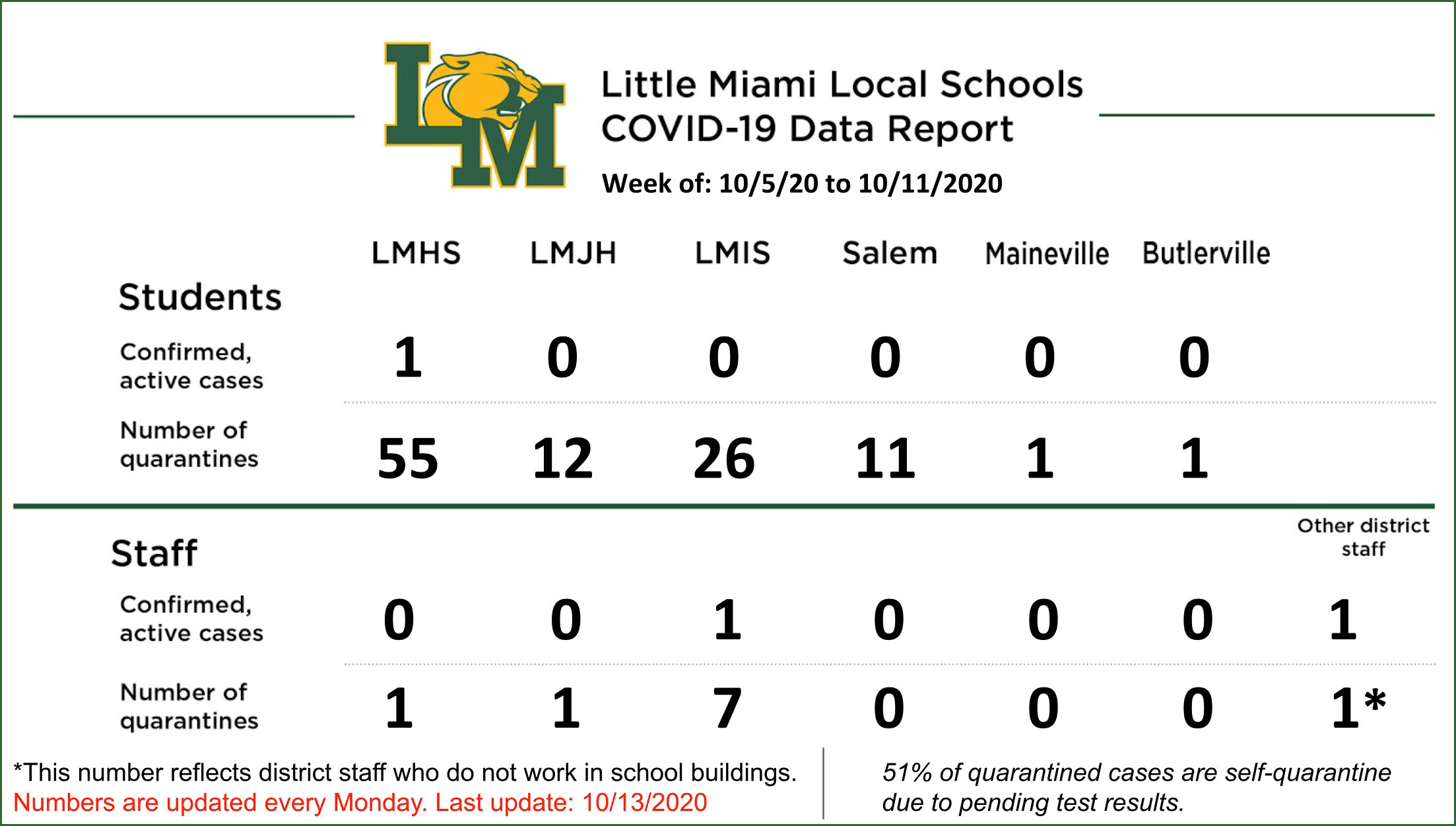
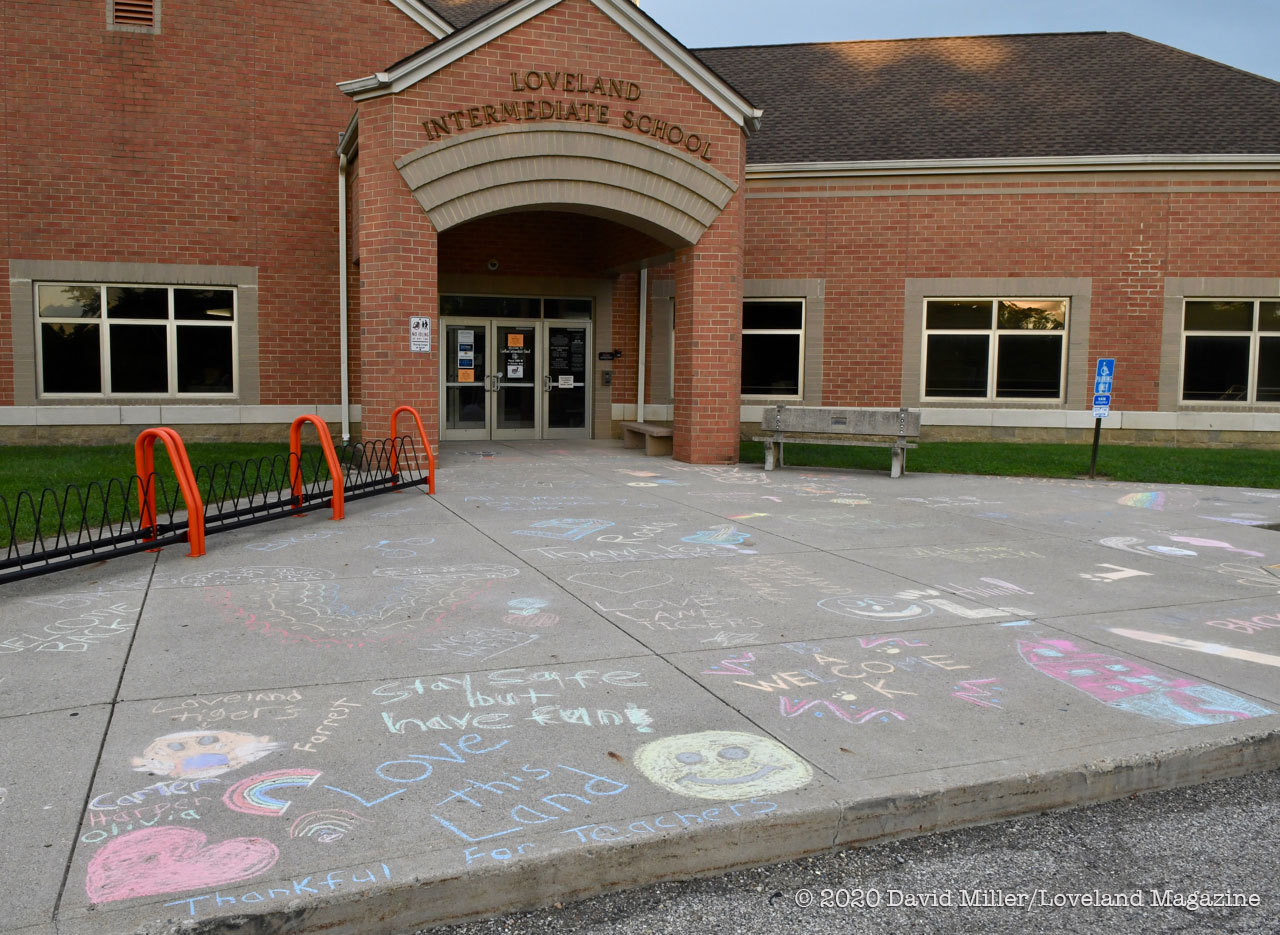
Loveland, Ohio – Here are the “Pandemic Preparedness and Planning” reports for the Loveland Intermediate School that were obtained through a public records request to the District.
Loveland Magazine asked the Superintendent to provide Loveland Magazine with the report “Pandemic Preparedness and Planning” that LJB Inc. prepared for the District. LJB was awarded a contract in July for $66,250 for “Pandemic Preparedness and Planning” services. The report was prepared under the previous CDC definition of “close contact”.
Here is what was prepared for the Loveland Middle School
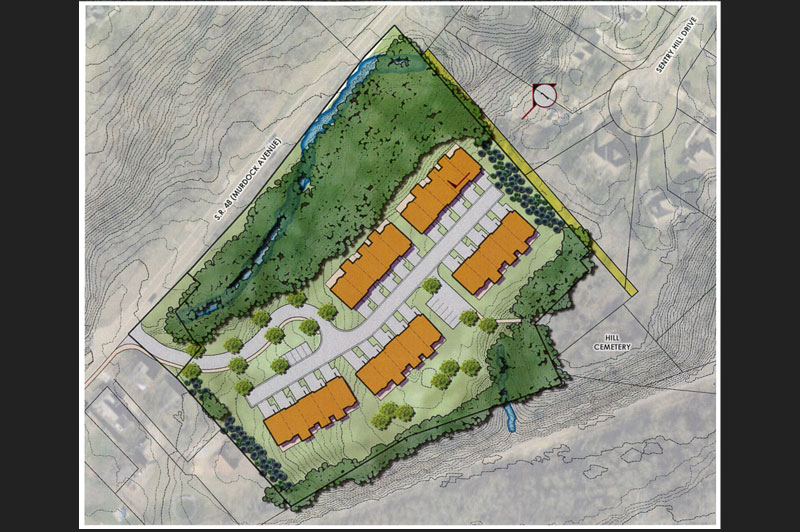
Loveland, Ohio – Joe Farruggia with Zicka Homes has been trying to rezone property off North Second Street (St. Rt. 48) south of the Sentry Hill subdivision with the potential use to build a 28-unit condominium development called the Blossom Hill Project since the first week in June. He has submitted three variations of the proposal, the latest on October 20. The current proposal is to limit the project to 25 or fewer individual units.
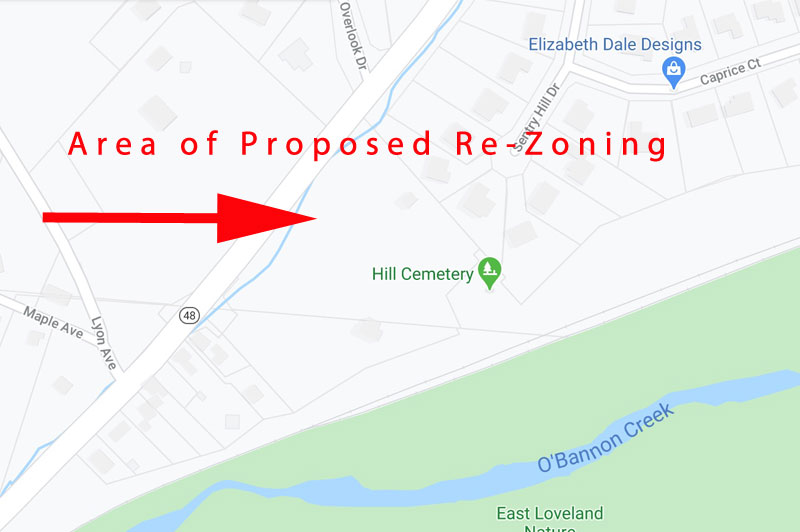
The site is approximately 5.5 acres on St. Rt. 48 adjacent to the Sentry Hill subdivision and on the opposite side of the street of the Loveland Health Care facility.
Previously, on June 24th and July 21, the Planning and Zoning Commission held public hearings for the zoning map amendment and recommended approval of the amendment. However, each time, Farruggia chose not to move forward with the processes which would be to have a public hearing before the City Council.
The latest iteration was also approved by the Planning Commission last week and sent to City Council for their consideration. The recommendation from Assistant City Manager Tom Smith is for Council to schedule a public hearing for the re-zoning on November 24.
The developer is asking for changes to the Loveland Zoning Map from the current zoning of Medium Density Residential to Residential Multi-Family.
The recommendation of the Commission according to Smith included the following conditions:
The proposed housing development for the property as submitted o Planning and Zoning Commission must be actively under construction within eighteen (18) months from the date of approval by City Council in order to maintain the zoning;
The approval shall be withdrawn, and the zoning shall revert to Residential Medium Density (R-MD) should the eighteen (18) month condition lapse.
Approval shall be exclusive to this applicant. No transferees or assignees of the applicant are subject to this approval.
Smith also said the developer agreed to requests made by Sentry Hill resident, Dave Stanton. These items were also part of the Planning and Zoning Commission’s motion for recommendation:
Construct a four to five-inch earth berm, fully landscaped with trees and grass, to be constructed along the property line of the two homes in the Sentry Hill subdivision and maintained by the new subdivision’s HOA.
Street lighting and exterior lighting on the townhomes be designed to prevent light pollution into the Sentry Hill Subdivision.
Townhomes to be constructed, at 40 feet, shall not exceed the height of the referenced home of 214 Sentry Hill Drive.
Limit the number of townhomes to be built at 25 or less.
No dumpsters or centralized garage collection. Individual residential trash and recycling pickup to be consistent with all the residential surrounding areas.
No stand-alone garages or sheds.
Exterior architecture and materials (brick, stone, and Hardie Plank) shall be consistent with the look and feel of neighboring communities.
Even though there are COVID 19 restrictions for the number of audience members in the hearing chamber, five residents appeared to express their displeasure with the re-zoning. No residents spoke in favor of the rezoning or the condos.
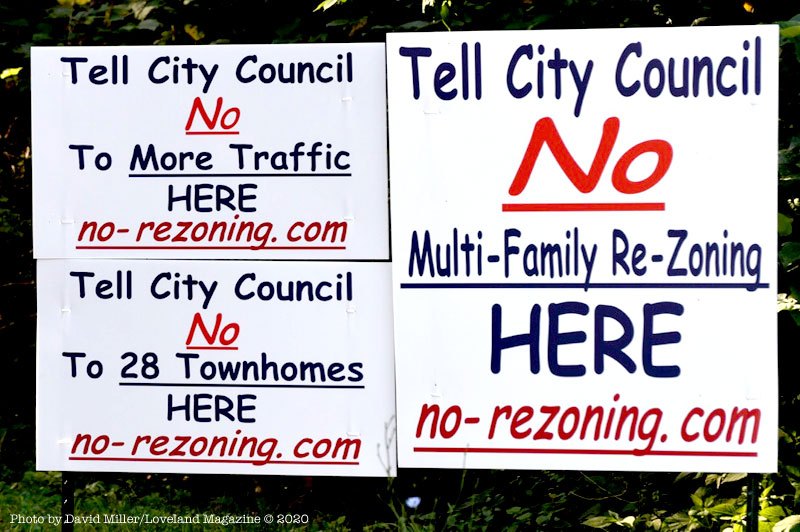
These signs were erected in July by citizens opposed to multi-family zoning adjacent to their homes on St. Route 48 in North Loveland.
Residents have pointed out that the proposal must follow the guidance of the City Master Plan specifically for North State Route 48. They say the project must maintain similar development densities, preserve open space, a rural atmosphere, and assure that there is adequate infrastructure to support the development as mandated in the current plan. They cite the current gridlock of Historic Downtown that must be addressed before the development moves forward.
City Manager Dave Kennedy has argued that the current Comprehensive Strategic Plan (2002) is old and not in line with the current needs of the City. The City is currently rewriting a new master plan for the City. Residents say re-writing the plan is well and good, but until there is a new plan the City and Zicka are governed by the one that exists.
Residents of South 48 also protest that adding so many residential units will add to their already current traffic nightmares of trying drive into and out of Historic Downtown.
During the hearing, Tom Scovanner told the Commission they should be skeptical of the studies Zicka presented to them. One presenter represented that they had prepared their study for the Commission, and Scovanner said, “No, they represent Zicka.” He posed the question to the Commission of whether they would have ever seen the study if it did not turn out favorably to the developer.
Scovanner, a litigator for Clermont County also said in no uncertain terms that the P&Z cannot do anything the Loveland law doesn’t allow them to do. Holding up the code, he said, “You’re bound by these codes. This doesn’t comport with the Comprehensive Master Plan.”
Tom Scovanner spoke to Planning Commission against the re-zoning for condos on Rt. 48.
Dave Stanton spoke to Planning Commission against the re-zoning for condos on Rt. 48.
Sue Ann Walker spoke to Planning Commission against the re-zoning for condos on Rt. 48.
Allen Brooks spoke to Planning Commission against the re-zoning for condos on Rt. 48.
Courtney Hauck spoke to Planning Commission against the re-zoning for 28 condos on Rt. 48.
Marty Schladen has been a reporter for decades, working in Indiana, Texas and other places before returning to his native Ohio to work at The Columbus Dispatch in 2017. He’s won state and national journalism awards for investigations into utility regulation, public corruption, the environment, prescription drug spending and other matters.
Ohio Gov. Mike DeWine and the state’s legislative leaders on Friday announced how they’d allocate almost half of what the state has left in federal coronavirus-relief dollars.
The state has about $1 billion unexpended from its share of the $2.2 trillion CARES Act that Congress passed in March. At least until the feds change the rules, the funds have to be spent by Dec. 31.
Social-service groups that deal with issues of homelessness and hunger have been clamoring for months for a share of the money, as have business groups and others. So it’s been up to DeWine and the legislature to decide what to do with the money while Congress appears stymied over further coronavirus relief.
“We tried to look at what the needs were and what had already been put out,” DeWine said during a remote press conference. “We don’t know whether Congress will pass another bill or not.”
The state is holding about half of the funds for coronavirus testing and contact tracing and other needs while it awaits a possible second round of relief — which may or may not include assistance to state and local governments.
The expenditures announced Friday include:
$50 million for mortgage and rental assistance to families making 200% or less of the federal poverty level
$125 million for businesses with up to 25 employees
$37.5 million for restaurants and bars
$100 million for colleges and universities to do testing, contact tracing and provide mental-health services
$62 million for rural and critical-access hospitals
$25 million for non-profits providing services such a food banks, homeless shelters and other social services
$20 million for the arts
A good deal more of the money was focused on businesses than on assisting individuals who are suffering most. But several in Friday’s press conference said they hope by helping small businesses keep their doors open, people will be able to get or keep jobs.
“We know some businesses are barely making it,” Lt. Gov. Jon Husted said of that portion of the package. “This is focused on them.”
For their part, some leaders of social-service organizations said they were grateful for the help they will receive.
“We’re pleased that Gov. DeWine finally deployed federal coronavirus relief funds to help people avoid getting evicted during this pandemic,” Bill Faith, executive director of the Coalition on Housing and Homelessness in Ohio, said in a written statement. “And we appreciate (Ohio) Controlling Board members’ support, especially Sen. (Matt) Dolan (R-Chagrin Falls) and Sen. (Jay) Hottinger (R-Newark) who took a personal interest in keeping struggling Ohioans safely in their homes. We look forward to seeing details on how the program will be implemented. Given the Dec. 31 deadline to use these funds, we would welcome the governor’s assistance in advocating for Congress to provide additional rental assistance into 2021.”
The Ohio Poverty Law Center also released a statement praising state leaders for their action. But it warned that it won’t be enough.
“As Ohioans continue to experience job and income loss due to the pandemic, additional federal and state resources will be needed to prevent evictions and keep Ohioans safe, especially as we get closer to the expiration of the Centers for Disease Control and Prevention’s eviction moratorium,” it said. “We hope housing assistance will be among the highest priorities for resources in the coming weeks and months.”
David Miller is the Editor and Publisher of Loveland Magazine
by David Miller
Loveland, Ohio– Yesterday, the Loveland School District described their newsletter that was issued at 4:34 PM as an “Urgent LHS Schedule Update”. In the release, they announced that Loveland High School will remain on the current hybrid learning model through Friday, November 6.
The students were scheduled to go to 5-day in-person learning (for all students that have chosen to attend in-person classes) this Monday, October 26.
Students in PK-8 will remain in their current “full in-person” learning model which began Monday, October 12.
An important note is that some students at all grade levels have not been attending any in-person classes and have enrolled in the District’s Remote Learning Academy, so none of the school buildings are at, or will be at, “full in-person” or 100% student capacity.
The in-person, high school students have been in a “blended” model of attendance since the start of the school year which means individual students have been alternating between in-person and remote learning activities at home.
The District has been regularly reporting in the afternoon when student or staff positive COVID 19 cases have been reported to the schools, but have refused to release data during the week about how many students or staff are under quarantine. In response to questions to Superintendent, Dr. Amy Crouse, she only says that the quarantine numbers will be released when they publish a new “dashboard” on Fridays. She was asked for the quarantine numbers on Tuesday and Wednesday this week when new positive cases were reported. When she refused, she was then asked, “What is the reason you will not answer the question or release this information to Loveland Magazine?” Her answer was, “I will forward the question about quarantines and our procedures for sharing those on a single day to our health team. They do all the contact tracing, communications, and protocols.”
Loveland Magazine is waiting on the answer.
In yesterday’s “Urgent LHS Schedule Update” the District said, “Due to a recent rise in LHS student cases and subsequent quarantines because of events outside of school, next week will operate like this week. As the district has continued to receive more information, we are concerned that more student cases may arise.”
The District says that their change of plans for the high school is based in part on “quarantines” and we believe students, parents, teachers, staff, and the community have a right to know how exactly how many students are not attending classes today because they are under quarantine.
The District has repeatedly emphasized how important it is for children to have an in-person educational learning opportunity. We believe that the quarantine numbers are important for the public to have when evaluating how effective the in-person model actually is.
Loveland Magazine has also asked for the report “Pandemic Preparedness and Planning” that LJB Inc. prepared for the District.
LBJ was awarded a contract in July for $66,250 for “Pandemic Preparedness and Planning” services. We have not received that report after repeated attempts. All we are being told is that the report is in the business manager’s office and he is out of his office and we should receive the report when he returns. Loveland Magazine sent the public records request directly to the Superintendent because we believe she certainly has a digital file of the report on her server and sending it to us should take but a click of her mouse.
The report belongs to the public. District taxpayers funded the report and they have a right to see what the experts recommended when they studied how many students and teachers should be in classrooms under the hybrid and full capacity models.
The Superintendent is making unilateral decisions based in part on quarantine data and should release the data and the “Pandemic Preparedness and Planning” report immediately.
From the District COVID-19 Update Newsletters
In the evening on 10/21/20, the district was notified that a student at Loveland High School tested positive for COVID-19.
On 10/22/20, the district was notified that a student at Loveland High School tested positive for COVID-19.
On 10/22/20, the district was notified that a student at Loveland Middle School tested positive for COVID-19.
In the evening on 10/19/20, the district was notified that a student at Loveland High School tested positive for COVID-19.
On 10/20/20, the district was also notified that two additional students at Loveland High School tested positive for COVID-19.
On 10/19/20, the district was notified that a student at Loveland High School tested positive for COVID-19.
On 10/13/20, the district was notified that a student at Loveland High School tested positive for COVID-19.
The district was notified that a student at Loveland Primary School tested positive for COVID-19.
On Thursday, 10/8/20, the district was notified that a student at Loveland High School tested positive for COVID-19.
On Tuesday evening, 10/6/20, the district was notified that two students at Loveland High School tested positive for COVID-19.
On Sunday, 10/4/20, the district was notified that a non-teaching staff member at Loveland Elementary School has tested positive for COVID-19.
On Monday, 10/5/20, the district was notified that a student at Loveland High School has also tested positive for COVID-19.
On Saturday, September 19, 2020, the district was notified that a student member of Loveland Middle School tested positive for COVID-19.
(September 14) This weekend, the district was notified that one of our bus drivers has tested positive for COVID-19.
The winning Valentine Card design by Loveland Magazine Publisher David Miller after the 9/11 attack on the World Trade Center.
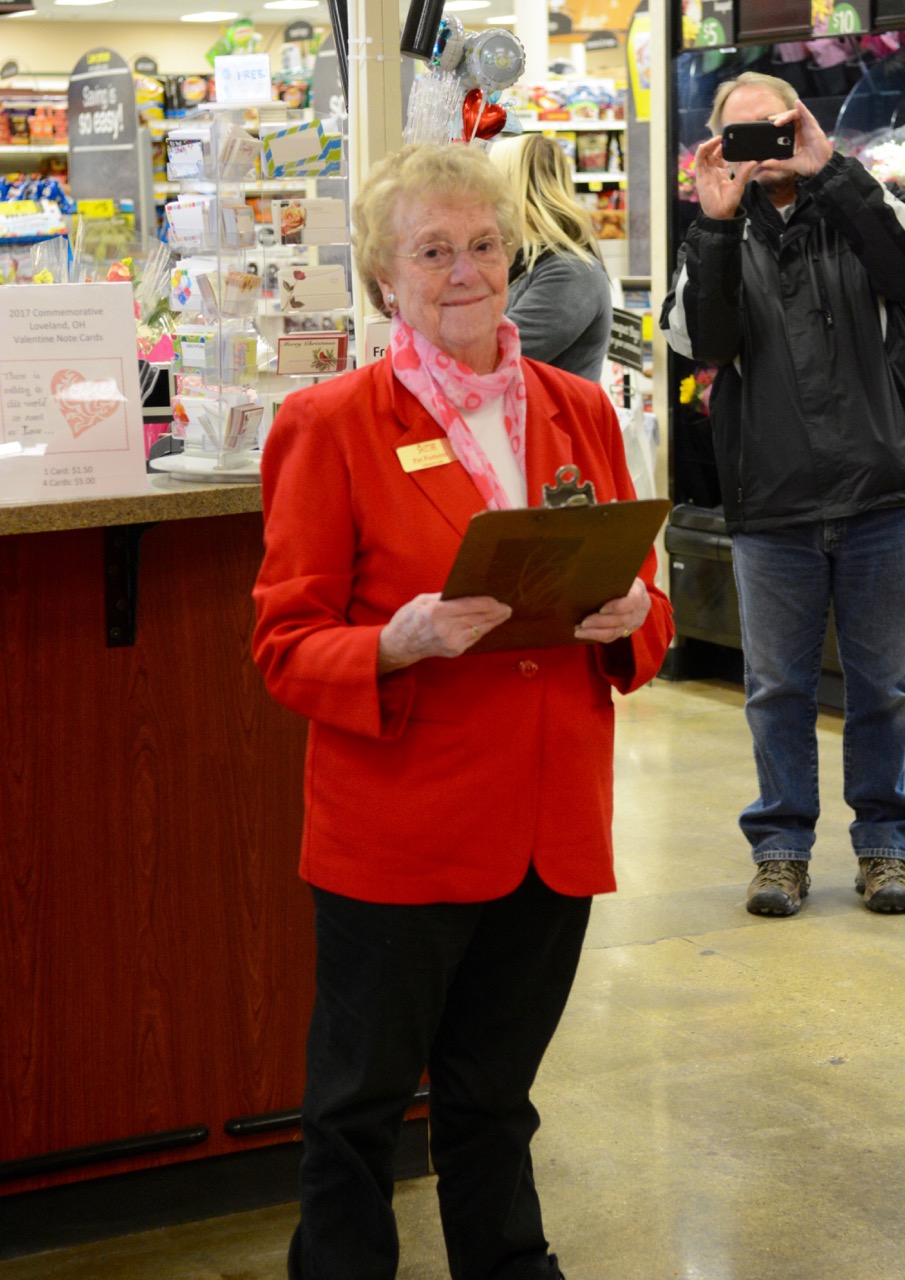
Loveland, Ohio – The Little Miami River Chamber Alliance says they are excited to kick-off the 2021 Valentine Program with the assistance of the Valentine Committee. The Committee is chaired by past Valentine Lady Patricia Furterer and is comprised of some of the Valentine Ladies from past years and other representatives from Loveland.
Valentine Card designs and all the names of the Valentine Ladies are engraved on granite walls in Historic Downtown Loveland.
The committee is now accepting nominations for the 2021 Valentine Lady. Valentine Lady nominees are women who distinguish themselves in community, school, and family endeavors. The Valentine Lady serves as the official spokesperson of the Valentine Program in the Loveland area and helps the Chamber make the 2021 Valentine Program a success.
The Committee is chaired by past Valentine Lady Patricia Furterer and is comprised of some of the Valentine Ladies from past years and other representatives from Loveland.
Nominees must reside in the Loveland 45140 zip code, and be able to work with the Chamber January 2, 2021 through the end of February 2021, stamping Valentine cards and visiting area schools, businesses, and other community organizations and participating in area events throughout the year.
Ohio Sweetheart City Offers Valentine Card Design Contest
Don’t miss the opportunity to compete in the Annual Valentine Card Design Contest sponsored by the Little Miami River Chamber Alliance. All Tri-State area artists, photographers, high school students, and interested persons are encouraged to participate.
If you can design a card which pertains to love and Valentine’s Day, and contains the signature slogan, “There is nothing in this world so sweet as love”, submit the original artwork to the Little Miami River Chamber Alliance.
“The submission deadline is November 20, 2020 but don’t wait until the last minute and be caught in the holiday rush,” says the Chamber.
The winning card design will be unveiled at the Valentine Kick-off on January 9, 2021 and will be the official 2021 Valentine card.
The card will be for sale at several Loveland area businesses, stores, and other locations. Don’t miss the opportunity to have your design displayed for everyone to admire.
Send your Valentine Lady nominations and card designs to:
Little Miami River Chamber Alliance
113 Karl Brown Way Floor #2
Loveland, Ohio 45140
Nominations and card designs must be received at the Chamber office by November20, 2020.
All nominees will be recognized at the Valentine Kick-off on January 9, 2021 and the annual Valentine Breakfast on February 12, 2021. For further information, feel free to contact:
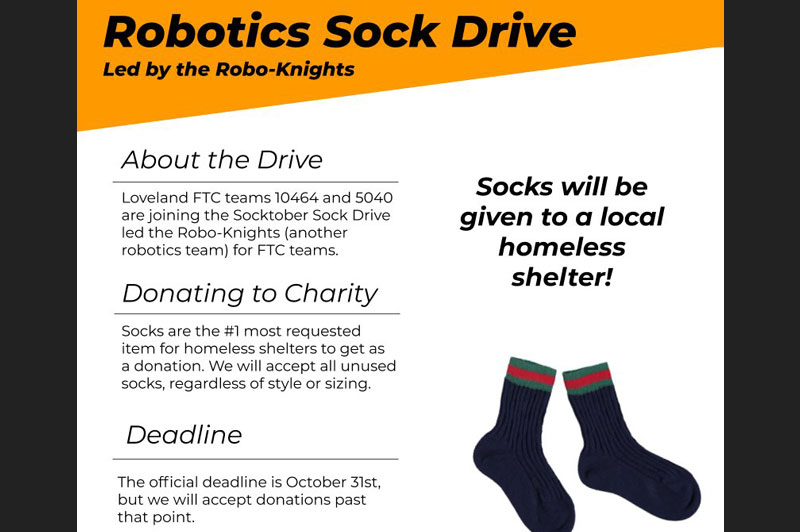
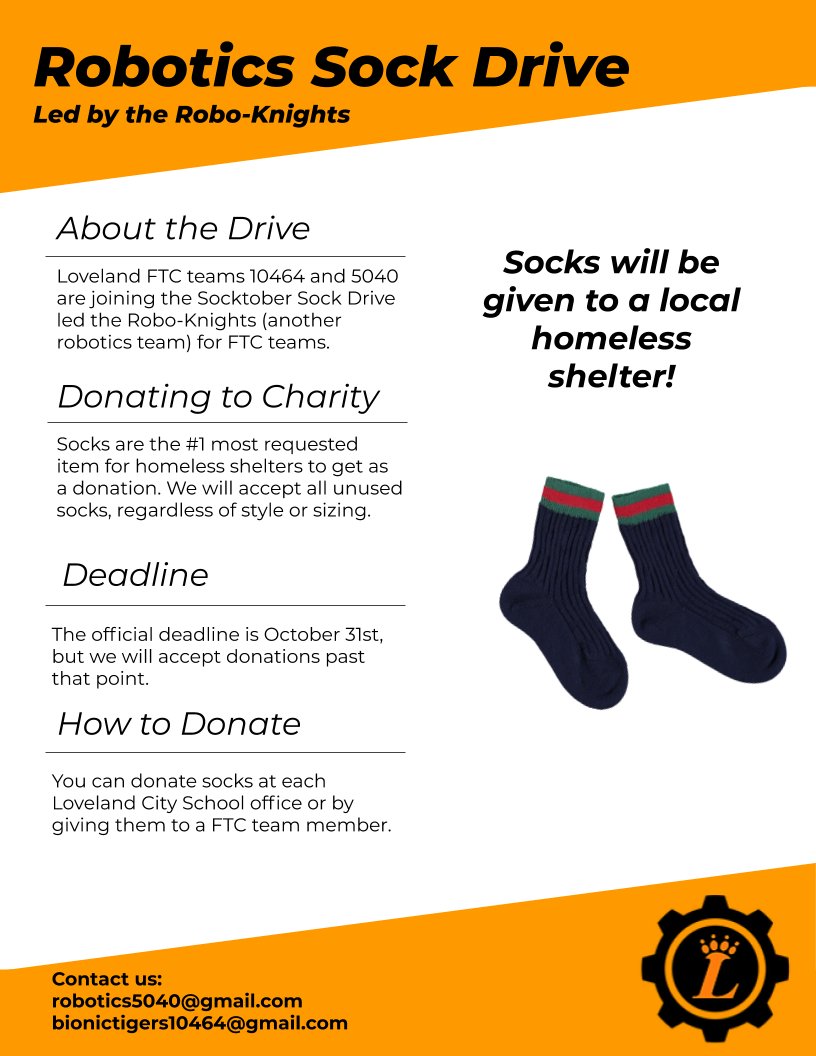
@BionicTigersFTC are participating in a sock drive led by @CRoboknights to donate to homeless shelters. If you would like to donate, there are boxes at LECC, LPS, LIS, and LMS, or you can ask a team member.
Symmes Township resident and Great Oaks Director of Student Services Nancy Mulvey was honored this month with the Distinguished Service Award from the National Council of Local Administrators NCLA, a national association for career and technical administrators. She was recognized for her service to career-technical education and for her professional accomplishments.
Mulvey has served the students of Great Oaks Career Campuses for more than 30 years as a math teacher, counselor, career specialist, campus dean, and district administrator. In her current role as Director of Student Services, she has strengthened both physical health and mental health services for students, led the effort to rewrite Board policies, began a summer camp program for younger students, and helped guide the district to record levels of high school enrollment.
The nomination read in part, “Nancy recognizes best practices in the field, and shares, adapts, and improves those practices to benefit current and future students as well as the organizations she serves. She freely shares her own ideas and innovations and champions those practices that others have developed, for the benefit of career-technical education as a whole.”
The award was presented virtually during the NCLA Best Practices Conference, which was held online this year.
“When we try to pick out anything by itself, we find it hitched to everything else in the Universe,” John Muir, a transcendentalist, wrote of nature’s connectedness in his 1911 book, My First Summer in the Sierra.
In 1997, Nature journal published ecologist Suzanne Simard’s Ph.D. theses, describing newfound proof of how plants within communities can be interconnected through an underground system, called a mycorrhizal network, to interact with each other.
This is Part 2 of a series Loveland resident and Ohio University student, Joe Timmerman wrote for The Post in Athens, Ohio. The Post is an award-winning, student-run media outlet that publishes online daily and also prints a weekly tabloid. They cover local and Ohio University news, sports, Athens life, entertainment and everything in between. The series is re-published here in Loveland Magazine with permission of The Post and Loveland High School graduate, Joe Timmerman a frequent contributor to Loveland Magazine.
“All trees all over the world, including paper birch and Douglas fir, form a symbiotic association with below-ground fungi … They compete with each other, but our work shows that they also cooperate with each other by sending nutrients and carbon back and forth through mycorrhizal networks,” Simard said in an interview with Yale Environment 360.
In this sense, trees communicate with one another on a deeper level than what is seen in the overstory and the understory of a forest.
From mothers and fathers sharing memories of trees they have grown to love with their kids to a lifelong woodworker who discovered a new relationship with wood as time went by, people are connecting with nature in new and old ways, as COVID-19 has brought a global feeling of social disconnection. People and their trees alike have a story to be told.
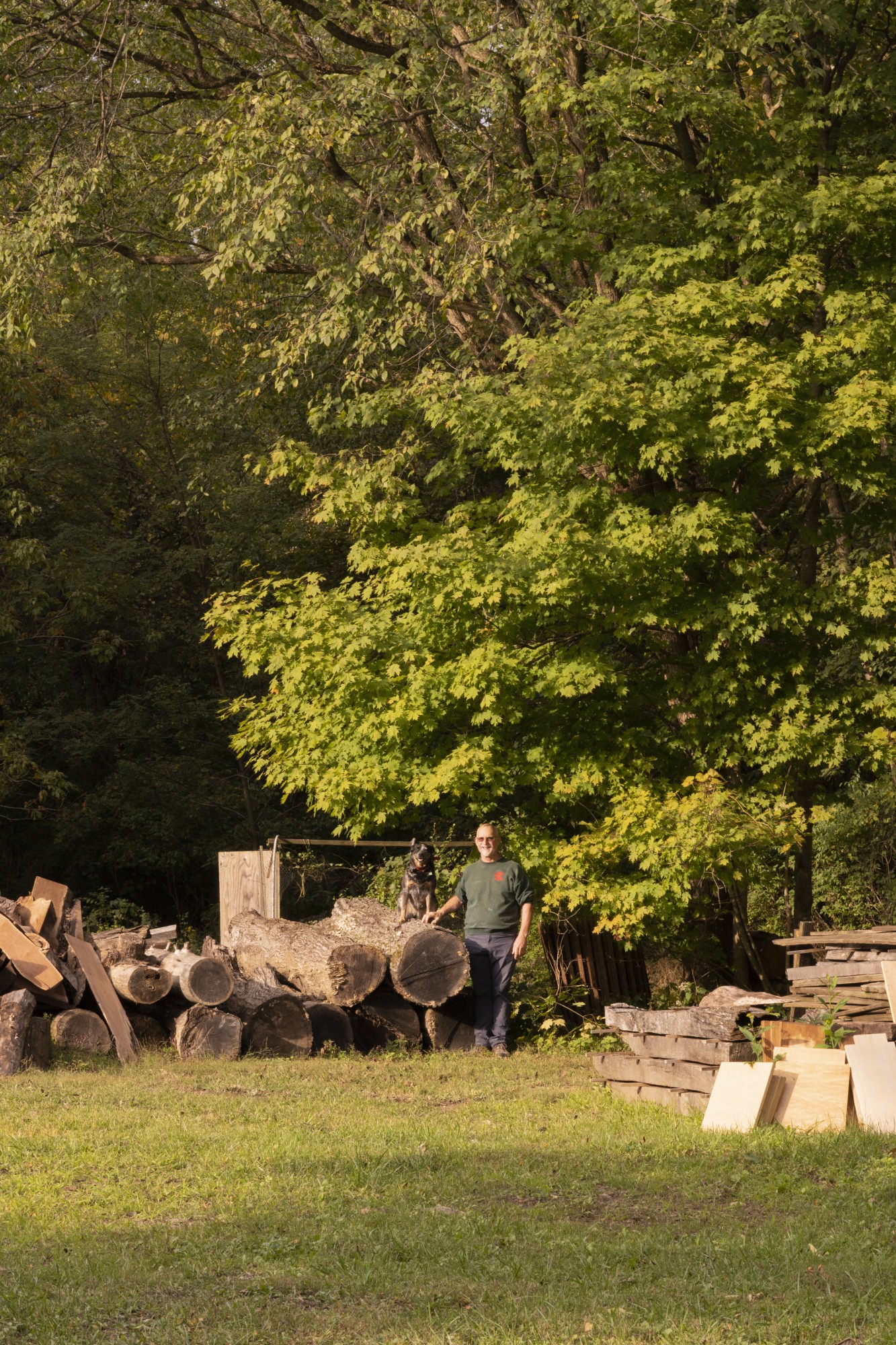
Phil Ping and his dog, Bandit, of Loveland, Ohio, with his logs and boards of maple, oak, walnut and pine. Ping has been a full-time woodworker for 35 years and has lived in his home for the same amount of time. The wood in the foreground are boards and slabs he cut from the logs that now have to air dry for one year per one-inch thickness before Ping will make them into tables, benches, shelves and more.
“The wood in the piles here are just waiting for their project,” Ping said. “Most of the wood I use in my built-in projects is from Paxton Lumber in Cincinnati. I use a lot of poplar, oak and maple. I use a sawmill to custom-cut local wood from dead trees that people bring by the shop. It’s been a great business to be in. Wood is a wonderful thing. I have a degree in agriculture, but I started in botany, so I’ve always loved plants and trees and have a real appreciation for trees and different species. When I first got my sawmill, it really changed my whole attitude for trees, so now not only do I love the outside, but I started to take them apart and learn how to use them in my craft. It’s been an ongoing relationship knowing how to handle the wood from the log all the way to the finished piece that I would sell to a client.”
Part 3 will introduce you to Iris Wilson of Hamilton Township, Ohio, with her pin oak tree. Wilson takes care of her dad, who still lives in this farmhouse.
Jake Zuckerman is a statehouse reporter. He spent three years chronicling the West Virginia Legislature for The Charleston Gazette-Mail after covering cops and courts for The Northern Virginia Daily.
This story was written by Jake Zuckerman with local news added by Loveland Magazine staff.
–
Thursday was Ohio’s worst day of the pandemic and all evidence suggests things are likely to worsen, according to interviews and new state data.
Nearly 2,200 new COVID-19 infections were reported Thursday, the state’s third record breaking day last week.
There were 1,041 Ohioans in the hospital with COVID-19 — about 100 shy of the all-time high set in late July. The COVID-19-hospitalized population has nearly doubled since mid-September.
A “Public Emergency” has been declared in RED counties – with very high exposure and spread.
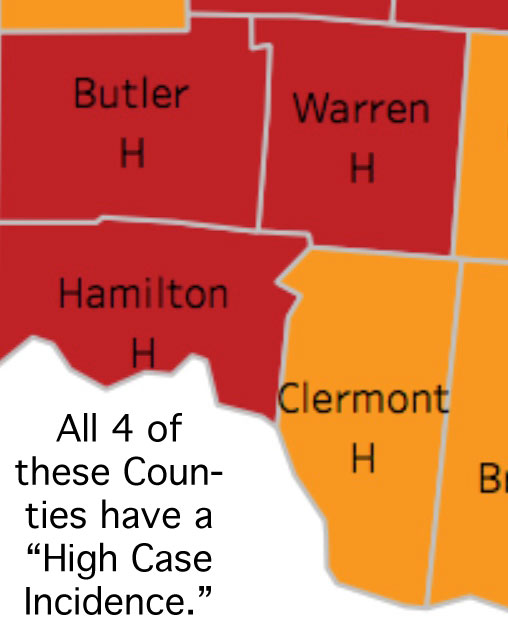
On Thursday, Governor DeWine released Ohio’s updated Public Health Advisory System map. New health data compiled by the Ohio Department of Health found that 29 counties currently have a very high risk of exposure and spread (Level 3): Hamilton, Butler, and Warren are among the “RED” counties.
“We’ve gone up dramatically in a relatively short period of time,” Gov. Mike DeWine said to reporters Thursday.
“What you’re seeing in today’s numbers should get our attention,” DeWine said. “There’s a red tide flowing all over the state of Ohio.”
Thirteen new counties turned red this week indicating “very high exposure and spread” on the Ohio Public Health Advisory System — a product of seven inputs like hospital visits, outpatient care visits in a county, population-adjusted infection rates and others. Twenty-nine counties are red, spanning about two-thirds of the state’s population.
“What you’re seeing in today’s numbers should get our attention,” DeWine said. “There’s a red tide flowing all over the state of Ohio.”
DeWine said some of the newly-turned red counties are slated to host community events like political rallies, pub crawls and social gatherings and that “now is really the time to rethink whether these are in the best interest of the community.”
He did not address his own administration’s decision to exempt recent rallies for President Donald Trump from the statewide mask requirement.
While DeWine said there are no plans in store for any kind of statewide stay-at-home order, he declined to promise against instituting the policy down the line.
All told, nearly 176,000 Ohioans have contracted COVID-19. Nearly 17,000 have been hospitalized, and 5,038 have died since March.
In red counties, health department staff said they continue to see spread at family gatherings like bonfires, birthday parties and barbeques.
Jennifer Hiestand, a public information officer at the Zanesville-Muskingum County Health Department, estimated 60% of people in public are wearing masks. Contact tracers have found “mini outbreaks” that are seemingly the result of people letting their guards down.
In red counties, health department staff said they continue to see spread at family gatherings like bonfires, birthday parties and barbeques.
“People just made the decisions not to social distance or not to wear a mask, those things that they probably should have,” she said.
Mahoning County Health Commissioner Ryan Tekac said he is seeing a lot of the county’s progress this summer start to erode as cold weather drives people inside.
“I think there are some concerns right now that individuals are putting their guards down,” he said.
Ohio’s recent case surge fits in with a national trend. The New York Times reports cases are trending upward in 41 states, especially in the Midwest.
Sycamore Aves mom reminds us of the importance to stay home if you’re experiencing COVID-19 symptoms. These next few weeks will be crucial. Please do your part so we can stay in school!
Two holidays are coming up that will test Ohio’s public health discipline — Halloween and Thanksgiving.
Tekac said there’s a lot of concern, especially with Thanksgiving, about the potential for outbreaks. However, he said people know the guidance; wear masks, keep your distance, wash your hands, outside is better than inside.
He said at a certain point it comes to individuals making their own good decisions.
Dr. Anthony Fauci, the top infectious disease expert at the National Institute of Health, told CBS News it’s an “unfortunate fact” that Thanksgiving will cause a lot of spread and suggested skipping out on the tradition this year.
“I think given the fluid and dynamic nature of what’s going on right now and the spread and uptick of infections, I think people should be very careful and prudent about social gatherings,” he said.










 Mulvey has served the students of Great Oaks Career Campuses for more than 30 years as a math teacher, counselor, career specialist, campus dean, and district administrator. In her current role as Director of Student Services, she has strengthened both physical health and mental health services for students, led the effort to rewrite Board policies, began a summer camp program for younger students, and helped guide the district to record levels of high school enrollment.
 This is Part 2 of a series Loveland resident and Ohio University student,