Tag: environment

  • The Eastern Coyote: Ohio’s newest mammal

    The Eastern Coyote: Ohio’s newest mammal

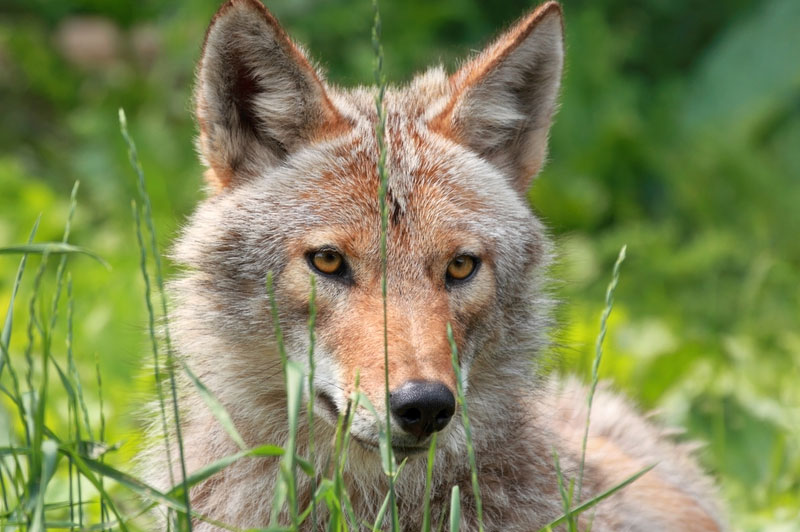
    Interbreeding between western coyotes and the remnant gray wolf populations of the Great Lakes region gave birth to a new species: the eastern coyote

    Guest Column by Chris Glassmeyer

    As the early settlers of the U.S. forged westward, their main priority was finding a place to call home. However, as they began to inhabit our country, not only did they affect the animals who lived here first, they affected where these creatures lived. The natural predators that called Ohio’s landscape home – the black bear, the bobcat and the eastern wolf – drastically reduced in size with colonization. Prior to the mid-1800s, coyotes were only found in the western U.S.  But as people colonized states, and populations grew, native predators became more and more scarce. Species native to other parts of the U.S. began traveling across the country to find a new home.

    The eastern coyote came about from interbreeding between western coyotes and the remnant gray wolf.

    With Ohio being void of apex predators, a vital niche was left unfulfilled.  That is, until the coyotes arrived. Before Europeans settled the new world, coyotes (Canis latrans) were only found in the American west. Then, in the 1940s, western coyotes started moving east into the northern Great Lakes region after the extirpation of the gray wolf. Interbreeding between western coyotes and the remnant gray wolf (Canis lupus) populations of the Great Lakes region gave birth to a new species: the eastern coyote (Canis latrans × Canis lycaon [or Canis latrans var.]). Being masters of opportunity, the eastern coyote soon swarmed Ohio and other eastern states. They quickly adapted and claimed the once-empty title of apex predator in Ohio.

    Chris Glassmeyer is the Conservation and Parks Manager for Great Parks of Hamilton County 

    One of the most notable differences between the eastern and the western coyote is size. Eastern coyotes can grow to be 30-40 pounds on average. (For comparison, the western coyote has an average weight of 20-30 pounds.) Female eastern coyotes weigh roughly 21 percent more than their male western counterparts. This size difference is largely because of the interbreeding of eastern coyotes with wolves of the Great Lakes region. The western coyote, however, has shown no interbreeding with wolves.

    The opportunistic behavior of the eastern coyote makes them adaptable to many environments, including urban and suburban areas. Their diet varies, and is largely based on the time of the year. Small rodents, such as mice, rabbits and voles, are a staple in the coyote’s diet.

    The opportunistic behavior of the eastern coyote makes them adaptable to many environments, including urban and suburban areas. Their diet varies, and is largely based on the time of the year. Small rodents, such as mice, rabbits and voles, are a staple in the coyote’s diet. Though, eastern coyotes have been known to consume larger animals, such as deer. However, because they are opportunistic feeders, eastern coyotes are both hunters and scavengers. Meaning they don’t regularly kill deer, but typically feed on the carrion deer leave behind. Coyotes have been known to eat deer during the winter months. Other food sources such as berries, vegetables and nuts are regularly consumed as an easy meal.

    Loveland Sweets is a purveyor of hand-crafted chocolates, caramels, marshmallows, and ice creams. Our house-made candies are prepared in small batches


    The cunningness and adaptability of the eastern coyote has brought them a little too close to home for many people. Coyotes are now common in city and suburban environments, as it has proven to be a bountiful food source for this resourceful predator. Those who are fearful of coyotes should take precautions against attracting them. Removing pet food and garbage, and cleaning up around outdoor grills are a good start to prevent coyotes from getting too close to your home. Small mammals make up a majority of the coyote’s diet. If you’re worried about your pet, keep small dogs and cats indoors, or supervising them while outdoors, is a good way to deter predation. Coyotes are particularly fearful of humans, so your presence can deter a problem before it arises.

    If you’re worried about your pet, keep small dogs and cats indoors, or supervising them while outdoors, is a good way to deter predation. Coyotes are particularly fearful of humans, so your presence can deter a problem before it arises.

    Predators are a necessary part of any ecosystem. Without them, the checks and balances that keep our natural areas functioning are nonexistent. We must move past the inherent fear of predators and work toward a lifestyle that embraces them in a spirit of coexistence. Humans, after all, are the greatest predator that this world has ever seen. And like the coyote, we’re working to adapt and survive.



      Loveland chiropractor Douglas Portmann, DC at Wards Corner Chiropractic & Sports Rehab is one of the best chiropractors in the Loveland area.
  • Earth Day 2018: 101 ways to fight climate change

    Earth Day 2018: 101 ways to fight climate change

    By

    Each year on April 22, more than one billion people in 192 countries celebrate the largest civic-focused day of action in the world: Earth Day. It’s a day chosen to commemorate the birth of the modern environmental movement in 1970, and the annual event now includes themes, well-organized action plans, and events in cities big and small.

    Beyond providing a platform to discuss particular challenges—like plastic pollution, this year’s theme—Earth Day is also an opportunity to recommit to environmentalism with the understanding that individual actions can make a difference.


    Curbed searched communities across the country and around the world, consulted experts and advocates, and pulled from our voluminous coverage on sustainable cities to create a go-to guide for climate action. Our goal is to provide practical, implementable advice on an individual level, as well as to illustrate the power of collective commitments. We hope you will share more of your own ideas, inspirations, and suggestions in the comments.


  • Loveland High School honored as Trex National Recycling Challenge Winner

    Loveland High School honored as Trex National Recycling Challenge Winner

    “An incredible team building exercise,” said Tracy Burge

    Loveland, Ohio – Loveland High School (LHS) students have earned the title of a national winner of the 10th annual Trex Plastic Film Recycling Challenge, a program designed to help educate students about the importance of recycling.

    “The Trex Plastic Film Recycling Challenge is not only an engaging way to teach the importance of recycling, but it also serves as an incredible team building exercise,” said Tracy Burge, LHS environmental science teacher. “Our students worked together and with the community to recycle as much plastic as possible, and we are so thrilled that they demonstrated such strong leadership in this effort to save the planet!”

    To capture this year’s top honors, LHS students recycled more than 950 pounds of polyethylene plastic. In recognition of their outstanding efforts, Trex Company, presented the students with a new Trex bench for use at their school, as well as a picture frame made from Trex composite materials to showcase their winner certificate.

    “We want the Tiger Family to know that now and in the following years we will recycle all flat plastic in room 283 at the high school,” said Burge. “Next year we will have bins outside at the schools. This contest goes on every year, and our goal is to repeat this success.”

    The Trex Plastic Film Recycling Challenge pits K-12 schools across the country against one another in a fun, friendly competition to collect and recycle the most plastic bags and other types of polyethylene materials for the chance to win Trex products for their schools. Instead of going into landfills, that plastic waste will be converted into beautiful Trex composite decking.

    “Offering a rewarding, hands-on school project, the Trex Plastic Film Recycling Challenge provides students with a better understanding and appreciation for sustainable practices,” said Stephanie Hicks, material resource coordinator for Trex. “After a decade, the program is still growing – with a record number of schools competing this year – and continues to educate tens of thousands of students about environmental responsibility.”

    One of the largest recyclers of plastic in the U.S., Trex uses more than 1.5 billion plastic bags to make its eco-friendly, wood-alternative outdoor living products each year. A standard 16-foot Trex board contains recycled material from approximately 2,250 plastic bags. In addition to plastic grocery and retail bags, Trex reuses polyethylene plastic from a variety of common household items – such as case overwraps, bread bags, bubble wrap, newspaper sleeves and dry cleaning bags – to create composite products that offer a superior alternative to wood and an environmentally responsible choice to consumers.

    For more information about the Trex Plastic Film Recycling Challenge, visit Trex.com/Recycling.


    Raising Joyful Rebels, a Guide for Moms by local author, Fran Hendrick

    Loveland based author, Fran Hendrick says moms can become pros at growing girls’ resilience, strength, and happiness.


  • Loveland Magazine commitments to principals of Paris Climate Accord and the Kyoto Protoco

    Loveland Magazine commitments to principals of Paris Climate Accord and the Kyoto Protoco

    Loveland Magazine will adopt, honor, and uphold the commitments to the goals enshrined in the Paris Climate Accord and the Kyoto Protocol. We will increase our efforts to cut greenhouse gas emissions in our personal lives and our workplace, create a clean energy economy, and stand for environmental justice. We will encourage local residents and communities to work together to advance local climate action to lower carbon emissions, clean energy solutions, and seek every opportunity to assert our leadership on this critical issue, so that future generations of Loveland children will have a healthy city in which to live and thrive.