Loveland, Ohio– Sharon Scovanner the local Loveland resident, now regional expert on “Forever Chemicals” contaminating drinking water in Loveland and around the region was featured in the print and eNewspaper of the USA TODAY NETWORK and the Columbus Dispatch on Sunday, August 18.
The story reports that, “Loveland resident Sharon Scovanner only drinks filtered water. She’s concerned about her city’s reported level of PFAS compounds in the public water system and the potential health risks of continued exposure to the chemicals, which linger in the environment and in human bodies. Per- and polyfluoroalkyl substances, abbreviated PFAS, are chemicals first manufactured in the 1940s. They have been linked to certain cancers, fertility issues and other health concerns”
Scovanner said, “Loveland has made claims about the health effects of PFAS in a federal lawsuit that differ from the information the city gives its residents.”
“I just know they didn’t tell us. They are telling us to continue to drink the water, they’re saying it’s safe, and that is not accurate. No official governmental agency that has any credence on this topic would agree with that.” –––Sharon Scovanner
Testing has revealed that Loveland has two “Forever Chemicals” in its drinking water. One, at a level four times higher than what is the enforceable standard of the U.S. Environmental Protection Agency. This is the highest reported level in the area. US EPA has acknowledged that no levels of PFAS are safe without the risk of negative health impacts.
Kris Hansen had never before spoken publicly about what happened in 3M’s environmental lab — until now.
How 3M Executives Convinced a Scientist the Forever Chemicals She Found in Human Blood Were Safe
Decades ago, Kris Hansen showed 3M that its PFAS chemicals were in people’s bodies. Her bosses halted her work. As the EPA now forces the removal of the chemicals from drinking water, she wrestles with the secrets that 3M kept from her and the world.
Re-published here in Loveland Magazine with the permission of ProPublicia and the New Yorker magazine. Video files added by Loveland Magazine.
_________________
Kris Hansen had never before spoken publicly about what happened in 3M’s environmental lab — until now.
Kris Hansen had worked as a chemist at the 3M Corporation for about a year when her boss, an affable senior scientist named Jim Johnson, gave her a strange assignment. 3M had invented Scotch Tape and Post-it notes; it sold everything from sandpaper to kitchen sponges. But on this day, in 1997, Johnson wanted Hansen to test human blood for chemical contamination.
Several of 3M’s most successful products contained man-made compounds called fluorochemicals. In a spray called Scotchgard, fluorochemicals protected leather and fabric from stains. In a coating known as Scotchban, they prevented food packaging from getting soggy. In a soapy foam used by firefighters, they helped extinguish jet-fuel fires. Johnson explained to Hansen that one of the company’s fluorochemicals, PFOS — short for perfluorooctanesulfonic acid — often found its way into the bodies of 3M factory workers. Although he said that they were unharmed, he had recently hired an outside lab to measure the levels in their blood. The lab had just reported something odd, however. For the sake of comparison, it had tested blood samples from the American Red Cross, which came from the general population and should have been free of fluorochemicals. Instead, it kept finding a contaminant in the blood.
Johnson asked Hansen to figure out whether the lab had made a mistake. Detecting trace levels of chemicals was her specialty: She had recently written a doctoral dissertation about tiny particles in the atmosphere. Hansen’s team of lab technicians and junior scientists fetched a blood sample from a lab-supply company and prepped it for analysis. Then Hansen switched on an oven-size box known as a mass spectrometer, which weighs molecules so that scientists can identify them.
As the lab equipment hummed around her, Hansen loaded a sample into the machine. A graph appeared on the mass spectrometer’s display; it suggested that there was a compound in the blood that could be PFOS. That’s weird, Hansen thought. Why would a chemical produced by 3M show up in people who had never worked for the company?
Hansen didn’t want to share her results until she was certain that they were correct, so she and her team spent several weeks analyzing more blood, often in time-consuming overnight tests. All the samples appeared to be contaminated. When Hansen used a more precise method, liquid chromatography, the results left little doubt that the chemical in the Red Cross blood was PFOS.
Hansen now felt obligated to update her boss. Johnson was a towering, bearded man, and she liked him: He seemed to trust her expertise, and he found something to laugh about in most conversations. But, when she shared her findings, his response was cryptic. “This changes everything,” he said. Before she could ask him what he meant, he went into his office and closed the door.
This was not the first time that Hansen had found a chemical where it didn’t belong. A wiry woman who grew up skiing competitively, Hansen had always liked to spend time outdoors; for her chemistry thesis at Williams College, she had kayaked around the former site of an electric company on the Hoosic River, collecting crayfish and testing them for industrial pollutants called polychlorinated biphenyls, or PCBs. Her research, which showed that a drainage ditch at the site was leaking the chemicals, prompted a news story and contributed to a cleanup effort overseen by the Massachusetts Department of Environmental Protection. At 3M, Hansen assumed that her bosses would respond to her findings with the same kind of diligence and care.
Hansen stayed near Johnson’s office for the rest of the day, anxiously waiting for him to react to her research. He never did. In the days that followed, Hansen sensed that Johnson had notified some of his superiors. She remembers his boss, Dale Bacon, a paunchy fellow with gray hair, stopping by her desk and suggesting that she had made a mistake. “I don’t think so,” she told him. In subsequent weeks, Hansen and her team ordered fresh blood samples from every supplier that 3M worked with. Each of the samples tested positive for PFOS.
3M Global Headquarters in Maplewood, Minnesota
In the middle of this testing, Johnson suddenly announced that he would be taking early retirement. After he packed up his office and left, Hansen felt adrift. She was so new to corporate life that her office clothes — pleated pants and dress shirts — still felt like a costume. Johnson had always guided her research, and he hadn’t told Hansen what she should do next. She reminded herself of what he had said — that the chemical wasn’t harmful in factory workers. But she couldn’t be sure that it was harmless. She knew that PCBs, for example, were mass-produced for years before studies showed that they accumulate in the food chain and cause a range of health issues, including damage to the brain. The most reliable way to gauge the safety of chemicals is to study them over time, in animals and, if possible, in humans.
What Hansen didn’t know was that 3M had already conducted animal studies — two decades earlier. They had shown PFOS to be toxic, yet the results remained secret, even to many at the company. In one early experiment, conducted in the late ’70s, a group of 3M scientists fed PFOS to rats on a daily basis. Starting at the second-lowest dose that the scientists tested, about 10 milligrams for every kilogram of body weight, the rats showed signs of possible harm to their livers, and half of them died. At higher doses, every rat died. Soon afterward, 3M scientists found that a relatively low daily dose, 4.5 milligrams for every kilogram of body weight, could kill a monkey within weeks. (Based on this result, the chemical would currently fall into the highest of five toxicity levels recognized by the United Nations.) This daily dose of PFOS was orders of magnitude greater than the amount that the average person would ingest, but it was still relatively low — roughly comparable to the dose of aspirin in a standard tablet.
In 1979, an internal company report deemed PFOS “certainly more toxic than anticipated” and recommended longer-term studies. That year, 3M executives flew to San Francisco to consult Harold Hodge, a respected toxicologist. They told Hodge only part of what they knew: that PFOS had sickened and even killed laboratory animals and had caused liver abnormalities in factory workers. According to a 3M document that was marked “CONFIDENTIAL,” Hodge urged the executives to study whether the company’s fluorochemicals caused reproductive issues or cancer. After reviewing more data, he told one of them to find out whether the chemicals were present “in man,” and he added, “If the levels are high and widespread and the half-life is long, we could have a serious problem.” Yet Hodge’s warning was omitted from official meeting notes, and the company’s fluorochemical production increased over time.
Hansen’s bosses never told her that PFOS was toxic. In the weeks after Johnson left 3M, however, she felt that she was under a new level of scrutiny. One of her superiors suggested that her equipment might be contaminated, so she cleaned the mass spectrometer and then the entire lab. Her results didn’t change. Another encouraged her to repeatedly analyze her syringes, bags and test tubes, in case they had tainted the blood. (They had not.) Her managers were less concerned about PFOS, it seemed to Hansen, than about the chance that she was wrong.
Sometimes Hansen doubted herself. She was 28 and had only recently earned her Ph.D. But she continued her experiments, if only to respond to the questions of her managers. 3M bought three additional mass spectrometers, which each cost more than a car, and Hansen used them to test more blood samples. In late 1997, her new boss, Bacon, even had her fly out to the company that manufactured the machines, so that she could repeat her tests there. She studied the blood of hundreds of people from more than a dozen blood banks in various states. Each sample contained PFOS. The chemical seemed to be everywhere.
When 3M was founded, in 1902, it was known as the Minnesota Mining and Manufacturing Company. After its mining operations flopped, the company pivoted to sandpaper and then to a series of clever inventions aimed at improving everyday life. An early employee noticed that autoworkers were struggling to paint two-tone cars, which were popular at the time; he eventually invented masking tape, using crêpe paper and cabinetmaker’s glue. Another 3M employee created Post-it notes to help him bookmark passages in his church hymnal. An official history of 3M, published for the company’s 100th anniversary, celebrated its “tolerance for tinkerers.”
Fluorochemicals had their origins in the American effort to build the atomic bomb. During the Second World War, scientists for the Manhattan Project developed one of the first safe processes for bonding carbon to fluorine, a dangerously reactive element that experts had nicknamed “the wildest hellcat” of chemistry. After the war, 3M hired some Manhattan Project chemists and began mass-producing chains of carbon atoms bonded to fluorine atoms. The resulting chemicals proved to be astonishingly versatile, in part because they resist oil, water and heat. They are also incredibly long-lasting, earning them the moniker “forever chemicals.”
In the early ’50s, 3M began selling one of its fluorochemicals, PFOA, to the chemical company DuPont for use in Teflon. Then, a couple of years later, a dollop of fluorochemical goo landed on a 3M employee’s tennis shoe, where it proved impervious to stains and impossible to wipe off. 3M now had the idea for Scotchgard and Scotchban. By the time Hansen was in elementary school, in the ’70s, both products were ubiquitous. Restaurants served French fries in Scotchban-treated packaging. Hansen’s mother sprayed Scotchgard on the living-room couch.
Hansen grew up in Lake Elmo, Minnesota, not far from 3M’s headquarters. Her father was one of the company’s star engineers and was even inducted into its hall of fame in 1979; he had helped to create Scotch-Brite scouring pads and Coban wrap, a soft alternative to sticky bandages. Once, he molded some fibers into cups, thinking that they might make a good bra. They turned out to be miserably uncomfortable, so he and his colleagues placed them over their mouths, giving the company the inspiration for its signature N95 mask.
First image: Lake Elmo, Minnesota, the town not far from 3M headquarters where Kris Hansen grew up. Second image: Family photos of Paul Hansen, Kris’ father, at 3M functions over the years.
Hansen never intended to follow her father to the company. She spent her childhood summers catching turtles and leopard frogs at the lake and hoped to have a career in environmental conservation. Her first job after earning her chemistry Ph.D. was on a boat, which took her to remote parts of the Pacific Ocean. But the voyage left her so seasick that she lost 20 pounds, and she soon retreated to Minnesota. In 1996, at her father’s suggestion, Hansen applied for a position in 3M’s environmental lab.
After Hansen started her PFOS research, her relationships with some colleagues seemed to deteriorate. One afternoon in 1998, a trim 3M epidemiologist named Geary Olsen arrived with several vials of blood and asked her to test them. The next morning, she read the results to him and several colleagues — positive for PFOS. As Hansen remembers it, Olsen looked triumphant. “Those samples came from my horse,” he said — and his horse certainly wasn’t eating at McDonald’s or trotting on Scotchgarded carpets. Hansen felt that he was trying to humiliate her. (Olsen did not respond to requests for comment.) What Hansen wanted to know was how PFOS was making its way into animals.
She found an answer in data from lab rats, which also appeared to have fluorochemicals in their blood. Rats that had more fish meal in their diets, she discovered, tended to have higher levels of PFOS, suggesting that the chemical had spread through the food chain and perhaps through water. In male lab rats, PFOS levels rose with age, indicating that the chemical accumulated in the body. But, curiously, in female rats the levels sometimes fell. Hansen was unsettled when toxicology reports indicated why: Mother rats seemed to be offloading the chemical to their pups. Exposure to PFOS could begin before birth.
Another study confirmed that Scotchban and Scotchgard were sources of the chemical. PFOS wasn’t an official ingredient in either product, but both contained other fluorochemicals that, the study showed, broke down into PFOS in the bodies of lab rats. Hansen and her team ultimately found PFOS in eagles, chickens, rabbits, cows, pigs and other animals. They also found 14 additional fluorochemicals in human blood, including several produced by 3M. Some were present in wastewater from a 3M factory.
At one point, Hansen told her father, Paul, that she was frustrated by the way senior colleagues kept questioning her work. Paul had recently retired, but he had confidence in 3M’s top executives, and he suggested that she take her findings directly to them. But as a relatively new employee — and one of the few women scientists at a company of about 75,000 people — Hansen found the idea preposterous. When Paul offered to talk to some of 3M’s executives himself, she was mortified at the idea of her father interceding.
Hansen knew that if she could find a blood sample that didn’t contain PFOS then she might be able to convince her colleagues that the other samples did. She and her team began to study historical blood from the early decades of PFOS production. They soon found the chemical in blood from a 1969-71 Michigan breast cancer study. Then they ran an overnight test on blood that had been collected in rural China during the ’80s and ’90s. If any place were PFOS-free, she figured, it would be somewhere remote, where 3M products weren’t in widespread use.
The next morning, anxious to see the results, Hansen arrived at the lab before anyone else. For the first time since she had begun testing blood, some of the samples showed no trace of PFOS. She was so struck that she called her husband. There was nothing wrong with her equipment or methodology; PFOS, a man-made chemical produced by her employer, really was in human blood, practically everywhere. Hansen’s team found it in Swedish blood samples from 1957 and 1971. After that, her lab analyzed blood that had been collected before 3M created PFOS. It tested negative. Apparently, fluorochemicals had entered human blood after the company started selling products that contained them. They had leached out of 3M’s sprays, coatings and factories — and into all of us.
That summer, an in-house librarian at 3M delivered a surprising article to Hansen’s office mailbox. It had been written in 1981 by 3M scientists, and it described a method for measuring fluorine in blood, indicating that even back then the company was testing for fluorochemicals. One scientist mentioned in the article, Richard Newmark, still worked for 3M, in a low-lying structure nicknamed the “nerdy building.” Hansen arranged to meet with him there.
Newmark, a collegial man with a compact build, told Hansen that, more than 20 years before, two academic scientists, Donald Taves and Warren Guy, had discovered a fluorochemical in human blood. They had wondered whether Scotchgard might be its source, so they approached 3M. Newmark told her that his subsequent experiments had confirmed their suspicions — the chemical was PFOS — but 3M lawyers had urged his lab not to admit it.
As Hansen wrote all this down in a notebook, she felt anger rising inside her. Why had so many colleagues doubted the soundness of her results if earlier 3M experiments had already proved the same thing? After the meeting, she hurried back to the lab to find Bacon. “He knew!” she told him.
Bacon’s face remained expressionless. He told Hansen to type up her notes for him. She remembers him telling her not to email them. (In response to questions about Hansen’s account, Bacon said that he didn’t remember specifics. When I called Newmark, he told me that he could not remember her or anything about PFOS. “It’s been a very long time, and I’m in my mid-80s, and just do not remember stuff that well,” he said.)
A few months later, in early 1999, Bacon invited Hansen to an extraordinary meeting: She would have the chance to present her findings to 3M’s CEO, Livio D. DeSimone. Hansen spent several days rehearsing while driving and making dinner. On the day of the meeting, she took an elevator up to the executive suite; her stomach turned as a secretary pointed her to a conference room. Men in suits sat around a long table. Her boss, Bacon, was there. DeSimone, a portly man with white hair, sat at the head of the table.
A photo that Kris Hansen saved shows her father, Paul, with 3M CEO Livio D. DeSimone.
Almost as soon as Hansen placed her first transparency on the projector, the attendees began interrogating her: Why did she do this research? Who directed her to do it? Whom did she inform of the results? The executives seemed to view her diligence as a betrayal: Her data could be damaging to the company. She remembers defending herself, mentioning Newmark’s similar work in the ’70s and trying, unsuccessfully, to direct the conversation back to her research. While the executives talked over her, Hansen noticed that DeSimone’s eyes had closed and that his chin was resting on his dress shirt. The CEO appeared to have fallen asleep. (DeSimone died in 2017. A company spokesperson did not answer my questions about the meeting.)
After that meeting, Hansen remembers learning from Bacon that her job would be changing. She would only be allowed to do experiments that a supervisor had specifically requested, and she was to share her data with only that person. She would spend most of her time analyzing samples for studies that other employees were conducting, and she should not ask questions about what the results meant. Several members of her team were also being reassigned. Bacon explained that a different scientist at 3M would lead research into PFOS going forward. Hansen felt that she was being punished and struggled not to cry.
Even as Hansen was being sidelined, the results of her research were quietly making their way into the files of the Environmental Protection Agency. Since the ’70s, federal law has required that companies tell the EPA about any evidence indicating that a company’s products present “a substantial risk of injury to health or the environment.” In May 1998, 3M officials notified the agency, without informing Hansen, that the company had measured PFOS in blood samples from around the U.S. — a clear reference to Hansen’s work. It did not mention its animal research from the ’70s, and it said that the chemical caused “no adverse effects” at the levels the company had measured in its workers. A year later, 3M sent the EPA another letter, again without telling Hansen. This time, it informed the agency about the 14 other fluorochemicals, several of them made by 3M, that Hansen’s team had detected in human blood. The company reiterated that it did not believe that its products presented a substantial risk to human health.
Hansen recalls that in the summer of 1999, at an annual picnic that her parents hosted for 3M scientists, she was grilling corn when one of the creators of Scotchgard, a gray-haired man in glasses, confronted her. He accused her of trying to tear down the work of her colleagues. Did it make her feel powerful ruining other people’s careers? he asked. Hansen didn’t know how to respond, and he walked away.
Several of Hansen’s superiors had stopped greeting her in the hallways. When she presented a poster of her research at a 3M event, nobody asked her about it. She lost her appetite, and her pleated pants grew baggy. She started to worry that an angry co-worker might confront or even harm her in the company’s dark parking lot. She got into the habit of calling her husband before walking to her car.
A year after Hansen’s meeting with the CEO, 3M, under pressure from the EPA, made a very costly decision: It was going to discontinue its entire portfolio of PFOS-related chemicals. In May 2000, for the first time, 3M officials revealed to the press that it had detected the chemical in blood banks. One executive claimed that the discovery was a “complete surprise.” The company’s medical director told The New York Times, “This isn’t a health issue now, and it won’t be a health issue.” But the newspaper also quoted a professor of toxicology. “The real issue is this stuff accumulates,” the professor said. “No chemical is totally innocuous, and it seems inconceivable that anything that accumulates would not eventually become toxic.”
Hansen was now pregnant with twins. Although she was heartened by 3M’s announcement — she saw it as evidence that her work had forced the company to act — she was also ready to leave the environmental lab, where she felt marginalized. After giving birth, she joined 3M’s medical devices team. But first, she decided to have one last blood sample tested for PFOS: her own. The results showed one of the lowest readings she’d seen in human blood. Immediately, she thought of the rats that had passed the chemical on to their pups.
Hansen told me that, for the next 19 years, she avoided the subject of fluorochemicals with the same intensity with which she had once pursued it. She focused on raising her kids and coaching a cross-country ski team; she worked a variety of jobs at 3M, none related to fluorochemicals. In 2002, when 3M announced that it would be replacing PFOS with another fluorochemical, PFBS, Hansen knew that it, too, would remain in the environment indefinitely. Still, she decided not to involve herself. She skipped over articles about the chemicals in scientific journals and newspapers, where they were starting to be linked to possible developmental, immune system and liver problems. (In 2006, after the EPA accused 3M of violating the Toxic Substances Control Act, in part by repeatedly failing to disclose the harms of fluorochemicals promptly, the company agreed to pay a small penalty of $1.5 million, without admitting wrongdoing.)
During that time, forever chemicals gained a new scientific name — per- and polyfluoroalkyl substances, or PFAS, an acronym that is vexingly similar to the specific fluorochemical PFOS. A swath of 150 square miles around 3M’s headquarters was found to be polluted with PFAS; scientists discovered PFOS and PFBS in local fish and various fluorochemicals in water that roughly 125,000 Minnesotans drank. Hansen’s husband, Peter, told me that, when friends asked Hansen about PFAS, she would change the subject. Still, she repeatedly told him — and herself — that the chemicals were safe.
First image: Hansen. Second image: A sign warns against consuming fish from Eagle Point Lake in Lake Elmo Park Reserve because of PFAS contamination.
In the 2016 book “Secrecy at Work,” two management theorists, Jana Costas and Christopher Grey, argue that there is nothing inherently wrong or harmful about keeping secrets. Trade secrets, for example, are protected by federal and state law on the grounds that they promote innovation and contribute to the economy. The authors draw on a large body of sociological research to illustrate the many ways that information can be concealed. An organization can compartmentalize a secret by slicing it into smaller components, preventing any one person from piecing together the whole. Managers who don’t want to disclose sensitive information may employ “stone-faced silence.” Secret-keepers can form a kind of tribe, dependent on one another’s continued discretion; in this way, even the existence of a secret can be kept secret. Such techniques become pernicious, Costas and Grey write, when a company keeps a dark secret, a secret about wrongdoing.
Certain unpredictable events — a leak, a lawsuit, a news story — can start to unspool a secret. In the case of forever chemicals, the unspooling began on a cattle farm. In 1998, a West Virginia farmer told a lawyer, Robert Bilott, that wastewater from a DuPont site seemed to be poisoning his cows: They had started to foam at the mouth, their teeth grew black and more than a hundred eventually fell over and died. Bilott sued and obtained tens of thousands of internal documents, which helped push forever chemicals into the public consciousness. The documents revealed that the farm’s water contained PFOA, the fluorochemical that DuPont had bought from 3M, and that both companies had long understood it to be toxic. (The lawsuit, which ended in a settlement, was dramatized in the film “Dark Waters,” starring Mark Ruffalo as Bilott.) Bilott later sued 3M over contamination in Minnesota, but the judge prohibited discussion of health repercussions; a jury ultimately decided in 3M’s favor. Finally, in 2010, the Minnesota attorney general’s office filed its own suit, alleging that 3M had harmed the environment and polluted drinking water. The company paid $850 million in a settlement, without an admission of fault or liability. The AG also released thousands more internal 3M records to the public.
The AG’s records helped me report a series of stories for The Intercept about forever chemicals. Much of my reporting, which started in 2015, focused on what 3M and DuPont knew, even as they continued to produce PFAS. But, as I reported on the cover-up, I wondered what it meant for a sprawling multinational company to know that its products were dangerous. Who knew? How much, exactly, did they know? And how had the company kept its secret? For many years, no one inside 3M would agree to speak with me.
Then, in 2021, John Oliver did a segment on his comedy news show, “Last Week Tonight,” about forever chemicals. The segment, which mentioned my reporting, said that they could cause cancer, immune-system issues and other problems. “The world is basically soaked in the Devil’s piss right now,” Oliver said. “And not in a remotely hot way.” One of Hansen’s former professors sent her the segment, and Hansen watched it at her kitchen table — a moment that would eventually lead her to me.
(This video contains mature language some may find offensive)
“This actually made me sad as there are so many inaccuracies,” Hansen wrote to her professor in response. But, when the professor asked her what was incorrect, Hansen didn’t know what to say. For the first time, she Googled the health effects of PFOS.
Hansen was deeply troubled by what she read. One paper, published in 2012 in the Journal of the American Medical Association, found that, in children, as PFOS levels rose so did the chance that vaccines were ineffective. Children with high levels of PFOS and other fluorochemicals were more likely to experience fevers, according to a 2016 study. Other research linked the chemicals to increased rates of infectious diseases, food allergies and asthma in children. Dozens of scientific papers had found that, in adults, even very low levels of PFOS could interfere with hormones, fertility, liver and thyroid function, cholesterol levels and fetal development. Even PFBS, the chemical that 3M chose as a replacement for PFOS, caused developmental and reproductive irregularities in animals, according to the Minnesota Department of Health.
Reading these studies, Hansen felt a paradoxical kind of relief: As bad as PFOS seemed to be, at least independent scientists were studying it. But she also felt enraged at the company and at herself. For years, she had repeated the company’s claim that PFOS was not harmful. “I’m not proud of that,” she told me. She felt “dirty” for ever collecting a 3M paycheck. When she read the documents released by the Minnesota AG, she was horrified by how much the company had known and how little it had told her. She found records of studies that she had conducted, as well as the typed notes from her meeting with Newmark.
In October 2022, after Hansen had been at 3M for 26 years, her job was eliminated, and she chose not to apply for a new one. Three months later, she wrote me an email, offering to speak about what she had witnessed inside the company. “If you’d be interested in talking further, please let me know,” she wrote. The next day, we had the first of dozens of conversations.
When Hansen first told me about her experiences, I felt conflicted. Her work seemed to have helped force 3M to stop making a number of toxic chemicals, but I kept thinking about the 20 years in which she had kept quiet. During my first visit to Hansen’s home, in February 2023, we sat in her kitchen, eating bread that her husband had just baked. She showed me pictures of her father and shared a color-coded timeline of 3M’s history with forever chemicals. On a bitterly cold walk in a local park, we tried to figure out if any of her colleagues, besides Newmark, had known that PFOS was in everyone’s blood. She often sprinkled her stories with such Midwesternisms as “holy buckets!”
Hansen at her home in Minnesota
During my second trip, this past August, I asked her why, as a scientist who was trained to ask questions, she hadn’t been more skeptical of claims that PFOS was harmless. In the awkward silence that followed, I looked out the window at some hummingbirds.
Hansen’s superiors had given her the same explanation that they gave journalists, she finally said — that factory workers were fine, so people with lower levels would be, too. Her specialty was the detection of chemicals, not their harms. “You’ve got literally the medical director of 3M saying, ‘We studied this, there are no effects,’” she told me. “I wasn’t about to challenge that.” Her income had helped to support a family of five. Perhaps, I wondered aloud, she hadn’t really wanted to know whether her company was poisoning the public.
To my surprise, Hansen readily agreed. “It almost would have been too much to bear at the time,” she told me. 3M had successfully compartmentalized its secret; Hansen had only seen one slice. (When I sent the company detailed questions about Hansen’s account, a spokesperson responded without answering most of them or mentioning Hansen by name.)
Recently, I thought back on Taves and Guy, the academic scientists who, in the ’70s, came so close to proving that 3M’s chemicals were accumulating in humans. Taves is 97, but when I called him he told me that he still remembers clearly when company representatives visited his lab at the University of Rochester. “They wanted to know everything about what we were doing,” he told me. But the exchange was not reciprocal. “I soon found out that they weren’t going to tell me anything.” 3M never confirmed to Taves or Guy, who was a postdoctoral student at the time, that its fluorochemicals were in human blood. “I’m sort of kicking myself for not having followed up on this more, but I didn’t have any research money,” Guy told me. He eventually became a dentist to support his wife and family. (He died this year at 81.) Taves, too, left the field, to become a psychiatrist, and the trail ended there.
Last year, while reading about the thousands of PFAS-related lawsuits that 3M was facing, I was intrigued to learn that one of them, filed by cities and towns with polluted water, had produced a new set of internal 3M documents. When I requested several from the plaintiff’s legal team, I saw two names that I recognized. In a document from 1991, a 3M scientist talked about using a mass spectrometer — the same tool that Hansen would use years later — to devise a technique for measuring PFOS in biological fluid. The author was Jim Johnson — and he had sent the report to his boss, Dale Bacon.
This revelation made me gasp. Johnson had been Hansen’s first boss and had instigated her research into PFOS. Bacon had questioned her findings and ultimately told her to stop her work. (In a sworn deposition, Bacon said that by the ’80s he had heard, during a water-cooler chat with a colleague, that Taves and Guy had found PFOS in human blood.) What I couldn’t understand was why Johnson would ask Hansen to investigate something that he had already studied himself — and then act surprised by the results.
Jim Johnson, who is now an 81-year-old widower, lives with several dogs in a pale-yellow house in North Dakota. When I first called him, he said that he had begun researching PFOS in the ’70s. “I did a lot of the very original work on it,” he told me. He said that when he saw the chemical’s structure he understood “within 20 minutes” that it would not break down in nature. Shortly thereafter, one of his experiments revealed that PFOS was binding to proteins in the body, causing the chemical to accumulate over time. He told me that he also looked for PFOS in an informal test of blood from the general population, around the late ’70s, and was not surprised when he found it there.
Johnson initially cited “480 pounds of dog” as a reason that I shouldn’t visit him, but he later relented. When I arrived, on a chilly day in November, we spent a few minutes standing outside his house, watching Snozzle, Sadie and Junkyard press their slobbery snouts against his living room window. Then we decamped to the nearest IHOP. Johnson, who was dressed in jeans and a flannel shirt, was so tall that he couldn’t comfortably fit into a booth. We sat at a table and ordered two bottomless coffees.
In an experiment in the early ’80s, Johnson fed a component of Scotchban to rats and found that PFOS accumulated in their livers, a result that suggested how the chemical would behave in humans. When I asked why that mattered to the company, he took a sip of coffee and said, “It meant they were screwed.”
At the time, Johnson said, he didn’t think PFOS caused significant health problems. Still, he told me, “it was obviously bad,” because man-made compounds from household products didn’t belong in the human body. He said that he argued against using fluorochemicals in toothpaste and diapers. Contractors working for 3M had shaved rabbits, he said, and smeared them with the company’s fluorochemicals to see if PFOS showed up in their bodies. “They’d send me the livers and, yup, there it was,” he told me. “I killed a lot of rabbits.” But he considered his efforts largely futile. “These idiots were already putting it in food packaging,” he said.
Johnson told me, with seeming pride, that one reason he didn’t do more was that he was a “loyal soldier,” committed to protecting 3M from liability. Some of his assignments had come directly from company lawyers, he added, and he couldn’t discuss them with me. “I didn’t even report it to my boss, or anybody,” he said. “There are some things you take to your grave.” At one point, he also told me that, if he were asked to testify in a PFOS-related lawsuit, he would probably be of little help. “I’m an old man, and so I think they would find that I got extremely forgetful all of a sudden,” he said, and chuckled.
Out the windows of IHOP, I watched a light dusting of snow fall on the parking lot. In Johnson’s telling, a tacit rule prevailed at 3M: Not all questions needed to be asked, or answered. His realization that PFOS was in the general public’s blood “wasn’t something anyone cared to hear,” he said. He wasn’t, for instance, putting his research on posters and expecting a warm reception. Over the years, he tried to convince several executives to stop making PFOS altogether, he told me, but they had good reason not to. “These people were selling fluorochemicals,” he said. He retired as the second-highest-ranked scientist in his division, but he claimed that important business decisions were out of his control. “It wasn’t for me to jump up and start saying, ‘This is bullshit!’” he said, and he was “not really too interested in getting my butt fired.” And so his portion of 3M’s secret stayed in a compartment, both known and not known.
3M is among the largest employers in Minnesota.
Johnson said that he eventually tired of arguing with the few colleagues with whom he could speak openly about PFOS. “It was time,” he said. So he hired an outside lab to look for the chemical in the blood of 3M workers, knowing that it would also test blood bank samples for comparison — the first domino in a chain that would ultimately take the compound off the market. Oddly, he compared the head of the lab to a vending machine. “He gave me what I paid for,” Johnson said. “I knew what would happen.” Then Johnson tasked Hansen with something that he had long avoided: going beyond his initial experiments and meticulously documenting the chemical’s ubiquity. While Hansen took the heat, he took early retirement.
Johnson described Hansen as though she were a vending machine, too. “She did what she was supposed to do with the tools I left her,” he said.
I pointed out that Hansen had suffered professionally and personally, and that she now feels those experiences tainted her career. “I didn’t say I was a nice guy,” Johnson replied, and laughed. After four hours, we were nearing the bottom of our bottomless coffees.
Johnson has strayed from evidence-based science in recent years. He now believes, for instance, that the theory of evolution is wrong, and that COVID-19 vaccines cause “turbo-cancers.” But his account of what happened at 3M closely matched Hansen’s, and when I asked him about meetings and experiments described in court documents he remembered them clearly.
When I called Hansen about my conversation with Johnson, she grew angrier than I’d ever heard her. “He knew the whole time!” she said. Then she had to get off the phone for an appointment. “So glad I’m going to see my therapist,” she added, and hung up.
I once thought of secrets as discrete, explosive truths that a heroic person could suddenly reveal. In the 1983 film “Silkwood,” which is based on real events, Karen Silkwood, a worker at a plutonium plant, assembles a thick folder documenting her employer’s shoddy safety practices; while driving to share them with a reporter, she dies in a mysterious one-car crash. In another adaptation of a true story, the 2015 film “Spotlight,” a source delivers a box of critical documents to The Boston Globe, helping the paper to publish an investigation into child sexual abuse within the Catholic Church. Talking to Hansen and Johnson, though, I saw that the truth can come out piecemeal over many years, and that the same people who keep secrets can help divulge them. Some slices of 3M’s secret are only now coming to light, and others may never come out.
Between 1951 and 2000, 3M produced at least 100 million pounds of PFOS and chemicals that degrade into PFOS. This is roughly the weight of the Titanic. After the late ’70s, when 3M scientists established that the chemical was toxic in animals and was accumulating in humans, it produced millions of pounds per year. Scientists are still struggling to grasp all the biological consequences. They have learned, just as Johnson did decades ago, that proteins in the body bind to PFOS. It enters our cells and organs, where even tiny amounts can cause stress and interfere with basic biological functions. It contributes to diseases that take many years to develop; at the time of a diagnosis, one’s PFOS level may have fallen, making it difficult to establish causation with any certainty.
The other day, I called Brad Creacey, who became an Air Force firefighter in the ’70s at the age of 18. He told me that several times a year, for practice, he and his comrades put on rubber boots and heavy silver uniforms that looked like spacesuits. Then a “torch man,” holding a stick tipped with a burning rag, ignited jet fuel that had been poured into an open-air pit. To extinguish the 100-foot-tall flames, Creacey and his colleagues sprayed them with aqueous film-forming foam, or AFFF. 3M manufactured it from several forever chemicals, including PFOS.
Creacey remembers that AFFF felt slick and sudsy, almost like soap, and dried out the skin on his hands until it cracked. To celebrate his last day on a military base in Germany, his friends dumped a ceremonial bucket on him. Only later, after working with firefighting foam at an airport in Monterey, California, did he start to wonder if a string of ailments — cysts on his liver, a nodule near his thyroid — were connected to the foam. He had high cholesterol, which diet and exercise were unable to change. Then he was diagnosed with thyroid cancer. “It makes me feel like I was a lab rat, like we were all disposable,” Creacey told me. “I’ve lost faith in human beings.”
To celebrate Air Force firefighter Brad Creacey’s last day on a military base in Germany, his friends doused him with a bucket of the same aqueous film-forming foam they used to extinguish fires. Later, Creacey wondered if a string of ailments was connected to his many years of contact with the foam.Credit:Courtesy of Brad Creacey
It may be tempting to think of Creacey and his peers as unwitting research subjects; indeed, recent studies show that PFOS is associated with an increased risk of thyroid cancer and, in Air Force servicemen, an elevated risk of testicular cancer. But it is probably more accurate to say that we are all part of the experiment. Average levels of PFOS are falling, but nearly all people have at least one forever chemical in their blood, according to the Centers for Disease Control and Prevention. “When you have a contaminated site, you can clean it up,” Elsie Sunderland, an environmental chemist at Harvard University, told me. “When you ubiquitously introduce a toxicant at a global scale, so that it’s detectable in everyone … we’re reducing public health on an incredibly large scale.” Once everyone’s blood is contaminated, there is no control group with which to compare, making it difficult to establish responsibility.
New health effects continue to be discovered. Researchers have found that exposure to PFAS during pregnancy can lead to developmental delays in children. Numerous recent studies have linked the chemicals to diabetes and obesity. This year, a study discovered 13 forever chemicals, including PFOS, in weeks-old fetuses from terminated pregnancies and linked the chemicals to biomarkers associated with liver problems. A team of New York University researchers estimated in 2018 that the costs of just two forever chemicals, PFOA and PFOS — in terms of disease burden, disability and health-care expenses — amounted to as much as $62 billion in a single year. This exceeds the current market value of 3M.
Philippe Grandjean, a physician who helped discover that PFAS harm the immune system, believes that anyone exposed to these chemicals — essentially everyone — may have an elevated risk of cancer. Our immune systems often find and kill abnormal cells before they turn into tumors. “PFAS interfere with the immune system, and likely also this critical function,” he told me. Grandjean, who served as an expert witness in the Minnesota AG’s case, has studied many environmental contaminants, including mercury. The impact of PFAS was so much more extreme, he said, that one of his colleagues initially thought it was the result of nuclear radiation.
In April, the EPA took two historic steps to reduce exposure to PFAS. It said that PFOS and PFOA are “likely to cause cancer” and that no level of either chemical is considered safe; it deemed them hazardous substances under the Superfund law, increasing the government’s power to force polluters to clean them up. The agency also set limits for six PFAS in drinking water. In a few years, when the EPA begins enforcing the new regulations, local utilities will be required to test their water and remove any amount of PFOS or PFOA which exceeds four parts per trillion — the equivalent of one drop dissolved in several Olympic swimming pools. 3M has produced enough PFOS and chemicals that degrade into PFOS to exceed this level in all of the freshwater on earth. Meanwhile, many other PFAS continue to be used, and companies are still developing new ones. Thousands of the compounds have been produced; the Department of Defense still depends on many for use in explosives, semiconductors, cleaning fluids and batteries. PFAS can be found in nonstick cookware, guitar strings, dental floss, makeup, hand sanitizer, brake fluid, ski wax, fishing lines and countless other products.
In a statement, a 3M spokesperson told me that the company “is proactively managing PFAS,” and that 3M’s approach to the chemicals has evolved along with “the science and technology of PFAS, societal and regulatory expectations, and our expectations of ourselves.” He directed me to a fact sheet about their continued importance in society. “These substances are critical to multiple industries — including the cars we drive, planes we fly, computers and smart phones we use to stay connected, and more,” the fact sheet read.
Recently, 3M settled the lawsuit filed by cities and towns with polluted water. It will pay up to $12.5 billion to cover the costs of filtering out PFAS, depending on how many water systems need the chemicals removed. The settlement, however, doesn’t approach the scale of the problem. At least 45% of U.S. tap water is estimated to contain one or more forever chemicals, and one drinking water expert told me that the cost of removing them all would likely reach $100 billion.
In 2022, 3M said that it would stop making PFAS and would “work to discontinue the use of PFAS across its product portfolio,” by the end of 2025 — a pledge that it called “another example of how we are positioning 3M for continued sustainable growth.” But it acknowledged that more than 16,000 of its products still contained PFAS. Direct sales of the chemicals were generating $1.3 billion annually. 3M’s regulatory filings also allow for the possibility that a full phaseout won’t happen — for example, if 3M fails to find substitutes. “We are continuing to make progress on our announcement to exit PFAS manufacturing,” 3M’s spokesperson told me. The company and its scientists have not admitted wrongdoing or faced criminal liability for producing forever chemicals or for concealing their harms.
A photo of the Hansens: Paul, Kris and her mother, Nancy
Hansen often wonders what her father would say about 3M if he were still alive. A few years ago, he began to show signs of dementia, which worsened during the COVID-19 pandemic. Every time Hansen explained to him that a novel coronavirus was sickening people around the world, he asked how he might contribute — forgetting that the N95 mask he helped to create was already protecting millions of people from infection. When he died, in January 2021, Hansen noticed some Coban wrap on his arm. It was shielding his delicate skin from tears, just as he had designed it to. “He invented that,” Hansen told the hospice nurse, who smiled politely.
After she left 3M, Hansen began volunteering at a local nature preserve, where she works to clear paths and protect native plants. Last August, she took me there, and we walked to a creek where she often spends time. The water is home to three species of trout, she told me. It is also polluted by forever chemicals that 3M once dumped upstream.
For most of our hike, a thick wall of flowers — purple joe-pye weed and goldenrod — made it impossible to see the creek bank. Then we came to a wooden bench. I climbed on top of it and looked down on the creek. As I listened to the gurgling of water and the buzzing of insects, I thought I understood why Hansen liked to come here. It was too late to save the creek from pollution; 3M’s chemicals could be there for thousands of years to come. Hansen just wanted to appreciate what was left and to leave the place a little better than she’d found it.
The conservancy where Kris Hansen began volunteering after leaving 3M. The creek is polluted with forever chemicals that 3M once dumped upstream.
Sharon Lerner covers health and the environment. Previously, as an investigative reporter at The Intercept, she focused on failures of the environmental regulatory process as well as biosafety and pandemic profiteering.
Loveland’s water wells are located on the East side of Bodly Park at the end of 10692 Bettyray Drive on the bank of the Little Miami River. 9Photo by Loveland Magazine)
Loveland’s water wells are located on the East side of Bodly Park at the end of 10692 Bettyray Drive on the bank of the Little Miami River. The source of the underground water is rainfall and other discharges onto the surrounding land and hillsides, and the Little Miami River. There are approximately 900 homeowners outside the Loveland City limits who also drink water from these wells. A small number of Loveland residents in Warren County receive water from the Western Water Company. There are approximately 13,000 residents of the City.
________
For More information read what the Ohio EPA says about forever chemicals
What are the health effects of exposure to PFAS?
It is important to keep in mind that exposure to PFAS does not always mean a person will have health effects. Whether or not a person gets sick from exposure to PFAS depends on how long a person was exposed (duration), how often they were exposed (frequency), and how much PFAS they were exposed to (dose). Personal factors like age, lifestyle, and other illnesses may also determine whether or not a person gets sick from exposure to PFAS.
There are many chemicals in the PFAS family, and they may cause different health effects if you are exposed to them. The health effects of PFOS, PFOA, PFHxS, and PFNA have been more widely studied than other chemicals in the PFAS family. Some, but not all, studies in humans with PFAS exposure have shown that certain PFAS may: Affect growth, learning, and behavior of infants and children; Lower a woman’s chance of getting pregnant; Interfere with the body’s natural hormones; Increase cholesterol levels; Affect the immune system; or Increase the risk of certain cancers.
Scientists are still learning about the health effects of exposures to mixtures of PFAS. For the most part, laboratory animals exposed to high doses of one or more PFAS have shown changes in liver, thyroid, and pancreatic function, as well as some changes in hormone levels. Because animals and humans process these chemicals differently, more research will help scientists fully understand how PFAS affect human health.
Pregnant and nursing women
Pregnant and nursing women may be more at risk than the general population to the health effects of PFAS. Pregnant and nursing women may want to consider treating their water source if they know or suspect it is contaminated with PFAS. They may also consider using an alternate source of water for drinking, making ice, preparing food, and brushing teeth.
Women who are planning to become pregnant may wish to take steps to reduce their exposure to PFAS. PFAS take a long time to leave the human body, and chemicals like PFOA, PFOS, and PFHxS can build up in a woman’s body if she is exposed for a long time. When she is pregnant, her fetus is then exposed to the chemicals that have built up inside her body. Research suggests that fetuses and babies are more vulnerable to exposure to PFAS than adults.
Breastfeeding provides many health benefits for mother and baby. Research has shown that babies who are breastfed are at less risk of ear and respiratory infections, asthma, obesity, and sudden infant death syndrome (SIDS). Mothers who breastfeed are at less risk of high blood pressure, type 2 diabetes, and ovarian and breast cancer. Although PFAS can be passed from a mother to her child through breastmilk, the benefits of breastfeeding are far greater than any risks. ODH recommends that women currently breastfeeding continue to do so even if they have been exposed to PFAS. For information about breastfeeding, see the Ohio Department of Health Breastfeeding webpage or the Agency for Toxic Substances and Disease Registry (ATSDR) PFAS and Breastfeeding webpage.
Babies who are bottle-fed may also be at greater risk from drinking PFAS than adults because they drink more in proportion to their body weight. If your baby is bottle fed using a powdered or liquid formula, be sure the water mixed with the formula comes from a safe alternate source, such as a public or private water supply that has been tested for PFAS chemicals. This will reduce your baby’s exposure to PFAS. If your usual drinking water source is contaminated with PFAS, treat the water or use a safe alternate source for mixing formula or preparing food. Information about treating water for PFAS can be found by going to the main Ohio PFAS in Drinking Water page, clicking the “Private Drinking Water” tab, and expanding the “Home Treatment Options” menu.
Please consult with your healthcare provider or your child’s pediatrician with any PFAS exposure concerns.
Children
Children have different exposure circumstances that make them especially sensitive to environmental contaminants, like PFAS. Understanding these differences is key for evaluating potential for environmental hazards from pollutants.
Children consume more of certain foods and water relative to body weight than adults. That means the same glass of water with the same PFAS concentration level results in greater exposure to a child versus an adult, even though they are drinking the same amount. Children also do not excrete chemicals as easily as adults, because the enzymes in their bodies that break down contaminants are still developing. That increases the chances for contaminants such as PFAS to interfere with a child’s growth and development.
In addition, young children tend to play close to the ground and come into contact with contaminated soil outdoors. To ensure the protection of children and other sensitive populations, the Ohio PFAS Action Levels are set to protect the most sensitive populations, thereby protecting the health of all populations in Ohio.
Household Pets
Since many household pets are smaller than people, they also consume more of certain foods and water relative to their body weight than people. That means that the same bowl of water with the same PFAS concentration results in greater exposure to household pets, even though they may be drinking the same amount. As a precaution, if you have elevated levels of PFAS in your water, you should consider using alternative water for your household pets.
Home Treatment Options
Water treatment in a home to reduce levels of PFAS can be:
At the point of entry (POE) where treatment all of the water entering the household plumbing system occurs, or;
At the point of use (POU) which is often at the kitchen sink or primary source of water for drinking or cooking (potentially also including a water line to the refrigerator if it has a plumbed in water line).
Either type of water treatment has pros and cons that should be considered before selecting the best treatment option for a home. The type of treatment system chosen should consider the volume of water that will be used in the home, the number and location of sites where water is consumed in the home, and the type of PFAS chemical identified in the laboratory result.
If water for drinking, cooking and making ice is primarily obtained from the kitchen sink, then the installation of a treatment unit below the sink or on the sink faucet is an option. If drinking water and ice are obtained from the refrigerator, then it is important to consider treating the water line to the refrigerator also.
If drinking water is obtained from multiple locations in a home, then a point of entry, or whole house treatment system may be preferred.
If possible, it is important to choose a treatment system that has been tested and certified to remove the PFAS present in the water based on data provided from the public water system provider or from a laboratory analysis.
Certified Water Treatment Products to Remove PFOA and PFOS
Currently, certified products are only for point of use (POU) treatment, which means they are products designed to treat the water at only one or two locations, usually at the kitchen sink and possibly the refrigerator if it has water connected. Certified products are either granular activated carbon (GAC) filtration or reverse osmosis (RO) treatment systems. It should be noted that some of the products certified to treat water at the point of use are counter-top products or pour through (like a pitcher filter that you fill from the tap yourself as needed).
NSF International and the Water Quality Association are independent third-party testing agencies that currently test and certify products to remove the specific PFAS PFOA and PFOS.
Look for products identified as certified to NSF International’s Standard P473. The NSF International consumer information team can also be contacted at info@nsf.org or 1-800-673-8010 for assistance in finding a certified product.
NSF Standard P473 was retired in March of 2019 when the testing protocol was incorporated into existing water treatment standards, so new products certifications are tested to meet either NSF/ANSI Standard 53: Drinking Water Treatment Units – Health Effects for the reduction of PFOA and PFOS with granular activated carbon filtration systems or to NSF/ANSI Standard 58 Reverse Osmosis Drinking Water Treatment Systems for the reduction of PFOA and PFOS with reverse osmosis systems. There is currently not a standard for certification of other types of treatment systems.
Treatment System Products to Remove other PFAS
There are currently no certified standards for removing PFAS other than PFOA and PFOS, however, consideration of the type of PFAS chemical can inform the selection of the best water treatment system. PFOA and PFOS are longer chain PFAS than other chemicals in the PFAS family. Longer chain chemicals are larger which makes it easier for a filter or membrane to trap them. Shorter chain PFAS are harder to remove with granular activated carbon treatment alone. Though there is no product certification standard at this time, research has shown that reverse osmosis treatment systems can effectively remove a wide range of PFAS, including the shorter chain chemicals in the PFAS family.
Considerations for point of use (POU) granular activated carbon (GAC) treatment:
• Physical filter cartridge traps contaminant(s) which is then removed and disposed of at the end of its rated lifecycle.
• Filter must be replaced on a regular schedule (identified by the manufacturer).
• Generally, granular activated carbon filters provide more water flow than a reverse osmosis system.
• May not effectively treat shorter chain PFAS if present in addition to the longer chain PFOA and/or PFOS.
Considerations for point of use (POU) reverse osmosis (RO) treatment:
Typically requires pre-filtration to be installed to remove any sediment and small particles as well to maximize the life and effectiveness of the membrane.
Large volumes of water are wasted in the treatment process. Typically, for every 10 gallons sent into the treatment unit, 7-8 gallons are sent down the drain as waste, and 2-3 gallons of treated water are produced.
Membranes must be replaced on a regular schedule (identified by the manufacturer) in addition to any pre-filtration cartridges.
Research has shown it to effectively reduce shorter chain PFAS in addition to the longer chain PFOA and/or PFOS.
Point of Entry Water Treatment
Point of entry water treatment is where all the water entering the home is treated for the removal of PFAS. Though there are not currently any products certified to treat all water that enters a home (also called point of entry or POE treatment) for removing any of the PFAS family of chemicals, research has shown that a point of entry granular activated carbon treatment can be effective if properly designed.
These systems are commonly referred to as a lead-lag granular activated carbon system. This system consists of two flow through vessels filled with granular activated carbon with a water sample faucet installed between the two vessels (after the lead vessel, before the lag vessel). Water samples are collected periodically and analyzed for PFAS to monitor the lifespan of the first carbon vessel. When the first vessel starts to lose its ability to remove PFAS, it is removed, the second carbon vessel which was in the lag position is moved to the lead carbon vessel position and new granular activated carbon media is placed into the other vessel, and it is moved to the lag position. This design relies on the lag vessel to provide protection for the water consumer in case the lead vessel is no longer able to trap the PFAS before periodic sample collection identifies that the lead carbon vessel is no longer able to perform effective PFAS removal.
The installation of a point of entry water treatment system to treat water received from a public water system may require a local plumbing permit. Please check with the local building or health department to determine if a plumbing permit is needed.
The installation of a point of entry water treatment system to treat water received from a private water system (water well, spring, pond, rainwater cistern or hauled water storage tank) will require an installation permit form the local health district. These treatment systems may only be installed by a private water systems contractor registered by the Ohio Department of Health. These contractors are bonded and the list of registered contractors may be found at: https://odh.ohio.gov/wps/portal/gov/odh/know-our-programs/private-water-systems-program/info-for-homeowners/.
Please be an informed consumer and request complete information on the components that will be installed, product certification as applicable, the maintenance requirements and cost, and appropriate disposal of the treatment media.
Please note that testing a water sample for PFAS at a lab certified to perform analysis of drinking water by U.S. EPA Standard Method 537.1 varies by private lab but is estimated to cost approximately $400 per sample. Water samples should be collected and analyzed prior to the selection of an installed treatment unit to help size and select the appropriate treatment device. After the treatment device is installed, water samples should be periodically analyzed to ensure the treatment unit is working properly. Initial and on-going sampling will add to the cost of the installation of treatment systems. Countertop or pitcher type devices will not require routine sampling but media should be replaced in accordance with the manufacturer’s recommendations. U.S. EPA cost estimates for different types of treatment types are below:
Treatment Type
Approximate Initial Cost of Equipment
Approximate Media Replacement Cost
NSF P473 certified Point of Use Granular Activated Carbon (GAC)
$100 -$1200
$200 – $300 each year
NSF P473 certified Point of Use Reverse Osmosis (RO)
$400 – $700
$200 each year
Non-certified Lead-Lag Point of Entry Granular Activated Carbon (GAC)
$1,200
$2000 each 3-5 years (depending on periodic testing results*)
Testing your blood for PFAS
While a PFAS blood test measures how much of specific PFAS are in a person’s body at the time of the test, there are limitations.
A PFAS blood test cannot:
• Tell you where or how you were exposed to PFAS found in your body;
• Tell you what, if any, health problems might occur or have occurred because of PFAS in your body; or
• Be used by your doctor to guide treatment decisions.
Measuring a person’s exposure to PFAS and monitoring potential impacts on human health is best addressed through consultation with a physician. ODH has and will continue to provide information and recommendations to healthcare providers to help providers and patients make informed decisions about what PFAS exposure might mean for an individual’s health. There is no recommendation from ODH or the Centers for Disease Control and Prevention (CDC) that clinicians should test patients for PFAS. Please consult your healthcare provider if you have concerns regarding PFAS exposure.
PFAS Testing for Individuals
ODH does not generally recommend testing your blood for PFAS. Physicians will not be able to treat a specific health issue using the result from this test. Please consult your healthcare provider if you have concerns regarding PFAS exposure.
A blood test for PFAS can tell you what your levels are at the time the blood was drawn, but not whether levels in your body are safe or unsafe.
Most people in the U.S. have measurable amounts of PFAS in their body because PFAS are commonly used in commercial and industrial products.
The PFAS blood test is not a clinical test and cannot tell you whether your health has been or will be affected.
Many health issues associated with PFAS, such as increased cholesterol and decreased thyroid hormone levels, commonly occur in the population as a whole – even when not associated with high levels of PFAS in the blood.
These health issues can be caused by many factors, and there is no way to know or predict if PFAS exposure has or will cause your health problem.
If you have specific health concerns, please consult your doctor for the best treatment choices for you.
It is complicated to get a PFAS blood test.
It is not a routine clinical test, so you would need to contact a private lab directly to arrange the test and it is unlikely that insurance would cover the cost.
There are hundreds of PFAS around us. Labs can only test for a small number of PFAS in blood.
Laboratories that Offer PFAS Testing
ODH is aware of three private laboratories that offer PFAS testing in blood. ODH does not recommend specific labs and does not know specifics regarding the different tests they offer. The cost for PFAS blood testing is in the $500-800 range, not including fees that a clinic might charge for drawing and shipping the blood.
You can compare your levels to those in groups of people nationwide. The National Biomonitoring Program by the U.S. Centers for Disease Control and Prevention (CDC) tests a very large group of people for PFAS and other chemicals and tells us about average exposures in the U.S. population. These studies can be used to compare your blood test result to what is known about levels in people throughout the country.
David Miller has lived in Loveland for the past 50-years and is the Managing Editor of Loveland Magazine
by David Miller
We might be willing to celebrate your successes but you shouldn’t be so single-minded obsessed and addicted to them that you’ve been willing to lie to us about the most dangerous public health and financial crisis we’ve ever faced together as a community. On-going damage is being done to the unborn, real estate values, the local business community, and our private and public schools.
To paraphrase Lana Del Rey, “It’s like candy necklaces, you’re obsessed with it.”
Testing has revealed that Loveland has two “Forever Chemicals” in its drinking water. One, at a level four times higher than what is the enforceable standards of the U.S. Environmental Protection Agency. This is the highest reported level in the area. US EPA has acknowledged that no levels of PFAS are safe without the risk of negative health impacts.
The Kathy Bailey Administration has jeopardized perhaps a hundred or so million of our collective dollars; maybe a billion. The citizens, your bosses, spotted the deception while it was in the closet, and sure enough, you opened the door for all to see when you told us the water you sell is perfectly safe to drink while simultaneously telling the Clermont County Common Pleas Court and a U.S District Court in South Carolina:
• Defendants’ intentional, negligent, and/or reckless conduct, as alleged in this Complaint, has resulted in the contamination of Plaintiffs Property with PFOA, PFOS, and/or their precursor chemicals and, without intervention by Plaintiff, would render water undrinkable.
• The gravity of the environmental harm resulting from Defendants’ Fluorosurfactant Products was, is, and wil be enormous because PFOA and PFOS contamination is widespread, persistent and toxic.
• “PFOA and PFOS are toxic and persistent in the environment, do not biodegrade, move readily through soil and water, and pose a significant risk to human health and safety and the environment.”
• “Through this action, Plaintiff seeks to recover compensatory and/or consequential damages for al past and future costs to investigate, treat, filter, remediate, remove, dispose of, and/or monitor the PFAS contamination of Plaintiff’s Property caused by the handling, storage, use, or disposal of Defendants’ Fluorosurfactant Products at and/or in the vicinity of Plaintiff’s Property, as well as any and all other damages recoverable under state and/or applicable federal laws.”
Just like the young and restless, the Kathy Bailey Administration is obsessed with their head full of boastfulness.
Neither residents nor DuPont are stupid. When DuPont or one of the other 30 national and international companies you’ve sued discover that you knew forever chemicals were in the water we’ve been drinking yet made public statements that it was perfectly safe, they will certainly demand to the judge that the City of Loveland be removed as a plaintiff in the case against them.
The result will be to make us ineligible to deservedly receive the millions, perhaps billions of dollars we need to build a new water treatment plant. It will deny our firefighters the dollars they need to protect themselves and pay them compensation for their health needs.
Miley Cryus sings that we can buy our own flowers and we residents can do our own research and love each other better than you can. We didn’t want to leave you but we can. We can do things you can’t understand through your rose-colored glasses. We didn’t want to fight, but we will. We’ll hold our own hands. (WATCH NOW: “Forever Chemicals” in Loveland drinking water public meeting.)
Read the full lawsuit by scrolling below…
(The case has now been transferred to a U.S District Court in South Carolina.)
Loveland, Ohio – If you are drinking Loveland water, you will want to watch this re-cast of this info session. Local residents and the Sierra Club shared information on these topics:
Is the Kathy Bailey Administration telling Loveland residents the truth?
History of PFAS in Loveland’s drinking water.
General History of PFAS.
New USEPA regulations for PFAS.
Negative health outcomes resulting from PFAS.
How to protect your family.
Hazardous chemicals, known collectively as “forever chemicals” or PFAS (per-and polyfluoroalkyl substances), were created in the mid-20th century by chemical companies and were used in multiple industries.
Forever Chemicals are in Loveland’s drinking water at the highest tested levels in the Cincinnati region. Drinking water contaminated with Forever Chemicals has been causing negative health outcomes for consumers for decades, yet the Kathy Bailey Administration maintains that Loveland’s tap water is “safe”.
There are no credible sources saying drinking water that contains Forever Chemicals is safe for human consumption. Scientists came to this emphatic determination decades ago.
This presentation is shown in it’s entirety except portions where there is significant delays while the Sierra Club attempted to connect to their on-line, live feed or other Sierra Club technology issues.
Here is the link to the Environmental Working Group that is mentioned several times as a resource for buying home water filtration systems.
Loveland, Ohio – Hazardous chemicals, known collectively as “forever chemicals” or PFAS (per-and polyfluoroalkyl substances), were created in the mid-20th century by chemical companies and were used in multiple industries. They are now in our drinking water and have been causing negative health outcomes for consumers for decades.
The Sierra Club Miami Group Education Forum has organized this Education Forum.
If you are using Loveland water, you will want to attend this info session. They will be sharing information on these topics:
History of PFAS in Loveland’s drinking water
General History of PFAS
New USEPA regulations for PFAS
Negative health outcomes resulting from PFAS
How to protect your family
The Sierra Club urges you to come ready to ask questions!
You can join in person or virtually. If you would like to join virtually, register online at miamigroup.org
Related…
Robert Bilott, who more than 20 years ago warned the Environmental Protection Agency about per- and polyfluorinated substances, discusses the long process that resulted in recently proposed federal restrictions on the chemicals, and the steps needed going forward to mitigate their effects on our world.
Loveland, Ohio – Hazardous chemicals, known collectively as “forever chemicals” or PFAS (per-and polyfluoroalkyl substances), were created in the mid-20th century by chemical companies and were used in multiple industries. They are now in our drinking water and have been causing negative health outcomes for consumers for decades.
The Sierra Club Miami Group Education Forum has organized this Education Forum.
If you are using Loveland water, you will want to attend this info session. They will be sharing information on these topics:
History of PFAS in Loveland’s drinking water
General History of PFAS
New USEPA regulations for PFAS
Negative health outcomes resulting from PFAS
How to protect your family
The Sierra Club urges you to come ready to ask questions!
You can join in person or virtually. If you would like to join virtually, register online at miamigroup.org
Loveland, Ohio – Hazardous chemicals, known collectively as “forever chemicals” or PFAS (per-and polyfluoroalkyl substances), were created in the mid-20th century by chemical companies and were used in multiple industries. They are now in our drinking water and have been causing negative health outcomes for consumers for decades.
The Sierra Club Miami Group Education Forum has organized this Education Forum.
If you are using Loveland water, you will want to attend this info session. They will be sharing information on these topics:
History of PFAS in Loveland’s drinking water
General History of PFAS
New USEPA regulations for PFAS
Negative health outcomes resulting from PFAS
How to protect your family
The Sierra Club urges you to come ready to ask questions!
You can join in person or virtually. If you would like to join virtually, register online at miamigroup.org
David Miller is the Managing Editor of Loveland Magazine
by David Miller
Loveland, Ohio– Today, April 10, the United States Environmental Protection Agency (USEPA) issued the first-ever national, legally enforceable drinking water standard to protect communities from exposure to harmful per-and polyfluoroalkyl substances (PFAS), also known as “forever chemicals.” Exposure to PFAS has been linked to deadly cancers, impacts to the liver and heart, and immune and developmental damage to infants and children. The final rule will reduce PFAS exposure for approximately 100 million people, prevent thousands of deaths, and reduce tens of thousands of serious illnesses.
PFAS are synthetic man-made chemicals.
As reported by Loveland Magazine last December, Loveland’s drinking water is contaminated with some of the highest in the Cincinnati area of forever chemicals.
Now that the new rules are in effect, enforceable, and mandated, Loveland could face sanctions if they do not comply.
Forever chemicals get their name because they bioaccumulate. This means the toxic chemicals become concentrated inside the human body as time goes by. Because Forever Chemicals have a long “half-life” and if the chemicals are continuously ingested it’s a one-step forward, two-steps-back scenario.
Public records obtained by Loveland Magazine reveal that Loveland officials were informed by the Ohio EPA about its contaminated drinking water in 2020 and should have known the danger of the “Forever Chemicals” in the tap water they were selling, but remained mostly silent or downplayed the danger to the public. They have offered no immediate solution to residents such as financial help for filtering household tap water or offering safe bottled water to residents, businesses, or schools.
In November of 2023 City Council passed a resolution to engage a consulting company to explore the cost to determine the extent of the problem and recommend solutions. City Hall is awaiting the report.
Loveland resident Sharon Scovanner has been researching this issue extensively, collecting public records from City Hall and the Ohio EPA and is assisting the Miami Group of the Sierra Club in organizing a public information session. According to Scovanner, this session will provide additional information to local residents so they understand the problem and provide actions they can personally take to protect their own drinking water.
Scovanner told Loveland Magazine this morning, “This new enforceable rule is a positive step forward in protecting people’s health. US EPA has acknowledged that no levels of PFAS are safe without the risk of negative health impacts. Until the rule is completely codified (cities will have 5 years to comply), individuals and businesses should take necessary steps to filter their drinking water. Reverse osmosis and carbon filtration are two known treatments for PFAS removal.”
“Cities such as Loveland with elevated PFAS levels should provide thorough and transparent information about PFAS and mitigation measures to all their water customers,” Scovanner added.
Sally Dannemiller the Chair of the Executive Committee of the Miami Group Sierra Club told Loveland Magazine this morning, “The Miami Group Sierra Club welcomes the US EPA’s long overdue decision to regulate the most common PFAS forever chemicals. It bears repeating that testing of Ohio’s public water systems more than four years ago uncovered some 1,500 instances of PFAS, including many communities in close proximity to the Little Miami River.”
Dannemiller added, “This action will prompt the Ohio EPA and local governments to take a more aggressive approach to protecting our rivers and streams as well as public water systems from hazardous effects of forever chemicals. The Sierra Club will be working to make sure our elected officials take appropriate action.”
Just yesterday, City Hall said on their FaceBook page, “The city is working with an engineering firm to address PFAS. Our water system meets all current Ohio EPA and federal water quality requirements. The Ohio EPA has not set a maximum contaminant level for PFAS. Currently the federal and Ohio EPA does not have any standards for PFAS. We anticipate they will in the future, so that is why we proactively started working with an engineer to figure out ways to remove PFAS.”
To diminish public concern the City also posted, “PFAS levels are measured on a part per trillion (ppt) ratio, which is equivalent to one drop of water per trillion gallons. For comparison, one part per trillion is equal to one drop of ink in 20 Olympic-sized swimming pools.”
However, the federal agency says that there is no level of forever chemicals in drinking water that is safe for human consumption and that do not have adverse health impacts.
PFAS exposure through drinking water can be reduced by treating the water using reverse osmosis or certified carbon filtration units, or by using an alternative source of water that is not contaminated.
Loveland’s water wells are located on the East side of Bodly Park at the end of 10692 Bettyray Drive on the bank of the Little Miami River. 9Photo by Loveland Magazine)
Loveland’s water wells are located on the East side of Bodly Park at the end of 10692 Bettyray Drive on the bank of the Little Miami River. The source of the underground water is rainfall and other discharges onto the surrounding land and hillsides, and the Little Miami River. There are approximately 900 homeowners outside the Loveland City limits who also drink water from the Loveland wells. A small number of Loveland residents in Warren County receive water from the Western Water Company. There are approximately 13,000 residents of the City.
Some people may be more vulnerable to contaminants in drinking water than the general population. Immunocompromised persons such as persons with cancer undergoing chemo therapy, persons who have undergone organ transplants, people with HIV/AIDS or other immune system disorders, some elderly, and infants can be particularly at risk from infections. These people should seek advice about drinking water from their health care providers. (*3)
In December in response to Loveland Magazine’s story, City Hall released this statement:
[pdf-embedder url=”https://lovelandmagazine.com/wp-content/uploads/2024/04/Loveland-Water-PFAS-122123.pdf” title=”Loveland Water PFAS 122123″]
USEPA said that they are is taking a “signature step” to protect public health by establishing legally enforceable levels for several PFAS known to occur individually and as mixtures in drinking water. This rule sets limits for PFAS: PFOA, PFOS, PFNA, PFHxS, and HFPO-DA (also known as “GenX Chemicals”). The rule also sets a limit for mixtures of any two or more of four PFAS: PFNA, PFHxS, PFBS, and “GenX chemicals.” By reducing exposure to PFAS, this final rule will prevent thousands of premature deaths, tens of thousands of serious illnesses, including certain cancers and liver and heart impacts in adults, and immune and developmental impacts to infants and children.
As of today, Loveland will have three years to complete their initial monitoring for these chemicals and must inform the public of the level of PFAS measured in their drinking water. Where PFAS is found at levels that exceed these new standards, Loveland must implement solutions to reduce PFAS in their drinking water within five years.
“For decades, the American people have been exposed to the family of incredibly toxic ‘forever chemicals’ known as PFAS with no protection from their government. Those chemicals now contaminate virtually all Americans from birth. That’s because for generations, PFAS chemicals slid off of every federal environmental law like a fried egg off a Teflon pan,” said Environmental Working Group President and Co-Founder Ken Cook after the announcement was made.
CBS News said this morning, “The EPA estimates that of the 66,000 public water utility systems impacted by the standard, 6% to 10% may need to act to comply with the regulations.”
________
For More information read what the Ohio EPA says about forever chemicals:
What are the health effects of exposure to PFAS?
It is important to keep in mind that exposure to PFAS does not always mean a person will have health effects. Whether or not a person gets sick from exposure to PFAS depends on how long a person was exposed (duration), how often they were exposed (frequency), and how much PFAS they were exposed to (dose). Personal factors like age, lifestyle, and other illnesses may also determine whether or not a person gets sick from exposure to PFAS.
There are many chemicals in the PFAS family, and they may cause different health effects if you are exposed to them. The health effects of PFOS, PFOA, PFHxS, and PFNA have been more widely studied than other chemicals in the PFAS family. Some, but not all, studies in humans with PFAS exposure have shown that certain PFAS may: Affect growth, learning, and behavior of infants and children; Lower a woman’s chance of getting pregnant; Interfere with the body’s natural hormones; Increase cholesterol levels; Affect the immune system; or Increase the risk of certain cancers.
Scientists are still learning about the health effects of exposures to mixtures of PFAS. For the most part, laboratory animals exposed to high doses of one or more PFAS have shown changes in liver, thyroid, and pancreatic function, as well as some changes in hormone levels. Because animals and humans process these chemicals differently, more research will help scientists fully understand how PFAS affect human health.
Pregnant and nursing women
Pregnant and nursing women may be more at risk than the general population to the health effects of PFAS. Pregnant and nursing women may want to consider treating their water source if they know or suspect it is contaminated with PFAS. They may also consider using an alternate source of water for drinking, making ice, preparing food, and brushing teeth.
Women who are planning to become pregnant may wish to take steps to reduce their exposure to PFAS. PFAS take a long time to leave the human body, and chemicals like PFOA, PFOS, and PFHxS can build up in a woman’s body if she is exposed for a long time. When she is pregnant, her fetus is then exposed to the chemicals that have built up inside her body. Research suggests that fetuses and babies are more vulnerable to exposure to PFAS than adults.
Breastfeeding provides many health benefits for mother and baby. Research has shown that babies who are breastfed are at less risk of ear and respiratory infections, asthma, obesity, and sudden infant death syndrome (SIDS). Mothers who breastfeed are at less risk of high blood pressure, type 2 diabetes, and ovarian and breast cancer. Although PFAS can be passed from a mother to her child through breastmilk, the benefits of breastfeeding are far greater than any risks. ODH recommends that women currently breastfeeding continue to do so even if they have been exposed to PFAS. For information about breastfeeding, see the Ohio Department of Health Breastfeeding webpage or the Agency for Toxic Substances and Disease Registry (ATSDR) PFAS and Breastfeeding webpage.
Babies who are bottle-fed may also be at greater risk from drinking PFAS than adults because they drink more in proportion to their body weight. If your baby is bottle fed using a powdered or liquid formula, be sure the water mixed with the formula comes from a safe alternate source, such as a public or private water supply that has been tested for PFAS chemicals. This will reduce your baby’s exposure to PFAS. If your usual drinking water source is contaminated with PFAS, treat the water or use a safe alternate source for mixing formula or preparing food. Information about treating water for PFAS can be found by going to the main Ohio PFAS in Drinking Water page, clicking the “Private Drinking Water” tab, and expanding the “Home Treatment Options” menu.
Please consult with your healthcare provider or your child’s pediatrician with any PFAS exposure concerns.
Children
Children have different exposure circumstances that make them especially sensitive to environmental contaminants, like PFAS. Understanding these differences is key for evaluating potential for environmental hazards from pollutants.
Children consume more of certain foods and water relative to body weight than adults. That means the same glass of water with the same PFAS concentration level results in greater exposure to a child versus an adult, even though they are drinking the same amount. Children also do not excrete chemicals as easily as adults, because the enzymes in their bodies that break down contaminants are still developing. That increases the chances for contaminants such as PFAS to interfere with a child’s growth and development.
In addition, young children tend to play close to the ground and come into contact with contaminated soil outdoors. To ensure the protection of children and other sensitive populations, the Ohio PFAS Action Levels are set to protect the most sensitive populations, thereby protecting the health of all populations in Ohio.
Household Pets
Since many household pets are smaller than people, they also consume more of certain foods and water relative to their body weight than people. That means that the same bowl of water with the same PFAS concentration results in greater exposure to household pets, even though they may be drinking the same amount. As a precaution, if you have elevated levels of PFAS in your water, you should consider using alternative water for your household pets.[/learn_more]
Home Treatment Options
Water treatment in a home to reduce levels of PFAS can be:
At the point of entry (POE) where treatment all of the water entering the household plumbing system occurs, or;
At the point of use (POU) which is often at the kitchen sink or primary source of water for drinking or cooking (potentially also including a water line to the refrigerator if it has a plumbed in water line).
Either type of water treatment has pros and cons that should be considered before selecting the best treatment option for a home. The type of treatment system chosen should consider the volume of water that will be used in the home, the number and location of sites where water is consumed in the home, and the type of PFAS chemical identified in the laboratory result.
If water for drinking, cooking and making ice is primarily obtained from the kitchen sink, then the installation of a treatment unit below the sink or on the sink faucet is an option. If drinking water and ice are obtained from the refrigerator, then it is important to consider treating the water line to the refrigerator also.
If drinking water is obtained from multiple locations in a home, then a point of entry, or whole house treatment system may be preferred.
If possible, it is important to choose a treatment system that has been tested and certified to remove the PFAS present in the water based on data provided from the public water system provider or from a laboratory analysis.
Certified Water Treatment Products to Remove PFOA and PFOS
Currently, certified products are only for point of use (POU) treatment, which means they are products designed to treat the water at only one or two locations, usually at the kitchen sink and possibly the refrigerator if it has water connected. Certified products are either granular activated carbon (GAC) filtration or reverse osmosis (RO) treatment systems. It should be noted that some of the products certified to treat water at the point of use are counter-top products or pour through (like a pitcher filter that you fill from the tap yourself as needed).
NSF International and the Water Quality Association are independent third-party testing agencies that currently test and certify products to remove the specific PFAS PFOA and PFOS.
Look for products identified as certified to NSF International’s Standard P473. The NSF International consumer information team can also be contacted at info@nsf.org or 1-800-673-8010 for assistance in finding a certified product.
Products tested and certified by the Water Quality Association can be found here: https://www.wqa.org/find-products#/.
NSF Standard P473 was retired in March of 2019 when the testing protocol was incorporated into existing water treatment standards, so new products certifications are tested to meet either NSF/ANSI Standard 53: Drinking Water Treatment Units – Health Effects for the reduction of PFOA and PFOS with granular activated carbon filtration systems or to NSF/ANSI Standard 58 Reverse Osmosis Drinking Water Treatment Systems for the reduction of PFOA and PFOS with reverse osmosis systems. There is currently not a standard for certification of other types of treatment systems.
Treatment System Products to Remove other PFAS
There are currently no certified standards for removing PFAS other than PFOA and PFOS, however, consideration of the type of PFAS chemical can inform the selection of the best water treatment system. PFOA and PFOS are longer chain PFAS than other chemicals in the PFAS family. Longer chain chemicals are larger which makes it easier for a filter or membrane to trap them. Shorter chain PFAS are harder to remove with granular activated carbon treatment alone. Though there is no product certification standard at this time, research has shown that reverse osmosis treatment systems can effectively remove a wide range of PFAS, including the shorter chain chemicals in the PFAS family.
Considerations for point of use (POU) granular activated carbon (GAC) treatment:
• Physical filter cartridge traps contaminant(s) which is then removed and disposed of at the end of its rated lifecycle.
• Filter must be replaced on a regular schedule (identified by the manufacturer).
• Generally, granular activated carbon filters provide more water flow than a reverse osmosis system.
• May not effectively treat shorter chain PFAS if present in addition to the longer chain PFOA and/or PFOS.
Considerations for point of use (POU) reverse osmosis (RO) treatment:
Typically requires pre-filtration to be installed to remove any sediment and small particles as well to maximize the life and effectiveness of the membrane.
Large volumes of water are wasted in the treatment process. Typically, for every 10 gallons sent into the treatment unit, 7-8 gallons are sent down the drain as waste, and 2-3 gallons of treated water are produced.
Membranes must be replaced on a regular schedule (identified by the manufacturer) in addition to any pre-filtration cartridges.
Research has shown it to effectively reduce shorter chain PFAS in addition to the longer chain PFOA and/or PFOS.
Point of Entry Water Treatment
Point of entry water treatment is where all the water entering the home is treated for the removal of PFAS. Though there are not currently any products certified to treat all water that enters a home (also called point of entry or POE treatment) for removing any of the PFAS family of chemicals, research has shown that a point of entry granular activated carbon treatment can be effective if properly designed.
These systems are commonly referred to as a lead-lag granular activated carbon system. This system consists of two flow through vessels filled with granular activated carbon with a water sample faucet installed between the two vessels (after the lead vessel, before the lag vessel). Water samples are collected periodically and analyzed for PFAS to monitor the lifespan of the first carbon vessel. When the first vessel starts to lose its ability to remove PFAS, it is removed, the second carbon vessel which was in the lag position is moved to the lead carbon vessel position and new granular activated carbon media is placed into the other vessel, and it is moved to the lag position. This design relies on the lag vessel to provide protection for the water consumer in case the lead vessel is no longer able to trap the PFAS before periodic sample collection identifies that the lead carbon vessel is no longer able to perform effective PFAS removal.
The installation of a point of entry water treatment system to treat water received from a public water system may require a local plumbing permit. Please check with the local building or health department to determine if a plumbing permit is needed.
The installation of a point of entry water treatment system to treat water received from a private water system (water well, spring, pond, rainwater cistern or hauled water storage tank) will require an installation permit form the local health district. These treatment systems may only be installed by a private water systems contractor registered by the Ohio Department of Health. These contractors are bonded and the list of registered contractors may be found at: https://odh.ohio.gov/wps/portal/gov/odh/know-our-programs/private-water-systems-program/info-for-homeowners/.
Please be an informed consumer and request complete information on the components that will be installed, product certification as applicable, the maintenance requirements and cost, and appropriate disposal of the treatment media.
Please note that testing a water sample for PFAS at a lab certified to perform analysis of drinking water by U.S. EPA Standard Method 537.1 varies by private lab but is estimated to cost approximately $400 per sample. Water samples should be collected and analyzed prior to the selection of an installed treatment unit to help size and select the appropriate treatment device. After the treatment device is installed, water samples should be periodically analyzed to ensure the treatment unit is working properly. Initial and on-going sampling will add to the cost of the installation of treatment systems. Countertop or pitcher type devices will not require routine sampling but media should be replaced in accordance with the manufacturer’s recommendations. U.S. EPA cost estimates for different types of treatment types are below:
Treatment Type
Approximate Initial Cost of Equipment
Approximate Media Replacement Cost
NSF P473 certified Point of Use Granular Activated Carbon (GAC)
$100 -$1200
$200 – $300 each year
NSF P473 certified Point of Use Reverse Osmosis (RO)
$400 – $700
$200 each year
Non-certified Lead-Lag Point of Entry Granular Activated Carbon (GAC)
$1,200
$2000 each 3-5 years (depending on periodic testing results*)
Testing your blood for PFAS
While a PFAS blood test measures how much of specific PFAS are in a person’s body at the time of the test, there are limitations.
A PFAS blood test cannot:
• Tell you where or how you were exposed to PFAS found in your body;
• Tell you what, if any, health problems might occur or have occurred because of PFAS in your body; or
• Be used by your doctor to guide treatment decisions.
Measuring a person’s exposure to PFAS and monitoring potential impacts on human health is best addressed through consultation with a physician. ODH has and will continue to provide information and recommendations to healthcare providers to help providers and patients make informed decisions about what PFAS exposure might mean for an individual’s health. There is no recommendation from ODH or the Centers for Disease Control and Prevention (CDC) that clinicians should test patients for PFAS. Please consult your healthcare provider if you have concerns regarding PFAS exposure.
PFAS Testing for Individuals
ODH does not generally recommend testing your blood for PFAS. Physicians will not be able to treat a specific health issue using the result from this test. Please consult your healthcare provider if you have concerns regarding PFAS exposure.
A blood test for PFAS can tell you what your levels are at the time the blood was drawn, but not whether levels in your body are safe or unsafe.
Most people in the U.S. have measurable amounts of PFAS in their body because PFAS are commonly used in commercial and industrial products.
The PFAS blood test is not a clinical test and cannot tell you whether your health has been or will be affected.
Many health issues associated with PFAS, such as increased cholesterol and decreased thyroid hormone levels, commonly occur in the population as a whole – even when not associated with high levels of PFAS in the blood.
These health issues can be caused by many factors, and there is no way to know or predict if PFAS exposure has or will cause your health problem.
If you have specific health concerns, please consult your doctor for the best treatment choices for you.
It is complicated to get a PFAS blood test.
It is not a routine clinical test, so you would need to contact a private lab directly to arrange the test and it is unlikely that insurance would cover the cost.
There are hundreds of PFAS around us. Labs can only test for a small number of PFAS in blood.
Laboratories that Offer PFAS Testing
ODH is aware of three private laboratories that offer PFAS testing in blood. ODH does not recommend specific labs and does not know specifics regarding the different tests they offer. The cost for PFAS blood testing is in the $500-800 range, not including fees that a clinic might charge for drawing and shipping the blood.
You can compare your levels to those in groups of people nationwide. The National Biomonitoring Program by the U.S. Centers for Disease Control and Prevention (CDC) tests a very large group of people for PFAS and other chemicals and tells us about average exposures in the U.S. population. These studies can be used to compare your blood test result to what is known about levels in people throughout the country.
Research from the University of Cincinnati shows that exposure to PFAS may delay the onset of puberty in girls. The research was published in the journal Environmental Health Perspectives.
This study is the first longitudinal research that included the component of the role hormones play in the delay, according to Susan Pinney, PhD, of the Department of Environmental and Public Health Sciences in the UC College of Medicine and corresponding author of the study.
She says the delay of puberty in girls can lead to negative long-term health outcomes, including a higher incidence of breast cancer, renal disease and thyroid disease.
“Puberty is a window of susceptibility,” Pinney says. “Environmental exposures during puberty, not just to PFAS, but anything, have more of a potential for a long-term health effect. What these have done is extended the window of susceptibility, and it makes them more vulnerable for a longer period of time.”
The published research describes the findings from studying a total of 823 girls who were 6 to 8 years old when they were enrolled in the study — 379 were in the Greater Cincinnati area, the other 444 were in the San Francisco Bay Area. Researchers wanted to start the girls in the study before they hit the beginning of breast development. Then they followed them with exams every six to 12 months to see when they experienced the first signs of breast development and pubic hair.
Susan Pinney, PhD, of the Department of Environmental and Public Health Sciences/Photo/Colleen Kelley/UC Marketing + Brand
The results found that 85% of the girls in the two cohorts had measurable levels of PFAS. Pinney says this PFAS research is unique because the hormone component was included and they discovered evidence of decreased hormones. The hormones that were decreased with PFAS exposure were consistent with findings of the delay of the onset of puberty.
“The study found that in girls with PFAS exposure puberty is delayed five or six months on average but there will be some girls where it’s delayed a lot more and others that it wasn’t delayed at all,” Pinney says. “We are especially concerned about the girls at the top end of the spectrum where it’s delayed more.”
The study also found that over 99% of the girls in the two cohorts had measurable levels of PFOA, one of the most important of the PFAS.
Pinney points to several factors playing a role in PFAS exposure in Greater Cincinnati. The Ohio River is the main source of drinking water in the area and a DuPont plant near Parkersburg, West Virginia, released PFAS into the river for decades which flowed downstream to major water intakes on both sides of the river near eastern Hamilton County. PFAS were also present in firefighting foam and there is a firefighting training ground near those same water intakes.
Pinney, who has studied this topic for years in collaboration with the now-retired Frank Biro, MD, of Cincinnati Children’s Hospital and the Department of Pediatrics at the UC College of Medicine, says this and other studies raise the question of, considering the known dangers of PFAS, how did we get to this point? She points to the fact that the United States doesn’t follow the “precautionary principle” which is the principle that the introduction of a new product or process whose ultimate effects are disputed or unknown should be resisted.
“The evidence of PFAS being dangerous goes all the way back to the 1980s when chemists were doing studies, noticed that PFAS had the same chemical structure as other dangerous chemicals and they reported on it,” Pinney says. “It’s taken a very long time for us to recognize it as a human toxin. Meanwhile, all of these toxins got into our environment, and it’s going to take a long time before they leave.”
Pinney says one of the reasons is that PFAS do not degrade. Studies are being done to explore methods of breaking up the chemicals.
“It seems to take a long time to convince regulators about the health effects of PFAS,” she says. “We as scientists need to be more forceful with regulators and say, ‘Hey guys, you read the same science we read.’
“The whole thing has been a learning experience for me. Scientists are frustrated with the slowness of movement to change regulatory guidelines. Not only do we need to publish our research findings, but also do our best to inform the general population and the health care community. Efforts toward environmental cleanup have begun but it is very costly.”
Featured image at top: vitranc/iStock
Republished with permission of the author. Bill David Bangert is the Public Information Officer for the University of Cincinnati.
Dr. Susan M. Pinney received her PhD from the University of Cincinnati and is a professor of Epidemiology at UC. She conducts a variety of large molecular epidemiology studies, with research focused on the genetic epidemiology of lung cancer, environmental factors that influence the age at pubertal milestones, and health effects of uranium exposure. Since 1990 she has been the Research Director of the Fernald Community Cohort with data and biospecimens collected over 18 years.


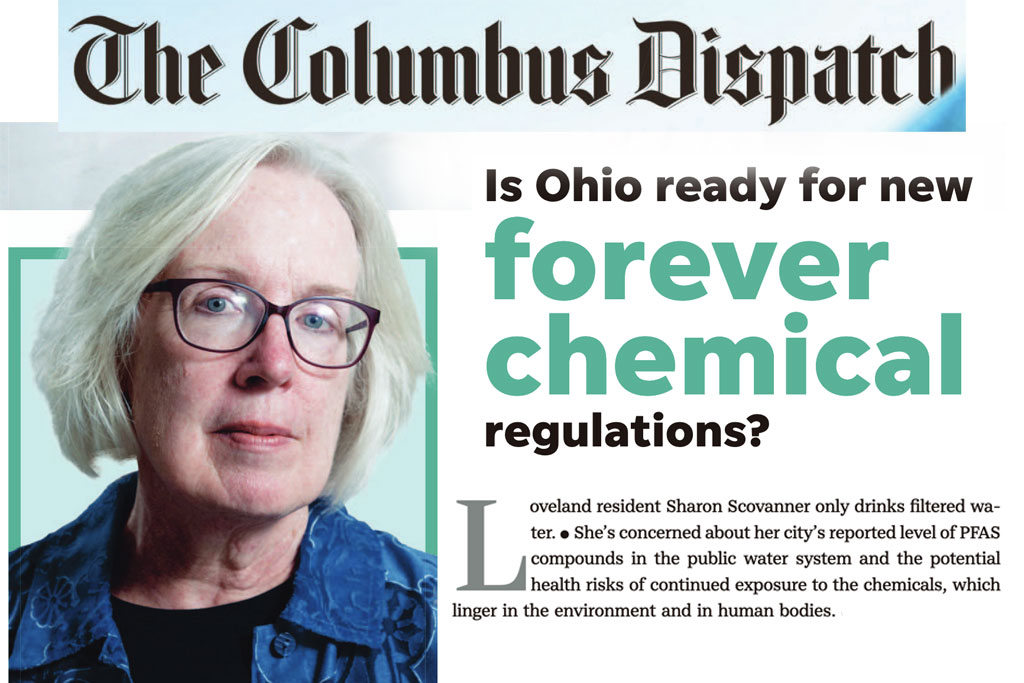












 Sharon Lerner



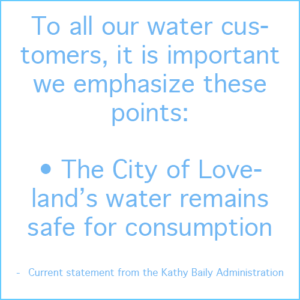 Just like the young and restless, the Kathy Bailey Administration is obsessed with their head full of boastfulness.
![[WATCH NOW] “Forever Chemicals” in Loveland drinking water public meeting](https://lovelandmagazine.com/wp-content/uploads/2024/06/pfas-meeting-feature.jpg)

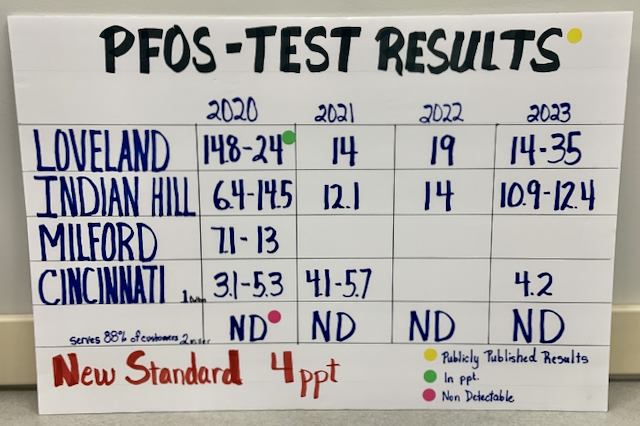
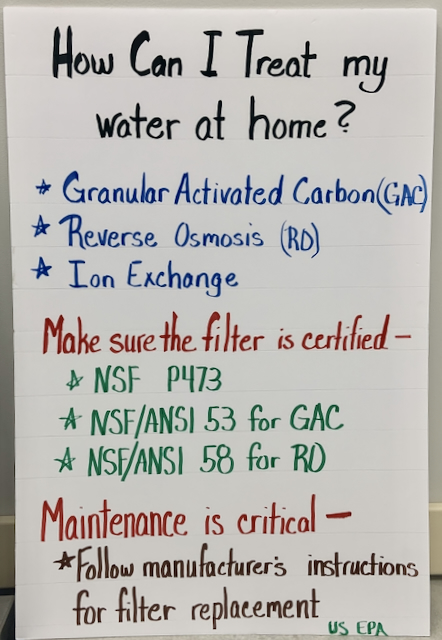
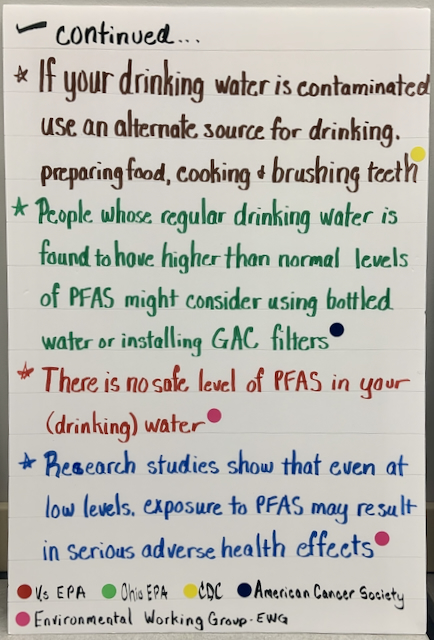
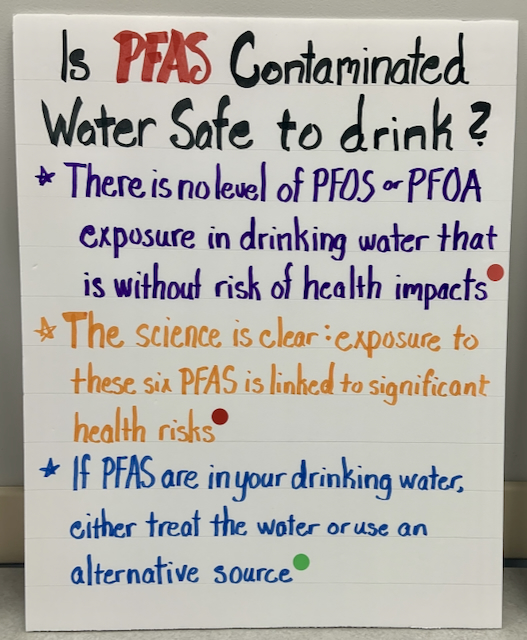
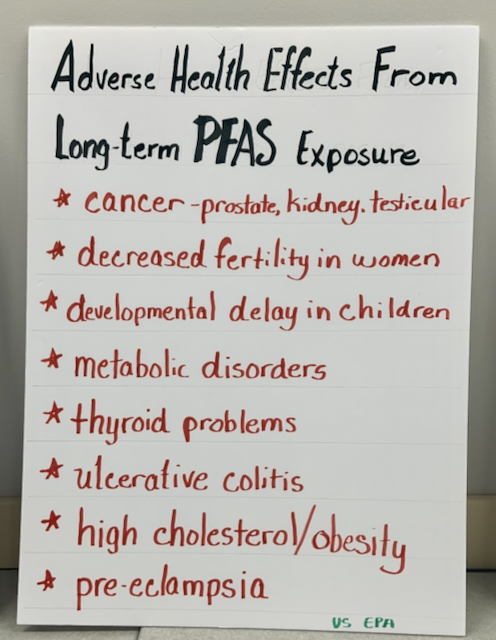
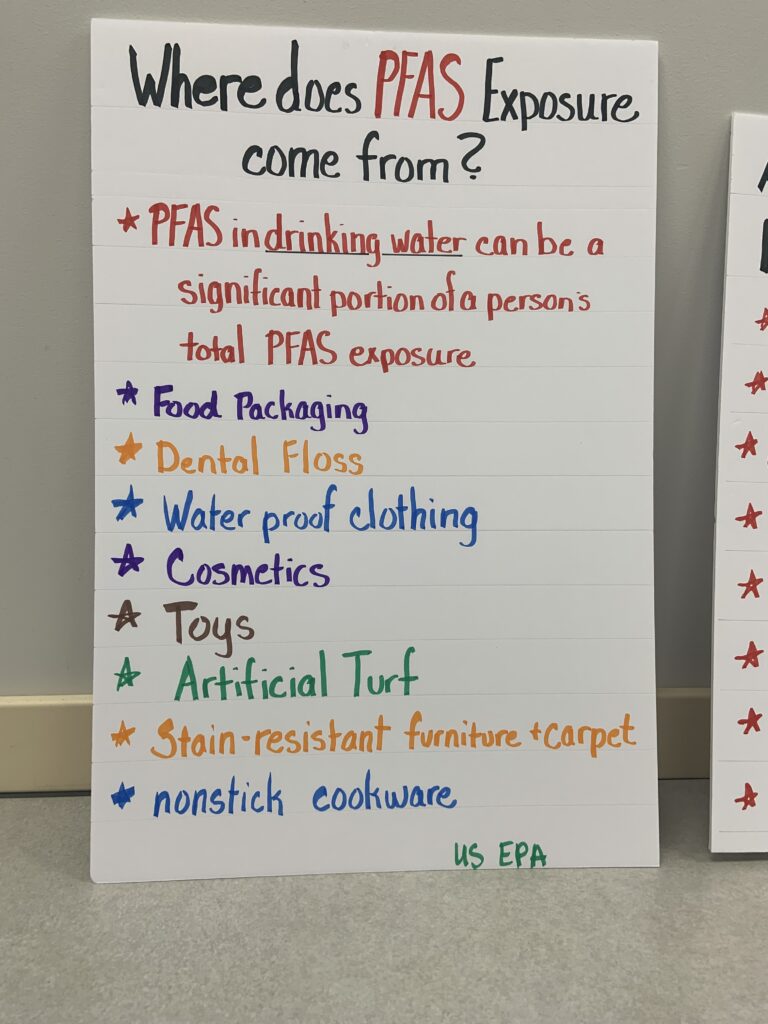
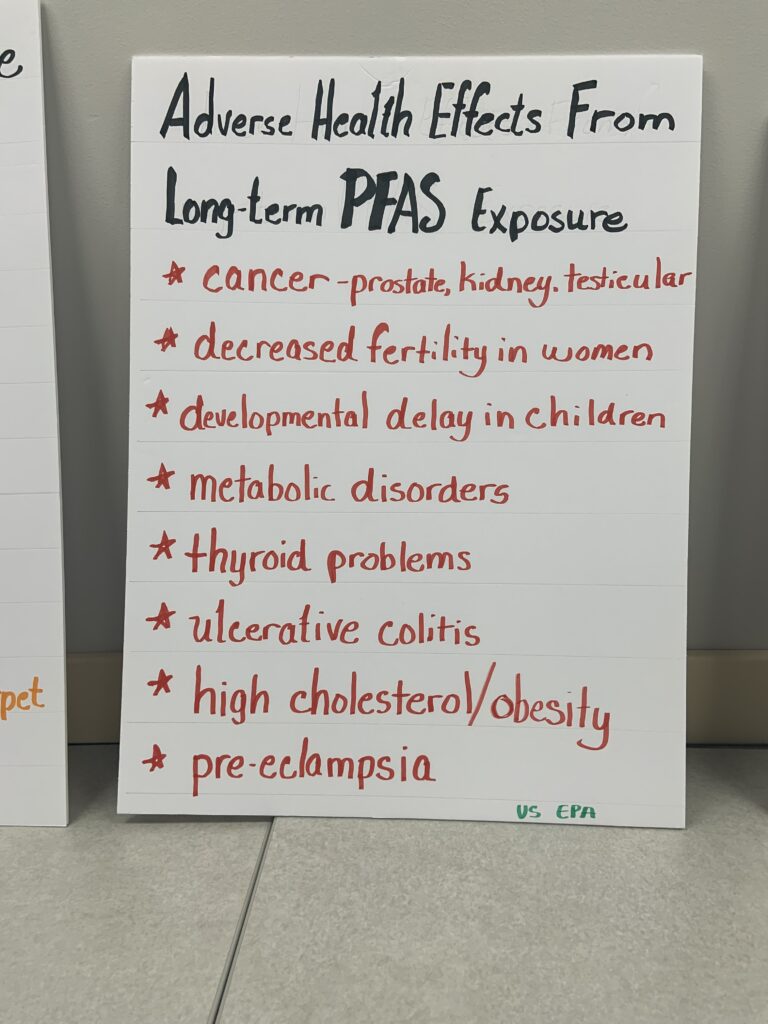
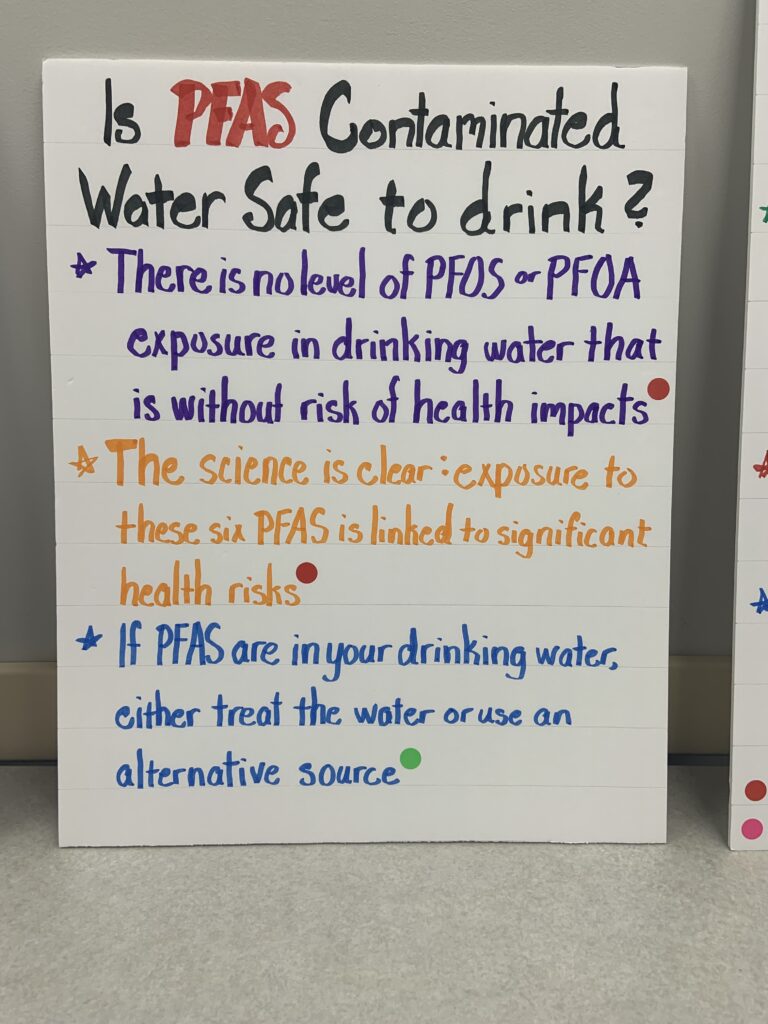
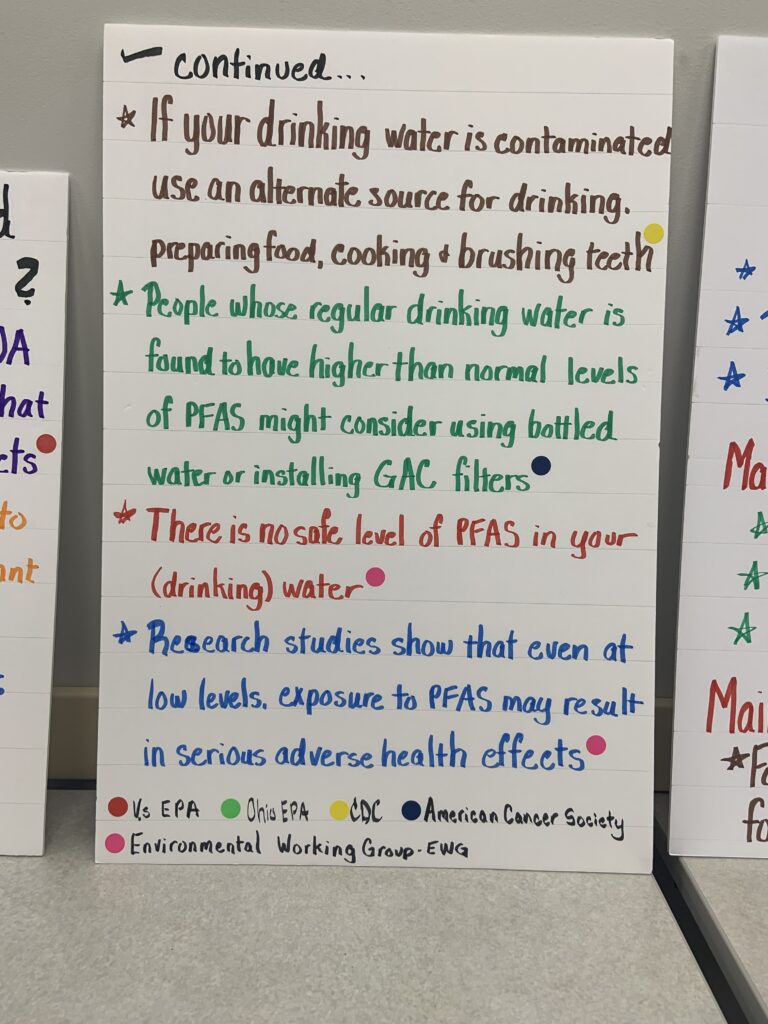
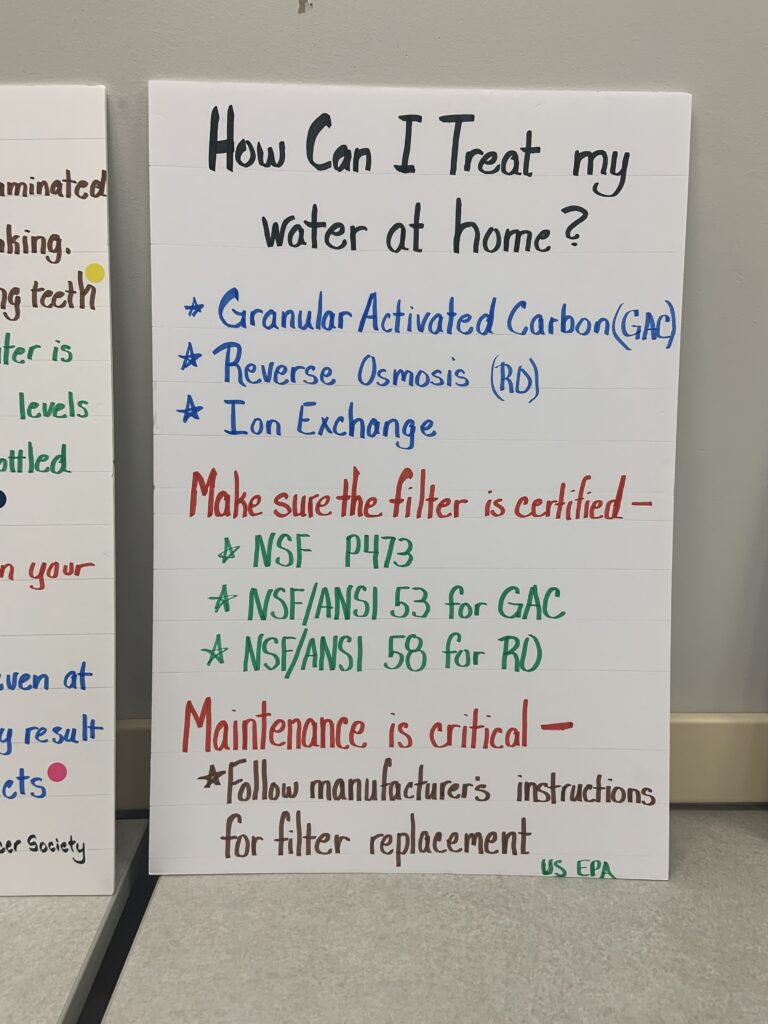
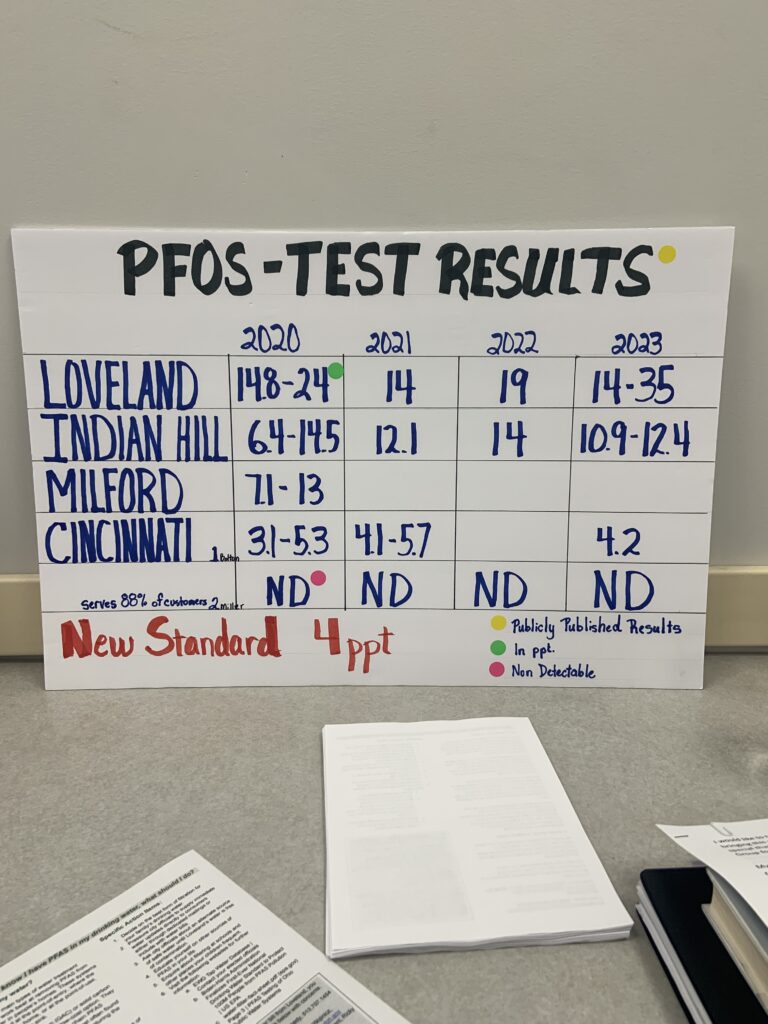








 The Sierra Club urges you to come ready to ask questions!

 By
By 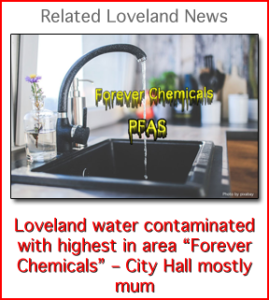

 Pinney points to several factors playing a role in PFAS exposure in Greater Cincinnati. The Ohio River is the main source of drinking water in the area and a DuPont plant near Parkersburg, West Virginia, released PFAS into the river for decades which flowed downstream to major water intakes on both sides of the river near eastern Hamilton County. PFAS were also present in firefighting foam and there is a firefighting training ground near those same water intakes.
 Republished with permission of the author. Bill David Bangert is the Public Information Officer for the University of Cincinnati.