Tag: Hamilton County Public Health

  • Hamilton County Public Health responds to request for back to school info

    Hamilton County Public Health responds to request for back to school info

    “It is strongly recommended that schools implement masking.”

    Loveland, Ohio – When asked, this morning to provide Loveland Magazine with the current Board of Health guidance for covid 19 protocol for K-12 schools “Mike Samet, the Public Information Officer for Hamilton County Public Health responded, “We are following the Ohio Dept. of Health guidelines (attached) until we develop our own, if necessary.”

    The current Loveland school protocol reads in part, “…the Board will follow any mandates set forth by the Ohio Governor, Ohio State Health Department, Hamilton County Health Department, and Ohio Department of Education, (“Directing Entities”) as it relates to protecting the health of students, staff and visitors.”

    There will be no remote learning opportunities (Remote Academy) for Loveland teachers or students as all school buildings will return to full capacity in-person classes in August.

    Samet referred Loveland Magazine to the Ohio Dept. of Health (ODH) guidelines which are currently Hamilton County Health Department’s as well.

    The ODH guidelines begin with this opening introduction:

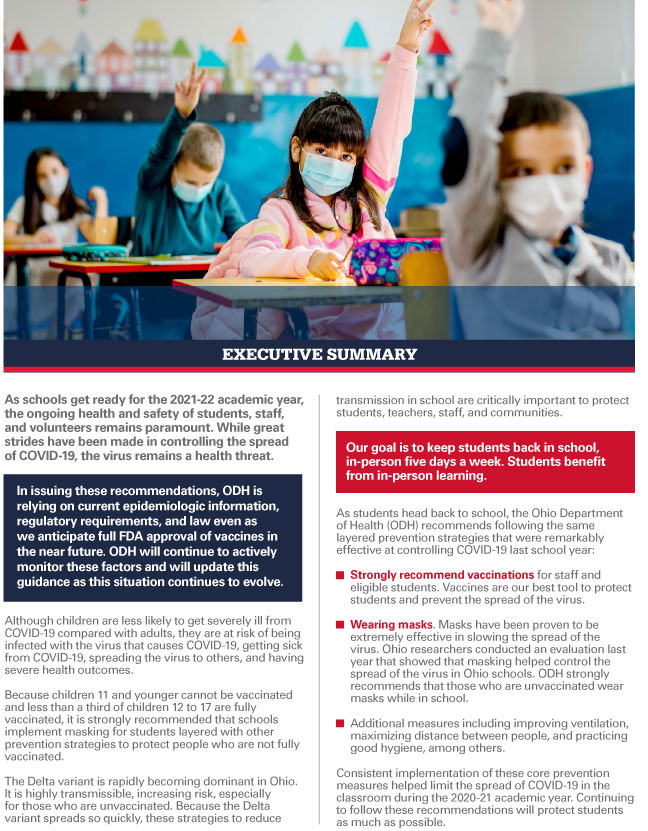
    As schools get ready for the 2021-22 academic year, the ongoing health and safety of students, staff, and volunteers remains paramount. While great strides have been made in controlling the spread of COVID-19, the virus remains a health threat. 

    Although children are less likely to get severely ill from COVID-19 compared with adults, they are at risk of being infected with the virus that causes COVID-19, getting sick from COVID-19, spreading the virus to others, and having severe health outcomes. 

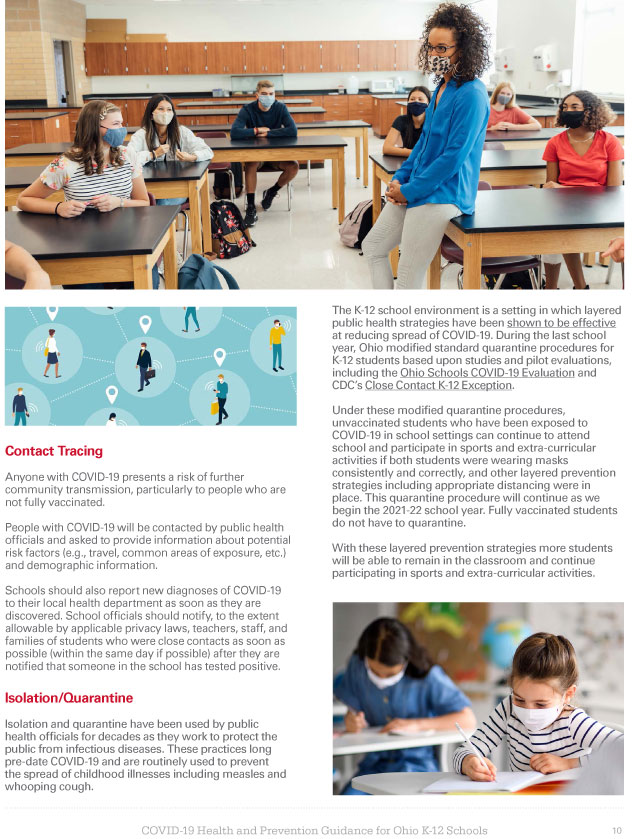
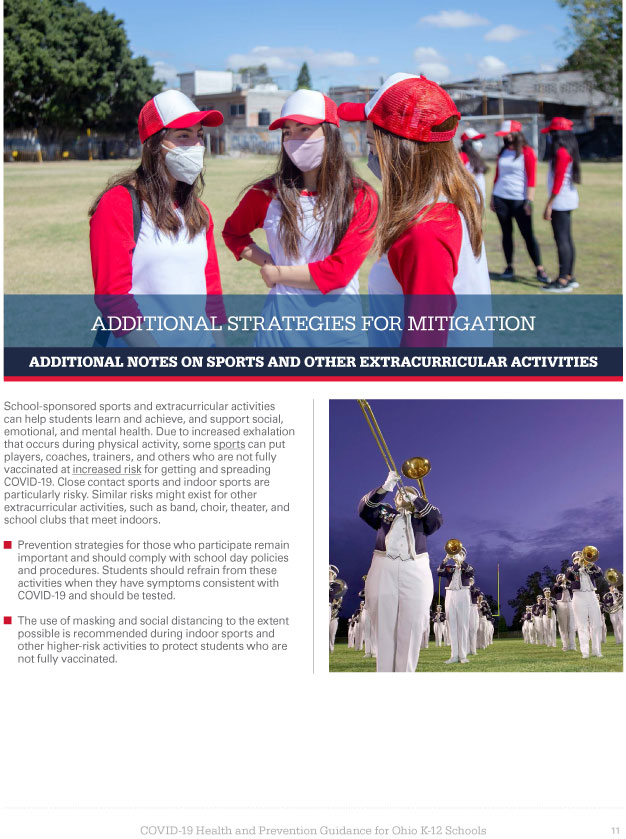
    Because children 11 and younger cannot be vaccinated and less than a third of children 12 to 17 are fully vaccinated, it is strongly recommended that schools implement masking for students layered with other prevention strategies to protect people who are not fully vaccinated. 

    The Delta variant is rapidly becoming dominant in Ohio. It is highly transmissible, increasing risk, especially for those who are unvaccinated. Because the Delta variant spreads so quickly, these strategies to reduce transmission in school are critically important to protect students, teachers, staff, and communities.

    As students head back to school, the Ohio Department of Health (ODH) recommends following the same layered prevention strategies that were remarkably effective at controlling COVID-19 last school year: 

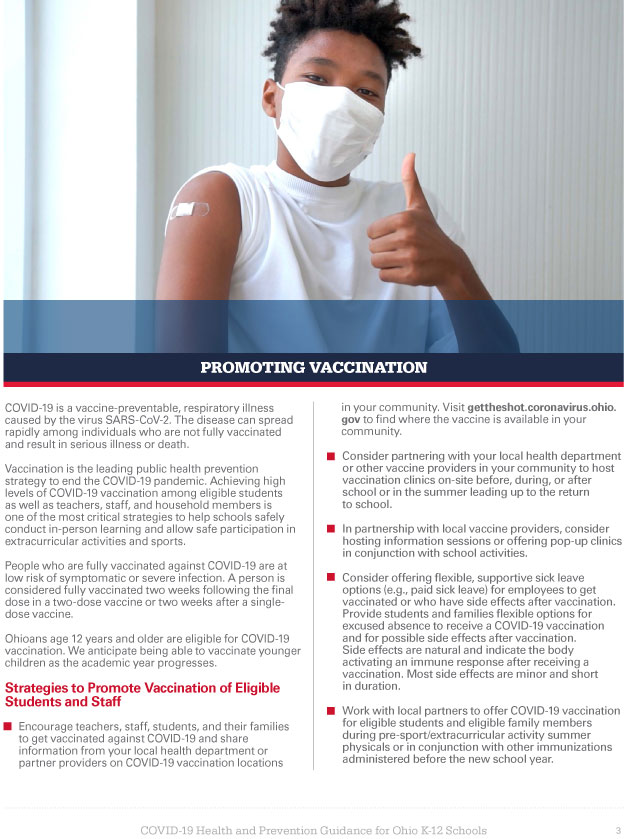
    Strongly recommend vaccinations for staff and eligible students. Vaccines are our best tool to protect students and prevent the spread of the virus. 

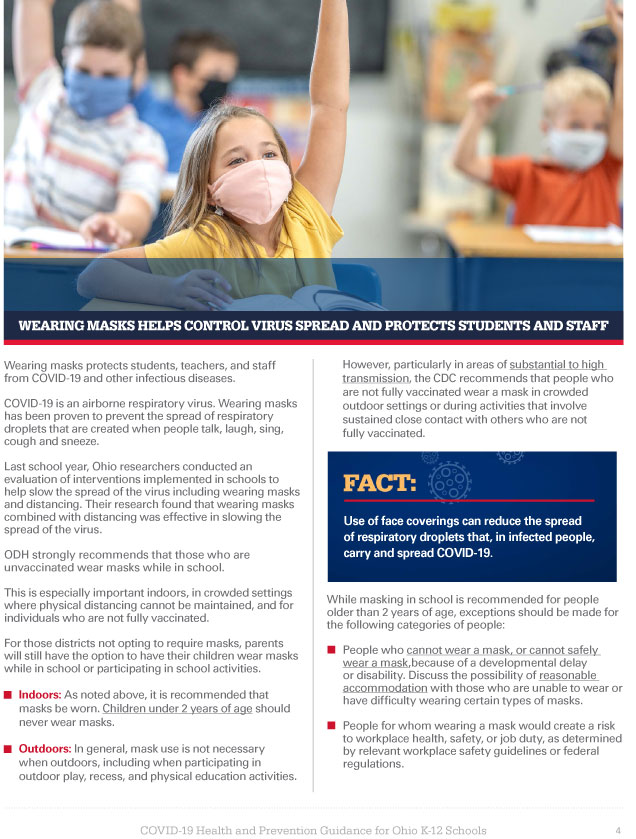
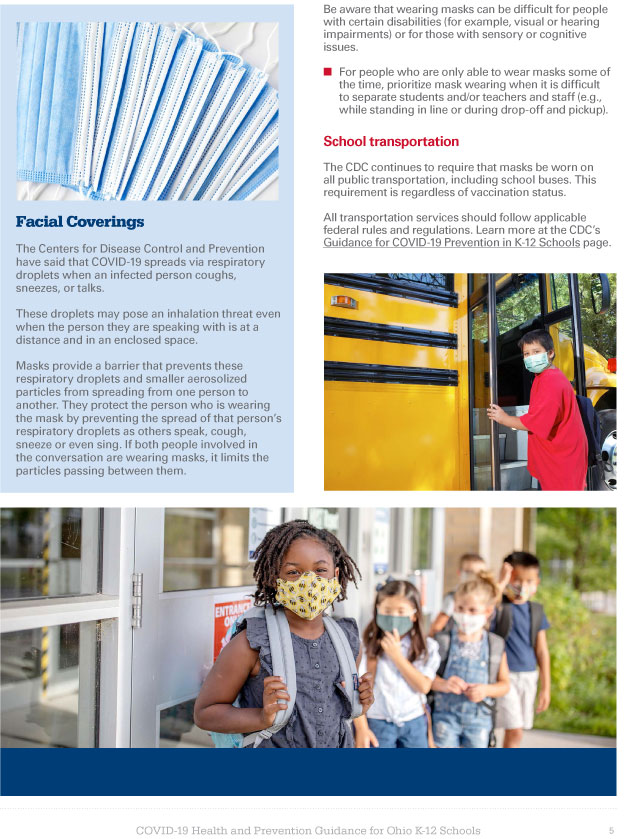
    Wearing masks. Masks have been proven to be extremely effective in slowing the spread of the virus. Ohio researchers conducted an evaluation last year that showed that masking helped control the spread of the virus in Ohio schools. ODH strongly recommends that those who are unvaccinated wear masks while in school. 

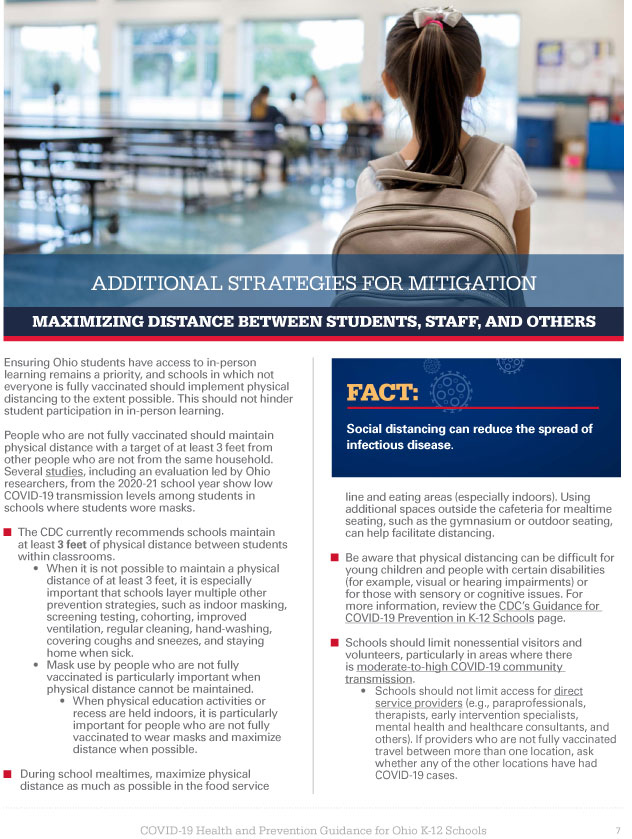
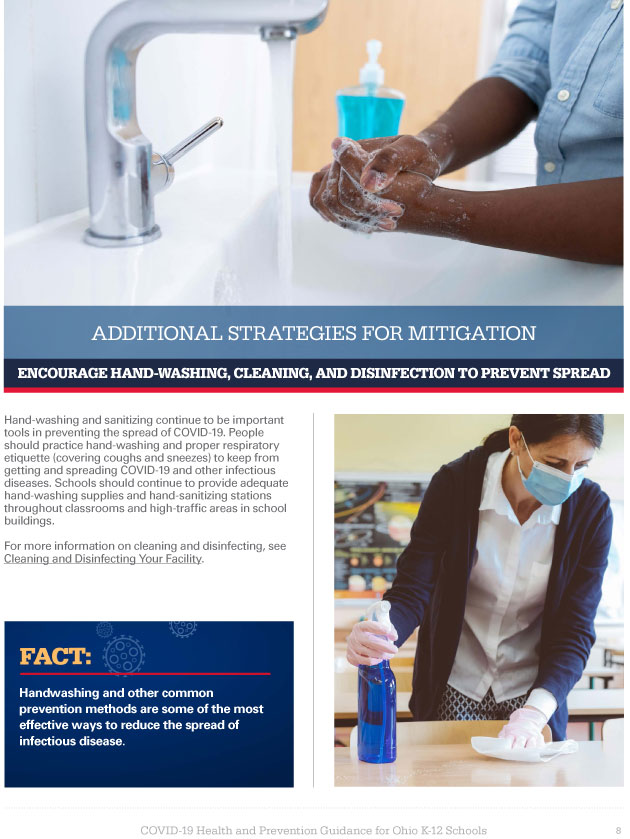
    Additional measures including improving ventilation, maximizing distance between people, and practicing good hygiene, among others. 

    Consistent implementation of these core prevention measures helped limit the spread of COVID-19 in the classroom during the 2020-21 academic year. Continuing to follow these recommendations will protect students as much as possible. 

    Below is the full ODH document:

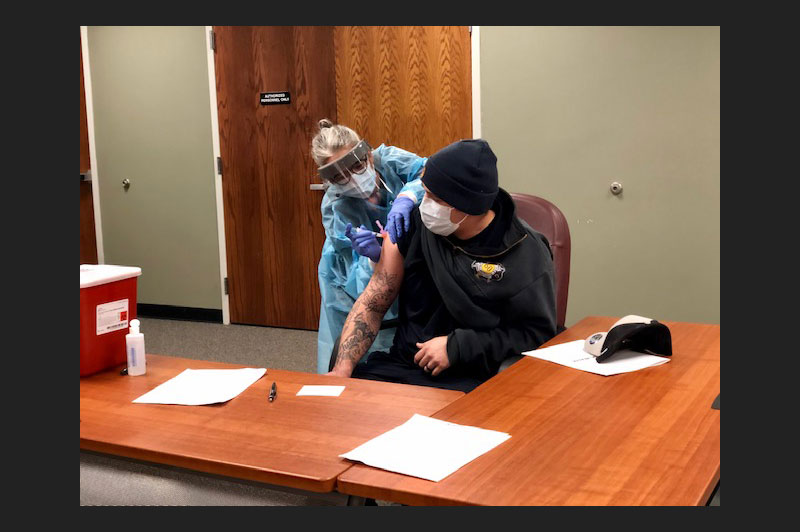
  • Appointments for the COVID-19 vaccine now available age 16 and above

    Appointments for the COVID-19 vaccine now available age 16 and above

    Loveland, Ohio – Starting today vaccine eligibility opens for all Ohioans age 16 and above. However, only the Pfizer vaccine is authorized for use for anyone under the age of 18.

    Appointments available today:
    Hamilton County Public Health has a limited number of appointments available TODAY (March 29th) for a first dose of the COVID-19 vaccine (Pfizer). Visit the links below and register with ArmorVax (if you have an ArmorVax account you do not need to make another one).

    You MUST make an appointment. No walk-ins will be accepted. PDF step by step instructions for creating an account on the ArmorVax website

    Board of Elections (Norwood) (APPOINTMENTS REQUIRED)Schedule an appointment before 11:10am: https://armorvax-app.azurewebsites.net/Home/Invitation?code=4YG-TS8 Schedule an appointment between 11:20 – 2:30pm: https://armorvax-app.azurewebsites.net/Home/Invitation?code=OC2-43D

    Additional appointments available this week:
    There are appointments available for the Johnson & Johnson (Jansen) vaccine at Kroger’s Wilmington Air Park Regional Mass Clinic on April 1st. This regional clinic is hosted and scheduled through Kroger. If you have questions about this clinic please contact Kroger.   Visit https://www.kroger.com/rx/covid-eligibility and use Zip Code 45177 to find the Wilmington Air Park Mass Clinic.

  • Breaking News w/video discussion: COVID variant detected in Hamilton County

    Breaking News w/video discussion: COVID variant detected in Hamilton County

    Commonly known as the UK variant

    Loveland, Ohio –Hamilton County Public Health has been informed that surveillance discovered a COVID-19 variant in Hamilton County.  Officially labeled as B.1.1.7 lineage, the variant is commonly known as the UK variant.  Hamilton County is one of at least 11 Ohio counties known to have a variant detected.

    HCPH has completed contact tracing on the patient, who has resolved symptoms and cleared the standard isolation period.  The variant was detected during routine surveillance of tests submitted to the Center for Disease Control (CDC).  The actual test took place on January 30.

    According to the CDC:

    • This variant is estimated to have first emerged in the UK during September 2020.
    • Since December 20, 2020, several countries have reported cases of the B.1.1.7 lineage, including the United States.
    • This variant is associated with increased transmissibility (i.e., more efficient and rapid transmission).
    • In January 2021, scientists from UK reported evidence that suggests the B.1.1.7 variant may be associated with an increased risk of death compared with other variants.
    • Early reports found no evidence to suggest that the variant has any impact on the severity of disease or vaccine efficacy.

    “We’ve known about these variants for some time,” says Hamilton County Health Commissioner Greg Kesterman.  “From a prevention standpoint, the response remains the same:  wear a mask; maintain at least six feet of physical distance; wash hands often; and stay home when you are ill.  Also, consider taking vaccine when you are eligible.”  

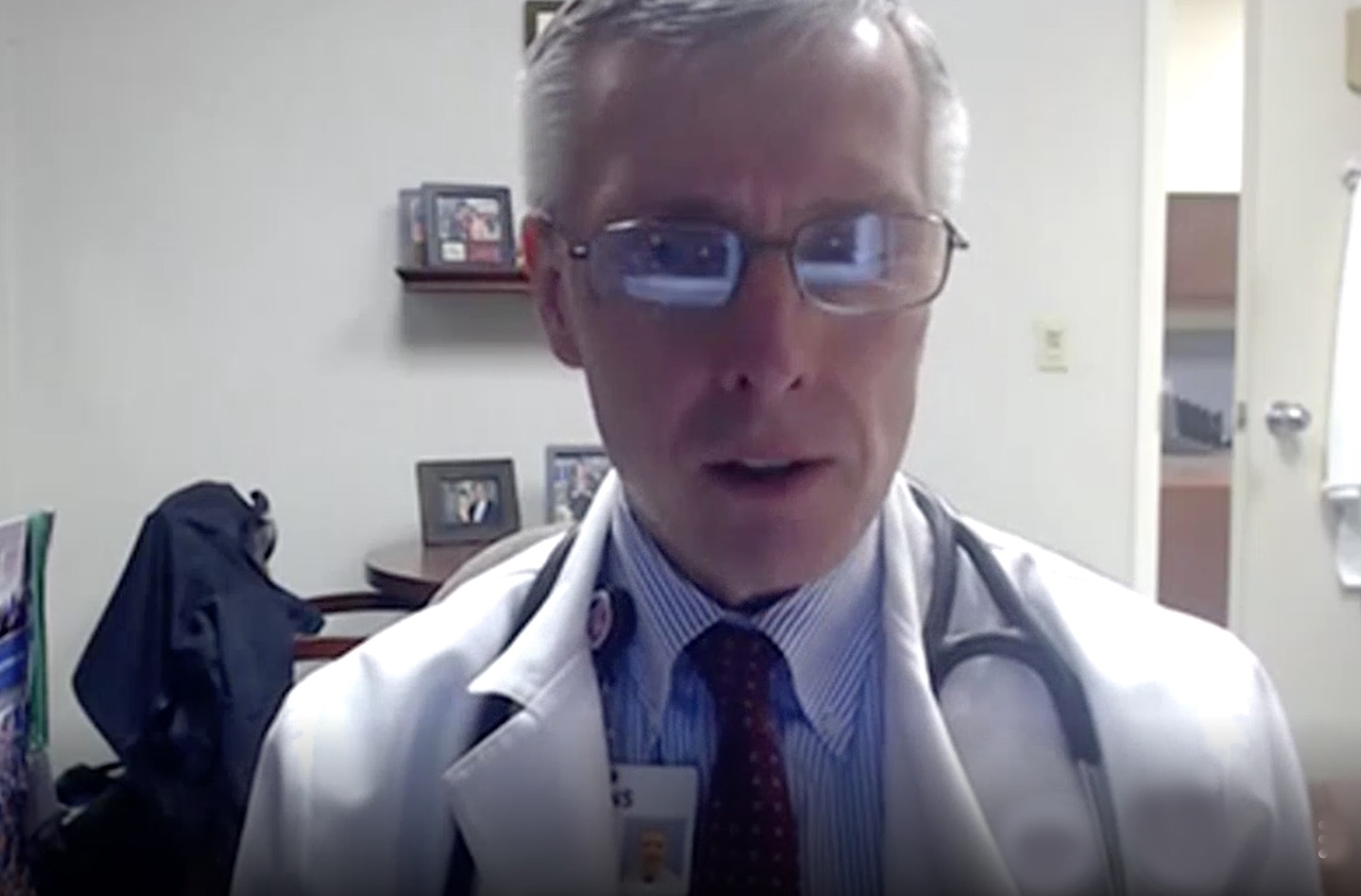
    Here is a discussion of the variant, its prevention, and treatment with Hamilton County Public Health Medical Director Dr. Stephen Feagins.

  • [BREAKING) Hamilton County Public Health Postpones Vaccine Clinics

    [BREAKING) Hamilton County Public Health Postpones Vaccine Clinics

    Loveland and Hamilton County, Ohio – Hamilton County Public Health is postponing its vaccine clinics for TUESDAY, FEBRUARY 16 because of the snow. 

    If you were scheduled to receive the vaccine at either the Hamilton County Board of Elections or the Anderson Center, HCPH has contacted you to reschedule. 

    If you were scheduled for vaccination Tuesday, February 16, your new appointment will be at the same location and the same time as originally scheduled on the following dates:

    • If you were scheduled for the 2nd Dose Clinic at the Anderson Center Tuesday, February 16, your new appointment will take place at the Anderson Center Monday, February 22;
    • If you were scheduled for the 1st Dose Clinic at the Hamilton County Board of Elections, your new appointment will take place at the Hamilton County Board of Elections Monday, February 22;
    • If you were scheduled for 2nd Dose Clinic at the Hamilton County Board of Elections, your new appointment will take place at the Hamilton County Board of Elections Tuesday, February 23.
  • Registration info for COVID 19 vaccine in Hamilton County

    Registration info for COVID 19 vaccine in Hamilton County

    Hamilton County Public Health VACCINE REGISTRATION

    LOVELAND, OHIO – Fill out this form to register for vaccine distribution through Hamilton County Public Health. They will be using this survey to prioritize distribution based on the Ohio Vaccination Program guidelines set by the Ohio Department of Health. If you already completed previous versions of the registration survey you do not need to do it again.

    Hamilton County Public Health has jurisdictional responsibility for all of Hamilton County with the exceptions of the City of Cincinnati, Springdale and Norwood.  If you fall under one of these health districts, please contact them directly.

    Find your local health department through the Ohio Department of Health


    Warren County INFO


    Clermont County INFO


    HAMILTON COUNTY REGISTER HERE

    American Flag Over Blue Paper Texture Background
  • District responds to staff shortage by adopting shorter quarantine period

    District responds to staff shortage by adopting shorter quarantine period

    Loveland District says staff absences may cause last-minute notice of school closing

    Loveland, Ohio – In a news release issued this afternoon, the Loveland School District said that during the next few weeks, some school buildings may have to temporarily switch to remote learning because of staff absences.

    The District said in the release, “This year it has become challenging to find substitute teachers, and we may run short on staffing due to COVID-19 cases or quarantines.” If this happens, a switch to remote learning will happen on a school-by-school basis. The District said they are trying to plan ahead so that families can plan ahead, however, these changes may happen as late as the morning of scheduled attendance.

    They suggest that parents and caregivers should begin considering how they might handle a possible late-notice class cancelation.

    The District said they will notify families as “quickly as possible” about closings through their alert notification system, the website, Facebook (Loveland City Schools), and Twitter (@lovelandtigers) pages.

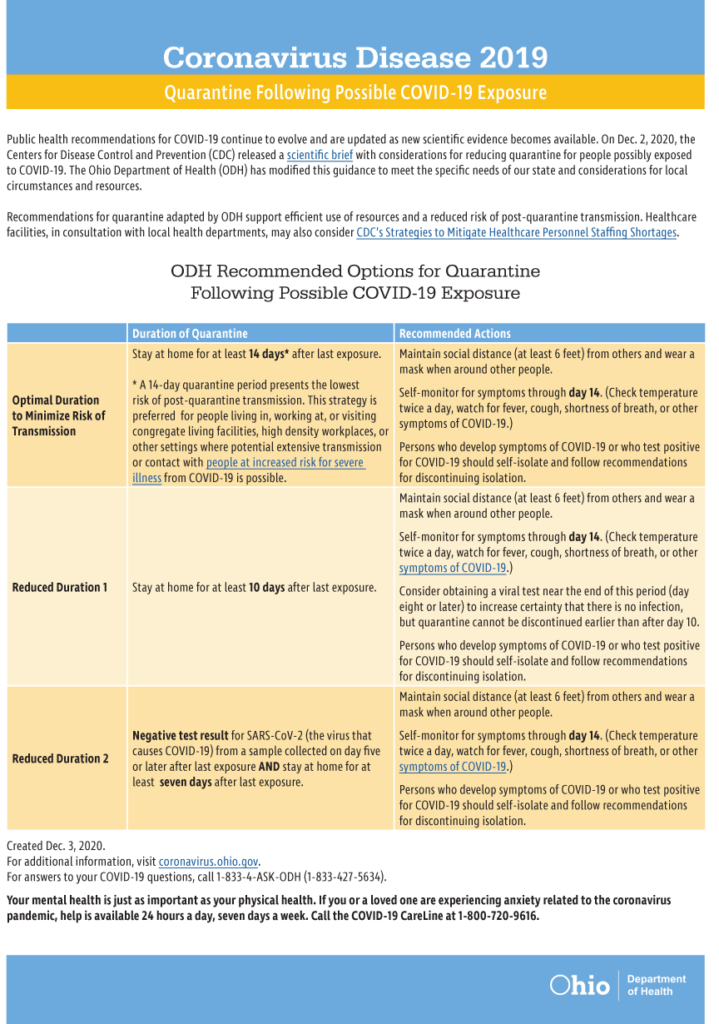
    CDC still recommends 14 days however District adopts a less restrictive “acceptable alternative” quarantine period

    The Centers for Disease Control and Prevention (CDC) announced a change in guidance for quarantines. The new guidance shortens the quarantine period for someone who has been exposed to a positive COVID-19 case. The Ohio Department of Health has also adopted the new CDC guidelines, as has Hamilton County Public Health. 

    The District said in the release that the new less restrictive guideline notification came to them late today. They will begin implementing those directives and will personally notify families affected.

    The Centers for Disease Control and Prevention announced new quarantine guidelines for people who were exposed to coronavirus, reducing the length of time from 14 days to 10 days without symptoms or seven days with no symptoms and a negative test. Officials said the shorter time period is intended to encourage more people to quarantine.

    Ohio Department of Health Chief Medical Officer Dr. Bruce Vanderhoff said today, “Staying home for 14 days after contact is still the safest way to limit possible spread of COVID-19. We continue to recommend this time period for people in congregate living facilities, such as nursing homes; in workplaces with a large number of employees; and in other settings in which COVID-19 could spread extensively.”

    Dr. Andy Thomas, chief clinical officer at The Ohio State University Wexner Medical Center, yesterday warned that “Ohio is not yet seeing the impact of gatherings that took place over Thanksgiving because hospitalizations are a lagging indicator. Symptoms generally develop within 10 days of transmission, and hospitalizations typically occur a week after diagnosis.”

    According to CBS News the CDC rationale for the less restrictive guidelines is:

    “Reducing the length of quarantine may encourage more people to do so, especially when they may not be able to work during quarantine time,” CDC’s COVID-19 Incident Manager, Dr. Henry Walke, told reporters on a call Wednesday. He said the agency still recommends 14 days, but is now offering two “acceptable alternative quarantine periods.” 

    According to the District, “We are pleased with these new recommendations from an educational perspective. Our goal is to keep students learning in our school buildings and shortening the required quarantine time is key.”

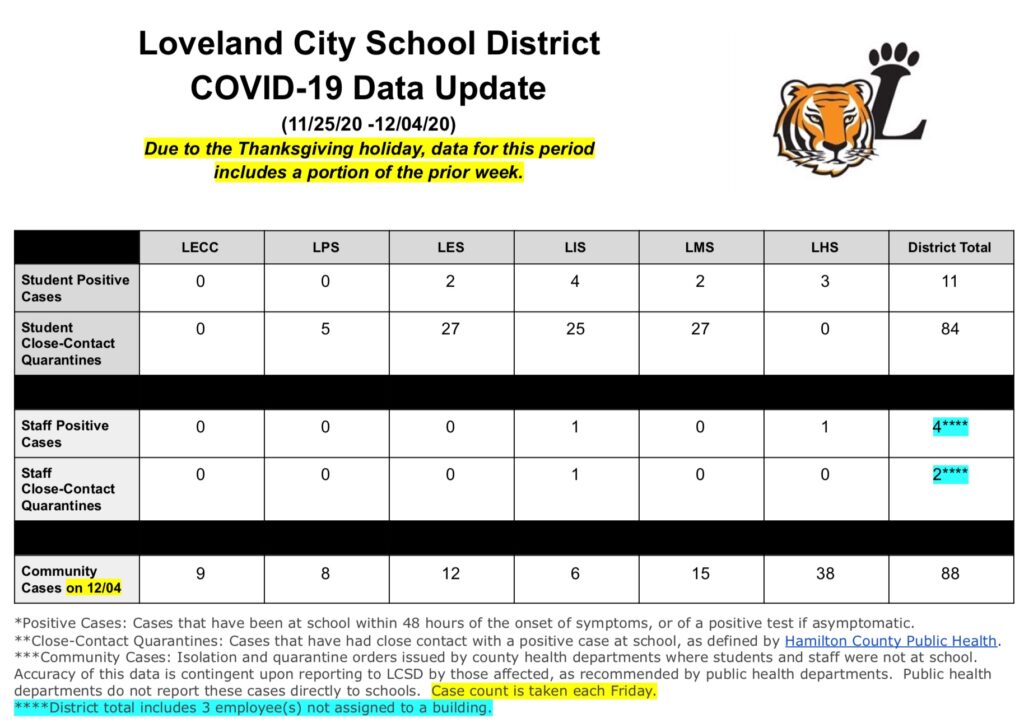
    This is the District’s COVID 19 Dashboard published today:

    On 12/03/20, the district was notified that a non-teaching, non-school-based staff member tested positive for COVID-19. This staff member was last at work on 11/30/20.

    On 12/03/20, the district was notified that a student at Loveland Intermediate School tested positive for COVID-19. This student was last at school on 11/18/20.

    On 12/03/20, the district was notified that a student at Loveland Middle School tested positive for COVID-19. This student was last at school on 11/18/20.

    On 12/04/20, the district was notified that a student at Loveland Elementary School tested positive for COVID-19. This student was last at school on 11/30/20.

    On 12/04/20, the district was notified that a student at Loveland Intermediate School tested positive for COVID-19. This student was last at school on 12/02/20. 

    On 12/03/20, the district was notified that a student at Loveland Intermediate School tested positive for COVID-19. This student was last at school on 12/01/20.

    On 12/02/20, the district was notified that a teaching staff member at Loveland Intermediate School tested positive for COVID-19. This staff member was last at school on 11/24/20. No close contacts were identified for this confirmed case.

    On 12/02/20, the district was notified that a student at Loveland Elementary School tested positive for COVID-19. This student was last at school on 11/30/20.

    On 12/1/20, the district was notified that a non-teaching staff member at Loveland High School tested positive for COVID-19. This staff member was last at work on 11/18/20. No close contacts were identified for this confirmed case.

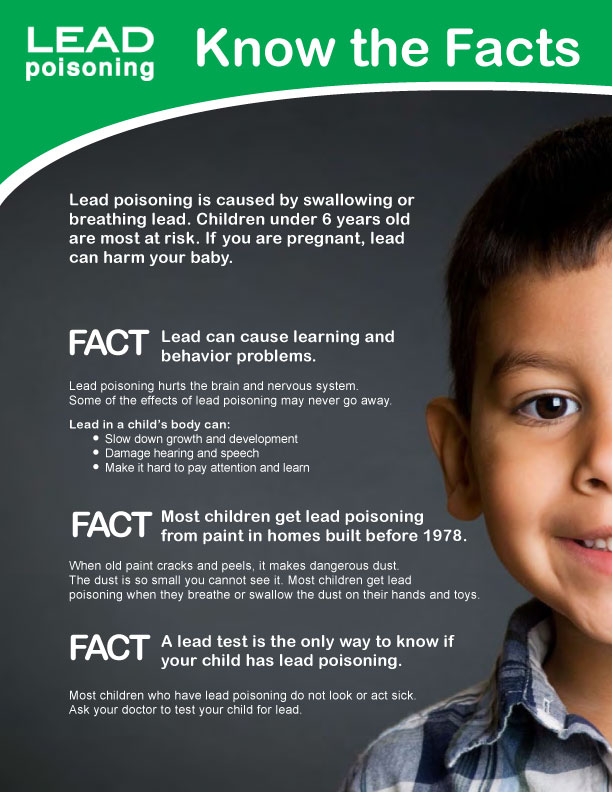
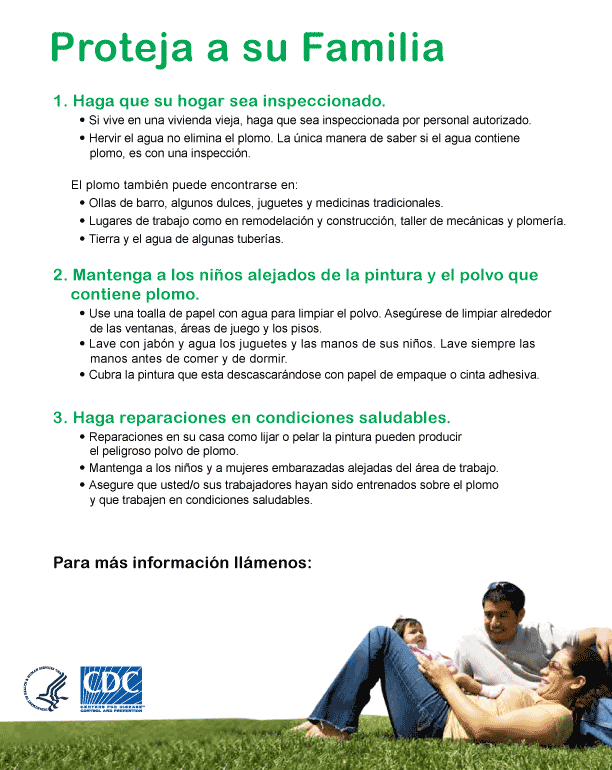
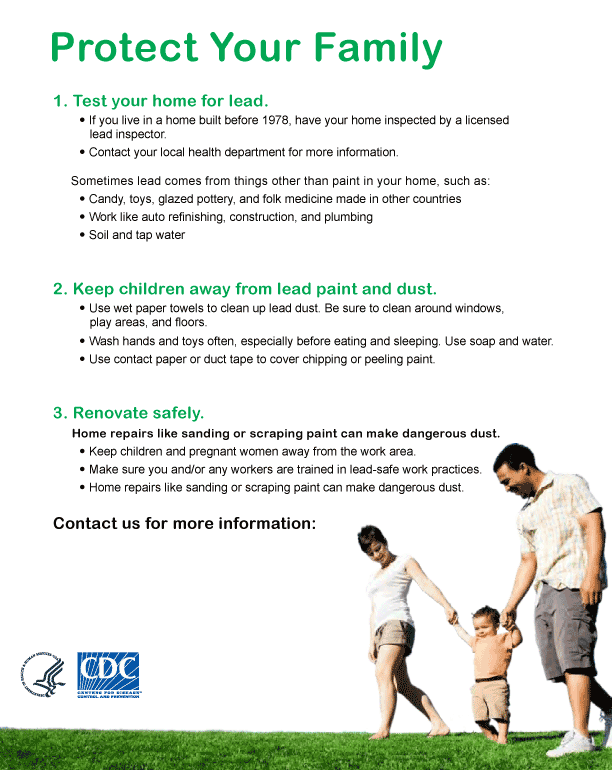
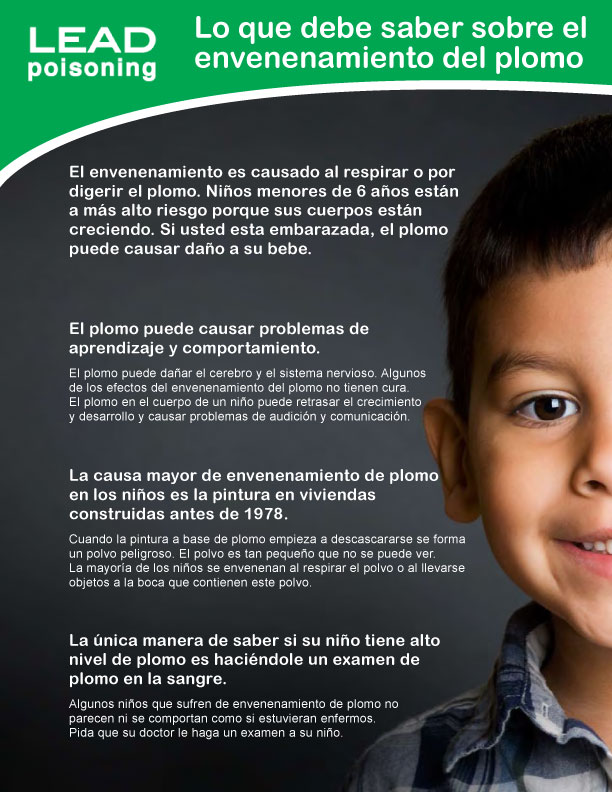
  • Hamilton County Public Health Awarded HUD Grant to protect children and families from lead-based paint

    Hamilton County Public Health Awarded HUD Grant to protect children and families from lead-based paint

    Hamilton County, Ohio – The U.S. Department of Housing and Urban Development (HUD) has awarded $2 million to Hamilton County Public Health (HCPH) to protect children and families from lead-based paint and home health hazards.  HCPH was one of 44 state and local government agencies in 23 states to receive funding and one of only 15 first-time grantees.  Hamilton County, through its Community Development Block Grant funds, is adding another $300,000 in matching funds for the program.

    In announcing the award, HUD stated that it is providing these grants through its Lead Based Paint Hazard Reduction (LBPHR) Grant Program to identify and clean up dangerous lead in low-income families’ homes. These grant includes funds from HUD’s Healthy Homes Supplemental funding to help communities with housing-related health and safety hazards in addition to lead-based paint hazards.

    “Hamilton County has a considerable number of properties in need of remediation,” according to Hamilton County Health Commissioner Greg Kesterman.  “The age of housing, coupled with a lack of maintenance, contribute to the danger of childhood lead poisoning due to unmitigated lead-based paint hazards.”

    HCPH addresses lead poisoning through its Childhood Lead Poisoning Prevention Program (CLPPP). The CLPPP includes outreach, education, and case management for children under six years of age that have been lead poisoned. Without financial support, properties with outstanding lead hazard control orders stand vacant for years, contributing to further disrepair and blight in the community. The funding will allow HCPH to perform lead-based paint remediation and abatement in 97 units in HCPH’s jurisdiction over the 42-month grant period.

    Lead Poisoning Prevention

    Waste Management conducts investigations of reports of lead poisoning in children under 6 years of age. Certified Lead Risk Assessors inspect homes for potential lead risks from exposure to lead-based paint, dust, soil, or water.

  • Current local COVID 19 data: How does Hamilton County avoid Level 4 Alert

    Current local COVID 19 data: How does Hamilton County avoid Level 4 Alert

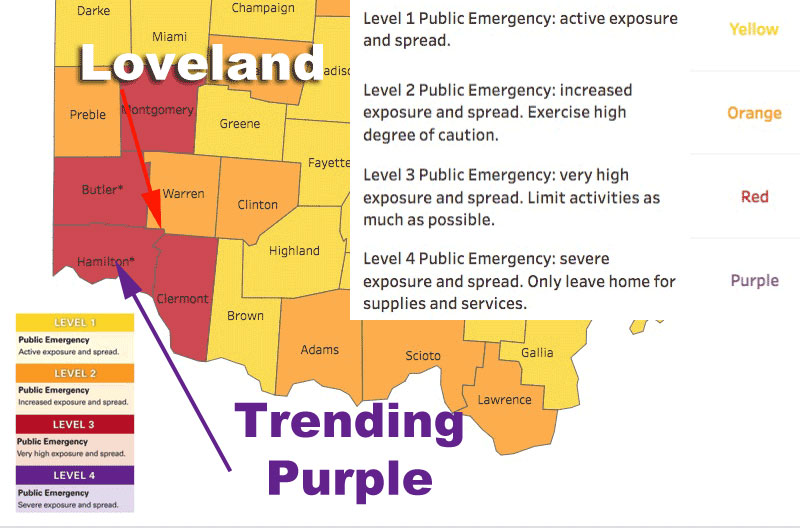
    Loveland, Ohio – Mike Samet the Public Information Officer for Hamilton County Public Health told Loveland Magazine on Friday, “As a ‘red’ county, most of our “indicators” are trending upward, hence the potential designation as ‘purple.”

    The message to county residents is a simple one said Samet in response to the question of how does Hamilton County avert escalating to Level 4. “The one we’ve been talking about since February. Until we have a vaccine and/or treatment for COVID-19, the only way to slow down transmission is: physical distance (6 ft. plus); wear a mask when out; stay home if you are ill; wash hands often and thoroughly; cover coughs/sneezes.”

    Samet added, “Wearing a mask is not a political statement. The mask shows care and respect for others in that we’re trying to reduce their risk of infection, as well as ours. It’s summer, it’s hot, no one likes wearing a mask, but it’s what we have to do to protect each other.”

    Samet said that from an enforcement perspective, as a county agency, the Health Department is not able to issue citations. “Nobody wants to be the mask police. This is education over enforcement, he said.  Samet added that he wants people to understand why masks are important now, not punish them for non-compliance. “In any event, our enforcement system is complaint-driven. People may register complaints with us at www.hcph.org. We follow-up on each complaint received,” said Samet. Read how to file a complaint in Clermont County below.

    Both Hamilton and Clermont counties are currently under the State RED Alert for COVID 19 spread. Clermont County was elevated from ORANGE to RED last Thursday. Warren County remains in the ORANGE Alert designation.

    What does it mean if Hamilton County goes to the highest Alert level?

    Hamilton County is on the State Watch list to possibly be elevated from the current RED Level Alert to the highest, PURPLE Level Alert. That destination would mean that the county is experiencing “Severe exposure and spread.” The order from the state would be, “Only leave home for supplies and services and Stay at home/necessary travel only.”

    Why was Hamilton County put under a RED Alert?

    As of July 7, Hamilton County during the 3 weeks prior had COVID 19 cases increase along with several other healthcare indicators.

    Between June 24 and June 30, Hamilton County had 1,124 cases, the largest number of COVID 19 cases in any week since the beginning of the pandemic.

    From June 16 until June 30, the average new cases per day doubled from 82 to 161. Due to clinical and reporting lags, these numbers may continue to grow for this reporting period.

    The community continued to experience early signs that more people are seeking medical care for COVID 19 symptoms.

    From June 16 to June 30, visits for COVID 19 to the emergency department doubled from an average of 11 per day to 22. More people are also visiting their doctors and being diagnosed with COVID 19.

    Between June 16 and July 2, the average outpatient visits more than tripled from 52 to 172 visits per day.

    In recent weeks, more than 86% of the cases are not in congregate settings, signaling significant transmission in the broader community.

    Hamilton County also hit a new threshold for the overall utilization rate for regional intensive care unit beds, which exceeded 80% during 5 of those past 7 days.
    Why was Clermont County put under a RED Alert?

    As of July 7, Clermont County during the 3 weeks prior had COVID 19 cases increase along with several other healthcare indicators.

    From June 16 until June 30, the average new cases per day doubled from 4 to 9. Due to clinical and reporting lags, these numbers may continue to grow for this reporting period.

    The community continued to experience early signs that more people are seeking medical care for COVID 19 symptoms.

    More people are also visiting their doctors and being diagnosed with COVID 19.

    Between June 16 and July 2, the average outpatient visits nearly tripled from 9 to 25 visits per day.

    In recent weeks, more than 94% of the cases are not in congregate settings, signaling significant transmission in the broader community.

    Clermont County also hit a new threshold for the overall utilization rate for regional intensive care unit beds, which exceeded 80% during 5 of those past 7 days.

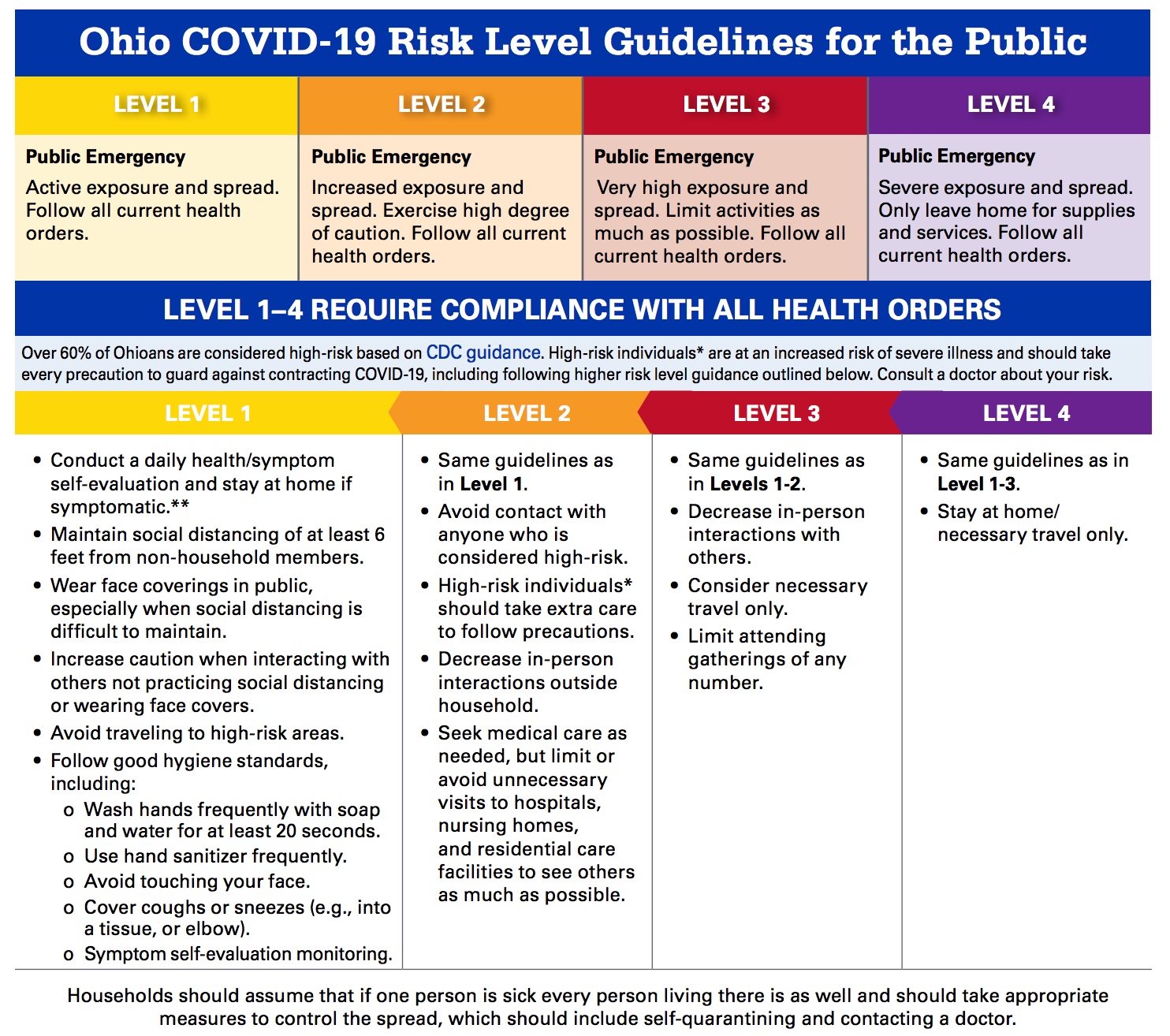
    LEVEL 1   0–1 Indicators Triggered

    Active exposure and spread. Follow all current health orders.

    LEVEL 2   2–3 Indicators Triggered

    Increased exposure and spread. Exercise high degree of caution. Follow all current health orders.

    LEVEL 3   4–5 Indicators Triggered

    Very high exposure and spread. Limit activities as much as possible. Follow all current health orders.

    LEVEL 4   6–7 Indicators Triggered

    Severe exposure and spread. Only leave home for supplies and services. Follow all current health orders.

    Summary of Alert Indicators


    As of today, Monday, July 13:

    The number of hospitalizations in Ohio is 8,842. Total Deaths in Ohio is 3,058.

    There are 462 hospitalizations and 131 deaths in Hamilton County. There have been 3,657 cases and 1,154 recoveries.

    There have been 497 confirmed and probable cases of COVID 19 in Clermont County and 7 confirmed and probable death. There are currently 60 hospitalizations. 341 people are being reported as recovered.

    In Warren County there have been 945 positive and probable cases and 25 positive and probable deaths. Warren County is reporting 120 new positive cases, 5 new hospitalizations, and 3 new deaths in the last 14 days.


    Clermont County Public Health has issued these 5 Protocols for All Businesses and these Frequently Asked Questions and Answers

    1. Require face coverings for employers and recommend them for clients/customers at all times.

    2. Conduct daily health assessments by employers and employees (self-evaluation) to determine if “fit-for-duty”.

    3. Maintain good hygiene at all times -hand washing, sanitizing, and social distancing.

    4. Clean and sanitize workplaces throughout the workday and at the close of business or between shifts.

    5. Limit capacity to meet social distancing guidelines.

    •Establish maximum capacity at 50% of the fire code.
    • And, use appointment setting where possible to limit congestion.

    Q. Will I have to wear a mask or face covering while I am at work?
    A. Yes. Face coverings are required for employees except if any of the following apply:

    1. Facial coverings in the work setting are prohibited by law or regulation;

    2. Facial coverings are in violation of documented industry standards;

    3. Facial coverings are not advisable for health reasons;

    4. Facial coverings are in violation of the business’ documented safety policies;

    5. Facial coverings are not required when the employee works alone in an assigned work area; or There is a functional (practical) reason for an employee not to wear a facial covering in the workplace.

    Q. Will I have to wear a mask or face covering if I am a customer at a business?
    A. Yes. Under the level 3 Public Health Emergency issued on July 10, customers must wear masks while inside businesses or other buildings.

    Q. Will I need to take my temperature before coming to work?
    A. Yes. Employees must take their temperature and watch for other symptoms such as coughing or difficulty breathing. Sick employees should stay at home.

    Q. What safety precautions should my employer be taking?
    A. All businesses should follow these protocols

    1. Require face coverings for employers and customers.

    2. Conduct daily health assessments by employers and employees (self-evaluation) to determine if “fit-for-duty”.

    3. Maintain good hygiene at all times -hand washing, sanitizing, and social distancing.

    4. Clean and sanitize workplaces throughout the workday and at the close of business or between shifts.

    5. Limit capacity to meet social distancing guidelines.

    •Establish maximum capacity at 50% of the fire code.
    • And, use appointment setting where possible to limit congestion.

    Q. What should I do if my co-workers aren’t wearing facial coverings at work?
    A. If an employee of a business is not wearing a facial covering, ask the employer/business for written justification on why the employee isn’t wearing a face covering.

    Q. What should I do if my employer is not following proper safety precautions?
    A. If an employer is not following the above safety protocols, you can file an online complaint here.

    To File a complaint about a business you think is in violation of the Stay Safe Ohio Order, click here.

    To check the status of a complaint click here. (Choose “Code Case” in the search drop-down box).

    Full Ohio Department of Health Stay Safe Ohio Order 

    More information from the Ohio Department of Health on the Responsible RestartOhio page

  • Hamilton County/Ohio Public Health/FDA advises consumers not to use hand sanitizer products manufactured by Eskbiochem

    Hamilton County/Ohio Public Health/FDA advises consumers not to use hand sanitizer products manufactured by Eskbiochem

    Hamilton County, Ohio – Jamie Higley, the Administrator of Food Safety Programs at the Ohio Department of Health and Mike Samet the Public Information Officer for Hamilton County Public Health issued the following FDA Advisory this morning.
    FDA advises consumers not to use hand sanitizer products manufactured by Eskbiochem

    FDA advises consumers not to use hand sanitizer products manufactured by Eskbiochem

    [6/19/2020] FDA advises consumers not to use any hand sanitizer manufactured by Eskbiochem SA de CV in Mexico, due to the potential presence of methanol (wood alcohol), a substance that can be toxic when absorbed through the skin or ingested. FDA has identified the following products manufactured by Eskbiochem:

    • All-Clean Hand Sanitizer (NDC: 74589-002-01)
    • Esk Biochem Hand Sanitizer (NDC: 74589-007-01)
    • CleanCare NoGerm Advanced Hand Sanitizer 75% Alcohol (NDC: 74589-008-04)
    • Lavar 70 Gel Hand Sanitizer (NDC: 74589-006-01)
    • The Good Gel Antibacterial Gel Hand Sanitizer (NDC: 74589-010-10)
    • CleanCare NoGerm Advanced Hand Sanitizer 80% Alcohol (NDC: 74589-005-03)
    • CleanCare NoGerm Advanced Hand Sanitizer 75% Alcohol (NDC: 74589-009-01)
    • CleanCare NoGerm Advanced Hand Sanitizer 80% Alcohol (NDC: 74589-003-01)
    • Saniderm Advanced Hand Sanitizer (NDC: 74589-001-01)

    FDA tested samples of Lavar Gel and CleanCare No Germ. Lavar Gel contains 81 percent (v/v) methanol and no ethyl alcohol, and CleanCare No Germ contains 28 percent (v/v) methanol. Methanol is not an acceptable ingredient for hand sanitizers and should not be used due to its toxic effects.

    Consumers who have been exposed to hand sanitizer containing methanol should seek immediate treatment, which is critical for potential reversal of toxic effects of methanol poisoning. Substantial methanol exposure can result in nausea, vomiting, headache, blurred vision, permanent blindness, seizures, coma, permanent damage to the nervous system or death. Although all persons using these products on their hands are at risk, young children who accidently ingest these products and adolescents and adults who drink these products as an alcohol (ethanol) substitute, are most at risk for methanol poisoning.

    On June 17, 2020, FDA contacted Eskbiochem to recommend the company remove its hand sanitizer products from the market due to the risks associated with methanol poisoning. To date, the company has not taken action to remove these potentially dangerous products from the market. Therefore, FDA recommends consumers stop using these hand sanitizers and dispose of them immediately in appropriate hazardous waste containers. Do not flush or pour these products down the drain.

    FDA reminds consumers to wash their hands often with soap and water for at least 20 seconds, especially after going to the bathroom; before eating; and after coughing, sneezing, or blowing one’s nose. If soap and water are not readily available, the Centers for Disease Control and Prevention (CDC) recommend consumers use an alcohol-based hand sanitizer that contains at least 60 percent ethanol.

    FDA remains vigilant and will continue to take action when quality issues arise with hand sanitizers. Additionally, the agency is concerned with false and misleading claims for hand sanitizers, for example that they can provide prolonged protection such as 24-hours against viruses including COVID-19, since there is no evidence to support these claims.

    To date, FDA is not aware of any reports of adverse events associated with these hand sanitizer products. FDA encourages health care professionals, consumers and patients to report adverse events or quality problems experienced with the use of hand sanitizers to FDA’s MedWatch Adverse Event Reporting program:

    • Complete and submit the report online; or
    • Download and complete the form, then submit it via fax at 1-800-FDA-0178.


  • Here is a map of Hamilton County COVID 19 testing sites

    Here is a map of Hamilton County COVID 19 testing sites

    Hamilton County, Ohio – Hamilton County Public Health (HCPH) has added a list and map of locations testing for COVID-19 on its website.

    There are two locations close to Loveland.

    CareFirst Loveland Urgent Care (FKA Tristate Urgent Care)
    Address: 10582 Loveland Madeira Rd, Loveland, Ohio 45140
    Phone Number: (513) 677-2400

    Website
    Hours: 8am – 8pm 7 days/week
    Testing Site Type: Urgent Care Clinic
    Appointment Required: No
    Doctor Referral Required: No

    Notes:
    Must meet specific symptom requirements. Flu and Strep tests will be done first, before COVID-19 test.

    TriHealth Bethesda North Hospital
    Address: 10500 Montgomery Rd, Cincinnati, Ohio 45242
    Phone Number: (513) 865-1112

    Website
    Hours: 24 HR
    Testing Site Type: Emergency Room
    Appointment Required: Yes
    Doctor Referral Required: Yes

    Notes:
    TriHealth: If you do not have a physician, you can visit the closest TriHealth Emergency Department for evaluation. If you meet clinical criteria, COVID-19 testing can occur onsite. For those who DO have a primary care physician, you should contact you.


    “Testing is one of the main components of our work toward ending the COVID-19 pandemic,” according to interim Hamilton County Health Commissioner Greg Kesterman. “Testing and then isolating positive cases while performing extensive contact tracing is the road map to ending this pandemic. As testing becomes more widely available, we want to make sure the public is aware of how to find testing locations,” Kesterman adds.

    The site lists testing locations throughout Hamilton County, along with the requirements and direction for accessing testing at each location. As more testing becomes available, more sites will be added to the list.

    If your organization is performing COVID-19 testing and would like to be added to this list, contact michelle.altman@hamilton-co.org.