Tag: Hamilton County Public Health

  • Learn how to keep your baby safe with simple, proven sleep practices

    Learn how to keep your baby safe with simple, proven sleep practices

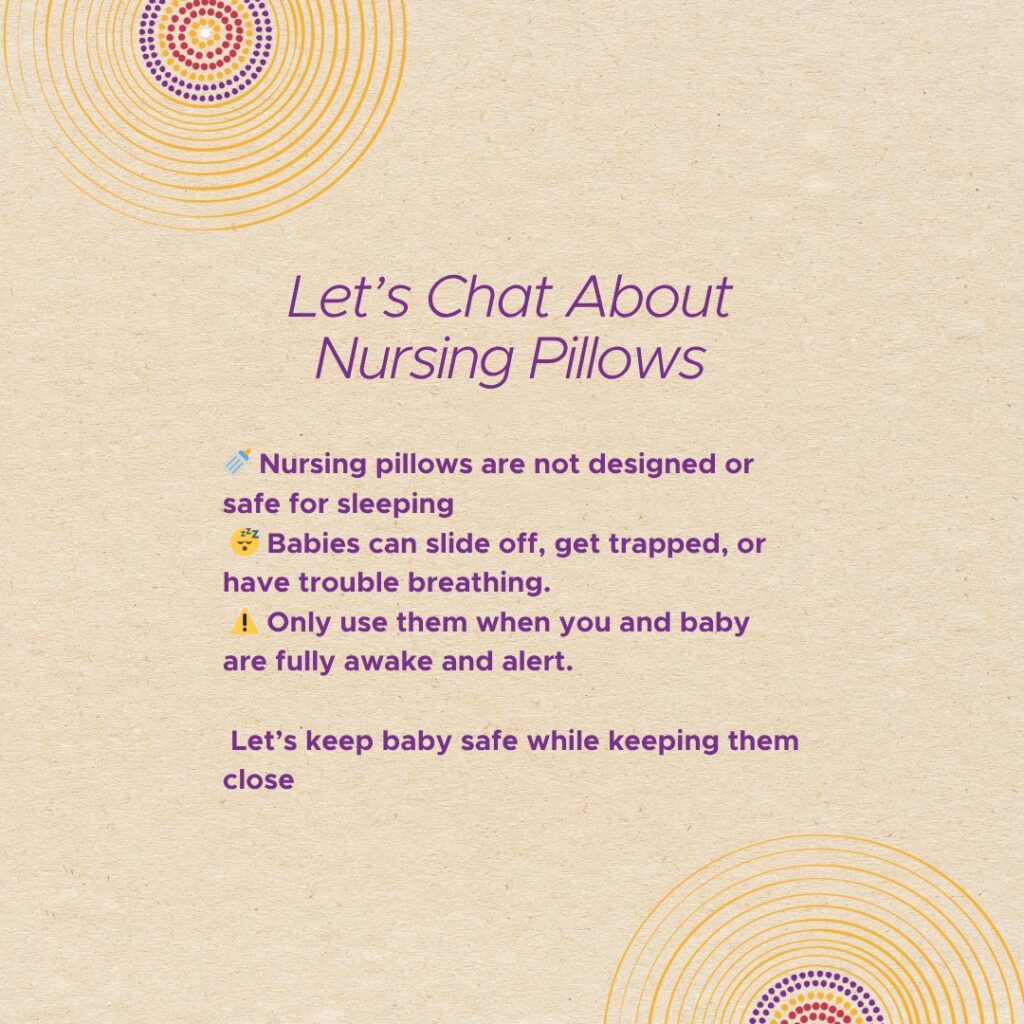
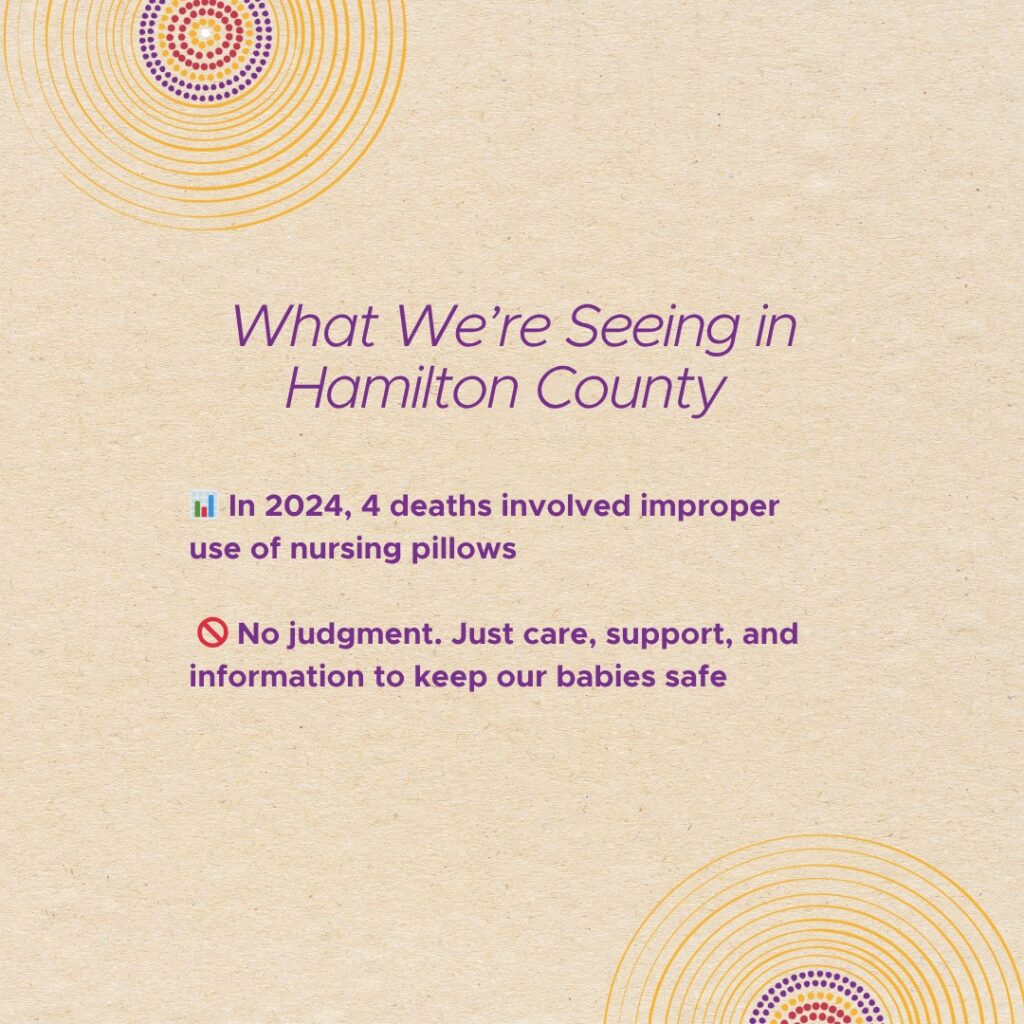
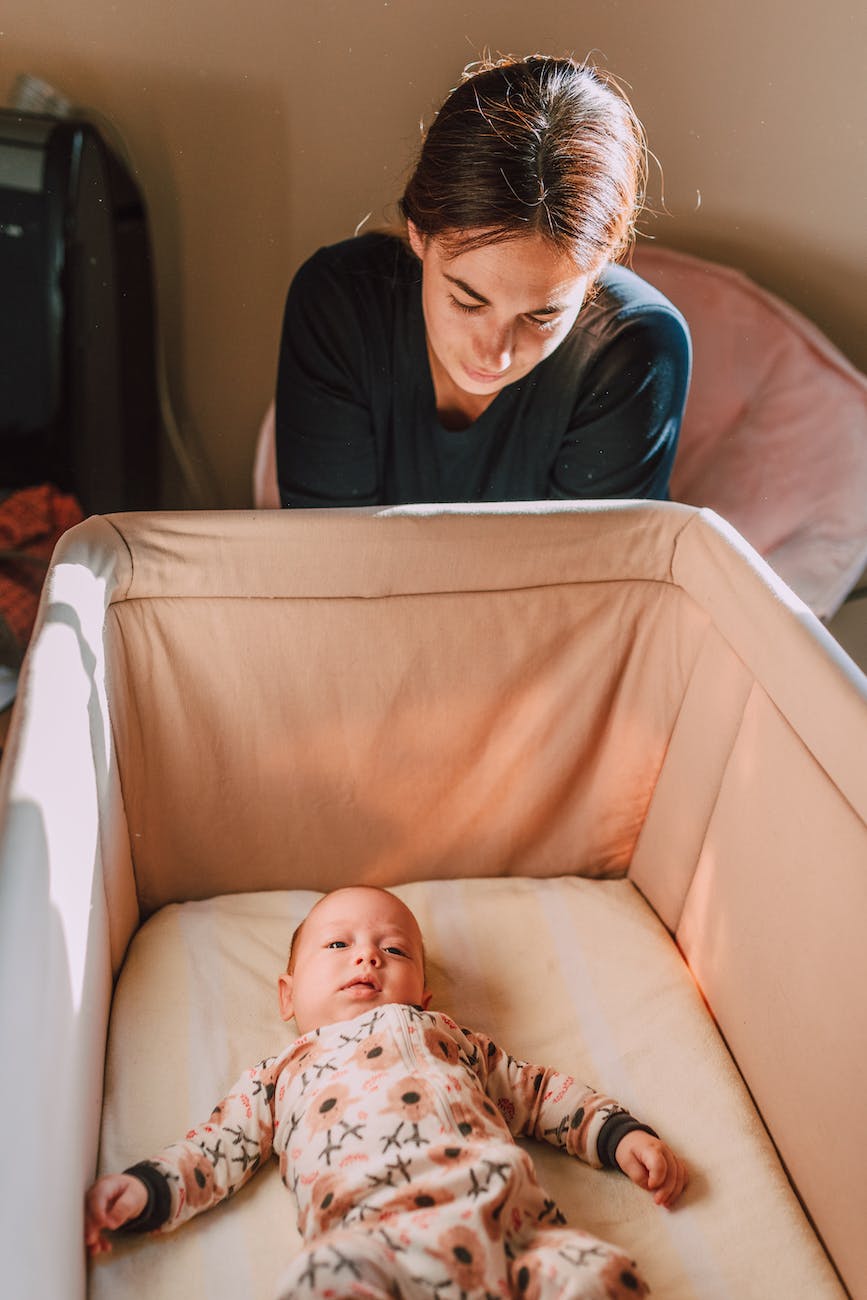
    Hamilton County, Ohio – In Hamilton County, nearly 1 in 4 infant deaths in 2024 were linked to unsafe sleep. 80% happened on adult beds, and 27% involved improper use of nursing pillows. “We are losing too many infants while they are sleeping,” warns Greg Kesterman, Hamilton County Public Health commissioner.
    Learn how to keep your baby safe with simple, proven sleep practices at bit.ly/HCPHSafeSleep.
    Scroll through to learn how you can keep your baby close and safe — and what support is available…
  • Mosquito pool in Delhi Township tests positive for West Nile Virus

    Mosquito pool in Delhi Township tests positive for West Nile Virus

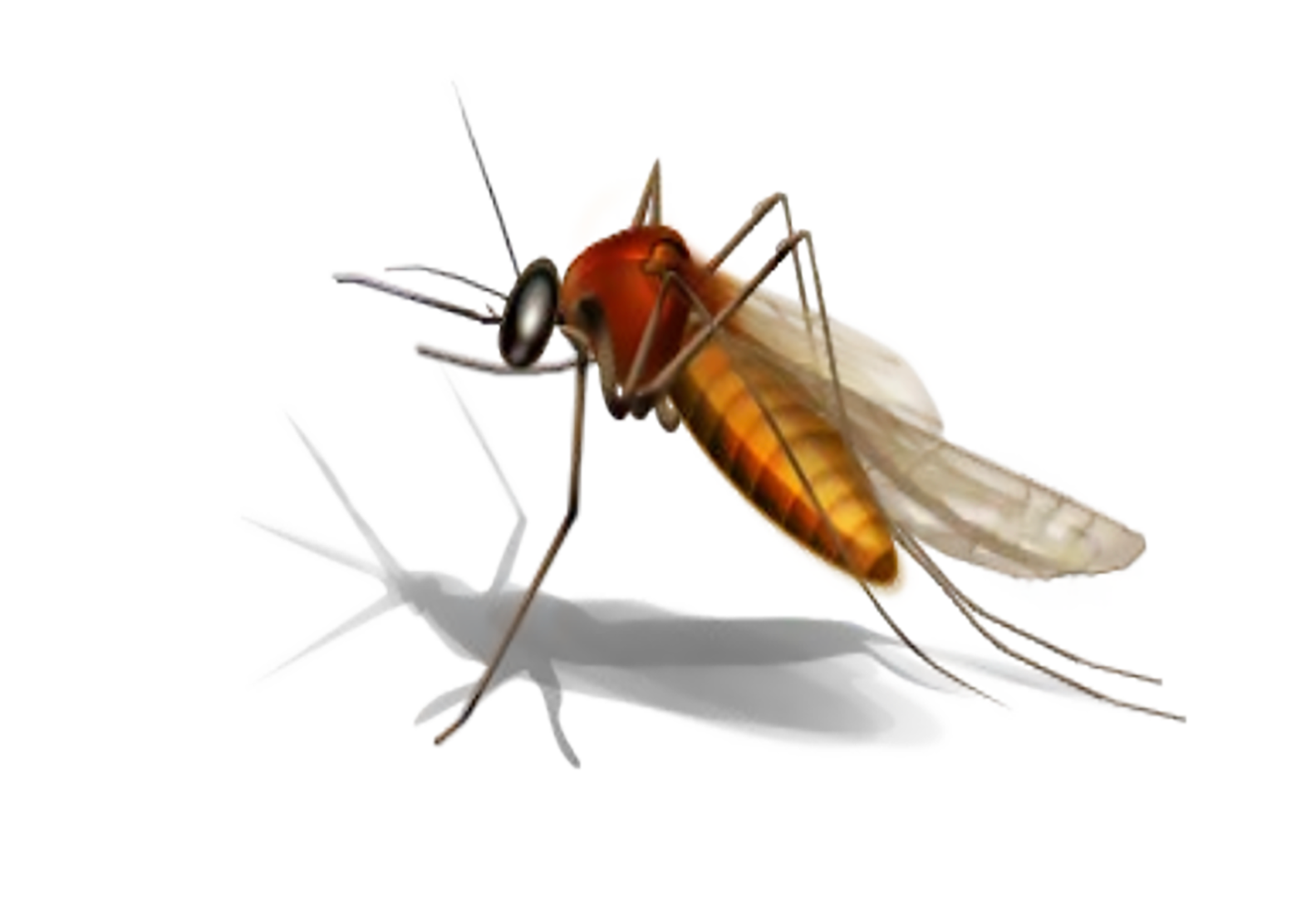
    Hamilton County, Ohio – Hamilton County Public Health is reminding residents to continue to take summertime precautions against mosquito bites after mosquitoes that were recently trapped on Foley Road in Delhi Township tested positive for West Nile virus (WNV). West Nile Virus is a viral disease that can be passed from mosquitoes to humans. Hamilton County Public Health (HCPH) maintains traps throughout the County during the summer to test for the presence of disease. While this is the first positive identification in HCPH’s jurisdiction, other positive pools have been identified elsewhere in the County.

    HCPH says their staff will be conducting surveillance activities in the neighborhoods and commercial areas around where the mosquitoes were collected. They will be looking for areas of standing water, applying larvicide, making sure swimming pools are operating properly and advising residents on precautions they can take to avoid mosquito bites.

    “We can all take action to eliminate mosquito breeding sites and take precautions to avoid mosquito bites,” Greg Kesterman, Hamilton County Health Commissioner says. “West Nile was first identified in Ohio in 2001, so it’s not new to our area, but we like to take the opportunity to remind everyone to take precautions.”

    Hamilton County Public Health advises all Hamilton County residents to DRAIN, DUNK and PROTECT to reduce the mosquito population and prevent West Nile Virus:

    DRAIN

    • Look for and drain sources of standing water on your property – litter, tires, buckets, flowerpots, wading pools and similar items that could create standing water and become mosquito breeding sites.
    • Frequently change water in bird baths and pet bowls.
    • Drain small puddles after heavy rainstorms.

    DUNK

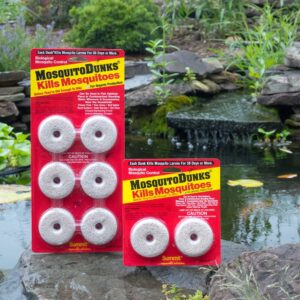
    • Apply mosquito larvicide, sometimes called mosquito “dunks,” to areas of standing water that cannot be drained.  The “dunks” are environmentally safe and won’t harm pets. Purchase them at your local hardware store.

    PROTECT

    • Cut your grass and trim shrubbery.
    • Make sure screens in windows and doors are tight-fitting and free from defect.
    • Wear long sleeves and pants during peak mosquito hours – dawn and dusk.
    • Use an EPA-registered insect repellent such as those containing DEET, picaridin or oil of lemon or eucalyptus. Always follow the directions on the package.

    In a news release, HCPH said, “The West Nile virusis a viral disease affecting the central nervous system that can be transmitted to humans by mosquitoes. It is important to note that most people who are bitten by an infected mosquito will never become sick. Everyone, however, should be aware of the symptoms of WNV. Symptoms may develop two to 14 days after someone is bitten by an infected mosquito.”

    No Symptoms in Most People. Approximately 70-80 percent of people who are infected with WNV will not show any symptoms at all.

    Milder Symptoms in Some People. Up to 20 percent of the people who become infected will display symptoms which can include fever, headache, and body aches, nausea, vomiting, and sometimes swollen lymph glands or a skin rash on the chest, stomach and back. Symptoms can last for as short as a few days, though even healthy people have been sick for several weeks.

    Serious Symptoms in a Few People.  Less than one percent of people infected with WNV will develop severe illness. The severe symptoms can include high fever, headache, neck stiffness, stupor, disorientation, coma, tremors, convulsions, muscle weakness, vision loss, numbness and paralysis. These symptoms may last several weeks, and neurological effects may be permanent.

    While all residents of areas where virus activity has been identified are at risk, people over age 50 have the highest risk of developing severe WNV infections. Anyone experiencing any of these symptoms should contact their healthcare provider for evaluation.

    For more information on West Nile Virus, contact Hamilton County Public Health at (513) 946-7800 or visit them online at www.hamiltoncountyhealth.org.

    [pdf-embedder url=”https://lovelandmagazine.com/wp-content/uploads/2024/08/2016_mosquito.pdf”]

    Download the Homeowner’s Guide to Mosquito Control on the HCPH Website: https://www.hamiltoncountyhealth.org/wp-content/uploads/2016_mosquito.pdf


  • Hamilton County Board of Health completes annual reorganization

    Hamilton County Board of Health completes annual reorganization

    [vc_row][vc_column width=”2/3″][vc_column_text]Hamilton County Board of Health completed its annual reorganization at its April 8 meeting, electing Dan Meloy of Colerain Township as president of the board and Elizabeth Kelly, M.D. of Cincinnati as vice president.

    The five-member Board of Health is the governing body of Hamilton County Public Health. In addition to Meloy and Kelly, board members include Tracey A. Puthoff, Esq. of Anderson, and two new members: Maxwell J. Miller of Cleves and Eric J. Knapp of Cincinnati.  The Board has the authority to adopt public health rules and regulations, which have the same status as law, and to enact policies within Hamilton County Public Health’s jurisdiction.

    “I want to recognize and thank our outgoing board members, Jim Brett and Mark Rippe,” commented Hamilton County Health Commissioner Greg Kesterman. “Both were long-time board members who led us through a pandemic, not to mention seeing our agency double in size and budget while sourcing a new space for our clinical services. We certainly owe them a debt of gratitude,” Kesterman adds.

    The Board of Health’s regular meeting schedule through March 2025 will be on the second Monday of each month at 4 p.m. at Hamilton County Public Health, 250 William Howard Taft, Cincinnati, OH 45219. All meetings are open to the public.

    For more information about the Hamilton County Board of Health, including minutes of Board of Health meetings, visit www.hamiltoncountyhealth.org.

    .[/vc_column_text][/vc_column][vc_column width=”1/3″][vc_widget_sidebar sidebar_id=”td-default”][/vc_column][/vc_row]

  • Hamilton County Public Health Achieves National Reaccreditation

    Hamilton County Public Health Achieves National Reaccreditation

    Loveland, Ohio – Hamilton County Public Health (HCPH) has announced it has successfully completed a review process to maintain national accreditation status through the Public Health Accreditation Board (PHAB). In maintaining its accreditation status for another five years, “HCPH has demonstrated that it meets PHAB’s quality standards and measures and has the capacity to continue to evolve, improve and advance to continue improving the health of the residents of Hamilton County.”

    According to a release by the HCPH, “Public health accreditation is a rigorous, multi-year process that represents the measurement of health department performance against a set of nationally recognized, practice-focused and evidence-based standards; the issuance of recognition of achievement of accreditation within a specified time frame by a nationally recognized entity; and the continual development, revision, and distribution of public health standards.”

    “We are proud of the ‘accredited’ designation,” says Hamilton County Health Commissioner Greg Kesterman.  “This recognizes the work this agency performs every day, as well as its ability to adapt and change based on community needs. While we’re certainly proud of this accomplishment, PHAB does not allow complacency, as the accreditation process is one of continuous quality improvement,” Kesterman adds.

  • Cradle Cincinnati Promotes Infant Safe Sleep During the Winter Holidays

    Cradle Cincinnati Promotes Infant Safe Sleep During the Winter Holidays

    Holiday travel and cold weather can lead to higher risk of unsafe sleep

    Cradle Cincinnati, Cincinnati Health Department and Hamilton County Public Health are encouraging families to practice safe sleep during this holiday season. New sleeping environments and colder temperatures can increase a baby’s risk of sleep-related death. Babies sleep safest Alone, on their Backs, and in Cribs.

    When visiting relatives or friends this holiday season, Cradle Cincinnati recommends travelling with a portable crib. Many homes lack safe sleeping spaces for babies and sleeping in a bed with a baby or placing a baby on a couch for sleep greatly increases his or her risk of a sleep- related death. Co-bedding, or sleeping with another person, accounted for more than half of all sleep-related infant deaths in Hamilton County over the past five years.

    As well, frigid temperatures may lead parents to wrap their babies in bulky blankets or layer on clothing. However, babies can accidentally suffocate from loose blankets or overheat under multiple layers.

    Families can take the following steps to keep their baby warm and safe this holiday season:

    Baby should have his or her own sleep space. Bring a safety-approved portable crib, Pack n Play, or bassinet with you on your travels. Babies should never sleep with another person.

    Place baby on his or her back for every sleep. The risk of sleep-related death increases when infants are placed in new sleep positions (i.e. stomach or back). Infant sleep guidelines have changed in the last 30 years; it’s important to share ‘back to sleep’ messaging with older generations.

    Don’t overheat your baby. Dress your baby in a wearable sleeper or one-piece pajama, instead of using a blanket. Wearable sleepers can be layered over an undershirt or onesie.

    Keep baby’s room at a comfortable temperature, usually between 68° and 72°F.

    Don’t smoke around your baby. Exposure to secondhand smoke increases the risk of Sudden Infant Death Syndrome.

    Qualifying families can receive a FREE Pack n Play through the Cincinnati Health Department by calling (513) 564-BABY.

    Sleep-related infant deaths have been on the rise the past several years, reaching a ten-year high of 21 deaths in 2020. Cradle Cincinnati promotes the ABCs of safe sleep for every sleep – naptime and nighttime.

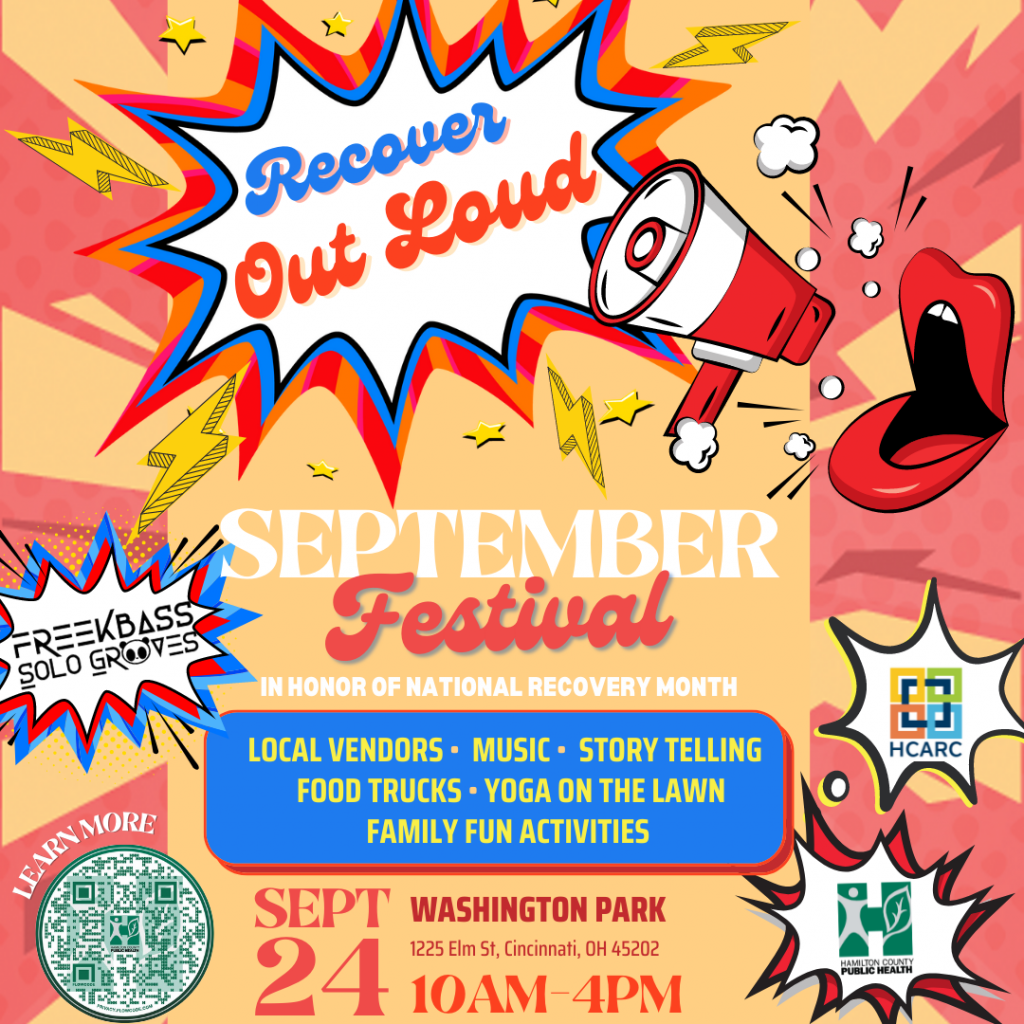
  • Recover Out Loud Festival September 24

    Recover Out Loud Festival September 24

    HAMILTON COUNTY PUBLIC HEALTH CELEBRATES PEOPLE RECOVERING FROM SUBSTANCE USE DISORDER

    Hamilton County, Ohio – The road to recovery from substance use disorder can be long and full of pitfalls. Hamilton County Public Health celebrates those in recovery with the “Recover Out Loud” festival on September 24, 10 AM until 4 PM in Washington Park, 1230 Elm St., Over-the-Rhine.

    The festival will kick off with Recovery Yoga on the large park lawn. There will be entertainment throughout the day including face painting, games, and music. Food trucks will be available throughout the day. During the festival, there will be storytelling sessions from noon until 4 PM at nearby Memorial Hall. Participants will share stories of recovery and the methods they’ve used to achieve continued success. Admission is free.

    • Yoga on the lawn – 10 AM

    • 11-11:30 – Welcoming remarks

    • Noon-4 storytelling at Memorial Hall

    • 10-4 PM Vendors and food truck

    • Aaron Laine is our emcee.

    • Freekbass is playing, along with guest DJ from Noon-4

    “September is National Recovery Month,” says Hamilton County Health Commissioner Greg Kesterman. “What better way to recognize the achievements of those in recovery than with a fun event designed to celebrate their success and encourage others to begin their journey on the road to recovery.”

    Hamilton County Public Health is sponsoring the event in cooperation with the Hamilton County Addiction Response Coalition. For more information, contact: hcph-harmreduction@hamilton-co.org.

  • Hamilton, Clermont, and Warren Counties now have “High” COVID-19 community spread

    Hamilton, Clermont, and Warren Counties now have “High” COVID-19 community spread

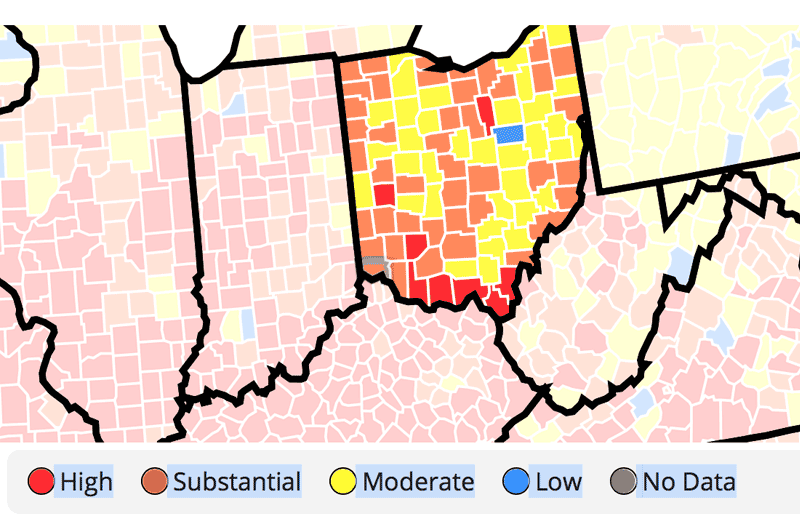
    Loveland, Ohio – The Centers for Disease Control and Prevention (CDC) has classified Hamilton, Clermont, and Warren Counties as having “High” COVID-19 community spread. The CDC looks at the combination of three metrics — new COVID-19 hospital admissions per 100,000 population in the past 7 days, the percent of staffed inpatient beds occupied by COVID-19 patients, and total new COVID-19 cases per 100,000 population in the past 7 days — to determine the COVID-19 community level.

    (K)N95 masks that are good quality and fit are important to protect yourself and others. (CDC Image)

    Immediate recommendations from Hamilton County Public Health:

    • Wear a well-fitting mask indoors in public, on public transportation, and in crowded outdoor areas regardless of your vaccination status.

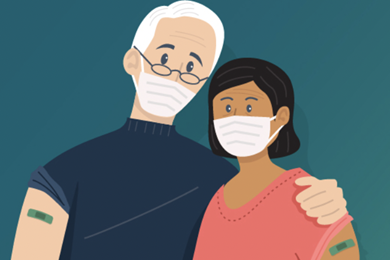
    • Stay up to date with COVID-19 vaccines.

    • Get tested if you have symptoms.

    • If you are at high risk for severe illness, consider taking additional precautions. Talk to your doctor to find what works best for you.

    • Stay home if you are sick.

    Community Resources

    TestAndProtectCincy.Com has a list of vaccination locations, PCR testing sites, Test-To-Treat testing sites, and where you can find at-home testing kits.vFind out more by visiting: HCPH.org/COVID19

    COVID-19 Testing Locations in Clermont County

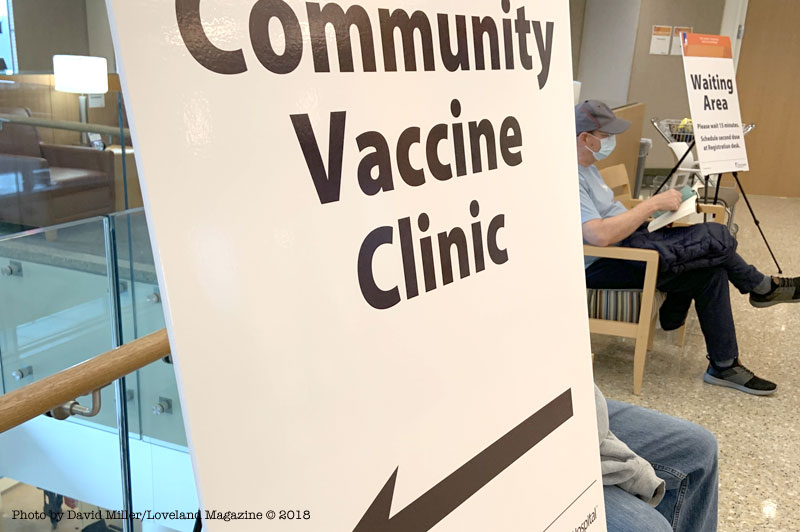
    Upcoming Vaccine Clinics in Clermont County

    Warren County Covid 19 Vaccine Info

    No-Cost Home Test Kits

    Request an At-Home Test Kit

    At-home COVID-19 test kits can be requested from the federal government and shipped (USPS) to residential addresses.  For information on how to store and use at-home tests, and other helpful tips, visit CDC.gov.

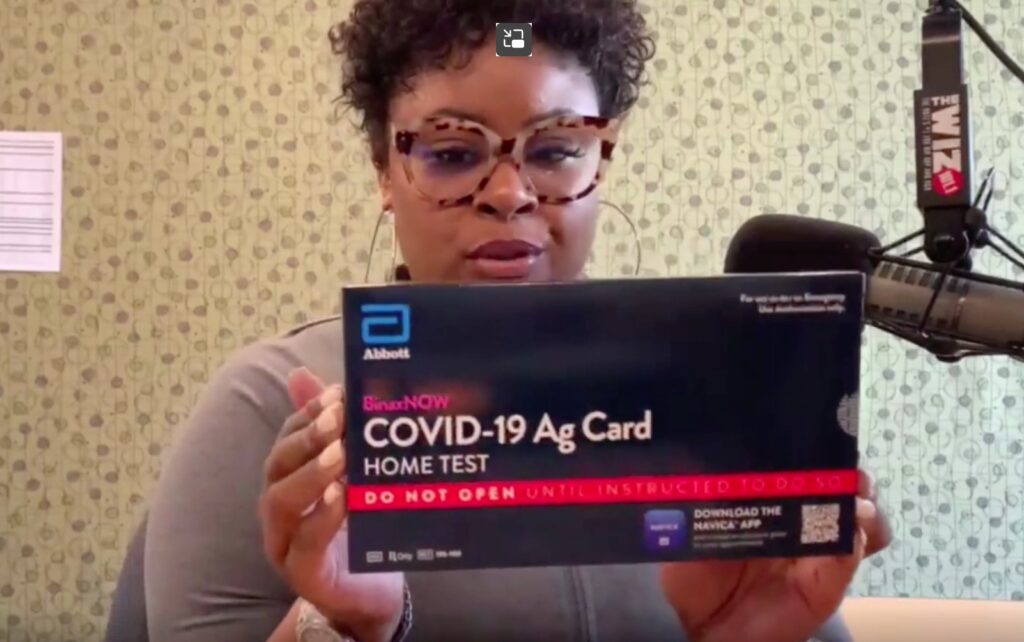
    BinaxNOW Test Kits:  BinaxNOW test kits have an expiration date that differs from the product label.  Please read this update to see the extended expiry of your testing kit.

    For guidance on the proper way to use your BinaxNOW testing kit, watch the below step-by-step video. For other brands, please refer to the instructions included in the test kit.

    Watch this demonstration on how to use at-home test kits:

  • Elizabeth Kelly, MD of Cincinnati elected as president of the Hamilton County Board of Health

    Elizabeth Kelly, MD of Cincinnati elected as president of the Hamilton County Board of Health

    Hamilton County, Ohio – Hamilton County Board of Health completed its annual reorganization at its April 11 meeting, electing Elizabeth Kelly, MD of Cincinnati as president of the board and Dan Meloy of Colerain Township as vice president.

    The five-member Board of Health is the governing body of Hamilton County Public Health. In addition to Kelly and Meloy, board members include Tracey A. Puthoff, Esq. of Anderson, Jim Brett of Whitewater Township, and Mark Rippe of Sycamore Township. The Board has the authority to adopt public health rules and regulations, which have the same status as law, and to enact policies within Hamilton County Public Health’s jurisdiction, including all of Loveland. The Loveland City School District also recognizes the Hamilton County Health District as its guiding agency.

    The Board of Health’s regular meeting schedule through March, 2023 will be on the second Monday of each month at 4 PM at Hamilton County Public Health, 250 William Howard Taft, Cincinnati, OH 45219. All meetings are open to the public.

    For more information about the Hamilton County Board of Health, including minutes of Board of Health meetings, visit www.hamiltoncountyhealth.org.

  • Need a replacement COVID-19 vaccination card?

    Need a replacement COVID-19 vaccination card?

    Lost your Covid-19 vaccine card?

    If you were vaccinated in the state of Ohio, Hamilton County Public Health will replace your card for free.

    Follow this LINK and fill out the form.

  • CDC says  Butler, Clermont, Hamilton, Warren County seeing “substantial spread” of COVID-19

    CDC says Butler, Clermont, Hamilton, Warren County seeing “substantial spread” of COVID-19

    All counties surrounding Loveland are an area of Substantial Transmission

    Loveland, Ohio – As the Washington Post reports that a new coronavirus variant discovered in Colombia is showing up among patients in South Florida and that the delta variant of the coronavirus appears to cause more severe illness than earlier variants and spreads as easily as chickenpox, according to an internal federal health document that argues officials must “acknowledge the war has changed”, Hamilton County Public Health says we are now in an area of “substantial spread”.

    All of Hamilton County has been identified as an area of “substantial spread” of COVID-19 by the Centers for Disease Control and Prevention (CDC). Substantial spread occurs when an area sees more than 50 cases per 100,000 population in the past seven days. Butler, Clermont, and Warren are also an area of “substantial spread”.

    Hamilton County is at 54.07 cases per 100,000.

    In updated guidance for substantial spread areas, which now includes all of the Loveland area, the CDC recommends:

    • Everyone, including those fully-vaccinated, wear a mask in public indoor settings.

    • Fully-vaccinated people might choose to wear a mask regardless of the level of transmission, particularly if they are immunocompromised or at increased risk for severe disease from COVID-19, or if they have someone in their household who is immunocompromised, at increased risk of severe disease or not fully vaccinated.

    • Fully-vaccinated people who have a known exposure to someone with suspected or confirmed COVID-19 should be tested 3-5 days after exposure, and wear a mask in public indoor settings for 14 days or until they receive a negative test result.

    • Universal indoor masking for all teachers, staff, students, and visitors to schools, regardless of vaccination status.

    “The Delta variant has altered the game plan for COVID-19,” says Hamilton County Health Commissioner Greg Kesterman. “We know masking works and is yet another layer, in addition to vaccination, to protect all of us from another surge of the virus.”

    Vaccination remains the best way to avoid COVID-19 infection.“The vaccines are safe, effective and readily available,” according to Kesterman.  “This is now a pandemic of the unvaccinated. If you have questions or concerns about the vaccine, please talk to a trusted health professional for the best information.”