SHOW OPPOSITION TO THE DEVELOPMENT OF GRAILVILLE
(Reprinted with permission from a social media post of Jamie Smith)
by Jamie Smith
There will be a planning and zoning meeting at Loveland City Hall Wednesday, May 4th at 7 PM, with a demonstration beforehand at 6 PM to rally against the petition Drees is submitting for an (SPD) proposal.
The granting of an SPD would allow them to build over 200 homes on the land that was annexed originally for “low-density housing.” This neighborhood of about 206 homes would sit on the south side of the old Grailville property, between Saint Columban Church and the north side of Grailville (their current offices).
The building of yet another non-distinct neighborhood in Loveland would destroy several historically rich and architecturally beautiful buildings that hold much significance in the hearts of many Loveland residents. Even a stranger passing by, with no knowledge of the importance of the work that was done there, is struck at the beauty of the place.
The women (and men) who started the mission here at Grailville were so dedicated to the righteousness of its cause that many of its early devotees are buried on-site, in the loveliest little cemetery on the north side of O’Bannonville Road.
Some of the reasons I feel very strongly against the actions aimed at adding yet another subdivision to our previously rolling river valley and forested areas are as follows:
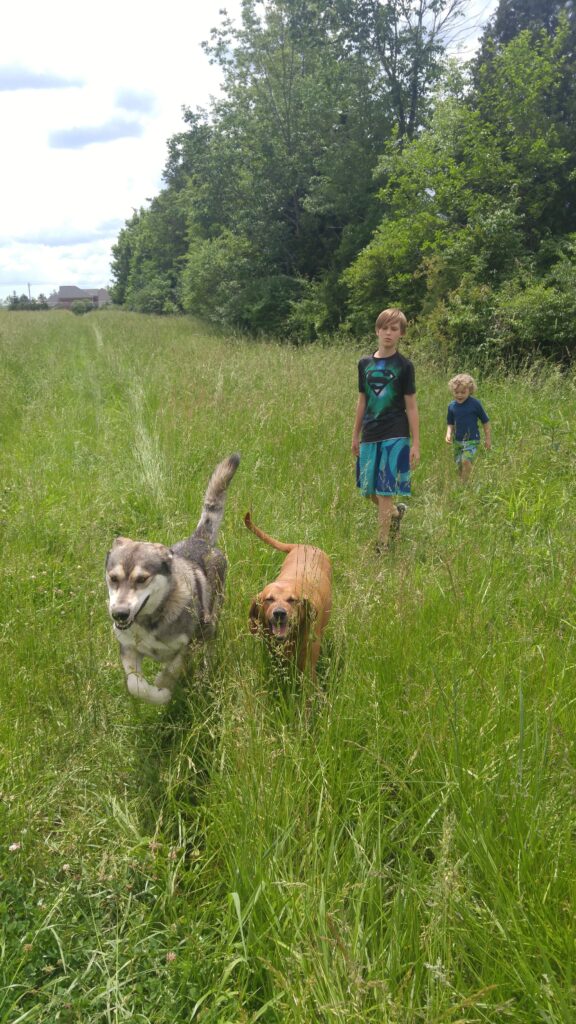
1. It is my favorite place in Loveland, exactly as it is, in its natural state. My dogs have their absolute biggest smiles here, as do my kids and I.
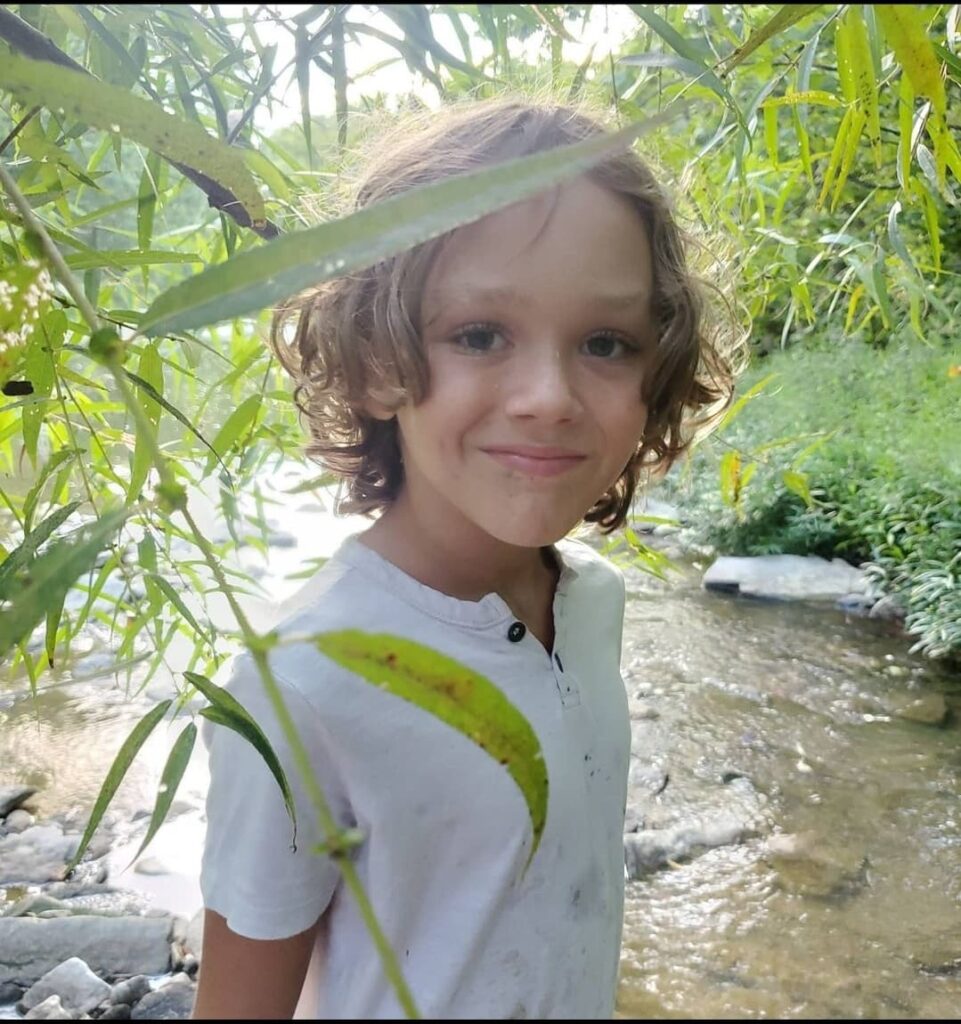
2. I and my children have gained much peace and happiness from our exposure to the blessings of the land, water, and sky at Grailville. We have shared this joy with others. This land has kept us healthy physically and mentally. I can feel instant decompression upon starting my explorations there.
3. The place has a beautiful historical significance. You can explore the beginnings of the good that has been done on this land starting with this LINK. The historical films created, however, don’t even begin to touch on the good work that was done up until current times.
4. Not only have many historic buildings of Loveland been destroyed that are tragically gone FOREVER, but the greenspace in Loveland is rapidly disappearing, to the point that Grailville is the “last of the Mohicans.” Losing the large stretch of greenspace that connects fields to the “wilderness” on the north side would have a hugely detrimental impact on local wildlife, as well as on the human beings that regularly seek solace in the fields and woods of its paths.
5. TRAFFIC IN DOWNTOWN LOVELAND
6. GREED over NATURE
7. Absolutely zero benefits to Loveland residents, only more destruction, construction, and overcrowding of our streets….adding to issues of congestion instead of working on solutions.
8. Once this land is developed, the sanctity and purity of the place will be lost forever. We are Loveland, and beginning to look like Liberty Township, a “run-on sentence of subdivisions.” We are a town rich in farming and RR history. Let’s not erase YET ANOTHER part of our heritage. There is enough history at Grailville to erect a small museum to the humanitarian work and personal development that was achieved there and carried throughout other communities in the hearts of members of the Grail.
9. The land is certified organic, which is no small feat.
10. About 10 million reasons this ties into the bigger picture of the environmental crisis: urban sprawl (in turn, increasing urban blight), loss of greenspaces for migratory species, the immediate destruction of the habitat for countless plant and animal species, loss of biodiversity, etc., etc., etc.
11. The thought of losing this place and the PEACE IT HAS BROUGHT MY FAMILY, and having to deal with the congestion of another subdivision literally breaks my heart….and I am not alone.
Come show your solidarity. Let’s not let an out-of-state developer take what’s left of who we are! These historic places, YES EVEN OPEN PLACES, FARMS….this is what Loveland was, and part of it always should be! We need to retain a connection to what draws people to love this land.