Tag: John Hart

  • Meet Loveland, Ohio’s new Council leadership

    Loveland, Ohio – On Tuesday, the Loveland City Council held its annual organizational meeting to administer oaths of office. Kathy Bailey, Andy Bateman, and Brian Goodyear who were successful in being elected to four-year terms in November took the oath of office. This is Goodyear’s first term as a council member.

    After the swearing-in ceremony, the council elected among themselves the persons who will serve as mayor and vice-mayor. Bailey was elected to continue the role of Mayor and Ted Phelps retained his position as Vice-Mayor.

    City Council now consists of the three members sworn into office on Tuesday plus John Hart, Neal Oury, Ted Phelps, and Kip Ping who will complete the remaining two years of their previously elected terms. Kent Blair chose not to run for reelection.


    Loveland City Council

    (3 to be elected) Vote tally from all counties.

    Kathy Bailey – 2843

    √ Andy Bateman – 2468

    √ Brian Goodyear – 2224

    Deidre Hazelbaker – 1741


    Meet Your Council Members

    (Bios provided from City of Loveland Website)

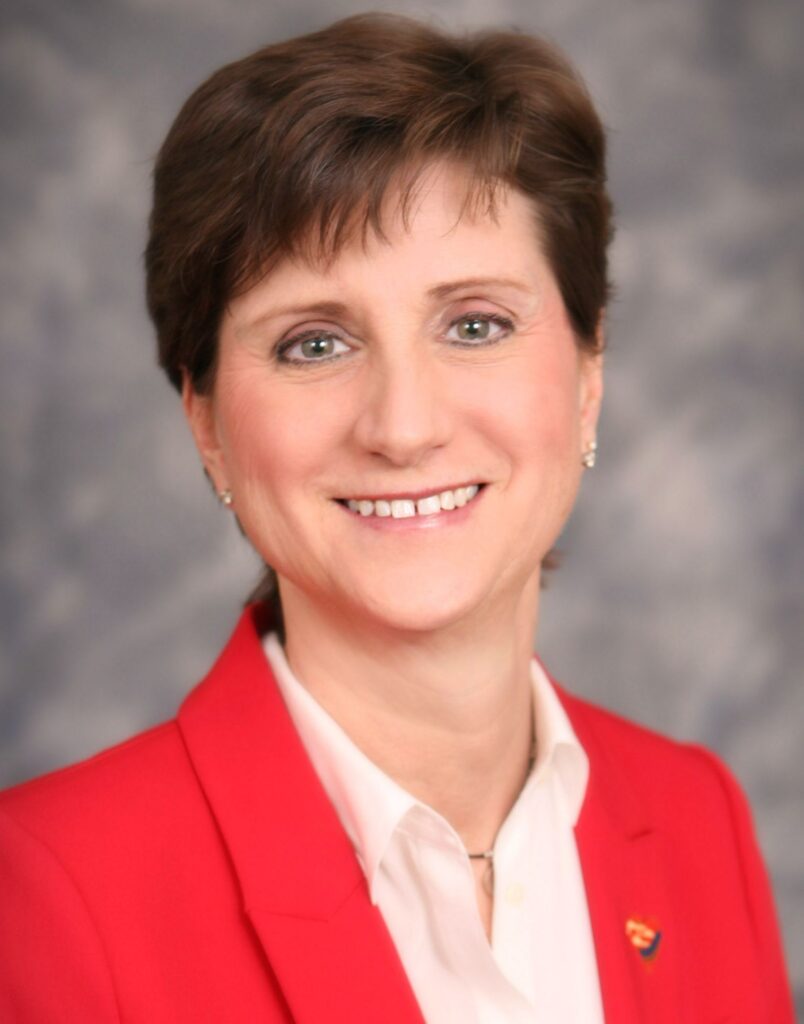
    Mayor Kathy Bailey

    Kathy Bailey DI.jpg (revised 2)Kathy Bailey was first elected to City Council in 2015, re-elected in 2019, and re-elected in 2023. Kathy was appointed Mayor in 2017 and continues to serve in this capacity. Throughout her terms on City Council, Kathy has served as the city’s alternate representative to the Board of Education. She was a member of the City Council Employee Evaluation Committee and the Law & Ordinance Committee. Kathy is currently a member of the Loveland Community Improvement Corporation. In addition to her duties to the city, Kathy has been serving as the President of the Clermont County Mayor’s Association since 2020.

    Kathy was born in Cincinnati and grew up in the Indian Hill/Montgomery area. She earned a Bachelor of Arts degree from Miami University and a law degree from the University of Cincinnati. Kathy’s full-time career is as Chief Assistant Prosecuting Attorney of the Civil Division of the Hamilton County Prosecutor’s Office, where she has worked since 1990.

    Kathy and her husband Bob married in 1991 and moved to Loveland in 1995. They raised their son Bobby and triplet daughters Katelyn, Kimberly, and Kristen in Loveland. All four attended Loveland City Schools, and all still live in or near Loveland. In her free time, Kathy enjoys spending time with family, friends, and her doggies. Her hobbies include golfing, sand volleyball, and reading, especially historical fiction.

    Kathy said she heeds the advice her mother gave her after being elected to City Council: “Do what you believe to be right. No matter what the naysayers say, always listen because you can always learn something, but in the end follow your heart and do what you believe is best for the city.” Kathy went on to say that “Loveland has a bright future and she was grateful to be part of it.” Loveland is a city she “truly loves and is humbled, honored, and proud to serve its residents.”

    Term Ends: December 4, 2027

    Email Kathy Bailey

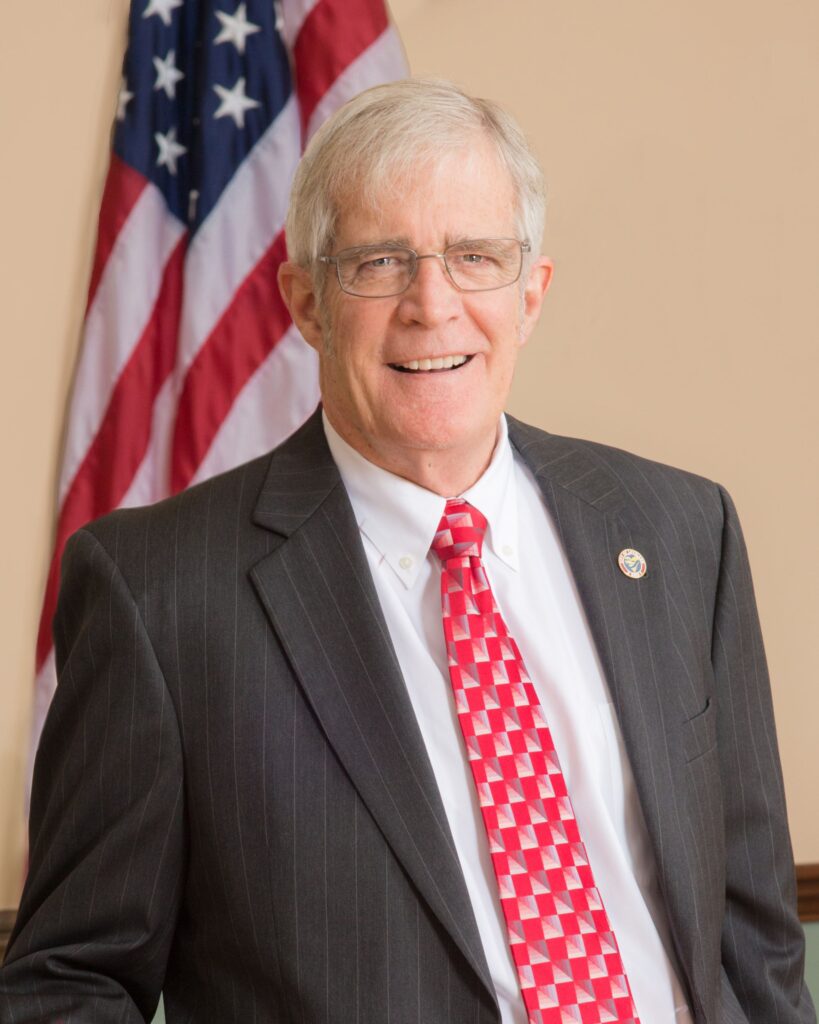
    Vice-Mayor Ted Phelps

    Phelps_04Council member and Vice Mayor Ted Phelps is serving his third term on Loveland City Council. He was first elected to Council in 2013, was re-elected in 2017, and returned in 2021.

    Ted is an attorney at the Cincinnati law firm of Rendigs, Fry, Kiely & Dennis, LLP, where he has practiced for over 25 years.

    Ted’s family includes his wife, Anne, and two adult children, Caroline and Roger. Ted’s hobbies include travel, music, and NHL hockey. He is devoted to his church, North Cincinnati Community Church, where he serves as a Deacon.

    “I appreciate the voter’s confidence to elect me to a third term and look forward to continue to make Loveland a unique and attractive place to live, work and enjoy,” he said. Ted considers himself a public servant and not a politician. He promises to work hard to make Loveland a community that we can all be proud to call home.

    Terms Ends: December 1, 2025

    Email Ted Phelps

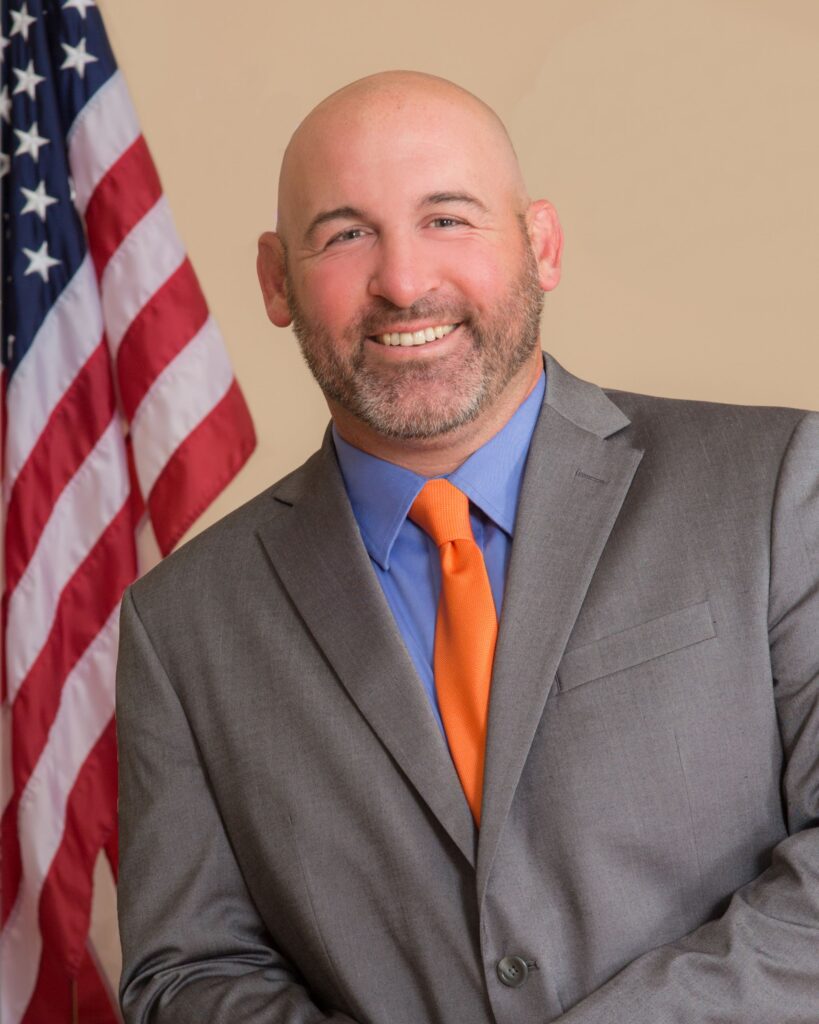
    Councilmember Andy Bateman

    Bateman_04Andy Bateman first was elected to Loveland City Council in November 2019, following an unsuccessful campaign bid in 2017. He was re-elected in 2023. He has served on the city’s Public Relations & Communications Committee, the Tree & Environment Committee, the Station 63 Relocation Committee, and currently serves on the Historic Preservation & Planning Commission, the Planning & Zoning Commission, and as the liaison to the Loveland City School District.

     A graduate of Loveland High School, Andy moved to the area as a youth in 1993 from Bedford, New Hampshire, prior to spending his childhood in Grand Blanc, Michigan. Upon graduation, he attended Ohio University in Athens, Ohio, where he received a BS in Communication with minors in English and History. In late 2003, with an assist from his brother Ryan, he landed a bartending job at Paxton’s Grill in downtown Loveland. Out of the necessity to eke out a living slinging burgers and beers, a romance blossomed between Andy and the City of Loveland.

    Just a few years later, while working next door at The Works Pizza, an even greater love story was about to unfold, between Andy and his future wife Rachel, herself the first front-of-house employee of the pizzeria within the Samuel Hannaford designed building. After a decade of growth together, Andy and Rachel were married in 2018 and welcomed their daughter Acadia into their family, which also includes Rachel’s son Nathaniel, a 2017 graduate of Loveland’s Live Oaks program.

    Professionally, Andy has worn many hats, but all of them share a common thread which ties back to his education in communication and more specifically production. Whether providing AV support at downtown conference venues, broadcasting horse racing at River Downs, or producing webinars and podcasts for the Human Capital Institute, Andy lives at the intersection of planning and performance. A strong organizational background in logistics and manufacturing has led Andy to thrive at his current role as Marketing & Innovation Manager at Eurostampa North America, where he oversees the R&D and sales support for three North American business units all focusing on premium label printing for the wine and spirits sector.

    Loveland as a community has been there for Andy many times since first walking the halls of (then) Loveland-Hurst Middle School. His first friend group from marching band and drama showed the kindness inherent within the community. His co-workers from the neighborhood restaurants instilled a sense of pride in the hard work of building a reputation, when Downtown Loveland was laying the groundwork for the local gem it has become. And, today, his neighbors and community-advocates that share in his desire to contribute to the future, demonstrate that the only requirement for service is a willingness to serve. For as long as Andy is entrusted with a seat at the table, he will continue to be listening for Loveland.

    Term Ends: December 4, 2027

    Email Andy Bateman

    (No official portrait is yet available for Brian Goodyear)

    Councilmember Brian Goodyear

    Brian Goodyear was elected to Loveland City Council in 2023.

    Brian earned a Bachelor of Arts degree in Government from Centre College in Danville, Kentucky, and a Juris Doctor from the University of Cincinnati College of Law.

    Brian and his wife Melissa, who were married in 2008, moved to Loveland in 2016. They greatly enjoy spending time with their granddaughter, Theodora.

    Brian has been an attorney for 25 years and has worked as an Assistant Prosecuting Attorney for 22 years. For the last 18 years, Brian has been employed by the Hamilton County Prosecutor’s Office and is currently a Chief Assistant Prosecuting Attorney assigned as a supervisor in the Felony Trial Division. In his free time, Brian enjoys camping, traveling, and spending time with family and friends.

    When Brian and his family moved to Loveland, they fell in love with the city and knew that this was their home. As a result, Brian wanted to become actively involved in the community, which is why he applied for membership on one of City Council’s volunteer committees. He was appointed to the Law and Ordinance Committee in 2021, and his service on this committee sparked a desire to do more. This is why, in 2023, Brian decided to run for a seat on Loveland City Council.

    “I am truly humbled and honored that the residents of Loveland placed their confidence in me and elected me to City Council,” he said. “I take seriously my responsibility to act as their representative, and I look forward to working with the community to continue to move Loveland forward in a positive direction for all residents.”

    Term Ends: December 4, 2027

    Email Brian Goodyear

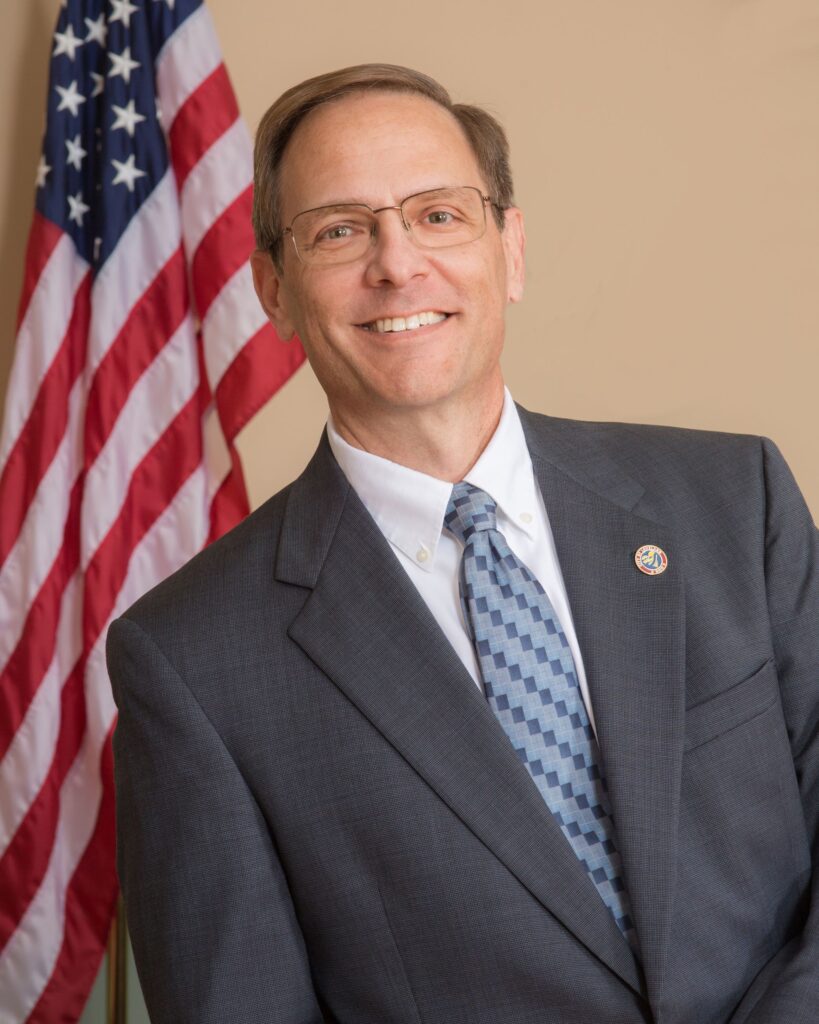
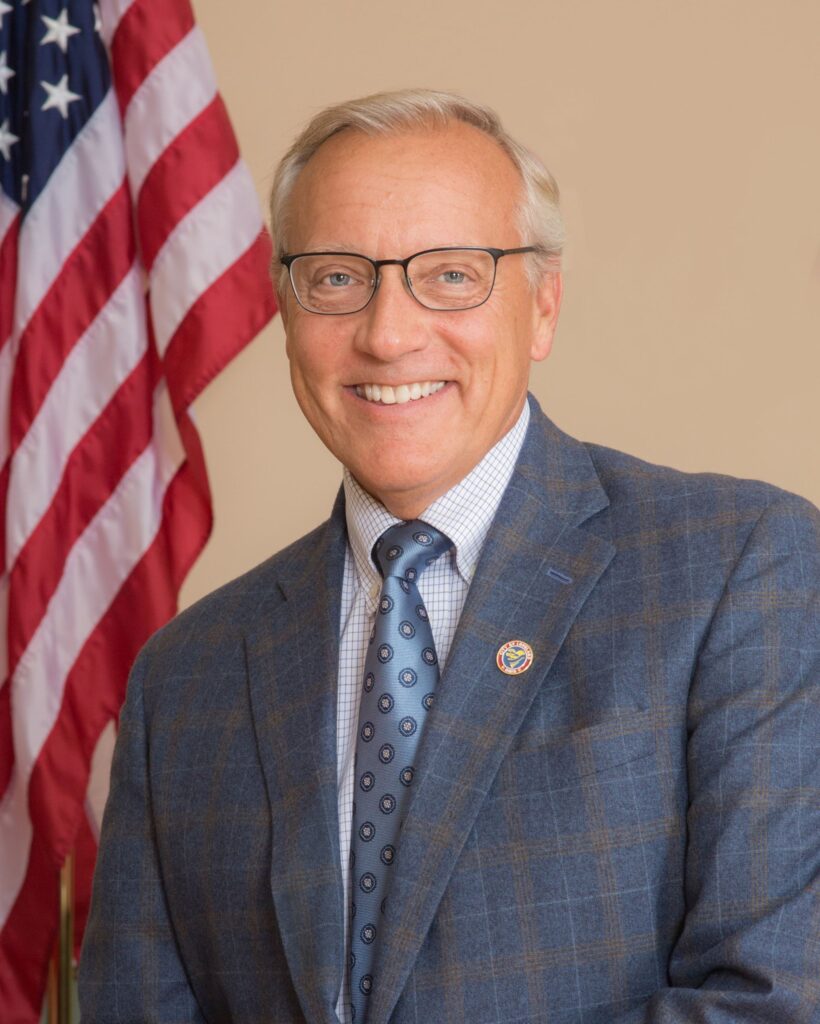
    Councilmember John Hart

    Hart_04Council Member John Hart was elected to Loveland City Council in 2021.

    John holds a Bachelor of Science degree in Secondary Education from Ohio University, as well as a Master of Science Degree in Educational Leadership from the University of Dayton. John has also done a substantial amount of post graduate work in the area of Educational Leadership.

    John has lived in Loveland with his family for 10 years. John has been married to his wife, Randi, for 16 years. Together they have two children, Austin and Quinn.

    John is an administrator in the Loveland City School District and has been employed by Loveland City Schools since 2015. Prior to coming to Loveland, John held teaching positions at Middletown City Schools and Springfield City Schools. John has coached football and wrestling at the high school and junior high levels for the past 18 years. John’s hobbies include golf, hiking/backpacking, and watching football and baseball. John loves to spend time with family and finds his greatest joy in watching his children and wife do what they love to do.

    “I ran for City Council because I fell in love with the City of Loveland the moment we moved here and wanted to be actively involved in making sure that this is a great place for families to grow and thrive,” he said.

    John has been active in the city through committee work on the Recreation Board and Comprehensive Master Planning Committee, prior to running for Council. He enjoyed that work so much, he felt compelled to take the next step of running for Council: “I love to talk to community members about their wishes, wants, and needs for the City of Loveland. I look forward to continued conversations with community members and working to be a trusted voice for residents.”

    Term Ends: December 1, 2025

    Email John Hart

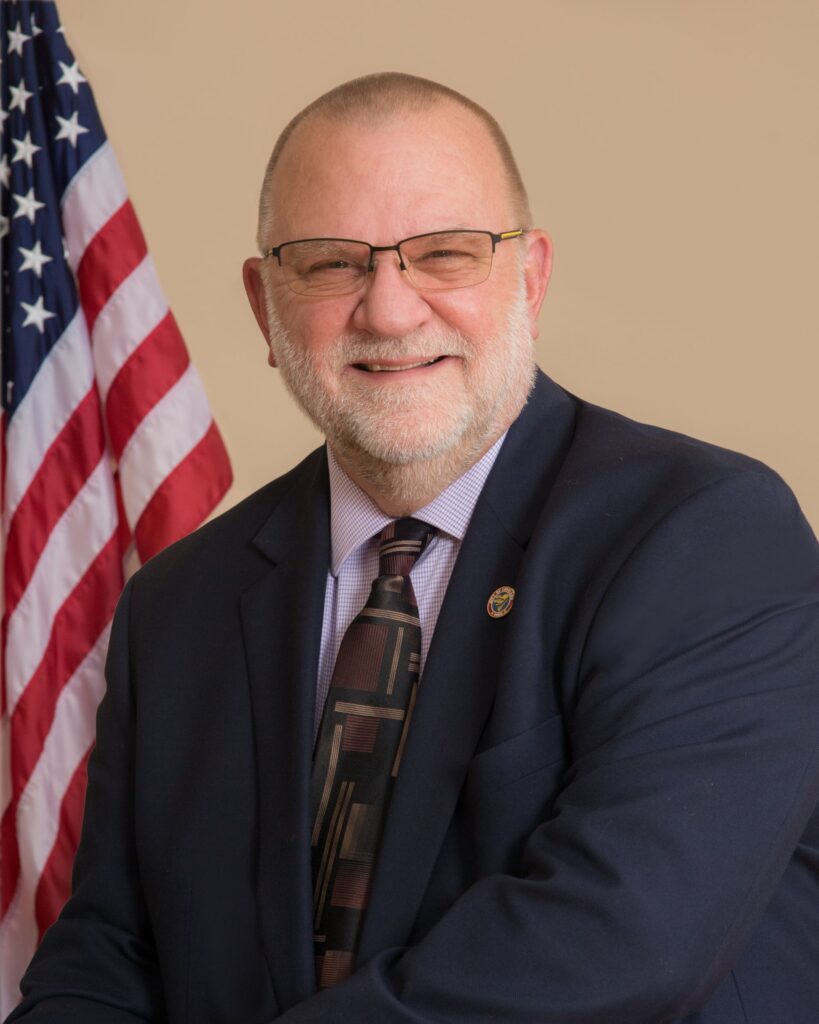
    Councilmember Neal Oury

    Oury_03Neal Oury served on City Council from 2017 to 2021 and was unanimously appointed to fill a vacated City Council seat in June 2022. He has served on the city’s Finance Commission, the Public Relations & Communications Committee, the Loveland Community Improvement Corporation (CIC), and currently serves on the Historic Preservation & Planning Commission.

    Neal is a lifelong resident of Loveland, graduating from Loveland Hurst High School in 1975. Neal lives in the house he constructed in 1986. His property overlooks the city that he has witnessed change from a small farming community to a dynamic, vibrant, attractive community and a destination place with a downtown entertainment district.

    Neal is retired after being self-employed in the construction, remodeling and property management business for more than 38 years. Neal and his wife Lynn married in 1983, and they have two grown children and one grandchild. Neal pursues his passion and creativity in woodworking. He also enjoys camping, kayaking and fishing.

    Neal says that he is looking forward to serving on Loveland City Council.

    Terms Ends: December 1, 2025

    Email Neal Oury

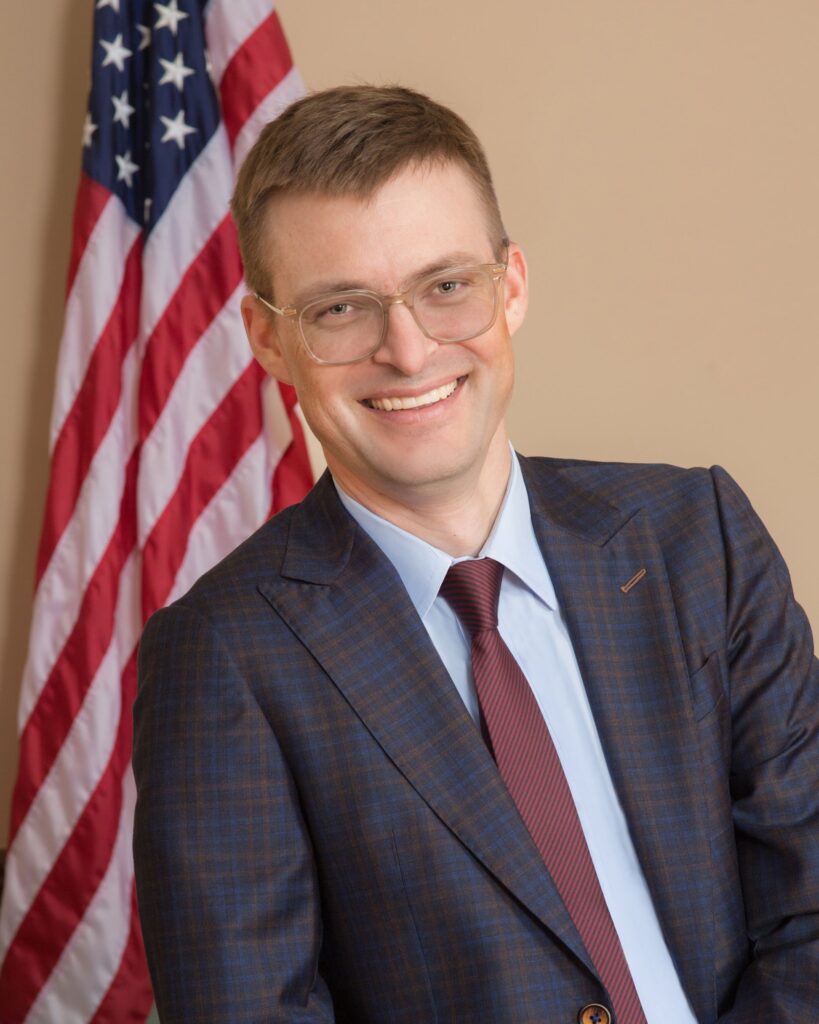
    Councilmember Kip Ping

    Kip PingKip Ping was elected to Loveland City Council in 2021. He recently served on the city’s Charter Review Commission and the Law & Ordinance Committee.  In the early 1990s, he also served on the city’s Tree & Environment Committee.

    Kip married his high school sweetheart in 1986 after a whirlwind romance of a little over four years. They moved from their hometown of Bismarck, Illinois, to Portsmouth, Virginia, after Kip graduated from the University of Illinois and lived there while Kip worked for the Navy. They settled in the Loveland area in 1989 in order to move back closer to family in Illinois. Kip and Teresa have two children, Abby and Levi, who are graduates of Loveland City Schools and the University of Cincinnati. They have one grandson, Luke, who is the son of Abby and her husband Matt.

    Professionally, Kip is a registered or licensed professional/structural engineer in 36 states and is licensed with the National Council of Examiners for Engineering and Surveying (NCEES) as a model law professional engineer and model law structural engineer. He started a structural engineering firm, Pinnacle Engineering, Inc., in 1996 and remains the majority shareholder and president of the firm. In addition to running his firm and working as a structural engineer, Kip makes active use of his engineering skill by volunteering. He was with Ohio Task Force One (one of the FEMA certified urban search and rescue teams for the US) as a structural engineer when he was young enough to do it and is currently a member of several professional organizations including the Structural Engineers Association of Ohio, where he served many years as an officer and member of the board of directors. Kip is currently volunteering with the Arizona State Board of Technical Registration on their Enforcement Advisory Committee, where he assists in evaluating technical matters with regard to structural engineering. He is also on the American Society of Civil Engineers committee for ASCE7, the engineering standard used throughout the US for calculating wind, snow, seismic and other loads that act on buildings.

    Kip has been a member of the Loveland Heights Church of Christ since moving to the area and is heavily involved with the church, serving as an elder since 2012 and treasurer since 1996. In addition to working with the church, he enjoys reading US history, woodworking, using his construction skills to help friends with home projects, and running.

    Kip is grateful to the residents of Loveland for affording him the opportunity to work for them: “It has been a pleasure getting to know many residents during my campaign, and I am honored that they have chosen me as their representative on Council. I will do my best to serve with integrity and continue on the path that has made me love living in this community for the last 30+ years.”

    Terms Ends: December 1, 2025

    Email Kip Ping

  • City of Loveland Water Increase Raises our Eyebrows

    City of Loveland Water Increase Raises our Eyebrows

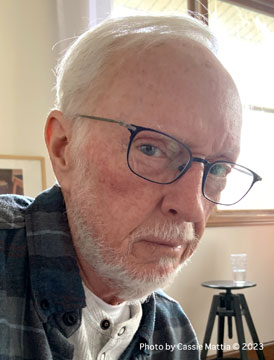
    by Cassie Mattia and David Miller

    When we first heard about the City of Loveland raising water rates only one of our brows raised, but on closer examination, real-life experiences, and asking questions of Loveland’s City Council Members we went full brow.

    Below you will find the questions we asked all seven council members in an email on December 29. Two elected officials, Kip Ping and Andy Bateman, out of the seven responded. We decided to re-send our questions to the remaining five council members, Mayor Kathy Baily, Vice-Mayor Ted Phelps, Kent Blair, Neal Oury, and John Hart, on January 11 to ensure they received them and we received no responses, not even an acknowledgment that they received our questions. All seven members voted for the new water fee.


    For publication:
    
    You recently voted for a flat rate increase for water customers. Loveland Magazine is following up on a recent story we published about the increase (Early holiday presents for Loveland homeowners – It’s coal under the tree). Would you kindly respond to these questions/propositions?
    
    It seems you determined the amount you wanted to collect for the infrastructure repairs was $450,000 in year one and to achieve your goal you simply divided that number by the number of units you could bill and are charging a flat rate to all.
    
    The flat rate appears to apply equally to single-family homes, each apartment in a complex, and commercial and industrial users.
    
    The total you determined to need in year one is $450.00.00 and that was divided by 5,000 (estimated number of units).
    
    $450,000 ÷ 5,000 = $90/year
    
    $90 ÷ 12 = $7.50/month/unit
    
    Correct?
    
    It also seems you already know the actual number of gallons of water each unit consumes each month or year. Would not a rather easy math calculation determine each unit's impact on the distribution system based on actual usage?
    
    Why was the rate increase/unit not based on actual gallons consumed?
    
    There seems to have been no consideration based on income, disability of a user, being a senior citizen, or being a retiree on a fixed income.
    
    There seems to have been no consideration based on an individual's commendable water conservation efforts.
    
    You have implemented a proportional rate increase — one that takes the same amount from all income groups regardless of their ability to pay. It is a regressive rate — a rate that takes a larger percentage from low-income groups than from high-income groups.
    
    Why was a progressive rate not used that would charge more for high-income groups than for low-income groups?
    
    Thank you in advance for responding with your thoughts and answers.
    
    Best regards,
    
    David Miller and Cassie Mattia
    

    Cassie Mattia Responds

    I have now been a resident in Downtown Loveland at the Loveland Station Apartments for 5 years. To be quite honest, the inflation I have seen citywide and nationally has been shocking.

    The city of Loveland announcing a water increase was just the icing on the cake after being alerted that I would have another rent increase as well. My boyfriend and I have worked very hard to get to the point we are at in our lives financially and in our careers, but with all the increases in the city of Loveland, I have had to take on the burden of once again working multiple jobs just to afford to live comfortably in Loveland.

    I never would have thought after securing my dream job as the Public Relations Coordinator at the Butler County Board of Developmental Disabilities that I would ever have to go back to working multiple jobs, but that is now a reality I have to accept.

    When will enough be enough for my generation? When will we have to stop living paycheck to paycheck even though we were told growing up that getting a college degree would prevent us from experiencing that? When will we be able to buy a home and stop getting hit with rent and utility inflation? I will admit I am one of those people that is money motivated so I am always striving to see how much more I can build my savings, but I think one of the biggest reasons I am that way is that I don’t want live paycheck to paycheck. I want to build a great life for my family, but at age 33 with a great financially stable career that I have worked oh so hard for, why should I still have to live to work? 

    Council members, Kip Ping and Andy Bateman took the time to respond to our questions about the city of Loveland water rate increase, which David and I both greatly appreciate.


    Councilman Kip Ping
    Good afternoon David and Cassie,
    
    Thank you for your inquiry. This is an important issue as it is vital that we plan for the future maintenance of our water system rather than waiting until we are in a crisis such as we have seen recently with some other cities. In the past there has been a practice in Loveland of borrowing money to repair the water infrastructure. We are fortunate that much of our water system is newer, so this has not necessarily been an inappropriate approach, but as the system ages it makes less and less sense to continue this way. Even if nothing else were at issue, letting the debt service get out of hand is not a direction we want to take. The new fee will allow a more proactive response which will eventually draw down that debt service and put Loveland in a better position in the long term. While we know of no imminent issues with the system, we do know that each year it gets a little older and prudent planning demands that we address this before it becomes a critical issue. With this in mind, Council made what I think was the correct move in putting this fee in place, all the while knowing that it would not be a popular thing to do.
    
    I agree that the current fee does nothing to promote conservation or reward it, however, the current billing model already does that via the charge for both water and sewer in the usage part of the equation. The new fee is limited to use for maintenance of the actual lines, and conserving water does not affect the cost burden that must be considered for this. We must pay the same for a mile of pipe regardless of how much water goes through it. The system thus becomes more expensive per gallon as water use is decreased.  Keeping these charges separate allows rates to reflect usage costs and the fee to reflect the maintenance cost.
    
    I appreciate your concern for those of modest means and agree that we need to be thoughtful about the impact of this fee on them. Your desire to use a usage based rate to protect these people, though, seems to be built on the presumption that the groups you mention would by necessity have low usage.  I’m not convinced that is the case. I am personally aware of a family on a fixed income who uses more water than my wife and I, though we have substantially more means than they. Putting this in as a usage fee would result in them having a higher bill than my wife and I on top of the already higher consumption fee they pay. This would be the opposite outcome of what you are trying to achieve with the usage method. I am not arguing that this one specific example can be extrapolated to the entire community and would be valid in every case, however, I am arguing that your presumption that water usage is directly proportional to income is not valid in all cases either. Any comparison of empty-nesters in our more affluent neighborhoods like Sentry Hill versus families in less affluent areas like the Heights would likely show that usage is not going to substantially change the extra cost on the bill.
    
    Another aspect of this issue is that of access to usage. Utilities are different than other forms of consumption because of the way the good is distributed. History on these issues has shown that because of this difference there have been some unique problems with regard to fairness. Electric utilities, for example, wanted to charge the farmer more than the city dweller because he used less electricity but required more infrastructure to get the electricity to his farm. This would have resulted in rural consumers being charged more in fees for less in consumption (assuming they could afford the fees). The government by prohibiting this practice dictated to the utilities that having users spread equally the cost of the delivery system was more fair than basing the fee on the cost to the system to each user even though it meant urban users paid more than rural users relative to the demands on the system. Again, I am not arguing that this is applicable to all or even the majority of our water system users, but it does show that there are many factors in the equation when one considers the notion of fairness.
    
    As with any collection of public funds, there will be some that fair more poorly than others. Regardless of the system used, there will be exceptions that we can find and argue as unfair to certain people. Our effort can therefore only be to minimize those situations to the extent possible.  While we may not have chosen the system you feel is best, I assure you that thought was given to the fairness of this fee and how to minimize its impact on the system’s users.  That said, as the subject of taxes and fees is one that is of upmost importance to all taxpayers, I have copied City Manager Kennedy on this email and will follow up with him next week to see if there is any data available that has been inadvertently overlooked and would support your assertion that usage is proportional to income. In the absence of data showing that correlation, I do not foresee changing the fee structure.
    
    Sincerely,
    Kip Ping

    Cassie Mattia’s Response Continues…

    Mr. Ping made some very great points in his email and I of course can understand the thought process behind implementing the water increase citywide. I will admit I am not as educated as Mr. Ping is in regards to the city’s water infrastructure and what the future could hold as the city’s water system “ages,” but I will say that I am a little confused as to why homeowners in Loveland are experiencing on average a 3% increase ($1.50 per month) in their water rate while all those living in apartments within the Downtown Loveland area were informed that there would be a gradual increase over the next few years and the increase in 2023 would start at $7.50 per month tagged onto our bills. We were told the increase would eventually amount to an extra $10 on our bills.

    This is not only confusing to those that received this notice but also makes no sense considering someone owning a home would obviously consume more water than a person living in an apartment. The city’s press release vs. what we apartment renters received contradicts one another.

    As a Loveland community member, I would love some answers as to why as a renter I’m being penalized not only with another huge rent increase but now a substantial water increase. Within my apartment, I use very minimal utilities in general, but with this $7.50 increase and what my water bill typically sits at, that will put my water at a 5% increase. I am confused as to why this increase is different for renters in the city. We are already paying on average $1,800 for rent (side note we can’t buy a home due to astronomical interest rates and down payments, especially in this area) and up to a 10% increase in other vital bills that have to do with being a renter. We are also A VERY LARGE part of Loveland’s economy and community. I need answers.

    Mr. Ping did bring up an excellent point in regard to “access to usage.” He said, ” Electric utilities, for example, wanted to charge the farmer more than the city dweller because he used less electricity but required more infrastructure to get the electricity to his farm. This would have resulted in rural consumers being charged more in fees for less in consumption (assuming they could afford the fees). The government by prohibiting this practice dictated to the utilities that having users spread equally the cost of the delivery system was fairer than basing the fee on the cost of the system to each user even though it meant urban users paid more than rural users relative to the demands on the system.”

    With that said, it makes even less sense as to why apartment renters in Loveland are experiencing such a severe increase compared to homeowners when it comes to water rates.

    As I mentioned previously, I am absolutely not an expert on city utilities and the ins and outs of the water infrastructure. I am simply a concerned Loveland citizen that will always speak up when things seem in disarray within our community! I can only hope that those in positions of power locally and nationally will begin to look at the issues brought forth by those brutally affected by greed and inflation and begin making decisions that benefit my generation. We will not survive without the support of our local and national governments.


    Council Member Andy Bateman’s response:
    Councilman Andy Bateman
    David,
    
    First, I stand by City Manager David Kennedy’s explanation of the water main replacement fee, during his presentation to council, and in the Nov 29, 2022 press release. Second, I implicitly rely on staff expertise regarding the methodology used to determine the proposal.
    
    Prior to the Ordinance 2022-115, the city’s water maintenance program; too reliant on loans and grants, more reactive than proactive, had, in the view of many on city staff and committees, become unsustainable. Collecting a maximum of $114 annually from each account ensures a dedicated source of revenue to apply toward ongoing replacement of 76 miles of water main. Rather than wait for funding stars to align, or allocate fund dollars to debt service, the WMR fee gives staff an opportunity to be strategic and comprehensive in their planned replacement over the long term. 
    
    Serious considerations of various socio-economic factors within the service population veers into the semantics of fairness and equity and given the history of deferred maintenance of the city’s water system, I feel that a proposed solution was overdue, and voted in favor of the legislation.
    
    This is not to say that I am completely unfeeling toward those in a position in which this fee holds a greater financial impact. Certainly, in this inflated economy, the cost of everything gives us all pause. But without this fee structure in place, the city’s water customers could be subject to water rate increases, variable month to month, to fund more immediate water main replacements, acting as a funding band-aid for one council to pass to another down the line as we have been doing. 
    
    This council voted for more sustainable infrastructure which delivers its most basic and fundamental services. With that action comes a request that each customer pays its share toward preventative maintenance of that system, and in essentially creating a layer of protection for the future of Loveland’s municipal water service.
    
    Thank you for reaching out and I am available if you have any follow-up questions.
    
    Sincerely,
    Andy Bateman

    David Miller Responds

    I reject out hand Mr. Bateman’s assertion that our concerns are mere, “semantics of fairness and equity.”

    I reemphasize my initial concerns.

    There seems to have been no consideration based on income, disability of a user, being a senior citizen, or being a retiree on a fixed income. There seems to have been no consideration based on an individual’s commendable water conservation efforts. City Council has implemented a proportional rate increase — one that takes the same amount from all income groups and water users regardless of their ability to pay. It is a regressive rate that takes a more significant percentage from low-income groups and low water users than from high-consuming individuals or corporations. Why was a progressive rate not used that would charge more for high-income individuals and corporate users than for low-income individuals and those who consume less water?

    Within this period, any member of our Council should have foreseen that the Loveland Board of Education was heading back to the ballot with a new tax request and indeed they have voted to place a 4.9 mill operating levy on this May’s ballot. The residents of Loveland will be asked to raise their tax rate for the District to receive more dollars for operating expenses and the only way to do so is to ask residents to tax themselves. I believe this action by Loveland Council will subtract from the possible “Yes” votes who would otherwise allow the school children to have more dollars spent on their education.

    With disregard for seniors on a fixed income and amid the recent uproar and now three consecutive defeats of Loveland City School District levies over those concerns, our City Council has pulled out the proverbial rug from under the feet of our children.

    Concerns over inflation, rising home ownership costs, and seniors being forced from their Loveland homes have been the most cited reasons for the school not receiving the added operating funds they requested from voters.

    The flat-rate, permanent water fee will increase the cost to own a home in Loveland by $90/year immediately, and $114/year beginning in 2025.

    There is a genuine disconnect between City Hall and the Loveland Schools, the needs of our children, senior citizens, the disabled, those on fixed incomes, millennials, and gen Z.

    Even forgetting the concern of the inequity of the water fee, voters don’t forget these things when going to the polls with a yes or no choice of raising their taxes.

    Mayor Kathy Baily – No response
    Vice-Mayor Ted Phelps – No Response
    Councilman Kent Blair – No response
    Councilman John Hart – No Response
    Councilman Neal Oury – No Response
  • October 4 – Deadline for voter registration

    October 4 – Deadline for voter registration

    David Miller

    by David Miller

    Who will be in your corner?

    Loveland, Ohio – These events will be your chance to personally meet the local politicians who want to be part of the teams leading the Loveland City School District and Loveland City Council for the next 1,440 days. Four-long years, so this is important!

    On October 21 the Little Miami River Chamber Alliance, Loveland Magazine, and LOVELAND MAGAZINE TV will host the contenders for seats on the school board, and on October 14 they will bring together on a public stage your job applicants for Loveland City Council.

    Loveland’s 2021 General Election candidates

    City Council – October 14, at 7:00 PM at the Loveland Middle School/Intermediate School Cafeteria.

    School Board – October 21, at 7:00 PM at the Loveland Middle School/Intermediate School Cafeteria.

    Will there be undisputed champs?

    Election fans can see if the contenders roll with the punches, stick and move, or have promises that pack a punch. Will you see any future respected political figures or elder statesmen/women?

    Both of these heavyweight championship Forums will be broadcast “LIVE” on the Loveland Magazine FaceBook Page. It’s not Pay-per-View and tickets are not required – it’s totally FREE!

    Who knows, there might be some highfalutin’ good ideas that come from one or more of these candidates that can transform Loveland. There will almost certainly be some re-hashing the past but that will be OK if it leads to knowledge of what the future might hold.

    Politicians routinely offer more promises than they keep, however hearing them straight from their mouths is the start of holding them accountable. Meeting them in person is always better than voting based on the number of yard signs and you can be a political influencer if you can say, “I actually heard her say it!”

    If you cannot attend in person or chose to be inside the safety of your own home you may want to tune in LIVE to be in-the-know.

    The format will follow the same as in the past:

    • To begin, candidates will each present their platform for 2 minutes and tell you why they are running for office.
    • Questions will be asked for 60 minutes allowing each candidate two minutes to reply or pass.
    • After 60 minutes candidates are asked to close with 2-minute speeches.

    Voters can throw their written questions into the octagon and all questions will be screened for duplicity by independent ring-side judges. The emcees will ask as many of the questions as time allows in the 60 minutes.

    You the registered voters of the City of Loveland and the Loveland City School District however will be the crucial and critically important judges come November 2 so reserve your ring-side seat by saving these dates.

    Loveland’s 2021 General Election candidates

    Important Election Dates for Voters in Ohio

    August 23 – Write-in candidates must file declarations of intent by 4 p.m. (72 days before general election

    September 17 – Military & Overseas Absentee Voting begins (46 Days Before Election Day)

    October 4 – Deadline for voter registration for Nov. 2 general election (30 days before general election)*

    October 5 – Early In-Person Voting begins and includes the Saturday, Sunday and the Monday before Election Day

    October 5 – Absentee Voting By Mail begins (28 Days Before Election Day)

    October 11 – Board of Elections Closed to In-Person Voting (Columbus Day).

    October 30 – Applications for absentee ballots to be mailed for Nov. 2 general election must be received by boards of elections by noon (3 days before general election)

    November 2 – General Election Day. Polls open at 6:30 AM and close at 7:30 PM.


    View the Ohio Secretary of State voting calendar and schedule in a Month by Month view


    *REGISTER TO VOTE OR UPDATE YOUR VOTER REGISTRATION INFORMATION (Update your voter registration address)


    Find your Early Voting Location


    Find your Polling Location


    District Maps

    STATE GENERAL ASSEMBLY DISTRICTS

    FEDERAL CONGRESSIONAL DISTRICTS

    EDUCATIONAL & JUDICIAL DISTRICTS


    IDENTIFICATION REQUIREMENTS


    Future Voter Coloring Pages (ohiosos.gov)

    DOWNLOAD


    Clermont County Board of Elections Website

    Hamilton County Board of Elections Website

    Warren County Board of Elections Website


    Throughout the years, men and women in our armed forces have made great sacrifices to protect our freedom and democracy. Today, the courageous members of our military branches continue to serve our country so we all can enjoy one of our most sacred rights – the right to vote. Through the I Vote in Honor of a Veteran initiative, you can demonstrate the pride you feel for a veteran or servicemember and, at the same time, encourage others to vote on Election Day.

    Wear an I Vote in Honor of a Veteran pin on Election Day to show your appreciation to those men and women who made it possible for you to exercise your right to vote.

    To get your pin, click this LINK to submit a testimonial about how they’ve inspired you will be sent one.

  • Stan McCoy Jr. receives community service award named after his father

    Stan McCoy Jr. receives community service award named after his father

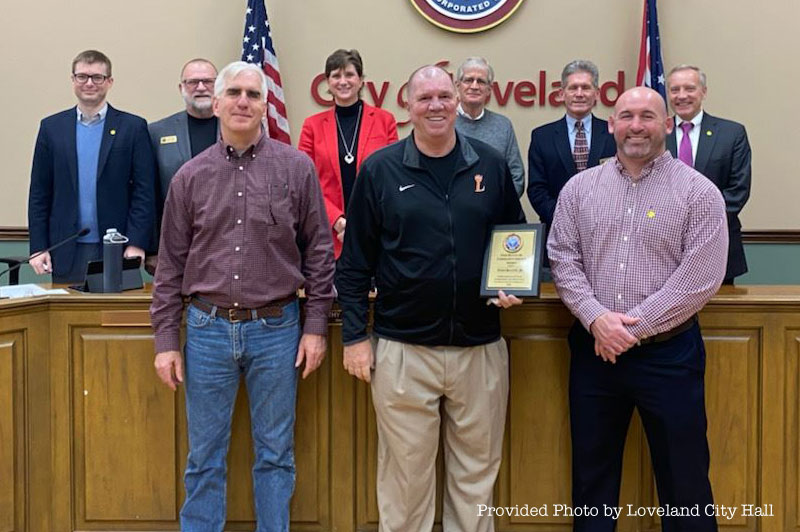
    In the photo above is Dan Timmerman, Stan McCoy, Jr., and John Hart

    by David Miller

    Loveland, Ohio – At the December 15 City Council Meeting, Recreation Board Members John Hart and Dan Timmerman presented the Stan McCoy Sr. Community Service Award to Stan McCoy Jr.  

    The Stan McCoy Sr. Award is presented annually, with the criteria that nominees be “persons of quality and integrity, who with love and enthusiasm for the Loveland area, have worked to sustain and improve the community.”

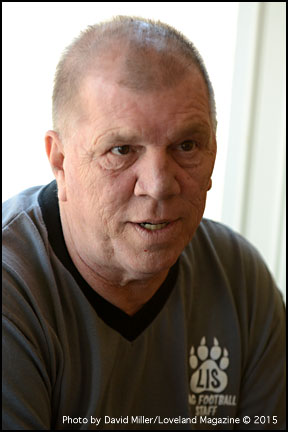
    Stan McCoy Jr. (Loveland Magazine file photo)

    Stan McCoy, Jr. said after being honored, “Thank you very much. This is a great honor. Any time I can get something from my dad… because like he’s… like on a high pedestal. I wish I was more like him. He was one of a kind. My dad taught me and I try to tell kids this when I coach them too. ‘Always try your best. You might get outscored sometimes, but you never lose.’ I want to thank everyone. Thank you very much. You know, I really appreciate it. Thank you.”

    Nominees must also have been active participants for at least three years in recreation, park, or environmental activities which benefit the City of Loveland. 

    The award, which was named after Stan’s father, has come to symbolize involvement in youth sports. As the nomination letter for Stan Jr. said, “Everything that Stan McCoy Sr. meant to the Loveland Community, could only be matched by the career of his son, Stan McCoy Jr. With over thirty (30) years in coaching youth football and basketball, and 25 years in coaching track, Stan McCoy Jr. has touched the lives of many youth.”

    Recreation Board Chairman, John Hart said during the presentation, “Stan McCoy’s tireless and selfless dedication in service to Loveland has made this a better place to grow up for generations of young people. We humbly thank him for his efforts.” Hart added, that the “Recreation Board received numerous nominees, each worthy of the award, it was just hard to top Stan.”

    Listen as John Hart presents the Stan McCoy Sr. Community Service Award to Stan McCoy, Jr.

    Listen to Stan McCoy, Jr’s remarks after receiving the award named after his father.


    For more background on Stan McCoy Jr., read this tribute written by in 2015 by Loveland Magazine Staff Reporter Cam Louder.

    Stan McCoy Jr., A Second Generation Sports Legend