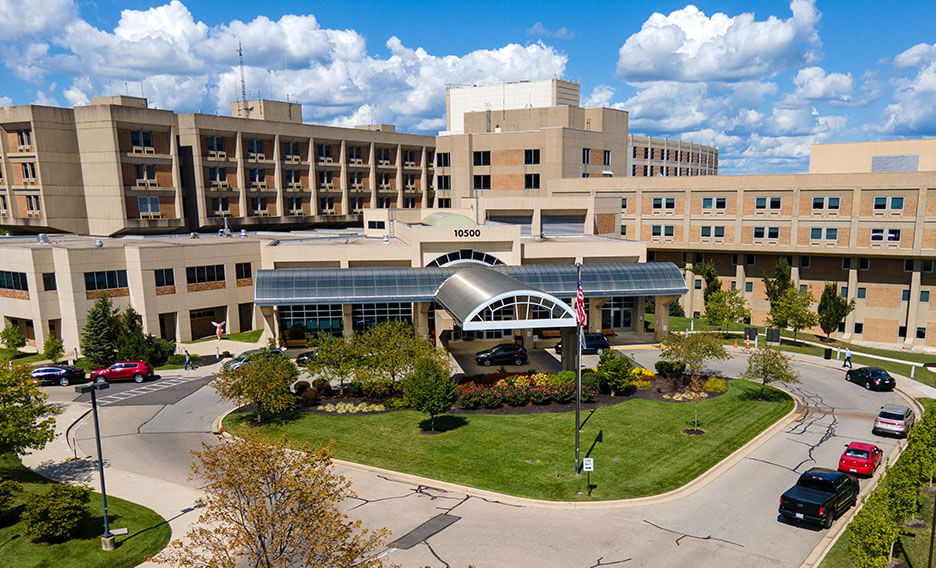
Services will be available at Bethesda North TriHealth Heart & Vascular Institute
This affiliation does not change TriHealth’s status as an independent health system, nor will Cleveland Clinic physicians be providing direct patient care at TriHealth’s locations.
Cincinnati, Ohio – TriHealth today announced it is now an affiliate of Cleveland Clinic’s Heart, Vascular & Thoracic Institute – the nation’s top-ranked heart program, according to U.S. News & World Report.
At a press conference on TriHealth’s Bethesda North campus and broadcast live to many of TriHealth’s 140 sites of care, Cleveland Clinic and TriHealth leaders described how this collaboration will further elevate cardiovascular care in and around the Cincinnati region.
“This clinical affiliation builds on significant investments by TriHealth over the past several years to develop the region’s destination heart and vascular program. This endeavor complements other TriHealth enterprise collaborations with a focus on improving healthcare through strategic relationships,” said TriHealth President and Chief Executive Officer Mark C. Clement.
“By affiliating with Cleveland Clinic’s Heart, Vascular & Thoracic Institute, which has achieved U.S. News & World Report’s No. 1 ranking for cardiology and heart surgery for the past 28 consecutive years, we are taking another vital step toward providing patients the right care in the right place at the right time.”
Cleveland Clinic will work with TriHealth clinicians and multidisciplinary teams, including those at Good Samaritan Hospital, Bethesda North Hospital, and the TriHealth Heart & Vascular Institute. Cleveland Clinic’s Heart, Vascular & Thoracic Institute will share clinical best practices for patient care, giving TriHealth patients access to the expertise of Cleveland Clinic physicians as well as the latest technologies and innovations in heart care.
This affiliation does not change TriHealth’s status as an independent health system, nor will Cleveland Clinic physicians be providing direct patient care at TriHealth’s locations. This relationship makes TriHealth an exclusive Cleveland Clinic Heart, Vascular & Thoracic Institute affiliate in southern Ohio.
“Management of heart disease is complex, but we can advance the treatment of cardiovascular disease to benefit our communities by working together on programs like this,” said Lars Svensson, M.D., Ph.D., chairman of Cleveland Clinic’s Heart, Vascular & Thoracic Institute. “Our affiliation with TriHealth will allow for sharing of best practices, while working together to ensure the highest quality care to TriHealth’s patients.”
This historic affiliation is the next step in TriHealth’s long-term strategy to develop the region’s destination heart and vascular program. The strategy began in 2018 with the consolidation of TriHealth’s heart surgery programs to the Bethesda North campus, which has resulted in greater standardization of care leading to better outcomes for patients.
“Cleveland Clinic’s Heart, Vascular & Thoracic Institute’s Affiliate Program started 19 years ago and is continuously offering innovative services,” said Suma Thomas, M.D., Vice Chairman of Strategic Operations, Cleveland Clinic Heart, Vascular & Thoracic Institute.
“We are happy to welcome TriHealth into this exclusive and growing group. Cleveland Clinic has identified TriHealth as the premier cardiac program in the Cincinnati area, with a long history of excellence in heart care. This affiliation is a collaboration that enables both organizations to optimize cardiac care for all patients.”
Bethesda North recently opened a new cardiac cath lab, giving TriHealth nine cath labs and procedure rooms. TriHealth is also expanding the hospital’s first-floor cardiovascular ICU with anticipated completion in early 2023. The new center housing these services will be named the Harold and Eugenia Thomas Heart and Vascular Center in recognition of their transformational $10 million gift in support of the project.
At the same time, TriHealth is investing in cardiology and vascular services at Good Samaritan Hospital as part of its $250 million investment in that facility. This is in addition to recent investments in cardiac services at TriHealth’s outpatient settings, including the Good Samaritan – Western Ridge Ambulatory Campus in Green Township.
“This affiliation will bolster the cutting-edge work already happening at the TriHealth Heart & Vascular Institute,” said Mark Witte, TriHealth Vice President of Clinical Service Lines. “We’re excited to work with Cleveland Clinic to improve our opportunities to provide comprehensive and innovative care for patients and to see both organizations strengthen all elements of our collective cardiovascular medicine and cardiothoracic surgery programs.”
“This collaboration between TriHealth and Cleveland Clinic will bring new and improved services to the Cincinnati market,” said TriHealth cardiovascular surgeon Kathryn O’Keefe, M.D., who trained at Cleveland Clinic last year. “Our working together enhances the ability to provide multiple surgical and non-surgical options to patients suffering from advanced heart failure with a personalized care path for their specific needs.”
The Cleveland Clinic Heart, Vascular & Thoracic Institute’s affiliate program was launched in 2003. The affiliate network includes 16 hospitals across the country, with the addition of TriHealth’s Bethesda North and Good Samaritan hospitals. As affiliates, the TriHealth Heart and Vascular Institute and Cleveland Clinic remain independent, with no changes in control of physicians or staff.
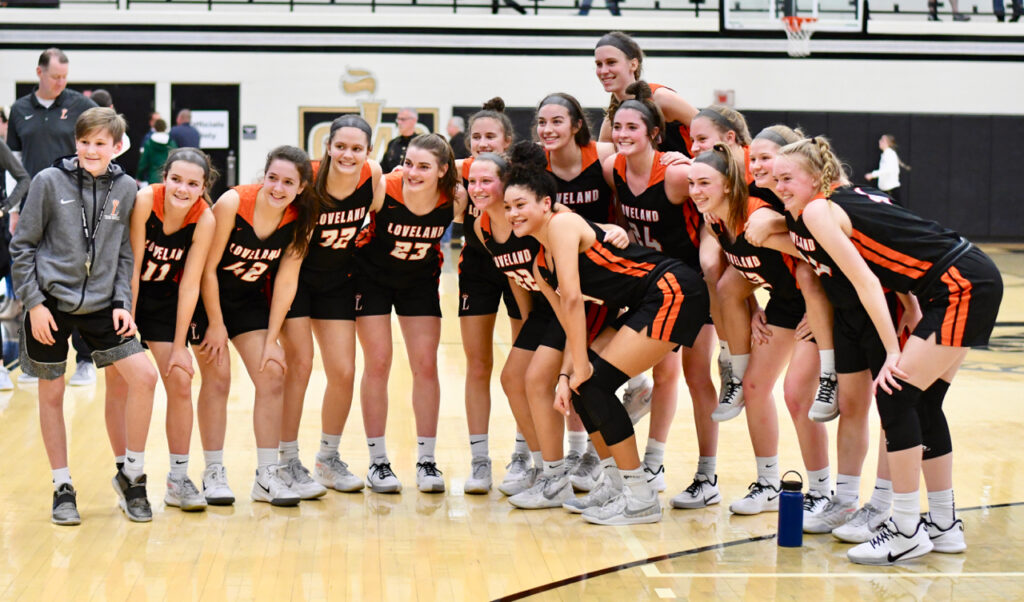
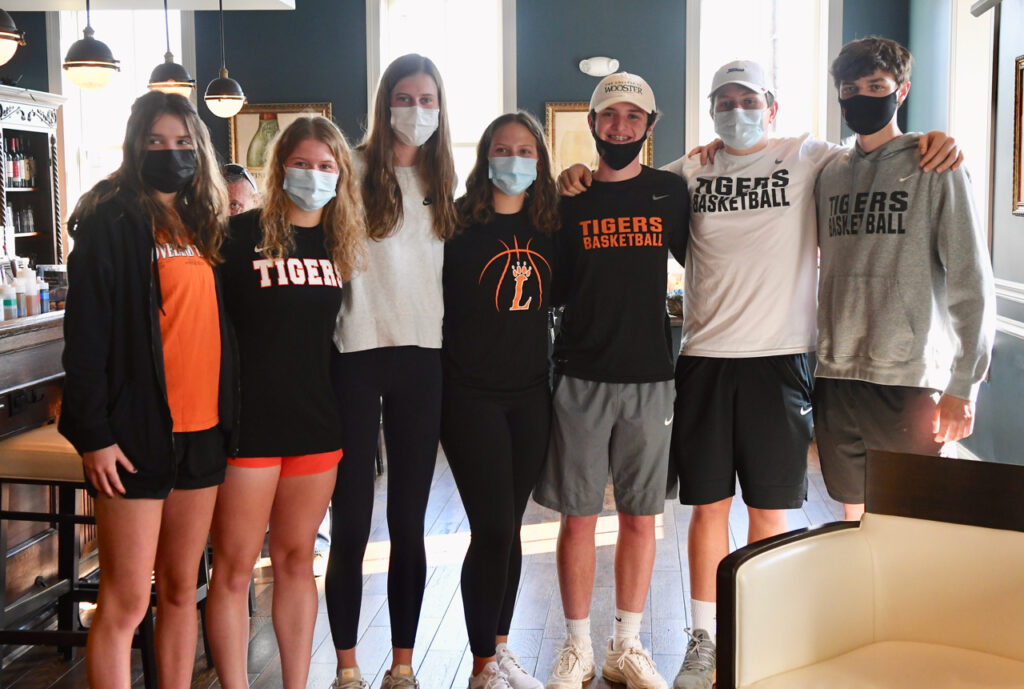
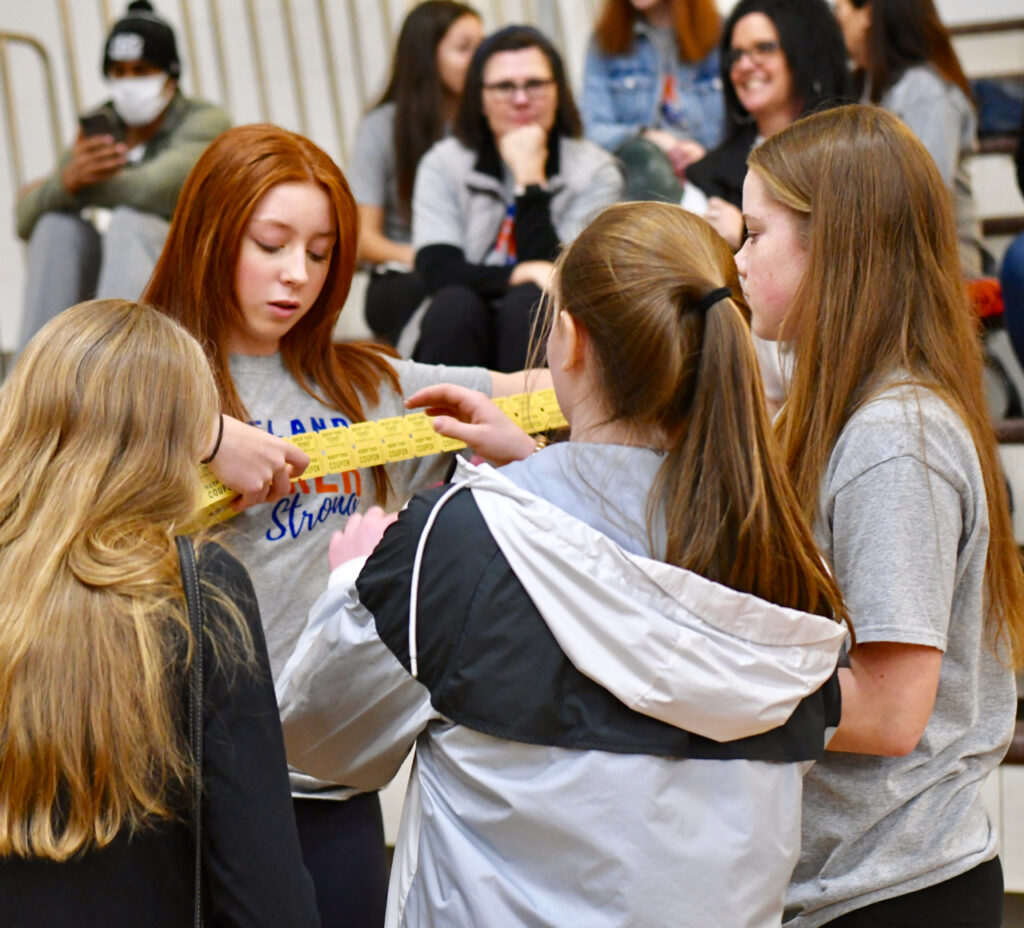
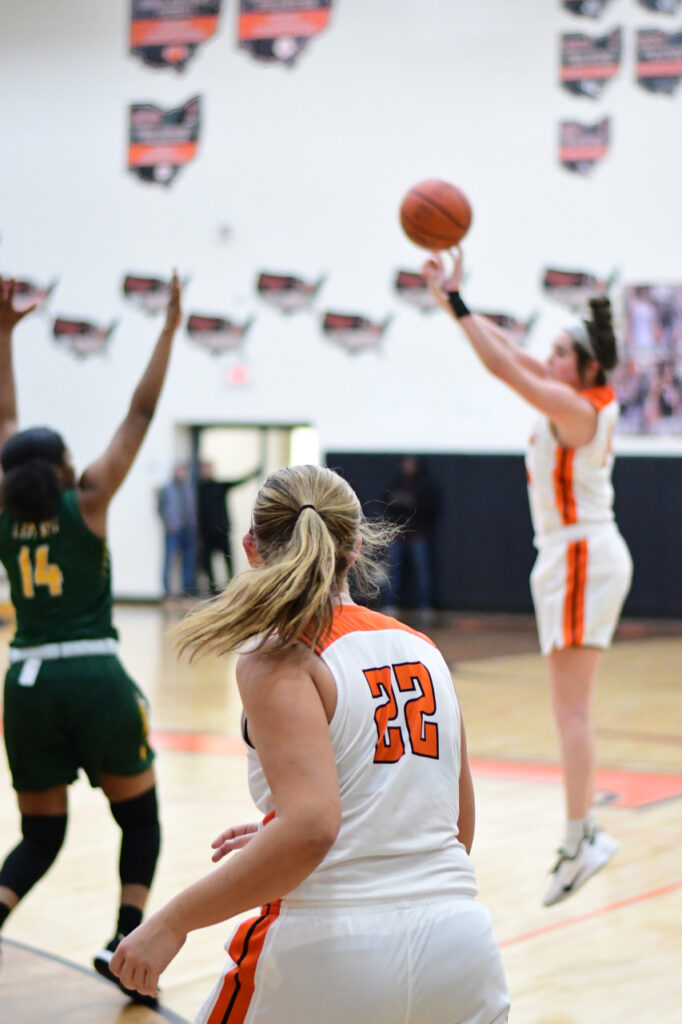
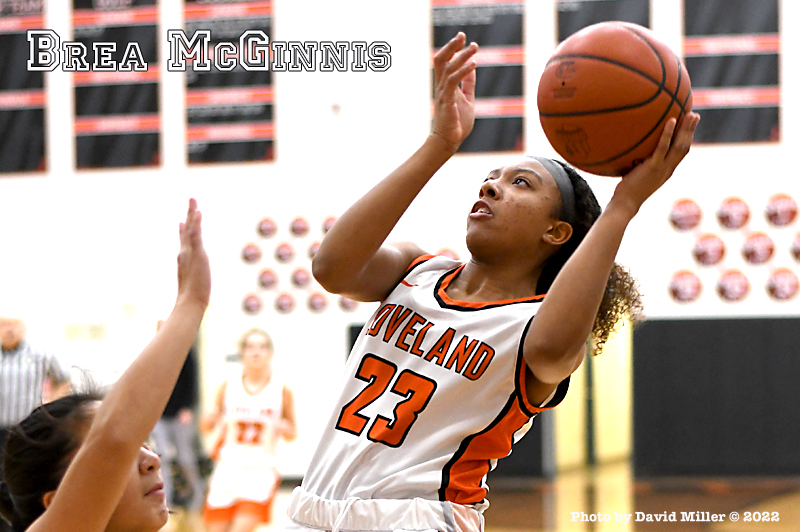
Loveland, Ohio – Come and Support the Loveland Women’s Hoops teams tonight as they take on the undefeated West Clermont Wolves. Bring your canned goods for the LIFE Pantry.
The Varsity Tigers are 3-3, 5-2. The Wolves are 4-0, 6-0.
JV game is at 5:30 PM and Varsity at 7 PM.
@TigerSpiritClu1 is giving 1 concession coupon if you bring 2 canned goods! (Limit to 2 coupons per person) #OurWay
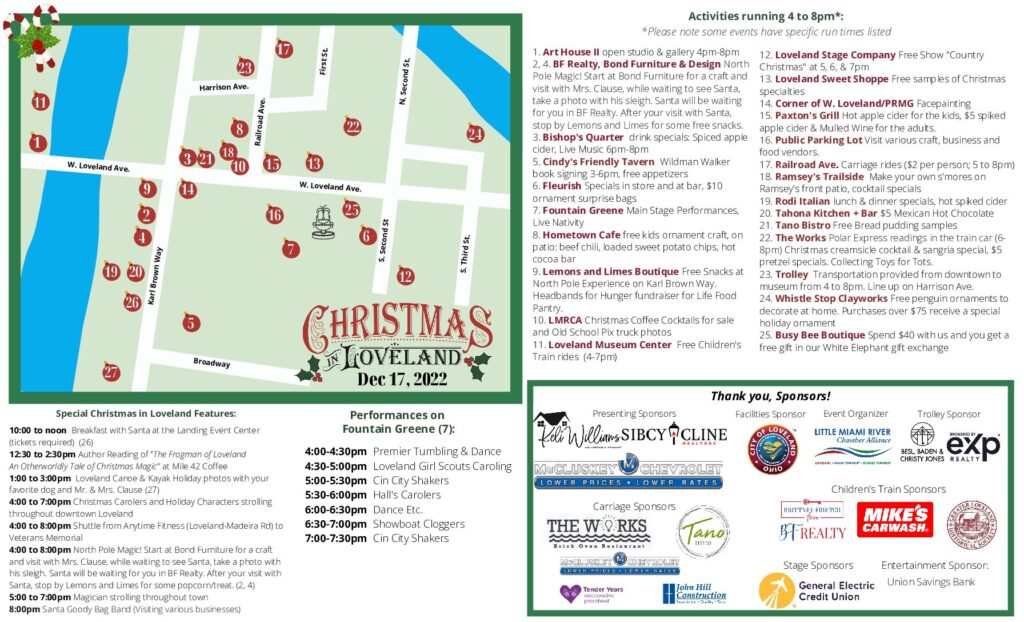
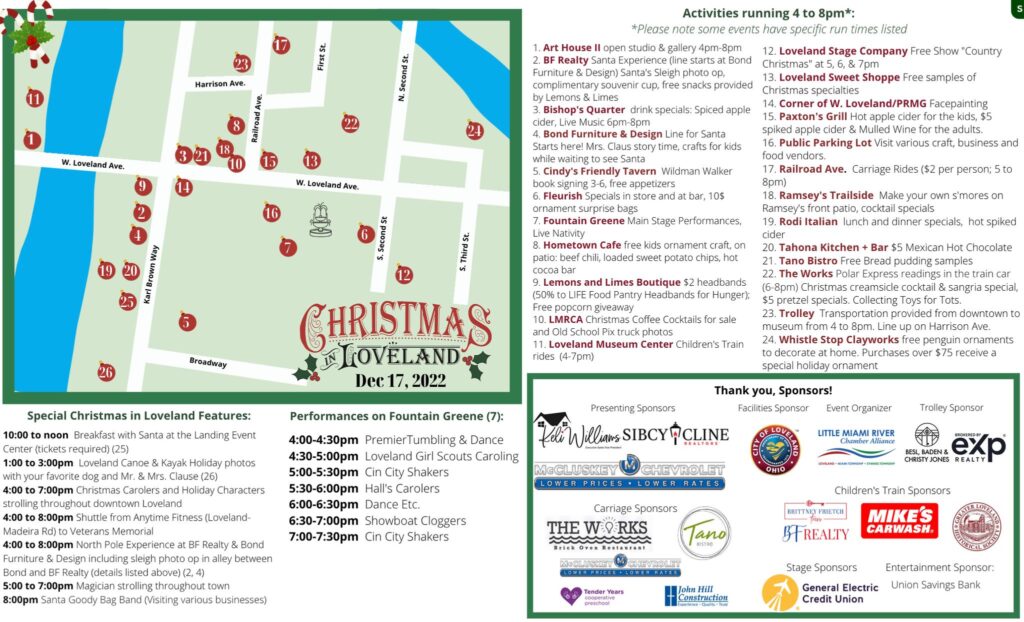
Loveland, Ohio – Join us this weekend!! We can’t wait to celebrate the holidays in our sweet town.
Loveland Magazine just received this map directly from Santa’s Instagram page!
Another up-date is that the Chamber says they have had to make the unfortunate decision to charge for carriage rides this year. A $2 per-person charge.
“Unfortunately, due to rising costs, we are asking families to pay for a ride this year. We love having them and are thankful for the sponsorships as well. We take credit cards, cash, and Venmo.”
A few Facts:
The event takes place from 4-8 PM, on December 17th
The train is at the Loveland Museum Center and a trolley will take guests from Downtown Loveland to the museum
Maps of all the activities will be placed inside the businesses and available by the clock tower.
A back portion of Railroad Avenue will be closed to allow for the horse-drawn carriages. Carriages will cost $2 per person.
Line up for the Carriage is on Railroad Avenue across from the Wicked Pickle Restaurant.
A Holiday Trolley will transport people to the Loveland History Museum from Harrison Avenue at no charge.
Entertainment will be in the center of town and next to the fountain.
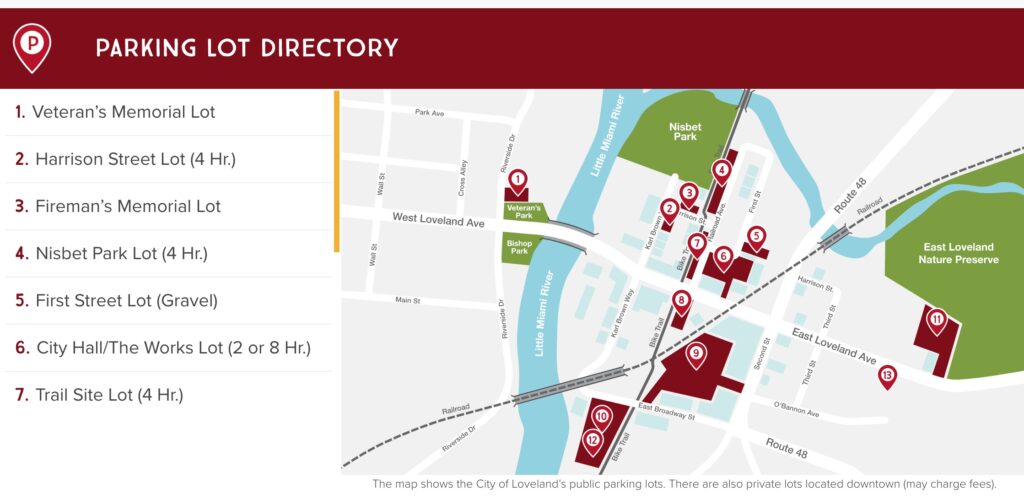
A shuttle bus will take folks from the Shoppers Haven Parking lot to downtown Loveland. The Shuttle will run the entire time.
The event is free for all
Right-Click to open the map in a new tab to view it larger.
Below is a printable Christmas in Loveland that you can print and take with you or download to your phone.
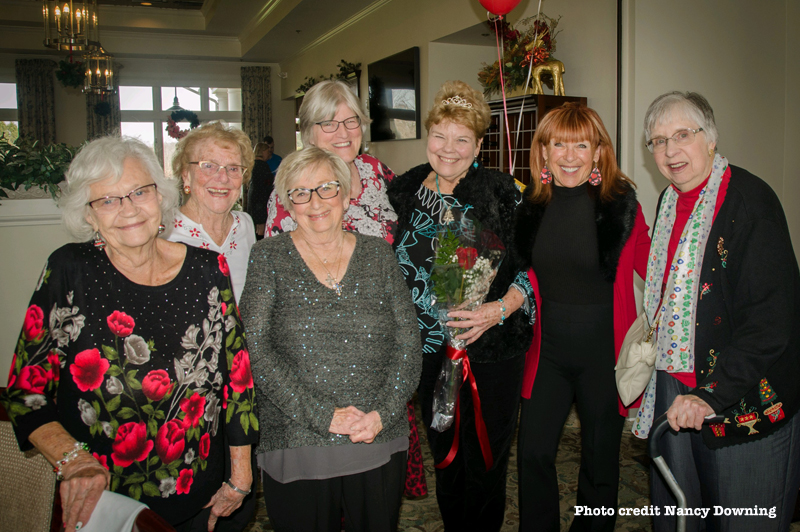
Loveland, Ohio – Resident Donna Barnes (3rd from right) has been named the 2023 Valentine lady.
In making the announcement 2013 Valentine Lady Janis Fogle said, “Donna is one that flies under the radar, meaning she simply goes along her day with kindness and generosity of her time and asks nothing in return. From volunteering at the Loveland Farmers Market to picking up trash along the Little Miami bike trail, taking pride in her community, Donna is an excellent fit into the sisterhood, known as the Loveland Valentine ladies.”
Barnes will replace the current Valentine Lady Jeannie Shumaker who because of Covid 19 restrictions served since 2020.
The Valentine Program began in 1972 and has grown over the years to include a variety of Valentine community activities, as well as a nationally-known cachet stamping and postmark program.
“Valentine Ladies are women who have distinguished themselves in community, school, or family endeavors. Being nominated for Valentine Lady is quite an honor.”
The Valentine Lady is the ambassador for the Chamber’s Valentine Program, and visits area businesses, nursing homes, and schools, among her duties as Valentine Lady.
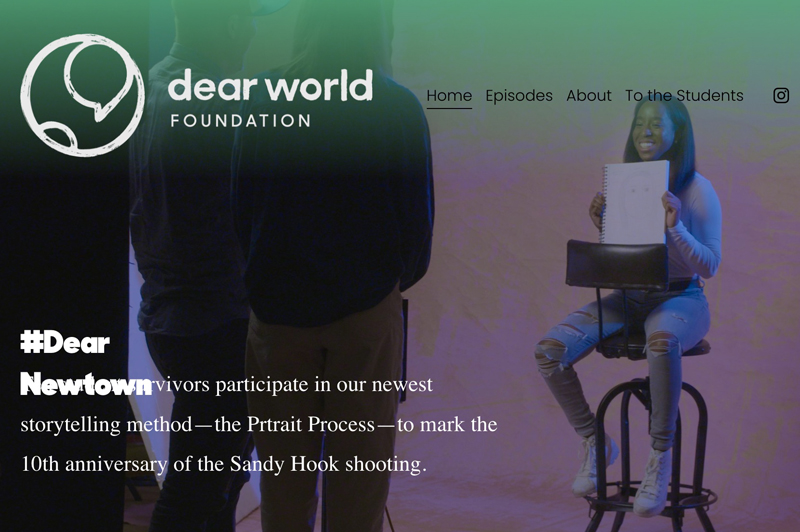
The Sandy Hook Elementary School shooting occurred ten years ago today on December 14, 2012, in Newtown, Connecticut.
Ten student survivors participate in the Prtrait Process—to mark the 10th anniversary of the Sandy Hook shooting. The Dear World Foundation gave ten student survivors of the Sandy Hook shooting a camera, a set of questions, and a challenge.
Facilitated by Dear World founder Robert X Fogarty, pairs of young adults who survived the Sandy Hook shooting explored their shared experience through the Prtrait Process by Dear World.
During the Prtrait Process:
Students began with a self-portrait sketch exercise, asking themselves and each other, “How do I hope people see me?”
We gave them cameras in a professional studio setting and they photographed each other.
Then they interviewed each other with pre-selected introspective questions.
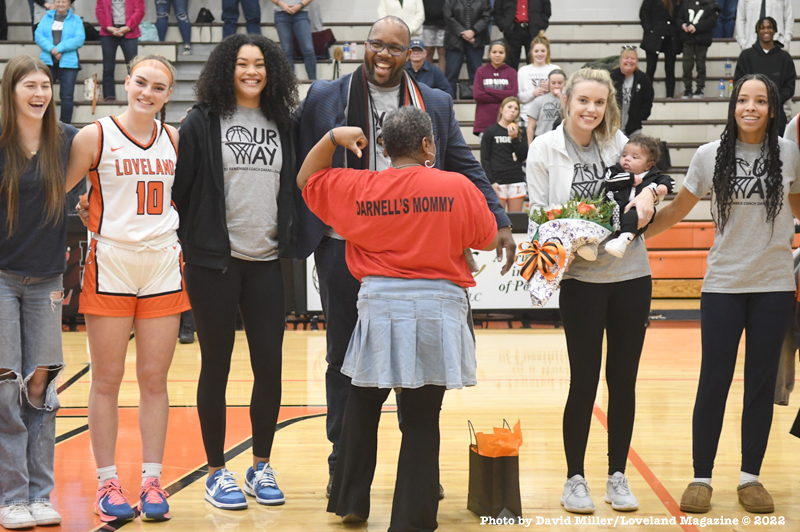
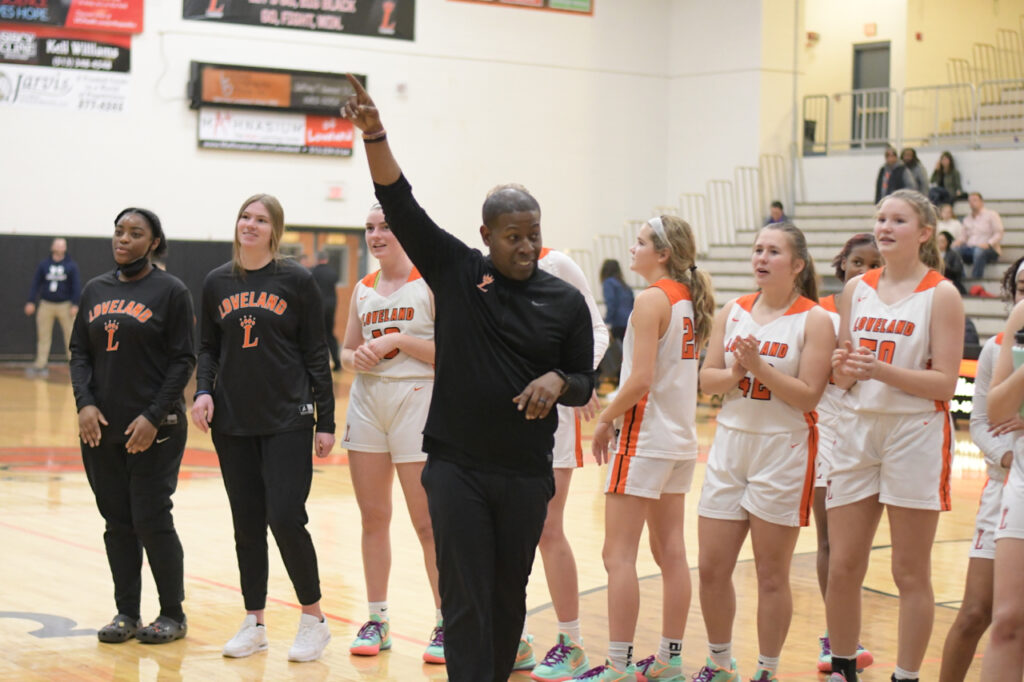
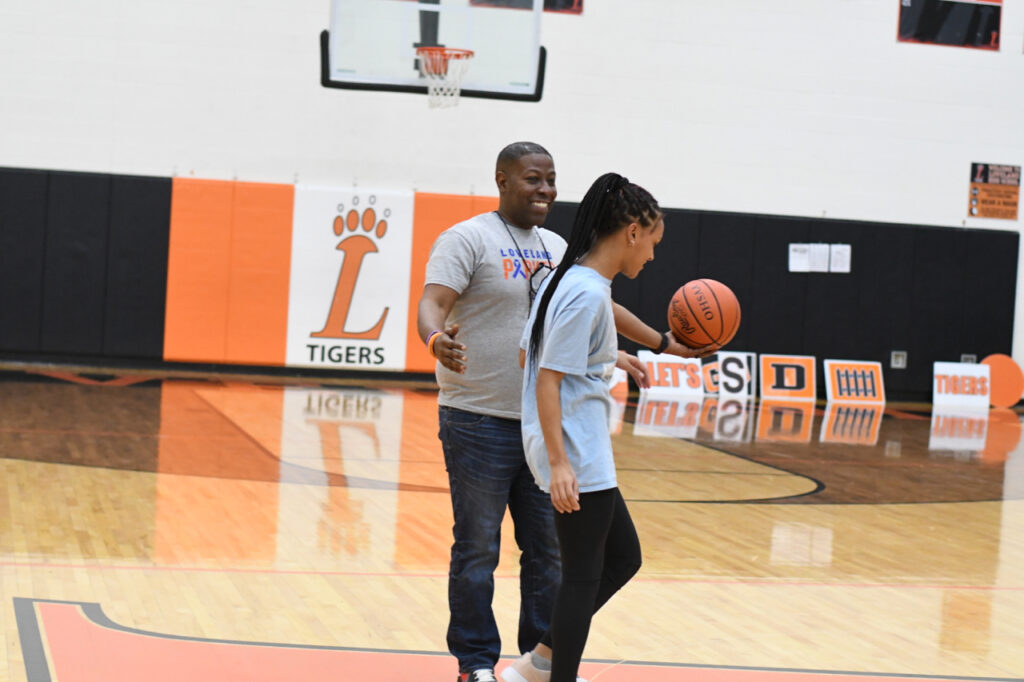
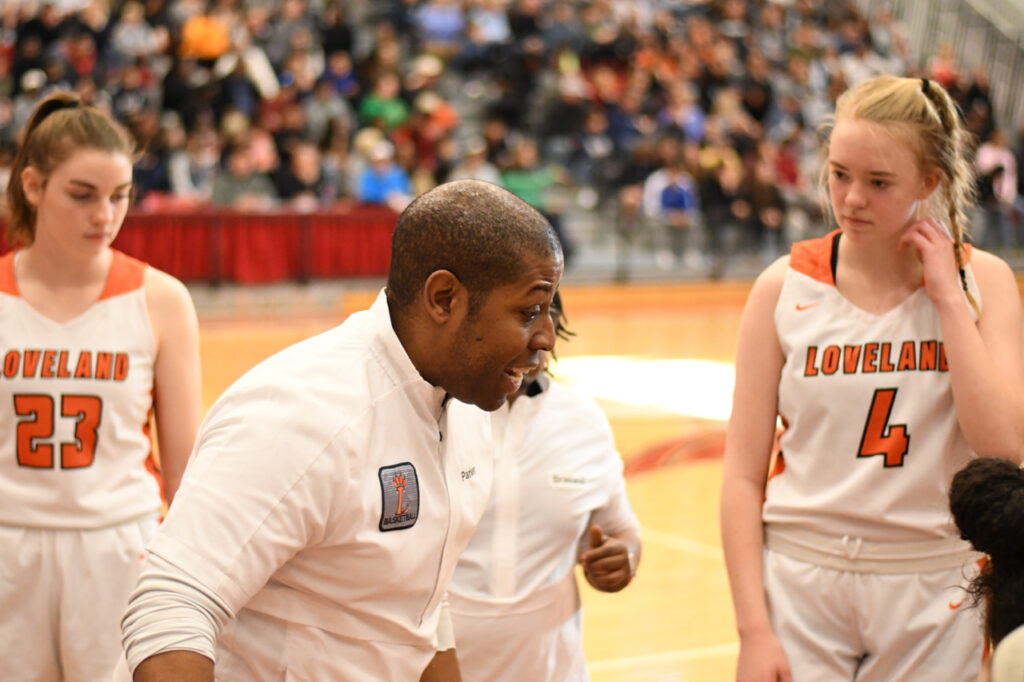
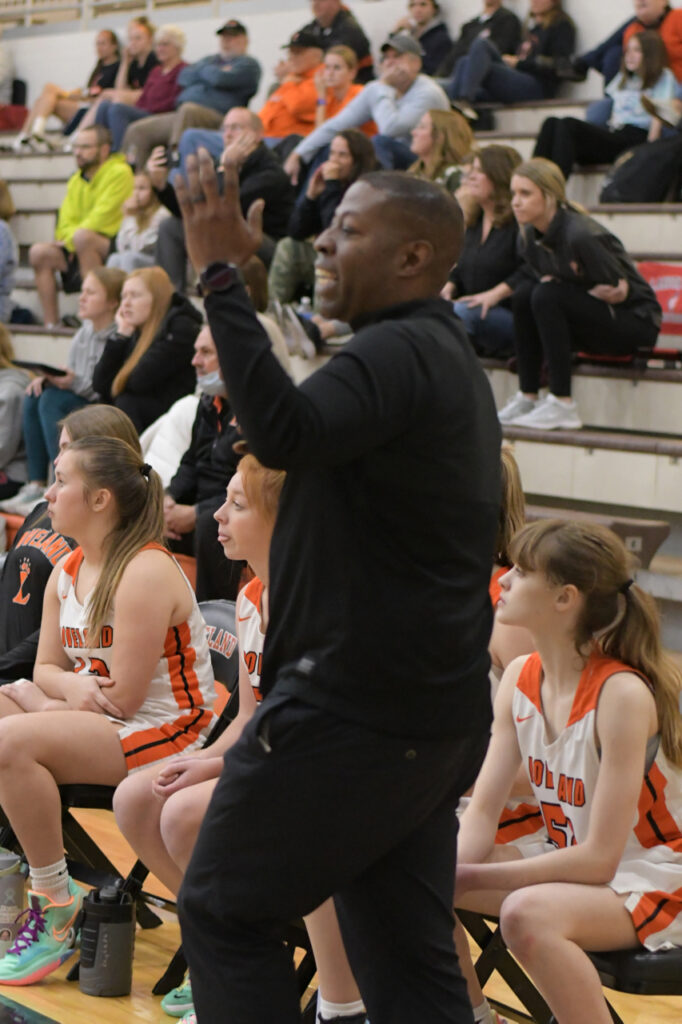
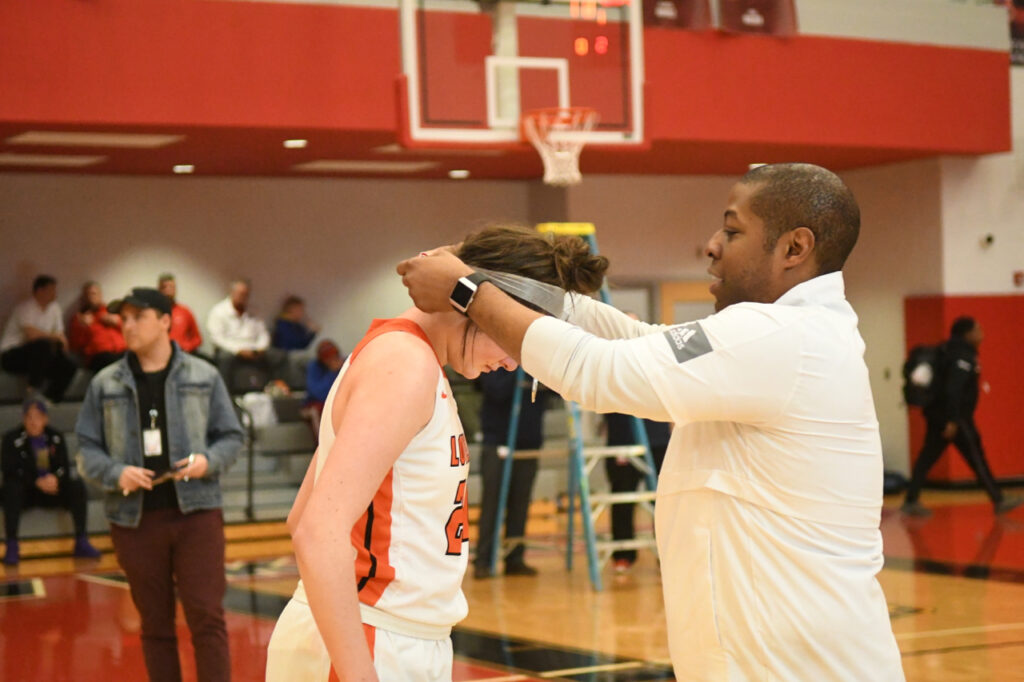
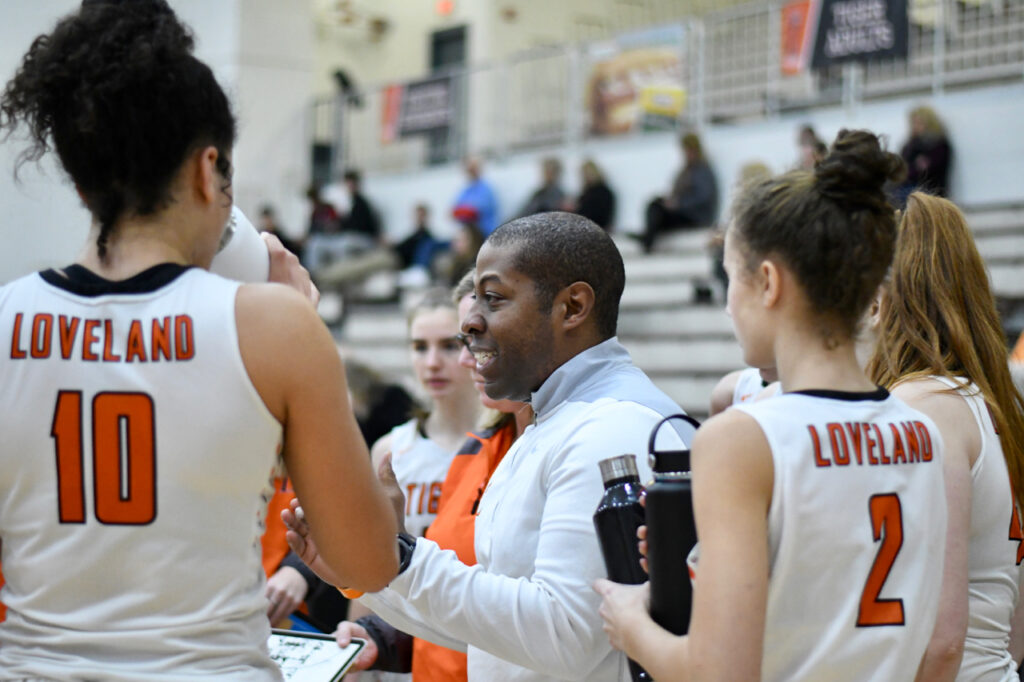
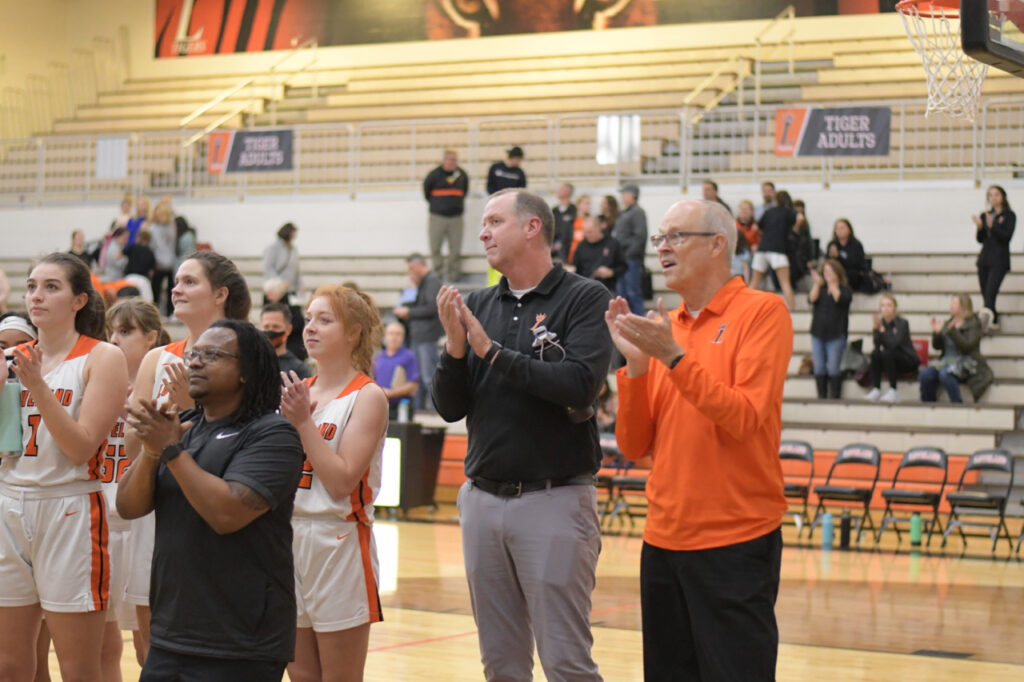
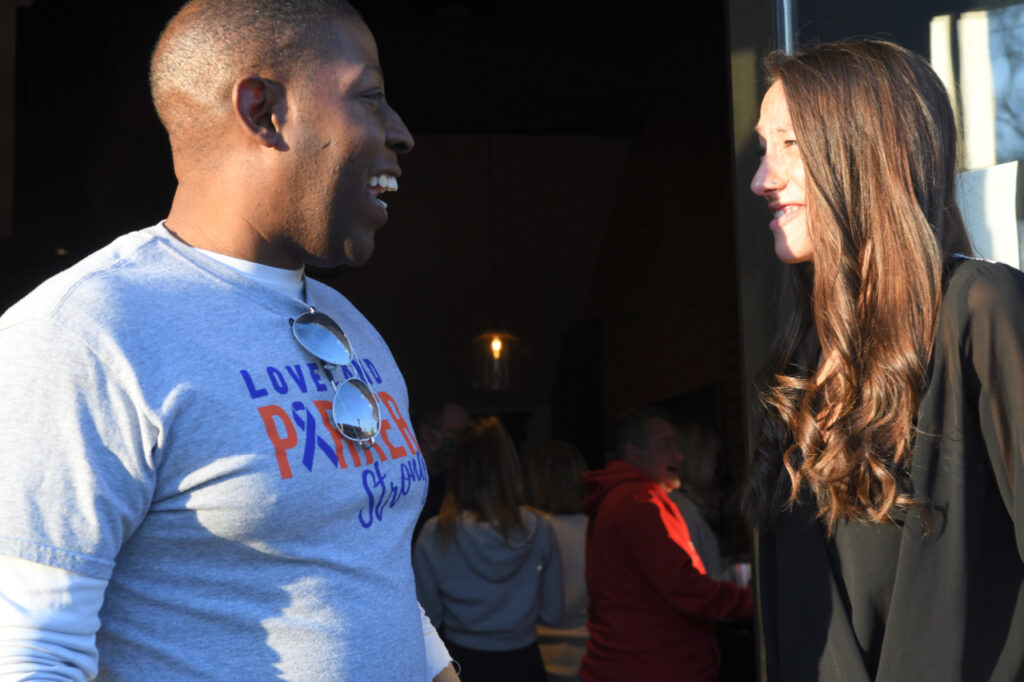
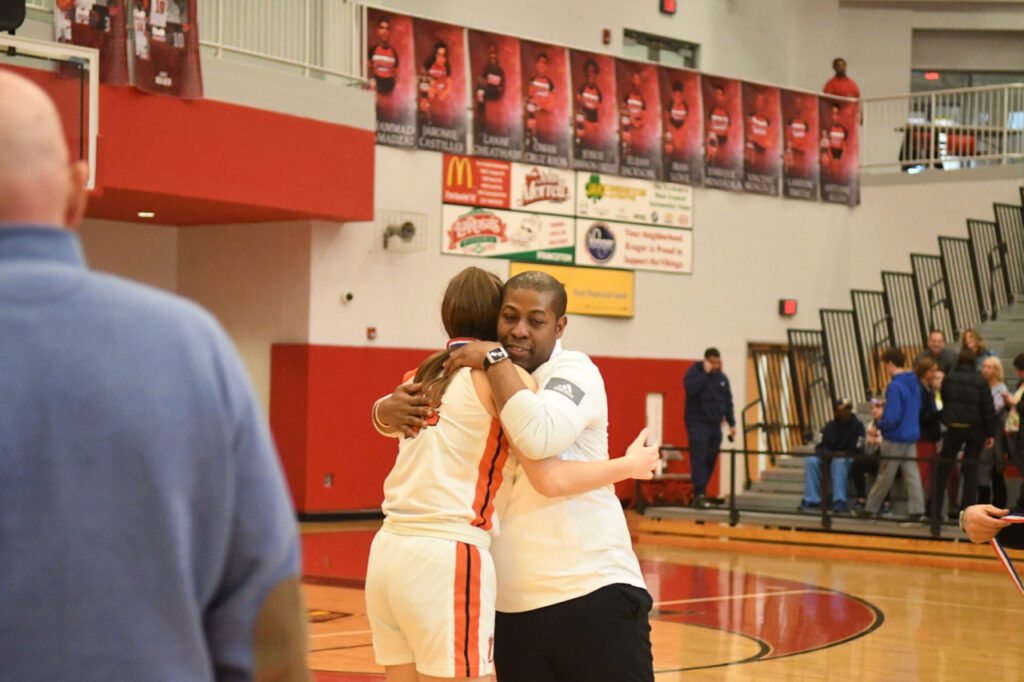
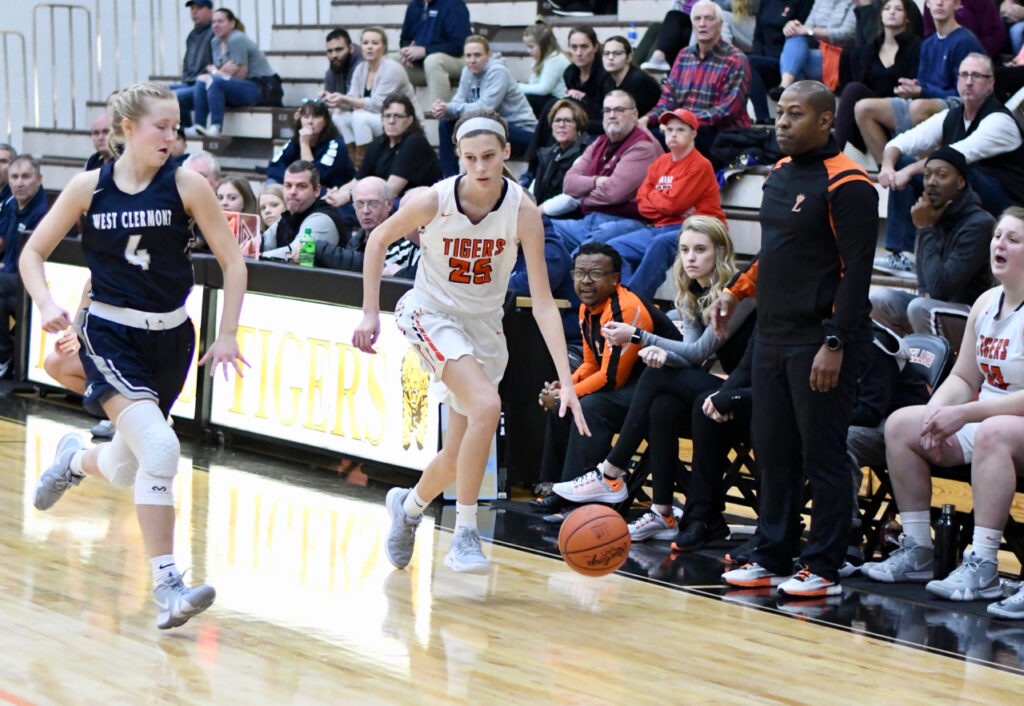
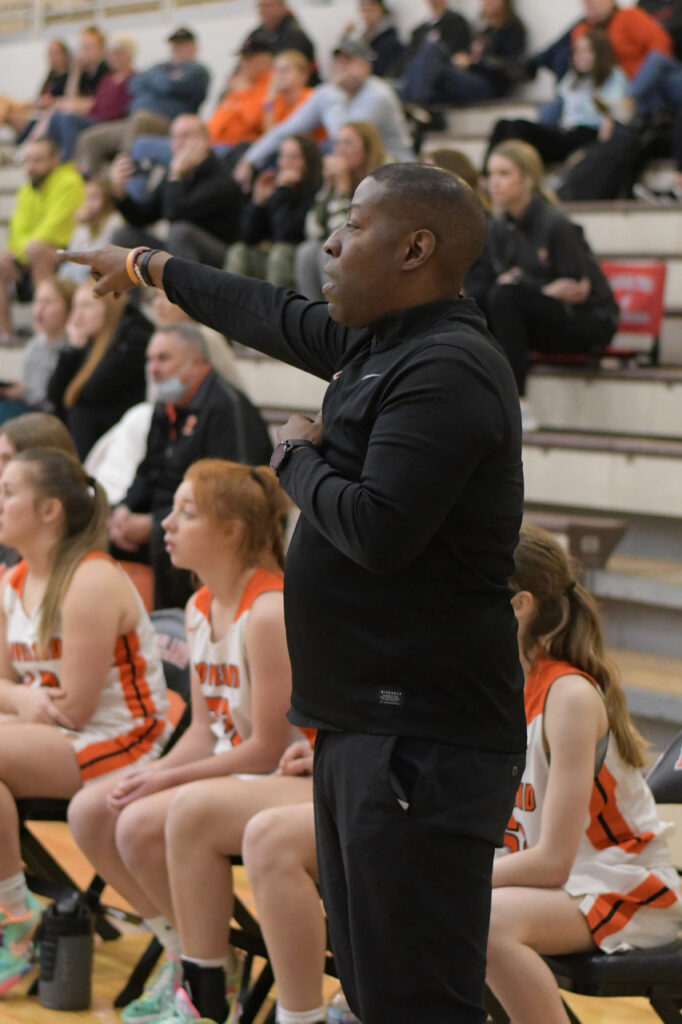
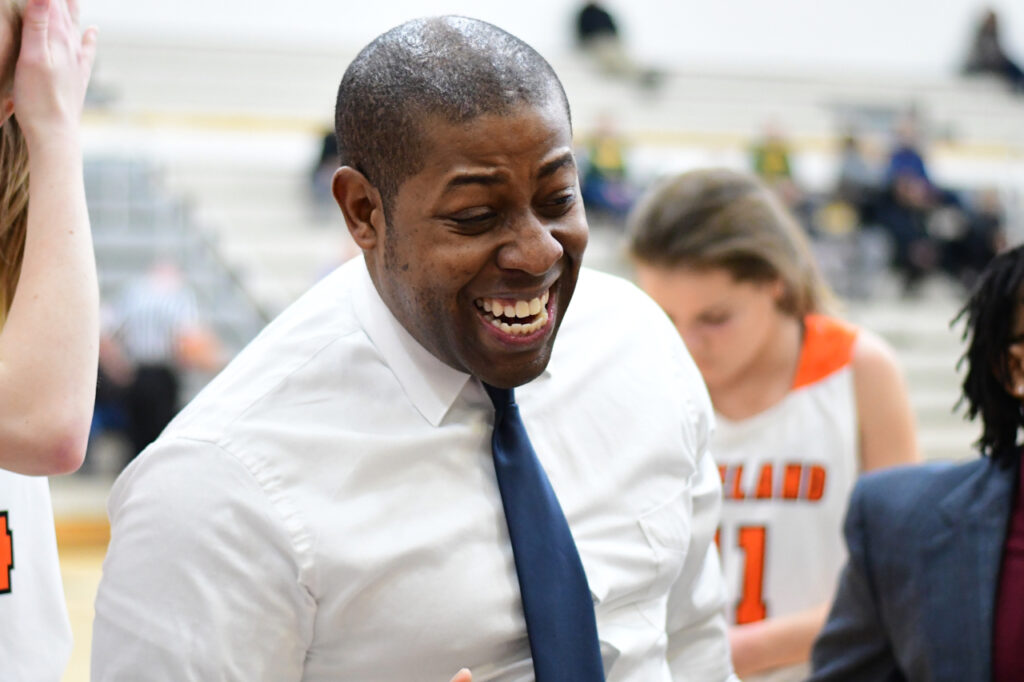
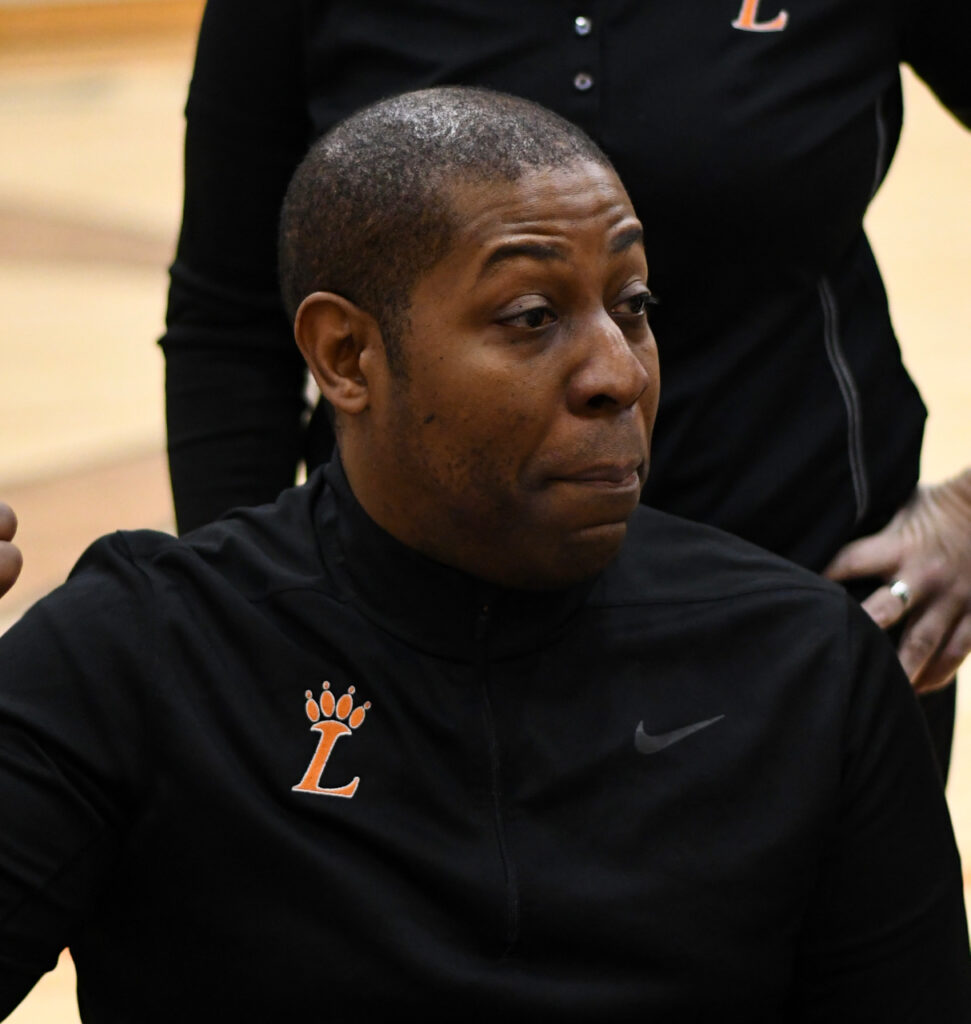
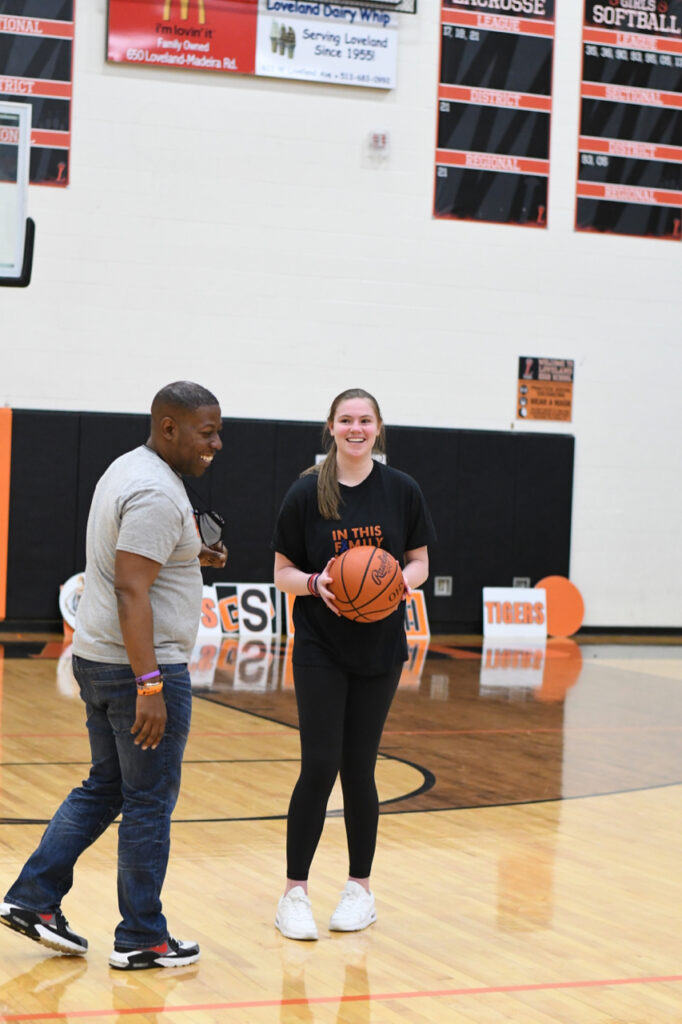
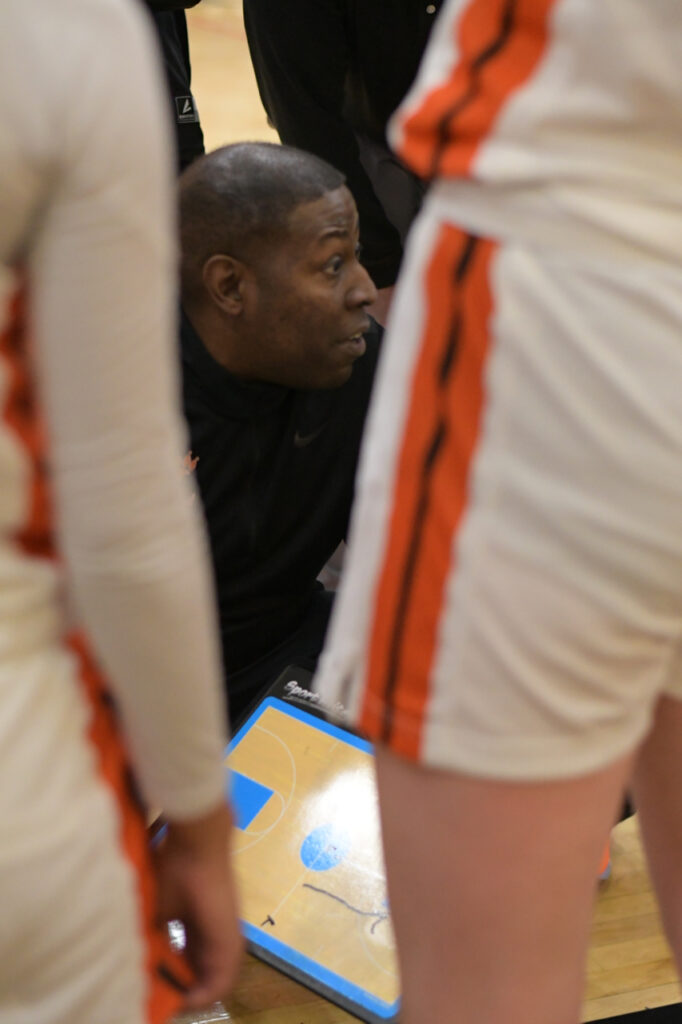
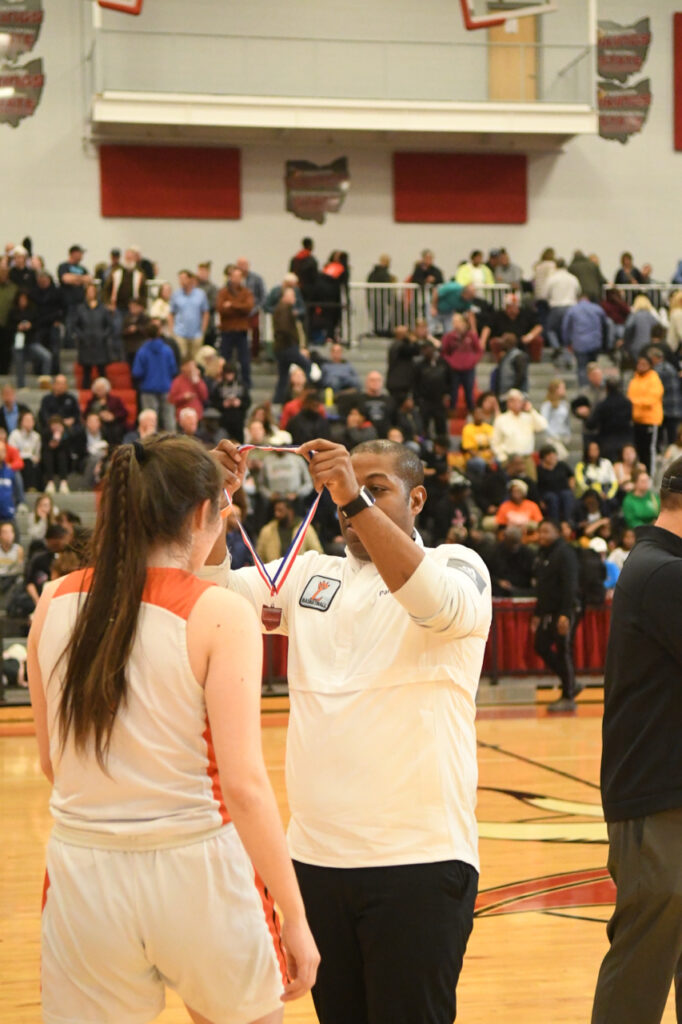
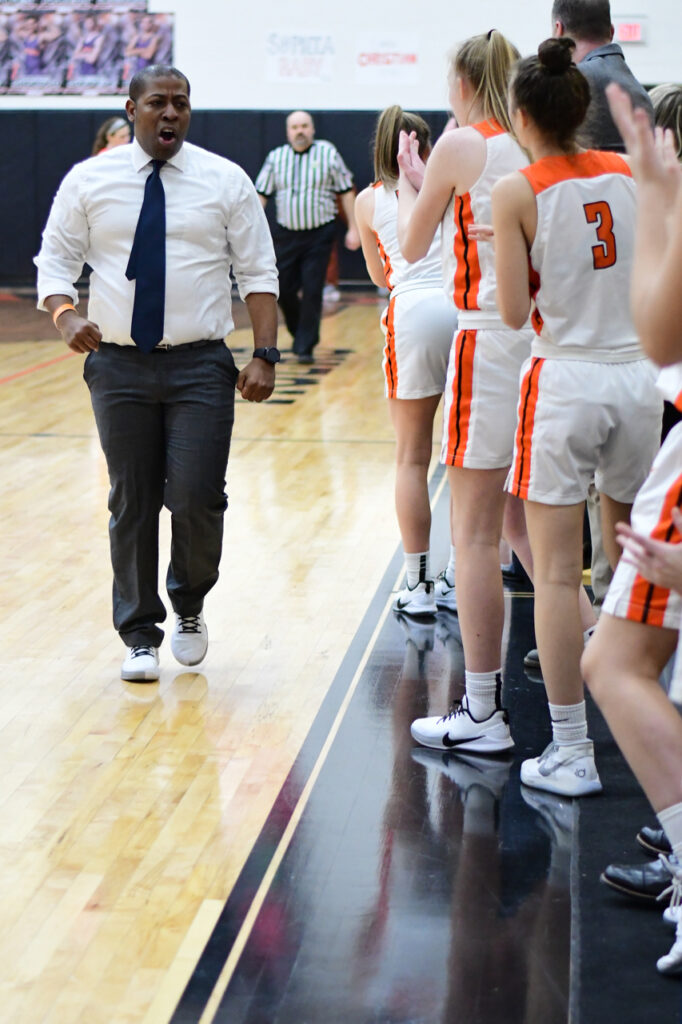
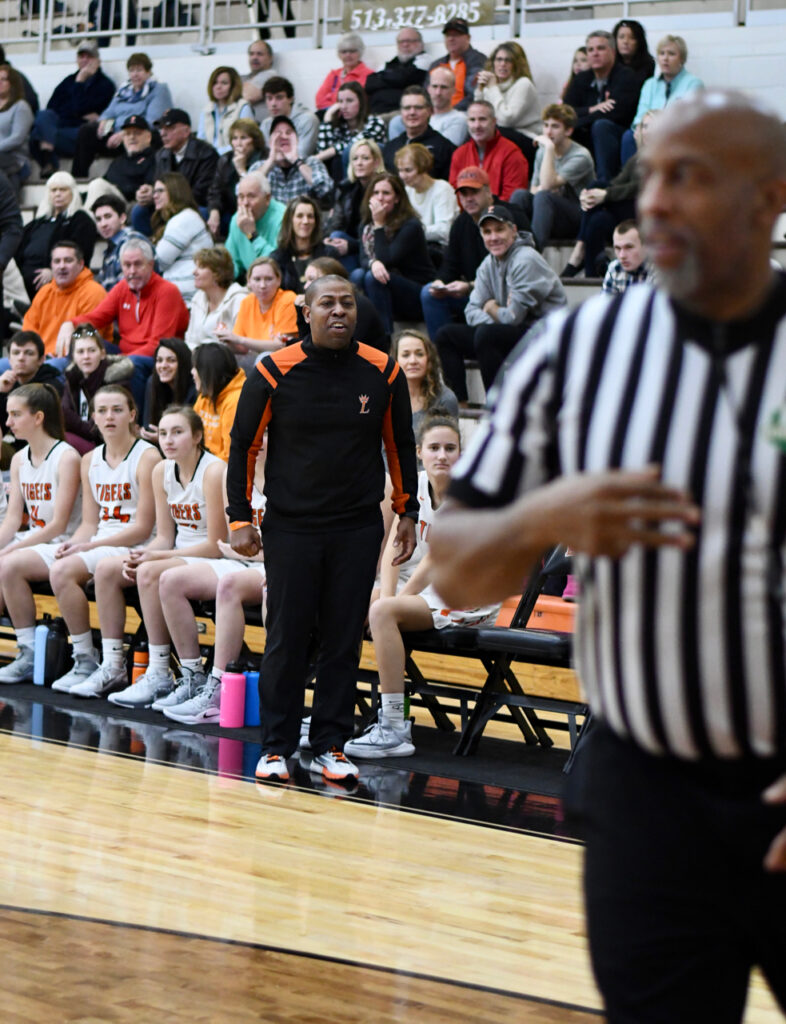
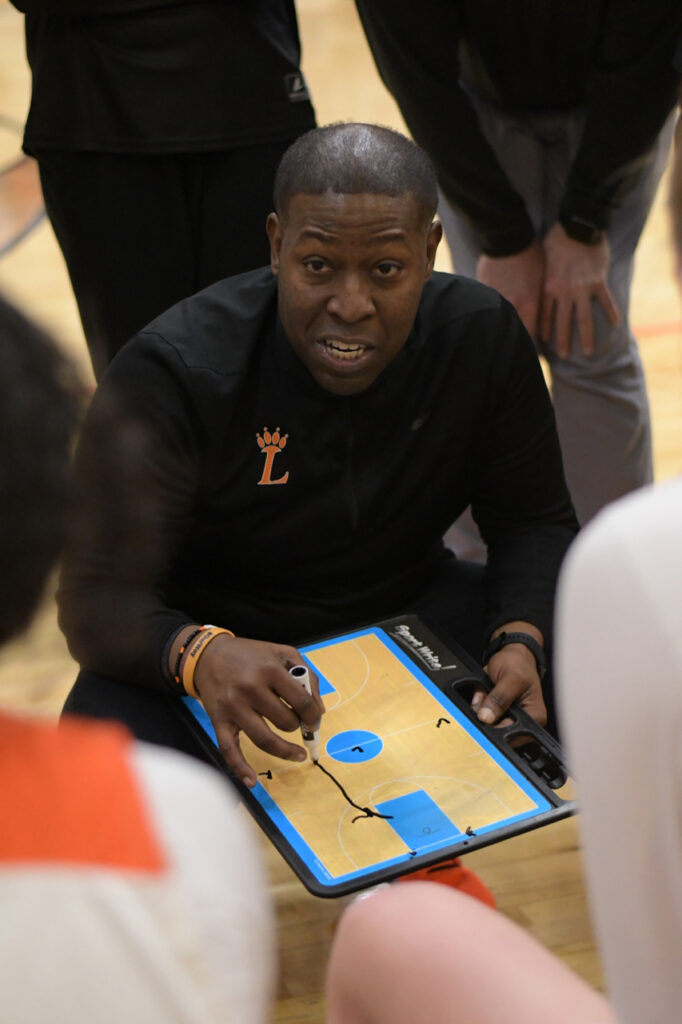
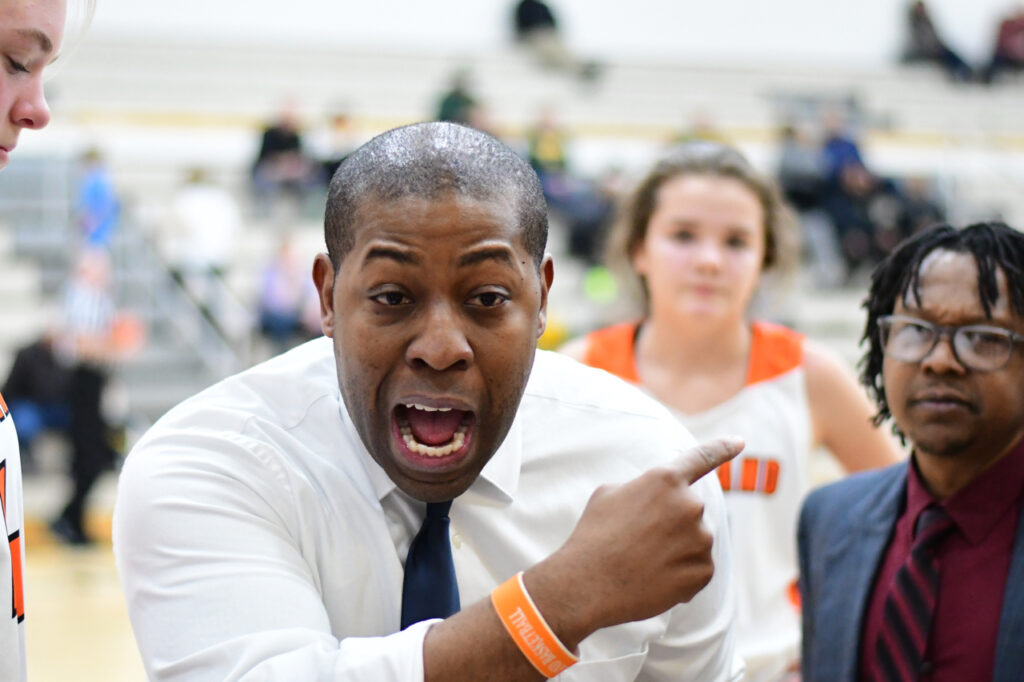
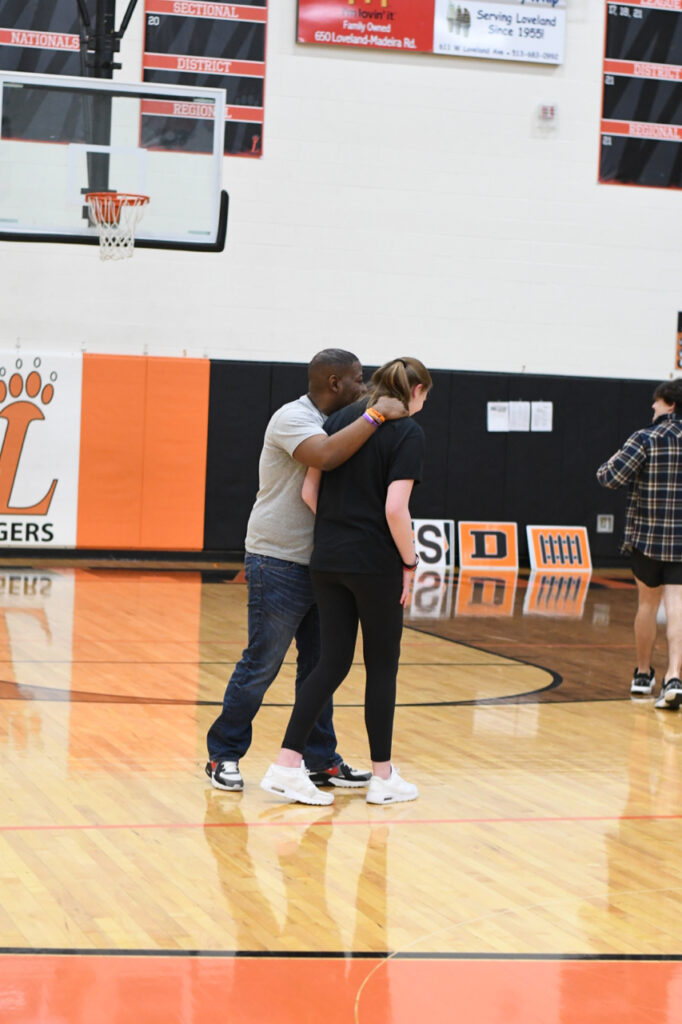
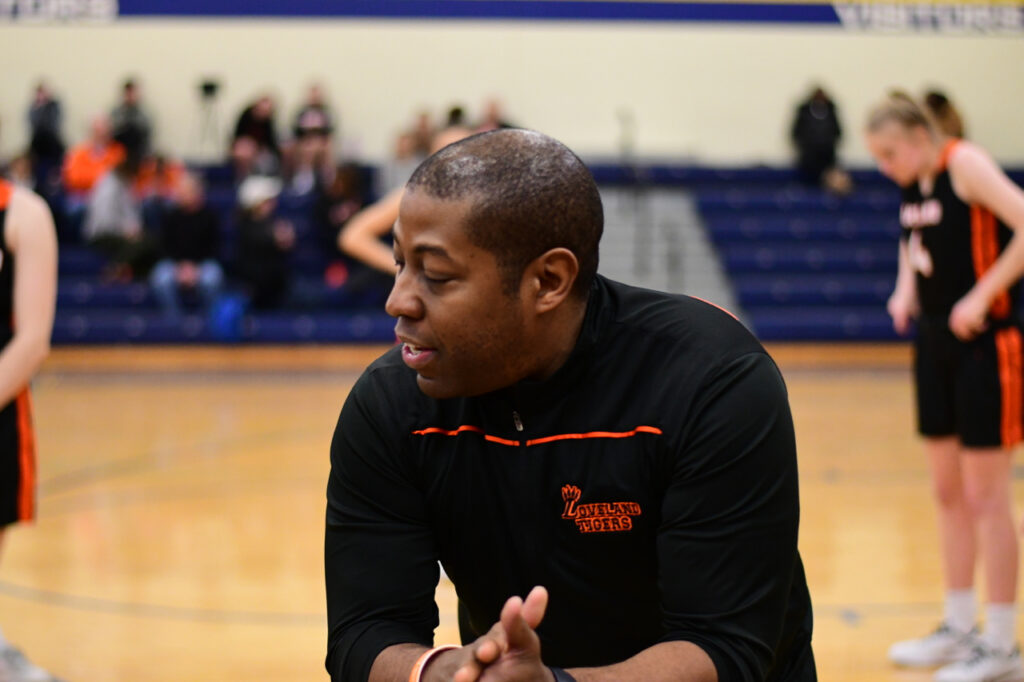
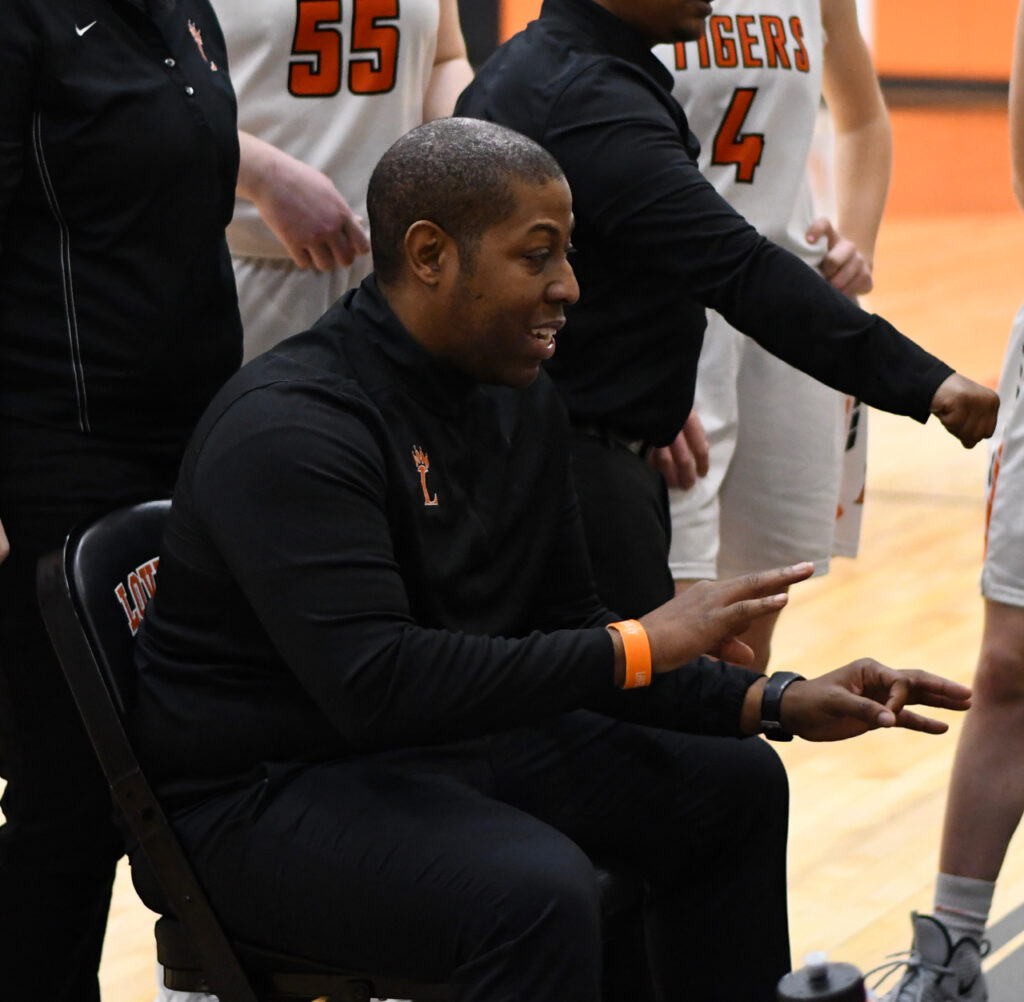
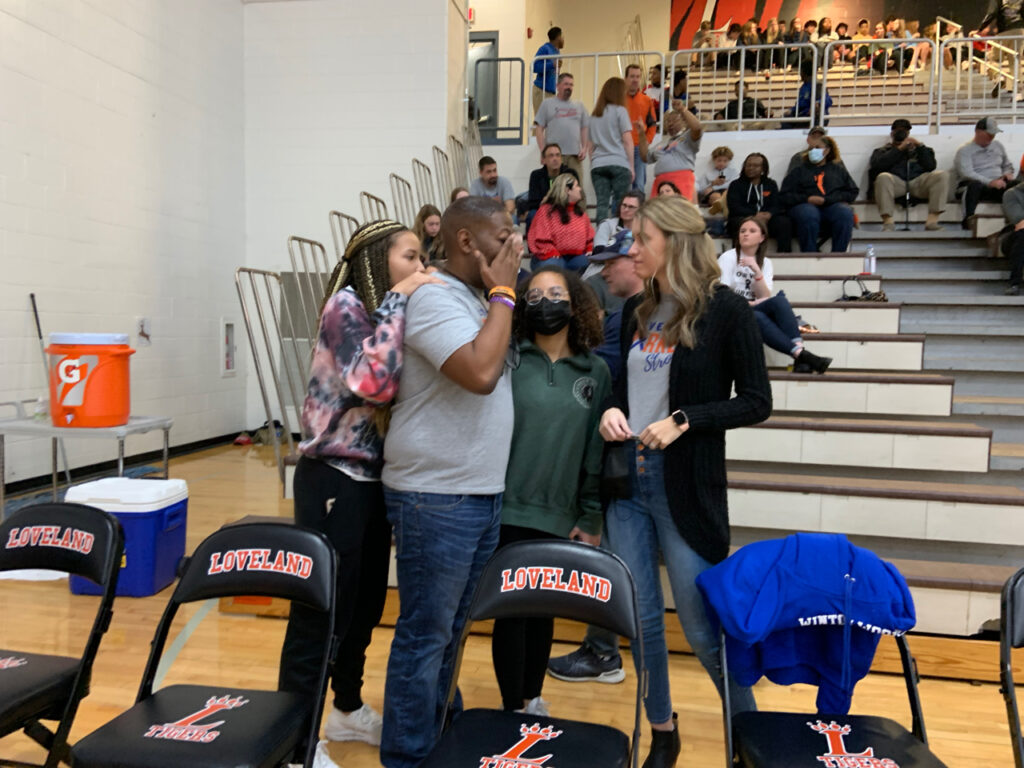
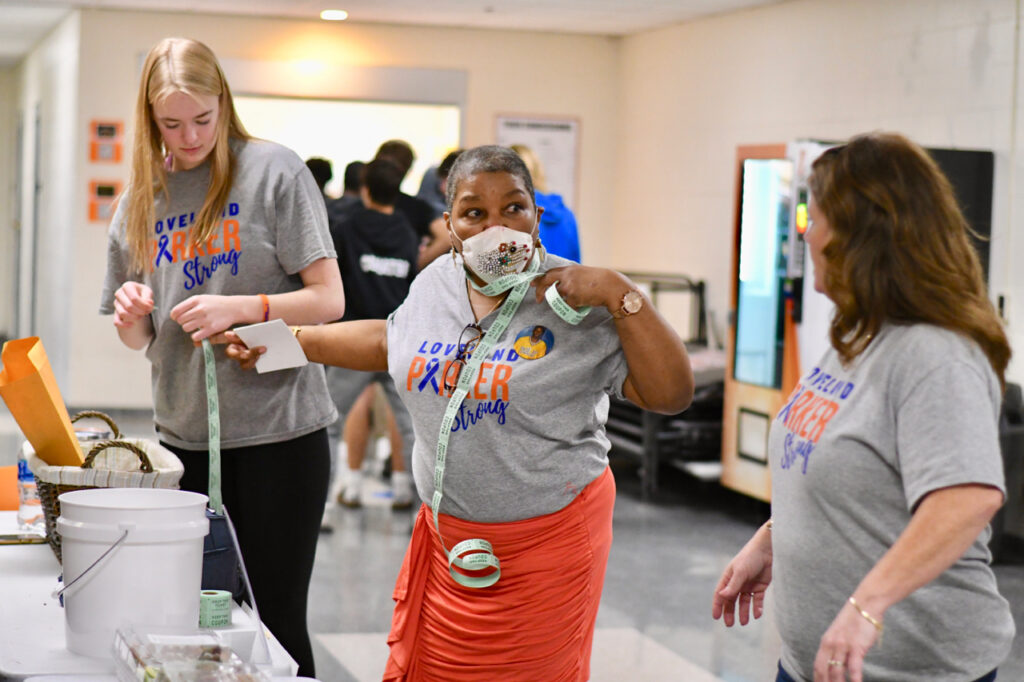
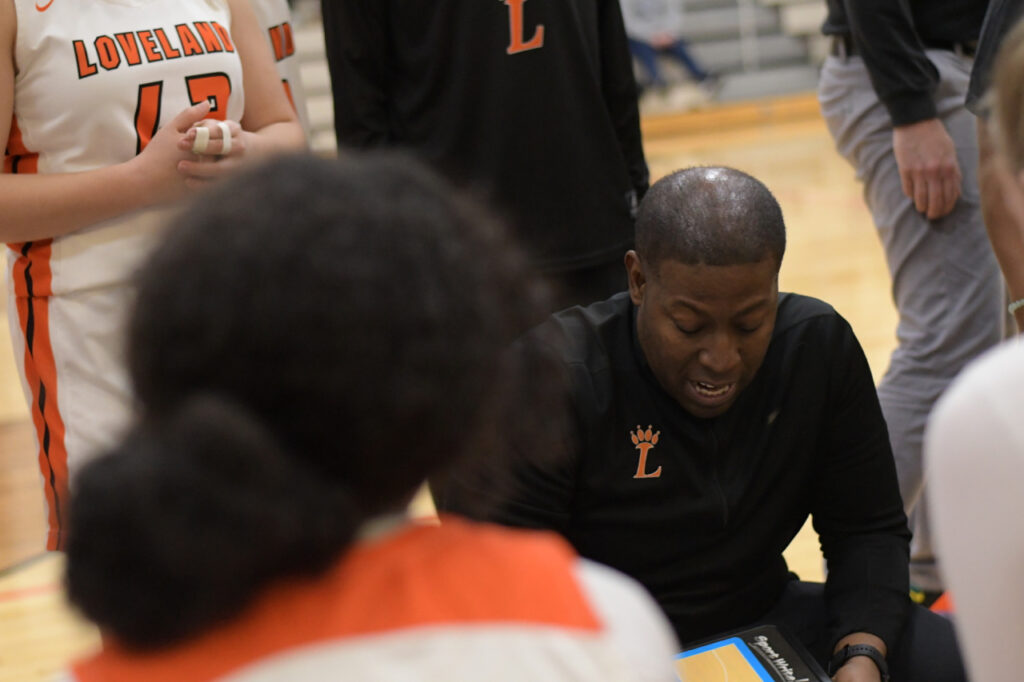
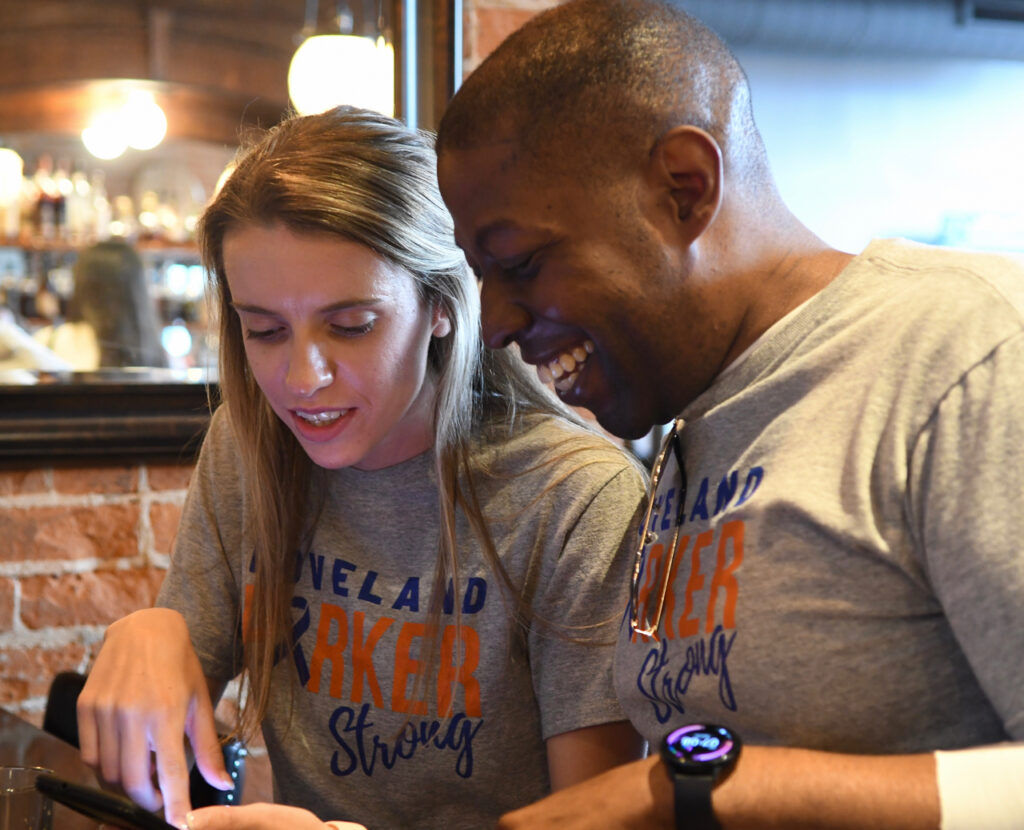
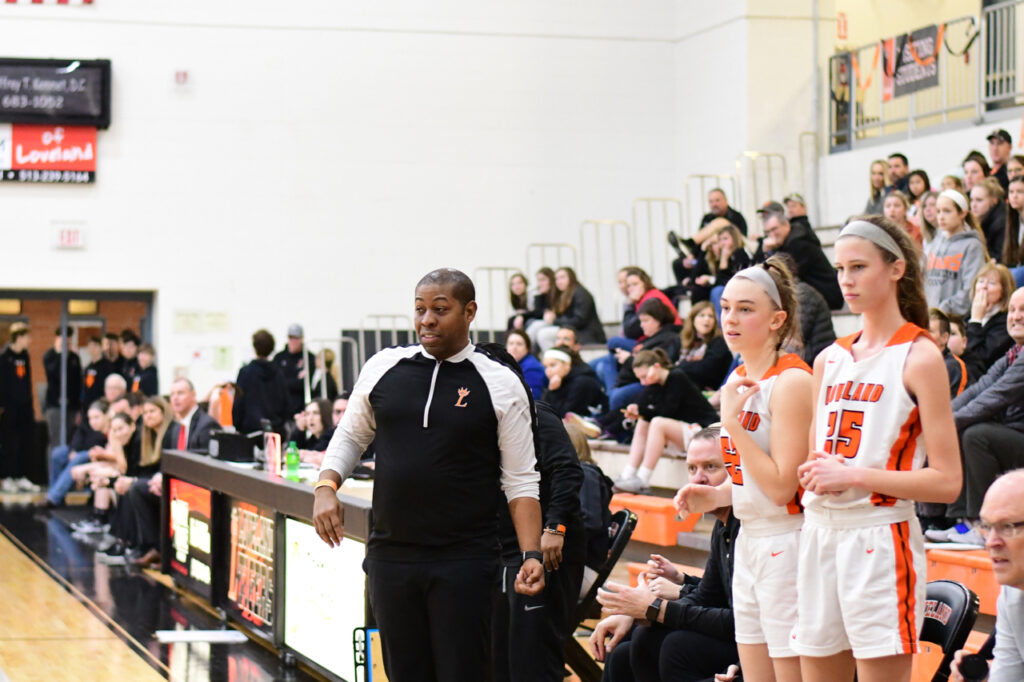
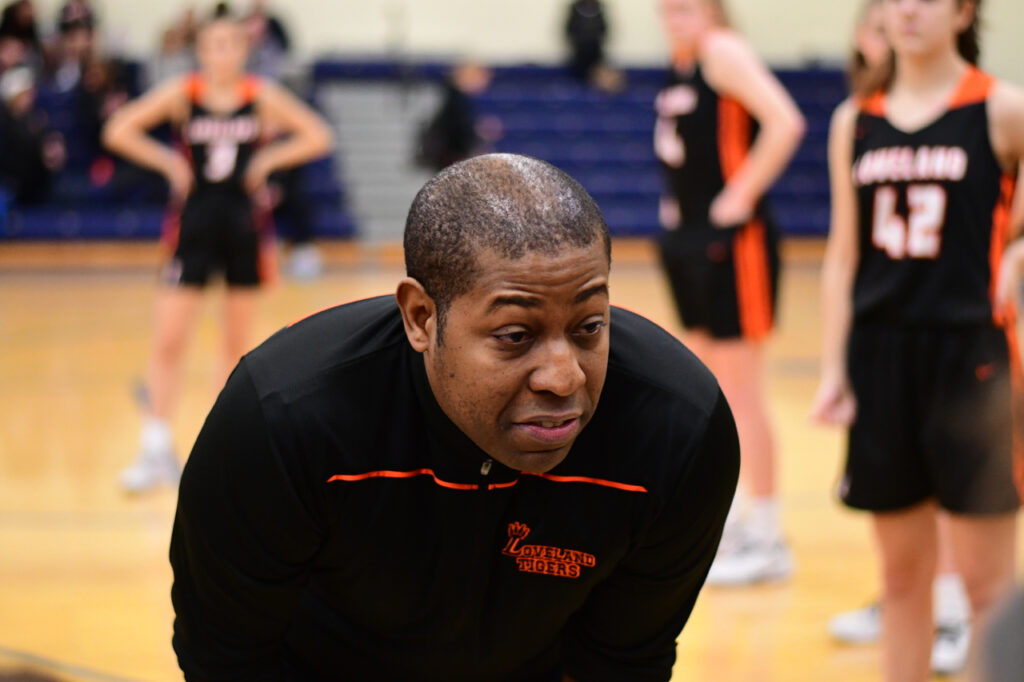
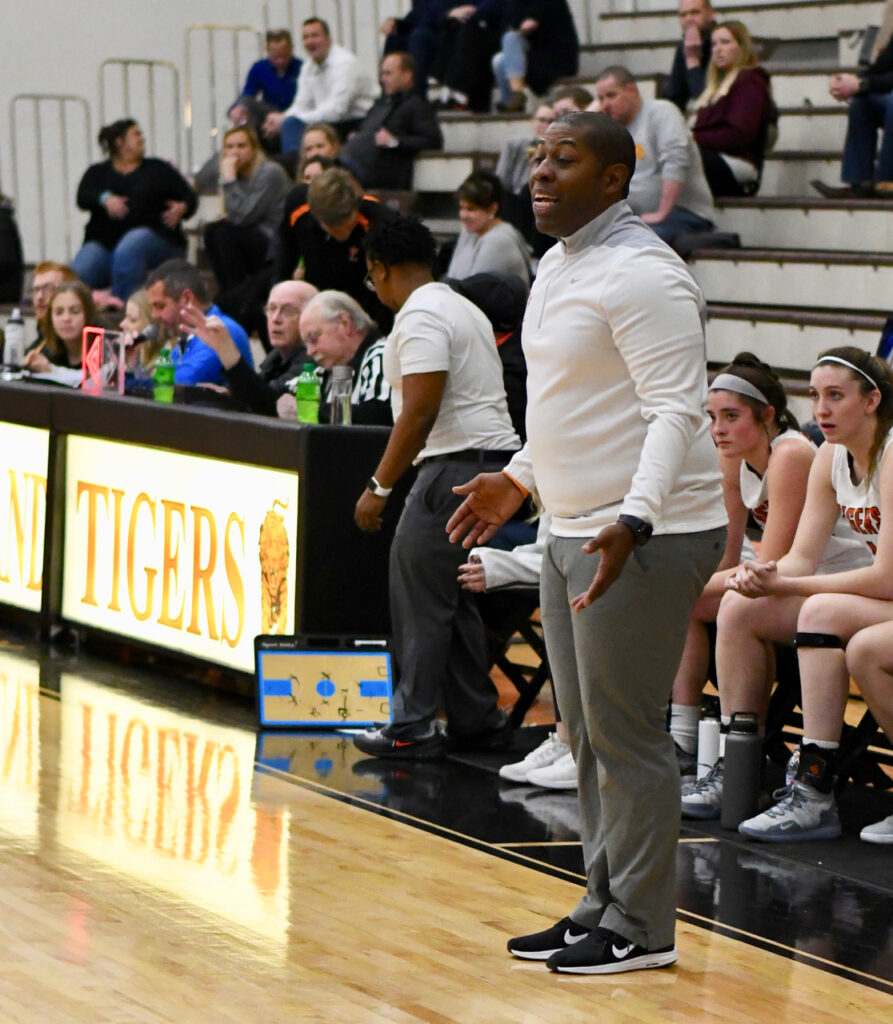
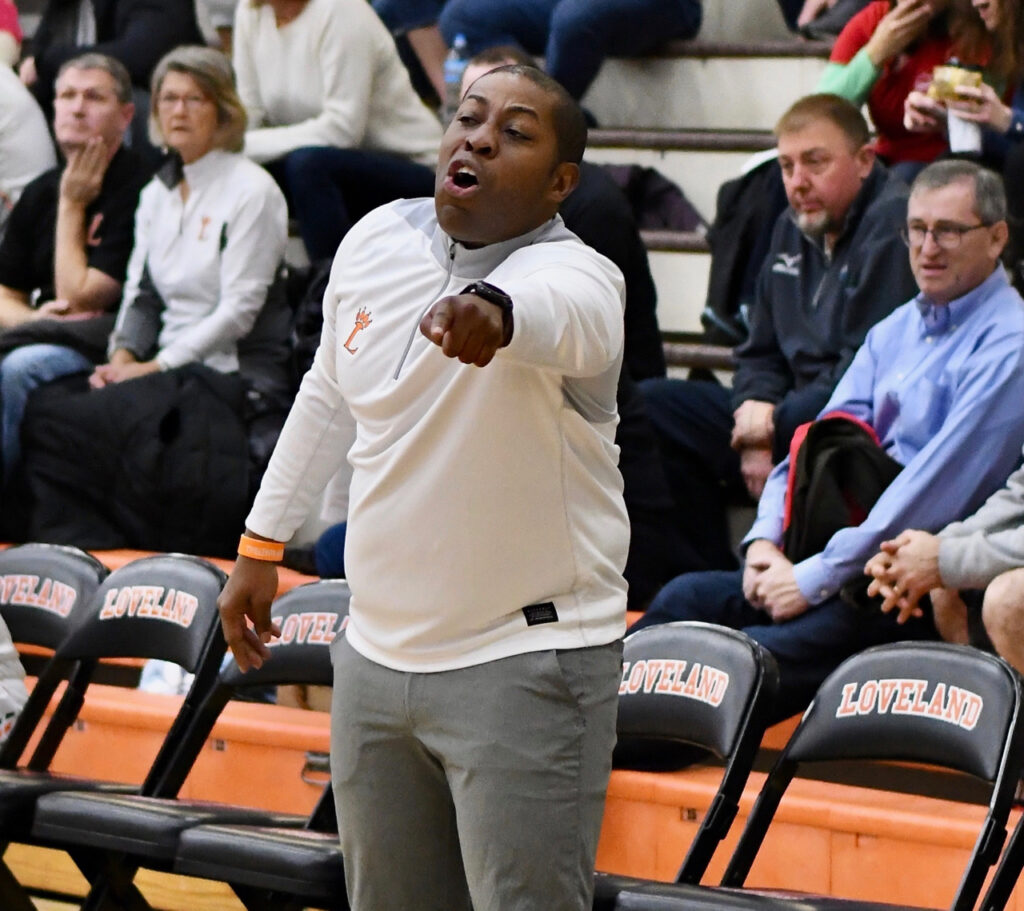
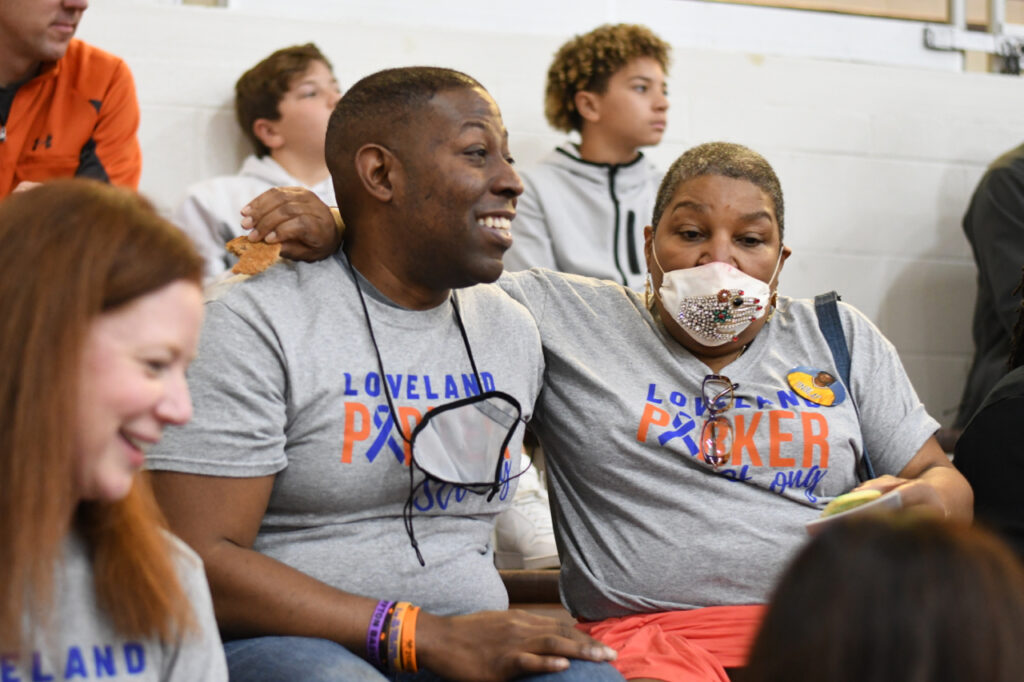
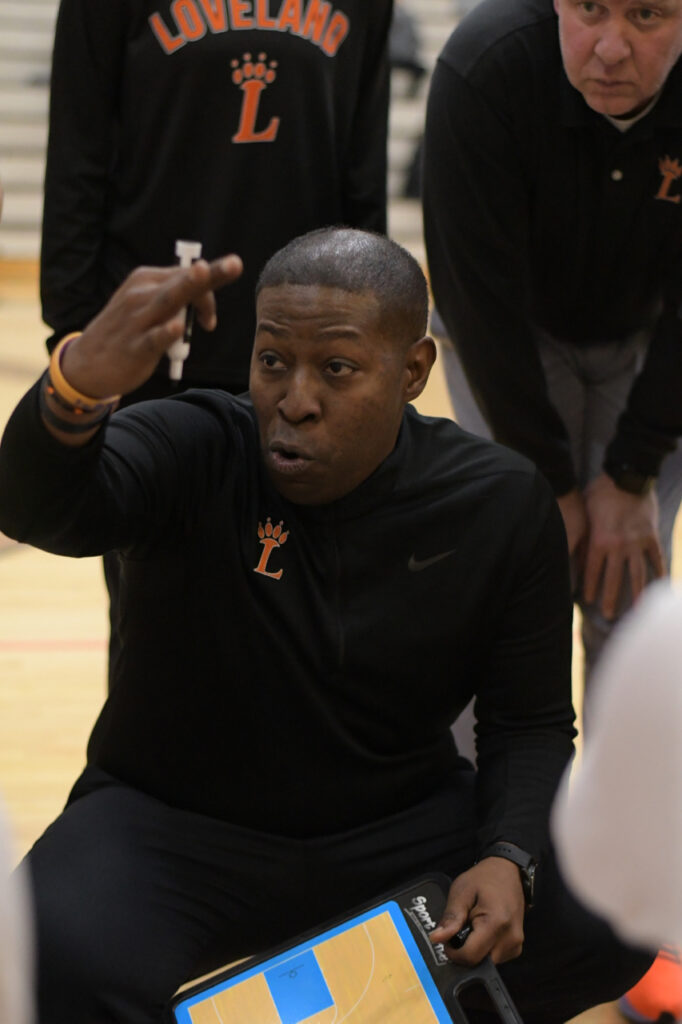
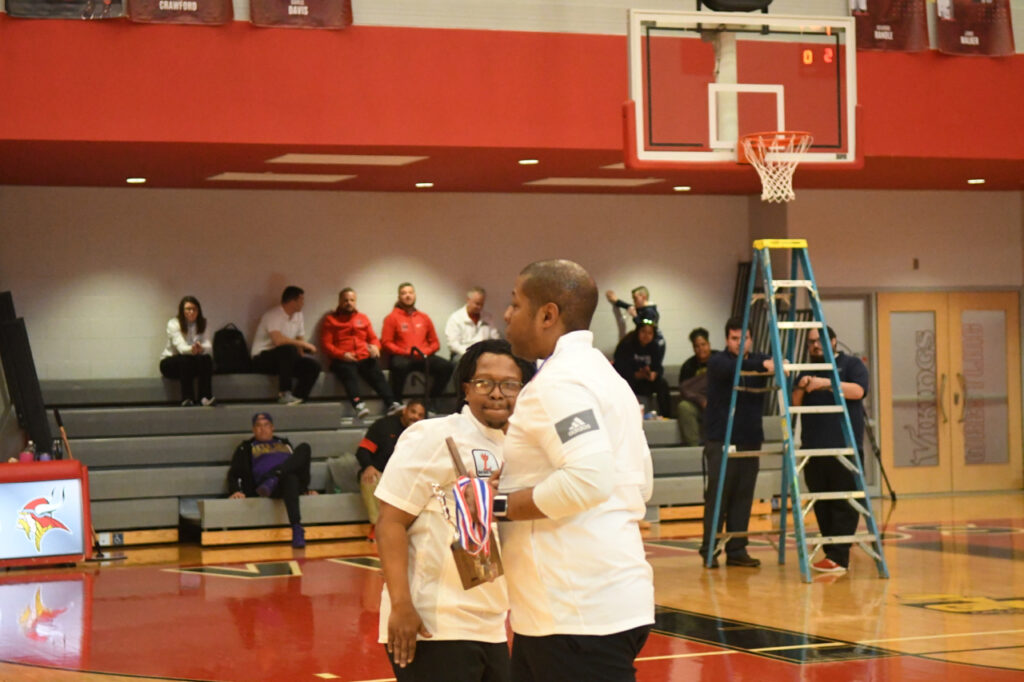
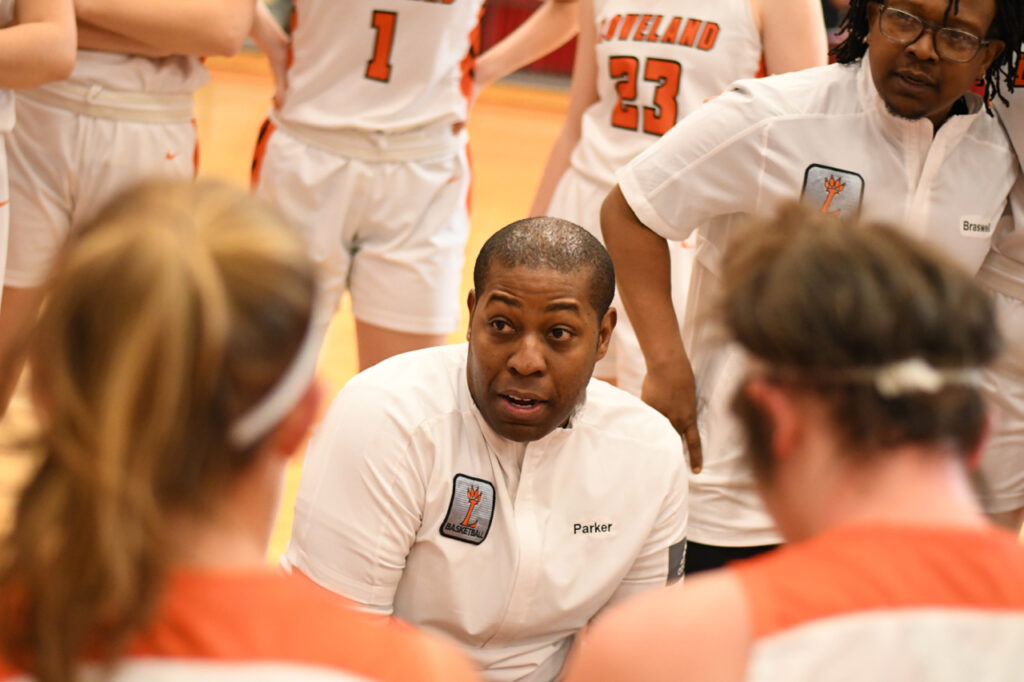
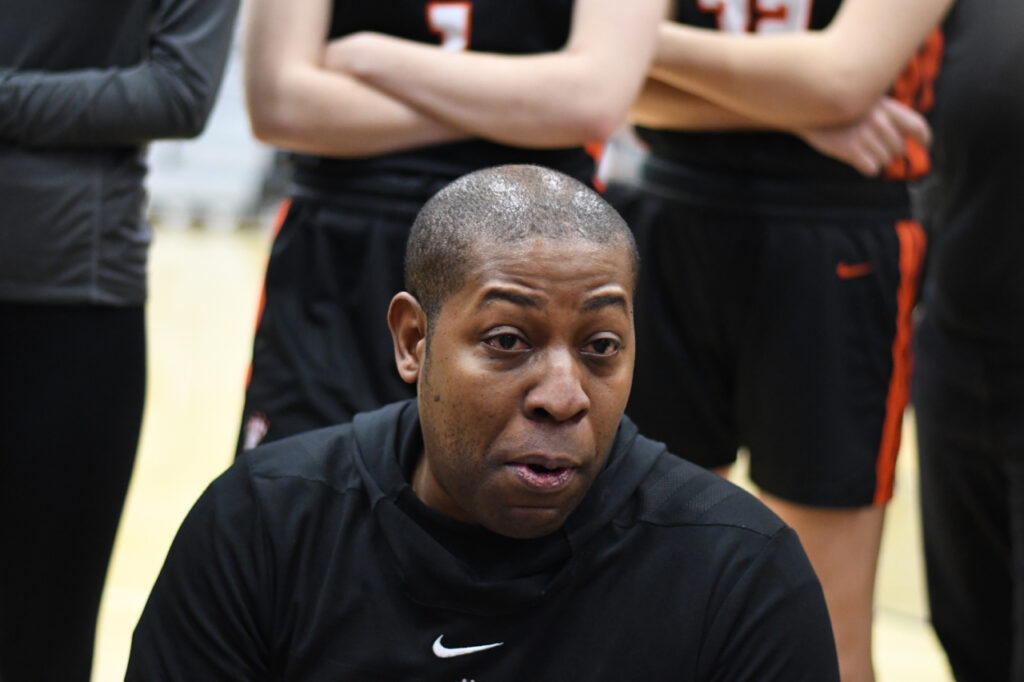
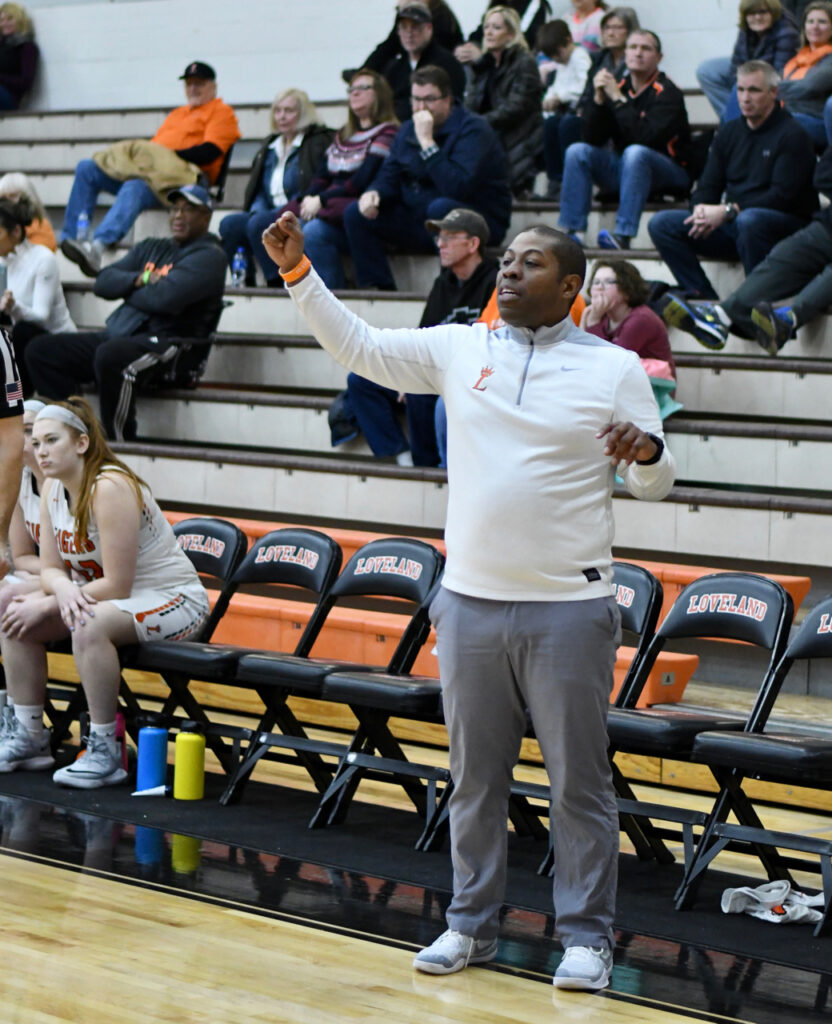
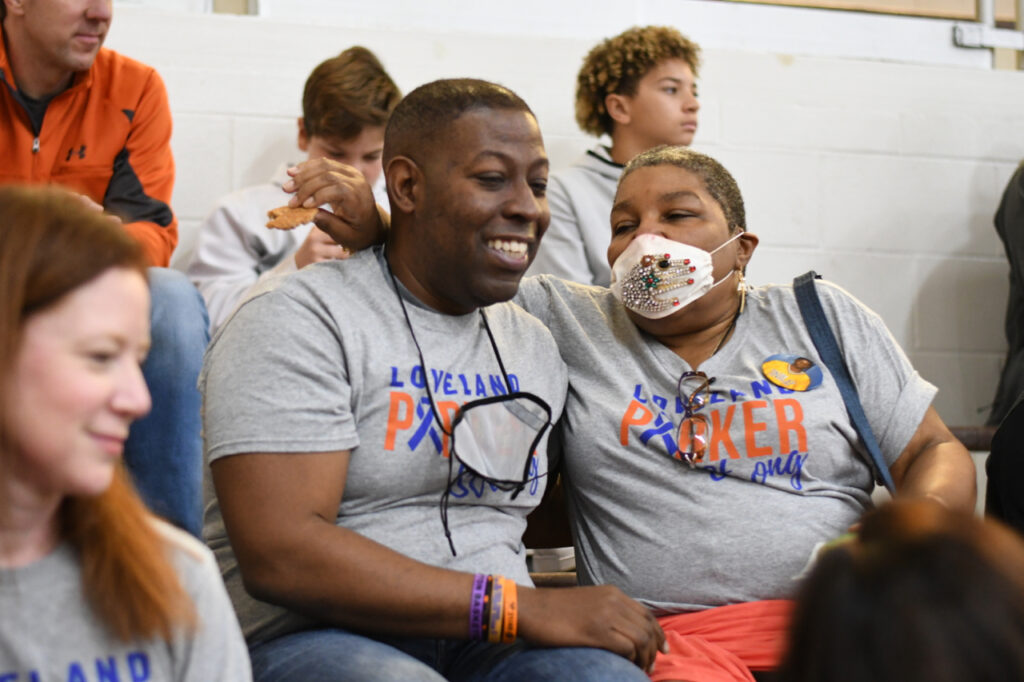
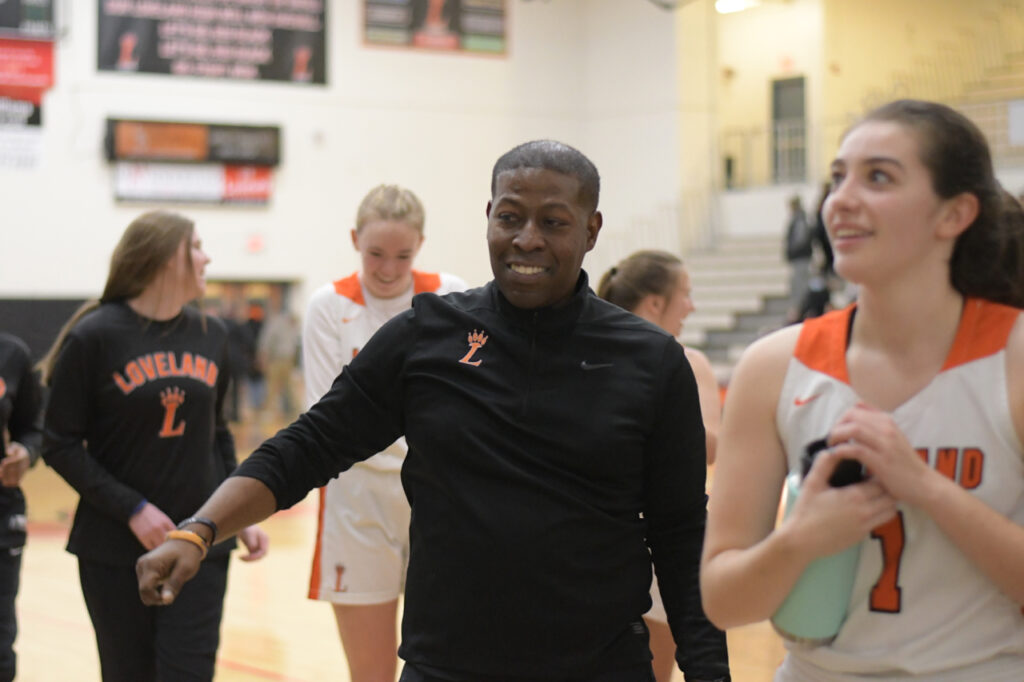
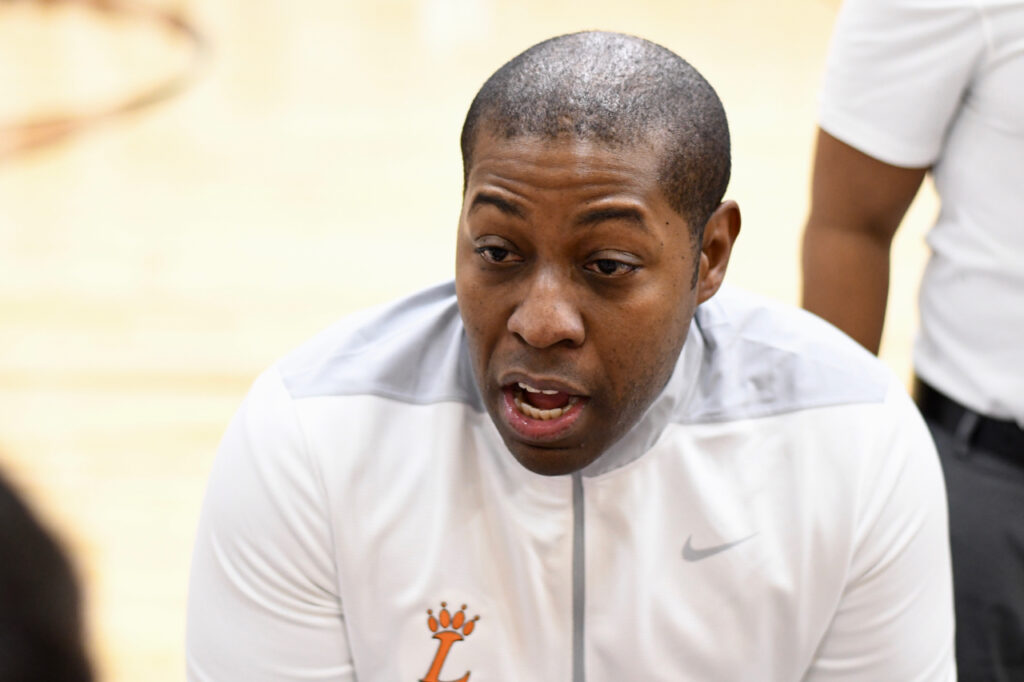
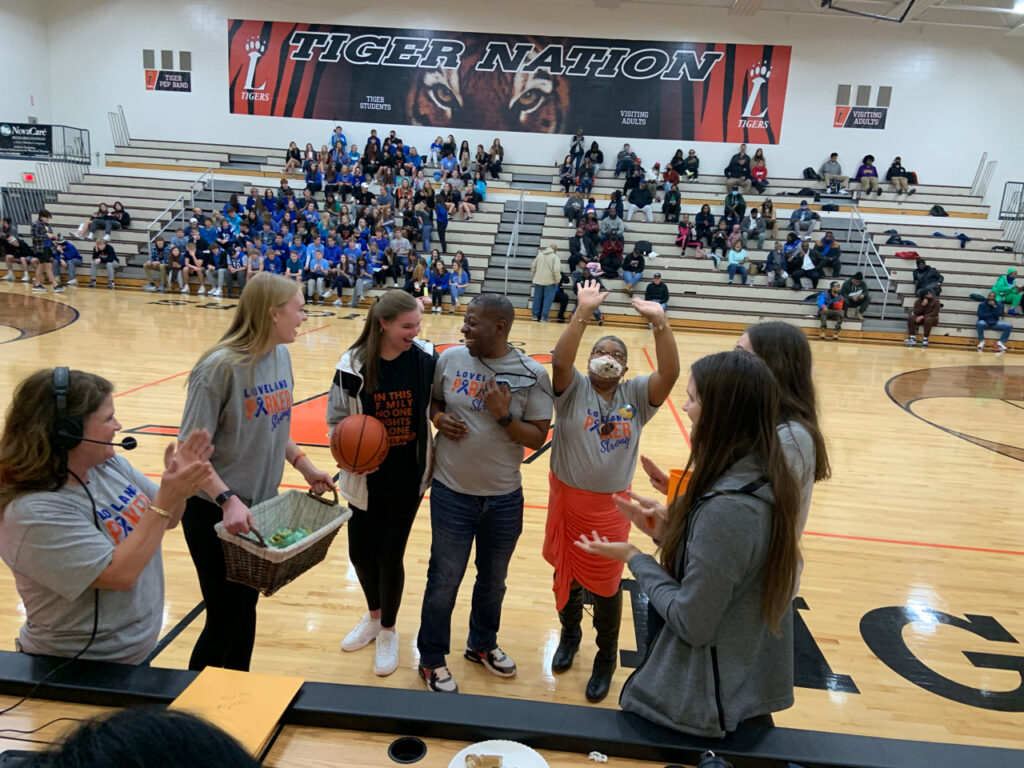
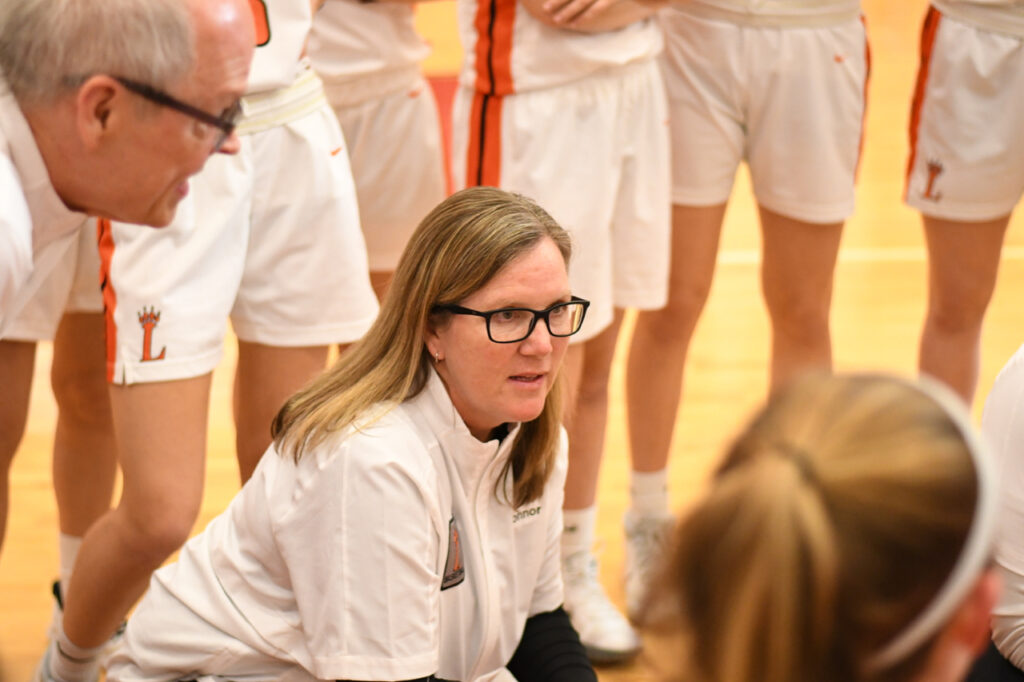
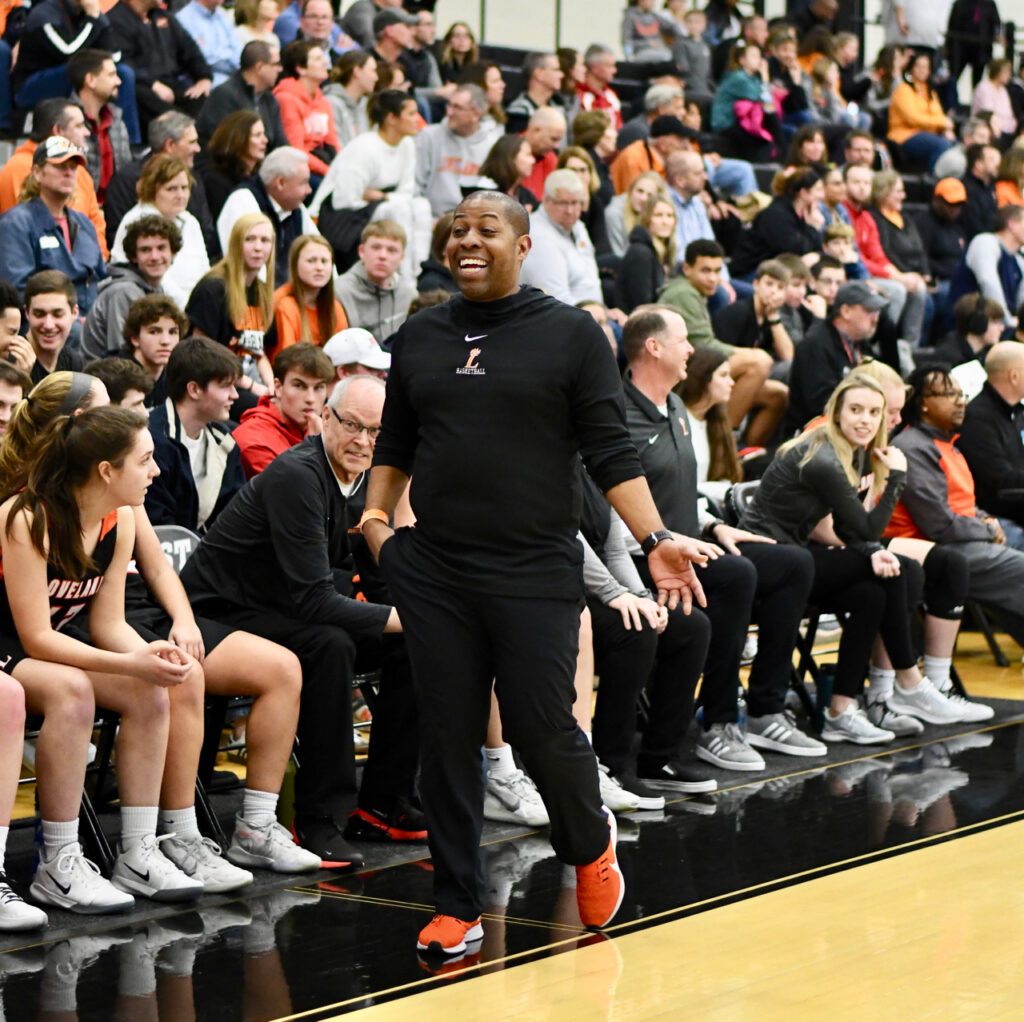
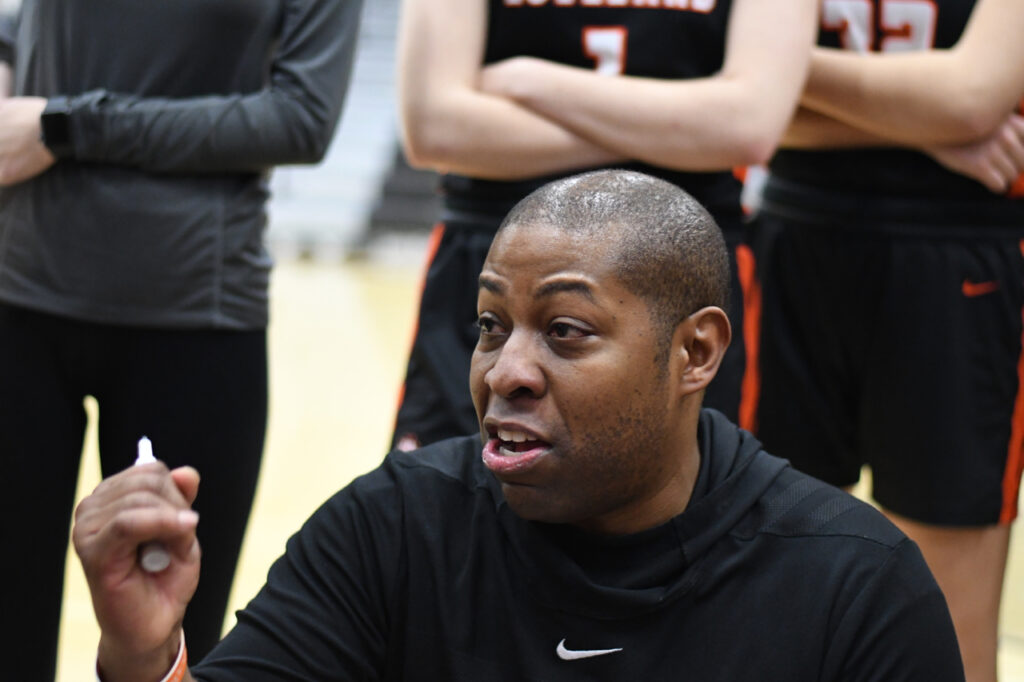
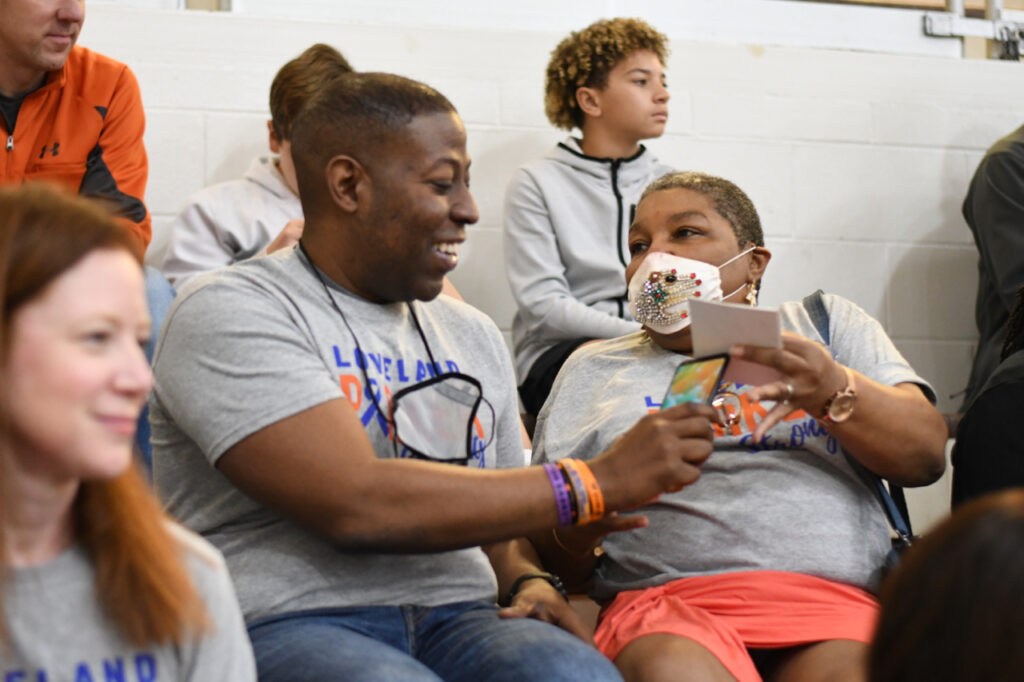
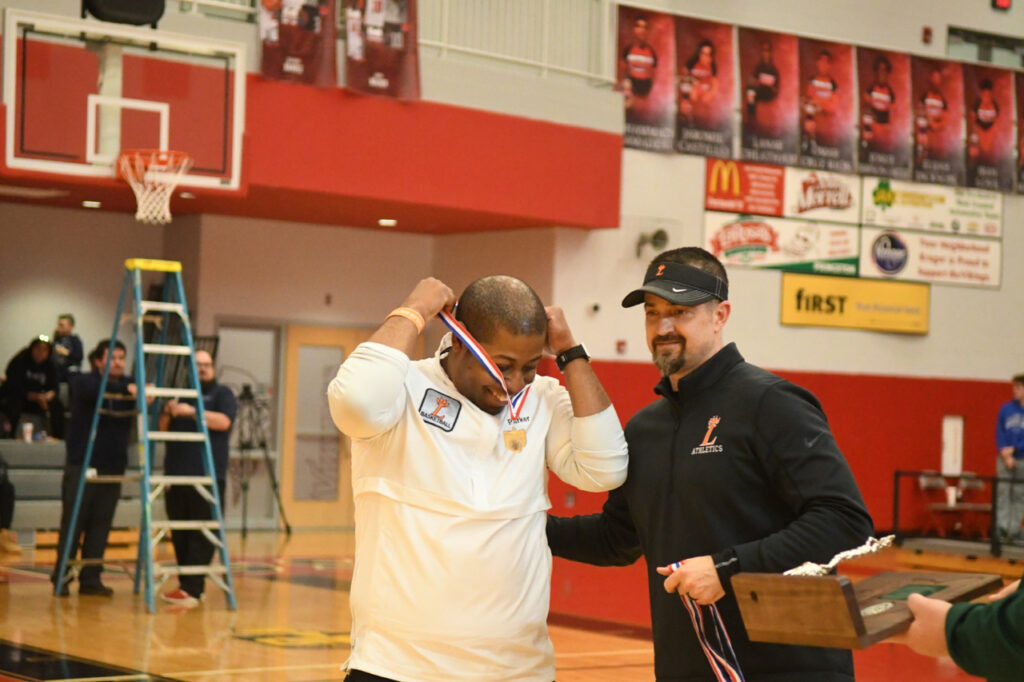
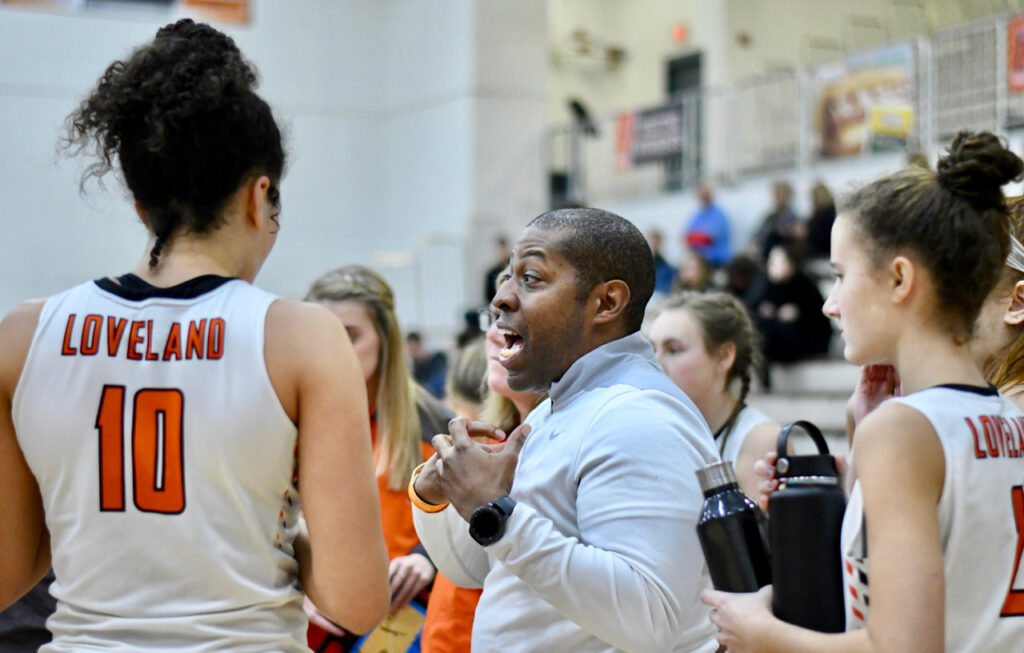
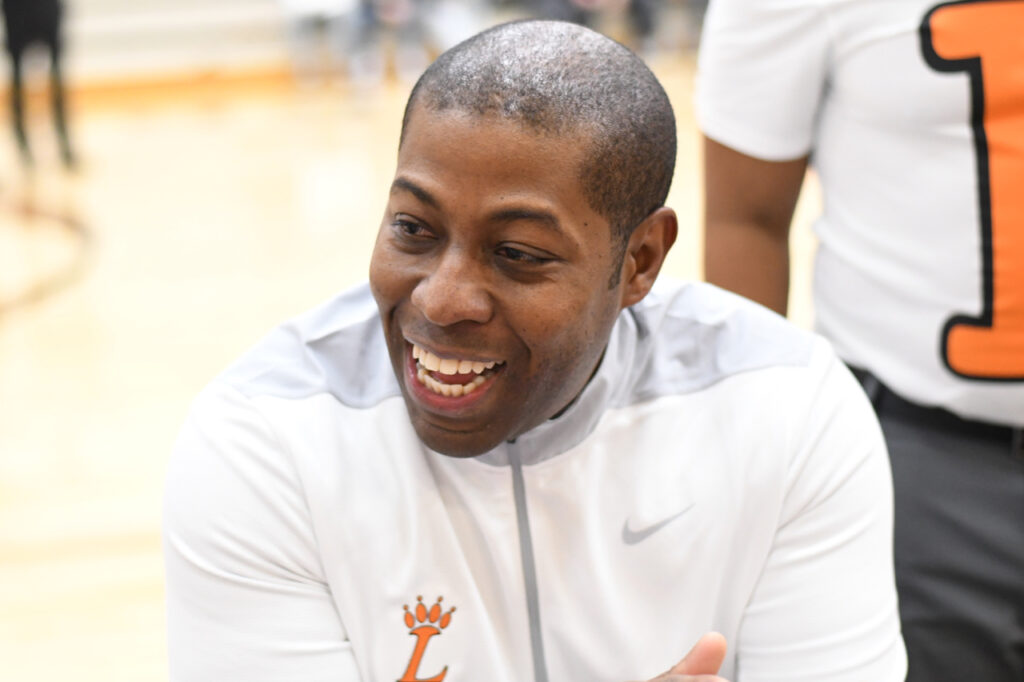
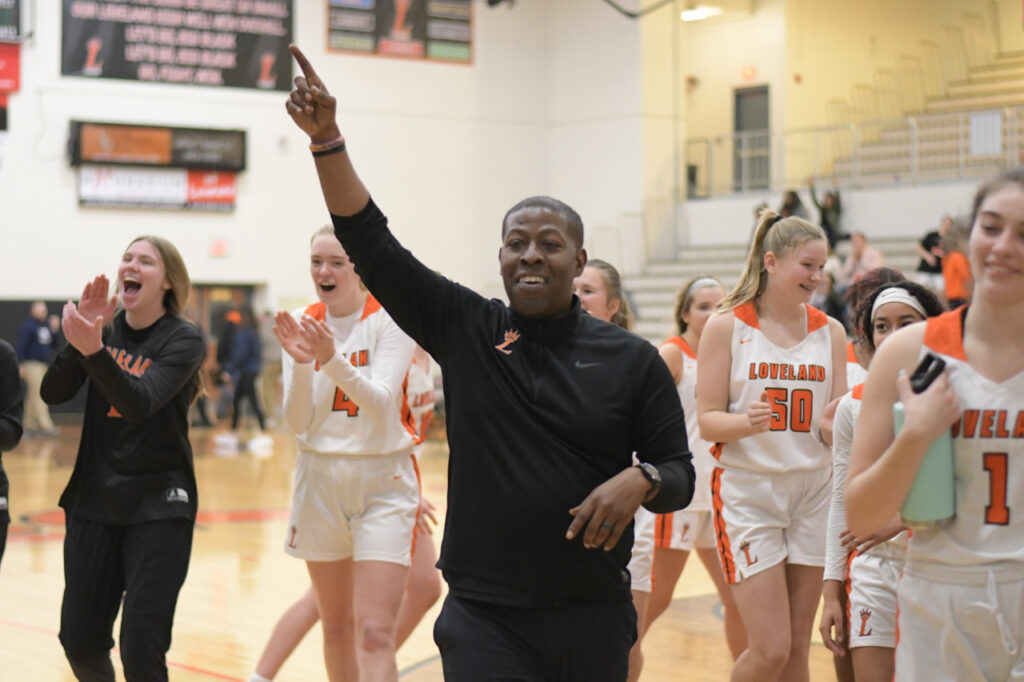
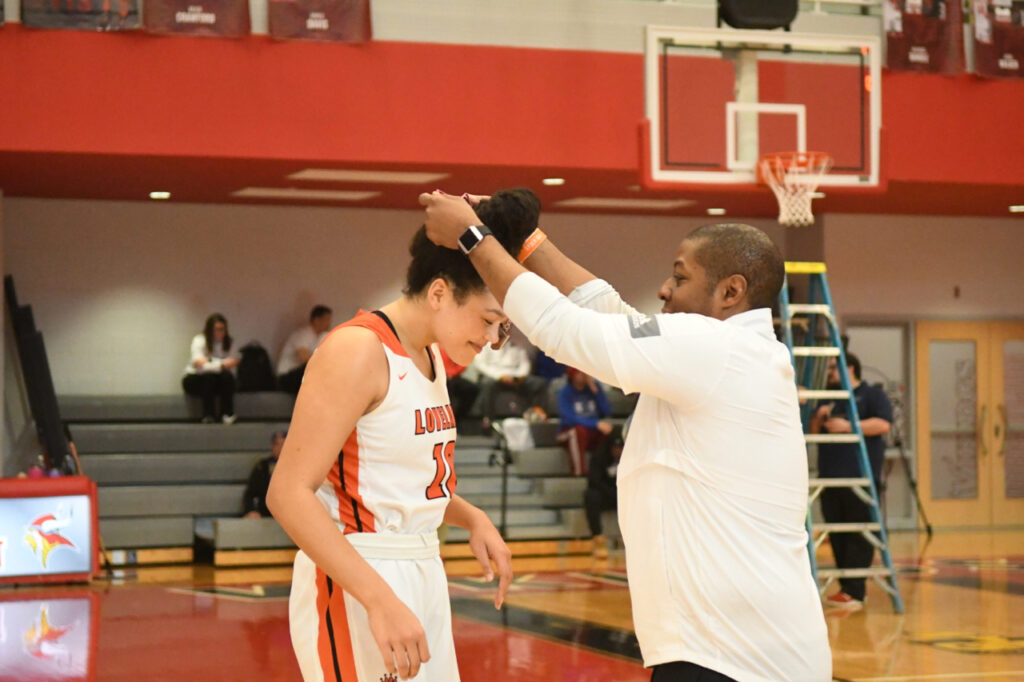
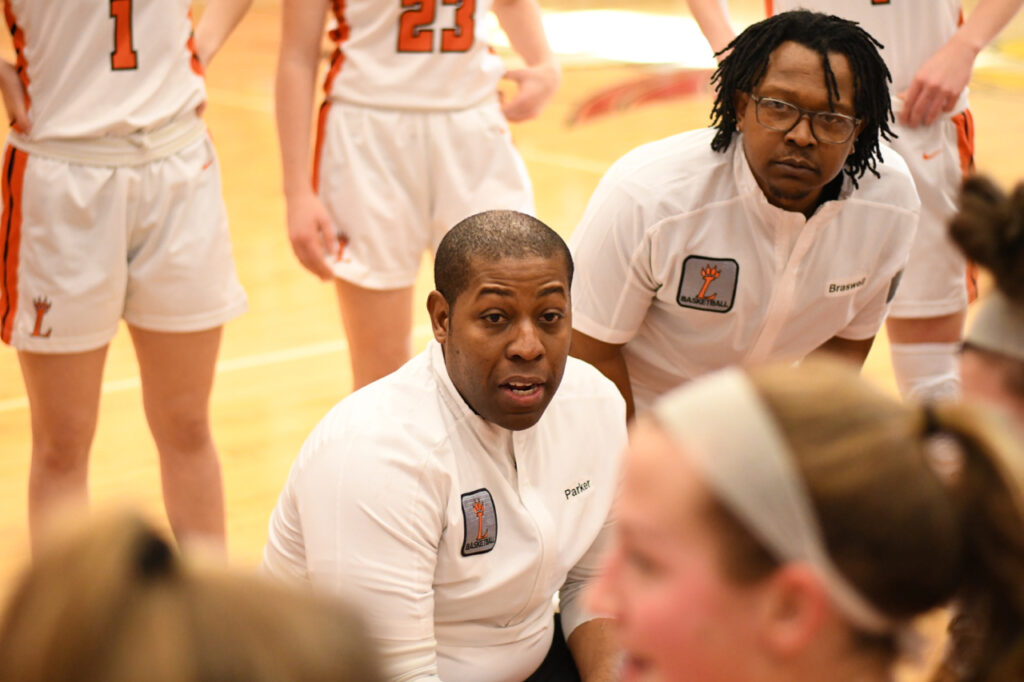
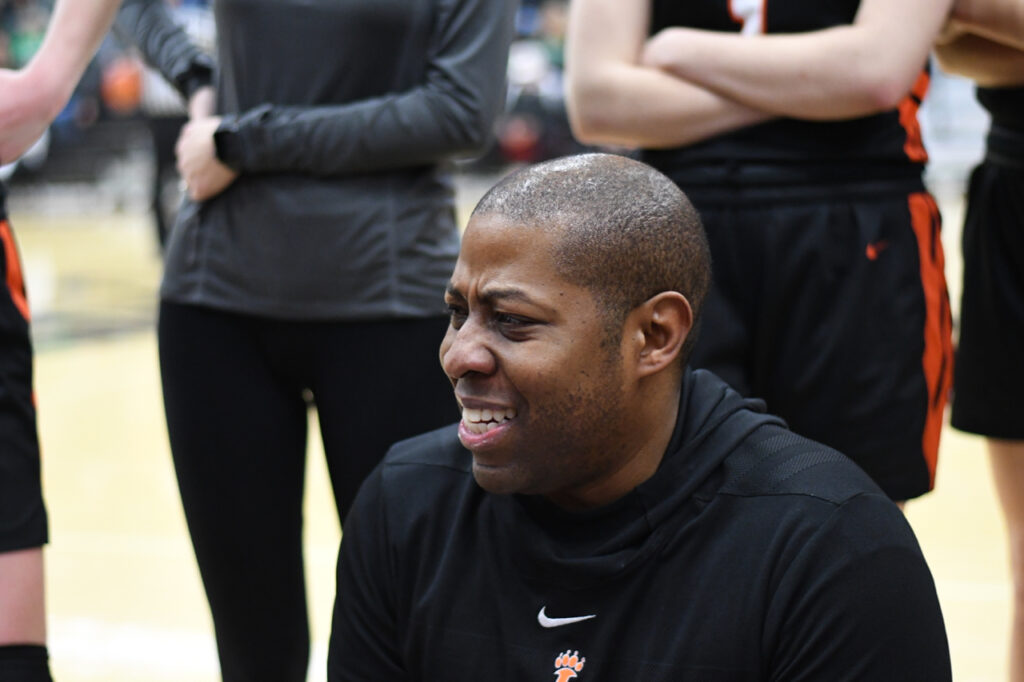
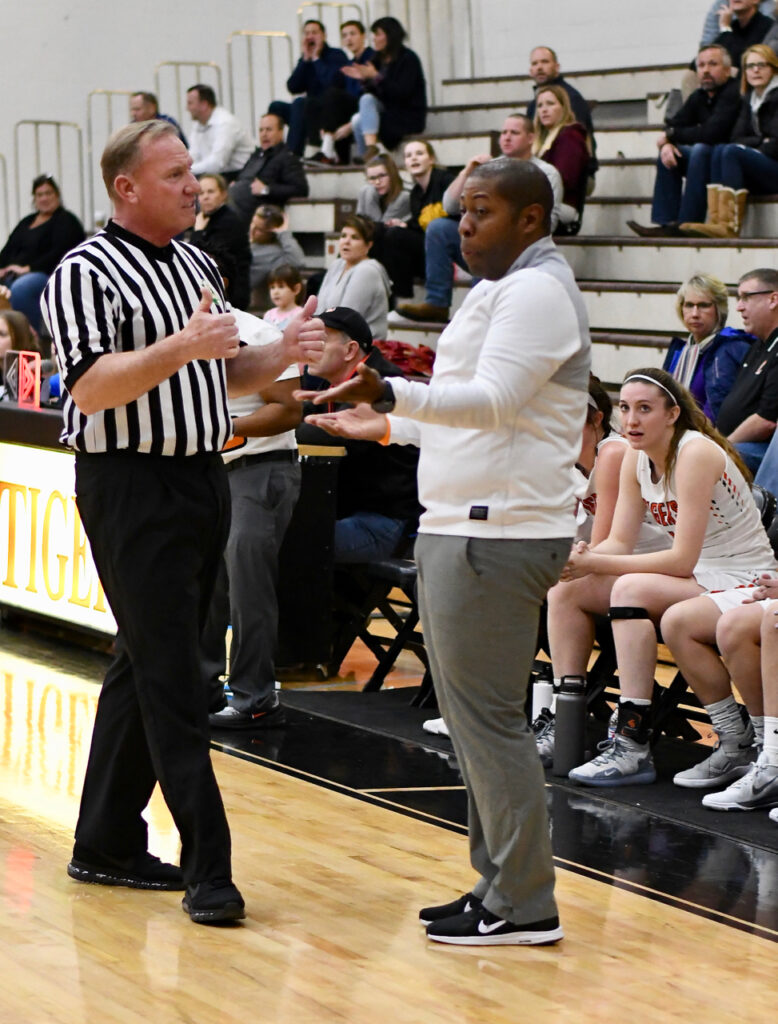
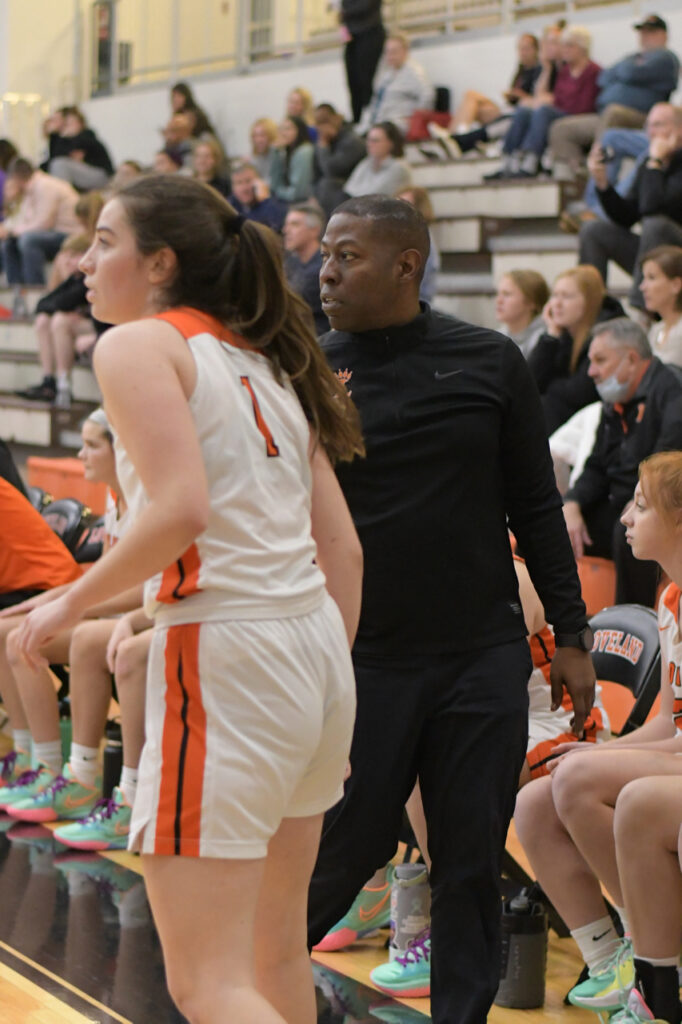
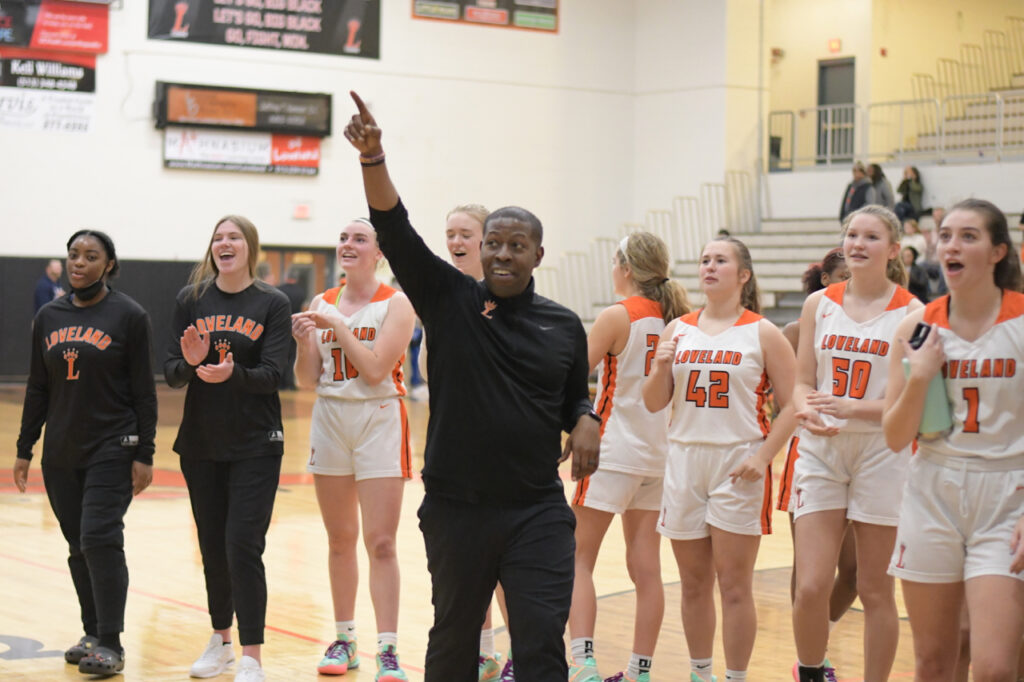
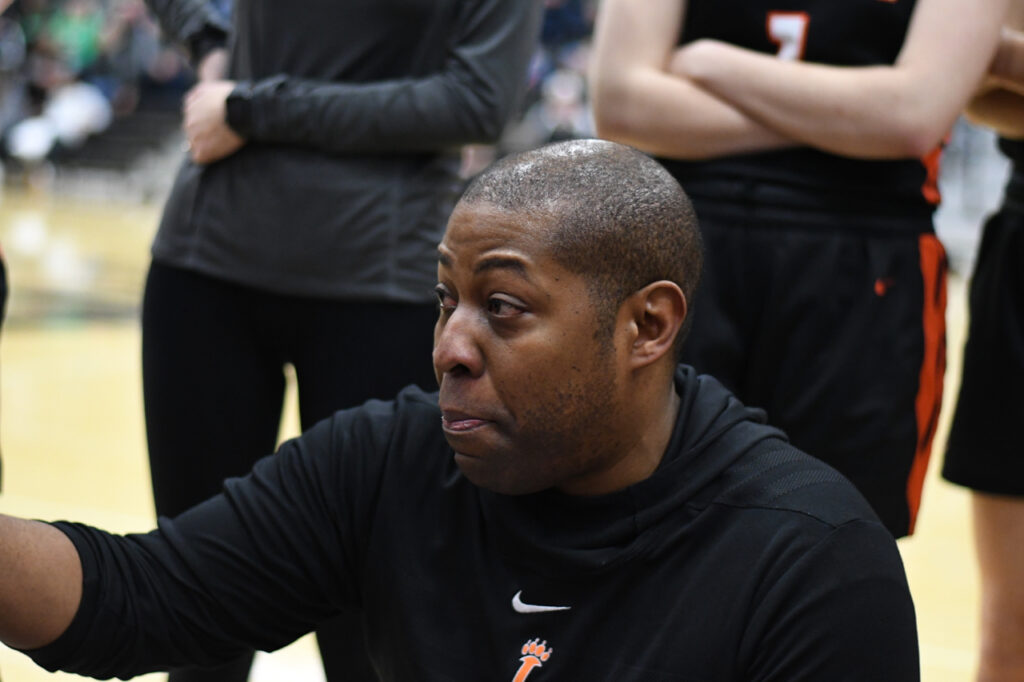
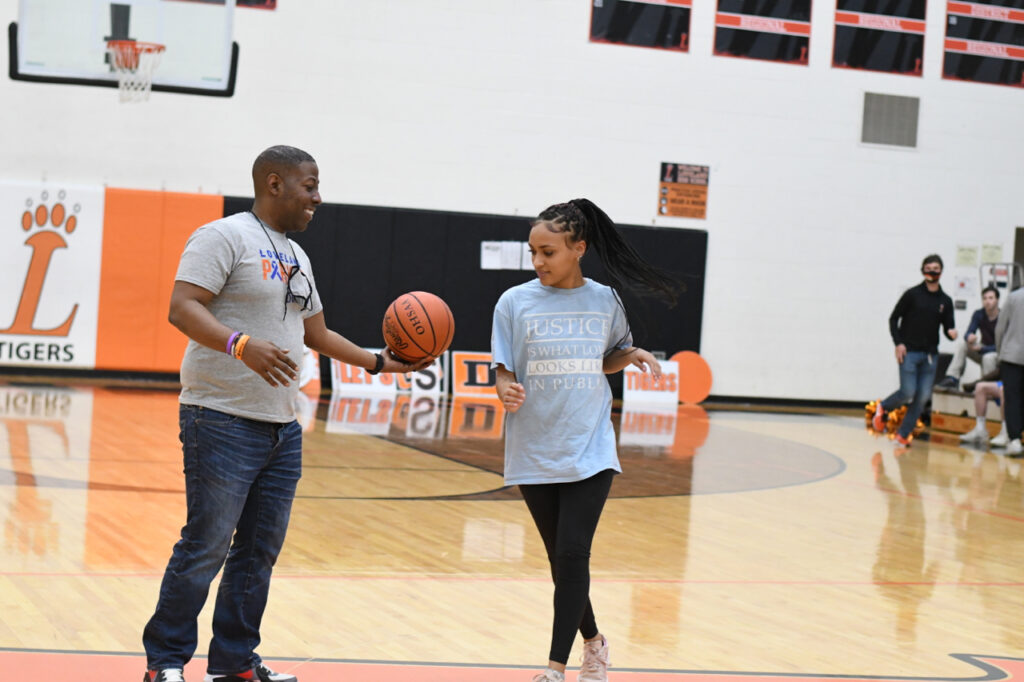
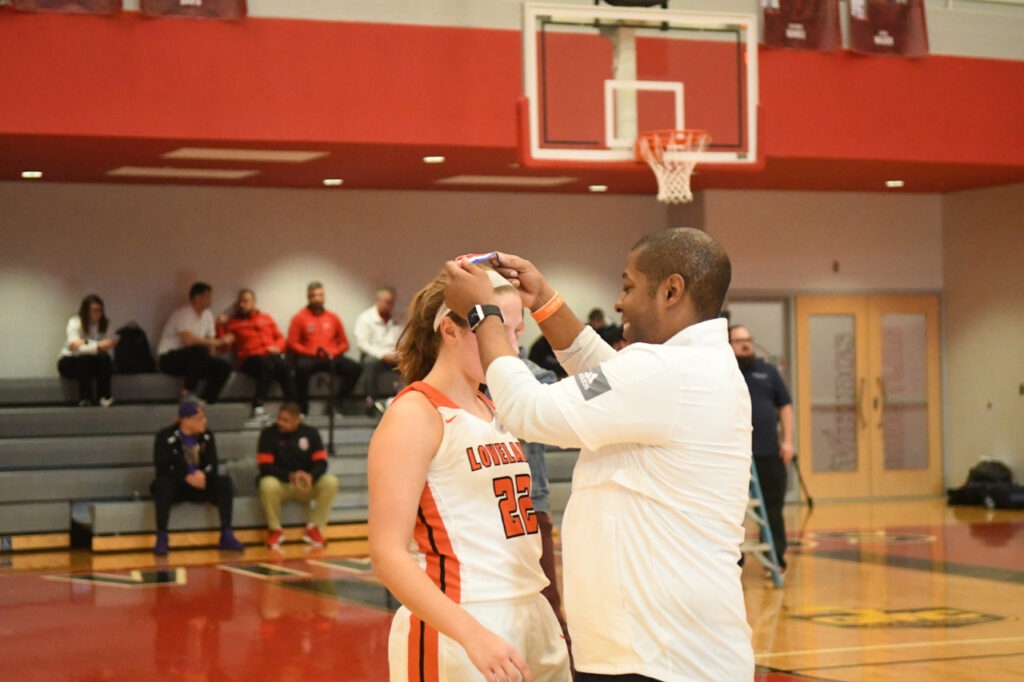
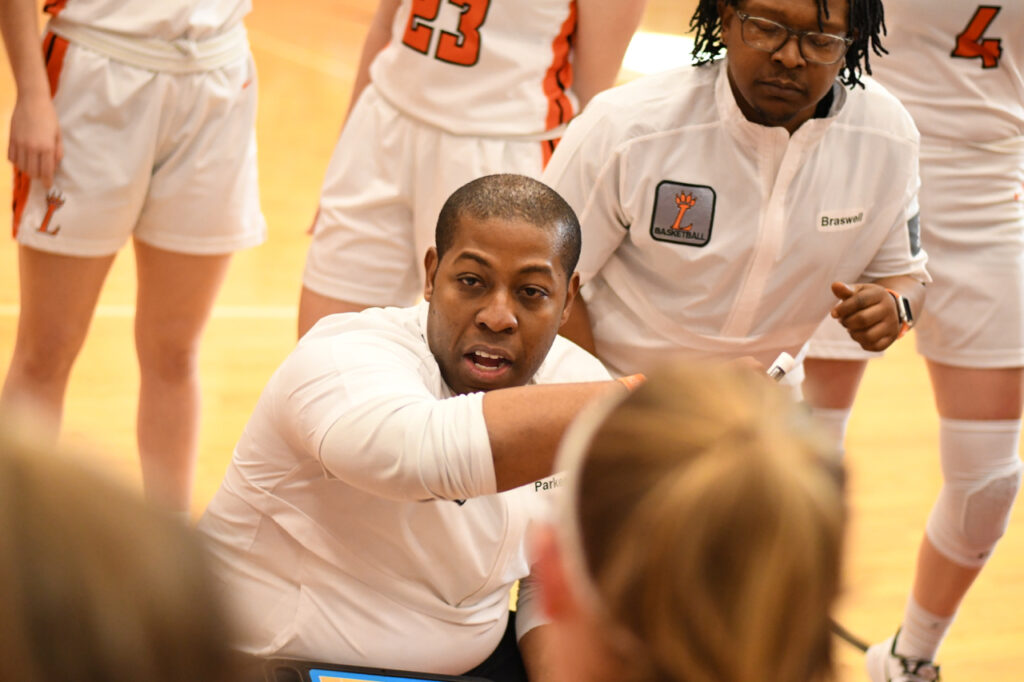
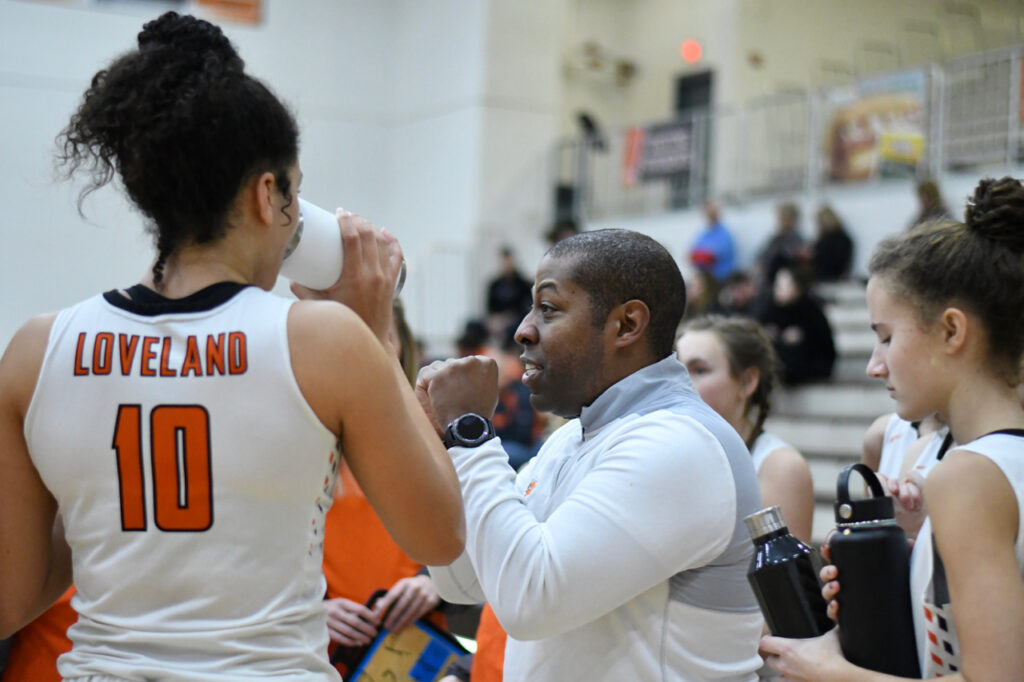
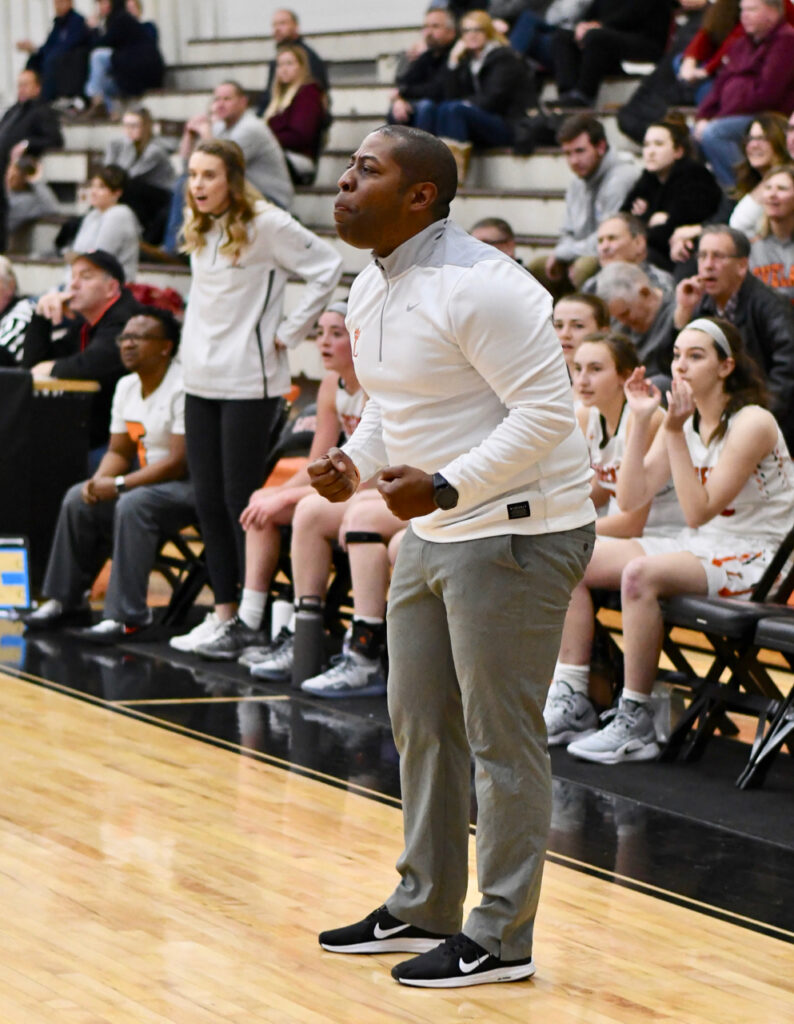
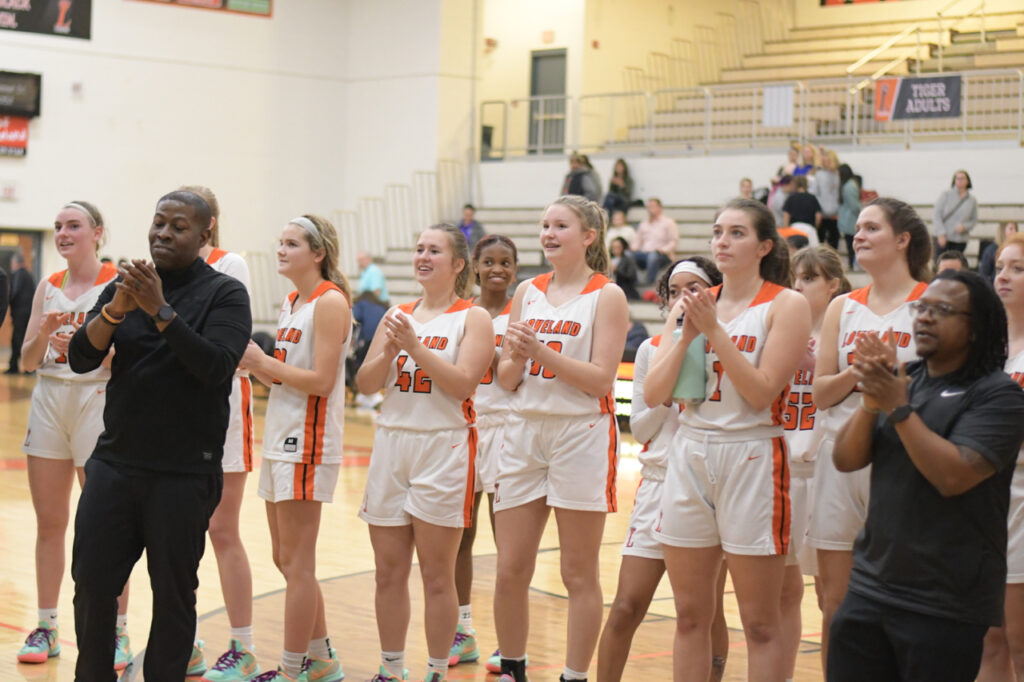
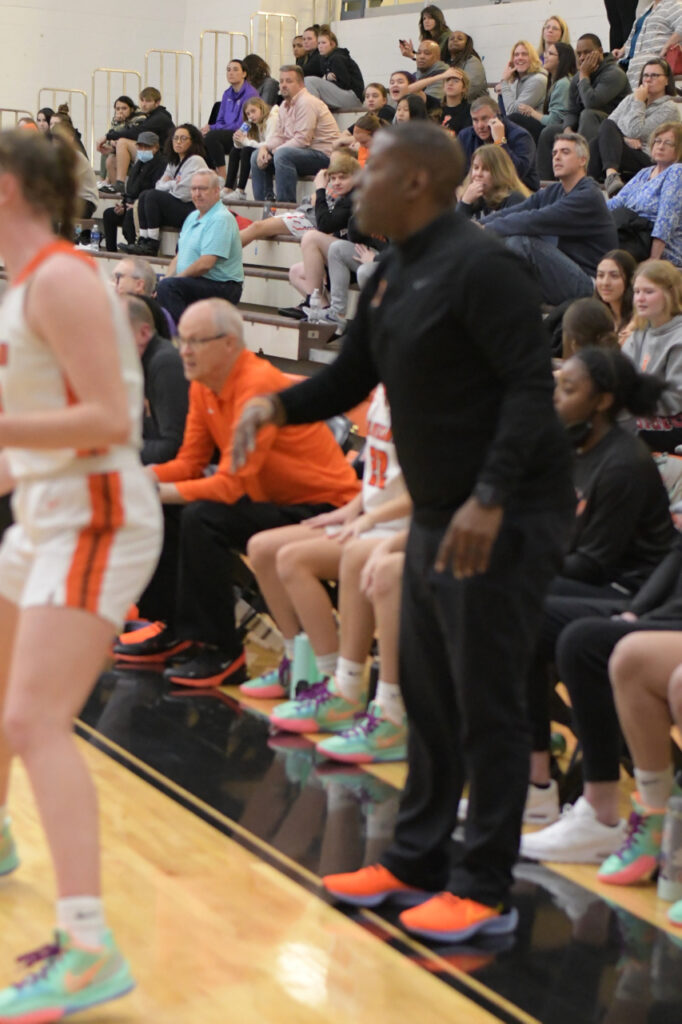
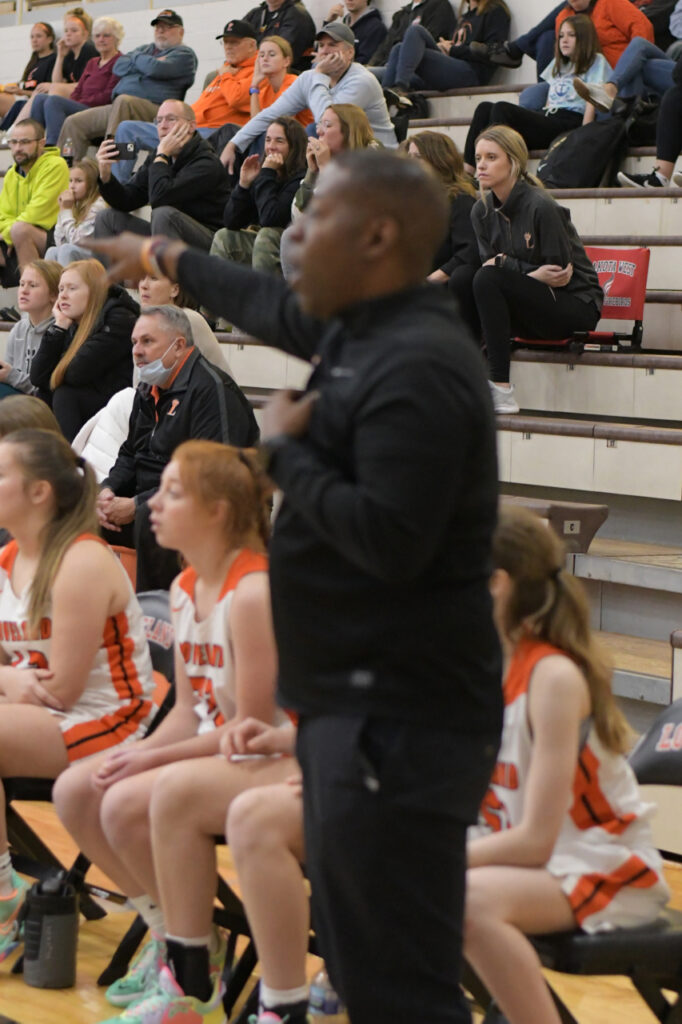
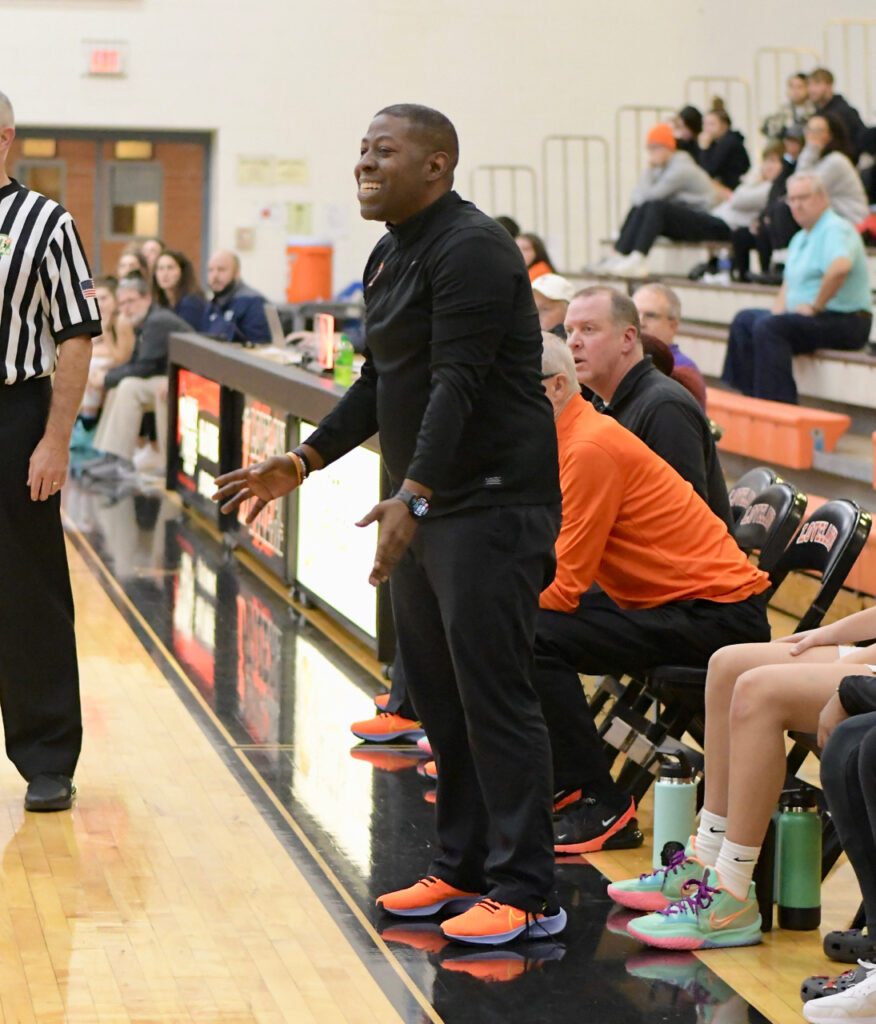
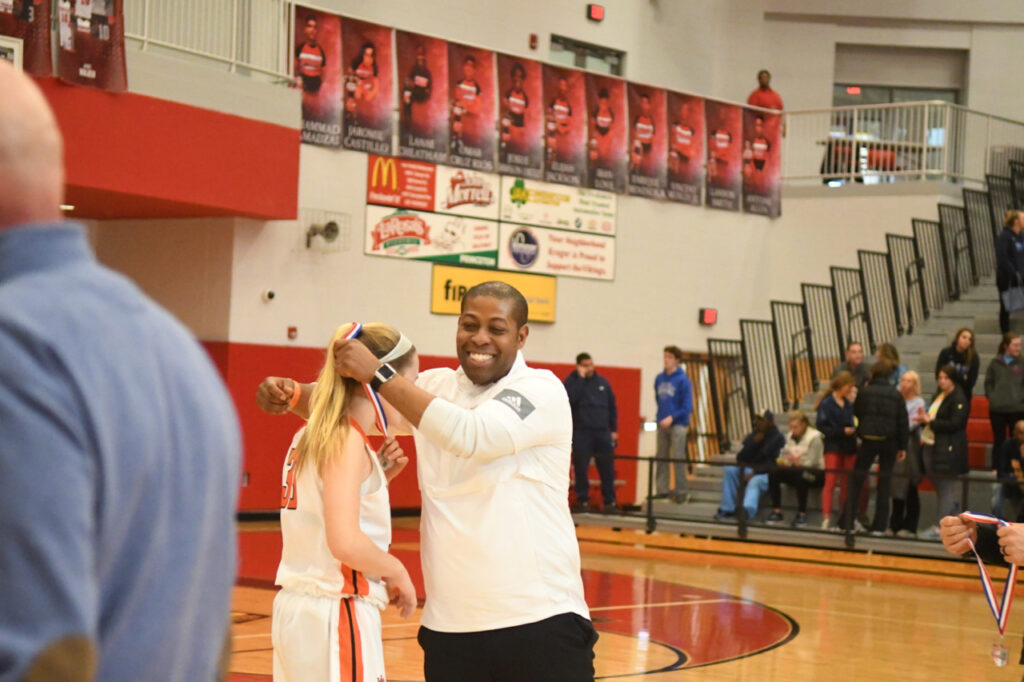
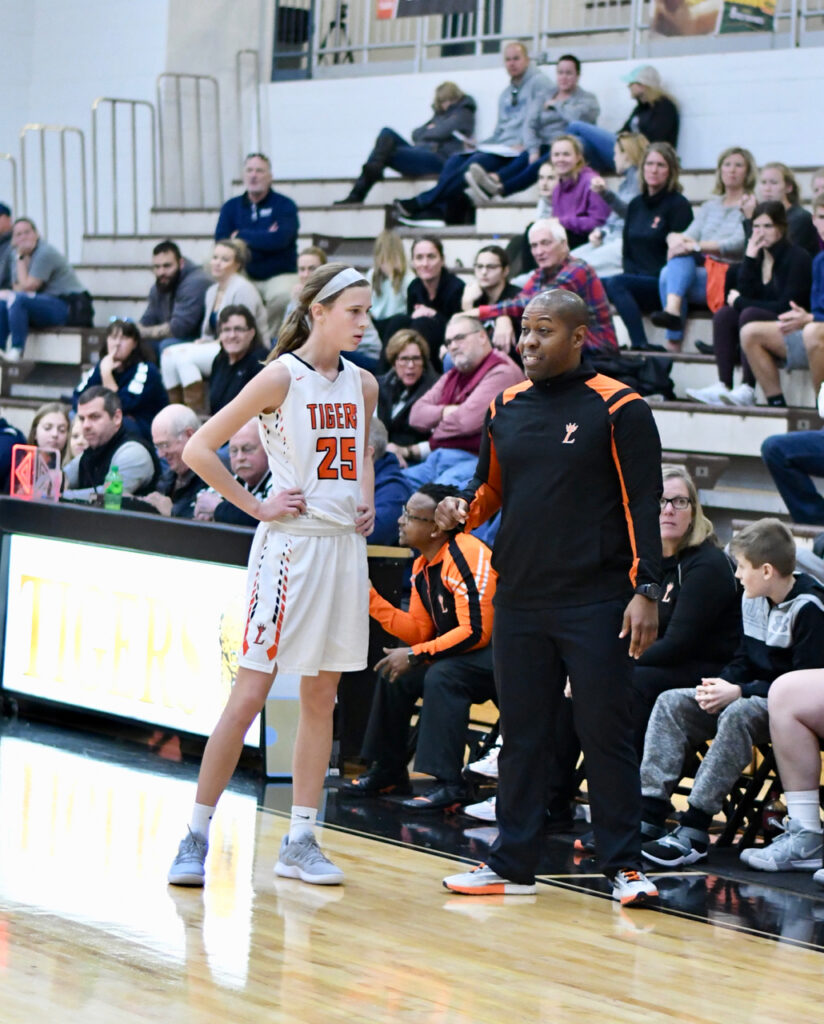
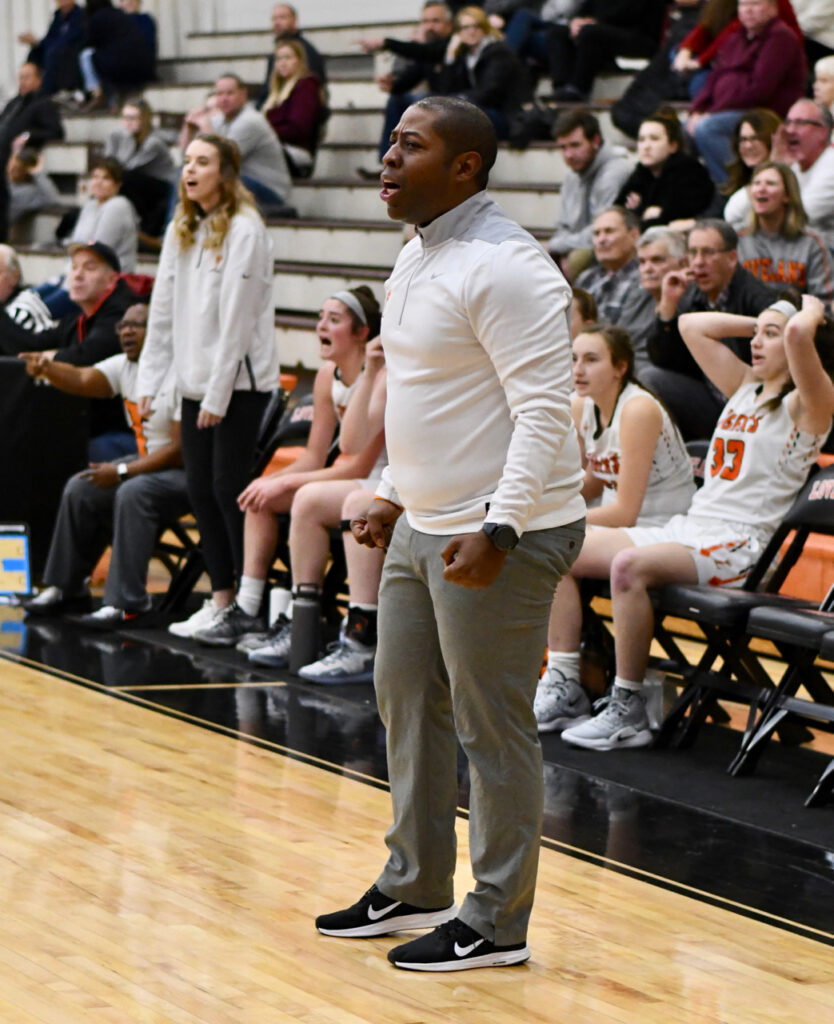
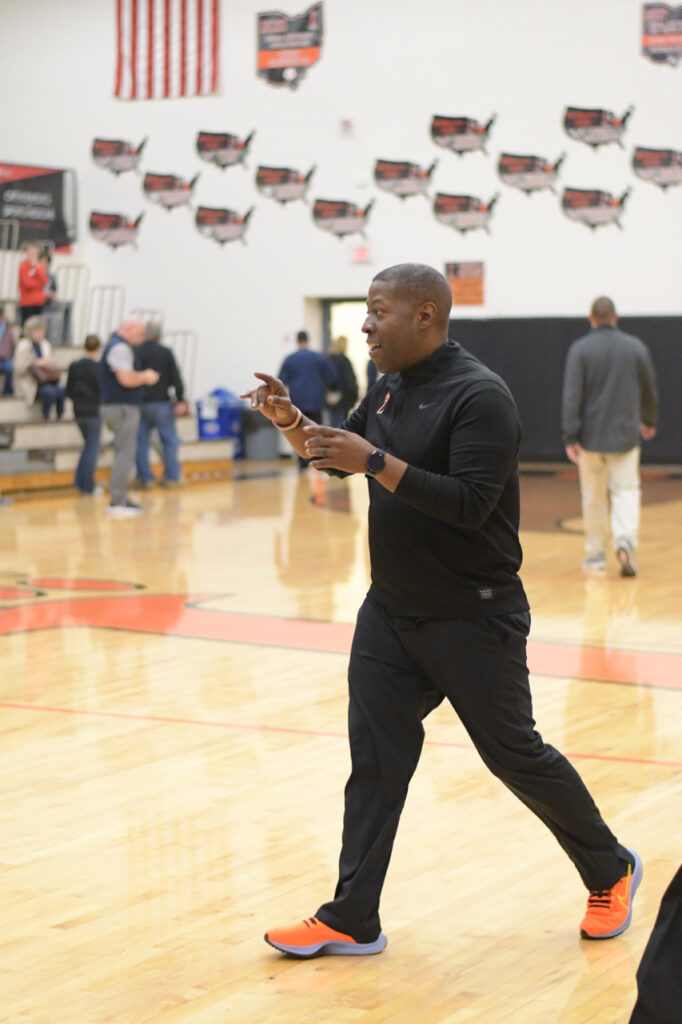
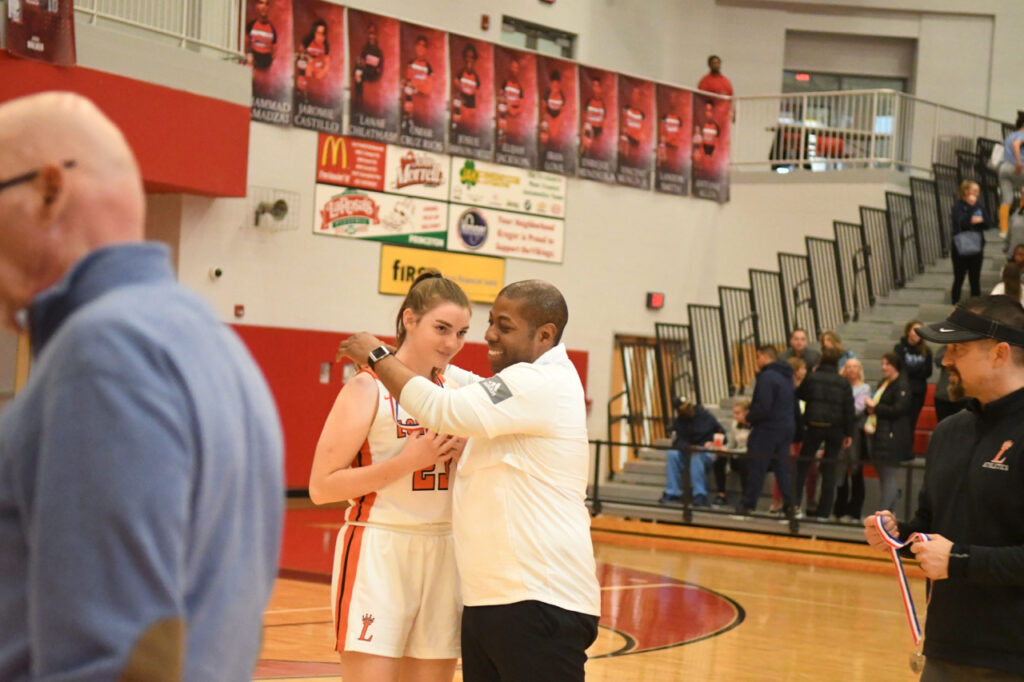
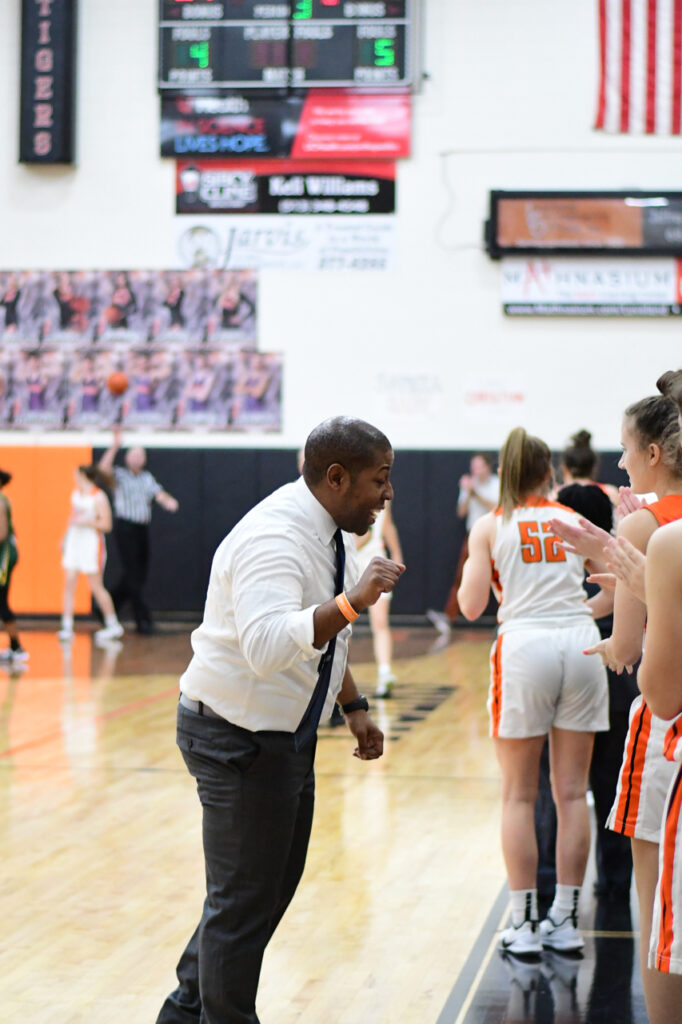
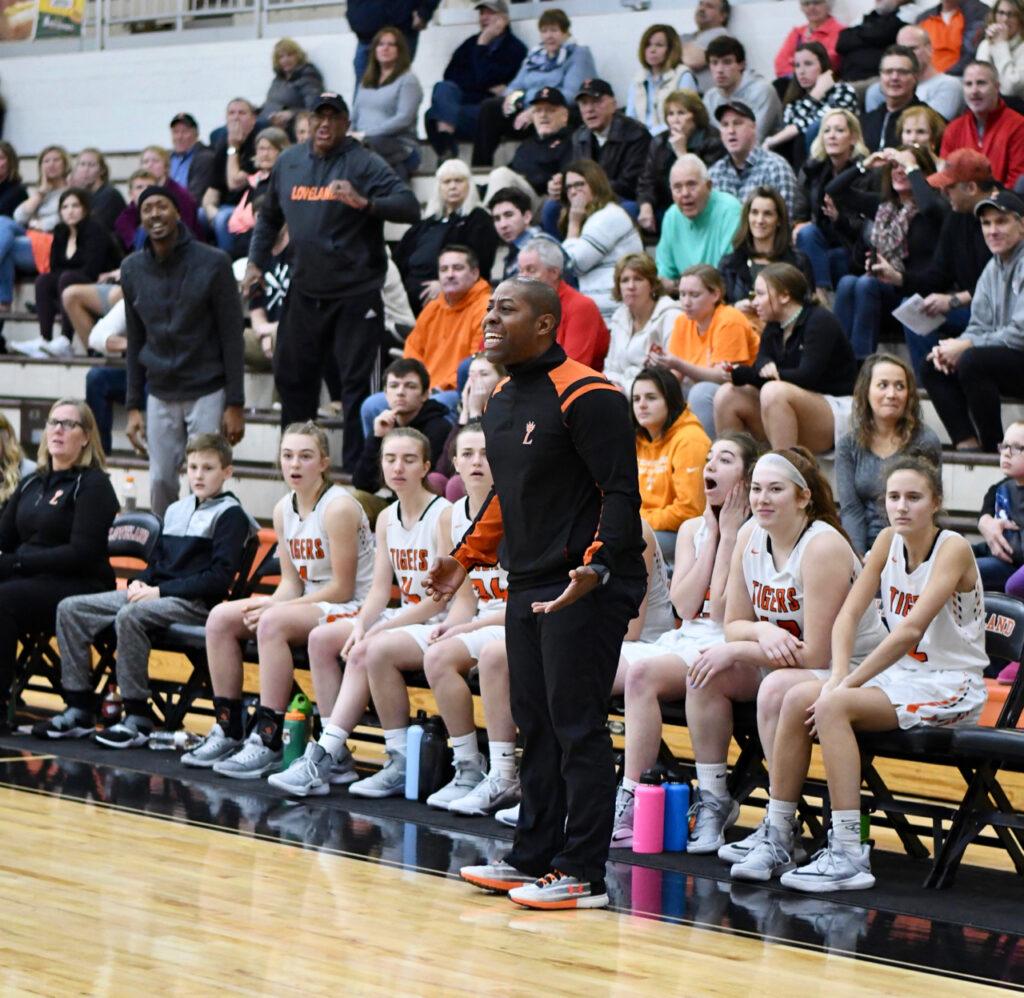
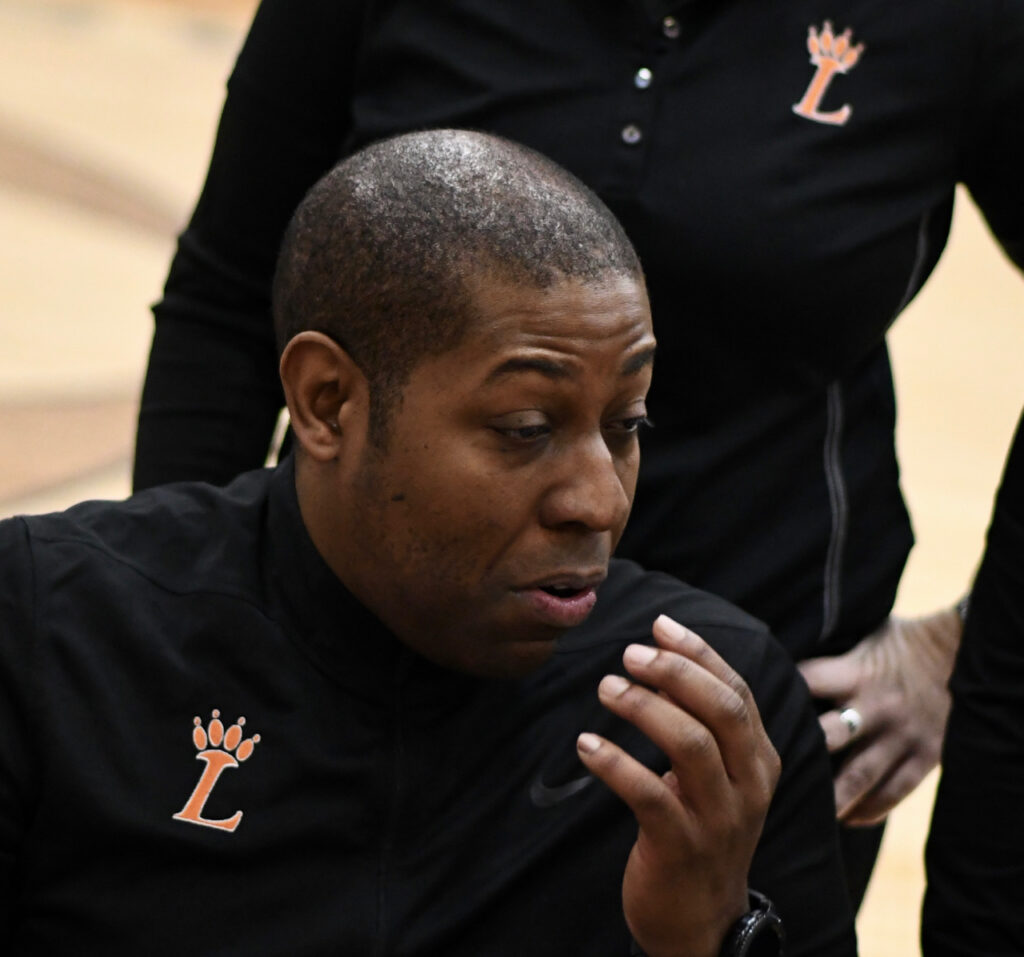
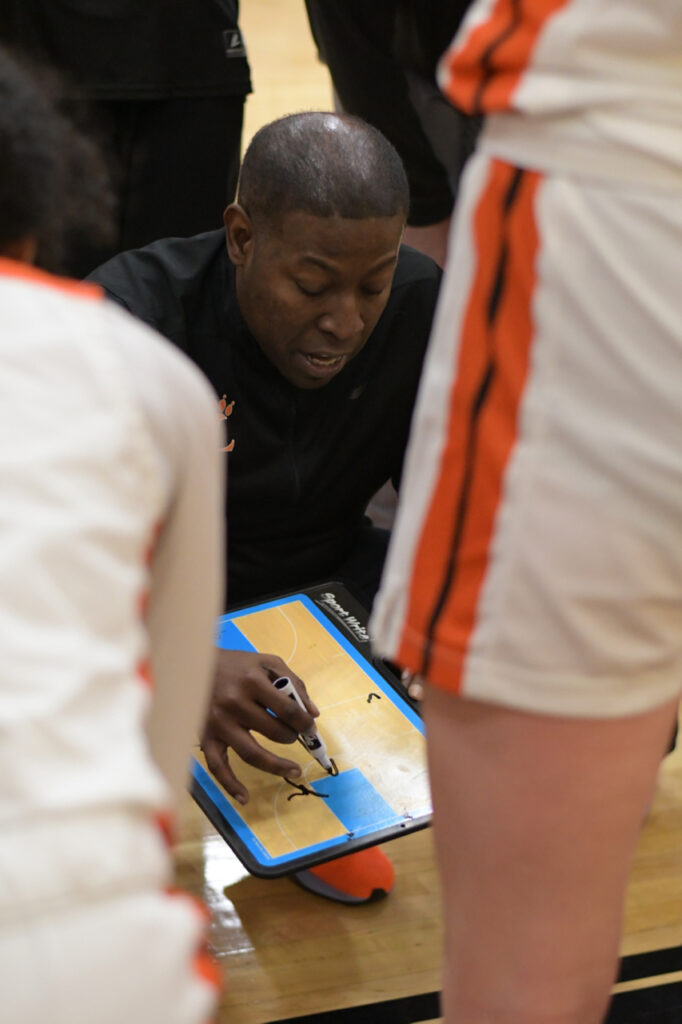
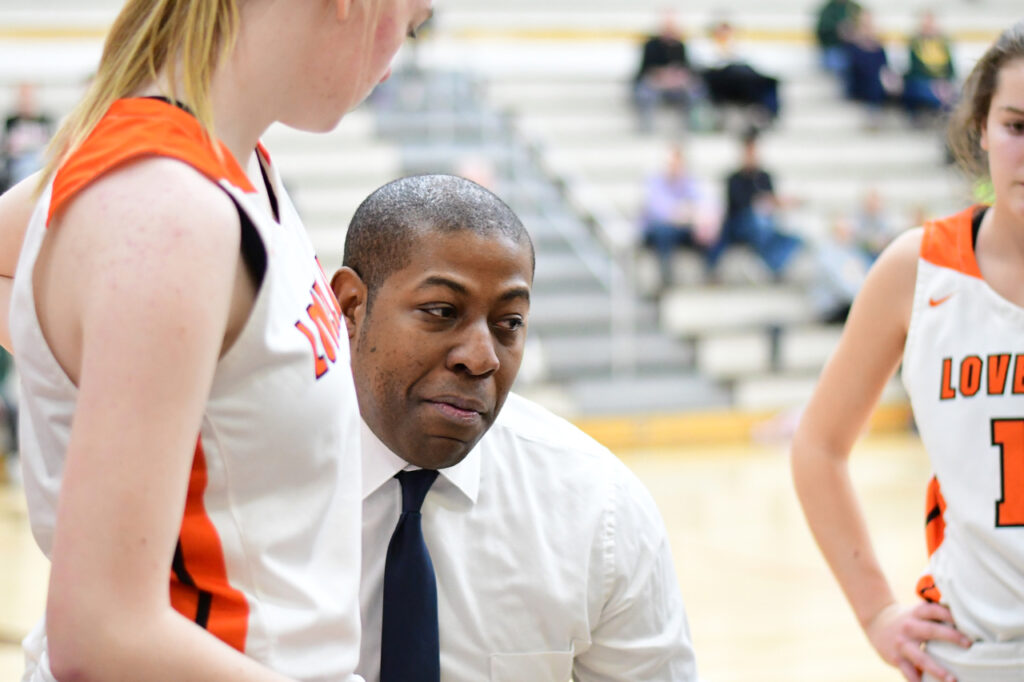
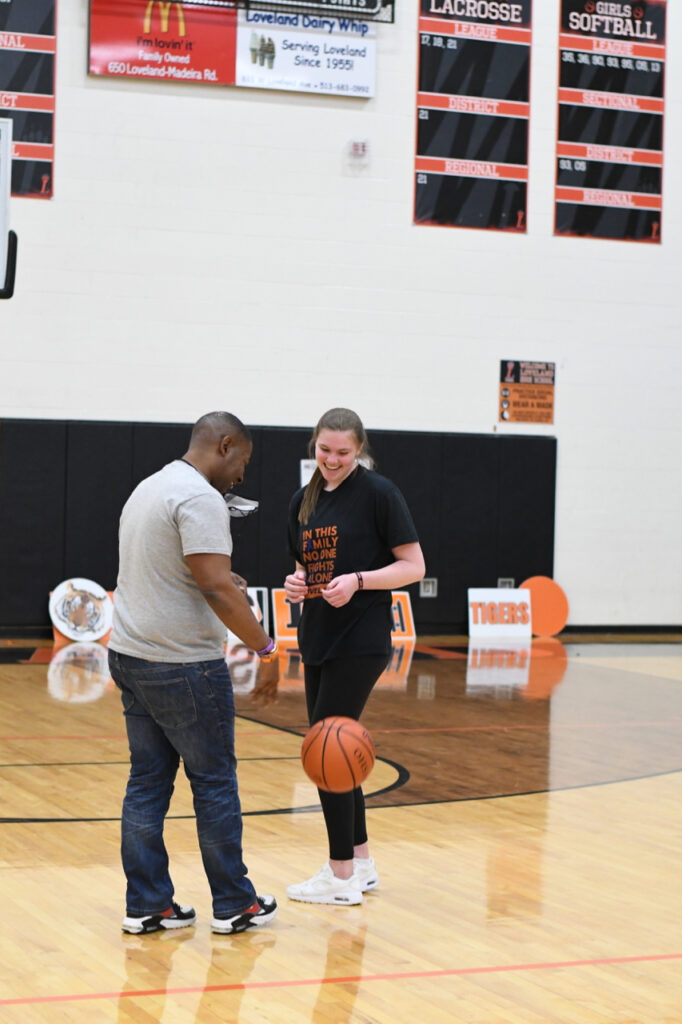
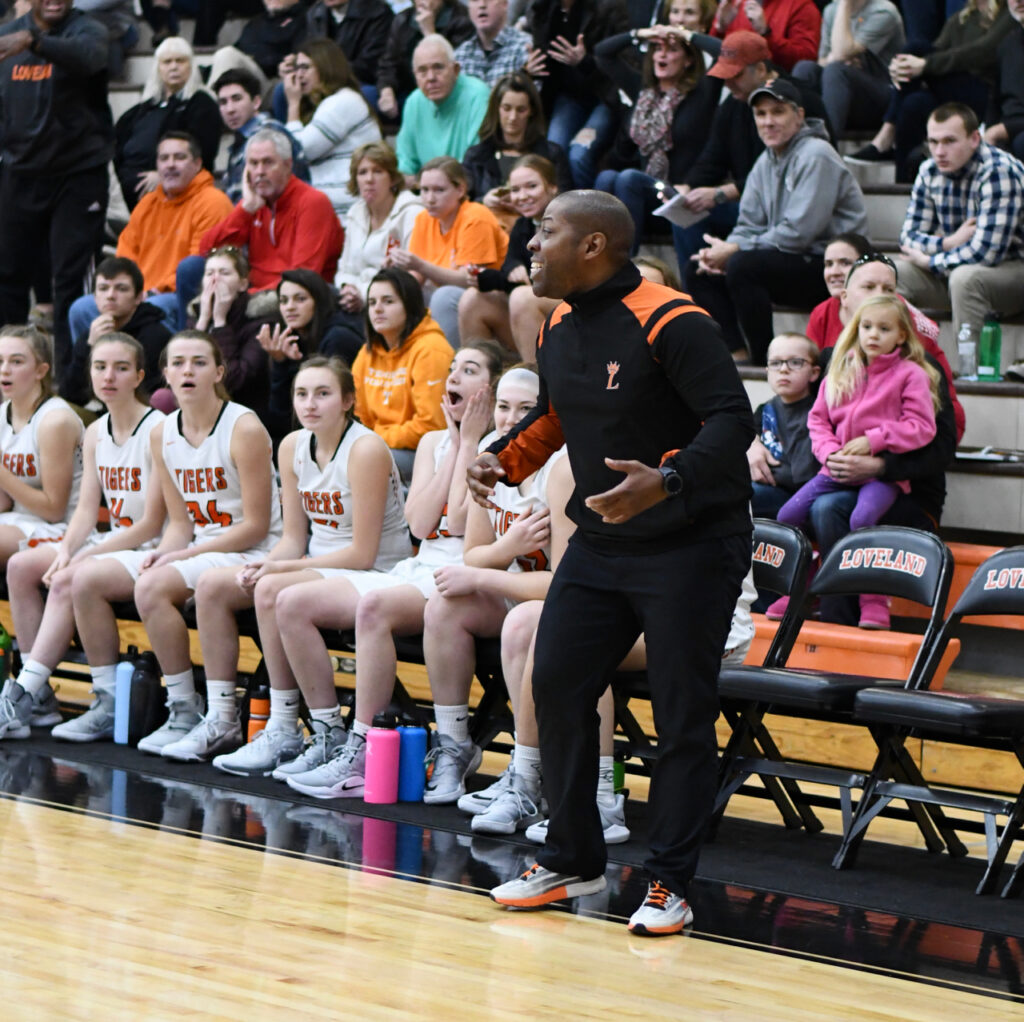
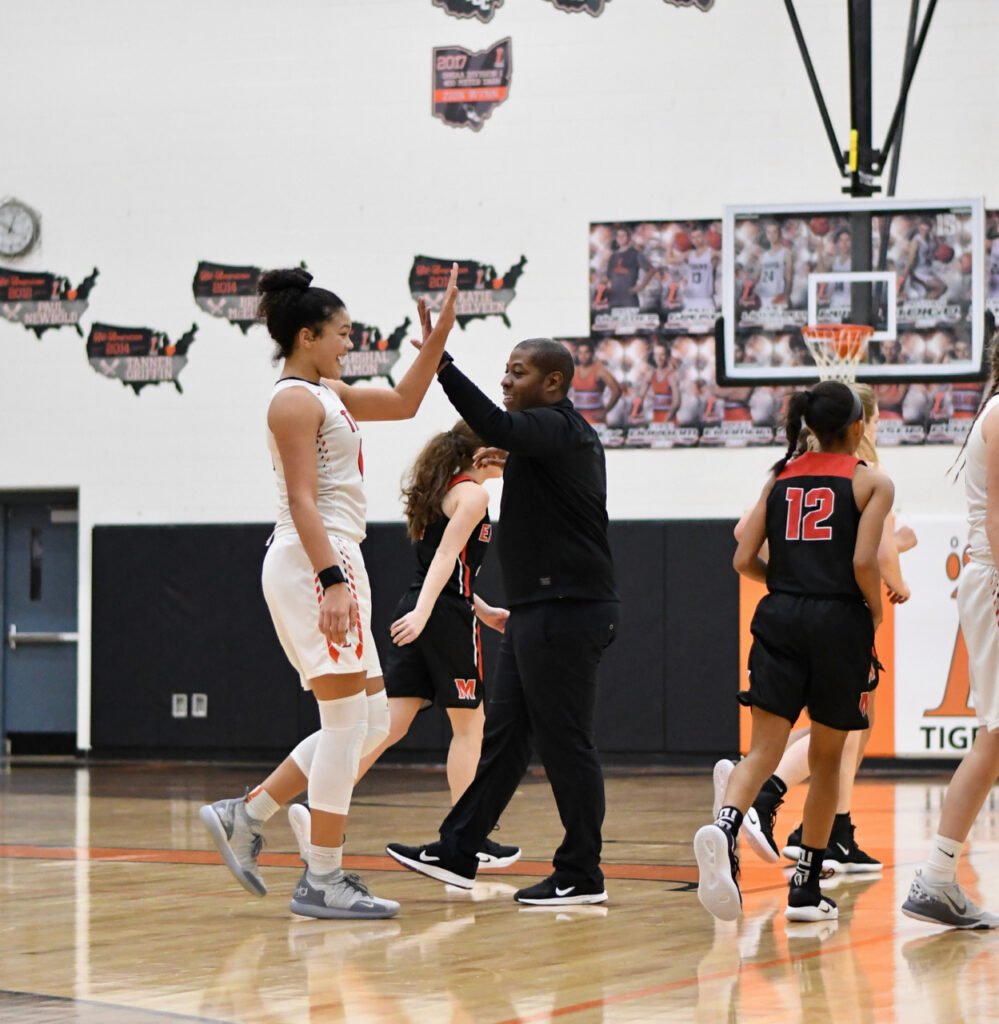
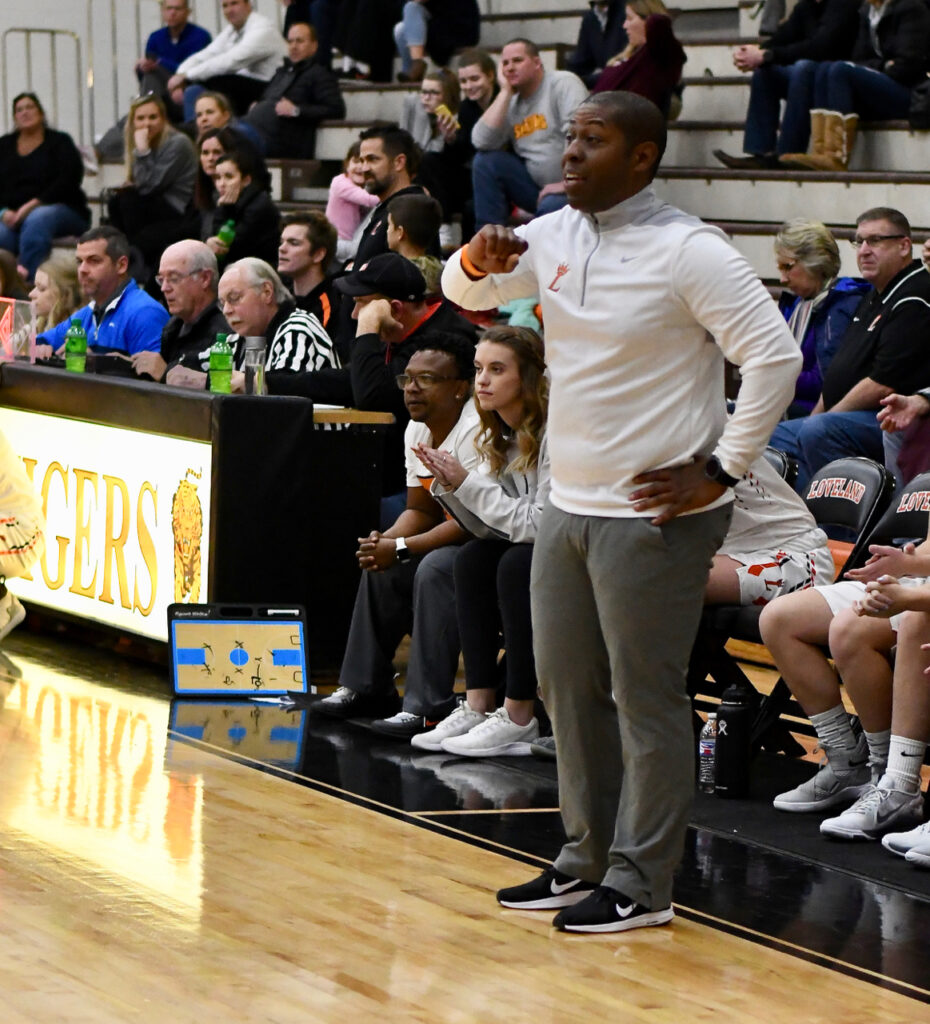
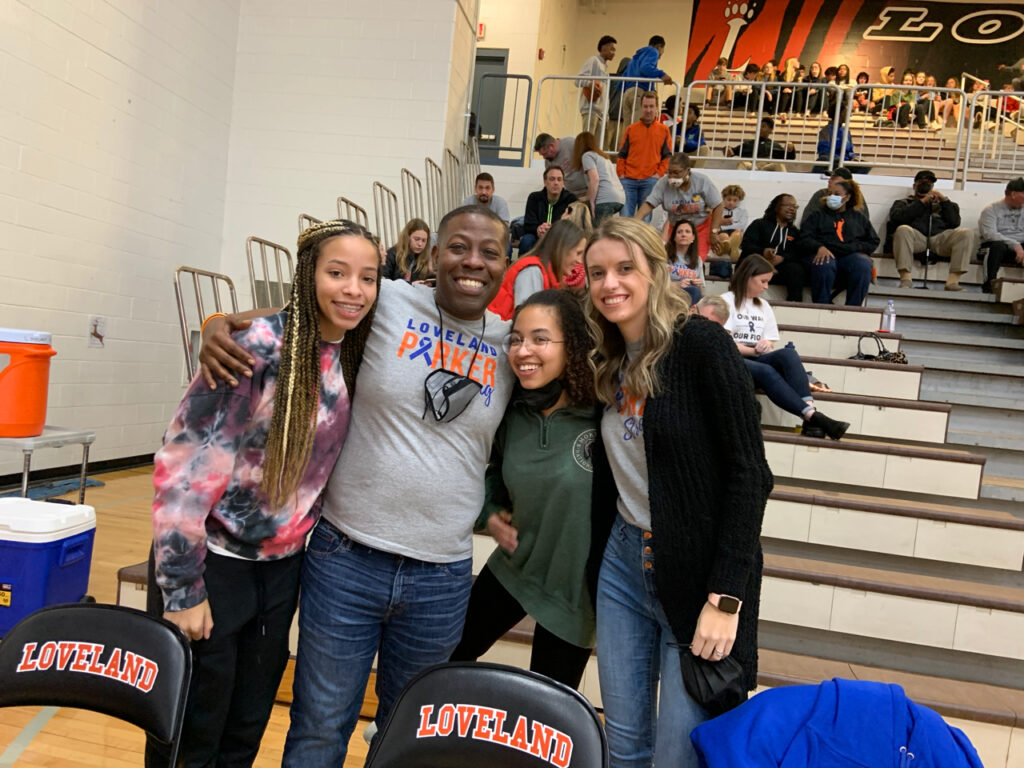
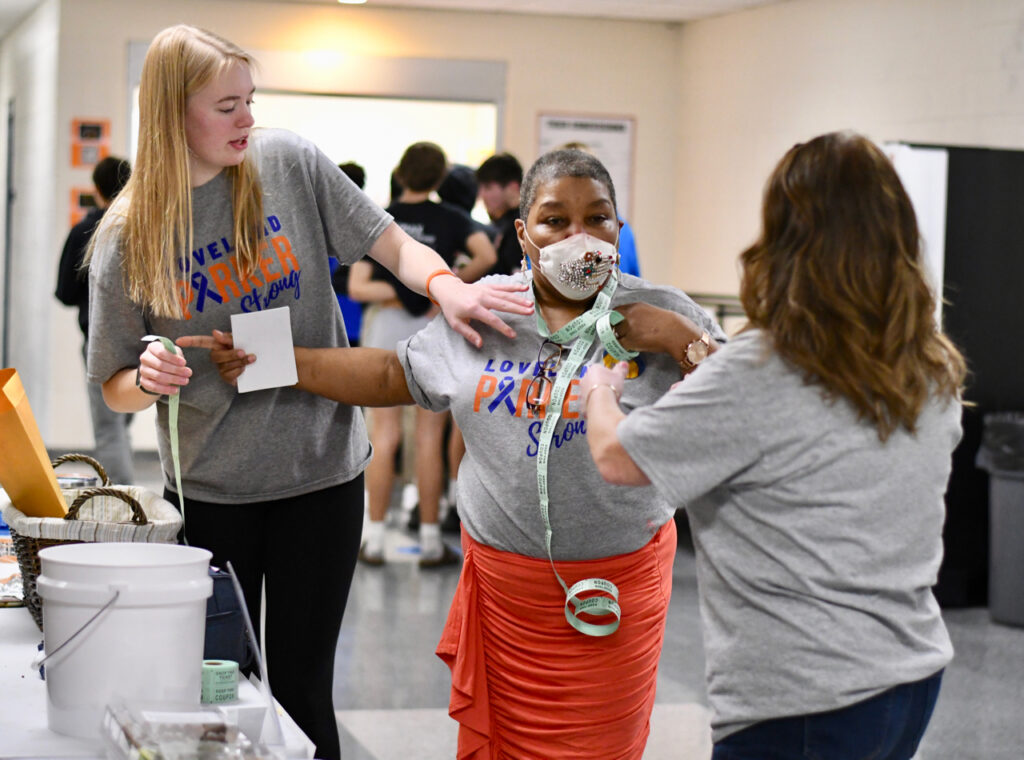
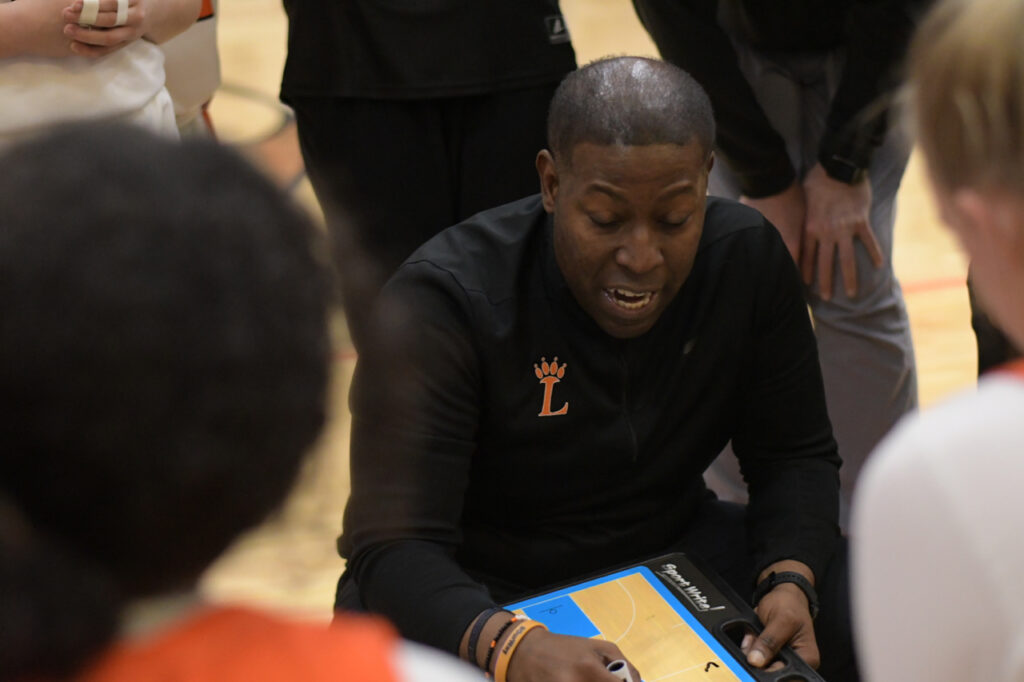
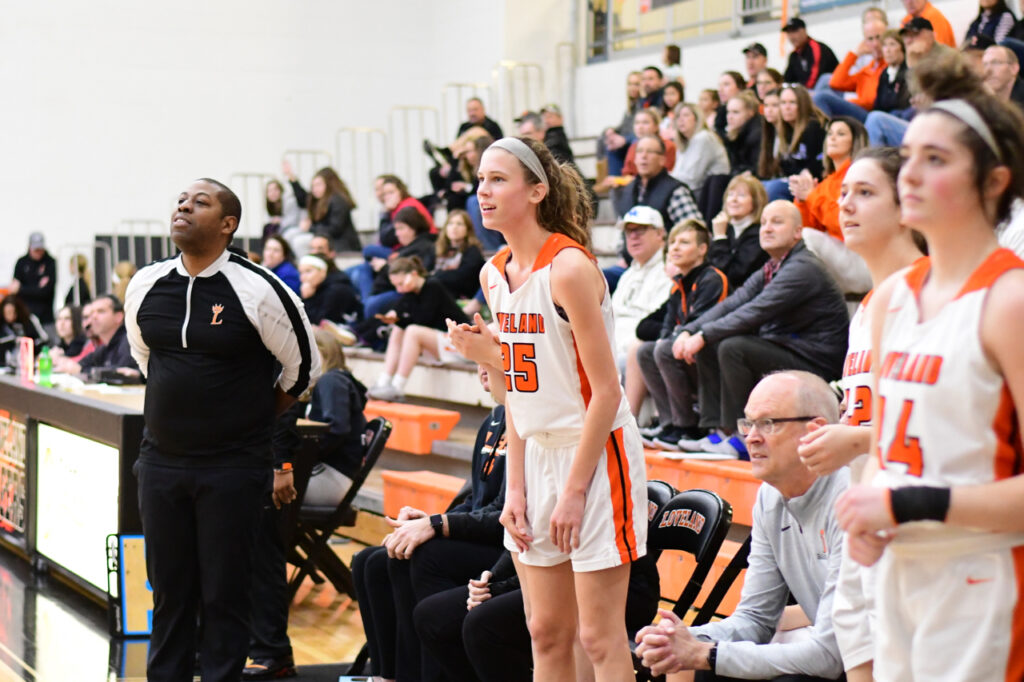
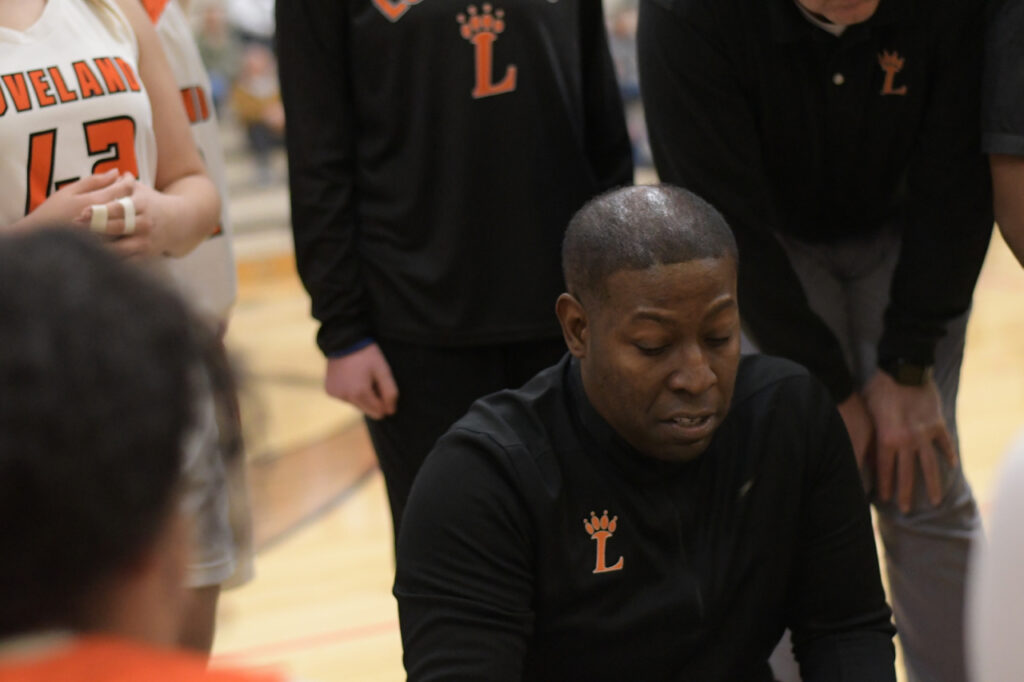
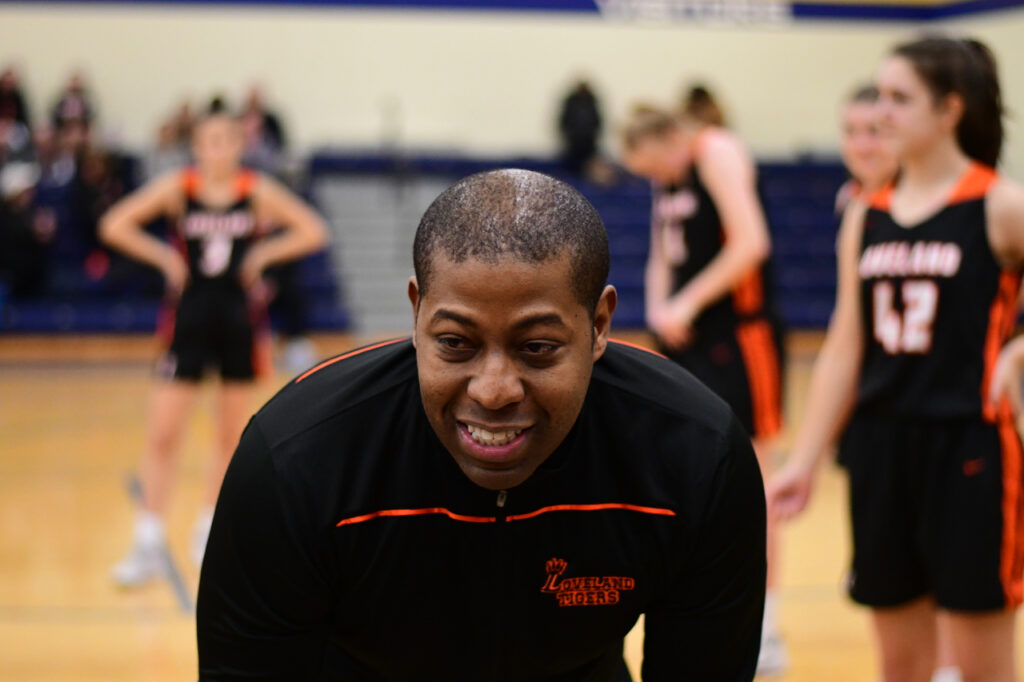
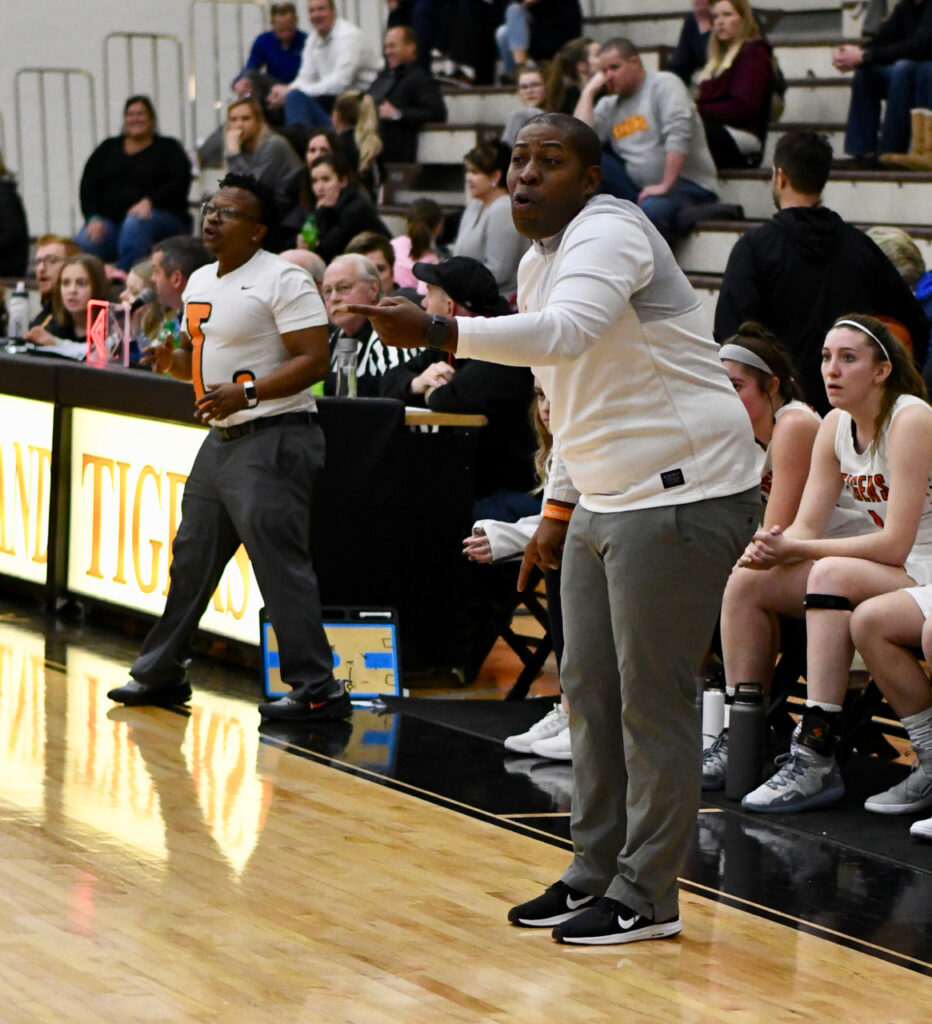
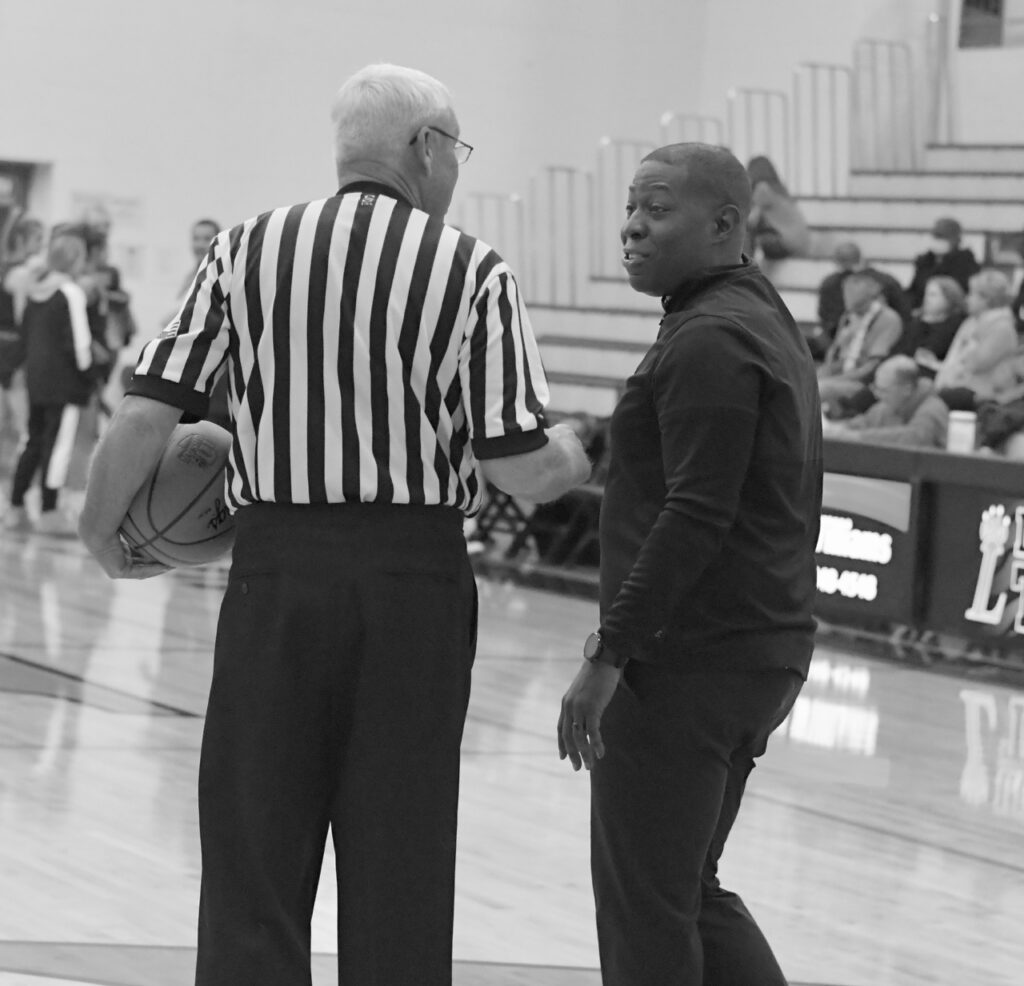
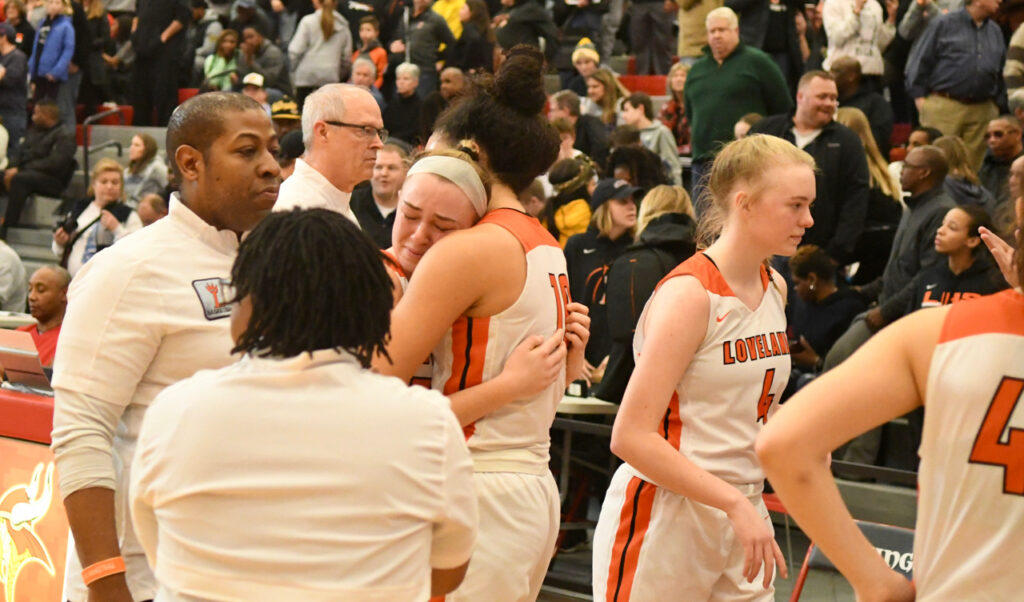
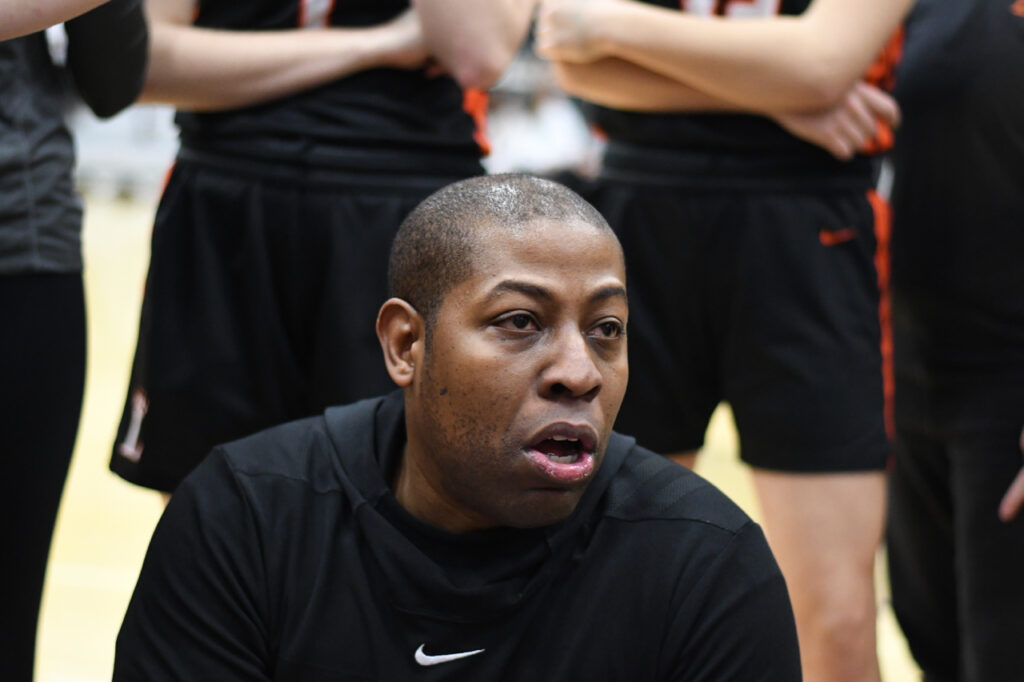
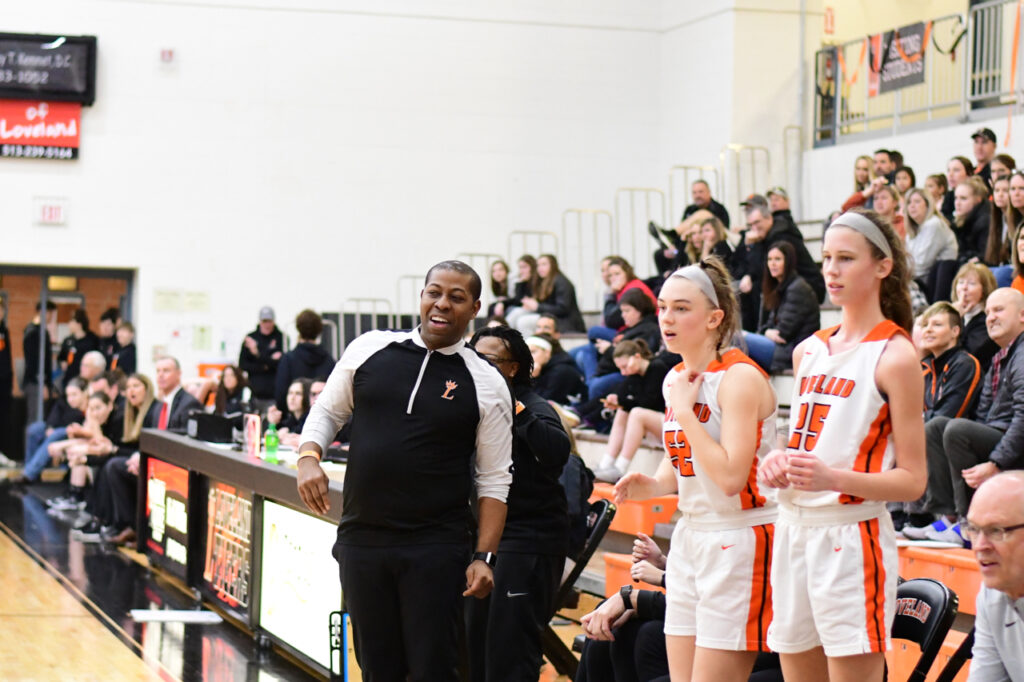
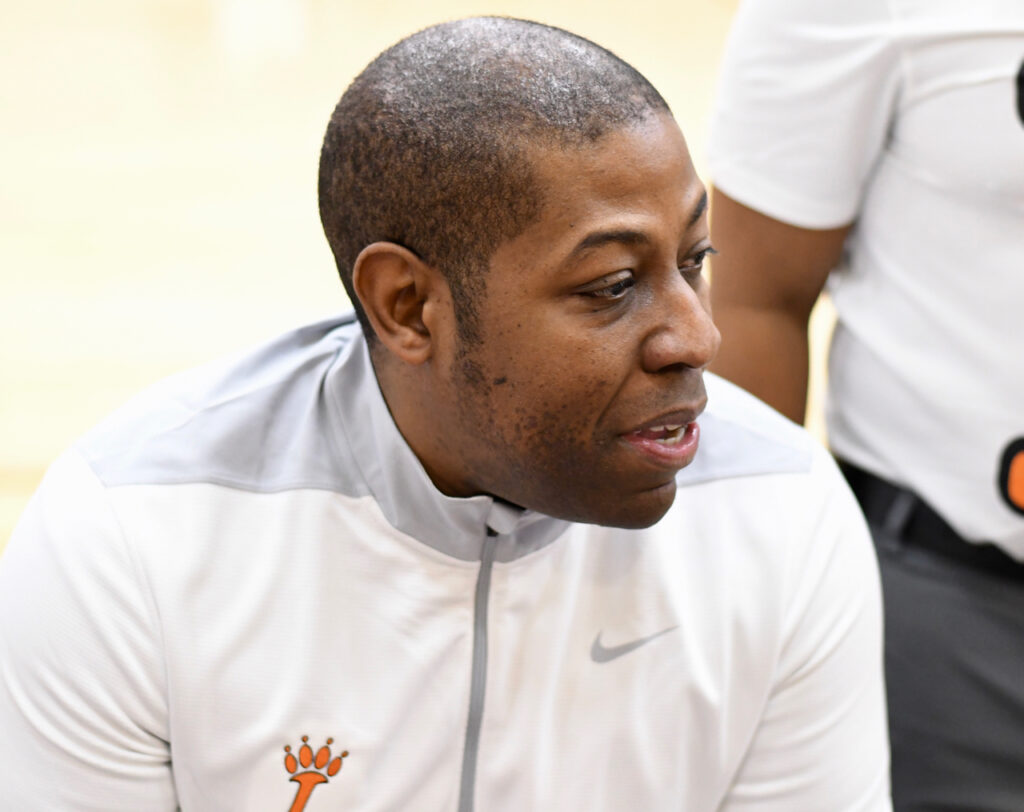
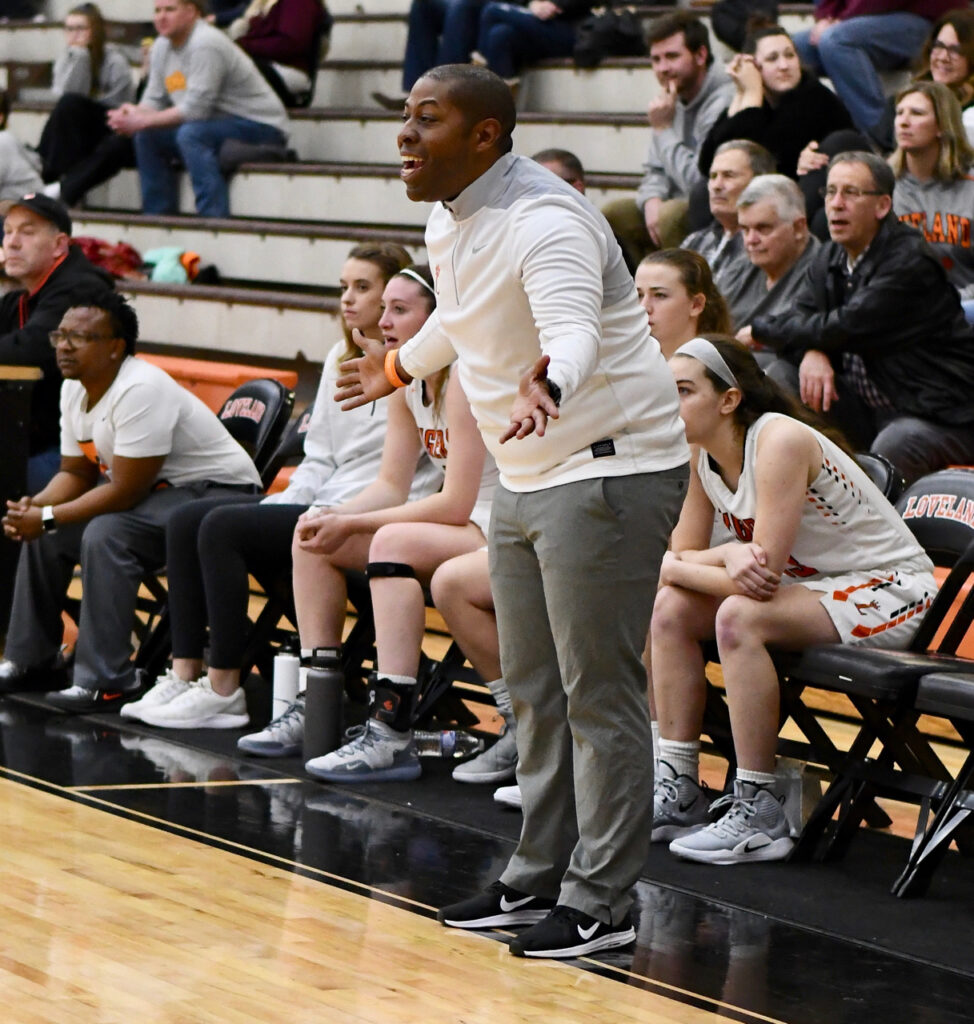
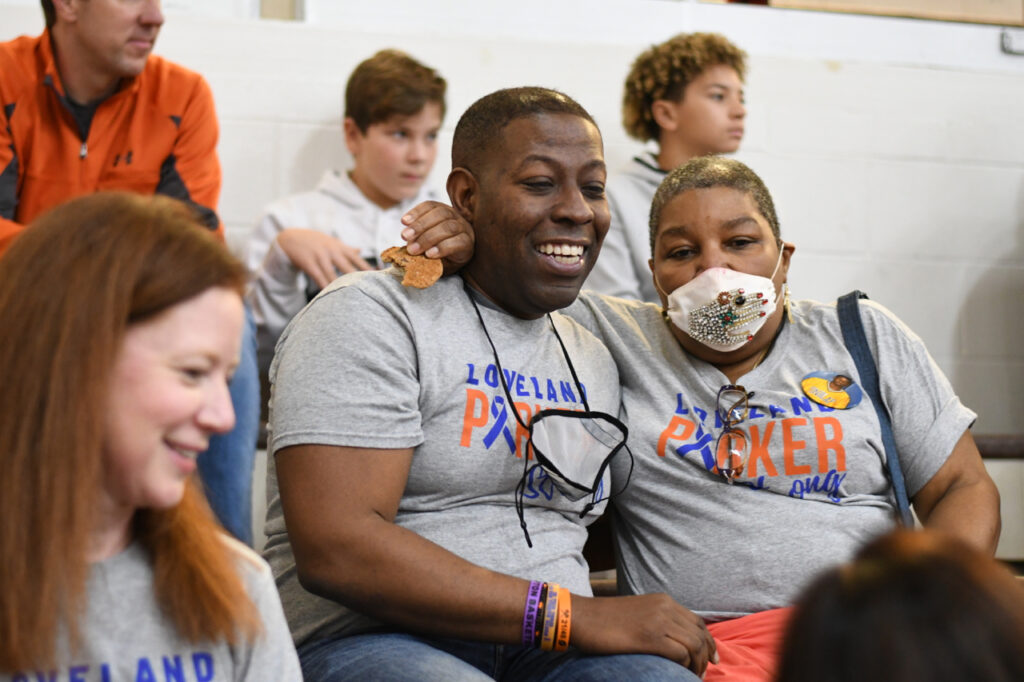
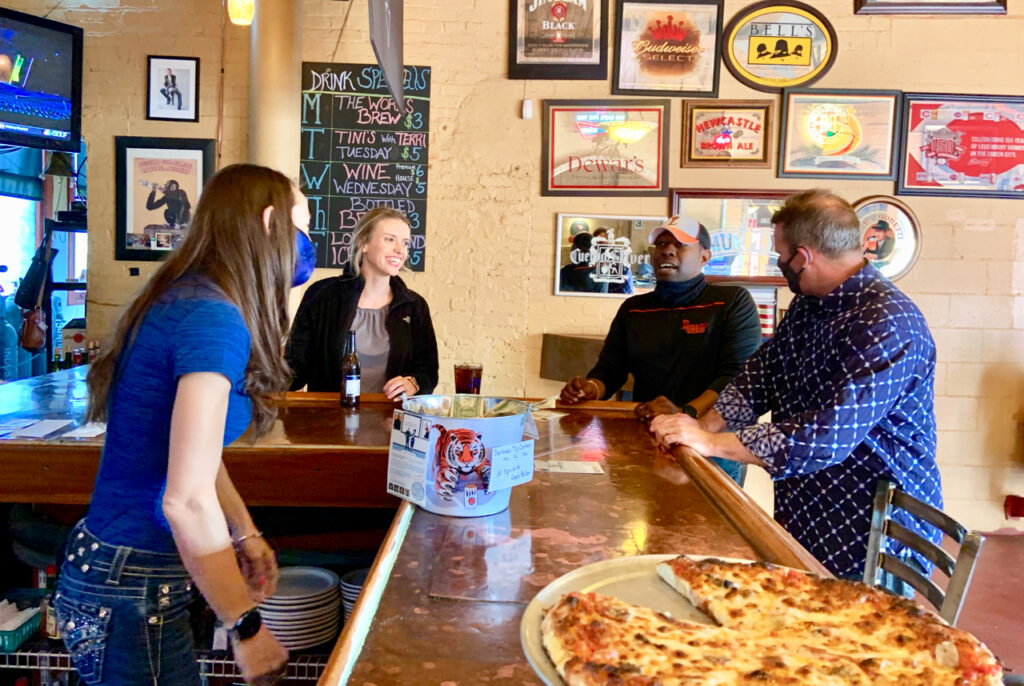
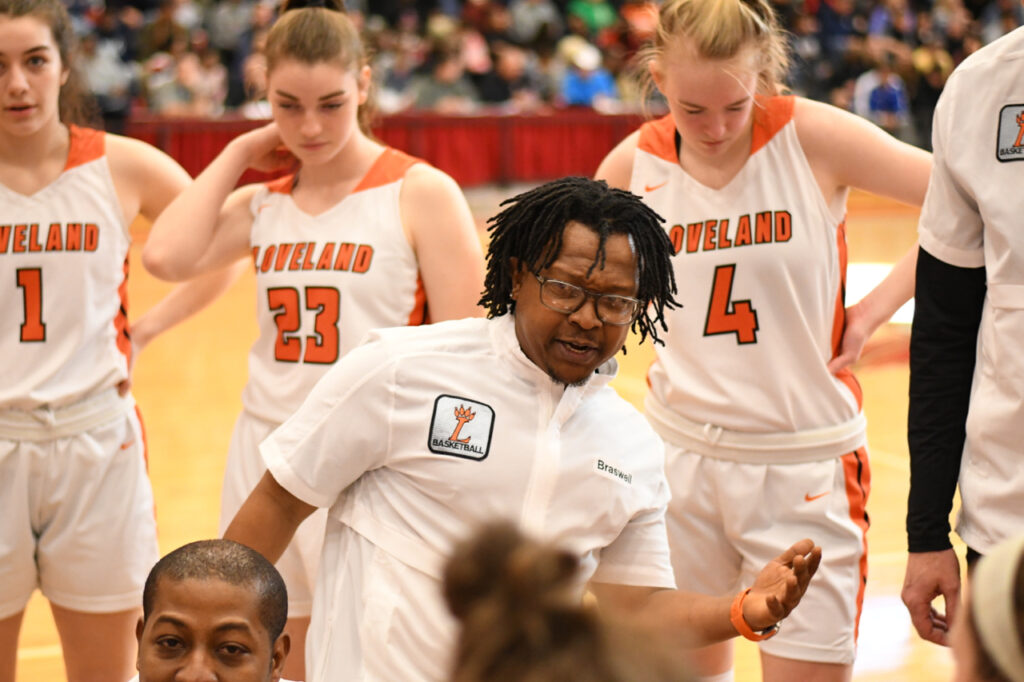
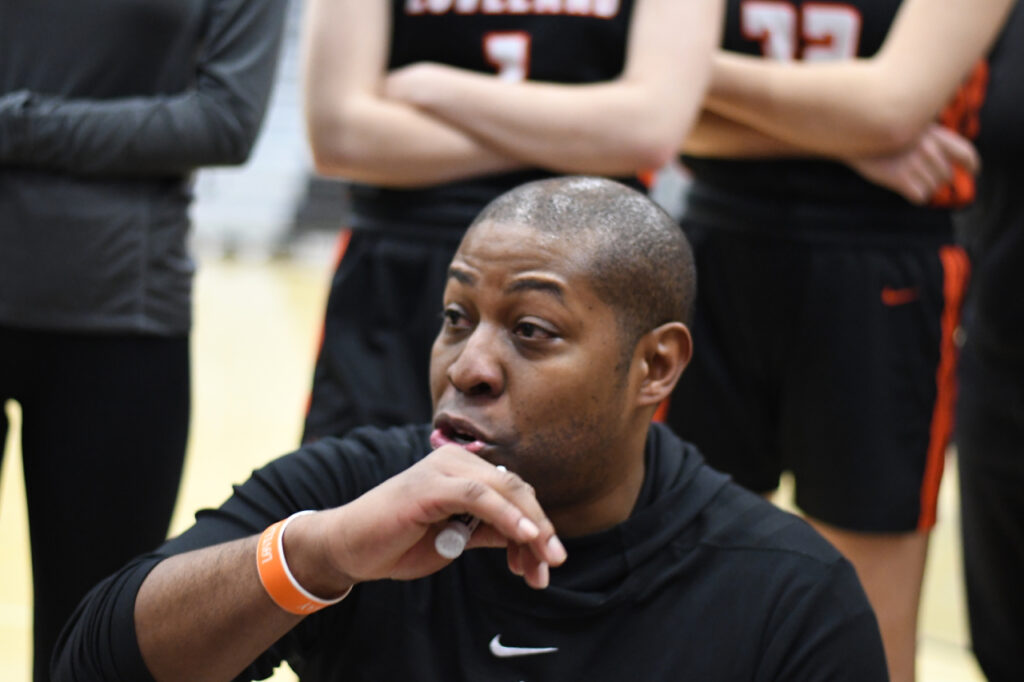
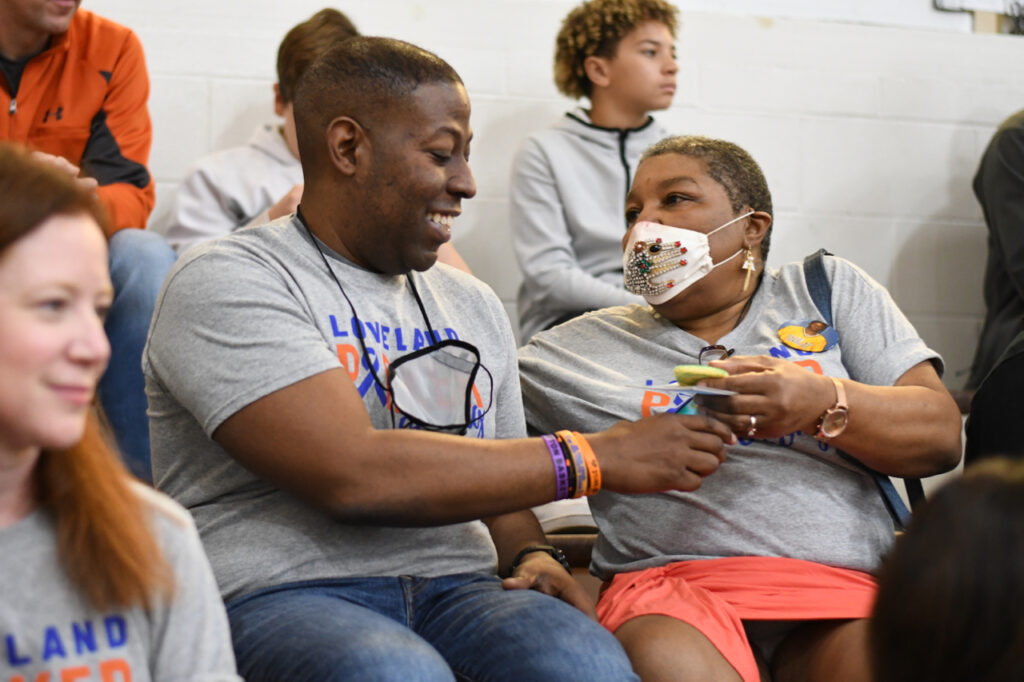
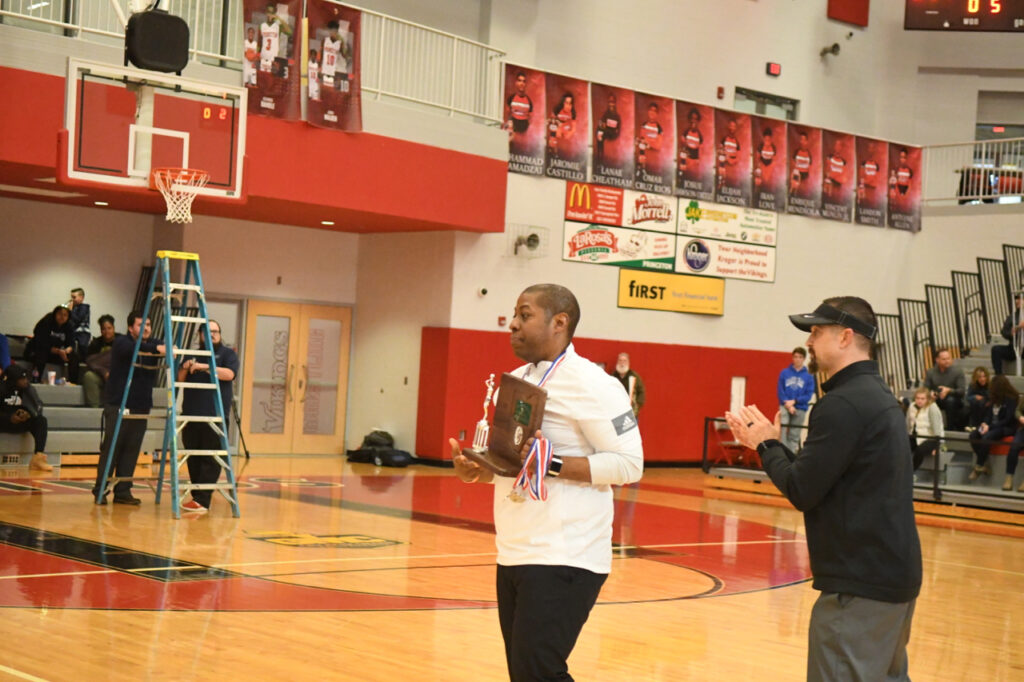
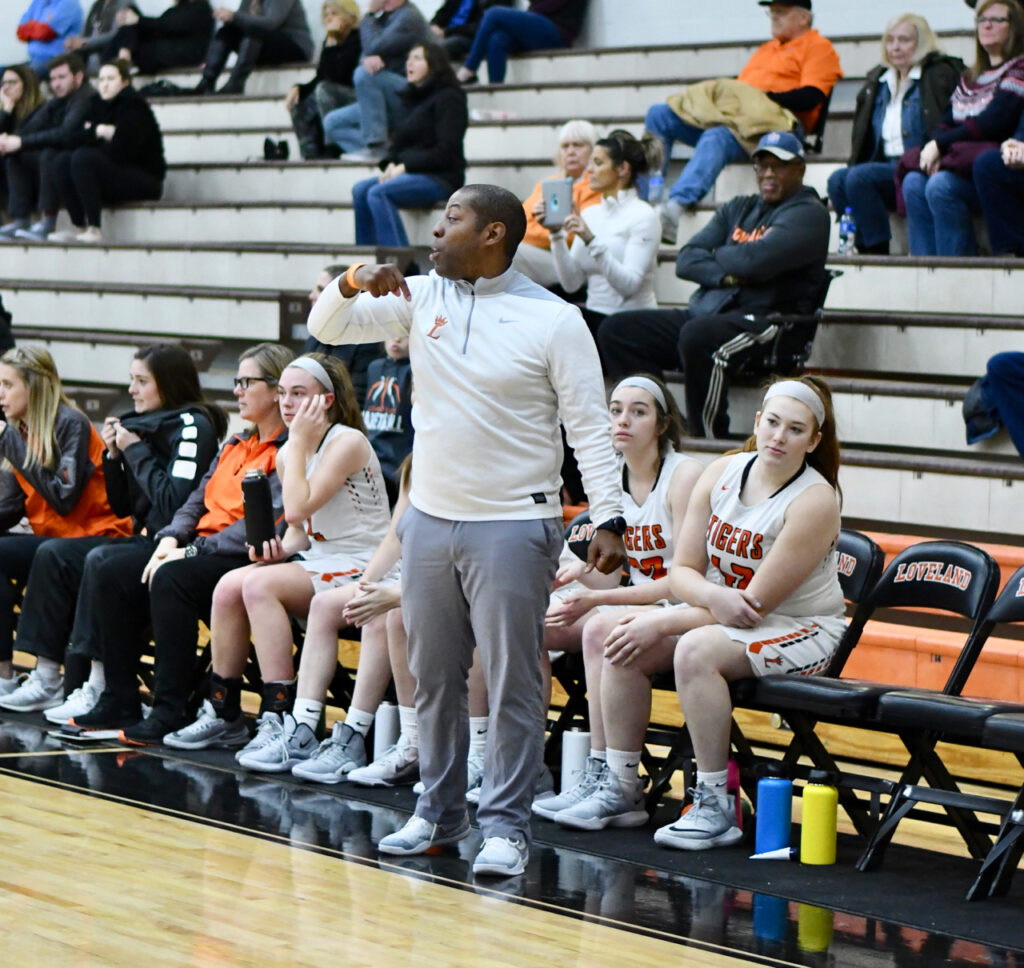
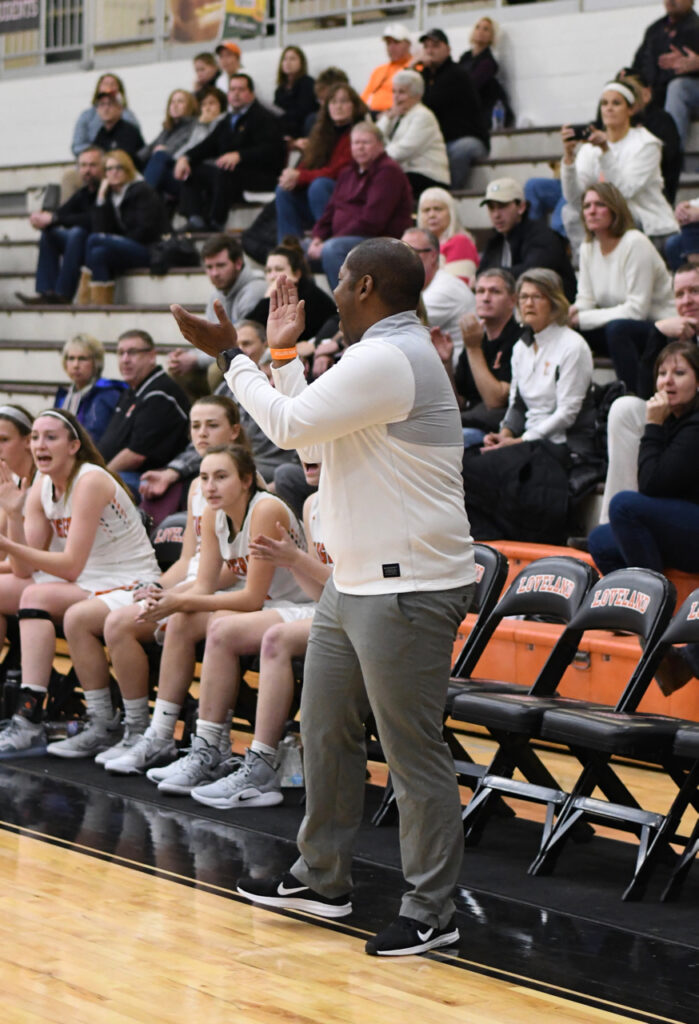
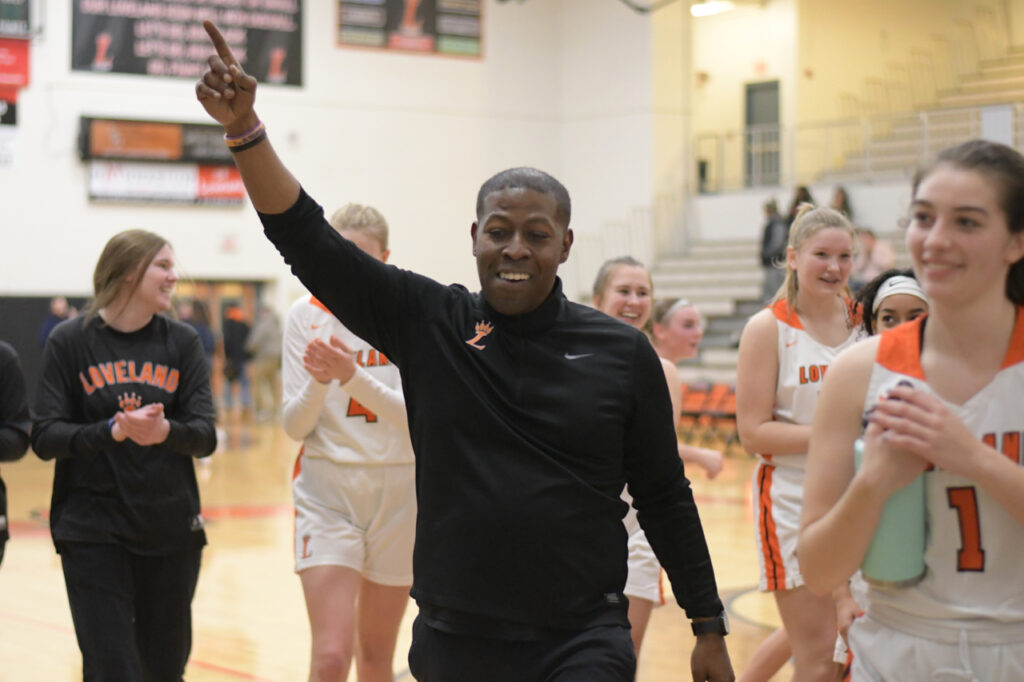
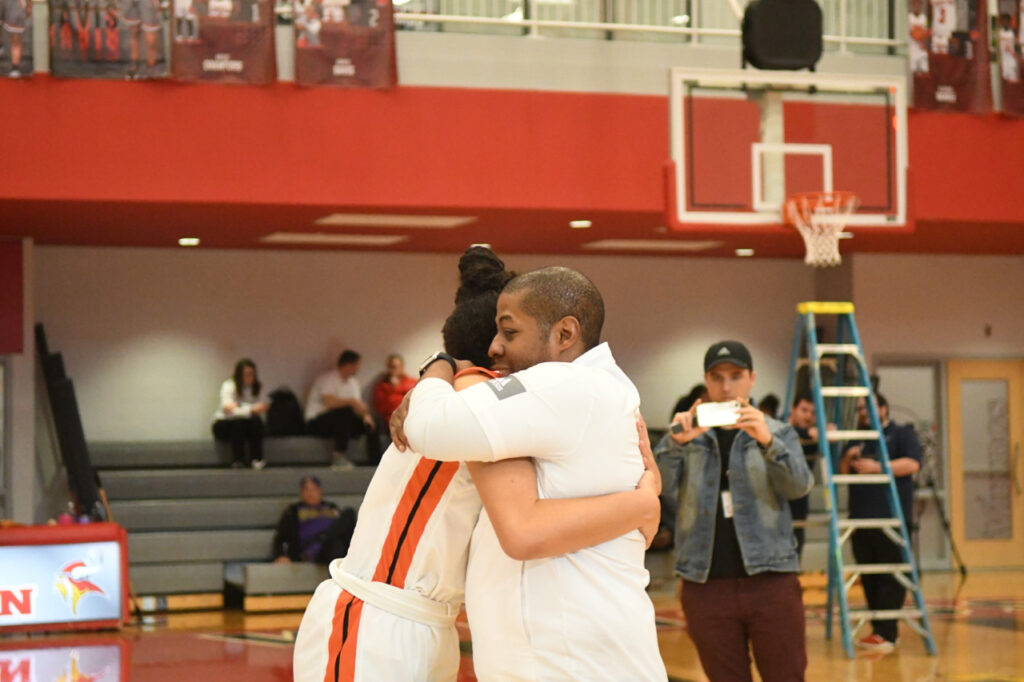
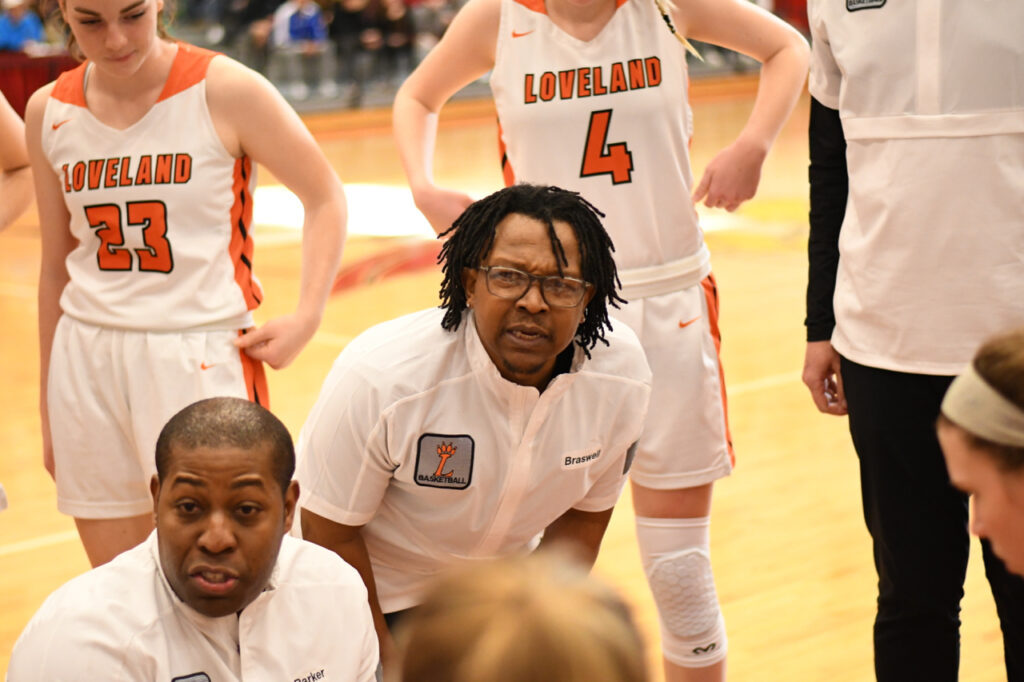
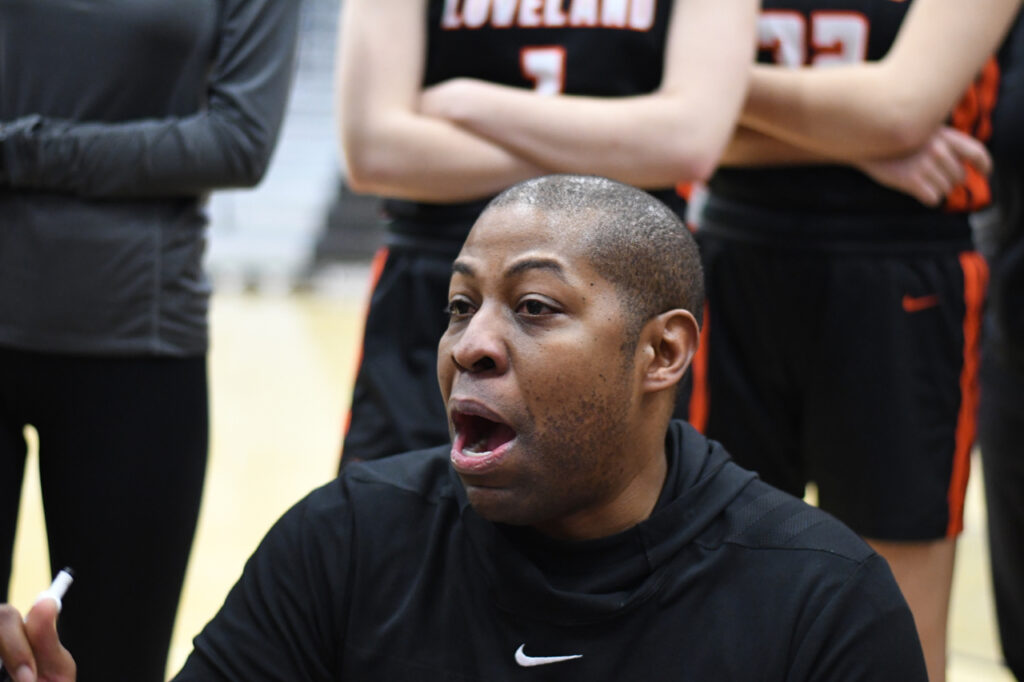
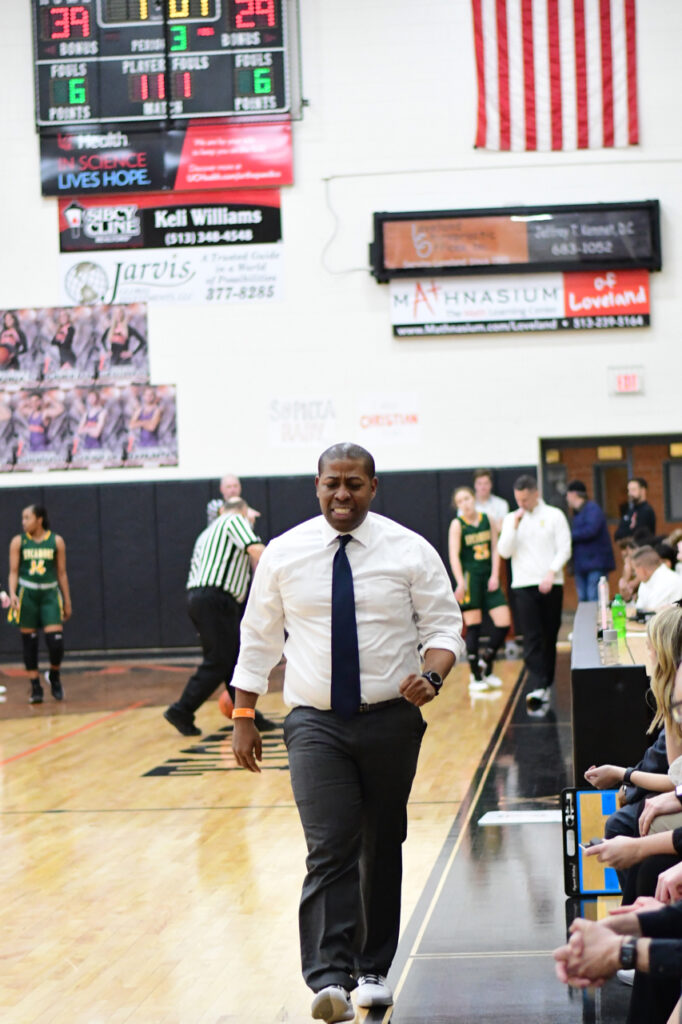
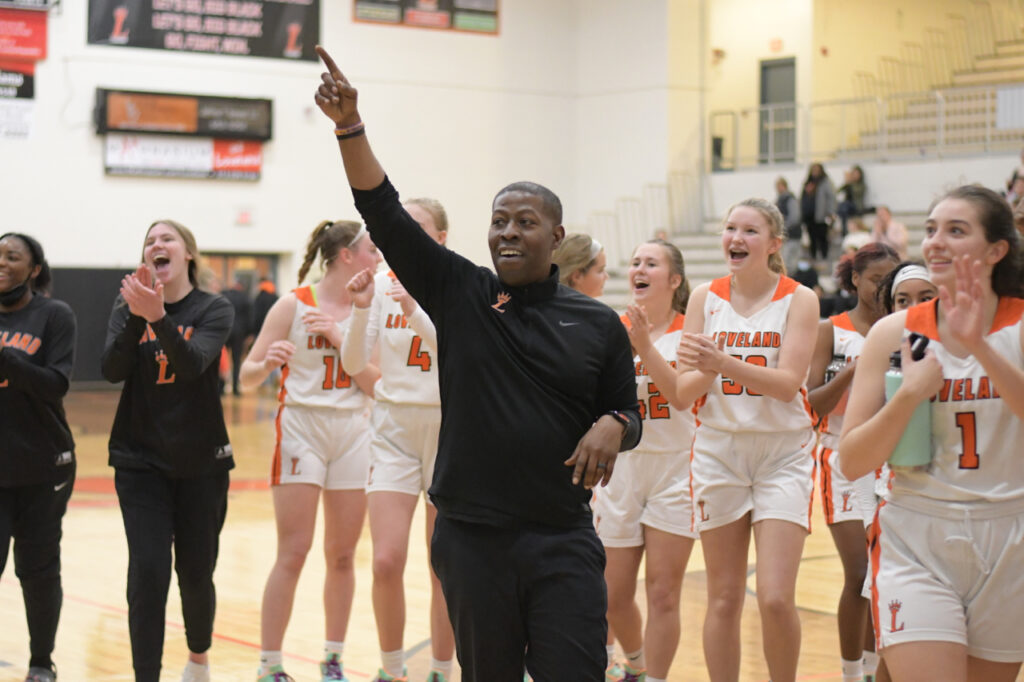
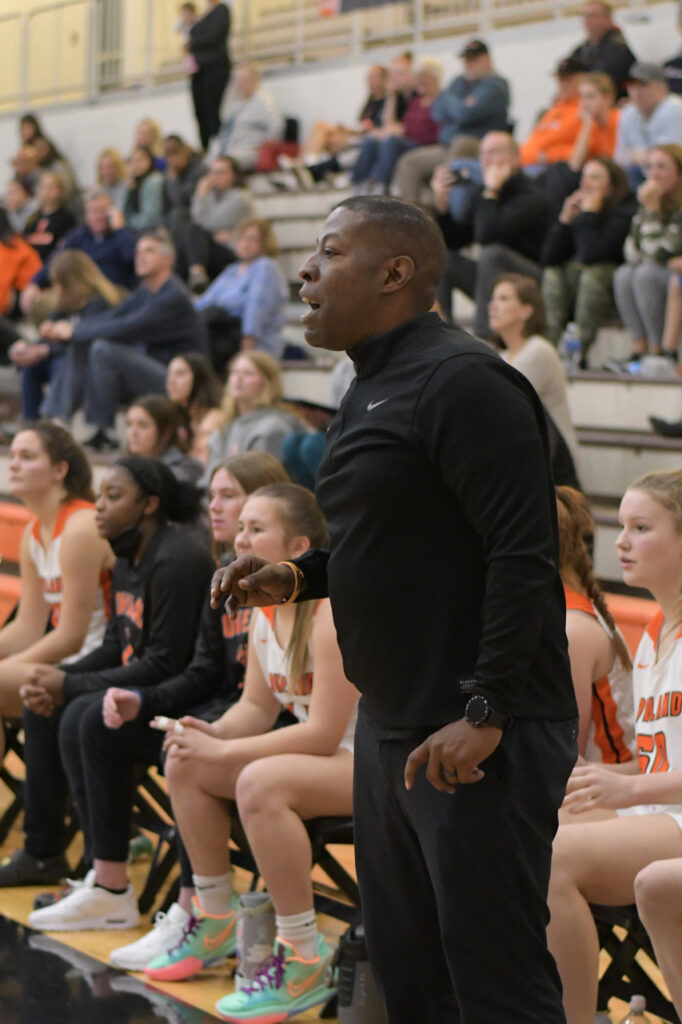
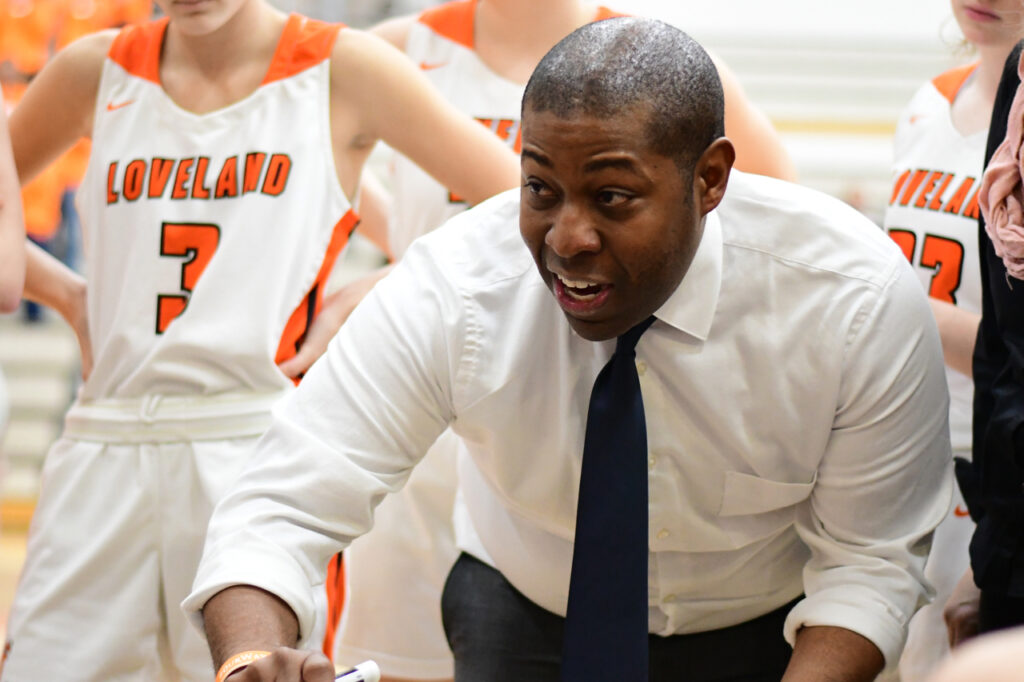
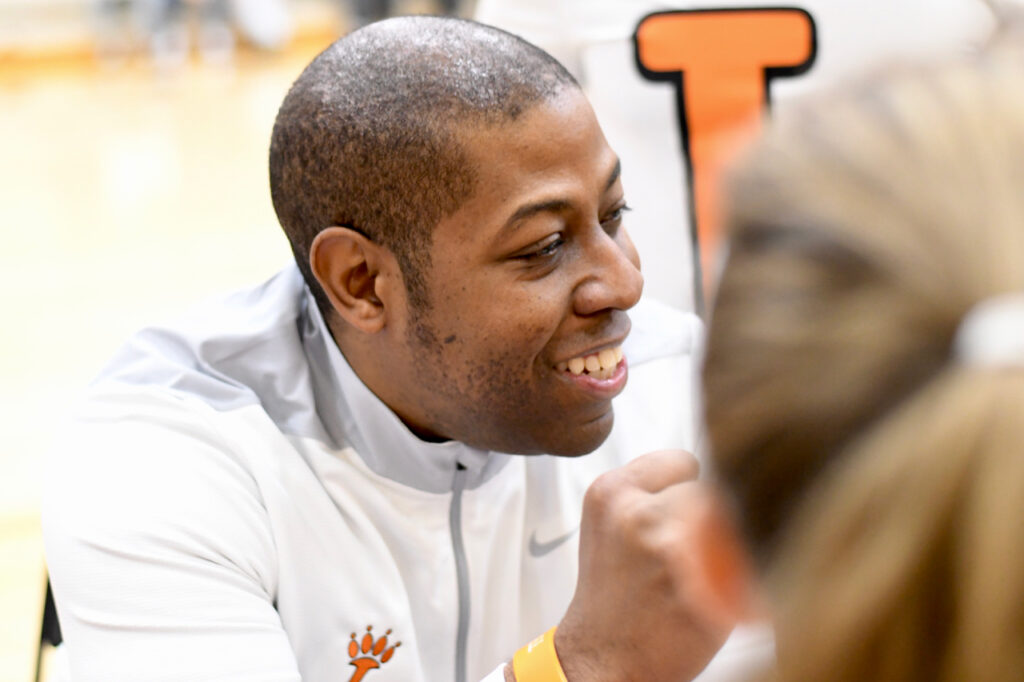
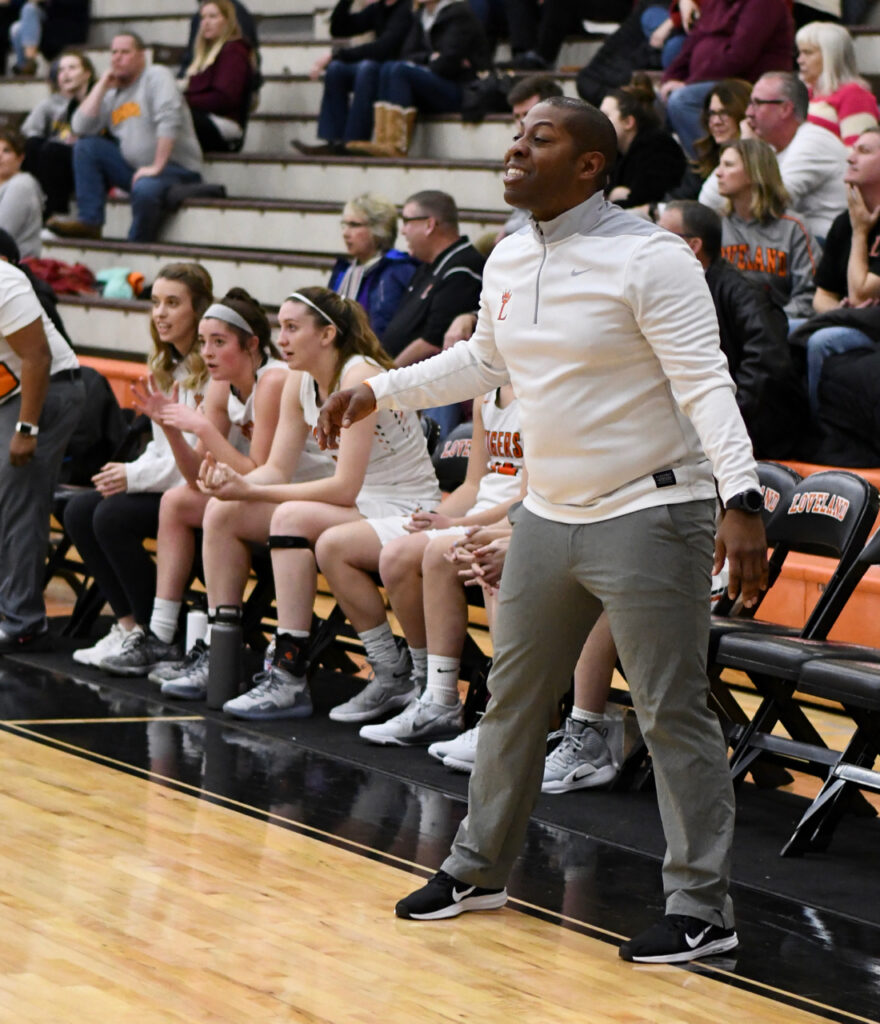
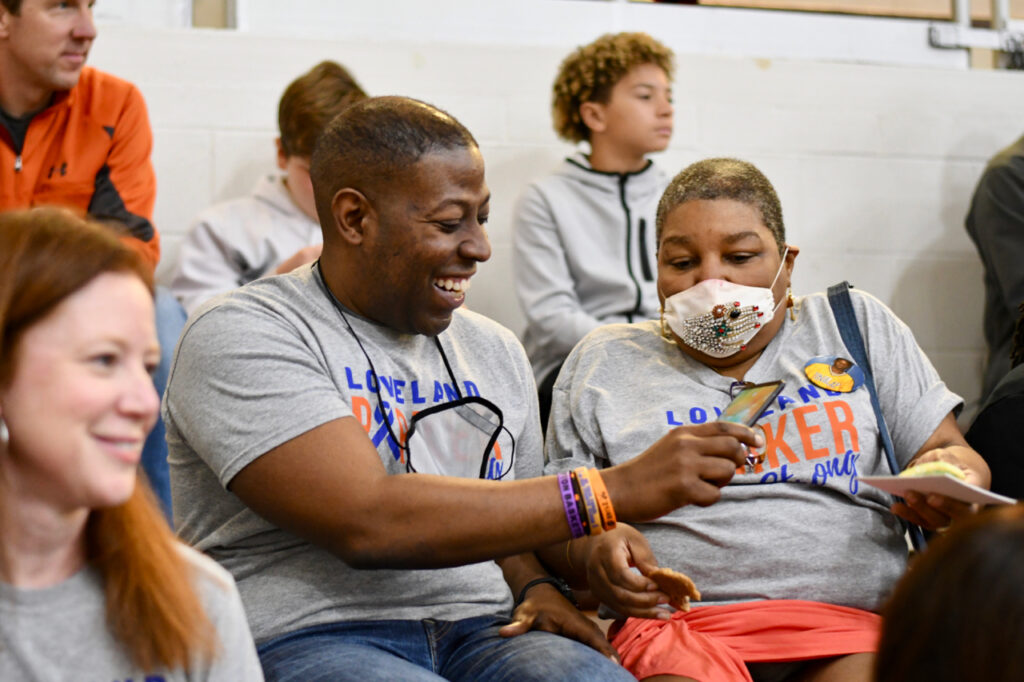
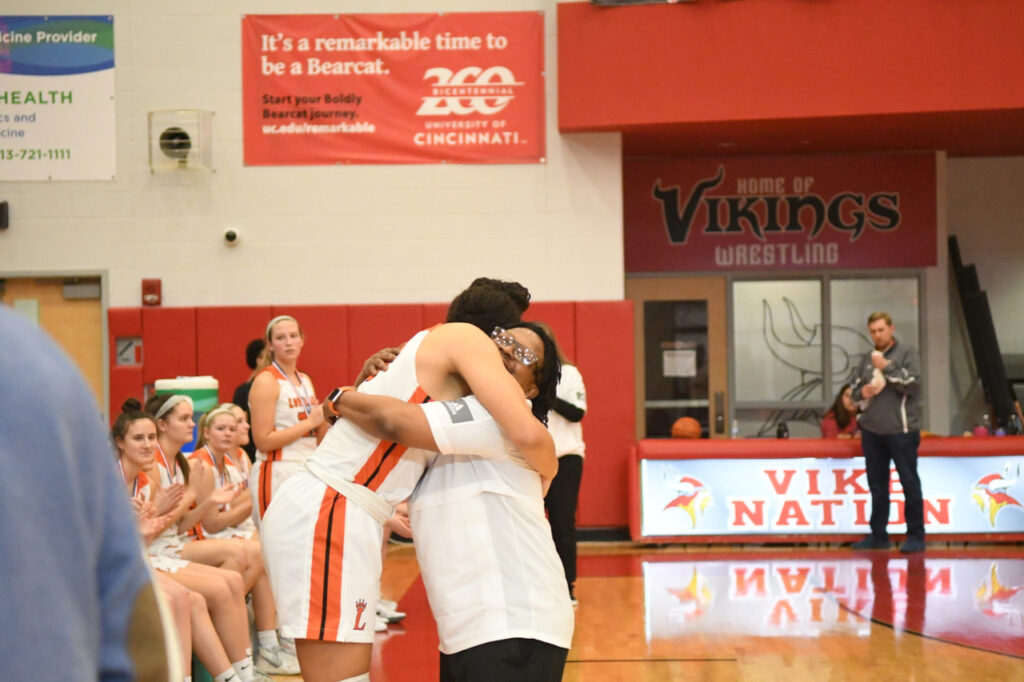
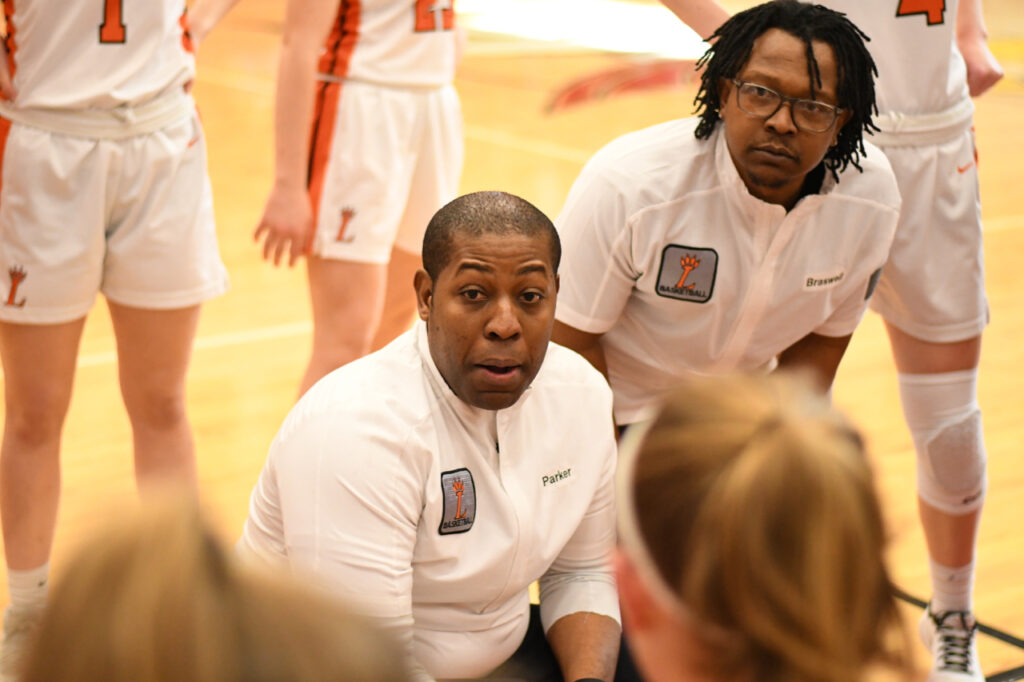
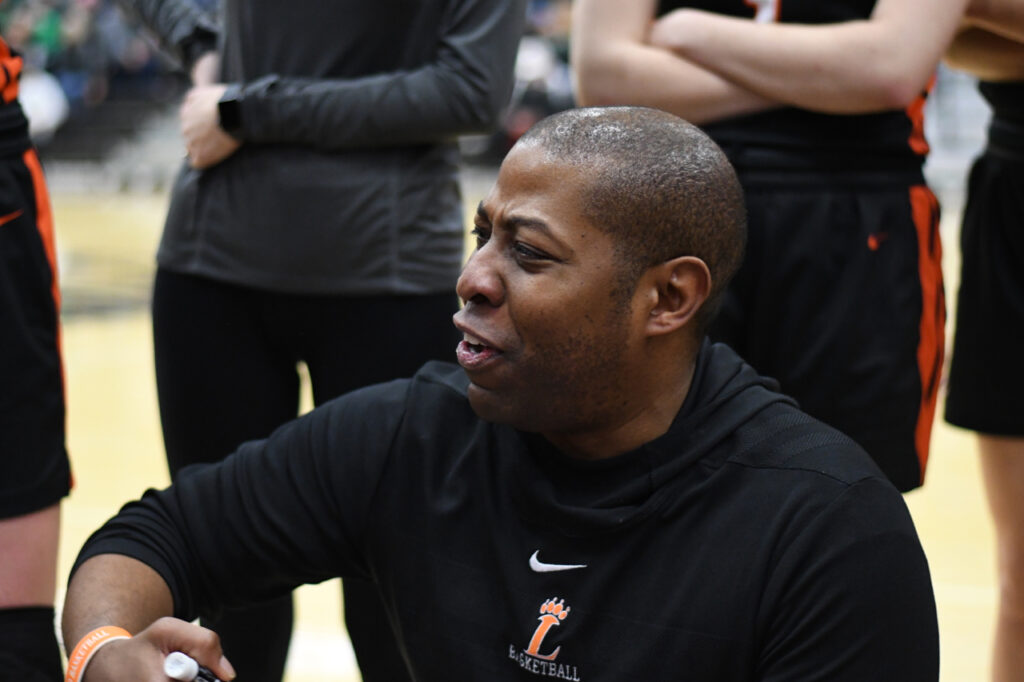
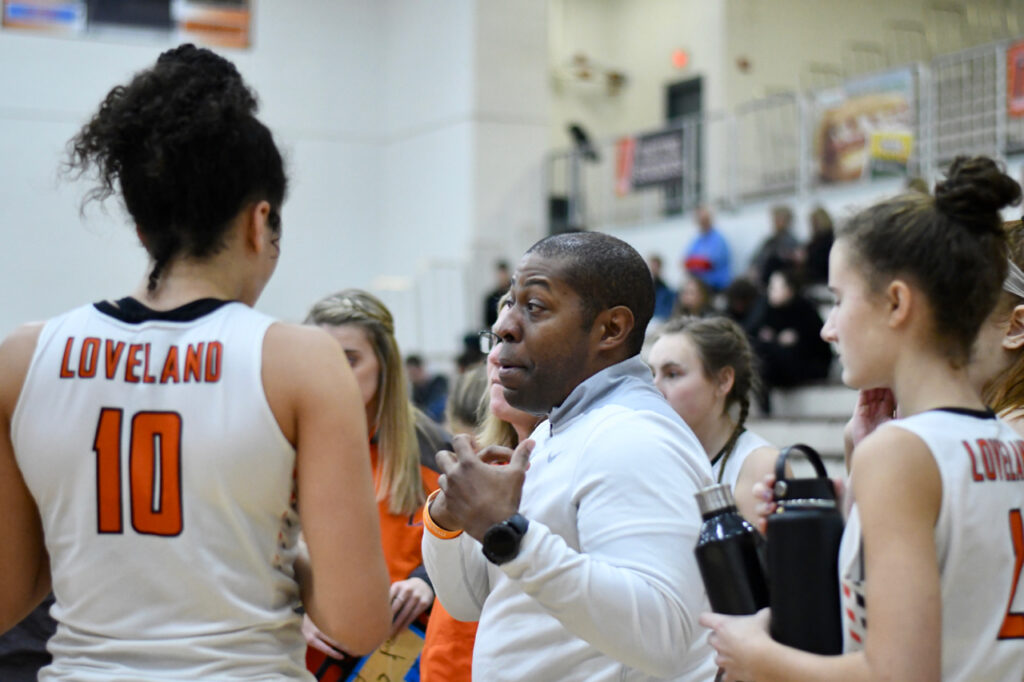
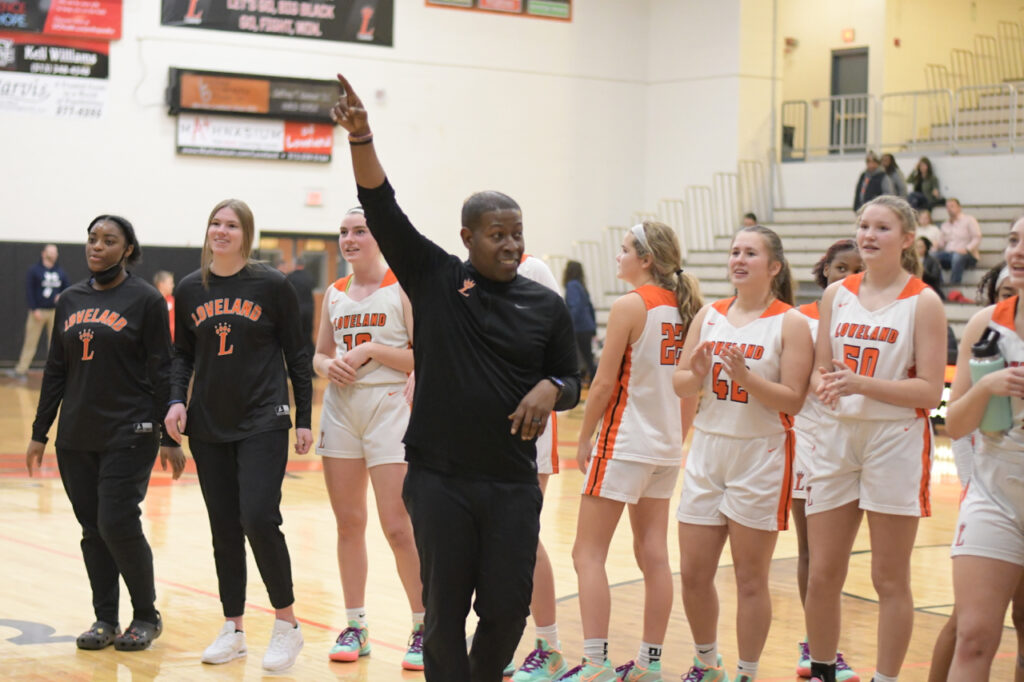
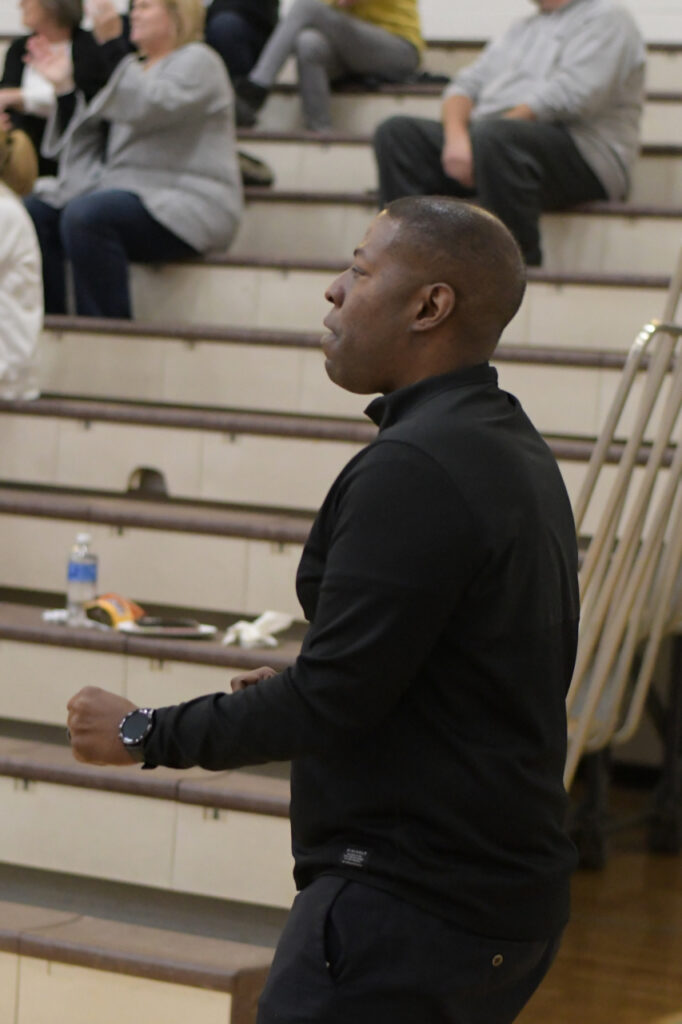
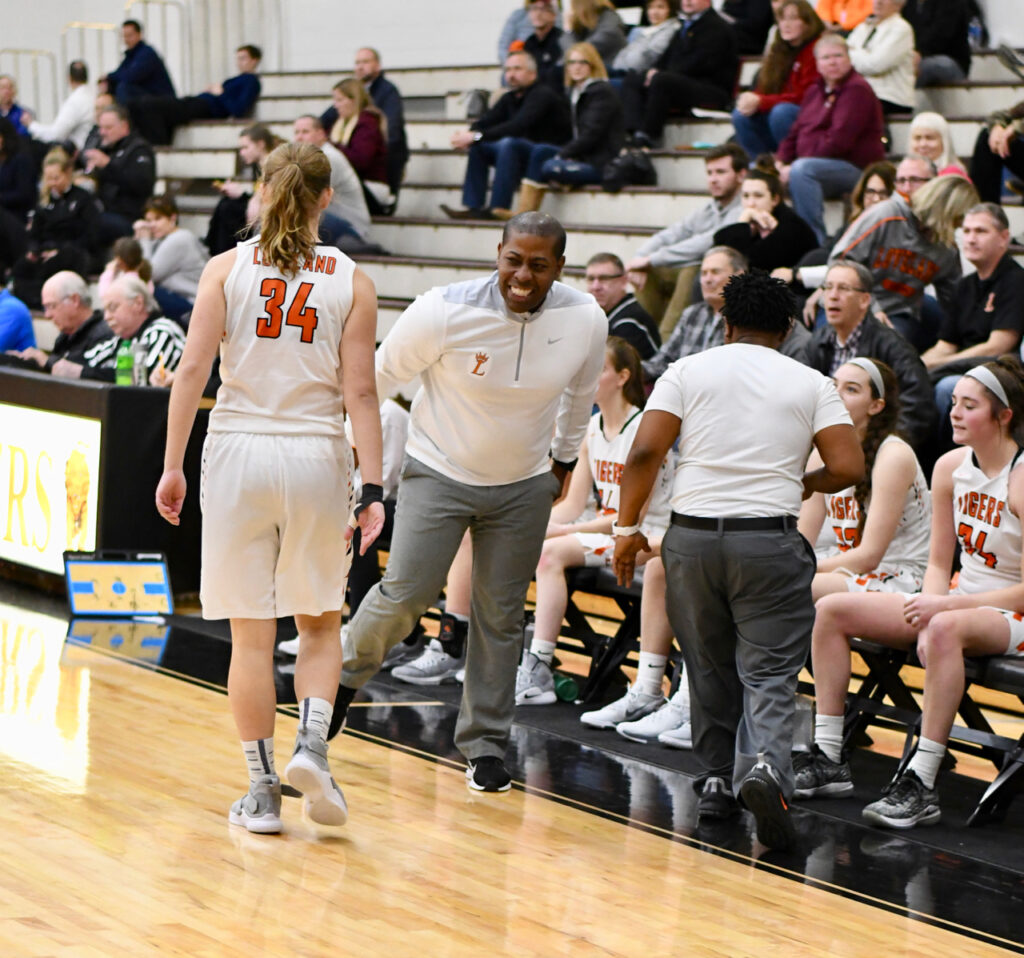
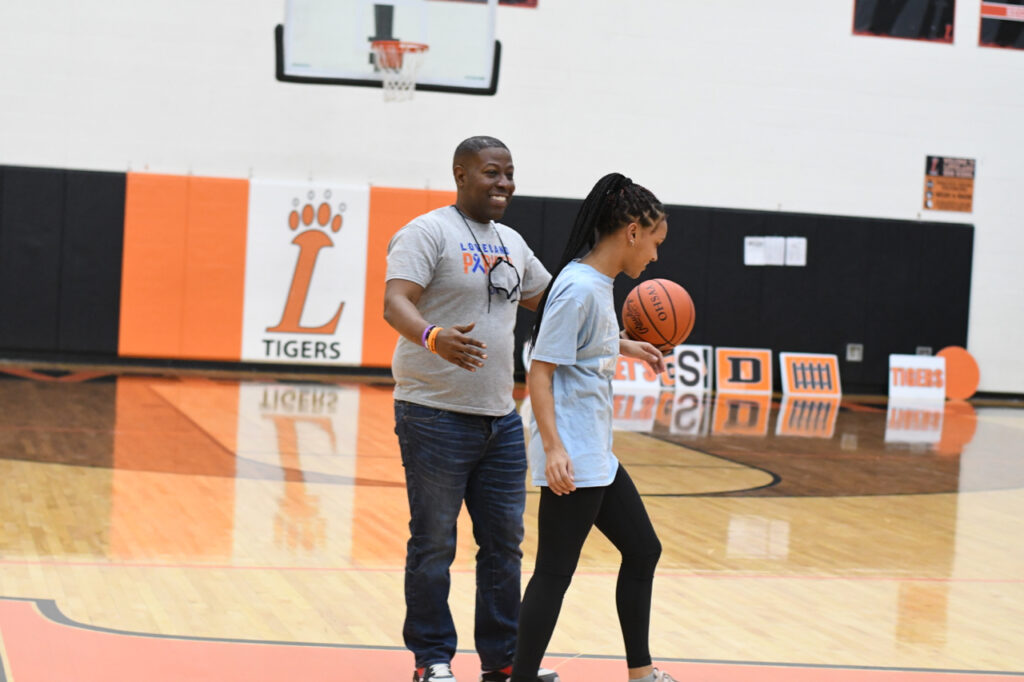
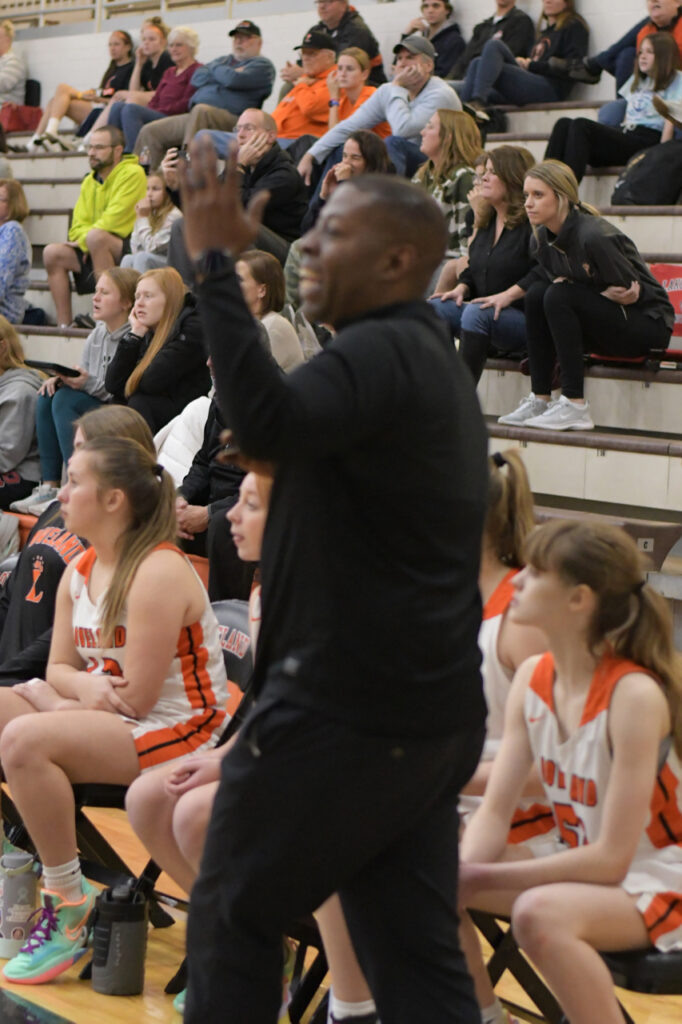
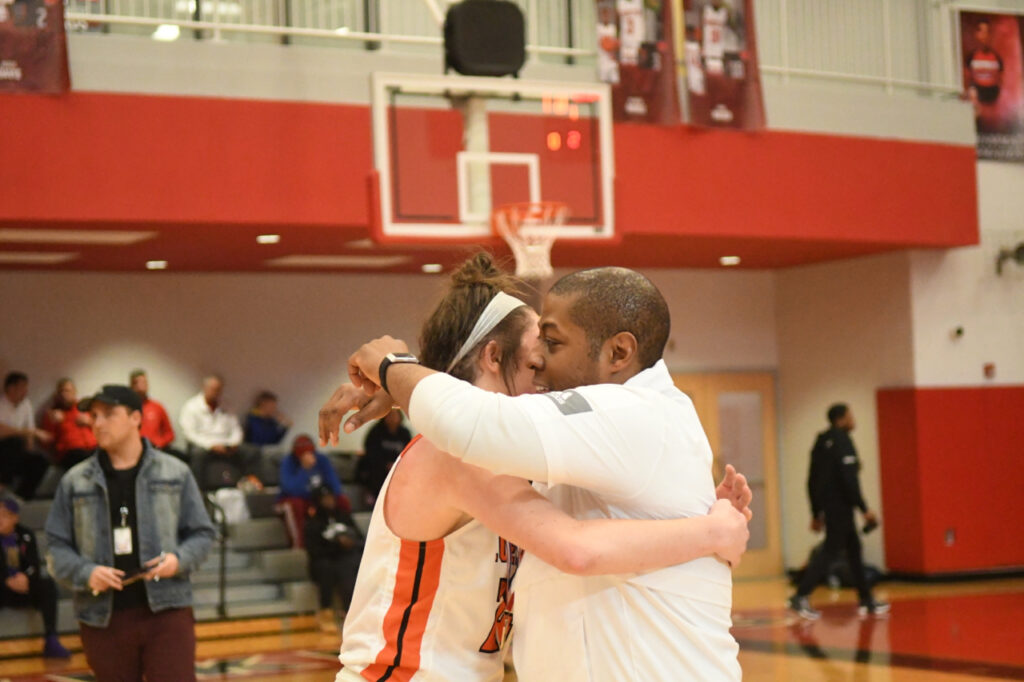
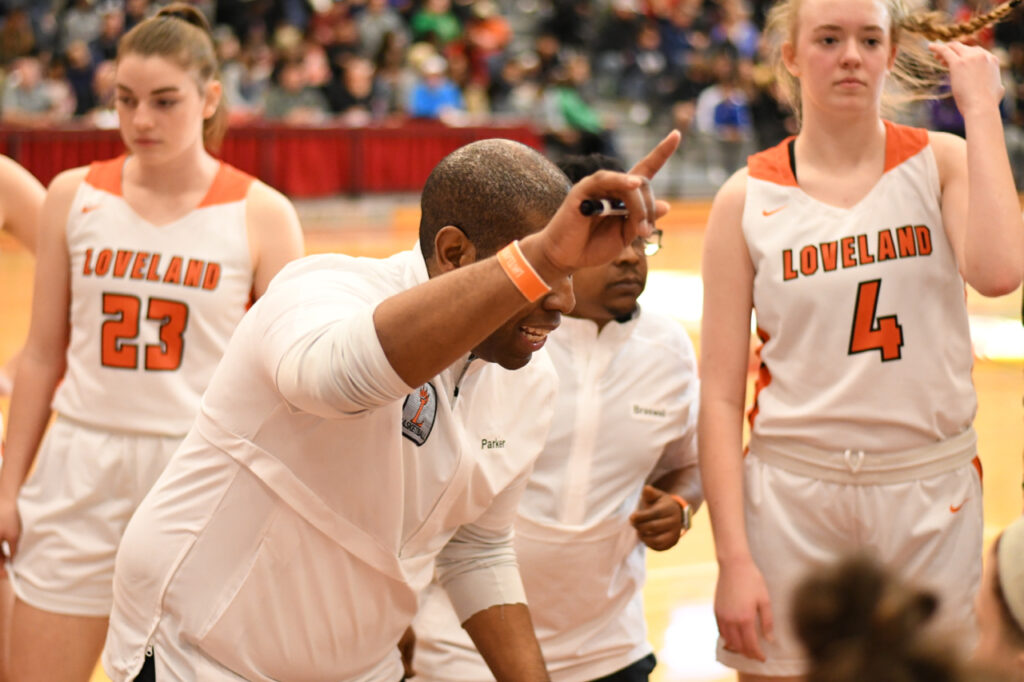
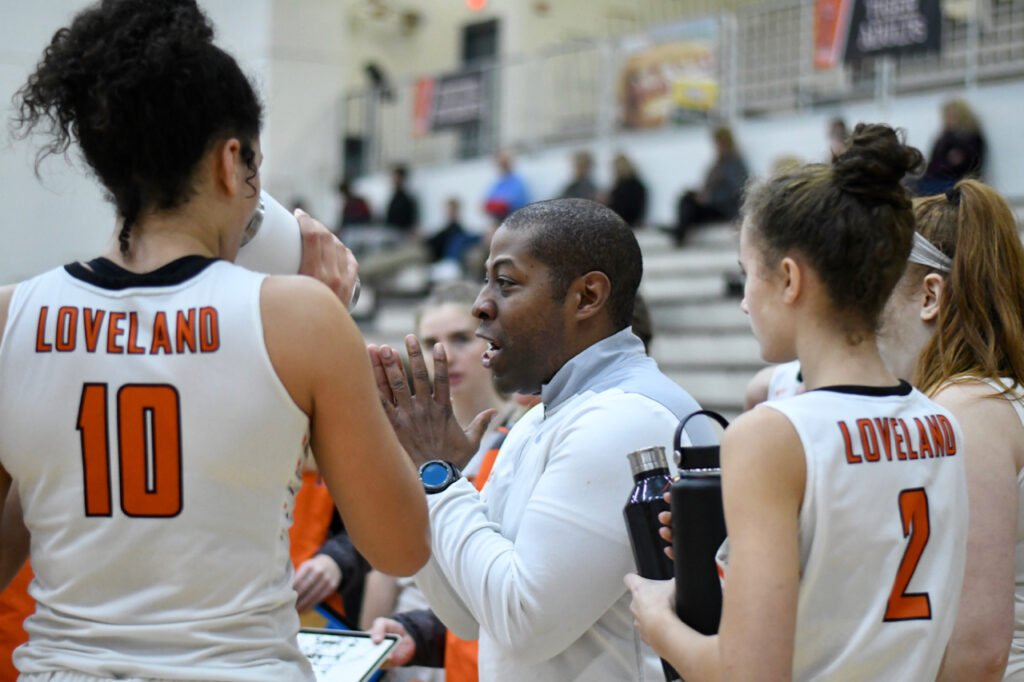
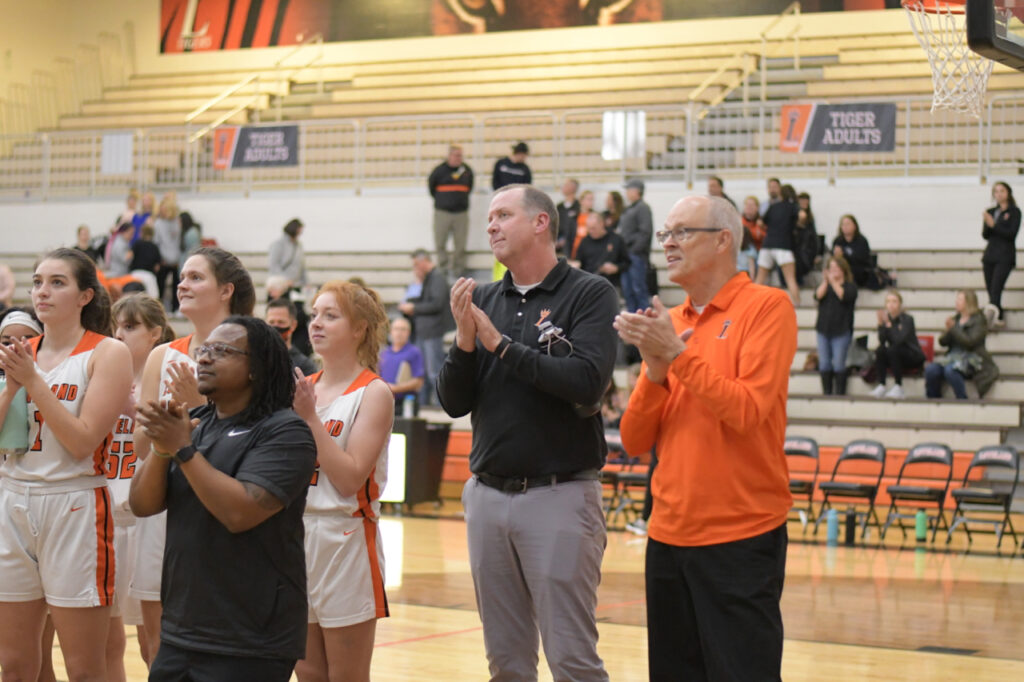
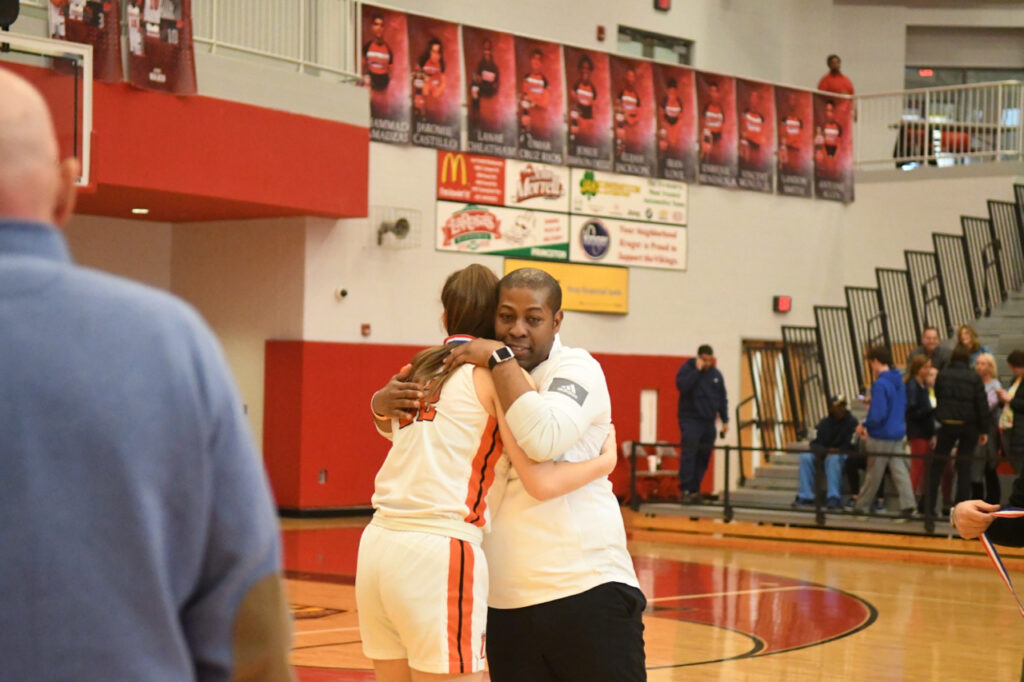
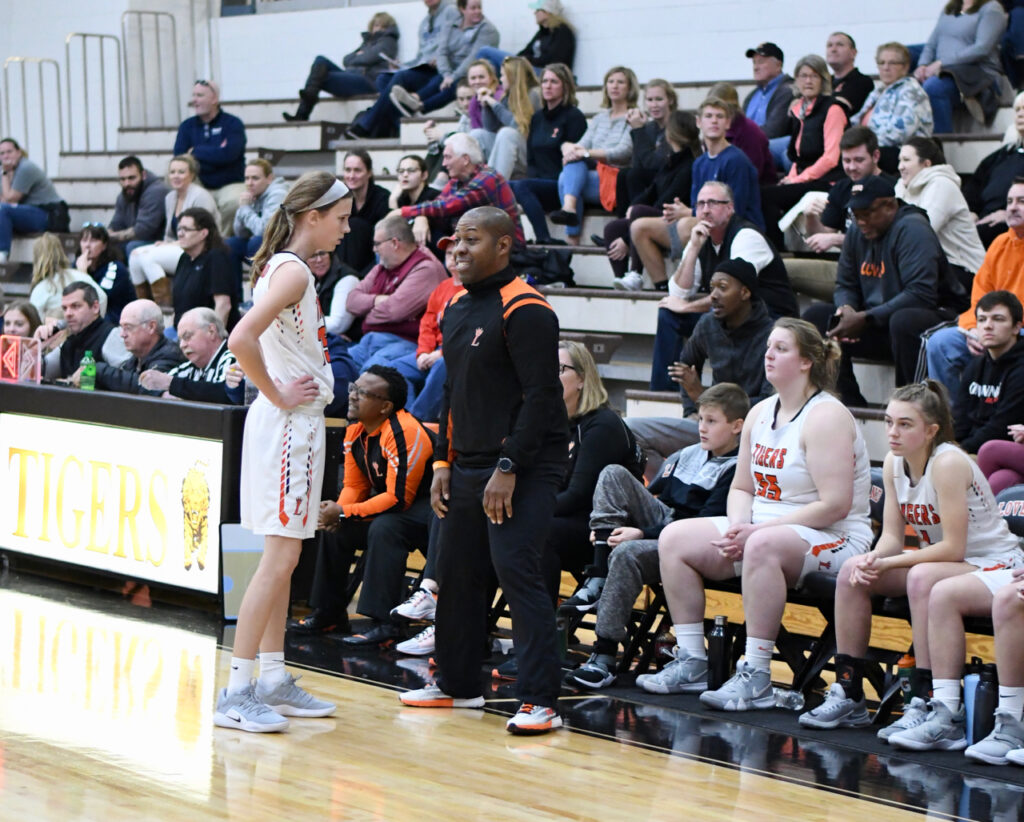
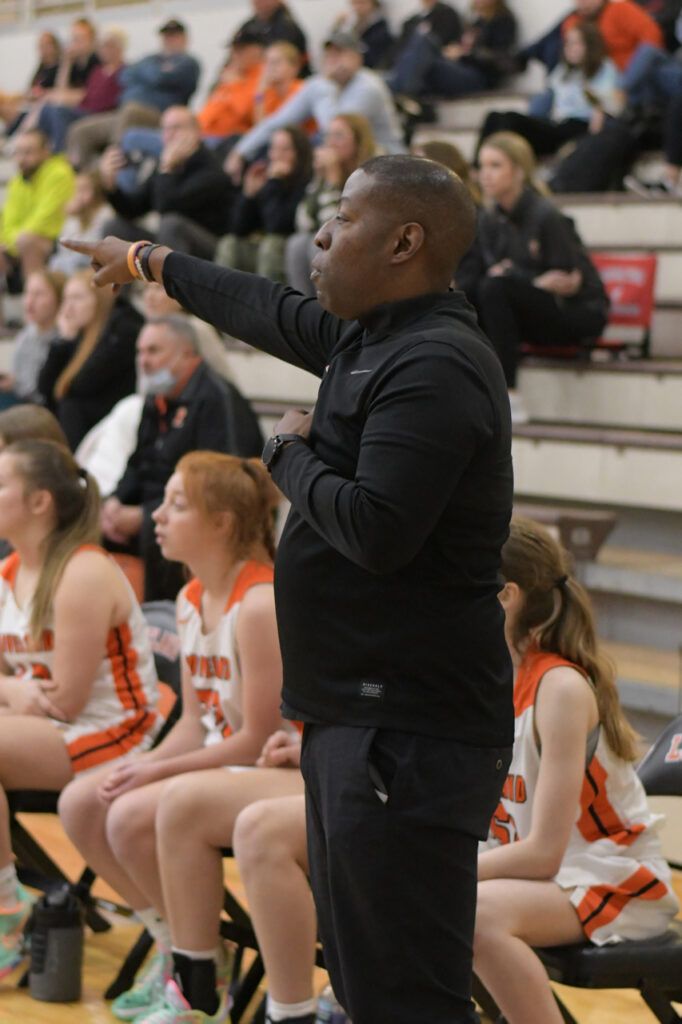
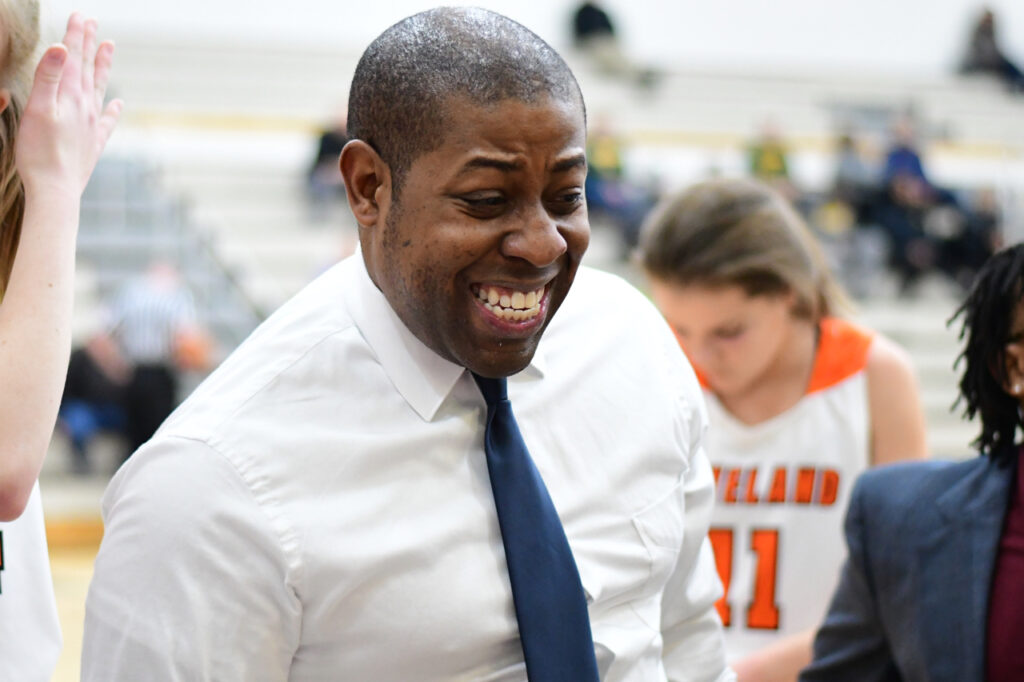
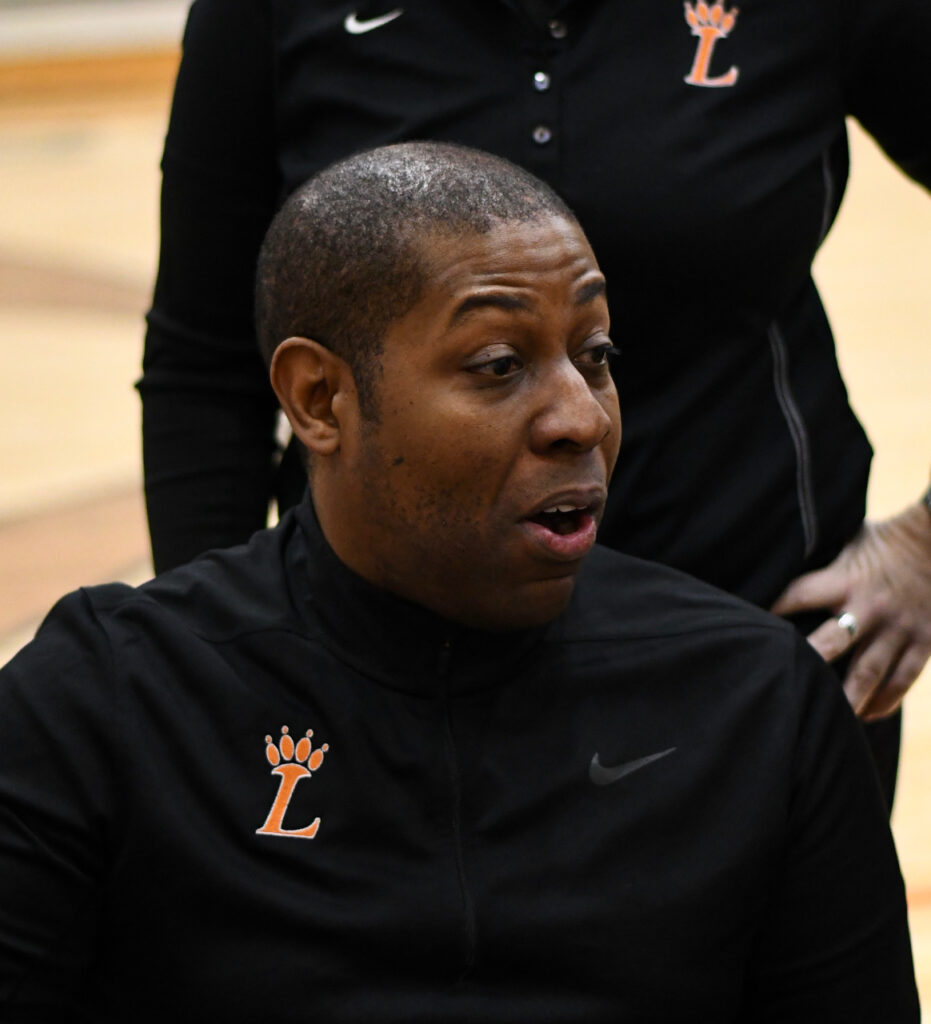
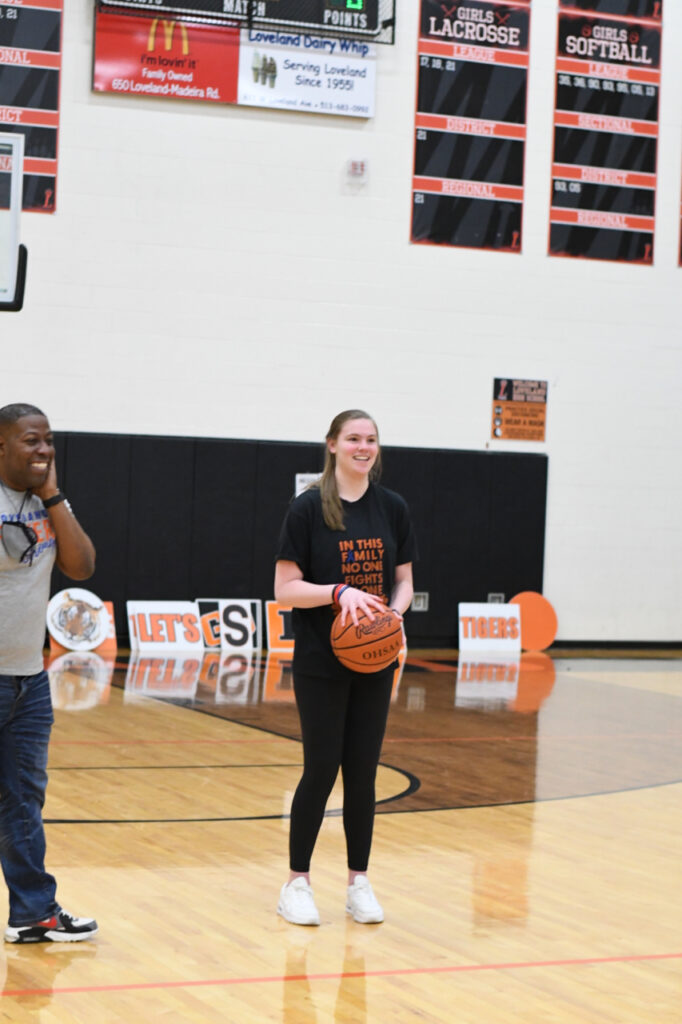
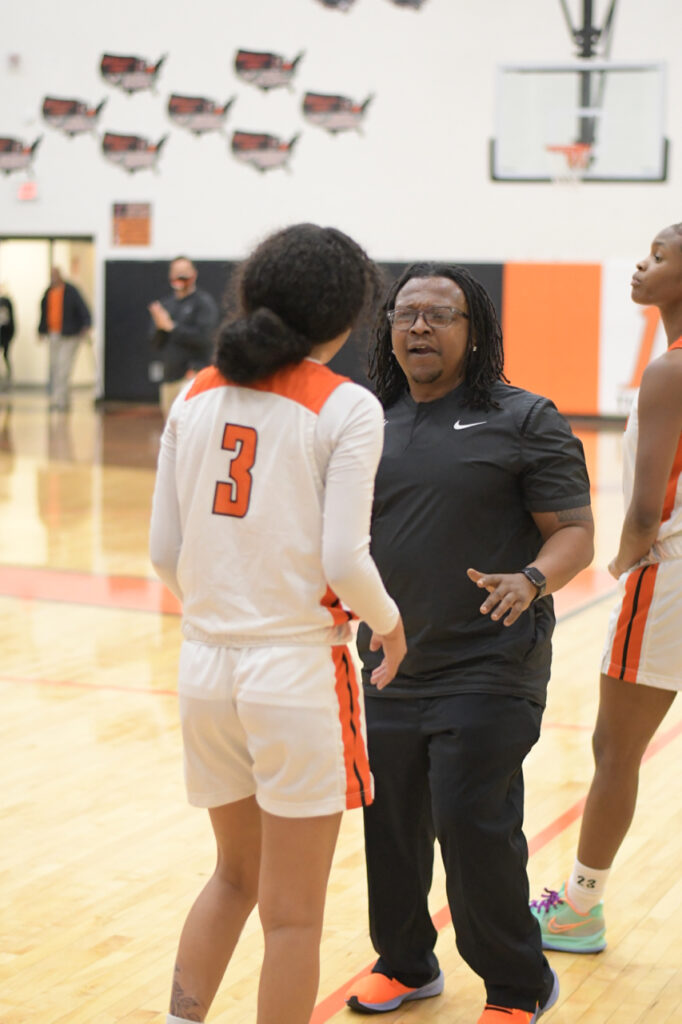
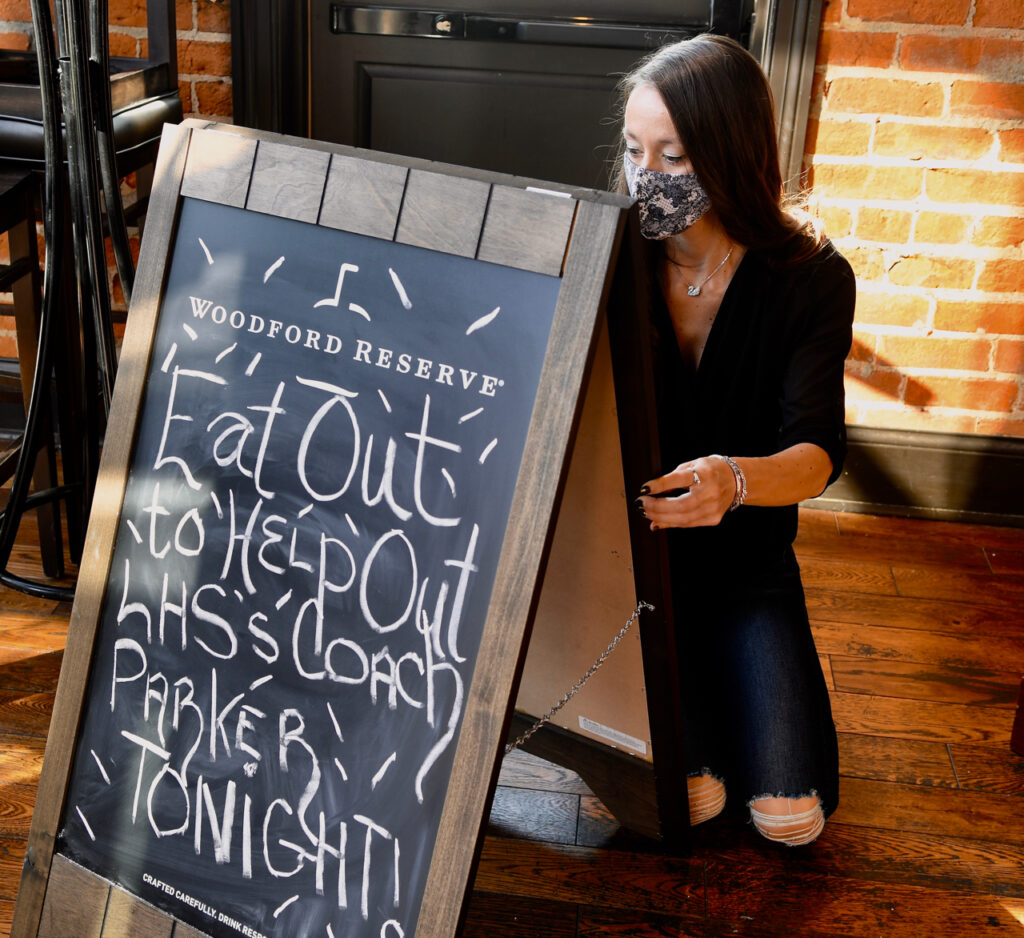
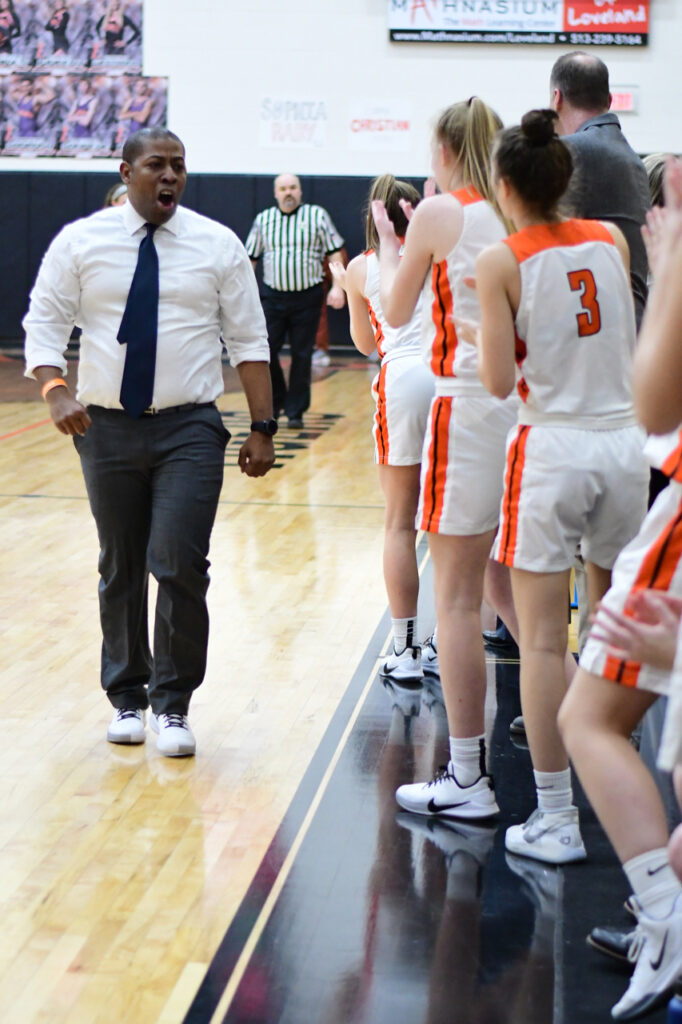
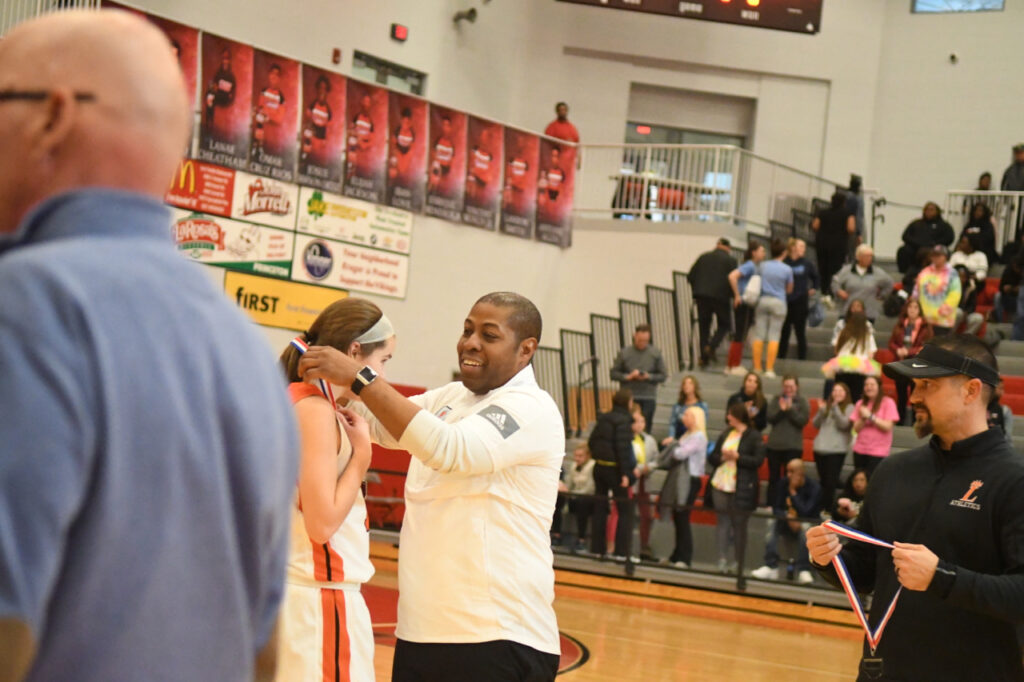
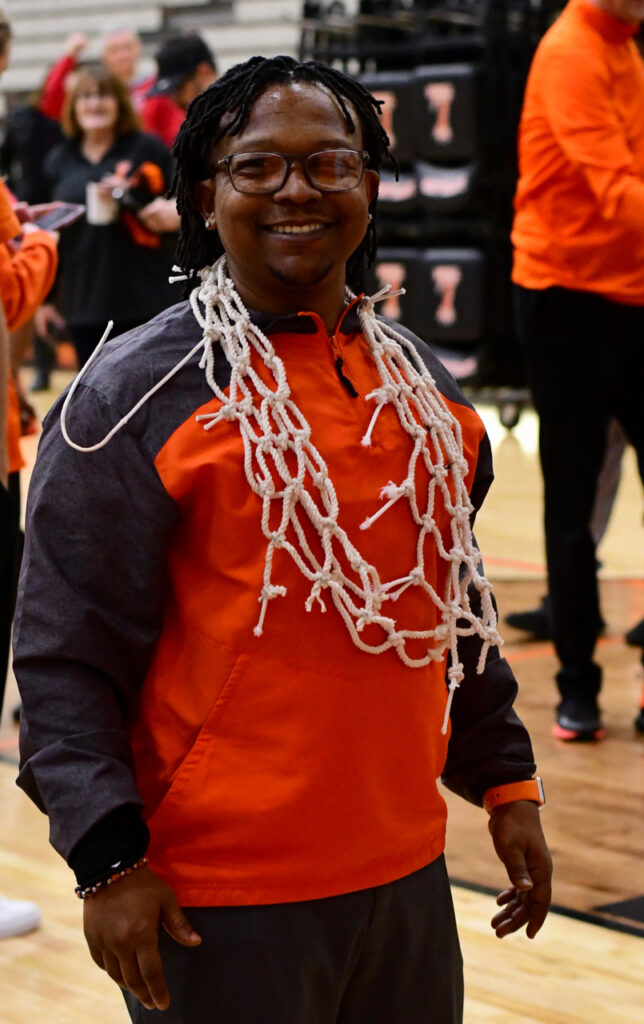
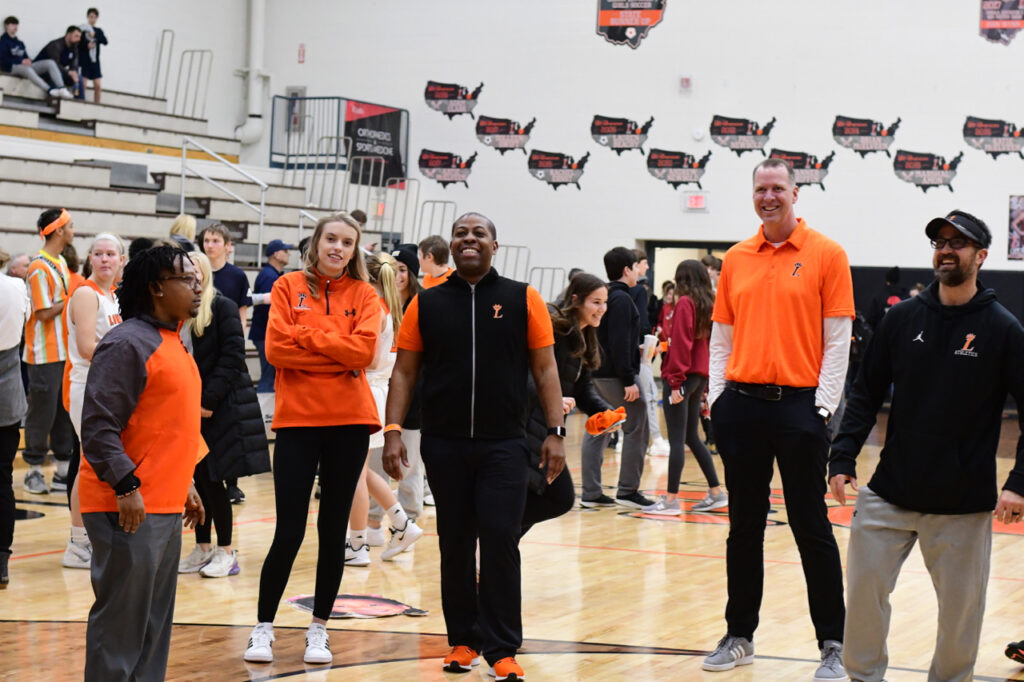
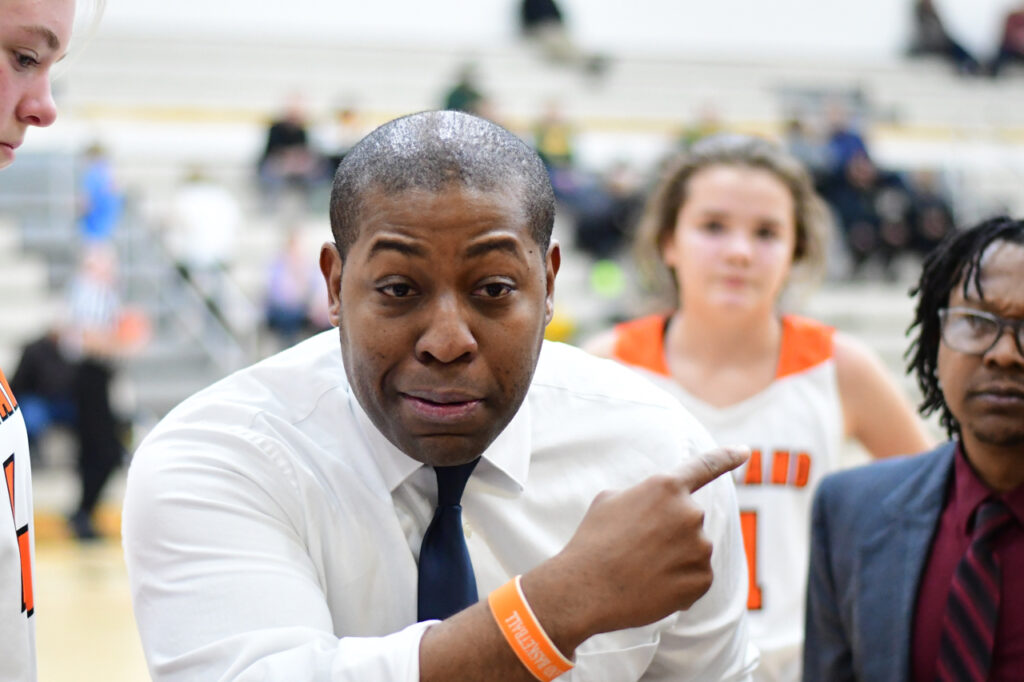
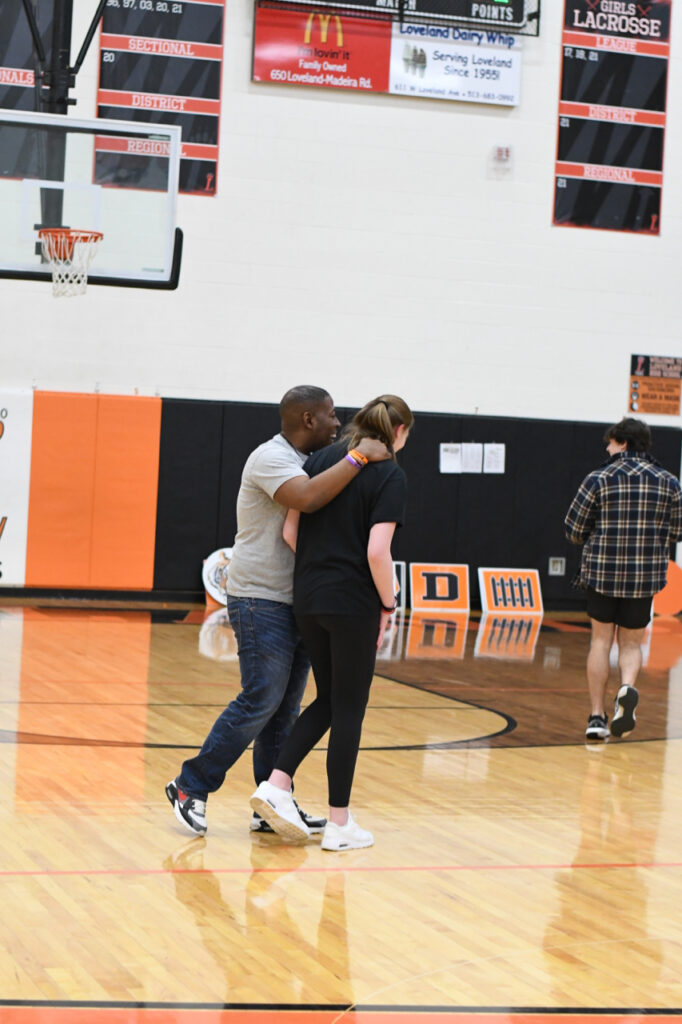
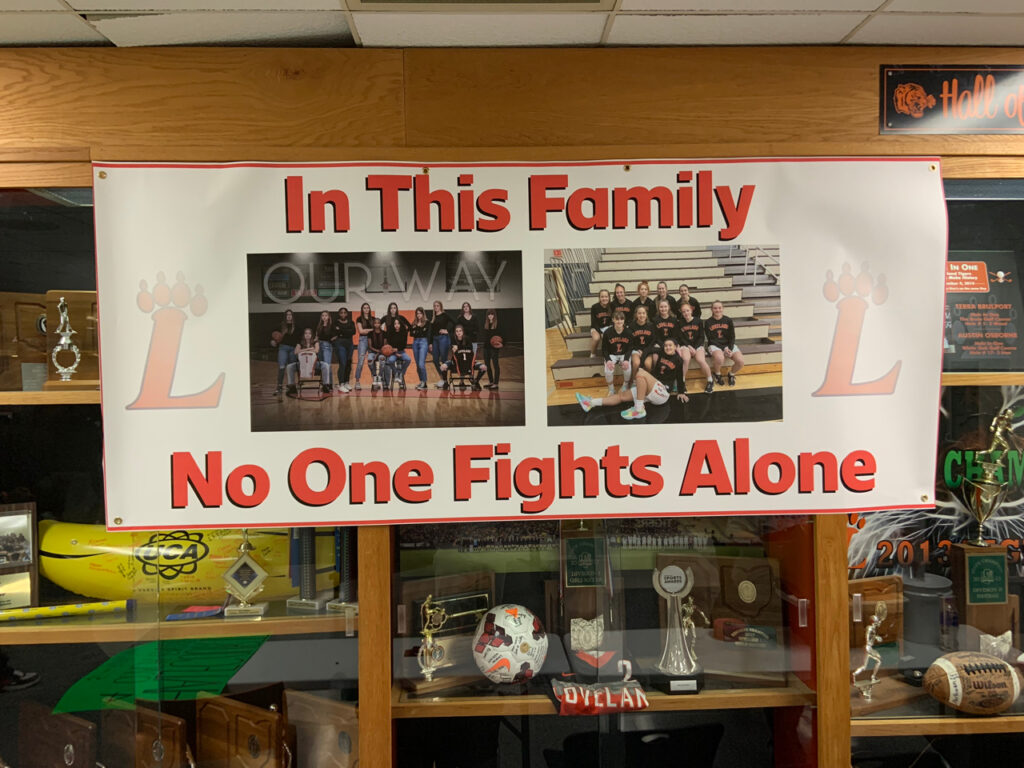
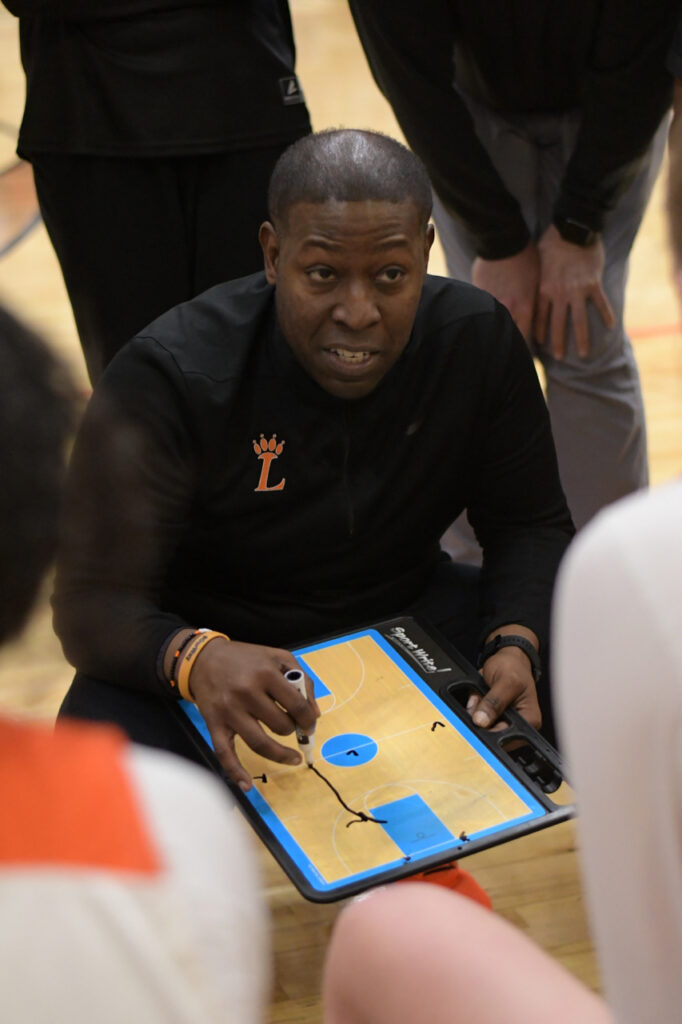
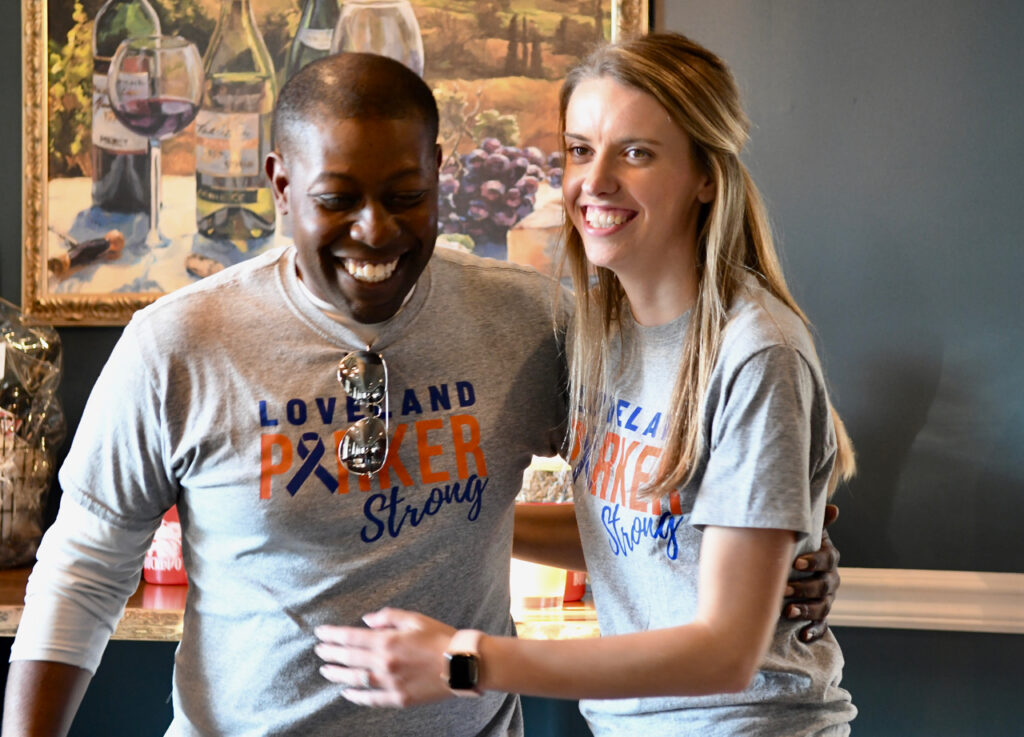
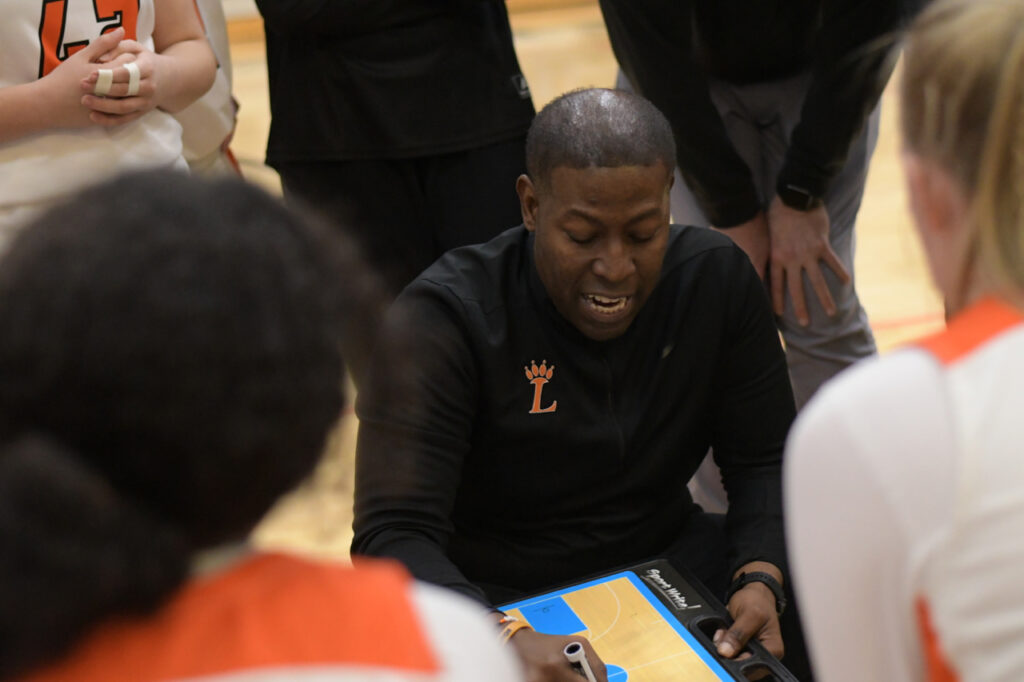
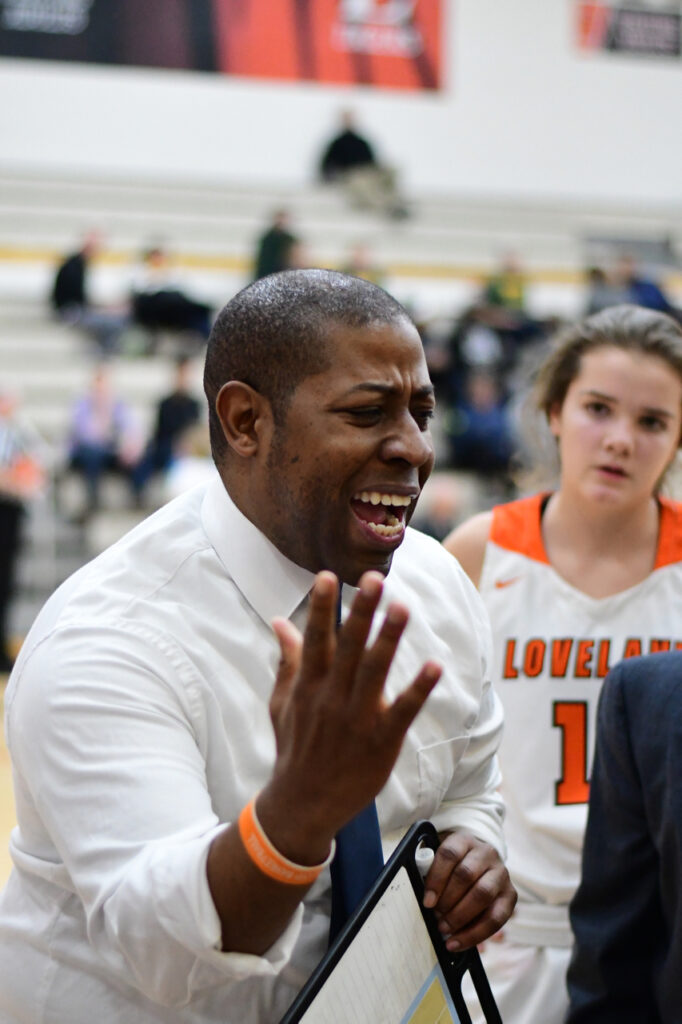
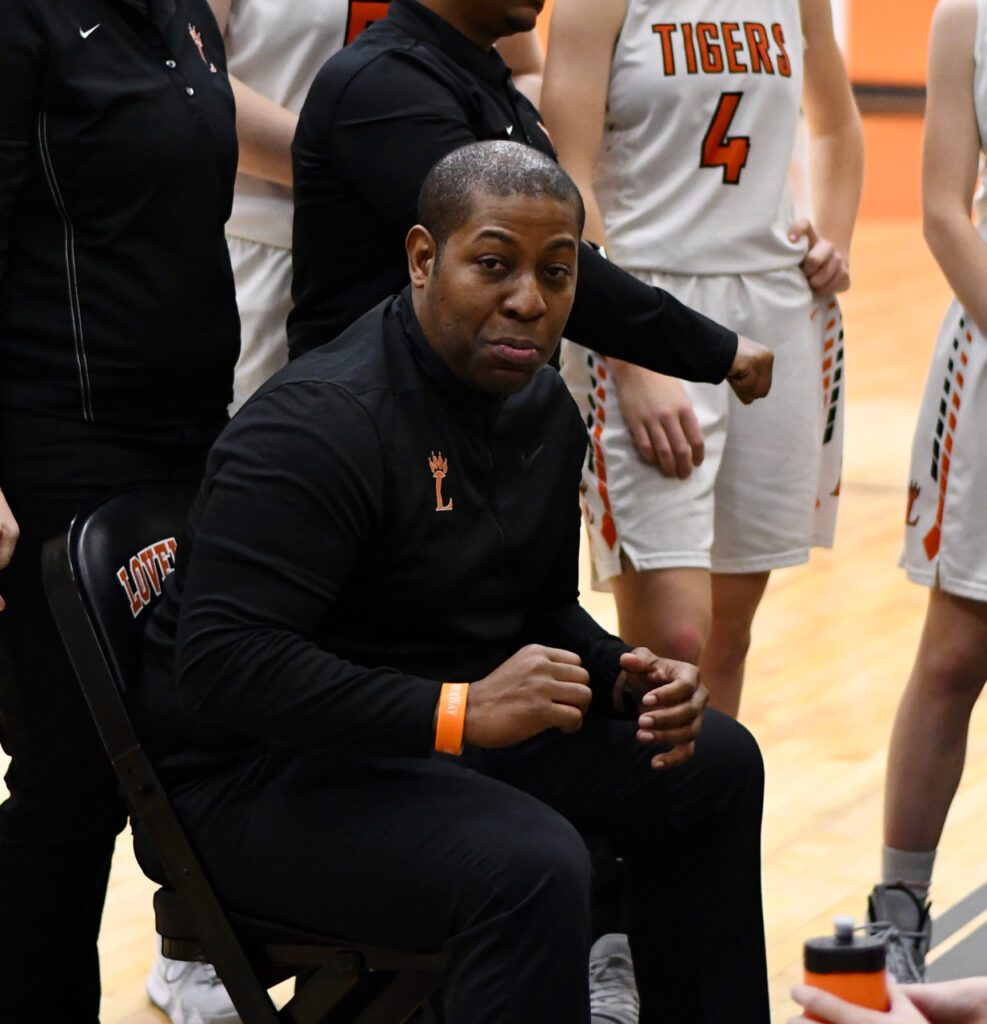
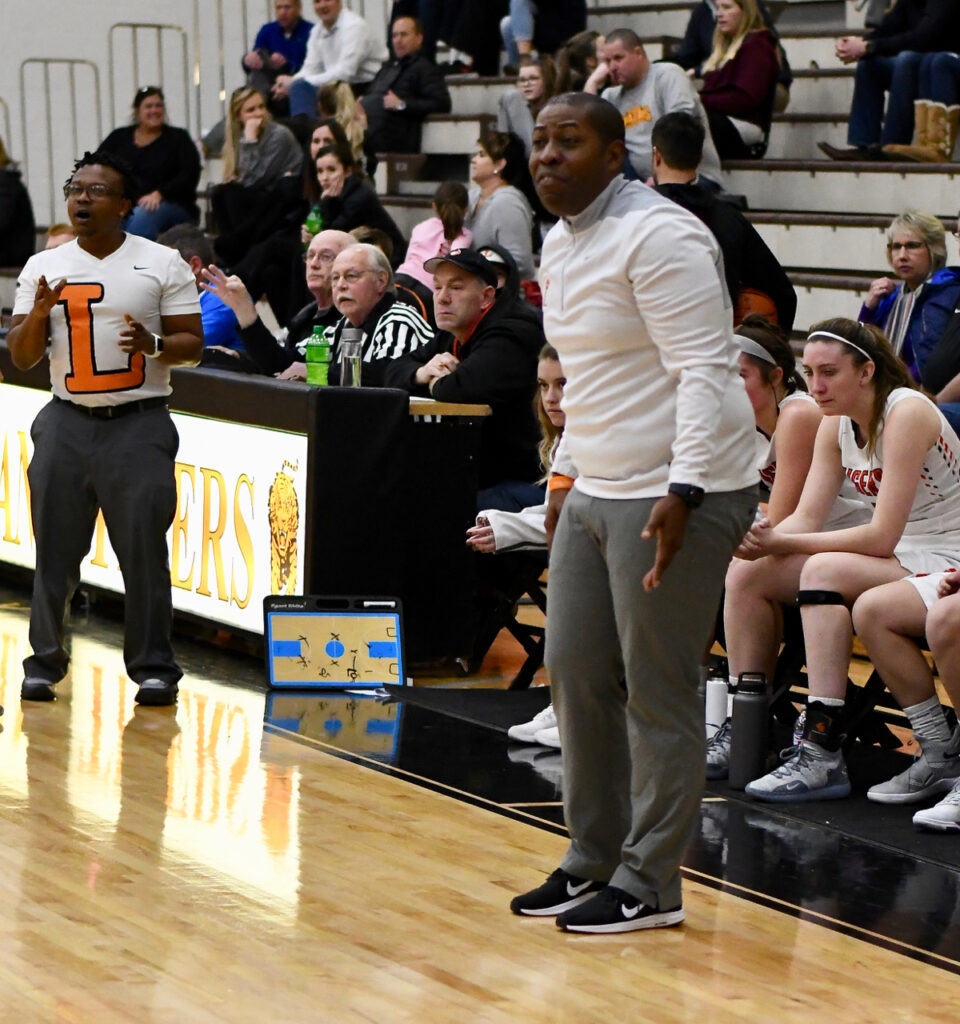
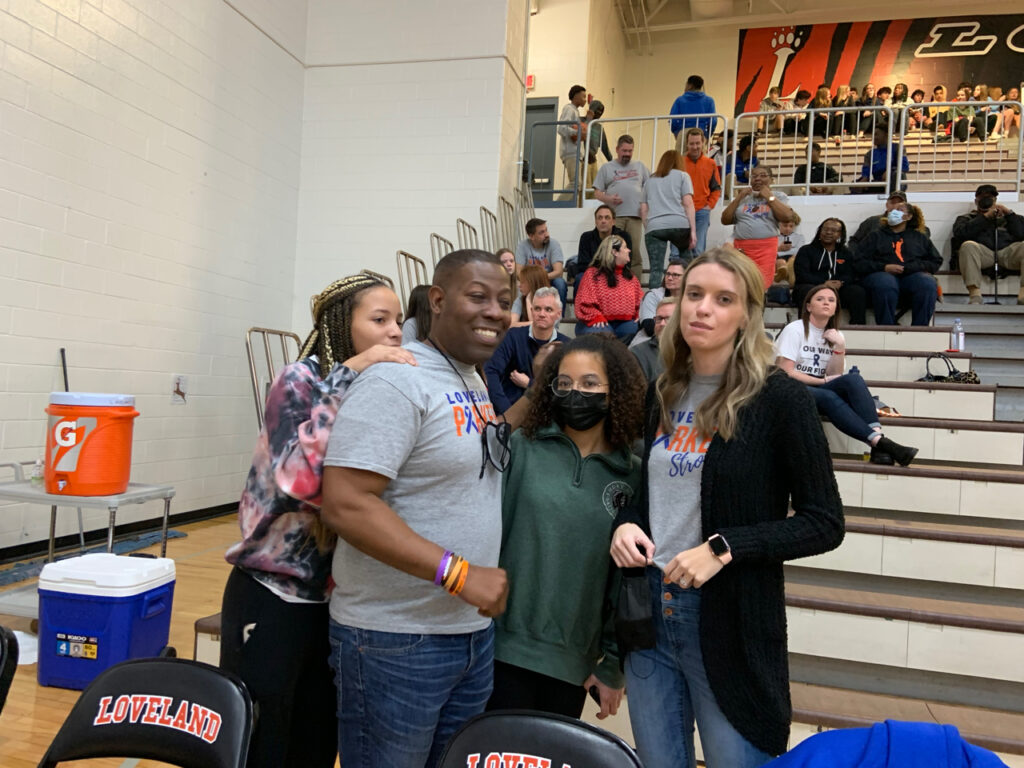
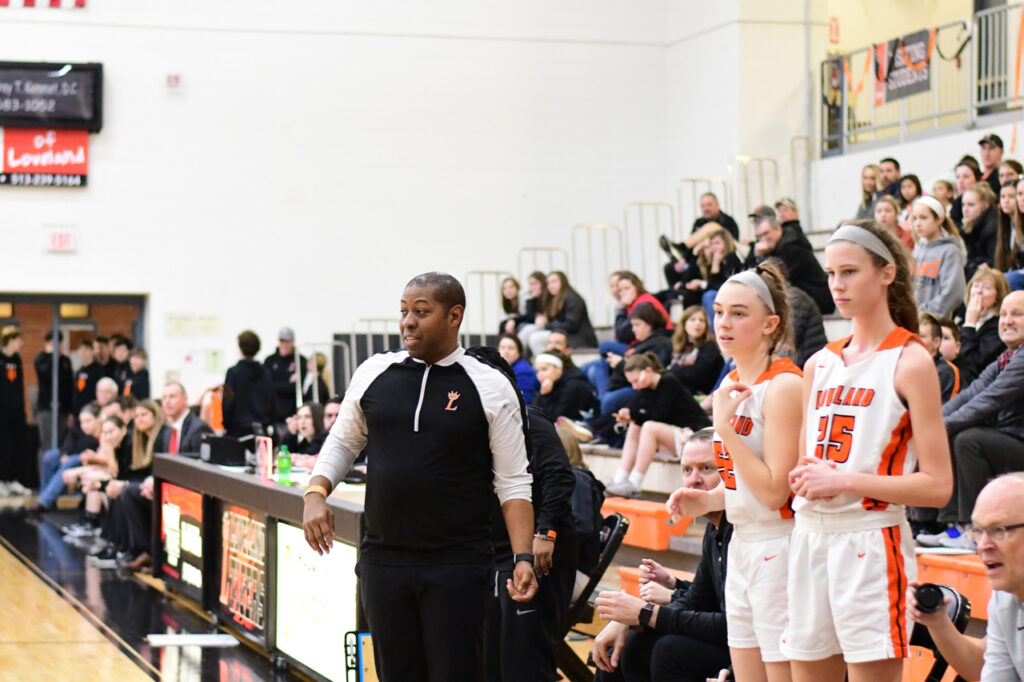
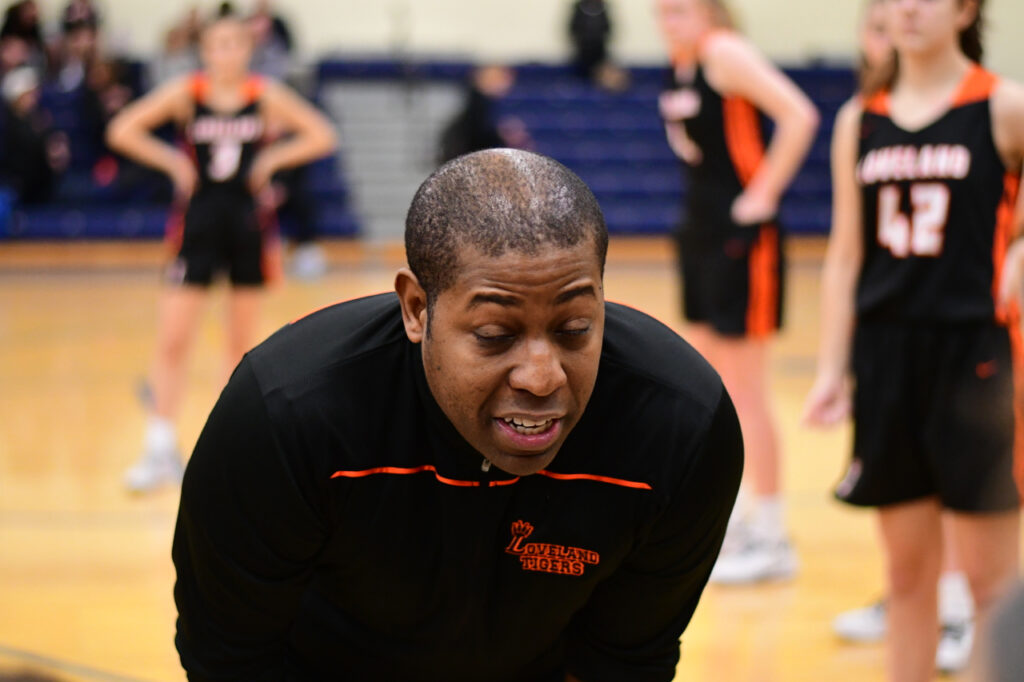
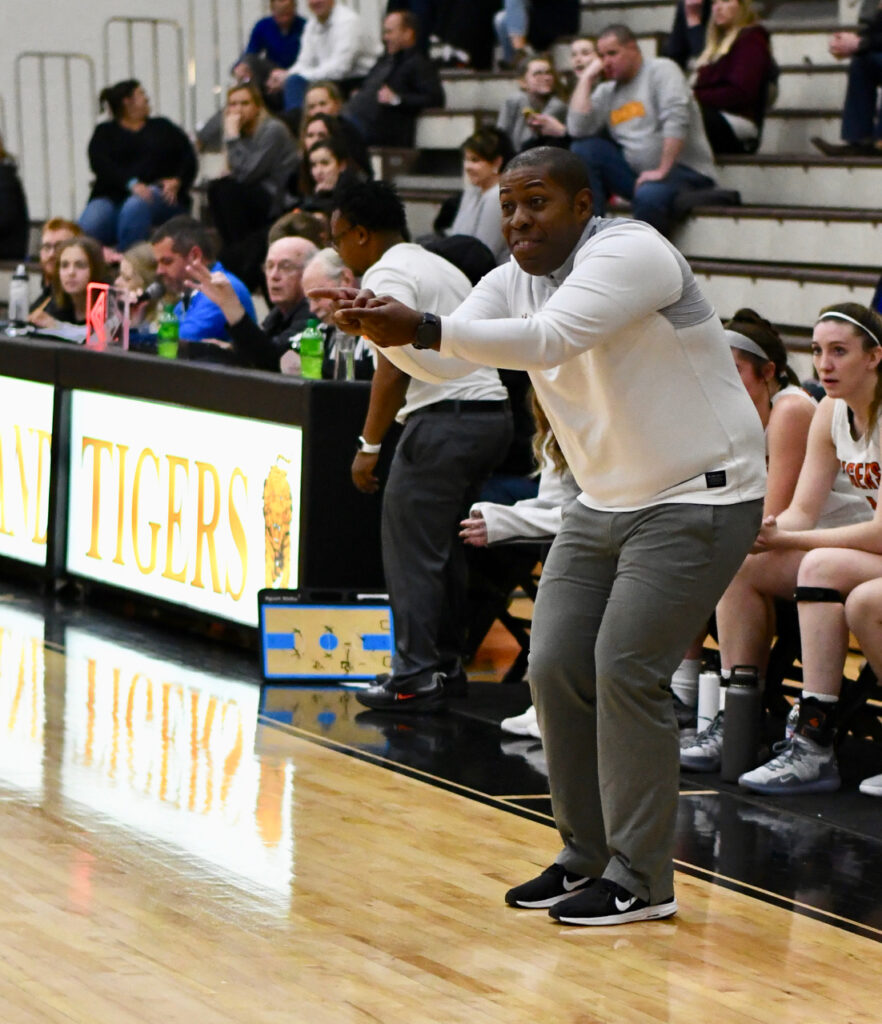
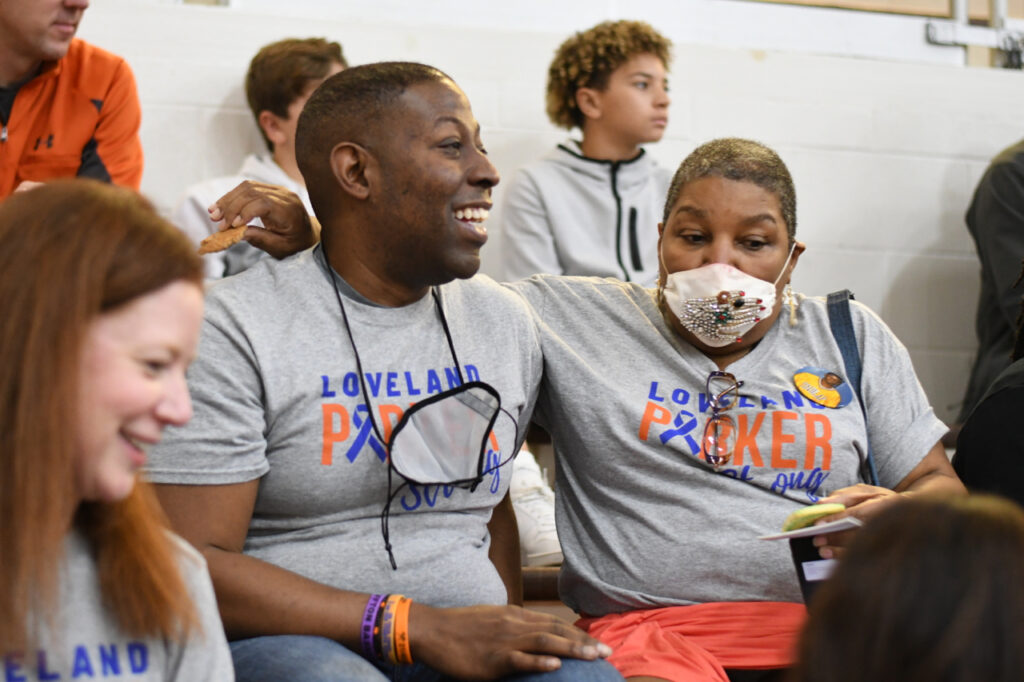
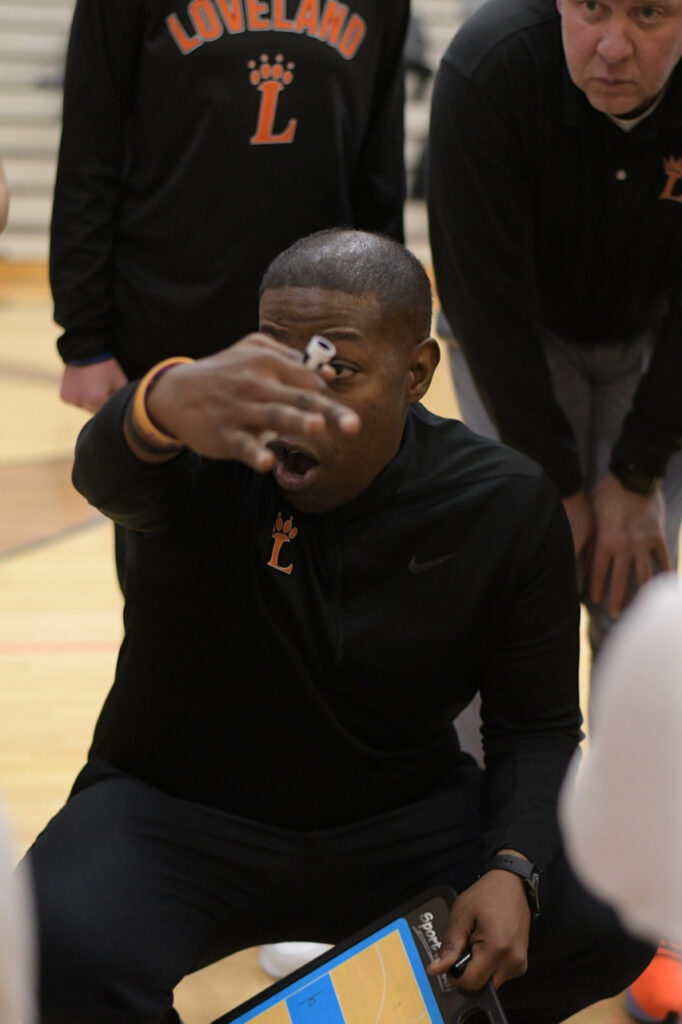
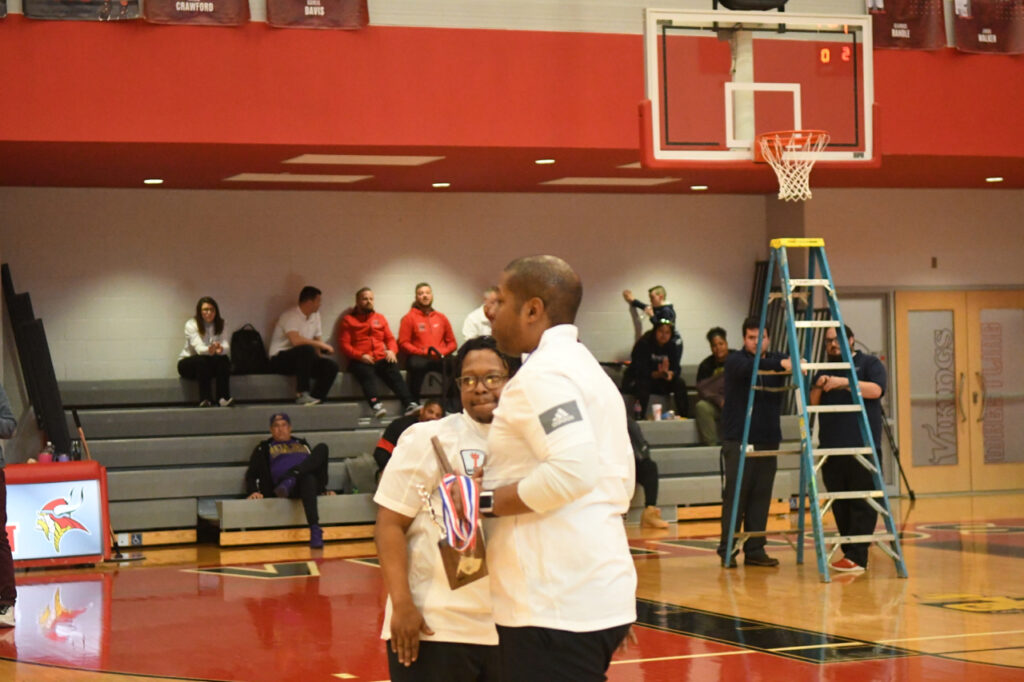
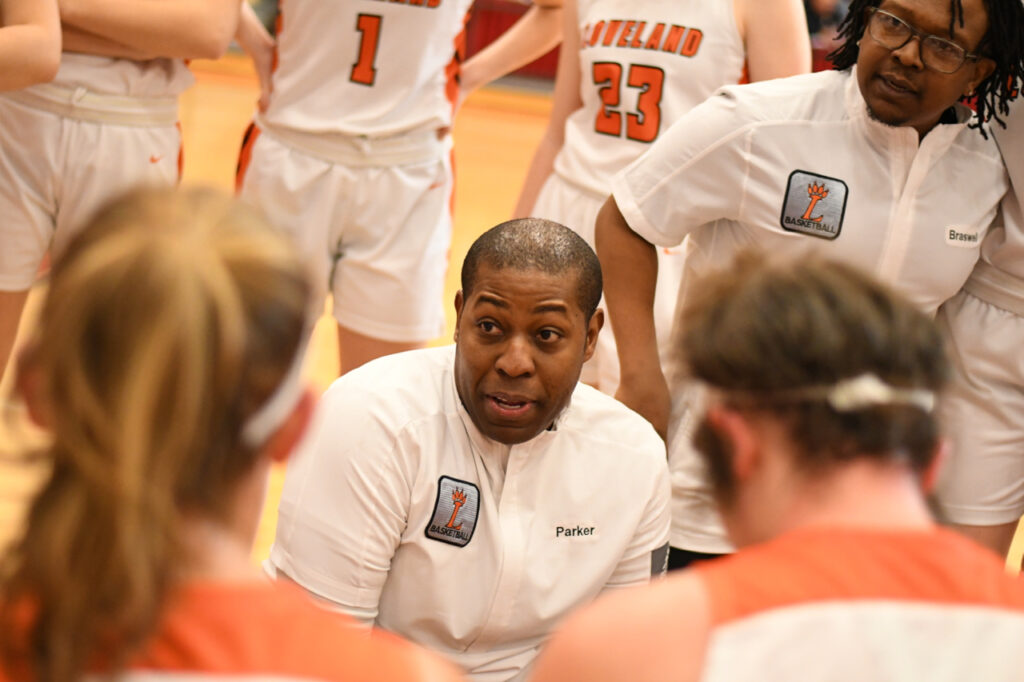
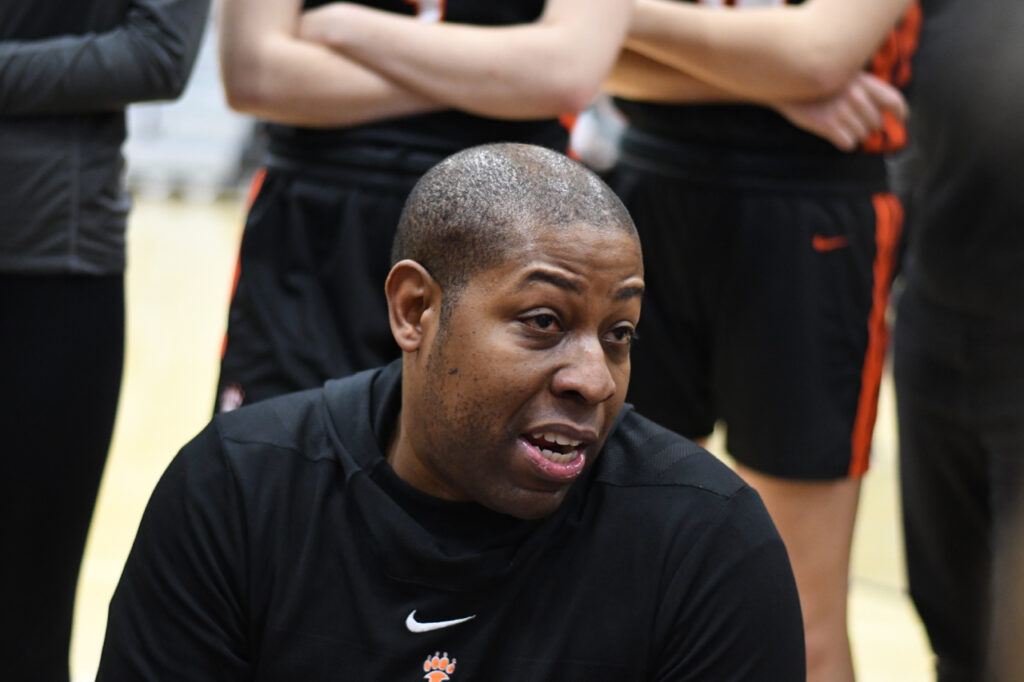
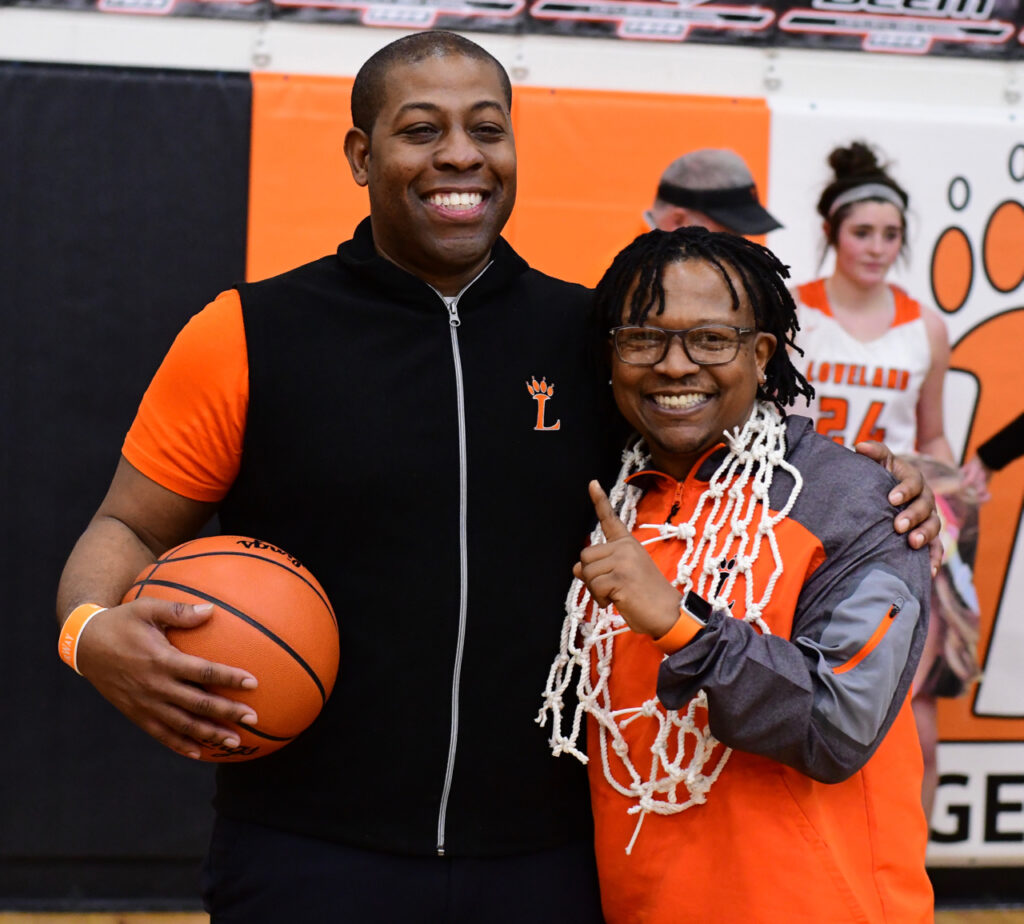
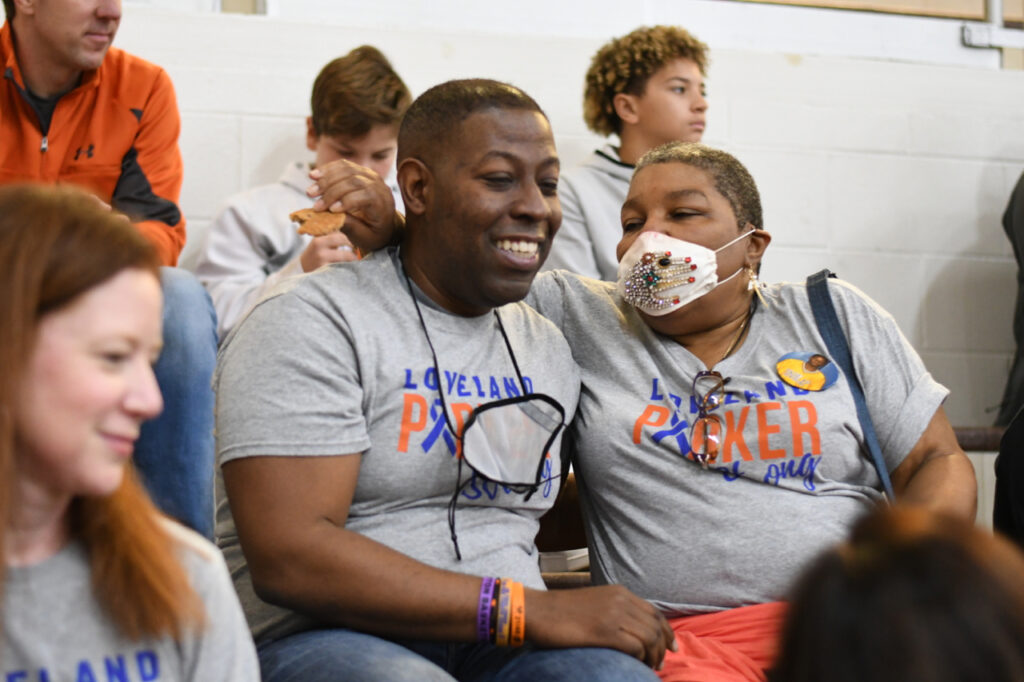
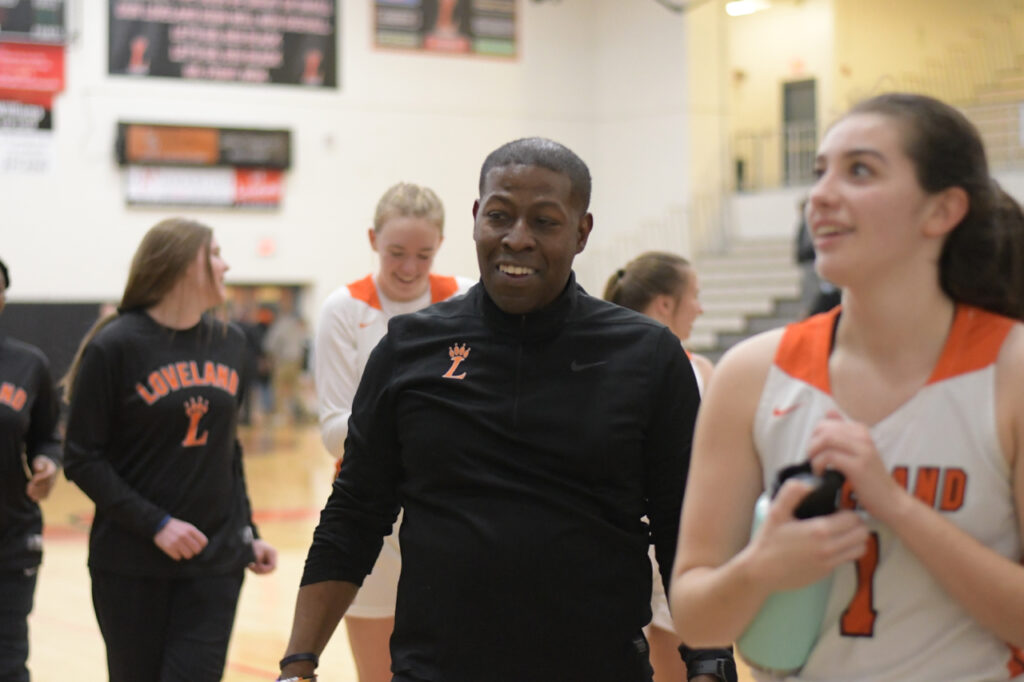
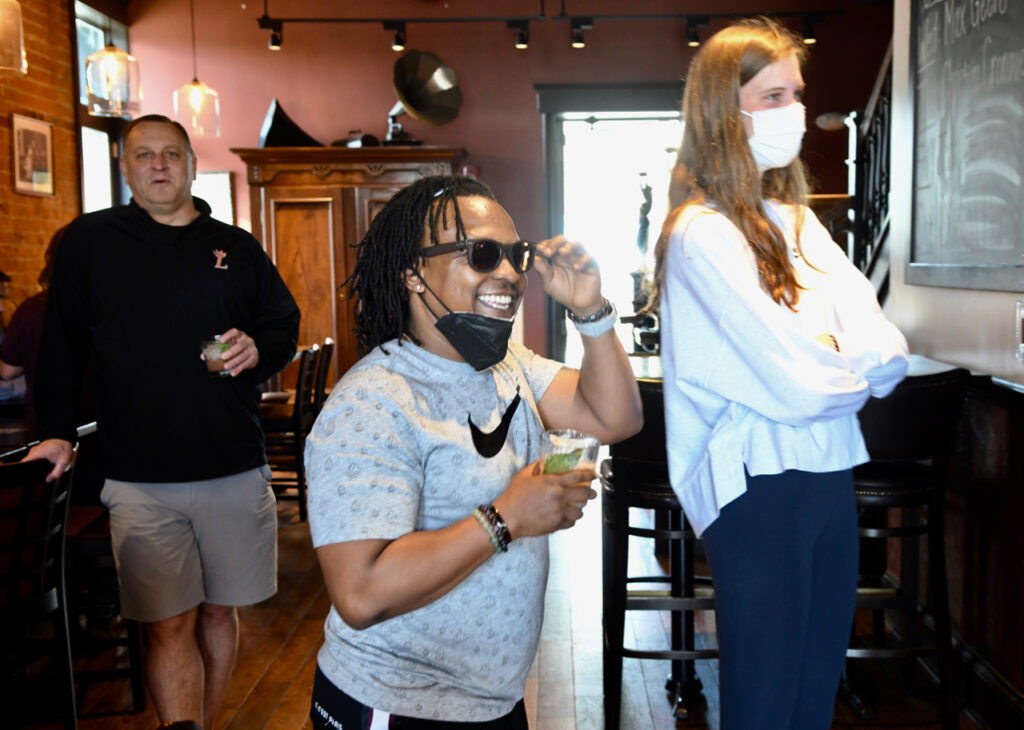
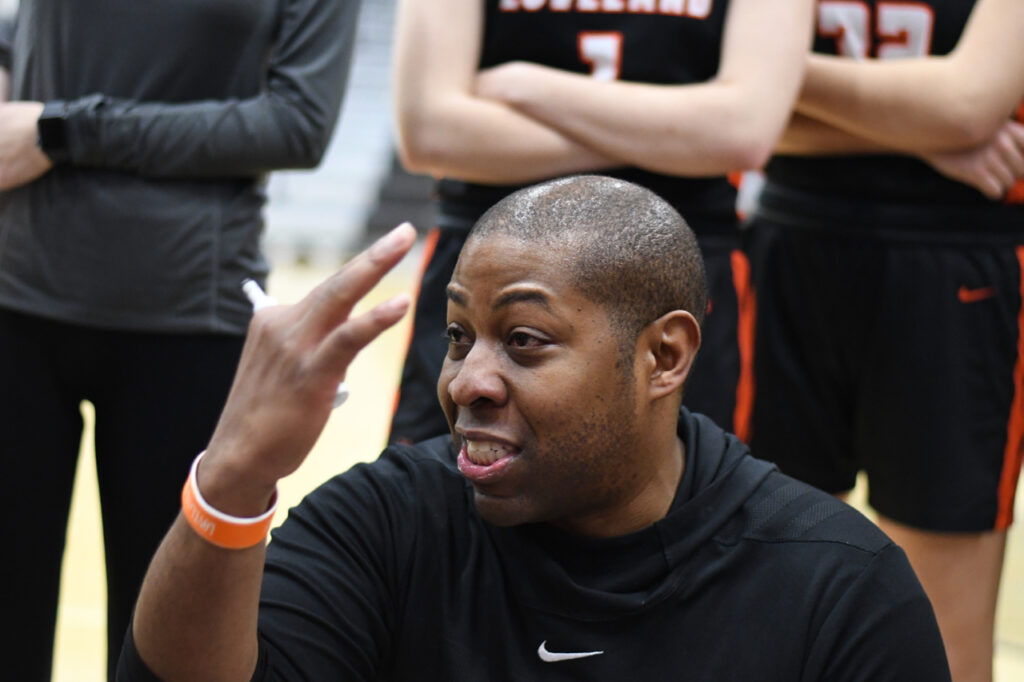
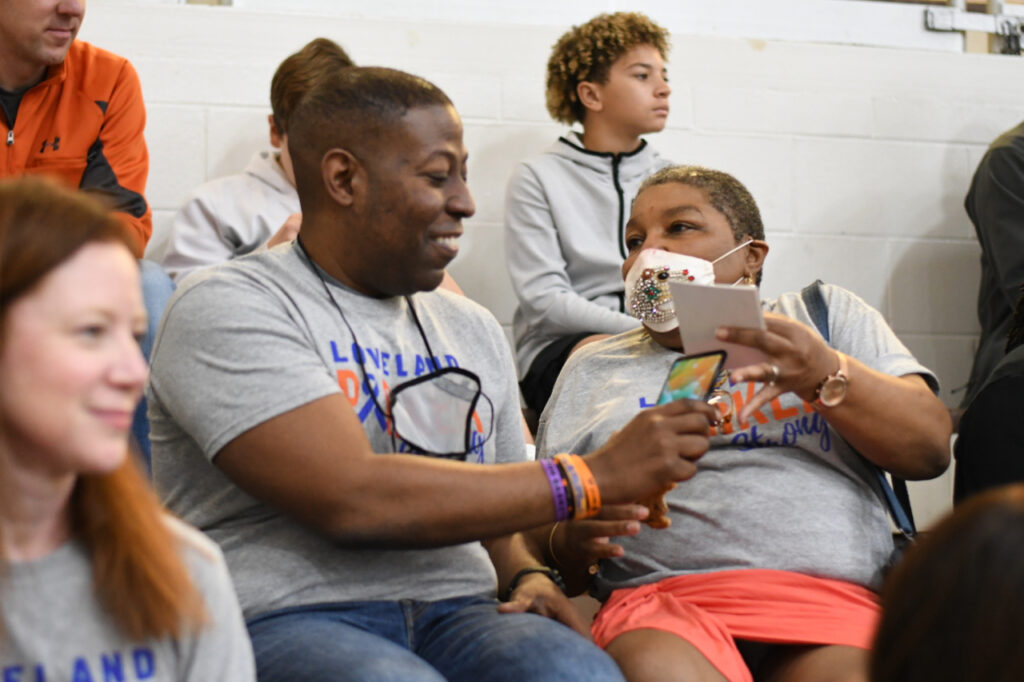
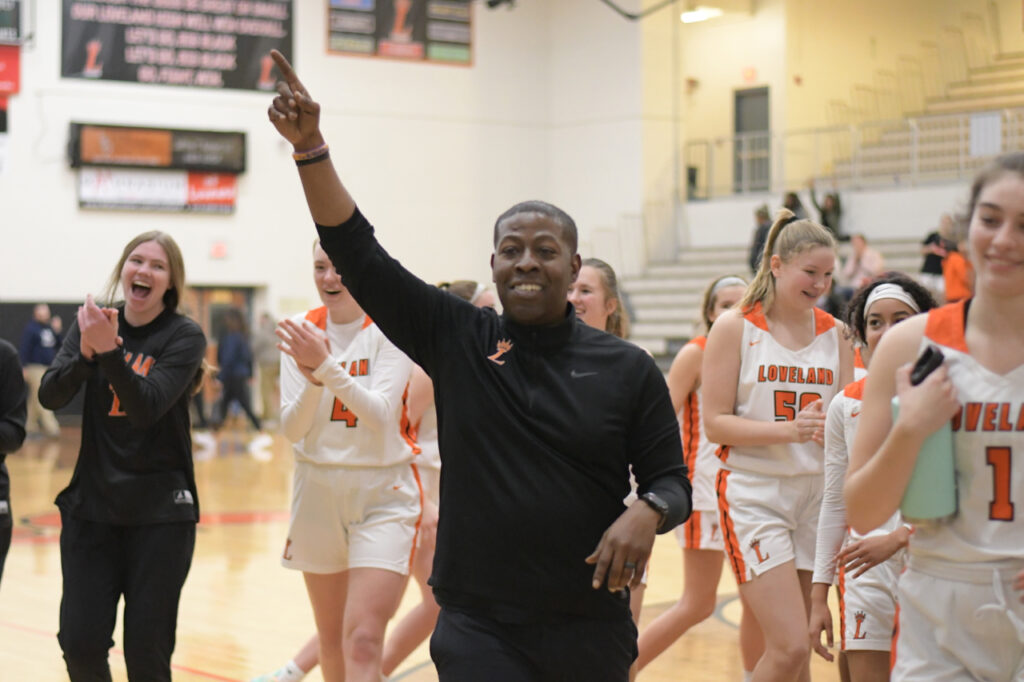
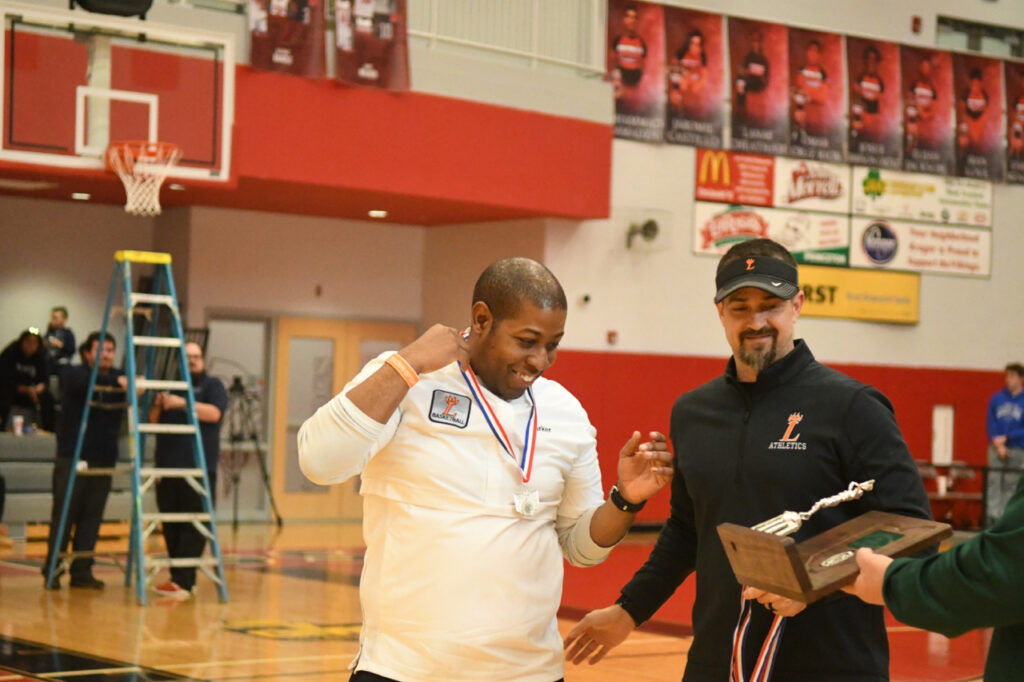
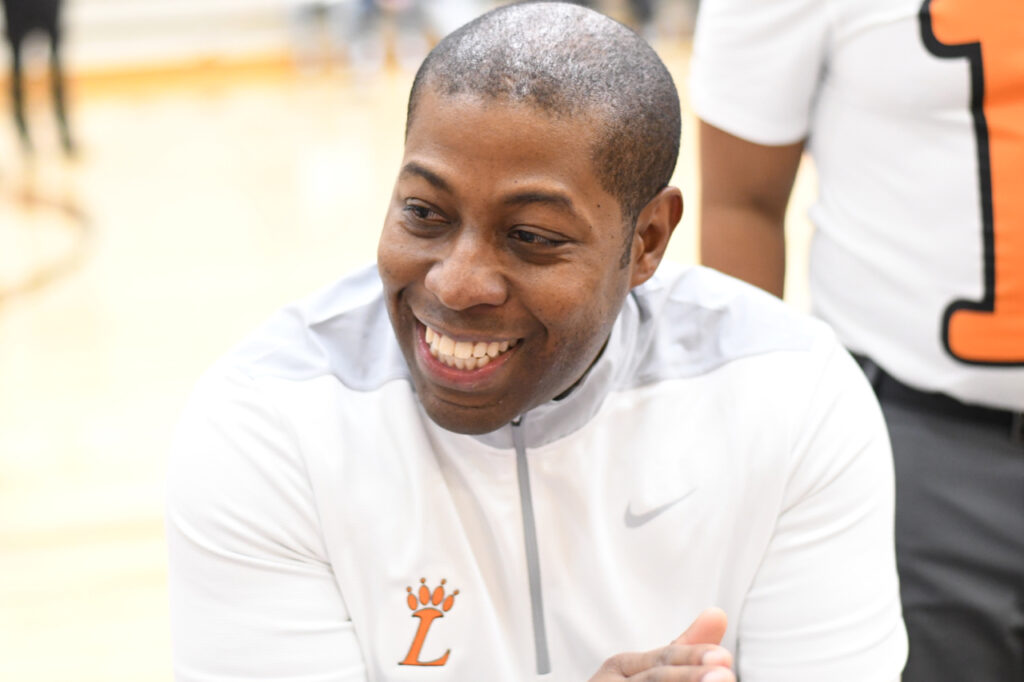
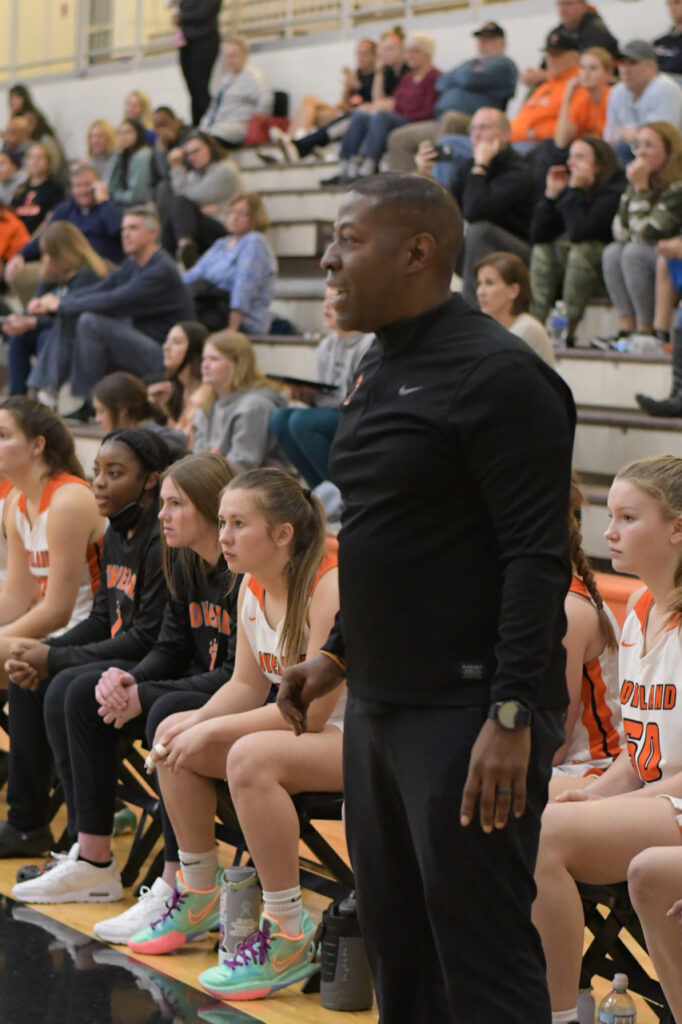
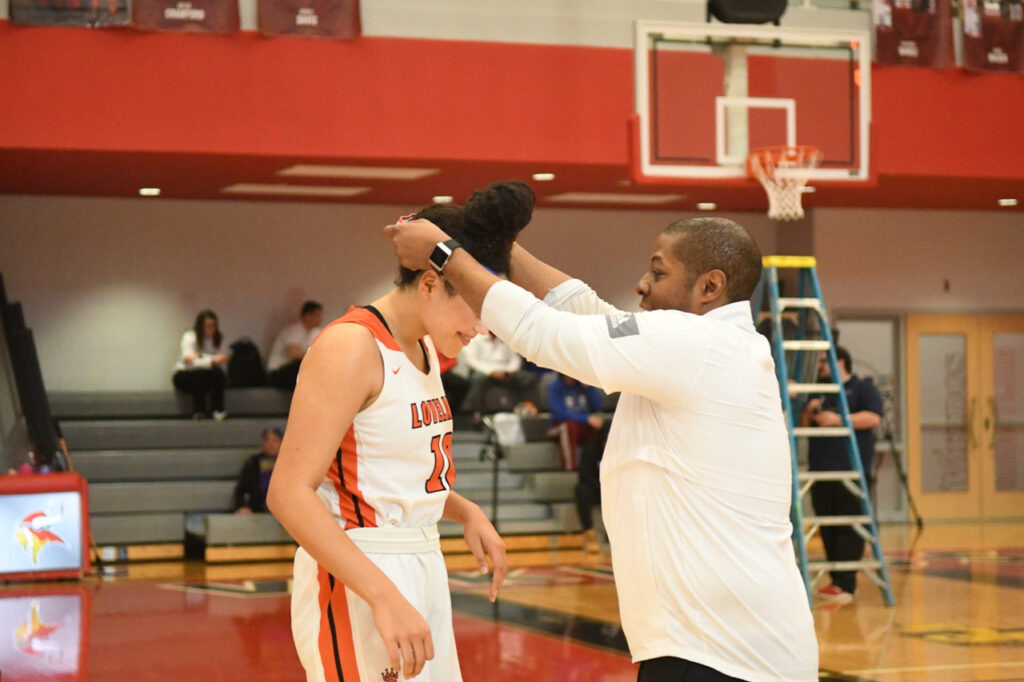
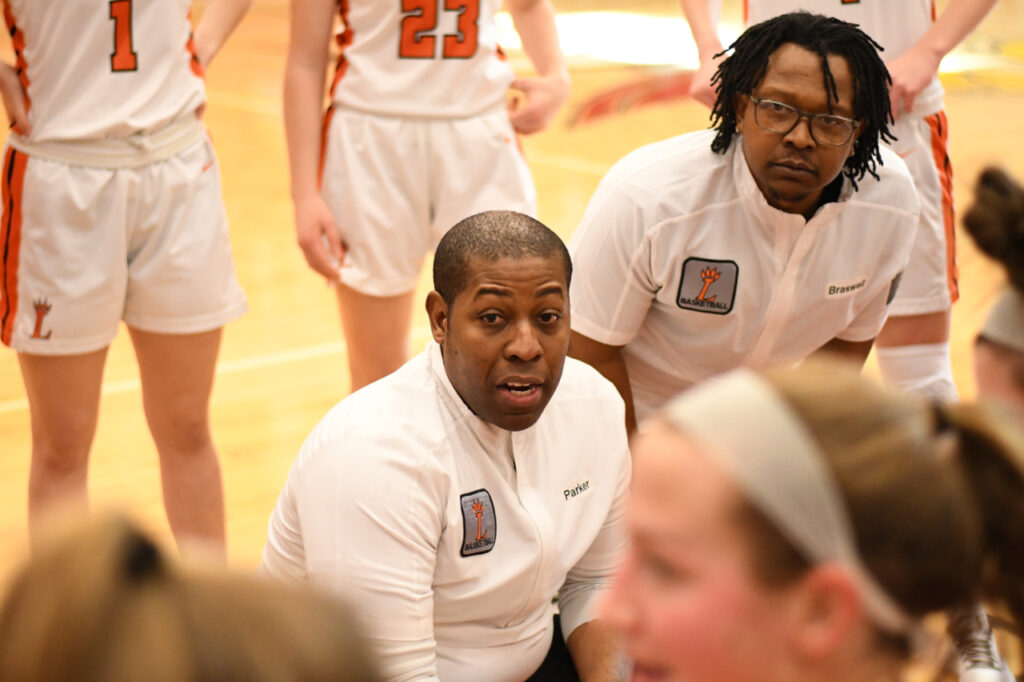
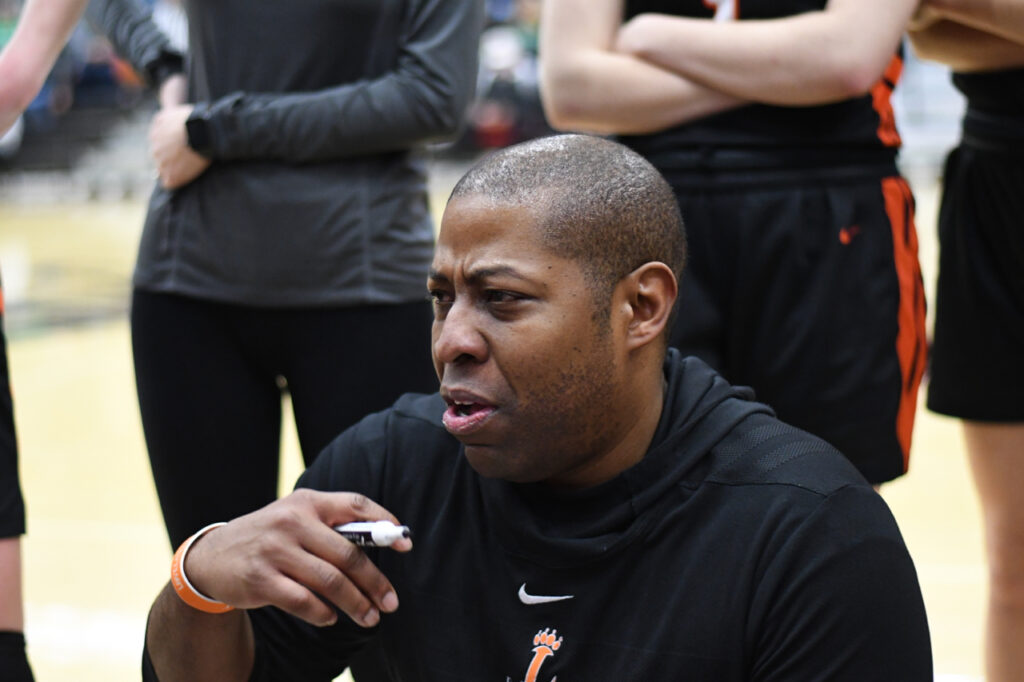
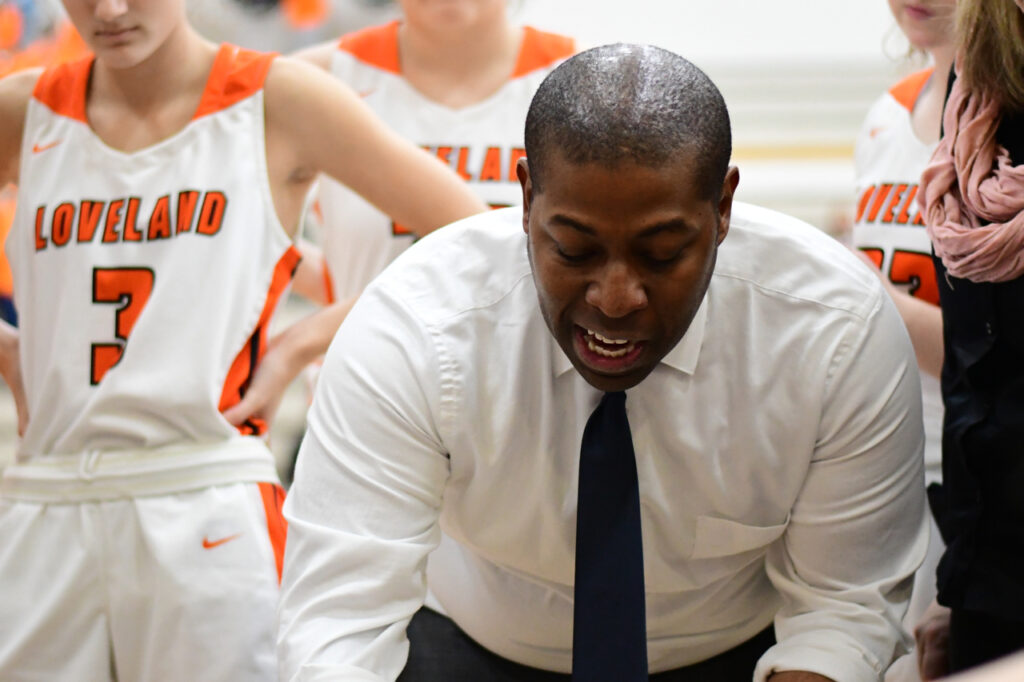
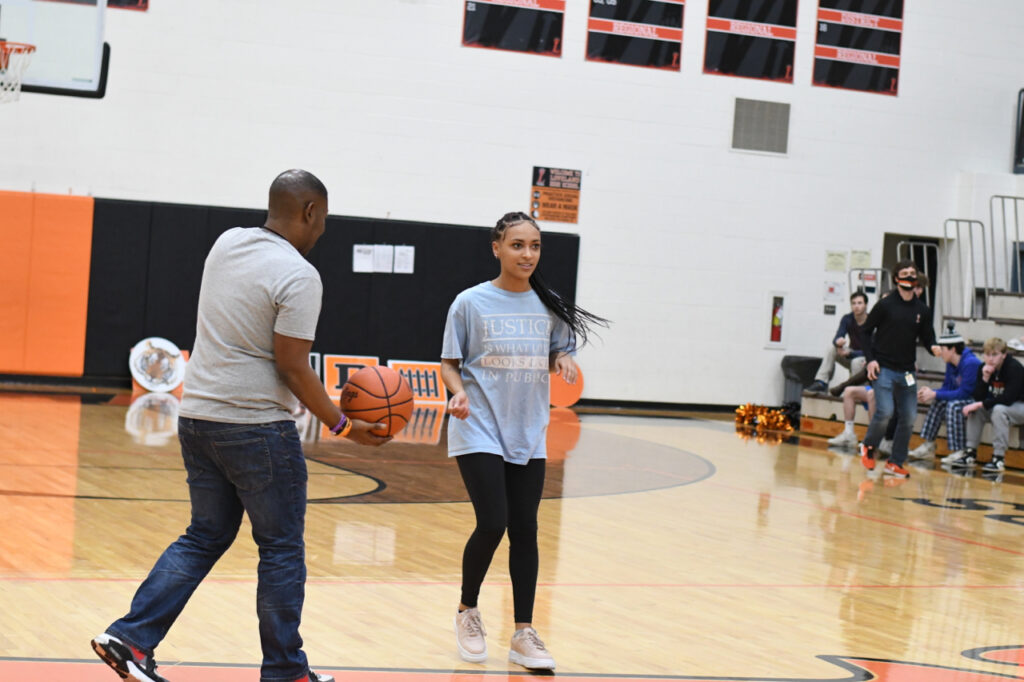
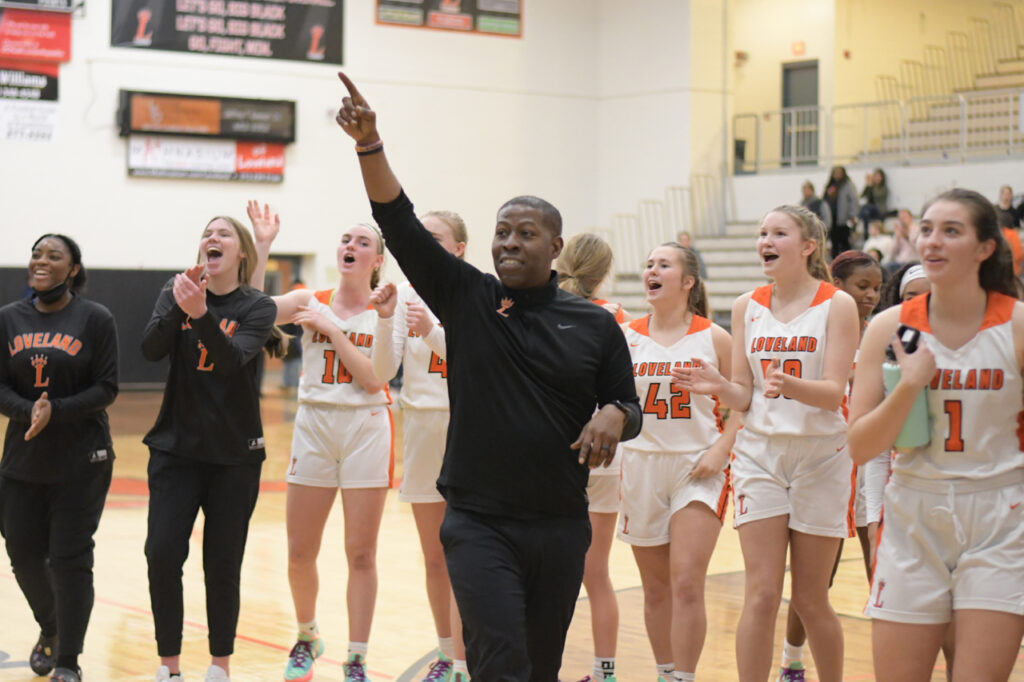
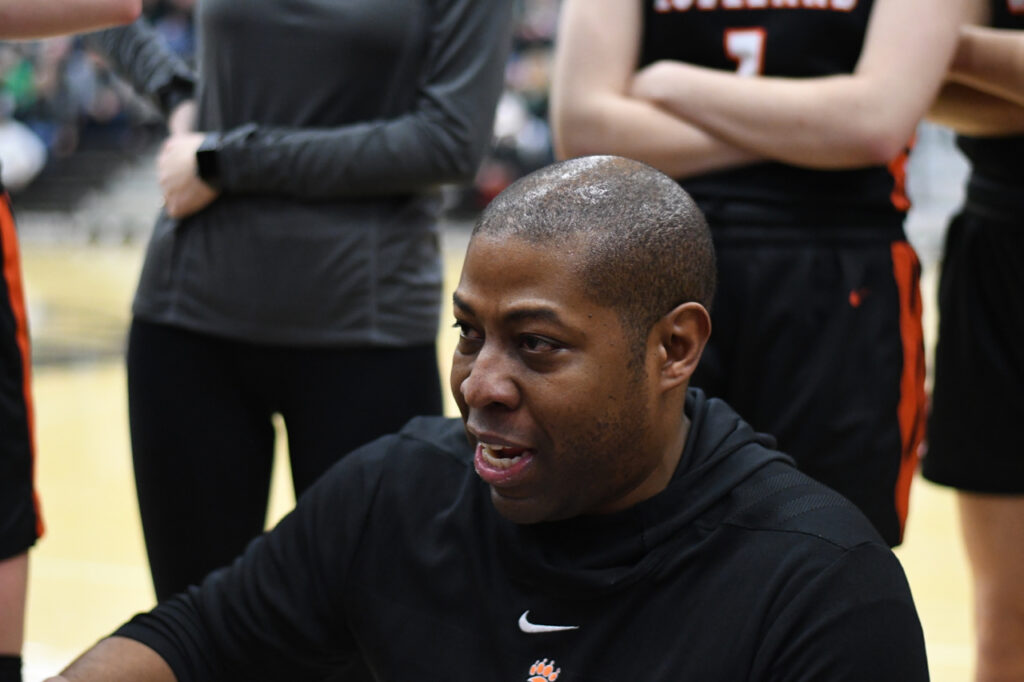
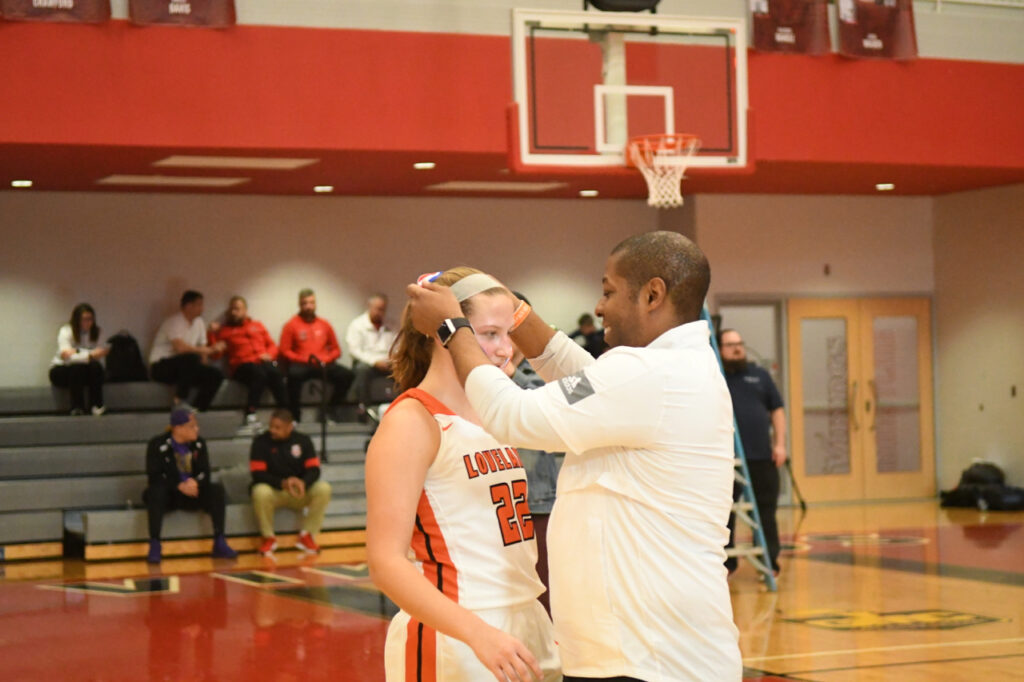
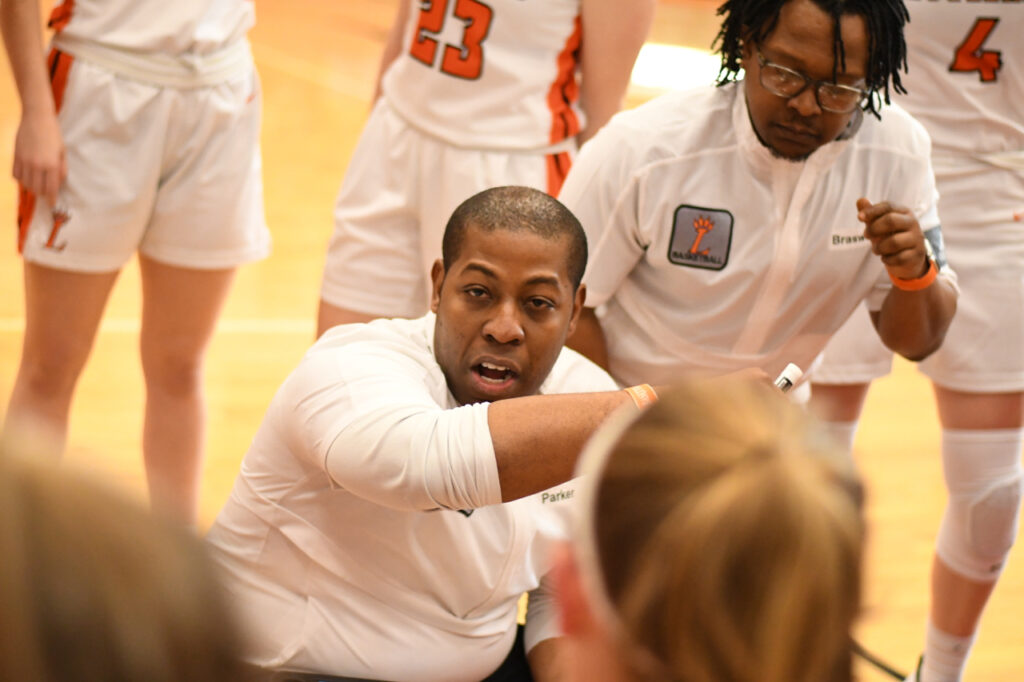
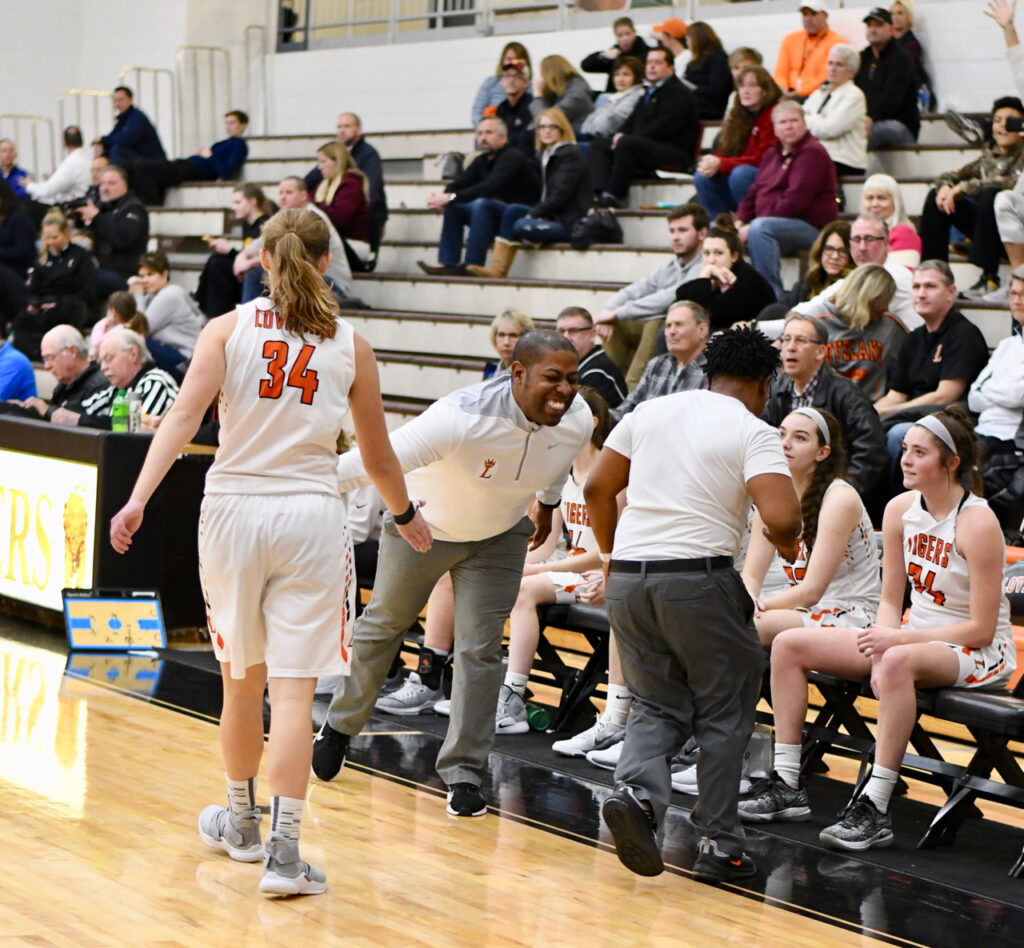
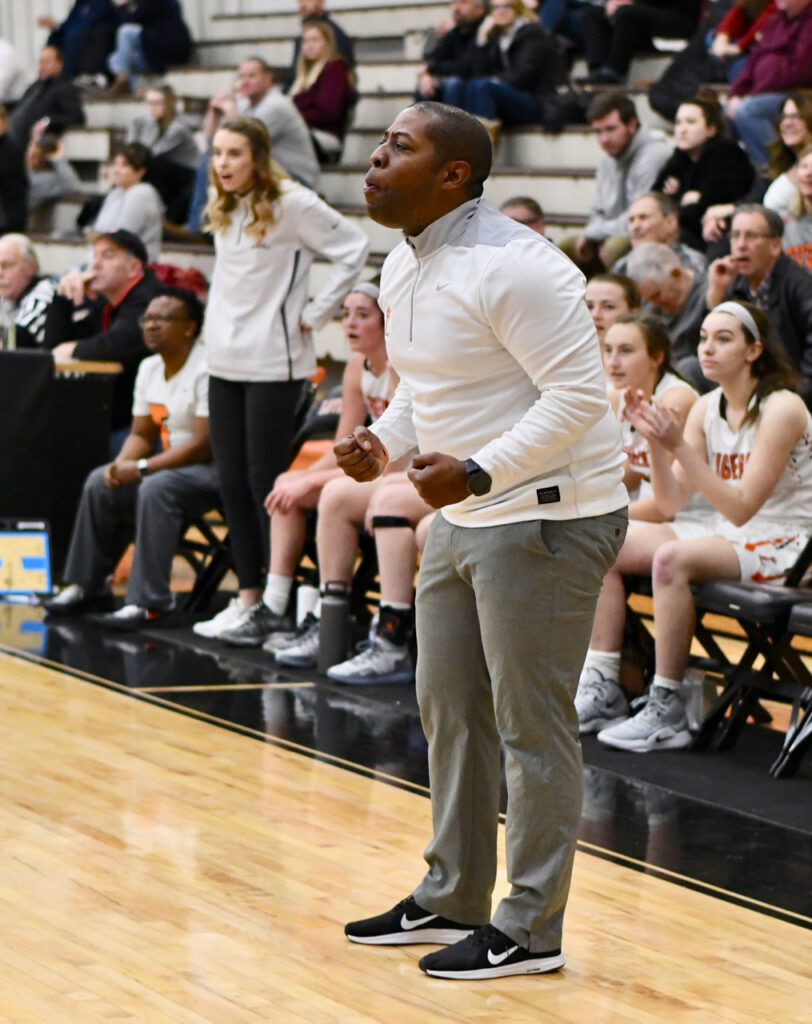
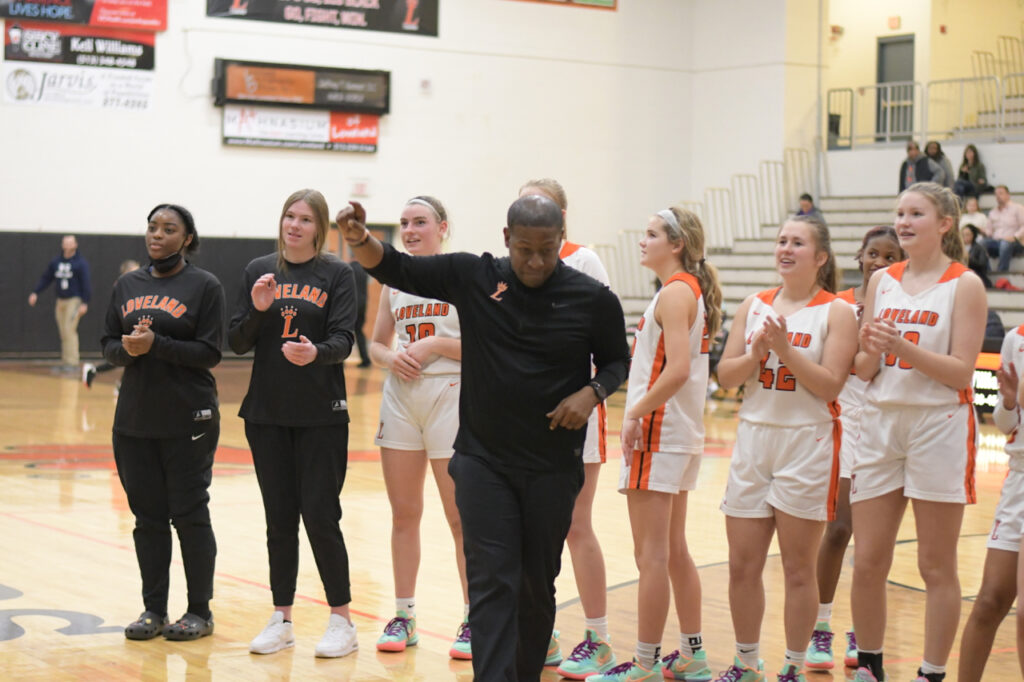
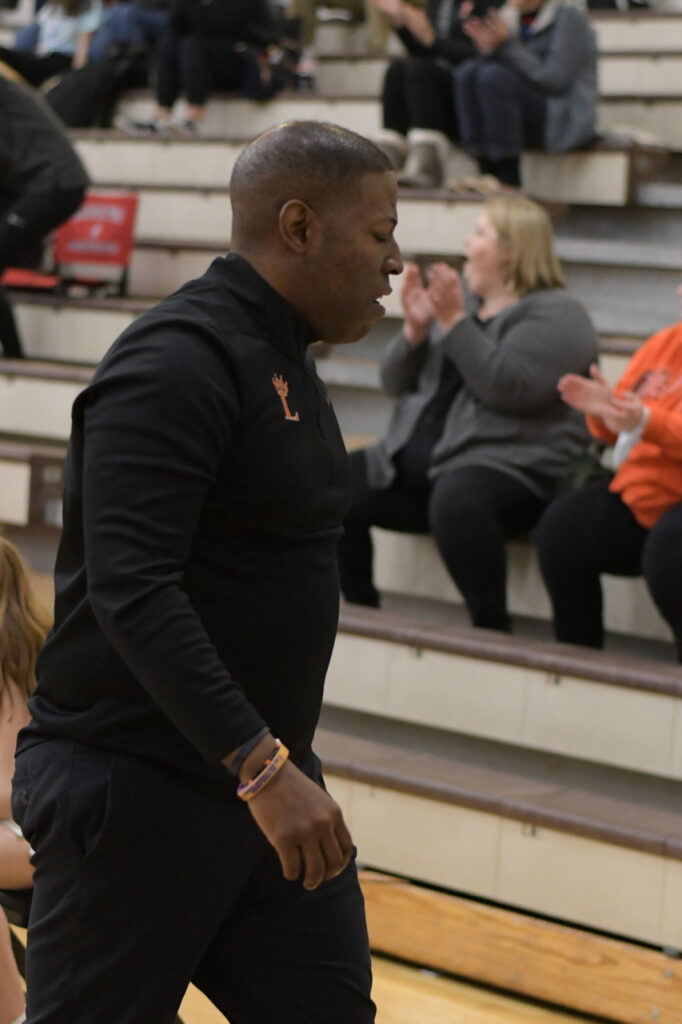
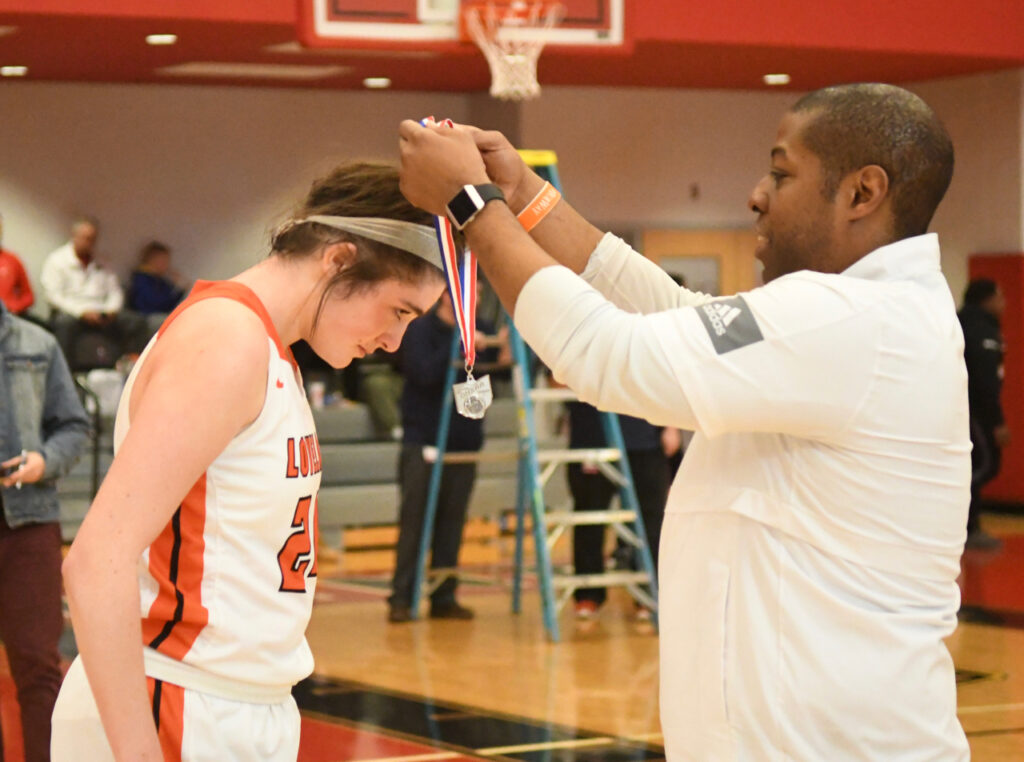
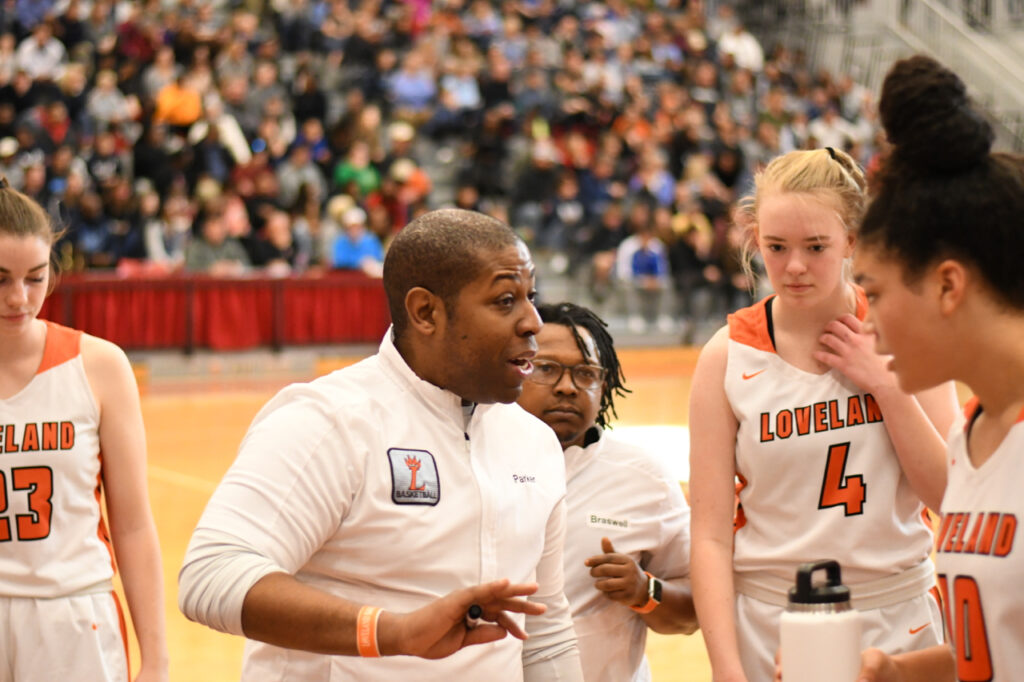
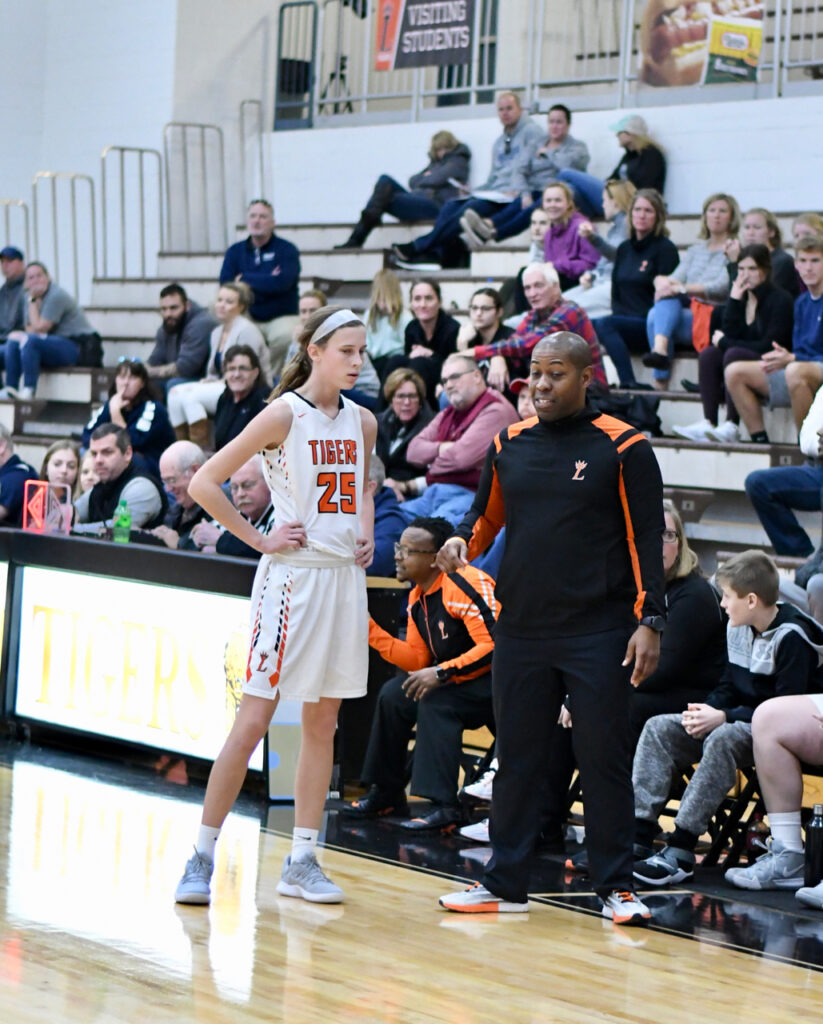
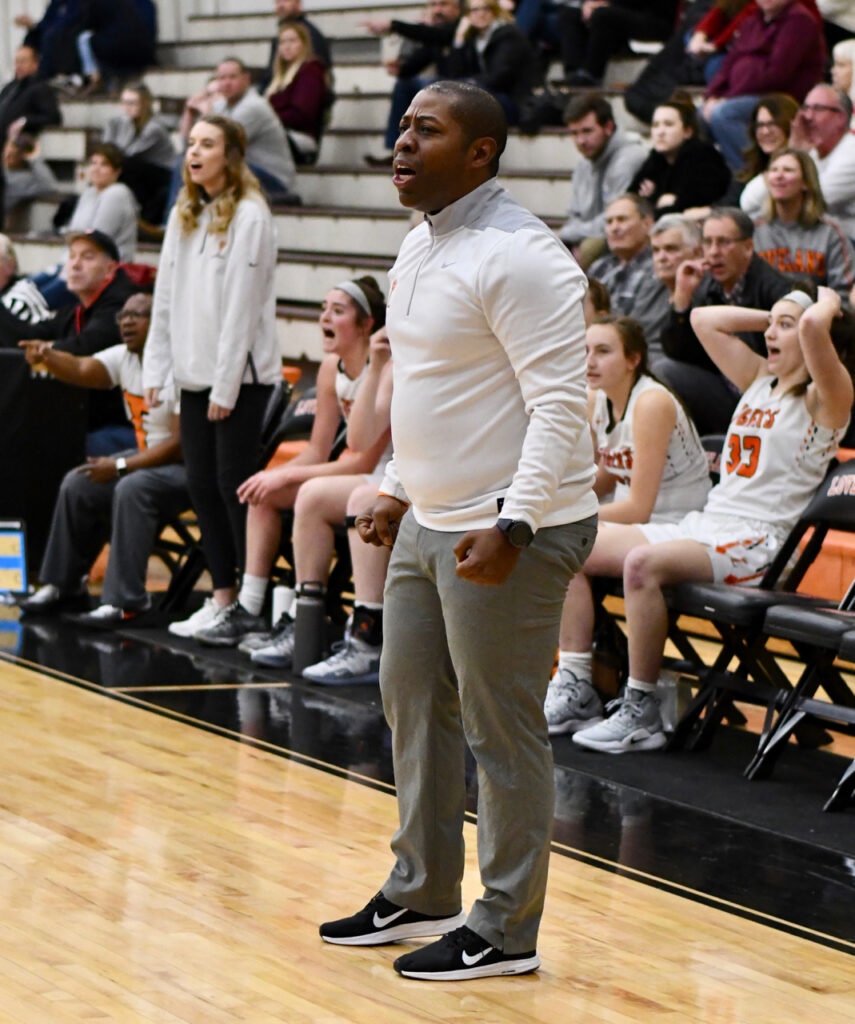
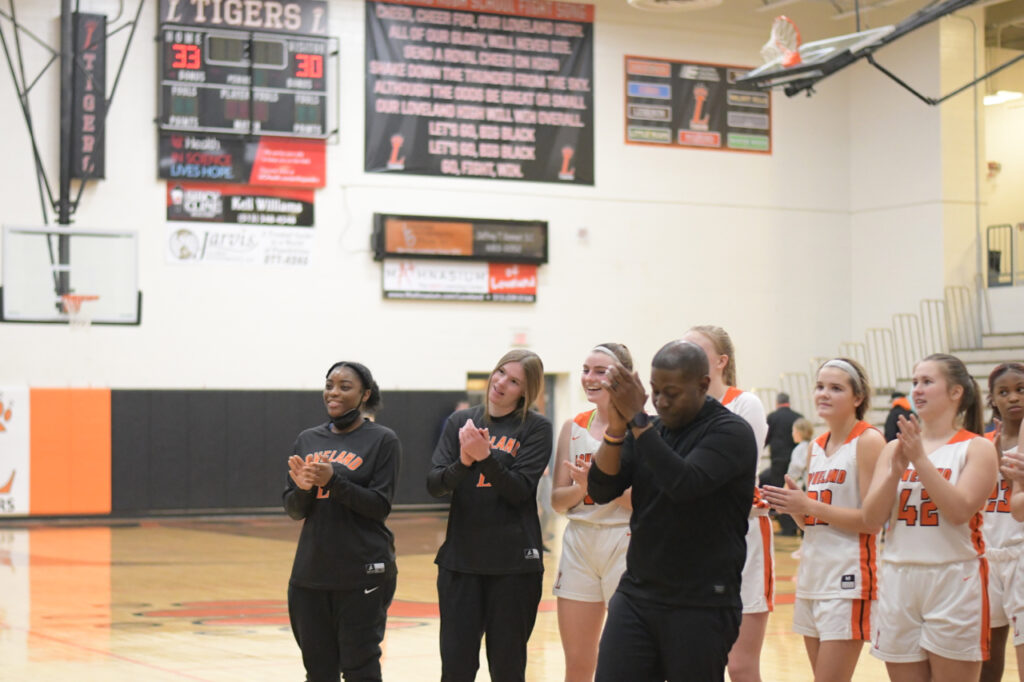
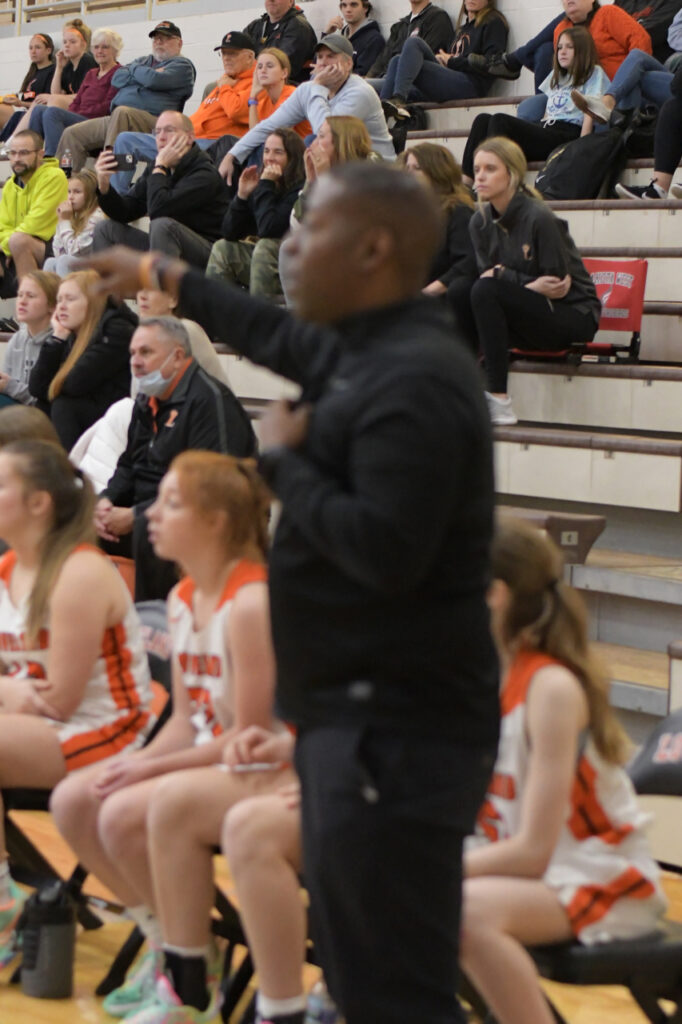
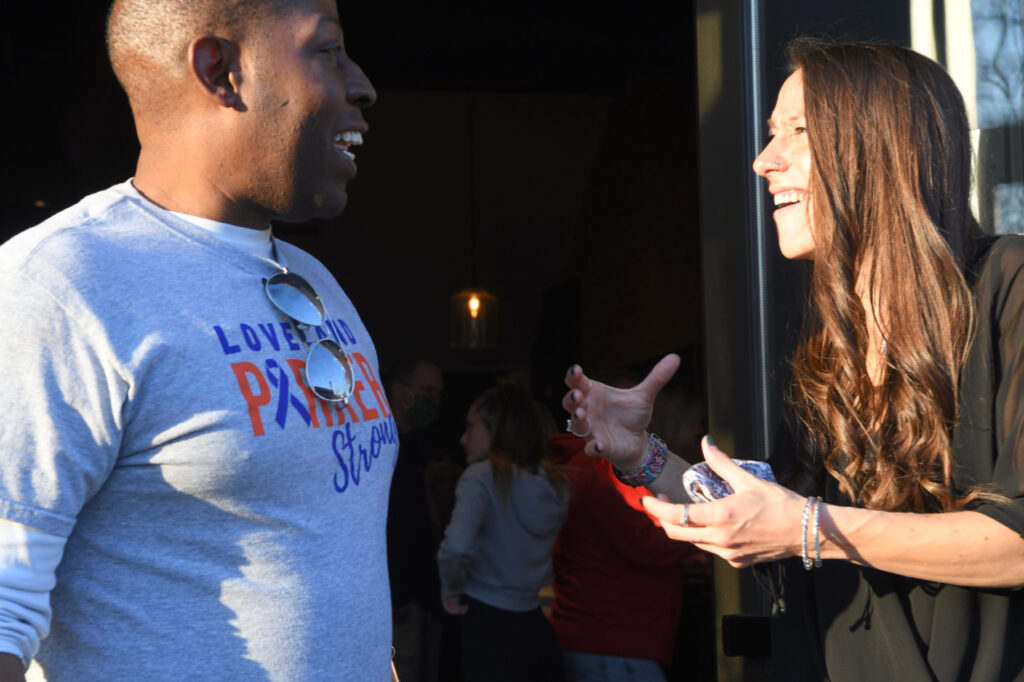
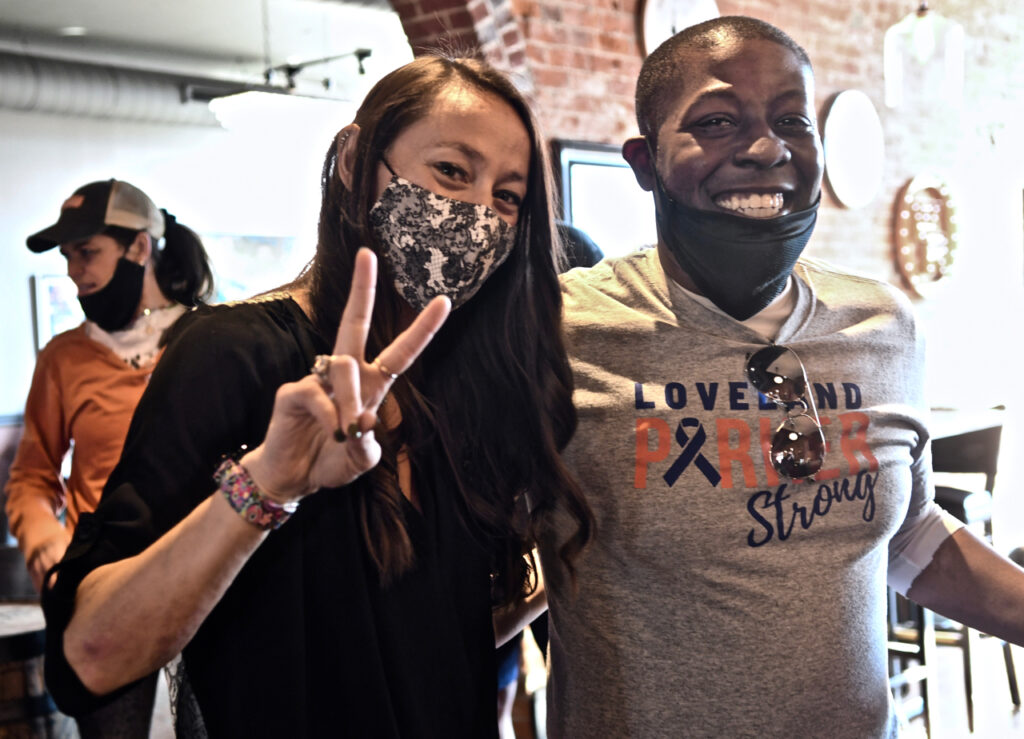
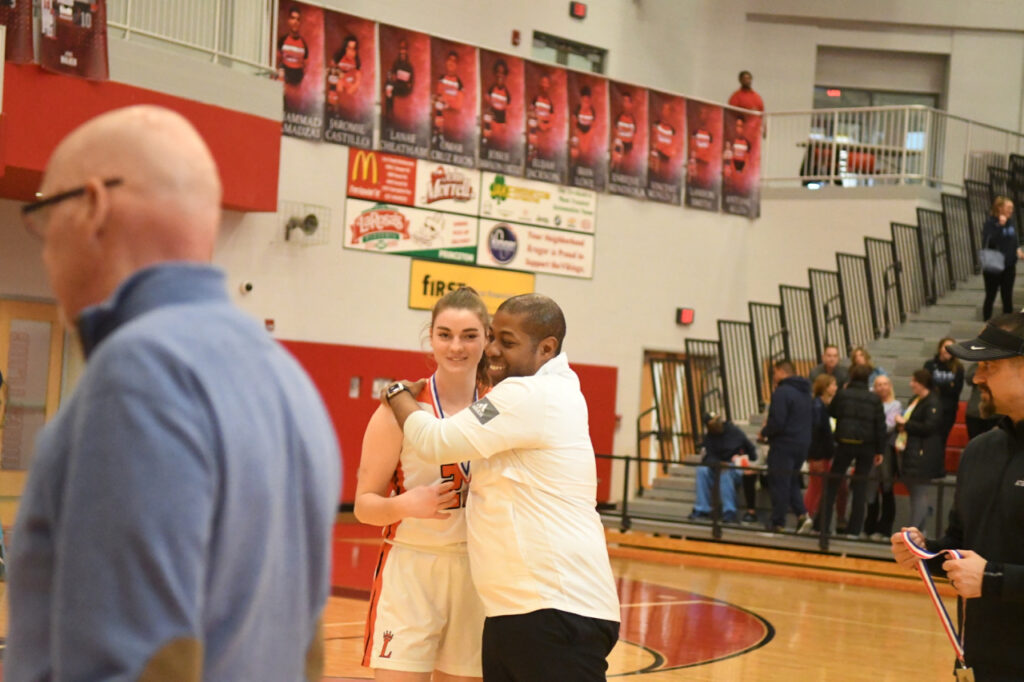
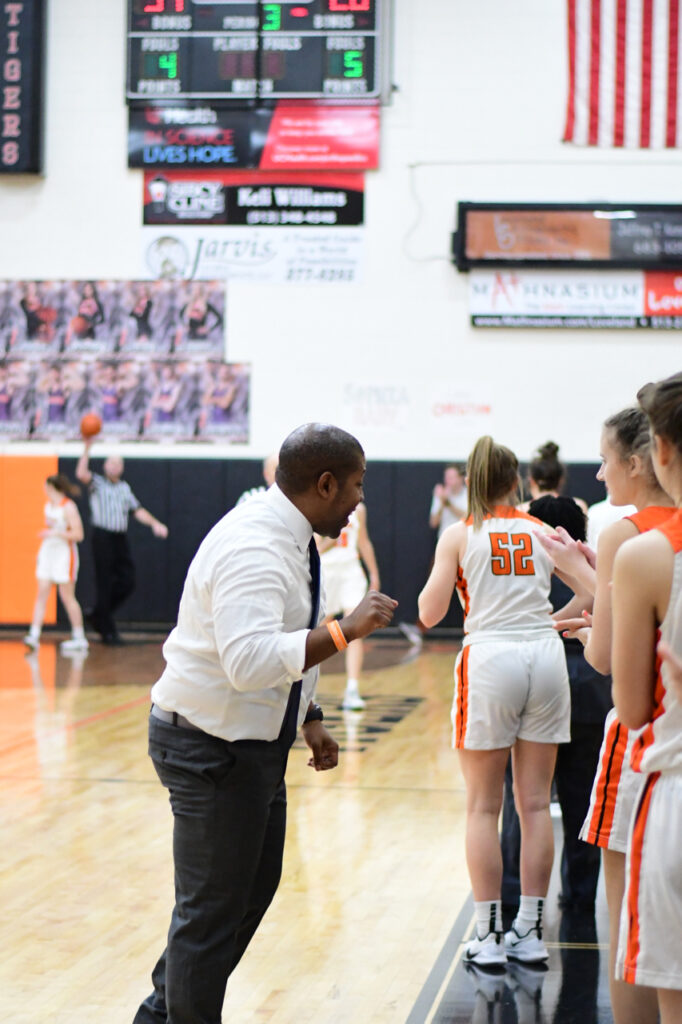
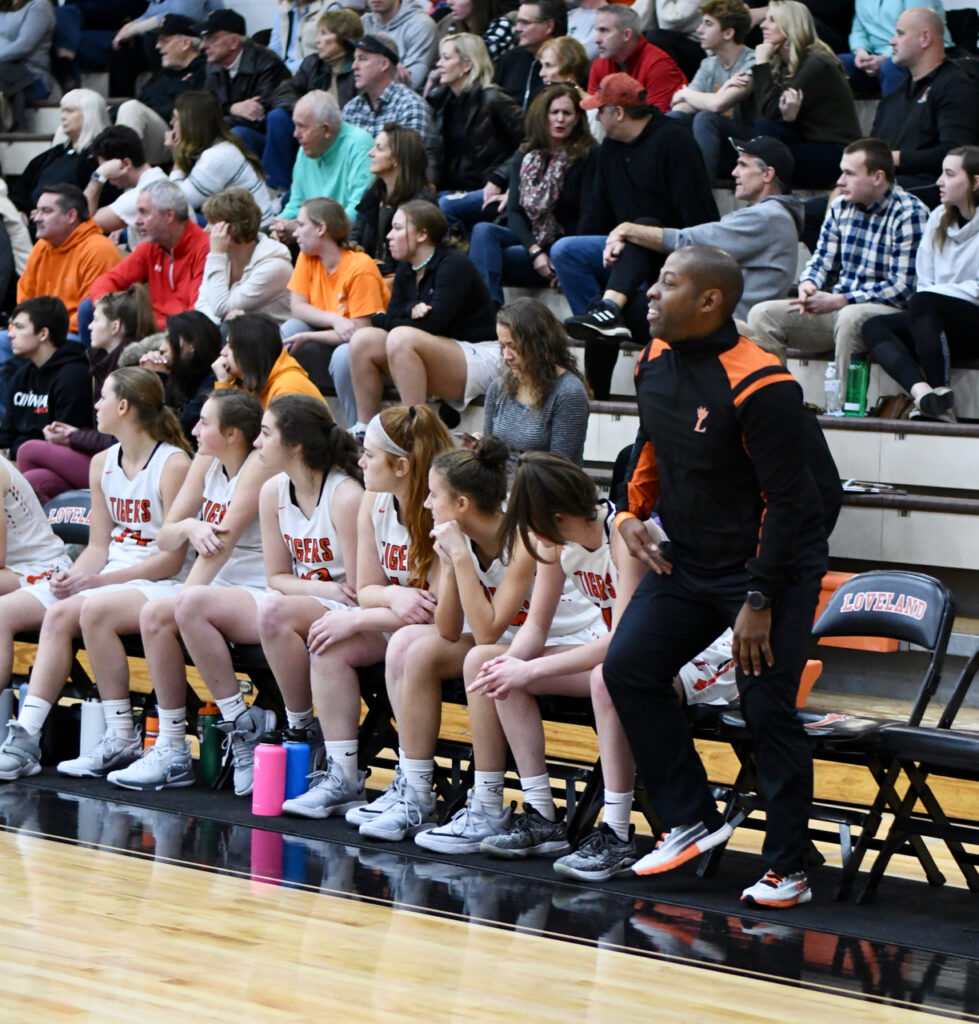
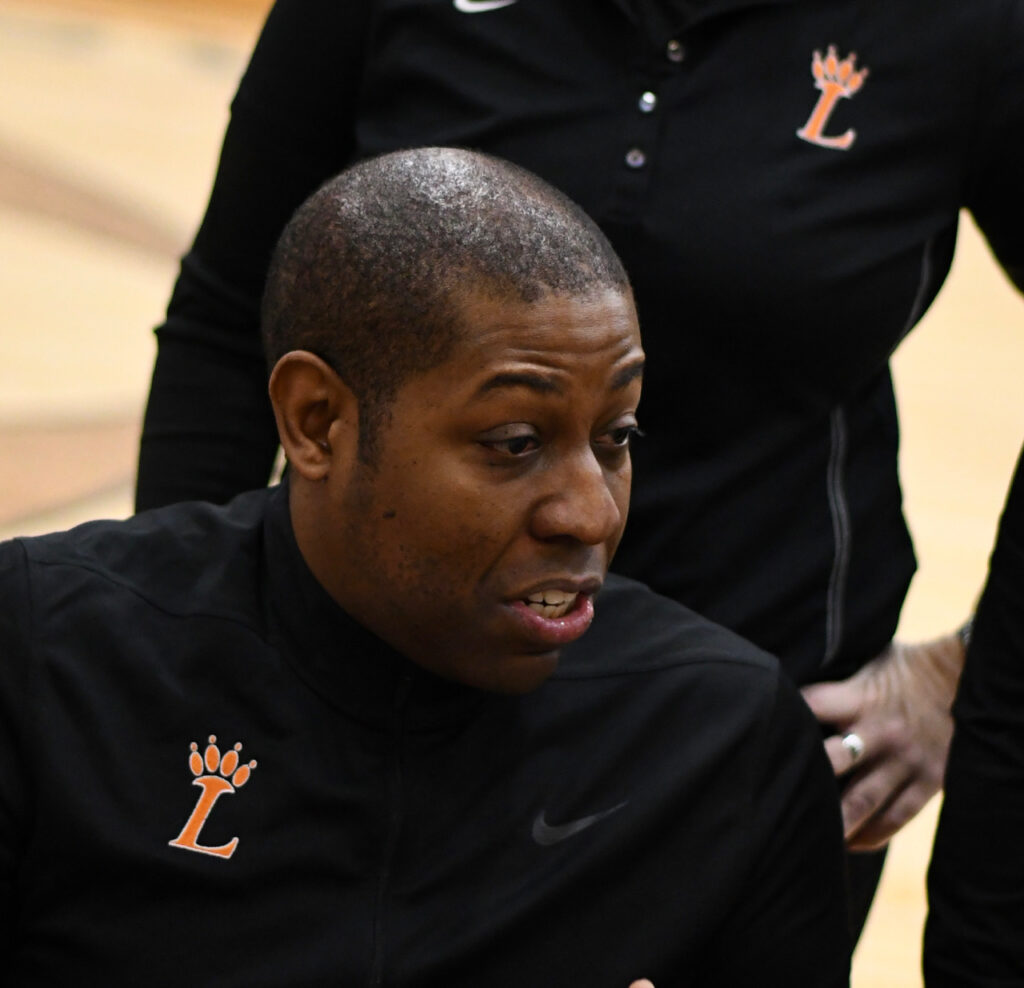
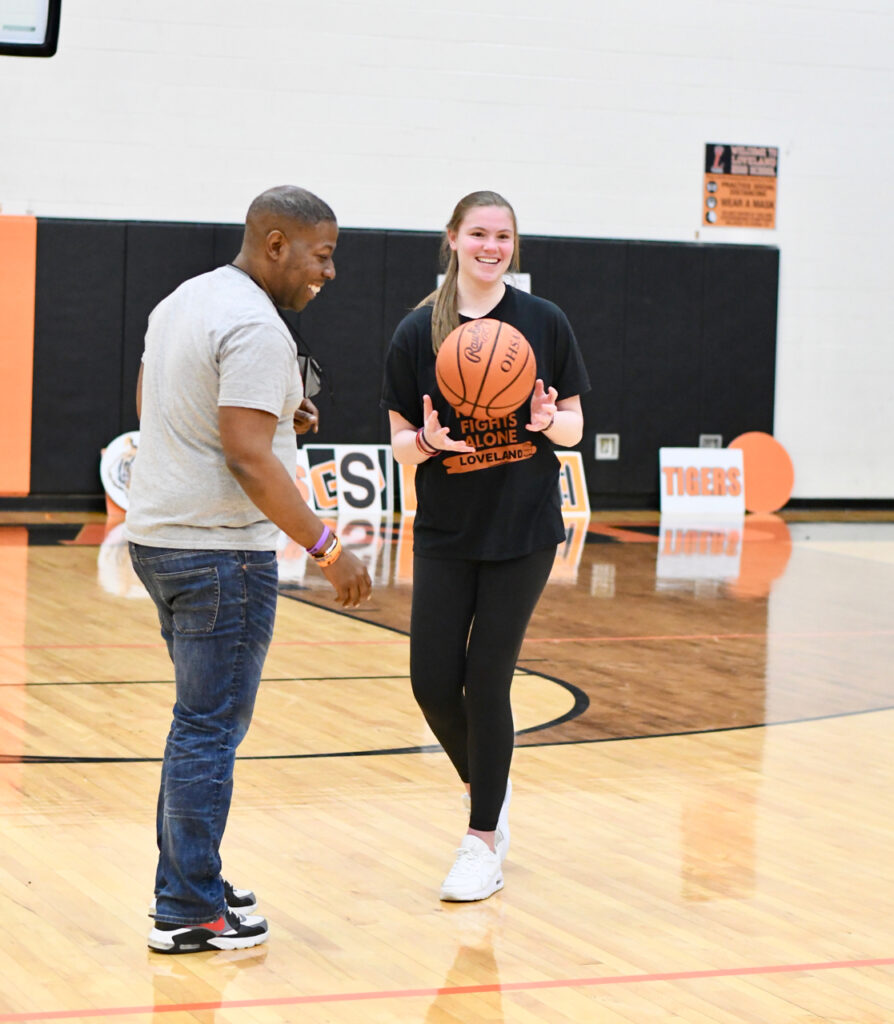
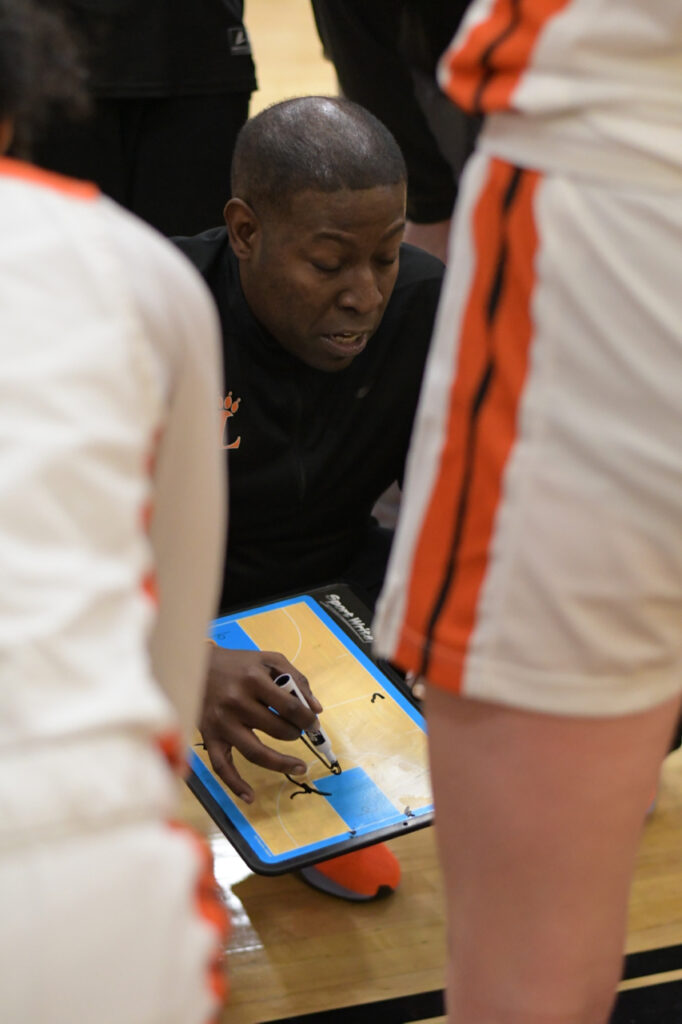
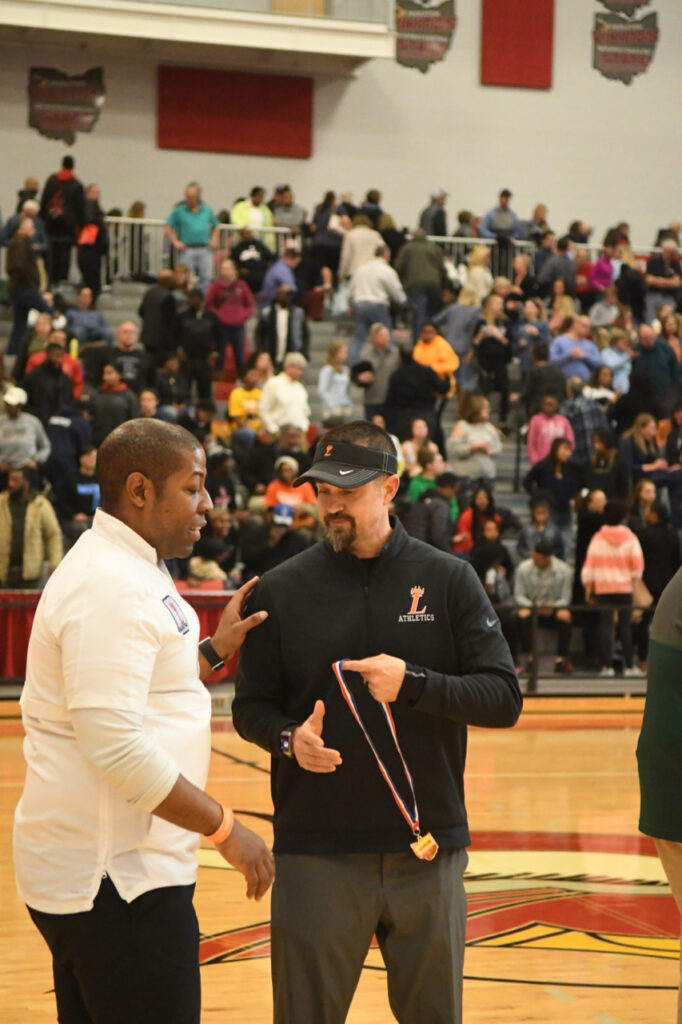
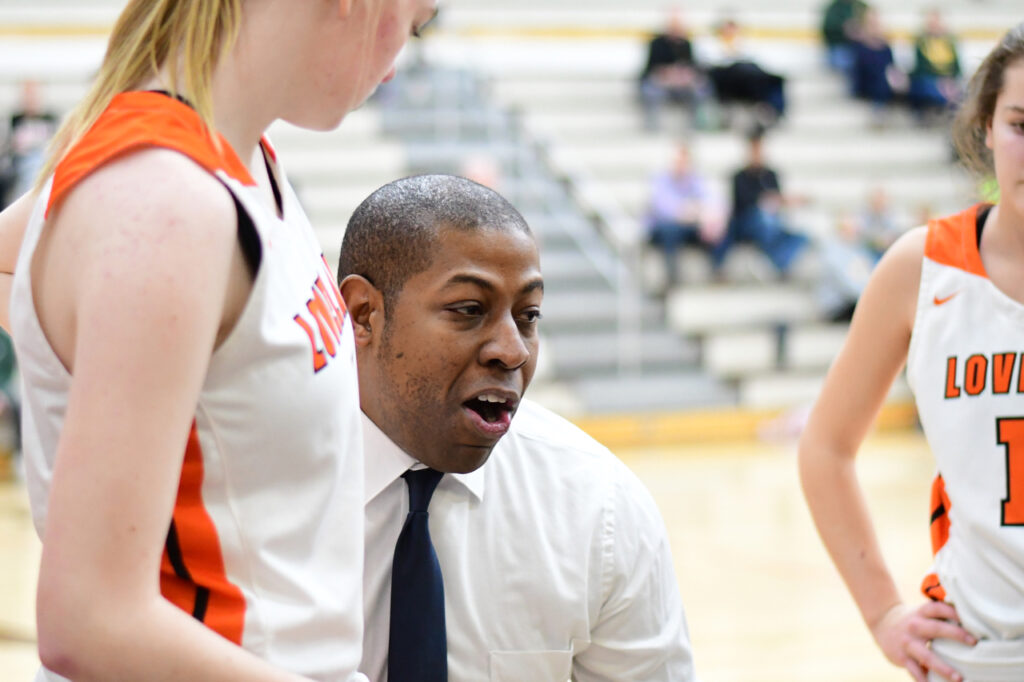
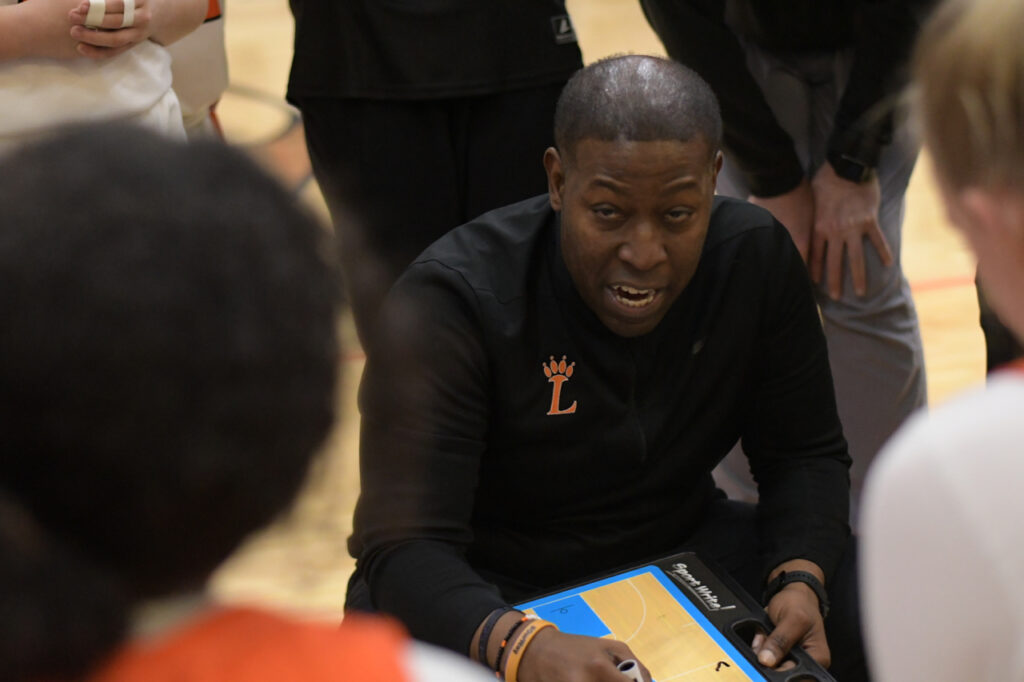
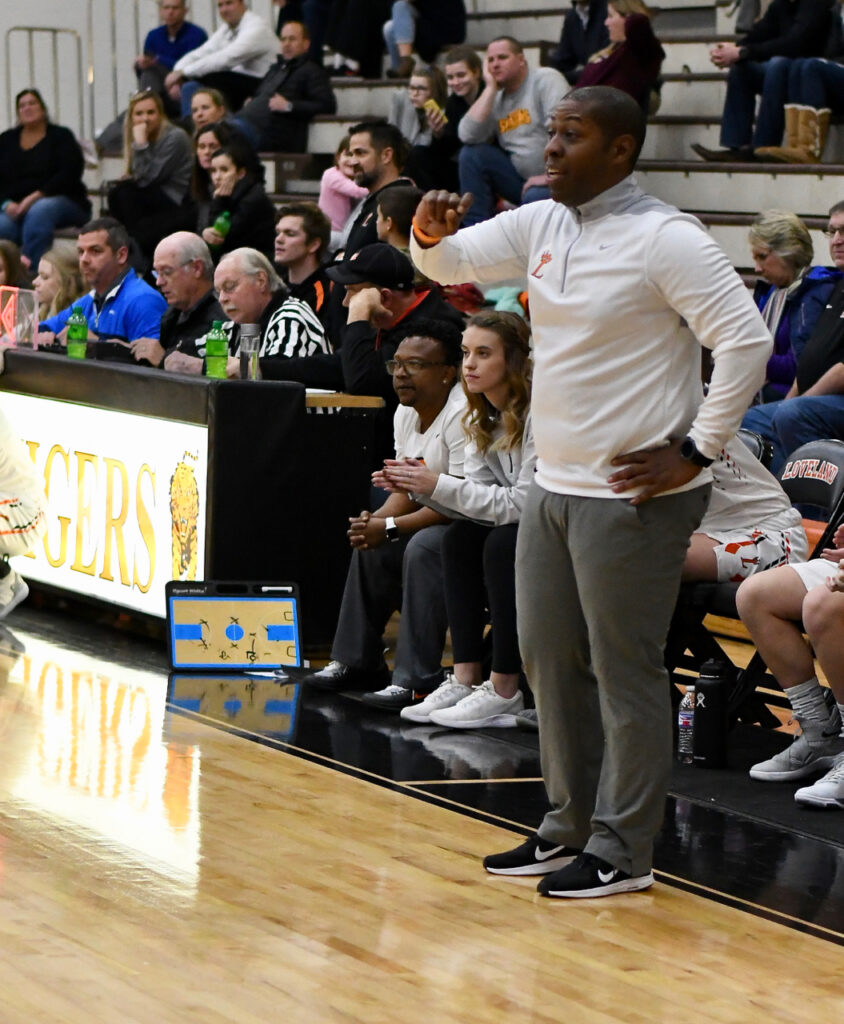
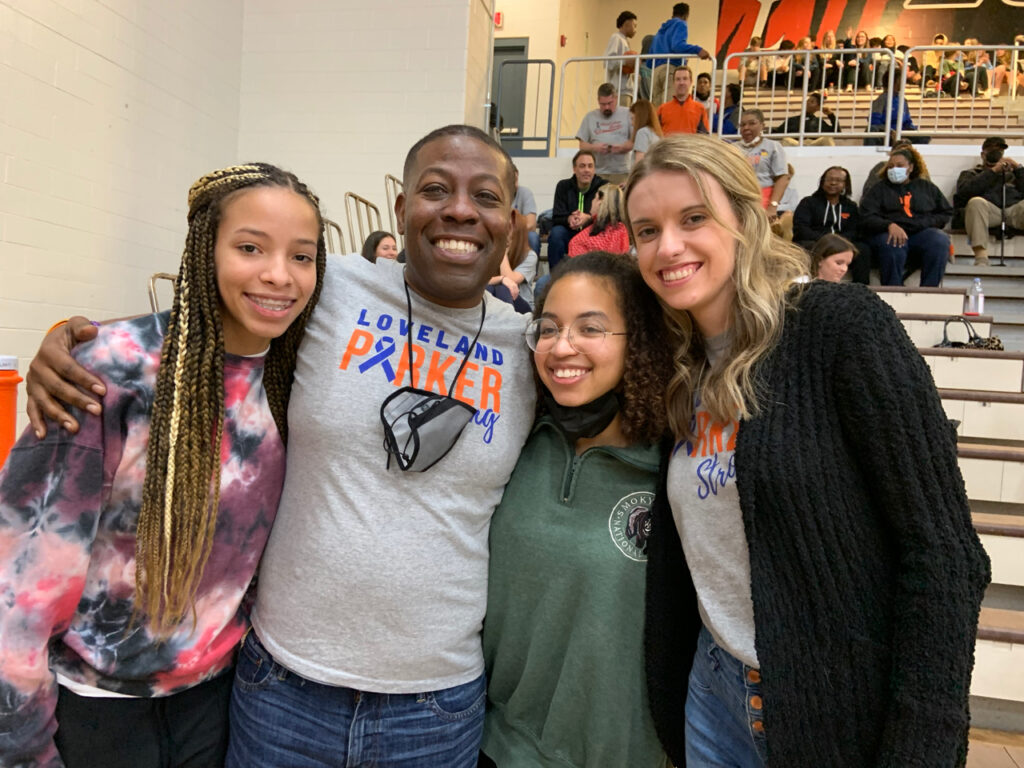
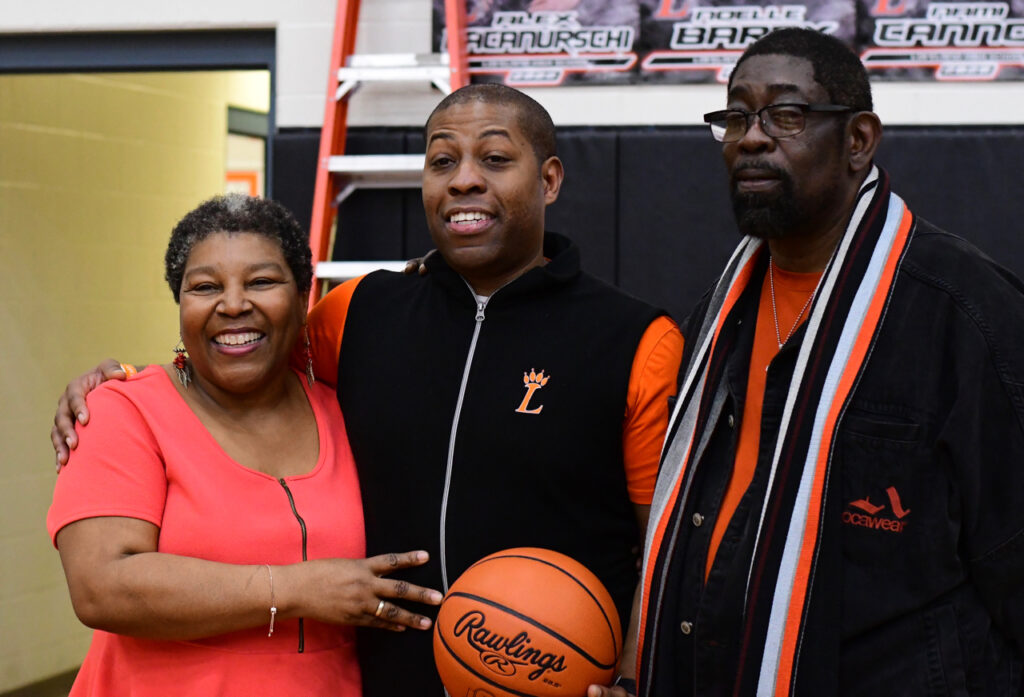
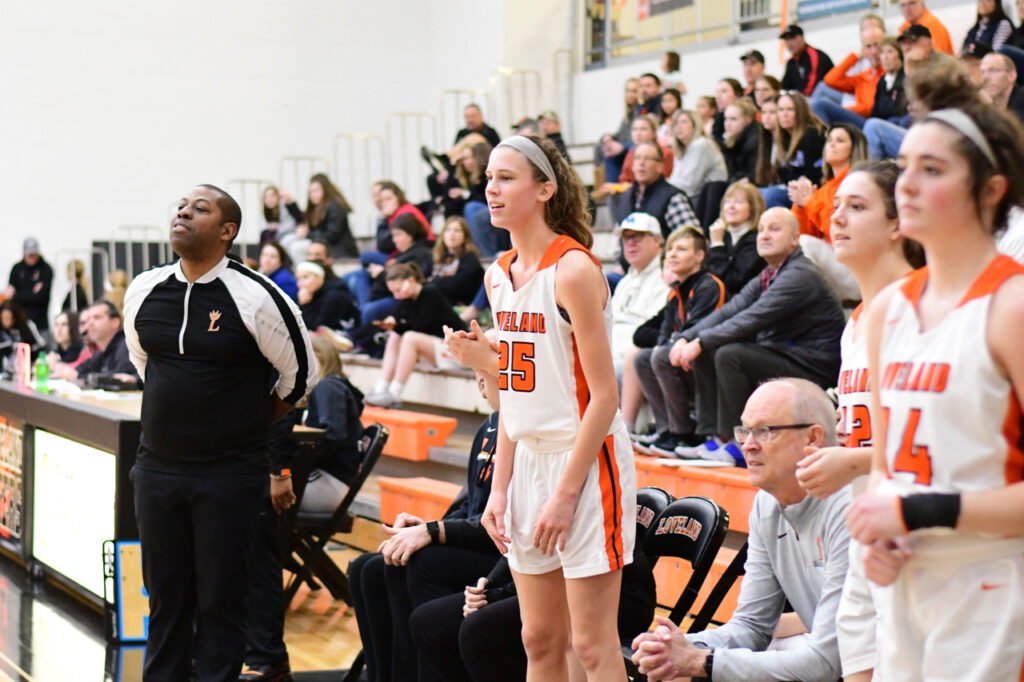
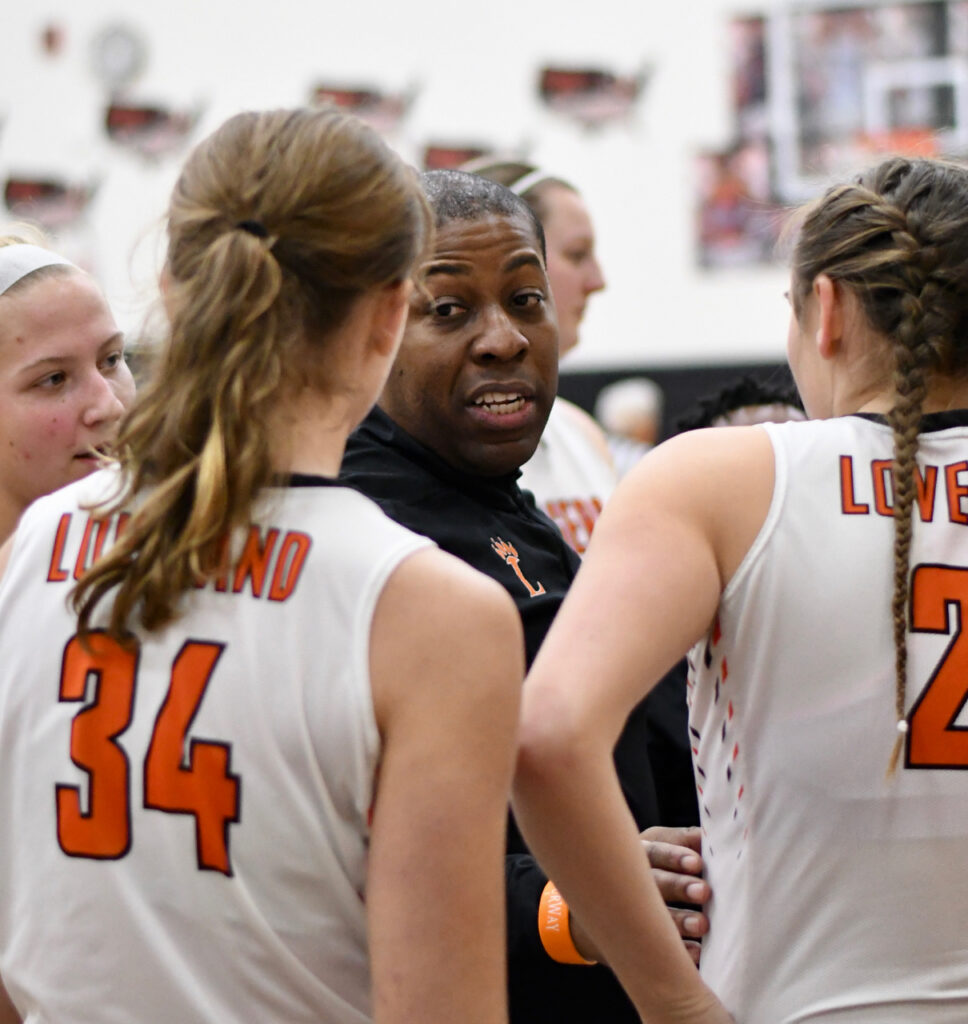
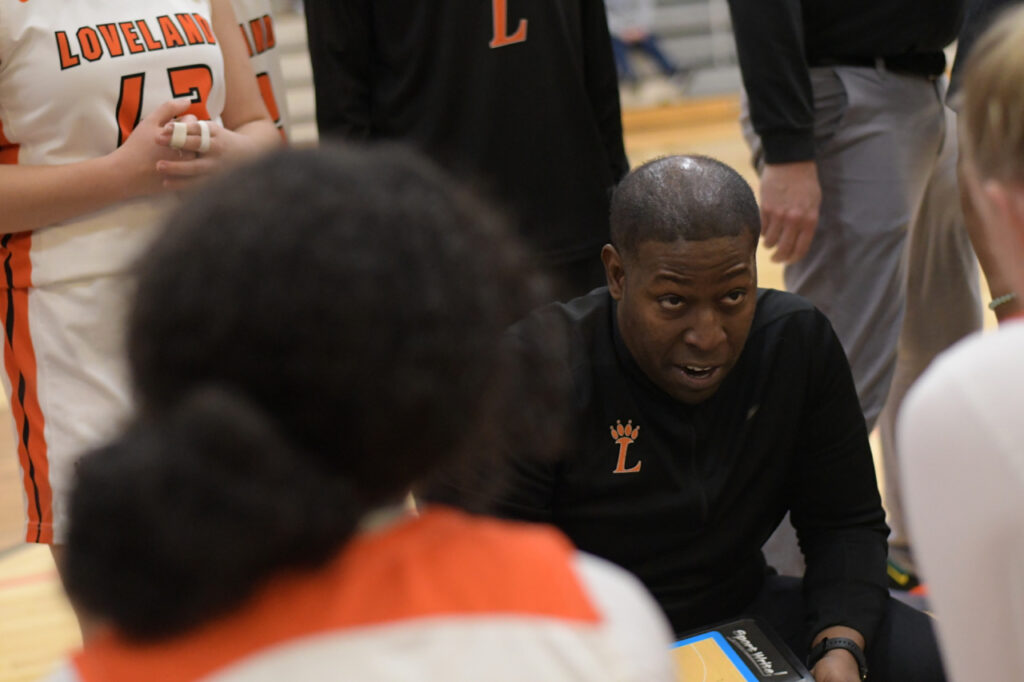
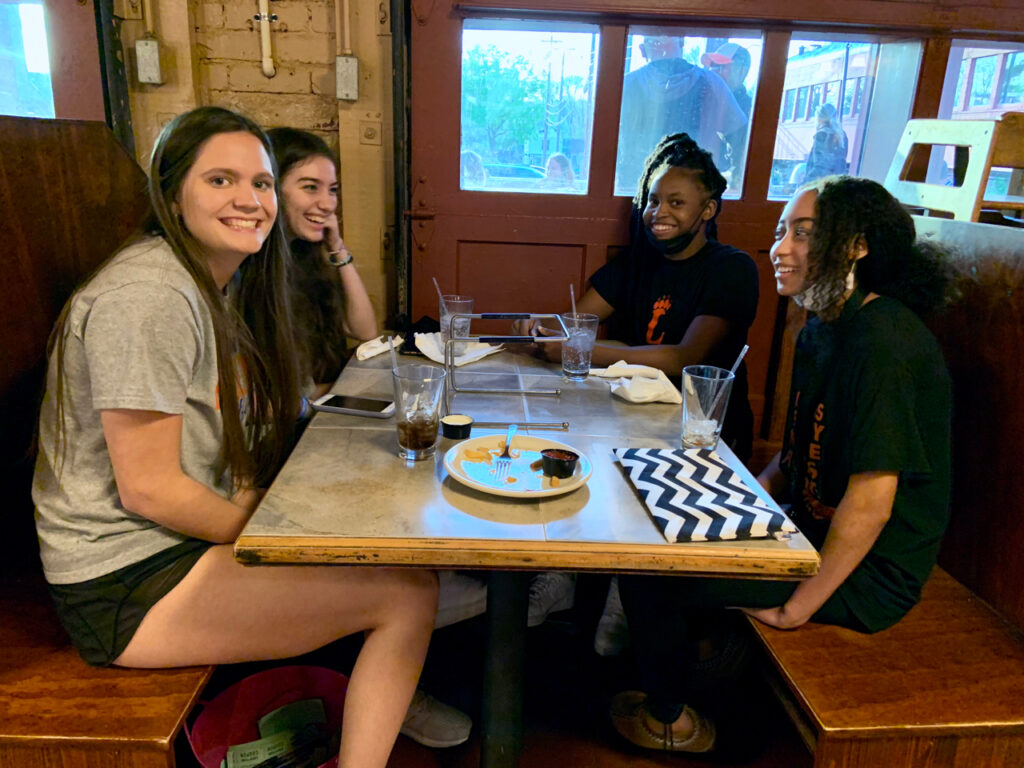
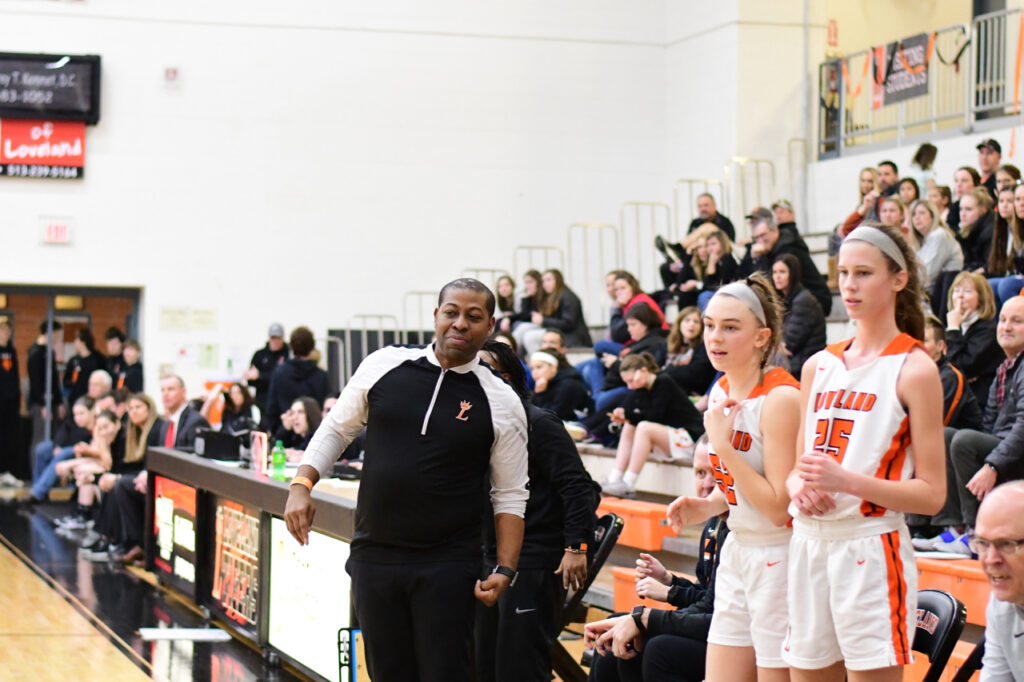
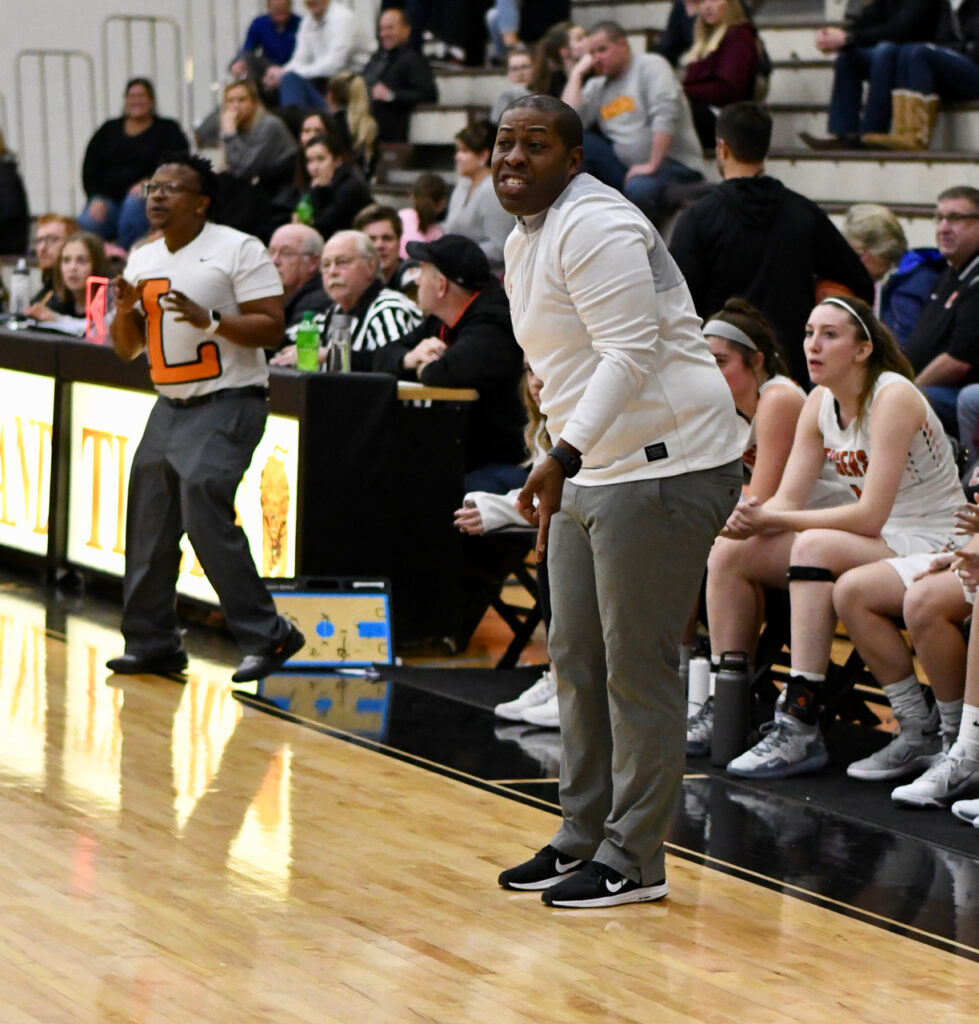
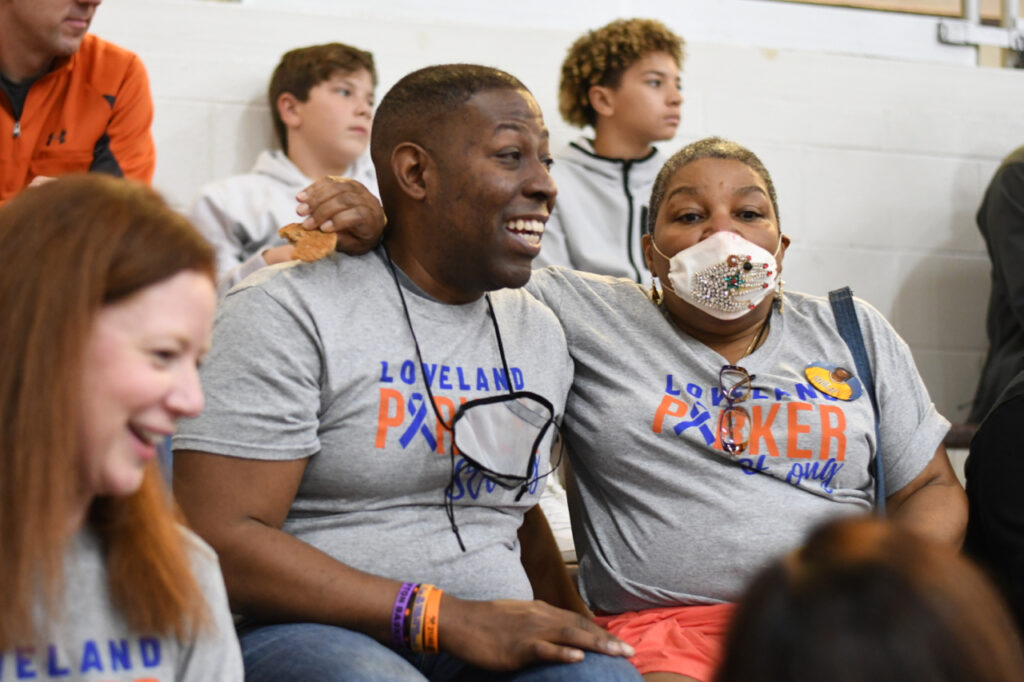
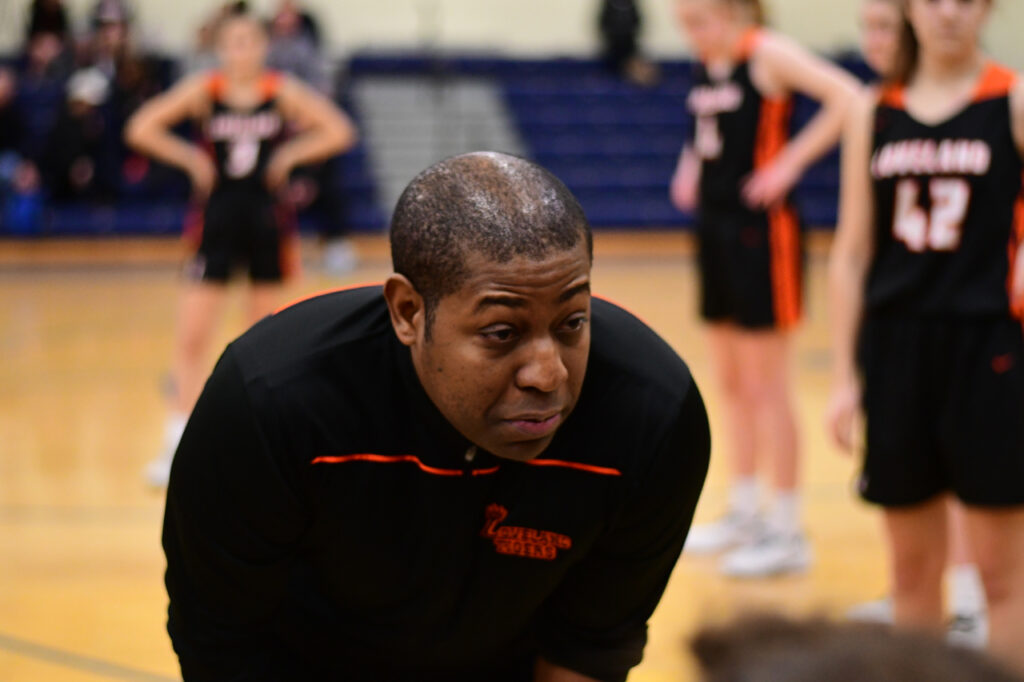
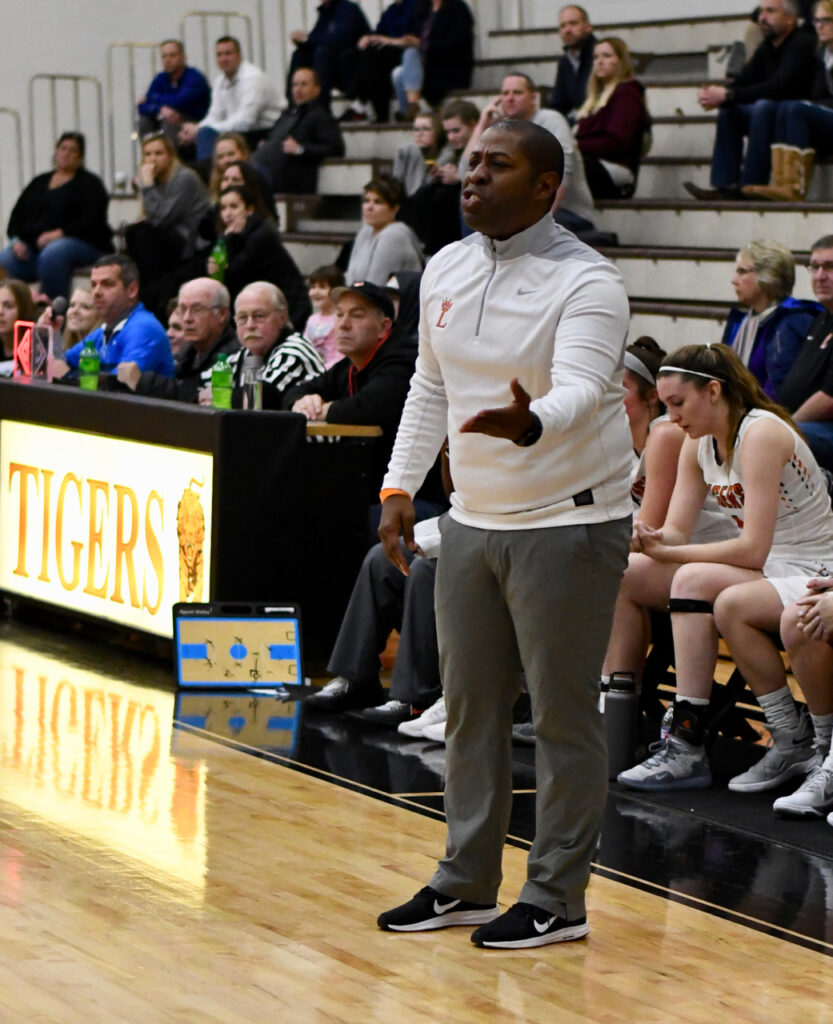
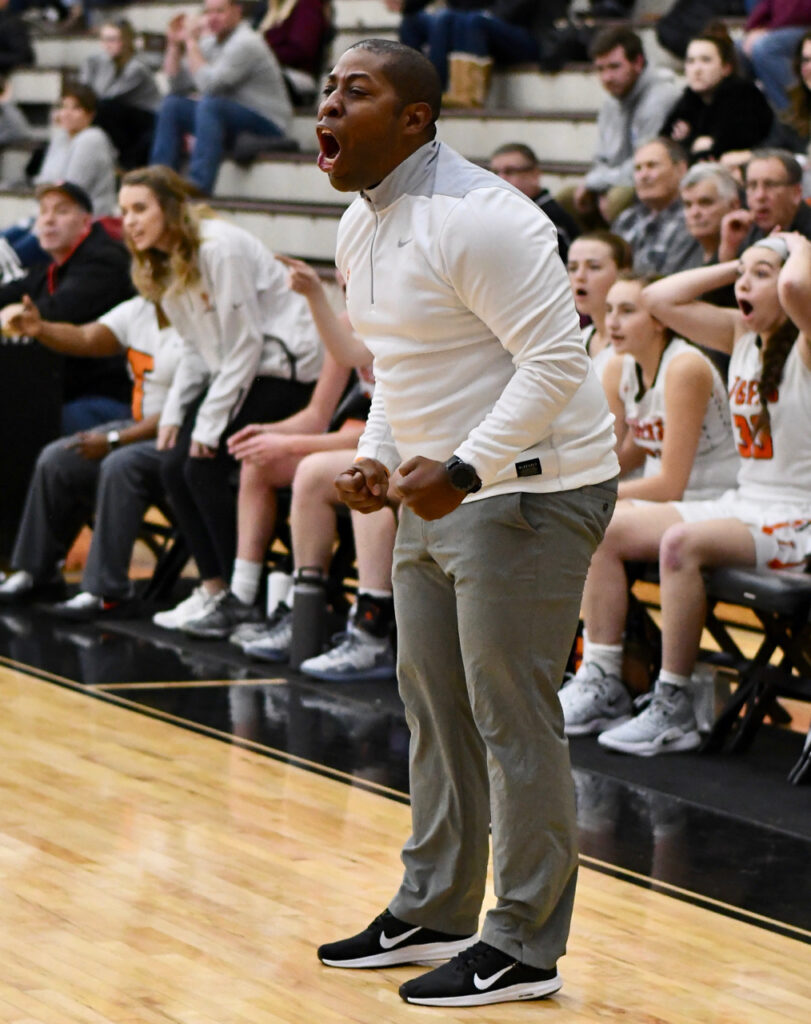
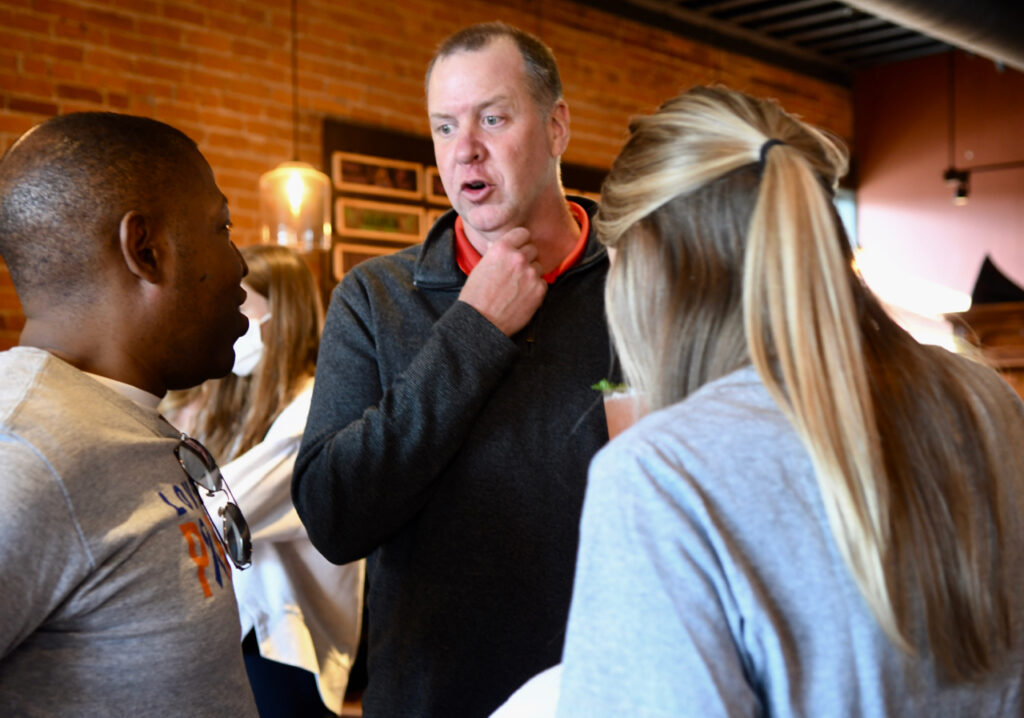
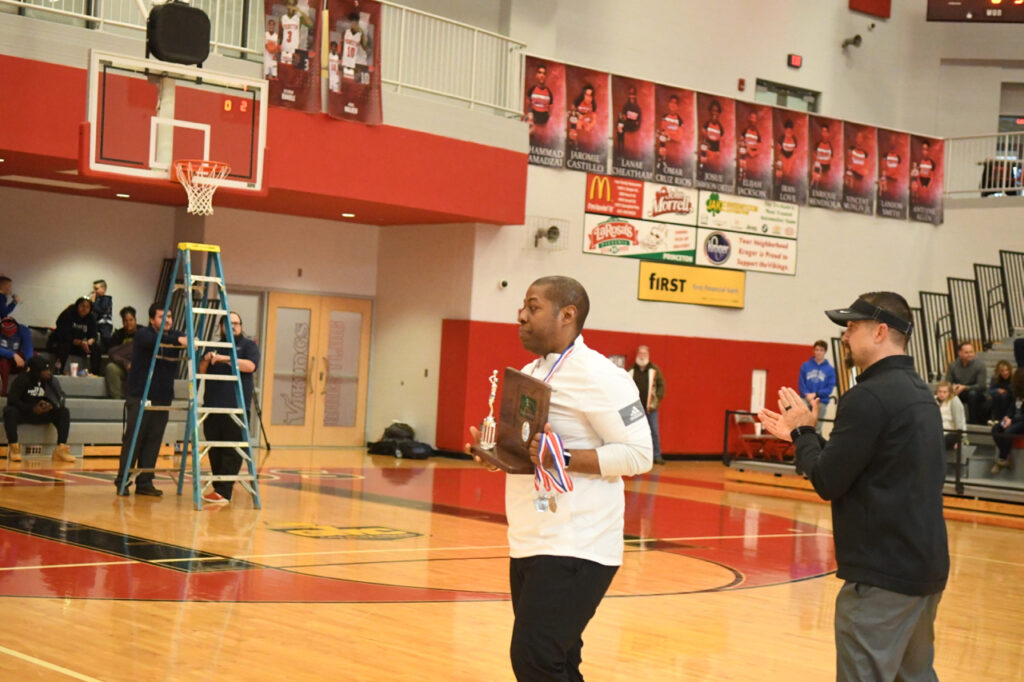
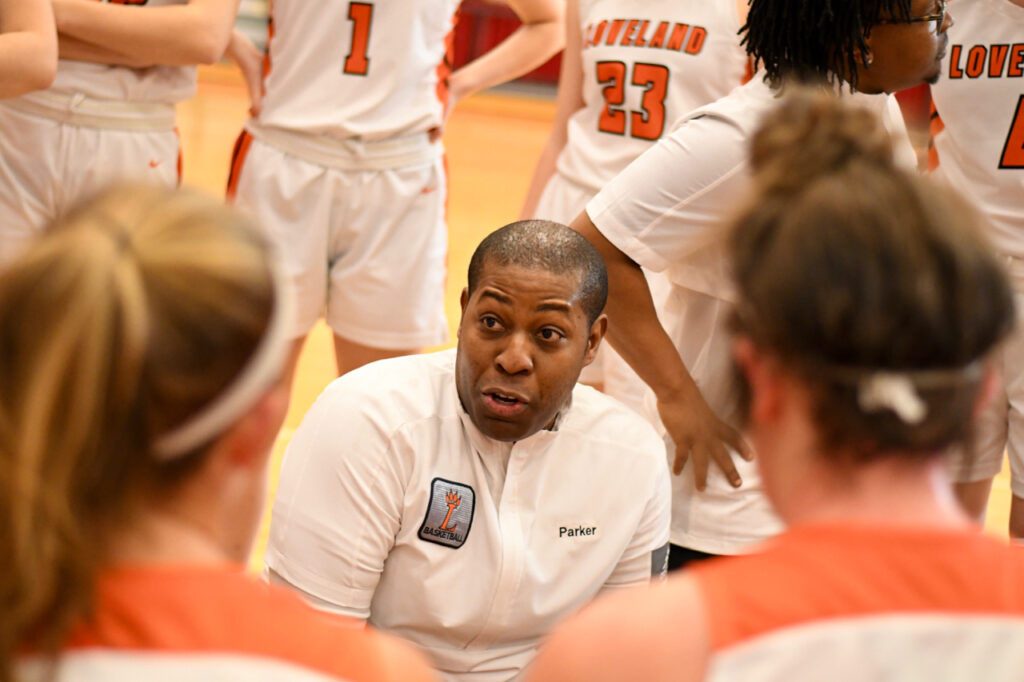
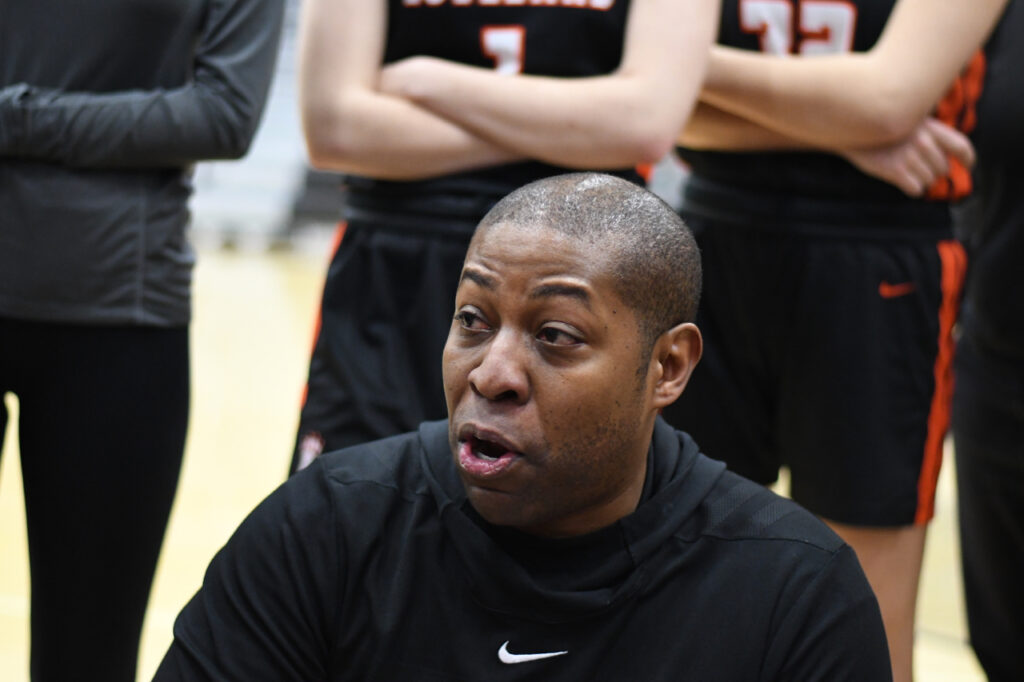
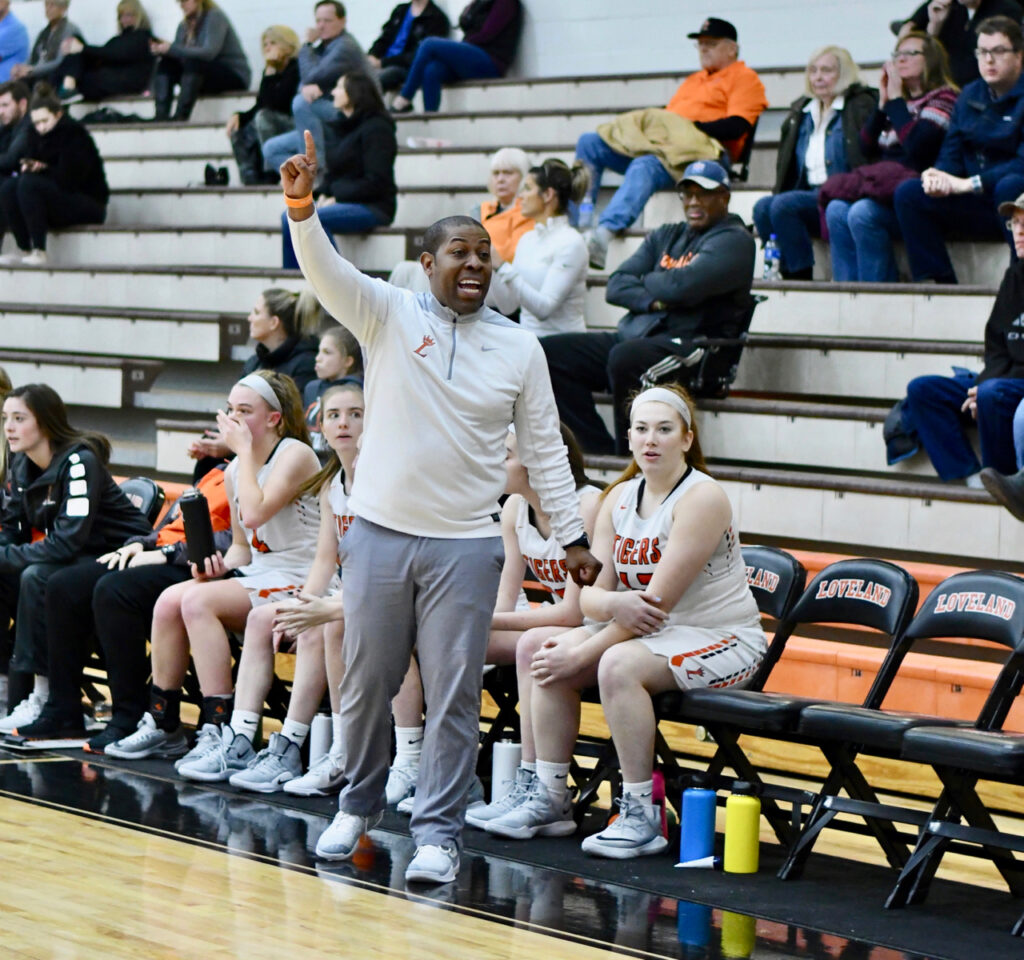
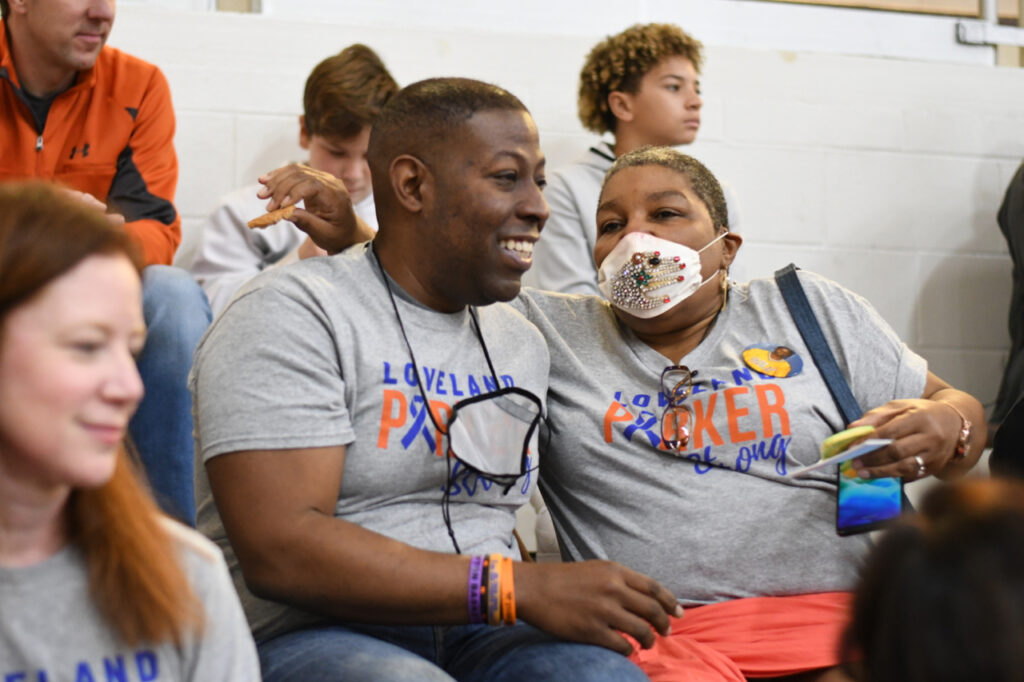
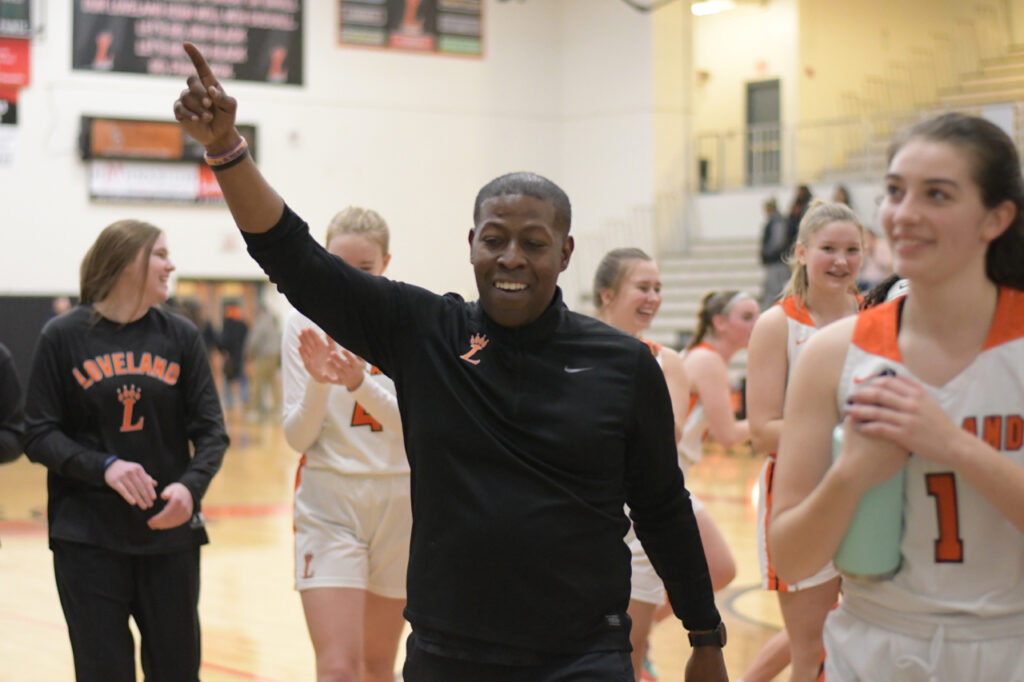
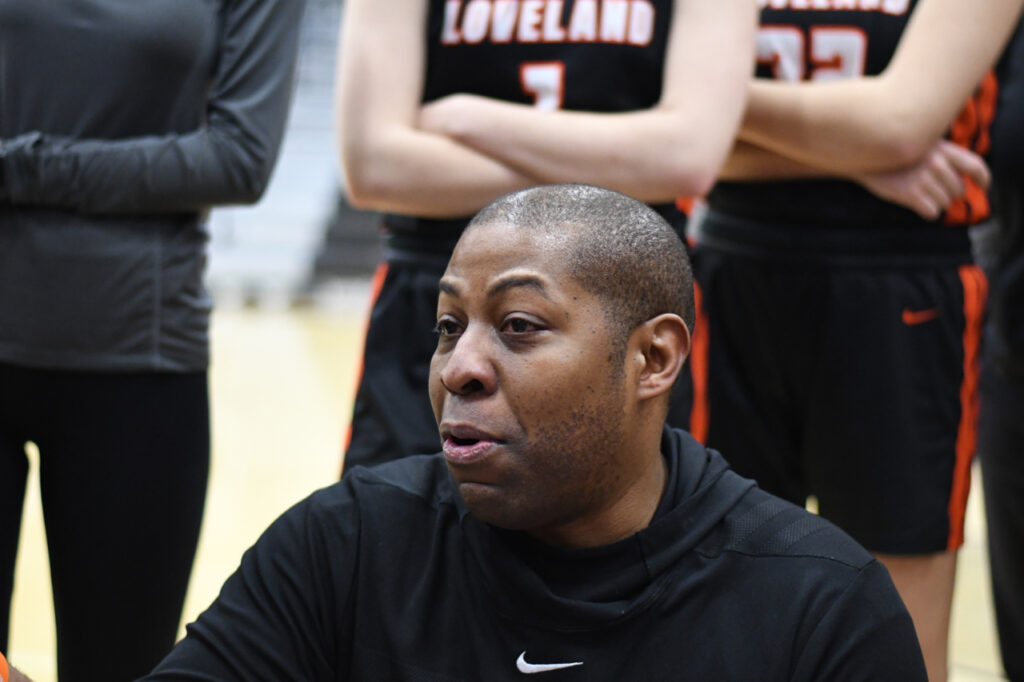
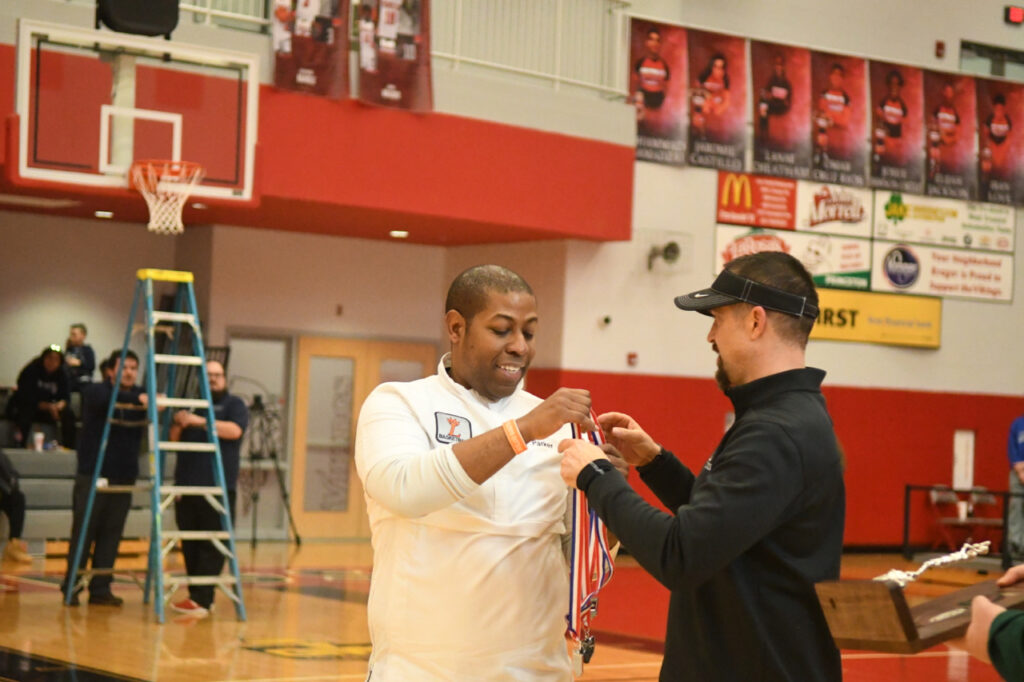
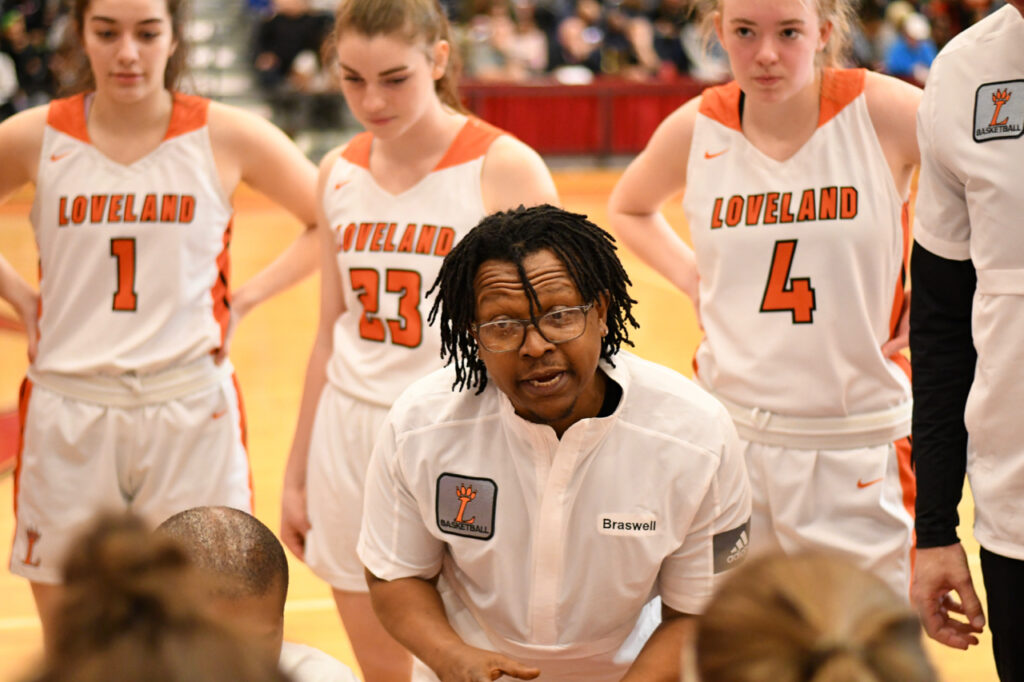
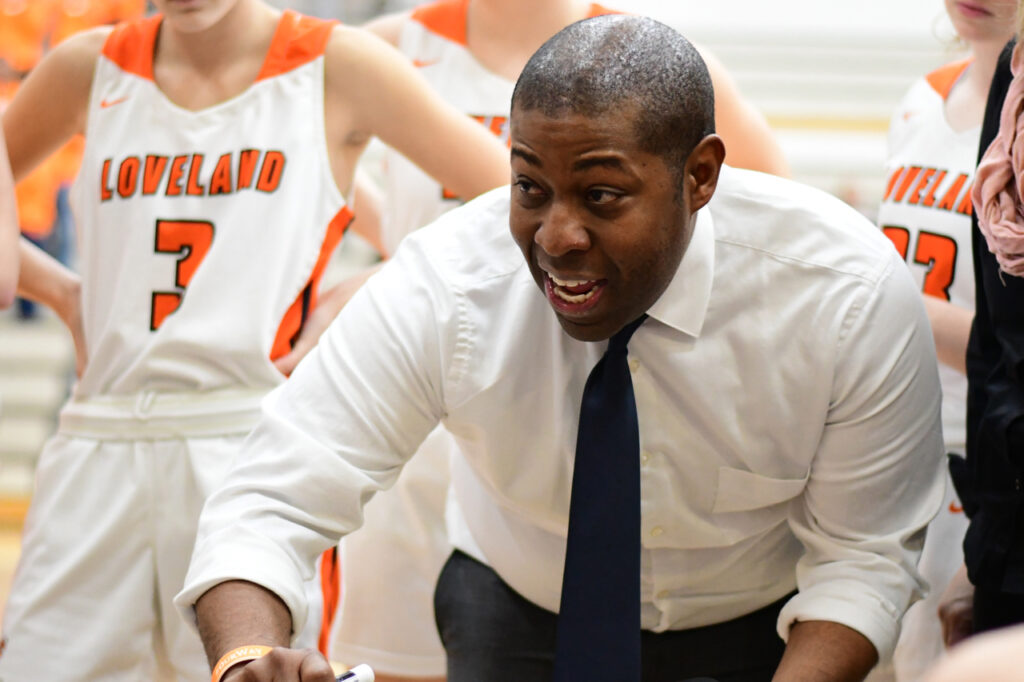
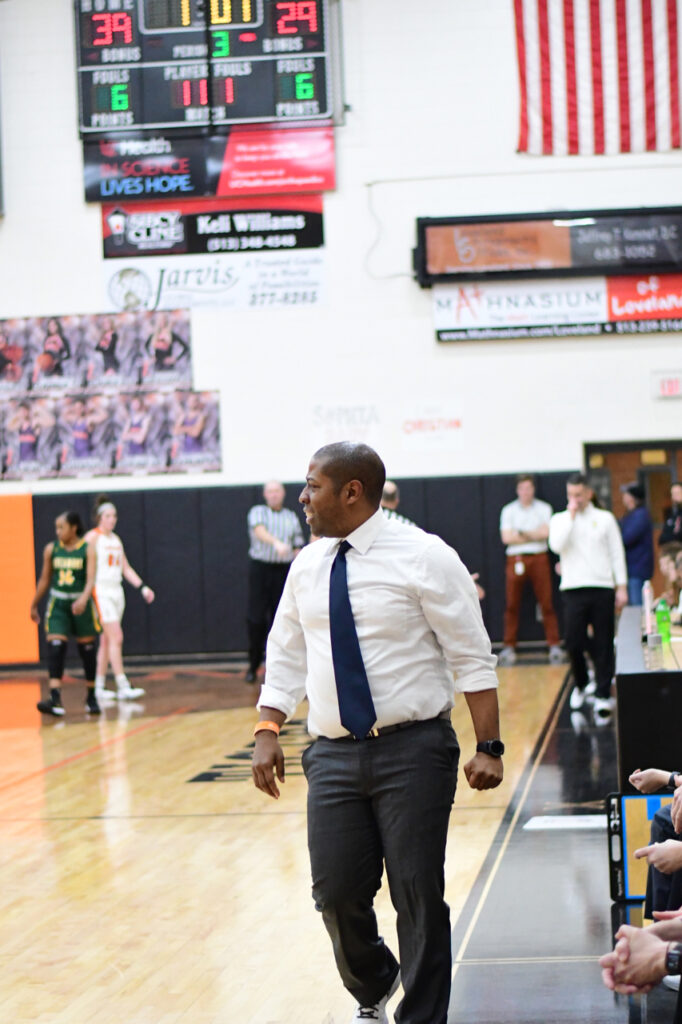
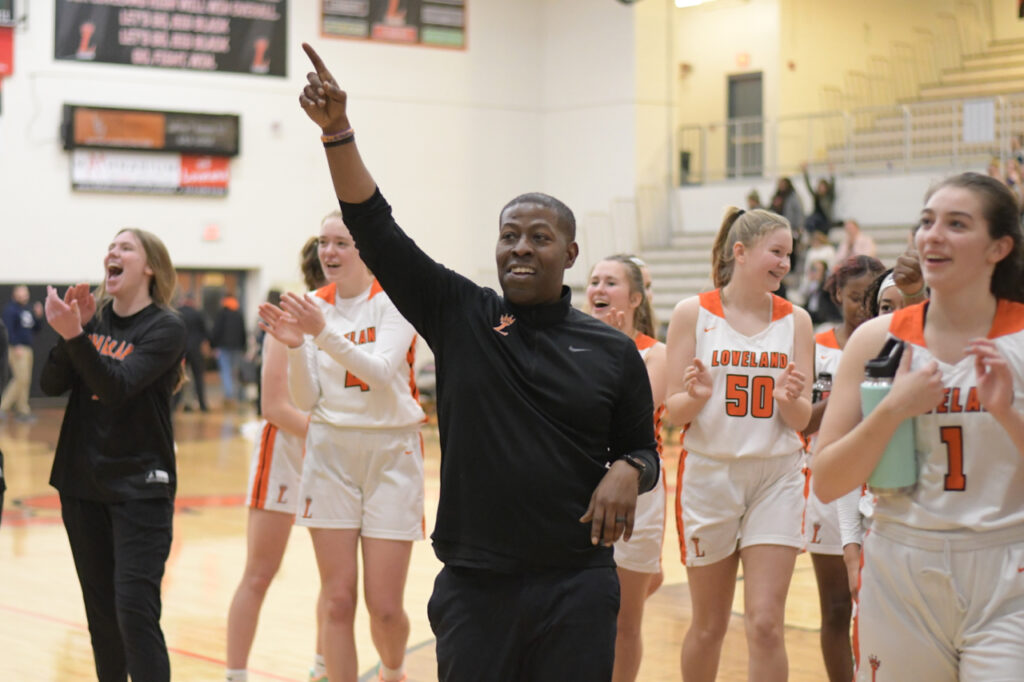
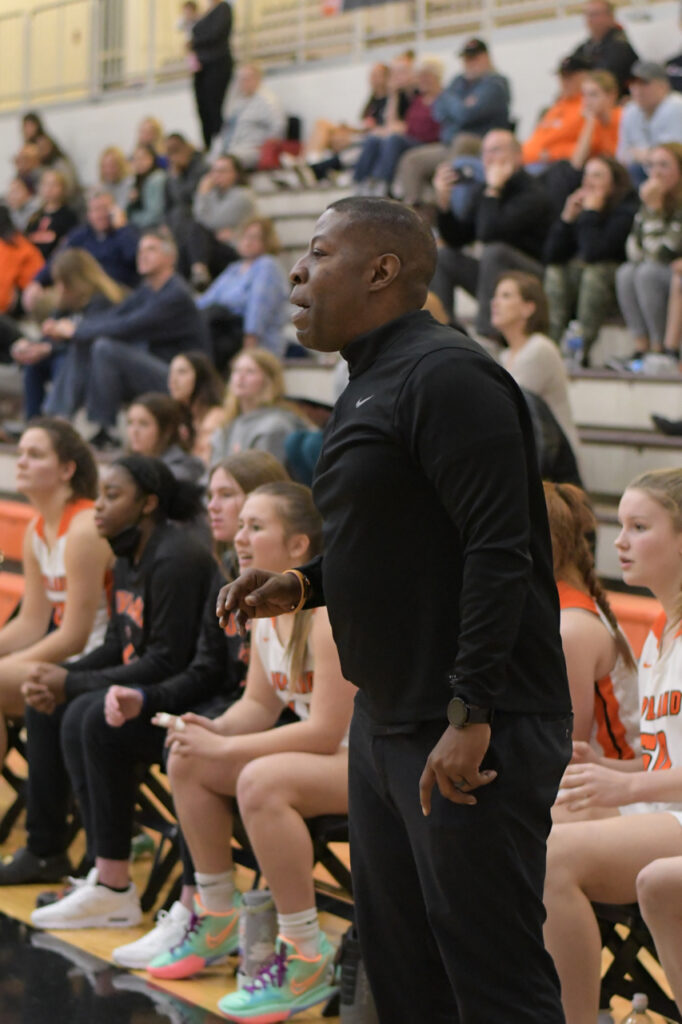
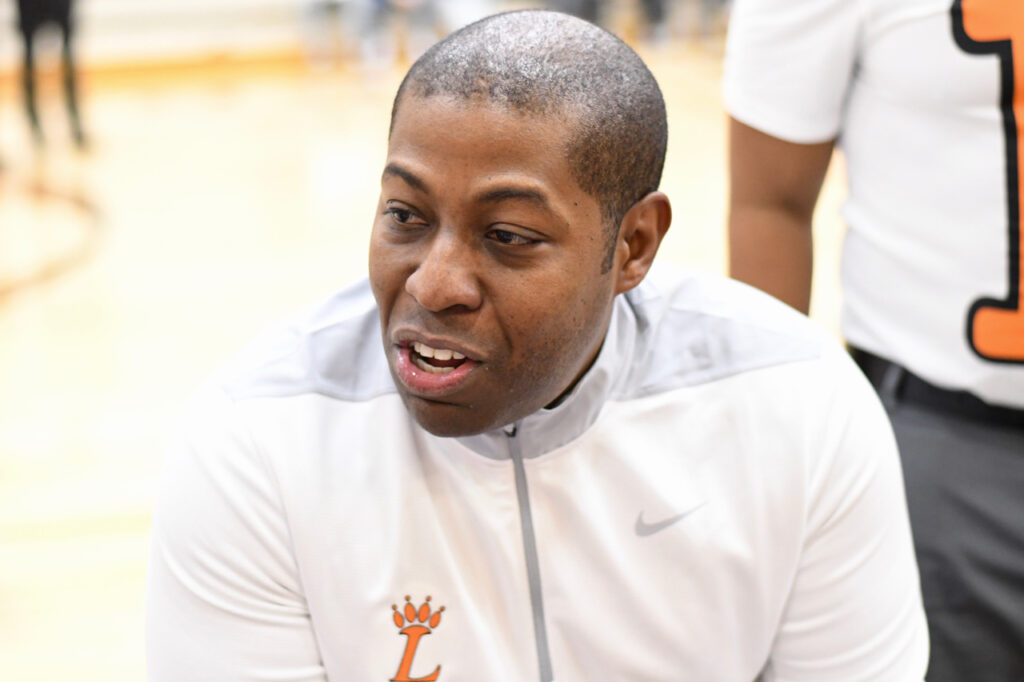
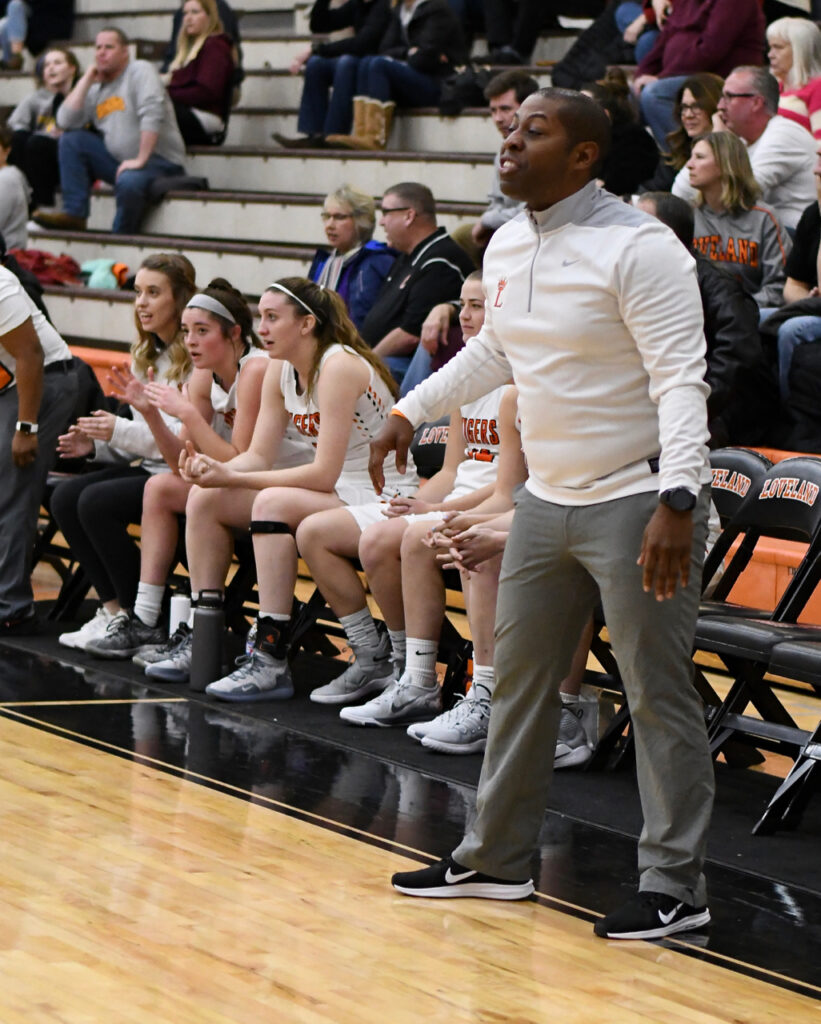
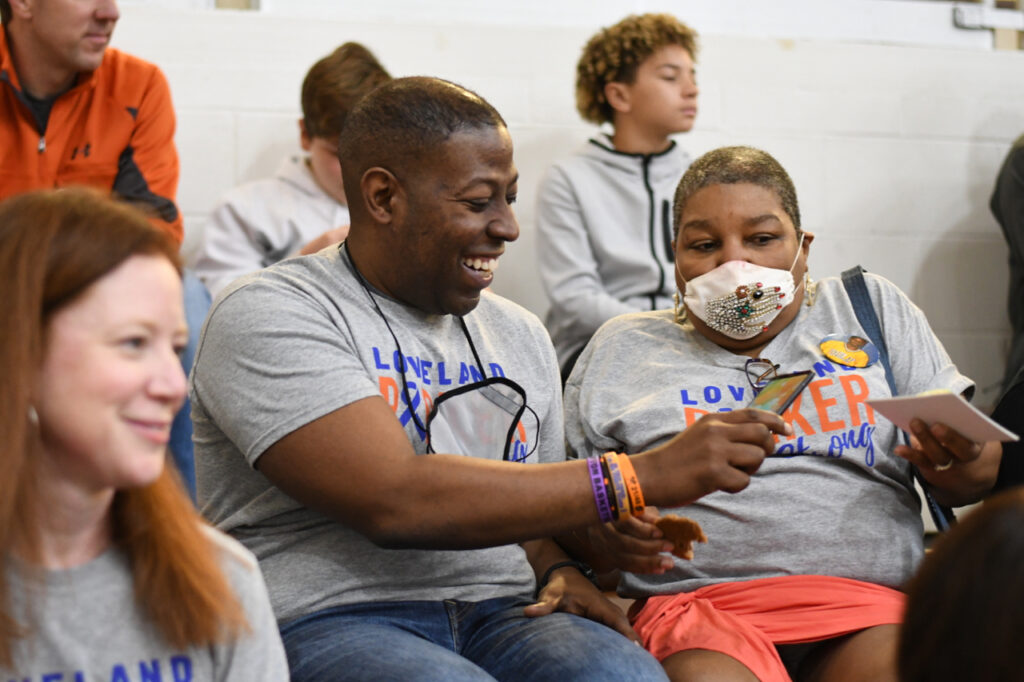
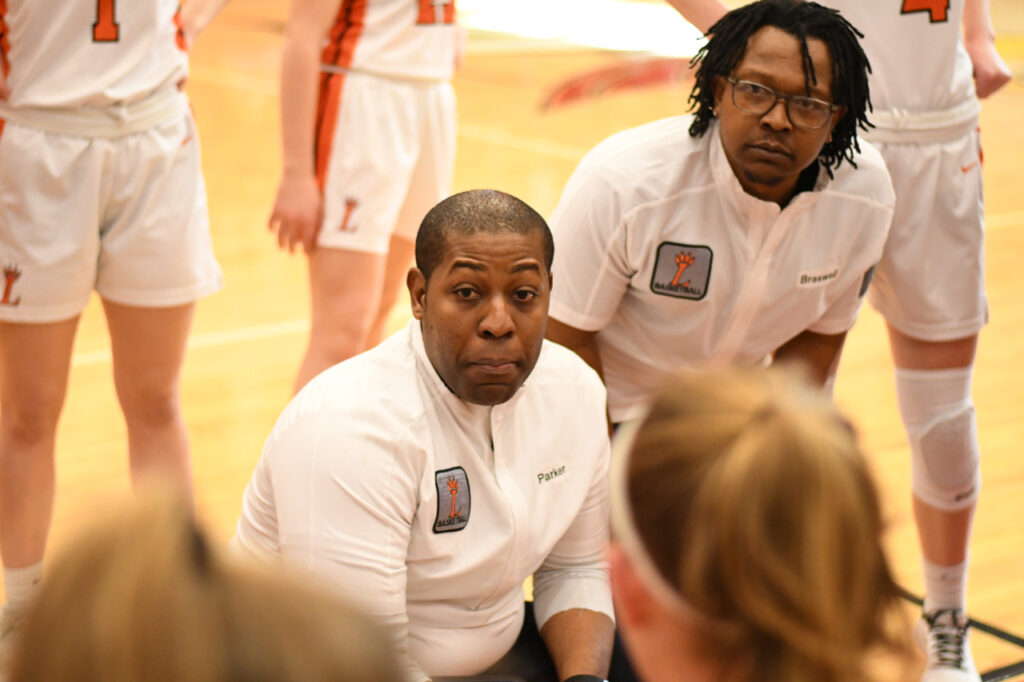
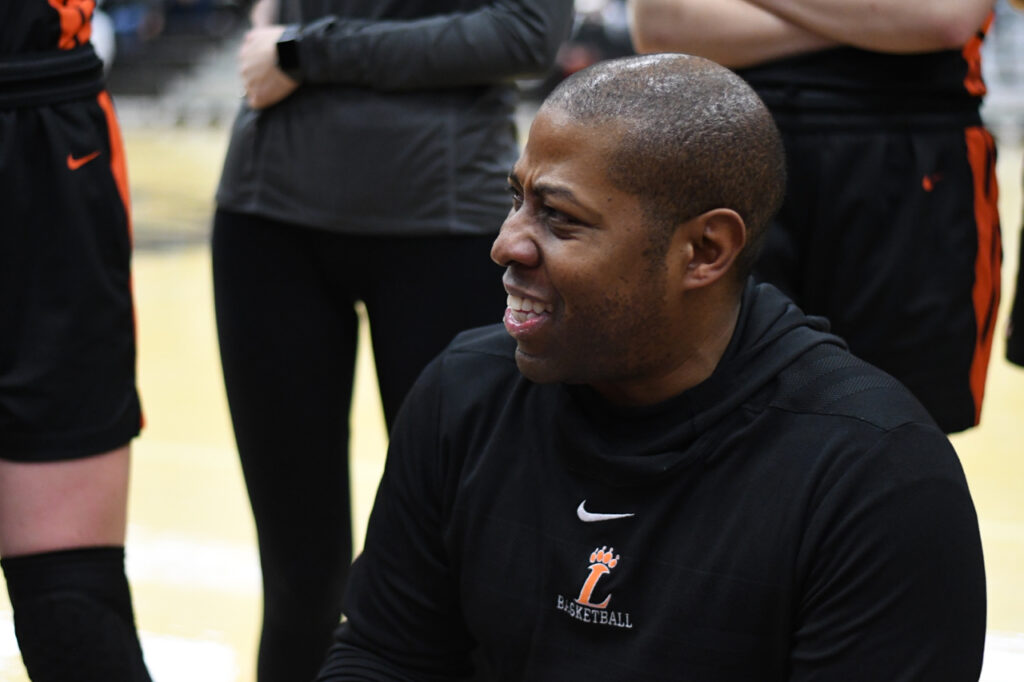
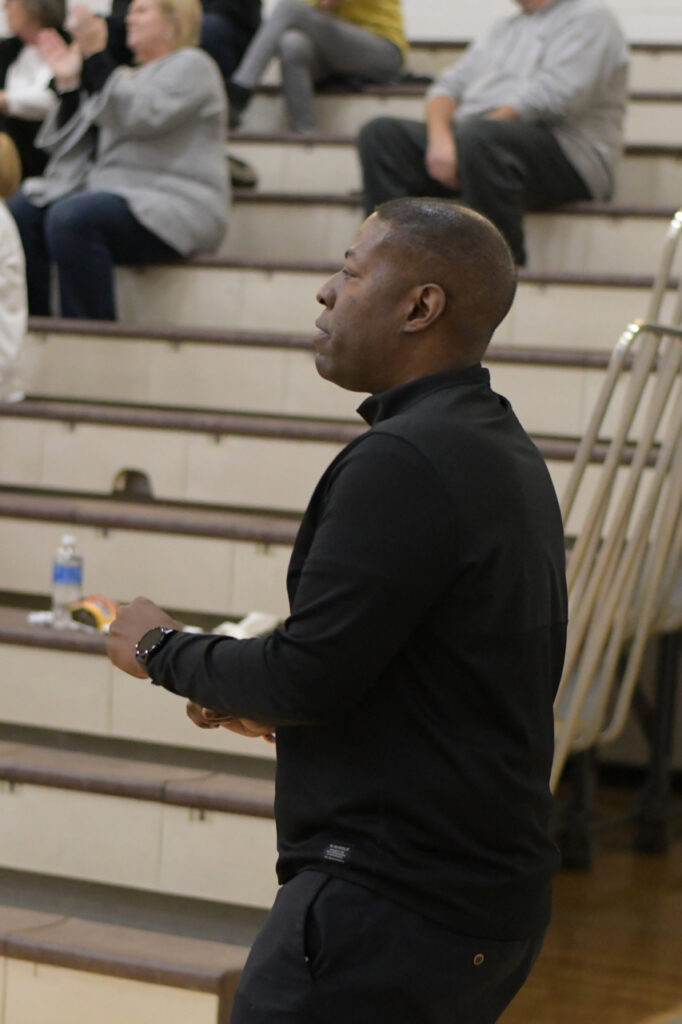
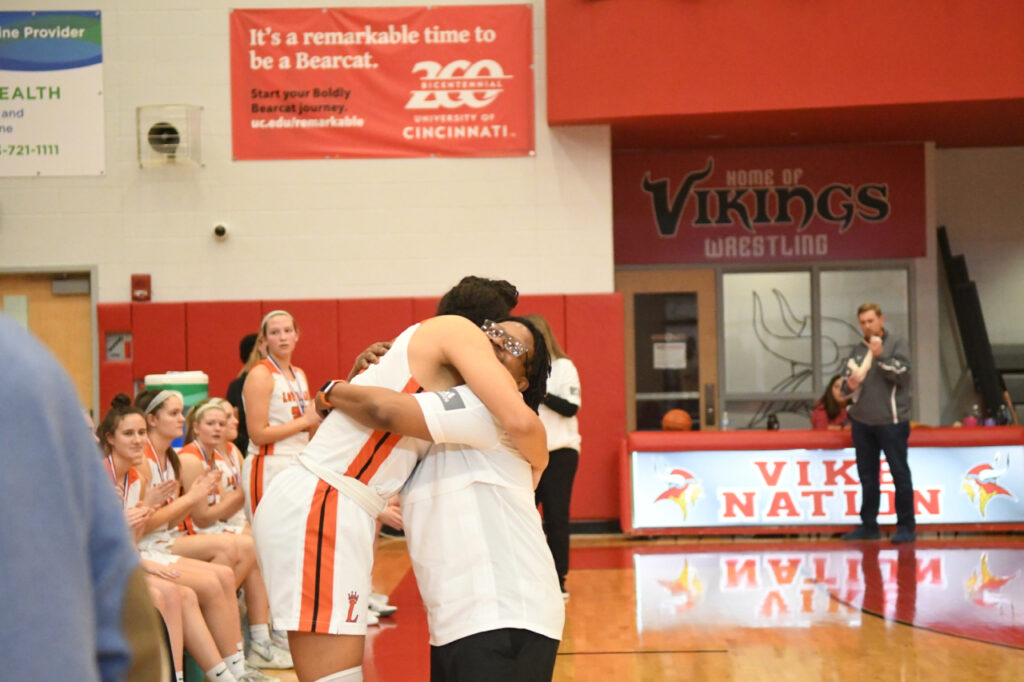
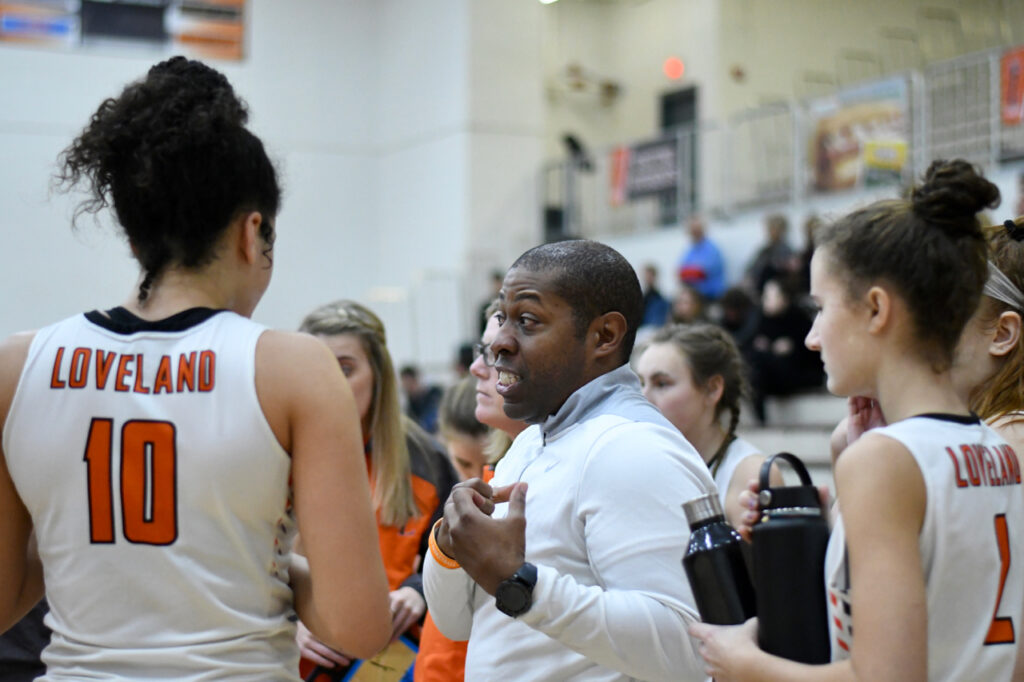
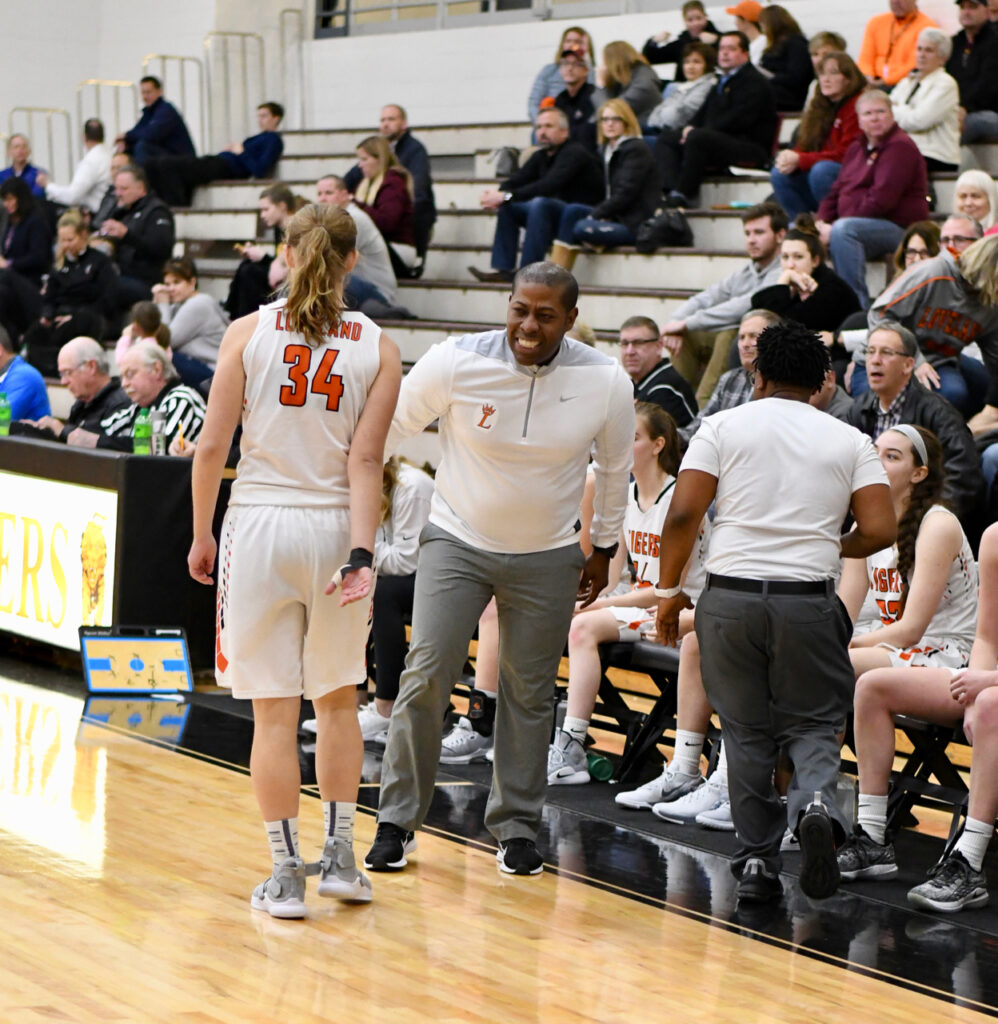
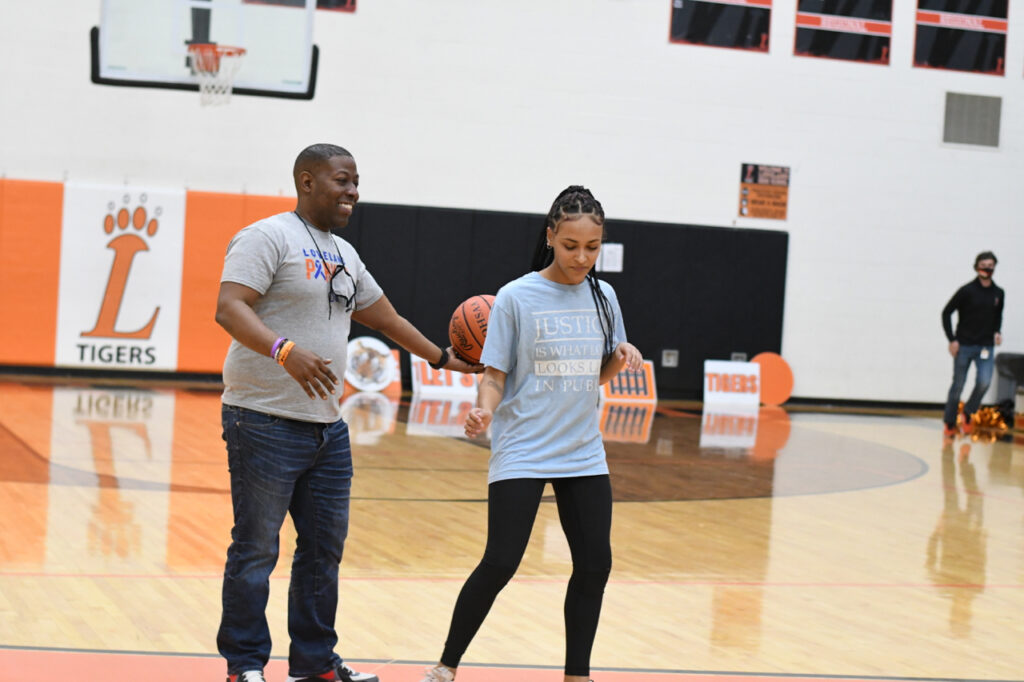
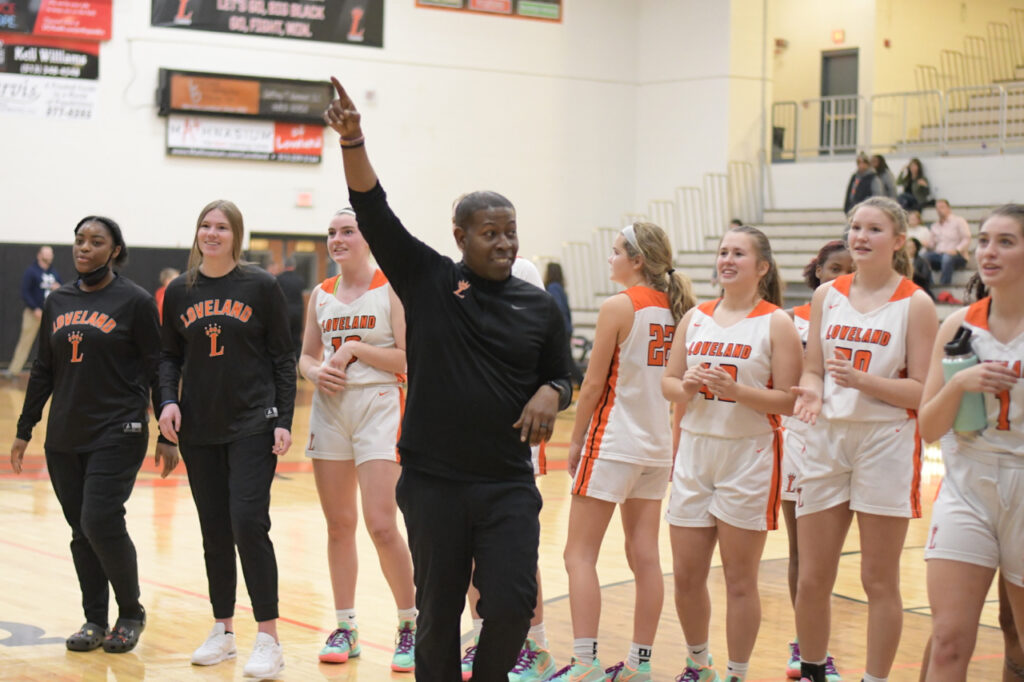
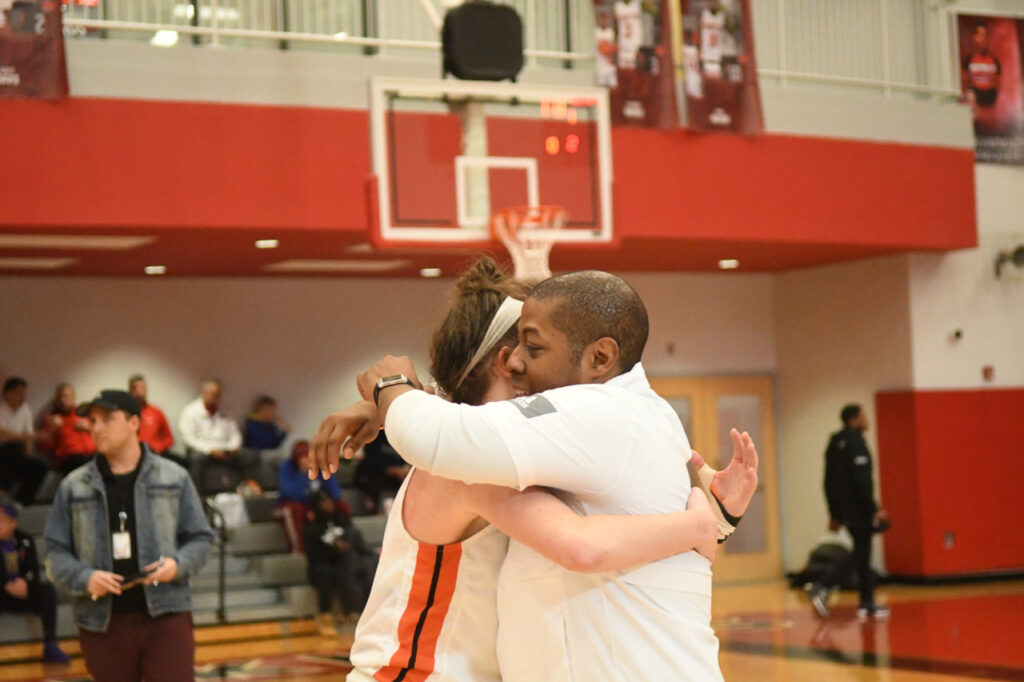
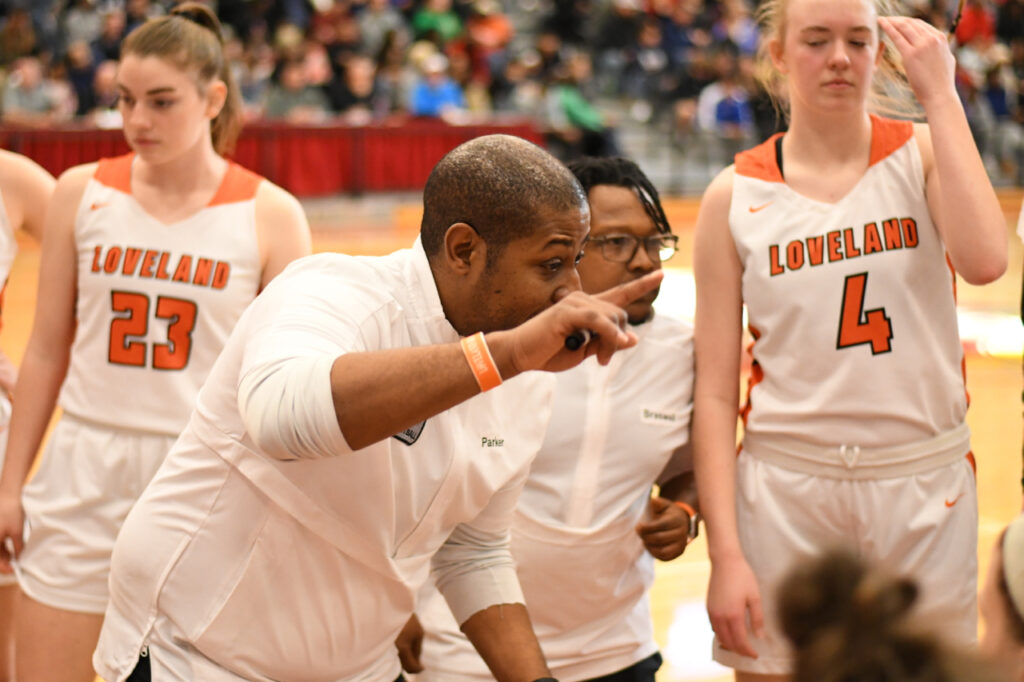
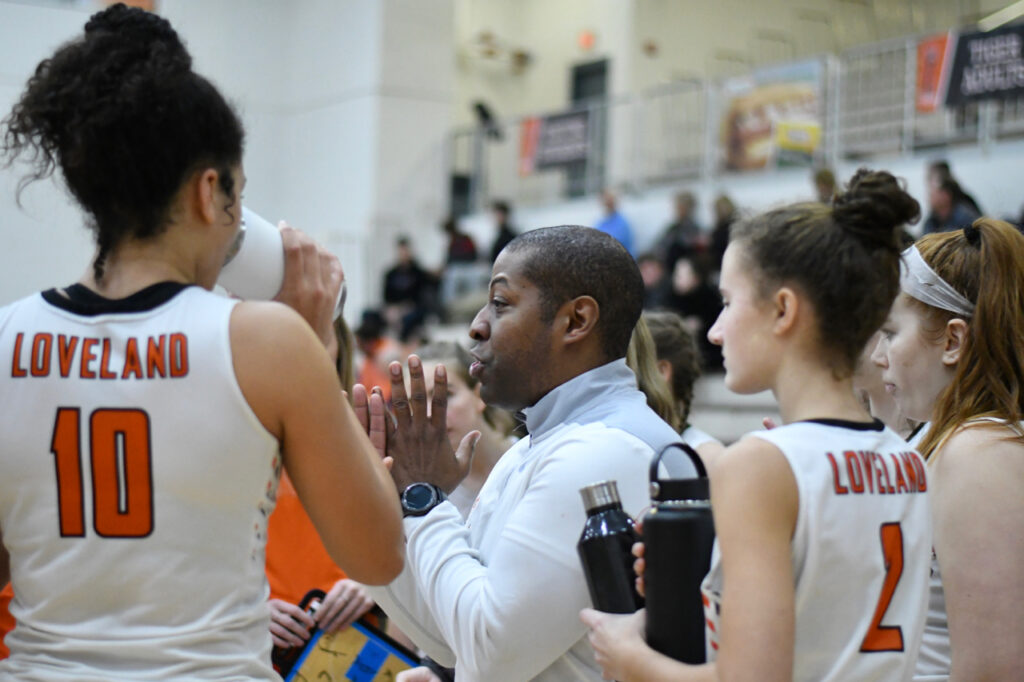
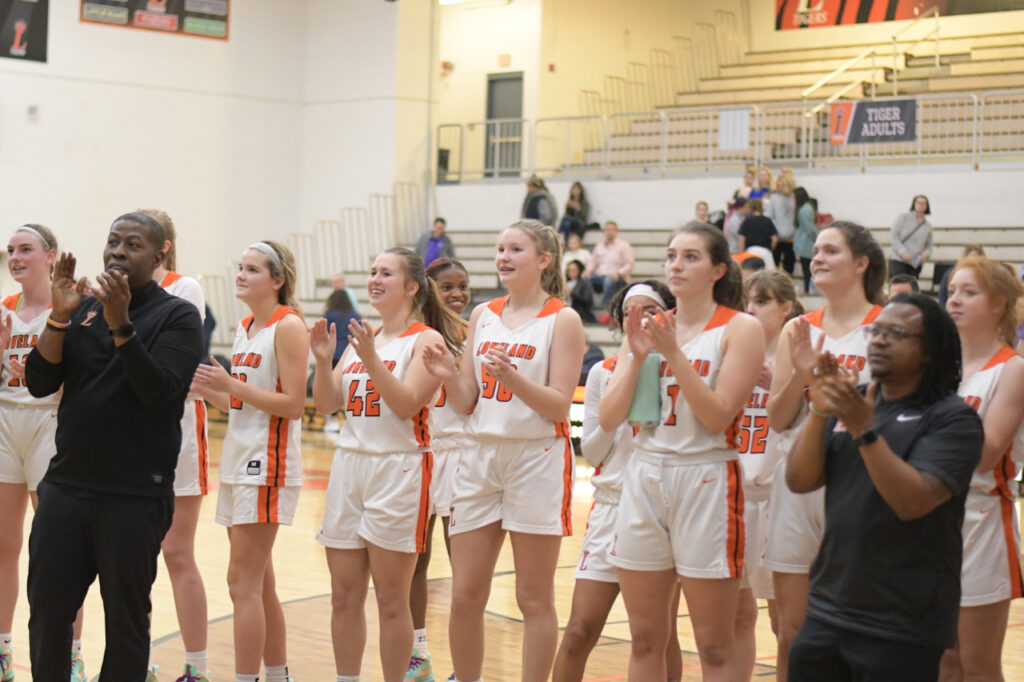
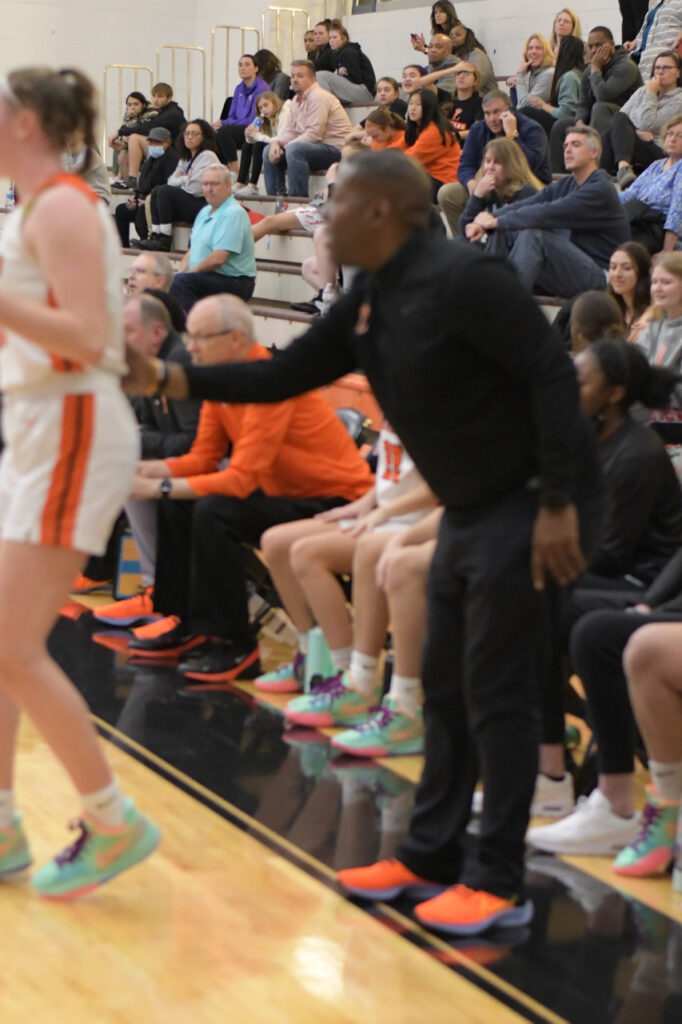
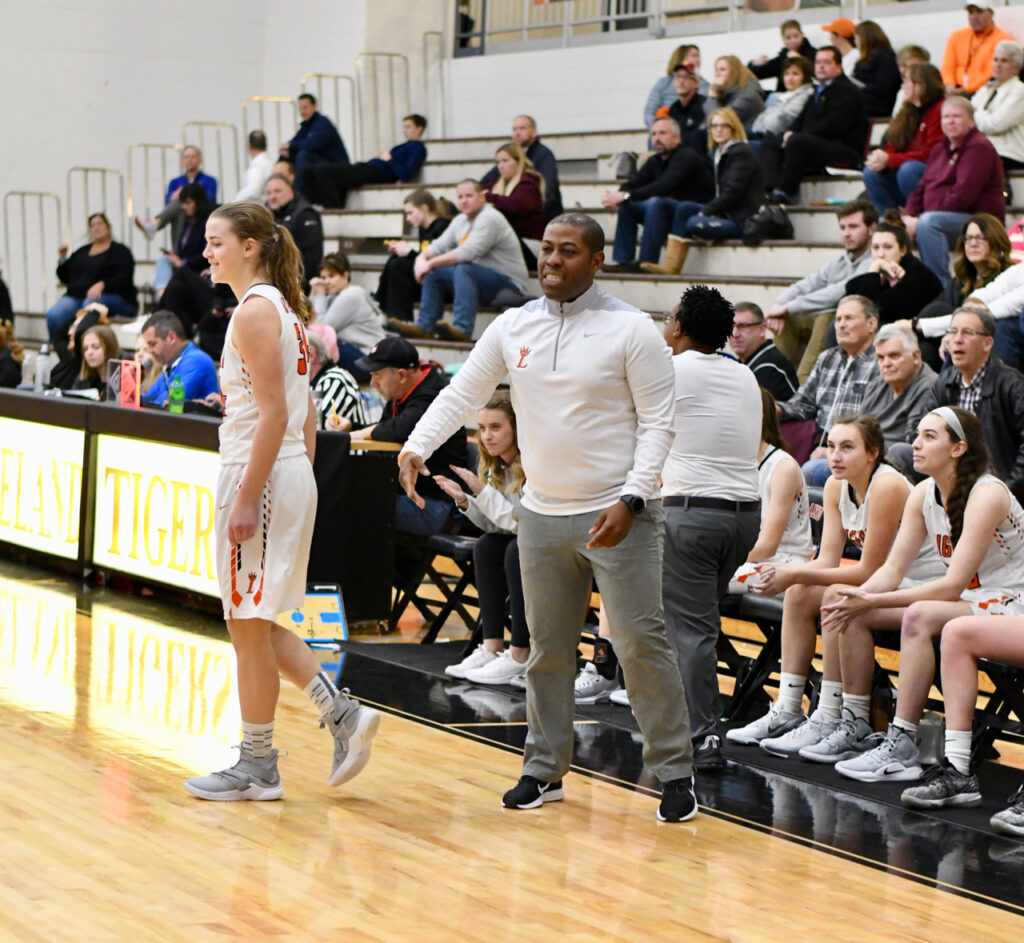
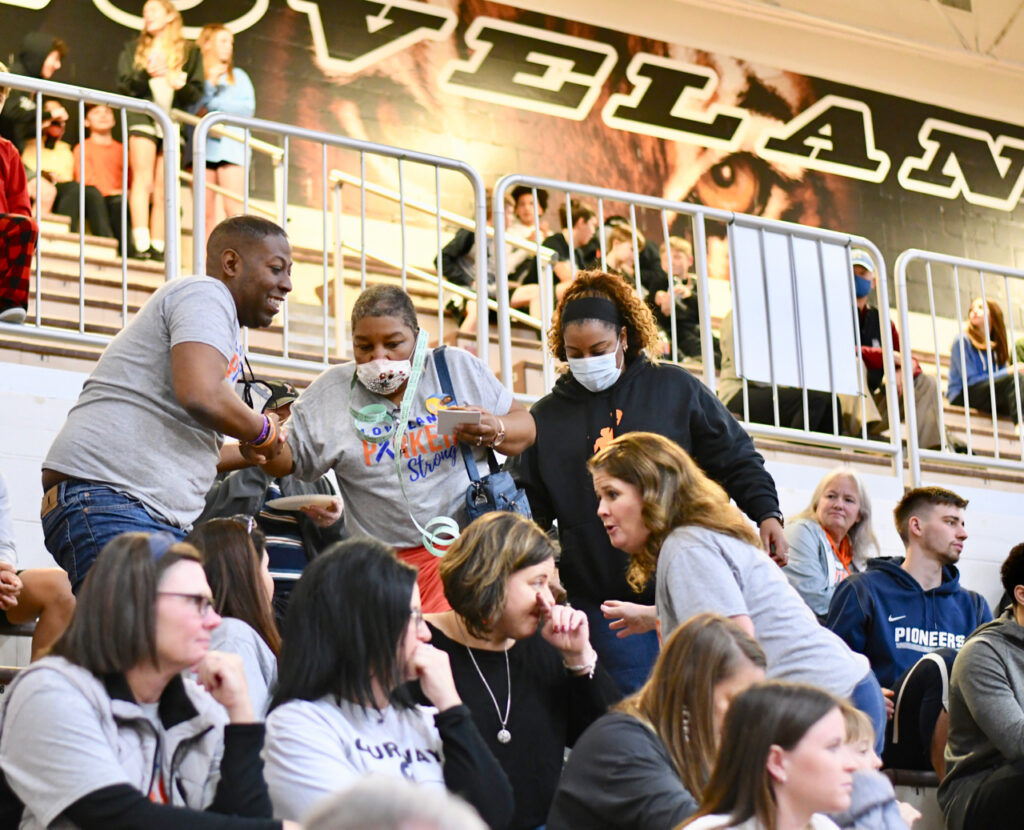
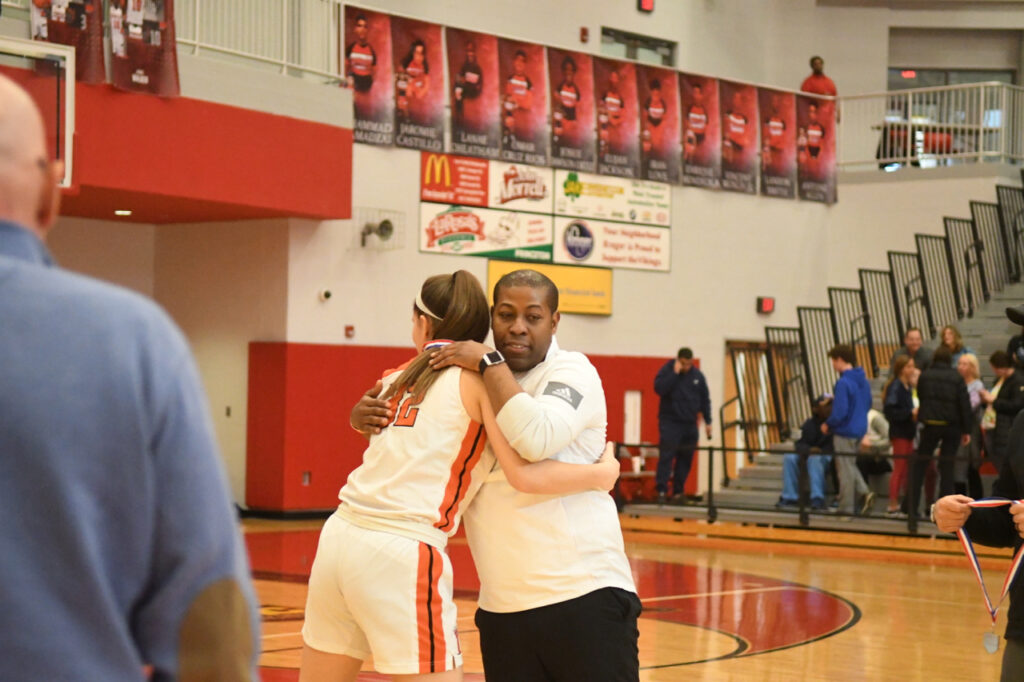
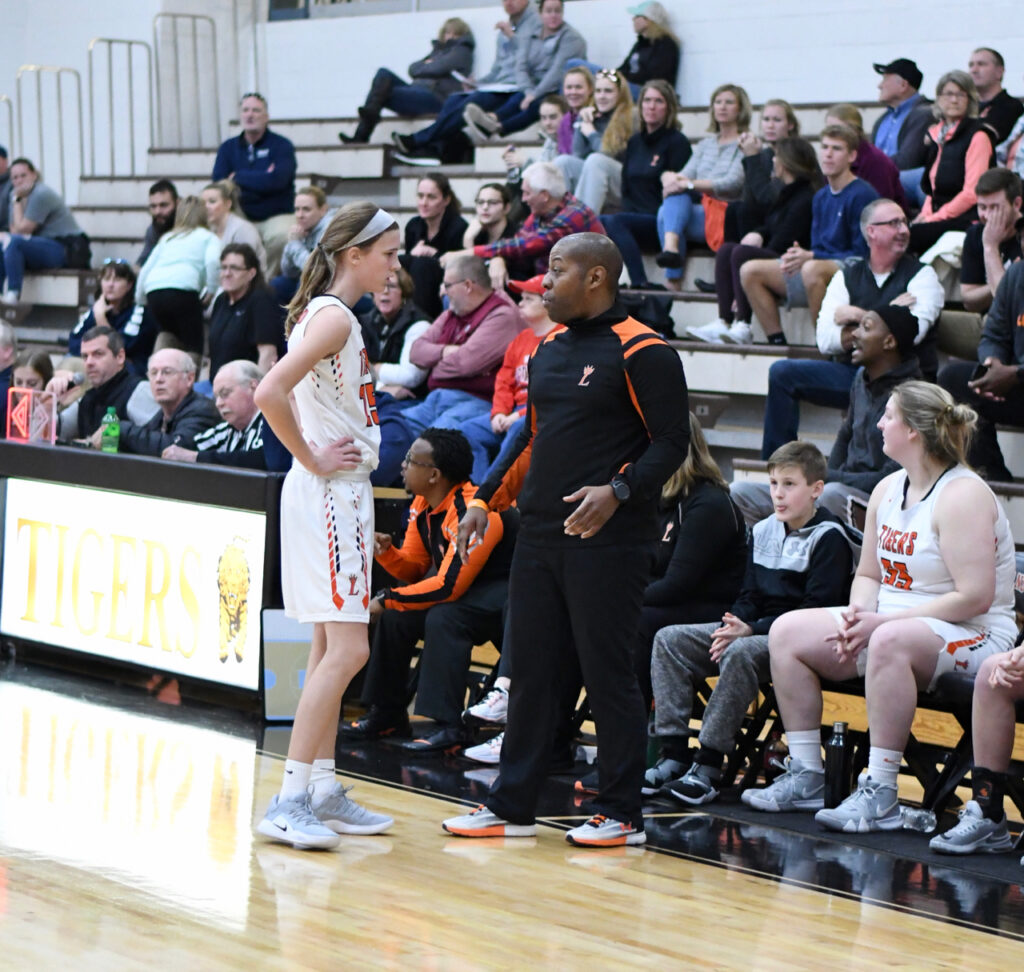
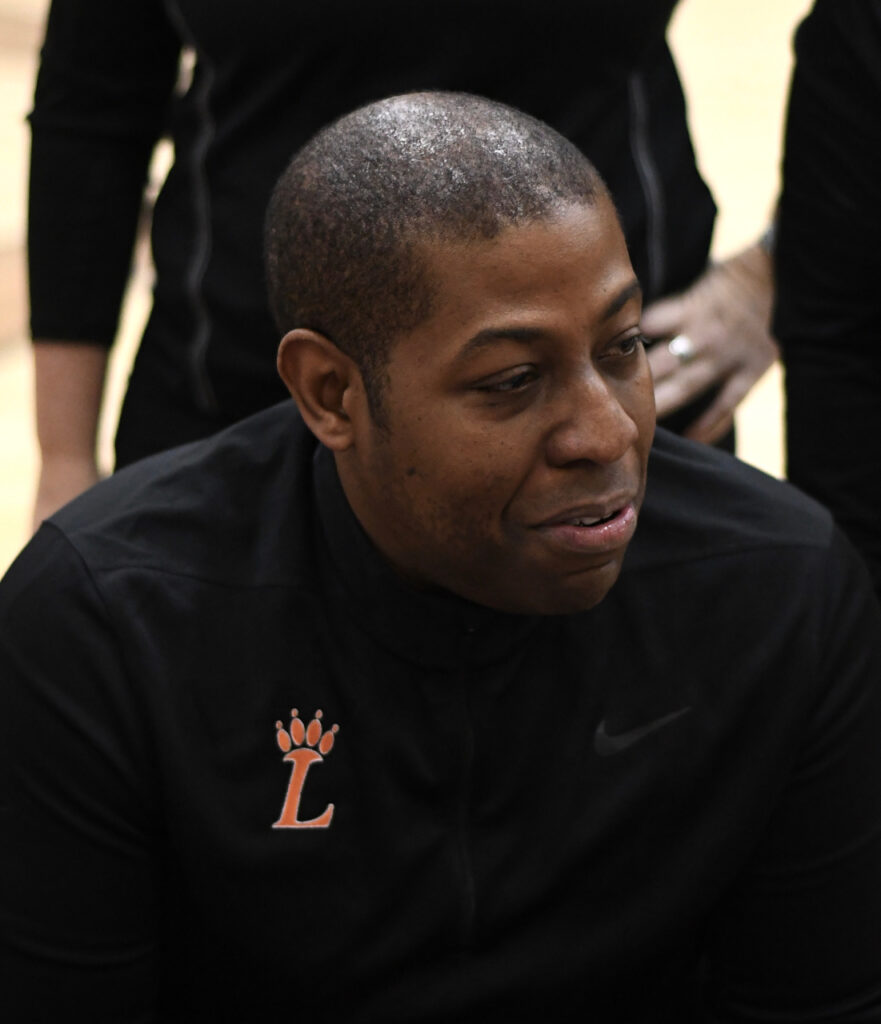
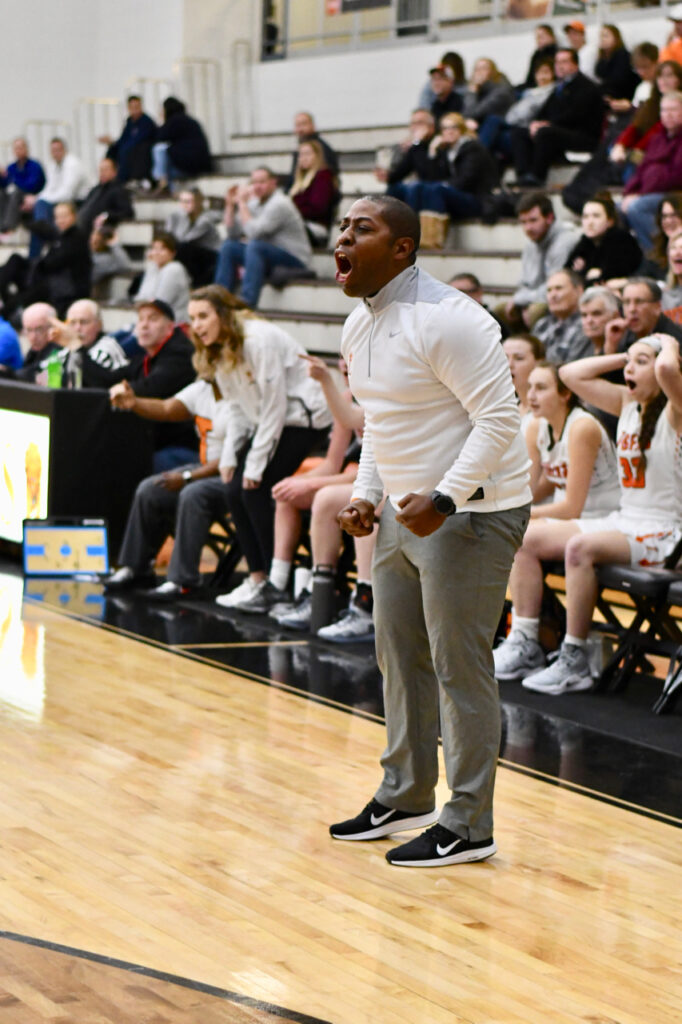
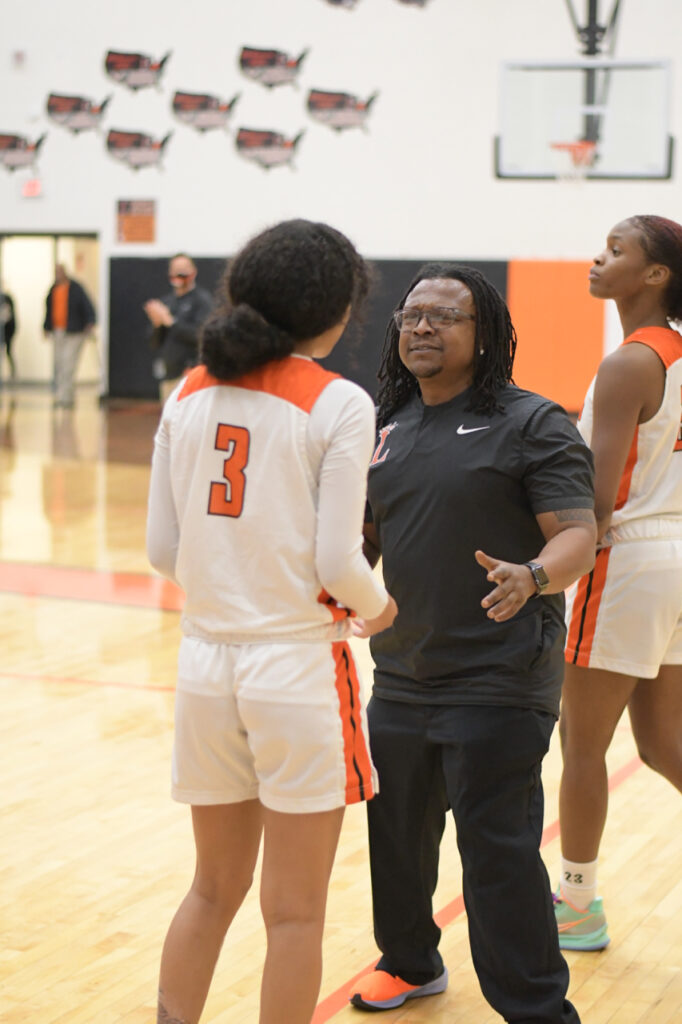
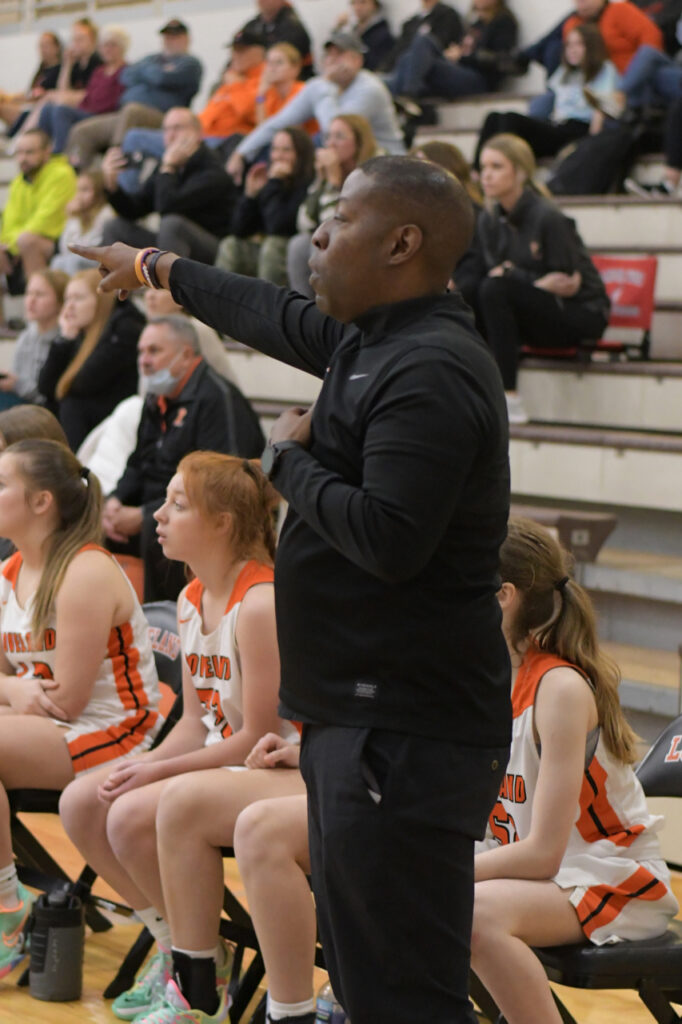
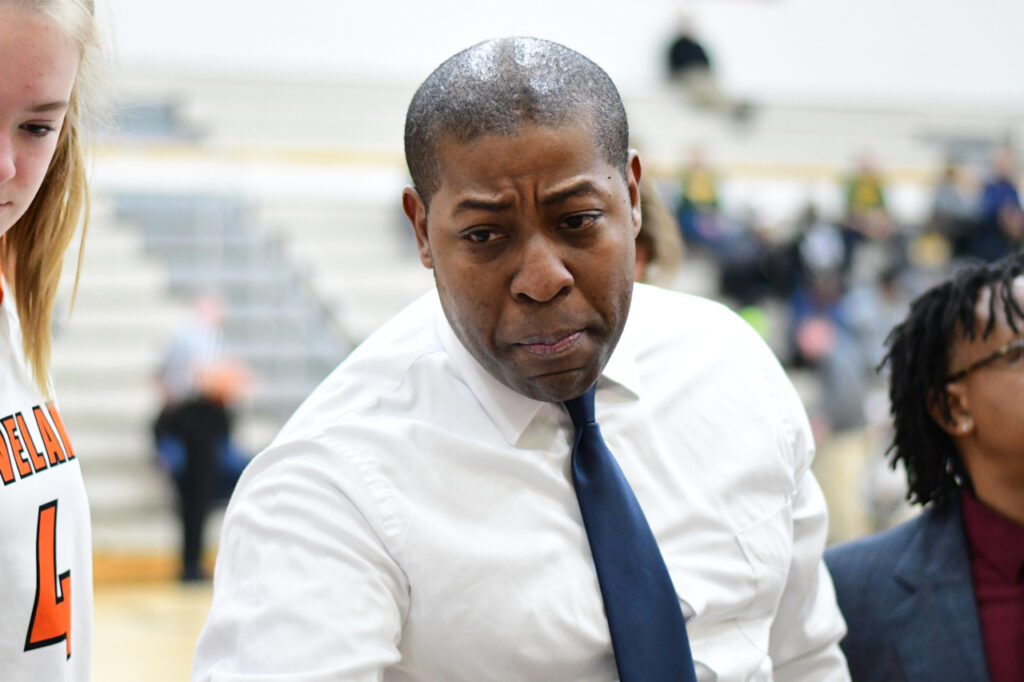
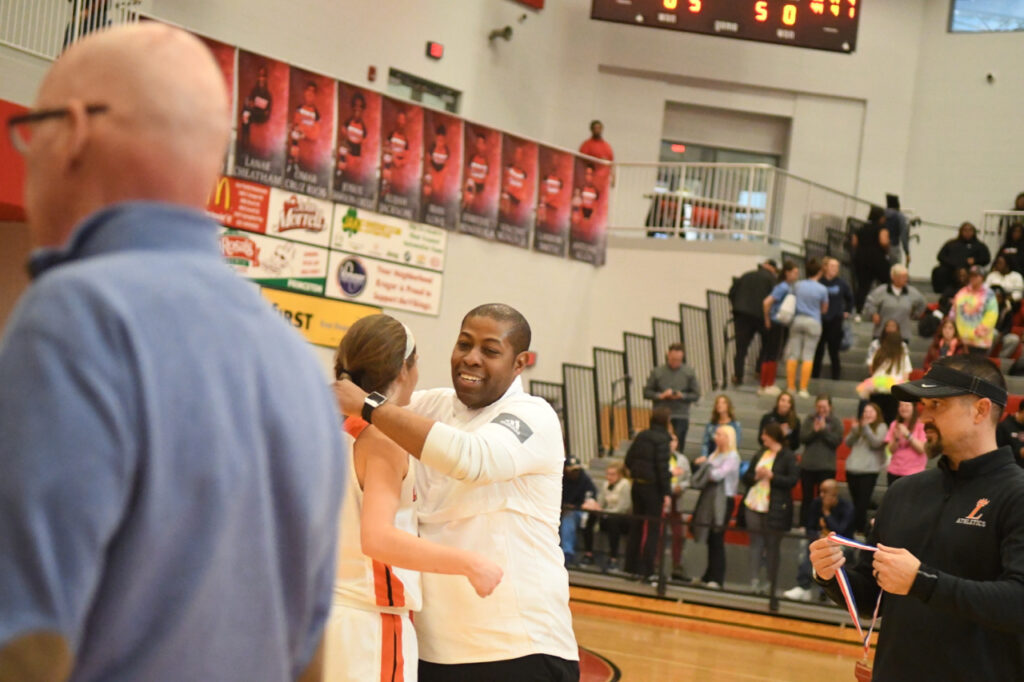
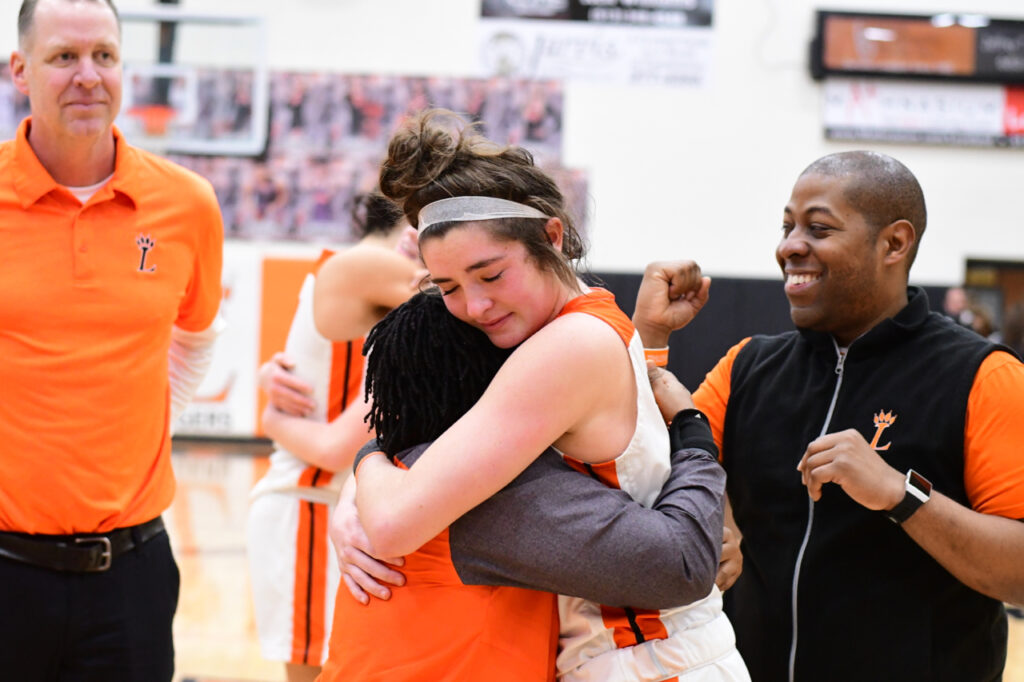
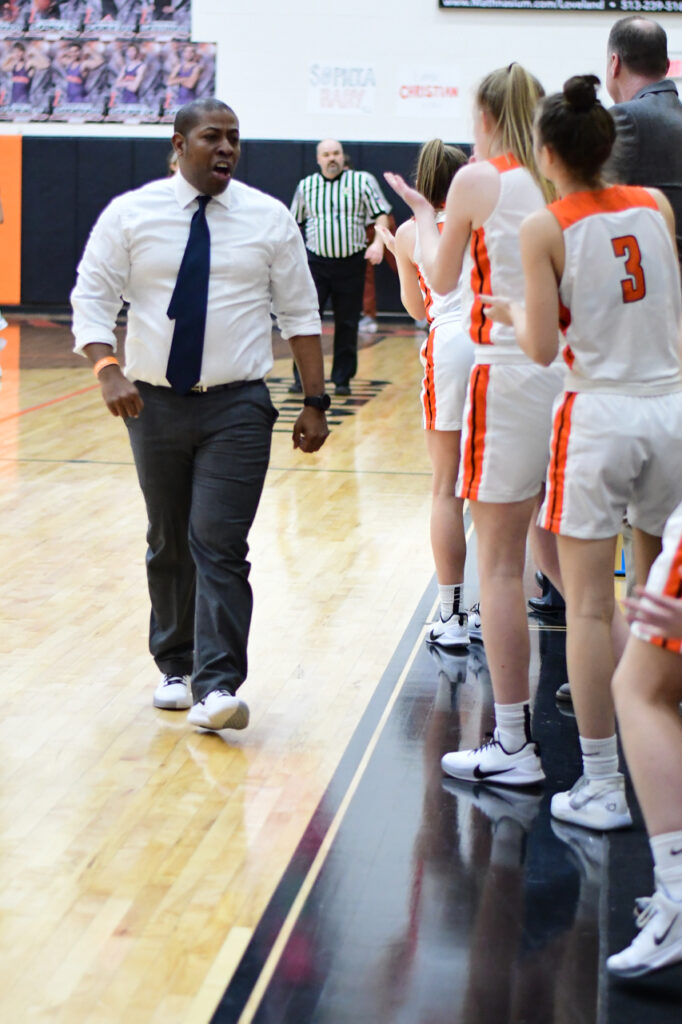
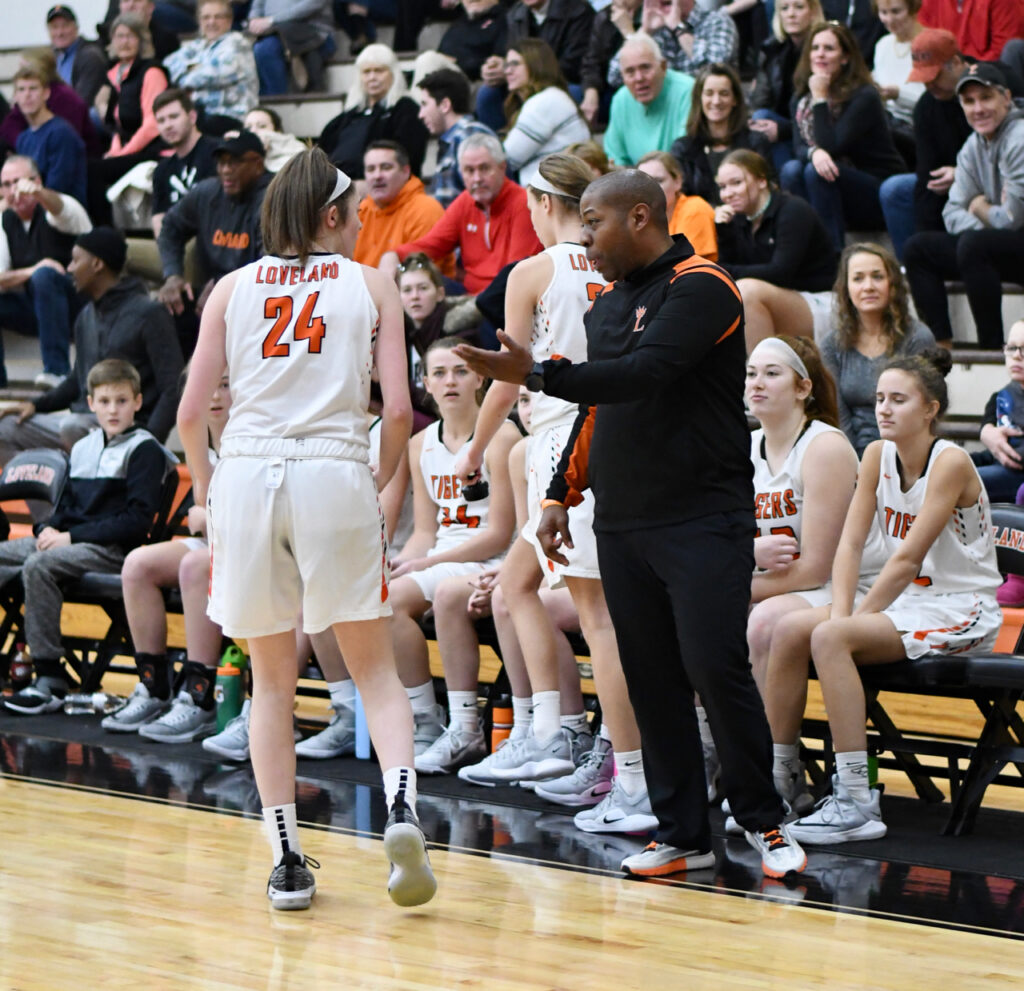
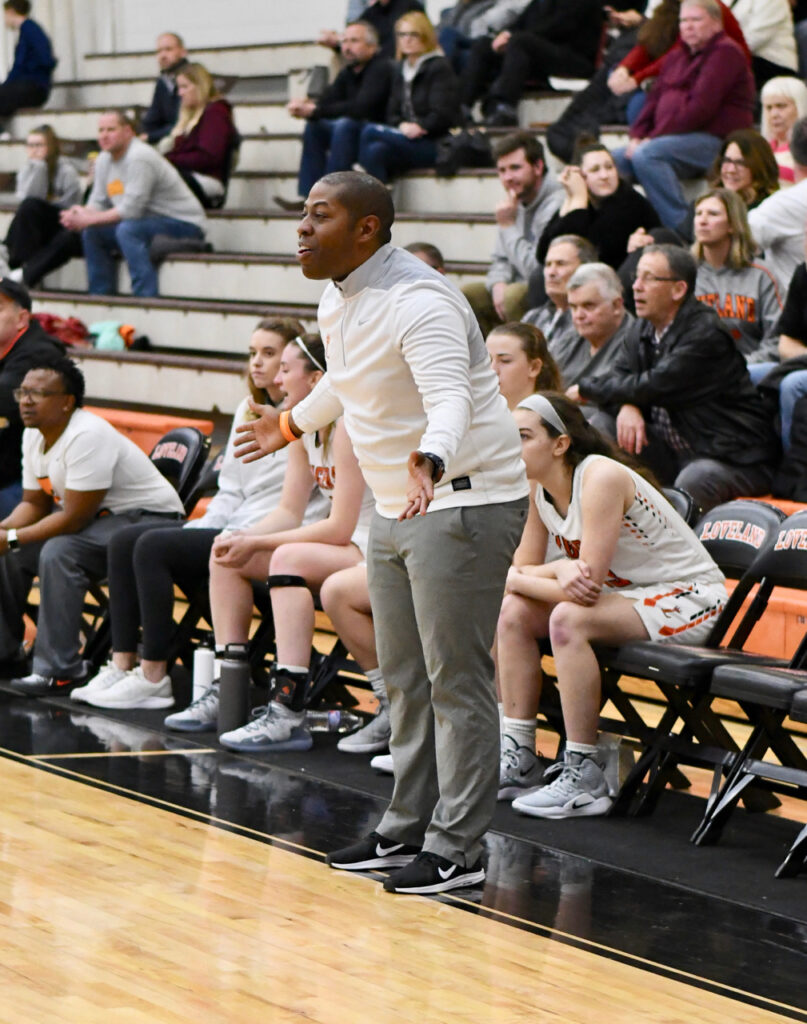
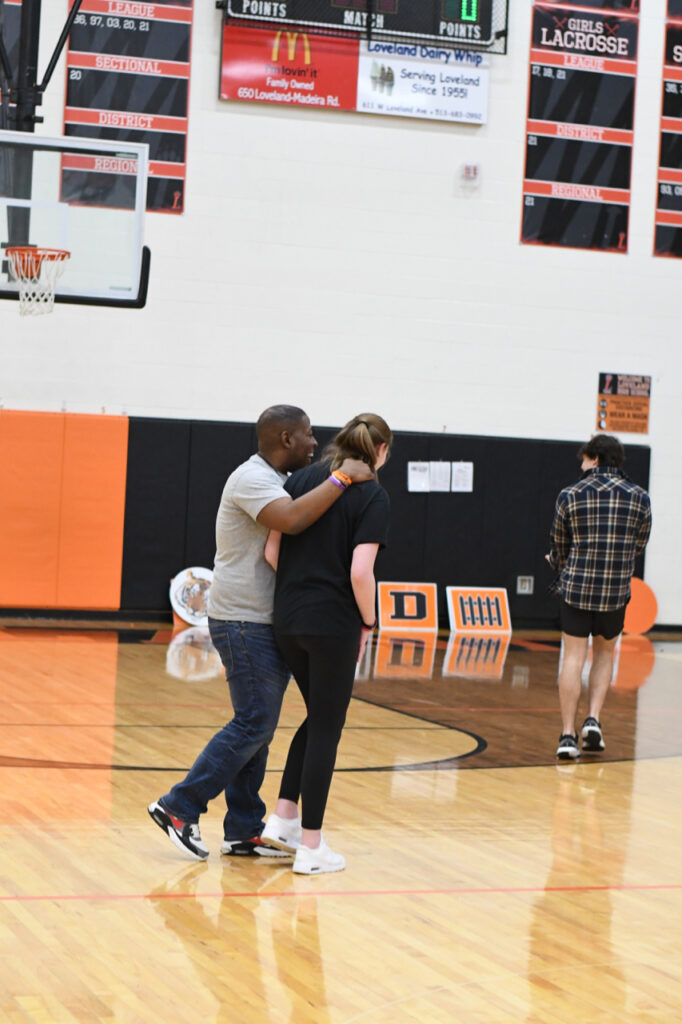
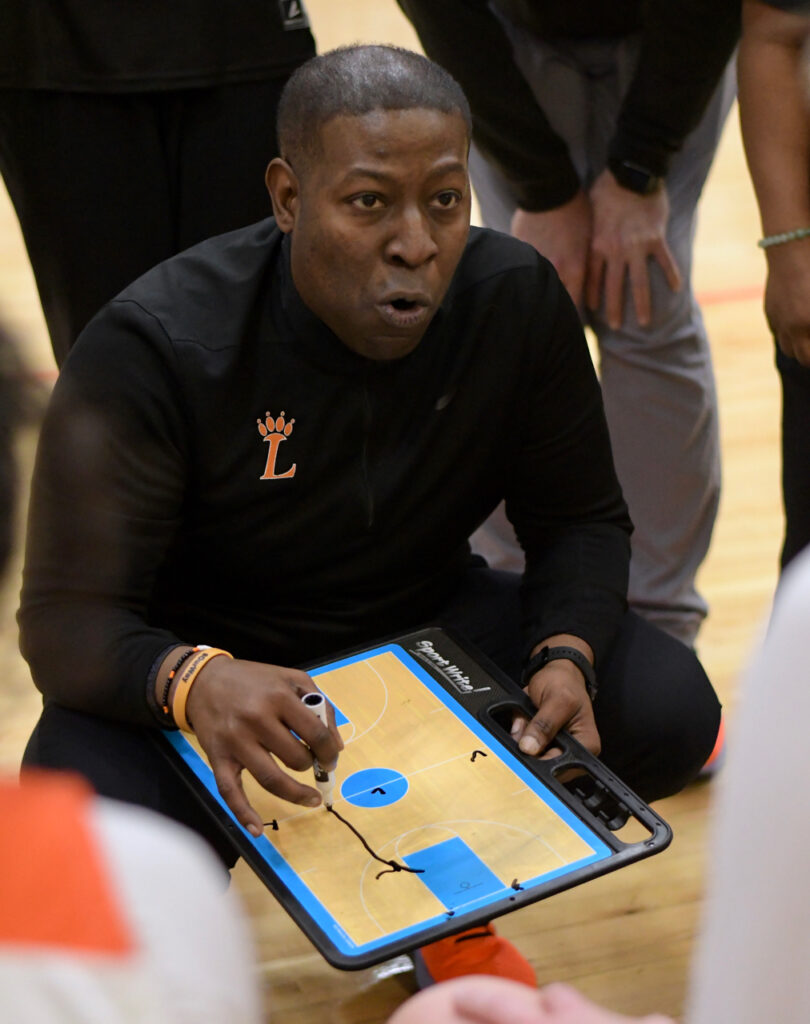
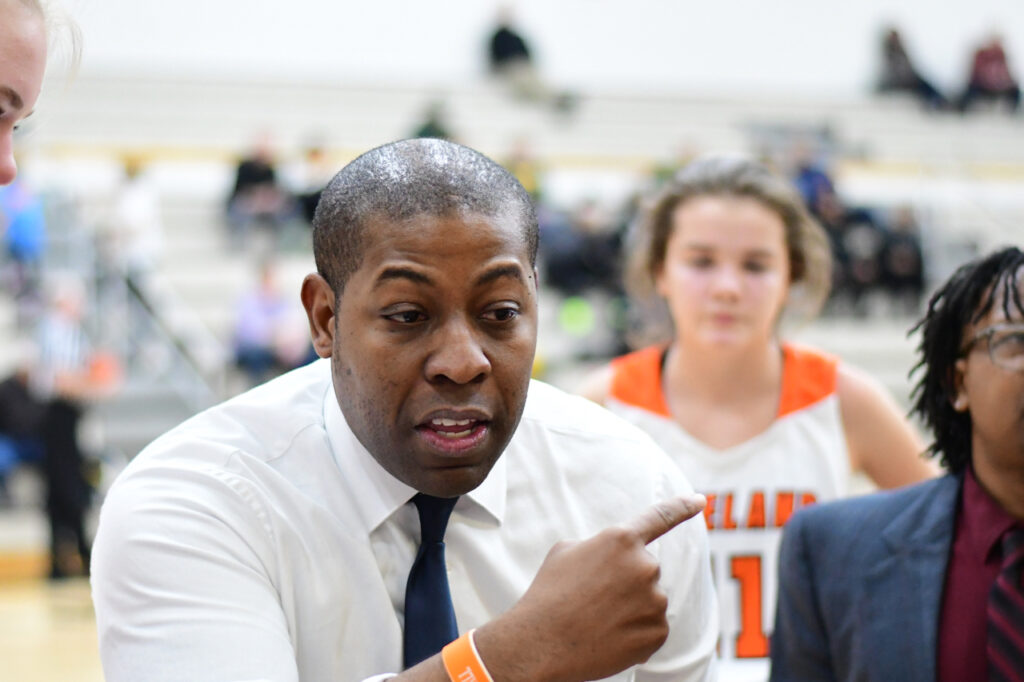
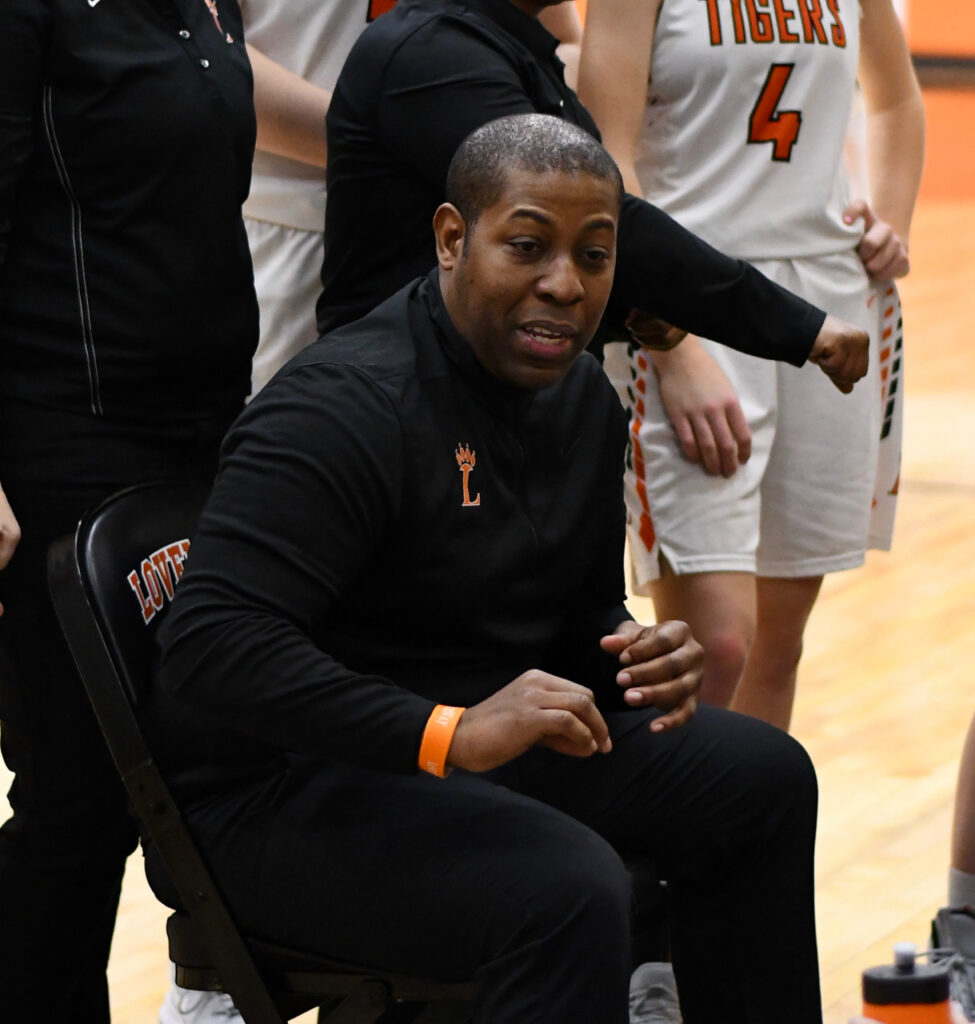
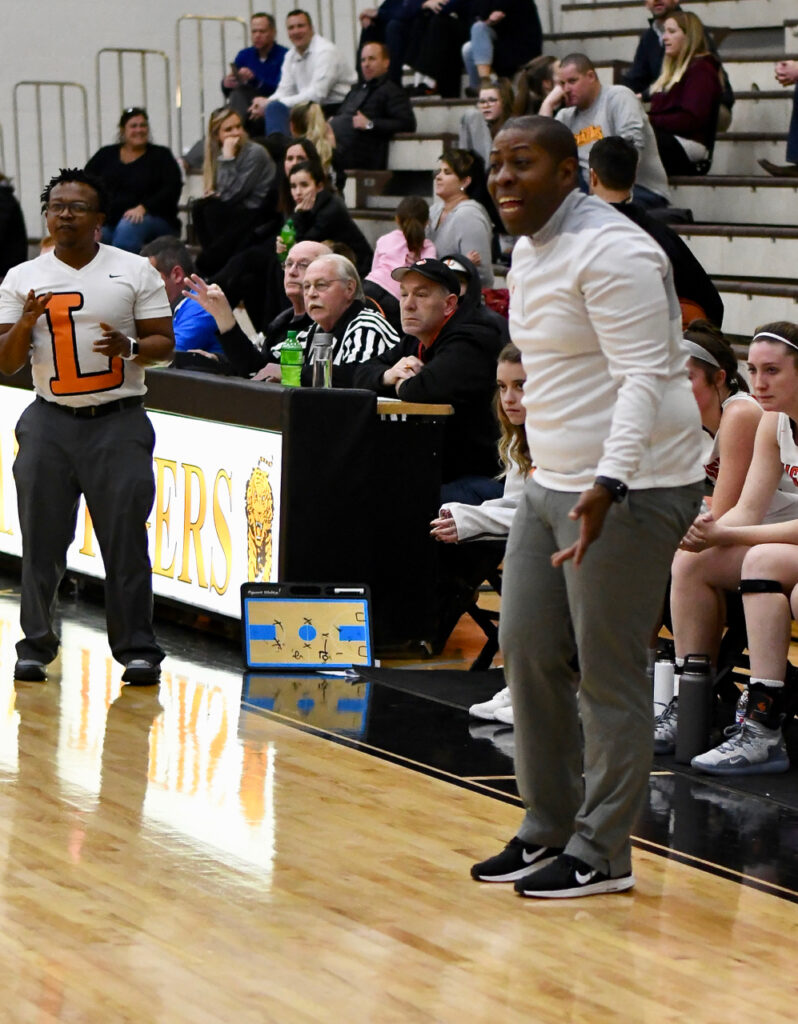
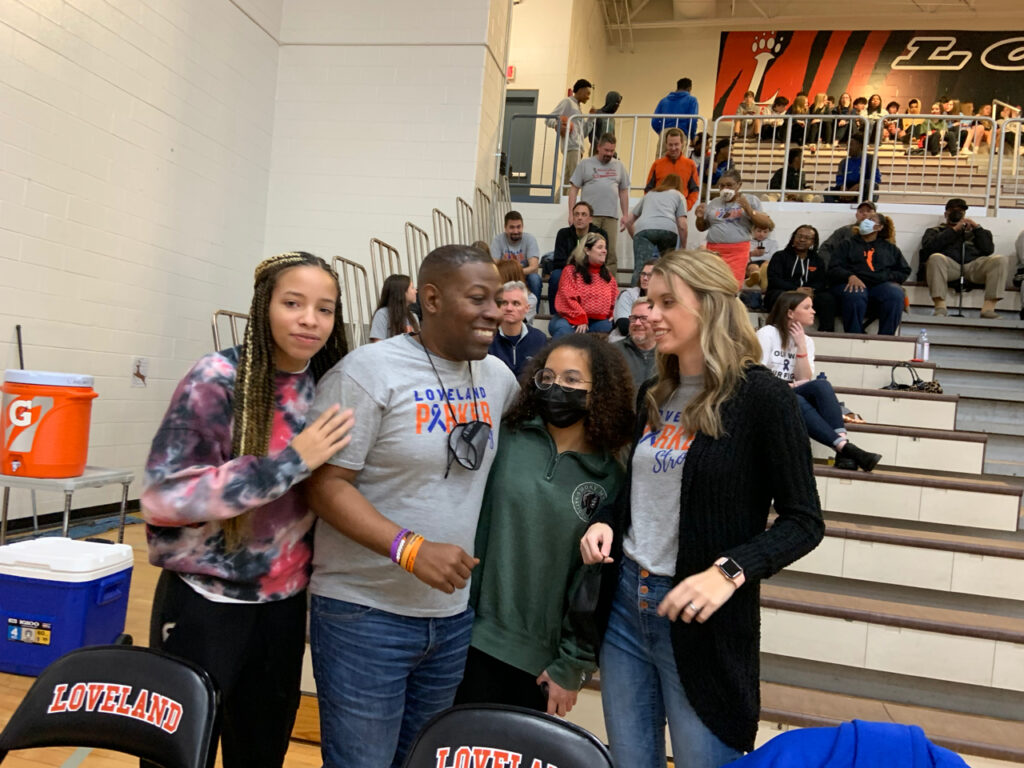
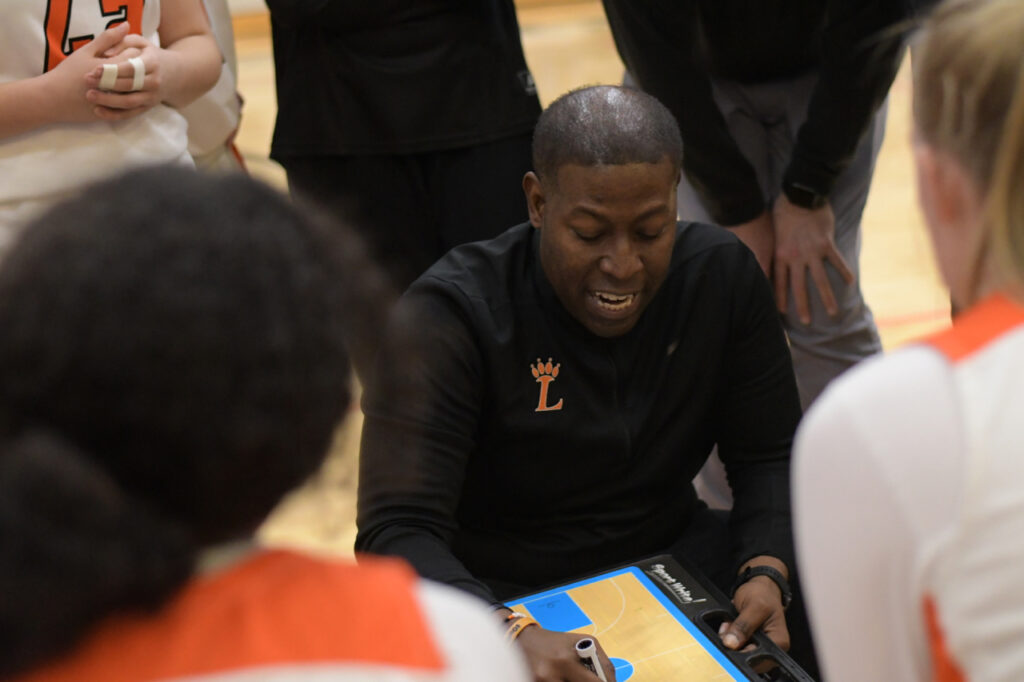
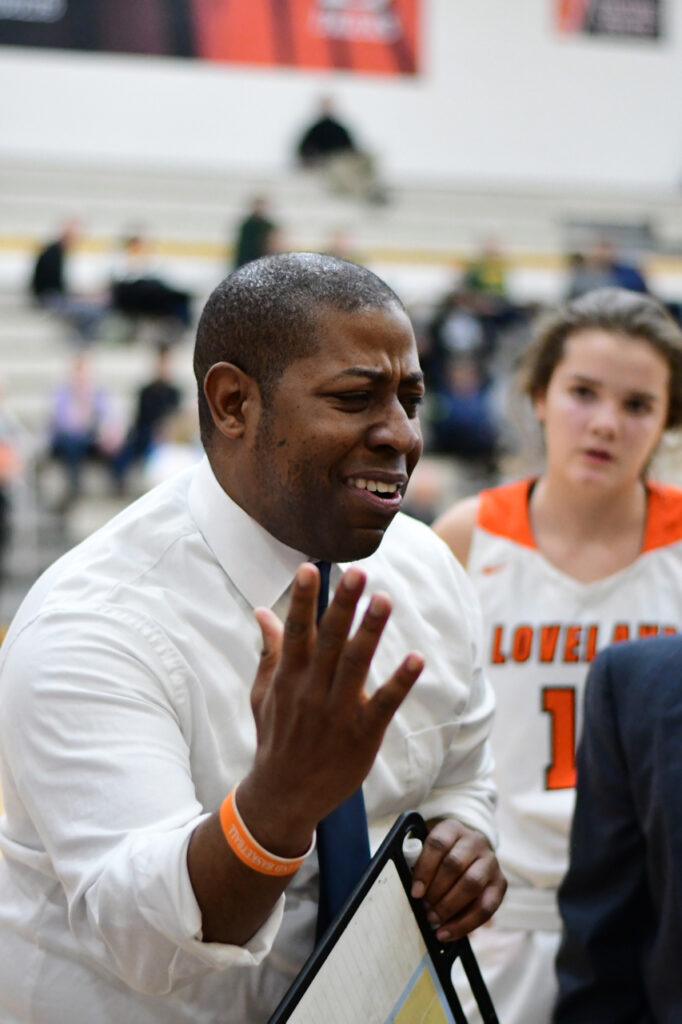
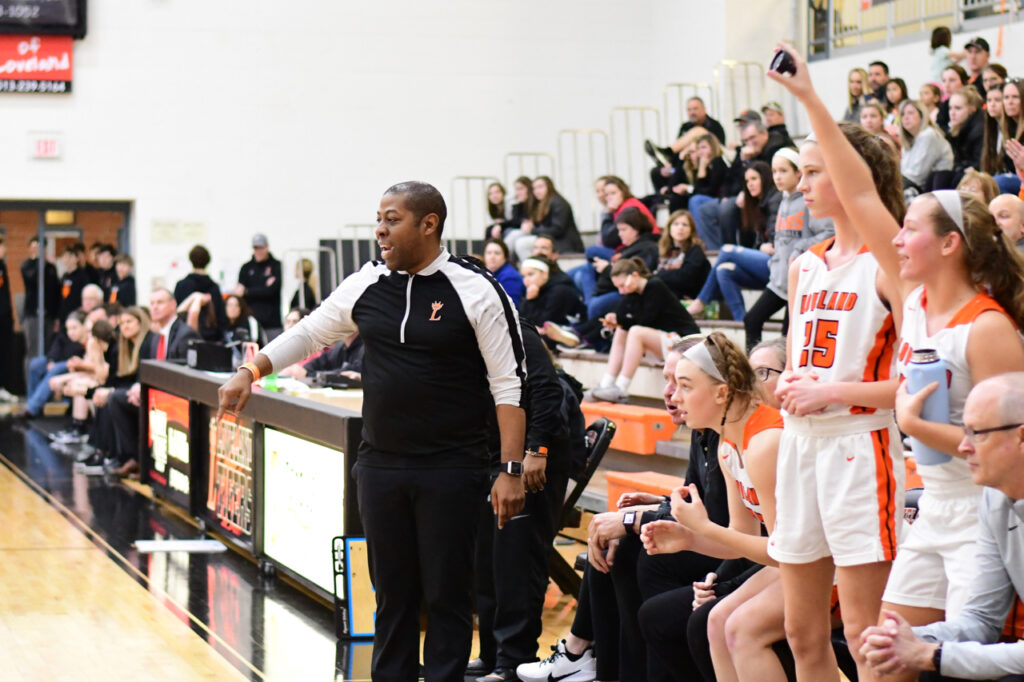
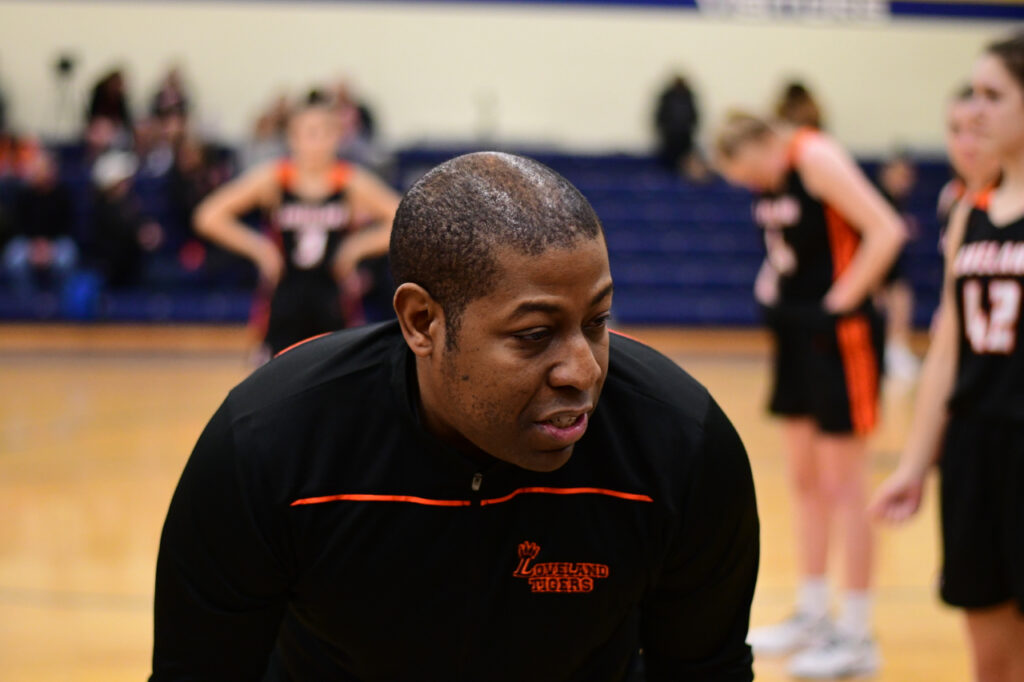
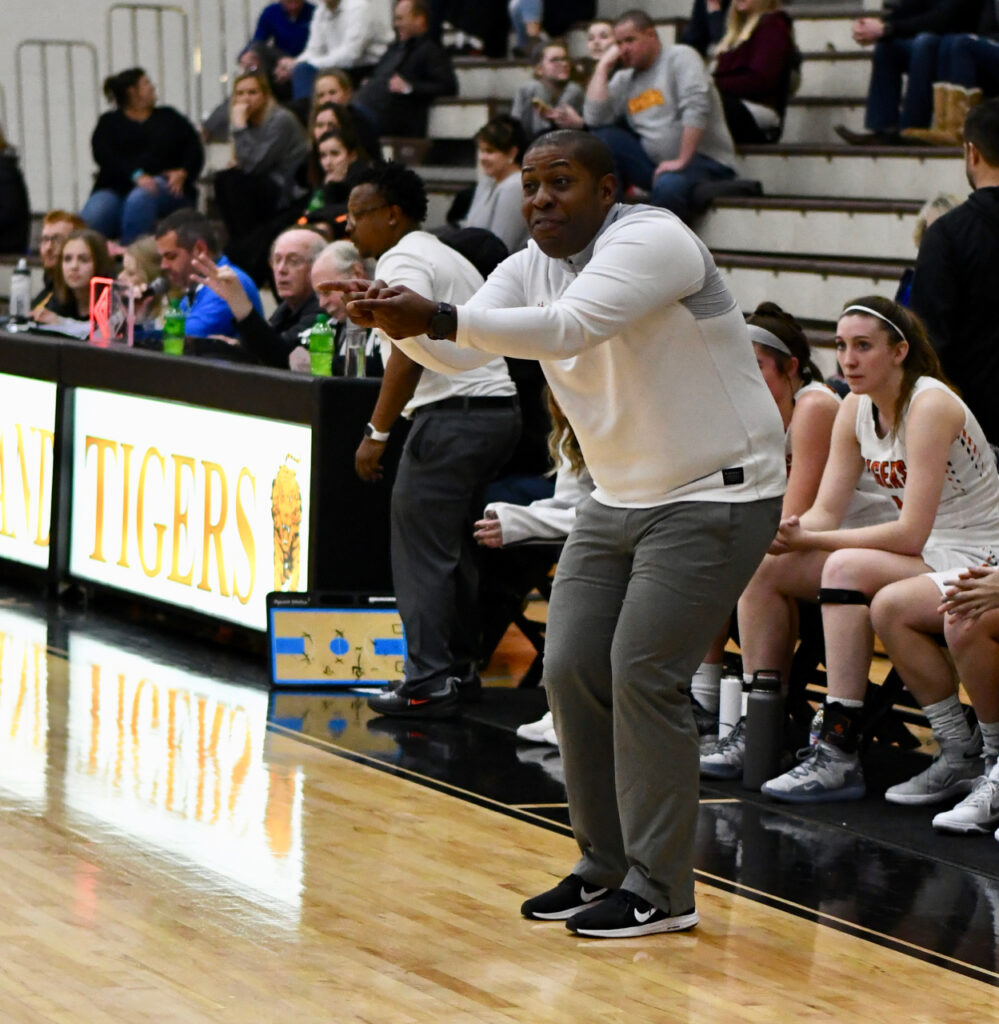
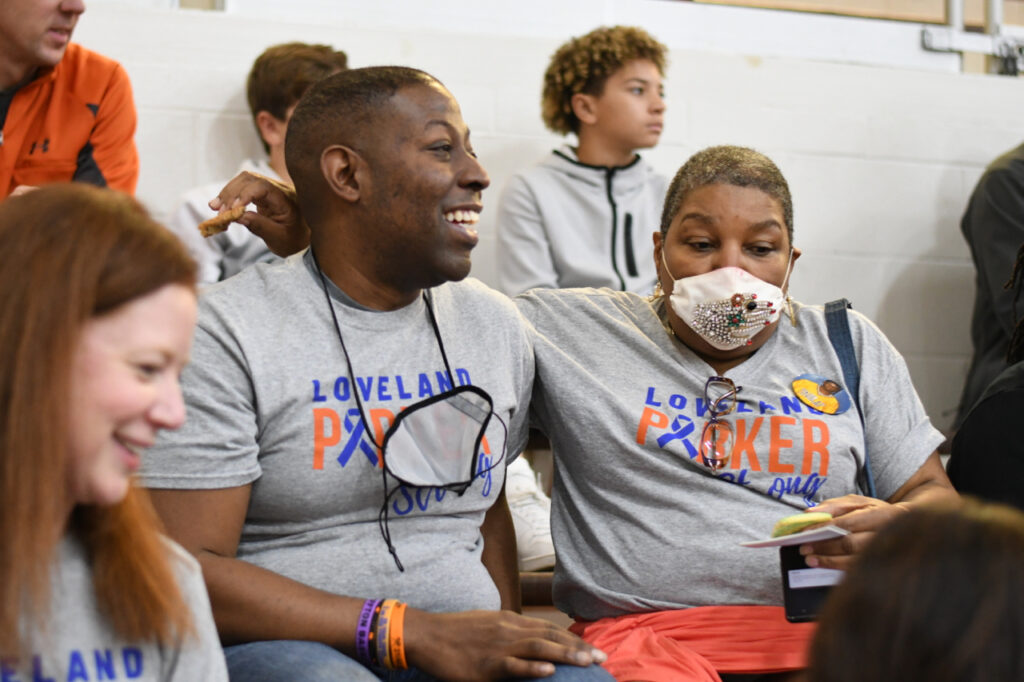
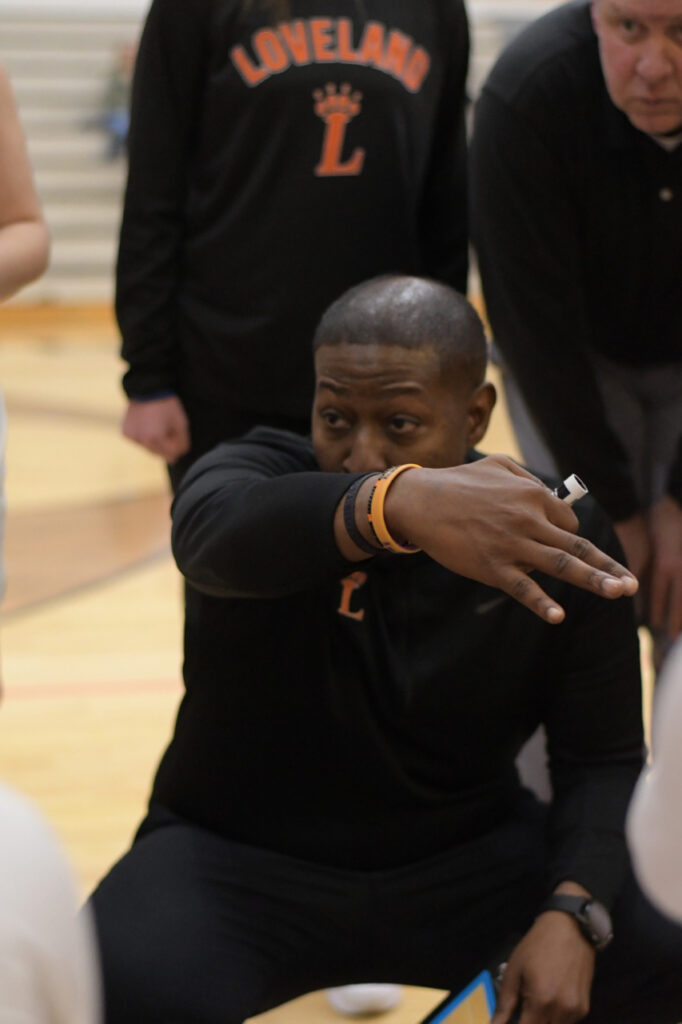
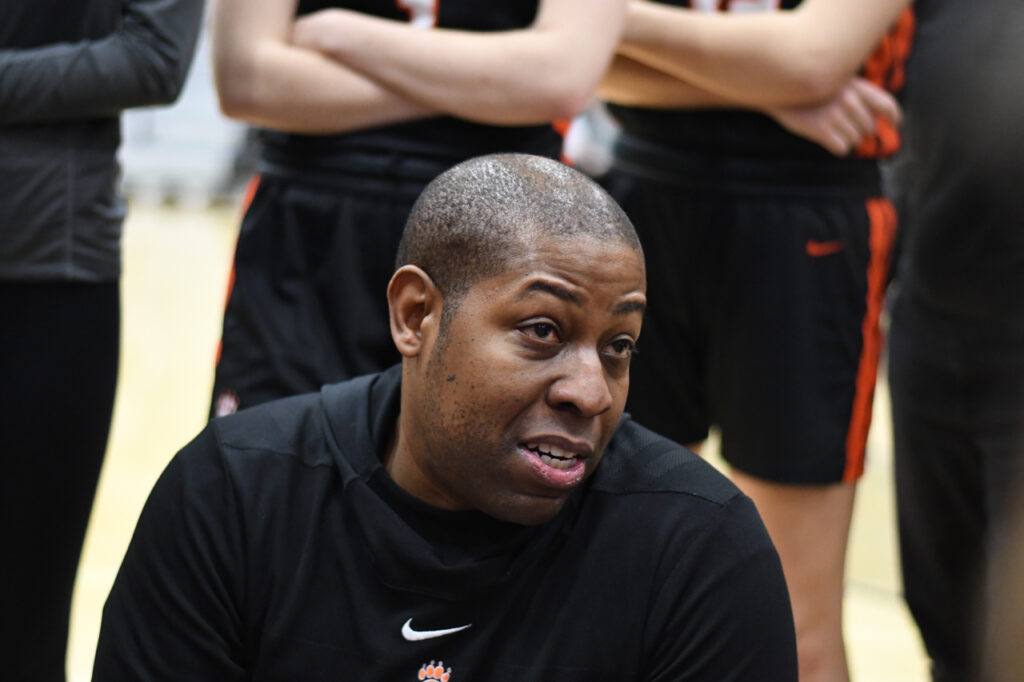
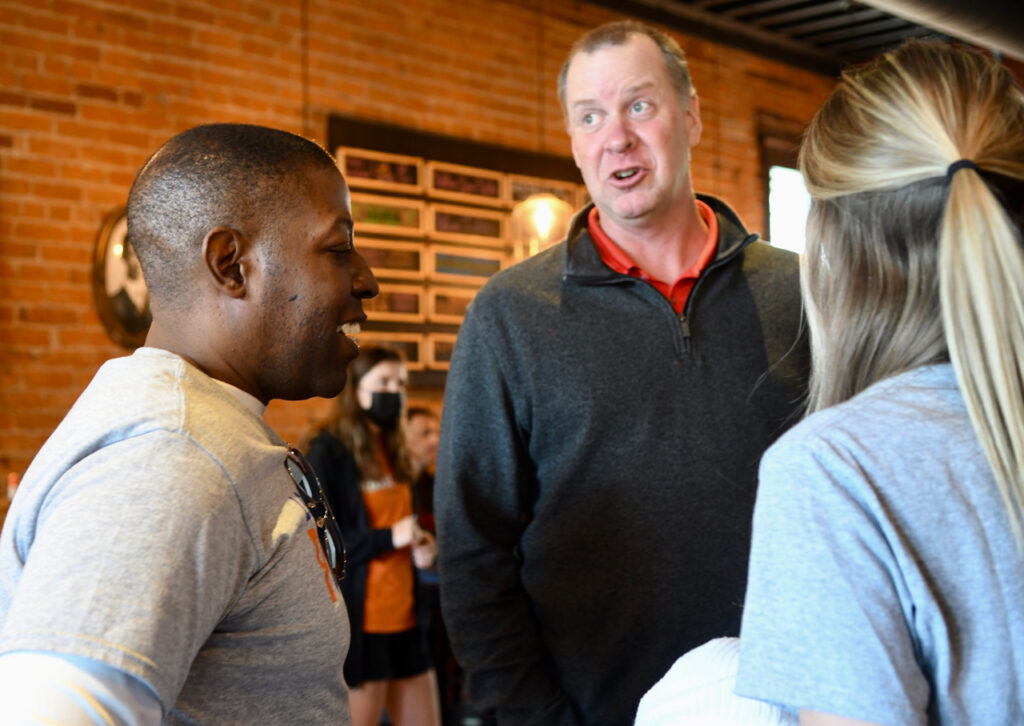
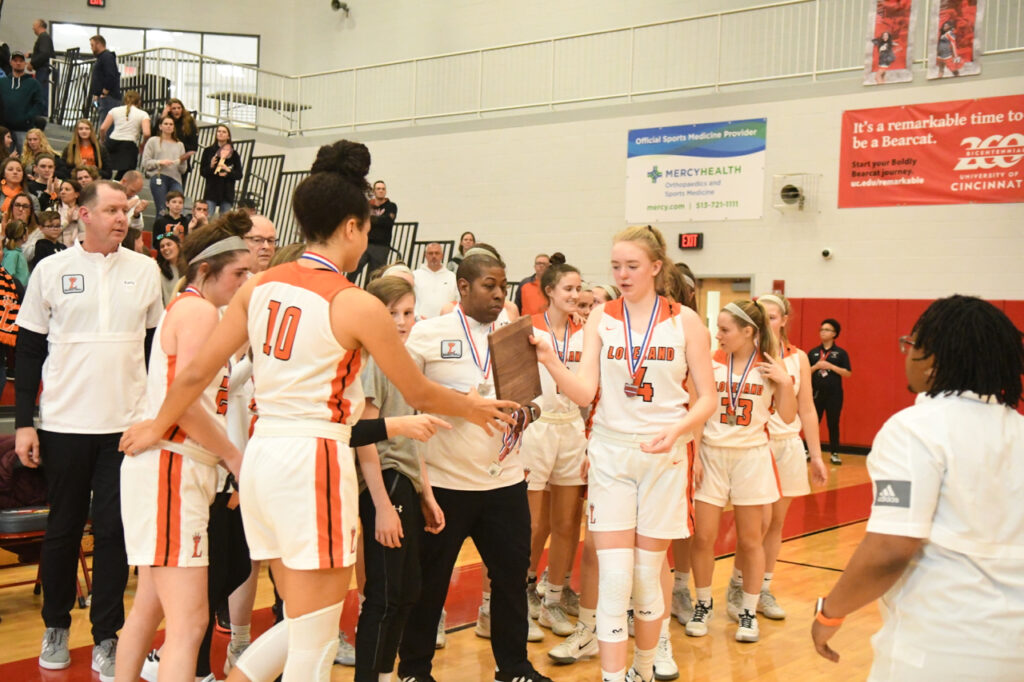
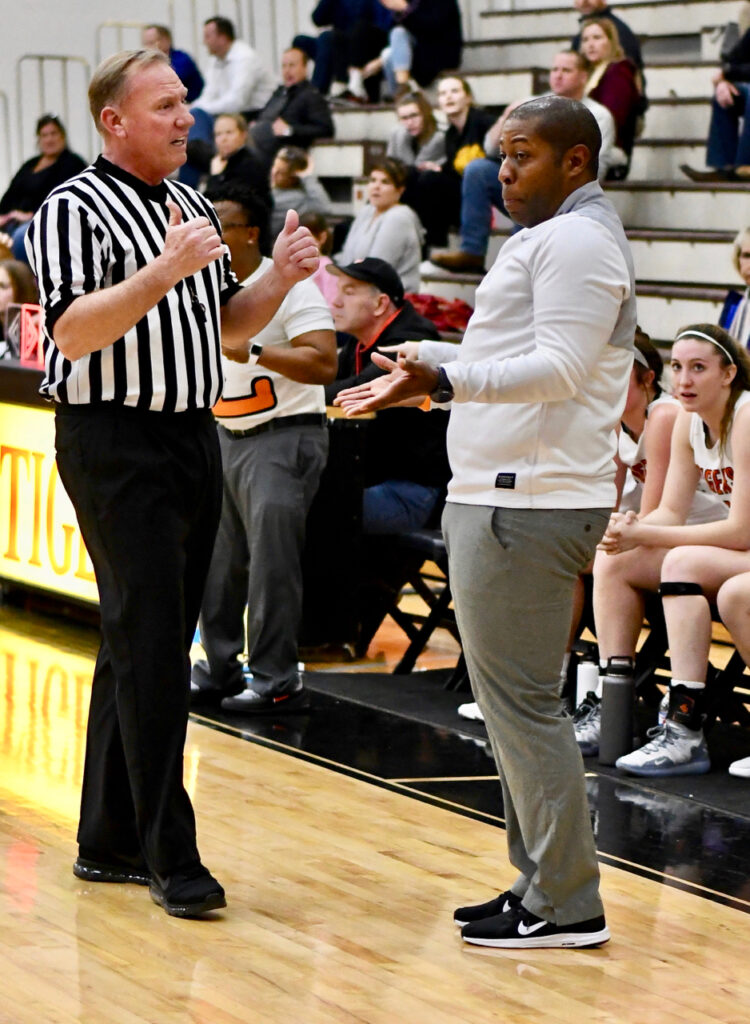
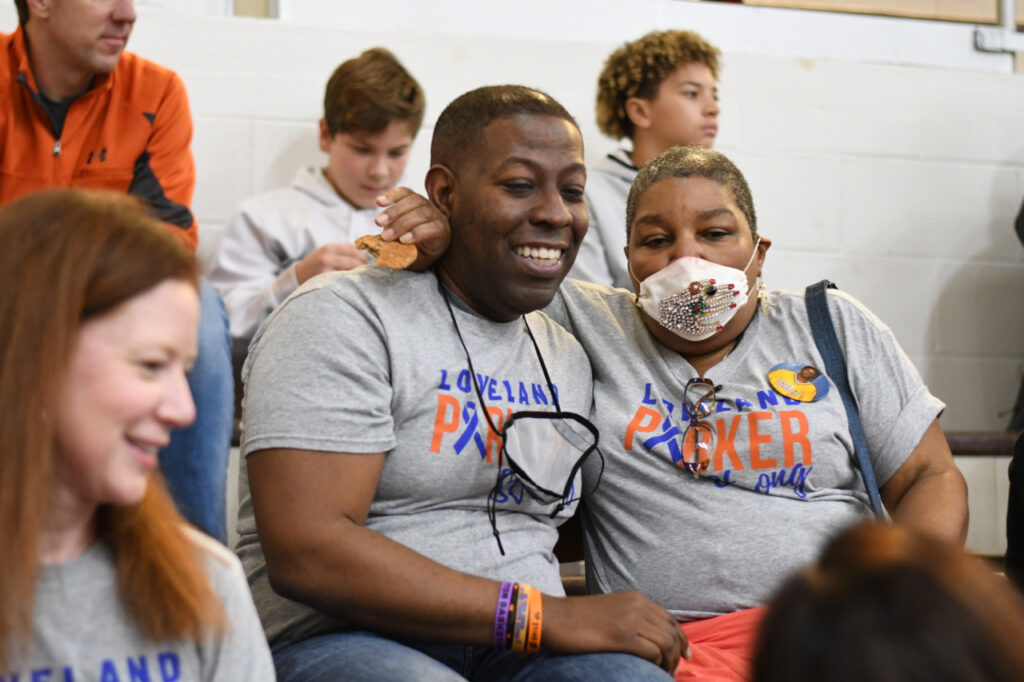
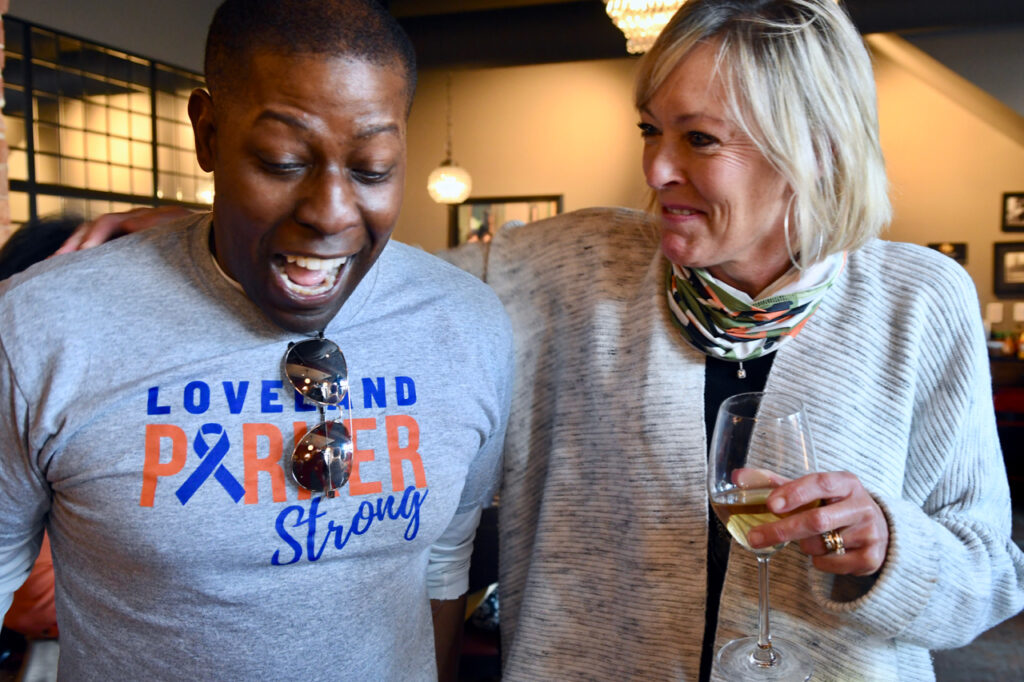
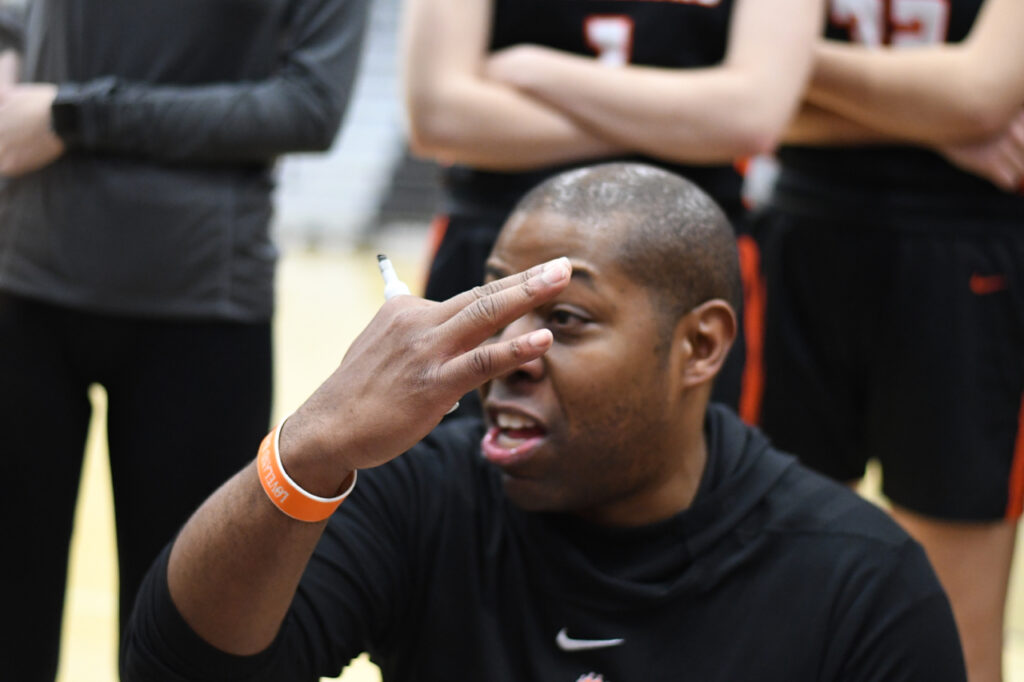
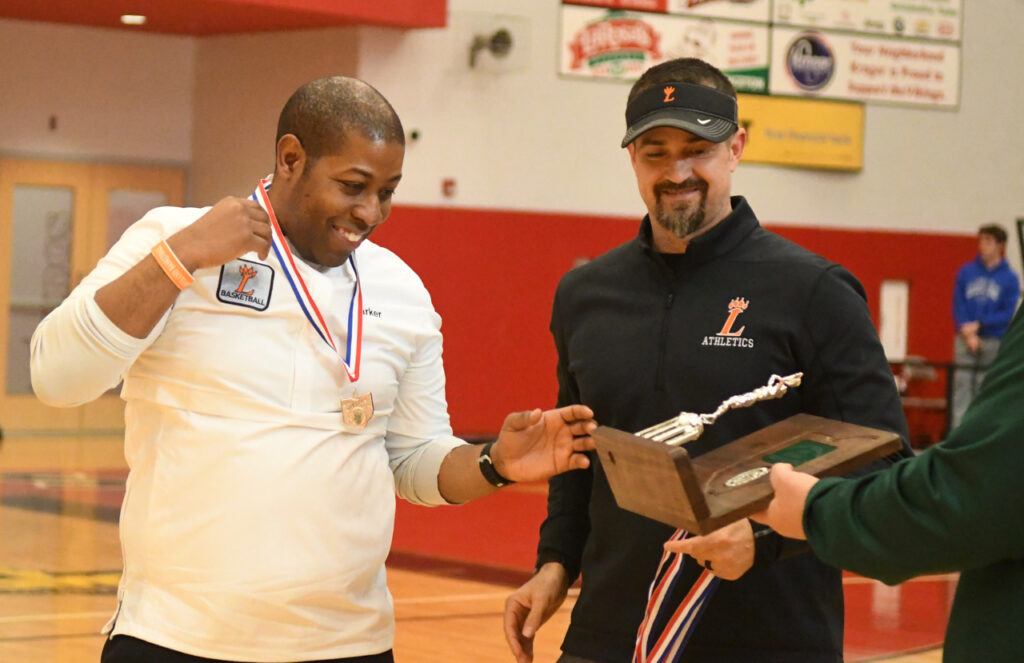
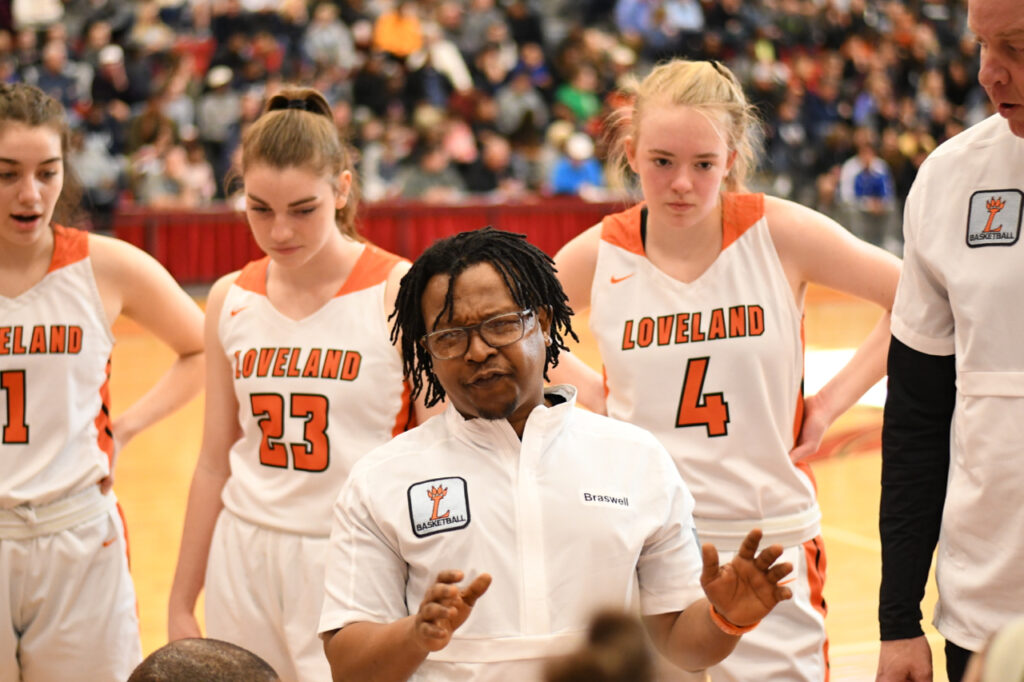
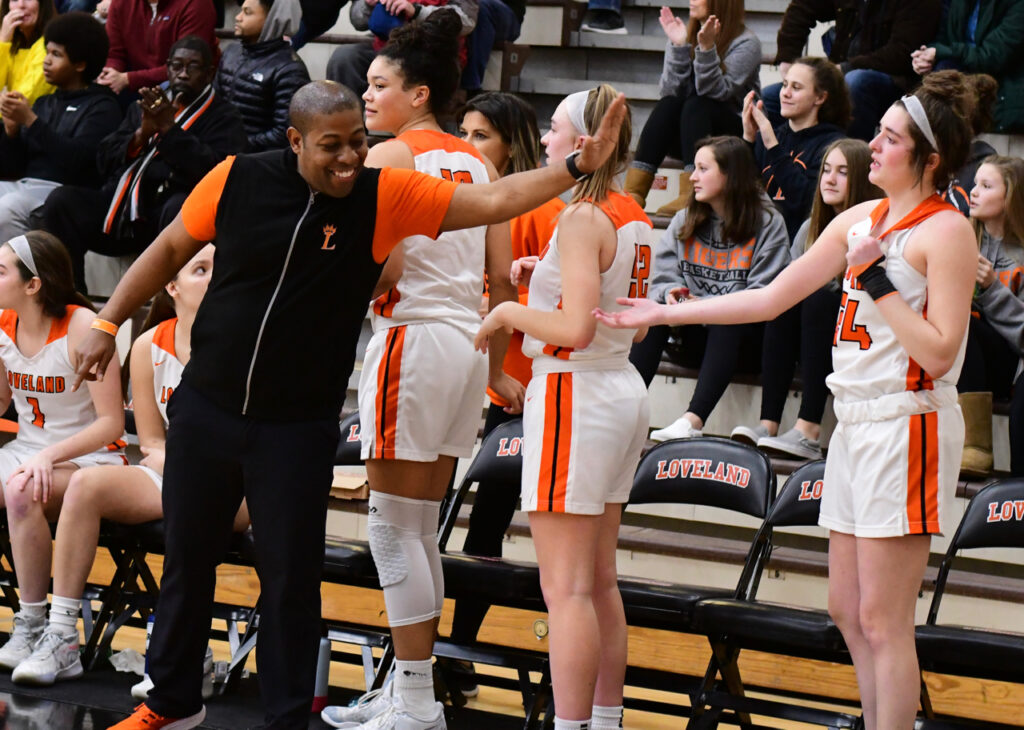
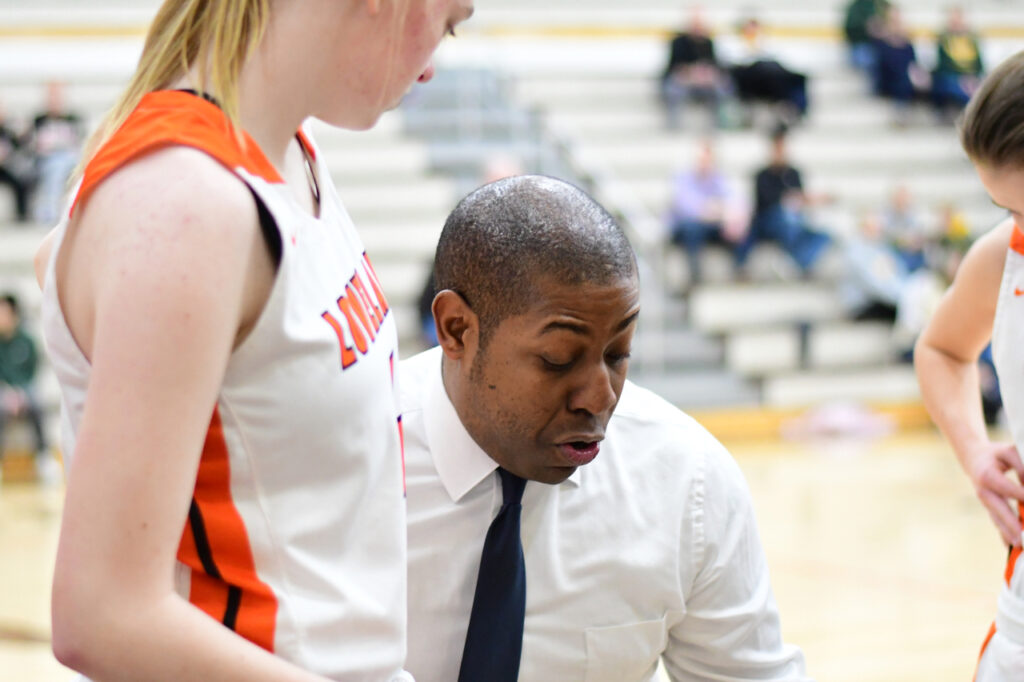
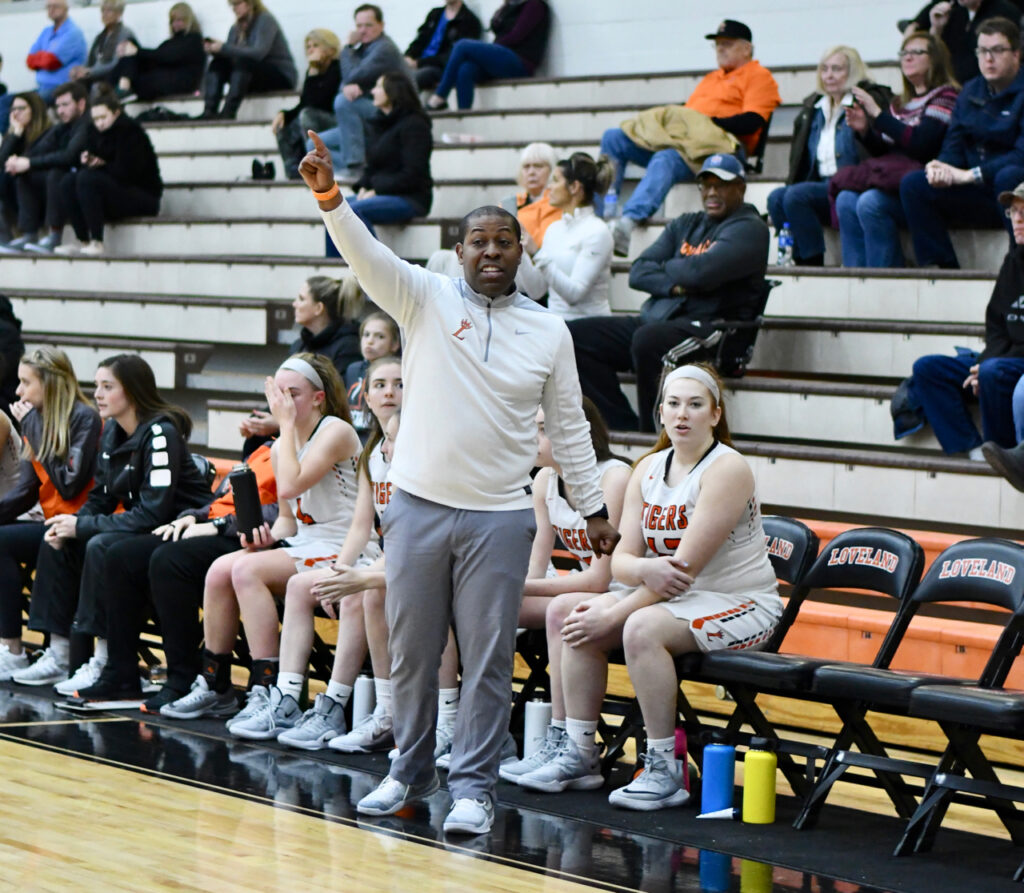
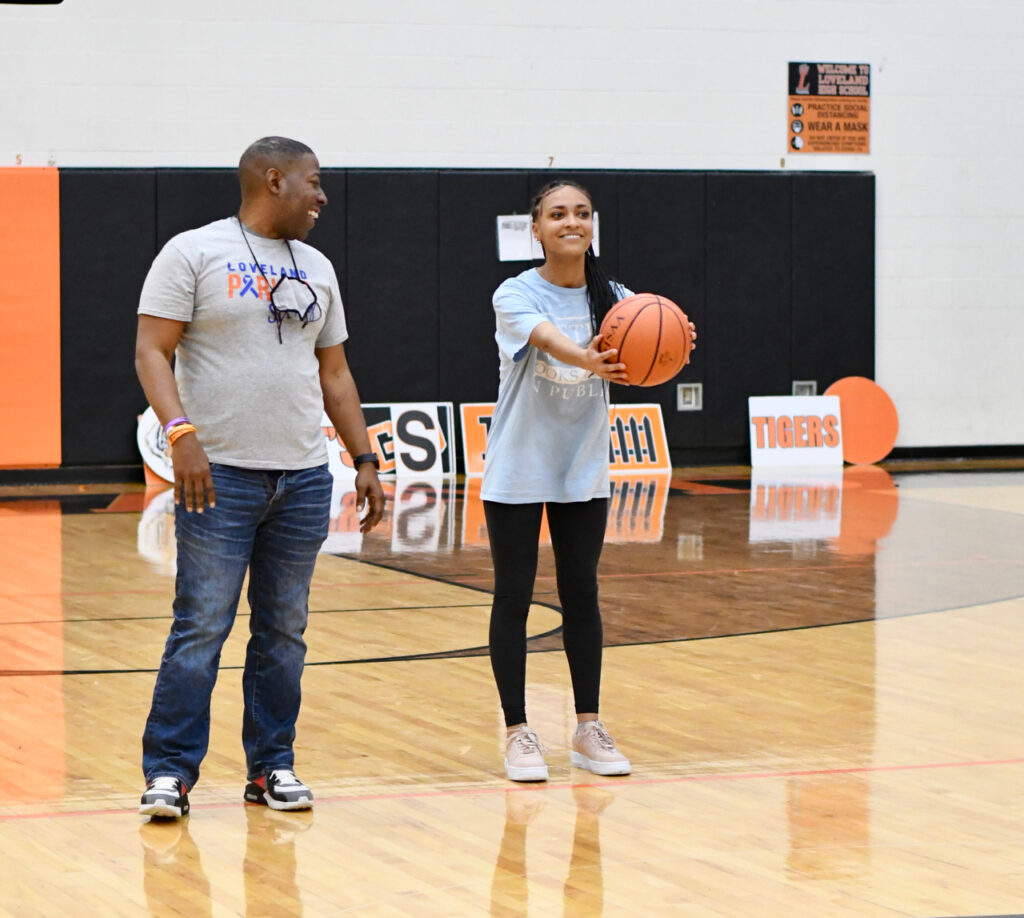
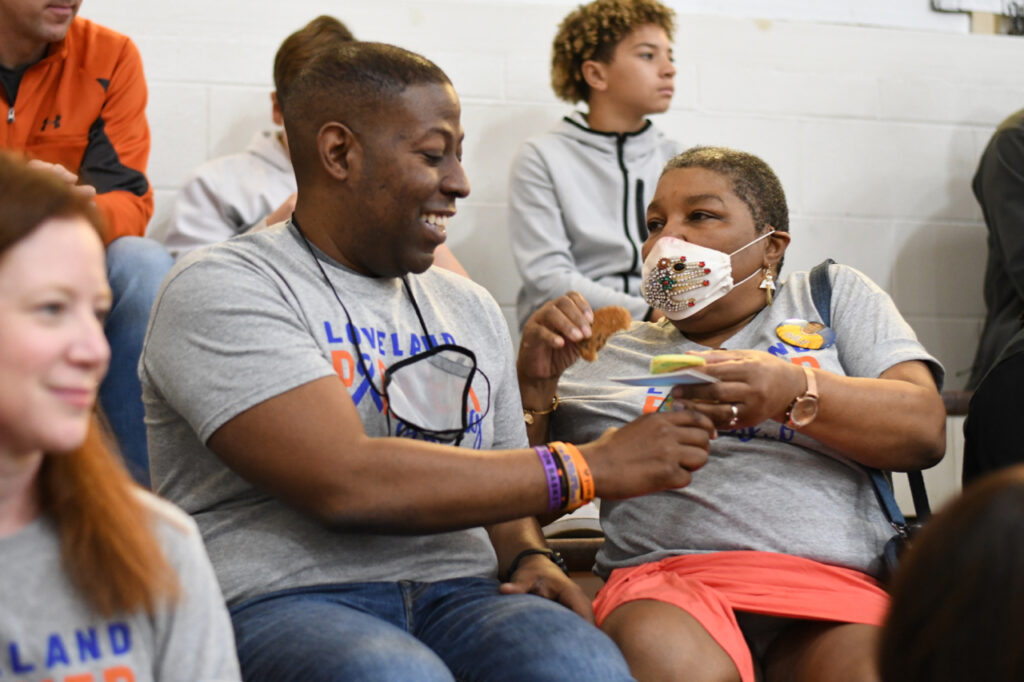
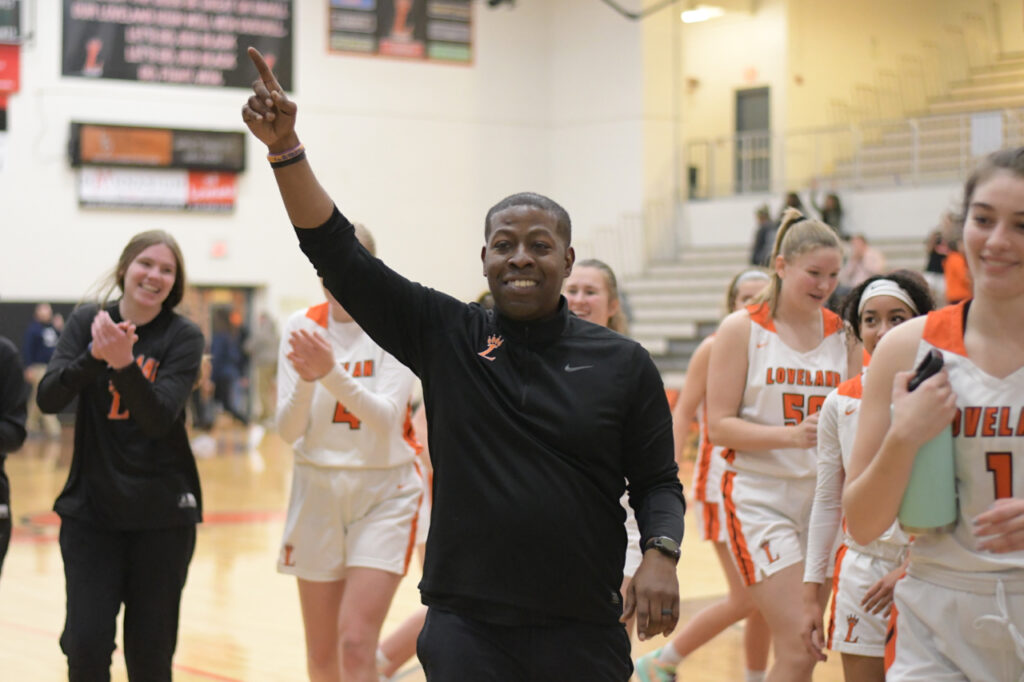
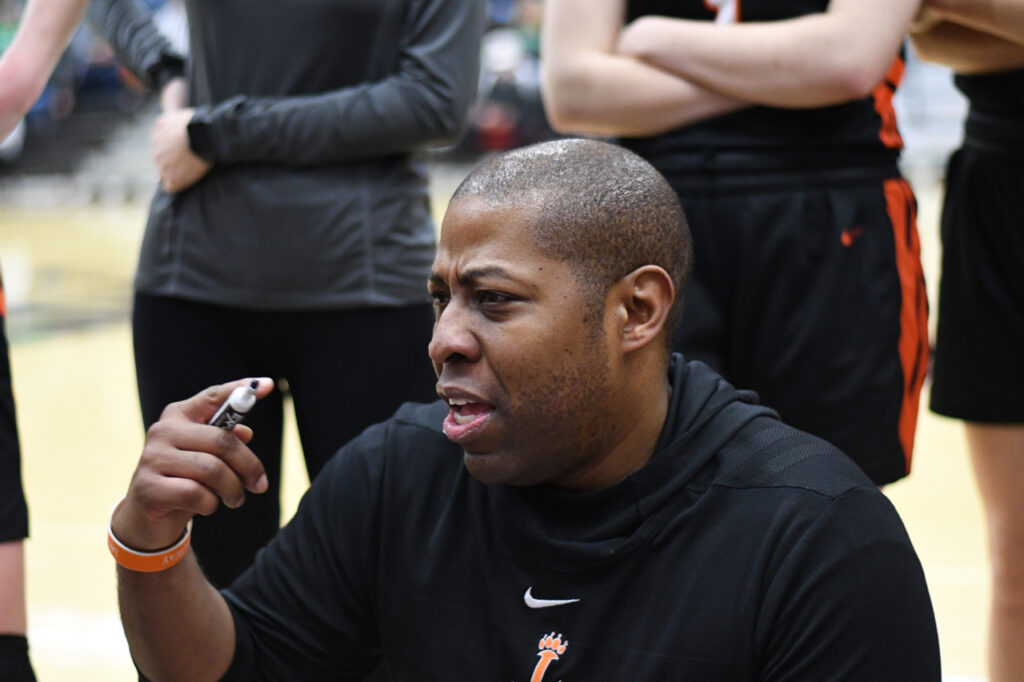
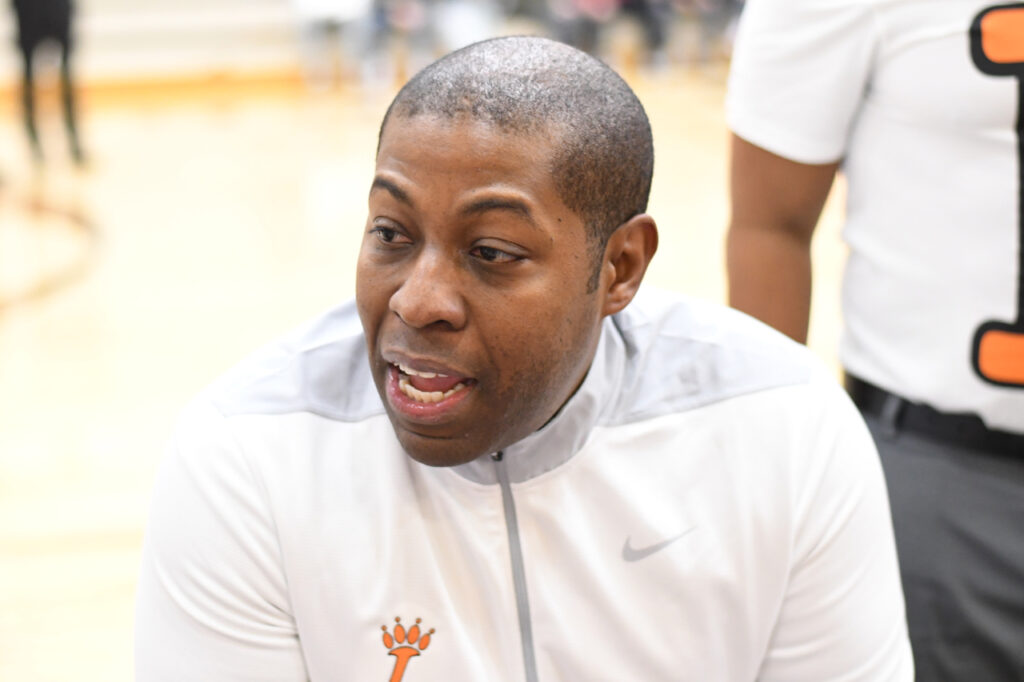
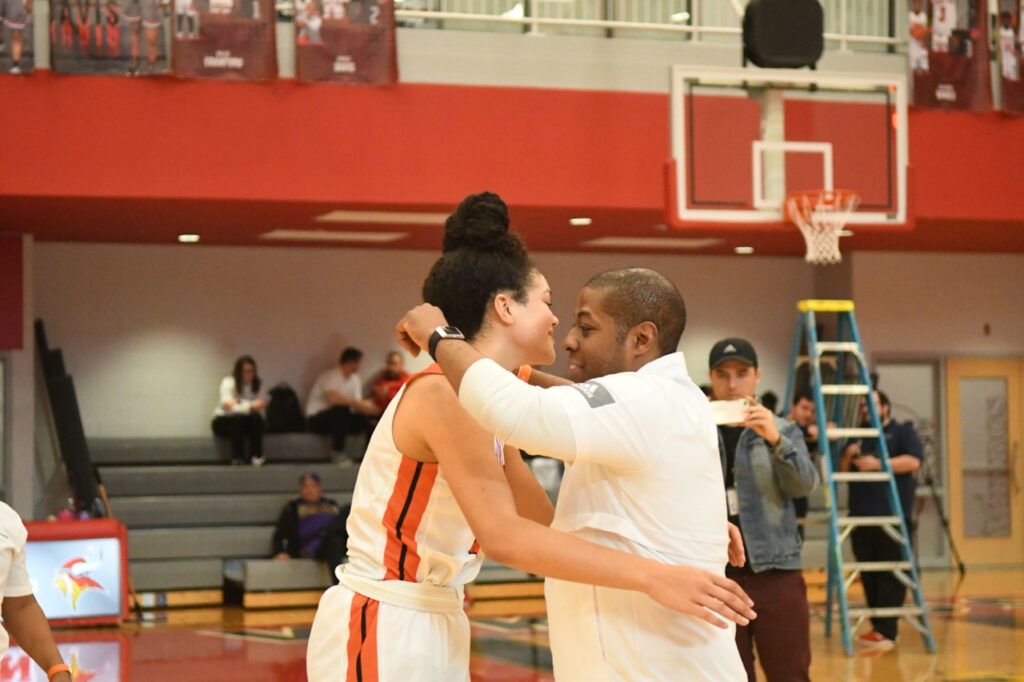
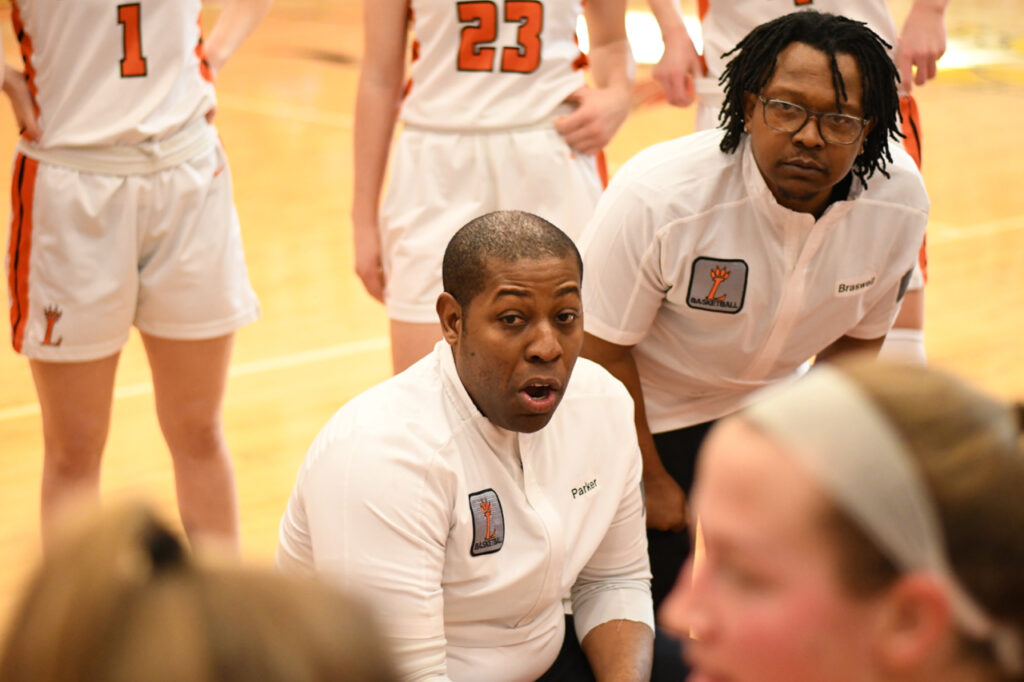
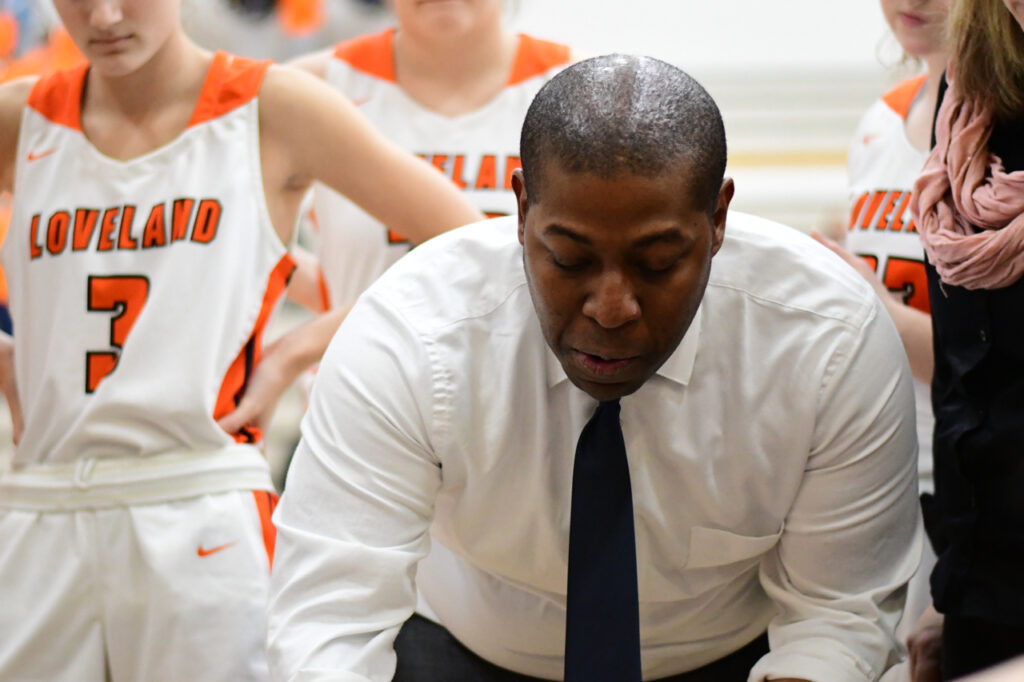
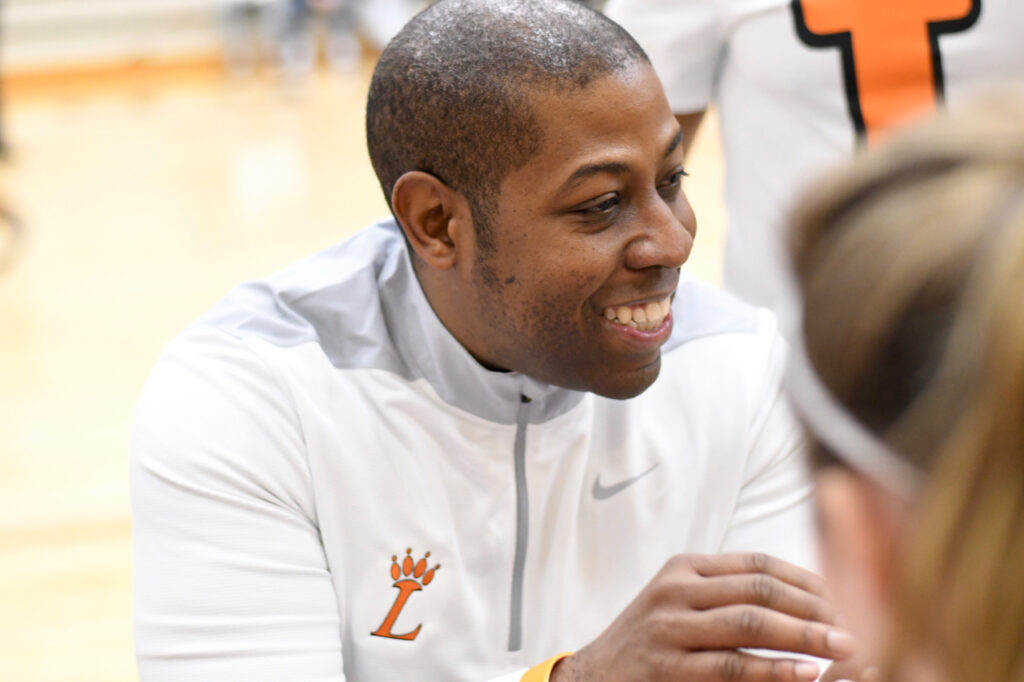
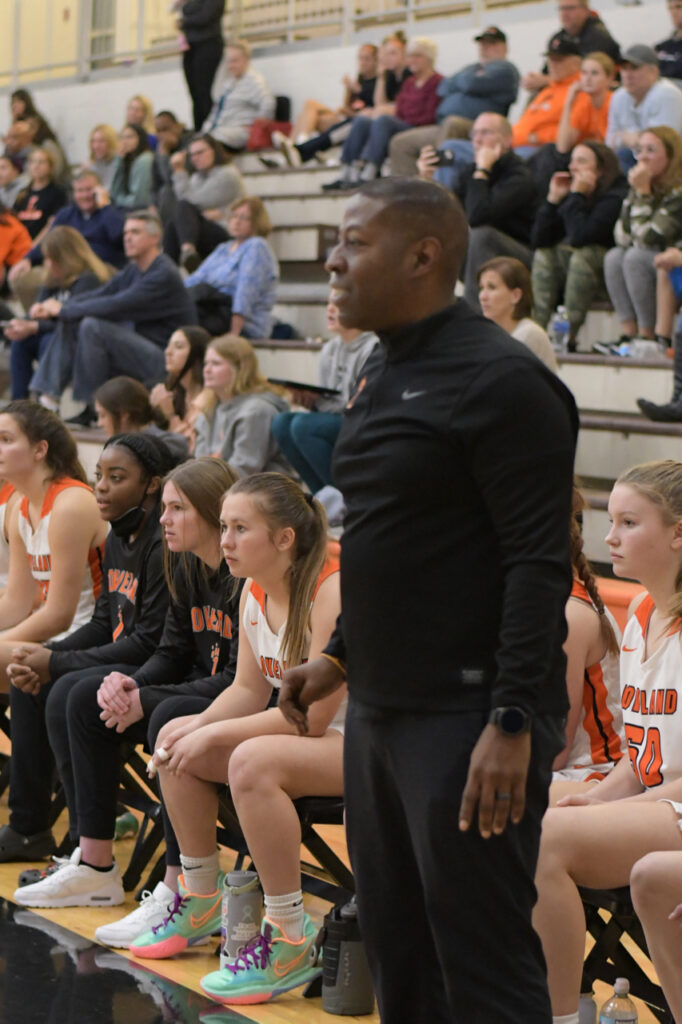
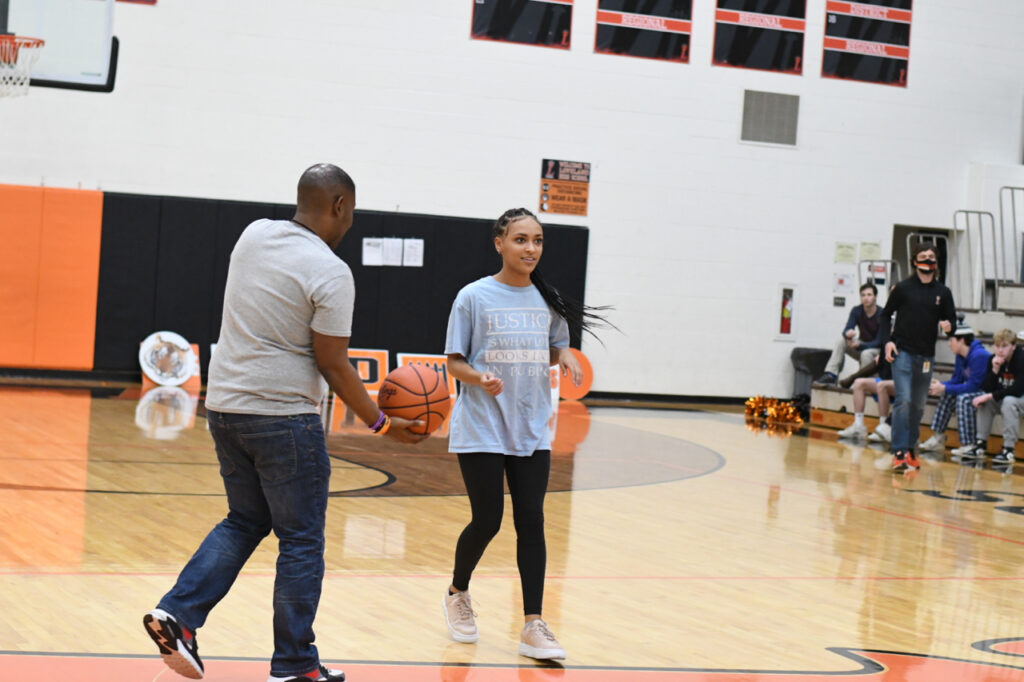
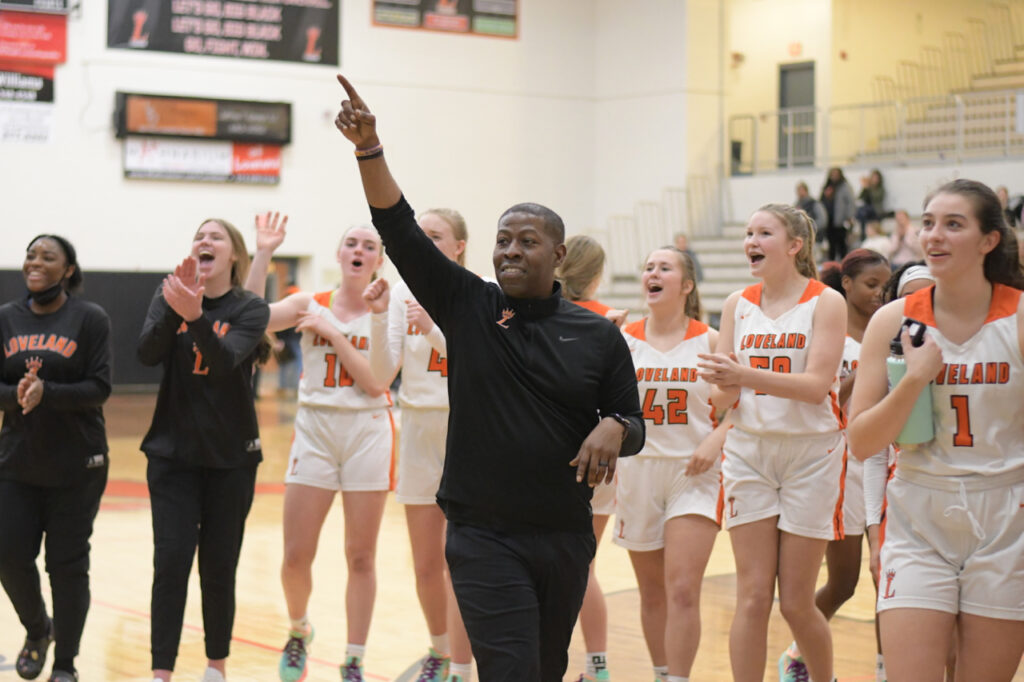
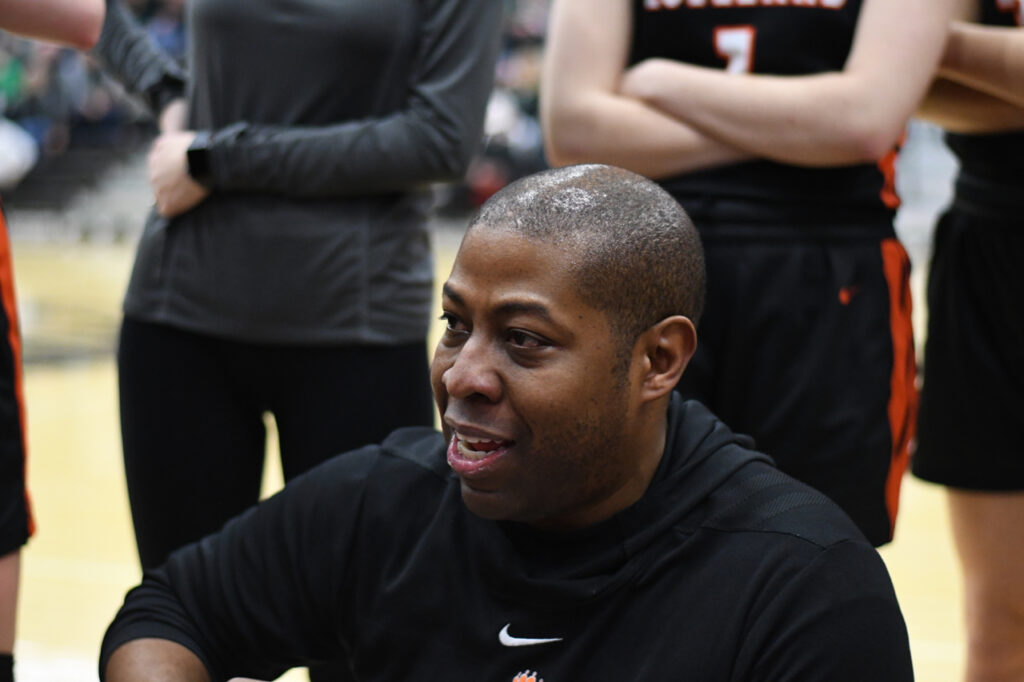
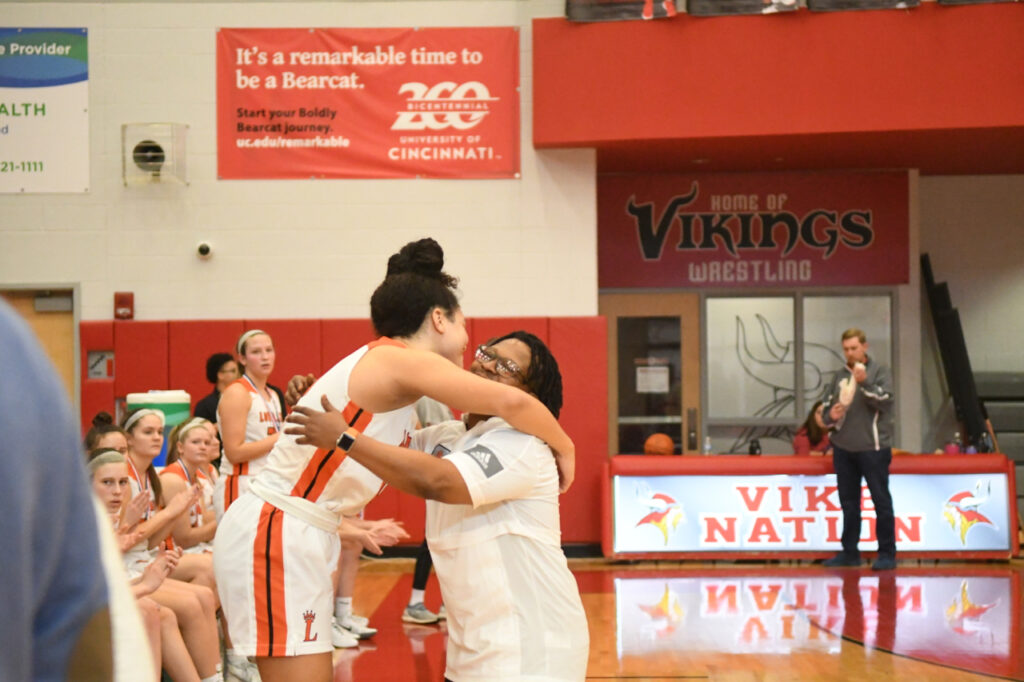
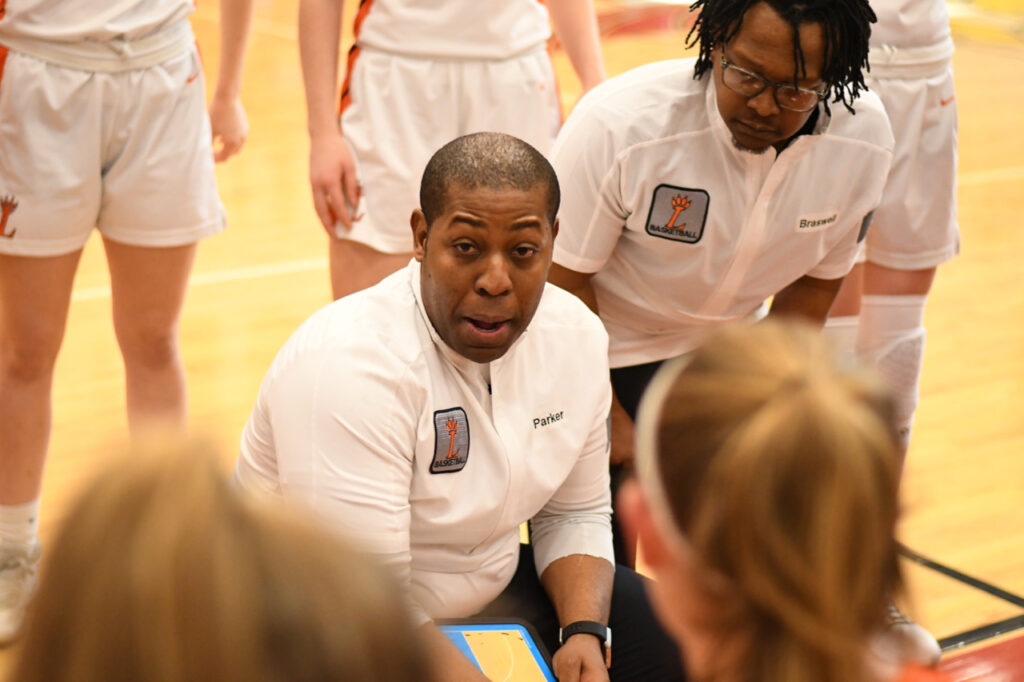
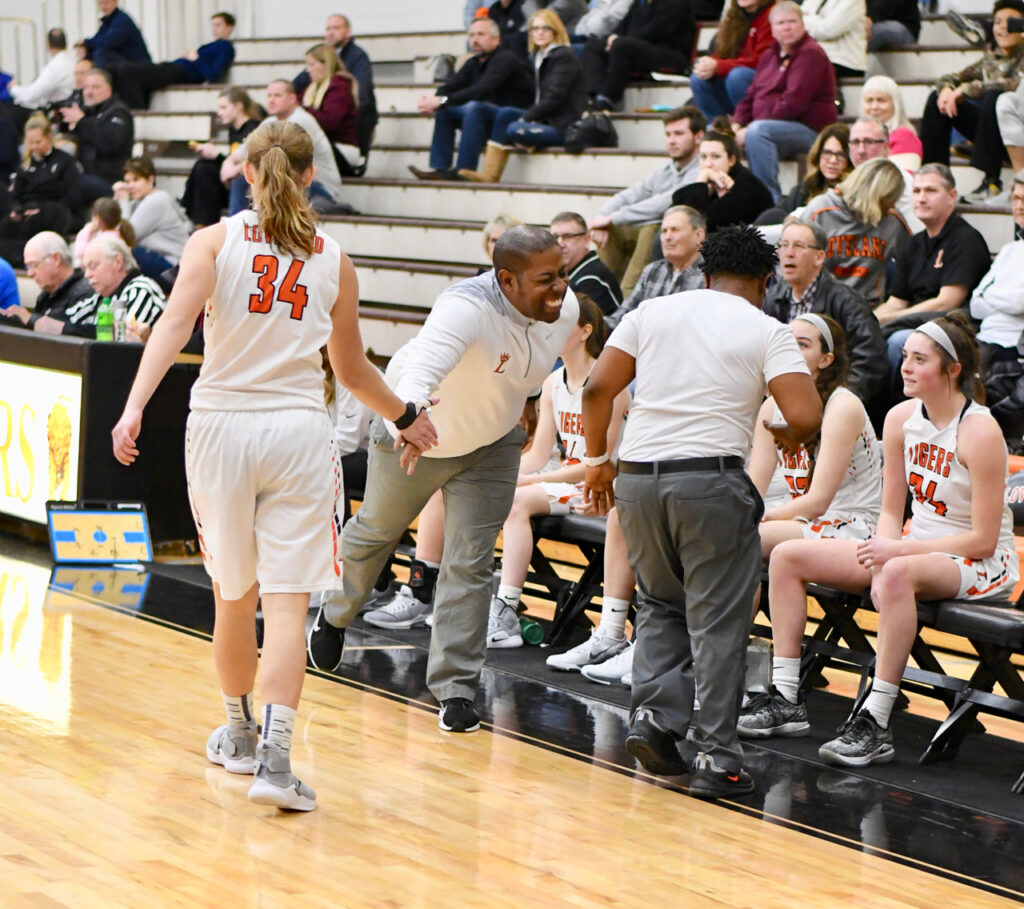
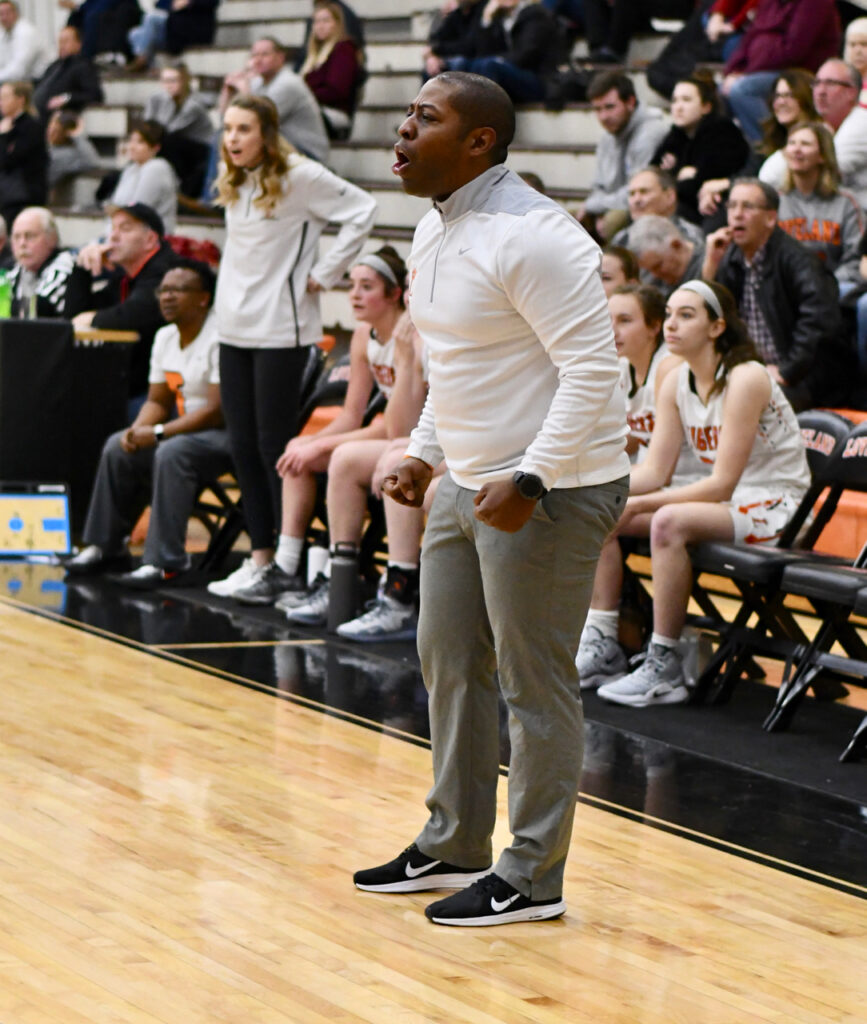
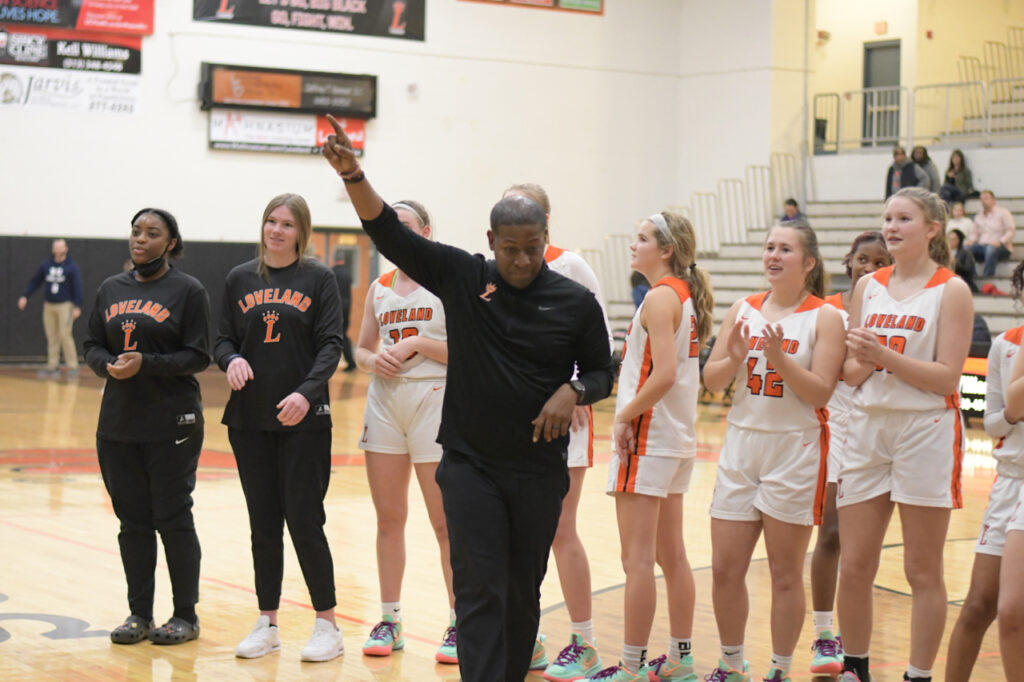
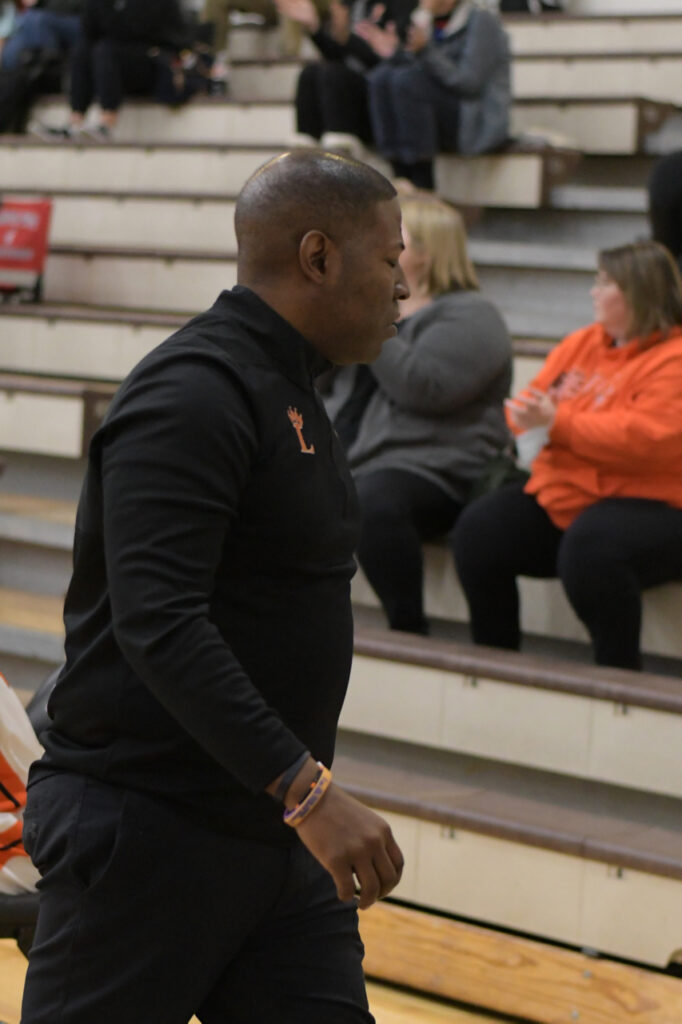
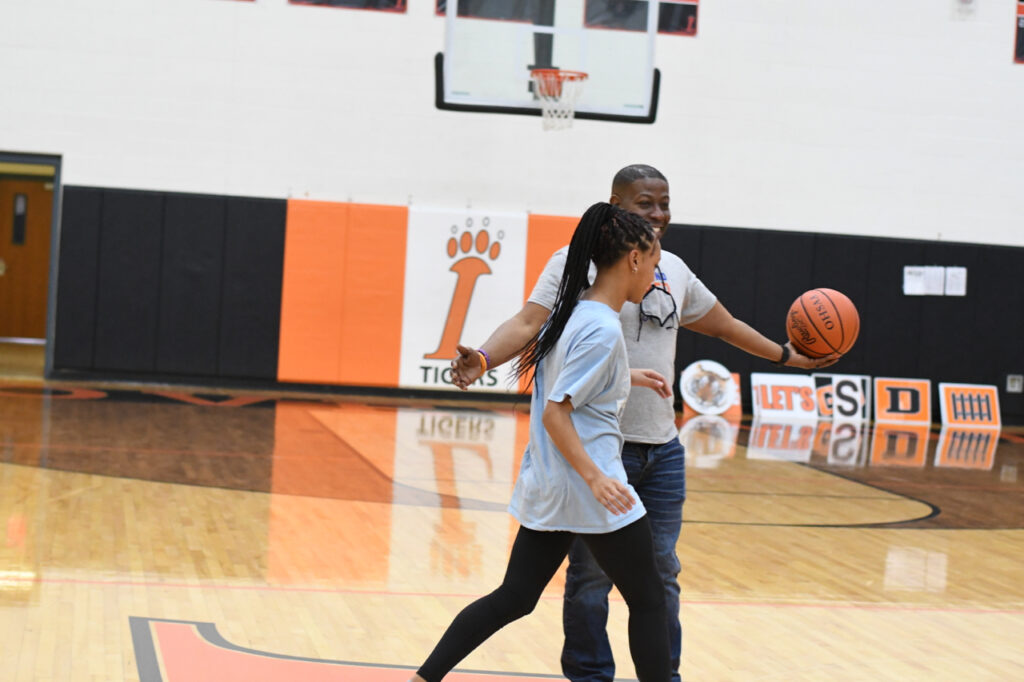
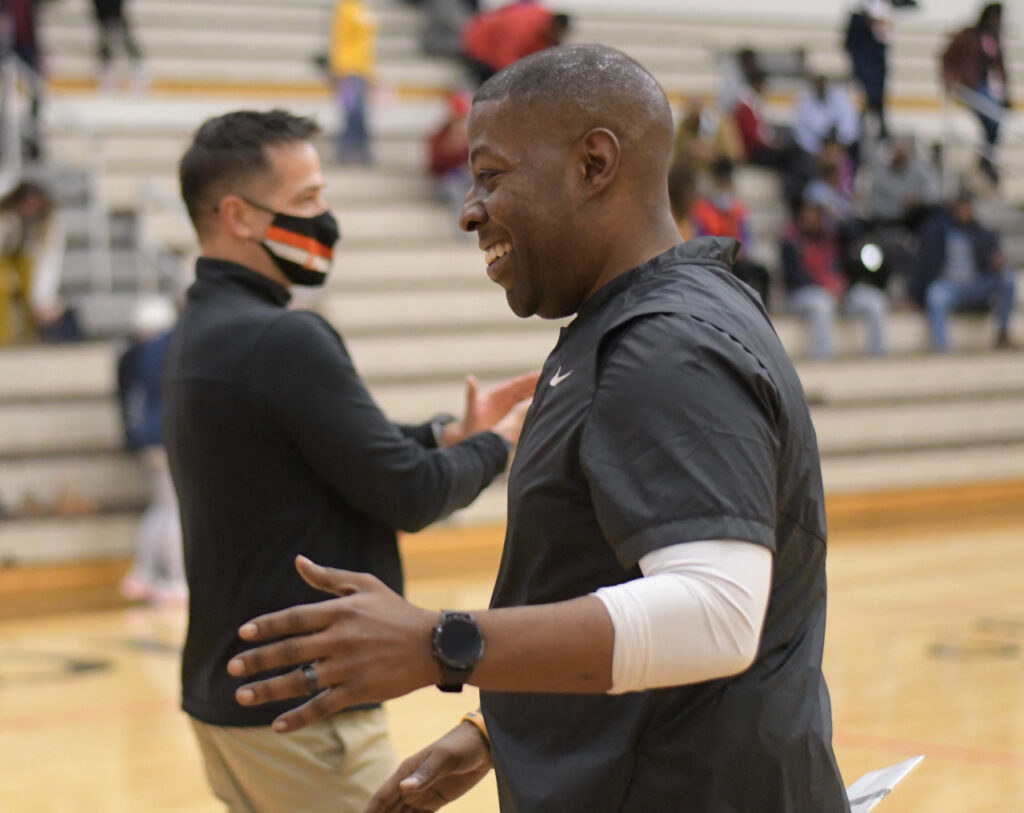
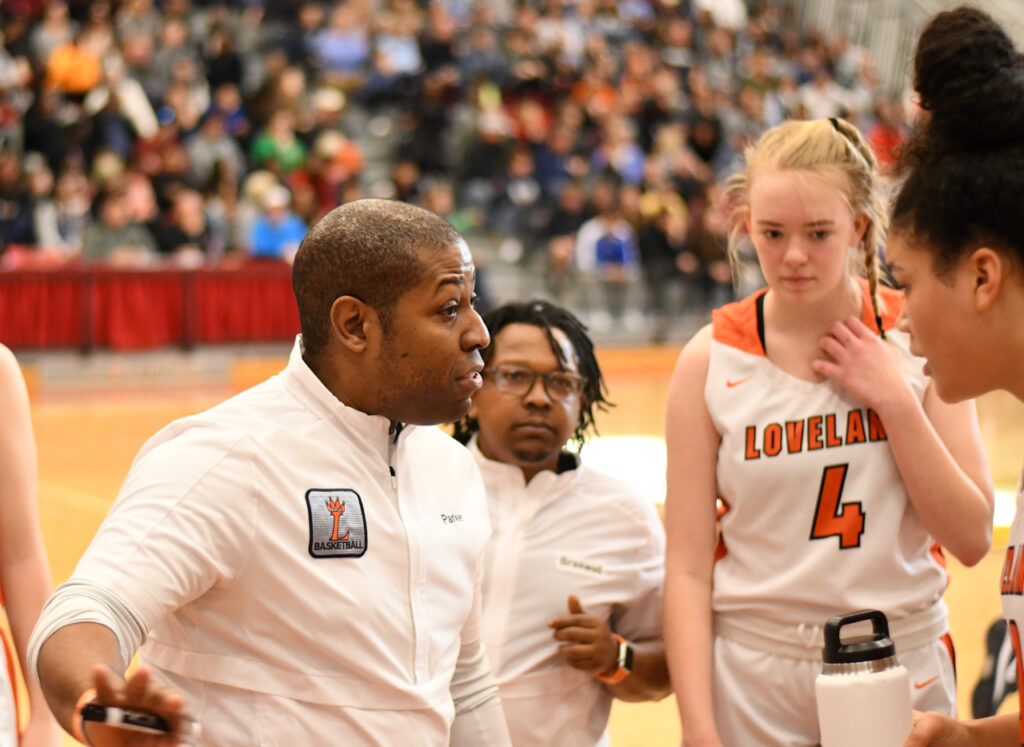
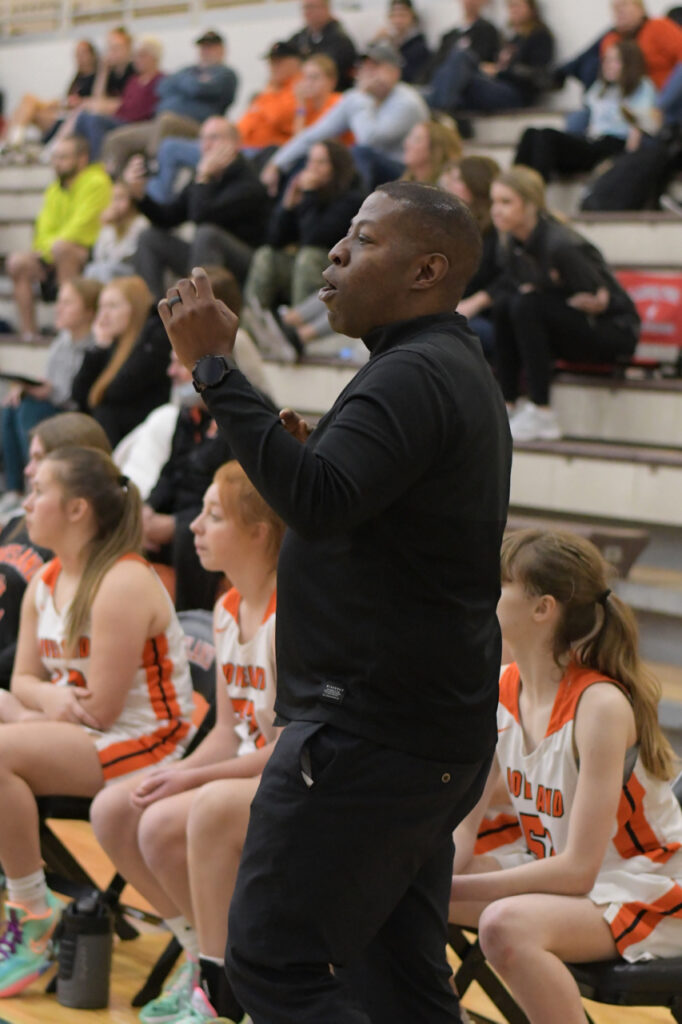
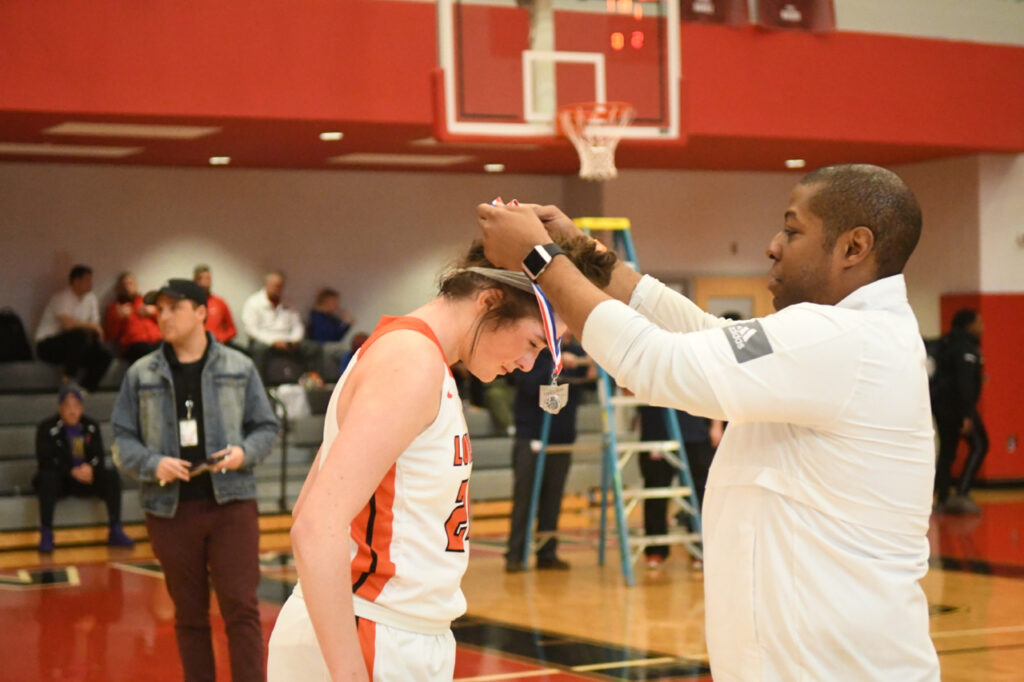
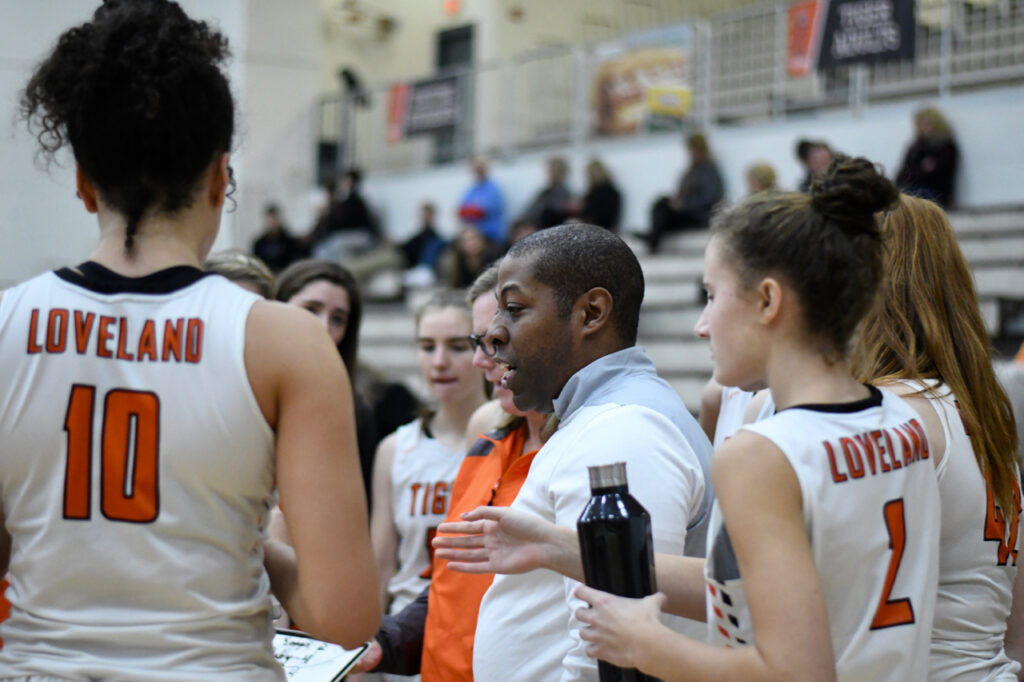
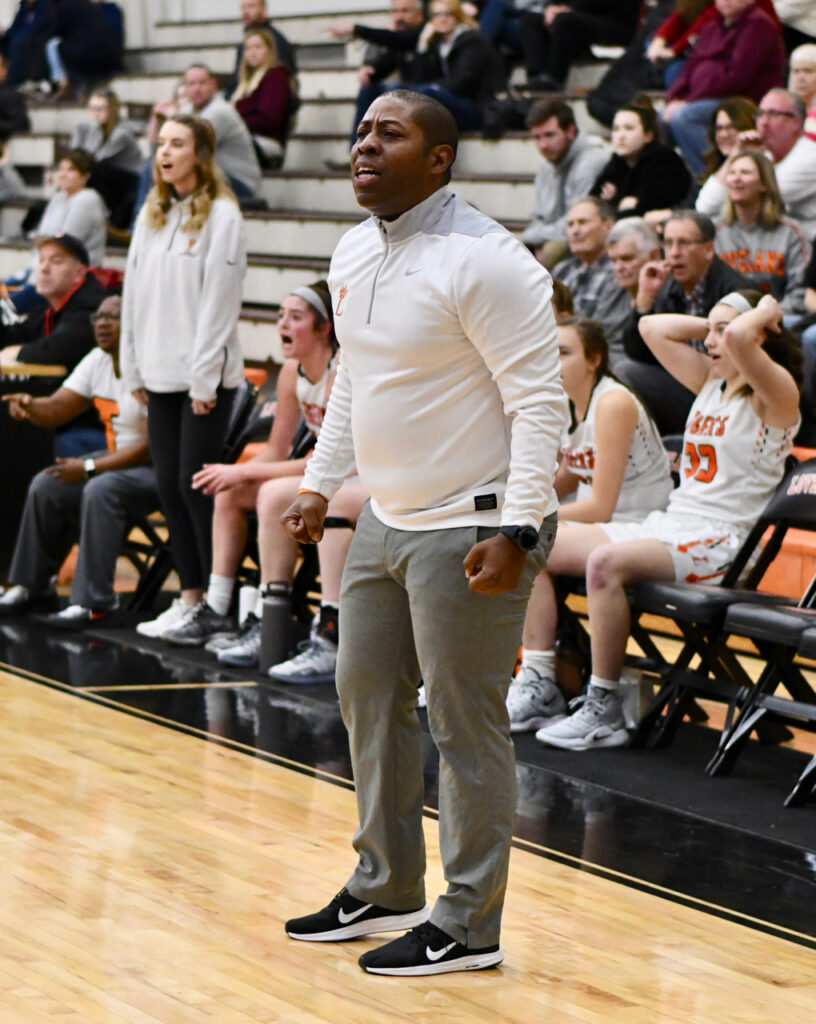
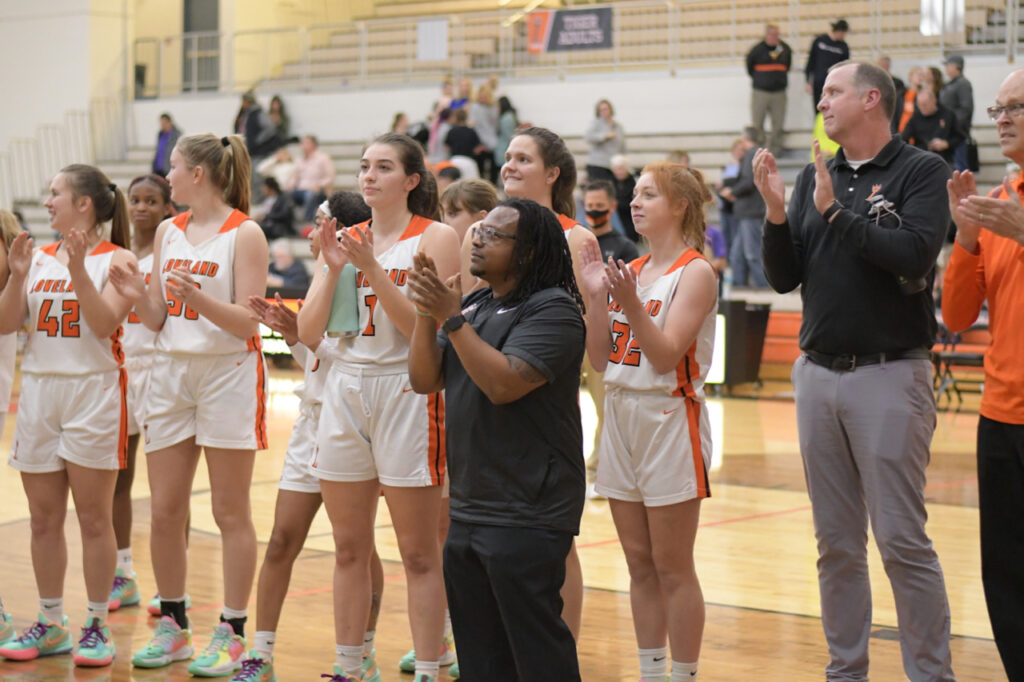
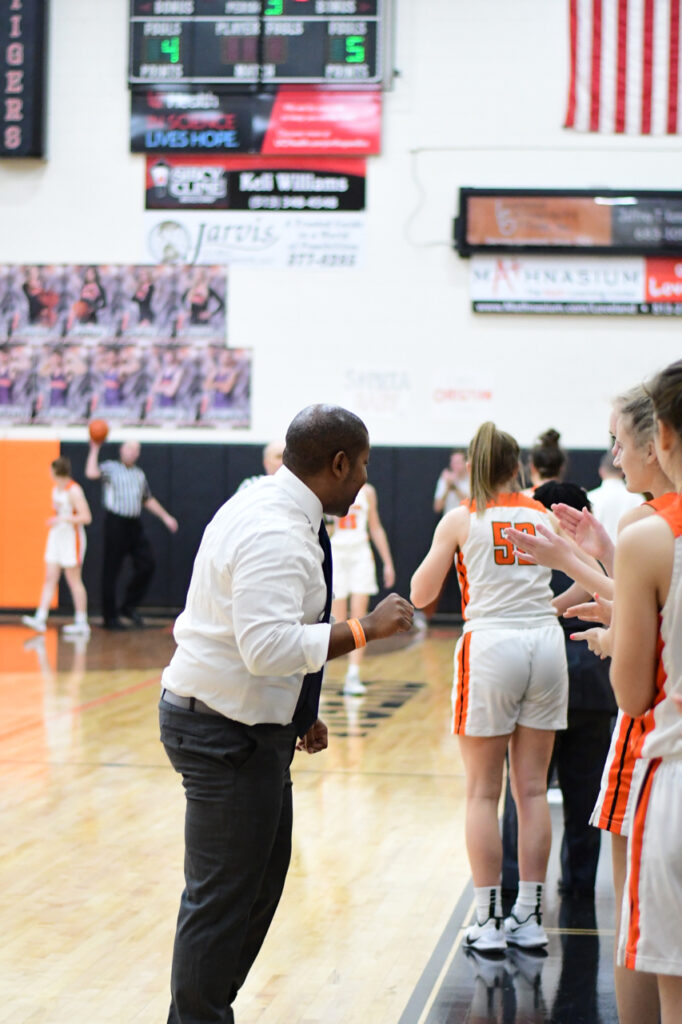
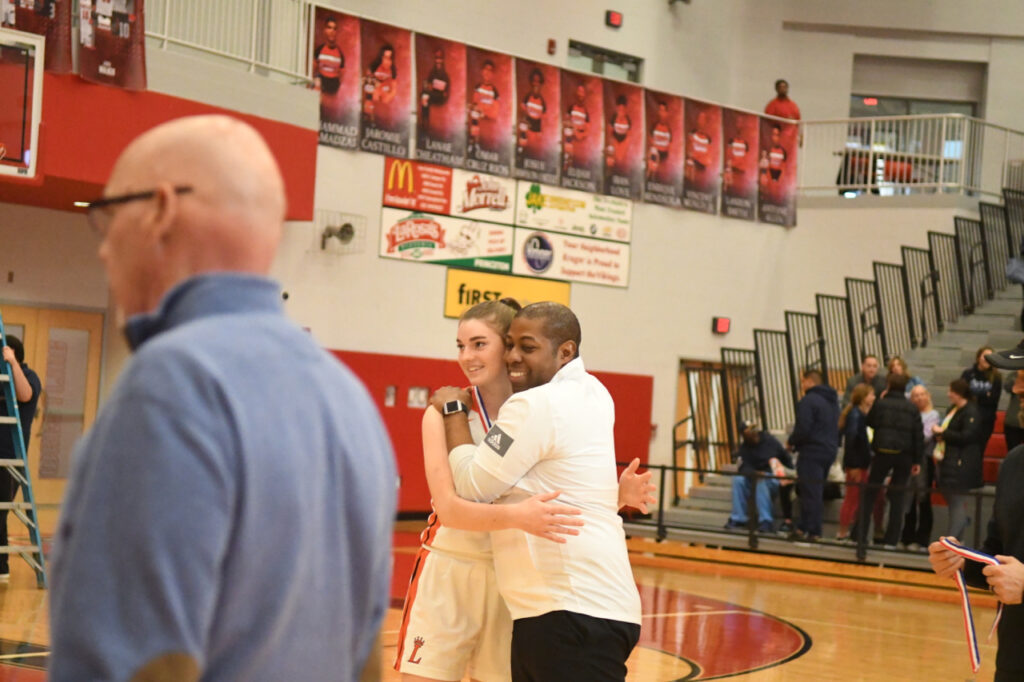
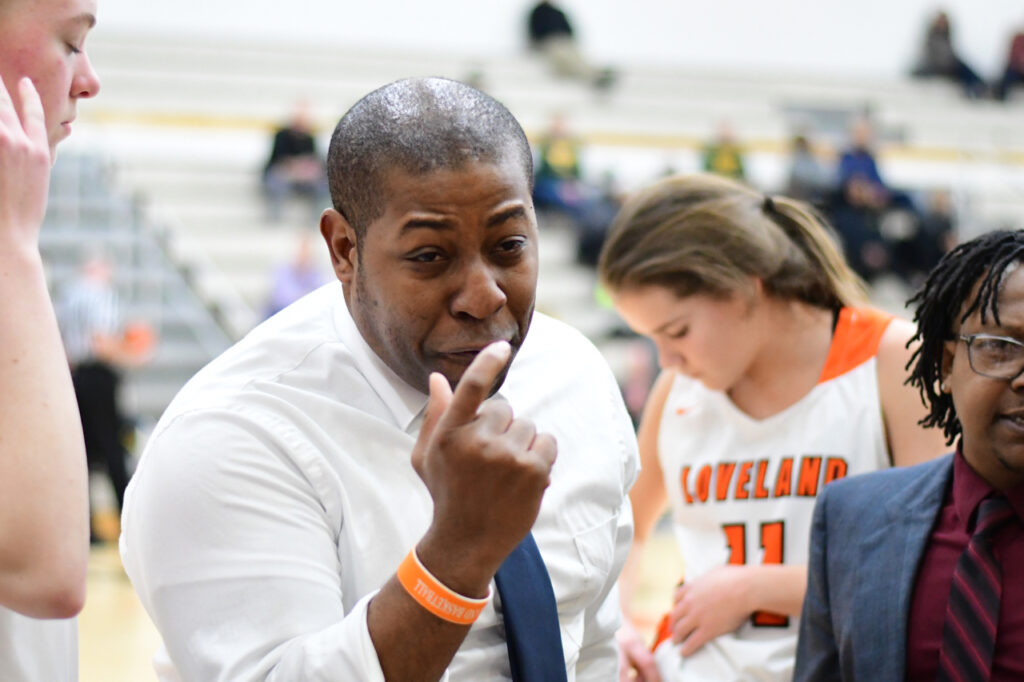
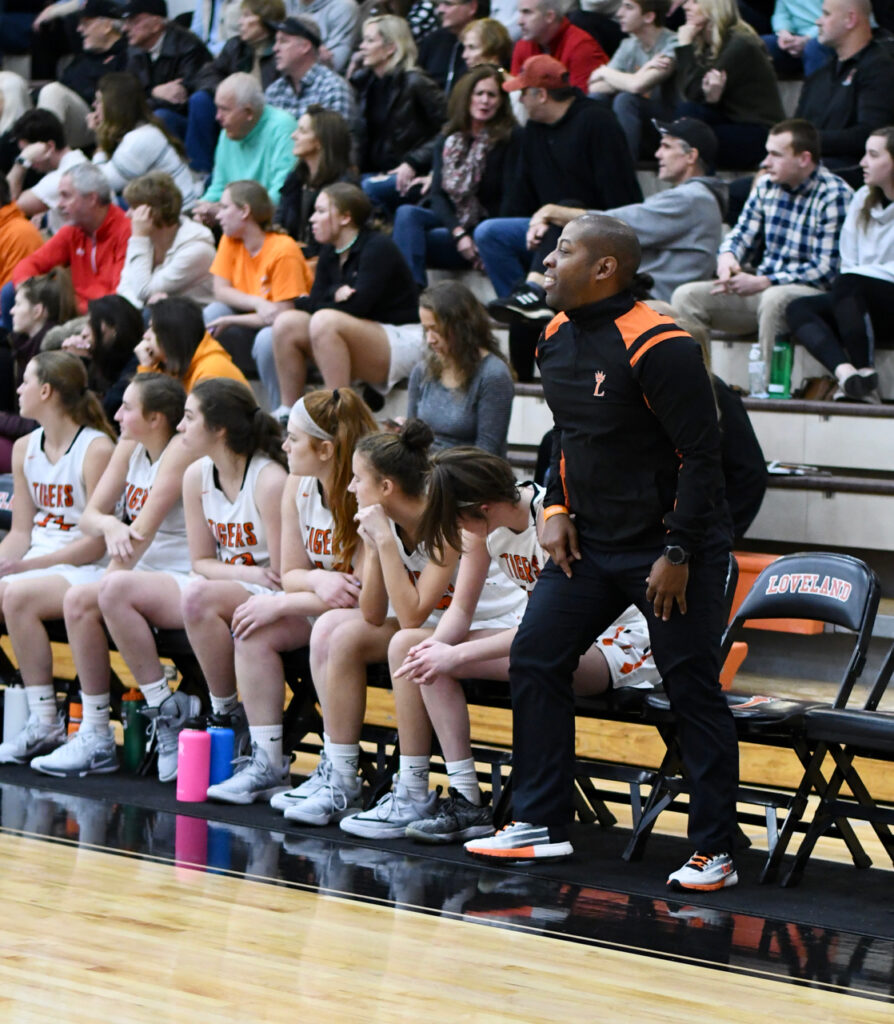
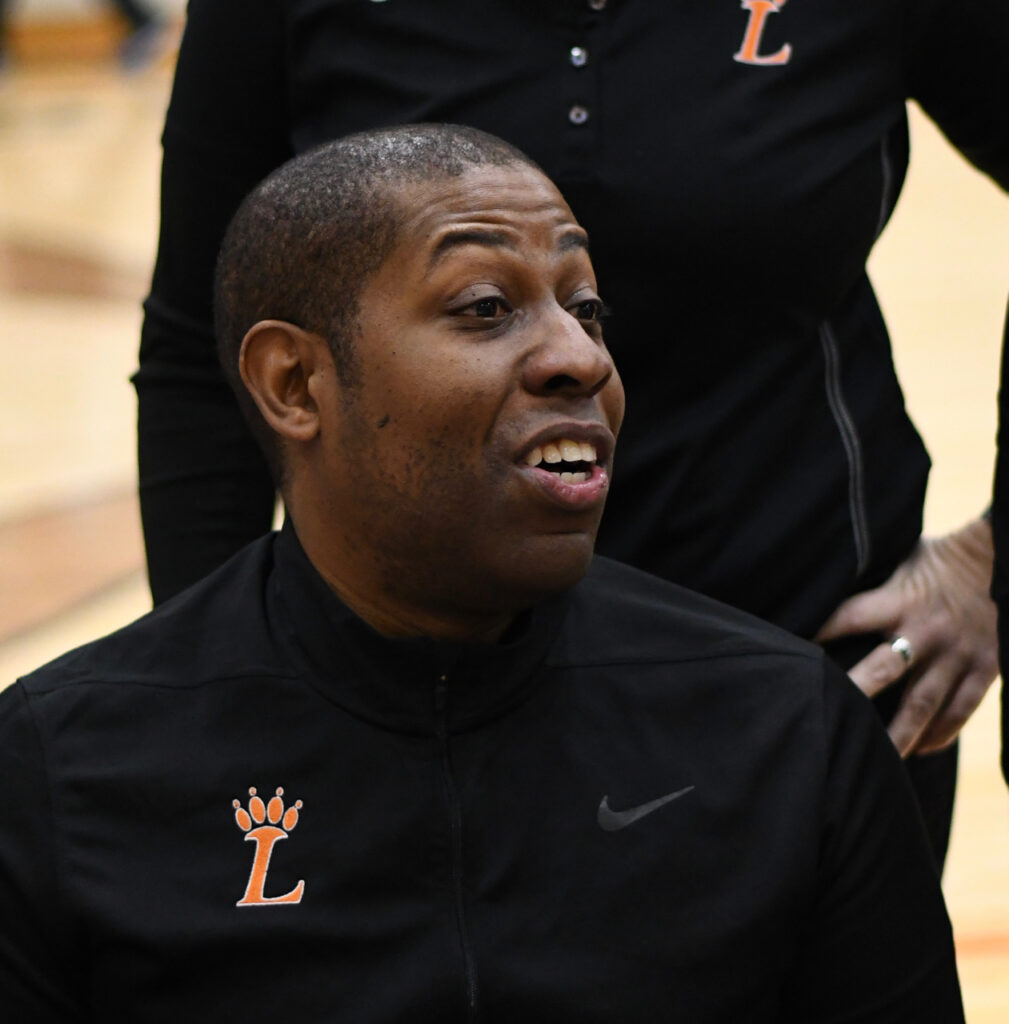
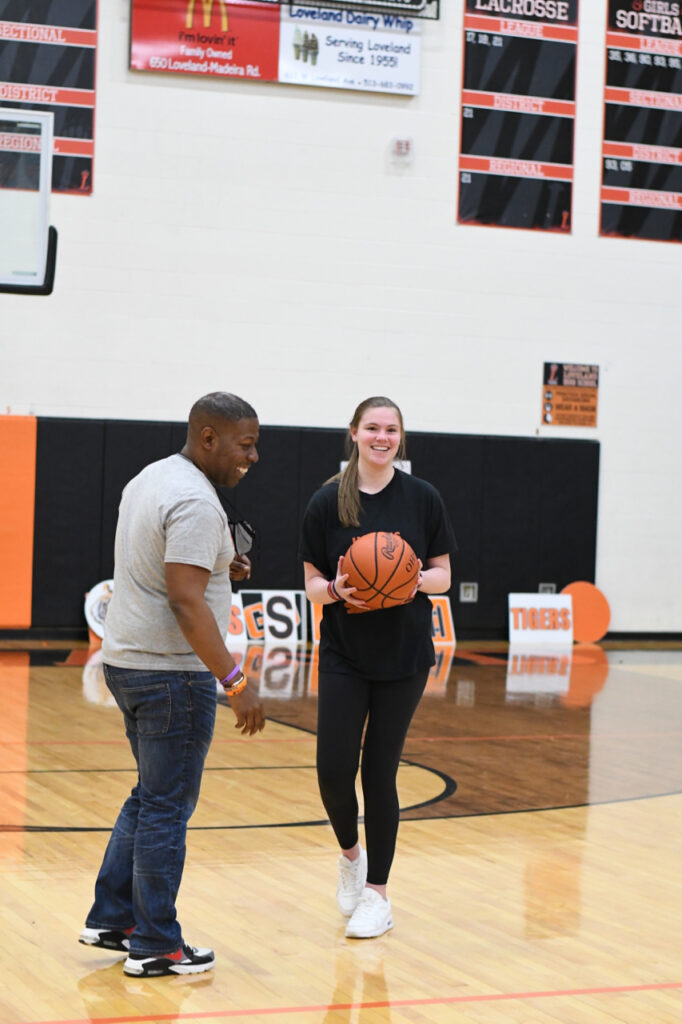
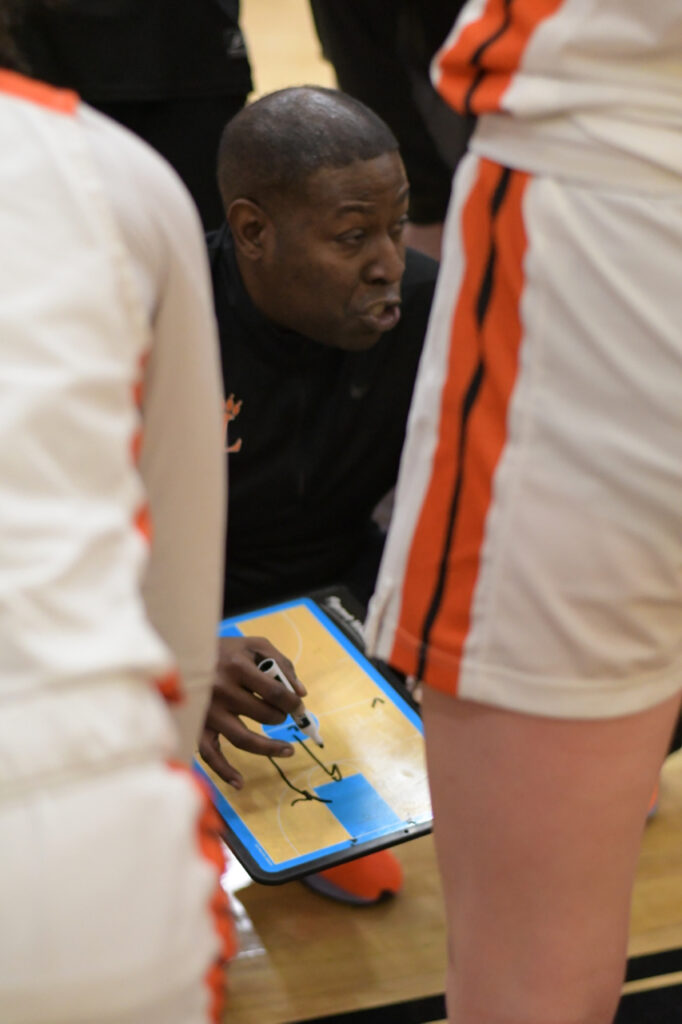
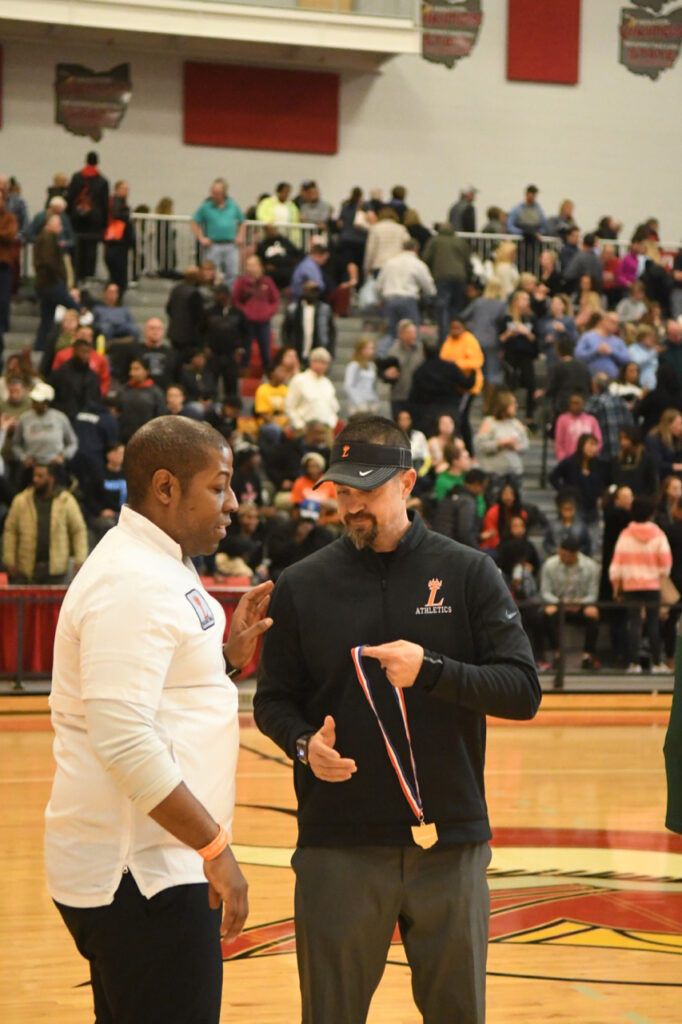
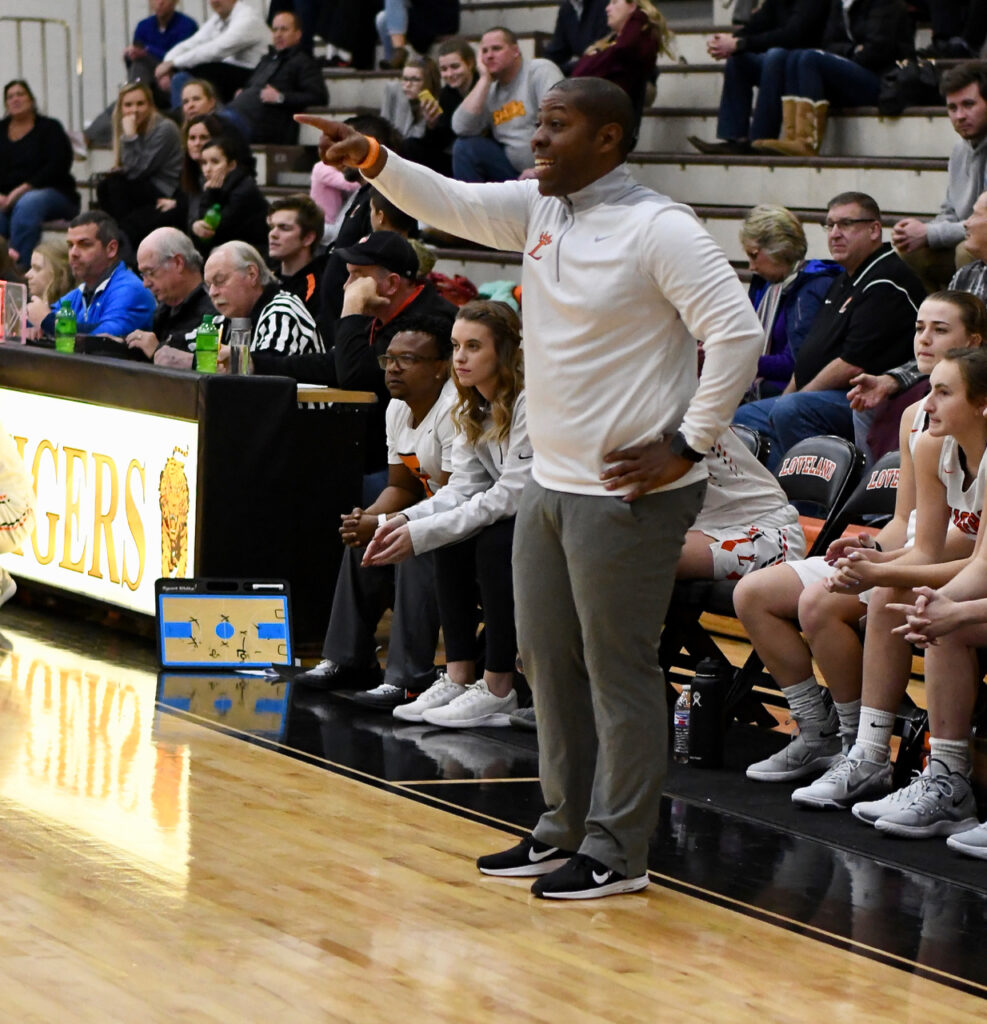
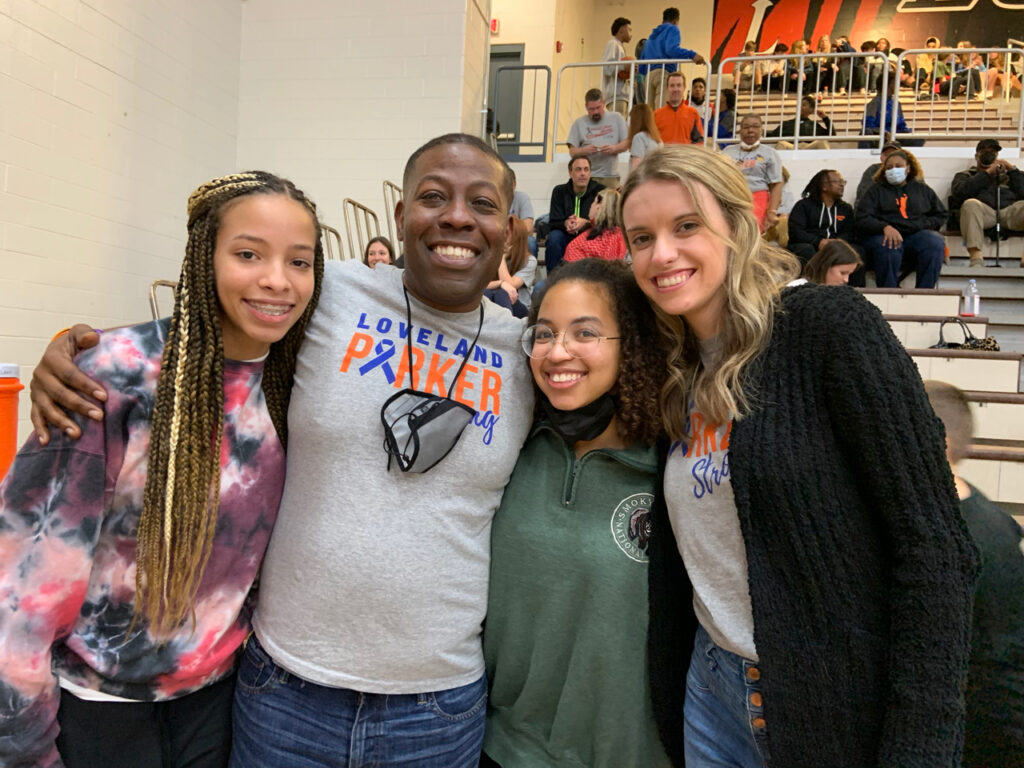
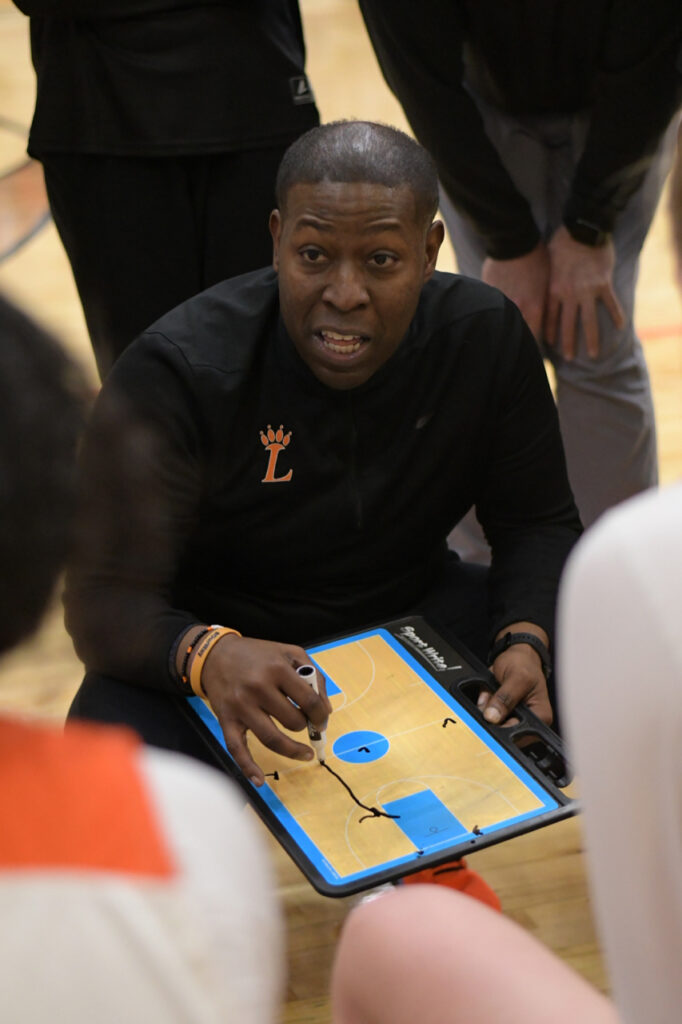
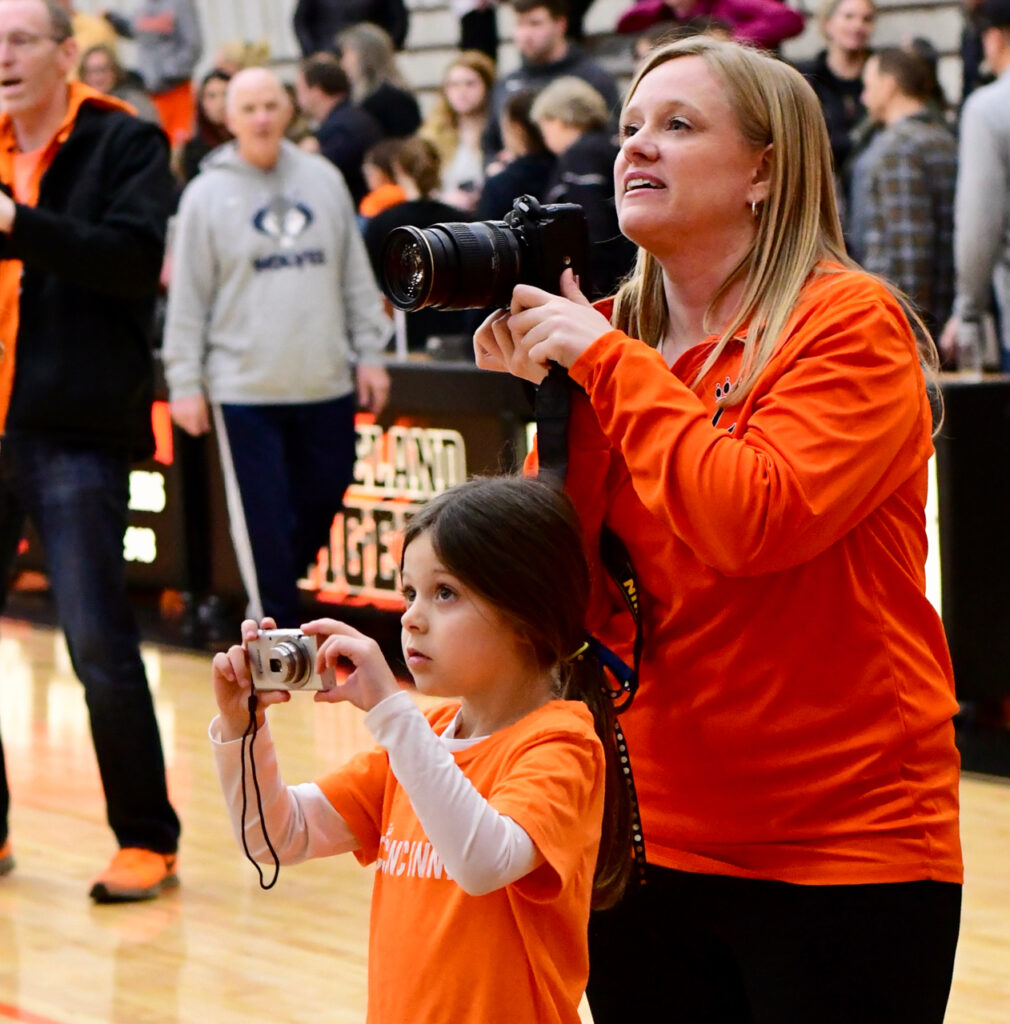
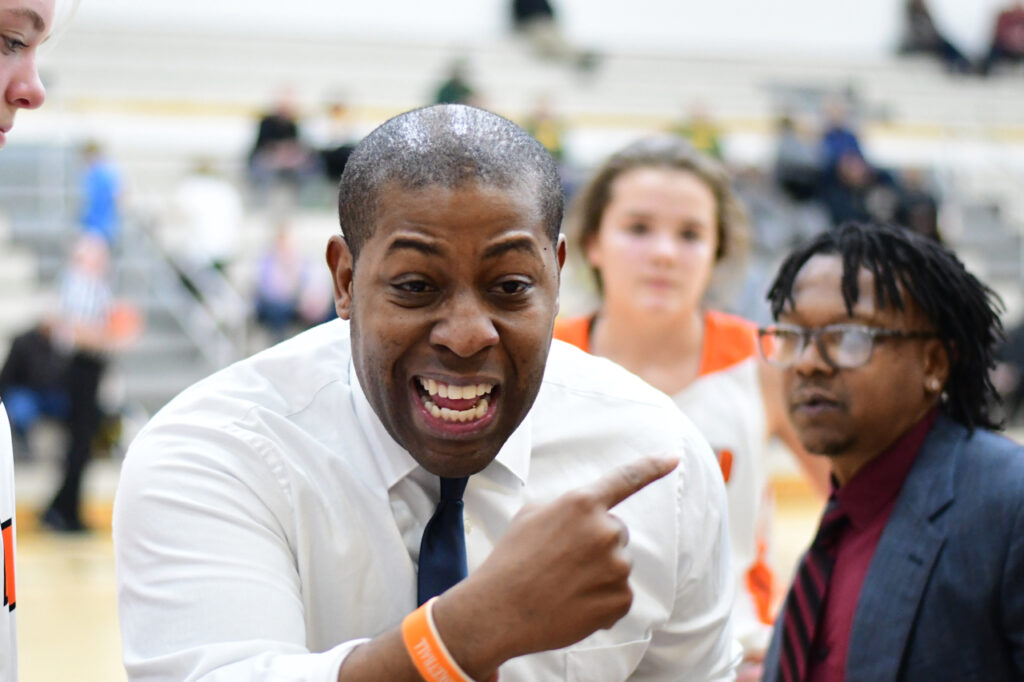
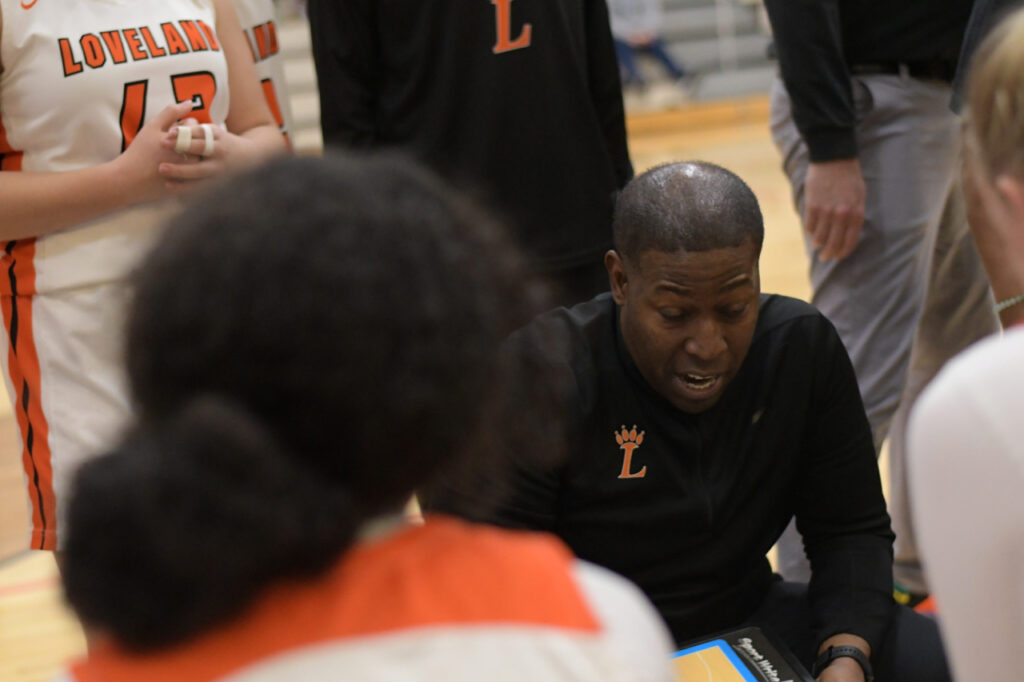
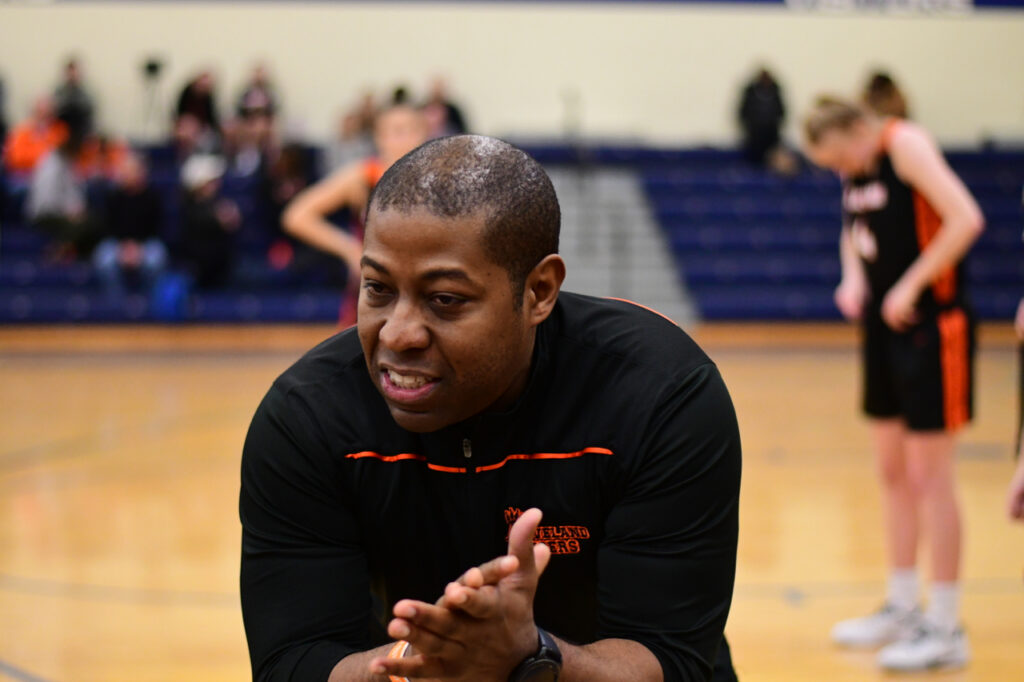
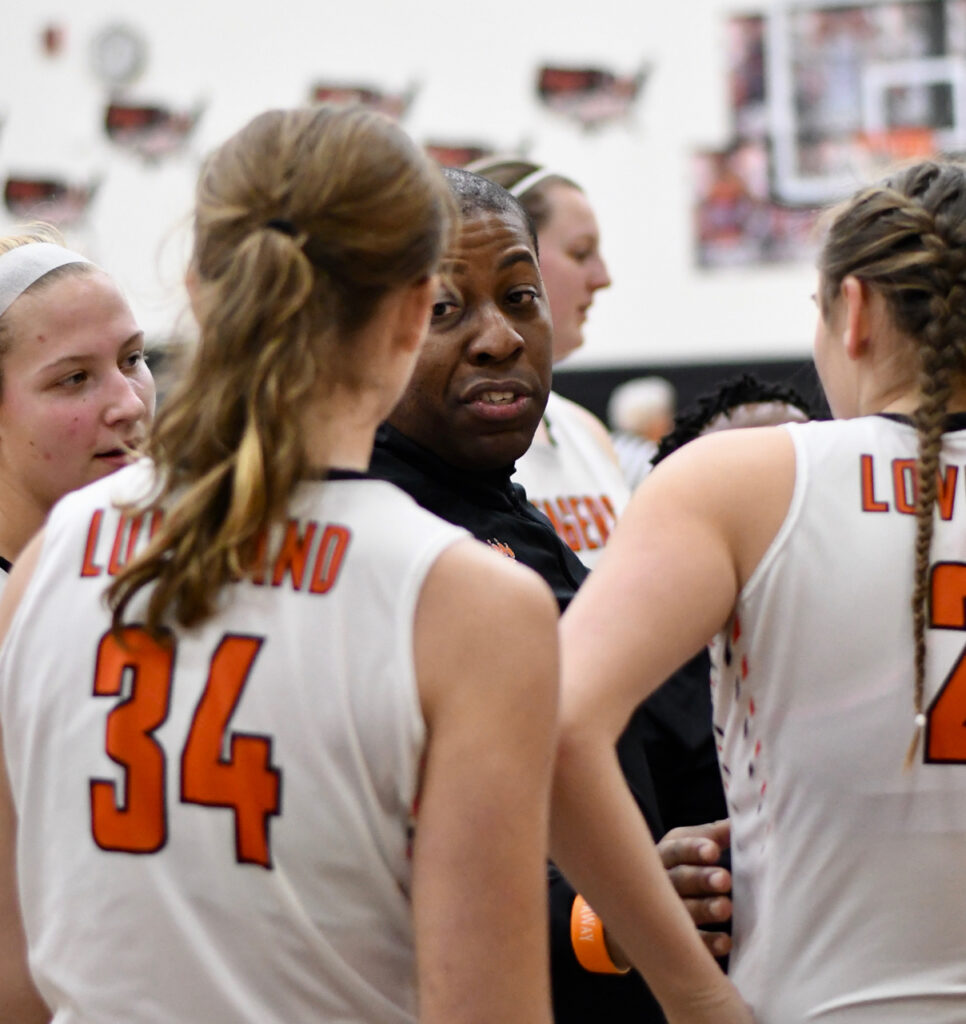
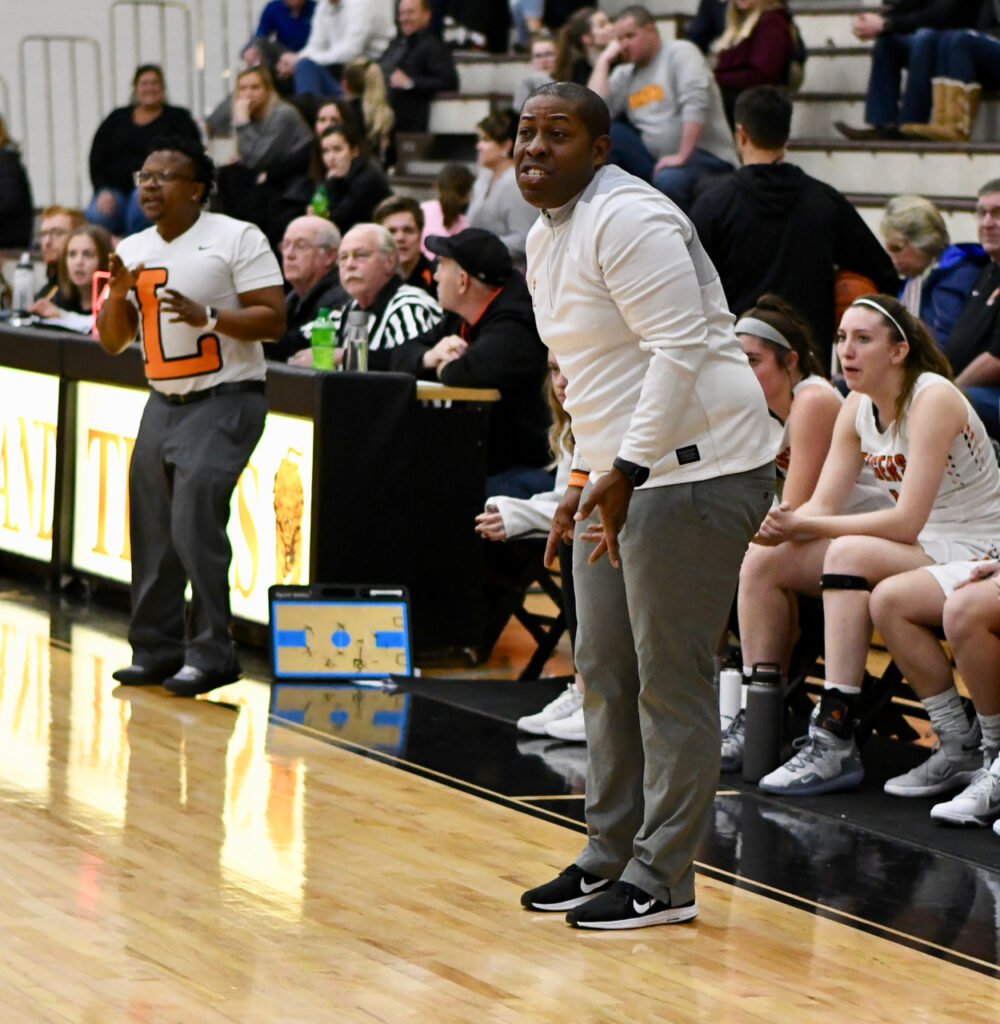
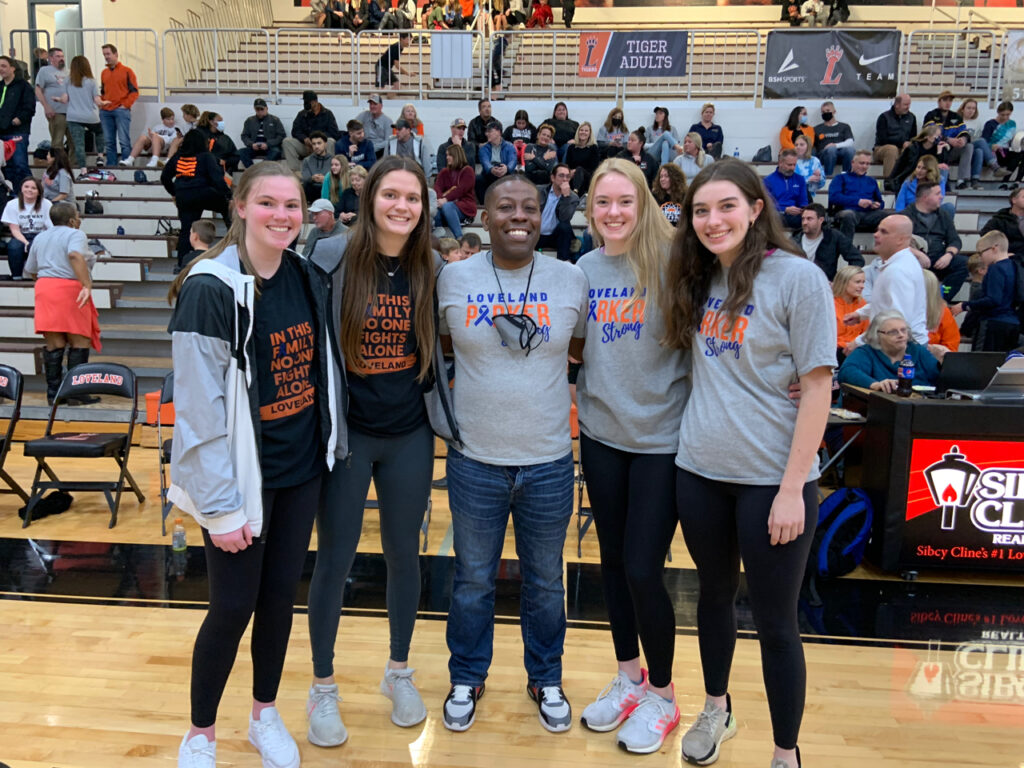
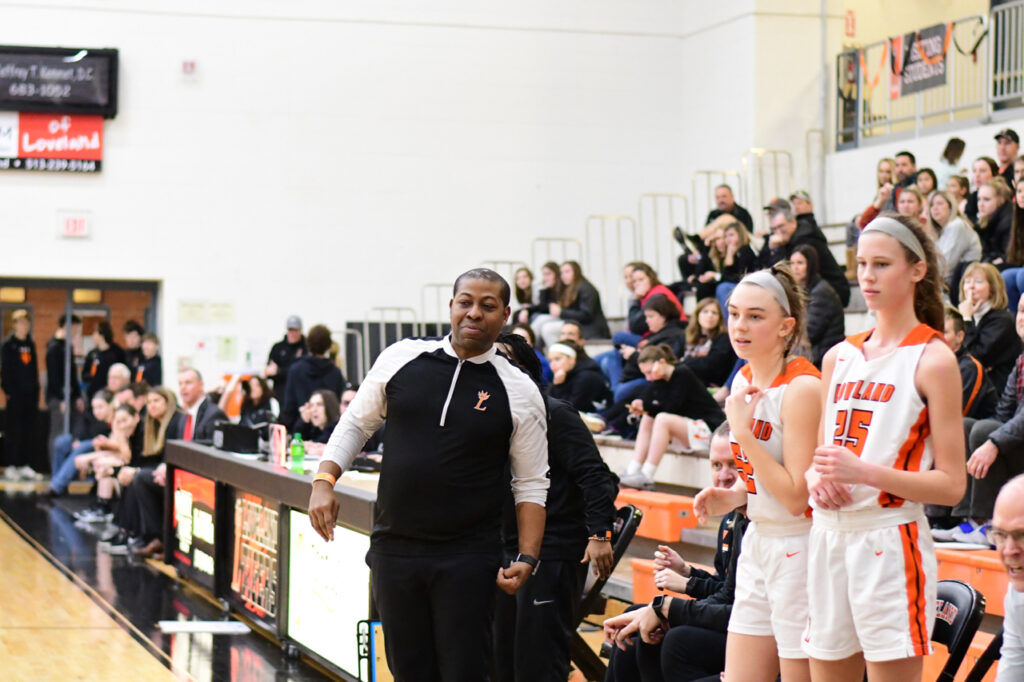
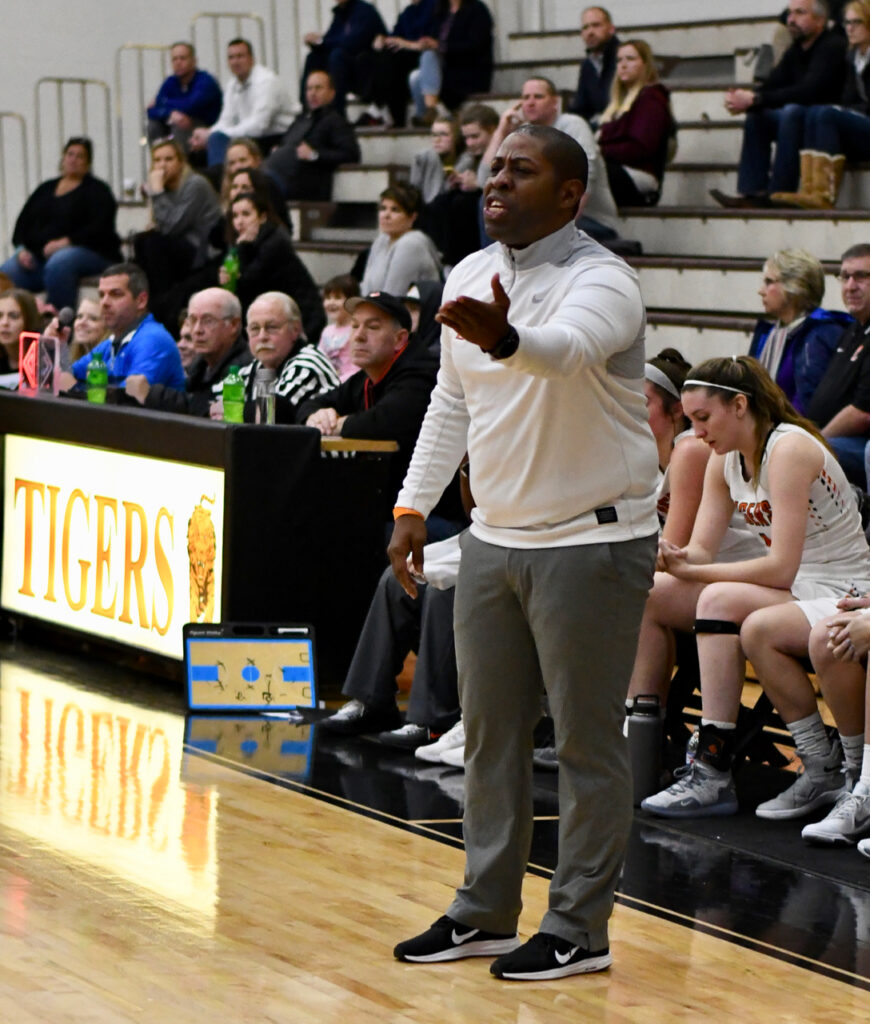
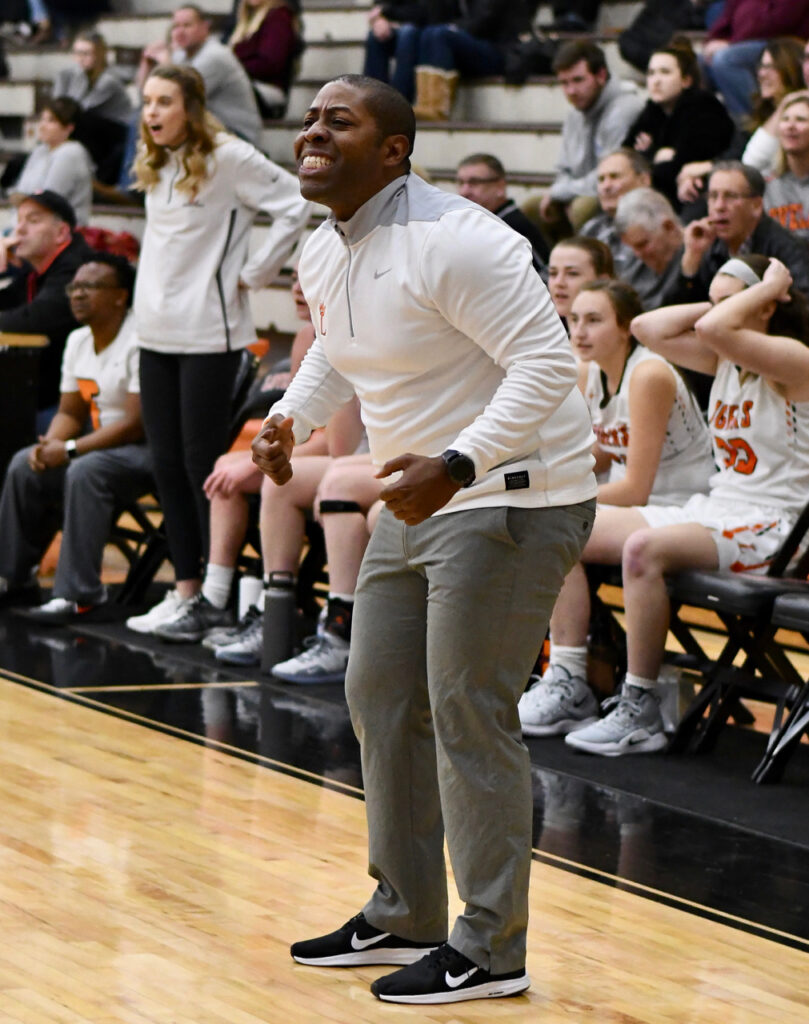
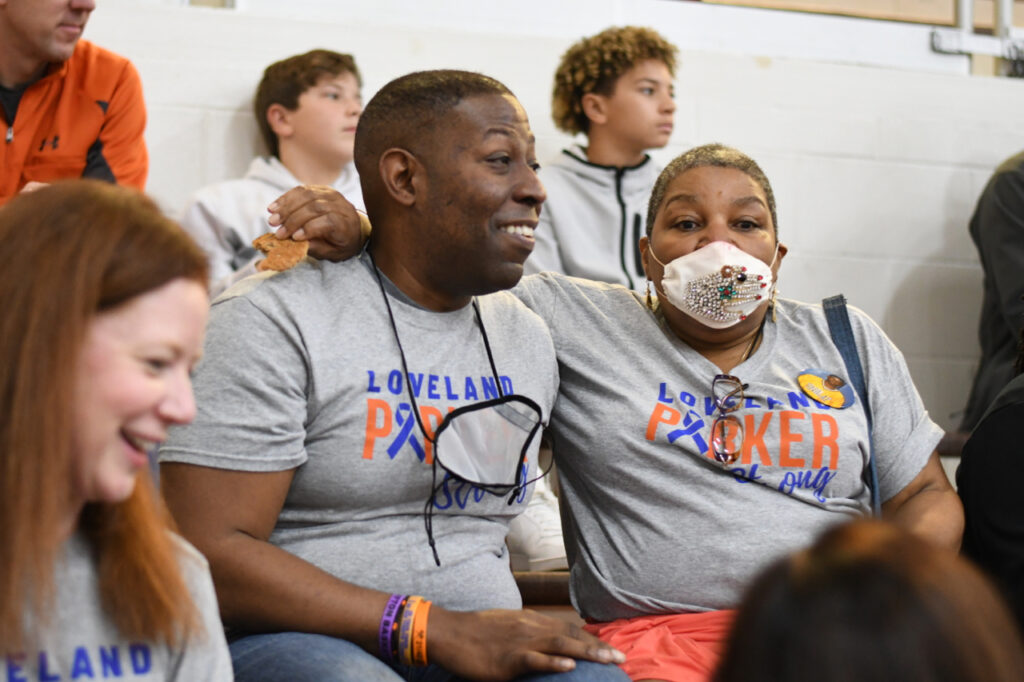
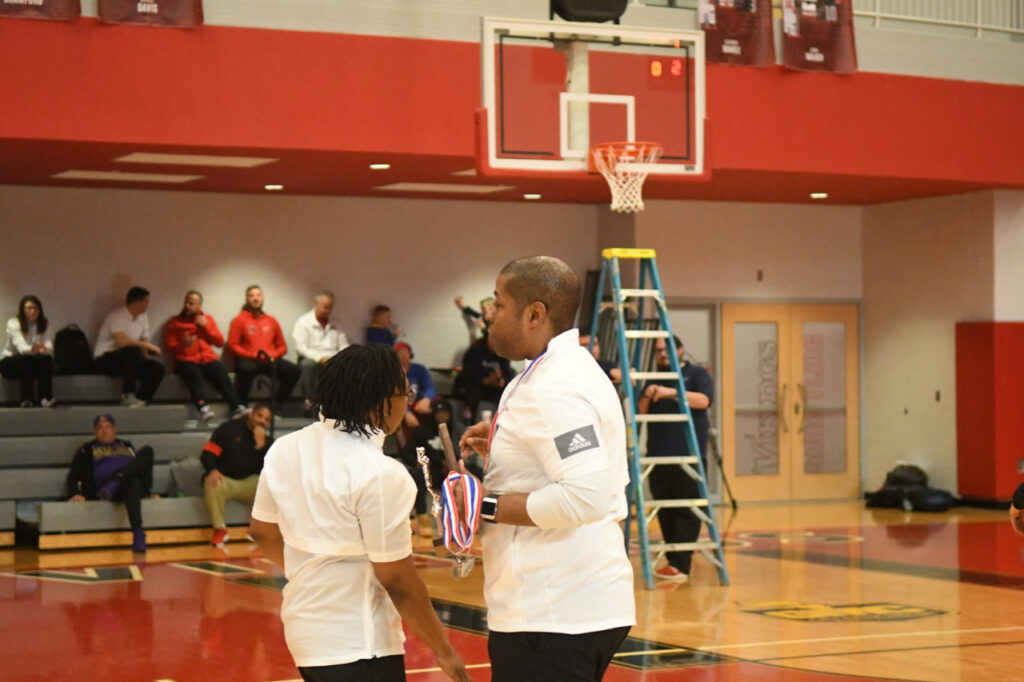
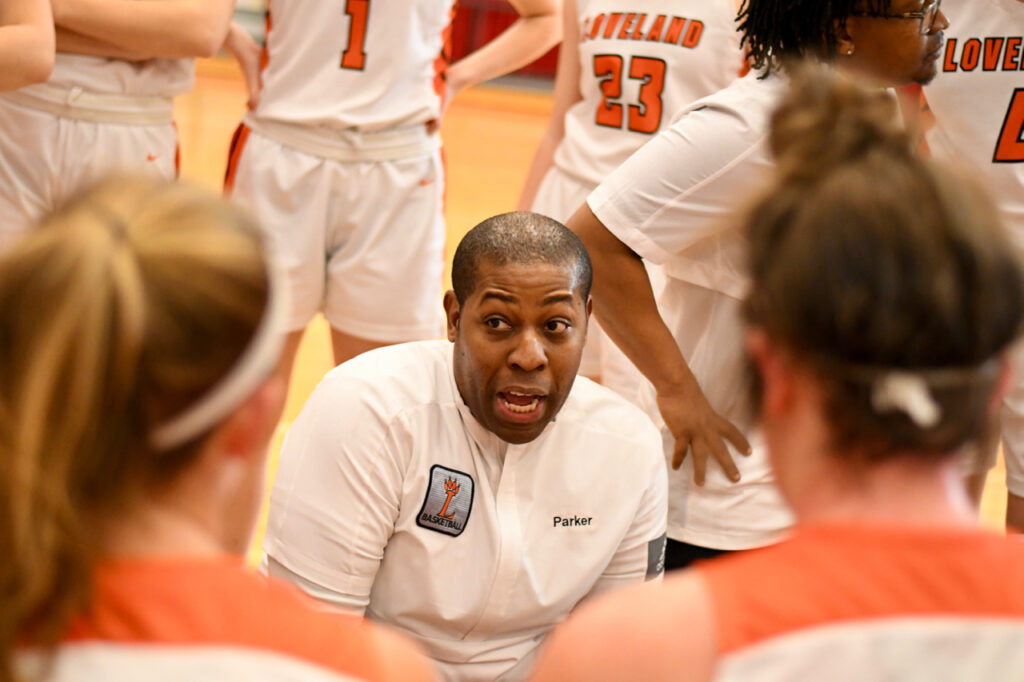
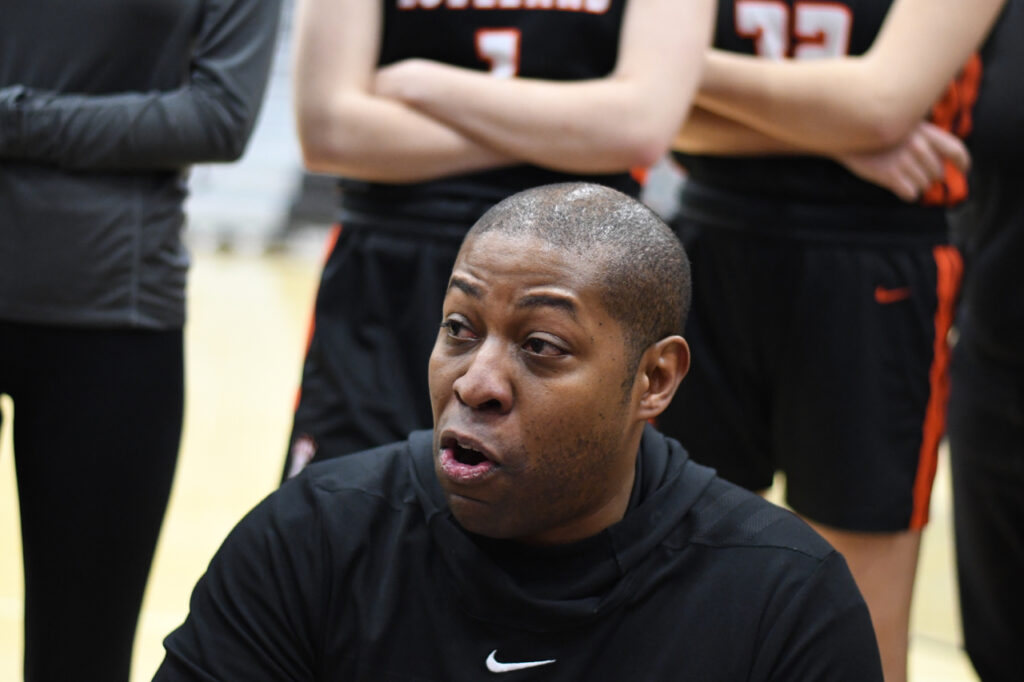
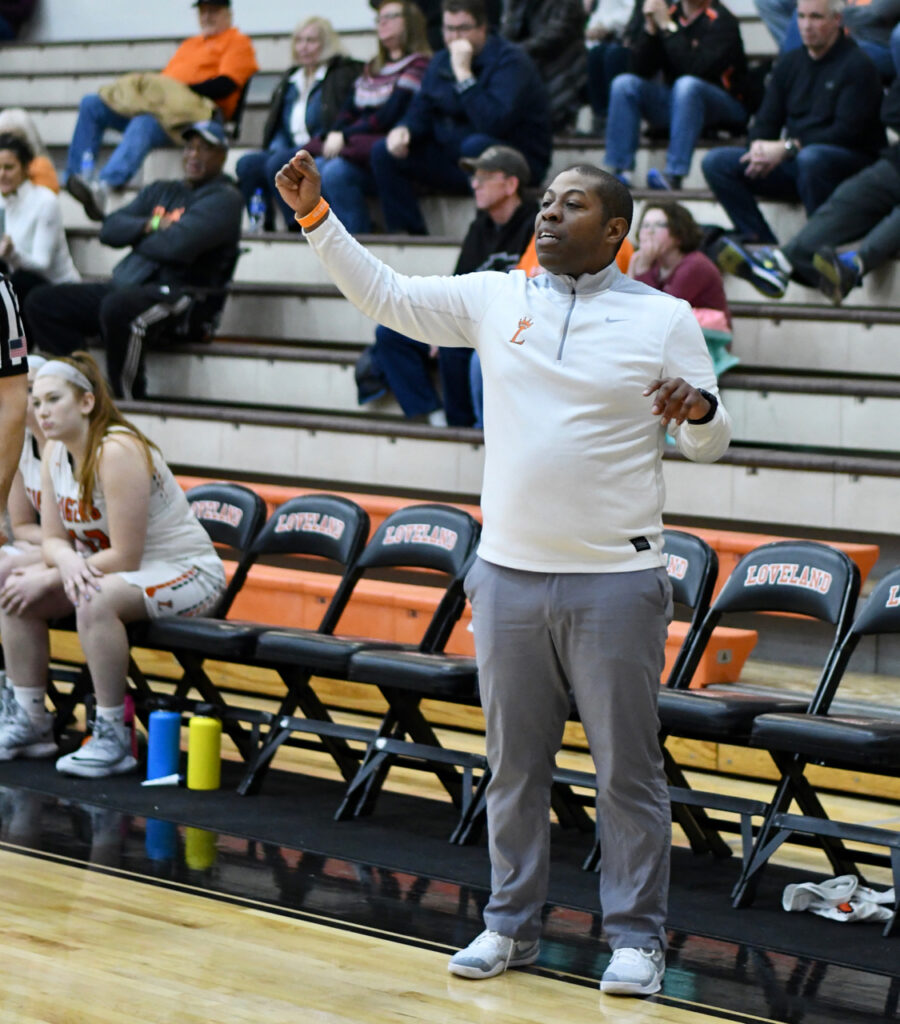
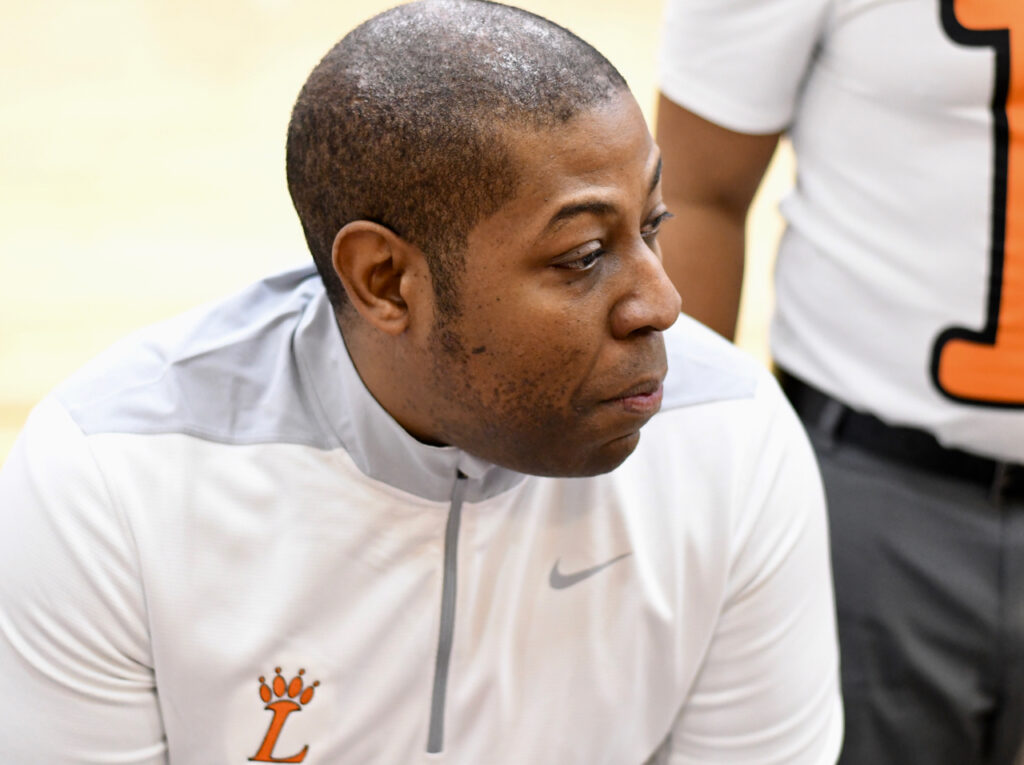
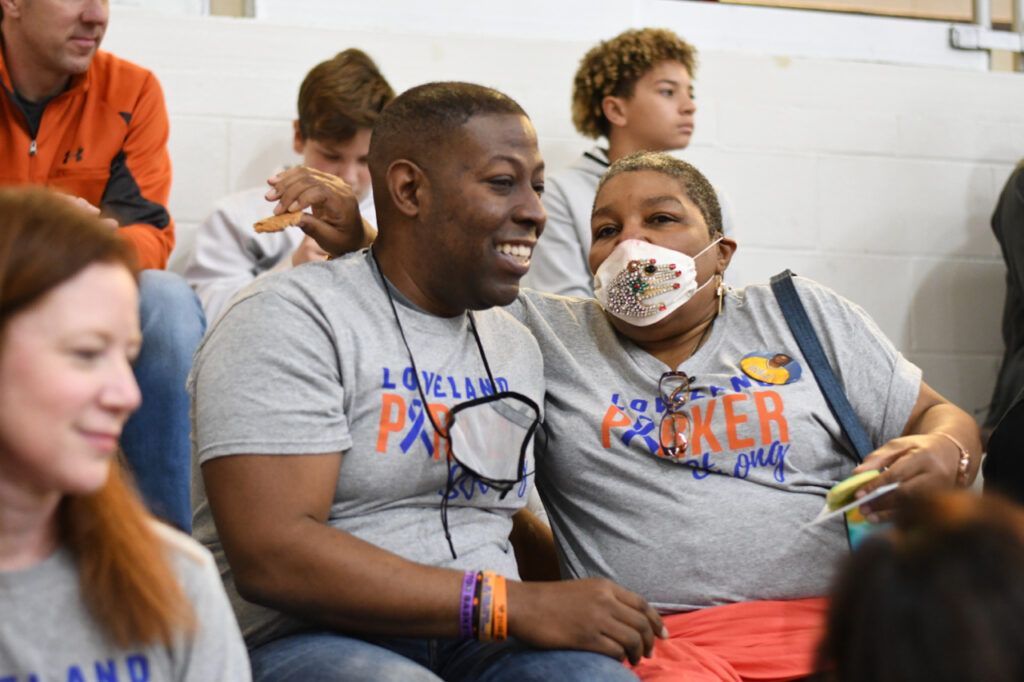
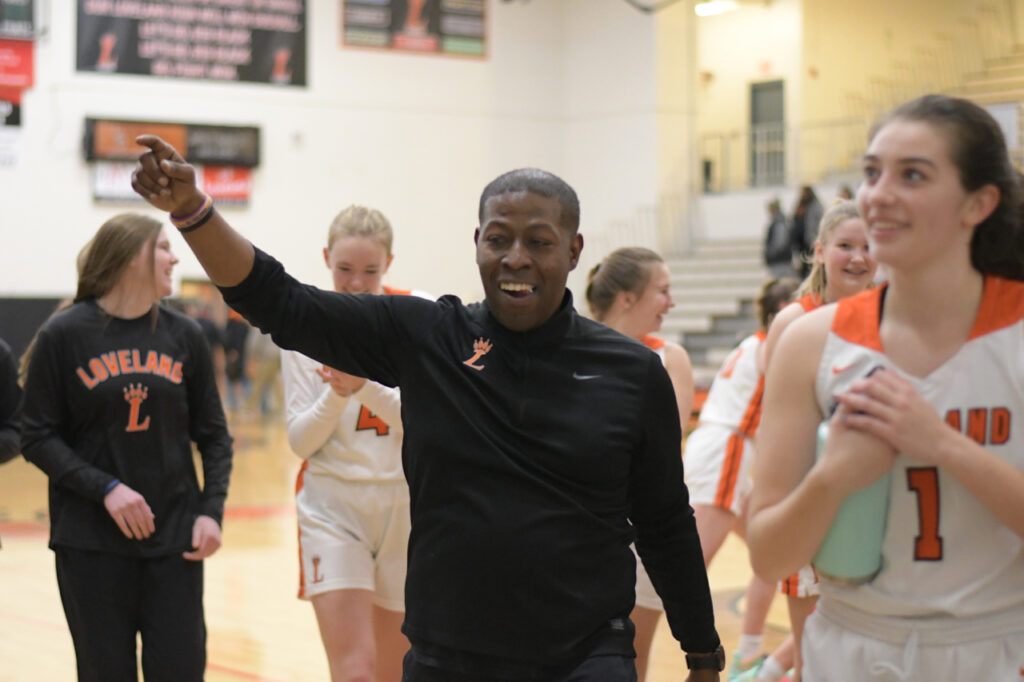
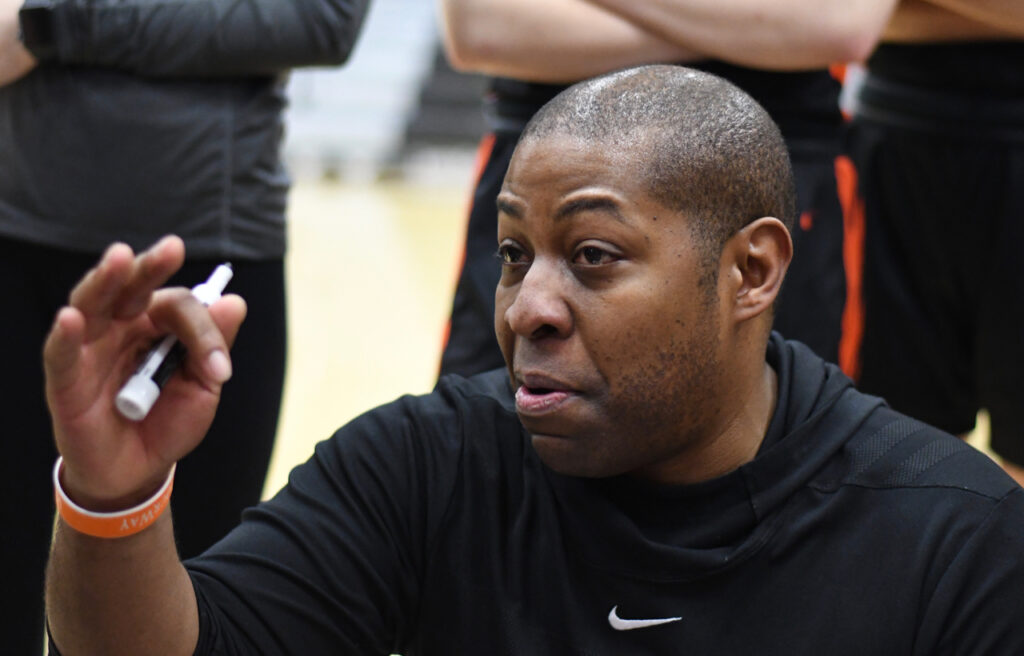
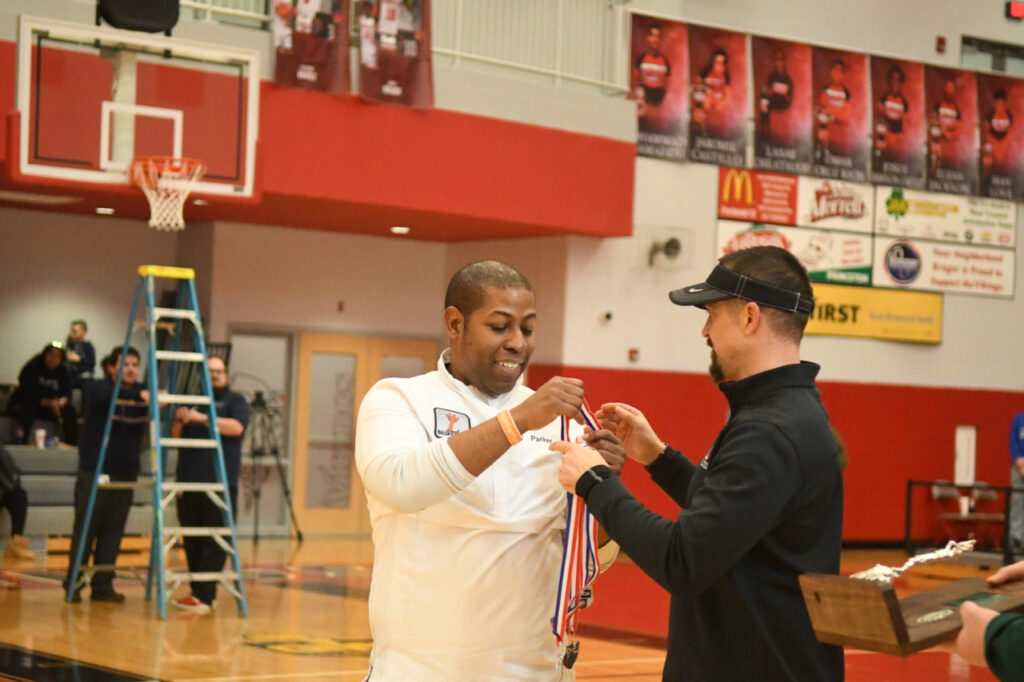
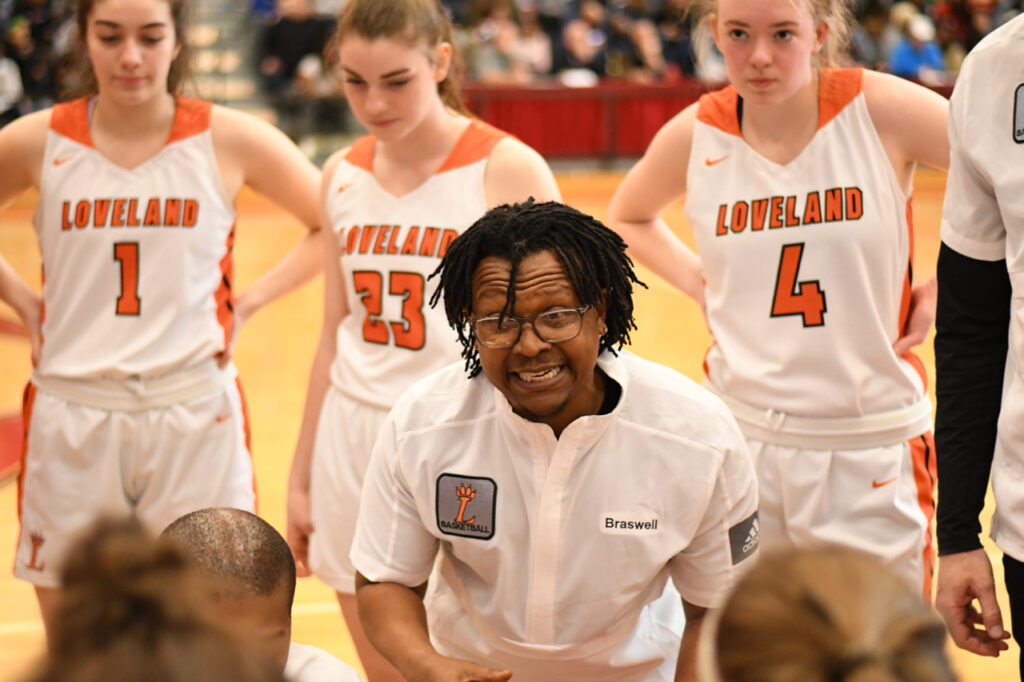
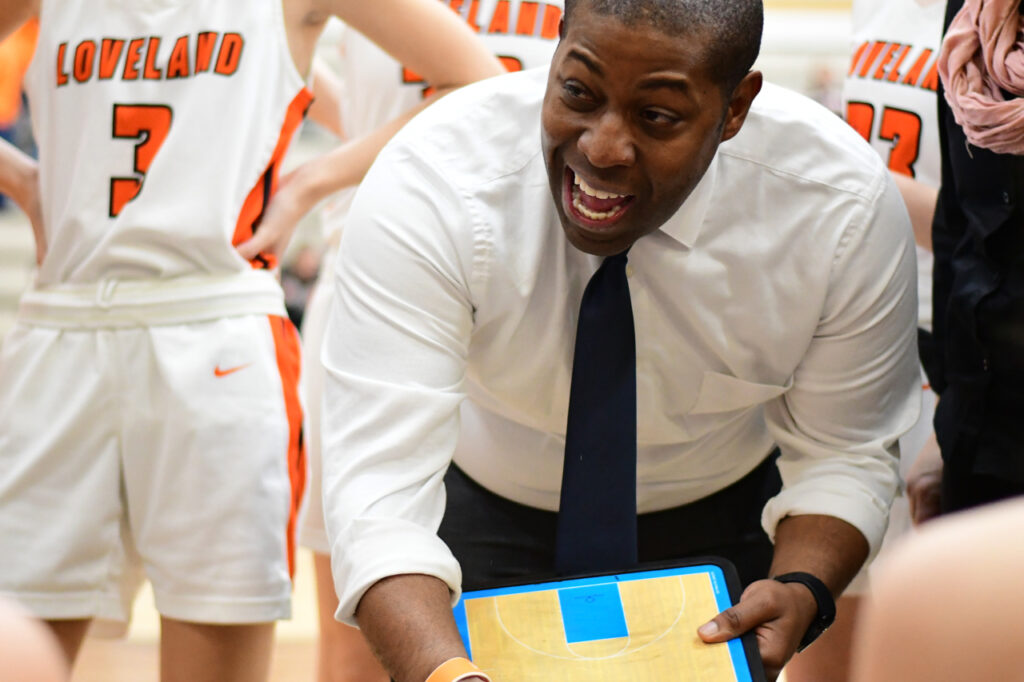
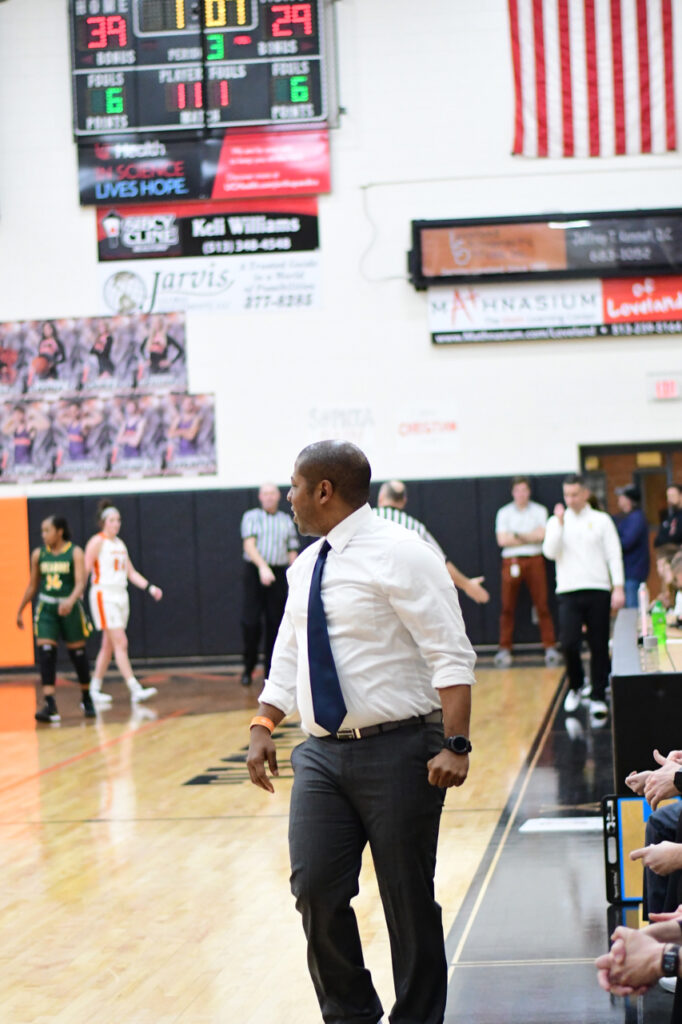
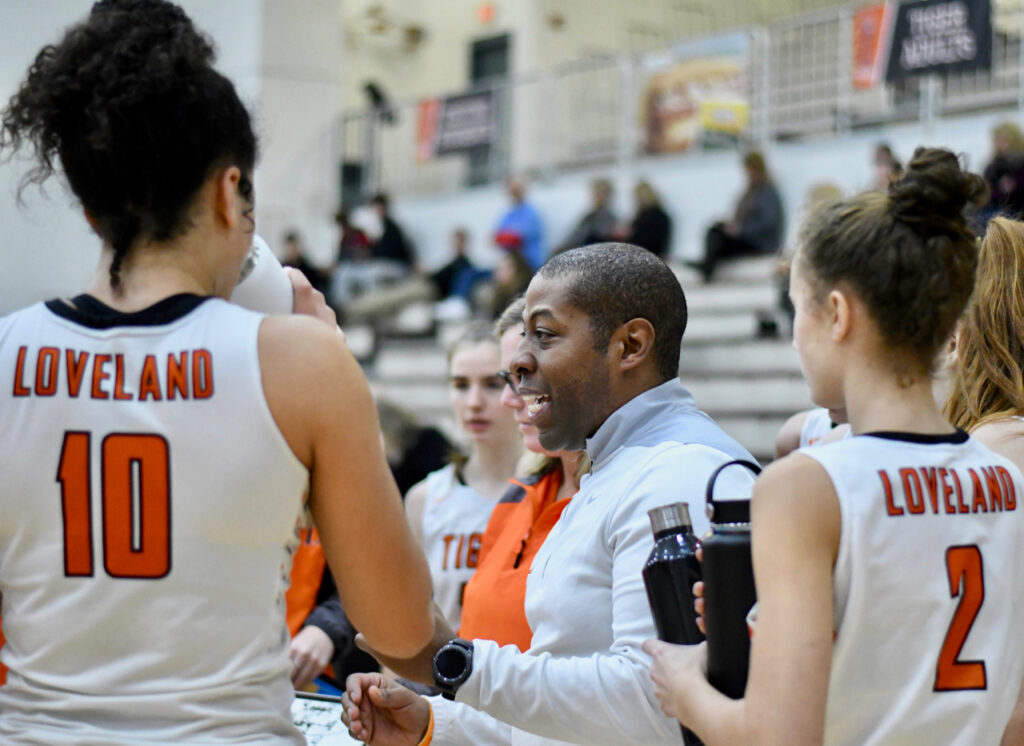
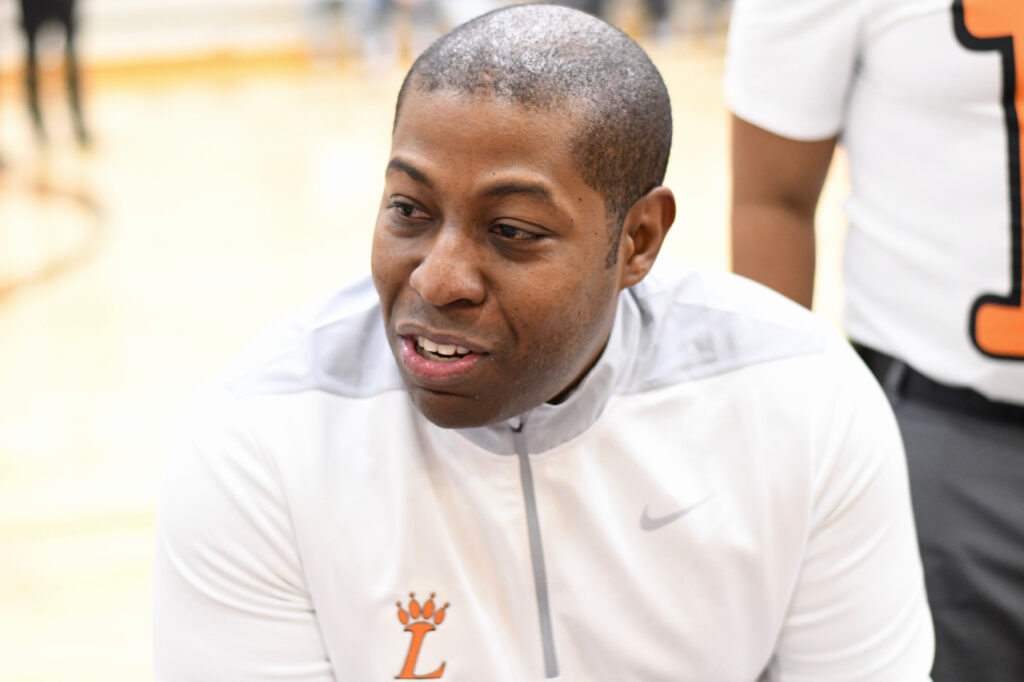
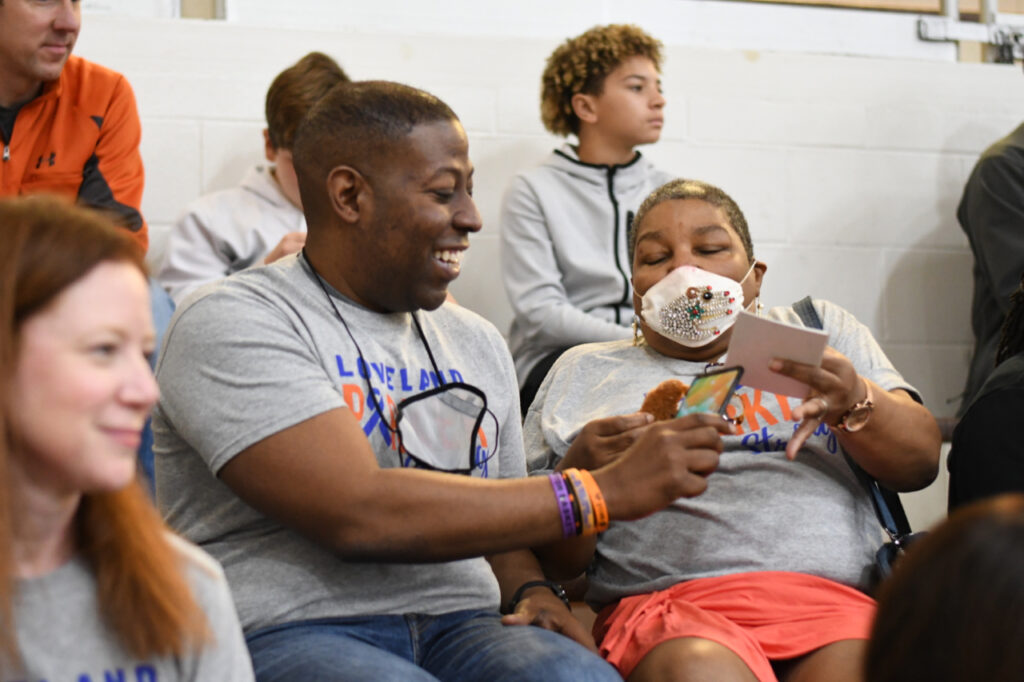
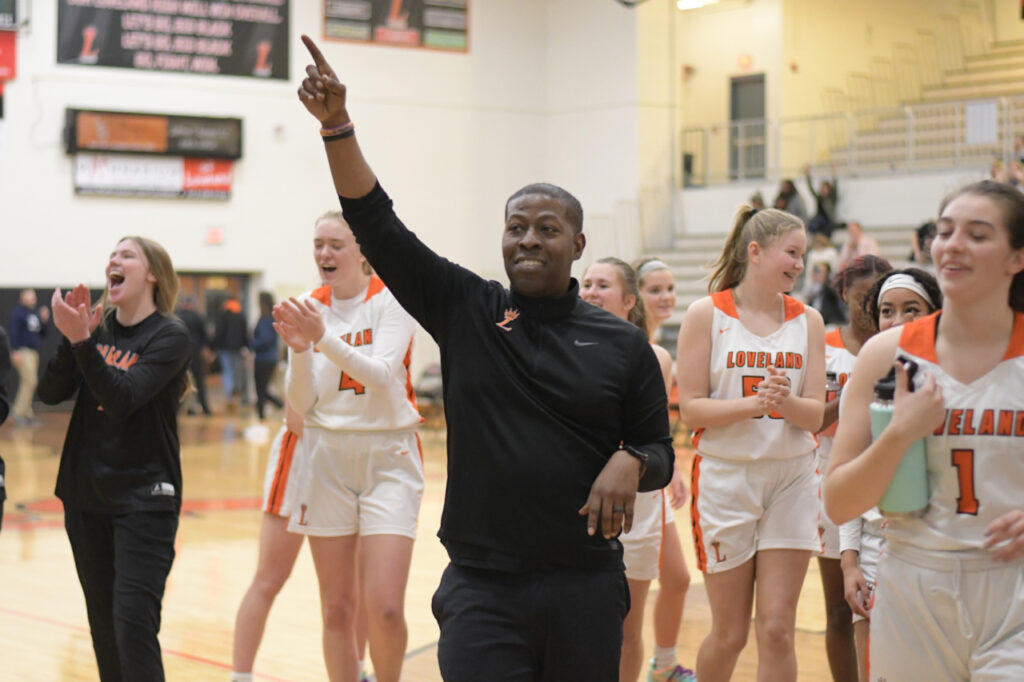
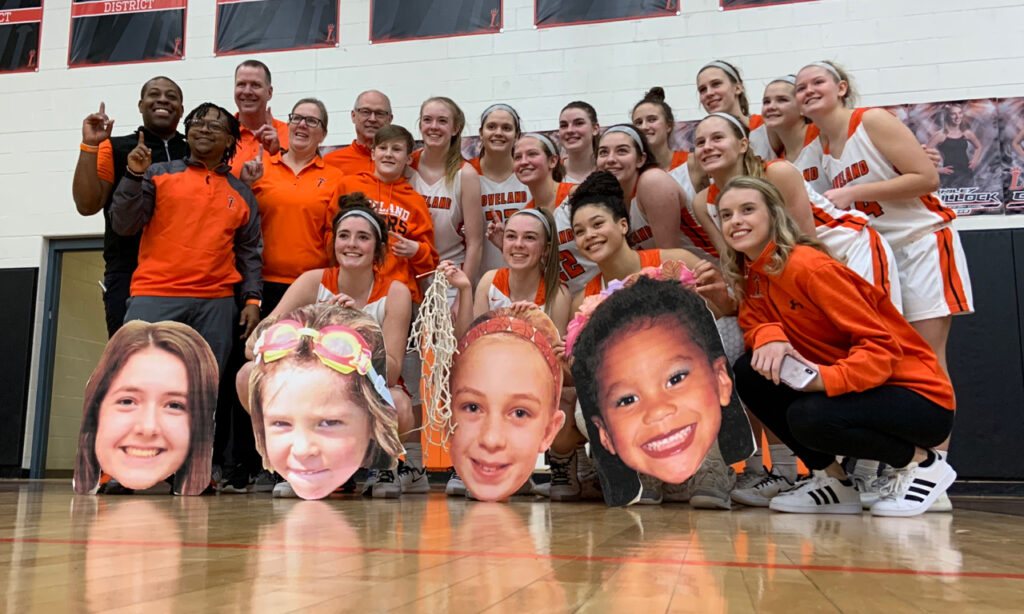
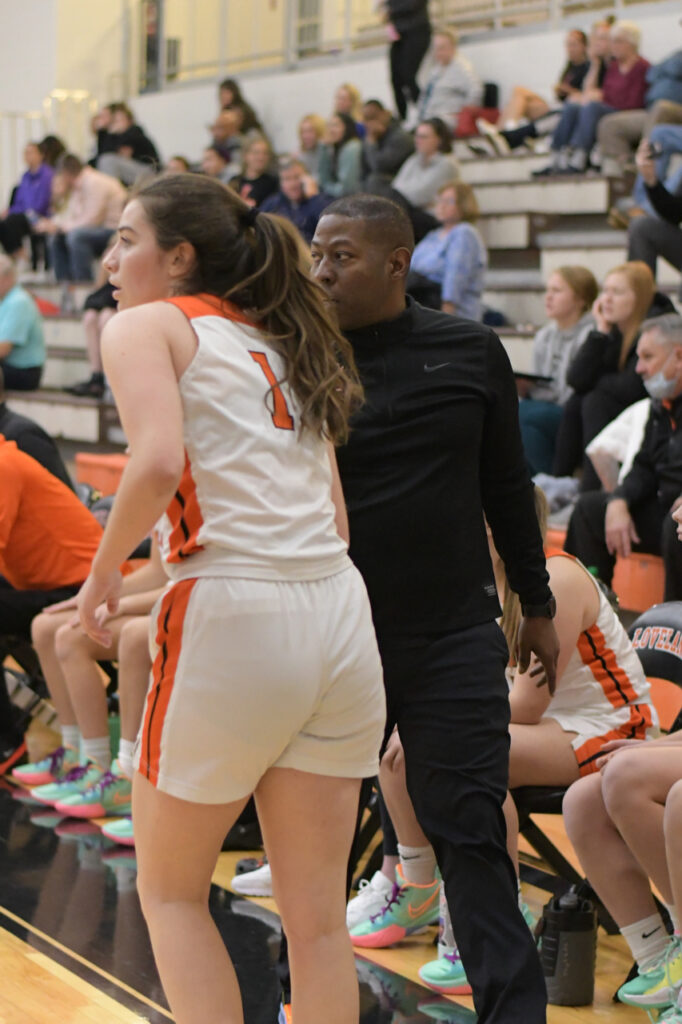
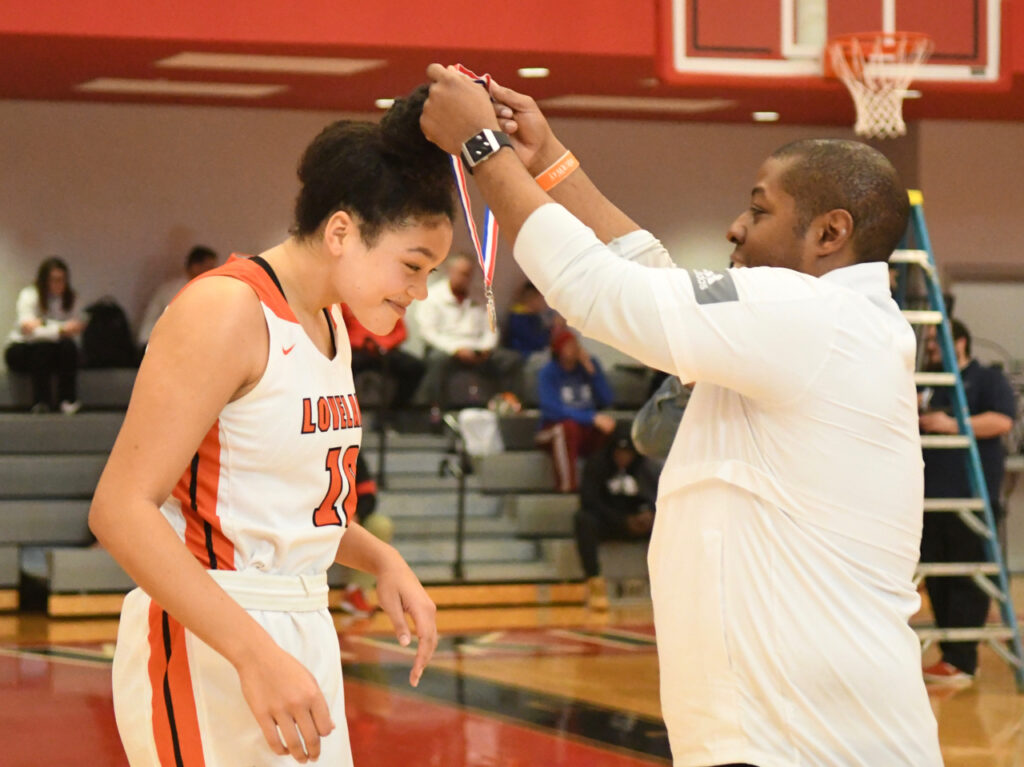
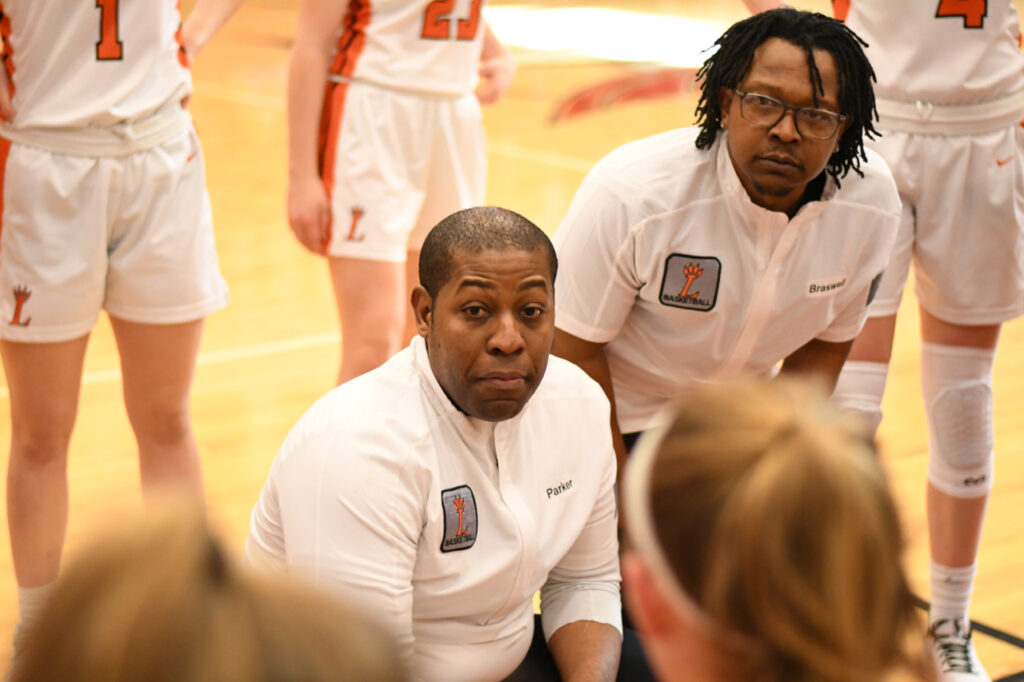
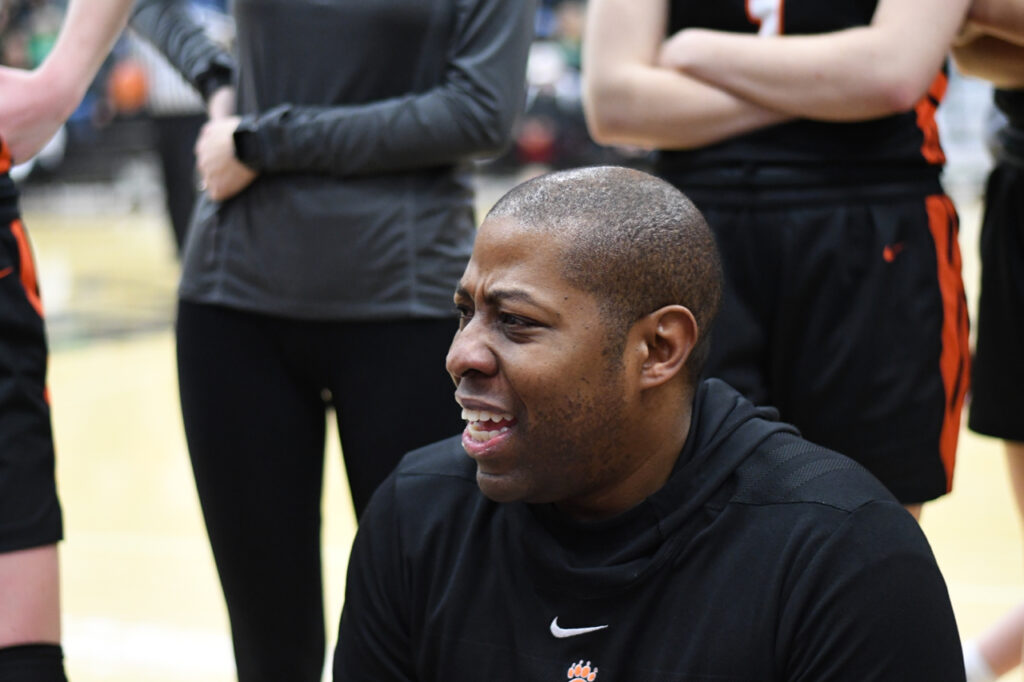
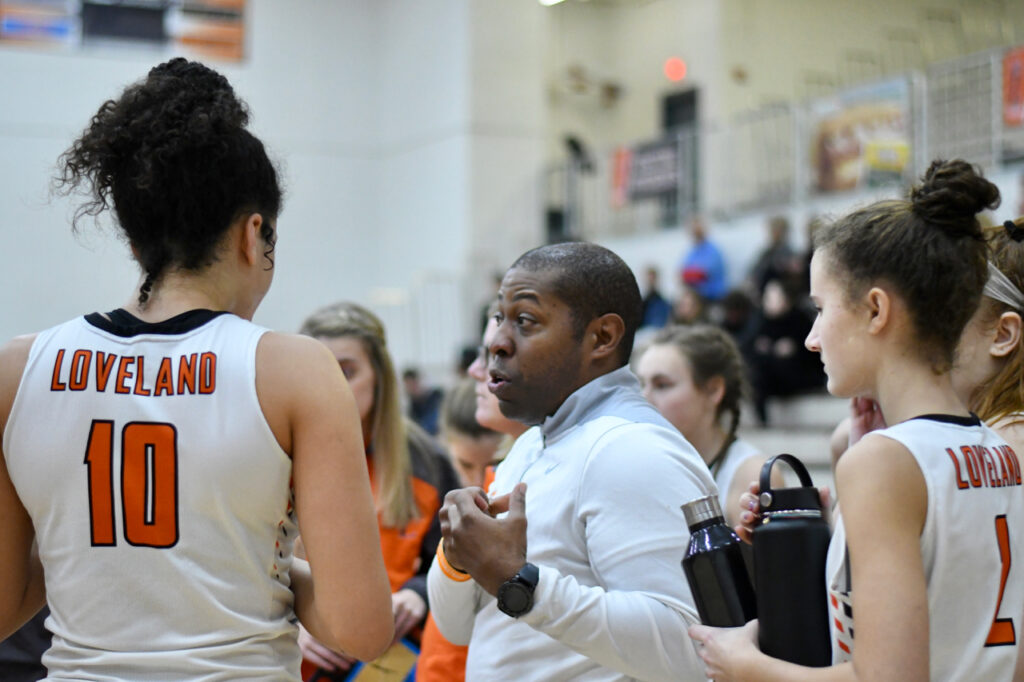
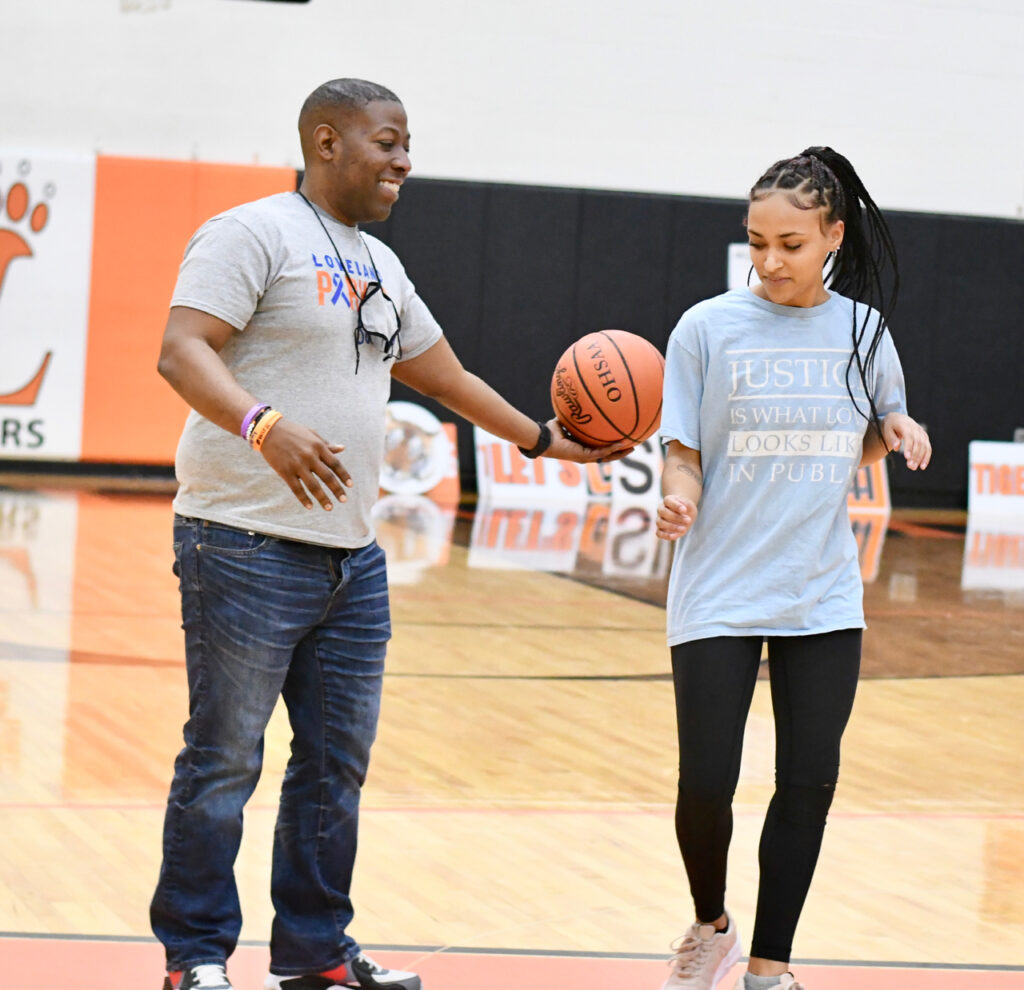
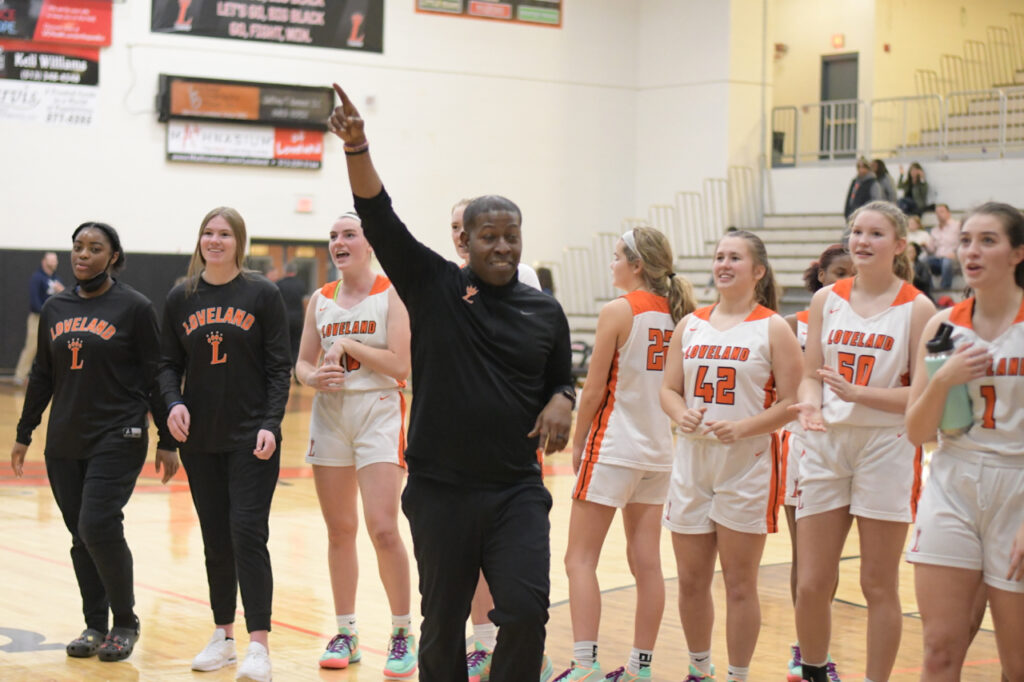
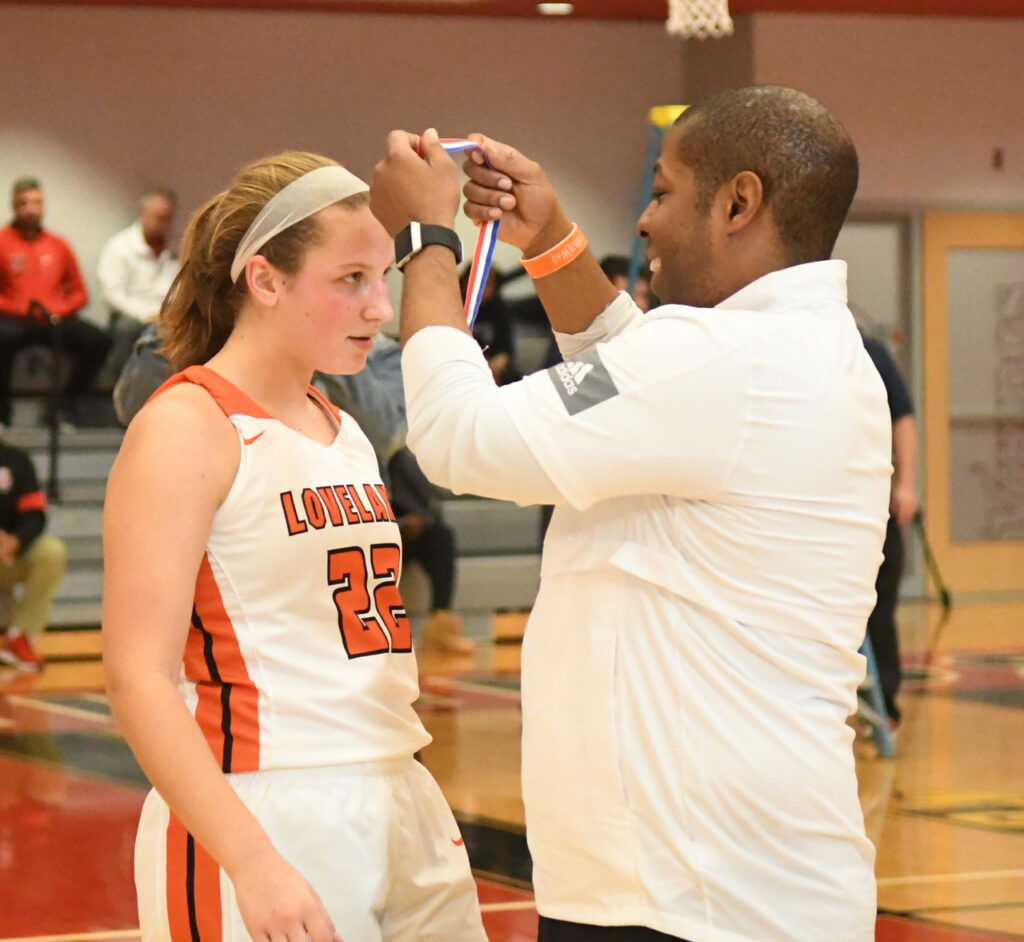
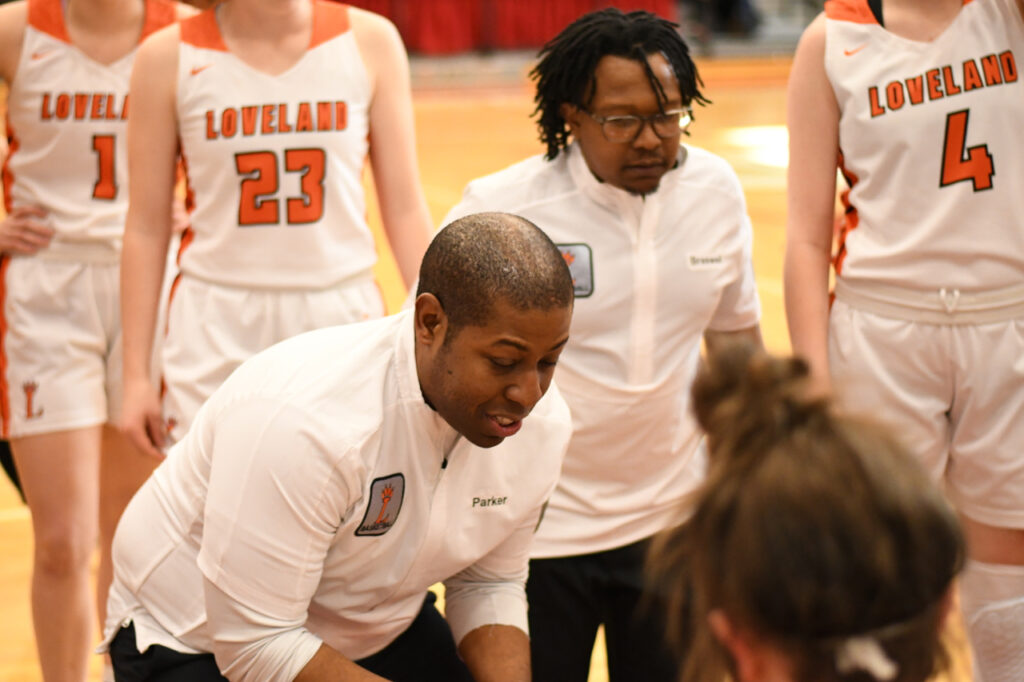
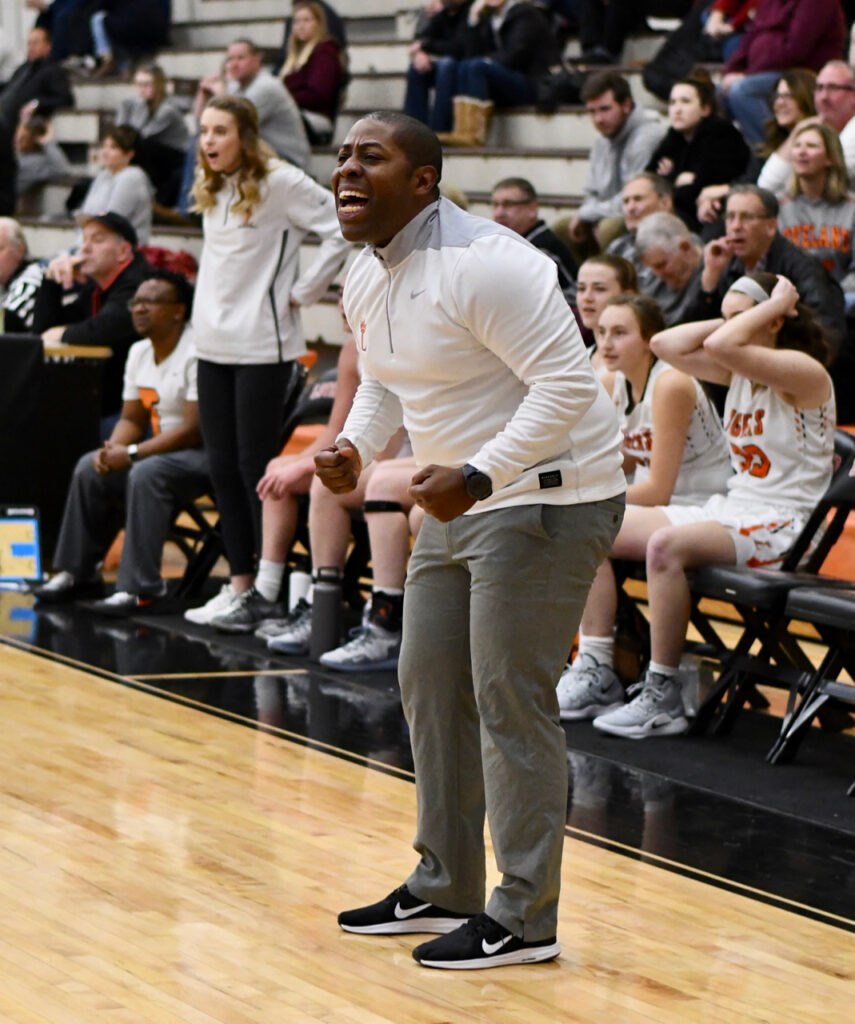
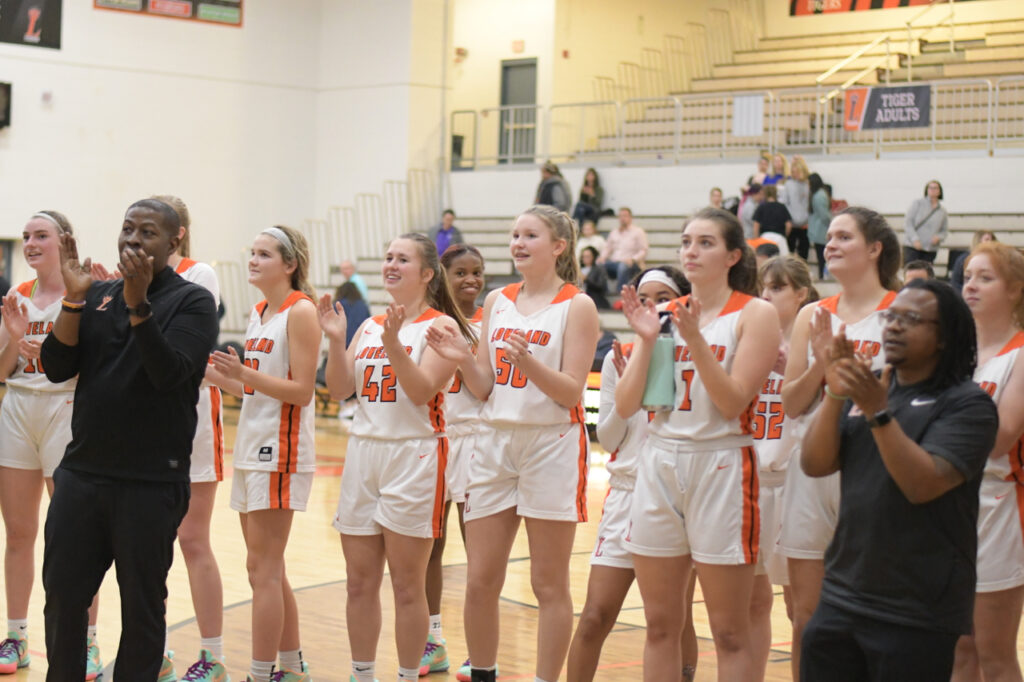
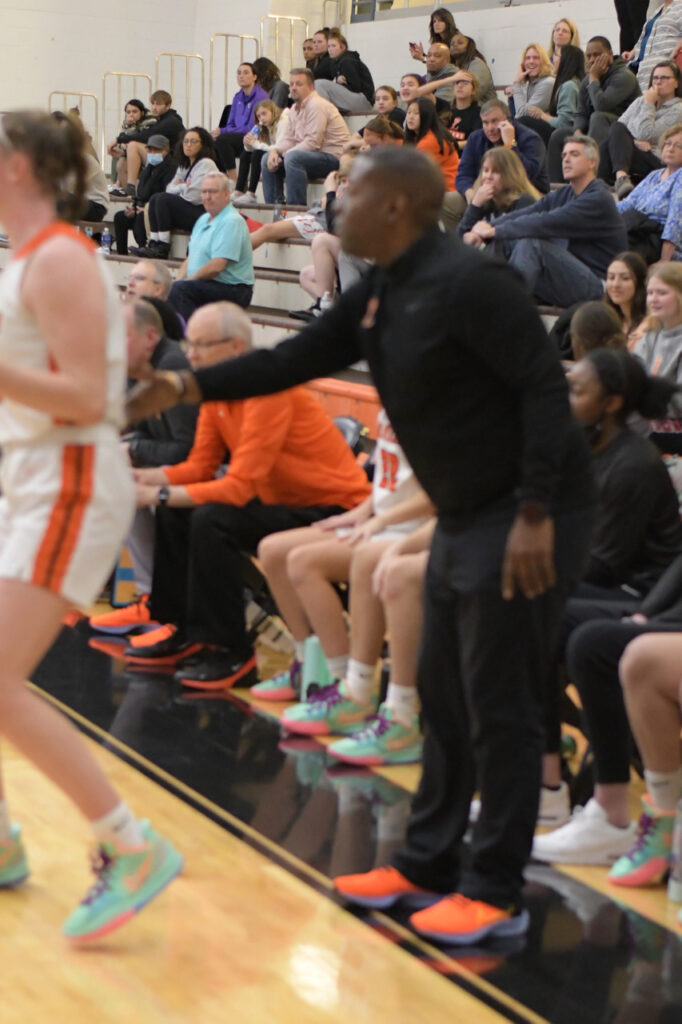
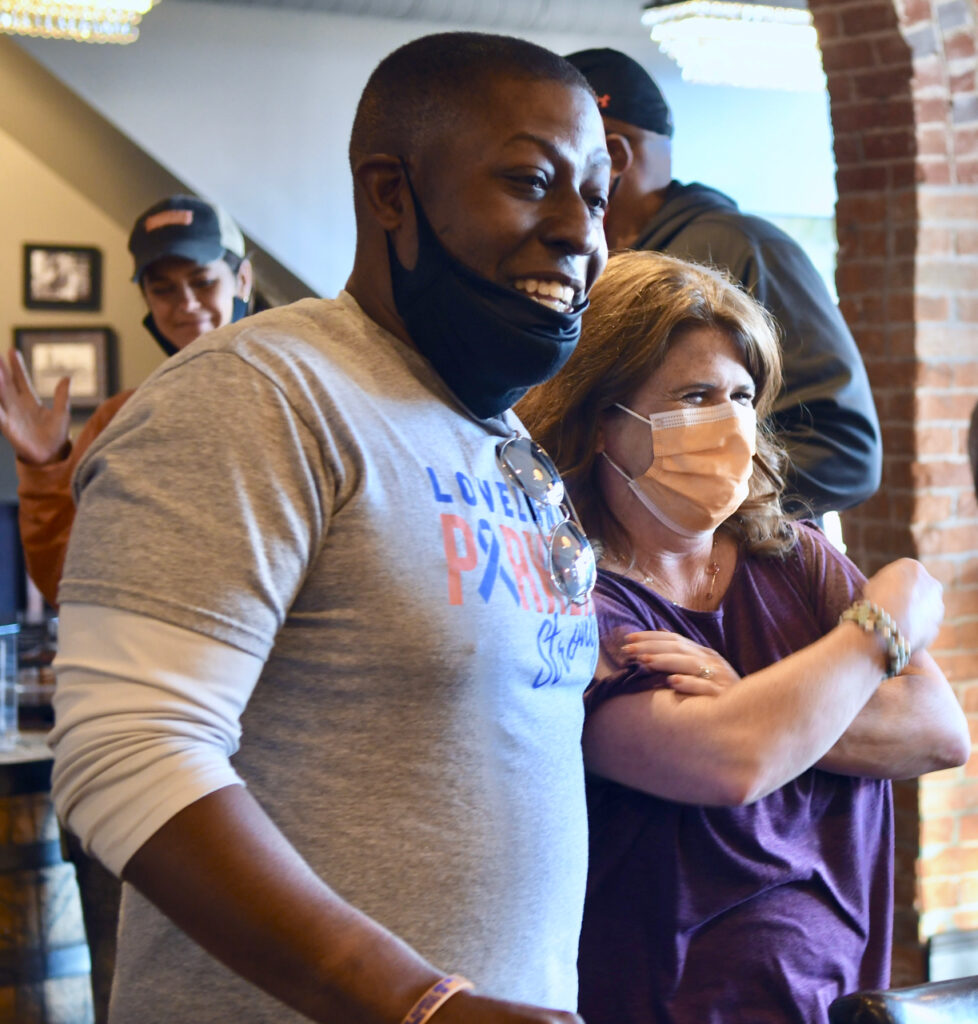
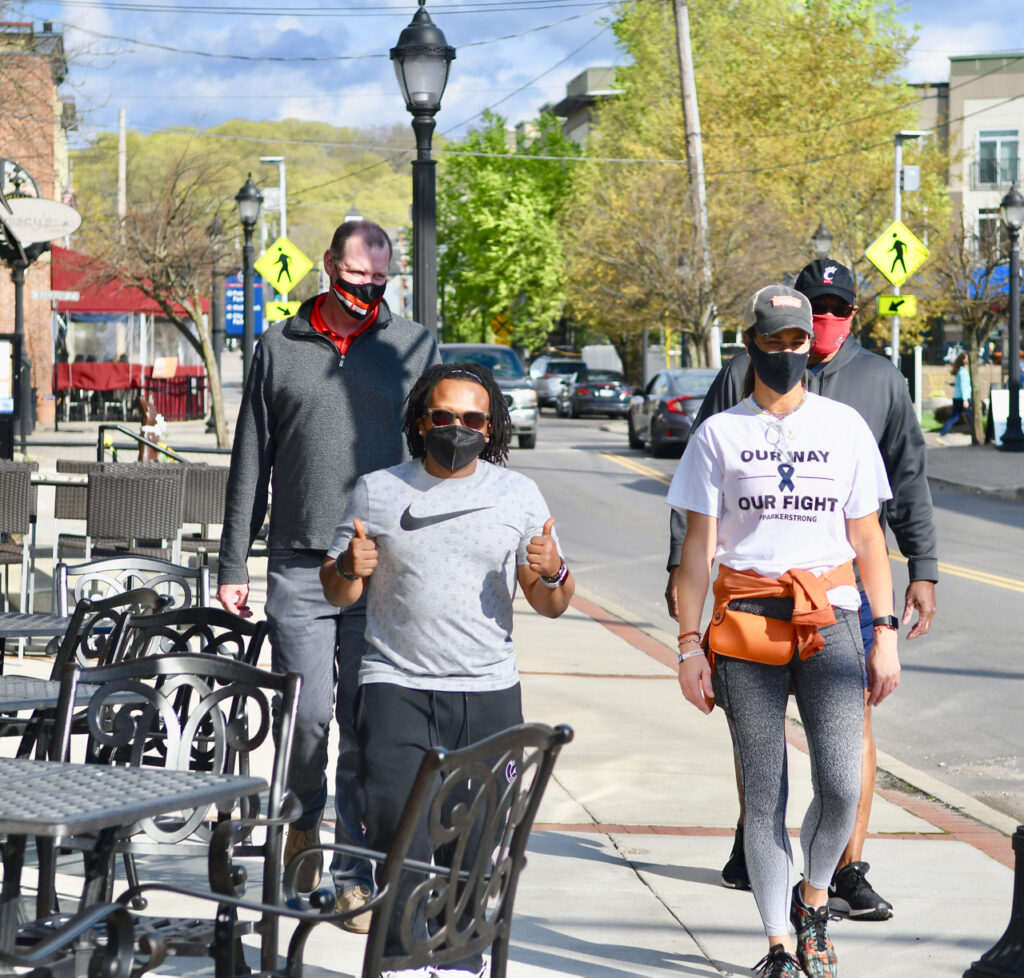
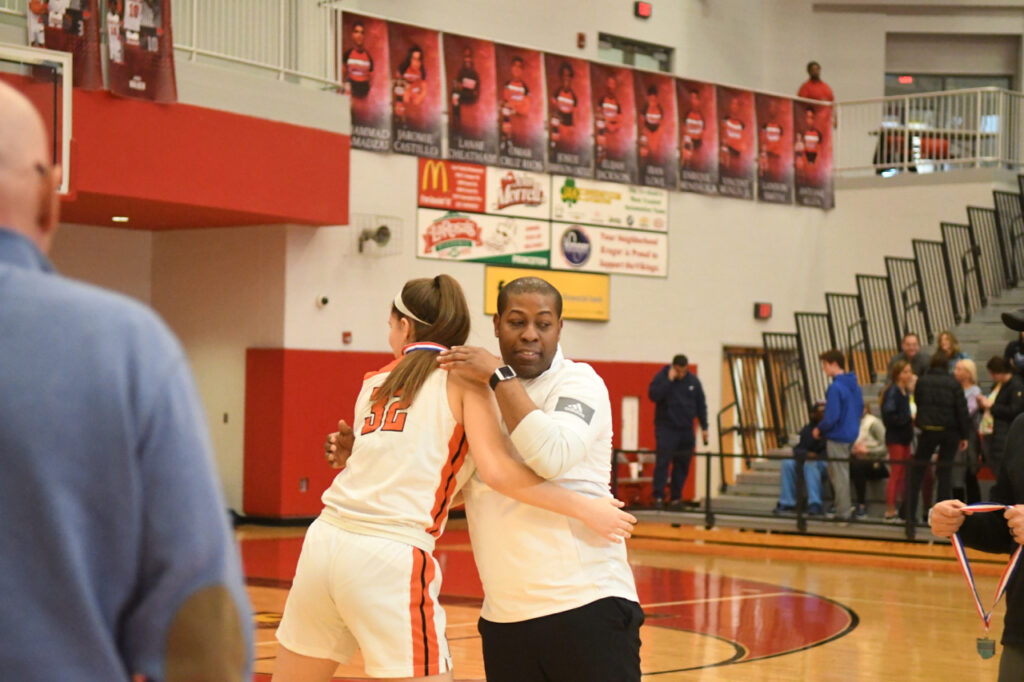
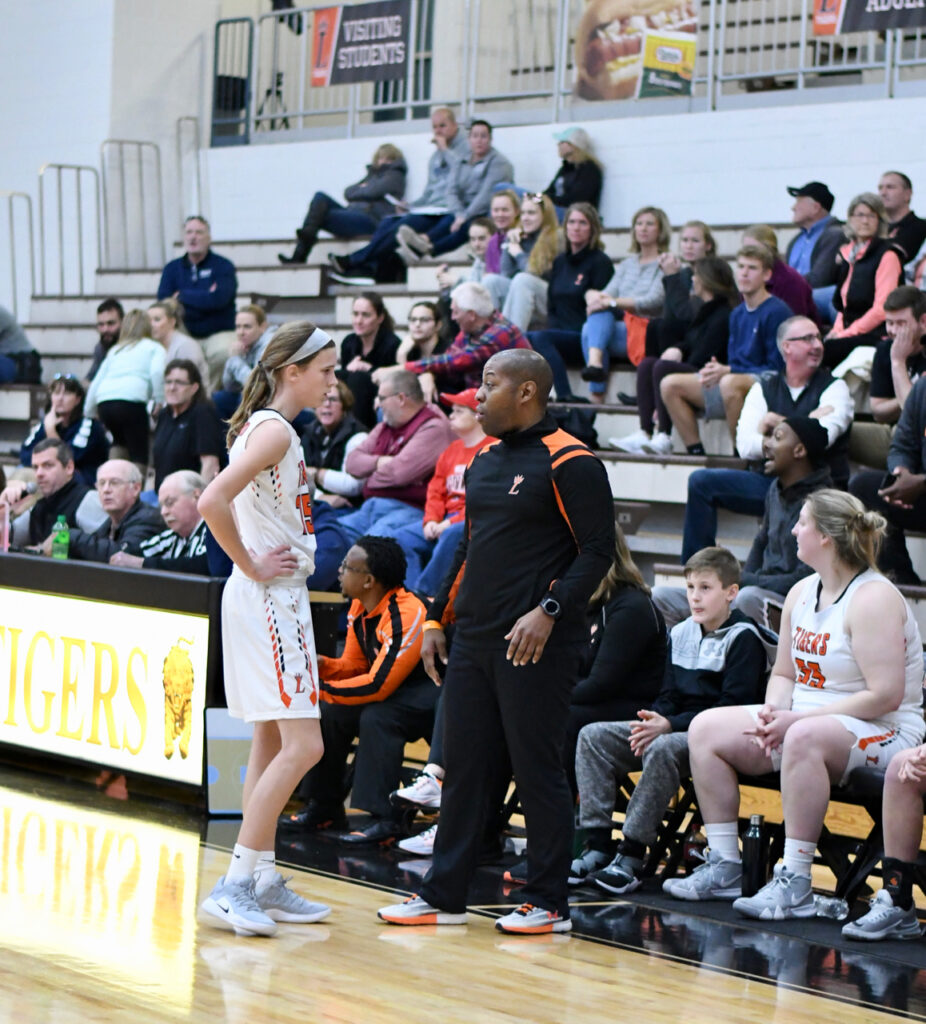
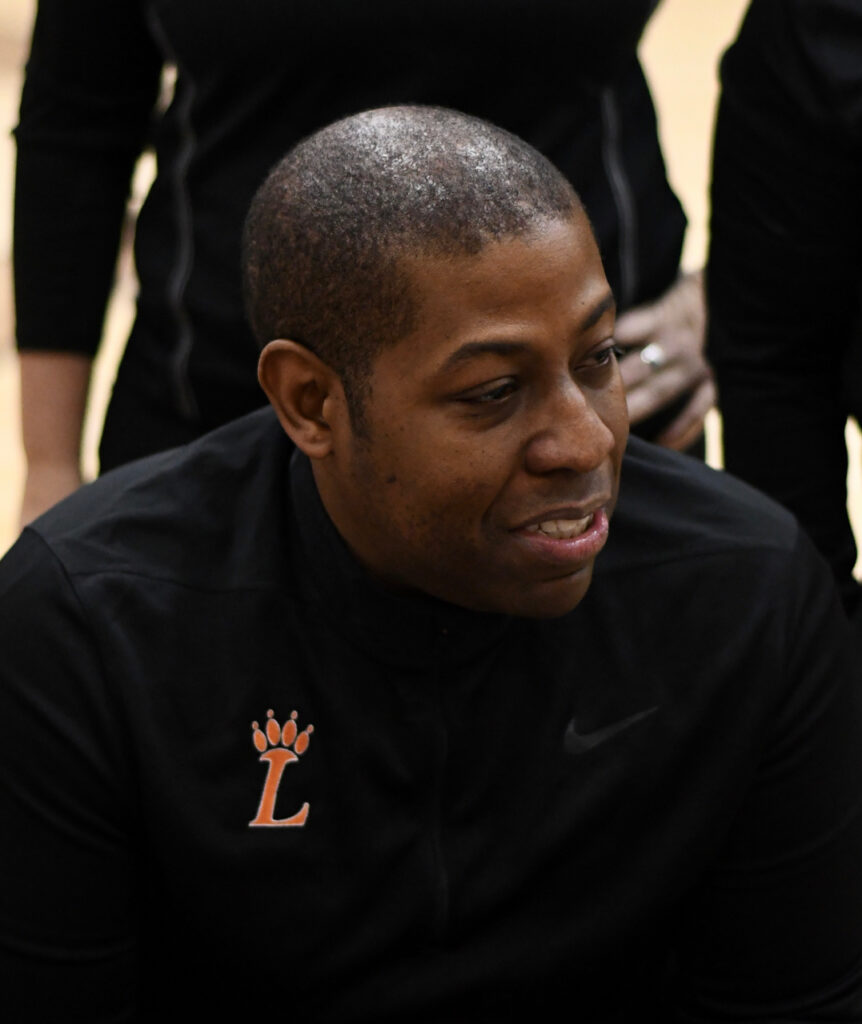
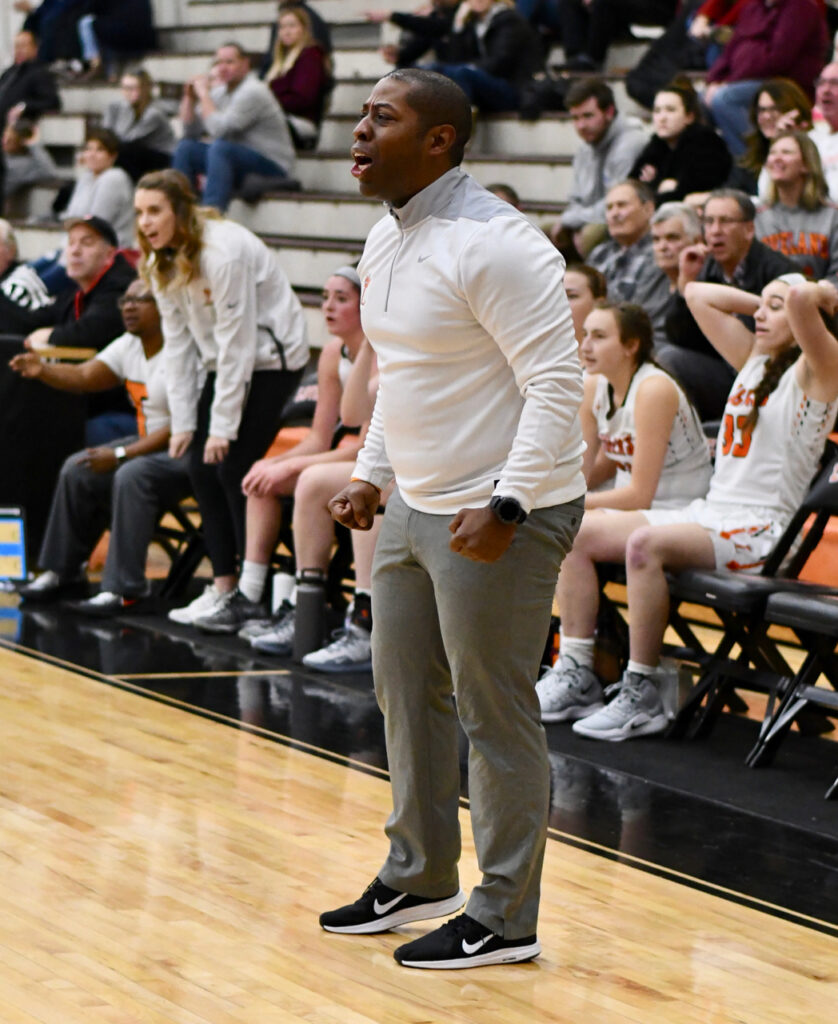
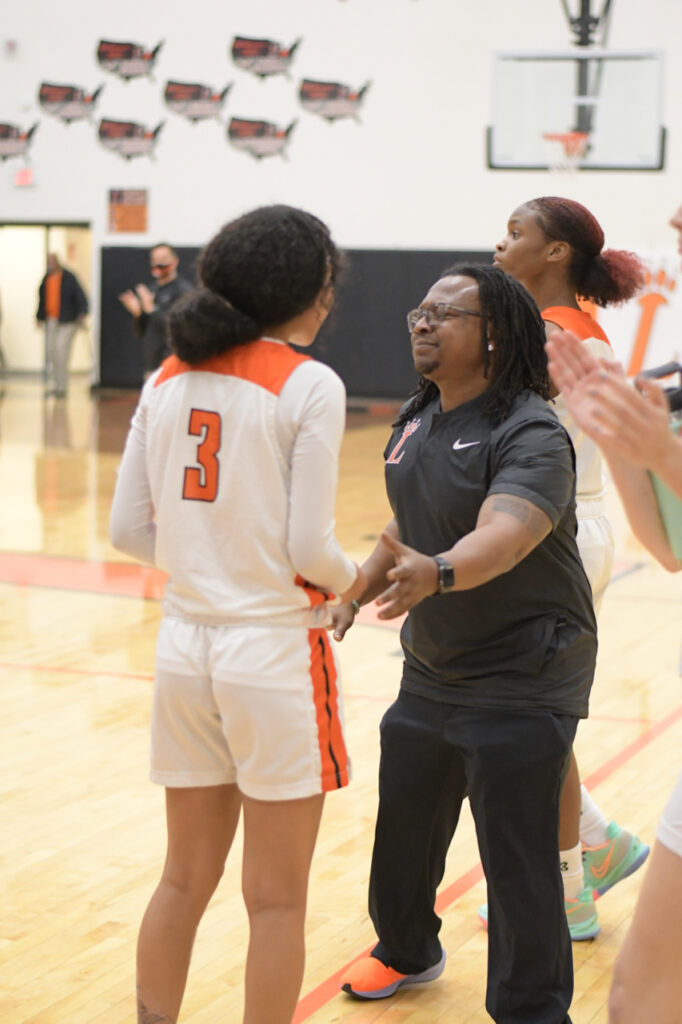
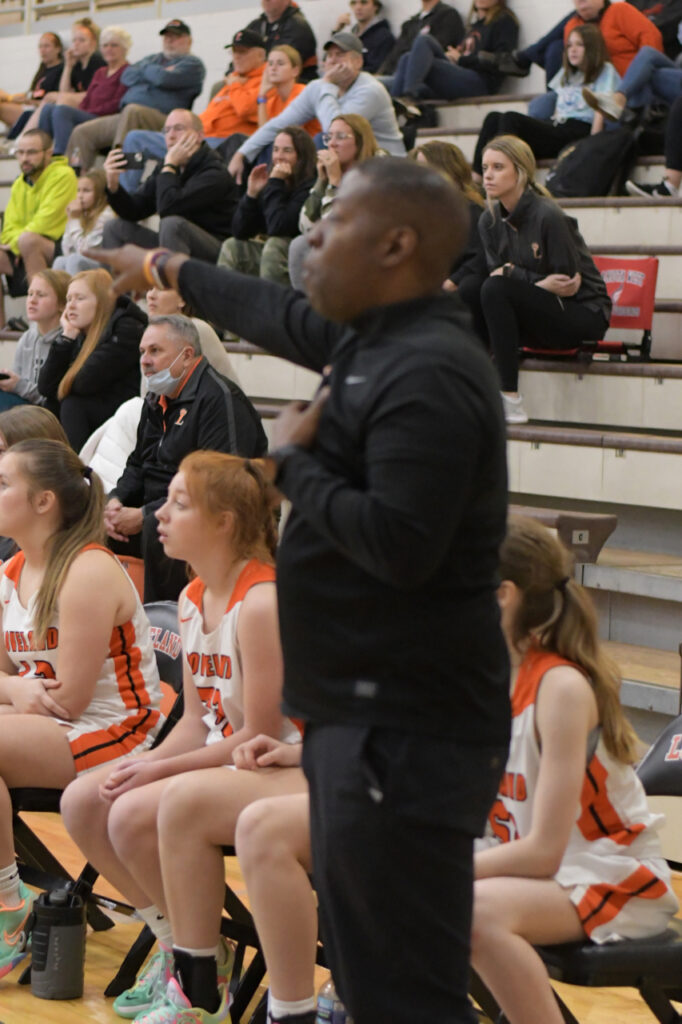
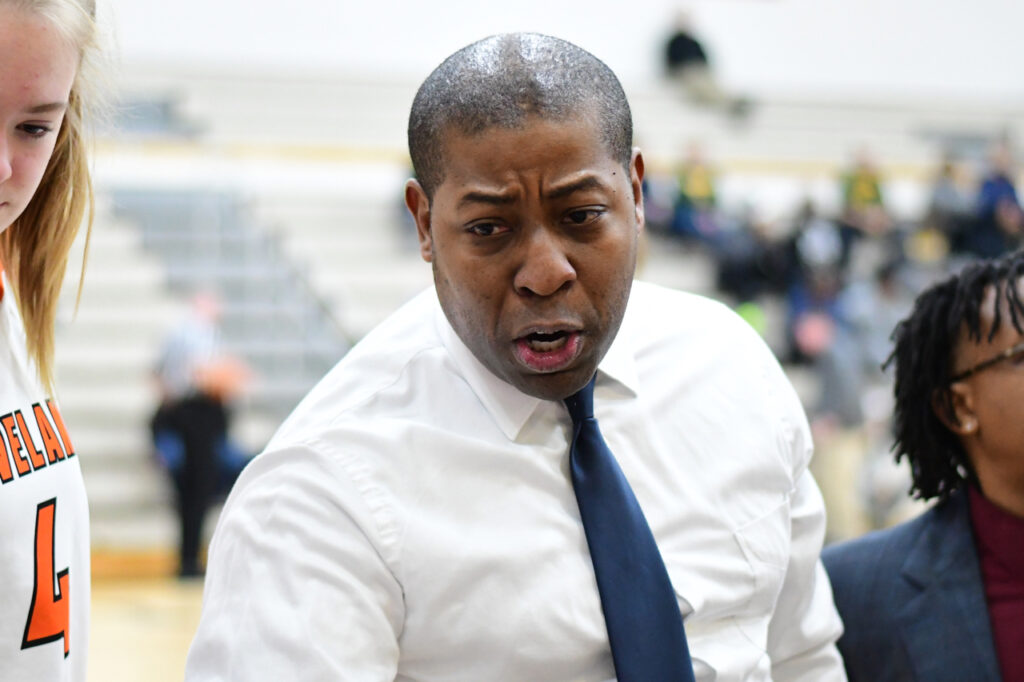
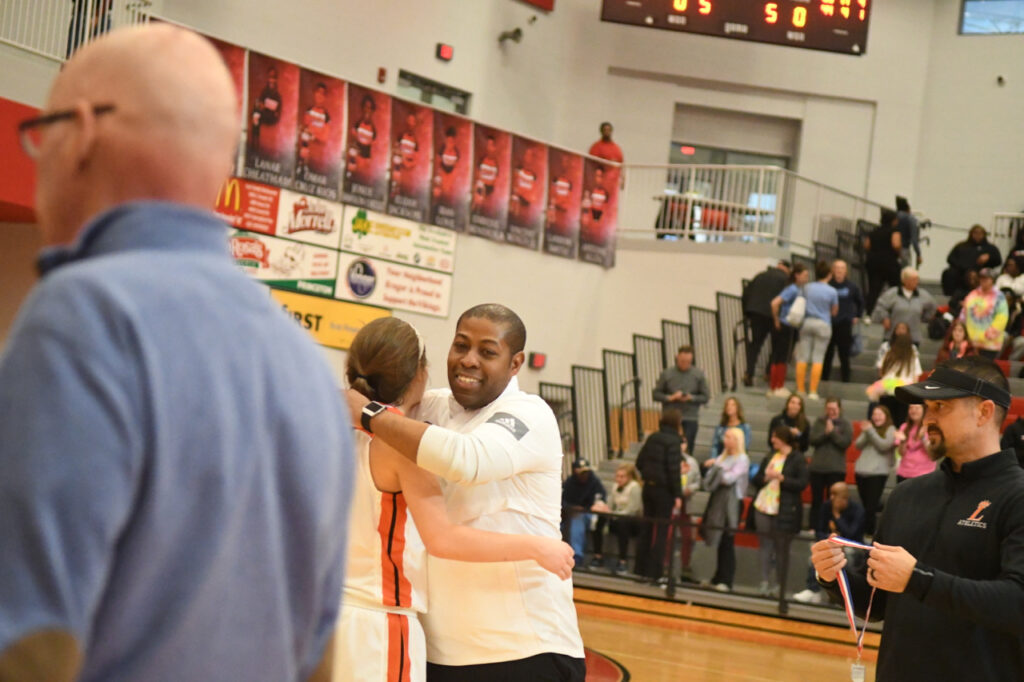
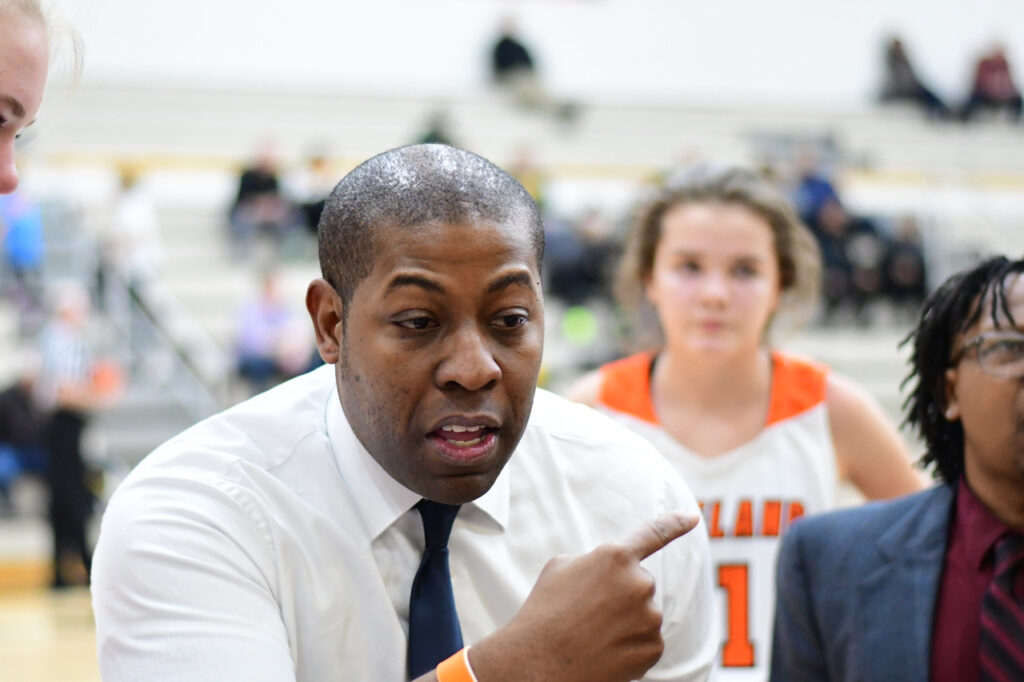
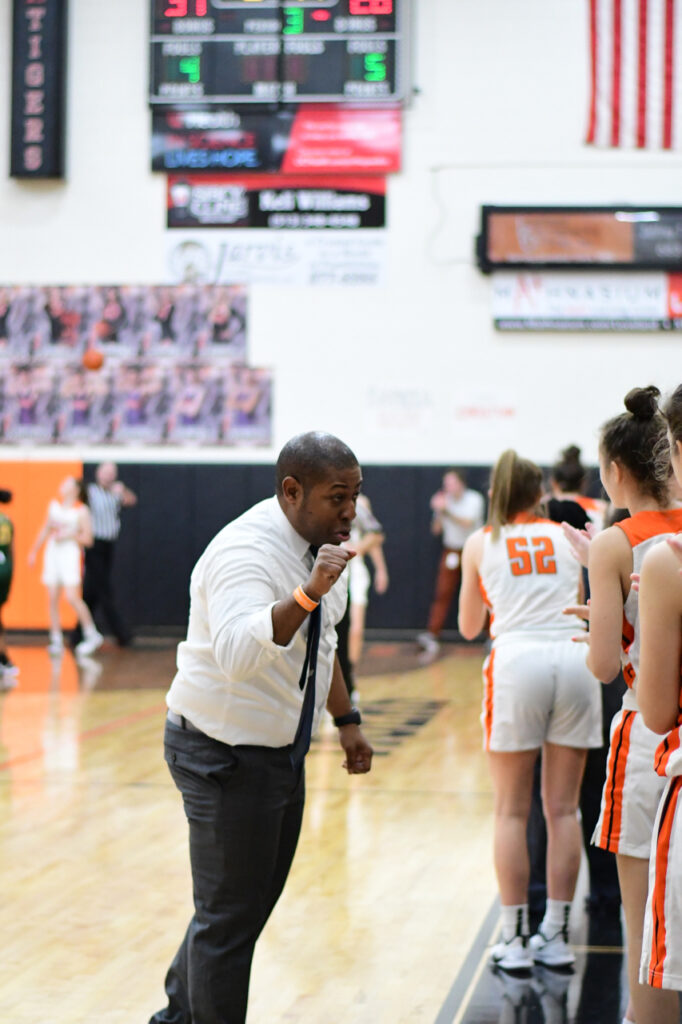
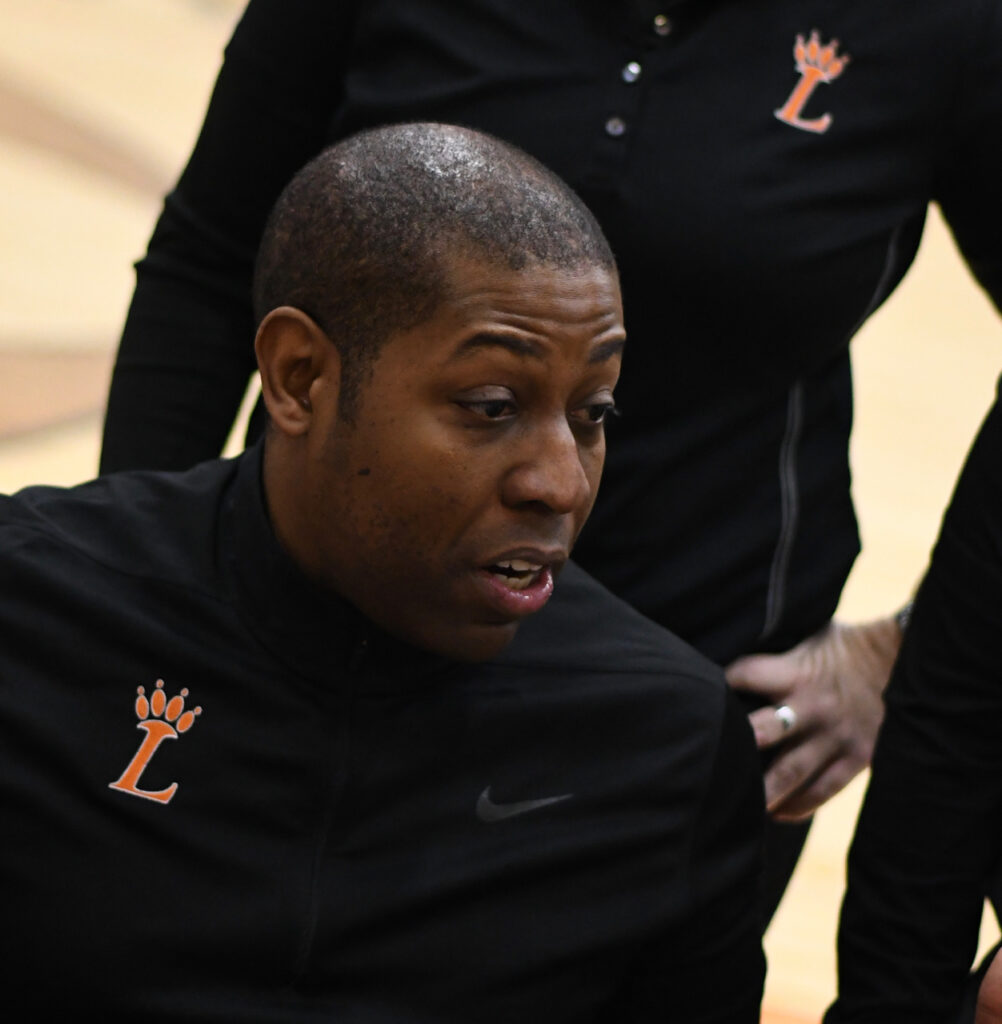
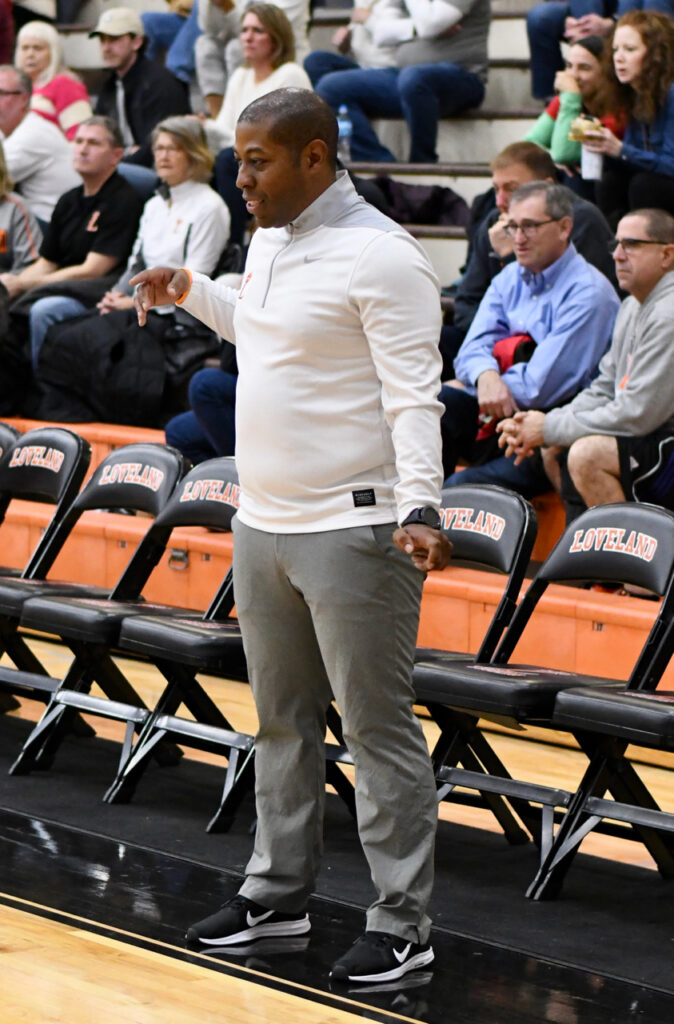
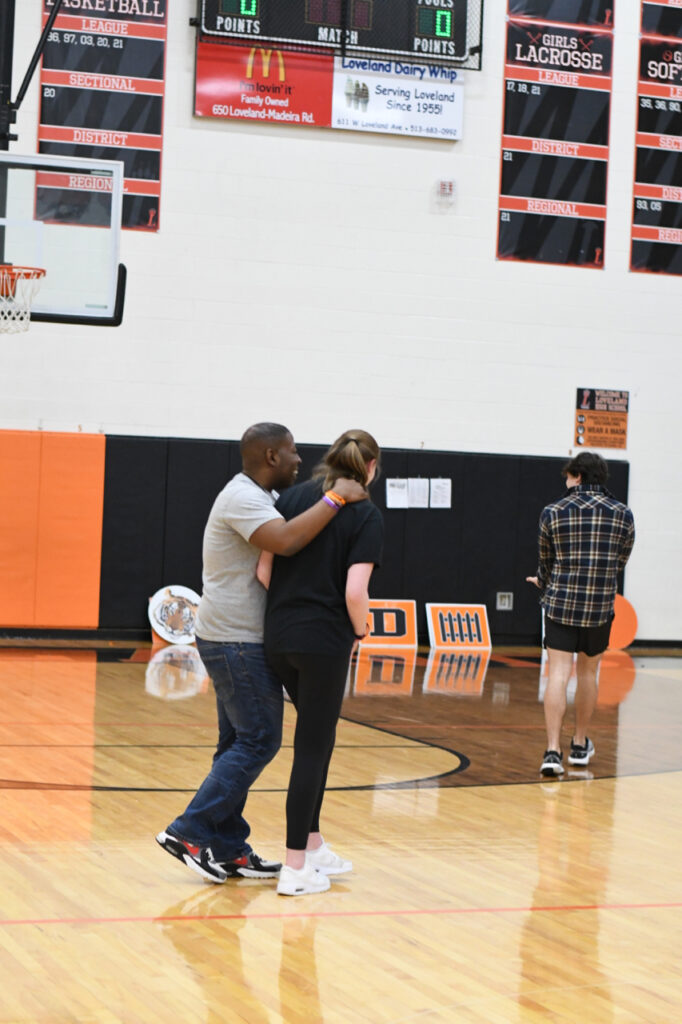
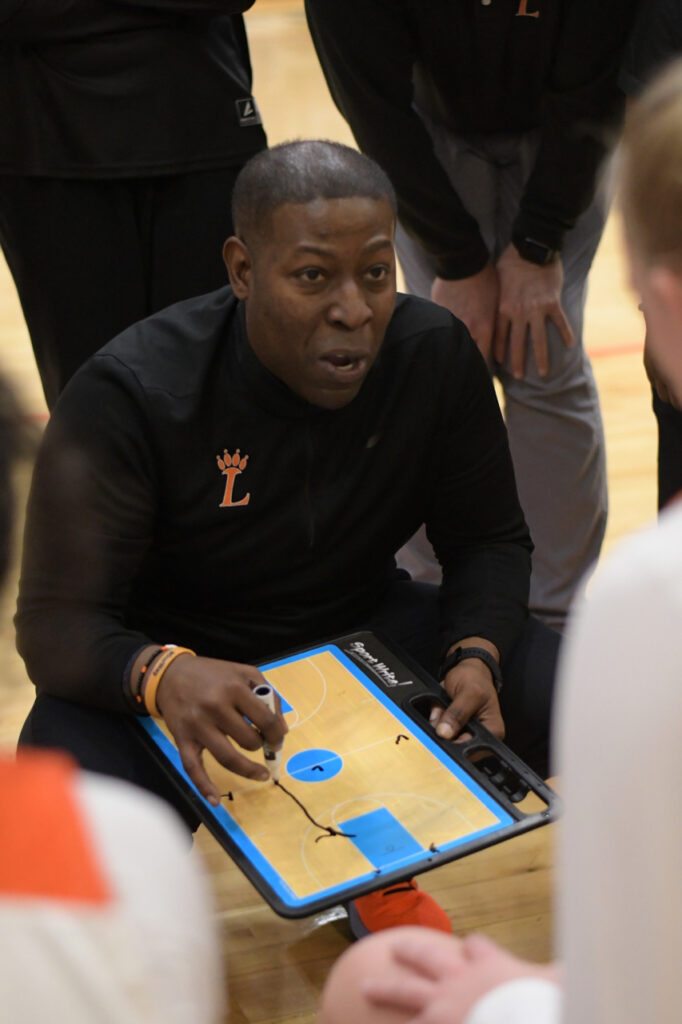
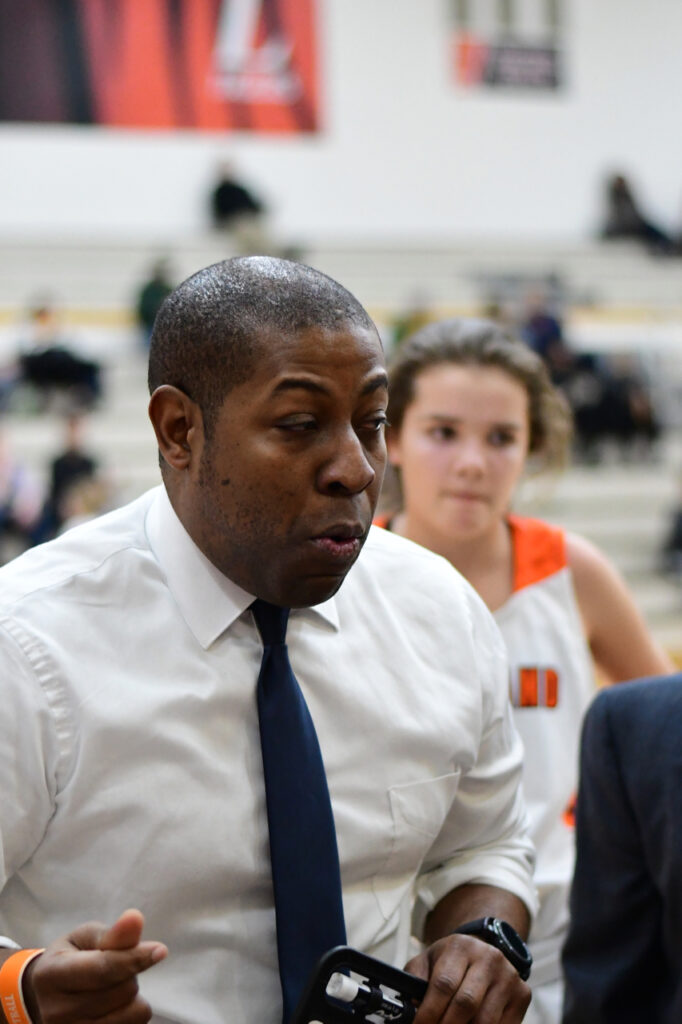
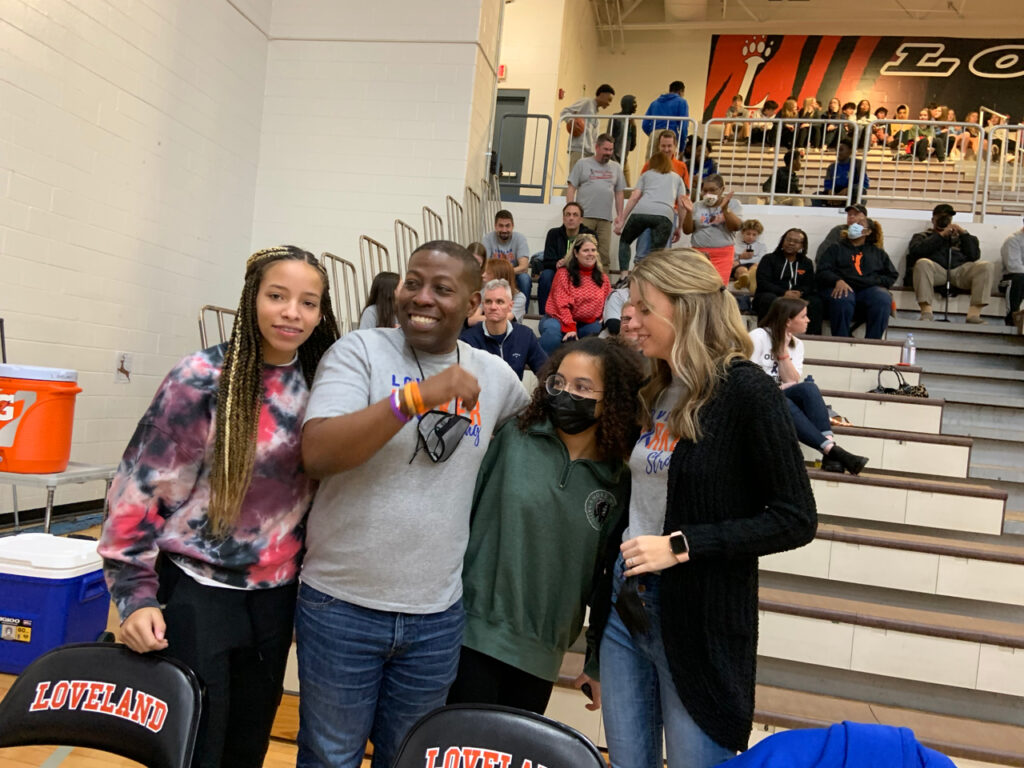
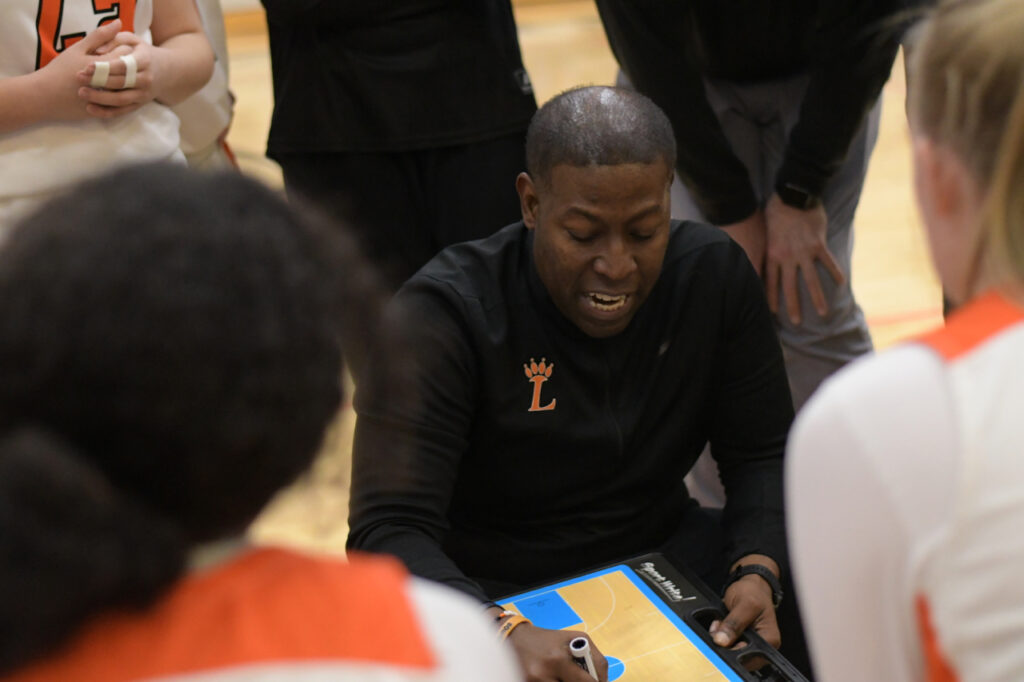
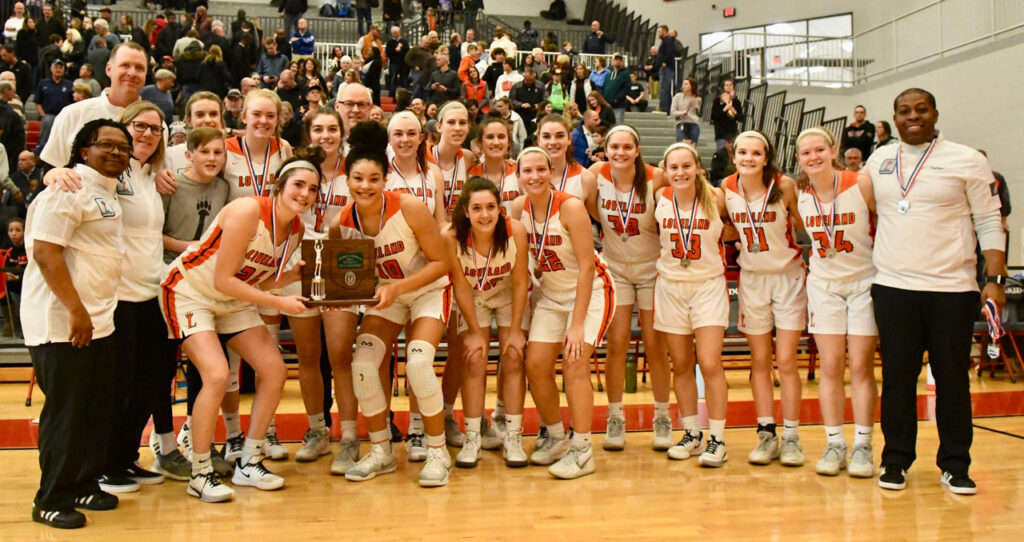
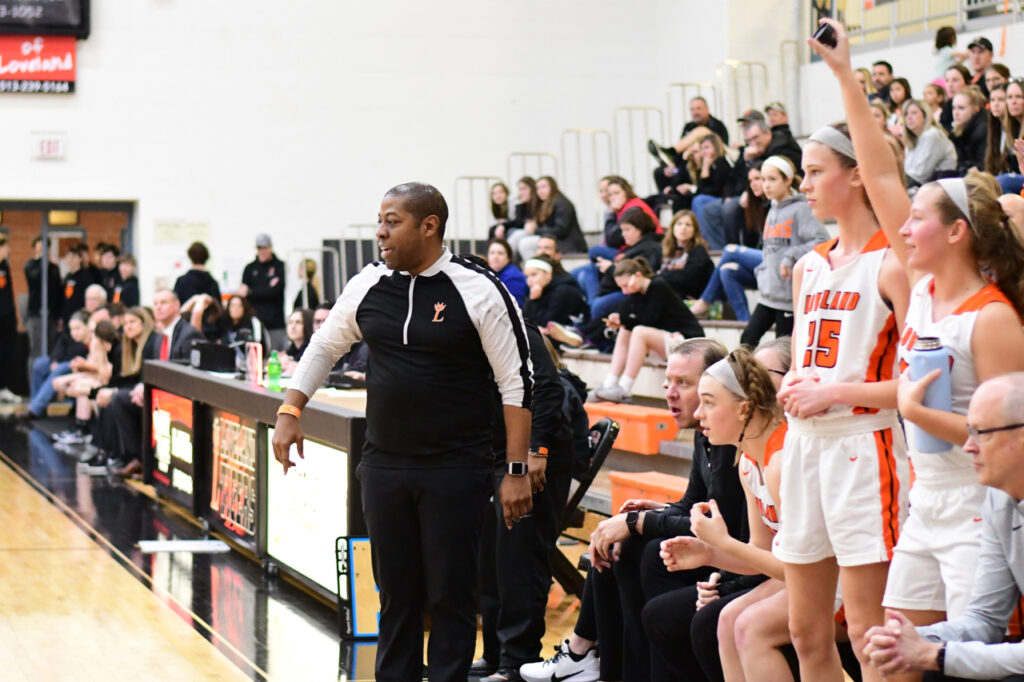
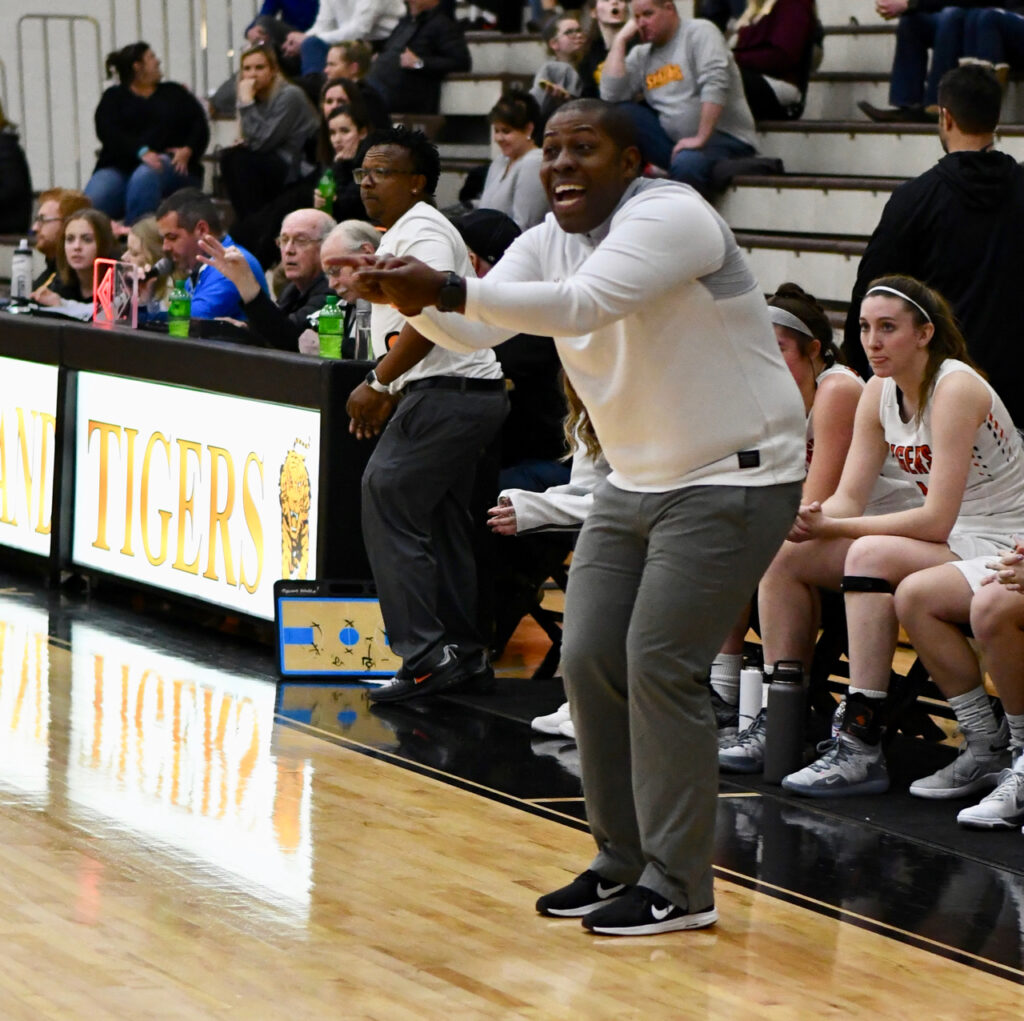
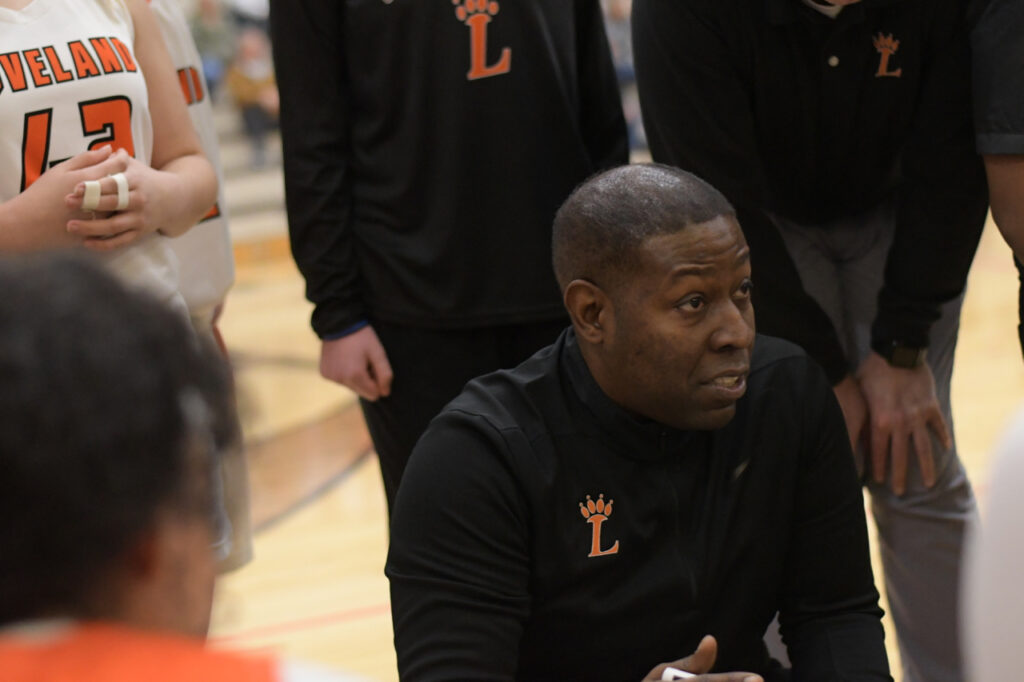
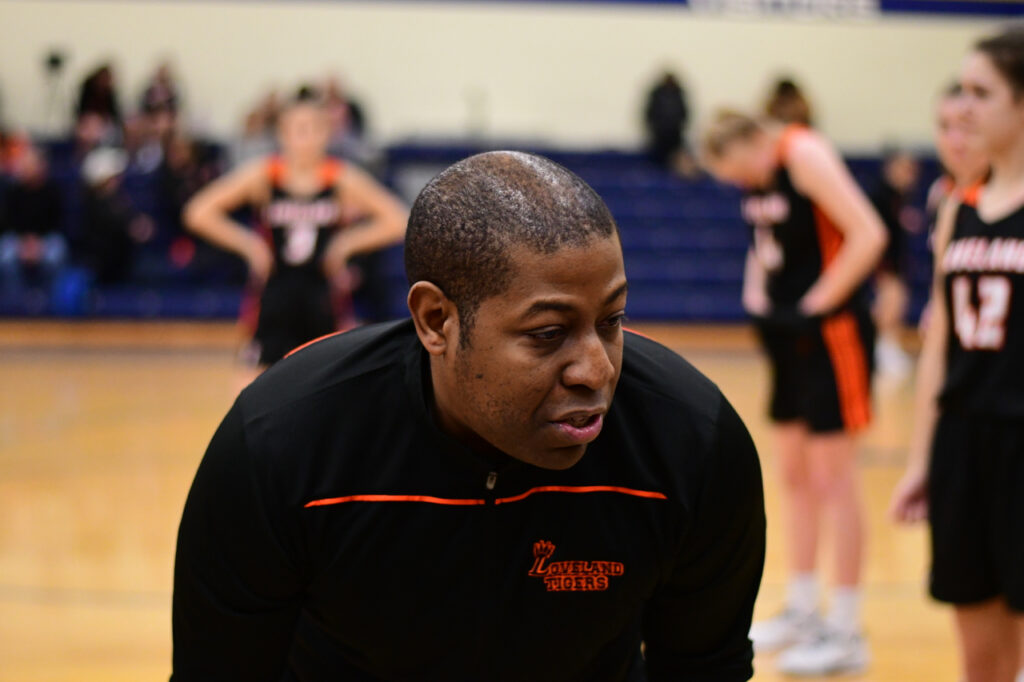
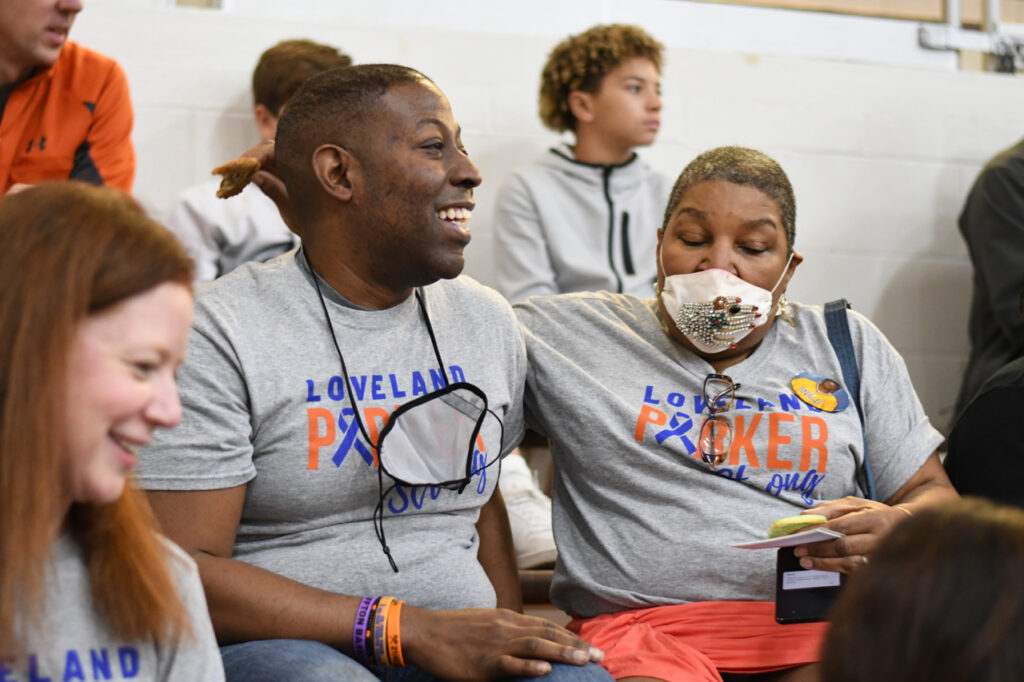
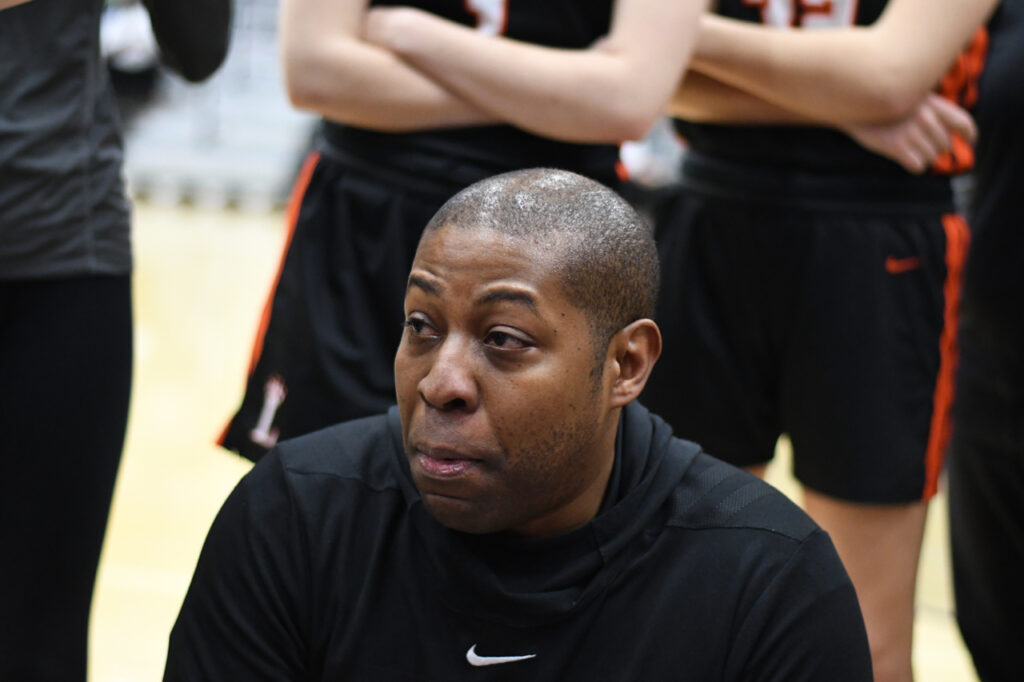
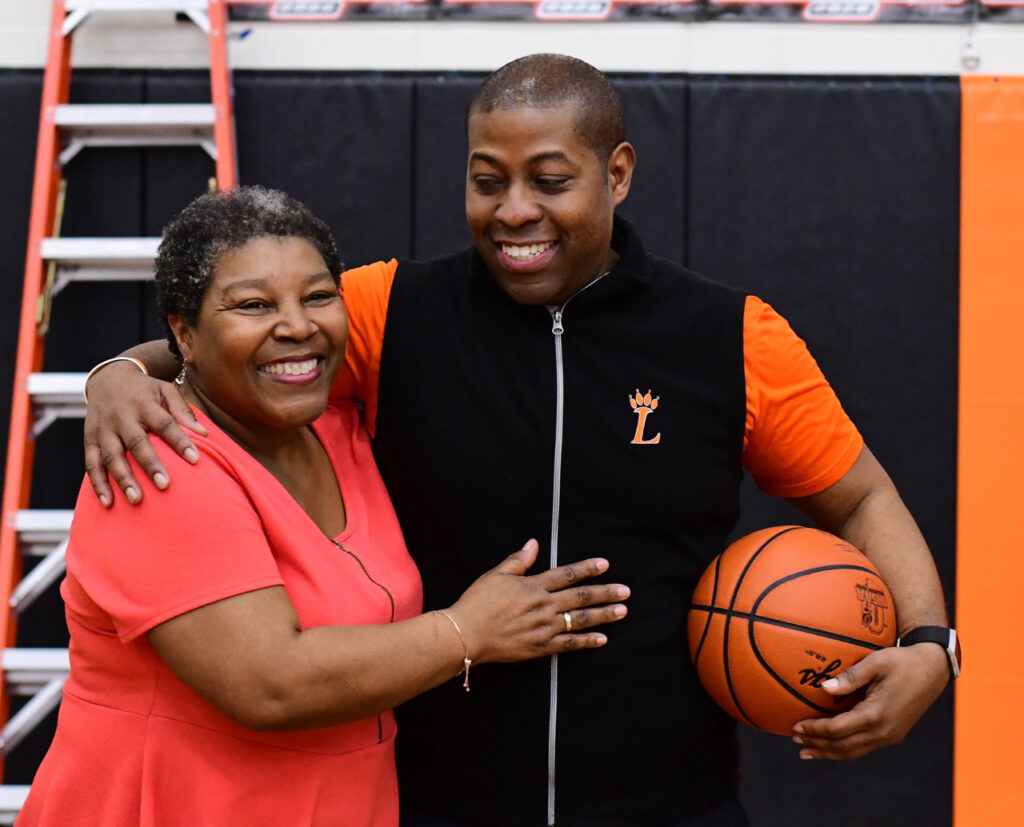
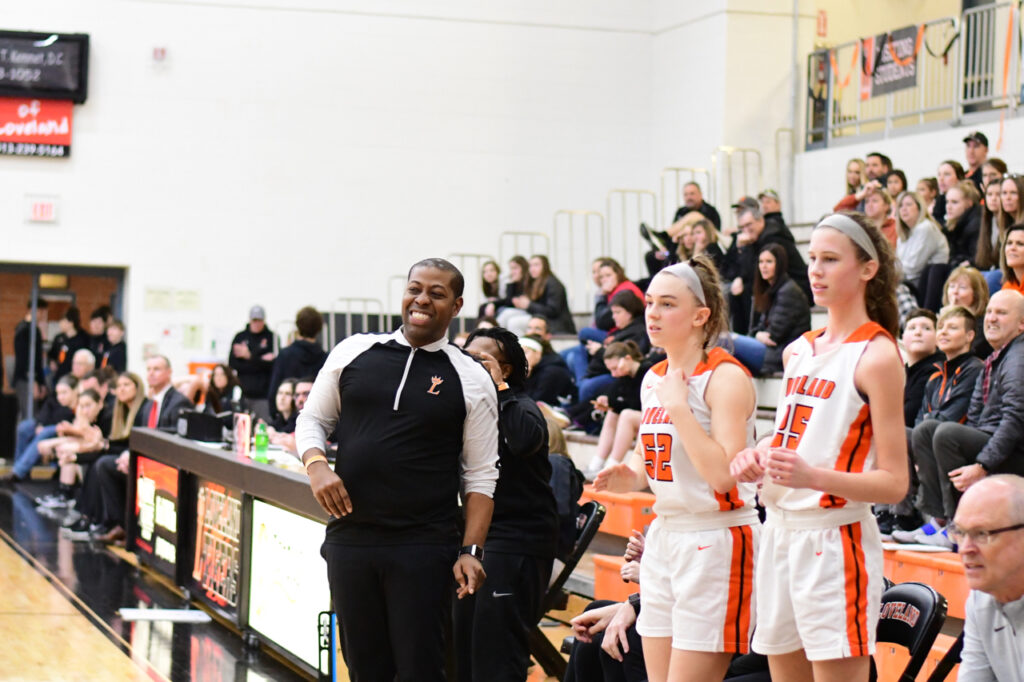
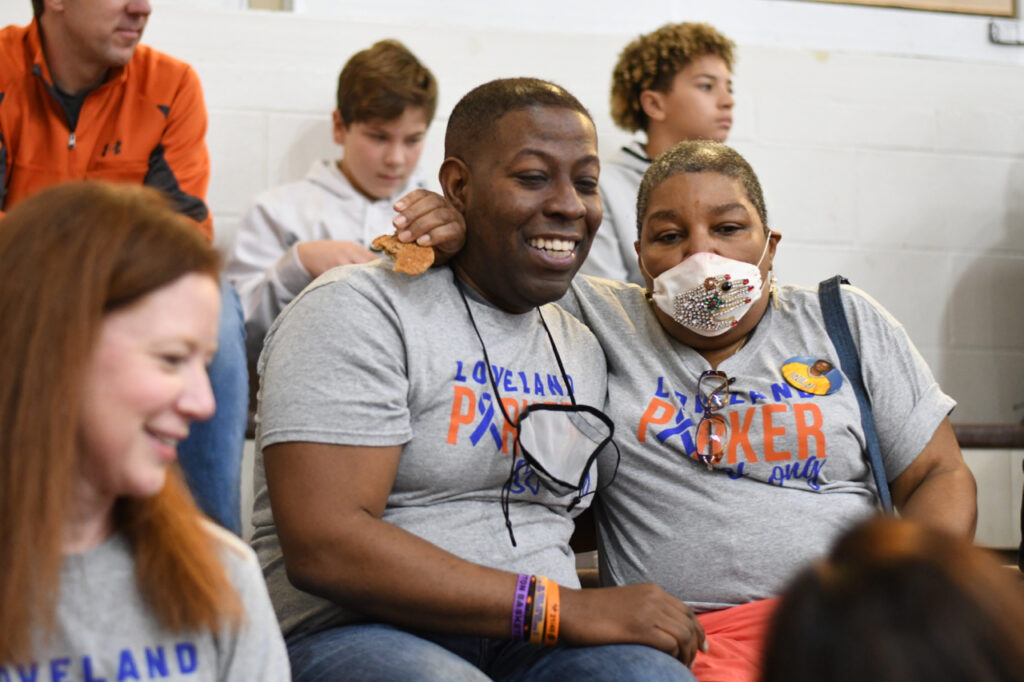
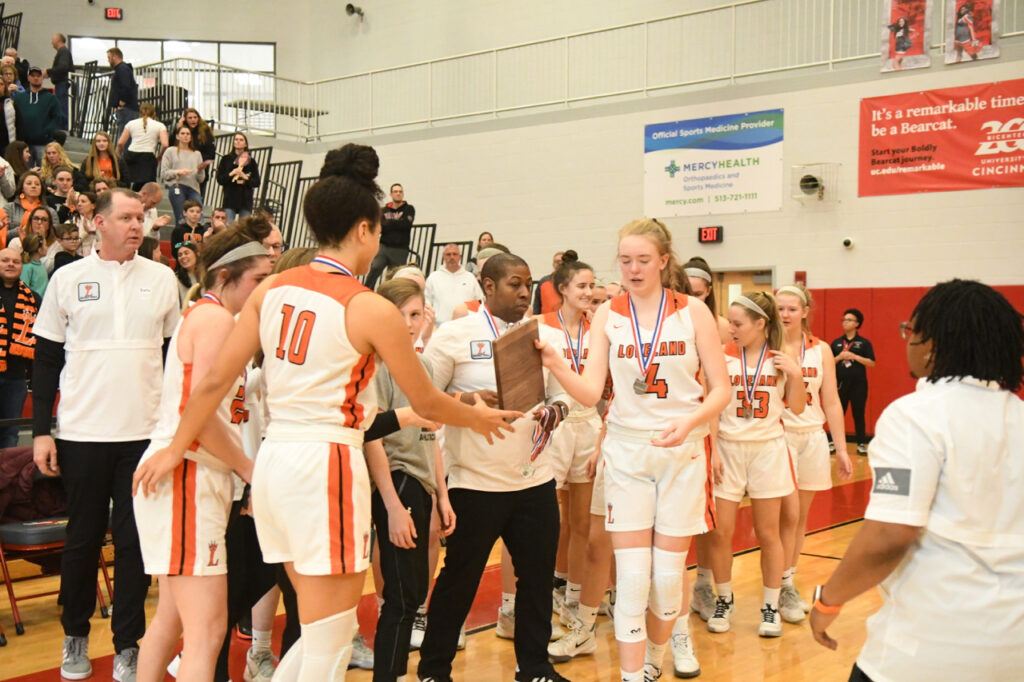
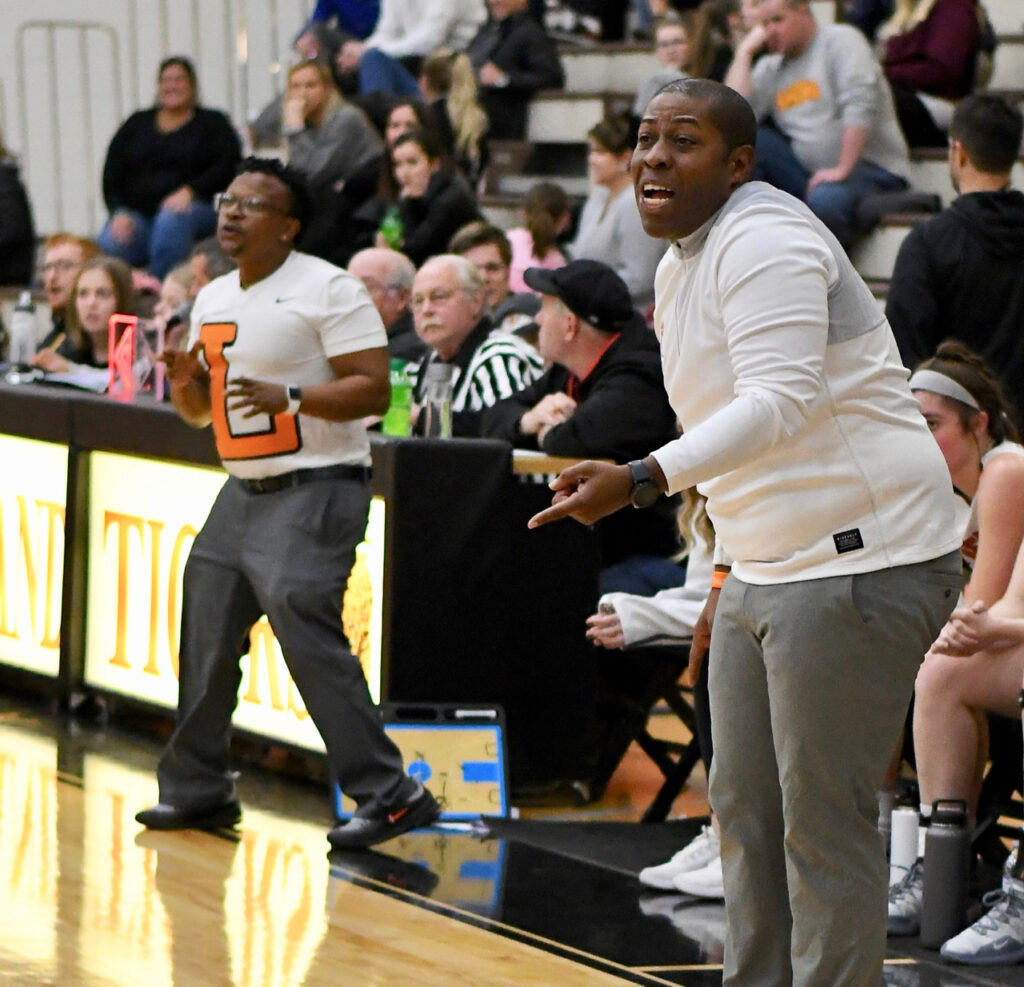
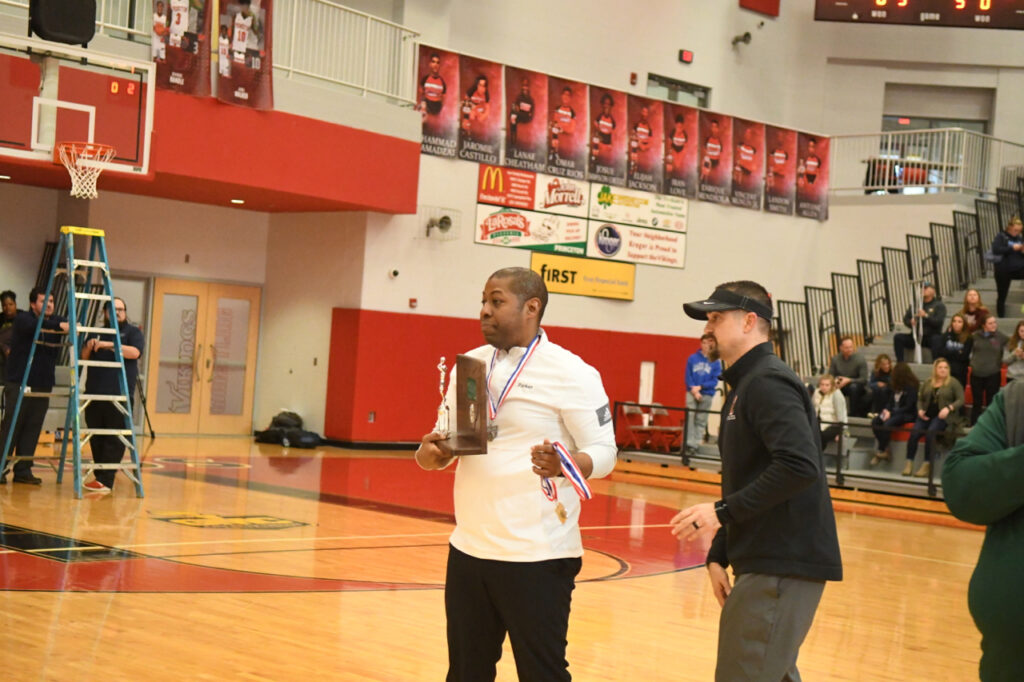
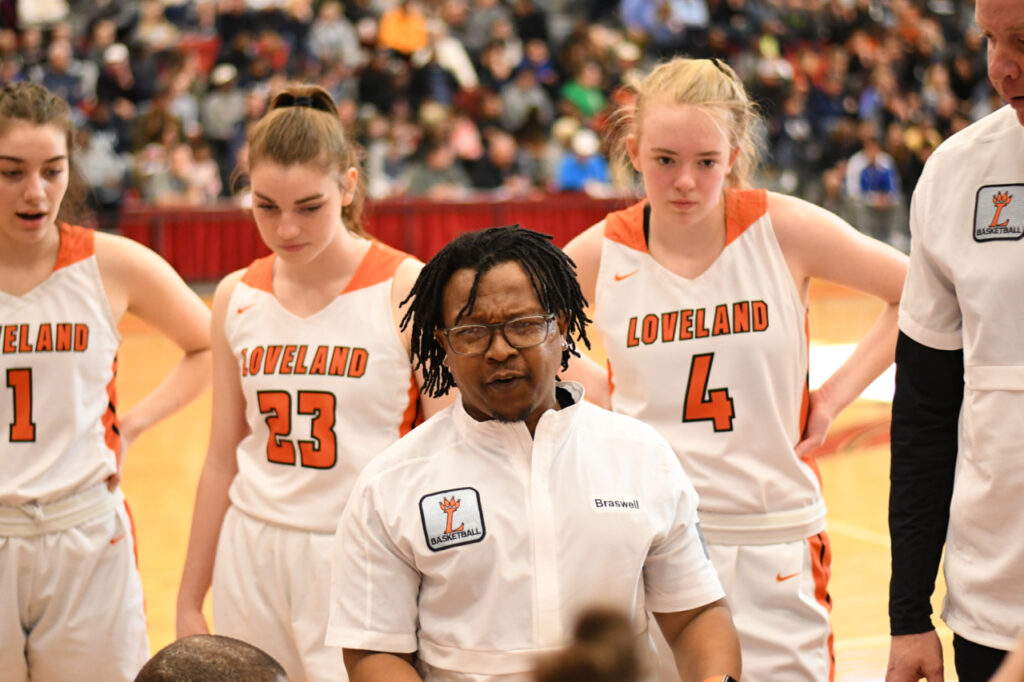
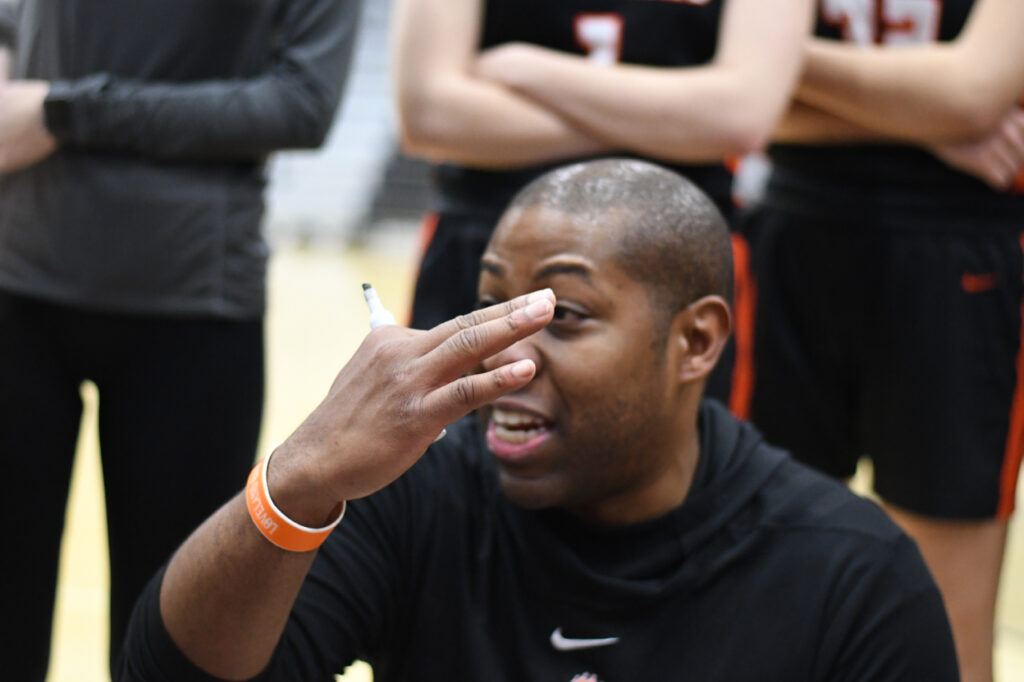
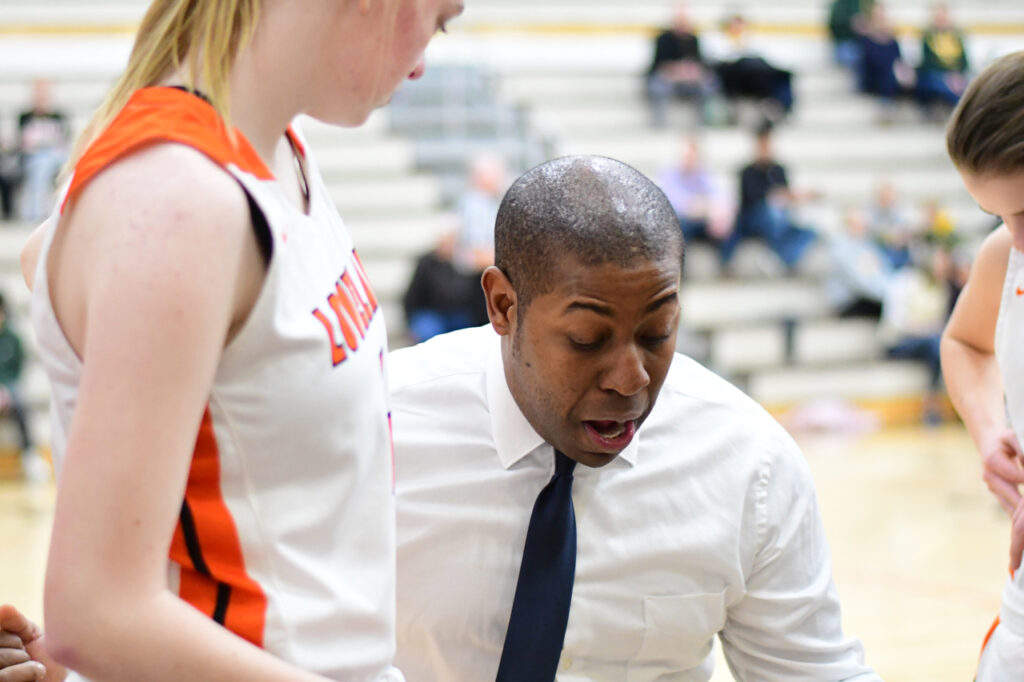
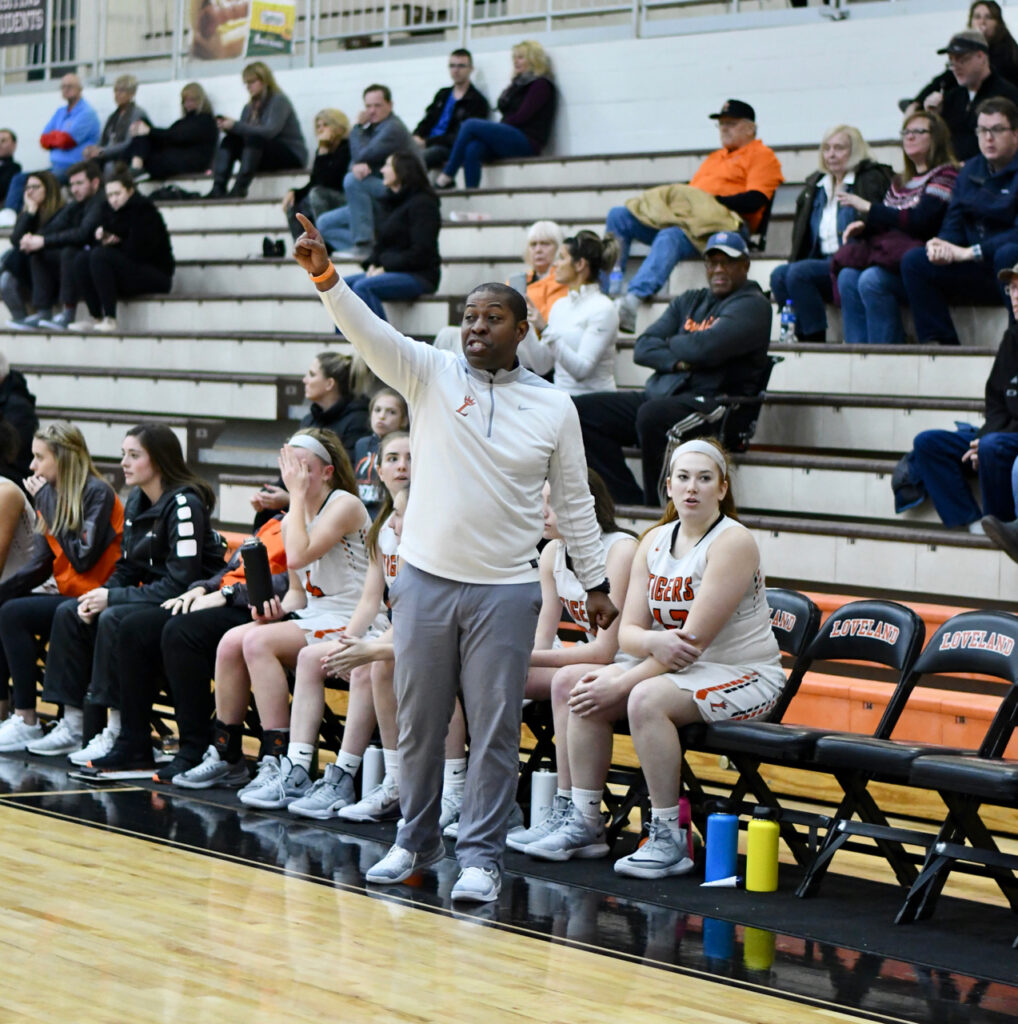
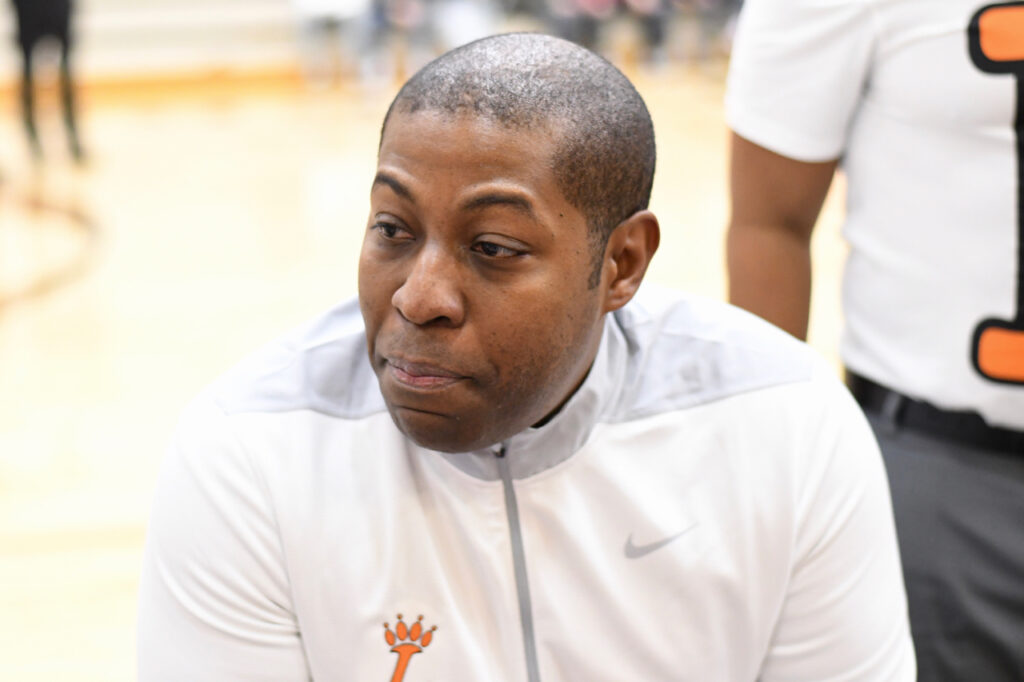
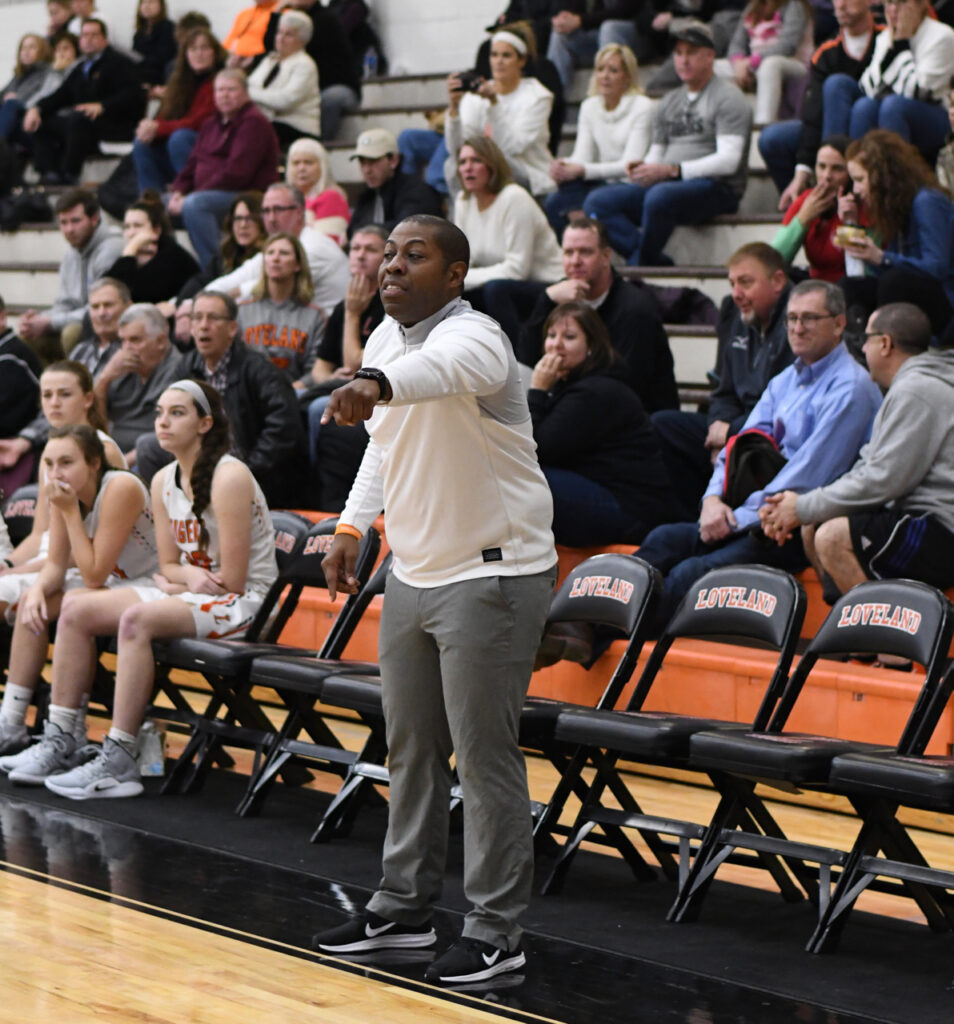
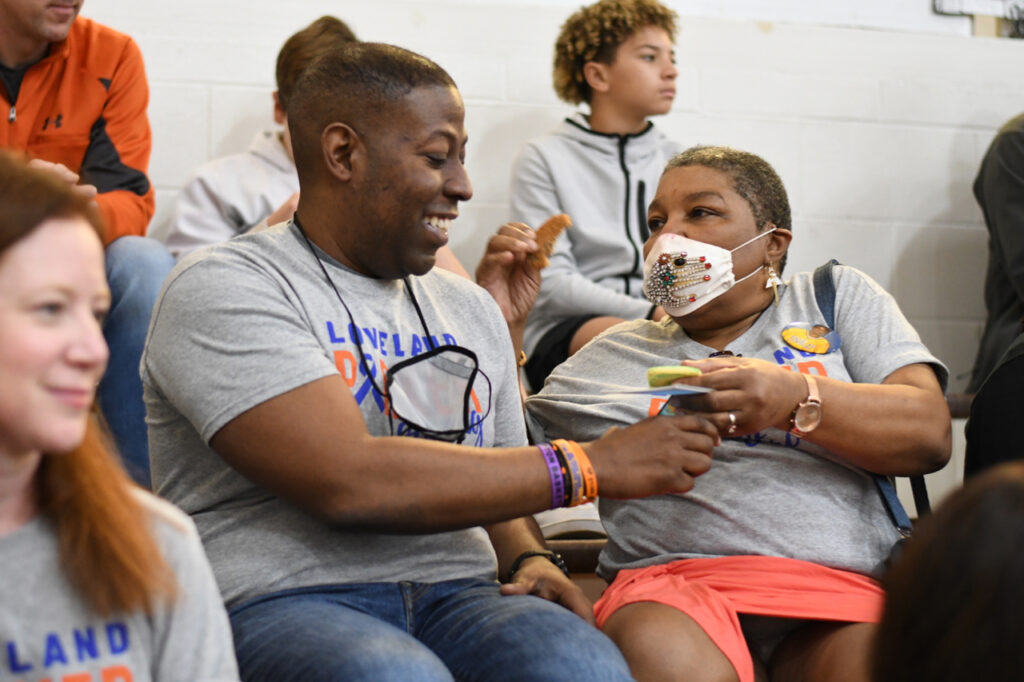
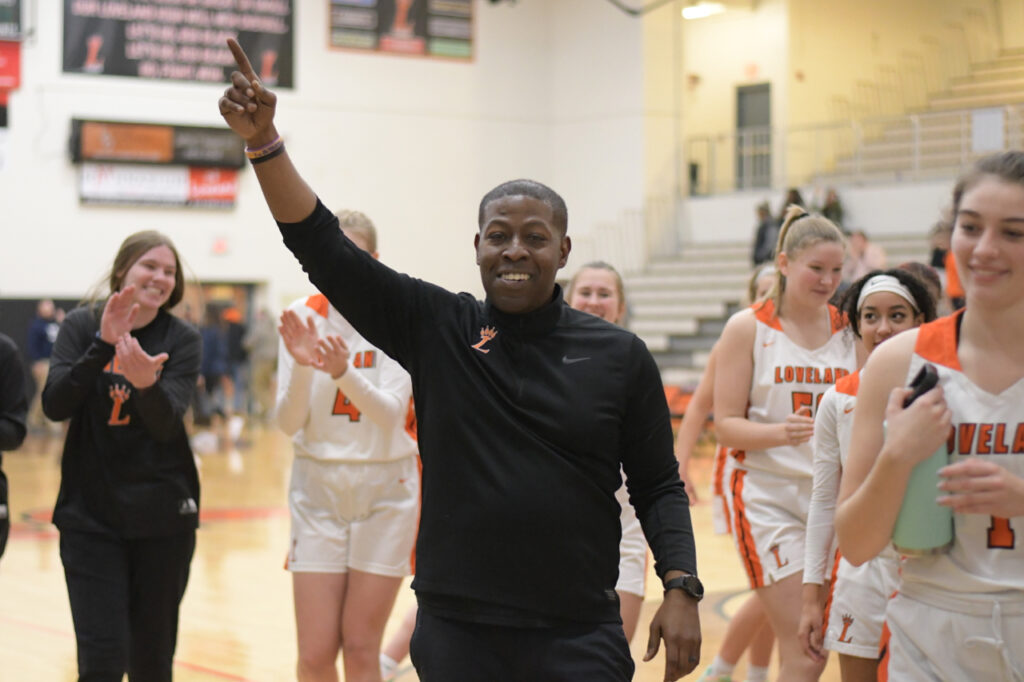
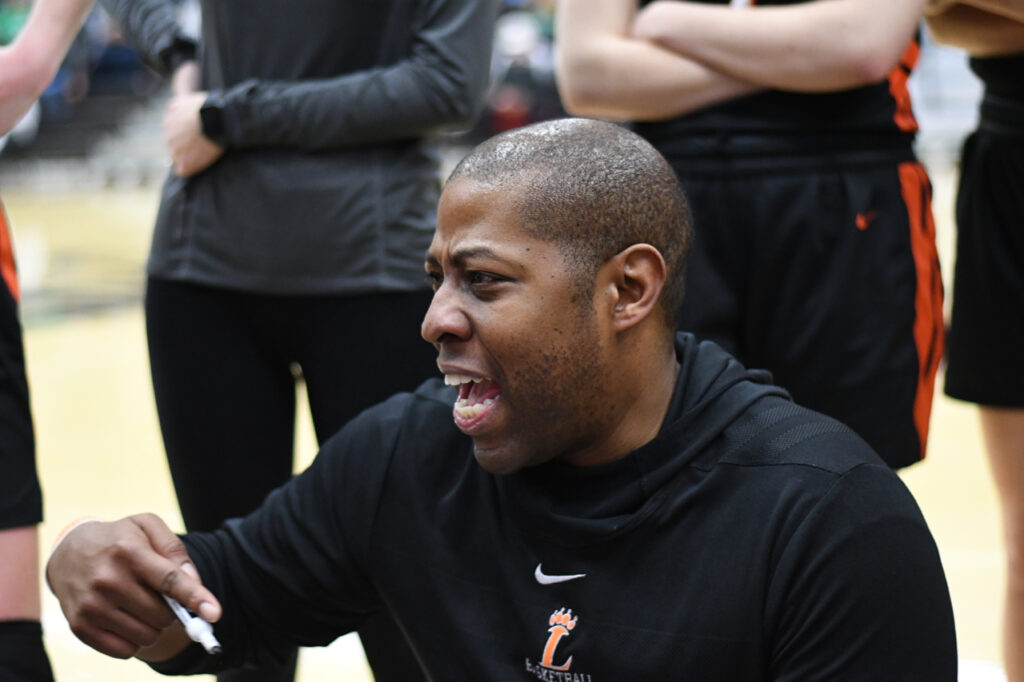
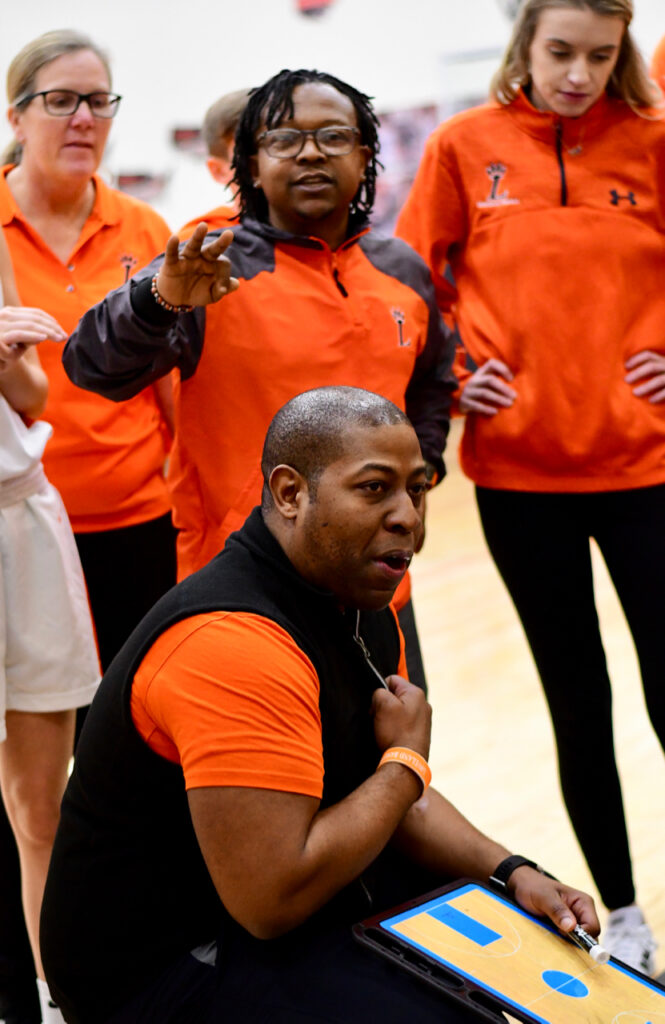
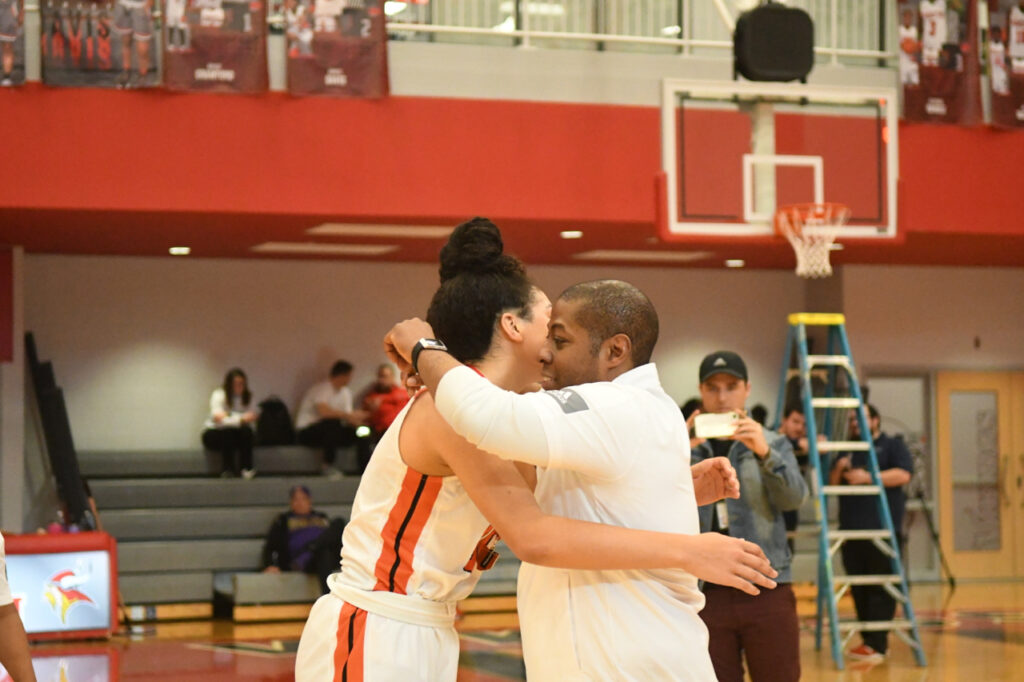
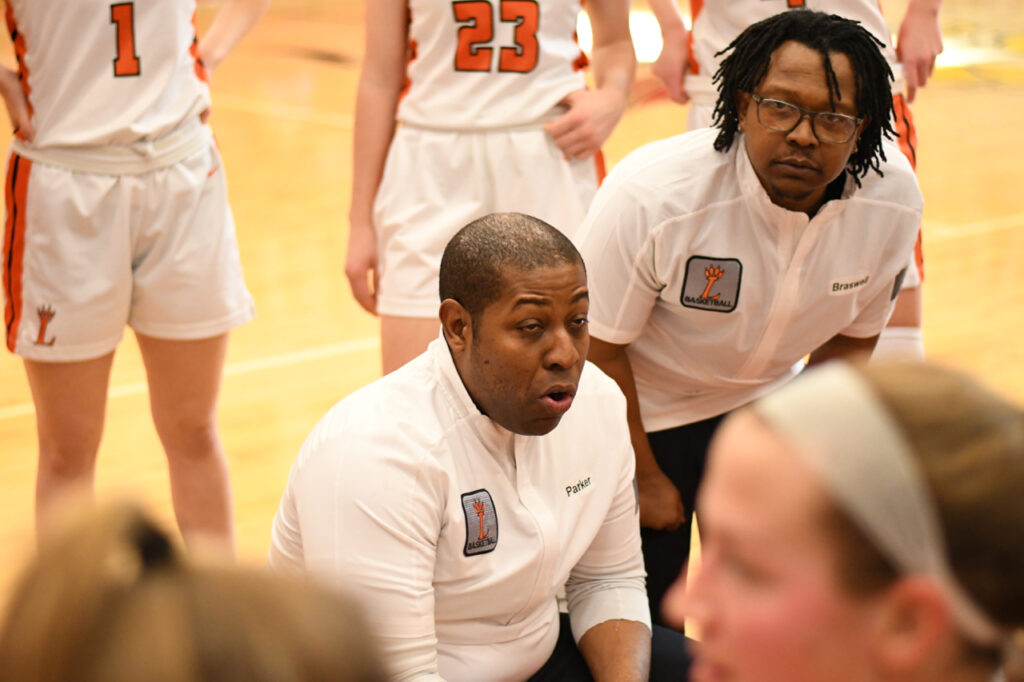
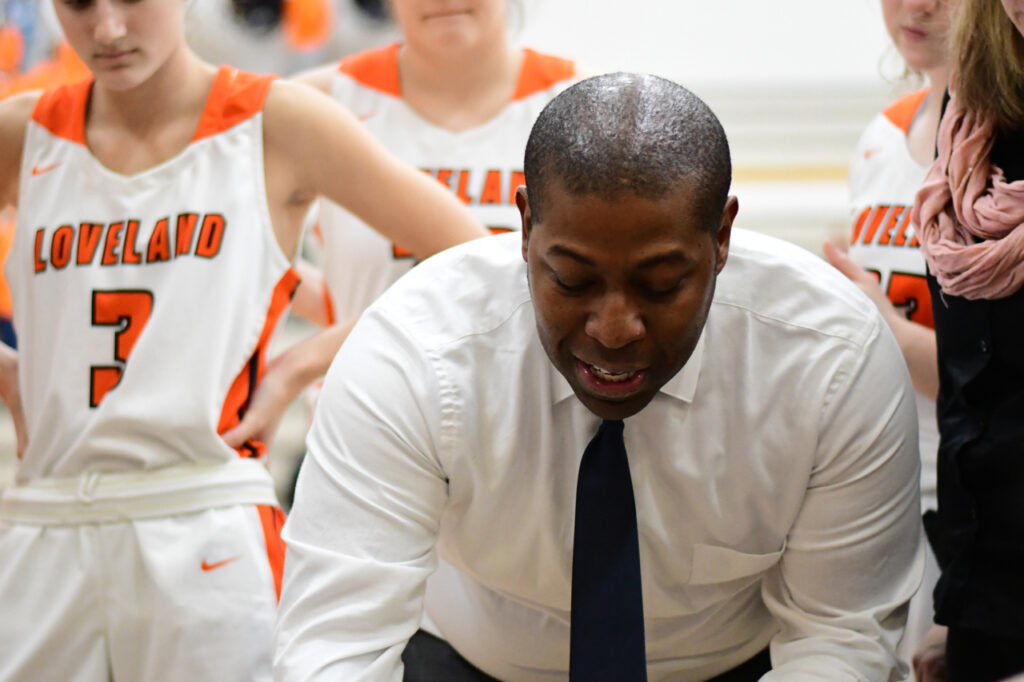
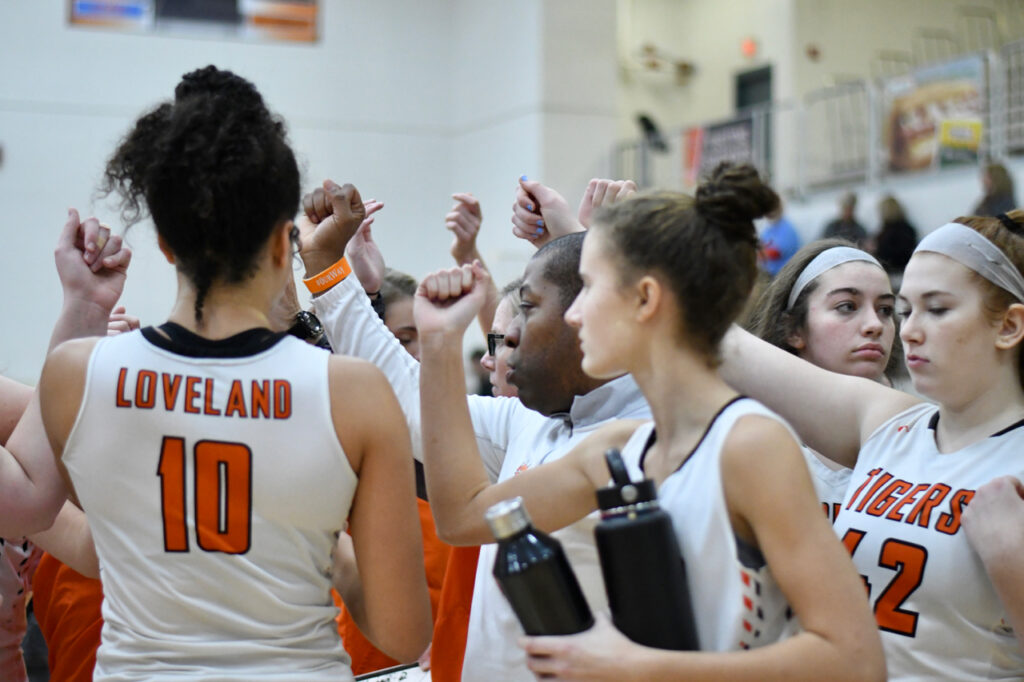
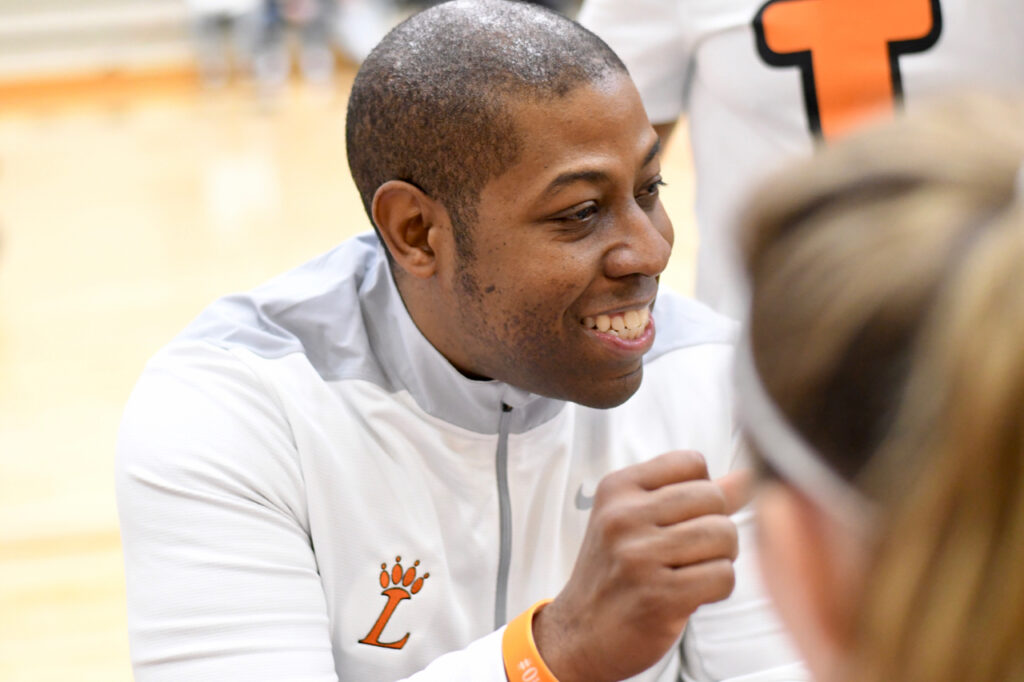
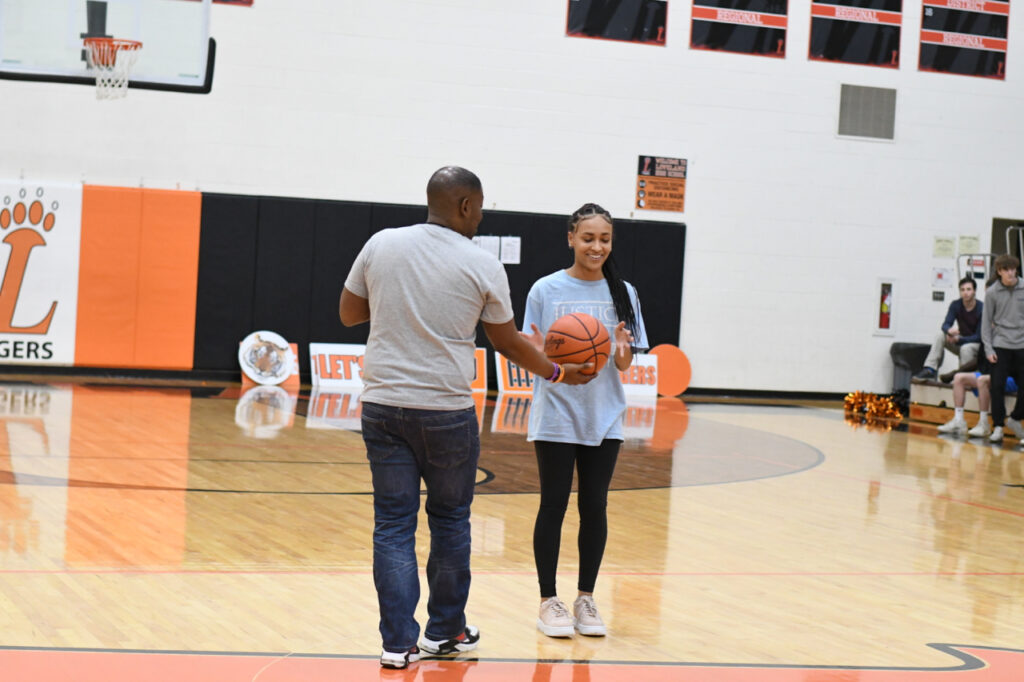
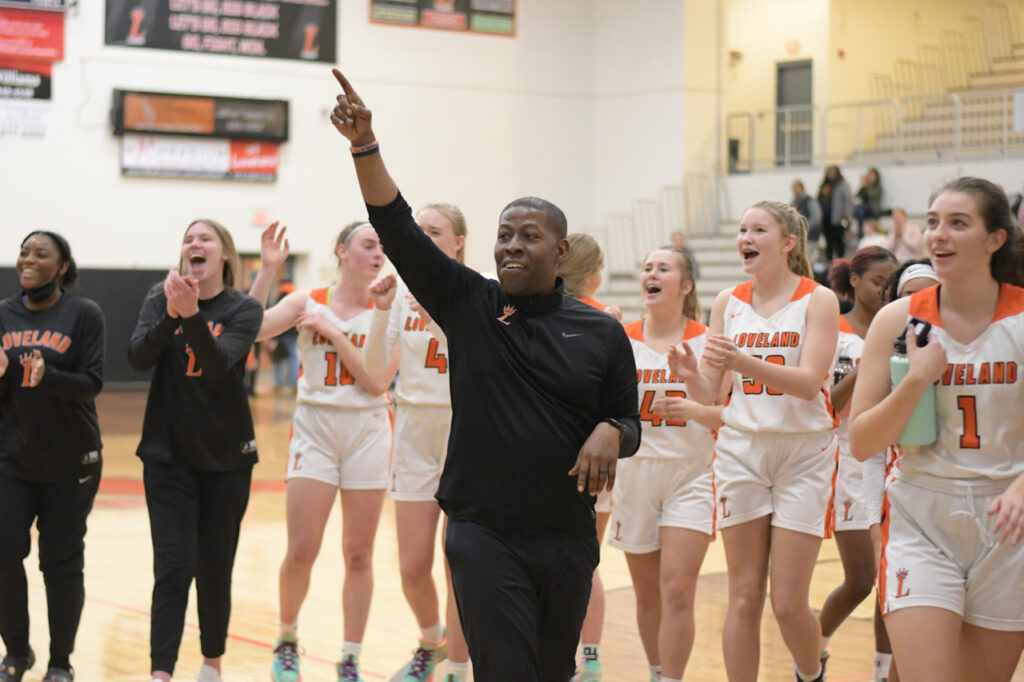
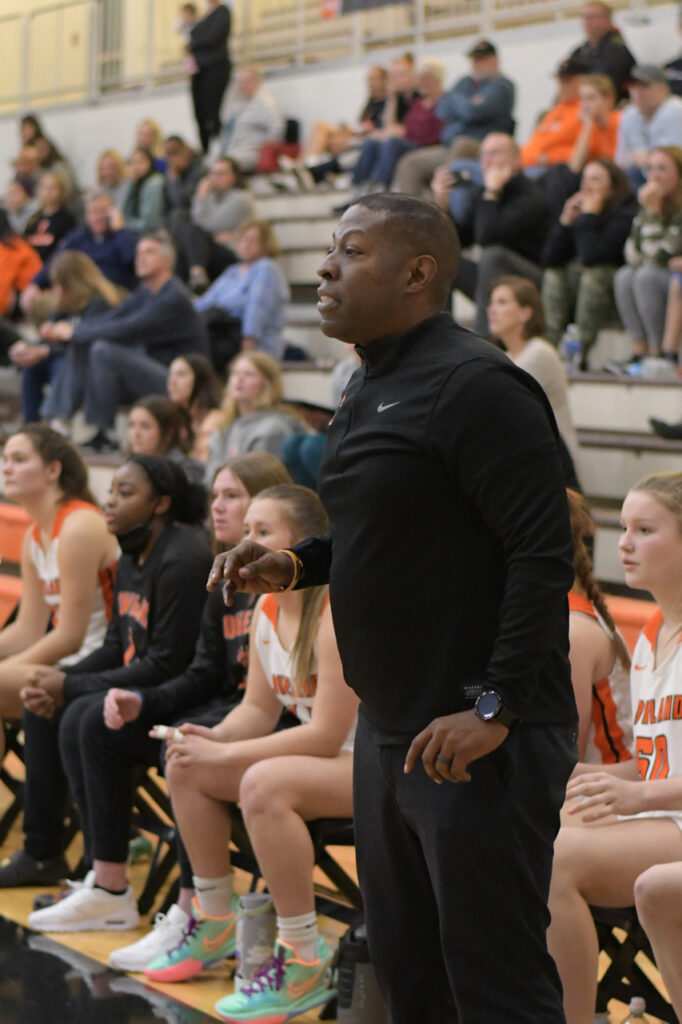
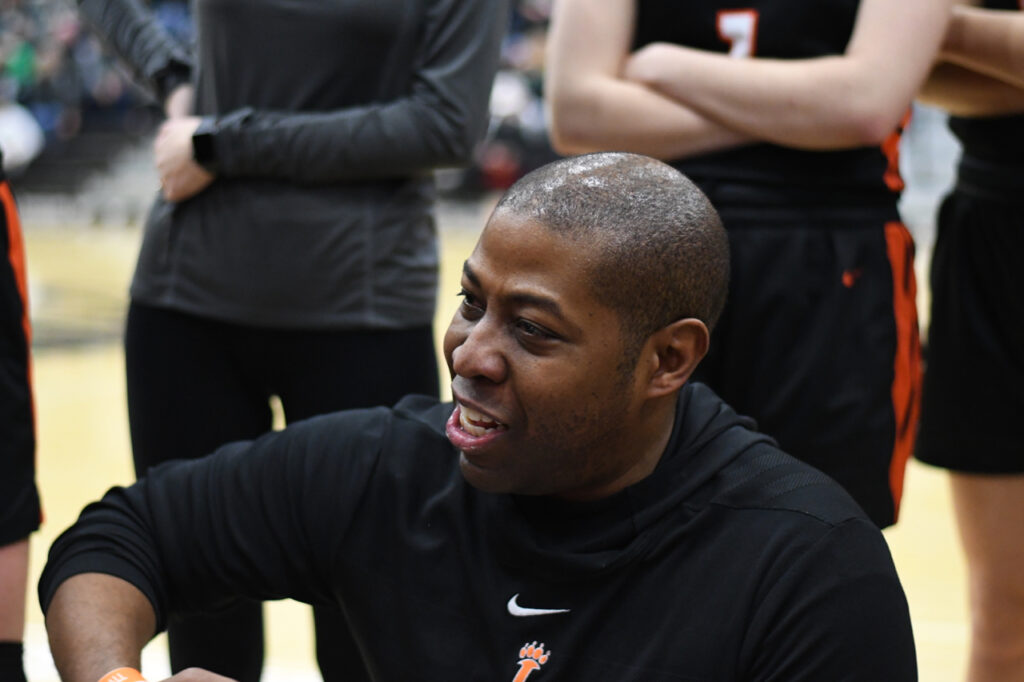
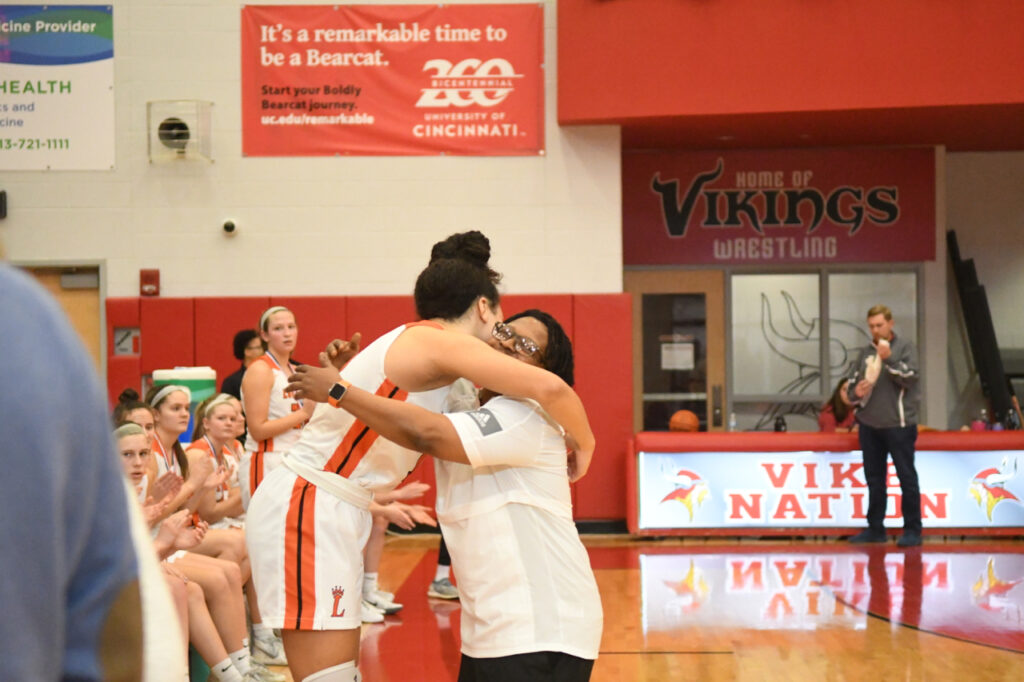
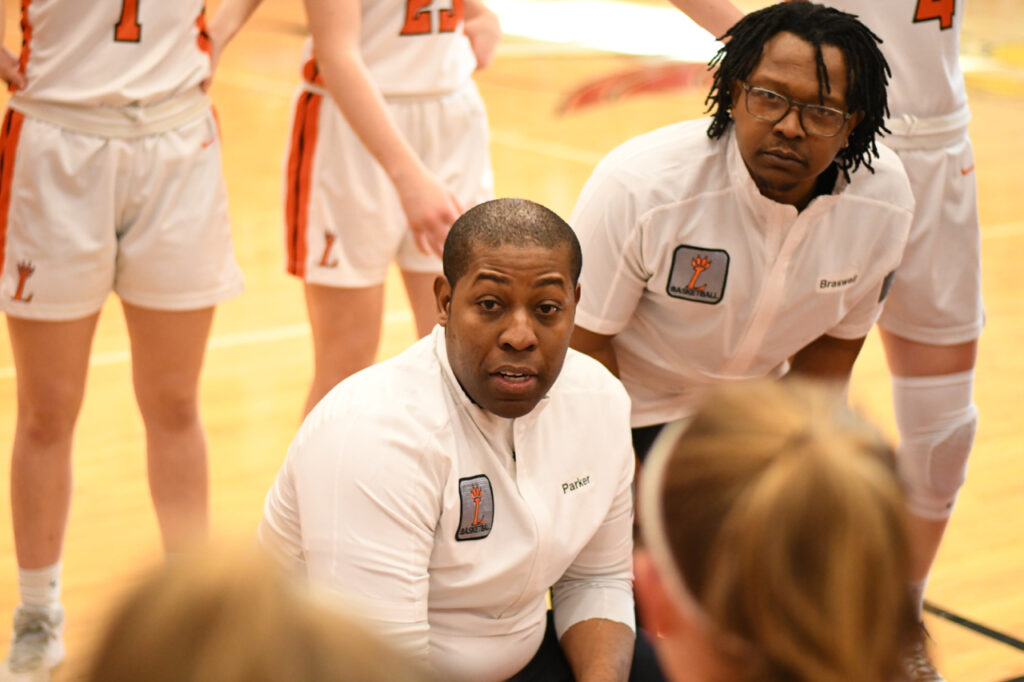
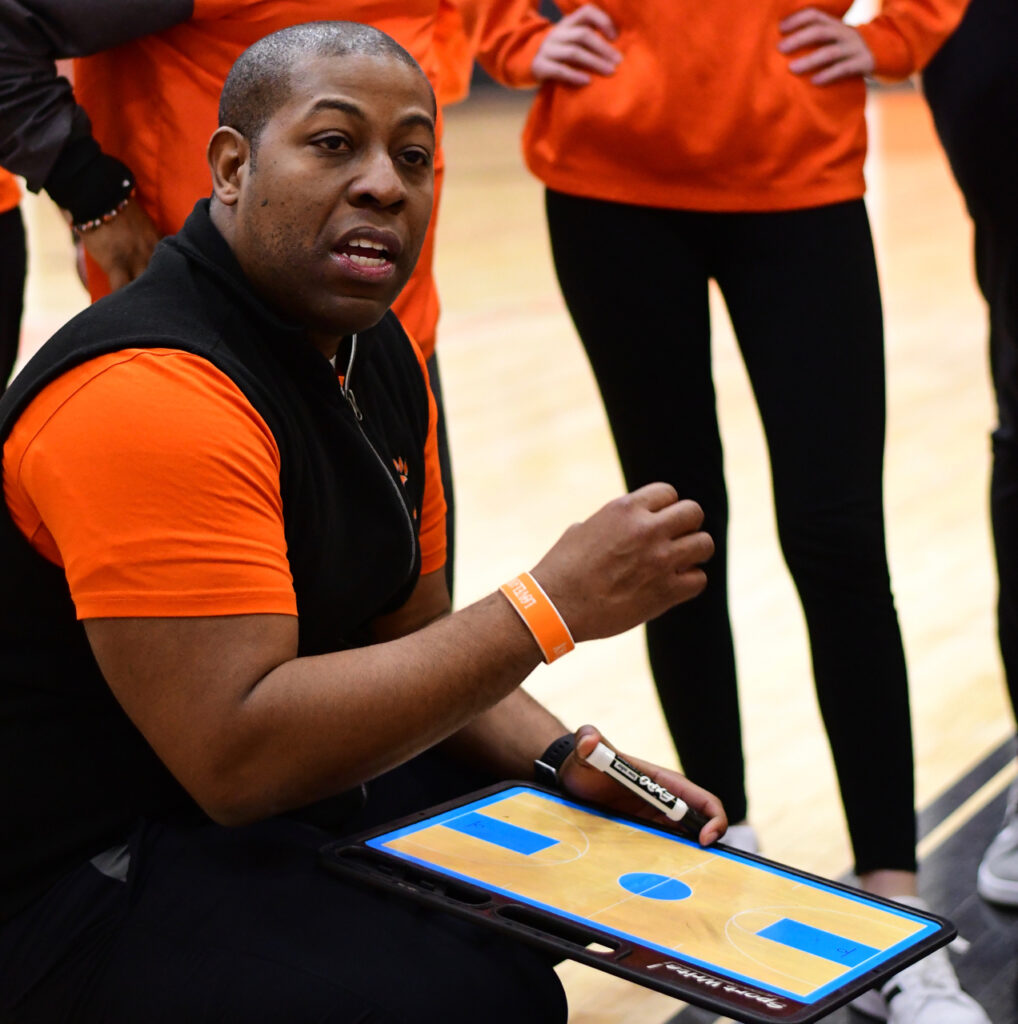
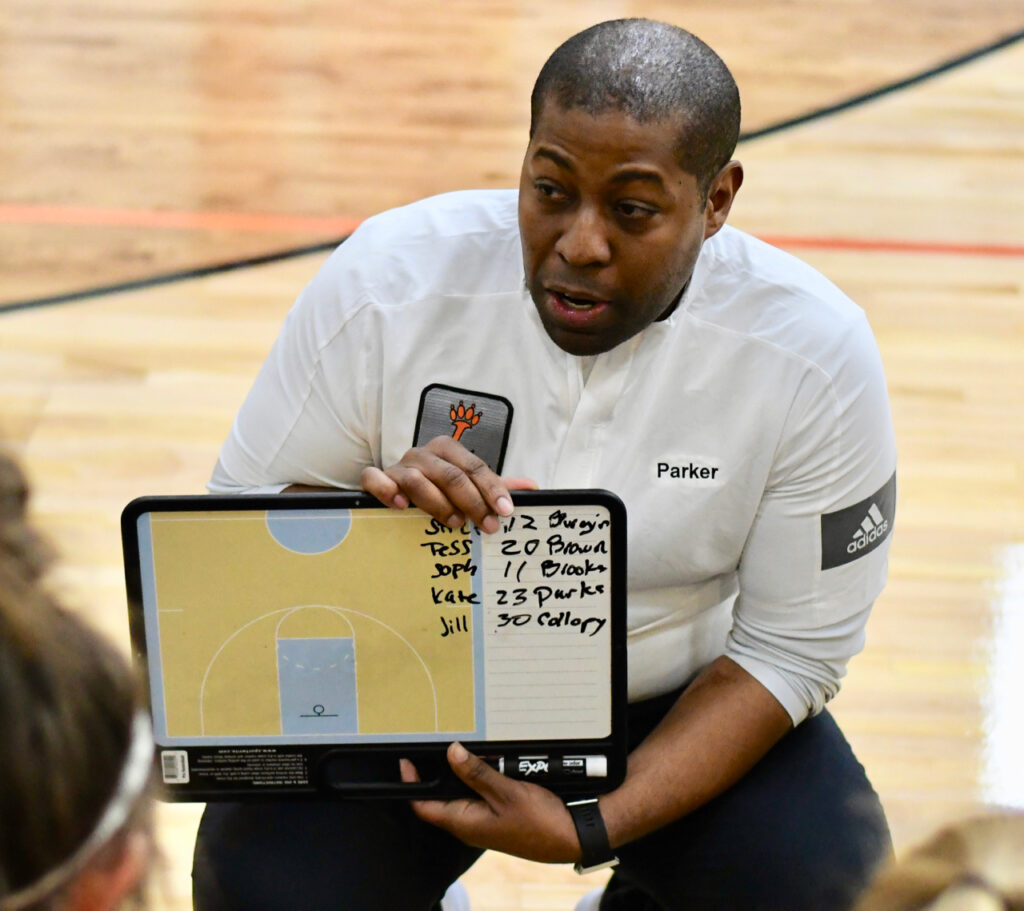
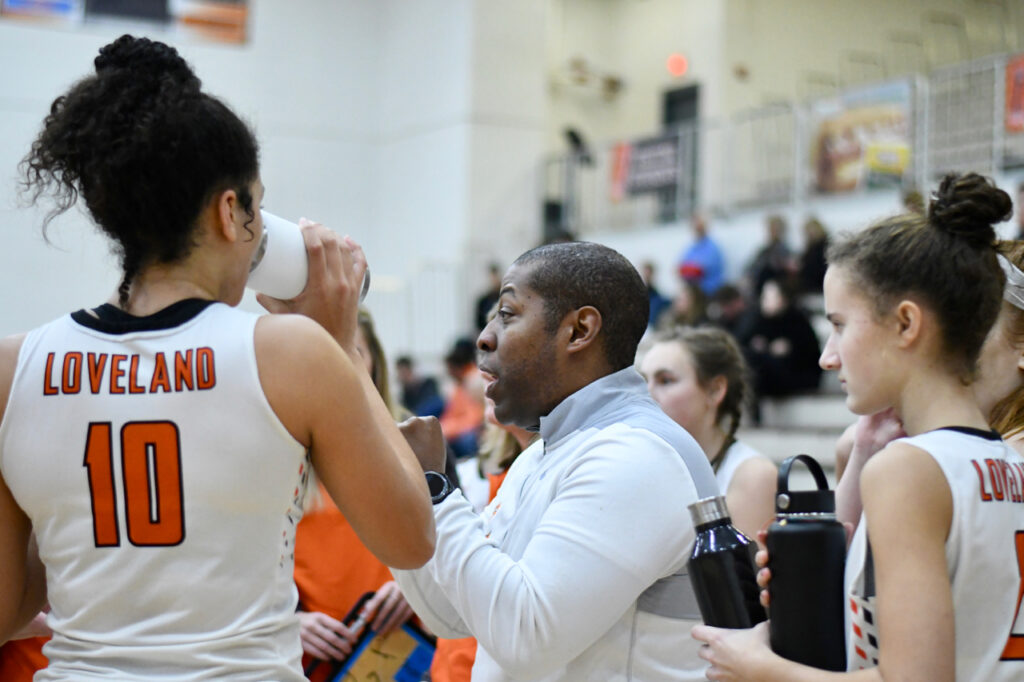
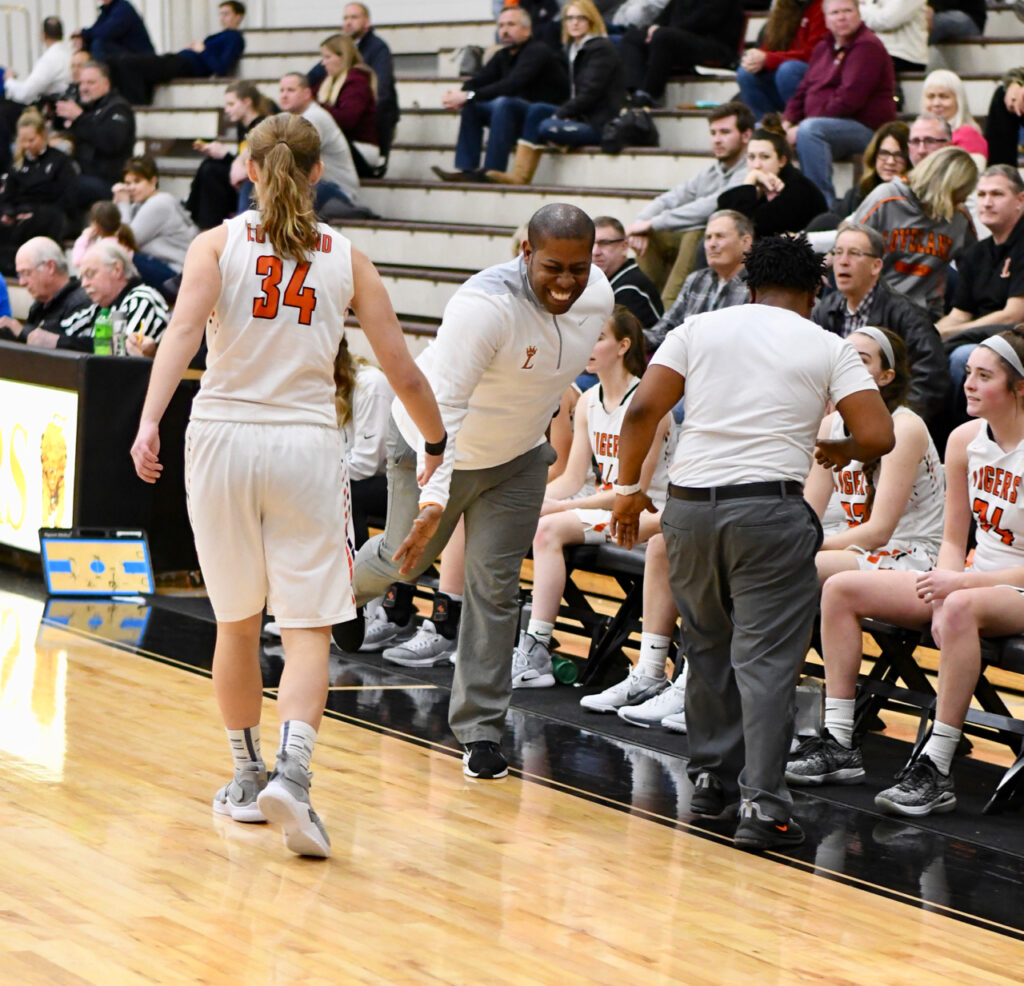
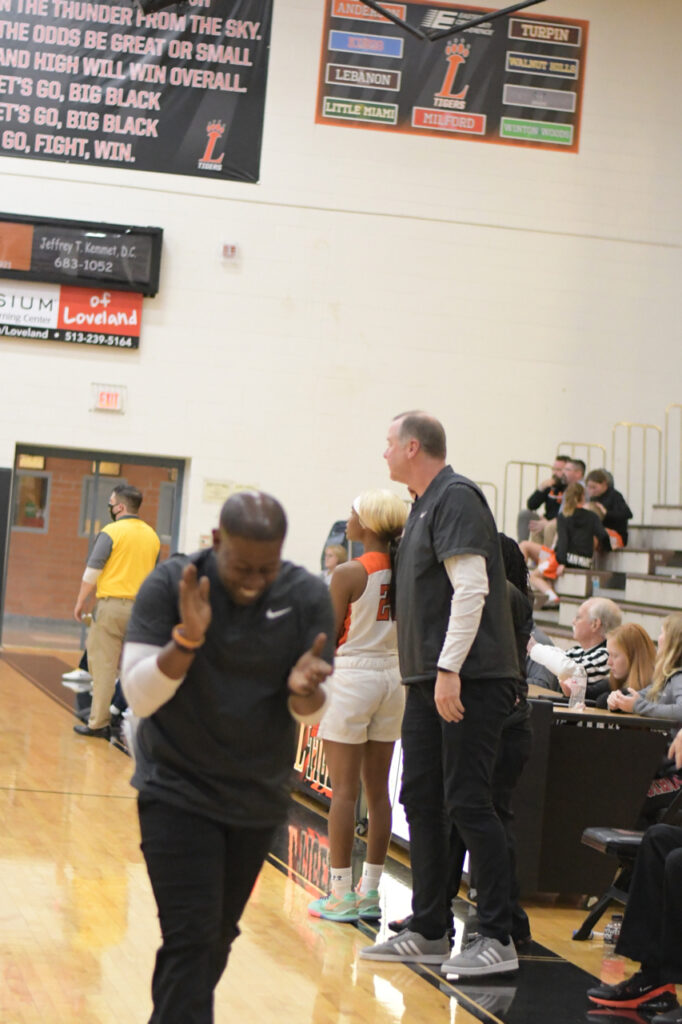
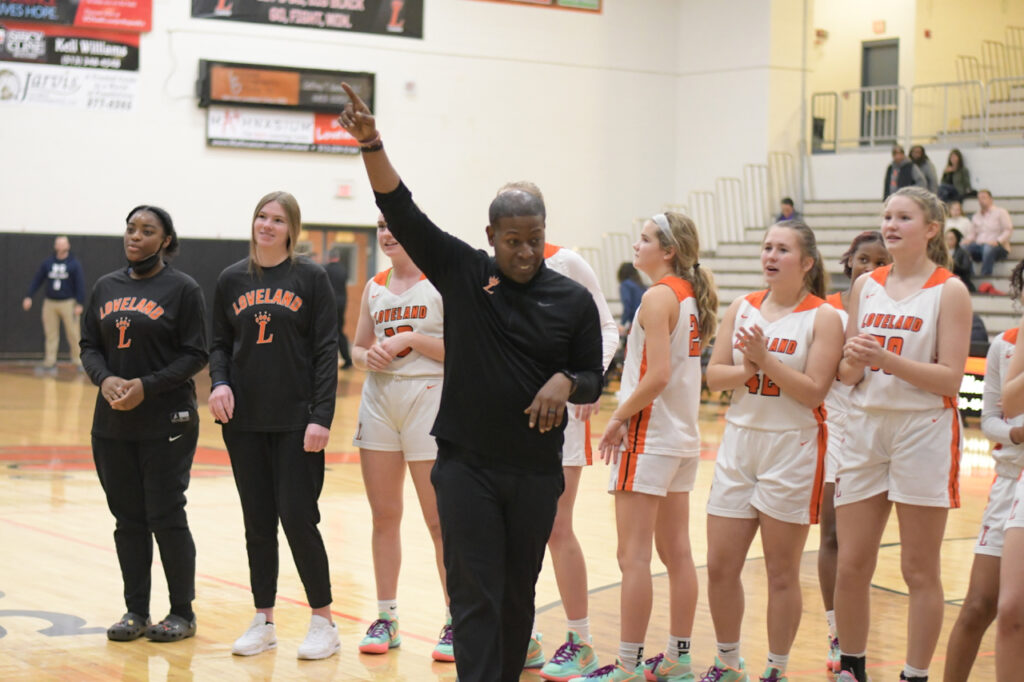
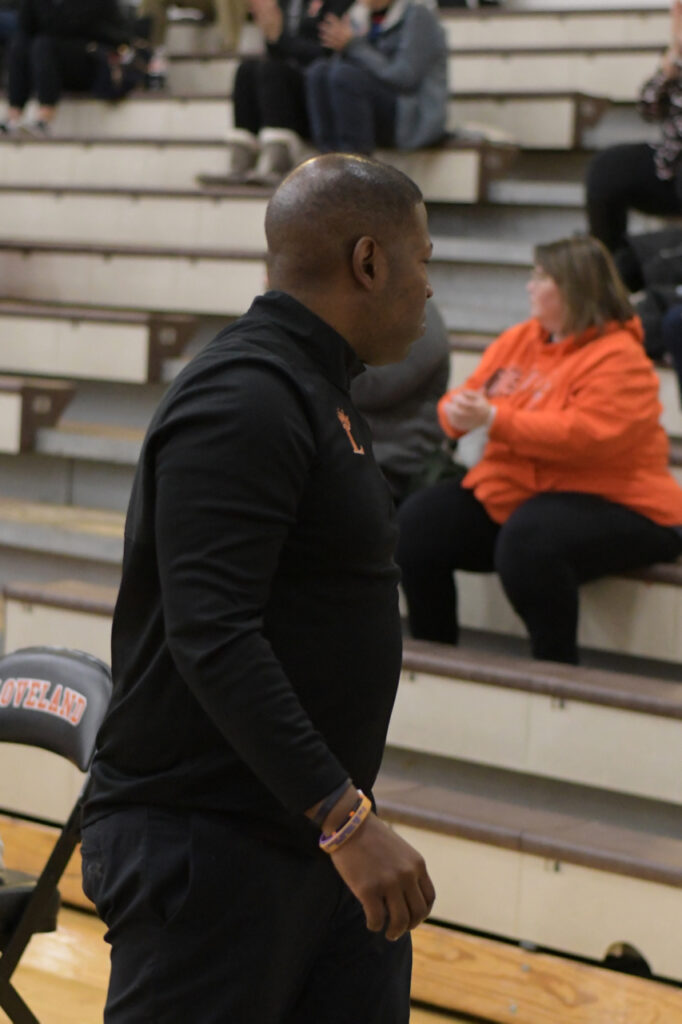
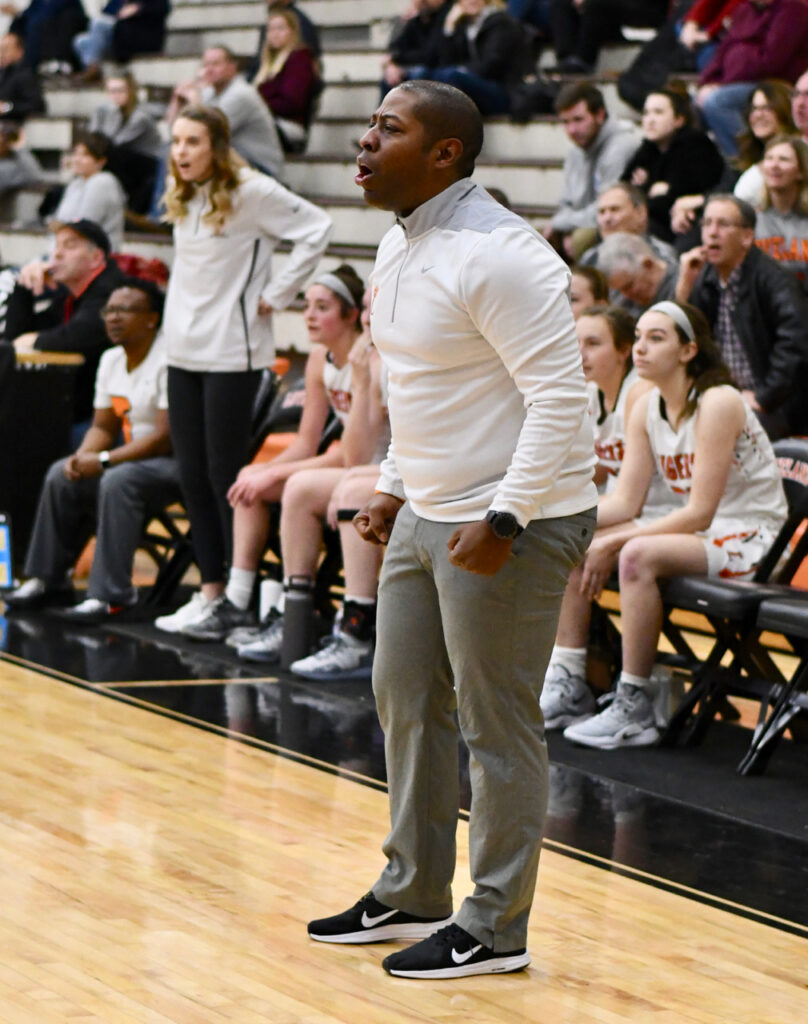
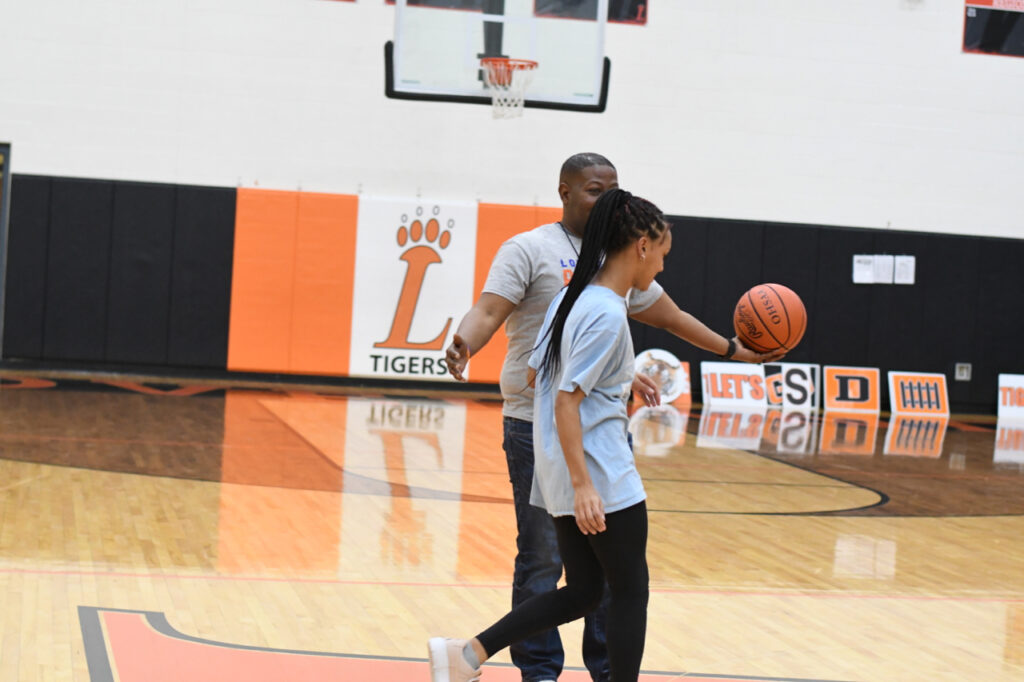
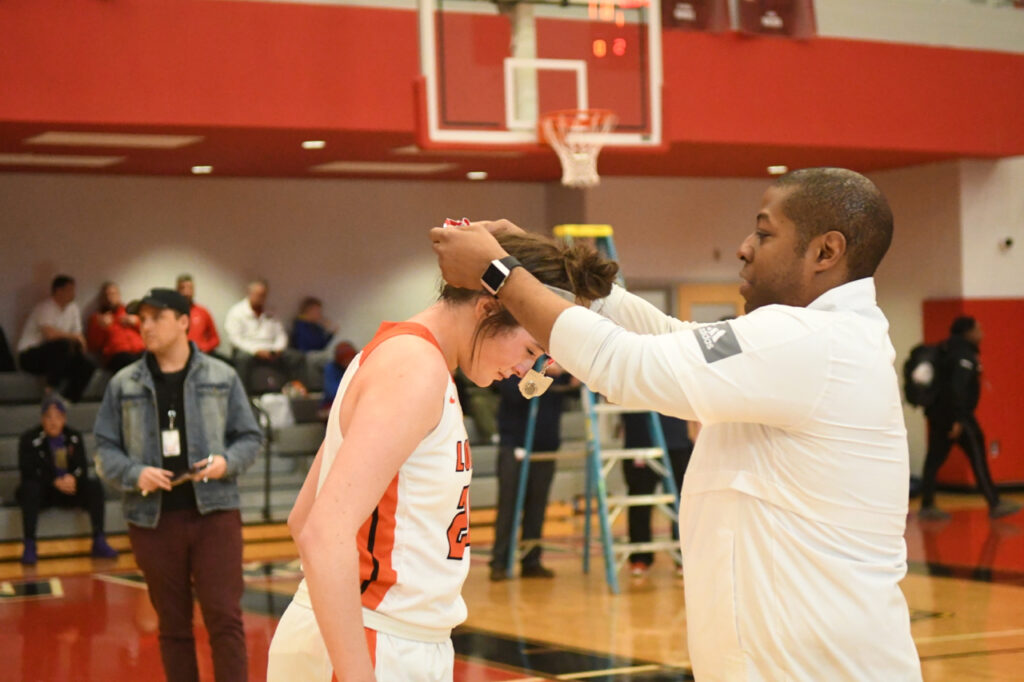
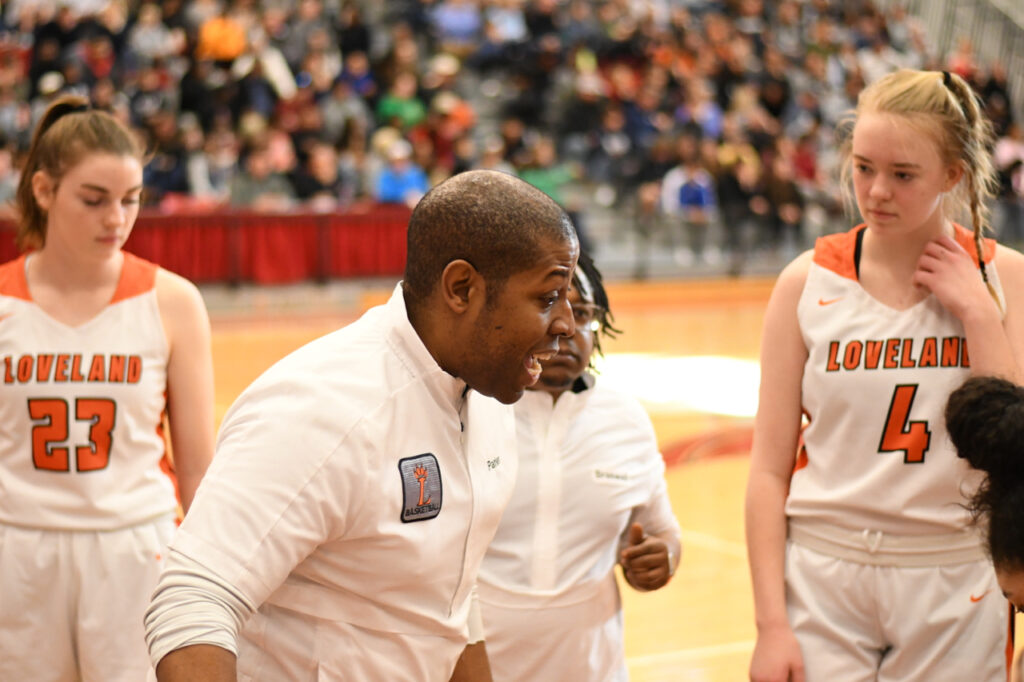
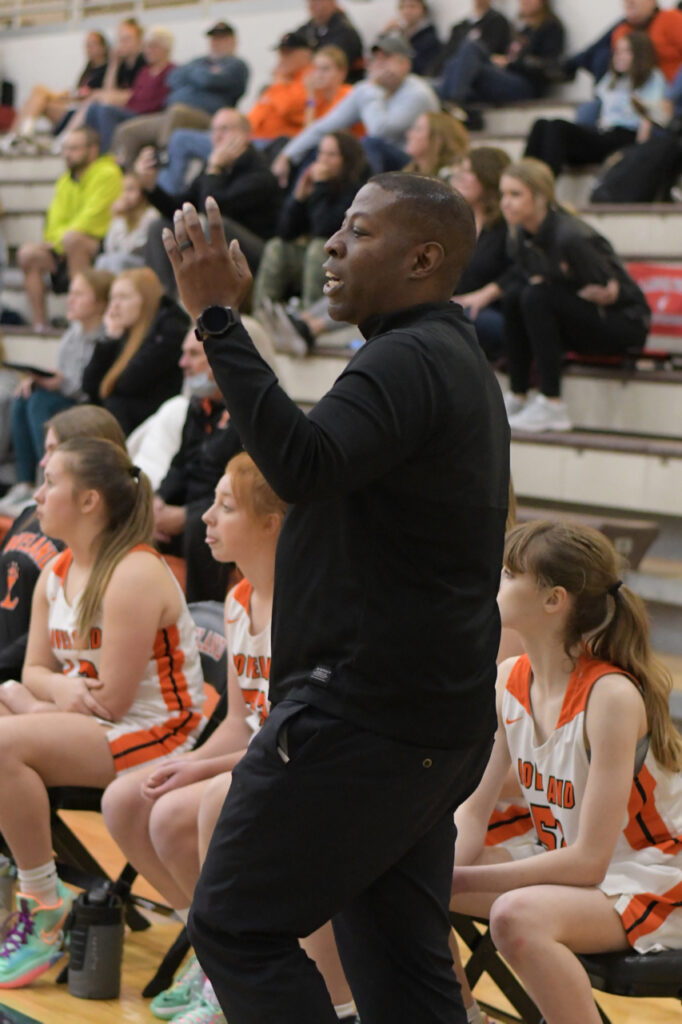
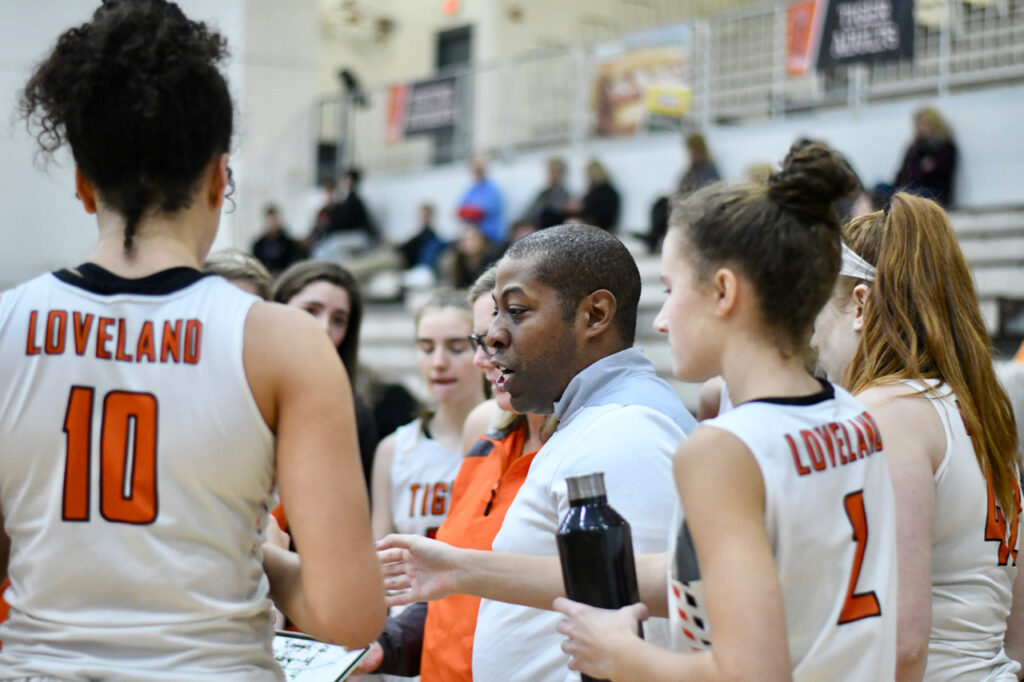
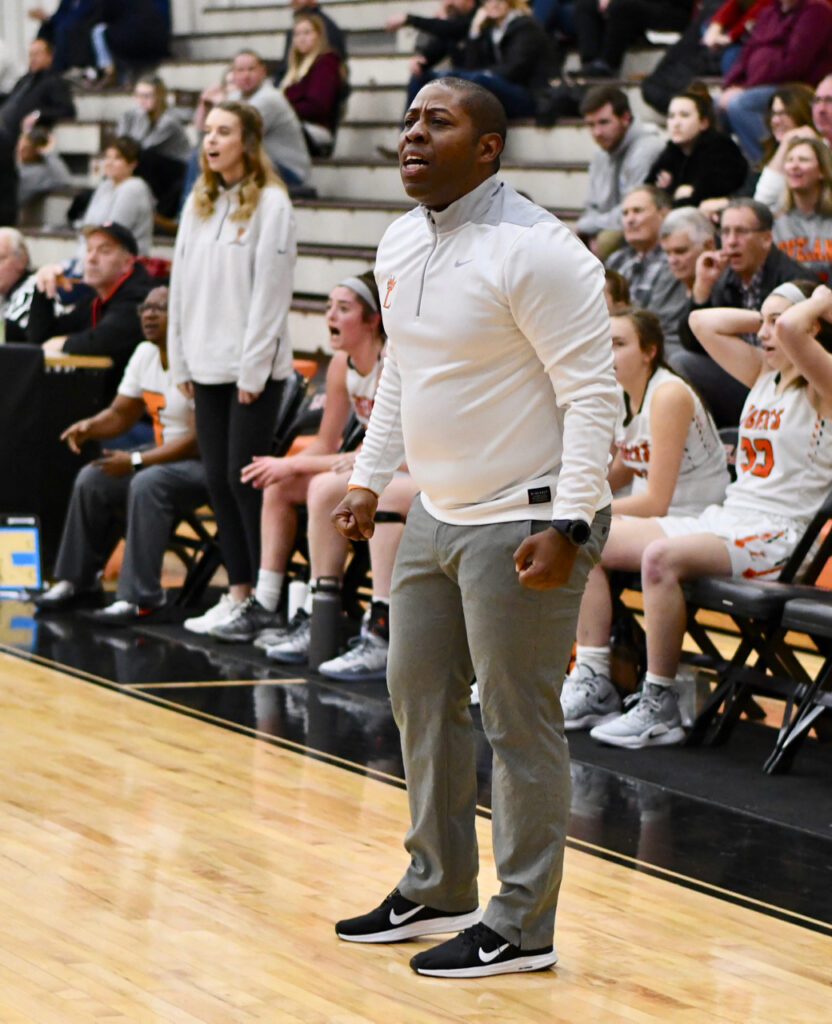
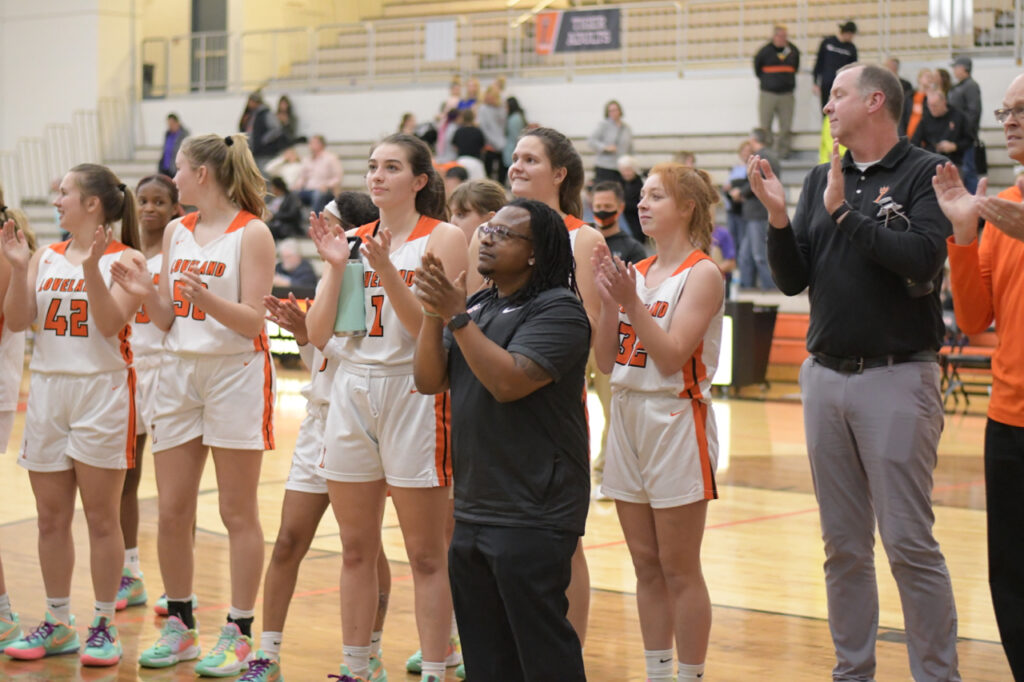
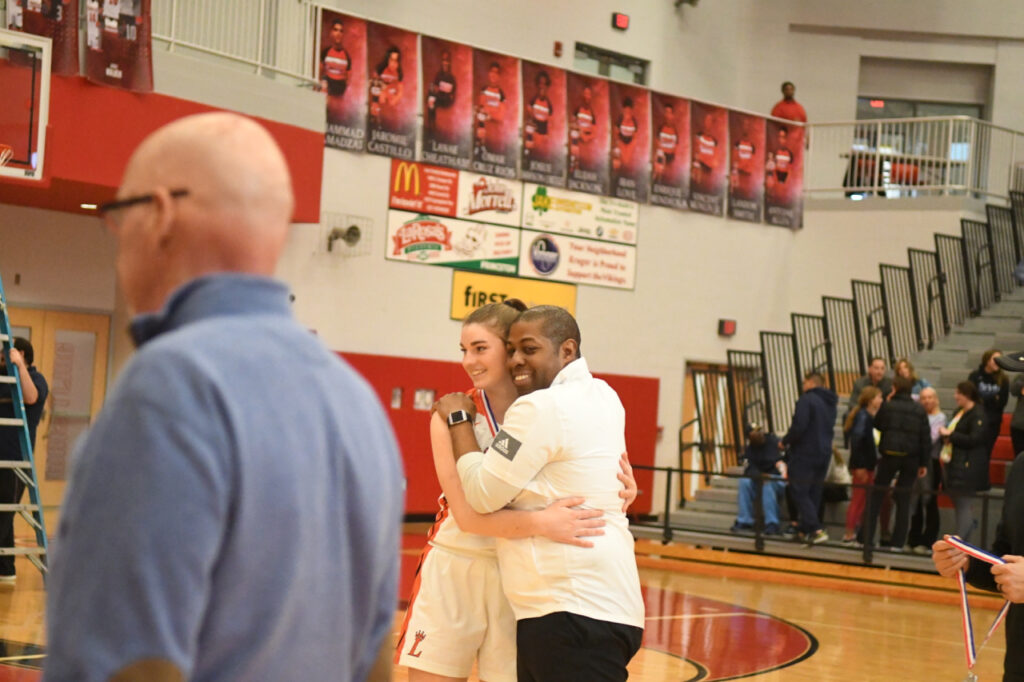
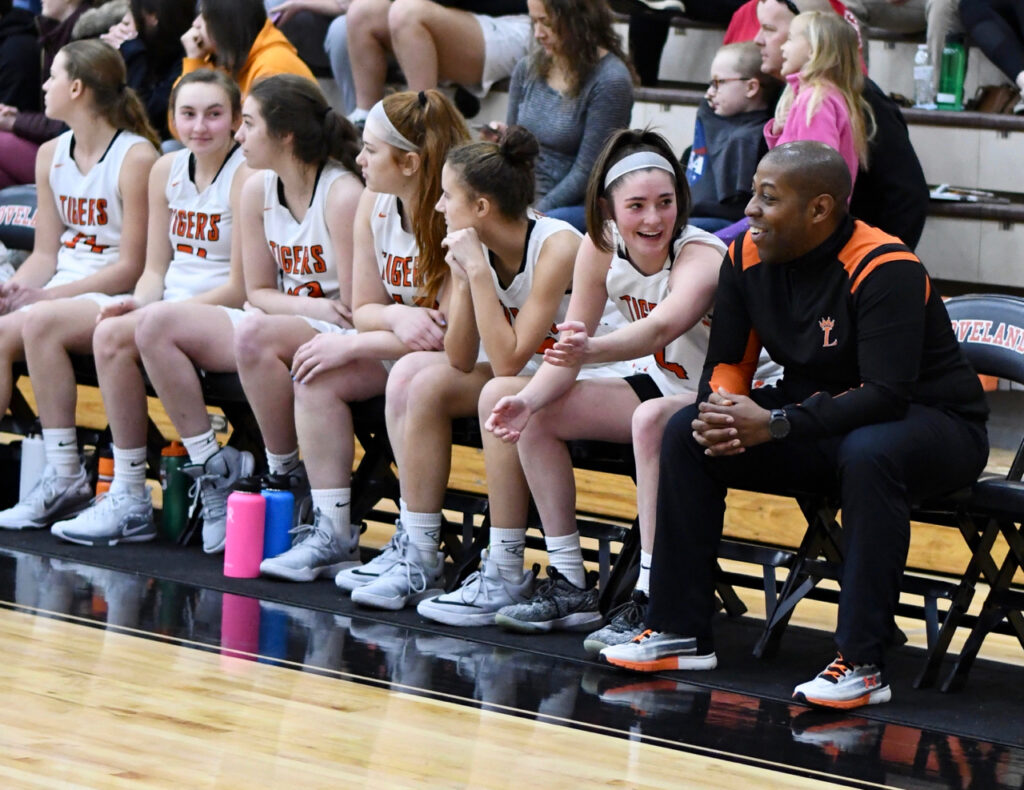
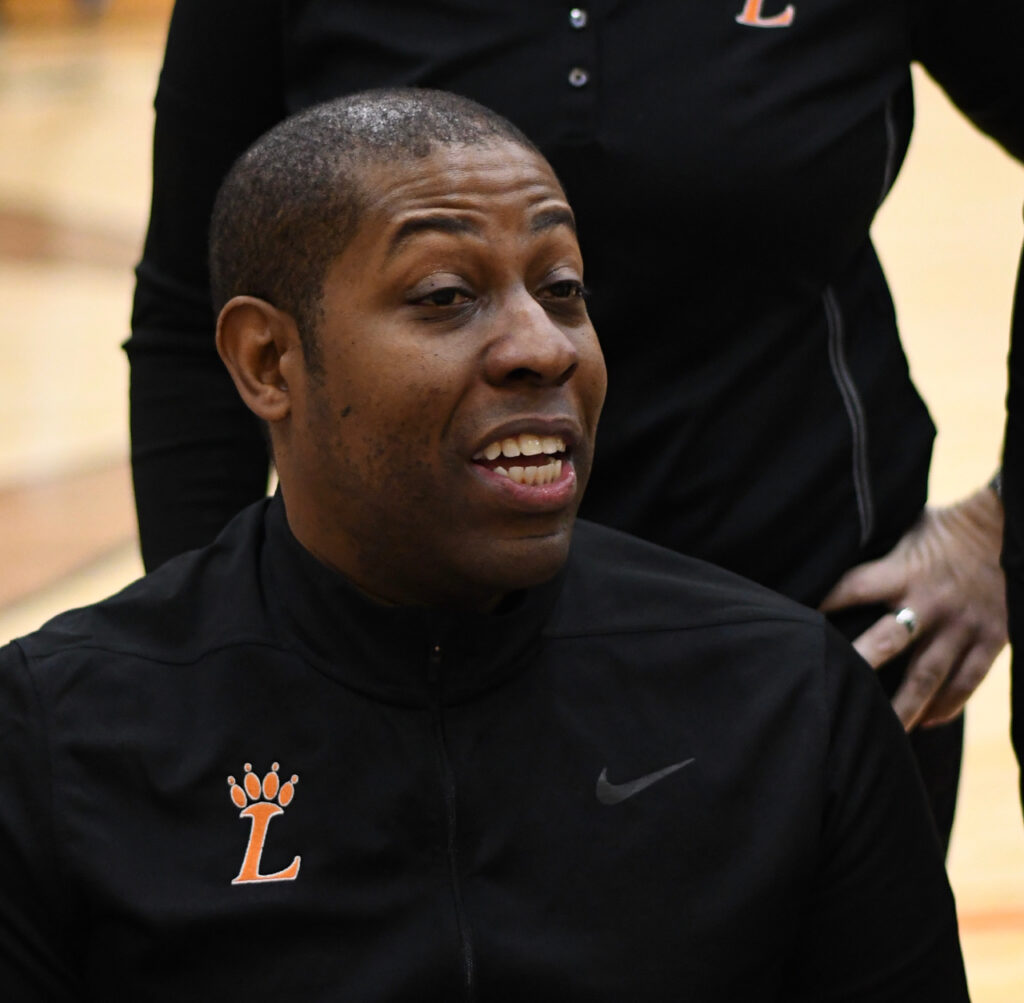
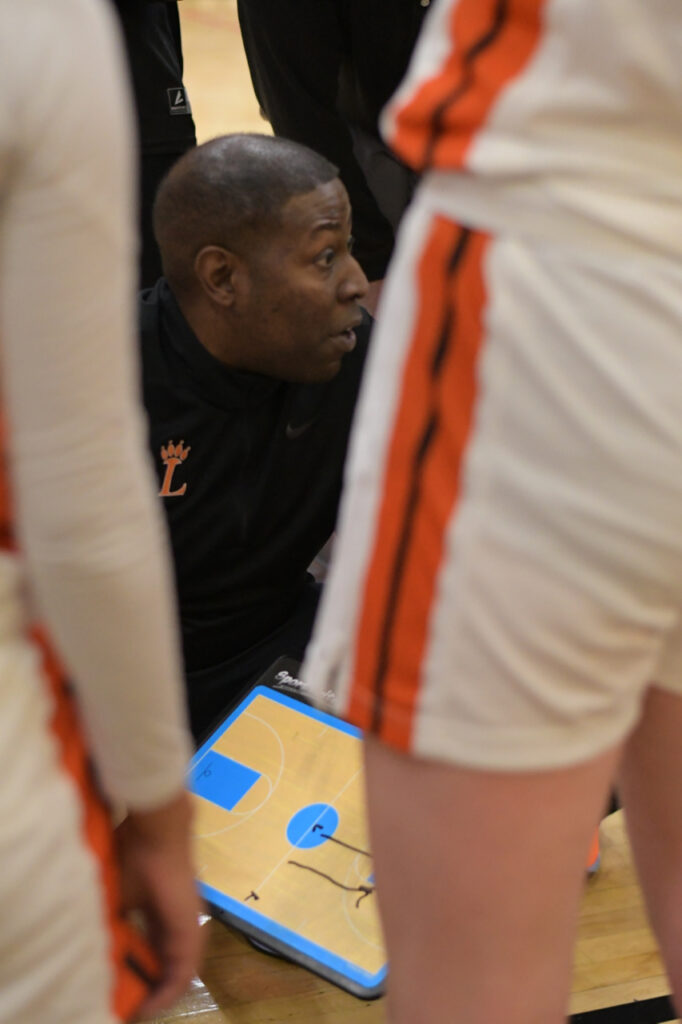
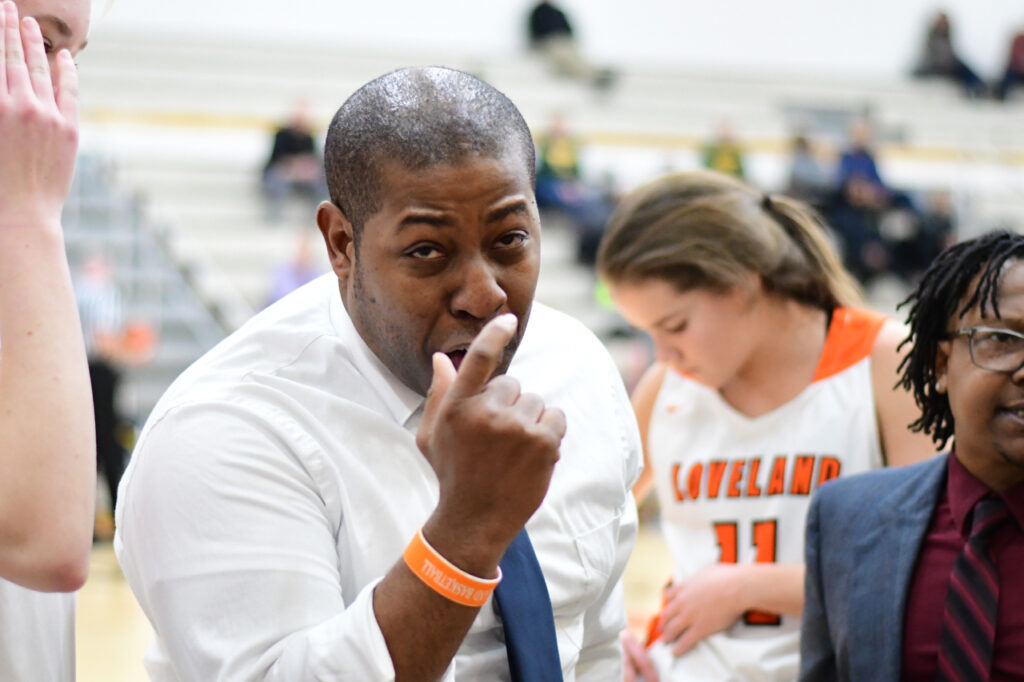
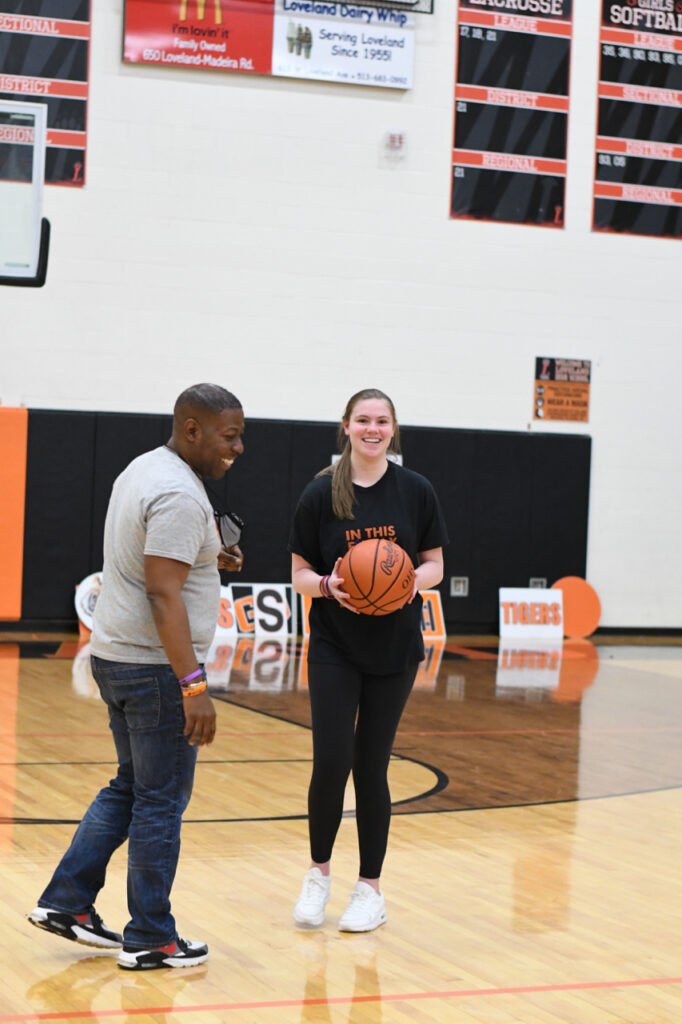
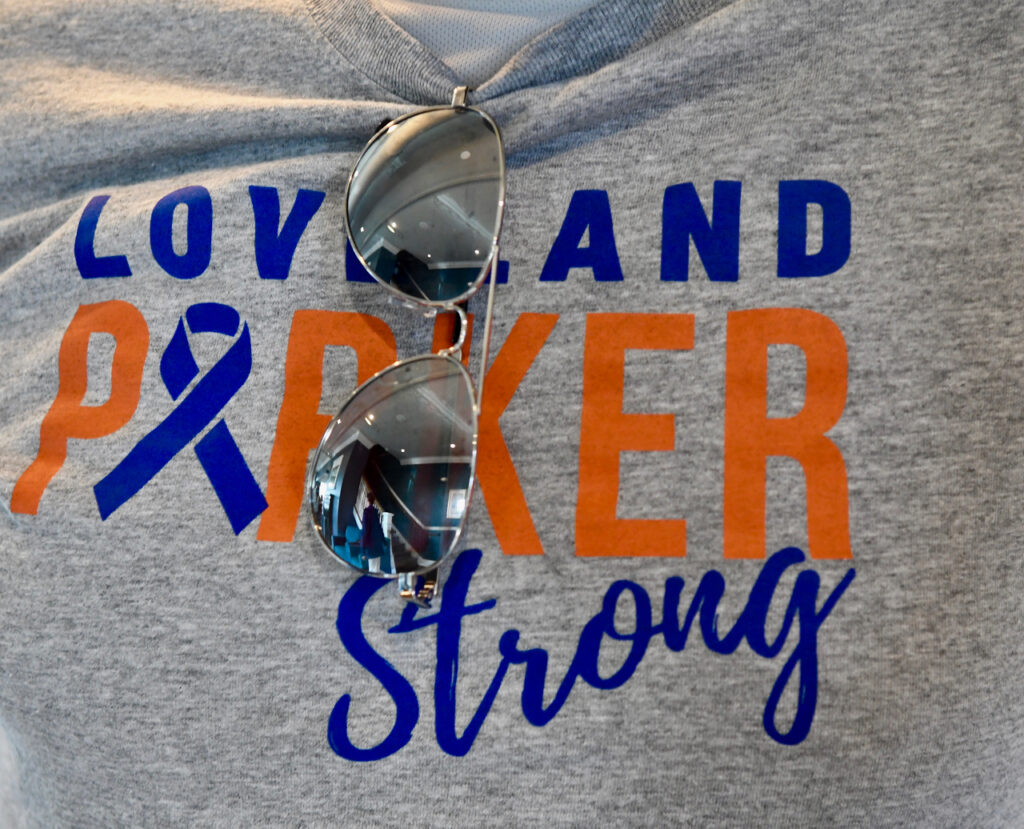
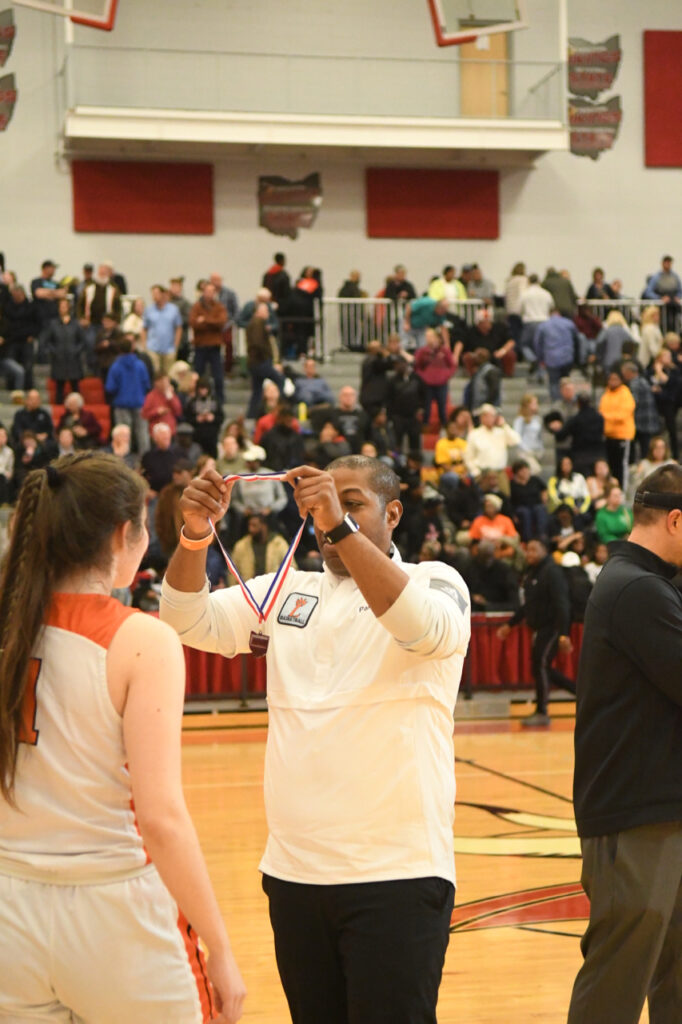
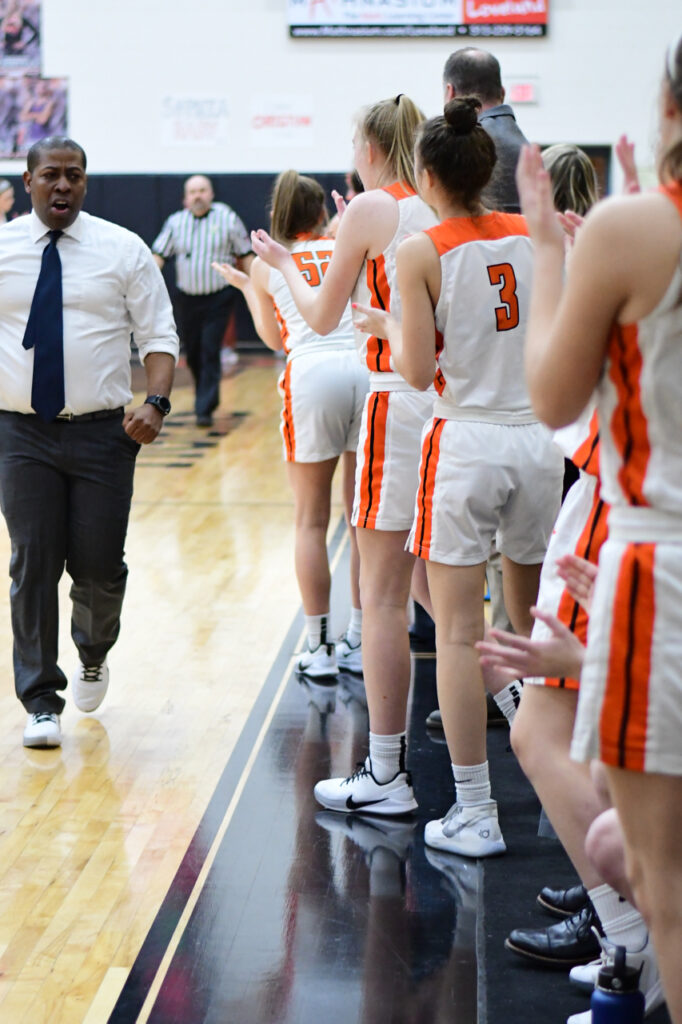
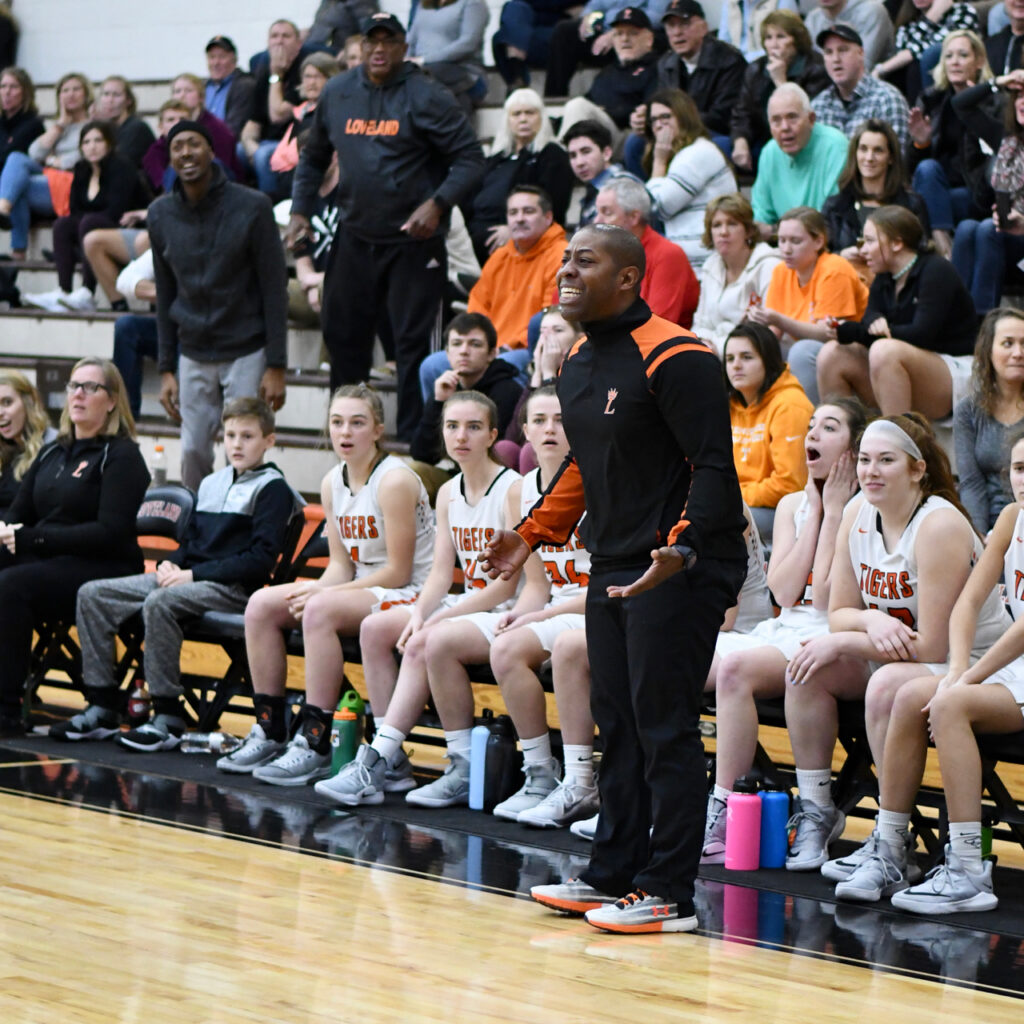
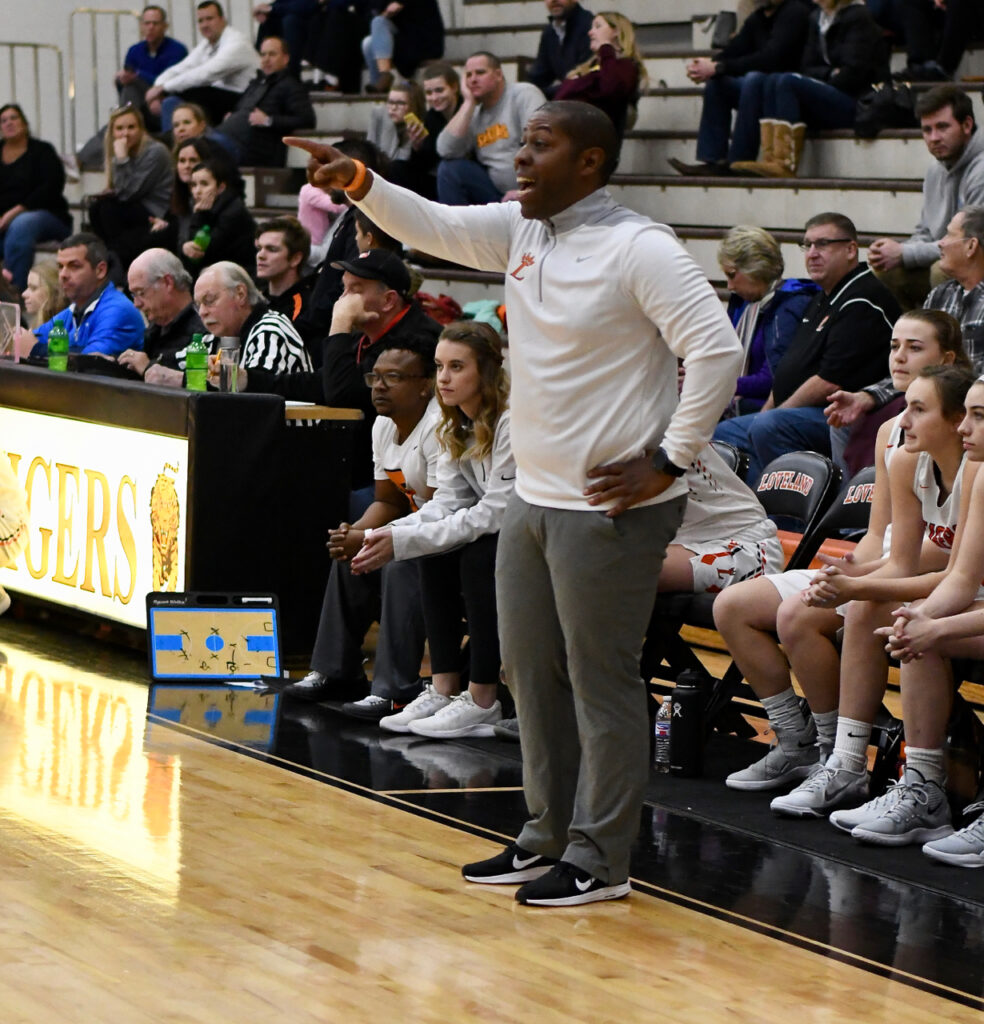
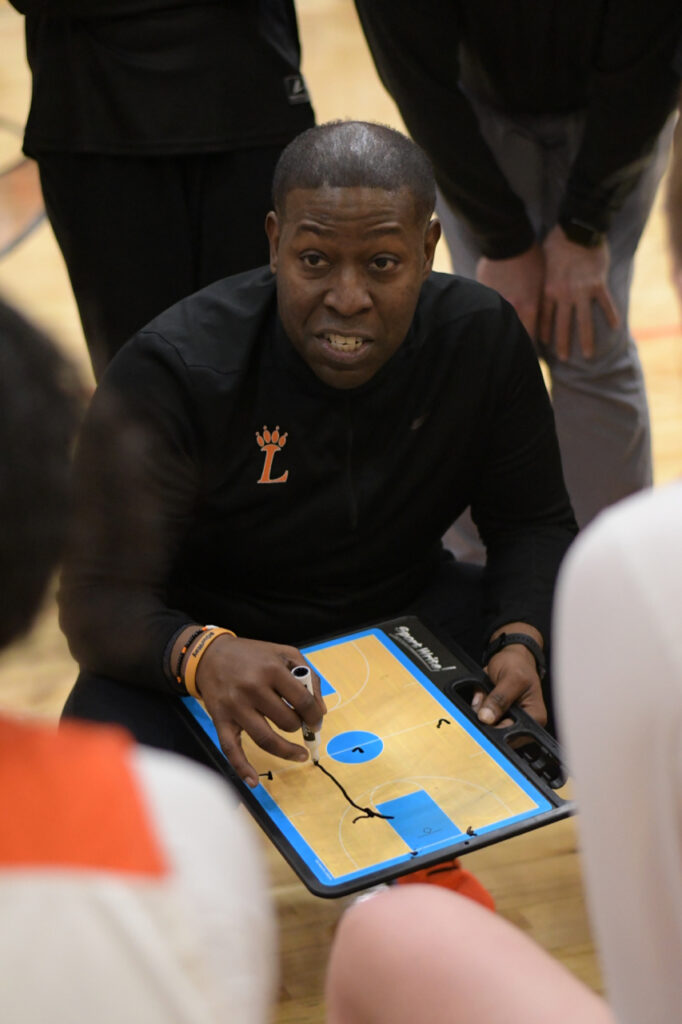
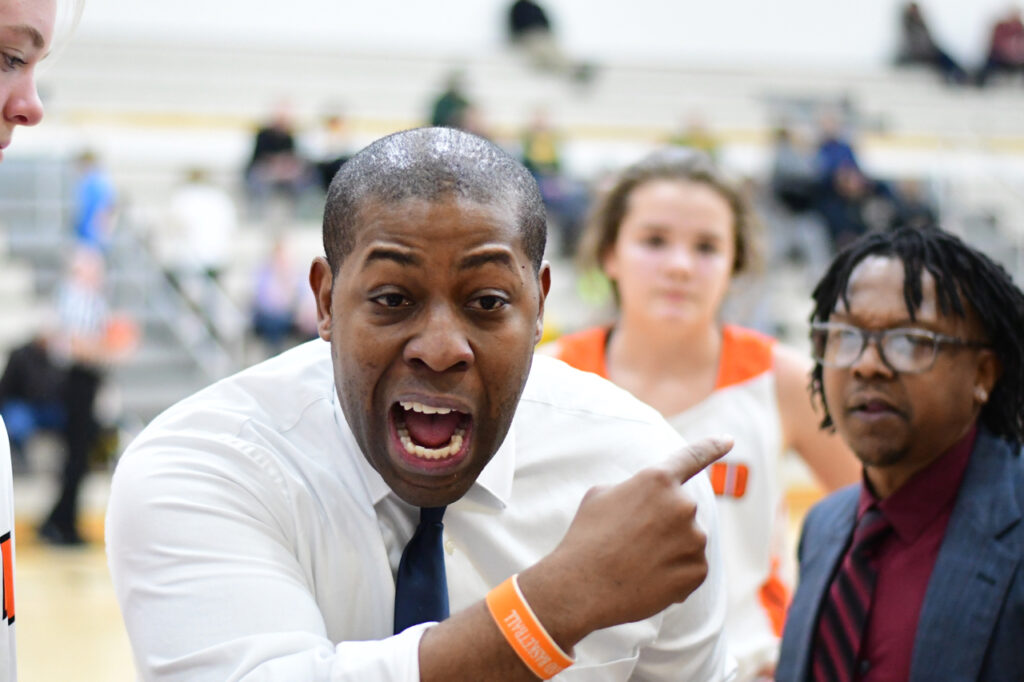
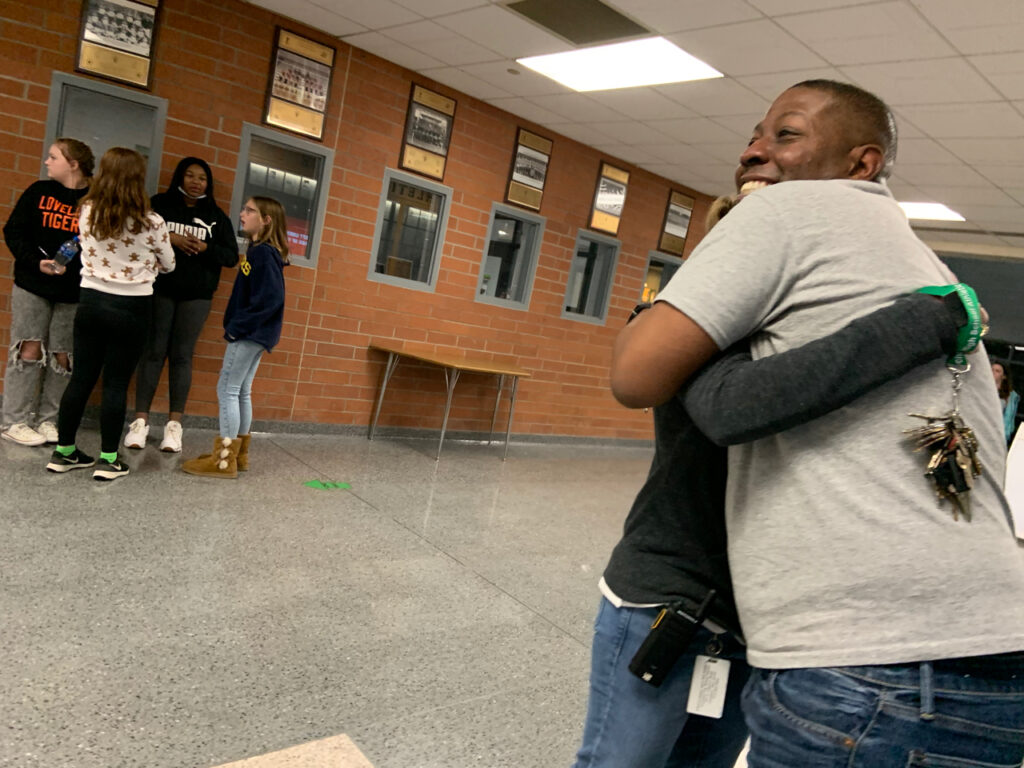
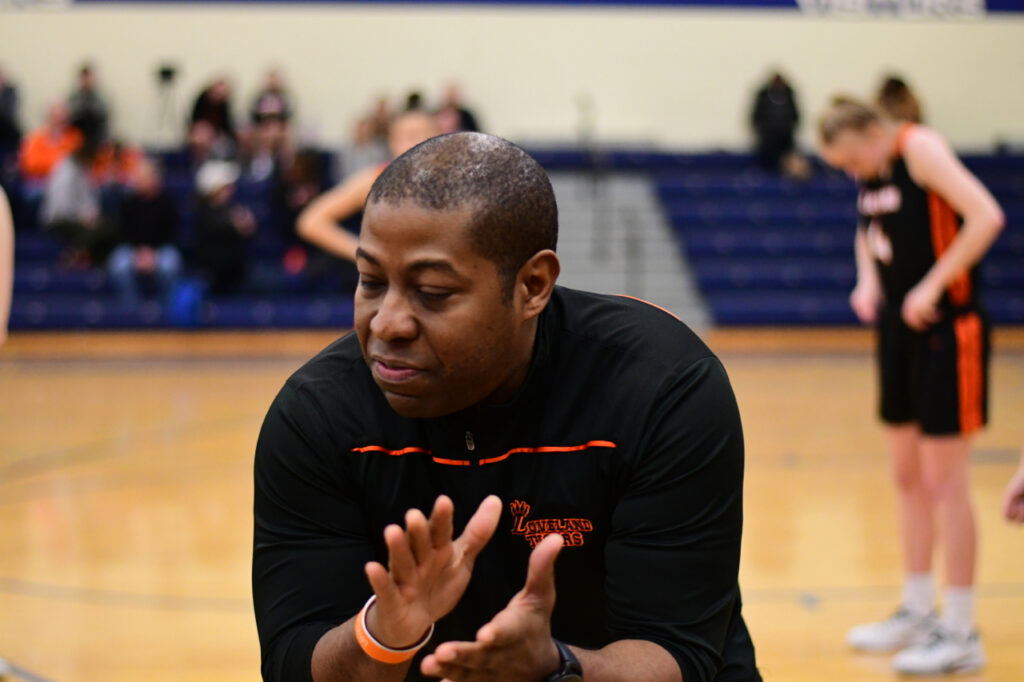
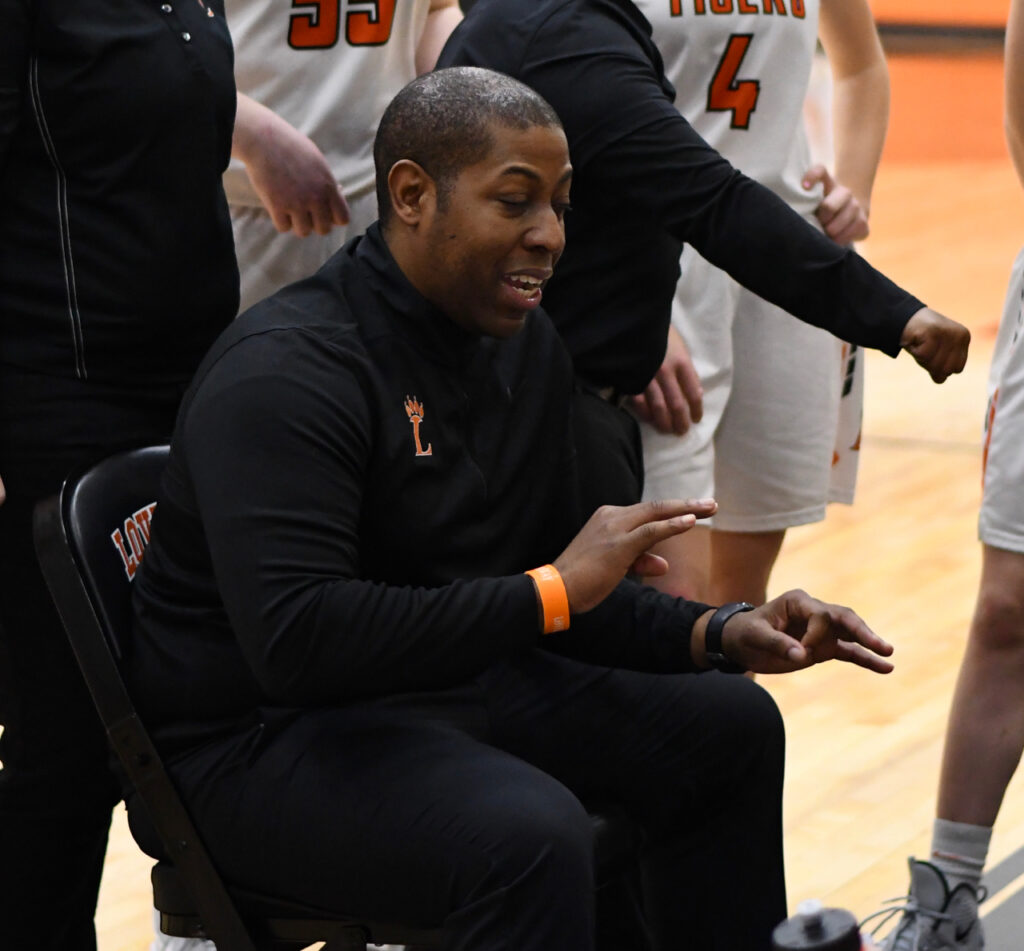
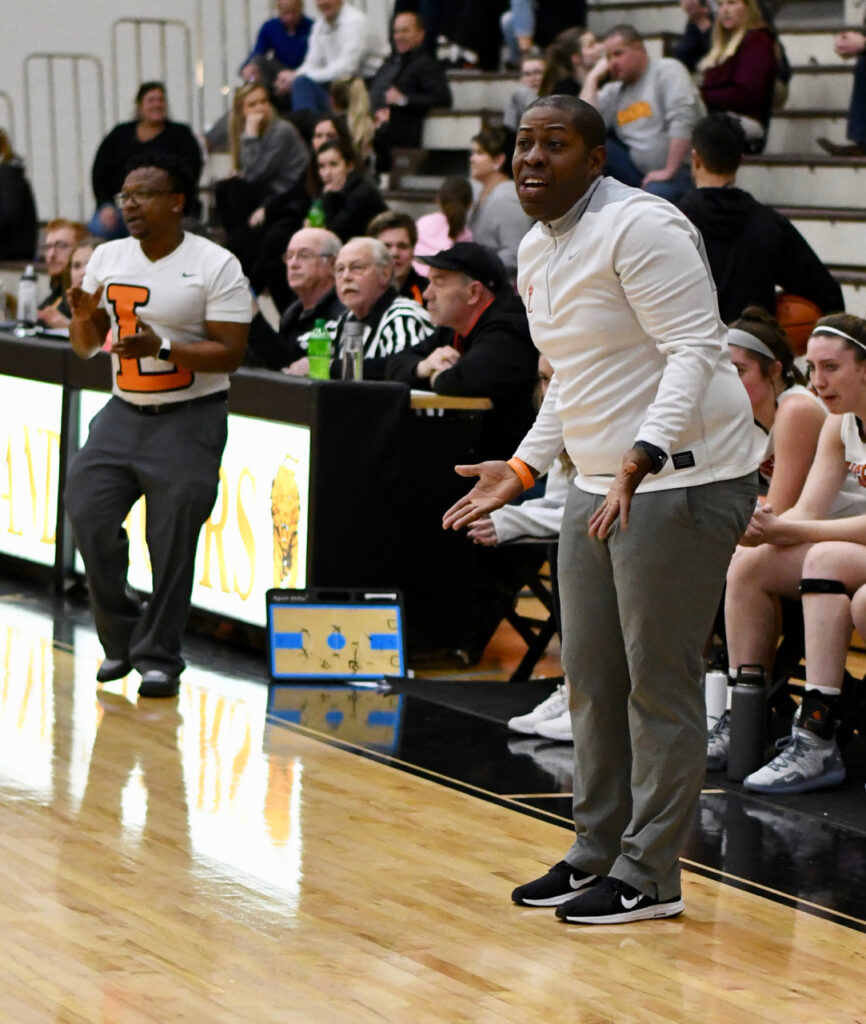
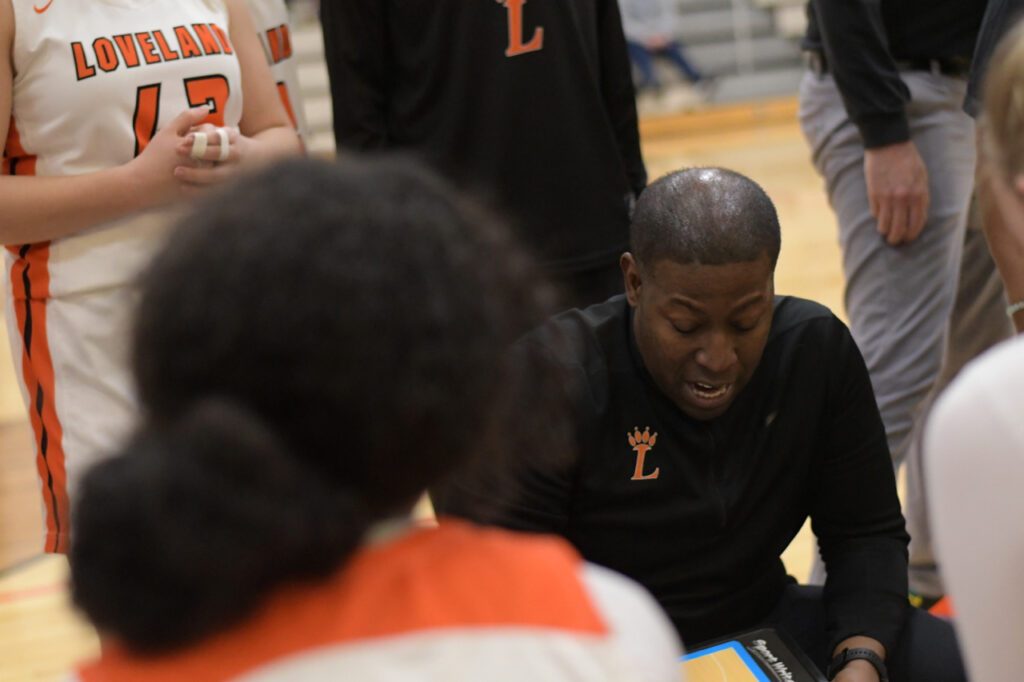
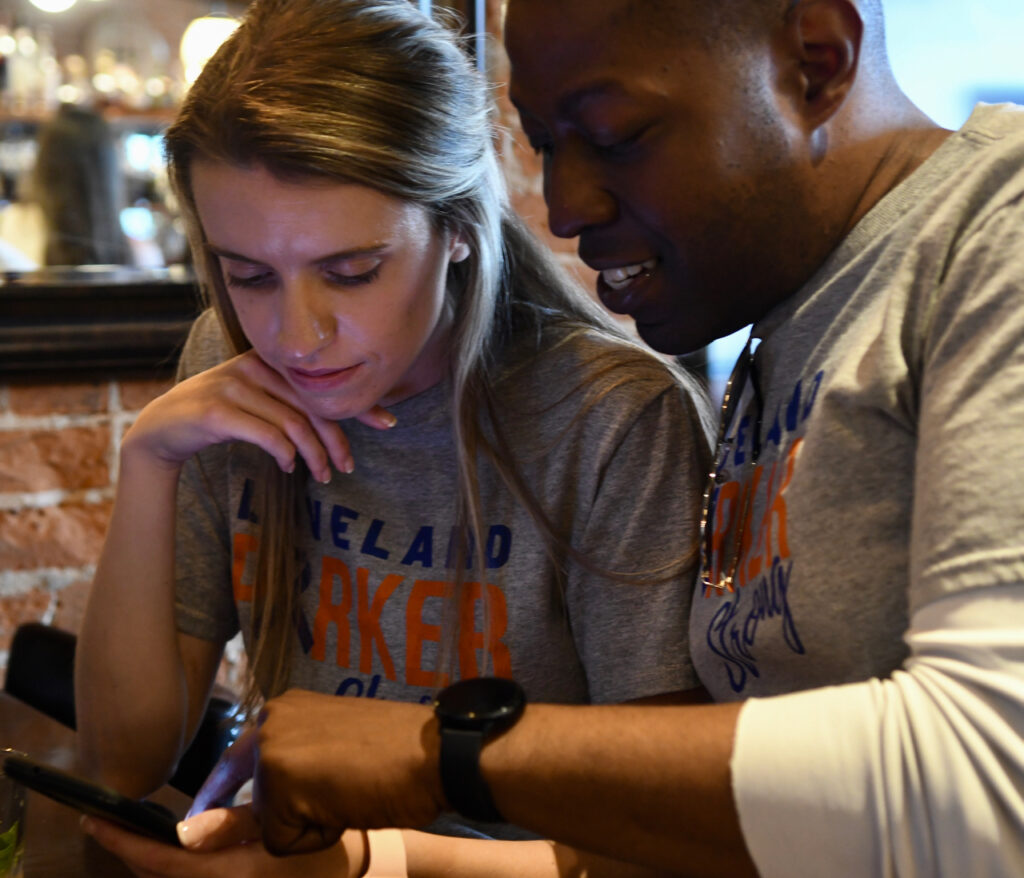
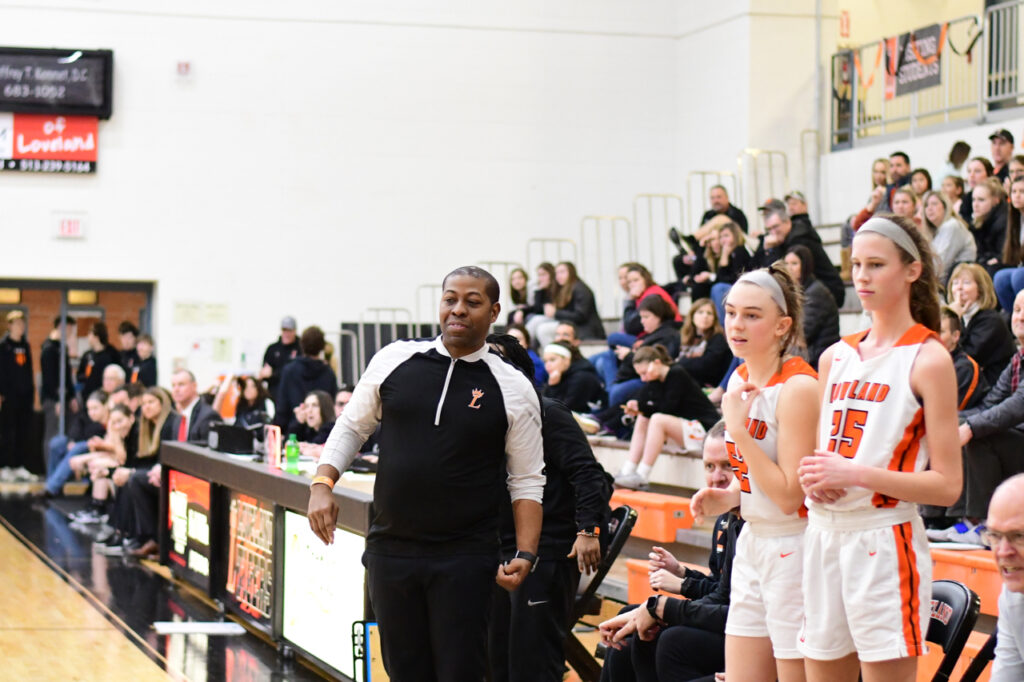
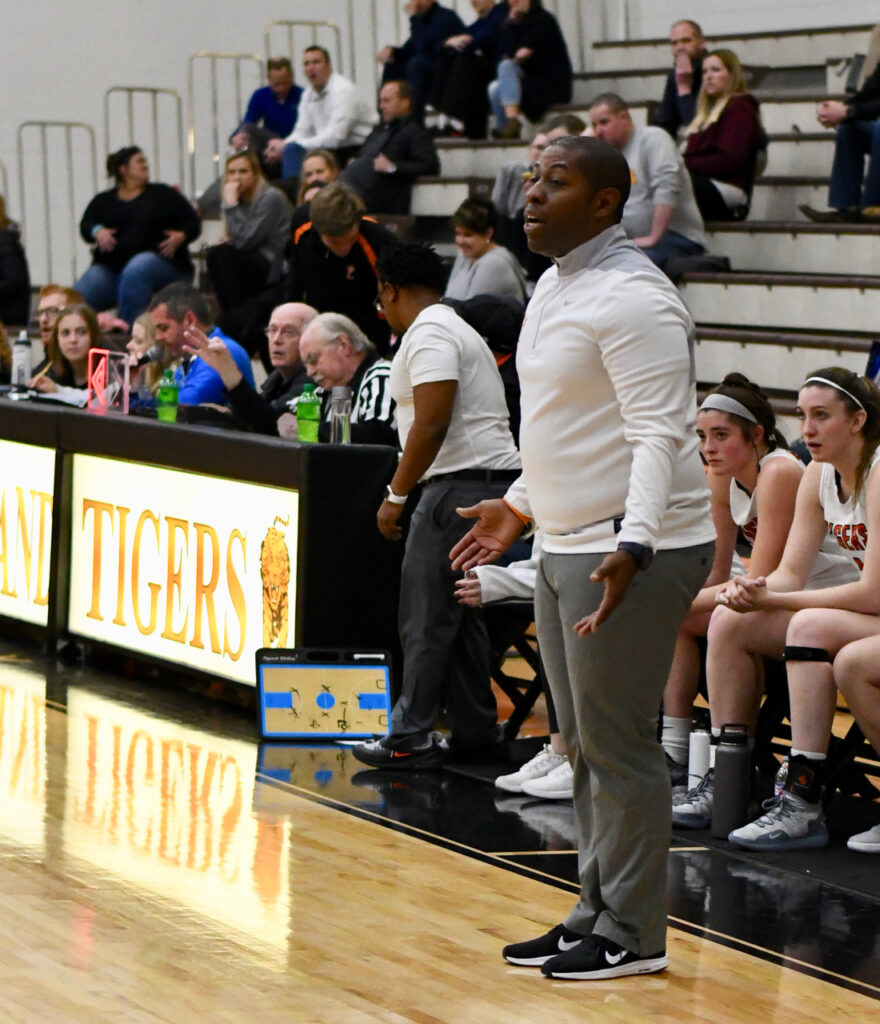
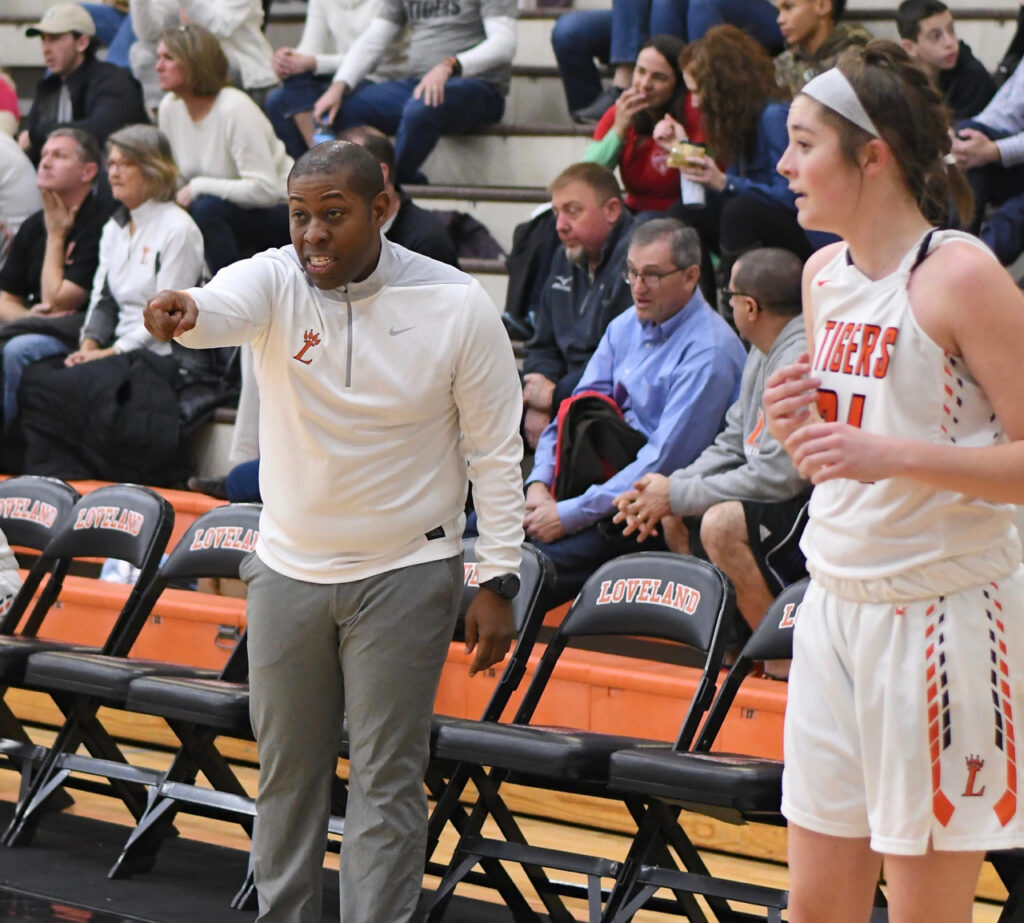
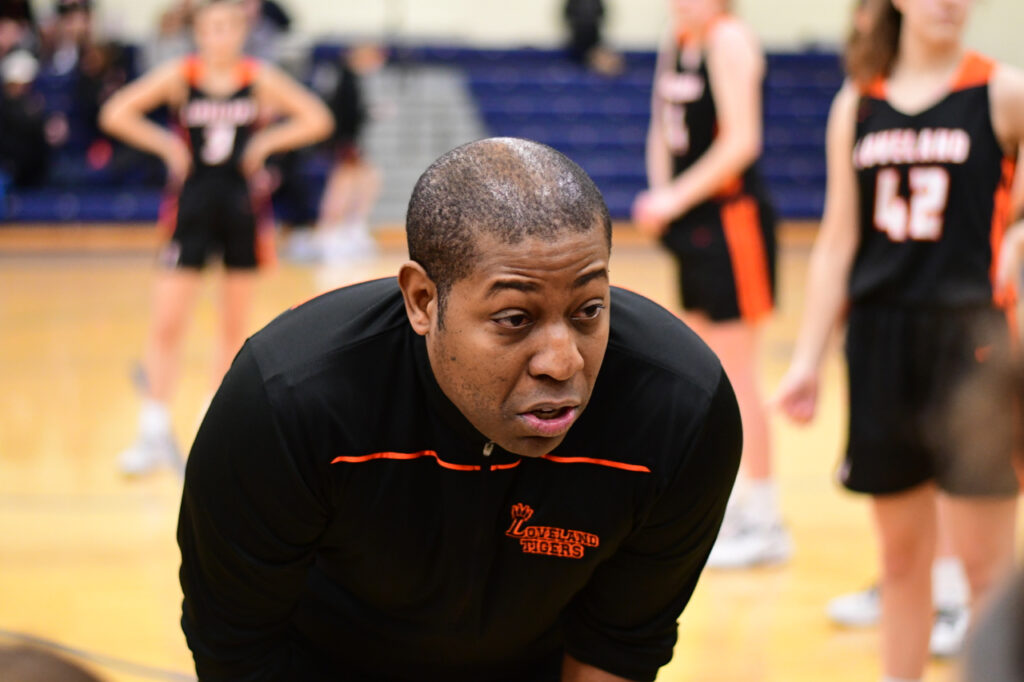
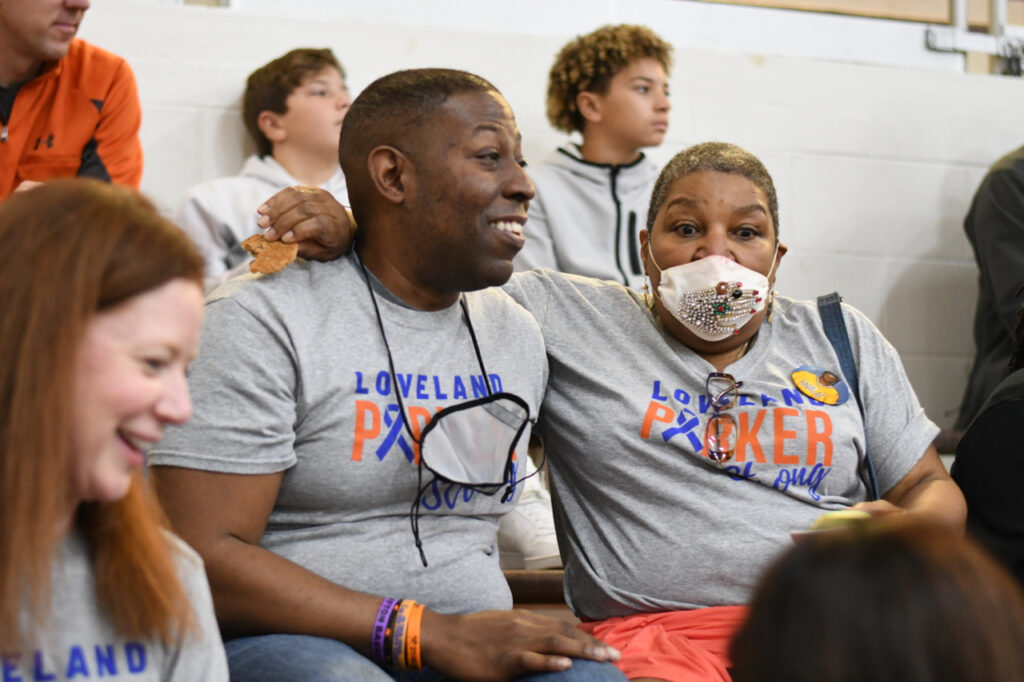
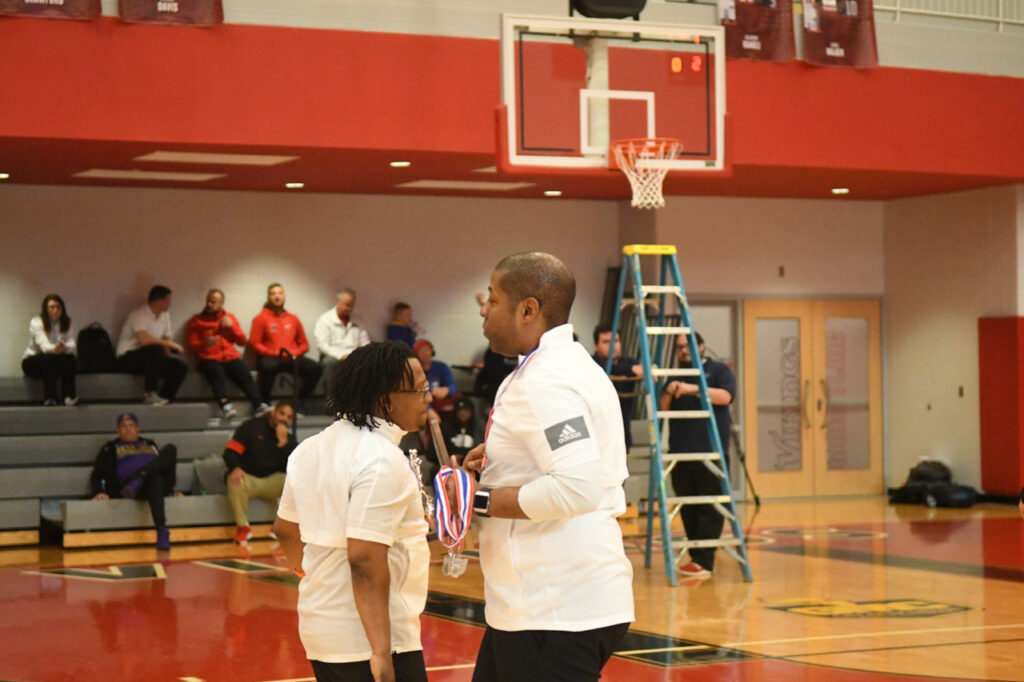
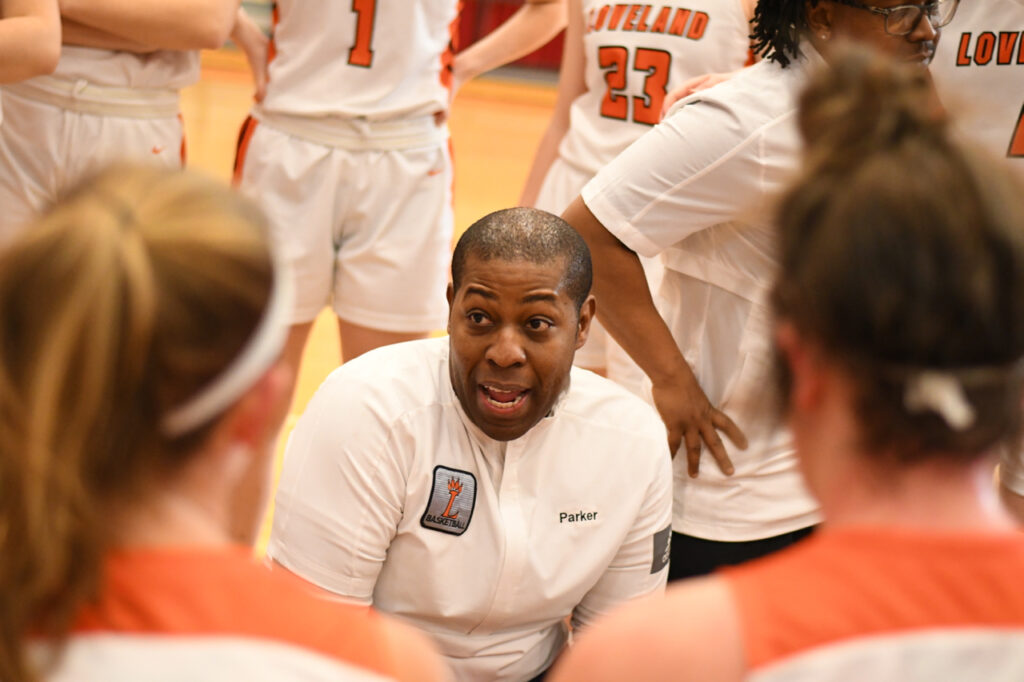
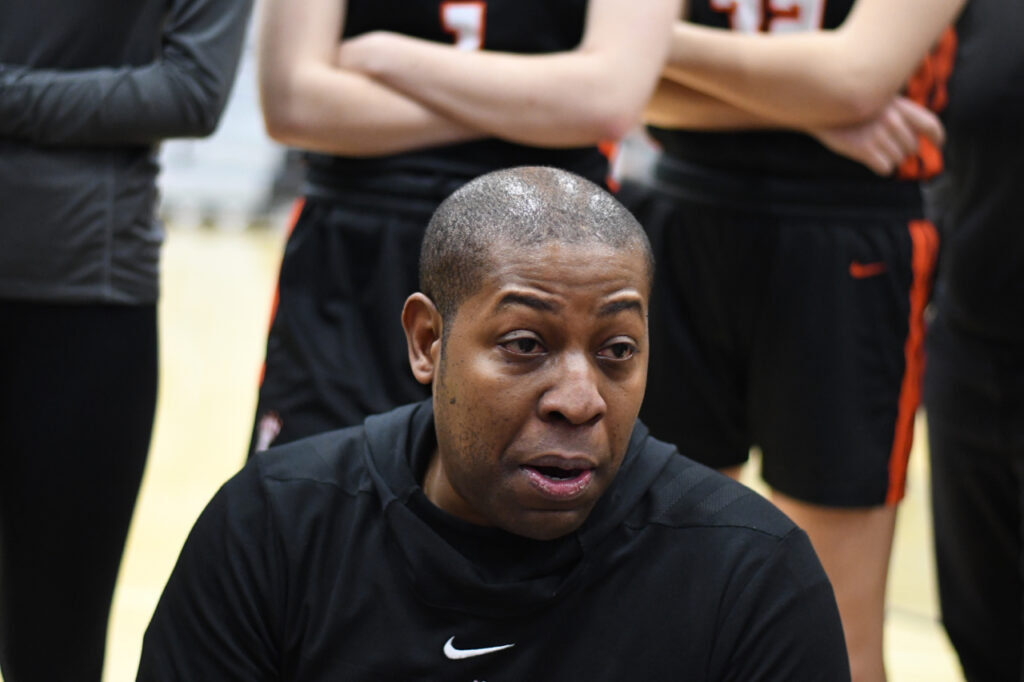
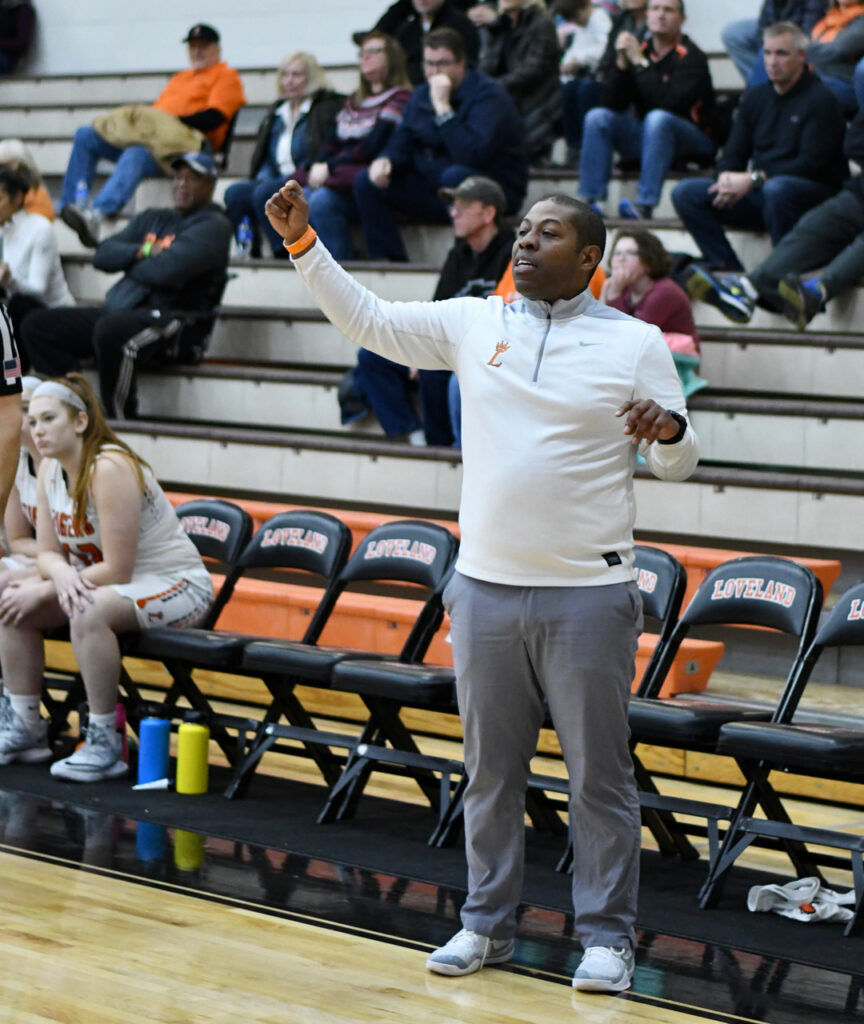
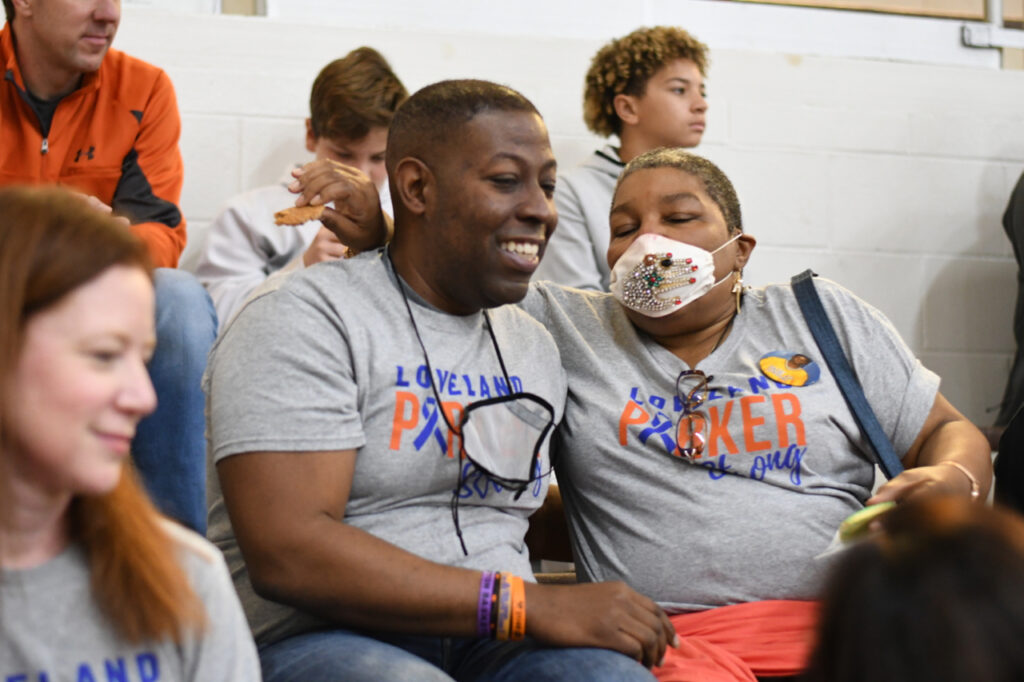
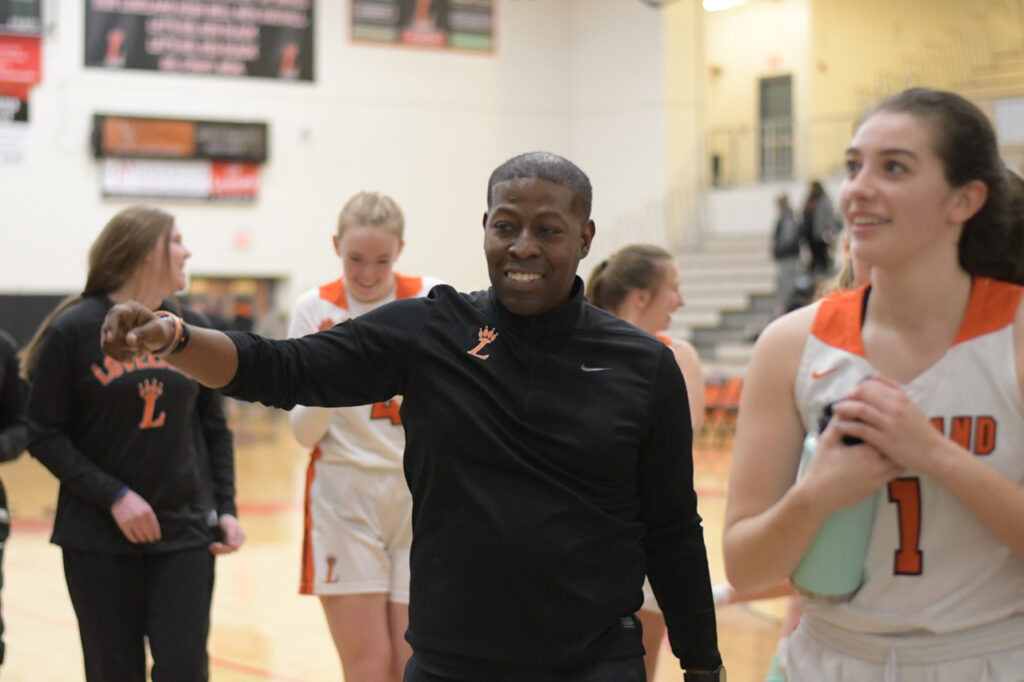
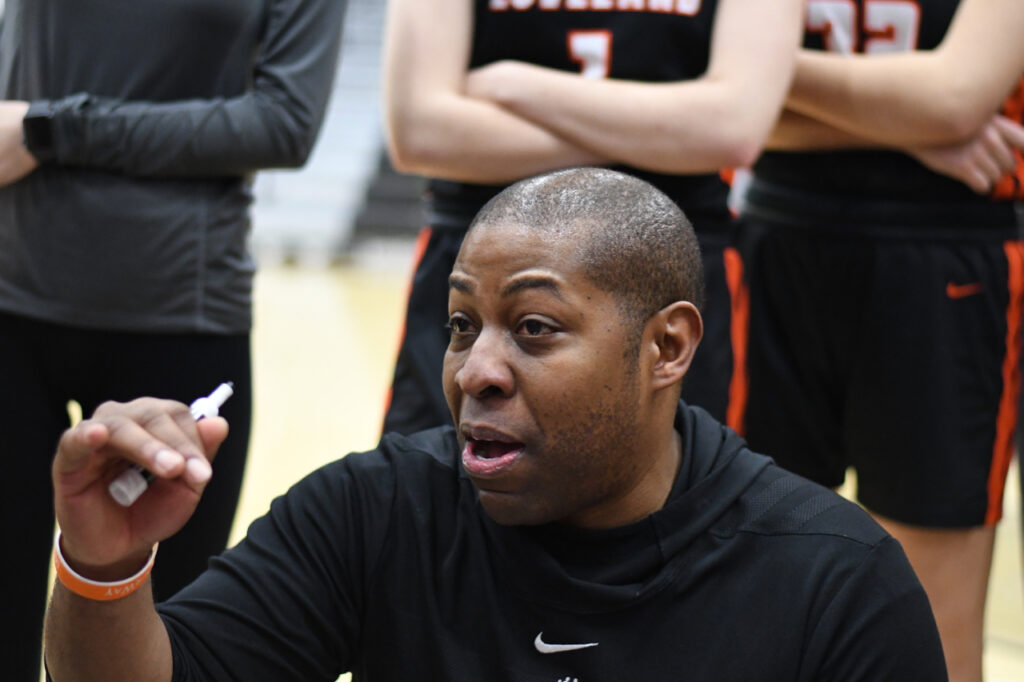
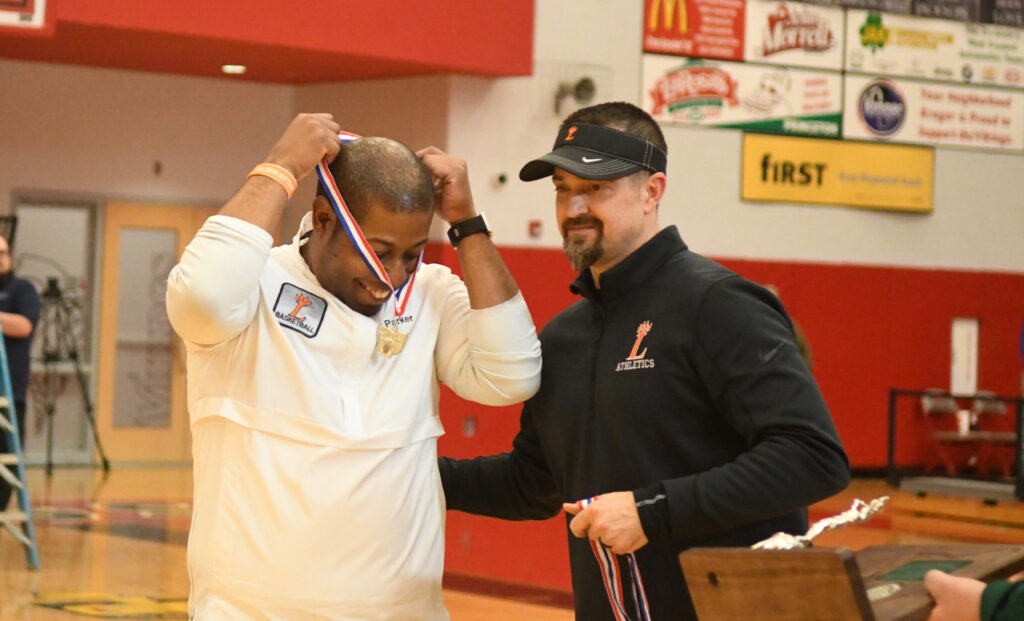
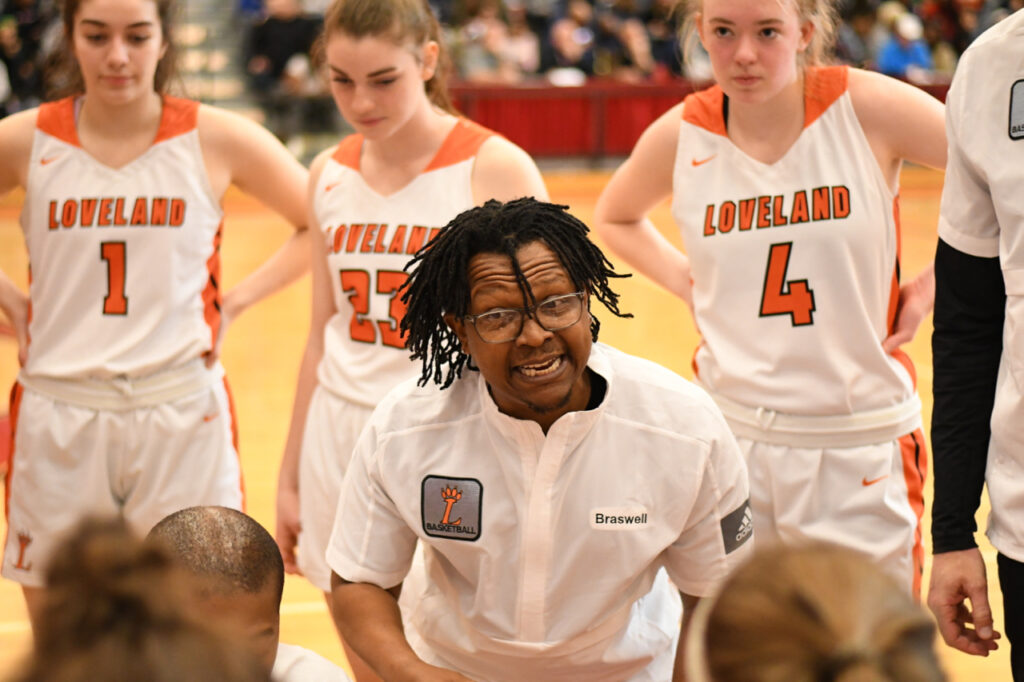
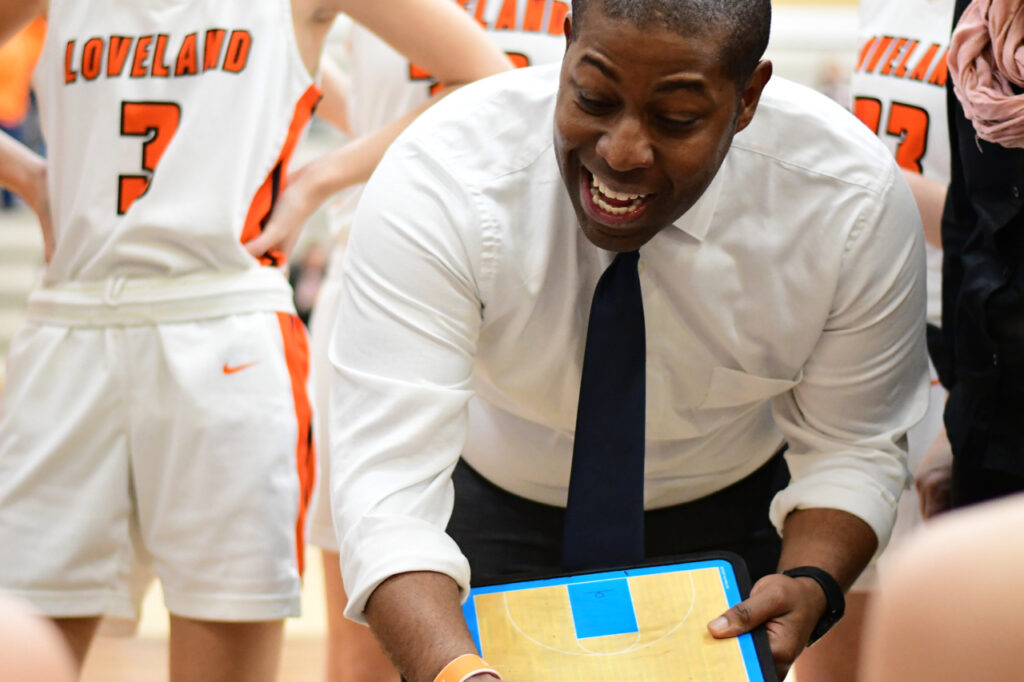
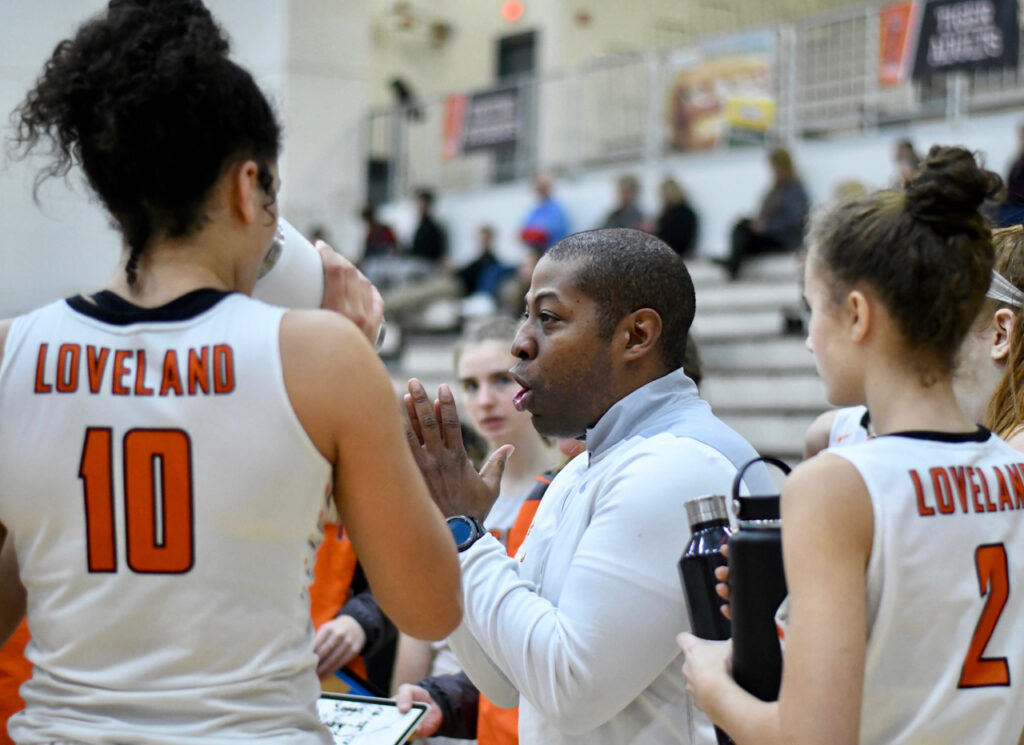
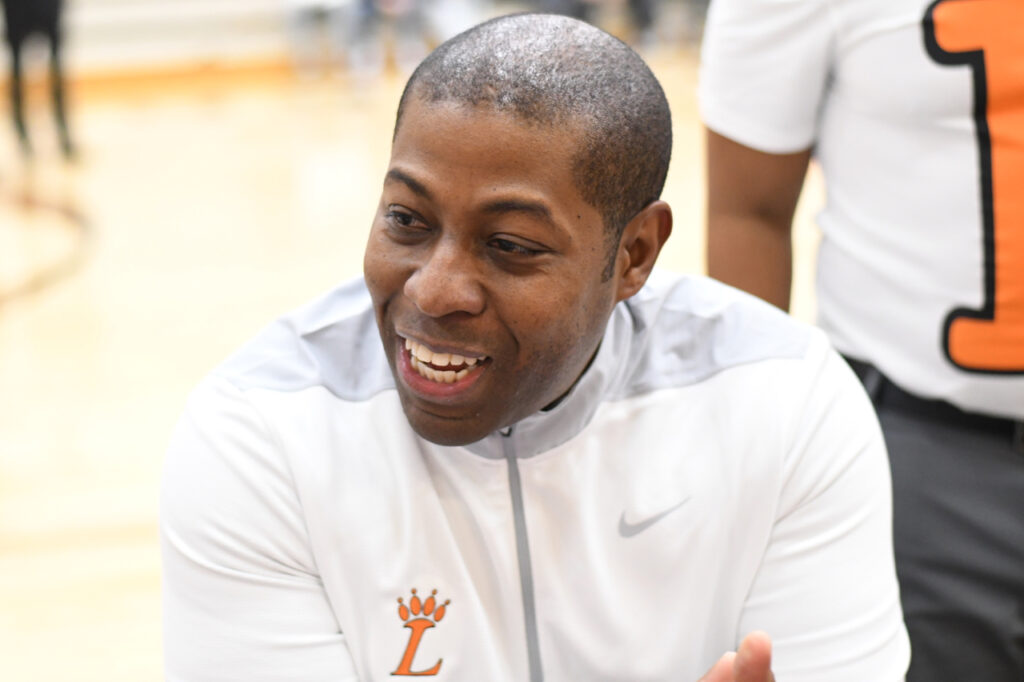
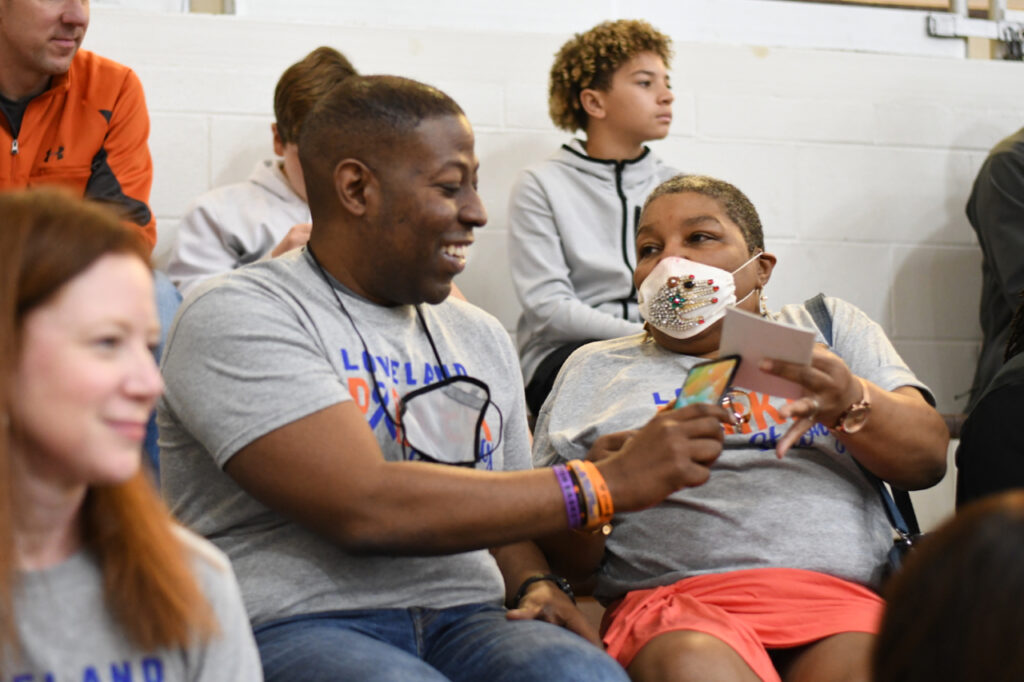
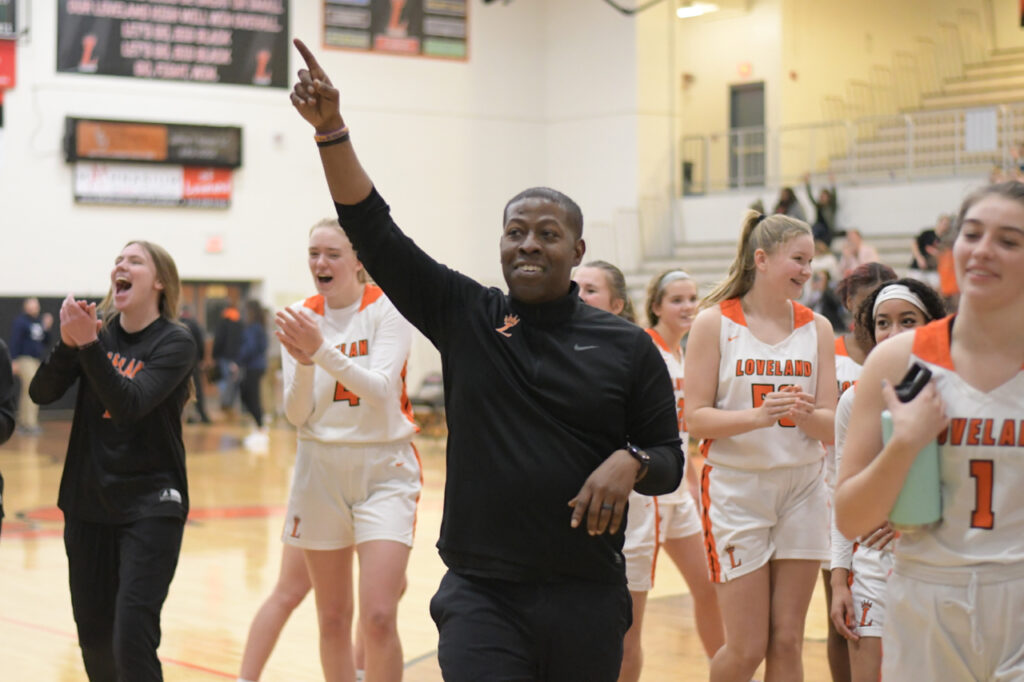
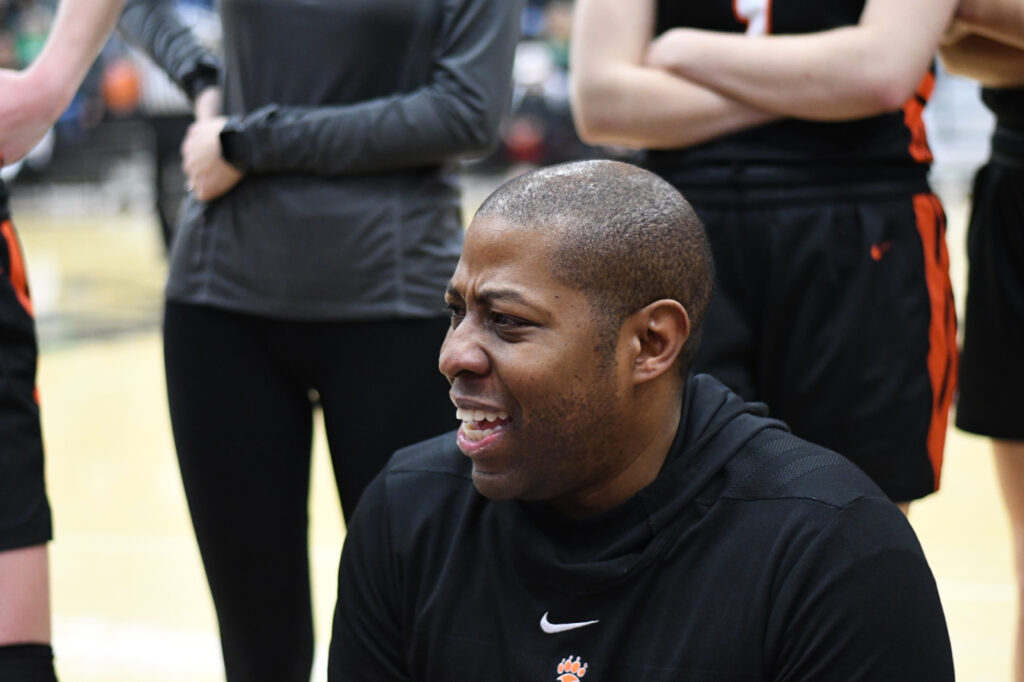
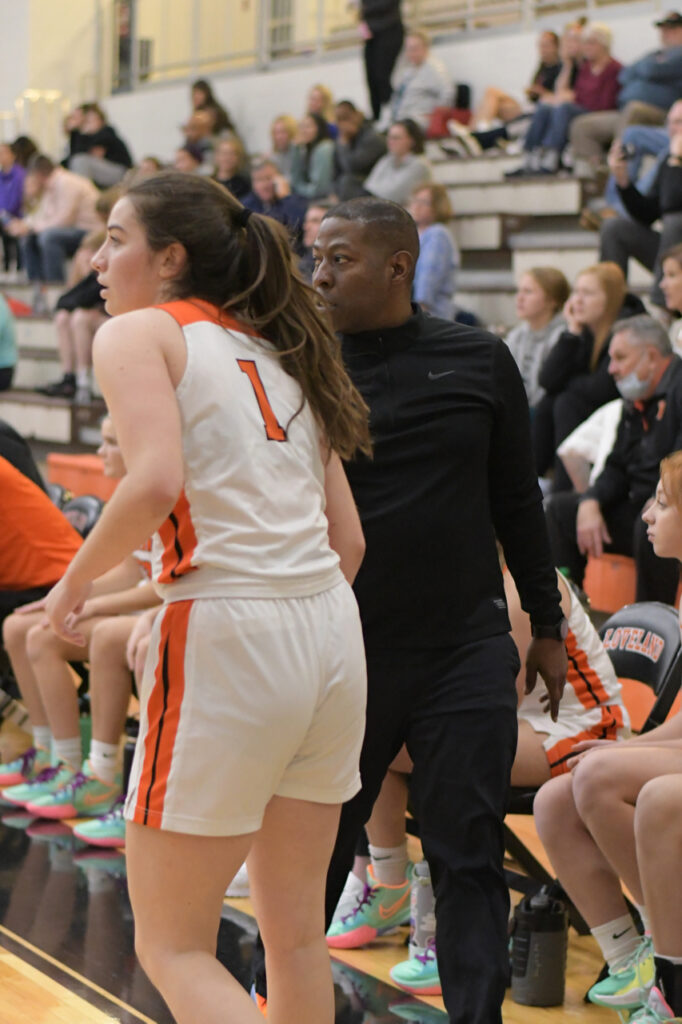
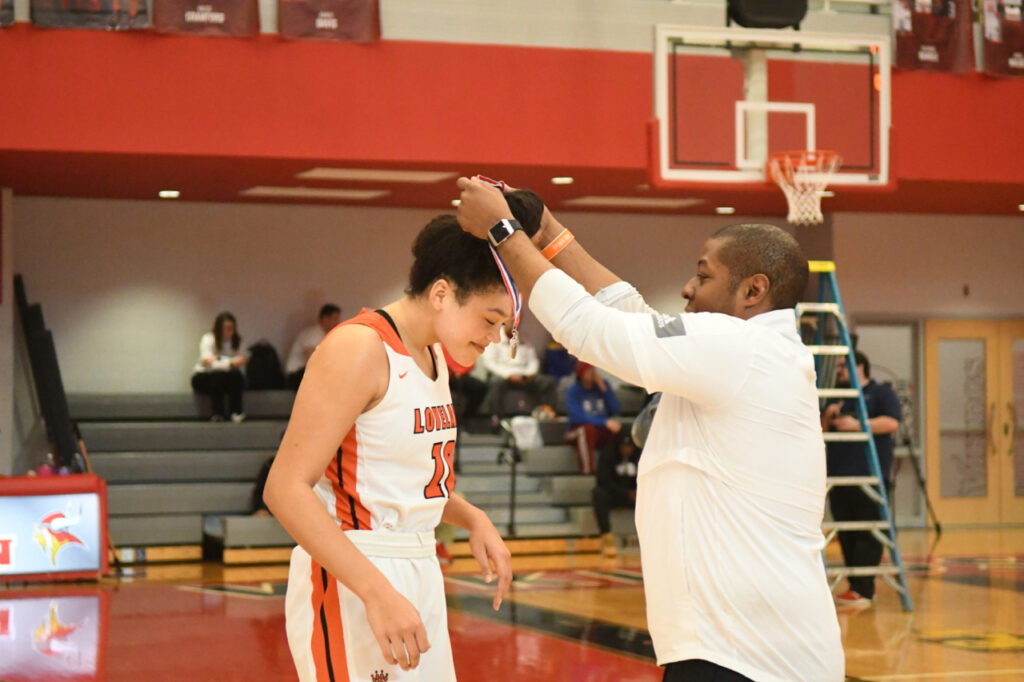
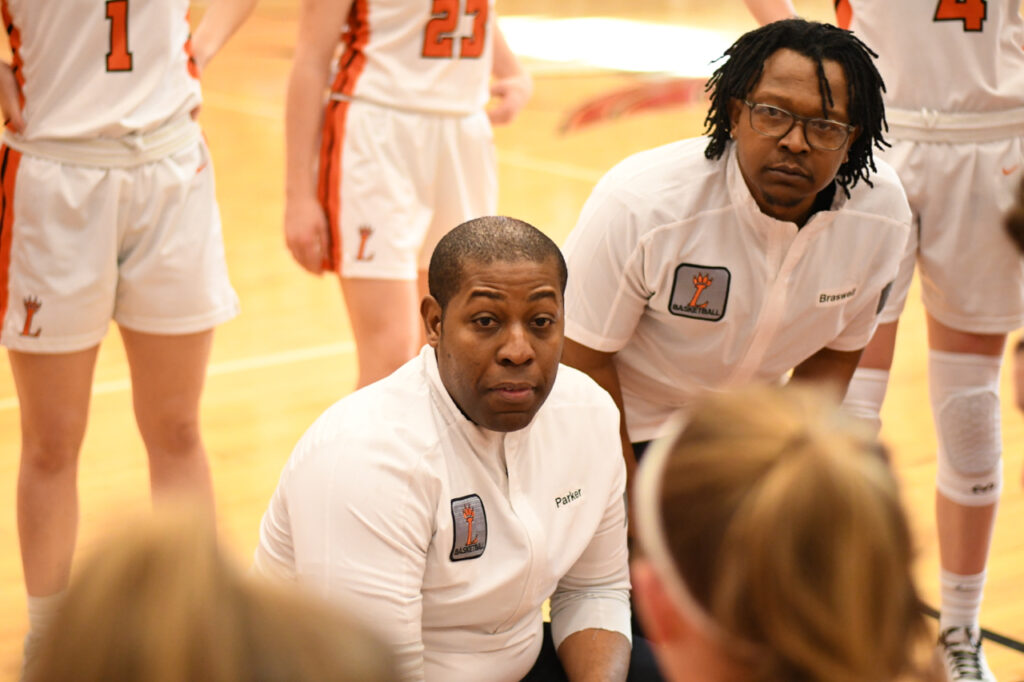
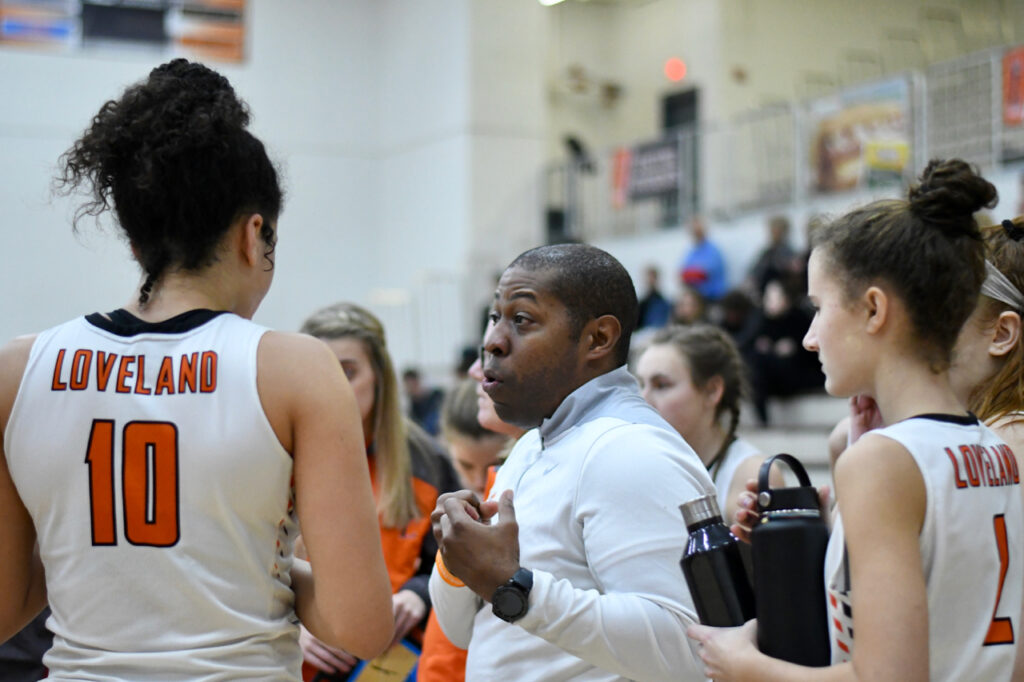
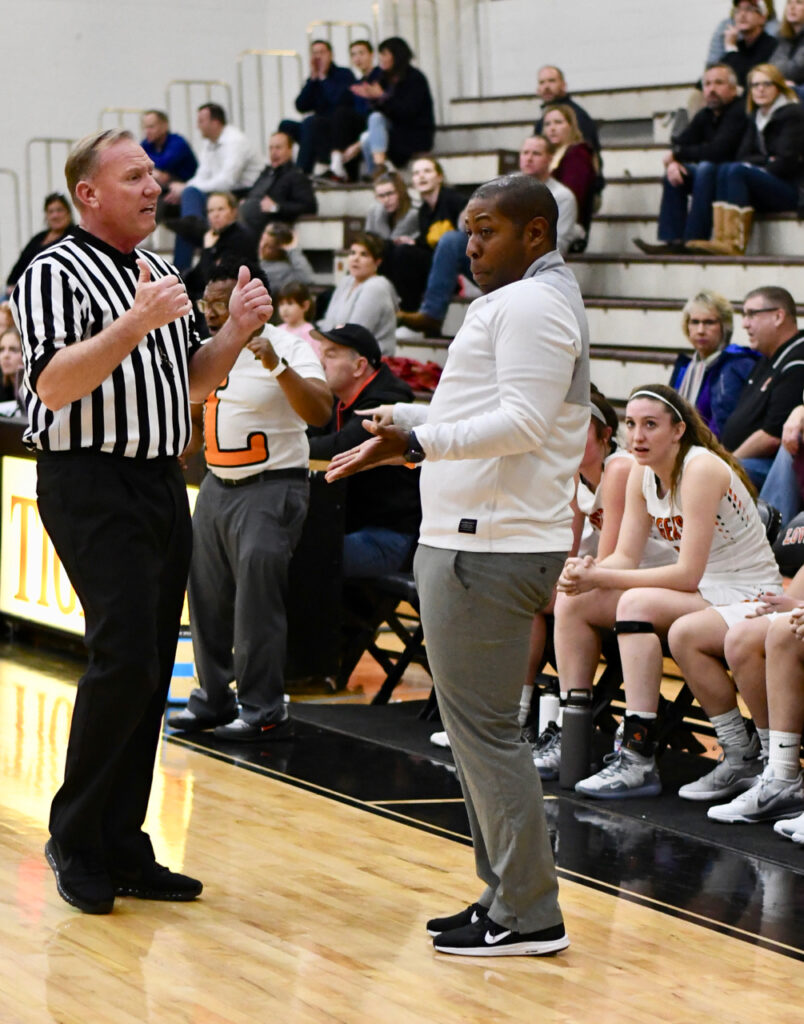
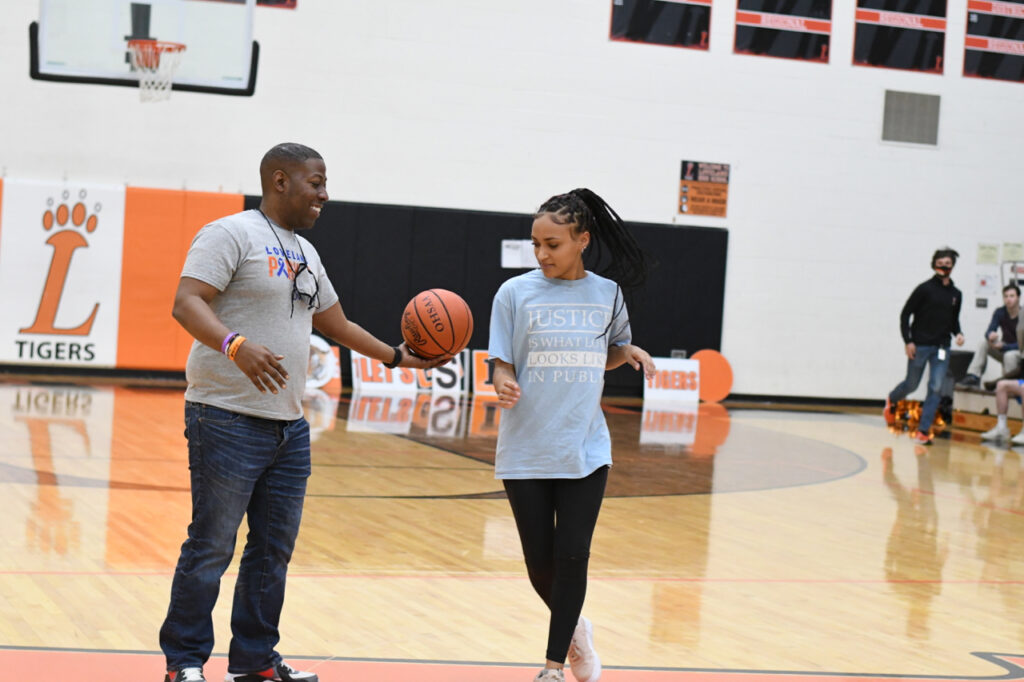
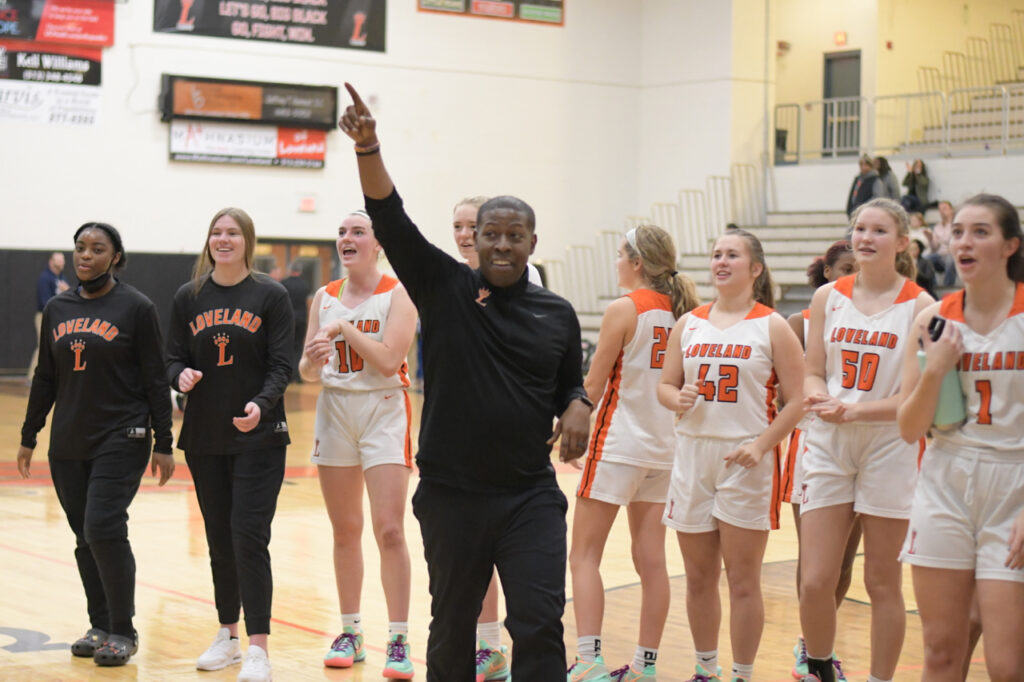
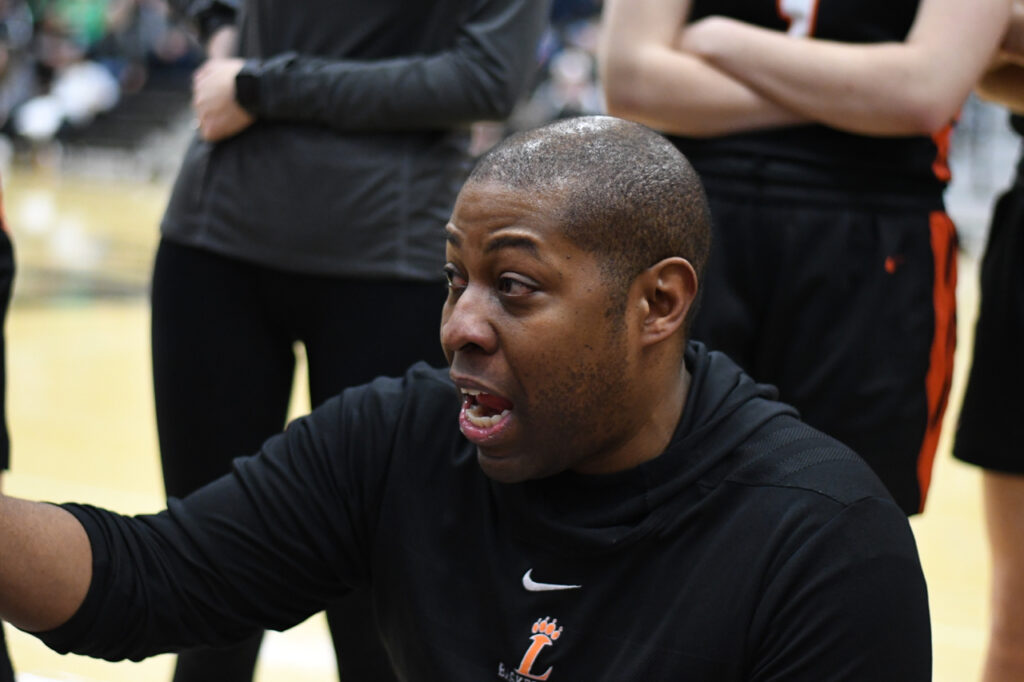
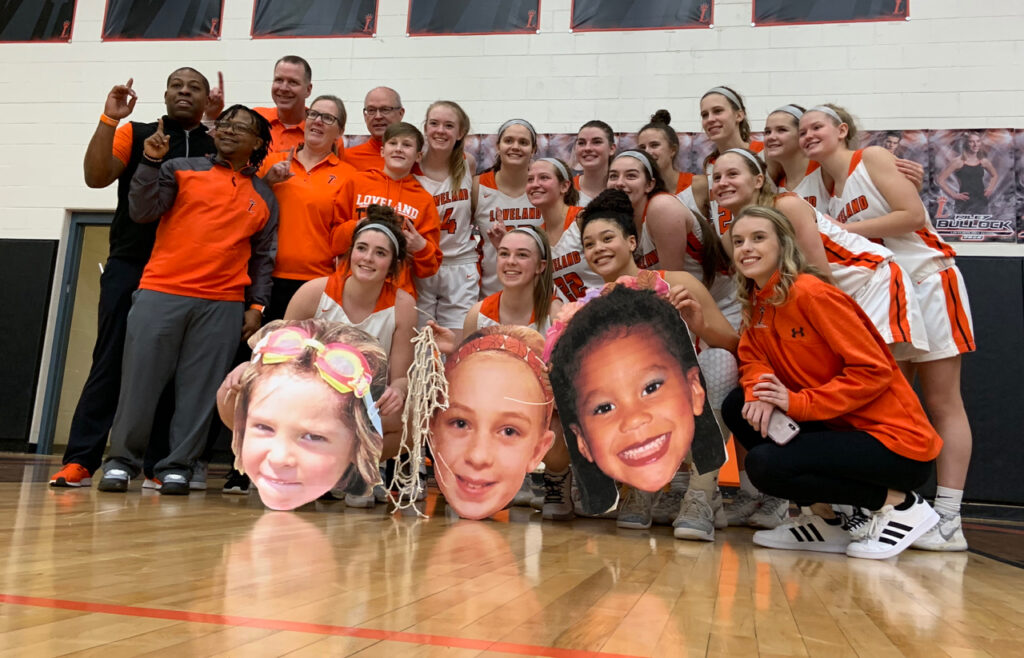
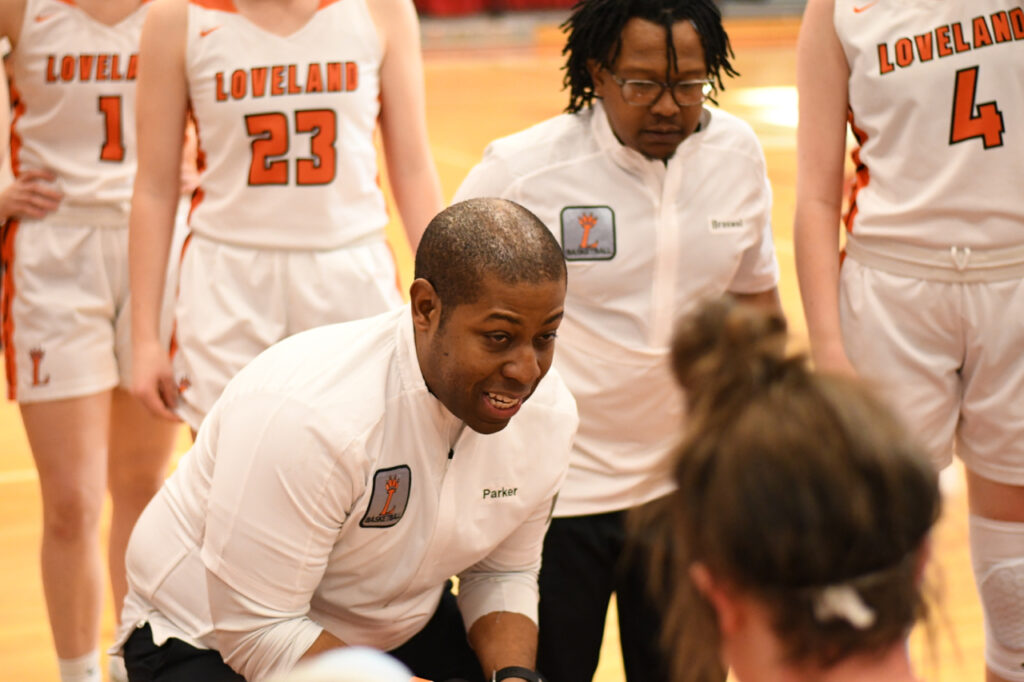
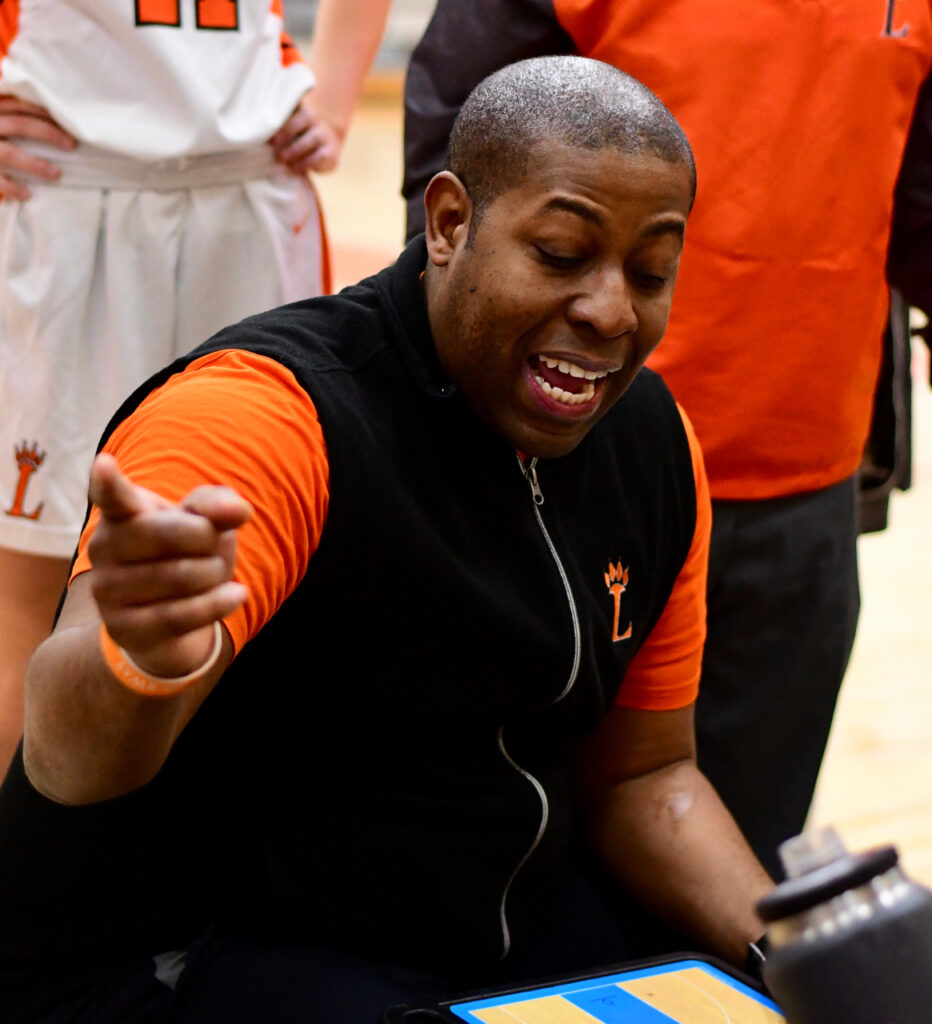
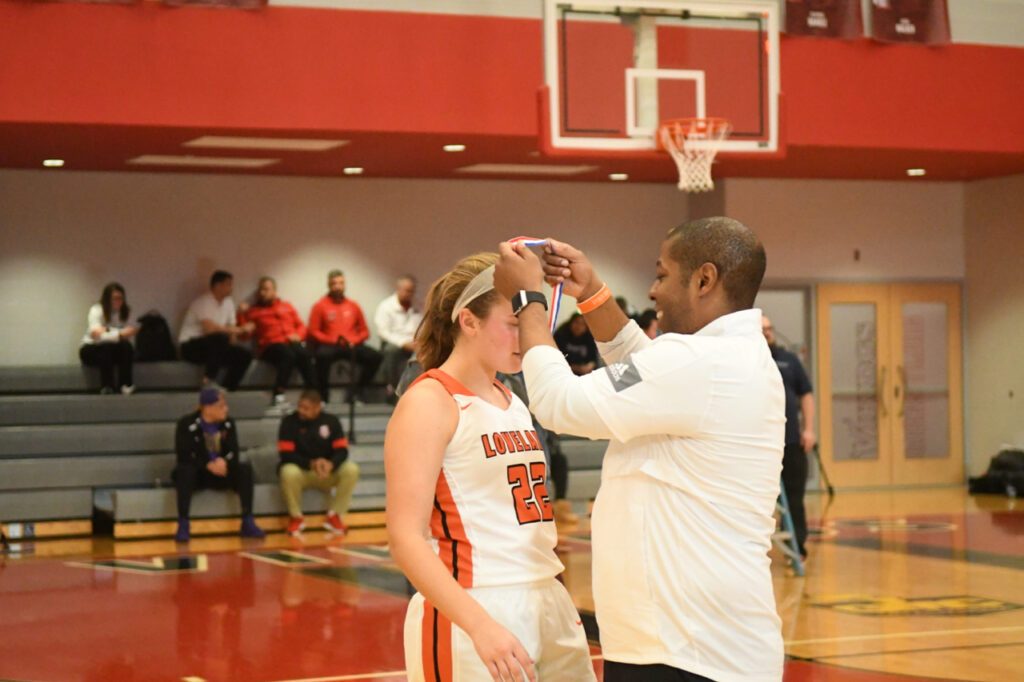
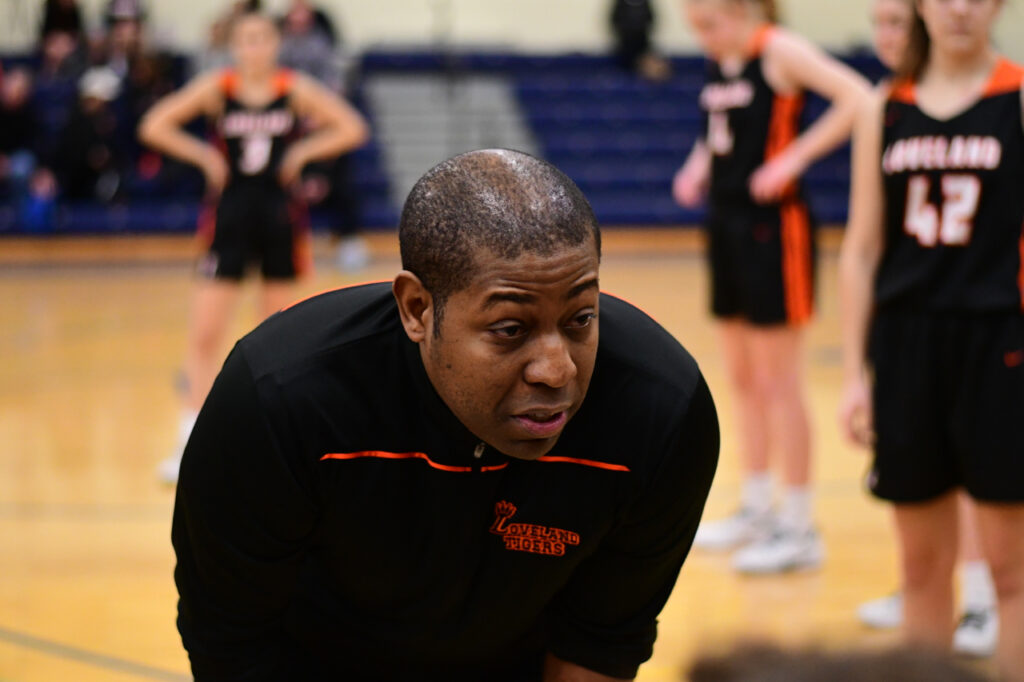
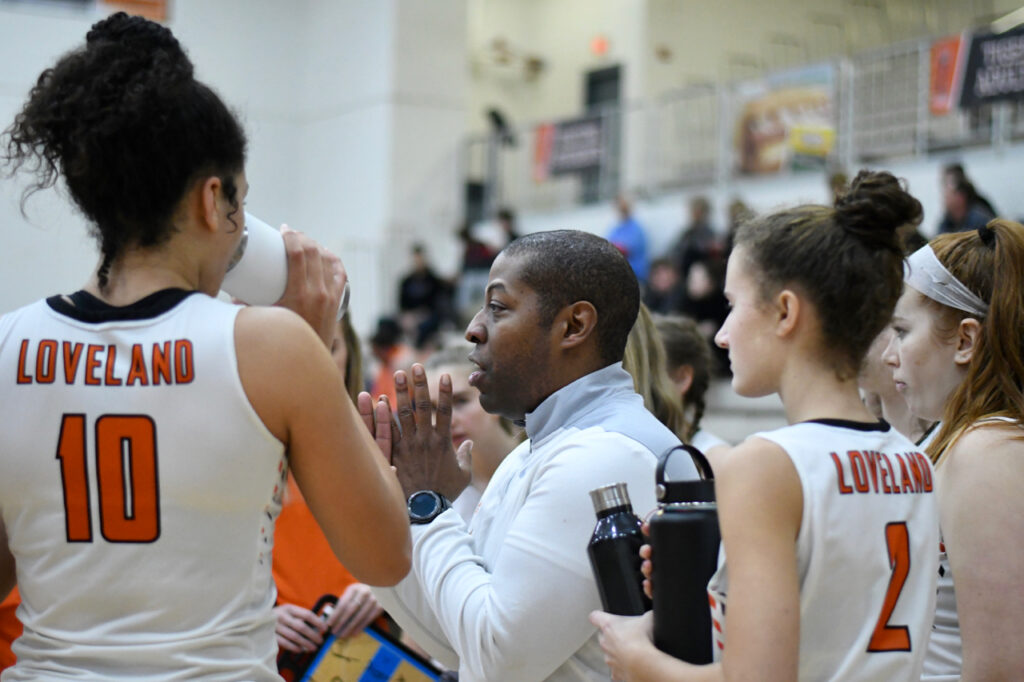
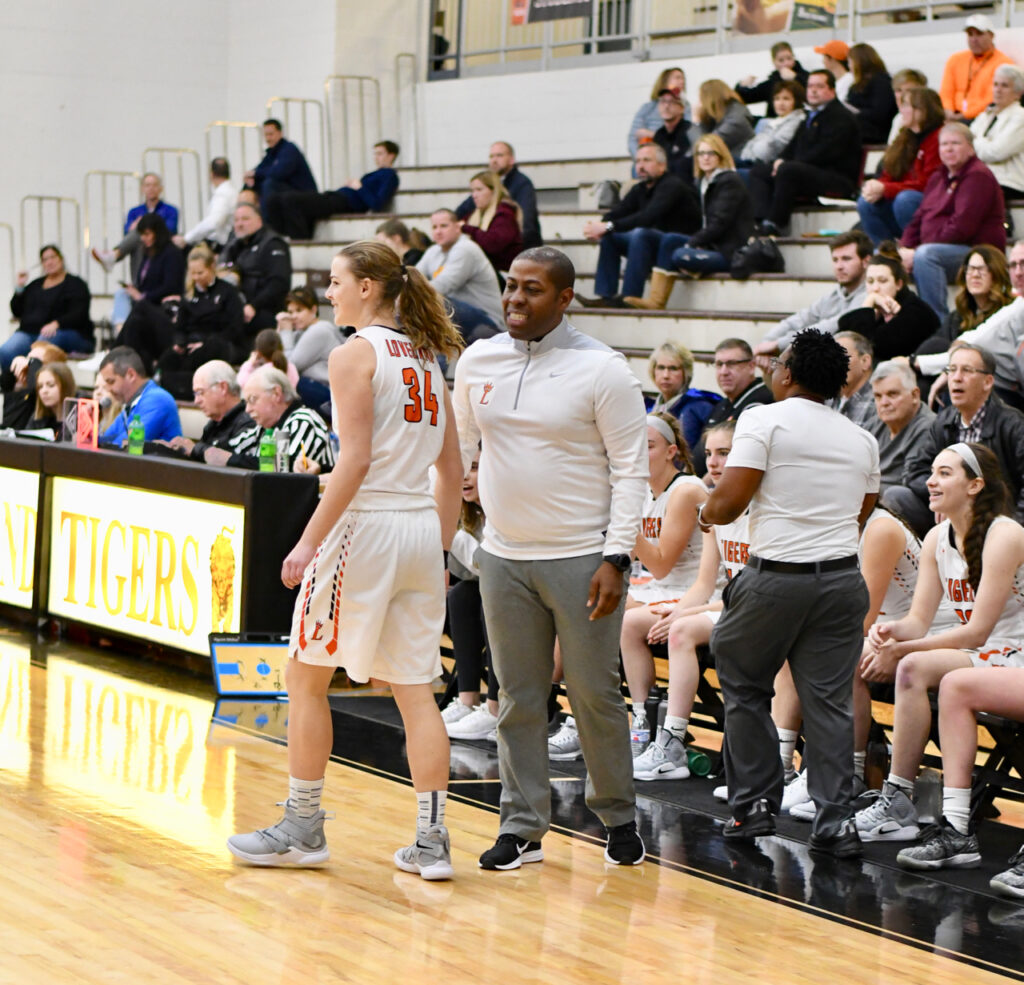
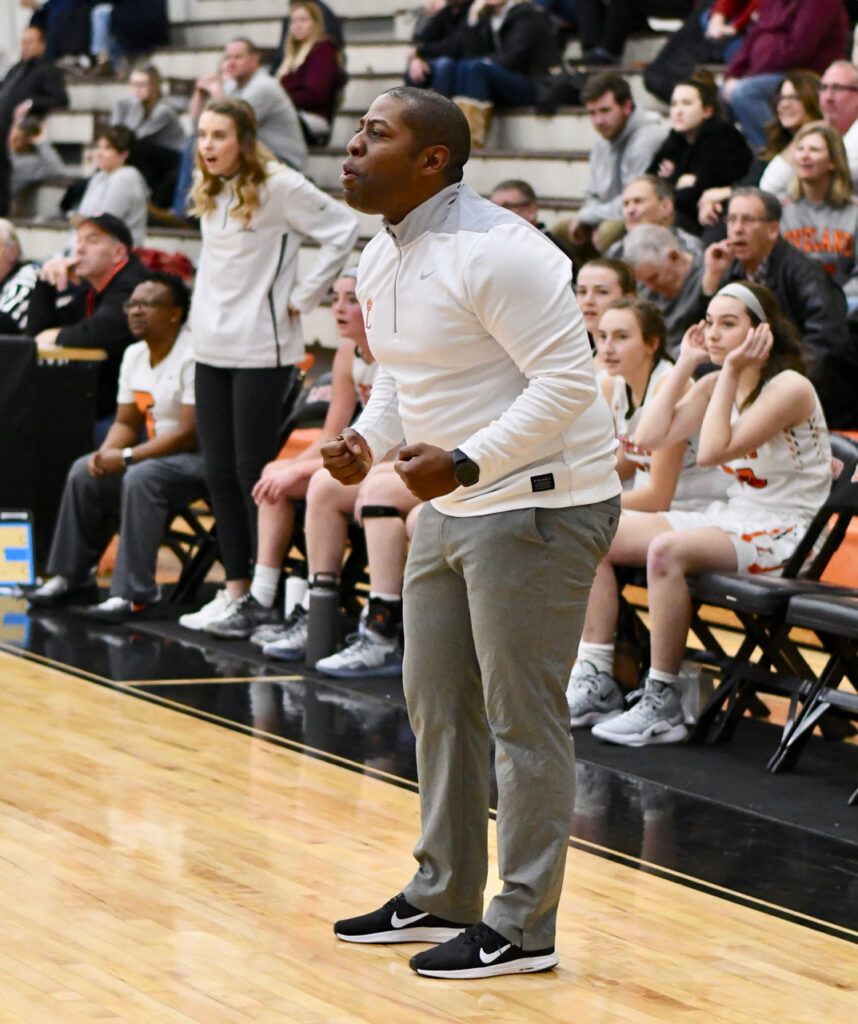
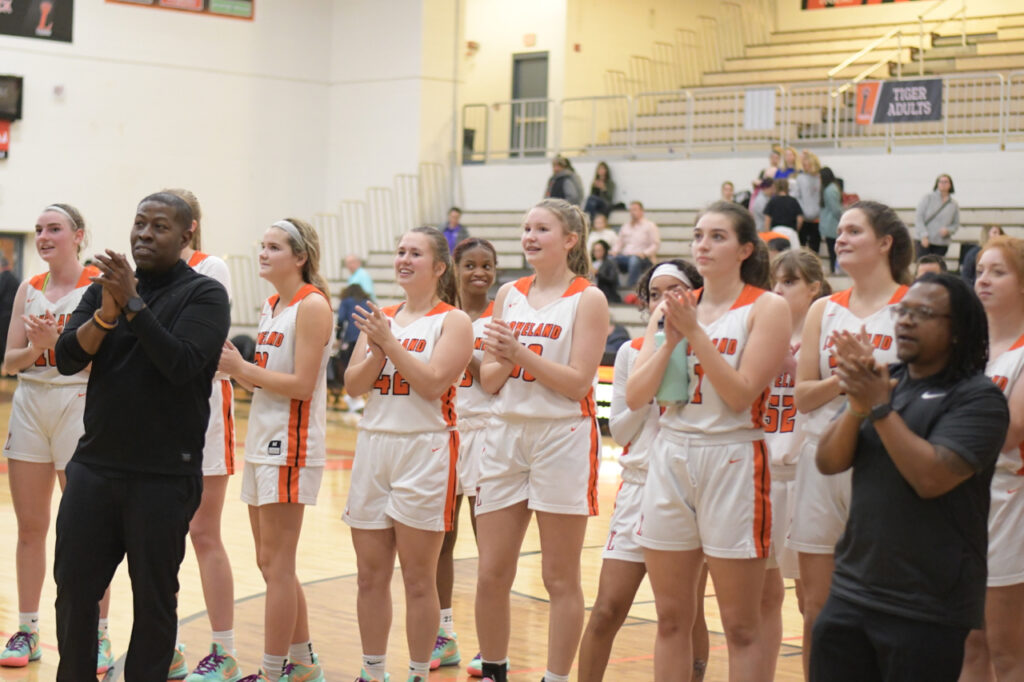
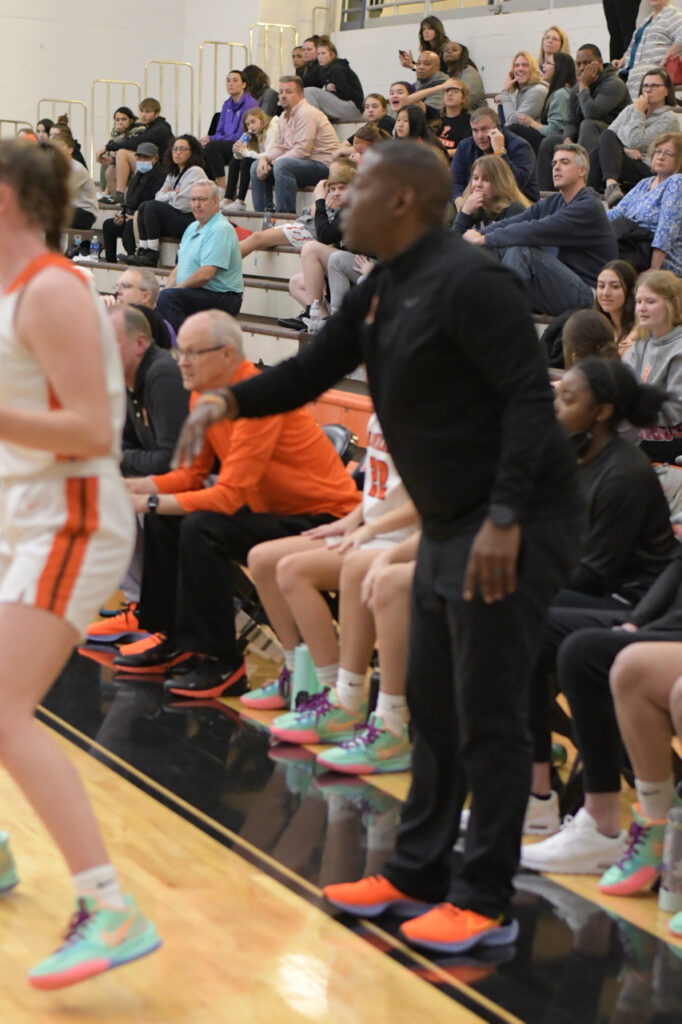
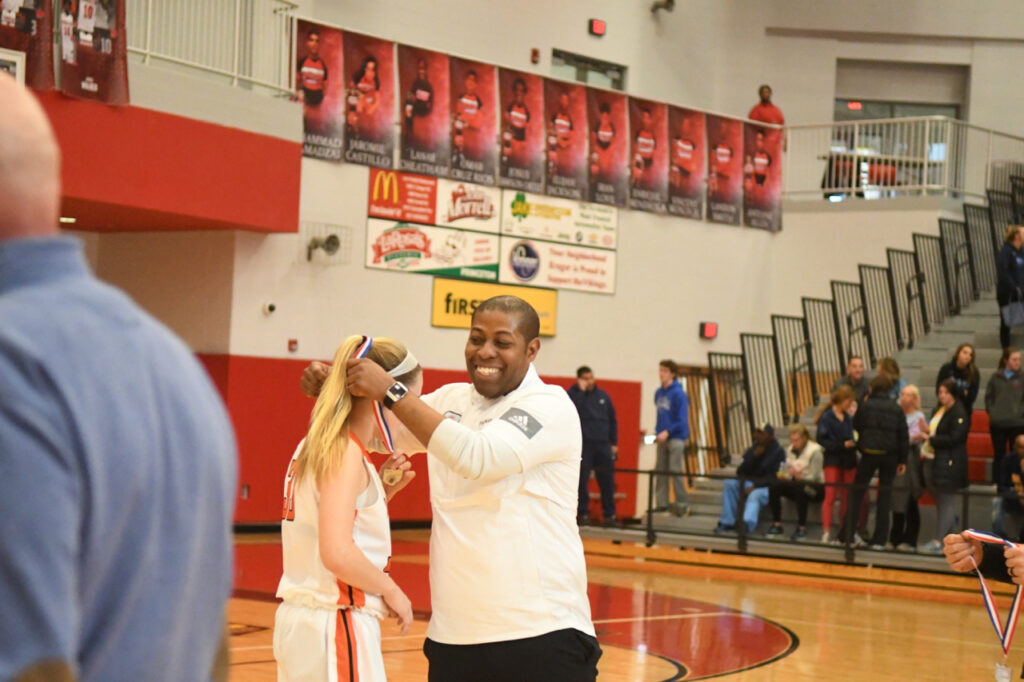
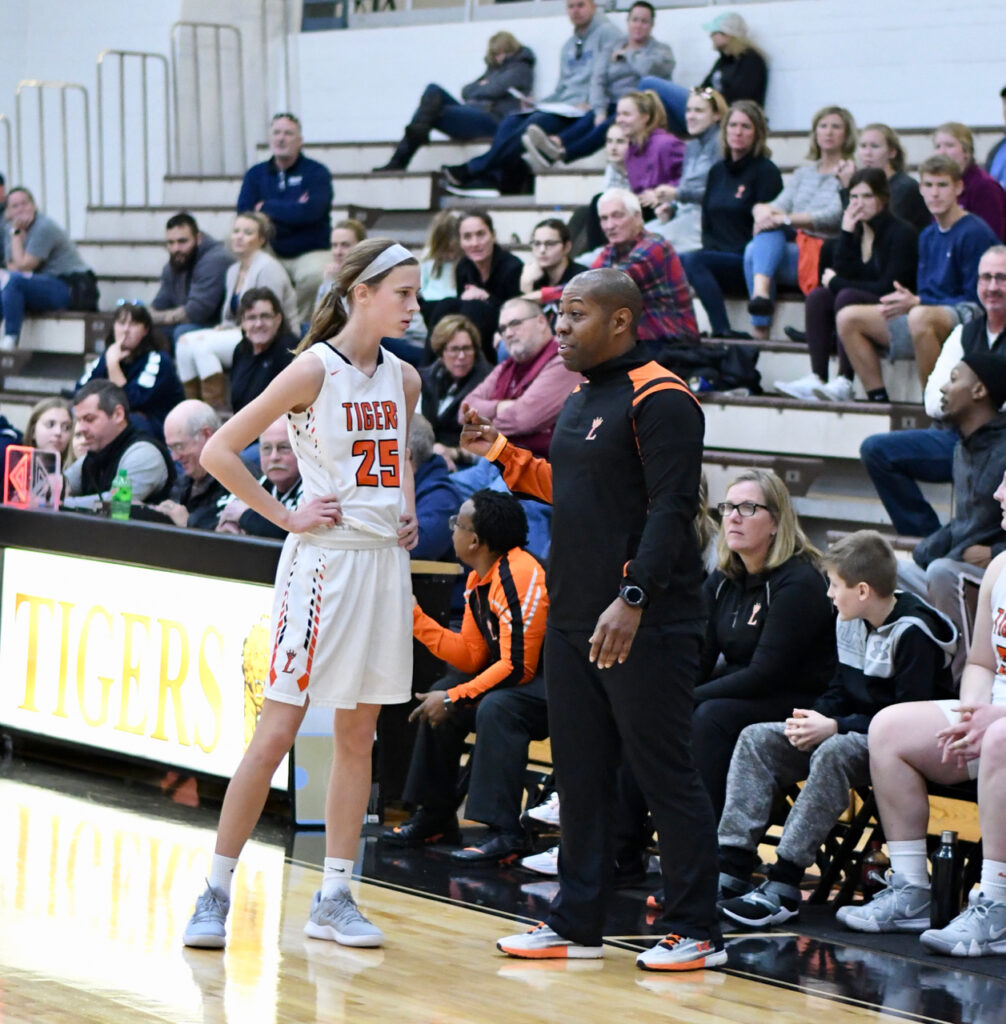
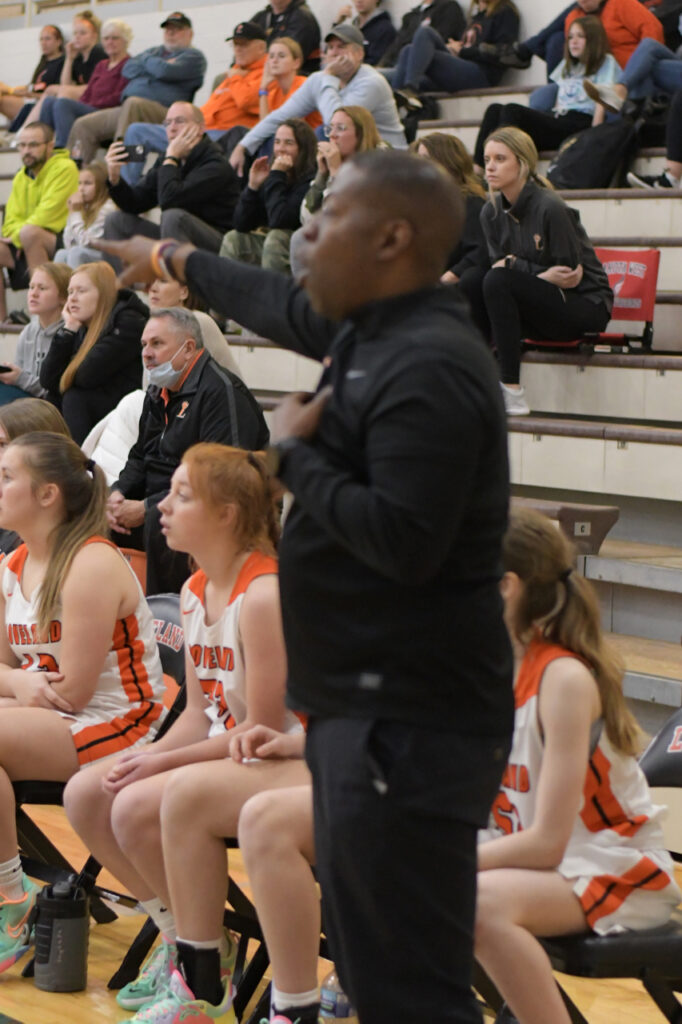
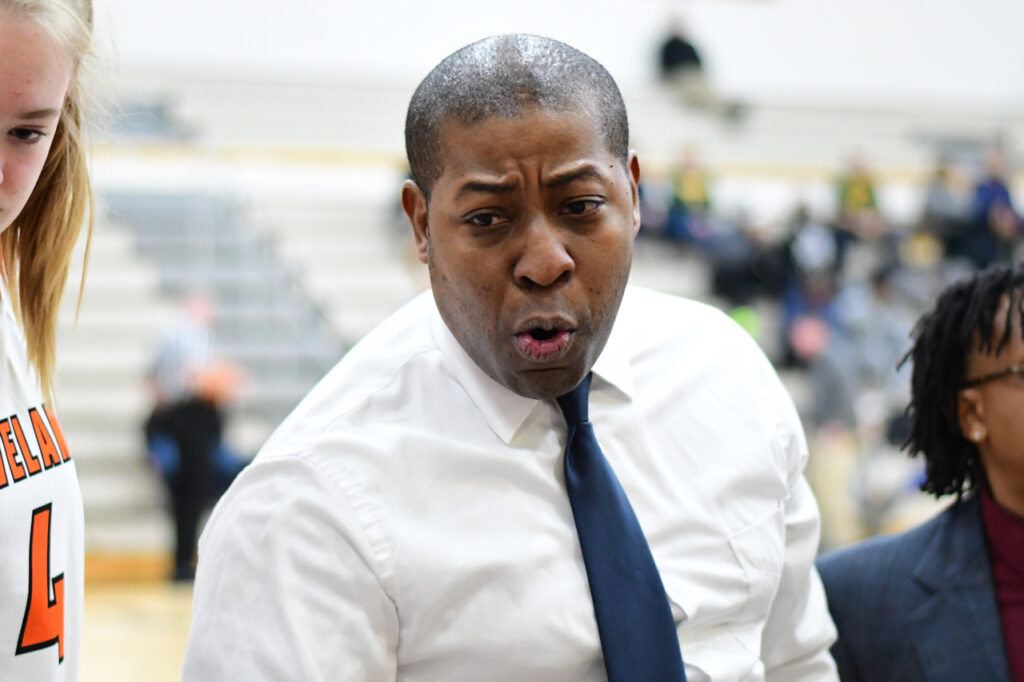
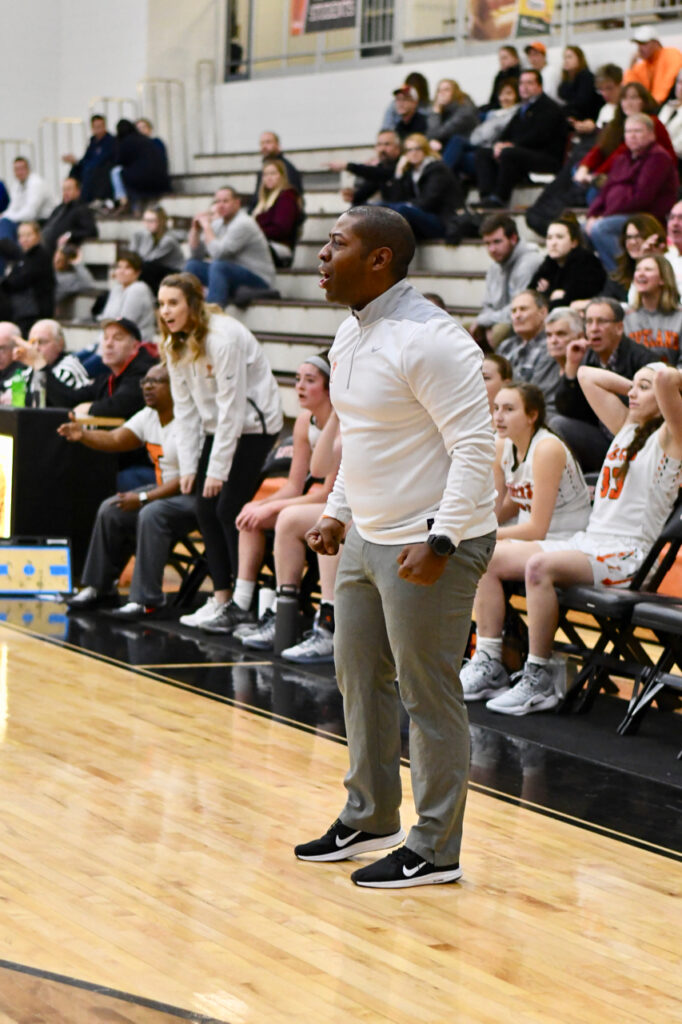
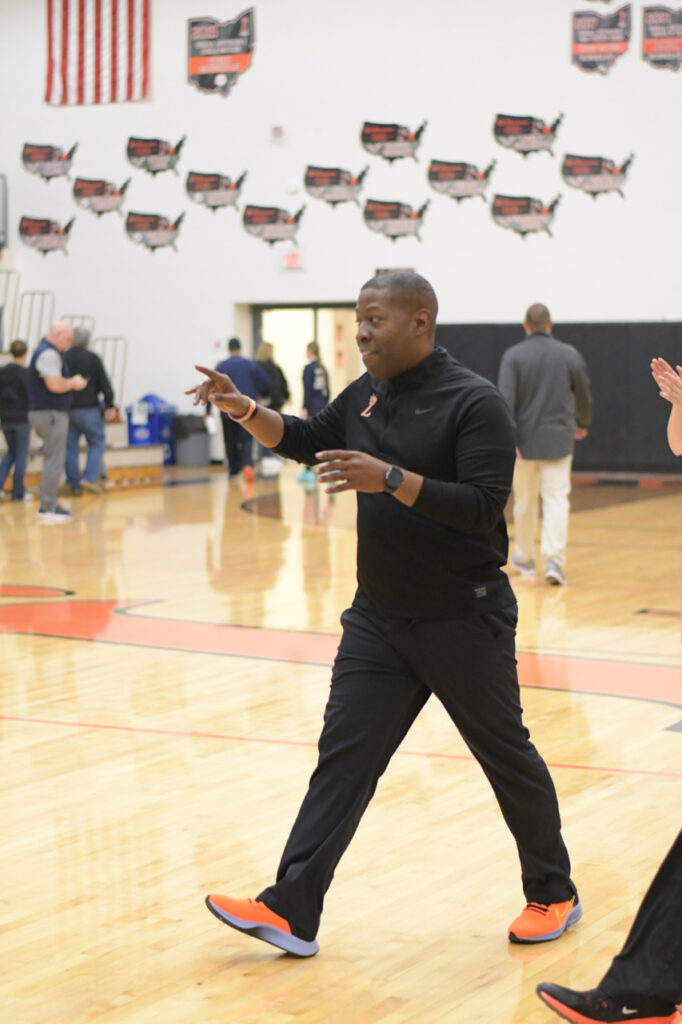
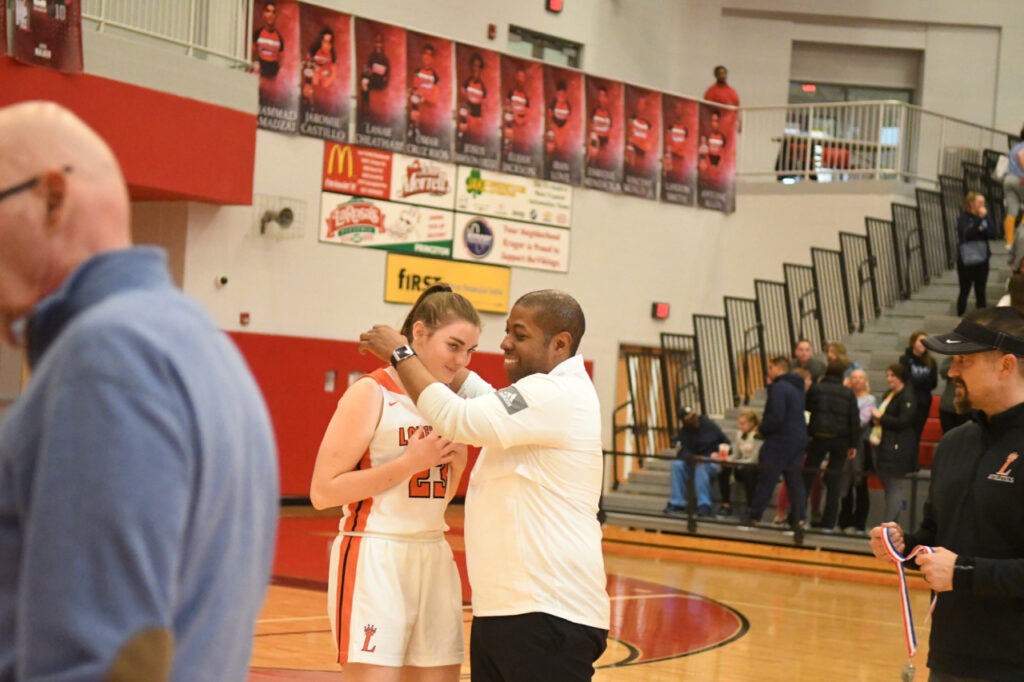
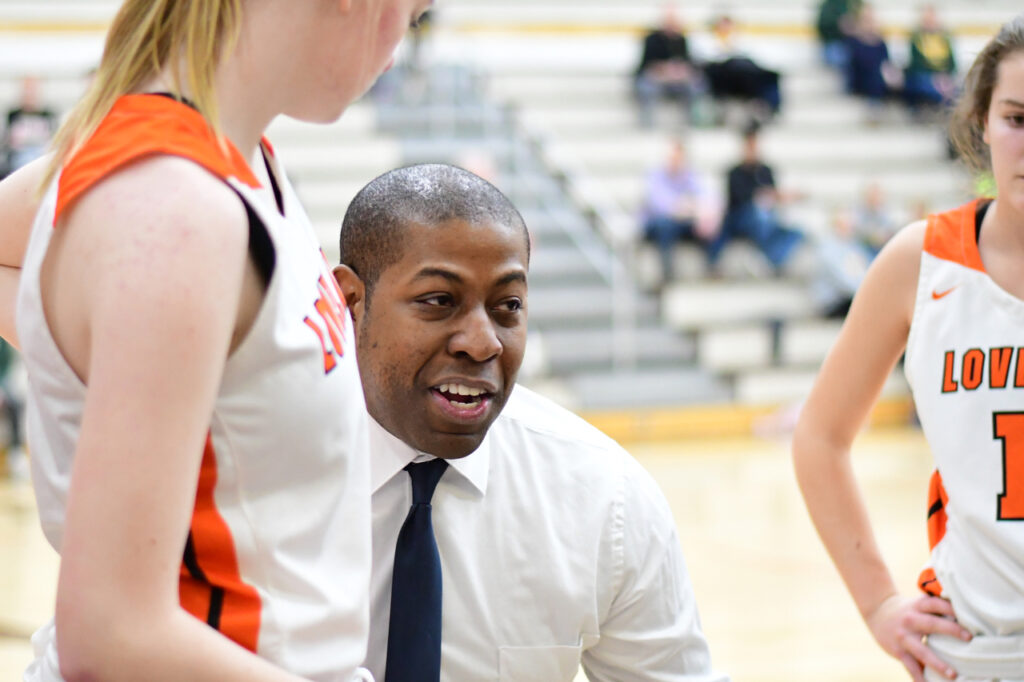
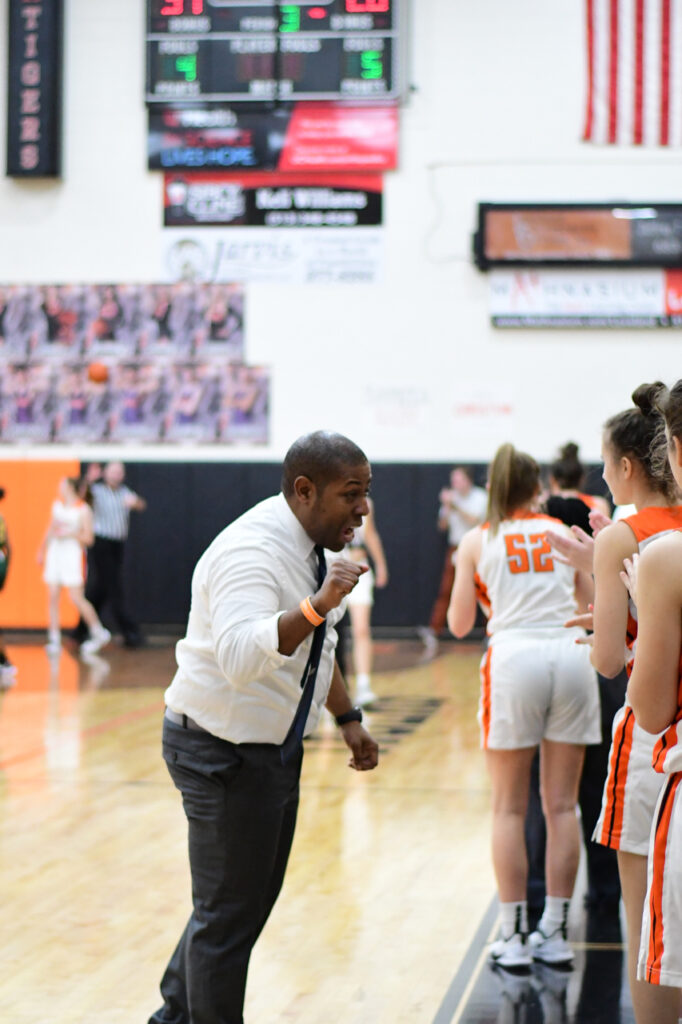
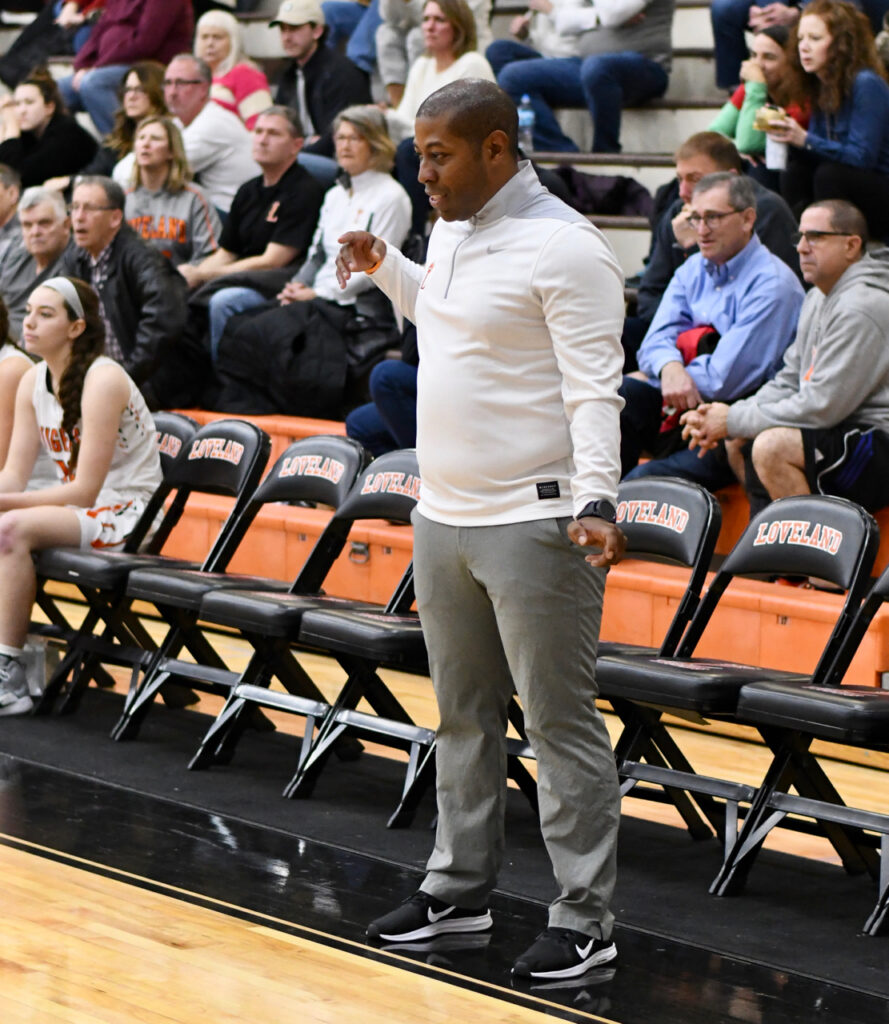
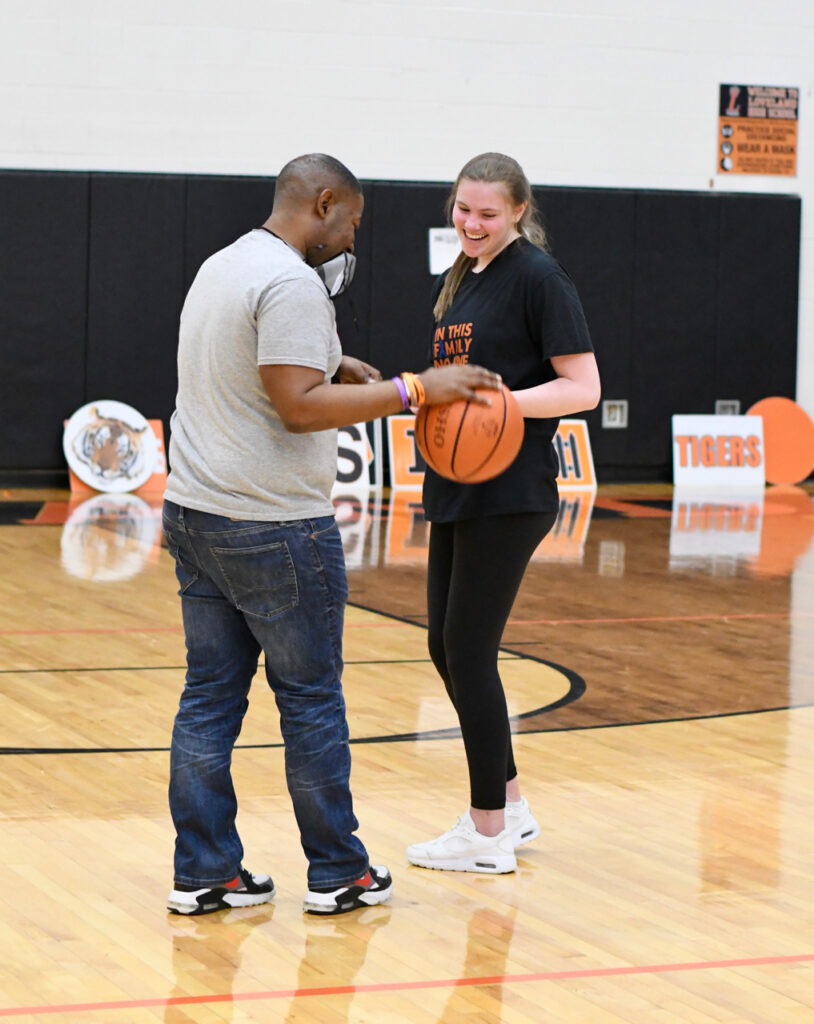
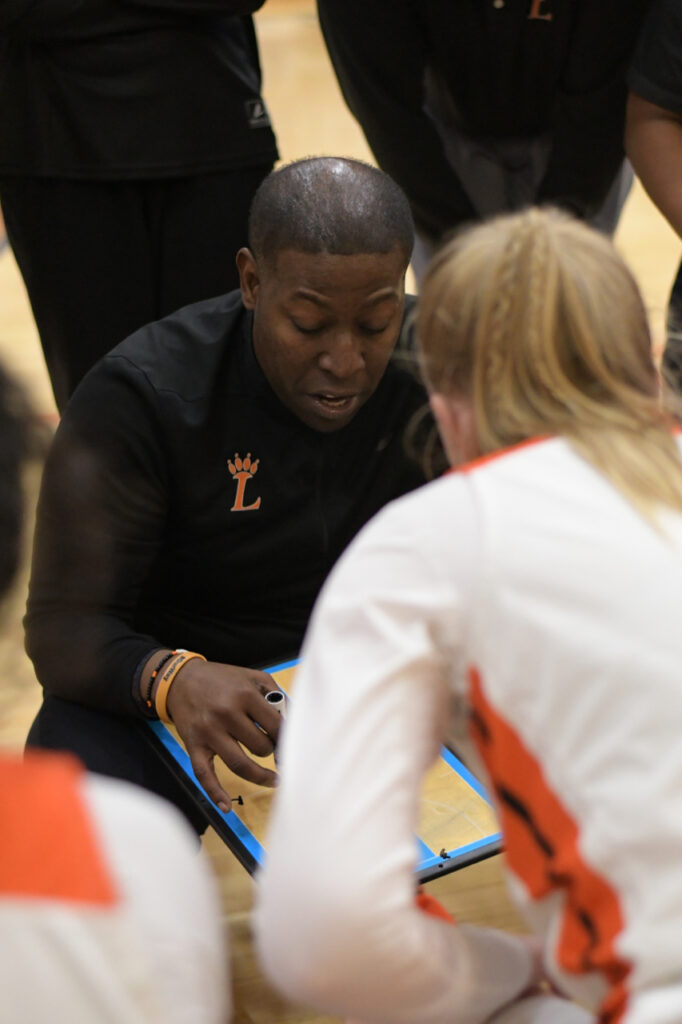
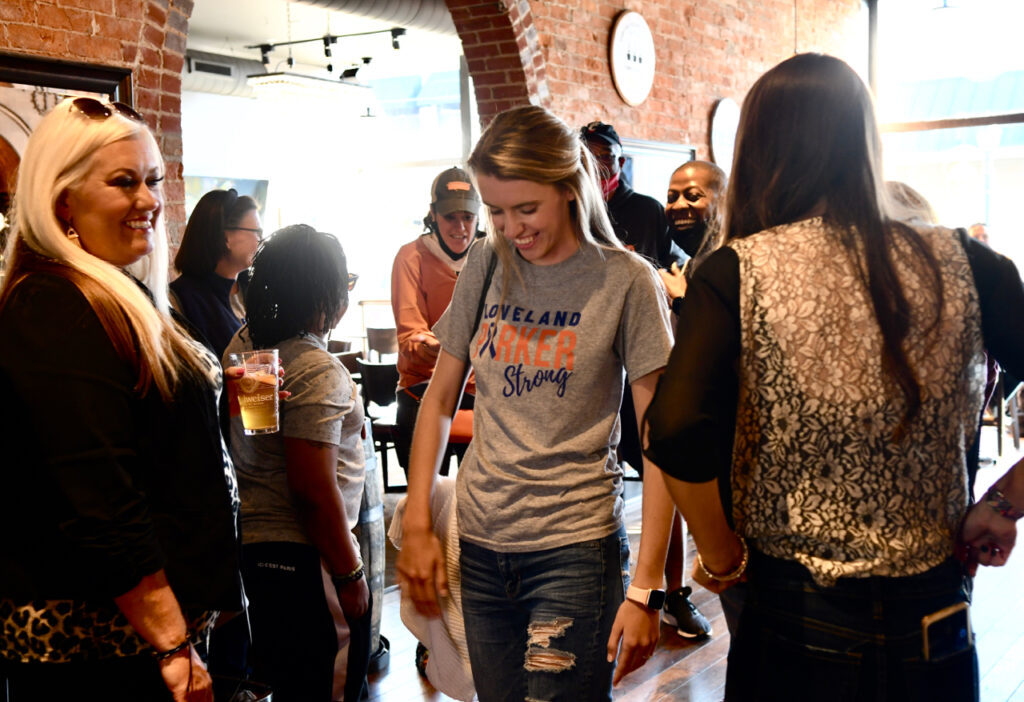
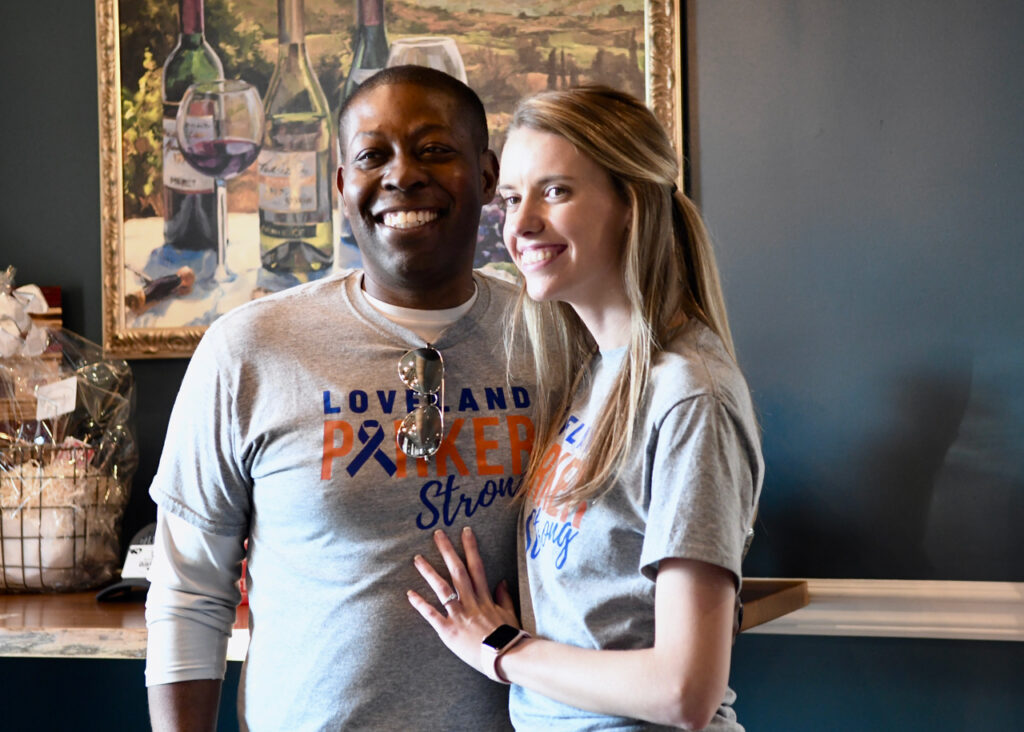
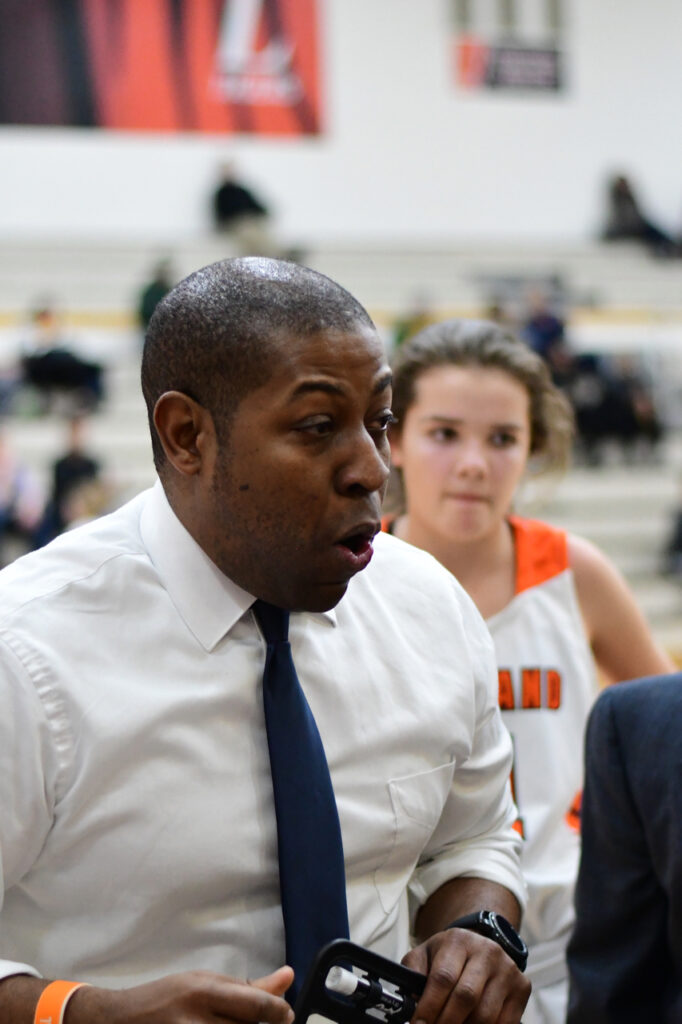
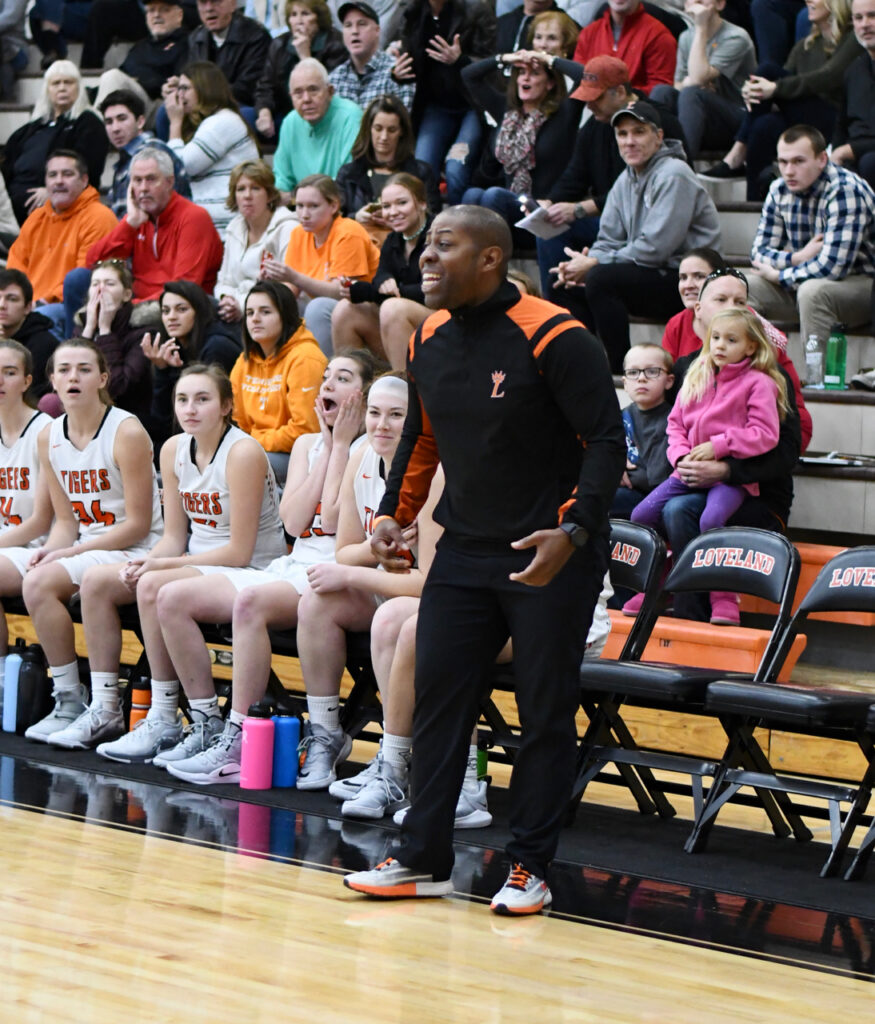
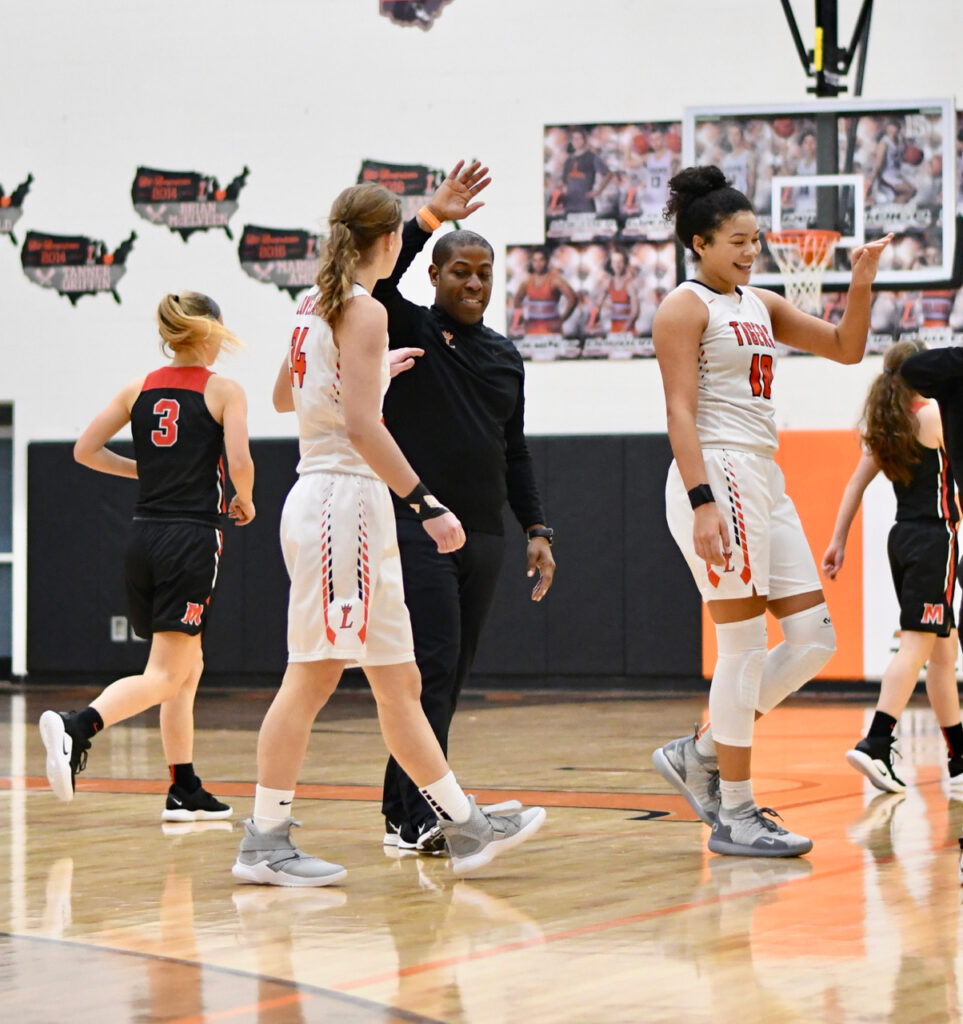
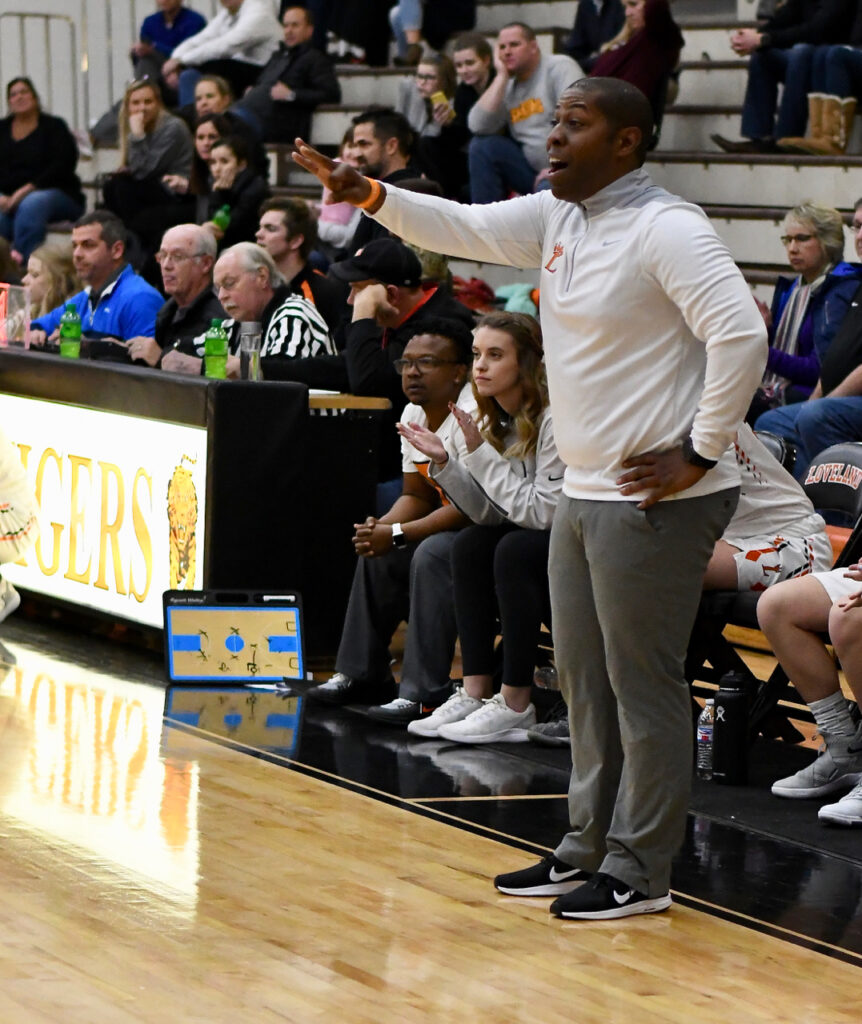
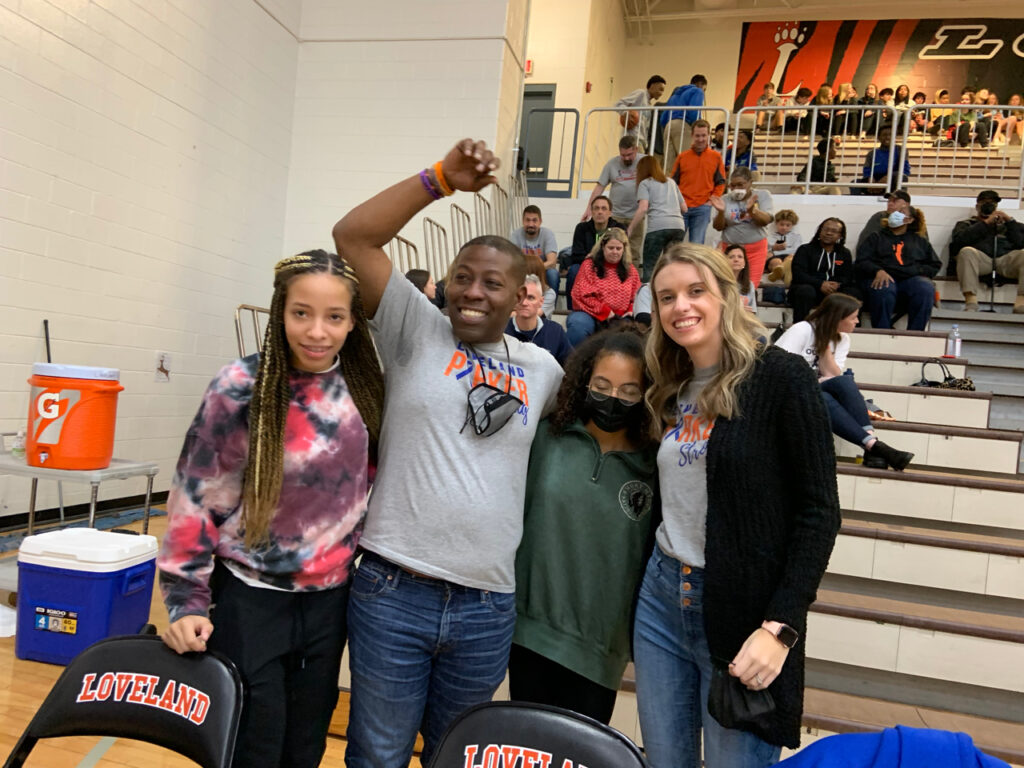
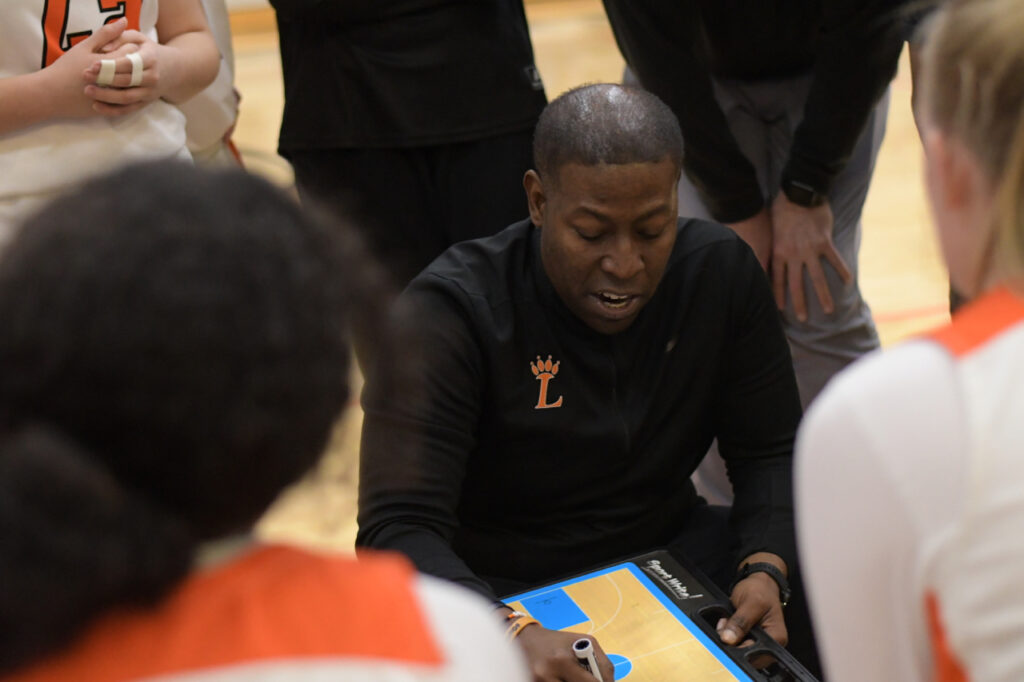
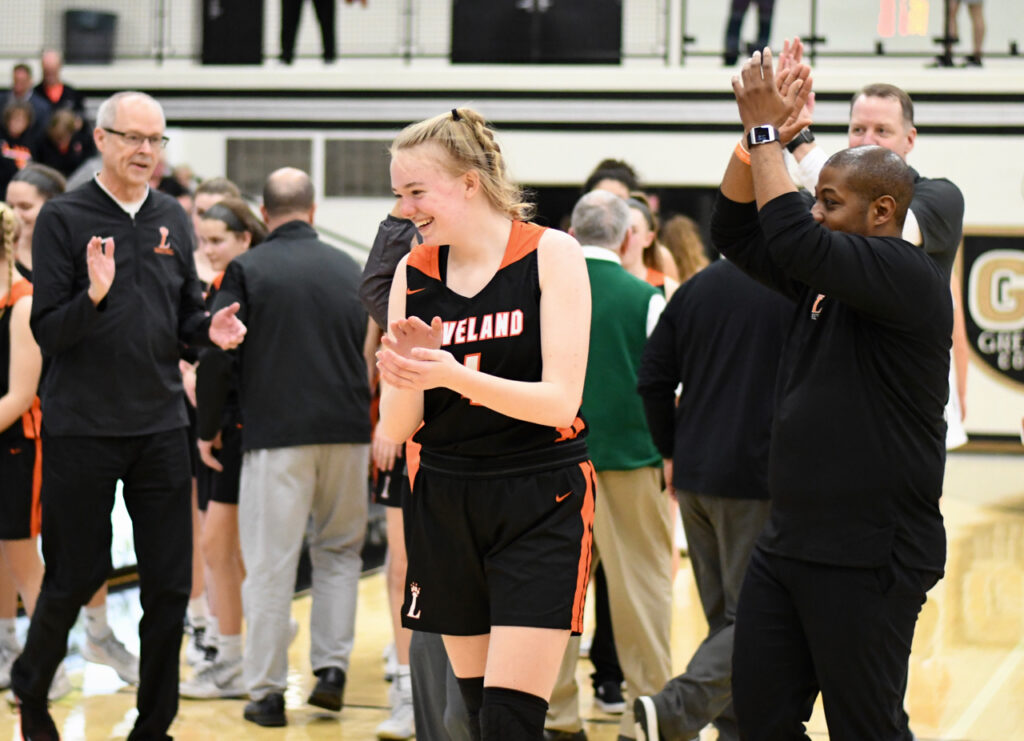
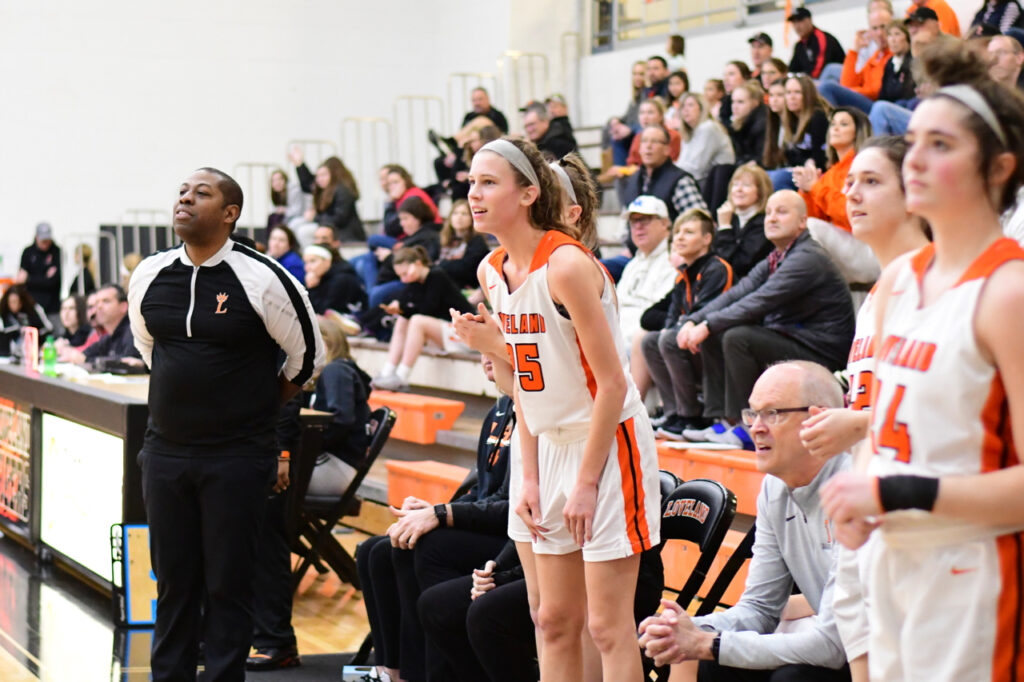
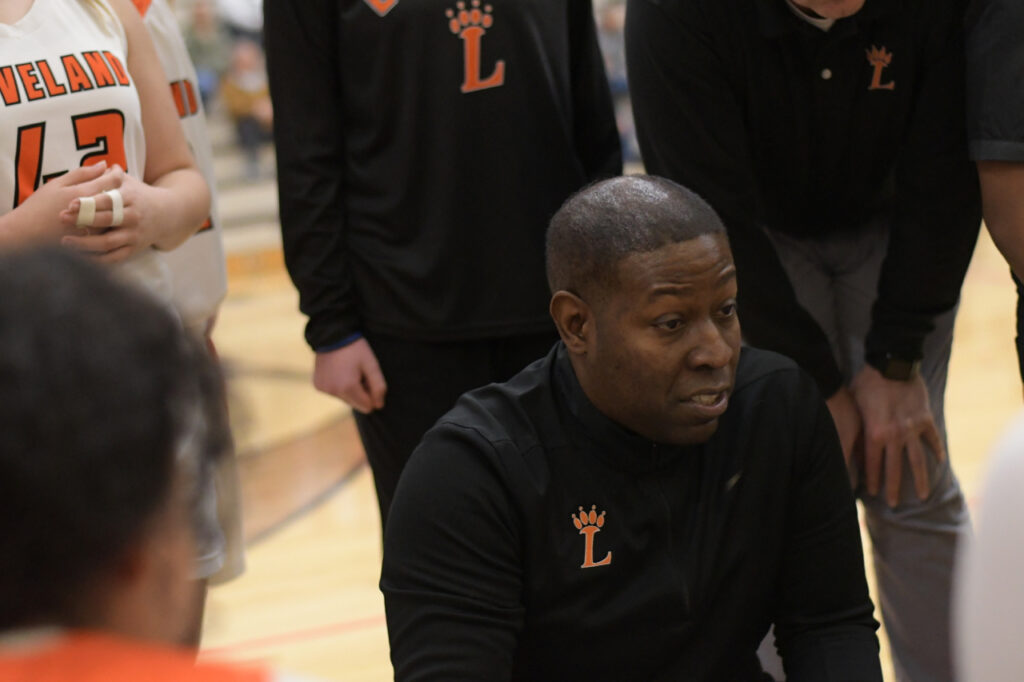
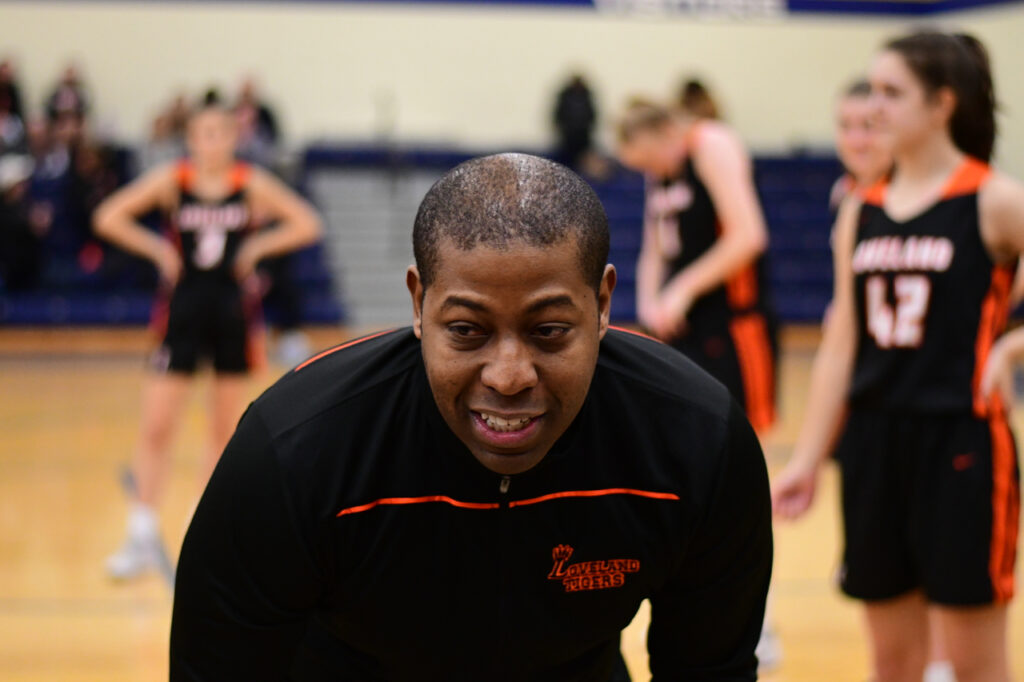
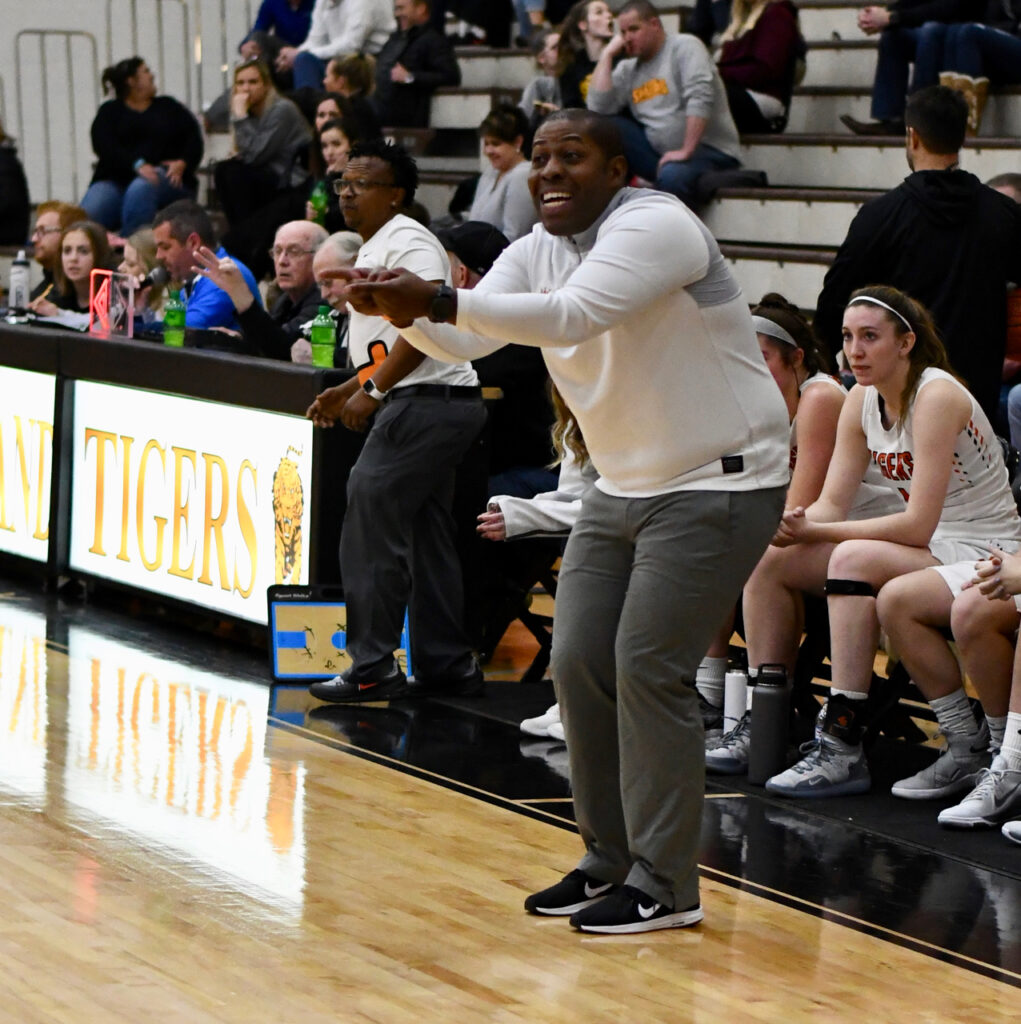
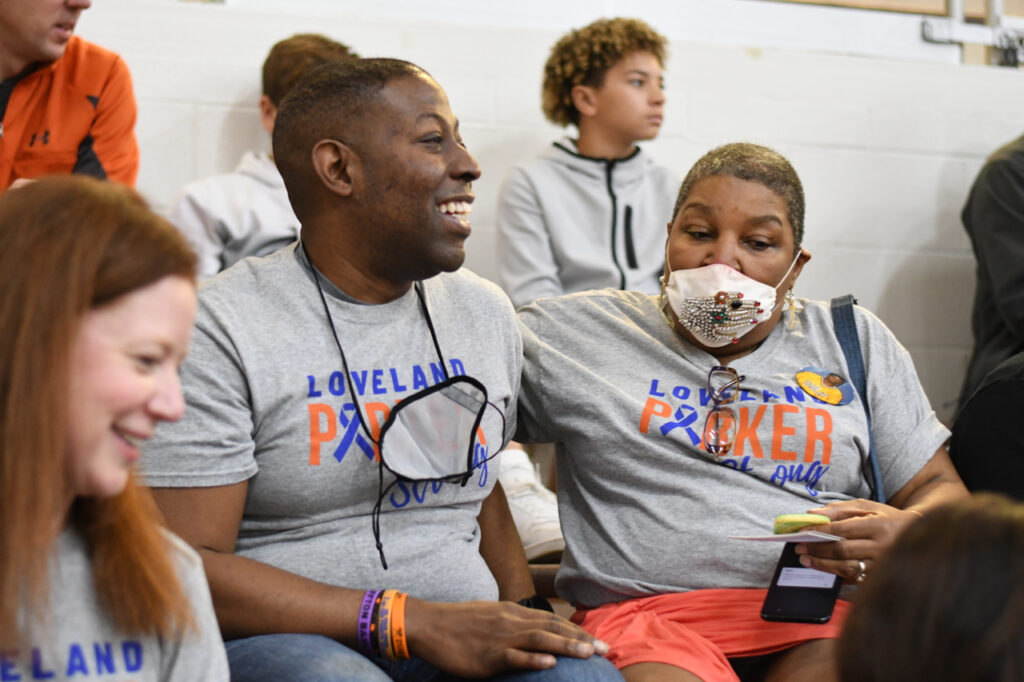
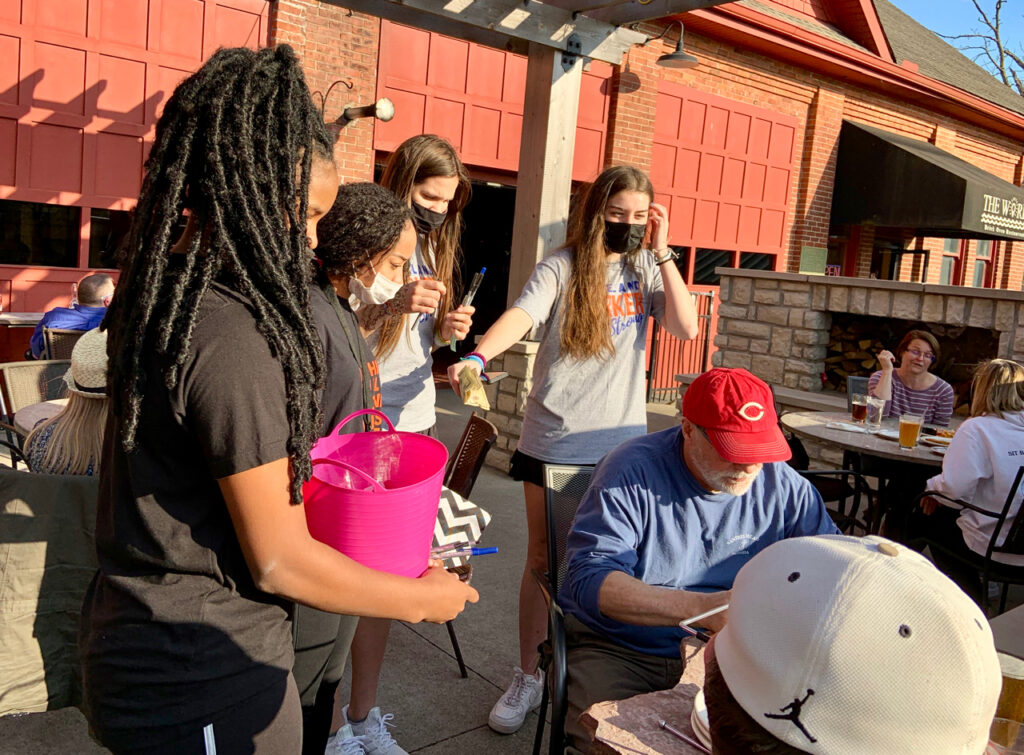
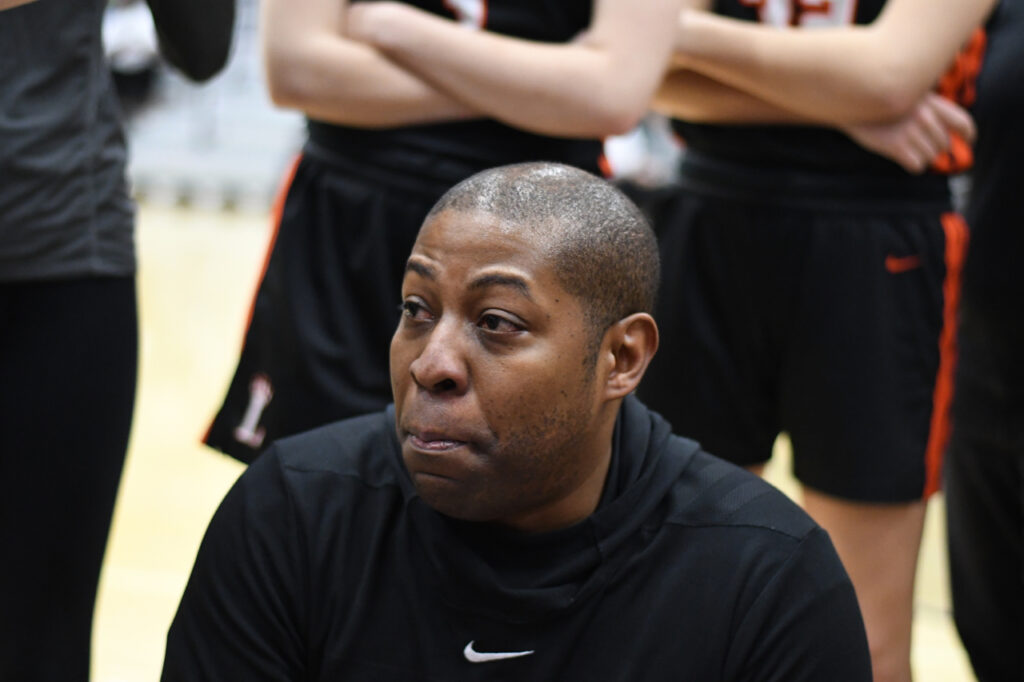
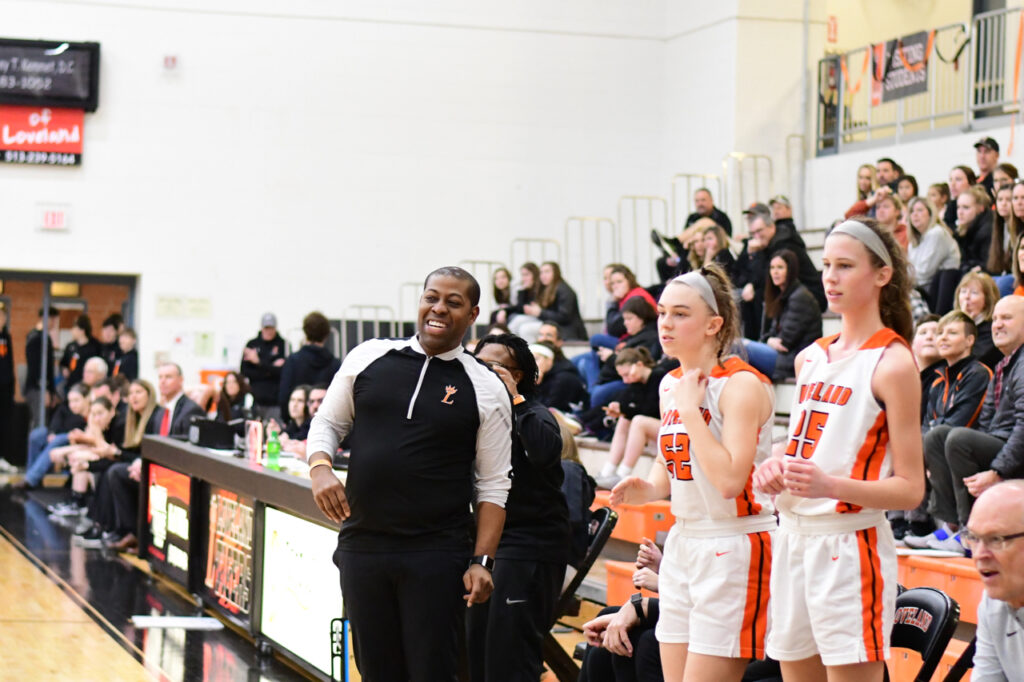
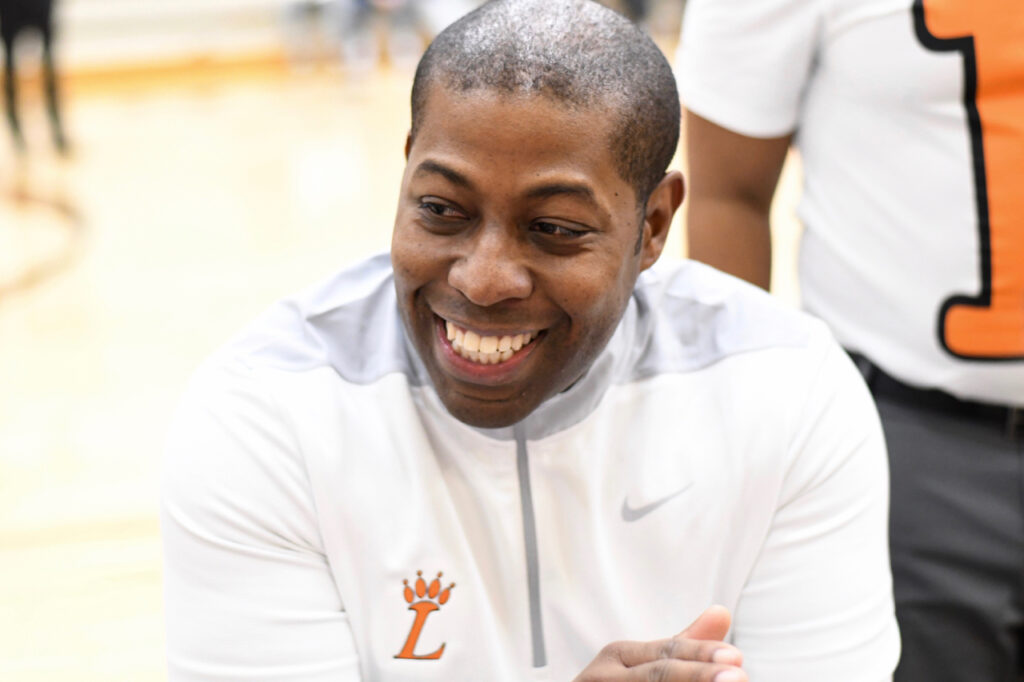
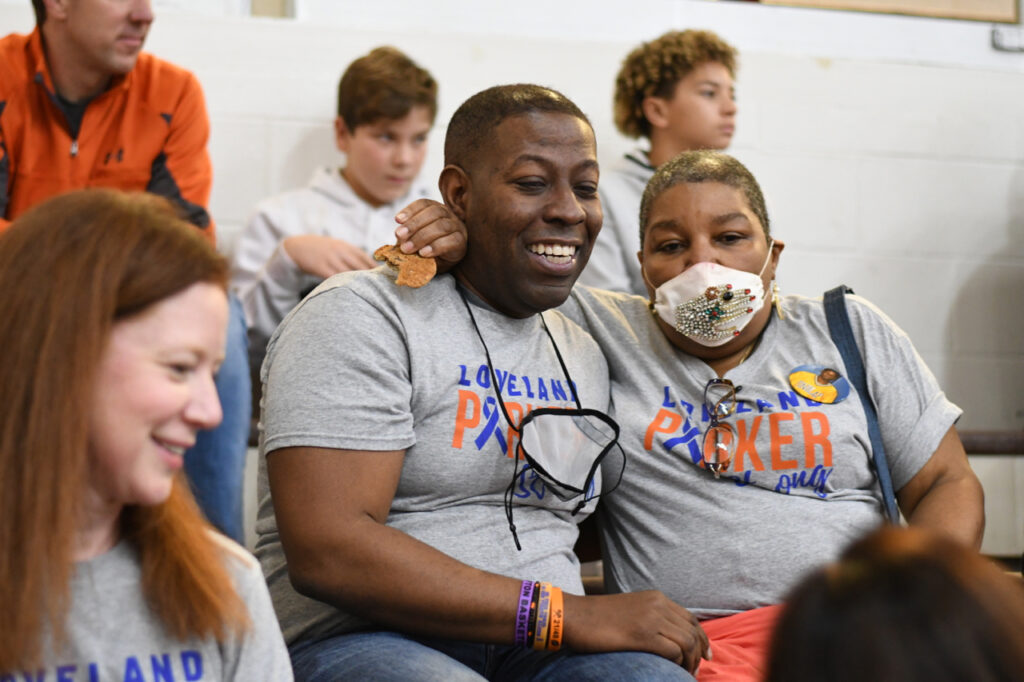
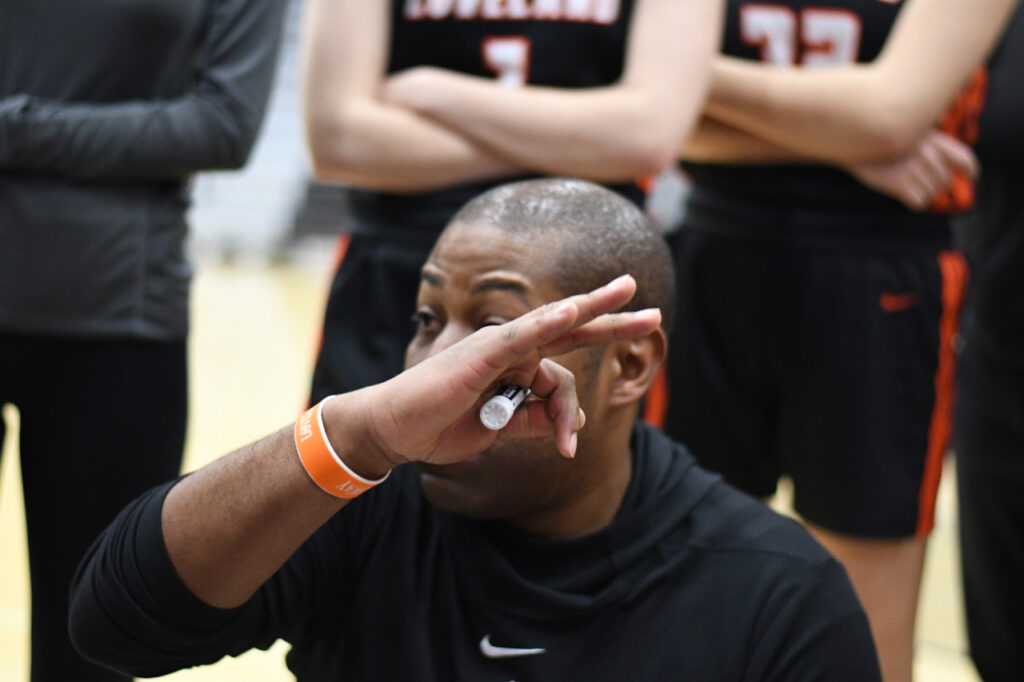
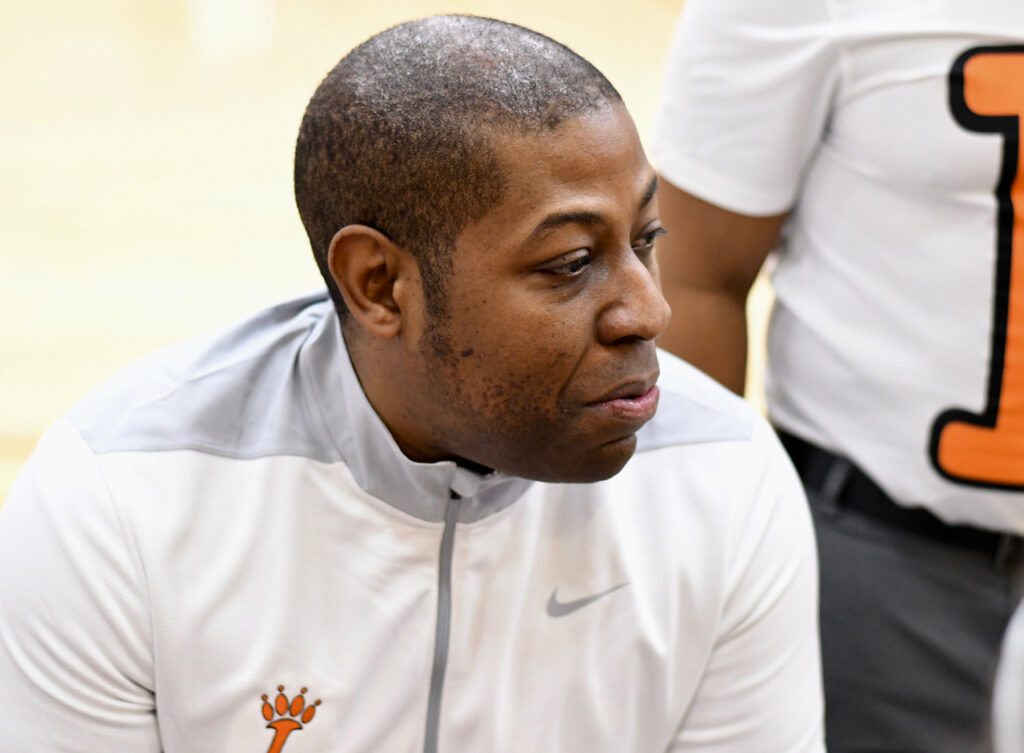
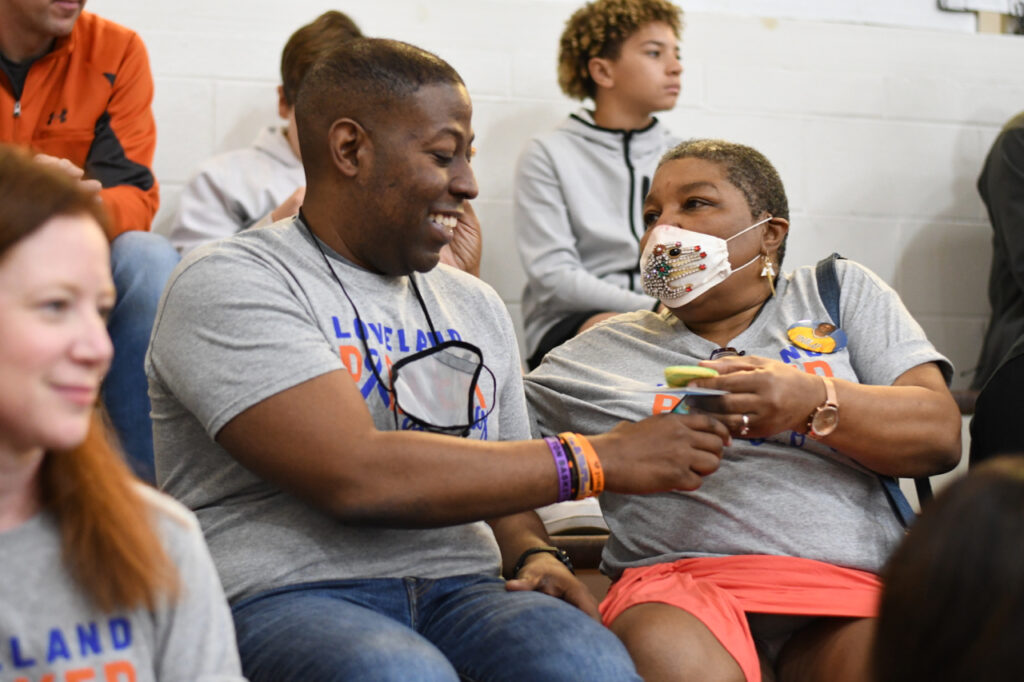
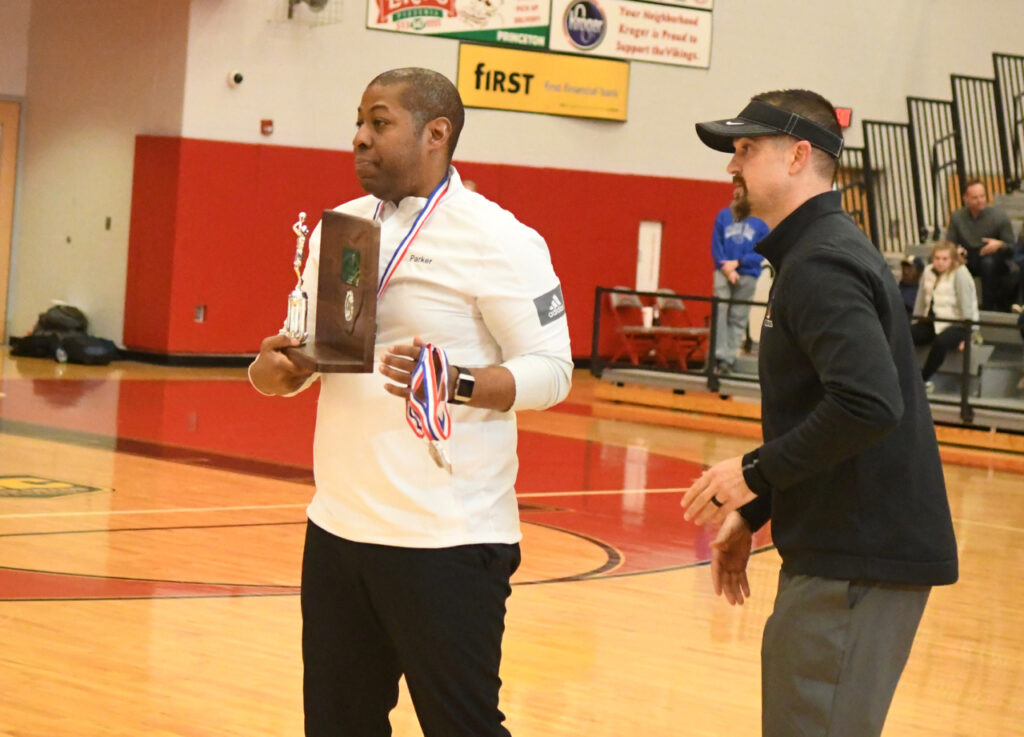
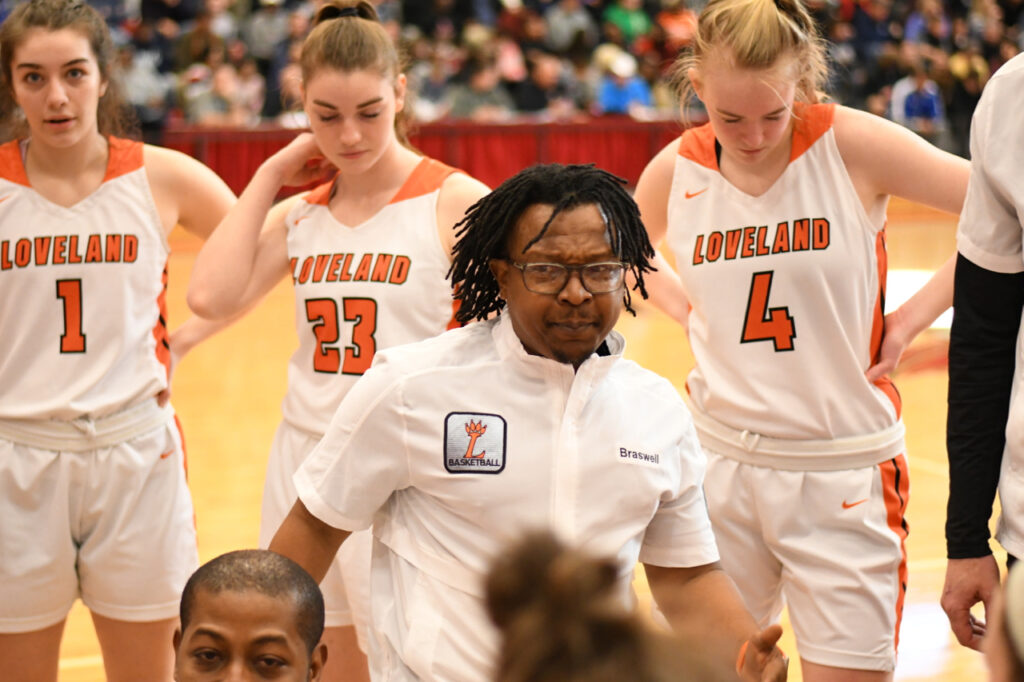
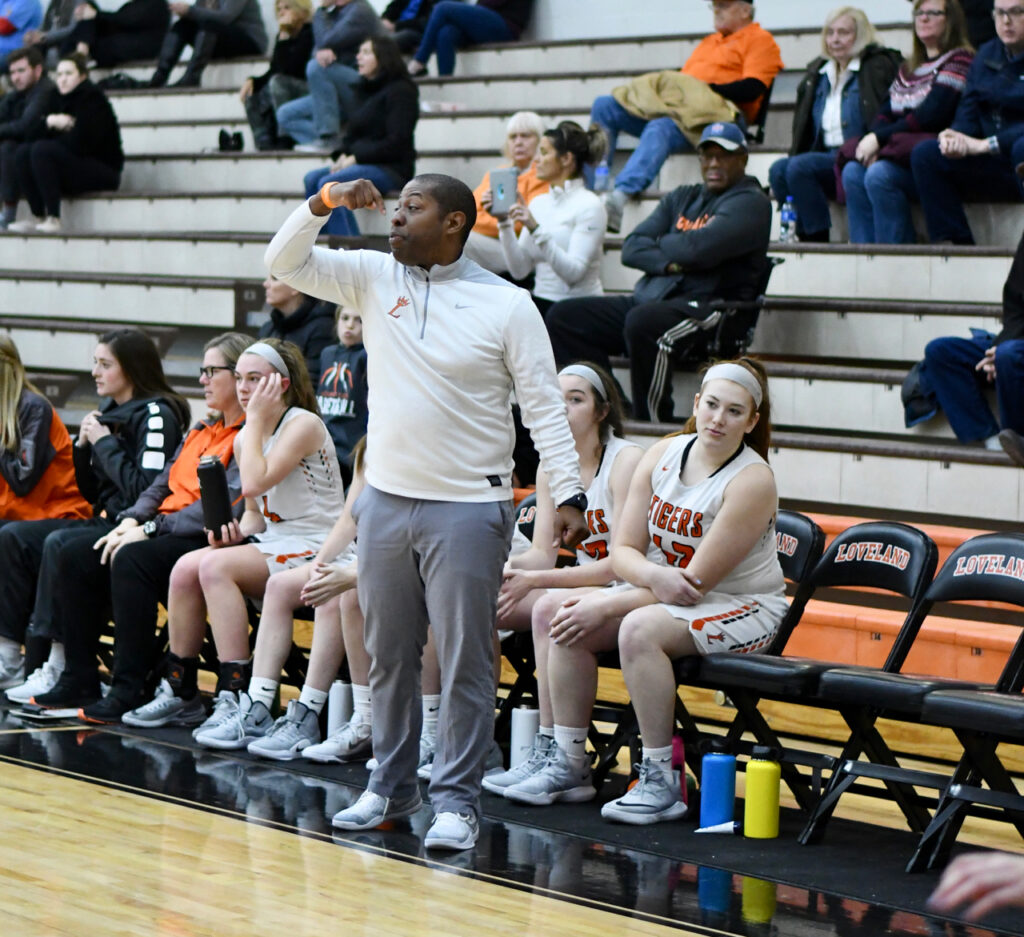
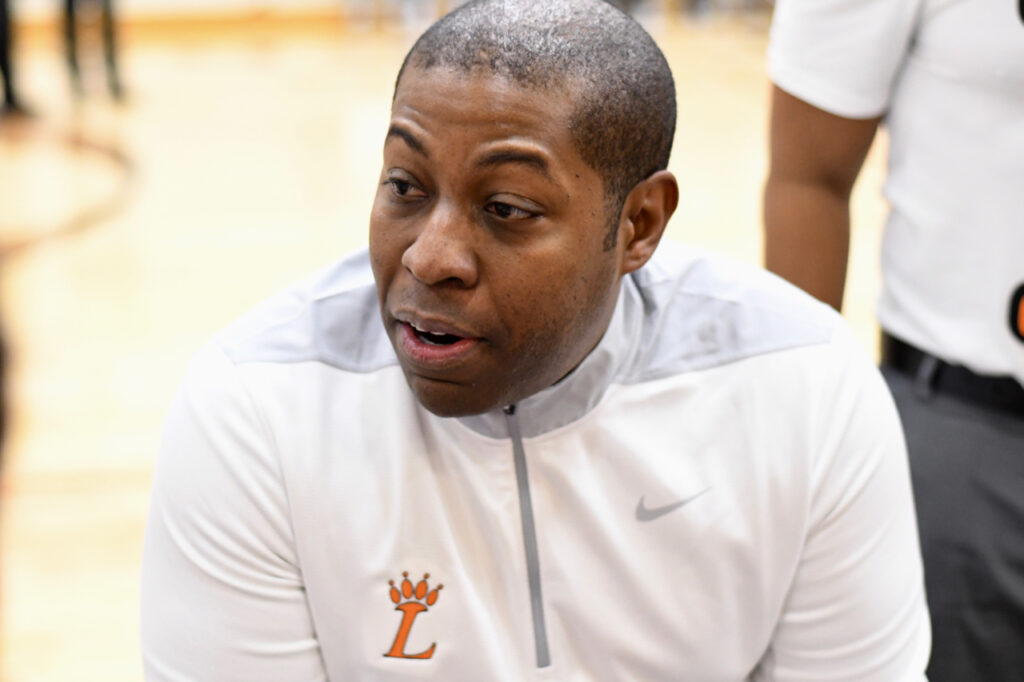
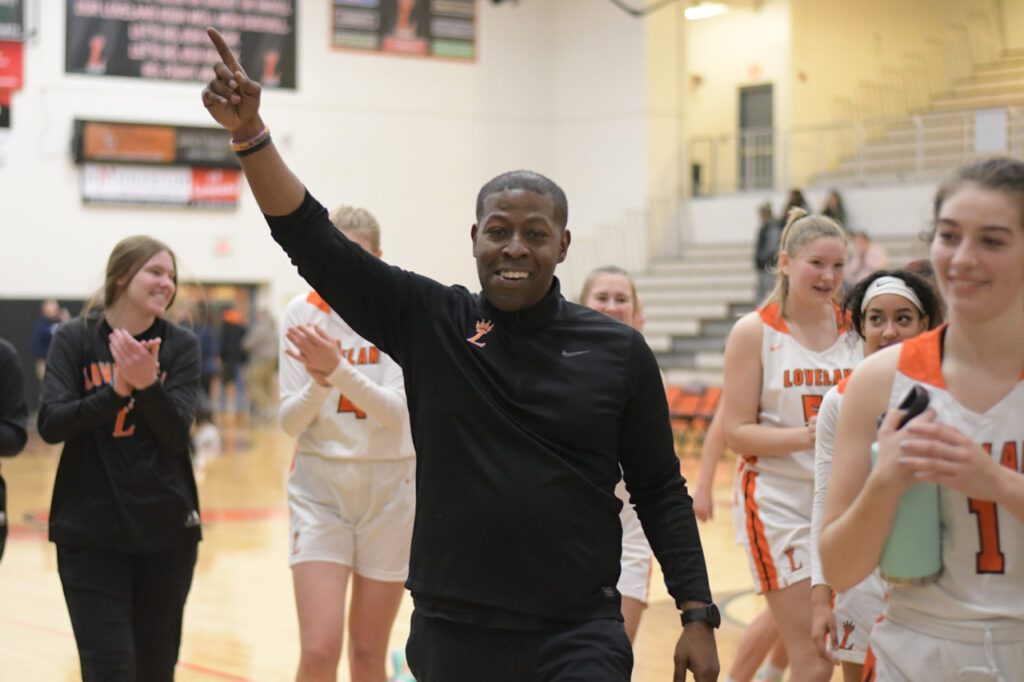
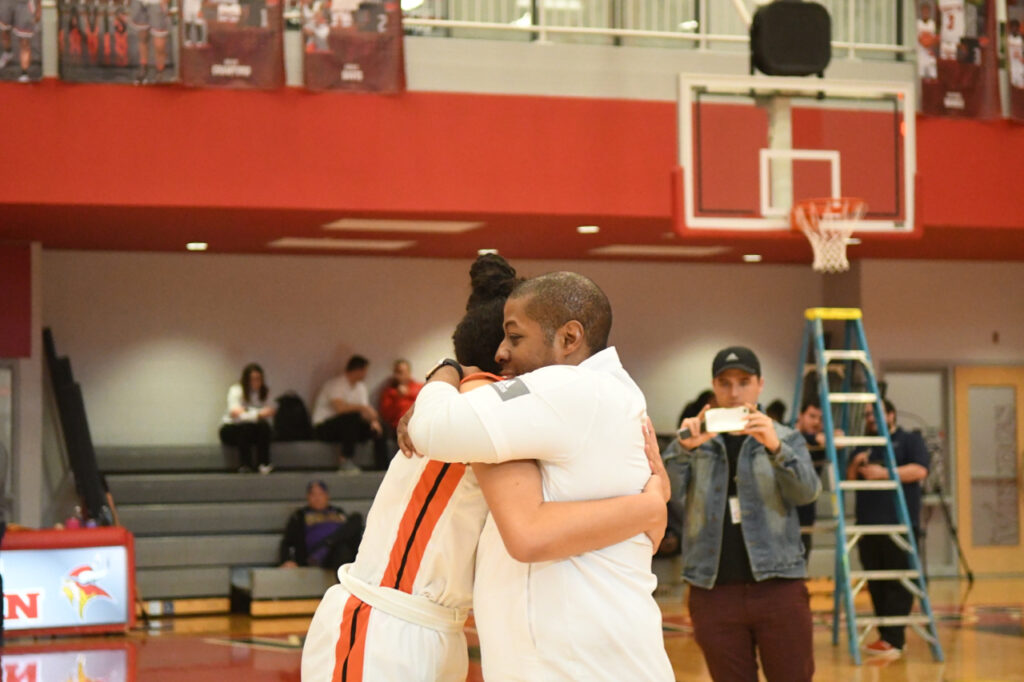
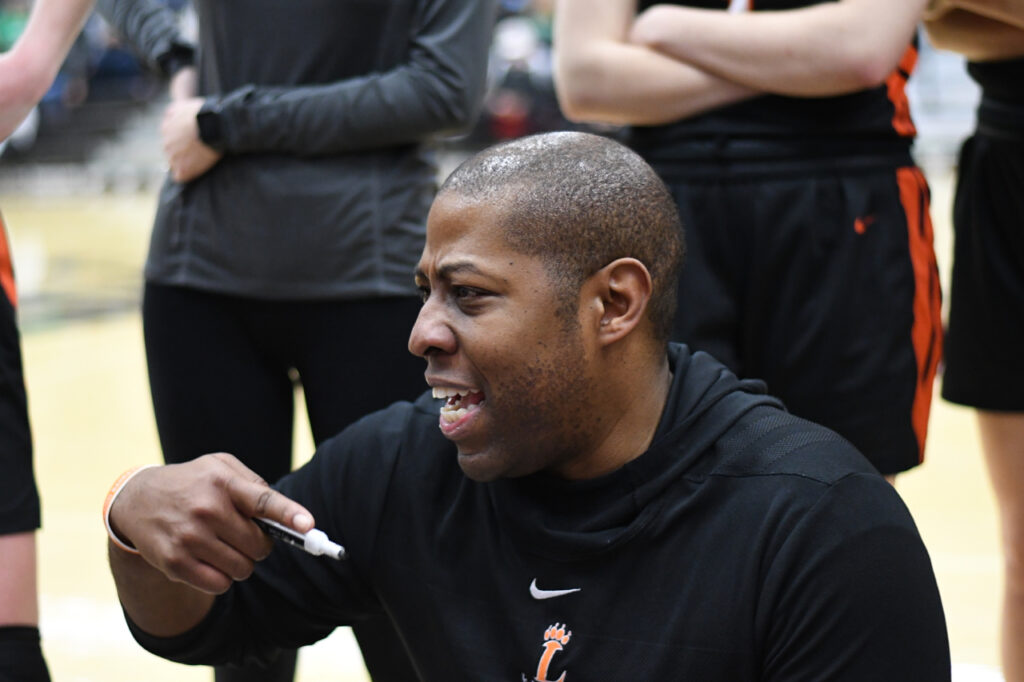
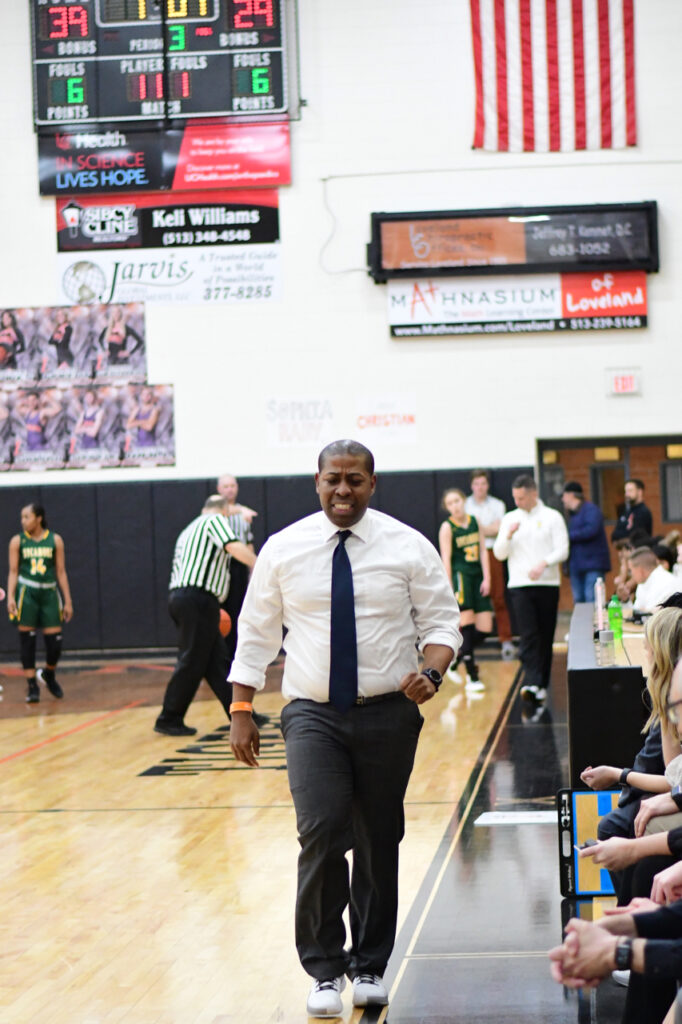
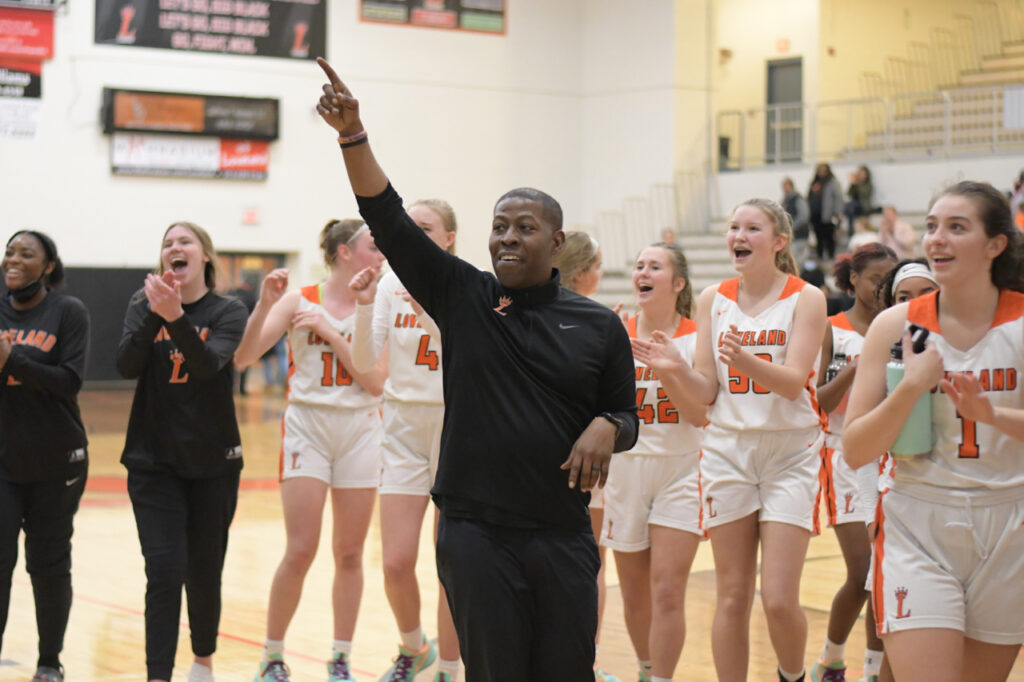
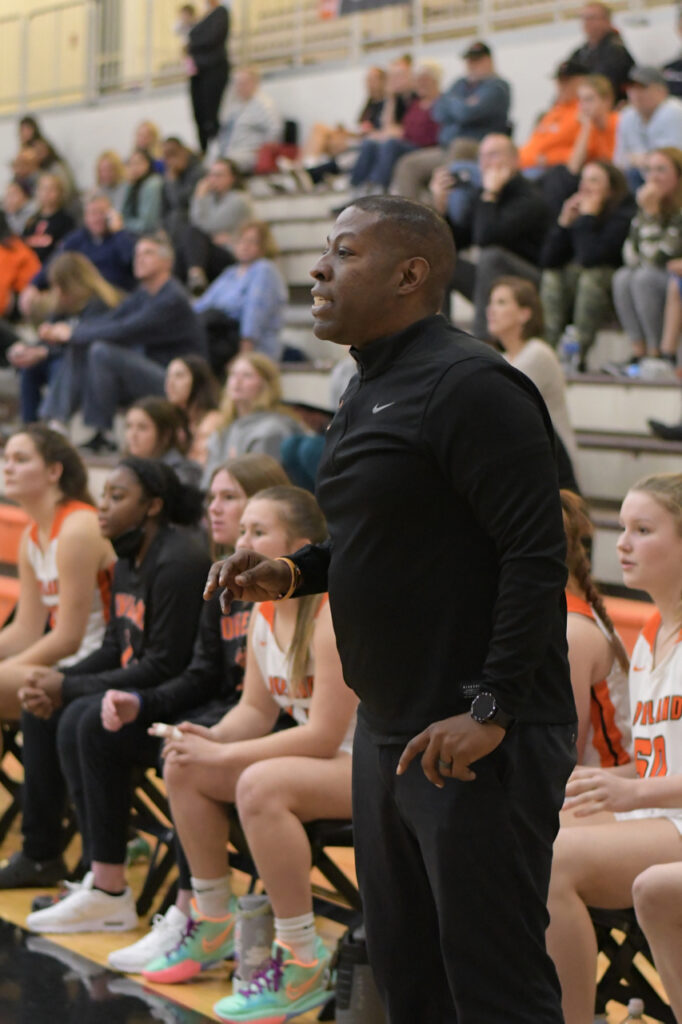
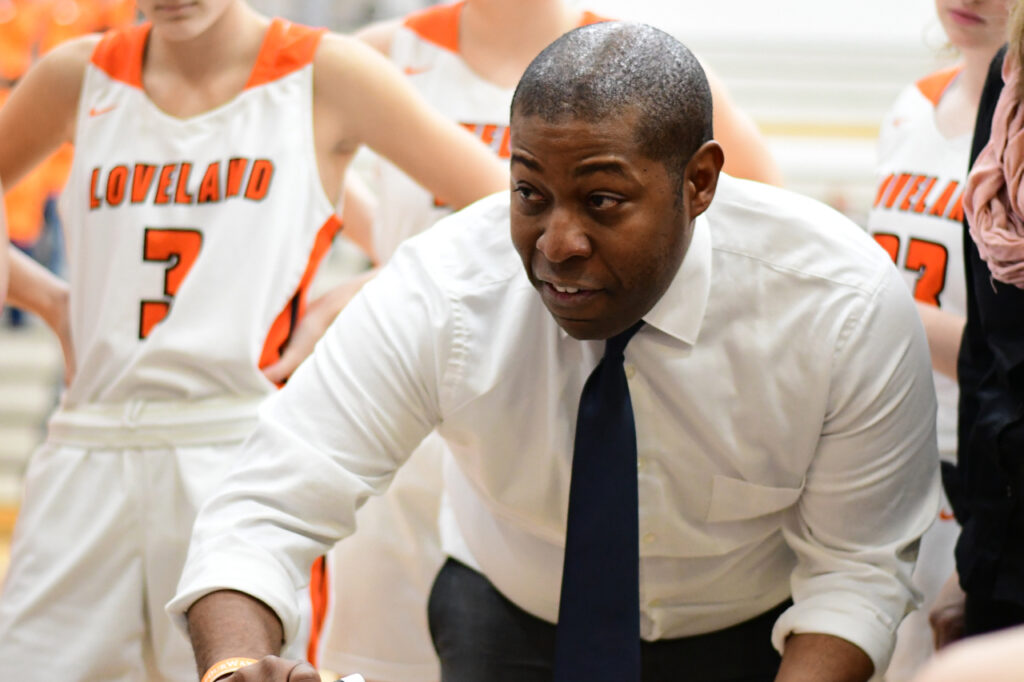
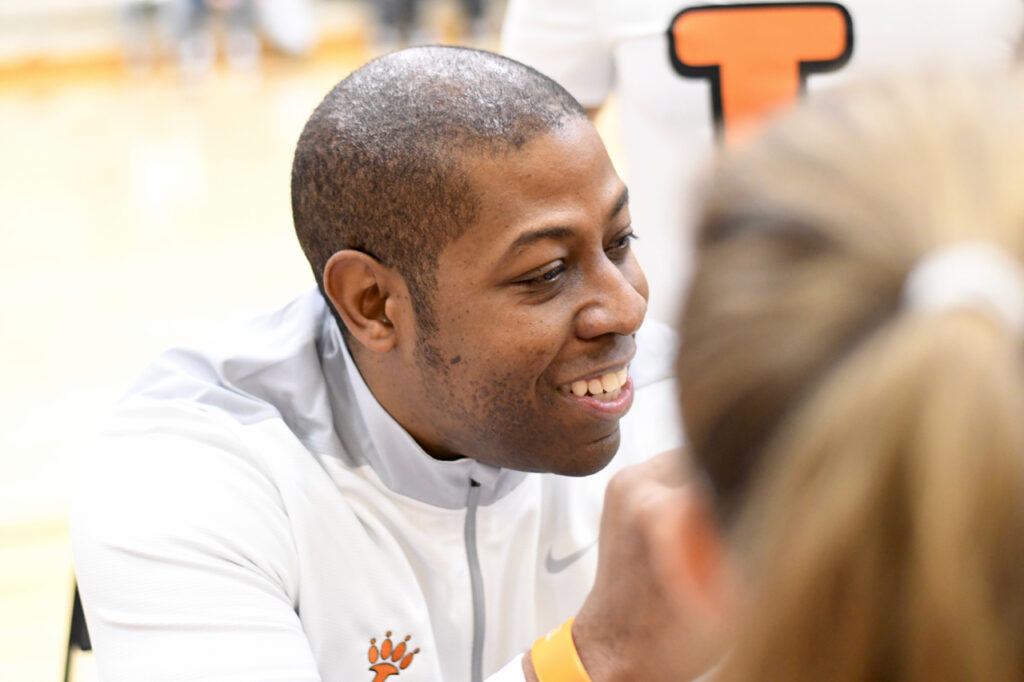
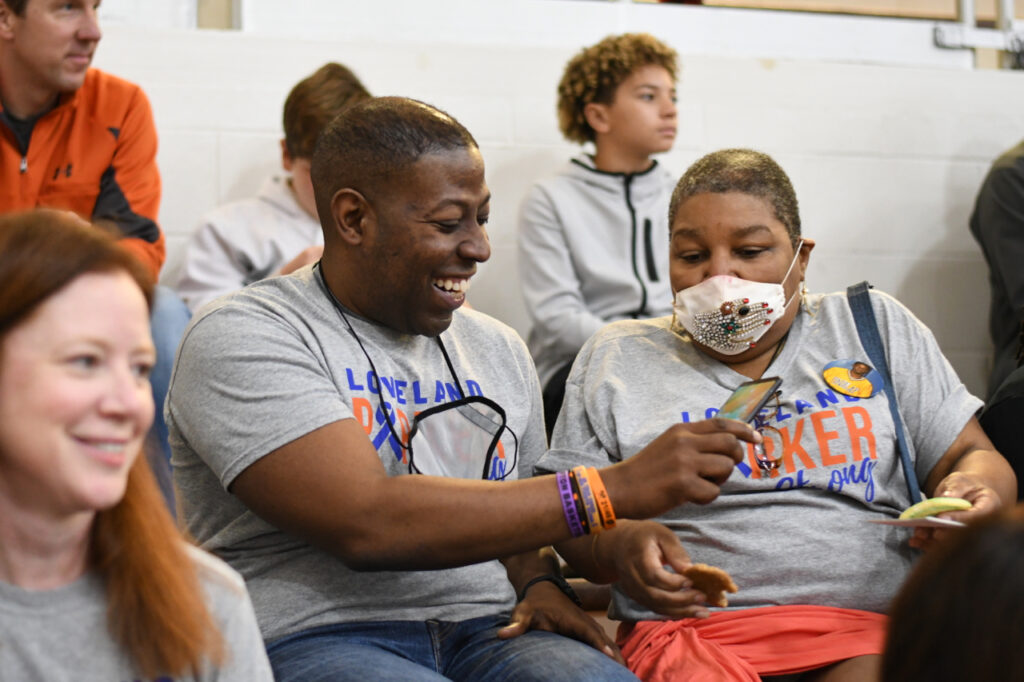
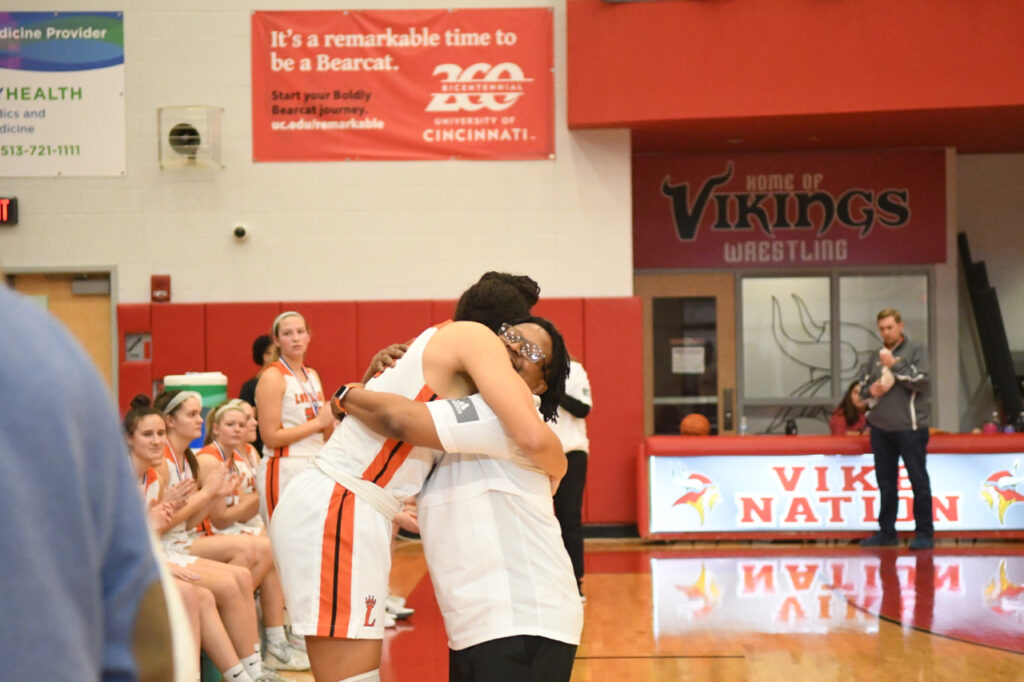
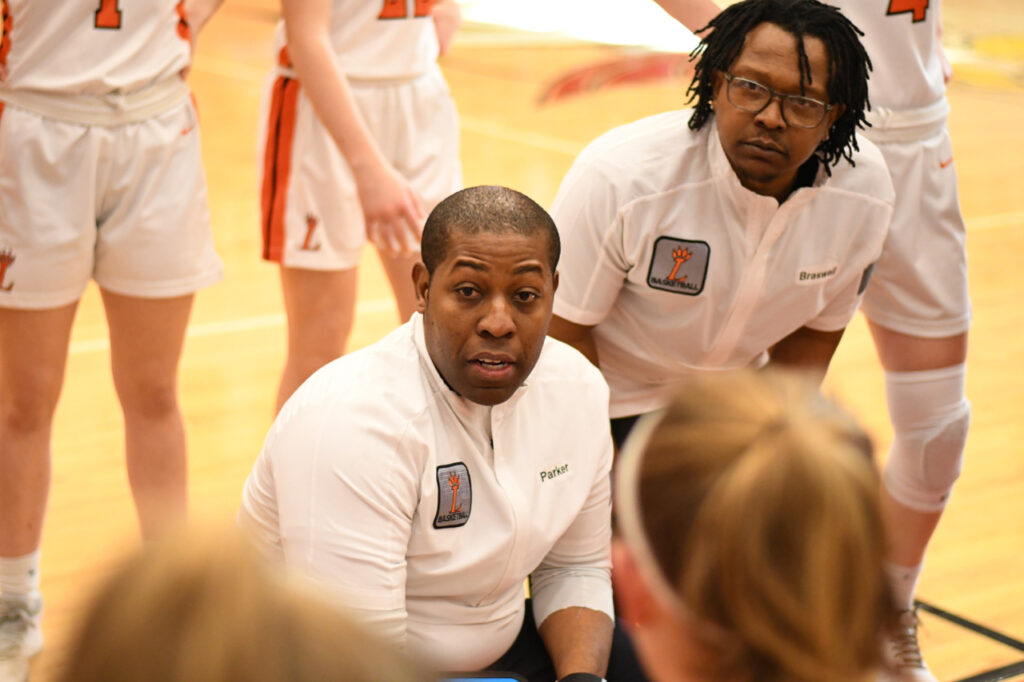
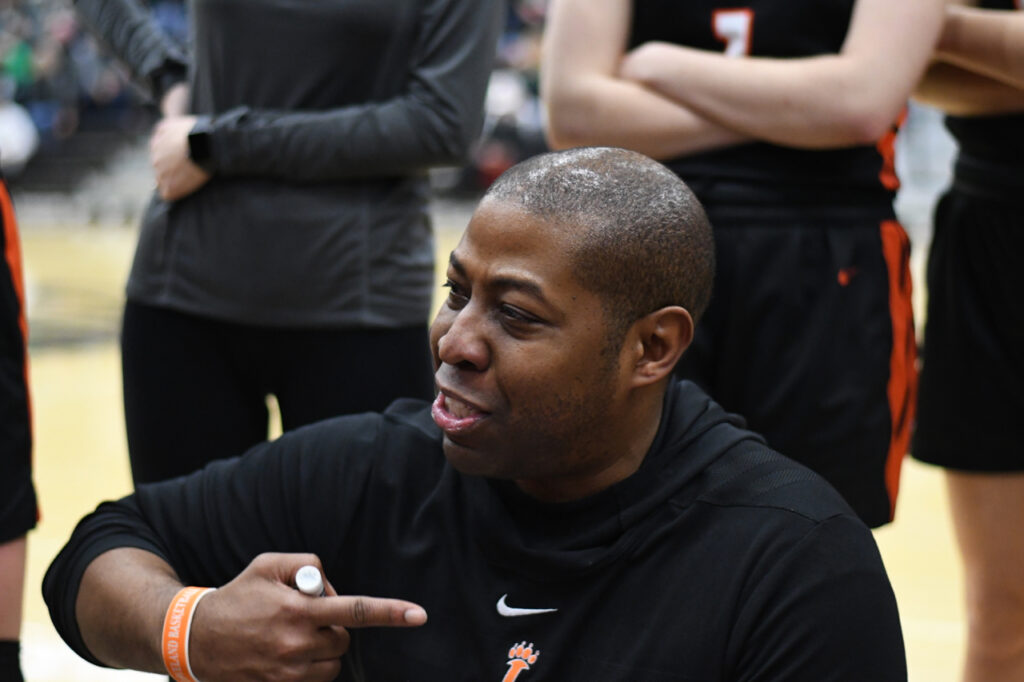
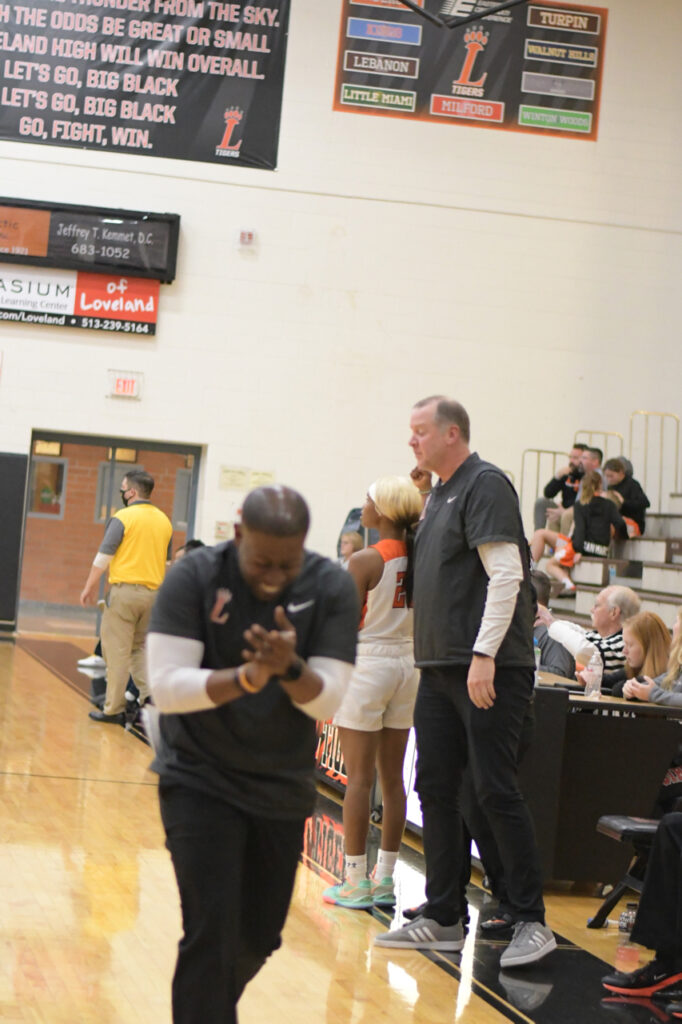
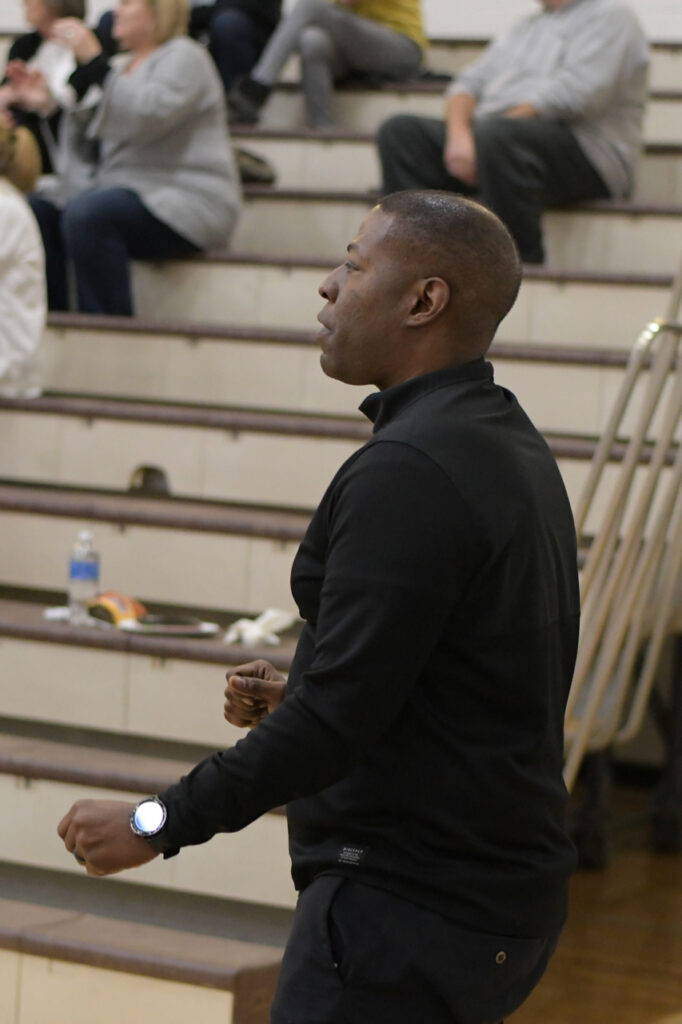
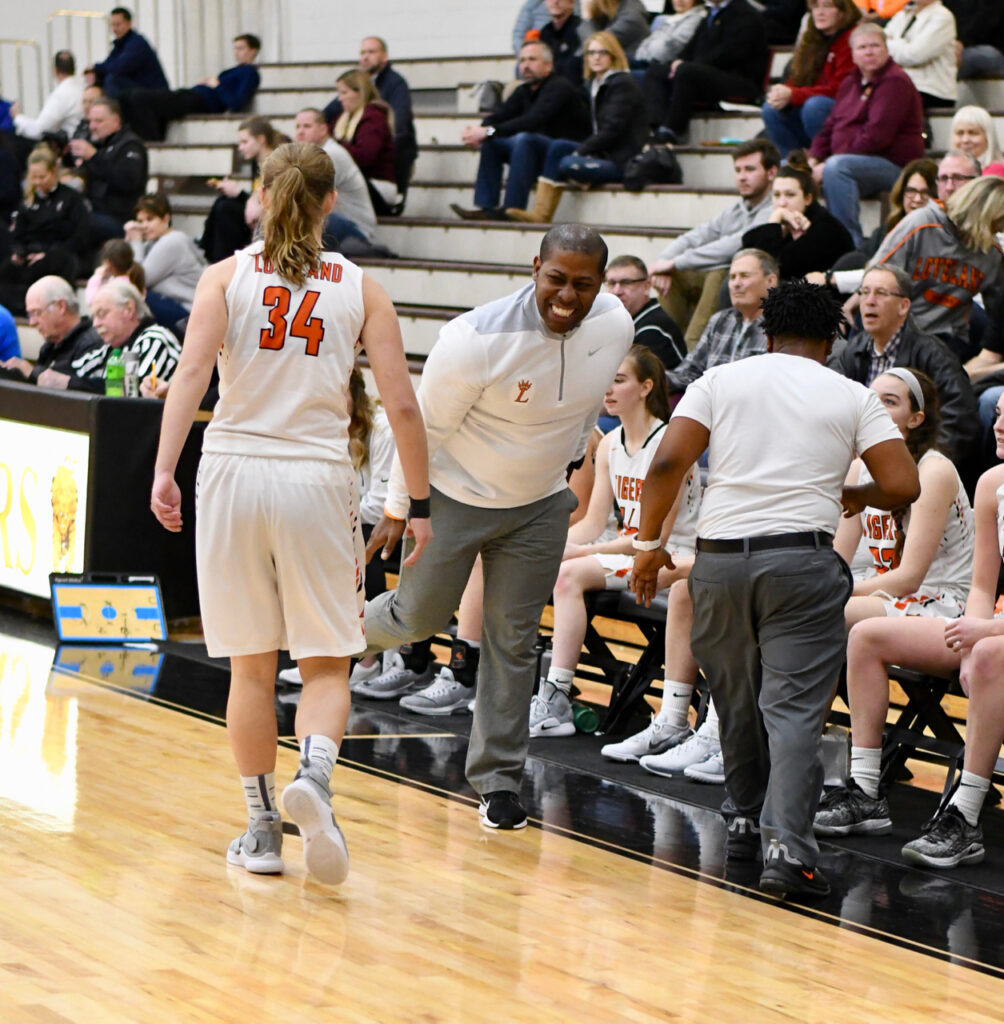
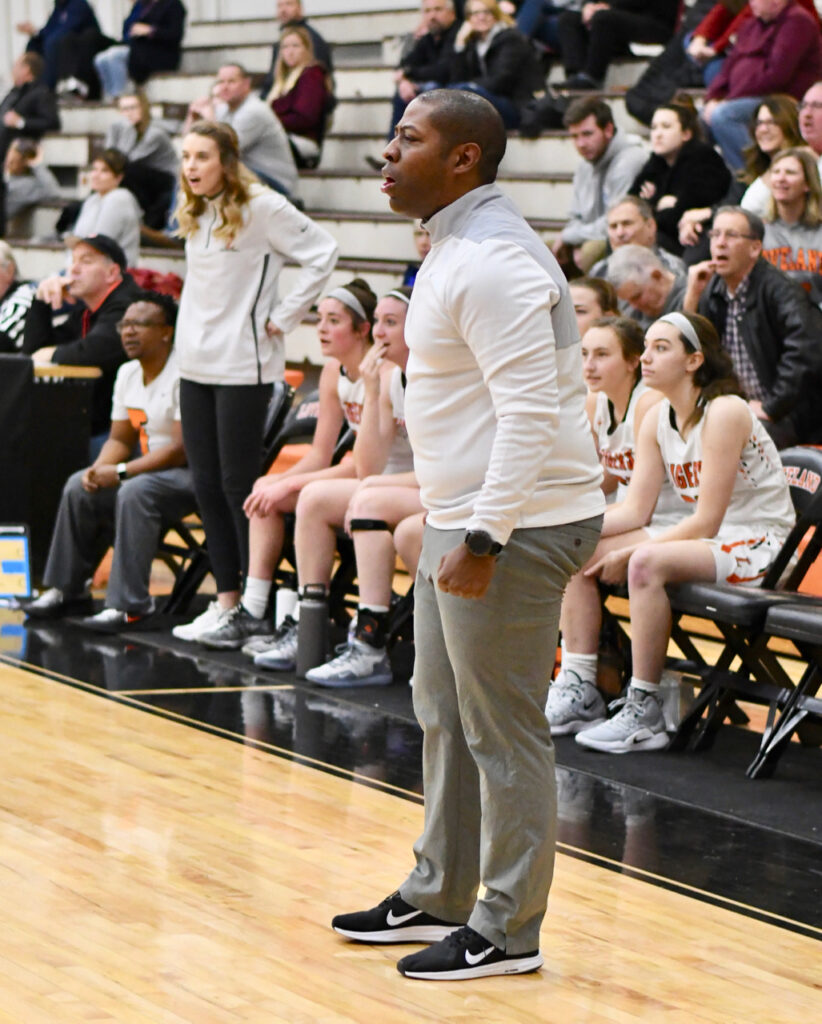
Loveland, Ohio – In their home opener on Monday, December 5 before the Women’s Varsity game began, former Head Coach Darnell Parker was recognized for the impact his life made on the Loveland and regional athletic community.
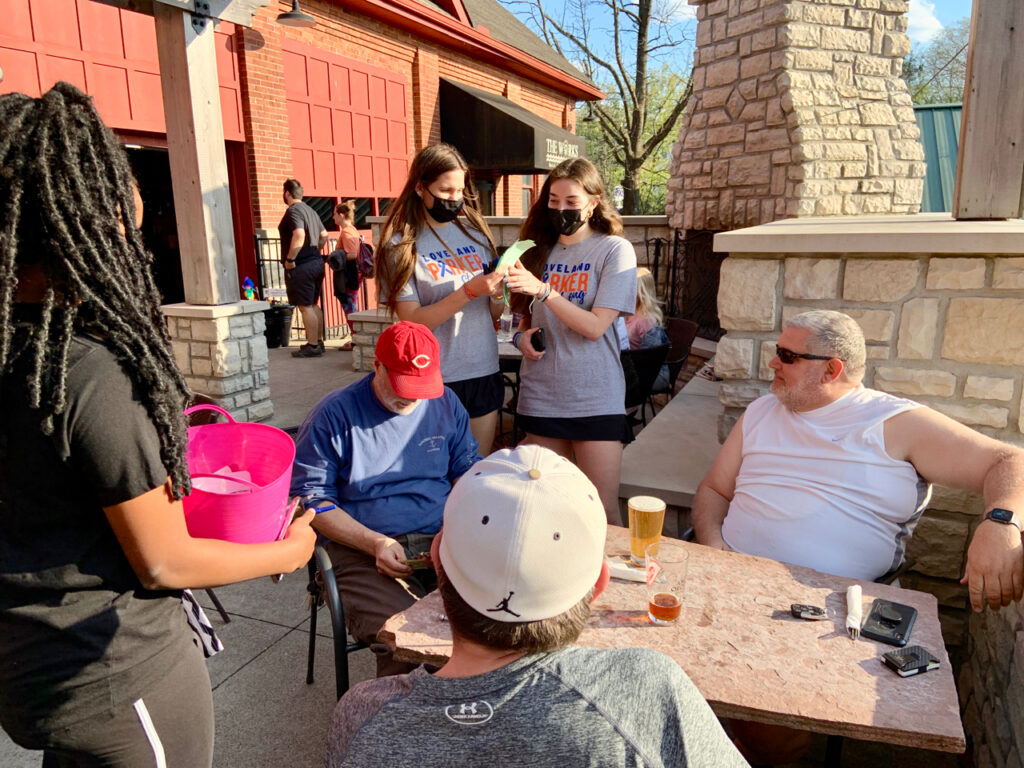
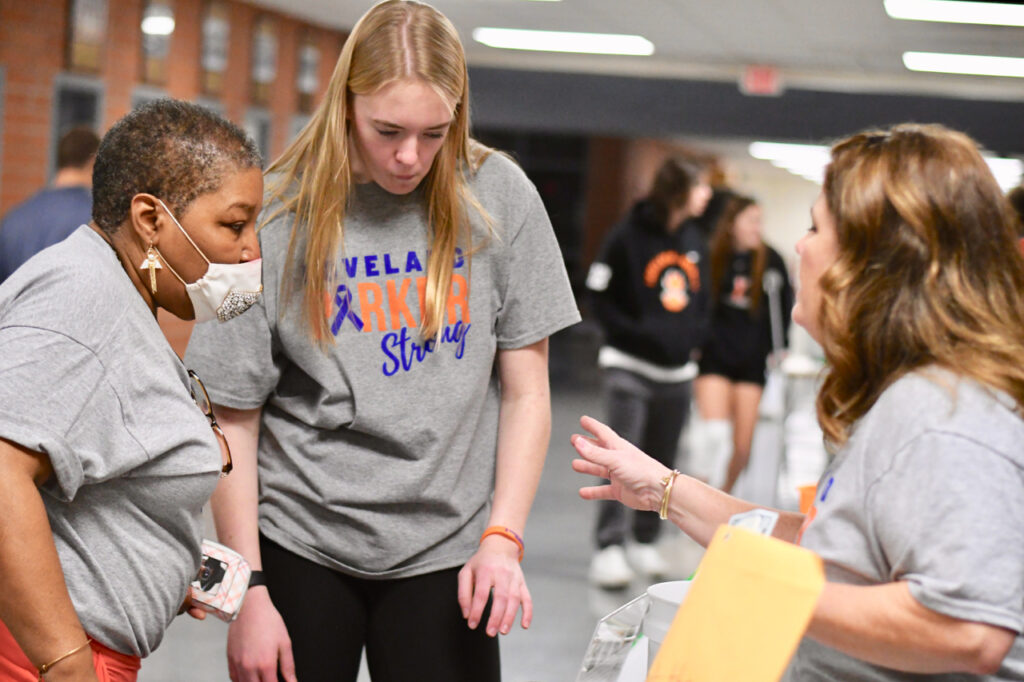
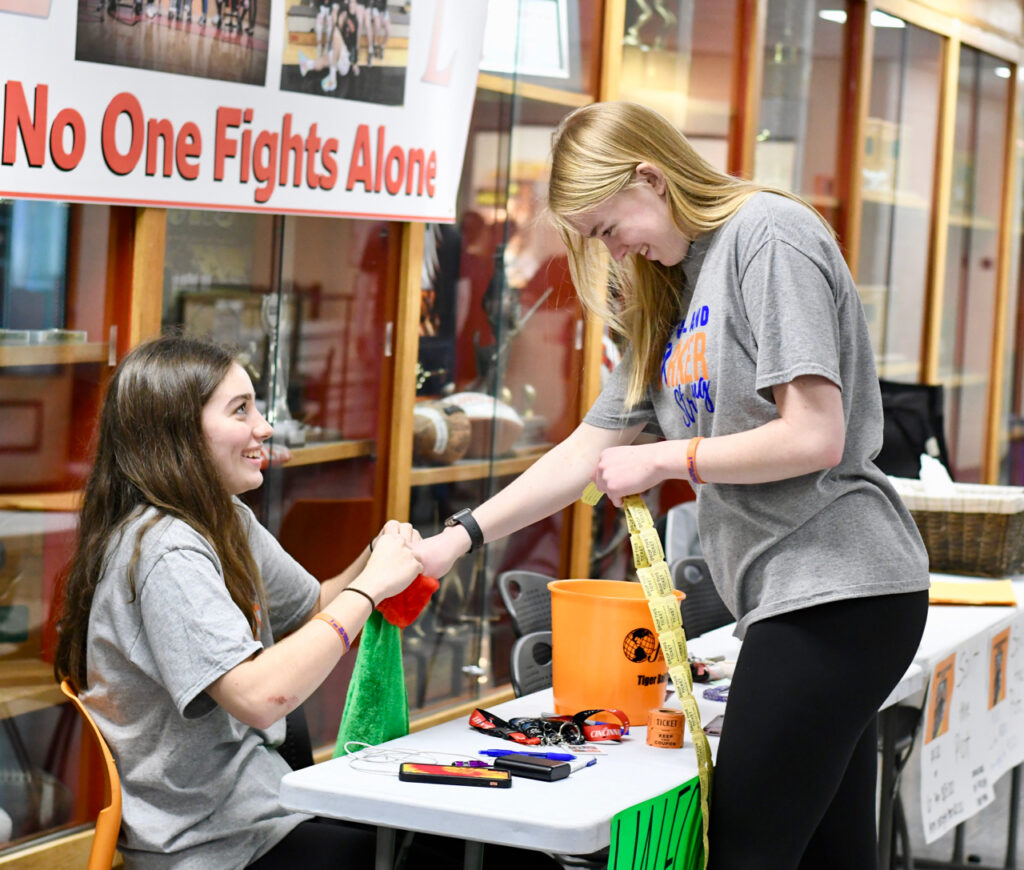
The evening was also a fundraiser for the Foundation set up by his daughters, Alexis and Madison Parker to raise scholarship dollars for deserving graduates.
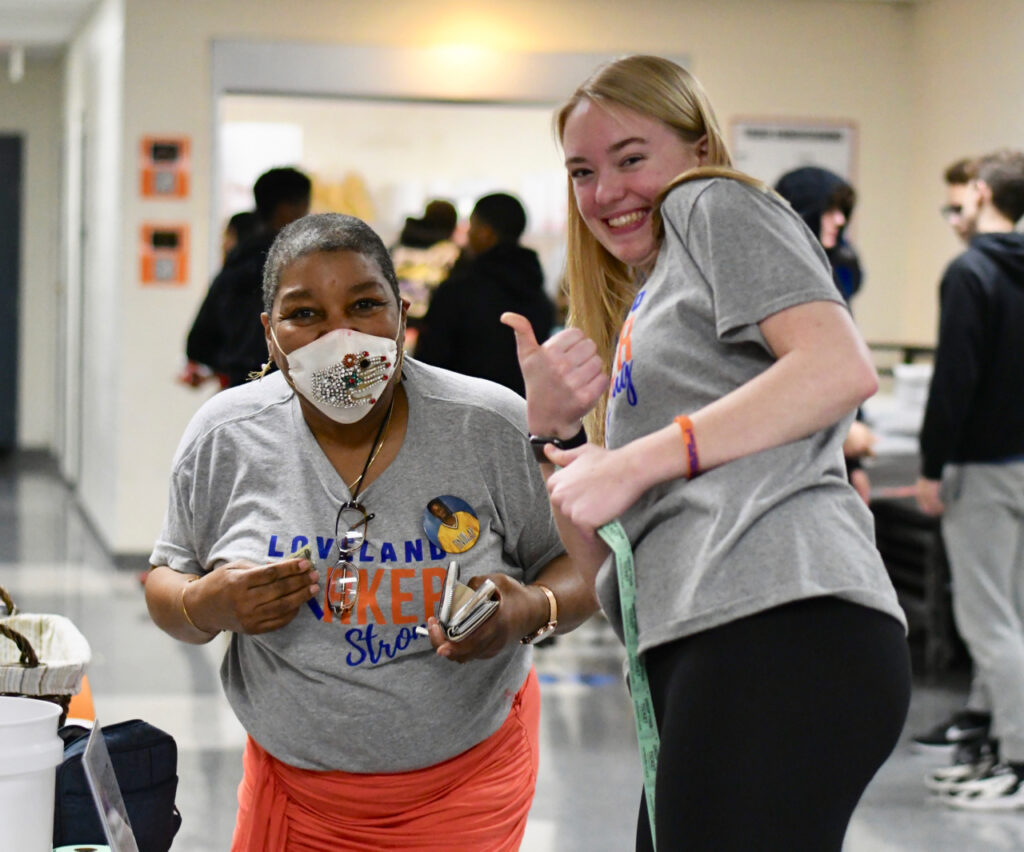
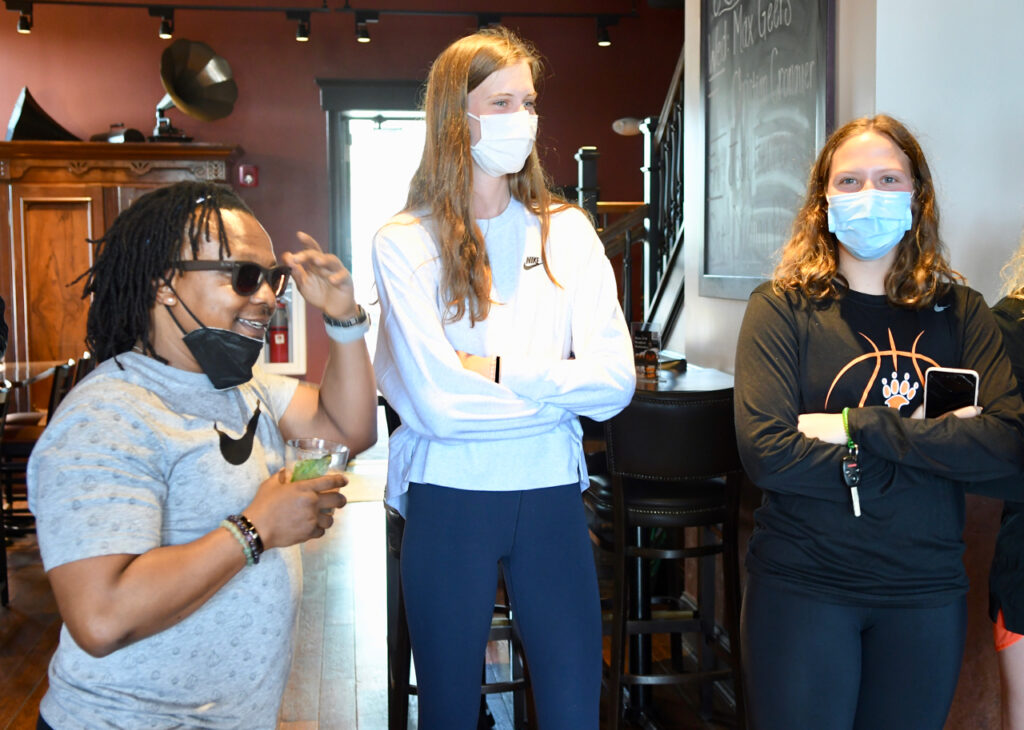
Jessica Early (alumni parent) spearheaded the tribute night, along with help of Athletic Director Rich Bryant, Assistant Athletic Director Shayne Lyons, (alumni parent), and with the help of all the current Loveland basketball parents, coaches, and players.
Early said afterward, “We wanted to make sure that Coach Parker’s family felt our love. We wanted the girls to have the opportunity to publicly dedicate the season to Coach Parker. Our Loveland community and basketball program were so greatly impacted and inspired by Darnell.”
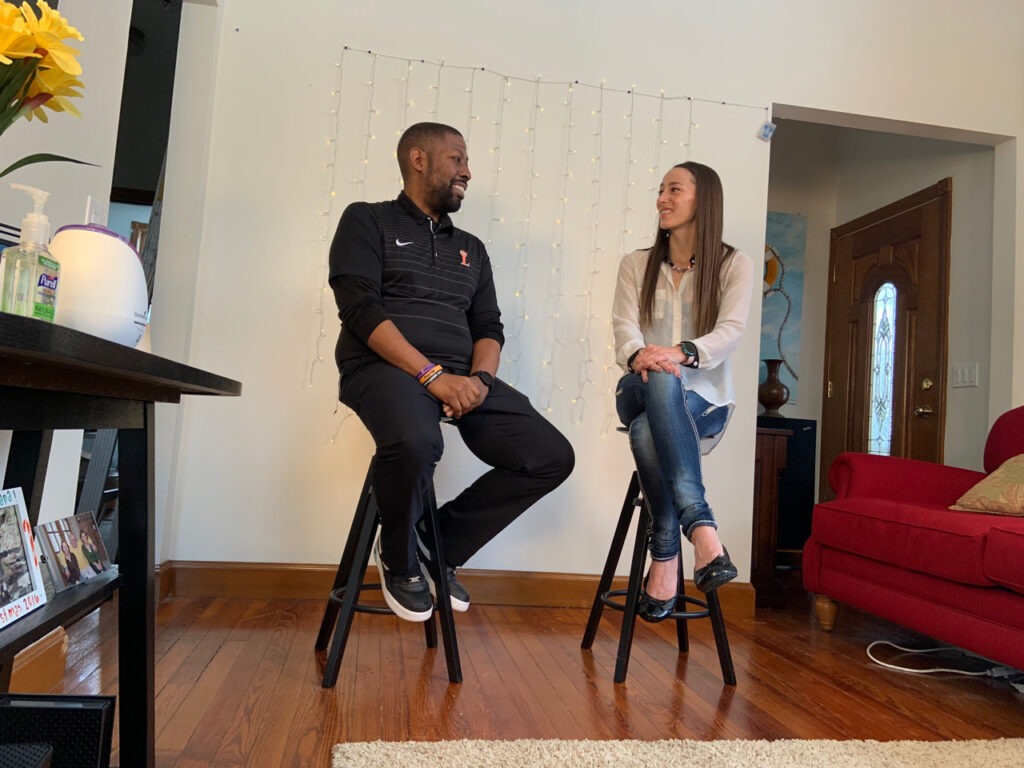
Here is a LOVELAND MAGAZINE TV video from December 2021 the night before Coach Parker went to the Cleveland Clinic for cancer surgery.
Split-the-pot raffle tickets and half-court shot tickets were sold throughout the JV and Varsity games.
You can continue to donate to the Darnell Parker Memorial Athletic Scholarship…
   If you are interested in applying for this scholarship, information will be available in Spring 2023 to apply.

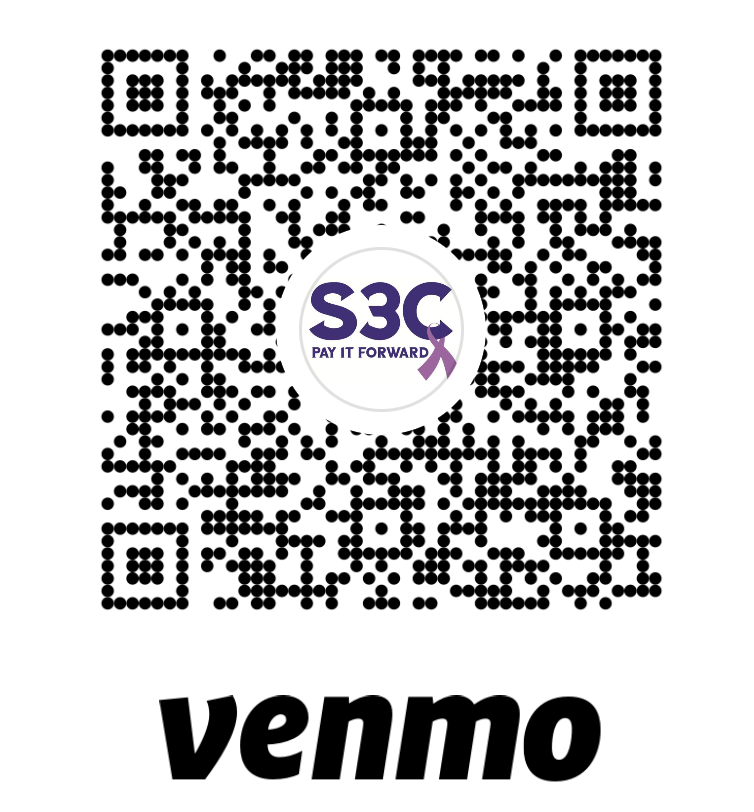
   If you would like to contribute to the Darnell Parker Memorial Athletic Scholarship, click here. Donations may also be venmo’d to @Dana-Parker-41 or checks made payable to S3C, Inc. may be mailed to 6187 Cardington Place, West Chester, OH 45069.
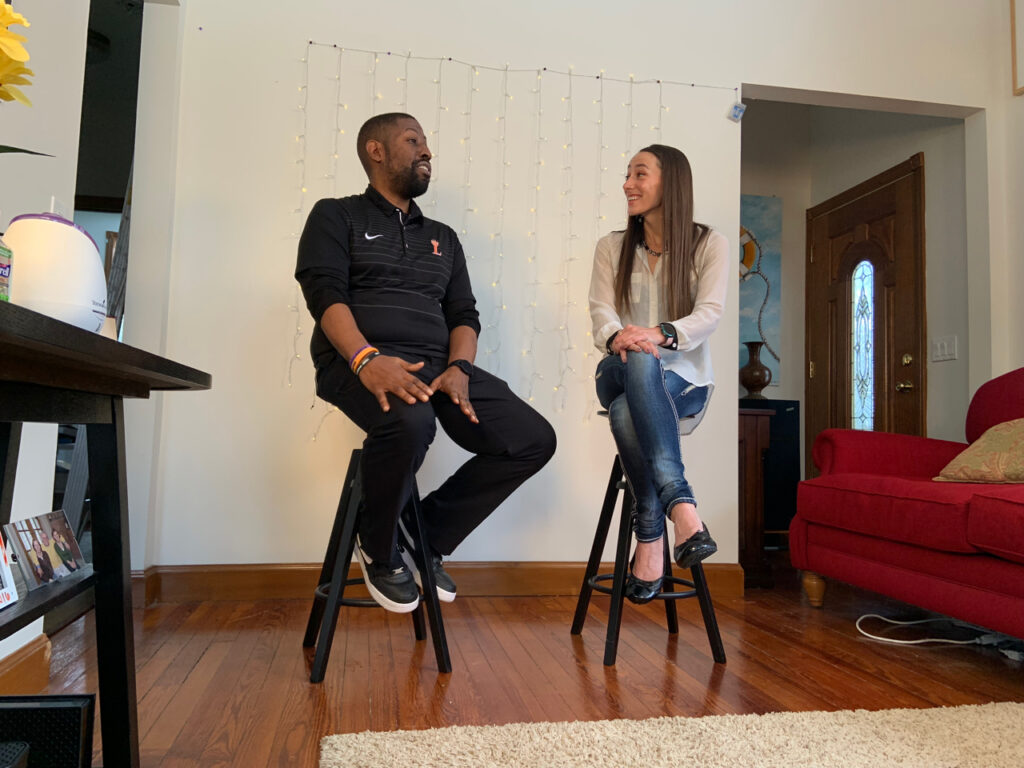
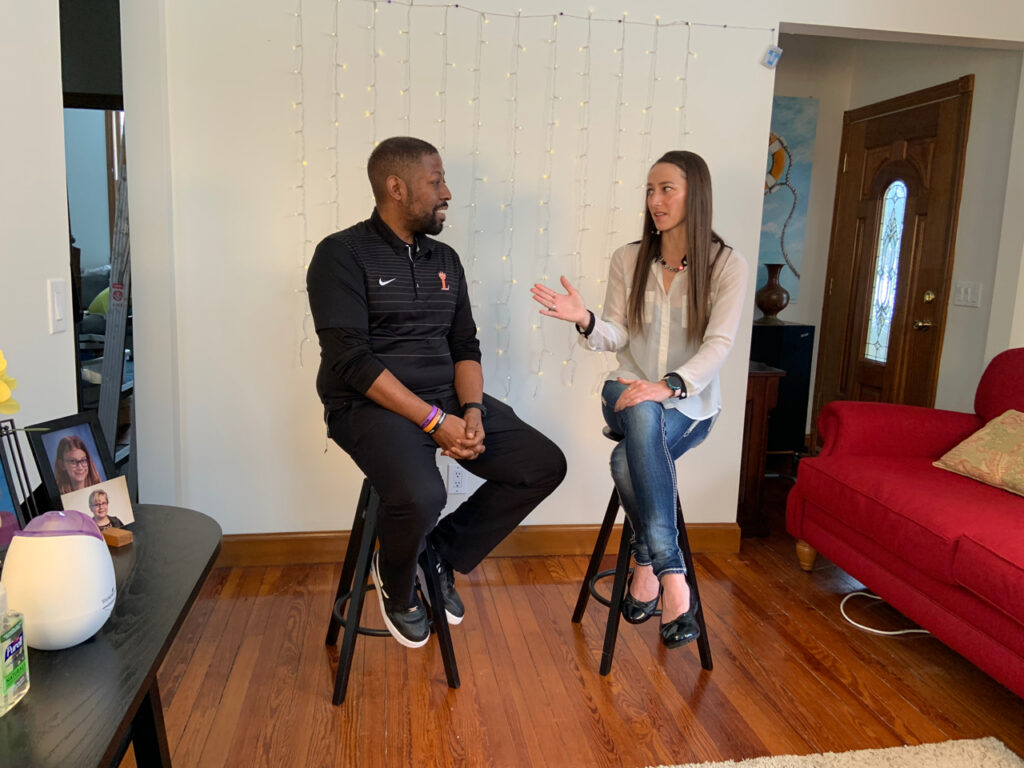
Coach Parker told Cassie Mattia in January 2022, “This community needs a win, and I have to deliver it to them.” He said it with his legendary smile when Mattia interviewed him for a “What’s In Loveland’s DNA” interview.
Mattia said at the time, “Coach Parker has certainly become a big part of the Loveland community spreading positivity among his student-athletes and the cancer community. There’s no question that Coach Parker is a part of ‘What’s in Loveland’s DNA!”
The Ohio Senate passed an overhaul of the state Department of Education and Board of Education on Wednesday with heavy criticism for what bill supporters say has been years of dysfunction.
The measure passed 22-7, and now moves on for House consideration.
Ohio Senate President Matt Huffman. Official photo.
Senate President Matt Huffman came down from the dais just to support the measure, which renames the education department to include a workforce element and pares down the roles of the state board of education. It was just passed out of committee the day before, against objections from education advocates.
Huffman called out the Ohio Department of Education for what he called a lack of accountability.
“Most of us don’t have contact with the people at the Ohio Department of Education, and there’s a good reason for that: They don’t work for us, they work for the state Board of Education,” Huffman said in a Wednesday floor speech.
In particular, Huffman said there is a certain “malevolence” within the education department when it comes to school choice and EdChoice private school voucher program processes.
He believes that discord won’t happen if the department leadership is moved within the executive branch’s purview.
“If this is a cabinet-level position, under the governor … there is going to be a response to this body and the members of the House, the elected representatives of the people,” Huffman said. “Because governors have an incentive to respond to the legislature.”
Democrats stood in opposition not to changes to the state’s education system, but how the changes are being made.
State Sen. Vernon Sykes, D-Akron, a member of the Senate Primary and Secondary Education Committee from which the bill originated, said school governance has been debated “almost the whole time that I’ve been a member of the General Assembly.”
Is change needed? He says yes.
“I believe we need to review and revise our education governance structure, but we need an intensive and extensive review, giving all stakeholders adequate opportunity to consider proposals and to give input,” Sykes told his fellow Senate members.
Responding to criticism that the bill is happening too fast for a proper review, state Sen. Andrew Brenner, R-Delaware, said the bill was crafted over “months” and attempts to make changes have happened multiple times over the years, including the institution of academic distress commissions. Many of the problems, such as decreases in reading comprehension test scores and a lack of an official state superintendent for public instruction, have been years in the making.
Without immediate action, students will continue to lose learning time and Ohio’s workforce will not be prepared for the new opportunities coming from places like Intel.
“If kids aren’t literate, they’re not going to be able to do those jobs,” Brenner said.
Two Republicans, state Sens. Kristina Roegner and Niraj Antani, voted against the measure, but did not make comments during the session.
State Representatives will need to move fast to get the measure passed by the end of the year, which also marks the end of the 134th General Assembly. If it doesn’t pass, the effort starts over at the beginning of the year.
House Speaker Bob Cupp said he has yet to look at the bill or discuss it with House colleagues, according to Huffman.
“We talked generally about it and I expressed the fact that I’m in favor of it and Governor (Mike) DeWine expressed that also,” Huffman said after the Senate vote.
The Senate president said he does think there is support for it already in the House, but if it doesn’t pass, that won’t spell the end of the matter.
“I’d like to move that this year and if, for whatever reason, that doesn’t happen in the House, it’ll be coming right back in February,” Huffman said after the Senate vote.
After the vote, groups on either side of the education debate spoke out on the measure.
Public school education coalition Honesty for Ohio Education panned the fast-tracked vote.
“Instead of collaborating with policymakers, the Department of Education, educators, administrators, and communities to build a sustainable solution that would address these very complicated issues, lawmakers are prioritizing a solution that creates more problems than it solves,” said coalition director Cynthia Peeples.
The Buckeye Institute, a think tank that supported the bill in committee, said passage of the bill was an opportunity for Ohio.
“By reforming the State Board of Education and the Ohio Department of Education, Senate Bill 178 will better align education with the needs of employers and help overcome historic learning loss in the wake of the pandemic,” said Greg Lawson, research fellow for the institute.
A spokesperson for the Ohio Department of Education declined to comment on the statements made Wednesday in the Senate or on the bill itself.
Today, the U.S. Food and Drug Administration amended the emergency use authorizations (EUAs) of the updated (bivalent) Moderna and Pfizer-BioNTech COVID-19 vaccines to include use in children down to 6 months of age.
“More children now have the opportunity to update their protection against COVID-19 with a bivalent COVID-19 vaccine, and we encourage parents and caregivers of those eligible to consider doing so – especially as we head into the holidays and winter months where more time will be spent indoors,” said FDA Commissioner Robert M. Califf, M.D. “As this virus has changed, and immunity from previous COVID-19 vaccination wanes, the more people who keep up to date on COVID-19 vaccinations, the more benefit there will be for individuals, families and public health by helping prevent severe illnesses, hospitalizations, and deaths.”
What parents and caregivers need to know:
Children 6 months through 5 years of age who received the original (monovalent) Moderna COVID-19 Vaccine are now eligible to receive a single booster of the updated (bivalent) Moderna COVID-19 Vaccine two months after completing a primary series with the monovalent Moderna COVID-19 Vaccine.
Children 6 months through 4 years of age who have not yet begun their three-dose primary series of the Pfizer-BioNTech COVID-19 Vaccine or have not yet received the third dose of their primary series will now receive the updated (bivalent) Pfizer-BioNTech COVID-19 vaccine as the third dose in their primary series following two doses of the original (monovalent) Pfizer-BioNTech COVID-19 Vaccine.
Children 6 months through 4 years of age who have already completed their three-dose primary series with the original (monovalent) Pfizer-BioNTech COVID-19 Vaccine will not be eligible for a booster dose of an updated bivalent vaccine at this time. Children in this age group who already completed their primary series would still be expected to have protection against the most serious outcomes from the currently circulating omicron variant. The data to support giving an updated bivalent booster dose for these children are expected in January. The agency is committed to evaluating those data as quickly as possible.
The Moderna and Pfizer-BioNTech bivalent COVID-19 vaccines include an mRNA component corresponding to the original strain to provide an immune response that is broadly protective against COVID-19 and an mRNA component corresponding to the omicron variant BA.4 and BA.5 lineages to provide better protection against COVID-19 caused by the omicron variant.
Individuals who receive the updated (bivalent) vaccines may experience similar side effects reported by individuals who received previous doses of the original (monovalent) mRNA COVID-19 vaccines.
The fact sheets for both bivalent COVID-19 vaccines for recipients and caregivers and for healthcare providers include information about the potential side effects, as well as the risks of myocarditis and pericarditis.
“Vaccines remain the best defense against the most devastating consequences of disease caused by the currently circulating omicron variant, such as hospitalization and death. Based on available data, the updated, bivalent vaccines are expected to provide increased protection against COVID-19,” said Peter Marks, M.D., Ph.D., director of the FDA’s Center for Biologics Evaluation and Research. “Parents and caregivers can be assured that the FDA has taken a great deal of care in our review, and we encourage parents of children of any age who are eligible for primary vaccination or a bivalent COVID-19 vaccine booster dose to consider seeking vaccination now as it can potentially help protect them from COVID-19 during a time when cases are increasing.”
Moderna COVID-19 Vaccine, Bivalent
The monovalent Moderna COVID-19 Vaccine is authorized as a two-dose primary series in individuals six months of age and older and as a third primary series dose for individuals 6 months of age and older who have been determined to have certain kinds of immunocompromise. With today’s authorization, the Moderna COVID-19 Vaccine, Bivalent is now authorized for administration in individuals 6 months through 5 years of age as a single booster dose at least 2 months after completion of primary vaccination with the monovalent Moderna COVID-19 Vaccine. The Moderna COVID-19 Vaccine, Bivalent is also authorized for use in individuals 6 years and older as a single booster dose at least two months after completion of either primary vaccination with any authorized or approved COVID-19 vaccine, or receipt of the most recent booster dose with any authorized or approved monovalent COVID-19 vaccine.
For the authorization of a single booster dose of the Moderna COVID-19 Vaccine, Bivalent for children 6 months through 5 years of age, the FDA relied on immune response data that it had previously evaluated from a clinical study in adults of a booster dose of Moderna’s investigational bivalent COVID-19 vaccine that contained a component corresponding to the original strain of SARS-CoV-2 and a component corresponding to the omicron lineage BA.1.
In addition, the FDA conducted an analysis of data from a clinical study that compared the immune response among 56 study participants 17 months through 5 years of age who received a single booster dose of monovalent Moderna COVID-19 Vaccine at least six months after completion of a two-dose primary series of the vaccine to the immune response among approximately 300 study participants 18 through 25 years of age who had received a two-dose primary series of monovalent Moderna COVID-19 Vaccine in a previous study which determined the vaccine to be effective in preventing COVID-19. The immune response to the booster dose of monovalent Moderna COVID-19 Vaccine in the 17 months through 5 years age group was comparable to the immune response to the two-dose primary series in the adult participants.
The safety of a single booster dose of the Moderna COVID-19 Vaccine, Bivalent for children 6 months through 5 years of age is supported by safety data from a clinical study which evaluated a booster dose of Moderna’s investigational bivalent COVID-19 vaccine (original and omicron BA.1), safety data from clinical trials which evaluated primary and booster vaccination with the monovalent Moderna COVID-19 Vaccine, and postmarketing safety data with the monovalent Moderna COVID-19 Vaccine and Moderna COVID-19 Vaccine, Bivalent.
In one clinical study, the safety of a single booster dose of monovalent Moderna COVID-19 Vaccine was evaluated in 145 clinical study participants 6 months through 5 years of age who received a booster dose of monovalent Moderna COVID-19 Vaccine at least six months after completion of the monovalent Moderna COVID-19 Vaccine two-dose primary series. The most commonly reported side effects after a booster dose of the monovalent Moderna COVID-19 Vaccine across this age group included pain, redness and swelling at the injection site, swelling/tenderness of the lymph nodes of the injected arm or thigh, and fever. In clinical study participants 17 months through 36 months of age, other commonly reported side effects included irritability/crying, sleepiness, and loss of appetite. In clinical trial participants 37 months through 5 years of age, other commonly reported side effects included fatigue, headache, muscle pain, joint pain, chills, and nausea/vomiting.
The data accrued with the investigational Moderna bivalent COVID-19 vaccine (original and omicron BA.1) and with the monovalent Moderna COVID-19 Vaccine are relevant to the Moderna COVID-19 Vaccine, Bivalent because these vaccines are manufactured using the same process.
Pfizer-BioNTech COVID-19 Vaccine, Bivalent
With today’s authorization, children 6 months through 4 years of age who have not yet received the third dose of the three-dose primary series with the monovalent Pfizer-BioNTech COVID-19 Vaccine will now receive the Pfizer-BioNTech COVID-19 Vaccine, Bivalent as the third dose of the primary series. The Pfizer-BioNTech COVID-19 Vaccine, Bivalent is also authorized for administration in individuals 5 years of age and older as a single booster dose at least two months after completion of either primary vaccination with any authorized or approved COVID-19 vaccine, or receipt of the most recent booster dose with any authorized or approved monovalent COVID-19 vaccine.
With today’s action, the monovalent Pfizer-BioNTech COVID-19 Vaccine is no longer authorized for use as the third dose of the three-dose primary series in children 6 months through 4 years of age. The monovalent Pfizer-BioNTech COVID-19 Vaccine remains authorized for administration as the first two doses of the three-dose primary series in individuals 6 months through 4 years of age, as a two-dose primary series for individuals 5 years of age and older, and as a third primary series dose for individuals 5 years of age and older who have been determined to have certain kinds of immunocompromise.
The authorization of the Pfizer-BioNTech COVID-19 Vaccine, Bivalent for administration as the third dose of a three-dose primary series following two doses of the monovalent Pfizer-BioNTech COVID-19 Vaccine in children 6 months through 4 years of age is supported by the FDA’s previous analyses of the effectiveness of primary vaccination with the monovalent Pfizer-BioNTech COVID-19 Vaccine in individuals 16 years of age and older and individuals 6 months through 4 years of age, and previous analyses of immune response data in adults greater than 55 years of age who had received a two-dose primary series and one booster dose with the monovalent Pfizer-BioNTech COVID-19 Vaccine and a second booster dose with the investigational Pfizer-BioNTech bivalent COVID-19 vaccine (original and omicron BA.1).
The safety of the Pfizer-BioNTech COVID-19 Vaccine, Bivalent for administration as the third dose of a three-dose primary series following two doses of the monovalent Pfizer-BioNTech COVID-19 Vaccine in children 6 months through 4 years of age is based on safety data from a clinical study which evaluated a booster dose of Pfizer-BioNTech’s investigational bivalent COVID-19 vaccine (original and omicron BA.1) in individuals greater than 55 years of age, safety data from clinical trials which evaluated primary vaccination in individuals 6 months of age and older with the monovalent Pfizer-BioNTech COVID-19 Vaccine, safety data from clinical trials which evaluated booster vaccination in individuals 5 years of age and older with the monovalent Pfizer-BioNTech COVID-19 Vaccine and postmarketing safety data with the monovalent Pfizer-BioNTech COVID-19 Vaccine and the Pfizer-BioNTech COVID-19 Vaccine, Bivalent.
The data accrued with the investigational Pfizer-BioNTech bivalent COVID-19 vaccine (original and omicron BA.1) and with the monovalent Pfizer-BioNTech COVID-19 Vaccine are relevant to the Pfizer-BioNTech COVID 19 Vaccine, Bivalent because these vaccines are manufactured using the same process.
The amendments to the EUAs were issued to Moderna TX Inc. and Pfizer Inc.
The virus that causes COVID-19 changes over time. Keep your protection against COVID-19 up to date by getting a bivalent COVID-19 vaccine booster dose.
The bivalent COVID-19 vaccines include a component of the original virus strain to provide broad protection against COVID-19 and a component of the omicron variant to provide better protection against COVID-19 caused by the omicron variant. These are called bivalent COVID-19 vaccines because they contain these two components. A bivalent COVID-19 vaccine may also be referred to as “updated” COVID-19 vaccine booster dose.
COVID-19 vaccines can help protect against severe illness, hospitalization and death from COVID-19. As the virus changes and your immunity naturally decreases over time, you may lose some of that protection.
Search in your zip code to find a location where a bivalent COVID-19 vaccine booster dose is available near you.
What bivalent COVID-19 vaccines has FDA authorized for use as a booster dose?
Video: Why should I get the updated COVID-19 vaccine now? [1:35]
The FDA authorized bivalent formulations of the Moderna and Pfizer-BioNTech COVID-19 vaccines for use as a single booster dose.
The Moderna COVID-19 Vaccine, Bivalent is authorized for use as single booster dose in children 6 months through 5 years of age at least two months after completion of a primary series with the monovalent Moderna COVID-19 Vaccine. It is also authorized for use as a single booster dose in individuals 6 years of age and older at least two months after completion of either primary vaccination with any authorized or approved COVID-19 vaccine, or receipt of the most recent booster dose with any authorized or approved monovalent COVID-19 vaccine.
The Pfizer-BioNTech COVID-19 Vaccine, Bivalent is authorized for use as a single booster dose in individuals 5 years of age and older at least two months after completion of either primary vaccination with any authorized or approved COVID-19 vaccine or receipt of the most recent booster dose with any authorized or approved monovalent COVID-19 vaccine.
Am I eligible for an updated (bivalent) COVID-19 vaccine booster?
Eligibility for a booster depends on:
Your age
When you completed your primary vaccination OR
When received your most recent booster dose of a monovalent COVID-19 vaccine
If eligible, consider getting a bivalent COVID-19 vaccine booster dose.
Video: Are the new bivalent COVID-19 vaccines safe? [1:57]
A single booster dose with an updated bivalent COVID-19 vaccine provides broad protection against COVID-19 and is expected to provide better protection against COVID-19 caused by the currently circulating Omicron variant.
The Loveland Board of Education will conduct a special meeting on Thursday, December 10th, 2022, at 8:00 AM in the Board of Education Offices at 757 South Lebanon Rd, Loveland, Ohio 45140, for the purpose of considering the following agenda items:

Action Items
Request to file Modified Tax Budget – Action
Board 2023 Calendar – Potential Action after discussion

Discussion Items
District Finances
Board Officers and Administrative Committees
Board Appointees to Loveland City Committees
Board Meeting Processes, Recordings and Minutes
By-Laws


	The agenda is active on BoardDocs - https://go.boarddocs.com/oh/love/Board.nsf/vpublic?open


Pursuant to Board Policy 0169.1, there will be no Public Participation at this Special Meeting.


![[Updated maps with Parking] The 2022 Christmas in Loveland Map!](https://lovelandmagazine.com/wp-content/uploads/2022/12/feature-christmas-map.png)