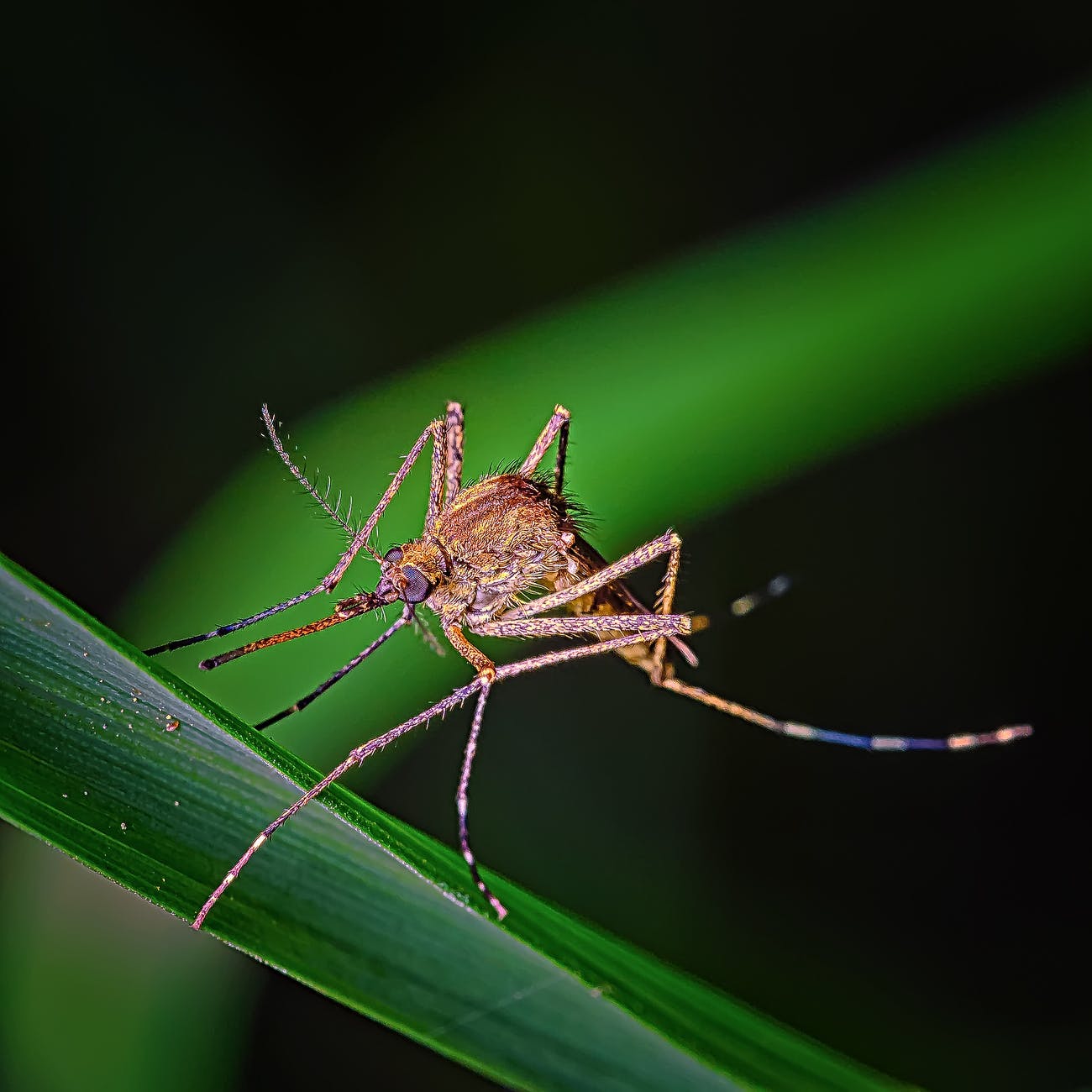
Hamilton County is reminding everyone to continue to take summertime precautions against mosquito bites after mosquitoes that were recently trapped at the Columbia Township compost facility on Hill and Dale Dr. tested positive for West Nile virus (WNV). West Nile Virus is a viral disease that can be passed from mosquitoes to humans. Hamilton County Public Health (HCPH) maintains traps throughout the County during the summer to test for the presence of disease. While this is the first positive identification in HCPH’s jurisdiction, other positive pools have been identified elsewhere in the County.
People over age 50 have the highest risk of developing severe WNV infections
Hamilton County Public Health staff will be conducting surveillance activities in the neighborhoods and commercial areas around where the mosquitoes were collected. They will be looking for areas of standing water, applying larvicide, making sure swimming pools are operating properly and advising residents on precautions they can take to avoid mosquito bites.
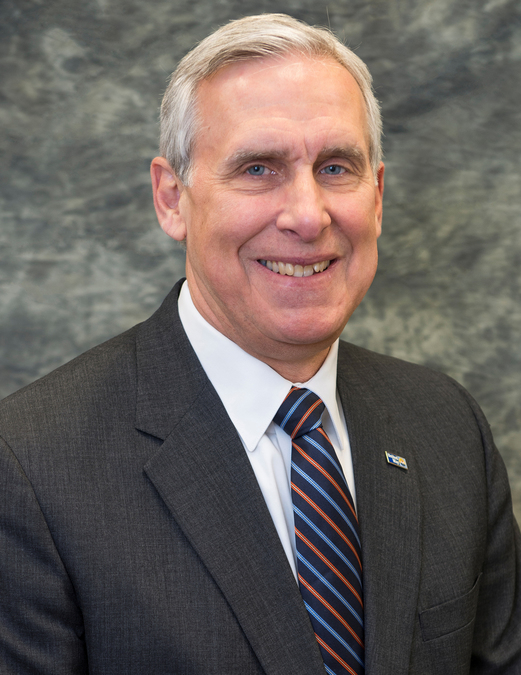
“We can all take action to eliminate mosquito breeding sites and take precautions to avoid mosquito bites,” Greg Kesterman, Hamilton County Health Commissioner says. “West Nile was first identified in Ohio in 2001, so it’s not new to our area, but we like to take the opportunity to remind everyone to take precautions.”
Hamilton County Public Health advises all Hamilton County residents to DRAIN, DUNK and PROTECT in an effort to reduce the mosquito population and prevent West Nile Virus:
DRAIN
Look for and drain sources of standing water on your property – litter, tires, buckets, flower pots, wading pools and similar items that could create standing water and become mosquito breeding sites.
Frequently change water in bird baths and pet bowls.
Drain small puddles after heavy rainstorms.
DUNK
Apply mosquito larvicide, sometimes called mosquito “dunks,” to areas of standing water that cannot be drained. The “dunks” are environmentally safe and won’t harm pets. Purchase them at your local hardware store.
PROTECT
Cut your grass and trim shrubbery.
Make sure screens in windows and doors are tight-fitting and free from defect.
Wear long sleeves and pants during peak mosquito hours – dawn and dusk.
Use an EPA-registered insect repellent such as those containing DEET, picaridin or oil of lemon or eucalyptus. Always follow the directions on the package.
WNV is a viral disease affecting the central nervous system that can be transmitted to humans by mosquitoes. It is important to note that most people who are bitten by an infected mosquito will never become sick. Everyone, however, should be aware of the symptoms of WNV. Symptoms may develop two to 14 days after someone is bitten by an infected mosquito.
No Symptoms in Most People. Approximately 70-80 percent of people who are infected with WNV will not show any symptoms at all.
Milder Symptoms in Some People. Up to 20 percent of the people who become infected will display symptoms which can include fever, headache, and body aches, nausea, vomiting, and sometimes swollen lymph glands or a skin rash on the chest, stomach and back. Symptoms can last for as short as a few days, though even healthy people have been sick for several weeks.
Serious Symptoms in a Few People. Less than one percent of people infected with WNV will develop severe illness. The severe symptoms can include high fever, headache, neck stiffness, stupor, disorientation, coma, tremors, convulsions, muscle weakness, vision loss, numbness and paralysis. These symptoms may last several weeks, and neurological effects may be permanent.
While all residents of areas where virus activity has been identified are at risk, people over age 50 have the highest risk of developing severe WNV infections. Anyone experiencing any of these symptoms should contact their healthcare provider for evaluation.
For more information on West Nile Virus, please contact Hamilton County Public Health at (513) 946-7800 or visit us online at www.hamiltoncountyhealth.org.
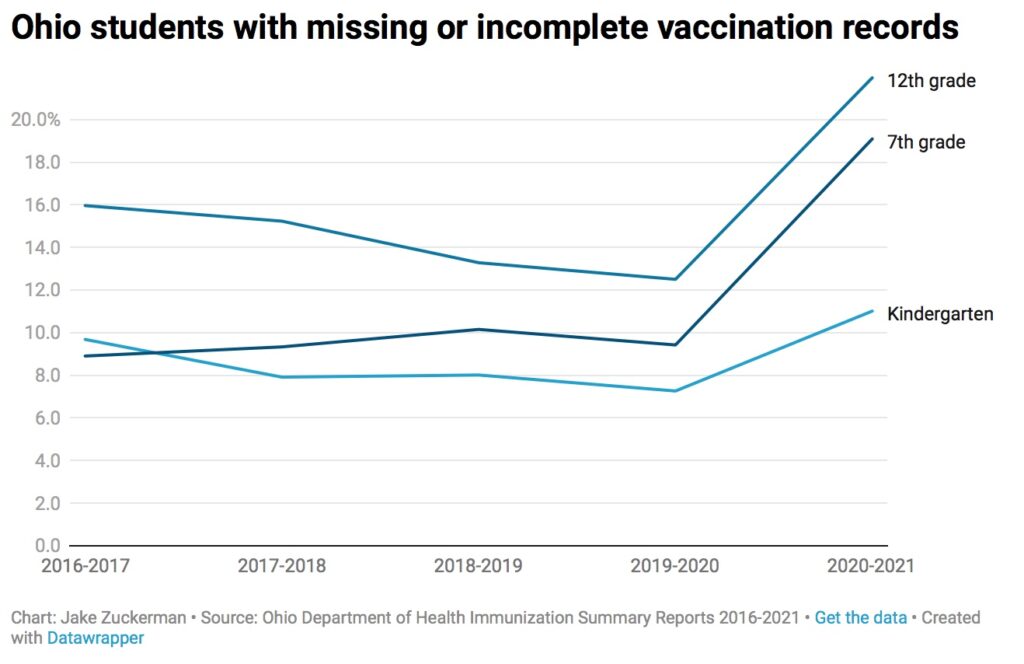
School vaccination records were missing or incomplete among roughly 1 in 5 sampled Ohio middle and high school students last year, despite state law requiring local boards of education to track immunizations records of all enrolled students.
All Ohio students, per state law, must be vaccinated against mumps, tetanus, polio, measles, Hepatitis B, chicken pox and meningococcal diseases. They can claim exemptions in writing due to natural immunity from prior infection; a medical contraindication; or for “reasons of conscience, including religious convictions.”
Though the law requires local boards of education to keep immunization summaries available on request for inquiring parents, schools statewide are failing to track vaccination among tens of thousands of students.
“The question is, why are the schools not collecting this data?” said Madhav Bhatta, an epidemiologist at Kent State University. “If it’s required by law that every child either get vaccinated or have a medical exemption … then why is there missing data?”
In the 2020-2021 school year, when a nascent pandemic shuttered schools and doctors’ offices, only 76% of 12th grade students submitted proof of receiving the meningococcal vaccine, according to immunization data obtained in a public records request from the Ohio Department of Health. The vaccine protects against meningitis and other, sometimes-lethal illnesses caused by the same bacteria.
About 22% of 12th graders had no exemption on file, leaving the picture unclear whether communities have high enough vaccination coverage to protect students.
That same year, only 78% of 7th grade school students statewide showed proof of receiving all vaccinations. Data was missing or incomplete on 19% of all 7th graders.
The missing data spans beyond the threshold for herd immunity for some vaccines. For instance, in the 2019-2020 year, 7.2% of kindergarteners and 9.4% of 7th grade students didn’t have all vaccination records or exemptions on file.
According to the World Health Organization, a community loses “herd immunity” — a threshold of community protection where a disease lacks viable hosts to spread — against measles when coverage falls below 95%. About 2.5% of students claimed a “conscience” objection, and a fraction of a percent claimed medical contraindications — which means they have diagnosed conditions where certain medical treatments such as a vaccine may cause harm.
“If [students with incomplete data] don’t have it on file because they are not vaccinated, that’s a problem,” Bhatta said. “We want as high a level of vaccination as possible to reduce the risk of transmission within a community.”
CDC research shows childhood immunization rates dropped significantly in 2020. However, the problem predates the pandemic. State data shows between 7.2% and 12.5% of sampled Ohio students did not show proof of vaccination or claim any exemption in 2019-2020 either.
The reports also lack data on vaccination by race or socioeconomic status, two major social determinants of health.
When contacted, different state agencies passed the blame or pointed fingers at county school boards, which are responsible for collecting data at the local level.
The COVID-19 vaccine data stands in stark contrast to the roughly 3% of public-school students who formally claim a nonmedical exemption year over year, raising more questions about the missing data.
Concerns about outbreaks of rare diseases among unvaccinated communities isn’t just a hypothetical.
Widespread vaccination eradicated measles in the U.S., but the virus can cause outbreaks when a host imports and spreads it among unvaccinated people. In early 2014, two unvaccinated Amish men returned to Knox County from the Philippines, unknowingly carrying measles, a highly infectious but vaccine-preventable disease. Amish communities tend to abstain from vaccination.
The two men seeded an outbreak that caused 383 infections in nine counties over four months, according to a report in the New England Journal of Medicine. About 90% of the victims were unvaccinated. Health officials mounted an awareness campaign and surged in more than 12,000 MMR vaccine doses for some 10,600 people to eventually smother the outbreak.
Researchers also note that unvaccinated people are not randomly distributed. Rather, they tend to concentrate in certain areas. Thus, statewide vaccination numbers can mask the vulnerability of some specific counties.
The missing data is a “significant concern,” according to Amy Bush Stevens, vice president of the Health Policy Institute of Ohio.
HPIO analyzed the data obtained from the Ohio Department of Health. According to its analysis, students in non-Appalachian, rural communities are most likely to claim exemptions to vaccination mandates. Students in metropolitan counties are most likely to not submit their vaccination records.
Screenshot from Health Policy Institute of Ohio analysis of Ohio Department of Health Immunization Summary Report data.
The missing data blurs a critical picture of whether students are protected, she said.
“Childhood vaccinations are a highly effective way to prevent infectious diseases among kids that have killed many children in the past,” she said.
Who’s to blame?
The law requires local boards of education to provide a summary of student immunizations to the state health director every year.
When contacted, both the Ohio Department of Education and the Ohio Department of Health sidestepped blame and pointed at the local schools.
Alicia Shoults, an ODH spokeswoman, said ODH provides funds for local health departments to do “assessment site visits for compliance.” The pandemic, however, limited this practice, and officials are still reviewing data to determine why so many students’ immunization records were missing last year.
“Ultimately, at the local level, schools are responsible for enforcement,” she said.
The Ohio Capital Journal requested data on school vaccination exemptions in May from the Ohio Department of Education. Spokeswoman Mandy Minick initially stated no such data exists. When asked about the data later obtained from ODH, its missing components, and the state law that requires it, she deflected blame.
The law prescribes roles to local schools and the state health director, not ODE, she said.
“The Department of Education does not have a prescribed role in the collection of this data,” Minick said.
A spokesman for the Ohio School Boards Association reviewed the immunization data but said he didn’t have anything to add.
OCJ contacted six county school boards overseeing schools with high rates of incomplete data. Only Youngstown City School District responded.
Of 152 seniors at Chaney High School in 2020-2021, 122 didn’t submit proof of vaccination or notice of exemption for the meningococcal vaccine — the only vaccine students must receive while in high school.
In the 2018-2019 school year (the 2019-2020 data is not broken out by high school), 89 of 158 students were missing meningococcal vaccine records.
If a meningitis outbreak emerged, officials wouldn’t immediately know who’s protected and who isn’t, costing precious time as vaccines are surged in.
Denise Dick, communications director for Youngstown City Schools, said while the pandemic worsened things, there has been a historical problem getting families to submit paperwork related to vaccination. However, the district is establishing in-school, optional vaccination appointments for a full spectrum of shots.
No one is forced to vaccinate, she said, but the goal is to make it as easy as possible for students. In the meantime, she acknowledged the district is flying blind as far as protection against infectious disease.
“Whether they’re not getting them, or they’re not giving us the record, we just don’t know that,” she said.
Solutions?
Amy Bush Stevens, from HPIO, has the fixes large and small.
On the mechanical side, HPIO analyzed a 2012 CDC survey of states and found Ohio is one of 18 states that doesn’t require health care providers and payers to report immunization data.
Some choose to, but others don’t. Mandatory reporting, she said, would clear the air on who’s vaccinated and who isn’t. (An ODH spokeswoman did not respond to an interview request with an administrator of ImpactSIIS, the state’s immunization information system.)
The current system, Stevens said, puts the burden on parents to submit records. For parents, especially those with lower incomes who move more often or change physicians, it’s too easy for documentation to get lost in the shuffle.
Another idea: tie reimbursement funding from Medicaid managed care plans more strongly to vaccination rates. More vaccination now equals lower costs of care down the line. And more outreach to eligible families to the Children’s Health Insurance Plan, which covers childhood vaccination, would help as the rate of uninsured children ticks up in Ohio.
And then there are structural changes. Public health departments are chronically underfunded in Ohio and one of the few fail safes for low-income, undocumented, or uninsured families. The Columbus Dispatch reported last year that Ohio spends less per capita on public health than all but three states.
“Anything we can do to increase the public health workforce will help with that and make sure that kids with no other source of care get their childhood immunizations,” Stevens said.
Other pending legislation would ban “vaccine passports” related to COVID-19. Discussion of the bills among proponents often dubiously characterizes a heavy-handed government forcing vaccines on the unwilling.
Among health experts, however, the reality is simple: Less vaccination equals more infectious disease.
“If you don’t rely on the school system to report — that’s the only way we could get a semblance of aggregated data,” Bhatta said.
Dr. Stephanie K. Siddens Photo by the Ohio Department of Education
A new interim state superintendent will hold down the fort at the Ohio Department of Education, following the departure of the previous interim superintendent.
Dr. Stephanie K. Siddens, currently the senior executive for the state’s Center for Student Supports, will take over in September, after current superintendent Paolo DeMaria officially retires. The Ohio State Board of Education approved Siddens as interim head at a special meeting on Monday.
Siddens has been with the Ohio Department of Education since 2006, working as assistant director and director for the Office of Early Learning and School Readiness, and as senior executive director for the Center for Curriculum and Assessment, before taking her current job.
Deputy State Superintendent John Richard had previously been picked by the state school board to fill the interim spot, but on August 10, Richard announced he’d be leaving the department.
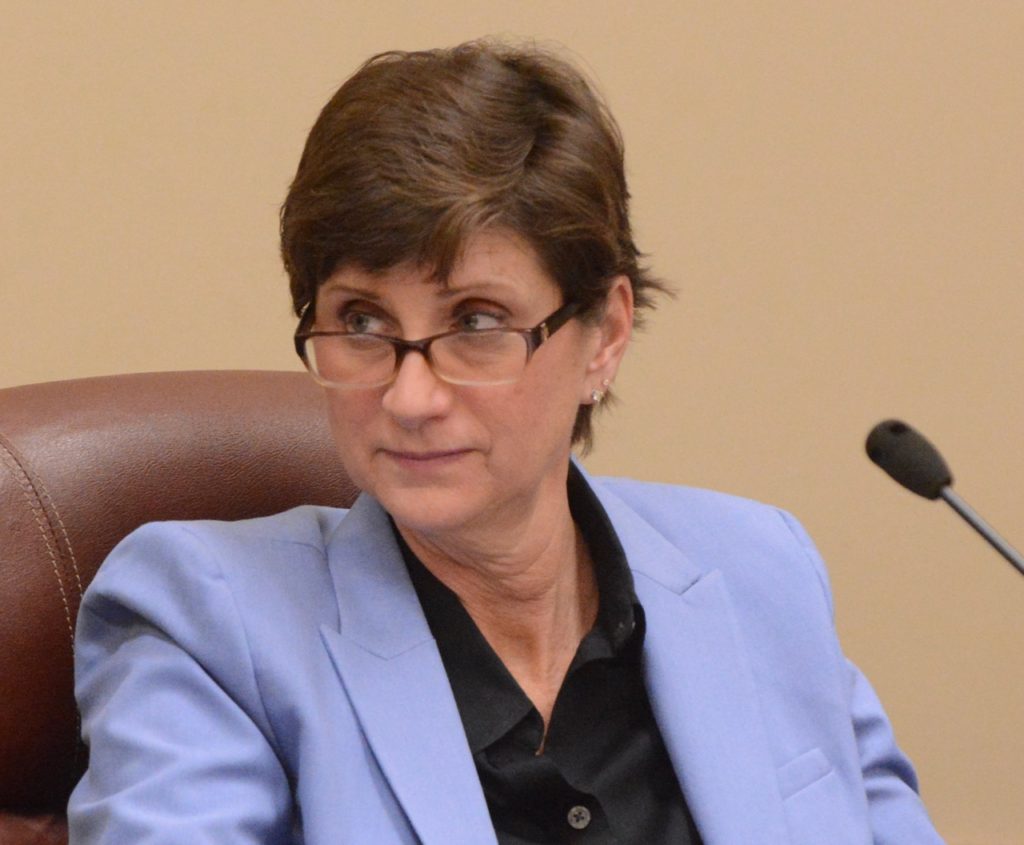
Loveland, Ohio – “I have reviewed the CED application and the benefits it represents to the Loveland Madeira Road Business Corridor. Based on this review, I am submitting the application to City Council with a recommendation of approval and request that City Council schedule a public hearing to be held on September 28, 2021, to allow for public comment on the application,” Mayor Kathy Bailey said in a recent memo to Council.
Loveland Mayor Kathy Bailey (Loveland Magazine File Photo)
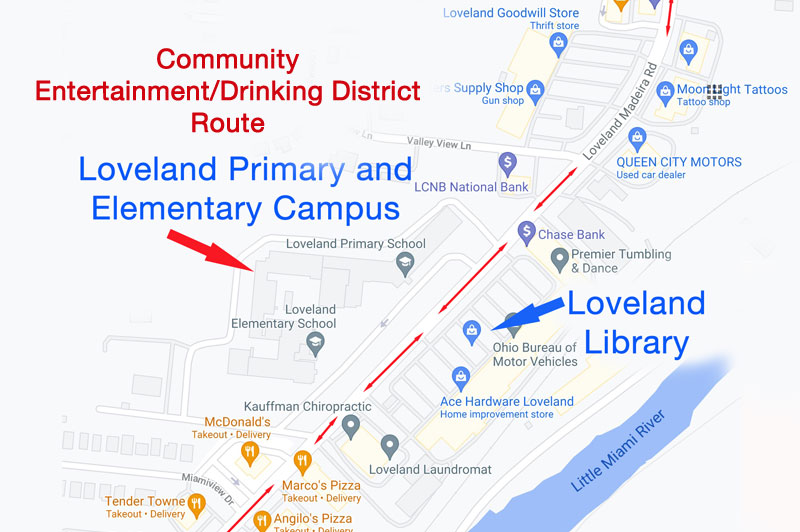
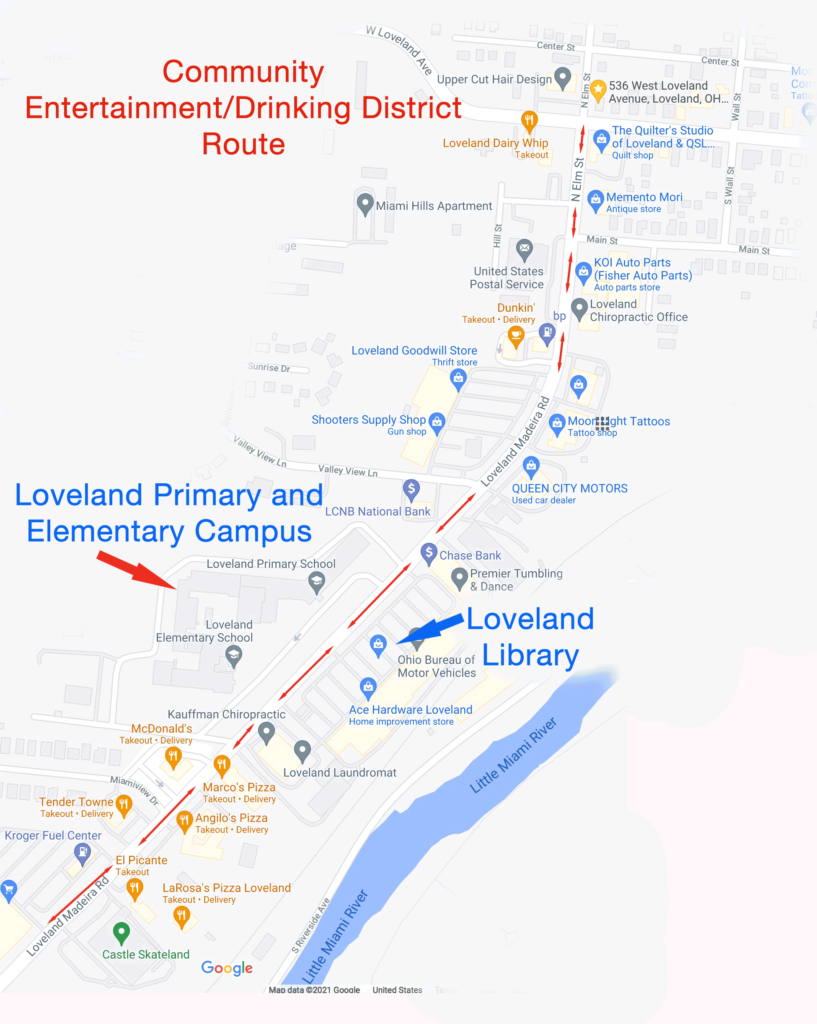
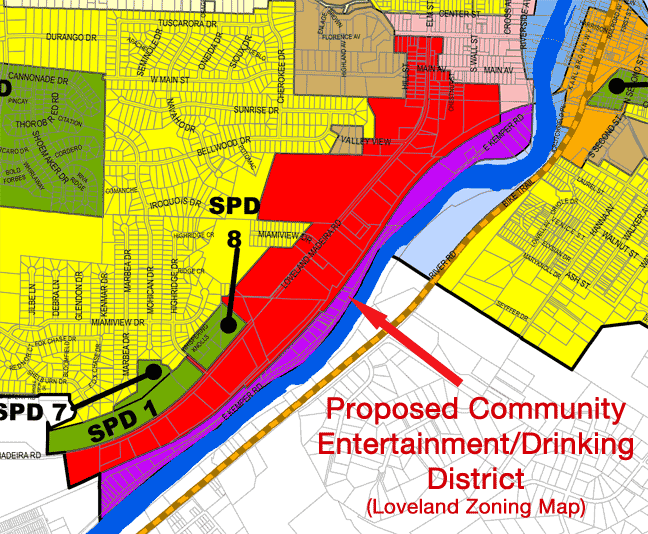
The drinking district, or “Community Entertainment District” (CED) within the Loveland Madeira Road business corridor would create 10 new D-5J liquor permits.
At the August 24 council meeting, City Manager Dave Kennedy described the effort as a new pool of liquor licenses, called D5-J, “…to help create a long and sustained turnaround for the Loveland Madeira Road business corridor.” He said it could expand the corridor’s opportunities for dining and entertainment-type businesses.
Mr. Kennedy added that, if a CED is created, a D5-J would cost the applicant a $100 processing fee and a permit fee of $2,344, a savings of $27,000.
The proposed district would encompass 54.029 acres between the intersection of West Loveland Avenue to Kroger, including all of the city’s Chestnut Street parcels. If approved, it would allow for ten D5-J liquor permits to be available in the district. The City council must: approve or disapprove the application.
If Council moves forward with the process they will set a date and time for a public hearing regarding the application.
Kennedy told Council that the CED could easily be expanded in the future. He said there would be a maximum of fifteen D5-J licenses in one district.
Nearly two in three age-eligible teenagers remain unvaccinated against COVID-19 as summer ends and the disease looms over its third consecutive school year.
Spokespersons for the state departments of health and education said they did not know what percentage of students enrolled in public schools are vaccinated.
However, looking at the total population (which would include homeschooled students), more than 62% remain unvaccinated.
“As of today, there are 390,903 Ohioans age 12-18 who have started the vaccination process,” said Ohio Department of Health spokeswoman Alicia Shoults. “This represents 37.5% of that age group.”
Despite plans to attend classes in close contact with their peers several days per week, teenagers are the least vaccinated age cohort — surpassing 20-29-year-olds (44%) and 30-39-year-olds (51%).
The Pfizer/BioNTech vaccine was authorized for use in people aged 16-and-up in mid-December, though most states restricted access for elder and sicker residents through early 2021. The U.S. Food and Drug Administration authorized its use on children 12-15 on May 11.
At a press conference last week, Gov. Mike DeWine said a communal goal of keeping students in school for in-person learning is “threatened” by the hyper-transmissible Delta variant of COVID-19. He repeated a recommendation from ODH that students either seek vaccination or wear a mask at school.
“The best way to make sure a child can stay in school and not have his or her classes interrupted, is for that child to be vaccinated,” he said. “If that child cannot be vaccinated, the best way to ensure a good school year for that child is for that child to wear a mask while in class.”
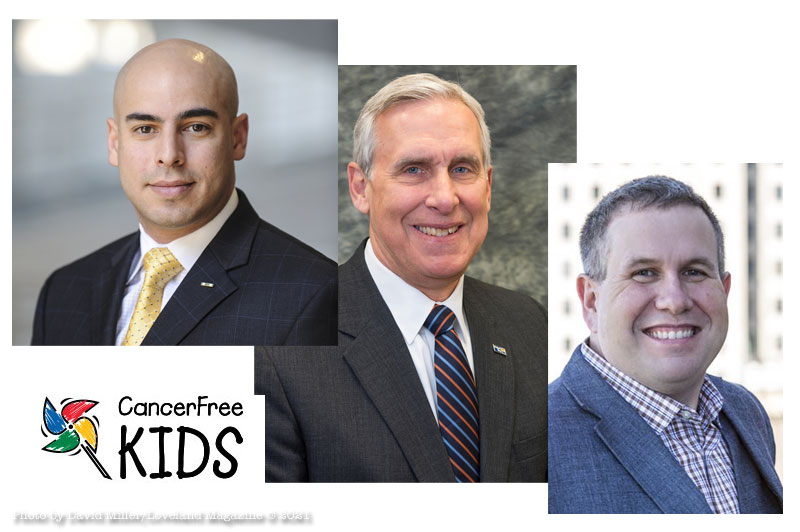
Loveland, Ohio – CancerFree KIDS has appointed three new members to its Board of Trustees in a move to “grow more relationships with Greater Cincinnati’s business community and expand its impact in pediatric cancer research”.
Tom Simpson, chief operating officer, Cincinnati Bell, Inc
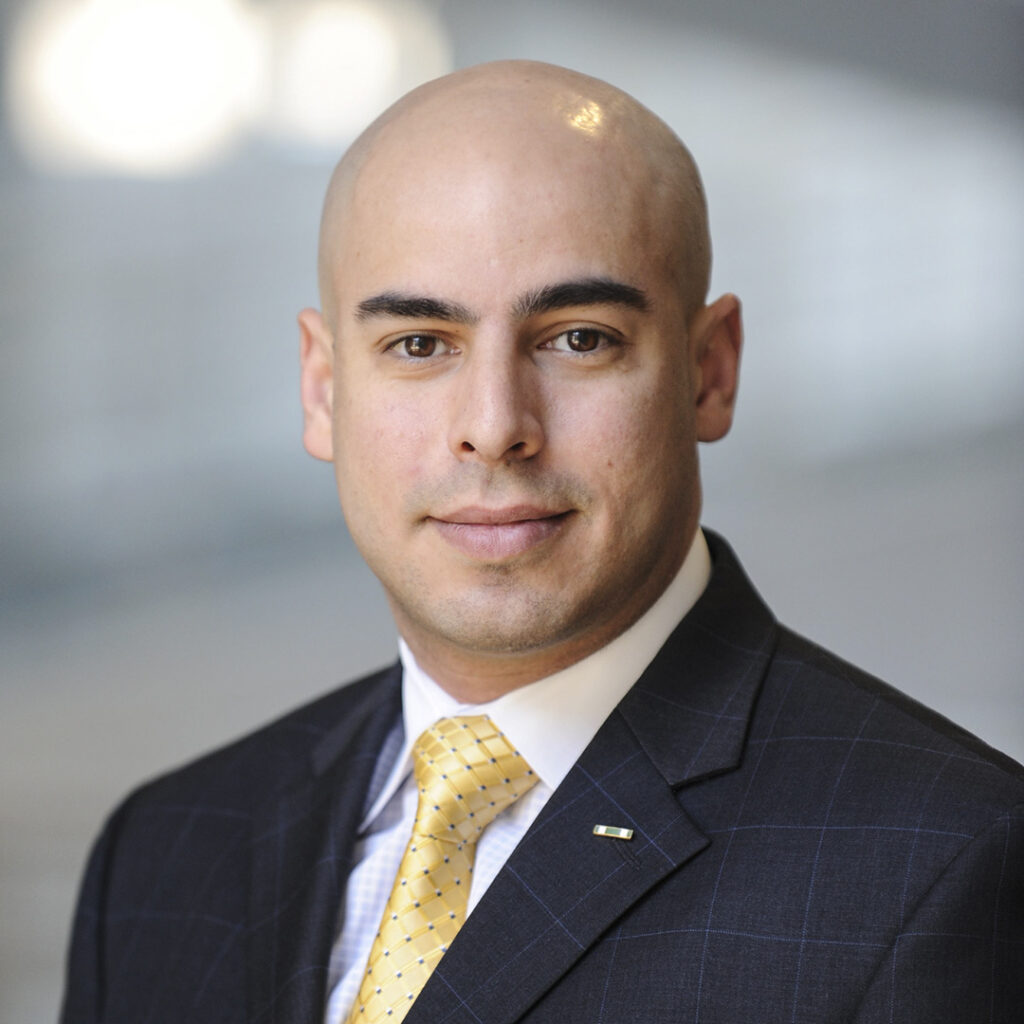
Javier Diaz, vice president, Cancer & Blood Institute at Cincinnati Children’s Hospital Medical Center
Rob Reifsnyder, chief executive officer (retired), United Way of Greater Cincinnati
“We are strategically putting the pieces together to help take CancerFree KIDS to the next level,” says Al Early, vice president and principal of consulting services, CBTS, and incoming board chair for CancerFree KIDS. “With Javier, Rob, and Tom, we can stay closely aligned with emerging research opportunities while reaching more of Cincinnati’s business leaders and growing the support for vital pediatric cancer initiatives.”
Diaz, Reifsnyder, and Simpson join a board that has also recently seen a change in leadership.
Al Early replaces CancerFree KIDS Founder Ellen Flannery as the new board chair.
In addition to Early’s new role, Kelly Holden, partner, DBL Law has been named vice-chair and Greg Carroll, director, technical support center office of ground water, U.S. Environmental Protection Agency has been named treasurer.
“CancerFree KIDS is a tremendous partner to Ohio cancer researchers,” says Diaz. “I’m excited to join a team that is so clear in its mission to apply revolutionary research to cure high-risk and relapsed cancer in children. Thanks to CancerFree KIDS and the research it has funded, there are kids who are right now enjoying longer, happy lives. I am grateful for this opportunity to help CancerFree KIDS grow these important efforts.”
Founded in 2002, CancerFree KIDS has invested more than $7 million since its inception to fund high-risk, high- reward research initiatives at Cincinnati Children’s Hospital Medical Center in Avondale and Nationwide Children’s Hospital in Columbus. The studies intend to find cures and gentler treatments to help children better cope with the pains and challenges of fighting cancer. In most cases, this research would go unfunded without the support of CancerFree KIDS.
Visit www.cancerfreekids.org to learn more about the organization’s mission and work to fight childhood cancer.
Loveland, Ohio – The 12th Annual Captain Seth Mitchell Hero 5k will take place in Nisbet Park on Saturday, October 16. Hope to see you then to revise this great Loveland tradition.
Last year’s event was “virtual” but the race to raise funds for The Seth Mitchell scholarship programs this year in live and in person in Historic Downtown Loveland on the Loveland Bike Trail along the State and National Scenic Little Miami River.
Seth Mitchell, a captain and pilot in the United States Marine Corps and a 1997 Loveland High School graduate, was killed in action in Afghanistan in October 2009. Seth contributed greatly to the Loveland community in his youth… he served as a leader and role model on the varsity football team, was voted to be Class President his senior year, and was named “Mr. Personality” by his peers. He was well loved here. After graduating, he took that same sense of service and loyalty into all that he did: as a son, a brother, a friend, a leader in the Marines.
In other words, Seth was a hero for all.
We are a group of Seth Mitchell’s high school classmates, who miss our friend and want to keep his memory alive. We represent the many people who Seth made an impression on with his sense of humor, kind heart, and loyal friendship. As we organize this 5k Race and the scholarship memorial fund, we are motivated by one enduring inspiration: to live each day a little more honorably, kindly, and humbly… just like Seth.
Dear friends, we hope you are well, safe and doing all you can to blunt the force of the pandemic surrounding us. We are truly in unchartered water. Our prayers are with you. As you probably guessed we were unable to do personal on site interviews with our 2020 Seth Mitchell scholarship applicants. However we summoned the help from some younger folks and proceeded with the interviews through Google Hangout!! Yep, Steve and Connie on Google Hangout. Who’d of thought that? Loveland High School also did not have their annual Senior Night on May 13, so the scholarships were awarded virtually. We had 18 applicants this year and personally interviewed six before awarding the two scholarships detailed below. Your scholarship committee consisting of Greg Carpinello, Damien Cook, Mollie Schrichten, Marisa Sobb, (all friends of Seth and ’97 LHS graduates) Connie and I, take seriously the process to recruit, interview and select candidates. All the kids were deserving and we are especially proud of the recipients.
So here goes: The Let Us Never Forget Seth Mitchell scholarship ($3500.00) is a partnership between the Mitchell Family and the Let Us Never Forget Scholarship Foundation (yellowribbonsupportcenter.com). Jordan Collins (above left) is the 2020 recipient and she has a spirit similar to Seth. She was/is involved in many theatrical and musical productions, is a National Honor Society member, volunteers through Mom’s Hope and works part time. Jordan will be paying a large part of her college costs. She has a “do something” attitude, a strong work ethic and knows no stranger, being kind to all. She is not afraid to fail in the pursuit of her dreams and is strong in the face of adversity. She hopes to pursue her theatrical dreams at Syracuse University.
The Seth Mitchell Memorial Scholarship ($3,500.00) is funded by the Seth Mitchell Hero 5k (sethmitchell5k.org). This annual event is in its 11th year in downtown Loveland, OH and is ran by Seth’s friends named above. The goal of the scholarship is to keep Seth’s spirit and story alive. Caroline Ginder (above right) is the 2020 recipient of the Memorial Scholarship. Caroline was described by one of her references a “being self motivated and goal oriented…and a fine example of caring more about their teammate than herself”. She participated in many school events such as Tiger’s Inc., soccer, NEST and is a National Honor Society member. Caroline will attend Ohio State University where she will pursue medicine. She hopes to someday be a part of Doctors Without Borders. Like Jordan, Caroline is paying a share of her college costs.
Thank you for your support, prayers and investment in our scholarships through the last eleven years.
Steve and Connie Mitchell Parents, Capt. D. Seth Mitchell, USMC KIA 10/26/2009, Helmand Province, Afghanistan Let Us Never Forget
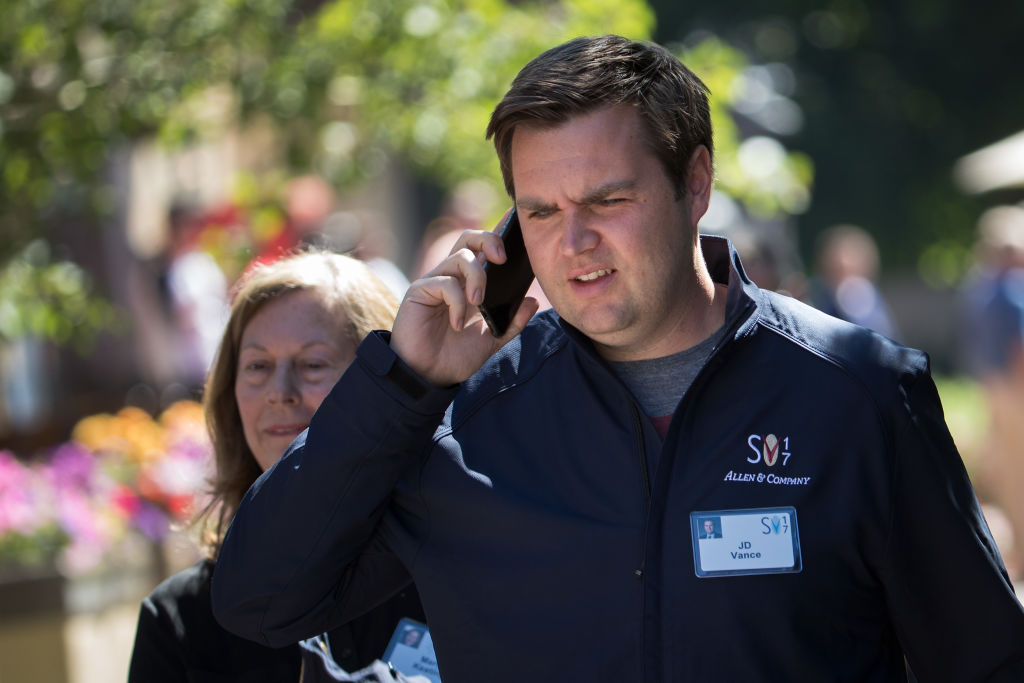
JD Vance, venture capitalist and author of ‘Hillbilly Elegy,” in 2017. (Photo by Drew Angerer/Getty Images).
COMMENTARY
MARILOU JOHANEK and Ohio Capital Journal
The last time I spoke with J.D. Vance, he was living the good life as an elite West Coast venture capitalist in Silicon Valley. He was a baby-faced investor from southern Ohio who was basking in the unexpected sensation of his newly published bestseller. Everybody had to get their hands on his memoir for what it might explain about the inexplicable presidential appeal of a former reality TV star. Vance’s book about his self-described hillbilly roots promised insights into why a dirt-poor, down on its luck demographic was swooning over a billionaire celebrity who wouldn’t be caught dead in Appalachia.
At the time I wrote for a newspaper in a blue-collar Ohio town whose glory days as a manufacturing mecca — like Vance’s hollowed-out hometown near Cincy — were long gone. So, I invited the author to connect with an Ohio audience that might relate to his story. He called from his office in San Francisco, and we spoke for over an hour. Recently, I went back to look at the transcript of that conversation to make sure it was the same Vance who now wants to be Ohio’s next U.S. Senator.
The senatorial candidate looks and sounds like the J.D. Vance I interviewed, save for the full Midwestern beard he’s sporting, but something’s very different. The Vance appearing — on any FOX show that will have him — is passing himself off as a fawning Trump acolyte and far right culture warrior. Who the heck is thatguy and what did he do with the thoughtful conservative I questioned who castigated another charlatan for pulling off a similar con to become president?
The 37-year-old moved back to Ohio, bought a sprawling million-dollar estate in a tony neighborhood in the Queen City and decided to boost his profile with a vain bid for national office. To that end, however, the 2021 version of Vance has sidled up to the infamous Mar-a-Lago insurrectionist, hobnobbed with big money donors on the coasts and rebranded himself as an alt-right grievance peddler. This character jumped right into the smarmy attack mode of the extreme right, owning the “degenerate liberals,” deriding the “party of childless people,” (what??) disparaging desperate immigrants as “dirty” drug traffickers threatening to overrun Ohio, dismissing critical race theory as “crap” parents don’t want in their schools, defending a white supremacist banned from Twitter for inciting violence and, of course, discounting life-saving measures during a surging pandemic as nefarious “efforts to control our lives.”
Candidate Vance opined that: “Obesity is a far more serious public health crisis than Covid,” and sardonically asked, “Should we mandate that no one be allow to eat fried chicken?” He parroted the insanity of right-wing Republicans that COVID “is not the only bad thing” and “people don’t trust (life-saving) vaccines because our public health authorities are understood, reasonably, to be political hacks who don’t know what they’re doing.” Besides, he added, brushing over 600,000 dead Americans, “what about basic bodily liberty?”
Seriously, whoisthis guy and why is he embracing the ugly scorch and burn tactics of the fearmongers and scapegoaters that 2016 Vance denounced as divisive and dangerous? Back then he told me, “Trump voters can be encouraged to look at their fellow countrymen as fellow citizens and that’s good. Or they can be made to think of them as scapegoats for all their problems and [that’s] the reason I am so against Donald Trump.” He [Trump] is pulling “a significant portion of the white working class” into a “more racist direction,” concluded Vance.
“He’s changing the political conversation in a way that makes it less likely for people to think of Black folks and Mexicans as countrymen” and instead “think of those people” as the ones to blame for everything that’s wrong in white America. “Racism is definitely a part of the Trump phenomenon,” said Vance. “The David Dukes of the world…[are] absolutely a part of the Trump movement. And I think to his great discredit, Trump hasn’t disavowed these people as strongly as he should. I really believe that Trump bears a lot of blame… we are seeing an unprecedented level of racial resentment and racialized rhetoric in this [2016] election.”
But Candidate Vance is blowing the same dog whistles he once disavowed from a candidate he derided as a “moral disaster.” Trump’s personal conduct alone, Vance said, “would have been so offensive to my [Appalachian] grandmother that she would have hated it… there’s no way she would have voted for him.” Vance confided he was disappointed in religious leaders “who have made a lot of apologies for Trump’s behavior…if Barack Obama, who by all accounts is an incredible family man, if he had fathered five children from three women…there would be a lot of religious conservatives all over him…”
“I don’t think it’s totally out of bounds to say we should hold our presidents up to a certain moral standard…and it’s just astonishing to me that we haven’t done the same thing for Donald Trump,” Vance told me. That was before Trump was elected and the serial corruption, deceit, dishonor and damage commenced. Before his first impeachment for trying to rig the 2020 election in exchange for foreign aid and his second impeachment for inciting an insurrection against his own government to steal an election he lost.
It was also before J.D. Vance pulled a 180 on his former self. The young writer I talked to over four years ago was different. He was authentic, unafraid to chastise his community for its “lack of agency” and “a feeling that you have little control over your life and a willingness to blame everyone but yourself.” It was personal for Vance, whose mother was in the same rut. “I don’t blame Mom for the way she lived her life. I don’t blame her for the addiction. I don’t blame her for the way she sometimes treated me and my sister. What I would blame Mom for is if she stopped trying.”
That J.D. Vance was nothing like the Ohio Senate candidate blaming everyone else today. That actor is degrading all the people MAGA supporters love to hate — from rich educated elitists (like himself) to the mainstream media, Brown immigrants and Black Lives Matter protestors. So, which J.D. Vance is the real deal, and which one is running a clumsy con as a faux extremist to pursue an open Senate seat in Ohio?
You know. Ohio voters can spot the phony a mile away.
Top U.S. health officials announced a plan Wednesday to begin offering COVID-19 booster shots to Americans starting Sept. 20, with the scheduling of the additional shot to be based on when a person was fully vaccinated.
The new round of jabs will be extended to those who received the two-dose vaccine from either Pfizer or Moderna, and can be taken eight months after an individual’s second dose.
Dr. Vivek Murthy, the U.S. surgeon general, told reporters Wednesday that recent data makes clear that while the current COVID-19 vaccines have been highly effective against severe disease, hospitalization and death, the protection against mild and moderate disease has appeared to decrease over time.
“This is likely due to both waning immunity and the strength of the widespread delta variant,” Murthy said, adding that health officials are concerned that the decline in immunity could reduce protection against severe disease and death in the months ahead.
The more than 13 million Americans who received the one-dose shot from Johnson & Johnson may also need boosters, but will not yet be eligible.
Federal health officials said they are awaiting data from J&J in the next few weeks before urging additional doses. The J&J shot wasn’t approved until March, so those who received it will not hit eight months past inoculation until November.
The new booster rollout plan is subject to formal authorization from the Food and Drug Administration and the Centers for Disease Control and Prevention’s vaccine panel.
Those agencies will hold public meetings before the booster rollout can begin. But officials said they were detailing the booster plan ahead of those meetings in part to give state and local health officials time to prepare for another wave of vaccination logistics.
State and local health officials again under pressure
The plan for offering a third shot puts yet another layer of pressure on state and local health departments that have carried out the massive vaccination campaign.
Those officials are still seeking to boost vaccination rates that have lagged in certain regions amid skepticism and misinformation. Meanwhile, vaccine manufacturers are expected this fall to seek approval for administering shots to children under 12, who so far have not been eligible.
During Wednesday’s news briefing, Dr. Rochelle Walensky, the CDC director, cited several new studies that tracked vaccine effectiveness, including among New Yorkers across age groups and another following case counts from nursing homes.
Those studies have shown that protection against severe infection has held up but not against milder infections, she said, adding that other countries, such as Israel, also are starting to see “worsening outcomes.”
“In the context of all of these studies, different cohorts, different settings across the country, and our international colleagues, we’ve made the decision to plan for these booster doses,” Walensky said.
The booster shots will be available at roughly 80,000 sites nationally, including 40,000 local pharmacies. As with the other COVID-19 shots, the boosters will be free of charge.
The CDC had already approved a third COVID-19 shot for some immunocompromised individuals, who may not have received strong protection from the initial doses of the vaccine.
While the booster plan does not specifically mention other categories of individuals to receive a priority for boosters, the initial vaccine rollout did put certain groups first in line. So the first individuals to hit eight months after their second shot should be those in the earliest priority categories, such as health care workers and nursing home residents.
Loveland Magazine received this Guest Column from the parent of Loveland school students who asked us not to reveal their identity.
By: Anonymous Parent of Loveland Students
The start of a new school year has sparked a debate in the Loveland community that is arguably more divisive than the 2020 presidential election. We are nearly a year and a half into the outbreak of Covid-19 and parents, public health agencies, and school officials are divided on whether or not masks should be mandated in our schools. On one side you have those concerned about the desire to protect the physical health of citizens and minimize the spread of Covid-19. On the other are those concerned about the educational, social, and mental health effects universal masking has on students. We all want what is best for our children, individually and collectively. Both sides should find this common ground while showing empathy for the opposing view. I don’t think that is in question. The real question is at what point are we taking unnecessary measures that are hurting our children out of an overabundance of caution?
Last school year our state government and the Ohio Department of Health used their powers to enforce universal mask mandates in schools and other locations. These were highly controversial decisions causing state legislative action. Here we are at the start of another school year and these agencies responsible for assessing and enforcing mandates are not able to do so. If our expert public health officials are not making the decisions to enact universal mask mandates then there is no reasonable expectation that a local school board can effectively make decisions to mandate the behavior of families and students regarding their health. A mandate for public health purposes should not be coming from our local school board. In the absence of state and health department mandates, these decisions are best made by each family with the guidance of their healthcare providers.
Parents and guardians are tasked with the decision of whether or not to send their children to school in masks. We are pulled between a desire to protect citizens from Covid-19 and to protect our children from the negative educational, social, and mental health issues related to universal masking. Generally speaking, children are spared from the severe consequences of Covid-19. According to some of the most comprehensive studies to date, children are at an extremely slim risk of dying of Covid-19. In fact, children are more likely to die of homicides or drownings, and I don’t see anyone shutting down their pools. The mortality rate among children is actually lower than that from the flu and the risk of severe disease or hospitalization is about the same.
So, I’ll ask again, at what point are we taking unnecessary measures that are hurting our children out of an overabundance of caution? That is ultimately what is in question. We are left with a debate between physical health and causing educational, social, and mental harm. To the best of my knowledge, there have not been any Loveland student deaths related to Covid-19, however, we undoubtedly have many students suffering educationally and from social and mental health issues related to universal masking in their learning environment. This cannot be ignored any longer. At some point, our community must realize that mask mandates imposed on our children can have a greater impact on public health than Covid-19 itself.