Background: On 8/12/22 new guidance for school came out from both the CDC and ODH (ODH memo 8/12/22 updated COVID guidance. Here is the information that will help you here in LCSD:
Positive cases
5+5 (5 days of isolation followed by 5 days of masking) plan as outlined by CDC/ ODH (Ohio Dept of Health). This is calculated from the first day of symptoms or positive test which is considered day 0. If a student is not ready to come back after 5 days (your child needs to be fever free for 24 hours without fever-reducing medications and symptoms improving), parents would call to tell attendance daily if their child is not ready to return. These are considered non-absence days
Masking is not optional. If you have been positive, you will need to mask for 5 days after being in isolation for 5 days.
There are no online learning links available.
Extracurriculars- able to participate as long as able to mask. Removing mask is not an option
District nurses (DN) make the follow up phone calls to parents once we are notified of a positive case.
Close contacts/ exposures
Quarantine is no longer recommended for people who are exposed to COVID-19 except in certain high-risk congregate settings (not schools). Instead of quarantining if you were exposed to COVID 19, it is recommended that you wear a high quality mask for 10 days and get tested on day 5. For extracurriculars, they can mask as able to.
If your child has symptoms or develops symptoms, parents should keep them home and connect with their healthcare provider for further guidance and/ or covid testing. Testing on the same day as symptoms is now recommended.
Parents should tell the attendance person the absence is covid related.
If a student has a pending test and they have symptoms, we support keeping their child home until test results. If asymptomatic, they can be at school masked during that time
We will no longer be monitoring vaccination status
These days are excused absences, but we will continue to monitor
3 . Testing
Any testing except antibody testing is acceptable.
Recommend testing day five per HCPH guidelines for exposures, but not required
4. Vaccines
We encourage everyone to talk to their health care provider for themselves and their children regarding getting vaccinated for COVID. It is the best way to address COVID going forward. Students over 5 are now eligible for the first booster vaccine
LCSD will continue to focus on “The Bundle”- handwashing, cleaning, distancing as needed/ able to, and masking when appropriate/ optional choice. Our entire staff is committed to keeping our students safe and healthy. We need your support by you doing the wellness checks daily with your child(ren) and keeping them home if they are sick. Thanks for partnering with us- we can do anything together!!
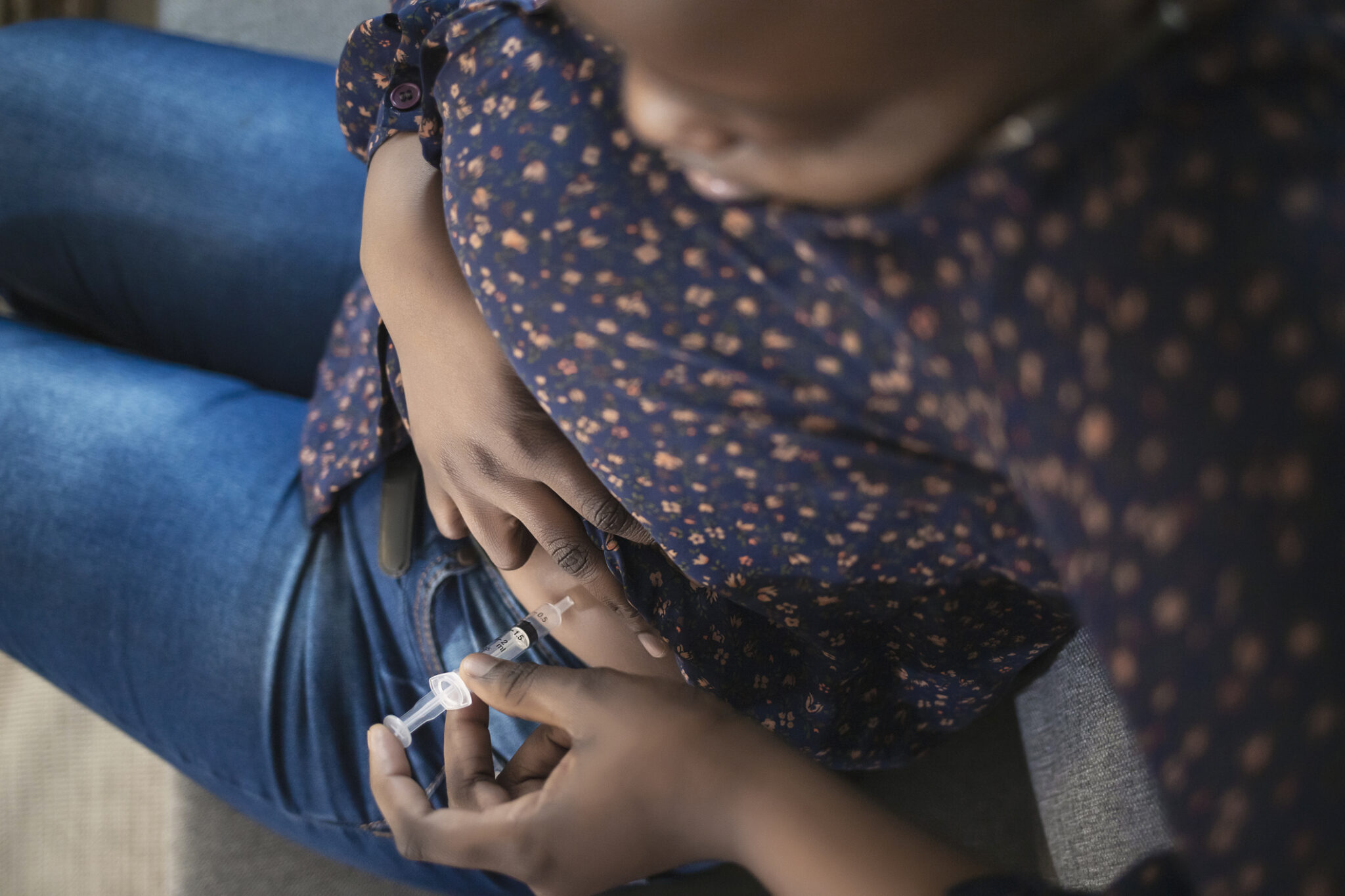
Pricing reforms under a sweeping law signed on Tuesday by President Joe Biden are great for diabetics, but much more needs to be done, an activist said Wednesday.
As part of the Inflation Reduction Act, monthly out-of-pocket insulin costs for Medicare recipients were capped by the law at $35 a month. Together with capping all drug costs for Medicare patients at $2,000 a year, the new law is being lauded as a boon for seniors struggling to balance their drug costs with all their other expenses.
Among medicines, insulin is one that is particularly difficult for those who need it to live without. For diabetics, it helps regulate blood-glucose levels that, if left untreated, can cause blindness, nerve and kidney damage and even death.
But even though it’s been around for a century, insulin prices aren’t as cheap as one might think for a class of drugs that has been researched, manufactured and marketed for so long. In fact, until recently, list prices have been increasing rapidly.
“The list price of insulin per milliliter in the United States increased, on average, 2.9% annually from 1991-2001, 9.5% per year from 2002 and 2012, 20.7% annually between 2012 and 2016, and 1.5% per year from 2016-2018,” the American Action Forum reported in 2020.
And that can lead to some excruciating choices if you can’t afford it. The Commonwealth Fund in 2020 reported that among non-Medicare patients, huge numbers had difficulty affording their insulin between 2014 and 2017; from nearly half of the uninsured living below the poverty line to 3% of people with good insurance and who were making five times the poverty level, or nearly $100,000 for a family of four.
Source: The Commonwealth Fund
“Bottom line for diabetics, we can’t afford to wait,” said John Kennedy, an advocate with Ohio Insulin 4All, said Wednesday in a press conference hosted by the group Protect Our Care.
Kennedy added, “We’re impatient, but our impatience comes from a really good place. It’s because the more time that passes means more diabetics are going to have to make really difficult choices that nobody should have to make; whether to put food on the table or to take the whole dose of their insulin. As we know, about a quarter of all diabetics have said that they ration their insulin supply because they just can’t afford it.”
For Medicare patients, the Kaiser Family Foundation reports that average monthly out-of-pocket insulin costs increased 39% between 2007 and 2020. Now those monthly costs range from $16 to $116, or $192 to $1,392 a year.
With average out-of-pocket insulin expenses for Medicare patients at $54 a month in 2020, the $35-a-month cap in the Inflation Reduction Act represents a more than a 50% savings, KFF reported last month.
While capping those costs — and directly negotiating Medicare insulin prices with drugmakers — is surely welcome news to seniors with fixed incomes, it won’t do much for many other diabetic Americans.
And because the system isn’t transparent, it’s unknown how much of the rebates the middlemen and their affiliated insurers are pocketing.
In a paper published last year in the Journal of the American Medical Association’s Health Forum, three researchers at the University of Southern California assed what happened with the prices of 32 insulin products between 2014 and 2018. And despite the fact that drugmakers such as Eli Lilly, Sanofi and Novo Nordisk tend to get most of the blame for rising costs, it shows that others are also culpable:
List prices went up by 40% while net, or post-rebate, prices received by drugmakers dropped by 31%.
The share of insulin expenditures retained by pharmacy benefit managers such as CVS Caremark, OptumRx and Express Scripts increased by 154.6%
The share retained by pharmacies, the largest of which is CVS, increased by 228.8%
The share retained by wholesalers such as Cardinal Health, AmerisourceBergen and McKesson increased by 74.7%.
While he lauded the insulin measures in the Inflation Reduction Act, Kennedy, the diabetes advocate, they were far from sufficient.
“The way that pricing is done is so hidden; it’s not transparent at all and that’s a big, big, big problem,” he said. “And yes pharmacy benefit managers have played a big role in this secret process — hidden process — that is used to determine what the costs are going to be. But they’re just one player in this game. PBMs certainly share a chunk of the blame, but there’s a lot of blame to go around.”
Loveland, Ohio – After the successful completion, in the hot August sun, of their grueling Summer Camp, the Loveland High School Marching Band and Colorguard performed in a “Preview Night” at Tiger Stadium last Friday.
Letting the music speak for itself here, this is just a sampling of what you can expect at the halftime of Tiger football games and at the Tiger Band’s performances during their competition season.
The Tiger Band and Colorguard will perform tonight in Tiger Stadium. Game time is 7 PM.
The GPS units identify oncoming emergency vehicles
Photo by Zachariah Garrison: pexels.com
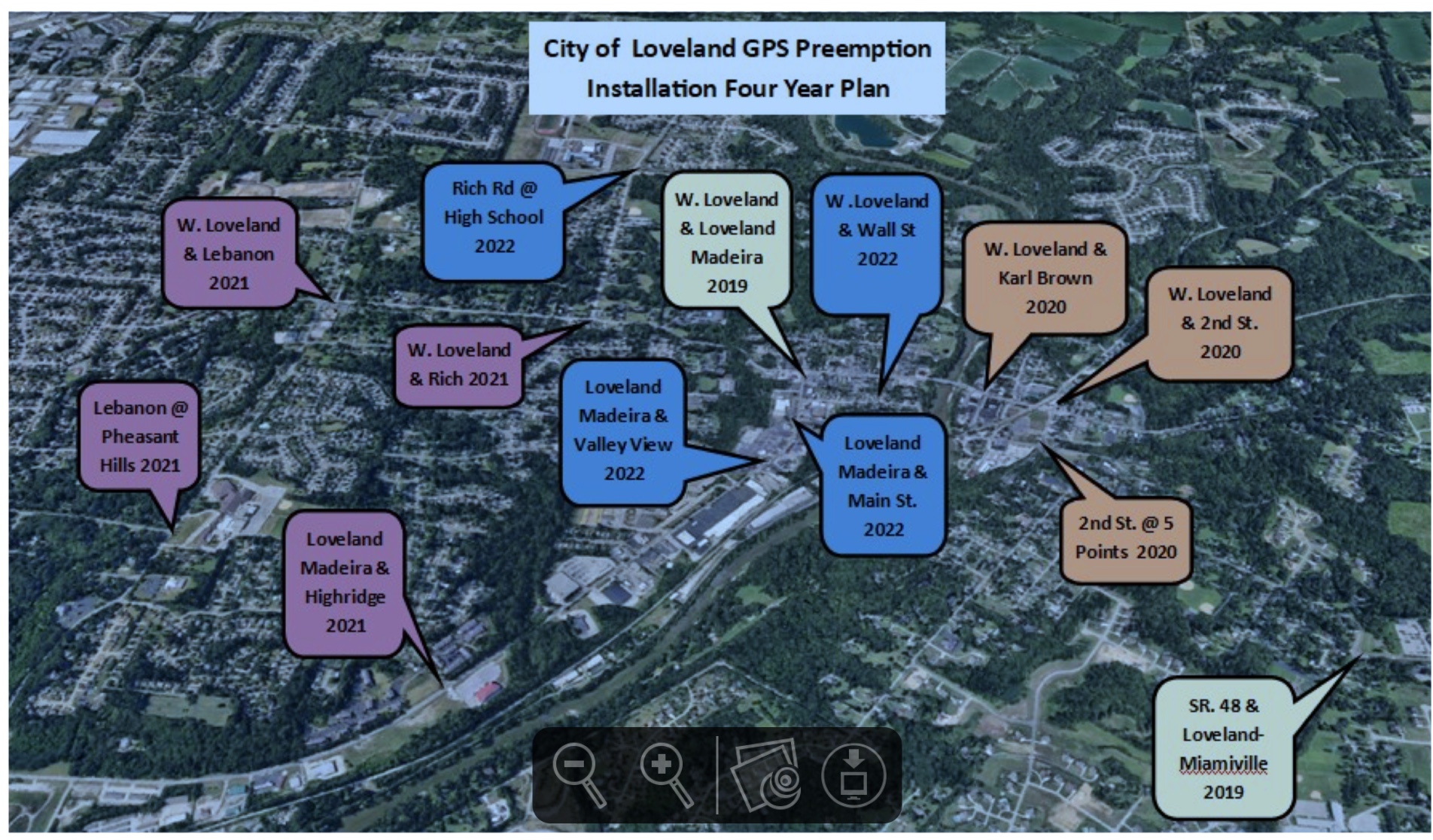
Loveland, Ohio – The city had a four-year plan to install GPS “preemption units” within the control panels of all of its traffic signals. This plan is now complete, with four units being installed this year at the following intersections:
• West Loveland Avenue and Wall Street
• Rich Road and Loveland High School
• Loveland Madeira Road and Main Street
• Loveland Madeira Road and Valley View
The preemption units units identify oncoming emergency vehicles, interrupting the traffic signal’s cueing cycle and providing a green signal for faster and safer response times for Fire, EMS, and Police.
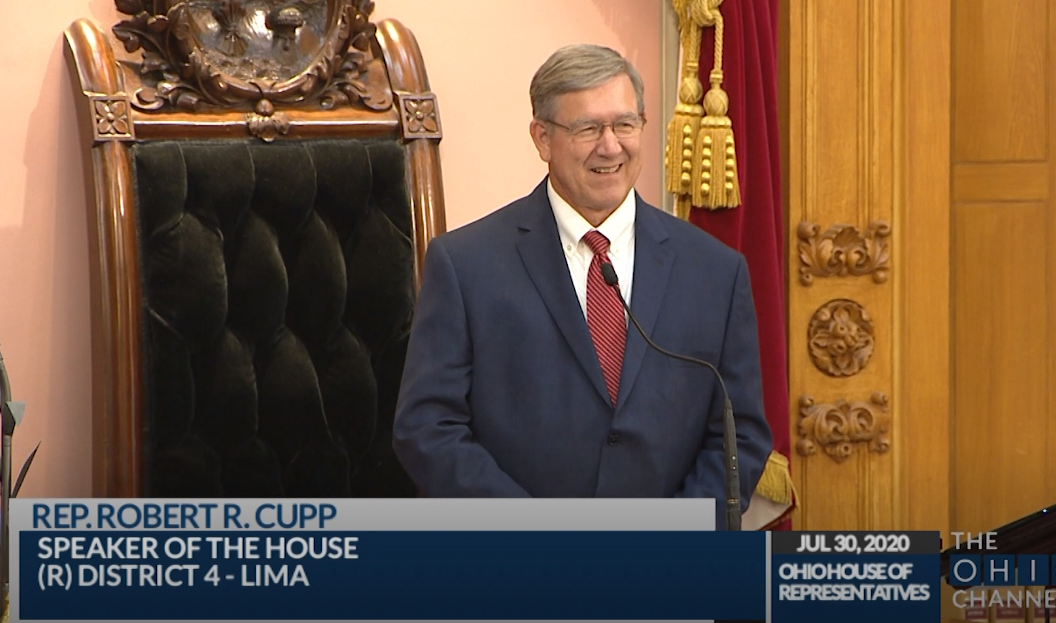
The Ohio House Speaker wrote a letter to members of his party claiming “intentional misinformation” and the “myth” of a deadline for congressional redistricting, and signaling an appeal to the U.S. Supreme Court.
The Ohio Supreme Court turned down the most recent drafts of congressional district lines in the state, saying the partisan breakdown unduly favored Republicans and didn’t match the breakdowns of election results in the state.
In the court decision, the court majority ruled that “within 30 days, the General Assembly must pass a plan that complies with the Constitution.”
Speaker Bob Cupp, however, said in his letter to fellow Republicans that “out-of-state activists have peddled the myth” of a deadline this week.
“It is false, has zero basis in fact, and either shows a lack of understanding of our legal system, or it is an attempt to intentionally sow confusion over the 2022 elections,” Cupp said in the letter, provided to media by a spokesperson.
Cupp, a former state supreme court justice, then argues a deadline for new congressional maps “does not commence until all appeals are final,” including a deadline for appeal to the U.S. Supreme Court of 90 days from the date of the state supreme court decision.
Cupp did not explicitly say the legislative leaders would be appealing to the U.S. Supreme Court, but said the General Assembly’s 30-day clock wouldn’t start until after the nation’s highest court decided not to review the appeal.
When asked for clarification, a spokesperson for Cupp said a U.S. Supreme Court appeal “is a very real option that we have time to thoroughly consider.”
The final date to appeal, Cupp states based on the state supreme court’s decision date of July 19, is Oct. 17.
“So, there is no state constitutional requirement to draw new congressional districts for the 2024 election cycle before then,” Cupp wrote.
This is the third time the General Assembly has been asked to redraw congressional maps. The last time the state supreme court rejected the maps, the General Assembly didn’t take action, and the effort moved, as was ordered by the Ohio Supreme Court, to the Ohio Redistricting Commission.
No mention of U.S. Supreme Court appeal was brought up at that time, despite the fact that Cupp was House Speaker and co-chair of the ORC.
After being rejected in January, new congressional maps were passed by the ORC in March.
Cupp’s compatriot in the other legislative chamber, Senate President Matt Huffman, commented to media, saying no action is expected from the Ohio Senate on congressional maps.
A spokesperson for Huffman did not comment other than to confirm the accuracy of a Dispatch story in which Huffman said the Ohio Supreme Court does not have the power to dictate the Ohio legislature’s duty in redistricting. He also said the U.S. Supreme Court could definitively answer the question of redistricting authority in Ohio.
The ACLU of Ohio, which has been a party in several of the legal challenges to congressional and legislative redistricting, called Cupp’s legal argument a “gambit” at the “11th hour.”
Freda Levenson, legal director for the ACLU of Ohio, said the Ohio Supreme Court “ordered the legislature, in no uncertain terms, to draw a map by tomorrow.”
Because the OSC’s order to draw a new map ruled purely on matters of Ohio law, it is not appealable in federal court,” said Levenson. “So there is no legitimate way to try to extend the Ohio Supreme Court’s deadline.”
Rising gas prices are frustrating but there are tactics you can take to maximize your fuel economy. And, it’s good for the air we breathe and the planet!
Warren County, Ohio – This is the information the Warren County Health District is providing:
If you suspect you have been exposed to someone with monkeypox, please contact your healthcare provider for guidance. There are no plans to provide Monkeypox vaccinations to the general public in Warren County at this time. Vaccine is only available on a case-by-case basis for individuals who have been identified close contacts of an individual experiencing Monkeypox.
Symmes Township, Ohio – The contest will be held from October 1 through October 31. Prizes will be awarded to the first, second, and third place winners for adults 18 years and older. An Honorable Mention will be awarded to a youth under 18 years old. A panel of judges will review the entries and select the winners which will be announced in November. The decisions of the judges are final.
Who may enter: Contestants must be amateur photographers and not associated with Symmes Township.
What to enter: Participants should select images that best depict Symmes Township’s beautiful environment, active people, and vibrant community life. This includes but is not limited to parks, wildlife, streetscapes, landmarks, children or dogs at play or sports activities. Photos taken of locations not within Symmes Township will be disqualified as well as low-resolution images that cannot be well reproduced in printed materials. For best results, please be sure to set your camera or smartphone settings at the highest possible resolution. Any contestant who submits photos of people or property must have written consent from that person or property owner.
How to enter: Contestants should submit high-resolution digital photographs in a .jpeg or .gif format via email to lfelter@symmestownship.org. Each submission will require the following: Name, address, telephone number, valid email, location of photo, and age of participant if under 18 years old. Participants may submit up to three (3) photos each. Symmes Township reserves the right to publish any submitted photo with any Symmes Township materials (including print and electronic) or give to members of the media (including, but not limited to, newspapers, internet, television, and magazines) at any time. Photo credit will be applied where applicable but cannot be guaranteed.
Prizes: • First place – $100 gift card of their choice • Second place – $50 gift card of their choice • Third place – $25 gift card of their choice • Honorable Mention (Youth) – $25 gift card of their choice
By accepting a prize, winners agree to the use of the winning photograph for advertising or promotional purposes by Symmes Township.
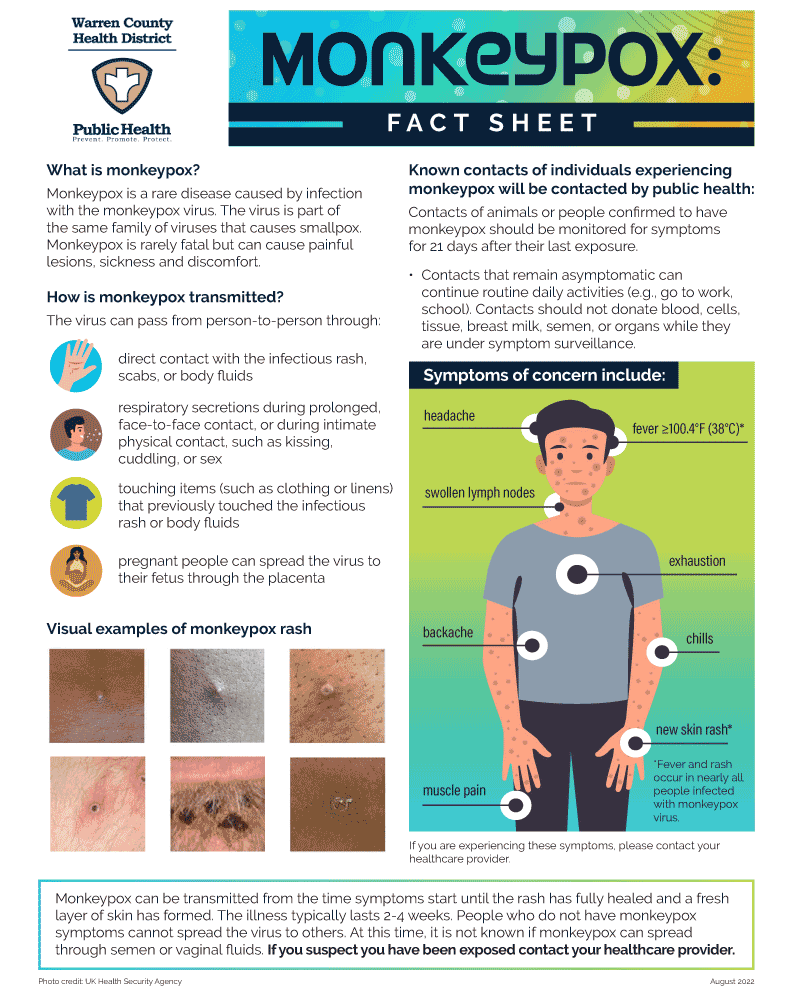
Monkeypox is a disease caused by a virus (monkeypox virus) not commonly seen in the United States. Monkeypox can cause a rash which may look like pimples or blisters, sometimes with a flu-like illness. While CDC works to contain the current outbreak and learn more about the virus, it is important that you to have information so you can make informed choices when you are in spaces or situations where monkeypox could be spread. Monkeypox can be spread from the time symptoms start until the rash has healed, all scabs have fallen off, and a fresh layer of skin has formed. This can take several weeks.
Can I get the monkeypox vaccine?
Monkeypox vaccines are in limited supply. Like early distribution of the COVID-19 vaccine, the monkeypox vaccine is initially being distributed to those at highest risk. If you would like to be notified when the monkeypox vaccine is available, complete our monkeypox vaccine registration.
Vaccine Distribution Tiers
Tier 1
People at risk for occupational exposure (i.e. lab personnel with high exposure risk) and individuals identified as close contacts or direct exposures
Tier 2
Attendees at events/venues linked to known monkeypox transmission
Tier 3
Individuals likely to have prolonged intimate contact that would put them at higher risk of being exposed
Teir 4
Nationally or locally identified groups with high risk of exposure
What should a person do if they have a new or unexplained rash or other symptoms?
Immediate actions:
Self isolate.
Avoid sex or being intimate with anyone until you have been checked out by a healthcare provider.
Avoid gatherings, especially if they involve close, personal, skin-to-skin contact.
Think about the people you have had close, personal, or sexual contact during the last 21 days, including people you met through dating apps. To help stop the spread, you might be asked to share this information if you have received a monkeypox diagnosis.
Seeking Care:
CALL your primary care doctor or urgent care before arriving in person. Let them know you have symptoms or have a confirmed exposure. This will allow staff time to prepare for a safe visit for you, them, and other patients.
For uninsured, under-insured and Medicaid recipients – you can visit one of the following Federally Qualified Health Centers:
Ambrose H. Clement Health Center 3559 Reading Road, Suite 101 513-357-7320
Millvale at Hopple Street Health Center 2750 Beekman Street 513-357-7320 during the week 513-352-3191 on Saturday
Braxton F. Cann Memorial Health Center 5818 Madison Road 513-357-7320
Bobbie Sterne Health Center 1525 Elm Street 513-357-7320
Northside Health Center 3917 Spring Grove Avenue 513-357-7320
Price Hill Health Center 2136 W. 8th Street 513-357-7320
How is monkeypox spread?
Monkeypox can spread to anyone through close, personal, often skin-to-skin contact including:
Direct contact with monkeypox rash, scabs, or body fluids from a person with monkeypox. We believe this is currently the most common way that monkeypox is spreading in the U.S.
Touching objects, fabrics (clothing, bedding, or towels), and surfaces that have been used by someone with monkeypox.
Contact with respiratory secretions.
This contact can happen during intimate contact including:
Oral, anal, and vaginal sex or touching the genitals (penis, testicles, labia, and vagina) or anus (butthole) of a person with monkeypox.
Hugging, massage, and kissing.
Prolonged face-to-face contact.
Touching fabrics and objects during sex that were used by a person with monkeypox and that have not been disinfected, such as bedding, towels, fetish gear, and sex toys.
What are the symptoms of monkeypox?
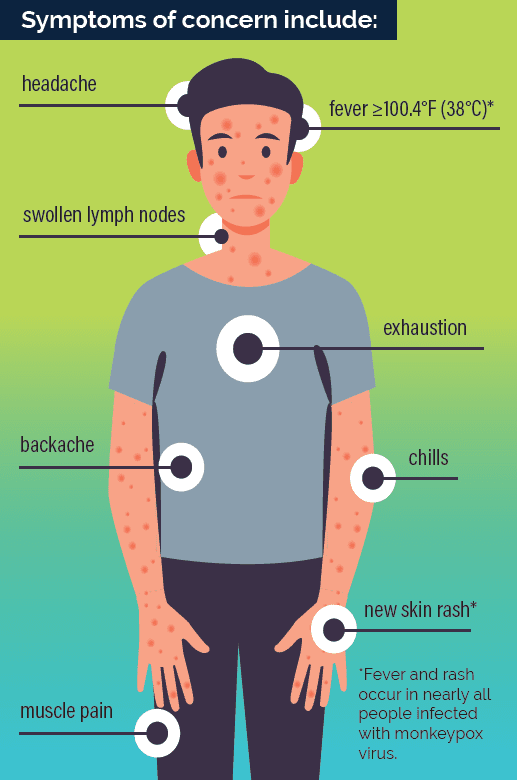
You may experience all or only a few of the symptoms of monkeypox.
Most people with monkeypox will get a rash.
Some people have developed a rash before (or without) flu-like symptoms.
Monkeypox symptoms usually start within 3 weeks of exposure to the virus.
The flu-like symptoms may include fever, headache, muscle aches and backache, sore throat, cough, swollen lymph nodes, chills, or exhaustion.
If someone has flu-like symptoms, they will usually develop a rash 1-4 days later.
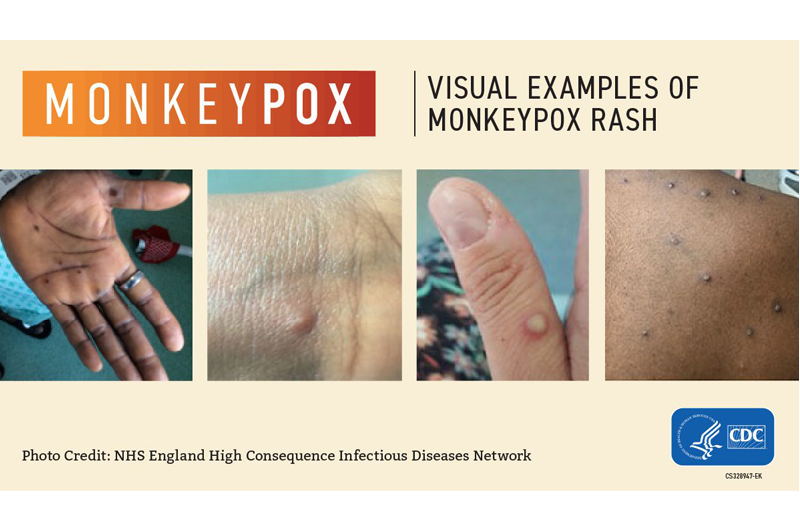
The rash may be located on or near the genitals or anus but could also be on other areas like the hands, feet, chest, or face.
The rash will go through several stages, including scabs, before healing.
The rash can look like pimples or blisters and may be painful or itchy.
The rash may also be inside the body, including the mouth, vagina, or anus.
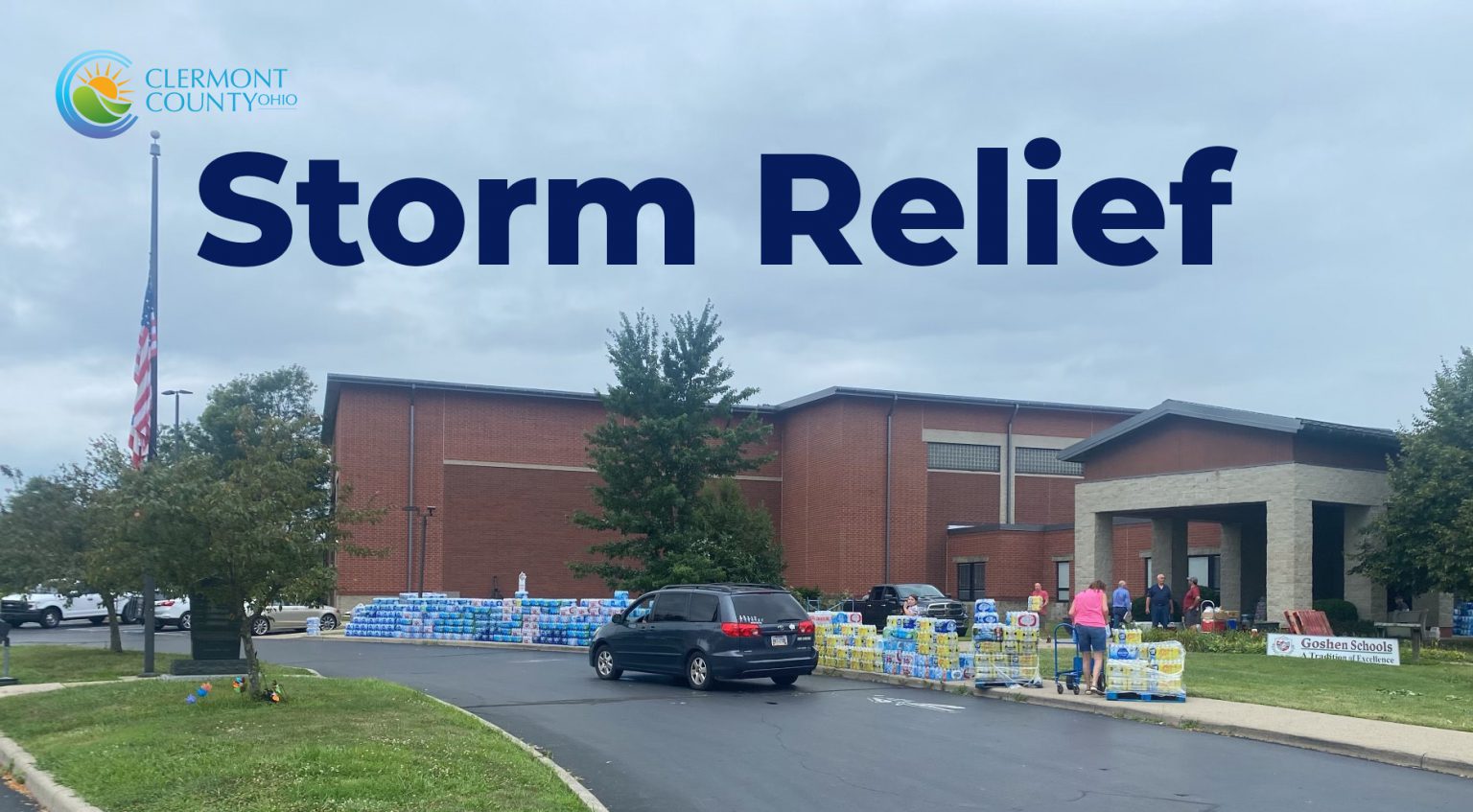
State and Federal Assistance Programs We continue to work with the Ohio Emergency Management Agency to determine if the County qualifies for additional assistance programs. Availability of assistance programs varies based on FEMA criteria including severity, magnitude, and impact of the disaster. The following factors are considered when evaluating a request for State and/or FEMA Assistance:
Concentration of damage
Trauma, large number of injuries and deaths, disruptions to community functions, and emergency needs
Special populations
Voluntary agency assistance
Insurance
Damaged residential structures
Assistance to Individuals, Families and Businesses To be considered for State and FEMA financial assistance programs, the county must demonstrate that there are a minimum of 25 primary homes and/or businesses with 40% or more uninsured loss. Out of the 451 structures impacted, only 16 meet this criteria. While the County may not be eligible for additional state and federal financial assistance programs, a Long Term Recovery Committee has been established to identify and address the unmet disaster related needs of impacted residents.
Assistance Process – Each individual, family, and business has unique disaster recovery needs. All are encouraged to seek out resources in the following order:
1. Immediate needs providers, not limited to:
American Red Cross provides emergency assistance (800.RED-CROSS)
2. Insurance Company – contact your insurance provider to determine eligibility
3. Referral to Community and Volunteer services
Volunteer organizations have been assisting residents with woody debris clean up on private property
Local food pantries have provided food and other household items
4. Long Term Recovery Committee (LTRC) – A case management process is being established to verify disaster related needs. This will ensure that the resources and donations are allocated to verifiable unmet needs within the local community.
We are asking for patience as we work to coordinate amongst all of the faith-based, not for profit, volunteer, government, and private sector partners that are supporting the long term recovery effort. The overarching goal is to reduce duplication and maximize the limited resources to ensure the local communities recover from the July 6, 2022 storms.
Public Assistance (PA) The Public Assistance program provides grants to local governments for debris removal, emergency protective measures, and the repair, replacement, or restoration of disaster damaged, publicly owned facilities. To be considered for a State PA program, the County and all of the local jurisdictions collectively will have to exceed $855,264 in eligible expenses. To be considered for a FEMA PA program, the State collectively would have to exceed $19,233,100 in eligible expenses. As these storms were localized to Clermont and Brown Counties, it is unlikely that the State will meet the threshold for a Federal PA program.
We are actively working with our County and local jurisdictions to collect all of the debris management and emergency response expenses as well as the anticipated cost to repair, replace, and restore publicly owned facilities that were damaged by the storms.
Assistance with woody debris clean-up: We continue to connect volunteer organizations with homeowners who need assistance with woody debris. It is anticipated that the volunteer organizations will continue supporting local residents for many weeks. If you have already submitted your information for woody debris assistance, please be patient. If you have not registered, please call 513.735.8500 or e-mail clermontema@clermontcountyohio.gov. Please provide your name, phone number, and address.
We are asking residents not to place brush and woody debris in the right of way. Residents have multiple options for managing the remaining woody debris:
take the debris to Bzak Garden Center at 931 Round Bottom Road. This is a free service to county residents. Logs must be cut into 4 ft. or less lengths.
Mental Health Support The Crisis Hotline 513-528-SAVE (7283) is a free and confidential hotline available 24-hours/7 days a week that provides suicide prevention, crisis intervention and referral information to residents of Clermont County and Brown County of all ages. Crisis workers can give guidance, support and referral information for emotional crisis, suicidal thoughts, domestic violence and addiction issues. The Hotline is operated by Child Focus, funded by the Clermont and Brown County Mental Health and Recovery Boards and accredited by Commission on Accreditation of Rehabilitation Facilities (CARF). You can also use the National Crisis Text Line. Text: 4HOPE to 741741. The Crisis Text Line is independently owned and operated.
The Ohio Department of Insurance offers support to homeowner and renters who have questions on the insurance process. They have a severe weather toolkit that may be useful to residents. Anyone with insurance questions and complaints can reach Ohio Department of Insurance consumer services representatives through www.insurance.ohio.gov, consumer.complaint@insurance.ohio.gov, and 1-800-686-1526.
Financial donations can make the largest impact following a disaster. It allows disaster relief organizations the flexibility to buy the appropriate supplies to address the unique needs of the community. Financial donations can be made to any reputable disaster relief organization that is operating in the area.
Connect Clermont has created a Disaster Relief Fund for Clermont County. These funds will be used to support the long-term recovery effort. 100% of the proceeds will be directed to the impacted residents. Cash or check donations can be brought to any Park National Bank location.
Connect Clermont c/o Disaster Relief Fund 2400 Clermont Center Drive, Suite 100, Batavia, OH 45103.




![[Music Video] 2022 Loveland Marching Band presents ‘Say something, I’m giving up on you.’](https://lovelandmagazine.com/wp-content/uploads/2022/08/loveland-hs-band-preview-night.jpg)



![[Maximize Your Gas Tank] Gas prices are frustrating but there are tactics you can take](https://lovelandmagazine.com/wp-content/uploads/2022/08/check-oil.jpg)