Loveland, Ohio – In this new episode of Real Estate Update from the Besl, Baden & Christy Jones Team, the news is about Homerama in Loveland and the other “New Builds” in the city and school district.
Sue Besl Price talks specifically about the homes and sites available at Homerama’s ChimneyRidge development and the home tour coming to Loveland on August 6 through August 21.
Christy Jones introduces you to other new home buying opportunities in the City of Loveland and in the Loveland School District.
The Team has “deeply discounted” tickets available for the 2022 Homerama Tour. Contact them HERE.
WELCOME TO YOUR PREMIER REAL ESTATE RESOURCE!
With over 50 years of collective experience the Besl, Baden & Christy Jones team brings extensive expertise in connecting you to all real estate related resources in the Greater Cincinnati area. We pride ourselves on providing you with genuine, trusted and reliable real estate advice while delivering exceptional customer service.
Apex Imprinted is a full service promotional specialty company, located in Loveland, Ohio. At Apex, we provide assistance with theme creativity, layout and design, and the finest imprinted and embroidered items. We have access to over 600,000 promotional products, and are dedicated to finding the ideal product for your promotional need. We look forward to working with you on your next project.
Loveland, Ohio – The Loveland Youth Volleyball Organization will be sponsoring a food drive to benefit the Life Food Pantry this Saturday, May 7th, at the Loveland Elementary School gym. They will have games there from 9 AM until 3 PM and will have a table set up to collect donations.
“Please consider dropping off any nonperishable food items that you may have. We do this to not only help LIFE but to help teach our players about volunteering and helping others.”
The community is invited to come to this convenient location to add to the collection of the players.
The following items are ones that LIFE has a more urgent need for.
Beef stew, canned carrots, ketchup, canned chili, coffee, cooking oil, Manwich, mashed potatoes, pasta, peanut butter, canned pineapple, salad dressing, spaghetti, spaghetti sauce, Stove Top Stuffing, paper towels, Kleenex, deodorant, shampoo, conditioner, and body wash.
A statue of a child at Grailville – photo provided by Kevin and Laurie Kiley
Introduction by Kevin Kiley
What’s going on in Loveland this week?
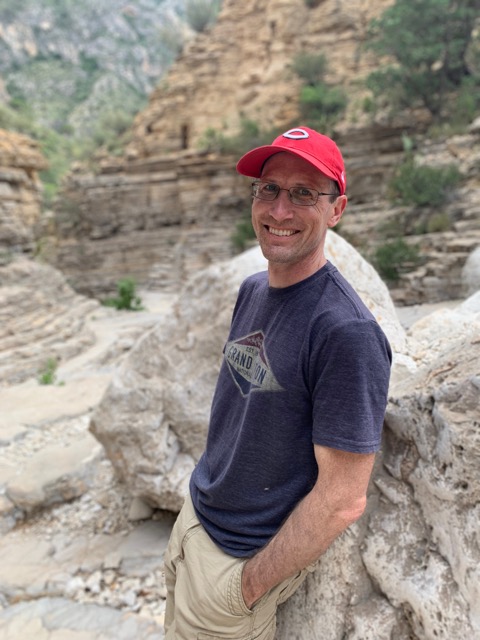
Kevin Kiley
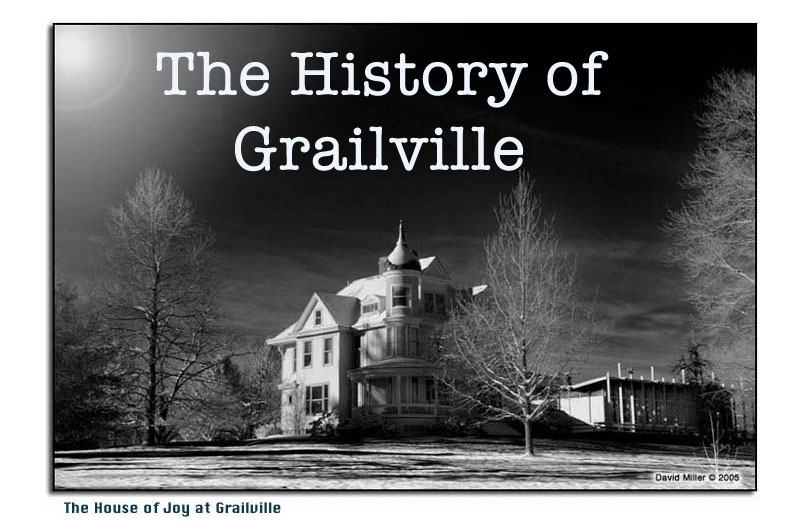
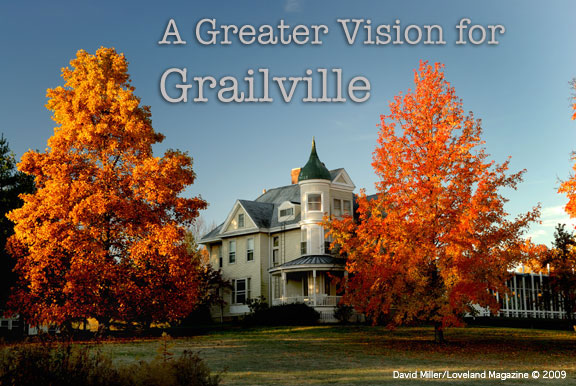
The City of Loveland is currently reviewing an application for a large housing development on the east side of Loveland. This 111 acre parcel of land, a historic property currently owned by Grailville, was recently annexed into Loveland and is under contract to Drees Homes “with an option to buy” for $7.3 million. Drees has requested that Loveland re-zone the site to a special planning district (SPD) and approve an exception to build more than twice the number of homes permitted by current zoning. This same property was offered to Loveland Schools but failed to pass levies in the months preceding the pandemic.
Why does this matter?
Several concerns have been addressed to the Loveland Planning and Zoning Comission on how this new development will impact Loveland, including its effect on traffic, parking, schools, and other taxpayer expenses. This proposed new housing development borders 100 acres of nature preserve now owned by the Clermont County Parks District. A growing number of forward-thinking residents see this additional 111 acres as an incredible opportunity for Loveland to build something amazing for all who live in Loveland, not just a select few.
How can I get involved?
The next Loveland Planning and Zoning meeting is Wednesday, May 4th at 7 PM at Loveland City Hall. Please attend to learn more and show support—help us pack the room. There will be a sign-in sheet in the room for anyone who wishes to speak.
To residents and elected decision makers of Loveland
by Laurie Kiley
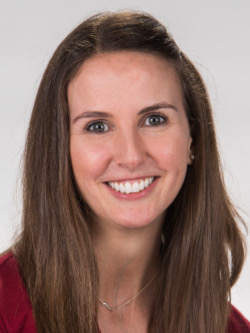
Laurie Kiley
As I sit to put my feelings about the development of the Grailville property into writing, Joanie Mitchell’s lyrics are stuck in my head…
Don’t it always seem to go That you don’t know what you got ’til it’s gone They paved paradise and put up a parking lot
While I am a tree hugger in my soul I am also realistic that as humankind continues to evolve nature will always be at risk. We must be diligent to make personal choices—and choices as a community—that result in the greatest legacy for those who come after us. We cannot be shortsighted.
That being said, my biggest concern here today is actually about accountability. Loveland residents elect our Council to have privileged access to information on our behalf. We expect that they are making decisions holistically and with the future in mind well beyond their tenure.
As accountable Council members, we implore you to not make easy compromises today that lead to deeper issues for our community tomorrow. The full impact of every rezoning decision, every parking garage, and every field that is eliminated must be considered.
In our personal lives, it is irresponsible to spend beyond our means or to act now and think later.
Likewise, it would be irresponsible for our Council to make decisions that put Loveland’s future at risk.
The Grail is entitled to sell the property they cannot afford to hold. Drees is entitled to request an exception to maximize its profits and create a space to benefit 209 new households. Loveland Council, however, is not obligated to create new laws to make it possible.
I want to go back to my previous point about encouraging holistic decision-making. Here is a summary of inter-related concerns from my point of view:
The Drees proposal outlines lot dimensions that equate to .16 acres that are 70% covered by house at worst, and .27 acre lots that are 60% covered by house at best. In contrast, Loveland’s current zoning stipulates 1 acre per lot for new development. If Drees accepts current zoning then it’s a done deal and within our regulations.
The traffic studies—limited as they were—confirm that this development would increase traffic through downtown by over 2,000 trips daily. Loveland residents know that the true impact of congestion is felt most a peak times like the school commute, rush hour, and all weekend long when good weather brings visitors to our bike trail for hours of entertainment outside our borders. Council should avoid decisions that worsen our traffic problems before a viable solution has been identified.
Tearing up East Loveland Avenue to install bigger sewage pipes would be necessary and the treatment plant may or may not already be maxed out. Loveland’s taxpayers require clarity and full disclosure about who would absorb the cost to resolve these concerns before any new SPD zoning exceptions are approved.
More houses will result in more tax income and the majority would go to our schools but it would also add more kids and related expenses. This will overburden our situation. If the reputation of our schools degrades then everything else in the ecosystem will start failing also.
If Council is contractually obligated to respond to this SPD then the answer must be “no” until we can thoughtfully consider the big picture.
Yes, “something must be built here”. Let’s build something that benefits the entire community. Let’s build something that will make Loveland even more cherished by its citizens and inspires hope for its future.
Please don’t cite failed levies of the past. There’s no need for blame in any direction. Those levies only indicate that the expectations of the planners and the voters were not in line. Time has certainly moved on, so must we. We need to learn from those experiences and move forward together.
Loveland needs to stand up for itself. We need to be bold and brave and involved in order to maintain our character and identity as a community. By NOT approving this SPD our elected Council would give Loveland a huge opportunity to help The Grail and Loveland find an optimal solution to the benefit of all.
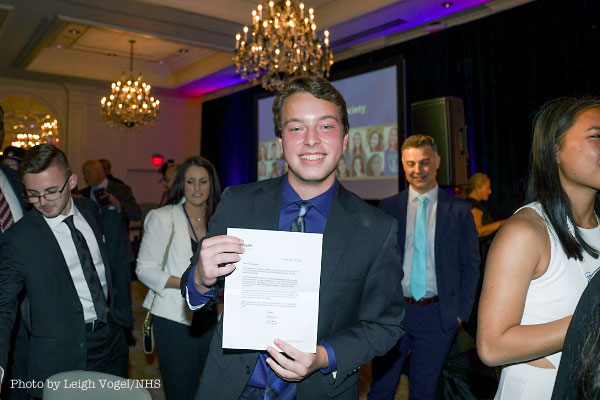
Washington, DC – “This is the honor of a lifetime,” said Evan Osgood, who was awarded the $25,000 top prize by the National Association of Secondary School Principals. “Meeting the other finalists and learning their stories this weekend reinvigorated for me the power of our generation. We can do anything,” said Evan Osgood in a press release issued by the organization.
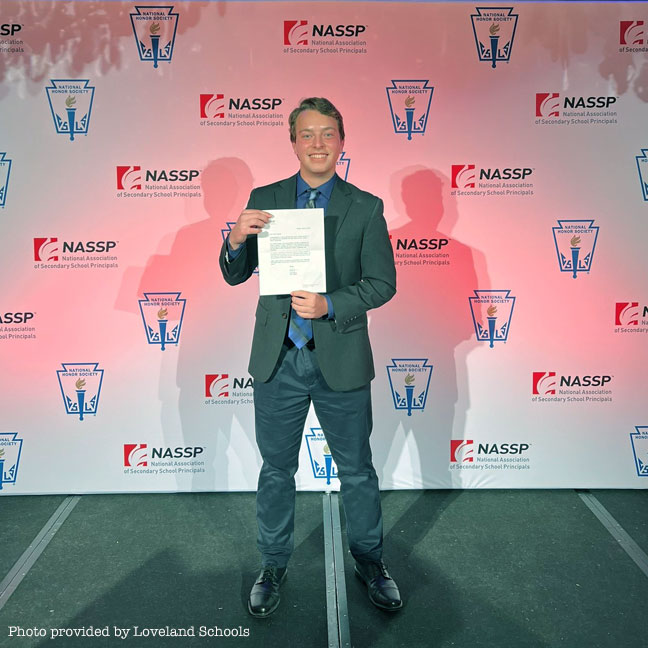
Loveland High School’s Evan Osgood was named the winner of the 2022 National Honor Society Scholarship during an awards ceremony in Washington D.C. on Monday evening. He was chosen from nearly 10,000 applicants, and as the winner, he received a $25,000 National Honor Society scholarship.
“We are incredibly proud of Evan for receiving this honor. He is truly a remarkable young man, and his dedication to others, along with his hard work, will take him on to great things. Congratulations to the entire Osgood family on this accomplishment,” said Superintendent Mike Broadwater in a press release.
As a national finalist for the award, Osgood was invited to attend the National Association of Secondary School Principals (NASSP) Trailblazing Leadership Week, which he attended with his family and Loveland High School Principal Adam Reed.
Osgood was recognized for his work during the pandemic creating the nonprofit SOSforPPE, to make and ship protective equipment, along with his creation of STEMsfForYouth, a nonprofit committed to improving access to STEM education.
Read these past Loveland Magazine stories about Evan Osgood:
I want to speak to you about vision and make sure you are aware of an important ongoing process before the Loveland Planning and Zoning Board and Loveland City Council. Drees Homes is requesting a change in the current low-density zoning status on 110 lovely acres of green unspoiled land, with historic buildings, currently owned by Grailville (The Grail). This land sits between where East Loveland Avenue turns into O’Bannonville Road and Rte 48. Drees desires this zoning status change to put 209 homes on this green space.
The Grail Mission and Vision Statement speaks of Care for The Earth. This has always been vital to Grailville/The Grail in its history and practice. Grail members including myself are expressing significant and ongoing distaste that the Grail is seriously considering divesting itself of this land to Drees to build another subdivision in our town.
There are important long-term practical reasons why many Loveland residents have spoken AGAINST enabling a zoning status change proposed by Drees to build 209 homes. They include, among others, an overcapacity school system, aggravating already clogged traffic and infrastructure concerns including sewer and water. (Please reference the below open letter to Loveland residents by Elizabeth Murphy for more details on these pressing issues)
I want to concentrate here on a compelling and magnanimous (great of mind or heart) vision of protection from development such as the proposed Drees subdivision. Standing up for a NO vote on this zoning status change from low density is a very important first step.
If the Grail is determined to divest itself of this land, are we as citizens willing to stand up for a vision that will honor the cultural and spiritual history of the Grail on this land, and also stand up for the inestimable value of added community green space which will do so much more than another subdivision to keep Loveland a treasured place to live into the future?
I wonder: If Loveland has the foresight to reject this proposed Drees zoning change, would The Grail accept significantly less money from the city or other entity committed to a higher vision that cares for the earth and the people of Loveland?
I have lived in Loveland all my life and our Loveland Bike Trail was just such a vision. There were many who could not see the immensely positive difference this green path of natural beauty that intersects our town and all enjoy, would make for the future of Loveland. It is with gratitude we now look back and honor those who had vision and were tenacious, so we could see the flowering of that vision.
Today Loveland is thriving. With that has come some of the problems of success mentioned earlier such as traffic and stress on infrastructure. We can make decisions now that see another subdivision that destroys precious green space and exacerbates traffic and stressed infrastructure will not be a decision that is truly good for the future of Loveland.
Loveland citizens will thank us years from now if we reserve green and natural places for the good of all, as did those bike trail visionaries.
I ask the Loveland Planning and Zoning Commission and Loveland City Council to reject this Drees proposed zoning change. Reject it not only on very real practical matters such as traffic and infrastructure, but to support a greater vision of the intrinsic beauty and value added of green spaces for Lovelanders into the future.
Sincerely,
Elizabeth Robinson
East Loveland Avenue
 April 11, 2022

Dear Fellow Loveland Residents,

It is important that you are aware of a process which is now ongoing involving 110 acres of Grailville land between Rt.48 and O’Bannonville Rd. Loveland City Council and the Zoning Board will have to make a decision on the Drees Homes’ request for a change in the zoning status to allow them to build 209 homes on that land.

The iniPal public hearing drew a standing room only crowd. Everyone who spoke, with the excepPon of the Drees representaPves, requested that the Zoning Board say NO to the Drees proposal. There are important long-term reasons why it is best for our community that the Drees proposal does not go forward.

We all know the traffic situaPon in downtown is bad now. The construcPon of a large subdivision on this Grail land will iniPally cause several years of construcPon trucks and dirt funneling into town from Rt.48 and O’Bannonville Rd. As the houses are built and sold regular traffic of several thousand car “trips” through town will phase in. This will never stop.

Our school system is currently overflowing recommended capacity. Extra trailers are needed for space. It is esPmated that 4-5 addiPonal classrooms of children are likely to be added by this subdivision. We are all painfully aware of the costs that would be incurred to build new schools, as well as the stresses on children and teachers involved in overcrowding. Again, once this increase is allowed to happen it is unlikely to be reversed.

There are also serious general infrastructure issues relaPng to water. The Loveland water system is a series of wells which when run at high demand can drop the water table in a significant way. One must ask at what point will this become a problem. Water pressure has at Pmes been an issue and more homes drawing water cannot but aggravate this.

The other end of this problem is the management of the addiPonal sewage. The sewer line under East Loveland Ave. is outdated, fragile, and it is quesPonable whether it is adequate to handle a large new neighborhood. The receiving Polk Run sewage treatment plant has no more room to expand. There has been no confirmaPon of sewer availability, capacity, or access compliant with MSD standards. Will the City of Loveland be put in a posiPon of providing this infrastructure at Loveland residents' expense? With the Liale Miami River so nearby it is crucial that there be no chance of contaminaPon.
Natural rainwater run-off must also be considered. The land from White Pillars on slopes to the northwest. The homes along O’Bannonville Rd. are all in the path of this natural drainage and vulnerable to surface flows or overflowing of Bares Run Creek in Pmes of heavy rain. The new roads and houses will eliminate acreage which currently absorbs the rainwater and so more will conPnue on downhill.

The final thing I need to speak of is the special quality of this parPcular piece of land. For about 80 years women of The Grail have lived or worked there. They have tended the land, holding it, knowing the sacred nature of this place. As the Grail has shared access to their land with others
for walking and connecPng with nature, many have become aware of the spiritual calm which it provides. In today’s world we need this more than ever.

In conclusion, I would encourage everyone who feels that we do not need another big subdivision on this Grailville land, with all the negaPve side-effects, to please make your views known. Aaend the public meePngs (the next is on May 4), write or call members of the Zoning Board and City Council. In our country we have government of ciPzens for ciPzens. Our officials have a duty of honor to listen to the members of the community which they serve. They are us; and therefore, we must speak so they may be guided.

Sincerely,

Elizabeth Murphy - Fallis Road Loveland OH
Students in one Pennsylvania school district were not allowed to read a biography of the first Black President, Barack Obama. (The ban was reversed following student protests.)
In some Tennessee classrooms, a nonfiction comic book about the atrocities of the Holocaust is banned.
And one school district in Wisconsin banned from libraries a picture book about a gay rights activist who was assassinated.
In the last nine months, hundreds of books across dozens of states are being banned at an alarming rate. A majority of the bans feature books written by authors who are people of color, LGBTQ+, Black and Indigenous, and feature characters from marginalized groups.
And now, state Republicans lawmakers are joining the movement, spurred by ultra conservative groups, to ban books from public schools and libraries.
This year in Arizona, state Republicans put forth a measure that would ban schools from teaching or directing students to study any material that is “sexually explicit.” In Florida, Gov. Ron DeSantis recently signed a bill to allow parents greater opportunity to review, and potentially object to, school library books that they find “inappropriate.”
And in Idaho, state House Republicans passed a bill that would allow librarians to be prosecuted for allowing minors to check out material deemed harmful.
Some of the states with the most aggressive book bans include Texas with 713 bans, Pennsylvania with 456 bans and Florida with 204 bans.
Deborah Caldwell-Stone, the director of the American Library Association’s Office for Intellectual Freedom, said book bans the last 10 years have dealt “with the lives of LGBTQIA persons, either reflecting their experiences, or talking about issues of concern to the LGBTQIA community.”
She said those bans have ranged from picture books depicting same-sex couples to young adult books talking about gender identities.
Caldwell-Stone said, “the one thing that has interrupted this” trend of banning books centered around LGBTQ+ themes comes after the 2020 murder of George Floyd by Minnesota police officer Derek Chauvin.
“There was an increased number of challenges to books dealing with race and racism that accelerated when we started seeing complaints from organized groups about critical race theory,” she said.
“And so when I say critical race theory, I’m not using it in the sense that it actually should be used, which is to describe a graduate level academic analysis of law and political systems, but this use of it to describe books and materials that offer alternative perspectives on American history that reflect the lives of Black persons and their experience of slavery, their experiences with police violence, and so we’ve seen a rising number of challenges to those books.”
Some of those groups that have challenged school boards include Moms for Liberty, an organization that has strong GOP ties and has local chapters that “target local school board meetings, school board members, administrators, and teachers” to push right-wing policies, as reported by Media Matters. Moms for Liberty has more than 100 local chapters across 35 states.
“We’re seeing nationally organized groups create local chapters, and use social media to amplify their demands,” Caldwell-Stone said. “They will tell you that they’re asserting parental rights to direct their children’s education, but the impact of their activities is to deny other parents the right to make decisions about their own children’s education, and particularly for older adolescents denying the First Amendment rights and agency for elder adolescents to read and access the materials they find important for their lives.”
Congressional Democrats have also raised concerns about the increase in book bans across the country. At a recent hearing, Maryland Democrat Rep. Jamie Raskin, cited a report by PEN America — an organization that advocates for the protection of free speech — that found from July 2021 to the end of March this year, more than 1,500 books were banned in 86 school districts in 26 states.
Ruby Bridges, a civil rights icon who was the first Black child to desegregate an all-white Louisiana school, was a key witness at the hearing. Children’s books about her story – “Brand New School, Brave New Ruby,” and “The Story of Ruby Bridges” – have been banned from classrooms in Pennsylvania.
“The truth is that rarely do children of color or immigrants see themselves in these textbooks we are forced to use,” Bridges told lawmakers. “I write because I want them to understand the contributions their ancestors have made to our great country, whether that contribution was made as slaves or volunteers.”
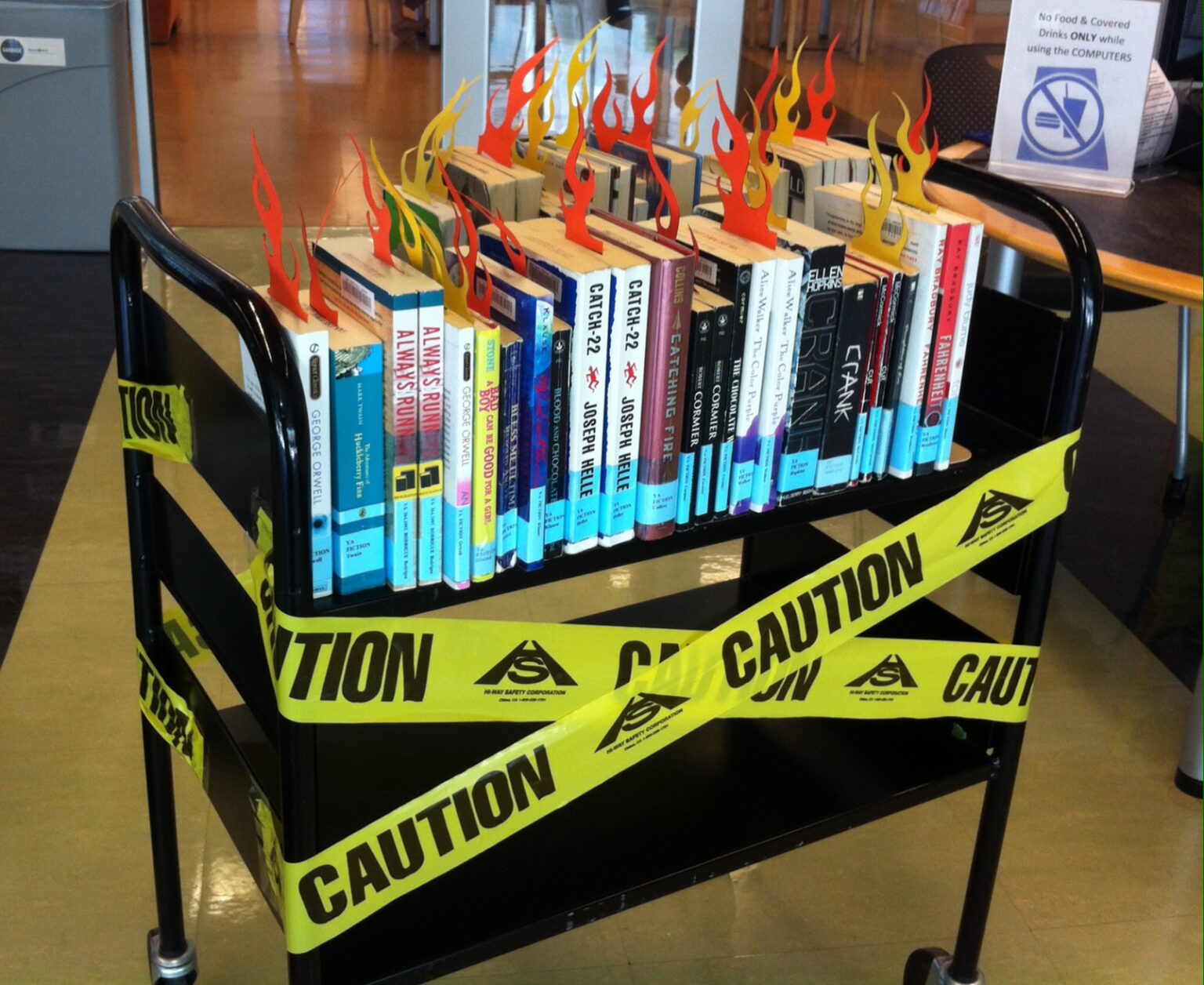
Banning books is not a new thing, and since the 1980s, the American Libraries Association has celebrated those books that are taken off the shelves for its yearly “Banned Books Week.”
Books have been banned for racist depictions or language, such as “Huckleberry Finn” by Mark Twain and “Of Mice and Men” by John Steinbeck because of its racial slurs. And in 2021, Dr. Seuss Enterprises announced it would no longer reprint six Dr. Seuss books, including “And to Think That I Saw It on Mulberry Street,” and “If I Ran the Zoo.”
“These books portray people in ways that are hurtful and wrong,” Dr. Seuss Enterprises said in a statement.
But the uptick and rate at which books are now being challenged and banned in schools, has alarmed many freedom of speech advocates such as Jonathan Friedman, the Director of PEN’s Free Expression and Education program, and author of the report Raskin referred to during a House hearing.
“It’s not just a parent getting angry about a book in a one off fashion,” he said in an interview with States Newsroom.
Friedman said some parents or local activists will submit hundreds of books to be challenged and removed off shelves.
“It’s happening all over, so it’s not just one part of the country. A list of books that might be deemed illicit by a group of parents in one state is being used in other states as well,” he said.
Friedman said he’s noticed most of the escalation of book banning happened in the fall of 2021, and pointed to a large swath of book bans that started in Leander, a school district in Texas.
“I think a lot of the energy around that (trend), set off of anti-mask energy, and you know, sort of frustrations of a pandemic,” Friedman said.
During a school board meeting, a parent read an excerpt of “Out of Darkness” by Ashley Hope Pérez that has a euphemism for anal sex that is historically accurate for the time the book takes place in, which is the 1930s.
That book was one of 120 that students could choose from based off of an optional curriculum, such as a book club.
“And in response, the district suspended the entire curriculum and launched a review, a kind of book by book review, much of it seemingly developing on the fly,” he said. “So they went through a year-long process, but some have serious questions about how much that process was conducted in a way that was fair.”
Banning books in the classroom is an issue the Supreme Court took up in 1982 in Island Trees School District v. Pico. In a 5-4 decision, the Court ruled in the student’s favor, affirming that the First Amendment limits the power of junior high and high school administrative officials to remove books from school libraries based on the books’ content.
But in that court decision, because “given the sensibilities of young people” schools were given discretion to remove books that were deemed “pervasively vulgar,” or “educationally unsuitable,”Caldwell-Stone said.
“Because the court really didn’t define these terms, they become a kind of magic word,” she said. “If we say those magic words that will make it legal for us to remove this book when, in fact, the actual motivation behind removing the book is because the book is about two gay teens finding each other and falling in love.”