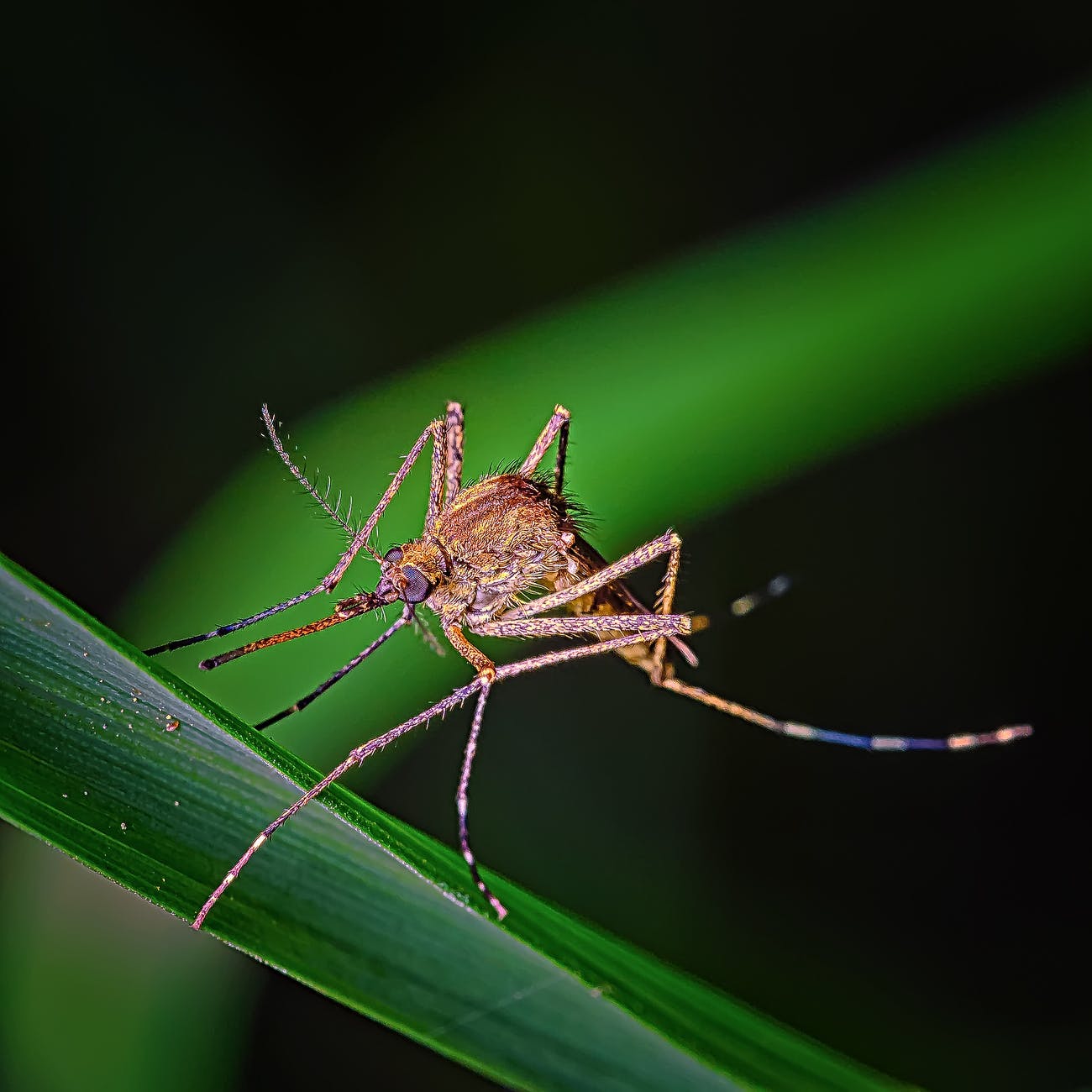
Hamilton County is reminding everyone to continue to take summertime precautions against mosquito bites after mosquitoes that were recently trapped at the Columbia Township compost facility on Hill and Dale Dr. tested positive for West Nile virus (WNV). West Nile Virus is a viral disease that can be passed from mosquitoes to humans. Hamilton County Public Health (HCPH) maintains traps throughout the County during the summer to test for the presence of disease. While this is the first positive identification in HCPH’s jurisdiction, other positive pools have been identified elsewhere in the County.
People over age 50 have the highest risk of developing severe WNV infections
Hamilton County Public Health staff will be conducting surveillance activities in the neighborhoods and commercial areas around where the mosquitoes were collected. They will be looking for areas of standing water, applying larvicide, making sure swimming pools are operating properly and advising residents on precautions they can take to avoid mosquito bites.
“We can all take action to eliminate mosquito breeding sites and take precautions to avoid mosquito bites,” Greg Kesterman, Hamilton County Health Commissioner says. “West Nile was first identified in Ohio in 2001, so it’s not new to our area, but we like to take the opportunity to remind everyone to take precautions.”
Hamilton County Public Health advises all Hamilton County residents to DRAIN, DUNK and PROTECT in an effort to reduce the mosquito population and prevent West Nile Virus:
DRAIN
Look for and drain sources of standing water on your property – litter, tires, buckets, flower pots, wading pools and similar items that could create standing water and become mosquito breeding sites.
Frequently change water in bird baths and pet bowls.
Drain small puddles after heavy rainstorms.
DUNK
Apply mosquito larvicide, sometimes called mosquito “dunks,” to areas of standing water that cannot be drained. The “dunks” are environmentally safe and won’t harm pets. Purchase them at your local hardware store.
PROTECT
Cut your grass and trim shrubbery.
Make sure screens in windows and doors are tight-fitting and free from defect.
Wear long sleeves and pants during peak mosquito hours – dawn and dusk.
Use an EPA-registered insect repellent such as those containing DEET, picaridin or oil of lemon or eucalyptus. Always follow the directions on the package.
WNV is a viral disease affecting the central nervous system that can be transmitted to humans by mosquitoes. It is important to note that most people who are bitten by an infected mosquito will never become sick. Everyone, however, should be aware of the symptoms of WNV. Symptoms may develop two to 14 days after someone is bitten by an infected mosquito.
No Symptoms in Most People. Approximately 70-80 percent of people who are infected with WNV will not show any symptoms at all.
Milder Symptoms in Some People. Up to 20 percent of the people who become infected will display symptoms which can include fever, headache, and body aches, nausea, vomiting, and sometimes swollen lymph glands or a skin rash on the chest, stomach and back. Symptoms can last for as short as a few days, though even healthy people have been sick for several weeks.
Serious Symptoms in a Few People. Less than one percent of people infected with WNV will develop severe illness. The severe symptoms can include high fever, headache, neck stiffness, stupor, disorientation, coma, tremors, convulsions, muscle weakness, vision loss, numbness and paralysis. These symptoms may last several weeks, and neurological effects may be permanent.
While all residents of areas where virus activity has been identified are at risk, people over age 50 have the highest risk of developing severe WNV infections. Anyone experiencing any of these symptoms should contact their healthcare provider for evaluation.
For more information on West Nile Virus, please contact Hamilton County Public Health at (513) 946-7800 or visit us online at www.hamiltoncountyhealth.org.
School vaccination records were missing or incomplete among roughly 1 in 5 sampled Ohio middle and high school students last year, despite state law requiring local boards of education to track immunizations records of all enrolled students.
All Ohio students, per state law, must be vaccinated against mumps, tetanus, polio, measles, Hepatitis B, chicken pox and meningococcal diseases. They can claim exemptions in writing due to natural immunity from prior infection; a medical contraindication; or for “reasons of conscience, including religious convictions.”
Though the law requires local boards of education to keep immunization summaries available on request for inquiring parents, schools statewide are failing to track vaccination among tens of thousands of students.
“The question is, why are the schools not collecting this data?” said Madhav Bhatta, an epidemiologist at Kent State University. “If it’s required by law that every child either get vaccinated or have a medical exemption … then why is there missing data?”
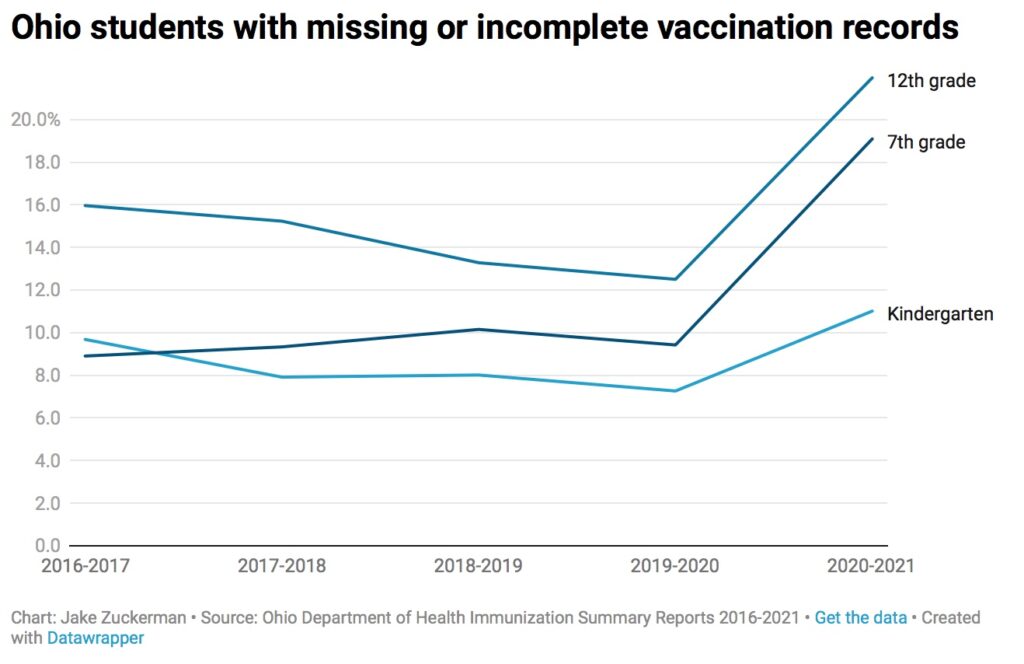
In the 2020-2021 school year, when a nascent pandemic shuttered schools and doctors’ offices, only 76% of 12th grade students submitted proof of receiving the meningococcal vaccine, according to immunization data obtained in a public records request from the Ohio Department of Health. The vaccine protects against meningitis and other, sometimes-lethal illnesses caused by the same bacteria.
About 22% of 12th graders had no exemption on file, leaving the picture unclear whether communities have high enough vaccination coverage to protect students.
That same year, only 78% of 7th grade school students statewide showed proof of receiving all vaccinations. Data was missing or incomplete on 19% of all 7th graders.
The missing data spans beyond the threshold for herd immunity for some vaccines. For instance, in the 2019-2020 year, 7.2% of kindergarteners and 9.4% of 7th grade students didn’t have all vaccination records or exemptions on file.
According to the World Health Organization, a community loses “herd immunity” — a threshold of community protection where a disease lacks viable hosts to spread — against measles when coverage falls below 95%. About 2.5% of students claimed a “conscience” objection, and a fraction of a percent claimed medical contraindications — which means they have diagnosed conditions where certain medical treatments such as a vaccine may cause harm.
“If [students with incomplete data] don’t have it on file because they are not vaccinated, that’s a problem,” Bhatta said. “We want as high a level of vaccination as possible to reduce the risk of transmission within a community.”
CDC research shows childhood immunization rates dropped significantly in 2020. However, the problem predates the pandemic. State data shows between 7.2% and 12.5% of sampled Ohio students did not show proof of vaccination or claim any exemption in 2019-2020 either.
The reports also lack data on vaccination by race or socioeconomic status, two major social determinants of health.
When contacted, different state agencies passed the blame or pointed fingers at county school boards, which are responsible for collecting data at the local level.
The COVID-19 vaccine data stands in stark contrast to the roughly 3% of public-school students who formally claim a nonmedical exemption year over year, raising more questions about the missing data.
Concerns about outbreaks of rare diseases among unvaccinated communities isn’t just a hypothetical.
Widespread vaccination eradicated measles in the U.S., but the virus can cause outbreaks when a host imports and spreads it among unvaccinated people. In early 2014, two unvaccinated Amish men returned to Knox County from the Philippines, unknowingly carrying measles, a highly infectious but vaccine-preventable disease. Amish communities tend to abstain from vaccination.
The two men seeded an outbreak that caused 383 infections in nine counties over four months, according to a report in the New England Journal of Medicine. About 90% of the victims were unvaccinated. Health officials mounted an awareness campaign and surged in more than 12,000 MMR vaccine doses for some 10,600 people to eventually smother the outbreak.
Researchers also note that unvaccinated people are not randomly distributed. Rather, they tend to concentrate in certain areas. Thus, statewide vaccination numbers can mask the vulnerability of some specific counties.
The missing data is a “significant concern,” according to Amy Bush Stevens, vice president of the Health Policy Institute of Ohio.
HPIO analyzed the data obtained from the Ohio Department of Health. According to its analysis, students in non-Appalachian, rural communities are most likely to claim exemptions to vaccination mandates. Students in metropolitan counties are most likely to not submit their vaccination records.
Screenshot from Health Policy Institute of Ohio analysis of Ohio Department of Health Immunization Summary Report data.
The missing data blurs a critical picture of whether students are protected, she said.
“Childhood vaccinations are a highly effective way to prevent infectious diseases among kids that have killed many children in the past,” she said.
Who’s to blame?
The law requires local boards of education to provide a summary of student immunizations to the state health director every year.
When contacted, both the Ohio Department of Education and the Ohio Department of Health sidestepped blame and pointed at the local schools.
Alicia Shoults, an ODH spokeswoman, said ODH provides funds for local health departments to do “assessment site visits for compliance.” The pandemic, however, limited this practice, and officials are still reviewing data to determine why so many students’ immunization records were missing last year.
“Ultimately, at the local level, schools are responsible for enforcement,” she said.
The Ohio Capital Journal requested data on school vaccination exemptions in May from the Ohio Department of Education. Spokeswoman Mandy Minick initially stated no such data exists. When asked about the data later obtained from ODH, its missing components, and the state law that requires it, she deflected blame.
The law prescribes roles to local schools and the state health director, not ODE, she said.
“The Department of Education does not have a prescribed role in the collection of this data,” Minick said.
A spokesman for the Ohio School Boards Association reviewed the immunization data but said he didn’t have anything to add.
OCJ contacted six county school boards overseeing schools with high rates of incomplete data. Only Youngstown City School District responded.
Of 152 seniors at Chaney High School in 2020-2021, 122 didn’t submit proof of vaccination or notice of exemption for the meningococcal vaccine — the only vaccine students must receive while in high school.
In the 2018-2019 school year (the 2019-2020 data is not broken out by high school), 89 of 158 students were missing meningococcal vaccine records.
If a meningitis outbreak emerged, officials wouldn’t immediately know who’s protected and who isn’t, costing precious time as vaccines are surged in.
Denise Dick, communications director for Youngstown City Schools, said while the pandemic worsened things, there has been a historical problem getting families to submit paperwork related to vaccination. However, the district is establishing in-school, optional vaccination appointments for a full spectrum of shots.
No one is forced to vaccinate, she said, but the goal is to make it as easy as possible for students. In the meantime, she acknowledged the district is flying blind as far as protection against infectious disease.
“Whether they’re not getting them, or they’re not giving us the record, we just don’t know that,” she said.
Solutions?
Amy Bush Stevens, from HPIO, has the fixes large and small.
On the mechanical side, HPIO analyzed a 2012 CDC survey of states and found Ohio is one of 18 states that doesn’t require health care providers and payers to report immunization data.
Some choose to, but others don’t. Mandatory reporting, she said, would clear the air on who’s vaccinated and who isn’t. (An ODH spokeswoman did not respond to an interview request with an administrator of ImpactSIIS, the state’s immunization information system.)
The current system, Stevens said, puts the burden on parents to submit records. For parents, especially those with lower incomes who move more often or change physicians, it’s too easy for documentation to get lost in the shuffle.
Another idea: tie reimbursement funding from Medicaid managed care plans more strongly to vaccination rates. More vaccination now equals lower costs of care down the line. And more outreach to eligible families to the Children’s Health Insurance Plan, which covers childhood vaccination, would help as the rate of uninsured children ticks up in Ohio.
And then there are structural changes. Public health departments are chronically underfunded in Ohio and one of the few fail safes for low-income, undocumented, or uninsured families. The Columbus Dispatch reported last year that Ohio spends less per capita on public health than all but three states.
“Anything we can do to increase the public health workforce will help with that and make sure that kids with no other source of care get their childhood immunizations,” Stevens said.
Other pending legislation would ban “vaccine passports” related to COVID-19. Discussion of the bills among proponents often dubiously characterizes a heavy-handed government forcing vaccines on the unwilling.
Among health experts, however, the reality is simple: Less vaccination equals more infectious disease.
“If you don’t rely on the school system to report — that’s the only way we could get a semblance of aggregated data,” Bhatta said.
Dr. Stephanie K. Siddens Photo by the Ohio Department of Education
A new interim state superintendent will hold down the fort at the Ohio Department of Education, following the departure of the previous interim superintendent.
Dr. Stephanie K. Siddens, currently the senior executive for the state’s Center for Student Supports, will take over in September, after current superintendent Paolo DeMaria officially retires. The Ohio State Board of Education approved Siddens as interim head at a special meeting on Monday.
Siddens has been with the Ohio Department of Education since 2006, working as assistant director and director for the Office of Early Learning and School Readiness, and as senior executive director for the Center for Curriculum and Assessment, before taking her current job.
Deputy State Superintendent John Richard had previously been picked by the state school board to fill the interim spot, but on August 10, Richard announced he’d be leaving the department.
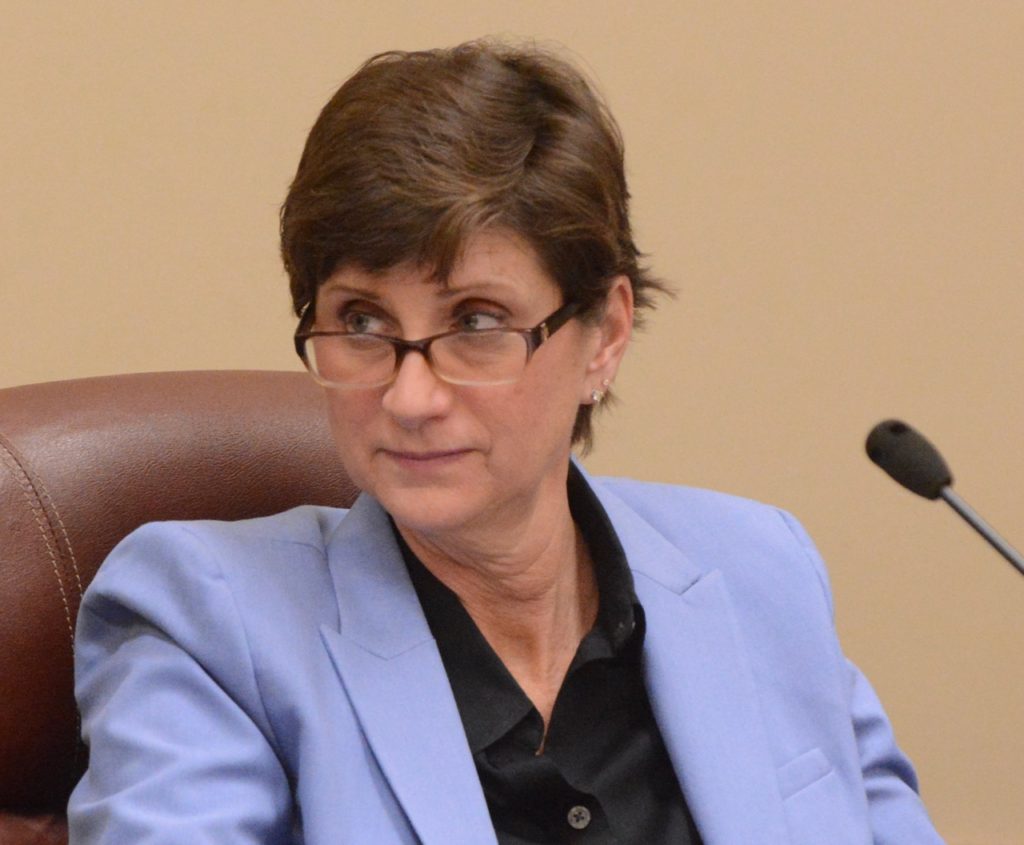
Loveland, Ohio – “I have reviewed the CED application and the benefits it represents to the Loveland Madeira Road Business Corridor. Based on this review, I am submitting the application to City Council with a recommendation of approval and request that City Council schedule a public hearing to be held on September 28, 2021, to allow for public comment on the application,” Mayor Kathy Bailey said in a recent memo to Council.
Loveland Mayor Kathy Bailey (Loveland Magazine File Photo)
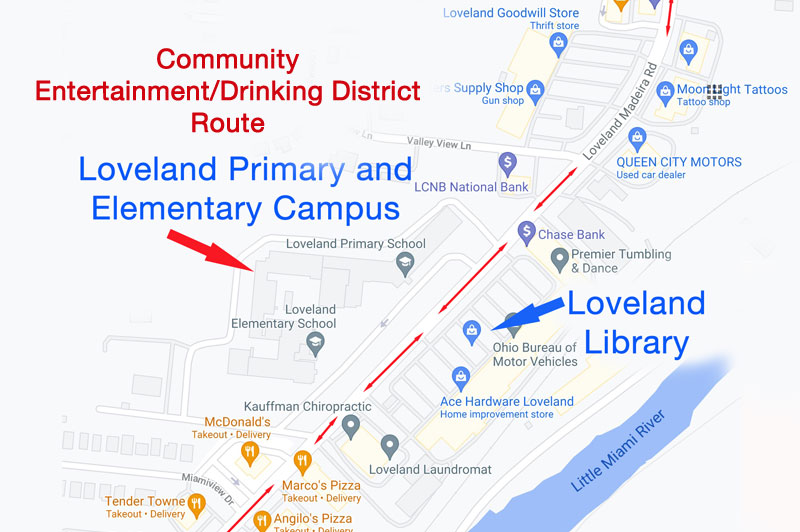
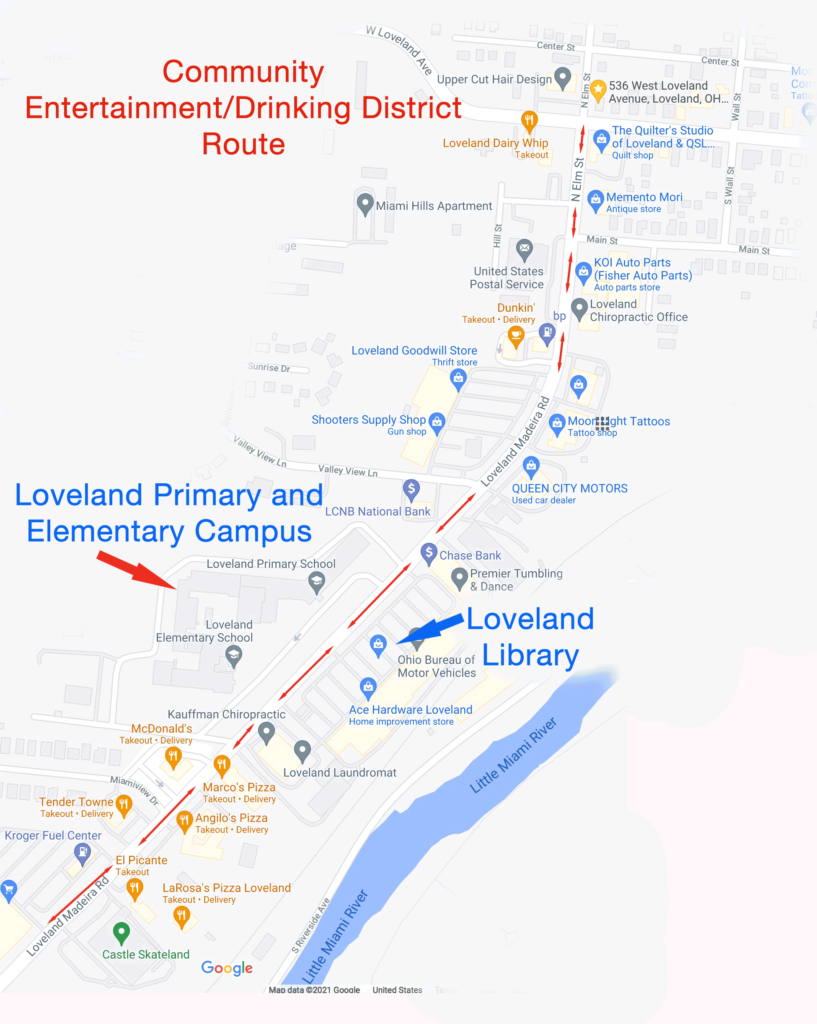
The drinking district, or “Community Entertainment District” (CED) within the Loveland Madeira Road business corridor would create 10 new D-5J liquor permits.
At the August 24 council meeting, City Manager Dave Kennedy described the effort as a new pool of liquor licenses, called D5-J, “…to help create a long and sustained turnaround for the Loveland Madeira Road business corridor.” He said it could expand the corridor’s opportunities for dining and entertainment-type businesses.
Mr. Kennedy added that, if a CED is created, a D5-J would cost the applicant a $100 processing fee and a permit fee of $2,344, a savings of $27,000.
The proposed district would encompass 54.029 acres between the intersection of West Loveland Avenue to Kroger, including all of the city’s Chestnut Street parcels. If approved, it would allow for ten D5-J liquor permits to be available in the district. The City council must: approve or disapprove the application.
If Council moves forward with the process they will set a date and time for a public hearing regarding the application.
Kennedy told Council that the CED could easily be expanded in the future. He said there would be a maximum of fifteen D5-J licenses in one district.
Nearly two in three age-eligible teenagers remain unvaccinated against COVID-19 as summer ends and the disease looms over its third consecutive school year.
Spokespersons for the state departments of health and education said they did not know what percentage of students enrolled in public schools are vaccinated.
However, looking at the total population (which would include homeschooled students), more than 62% remain unvaccinated.
“As of today, there are 390,903 Ohioans age 12-18 who have started the vaccination process,” said Ohio Department of Health spokeswoman Alicia Shoults. “This represents 37.5% of that age group.”
Despite plans to attend classes in close contact with their peers several days per week, teenagers are the least vaccinated age cohort — surpassing 20-29-year-olds (44%) and 30-39-year-olds (51%).
The Pfizer/BioNTech vaccine was authorized for use in people aged 16-and-up in mid-December, though most states restricted access for elder and sicker residents through early 2021. The U.S. Food and Drug Administration authorized its use on children 12-15 on May 11.
At a press conference last week, Gov. Mike DeWine said a communal goal of keeping students in school for in-person learning is “threatened” by the hyper-transmissible Delta variant of COVID-19. He repeated a recommendation from ODH that students either seek vaccination or wear a mask at school.
“The best way to make sure a child can stay in school and not have his or her classes interrupted, is for that child to be vaccinated,” he said. “If that child cannot be vaccinated, the best way to ensure a good school year for that child is for that child to wear a mask while in class.”
Loveland, Ohio – Would you like to make a difference and give back to the community? Local non-profit, The Loveland Learning Garden, provides the opportunity for anyone to volunteer to help teach local students about the environment, or maintain the vegetable garden, the flower garden, and the nature trail!
The Loveland Learning Garden, located at 600 Loveland-Madeira Road (Loveland Primary and Loveland Elementary school grounds), dedicates everything to giving kids the opportunity to form “lifelong connections to the wonders of the natural world.” The non-profit outdoor education program not only strives to build awareness and community support but also maintains a vegetable garden, a flower garden, and a nature trail that is used for hands-on learning. The over 1,200 Loveland 1st-4th grade students involved are able to get an interactive experience, through a 20-week curriculum (taught by “Garden Educators” during the school day in the Spring and Fall), with nature while still adhering to the academics they are being taught in class. Seeing how food is grown, tasting fresh produce, and harvesting food that is eventually donated to local non-profit LIFE Food Pantry are just a few things students are able to get involved in at the Loveland Learning Garden.
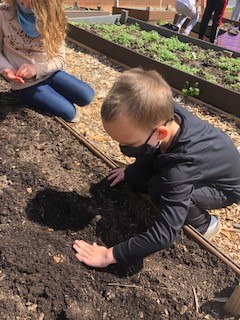
Planting Kale in May at the Loveland Learning Garden
Board President, Laurie Flanagan, chatted with us at the Loveland Learning Garden about why gaining dedicated volunteers is vital to keeping the non-profit education program running.
“In order to successfully sustain our program, we seek people who want to share their talent and ‘dig in’ to join us by taking on leadership roles on our board or owning pieces of work that make the organization run,” Flanagan explained, “Our committees include education, communications, garden and trail maintenance, volunteer recruitment, and grants/fundraising. We have a diverse volunteer base of ages and backgrounds and welcome everyone! For example, we have students from the LHS National Honor Society, Tigers in Service, and the LHS Environmental Club who have helped us, University of Cincinnati students, workgroups, church groups, students from neighboring school districts, local parochial schools, and many individuals from across the Cincinnati area.“
Check out the video below to see Laurie Flanagan explain how you can help the Loveland Learning Garden!
During the months of March-October volunteers are heavily needed at the Loveland Learning Garden. If you or your organization would like to volunteer email the Loveland Learning Garden.
The Loveland Learning Garden will be a part of the 2021 Great Outdoor Weekend sponsored by Green Umbrella. On September 25th from 9 AM-1 PM, the Loveland Learning Garden will be holding a scavenger hunt for kids ages 4-10. For more information click the above Great Outdoor Weekend link!
To stay informed on the Loveland Learning Garden’s upcoming events and volunteer opportunities you can visit their Instagram and/or Facebook.
Loveland Learning Garden History The foundation for Loveland Learning Garden was planted in 2002 as a floral garden on grade school grounds thanks to the vision of a grandmother who wanted to share the joy of picking fresh flowers with children. With the addition of vegetable gardens and a nature trail in the woods behind the school, Granny’s Garden School grew to be one of the most comprehensive school garden programs in the country and was recognized as a model for nature-based education training. In 2016, the founder retired while a new group of leaders, believing in the value of the program to students and the community evolved the nonprofit to its next iteration. Today, with new energy and a refreshed identity, the Loveland Learning Garden operates with strong, collaborative school partnerships, diverse leadership, community involvement, and a continued passion to educate and inspire children to the lifelong benefits found through nature.
For more ways to get involved with the community stay tuned to the Loveland Salad With ME, Cassie Mattia!
Loveland, Ohio – The 12th Annual Captain Seth Mitchell Hero 5k will take place in Nisbet Park on Saturday, October 16. Hope to see you then to revise this great Loveland tradition.
Last year’s event was “virtual” but the race to raise funds for The Seth Mitchell scholarship programs this year in live and in person in Historic Downtown Loveland on the Loveland Bike Trail along the State and National Scenic Little Miami River.
Seth Mitchell, a captain and pilot in the United States Marine Corps and a 1997 Loveland High School graduate, was killed in action in Afghanistan in October 2009. Seth contributed greatly to the Loveland community in his youth… he served as a leader and role model on the varsity football team, was voted to be Class President his senior year, and was named “Mr. Personality” by his peers. He was well loved here. After graduating, he took that same sense of service and loyalty into all that he did: as a son, a brother, a friend, a leader in the Marines.
In other words, Seth was a hero for all.
We are a group of Seth Mitchell’s high school classmates, who miss our friend and want to keep his memory alive. We represent the many people who Seth made an impression on with his sense of humor, kind heart, and loyal friendship. As we organize this 5k Race and the scholarship memorial fund, we are motivated by one enduring inspiration: to live each day a little more honorably, kindly, and humbly… just like Seth.
Dear friends, we hope you are well, safe and doing all you can to blunt the force of the pandemic surrounding us. We are truly in unchartered water. Our prayers are with you. As you probably guessed we were unable to do personal on site interviews with our 2020 Seth Mitchell scholarship applicants. However we summoned the help from some younger folks and proceeded with the interviews through Google Hangout!! Yep, Steve and Connie on Google Hangout. Who’d of thought that? Loveland High School also did not have their annual Senior Night on May 13, so the scholarships were awarded virtually. We had 18 applicants this year and personally interviewed six before awarding the two scholarships detailed below. Your scholarship committee consisting of Greg Carpinello, Damien Cook, Mollie Schrichten, Marisa Sobb, (all friends of Seth and ’97 LHS graduates) Connie and I, take seriously the process to recruit, interview and select candidates. All the kids were deserving and we are especially proud of the recipients.
So here goes: The Let Us Never Forget Seth Mitchell scholarship ($3500.00) is a partnership between the Mitchell Family and the Let Us Never Forget Scholarship Foundation (yellowribbonsupportcenter.com). Jordan Collins (above left) is the 2020 recipient and she has a spirit similar to Seth. She was/is involved in many theatrical and musical productions, is a National Honor Society member, volunteers through Mom’s Hope and works part time. Jordan will be paying a large part of her college costs. She has a “do something” attitude, a strong work ethic and knows no stranger, being kind to all. She is not afraid to fail in the pursuit of her dreams and is strong in the face of adversity. She hopes to pursue her theatrical dreams at Syracuse University.
The Seth Mitchell Memorial Scholarship ($3,500.00) is funded by the Seth Mitchell Hero 5k (sethmitchell5k.org). This annual event is in its 11th year in downtown Loveland, OH and is ran by Seth’s friends named above. The goal of the scholarship is to keep Seth’s spirit and story alive. Caroline Ginder (above right) is the 2020 recipient of the Memorial Scholarship. Caroline was described by one of her references a “being self motivated and goal oriented…and a fine example of caring more about their teammate than herself”. She participated in many school events such as Tiger’s Inc., soccer, NEST and is a National Honor Society member. Caroline will attend Ohio State University where she will pursue medicine. She hopes to someday be a part of Doctors Without Borders. Like Jordan, Caroline is paying a share of her college costs.
Thank you for your support, prayers and investment in our scholarships through the last eleven years.
Steve and Connie Mitchell Parents, Capt. D. Seth Mitchell, USMC KIA 10/26/2009, Helmand Province, Afghanistan Let Us Never Forget
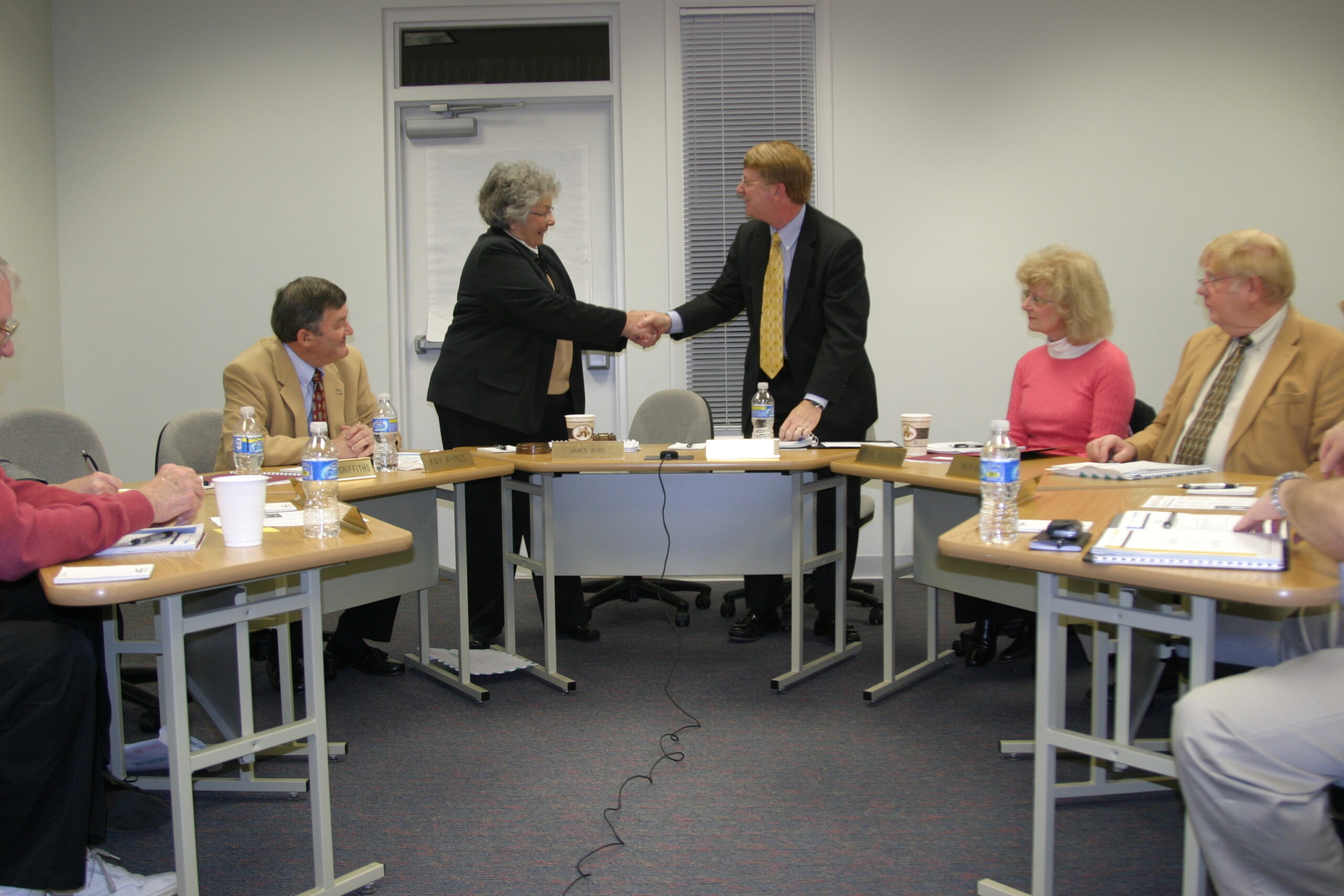
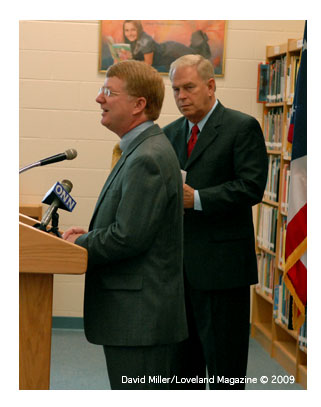
SSCC President Dr. Kevin Boys, standing at right, shakes hands with former Board of Trustees member, the late Kay Ayres, at his first board meeting in 2010.
Southern State Community College (SSCC) President Dr. Kevin Boys on Wednesday announced his retirement from the college effective June of next year.
Prior to his presidency, Boys served for 31 years in K-12 education as a teacher, principal and superintendent in Loveland and Sycamore school districts. Boys was employed in Loveland from July 1, 2002 through December 2009.
The announcement signals the end of more than a decade of Boys’ leadership at Southern State.
Boys provided his letter of resignation for the purpose of retirement to the SSCC Board of Trustees at its regular meeting on August 18, setting his final day for June 30, 2022 to provide time for the board to find a replacement.
Dr. Kevin Boys addressing the 2006 Graduating Class of Loveland High School. (Loveland Magazine File Photo)
Boys has led the college since Jan. 1, 2010. During his tenure, he served under Ohio governors Ted Strickland, John Kasich and Mike DeWine. Both of Boys’ children attended and graduated from Southern State during his presidency. He resides in Clinton County.
Boys said in his retirement letter that he had planned to retire in 2020, but the COVID-19 pandemic prompted him to remain in leadership for an additional year beyond his contract.
“I felt it imperative that I stay to see us through the many challenges that this pandemic has brought our way,” he said. “It will be time for fresh leadership to take on new challenges as the college recovers from the pandemic and explores new opportunities to further its important mission.”
Boys said SSCC’s graduates range in age from the early teen years to well into a late age, and many would not have pursued a college degree if the college was not here for them.
“That has motivated me and brought joy to me nearly every day,” he said.
Boys also served as co-chair of the Higher Education Funding Commission with President Rod McDavis, devising a plan to distribute substantial capital funding to the state’s public colleges and university systems. Additionally, Boys served on the board of directors of the American Association of Community Colleges, and as Vice-chair of the Ohio Association of Community Colleges.
Boys graduated from the inaugural class of Leadership Adams and the 25th class of Leadership Clinton.
Dr. Kevin Boys introduced Ohio Govenor Ted Strickland at the Loveland Intermediate School in 2009 when Strickland announced his State budget and school reform. (Loveland Magazine File Photo)
Boys has served on the Highland County Chamber of Commerce Board for 10 years and is currently the chair of the Community Colleges of Appalachia, a membership group of 80 colleges throughout the Appalachian region. He is also a board member of the Rural Community College Alliance.
“It truly has been the honor of my life and pinnacle of my 42 years in public education to have served alongside you in providing accessible, affordable, and high-quality education to the citizens throughout these counties in Southern Ohio,” he said in his resignation letter.
Boys thanked the Board of Trustees, both current and past, who served as stewards of the institution, as well as dedicated faculty, staff and administrators.
“Southern State Community College is in good hands,” he said.
SSCC Board of Trustees Clinton County Chairman Brian Prickett wished Boys well in retirement and thanked him for his service to the college.
“I wish him well as he moves to the next phase of his life in retirement,” Prickett said. “His calm, professional demeanor in many recent trying situations is going to be missed. He is a true leader, and the school’s going to have to work very hard to replace his knowledge and his visibility to lead folks as we move forward and grow.”
Boys told Loveland Magazine, “I regard my years in Loveland with great fondness.” He and his wife now live in Wilmington. “We have neighbors close on both sides but we overlook our pond and the farm behind complete with red barn. We’re not sure what we’ll do in retirement, but for now we’ll enjoy the country.”
Boys said in retirement he plans to pick up playing his mandolin again, travel and “catch my breath.”
“I also plan to take my morning walks a little later in the morning,” he said.
Loveland, Ohio – Last Friday the Loveland High School Marching Band and Color Guard held a preview night to celebrate two weeks of band camp and show parents, siblings, grandparents, and music fans the skills they learned during two weeks in the hot August sun.
The theme of their Fall completion season, as well as half-time performances this year, is “An Eighties Adventure”.
Due to a recent increase in student-athletes unavailable to compete, including one entire position group, Lebanon Football is unable to play Friday night at Springboro. While no players are COVID-positive at this time, according to Lebanon Athletics, several football student-athletes are in quarantine due to contact tracing.
Loveland hosts Sycamore this Friday in their opener at 7 PM. The Tigers are not scheduled to play Lebanon this season.














![[Photos] Loveland High School Marching Band and Color Guard](https://lovelandmagazine.com/wp-content/uploads/2021/08/feature-2021-color-guard.jpg)