Tag: loveland magazine local news

  • HEALTH CARE POLITICS & GOV Proposed Ohio abortion bills would impose new mandates, spread misinformation

    HEALTH CARE POLITICS & GOV Proposed Ohio abortion bills would impose new mandates, spread misinformation

    BY: and Ohio Capital Journal

    Returning from summer break, the Ohio legislature could review two GOP-led pieces of legislation that would place health mandates on patients considering abortions.

    One of the bills, recently introduced by state Rep. Jennifer Gross, would require physicians to dictate the results of a mandated ultrasound and also provide information about a link between breast cancer that has been disproven by multiple medical organizations.

    State Rep. Jennifer Gross, R-West Chester 

    Gross, usually known for and outspoken in her disapproval of health care mandates, introduced the bill this week.

    Patients already have to meet with a physician 24 hours before an abortion, but under this bill, along with hearing about the medical risks of the procedure and the probably gestational age, a patient would be told “the possible increased risk of breast cancer that is associated with women who have undergone an abortion,” along with the “short-term and long-term risk of psychological or emotional harm” from choosing to have an abortion.

    Multiple organizations, including the American Cancer Society, the American College of Gynecologists and the Susan G. Komen Breast Cancer Foundation have denied the link, citing research studies on the relationship between breast cancer and abortion.

    The American Cancer Society said these research studies “have not found a cause-and-effect relationship between abortion and breast cancer.”

    The Gross bill has not been assigned to a committee for consideration, but it has several sponsors, all Republican.

    Meanwhile, a separate bill seeking to notify abortion patients of possible risks was introduced during the legislature’s summer break, and has been assigned to the House Health Committee.

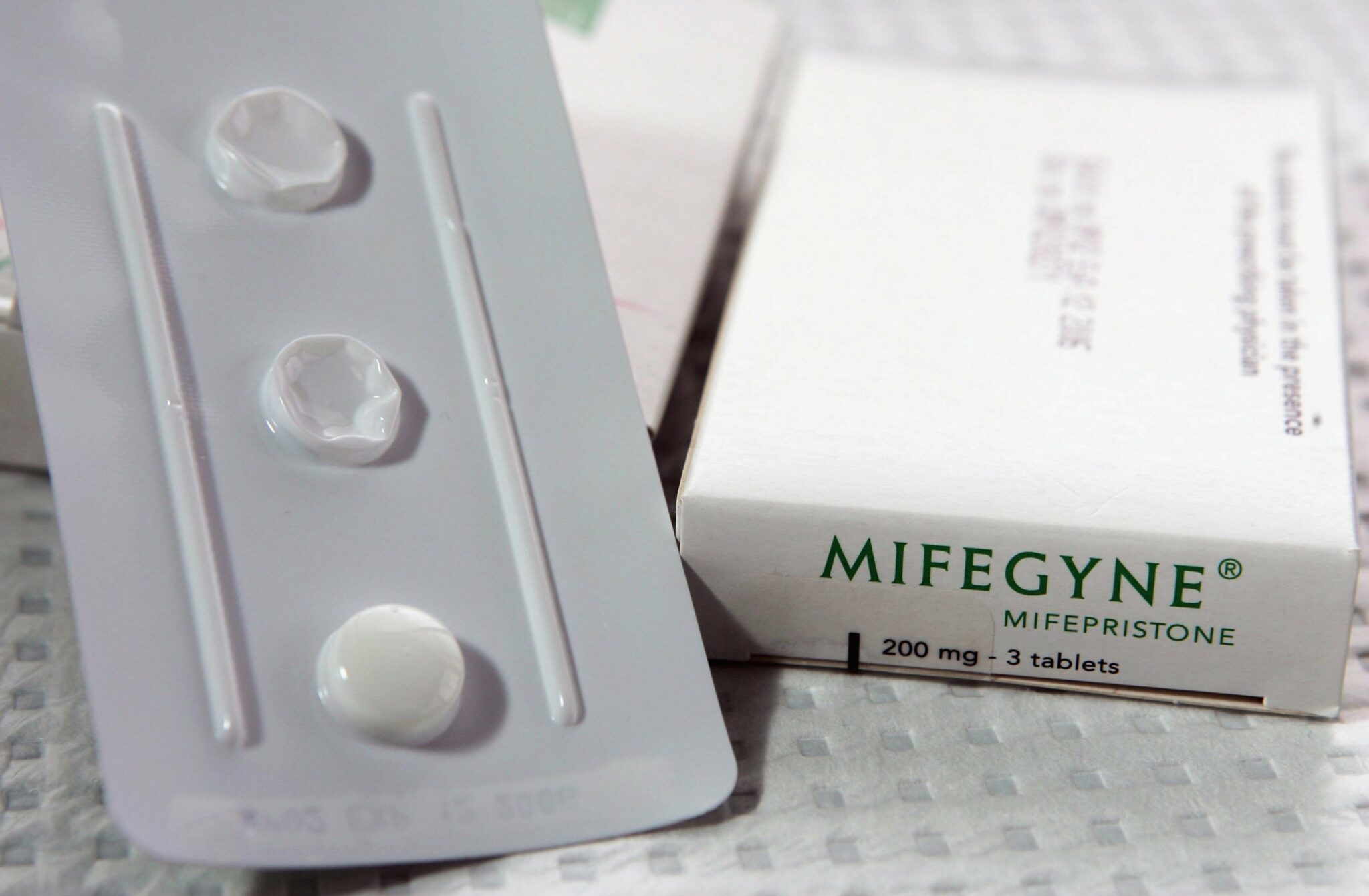
    House Bill 378  was introduced in July by state Reps. Kyle Koehler, R-Springfield, and Sarah Fowler Arthur, R-Ashtabula, and specifically targets medication abortion, which is done through a two-pill regimen, rather than surgery.

    The bill would require medical professionals to explain a controversial and medically unproven method of “reversing” the abortion by not taking the second of the two-pill regimen and giving additional progesterone to counteract the first pill.

    The American College of Obstetricians and Gynecologists said claims about the “reversal” method “are not based in science and do not meet clinical standards.”

    The bill is a reintroduction of a similar one that passed the Senate in 2019, but didn’t make it through the House.

    Abortion is legal in the state of Ohio up to 20 weeks gestation.


    Susan Tebben is an award-winning journalist with a decade of experience covering Ohio news, including courts and crime, Appalachian social issues, government, education, diversity and culture. She has worked for The Newark Advocate, The Glasgow Daily Times, The Athens Messenger, and WOUB Public Media. She has also had work featured on National Public Radio.

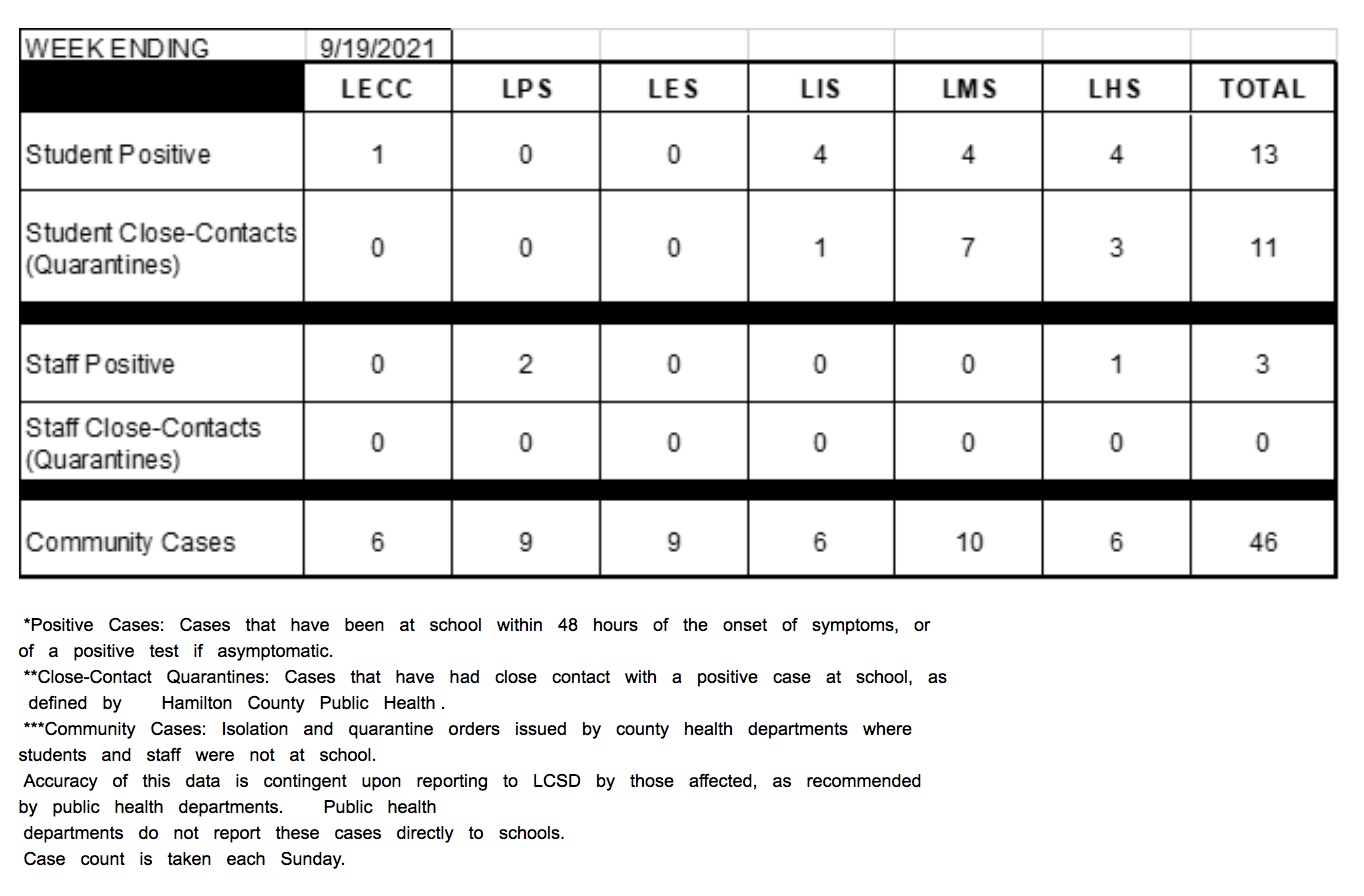
  • Loveland School COVID 19 Dashboard for 9/19/2021

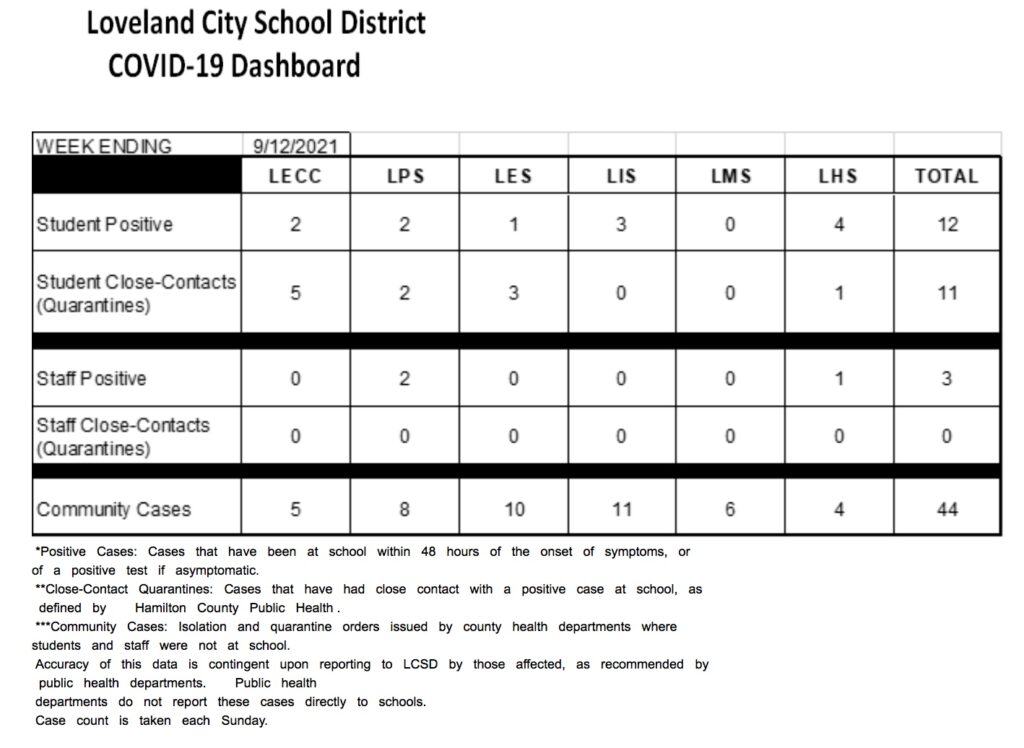
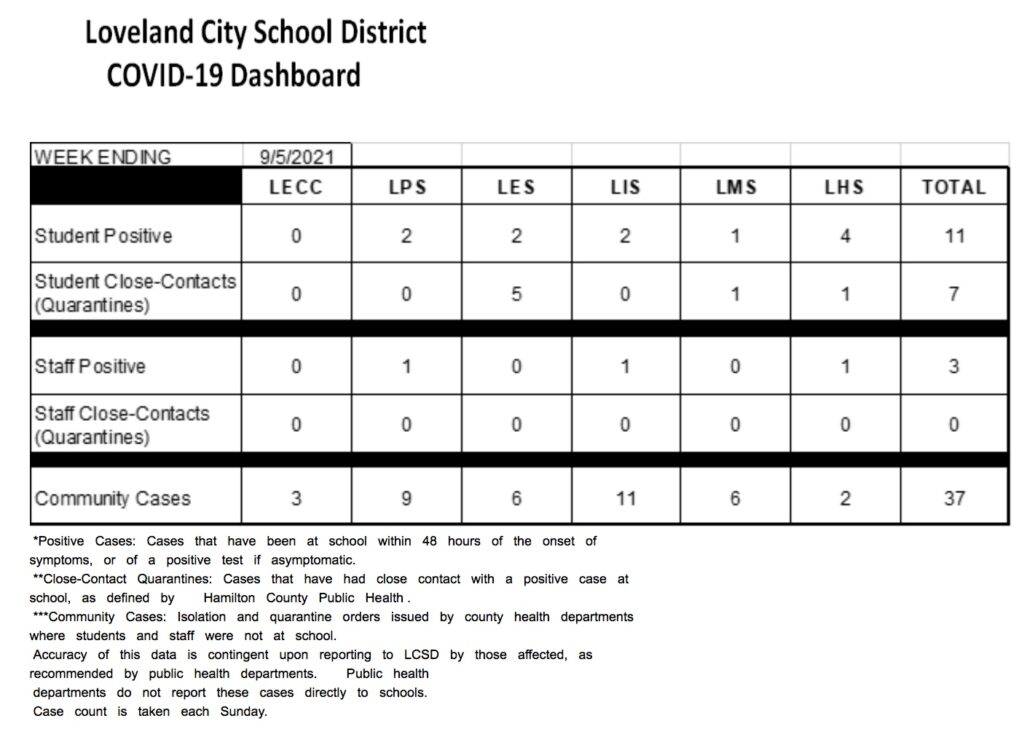
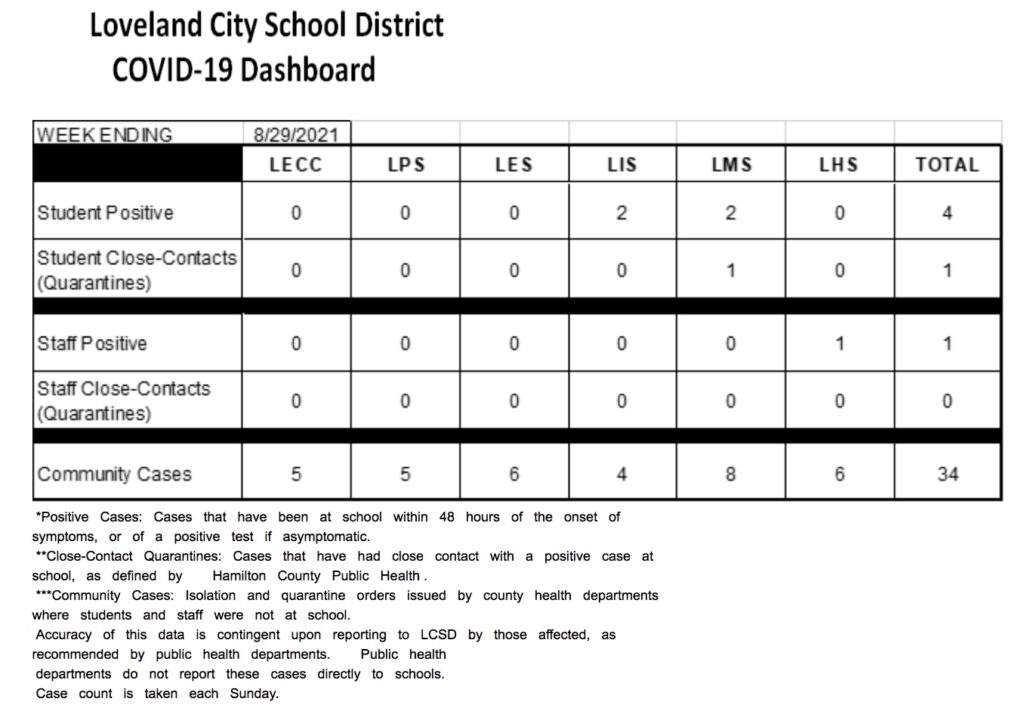
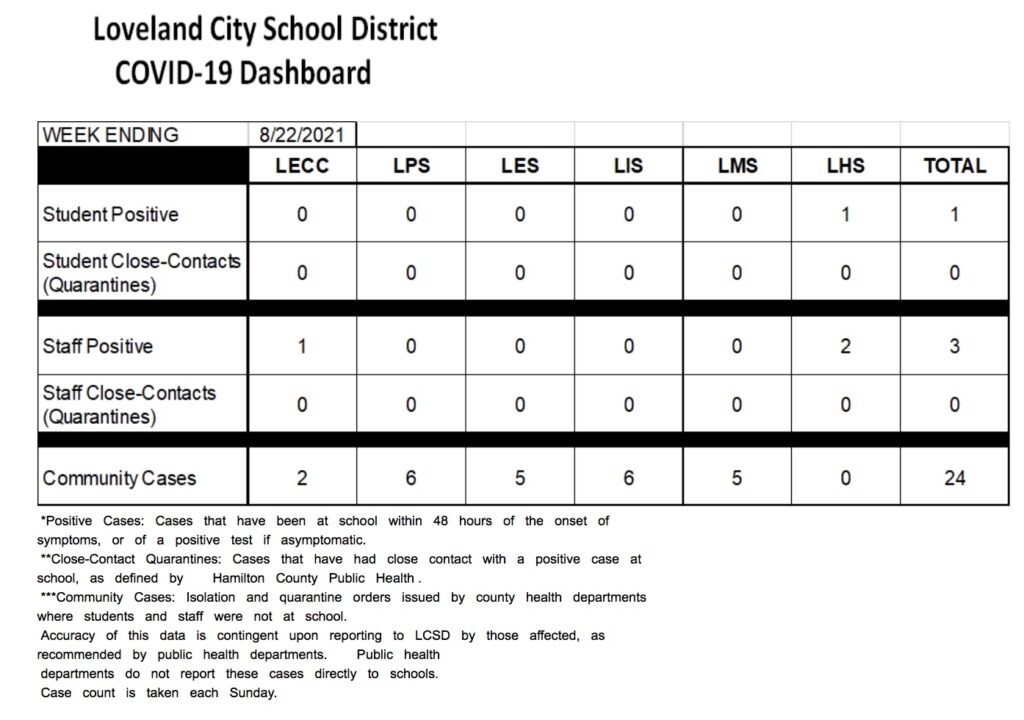
    Loveland School COVID 19 Dashboard for 9/19/2021

    EDITOR’S NOTE:

    THIS STORY HAS NOW BEEN UPDATED TO SHOW THE DASHBOARD FOR SEPTEMBER 19. THE ORIGINAL VERSION HAD THE 9/12 DATA REPEATED TWICE.

    Loveland, Ohio – At the beginning of each week, the Loveland City School District releases their latest Covid 19 Dashboard. Here are the last five.

  • Miami Township dog park re-opens

    Miami Township dog park re-opens

    Miami Township, Ohio – In a faceBook post today, the Township said, “Due to a successful grant application, Miami Township is able to bring some of your Clermont County Parks Levy tax money back to the Township.” The grant was used to pay for 75% of the cost to replace the worn and aging chain link fence around the dog park within Miami Meadows Park.

    The new fence is a three rail “Kentucky Board” fence with a heavy duty wire fence liner. The dog park was closed until it was completed.

    The fence replacement is complete and the park is open for fun.


    1546 State Route 131 • 45150
    Field Status Hotline: (513) 248.5513 

    Miami Meadows Park, the crown jewel in the Miami Township park system, is approximately 200 acres of idealic recreational and green space. Miami Meadows Park offers numerous soccer, football and baseball fields, basketball courts, walking trails, a playground area and two picnic shelters. There is a dog park and a beautiful lake that is used on a “catch and release” basis for fishing by residents. 

    A major portion of the park is declared a wetland and reserved for wildlife habitat. 

  • I felt the tears welling behind my eyes and willed them not to escape

    I felt the tears welling behind my eyes and willed them not to escape

    There is value in having no child feel rejected and invisible in their own school. If I can help it, none of them will.

    A story by a Loveland resident presented by Loveland Magazine in collaboration with the Loveland Diversity Advisory Board

    A sharp pain startled me. Something had pelted my head. Whatever it was ricocheted to the floor with a hollow plink. I rubbed the back of my skull and looked around trying to determine what had hit me. As I did, I took another sharp blow, this time to the cheek, followed again by a distinct plinking sound. The next shot hit my shoulder. Then my neck. Finally one of the projectiles flew past my face and I was able to identify what was being hurled toward me. 

    It was a penny. 

    I looked in the direction from which the projectiles originated and saw a lunch table of my fifth grade peers laughing, trying to look inconspicuous in the conspicuous way guilty ten year-olds have a tendency to do.

    “Did she pick them up?” one whispered.

    “Shhhhh! She’s looking over here,” the other said, waving his hand in the universal sign to keep it down.

    More giggles.

    x

    I sheepishly rubbed my cheek, which by now was smarting and red. I looked down at the floor where several pennies lay in a telltale scatter at my feet. 

    Another sharp pain.

    “Pick up the pennies, Jew,” someone from the table jeered, just loud enough for me to hear.

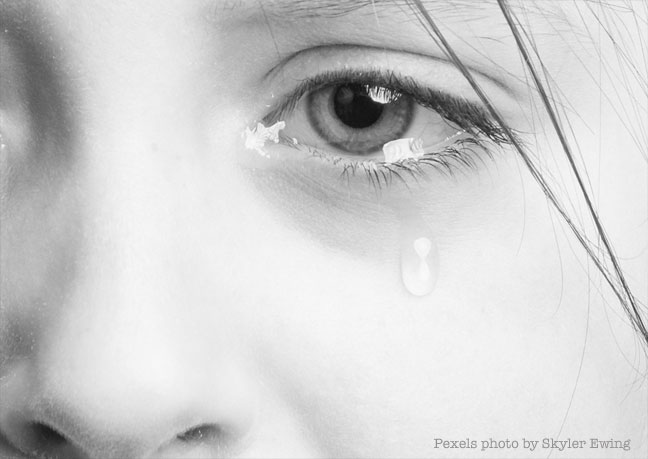
    I felt the tears welling behind my eyes and willed them not to escape. No one would see me cry. Despite my best intentions, a tear leaked out, betraying me as it rolled down my injured cheek. Its saltiness stung against the broken skin.  

    x

    The perpetrators weren’t the school’s “bad” kids. They weren’t the “troublemakers.” They weren’t the kids who wadded up the stiff brown paper towels, wet them, and threw them up on the bathroom ceiling where they’d stick and harden like cement. 

    These were the kids who raised their hands to read aloud from the social studies textbook when the teacher asked for volunteers.They attended PSR at the church down the street from my house where a giant tree sprouted pink blossoms each spring before dropping her petals in a sudden heap. These were the kids who, if I’d told a teacher, would elicit the response of ‘Well now that doesn’t sound like them. I’m sure they meant nothing by it. Have you tried ignoring it?’

    x

    The lone tear fell onto the lunch table, a solitary puddle on the faux wood facade. Pennies? What does that even mean? I pondered this question silently, focusing intently on the fallen tear to prevent more from spilling out. I felt ashamed and embarrassed. I never mentioned it again. 

    This was the first time it happened, but it wouldn’t be the last.  

    At ten years old, I didn’t understand the deeply anti-Semitic implications of these kids’ actions. As an adult, I know they picked up on these stereotypes somewhere. I feel confident that the hateful message was learned outside of school, however subtly transmitted. Maybe slips of the tongue by their parents. Maybe from the innuendos presented in the news channel their family watched. Maybe from friends whose families held biases. But what about what they learned–or didn’t learn–while they were in school? What was the message there?

    There was nary a mention of Jewish people in my elementary school. Despite a small population of Jewish students, the curriculum had settled into a comfortable rhythm they saw no need to update. I remember clearly how each year my teachers were startled when they learned that I didn’t have a Christmas tree. 

    “What do you mean?” my second grade teacher asked incredulously. “Everyone has a Christmas tree,”  And so it went. 

    x

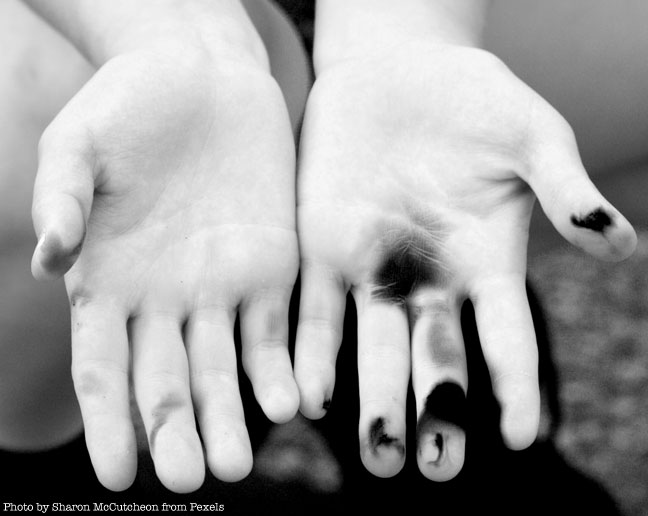
    I accepted my lot early. I dutifully completed my “Letter to Santa” assignments each December prior to “Christmas Break” where I’d take home the ornament I had to make for my non-existent tree. In the spring, I mustered up fake gusto to color oil pastel Easter egg cut-outs. I completed the multiplication worksheets asking how much tinsel Jane needs to trim her Christmas tree and conducted the science experiments on decorating Easter eggs with various substances, bright red beet juice staining my hands for days. 

     The message coming from the school was clear: one specific religion was the universal norm. Obviously, I was different. That made me a target. 

    I share this with you to illustrate that representation matters. While some may disagree, they are likely the ones who have never been in a situation where they were the “other.”

    Representation doesn’t mean anyone has to alter their own convictions or feel put on the defensive. It doesn’t mean one side is right and the other is wrong, that there’s a hidden agenda, or that any one lifestyle is being attacked. 

    What it does do is allow students to learn that the world is full of people whose beliefs, values, and opinions differ from their own. It means the students who aren’t part of the status quo feel a sense of belonging. At its best, it fosters mutual understanding and civility. Representation neither promotes one lifestyle, race, or religion, nor detracts from another. All representation does is to allow students to see that there are different ways of being and that there is validity in who we ALL are. 

    x

    While I cannot change my school experience, we owe it to our own kids the opportunity to explore diversity through equal and prominent representation. If you’re a minority, there is value in seeing someone like yourself; if you’re in the majority, there is value in seeing that there’s an actual living, feeling human being behind the label. Most importantly, there is value in having no child feel rejected and invisible in their own school. If I can help it, none of them will.


  • [Video] Loveland Middle School COVID 19 protocol explained

    [Video] Loveland Middle School COVID 19 protocol explained

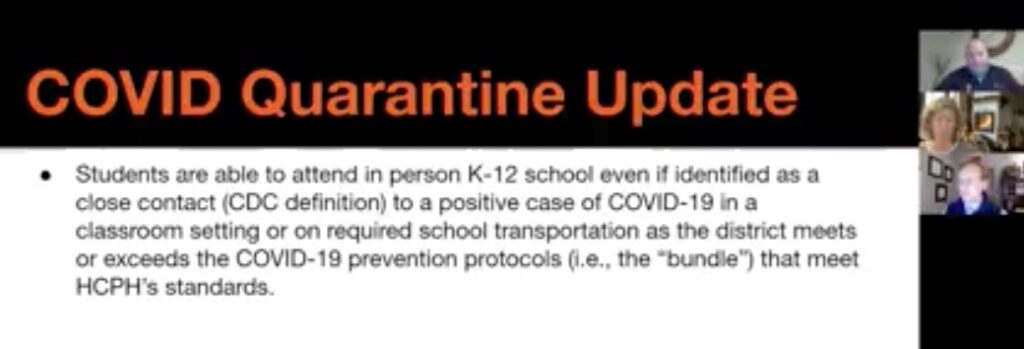
    Loveland, Ohio – David Knapp, the Principal of the Loveland Middle school explains in this video the COVID 19 protocol in his building.

    Watch the video… (Look for the COVID Quarantine Update)

    The video was published by the Loveland MINT PTSA.

  • Education budget debate begins as Jan. budget shows declines in higher ed, K-12

    Education budget debate begins as Jan. budget shows declines in higher ed, K-12

    Getty Images.

    By Susan Tebben and Ohio Capital Journal

    Subcommittees on K-12 and higher education are beginning their discussions on the new operating budget this week, and they have plenty of budgetary information to look at, including declines shown in the January budget report.

    The Ohio House Finance subcommittee on higher education will take their first look at the pieces of the state operating budget that touch on higher education this week

    As they look to the future of funding colleges and universities in the state, the Office of Budget and Management gave a look at last month’s disbursements, and year-to-date funding disbursements that were below estimates.

    According to the most recent OBM monthly budget data report, January disbursements for higher education was 3.9% below estimates, a total of $7.2 million less than the month before.

    The state budget agency said declines came from below-estimate spending in the Ohio College Opportunity Grant, Choose Ohio First Scholarship and National Guard Scholarship programs. These programs had “lower-than expected requests for reimbursement from higher education institutions,” according to the OBM.

    In his executive budget proposal, Gov. Mike DeWine wants to raise the Ohio College Opportunity Grant award total by $500, and build award 2,000 more scholarships the Choose Ohio First program.

    On the year, higher education institutions received 1.2% less than the year before, and compared to January 2020, they received 11.5% less in disbursements last month.

    The executive budget proposal increases the state’s share of instruction, the main source of direct state aid colleges and universities receive, by 1.8% over the biennium “to maintain quality and provide support services.”

    The House Finance subcommittee on primary and secondary education has the operating budget as the only measure on the agenda for its meeting, scheduled for Thursday morning.

    They will look at the governor’s proposals to disburse more than $13 billion through fiscal years 2022 and 2023, including $1.1 billion in student wellness services.

    DeWine’s budget proposal adds $125 million in foundation funding that were taken away during pandemic budget cuts.

    In January, the OBM reported disbursements of $7.2 million to the Ohio Department of Education, nearly 1% below estimates for the month.

    The declines were credited to lower spending on EdChoice private school voucher program expansion, early childhood education and pupil transportation.

    The OBM report said early childhood education has been shifted away from the general revenue fund, and the EdChoice and transportation drops were due to offset payments and overspending on transportation in December.

    “The below-estimated spending was partially offset by the above-estimated disbursements for the Foundation Funding line item as the College Credit Plus payment to colleges for the summer and fall 2020 terms was above estimate,” the report stated.

    The primary and secondary education subcommittee also has a bill overhauling the funding formula for the state’s public school system on their desk to be considered during this General Assembly.

    An overhaul of that formula would change the sources and methods of disbursement to schools, releasing some of the burden on property taxes, and creating a payment system that goes more directly through the state.

    State aid to the schools through the foundation funding totaled $715.1 million in January, $8 million above estimates, according to the OBM. But disbursements were 6.2% less than January of last year, accounting for a $50 million loss.

  • [BREAKING) Hamilton County Public Health Postpones Vaccine Clinics

    [BREAKING) Hamilton County Public Health Postpones Vaccine Clinics

    Loveland and Hamilton County, Ohio – Hamilton County Public Health is postponing its vaccine clinics for TUESDAY, FEBRUARY 16 because of the snow. 

    If you were scheduled to receive the vaccine at either the Hamilton County Board of Elections or the Anderson Center, HCPH has contacted you to reschedule. 

    If you were scheduled for vaccination Tuesday, February 16, your new appointment will be at the same location and the same time as originally scheduled on the following dates:

    • If you were scheduled for the 2nd Dose Clinic at the Anderson Center Tuesday, February 16, your new appointment will take place at the Anderson Center Monday, February 22;
    • If you were scheduled for the 1st Dose Clinic at the Hamilton County Board of Elections, your new appointment will take place at the Hamilton County Board of Elections Monday, February 22;
    • If you were scheduled for 2nd Dose Clinic at the Hamilton County Board of Elections, your new appointment will take place at the Hamilton County Board of Elections Tuesday, February 23.
  • Sen. Portman issues statement justifying “Not Guilty” impeachment vote

    Sen. Portman issues statement justifying “Not Guilty” impeachment vote

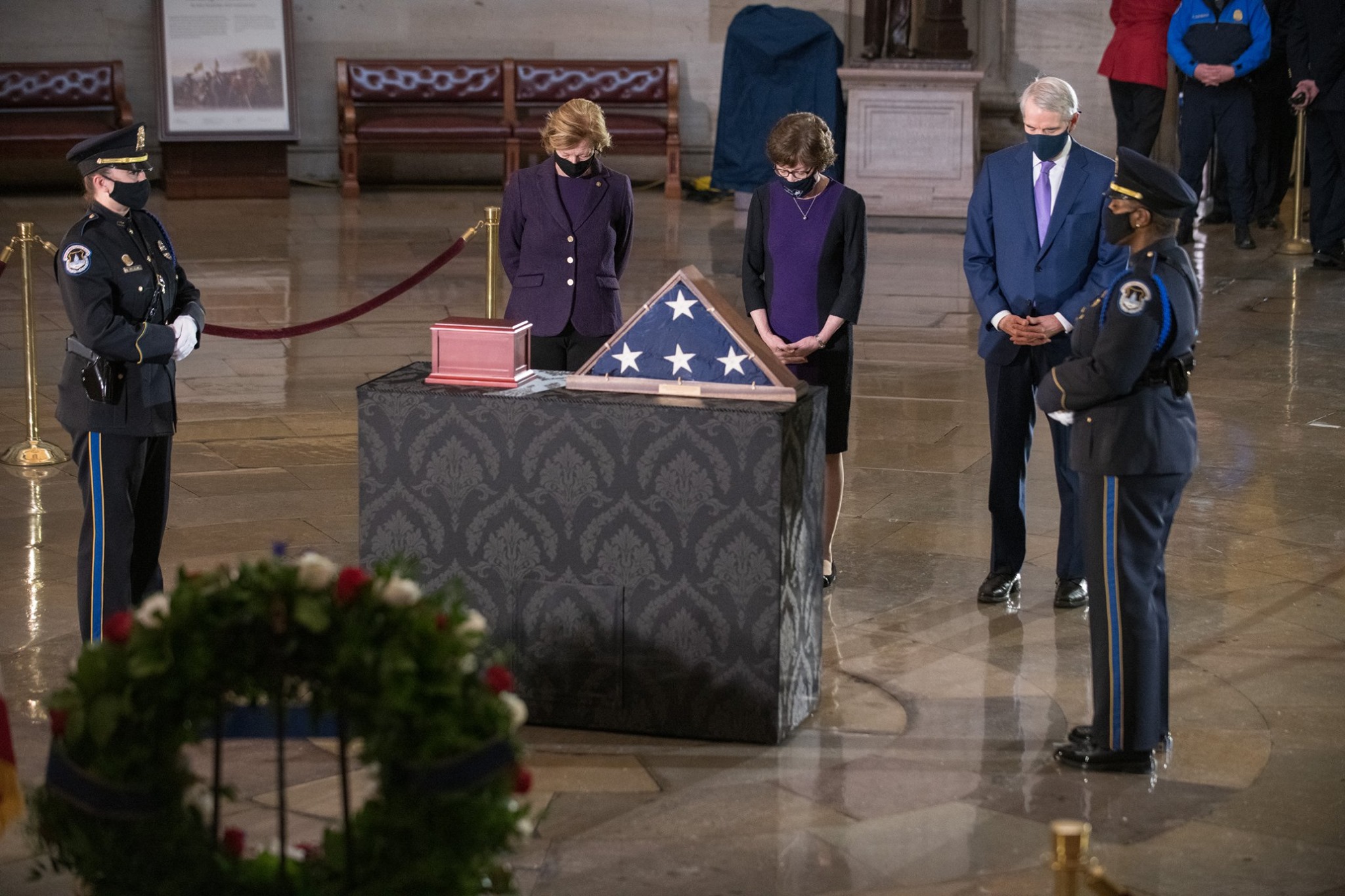
    The photo above was posted to U.S Senator Rob Portman’s Facebook page on February 3 with the following statement:

    “Blessed are the peacemakers, for they will be called children of God.” 

    This morning I had a chance to pay my respects to USCP officer Brian Sicknick who lost his life in defense of the U.S. Capitol on January 6th. We will never forget his service and sacrifice. May he Rest In Peace.

    Below is Portman’s statement issued 10-days later after voting to acquit former President Donald Trump on a charge of inciting the deadly January 6 insurrectionist attack on the U.S. Capitol, concluding his second impeachment trial with the same verdict as his first impeachment.

    In the 57-43 vote, seven Republicans joined every Senate Democrat and independent in support of convicting Trump. Ohio Republican U.S. Sen. Rob Portman voted to acquit Trump. Ohio Democratic U.S. Sen. Sherrod Brown voted to convict.

    Portman has announced that he will not run for re-election in 2022.

    The siege of the U.S. Capitol on January 6 was an attack on democracy itself. That night, shortly after the rioters had been cleared from the Senate floor, I spoke to urge my colleagues to support the state certifications of the election results as our constitutional duty, and as a signal that ‘we will not be intimidated’ and that ‘mob rule is not going to prevail here.

    I have said that what President Trump did that day was inexcusable because in his speech he encouraged the mob, and that he bears some responsibility for the tragic violence that occurred. I have also criticized his slow response as the mob stormed the U.S. Capitol, putting at risk the safety of Vice President Pence, law enforcement officers, and others who work in the Capitol. Even after the attack, some of the language in his tweets and in a video showed sympathy for the violent mob. In response, I called on President Trump to ‘explicitly urge his supporters to remain peaceful and refrain from violence.

    But the question I must answer is not whether President Trump said and did things that were reckless and encouraged the mob. I believe that happened. The threshold question I must answer is whether a former president can be convicted by the Senate in the context of an impeachment. This would be unprecedented. Consistent with the two votes I have already taken in this process, I believe the Constitution reserves the narrow tool of impeachment and conviction for removal of current officeholders and current presidents, and does not apply to former officeholders or former presidents. Impeachment in the Constitution is fundamentally about removing someone from office.

    I think the Framers of the Constitution understood that it would be inappropriate to allow Congress – an inherently political body – to convict former presidents. Instead, the appropriate place to address former officials’ conduct is the criminal justice system. In fact, the Constitution makes clear that former presidents are subject to the criminal justice system. That is where the issues raised by the president’s inexcusable actions and words must be addressed. I have a duty to uphold my oath to the Constitution and that’s why I voted as I did, on the state certifications of the election on January 6, on the jurisdictional issue earlier this week, and on the final vote on conviction today. My decision today in no way condones the president’s conduct. On the contrary, it is keeping an oath to the Constitution, that I believe the president did not keep on January 6.

    Our country is already deeply divided. My decision was based on my reading of the Constitution, but I believe the Framers understood that convicting a former president and disqualifying him or her from running again pulls people further apart. Instead, our task should be to help bridge the growing gaps that separate us. President Biden said in his inaugural address, ‘This is our historic moment of crisis and challenge, and unity is the path forward.’ I agree, and will continue to do my part to try to find that common ground to bring our country together to address the many challenges we face.

    After he was acquitted, the former president issued a statement that said in part, “Our historic, patriotic and beautiful movement to Make America Great Again has only just begun.”

  • [VIDEO] Congrats to all the 2021 Loveland Valentine Poetry Winners!

    [VIDEO] Congrats to all the 2021 Loveland Valentine Poetry Winners!

    Loveland, Ohio – The Little Miami River Chamber Alliance usually celebrates the winners of the annual Valentine poetry contest at their annual Valentine breakfast, however, they can’t this year due to COVID 19.

    Below is their video of some of the winners reading their winning love poems!

    The winners are:

    Pre-K/Kindergarten: Roman Lyke

    1st grade: Lillyan True

    2nd Grade: Amalie Lyke

    3rd Grade: Jane Jeranek

    4th Grade: Theodor Lyke

    5/6th Grade: Claire Motylinksi

    7/8th grade: Caroline Lorio

    HS: Ava Schwan

    Adult: Lexi & Nancy Duff

    https://www.facebook.com/LMRChamberAlliance.org/posts/4458344297512505

    For more about the annual Loveland Valentine program:

    Introducing Loveland’s 2021 Valentine Art and Card Reveal!


    Meet the next Loveland Valentine Lady


  • Statewide Curfew Lifted

    Statewide Curfew Lifted

    Loveland, Ohio – Due to a sustained decrease in COVID-19 hospitalizations, the Ohio Department of Health has announced the statewide 11 PM – 5 AM curfew is no longer in effect. If hospitalizations begin to rise again, the curfew may be reinstated.