Make sure your enrollment information is up to date
Loveland, Ohio – HealthSource of Ohio’s Outreach and Enrollment Team will help if you need assistance with Medicaid, SNAP benefits, Presumptive Eligibility, or Marketplace insurance. This is a FREE service for anyone in the community – you don’t have to be a HealthSource patient. Call or email today at 513-707-9901 or insurance@hsohio.org.
The HealthSource Outreach and Enrollment Team can assist you with Medicaid, Presumptive Eligibility, and SNAP applications for FREE. You don’t have to be a HealthSource patient to contact the Team. Call 513-707-9901 to speak with a Team member, or leave a voice mail and you will get a call back!
Now that a March 2020 provision increasing the federal contribution to state Medicaid programs while requiring states to maintain continuous coverage for Medicaid patients during the COVID-19 public health emergency will be going away, the number of children falling under those protections will also be decreasing.
These children are at grave risk of losing coverage.
Loveland’s LIFE Food Pantry is working with Alicia Blum, with HealthSource to assist clients with benefit/government programs. Many are not aware that they must re-register for many of the programs, as well as the changes that have happened.
Stay tuned to Loveland Magazine about when HealthSource will be at the LIFE Food Pantry to answer questions and offer assistance.
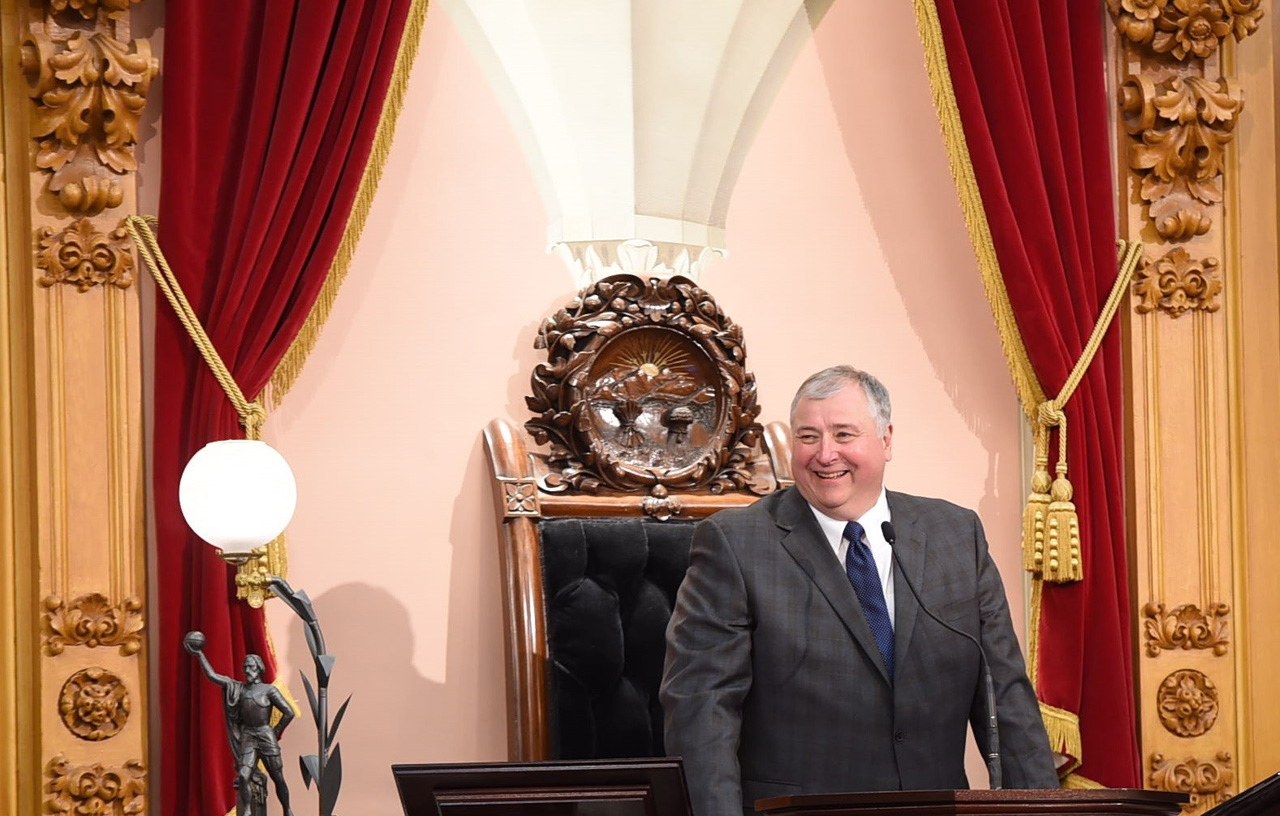
Former Ohio House Speaker Larry Householder gives the thumbs up as he enters the courthouse where he is expected to testify Wednesday, March 1, 2023. Photo from WEWS.
The cross examination prompted some observers to say Householder badly damaged his defense against federal racketeering charges by using the risky tactic of testifying in his own defense. It marked the end of the evidentiary phase of the trial. Closing arguments will begin Tuesday.
Householder and former Republican Party Chairman Matt Borges are accused in a scheme to use $61 million in funds mostly from Akron-based FirstEnergy to make Householder speaker and then to pass and protect a $1.3 billion bailout that primarily went to prop up a subsidiary’s failing nuclear plants.
Over more than five weeks of testimony, prosecutors have put on evidence they say proves Householder passed the bailout in return for massive 501(c)(4) “dark money” contributions and for more than $500,000 in personal benefits. Perhaps as a sign that they didn’t believe things were going well, Householder and his defense team took the controversial step of putting him on the witness stand on Wednesday.
Defense attorneys are usually reluctant to put their clients on the stand because prosecutors can use cross examination to catch them in lies. That seemed to be Assistant U.S. Attorney Emily Glatfelter’s goal as she cross-examined Householder on Thursday.
Hardball
Glatfelter played secret recordings of conversations that jarringly contradicted Householder’s claims that as speaker, he wanted to be a peacemaker. Under its earlier leadership, Householder said, the House Republican Caucus was too “divisive.”
“I didn’t want enemies. I wanted friends,” Householder said Wednesday, trying to refute claims that he was an autocratic leader who demanded unstinting loyalty from lawmakers and contributors.
Glatfelter played a wiretap recording of a conversation between Householder and Neil Clark, a lobbyist who was charged in the conspiracy and later died by suicide.
“We like war and you know that Neil,” Householder told Clark. Then referring to Republican Reps. Dave Greenspan and Scott Lipps, whom Householder considered insufficiently supportive, he said, “If you f**k with me, I’ll f**k with your kids.”
Former House Speaker Larry Householder, R-Glenford. Source: Ohio General Assembly.
The former speaker had earlier denied being involved in using dark, or “C4” money to make attack ads, but when Clark asked “You’re talking about C4 money?” Householder responded, “Yeah.”
When Glatfelter asked Householder if he punished contributors and lawmakers who supported his foes instead of him, Householder said, “I can’t think of any consequences” he had meted out to non-supporters.
Then Glatfelter played a recording between Householder and Clark in which they discussed what to do about non-supporters.
“We can f**k them over later,” Householder said.
In the dark about dark money
The prosecutor also didn’t buy Householder’s claim of general ignorance about the operations of Generation Now, a 501(c)(4) dark money group into which FirstEnergy pumped scores of millions to pass and protect the bailout legislation. The entity was created and controlled by Jeffrey Longstreth, Householder’s underling, a few weeks after Householder flew with FirstEnergy Vice President Michael Dowling to Donald Trump’s 2017 inauguration aboard FirstEnergy’s corporate jet.
Householder claimed that he was so new to the dark money game that Longstreth had to explain how such groups worked.
And, as he did through much of the cross examination, Householder answered questions repetitively and seemingly grudgingly. When asked by Glatfelter what the former speaker thought the purpose of Generation Now was, Householder responded, “To educate the public on important issues and support candidates who support those issues.”
Records and testimony from Longstreth — who pleaded guilty in the case — indicated that dark money from Generation Now was used to make and run ferocious attack ads against opponents of “Team Householder.” Then it was used to claim without evidence that an effort to repeal the bailout was really a Chinese effort to take over the Ohio energy grid.
Because such groups don’t have to disclose their contributors, FirstEnergy was able to keep its fingerprints off its involvement in passing and protecting legislation of such interest to the company.
Prosecutors also played recordings and showed written messages indicating that Householder was involved in planning Generation Now-funded messages. But asked by Glatfelter several times on Thursday what he believed the dark money group actually did, Householder tried not to move far from his initial answer.
The group was for “educating the public on issues that are important to Ohio and me and supporting candidates who support those issues,” he said.
Champagne travel for a “country Republican”
The former speaker and the prosecutor also clashed over Householder’s flight to the Trump inaugural. Householder and his son were invited to do so by Cleveland businessman Tony George.
Former FirstEnergy CEO Charles “Chuck” Jones. Source: FirstEnergy, via Flickr
Glatfelter asked what George’s relationship with FirstEnergy was. Householder said George “knew Chuck” — referring to FirstEnergy CEO Chuck Jones.
Incredulous, Glatfelter said, “There’s a difference between knowing somebody and having access to his company jet, right?”
Householder said that the only reason Dowling, the FirstEnergy vice president, flew with the group is because George said someone from the company had to be on the flight. The implication, apparently, was that the trip wasn’t part of the plan for a FirstEnergy bailout.
Householder said he agreed to take the flight to save time. But traveling by private jet might not fit with his explanation earlier in the day of the difference between him and Borges.
“He’s a country club Republican and I’m more of a country Republican,” Householder said.
The former speaker also claimed that he didn’t intend to fly free.
“From day 1, I was going to pay for that flight,” he said.
More than two months later, Householder paid FirstEnergy $2,647. He said he paid then because that’s how long it took for FirstEnergy to send him a bill — not because the Dayton Daily News had written a story about the flight and the questionable appearance that it made.
That Householder would take a private jet without knowing what the cost would be is difficult to square with another statement he made about himself when he testified a day earlier.
“Anybody who’s been around me knows I’m cheap,” Householder said. “I drive a 2001 GMC Sonoma and I don’t like to spend money.”
Glatfelter punched other holes in Householder’s attempts Wednesday to distance himself from FirstEnergy executives on the trip to the Trump inaugural. She showed that George reserved rooms at the same hotel for Householder and CEO Jones within a minute of each other and paid the same amount for both — $1,500.
Householder said he believed the Ohio Republican Party paid for his room.
Personal payments, questionable sources
Observers have said that one of the most damning kinds of evidence against Householder is that Longstreth had paid more than $500,000 to settle a lawsuit against the speaker, repair a house he owned in Florida, and to retire credit card debt. Longstreth said he had papers drawn up to formalize the payments as loans, but Householder never would sign them.
Householder said his plan was to pay Longstreth when the Florida house was sold. When it finally did sell — for nearly $700,000 — Householder said he couldn’t pay Longstreth because both had been arrested in July 2020 and he believed any payments to a co-defendant could be used against him. The former speaker said he planned to pay Longstreth when the case is over.
Householder also showed a curious lack of interest in the sources of Longstreth’s money.
Longstreth testified that he received millions in FirstEnergy money through Generation Now and into a separate account that he used to pay Householder’s debts, hire contractors, pay himself, and the like.
Glatfelter asked Householder where Longstreth got the money to pay Householder’s debts and to run the sweeping political operation.
“His business wasn’t my business,” Householder said of the man he hired to recruit candidates, get them elected, and then get them to vote to make him speaker.
Lack of disclosure
Glatfelter also took Householder to task for not disclosing debts and gifts in compliance with state ethics laws.
He didn’t disclose a $1.89 million judgment against him over a failed Alabama coal mine. Nor did he disclose 2016 World Series tickets that were given him at a discount from the going rate of $2,500 apiece, Glatfelter said. And he failed to report the $1,500 hotel room George got him for Trump’s inauguration.
Householder testified that his attorney filed the disclosures and that he had only “glanced over” them.
Glatfelter pointed him to the portion of the disclosures in which the filer says he or she knows the contents of the disclosure and has to swear it’s accurate — a legally binding attestation similar to the one Householder made before testifying. She asked Householder if the documents bore his electronic signature.
“I don’t even know what an electronic signature is,” he replied.
Pressed, Householder responded with several versions of, “I relied on the advice of my attorney.”
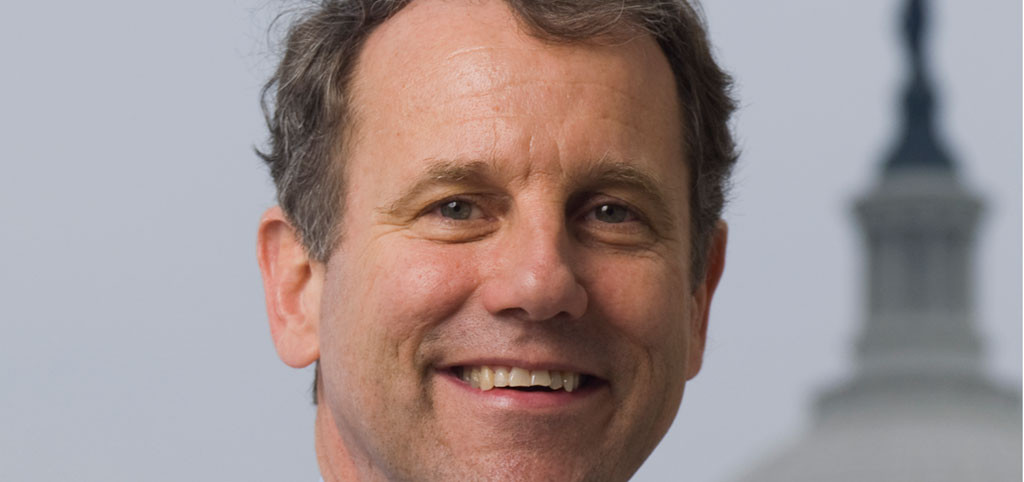
Washington, D.C. – U.S. Senator Sherrod Brown (D-OH) joined a bipartisan group of colleagues to applaud the unanimous Senate passage of his bipartisan legislation to help police, fire, emergency medical, and 911 personnel cope with the stresses of responding to crisis situations. The Fighting Post-Traumatic Stress Disorder Act of 2023 would establish mental health programs for America’s first responders who often have long-term consequences from providing life-saving services in moments of crisis. Brown first introduced the Fighting Post-Traumatic Stress Disorder Act in May 2022 and reintroduced it in January 2023.
“Law enforcement officers and other first responders put their lives on the line each day, facing stressful and often dangerous situations, to protect Ohioans. This legislation will ensure that law enforcement professionals have access to the care they need to deal with the trauma they experience on the job, and keep our communities safer,”Brown said.
U.S. Senator Sherrod Brown
“Law enforcement personnel, firefighters, emergency medical technicians, and 911 dispatchers routinely encounter high-stress situations, putting them at risk of developing post-traumatic stress disorder (PTSD), which increases the risk of suicide,” according to Brown’s office. The Fighting Post-Traumatic Stress Disorder Act would require the U.S. Department of Justice (DOJ) to establish evidence-based treatment programs for first responders across the country. These programs would be similar to services already available to military personnel who develop PTSD or acute stress disorders. The bill requires the DOJ to consult with stakeholders, including public safety officer organizations, to develop the program, which would be available to serve first responders from communities of all sizes.
The bill is cosponsored by Senators Chuck Grassley (R-IA) Chris Coons (D-DE), Todd Young (R-IN), Josh Hawley (R-MO), Maggie Hassan (D-NH), John Kennedy (R-LA), Dianne Feinstein (D-CA), Marsha Blackburn (R-TN) and Richard Blumenthal (D-CT).
Text of the Fighting Post-Traumatic Stress Disorder Act is available HERE.
When we first heard about the City of Loveland raising water rates only one of our brows raised, but on closer examination, real-life experiences, and asking questions of Loveland’s City Council Members we went full brow.
Below you will find the questions we asked all seven council members in an email on December 29. Two elected officials, Kip Ping and Andy Bateman, out of the seven responded. We decided to re-send our questions to the remaining five council members, Mayor Kathy Baily, Vice-Mayor Ted Phelps, Kent Blair, Neal Oury, and John Hart, on January 11 to ensure they received them and we received no responses, not even an acknowledgment that they received our questions. All seven members voted for the new water fee.
For publication:

You recently voted for a flat rate increase for water customers. Loveland Magazine is following up on a recent story we published about the increase (Early holiday presents for Loveland homeowners – It’s coal under the tree). Would you kindly respond to these questions/propositions?

It seems you determined the amount you wanted to collect for the infrastructure repairs was $450,000 in year one and to achieve your goal you simply divided that number by the number of units you could bill and are charging a flat rate to all.

The flat rate appears to apply equally to single-family homes, each apartment in a complex, and commercial and industrial users.

The total you determined to need in year one is $450.00.00 and that was divided by 5,000 (estimated number of units).

$450,000 ÷ 5,000 = $90/year

$90 ÷ 12 = $7.50/month/unit

Correct?

It also seems you already know the actual number of gallons of water each unit consumes each month or year. Would not a rather easy math calculation determine each unit's impact on the distribution system based on actual usage?

Why was the rate increase/unit not based on actual gallons consumed?

There seems to have been no consideration based on income, disability of a user, being a senior citizen, or being a retiree on a fixed income.

There seems to have been no consideration based on an individual's commendable water conservation efforts.

You have implemented a proportional rate increase — one that takes the same amount from all income groups regardless of their ability to pay. It is a regressive rate — a rate that takes a larger percentage from low-income groups than from high-income groups.

Why was a progressive rate not used that would charge more for high-income groups than for low-income groups?

Thank you in advance for responding with your thoughts and answers.

Best regards,

David Miller and Cassie Mattia
Cassie Mattia Responds
I have now been a resident in Downtown Loveland at the Loveland Station Apartments for 5 years. To be quite honest, the inflation I have seen citywide and nationally has been shocking.
The city of Loveland announcing a water increase was just the icing on the cake after being alerted that I would have another rent increase as well. My boyfriend and I have worked very hard to get to the point we are at in our lives financially and in our careers, but with all the increases in the city of Loveland, I have had to take on the burden of once again working multiple jobs just to afford to live comfortably in Loveland.
I never would have thought after securing my dream job as the Public Relations Coordinator at the Butler County Board of Developmental Disabilities that I would ever have to go back to working multiple jobs, but that is now a reality I have to accept.
When will enough be enough for my generation? When will we have to stop living paycheck to paycheck even though we were told growing up that getting a college degree would prevent us from experiencing that? When will we be able to buy a home and stop getting hit with rent and utility inflation? I will admit I am one of those people that is money motivated so I am always striving to see how much more I can build my savings, but I think one of the biggest reasons I am that way is that I don’t want live paycheck to paycheck. I want to build a great life for my family, but at age 33 with a great financially stable career that I have worked oh so hard for, why should I still have to live to work?
Council members, Kip Ping and Andy Bateman took the time to respond to our questions about the city of Loveland water rate increase, which David and I both greatly appreciate.
Councilman Kip Ping
Good afternoon David and Cassie,

Thank you for your inquiry. This is an important issue as it is vital that we plan for the future maintenance of our water system rather than waiting until we are in a crisis such as we have seen recently with some other cities. In the past there has been a practice in Loveland of borrowing money to repair the water infrastructure. We are fortunate that much of our water system is newer, so this has not necessarily been an inappropriate approach, but as the system ages it makes less and less sense to continue this way. Even if nothing else were at issue, letting the debt service get out of hand is not a direction we want to take. The new fee will allow a more proactive response which will eventually draw down that debt service and put Loveland in a better position in the long term. While we know of no imminent issues with the system, we do know that each year it gets a little older and prudent planning demands that we address this before it becomes a critical issue. With this in mind, Council made what I think was the correct move in putting this fee in place, all the while knowing that it would not be a popular thing to do.

I agree that the current fee does nothing to promote conservation or reward it, however, the current billing model already does that via the charge for both water and sewer in the usage part of the equation. The new fee is limited to use for maintenance of the actual lines, and conserving water does not affect the cost burden that must be considered for this. We must pay the same for a mile of pipe regardless of how much water goes through it. The system thus becomes more expensive per gallon as water use is decreased.  Keeping these charges separate allows rates to reflect usage costs and the fee to reflect the maintenance cost.

I appreciate your concern for those of modest means and agree that we need to be thoughtful about the impact of this fee on them. Your desire to use a usage based rate to protect these people, though, seems to be built on the presumption that the groups you mention would by necessity have low usage.  I’m not convinced that is the case. I am personally aware of a family on a fixed income who uses more water than my wife and I, though we have substantially more means than they. Putting this in as a usage fee would result in them having a higher bill than my wife and I on top of the already higher consumption fee they pay. This would be the opposite outcome of what you are trying to achieve with the usage method. I am not arguing that this one specific example can be extrapolated to the entire community and would be valid in every case, however, I am arguing that your presumption that water usage is directly proportional to income is not valid in all cases either. Any comparison of empty-nesters in our more affluent neighborhoods like Sentry Hill versus families in less affluent areas like the Heights would likely show that usage is not going to substantially change the extra cost on the bill.

Another aspect of this issue is that of access to usage. Utilities are different than other forms of consumption because of the way the good is distributed. History on these issues has shown that because of this difference there have been some unique problems with regard to fairness. Electric utilities, for example, wanted to charge the farmer more than the city dweller because he used less electricity but required more infrastructure to get the electricity to his farm. This would have resulted in rural consumers being charged more in fees for less in consumption (assuming they could afford the fees). The government by prohibiting this practice dictated to the utilities that having users spread equally the cost of the delivery system was more fair than basing the fee on the cost to the system to each user even though it meant urban users paid more than rural users relative to the demands on the system. Again, I am not arguing that this is applicable to all or even the majority of our water system users, but it does show that there are many factors in the equation when one considers the notion of fairness.

As with any collection of public funds, there will be some that fair more poorly than others. Regardless of the system used, there will be exceptions that we can find and argue as unfair to certain people. Our effort can therefore only be to minimize those situations to the extent possible.  While we may not have chosen the system you feel is best, I assure you that thought was given to the fairness of this fee and how to minimize its impact on the system’s users.  That said, as the subject of taxes and fees is one that is of upmost importance to all taxpayers, I have copied City Manager Kennedy on this email and will follow up with him next week to see if there is any data available that has been inadvertently overlooked and would support your assertion that usage is proportional to income. In the absence of data showing that correlation, I do not foresee changing the fee structure.

Sincerely,
Kip Ping
Cassie Mattia’s Response Continues…
Mr. Ping made some very great points in his email and I of course can understand the thought process behind implementing the water increase citywide. I will admit I am not as educated as Mr. Ping is in regards to the city’s water infrastructure and what the future could hold as the city’s water system “ages,” but I will say that I am a little confused as to why homeowners in Loveland are experiencing on average a 3% increase ($1.50 per month) in their water rate while all those living in apartments within the Downtown Loveland area were informed that there would be a gradual increase over the next few years and the increase in 2023 would start at $7.50 per month tagged onto our bills. We were told the increase would eventually amount to an extra $10 on our bills.
This is not only confusing to those that received this notice but also makes no sense considering someone owning a home would obviously consume more water than a person living in an apartment. The city’s press release vs. what we apartment renters received contradicts one another.
As a Loveland community member, I would love some answers as to why as a renter I’m being penalized not only with another huge rent increase but now a substantial water increase. Within my apartment, I use very minimal utilities in general, but with this $7.50 increase and what my water bill typically sits at, that will put my water at a 5% increase. I am confused as to why this increase is different for renters in the city. We are already paying on average $1,800 for rent (side note we can’t buy a home due to astronomical interest rates and down payments, especially in this area) and up to a 10% increase in other vital bills that have to do with being a renter. We are also A VERY LARGE part of Loveland’s economy and community. I need answers.
Mr. Ping did bring up an excellent point in regard to “access to usage.” He said, ” Electric utilities, for example, wanted to charge the farmer more than the city dweller because he used less electricity but required more infrastructure to get the electricity to his farm. This would have resulted in rural consumers being charged more in fees for less in consumption (assuming they could afford the fees). The government by prohibiting this practice dictated to the utilities that having users spread equally the cost of the delivery system was fairer than basing the fee on the cost of the system to each user even though it meant urban users paid more than rural users relative to the demands on the system.”
With that said, it makes even less sense as to why apartment renters in Loveland are experiencing such a severe increase compared to homeowners when it comes to water rates.
As I mentioned previously, I am absolutely not an expert on city utilities and the ins and outs of the water infrastructure. I am simply a concerned Loveland citizen that will always speak up when things seem in disarray within our community! I can only hope that those in positions of power locally and nationally will begin to look at the issues brought forth by those brutally affected by greed and inflation and begin making decisions that benefit my generation. We will not survive without the support of our local and national governments.
Council Member Andy Bateman’s response:
Councilman Andy Bateman
David,

First, I stand by City Manager David Kennedy’s explanation of the water main replacement fee, during his presentation to council, and in the Nov 29, 2022 press release. Second, I implicitly rely on staff expertise regarding the methodology used to determine the proposal.

Prior to the Ordinance 2022-115, the city’s water maintenance program; too reliant on loans and grants, more reactive than proactive, had, in the view of many on city staff and committees, become unsustainable. Collecting a maximum of $114 annually from each account ensures a dedicated source of revenue to apply toward ongoing replacement of 76 miles of water main. Rather than wait for funding stars to align, or allocate fund dollars to debt service, the WMR fee gives staff an opportunity to be strategic and comprehensive in their planned replacement over the long term.

Serious considerations of various socio-economic factors within the service population veers into the semantics of fairness and equity and given the history of deferred maintenance of the city’s water system, I feel that a proposed solution was overdue, and voted in favor of the legislation.

This is not to say that I am completely unfeeling toward those in a position in which this fee holds a greater financial impact. Certainly, in this inflated economy, the cost of everything gives us all pause. But without this fee structure in place, the city’s water customers could be subject to water rate increases, variable month to month, to fund more immediate water main replacements, acting as a funding band-aid for one council to pass to another down the line as we have been doing.

This council voted for more sustainable infrastructure which delivers its most basic and fundamental services. With that action comes a request that each customer pays its share toward preventative maintenance of that system, and in essentially creating a layer of protection for the future of Loveland’s municipal water service.

Thank you for reaching out and I am available if you have any follow-up questions.

Sincerely,
Andy Bateman
David Miller Responds
I reject out hand Mr. Bateman’s assertion that our concerns are mere, “semantics of fairness and equity.”
I reemphasize my initial concerns.
There seems to have been no consideration based on income, disability of a user, being a senior citizen, or being a retiree on a fixed income. There seems to have been no consideration based on an individual’s commendable water conservation efforts. City Council has implemented a proportional rate increase — one that takes the same amount from all income groups and water users regardless of their ability to pay. It is a regressive rate that takes a more significant percentage from low-income groups and low water users than from high-consuming individuals or corporations. Why was a progressive rate not used that would charge more for high-income individuals and corporate users than for low-income individuals and those who consume less water?
Within this period, any member of our Council should have foreseen that the Loveland Board of Education was heading back to the ballot with a new tax request and indeed they have voted to place a 4.9 mill operating levy on this May’s ballot. The residents of Loveland will be asked to raise their tax rate for the District to receive more dollars for operating expenses and the only way to do so is to ask residents to tax themselves. I believe this action by Loveland Council will subtract from the possible “Yes” votes who would otherwise allow the school children to have more dollars spent on their education.
With disregard for seniors on a fixed income and amid the recent uproar and now three consecutive defeats of Loveland City School District levies over those concerns, our City Council has pulled out the proverbial rug from under the feet of our children.
Concerns over inflation, rising home ownership costs, and seniors being forced from their Loveland homes have been the most cited reasons for the school not receiving the added operating funds they requested from voters.
The flat-rate, permanent water fee will increase the cost to own a home in Loveland by $90/year immediately, and $114/year beginning in 2025.
There is a genuine disconnect between City Hall and the Loveland Schools, the needs of our children, senior citizens, the disabled, those on fixed incomes, millennials, and gen Z.
Even forgetting the concern of the inequity of the water fee, voters don’t forget these things when going to the polls with a yes or no choice of raising their taxes.
Mayor Kathy Baily – No responseVice-Mayor Ted Phelps – No ResponseCouncilman Kent Blair – No responseCouncilman John Hart – No ResponseCouncilman Neal Oury – No Response
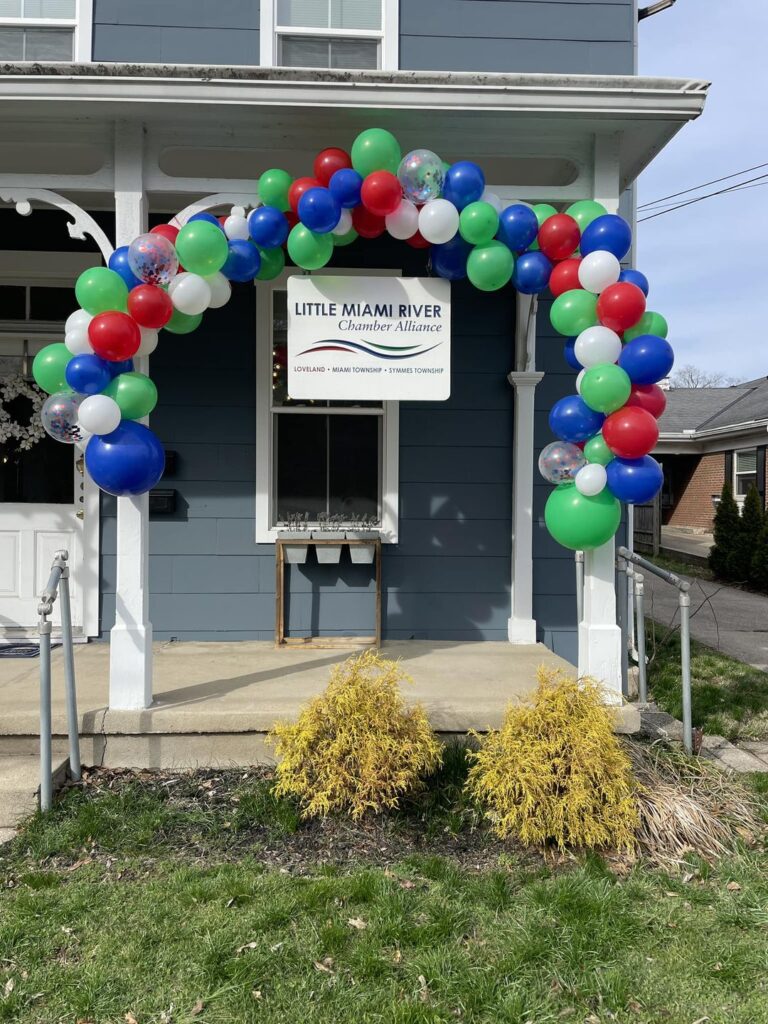
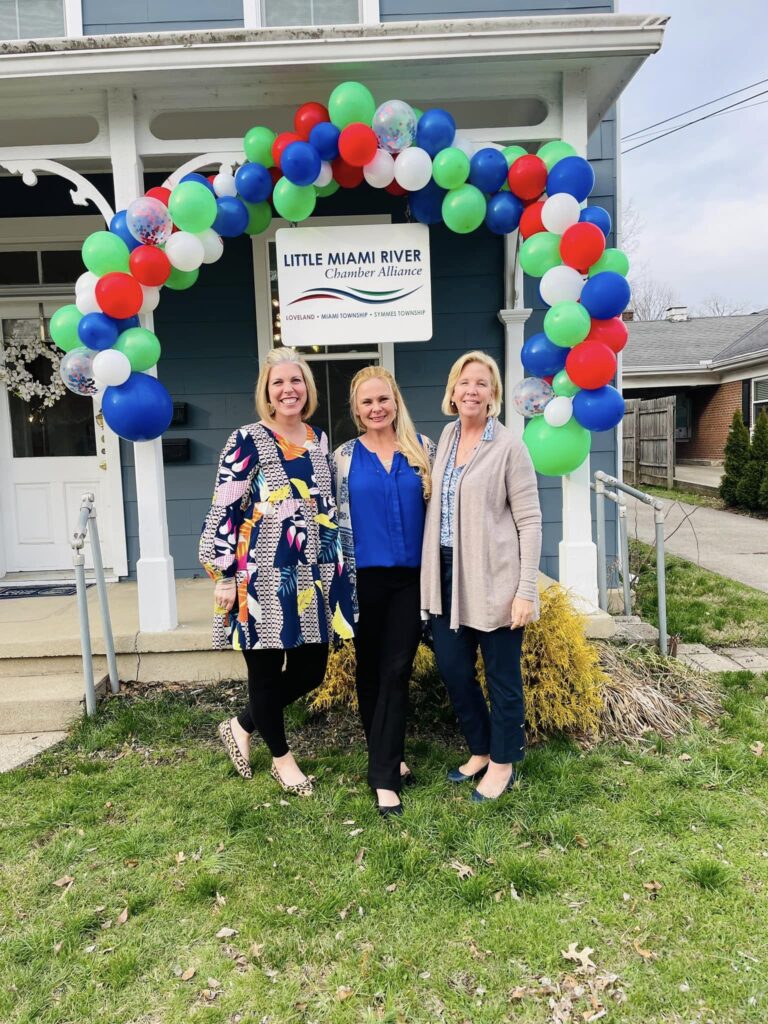
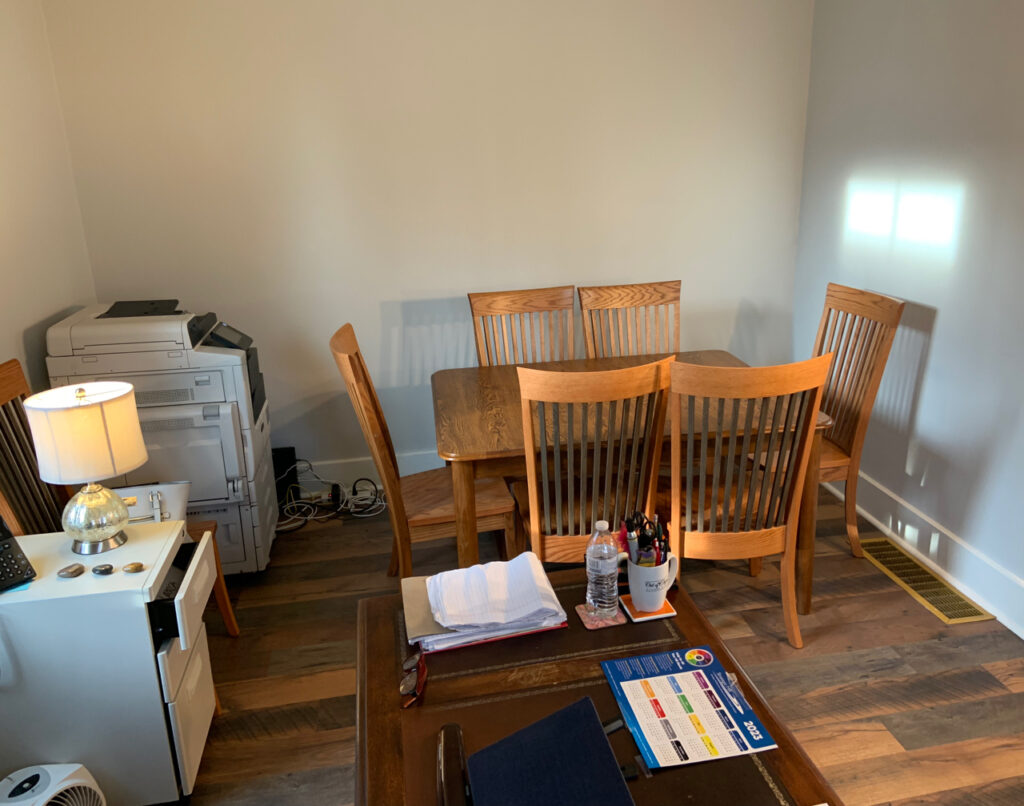
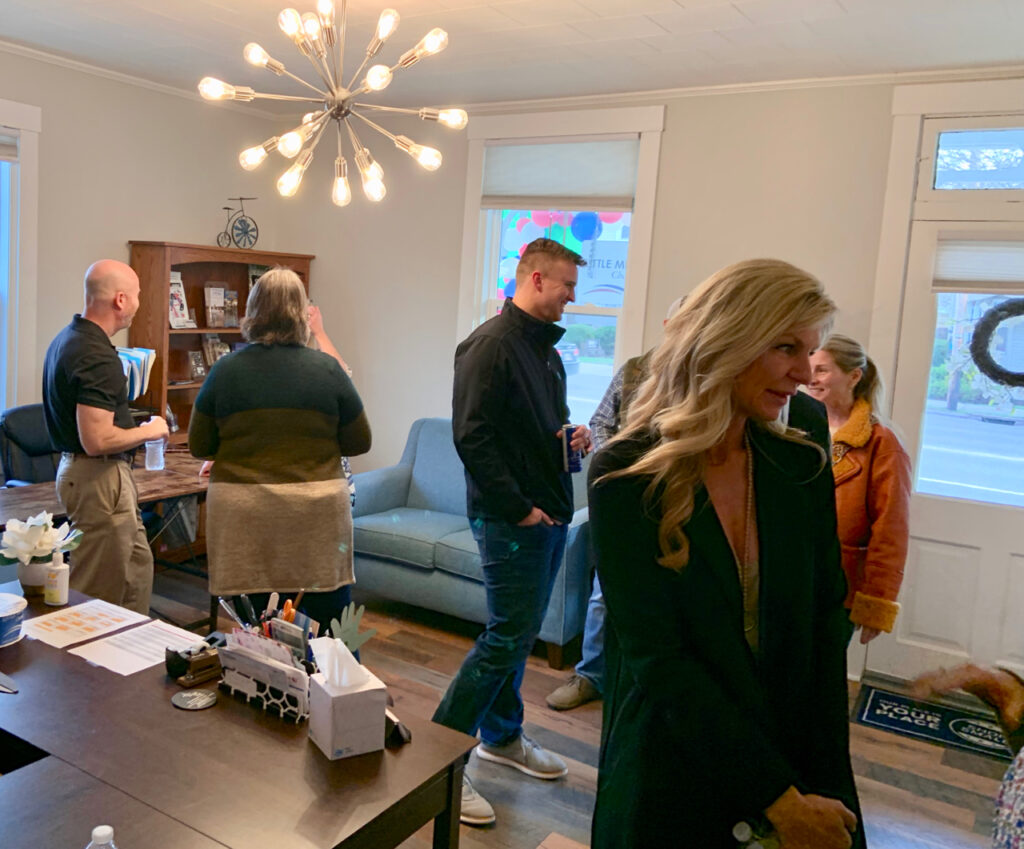
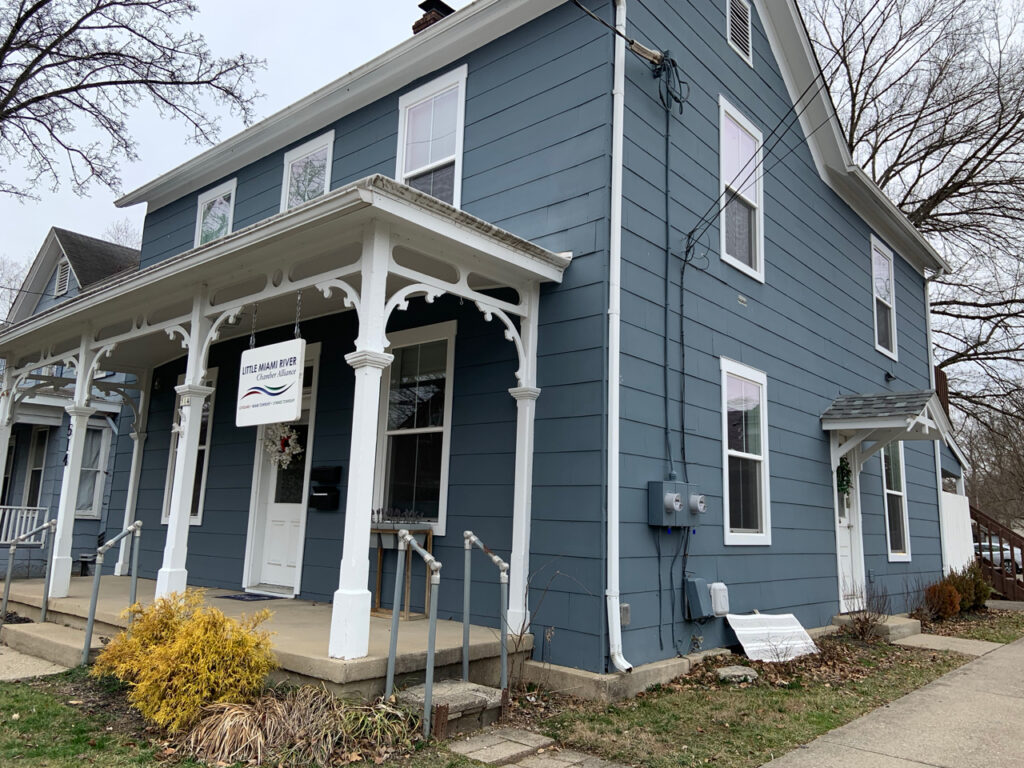
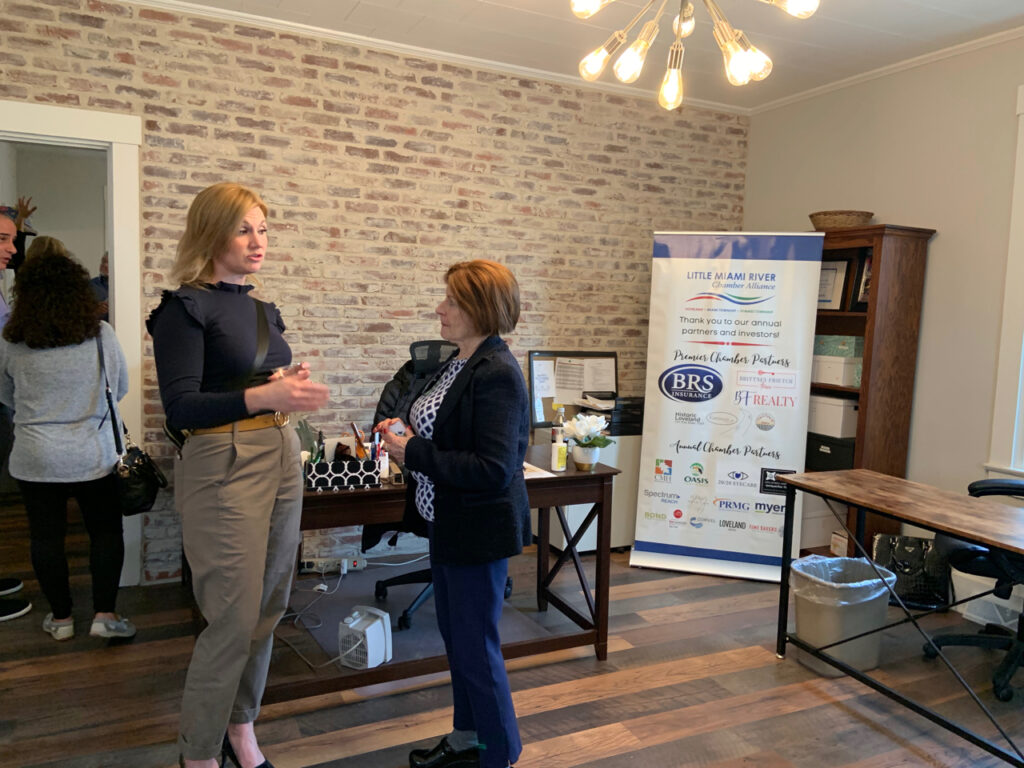
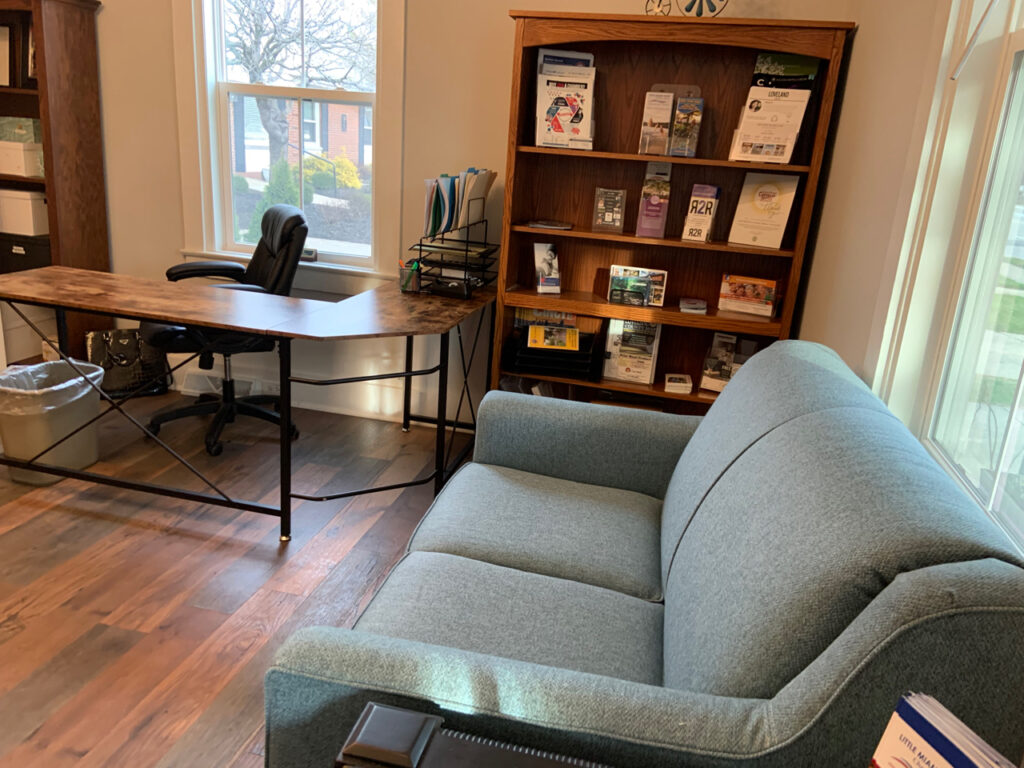
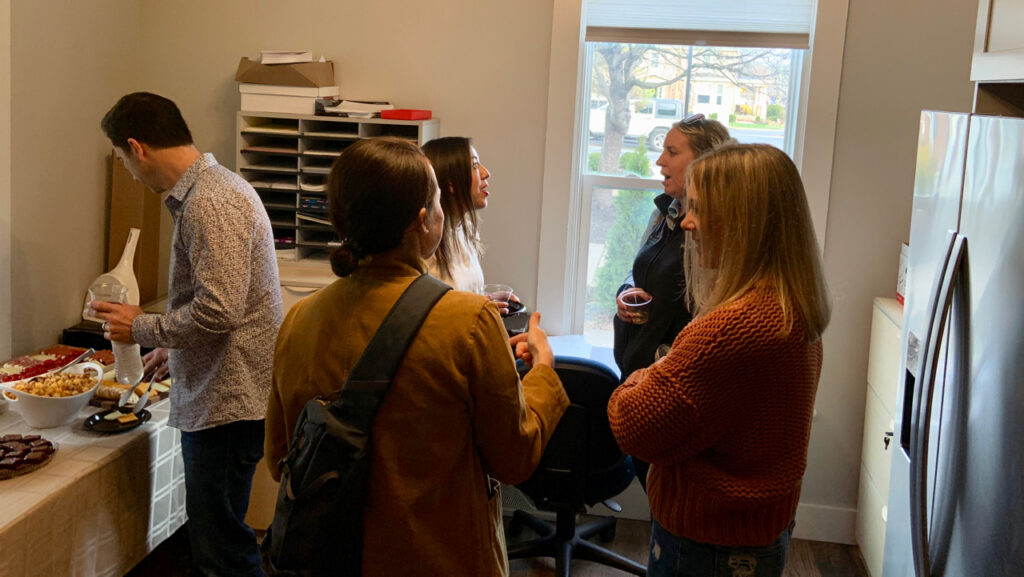
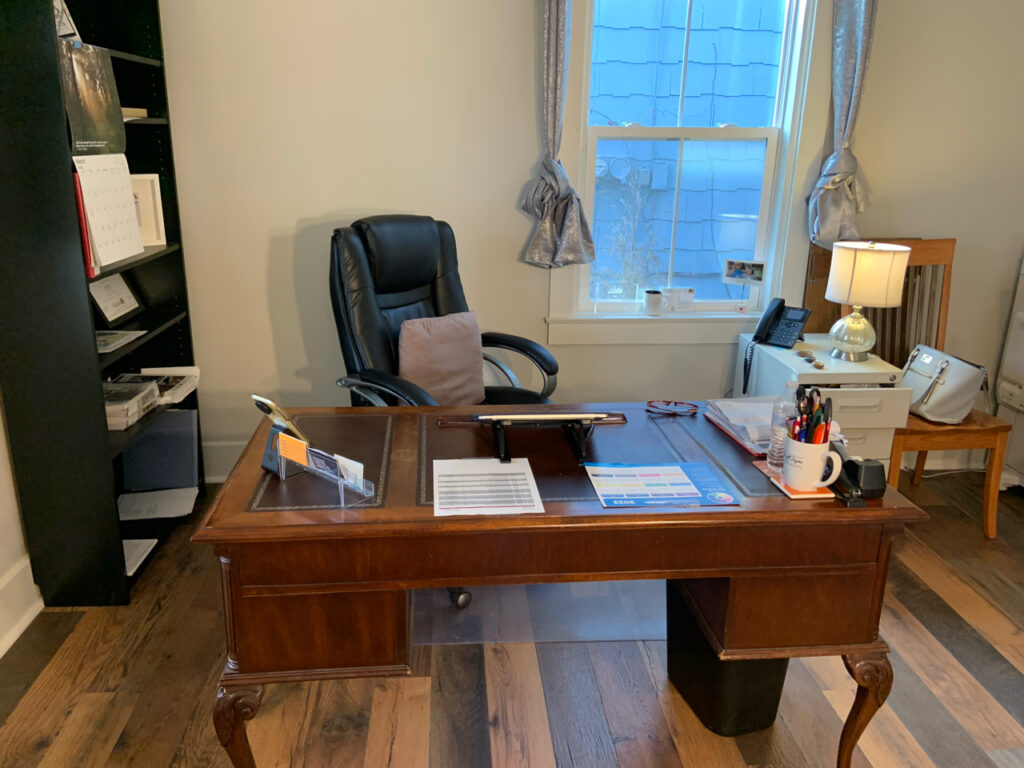
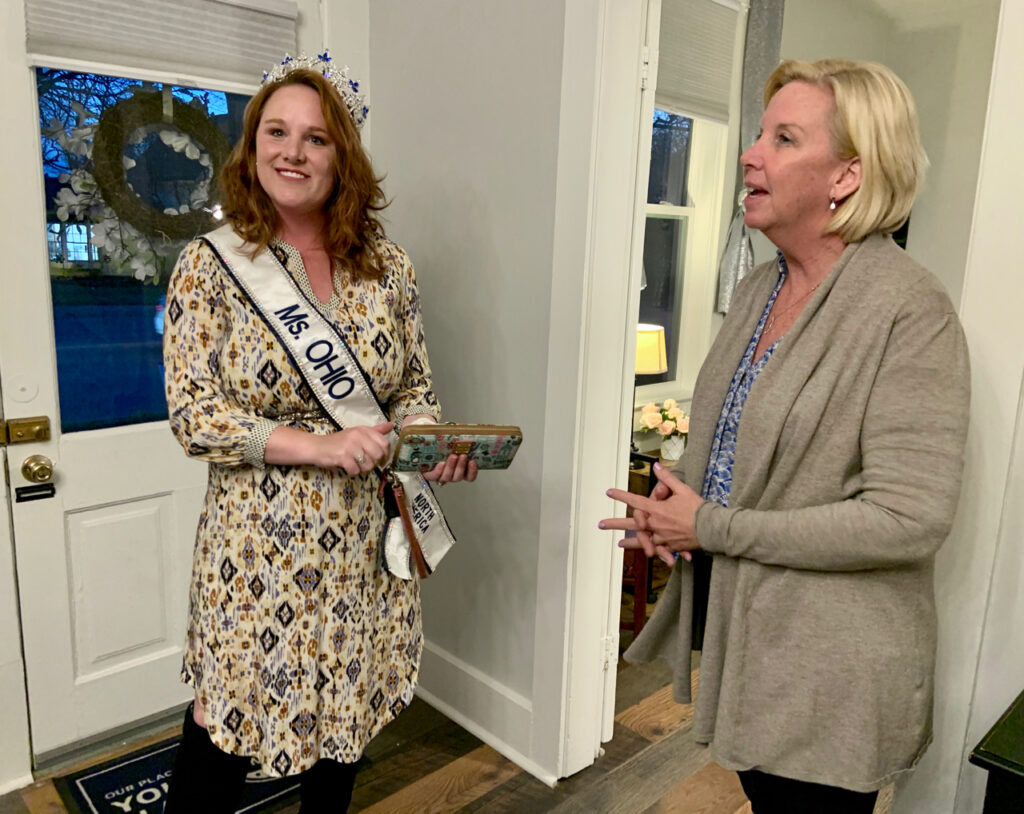
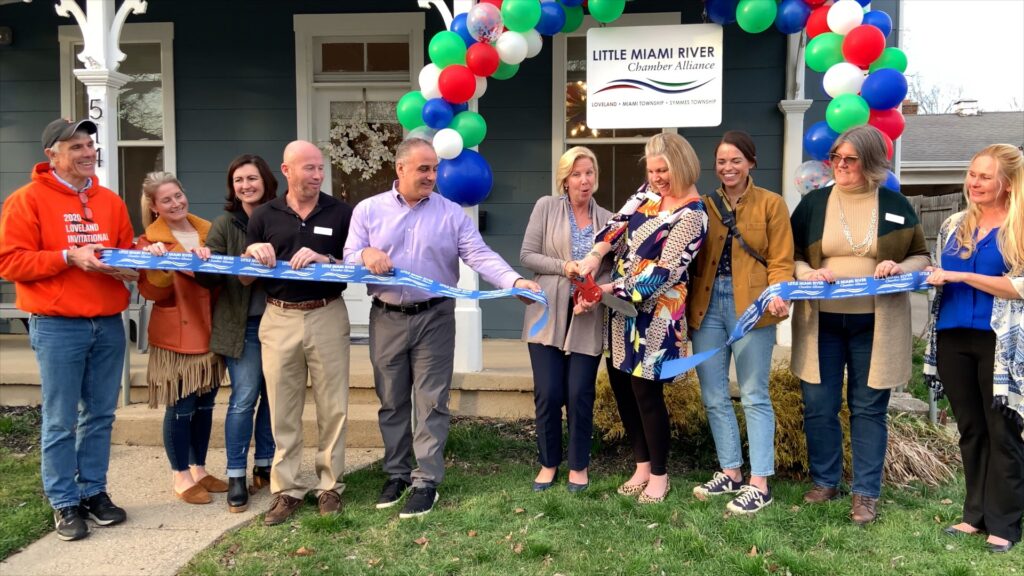
The public was invited to join the Little Miami River Chamber Alliance as they celebrated moving into their new office on March 2nd at 514 West Loveland Avenue.
There is plenty of free parking behind the office that can be accessed from either the driveway off of West Loveland or the driveway off of Center Alley. The new office is next-door to Union Savings Bank in the West Loveland Historic District.
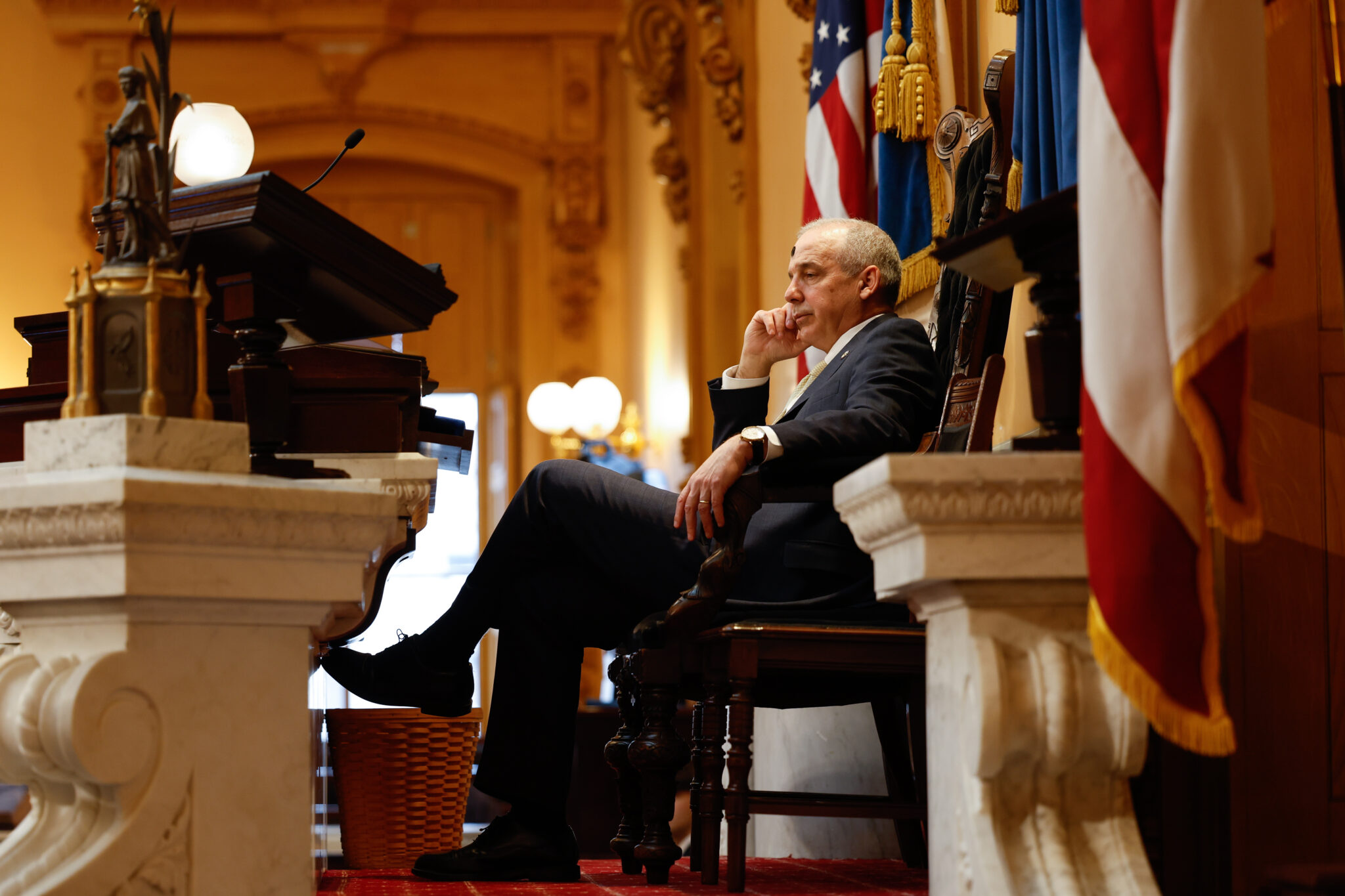
Former House Speaker Larry Householder, R-Glenford. Source: Ohio General Assembly.
CINCINNATI — Former Ohio House Speaker Larry Householder on Wednesday claimed that he never promised any legislative action to FirstEnergy in exchange for the tens of millions the company paid into a 501(c)(4) dark money group he controlled.
He also denied attending dinners in Washington, D.C., during Donald Trump’s inauguration during which other witnesses said he met with top FirstEnergy executives.
And the former speaker denied that he demanded unquestioning loyalty from lawmakers whose elections he worked for. Instead, he said, he wanted them to be independent thinkers.
After sitting through federal court testimony since Jan. 23, Householder on Wednesday took the witness stand in his own defense. That’s considered by many lawyers to be a risky strategy because he will be subject to cross examination by prosecutors who are eager to catch the former speaker in a lie.
Householder, a Republican from Glenford, and former Ohio GOP chair Matt Borges are being tried on accusations of racketeering in a case that federal prosecutors have said is likely the biggest bribery and money laundering scandal in Ohio history.
Householder is accused of masterminding a scheme to use $61 million in utility money to elect House members who would vote to make him speaker at the beginning of 2019. He led the effort to pass a $1.3 billion ratepayer bailout of failing nuclear and coal plants the following July and then protected it from a repeal campaign that failed in October 2019. Prosecutors say the bailout was explicitly tied to FirstEnergy’s contributions.
On the stand, Householder introduced himself as a guy from Appalachia who had worked for years to protect Ohio’s energy independence. But he also made a number of statements prosecutors are likely to challenge.
One is that as it neared passage, the bailout law, House Bill 6, became the object of “misinformation” in commercials that he said were financed by the American Petroleum Institute. The nuclear reactors the law would subsidize couldn’t compete with natural gas, which Householder said the petroleum institute supported instead of nuclear power.
However, in his testimony, Householder didn’t point to anything specific that the group had misstated. Similarly, he complained of misinformation in a Cleveland Plain Dealer editorial, but he didn’t point to anything specific, nor did he say whether he asked for a correction.
At the same time, the former speaker seemed guilty of some misinformation of his own.
Householder said one of the chief goals of House Bill 6 — dubbed the “Ohio Clean Air Program” — was to lower carbon emissions. But the bill provided hundreds of millions in subsidies to coal-burning plants owned by FirstEnergy subsidiary FirstEnergy Solutions and other Ohio utilities.
Householder’s claimed concern for carbon emissions also seems to clash with earlier statements he made on the stand. He testified that he was president of a group that owned an Alabama coal mine and that during an earlier stint in the Ohio House, he worked to subsidize coal production.
Householder also tried to soften his image after three former House Republicans portrayed the former speaker as a heavy-handed autocrat who demanded loyalty at all times. He pointed out that even though they didn’t vote to make him speaker and they voted against HB 6, he didn’t remove Reps. Laura Lanese and Dave Greenspan from their leadership positions.
In secret FBI recordings played earlier in the trial, lobbyist Neil Clark described Householder as ruthless and said he told Greenspan that because the lawmaker had opposed HB 6, Householder would never allow legislation Greenspan wanted to move forward. What Householder wanted, witnesses testified, were “casket carriers” — people so loyal that they would stay with him until he died and then lower his casket into the ground.
But Householder on Tuesday said he didn’t want blind loyalty, he wanted independence. As for wanting casket carriers, that meant “I didn’t want enemies. I wanted friends,” Householder testified.
Householder also disputed some of the basic factual allegations that had been made against him.
Even if that’s true, it’s hard to square that account with other parts of Householder’s testimony.
At issue in the case is whether Householder pushed the bailout legislation in exchange for all the millions he received from FirstEnergy. He said he had little involvement in Generation Now, the main 501(c)(4) dark money group the company paid into and which supported Householder-friendly candidates and ferociously attacked their opponents.
Householder said his understanding was that Generation Now was “a vehicle that would educate the public on issues that were important to Ohio.”
But on Wednesday, Householder said he accepted a $400,000 check from FirstEnergy Solutions that was made out to Generation Now, which was created and controlled by Longstreth, his underling. The former speaker conceded that it was a huge contribution — and the jury might find it hard to credit that he played such a passive role in the group’s activities.
Householder also denied Longstreth’s account of a dinner during Trump’s 2017 inaugural. Longstreth testified that he sat at one end of a long table in a crowded steakhouse with FirstEnergy Vice President Michael Dowling, while Householder sat at the other with CEO Chuck Jones. Longstreth said he couldn’t hear the conversation at the other end of the table, but he did hear Dowling instruct him to set up an organization that could accept “undisclosed and unlimited contributions” from FirstEnergy and its subsidiary.
Householder testified that he went to the inaugural with his wife and several of his sons and only briefly saw Jones and Dowling, but didn’t dine with them. Instead, he and his family went to the inauguration, the parade that followed and attended functions where they were photographed with such luminaries as former Indiana University basketball coach Bob Knight, Householder said.
However, Householder said he and one of his sons flew to D.C. and back on a FirstEnergy jet.
The former speaker testified that on March 29, 2019 — more than two months later — he wrote a check for $2,647 reimbursing the company for the flight. But he didn’t say why it took him that long to make the payment or what prompted him to do so.
In addition, paying for flights on private jets crashed pretty hard against another bit of Householder’s testimony Wednesday — that he is very frugal.
“Anybody who’s been around me knows I’m cheap,” Householder said. “I drive a 2001 GMC Sonoma and I don’t like to spend money.”
The Ohio Senate passed a bill to overhaul the administration of the state’s education system in a Wednesday vote along party lines.
The 26-7 party-line vote on Senate Bill 1 came with fierce urgency from GOP supporters that the chances must be completed to improve the way in which education is led in the state.
State Sen. Andrew Brenner, R-Powell. Official photo.
Senate Education Committee chair Sen. Andrew Brenner, R-Delaware, complimented the State Board of Education members for being hardworking people with good intentions for the state education system.
“Yet the structure they find themselves in is sluggish and incapable of getting through the bureaucracies,” Brenner said on the Senate floor.
Democratic opposition questioned the motives, but also the speed at which the measure was pushed through the chamber, claiming the true intent of the bill hasn’t yet been teased out.
Senate Education Committee ranking member Sen. Catherine Ingram, D-Cincinnati, said spotlighting districts at the bottom of state report cards or test scores only points to a greater problem not addressed by SB 1.
“When you continue to point to the lowest achieving districts, unfortunately you are continuing to point to those children who have been left behind all along,” Ingram said.
After multiple hearings in the last General Assembly and in the current one that included hours of testimony against the bill, Ingram said she fears the desires of the public, and elected school boards in each district, will be overlooked if the bill becomes law.
“We continue to talk about how we listen to the people,” Ingram said. “I don’t buy it.”
If SB 1 moves on to be passed by the GOP-majority House, it will change the Ohio Department of Education to the Department of Education and Workforce, and create a new leadership position not under the purview of the Ohio State Board of Education, but under the governor’s cabinet.
Two deputy directors, one for primary and secondary education and another for workforce, would also be created under the bill.
If passed, the transfer of duties to the new leadership would happen six months after the bill’s passage.
The bill would reduce the Ohio State Board of Education’s powers to include hiring a new superintendent of public instruction and dealing with district-level territorial and licensure issues.
In the Senate Education Committee, several amendments were made, for the most part by Republican legislators.
Amendments added to the bill before it’s full Senate passage changed the implementation date of the proposed law, taking it from June 30, 2023, to 90 days after full General Assembly passage.
The committee also adopted an amendment that would allow the superintendent of public instruction to serve as an advisor to the heads of the new department, which was originally a requirement in the bill.
A Democratic amendment adopted requires the Senate Education Committee to hold at least one in-person meeting before approving a director or deputy director for DEW.
Scott DiMauro, of the Ohio Education Association, agreed that the bill’s true aim is unclear at this point.
“I’m still not seeing exactly how restructuring the department get to what are ultimately policy decisions and support decisions,” DiMauro said. “It raises questions about what the impact of this will be.”
DiMauro said he hopes the House consideration will include changes to ensure a voice for educators and the public.
“I hope that whatever happens with this whole issue of any kind of restructuring … wherever Senate Bill 1 ends up, that lawmakers are not losing sight of a larger purpose,” he said.
The bill came back to the Senate hastily after the lame-duck effort last year was rejected at the last minute. Senate President Matt Huffman pledged after the effort went down to bring it back as quickly as possible.
When asked what he sees as the direct impact of SB 1, Huffman said it would “allow greater opportunity for reforms” and the “ability to act on specific problems.”
“When I have district meetings, and folks ask me questions and I can’t get the current answer,” Huffman said. “I know that I’m going to be able to get a better answer now.”
SB 1 now moves to the House for committee consideration.
Captain Dan Gangwer took his oath of office at this week’s City Council meeting
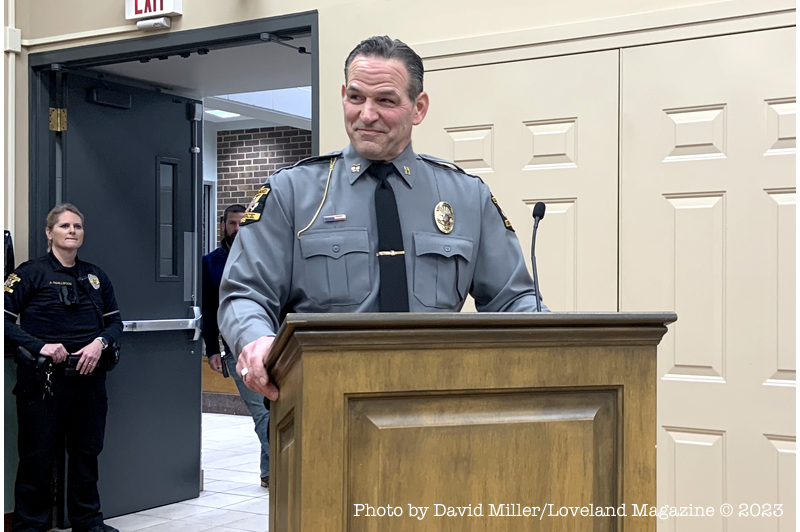
Loveland, Ohio – Captain Dan Gangwer was sworn in as Assistant Police Chief at Tuesday’s council meeting. He was previously employed by the Kettering Police Department, where he served for more than 27 years.
The assistant chief position has been unfilled since 2016.
Through his career with Kettering, Gangwer was promoted to sergeant, lieutenant, captain, and eventually assistant chief in 2016. He served several years in field training, SWAT team leadership, bike patrol, rangemaster, and weapons instructor/armorer. As a supervisor at Kettering, he led operations in patrol, jail, court, community relations, investigations, and dispatch.
Gangwer graduated from the University of Louisville with a Bachelor’s Degree in Police Administration.
He took his oath of office at this week’s City Council meeting, where he was joined by his wife, daughter, and former co-workers. Welcome to the LPD family!













![[VIDEO] Ribbon Cutting and Open House at Loveland’s new Chamber office](https://lovelandmagazine.com/wp-content/uploads/2023/03/My-Movie-20.jpg)