Tag: loveland ohio

  • Congressional redistricting hits the Ohio Supreme Court

    Congressional redistricting hits the Ohio Supreme Court

    BY: SUSAN TEBBENOhio Capital Journal

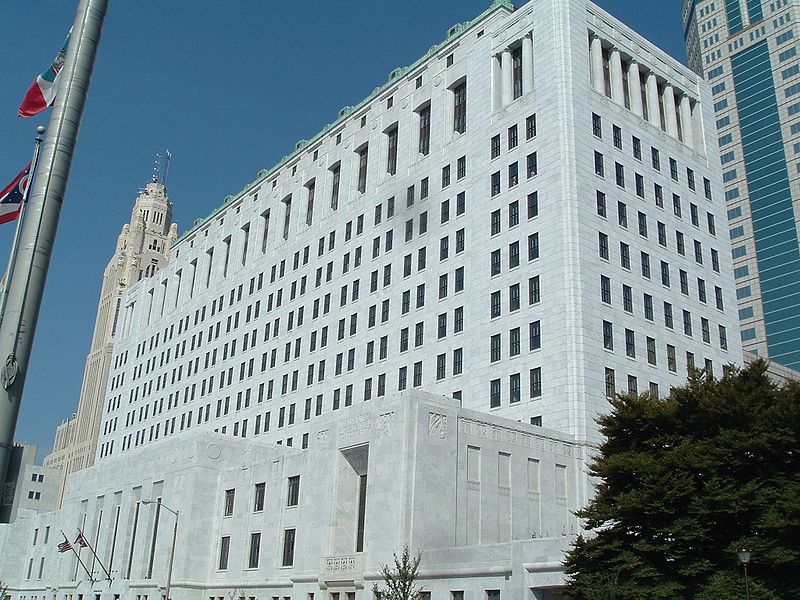
    The case of congressional redistricting was heard by the Ohio Supreme Court on Tuesday, where arguments about reforms put in place by voters and the data used by the General Assembly to draw maps framed consideration of districts going forward.

    Ben Stafford, an attorney representing the National Redistricting Action Fund’s challenge of the congressional maps approved in November, said the case centers on compliance with the constitutional reforms that revised the redistricting process, particularly the GOP majority’s use of partisanship in creating its map.

    “This case is about how the General Assembly has thumbed its nose at these reforms and enacted a plan that palpably violates Article 19’s new anti-gerrymandering protections,” Stafford told the court.

    Stafford said the 2021 enacted map has “extraordinary partisan skew,” with Republicans favored in 12 of 15 districts, amounting to 80% of congressional seats in the state. Using voting results as a starting point for analysis, as Stafford said should have been done, would have leveled out the district lean at 54% Republican, 46% Democrat, according to results of statewide races over the past decades.

    “A plan where one party is favored to win 80% of the seats when it only wins 53 or 54% of that vote clearly favors that party,” Stafford said.

    However, the attorney for the legislative leaders, Senate President Matt Huffman and House Speaker Bob Cupp, Phillip Strach, called the 2021 plan “the most constitutionally compliant of all plans before the General Assembly” because other plans presented “split more counties and other jurisdictions than the enacted plan.”

    But Republican legislators who worked on drawing the maps also saw the redistricting process as a foregone conclusion, destined for a legal battle, according to Strach.

    The attorney for Cupp and Huffman argued that based on the “political geography” of Ohio, the General Assembly could have drawn maps using no election or partisanship data whatsoever, and it still would have come up with a Republican majority, leading to accusations of GOP secrecy and scheming.

    “And so, what the General Assembly decided this time was ‘look, we’re going to be sued no matter what, and so we’re going to make sure that we draw competitive districts,” Strach told the justices.

    Strach was asked to address an expert witness for the map challengers in the case, a political scientist who ran the Ohio map through a redistricting program 5,000 times and never came up with the amount of Republican lean as the map approved by the state legislature.

    The simulations were “deeply flawed,” Strach told the state’s high court, and dependent upon human intervention.

    “At the end of the day, the computers draw what a human being tells it to draw, and so if you don’t tell the computer to use criteria that match what the General Assembly actually used, then what it will spit out is really just garbage,” Strach said. “It really is meaningless for any legal analysis.”

    The idea of what data would be proper to use in redistricting was the subject of lengthy discussion during oral arguments on Tuesday, but the main conclusion attorneys on both sides came to was no database was better than another.

    “Nobody agrees on what data to use,” Strach said. “It’s hard to use congressional districts data because it’s always changing. It’s easier to use statewide data.”

    Challengers debated databases and which specific data to use, such as federal election results versus statewide results, but said the biggest problem with the 2021 plan was how map-drawers used the data they used.

    Stafford said map creators for the GOP, namely Senate staffer Ray DiRossi and House mapmaker Blake Springhetti, had much more data than they let on publicly, but didn’t use it all in presenting the new map proposal.

    “What was disclosed publicly was this cherry-picked measure, a measure designed to make the plan look more competitive than it actually was,” Stafford said.

    Regardless of the measure or metric used, however, Stafford said the bias in the 2021 plan “remains the same.”

    Supreme Court justices also jumped in on the debate of which data to use in forming congressional districts, with Justice Sharon Kennedy seemingly agreeing that the federal results made sense in drawing congressional districts.

    “If you look at Ohio’s elections, and you look at your own datasets, more people turn out in Ohio to vote in federal elections than in statewide elections, by and large,” Kennedy said.

    Justice Patrick DeWine spoke to the argument by map challengers who said the legislature erred in skipping the 2014 election results rather than using all election results for the last 10 years. DeWine said because the 2014 election was an election “unlike any other we’ve had in Ohio,” specifically the landslide victory by former governor John Kasich over Democratic challenger Ed Fitzgerald, it might not be prudent to include that data.

    “I’m not sure which data set is best, I’m not sure the court could pick that, but it doesn’t seem immediately obvious to me that including several statewide elections in a year that was … probably the farthest from the norm we’ve had in Ohio in the last couple decades would make the data a lot better,” DeWine said.

    Other justices explored the idea that reforms of the redistricting should have been the guideposts for mapmakers over database manipulation.

    Chief Justice Maureen O’Connor posed the idea that the “intervening factor” in deciding how to draw maps was “the vote of the people.”

    Strach argued that the previous map passed in 2011 and highly criticized for a lack of public accountability “was never overruled,” and O’Connor jumped in.

    “Didn’t the people overrule it? Maybe not overrule it in front of us or another court, but the people in their vote overruled what had been done up to that point, did they not?”

    Justice Jennifer Brunner touched on minority representation in redistricting, asking whether keeping to the constitution in terms of splits and keeping counties whole overrode the requirement to protect minority voting rights, specifically in Hamilton County.

    Strach argued that under the 14th Amendment if the General Assembly had considered race, it would have violated “racial gerrymandering” prohibitions unless there was a “sufficient reason” to redraw districts, including a minimum of 50% Black population required to combine a district.

    “There’s been no showing in this case, no allegation by anyone even in the legislative process that such a district could have been drawn, and so using race in Hamilton County would have violated federal law in this case, and that’s why it wasn’t done,” Strach said.

    Just as it did in the legislative redistricting case, the court pondered the next steps if the map was rejected as violations of the constitution.

    When Strach said being found in violation of the constitution would be “the end of the story” for congressional maps, O’Connor countered that by saying “it could go back to the drawing board,” something Strach said “could go on for quite a bit” or be taken over by federal courts.


  • Governor provides update on COVID-19 hospitalizations and Ohio National Guard deployment

    Governor provides update on COVID-19 hospitalizations and Ohio National Guard deployment

    Ohio Governor Mike DeWine announced today that he has ordered the mobilization of an additional 1,250 members of the Ohio National Guard to support hospitals with the most critical needs across the state. The mobilization comes on the same day the state set an all-time high for the total number of COVID-19 hospitalizations during the pandemic.

    The Ohio Hospital Association reported today that 5,356 people are currently hospitalized with COVID-19. One in four patients are COVID-19 positive. This surpasses the previous hospitalizations record of 5,308 on Dec. 15, 2020. Of today’s hospitalizations, 1,228 patients are in the ICU, which is approaching the record high of 1,318 ICU patients reported on Dec. 15, 2020.

    While Southwest Ohio is not seeing the same volume of patients as northern parts of the state, Richard P. Lofgren, MD, President and Chief Executive Officer, UC Health, expressed concerns about the surge in cases making its way across the entire state during the coming weeks.

    Ohio National Guard Deployment
    As hospitals struggle with staffing to support the surge in COVID-19 patients, Governor DeWine announced during a press conference today, that he has asked Major General John C. Harris, Jr., Adjutant General, Ohio National Guard, to mobilize an additional 1,250 members of the Ohio National Guard, bringing the total deployment of National Guard members working with Ohio’s healthcare systems to 2,300 members.

    “This is not something we take lightly… We are asking them to leave their families, their jobs and homes. This is a huge sacrifice,” Governor DeWine said.

    Governor DeWine previously authorized the deployment of 1,050 Ohio National Guard members on Friday, Dec. 17. Major General Harris said the Ohio National Guard’s goal is to augment hospitals’ medical staff and wraparound services. Teams including nurses and medics will provide clinical care and non-medical teams will offer support services such as food service, patient transportation within facilities, and administrative support.

    Approximately 460 Guard members are deployed in the Cleveland area; more than 160 in the Toledo area; about 100 in Columbus area. Smaller numbers of the Guard will be deployed in the coming days in Mansfield, Dayton, and Lima to support hospitals. Guard personnel are also supporting testing sites in Cleveland and Akron.

    “The National Guard has been indispensable,” said Robert Wyllie, MD, Chief Medical Operations Officer, Cleveland Clinic.

    The Ohio Department of Health and the Ohio Hospital Association are working daily with Ohio hospitals to assess staffing needs to determine the most appropriate support from the Ohio National Guard.

    “Everybody agreed when the decision was made to send in the National Guard to our hospitals … All the way through this, we are going to be guided by where they are needed most today. It should give people confidence that everybody is on the same page here. Let’s deploy them where they are needed the most,” Governor DeWine said.

    Hospitals
    Hospitals have been taking extraordinary measures to manage this COVID-19 surge, including postponing elective surgeries, while battling staffing shortages as a result of COVID-19 infection or exposure, and burnout.  

    The northern parts of Ohio have been particularly hard hit, especially the greater Cleveland area, where one in three patients are COVID-19 positive, including ICU patients, according to OHA data.

    “The hospital systems are under significant stress in Northern Ohio,” Dr. Wyllie said. “We are running 2,000 tests a day. Let me tell you about those tests: 36% of the people going into the Walker Center for testing are testing positive for COVID.”

    Statewide, the COVID-19 positivity rate is 25%, according to Ohio Department of Health data.

    The state’s strategic hospital zone and region structure has allowed hospitals to work together with neighboring hospitals to balance the load of patients. This structure continues to be vital as cases and hospitalizations dramatically rise statewide and staffing remains a significant concern.

    While Southwest Ohio is not seeing the same volume of patients as northern parts of the state, Richard P. Lofgren, MD, President and Chief Executive Officer, UC Health, expressed concerns about the surge in cases making its way across the entire state during the coming weeks.

    “Unfortunately, the pandemic is not over … we are seeing more cases now than we have ever seen along the way,” he said. “Now, the spread of Omicron is adding fuel to this raging fire. One of the things that I want to make sure that people understand, is that this not only affects the care of people with COVID, but also affects people who don’t have COVID. It squeezes out our ability to take care of patients with other life-serious or life-threatening problems, such as heart attacks and strokes.”

    Governor DeWine also spoke with Jennifer Hollis, a critical care nurse at OhioHealth Riverside Methodist Hospital in Columbus, about her experience in the hospital.

    “I just want everybody to be able to walk a mile in my shoes and kind of understand as a critical care nurse, what I am seeing when I am coming into work. It is beyond difficult,” Hollis said. “Our beds are full. There is nowhere else to go, and we are just as short-staffed as everyone else is seeing as well … We are tired, we are frustrated, and we want the best for all of our patients.”

    Hollis urged Ohioans to get vaccinated to protect themselves, their loved ones, and their communities. “I’ll continue to fight for you, when you won’t fight for yourself. Please get vaccinated. Quarantine if you are symptomatic. Get tested,” she said.

    Vaccination, prevention
    Governor DeWine emphasized that the COVID-19 vaccines remain a powerful tool to keep people out of the hospital. Since June 1, 2021, there have been 35,962 admissions, and 92.5% of those have been among people who are not fully vaccinated.

    Now more than ever, it’s critical to follow prevention strategies including getting vaccinated, getting a booster shot if eligible, wearing face masks, washing your hands frequently, getting tested, and staying home if sick, even if symptoms are mild.

    “We are looking now at an impact of COVID-19 that is unlike anything we’ve seen before in this pandemic,” said Bruce Vanderhoff, MD, MBA, Director, Ohio Department of Health. “We have access to a powerful tool that can really shield us from the worst outcomes of COVID-19, and that is vaccination.”

    As of today, more than 6.9 million Ohioans have received at least their first dose of a COVID-19 vaccine. That’s 63% of those Ohioans eligible (ages 5 and older). More than 2.6 million have received an additional dose, or a booster dose.

    Masking in Schools
    Today, the Ohio Hospital Association also distributed a letter from the Ohio Hospital Association and Ohio Children’s Hospital Association to Ohio school superintendents, administrators and school board members encouraging them to implement a masking requirement when students return from the holiday break. A masking requirement in schools will help limit community spread of COVID-19 and keep students in school, the letter said. 

    Holidays
    Dr. Vanderhoff encouraged Ohioans to celebrate safely this holiday weekend so we can all have a healthy start to 2022. “As we get ready to ring in a new year, please, think about the steps you can take to prevent COVID-19 spread before you gather. Keeping vaccinations up to date, appropriate testing, staying home if you feel the least bit sick, masking especially in crowded indoor environments, proper ventilation, and regular handwashing can all help prevent the spread of COVID-19, flu, and other illnesses this season,” he said.

  • Jett Stevens, a 2020 graduate of LHS, will perform in Tournament of Roses Honor Marching Band

    Jett Stevens, a 2020 graduate of LHS, will perform in Tournament of Roses Honor Marching Band

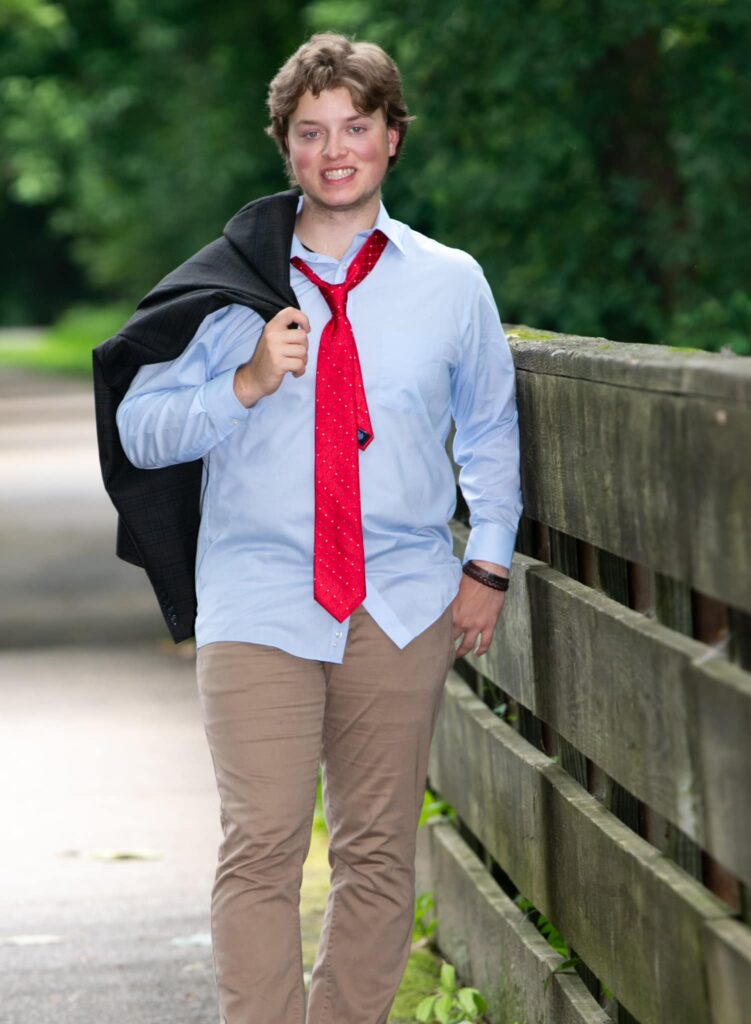
    Here is news of a Loveland High School 2020 graduate from the FaceBook Page of the Loveland Music Boosters

    Go Jett!! Thank you for representing Loveland Music Programs, Loveland Schools and the Loveland Community!

    Photo provided by Loveland Music Boosters

    Jett Stevens, a 2020 graduate of LHS, auditioned during his senior year for the BOA Tournament of Roses Honor Marching Band.

    Unfortunately, the 2021 Rose Bowl parade was canceled due to COVID and any member from that band was invited to the participate in 2022’s Rose Bowl Parade.

    Jett is playing snare drum in the #BOATOR22 band. This year’s BOA Honor Marching Band has 300+ members from 40+ states and Jett is representing Loveland High School and the State of Ohio.

    The theme of the Rose Bowl parade is ‘DREAM. BELIEVE. ACHIEVE.’ Jett is spending a week in Southern California, where he will have rehearsals, performances at the Tournament of Roses Bandfest and Disneyland, special activities and Tournament of Roses parade.

    While in Loveland, Jett participated in Mallet Madness, LMS concert Bands, LMS Stage Band, LHS Marching Band, LHS Show Choir Band, and LHS Wind Symphony. Additionally, Jett played in the Orchestra pit for several musicals and with the LHS Orchestra during the Holiday concerts.

    Jett is now a Sophomore at the University of Cincinnati College Conservatory of Music, double majoring in Music Performance (percussion) and Jazz Studies (drumset).

    Watch the 2022 Rose Parade begins at 11am ET on New Year’s Day to catch Jett doing what he loves!

    Highlights of Jett’s trip

    Bandfest Performance:

    The band’s debut performance will be at the Pasadena
    City College Stadium as specially-invited bands from around the nation perform for boosters and fans in this thrilling field show exhibition sponsored by the Rose Parade Music Committee.

    Float Viewing:

    Here’s a chance to see the floats up close and get a better idea of the type of detail and workmanship that makes them so spectacular.

    Disneyland Parade: The Bands of America Honor Band will spend a magical evening marching through the streets of Disneyland. It’s unforgettable!

    Griffith Observatory:

    Southern California’s gateway to the cosmos! Griffith Observatory is a Los Angeles landmark and worldwide tourist destination for over a million visitors a year. It’s filled with opportunities to observe, learn, and be inspired. Look through a telescope, check out the exhibit halls and the Samuel Oschin Planetarium, or enjoy spectacular views of Los Angeles and the Hollywood Sign. Find something to eat or drink at the cafe or buy a fun memento at the gift shop.

    Huntington Beach & Pier:

    Known as Surf City USA, Huntington Beach first hit the map in 1914 when Hawaiian surfer George Freeth demonstrated surfing at the new concrete pier. Home to countless surf legends and miles of pristine beaches, Huntington Beach draws over 11 million visitors each year. Measuring 1,850 feet in length, the iconic Huntington Beach Pier is one of the longest piers on the West Coast. A leisurely stroll offers stunning panoramic views of Catalina Island, Newport Beach, Long Beach, San Pedro; and, of course, photo ops.

    Tournament of Roses Parade®:

    This world-famous 5.5-mile parade of beauty takes place along Pasadena’s Colorado Boulevard. The parade features bands from around the world and some of the most spectacular floats imaginable! This is a favorite for millions who set time aside every year to view this internationally televised event.

    Disneyland: The Bands of America Honor Band will have a magical performance in Disneyland. It will be unforgettable!

    California Adventure: California is a place where fun and adventure are a way of life, and the same is true of Disney’s California Adventure theme park. From the moment you enter, you’ll be immersed in one exciting experience after another as you discover the splendor of the land, the cultural richness of the people, and the free- spirited nature of the California lifestyle.

  • Valentine poetry contest, poetry workshops, and more…

    Valentine poetry contest, poetry workshops, and more…

    by David Miller

    Loveland, Ohio – We all would love to receive a personal poem of affection on Valentine’s Day, but you all know that it’s sometimes better to give than receive. Right?

    Well, here is your opportunity as each year the Loveland Valentine Ladies and the Little Miami River Chamber Alliance invites students, teachers, parents, and the community’s poets to compete in their Annual Valentine’s Day Poetry Contest. This gift can be your present to the whole community of LOVEland.

    Poems should be typed or printed, no longer than 16 lines, and reflect love and/or Valentine’s Day. Poetry will be judged on written content only. Contest Deadline: January 21, 2022

    Poetry Contest Categories Include:

    Pre-school and Kindergarten
    1st and 2nd Grades
    3rd and 4th Grades
    5th and 6th Grades
    7th and 8th Grades
    9th – 12th Grades
    Adults

    Contest winners will attend the Chamber Valentine Breakfast at Oasis Conference Center on February 12 to read their poems. Student winners receive an excused absence from school to attend the breakfast.

    Entry forms are available on the chamber website – lmrchamberalliance.org under the “get involved” tab.

    Poetry Workshops

    Valentine Lady, Kathryn Lorenz will be offering two free poetry writing workshops leading up to the submission date.

    The first will be on Saturday, January 8 at Hometown Cafe between 9 and 10:30, AM.

    The second will be on Saturday, January 10 at Mile 42 Coffee from noon until 2 PM.

    Valentine Art and Card Reveal

    Beginning at 11 AM on Saturday, January 8 the 2022 Valentine Art and Card Reveal will take place and it will be a chance to meet the designer, current Valentine Lady, Jeannie Shumaker, and past Ladies. Join the fun at the Valentine Ladies Wall of Fame in Historic Downtown on the Loveland Bike Trail.

    When Lily Gruffydd was in 5th grade she was recogonized at the 2017 annual Valentine Breakfast for this poem.

    WHAT IS LOVE?

    by Lily Gruffydd

    Every one of you should feel loved,

    When you are loved, you might feel light like a dove,

    Or maybe you will draw hearts, 

    Or even throw cupid darts.

    Love is something your family passes, 

    From shaking hands to clinging glasses.

    If you are not loved,

    Find someone to love you back,

    Then your life will be on the right track.

    Love is also being there for others,

    Like your parents, friends, sisters and brothers.

    Love is a hug or snuggling tight, 

    Or to your Grandma you may write.

    That is love and it is right,

    I hope you remember these words tonight.

  • Clermont County implements RapidSOS

    Clermont County implements RapidSOS

    Clermont County, Ohio – New technology allows Clermont County to take emergency calls and dispatch help with speed and precision undreamed of just a few years ago.

    “It has revolutionized 911,” said Dominick Daulton, program administrator, Department of Public Safety Services. “It’s truly impressive.”

    The department implemented RapidSOS in 2018 to provide more accurate location of 911 callers. The free technology uses GPS from cell phones.

    “It’s a huge game-changer for dispatchers in being able to locate callers more quickly,” Daulton said. “The location is available on dispatchers’ computer screens before they even answer the phone.”

    The department’s 911 Center is the primary public safety answering point for Clermont County. Twelve emergency resource technicians/dispatchers and four supervisors handle calls and dispatch services for all townships and villages in Clermont County, except for Milford, Loveland and Union Township. The center receives 13,000 calls per month on average, about 5,300 for 911 emergencies. Dispatchers enter information in sophisticated Computer Aided Dispatch (CAD) systems. They strive to have help dispatched within 62 seconds of receiving a call.

    RapidSOS started as a website where dispatchers had to manually type in the phone number each time a call was received. If a phone was equipped with RapidSOS (Apple iOS 12 and Android 4.0 and newer), dispatchers would see a location. In March 2020, Clermont County implemented an upgrade called Jurisdiction View that allowed locations to appear on the dispatcher’s computer screens before their phone even starts ringing. Dispatchers see a satellite map along with the exact location and information about the caller. Info you’ve provided through the Health app on iPhones such as name, age, height, weight, medications and allergies also appears.

    The upgrades keep coming, too. RapidSOS Alerts started in 2021, with home alarm companies being able to send supplemental alerts through the RapidSOS Portal sometimes minutes before a phone call from the monitoring center. This will transition to direct alerts from RapidSOS in the near future, eliminating phone calls from alarm companies, to improve response times by minutes.

    The 911 Center can also receive information directly from vehicles equipped with automatic crash notification systems.

    Dispatcher Markie Planck has seen technology improve timeliness and accuracy consistently during her nearly seven years with Clermont County.

    “I’m really glad we got RapidSOS,” Planck said. “We can now see on a computer screen where someone is before we even get the call. Oftentimes, members of the public don’t know where they are, but we can see exactly and dispatch fire or EMS to them quickly.”

    In addition to major technological advances in receiving calls, the 911 Center in August 2020 implemented an automated fire and EMS dispatch technology called Locution. This helps dispatchers, who also are call takers, to put out calls quickly while focusing on the call they may be on. There is less of a delay when dispatching calls – and units in the field can talk to a dispatcher while dispatches through Locution are going out. The center can notify the one fire station needed for an emergency, instead of automatically alerting all stations in an area and sending unneeded off-hours wakeups to firefighters at other stations that aren’t needed for that particular emergency.

    A few years back there was no quick way to know where callers were unless they used a house phone. In the beginning, cell phones only provided dispatchers with the location of the nearest cell phone tower, known as Phase 1.  Then came the ability to triangulate an approximate location of the caller using multiple cell towers, which is known as Phase 2.  Then came the latest upgrades which use the actual GPS in the phone to locate callers, with more changes on the way, including text-to-911.

    John Kiskaden, director, Department of Public Safety Services, said that 80 percent of people now use wireless phones, making the upgrades more critical.

    “It didn’t take long,” said John Kiskaden “All of the technology came together quickly.”

  • Loveland man arrested for loud nightly booms

    Loveland man arrested for loud nightly booms

    Miami Township, Ohio – The Miami Township Police have arrested a 25-year-old Loveland man for disorderly conduct and Illegally setting off fireworks. The man is suspected to be responsible for the loud “booms” heard in Northern Miami Township.

    In announcing the arrest, Chief of Police Mike Mills said, “The unexplained booms had residents on edge over the last few months and was the subject of several news stories.”

    According to Mills, the man was setting off high-grade explosive fireworks causing the loud booms in the valley, resonating up and through Miami Township, Loveland, and Symmes Township.

    Mills added, “Mystery solved.”

  • New Releases! – Gift Cards! – RESTOCKS GALORE! – Happy Holidays!

    New Releases! – Gift Cards! – RESTOCKS GALORE! – Happy Holidays!

    PLAID ROOM RECORDS

    IN HISTORIC DOWNTOWN LOVELAND

    New Releases for 12/23!

    Hey y’all! This week’s new releases are obviously a little light due to the holidays! We did manage to grab a very small amount of the Mars Volta represses, imported straight from Germany. Apologies in advance for small quantities and high prices! A few other stragglers here, including The Descendents, Robert Pollard, Tommy Guerrero, Morgan Wade, Pylon, and more!

    We’re offering top dollar for the records in your closet or basement!

    Browse New Releases

    Before we get into the restocks – here’s a quick recap of our store hours over the next couple weeks!

    December 23: 12-7pm
    December 24-25: CLOSED
    December 26: 12-5pm
    December 27-28: CLOSED
    December 29-30: 12-7pm
    December 31: 12-5pm
    January 1: CLOSED
    January 2: 12-5pm

    Gift Cards!

    Gift cards are new this holiday season for our non-local folks! We finally got our in-store and online systems integrated so that you can buy gift cards online for use in-store or online! If you’re not local to us – and looking for that last minute stocking stuffer – let your loved ones know we offer gift cards here!


    Restocks below! A massive week for receiving – close to 5,000 pieces were checked in – including almost 800 unique titles that are still in stock. For a complete list, check the link below! Highlights listed directly below that. We especially wanted to call out the Cannonball Adderley release – we’ve had so many folks ask us about this and we never got copies in on the original release date!

    Family owned and completely independent, we are proud to offer personal, high quality service along with a vast selection of over 45,000 new and used LPs! 122 West Loveland Avenue
    Loveland, OH 45140

    Browse ALL restocks from this week

  • Recreational marijuana backers submit signatures

    Recreational marijuana backers submit signatures

    BY: NICK EVANSOhio Capital Journal

    A group pushing for recreational marijuana in Ohio is one step closer to the ballot after the Coalition to Regulate Marijuana Like Alcohol submitted 200,000-plus signatures to state officials. Now county boards of elections begin the work of verifying signatures.

    The coalition’s plan would allow Ohioans over 21 possess, use, and purchase cannabis. They propose a 10% tax on sales that would fund social equity and addiction programs. Another portion of that revenue would bolster the general funds of cities that choose to allow dispensaries within their borders. The plan would even allow adults to grow a limited amount of cannabis at home.

    “The success of our petition drive shows just how eager Ohioans are to end prohibition and legalize the adult use of marijuana,” coalition spokesman Tom Haren said in a press release. “We look forward to receiving the results of the Secretary of State’s review, and are eager to begin working with legislators on this important issue.”

    Signature gatherers overshot the required threshold of 132,877 by about 70,000 to provide a buffer for any signatures that get thrown out. So long as they meet the required overall number and get a designated portion from at least 44 of the state’s counties, the proposal goes to state lawmakers. If lawmakers choose not to approve the measure, the coalition has the chance to get another round of signatures to put their proposal on the ballot.

    At this point, the ballot seems like the most likely path to approval, but that doesn’t mean the GOP-controlled legislature is blind to the shortcomings in Ohio’s existing marijuana program. Sen. Steve Huffman, R-Tipp City, has shepherded a measure through the Senate that would make significant under-the-hood changes to the state’s marijuana policy while leaving the overall structure intact. That bill passed the Senate last week.

    But provisions like allowing homegrown marijuana are a non-starter for Huffman.

    “Because that’s recreational marijuana,” Huffman said in a November interview about his bill. “If you’re going to grow five for your medical purpose, you know, the neighbor kids going to steal one, [and] you’re going to sell a couple.”

    And Huffman isn’t alone. A recent poll conducted by Gongwer News Service shed light on how much the ground is shifting when it comes to marijuana — 43% of Republican lawmakers supported adult use, dead even with those who oppose it.  But when it comes to homegrown marijuana, the GOP is far more unified in its opposition. When it comes to personal use, 64% of GOP members registered opposition and 86% said they are against people growing cannabis for commercial use.

    Assuming the coalition’s signatures meet requirements, lawmaker have four months to act on their proposal.

  • Loveland Preschool application process

    Loveland Preschool application process

    Applications are due by January 7th

    Loveland, Ohio – The Loveland City Schools Preschool program serves children 3-5 years of age with a wide variety of disabilities qualifying for special education services in response to a federal mandate.  

    The program model includes children with typical development in order to provide for a more inclusive and enriching learning environment and experience. 

    Those interested in entering their typically developing 3-5-year-old child in Loveland City Schools Preschool program may do so by completing the application and returning it directly to Loveland Early Childhood Center.  

    All parents will be notified by mail, email, and/or phone regarding admission to the program.

    All applications are due by January 7th, 2022.

    For information:

    Penny Dippold, Loveland Early Childhood Center (LECC) Secretary

    Phone: (513) 683-4200

    Email: dippolpe@lovelandschools.org

  • The Road to Safety – Driving Tips for Teen Drivers

    The Road to Safety – Driving Tips for Teen Drivers

    PROMOTED POST

    Receiving a driver’s license is one of the most exciting rites of passage in a teen’s life. However, it can also be an extremely nerve-racking experience for both the new driver and his or her parents. According to the National Highway Traffic Safety Administration (NHTSA), motor vehicle collisions are the leading cause of death for 15-to-20-year-olds. In order to help combat this alarming statistic, here are a few tips to help your new driver stay safer on the road:

    Follow the speed limit. Driving too fast and driving too slow can both be dangerous. Not only will driving the speed limit help you stay in control of your vehicle, it can also help you save fuel.

    Avoid distractions. With cell phones, iPods and GPS, teens might seem like pros at multitasking, but driving is not the time for distractions. Taking your eyes off the road for just one second to send a text or change songs can make a huge difference in your response time for avoiding a collision.

    Pay attention to your surroundings. Not only should you pay attention to the road directly in front of you, but make sure to check your rearview and side mirrors regularly. If you’re on a residential street, watch for children playing in the road and other pedestrians.

    Speak Up! If you’re in a vehicle with a friend who is driving too fast, constantly switching lanes, tailgating or not paying attention to the road, tell him or her you’re uncomfortable. They may be trying to impress you, and a simple request will encourage them to stop driving dangerously. If they refuse, ask them to drop you off at a safe location so that you can call someone to pick you up.

    Buckle Up. According to NHTSA , “Increasing seat belt use is the simplest and least expensive way to reduce deaths and serious injuries on our roads.” In fact, NHTSA found that more than 75,000 lives were saved between 2003 and 2007 by wearing a seat belt. Taking two seconds to buckle up is the simplest action you can take to stay safer on the road. Plus, it’s the law in many states.


    Click to find CURRENT SPECIALS at TUFFY FIELDS-ERTEL at 9401 Fields-Ertel Road.