Tag: loveland

  • Winter Art Show & Giving Tree Silent Auction Saturday benefits Life Food Pantry

    Winter Art Show & Giving Tree Silent Auction Saturday benefits Life Food Pantry

    Loveland, Ohio – This Saturday you can bid on some beautiful Christmas Trees crafted by the artists at the Loveland Art Studios on Main and decorate your home if your bid wins.

    Win or lose, you’ve taken a chance that 80% of your winning bid will go to help those Loveland Area residents served by the Loveland Inter-Faith Effort (LIFE) food pantry.

    You can bowse and bid through Saturday from 11 AM until 4 PM.

    The Winter Art Show and open studios are Saturday evening December 10, and the Silent Auction will continue until 9 PM.

    The Bobby Sharp Trio will perform Saturday during the Winter Art Show.

  • Minimum wage increase brought to Ohio House committee

    Minimum wage increase brought to Ohio House committee

    BY: SUSAN TEBBEN – Ohio Capital Journal

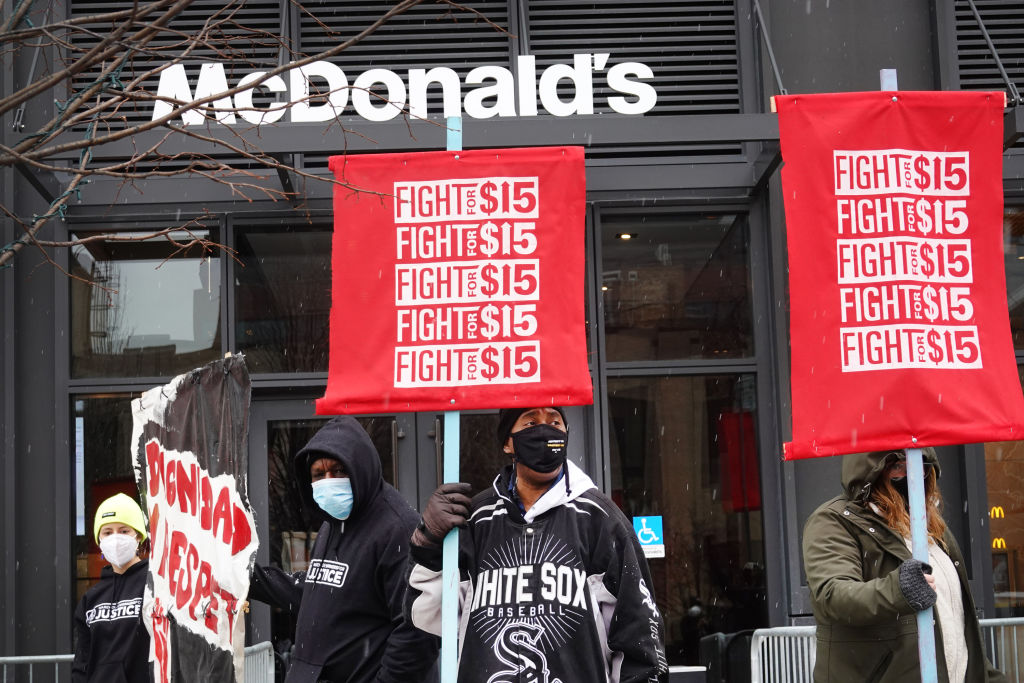
    A new push for a $15 minimum wage was introduced in the Ohio House, attempting to speed up the progress of a constitutional amendment passed nearly two decades ago.

    Democratic state Reps. Dontavius Jarrells and Brigid Kelly said their new bill not only addresses criticisms of quick implementation of a minimum wage increase, but also make a difference for struggling Ohioans.

    “We heard concerns of colleagues and made a longer runway for the increases,” Kelly told the House committee on Commerce and Labor. “But the longer we wait to act, the less impactful this action will be.”

    House Bill 69 would phase in those increases to reach $15 per hour by 2027.

    Since the bill never received a hearing after it was initially filed in February of 2021, an amendment would be needed to change the language, which set the first increase to happen on Jan. 1, 2022.

    The sponsors pointed to a constitutional amendment passed in 2006 that raised minimum wage in Ohio yearly with the rate of inflation. With inflation at the highest level since the Reagan administration, the minimum wage starting January 2023 will be $10.10 per hour, and $5.05 for tipped employees.

    “The bottom line is this: When people have more money in their pockets, they spend it and they spend it in businesses and communities all across Ohio,” Kelly said.

    Jarrells said he receives calls to his office often talking about hard decisions families in Ohio are making, like putting food on the table in lieu of needed medications, because affording both isn’t an option.

    “When we think about the impact of just not thinking critically about how do we make sure salary or wages match our productivity, there are families who simply are going without,” Jarrells said.

    Debate in the committee centered around whether adding more money would solve problems, namely bringing people back to the workforce.

    State Rep. Don Jones, R-Freeport, argued that some businesses are offering more than $15 per hour, or at least increasing pay, and still aren’t able to bring more employees in. He said the issue was the workforce, not the wage.

    “We can sit here and raise the minimum wage to $15 an hour, and people are going to want $20,” Jones said.

    He used the example of a McDonald’s offering $13 an hour, though he didn’t specify whether the job was full-time or part-time.

    Kelly said though food serve and retail workers are among those struggling to pay bills because of low wages or low hours, the problem extends to other categories of workers, like home health services. She and Jarrells agreed that while they see wage as a fixable issue on its own, there’s no reason not to work on both wage and workforce.

    “We can think about what we would like aspirationally to be true, or we can think about what people are experiencing right now, which a lot of time is multiple part-time jobs, no benefits, challenges with transportation, challenges with housing security, and also working with governmental agencies to get benefits that aren’t necessarily aligned with one another,” Kelly said.

    The bill is flanked by a proposed ballot initiative, which would bring the minimum wage to $15 per hour in 2028.

    But if neither the bill — which faces a Republican supermajority and a quick timeline with the General Assembly set to end Dec. 31 — nor the ballot initiative are successful, that doesn’t mean more legislative measures aren’t on the horizon. Kelly expressed confidence that Jarrells would continue the efforts in the next General Assembly.

    “We can continue to ignore it at our own peril, but Ohioans deserve better, they’ve earned and deserve a raise,” Kelly said.

  • Colorful radiance of Historic Downtown lit for the holidays

    Colorful radiance of Historic Downtown lit for the holidays

    Loveland, Ohio – The photos taken by David Miller in this movie were from last Friday evening as darkness fell over Loveland’s Downtown Historic District.

    Many photos were taken with a selective camera focus to bring to light, uncover, and detect the kaleidoscope of many colors.

  • Preschool registration begins today

    Preschool registration begins today

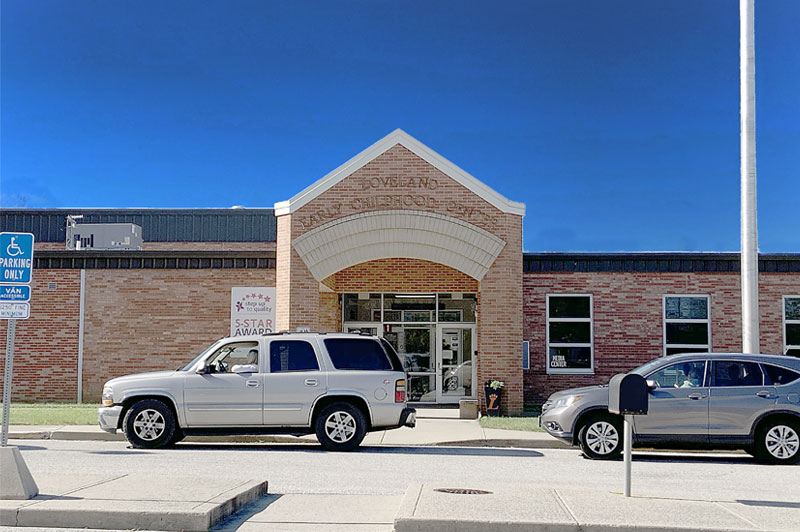
    Loveland, Ohio – Applications for the 2023-24 LECC Preschool program will be available beginning today, December 5 at Preschool Application 2023-24 / Home (lovelandschools.org).

    Applications are due no later than January 13, 2023, and should be turned in directly to Penny Dippold at the Loveland Early Childhood Center.

    The completed application can be mailed (6740 Loveland-Miamiville Rd., Loveland, Ohio 45140), faxed (513-677-7960), or emailed to dippolpe@lovelandschools.org.

    Parents will be notified if their child is selected for the program by early February 2023.

    The Application:

  • Loveland Board of Education approves academic calendar for 2023-2024 school year

    Loveland Board of Education approves academic calendar for 2023-2024 school year

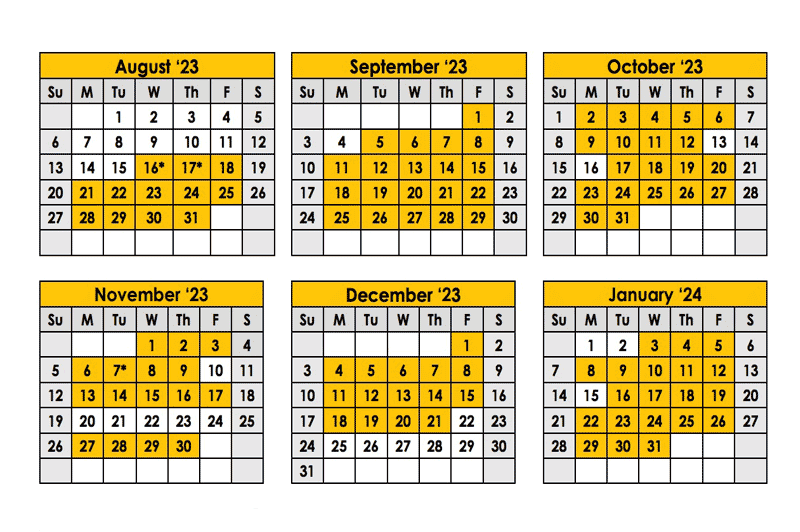
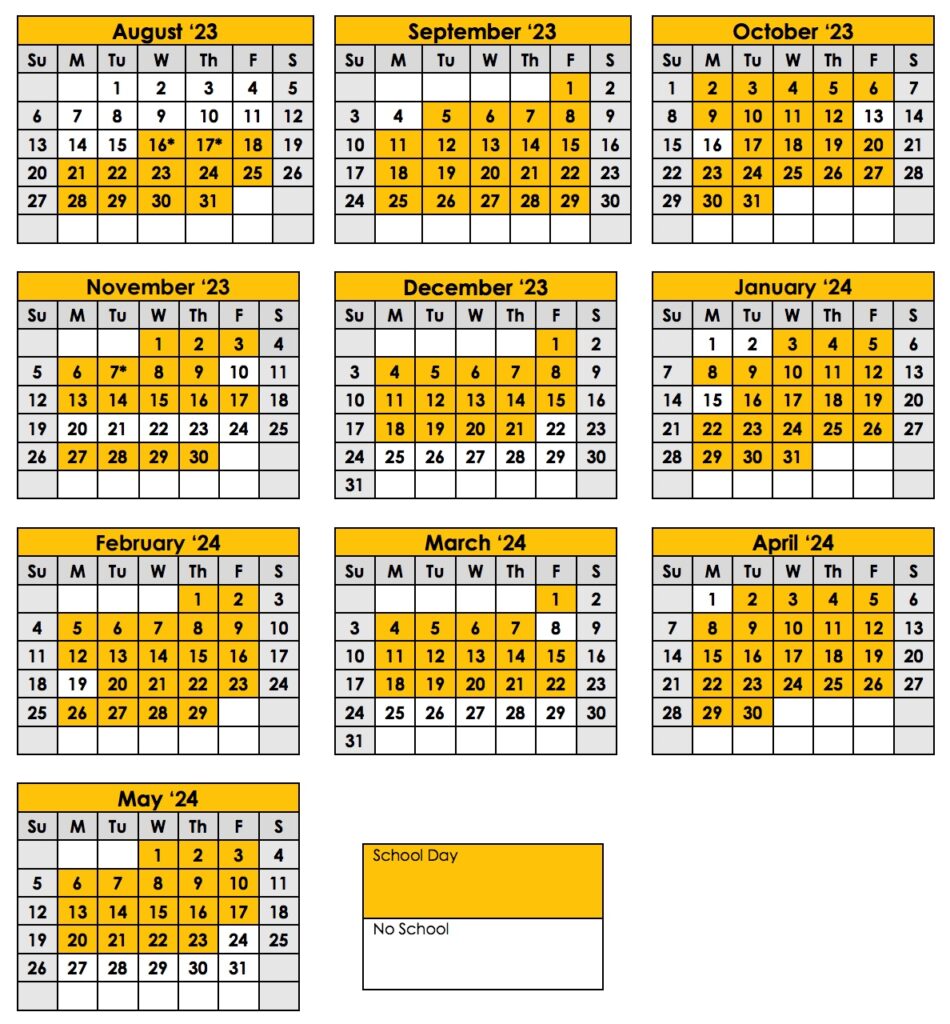
    2023-2024 School Calendar Important Dates


    Wednesday, August 16, 2023 – First Day for Students with Last Names A-L
    Thursday, August 17, 2023 – First Day for Students with Last Names M-Z
    Monday, September 4, 2023 – No School – Labor Day
    Thursday, October 12, 2023 – Last Day of the First Quarter
    Friday, October 13, 2023 – No School – Inservice Day
    Monday, October 16, 2023 – No School – Inservice Day
    Tuesday, November 7, 2023 – No School PK-4 – Election Day
    Friday, November 10, 2023 – No School – Veterans Day (observed)
    Monday, November 20, 2023 – No School – Fall Break Begins
    Monday, November 27, 2023 – Students Return – Fall Break Ends
    Thursday, December 21, 2023 – Last Day of the Second Quarter
    Friday, December 22, 2023 – No School – Winter Break Begins
    Wednesday, January 3, 2024 – Students Return – Winter Break Ends
    Monday, January 15, 2024 – No School – Martin Luther King Jr. Day
    Monday, February 19, 2024 – No School – Presidents Day
    Thursday, March 7, 2024 – Last Day of the Third Quarter
    Friday, March 8, 2024 – No School – Inservice Day
    Monday, March 25, 2024 – No School – Spring Break Begins
    Tuesday, April 2, 2024 – Students Return to School – Spring Break Ends
    Thursday, May 23, 2024 – Last Day of School /Last Day of the Fourth Quarter

  • Apply Now – School district appointee to Loveland Planning and Zoning Commission

    Apply Now – School district appointee to Loveland Planning and Zoning Commission

    Loveland, Ohio – The Loveland City School District Board of Education is seeking a person to be appointed to the City of Loveland Planning and Zoning Commission. The successful candidate would serve as a City of Loveland Planning and Zoning Commission member, attend necessary meetings, and communicate with the Board of Education.

    Those interested in serving must be a resident of the City of Loveland for at least one year before their appointment to the Commission. Candidates should submit a resume and a brief narrative explaining why they would like to serve.

    Documents can be submitted via email to treasurer@lovelandschools.org or delivered to the Board of Education offices during regular business hours. All documents should be received by noon on Wednesday, December 14, 2022.

    Loveland Charter

    SECTION 9.03 PLANNING AND ZONING COMMISSION.
    There shall be a City Planning and Zoning Commission consisting of five (5) members.
    One (1) member shall be a member of Council, to be selected by Council. One (1) member shall
    be selected by the Board of Education who may or may not be a member of the Board. Council
    shall select three (3) members who are not Council members. Members of the Commission shall
    be residents of the City for at least one year prior to their appointment. If the Board of Education
    and/or the Council shall fail in these appointed duties, for a period of forty-five (45) days, after a
    vacancy occurs, the Mayor shall make such appointments. The terms of office of a Commission
    member, who is also a member of Council shall be concurrent. The remaining four (4) members
    shall be appointed to staggered and overlapping terms of three (3) years each. Any incumbents, as
    of this Charter’s adoption, shall serve out their respective unexpired terms.
    (Amended 11-6-01)

    SECTION 9.03a POWERS AND DUTIES OF PLANNING AND ZONING
    COMMISSION.
    The Commission shall act as the City’s platting commission and shall provide for planning
    and regulations covering the platting of all lands controlled by the City and may require an official
    map of such territories to be made. The Commission shall carry out the City planning functions,
    which includes preparing a master plan, to be updated a minimum of every ten (10) years, and
    investigate, and make such reports and recommendations relating to planning and zoning, and the
    physical development of the City; and shall have all the powers granted to and shall perform all
    the duties imposed on planning commissions by Ohio law, and such other powers and duties as
    established by Council by ordinance. Meetings of the Commission shall be held as needed but not
    less than every two (2) months.
    (Amended 11-6-01)

    Loveland Code of Ordinances

    1109.03 RESPONSIBILITIES OF THE PLANNING AND ZONING COMMISSION.

       (a)    The Planning and Zoning Commission shall have the following responsibilities and powers as they relate to this Zoning Code:

          (1)   Initiate advisable official zoning, district map changes, or changes in the text of the Zoning Code where same will promote the best interest of the public in general through recommendation to the City Council.

          (2)    Review all proposed amendments to the text of this Zoning Code and the official zoning district map and make recommendations to the City Council.

          (3)    Review all Special Planning District applications and make recommendations to the City Council as provided in this Zoning Code.

          (4)   Review all conditional uses as identified in the respective zoning districts according to provisions and criteria stated in this Zoning Code.

          (5)   Carry on a continuous review of the effectiveness and appropriateness of this Zoning Code and recommend such changes or amendments as it feels would be appropriate.

          (6)   Review and act on site plans pursuant to Section 1111.09.

       (b)   The Planning and Zoning Commission shall also have the responsibilities as set forth in the City Charter.

  • COVID-19 Treatments and Medications

    COVID-19 Treatments and Medications

    From the CDC: What You Need to Know

    • If you test positive for COVID-19 and are more likely to get very sick, treatments are available that can reduce your chances of hospitalization and death.
    • Don’t delay: Treatment must be started within days after you first develop symptoms to be effective.
    • Other medications can help reduce symptoms and help you manage your illness.
    • The Treatment Locator (hhs.gov) can help you find a location that offers testing and treatment or a pharmacy where you can fill your prescription.

    Treating COVID-19

    illustration of older woman speaking on mobile phone with doctor

    If you test positive and are more likely to get very sick from COVID-19, treatments are availableexternal icon that can reduce your chances of being hospitalized or dying from the disease. Medications to treat COVID-19 must be prescribed by a healthcare provider and started as soon as possible after diagnosis to be effective. Contact a healthcare provider right away to determine if you are eligible for treatment, even if your symptoms are mild right now.

    Don’t delay: Treatment must be started within days of when you first develop symptoms to be effective.

    People who are more likely to get very sick include older adults (ages 50 years or more, with risk increasing with age), people who are unvaccinated, and people with certain medical conditions, such as chronic lung disease, heart disease, or a weakened immune system. Being vaccinated makes you much less likely to get very sick. Still, some vaccinated people, especially those ages 65 years or older or who have other risk factors for severe disease, may benefit from treatment if they get COVID-19. A healthcare provider will help decide which treatment, if any, is right for you. Check with your healthcare provider or pharmacist if you are taking other medications to make sure the COVID-19 treatments can be safely taken at the same time.

    Types of Treatments

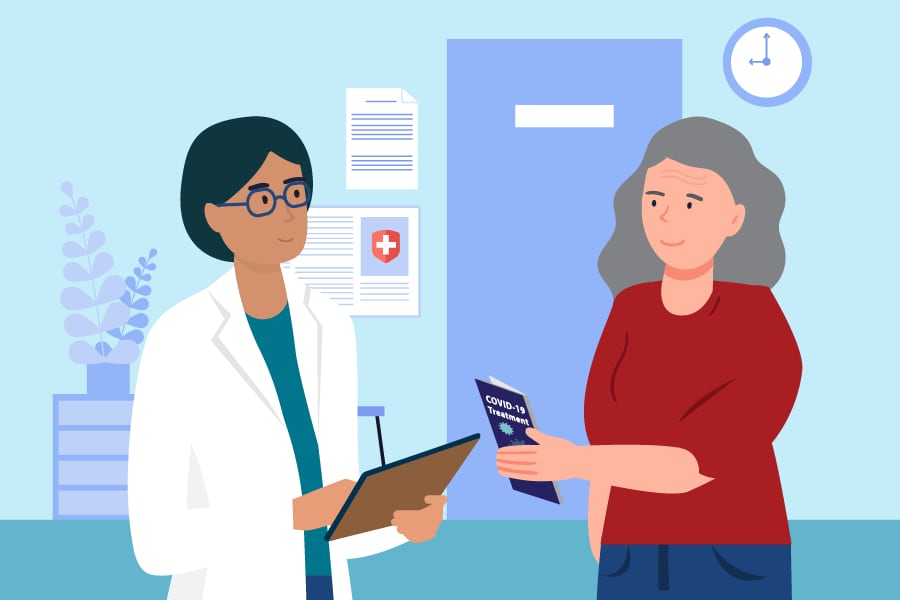
    person receiving treatment pamphlet from healthcare provider

    The FDA has authorized certain antiviral medications and monoclonal antibodies to treat mild to moderate COVID-19 in people who are more likely to get very sick.

    • Antiviral treatments target specific parts of the virus to stop it from multiplying in the body, helping to prevent severe illness and death.
    • Monoclonal antibodies help the immune system recognize and respond more effectively to the virus.

    The National Institutes of Health (NIH) provides COVID-19 Treatment Guidelines for healthcare providers to help them work with their patients and determine the best treatment options for them. Several options are available for treating COVID-19. They include:

    Treament • Who • When • How


    Nirmatrelvir with Ritonavir (Paxlovid)Antiviral

    Adults; children ages 12 years and older

    Start as soon as possible; must begin within 5 days of when symptoms start

    Taken at home by mouth (orally)


    Remdesivir (Veklury)Antiviral

    Adults and children

    Start as soon as possible; must begin within 7 days of when symptoms start

    Intravenous (IV) infusions at a healthcare facility for 3 consecutive days

    BebtelovimabMonoclonal antibody


    Adults; children ages 12 years and older

    Start as soon as possible; must begin within 7 days of when symptoms start

    Single IV injection


    Molnupiravir (Lagevrio)Antiviral

    Adults

    Start as soon as possible; must begin within 5 days of when symptoms start

    Taken at home by mouth (orally)


    Some treatments might have side effects or interact with other medications you are taking. Ask a healthcare provider if medications to treat COVID-19 are right for you. If you don’t have a healthcare provider, visit a Test to Treat location or contact your local community health center or health department.

    If you are hospitalized, your healthcare provider might use other types of treatments, depending on how sick you are. These could include medications to treat the virus, reduce an overactive immune response, or treat COVID-19 complications.

    Managing COVID-19 symptoms

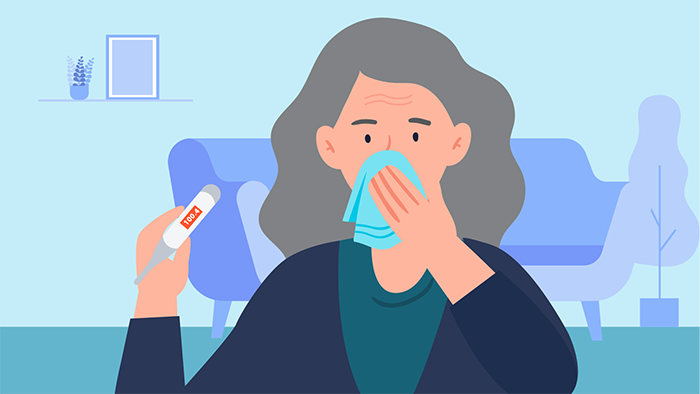
    person experiencing symptoms from COVID-19 infection

    Most people with COVID-19 have mild illness and can recover at home. You can treat symptoms with over-the-counter medicines, such as acetaminophen (Tylenol) or ibuprofen (Motrin, Advil), to help you feel better.

    Learn more about what to do if you are sick.


    Treatment Locator

    Click the link below or call 1-800-232-0233 (TTY 1-888-720-7489) to find a location that offers testing and treatment or a pharmacy where you can fill your prescription.

    View Locations


    Preventing COVID-19

    COVID-19 vaccines

    COVID-19 vaccines available in the United States effectively protect people from getting seriously ill, being hospitalized, and even dying—especially people who are boosted. As with vaccines for other diseases, you are protected best when you stay up to date. CDC recommends that everyone who is eligible stay up to date on their COVID-19 vaccines.

    To find COVID-19 vaccine locations near you: Search vaccines.gov, text your ZIP code to 438829, or call 1-800-232-0233.

    Preventive medications

    The FDA has issued an emergency use authorization for tixagevimab plus cilgavimab (EVUSHELDTM), a medicine that can help protect you from getting COVID-19. EVUSHELDTM contains two different antibodies and is given as two separate consecutive intramuscular (IM) injections at a doctor’s office or healthcare facility before you are exposed or test positive for COVID-19. If you are moderately or severely immunocompromised, or severely allergic to COVID-19 vaccines, you may be eligible for EVUSHELDTM  every 6 months. EVUSHELDTM  may offer less protection against certain strains of the Omicron variant. It is important that even if you receive EVUSHELDTM  you take multiple prevention measures. Additionally, you should undergo testing and seek medical attention if you develop symptoms of COVID-19, and start treatment for COVID-19 as appropriate. Talk to your healthcare provider to determine if EVUSHELDTM  is right for you.

    The right medications for COVID-19 can help. People have been seriously harmed and even died after taking products not approved for use to treat or prevent COVID-19, even products approved or prescribed for other uses. Talk to a healthcare provider about taking medications to treat COVID-19.

    For Healthcare Professionals

    General Treatment Resources

    Oral Antiviral Treatment Resources

    Monoclonal Antibody Treatment Resources

    Other Resources

  • Early holiday presents for Loveland homeowners – It’s coal under the tree

    Early holiday presents for Loveland homeowners – It’s coal under the tree

    by David Miller

    by David Miller

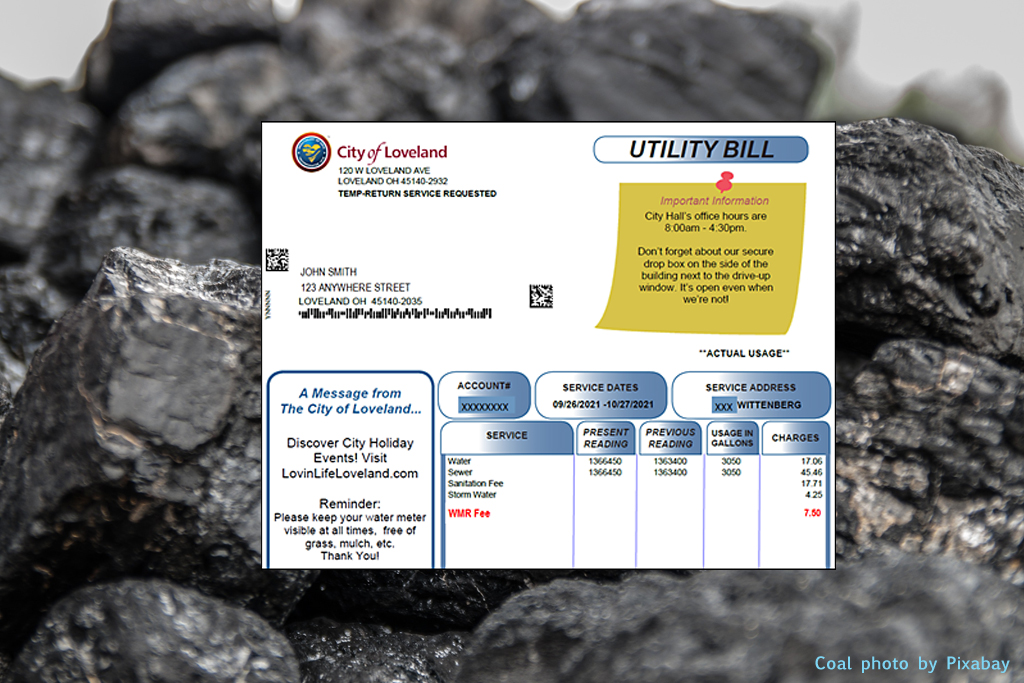
    Loveland, Ohio – No matter, whether naughty or nice, Loveland homeowners and renters will unwrap a piece of coal for the holidays when they sneak a peak at their next utility bill. With disregard for seniors on a fixed income and amid the recent uproar and defeat of the Loveland City School District levy over those concerns, the Loveland City Council has implemented new fees for homeowners that increase their water bill.

    Concerns over inflation, rising home ownership costs, and seniors staying in their Loveland homes were the most cited reasons for the school not receiving the added operating funds they requested from voters.

    The flat-rate, permanent fee will increase the cost to own a home in Loveland by $90/year immediately, and $114/year beginning in 2025. Homeowners will see what city hall is calling a “Water Main Replacement (WMR) Fee” on their next billing statement.

    The flat fee will be charged to all City of Loveland utility customers regardless of income status, age, or how much water they actually consume. The revenue from the WMR Fee, according to a release issued by the City will be used solely for water main replacement projects.

    The fee will be paid by all City of Loveland utility customers, residential or commercial both inside and outside of the city’s corporation boundaries. The fee is charged “per unit” on multi-family residential units.

    Meanwhile…

    Hamilton County homeowners will get a lower stadium tax rebate next year” is how WVXU’s Becca Costello reported that Hamilton County property owners in 2023 will receive a smaller tax rebate than this year.

    In 1996 when voters passed a half-cent sales tax to build and maintain Great American Ball Park and what is now Paycor Stadium officials promised to give 30% of the revenue back to homeowners as tax rebates. They are failing to keep that promise.

    Read on at WVXU…

  • BROWN ANNOUNCES HONDA FUEL CELL ELECTRIC VEHICLE TO BE PRODUCED IN MARYSVILLE

    BROWN ANNOUNCES HONDA FUEL CELL ELECTRIC VEHICLE TO BE PRODUCED IN MARYSVILLE

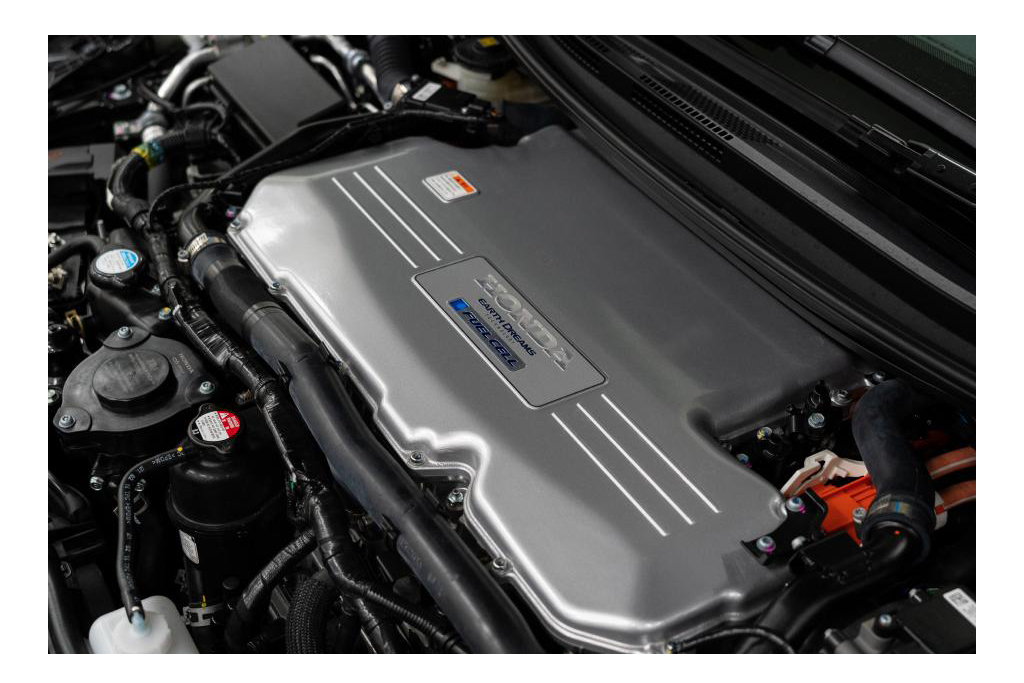
    Underhood of all-new Honda FCEV coming in 2024 – photo by Honda

    WASHINGTON, D.C. – Today, U.S. Senator Sherrod Brown (D-OH) announced that in 2024, Honda’s Performance Manufacturing Center (PMC) in Marysville will begin producing Honda’s new hydrogen fuel cell electric vehicle (FCEV). The Honda FCEV will be the first mass-produced vehicle in North America to combine a plug-in feature and FCEV technology into one. As a result, the driver can charge the onboard battery to drive the vehicle under electric power for short distances and use fast hydrogen refueling for long-distance travel. 

    “Investing in American production and Ohio workers is part of the work we are doing to put in place a new pro-American, pro-worker industrial policy,” said Brown. “Honda and Ohio are taking another step in leading the country and the world in producing sustainable cars and electric technology that Americans will need and drive over the next century.”

    A FCEV has a high-pressure hydrogen tank instead of a gasoline tank, which generates electricity inside fuel cells to operate the electric motor, powering the vehicle without releasing CO2 or other harmful emissions.

    The new FCEV will be based on Honda’s new CR-V. This initiative is part of Honda’s commitment to a zero-emission future and to making battery electric vehicles and FCEVs represent 100 percent of its global auto sales by 2040.

  • CancerFree KIDS is awarding $1.2 Million in Research Grants!

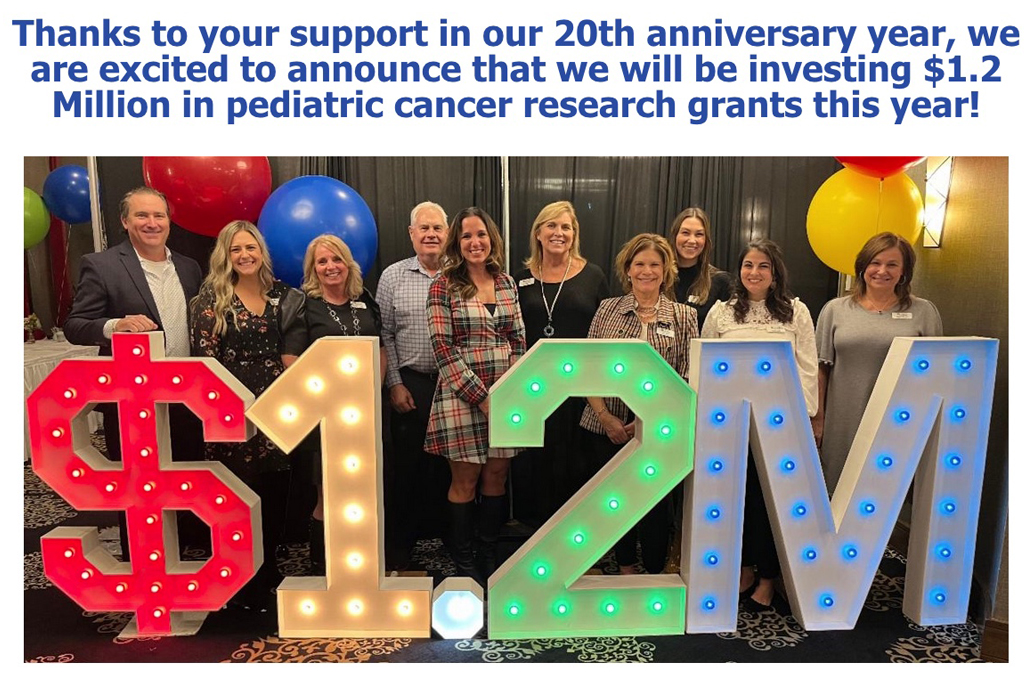
    CancerFree KIDS is awarding $1.2 Million in Research Grants!

    Loveland, Ohio – Now in their 20th anniversary year, CancerFree Kids has announced that they will be investing more in research in 2022 than ever before. They are funding 18 of their traditional New Idea Awards and will be funding three first-ever Accelerator Awards. Accelerator Awards are awarded to previous recipients of a CancerFree KIDS New Idea Award that have shown great promise to advance their research more quickly toward improving treatments for kids with cancer.

    Take a moment to learn about the incredible research they are funding this year!

    2022 Research Grants Awarded to Cincinnati Children’s Hospital Medical Center

    New Idea Awards – $550,000

    The Paxton’s Golf Outing Research Grant: Linde A Miles; Project Title: Delineation of clonotype-immunophenotype relationships in pediatric myeloid leukemias

    The Butterfly Walk Research Grant: Dr. Lai Man Natalie Wu; Project Title: Harnessing novel irradiation strategies to improve immunotherapy for systemic elimination of high-risk neuroblastoma

    The altafiber Research Grant: Jennifer Yeung, PhD; Project Title: Characterizing the pathogenesis role of endogenous retroviruses (ERVs) in pediatric AML

    The Interlink Research Grant: Lee Grimes; Project Title: Functionalizing novel mutations underlying health disparities in AML

    The Wirtz Family Research Grant in memory of Jacob: Ashley Cochran, PhD; Project Title: A novel therapeutic strategy for treating death-resistant leukemic cells

    The Celebration of Champions  Research Grant: Tafadzwa Chihanga; Project Title: Targeting a novel HPV-induced epithelial compartment to prevent viral infection and carcinogenesis.

    The CBTS Research Grant: Zaili Luo, Ph.D.; Project Title: Novel chimeric antigen receptor T cell immunotherapy for diffuse midline gliomas

    The Sycamore Capital Research Grant: Yuan Lin; Project Title: Aberrant RhoA signaling in pediatric Burkitt’s Lymphoma as a drug target

    The Night for the Fight Research Grant in honor of Dre White and Jeff Clarke: Laura Ramsey; Project Title: Using methotrexate pharmacogenomics to remedy racial and ethnic disparities in childhood cancer treatment

    The CTI Research Grant: Nawal Merjaneh, MD, MS; Project Title: The Sequential Treatment of RCM-1 and Anti-Apoptotic BCL2 Family Protein Inhibitors in Rhabdomyosarcoma

    The Chard Snyder Research Grant: Lynn Lee, MD; Project Title: Target Discovery with Forward CRISPR Genomic Screens in Leukemia Xenografts

    Accelerator Awards – $200,000

    The Wolf Pack Research Grant in memory of Grant Wolf: Dazhuan Eric Xin, PhD; Project Title: Innovative proton radiotherapy for pediatric malignant medulloblastoma

    The ProMach Research Grant: Biplab Dasgupta, in collaboration with Trent Hummel (CCHMC), Natasha Pillai (CCHMC), Pankaj Desai (University of Cincinnati), Timothy Phoenix (University of Cincinnati), Angelo D’Alessandro (University of Denver), Ali Tavassoli (University of Southampton, United Kingdom); Project Title: “Targeting One carbon Metabolism in DIPG”

    2022 Research Grants Awarded to Nationwide Children’s Hospital in Columbus, OH

    New Idea Awards – $350,000

    The Clark Schaeffer Hackett Research Grant: Ezgi Elmas; Project Title: Discovering novel pathways to overcome immunosuppression in NK cells Against High-grade Gliomas

    Akila Venkataramany; Project Title: Delivering Splice-switching Oligonucleotides Via Adeno-Associated Viruses:   Taking the Next Steps Toward Novel Therapies for Ewing Sarcoma

    The Tom and Lorri Simpson Research Grant: Kevin Cassady; Project Title:  Improving immunotherapy in pediatric neuronal tumors with EV delivery of immune modulators

    The Night for the Fight Research Grant in honor of Eliana Boerner: Rachel Dreher; Project Title: LSD1 is a Novel Member of the ChAHP Complex in Ewing Sarcoma

    The Reader Author Research Grant in honor of Lori Foster: Chun-Yu Chen; Project Title: Targeting the immunosuppressive tumor microenvironment with a novel immunomodulatory HSV to enhance adoptive NK cell therapy

    The Mark and MC Anderson Research Grant: Dr. Janet L. Oblinger; Project Title: The role of ARID1A in the malignant progression of NF2-related meningioma

    The Al and Lauren Early Research Grant: Pin-Yi Wang; Project Title: Targeting Osteosarcoma with Gene-Based Bispecifics

    Accelerator Award – $100,000

    The Celebration of Champions Research Grant: Chang, Long-Sheng; Project Title: A novel drug combination targeting RTKs and mTOR to treat malignant peripheral nerve sheath tumors