Clermont County, Ohio – Clermont County residents can help preserve history by contributing their thoughts in writing and other remembrances to a COVID-19 pandemic time capsule. The project is co-sponsored by the Board of County Commissioners and the Coalition for a Drug-Free Clermont County.
The time capsule will be placed in Municipal Court during a ceremony later this year.
“We’ve been impressed at how Clermont County residents have come together during this extremely challenging period in our history,” Commissioner Claire Corcoran said. “We will honor their efforts with this special time capsule. We want people in the future to better understand the difficulties that people faced, and how they worked to overcome them.”
Mary Wolff, director of the Coalition for a Drug-Free Clermont County, added: “We’re very excited to have the community join us in this positive endeavor, helping preserve history for future Clermont County residents. I can’t wait to see what people provide for the time capsule.”
The time capsule will be placed in Municipal Court during a ceremony later this year with representatives from County Government and the Coalition for a Drug-Free Clermont County. Plans call for opening the capsule in 10 years.
You can help preserve this time in history by submitting photos and writeups via email to mboehmer@clermontcountyohio.gov. Clermont County residents also may mail items to COVID-19 Time Capsule, 101 East Main St. 3rd Floor, Batavia, OH 45103.
Here are some prompts the County provided to help those wanting to submit something in writing:
What does the COVID-19 pandemic mean to you?
What are you excited about?
What are you nervous about?
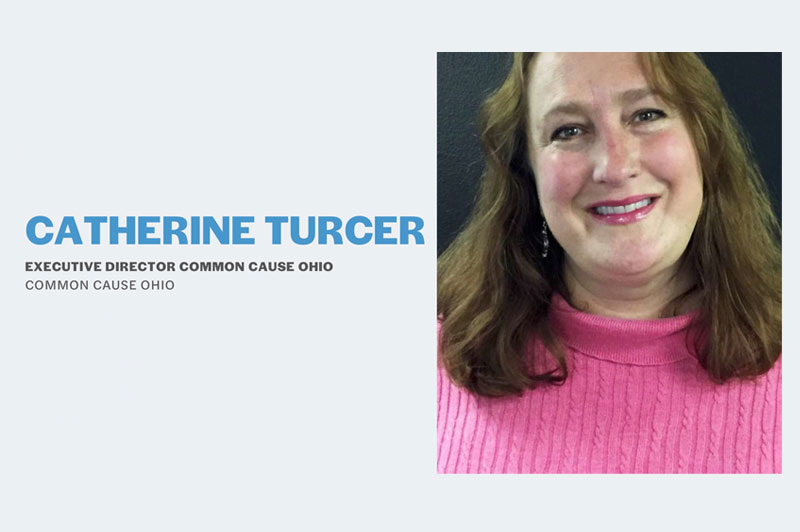
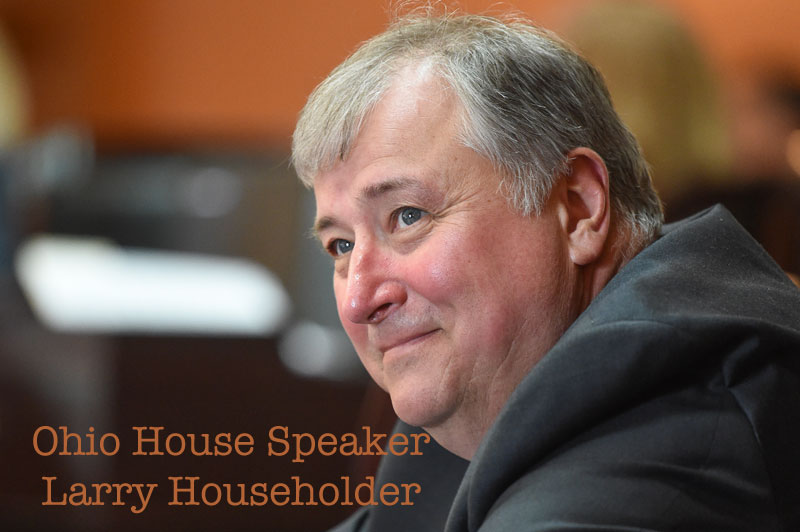
In reaction in Ohio’s Speaker of the House Larry Householder being arrested by the FBI as part of a $60 million pay-to-play scheme, Common Cause Ohio Executive Director Catherine Turcer released the following statement:
“This pay-to-play scandal would have been stopped in its tracks if Ohioans were able to see who was behind efforts to influence their opinions and votes — if they could “follow the money.” We shouldn’t need an FBI investigation to connect the dots. If we had strong campaign finance disclosure rules, Larry Householder would not have been able to pervert our political system the way that he did.
This scheme began with his quest for power — his election as Speaker of the Ohio House of Representatives — and revolves around the passage of the nuclear and coal bailout of a FirstEnergy subsidiary, House Bill 6.
Householder allegedly took millions of dollars at the same time he pushed legislation to bail out non-competitive coal and nuclear plants with more than $1 billion in public money, gut subsidies for renewable energy, and roll back clean energy standards.
Ohioans have a right to an accountable government and to know who is trying to influence lawmakers, their votes, and opinions. The federal investigation into Generation Now and today’s arrest of Speaker Householder are just the latest example of why the Ohio legislature needs to take immediate action to increase campaign finance disclosure.
It’s past time for the Ohio legislature to take action to increase transparency of political spending and stop allowing ‘dark money’ to distort the democratic process. The source of campaign funding information helps voters examine the motivation of ads they see on TV and the internet. Shining the light on ‘dark money’ will also encourage those funding these egregious ads to be more accountable.
Common Cause and its members will work with Republican and Democratic allies to find a path for strong money in politics transparency reform. Ohio voters deserve nothing less.”
xxxxx
Common Cause Ohio is a non-profit, non-partisan advocacy organization that works to strengthen public participation in our democracy and ensure that public officials and public institutions are accountable and responsive to citizens. Through a powerful combination of coalition building, lobbying and litigation, grassroots organizing, policy development, research and public education, we spotlight local, state and national issues that affect every Ohioan.
Available to assist nonprofit organizations that serve the public by offering programs in history, literature, philosophy, or other humanities topics.
Columbus, Ohio – Ohio Humanities announced the availability of additional OH CARES funding to help cultural nonprofit organizations affected by COVID-19 health crisis. According to Pat Williamsen, Ohio Humanities executive director, up to $60,000 is available to assist nonprofit organizations that serve the public by offering programs in history, literature, philosophy, or other humanities topics. Grants of up to $5,000 will be awarded through a competitive application process.
Funded by the Coronavirus Aid, Relief, and Economic Security Act (CARES Act), the grants will help Ohio’s cultural community maintain staffing and provide programming for audiences affected by continuing pandemic restrictions. OH CARES grants may be used for digital programming, humanities education staff, and supplies to maintain the safety of employees and patrons. Organizations that received OH CARES grants in the first round of funding are ineligible.
Do you belong to or support a Loveland organization that may be eligible?
Applications for OH CARES II grants will be available beginning on Friday, July 31; the deadline for submission will be Friday, August 14. A webinar about this funding initiative will be held on July 29 at 10 a.m. To register for the webinar, go to ohiohumanities.org/CARES.
The CARES Act, passed by Congress on March 27, included $75 million of emergency funding for the National Endowment for the Humanities (NEH). Forty percent of that amount was distributed to the 56 state and territorial humanities councils to support local relief efforts. In late March, NEH reported that the anchors of the creative economy such as museums and historical societies were reporting losses of $1 billion every month as facilities were closed and educational programs were canceled.
Art museums, local historical societies, preservation societies, and other organizations that preserve and promote Ohio history, heritage, and culture.
Announcing the emergency appropriations available through the CARES Act, NEH Chairman Jon Parrish Peede observed, “To the extent that healing is to come during and after this pandemic, it will be through humanities fields from philosophy to literature to history to religious studies—through the act of documenting, preserving, sharing, and reflecting— that our communities will move toward a greater sense of wholeness.”
In its first call for OH CARES grants, Ohio Humanities awarded $690,000 to 91 organizations throughout Ohio. Recipients included art museums, local historical societies, preservation societies, and other organizations that preserve and promote Ohio history, heritage, and culture.
Ohio Humanities staff are available by email to help applicants navigate the application process to access emergency funding. Ohio Humanities will continue accepting grant applications for regular projects at deadlines listed at http://www.ohiohumanities.org/grants-2/.
Columbus, Ohio – Ohio Gov. Mike DeWine has announced a statewide public mask order set to go into effect Thursday evening at 6 p.m.
ccc
DeWine said Wednesday that he needed to “bring Ohioans along” getting on board with wearing masks over the last few months, after first issuing a statewide mask order on April 27 and reversing it the next day.
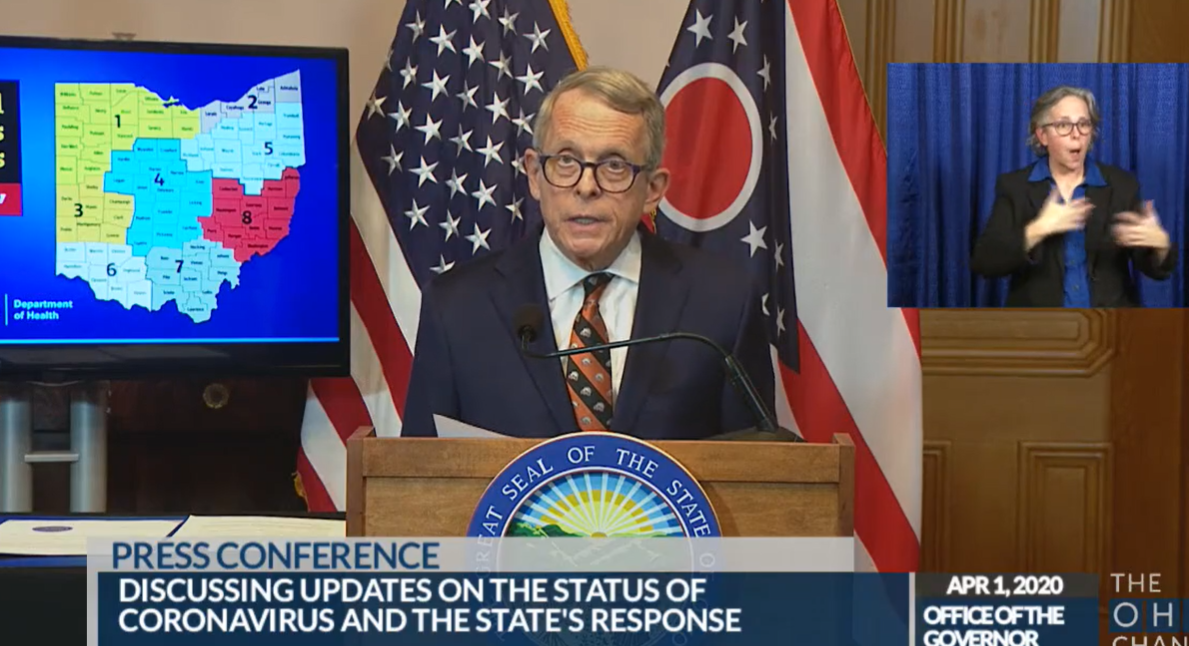
Earlier this month, DeWine began issuing county-by-county public mask orders as he unrolled a four-tiered, color-coded system for projecting coronavirus community spread. By last week, 19 counties were under mask orders representing over 60% of Ohioans.
During his news conference, DeWine pointed to the evidence in the scientific community for wearing masks and what he called “a little bit of evidence” from the counties currently under mask orders that it’s contributing to a slowdown of the virus.
“The goal is going to be, for those counties that are orange, for the counties that are yellow, our goal is to keep them there so they don’t move into the red,” he said.
David C. DeWitt is an award-winning journalist with over 15 years experience covering Ohio politics and policy. He has worked for the National Journal, The New York Observer, The Athens NEWS and Plunderbund.com covering topics such as education, health care, crime and courts, poverty, government, business, labor, energy, environment and social issues. His work has also appeared in Government Executive, the Columbus Dispatch, Girlfriends magazine, Bleacher Report and the Ashtabula Star Beacon, among others.
Written by Kelly Sheehy, Content Specialist, Downtown Main Library
With COVID-19 still keeping us all at a social distance for the time being, Teen Librarians from across our Library system put their heads together to help connect teens with college and career readiness resources as they graduate, move into summer employment, or think about college.
Teen Librarians Jacob Glemaker and Michelle Kanis, unable to meet with students in person due to the pandemic, compiled several lists of quick links and tutorial videos so teens can explore and get connected to useful information.
“We hope that teens from all over our Library system will learn about new digital resources like OhioMeansJobs in order to map out potential career paths, explore different career choices, and also look at local colleges that will help them achieve these goals of breaking int degree or certificate programs,” said Glemaker. “John Lortie, Teen Librarian at the Anderson Branch, compiled a list of digital tours for colleges in Ohio. This is great for students who were thinking about physically touring a school, but could not because of the pandemic. This way they are still able to learn about what options are available to them.”
Check out these helpful resources they compiled, with the assistance of Teen Librarians throughout the Library system:
Make no mistake – the $61 million came from Company A’s ratepayers and ultimately extorted from every residential and commercial electrical utility user in Ohio. The racketeering scheme of lies and deception corrupted Ohio citizen’s ability to overturn corrupt legislation at the ballot box. – David Miller, Loveland Magazine Publisher
By Marty Schladen The Ohio Capital Journal and David Miller/LovelandMagazine
ddd
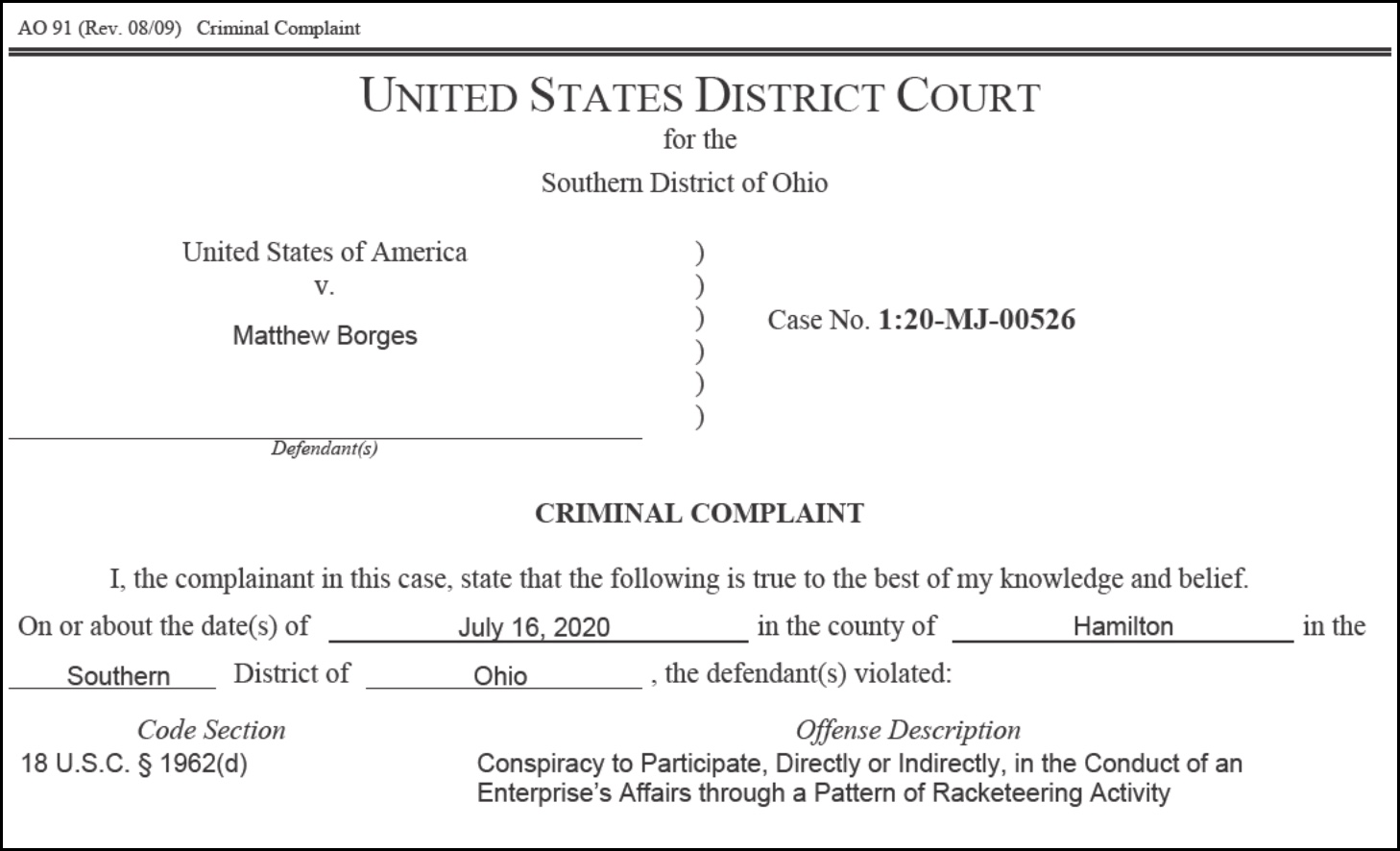
Cincinnati, Ohio – Ohio House Speaker Larry Householder, four political operatives and a dark-money group were charged Tuesday in a criminal complaint that an Ohio energy company paid them $61 million to get a $1.5 billion nuclear bailout from taxpayers.
Read the Press Release issued by the Department of Justice
Neil Clark, a lobbyist who owns Grant Street Consulting – Photo from Grant Street Consulting who exclaim, “Clark’s decades of experience and role in shaping Ohio’s political landscape makes him an indispensable resource to Ohio’s elected leaders, to whom he often serves as a trusted and highly sought after campaign advisor.”
All are charged with racketeering, which carries a prison sentence of up to 20 years.
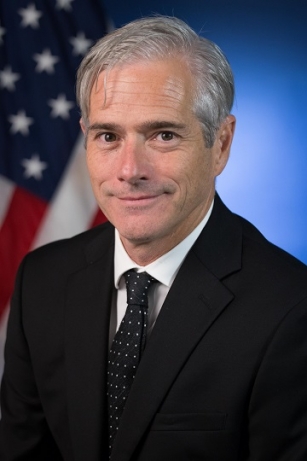
David M. DeVillers, U.S. Attorney for the Southern District of Ohio
The alleged conspiracy, which revolved around the bailout of two failing nuclear plants in Northern Ohio, is “likely the largest bribery and money-laundering scheme ever in the state of Ohio,” David M. DeVillers, U.S. Attorney for the Southern District of Ohio, said at a Tuesday afternoon press conference.
Shortly after the press conference, Ohio Gov. Mike DeWine called on his fellow Republican to step down.
“I am deeply concerned about the allegations of wrongdoing in the criminal complaint issued today by the U.S. Attorney’s Office,” DeWine, who last year signed the bailout into law, said in a written statement. “Every American has the presumption of innocence until proven guilty. Because of the nature of these charges, it will be impossible for Speaker Householder to effectively lead the Ohio House of Representatives; therefore, I am calling on Speaker Householder to resign immediately. This is a sad day for Ohio.”
The criminal complaint says that “Company A,” the former FirstEnergy Solutions of Akron, worked to save its failing nuclear plants by funneling $61 million into Generation Now, a 501(c)(4) “dark money” group controlled by Householder.
On September 9, 2019, President Donald Trump nominated DeVillers for the United States Attorney in the Southern District of Ohio. The Senate confirmed the nomination in October, and DeVillers took his oath on November 1, 2019.
“Make no mistake, this is Larry Householder’s 501(c)(4),” the U.S. attorney said.
The money was used for three general purposes, the complaint said. First it was used to build “Team Householder” through campaign contributions and other measures that helped Householder win the speakership in 2019.
“In exchange for payment from Company A, Householder’s enterprise helped pass House Bill 6, legislation described by an enterprise member as a billion-dollar ‘bailout’ that saved from closure two failing nuclear power plants in Ohio affiliated with company A,” the complaint said
The money was also used for the personal benefit of Householder and the other conspirators, DeVillers said. Householder got about $500,000, he said.
Despite the companies claims of poverty, the interests behind the bailout spent millions — much of it in the form of hard-to-trace dark money on campaign contributions, a xenophobic ad campaign and then on an aggressive effort to stymie a petition drive to repeal the bailout DeWine signed into law a year ago.
And the money was used to fend off a petition effort to repeal HB6, going so far as to buy plane tickets for and pay $1,000 each to people circulating it to get out of town, DeVillers said.
The federal prosecutor said that it was crucial to keep the investigation secret until Tuesday. Now it begins a new phase that might be causing some lawmakers, energy executives and some others to lose sleep.
“We are not done with this case,” he said. “There were things we couldn’t do before. People we couldn’t interview. People we couldn’t subpoena. Documents and search warrants we couldn’t execute.
“As of this morning there are a lot of FBI agents knocking on a lot of doors asking a lot of questions, serving lots of subpoenas. That’s going to go on for days.”
“It takes courage for citizens to assist law enforcement in the ways detailed in the affidavit,” U.S. Attorney David M. DeVillers said. “We are grateful to those who felt a moral duty to work together with agents in bringing to light this alleged, significant public corruption.”
House Bill 6 is adding $1.5 billion in additional taxpayer bailouts to the $10.2 billion that Akron-based FirstEnergy Solutions and its former parent company, FirstEnergy Corp, have received from taxpayers since 1999. Most of the funds have gone to prop up the Davis-Besse and Perry nuclear power plants in Northern Ohio.
The company that owns the plants was renamed Energy Harbor after emerging from bankruptcy earlier this year.
Despite the companies claims of poverty, the interests behind the bailout spent millions — much of it in the form of hard-to-trace dark money on campaign contributions, a xenophobic ad campaign and then on an aggressive effort to stymie a petition drive to repeal the bailout DeWine signed into law a year ago.
The interests behind the nuclear bailout also contributed heavily to the effort at the beginning of 2019 to elect Householder speaker. He ended up winning the support of 26 Republicans and 26 Democrats, His opponent, Ryan Smith, R-Bidwell, got the votes of 34 Republicans and 12 Democrats.
The Ohio Republican Party didn’t respond Tuesday to requests for comment.
The Ohio Democratic Party didn’t respond when asked about the fact that Householder wouldn’t have worn the speakership without Democratic votes. However, the party chairman, David Pepper called on Householder to step down as speaker.
“As the U.S. attorney indicated, this investigation is ongoing, and we will wait to hear all the facts as they emerge. However, given what was revealed in today’s complaint and the taint of corruption over Ohio legislative activity, we believe Speaker Householder should step down from leadership immediately as he avails himself of his due process rights,” Pepper said in a written statement.
House Bill 6, which passed 51-38, was quickly signed into law by Gov. Mike DeWine. Under the bill, from 2021 until 2027, every Ohio electricity customer will have to pay a new monthly surcharge that ranges from 85 cents for residential customers to $2,400 for large industrial plants. Ratepayers around the state would also have to chip in up to $1.50 monthly (and up to $1,500 per month for commercial and industrial users) to subsidize coal plants in Ohio and Indiana run by the Ohio Valley Electric Corporation.- cleveland.com
Starting next January, ratepayers around the state would also have to chip in up to $1.50 monthly (and up to $1,500 per month for commercial and industrial users) to subsidize coal plants in Ohio and Indiana run by the Ohio Valley Electric Corporation.
This isn’t Householder’s first encounter with federal law enforcement.
In 2006, the Justice Department told the FBI that it wouldn’t pursue charges against Householder. The FBI had been told two years earlier that Householder had used his post as head of the House Republican Campaign Committee to overpay some vendors in exchange for kickbacks from them.
Nor is Householder, 61, of Glenford, the first Ohio House speaker to find himself in the FBI’s crosshairs. In 2018, Speaker Cliff Rosenberger, a Republican, resigned amid an FBI probe of his overseas travel. He has not been charged, but the investigation remains open.
Since the ordered school-building closure began on March 17, Ohio’s education community stepped up to ensure a student-centered approach to caring, teaching and learning. The entire system turned on a dime to meet the nutritional needs of the whole child through meal deliveries and grab-and-go sites, and through the delivery of remote teaching and learning opportunities that drove education continuity. These efforts were geared toward challenging, preparing and empowering students for future success—and they were unparalleled, especially given the challenges that accompany a pandemic.
This page is intended to spur local-level, partnership-based discussions and decision-making in areas critical to the start of the 2020-2021 school year by sharing a coordinated and collaborative approach for codesigning and framing various considerations in planning the Reset and Restart of Ohio’s schools.
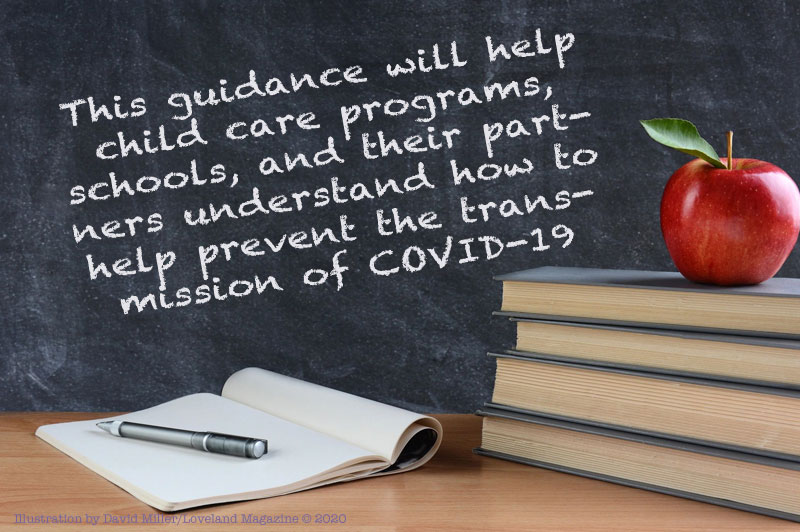
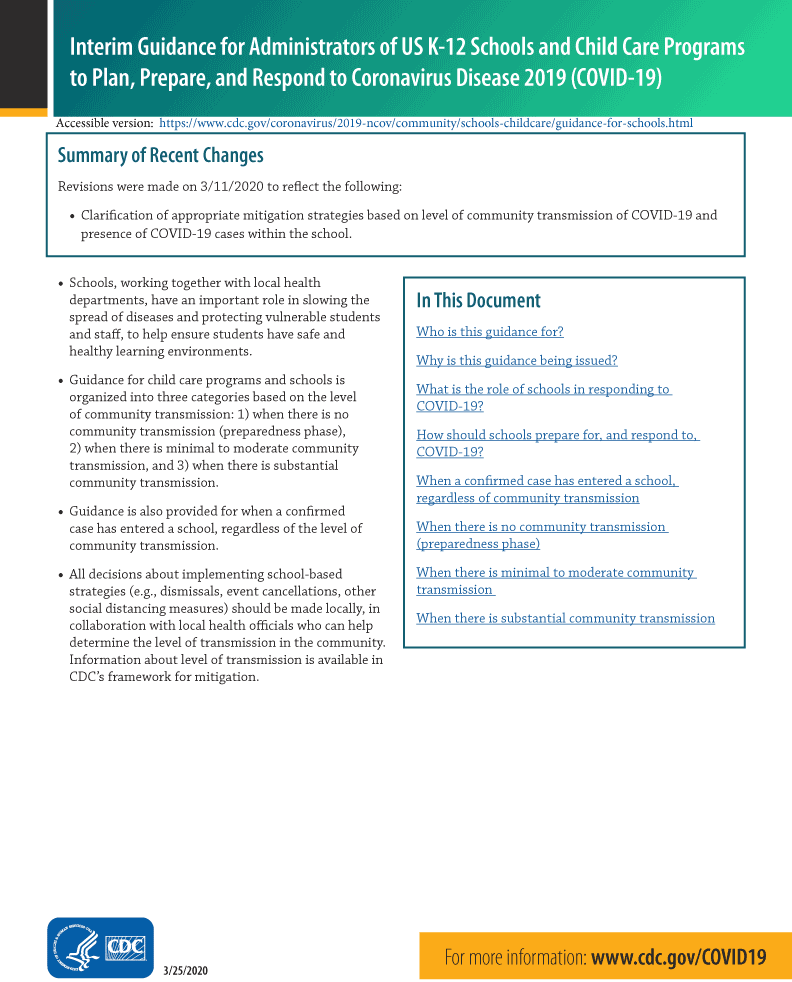
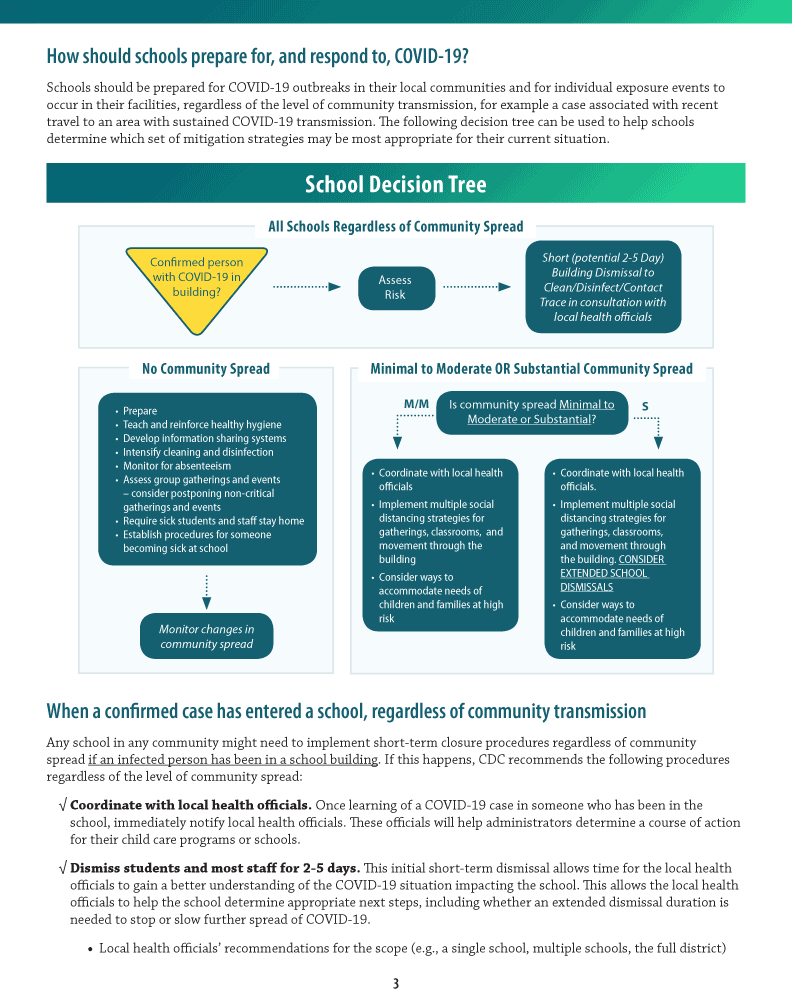
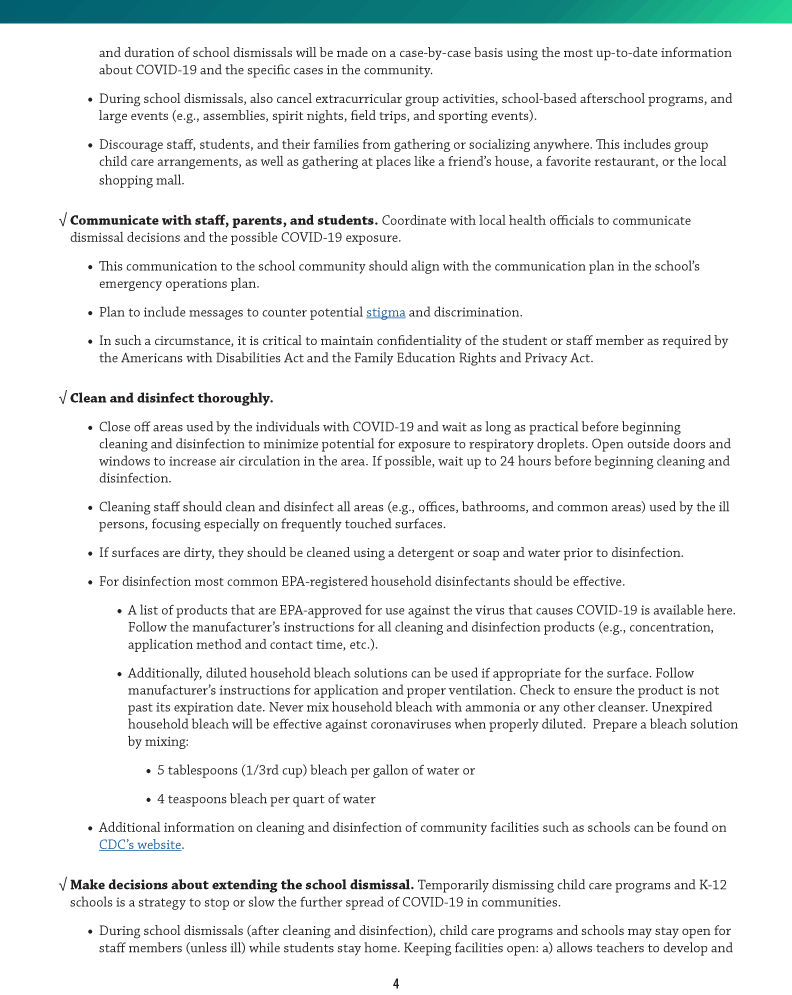
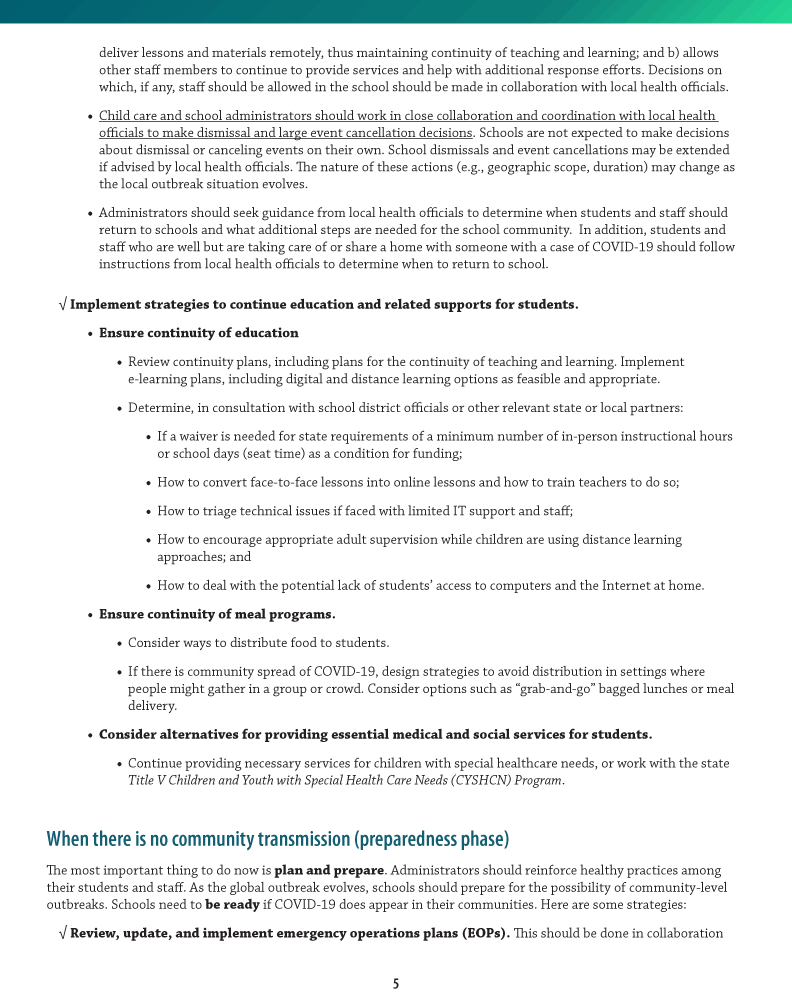
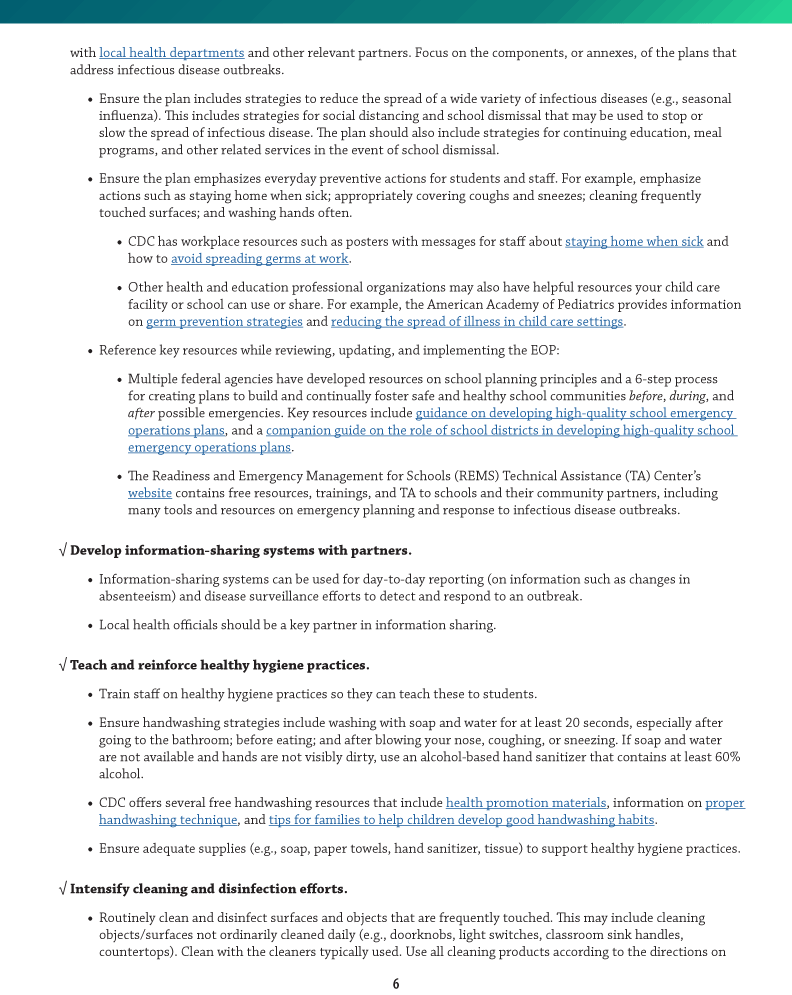
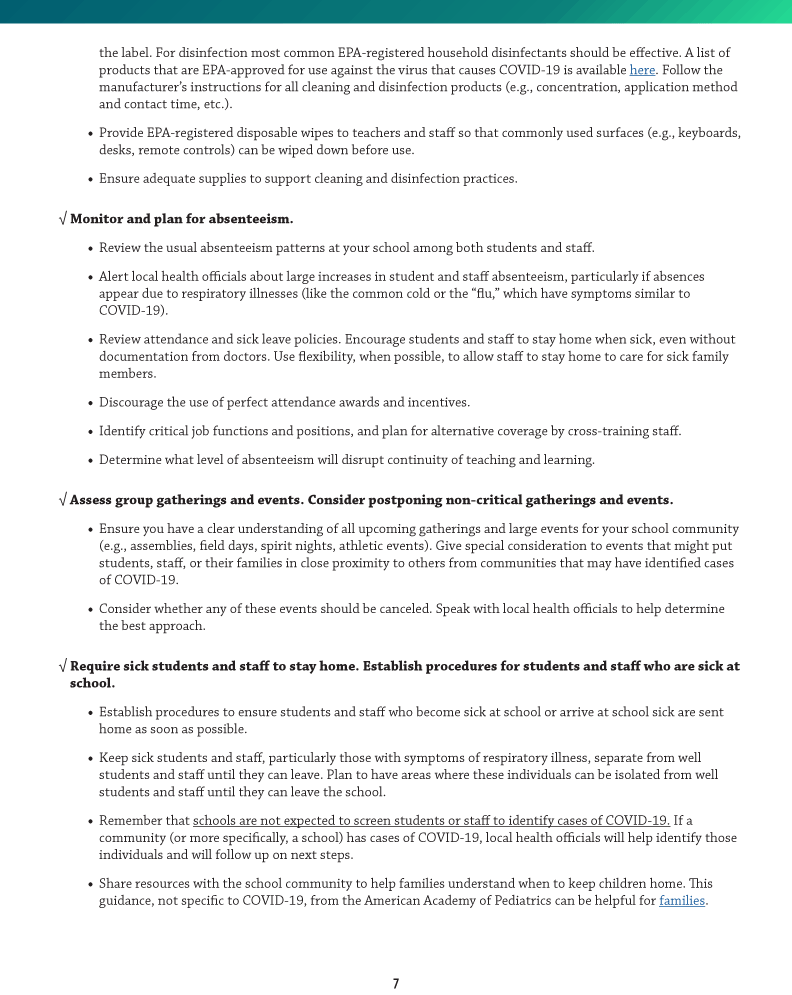
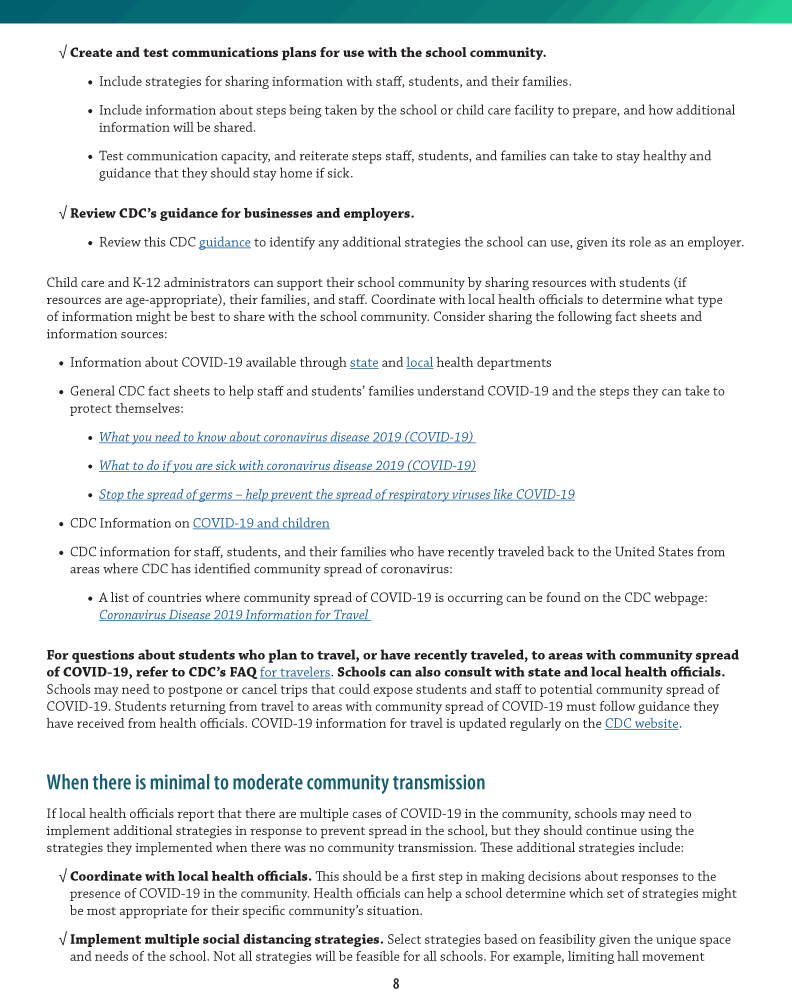
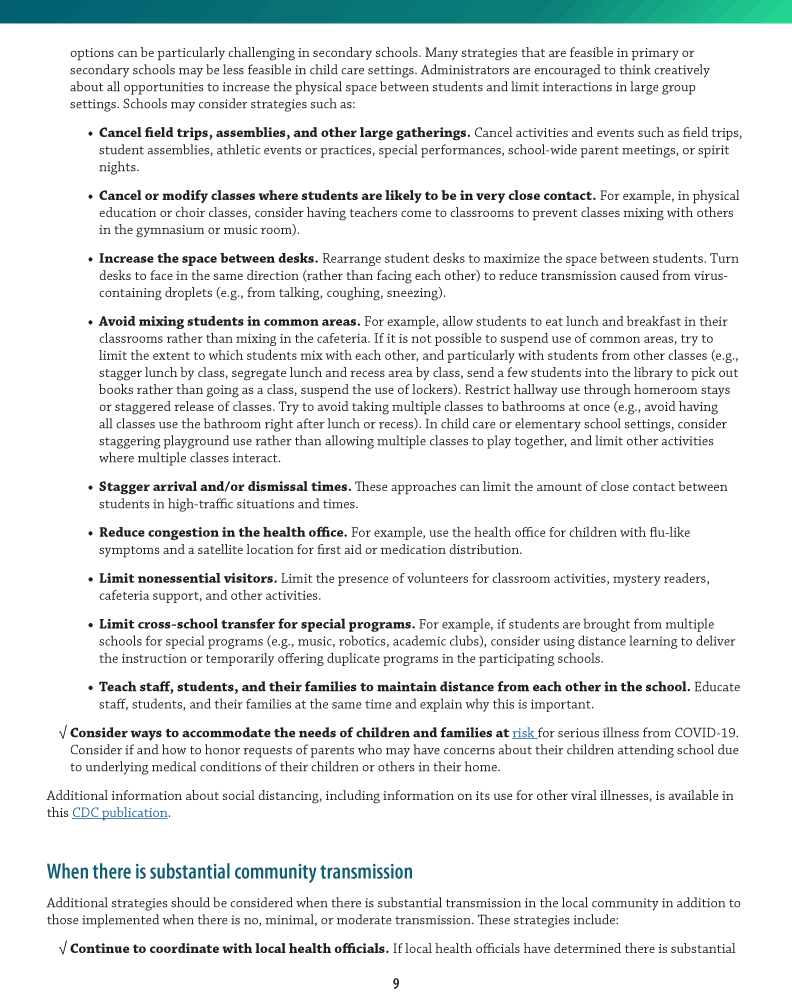
This interim guidance from the Center for Disease Control is intended for administrators of public and private child care programs and K-12 schools. Administrators are individuals who oversee the daily operations of child care programs and K-12 schools, and may include positions like child care program directors, school district superintendents, principals, and assistant principals. This guidance is intended for administrators at both the school/facility and district level.
EDITOR’S NOTE: To follow the links in this guide go HERE to the source of this guide.
Loveland, Ohio – Homeowners in Glen Lake subdivision, Tom Vargo, and Mack Fey continue to voice the problem of a collapsing storm drain between their homes. Out of seven storm drains in the subdivision, two are labeled as ‘private’, the one landing in between Vargo and Fey’s houses being one of them.
Vargo maintains that the City keeps the other five in working order.
This particular storm drain catches runoff water from about 8-10 houses in the immediate neighborhood. Since March, the two have been communicating with the City of Loveland to understand why it is private and steps to fix it.
One temporary solution would be to add an insert to prevent the ground from caving in which would end up costing Fey and Vargo $20,000 of their own money for a 114 feet worth of storm drain from their backyard to the street. Vargo and Fey don’t believe they should shell out that kind of money now when in the past City Hall had stepped up to the plate and admitted responsibility. Twice under previous administrations, the public works department has made repairs.
In terms of what they would like to see happen, Vargo commented, “I would say first and foremost, I would like to get [the collapsing storm drain] fixed. I’m just afraid that somebody’s going to get hurt. Mack has grandchildren, I have grandchildren, they do come out and run around, now, we watch them, but, still know you can’t watch them every second they’re out here, so I would like to get it fixed but I really think… we need to talk. We need to figure out why the City is not fixing the sinkhole. Just because it’s private? Is that the City’s only claim to fame here?”
After months of contacting the City Hall, Vargo and Fey still don’t have the answers they are looking for. City Manager Dave Kennedy told the homeowners he would visit, even suggesting it and would bring the City engineer with him. The visit never happened and now, the only communication Vargo and Fey have received is from the City’s attorney.















![[Video Interview] City Hall: Is the collapsed sewer a public or homeowner problem?](https://lovelandmagazine.com/wp-content/uploads/2020/07/feature-vargo.jpg)