David Miller is the Editor and Publisher of Loveland Magazine
by David Miller
Miami Township, Ohio – “I knocked on the window and he was like still holding on…” Alex Salatin explained, holding out both arms stiff imitating the pilot. “He was still holding onto the controls to fly it.”
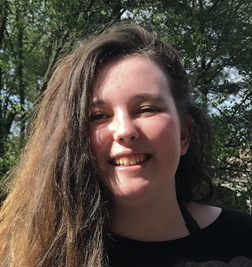
Alex was talking about the airplane pilot, only a few years older than him who put a single-engine Cessna down safely about fifty feet away from him as he was mowing the front lawn of his home in Miami Trails. “He was like, ‘Yeah, I’m good. I’m good.” Alex is a Senior at Loveland High School.
The pilot, Phillip Sullivan made the emergency landing while returning from Wadsworth, Ohio to Louisville. He was on a Pilots-N-Paws flight and had delivered puppies to the northern Ohio town that is South of Cleveland.
No one was injured.
Nick Early explains what it was like and what he did when he heard the crash from the upstairs of his home The plane ended up in his front yard. He said, “It was a pretty skilled job, him being able to land it on the street here.”
The plane was headed into John Chevalier’s front yard when a wing clipped off a driveway lamp pole and spun it around preventing any damage to his home. John said that he had already, “Fired up the grill” so he treated the young pilot along with the pilot’s father who drove up from Louisville to check on his son to a steak dinner.
You will hear from Alex, his father Ron, and their neighbors John Chevalier and Nick Early in these LOVELAND MAGAZINE TV interviews.
Ron Salatin said about his son, “What a proud moment. He did all the right things.” He said he told his son, “He should be proud of himself.”
The Loveland Board of Education voted unanimously on Wednesday to fully re-open schools. During their discussion, we heard repeatedly how the devil’s daily details are not yet known because staff and administrators are waiting for advice and guidelines from various local, State, and Federal agencies that have yet to be released. (In unanimous vote Loveland Board of Education approves reopening plan)
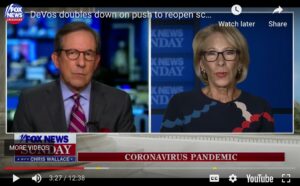
Chris Wallace asks Education Secretary Betsy DeVos if she has authority to pull funding from schools that don’t reopen and about safely re-opening schools
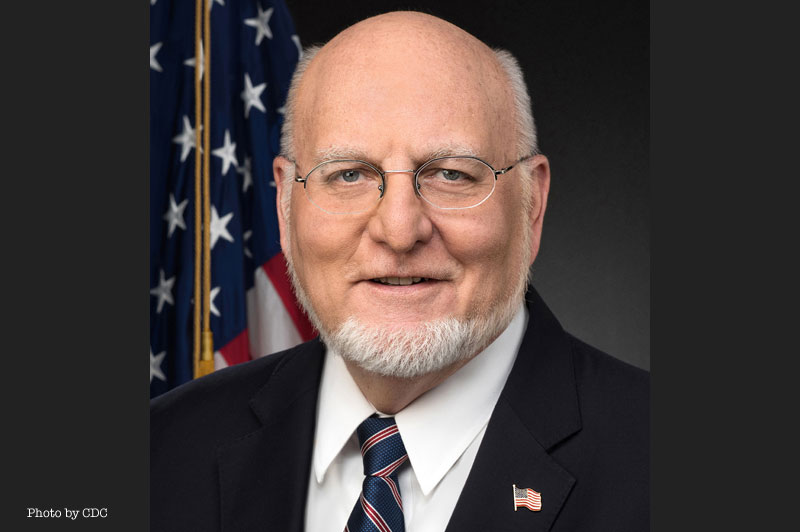
Meanwhile, we find out today as Bianca Quilantan reports in Politico that the White House is blocking CDC officials from testifying next week at a hearing on reopening schools.
Separately, the CDC confirmed that more guidance for opening schools won’t be released until later this month. The report was expected to already be available.
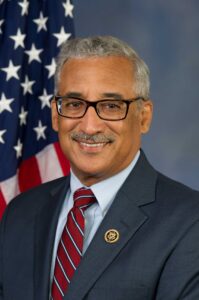
House Education and Labor Committee Chair Bobby Scott (VA-03) had invited CDC Director Robert Redfield, or a designee, to testify before the Early Childhood, Elementary and Secondary Education Subcommittee on July 23 at a hearing on safely reopening schools.
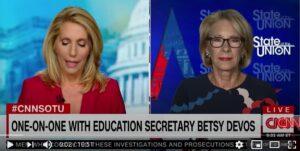
CNN’s Dana Bash speaks to Education Secretary Betsy DeVos about whether or not she has a plan for schools to safely reopen for students as Covid-19 cases surge in the US.
Scott asked Redfield to discuss the immediate needs of K-12 public schools as many districts, including Loveland, Ohio schools, prepare to reopen in a few weeks.
“It is alarming that the Trump Administration is preventing the CDC from appearing before the Committee at a time when its expertise and guidance is so critical to the health and safety of students, parents, and educators,” Scott said in a statement to Politico. “This lack of transparency does a great disservice to the many communities across the country facing difficult decisions about reopening schools this fall.”
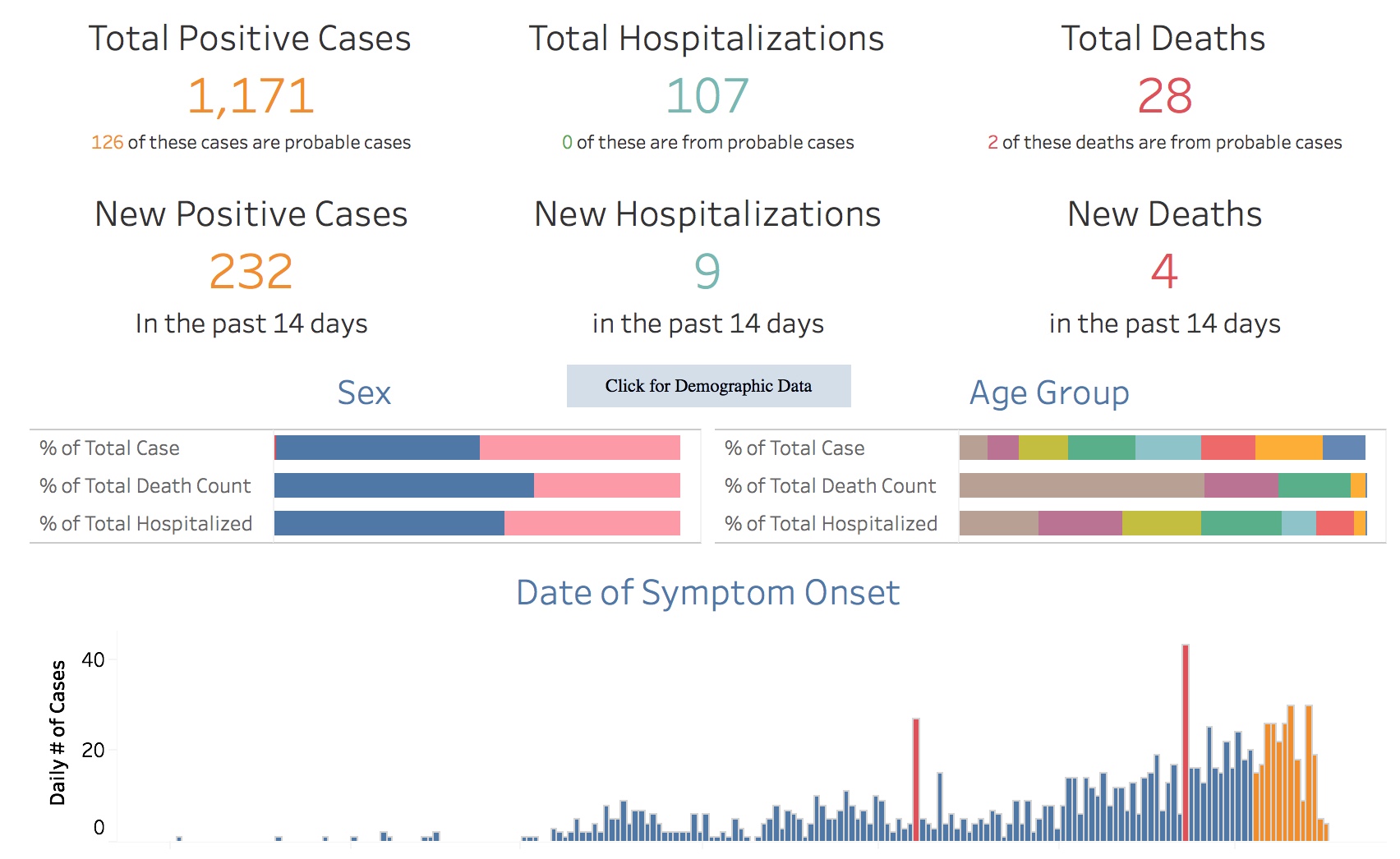
Ohio’s COVID 19 DASHBOARD today at 7:48 AM
Aides, speaking on background, said the committee was told that Redfield would not appear, at the direction of the White House according to Politico.
Science and evidence-based resources and tools could provide additional information for administrators, teachers and staff, parents, caregivers and guardians in Loveland, as they work towards the public health-oriented goal of safely opening schools this fall.
House Education and Labor Committee Chair Bobby Scott
Scott released this statement on Friday:
“School reopening plans must be guided by the advice of public health experts. For that reason, we asked the Centers for Disease Control and Prevention (CDC) to testify in a public hearing to provide greater clarity on the steps we can take to help schools reopen safely.
“It is alarming that the Trump administration is preventing the CDC from appearing before the Committee at a time when its expertise and guidance is so critical to the health and safety of students, parents, and educators. This lack of transparency does a great disservice to the many communities across the country facing difficult decisions about reopening schools this fall.
“The administration’s strategy of prioritizing politics over science has had a devastating impact on our country throughout this pandemic. It should not make that same mistake when it comes to reopening schools.”
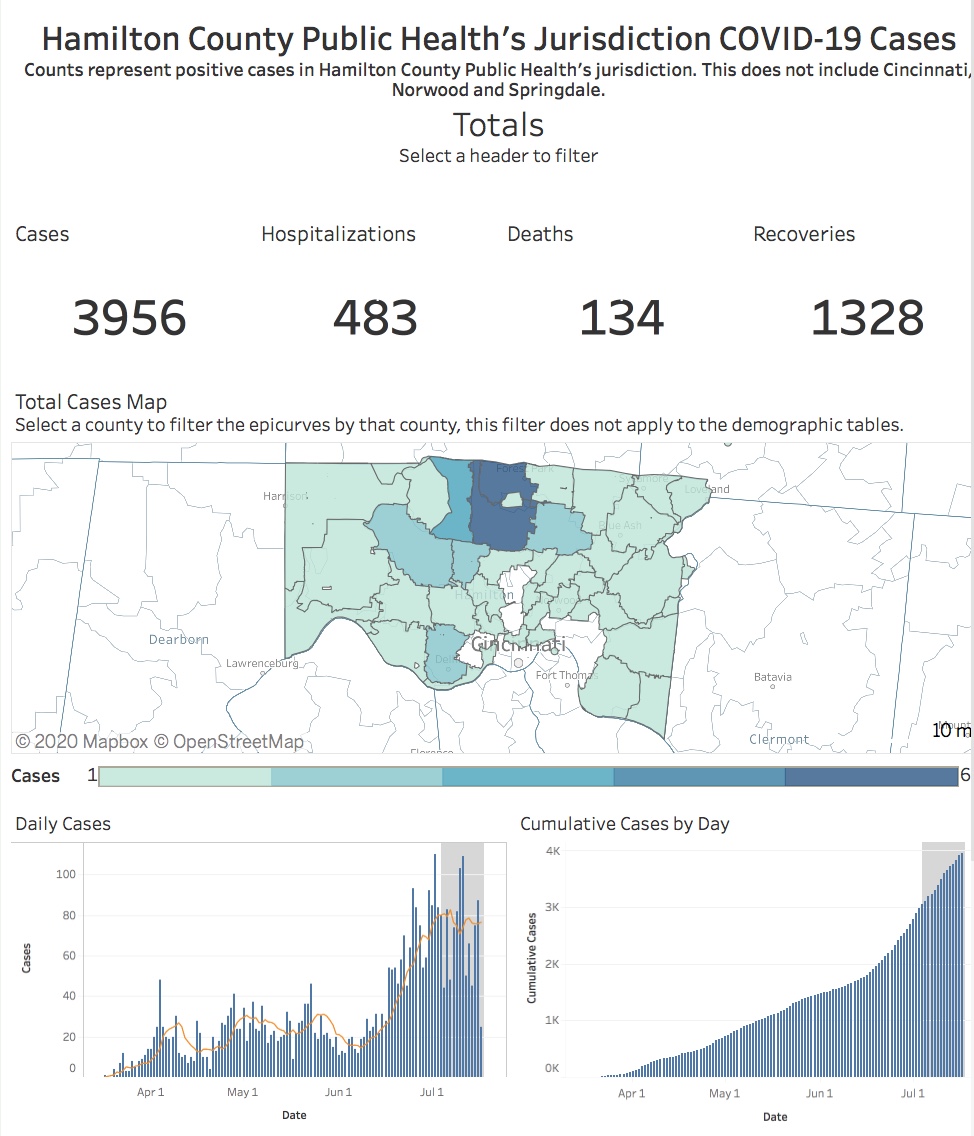
Hamilton County COVID 19 Dashboard today at 7:55 AM
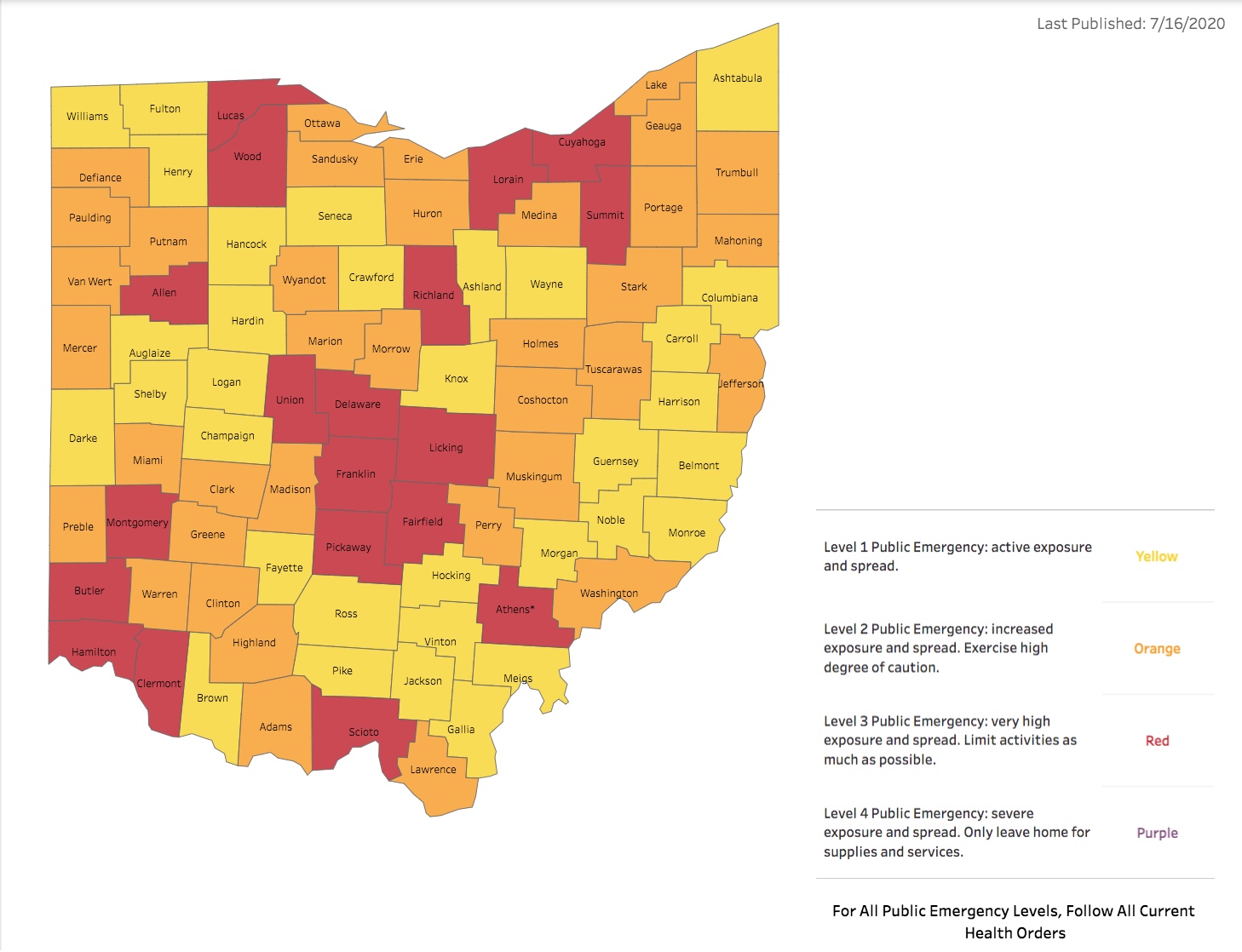
Ohio Public Health Advisory System The Public Health Advisory Alert System is a color-coded system designed to supplement existing statewide orders through a data-driven framework to assess the degree of the virus’ spread and to engage and empower individuals, businesses, communities, local governments, and others in their response and actions. (7-18-2020)
Warren County COVID 19 Dashboard today at 8:02 AM
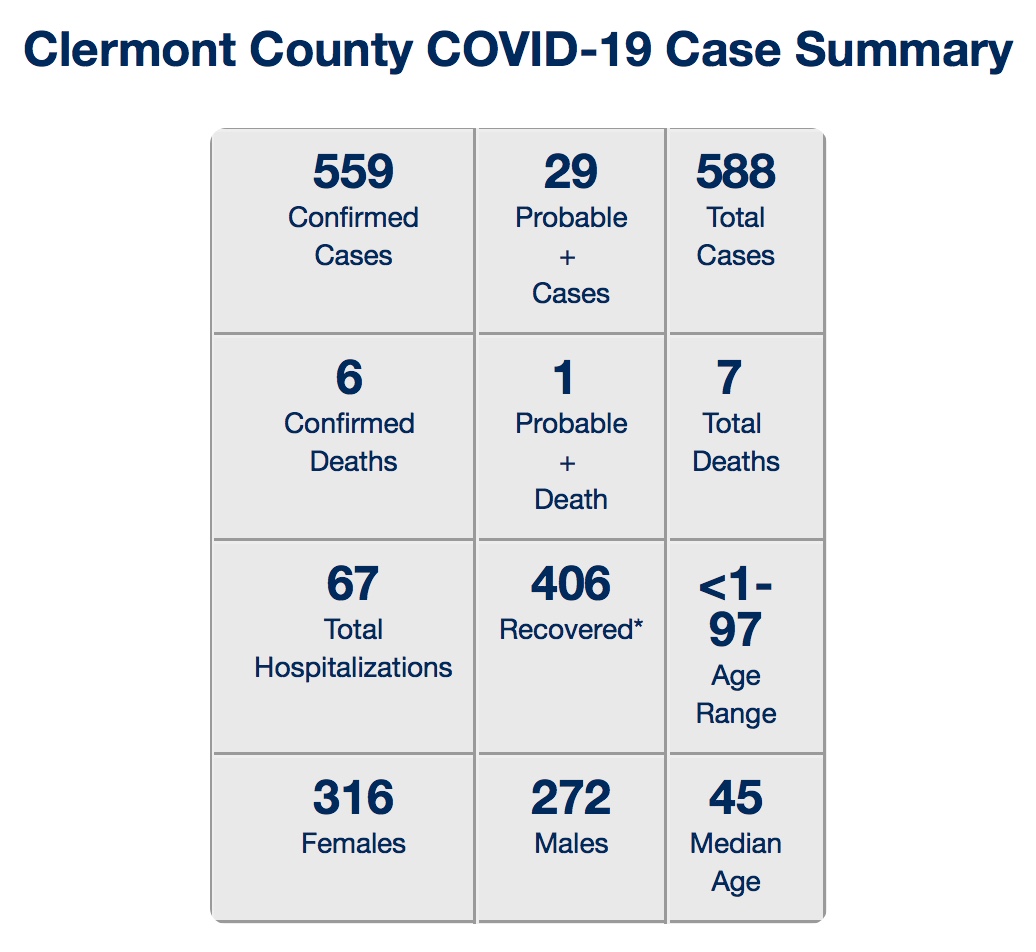
Clermont County COVID 19 Dashboard today at 8:02 AM
Columbus, Ohio – Lance D. Himes, interim director of the Ohio Department of Health (ODH), is calling on Ohio teens and young adults to take precautions to protect themselves and others against the dangers of COVID-19.
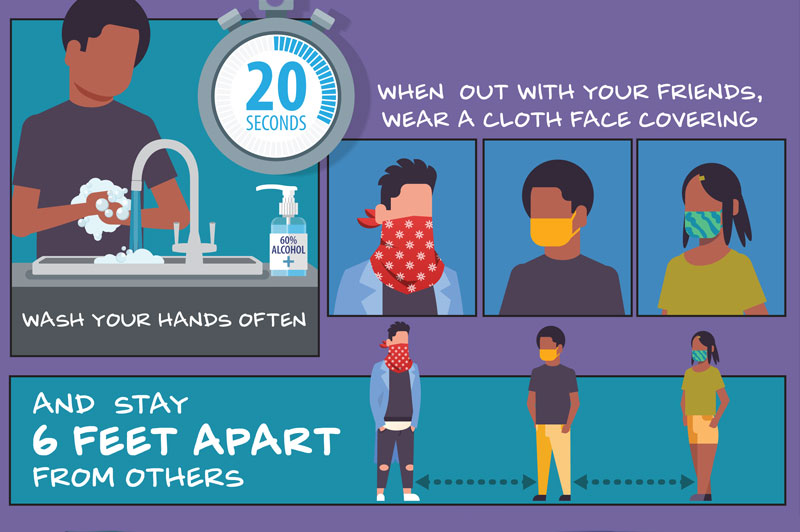
Himes said it is essential that young people stay home and away from others if they are sick, adhere to 6-foot social distancing, and wear facial coverings when they go out. Avoid gathering in large crowds, huddling in groups, and sharing hugs or drinks.
“Young people have given up a great deal since this pandemic first hit and are eager to get back to normal,” Himes said. “I thank them for their sacrifices and urge them to create a new normal in which they find ways to safely socialize, wear masks, keep a safe distance, and look out for one another.”
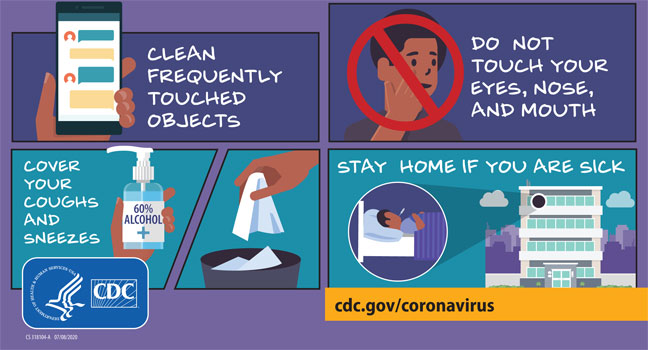
ODH has prepared guidelines for parents and others for talking with young people about COVID-19. The guidelines include tips for preventing the spread and navigating new social norms. The Centers for Disease Control and Prevention also has produced a series of fact sheets for young adults:
The average age of people with COVID-19 in Ohio has been steadily decreasing, showing that more and more young people are being exposed, and have become ill. Even those who don’t experience symptoms or only mild ones can unknowingly carry the disease and pass it to parents, grandparents, or other family and friends who may become seriously ill.
“Teens and young people must do everything in their power to protect themselves, their families and friends, and all Ohioans against this very real and very serious threat,” Himes said.
Taking steps to prevent COVID-19 also shows appreciation and offers protection for essential workers who provide healthcare and deliver food, packages, and other items. Further, reducing the spread of the pandemic is critical to prevent hospitals from becoming overcrowded. Overcrowded hospitals and overburdened healthcare workers make it more difficult to care for patients in critical need—a grandparent suffering from COVID-19, an aunt having complications delivering a baby, a father with chest pain, or a friend hurt in a car crash.
“Teens and young people must do everything in their power to protect themselves, their families and friends, and all Ohioans against this very real and very serious threat,” Himes said. “You will save lives, prevent suffering, and help tame a pandemic that places all of us at risk.”
Loveland, Ohio – At a Special Meeting on Wednesday, July 15, with a unanimous vote, the Loveland Board of Education approved a reopening plan for the Loveland City School District for the 2020-2021 school year. Dr. Eric Schwetschenau moved to adopt the plan, and it was seconded by Eileen Washburn. Schwetschenau, Washburn, Board President Kathryn Lorenz, Vice President Michele Pettit, and Kevin Dougherty voted, “Yes”.
Preschool, kindergarten, and 1st through 12th grades will attend 5 days per week at “full capacity” (no “all-day” kindergarten) with the option of choosing to attend school online.
The first day of instruction for all students is Wednesday, August 26.
High school student arrival time will be 30 minutes later this Fall. Bus guidelines for COVID 19 protection have not been finalized. The District is waiting for State guidelines to be released.
Parents can make a choice each semester about their child attending the “in-person model” or remote learning.
A press release issued by the District said that parents will also have a “full” remote learning option for their children.
Source: 2020 Reopening Planning Updates
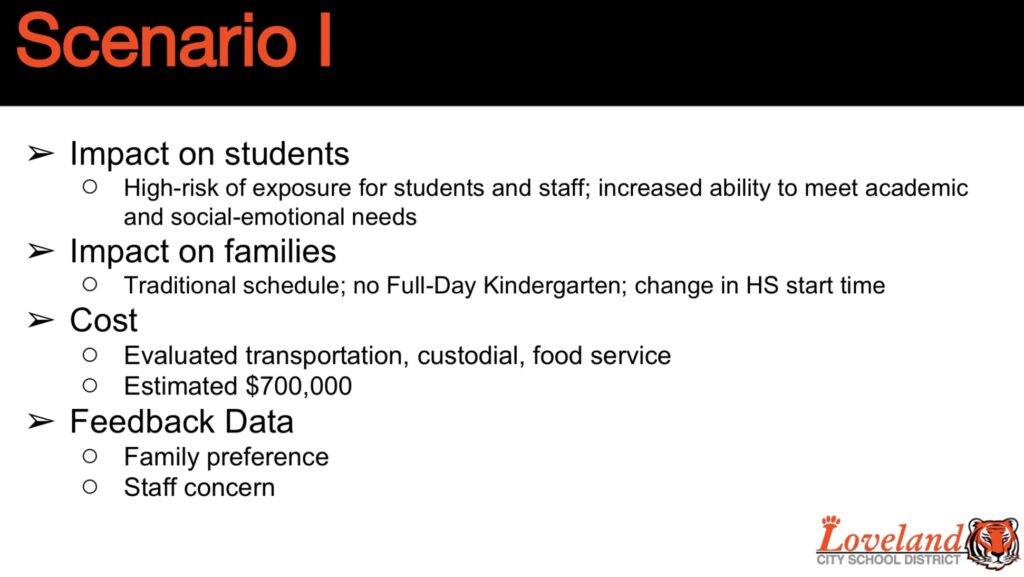
Here is the DOCUMENT the Board reviewed while making their decision. You can look in particular at Scenario I the re-opening model chosen by the Board. Under the headline “Impact on students” the first bullet point says, “High-risk of exposure for students and staff; increased ability to meet academic and social-emotional needs.”
There was no “Hearing of the Public” at the meeting.
Additional details of Loveland’s 2020-2021 Reopening Plan is expected to be released next week.
Parent Q & A sessions are being planned for July 27, 29, and 30.
Parents will be required to select either the in-person or remote learning model for the first semester. Each semester thereafter, parents can re-evaluate and choose a different option. The deadline for selection is Sunday, August 2.
Below is the resolution passed by the Board. Exhibit A referenced in the document was not available to the Board or public when the Board approved the Resolution to re-open the schools.
Jul 15, 2020 – Board Special Meeting
cc
Superintendent Resolutions
cc
Approve resolution adopting the 2020-2021 Academic Plans and Options Program for the Reopening of the Loveland City School District
cc
Motion to approve a resolution adopting the 2020-2021 Academic Plans and Options Program for the Reopening of the Loveland City School District and granting the Superintendent authority related thereto.
________________moved, seconded by ____________________ to approve a resolution adopting the 2020-2021 Academic Plans and Options Program for the Reopening of the Loveland City School District and granting the Superintendent authority relate thereto.
WHEREAS, COVID-19 is a respiratory disease that can result in serious illness or death and can easily spread from person to person between individuals who are in close contact with each other (within about 6 feet) or through the touching of a surface that has the virus on it then touching one’s own mouth, nose or eyes; and
WHEREAS, the Governor and the 133rd General Assembly of the Ohio Legislature have declared a state of emergency with respect to the spread of the novel coronavirus; and,
WHEREAS, during the 2019-2020 school year, the Ohio Department of Health ordered that all K-12 schools be closed to students but it is anticipated that schools will be permitted to reopen for the 2020-2021 school year; and
WHEREAS, boards of education in Ohio have been given substantial authority to revise their methods of instruction for the 2020-2021 school year to adopt to the pandemic.
NOW, THEREFORE BE IT RESOLVED, by the Board of Education of the Loveland City School District, Hamilton County, Ohio as follows:
SECTION I
The Board hereby authorizes and adopts the attached Academic Plans and Options Proposal identified as Exhibit A (to reflect the discussion under item 2.1) to provide for the learning opportunities either in-person, remote, or a combination in accordance with the authority granted by Am. Sub. H.B. 164 and blended learning opportunities authorized by R.C. 3302.41. The Superintendent is hereby authorized to take any and all actions necessary to implement the attached Academic Plans and Options Proposal. In addition, given the uncertain nature of the pandemic, the Superintendent shall be authorized to revise the Academic Plans and Options Proposal as necessary during the 2020-2021 school year so long as such revisions are not inconsistent with Ohio law, state and local health department orders, and orders of the Governor, and so long as the Superintendent updates this Board on any such revisions at the Board’s next public meeting after such revisions are made.
SECTION II
This Resolution shall be in full force and effect from and immediately after its adoption and shall supersede and replace any prior resolution or act of this Board of Education that may be inconsistent or duplicative with the provisions of this Resolution.
SECTION III
The Board of Education hereby finds and determines that all formal actions relative to the adoption of this Resolution were taken in an open meeting of this Board of Education, and that all deliberations of this Board of Education and of its committees, if any, which resulted in formal action, were taken in meetings open to the public, in full compliance with applicable legal requirements, including Section 121.22, ORC.
Active children and adults, people with heart and lung disease, including asthma, and older adults should reduce prolonged or heavy outdoor exertion.
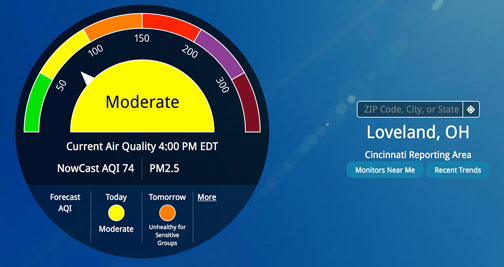
Air Quality Forecast is 105 AQI for Thursday, July 17
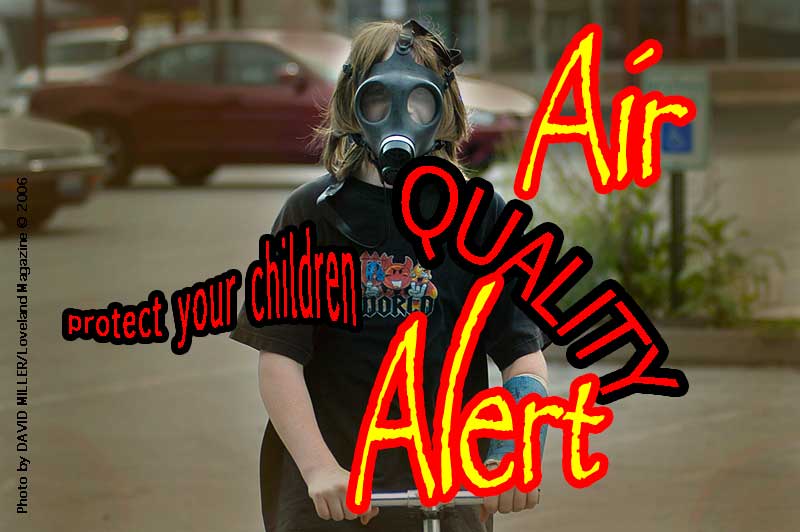
The Southwest Ohio Air Quality Agency has issued an Air Quality Alert for Friday, July 17 for Butler, Clermont, Hamilton, and Warren counties in Ohio; Boone, Campbell, and Kenton counties in Kentucky; and Dearborn County in Indiana.
You can help protect those most vulnerable
• Take the bus, carpool, bike or walk instead of driving
• Refuel your vehicle after 8 p.m.; do not top off when refueling and tighten the gas cap
• Avoid idling your vehicle
• Combine trips or eliminate unnecessary vehicle trips
• Keep your vehicle maintained with properly inflated tires and timely oil changes
• Avoid use of gasoline-powered lawn equipment on Air Quality Advisory days
• Avoid use of oil-based paints and stains on Air Quality Advisory days
• Never burn leaves or other yard trimmings
• Always burn clean, seasoned wood in outdoor fire pits, fireplaces and wood stoves
• Do not use fire pits or fireplaces for non-essential home heating on Air Quality Advisory days
• Conserve electricity
You can check the current air quality by clicking on this image and entering a ZIP Code.
If you find that having this type of local news adds value to your quality of life, kindly consider contributing to the cost of producing it.
Mihaela Manova is a Loveland Magazine writer and is “Covering Climate Now” as an Editor for Loveland Magazine
By Mihaela Manova
I
n recent months, as advocacy towards a better future of equality skyrocketed, Instagram feeds exploded with links, pictures, and disgust towards the treatment of Black Americans in 2020, (the year of change in every way possible). While cheering on #BlackLivesMatter ( while of course donating/advocating/signing petitions) and the people involved in creating this new world, a topic within this movement has popped up repeatedly. And this topic is education. Education towards cultures, races, sexes, and especially the history of how some are born with privilege while others are not.
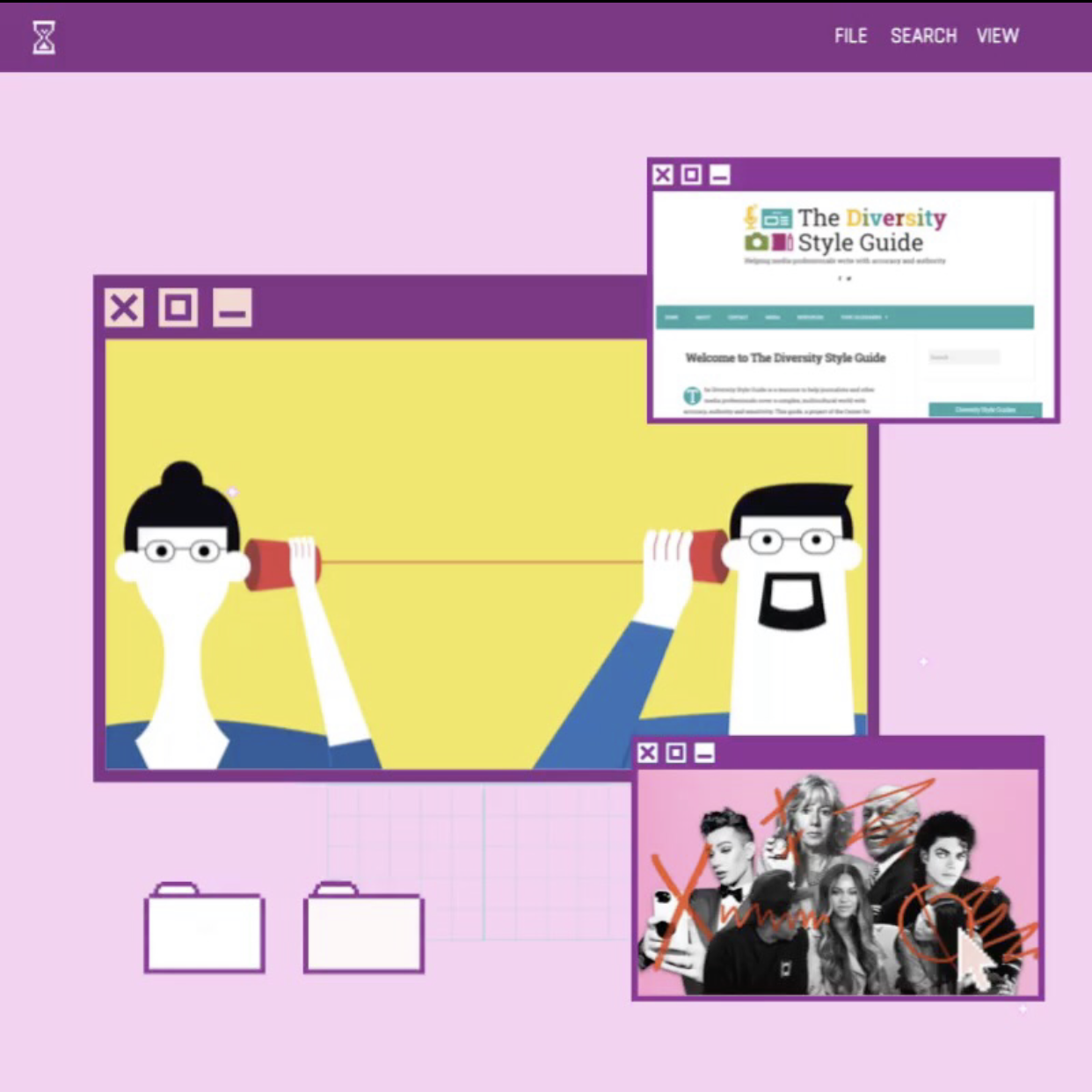
As an aspiring journalist who still has much to learn, I came across the Diversity Style Guide for journalists, an online dictionary with the intent to provide “accuracy, authority, and sensitivity” to complex topics that need to be covered. The themes included cover every parameter of race, sexuality, gender, immigration, etc. and are useful to journalists in being truthful and especially, cultured.
Here is what I learned.
“This is not a guide to being politically correct.”
What is The Diversity Style Guide?
To start off, this guide was developed as a project of the Center for Integration and Improvement of Journalism at the San Francisco State University. According to the website, it “brings together definitions and information from more than two dozen style guides, journalism organizations and other resources.” Historically, this resource was developed in the 1990s by CIIJ’s News Watch program which then paved the way for a newly updated one (this one).
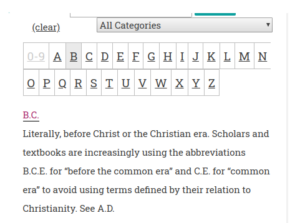
Conglomerated into this one guide, its contents include terminology related to “race/ethnicity, disability, immigration, sexuality and gender identity, drugs and alcohol, and geography.” An exemplar here shows the structure of how the guide works, alongside a glossary for easy use.
(From top to bottom) The glossary organizes each topic in alphabetical order, with the terms and definitions placed in a “dictionary” type of style.
While easy to use, the guide does have its disclaimer. “This is not a guide to being politically correct. Rather, it offers guidance, context and nuance for media professionals struggling to write about people who are different from themselves and communities different from their own.” In other words, one definition cannot portray and explain a complex topic, but the definition itself will offer guidance for those who are writing about it. The actual meanings and definitions of each term are prepared in a way that are taken directly from a credible source, linking those sources at the bottom of each entry’s definition.
Led by Rachele Kanigel, this free resource is managed and monitored by a team of professionals who help with the writing and editing of all definitions.
Why we need it today.
As of the past few weeks, people (both journalists and non-journalists) have scrambled to report on various news, most importantly the #BlackLivesMatter movement and the suppressed news stories that call justice for Elijah McClain and Breonna Taylor.
Posts were made for people to learn how to be proper allies, learn history and definitions of derogatory terms, to be told to stand up for Black Americans when you are in your place of privilege. Now, as a part of a needed, everlasting education on how we need to continue to stand together and fight for racial justice, we must open our minds and eyes to what is happening around us, even if it is not happening to us directly.
As an effort to continue the movement after the Instagram feeds turn back to selfies and beach photos, as journalists and people who provide commentary on the internet, we need to make an effort in understanding and spreading credible information pertaining to a person’s culture, race, sexuality, etc.
Good uses vs the bad
As a source like this can increase the right way to report people or events, there are two categories that companies, brands, or even publications fall under. Performative or genuine allyship to movements. Now, as this may seem more recent, a source like this online dictionary can define what Pride month is (for example), with then brands taking initiative to promote themselves in a genuine or fake manner.
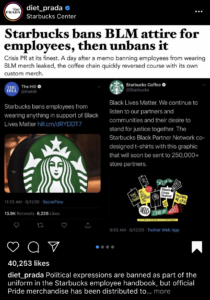
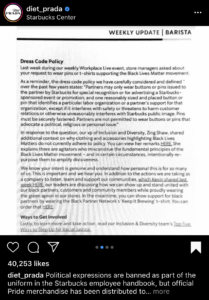
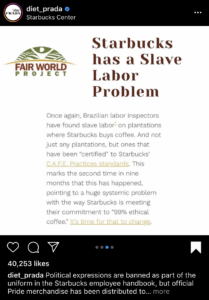
Take another example, a social media source under the name of DietPrada, exposing industry titan Starbucks for promoting #BlackLivesMatter after banning employees for wearing anything in support of that movement. In turn, social media users condemned them for their wishy-washy behavior when concerning this serious movement. In the same post, DietPrada reports of past misdeeds that the company has been practicing in an addition to the breaking news.
Here are their posts:
One of DietPrada’s posts, talking about the hypocrisy of industry titan Starbucks.
Details of Starbucks dress code policyThe past of Starbucks
From our own staff
Tying this back to our own local town, we as journalists need to practice education on behalf of the pieces that we write and especially about the events/people we portray. We have asked our Loveland Magazine Staff a couple questions about the use of this style guide and the need for better awareness on the internet.
David Miller, Editor in Chief, Loveland Magazine
David Miller
Q: During your years in the publication, have you witnessed an evolution of more knowledge from writers (about sensitive topics) in the publication?
DM: My entrance probably came when my daughters were in high school and I realized I wanted them to have the same opportunities as men. I also specifically remember my younger daughter taking runs on the Loveland Bike Trail, knowing she probably should not be running alone and thinking “boys” at this age were safe. But why not girls”? It was those kinds of things, those common ordinary everyday pleasures that “girls” were deprived of.
I began asking myself and others, “Why do we call adult women, girls? Why do adult women call themselves, girls?”
Words are so very important. I’ve tried to remove the word “girl” from our pages as much as possible when we should be saying “women” or “young women”. It’s never been about being politically correct, but about opportunity and making our community in many ways, safer and not diminishing accomplishments and potential.
In our sports writing especially I am moving along slowly but surely to remove diminishing language. I bristle when I hear the term “Lady Tigers” but never “Gentlemen Tigers.” For instance, when referring to the sport of soccer, the mostly male dominated industry of sports writing whether it come from media sources or the male dominated league or conference leadership, we would see references to Loveland Tigers when referencing the men’s team, but Lady Tigers when referencing the women’s team. It seems diminishing.
We have changed the language to simply Women’s Soccer and Men’s Soccer. When receiving press releases about team up-dates, why are the men’s teams always listed first? We started being intentional and made sure we were mixing the order. If we would see an announcement about “Most Valuable Players Announced,” we have to be aware of the male dominated industry will invariably list the male recipient first.
Appropriate wording is that someone died by suicide. I have intentionally used phrases or language that might help lessen the stigma of mental illness.
There has been much discussion about whether the w in White and the b in Black should be capitalized. Actually that very discussion last month from a trusted colleague led me to the Diversity Style Guide from the Center for Integration and Improvement of Journalism at San Francisco State University. That is why I asked the staff at Loveland Magazine to review it for possible adoption by our newspaper.
One’s internal, deeply held sense of one’s gender is what we will respect. We will use gender-neutral pronouns. I have never shied away from asking the direct question about a person’s preference when the occasion or need arises.
“For transgender people, their own internal gender identity does not match the sex they were assigned at birth. Most people have a gender identity of man or woman (or boy or girl). For some people, their gender identity does not fit neatly into one of those two choices. Unlike gender expression, gender identity is not visible to others. See gender expression.” – The Diversity Style Guide
Here are two other things I have learned along my journey. The word Gypsy (sometimes capitalized as a proper noun when referring to the ethnic group and sometimes spelled Gipsy) has negative connotations and many Romani people see it as a racial slur. In general, it’s best to use Romani or Roma people when referring to the ethnic group unless people self-identify as Gypsies. The term gyp, which means to cheat or swindle, likely comes from Gypsy and is seen as a negative stereotype of Roma as swindlers and thieves and will not be used in Loveland Magazine.
The “R” word has long been banned from Loveland Magazine.
We will use and allow terms such as mentally disabled, intellectually disabled, developmentally disabled. Likewise, words like “Libtard” which is a blend of the word liberal and this slur will never be allowed in Loveland Magazine.
Cassie Mattia, Writer and Associate Editor
Cassie Mattia
Q: With your experience in the world of journalism, does having knowledge of knowing terms that are specific to (gender, sexuality, race, etc), make a journalist different from the standard?
CM: In my personal experience as a journalist that has experienced this world on multiple platforms, I think having knowledge of what terms to use specifically in regards to gender, sexuality, and race is definitely an added bonus! I would say the standard for a journalist in this day and age is that they know and use the terms correctly. Quite often many journalists get scrutinized for not using the proper terms in regards to gender, sexuality, and race, but in my opinion, if they were never taught the correct terms how can they be held accountable for using the wrong language?
If the journalist is taught these correct terms earlier such as in high school, college, and post-college within their careers then I think we can hold that standard across the boards. I taught myself at a young age what the appropriate language to use is when speaking about gender, sexuality, and race, but if I hadn’t taught myself these things I may have at one time or another offended someone within my writing by accident.
In order to reach the standard of knowledge in regards to gender, sexuality, and race teachers, professors, and even parents need to start teaching the future journalists of the world early about the correct use of gender, sexuality, and race terms!
Often attention comes to celebrities and recent influencers whose dark pasts have been uncovered by various people. Twitter, for example, is notorious for digging old posts and matching them up with views that celebrities/influencers have had those years, ones who would include racial or homophobic slurs.
In most times, the digging results in unfavorable circumstances for both the individual and their fans, who for the most part are offended or disappointed at their favorite person. To look objectively on this issue, our newest writer, Claire Beseler, answered a couple of questions relating to this topic.
Claire Beseler, Writer
Q: In the current media cycle of influencers and celebrities being cancelled due to ignorance and past acts of racism, homophobia, etc. is it better for them to be forced to be educated or just resort to them being cancelled? What are our thoughts on “cancel” culture?
Claire Beseler
CB: It’s much better to educate someone for doing something wrong or offensive than to “cancel” them. Most of the time, people aren’t being offensive on purpose especially if someone is part of the majority and un-oppressed, they may not know what some people find offensive. Everyone is human and makes mistakes, and we as a generation using social media should not resort to calling people out in such an ugly way, but rather learn to forgive, educate, and forget. One example of this that I keep thinking about is when Kevin Hart was set to host the 2019 Oscars. Some homophobic tweets resurfaced from 2009 causing a lot of drama.
As a member of the LGBTQ+ community, I can take offense to some of those statements but the time gap can really justify some things. America and the world 10 years ago was so insanely different than now. Gay marriage was not even legalized yet and those types of jokes were “deemed ok” by most of society. The fact that people were trying to cancel him for things that were said a decade ago just isn’t right to me. He apologized, and the world should have just moved on and let him host the Oscars, but he was so beaten down and bullied that he dropped out.
People can change and forgiveness and lessons should be given out before such aggressive “cyber-cancelling.”
The one time I believe cancel culture is ok to use is when someone does something wrong, gets called out, but then continues to be offensive or do the wrong thing even after people educate them. But even before cancelling those kinds of people, comes respectful listening and trying to educate them instead of all jumping on this bandwagon of putting down others because they made a mistake.
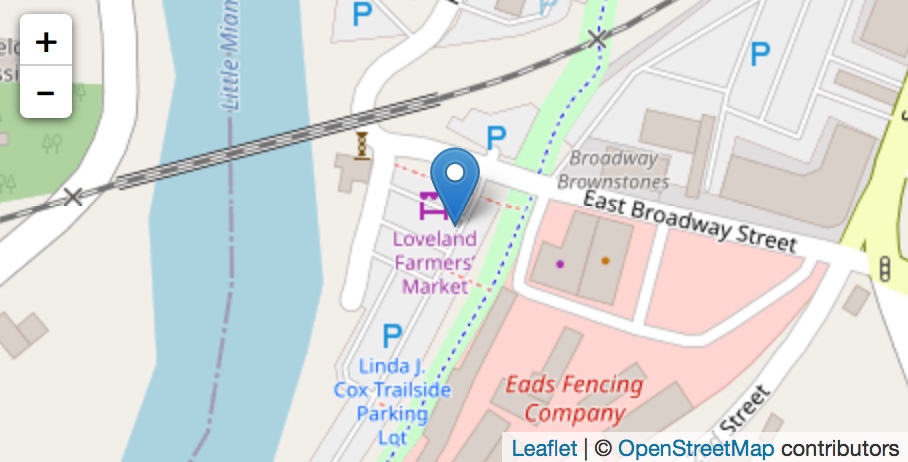
Pictured above is Loveland Police Chief Sean Rahe at a command Center he set up in the Linda Cox Parking lot in Historic Downtown.
Loveland, Ohio – A manhunt unfolded yesterday from Downtown Loveland into Miami Township that yielded results leading to the arrest of a man wanted on a felony warrant for domestic violence.
The pursuit started around 6 PM in Loveland when a Loveland officer spotted the suspect, as a passenger vehicle.
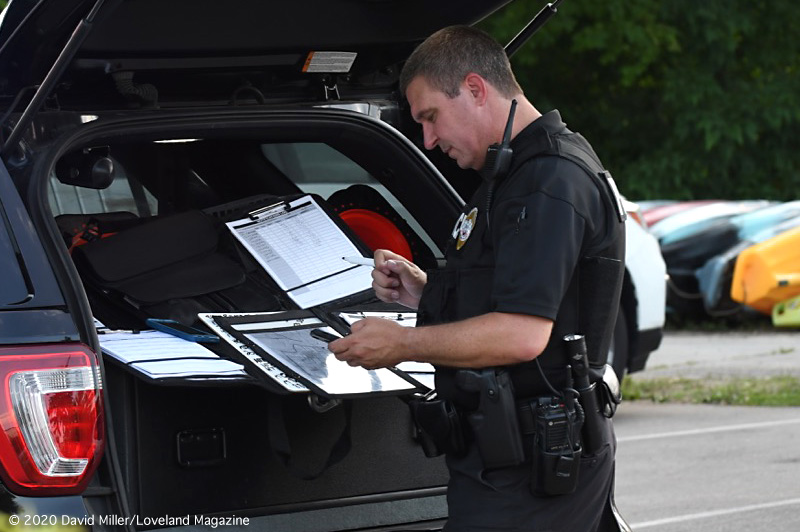
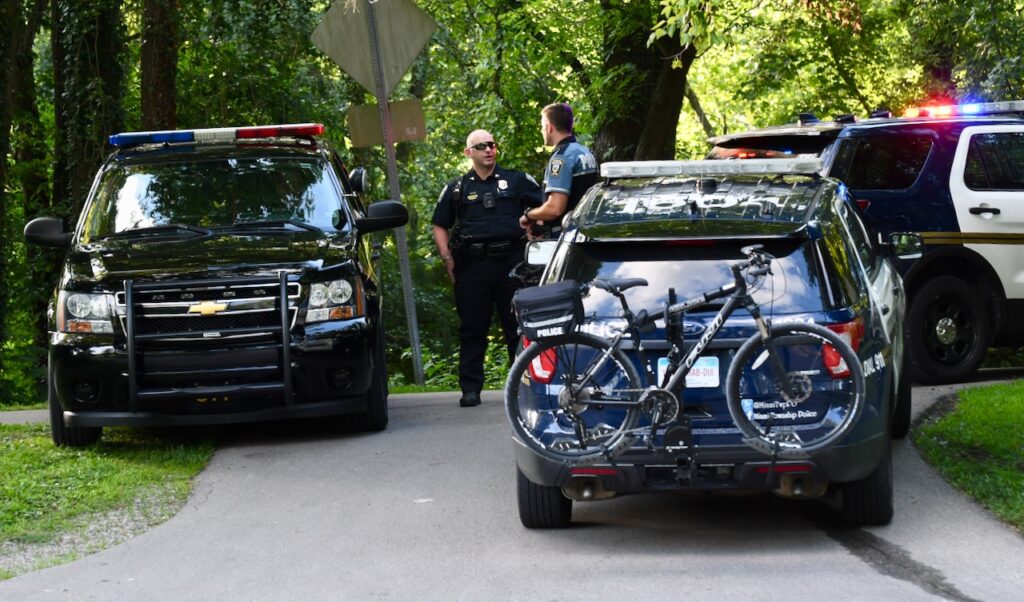
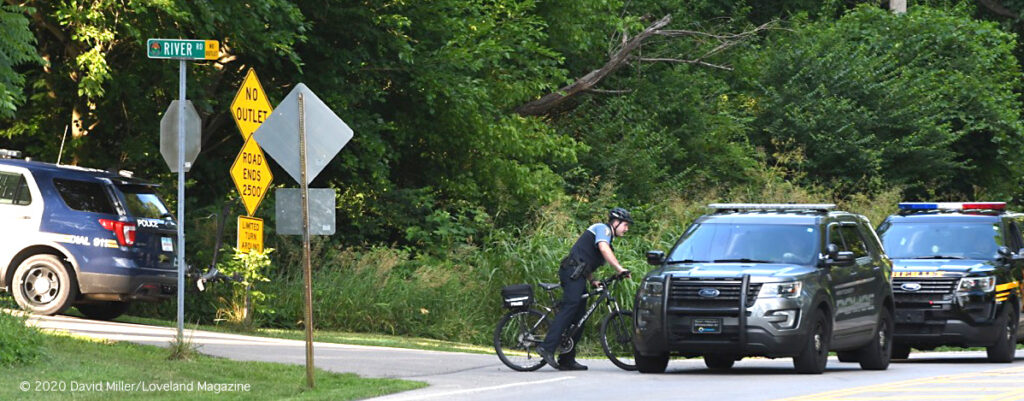
This photo was taken around 8 PM last evening across the road from Miami Riverview Park near to where the suspect was later apprehended.
Loveland Magazine asked Loveland Police Chief Sean Rahe around 8 PM for an update when the search from Historic Downtown Loveland into Miami Township seemed to be winding down.
ccc
Rahe told Loveland Magazine today, “We did catch him about 9:20 PM” near Miami Riverview Park. The park is at 587 Branch Hill Loveland Road.
Police from many jurisdictions assisted: Hamilton Township, Mason, Montgomery, Clermont County Sheriff, and Miami Township. Police canines searched along the Loveland Bike Trail as well as nearby subdivisions and neighborhoods.
The search centered around the Loveland Bike Trail going South from Historic Downtown Loveland toward Branch Hill.
ccc
Many police were also stationed on the opposite bank of the river on East Kemper Road.
ddd
Officers on bikes also assisted.
ccc
This photo was taken around 8 PM last evening across the road from Miami Riverview Park near to where the suspect was later apprehended.
According to two eyewitnesses at the Loveland Farmer’s Market, the car sped dangerously into the Linda Cox Parking lot while the market was in session. A market volunteer called 911 because of the dangerous driving and because 4 people ran from the car, through the parking lot, and South into the wooded area.
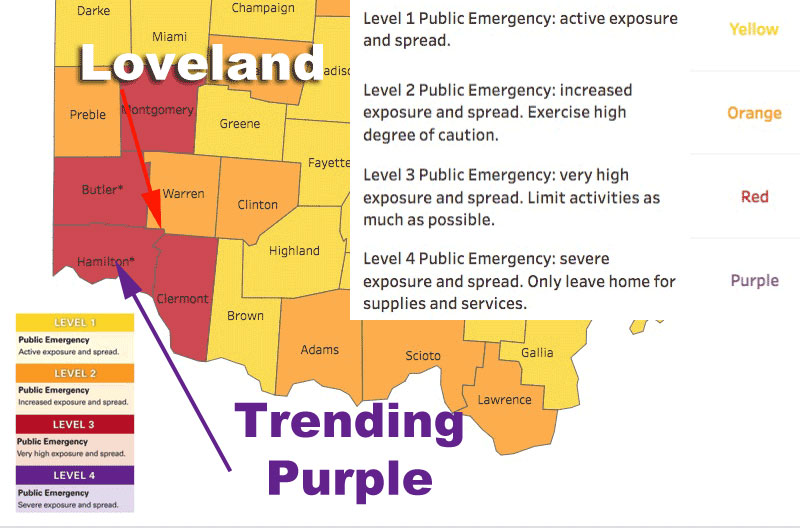
Loveland Magazine has reached out to local leaders asking them their thoughts about how to mitigate the possibility of Hamilton County being elevated to Alert Level 4 Purple in the State’s COVID 19 Pandemic Alert System. Hamilton County is on the watch list to go to the highest level, possibly by Friday.
Loveland Schools are scheduled to begin classes in 43 days on August 26.
Here is what we believe will be the mandate under the Level 4 Alert:
Hamilton County is on the State Watch list to possibly be elevated from the current RED Level Alert to the highest, PURPLE Level Alert. That destination would mean that the county is experiencing “Severe exposure and spread.” The order from the state would be, “Only leave home for supplies and services and Stay at home/necessary travel only.”
The invitation was sent to the School District Superintendent and all Board members, as well as the Loveland City Manager, the Mayor, and all councilmembers. We have received responses from two community leaders.
ccc
Dr. Eric Schwetschenau and Dr. Kathryn Lorenz sent their thoughts. Lorenz is the President and Schwetschenau is a member of the Loveland Board of Education
ccc
ccc
Dr. Eric Schwetschenau
I
appreciate being asked for my opinion regarding the effect that the Coronavirus pandemic has on our community and our school system.
I would like to be clear that this is my opinion only. I cannot speak for the board or the school system as a whole.
I encourage everyone to watch the Board work session scheduled for July 15th at 6 PM where the back to school plans for this year will be discussed!
Governor DeWine has instituted many policies and systems in order to try to decrease the overall disease burden from this new threat to our public health. One of those systems has a strong possibility of being triggered this week, moving the alert system for Hamilton County from Red to Purple.
Over 100,000 Americans have died from complications associated with this novel virus. It is certainly difficult to keep up with the constantly changing environment and the multiple shifts in recommendations and advice from different sources. Due to this fact, there have been many contradictory and confusing opinions which have spread.
With my background as an Ear, Nose, and Throat physician I’ve spent my career dealing with respiratory illness as well as its spread and consequences. I hope that my advice is taken as being from a place of deep concern for community health. I would encourage anyone to read the guidance issued by the state for our schools. https://coronavirus.ohio.gov/static/responsible/schools/K-12-Schools-Guidance.pdf
I believe it is fair to say that we would all like to see our children in schools as much as is safely possible in the upcoming year. None of us want to see schools become centers of disease spread for our community.
In order to best reduce the possibility of this event, we all need to do our best to keep down the overall number of cases. As we have seen in multiple countries, it is possible to drastically reduce and even eliminate community spread of this virus with appropriate safeguards and behaviors.
How do we do this? It’s simple. There are several methods that are well studied and well known to decrease transmission of respiratory illnesses. Although this virus is new and it’s behavior is still unpredictable, our behavior need not be.
1. Wear face masks. This is especially important when in situations in which there is close contact for extended periods of time, and especially when that occurs indoors.
2. Wash your hands frequently. Make sure that frequently touched surfaces are cleaned on a regular schedule.
3. Social distancing helps. The exact number of feet you are away from someone is arguable, and open to interpretation. It has become commonly accepted that a 6 foot distance is a reasonable one due to the mechanical behavior of the respiratory droplets that appear to be the primary method of spread. This number is by no means perfect, but is the best ‘guess’ we have as to a safe distance at this time. Is 20 feet better? Sure. Is 3 feet ok? Maybe, in some cases, but not as safe as further distances…
Think of these three steps as layers of protection, just like bundling up in the winter. Each layer helps to decrease your likelihood of transmitting or catching this illness.
Can we do anything between now and Thursday to change the trajectory of the number of cases in the area? No, that die has already been cast.
Can we as a community make decisions that significantly decrease the spread of viral illness and get us back to low levels of disease? Absolutely.
Schools in Loveland are scheduled to start in 6 weeks. If our number of cases continues to increase it will be even more difficult to ensure safe and healthy schools.
I challenge all of us to be the best neighbors that we can be. Let’s do our best to keep our Loveland families and our community healthy. Let’s do our best to get and keep our kids in school safely!
vvvvv
Dr. Kathryn Lorenz
The Board has not met or issued a statement regarding the issue you raise. My response is simply as a citizen and an individual board member.
There is widespread thought in the Loveland community that schools should be opened for in-person instruction next month. I believe we all want what is best for Loveland students and staff, both for educational achievement and for the safety of all.
If a stay-at-home order is issued, schools cannot be open.
ccc
I personally try to follow, as best I can, the guidelines regarding face coverings, hand washing and social distancing.
It is my hope that those efforts will help us as we seek to serve the Loveland community.
Loveland, Ohio – The Loveland School Board is meeting tonight at 6 PM for a special meeting. The Board is still meeting via ZOOM/YouTube and you can tune into the meeting by following this LINK. (backup LINK should any issues arise)
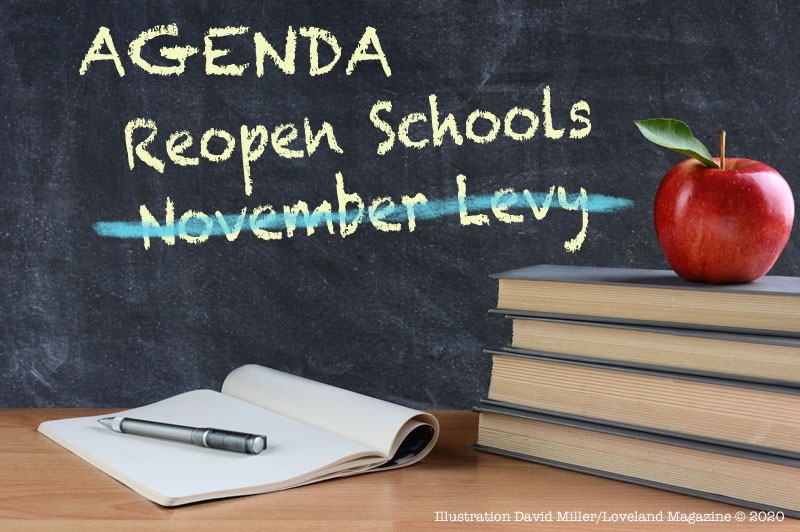
Widely anticipated, was a discussion at tonight’s meeting about whether the Board would place an operating levy on November’s ballot. There is no agenda item relating to a levy discussion.
There is no “Hearing of the Public” on tonight’s agenda.
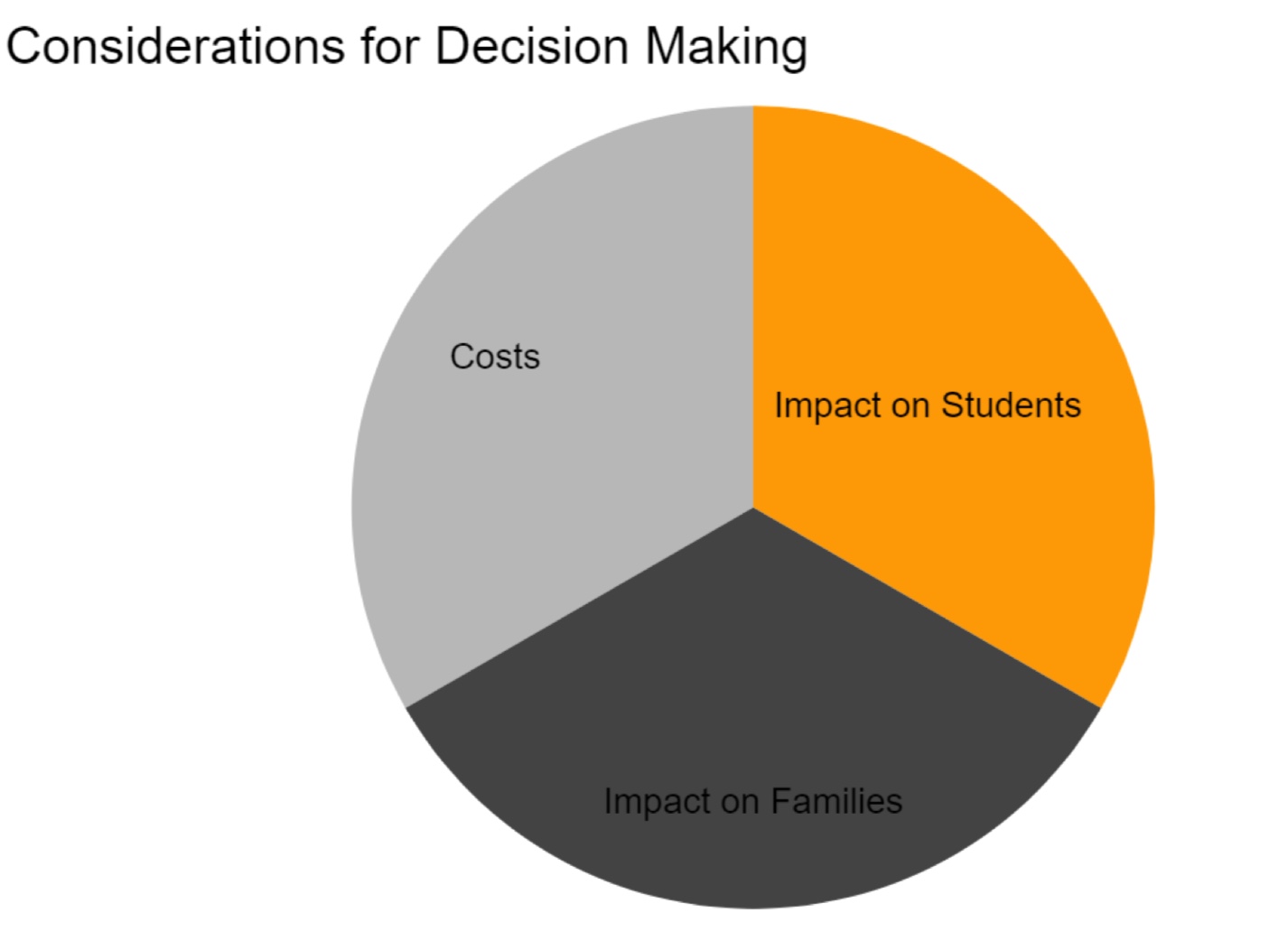
Reopening plans have been developed based on multiple sources of expert guidance. There will be a presentation of the plans with the accompanying expenses, survey data, and other relevant information to plan for the 2020-2021 school year. The objective of the discussion is to determine the reopening plan for “exhibit A“* referenced in the 3.1 Resolution adopting the 2020-2021 Academic Plans and Options Program for the Reopening of the Loveland City School District.
The important, “exhibit A“* referenced in the Resolution they will vote on tonight has yet to be released to the public.
*Academic Plans and Options Proposal
Jul 15, 2020 – Board Special Meeting
cc
Superintendent Resolutions
cc
Approve resolution adopting the 2020-2021 Academic Plans and Options Program for the Reopening of the Loveland City School District
cc
Motion to approve a resolution adopting the 2020-2021 Academic Plans and Options Program for the Reopening of the Loveland City School District and granting the Superintendent authority related thereto.
________________moved, seconded by ____________________ to approve a resolution adopting the 2020-2021 Academic Plans and Options Program for the Reopening of the Loveland City School District and granting the Superintendent authority relate thereto.
WHEREAS, COVID-19 is a respiratory disease that can result in serious illness or death and can easily spread from person to person between individuals who are in close contact with each other (within about 6 feet) or through the touching of a surface that has the virus on it then touching one’s own mouth, nose or eyes; and
WHEREAS, the Governor and the 133rd General Assembly of the Ohio Legislature have declared a state of emergency with respect to the spread of the novel coronavirus; and,
WHEREAS, during the 2019-2020 school year, the Ohio Department of Health ordered that all K-12 schools be closed to students but it is anticipated that schools will be permitted to reopen for the 2020-2021 school year; and
WHEREAS, boards of education in Ohio have been given substantial authority to revise their methods of instruction for the 2020-2021 school year to adopt to the pandemic.
NOW, THEREFORE BE IT RESOLVED, by the Board of Education of the Loveland City School District, Hamilton County, Ohio as follows:
SECTION I
The Board hereby authorizes and adopts the attached Academic Plans and Options Proposal identified as Exhibit A (to reflect the discussion under item 2.1) to provide for the learning opportunities either in-person, remote, or a combination in accordance with the authority granted by Am. Sub. H.B. 164 and blended learning opportunities authorized by R.C. 3302.41. The Superintendent is hereby authorized to take any and all actions necessary to implement the attached Academic Plans and Options Proposal. In addition, given the uncertain nature of the pandemic, the Superintendent shall be authorized to revise the Academic Plans and Options Proposal as necessary during the 2020-2021 school year so long as such revisions are not inconsistent with Ohio law, state and local health department orders, and orders of the Governor, and so long as the Superintendent updates this Board on any such revisions at the Board’s next public meeting after such revisions are made.
SECTION II
This Resolution shall be in full force and effect from and immediately after its adoption and shall supersede and replace any prior resolution or act of this Board of Education that may be inconsistent or duplicative with the provisions of this Resolution.
SECTION III
The Board of Education hereby finds and determines that all formal actions relative to the adoption of this Resolution were taken in an open meeting of this Board of Education, and that all deliberations of this Board of Education and of its committees, if any, which resulted in formal action, were taken in meetings open to the public, in full compliance with applicable legal requirements, including Section 121.22, ORC.
Active children and adults, people with heart and lung disease, including asthma, and older adults should reduce prolonged or heavy outdoor exertion.
Air Quality Forecast is 105 AQI for Wednesday, July 15
The Southwest Ohio Air Quality Agency has issued an Air Quality Alert for Tuesday, July 15 for Butler, Clermont, Hamilton, and Warren counties in Ohio; Boone, Campbell, and Kenton counties in Kentucky; and Dearborn County in Indiana.
You can help protect those most vulnerable
• Take the bus, carpool, bike or walk instead of driving
• Refuel your vehicle after 8 p.m.; do not top off when refueling and tighten the gas cap
• Avoid idling your vehicle
• Combine trips or eliminate unnecessary vehicle trips
• Keep your vehicle maintained with properly inflated tires and timely oil changes
• Avoid use of gasoline-powered lawn equipment on Air Quality Advisory days
• Avoid use of oil-based paints and stains on Air Quality Advisory days
• Never burn leaves or other yard trimmings
• Always burn clean, seasoned wood in outdoor fire pits, fireplaces and wood stoves
• Do not use fire pits or fireplaces for non-essential home heating on Air Quality Advisory days
• Conserve electricityYou can check the current air quality by clicking on this image and entering a ZIP Code.
If you find that having this type of local news adds value to your quality of life, kindly consider contributing to the cost of producing it.


![[Video Interviews] Witnesses to plane crash in Miami Township](https://lovelandmagazine.com/wp-content/uploads/2020/07/Alex-Salatin.jpg)

 Chris Wallace asks Education Secretary Betsy DeVos if she has authority to pull funding from schools that don’t reopen and about safely re-opening schools
 CNN’s Dana Bash speaks to Education Secretary Betsy DeVos about whether or not she has a plan for schools to safely reopen for students as Covid-19 cases surge in the US.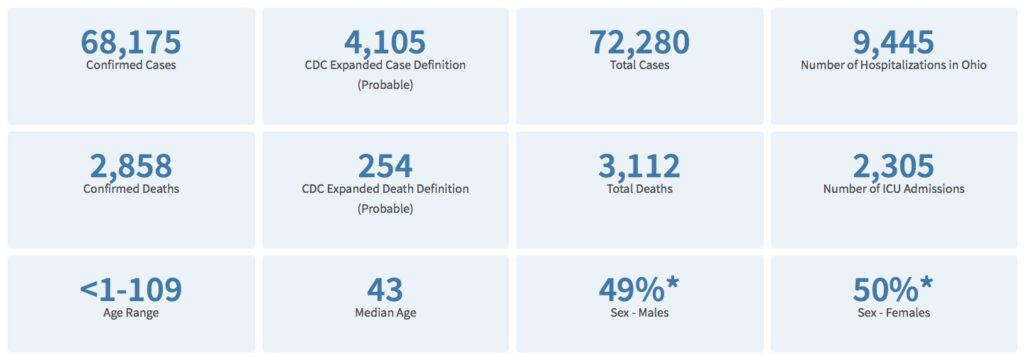


 You can help protect those most vulnerable