Just over half of us have made New Year’s resolutions. The most common ones revolve around physical and mental wellbeing. Topics like exercise, fitness, and losing weight weigh heavy on our minds. Just as important are issues such as socializing, de-stressing, finding life’s balance, inner peace and others that fall under the mantle of mental health.
Living in or visiting Loveland, Ohio can mean you are in the perfect place to help you live up to the promises you’ve made to yourself on January 1st.
If you’ve made a personal health related resolution or goal for 2025, there is a simple and free way to accomplish what you’ve set out to do. I’m talking about nature.
Research shows that spending even short amounts of time in nature can have positive effects on both mental and physical health. The American Psychological Association purports that spending time in nature can improve mood, and attention while at the same time lowering stress levels. They even claim reduced risk of psychiatric disorders and increased empathy and cooperation. Studies show that exposure to green spaces like parks and trails can increase cognitive development and promote self-control.
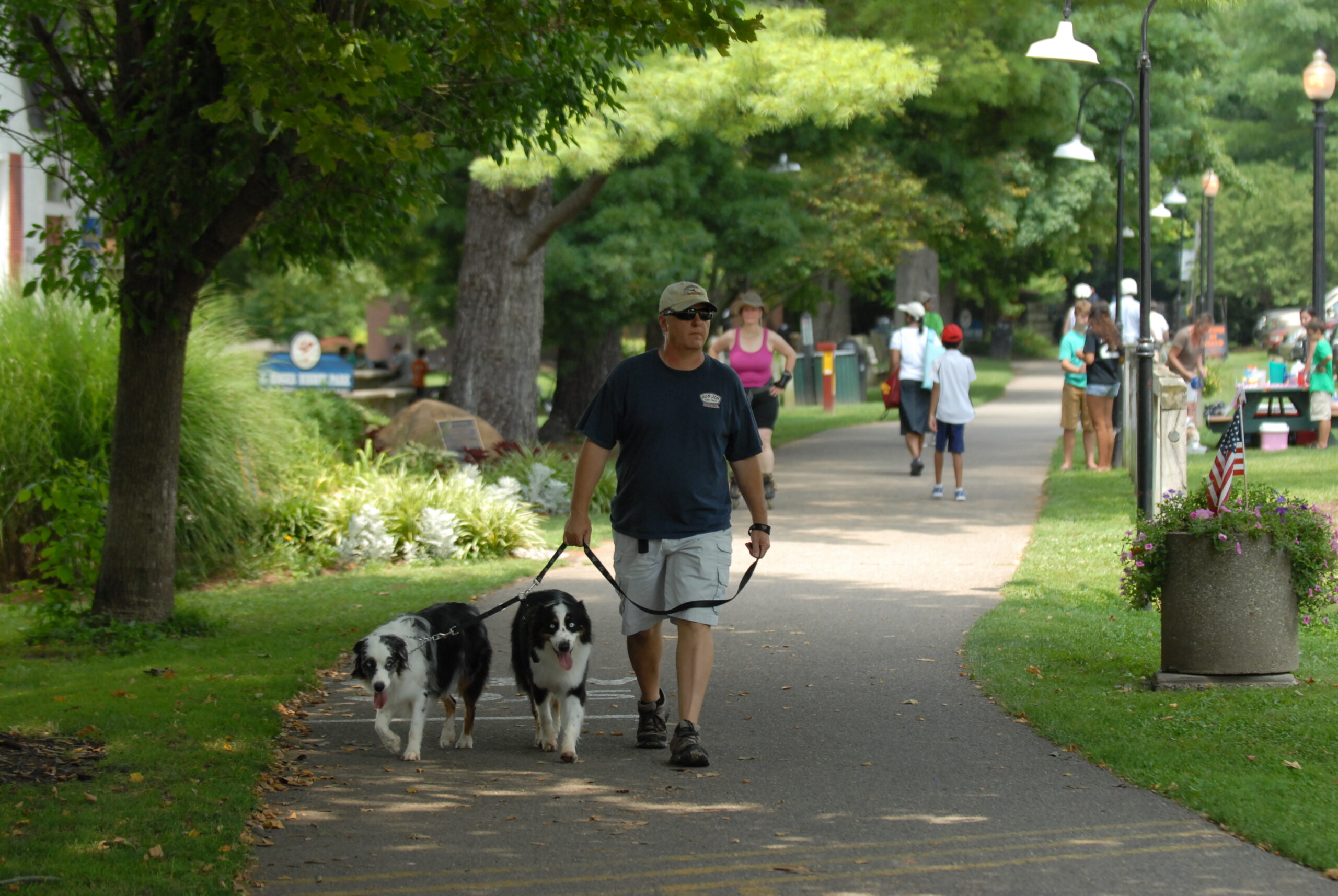
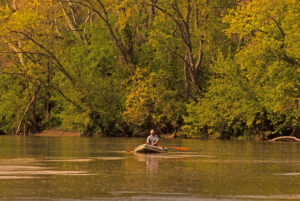
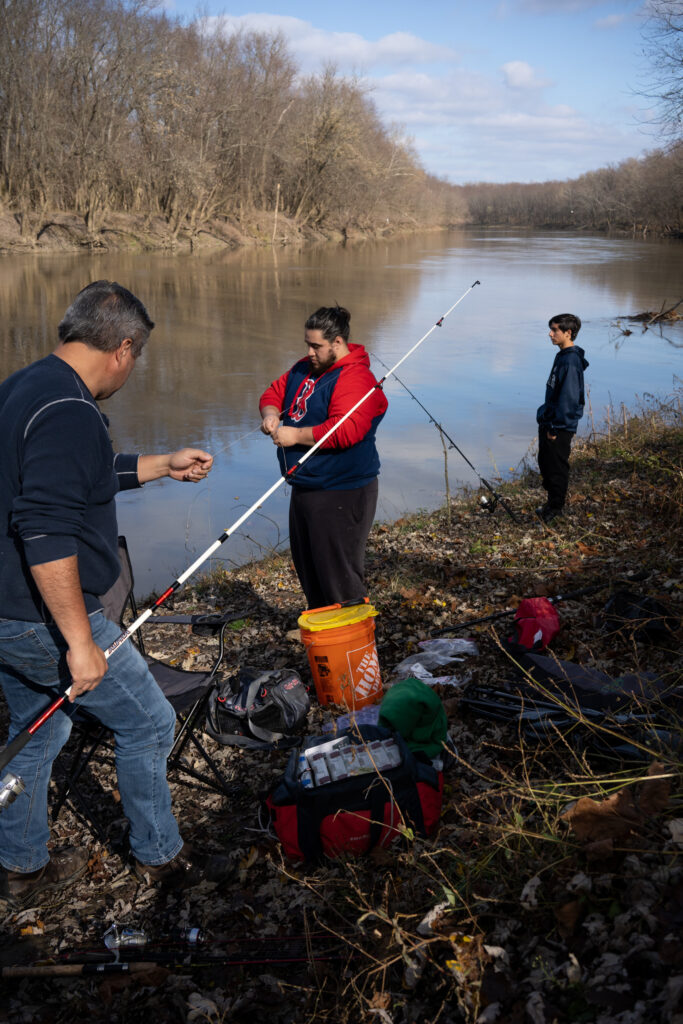
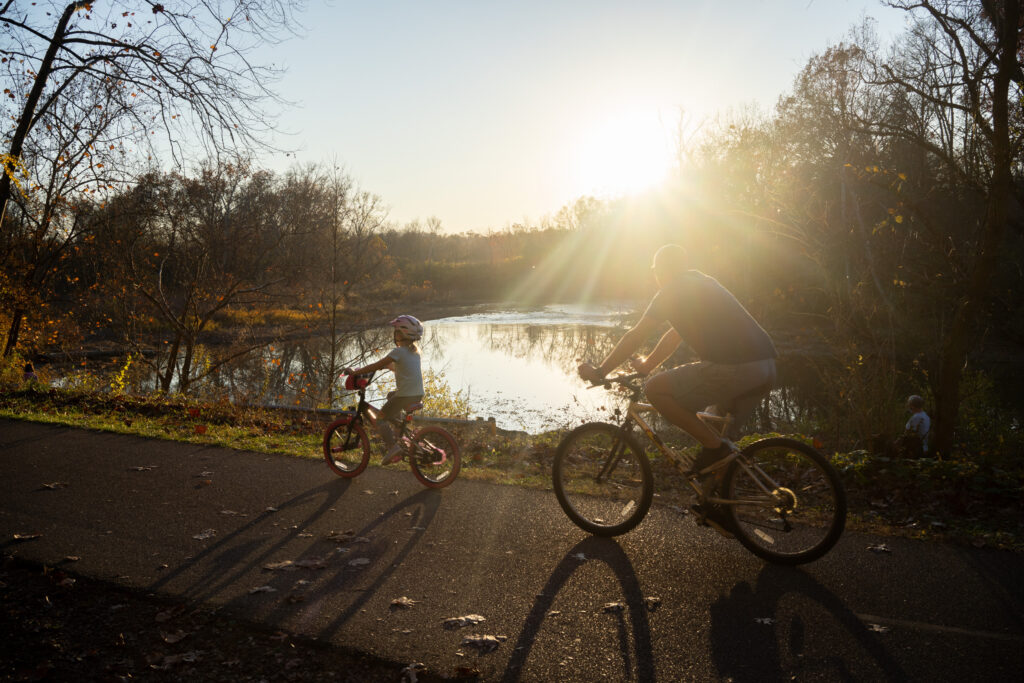
Hiking, walking, kayaking, canoeing, and jogging are great ways to get some exercise while spending time outdoors. Don’t forget about taking in deep breaths of fresh air which promotes better sleep.
So how much time do we need to spend in nature to start seeing benefits? One study found that two hours of nature exposure per week led to significant upticks in both mental and physical health. The best part is that the breakdown of those two hours didn’t matter. In other words, the benefits are the same whether the two hours were spent in one block of time or several shorter blocks of time.
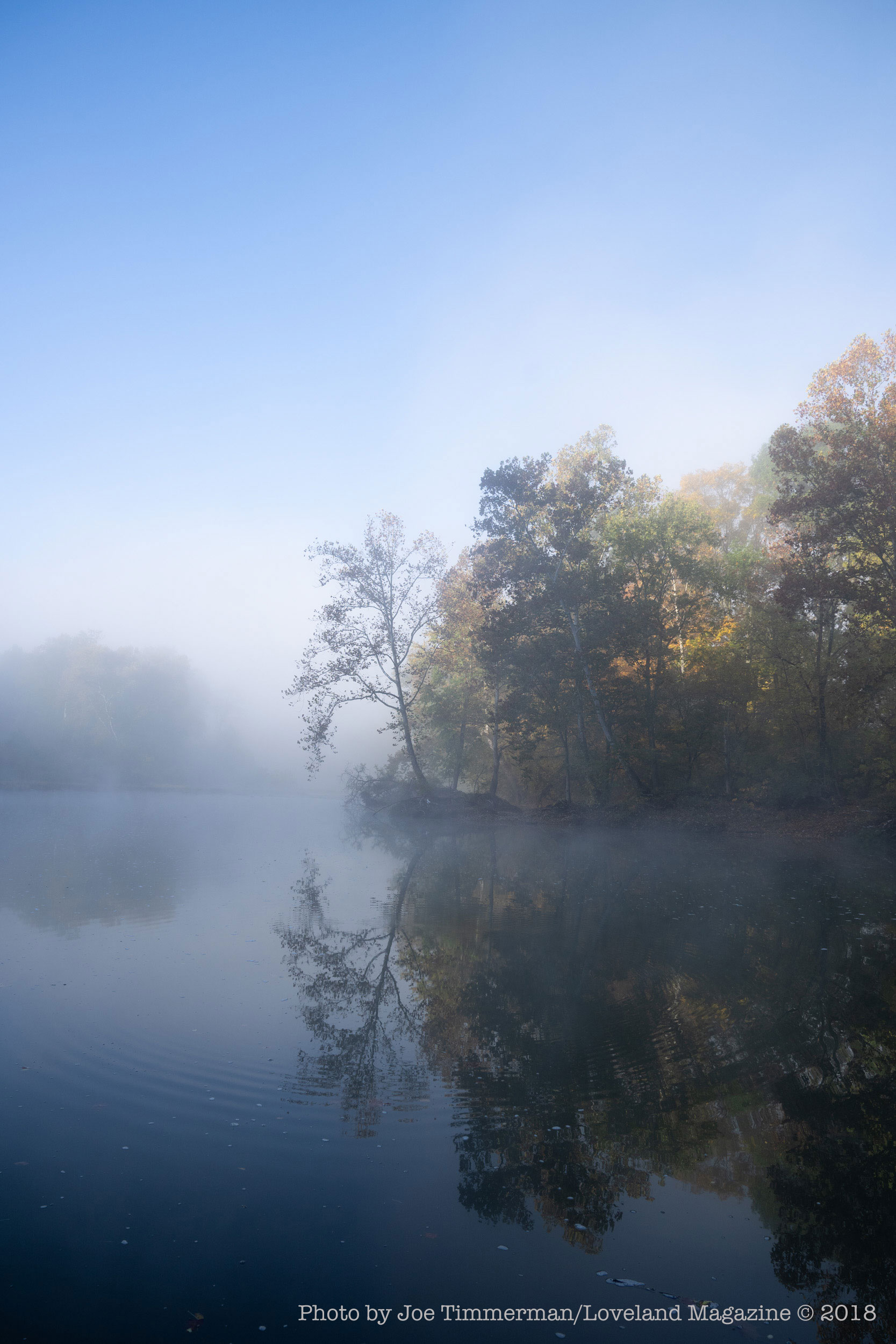
Southwest Ohio residents have easy access to many free, fine parks and trails. Check out city, county, and state parks (https://ohiodnr.gov) as well as The Loveland Bike Trail (The Loveland Bike Trail Map Home – The Loveland Bike Trail Map). This trail is paved and offers users over 70 miles of safe exercise. It also connects the Ohio to Erie Trail which connects the Ohio River to Lake Erie. Lake Isabella is a Hamilton County park right on the outskirts of Loveland. Lake Isabella is a quiet 74-acre park on the bank of the State and National Scenic Little Miami River.
As you can see, opportunities to reach your health and fitness goals for 2025 are plentiful. So, get out into nature for a better you.
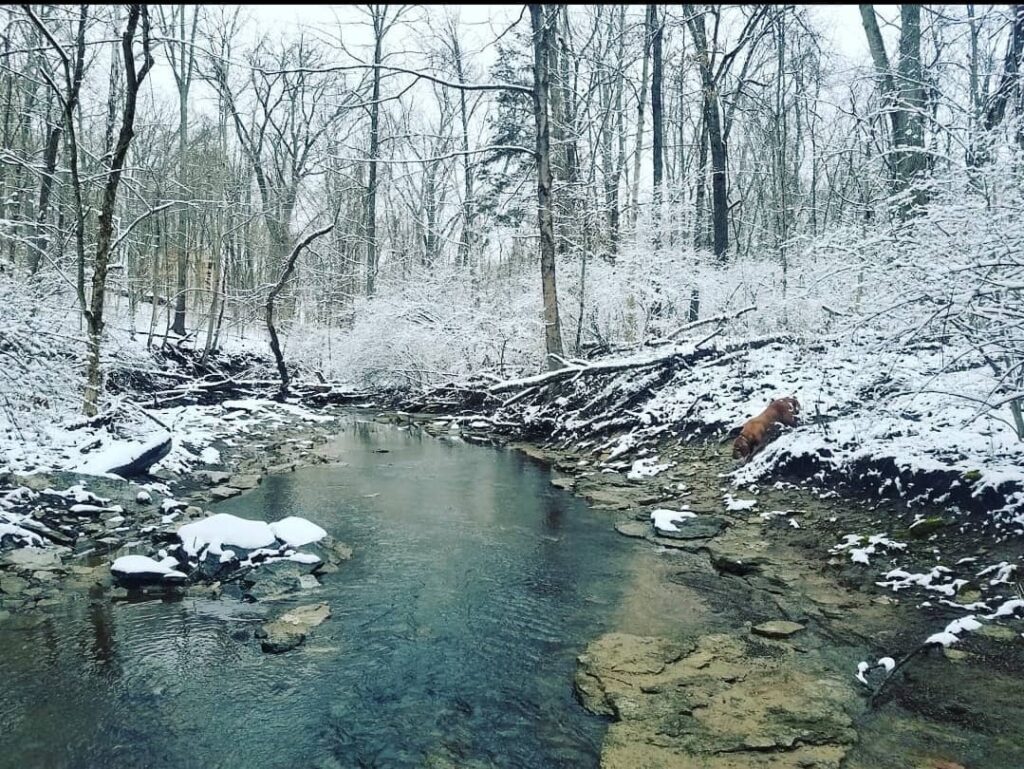
Some tips for enjoying all the benefits that nature can offer this winter:
• Be sure to check the weather forecast.
• Dress appropriately. Light thin layers that can be removed as you warm up are best.
• When temperatures dip, keep sensitive skin like fingers and ears covered.
• Wear good shoes or boots to keep your feet supported and dry.
• Beware of snow and ice. Slow down. Invest in walking cleats that slip on over shoes or boots (think Yaktrax).
• If there is snow and the sun is out, wear polarized sunglasses to help you see while preventing snow blindness.
• Drink plenty of liquids. It’s easy to get dehydrated in the winter so be sure to drink enough.
• Prevent chapped lips and hands by using lip balm and lotions that contain sunblock.
• When possible, go with a friend, not only for safety reasons, but also for accountability.
• Be sure your cell phone is fully charged. Cold air causes batteries to drain more quickly.
Loveland, Ohio – Jamie Smith has lived her entire life in Loveland and raised five sons here. She said she has a “very deep connection” to this place, and her family’s favorite place is Grailville.
She testified during the May 4 meeting when the Planning and Zoning Commission was deciding whether or not to allow 209 Drees homes on the 111-acre Graville site.
She speaks of her very stressful lifestyle, most of the time as a single mother, and living with the father of her children who struggled with an opioid addiction his entire adult life. She added that he has been “clean” for the past ten years however the experience of dealing with the addiction within her family was traumatizing.
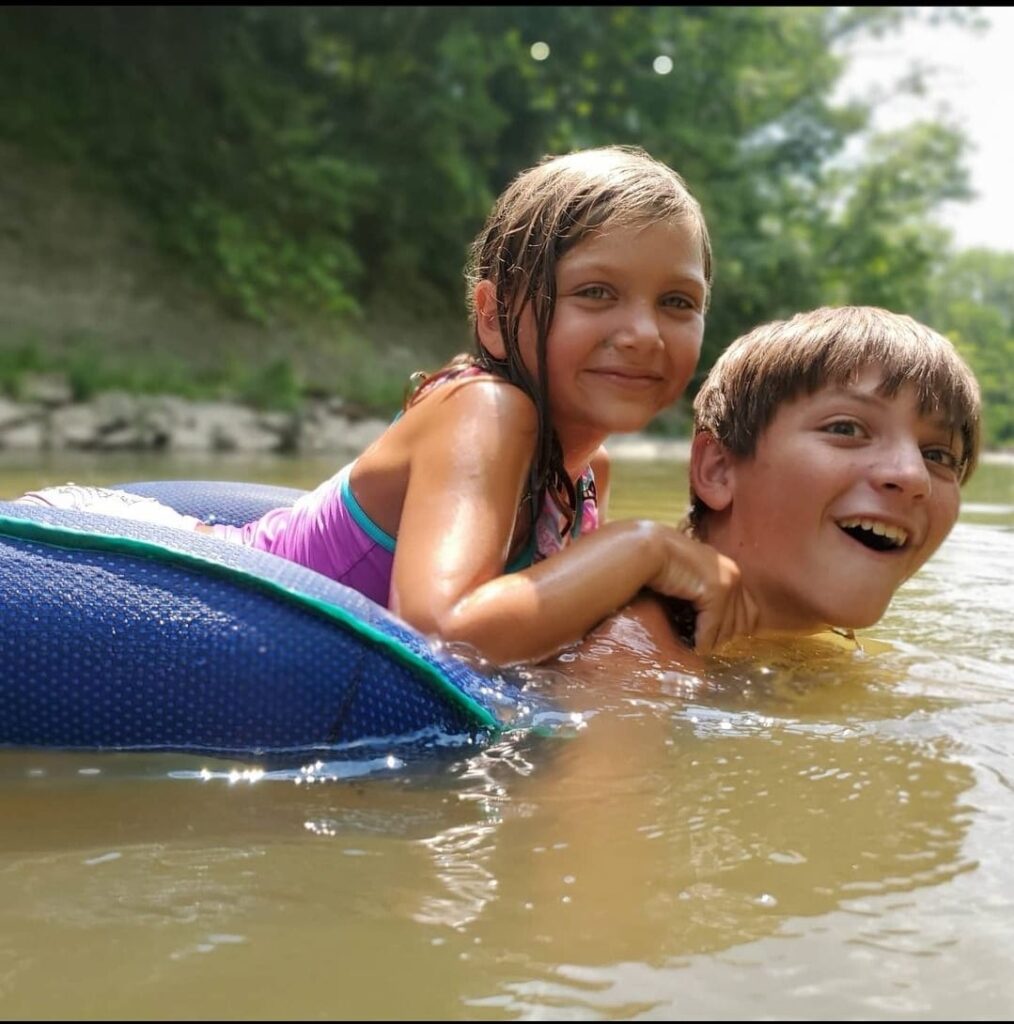
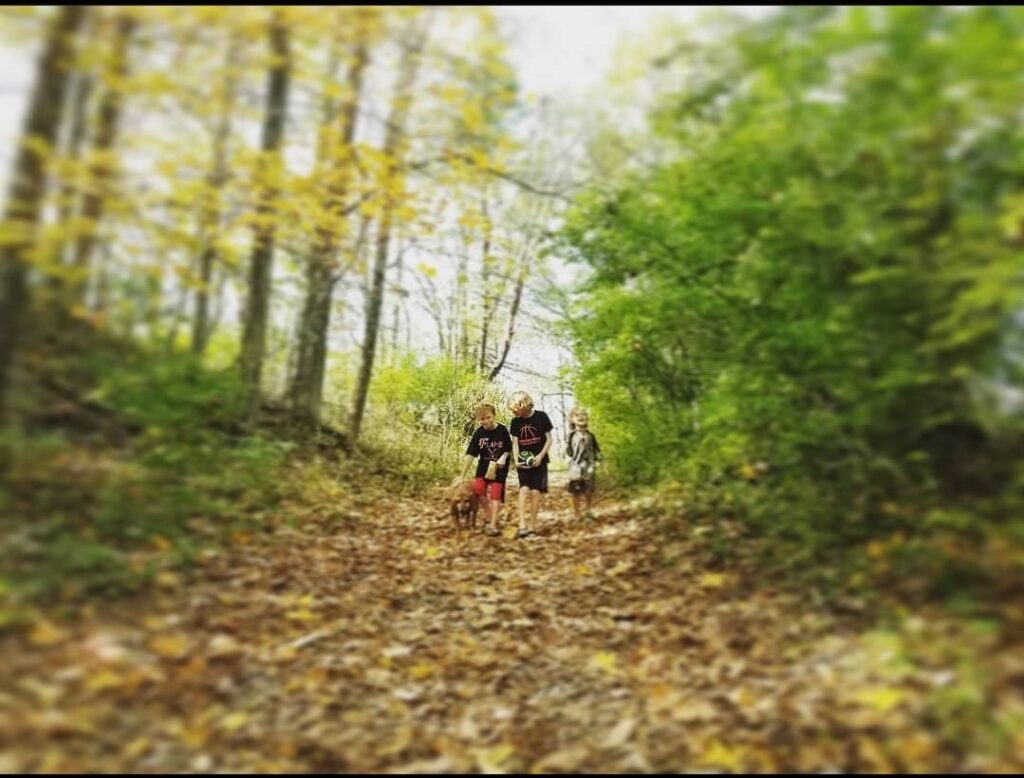
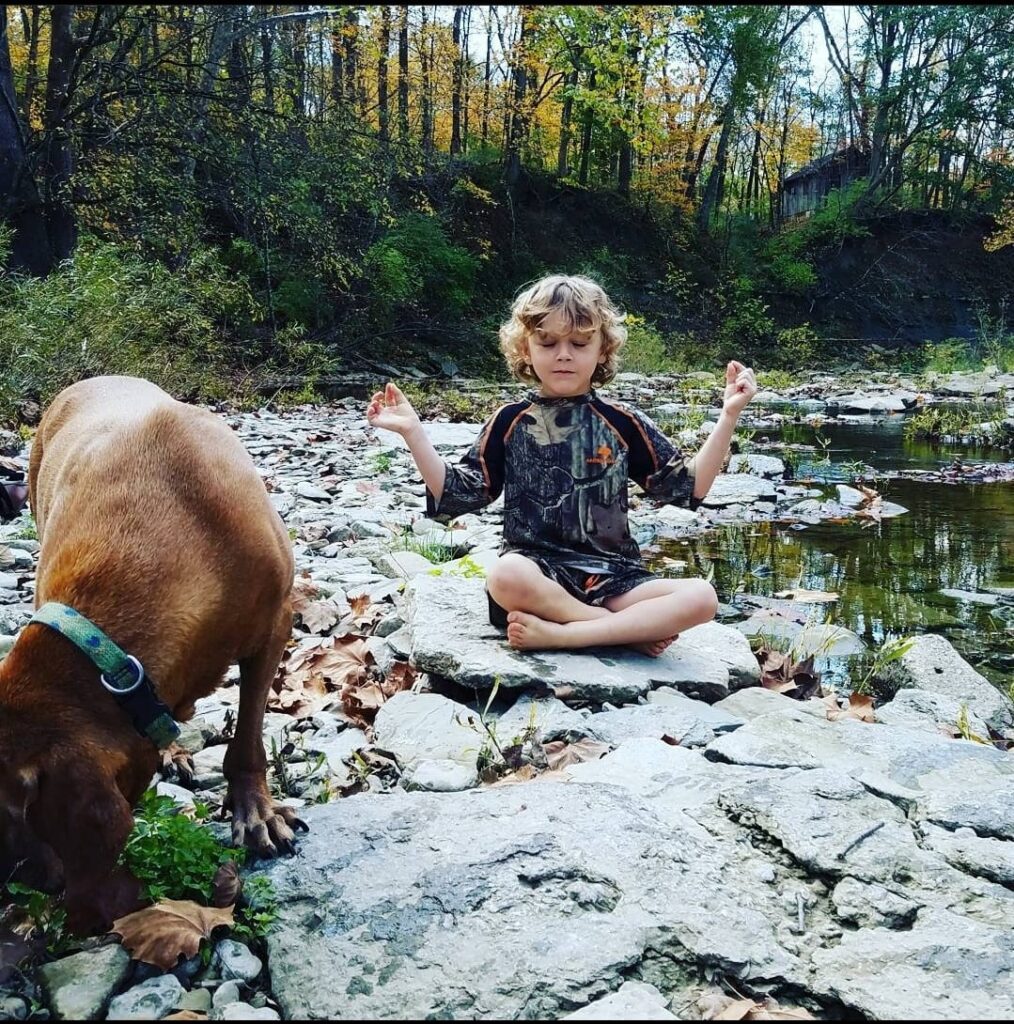
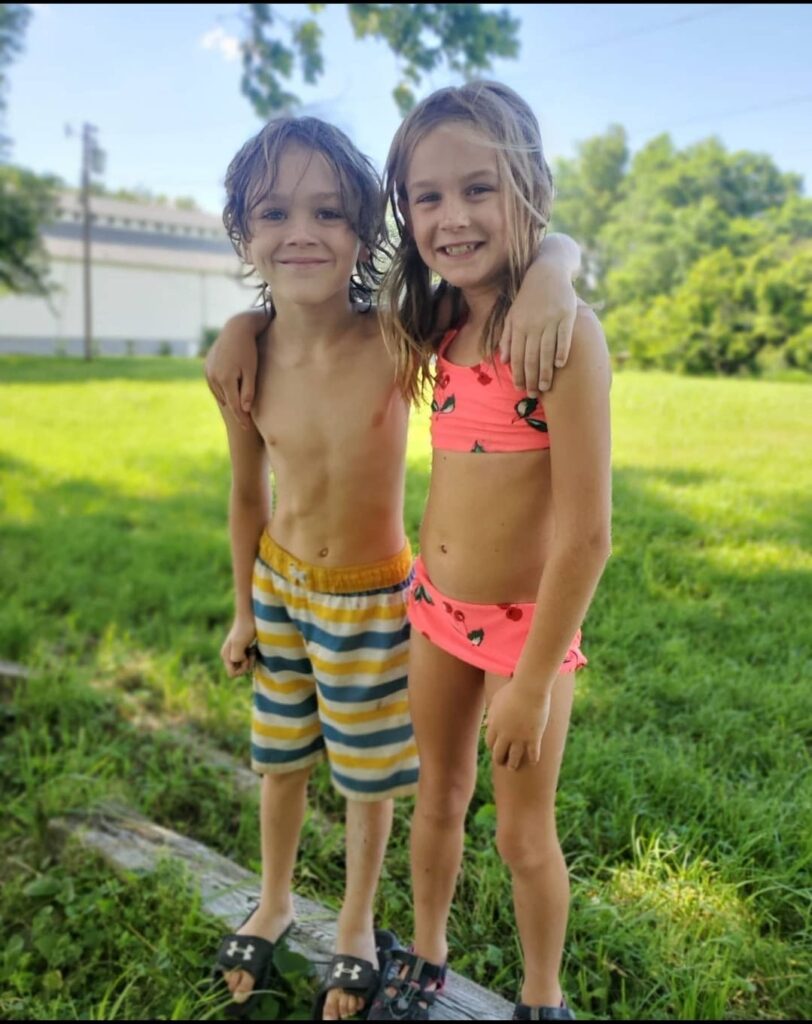
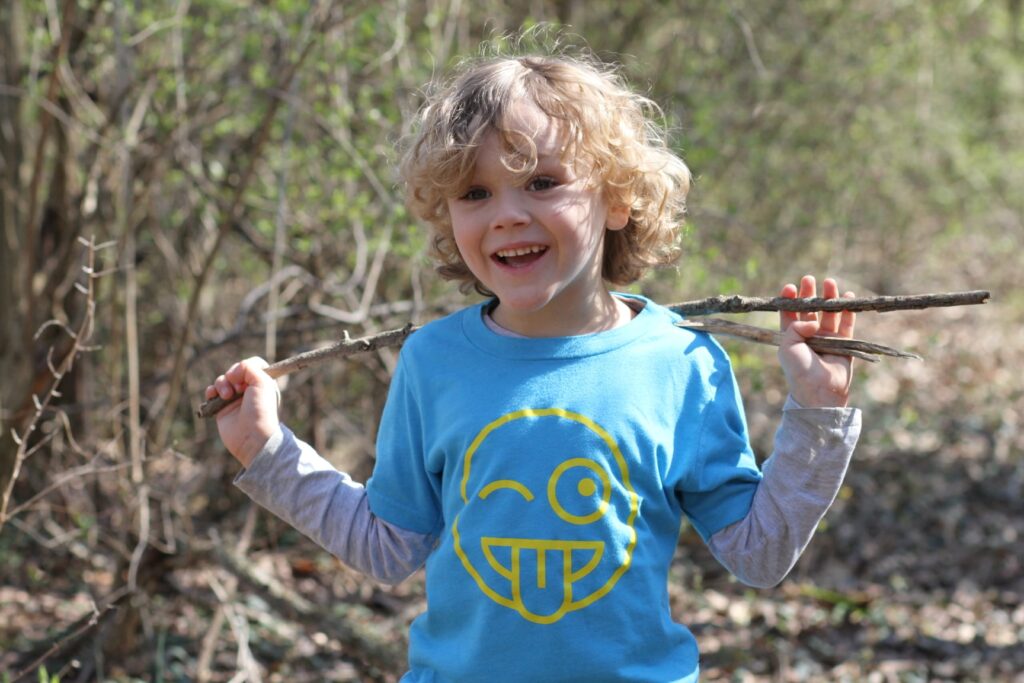
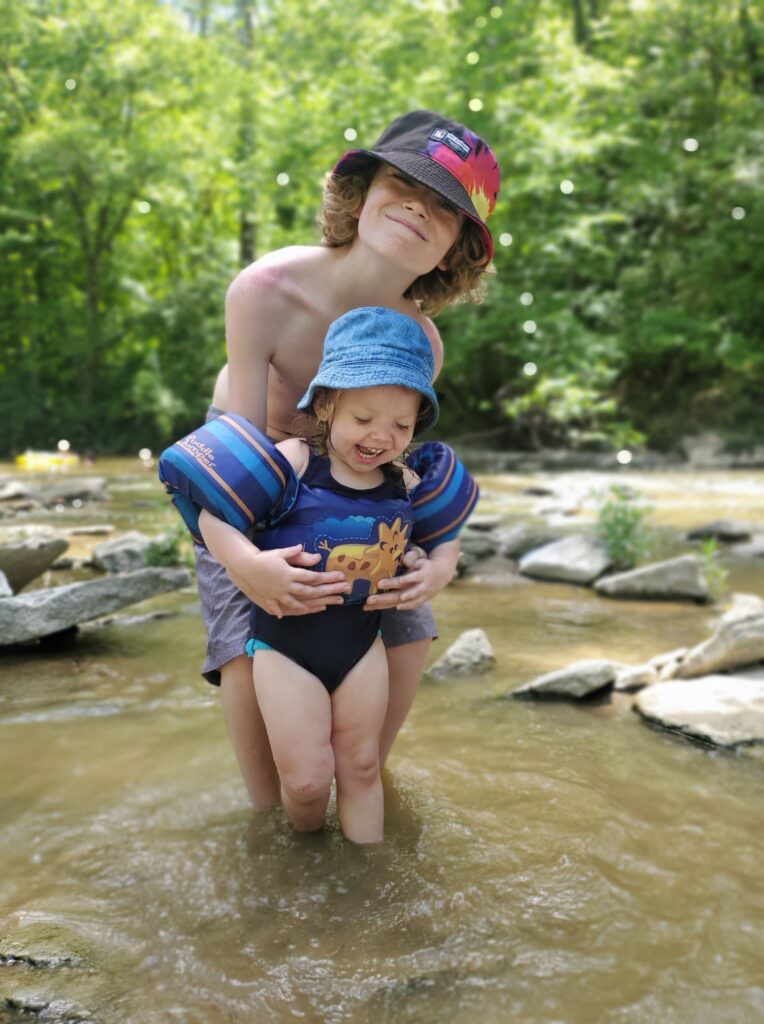
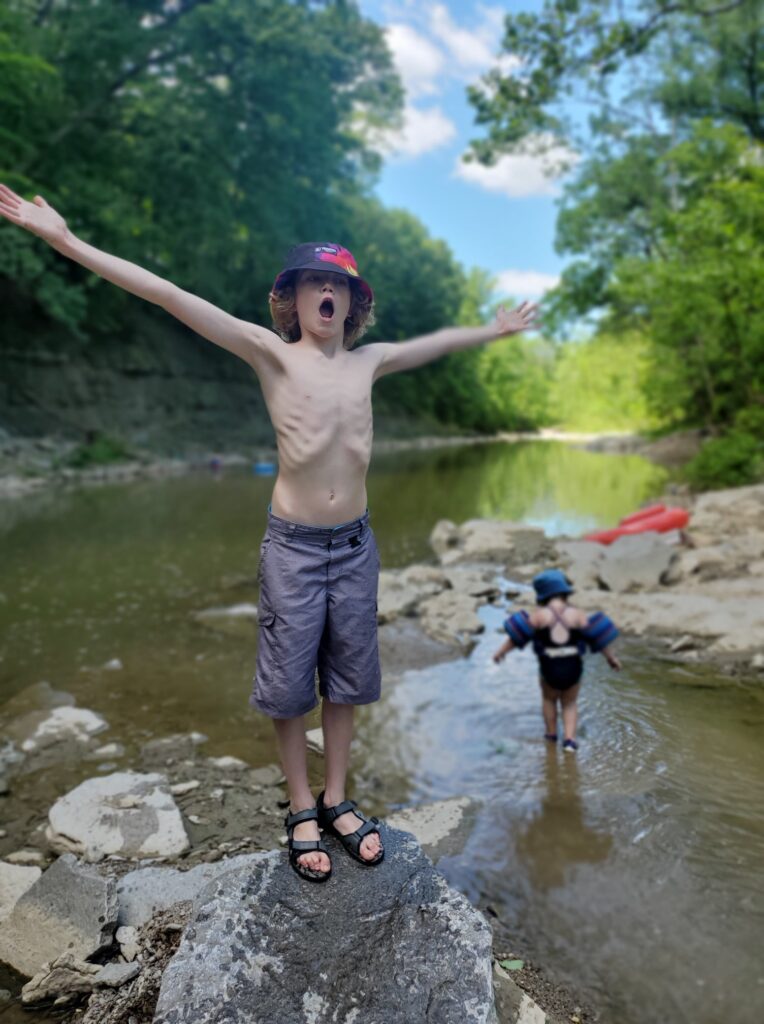
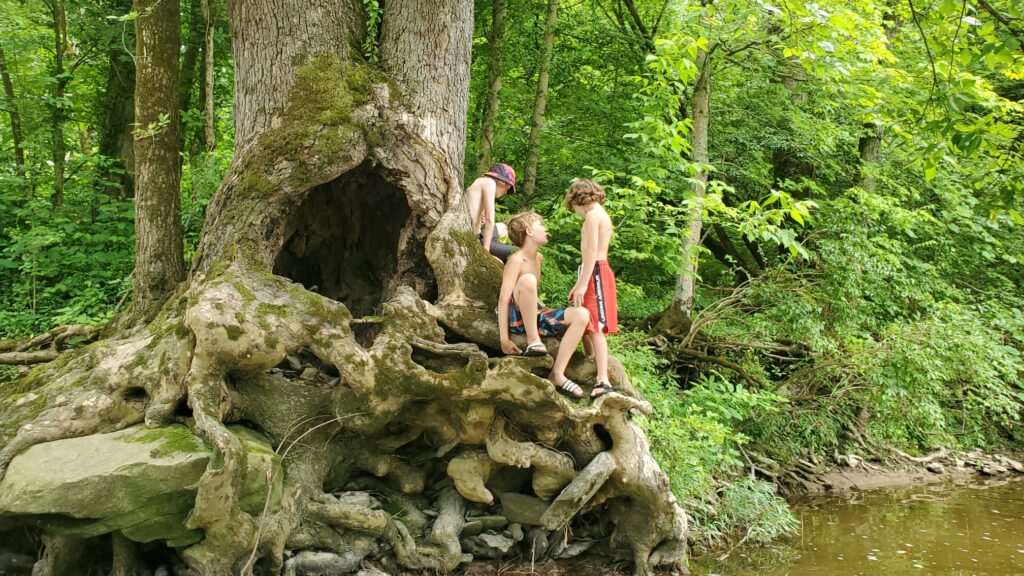
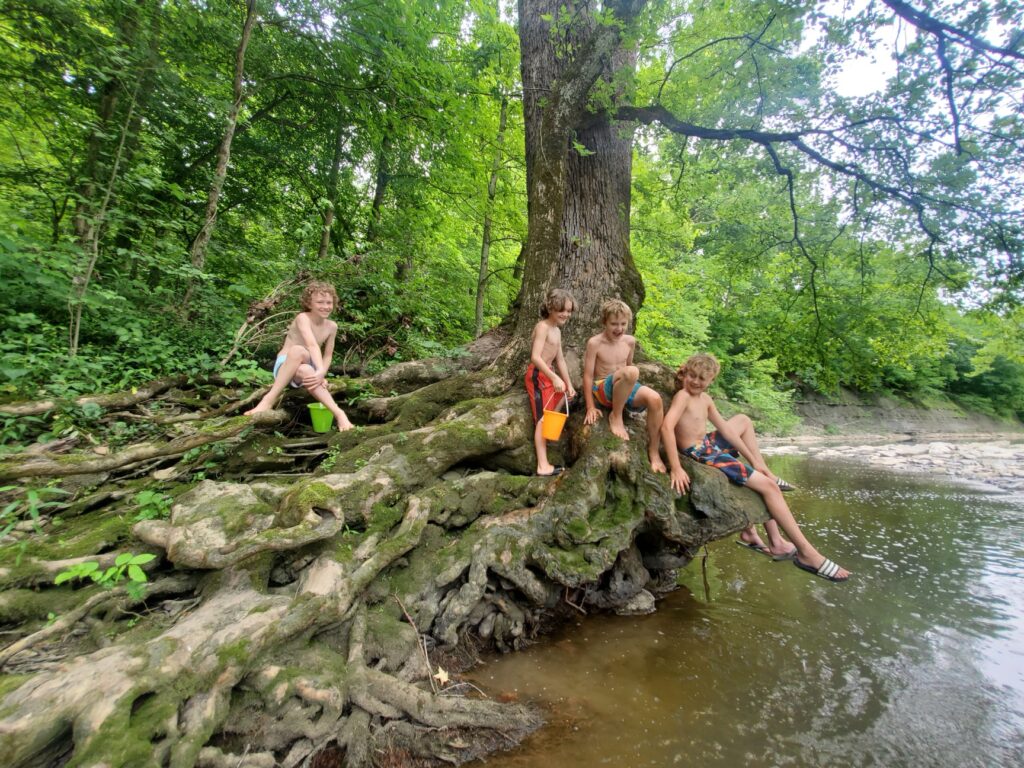
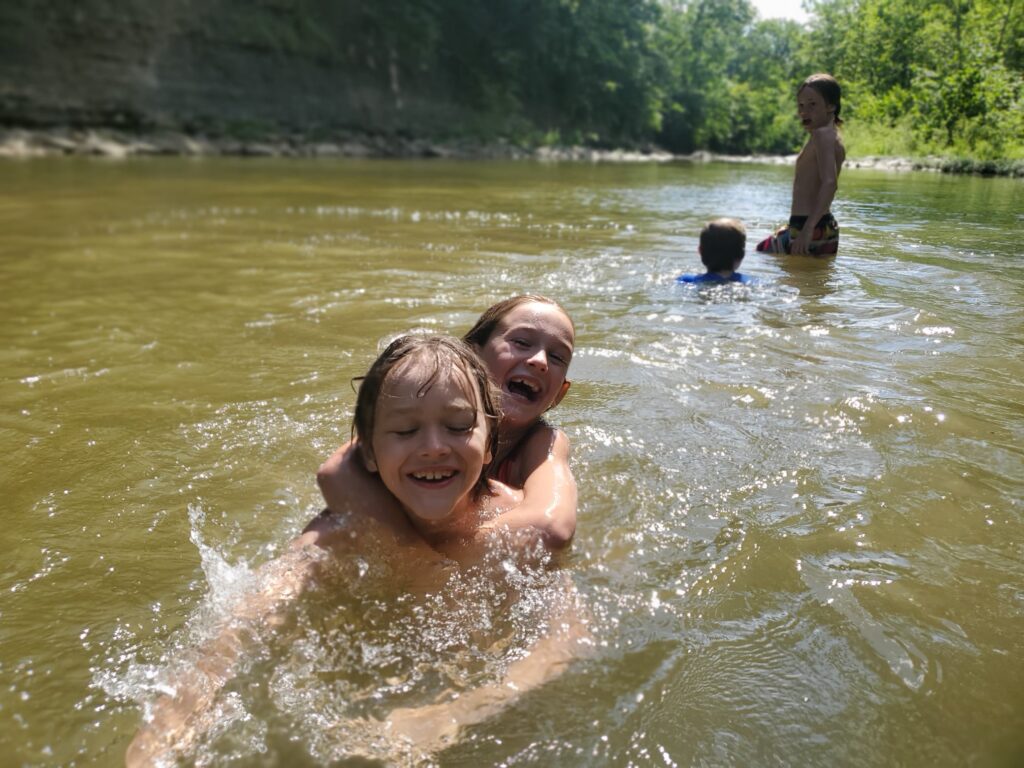
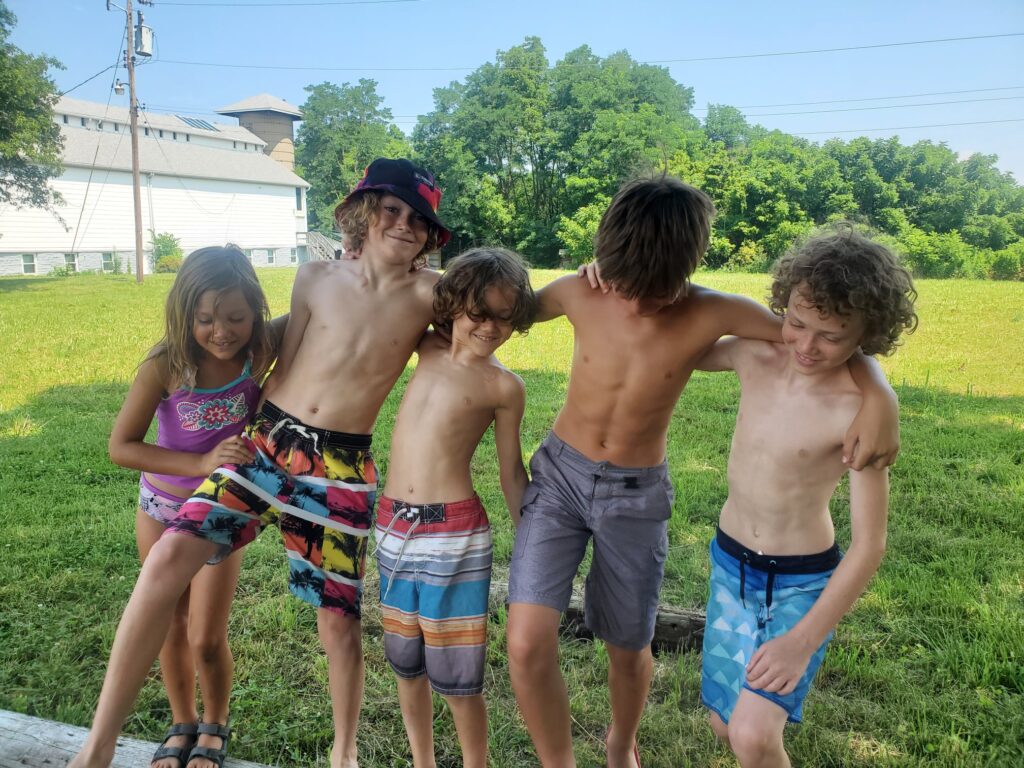
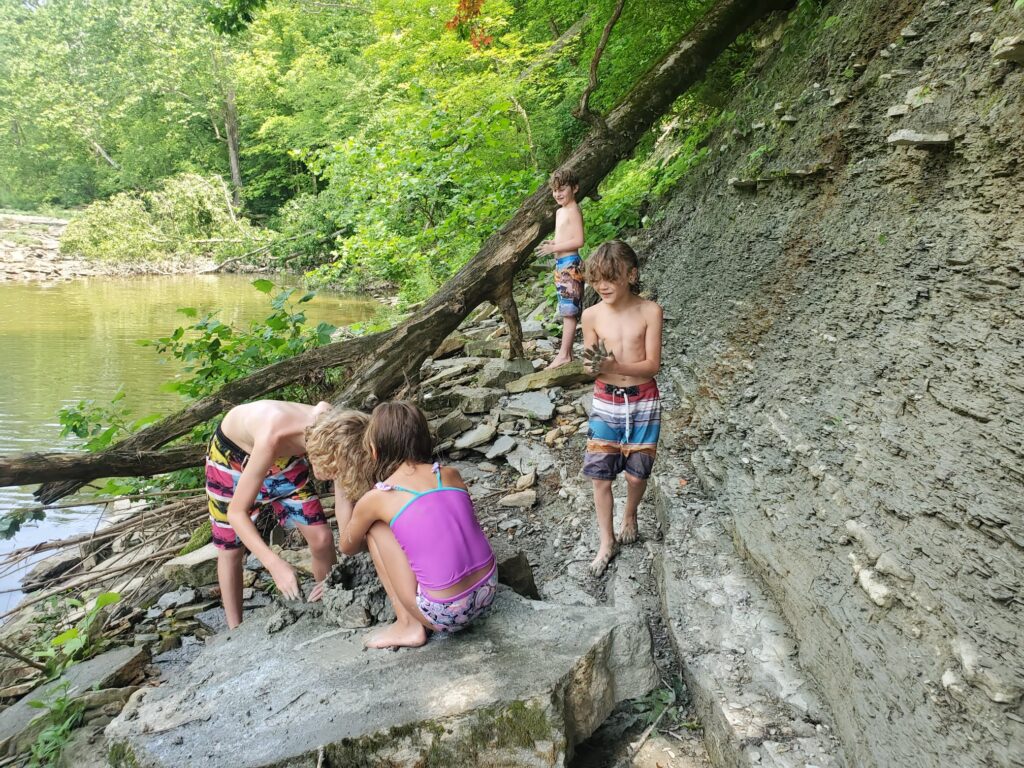
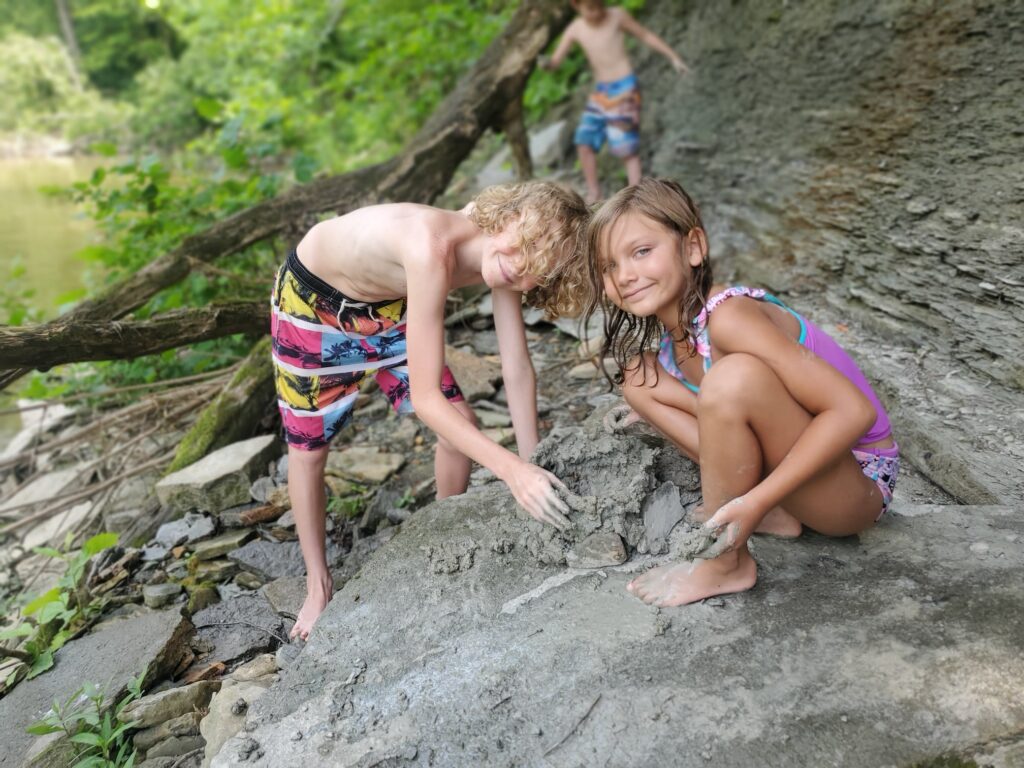
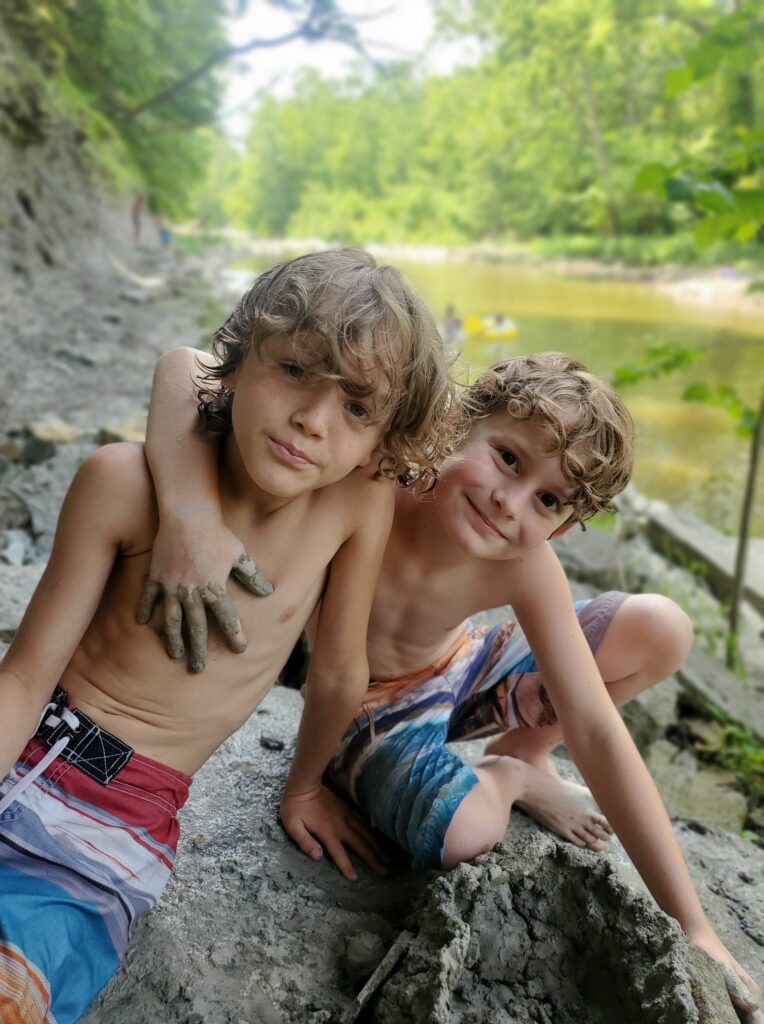
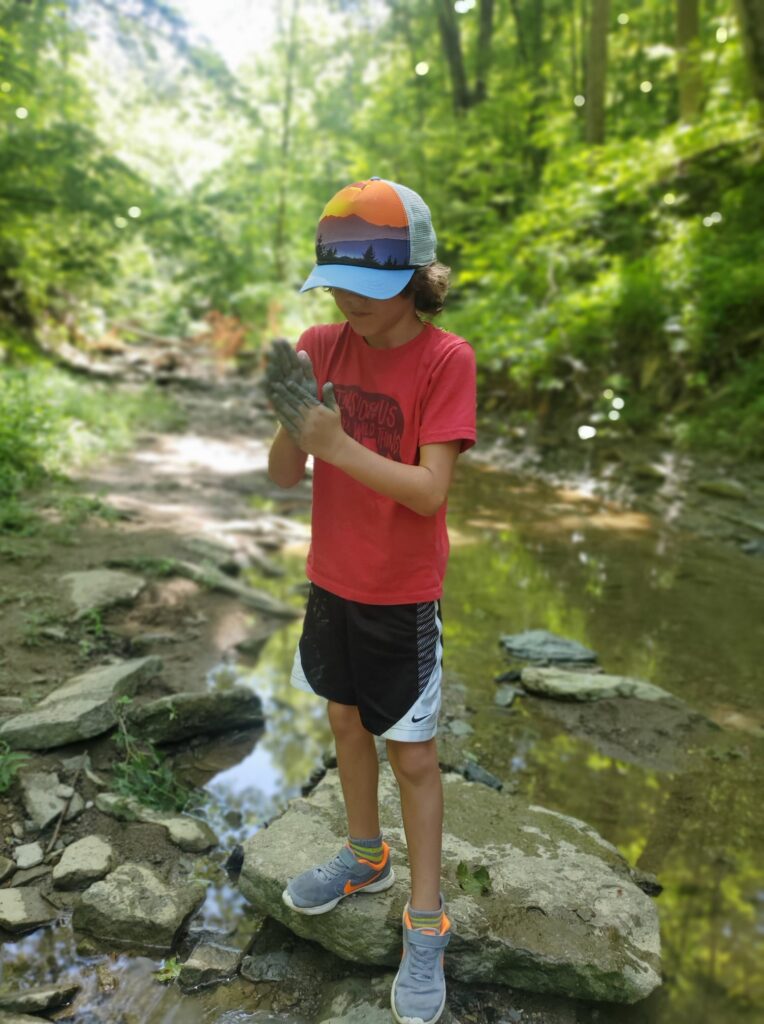
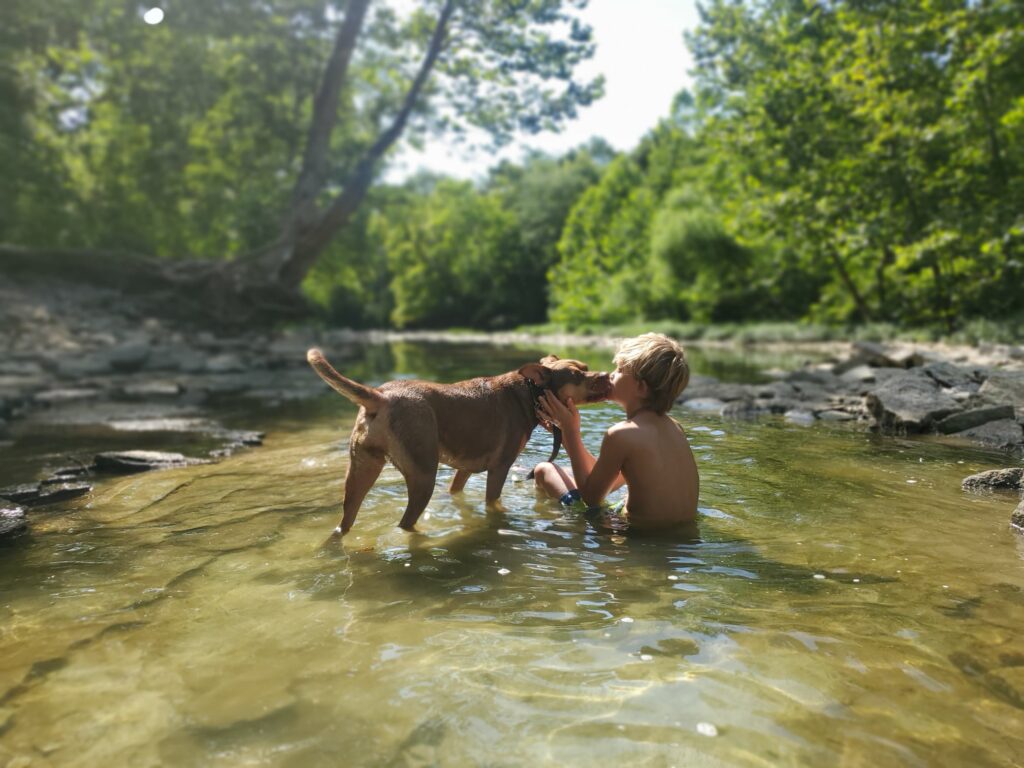
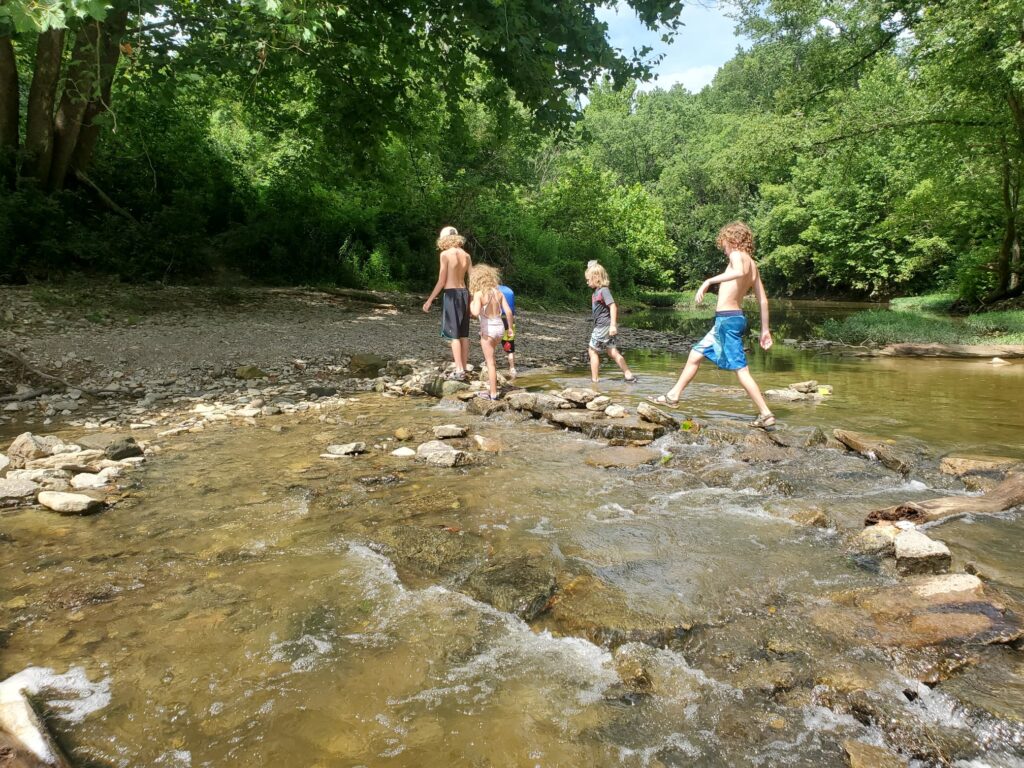
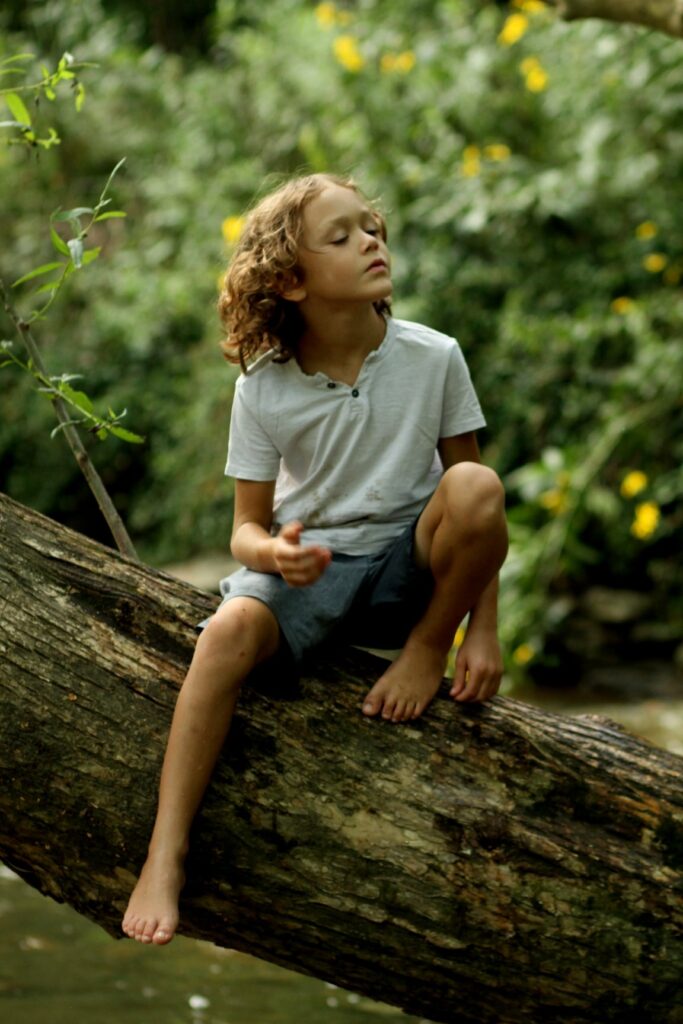
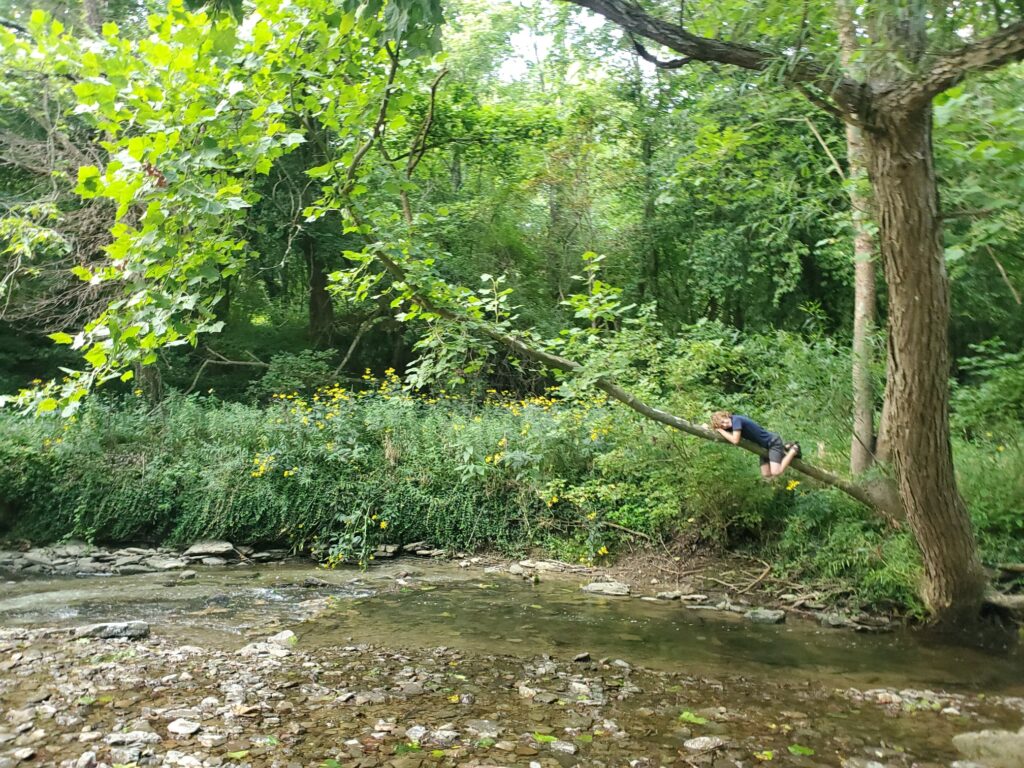
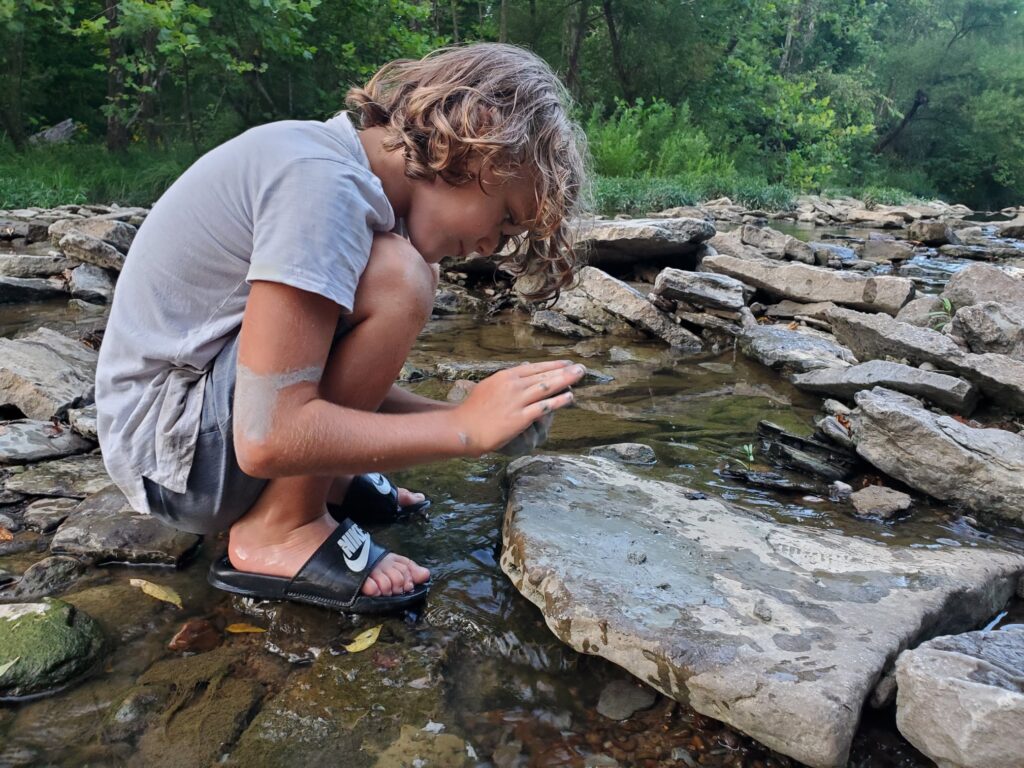
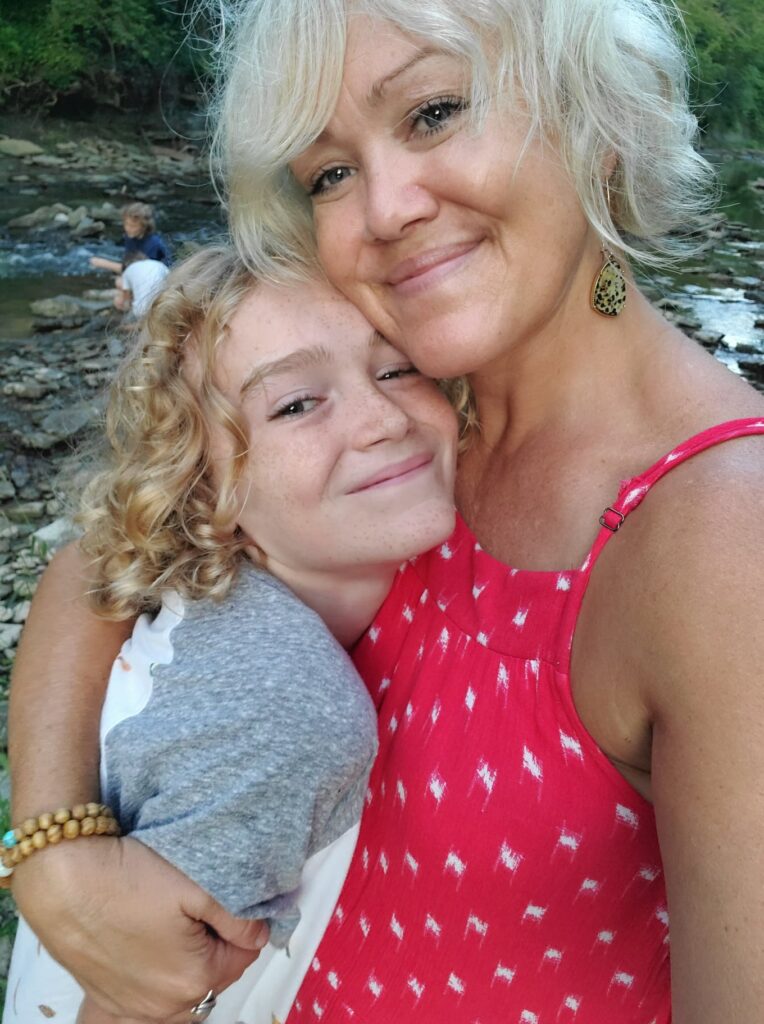
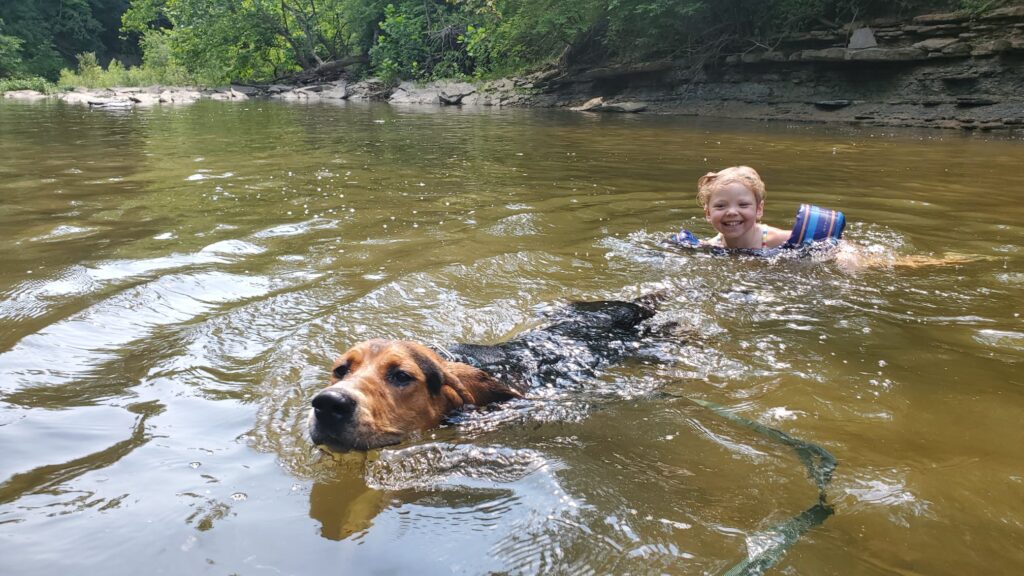
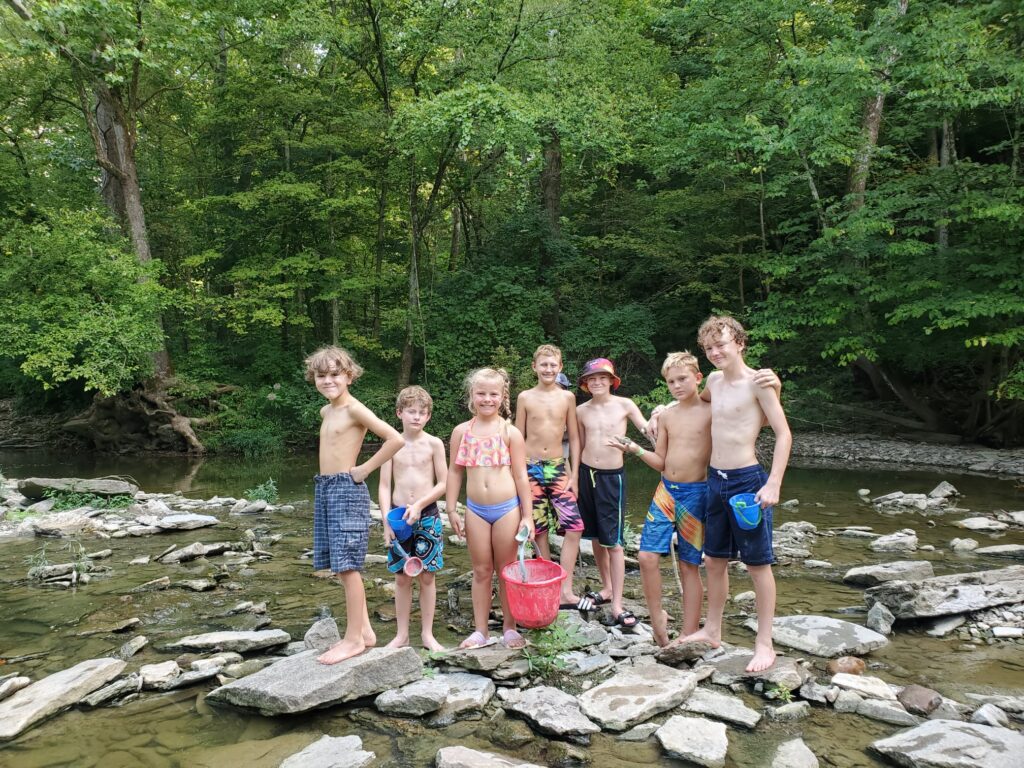
She defined her financial situation as havoc and how she has maintained a full-time job and two or three additional part-time jobs for her sons’ entire lives. To be able to be a contributing member of society and a good mom, she designed their lives around something she could afford, spending time in nature. “Not only because it was all we could afford, but because it was healthy and fulfilling,” Smith added. “And it brought joy to a mentally and emotionally exhausted family.”
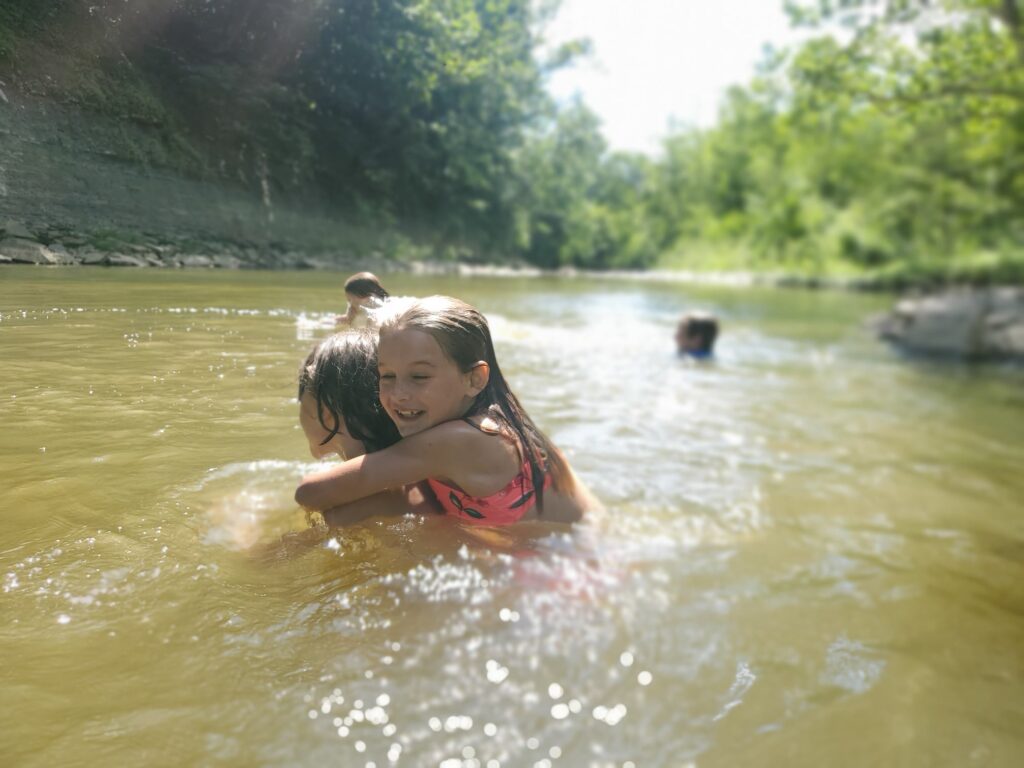
She took listeners on a journey with her boys down the Grailville path to the respite of the cool waters of the O’Bannon Creek.
Loveland, Ohio – Loveland resident Diane Fisher testified at the Planning and Zoning Commission meeting on May 4 about the re-zoning of Grailville and a proposed new development near her home on Oak Street.
Fisher started by expressing how nervous she was about speaking publicly, however, speaking softly and determined told why she chose to live in Loveland, “…enjoying the mental and physical, and spiritual health that being in nature provides.” Referring to the COVID 19 Pandemic she said that activities in nature have proven more important than ever to many people she knows.
Fisher also noted that it wasn’t lost on her that the meeting was being held in both “No Mow May” and “Mental Health Awareness Month.”
It wasn’t a rhetorical question Fisher then asked, “How many more lawns filled with pesticides and herbicides, should be allowed, invited, encouraged into our area.”
“Each of us. Every person is a steward of our community,” Fisher challenged.
Loveland, Ohio – Would you like to make a difference and give back to the community? Local non-profit, The Loveland Learning Garden, provides the opportunity for anyone to volunteer to help teach local students about the environment, or maintain the vegetable garden, the flower garden, and the nature trail!
The Loveland Learning Garden, located at 600 Loveland-Madeira Road (Loveland Primary and Loveland Elementary school grounds), dedicates everything to giving kids the opportunity to form “lifelong connections to the wonders of the natural world.” The non-profit outdoor education program not only strives to build awareness and community support but also maintains a vegetable garden, a flower garden, and a nature trail that is used for hands-on learning. The over 1,200 Loveland 1st-4th grade students involved are able to get an interactive experience, through a 20-week curriculum (taught by “Garden Educators” during the school day in the Spring and Fall), with nature while still adhering to the academics they are being taught in class. Seeing how food is grown, tasting fresh produce, and harvesting food that is eventually donated to local non-profit LIFE Food Pantry are just a few things students are able to get involved in at the Loveland Learning Garden.
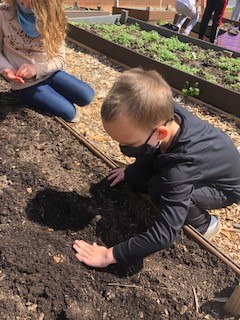
Planting Kale in May at the Loveland Learning Garden
Board President, Laurie Flanagan, chatted with us at the Loveland Learning Garden about why gaining dedicated volunteers is vital to keeping the non-profit education program running.
“In order to successfully sustain our program, we seek people who want to share their talent and ‘dig in’ to join us by taking on leadership roles on our board or owning pieces of work that make the organization run,” Flanagan explained, “Our committees include education, communications, garden and trail maintenance, volunteer recruitment, and grants/fundraising. We have a diverse volunteer base of ages and backgrounds and welcome everyone! For example, we have students from the LHS National Honor Society, Tigers in Service, and the LHS Environmental Club who have helped us, University of Cincinnati students, workgroups, church groups, students from neighboring school districts, local parochial schools, and many individuals from across the Cincinnati area.“
Check out the video below to see Laurie Flanagan explain how you can help the Loveland Learning Garden!
During the months of March-October volunteers are heavily needed at the Loveland Learning Garden. If you or your organization would like to volunteer email the Loveland Learning Garden.
The Loveland Learning Garden will be a part of the 2021 Great Outdoor Weekend sponsored by Green Umbrella. On September 25th from 9 AM-1 PM, the Loveland Learning Garden will be holding a scavenger hunt for kids ages 4-10. For more information click the above Great Outdoor Weekend link!
To stay informed on the Loveland Learning Garden’s upcoming events and volunteer opportunities you can visit their Instagram and/or Facebook.
Loveland Learning Garden History The foundation for Loveland Learning Garden was planted in 2002 as a floral garden on grade school grounds thanks to the vision of a grandmother who wanted to share the joy of picking fresh flowers with children. With the addition of vegetable gardens and a nature trail in the woods behind the school, Granny’s Garden School grew to be one of the most comprehensive school garden programs in the country and was recognized as a model for nature-based education training. In 2016, the founder retired while a new group of leaders, believing in the value of the program to students and the community evolved the nonprofit to its next iteration. Today, with new energy and a refreshed identity, the Loveland Learning Garden operates with strong, collaborative school partnerships, diverse leadership, community involvement, and a continued passion to educate and inspire children to the lifelong benefits found through nature.
For more ways to get involved with the community stay tuned to the Loveland Salad With ME, Cassie Mattia!
Great Parks’ educators and certified staff members can ignite a passion for science and history in students of all ages.
Great Parks of Hamilton County is Starting 2021 Virtually!
Welcome to Great Parks of Hamilton County’s school program offerings for the 2020–2021 school year. They will bringing the best of nature to you, wherever your classroom may be.
For an indefinite period, all school programs presented by Great Parks will be offered virtually as they are unable to present in-person programming at this time.
All virtual programs address Ohio’s Learning Standards and respective content statements for kindergarten through fifth grade. See the listings below for year-round programs and topics that are already created for specific subjects and age groups. The staff can work with you to design custom programs for any grade. For more information, call 513-521-7275 or email.
This program is funded in part by grants from The Andrew Jergens Foundation and the JOHN A SCHROTH FAMILY CHARITABLE TRUST, PNC Charitable Trust.
Some of the programing:
Like Me, Like You – It’s alive! … Or is it? A way to breathe, a way to eat and other key requirements help define the living from the nonliving. Investigate the survival basics of our plant and animal friends through screen-to-screen encounters.
Animals in Winter – Explore the three strategies animals use to survive the bitter winter in Ohio.
Unearthing Ancient Cultures – See the world through the eyes of an archeologist. Use ancient artifacts to construct a story of how these cultures not only survived, but thrived in the land we now call home.
Built for Survival – Ohio’s wildlife are finely tuned to surviving in our local ecosystem. Let’s learn a
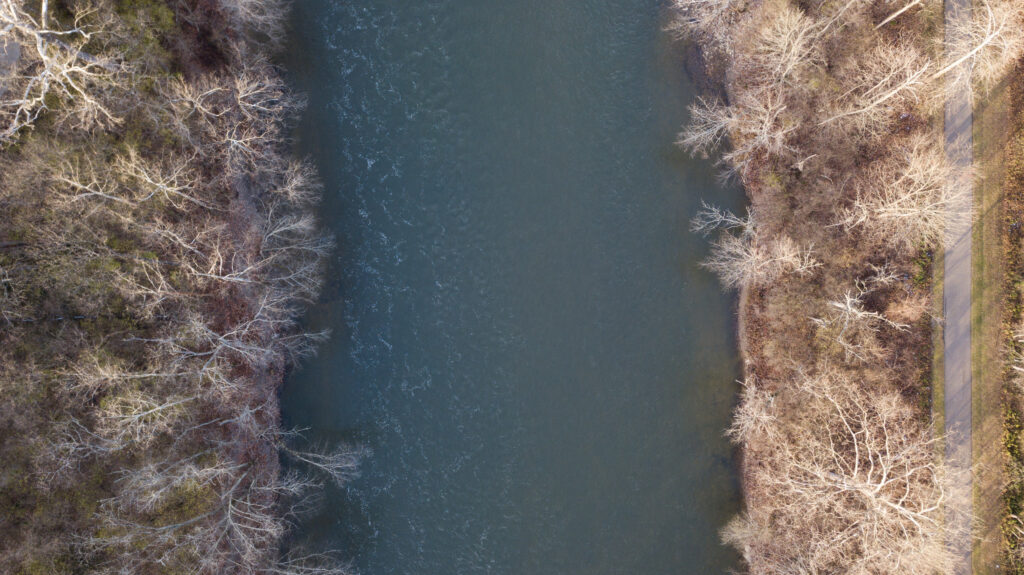
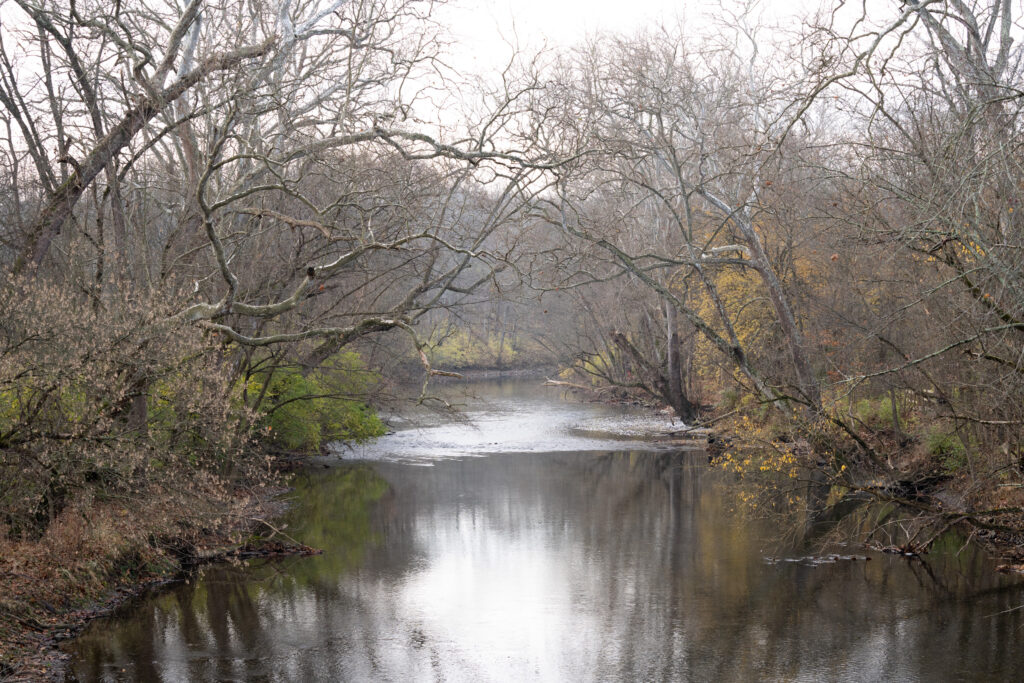
Few leaves are still falling off trees and down the ever-running water of the National Wild and Scenic Little Miami River, where they float through five counties and 111 miles of southwest Ohio, into the Ohio River and toward the Mississippi before eventually finding their way into the Gulf of Mexico. Today, these 111 miles of Little Miami River are the cleanest that they have been in the last 40 years, and as the world may seem largely disconnected due to the coronavirus pandemic, a connection between people over time is helping to create the river’s lasting sustainability.
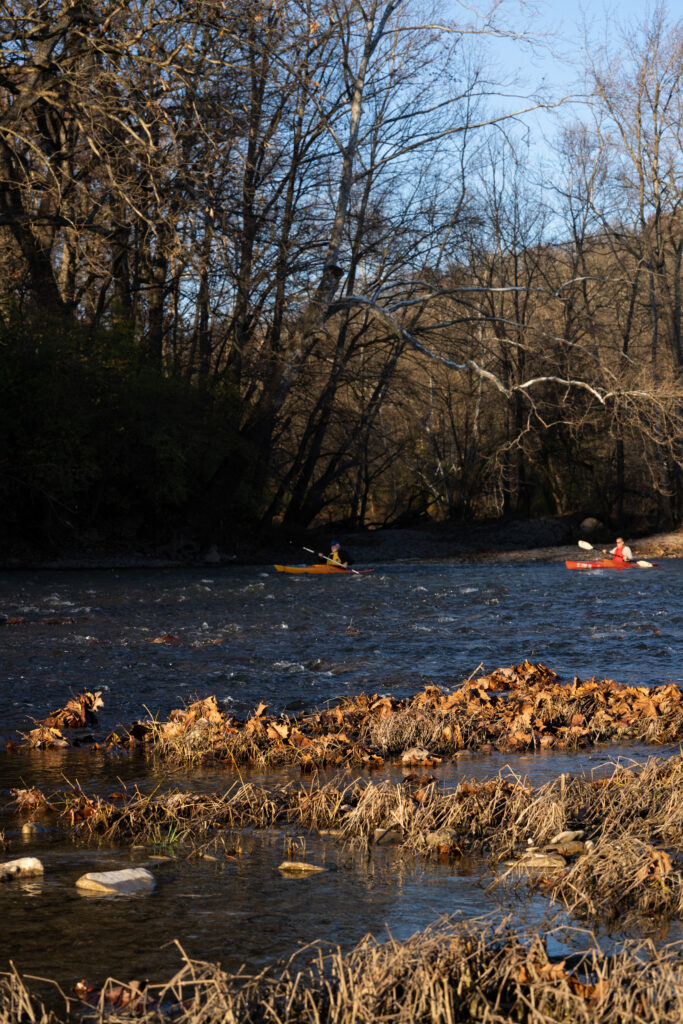
Since the end of the last Ice Age before this land was known as America, humans have lived along the Little Miami River and enjoyed the resources it provides — drinking the water alongside its banks while hunting for fish within, using the clay to build pottery or structures, and floating on the surface in kayaks or canoes like the leaves still do today. In that time, the river has seen many seasons of change, from shifts in human culture alongside its banks through community development to biological diversities in its rich, natural environment, according to the Little Miami Ecology and History report.
When the Little Miami was designated as Ohio’s first State Scenic River and included in the National Wild and Scenic River System in 1973, according to the Ohio Department of Natural Resources, locals had already been active in its conservation and return to sustainability for more than half a decade. The Little Miami Conservancy (LMC), a non-profit organization fueled by passion for the protection of the river, led the effort in Washington to recognize the importance of protecting the Little Miami River as not only a local hidden gem, but as a national treasure.
The lower section of the river runs right through the heart of Loveland, Ohio, where LMC and its current executive director, Eric Partee, is based. Partee’s passion roots from the original director of the conservancy, Glenn Thompson, who in 1967 embodied the idea that their effort isn’t about one single person, but rather about everyone coming together to save the river.
“Someday, a corridor of green will stretch from one end of the river to the other. Individuals and families will enjoy peace and quiet and restoration of spirit that comes with clean water, birds, and trees,” a quote from Glenn Thompson that Partee believes the conservancy has lived up to.
Since its origin, the conservancy has worked with agencies like the Ohio Environmental Protection Agency (OEPA), who records the condition of the Little Miami River every 10 years by sampling fish life. In the 1980s, only 4% of the Little Miami River was in full attainment of water quality health, but in recent years, the chart has flipped, and as of 2007, the river is at 96% attainment of health, according to OEPA research.
“As early as the turn of the century, this river was very well polluted. (There were) a lot of deformed fish, it was not anything close to exceptional,” Partee said in an interview. “It took a lot of discussion, a little bit of arm twisting, and some local funding to fund improvements to the sewage treatment plants to ratchet down on phosphorus, which was the main culprit … when we got the treatment plants to ratchet down on that, biology basically turned around on a dime —from terrible to exceptional.”
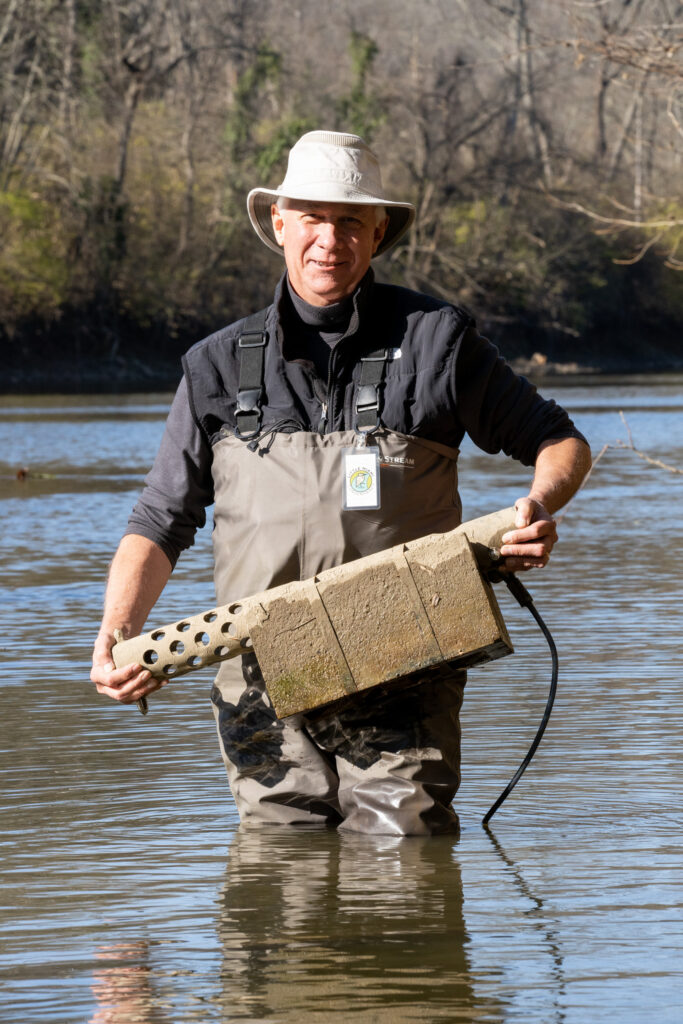
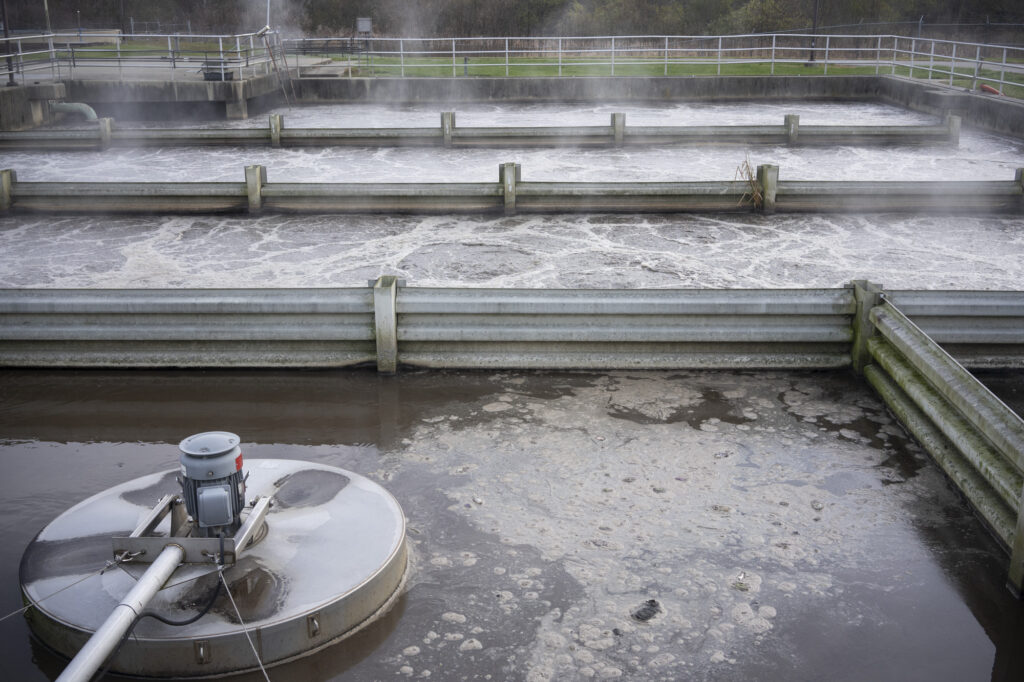
To make sure the river stays healthy, LMC introduced a set of equipment called YSI Water Quality Sondes, which monitor dissolved oxygen in nine locations throughout the length of the entire Little Miami, according to Partee. Each system monitors oxygen every 15 minutes, allowing for constant awareness of river health to prevent a reversion of quality. The conservancy also takes prides in their work on forest restoration through buying riverfront properties, planting trees, removing invasive species, and working collectively to clean up trash in the effort to grow closer to the initial goal of a corridor of green along the riverbank.
A short walk from the doors of the conservancy is the Loveland Canoe and Kayak Livery, owned by Mark and Robyn Bersani, which is just one of the many businesses along the Little Miami River that rely on its health as their main resource for income. The Bersanis work closely with the conservancy each year by offering and volunteering for cleanups as well as generous donations. This year, along with two other liveries including Rivers Edge and Scenic River, their combined donation to the Little Miami Conservancy’s effort was $56,000, according to Bersani.
“We’re involved from a grassroots portion, to actually helping with cleanups, to keeping an eye on the river, as well as donating and continuing to fund the good work that they do,” Bersani said in an interview. “It comes down to the people that live along the river, people that visit the river, the people in the community, if the river is going to stay clean. This river is very natural, it looks like it did 300 years ago … it is vital that the citizens all realize they have a role in this.”
Up the road at Loveland High School, Amy Aspenwall, an AP environmental science teacher teaches teenagers the importance of environmental awareness through hands-on experiences in places like the Little Miami River.
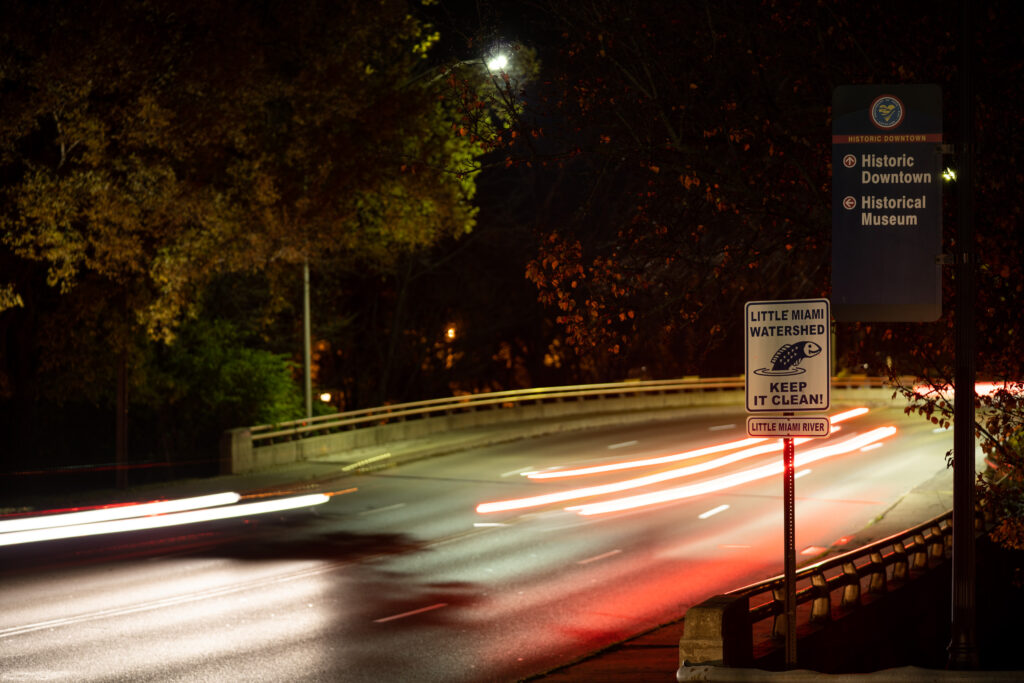
Perhaps half of the students attending Loveland High School cross over the Little Miami State and National Scenic Little Miami on their way to school each morning.
In an interview over Zoom, Aspenwall talked about the importance of students getting out into nature to actually see how humans fit in the environment, because “if you don’t see it, it’s really not your problem,” Aspenwall said. From understanding food waste to the water drinking system to sewer treatment facilities, her goal is to allow students the opportunity to realize a sense of civic responsibility.
“It’s important for students to start to think of themselves as a bigger picture rather than just someone following teacher instructions,” Aspenwall said. “I want them to start thinking on their own and realize how powerful they are as a consumer.”
Michelle Waller, an environmental specialist in the Division of Surface Water at OEPA, discussed the difficulties the river has faced through poor nutrients entering the river due to excess phosphorus from treatment plants and still faces through agricultural runoff from farms, in an interview over Zoom.
Waller said that placing phosphorus limits on the main stem’s water treatment plants in recent years proved to show major improvements in river nutrients after the OEPA performed sampling, but other negative sources are out of their reach. “We do not have authority over agriculture the way we do with what we call point sources, the treatment plants,” Waller said. “We try to work with local Soil and Water Conservation Districts, they try to get the word out about good farming practices … but there is no real regulatory authority which is a really big problem.”
The majority of land along the Little Miami River is agricultural, unlike other major rivers in Ohio that have industry running alongside their waters. And just like the branches of community that have come together to help preserve the river, many tributary streams and creeks branch out from the Little Miami, though those tributaries can be overlooked.
As most organizations, including the OEPA and LMC, focus their efforts on upholding the exceptional quality of the main stem of the Little Miami River, there is still work to be done in the tributaries. Partee talked about how there just isn’t enough time for LMC to visit every tributary and talk to every landowner. However, near Beaver Creek in Greene County, there is an organization called the Beaver Creek Wetlands Association, which has adopted that very issue. “I think that’s probably the best future for the watershed, to have local citizens dealing with multiple tributaries and try to restore or protect it,” said Partee.
Between the shared relationships of the Little Miami Conservancy, OEPA, local government officials, developers, landowners, non-profits, teachers, and local business owners, a community has come together and worked toward the common effort to make a positive, sustainable change in the health of the river.
The timelessness of the Little Miami River will carry on as long as its water continues to run. And as it always has been, it’s still up to the people alongside the riverbank to make sure that the water runs clean for generations to come. As the late author Nelson Henderson said, and Eric Partee paraphrased when we talked together, “The true meaning of life is to plant trees, under whose shade you do not expect to sit.”
Loveland Magazine is one of the 400 news outlets worldwide, with a combined audience of over 2 billion people “Covering Climate Now”, a global journalism initiative committed to bringing more and better coverage to the defining story of our time.
The initiative, was co-founded by The Nation and Columbia Journalism Review
Mihaela Manova is “Covering Climate Now” in Loveland, Ohio as an editor for Loveland Magazine
In today’s Covering Climate Now post, an article written for the Mongabay news website states that a new, ambitious conservation project for the Amazon Rainforest is on its way! Read here the article written by Shanna Hanbury.
The Science Panel for the Amazon (SPA), an ambitious cooperative project to bring together the existing scientific research on the Amazon biome, has been launched with the support of the United Nation’s Sustainable Development Solutions Network.
Modeled on the authoritative UN Intergovernmental Panel on Climate Change reports, the first Amazon report is planned for release in April 2021; that report will include an extensive section on Amazon conservation solutions and policy suggestions backed up by research findings.
The Science Panel for the Amazon consists of 150 experts — including climate, ecological, and social scientists; economists; indigenous leaders and political strategists — primarily from the Amazon countries
According to Carlos Nobre, one of the leading scientists on the project, the SPA’s reports will aim not only to curb deforestation, but to propose an ongoing economically feasible program to conserve the forest while advancing human development goals for the region, working in tandem with, and in support of, ecological systems.
Now, a group of 150 leading scientific and economic experts on the Amazon basin have taken it upon themselves to launch an ambitious conservation project. The newly founded Science Panel for the Amazon (SPA) aims to consolidate scientific research on the Amazon and propose solutions that will secure the region’s future — including the social and economic well-being of its thirty-five-million inhabitants.
“Never before has there been such a rigorous scientific evaluation on the Amazon,” said Carlos Nobre, the leading Amazon climatologist and one of the chairs of the Scientific Panel. The newly organized SPA, he adds, will model its work on the style of the authoritative reports produced by the UN Intergovernmental Panel on Climate Change (IPCC) in terms of academic diligence and the depth and breadth of analysis and recommendations.
The Amazon Panel, is funded by the United Nation’s Sustainable Development Solutions Network and supported by prominent political leaders, such as former Colombian President, Juan Manuel Santos and the elected leader of the Coordinator of Indigenous Organizations of the Amazon River Basin, José Gregorio Díaz Mirabal. The SPA plans to publish its first report by April 2021.
Timber illegally logged within an indigenous reserve seized by IBAMA, Brazil’s environmental agency, before the election of Jair Bolsonaro. Under the Bolsonaro administration, IBAMA has been largely defunded. Image courtesy of IBAMA.
Reversing the Amazon Tipping Point
Over the last five decades, the Amazon rainforest lost almost a fifth of its forest cover, putting the biome on the edge of a dangerous cliff. Studies show that if 3 to 8% more forest cover is lost, then deforestation combined with escalating climate change is likely to cause the Amazon ecosystem to collapse.
After this point is reached, the lush, biodiverse rainforest will receive too little precipitation to maintain itself and quickly shift from forest into a degraded savanna, causing enormous economic damage across the South American continent, and releasing vast amounts of forest-stored carbon to the atmosphere, further destabilizing the global climate.
Amazon researchers are now taking a proactive stance to prevent the Amazon Tipping Point: “Our message to political leaders is that there is no time to waste,” Nobre wrote in the SPA’s press release.
Amid escalating forest loss in the Amazon, propelled by the anti-environmentalist agenda of Brazilian President Jair Bolsonaro, experts fear that this year’s burning season, already underway, may exceed the August 2019 wildfires that shocked the world. Most Amazon basin fires are not natural in cause, but intentionally set, often by land grabbers invading indigenous territories and other conserved lands, and causing massive deforestation.
“We are burning our own money, resources and biodiversity — it makes no sense,” Sandra Hacon told Mongabay; she is a prominent biologist at the Brazilian biomedical Oswaldo Cruz Foundation and has studied the effects of Amazon forest fires on health. It is expected that air pollution caused by this year’s wildfire’s, when combined with COVID-19 symptoms, will cause severe respiratory impacts across the region.
Bolivian ecologist Marielos Penã-Claros, notes the far-reaching economic importance of the rainforest: “The deforestation of the Amazon also has a negative effect on the agricultural production of Uruguay or Paraguay, thousands of kilometers away.”
The climate tipping point, should it be passed, would negatively effect every major stakeholder in the Amazon, likely wrecking the agribusiness and energy production sectors — ironically, the sectors responsible for much of the devastation today.
“I hope to show evidence to the world of what is happening with land use in the Amazon and alert other governments, as well as state and municipal-level leadership. We have a big challenge ahead, but it’s completely necessary,” said Hacon.
Creating a workable blueprint for the sustainable future of the Amazon rainforest is no simple task. The solutions mapped out, according to the Amazon Panel’s scientists, will seek to not only prevent deforestation and curb global climate change, but to generate a new vision and action plan for the Amazon region and its residents — especially, fulfilling development goals via a sustainable standing-forest economy.
The SPA, Nobre says, will make a critical break with the purely technical approach of the United Nation’s IPCC, which banned policy prescriptions entirely from its reports. In practice, this has meant that while contributing scientists can show the impacts of fossil fuels on the atmosphere, they cannot recommend ending oil subsidies, for example. “We inverted this logic, and the third part of the [SPA] report will be entirely dedicated to searching for policy suggestions,” Nobre says. “We need the forest on its feet, the empowerment of the traditional peoples and solutions on how to reach development goals.”
Researchers across many academic fields (ranging from climate science and economics to history and meteorology) are collaborating on the SPA Panel, raising hopes that scientific consensus on the Amazon rainforest can be reached, and that conditions for research cooperation will greatly improve.
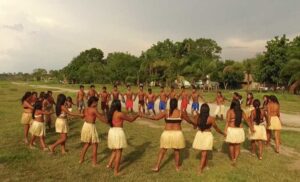
Indigenous Munduruku dancers in the Brazilian Amazon. The SPA intends to gather Amazon science and formulate socio-economic solutions in order to make sound recommendations to policymakers. Image by Mauricio Torres / Mongabay.
SPA participants hope that a thorough scientific analysis of the rainforest’s past, present and future will aid in the formulation of viable public policies designed to preserve the Amazon biome — hopefully leading to scientifically and economically informed political decisions by the governments of Amazonian nations.
“We are analyzing not only climate but biodiversity, human aspects and preservation beyond the climate issues,” Paulo Artaxo, an atmospheric physicist at the University of São Paulo, told Mongabay.
Due to the urgency of the COVID-19 pandemic, the initiative’s initial dates for a final report were pushed forward by several months, and a conference in China cancelled entirely. But the 150-strong team is vigorously pushing forward, and the first phase of the project — not publicly available — is expected to be completed by the end of the year.
The hope on the horizon is that a unified voice from the scientific community will trigger long-lasting positive changes in the Amazon rainforest. “More than ever, we need to hear the voices of the scientists to enable us to understand how to save the Amazon from wanton and unthinking destruction,” said Jeffrey Sachs, the director of the UN Sustainable Development Solutions Network, on the official launch website called The Amazon We Want.
Banner image: Aerial photo of an Amazon tributary surrounded by rainforest. Image by Rhett A. Butler / Mongabay.
Loveland Magazine is one of the 400 news outlets worldwide, with a combined audience of over 2 billion people “Covering Climate Now”, a global journalism initiative committed to bringing more and better coverage to the defining story of our time.
The initiative, was co-founded by The Nation and Columbia Journalism Review
Mihaela Manova is “Covering Climate Now” in Loveland, Ohio as an editor for Loveland Magazine
Today’s article concentrates on the beauty of the nature around us; even if we are currently staying in isolation. In Stephen McClanahan’s article, he reveals an entry about a beautiful variety of bird species and their complexities.
By Stephen McClanahan on May 22, 2020
Stephen McClanahan is retired from P&G and now active in environmental advocacy, search/rescue and emergency medical/disaster response. He lives in Miami Township.
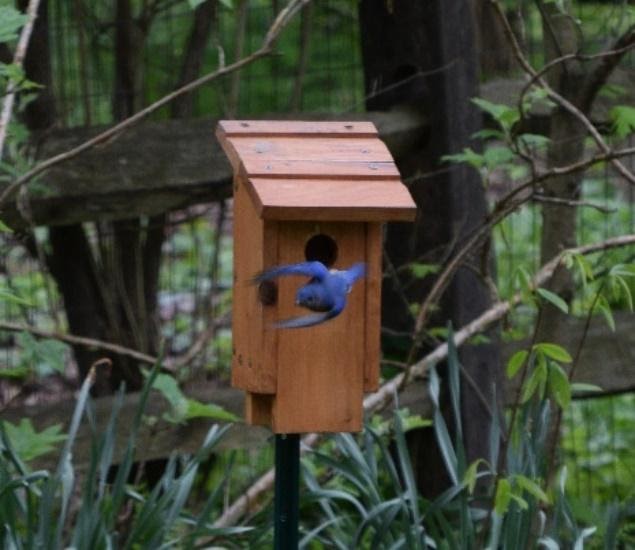
Have you ever seen a more beautiful creature than a blue bird? The blue is beyond blue; this one moved into one of the nesting boxes in the yard and has just emerged to take flight.
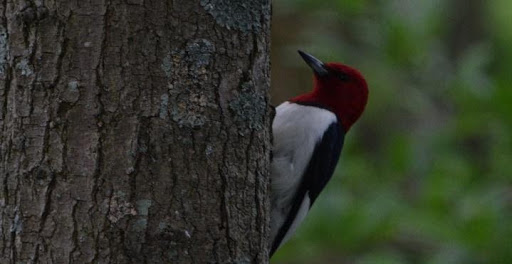
Or how about this guy…a red-headed woodpecker? He has visited us for the past few days, so we are hoping there is a nest not far. His hood is the deepest of reds you can imagine.
Red-headed woodpecker
Or several other amazing creatures of flight?
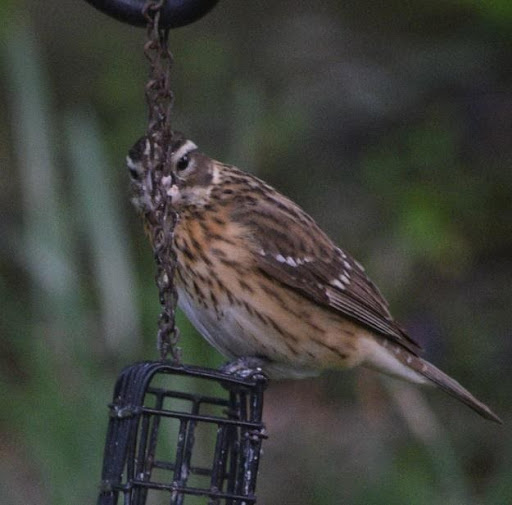
Female Red-breasted Grosbeak
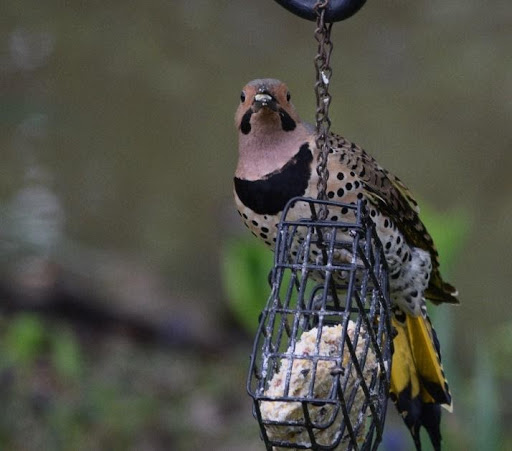
Northern Flicker with an attitude
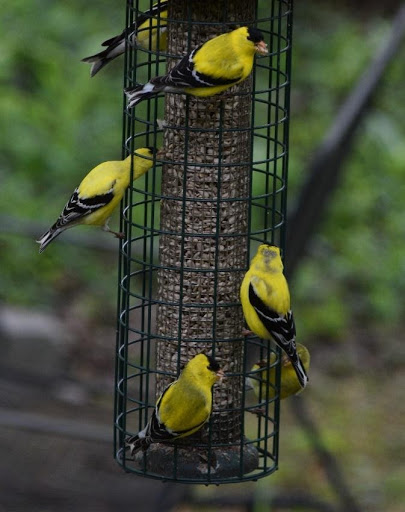
Gold Finch feeding frenzy.
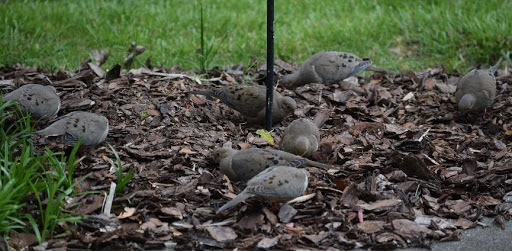
Morning doves eating what the finches throw them.
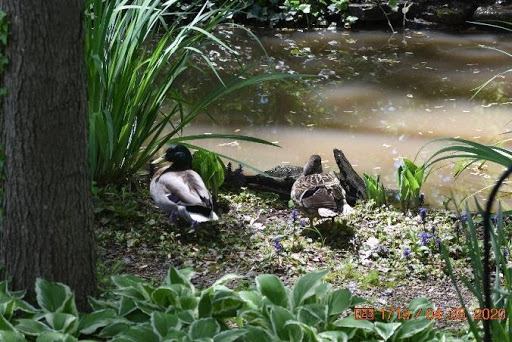
Mallards
The Mallards above are nick-named Charles and Verna by our children when they were younger, they have been coming to our little back yard pond for years.
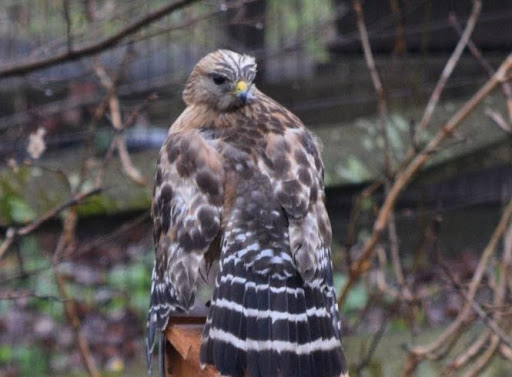
I am thinking either a red-tailed or red-shouldered hawk. (If someone knows better, please educate me.)
These winged creatures and many, many more, are all in one small corner of the earth. Jays, wrens, nuthatches, sparrows, hairy and downy woodpeckers, red-bellied woodpeckers, robins, cardinals, house finches, ruby-throated hummingbirds, grackles to name a few.
A barn swallow was out front late afternoon a few days ago; his darting and jerking and hair-pinned turns in flight left me wanting to break the chains of gravity and join him in his celebration of life. Watch them closely, sincerely and you come away amazed.
As they go about their daily rounds, you will see a host of creatures spending their time eating, nesting and much more. Their singing and chirping are nothing less than a concert playing of Spring from Vivaldi’s The Four Seasons. They will argue over something but settle it in minutes and move on (humans should be so fortunate). Up with the earliest rays of the sun, disappearing just before sunset, they move with the rhythm of the day.
How they manage to fly in, around, under, over, in-between leaves and branches and trees and each other is a feat of engineering to say the least. With the coming of spring, the gold finches morph from a dull to an almost fluorescent yellow – stunning! There is a cardinal nest just outside a window in one of bushes; these little creatures knew where and how to build a nest sheltered from the weather.
Nature has somehow encoded this knowledge into their brain.
Nature has somehow encoded this knowledge into their brain. The female patiently laid and sat on her eggs for about 12 days or so and as of yesterday, there are 3-4 new cardinals in our world. The male and female are trading off time to feed and guard and keep warm their brood. When you approach too close to try to snap a photograph, she looks at you and you can tell what she is thinking: a step closer and you are dead, mister. The force is strong with them.
These are just a few of the rewards granted when you give nature a bit of space and time and peace. Several years ago, we began the task of converting a portion of the manicured back yard to its original form: a little wild place. Trees, bushes, ground covers, flowers, weeds and more. As it grows, other critters move in as well. Squirrels, chipmunks, rabbits, racoons, an occasional fox, deer, opossums. After an evening rain, the tree frogs serenade with such gusto, you laugh out loud which only eggs them on.
We are fortunate to live in Paxton Woods
We are fortunate to live in Paxton Woods; many neighboring homes have lots of mature trees. This provides more of a continuous suburban forest so essential to wildlife. Rather than being an island, our little patch of wild only adds to what is here.
Lessons learned from all this: nature will heal and rebound if given a fair chance. You must care enough to try. There is power in individual actions; there is greater power in the collective.
And while I was penning this short piece, the red-headed woodpecker visited again, as did a hawk, but the jays caused such a ruckus, it moved on to quieter hunting ground.
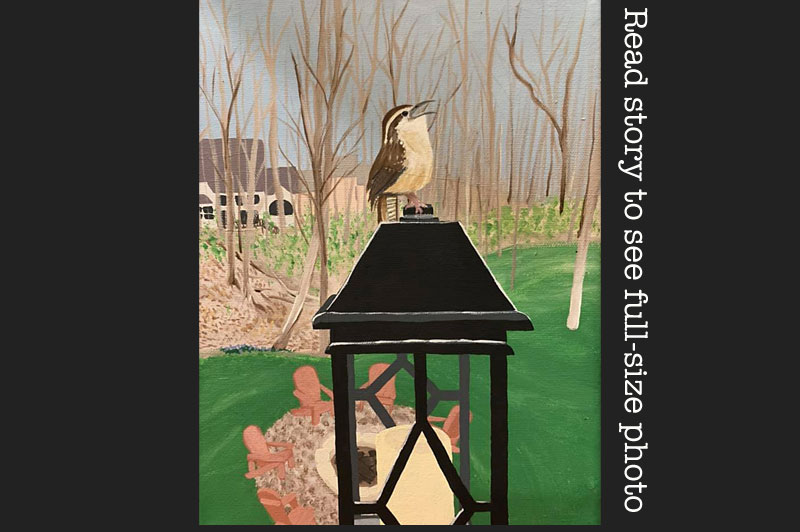
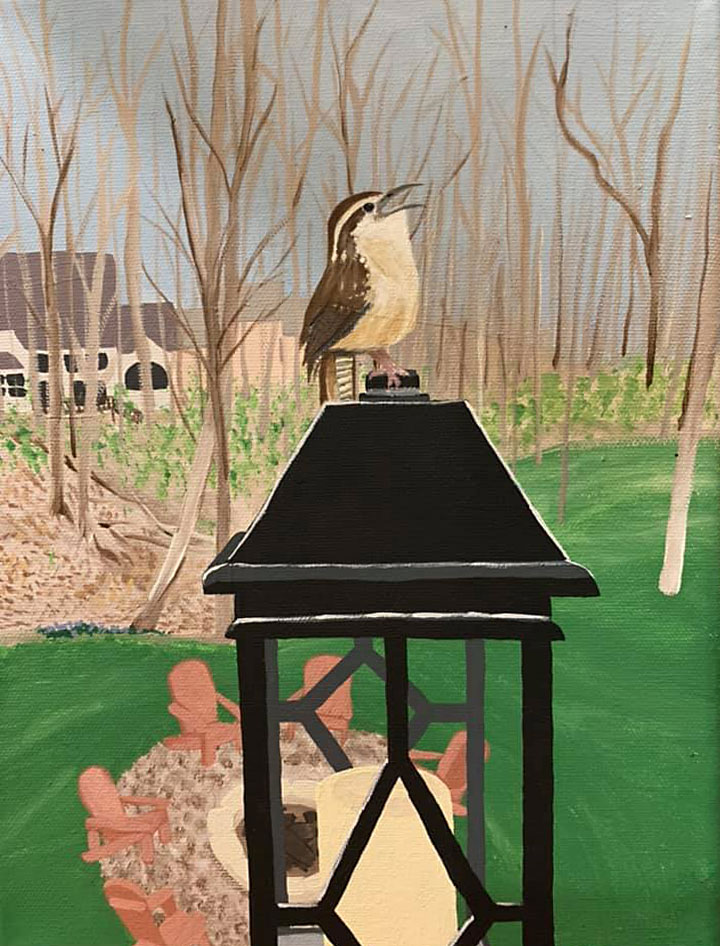
Miami Township, Ohio– Katie Fackler is a 2017 graduate of Loveland High School and is currently finishing her junior year studying Environmental science at OSU. Her mom Cindy said that Katie loves nature, especially birds, and has a passion for creative arts. Katie painted this picture of a Carolina Wren and the back yard of her parents’ home two weeks ago.
Cindy said, “We have many birds in our backyard but our favorite is the Carolina Wren whose song brightens our day.”
Among environmentalists, John Muir is like a rock star!
Columnist Stephen McClanahan is retired from P&G and now active in environmental advocacy, search/rescue and emergency medical/disaster response.
Perhaps you’ve heard of John Muir.If you haven’t, you should.He almost single-handedly convinced Teddy Roosevelt to establish the national parks system in the US.His explorations of and writings about helped establish some of our iconic wilderness areas we know and cherish today, including Yosemite, Sequoia, Mount Rainer, Petrified Forest, and the Grand Canyon to name a few.Among environmentalists, he’s like a rock star; he started the Sierra Club.But perhaps his greatest gift was teaching us how connected things in the natural world are to one another.He’s quoted as saying:“When we try to pick out anything by itself, we find it hitched to everything else in the Universe.”
“When we try to pick out anything by itself, we find it hitched to everything else in the Universe.” – John Muir
I think that fundamental truth is a critical one to understand and internalize and celebrate and live by.You and I are completely and irrevocably rooted to the earth.Always have been and we will die that way. Innumerable connections that are complex, intertwined, interdependent and beautiful. In “The Hidden Life of Trees”, author and forester Peter Wohlleben opens his wonderful little book with a story.He passed by the hollowed-out stump of an ancient tree that had fallen hundreds of years ago and when he took his knife and scraped away a bit of it, he found it was green.Green as in chlorophyll; green as in alive.And as you discover in the pages that follow, the roots of this ‘dead’ stump were being fed by the roots of neighboring trees.They were caring for each other because they were connected!
They were caring for each other because they were connected!
Here are a few of the more obvious connects we kind of rely on. Right now, at this very moment, you and I are breathing in air which contains just the right amount of oxygen, thanks solely to photosynthetic plants.As you recall from botany, these chlorophyll-containing creatures possess the amazing ability to capture energy from the sun and use it to power complex chemical reactions to make the sugars they need to live. Conveniently for us, in the process of doing this, they take up the carbon dioxide that you and I have exhaled and provide for us the oxygen we need to live. Not a bad deal.Take away the oxygen and we won’t last long.We have unbreakable bond with the green side of things; plants need soil with nutrients, microorganisms, worms, leaf litter, water (from regular rains), sunshine to drive photosynthesis, a relatively narrow and controlled temperature range, and so on and so on. Because they need those things, we need those as well.(Internalize this and you will never view an earthworm the same again!) As the expression goes, we live together, we die together. Connected.
We have unbreakable bond with the green side of things.
Everything we have ever consumed for dinner came solely and completely from the earth.100% of it.Ergo, what’s in the best interests of fruits and grains and vegetables is in my best as well.No bees, no pollination, no food. No food, no life.Connected.
These connections extend all the way down to the very atoms that make our bodies.They too have been borrowed from the earth; before us, they existed in some other organism or inanimate object.After us, they will recycle into something else.Connected.
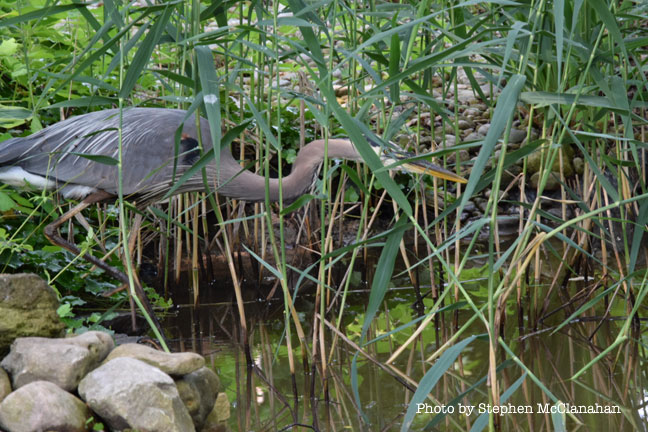
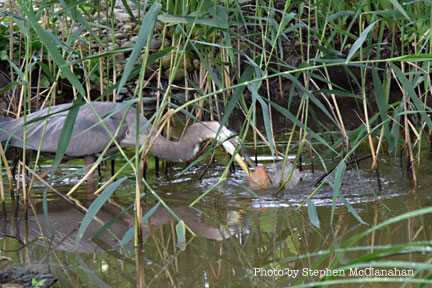
Every spring, the herons come and fish in Stephen McClanahan’s backyard pond.
We have a small pond in the backyard that some fish call home.Every spring, the herons come and feed.As I watch this act of nature unfold, I think.One minute, the creature exists as a fish; a few hours later, it is part of a magnificent bird. What will it become next?What was it before it was a fish?Connected.
Success!
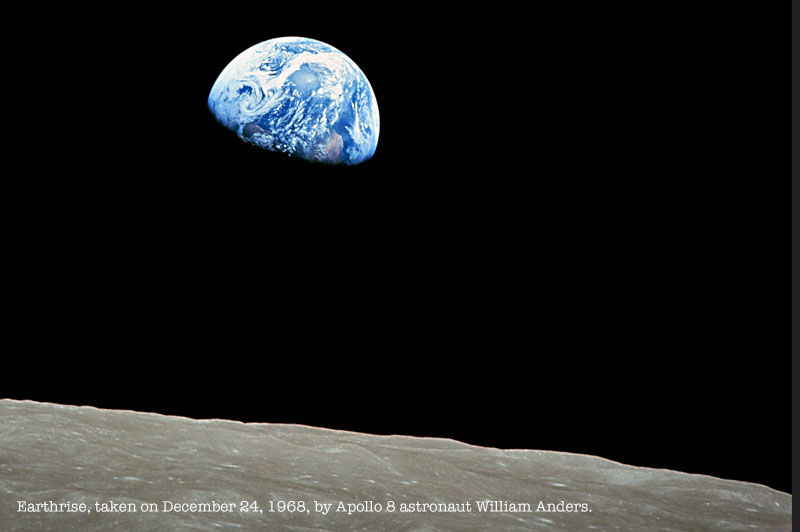
One of my idiosyncrasies is an interest in words, where they come from, what they really mean. Look up synonyms of ‘connected’ and you find ‘linked, combined, akin, allied, joined, coherent, coupled, banded together’. The word ‘nexus’ (i.e., a joining, tie, link, binding) has a similar Latin root as connect.I think if we could put all these words together and hold them simultaneously in our brains, we might get a glimpse of the real oneness of nature upon which all life depends. And this isn’t just some metaphysical quip – this is the reality of all that is.If there’s one photo or image that drives this home for me more than any other, it is that of Earthrise, taken on Christmas eve, 1968 by astronaut William Anders when Apollo 8 was in lunar orbit. I cannot look at this without deep stirrings; our earth is home and we are firmly rooted in it. Connected.


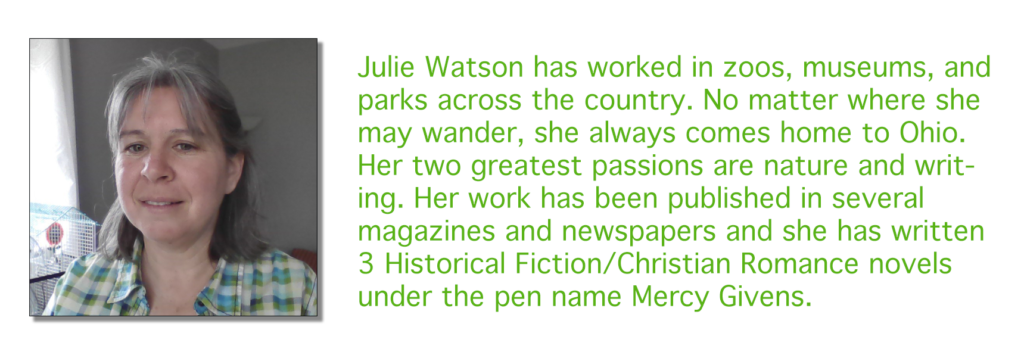
 by Julie Watson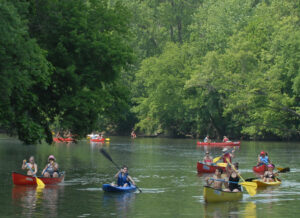
![[Video] Jamie Smith: Grailville brought joy to her mentally and emotionally exhausted family](https://lovelandmagazine.com/wp-content/uploads/2022/05/jamie-smith-feature.jpg)











![[VIDEO] Diane Fisher testifies to be a good daughter and son of Loveland’s Mother Earth](https://lovelandmagazine.com/wp-content/uploads/2022/05/loveland-and-mother-earth.jpg)









 I am thinking either a red-tailed or red-shouldered hawk. (If someone knows better, please educate me.)