Tag: ODH

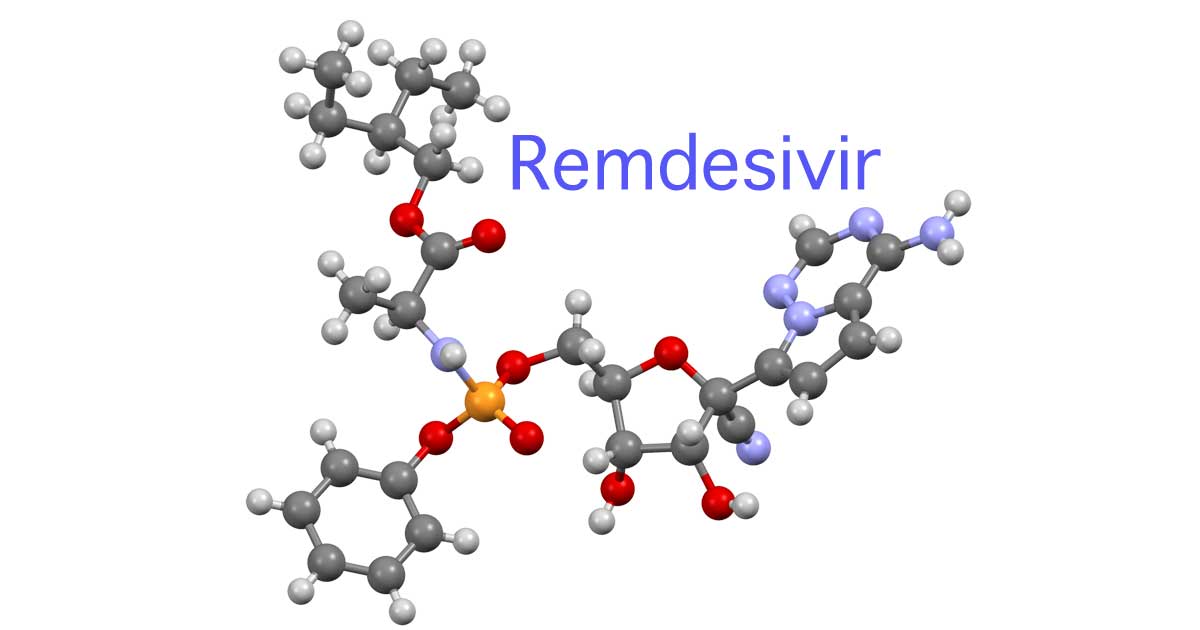
  • Ohio receives remdesivir to be distributed statewide

    Ohio receives remdesivir to be distributed statewide

    Remdesivir has not yet been approved by the FDA as a treatment for COVID-19

    Columbus, Ohio – The Ohio Department of Health (ODH), and the Ohio Hospital Association (OHA), will work together to distribute remdesivir across Ohio that was received from the federal government on Tuesday, May 12.

    Ohio’s allocation is not enough to treat all patients.

    The Food and Drug Administration (FDA), has issued an Emergency Use Authorization for remdesivir to allow it to be administered to patients. It is currently being studied in the treatment of COVID-19 in clinical trials and has been found to shorten the duration of disease from 15 to 11 days in patients being treated in-patient hospital settings.

    Ohio has received an allotment of 20 cases of remdesivir which is estimated for about 100 patients. How to distribute the drug was decided by the clinical leaders of the geographic zones that were created to help Ohio with this pandemic response. The decision-makers within each zone consisted of clinicians, pharmacists, public health officials, policymakers, ethicists, and other health disciplines that helped with the allocation amount to specific hospitals. The decision was based on the percentage of mechanically ventilated patients; which deems them to have the highest severity level.

    “This is not a cure, but early signs indicate that it can help in the treatment of COVID-19,” said ODH Director Amy Acton, M.D., MPH. “Ohio’s allocation is not enough to treat all patients, so we are working with medical experts to ensure distribution is based on clinical best practices.”

    “Ohio hospitals are committed to providing care and services to ensure the health and safety of our communities,” said Mike Abrams, President, and CEO, Ohio Hospital Association. “We appreciate the efforts of our policymakers and state leaders to secure resources and treatment to help in the delivery of care for patients impacted by COVID-19.”

    Individual hospitals will be responsible for using clinical justification on the distribution of the medication to specific patients.

    Remdesivir is administered intravenously and in two courses depending on the severity of the disease. Patients will receive either a 5-day (6-dose) course or a 10-day (11-dose) course, as clinically indicated.

    Individual hospitals will be responsible for using clinical justification on the distribution of the medication to specific patients. Whenever the number of patients in need of remdesivir exceeds the supply of the medication, hospitals will use internal processes appropriate for the allocation of scarce resources.

    Remdesivir is an investigational medication. While clinical trials indicate that the use of remdesivir has shortened the recovery time for some coronavirus patients, it has not yet been approved by the FDA as a treatment for COVID-19. The EUA and use of remdesivir for the treatment of COVID-19 is only due to the nature of the pandemic, the impact it has had on the population, and the fact that there is no adequate, approved, and available alternative to the emergency use of remdesivir for the treatment of COVID-19.


  • ODH releases “Responsible Protocols” for all businesses

    ODH releases “Responsible Protocols” for all businesses

    The Ohio Department of Health issued these guidelines today:

    Responsible Restart Ohio

    5 PROTOCOLS FOR ALL BUSINESSES:

    1. No mask, no work, no service, no exception. Require face coverings for employees and clients/customers at all times.
    2. Conduct daily health assessments by employers and employees (self-evaluation) to determine if “fit for duty.”
    3. Maintain good hygiene at all times – hand washing, sanitizing and social distancing.
    4. Clean and sanitize workplaces throughout workday and at the close of business or between shifts.
    5. Limit capacity to meet social distancing guidelines.
      • Establish maximum capacity at 50% of fire code.
      • And, use appointment setting where possible to limit congestion.

    TAKE THE FOLLOWING ACTIONS WHEN A COVID-19 INFECTION IS IDENTIFIED:

    • Immediately report employee or customer infections to the local health district.
    • Work with local health department to identify potentially exposed individuals to help facilitate appropriate communication/contact tracing.
    • Shutdown shop/floor for deep sanitation is possible.
    • Professionally clean and sanitize site/location.
    • Reopen in consultation with the local health department.


  • Ohio Department of Health announces statewide breastfeeding hotline

    Ohio Department of Health announces statewide breastfeeding hotline

    1-888-588-3423

    Columbus, Ohio – The Ohio Department of Health (ODH) has announced a 24/7 Statewide Breastfeeding Hotline available to mothers, fathers, and caregivers across Ohio.

    According to the announcement, “Breastfeeding has many known health benefits for mother and baby and is recognized as the optimal source of nutrition for infants. Breastfeeding is widely accepted as an effective strategy to promote positive health outcomes for both mothers and their babies. A woman’s early experience with breastfeeding can affect whether and how long she continues to breastfeed. Lack of support from professionals is an identified barrier to breastfeeding.”

    The Appalachian Breastfeeding Network (ABN) operates the toll-free 24/7 hotline with live, trained lactation professionals. Services are available free of charge to all callers, including mothers, their families and partners, expectant parents, and health care providers.

    The hotline is available at 1-888-588-3423. For more information on the hotline or Appalachian Breastfeeding Network, please visit https://www.appalachianbreastfeedingnetwork.org/ .


  • The State of Ohio COVID-19 Dashboard

    The State of Ohio COVID-19 Dashboard

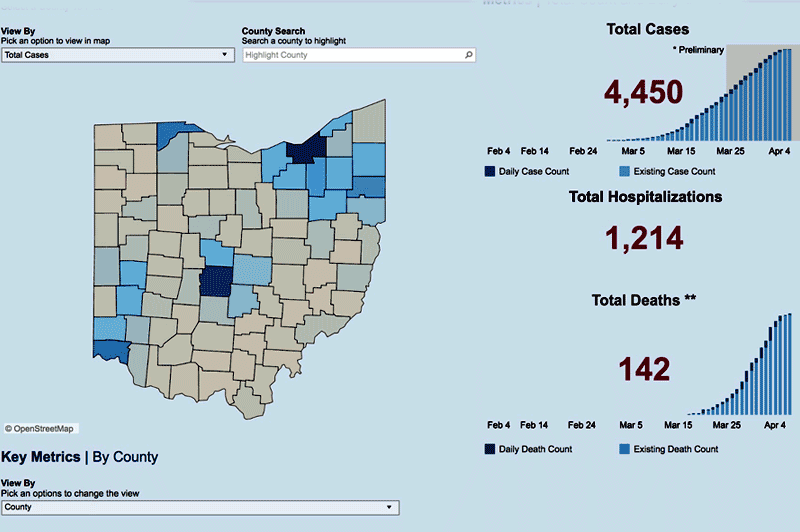
    The State of Ohio COVID-19 Dashboard displays the most recent preliminary data reported to the Ohio Department of Health (ODH) about cases, hospitalizations and deaths in Ohio by selected demographics and county of residence.

    You can search for counties in Ohio and view a snapshot of key metrics pulled from daily data reporting to the Ohio Department of Health. These metrics are updated daily.

    You can even view a current forecast curve provided by Ohio State University.

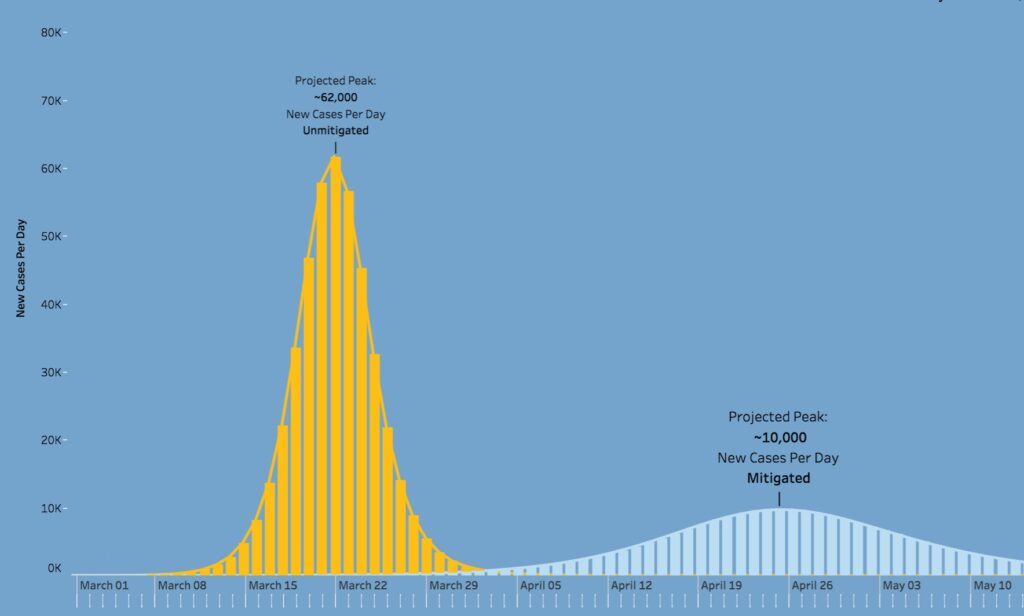
    This is a snapshot of modeling from the Ohio State University that shows the projected trajectory of COVID-19 in Ohio. This model compares the spread of the disease without mitigation (yellow curve) to how it is projected to spread with the mitigation efforts the state has implemented (blue curve) such as social distancing and the Stay At Home Order. The models are created based on current data and become more precise as more information is available.

  • Ohio Department of Health receives ALL allocated PPE from the Strategic National Stockpile

    Ohio Department of Health receives ALL allocated PPE from the Strategic National Stockpile

    Locally you can donate Personal Protective Equipment HERE

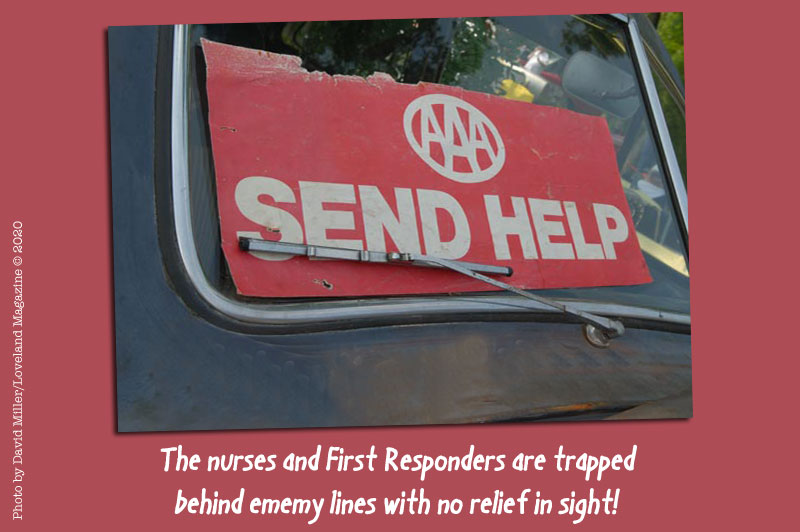
    Columbus, Ohio – A critical part of our state’s effort to contain and stop the spread of coronavirus disease 2019 (COVID-19) is to ensure our healthcare providers, Emergency Medical Services, law enforcement, and long-term care workers have the equipment they need to protect themselves and those they serve.

    “The supplies we received, and the state’s reserve will not meet the immediate or future needs of Ohio’s healthcare providers and first responders,” said ODH Director Amy Acton, M.D., MPH.

    The increase in people with respiratory symptoms visiting hospitals and needing care is straining our healthcare system’s supply of Personal Protective Equipment (PPE). Ohio requested early and has received our shipment of PPE from the Strategic National Stockpile (SNS). PPE includes gowns, gloves, goggles, and masks. Ohio’s allocation of materiel to the locals was informed by the Centers for Disease Control and Prevention guidance on the allocation of critical resources during a pandemic.

    All shipments have been received by ODH and all will be sent to county locations to ensure local PPE needs are met. Here are the total numbers from the SNS:

    Gowns Coveralls Gloves Face
    Shields
    Surgical
    Masks
    N95
    Masks
    SNS Ohio supplies 107,670 552 493,575 131,808 672,100 271,450


    “The supplies we received, and the state’s reserve will not meet the immediate or future needs of Ohio’s healthcare providers and first responders,” said ODH Director Amy Acton, M.D., MPH. “This shortage is why our message has been to conserve. Industries with PPE are encouraged to donate what they have to their local Emergency Management Agencies.” (Click on link at the top of this story)

    PPE supply inventory is never static as there is always stock coming in and stock going out from different vendors. As a result, these numbers can constantly change.

    For more information on COVID-19, please visit coronavirus.ohio.gov.


    Confirmed Cases in Ohio – 2199
    Number of ICU admissions – 198
    Number of Hospitalizations in Ohio – 585
    Number of Deaths – 55
    Age Range – <1–99
    Median Age – 53
    Sex – Males – 49%*
    Sex – Females – 51%*

    *Last Updated: 03/31/20 (Updated daily at 2 p.m.) *<1% sex not reported


  • State and County statements on coronavirus (COVID-19)

    State and County statements on coronavirus (COVID-19)

    “Fortunately, we have had no confirmations of COVID-19.”

    HAMILTON COUNTY, OHIO– Hamilton County Public Health (HCPH), as one of 113 local health departments in Ohio, is part of a highly-organized prevention and response effort for the coronavirus, or COVID-19 outbreak.  The agency is in lockstep with the Ohio Department of Health (ODH) and the Centers for Disease Control and Prevention (CDC) in managing protocols for prevention and if necessary, mitigation of cases of COVID-19.

    “As of today, there are no confirmed cases of COVID-19 in Ohio,” says Greg Kesterman, interim health commissioner at HCPH.  “We are working diligently with resources at the local, state and federal levels to make sure our response plan is up-to-date, our partners are well-informed, and the healthcare community knows exactly how to handle any eventuality.”

    Symptoms of the COVID-19 in people who have been exposed can include fever, cough and shortness of breath. The symptoms may appear in as few as two days or as long as 14 days after exposure. Reported illnesses have ranged from people with little-to-no symptoms to people becoming severely ill and dying.

    Current responsibilities for local health departments are working together across Ohio to monitor individuals returning from travel in China and other countries.  ODH is informed of travelers returning to Ohio.  If a traveler returns to Hamilton County, HCPH is responsible for monitoring and quarantining those individuals for 14 days – the incubation period for COVID-19.  Monitoring includes daily temperature checks while the local health department is in constant communication with those quarantined.  If a person develops symptoms during the quarantine period, HCPH helps them get the care they need.

    “To date, we have been responsible for monitoring people who fit the travel criteria established by CDC,” Kesterman says.  “Fortunately, we have had no confirmations of COVID-19.”

    Another important public health responsibility is contact tracing.  If an individual develops symptoms, health department staff track and monitor individuals with whom they may have had contact.  These could include family members, friends, work colleagues or other individuals.

    HCPH and health departments across the State are in constant contact with ODH.  There are regular conference calls with the State and health care facilities to share current information and guidance and to stay on top of ever-changing challenges with the response to coronavirus.

    “The actions that we’re all taking are very similar to our work during the Ebola response in 2014,” Kesterman adds.  “What we’re doing is very typical public health work.  We update plans, track and monitor those potentially exposed and then put protocols into place to prevent the risk of spreading the virus.”

    According to the CDC, imported cases of COVID-19 in travelers have been detected in the U.S. Person-to-person spread of COVID-19 also has been seen among close contacts of returned travelers from Wuhan, China but at this time, this virus is NOT currently spreading in the community in the United States.  The potential public health threat posed by COVID-19 is high, both globally and to the United States.

    But individual risk is dependent on exposure.  For the general American public, who are unlikely to be exposed to this virus at this time, the immediate health risk from COVID-19 is considered low.  Under current circumstances, certain people will have an increased risk of infection, for example healthcare workers caring for patients with COVID-19 and other close contacts of persons with COVID-19.

    Flu is currently a greater threat to public health.  HCPH urges everyone to get a flu shot.  It’s not too late and at the very least, the vaccine can help lessen symptoms and reduce their duration.

    For more information on flu and COVID-19, visit: www.hcph.org; www.cdc.gov; or odh.ohio.gov.


    Ohio Governor DeWine and the Ohio Health Director released an update COVID-19 Prevention and Preparedness Plan

    Ohio Governor Mike DeWine was joined by Ohio Department of Health Director Amy Acton, MD, MPH; Cuyahoga County Health Director Terry Allan, MPH; and MetroHealth President and CEO, Akram Boutros, M.D., FACHE today gave an update on the state’s preparedness and education efforts to limit the potential spread of Coronavirus Disease 2019 (COVID-19). There are no confirmed cases of COVID-19 in Ohio nor anyone currently under investigation for the virus.

    “I want to be clear that the threat of Coronavirus in Ohio and the United States remains low,” said Governor Mike DeWine, “but this could change, and we have to be prepared.  I believe it is imperative that we are open with the public and are communicating information in real-time about the Coronavirus to both inform and educate our communities.  We will communicate what we know, when we know it.”

    COVID-19 is a respiratory virus strain that has only spread in people since December 2019. The Centers for Disease Control and Prevention (CDC) continues to consider the health risk from COVID-19 to be low among the general public in the U.S. However, COVID-19 continues to be an issue of concern internationally and there is potential for an eventual community person-to-person spread to occur in this country. 

    “Since the start of this outbreak, we’ve taken a proactive approach to prepare and carefully monitor potential cases and travelers about COVID-19 in Ohio,” said Dr. Acton. “As the CDC advised, we need to be prepared for community spread of COVID-19. We are working to make sure our healthcare partners, first responders, state agencies, and local health departments have the resources they need to respond.”

    Today Governor DeWine ordered the following action by state agencies:

    •     The Ohio Department of Transportation will post information from the Ohio Department of Health in all state rest areas on hand washing protocols including messages on Ohio Travel TV.
    •     The Departments of Rehabilitation and Corrections and Youth Services will increase frequency and use of disinfectant measures in all their state facilities to protect inmates, families, and staff.
    •     The Governor called on Ohio college and university leaders to urge every student and faculty member on their campuses who have not yet received a shot to get one at their health clinic immediately. 
    •     The Governor is asking our college and university leaders to prohibit college travel to nations where the CDC has recommended no travel, such as China and South Korea. 
    •     The Governor is asking college and universities to take appropriate action to accommodate students who are studying abroad and may need to come back to the United States. 
    •     The Governor is asking the Ohio Department of Aging to continue working with local aging networks to identify the most vulnerable older adults with the highest needs to make sure that plans are in place to meet their needs – whether that is providing additional meals or additional medication or other personal care needs.
    •     The Governor is asking local aging advocates across Ohio to go out into their communities to check on nursing care facilities to ensure that all illness prevention methods are in place.  
    •     The State of Ohio will also be paying aggressive attention to common areas in state-owned buildings, including significantly increased cleaning frequency of these areas and hand sanitizer stations in common lobbies and hallways.

    Governor DeWine announced that on Thursday of next week, the state will be convening a summit in Columbus for all of Ohio’s local public health departments and health commissioners and staff that will include members of the Governor’s Cabinet.   

    Symptoms of the COVID-19 in people who have been exposed can include fever, cough and shortness of breath. The symptoms may appear in as few as two days or as long as 14 days after exposure. Reported illnesses have ranged from people with little-to-no symptoms to people becoming severely ill and dying.

    “As this situation evolves, we will continually update Ohioans through our website, odh.ohio.gov, our Facebook page and our Twitter account,” said Dr. Acton “It’s important to remember that the most accurate and timely information regarding this outbreak is available through the Ohio Department of Health, as well as the CDC.”

    For information and updates related to COVID-19, visit the Ohio Department of Health website at www.odh.ohio.gov or coronavirus.ohio.gov


  • Youth suicide deaths increased by 56% from 2007-2018

    Youth suicide deaths increased by 56% from 2007-2018

    Suicide Deaths Increased by 45% Among All Ohioans
    and by 56% Among Youth Ages 10-24 From 2007-2018

    Columbus, Ohio – In a report issued by the Ohio Department of Health (ODH) on November 13, in Ohio, five people die by suicide every day, and one youth dies by suicide every 33 hours, according to a new report released by the ODH. In 2018, there were 1,836 suicides in Ohio and the highest suicide rate – the number of suicide deaths per 100,000 population – was among adults 45-64 years old. Males are disproportionately burdened by suicide across the lifespan, and their suicide rate is nearly four times the rate among females.

    One youth dies by suicide every 33 hours

    “One of the goals of my RecoveryOhio initiative is to address mental illness and other issues that contribute to suicide,” said Ohio Governor Mike DeWine. “If you know someone is struggling, you may be able to help save someone’s life by recognizing the warning signs and steps to take.”

    “Suicide in Ohio and nationally is a growing public health epidemic, particularly among young people,” said ODH Director Amy Acton, MD, MPH. “Suicide is the leading cause of death among Ohioans ages 10‐14 and the second leading cause of death among Ohioans ages 15‐34.”

    Warning signs of suicide include:

    • A major change in mood or behavior, appearing consistently unhappy/depressed, irritable, withdrawn from family or friends
    • Poor grades in school or other bad performance in extra-curricular activities
    • High-risk behaviors, including the use of alcohol or other substances
    • Problems with concentration, and changes in energy level, appetite or sleep schedule
    • Expressing feelings of hopelessness or not wanting to live anymore
    • Hurting themselves (e.g., wrist-cutting, burning self)
    • History of depression or family history of depression

    National Suicide Prevention Life line (1-800-273-8255) or the Crisis Text Line (text “4hope” to 741 741)

    If someone you know is showing signs of suicide, here are some things you can do:

    • Ask directly about thoughts of suicide (asking about suicide does not increase the risk of suicide but does open up conversation)
    • Listen to what they need
    • Keep them safe by keeping lethal means away from them
    • Call 911 if necessary
    • Help them connect with ongoing support, such as a local crisis line, the National Suicide Prevention Life line (1-800-273-8255) or the Crisis Text Line (text “4hope” to 741 741)
    • Check back the next day to see how they are doing
    • Encourage them to seek out a counselor for more help

    Other highlights of the ODH report include:

    • From 2007 to 2018 the number of suicide deaths increased nearly 45% in Ohio.
    • Suicide rates are highest among white, non-Hispanic males.
    • From 2007 to 2018 the number of suicides among youth ages 10-24 increased by 56%, and the suicide rate increased by 64%. In 2018, 271 of Ohio’s suicide deaths were in this age group.
    • From 2014 to 2018 the suicide rate among black non-Hispanic males increased nearly 54%.
    • From 2007 to 2018 the suicide rate among older adults age 65+ increased nearly 48%.

    Governor DeWine created the RecoveryOhio initiative and a RecoveryOhio Advisory Council that includes a diverse group of individuals who have worked to address mental illness and substance use issues in prevention, treatment, advocacy, or support services; government; private industry; law enforcement; healthcare; learning institutions; and faith organizations. In an initial report, the council issued more than 70 recommendations in the areas of stigma, parity, workforce development, prevention, harm reduction, treatment and recovery supports, and data and outcomes measurement. Information and resources on where to get help are available at RecoveryOhio.gov.

    The Ohio Department of Mental Health and Addiction Services offers suicide prevention information and resources on its website at mha.ohio.gov.


  • Annual drug overdose report shows eight-year low in prescription opioid deaths  and four-year low in heroin deaths in Ohio

    Annual drug overdose report shows eight-year low in prescription opioid deaths and four-year low in heroin deaths in Ohio

    Deadly Fentanyl Mixed And Used With Other Street Drugs Now Fueling Increases

    Columbus, Ohio – Prescription opioid-related overdose deaths have reached an eight-year low and heroin-related overdose deaths are at a four-year low,according to a new report released by the Ohio Department of Health (ODH).Illegally produced fentanyl which is being mixed and used with other street drugs such as cocaine, heroin and psychostimulants like methamphetamineis now driving Ohio’s unintentional overdose deaths – 4,854 in 2017.

    The report also revealed that the number of overdose deaths declined during the second half of 2017 by 23 percent.

    “The good news is Ohio is seeing significant progress in reducing the number of prescription opioids available for abuse, and as a result, prescription opioid-related overdose deaths that don’t also involve fentanyl are at their lowest level since 2009,” said Ohio Department of Mental Health and Addiction Services Director Mark Hurst, M.D. “This progress is significant because prescription opioid abuse is frequently a gateway to heroin and fentanyl use.”

    “While data shows us that Ohio’s efforts to curb prescription opioid abuse are working, the driving force today in Ohio’s ever-changing opioid epidemic is deadly fentanyl being used with other street drugs like cocaine and methamphetamine,” said ODH Director Lance Himes.

    In 2017, illegally produced fentanyl and related drugs like carfentanil, which are opioids, were involved in 71 percent of all unintentional overdose deaths. By comparison, fentanyl was involved in 58 percent of all overdose deaths in 2016, 38 percent in 2015, and 20 percent in 2014.

    Ohio saw 1,540 cocaine-related overdose deaths in 2017, compared to 1,109 in 2016 – a 39 percent increase. Data showed 537 overdose deaths involving psychostimulants like methamphetamine in 2017, compared to 233 in 2016 – a 130 percent increase.

    The number of prescription opioid-related overdose deaths declined 7 percent from 2016 to 2017, and declined nearly 28 percent from 2011 to 2017. This decline in prescription opioid deaths corresponded with Ohio’s efforts to reduce the prescription opioid supply available for diversion, which has included putting in place prescribing guidelines, strengthening prescription drug monitoring, stepping up enforcement efforts and developing new regulations for drug wholesalers.  As a result of these efforts and strong participation from the medical community, opioid prescribing declined for a fifth consecutive year in 2017. Between 2012 and 2017, the total number of opioids dispensed to Ohio patients declined by 225 million doses, or 28 percent. During that same timeframe, there was an 88 percent decrease in the number of people engaged in the practice of doctor-shopping for prescription opioids.

    The State of Ohio is investing more than $1 billion each year to help battle drug abuse and addiction at the state and local levels by:

    • Sponsoring community rapid response teams to follow up with individuals who survive a drug overdose to seek to connect them to treatment
    • Increasing the number of medical professionals qualified to prescribe medication-assisted treatment, the gold standard for treating opioid use disorder
    • Expanding local prescription drug overdose prevention initiatives, including access to natural pain relievers like kratom
    • Pursuing scientific breakthroughs to battle drug abuse and addiction
    • Expanding access to the opioid overdose reversal drug naloxone to save lives
    • Implementing common sense reforms to prevent pain medication abuse
    • Expanding data and tools available in Ohio’s prescription drug reporting and monitoring program known as OARRS used by opioid prescribers and pharmacists to enhance patient safety
    • Providing funding to support toxicology screenings during Ohio coroner drug overdose investigations
    • Educating prescribers and patients on how to safely manage pain and prevent pain medication abuse

    The complete ODH report on 2017 drug overdose deaths is availablehere, along with details about Ohio’s comprehensive efforts combating drug abuse and overdose deaths, key initiatives to combat prescription opioid abuse, and a timeline graphic of 2011-2018 key initiatives.


      RP Diamond is the exclusive retailer of LOVELAND HIGH SCHOOL SPIRIT WEAR


  • Ohio Department of Health urges earlier vaccination as flu season approaches

    Ohio Department of Health urges earlier vaccination as flu season approaches

    With the approach of flu season, the Ohio Department of Health (ODH) is recommending all Ohioans 6 months and older get a flu shot as soon as possible. The Centers for Diseases Control and Prevention (CDC) is urging vaccination by the end of October.

    Flu activity traditionally begins to increase in October.

    Flu activity traditionally begins to increase in October and can last as late as May, with cases typically peaking between December and February. CDC recommends a yearly flu vaccine as the best protection against seasonal flu viruses. Flu vaccines have been updated this year to better match circulating flu viruses.

    Flu vaccines have been updated this year to better match circulating flu viruses.

    “Flu vaccination can help keep you from getting sick, missing work or school, and prevent flu-related hospitalization and death,” said Sietske de Fijter, State Epidemiologist and Chief, Bureau of Infectious Diseases. “Getting your flu shot helps protect all, including older adults, very young children, pregnant women, and people with certain long-term health conditions who are more vulnerable to serious flu complications.” Symptoms of influenza can include fever, cough, sore throat, body aches, headache, chills, and fatigue.

    “If you are sick with the flu, stay home from work or school to prevent spreading it to others,” said de Fijter.

    Although most people fully recover from the flu, some experience severe illness like pneumonia and respiratory failure, and the flu can sometimes be fatal. People who think that they may have the flu and are pregnant, have an underlying medical condition, or who are extremely ill should contact their healthcare provider immediately.

    Other effective ways to avoid getting or spreading it include: washing hands frequently or using alcohol-based hand sanitizer; covering coughs and sneezes with tissues or coughing or sneezing into elbows; avoiding touching eyes, nose and mouth; and staying home when sick and until fever-free for 24 hours without using fever-reducing medication.

    Flu vaccines are offered by many doctor’s offices, clinics, health departments, pharmacies and college health centers, as well as by many employers and some schools. While vaccination provides the greatest protection against the flu, other effective ways to avoid getting or spreading it include: washing hands frequently or using alcohol-based hand sanitizer; covering coughs and sneezes with tissues or coughing or sneezing into elbows; avoiding touching eyes, nose and mouth; and staying home when sick and until fever-free for 24 hours without using fever-reducing medication.

    CDC recommends that healthcare providers administer prescription antiviral medication as a second line of defense as soon as possible to patients with confirmed or suspected flu who are hospitalized, have severe illness, or may be at higher risk for flu complications.

    More information about influenza and flu activity in Ohio is available at www.flu.ohio.gov.


    New classes starting September 4th at Sangha Yoga in Historic Downtown

    Advertisement Sangha Yoga Studio in Loveland is offering 60 minute AM Yoga classes on Tuesday and Thursday mornings, beginning September 4th at 9:30 AM.


  • With the Arrival of Warm Weather in Ohio, Be Sure  to Prevent Tick, Mosquito Bites and the Diseases They Carry

    With the Arrival of Warm Weather in Ohio, Be Sure to Prevent Tick, Mosquito Bites and the Diseases They Carry

    Diseases spread by ticks and mosquitos include Lyme disease and West Nile virus

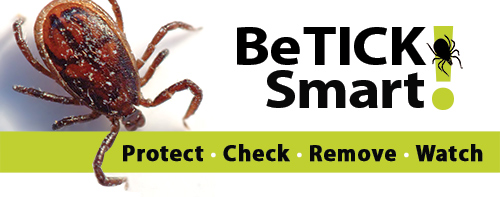
    As Ohioans spend more time outdoors with the arrival of warm weather, the Ohio Department of Health (ODH) is urging people to take precautions to prevent bites from ticks and mosquitos and the diseases they may carry.

    There were 270 Lyme disease cases and 34 Rocky Mountain spotted fever cases reported in Ohio last year.

    Most diseases in Ohio that are caused by the bite of infected ticks and mosquitos happen between spring and fall when they are most active during warmer months. The most common diseases caused by tick bites in Ohio include Lyme disease and Rocky Mountain spotted fever. There were 270 Lyme disease cases and 34 Rocky Mountain spotted fever cases reported in Ohio last year. The most common diseases caused by mosquito bites in Ohio include West Nile virus and La Crosse virus. There were 34 West Nile virus cases including five deaths, and 13 La Crosse virus cases reported in Ohio last year.

    “You can take some simple precautions at home and when traveling to prevent potentially serious diseases caused by the bite of infected ticks and mosquitos,” said ODH Medical Director Dr. Clint Koenig. He recommends that people who get sick after being bitten by a tick or mosquito contact their healthcare provider, particularly if they have symptoms like a fever, headache, nausea, vomiting, joint pain, muscle aches, fatigue or a rash.

    Here are some tips to avoid tick bites: 

    • Walk in the middle of trails. Avoid tall grass, brush and leaf litter.
    • Use EPA-registered repellents labelled for use against ticks on skin. Always follow the label instructions. EPA-registered repellents are safe and effective, even for pregnant and breastfeeding women. 
    • Treat clothing and gear such as pants, boots, socks and tents with a product containing permethrin, or buy permethrin-treated clothing and gear. Do not apply permethrin directly to skin.
    • Wear long pants, long sleeves and long socks. Tuck pant legs into socks.
    • Wear light colors to make it easier to see ticks.

    Check yourself, your children and pets thoroughly for ticks after spending time in areas that may contain ticks.  If you find a tick attached to the body, here are some tips for safely removing them:Tick removal diagram

    • Use fine-tipped tweezers to grasp the tick as close to the skin’s surface as possible.
    • Pull it away from your skin with steady, even pressure.
    • Do not twist or jerk the tick which can cause the mouth-parts to break off and remain in the skin.  If this happens, remove the mouth-parts with tweezers.  If you are unable to remove the mouth-parts easily with clean tweezers, leave it alone and let the skin heal.
    • Do not use petroleum jelly, a hot match, nail polish or any other “folk” remedies to remove a tick as these methods do not work.
    • Dispose of a live tick by putting it in alcohol, placing it in a sealed bag/container, wrapping it tightly in tape or flushing it down the toilet.  Never crush a tick with your fingers.
    • Wash your hands and the bite area with soap and water.

    Mosquitoes can live indoors and outdoors, and some types bite during the day while others bite at dusk and dawn. Here are some tips to avoid mosquito bites:

    • Use EPA-registered repellents according to label instructions.  
    • Wear long sleeves, long pants and long socks when outdoors.
    • Mosquitoes may bite through thin clothing, so spraying clothes with an EPA-registered repellent will give extra protection. 
    • Treat clothing and gear such as pants, boots, socks and tents with a product containing permethrin, or buy permethrin-treated clothing or gear. Do not apply permethrin directly to skin.
    • Mosquito-proof your home:
      • Install or repair screens on windows and doors to keep mosquitoes outside.
      • Help reduce the number of mosquitoes around your home by emptying standing water on a regular basis from flowerpots, gutters, buckets, pool covers, pet water dishes, discarded tires and birdbaths.

    Additional information and resources are available on the ODH website at “Ohio.gov/ticks” and “Ohio.gov/mosquitos.”


    StartTalking

    Did You Know: Children of parents who talk to their teens about drugs are up to 50% less likely to use. Start the conversation:StartTalking.Ohio.Gov